NASA's Perseverance rover has begun its primary science mission: searching for signs of ancient microbial life in
At the same time, scientists noted that the Ingenuity helicoptercopes with flights on its own - the device has already completed seven takeoffs and landings. Perseverance has already gone through an extensive training phase, during which he tested many of his scientific instruments, took thousands of pictures and recorded sound on Mars.
“We are leaving the rover commissioning phase and moving on to the next mission,” said Perseverance project manager Jennifer Trosper.
New soil catalyst could help grow plants on Mars
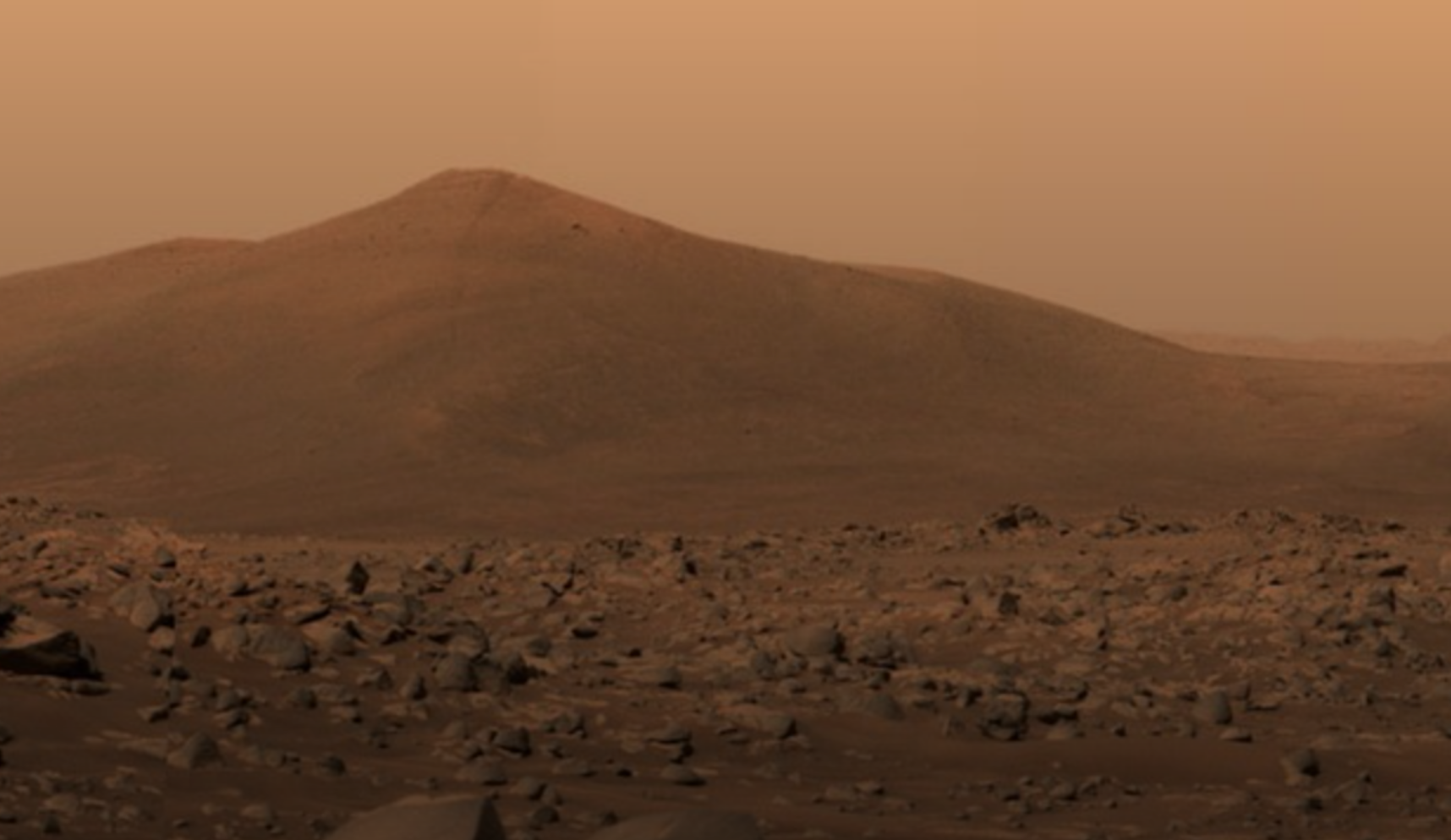
The rover will operate on the crater floor, where itwill look for rock and soil samples to pack into tubes and place in a cache for future missions to retrieve. The rover will navigate rocky terrain and potentially dangerous sand dunes. This crater was the bottom of a lake billions of years ago.
The scientific mission will end with the return of the rover to the landing site. "By this time, Perseverance will travel 2.5-5 km and collect 43 tubes of materials - Martian rock and regalite," NASA said.
Read more:
The animal came to life after 24 thousand years of hibernation in the Siberian permafrost
Climate change will lead to extreme rainfall and flooding
Natural selection can reverse the evolution of sexual selection