Content
- Equipment and design
- Software
- Cameras
- Performance & Tests
- findings
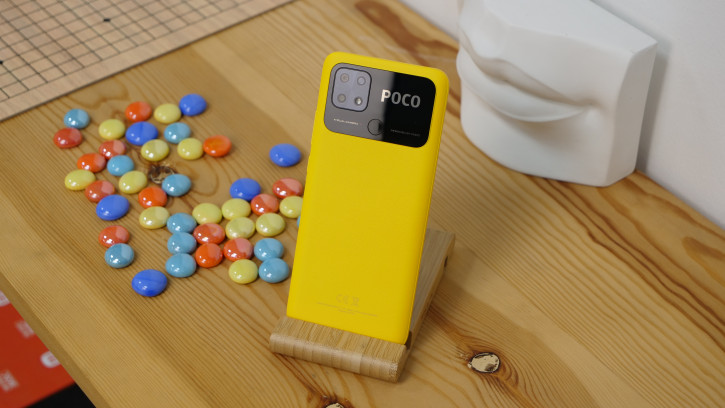
Xiaomi has a longtime chipmaker partner - the companyleadcore. Eight years ago, the first and last smartphone with its processor came out, it was Redmi 2A. Later, Xiaomi and Leadcore formed a joint venture called Pinecone, which still makes dedicated Surge chips for Xiaomi, but started with the full-fledged Surge S1 processor that became the basis of the Mi 5c in 2017. At the same time, Leadcore partnered with Qualcomm and received investment from JAC, creating a joint venture JLQ. For five years, it tried to make a processor based on Qualcomm technologies and the Samsung process technology, and in 2022, the Poco C40 was revealed to the world - the first commercial device based on its SoC. He quickly got to Russia for a ridiculous 6990 rubles. Is the Poco C40 worth buying and is the JLQ chip good?
 |
Specifications of POCO C40 |
|---|---|
| Network | 2G, 3G, 4G |
| Firmware | Android 11 with MIUI 13 |
| Screen | 6.71″, 20:9, 1600 x 720 pixels, 60 Hz, IPS, Gorilla Glass |
| Chipset | JLQ JR510, 11 nm CPU: 8 x A55 x 2 GHz GPU: Mali-G52 |
| Ram | 4 GB |
| ROM | 64 GB |
| SIM and memory card | Two nano SIM cards |
| Camera | Primary: 13 MP, f/2.2, 1080p@30fps video recording Blank: 2 MP |
| Selfie | Waterdrop notch, 5MP, 1080p@30fps video recording |
| Battery | 6000 mAh |
| Charging | 18 W |
| Wireless interfaces | WiFi 4 bluetooth 5 GPS, Beidou, GLONASS, Galileo |
| NFC | Not |
| Biometrics | Fingerprint scanner (rear) |
| Sound | mono speaker 3.5mm headphone jack |
| Water protection | Not declared |
Equipment and design
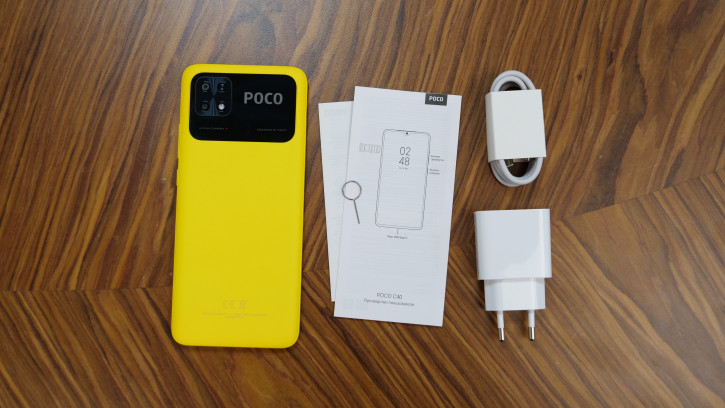
Black and yellow, like a bee, Poco C40 boxquite large, but the kit does not strike the imagination: USB cable, documentation, SIM needle, 10-W charger. All. There is no cover and even the film from the box was not glued to the screen. Apparently, they save every penny for the sake of the lowest possible price on the shelf.
Poco C40 came out in three colors.In addition to the classic yellow-black for the brand, there is a completely black one, and they also made a green one, again, with a black upper part. It proudly states that this smartphone is Designed by Poco, although in reality it is just a Redmi 10C with a different chip, a worse camera and an increased battery.
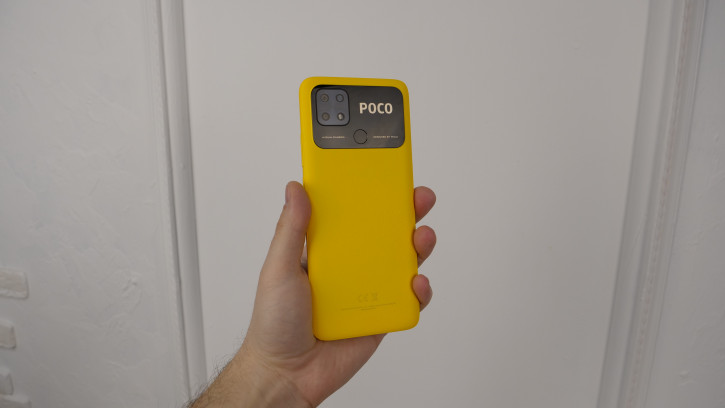
The ends are plastic, the back is made of eco-leather.I usually praise this material for its practicality, but not in this case. Poco C40 is very quickly covered with fingerprints that do not rub off. The black insert is made of plastic and scratches very easily. Ergonomics is also imperfect: the phone lies well in the hand, confidently, but the end buttons and especially the fingerprint scanner are carried away a little high.
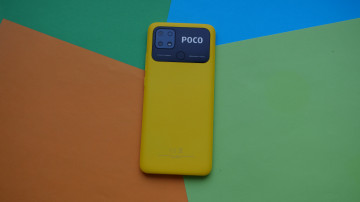
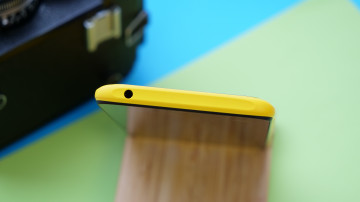
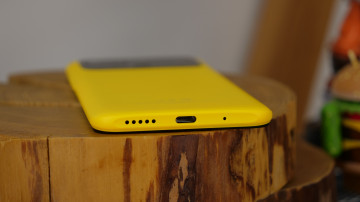
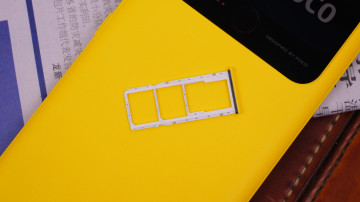
Yes, there is a fingerprint scanner here.old school, on the back. But, I must say, it is much faster than any scanners in the power button, and even more so the subscreen. Lightning fast - and very accurate. At the ends, everything is standard: at the bottom there is a microphone, speaker and USB Type-C, buttons on the right, an audio jack on the top, a triple tray on the left. Speakers without stereo, but say thank you that there are two of them at all - in this class they often use a conversational speaker as a multimedia speaker.

Large screen (6.71″, 20.6:9), but no complaints - IPS with a resolution of 1650x720 pixels, a frequency of 60 Hz and a touch frequency of 120 Hz. Although in general the panel is not bad - color rendition is good, colors are not distorted when tilted (previously, this problem often occurred with inexpensive IPS). The resolution is low, but for a budget smartphone it is optimal; pixelation is not noticeable during normal use. The only thing to complain about is the brightness - the maximum 400 nits does not seem excessive even indoors, but in the summer it will be difficult to see anything outside.
Software
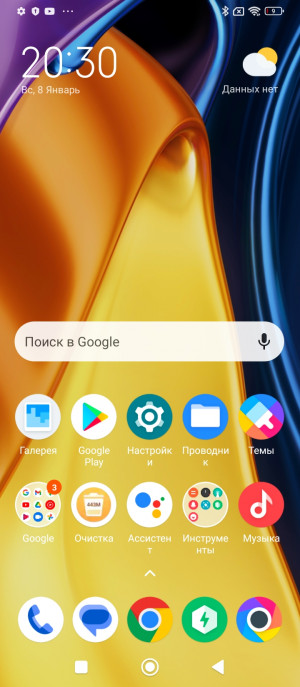
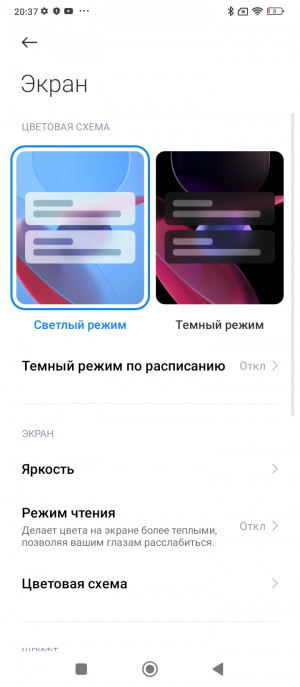
Poco C40 comes with MIUI 13 built onbased on Android 11. Why did the novelty receive an outdated version of Android at the end of 2022? Don't know. But I don't think it's worth worrying about. The firmware itself is being updated, security updates are also coming (at the beginning of January it was relevant for November 1), so you probably won’t even feel the old version of Android. Initially, the firmware has a very large display of the interface, but this is easy to change by going into the settings for developers and increasing the “minimum width” to somewhere around 400. Apparently, Xiaomi with this model is not focused on youth, but older people will have to default settings according to taste. Comparative screenshots:
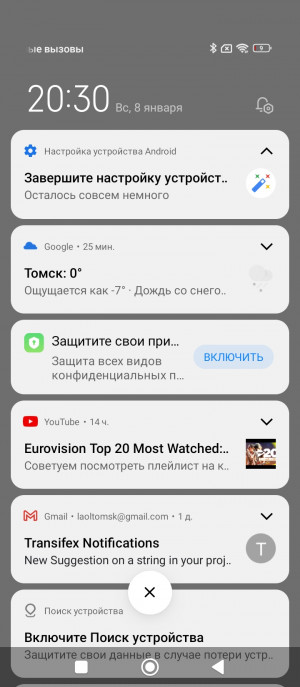
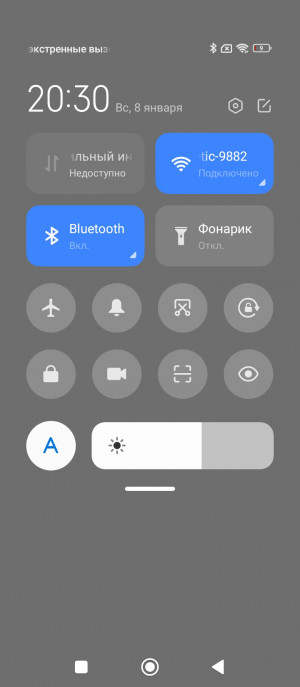
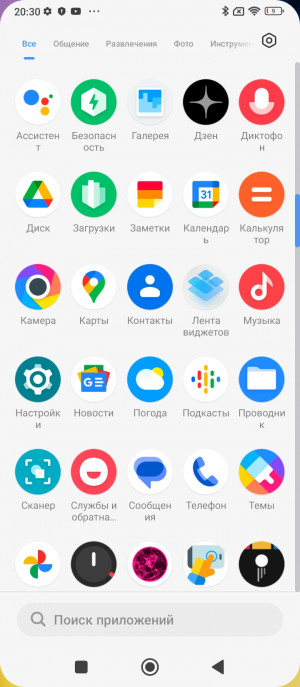
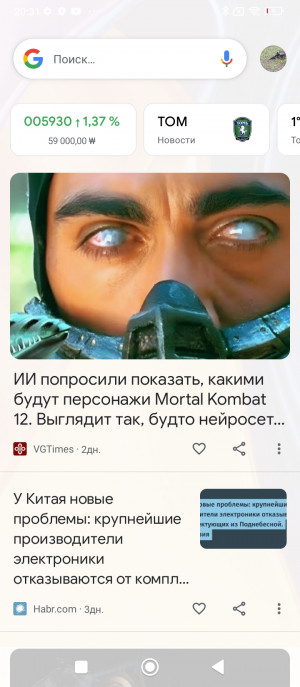
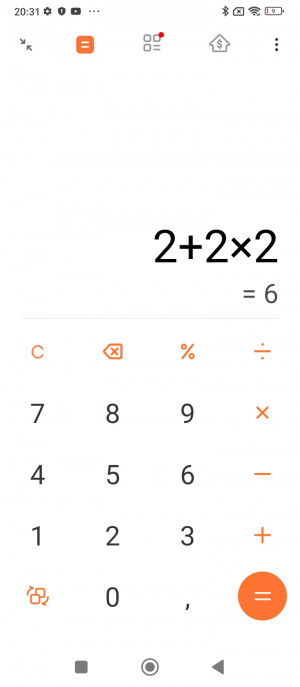
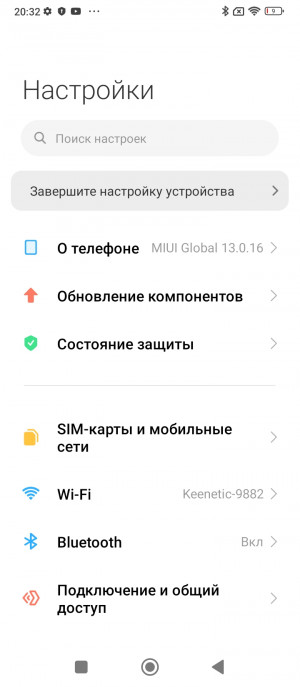

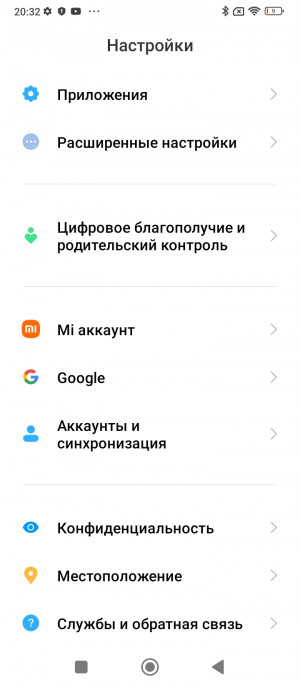
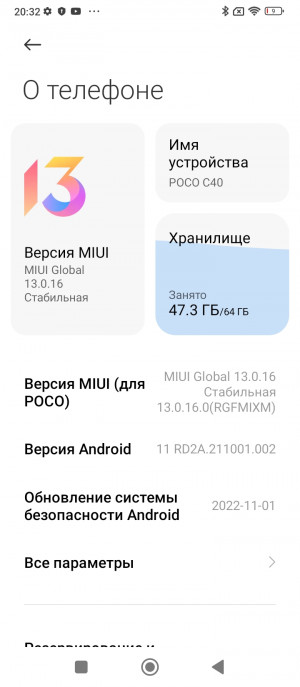
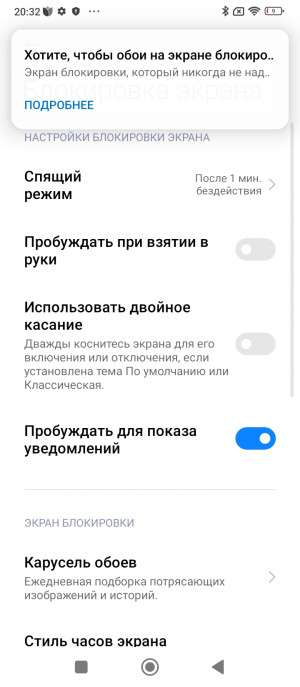
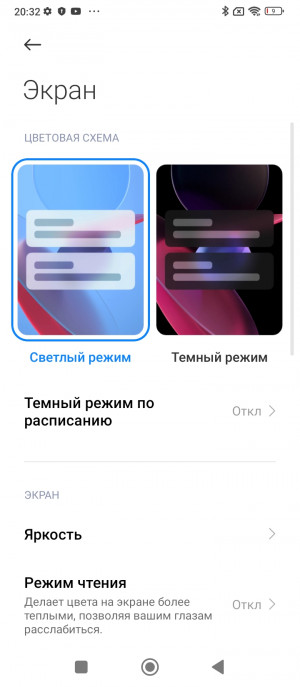
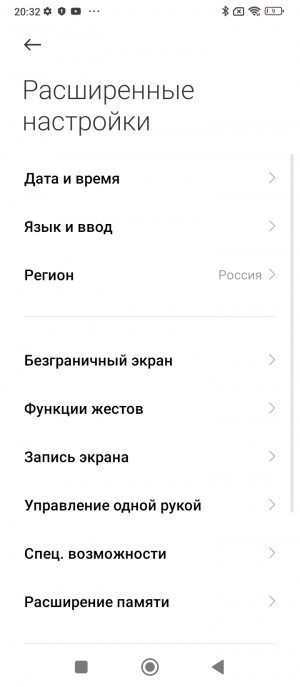
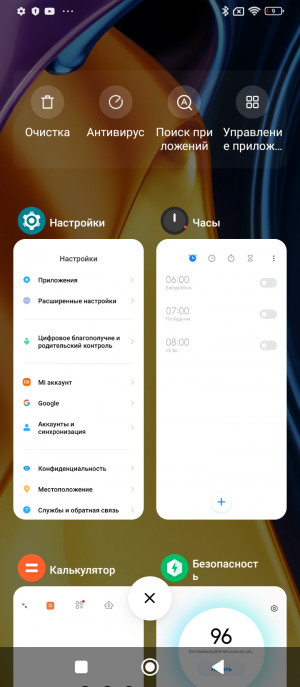
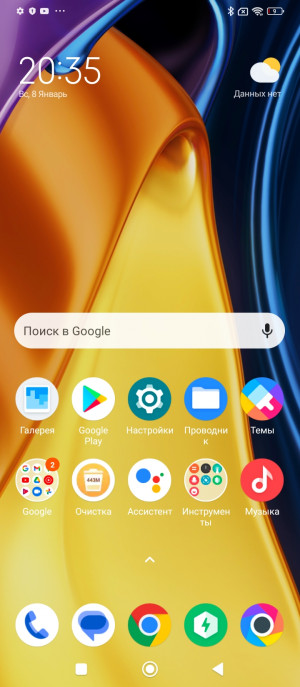
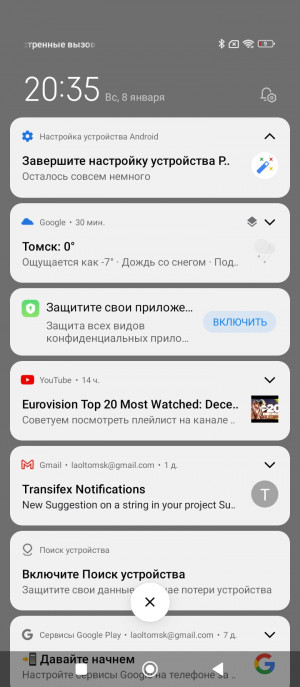
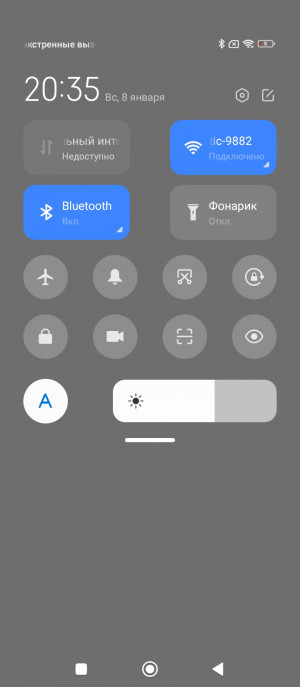
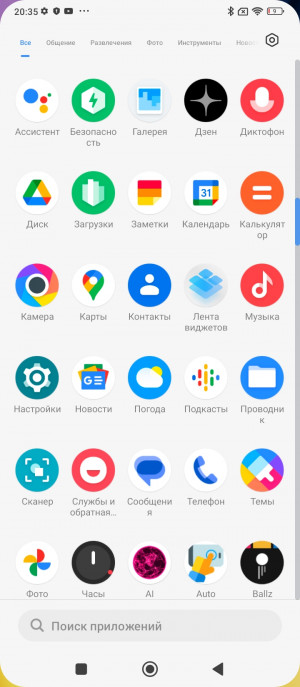
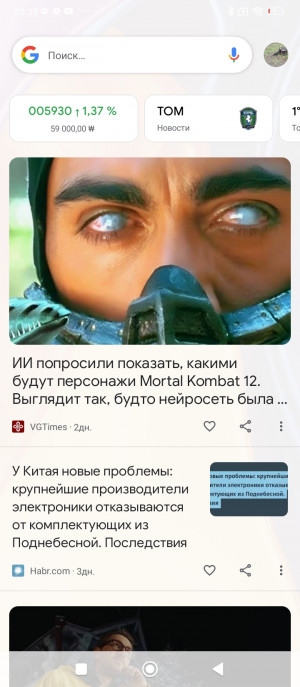
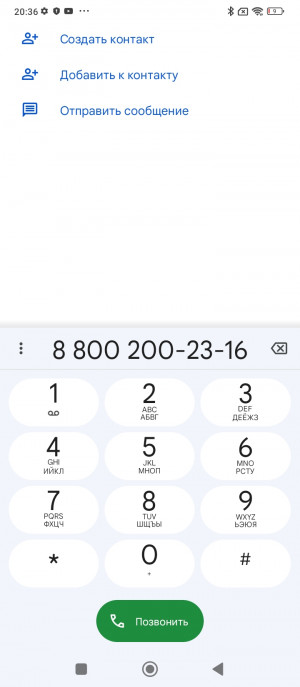
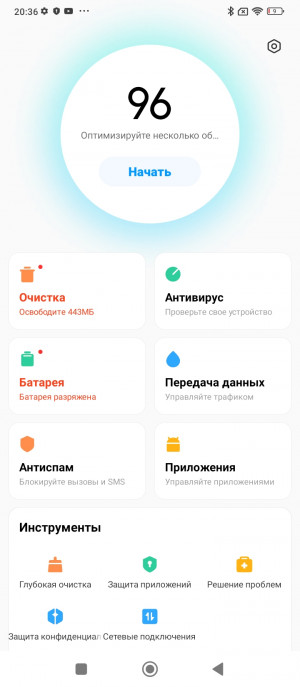
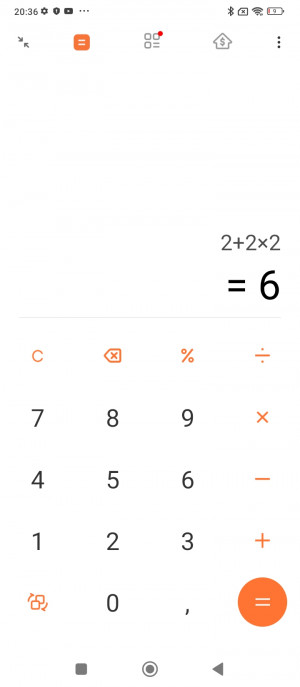
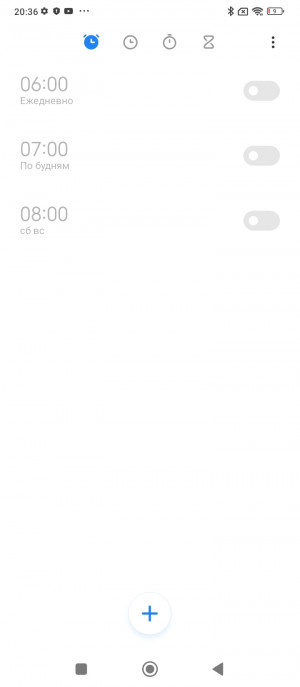
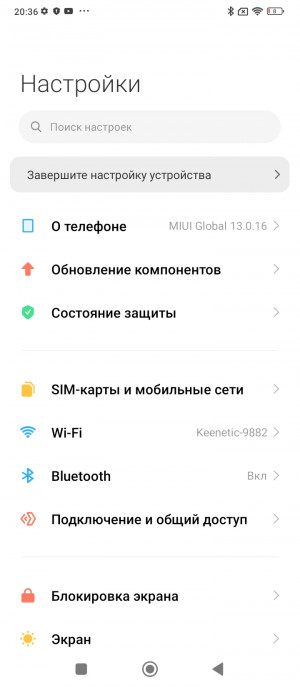
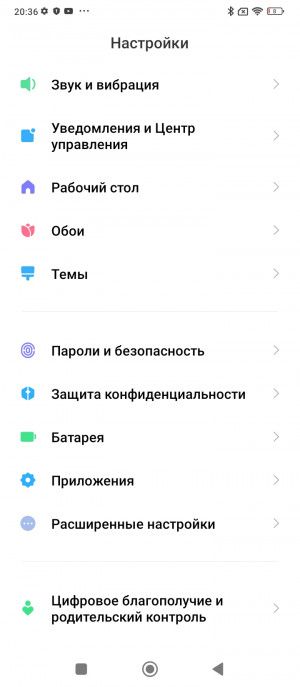
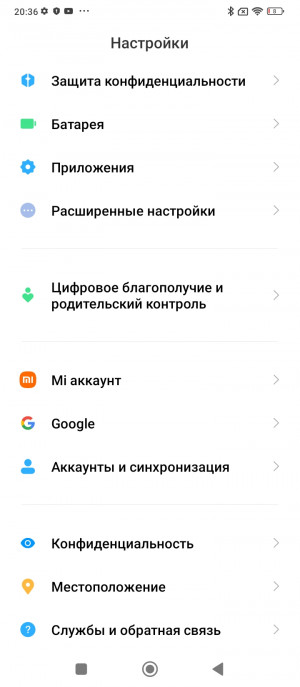
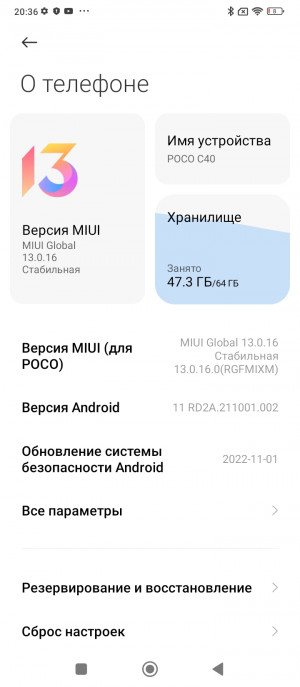

I also note that this is not Android Go and notsome kind of lightweight MIUI, but a “full-fledged” firmware, so there are no differences in functionality from more advanced models. This clearly distinguishes the Poco C40 from the budget Realme, running almost pure Android. On the one hand, you don’t get a “cut” of software, and on the other hand, you are forced to use software written for flagships on weak hardware. The performance of MIUI 13 on Poco C40 is depressing; a calculator that opens for three seconds is not very funny. And this is not a bad calculator, all the software on the Poco C40 works like that.
Cameras
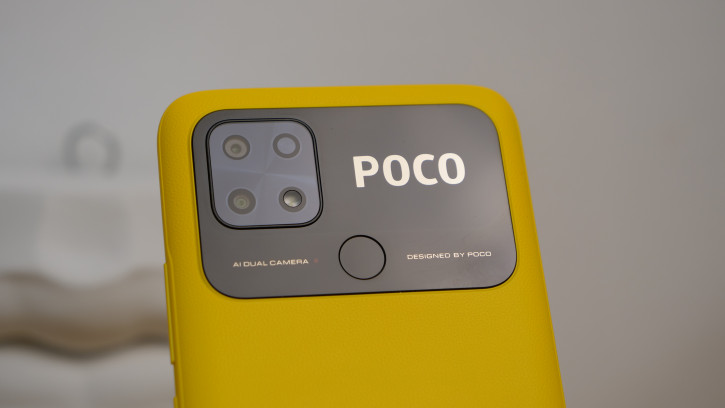
But let's digress from the performance issues andlet's look at the cameras. Here, too, no frills: a 13-megapixel base and some kind of 2-megapixel plug. There is autofocus and flash, main camera aperture - f / 2.2. I have nothing more to say, look at the pictures:



















It doesn't shoot as badly as one might expect.but not as good as phones even in the mid-budget segment. Purely functionally, the camera copes with its duties, even on night shots everything is quite visible, but it is unlikely that this smartphone will be able to take any artistically valuable shot. But for the public, “pictures for Siemens” will not do. Considering the price, the smartphone shoots even quite decently; Perhaps Leadcore's experience in building the Surge P1 helped.


But the 5-megapixel front camera is really so-so.Well, that is, you can sit on Skype or zoom, but I don’t advise you to take selfies. Video on both cameras can be recorded at 1080p@30fps, there is no electronic stabilization, but there is constant autofocus, and it is quite fast.
Performance and tests

So, here we come to the most interesting:what is the Poco C40 processor, the mysterious JLQ JR510? Let's look at the specifications first: 11 nm process technology, four energy efficient A55 cores at 2 GHz, four even more energy efficient A55 cores at 1.5 GHz, a Mali-G52 single-core video accelerator and a dedicated 1.23 TOPS NPU. The NPU is really powerful, but everything else does not inspire much confidence, and the benchmarks confirm my fears. The CPU, judging by the throttling test, is noticeably slower than in the Helio G25 (compared with the Infinix Hot 20i), and the graphics test did not start at all due to the lack of Vulkan support (it also does not start on the G25).
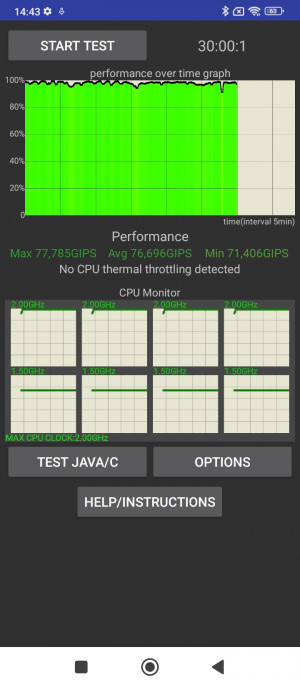

With this level of performance, the smartphoneDoesn't work well for almost any task. Standard applications are stupid, the browser is stupid, the keyboard is stupid. The simplest game Ballz for some reason freezes a couple of seconds after the start of the game, but in Hungry Shark World it is quite possible to play, albeit with lags. Well, in general, the phone still pulls the simplest games. Genshin Impact - of course not, less than 10 fps on the minimum. In SuperTuxKart, it's also around 10 fps, but already at maximum speed; You can ride on the minimum. In general, the JLQ JR510 is a Helio A22-level chip, not higher, and it falls short of the Helio G35 (and even more so the basic UniSoC Tiger).
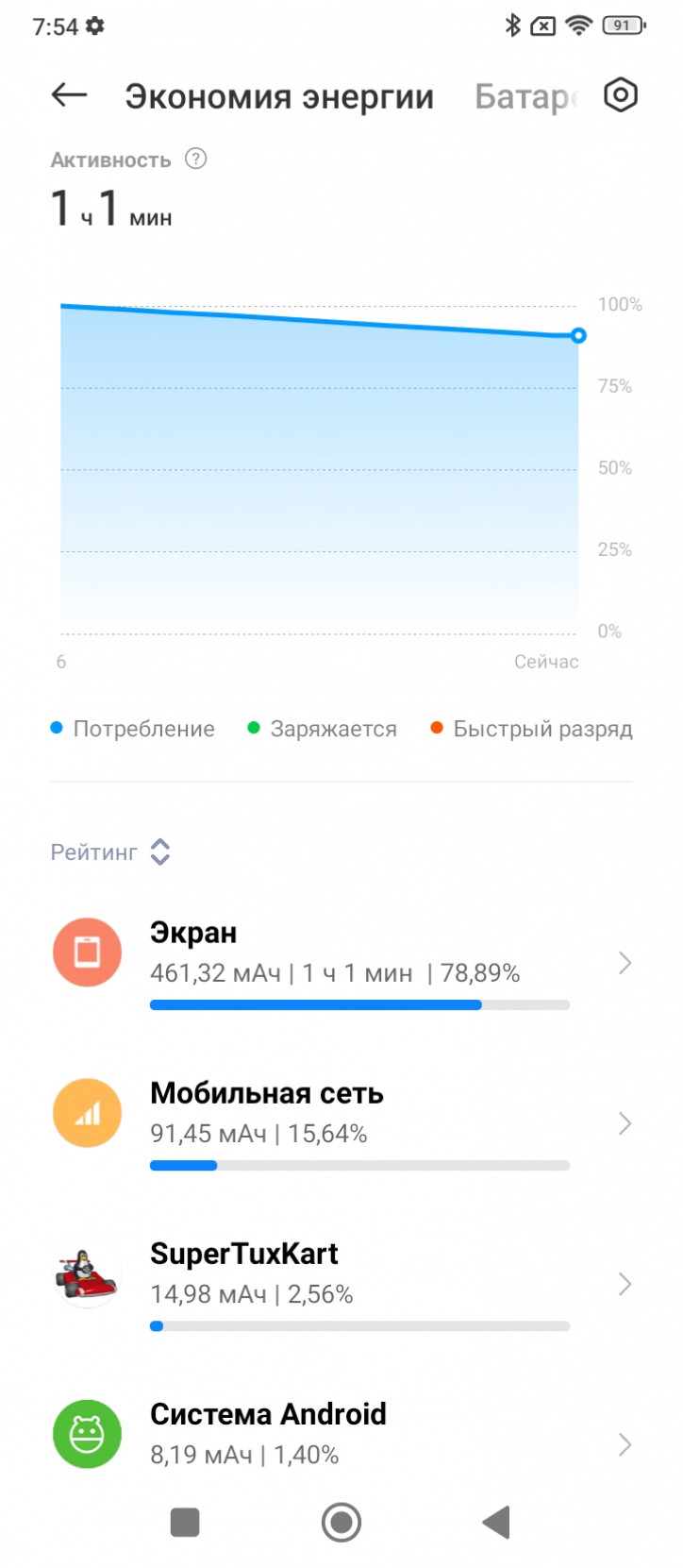
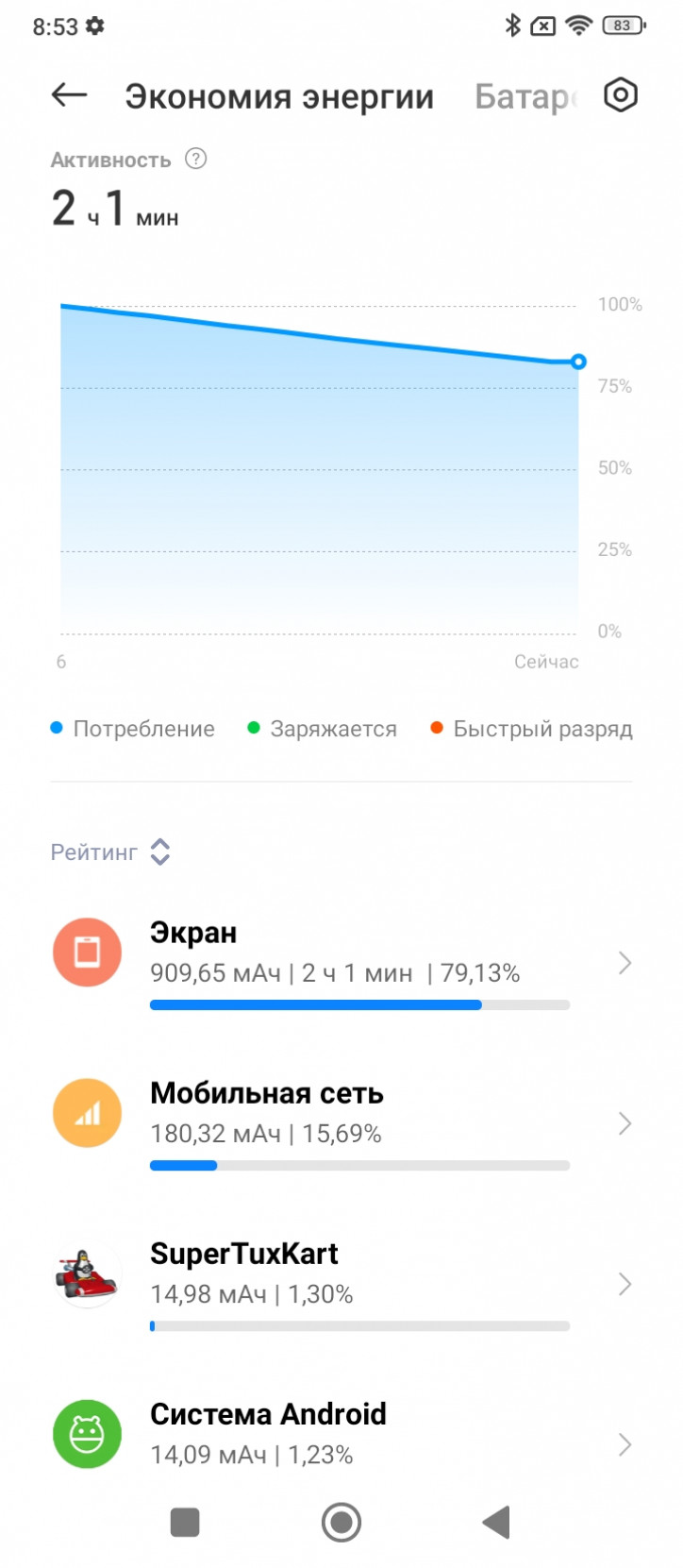
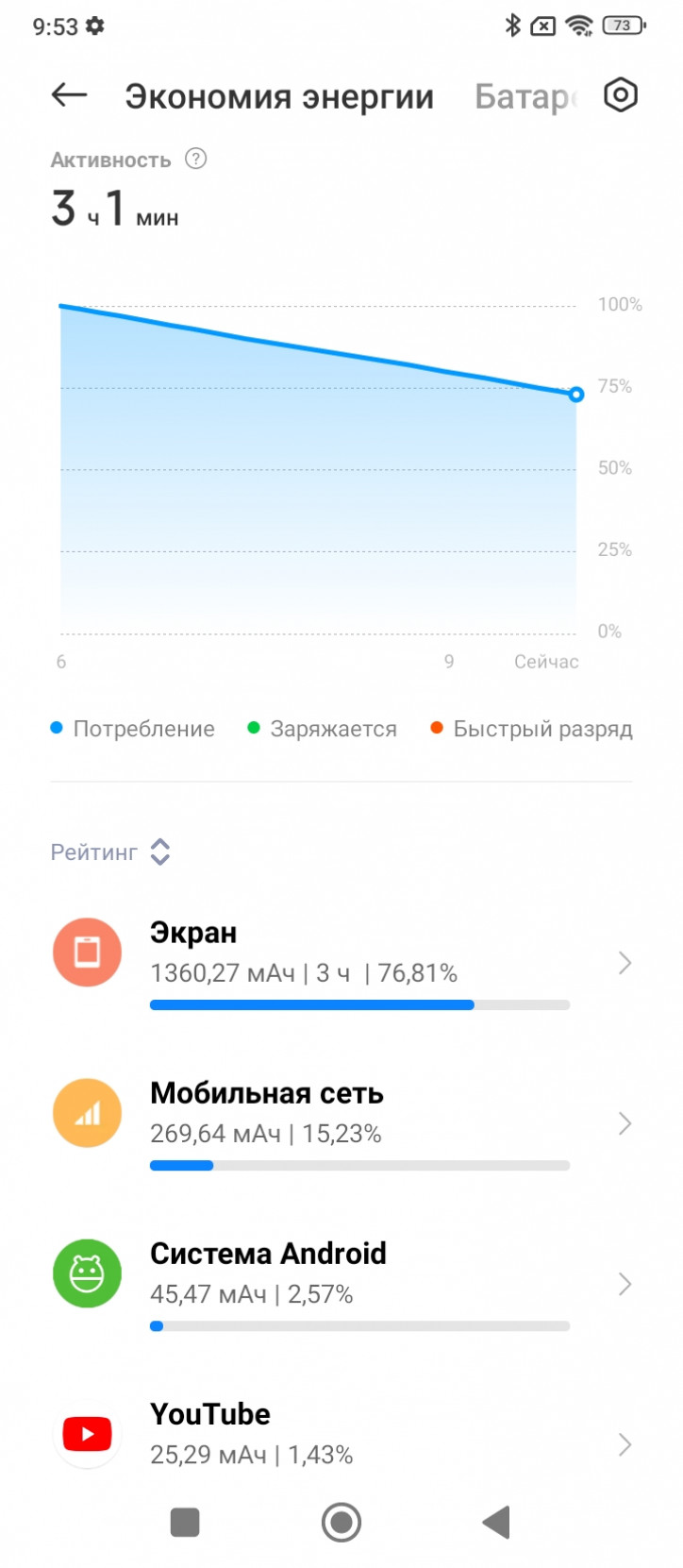
The battery capacity of the Poco C40 is 6000 mAh.In the absence of fast charging, this process stretches for 3.5 hours, but the phone also discharges slowly. Hourly tests: -8% in the browser, -9% in the game and -10% in YouTube. I was very surprised by the result on YouTube - usually this test takes less charge than others. Either the Poco C40 has a gluttonous Wi-Fi module, and downloading streaming video spends a lot of resources, or the battery is poorly calibrated. But, in any case, you can safely count on 9-10 hours of screen, that is, 2-3 days of using a smartphone on a single charge.
Conclusions
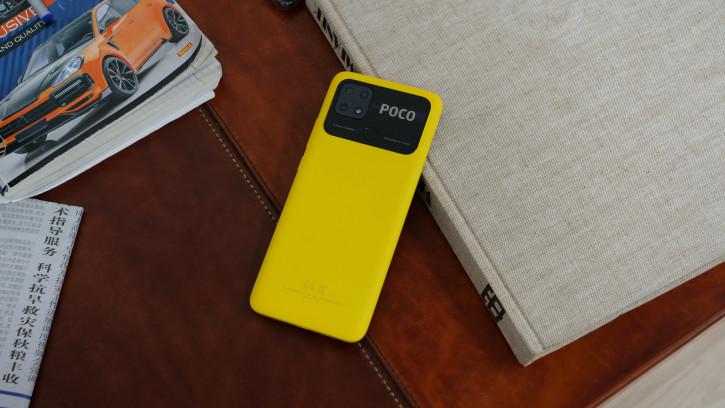
Yellow and black bee Poco C40 with JLQ chipset is notbecame a revelation. The ultra-budget processor offered ultra-budget performance that was even worse than some of the competition. So I would not be in a hurry to recommend a smartphone for purchase, unless you want to get MIUI for minimal money. Otherwise, look for models based on Helio G35 or any UniSoC Tiger for this money, there are a lot of them and they will be preferable.
Best prices for POCO on Telegram!
© Oleg Lazarev.