Content
- Video review
- Specifications
- Appearance and equipment
- Software
security
- Cameras
- Performance and Benchmarks
- findings
POCO F4 GT is a rebrand of Xiaomi Redmi K50 GamingEdition (announcement) and the second smartphone based on the Qualcomm Snapdragon 8 Gen1 chipset in Russian retail after Motorola Edge 30 Pro (video review). Judging by the characteristics, an excellent gaming phone with physical triggers and a whole lot of nice features. Did any nuances lurk? Read on!
Video review
Technical characteristics
 |
Specifications Poco F4 GT |
|---|---|
| Network | 2G, 3G, 4G, 5G |
| Firmware | MIUI 13 for POCO based on Android 12 |
| Screen | 6.67″, 2400× 1080 points,AMOLEDDotDisplay, 120 Hz, touch 480 Hz, 800 nits (typ.), PWM 1920 Hz, DCI-P3, HDR10+, Corning Gorilla Glass Victus |
| Chipset | Qualcomm Snapdragon 8 Gen1(4 nm) GPU: Adreno 730 |
| Ram | 8/12 GB(+3 due to ROM) LPDDR5 |
| ROM | 128/256 GB UVS 3.1 |
| SIM and memory card | 2× nanoSIM |
| Camera | Primary: Sony IMX686, 64 (→ 16) MP, 1/1.73″, 0.8 (->1.6) µm, f/1.9, PDAF, 4K@60fps Wide angle: 8MP, OmniVision OV8856, f/2.2, 120°, FF, 1080p@30fps Macro: 2 MP, f/2.4, FF |
| Selfie | Sony IMX596, 20MP, f/2.4, FF, 1080p@60fps |
| Battery | 4700 mAh (2350 mAh × 2) |
| Charging | USB-C 120W HyperCharge |
| Wireless interfaces | Wi-Fi 802.11a/b/g/n/ac/ax(6), 2.4/5/6 GHz Bluetooth 5.2 GPS, GLONASS, Beidou, GALILEO Infrared port |
| NFC | there is |
| Biometrics | Fingerprint scanner in the power button face unlock |
| Sound | Stereo, four speakers |
| Water protection | Not declared |
| Dimensions and weight | 162.5× 76.7 × 8.5 mm 210 g |
Appearance and equipment
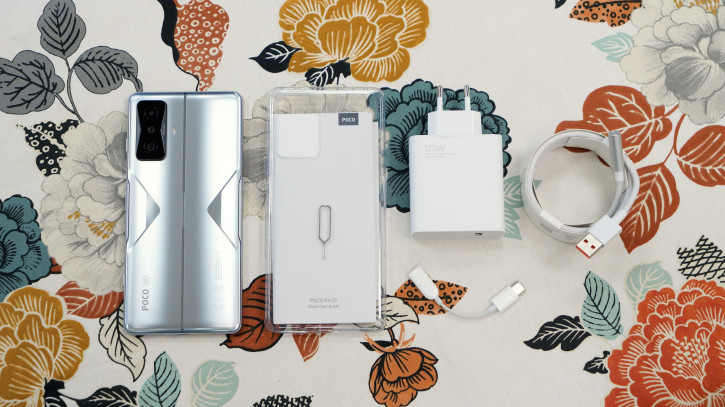
POCO F4 GT comes with an adapterpower supply up to 120 W, an L-shaped USB-C cable, a protective case, a USB-C to 3.5mm headphone adapter, documentation and a SIM tray ejection needle. The set, frankly speaking, is rich. To see this in times of fashionenvironmentally friendlybundling is particularly nice.
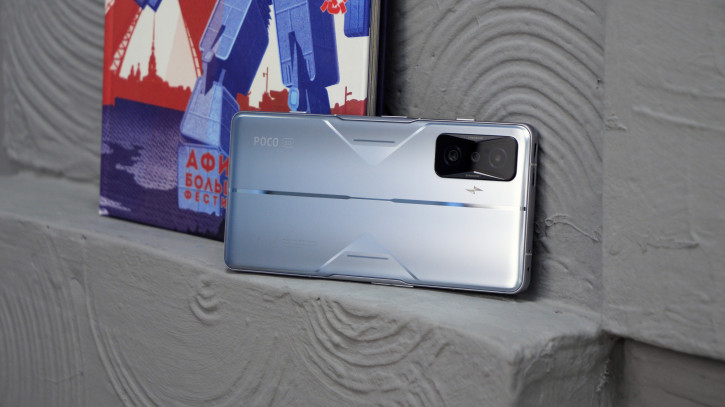
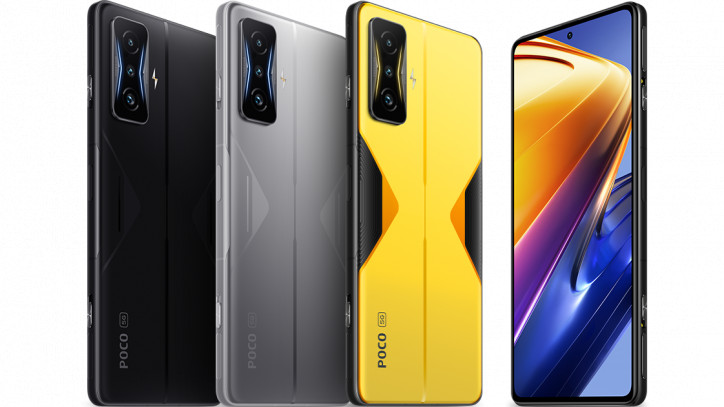
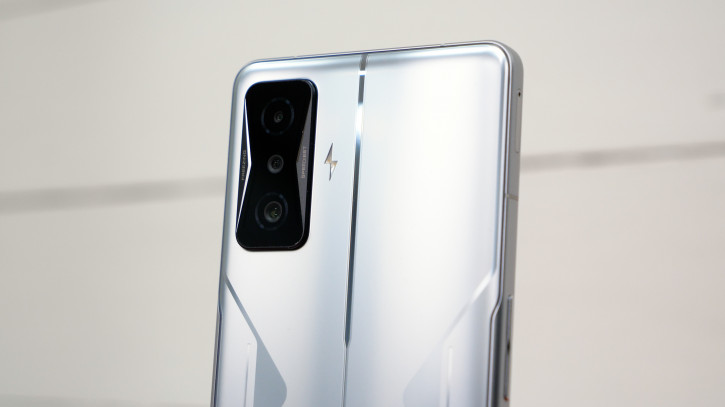
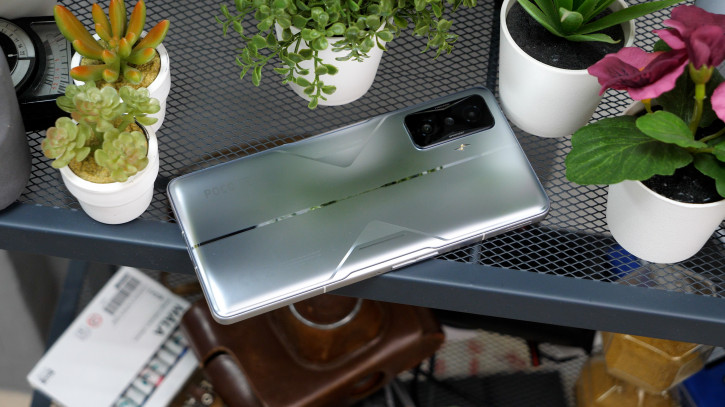
The smartphone is presented in three colors with characteristictitles: "Black Ninja", "Silver Knight" and "Cyberyellow". Of course, the branded yellow version looks the most striking and unusual. In all cases, the back is made of frosted glass, which successfully hides prints. The ergonomics of the 210-gram device turned out to be quite good, but still it is worth bearing in mind that this is a rather massive device.
From the interfaces that are spread out on the surface of the device, I will note the following points:
- The SIM tray holds two nanoSIM cards. There is no space for memory cards.
- The fingerprint sensor is combined with the power button at the end. Works accurately and smartly.
- Sound is handled by two speakers on each side.(low frequency + high frequency). They sound good, but are not identical. But the location is excellent: with a horizontal grip, the sound output holes do not overlap.
- Infrared port allows you to control home appliances.
- There are already three microphones on the surface.What for? Officially - so as not to block them during an active gaming session. In fact, a smartphone writes excellent sound when shooting a video (for example, a video from a concert).
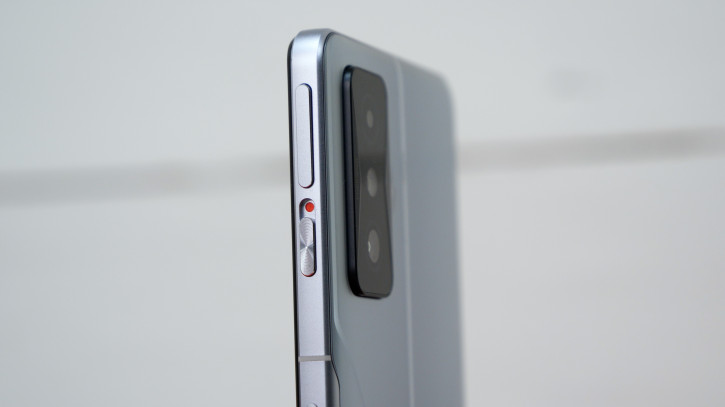
- The photo block has a built-in light indication of charging and missed calls.
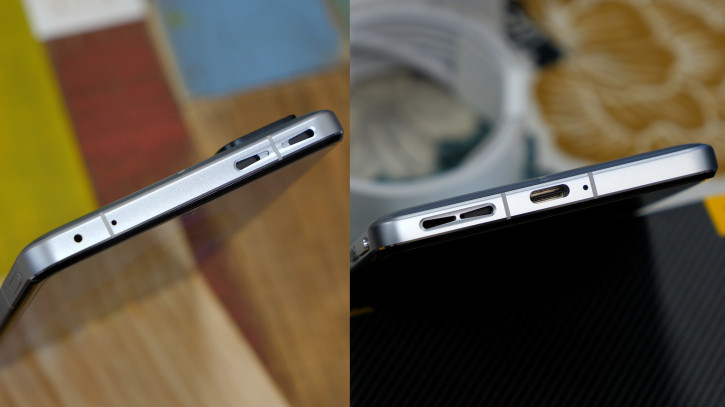
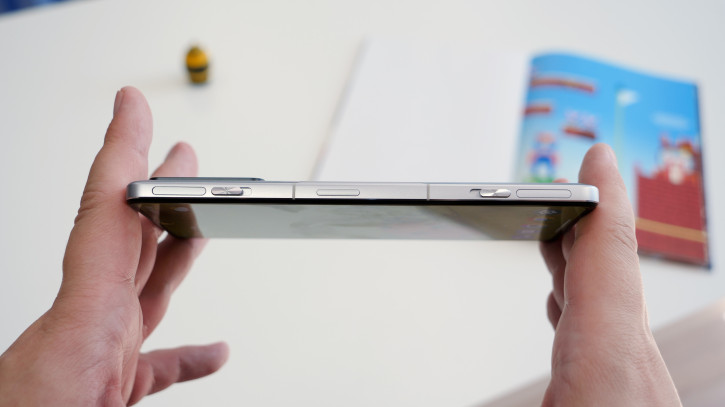
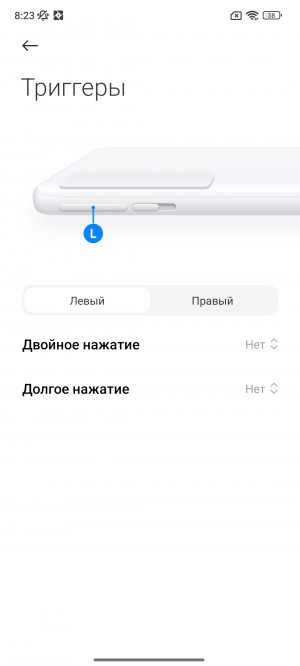
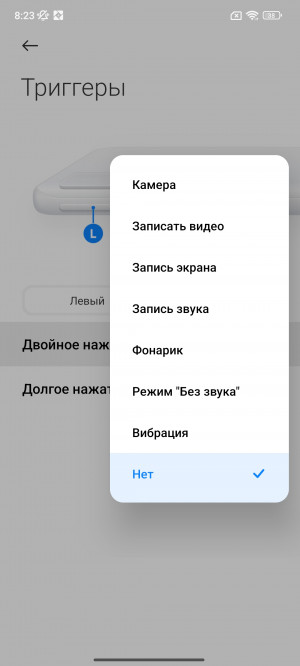
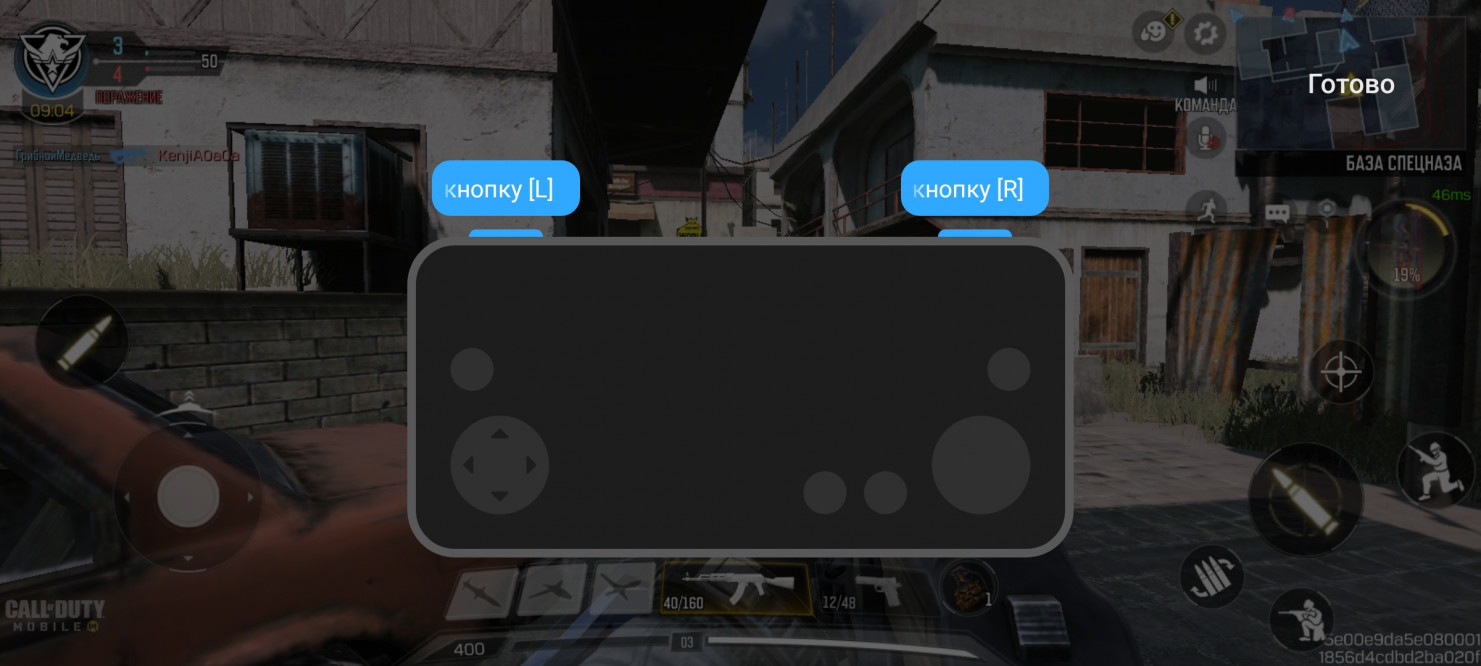
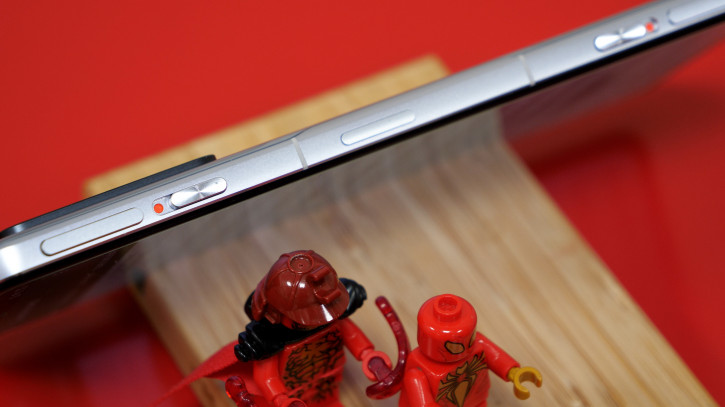
The most interesting thing in the end - triggers!At the end of the POCO F4 GT, two physical buttons are mounted, a la “bumpers” on gamepads. Next to the buttons, there are peculiar hecks that allow you to hide the triggers in case of uselessness.
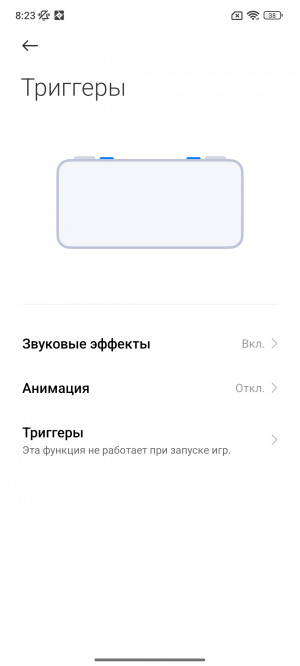
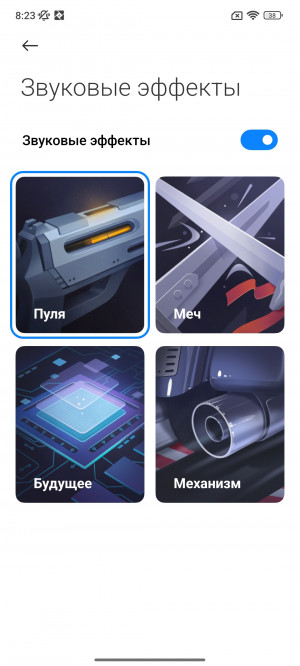
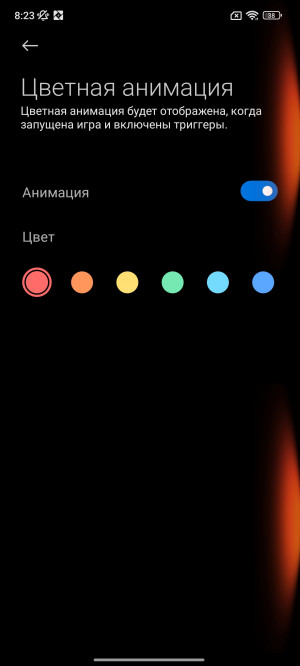
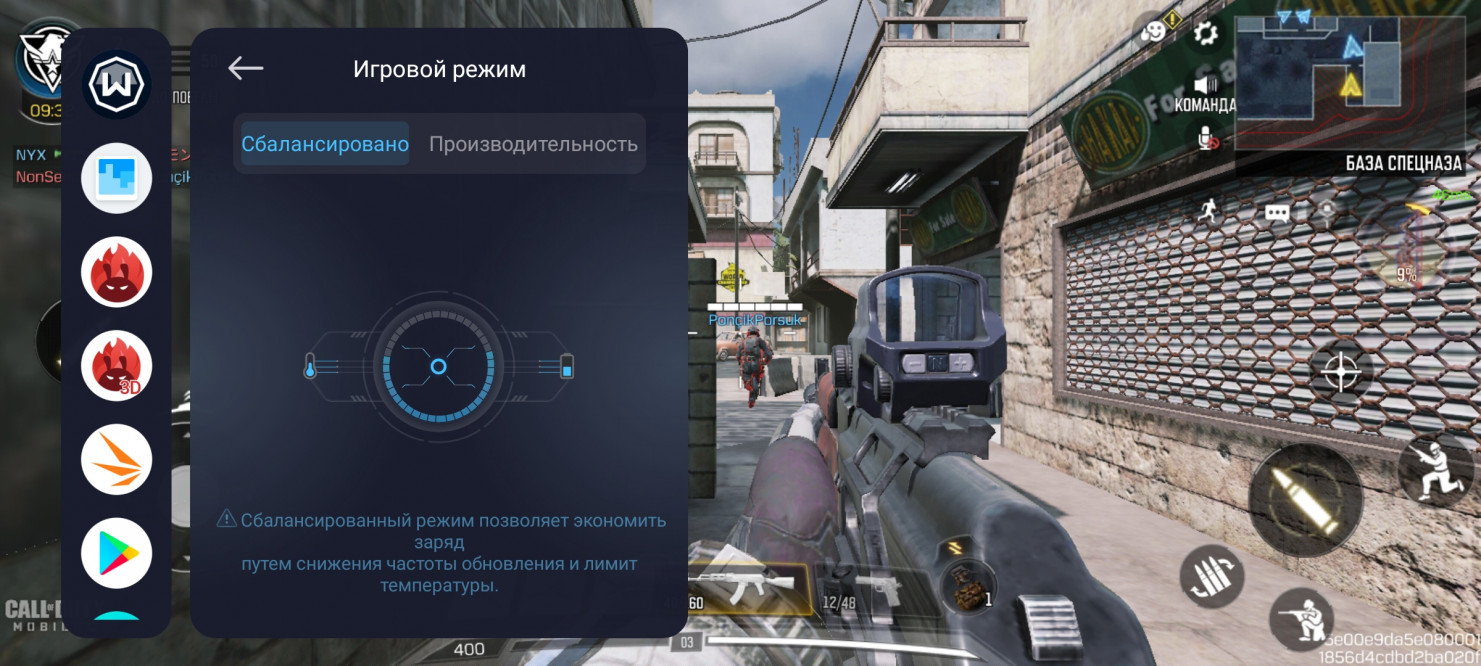
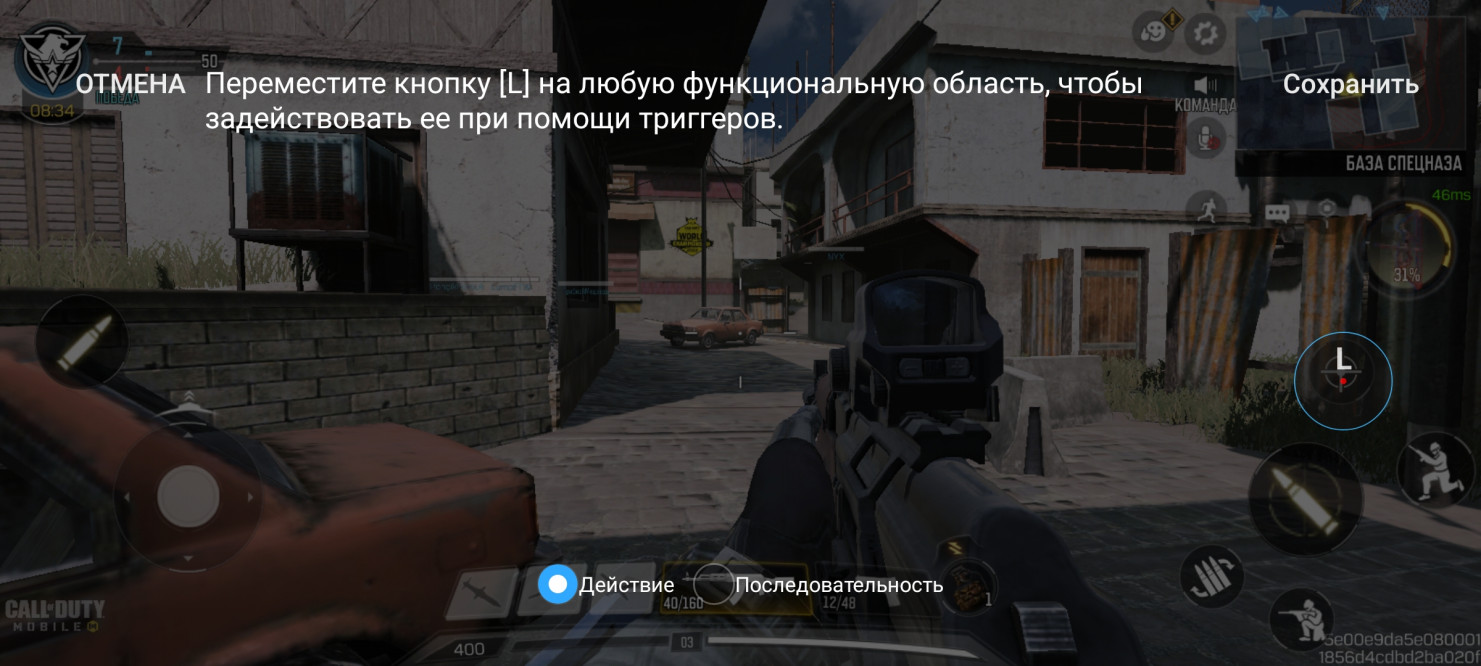
Outside of games, you can assign a number of actions to buttons fromproposed (in the screenshot). In games, on each of the triggers, a display area is set, pressing which is simulated when the trigger is pressed. This works especially well in various action games like COD Mobile and Diablo Immortal, as well as when playing on PSP emulators, etc.
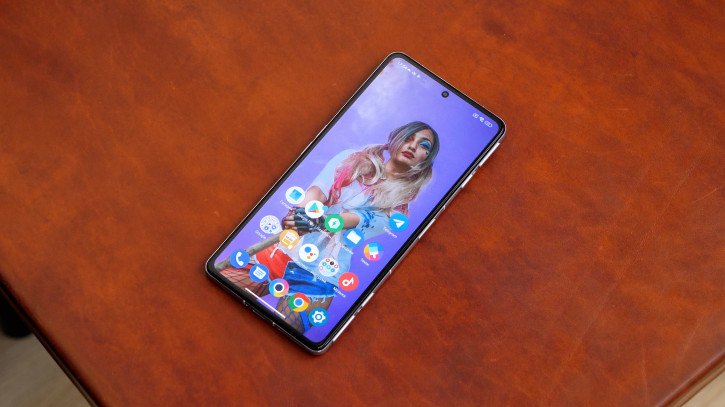
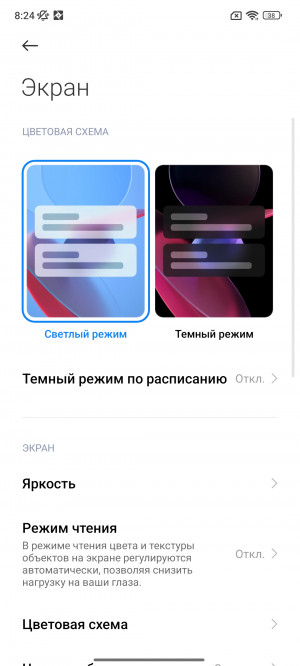
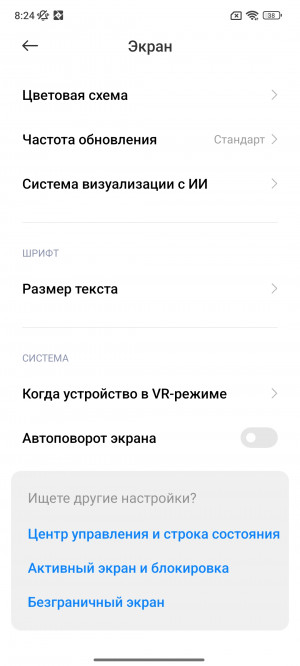
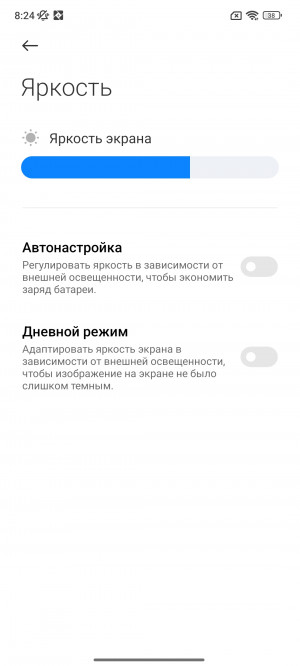
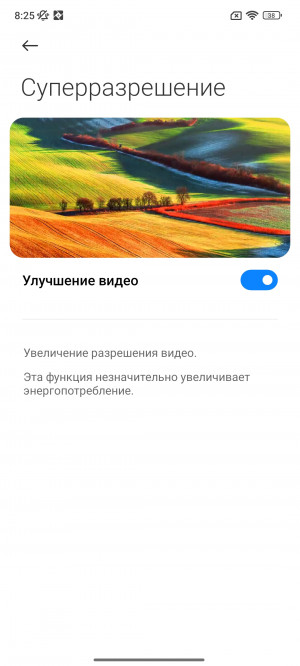
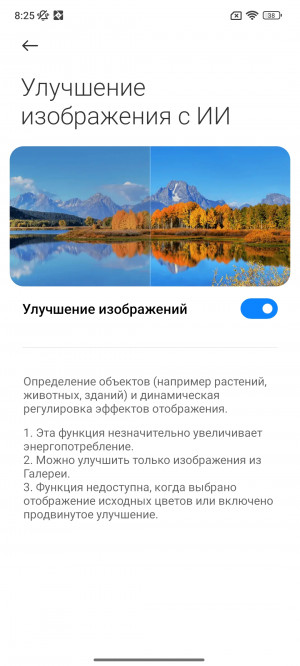
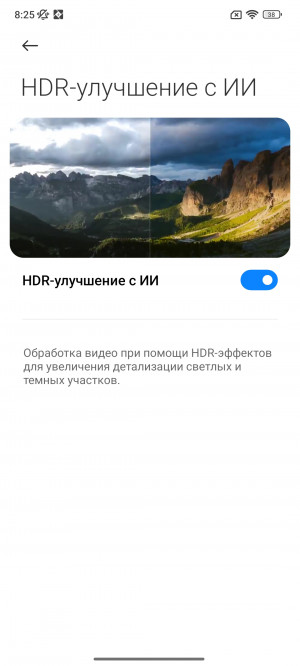
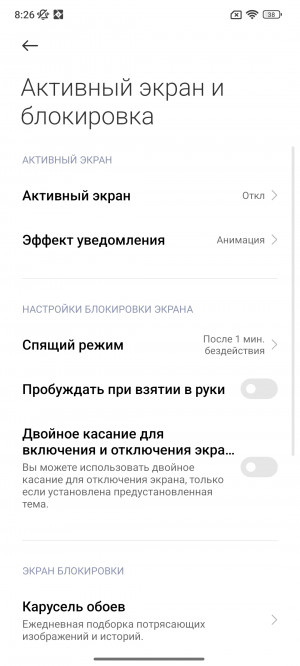
The gaming device has an excellent display.Large 6.67″ AMOLED DotDisplay matrix with a resolution of 2400 × 1080 pixels, increased refresh rate of 120 Hz, high brightness of 800 nits and a responsive touch layer with a frequency of 480 Hz.
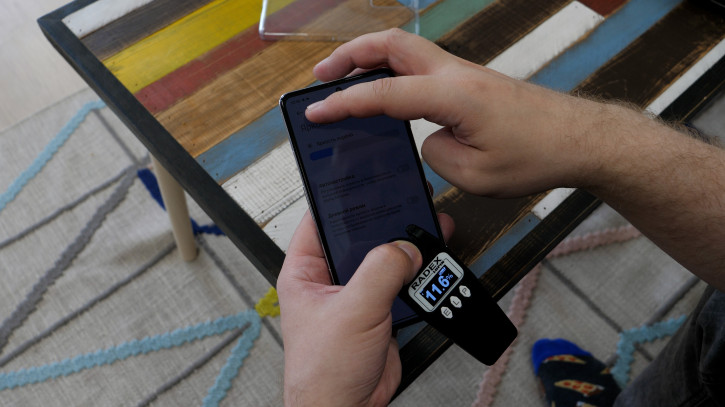
Often AMOLED matrices have significantPWM at low brightness, which can be quite straining on the eyes. However, in the case of POCO F4 GT, the flicker frequency is as much as 1920 Hz, which is why the PWM is unlikely to bother anyone.
PWM
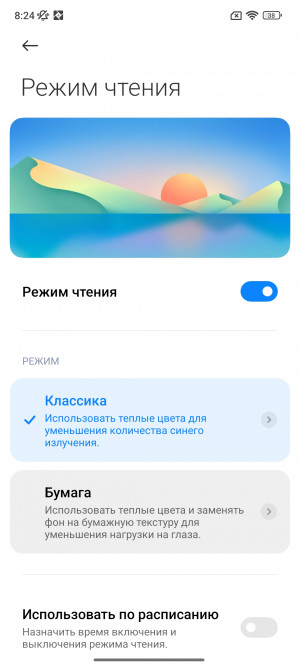
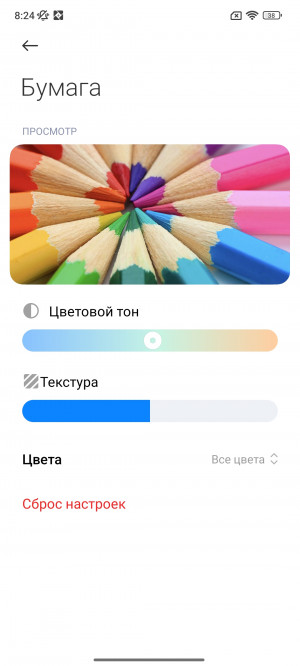
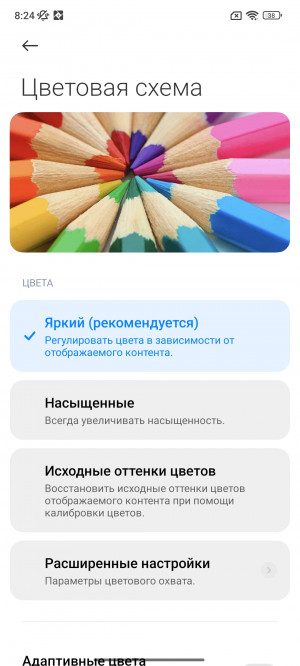
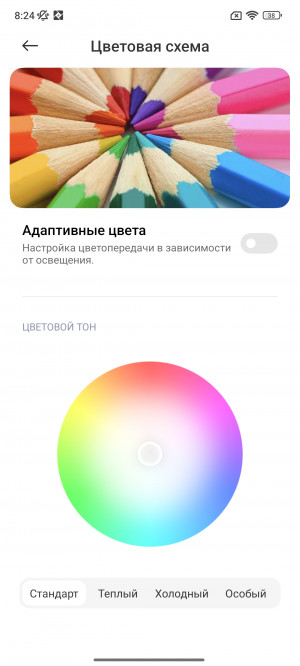
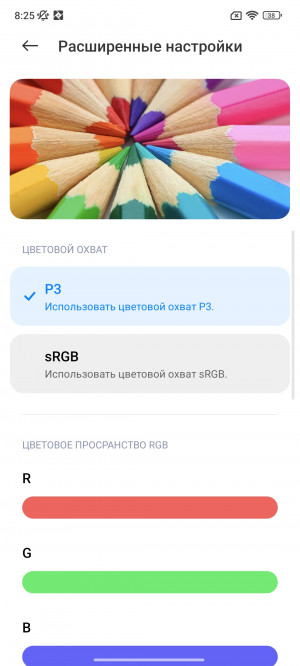
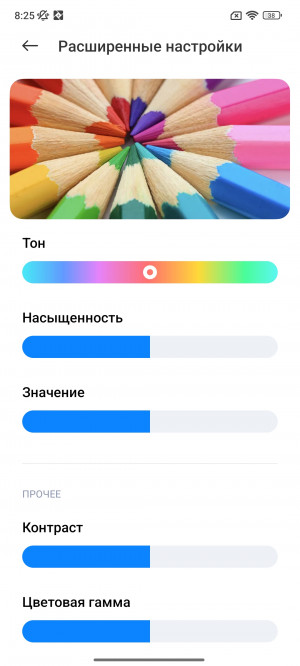
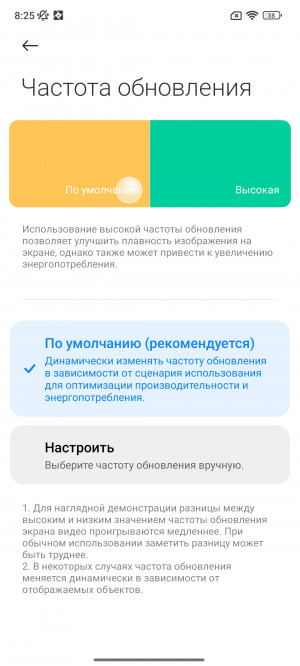
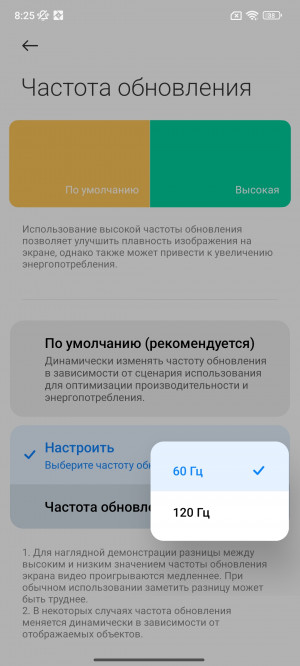



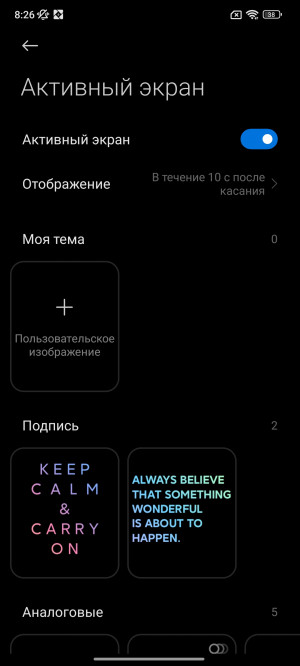
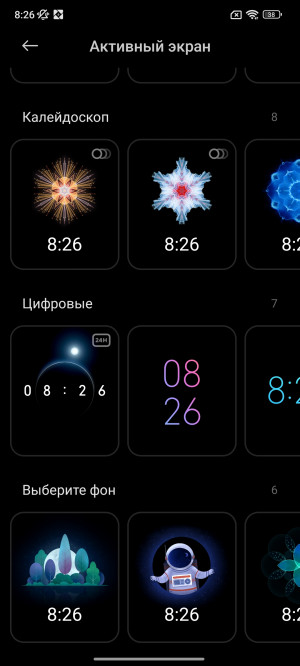
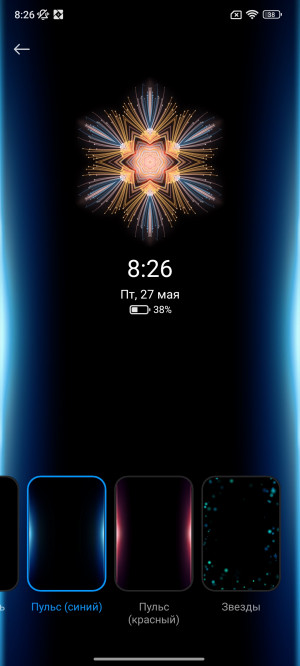
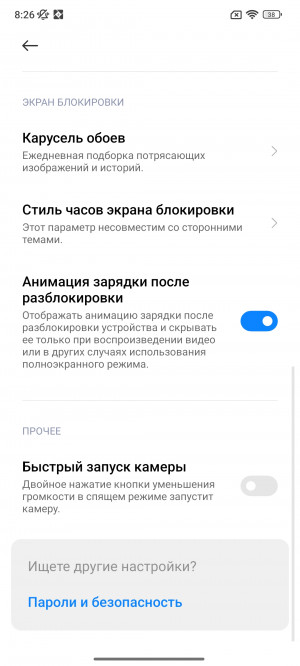
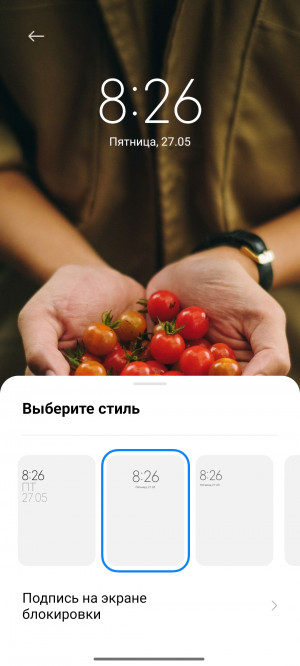
Display settings
Software
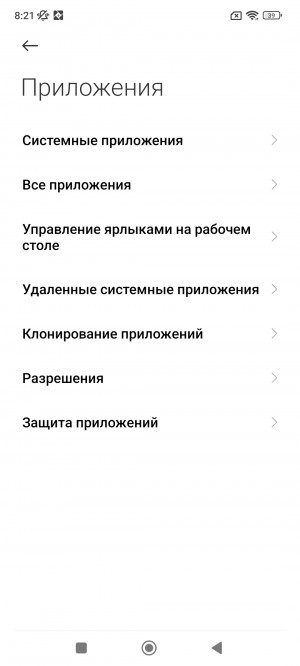
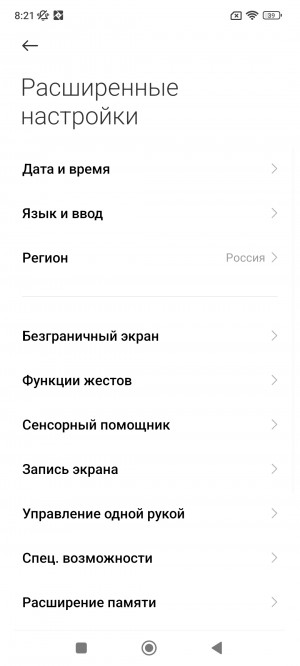
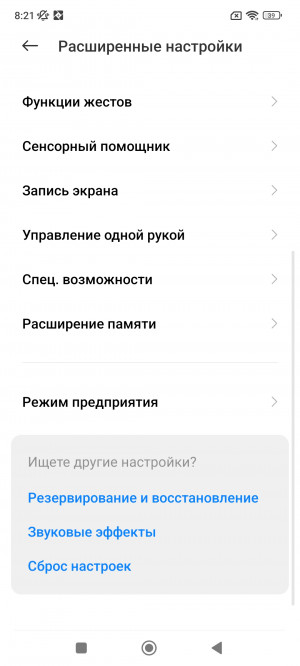
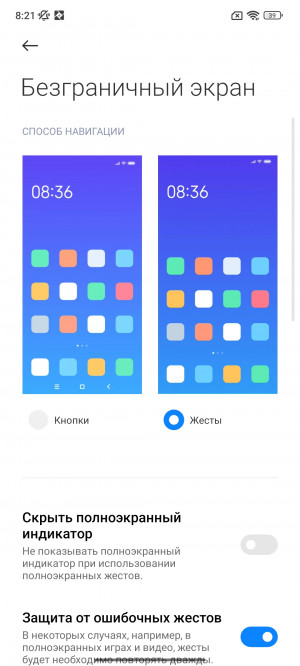
The smartphone runs on Android 12 in a proprietaryMIUI 13 skin for POCO. The iron has enough power for smooth operation of the device at 120 Hz and a quick response to pressing. I propose to evaluate the aesthetics of the system design by screenshots.
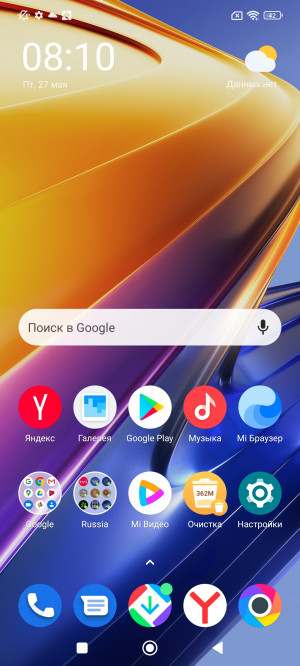
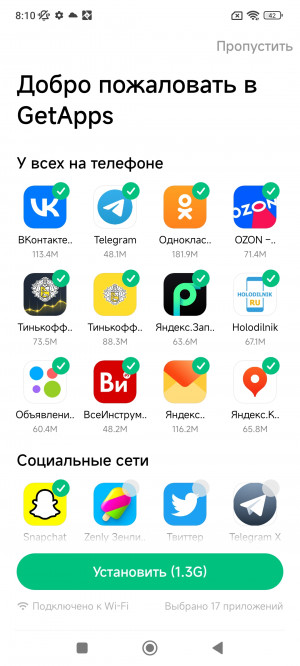


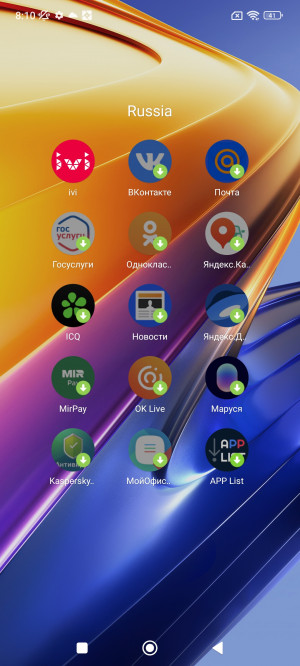
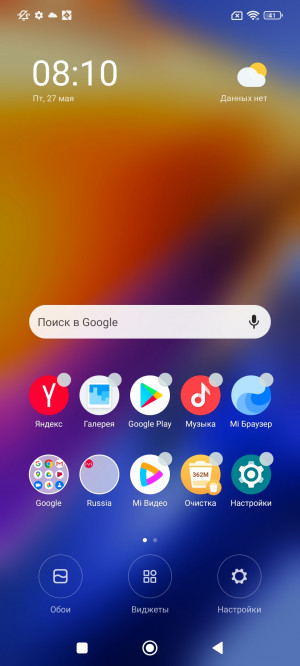
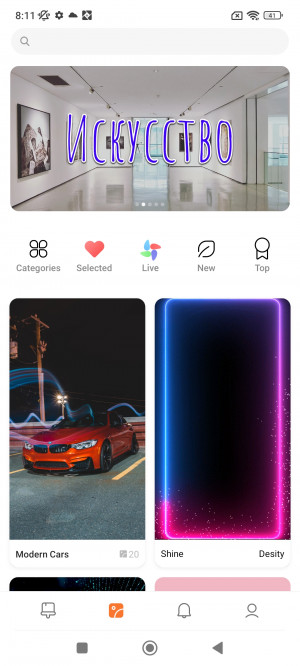
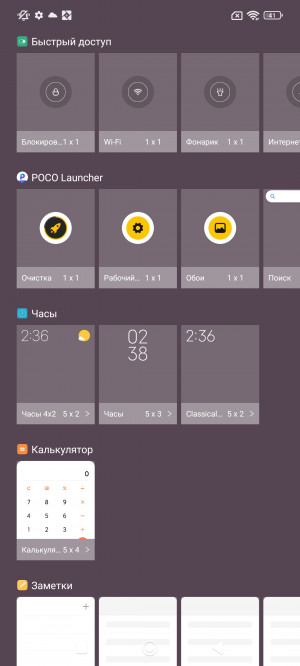
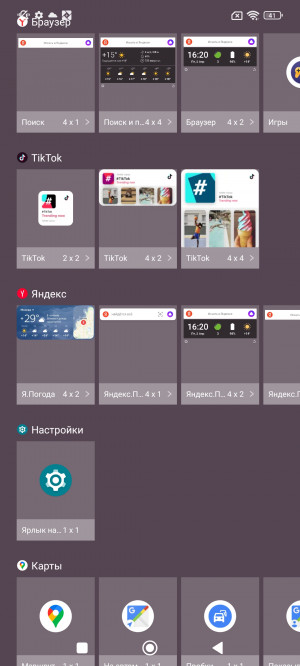
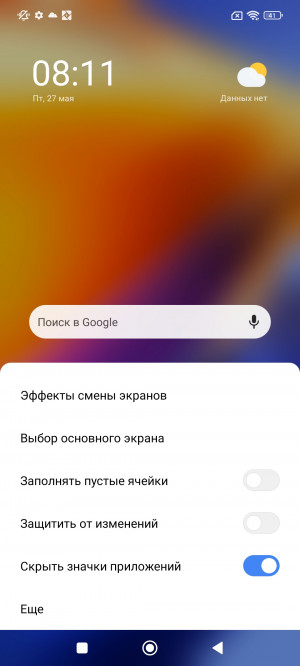
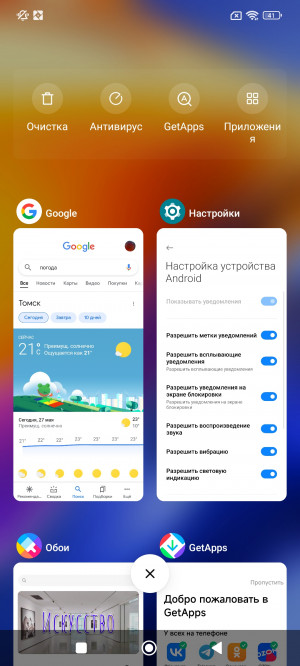
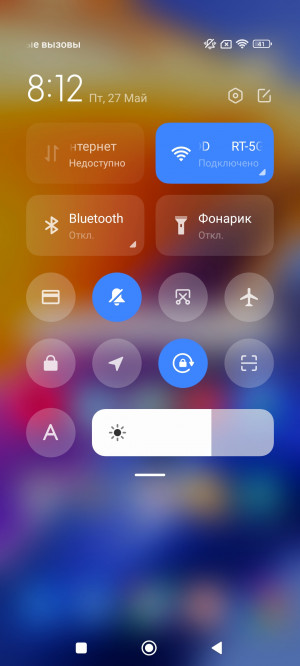
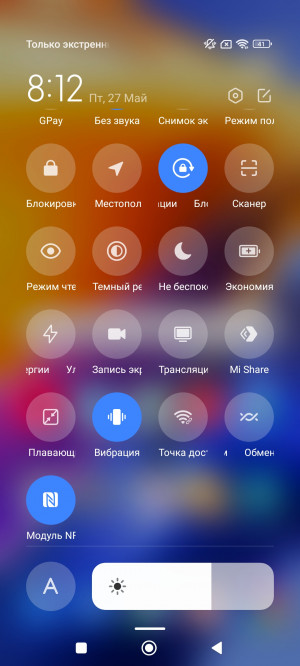
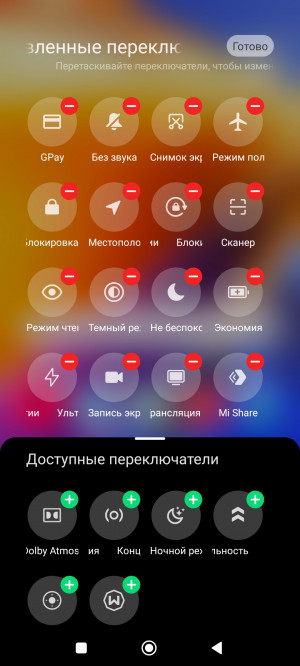
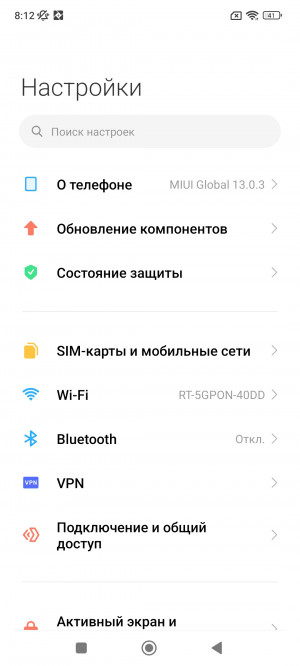
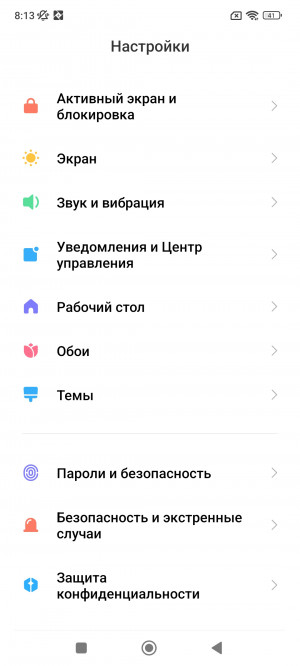
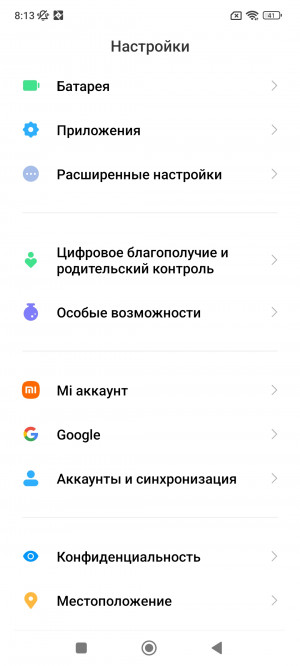
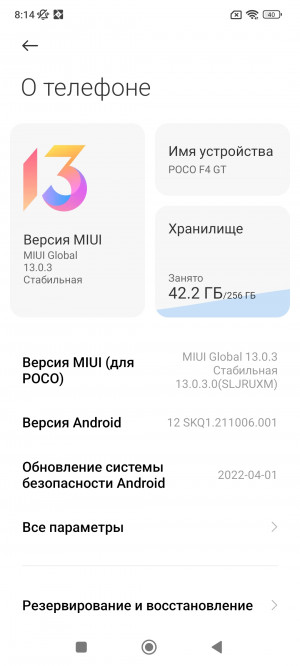
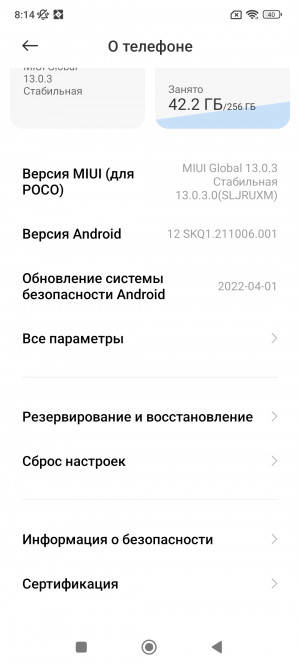
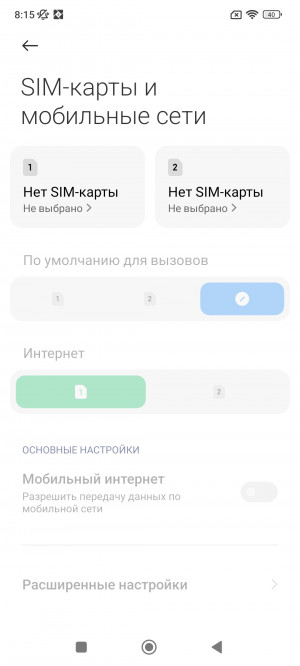
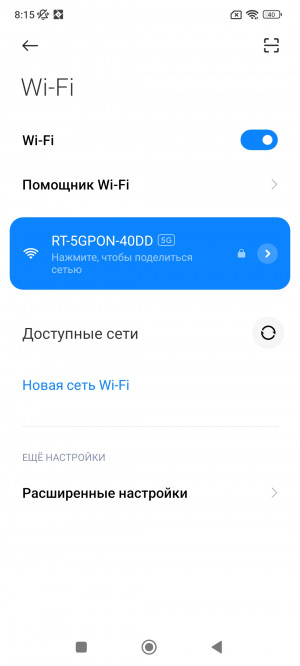
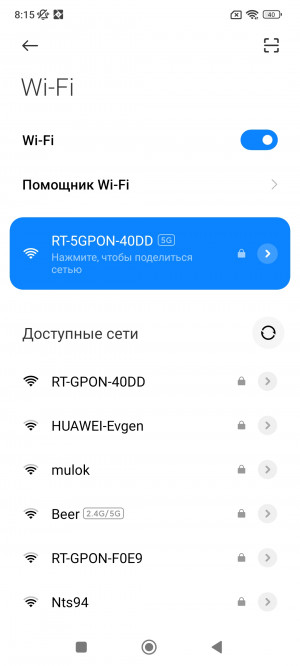
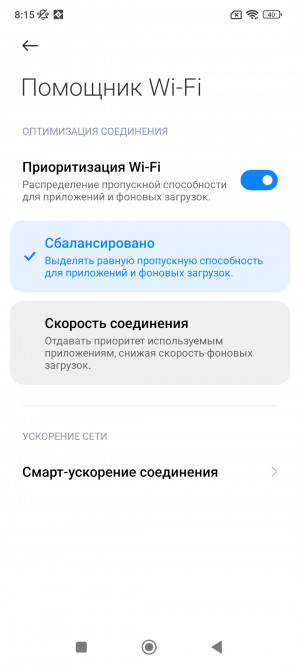

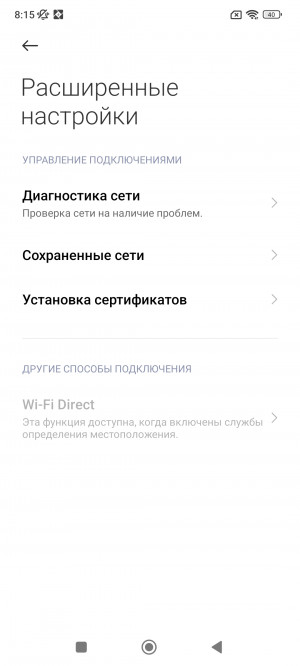
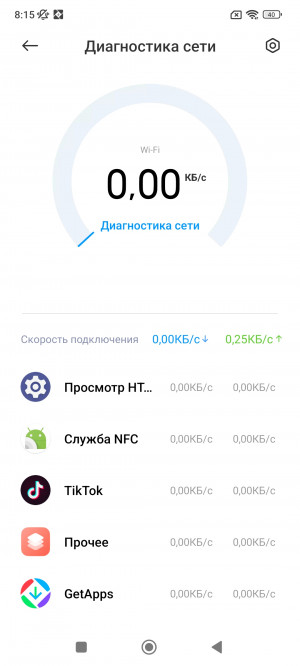
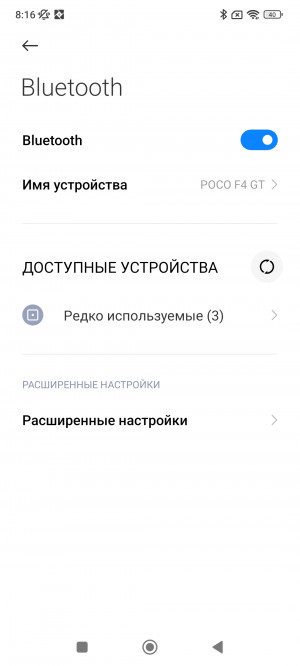
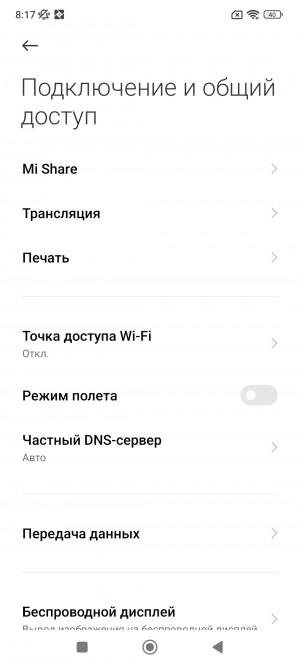
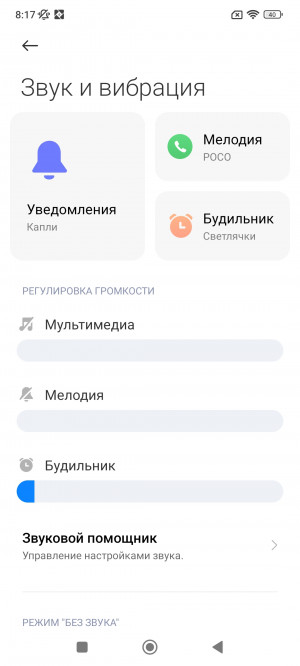
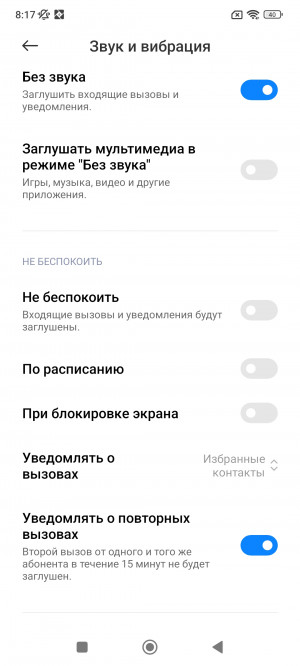
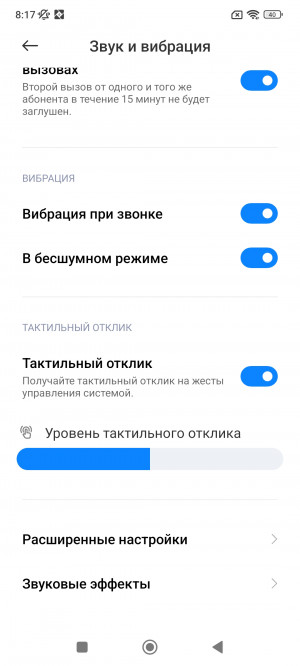
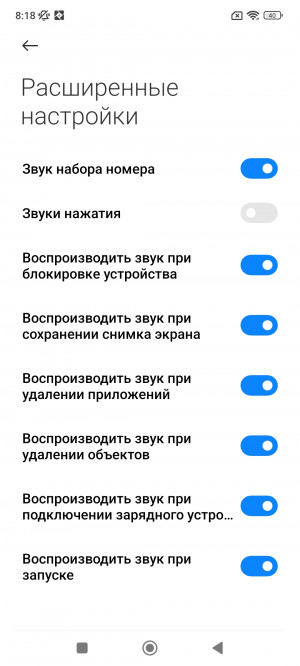
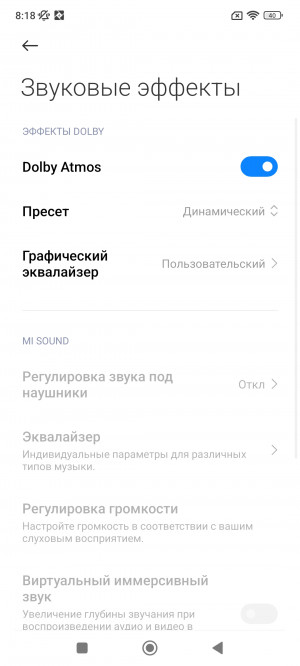
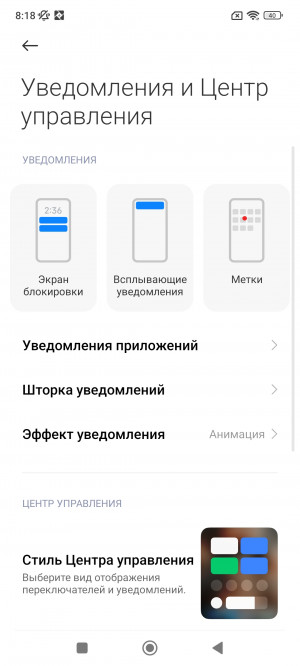
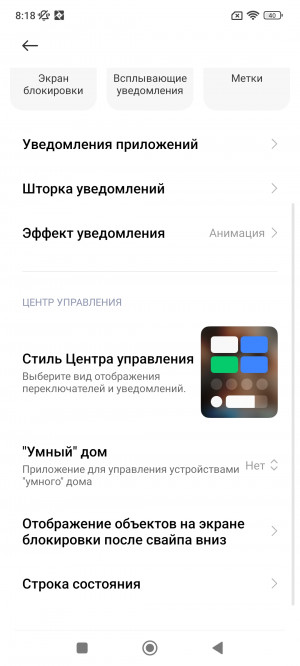
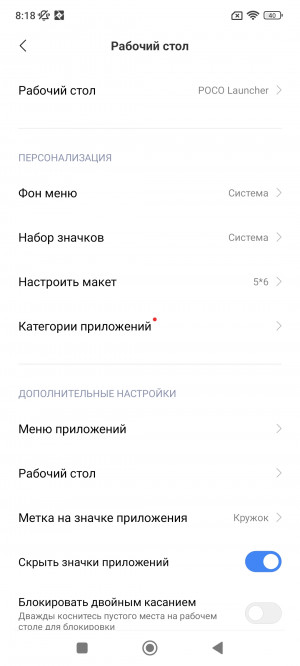
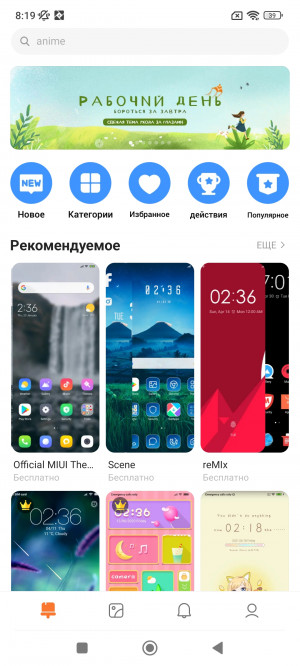
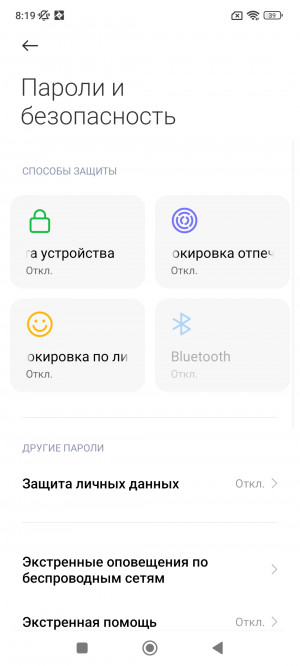
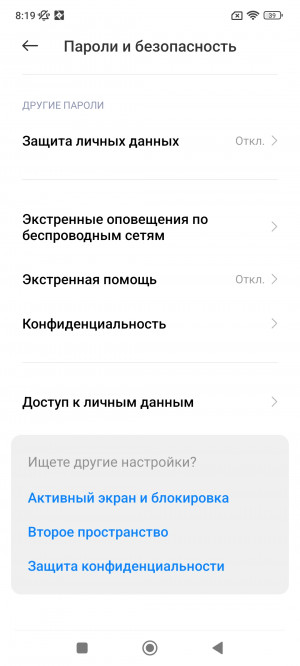
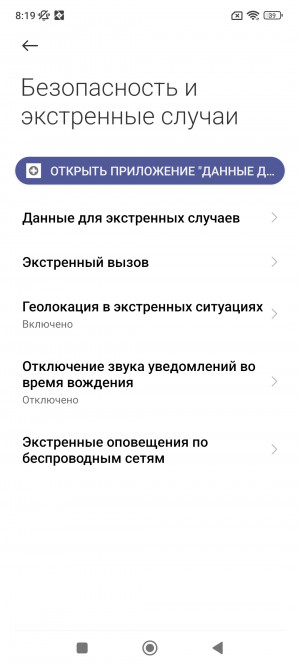
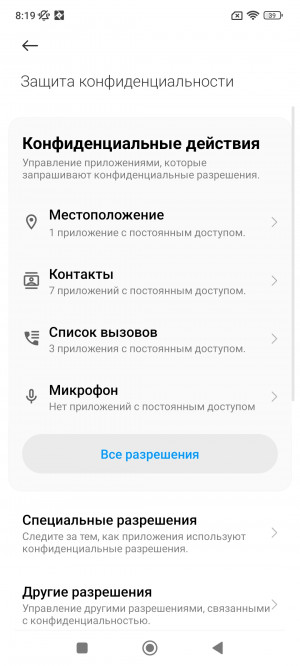
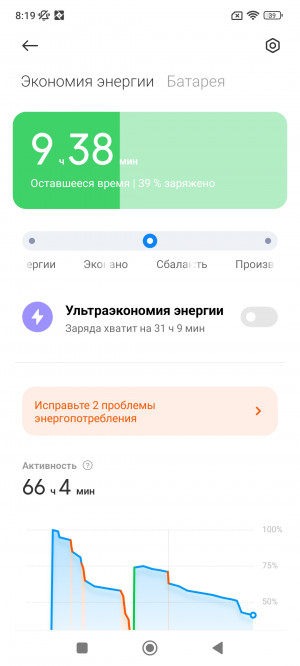
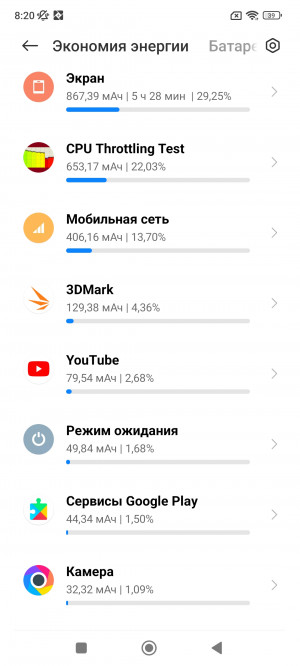
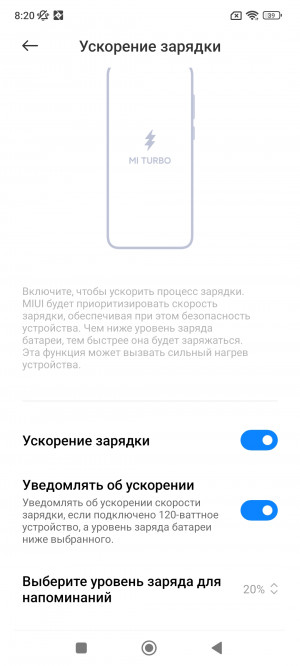
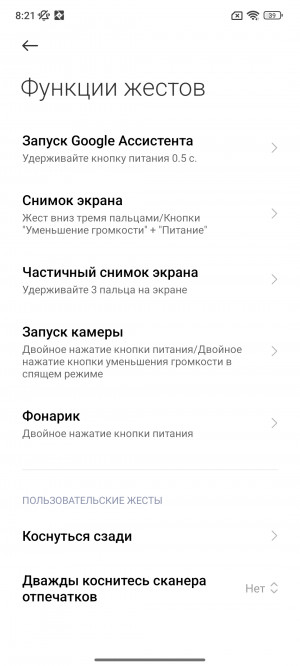
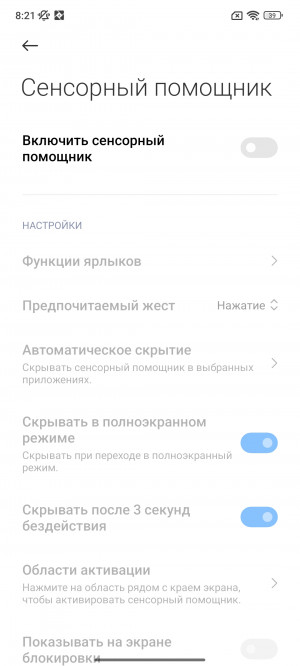
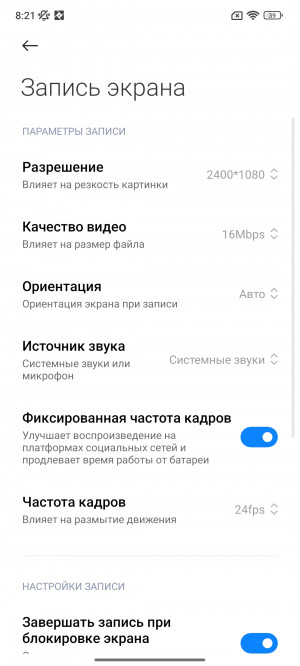
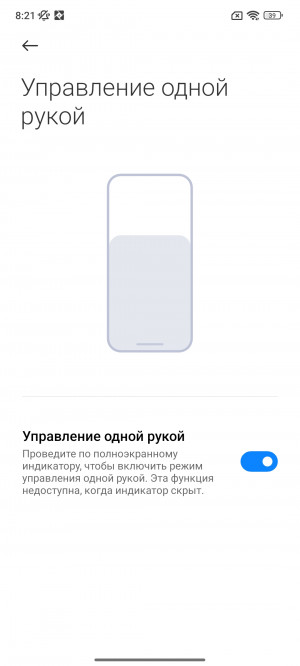
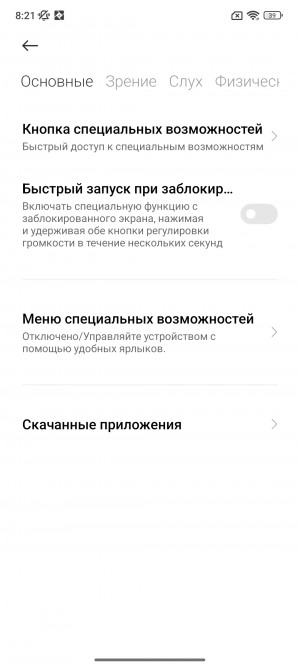
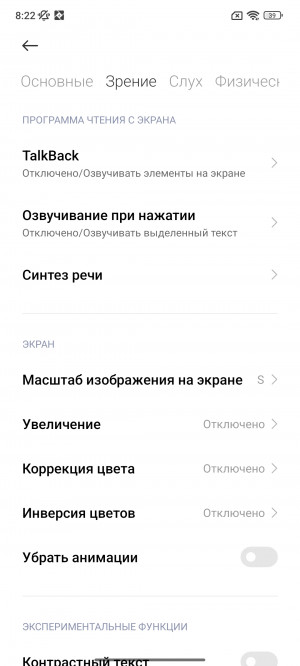

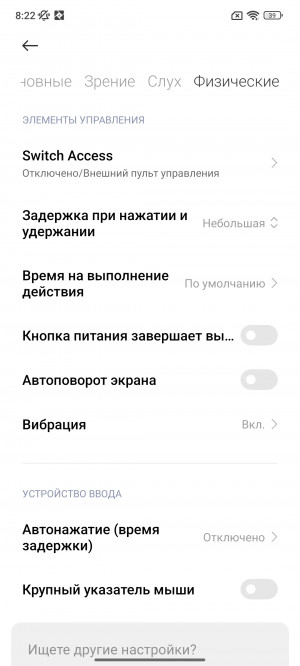

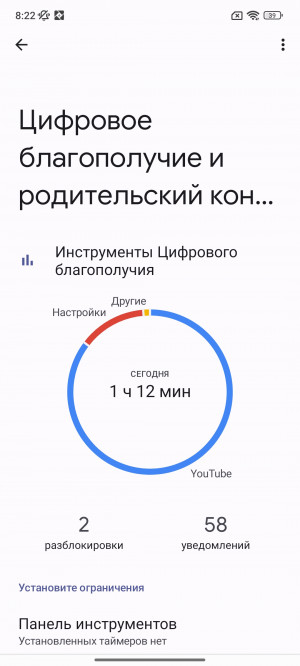

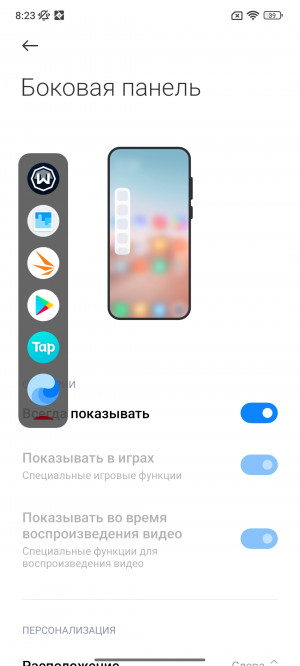
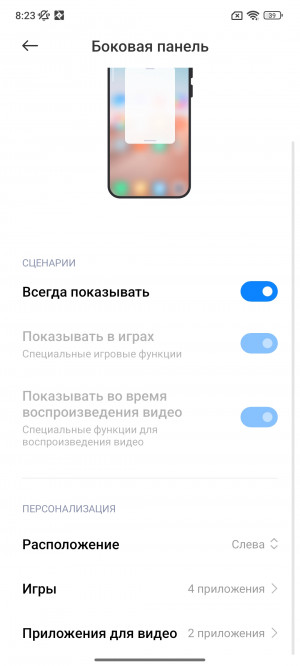
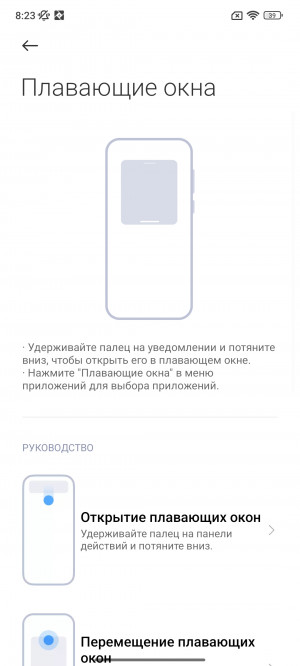
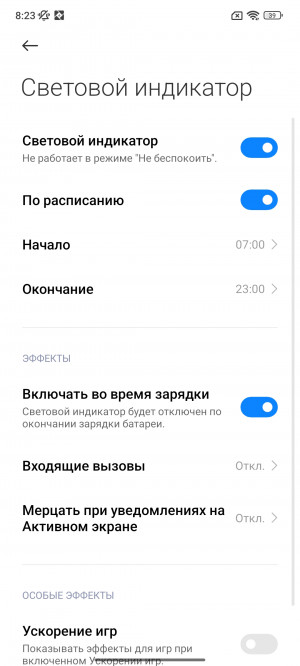
MIUI 13 skin for POCO
Cameras
The smartphone doesn't try to be a camera phone, butprovides a good set of sensors: main Sony IMX686 64 (→ 16) MP with phase detection autofocus, wide-angle OmniVision OV8856 8 MP, selfie Sony IMX596 20 MP and macro 2 MP. The latter, of course, is more of a plug for quantity than a camera, but oh well.
The main camera allows you to receive even"tinted", but nice shots with good detail and blur. However, there are enough nuances. The smartphone tends to overestimate the exposure, the use of HDR in dynamic scenes sometimes leads to artifacts, the color balance is changeable, and the focus floats back and forth with a lack of light, which makes it not always easy to take a good shot. The nature of the photos on the wide-angle and selfie cameras is similar to the results of the main module, except that their detail is noticeably lower.



Main camera



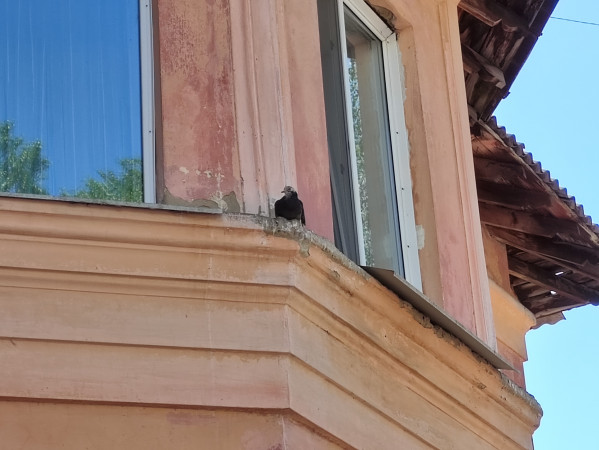
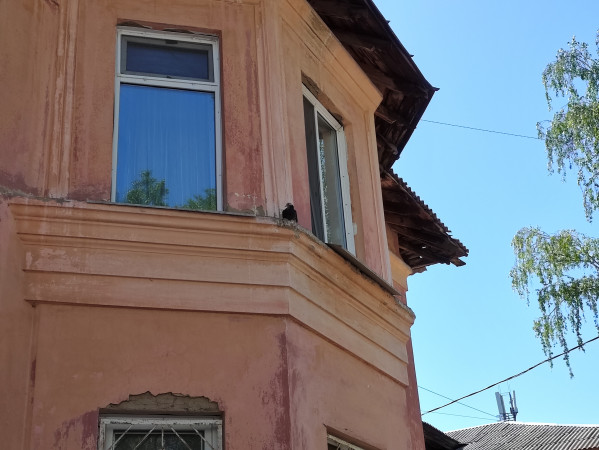
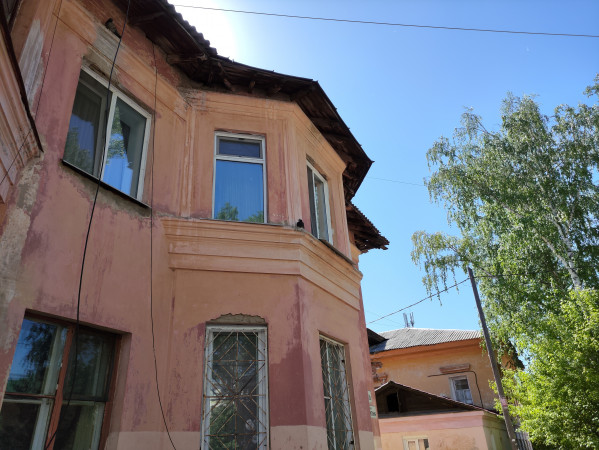






Main camera: zoom


Base camera: standard and portrait modes



Main camera: detail difference 60 MP and 16 MP
























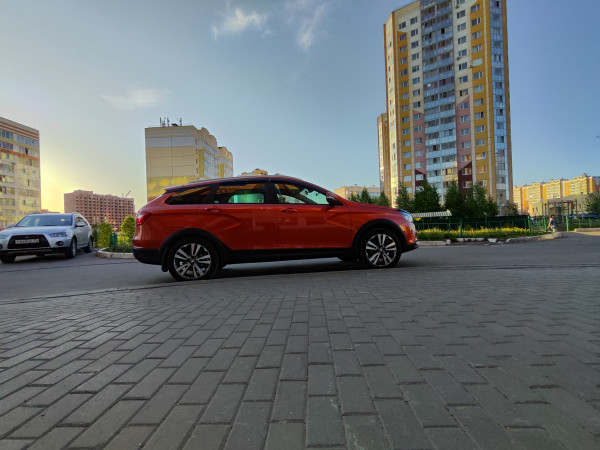
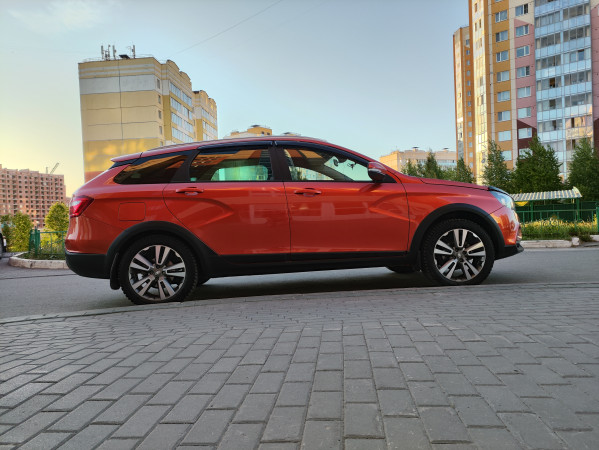


Main and wide-angle cameras




Main and wide-angle cameras: standard and night modes


Selfie camera: standard and portrait modes
Video recording is limited to 4K@60fps formain camera and 1080@30fps for front and wide angle. Of the pluses, I note a quick focus, good stabilization and excellent sound recording quality (that's where three microphones came in handy). As a weighty fly in the ointment, the inability to switch between cameras during shooting and the software limitation of shooting time in 4K format (both 30 and 60fps) are eight minutes. Typically, such restrictions are introduced as protection against overheating, but the smartphone does not have time to warm up during this time: after the auto-completion of the video, you can immediately start writing the next one. Why all these difficulties? Dont clear.
Original photos and videos
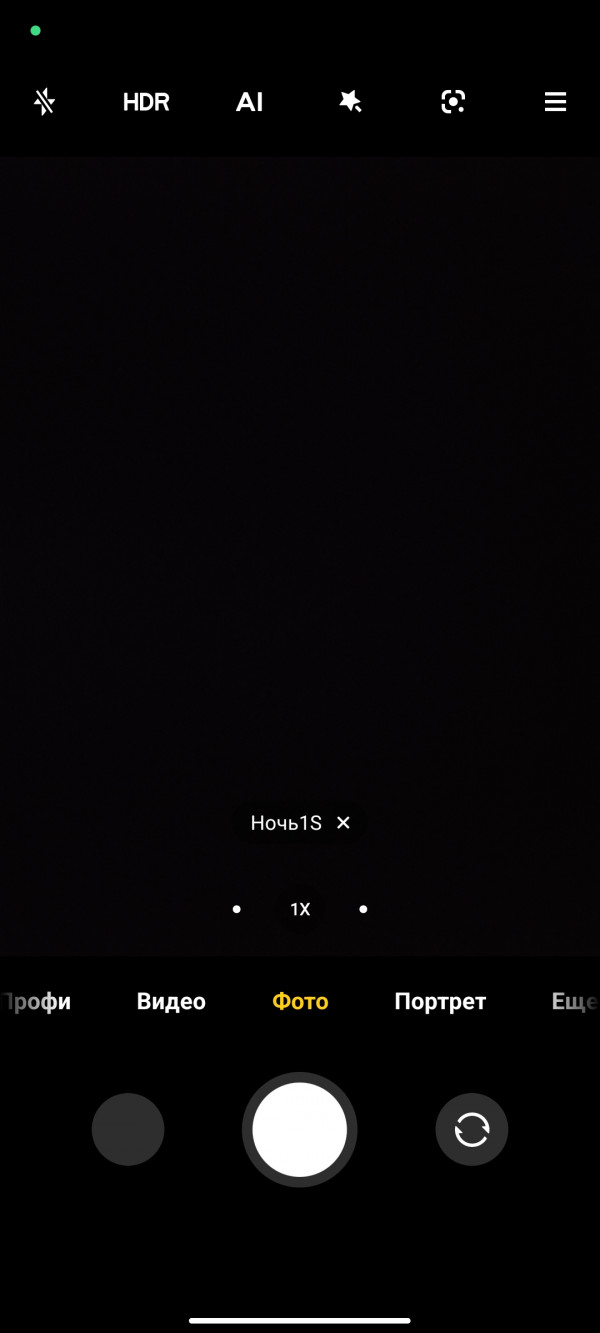
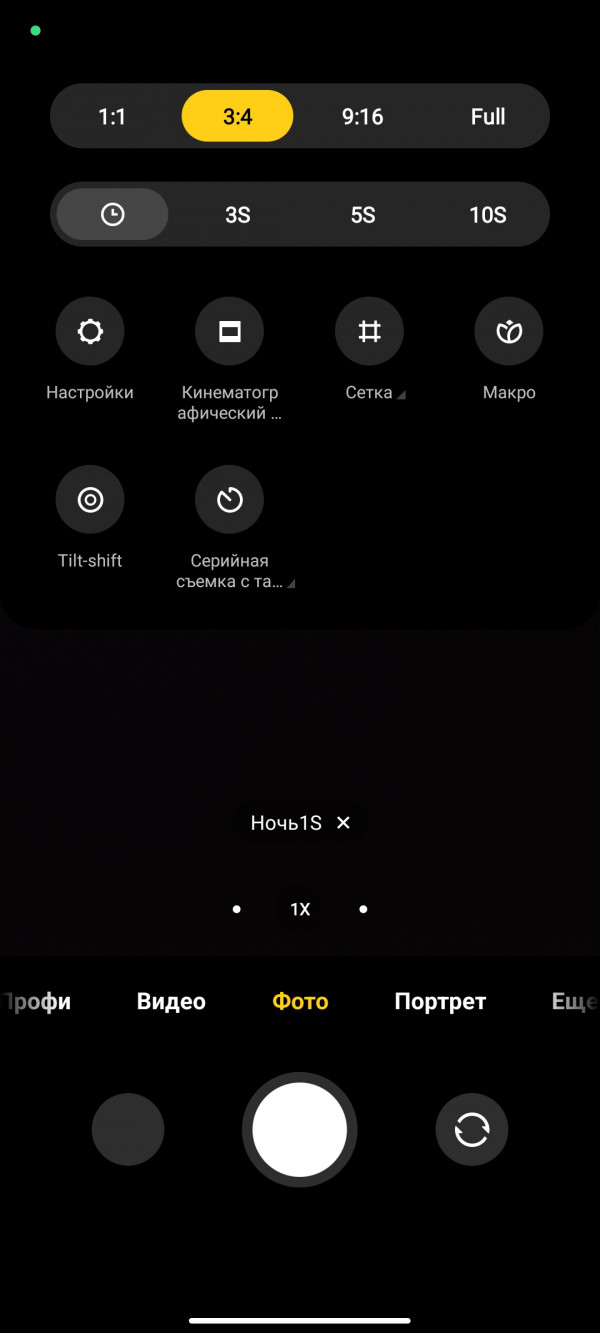

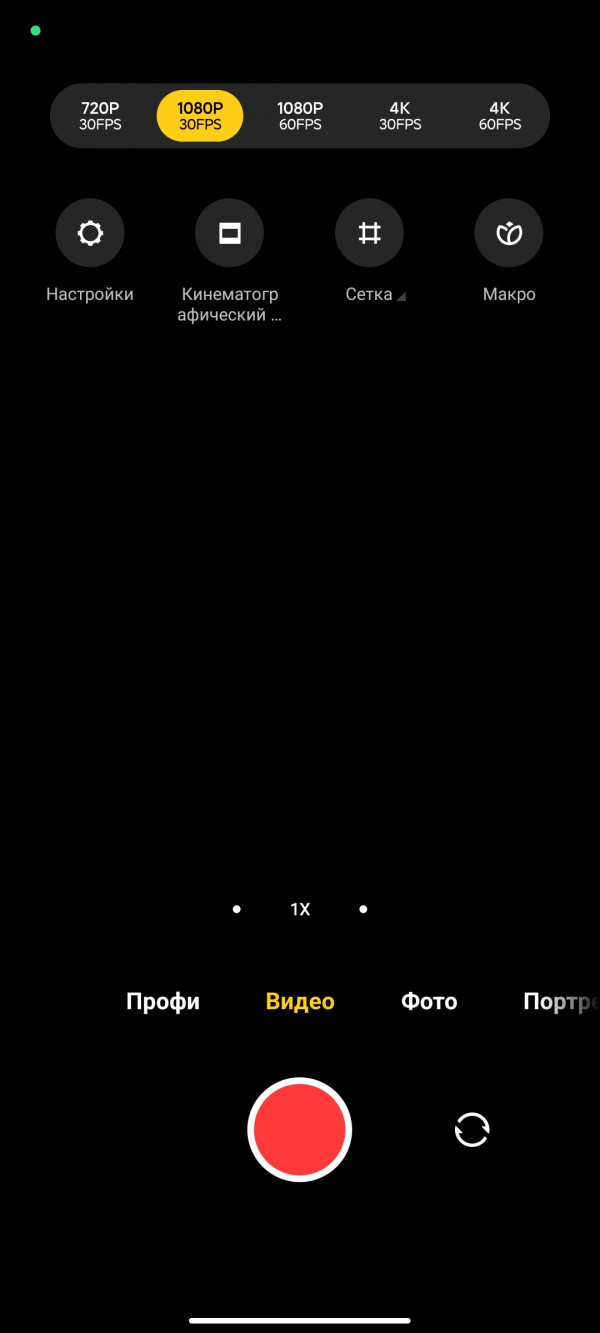
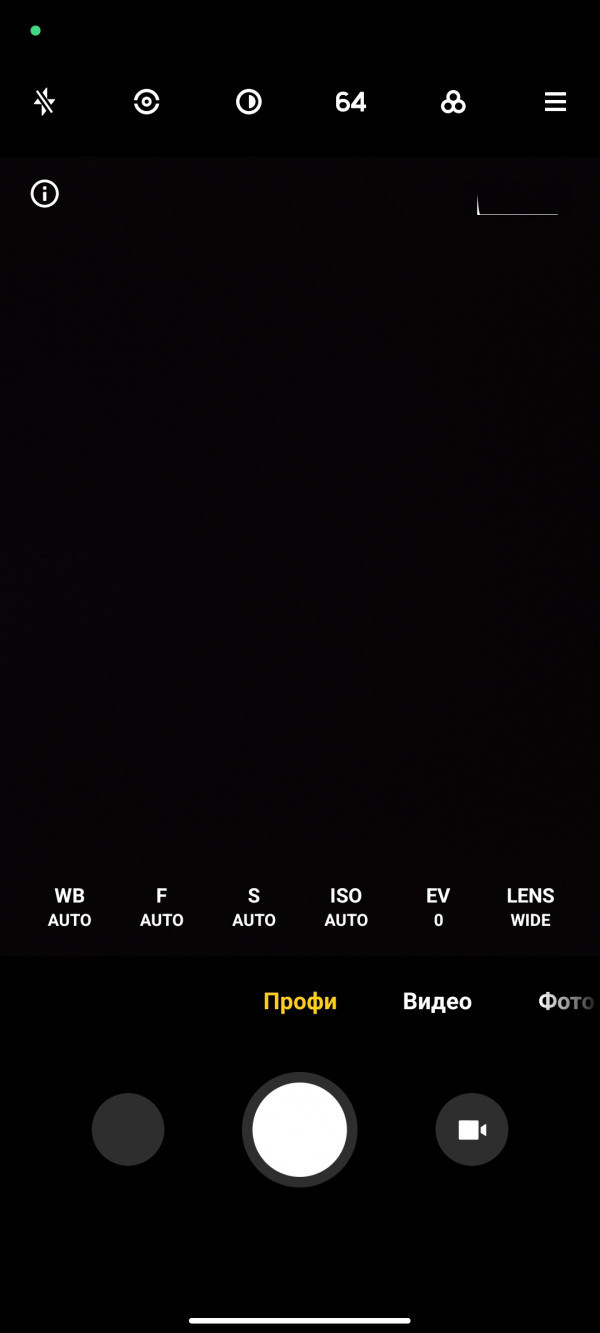
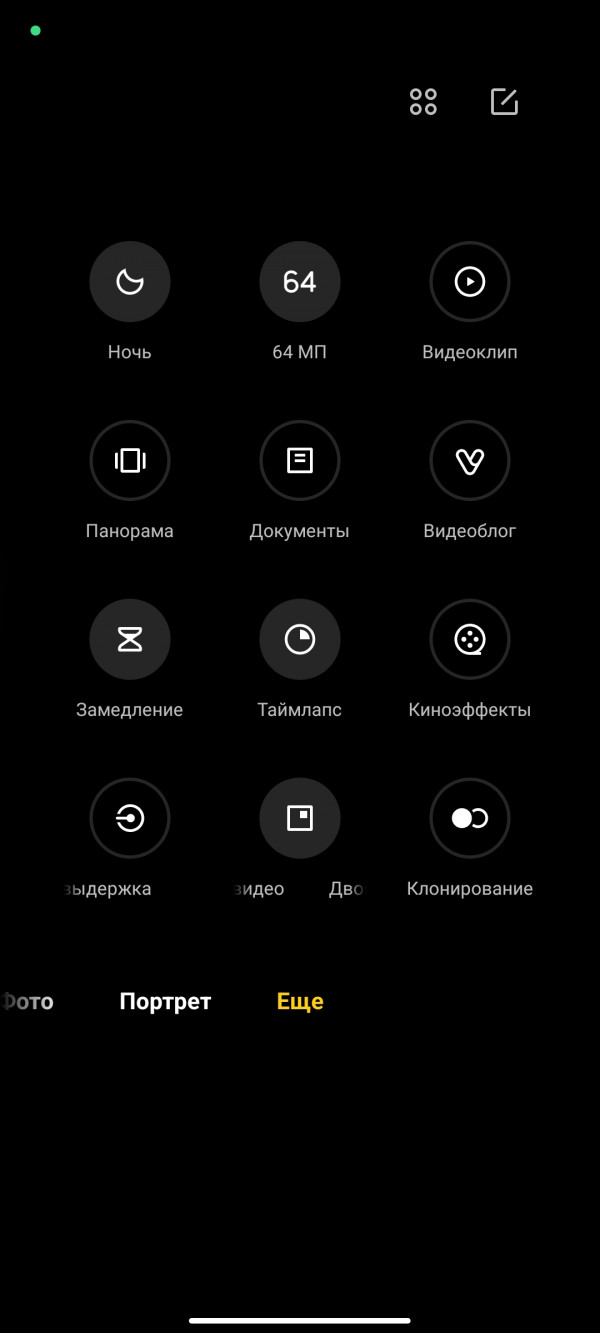
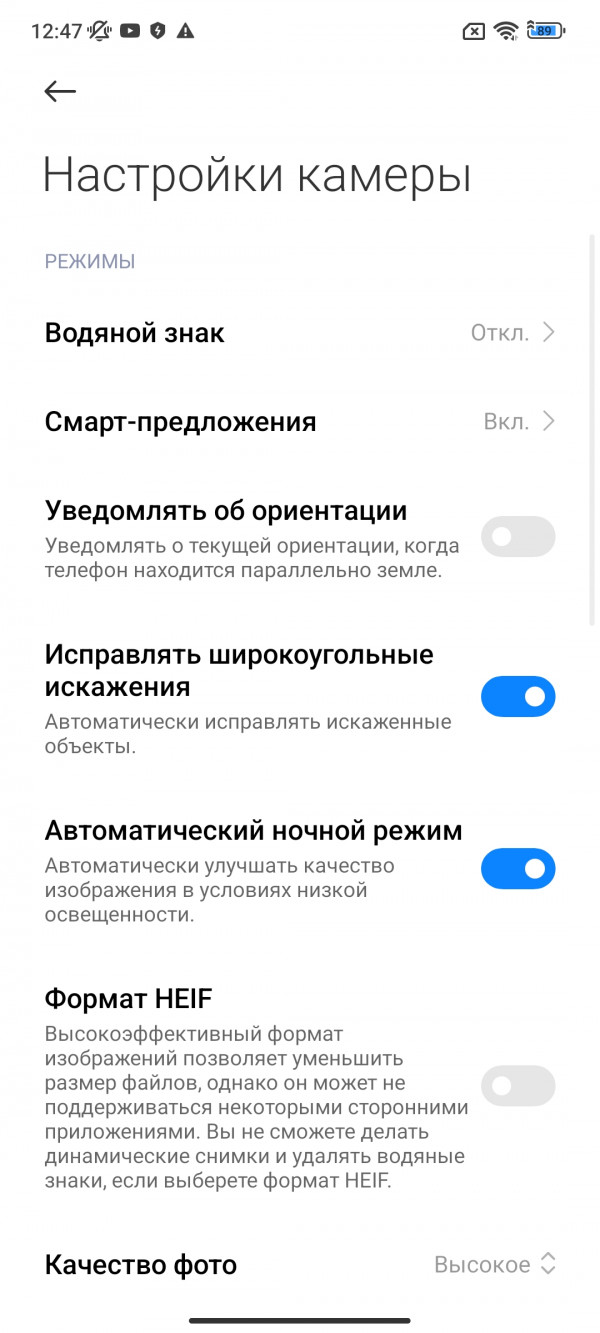
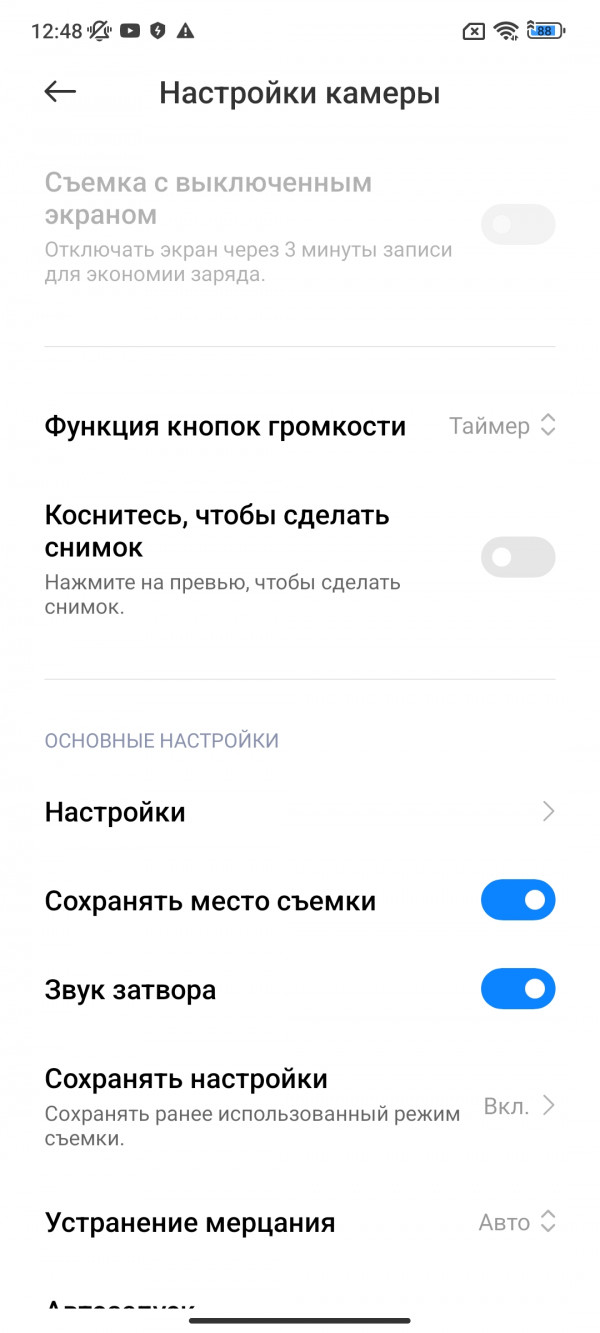
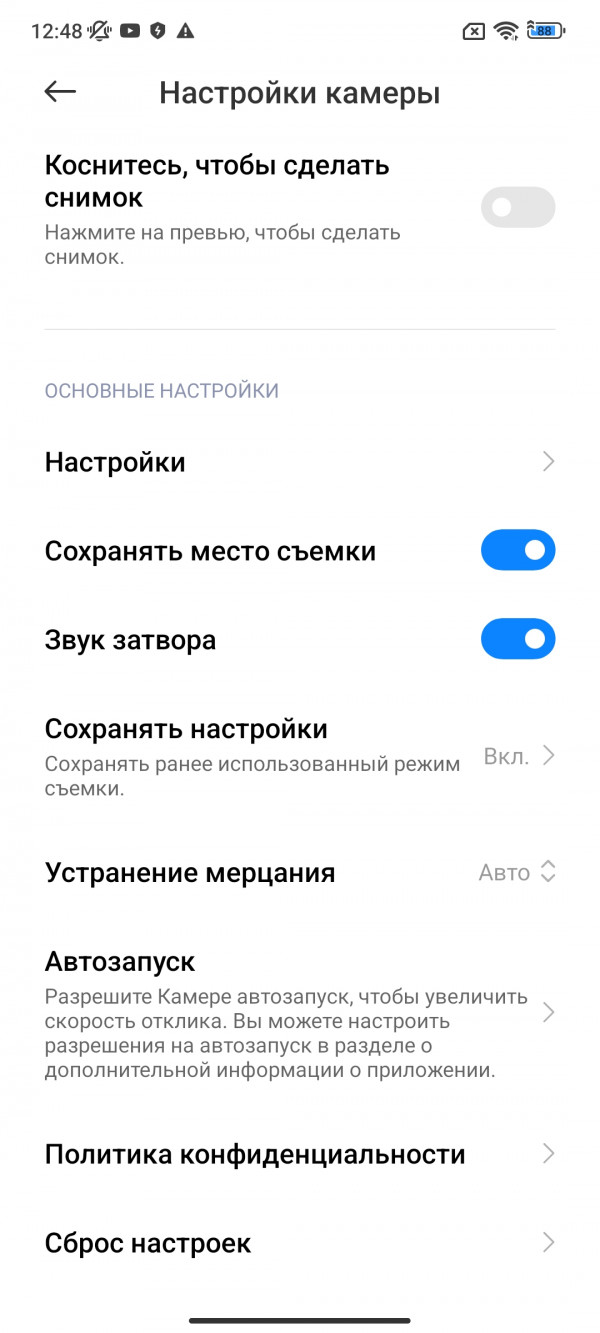
Camera app
Performance and tests
POCO F4 GT performance meetsthe flagship Qualcomm Snapdragon 8 Gen1 chipset with the Adreno 730 graphics core. Working with data fell on 128/256 GB of UFS 3.1 permanent memory and 8/12 GB (+3 GB can be added programmatically due to ROM) LPDDR5 RAM.
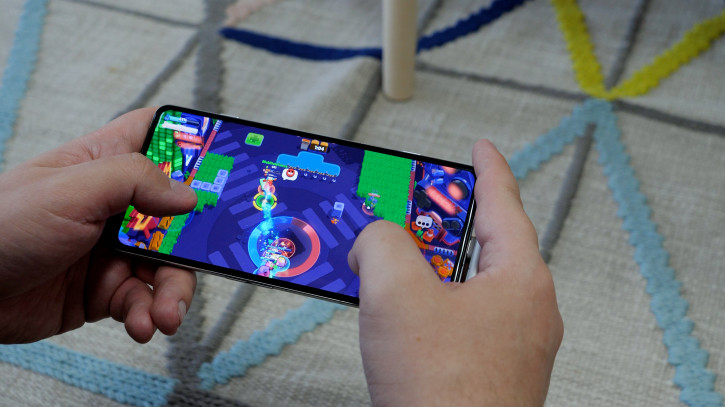
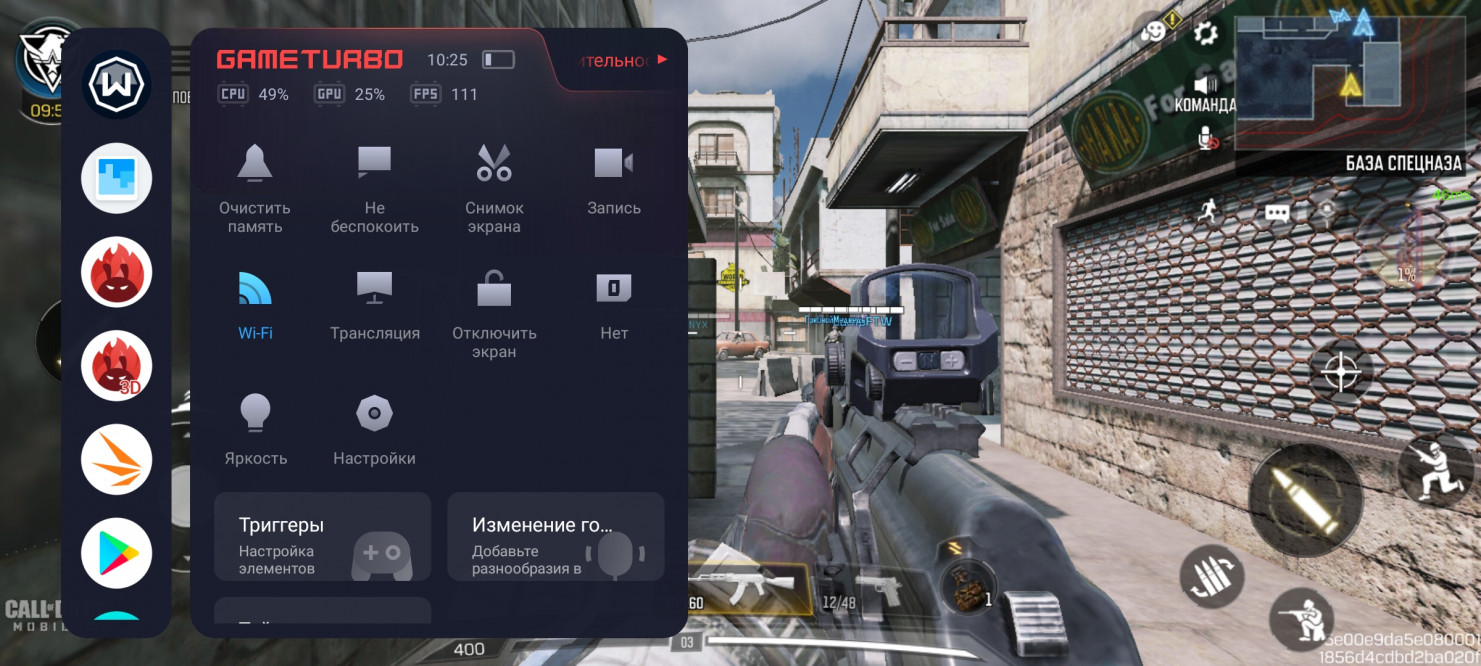
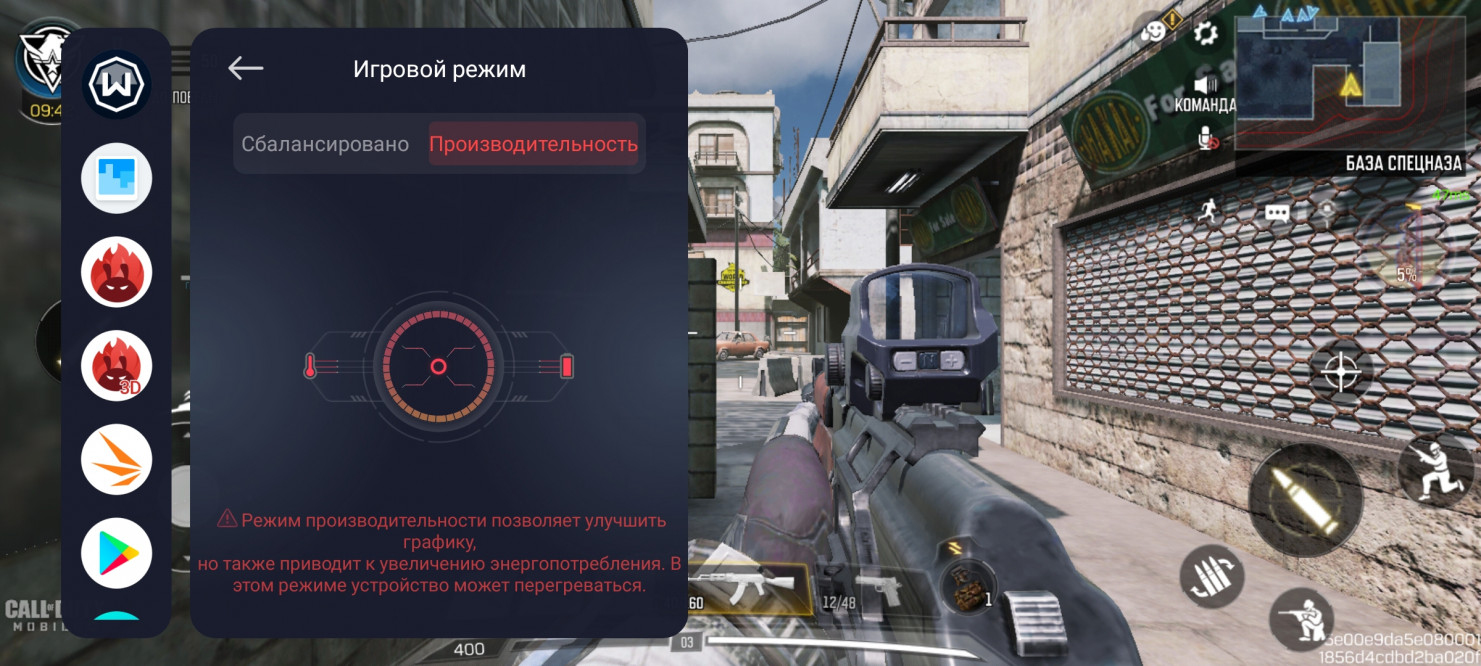
To obtain the most resistant to highloads of device behavior should, firstly, update the firmware to the current one (comparison of different firmware in our video review). Secondly, select the "Productive" mode in the battery settings. Thirdly, add (if not added itself) the application to the game launcher. Fourth, during the game, make sure that the "Productive" mode is selected in the launcher. The latter not only affects performance, but also unlocks the 480 Hz touch layer frequency (the rest of the time it works at a lower frequency).
Although even in this situation, I happened toobserve overheating when passing the 3DMark Wild Life graphics stress test. As for the usual throttling test, the device loses almost half of its peak power in it. In turn, in the AnTuTu test, the smartphone knocked out as much as ~ 959 thousand points, but overheated when restarted.
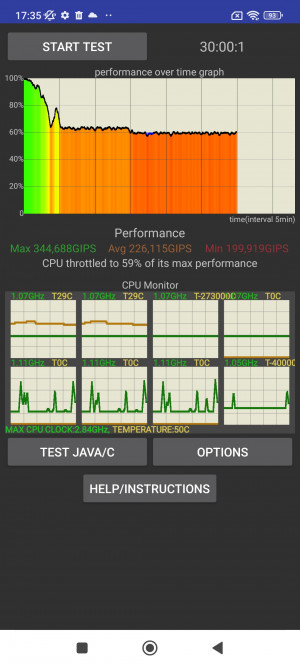
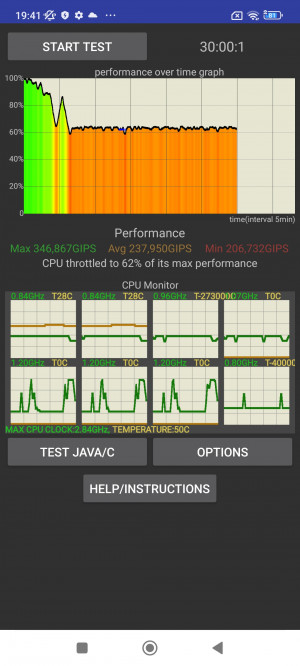
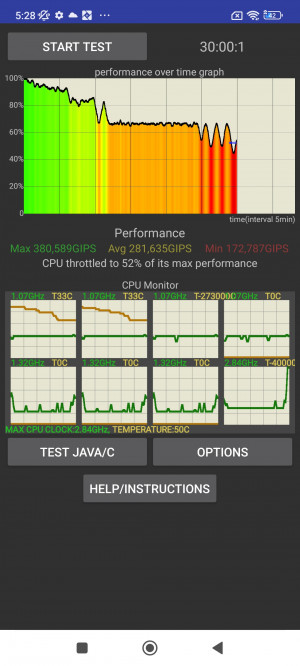
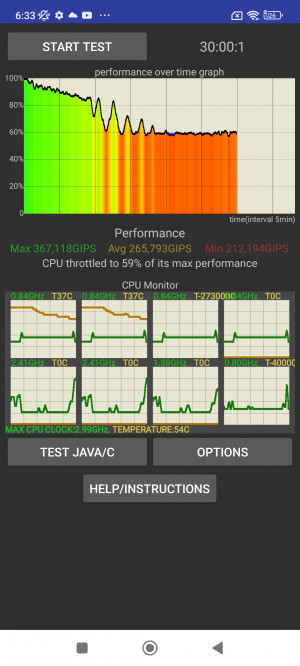
Throttling test*
*Screenshot order:
- Standard mode.
- Productive (battery).
- Productive (battery) + game launcher (balance).
- Productive (battery) + game launcher (performance).
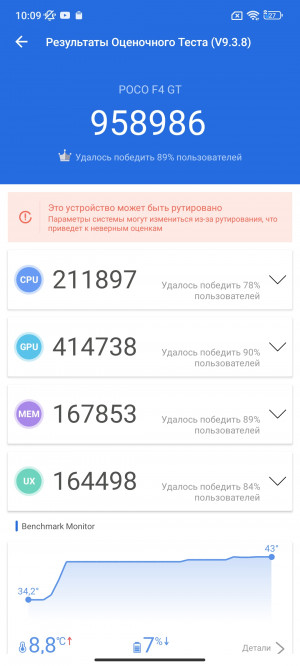

AnTuTu
In games, we also happened to observe not the mostappropriate behaviour. Firstly, when writing this material, the results in some places differed from what we got during the video review shooting (on the same firmware 13.0.3 RU). In my case, COD Mobile ran flawlessly at 55-60fps during a 30 minute gaming session. In the video review - at 45 fps. Tacticool after warming up gave out 45-60 fps at maximum graphics settings.
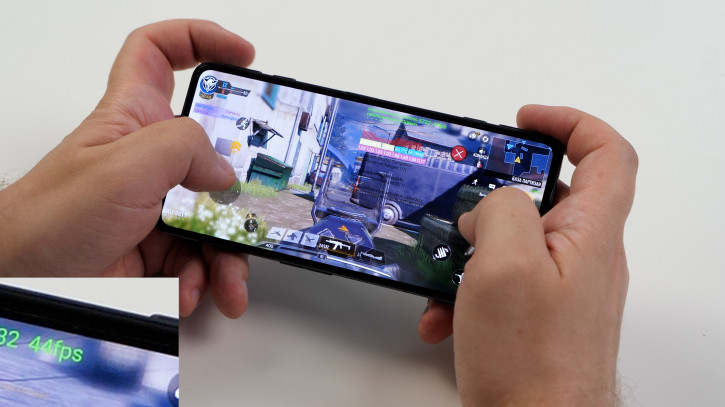
It would seem that this is critical for a gaming device.blow, but here's the thing: in recently released projects, such a disaster is not observed. At maximum graphics settings, APEX Mobile produced a stable 60fps, and Genshin Impact - 35-45 fps without friezes (you can evaluate the gameplay in dynamics in our video review - link with timecode). Apparently, we are watching the next series of the show “Then they will finish it!”. I don’t know, though, who is POCO, game developers (perhaps not all projects have learned to work with a fresh chipset), or maybe all at once.
If we talk about the gameplay in general, forWith the exception of certain (described above) problems, playing on the POCO F4 GT is not only possible, but possible with pleasure. In addition to excellent sound, comfortable dimensions and a high-quality display, the gameplay is greatly brightened up by the bumpers mentioned above. Running in the same Diablo Immortal with an attack hung on the trigger is many times more comfortable than in the standard version. The thumb is used only for skills, which makes it much less tiring.
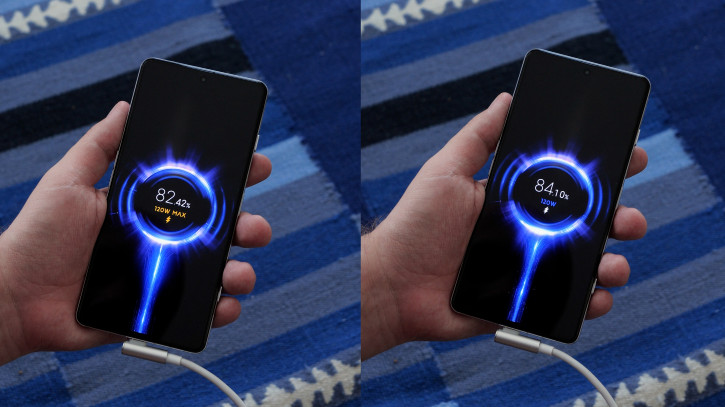
The battery life of POCO F4 GT is provided by4700 mAh battery. With a complete 120 W adapter, it charges from 0% to 100% in 20 minutes in idle mode. That's really fast charging! To achieve this speed, you need to activate the "Fast charging" option in the settings (disabled by default).
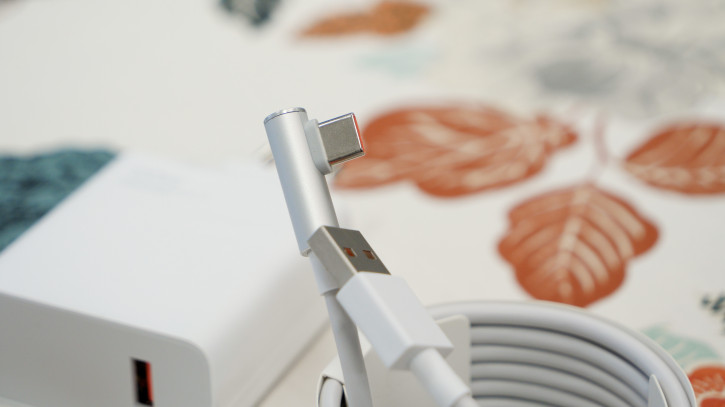
Talk about work time in case of gamingdevices are not the most rewarding business. Let me just say that in 60 minutes of YouTube (Wi-Fi, 100% brightness, 1080p) it took 9% of the charge, and in 30 minutes of COD Mobile (Wi-Fi, 100% brightness, maximum graphics) - 8%. I also note the L-shaped plug of the charging cable.
Conclusions
POCO F4 GT offers a great display, solidstereo sound and vibration feedback, moderate photo capabilities, good sound recording quality in video, desperately fast charging, flagship hardware and physical triggers. The latter take some of the load off the thumbs and perform well in shooters, various action games and when playing on emulators.
Of the nuances, it is worth paying attention tolimiting the duration of video recording in 4K and not the most stable performance in some game projects. The latter, I want to believe, will be promptly corrected (whether) in subsequent updates.
The best discounts and promotions in our Telegram
© Dmitry Pivnev.