Space travel and life on exoplanets
Just a few years ago, space travel was
Man has not set foot on the moon in 48 years, but that will soon change. Missions are planned to send human crews to the Moon and Mars, starting in 2024.
What's even more exciting is thatScientists have recently discovered water on the sunny areas of the Moon. They are not yet sure whether this water comes from beneath the surface of the Moon. Perhaps it was formed as a result of meteorite impacts. In addition, scientists have found frozen water on Mars (mainly in the polar regions). Futurist and business consultant Shara Evans is confident that such discoveries are the prerequisites for creating self-sustaining human colonies in the solar system.
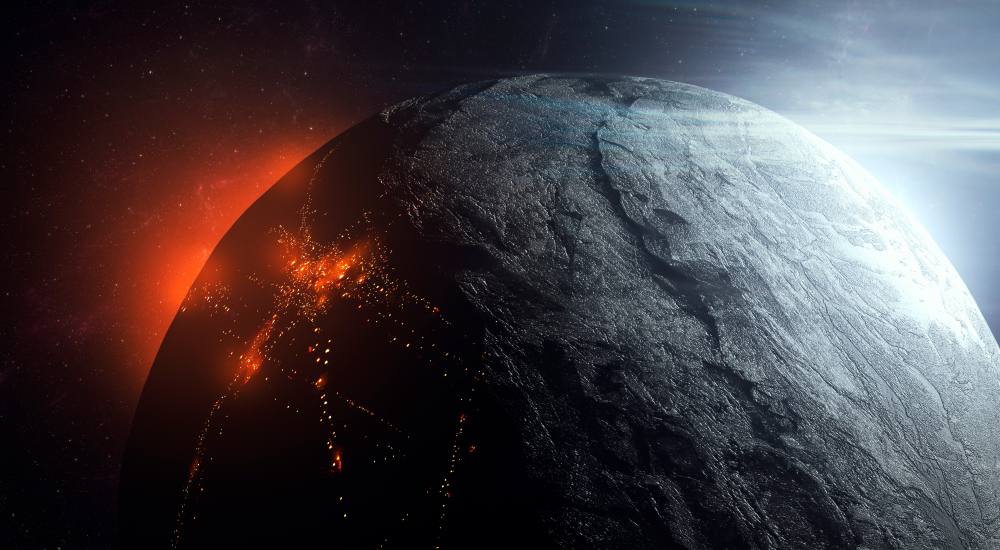
In addition, astronomers recently confirmedthe existence of more than 4,300 exoplanets outside our solar system). By the way, only in our galaxy, according to the latest estimates, there are at least 300 million exoplanets where human life can be supported. There are billions of galaxies, which probably also have planets to live on.
Evans is confident that there is not much time left before full-fledged living in space, and human civilization will no longer be limited to Earth.
The next 10-25 years will determine if humanity will survive
Matt Ward, author ofDeath Donor: Dystopian Sci-Fi Technotriller ”is not so optimistic and shared his thoughts on the fate of humanity in the next 10-25 years.
“Humanity is moving towards very interesting, species-defining years. We will either solve many of the problems from which society suffers, or we will observe the beginning of the end of civilization".
Key points from an interview with the writer:
- The United States will lose its superpower status.
- Small towns will practically disappear.
- Genome sequencing will become an inexpensive or free survey.
- Paper money will be banned by governments.
- There is still 15-20 years of technology development before full-fledged artificial intelligence.
- Mega-corporations (like Amazon) will start buying nation states.
- There will be at least one precedent for “accidental bioterrorism.”
- The rich will have access to the black markets of children's clinics.
- The most valuable smart device will be the gut health toilet.
Procreation without the participation of men and women
The way we give birth to children will no longer require the participation of men and women. It is this freedom that will give people the opportunity to have the family they want, Cecily Sommers is sure.
“In the next decades we will see how biotechnology will become a new step towards emancipation,” emphasizes the female futurologist.
At the turn of the twentieth century, bicycles were given to womenthe ability to travel unaccompanied by men. By providing true social mobility, bicycles have fostered the electoral movement and its ultimate achievement: the woman's right to choose. As Susan B. Anthony said, "The bicycle has done more for the emancipation of women than anything else in the world."
When the contraceptive pill was introducedwomen could postpone pregnancy and instead invest time in education and careers. Ten years later, female college enrollment has increased by 20%. Today, women receive more bachelor's, master's and doctoral degrees than men.
In Vitro Fertilization (IVF)And gene editing is evolving and the trend will deepen in the next decades as childbirth "moves from the bedroom to the test tube, Sommers predicts.
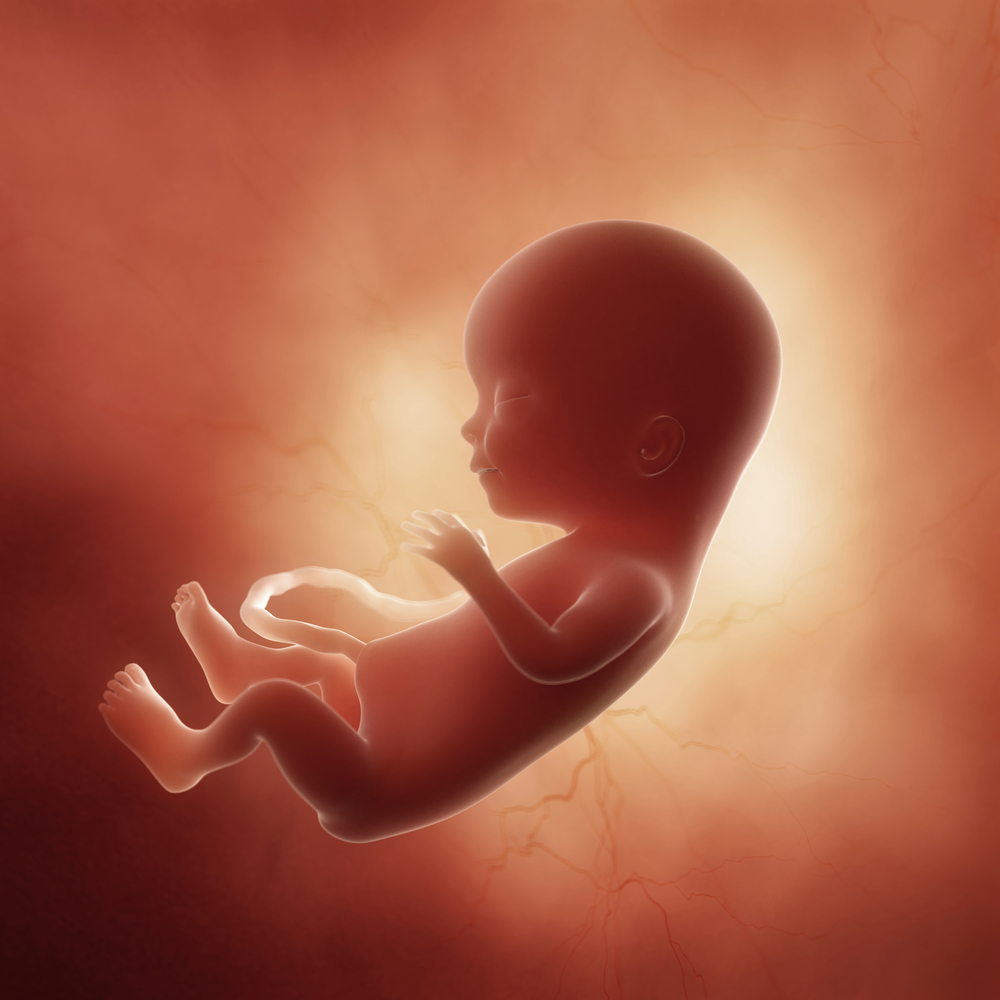
The future of reproduction is based on science,Nobel Prize-winning technology in which skin cells turn into sperm and eggs, and genes can be edited. In addition, two years ago scientists took another step towards creating sperm from stem cells in the laboratory.
“Regardless of whether thea child from your skin cells or from someone else's cells, we will be able to eliminate hereditary diseases and add preferred traits to our offspring. Fully synthesized human genomes and artificial wombs are just around the corner,” the futurist concludes.
Public transport, road traffic and mobile homes
Public transport of the 20th century will be replaced by private transport in the form of single-seat capsules that will travel on the roads, futurist Brad Templeton is sure.
Replacing the usual mobile homes, which are verypopular in the US for traveling around the country, their unmanned robot-controlled variants will come, said another American futurist Joyce Joy. They will be programmed to follow the selected route. On the way, the houses will stop at the most interesting historical natural attractions. Of course, there will be Internet access, and the entertainment module will be adapted to the age and interests of passengers. Mobile homes will be equipped with food replicators, so if people are too lazy to cook, they won't have to. The robots will set up all systems.
Read more
Abortion and science: what will happen to the children who will give birth
Waste from carrots and beets is made from concrete structures to power generators
Research: humans will not be able to control superintelligent AI machines