Curators at the Cincinnati Art Museum in the United States have found a previously unknown “magic mirror” in the archives. Ray
While working in the archive, Hou-mei Sun noticeda mirror about 23 cm in diameter, to which a bright red thread was attached. This work, kept in the archives for more than 50 years, but not previously classified, reminded the researcher of the "magic mirrors" that she saw at exhibitions. Directing a beam of light at its surface, Hou-mei saw the image of a seated Buddha.
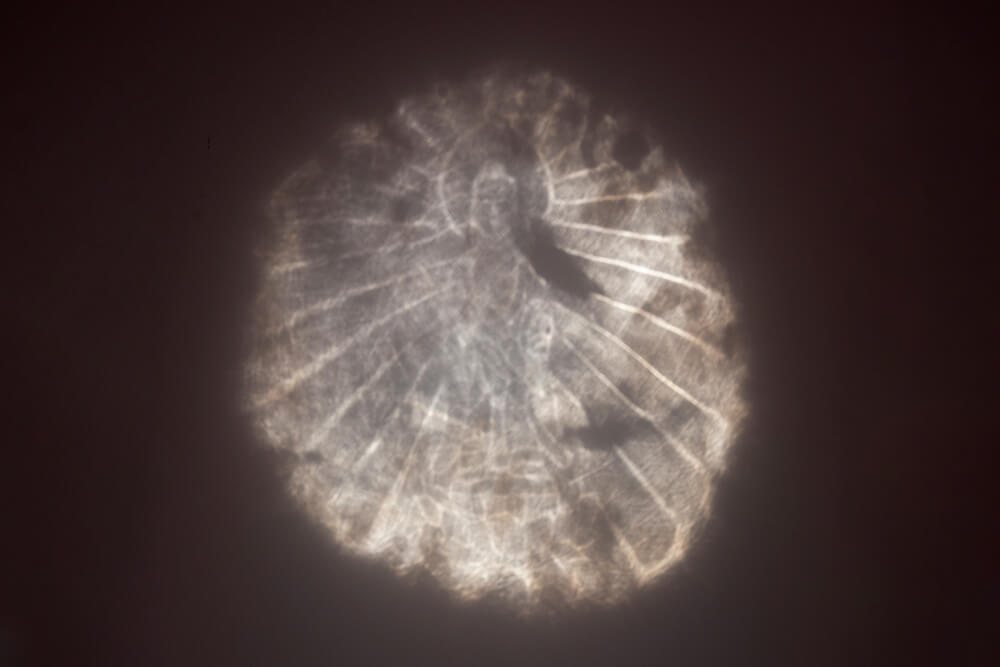 Buddha in a mirror image. Images: Cincinnati Art Museum
"Magic", "transparent" or "translucent"Mirrors are a type of art that first appeared in China during the Han Dynasty (202 BC - 220 AD). When light is projected onto them, the mirrors appear transparent and reveal hidden symbols or decorative designs.
The researchers note that the front of the mirror is a polished reflective surface, and the reverse side is marked with six characters that form the name of Buddha Amitabha.
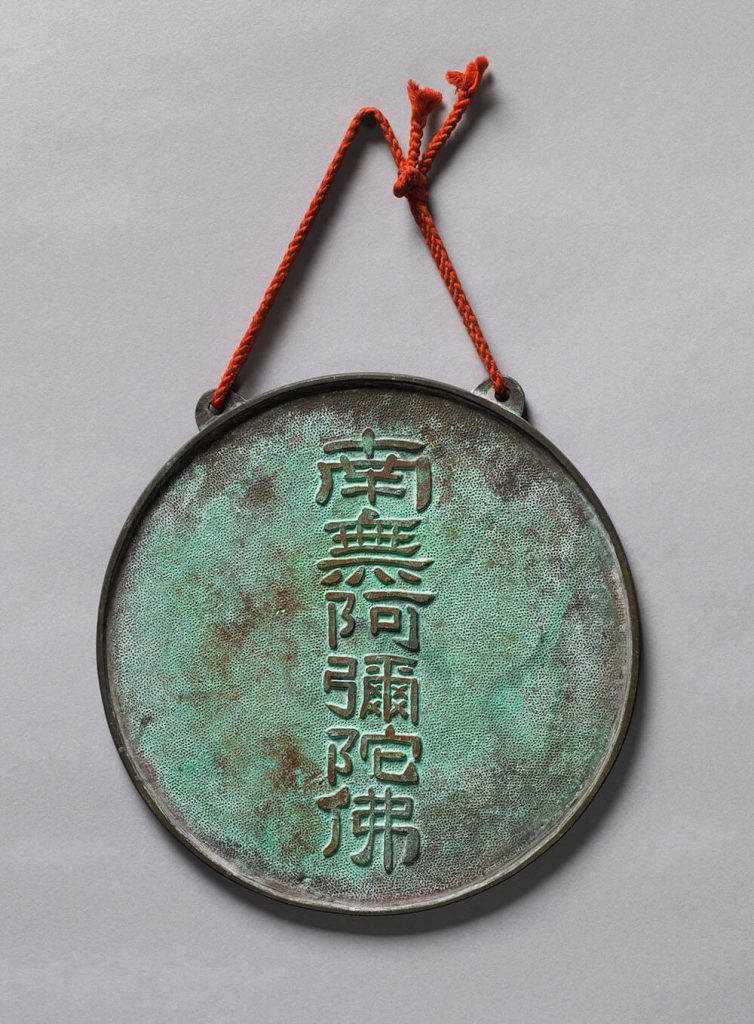
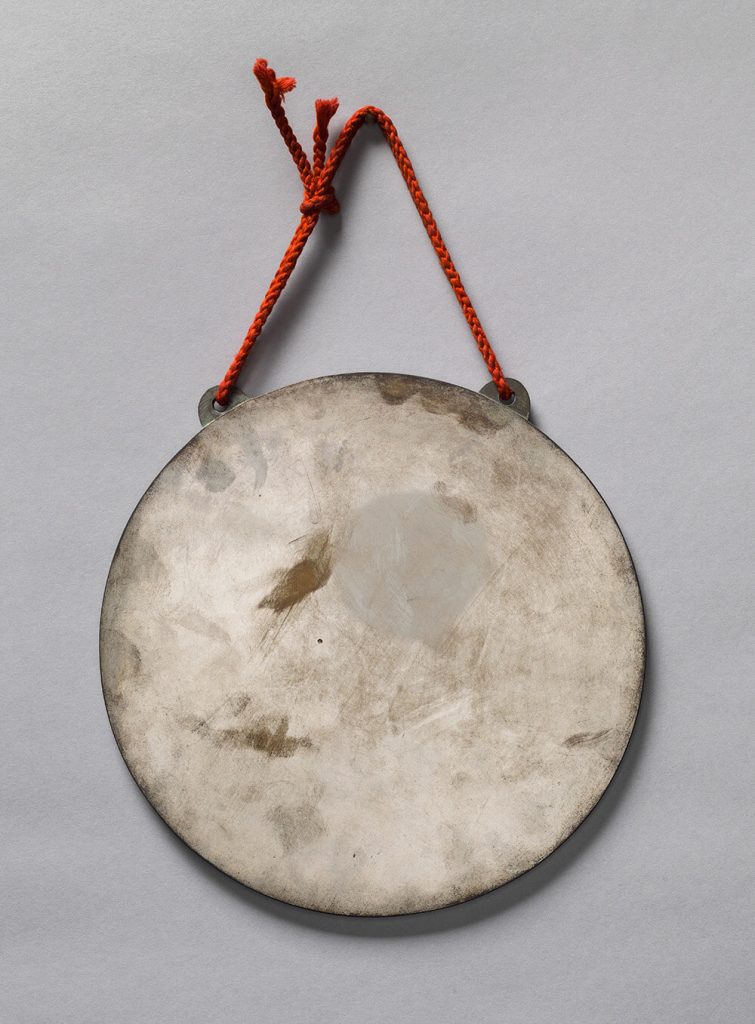
Magic mirror. Images: Cincinnati Art Museum
Ancient magic mirrors are extremely difficultmake, and they are very rare. Apart from the Han dynasty mirrors in the Shanghai Museum, only two other similar mirrors with Buddhist motifs are known: the first is in the Tokyo National Museum and the other in the Metropolitan Museum of Art. Both mirrors were made in Japan during the Edo period (1603–1867).
Preliminary research on the Cincinnati mirror shows it to be older than the other two and made in China.
Read more:
Named the consequences of the last solar storm that hit the Earth
A huge tunnel under the Egyptian temple “hidden” mysterious artifacts
A massive impact from a space object triggered the Earth's magnetic field