Content
- Equipment and design
- Software
- Cameras
- Performance & Tests
- findings
The other day in Russia came out two new items from the license plateRealme 10 Pro and 10 Pro+ series. Despite similar names and close positioning, smartphones differ in almost all technical characteristics, are perceived differently live and have almost nothing in common. Without delving into why the "neighboring" models in the brand's range turned out to be so different, let's carefully compare them and determine which one is interesting for which audience.

Despite the hieroglyphs in the newspaper, we have global versions on the test. The Chinese are blocking in Russia, so we advise you to consider the global version
 |
Technical characteristics | |
|---|---|---|
| Realme 10 Pro | realme 10 pro+ | |
| Network | 2G, 3G, 4G, 5G | |
| Firmware | Android 13 with Realme UI 4.0 | |
| Screen | 6.72″, 2400×1080 pixels, 20:9, 392 ppi, IPS, 680 nits, 120 Hz, touch 120 Hz | 6.7″, 2412×1080 pixels, 20.1:9, 394 ppi, AMOLED, 800 nits, 120 Hz, touch 360 Hz |
| Chipset | Qualcomm Snapdragon 695, 6 nm CPU: 2 x A78 x 2.2 GHz + 6 x A55 x 1.7 GHz GPU: Adreno 619 |
MediaTek Dimension 1080, 6 nm CPU: 2 x A78 x 2.6 GHz + 6 x A55 x 2 GHz GPU: Mali-G68 MC4 |
| Ram | 6/8/12 GB | |
| ROM | 128/256 GB | |
| SIM and memory card | Combo slot (2 x nano-SIM / nano-SIM + microSD) | 2 x nano-SIM |
| Camera | Main: 108 MP, S5KHM6, 1/1.67″, f/1.8, phase detection autofocus Depth sensor: 2MP, GC02M1 / SC201CS, f/2.4 |
Main: 108 MP, Samsung HM6, 1/1.67″, f/1.8, phase detection autofocus wide angle: 8 MP, IMX355, f/2.2 Macro: 2MP, GC02M1 / OV02B, f/2.4 |
| Selfie | hole in the center, 16 MP, IMX471 / S5K3P9, f/2.5 | |
| Battery | 5000 mAh | |
| Charging | USB Type-C, 33W | USB Type-C, 67W |
| Wireless interfaces | WiFi 5 Bluetooth 5.1 A-GPS, GLONASS, Galileo, Beidou |
Wi-Fi 6 Bluetooth 5.2 A-GPS, GLONASS, Galileo, Beidou |
| NFC | there is | |
| Biometrics | Fingerprint scanner (side) | Fingerprint scanner (on screen) |
| Sound | Stereo speakers 3.5mm headphone jack |
Stereo speakers |
| Water protection | Not declared | |
| Dimensions and weight | 163.7 x 74.2 x 8.1mm 190 g |
161.5 x 73.9 x 7.8 mm 173 g |
| Price | ||
Equipment and design
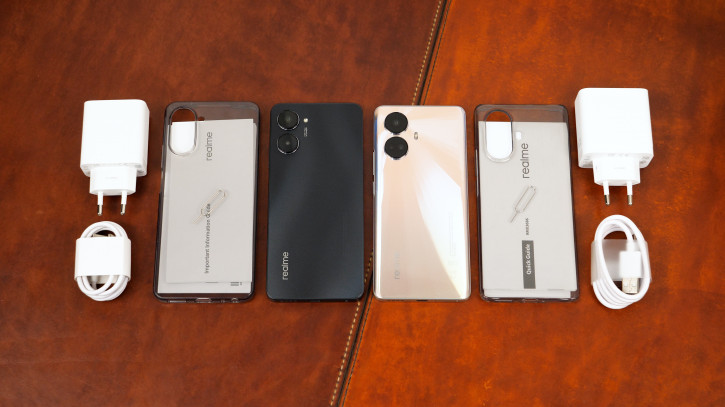
Realme 10 Pro and Pro+ come in the sameyellow and black cardboard boxes. Of course, the model name on the packaging is different, but that's it. The kit is the same in composition (charging, USB cable, silicone case, documentation and SIM needle), but its elements are different. The charging power of the younger model is 33 watts, while the older one is 67 watts. Due to the different design, the covers also turned out to be different, and the case of the younger model sits stronger and protects more reliably. But with the Pro+ curved screen, it couldn't be otherwise.
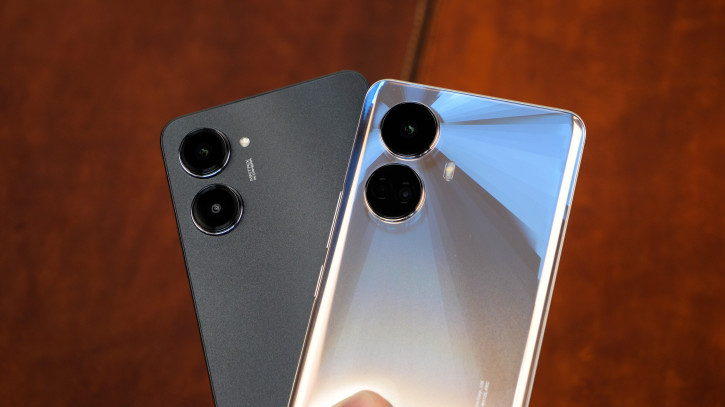
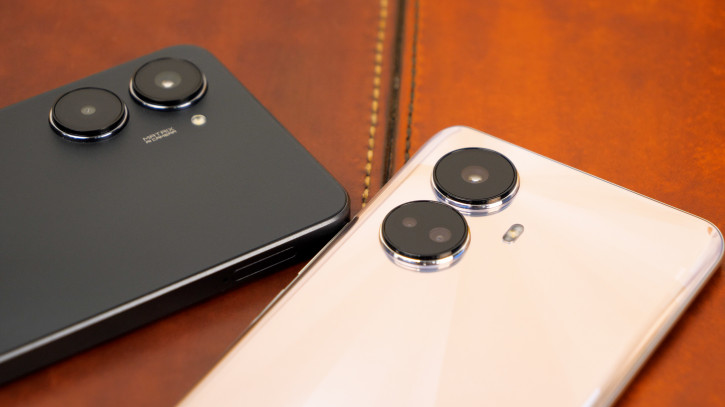
Let's move on to design.Both smartphones are offered in three colors: black, gradient blue and "hyperspace" (we have a Pro + - it's quite difficult to describe this color in words). The younger model is such a brick in the style of the latest iPhone generations: chopped edges, flat glass, flat back panel. The Pro+ is the complete opposite, with a curved display and a curved back. In addition, the Pro+ is much lighter and thinner than the younger model (7.8mm vs. 8.1mm; 173g vs. 190g). Live, the difference in thickness seems to be at least two millimeters, not 0.3.
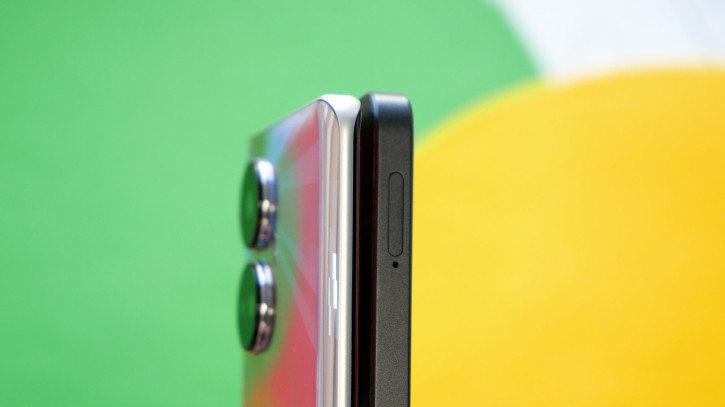
In terms of ergonomics, the older model is incomparably better,although Realme 10 Pro is even nothing. Is that the lock button is somehow tight. By the way, it is combined with a finger scanner, while the Pro + has a scanner built into the screen. In terms of accuracy, they are identical, but in terms of speed, Pro + loses - the creators of the smartphone failed to create a miracle with the subscreen. But it was possible to make thin ends comfortable and even design the shape of the end buttons so that they do not cut your fingers when pressed. Well done! Not well done, that in both devices they saved on case materials - solid plastic, mostly glossy.
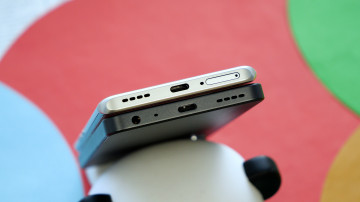
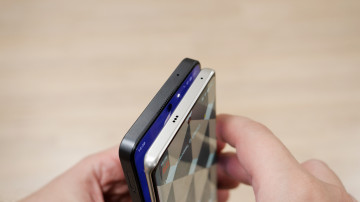
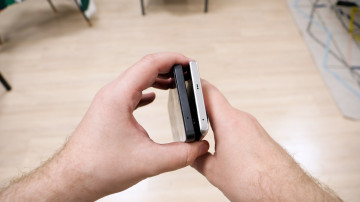
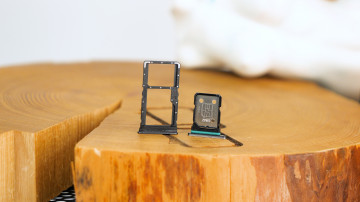
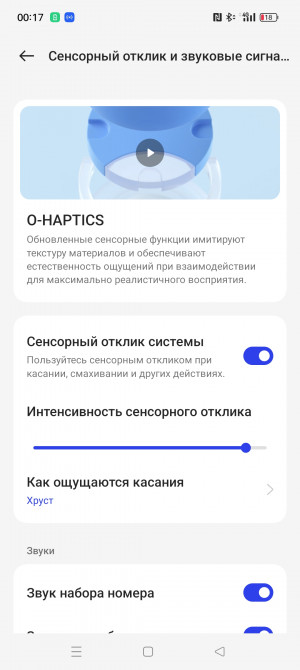
Another notable difference is the lack of a connectorfor headphones in Realme 10 Pro +, which is “compensated” by the presence of a second speaker output on the upper end. Well, the Pro + speakers themselves are much better, but this is more of a reproach to Realme 10 Pro, which received frankly simple sound emitters. They were also smashed by vibration: a buzzer in the younger model and a good tap in the older one. There are two modes, "Crunch" and "Tenderness"; for some reason, our instance of “Tenderness” does not work.
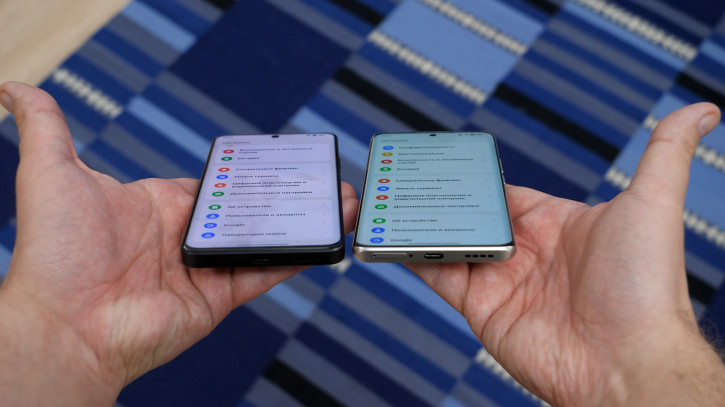
Screens!They have the same frequency (120 Hz), almost the same resolution (2400x1080 for Pro versus 2412x1080 for Pro+) and almost the same diagonal (6.72" for Pro versus 6.7" for Pro+), but there is one fundamental difference. The younger model received an IPS panel, and the older one received an AMOLED panel. Both displays are not perfectly calibrated, but the LED is much brighter and has more contrast. The PWM level of the older model is low, so you can ignore this aspect.
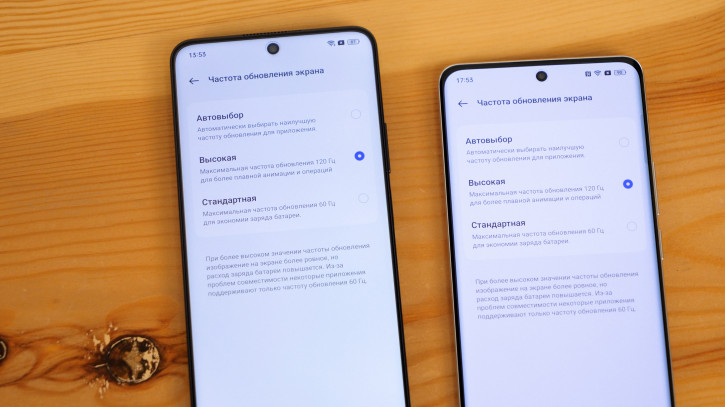
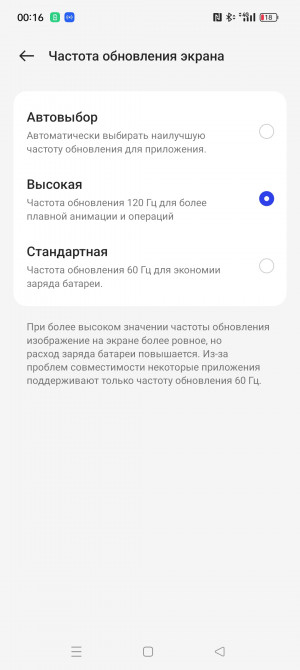
There are three modes for hertz: 60 / auto / 120.But even with forced 120 Hz, games and some applications (Yandex, YouTube) work at 60 Hz. Realme 10 Pro sometimes turns on 90 Hz in auto, for example, YouTube works at 90 Hz (and if you turn on 120 Hz, then at 60 Hz). Realme 10 Pro touch is 120Hz in all scenarios; Pro + - 360 Hz in games and 180 Hz in the interface and applications.
Software
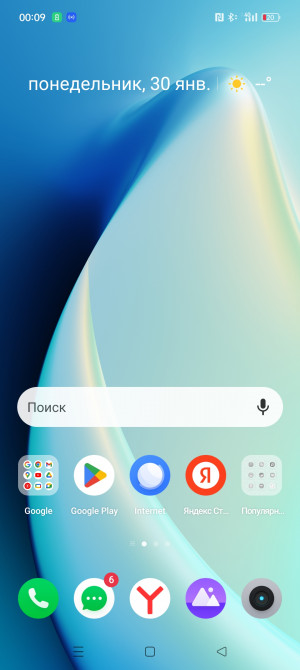
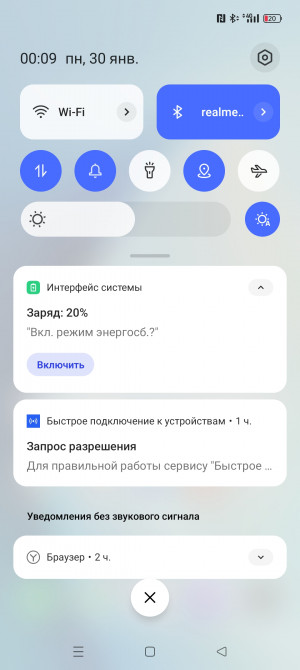
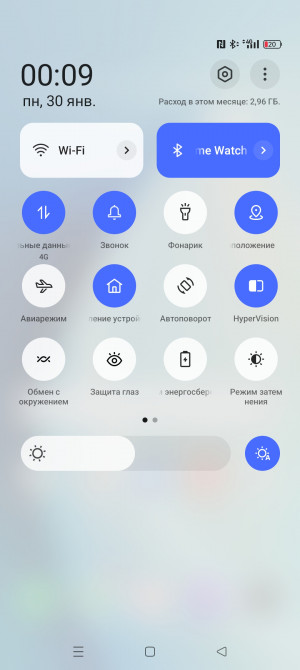
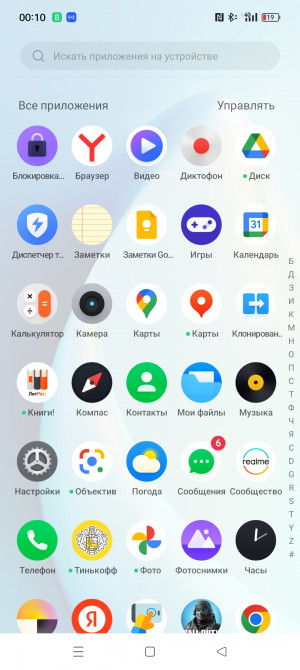
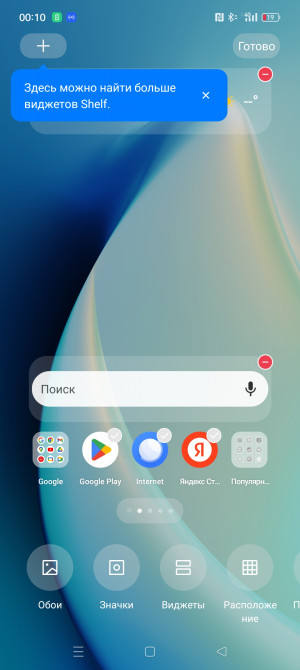
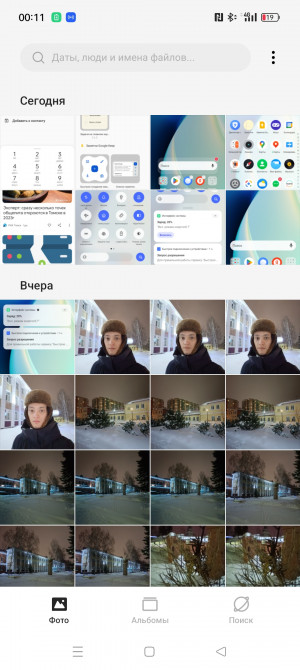
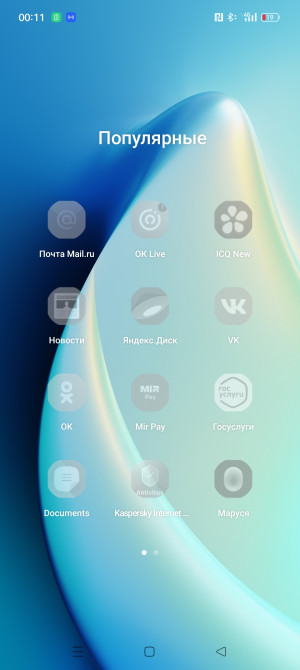
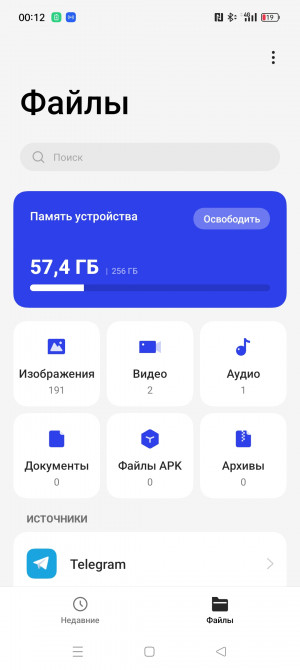
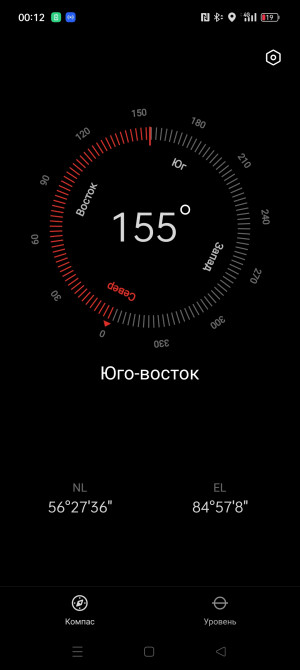
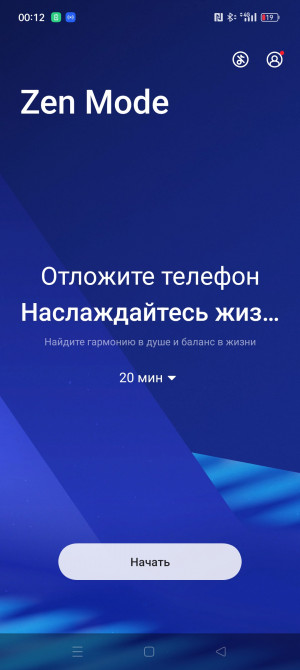
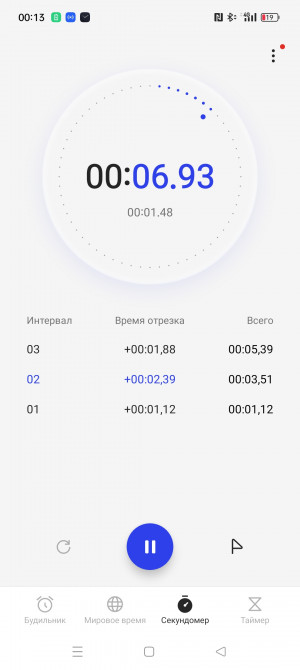
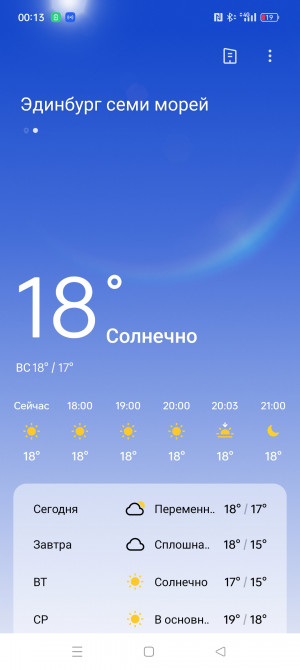
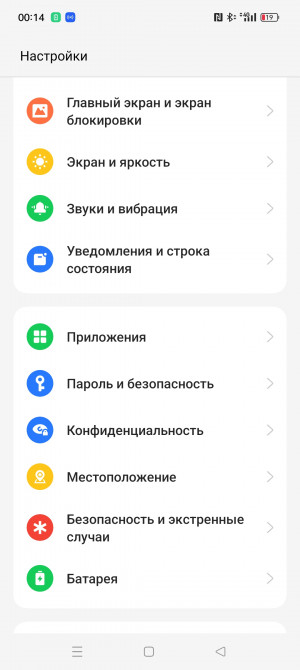
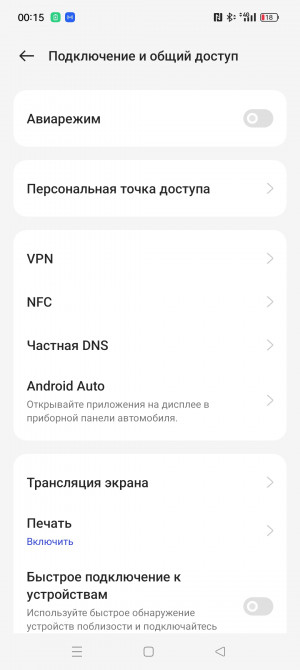
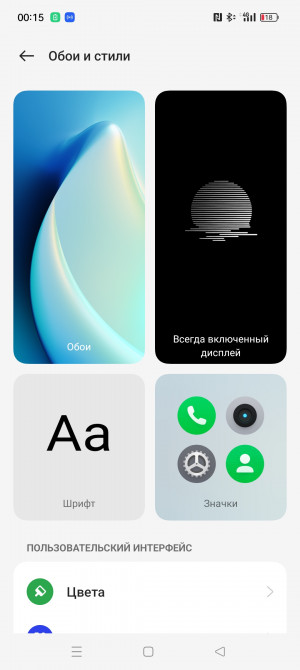
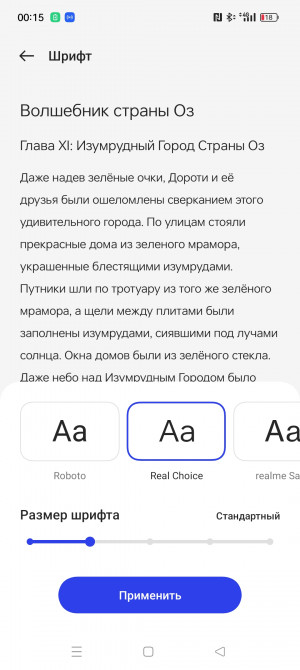
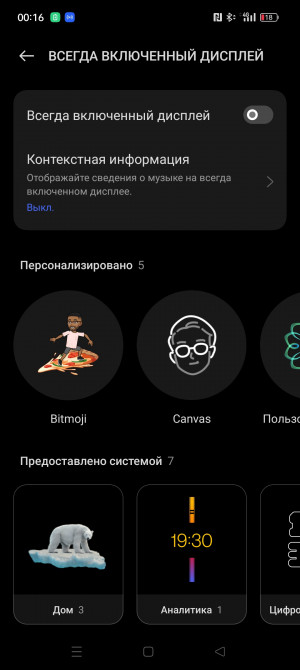
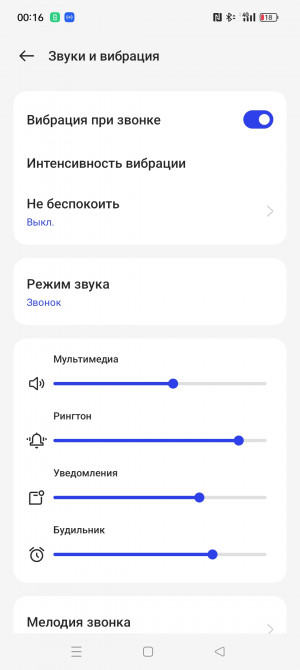
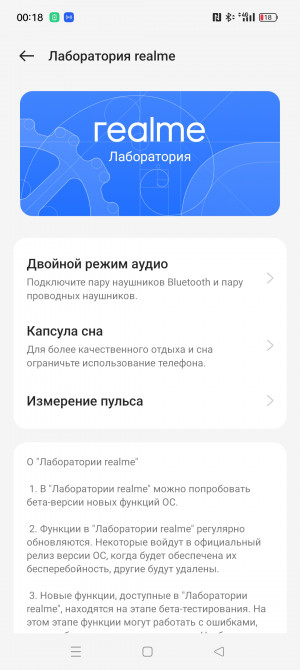
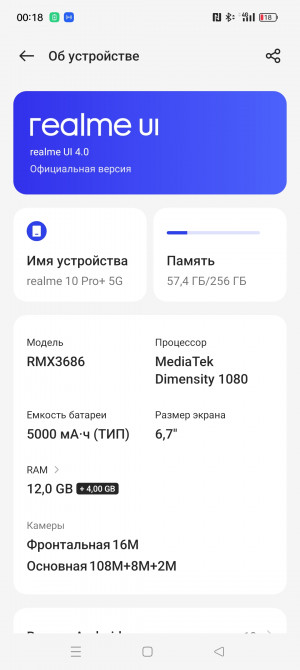
Realme 10 Pro and Pro+ are coming to market withAndroid 13 and Realme UI 4.0. The latest generation of software is not very stable yet, I encountered a bunch of different bugs, which usually does not happen on Realme smartphones. But they are actively receiving updates (even I caught one on Realme 10 Pro), so stability should return soon. I didn’t see any particularly interesting innovations, so I suggest that you familiarize yourself with the screenshots and move on to the next section of the review.












Cameras
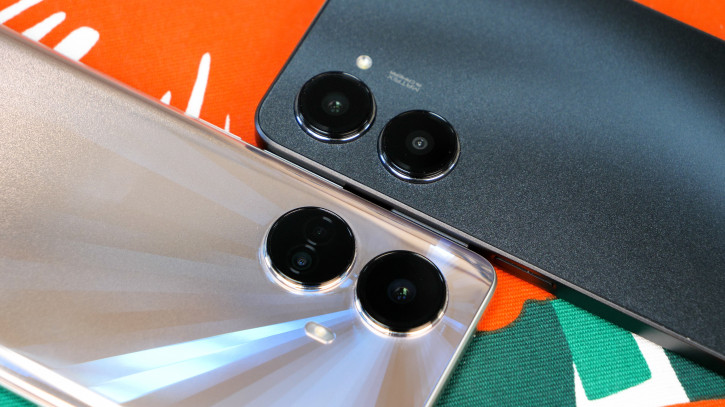
The set of cameras in Realme 10 Pro and Pro + is significantdiffers: the base and depth sensor in the younger model versus the base, width and macro lens in the older one. The main cameras, however, are identical - the simplest 108-megapixel Samsung HM6 sensor and f / 1.75 optics. As a depth sensor in 10 Pro, GC02M1 and SC201CS (2 MP) are used to choose from, as a macro camera 10 Pro + - GC02M1 or OV02B (2 MP), and as a width 10 Pro + - even Sony IMX355 (8 MP), which served for many years Google Pixel front cameras (3/3a/4a/5/5a/6/6a).








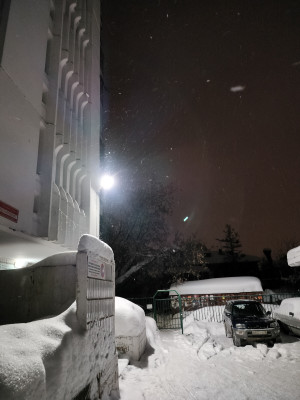
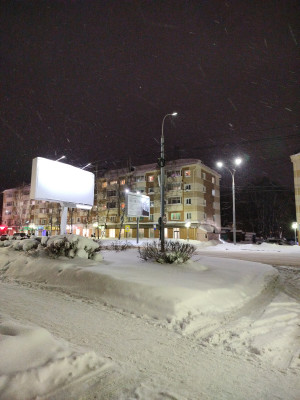



Realme 10 Pro

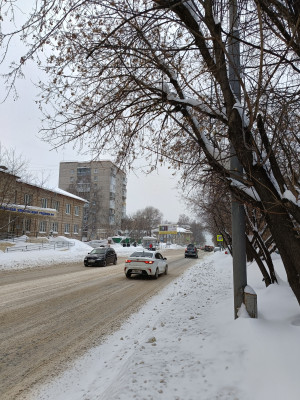



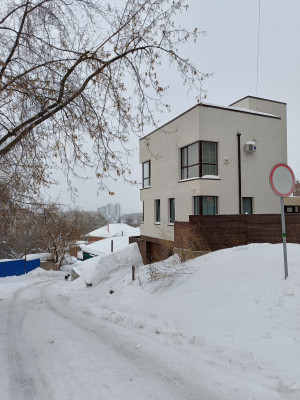





realme 10 pro+
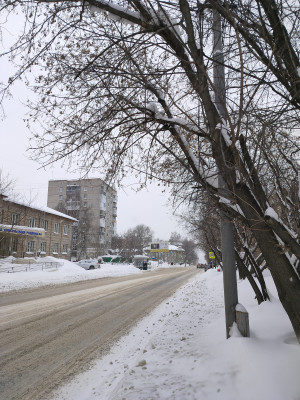
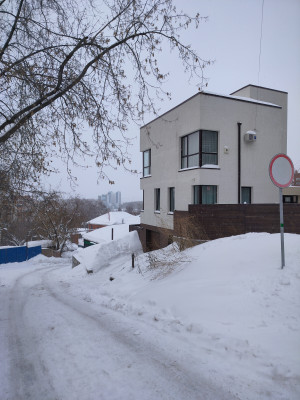
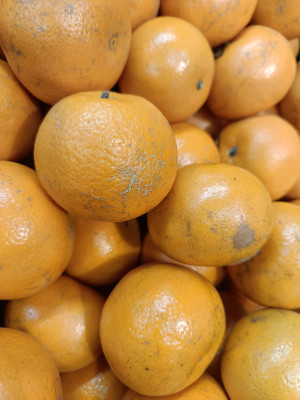
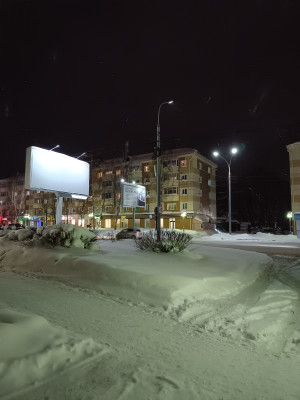
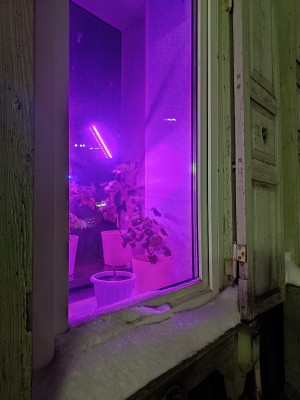
The same sensor and different hardware in smartphones -a great opportunity to compare the algorithmic part of the camera. And I must say that this battle of Qualcomm (Pro) was almost dry leaked by MediaTek (Pro +). In daylight shots, the Realme 10 Pro's algorithms like to add contrast, oversharpen, and generally color everything blue, while the 10 Pro+ shoots with near-accurate color temperature and natural contrast levels. At night, the older model outperforms the younger one in terms of detail, amount of noise and dynamic range. The only couple of shots where the Realme 10 Pro turned out to be cooler are the tangerines: MediaTek repainted a monochromatic frame in gray, and Qualcomm was able to do everything right.







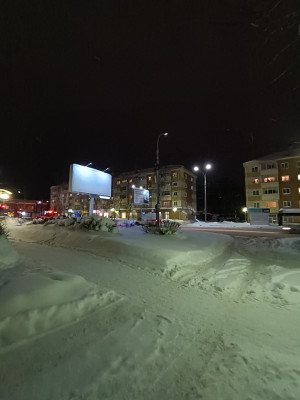

realme 10 pro+
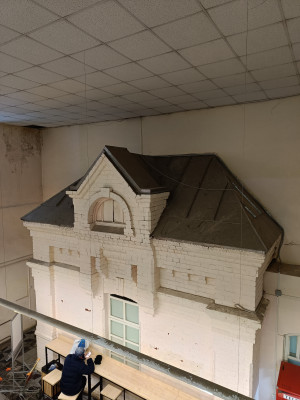
Realme 10 Pro + has another strong pointin cameras, these are two simple additional modules on which you can shoot something, unlike the Realme 10 Pro depth sensor. Shirik allows you to take pictures of houses from a short distance, and the macro camera, thanks to cheap optics, makes very cool photos into the distance. Well, it also shoots macro.


Realme 10 Pro


realme 10 pro+
The front cameras are the same - 16 megapixels.Sensors randomize: Sony IMX471 may get caught, or maybe Samsung 3P9. I like the selfies on Realme 10 Pro+ better: a little more detail, and better dynamic range. But in general - about the same level.
Performance and tests
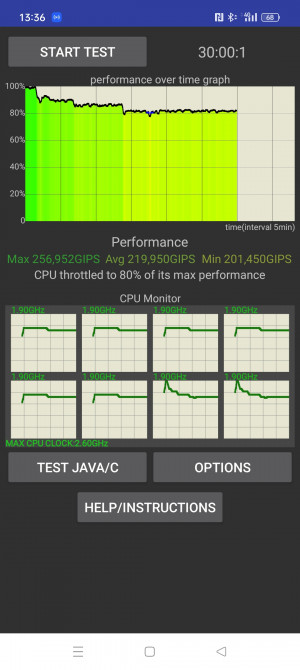
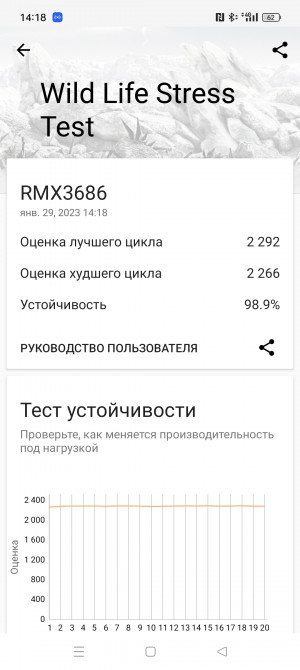
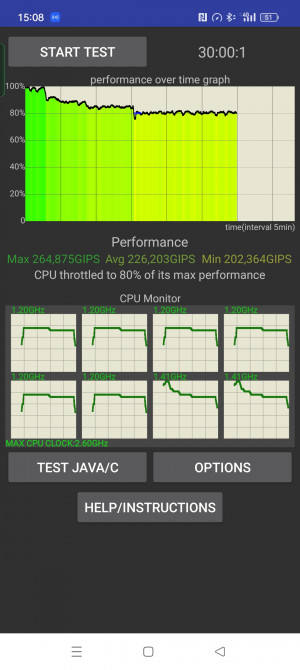
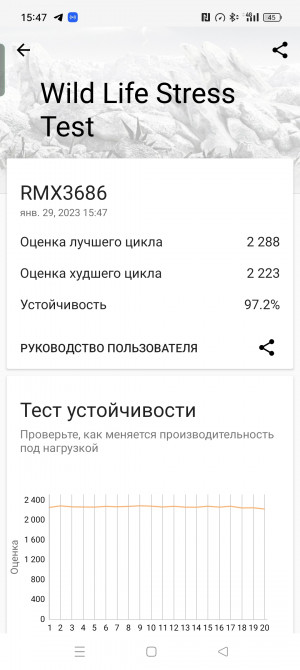
In the previous section, I spoiled thatsmartphones different stuffing. Now I’ll explain in more detail: the younger model received Qualcomm Snapdragon 695, and the older one received MediaTek Dimensity 1080. Judging by the benchmarks, these chipsets are parity in terms of CPU, but MediaTek’s graphics are twice as powerful. And this, you see, is very unusual, because we are used to seeing Snapdragon superiority in graphics. But we are used to seeing good camera algorithms in Snapdragon, so let's just not be surprised.
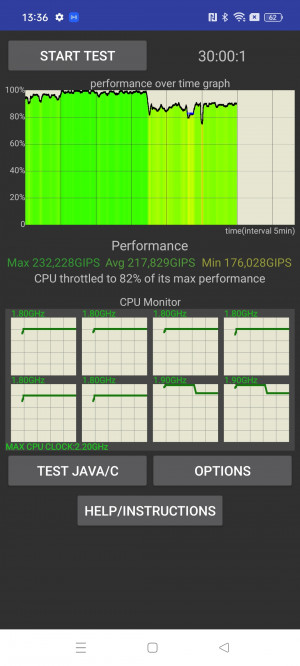

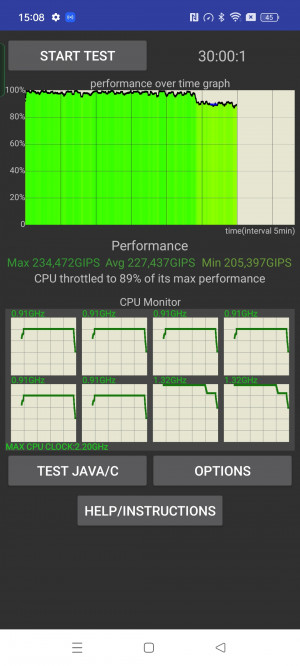
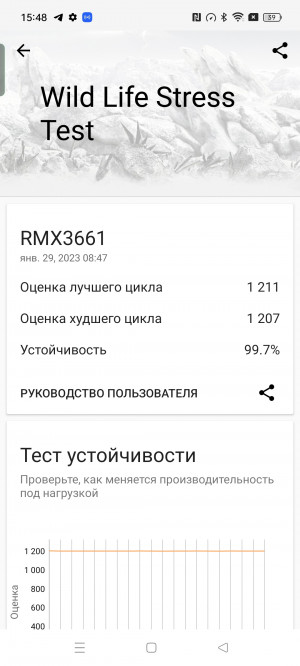
Realme 10 Pro
realme 10 pro+
Moreover, all this difference disappears intoreal gaming experience. I turned on Genshin Impact, selected high graphics settings and 60 fps, and left the phone for 15 minutes. After 15 minutes, the devices almost did not heat up (Pro + was a bit warmer, but the difference is minimal), and their fps were about the same - 40-42. I don't understand what kind of twofold difference 3DMark intended. I ran a little more in Call of Duty: Mobile - and I also didn’t feel the differences, except that the Pro + touch works much faster. The only game in which the Realme 10 Pro turned out to be significantly worse is SuperTuxKart (13-14 fps versus 20-21 fps at maximum speeds), but even here the difference is far from double.
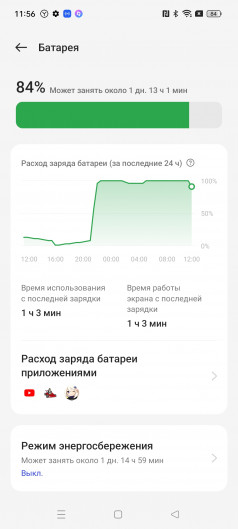
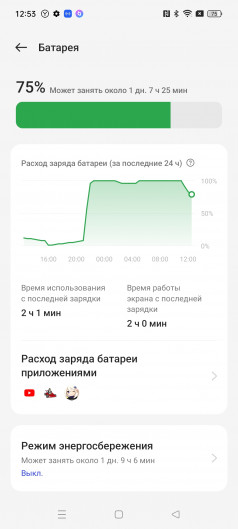
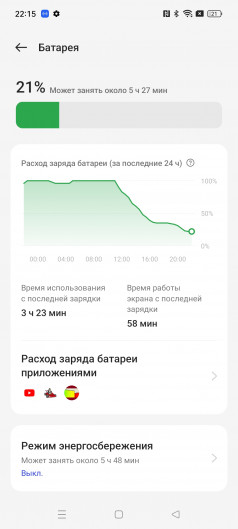
Realme 10 Pro
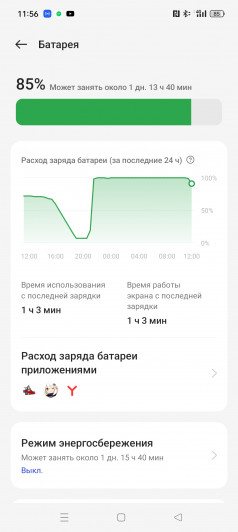
realme 10 pro+
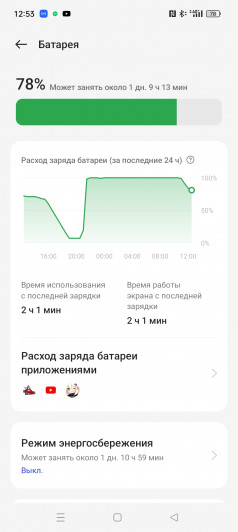
Realme 10 Pro and 10 Pro+ batteries havethe same capacity - 5000 mAh. In the video display test, the battery of the older model performed significantly better (-7% per hour versus -9%), but in other scenarios the difference was within the margin of error. In total, during the day of testing from 5 hours of screen (video, games, benchmarks, camera), the younger model was discharged by 79%, the older one by 77%. In general, both of them will last 7-7.5 hours of screen in this scenario, which means that under normal operating conditions you can expect about 8-9 hours of screen from them over two days.
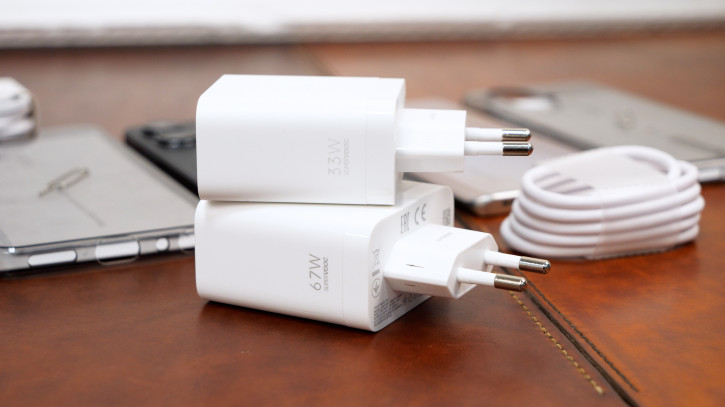
But the charging of smartphones is different - andsignificantly more than double. 33 W for the younger model and 67 W for the older one. In 10 minutes, Realme 10 Pro+ can charge up to 59%, while Realme 10 Pro can only charge up to 20%. Over the next 10 minutes, the charge level for the older model will reach 93%, and for the younger one - 36%. But then the Pro+ will start to slow down dramatically (it's not a dual-cell battery, so you can't finish charging at high speed), and a full charge takes 40 minutes. But Realme 10 Pro is still left behind - it takes 1 hour and 10 minutes to complete the process.
Both smartphones support NFC, so through MirPay and other alternative payment systems can be used for contactless payment. Or you can not use it and wait patiently for Google Pay to start working again in Russia. Or just go to where he works is also a great option. The main thing is that there is NFC.
Conclusions
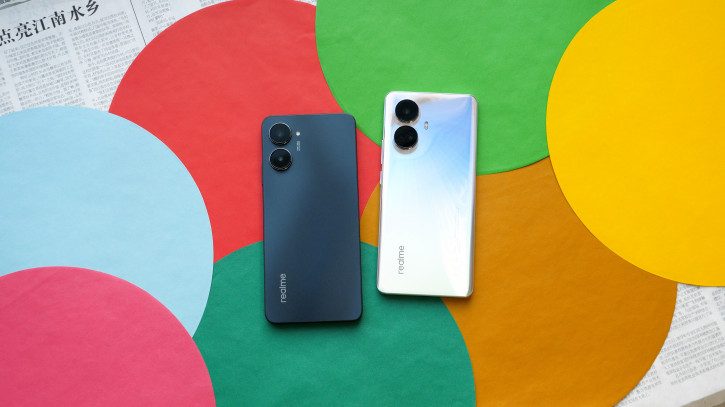
It's hard to make the middlings more different than the Realme 10 Pro and 10 Pro .However, the Pro was expectedly better than the Pro in almost everything – although the audio jack and the slotunder the memory card it is worth remembering, and some will add thisAnd yet, MediaTek is definitely better than Qualcomm this time, and AMOLED is definitely better than IPS.Ergonomics and charging speed are also on the side of the Realme 10 Pro .And if the Realme 10 Pro seems like a normal option for the money by the standards of retail stores (especially if you are looking for something light, thin, beautiful; sexistIf I were in my place, I would addfeminine), then the Realme 10 Pro needs to drop a lot in price to be a good buy candidate.
Best prices for Realme 10 Pro and Pro
© Oleg Lazarev.