Content
- Video review
- Specifications
- Appearance and equipment
- Software
security
- Cameras
- Performance and Benchmarks
- findings
Many features of yesterday's flagships are graduallymove away to "younger brothers" - more affordable models of the mid-budget segment. Today we will talk about Realme 9 Pro +, which has absorbed a whole assortment of technical chips, as well as whether he was able to cope with them.
Video review
Technical characteristics
 |
Specifications of Realme 9 Pro+ |
|---|---|
| Network | 2G, 3G, 4G, 5G |
| Firmware | Realme UI 2.0 on Android 12 |
| Screen | 6.4″, 20:9, 2400 x 1080 pixels, Super AMOLED, 90 Hz, 360 Hz touch |
| Chipset | CPU: MediaTek Dimensity 920 5G GPU: Arm Mali-G68 MC4 |
| Ram | 6/8 GB |
| ROM | 128/256 GB UFS 2.2 |
| SIM and memory card | 2× nanoSIM |
| Camera | Main: Sony IMX766, 50MP, f/1.8, 1/1.56”, 1µm, 84.4°, AF, OIS, 23.6mm Shirik: Sony IMX355, 8 MP, f/2.2, 1/4.0”, 1.2 µm, 119°, FF, 15.4 mm Macro: 2 MP, f/2.4, 1/5”, 1.75 µm, 88°, FF |
| Selfie | Sony IMX471, 32 MP, f/2.4, 1/3”, 1.0 µm, 78°, FF |
| Battery | 4500 mAh |
| Charging | USB-C 60W OTG |
| Wireless interfaces | Wi-Fi 802.11a/b/g/n/ac/ax(6), 2.4/5 GHz Bluetooth 5.2 (SBC, AAC, aptX, aptX HD, LDAC) GPS/AGPS, Beidou, GLONASS |
| NFC | there is |
| Biometrics | Fingerprint scanner under the display |
| Sound | Stereo, 3.5mm |
| Water protection | Not declared |
| Dimensions and weight | 160.2 x 73.3 x 7.99mm 182 g |
Appearance and equipment
Realme 9 Pro+ comes with an adapter65 W power supply, USB-A to USB-C cable, dark transparent silicone case, protective film (already applied to the display), SIM tray ejection clip and documentation. The set does not carry anything unusual, but the care for the safety of the device and powerful charging are definitely pleasing. The complete cover is equipped with protruding protective sides on the front side, and the camera block is completely closed (only loopholes for sensors are left).

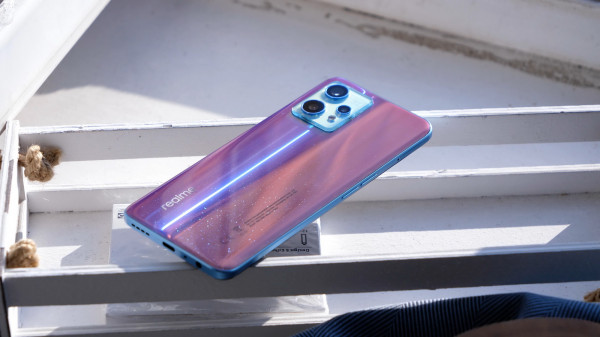
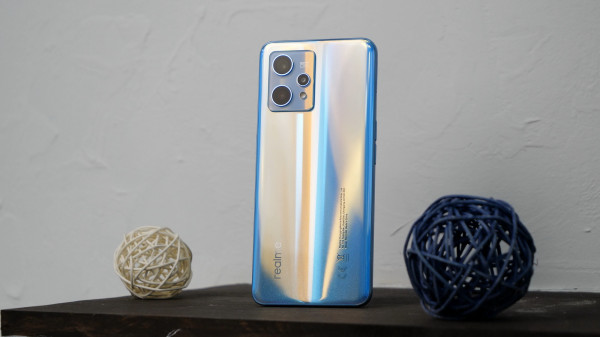
The manufacturer offers a smartphone in threecolors: black, green and blue. All of them have small sparkles in their texture, but only the last one also got a photochromic coating. In the absence of light, it is blue, but in the light it becomes pinkish. A funny feature that you completely forget about after a couple of days of operation.

Body materials include plastic frame andglass sides. Both the lid and the front part have an oleophobic coating: fingerprints are reluctant to collect and are easily wiped. There is no waterproof certification.

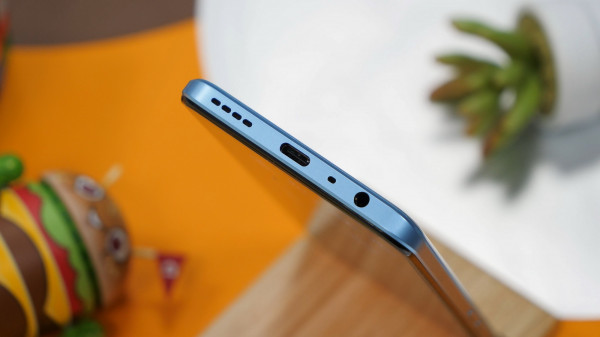
Of the interfaces, it is worth paying attention tolack of a slot for memory cards (interestingly, Realme 9 Pro has one), good one and a half (multimedia + conversational speakers) stereo sound, pleasant O-Haptic vibration and the presence of a 3.5 mm audio jack. The ability to connect wired headphones, coupled with a bunch of audio codecs (even aptX and LDAC on board!) Will surely be appreciated by all those who are not indifferent. The only caveat is the fingerprint scanner. It works accurately and moderately quickly, but it is located a little lower than we would like.
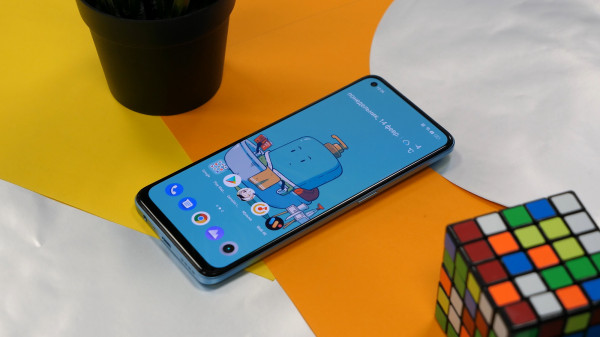
The display uses 6.4″ SuperAMOLED panel with support for a refresh rate of 90 Hz and a resolution of 2400 x 1080 pixels. The panel pleases with pleasant colors, the AoD function and reliable DC-dimming performance. Without it, the PWM reaches ≈107%, while with it it lives in the region of ≈25%. Among the nuances, I will note a characteristic distortion of colors noticeable at an angle (white becomes pinkish) and a significant “chin”.
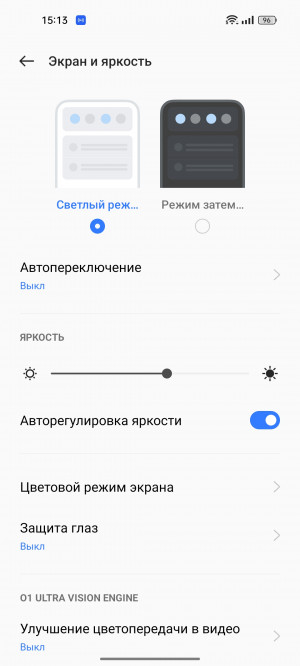

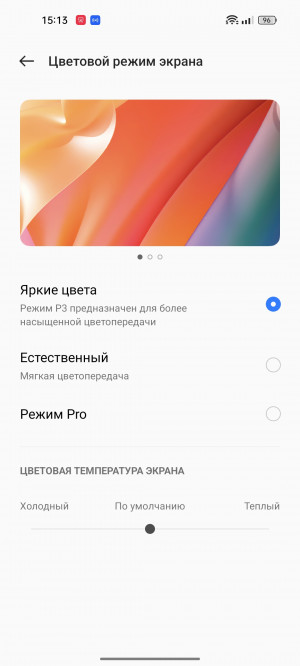
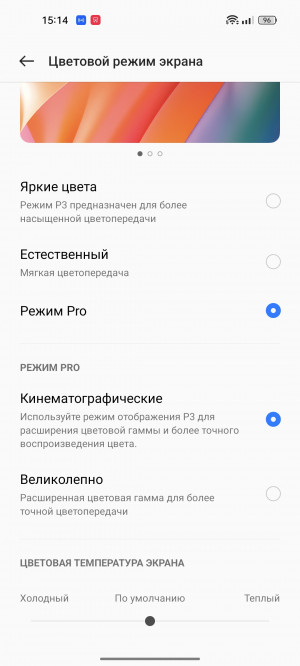



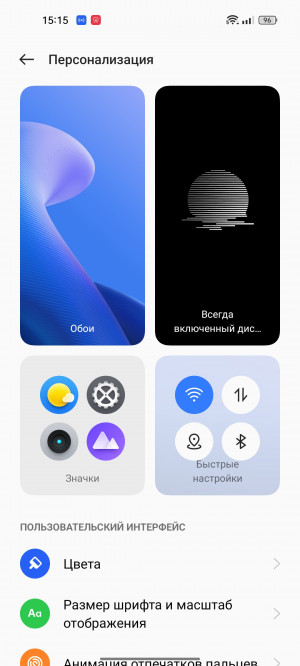

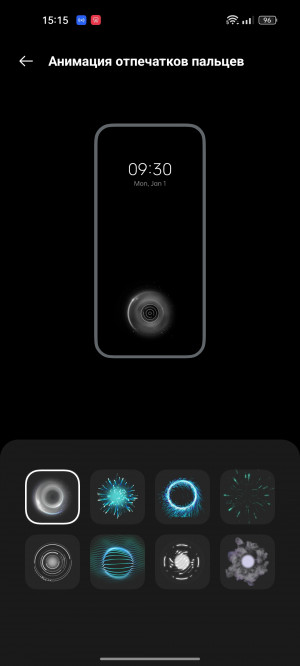
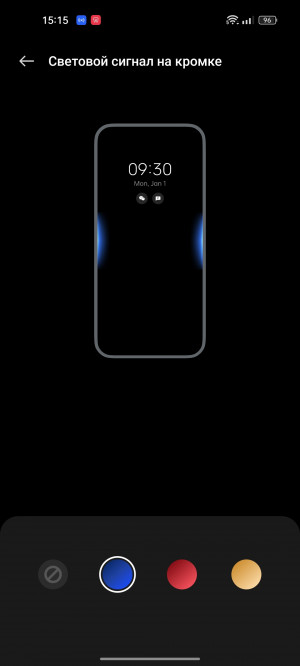


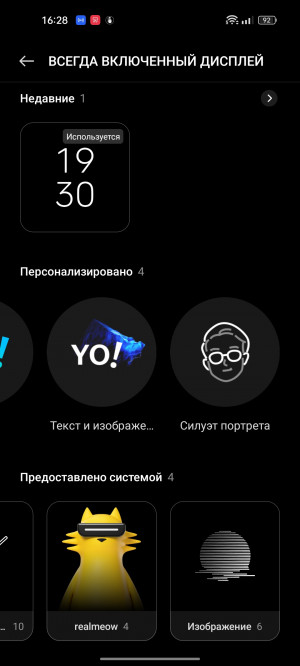
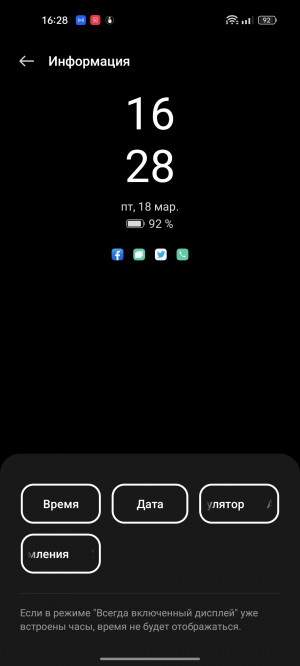
Display settings
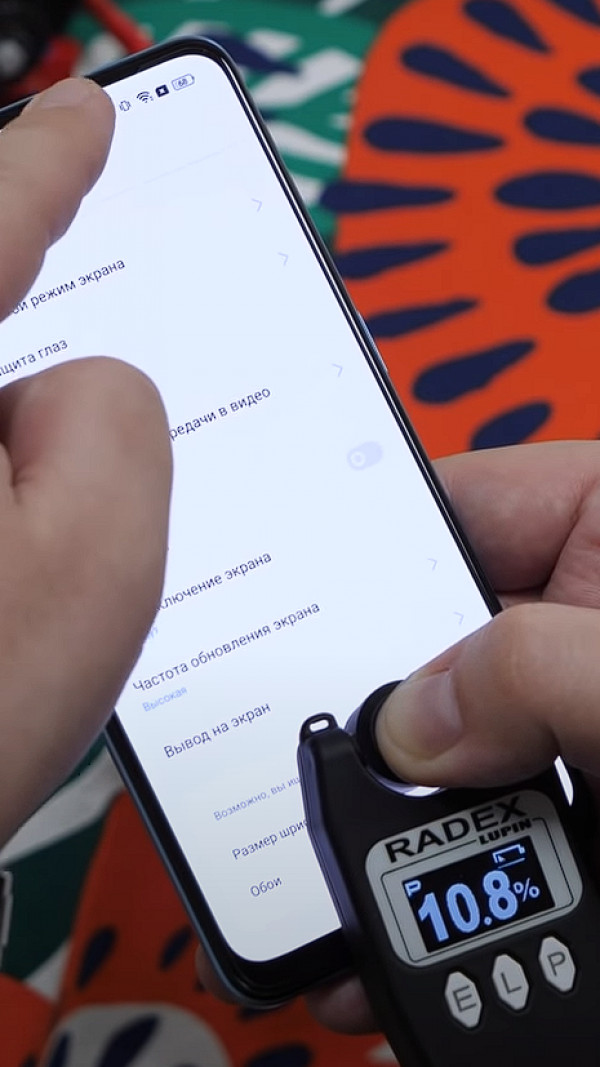
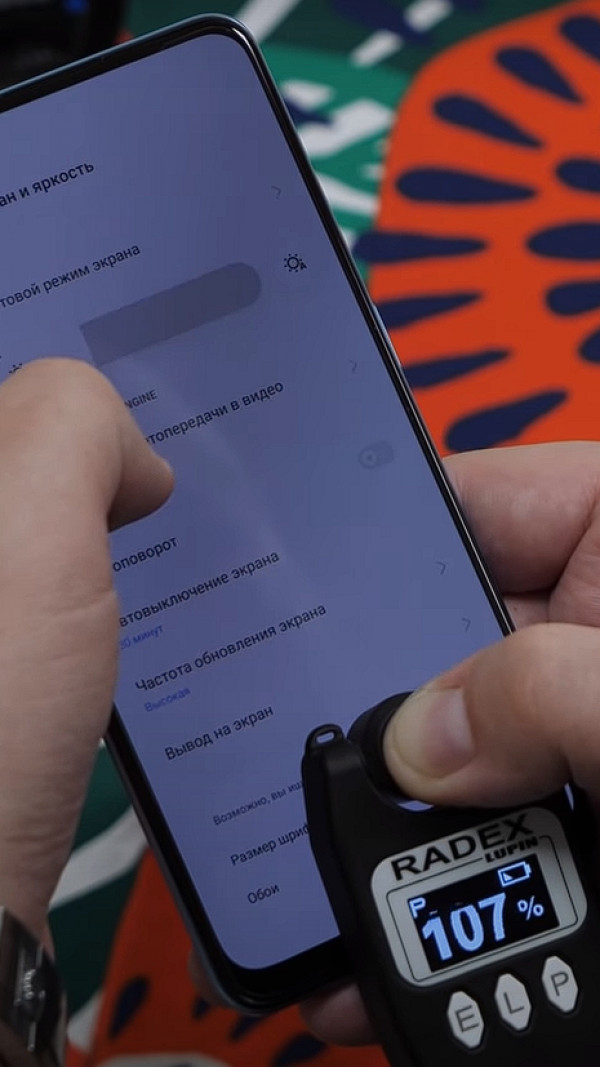

PWM
Software
Realme 9 Pro + runs on Android 12 in a proprietaryshell Realme UI 3. At first glance, this is a good wrapper with a nice design, no ads, a wide range of options for customizing the appearance and an abundance of small chips (like the function of measuring heart rate using a fingerprint sensor).
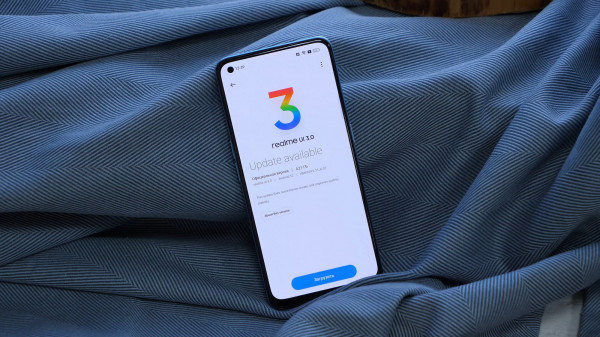
However, to call the operation of the system stable andpredictable is obtained with a stretch. For example, when you swipe from the desktop to the Google news feed, the animation slows down noticeably. The automatic refresh rate selection mode launches different applications at different hertz without noticeable logic (apparently, it is guided by the specified application whitelists), which is why it is worth giving preference to the constant 90 Hz mode. True, not everything is clear here either: some applications (YouTube) will still work in standard hertz.

In addition, the local high-Hz mode hasinteresting feature: after ≈5 seconds without touching, it switches to 60 Hz. This happens even during games. Moreover, when testing the Tacticool game, the refresh rate dropped to 60 Hz after several seconds without touching, and sometimes when starting a new match. The solution was to minimize/maximize the application. Everything described is not critical, but speaks volumes about the presence of roughness in the system.
Cameras
The photography capabilities of the Realme 9 Pro + lay on the shoulders of four sensors: the main Sony IMX766 at 50 megapixels, the wide-angle Sony IMX355 at 8 megapixels, the macro at 2 megapixels and the selfie camera Sony IMX471 at 32 megapixels.

The main camera produces enoughdetailed photos with natural colors and commendable HDR performance. OIS compensates for hand shake, making it easier to shoot in low light. Shirik pleases with a significant capture angle and the same realistic color rendition, however, it suffers from a clear lack of detail. For the most part, the photos come out muddy and noisy.



Main camera


Main camera: standard and portrait modes

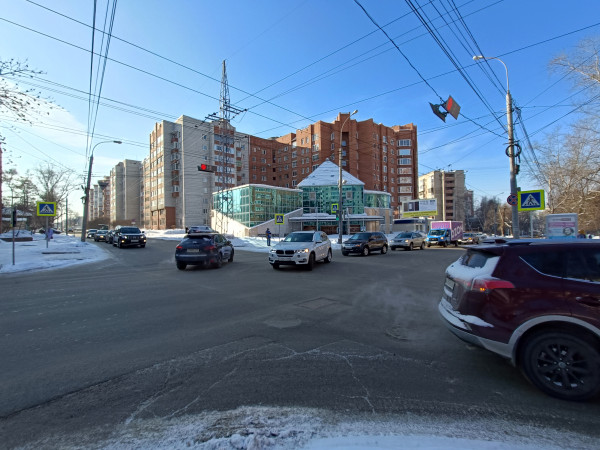
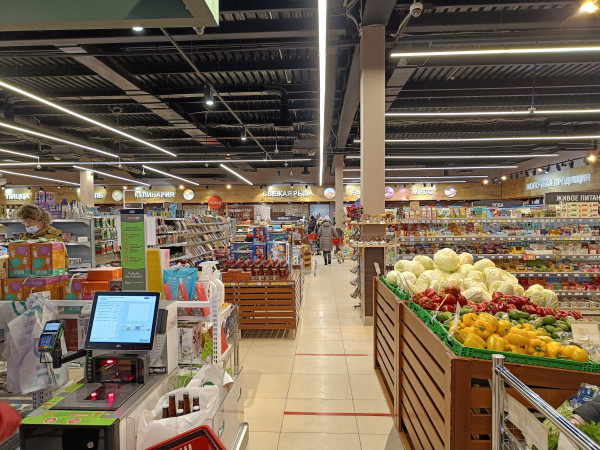






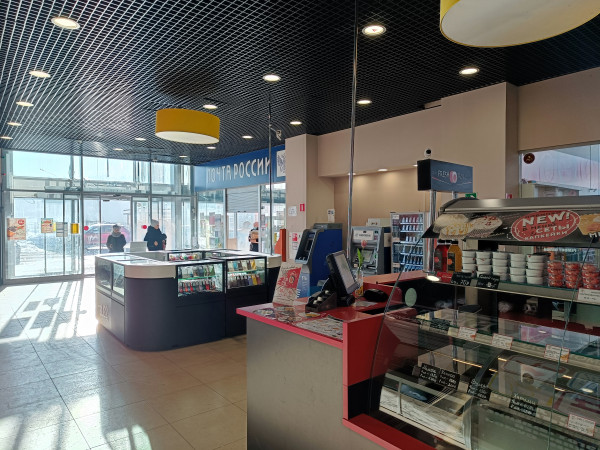





Main and wide-angle cameras


Main and wide-angle cameras: standard and night modes


Front camera: standard and portrait modes
Video shooting is limited to 4K@30fps modes formain camera and 1080p@30fps for wide angle. However, hybrid stabilization (OIS + EIS) only works at 1080p@30fps. In other words, dynamic videos at 4K@30fps will noticeably "twitch", since only OIS will work. With hybrid stabilization, light sources noticeably double. There is no switching between cameras during shooting.
Examples of photos and videos
Performance and tests
Responsible for device performancestable but moderate hardware: MediaTek Dimensity 920 5G chipset with Arm Mali-G68 MC4 graphics chip, 6/8 GB of RAM and 128/256 GB of permanent memory in UFS 2.2 format. I remind you that there is no slot for a memory card, which means that you should approach the choice of memory size responsibly.
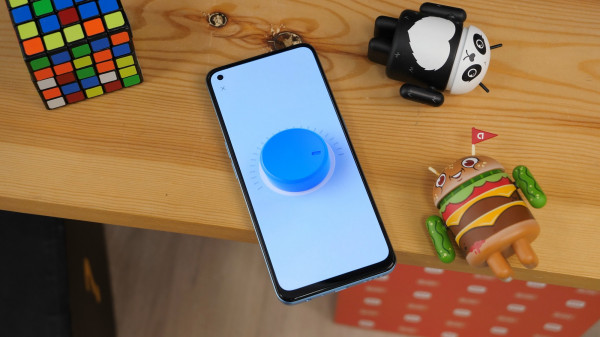
Theoretically, for productivity tasks you canswitch the device from “smart” mode to “performance” mode. In fact, this makes no sense: judging by our tests, performance remains at the same level. The chipset does not score any millions of points, but demonstrates stable behavior even in stress tests. The screenshots below are presented in the following order: “smart” mode, “performance” mode.

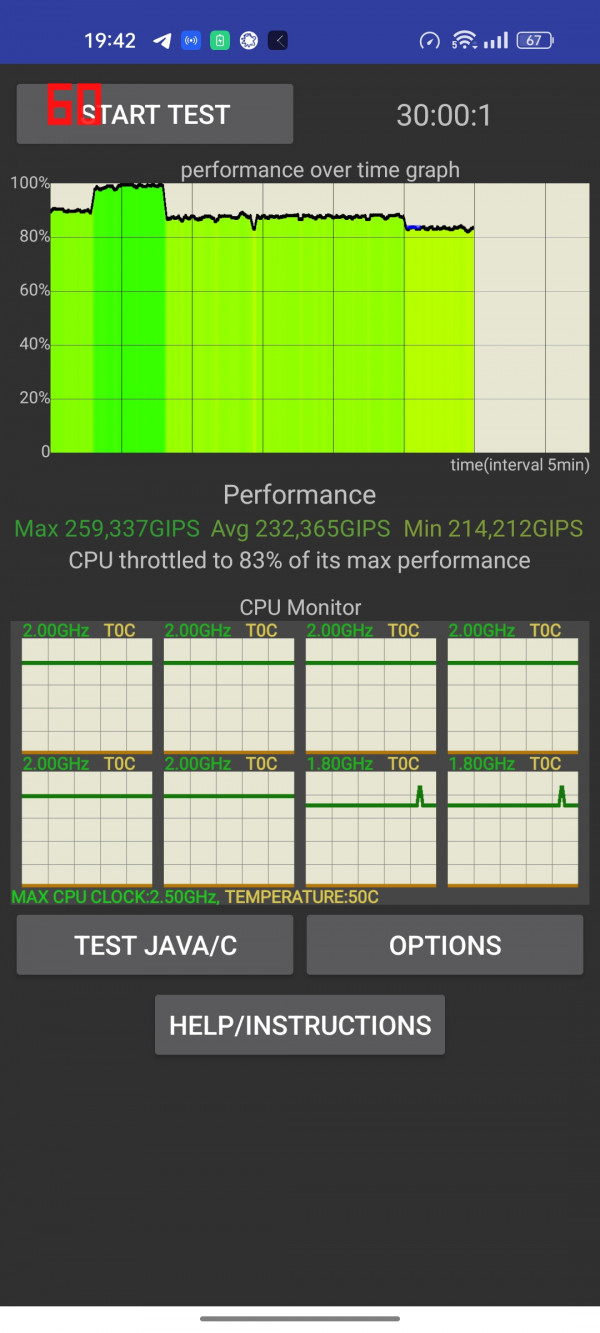
Throttling test (100 threads, 30 minutes)
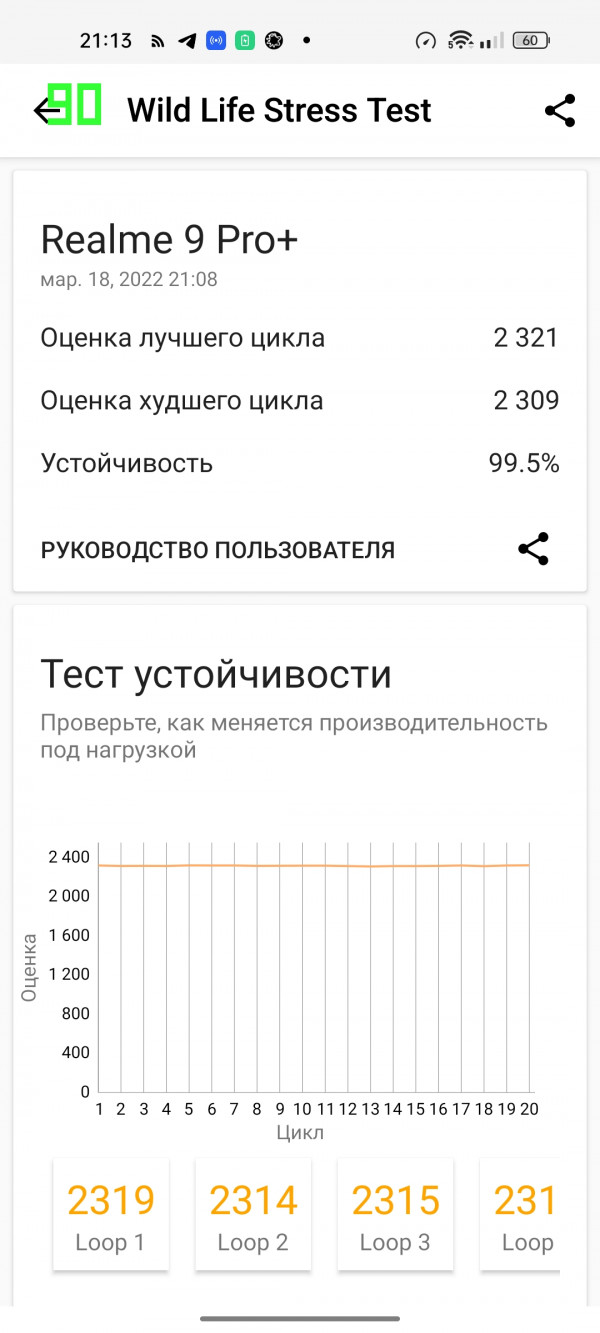
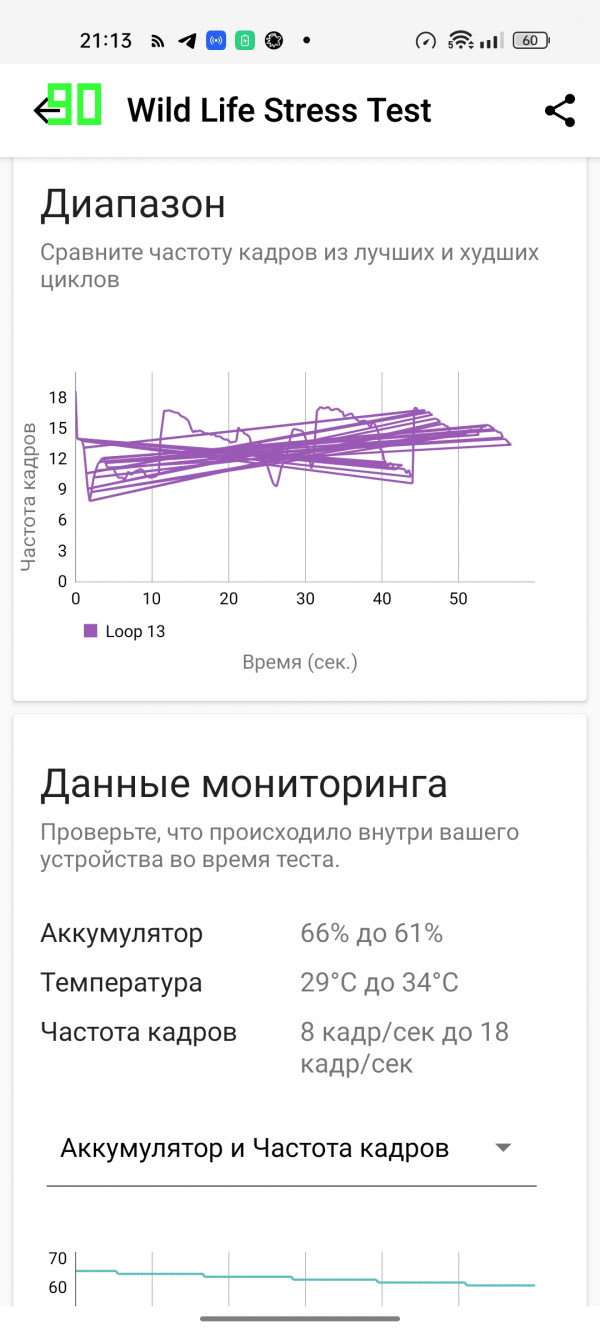
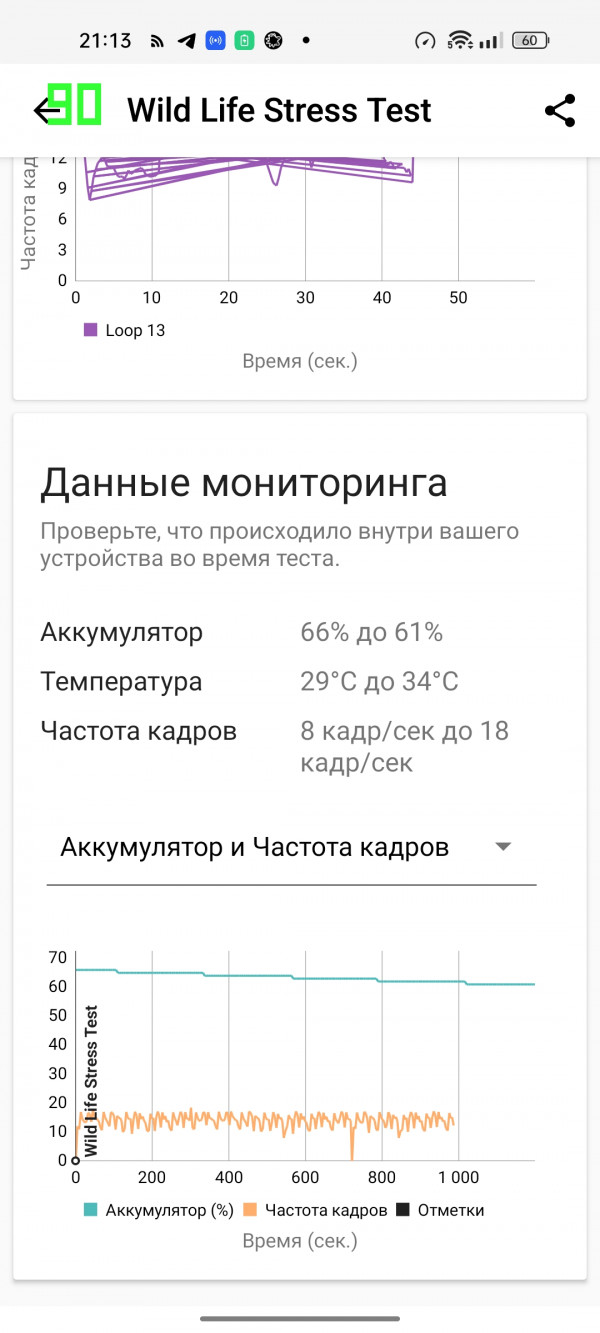
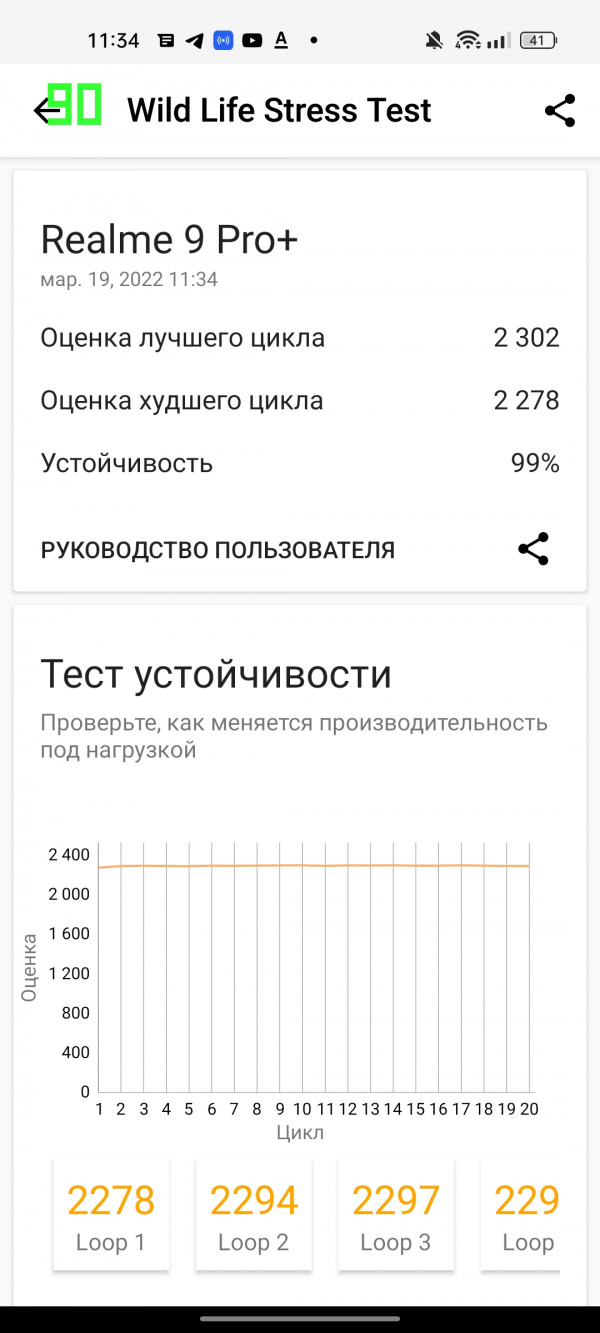
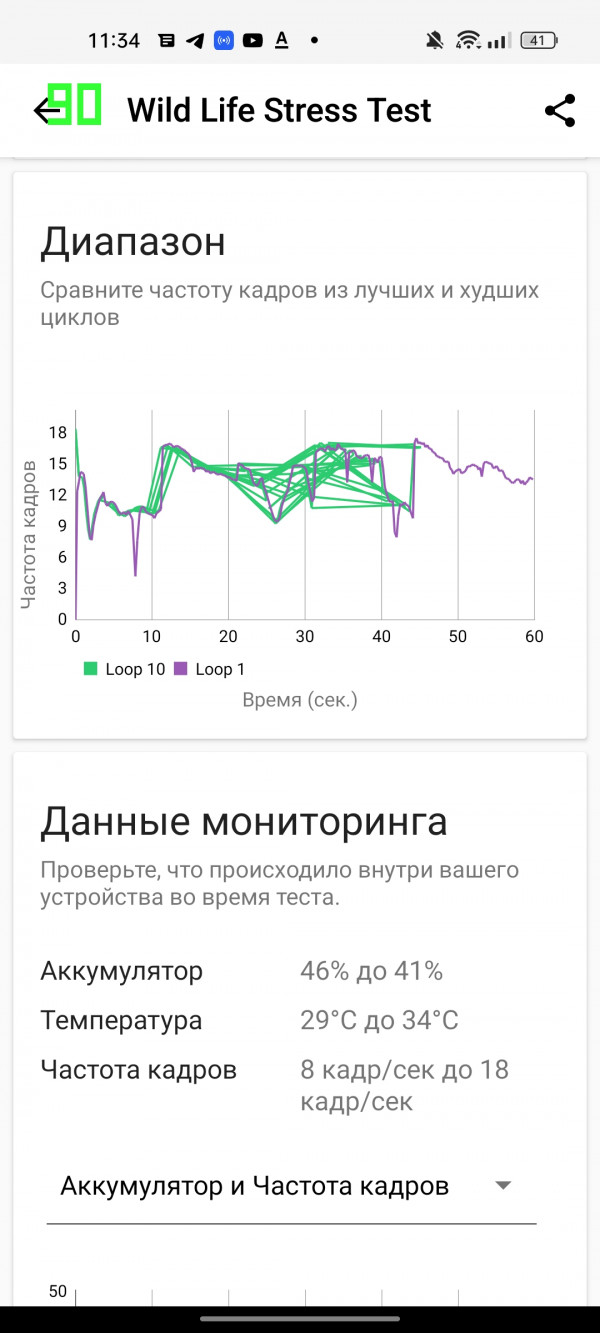
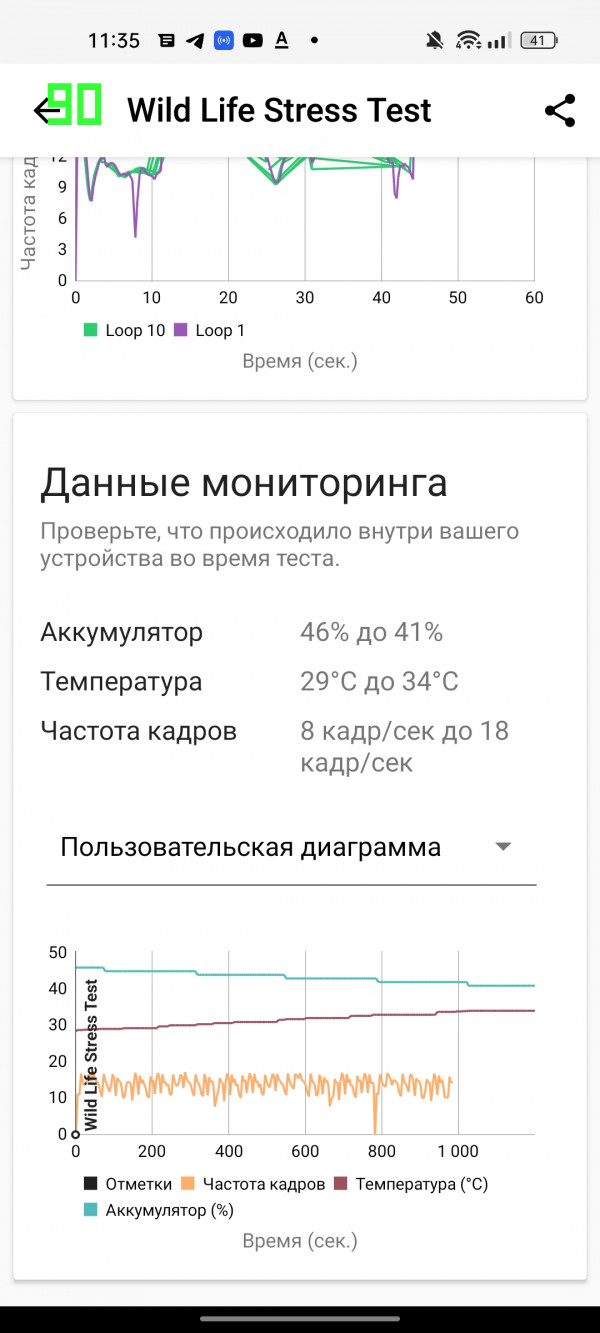
Graphic Stress Test 3D Mark
In games, Realme 9 Pro+ also shows an enviablesustainability. During the tests, we never encountered noticeable throttling, uncomfortable heating, or a drop in brightness. Even Genshin Impact, albeit at low graphics settings, delivers 30-40 fps without dropping brightness and other “gags” of flagship chipsets. Only Realme UI problems with 90 Hz (described above) and the unstable frequency of the touch layer are confusing. The declared 360 Hz only met us in PUBG, while in COD Mobile it was 200 Hz, and in Tacticool it was 120 Hz.
4500 mAh battery is offeredCharge using a 65W power adapter. The timings are as follows: 15 minutes – 46%, 30 – 80%, 45 – 97%, 49 – 100%. Quite a cheerful, modern result, comparable to what we saw from the recent Xiaomi 12 (review, video review). But according to subjective sensations, it takes a little longer to discharge. In 30 minutes Tacticool (Wi-Fi, 90 Hz, 100% brightness, ultra settings) took about ≈10%, and in 60 minutes YouTube (Wi-Fi, 60 Hz, 50% brightness, 1080p) - 6% .
Conclusions
For the money, the smartphone offers a stablechipset, AMOLED display with support for a refresh rate of 90 Hz, a confident main camera with OIS (!), complete 65 W power adapter and a case, moderately high-quality stereo sound, O-Haptic vibration, good ergonomics, and, finally, mm audio jack!
An impressive list of advantages somewhat overshadowsthe presence of a couple of unpleasant nuances. First, at the time of writing, Realme UI is not very stable, especially when it comes to the 90Hz display refresh rate. I would like to believe that with updates it will pass. Secondly, the video shooting capabilities do not fully reveal the available potential (perhaps the performance of a low-power chipset is not enough): hybrid stabilization is available only in 1080p, which makes 4K shooting unsuitable for dynamic scenes, and switching between cameras is not implemented at all.
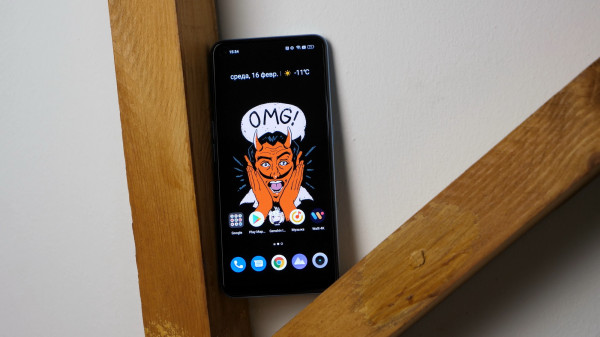
Realme 9 Pro+ is a great example of modernmiddle peasant, balancing between chips, until recently considered the lot of flagships, and a pinch of compromise moments. It is worth paying attention to it, and not to a number of worthy analogues, for those who are looking for OIS at a moderate cost. True, it is difficult to say anything about the price in the current realities. We can only recommend that you keep an eye on the discounts and promotions that are regularly offered on Realme.
Latest news and reviews in our Telegram
© Dmitry Pivnev.