The researchers presented the first results of the study of one of the sewer collectors,
Archaeologists have cleared about 70 m of the southerna section of the sewer that was blocked and out of use from about 523 AD. At this time, the Colosseum ceased to be an amphitheatre. In the future, the building was used as a hostel, a fortress, a hospital and even a spinning factory, scientists say, but the ancient underground channels were not used.
Excavations in the sewer under the Colosseum. Video: Parco archeologico del Colosseo
Scientists have found traces of the remains of dishes thatconsumed by the audience during the show. Among them are the remains that testify to the cooking of meat on an impromptu grill right during the show. In addition, scientists found leftover pizza, vegetables and seeds from fruits such as figs, grapes and melons, as well as traces of olives and nuts. The researchers believe that the audience used them as snacks.
In addition, under the Colosseum were discoveredfragments of the bones of bears and big cats, which were probably used for battles or as prey in hunting games in the ancient Roman arena, archaeologists say.
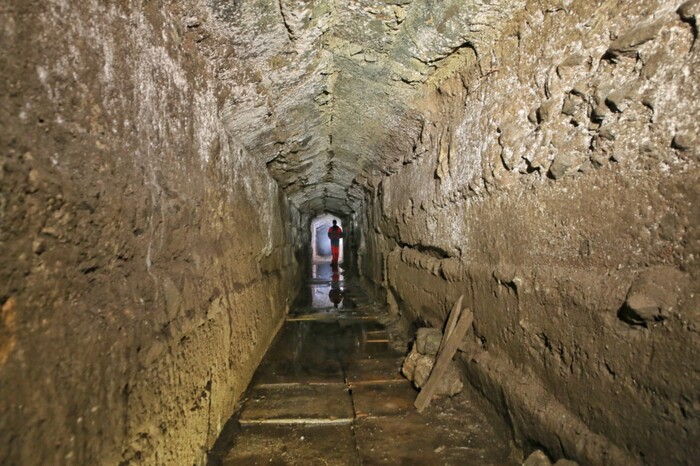

Excavations in the sewer under the Colosseum. Photo: Parco archeologico del Colosseo
The researchers note that all the findings wereburied underground, in a pile of garbage and rubble. After the closure of the amphitheater, the ancient pipelines were virtually forgotten. And precisely for this reason, everything that got into this cesspool, especially at the end, around the 6th century, remained untouched, “frozen” for centuries in a pipe through which water no longer flowed. Archaeologists hope that further analysis will help to learn more about the history and habits of the inhabitants of ancient Rome.
Read more:
Cows were fed hemp and checked what happened to their milk
Named the main danger of the lunar mission "Artemis"
Created a navigation system that is more accurate than GPS