The researchers called on the authorities of various countries to intervene in the situation with the scale of microplastics entering the
Research Fellow, Research Group onCetacean Ecology (CERG) at Massey University Dr. Gabriel Mahovski-Kapuska notes that the new numbers are alarming due to the widespread distribution of terrestrial and freshwater species, not just marine life. "This demonstrates widespread infestation of more than half of the vertebrates."
The new article, published in the journal Science, is the most comprehensive report to date on the ingestion of plastic in animals, including terrestrial, freshwater and marine environments.
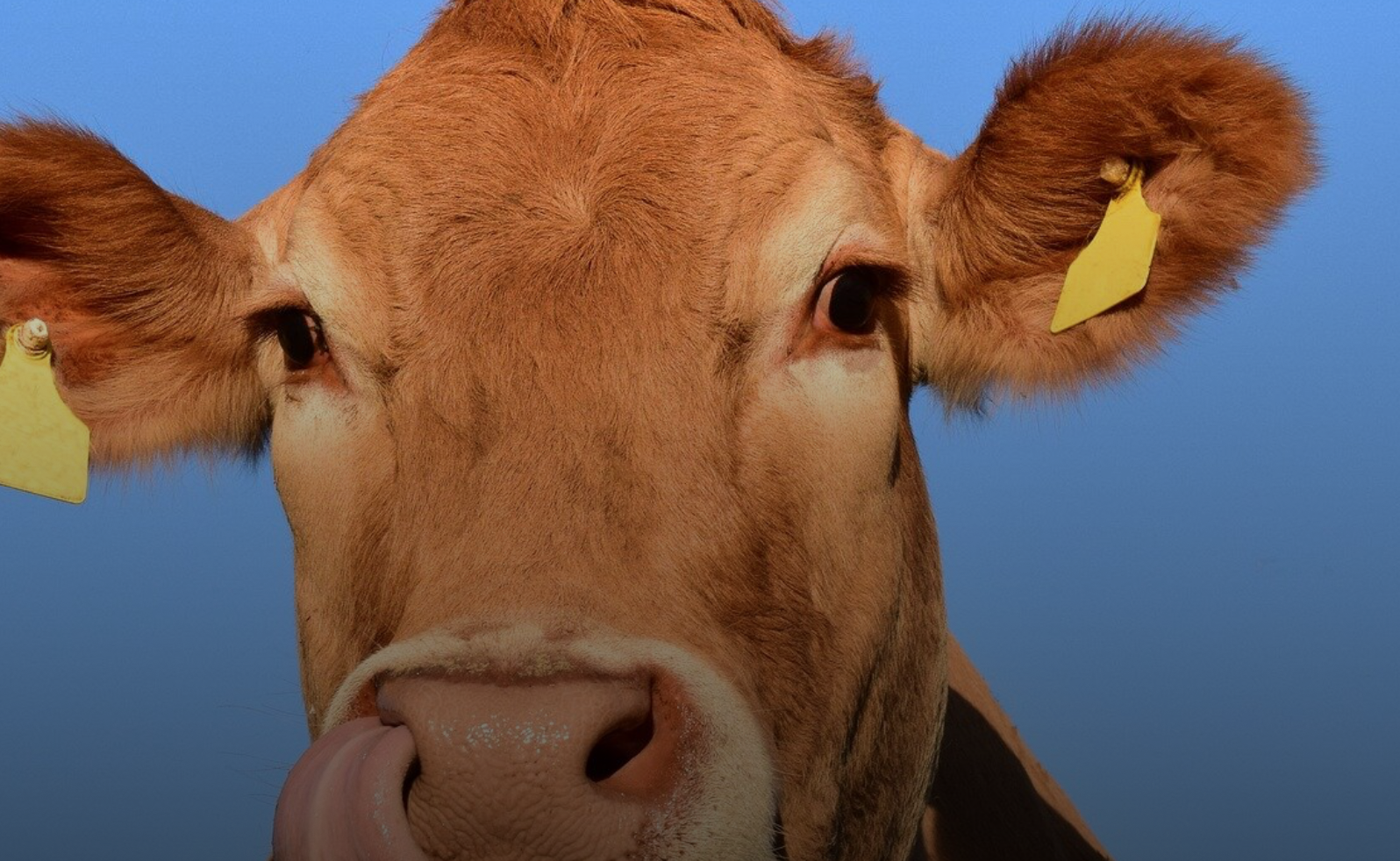
Microbes in cows' stomachs can break down plastic
The review co-author notes that over the yearsThe main explanation for the ingestion of plastic was that it was confused with the prey that animals usually eat. However, researchers now suggest that the process has become much more complicated.
“There are many factors to consider, includingthe presence of plastic in the environment, the nutritional status of the animal and its feeding strategy. These characteristics play an important role in understanding the risks of ingesting plastic in each species, ”the scientists note.
The researchers added that there is very littlethe likelihood that species will be able to adapt in response to plastic pollution. "If it does, it will be on different evolutionary timescales, so human intervention is imperative."
New Zealand will stop using single-use plastic by 2025 - this is the example of the intervention that scientists are talking about.
Read more
The conversations of the deceased Soyuz-11 crew have been declassified: what they talked about before their death
Australia has found beetles that walk upside down on the inner surface of the water
Study: dinosaur populations plummeted before extinction