The Atlantic Meridional Reversible Circulation (AMOC), which includes the Gulf Stream and is responsible for
Such a gap would have a catastrophic impacton global weather systems, leading to rising sea levels in the Atlantic, more cooling and more powerful storms in the Northern Hemisphere, and severe rainfall-related disruptions. According to the UK Met Office, this could lead to crop failures in Africa, South America and India.
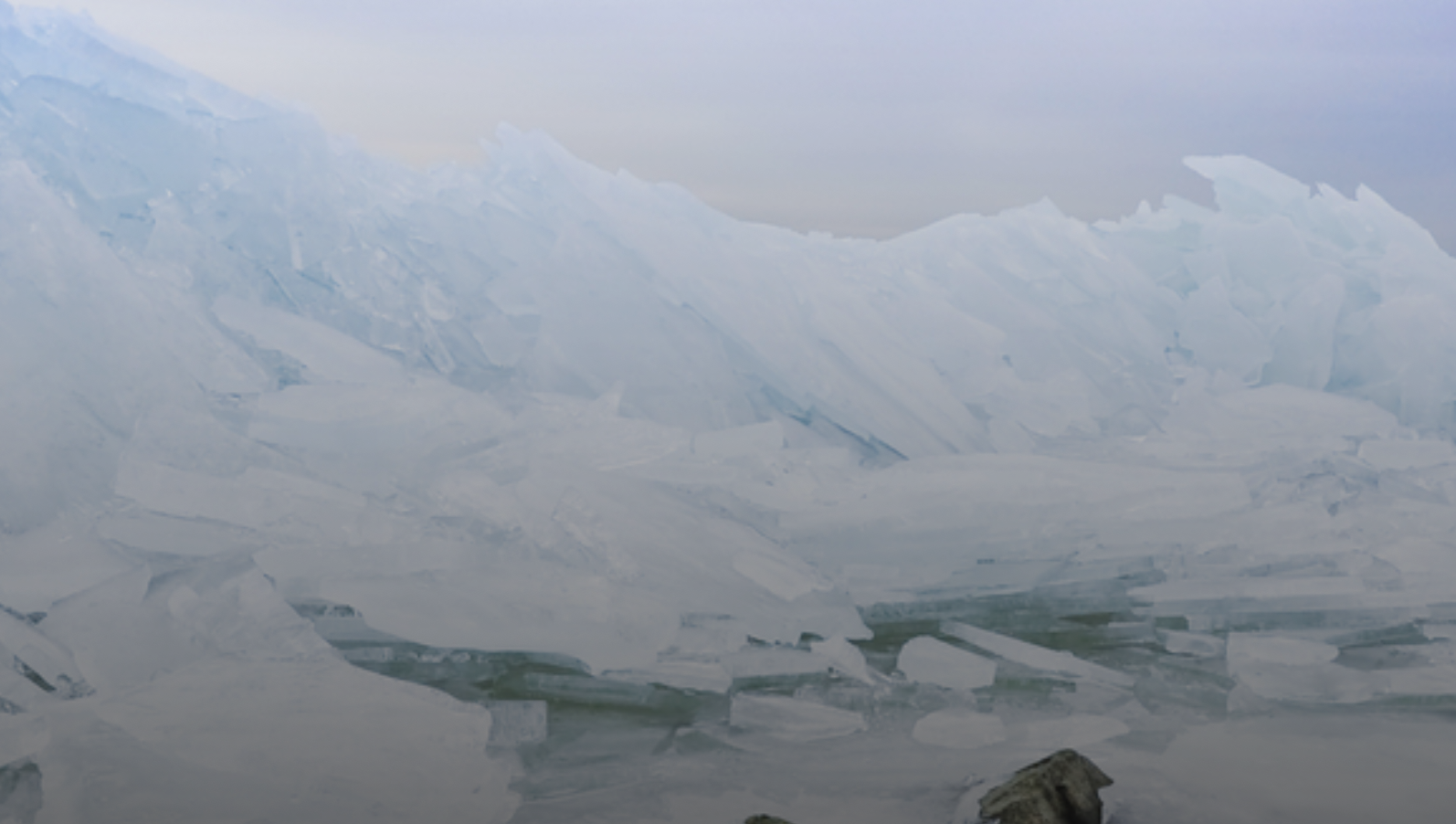
Cryochamber for an entire planet: why ice ages happen and when is the next one?
The authors of the study believe that this transition may occur after the system of ocean currents goes beyond the critical tipping point.
“The results obtained confirm thata decrease in AIOC is not just a fluctuation or a linear response to an increase in temperature, but most likely means approaching a critical threshold beyond which the circulation system can collapse, "- said in a statement the report's author Niklas Burs, a researcher at the Potsdam Institute for Climate Impact Research ...
Data obtained as a result of the analysisAtlantic ice cores and other geological records show that AIOC can exist in two stable states: stronger and faster. However, such a sharp decrease in the current will entail changes in the climate of the planet.
Read more
The slowing down of the Earth's rotation caused the release of oxygen on the planet
New particle discovered at the Large Hadron Collider
Scientists have found the oldest example of applied geometry