We have shown that it is possible to produce sustainable displays that are largely based on natural
materials.After use, these displays are not electronic scrap but can be composted. Combined with recycling and reuse, this can help minimize or completely prevent some of the environmental impacts of scrap pollution.Manuel Pietsch, first author of the publication and researcher at the KITA Lighting Technology Institute (LTI)
The functioning of the display is based on the so-called electrochromic effect of the original organic material. When voltage is applied, light absorption changes and the material changes color.
Electrochromic displays have lowpower consumption and simple component architecture compared to commercially available displays such as LED and LCD. Another advantage is that these displays can be produced using inkjet printing in a customized, low-cost and cost-effective manner.
Moreover, this process is suitable forscaling with high bandwidth. The materials used are mainly of natural origin or biocompatible. Gelatin sealing makes the display sticky and flexible so that it can be worn directly on the skin.
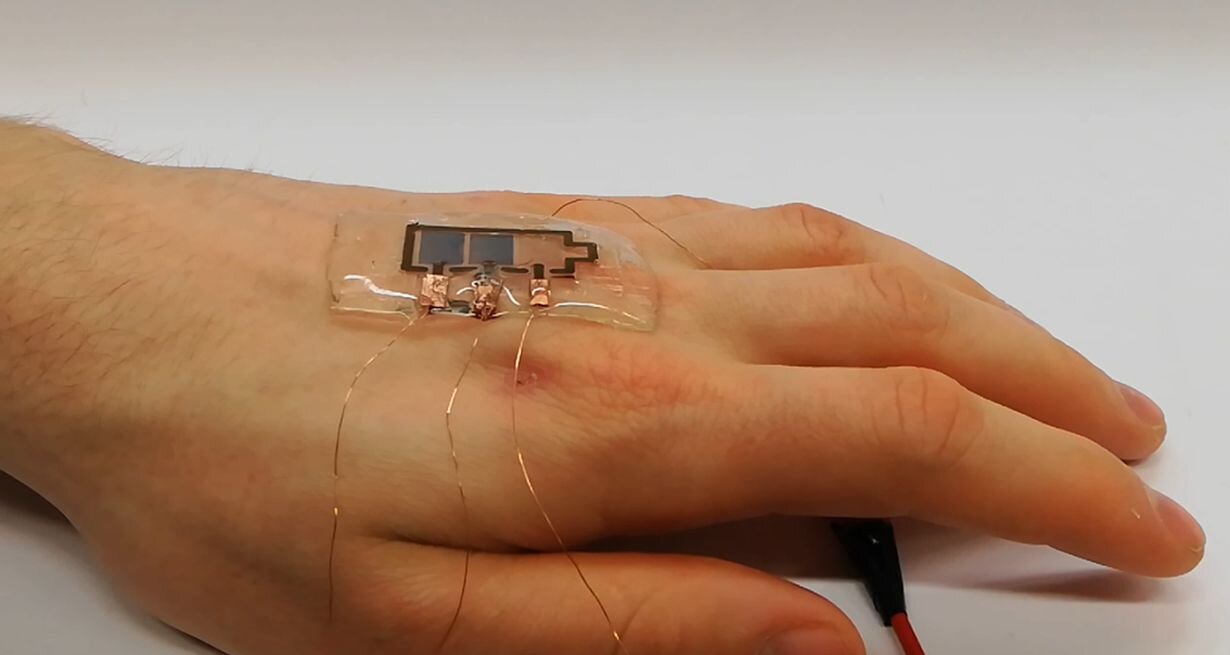
The display is generally suitable for applications with a short life cycle. For example, in medical diagnostics, where sensors and their indicators are cleaned or disposed of after use.
The designed display can also beused for quality control of food containers, where reuse is not allowed. Digital printing allows displays to adapt to people or complex shapes without any costly process modifications. This reduces resource consumption.
Read more:
Abortion and science: what will happen to the children who will give birth
Radars have found the last Tlingit fort in Alaska. They've been looking for him for over 100 years
A third of those who have recovered from COVID-19 return to the hospital. Every eighth - dies