Members of the Rice University School of Engineering, Arizona State University, and Pacific
Research has shown that the process transformsnitrates at 2 kppm in ammonia, followed by a gas scrubbing process to collect the ammonia product. The remaining nitrogen content after these procedures can be reduced to drinking levels defined by the World Health Organization.
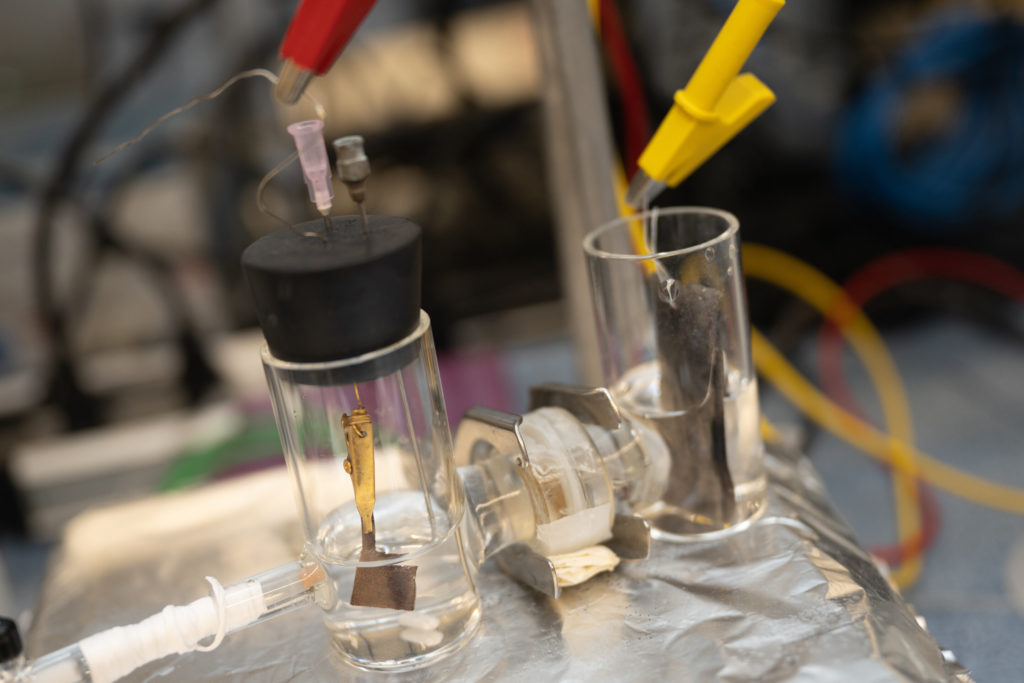
“We have carried out a complete denitrification processwater,” says graduate student Feng-Yang Chen. “By further cleaning the water of other pollutants, we can potentially turn industrial wastewater back into drinking water.”
The study found it to be a promising alternative to efficient processes for industries that depend on an energy-intensive process to produce more than 170 million tons of ammonia per year.
Read more:
Inexplicable duality found in elementary particle physics: what will it lead to
Look at the alignment of the planets in 2022: the brightest planets are visible in the photo from Earth
Scientists explain how a stem cell "understands" what it will become