Researchers estimate that each year about 500 meteorites pass through the Earth's atmosphere and fall on
However, in recent years, new technologiesincreased the number of such falls. Doppler radar made it possible to detect more meteorite falls, and networks of all-round cameras made it possible to observe objects. In addition, increased use of vehicle devices and surveillance cameras has resulted in more random sightings and data on potential meteor impacts.
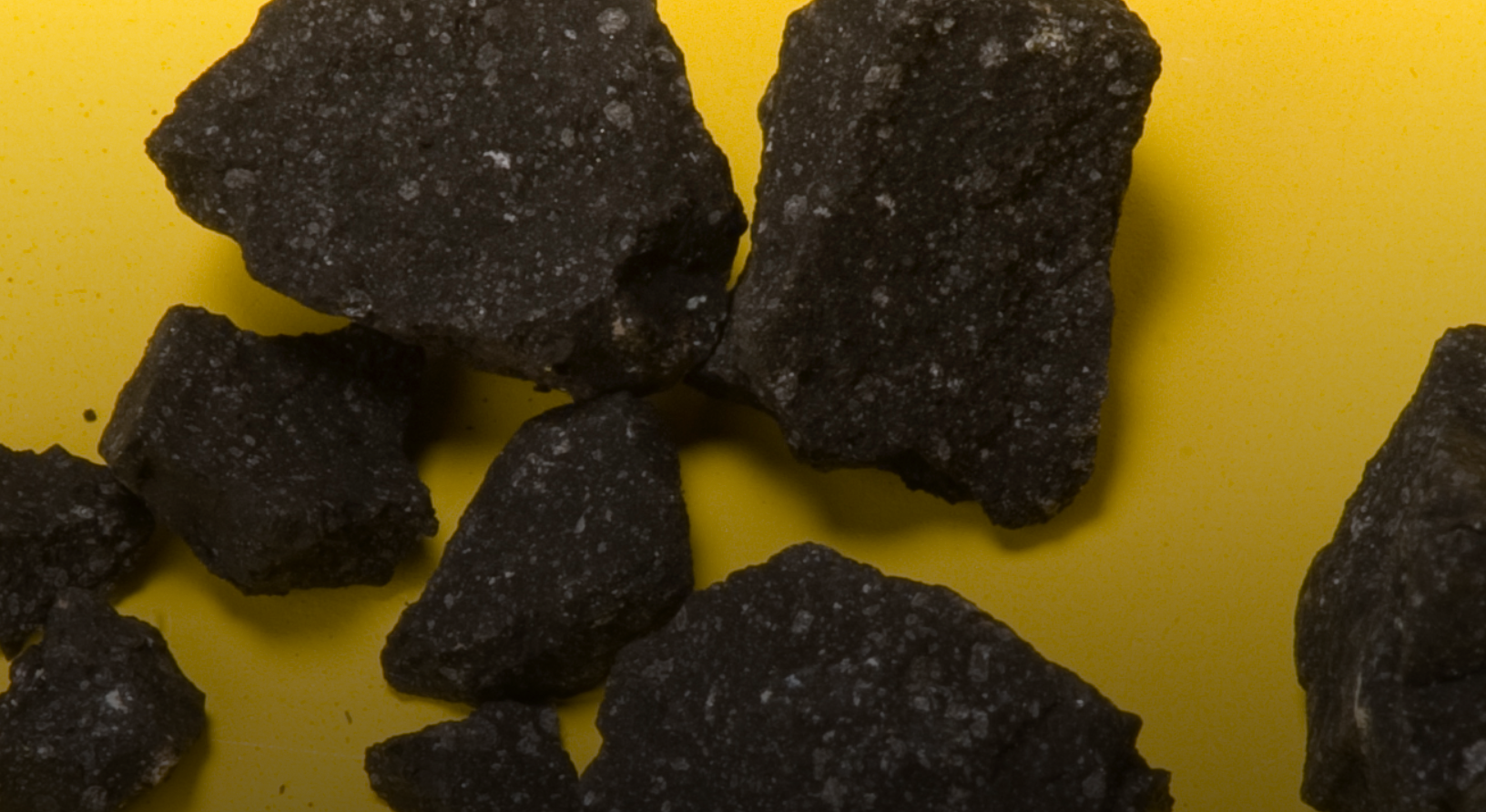
Scientists Find Traces of Water in Meteorite from Asteroid from Early Solar System
Now the group took advantagedrones to automatically search for small meteorites. The drones are programmed to fly in a grid pattern over a suspected recent meteorite impact site, taking systematic images of the ground. Artificial intelligence (AI) is then used to search the images for potential meteorites.
Scientists have tested theira conceptual drone, mainly in the 2019 meteorite impact area near Walker Lake, Nevada. Their meteorite classifier uses a combination of "various convolutional neural networks to recognize meteorites from images taken by drones in the field." Its efficiency in a small sample reached 81%.
Read more
A resident of Turkey accidentally found traces of an unknown civilization in the courtyard of the house
Data from spy satellites helped to find out the cause of melting glaciers in Asia
How an underwater fire broke out in the Gulf of Mexico and what it could lead to