Researchers at the Korea Advanced Institute of Technology (KAIST) have produced a brain-inspired
Scientists have created neurons and synapses based on onetransistor for highly scalable neuromorphic equipment. They also showed that this model is capable of recognizing text and facial images. Research on this appeared in the journal Science Advances.
Neuromorphic equipment works like a model onbased on AI, but at the same time consumes a meager amount of energy, imitating the human brain. Neuromorphic equipment requires a neuron that generates power when a certain signal is integrated, and a synapse that remembers the connection between two neurons, just like the human brain. But since neurons and synapses built on digital or analog circuits take up a lot of space, it has a limit in efficiency and a limitation in terms of hardware cost.
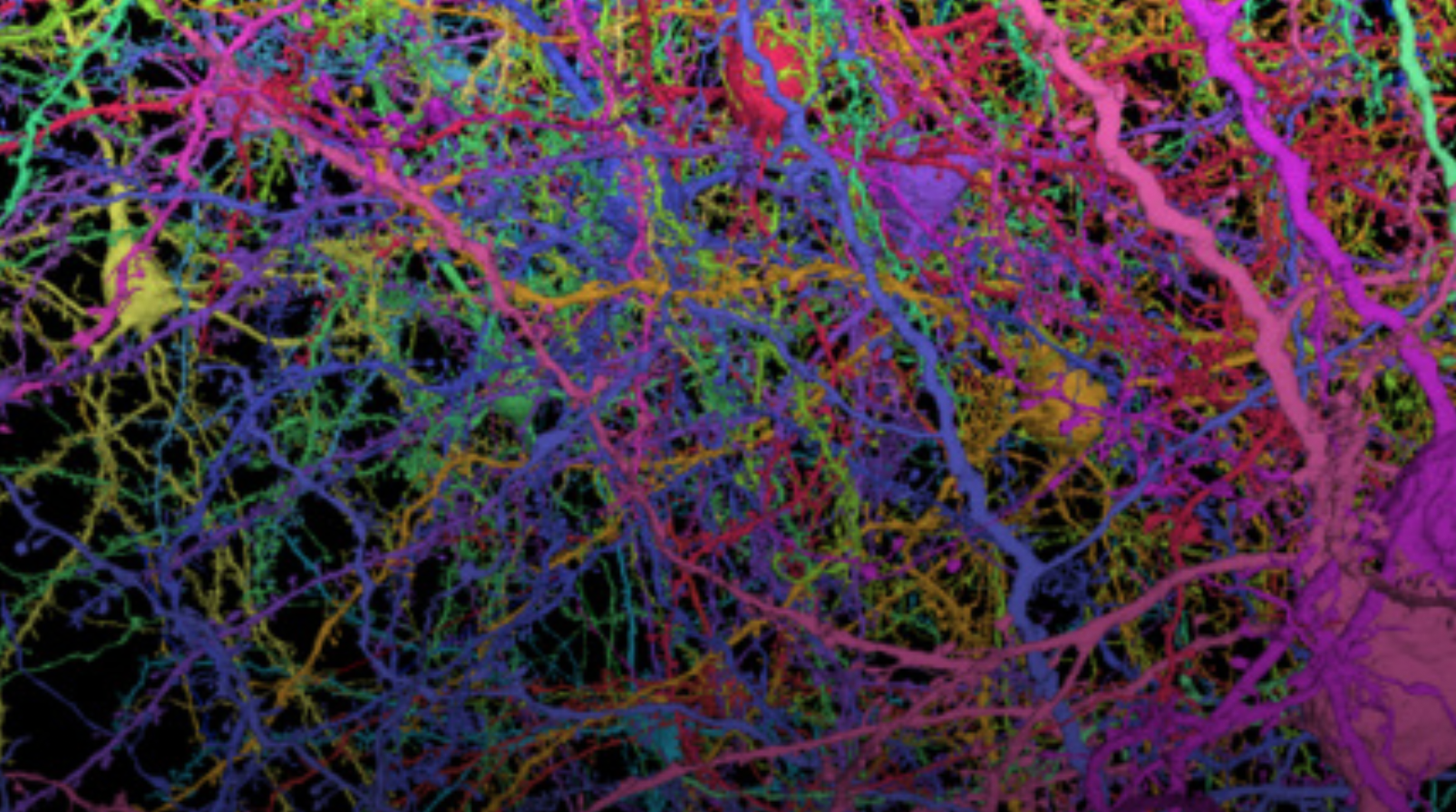
Scientists discover half a billion synapses in tiny piece of mouse brain
To solve this problem, researchThe group mimicked the behavior of biological neurons and synapses with a single transistor and combined them on an 8-inch plate. Manufactured neuromorphic transistors have the same structure as transistors for memory and logic, which are mass-produced.
This work can significantly reduce the costhardware, replacing neurons and synapses, which were based on complex digital and analog circuits, with a single transistor. “We have shown for the first time that neurons and synapses can be used with a single transistor,” the researchers noted.
Read more
The slowing down of the Earth's rotation caused the release of oxygen on the planet
New particle discovered at the Large Hadron Collider
Scientists have found the oldest example of applied geometry