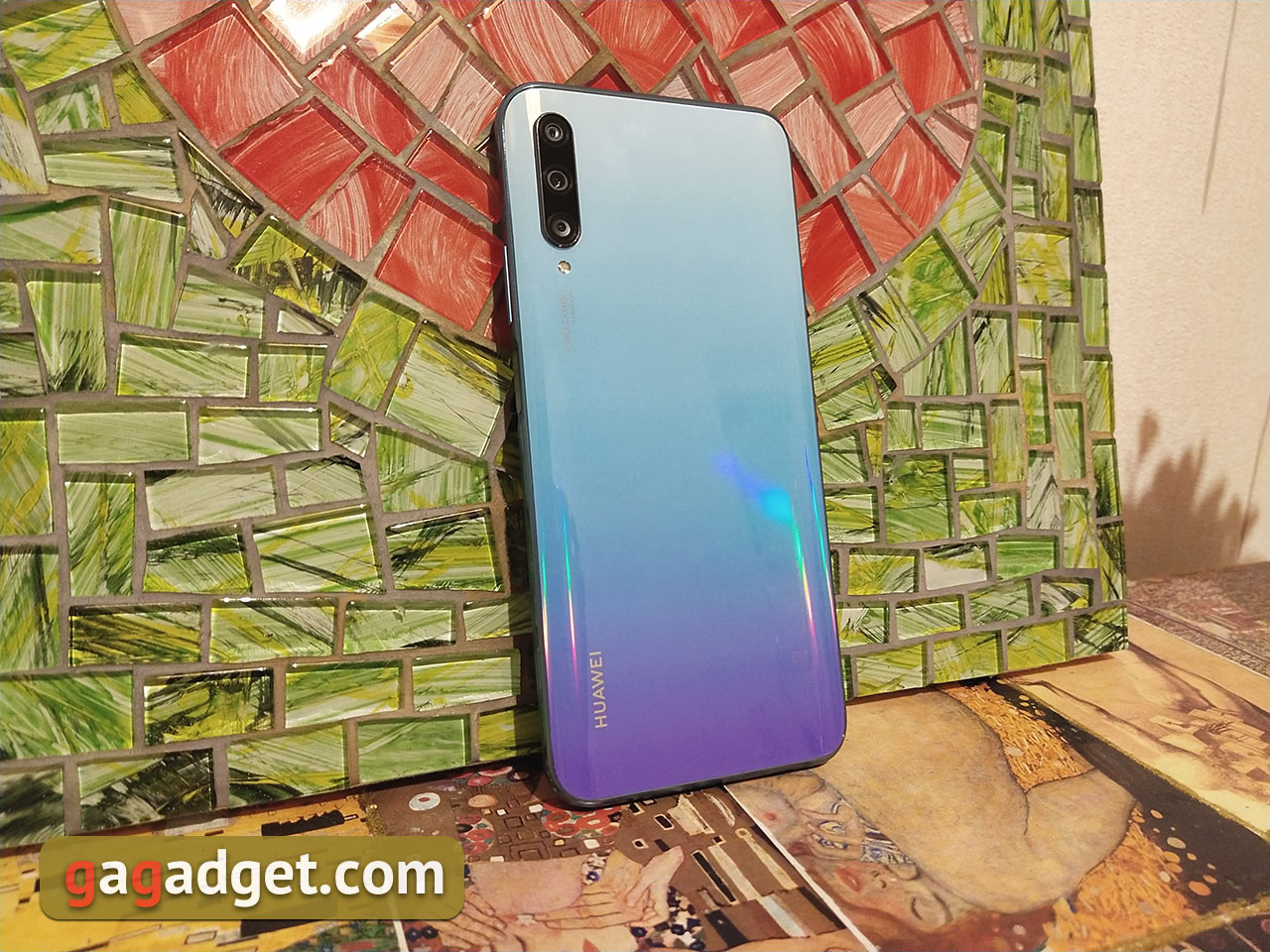
Huawei is just starting to release devices without Google services on board, and the Huawei P Smart Pro (2019) model is not included in these ranks.
What is it?
6.59-inch smartphone, withoutcutouts thanks to a popup camera, a large amount of memory for its price category (6/128 GB), a triple camera, last year's Kirin 710F processor and without NFC. At the time of the review, the price of the model was already 7000 UAH.
What does he look like?
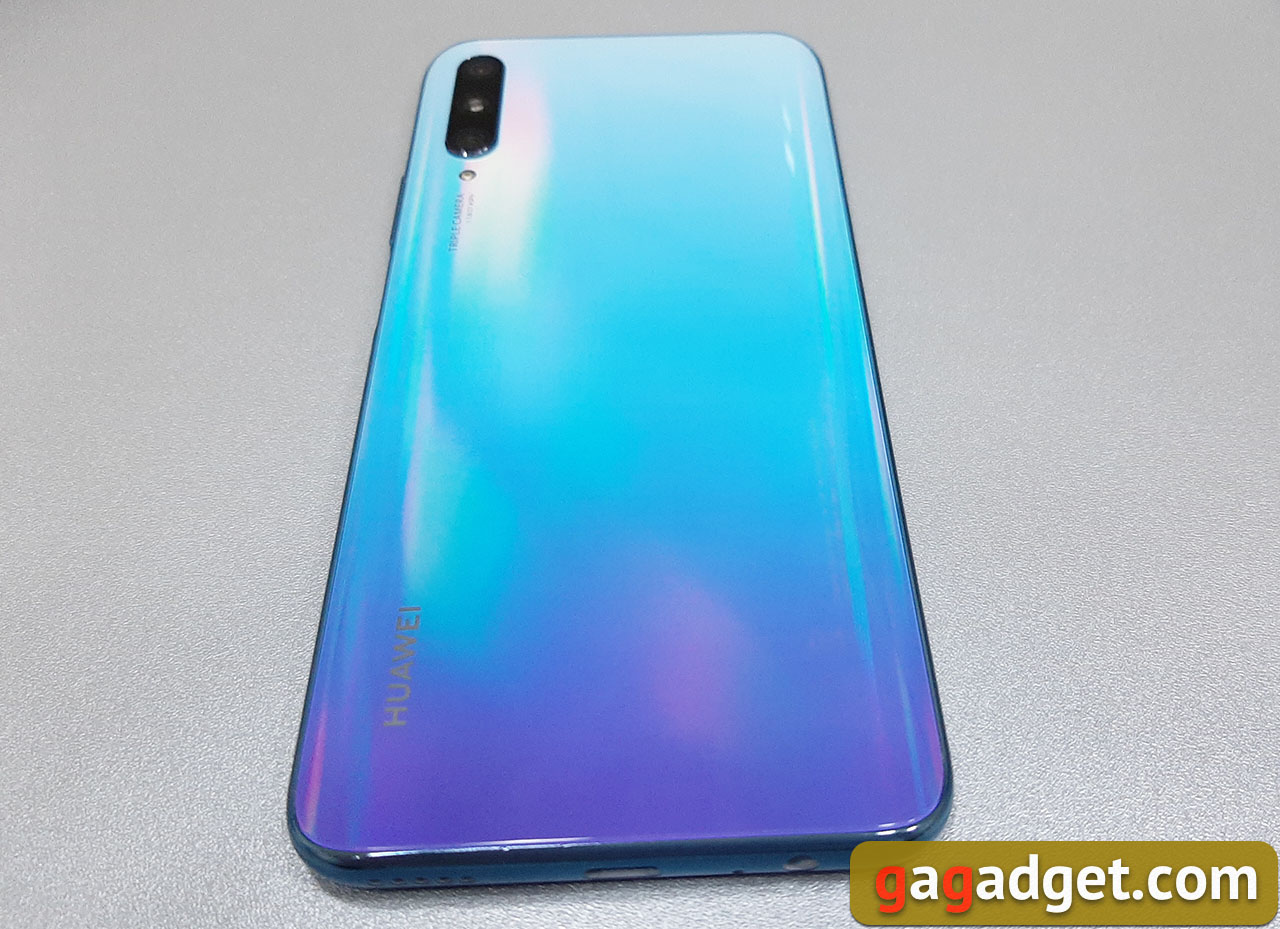
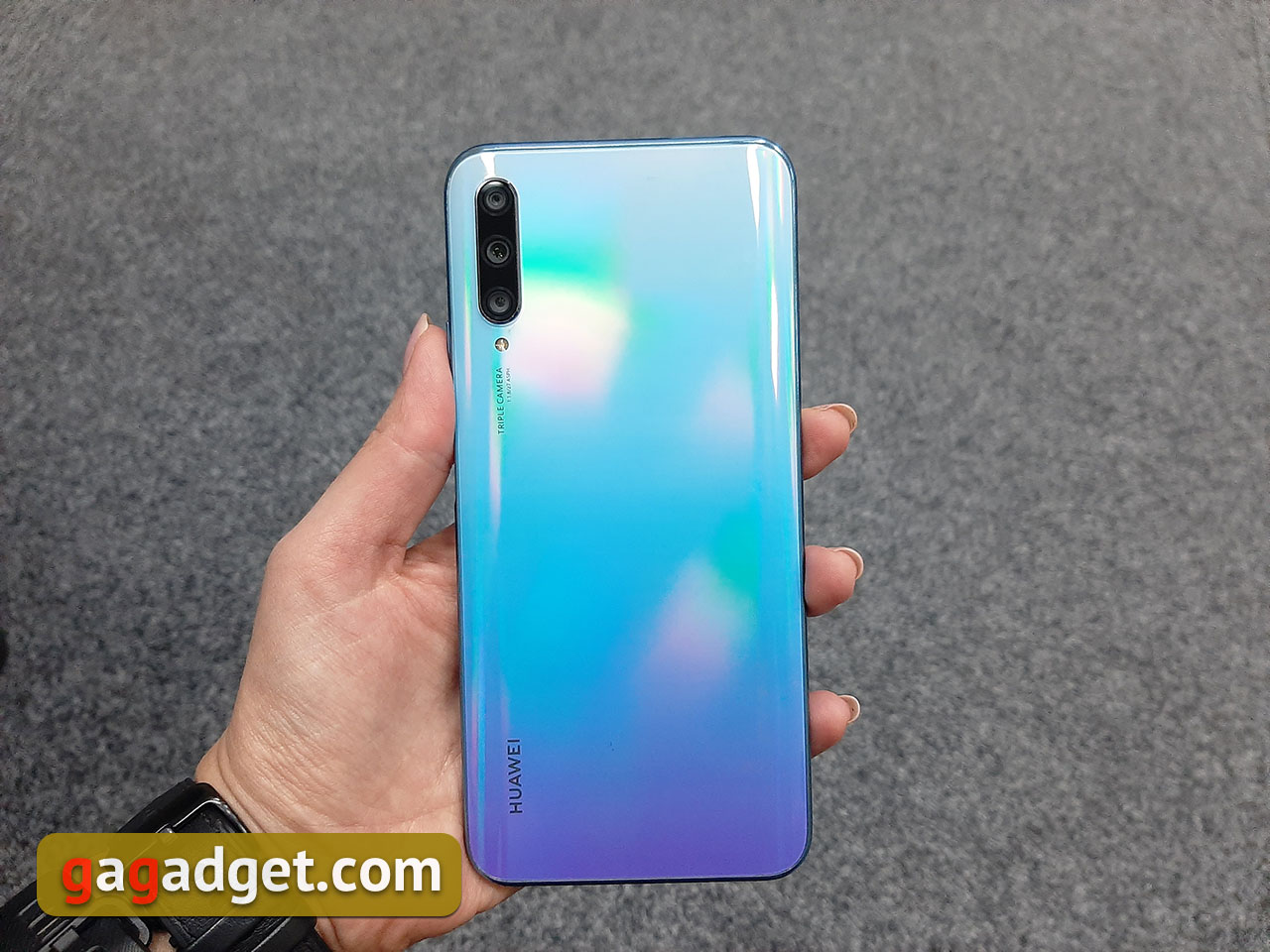
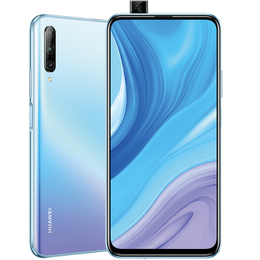
Huawei P Smart Pro is packaged in a shiny, glossy finishThe body is glass, which miraculously does not become covered with fingerprints from head to toe and does not slip. There are also few fingerprints collected. There is also a case in the box – for those who don't like to take risks. The model is available in two color options – pure black and like ours, bluish-blue. The manufacturer named the colors Midnight Black and Breathing Crystal. Our color option is interesting, but in this price category the color – this is one of the selling characteristics, each of the competitors of Huawei P Smart Pro has an awesome design: the Galaxy A50, the vivo V17, the Honor 9X, I’m even at a loss to say which model seemed more interesting to me in real life. If you are looking closely at this price category, I advise you to hold everything in your hands in the store.




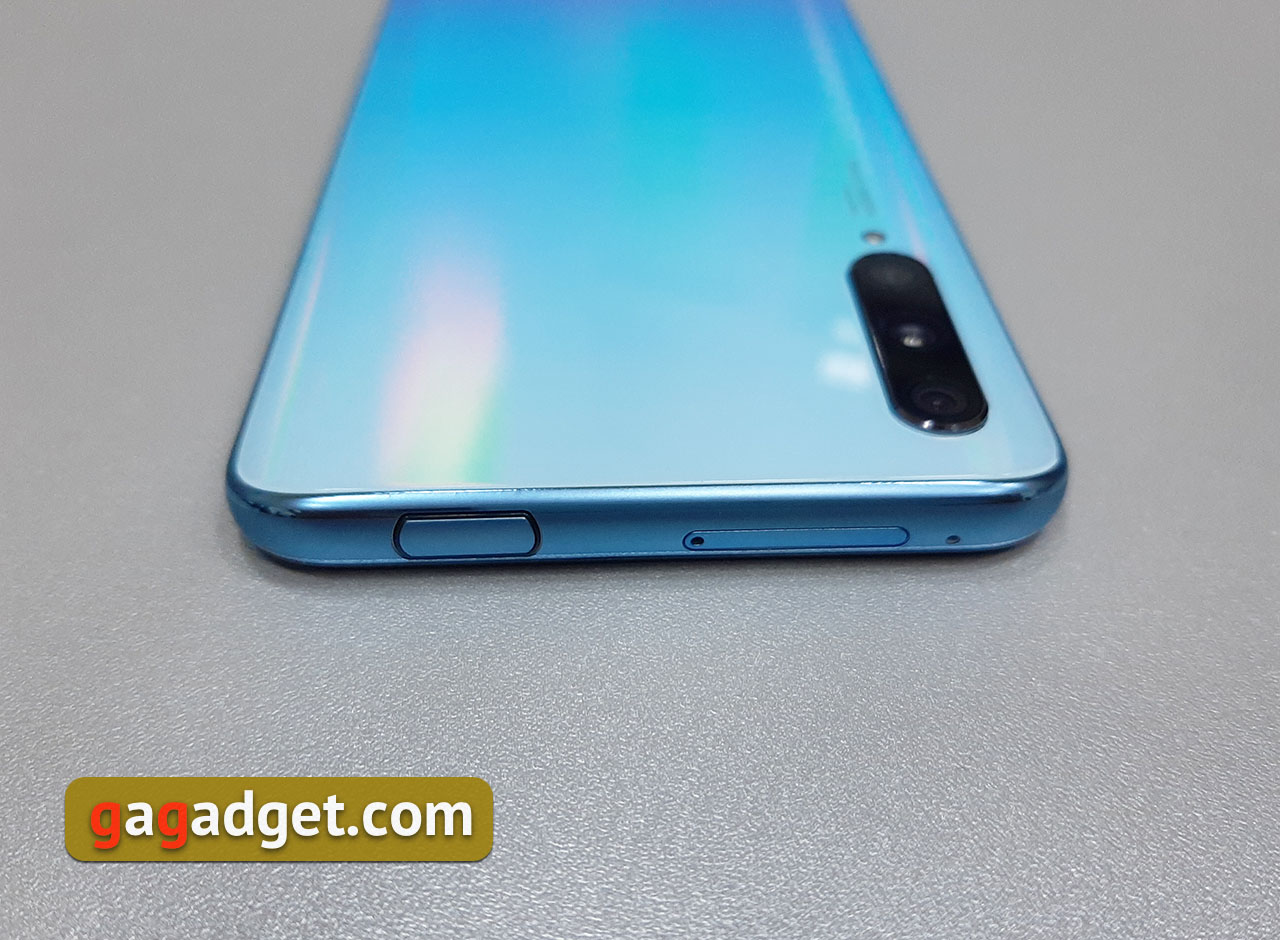
Looking ahead, I’ll say that the smartphone receivedIPS-screen without cutouts, and this affected the rest of its characteristics. So, the fingerprint scanner moved to the right end in the screen lock key. It is very convenient, works perfectly too.
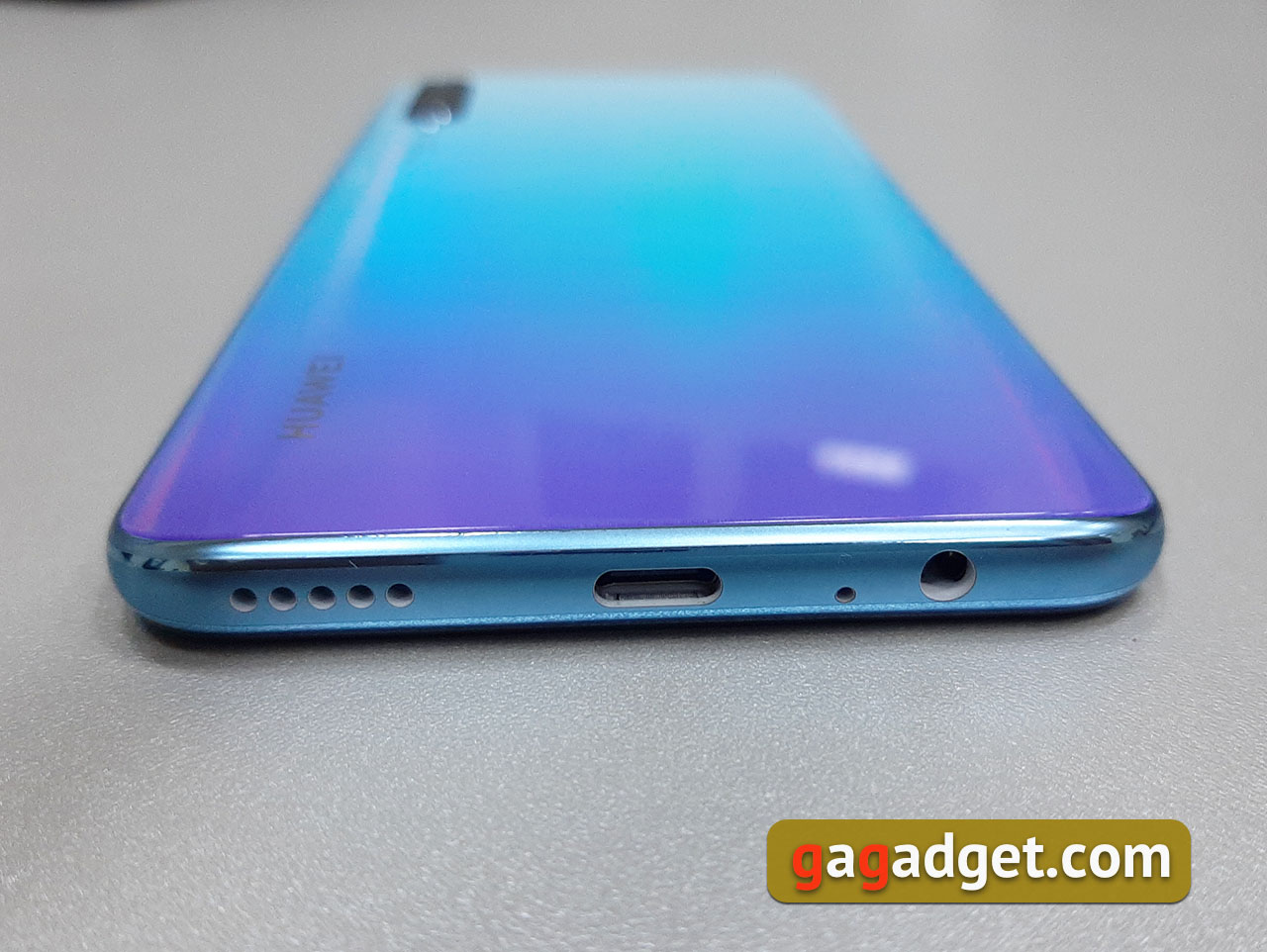
The front camera is hidden in a popup block,Therefore, there is no facial recognition sensor in the smartphone. For some reason Huawei/Honor don't combine them with upstart cameras. The downside, albeit a small one, is that the fingerprint sensor works great. In addition to it, the volume control button is traditionally located on the same end. Speaker, USB Type-C and audio output – below. The speaker is single, but loud and decent in sound. And it doesn’t fit into your hand when the smartphone is in your hand in a horizontal orientation. Top – a block for a SIM card and a small camera module, as well as a microphone. The left side is empty. Frame at the ends of the device – metal.






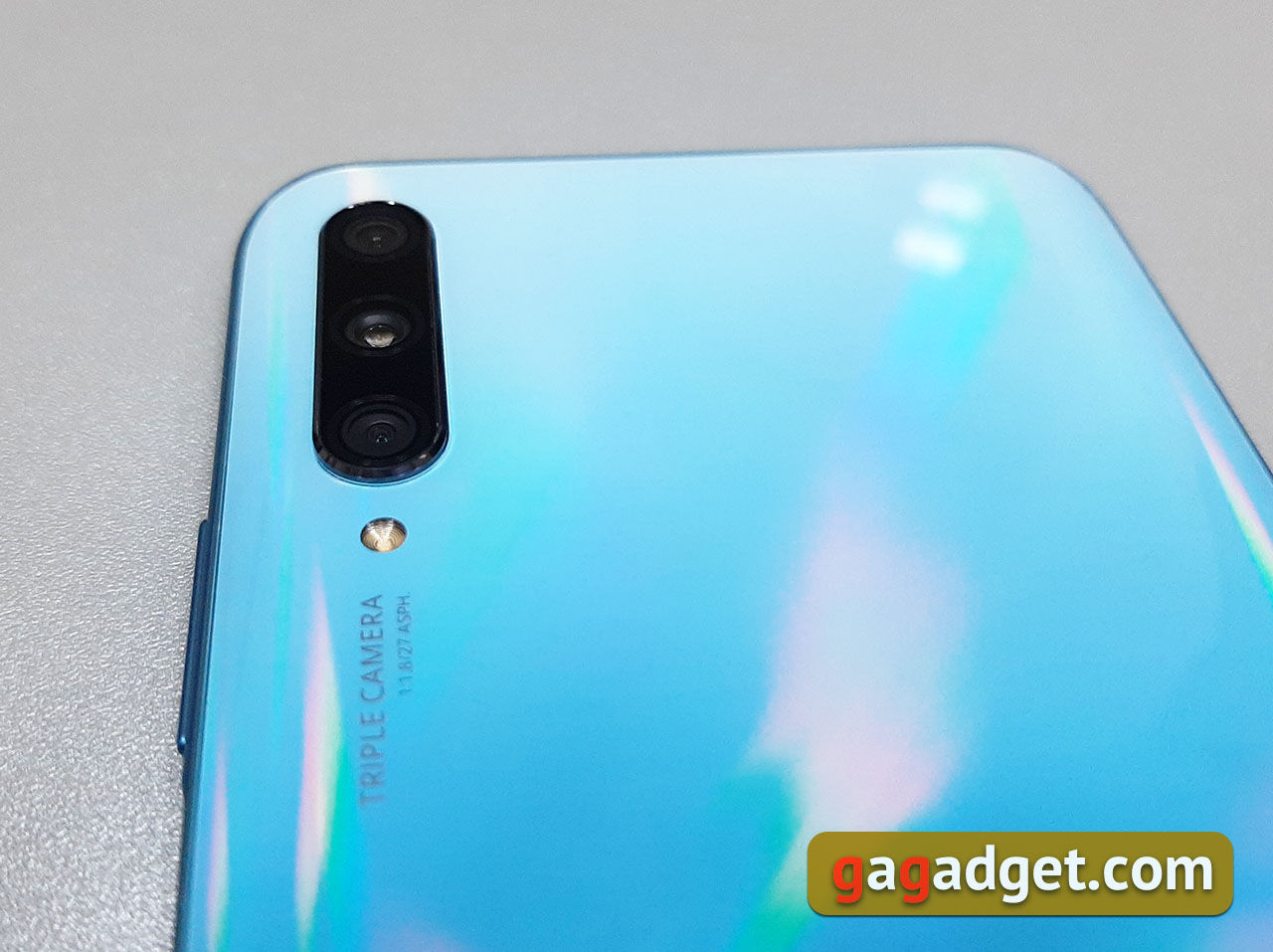
Rear – triple camera module, flash and logo. Also already quite typical location and design. The camera protrudes somewhat from the body.
Due to the diagonal, the smartphone turned out to be large andweighty. Weighs 206 grams, 161x77x9 millimeters in size. My device did not fall out of one hand when I did something with it. But still these sizes – it's just about on the verge of being able to be held with one hand. If the second one is busy, carefully moving the device, you can call someone, launch some application, or send a short message. But in general, it’s better to grab such a giant with both hands.
What about the screen?
On the screen with a royal diagonal of 6.59 inches andit’s nice to watch a video, whatever one may say, standard for a mid-budget employee with a resolution of 1080 x 2340 pixels (pixel density 391 ppi). The frames are thin, there are no cutouts, the area is large. Is that the matrix here is IPS, not AMOLED, but it is solid.

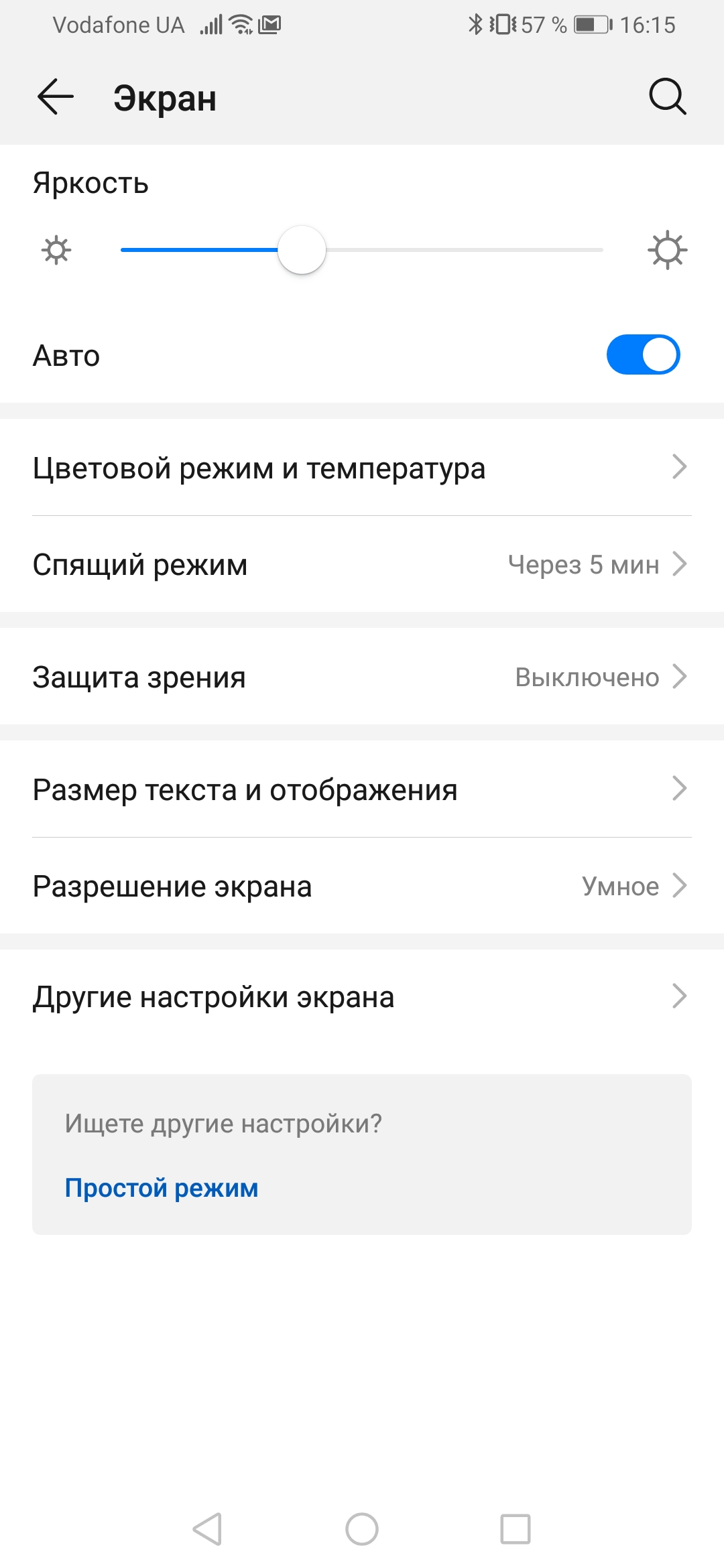
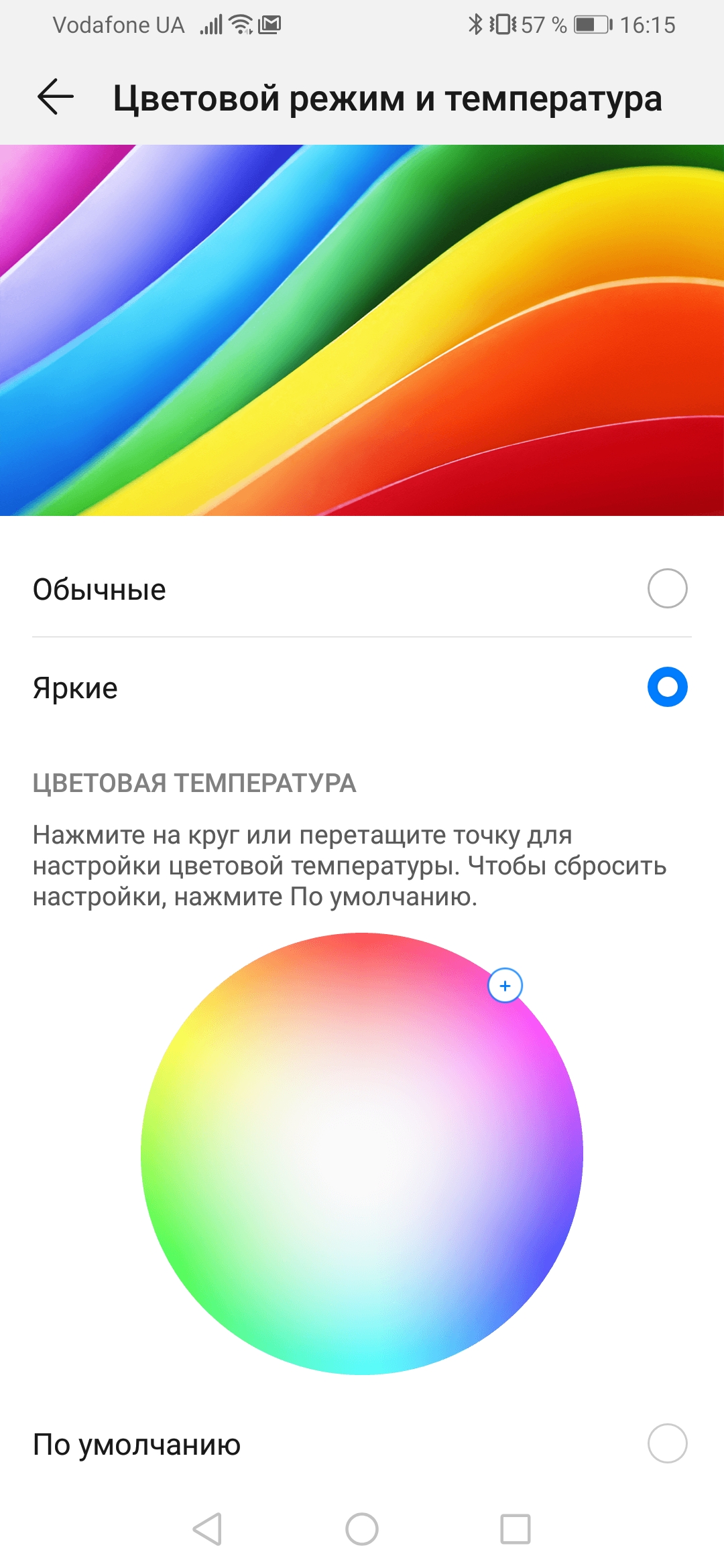
At the current time of year there are no questions about brightness, butcontrast, the difference in matrices is still noticeable in direct comparison, but still this – very worthy. The light sensor works correctly and if you turn on the screen at night in the dark, it will be more or less comfortable. In the display settings there is a color control option and an eye protection mode that makes the image warmer.






What about performance and features?
This model has last year's Kirin 710F processorpresented in conjunction with 6 GB of RAM. The reason for the lack of new clothes – in Google license. With a different chipset, the smartphone simply would not be able to receive GMS. But in order to play in its highly competitive price segment and win, the device really needs Google services. Experiments would be permissible only if there is a very large difference in price or very high customer loyalty, which, most likely, can only be achieved for now through a large difference in price. What partly spoils the blood of all electronics manufacturers – slow obsolescence of hardware – is playing into Huawei's hands right now. Even with last year’s chip, the device is still relevant, productive and has no plans to go into another world. Moreover, Huawei is trying to turn a blind eye to the concession on hardware with a small discount.
Kirin 710F – eight-core processor withbig.LITTLE architecture (four high-performance ARM Cortex-A73 clocked at up to 2.2 GHz and four energy-efficient ARM Cortex-A53 clocked at up to 1.7 GHz) and support for GPU Turbo technology. I used my smartphone as my main one for about two weeks. I don’t play heavy games, in general they are played more often for tests than for themselves, and then only some kind of racing. If the Honor 9X had problems with stuttering in Chrome and Asphalt 9 could jitter a little, then paired with 6 GB of RAM the chipset is comfortable for most tasks, and the game, as far as I remember, runs about the same. In any case, I did not have to deal with braking. My main smartphone, the Galaxy A50, has a noticeably slower speed. Below are screenshots of benchmarks. By the way, they define the model as Huawei Y9 Prime 2019.
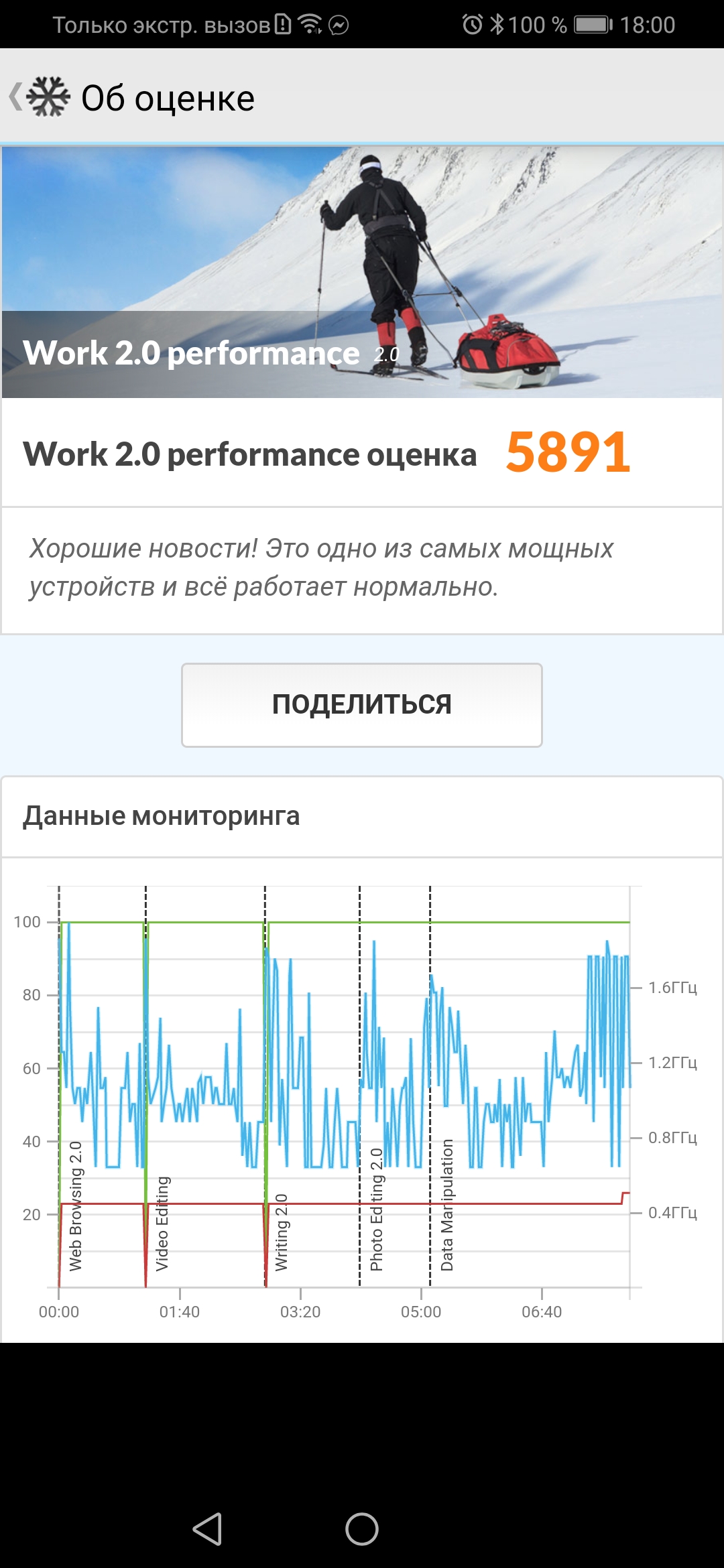

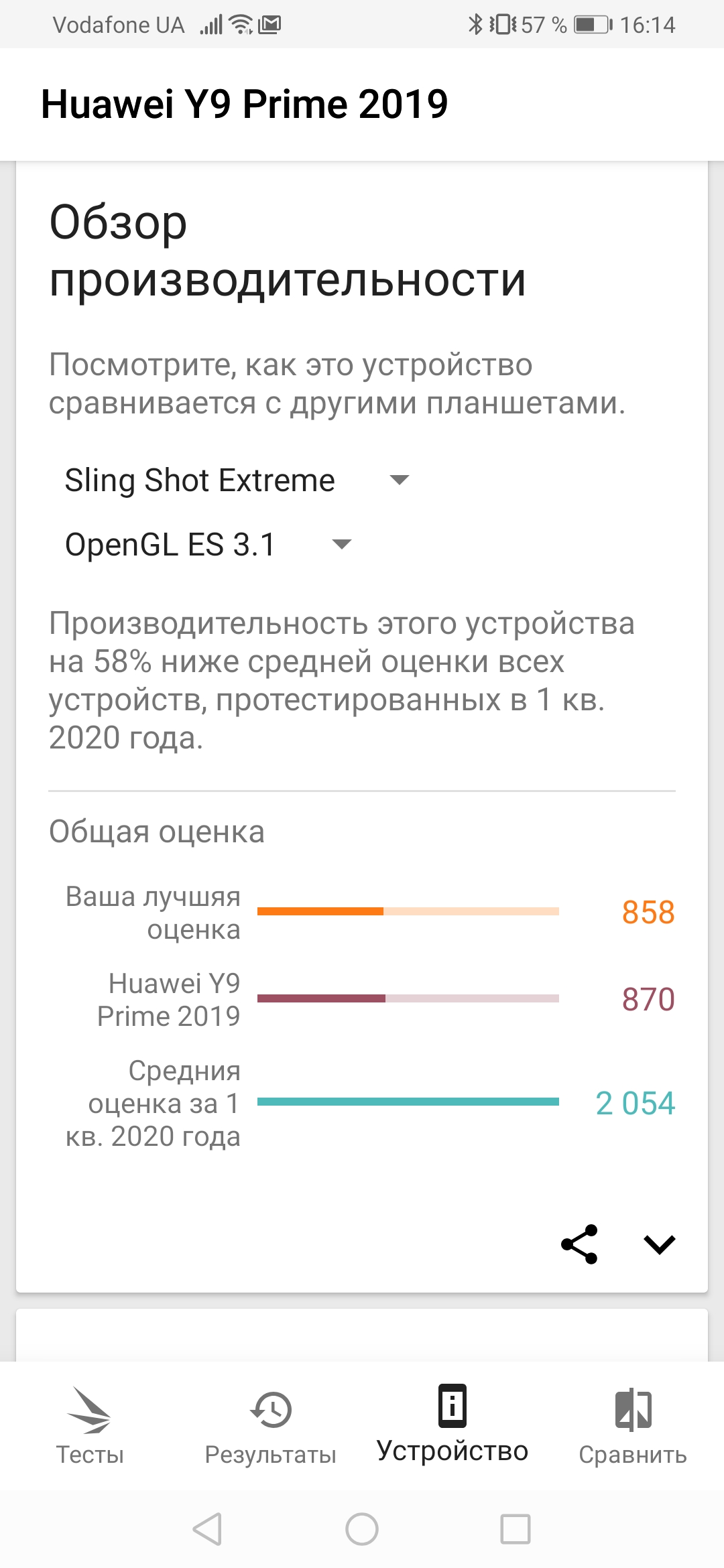
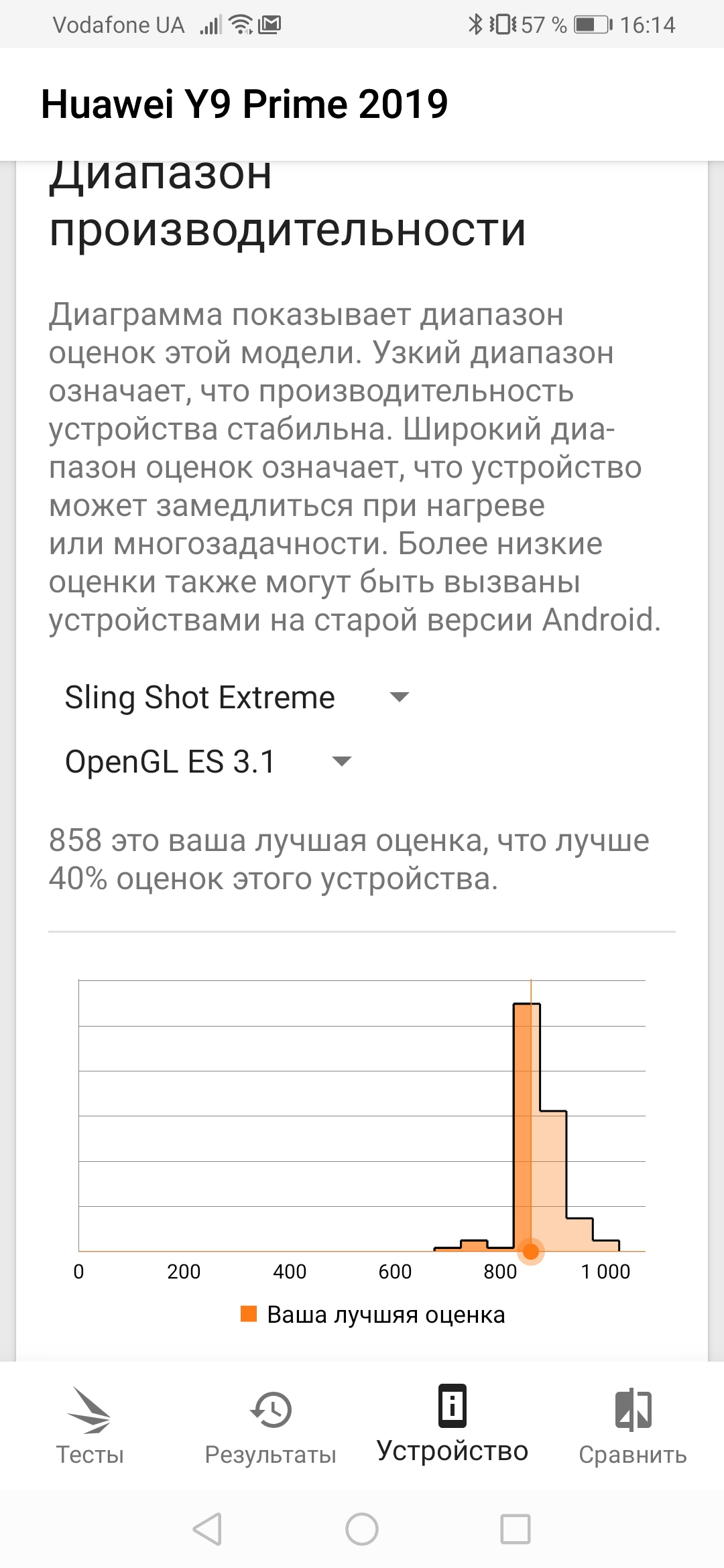






The smartphone comes pre-installed with Android 9 OS.0, no update yet. Therefore, I will not repeat myself once again; everything that is possible is described in the P30 lite review, for example. Google services are still available here and work without problems. Huawei branded services, as well as the application store – grow and get stronger.
What about the battery?
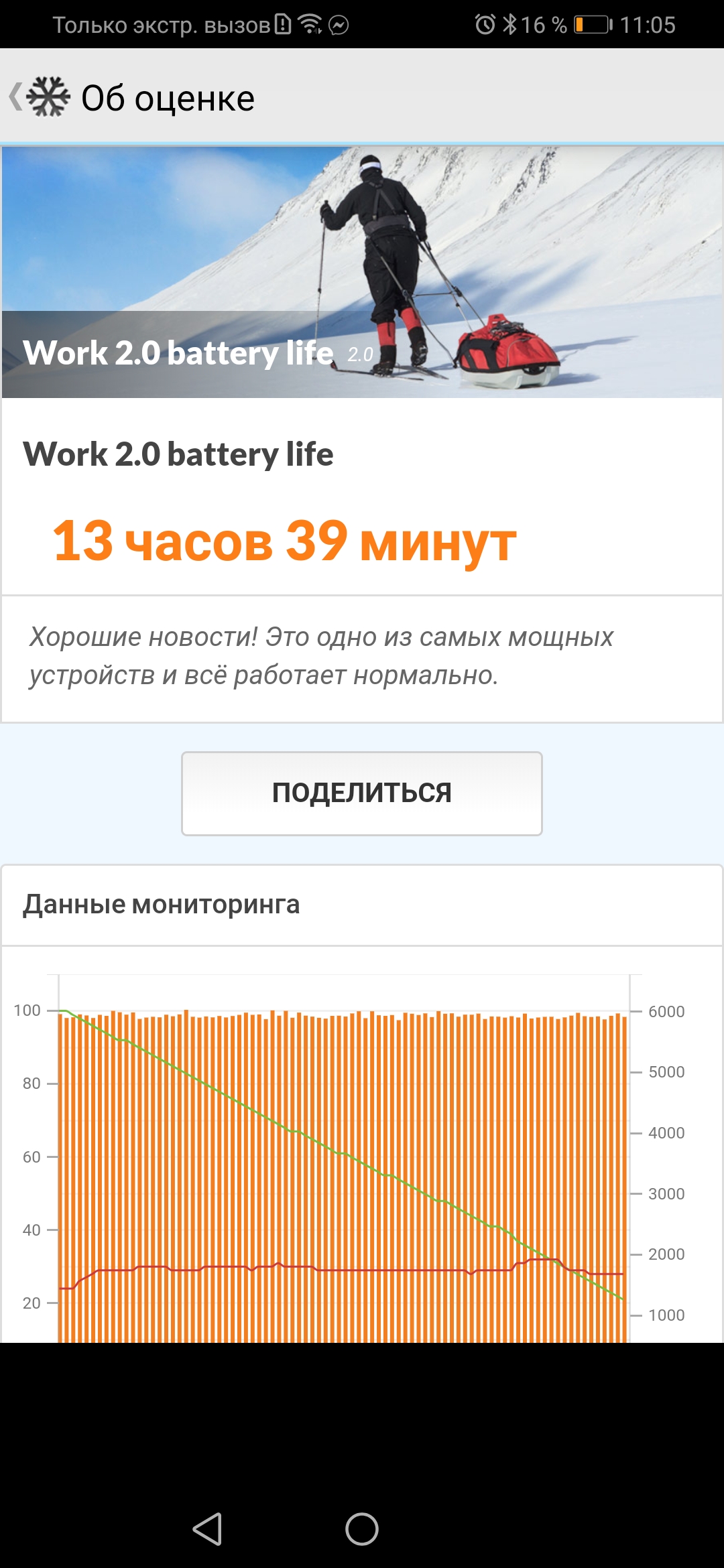
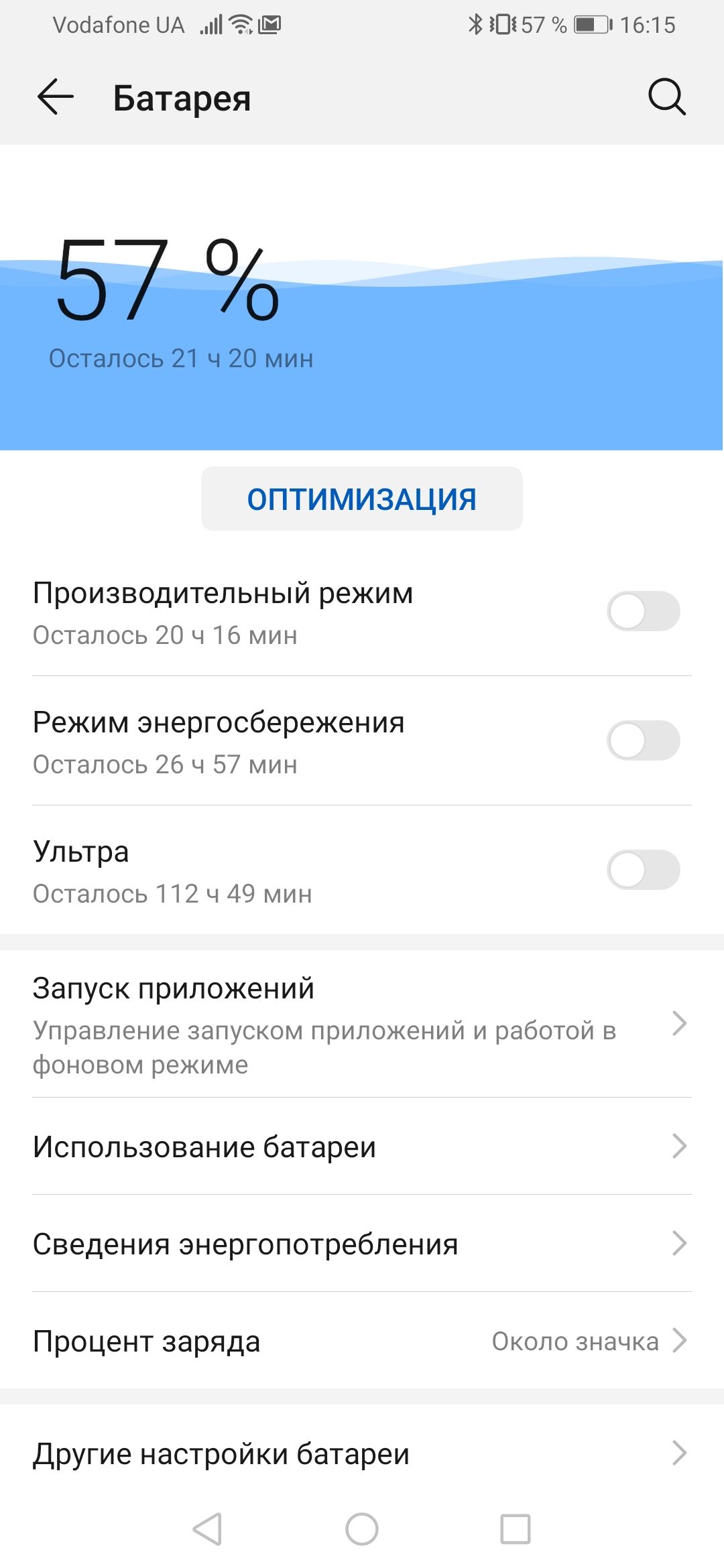
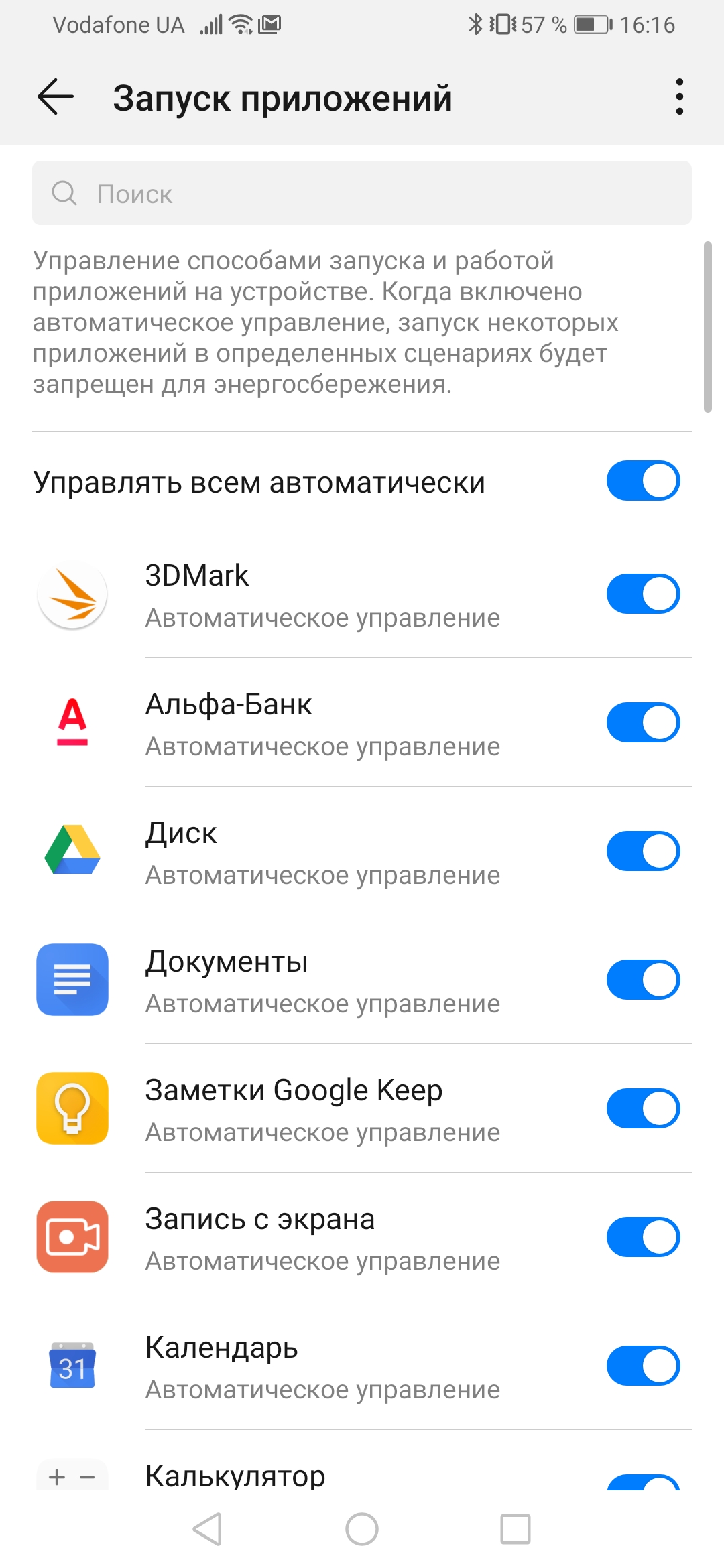
In terms of autonomy Huawei P SmartPro– a pleasant surprise. No, it is again no different from the Honor 9X (except that I used this device more intensively and recharged it, without waiting for complete zero, about once every day and a half, so as not to take risks). But by the standards of such a large screen diagonal and IPS matrix, the resources of a 4000 mAh battery are used sparingly, software optimization and the work of smart algorithms are obvious. I didn’t specifically turn on the power saving mode and didn’t allow me to stop power-hungry applications (usually the smartphone offered to turn off Telegram, but now it’s one of my two main instant messengers, I refused).







What is the matter with the camera?
The main camera of Huawei P Smart Pro consists ofthree modules. Main– 48-megapixel (f/1.8), additional – 8 MP ultra-wide-angle (f/2.4) and secondary – 2 megapixel for bokeh effect. Front – 16-megapixel (f/2.2). May the readers of this review forgive me, but for details I will refer you to the Honor 9X review; the cameras here are absolutely the same. And to the review of vivo V17, since there I had the opportunity to compare the modules of three competing devices. Overall, all three shoot at about the same level, but they have different strengths. Huawei– king of the night, as usual.
Below are examples of shots in different modes and with different lighting.








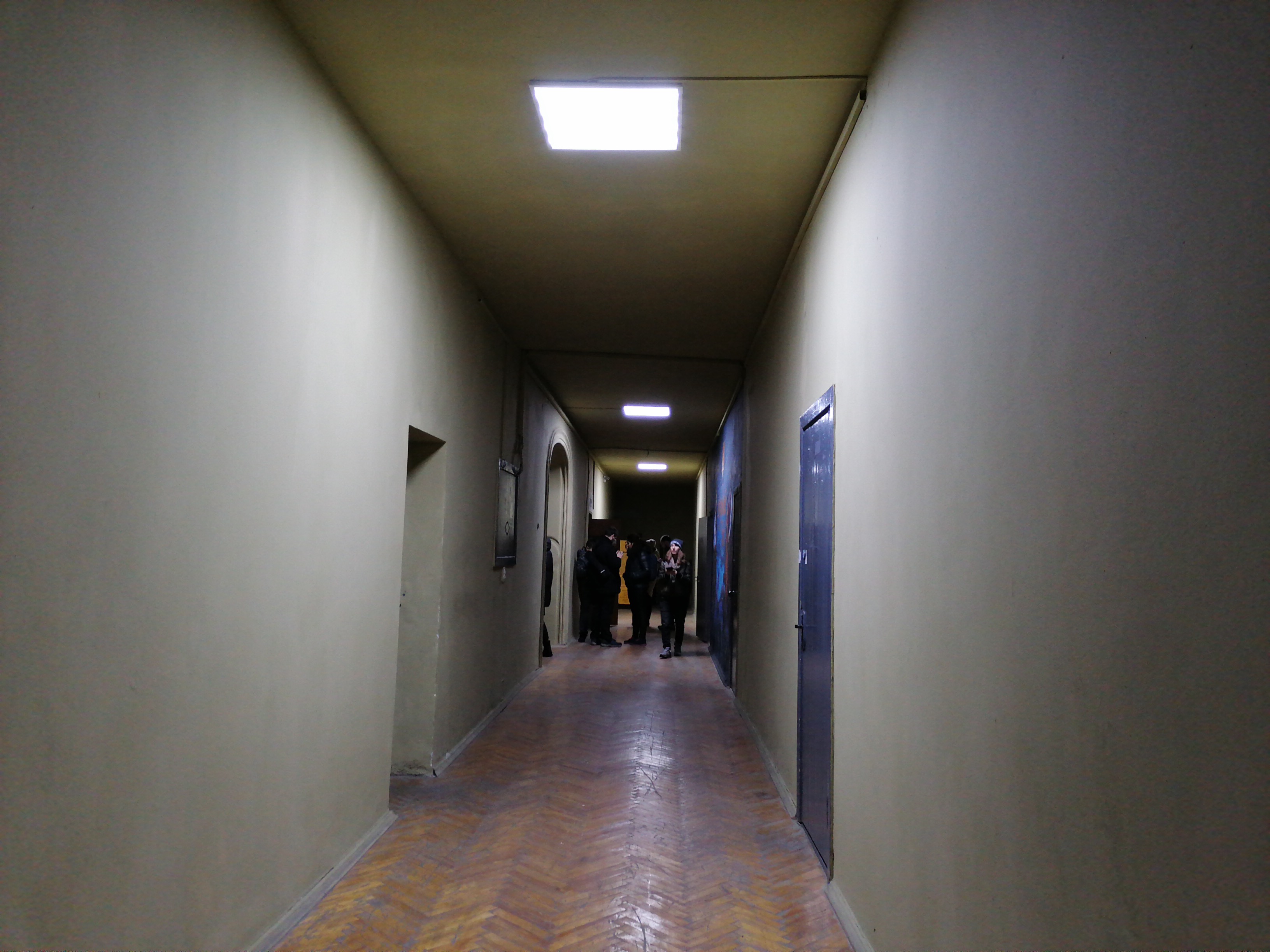



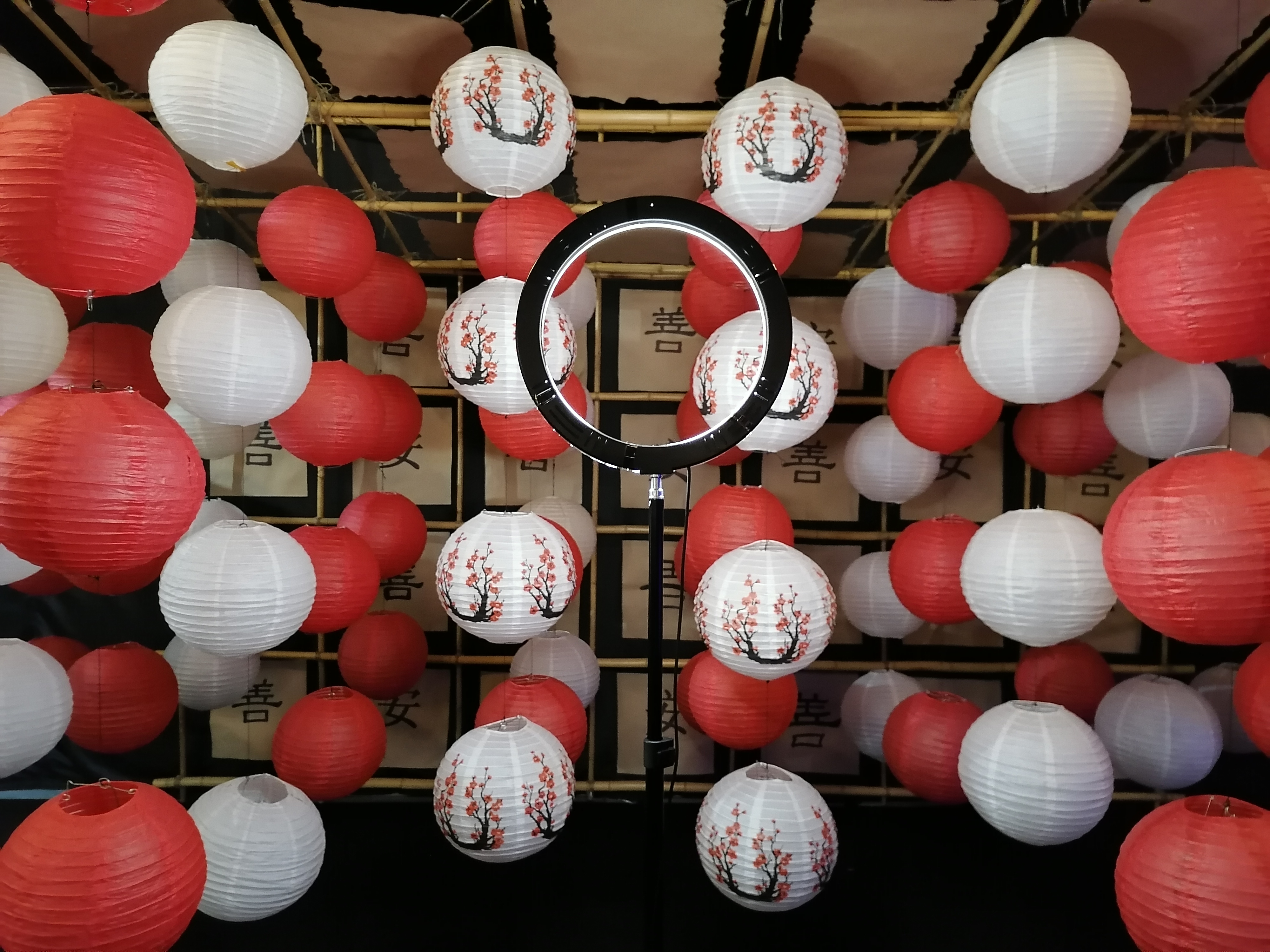





















Photos in original resolution are available in a separate gallery on Torba.
What are the alternatives?
There are many offers in this price segment, andI can easily understand someone who cannot decide. This model is definitely not for those who need contactless payments and who will be psychologically uncomfortable giving money for a device with last year's chipset. For such there is vivo V17, Samsung Galaxy A51 with 4 GB of RAM, Xiaomi Redmi Note 8 Pro, OPPO Reno2 Z.
Feel, performance and autonomyThe hero of this review is comparable to the vivo V17 and, in general, models that are potentially very close competitors. The vivo V17 has a slightly higher price, but it has a more sophisticated camera, an AMOLED screen and more RAM. Huawei P Smart Pro is better at portrait and bokeh shots, but lacks NFC and facial recognition. If we talk about processors, they are rather comparable. In a dry comparison, vivo V17 looks even more interesting (it’s not for nothing that the smartphone received an award from us), but there is also such a thing as brand strength, and in this the newcomer still loses.
Xiaomi Redmi Note 8 Pro – strong competitorwith a powerful filling. At least in theory, the model looks more interesting: it has NFC, Bluetooth 5.0, a higher-resolution camera, a more powerful processor, and even a 500 mAh higher battery capacity. But again, it’s a question of brand. Xiaomi has a very loyal audience that does not look around. Huawei also has great loyalty. Yes, and also the heart of Redmi Note 8 Pro – chipset from Mediatek (Helio G90T).
Samsung Galaxy A50, despite being simpler to useIn terms of characteristics, the camera, in my opinion, wins precisely because of this characteristic. Fewer megapixels, but better captures everything except night. The smartphone also has NFC. But when it comes to performance, autonomy and quality of biometrics, the P Smart Pro beats its competitor to the punch.
Finally, with Honor 9X there is a price difference of UAH 1000, and here you can feel the difference in speed by about the same amount.
In the dry residue
For me personally, the main disadvantages of the devicesteel lack of NFC and facial recognition sensor. I’m still ready to put up with the latter, but without contactless in my rhythm of life – just nowhere. But for those who, due to their own reasons, do not use contactless payments – this is a reason to save money. Since, in other respects, Huawei has turned out to be a good smartphone: last year’s hardware is somewhat mitigated by the price, and the gluttony of the IPS matrix – good software optimization. At the same time, for the right price, the user gets comfortable performance, a glass body and a decent camera.
4 reasons to buy Huawei P Smart Pro:
- a lot of memory: 128 GB flash and 6 GB of RAM;
- good price / performance ratio;
- high-quality housing;
- decent autonomy.
3 reasons not to buy the Huawei P Smart Pro:
- you need contactless payments;
- no face recognition;
- you prefer OLED screen.
SpecificationsHuawei P Smart Pro (2019)
Display
IPS LCD 6.59″, 1080×2312 pixels, 391 ppi
Dimensions and weight
161x77x9 mm, 206 g
CPU
Kirin 710F (8 cores: 4 Cortex A73 2.2 GHz + 4 Cortex A-53 1.7 GHz), ARM Mali-G51 graphics, 1.0 GHz
Memory
RAM 6 GB, ROM 128 GB + microSDXC (hybrid tray)
Camera
Main 48 MP, f / 1.8, super wide 8 MP (f / 2.4), auxiliary (for blurring the background) 2 MP
Front: 16 MP, pop-up
Interface
USB Type-C
Wireless technology
Wi-Fi 802.11 a/b/g/n (2.4 and 5 GHz), Bluetooth 4.2
Battery
non-removable, lithium polymer, 4000 mAh
operating system
Android 9.0 (Pie) with EMUI 9.1 add-on
SIM card
2 x nanoSIM
The fingerprint scanner
on the side key
Huawei P Smart Pro (2019)
Smartphone in a glass case with 6 GB of RAM and a triple camera
The strengths of Huawei P Smart Pro (2019) are speed, camera, design and body materials, large-screen screen and price. Disadvantages - devoid of NFC and face recognition sensor.
youth hit