Content
- Video review
- Equipment and design
- Software
- Camera
- Performance and Benchmarks
- findings
When Xiaomi announced the European versionof the Redmi Note 11 line, many of our readers were outraged by the combination of high prices and not the most productive hardware (especially when compared with Chinese models). But has Xiaomi really taken a wrong turn in the eleventh generation of its midrangers? I spent a week with three phones from this range (all 4G models) and I don't think so. Now I will try to explain.
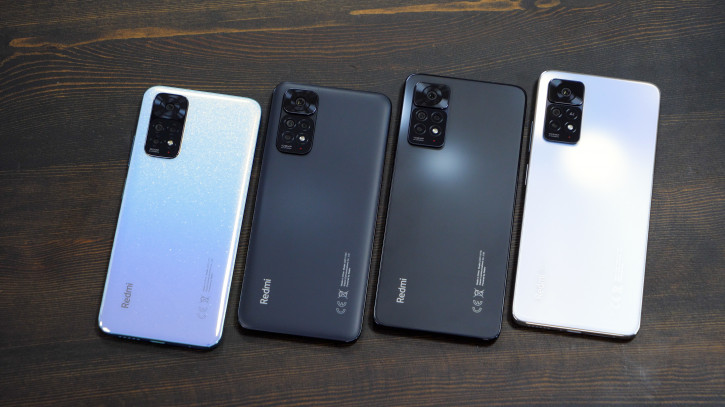
11 - 11S - 11 Pro - 11 Pro 5G

Video review
Equipment and design
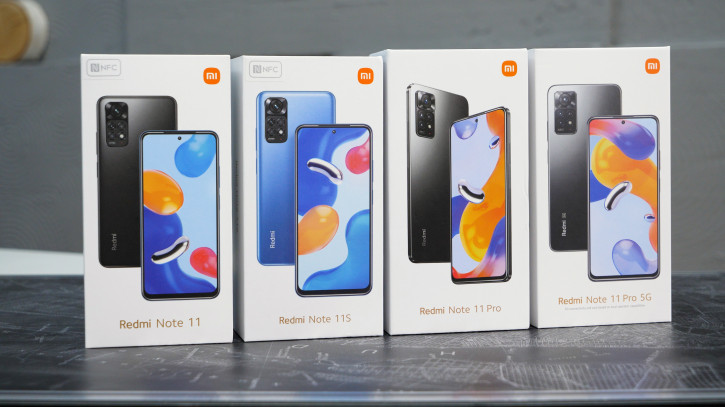
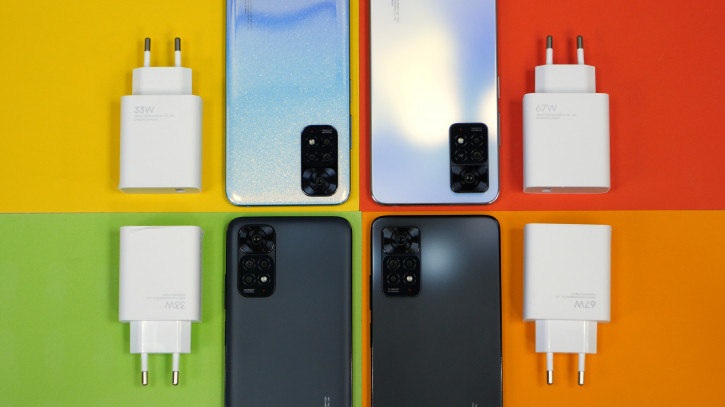
Xiaomi Redmi Note 11 series smartphones are sold inidentical white boxes. There is an NFC sticker on the box from under Redmi Note 11S, but there are no others on it - but the Chinese have clamped the stickers, so NFC is supported by all models. I also want to draw attention to the dancing fonts at the bottom, where the name is written; looks like it's some cheap chinese stuff. But the kit is good: a USB cable, silicone cases, documentation, SIM needles and chargers (67 W for Redmi Note 11 Pro and 33 W for the rest). And the inscriptions on the box - who cares about them at all?
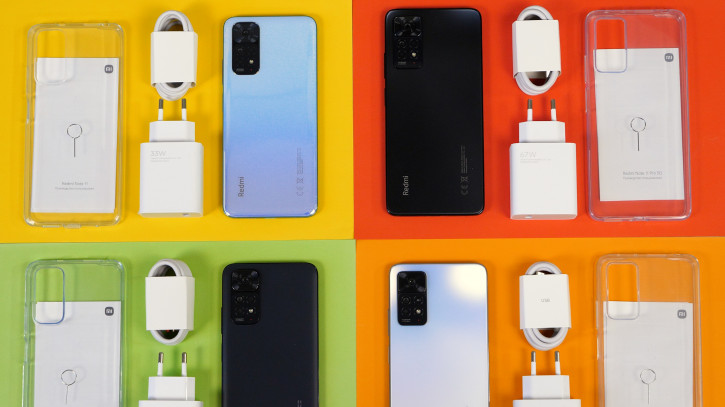
Top: 11 and 11S. Bottom: 11 Pro and 11 Pro 5G
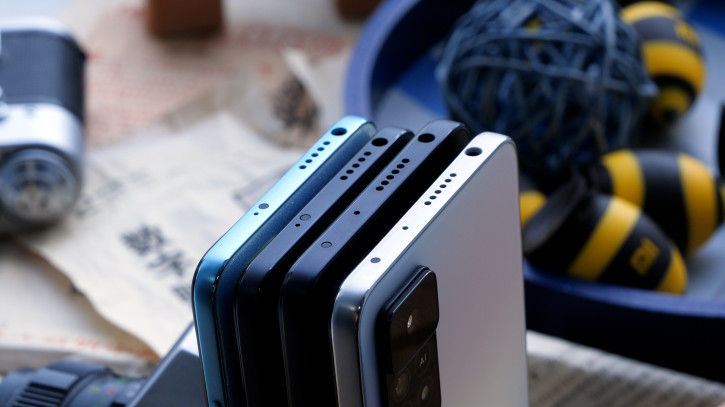
The set of colors for all three phones is different:Redmi Note 11 is available in blue gradient, blue and black; Note 11S - in white, blue and black; Note 11 Pro - in blue gradient, white and black. We have on the test black Note 11S and Note 11 Pro, as well as a gradient Note 11. Apart from the colors, the younger models are almost identical in appearance. You can only tell them apart by the main camera, which protrudes from the Note 11S and is flush with the body of the Note 11.
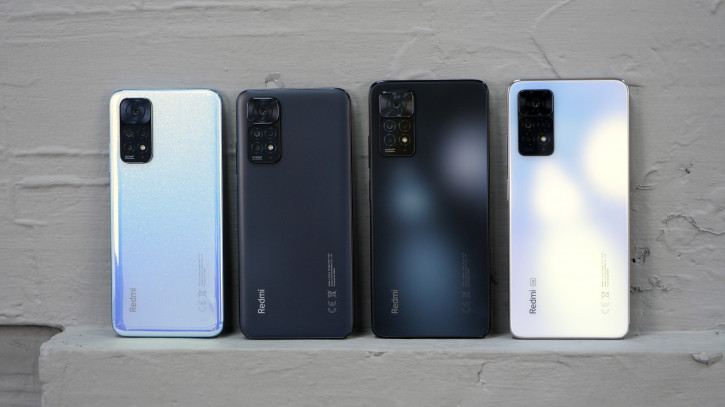
11 - 11S - 11 Pro - 11 Pro 5G
But the Note 11 Pro has a completely different body, and itworse. Having made the “proshka” an enlarged screen (6.67″ versus 6.43″), the Chinese decided to improve the ergonomics with the help of flat ends and a flat back. The younger models also have flat ends, this is the fashion, but at least the back has curves, thanks to which the ergonomics are excellent. And the Note 11 Pro feels huge, although in fact it’s not much larger. And for some reason they took away the triple tray from the firmware, replacing it with a combo slot. There was no room for three cards in the largest device?

11 - 11S - 11 Pro - 11 Pro 5G
To the end buttons of all three models, noclaims: the location is convenient, the fingerprint scanner is fast and accurate. To the proximity sensor too: no sensor - no complaints. During a conversation, this is very inconvenient, once I almost started recording a call by pressing the corresponding button with my cheek. By the way, yes, call recording is supported here.
11 - 11S - 11 Pro - 11 Pro 5G
Xiaomi claims the presence of a linear vibration motor duringall three models, but I somehow didn’t feel it in Redmi Note 11. But in 11S and 11 Pro, there really is a cool vibration feedback when pressed. Not the flagship MIUI Haptics, of course, but nicer than the usual buzzers. But the stereo sound is the same everywhere - good, adult "one and a half". (Do not believe the holes on the top end, there is no second multimedia speaker, these are additional conclusions for the conversational one.)
11 - 11S - 11 Pro - 11 Pro 5G
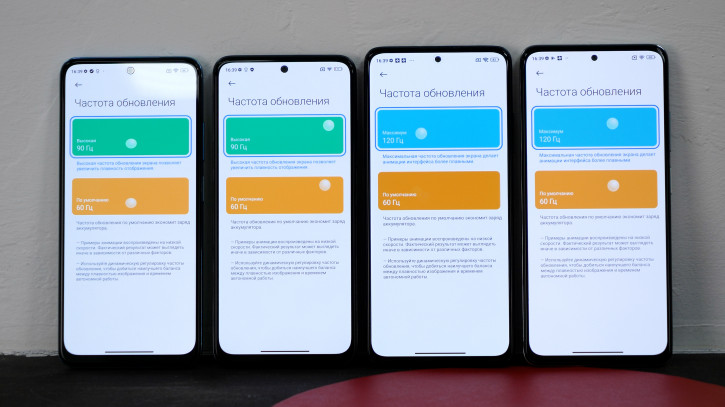
Now about the screens.All models received flat AMOLED panels with a resolution of 2400x1080 pixels, a maximum brightness of 700 nits, and approximately the same level of PWM. The only differences are the diagonals, which I already wrote about above, and the refresh rate: 90 Hz in the two younger models and 120 Hz in the older one. But in practice, screens are perceived absolutely the same, neither an extra 30 Hz, nor an extra 0.24″ they don't make weather. The panels are good, although a little shimmy (no DC Dimming); Viewing angles, contrast and color rendition are excellent. Hertzovka works everywhere where it is supported, including games. The same thing with the touchscreen - Note 11 and 11S have 180 Hz everywhere, Note 11 Pro has 360 Hz everywhere.
Software
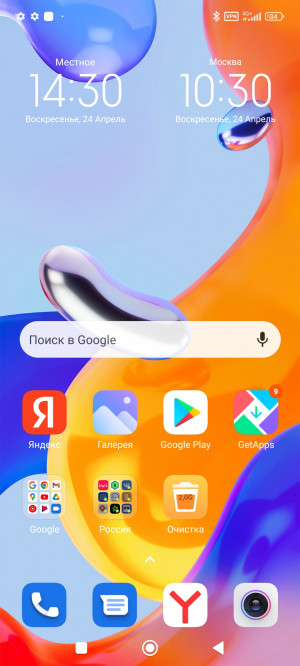
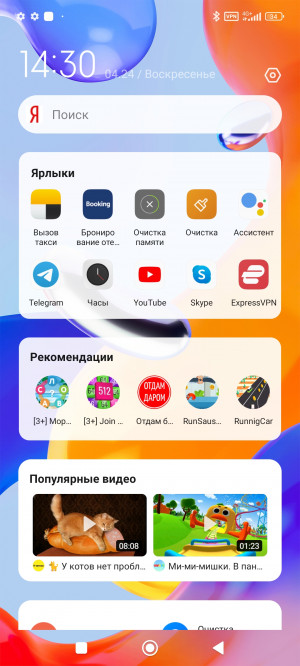
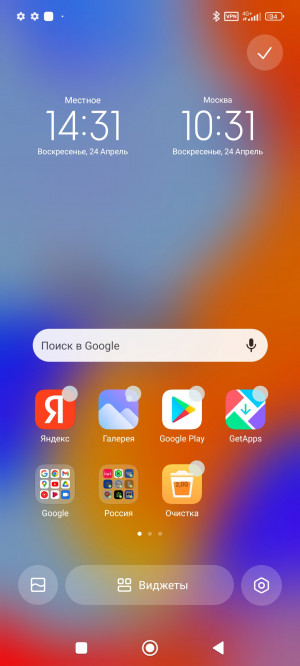
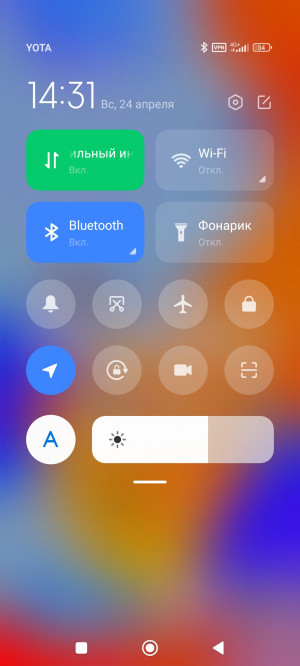
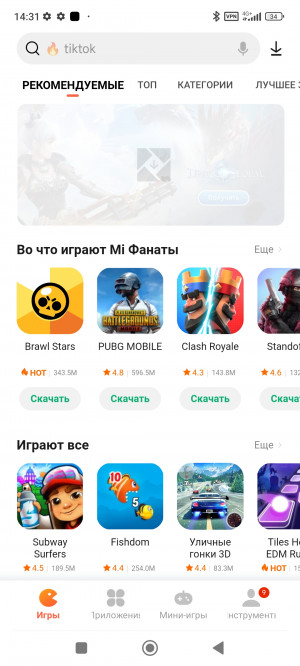
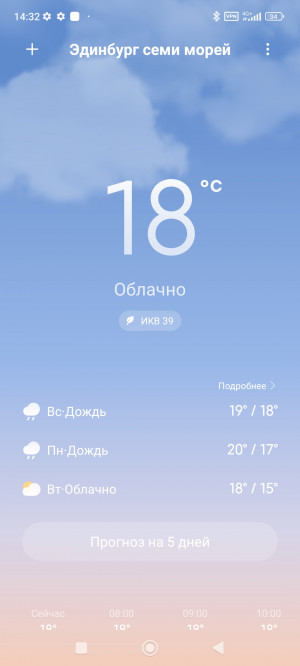
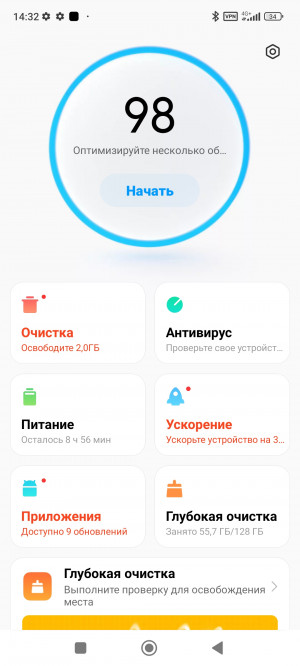
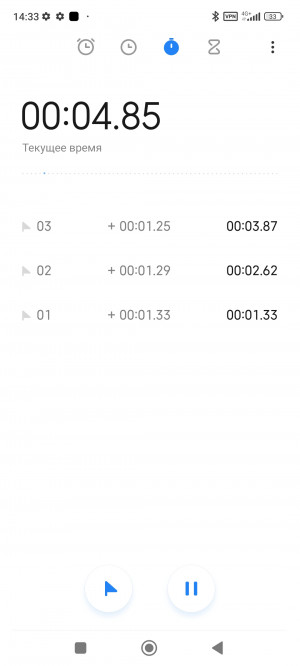
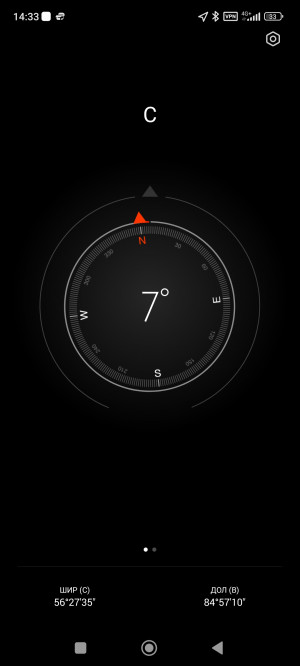
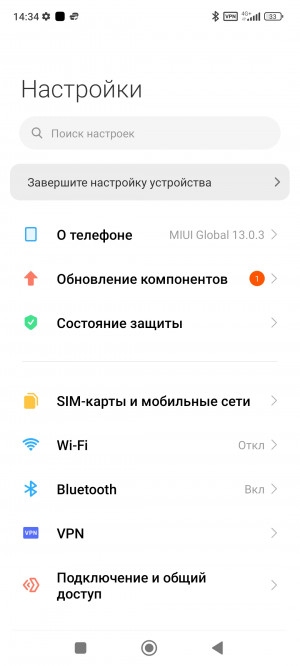
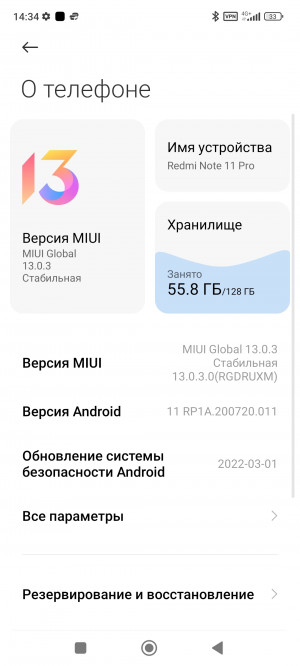
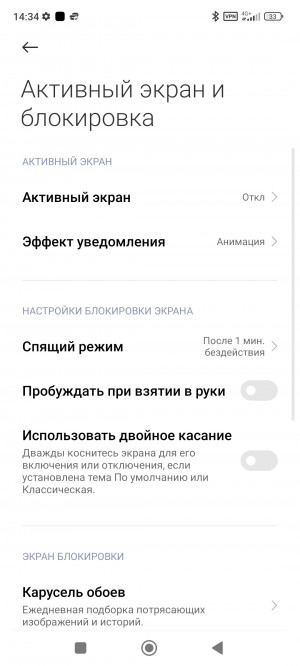
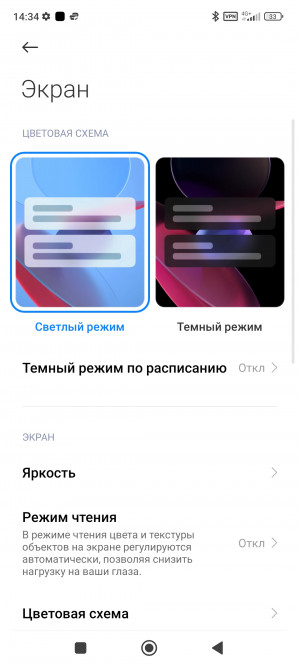
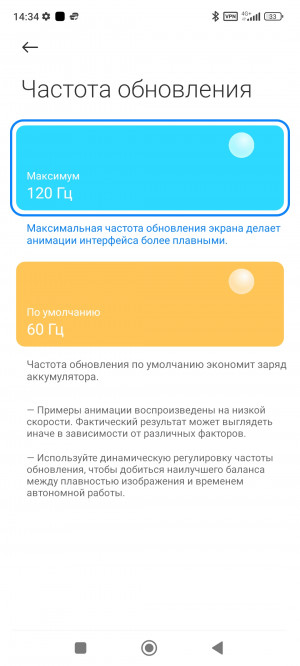
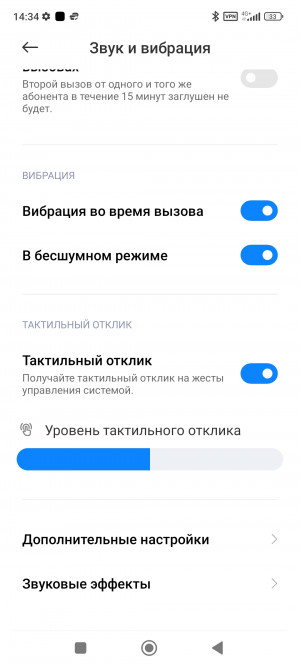
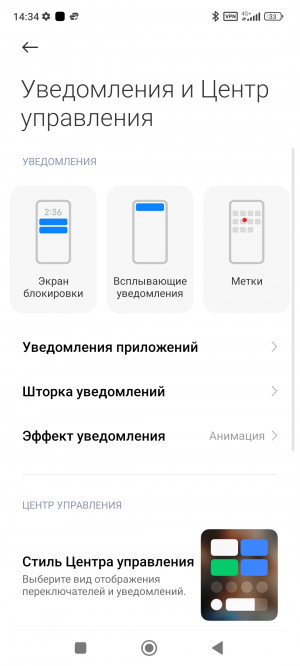
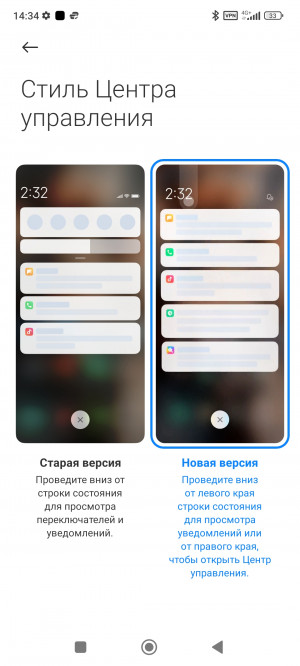
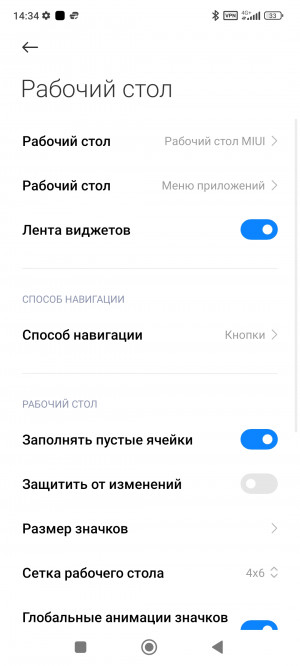
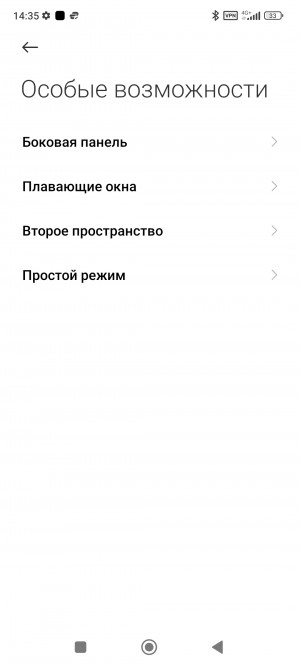
All three smartphones at the time of release worked onMIUI 13 with Android 11. The software cannot be called completely identical, some functions are not available on all models (for example, only Redmi Note 11 can clean the speaker, but “Sidebar”, on the contrary, is available for everyone except him), but in In general, everything plus or minus is the same. Smoothness, performance, responsiveness, stability - also without differences, and I can’t really find fault with any smartphone. Xiaomi did not lie, saying that they worked on optimization in the new version of their shell. By tradition, I share screenshots, for simplicity - only with Redmi Note 11 Pro.









Cameras

Above: 11S and 11 Pro 5G. Bottom: 11 and 11 Pro
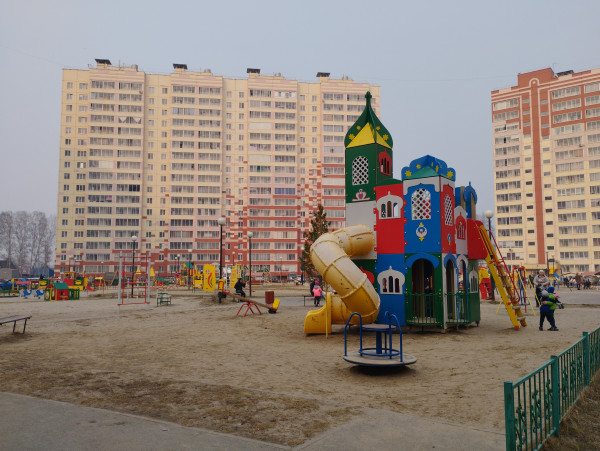
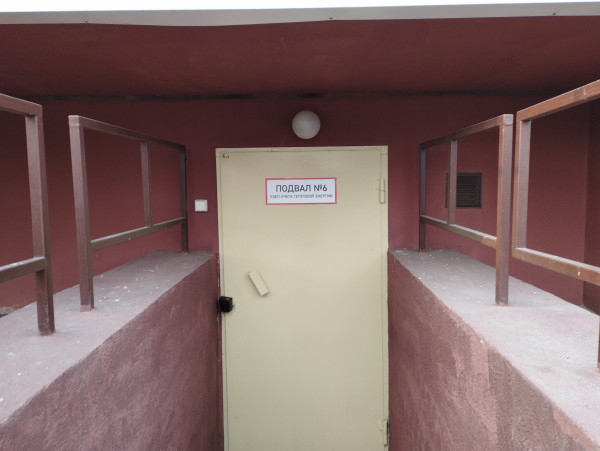
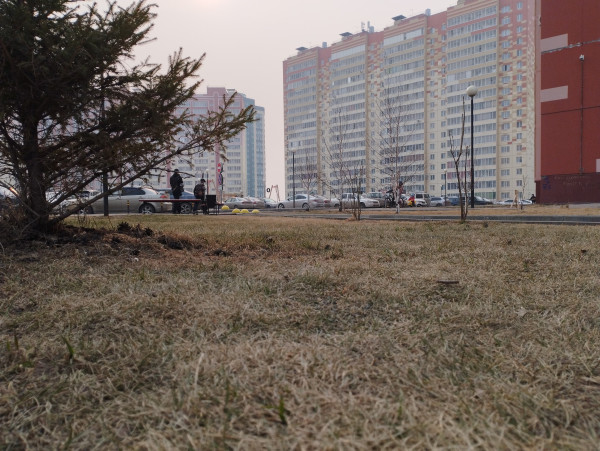
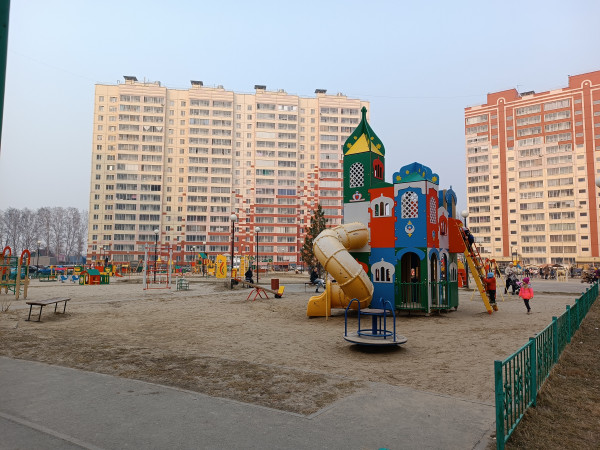
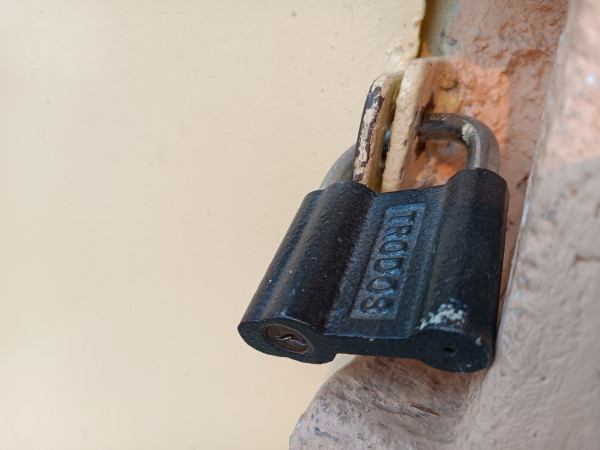
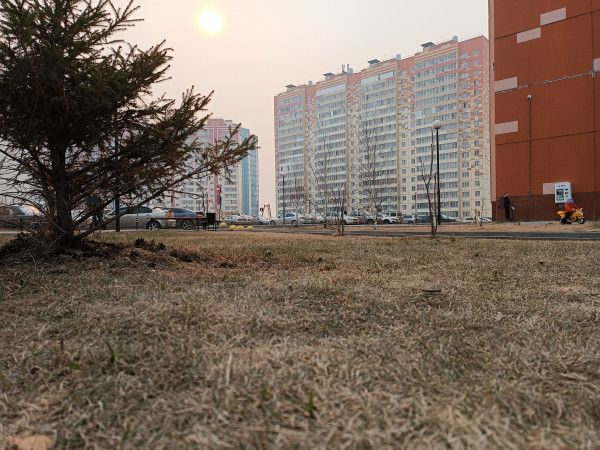
The entire Redmi Note 11 line received very similarcamera sets: base + 8-megapixel wide + 2-megapixel macro camera + 2-megapixel depth sensor. Redmi Note 11S and Note 11 Pro have the same main cameras: 108-megapixel Samsung HM2 sensor under f/1.9 optics; the younger model received a 50-megapixel Samsung JN1 under f / 1.8 optics. The sensors in the plugs are the same for all models (OV2B1 and GC02M1), but the width is completely random. We got Note 11 Pro with OV8856, Note 11S with IMX355 and Note 11 with GC08A3. But here, probably, it depends not on the model, but on luck, and somewhere in nature there may be a Note 11 Pro with a Galaxy Core sensor or a Note 11 with Sony. Let's compare photos from all three models:



Redmi Note 11






Redmi Note 11S



Redmi Note 11 Pro
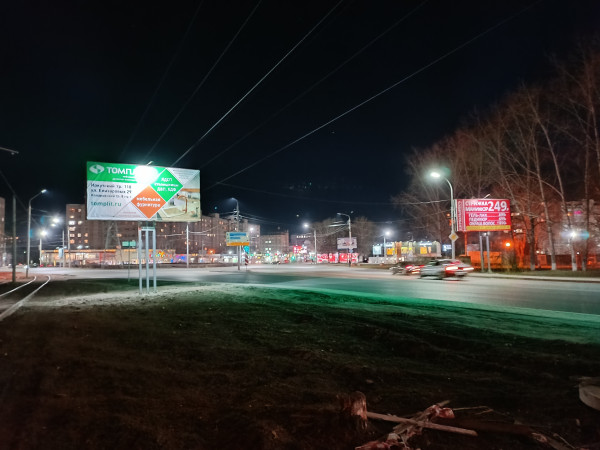
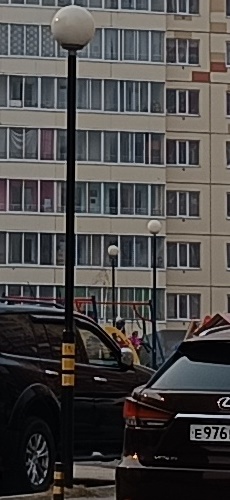
Results for daytime shooting diametricallythe opposite of what one would expect - Redmi Note 11 shoots the best. Yes, it has an objective disadvantage in the form of a narrower capture angle, but it also has the least aggressive noise reduction and lack of sharpening. As a result, the pictures look more natural and more detailed than older models. They seem to be saying “we have 108 megapixels, everything is sharp and clear, sharpness in your eyes!” - and this approach outweighs the real advantages of HM2 over JN1. In the shots from the width, the difference is also noticeable, the photos for the younger model again look more advantageous than the others.






Redmi Note 11





Redmi Note 11S




Redmi Note 11 Pro
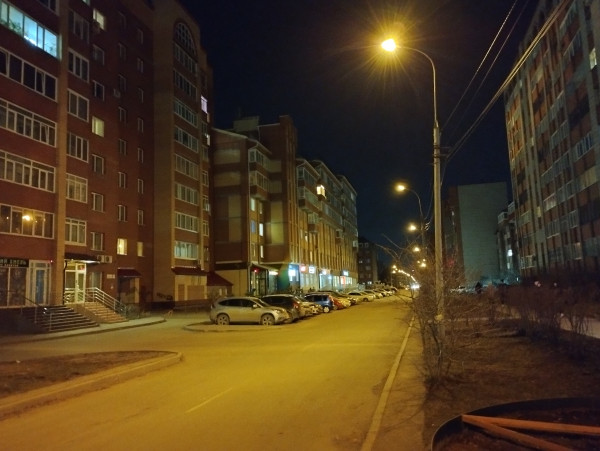
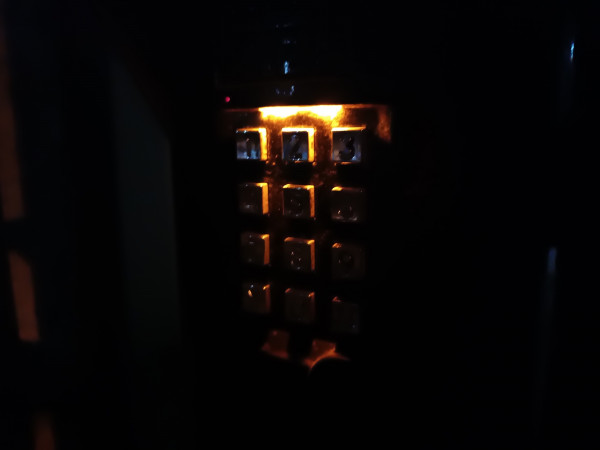
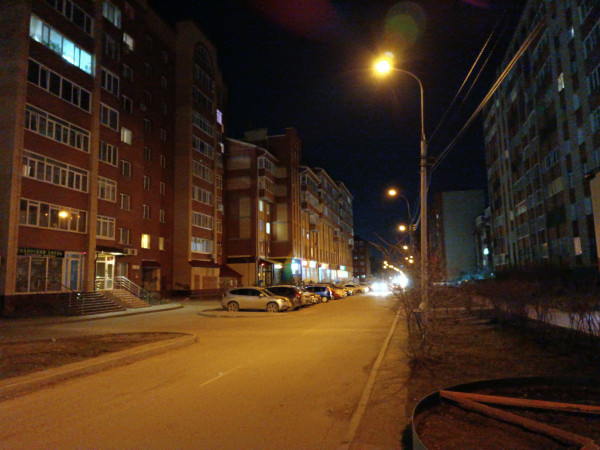
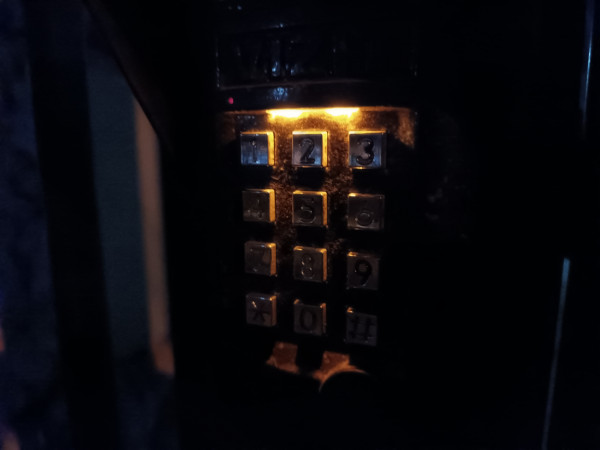
At night, of course, a 108-megapixel cameraRedmi Note 11S / 11 Pro pulls ahead - simply due to the physical size. Both detail and lighting are better than the Redmi Note 11, which, however, does a very good job for its tiny sensor. The widths of all three smartphones turn into slippers at night, offering approximately the same level. Unless the Note 11 Pro shoots worse than the rest, taking almost black and white pictures. It helps the night mode well, but the younger models do not, because they do not have a night mode for the width.





Redmi Note 11




Redmi Note 11S





Redmi Note 11 Pro
The front camera of Note 11 is simpler than the rest, but I would not call the difference colossal, it is noticeable only if you take a selfie at night. Well, in general, all three have normal front cameras.


Redmi Note 11


Redmi Note 11S


Redmi Note 11 Pro
According to the video - three variations of shame.The main, wide-angle and front cameras in all smartphones record video only 1080p@30fps. Yes, it looks good and the sound is not captured in the worst way, but the average ones with 1080p@30fps in 2022 are completely frivolous. The EIS system here is the most standard, so you are guaranteed a ghosting of light sources in the frame. Of the pluses, one can only note the function of shooting video on a macro camera: even if only 720p @ 30fps, most competitors do not know how to do this at all.
Performance and tests
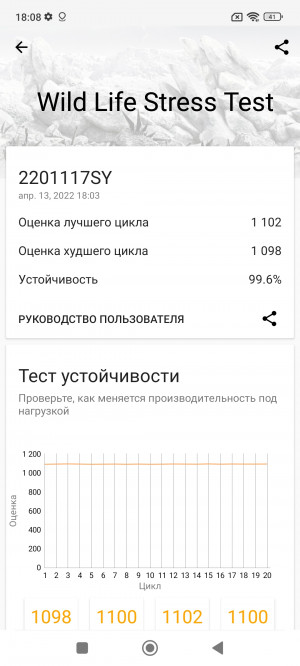
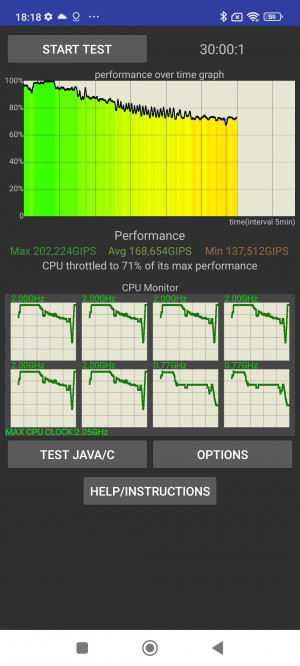
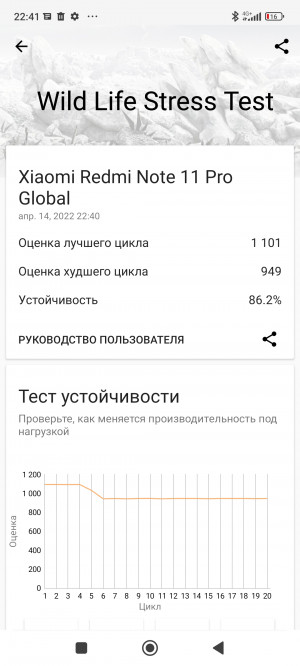
Hardware of international versions of Redmi Note 11 has becomecause for disappointment among many Xiaomi fans. A simple Snapdragon 680 was brought into the younger model - this is an upgraded version of the Snapdragon 675, which was still in Redmi Note 7 Pro; the same chip is in Redmi 10C. The elders got the Helio G96, a downgrade of the G95 used in the Redmi Note 10S. Well, yes, literally: Redmi Note 11S received a degraded version of the chipset from Redmi Note 10S. But is it all that bad? We look at the benchmarks (first screenshots in normal mode, then in game mode):
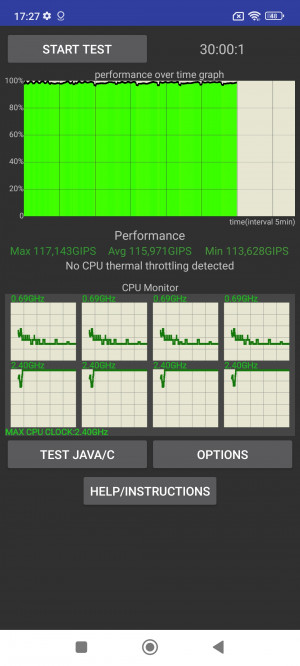
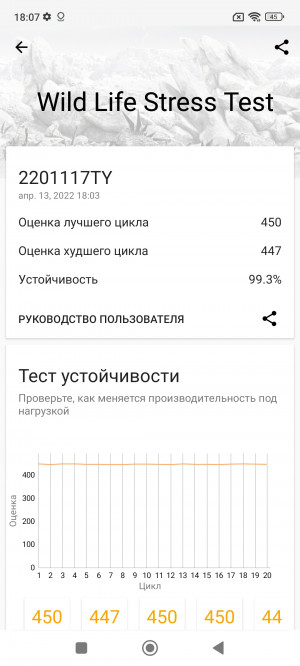

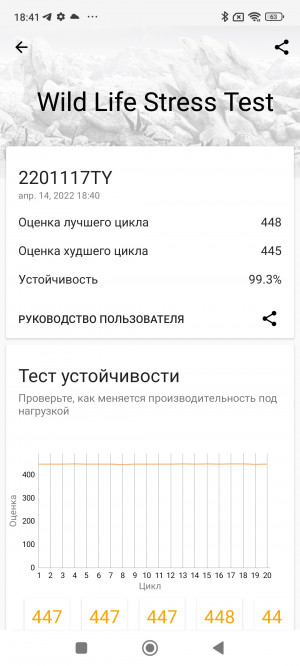
Redmi Note 11
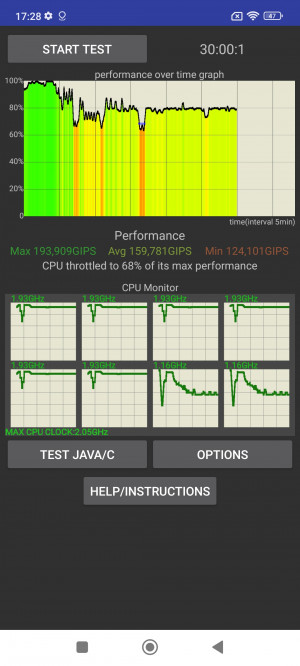

Redmi Note 11S


Redmi Note 11 Pro
Redmi Note 11 Pro drops out of comparison due tosome problems with the software, he throttles for no reason either in normal mode or in game mode. Redmi Note 11S also throttles, but not as much, and even under load it is much more powerful than Redmi Note 11 (x1.5 for CPU and x2 for GPU). At the same time, the younger model has absolutely no throttling. All three devices are heated slightly, they do not know how to cause discomfort during games. I note that on the current firmware, the Redmi Note 11 does not quite work in the game mode (the game settings menu is not available, although the Game Acceleration application is available and you can run games through it); I can not say if this bug affects the gaming performance of the device.

So, what about our games?With the simplest, all three smartphones, of course, cope without problems - tested in Ballz and Does not Commute. In PUBG: New State, everyone has maximum graphics available, but only on Note 11S it is really playable - Note 11 lacks performance a bit (minus one notch and already much better), and Note 11 Pro continues to have software problems. Genshin Impact can also be played at low settings on all three smartphones, although the Note 11 performs worse than the rest, and it is better to set the minimum graphics there. In general, the entire line demonstrates approximately the same level - not the same as we are used to in smartphones in this category, but quite decent.
Redmi Note 11

Redmi Note 11S

Redmi Note 11 Pro
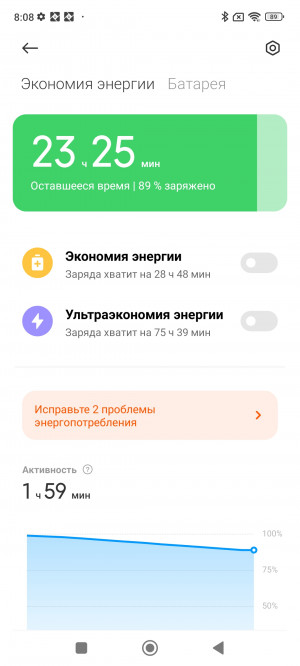
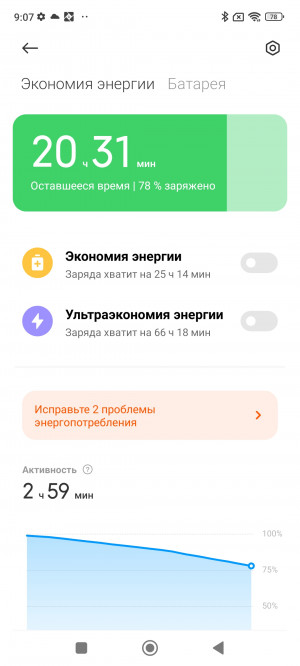
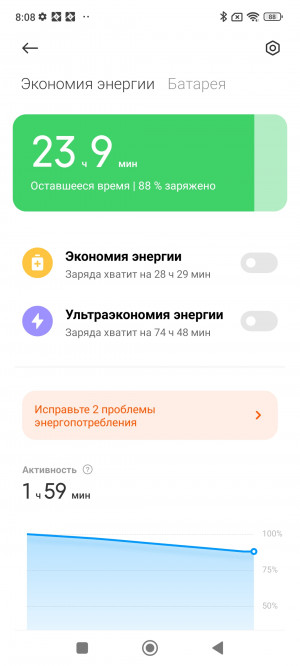
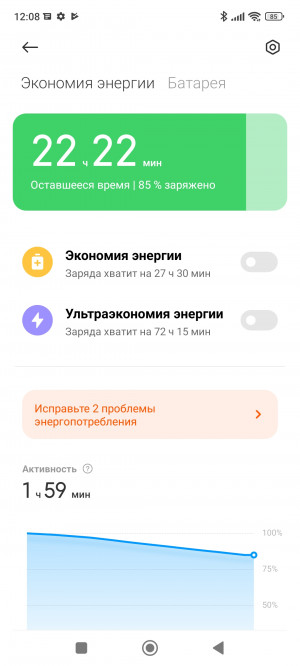
All three smartphones are equipped with 5000 batteriesmAh, but this does not mean that they are discharged equally quickly. The Note 11, thanks to a weak processor with a modern technical process, has much better autonomy than older models - an hour of play and two hours of video were shot at 11% of the charge, respectively. The Note 11 Pro drains slightly faster than the Note 11S when playing video due to the 120Hz screen (15% vs. 12% in two hours), but in games the discharge is the same - 16%. In general, with Note 11S and 11 Pro you can count on two days without recharging, and with Redmi Note 11 - all three.
Above: 11 and 11 Pro 5G. Bottom: 11S and 11 Pro
So, with the same battery capacitysmartphones offer different levels of autonomy. Does this mean, according to strange Chinese logic, that charges of different capacities provide the same charge rate? Yes. A full charge of Redmi Note 11 Pro from a 67W block takes 60 minutes, during the same time, Note 11S with a 33W block was charged by 96% (full charge - 70 minutes). The Note 11 apparently has a different power controller and takes almost an hour and a half to fully charge.
Conclusions

11 - 11S - 11 Pro - 11 Pro 5G
Over the line of Redmi Note 11 did not laugh onlylazy: they say, the processors are worse than those of their predecessors, and there are so many models that the devil will break his leg (and buy an iPhone). And it seems to me that Redmi Note 11 is the best mid-range Xiaomi line for many years. It shows that the company has matured and is no longer trying to give maximum iron for minimum money, and do not care about the result. This is an unusually slender line: wide, stereo, AMOLED with hertz, infrared, audio jack, scanner in the power button, front camera dot cutout, 5000 mAh battery - and so on throughout the line. Buying any Redmi Note 11, you will get about the same thing, apart from the main camera, size and performance level. This is great. And I hope that Xiaomi will continue to develop the global Redmi Note series in this direction.
Discounts and promotions in Telegram!
© Oleg Lazarev.