Content
- Video review
- Equipment and design
- Software
- Camera
- Performance and Benchmarks
- findings
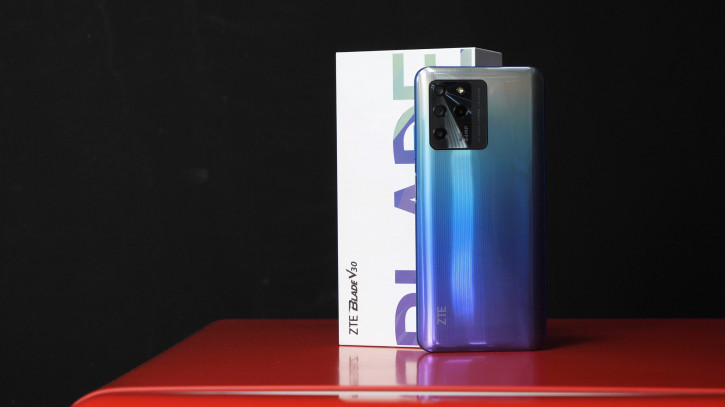
The range of ZTE smartphones ranges fromfrom the ultra-budget segment, where the main advantage of the device is performance, to the flagship segment, where the company manages to offer very interesting combinations of characteristics at tasty prices and even release premium models under the Vertu brand. But today we will talk about devices from the price category that is most popular in Russia: 10-15 thousand rubles. The price of the ZTE Blade V30 Vita is at the lower end of this range, and for the older V30 they ask for about 13,000 rubles. Should I opt for ZTE? Let's figure it out!
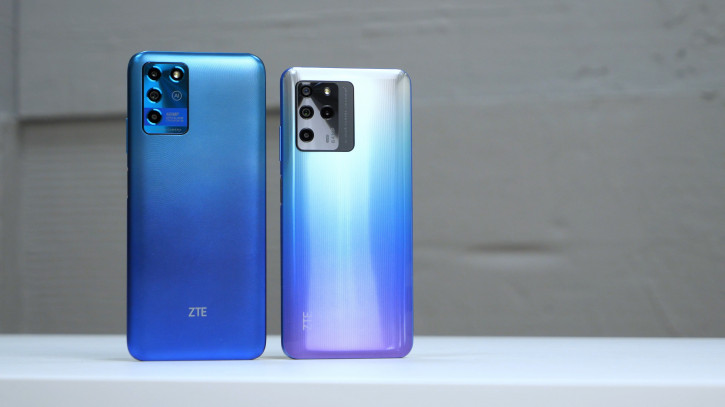
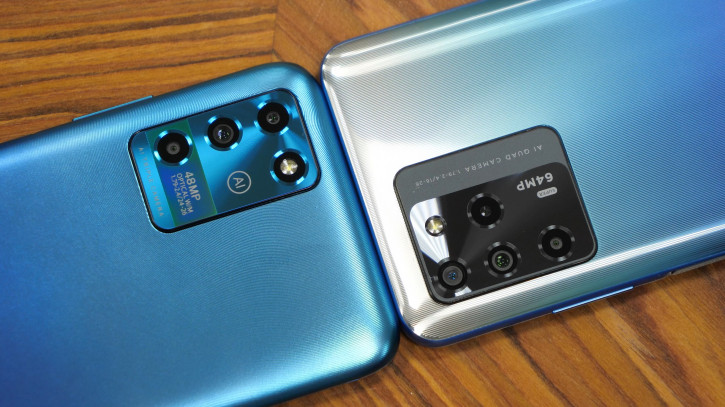
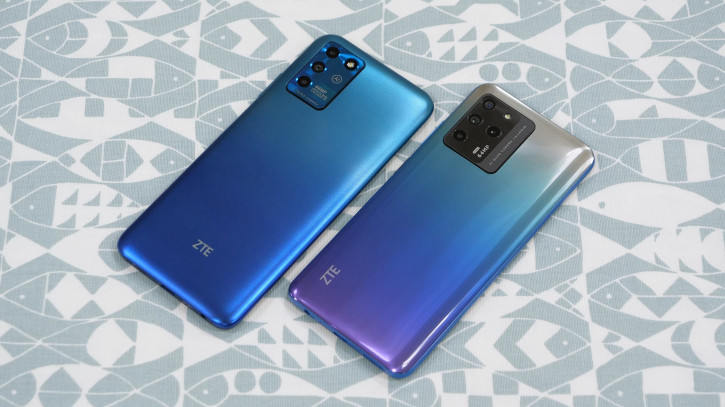
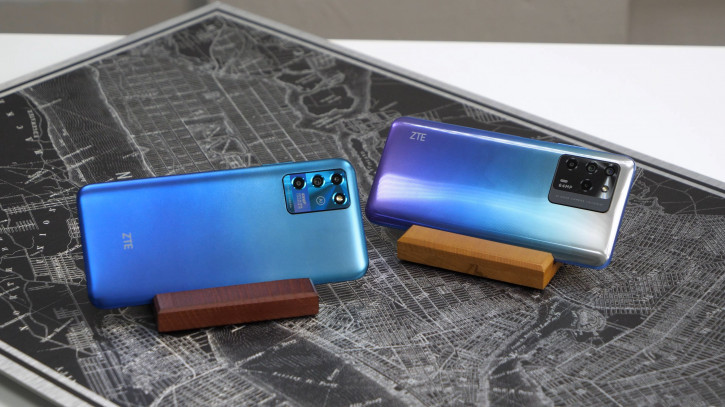
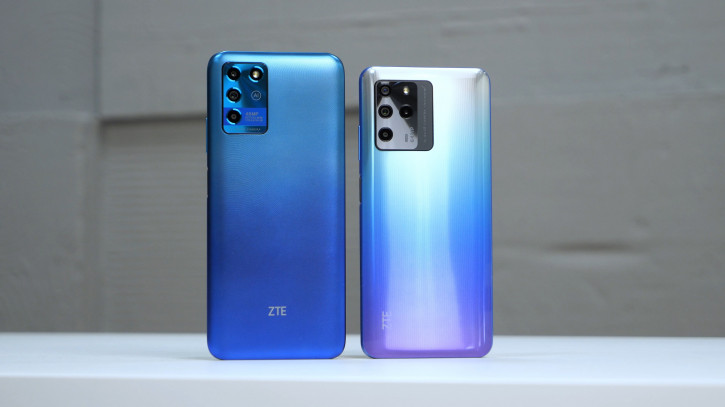
ZTE Blade V30 Vita (blue) - Blade V30 (gradient)
 |
Technical characteristics | |
|---|---|---|
| ZTE Blade V30 Vita | ZTE Blade V30 | |
| Network | 2G, 3G, 4G | |
| Firmware | Android 11 with MiFavor UI 10.5 | |
| Screen | 6.82″, IPS, 1640×720 pixels, 20.5:9, 262 ppi | 6.67″, LTPS, 2400x1080 pixels, 20:9, 395 ppi |
| Chipset | UniSoC SC9863, 28 nm CPU: 8 x A55 x 1.6 GHz GPU: PowerVR GE8322 |
UniSoC Tiger T618, 12 nm CPU: 2 x A75 x 2GHz + 6 x A55 x 1.8GHz GPU: Mali-G52MP2 |
| Ram | 4 GB | |
| ROM | 128 GB | |
| SIM and memory card | combo slot (2 x nano-SIM or nano-SIM + microSD) |
|
| Camera | Triple Main: 48 MP, f/1.8, 1080p@30fps video recording</ p> Macro: 5 MP, f/2.4 |
quadruple Main: 64 MP, f/1.8, 1080p@30fps video recording Shirik: 8 MP, f/2.4 Macro: 5 MP, f/2.4 Depth sensor: 2 MP, f/2.4 |
| Selfie | Waterdrop notch, 8 MP, video recording 720p@30fps | hole in the center, 16 MP, video recording 720p@30fps |
| Battery | 5000 mAh | |
| Charging | USB Type-C, 18W | |
| Wireless interfaces | Wi-Fi Bluetooth 4.2 FM radio |
|
| NFC | there is | |
| Biometrics | Fingerprint scanner (side) | |
| Sound | 3.5mm speaker jack No stereo speakers |
|
| Water protection | Not declared | |
| Dimensions and weight | 173 x 78.1 x 8.9mm 210 g |
165.8 x 77 x 8.9mm 193 g |
Video review
Equipment and design
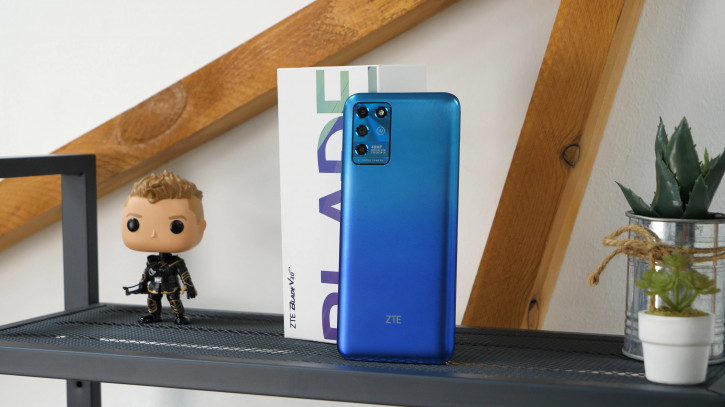
In boxes with ZTE Blade V30 and V30 Vita, not somany accessories: an 18-watt charger with support for Qualcomm Quick Charge 3.0 (the attentive reader is already surprised), a USB cable, a SIM needle and documentation. They didn't put a protective case in the box, they didn't stick a film on the screen from the factory - all the protection that you want to hang around the phone will have to be bought separately.
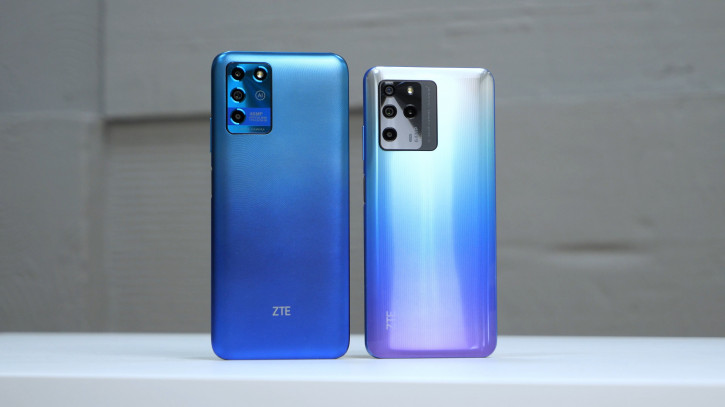
Both smartphones are sold in Russia in twocolors – dark gray and blue gradient. The lid is made of corrugated plastic; in the ZTE Blade V30 the stripes are vertical, while in the V30 Vita they form concentric circles that converge towards the camera… for macro. This material means maximum practicality in terms of fingerprints, so you can safely purchase a bright option. Although it looks very disco, so if you are more for strictness – take the gray one. The plastic is high quality, there are no complaints about the assembly either.
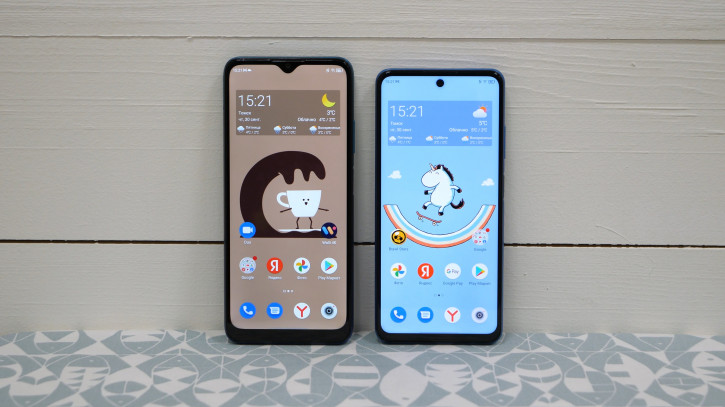
Here are my impressions of smartphone ergonomicstotally different. This is due to different dimensions. The ZTE Blade V30 Vita is very large: the screen diagonal is 6.82", and the noticeable bezels and chin do not add points to ease of use. However, as a reward, you get a really large display on which it is convenient to read, play or absorb visual content. The younger model has a smaller screen (6.67″) and frames - the ergonomics are rejoicing. The weight is also noticeably different: 210 g for the Vita versus 193 g for the older V30.
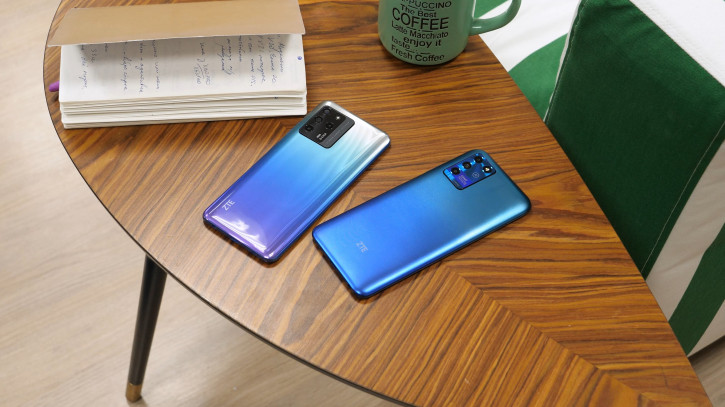
Both have a fingerprint scannersmartphones conveniently: in the lock button. It works quickly and accurately, but sometimes it happens that it works while you put the phone in your pocket - and the device starts doing bad things there. For some reason, the SIM slot is combined (or two nano-SIMs, or nano-SIMs plus microSD). Why they didn’t make a triple tray, I don’t know, but so be it. Also in smartphones there is a 3.5 mm audio jack, a USB Type-C port, a pair of microphones and a speaker of good quality. True, without stereo: he plays music alone, without the help of a conversational speaker.
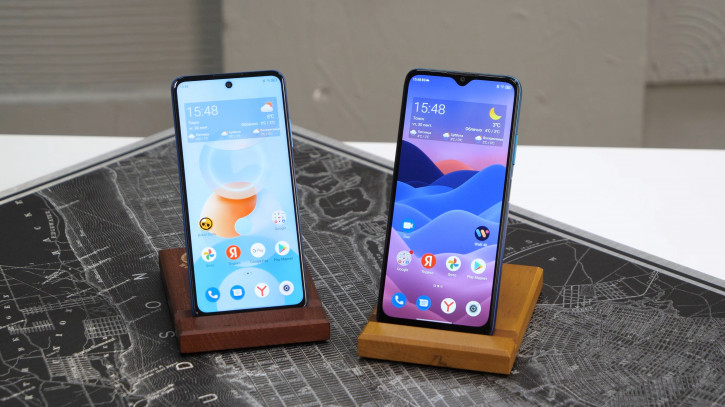
The screens are completely different.The Blade V30 Vita has a huge 6.82″ panel with an aspect ratio of 20.5:9 and HD+ resolution (1640x720 pixels). The Blade V30 has a more modest 6.67″ screen with an aspect ratio of 20:9, but with Full HD+ resolution (2400x1080 pixels). The panel of the older model wins in literally all respects; it is brighter, richer and, of course, sharper. However, both smartphones do not have AMOLED, so you can watch HD+ without suffering, and this results in less lag. The refresh rate is only 60 Hz in both models.
Software
Software basis for ZTE Blade V30 and V30 Vitaabsolutely the same - Android 11 with a proprietary shell MiFavor UI. I can’t say that I have it in favor - there are practically no interesting functions, but lags and glitches happen regularly (especially on the V30 Vita, the V30 has a much better situation). Perhaps the most buggy place is the branded keyboard. Either she does not want to get out, then she stops typing (and only rebooting the phone helps), then she opens halfway. But in general, you can use it, this is not Funtouch OS 9, from which you wanted to hide.
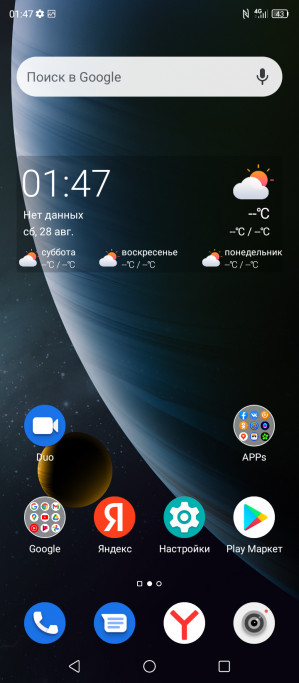
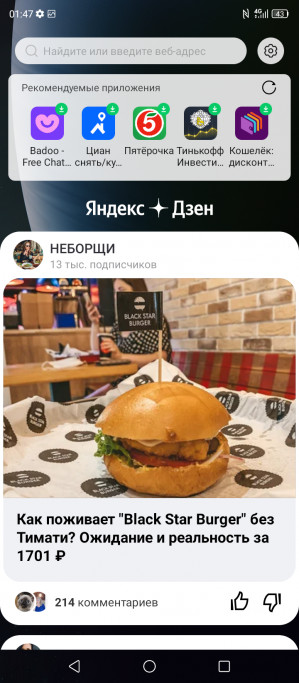
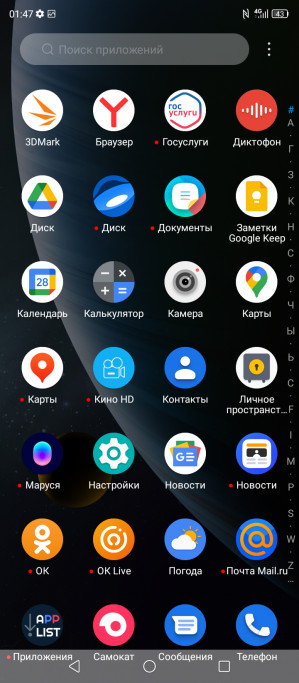
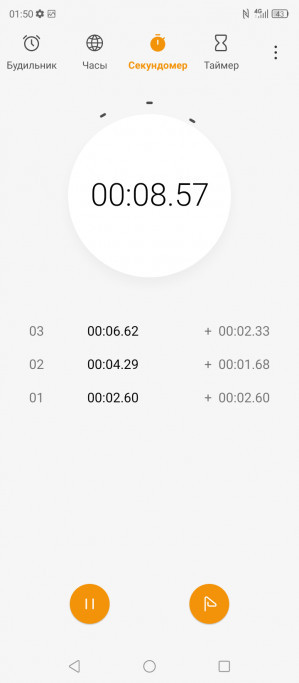
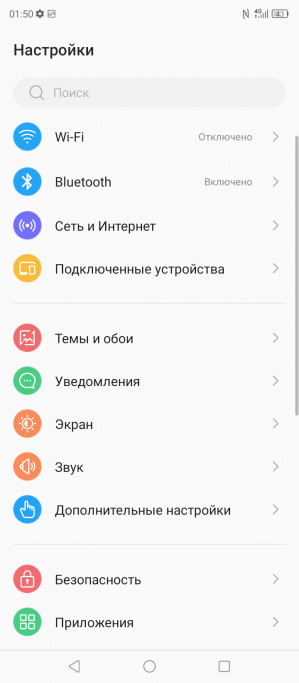
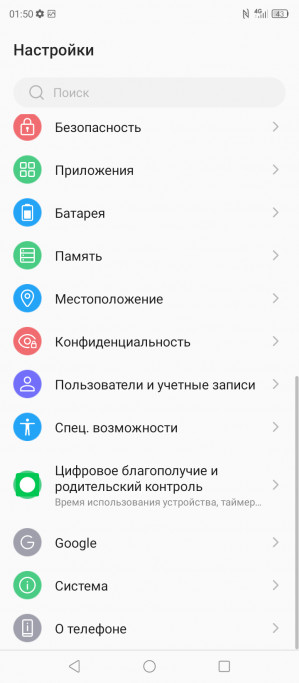
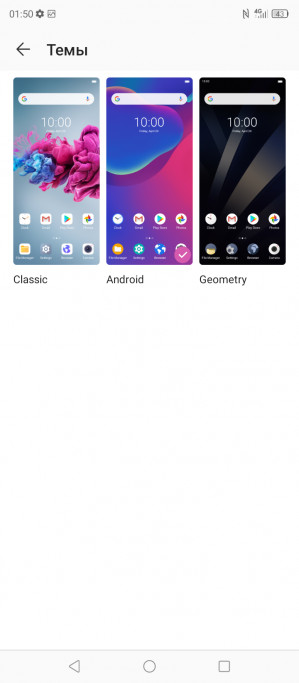
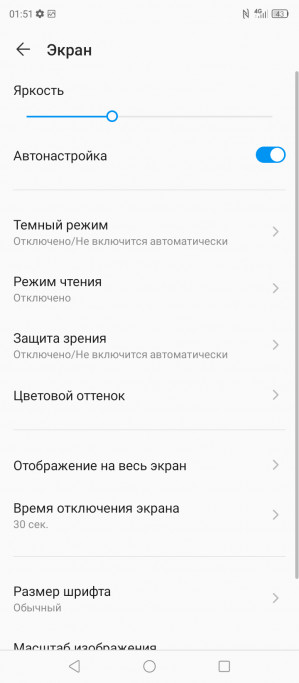
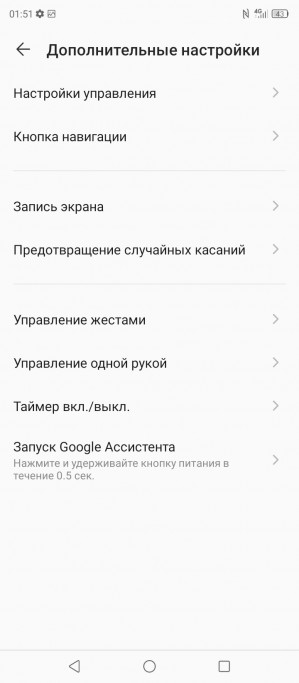
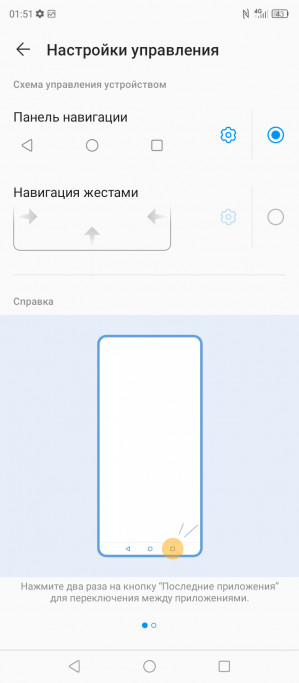
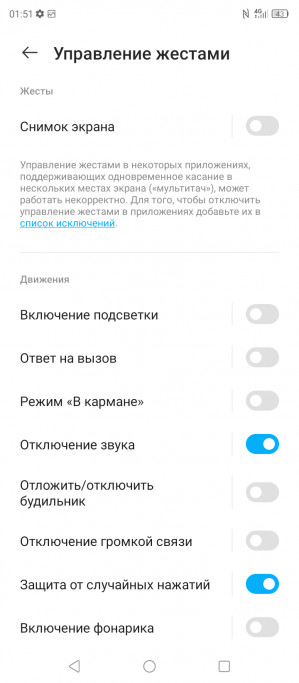
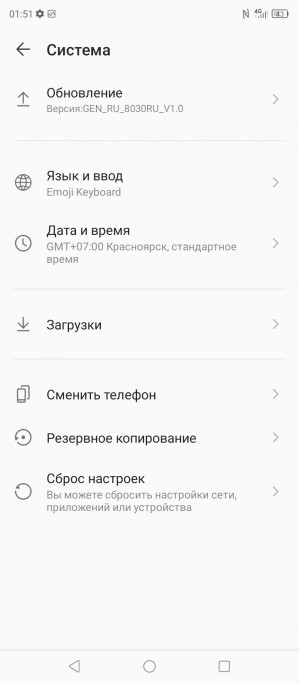
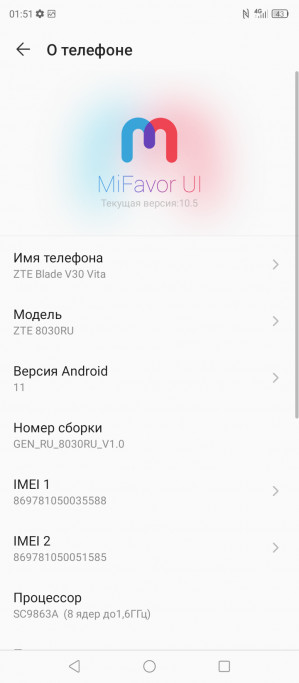
The abundance of pre-installed software is also disappointing.Not only did ZTE honestly install all the “mandatory Russian applications” (and did not provide a download link, which is permitted by law and implemented, for example, by Realme), so she also uploaded trial games of Gameloft games here! If you have ideas for more useless ways to clog up your phone memory and application menu, you can voice them in the comments. Or do we have fans of Asphalt Nitro, Puzzle Pets and Real Football among our readers?
Cameras
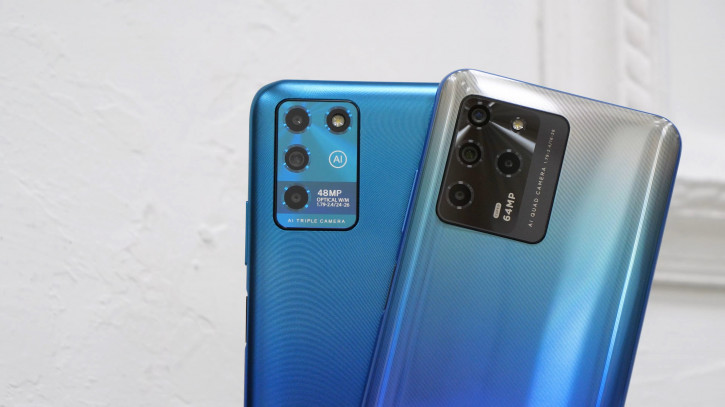
One of the main features of smartphones manufacturercalls the cameras. However, the modules are actually quite simple. In the older model, it is quadruple: 64 megapixel base, 8 megapixel wide, 5 megapixel macro and 2 megapixel depth sensor. Vita received a triple camera: 48 MP main, 5 MP macro and 2 MP depth sensor. Well, why did they cut out the width, and not a useless depth sensor or a macro camera? Okay, rhetorical question. Let's look at photo examples:
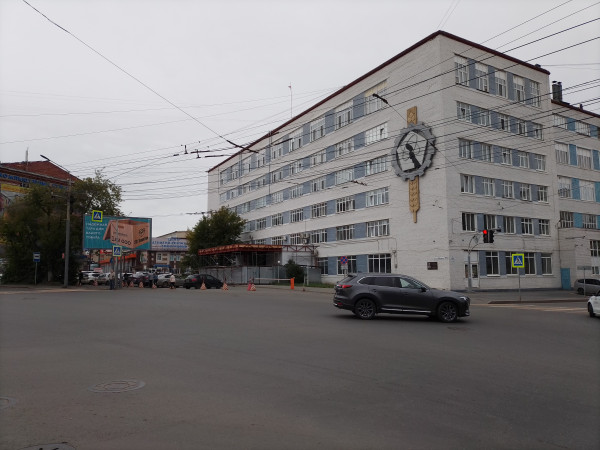


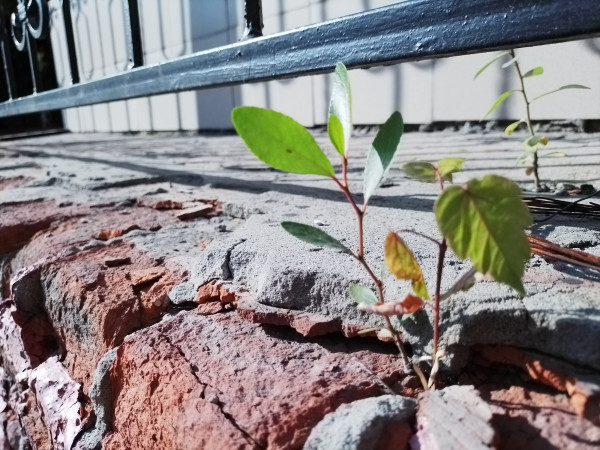


ZTE Blade V30 Vita
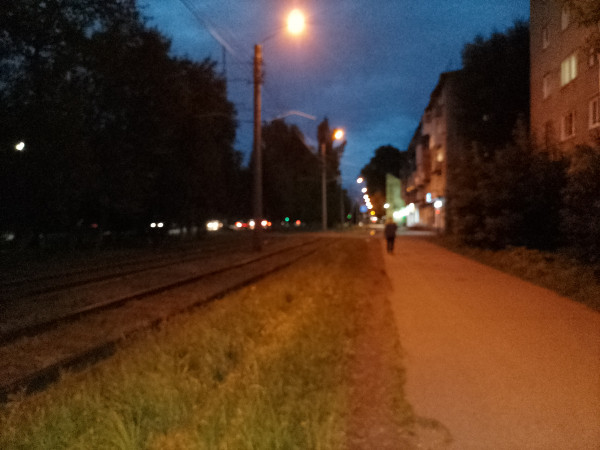
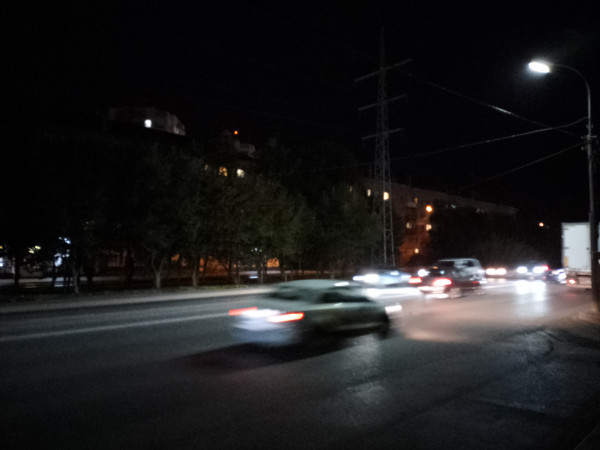
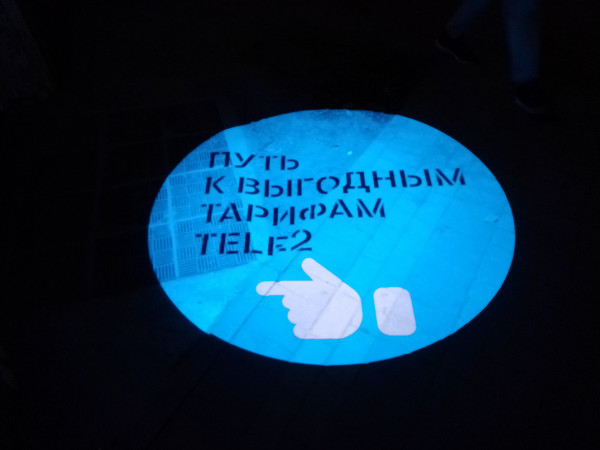
Nothing spectacular about the ZTE Blade V30 andI didn’t find the V30 Vita, they rent with the money that these smartphones cost. In early firmware, the V30 Vita had problems with autofocus, but now they have already been corrected, and the smartphone shoots quite briskly and with dignity. But the dynamic range was both lacking and lacking - the older model is noticeably better with this. The ZTE Blade V30 also has a full-fledged night mode (and the result is quite good), while the V30 Vita has only the name left from it. At night, he shoots with a slow shutter speed, but without any tricky algorithms, so the pictures are often blurry. Well, the detail is poor.


ZTE Blade V30 Vita
The 5-megapixel macro module is surprisingly good, so it makes sense to shoot macro on it, and not on the main camera. However, even here there is a high probability of blurring, so you need to take pictures very carefully.
Video for both smartphones can only be written in1080p@30fps. There is a constant autofocus, and I would even write that the videos are not bad, given the price of these devices, but there is no stabilization, which is rather sad. The front camera only records video at 720p, so this feature cannot be taken seriously. It is generally impossible to write a video wide with the Blade V30, all the more I am silent about the macro camera.
Performance and tests
ZTE Blade V30 Vita hardware basis - chipsetUniSoC SC9863. This is the mid-budget processor of 2018 (8 A55 cores at 1.6 GHz, 28 nm), which has since become the basis for dozens, if not hundreds of affordable smartphones. Basically, these are models for 6-7 thousand rubles, among which there are only a few well-known ones (I can mention Nokia C21, Samsung Galaxy A04 and Xiaomi Qin 2 Pro). But the UniSoC Tiger T618 (2 A75 cores at 2 GHz + 4 A55 cores at 1.8 GHz, 12 nm) is much less popular - only ZTE puts it in smartphones. His debut took place in a strange device called ZTE Axon 20 4G - they took a flagship smartphone with a sub-screen and put a budget chip there. However, much less budget than SC9863.
In life, T618 is perceived as much more powerful than SC9863- and if the ZTE Blade V30 Vita can barely cope with its own interface, then the older V30 works smartly and is even suitable for games. If you can play a maximum of Brawl Stars, Gameloft trials, or something leisurely like Tears of Themis on Vita, then Blade V30 adequately copes with both Tacticool and Call of Duty with low settings, and even allows you to more or less play Genshin Impact at minimum.
ZTE Blade V30 Vita
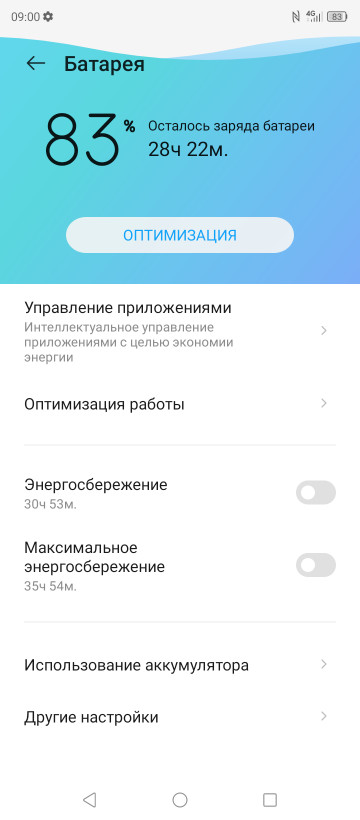
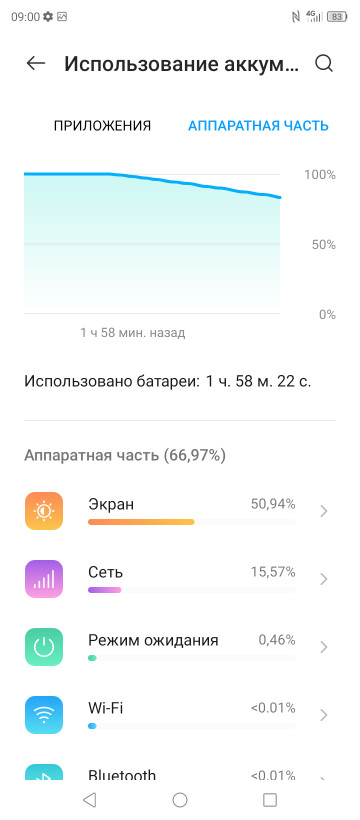
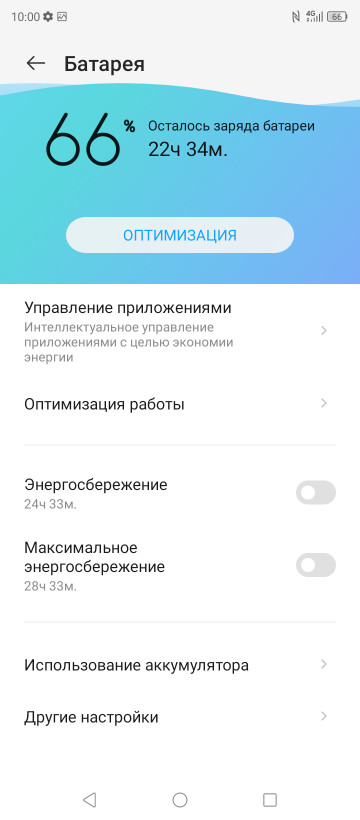
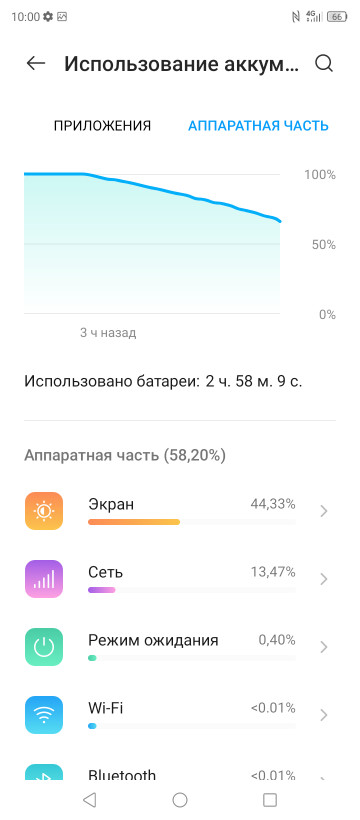
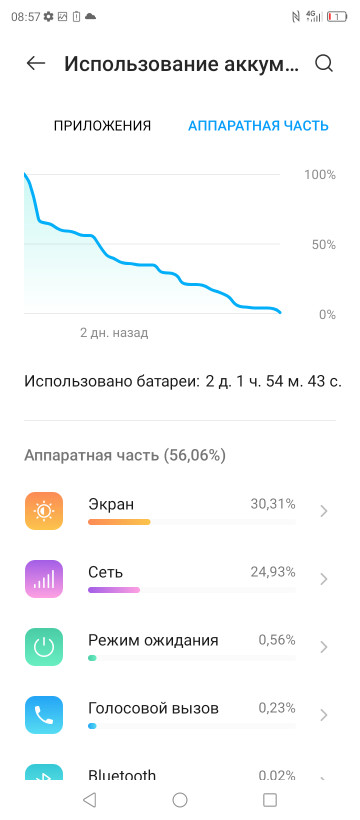
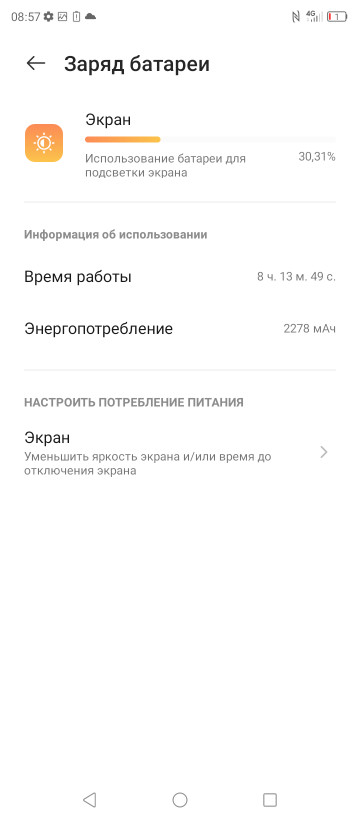
The battery capacity of both models is5000 mAh, and I have no complaints about the battery - it can withstand a couple of days of active use calmly. So, on the Blade V30 Vita, two hours of video and an hour of play took 17% of the charge, after which the phone spent another 47 hours on a single charge with another 5 hours of screen. Due to the high-quality IPS screen, the older model discharges somewhat faster in video (23% in two hours), but behaves better in games (14% per hour), so the average result is the same.
Complete charger has good power 18W, but the use of Qualcomm Quick Charge in combination with the UniSoC processor could not and did not bring to good: it takes 155 minutes to fully charge, and even up to 50% the smartphone charges more than an hour. Charge level measurements in 30 minute increments: 1%, 23%, 44%, 66%, 85%, 98%. (I only tested with the Vita, but I don't think the older Blade V30 is any different - the batteries and chargers are exactly the same.)
One of the strongest points of the ZTE Blade V30 seriesis the amount of built-in memory. It is 128 GB here, which is a lot for a budget model (if I'm not mistaken, the Vita is the cheapest 128 GB smartphone in Russia). RAM - 4 GB. Cellular reception quality is good. But the problems with the proximity sensor are more serious than those of Xiaomi: I constantly turned on the speakerphone with my cheek, then typed some nonsense in the tone dialing.
Conclusions
The ZTE Blade V30 Vita is pretty hard to recommendto purchase. Yes, it has several strengths (large screen, autonomy, memory, NFC), but they can also be found in competitors. But a very low level of performance and buggy software really distinguish the smartphone from the offers of other vendors. But the Blade V30 is another story. It has a good screen, decent cameras, good performance levels, again, lots of memory and NFC. This is an amazingly balanced budget smartphone. It may not be the best option for its 14,000 rubles, but it is definitely one of those that you need to pay attention to when choosing a new phone.
Discounts and Promotions in Telegram!
© Oleg Lazarev.