Researchers from the College of Engineering at the University of California, Berkeley (Berkeley Engineering) presented
When you look at sea crabs, maybeit seems that underground digging is a simple process. But the deeper the animal digs, the stronger the “grains” are repelled, making it difficult to excavate, the creators of the device explain.
Robot - sea crab. Video: Berkeley Engineering
To overcome this problem and create a diggerwith vertical legs, the researchers designed the robot's legs to respond to anisotropic force. This means that they experience much more force in one direction than in the other. Like a swimmer, this robot's soft fabric legs expand with great effort during the "stroke", and then fold and retract into the body.
The second problem was pollution and removal frombuilding mechanisms due to the ingress of grains of sand. Scientists also found its solution in Emerita Analoga. The engineers created a cuticle similar to the arthrodial membrane of a mole crab. It is a soft and flexible material that lines the openings of the joints. It prevents grains from getting inside, but at the same time allows free movement of the robot.
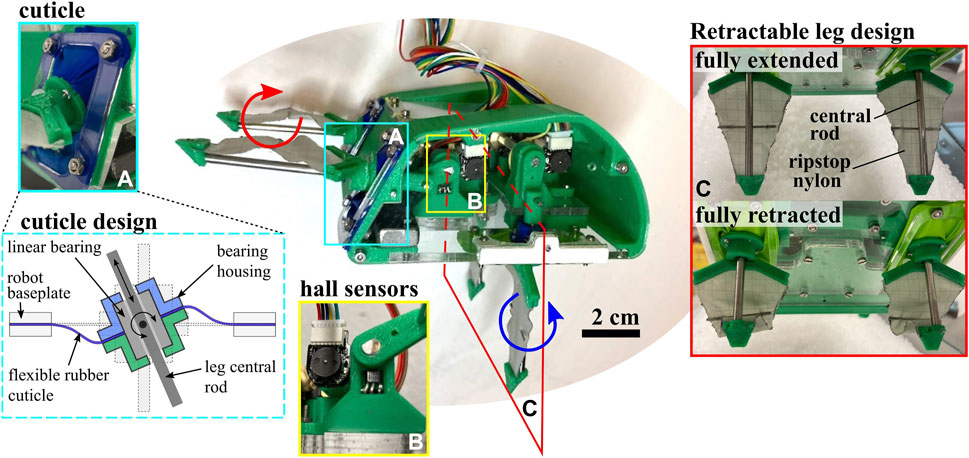 Robot device. Image: Berkeley Engineering
Robots capable of exploring undergroundspace, can be used in a wide variety of industries and research areas. For example, they can measure the quality of the soil of potential agricultural land, conduct surveys before construction work, and survey the seabed.
Read more:
Gas leak from Nord Stream was shown from space
Unusual structures found on the edge of the solar system. Only the Voyagers have been there.
See how Jupiter and the Moon approached in the night sky