The first generation Samsung Galaxy Flip was more of an experimental and fashion-conscious expensive smartphone. Current Samsung
Samsung Galaxy Flip4
Flagship clamshell Android smartphone
Android smartphone with flexible display in form factor“folding bed”. Equipped with a 1.9-inch external secondary screen, a sophisticated 6.7-inch main screen, Qualcomm Snapdragon 8+ Gen 1 flagship processor, 8GB RAM, 128/256/512 built-in internal camera and dual camera. Protected from water according to IPX8 standard.
Allo
Comfy
MOYO
Socket
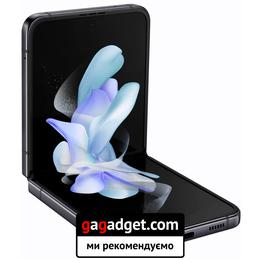
5 reasons to buy Samsung Galaxy Flip4:
- excellent folding AMOLED screen with a refresh rate of 120 Hz, support for HDR10+ and a large reserve of brightness;
- flagship performance;
- wonderful main camera;
- useful additional display with widgets;
- Rugged design and IPX8 waterproof.
2 reasons not to buy Samsung Galaxy Flip4:
- overheating and throttling at prolonged maximum loads;
- There is still a crease on the screen, as well as a gap when folded.
Fast passage:
- What is included?
- How is Samsung Galaxy Flip4 different from Galaxy Flip3?
- What does the Samsung Galaxy Flip4 look like?
- Is the Samsung Galaxy Flip4 comfortable to use?
- How good is the main display?
- What are the unlock methods?
- What about performance, memory, sound and autonomy?
- How user-friendly is the interface?
- How good are the cameras?
- In the dry residue
What is included?
</ img>
</ img>
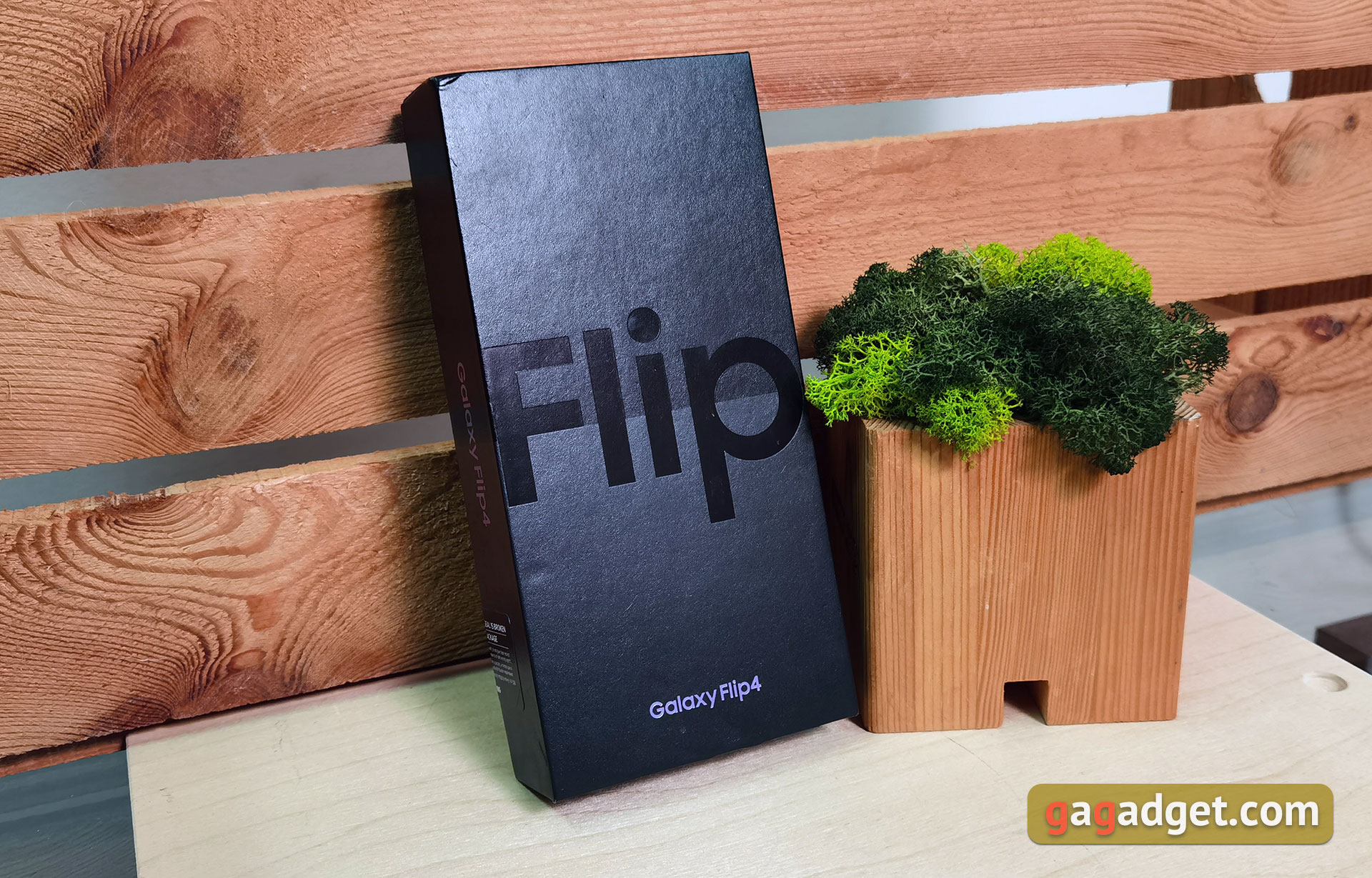
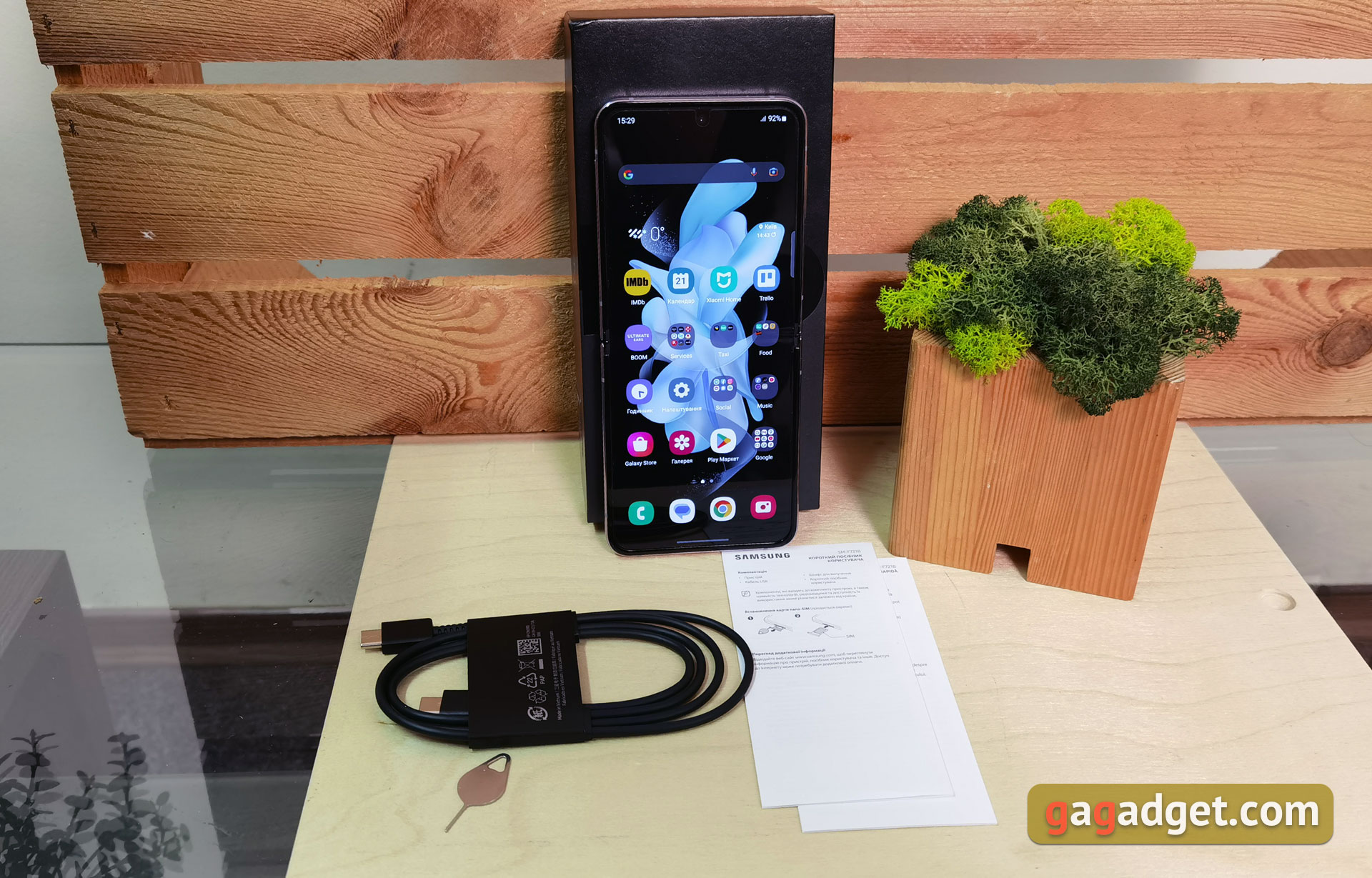
Everything is standard in the kit, as for modern Samsung flagships: a small black box containing the smartphone itself, a cable with Type-C connectors on both sides, a paper clip for the tray and documentation.
</ p>How is Samsung Galaxy Flip4 different from Galaxy Flip3?
</ img>
As with the new Galaxy Fold4, the new SamsungThe Galaxy Flip4 hasn't received any major rethink compared to its predecessor, but some innovations are really important. You can read more about the differences between smartphones in our separate article, but in the review we will focus directly on the user experience. Therefore, very briefly about the differences: the current and quite energy-efficient Qualcomm Snapdragon 8+ Gen 1 is used as a processor instead of Snapdragon 888. The battery capacity has increased from 3300 to 3700 mAh, so you should expect better autonomy. Wired charging now supports 25W charging instead of 15W. They promise a more durable design overall: Gorilla Glass Victus+ is now used for external panels, frame and hinge – Armor Aluminum, same as last year. The internal display has a more durable finish, higher brightness levels and now supports an adaptive refresh rate of 1-120Hz. The main camera, as before, has two modules, but the main one now has a larger matrix and a larger pixel size, which is especially important when shooting at night. Comparison of characteristics:
Compare Samsung Galaxy Flip4 vs Galaxy Flip3
Samsung Galaxy Flip4
Samsung Galaxy Flip3
Main display
Foldable Dynamic AMOLED 2X, 6.7 inches, 2640×1080 (22.5:9 aspect ratio), 426 ppi, HDR10+,1-120Hz
Foldable Dynamic AMOLED 2X, 6.7 inches, 2640×1080 (22.5:9 aspect ratio), 426 ppi, HDR10+, 10-120 Hz
External display
Super AMOLED, 1.9 inches, 512x260,Gorilla Glass Victus+
Super AMOLED, 1.9 inches, 512x260, Gorilla Glass Victus
Housing
In expanded form:165.2×71.9x6.9 mm; folded:84.9×71.9x15.9-17.1 mm, weight:187G
Unfolded: 166×72.2×6.9 mm; folded: 86.4×72.2×15.9-17.1 mm, weight: 183 g
CPU
64-bit octa-core 4nm Qualcomm Snapdragon 8+ Gen 1: 1×3.19 GHz Cortex-X2 + 3×2.75 GHz Cortex-A710 + 4×1.80 GHz Cortex-A510, Adreno 730 graphics
64-bit octa-core 5nm Qualcomm Snapdragon 888: 1×2.84 GHz Kryo 680 + 3×2.42 GHz Kryo 680 + 4×1.80 GHz Kryo 680, Adreno 660 graphics
RAM
8 GB LPDDR5
8 GB LPDDR5
Flash memory
128/256/512GB UFS 3.1
128/256 GB UFS 3.1
Camera
Main camera: 12 MP, f/1.8,24 EFR, 1/1.76″, 1.8µm, Dual Pixel PDAF, OIS; ultra wide: 12 MP, f/2.2, 123°; frontal: 10 MP f/2.4
Main camera: 12 MP, f/1.8, 27 EDF, 1/2.55″, 1.8µm, Dual Pixel PDAF, OIS; ultra-wide angle: 12 MP, f/2.2, 123°; front: 10 MP f/2.4
Wireless technology
Wi-Fi 802.11 a/b/g/n/ac/6 (dual-band, 2.4 and 5 GHz),Bluetooth 5.2LE, NFC
Wi-Fi 802.11 a/b/g/n/ac/6 (dual band, 2.4 and 5 GHz), Bluetooth 5.1 LE, NFC
GPS
GPS, A-GPS, GLONASS, BDS, GALILEO
GPS, A-GPS, GLONASS, BDS, GALILEO
Battery
3700 mAh, non-removable, fast charging 25W, wireless charging 15W, reverse wireless charging
3300 mAh, non-removable, 15W fast charging, 10W wireless charging, reverse wireless charger
operating system
Android 12 + One UI 4.1.1 (Android 13 + One UI 5.0)
Android 11 + One UI 3.1
Sim card
NanoSIM
NanoSIM
Additionally
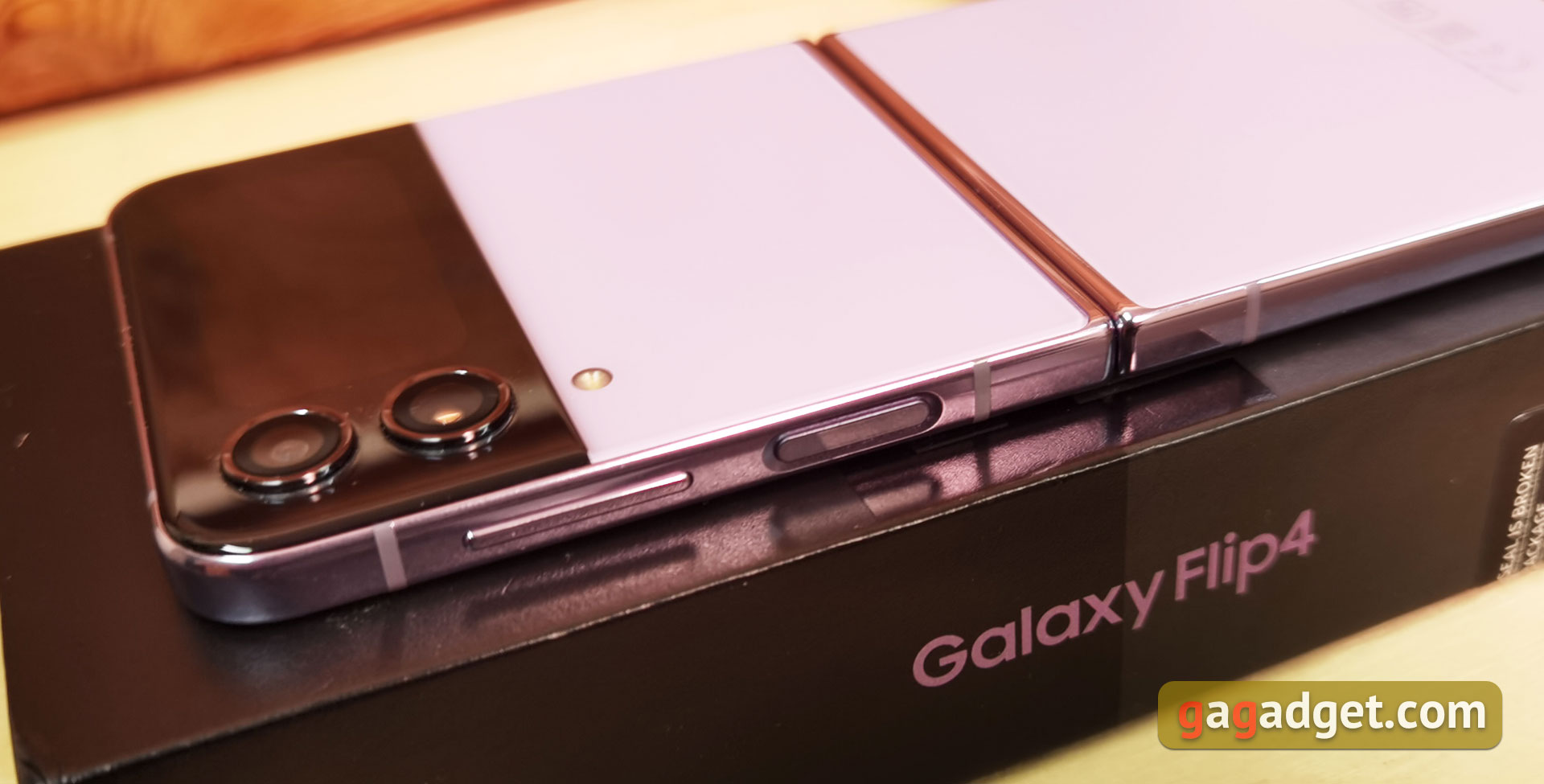
IPX8 water protection, fingerprint scanner in the power button
protection from water IPX8, fingerprint scanner in the power button
What does the Samsung Galaxy Flip4 look like?
</ img>
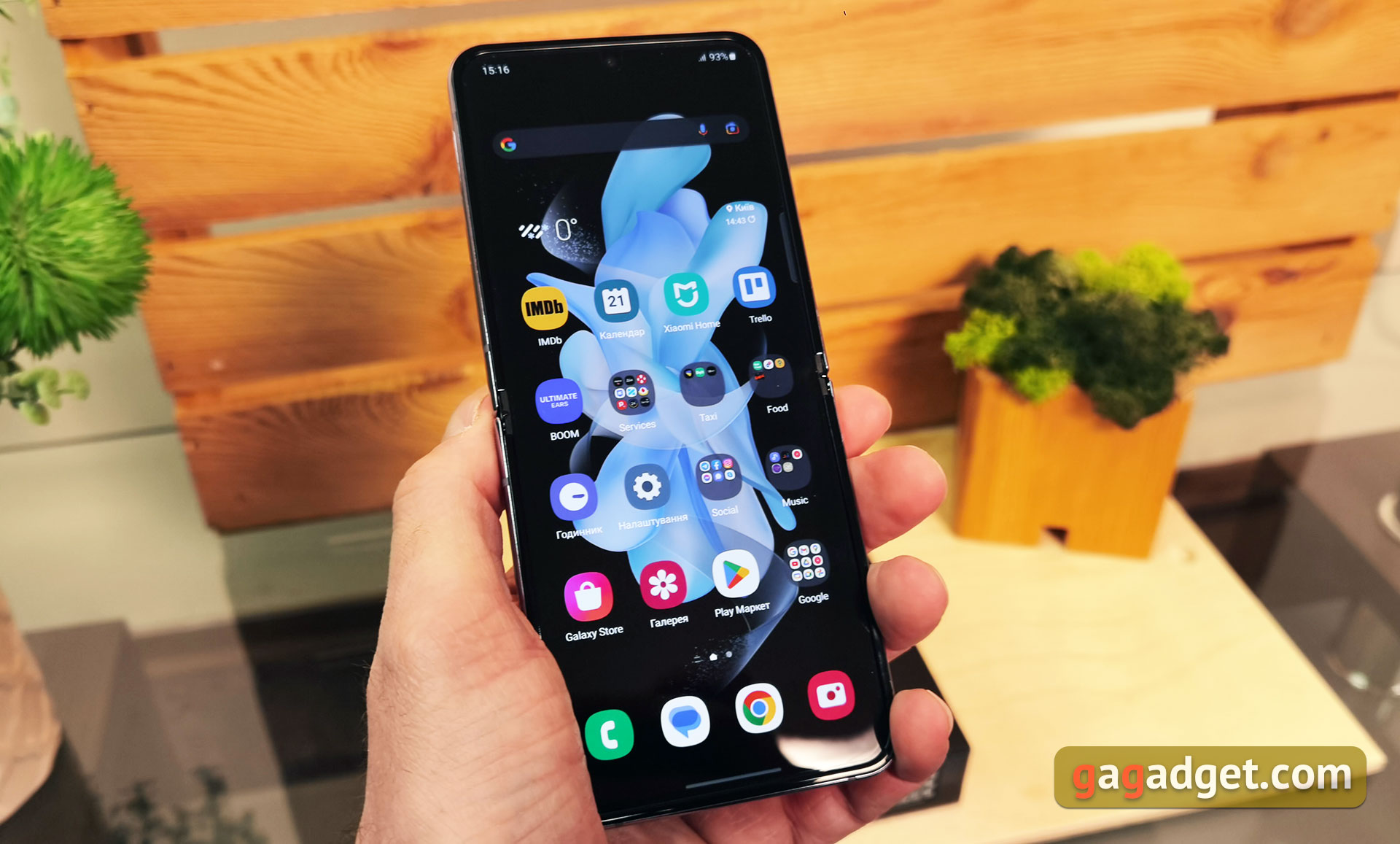
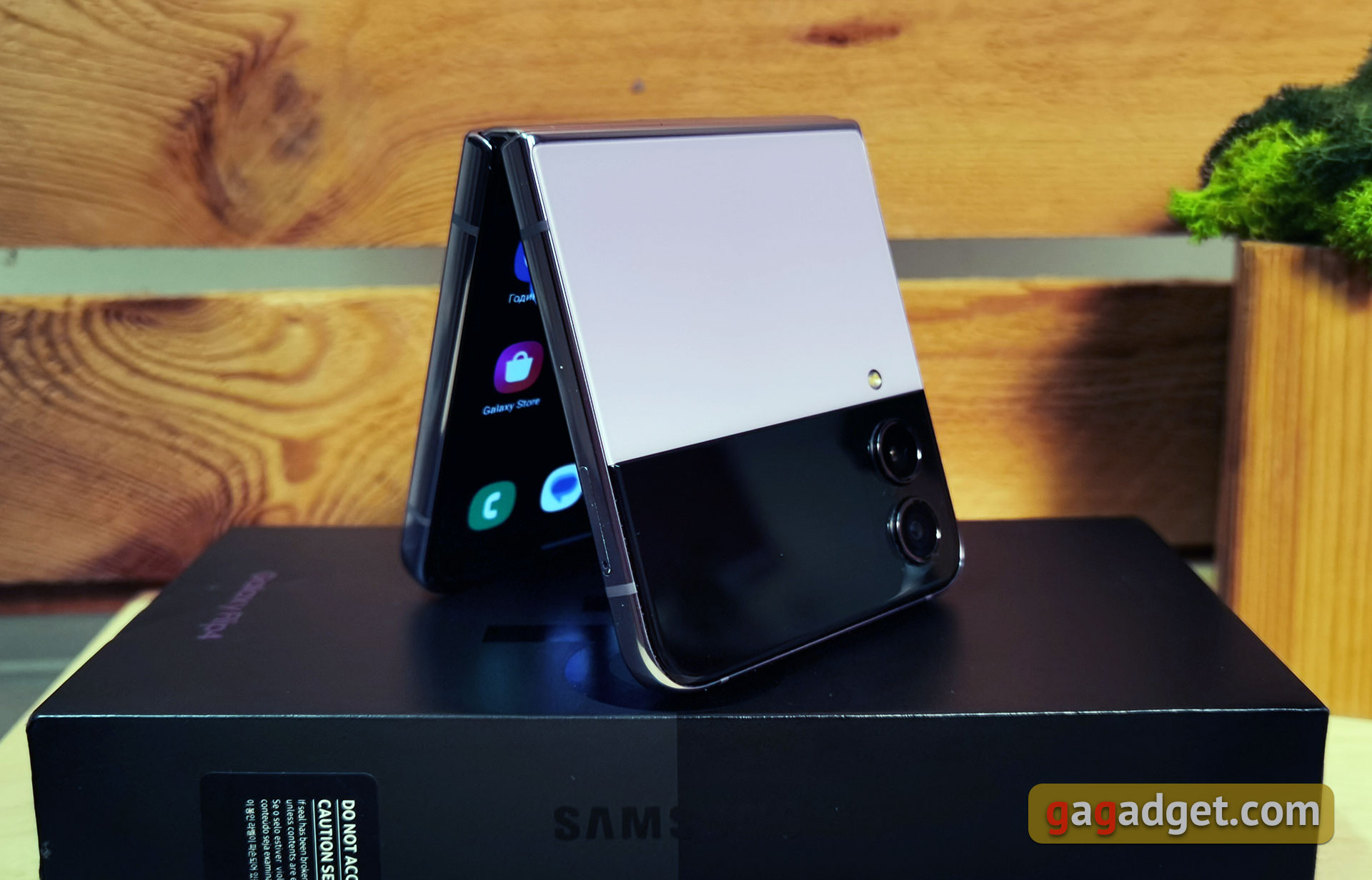
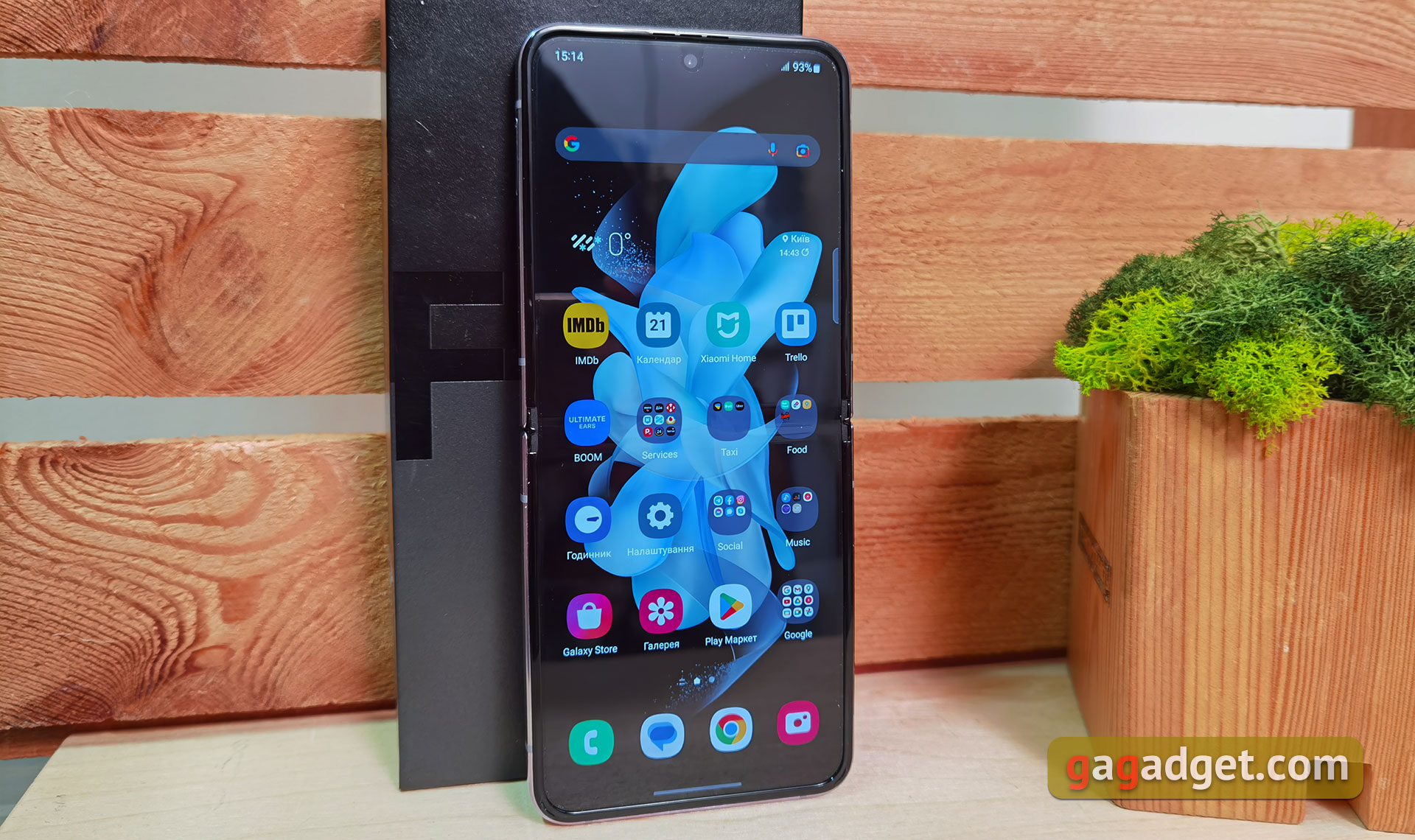
The design of the Samsung Galaxy Flip4 as a whole remainswithout changes, with already familiar pros and cons. This – a clamshell with a small auxiliary external screen and a large flexible internal one. When folded it – a small but quite thick square that is convenient to carry in almost any pocket. All panels are made from Gorilla Victus+ glass. They are matte in all color options. Glossy metal frame, hinge and a small area with an external display and the main dual camera. The internal screen has almost familiar elongated proportions. It's hard to say for sure without having the Flip3. But it seems that the frame around the perimeter of the screen has shrunk quite a bit, as has the protective edge. Everything else is familiar: above the display – speaker, at the top – round hole for the front camera. There is still a noticeable crease in the middle of the display. Unfortunately, we haven't been able to get rid of it yet.
</ img>
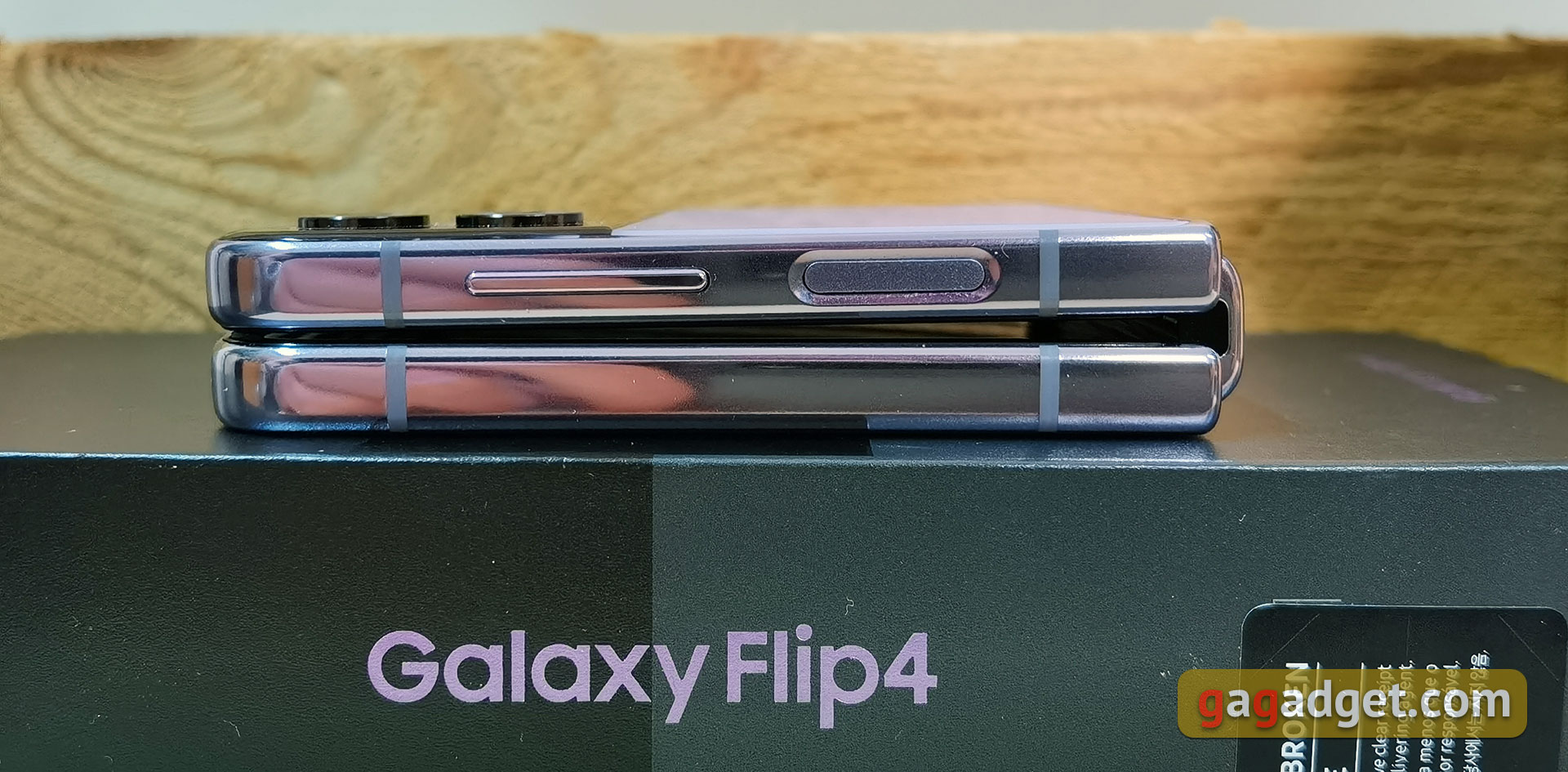
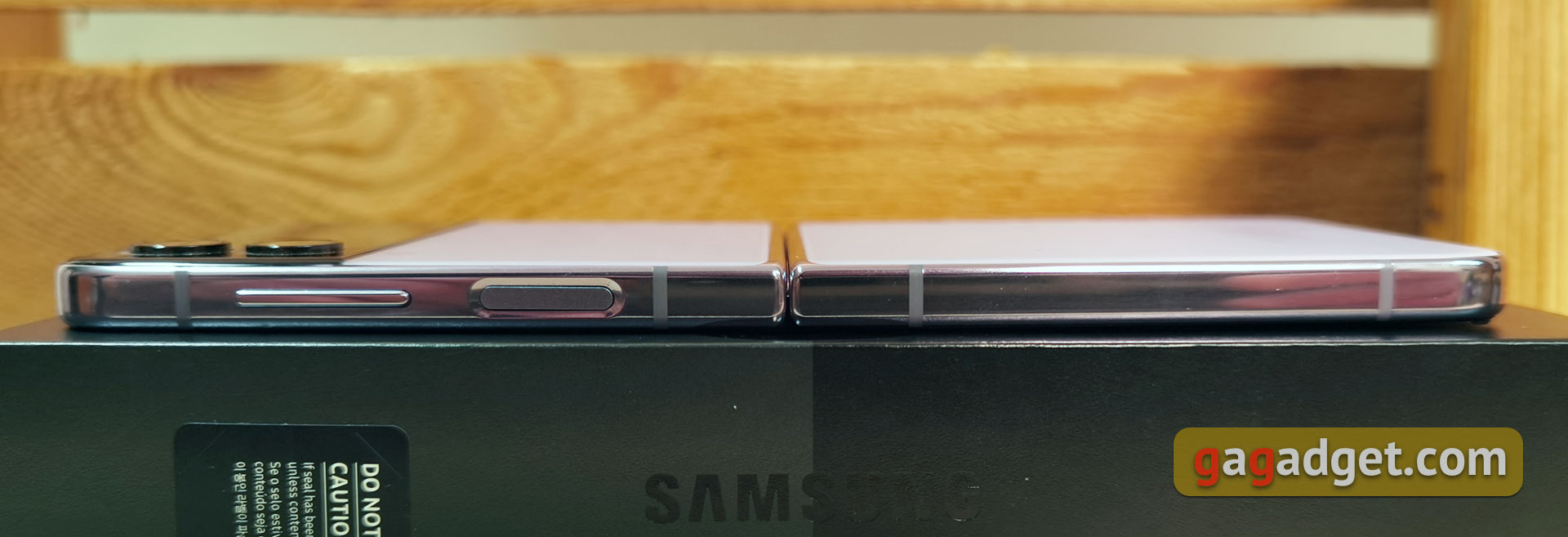
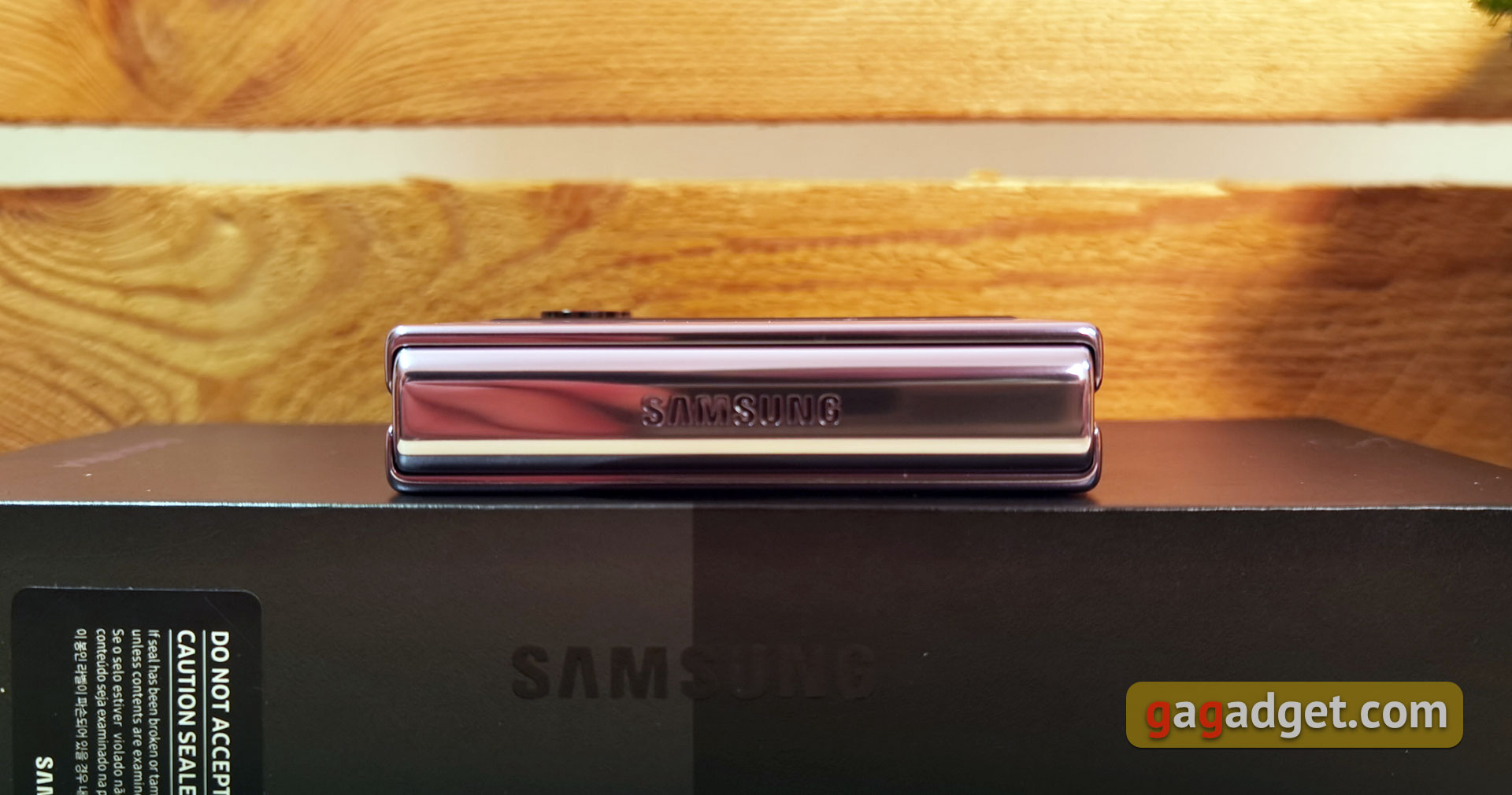
As it has not yet been possible to remove a small gap between the halves in the folded state. The frame is glossy metal. There are small plastic inserts around the perimeter for the normal operation of the antennas.
</ img>
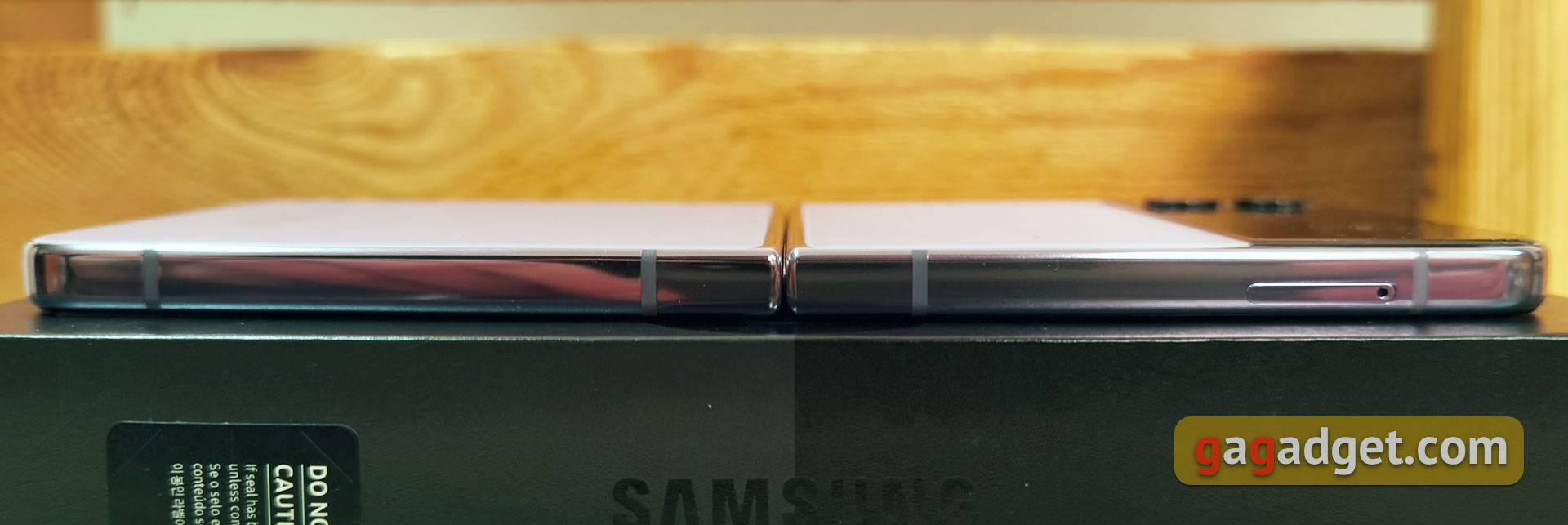
All standard required elements are located onalmost familiar places. Right – double volume button, just below – a power button that also doubles as a fingerprint scanner. The buttons are placed slightly higher than on standard smartphones due to the complex design. It’s a little unusual at first, but it literally takes one or two days to get used to it. Left – tray.
</ img>
</ img>
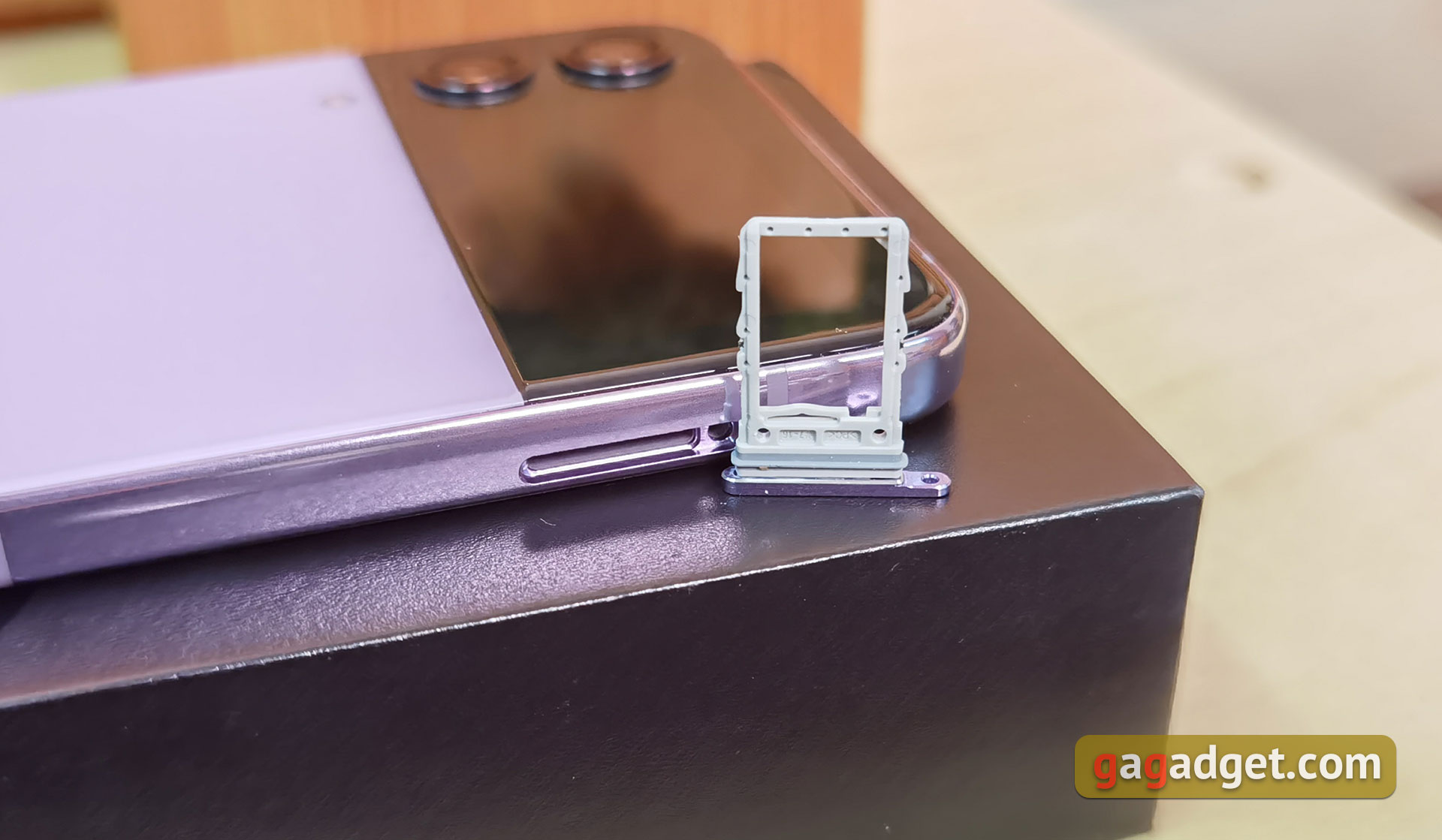
You can install only one SIM card in it, but the smartphone supports eSIM, so this is not critical.
</ img>
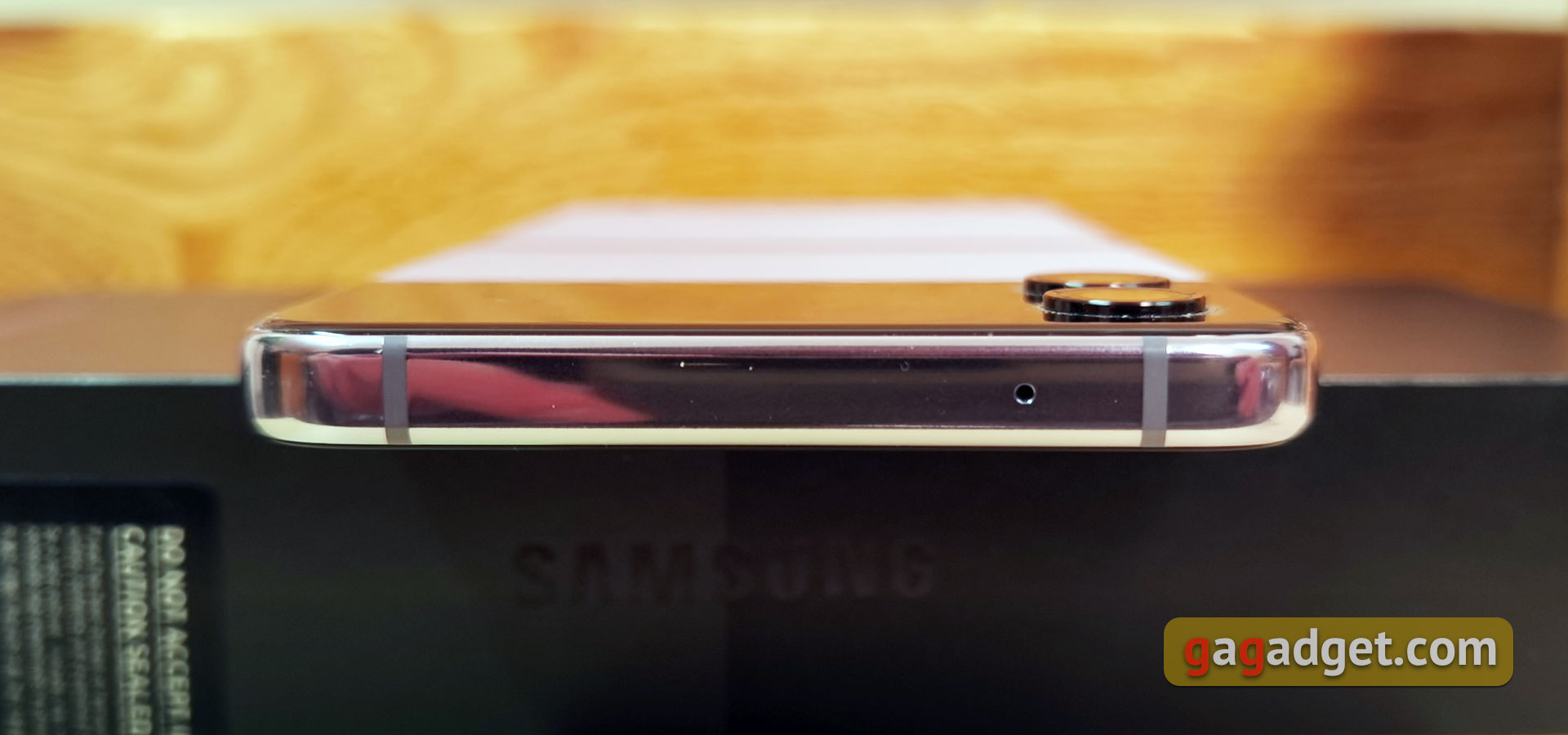
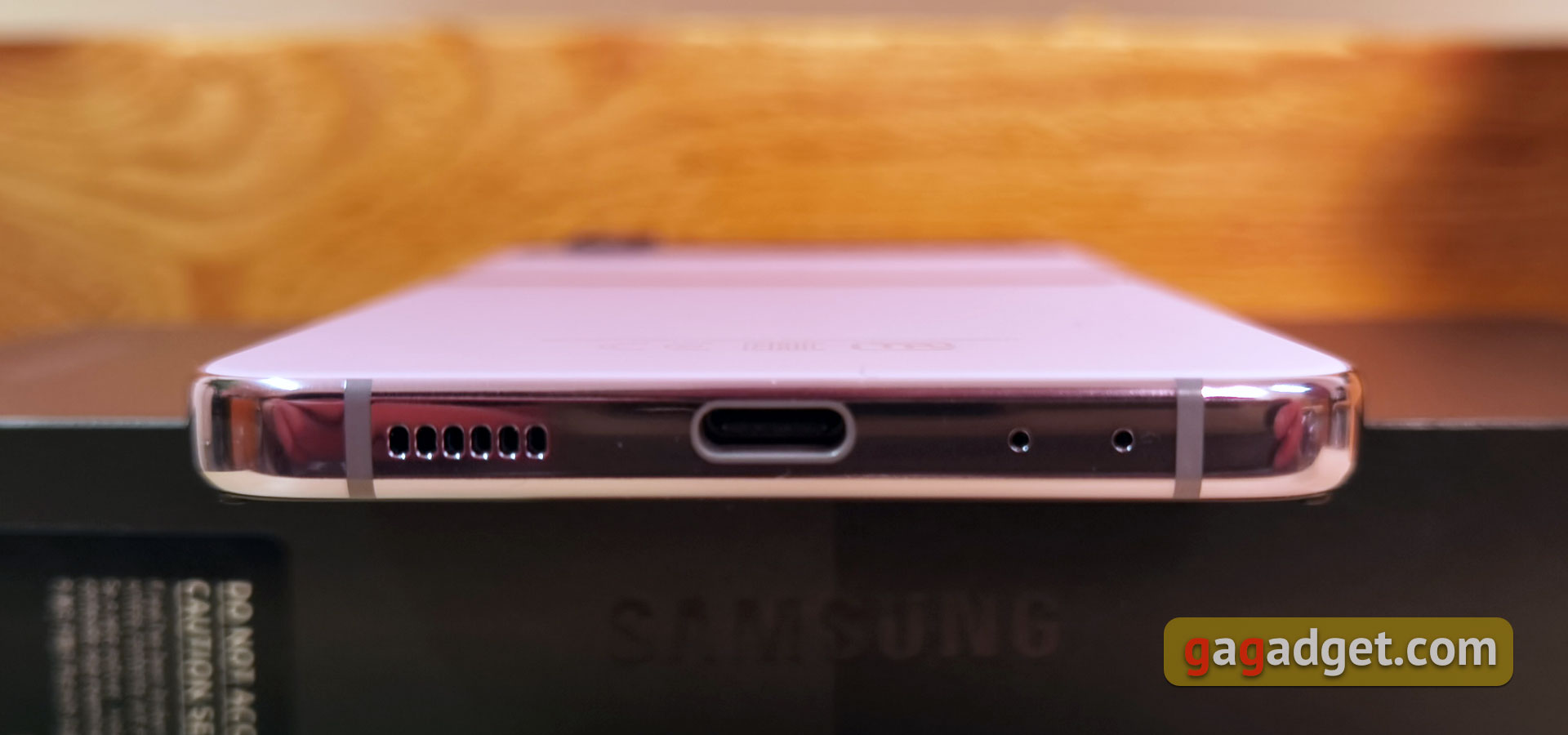
Top – only one microphone. Bottom – an external speaker, a Type-C connector and two more microphones.
</ img>
</ img>
On the hinge cover – Samsung engraving:
</ img>
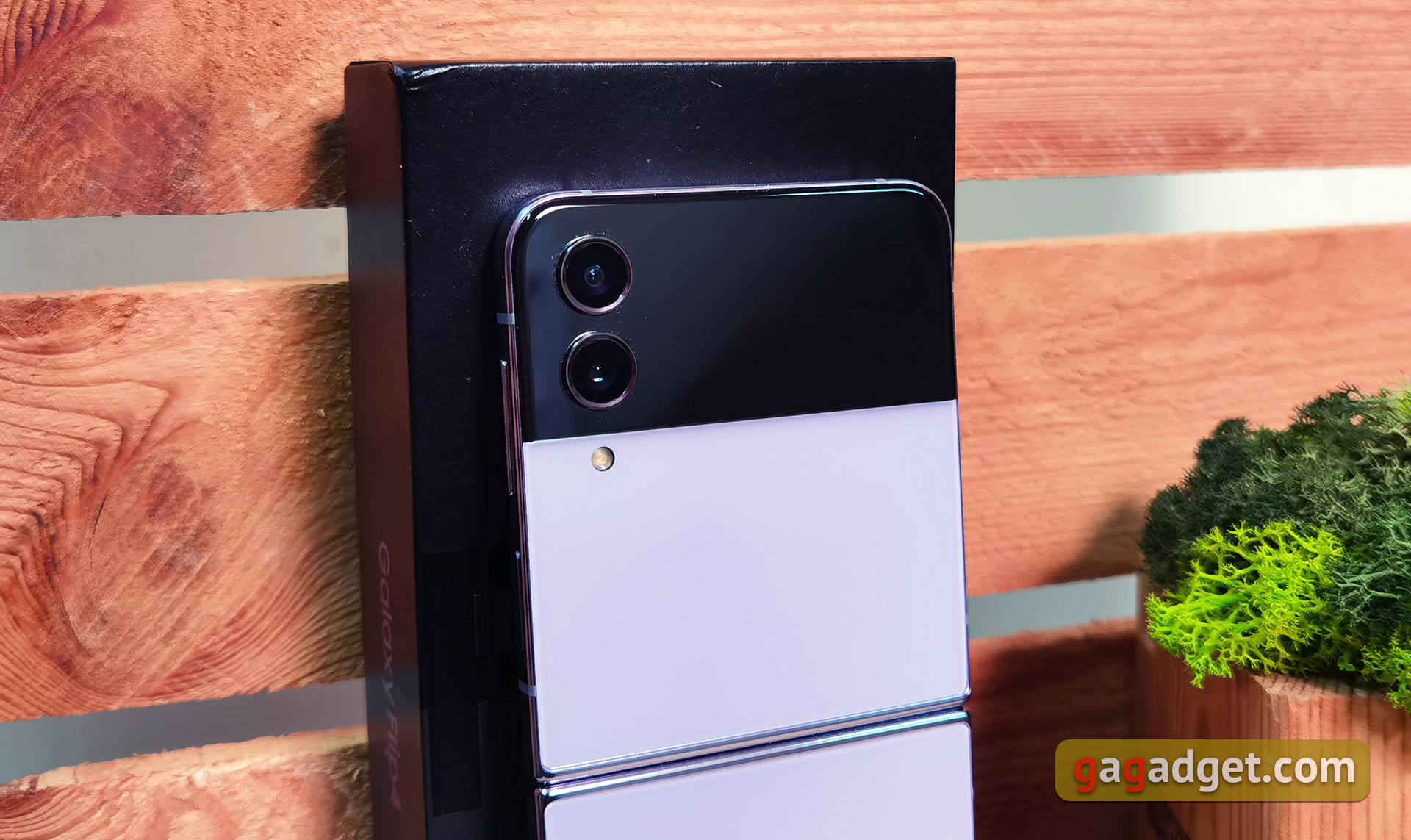
Protects all external surfaces of the smartphoneGorilla Glass Victus+, most of the surface – Matte, there are almost no fingerprints left. Glossy only area with additional display and cameras. Last year's Flip3 had fairly wide metal inserts at the junction of the halves. In Flip4 they were made much thinner. As for the choice of colors, there is also a more discreet black option.

</ img>
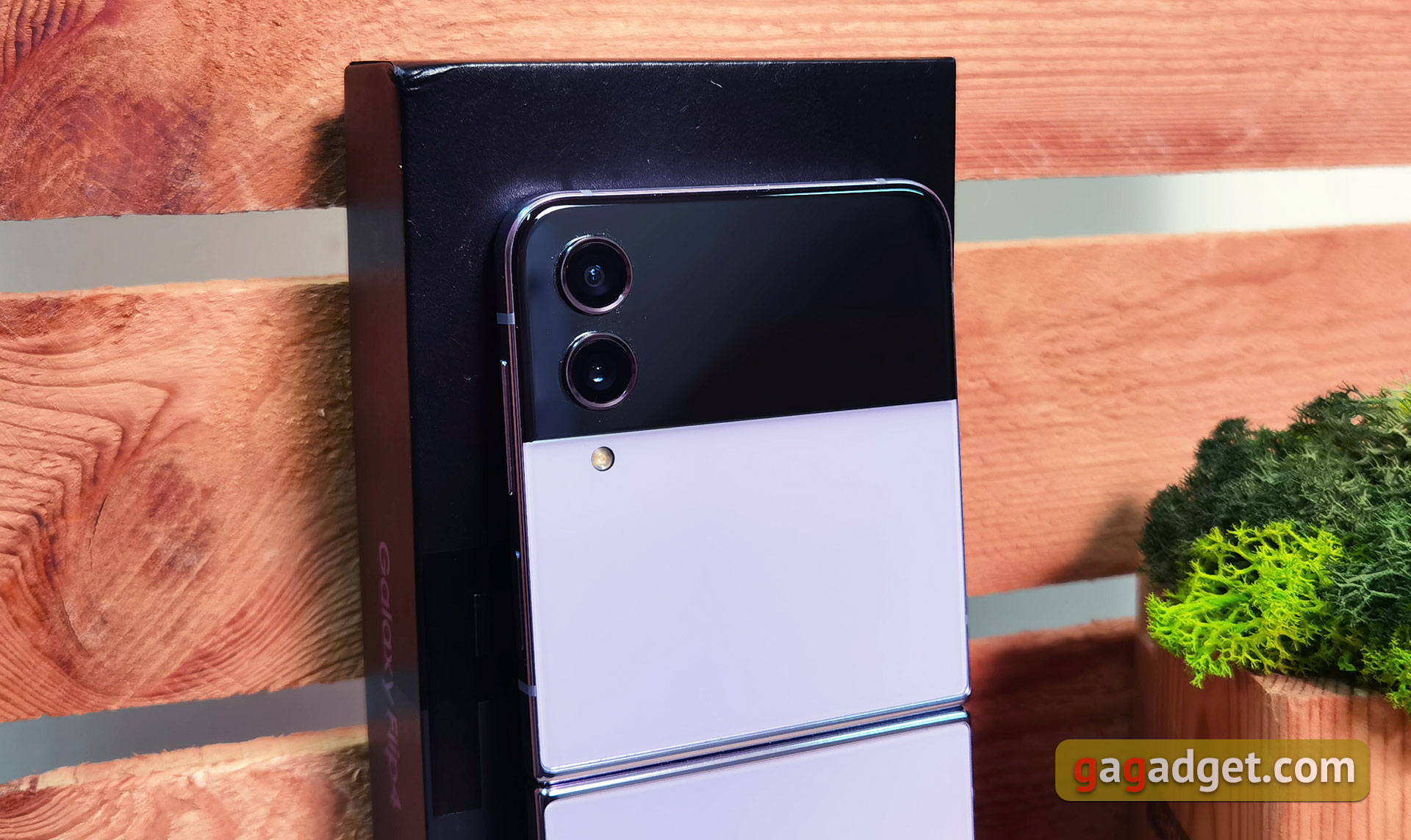
The main camera is double.The lenses protrude slightly above the body. Which in general is not very annoying when used, but dust immediately collects around them. Although this – a problem with most modern smartphones.
</ img>
Despite its foldable design, the Samsung GalaxyThe Flip4 feels solid enough that it doesn't feel like it's going to break with a little careless movement. Although we decided not to check. Water protection according to the IPX8 standard is present. There were reviews on past Flip models on the network that after a while the film begins to peel off at the place of the screen fold. It's hard to say how much more durable the screen has become, but it's hoped that Samsung has heard consumers.
</ p>Is the Samsung Galaxy Flip4 comfortable to use?
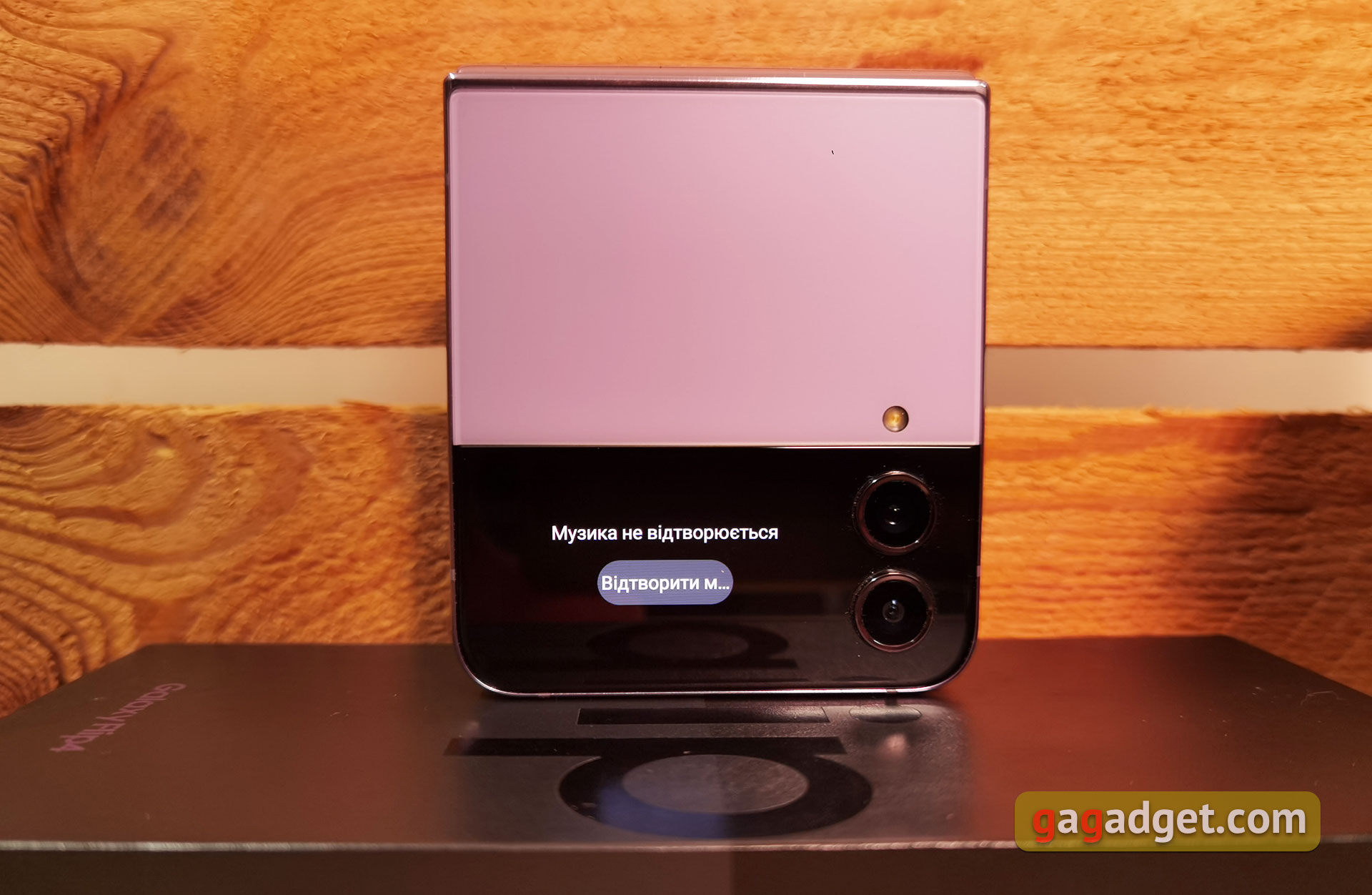
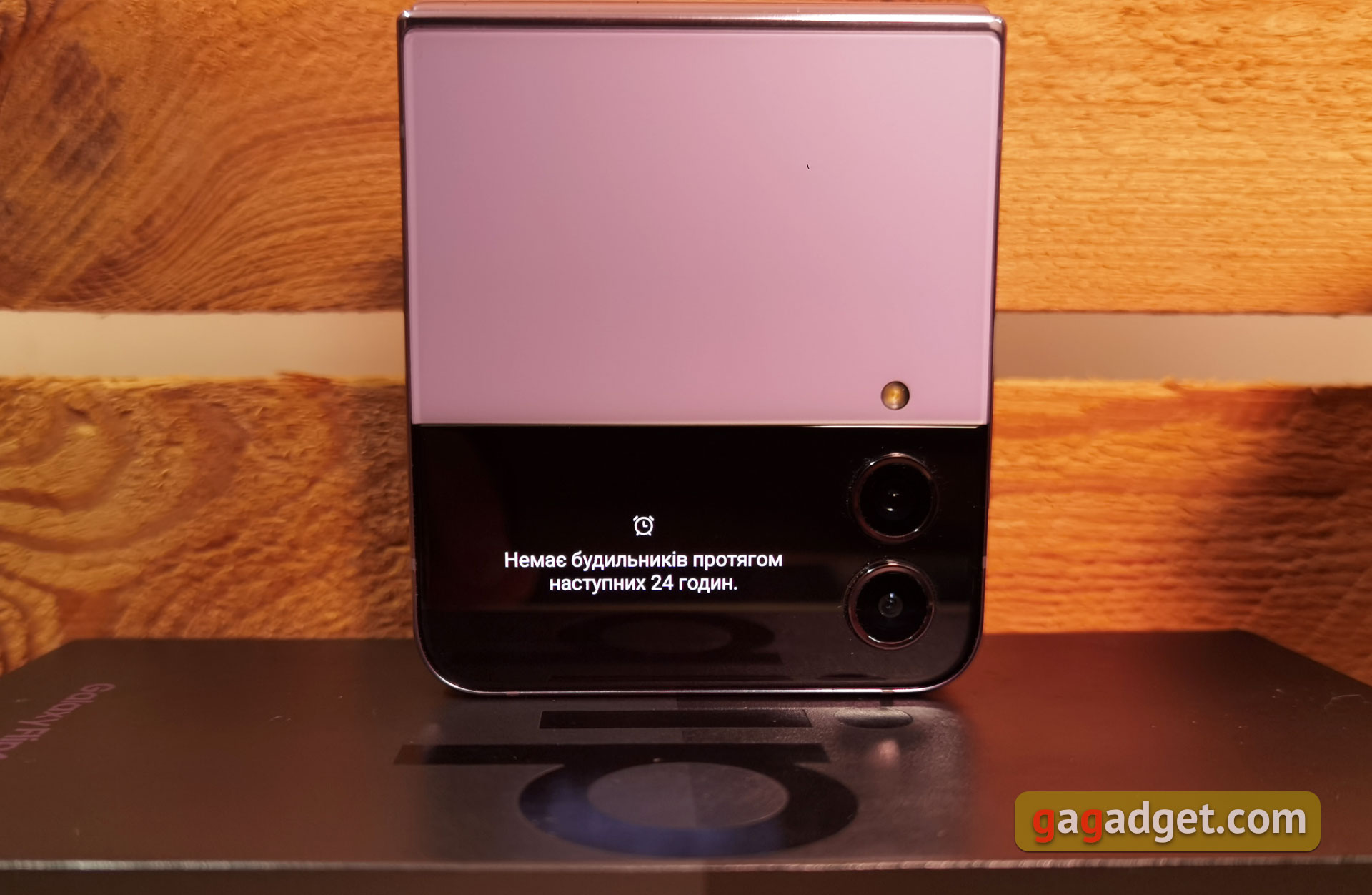
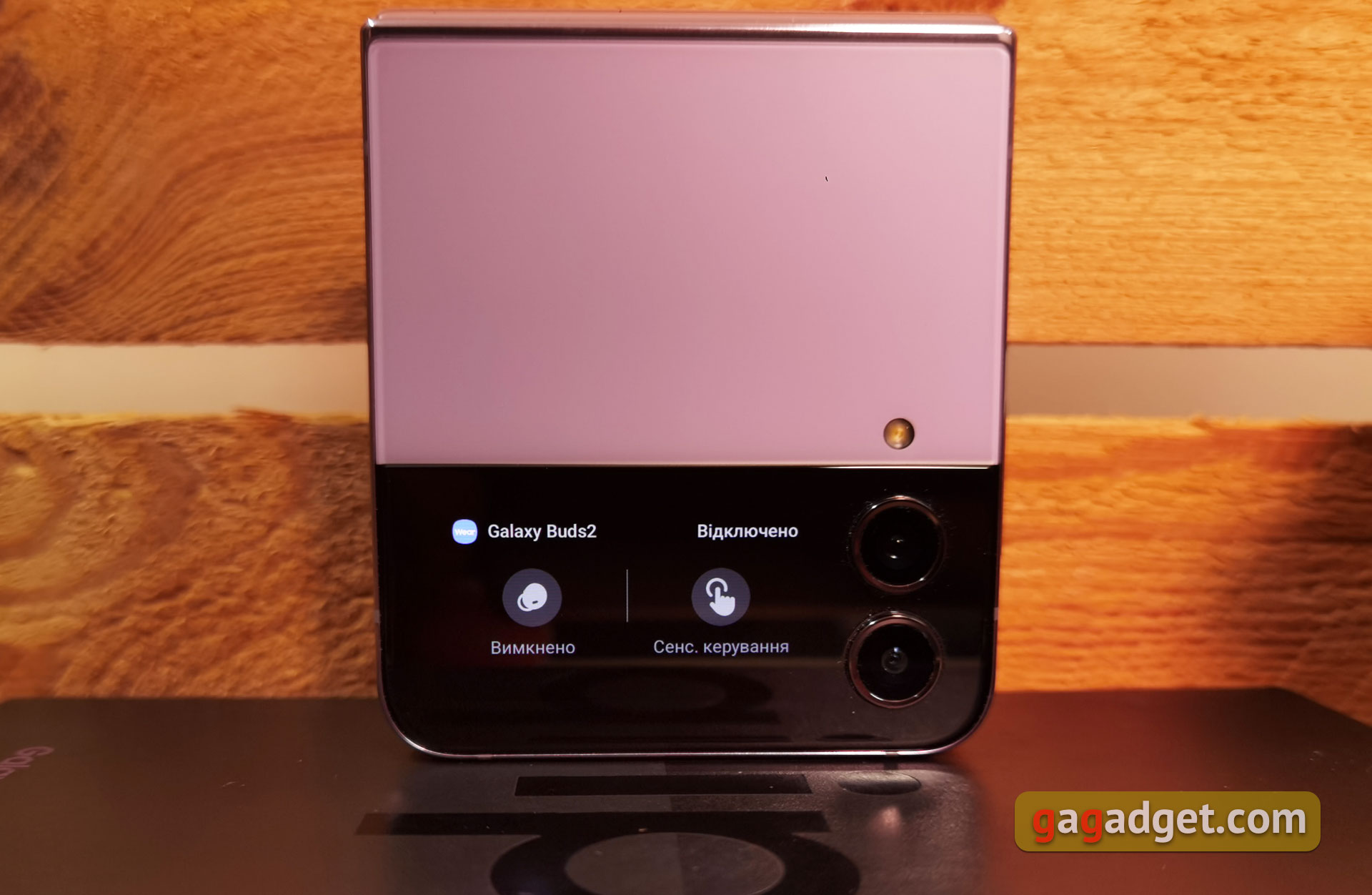
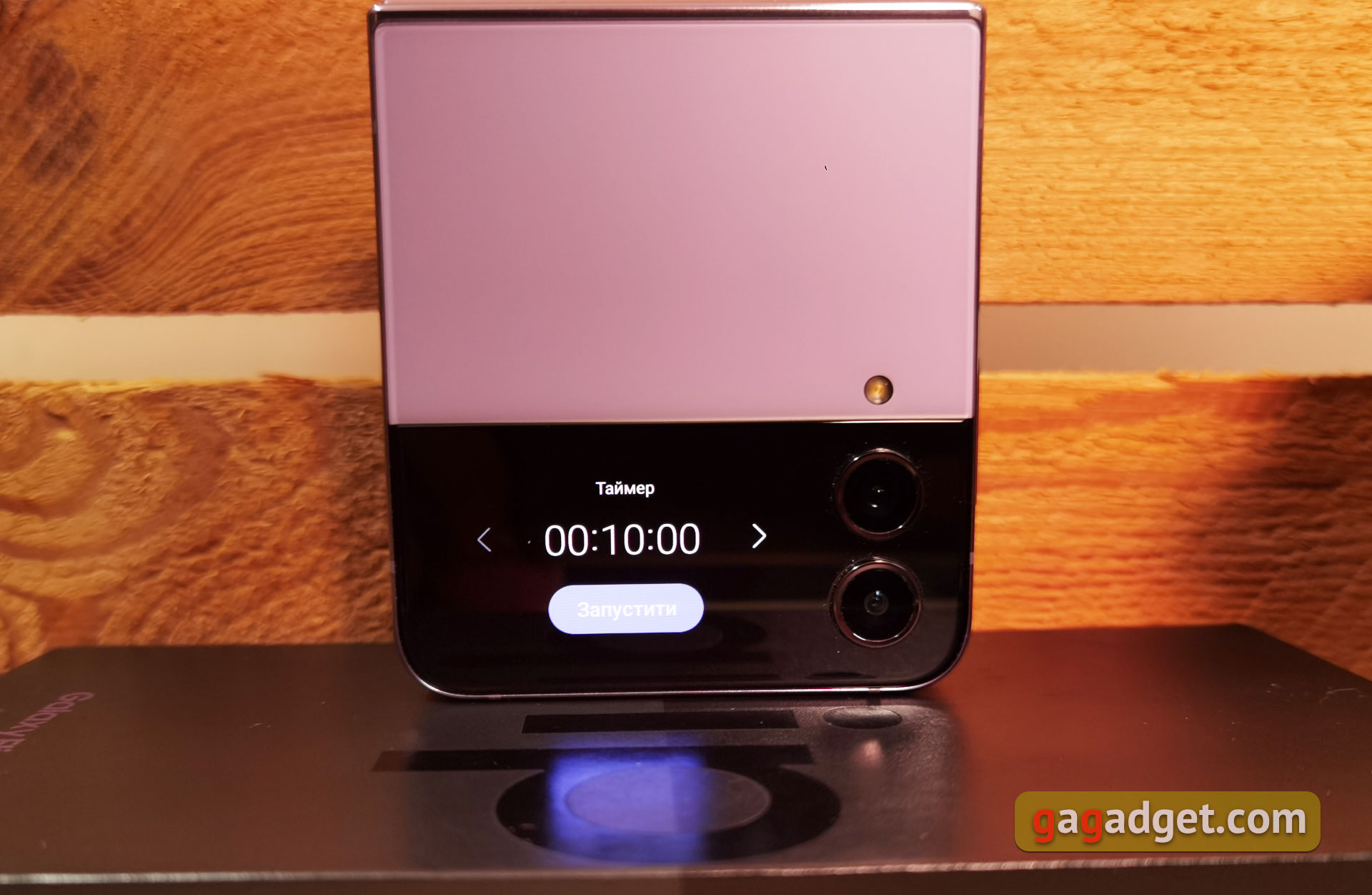
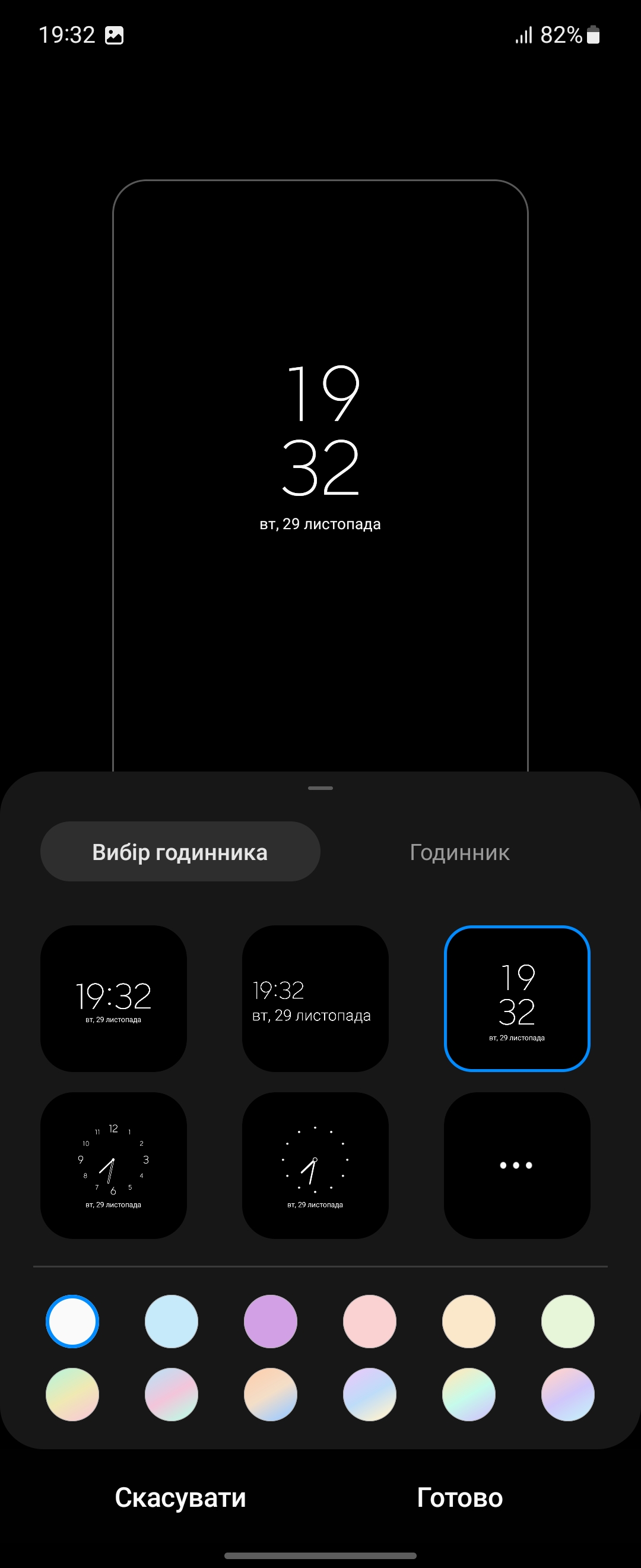
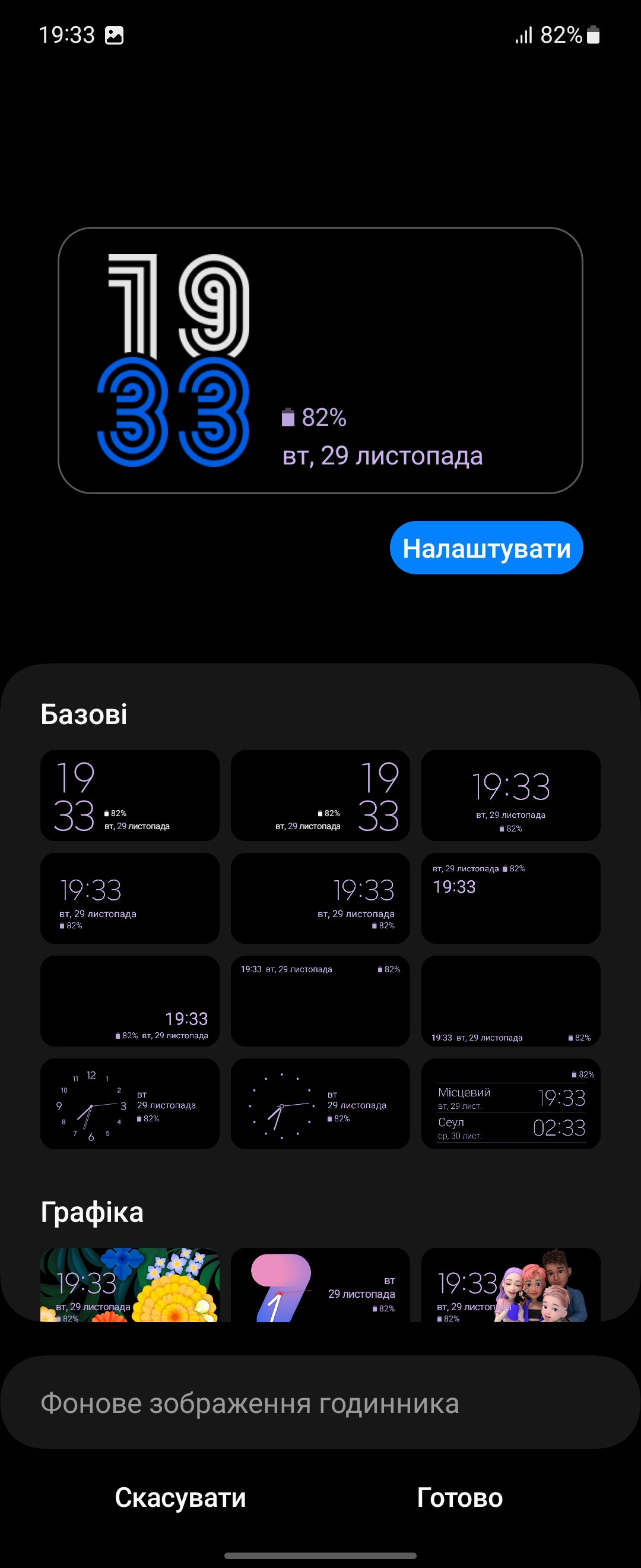
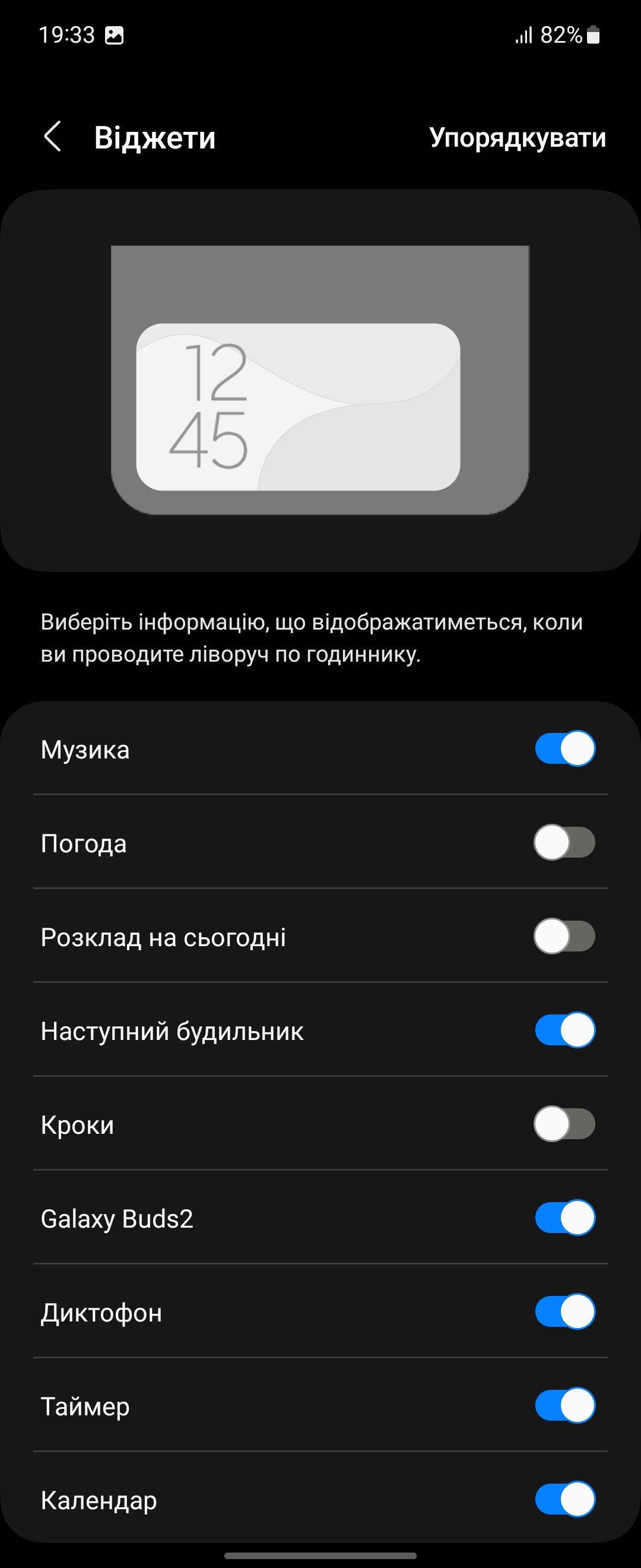
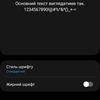
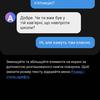
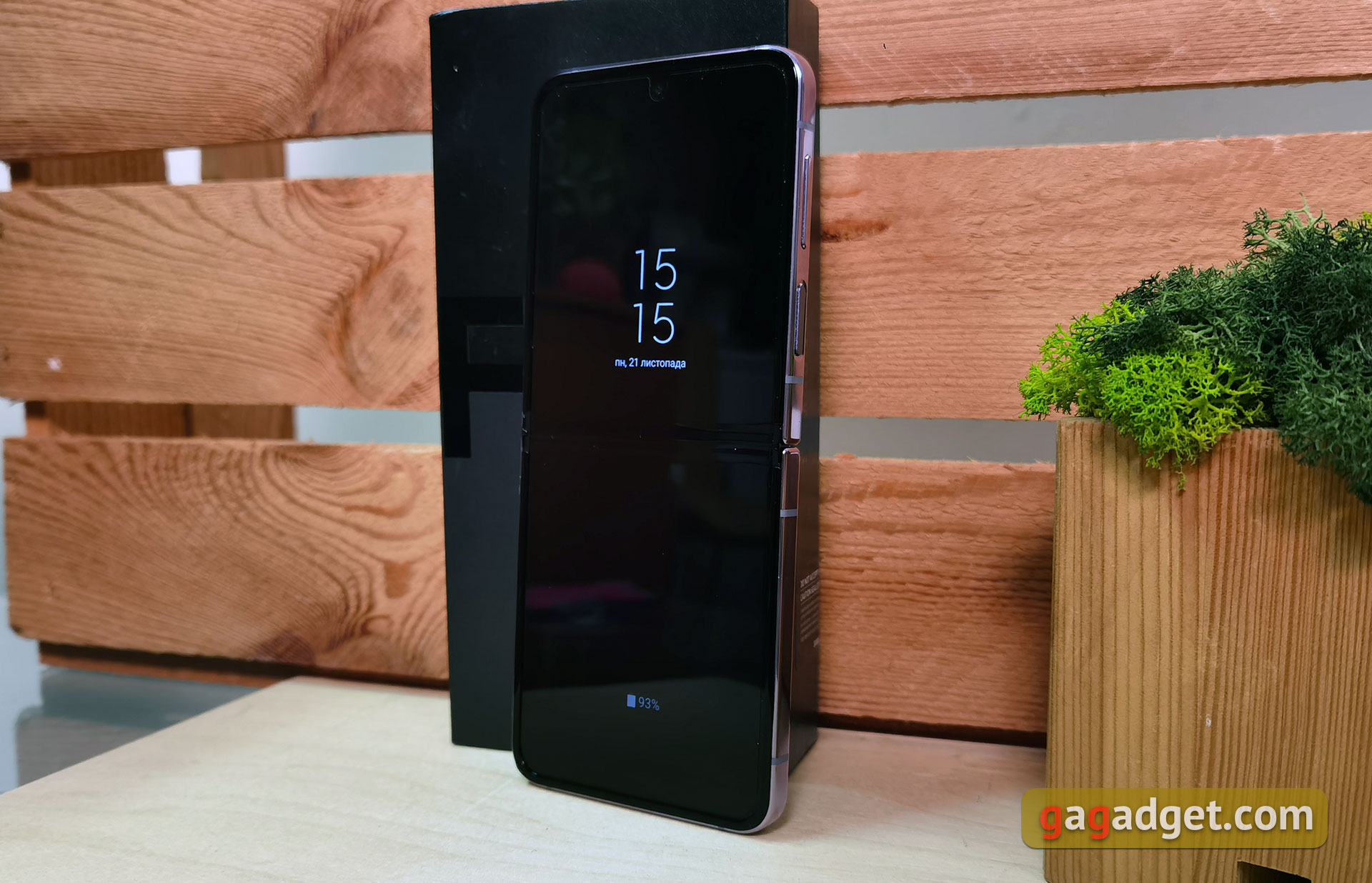
Let's start with the pleasant things.Although the external display has not increased, it has more capabilities. Of course, as before, Always on Display is supported. In addition to the standard clock options, you can set photos, videos, GIF animations, themes and Emoji are supported. The external display has a quick access panel with switches for Wi-Fi, Bluetooth and more. You can answer calls or messages (templates, voice dialing, or Emoji) directly from the external display. Facial recognition - the fingerprint scanner works when folded, so you can pay without opening your smartphone. Widgets are supported, including weather, music player, reminders, timer, calendar and others.
</ img>
</ img>
</ img>
</ img>
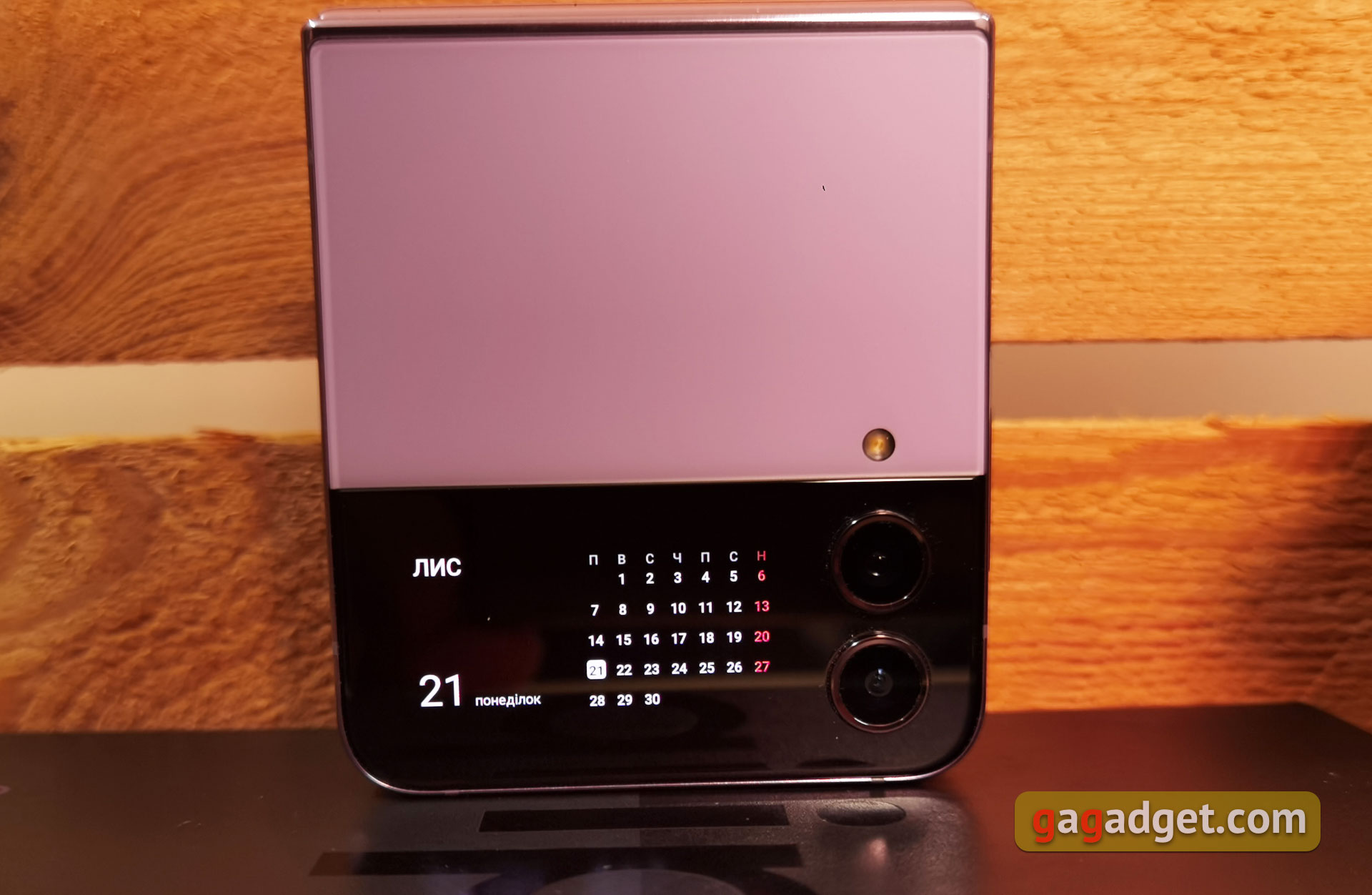
</ img>
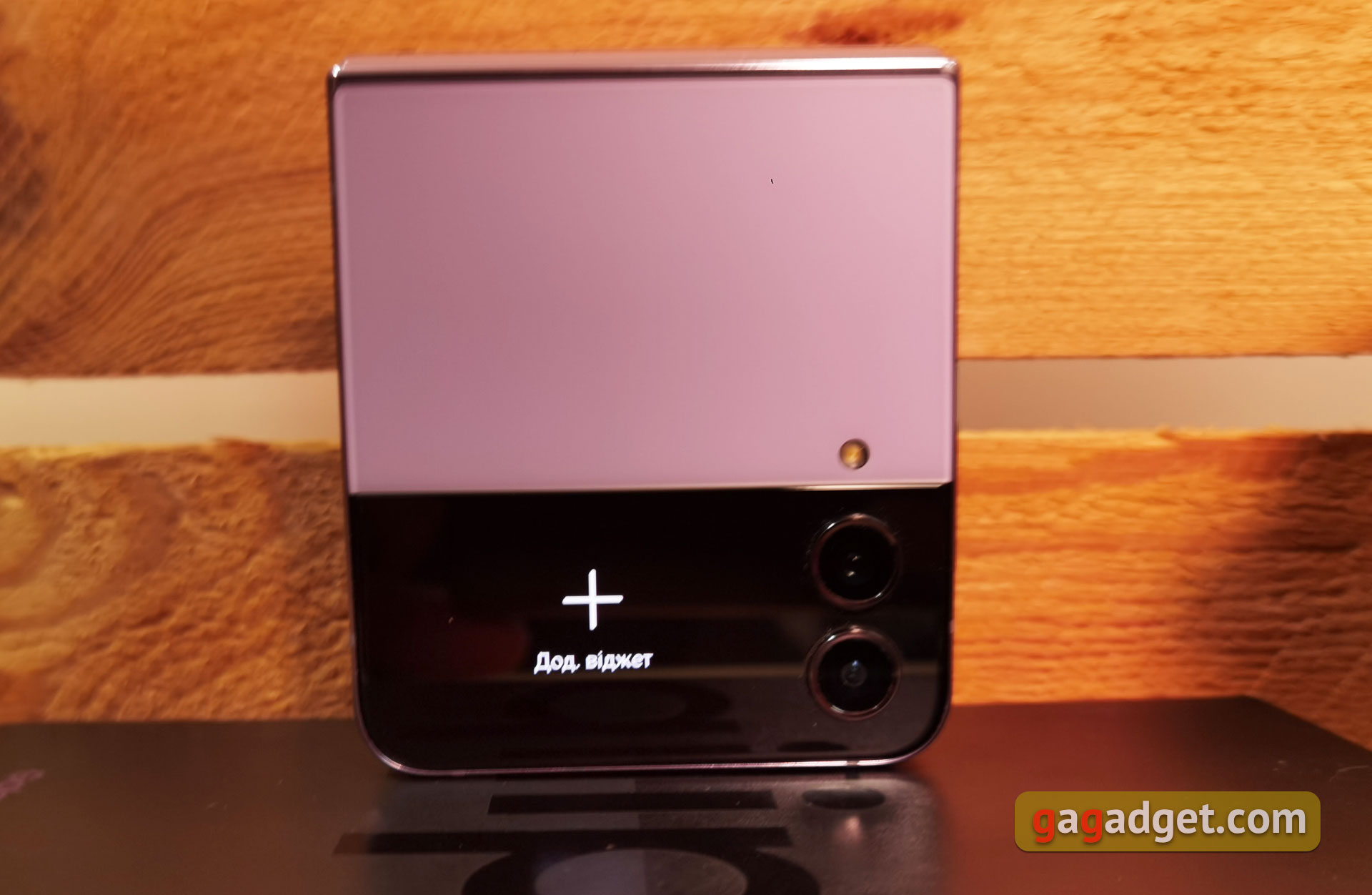
</ img>
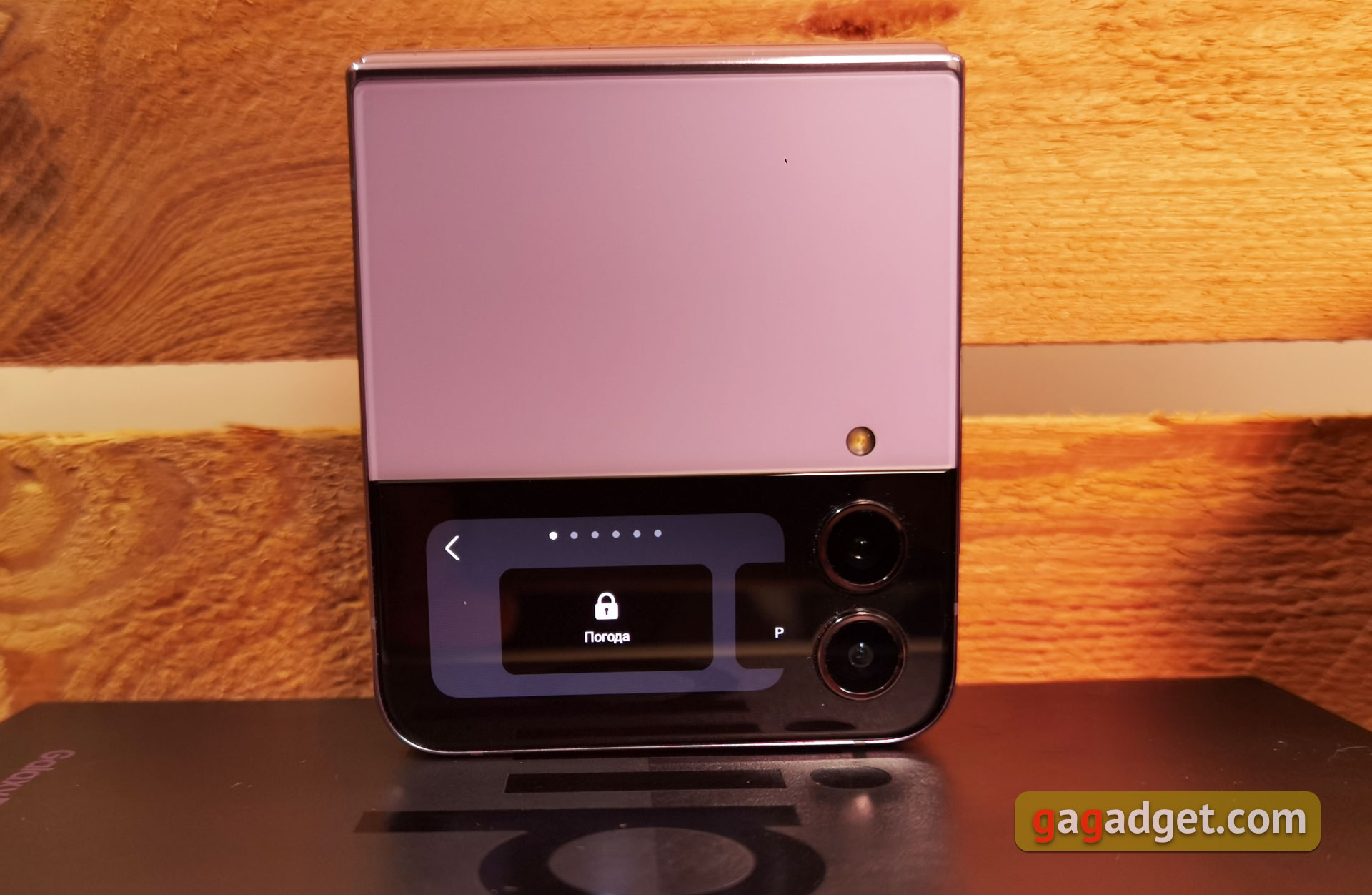
</ img>
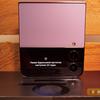
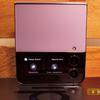

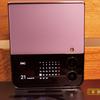
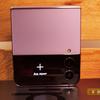
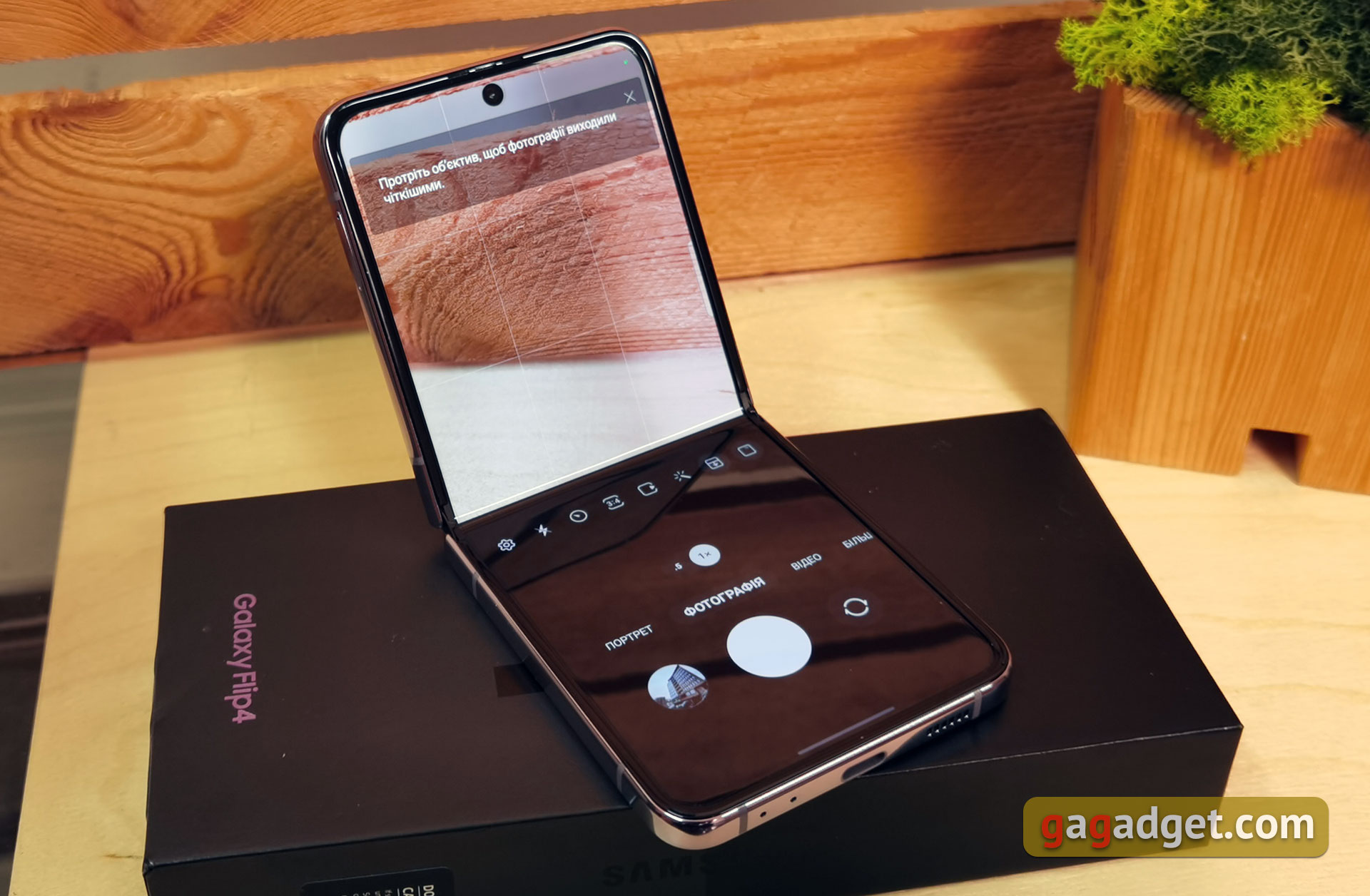
In the semi-folded state, it is convenient to take photos with both the main and front cameras, or make video calls.
</ img>
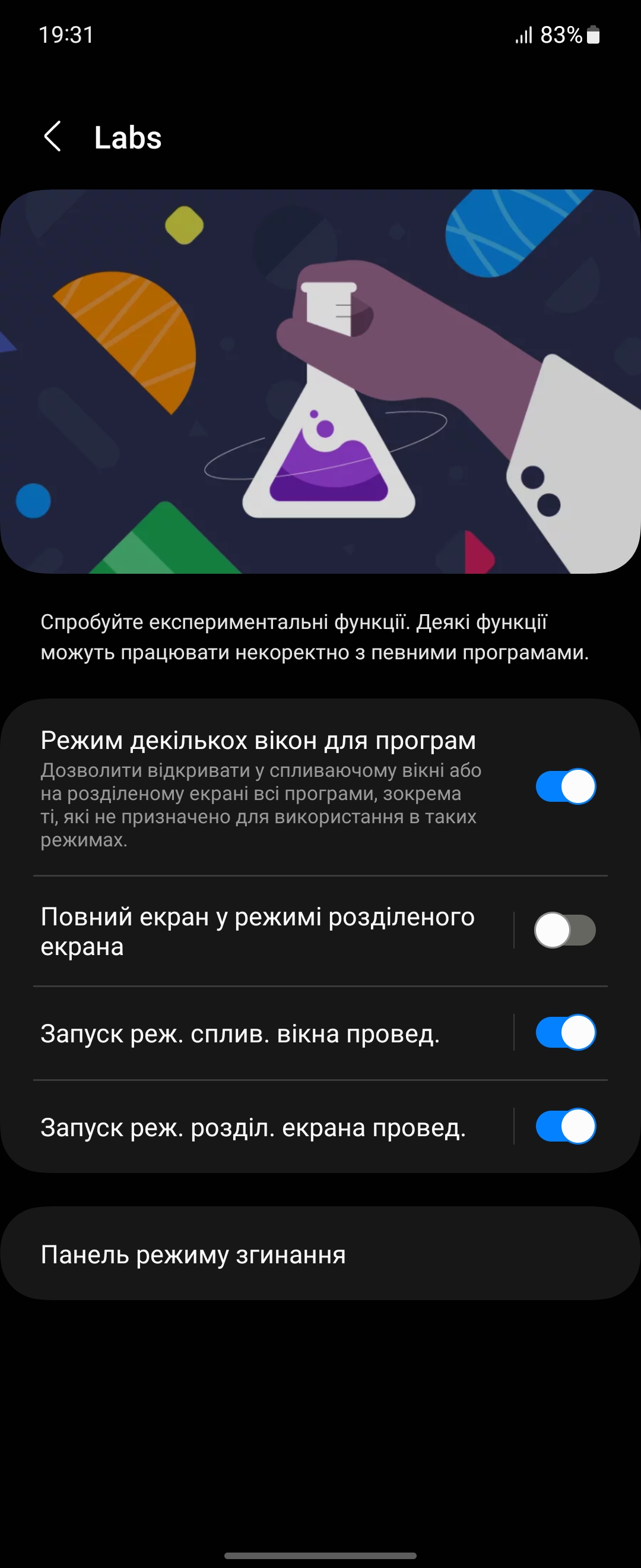
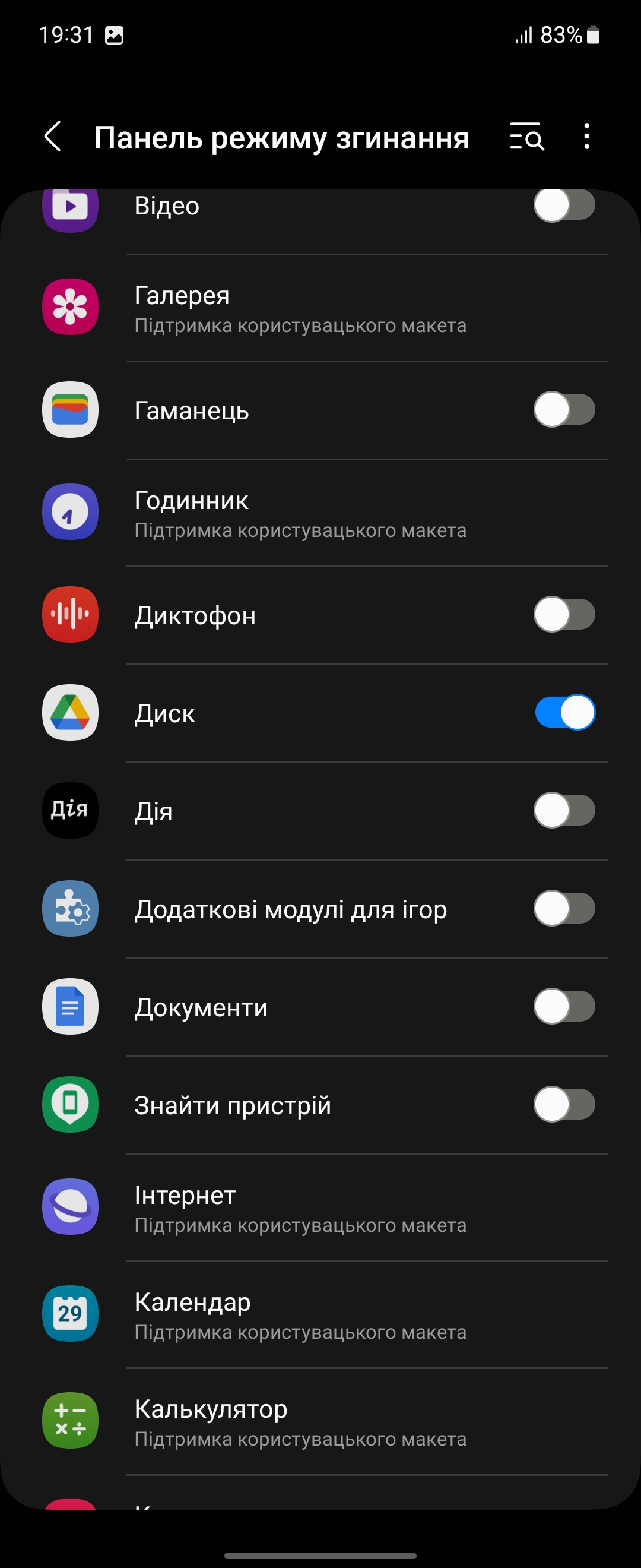
Like the Galaxy Fold4, there is a so-called panelflexion mode. When the smartphone is partially bent, the application itself will be displayed in the upper half, and in the lower – controls, or virtual touchpad in some cases.
</ img>
</ img>
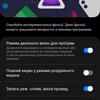
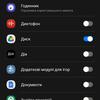
If we talk about the physical component, thenThe smartphone can easily be carried in almost any pocket. Of the minuses of the design, one can single out the same one that was in previous models. It is very difficult to expand the smartphone with one hand without poking at the display with a fingernail. I never got used to it.

</ img>
How good is the main display?
</ img>
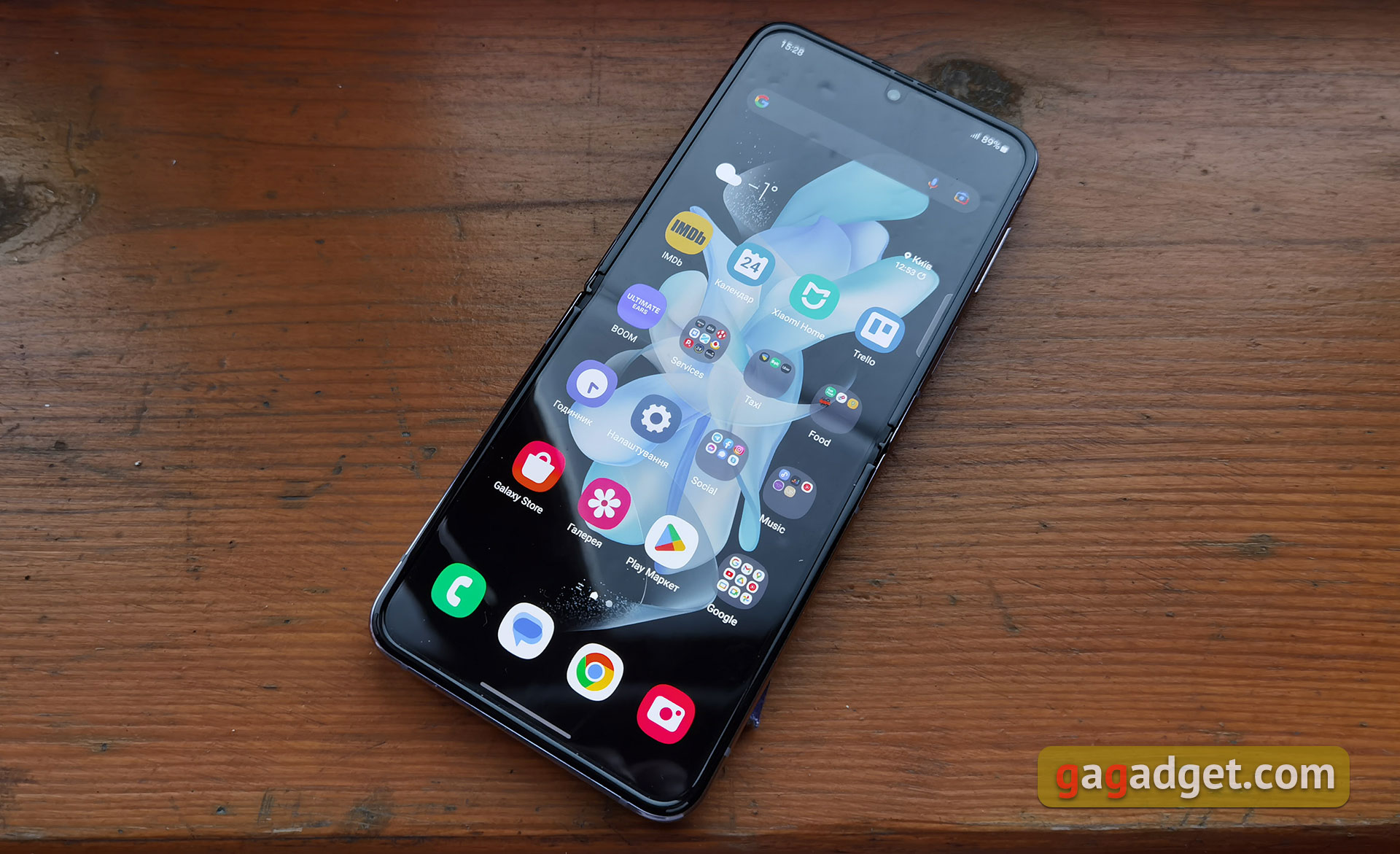
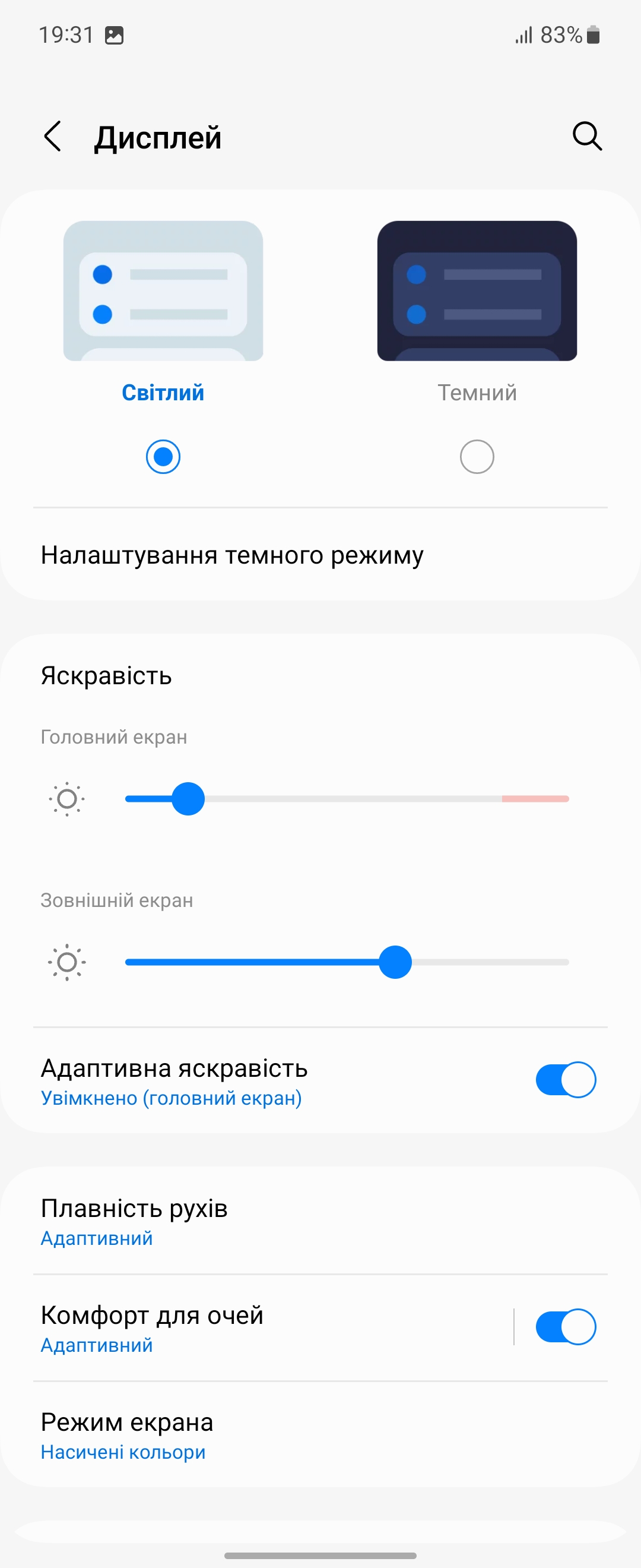
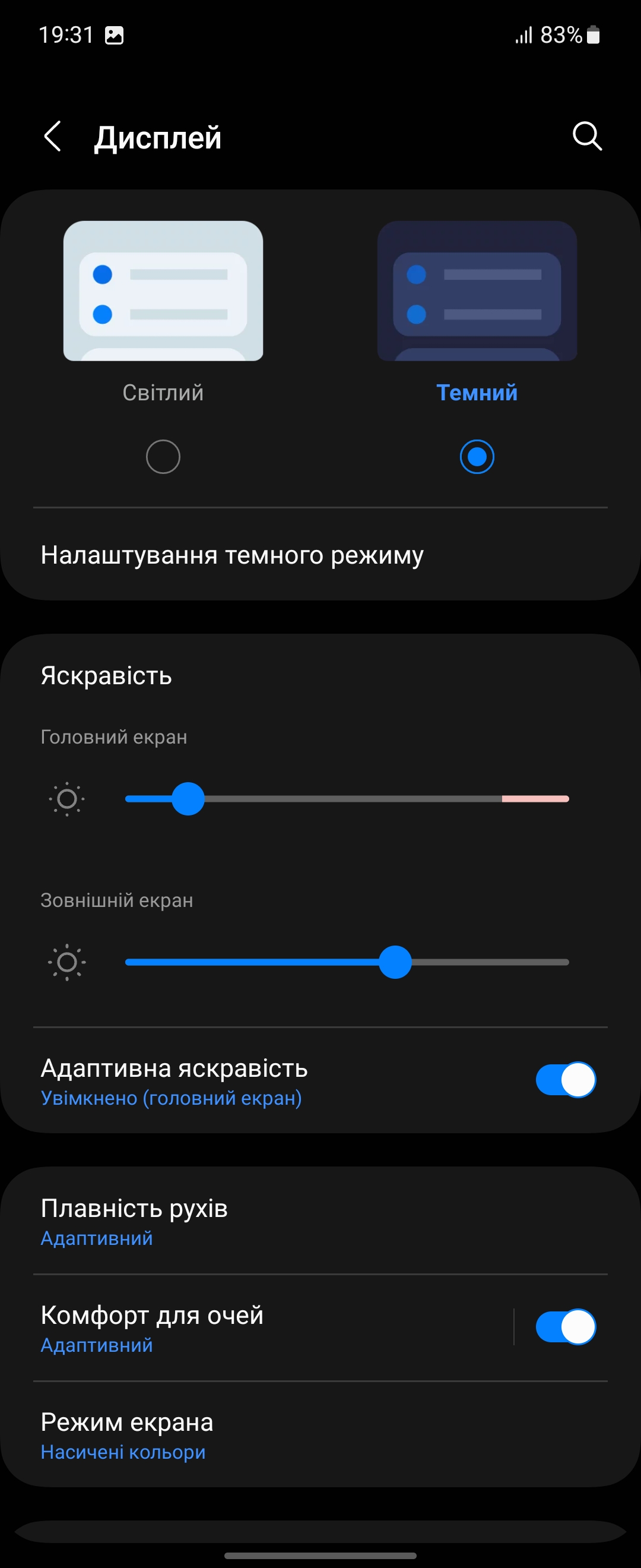
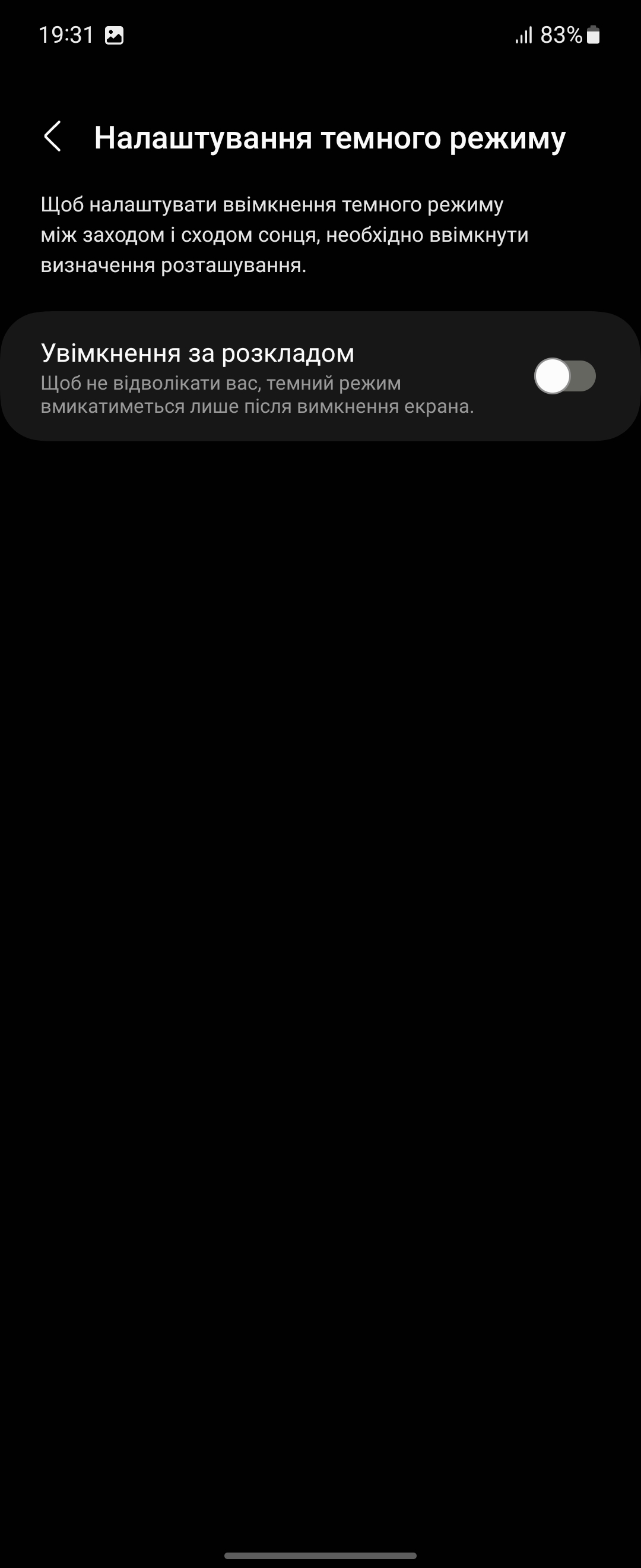
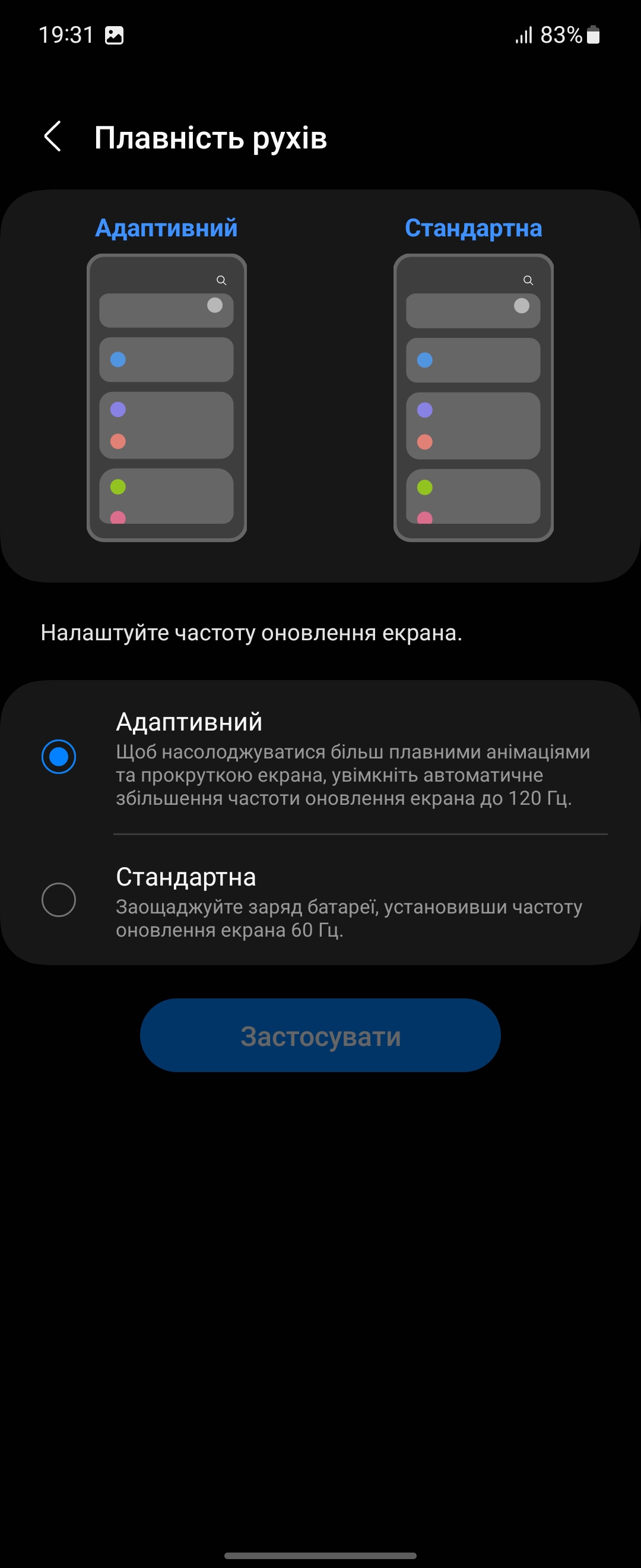
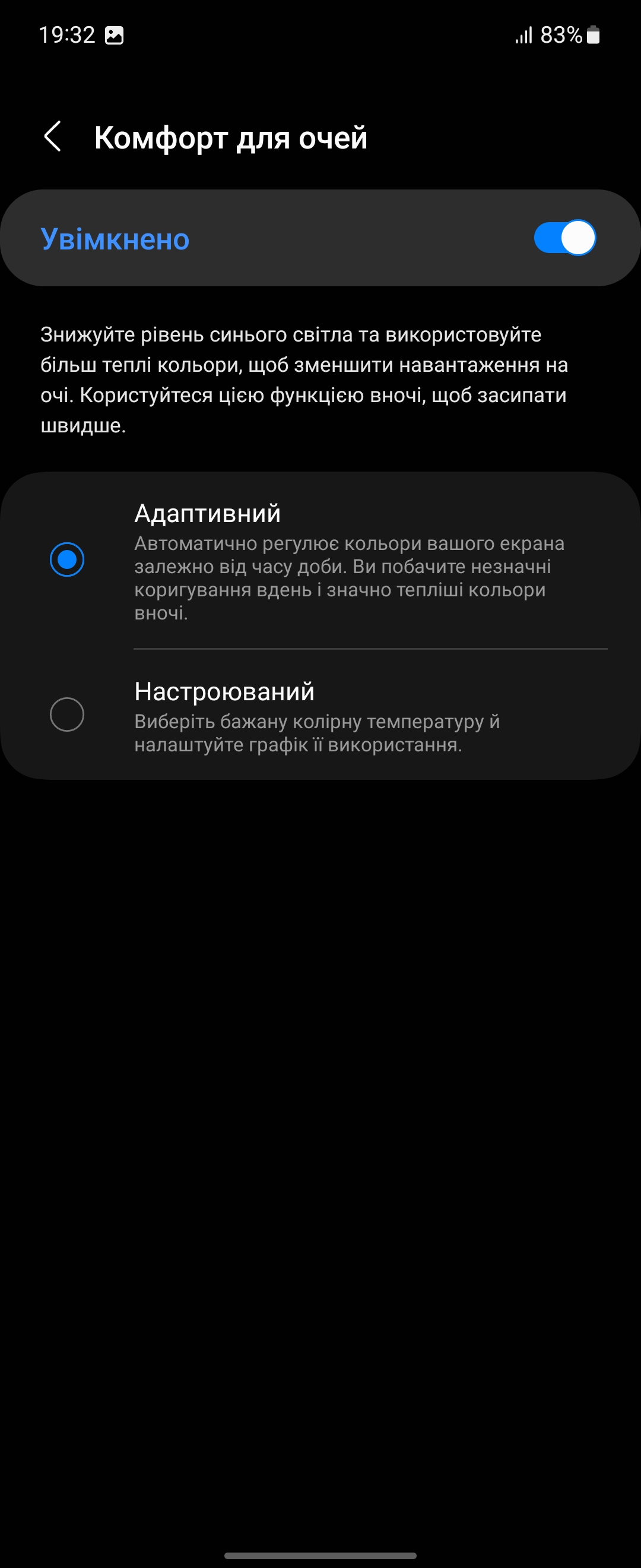
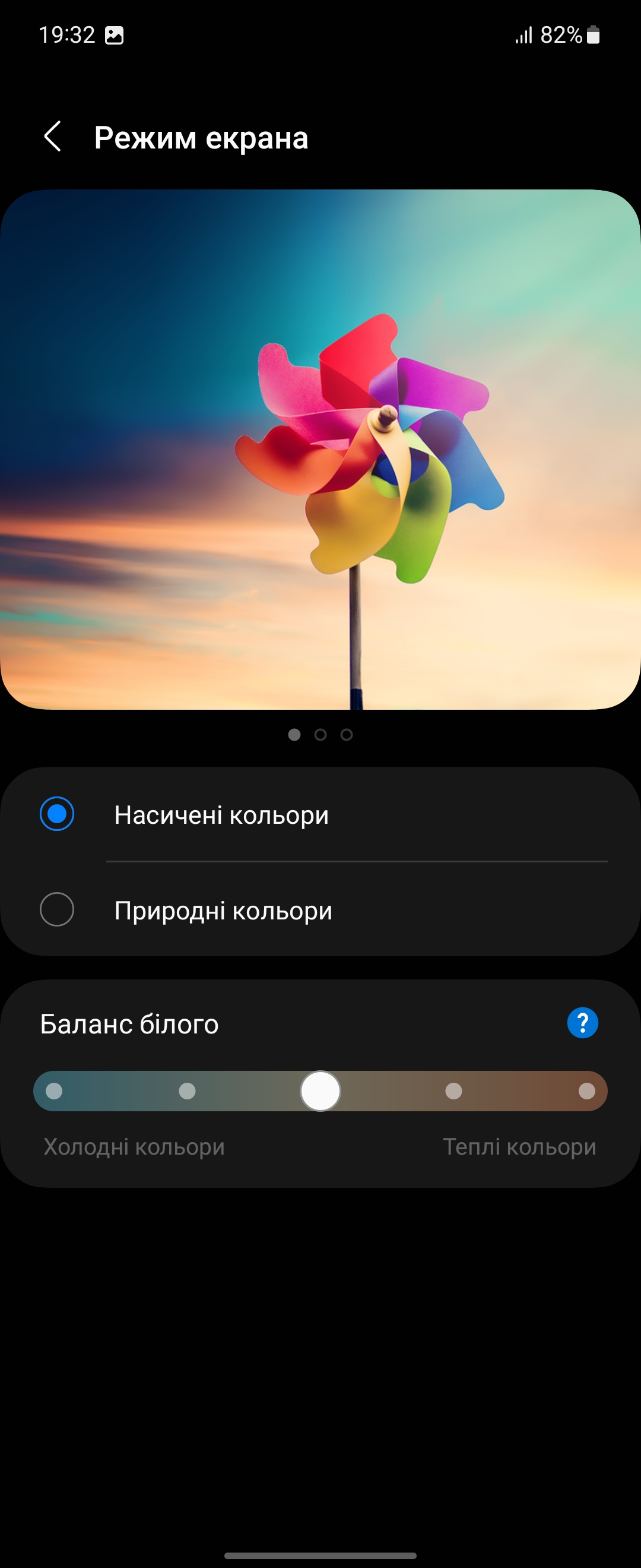
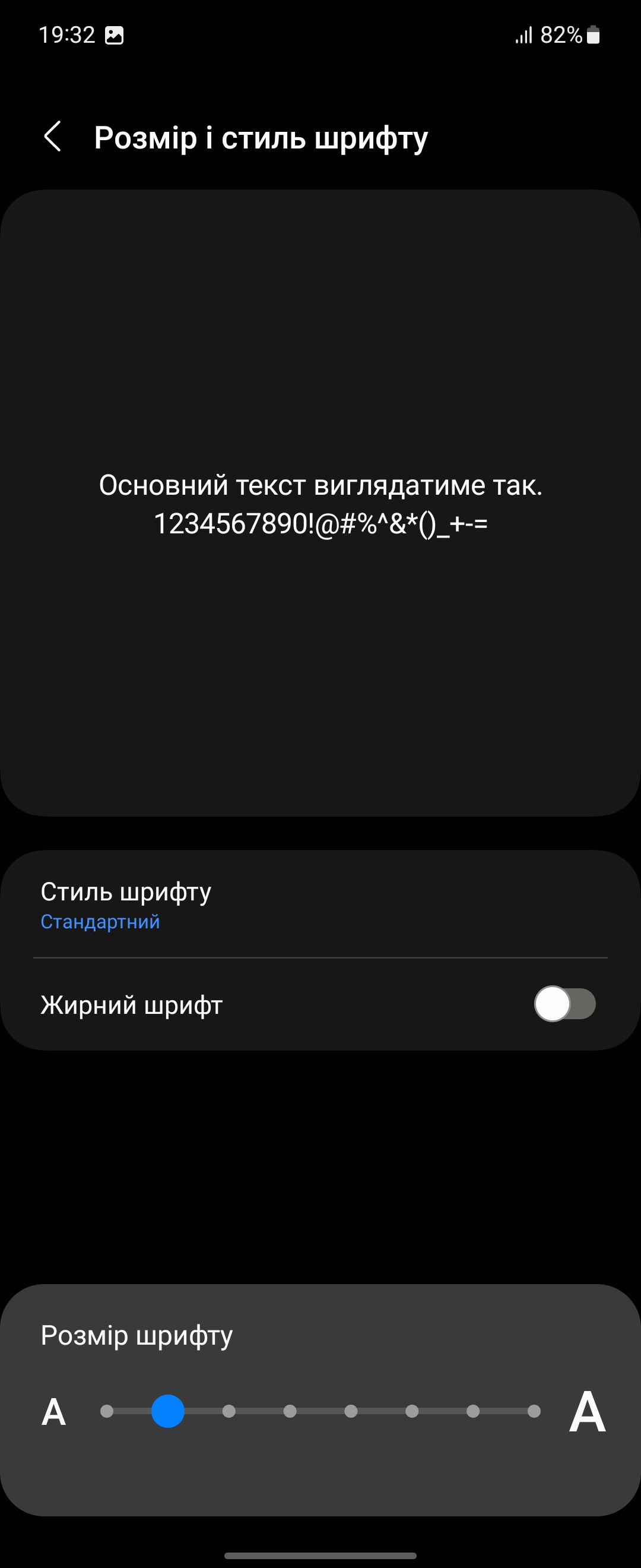
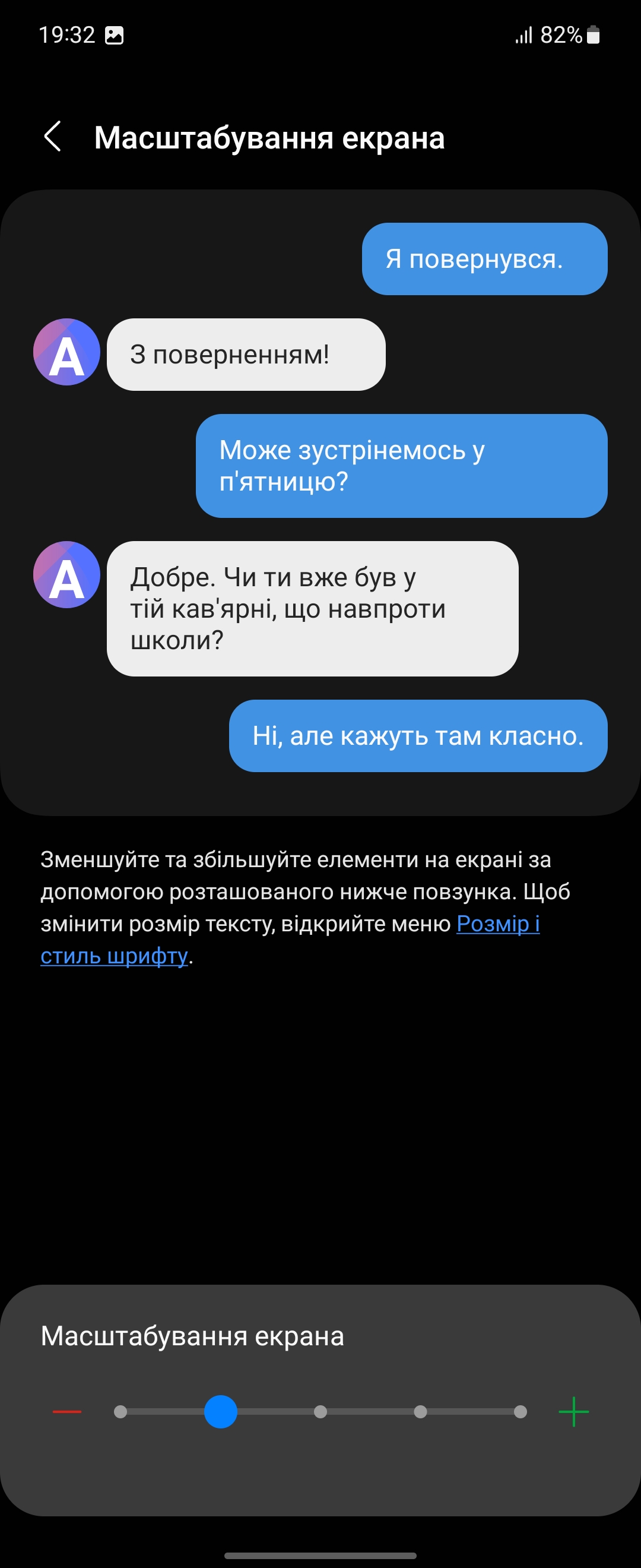
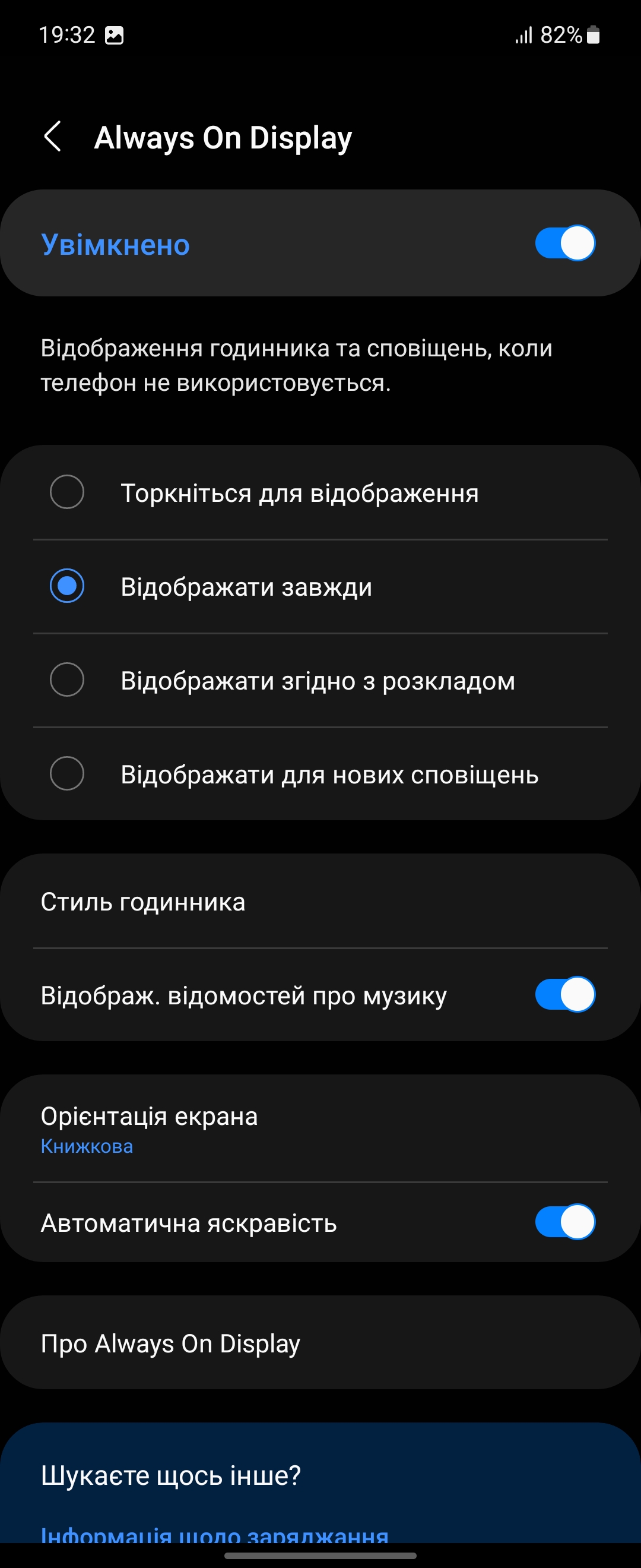
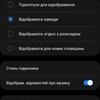
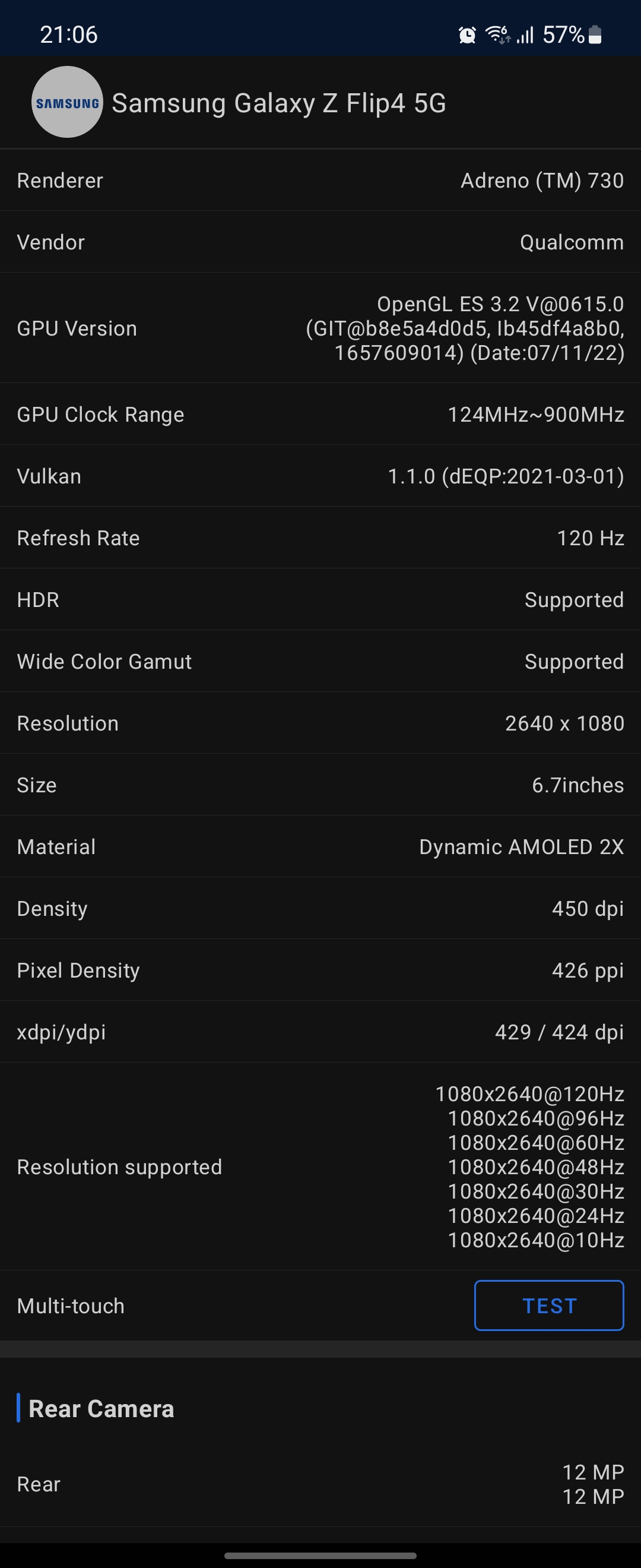
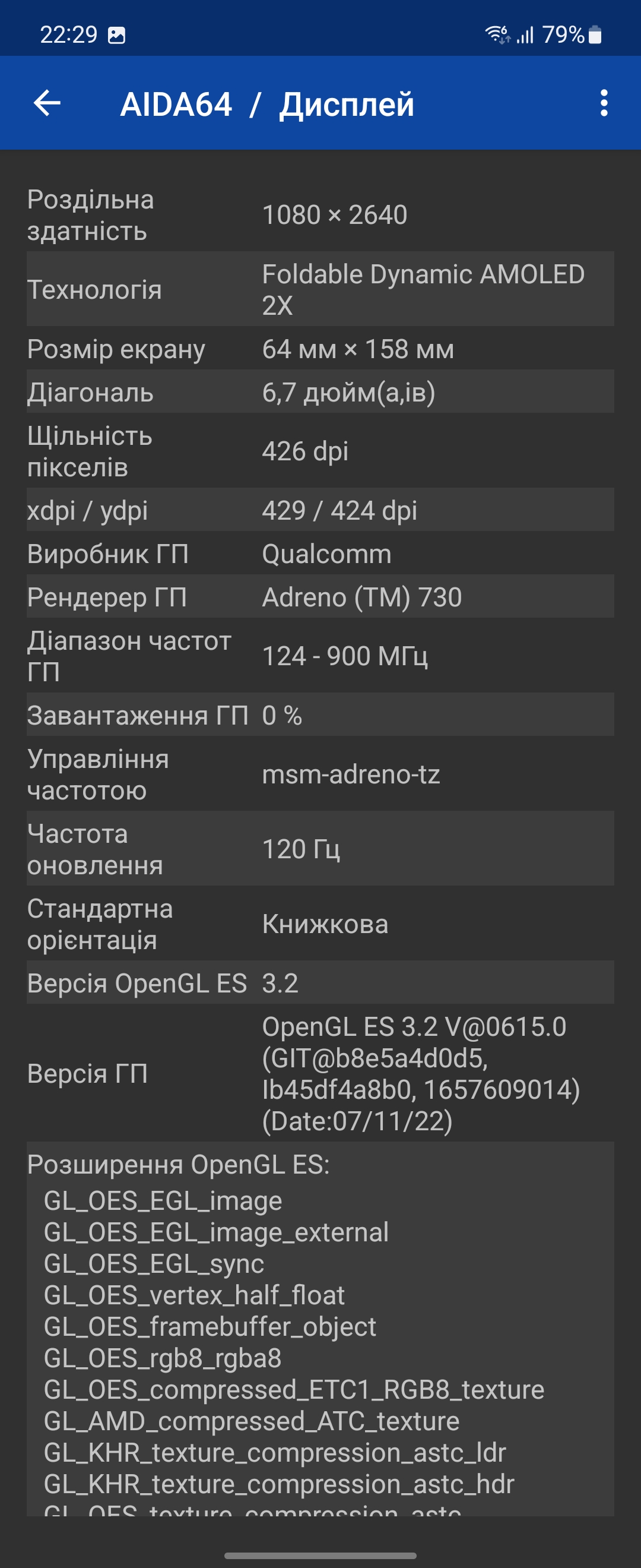
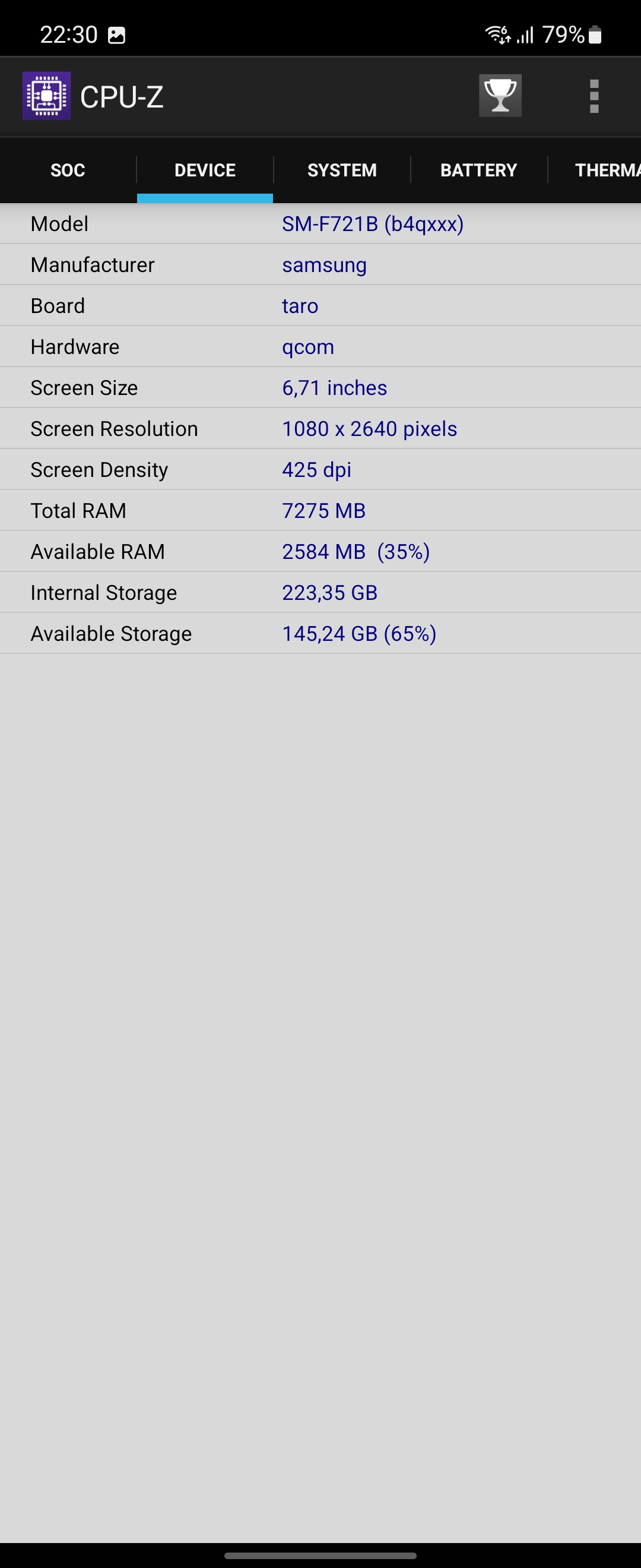
Samsung Galaxy Flip4 uses FoldableDynamic AMOLED 2X display with a diagonal of 6.7 inches and a resolution of – 2640×1080, pixel density – 426 ppi. Claimed peak brightness of 900 cd/m2, HDR10+ supported. There is support for adaptive refresh rate 1-120 Hz. The external screen has a diagonal of 1.9 inches and uses SuperAMOLED 512x260, similar to that of the previous generation. The main display settings are standard for Samsung smartphones: dark or light display theme with the ability to automatically switch, choice of refresh rate, adaptive color temperature function depending on ambient lighting, interface scaling, fonts, display modes (saturated with adjustable color temperature and natural), Always on Display and more. Separately, there is a section for external display settings with settings for widgets, notification display, clock style, and the like.
</ img>
</ img>
</ img>
</ img>
</ img>
</ img>
</ img>
</ img>
</ img>
</ img>

</ img>
</ img>
</ img>
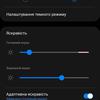

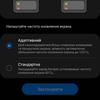
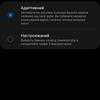
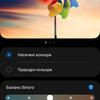
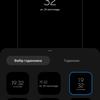
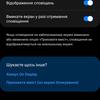

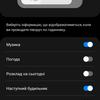
There is an Always on Display feature for both the external and internal display.
</ img>
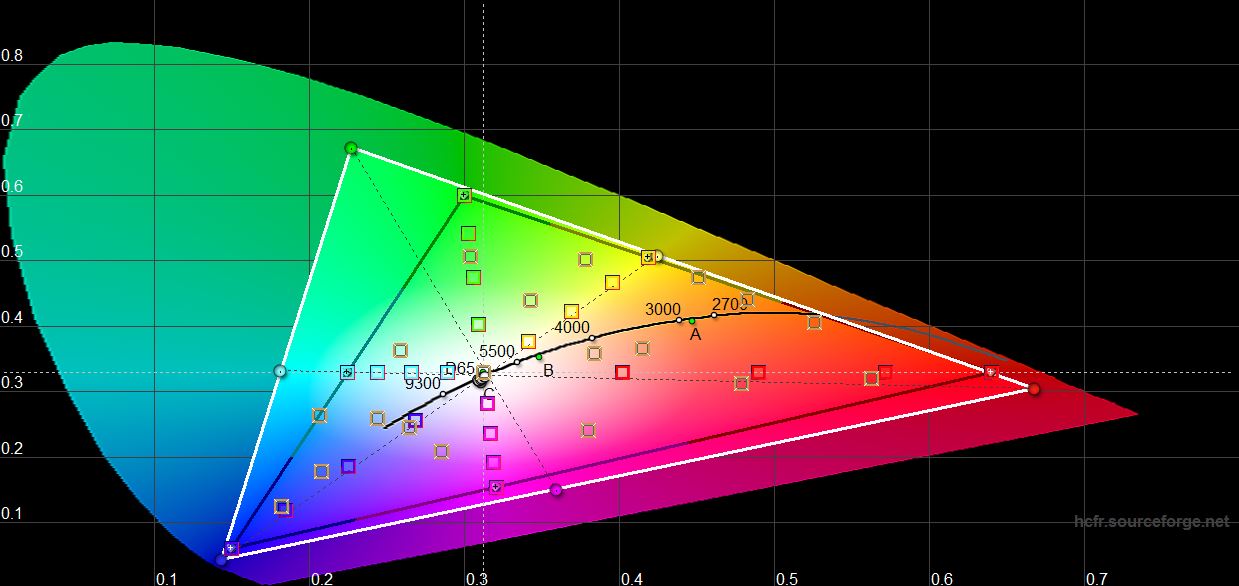
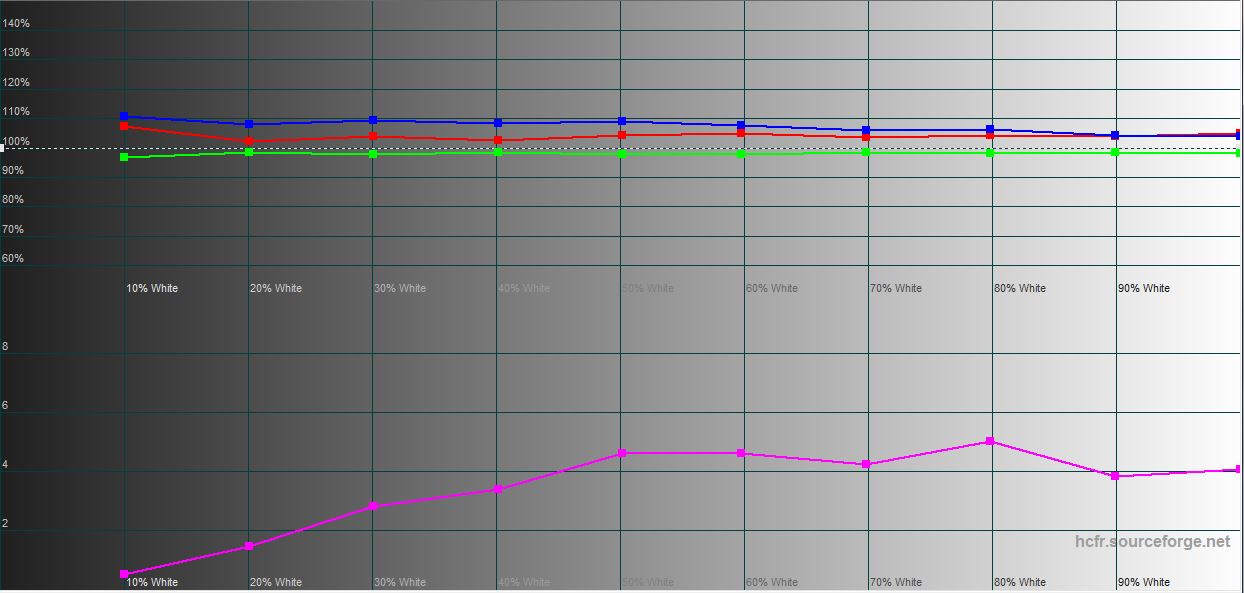
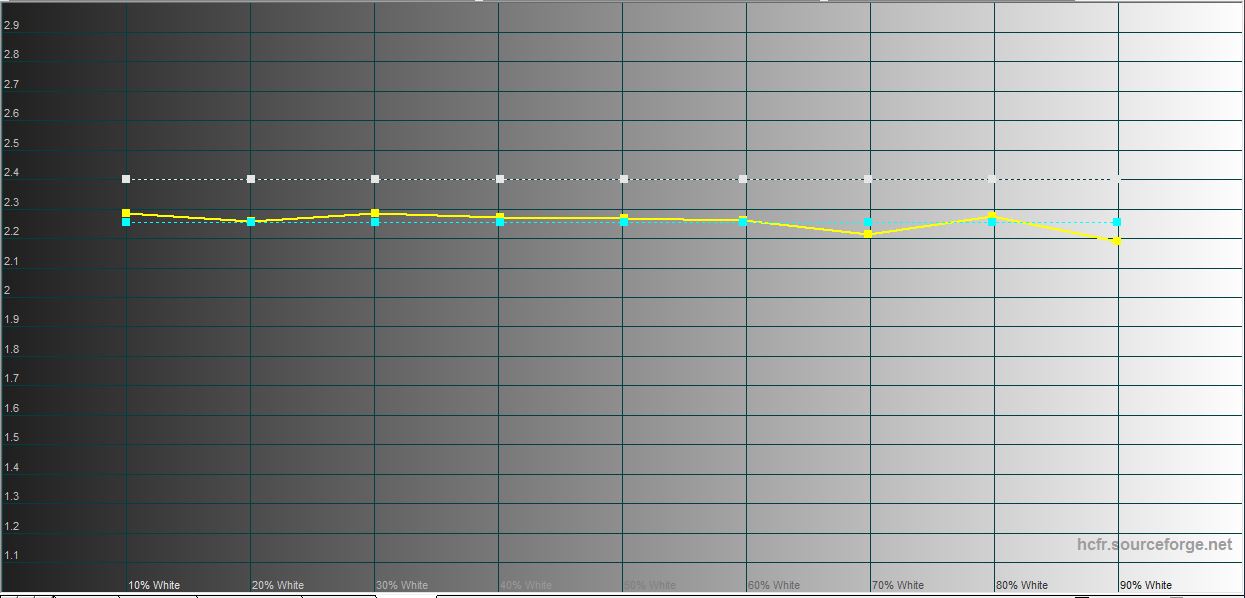
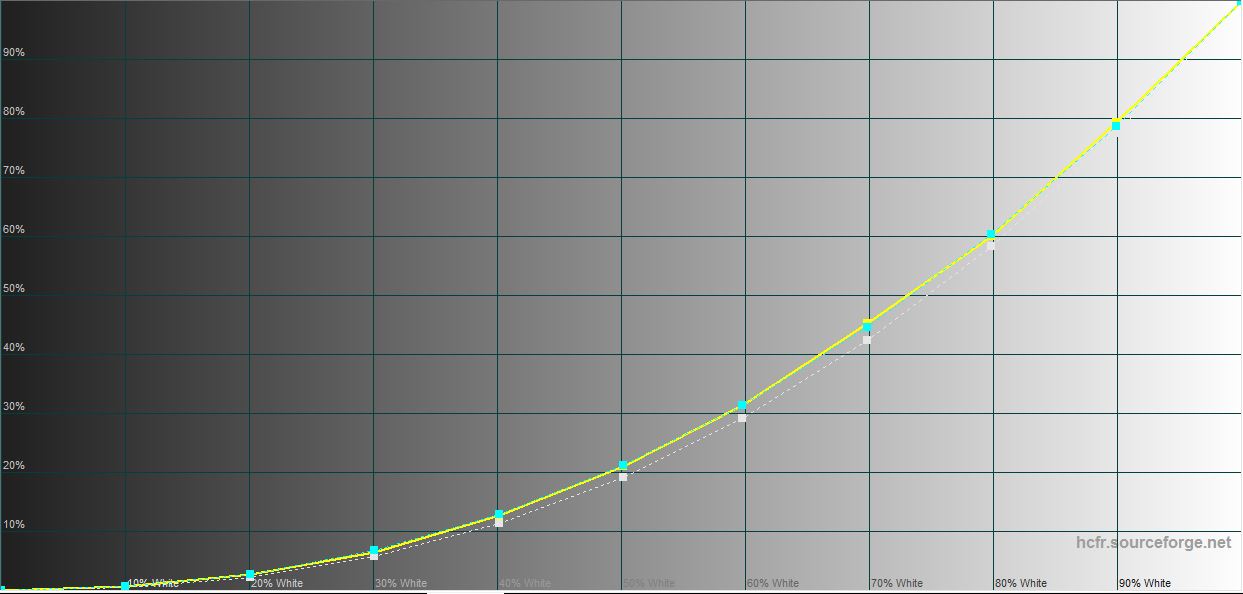
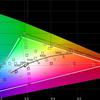
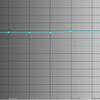
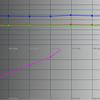
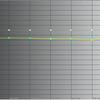
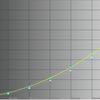
In addition to the fact that the crease on the screen remains,no more complaints. The picture is very rich and bright, and the viewing angles are maximum. In “Yarkiy” the maximum brightness is a rather impressive 681.478 cd/m2, with color reproduction very accurate, close to the reference values. And the color gamut is much wider than sRGB.
</ img>

</ img>
</ img>
</ img>
</ img>
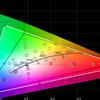
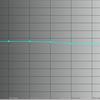
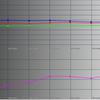
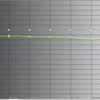
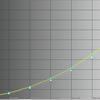
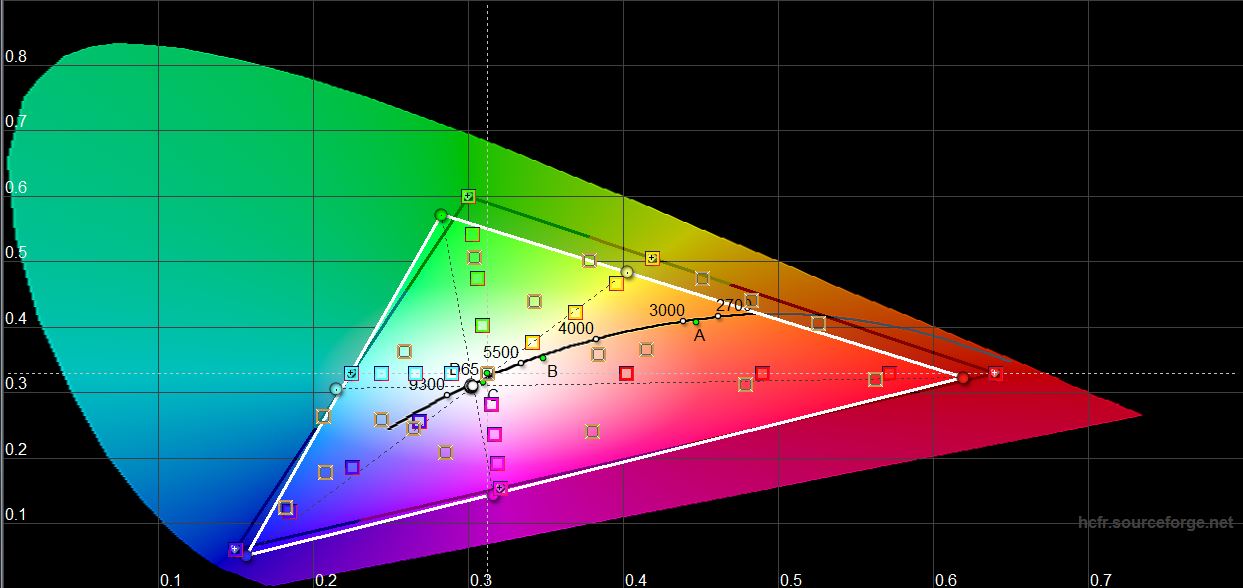
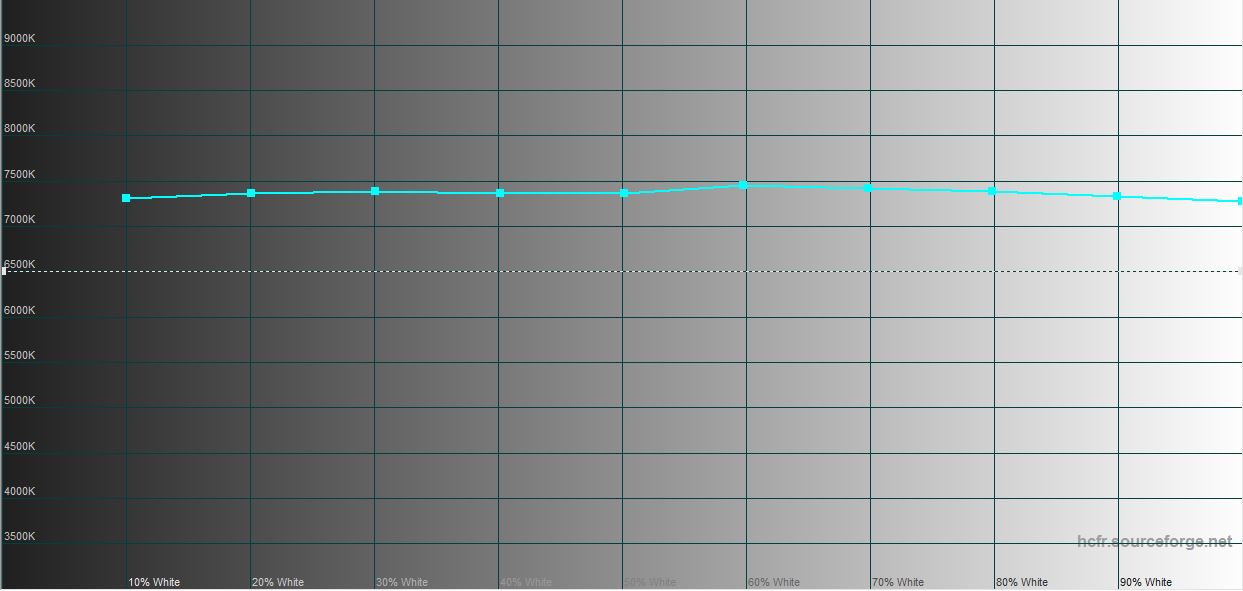
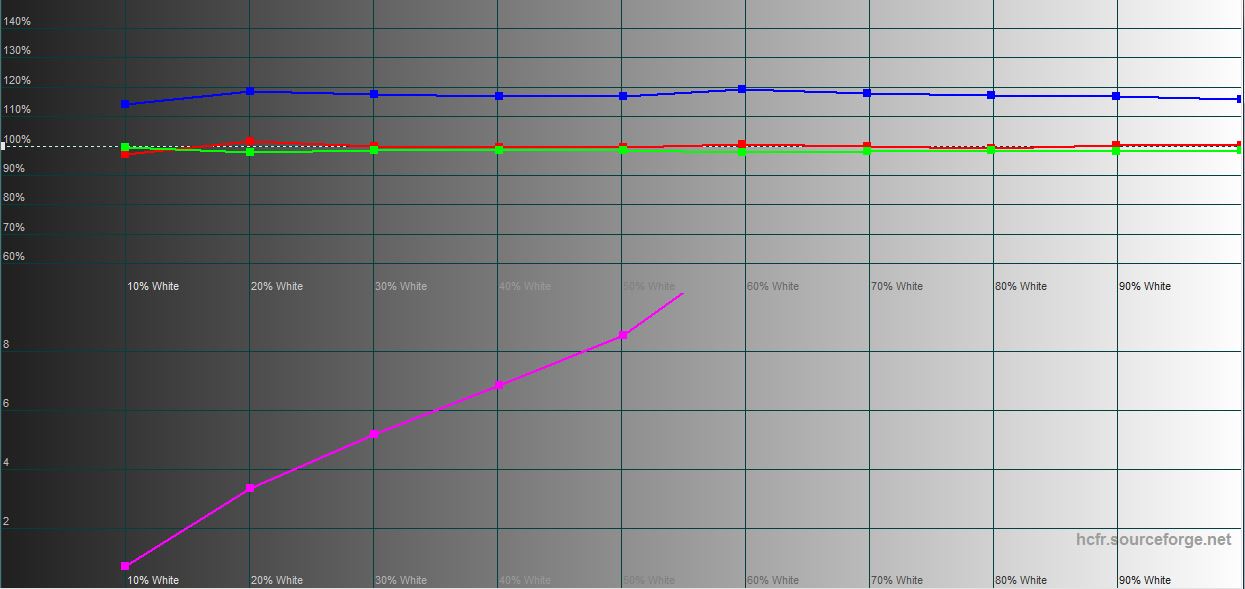
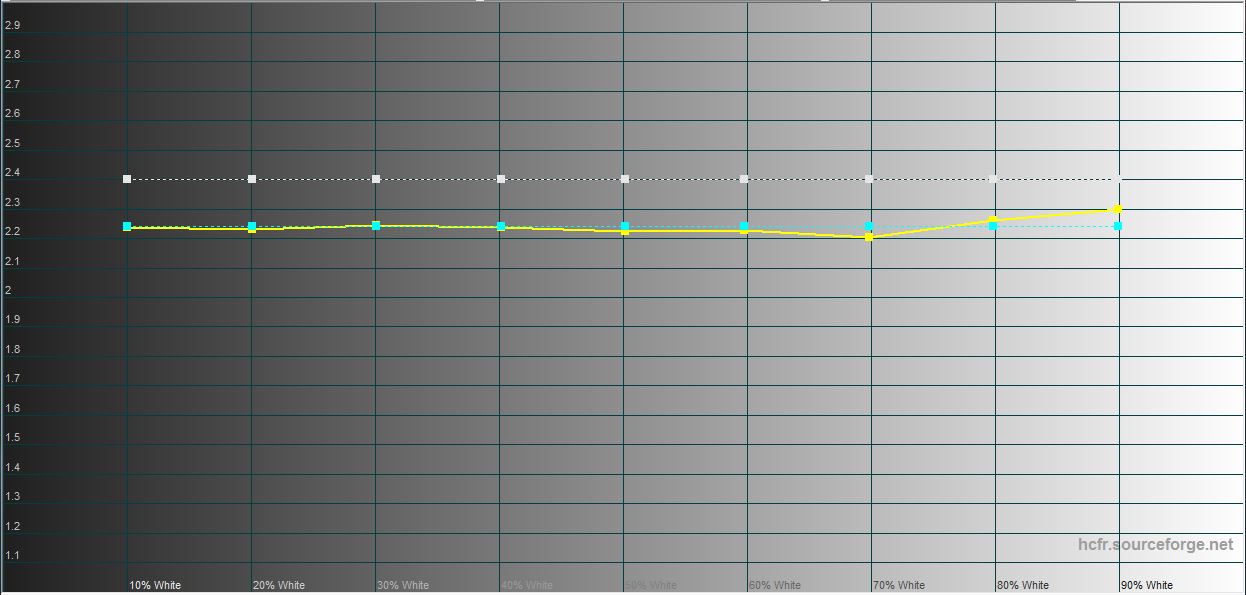
In “natural” color modeThe coverage is closer to sRGB, the overall picture is calmer and will appeal to those who do not like the typical bright display of colors in AMOLED. The maximum brightness is slightly lower: 661.742 cd/m2. Color accuracy is a little worse: there is a slight emphasis towards cool shades.
</ img>
</ img>
</ img>
</ img>

</ img>
Comparison with other models:
Smartphone name
White field brightness,
cd / m2
The brightness of the black field,
cd / m2
Contrast
Samsung Galaxy Flip4
681.478
0
∞
Samsung Galaxy Flip3
460.6
0
∞
Samsung Galaxy Fold4
479.32
0
∞
Xiaomi 11T Pro
493.872
0
∞
ASUS ROG Phone 5
482.347
0
∞
∞ Samsung Galaxy S21+
437.906
0
∞
Samsung Galaxy S21
432.854
0
∞
Samsung Galaxy S20 Ultra
408.388
0
∞
Sony Xperia 1
394.97
0
∞
Huawei P30 Pro
447.247
0
∞
Samsung Galaxy S10
378.72
0
∞
What are the unlock methods?
</ img>
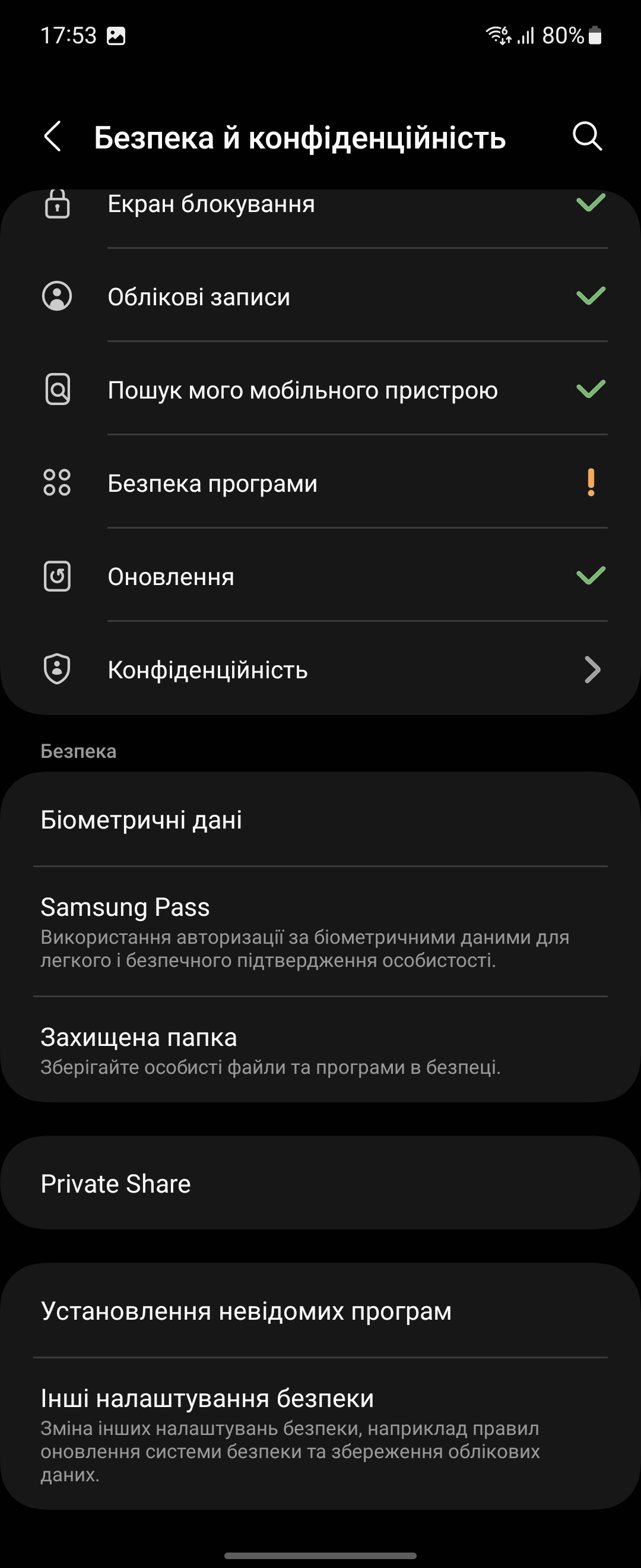
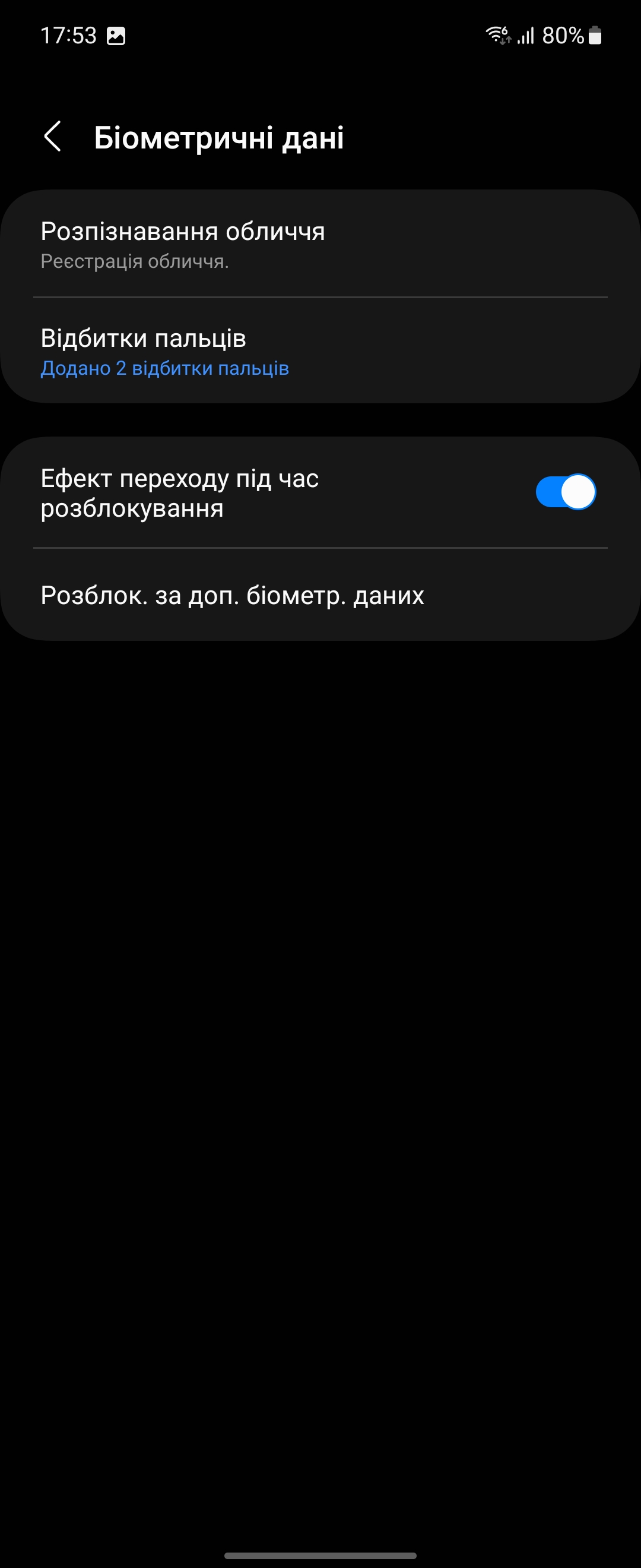
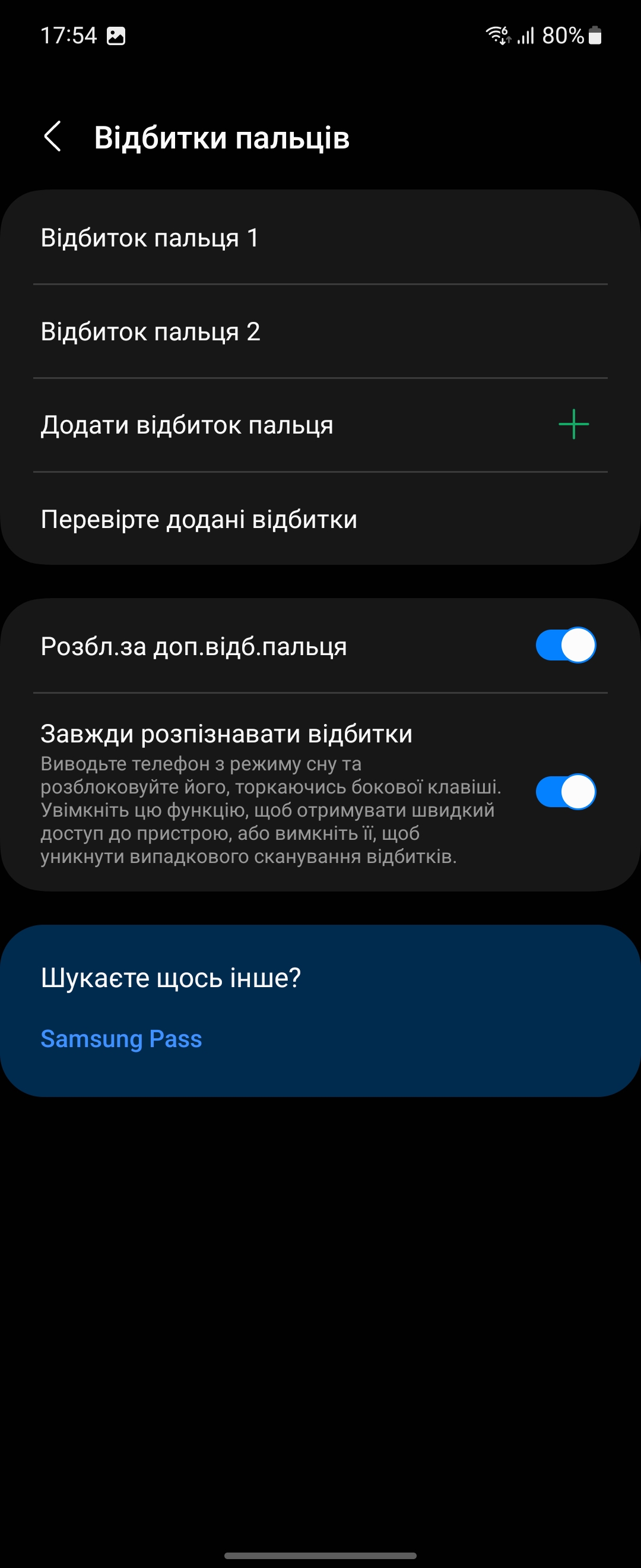
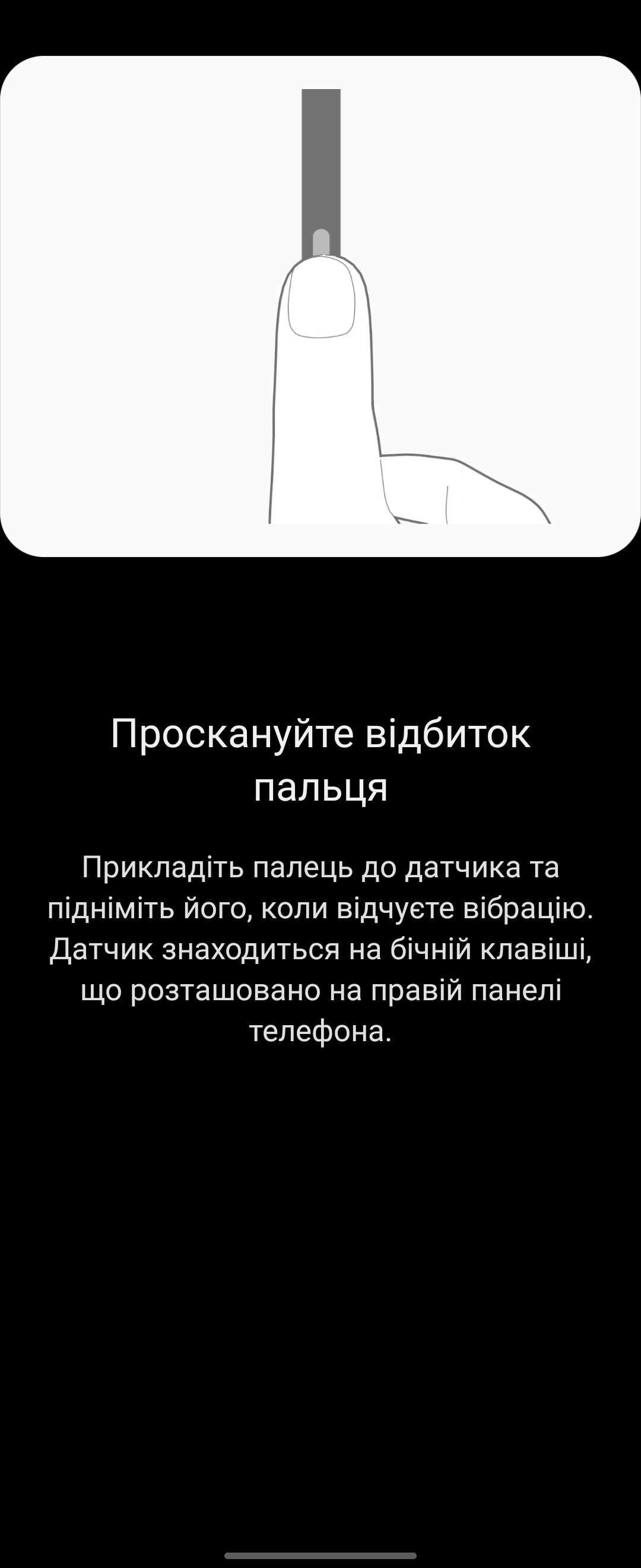
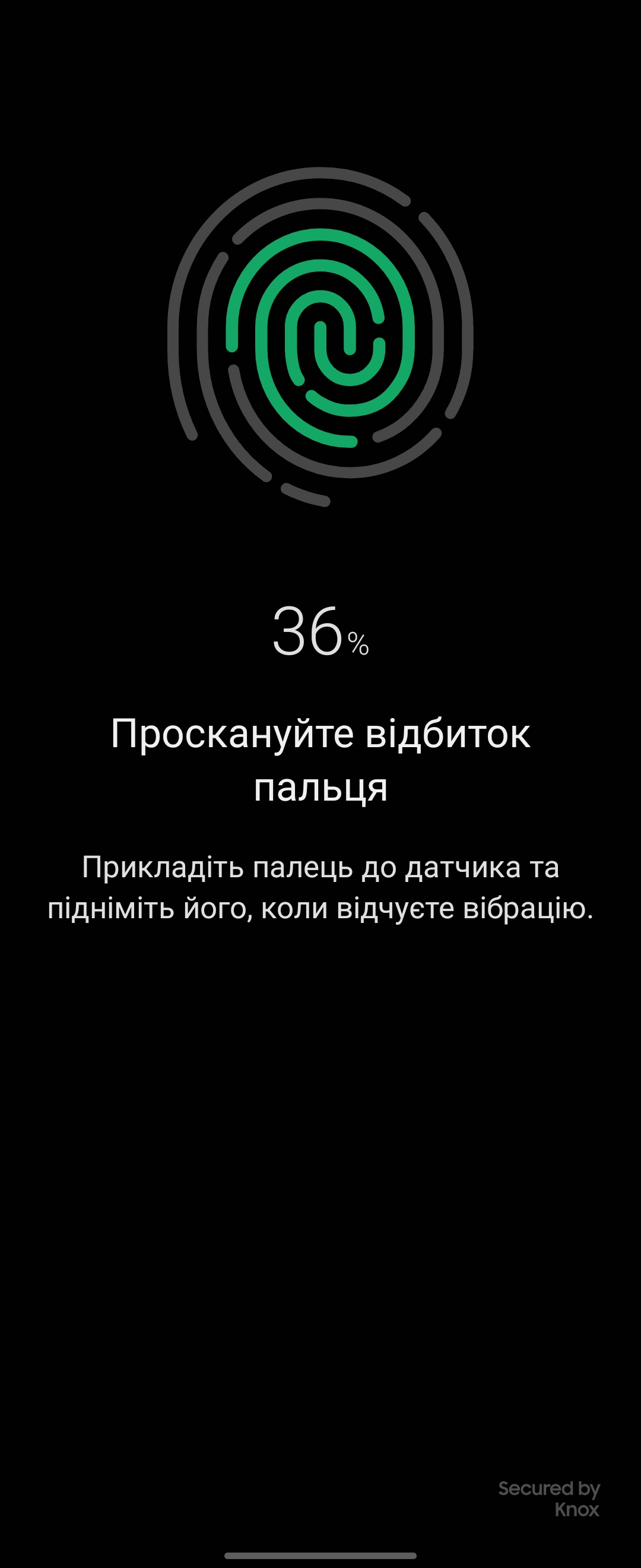
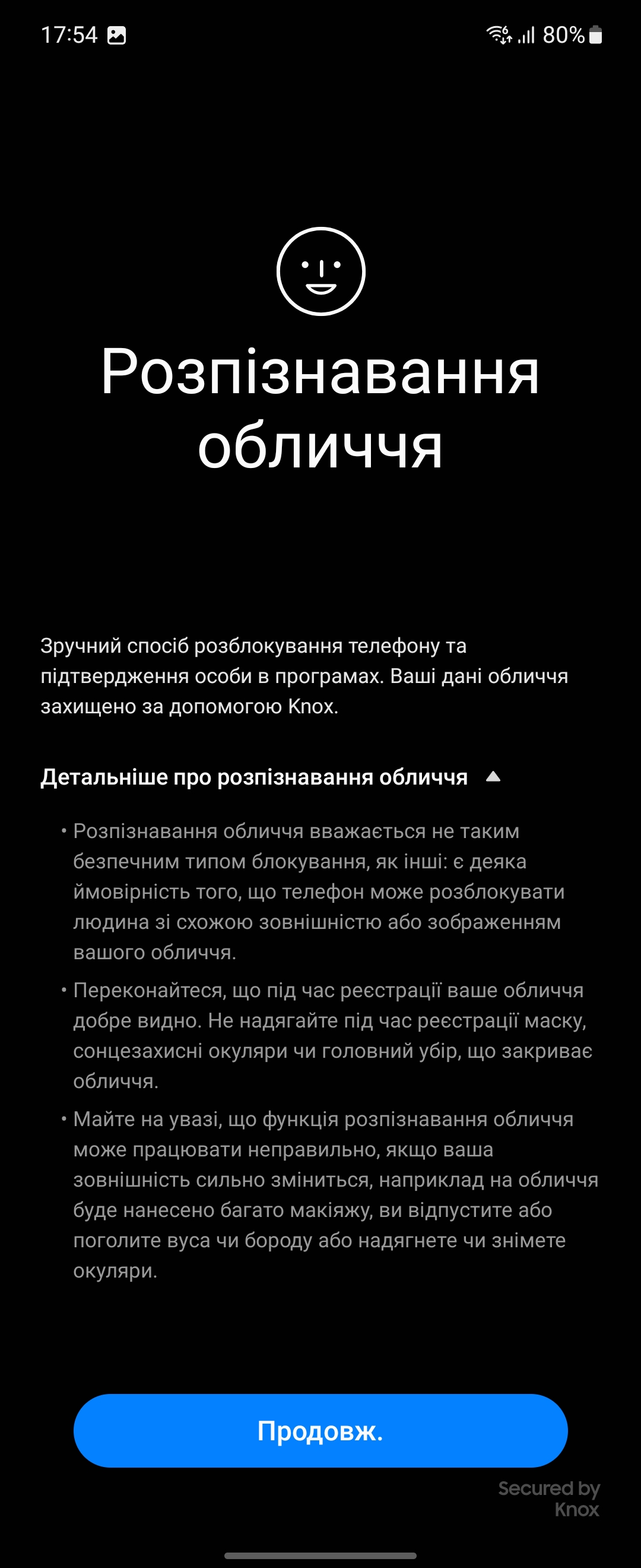
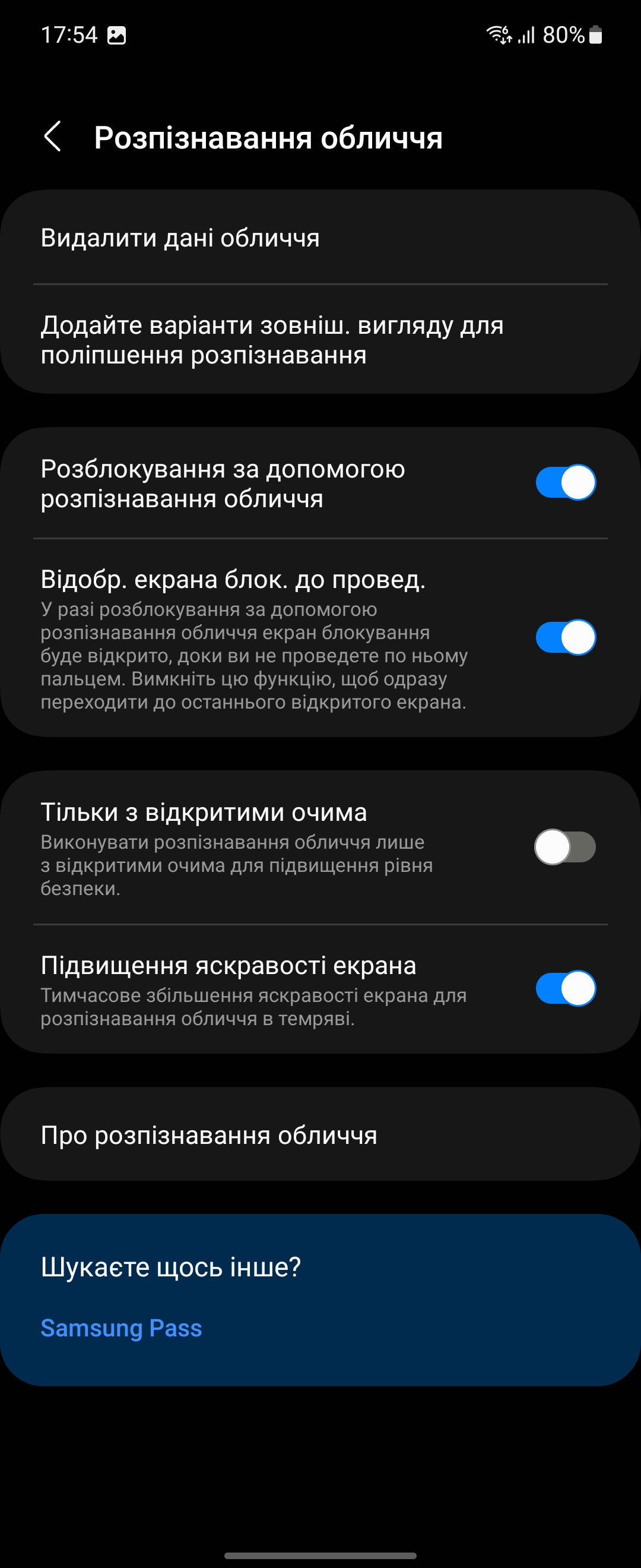
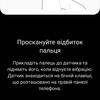
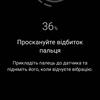
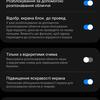
There are two ways to unlock your smartphone.standard means. Fingerprint scanner in the power button and face recognition using the front camera. The scanner works flawlessly: fast and accurate. It can also be used to call the top curtain. Face recognition also works quite quickly in conditions of sufficient lighting. Although, of course, in the absence of additional sensors, this method cannot be called completely safe. It is possible to enable automatic increase in display brightness for poor lighting conditions. And a function in which the face will not be recognized with closed eyes.
</ img>
</ img>
</ img>
</ img>
</ img>
</ img>
</ img>

What about performance, memory, sound and autonomy?
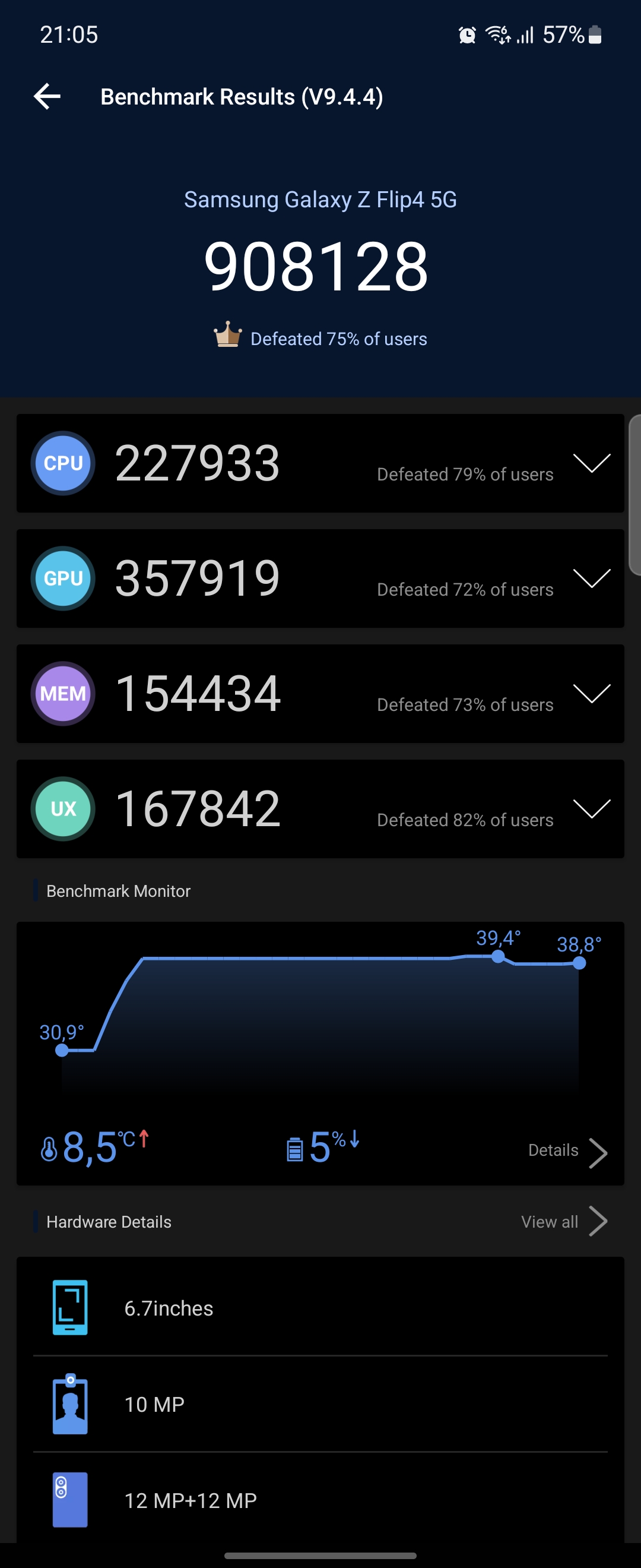
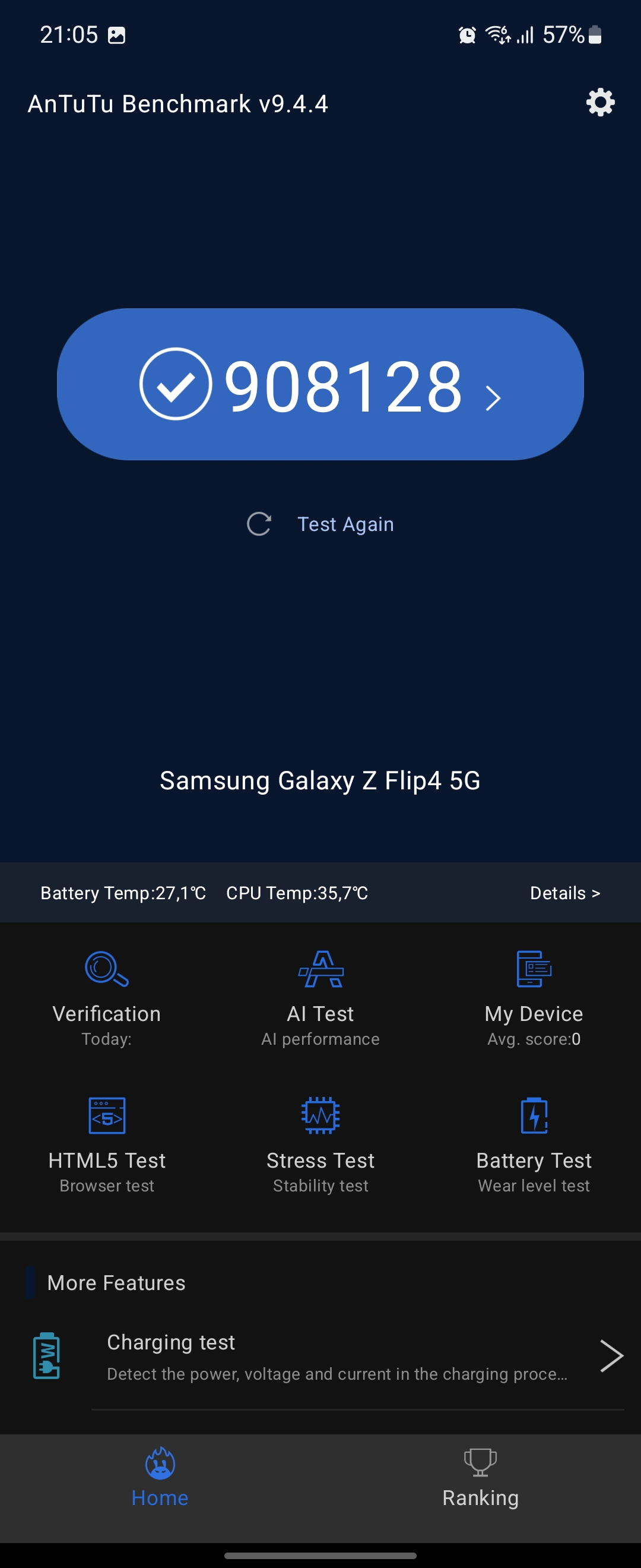
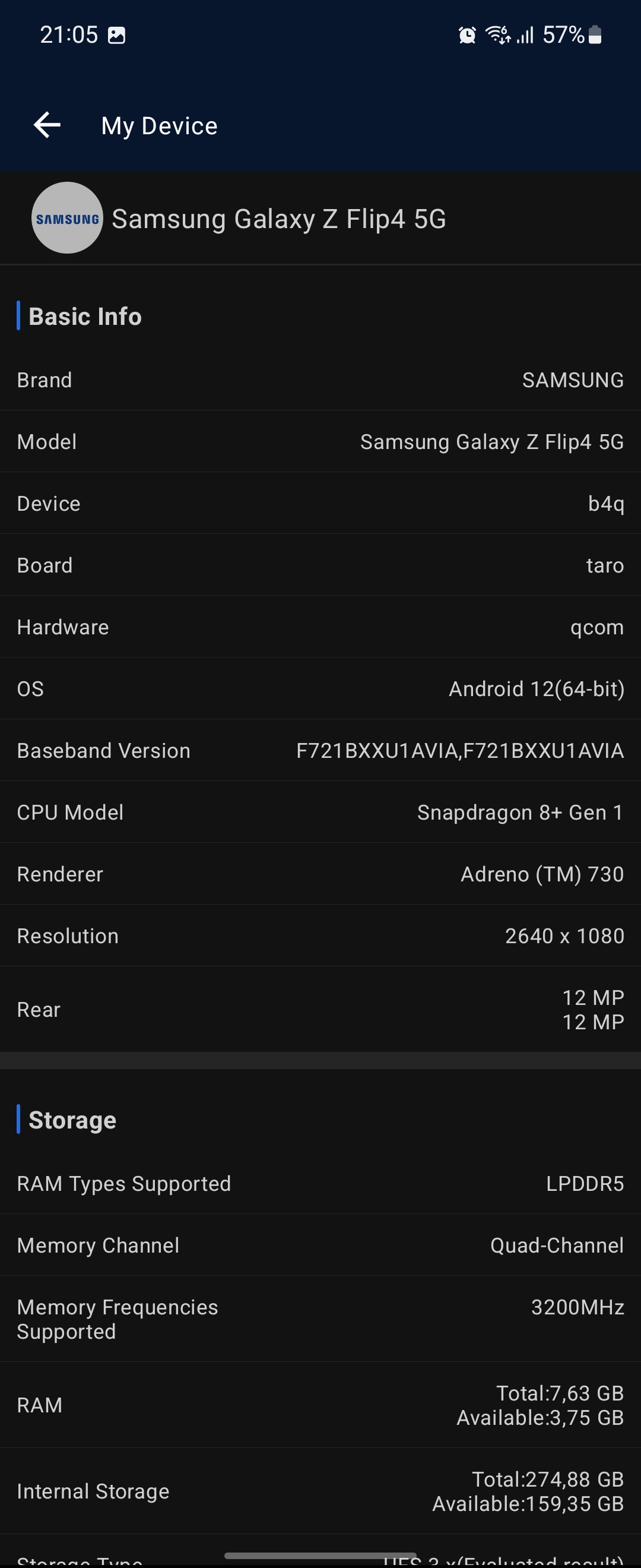
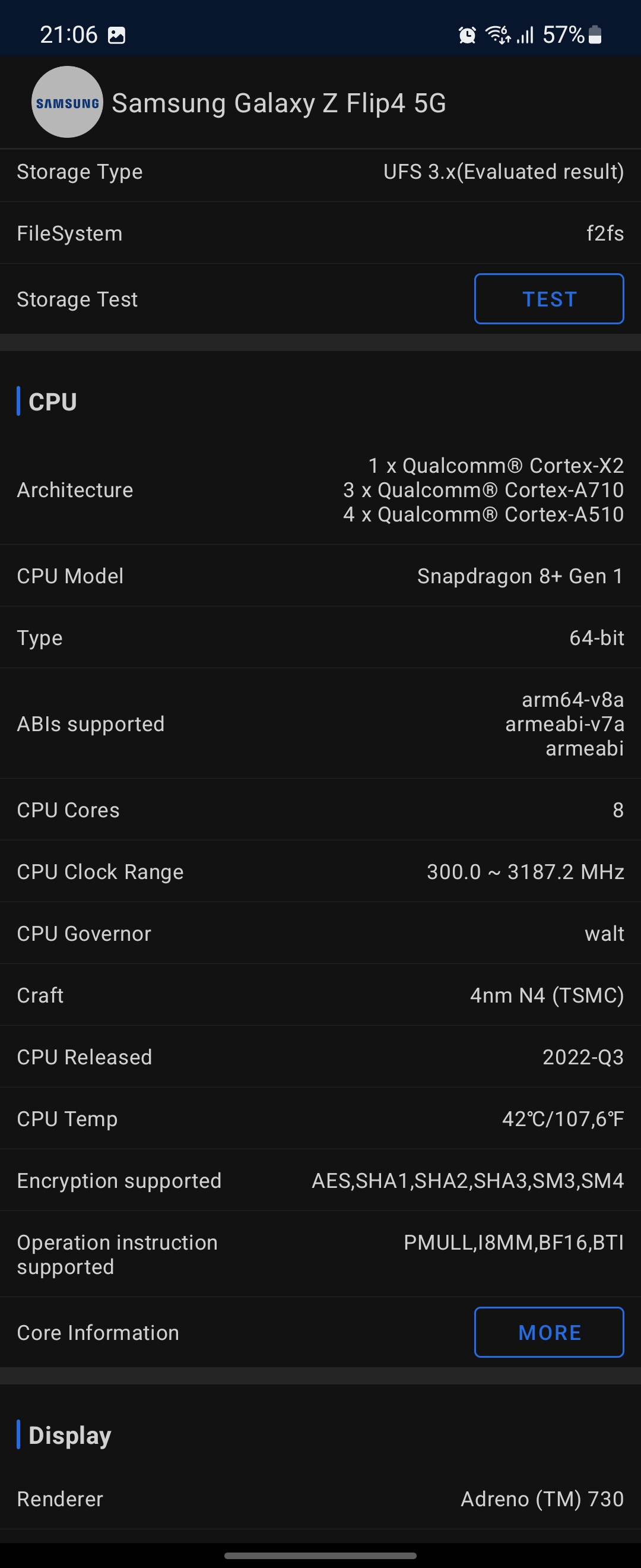
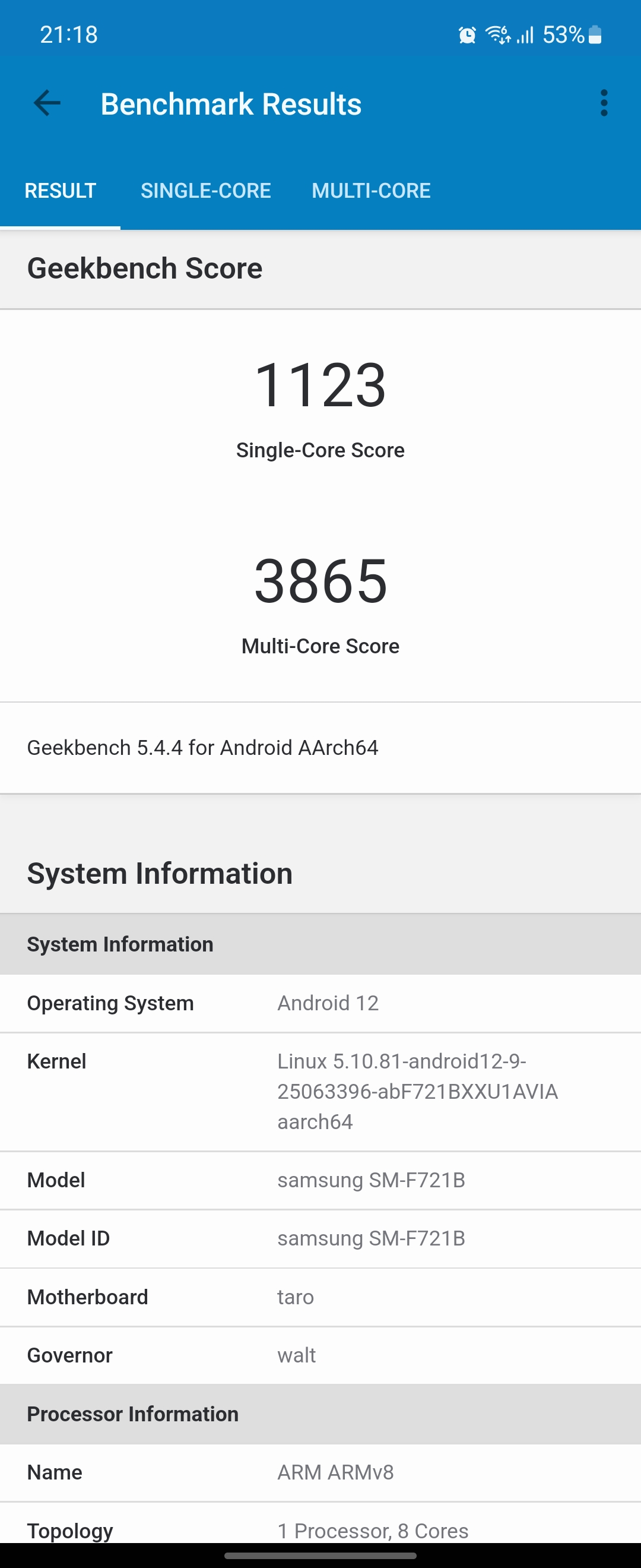
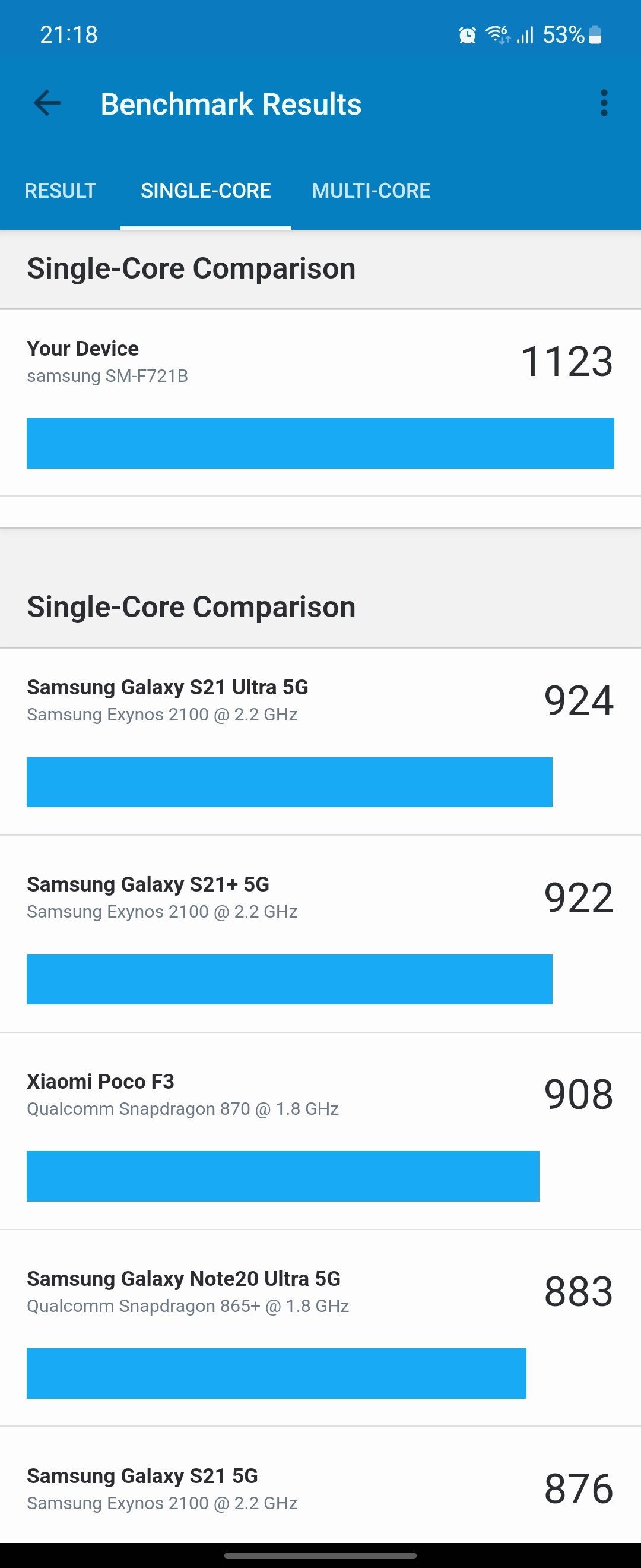
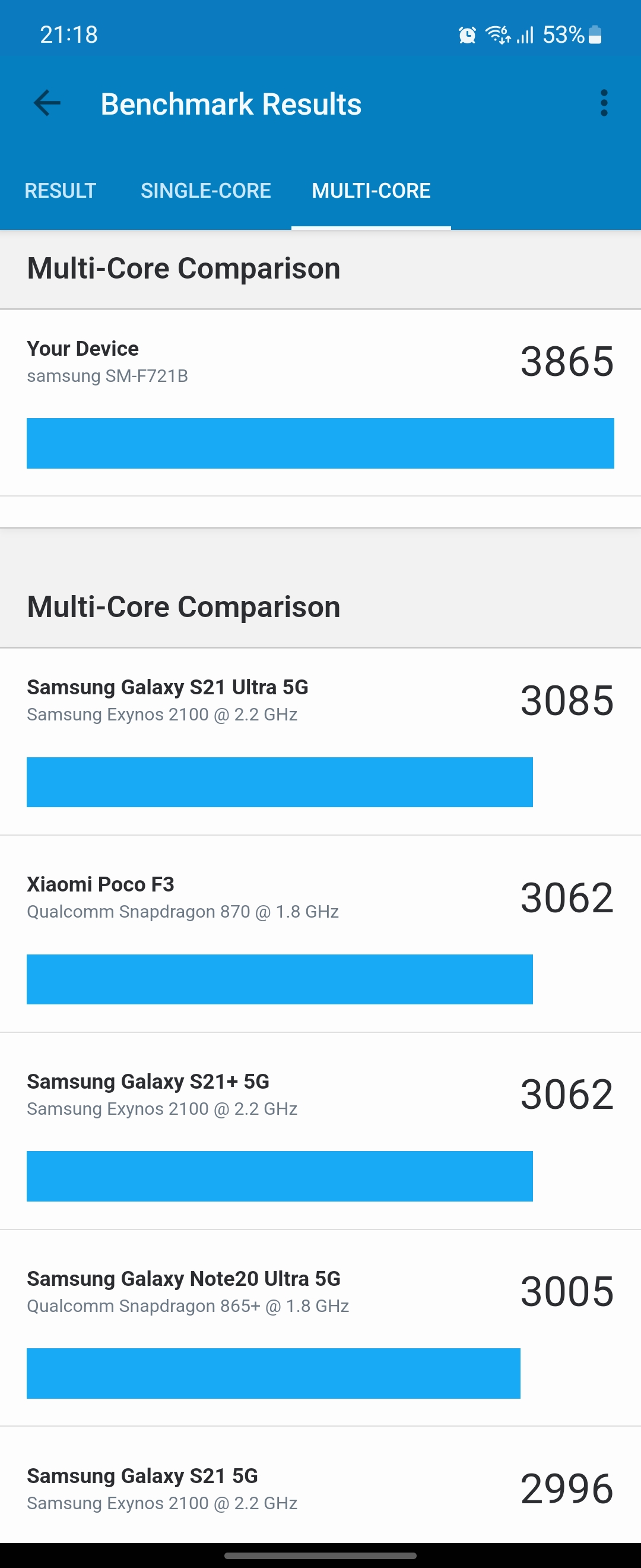
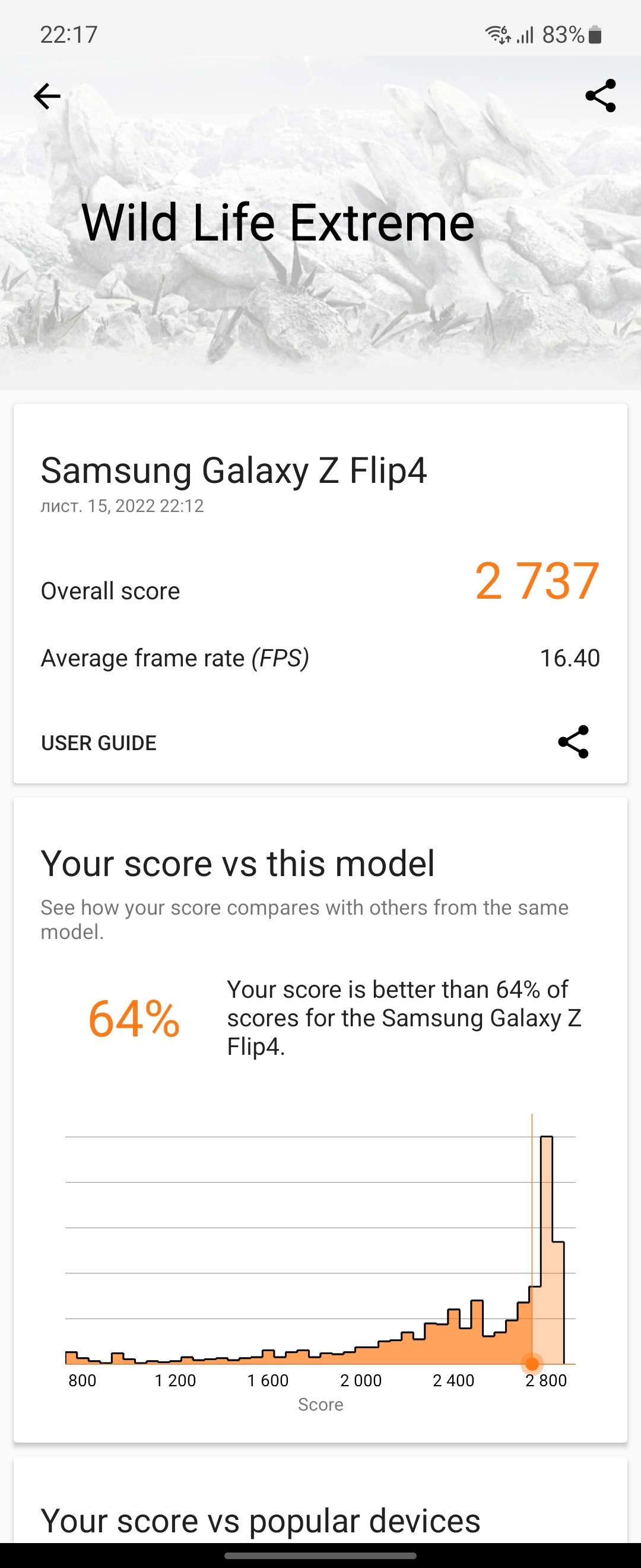
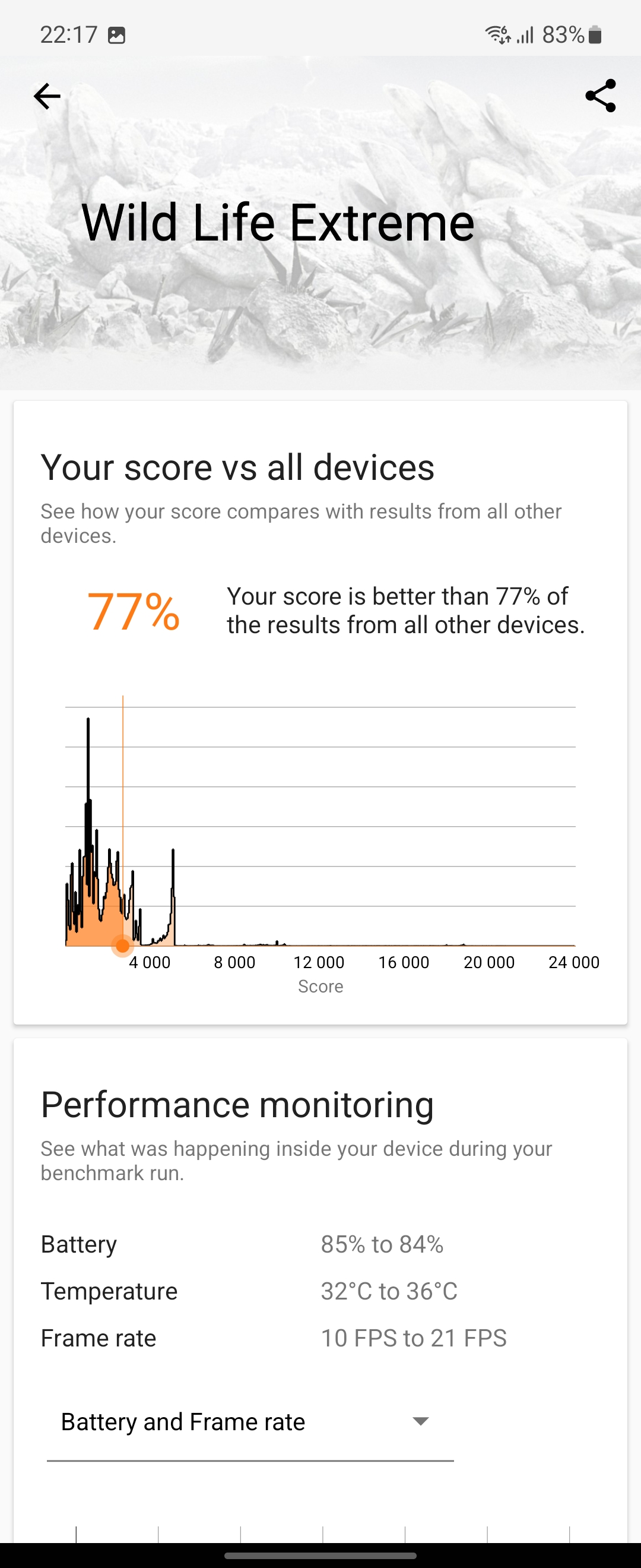
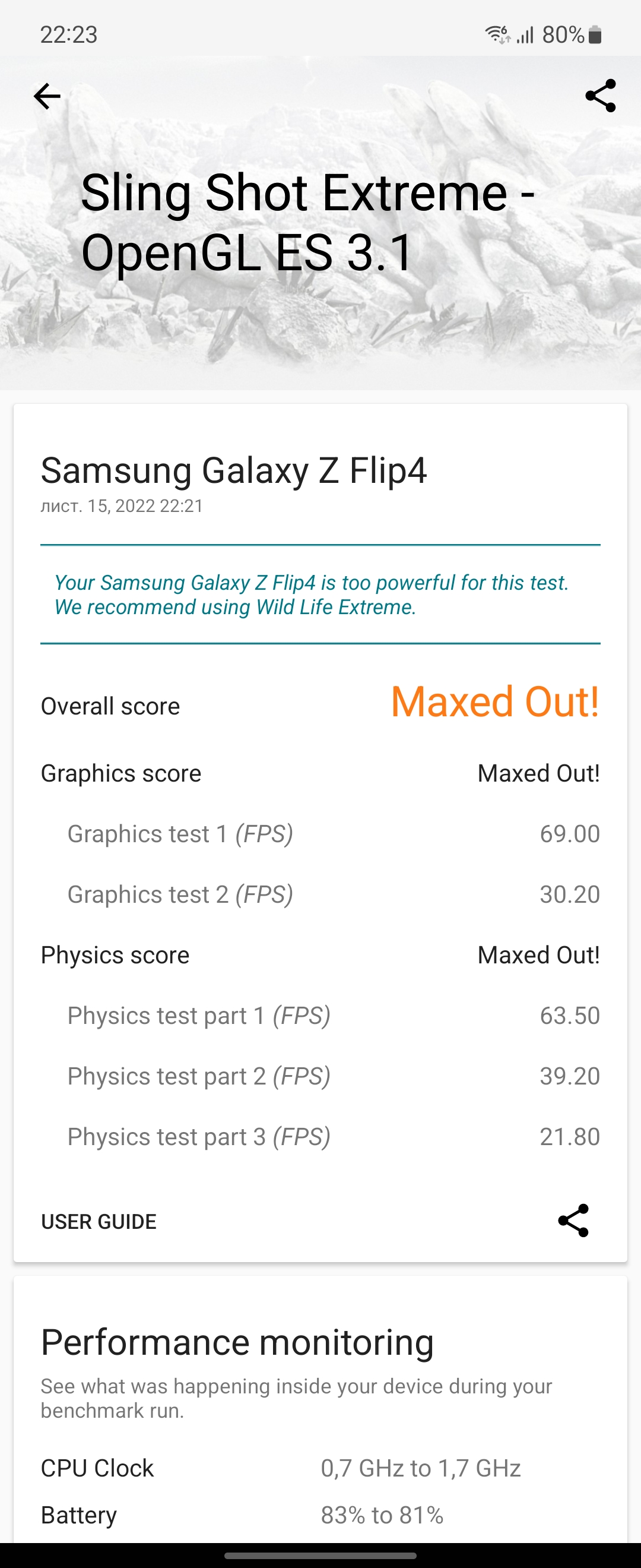
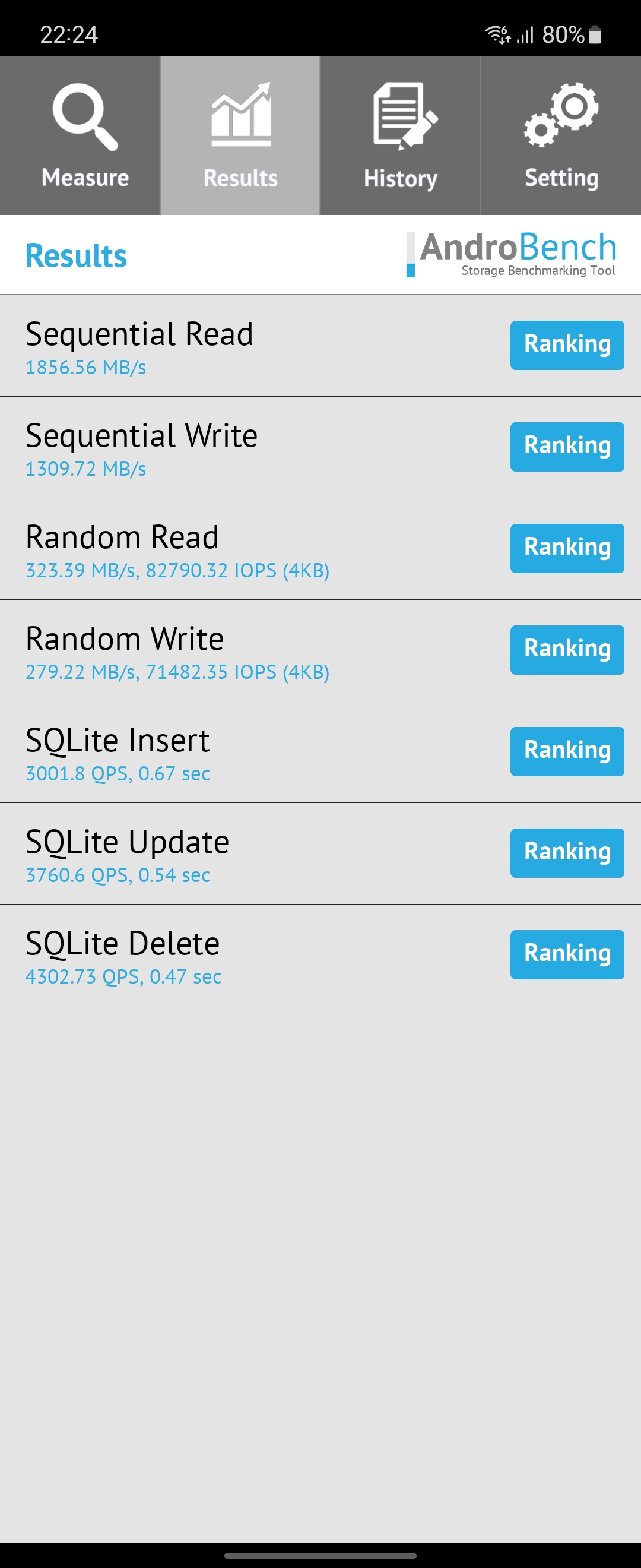
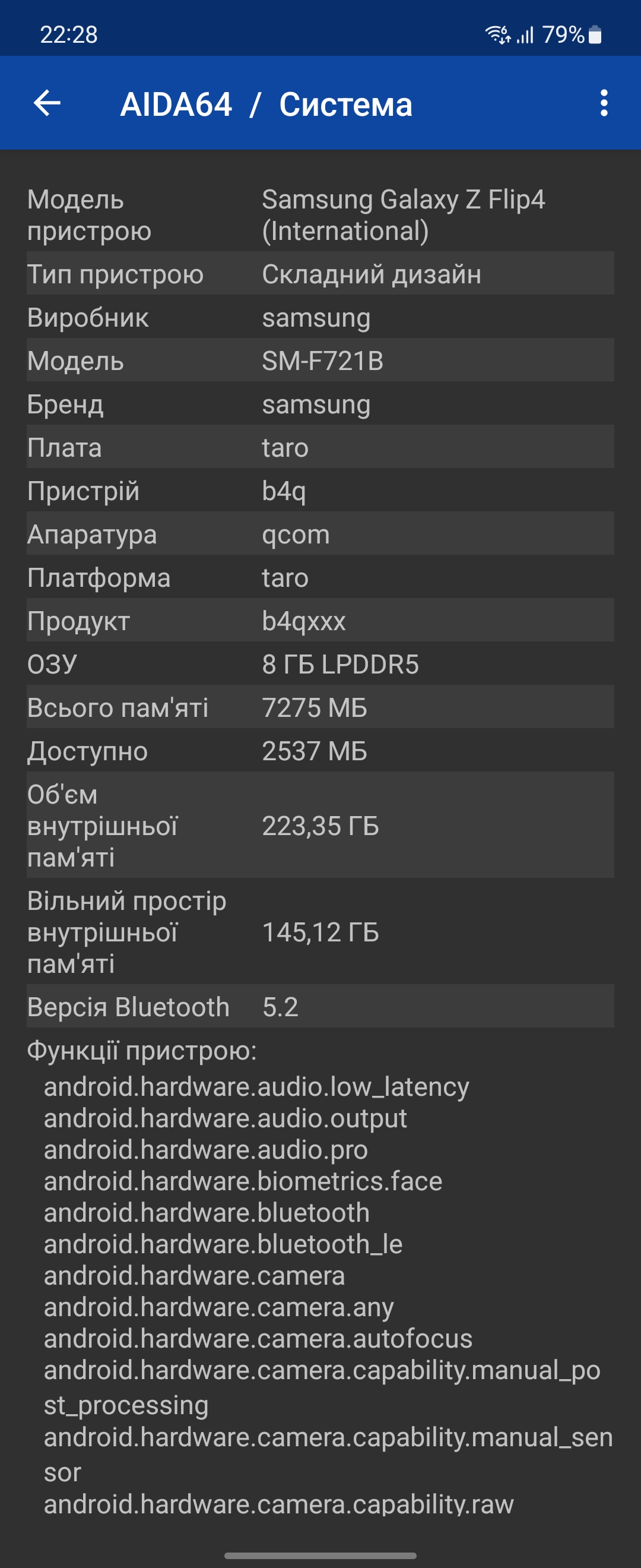
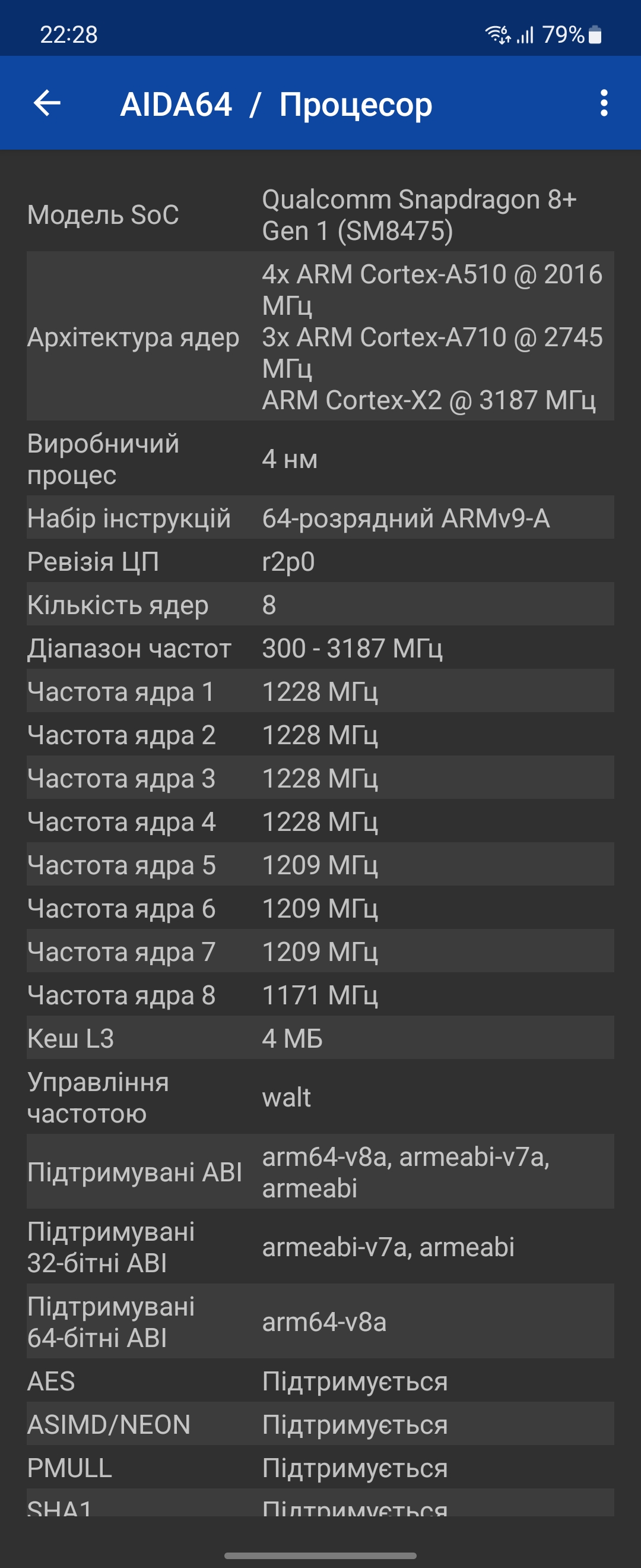
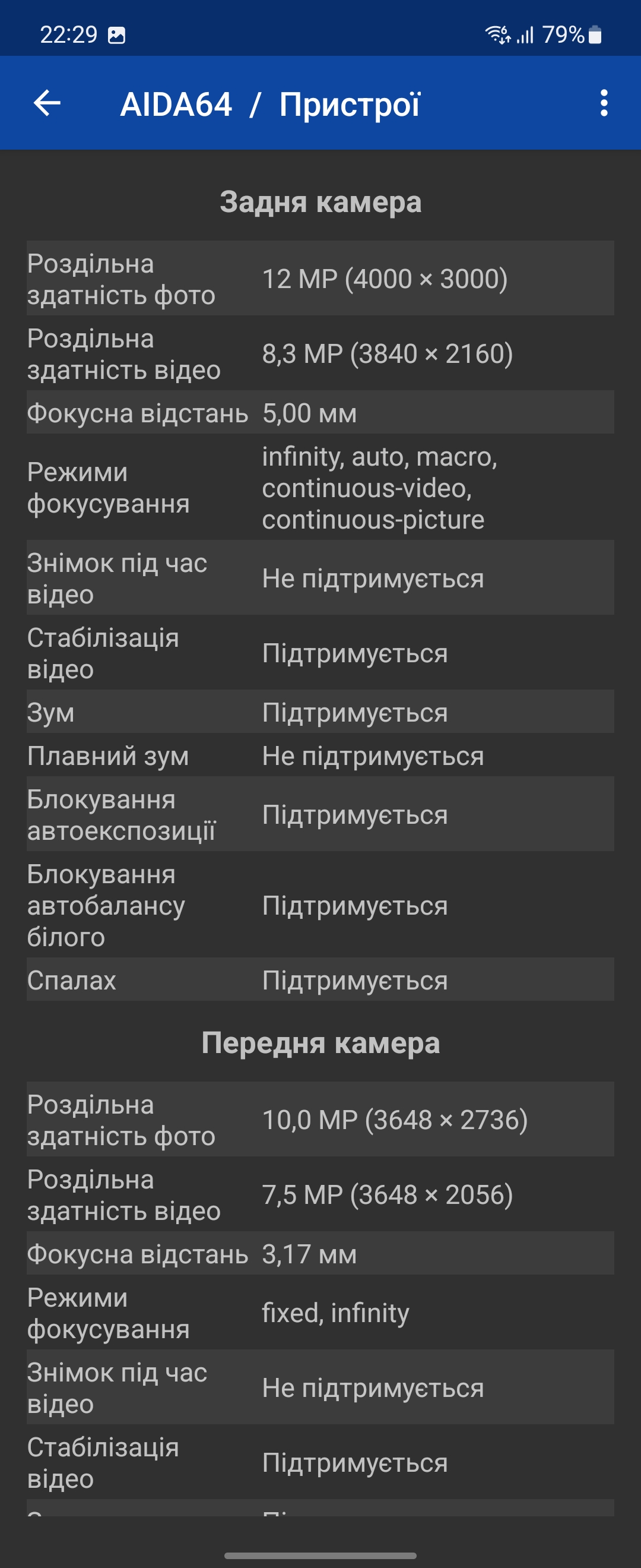
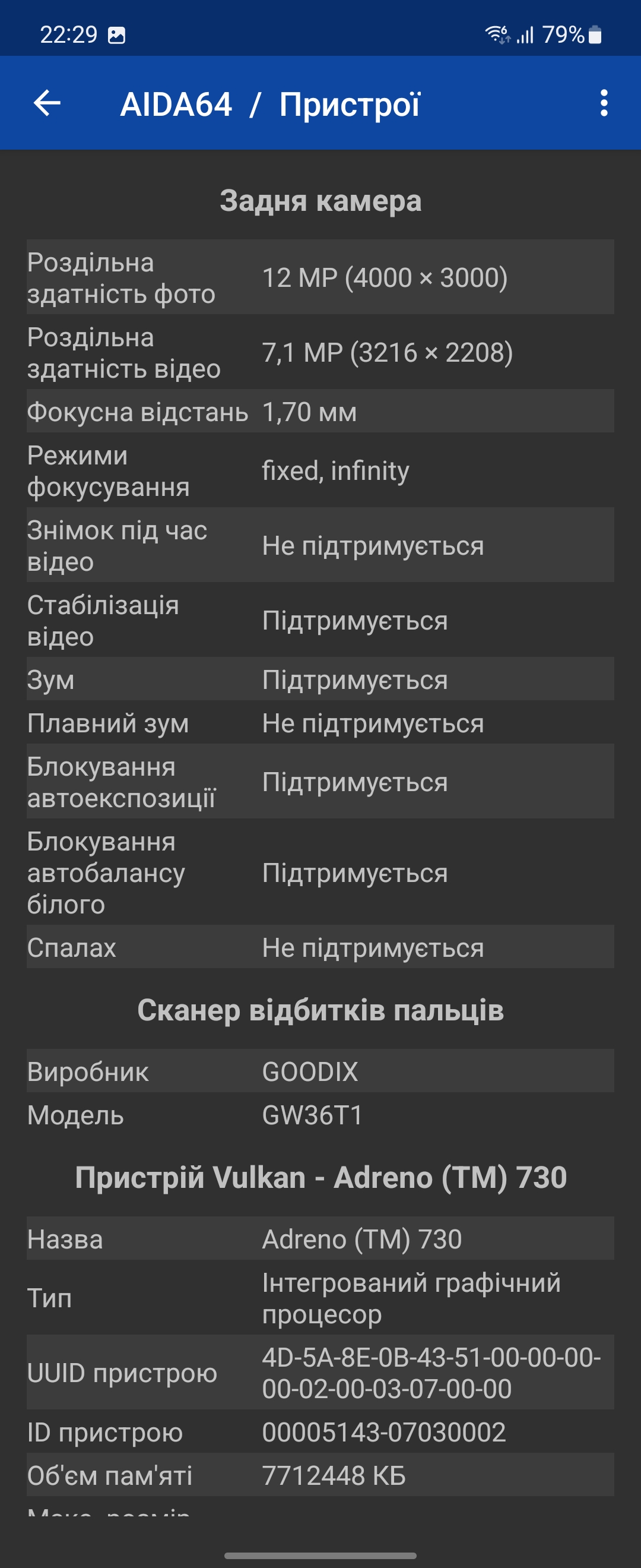
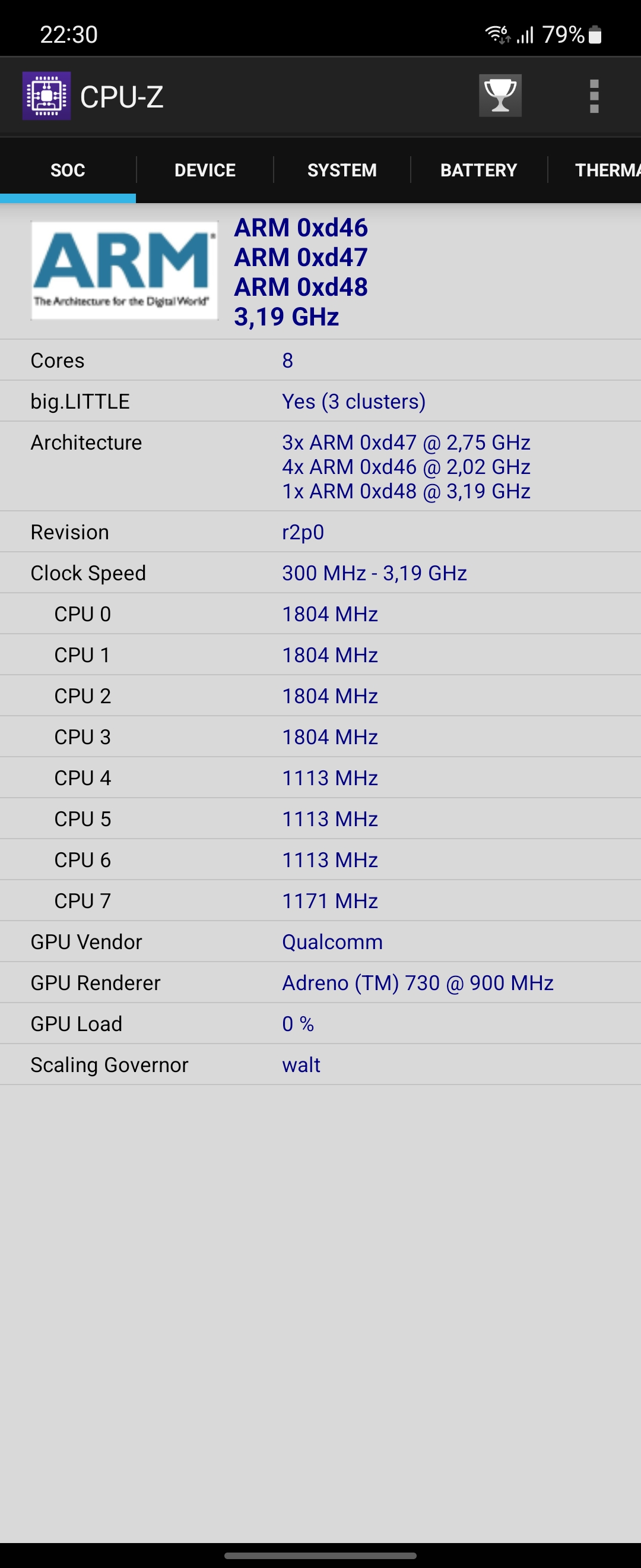
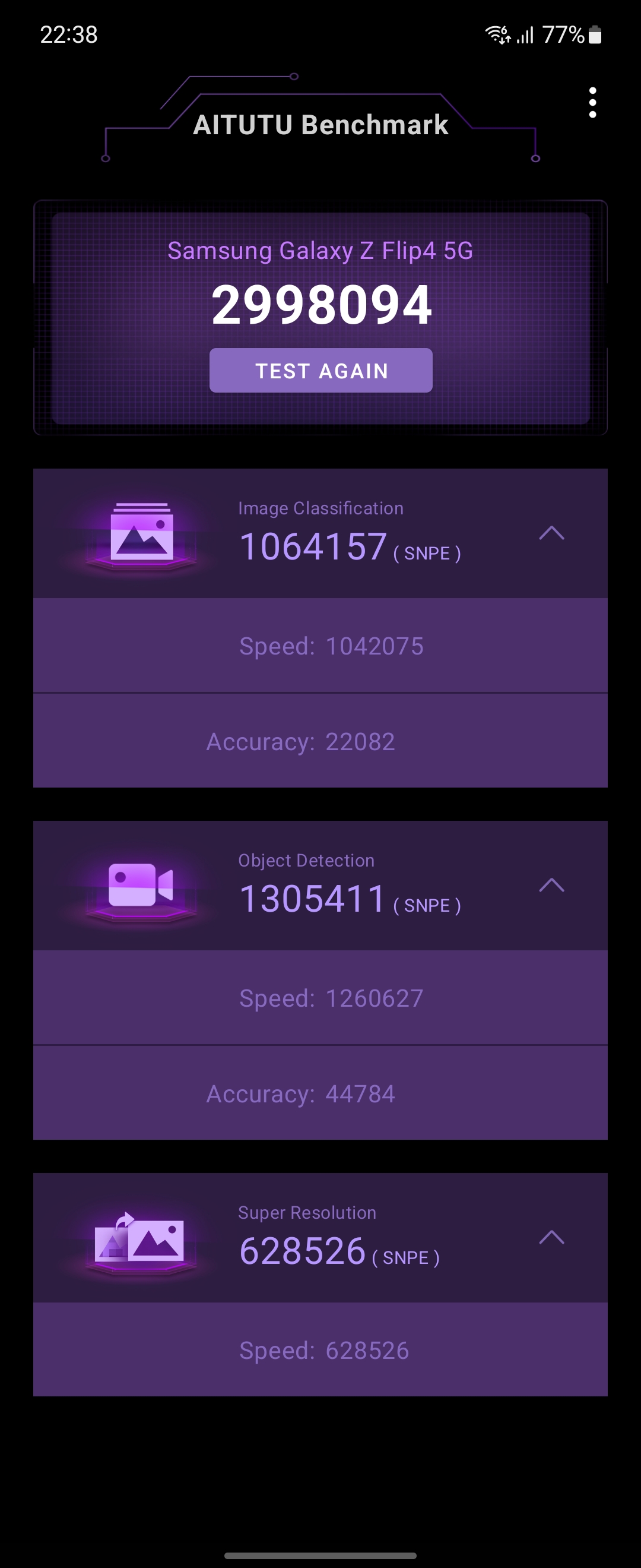
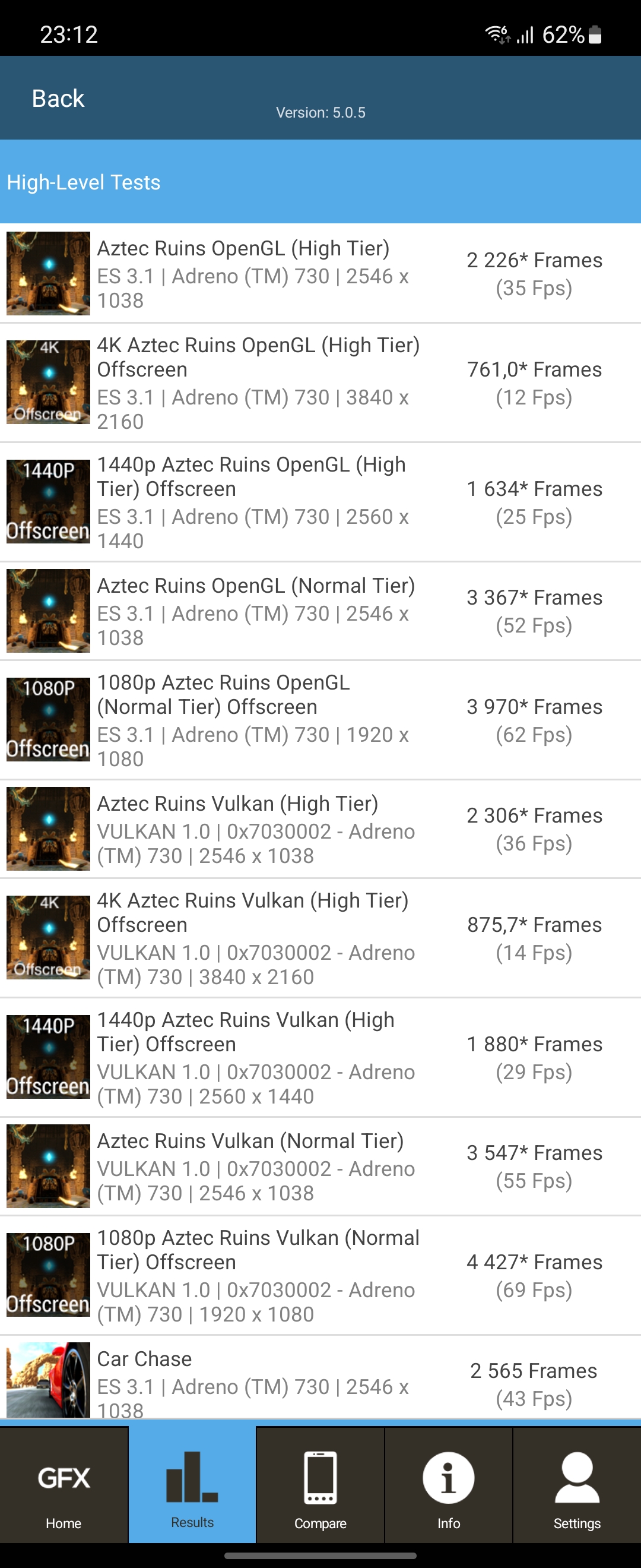
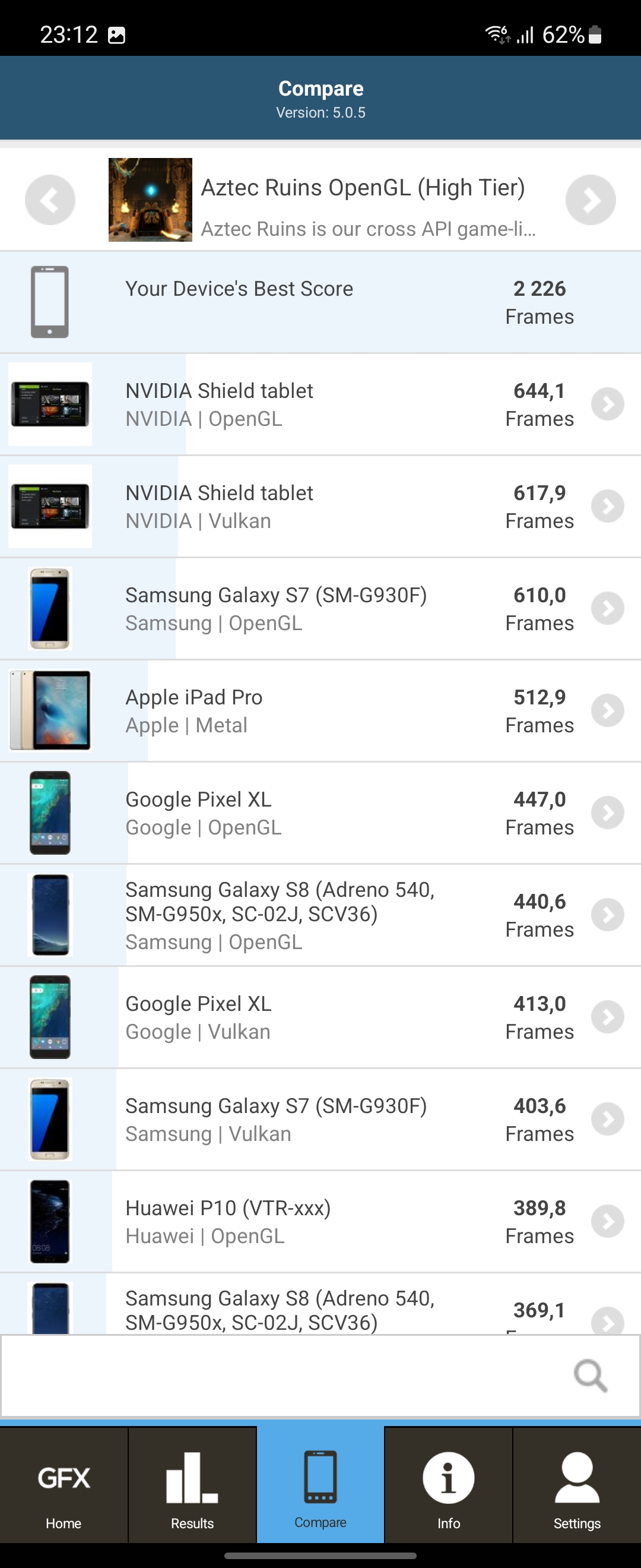
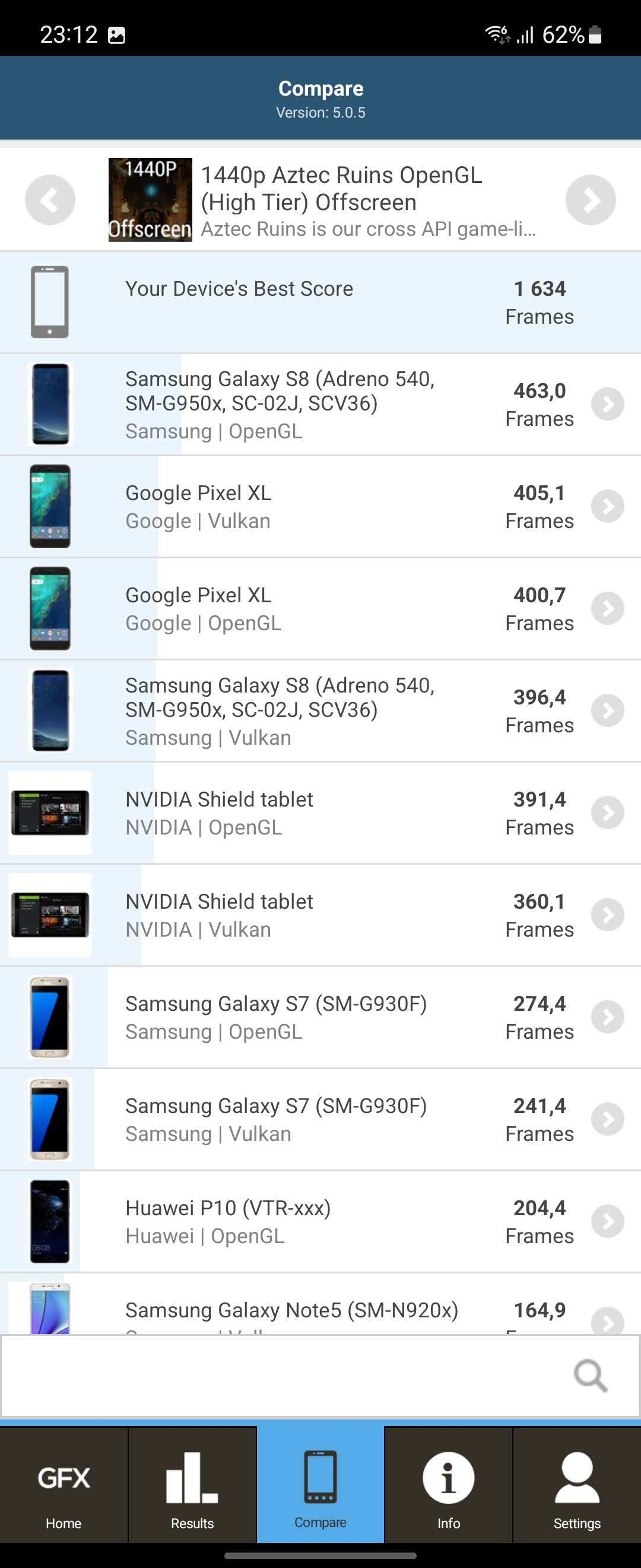
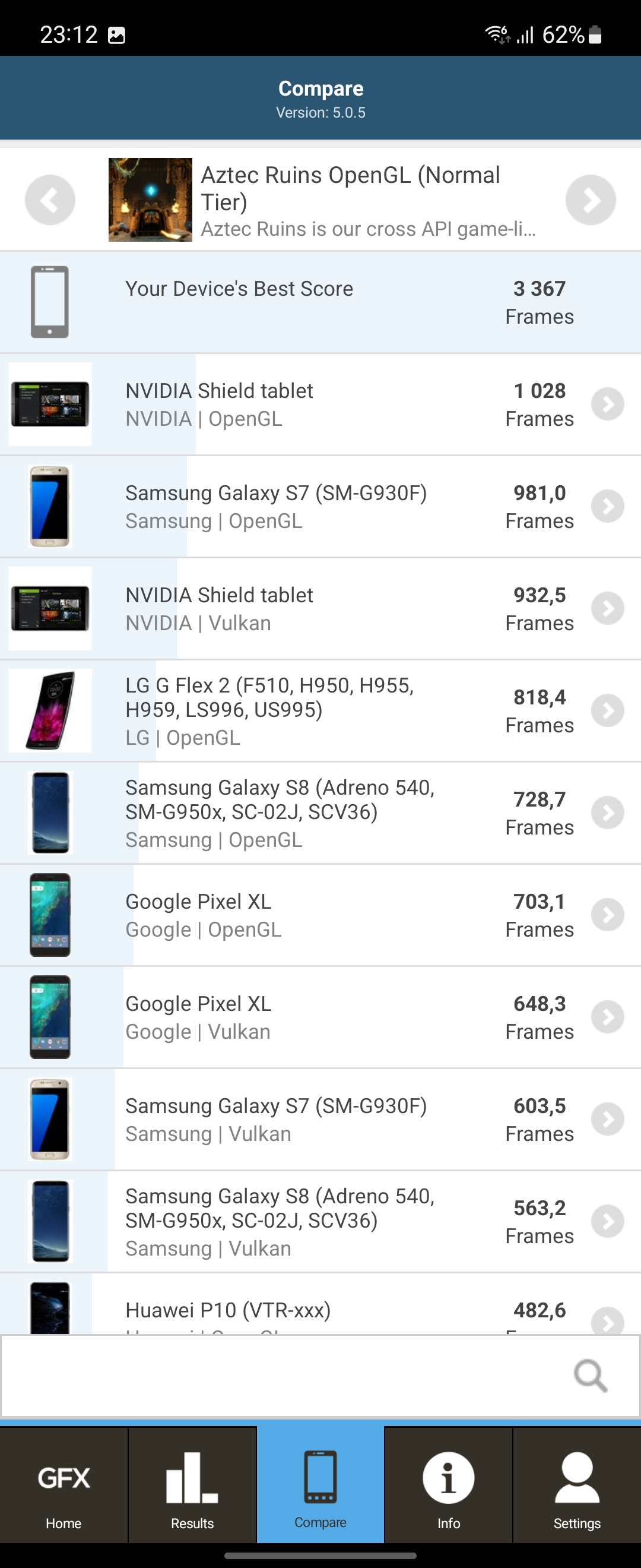
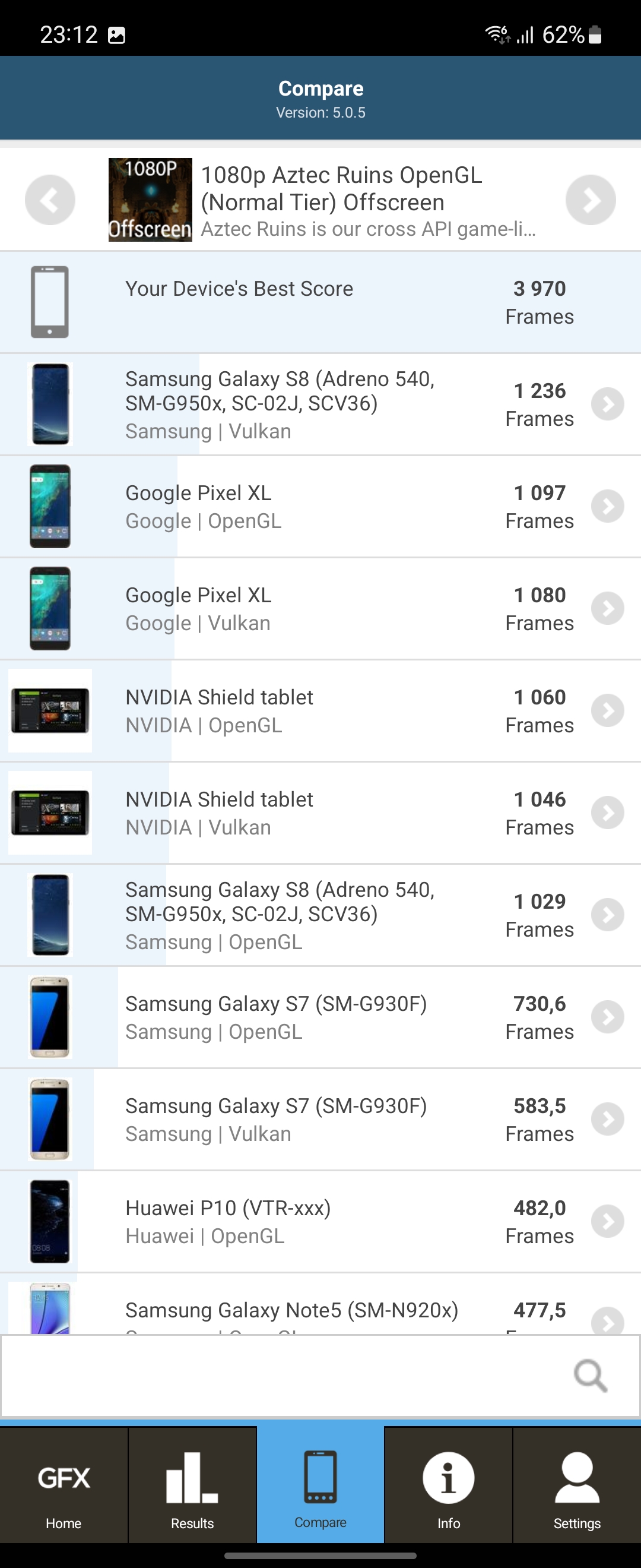
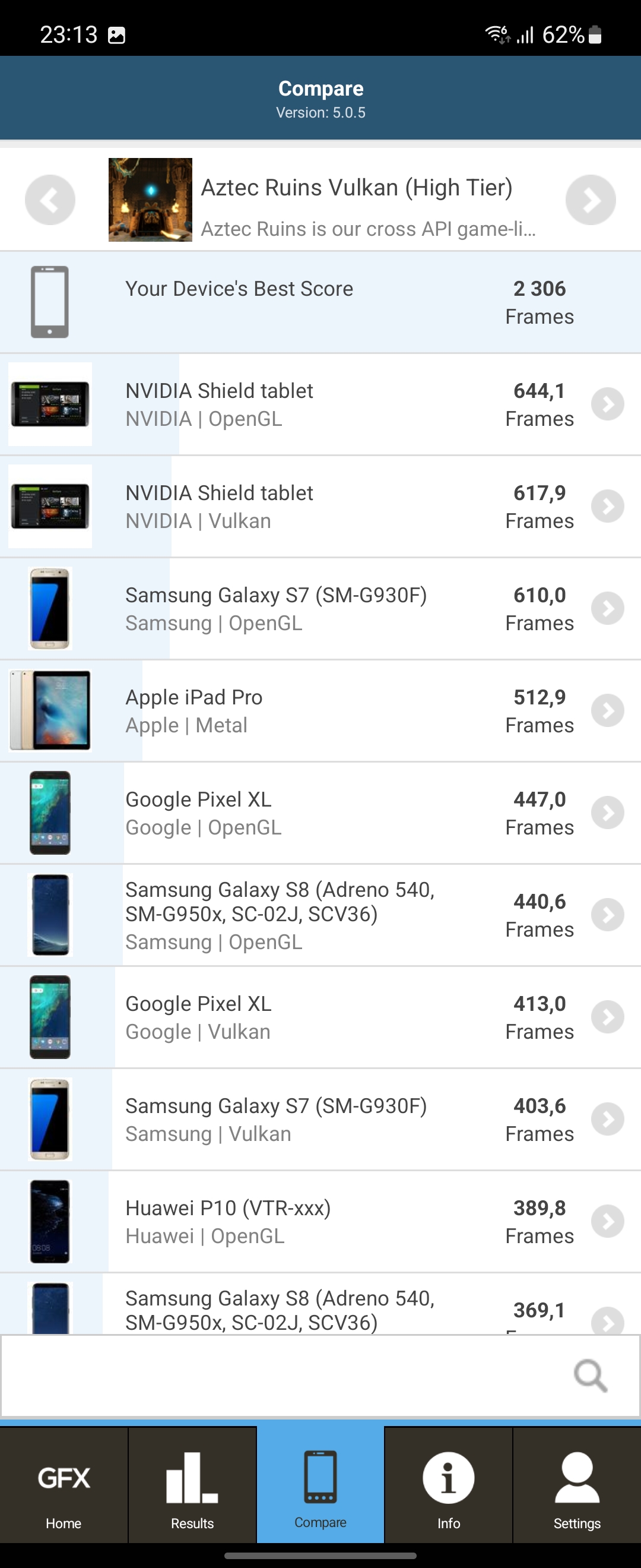
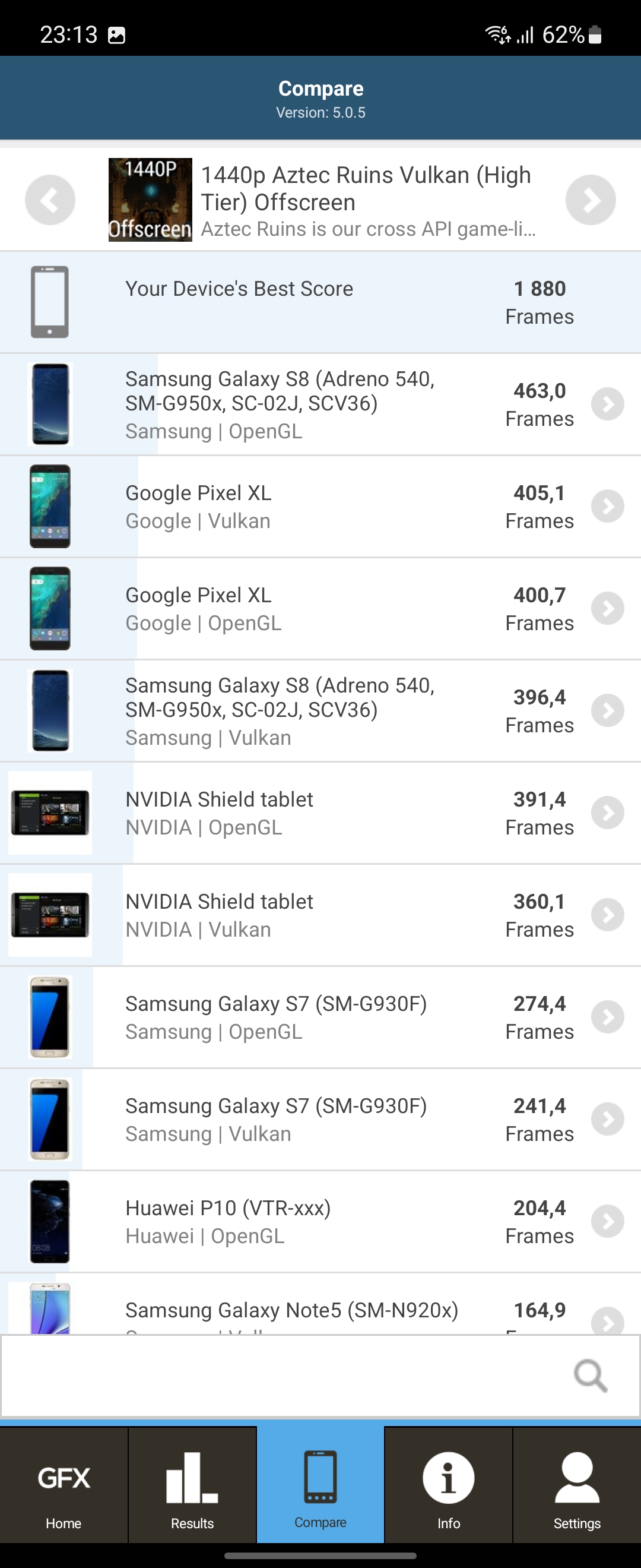
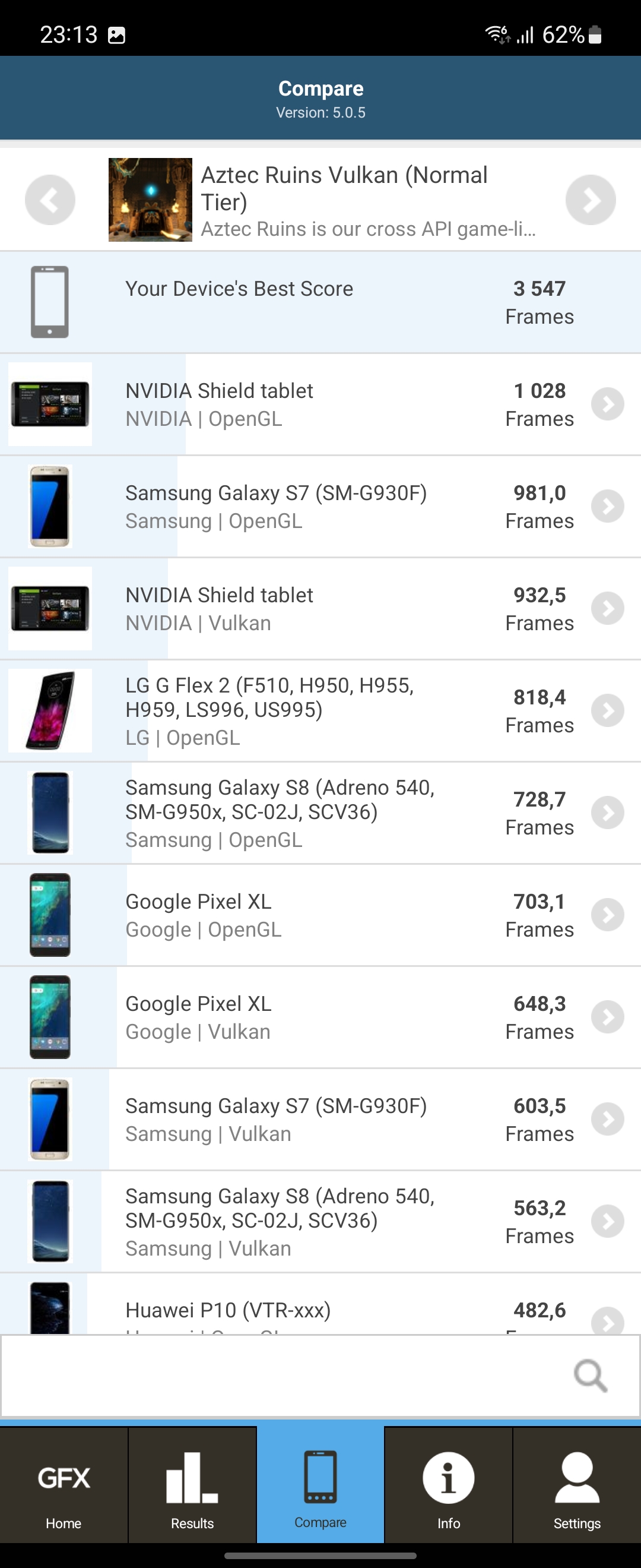
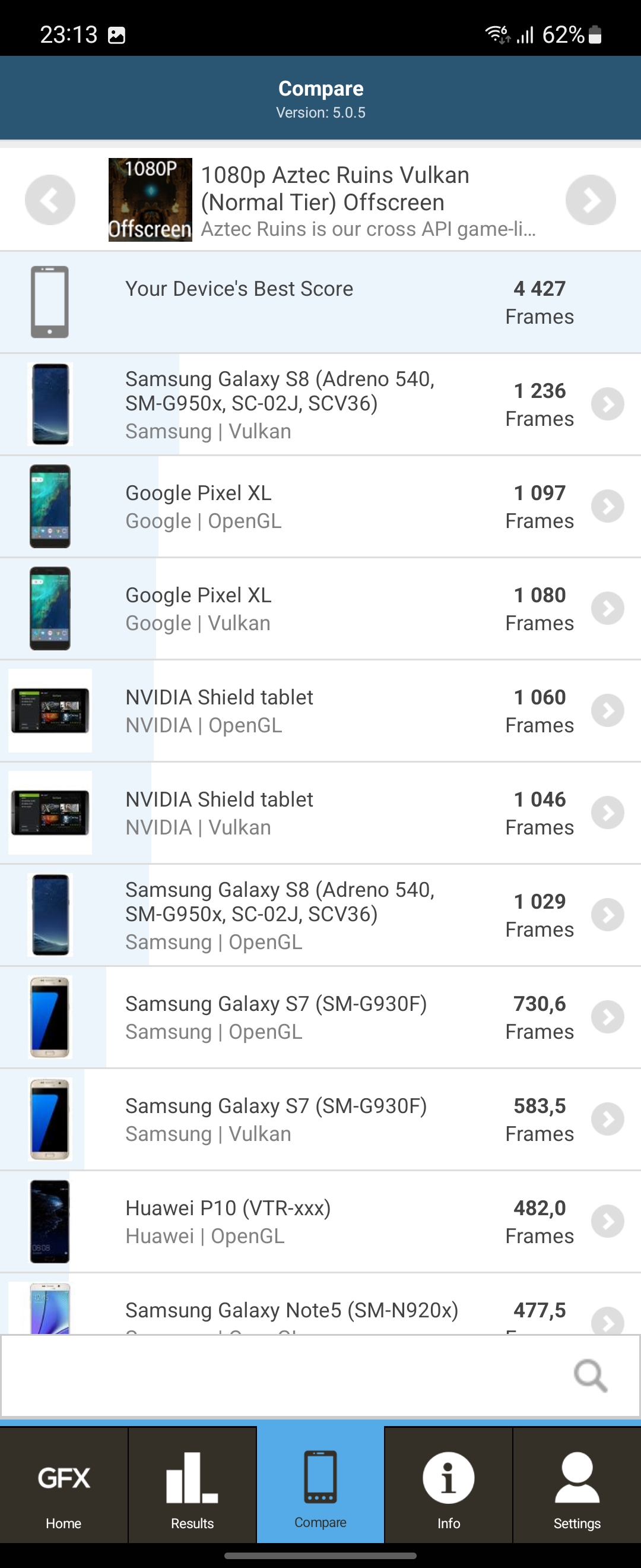
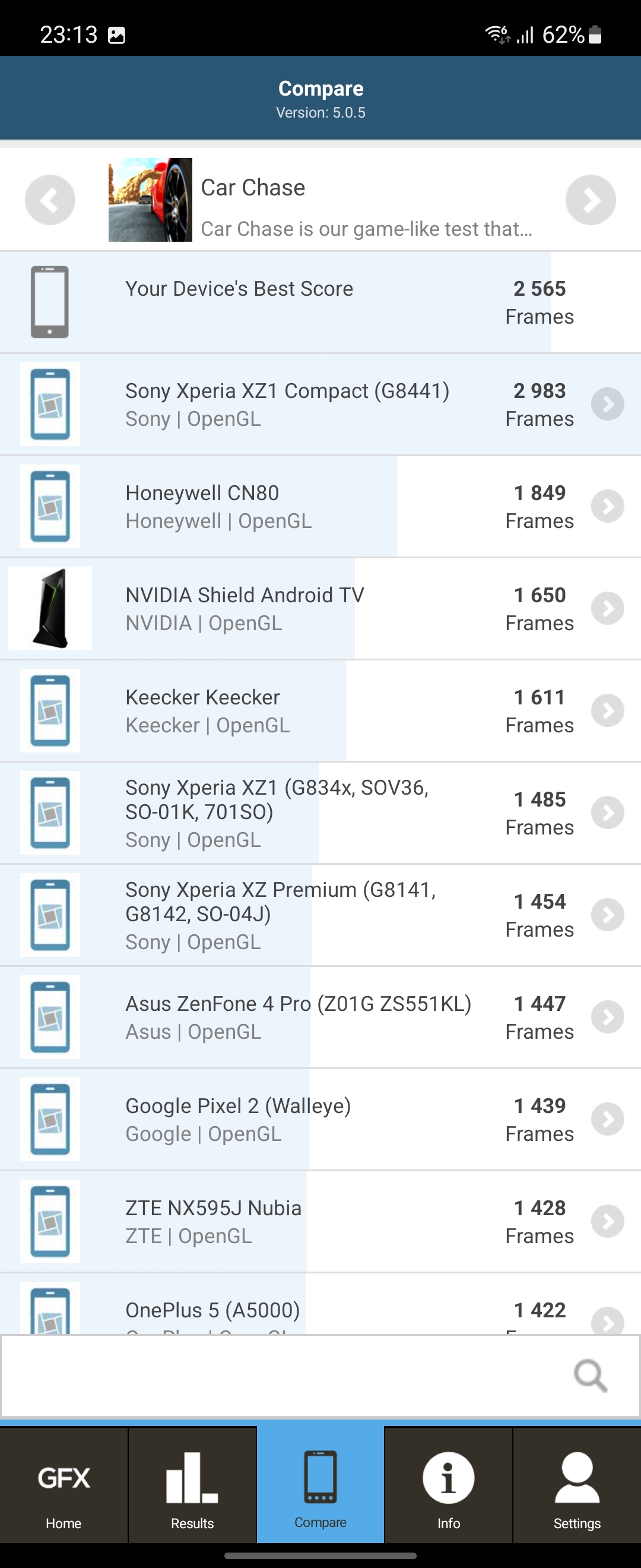
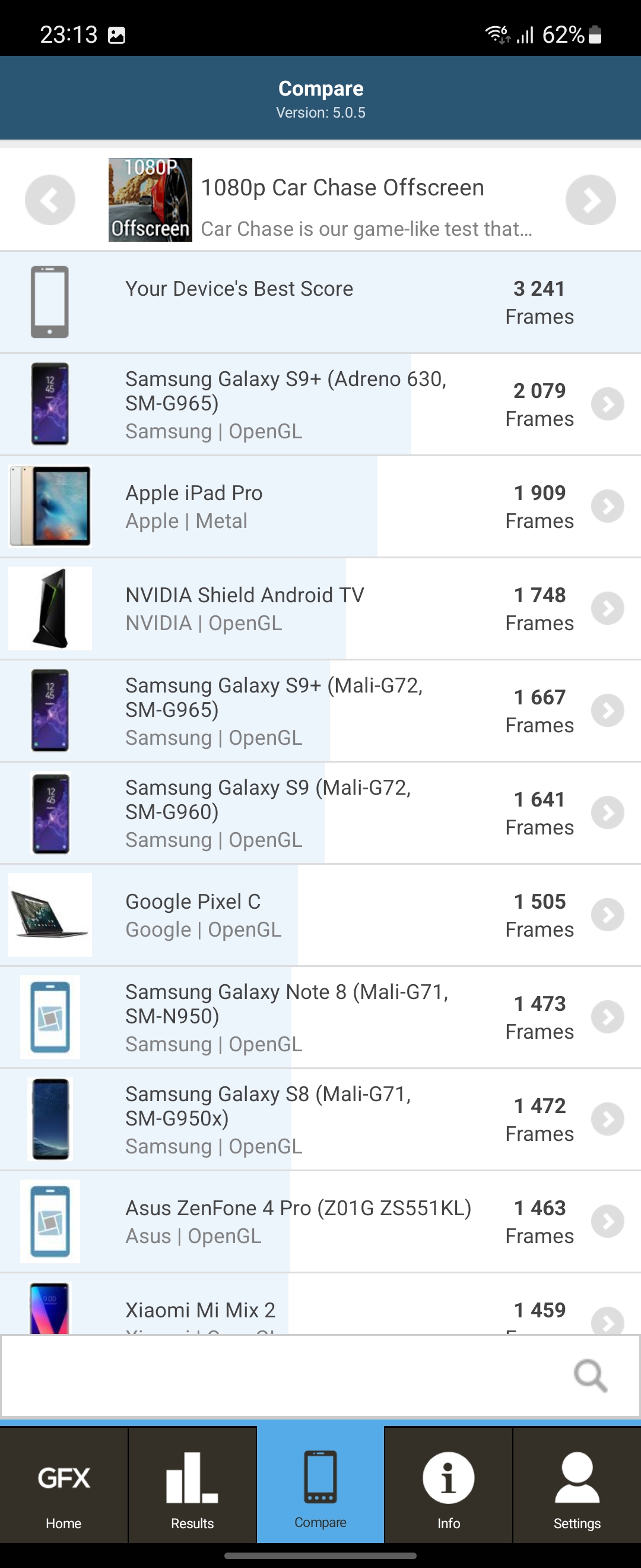
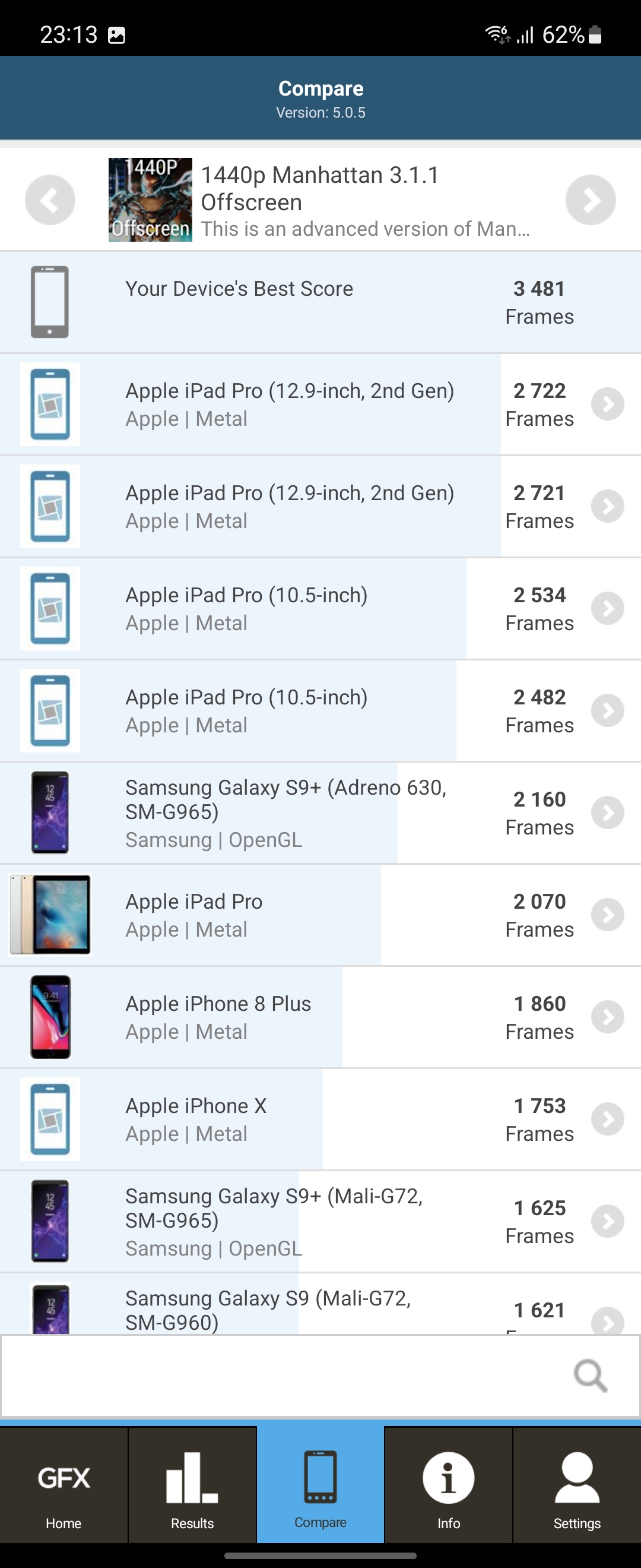
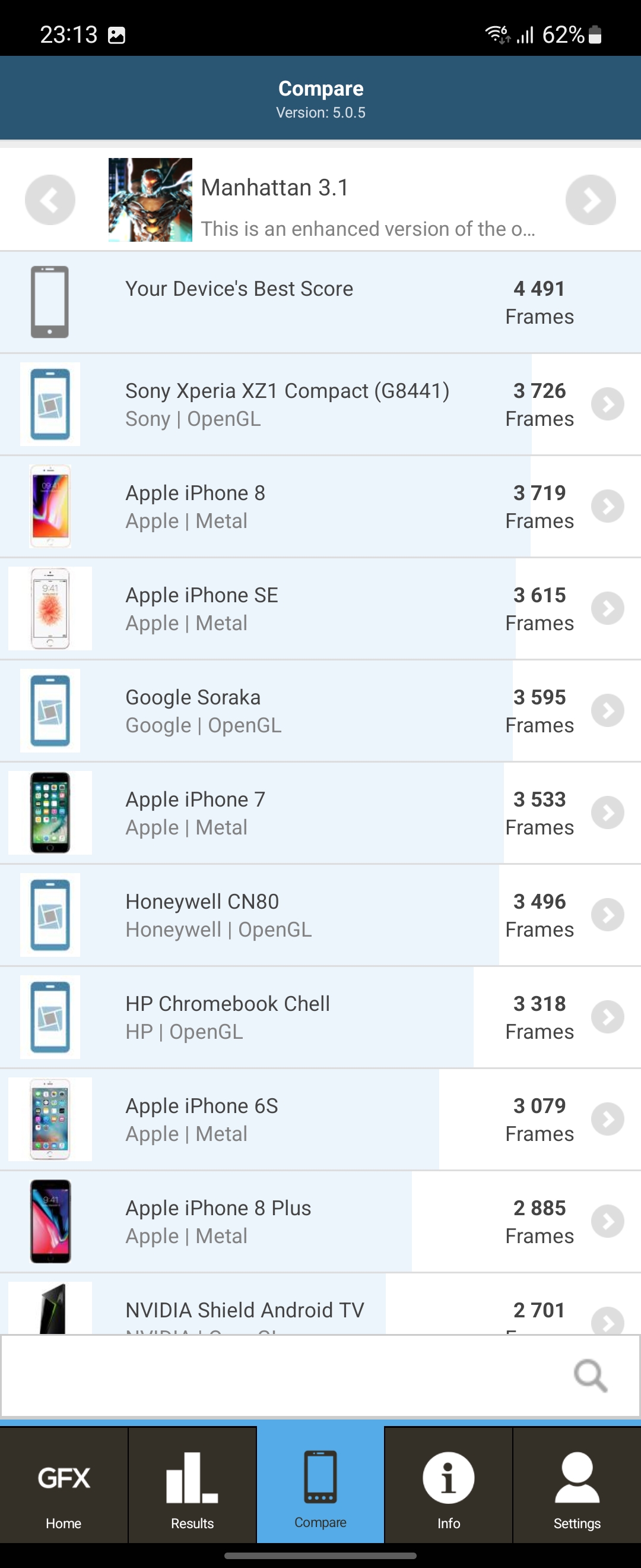
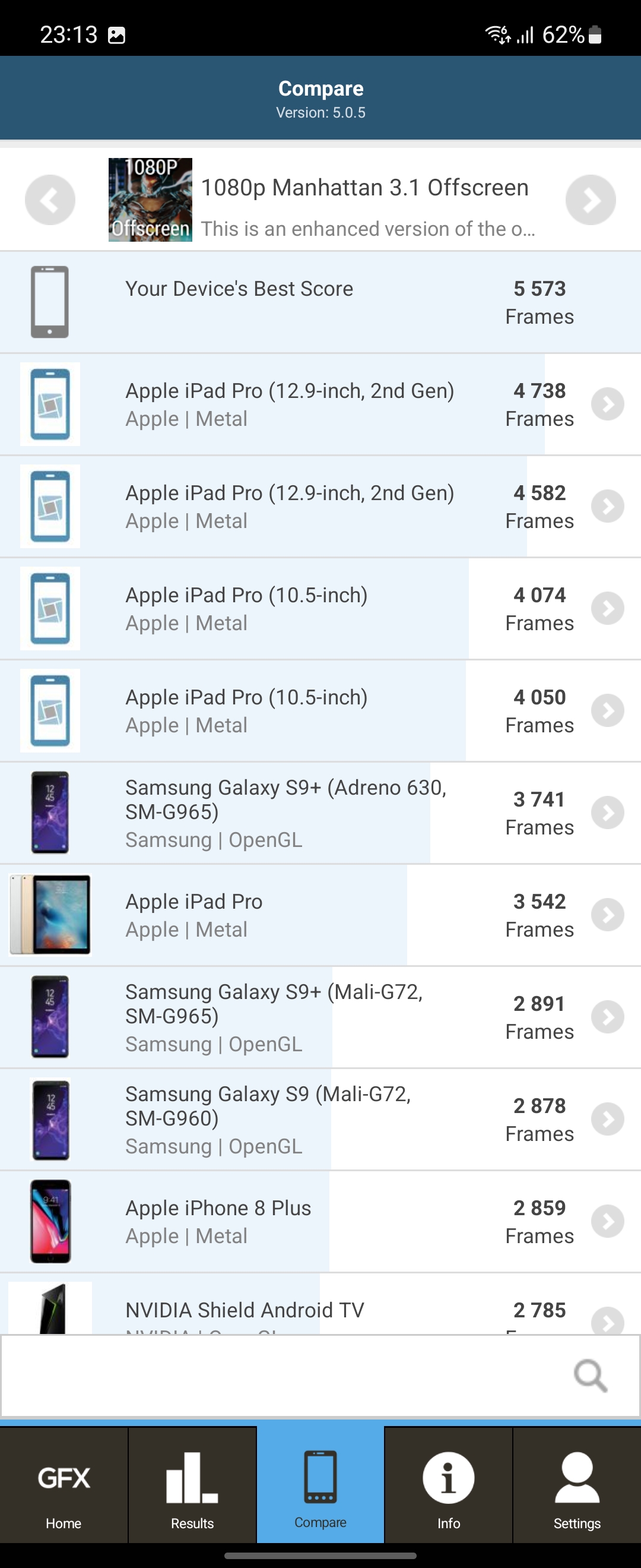
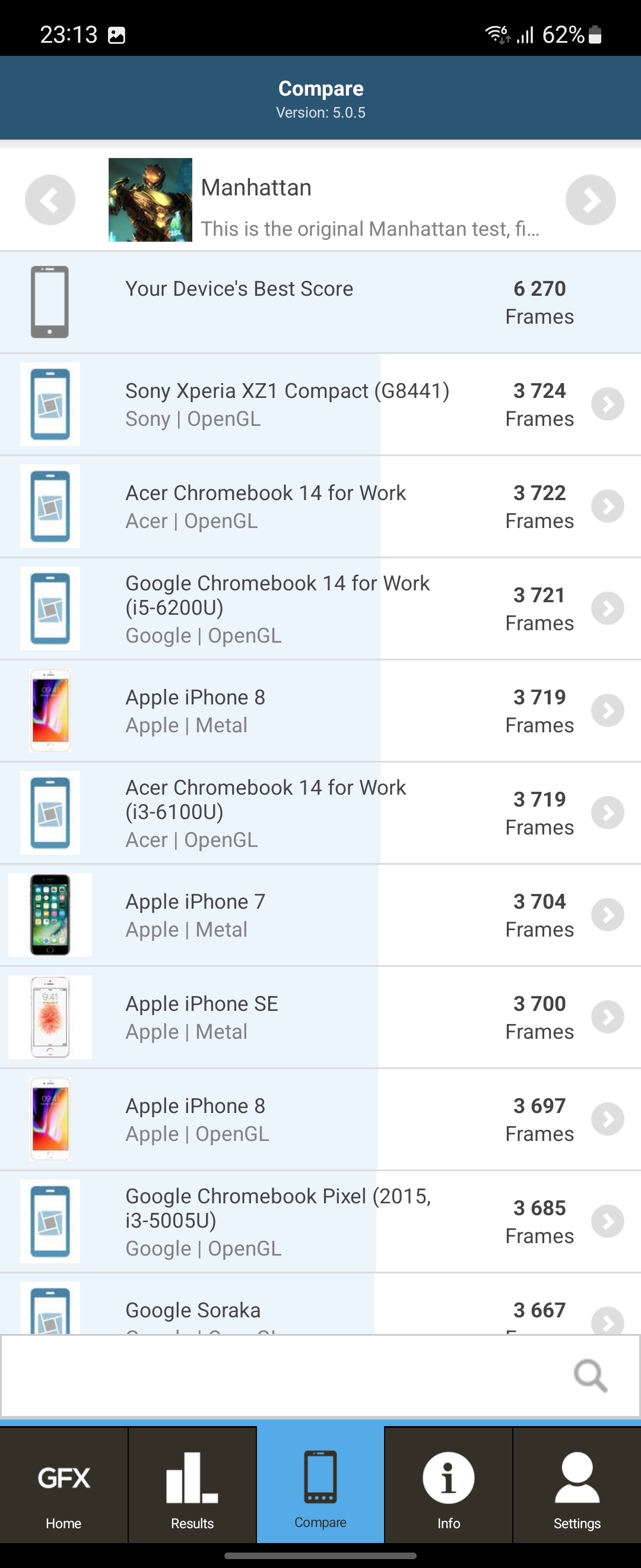
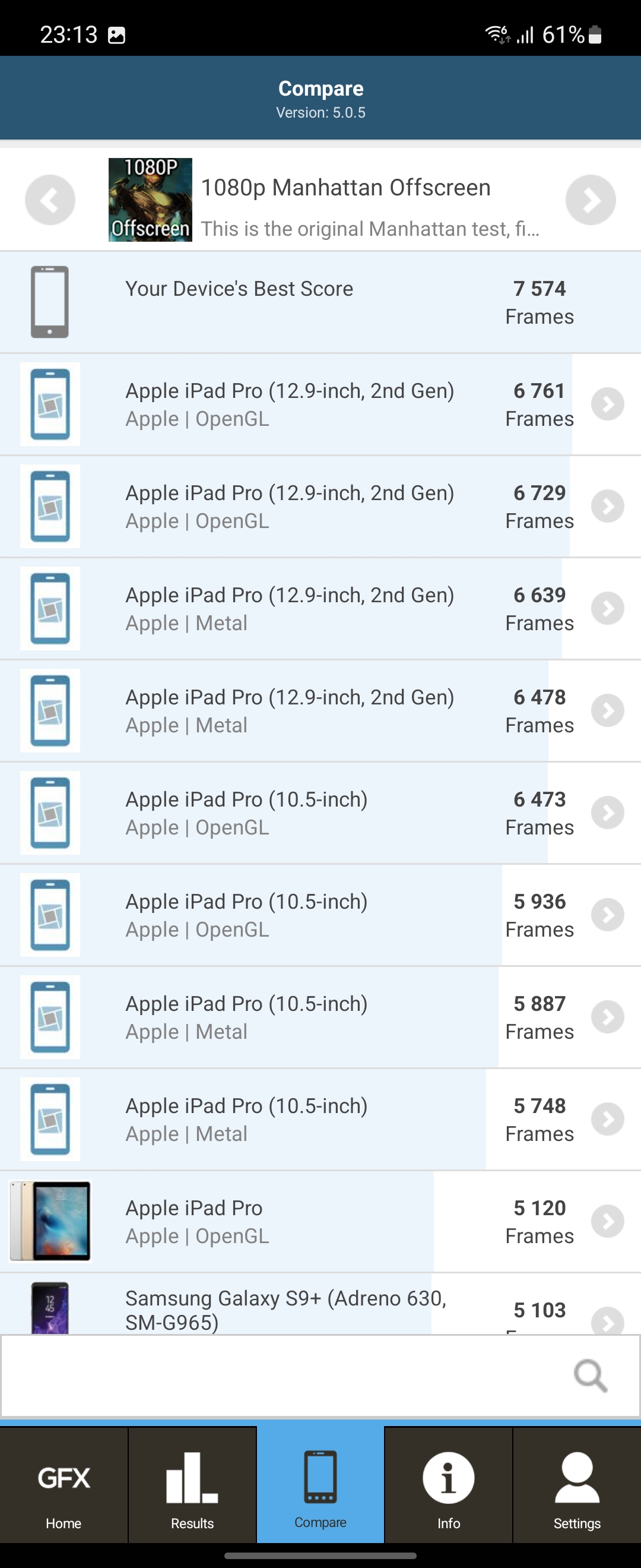
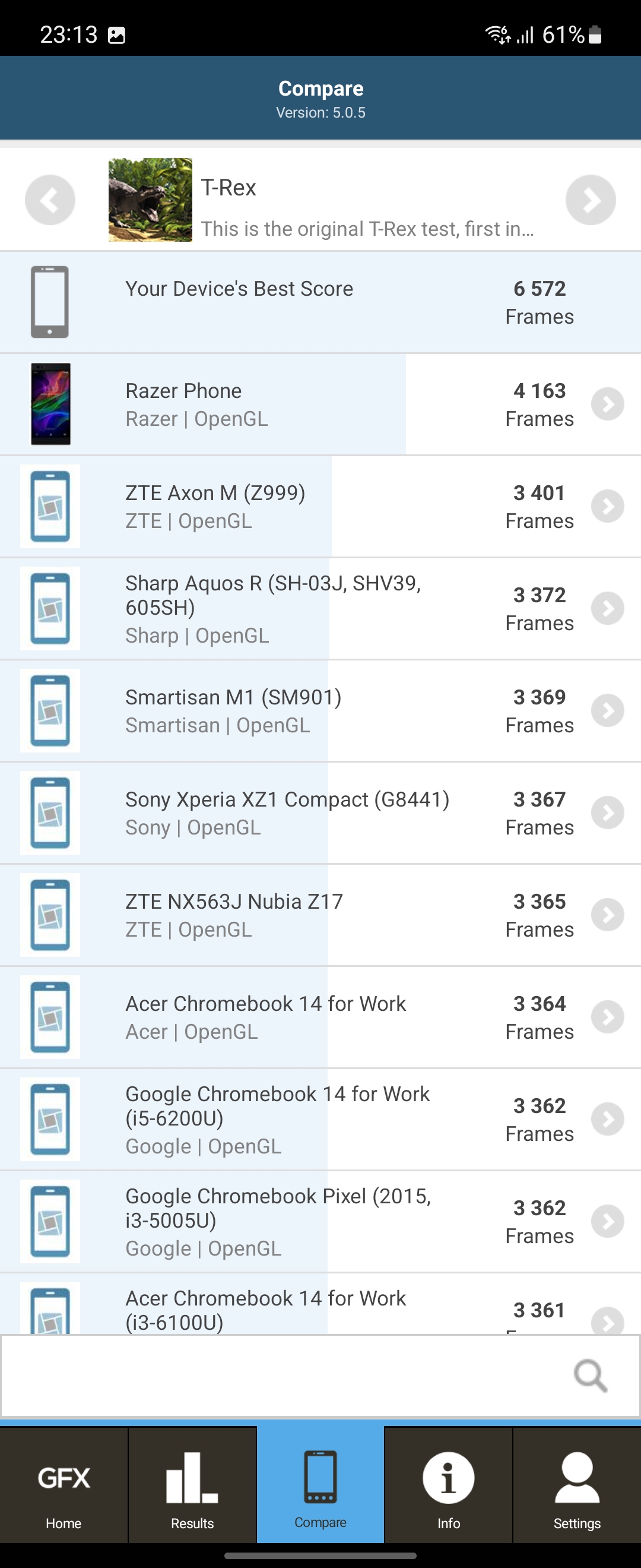
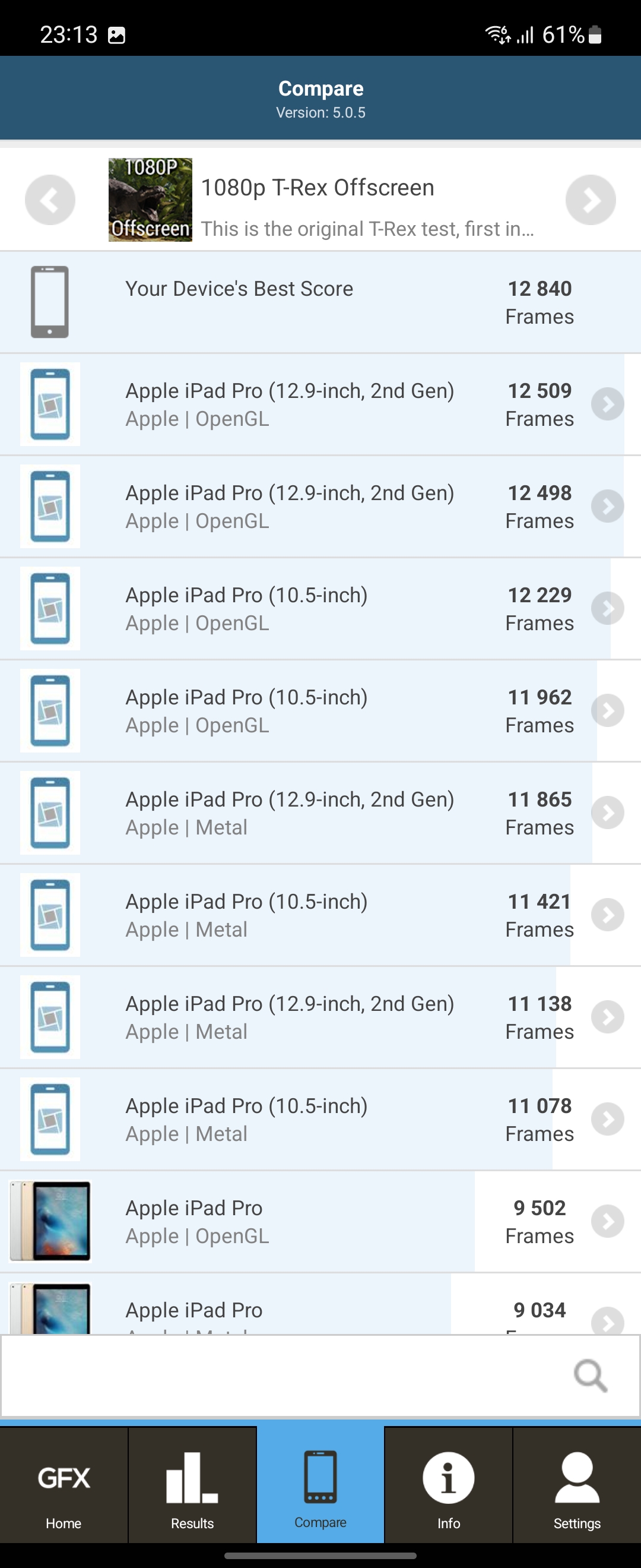
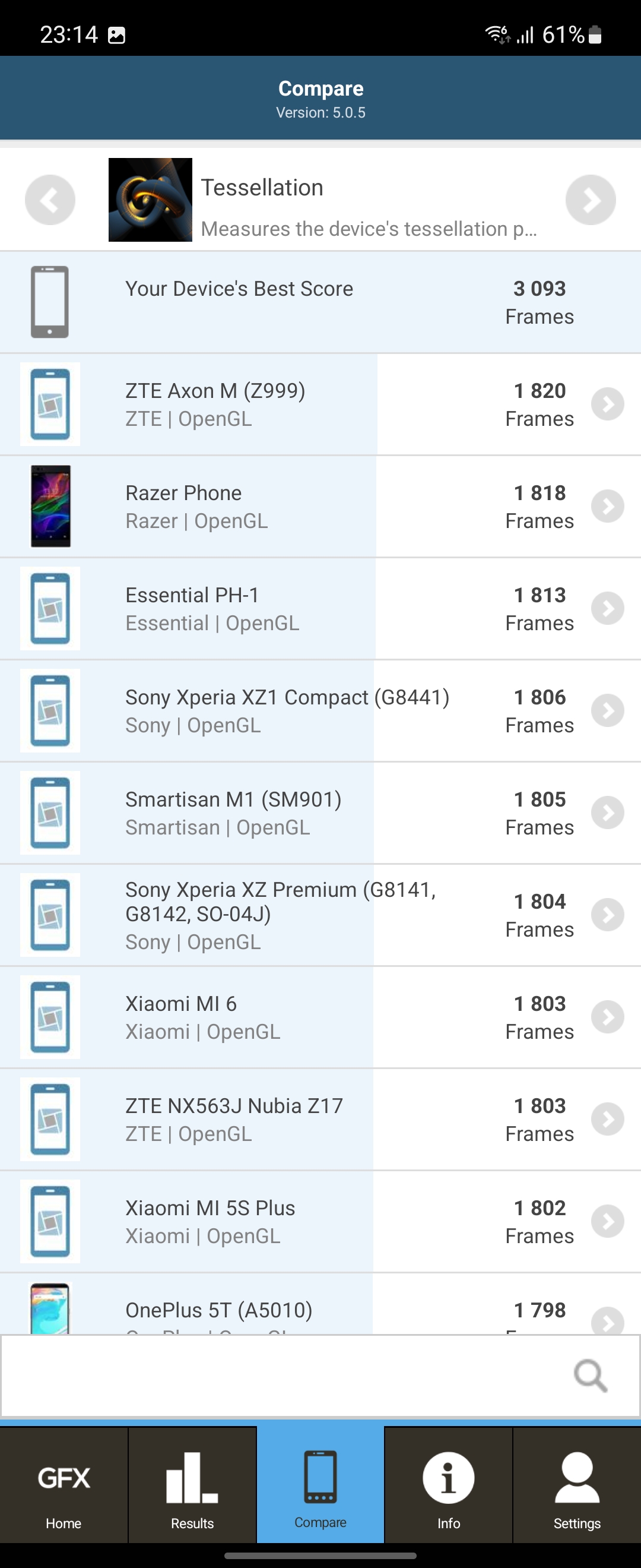
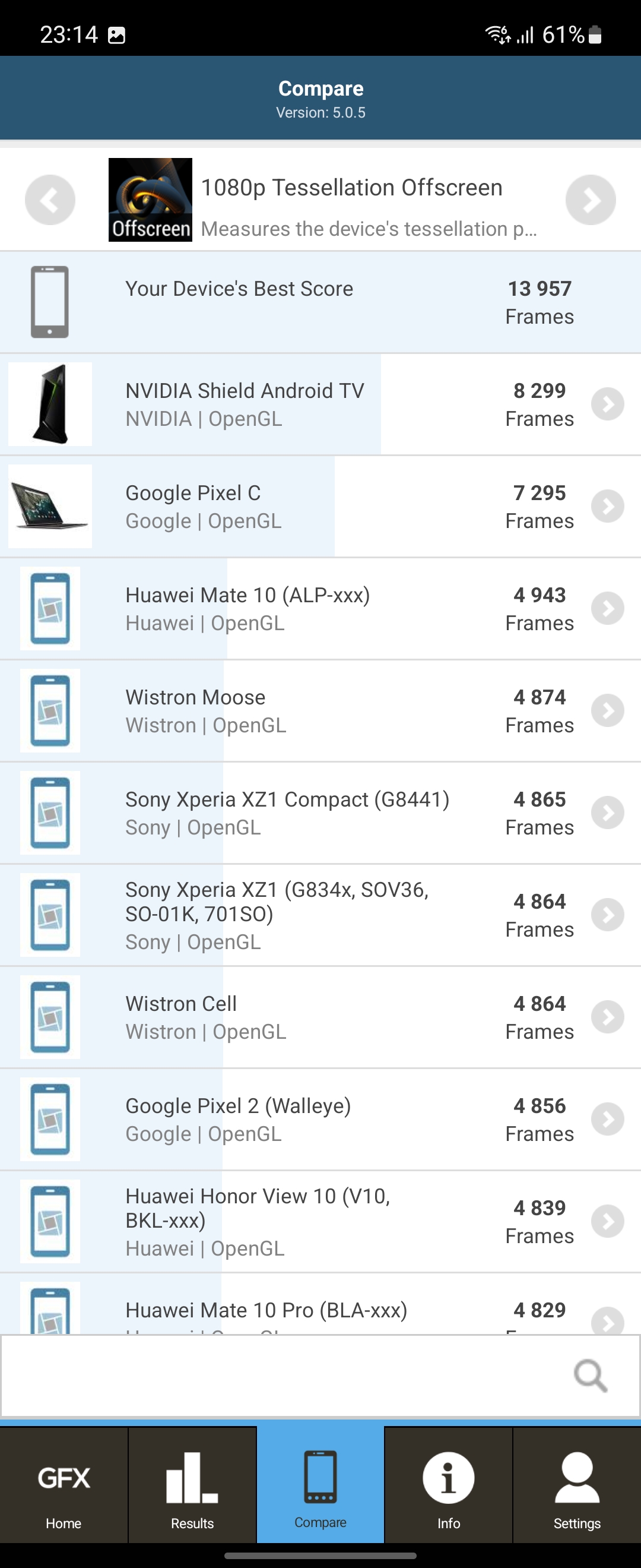
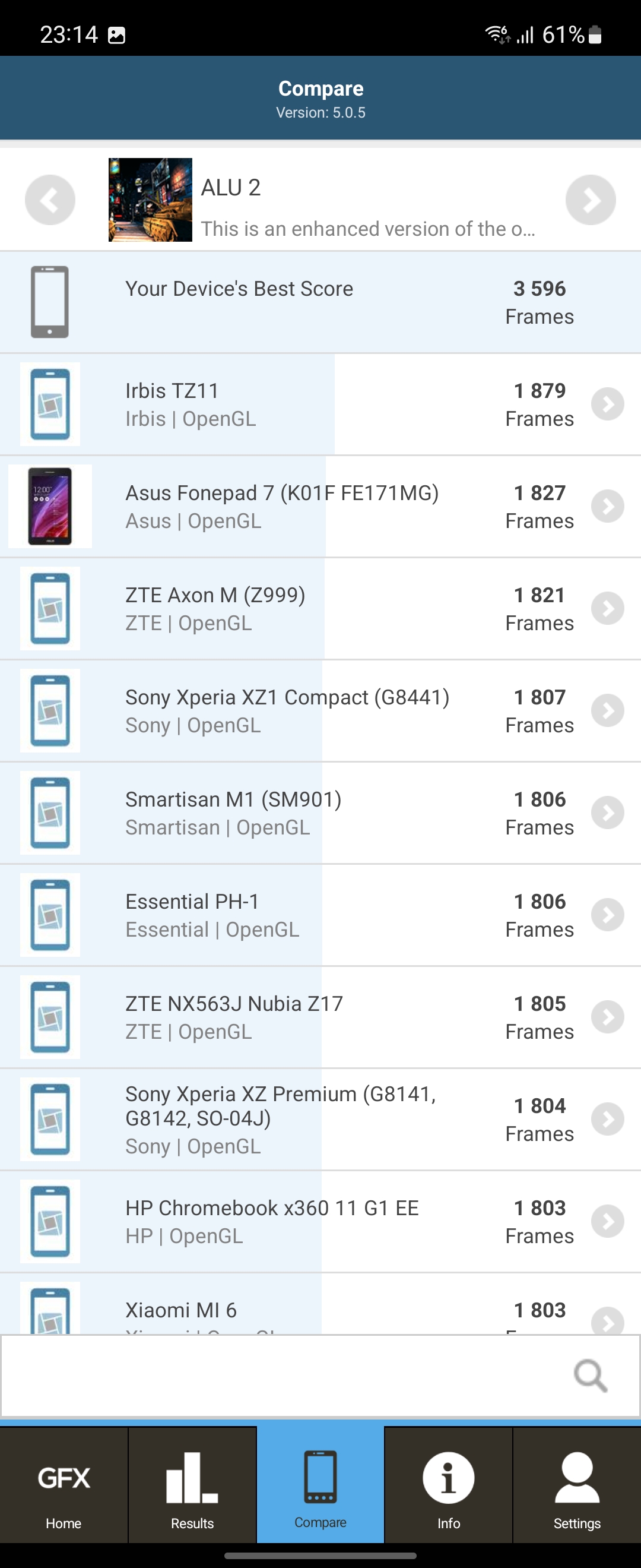
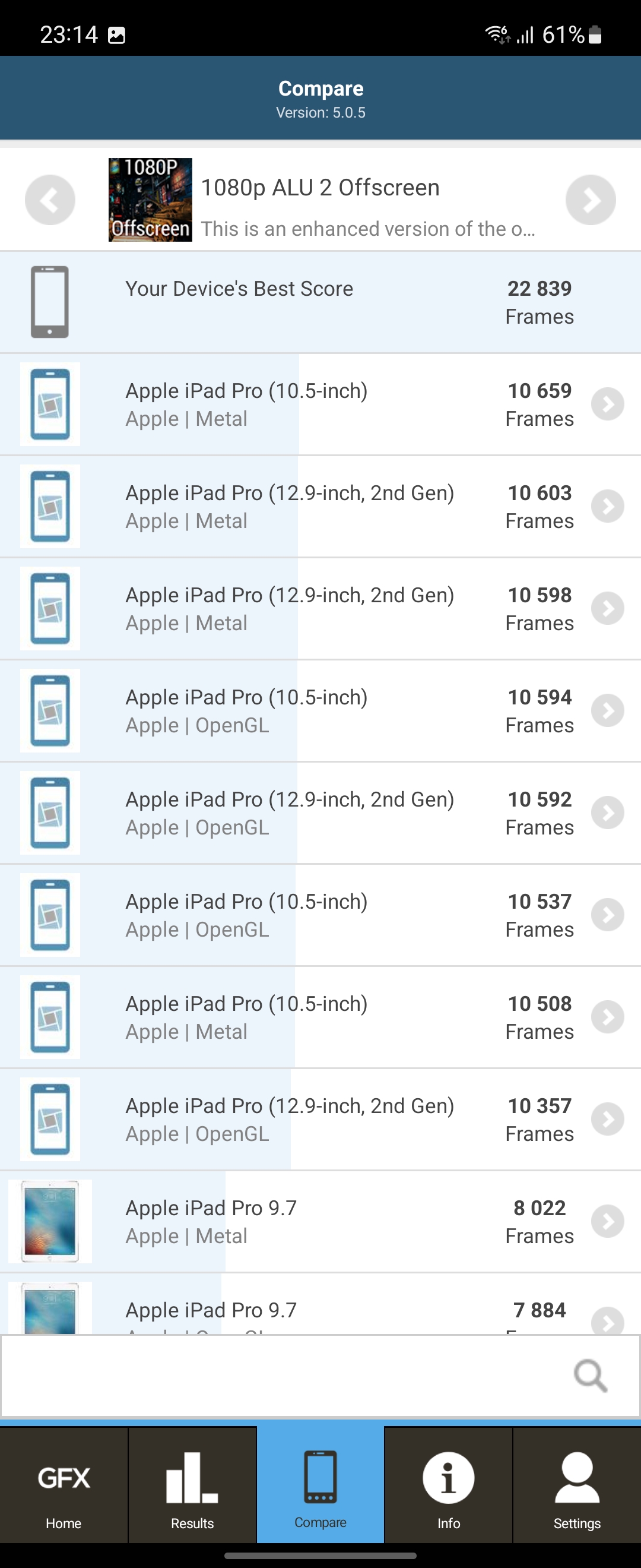
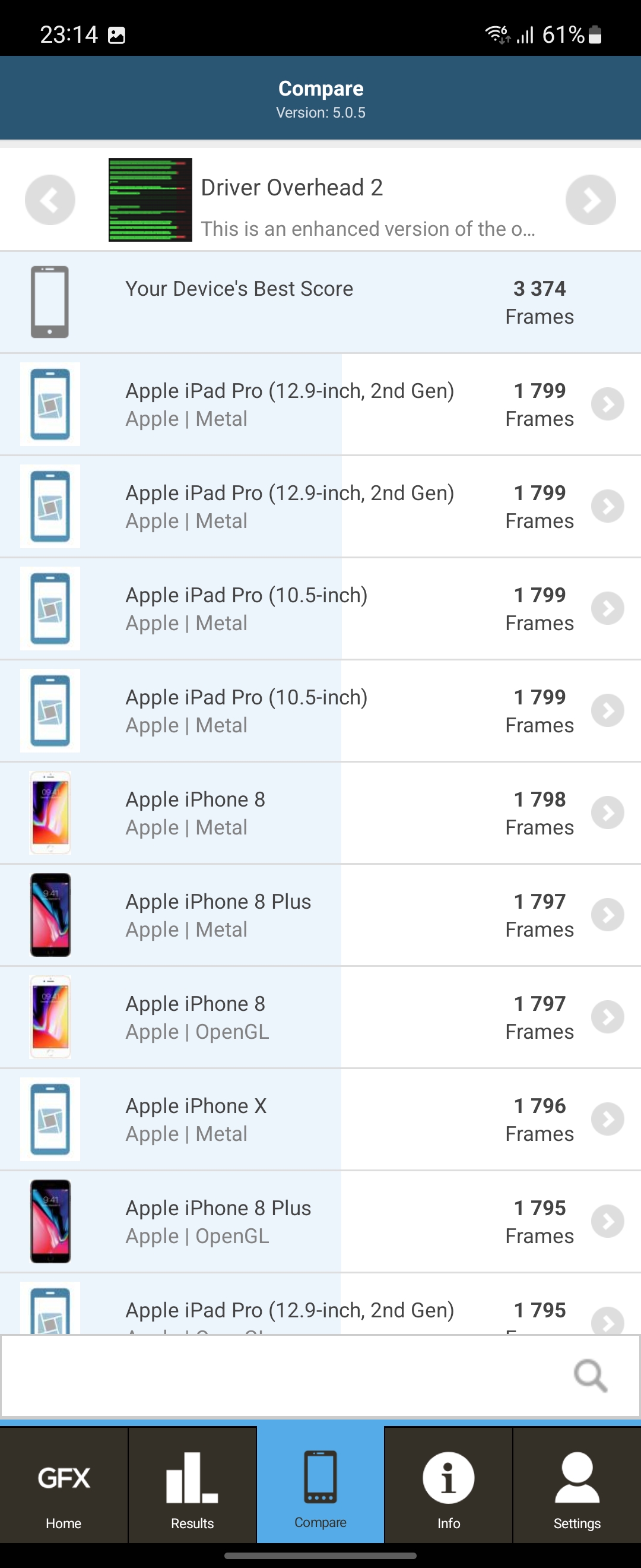
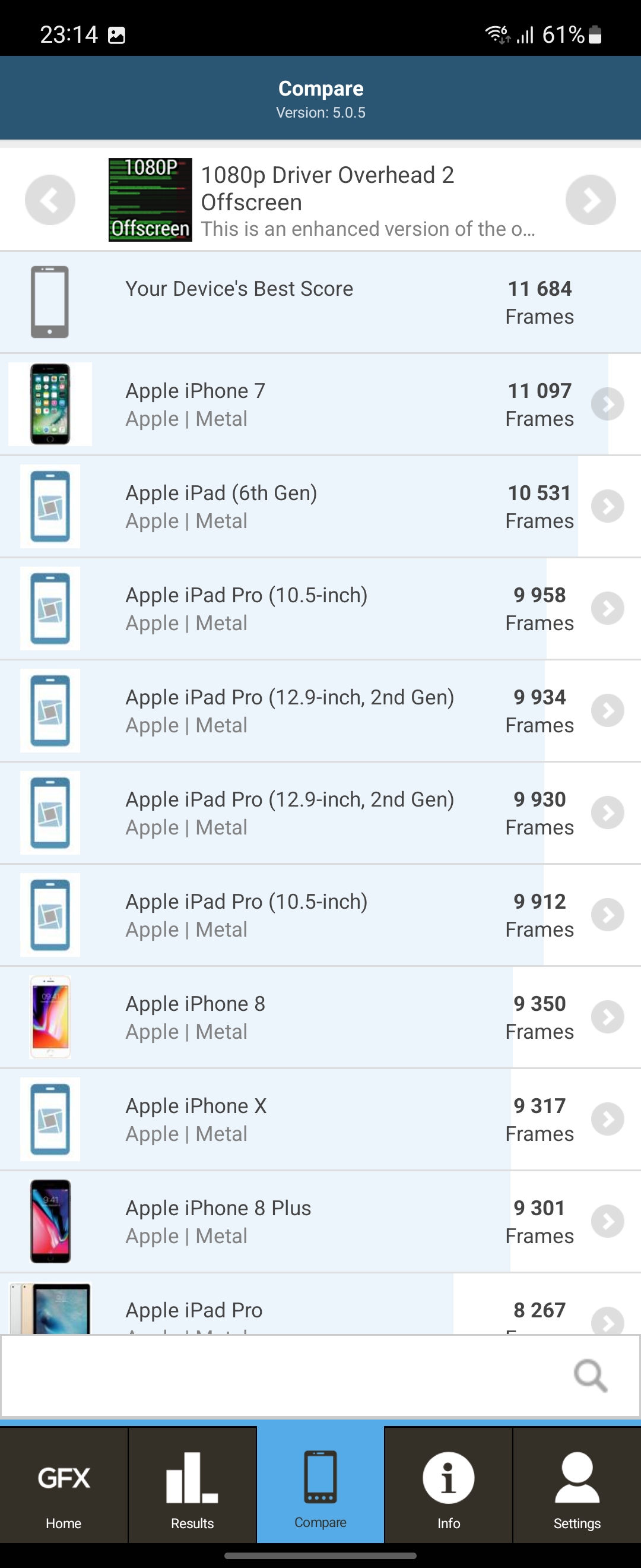
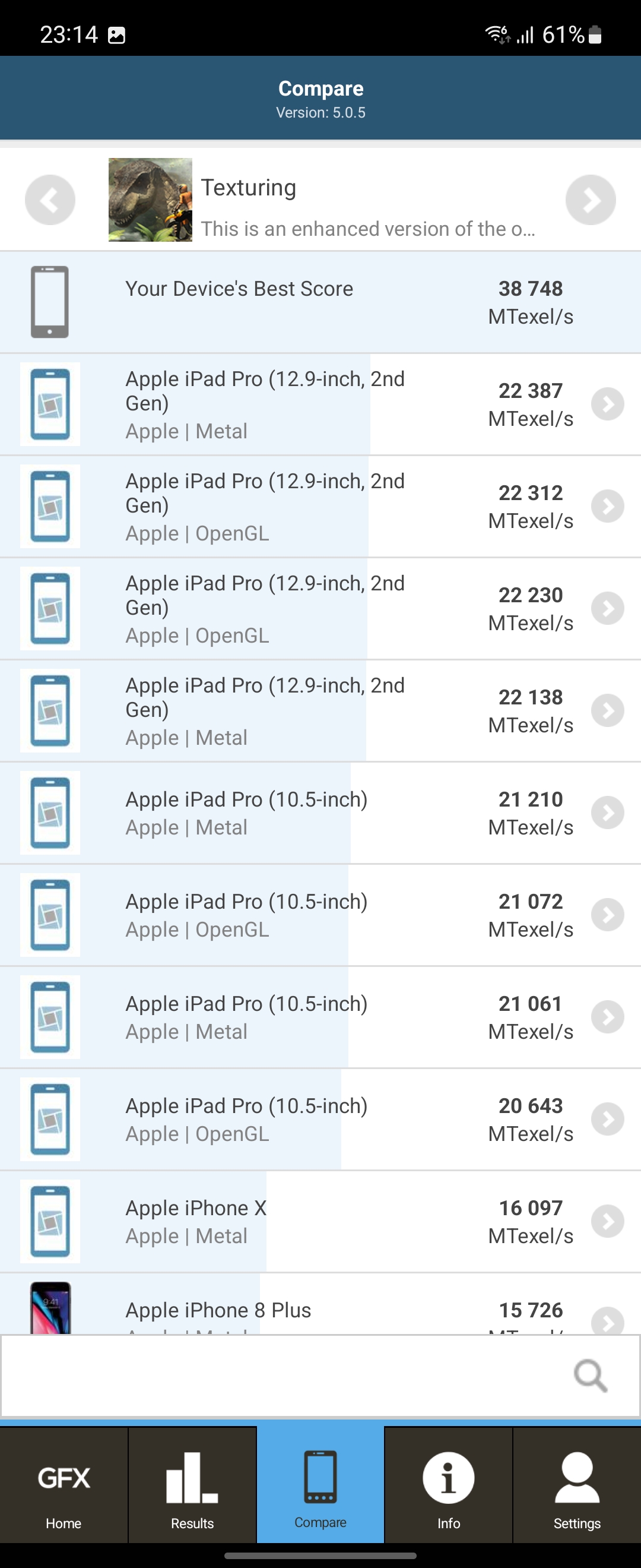
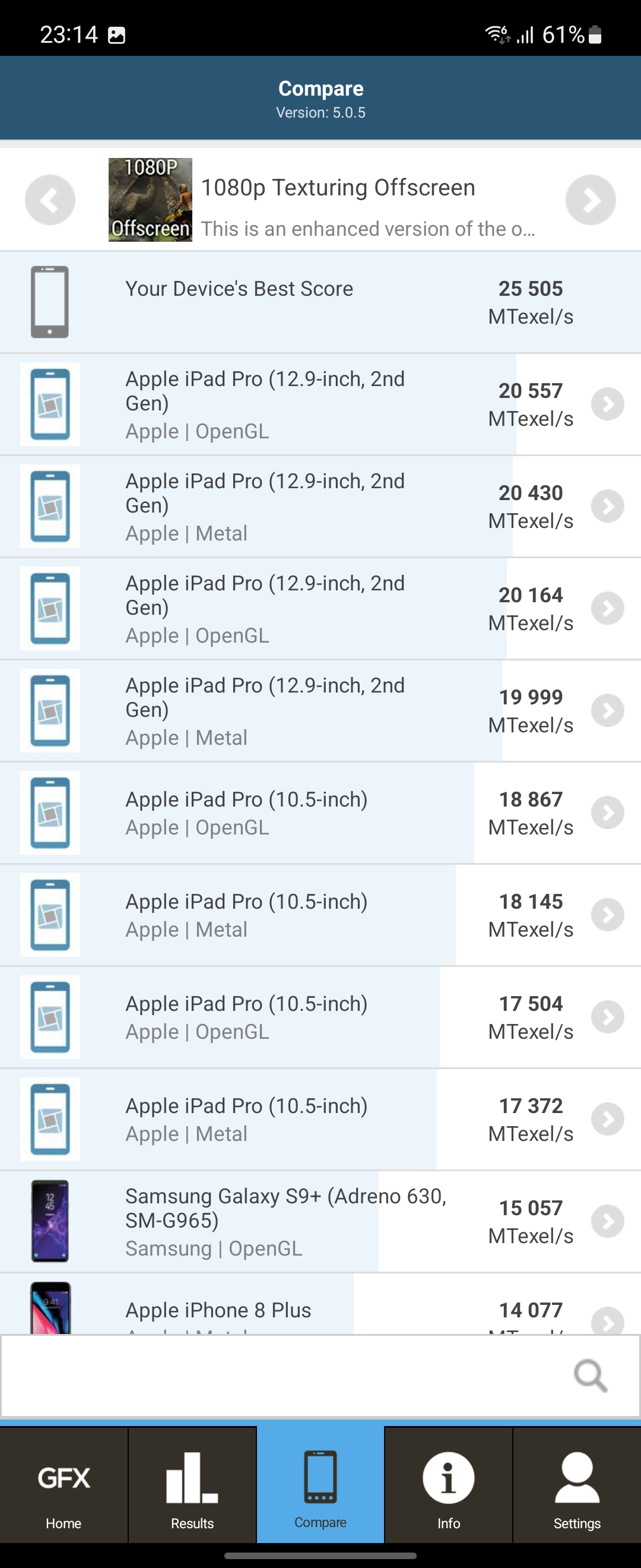
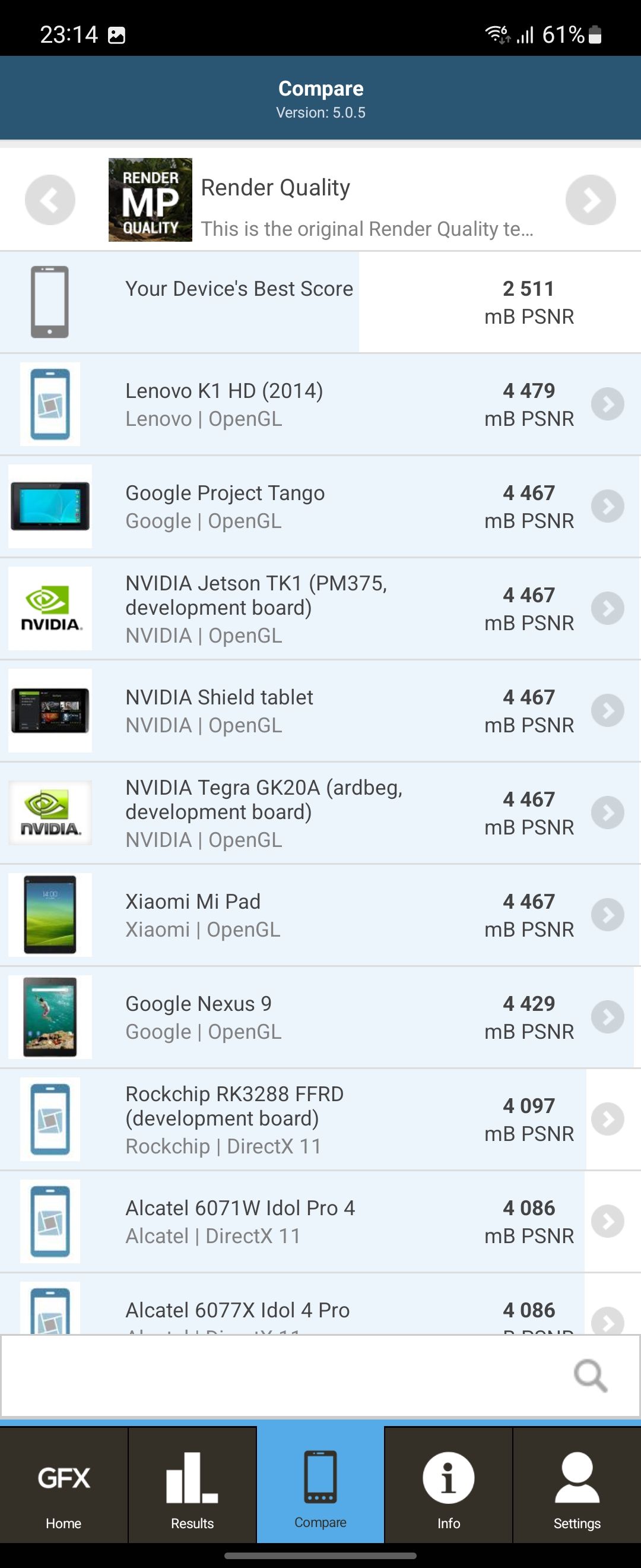
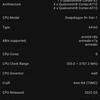
Inside the Samsung Galaxy Flip4 there is close toGalaxy Fold4 hardware. Namely – one of the most powerful mobile processors available at the moment, Qualcomm Snapdragon 8+ Gen 1. Let us remind you that it is produced using a 4-nm process technology, includes one high-performance ARM Cortex-X2 core with a frequency of up to 3.19 GHz, three Cortex-A710 at 2.75 GHz, a block of four energy-efficient Cortex-A510 cores at 1.8 GHz and an Adreno 730 graphics accelerator. 8 GB LPDDR5 RAM, expandable with internal storage of 2, 4, 6 or 8 GB (RAM Plus function). Internal storage: 128, 256 or 512 GB UFS 3.1. Therefore, it is not surprising that the smartphone demonstrates very high performance in performance tests:
</ img>
</ img>

</ img>
</ img>
</ img>
</ img>
</ img>
</ img>
</ img>
</ img>
</ img>
</ img>
</ img>
</ img>
</ img>
</ img>
</ img>
</ img>
</ img>
</ img>
</ img>
</ img>
</ img>
</ img>
</ img>
</ img>
</ img>
</ img>
</ img>
</ img>
</ img>
</ img>
</ img>
</ img>
</ img>
</ img>
</ img>
</ img>
</ img>
</ img>
</ img>
</ img>
</ img>
</ img>
</ img>
</ img>
</ img>
</ img>
</ img>
</ img>

</ img>
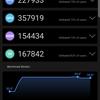
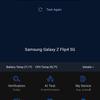
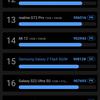

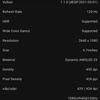
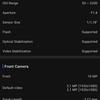
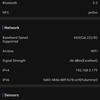
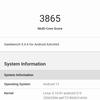
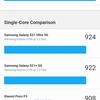
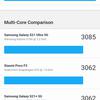
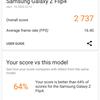
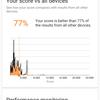
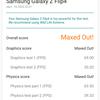
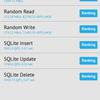
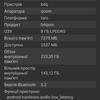
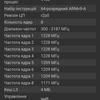
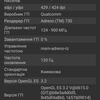
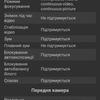
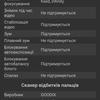
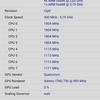
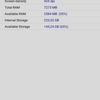
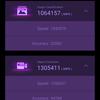
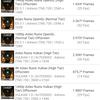
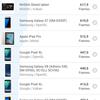
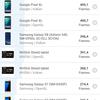
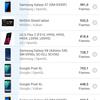
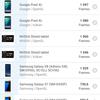
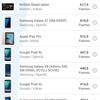
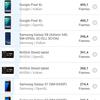
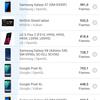
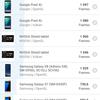

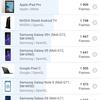
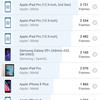
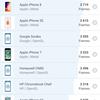
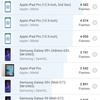
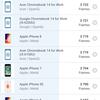
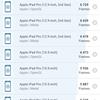
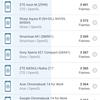
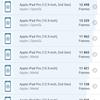
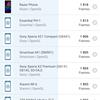
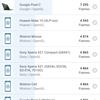
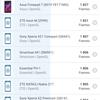
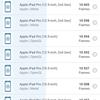
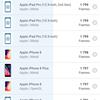
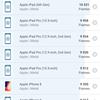
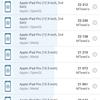
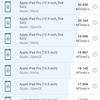
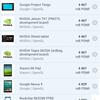
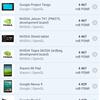
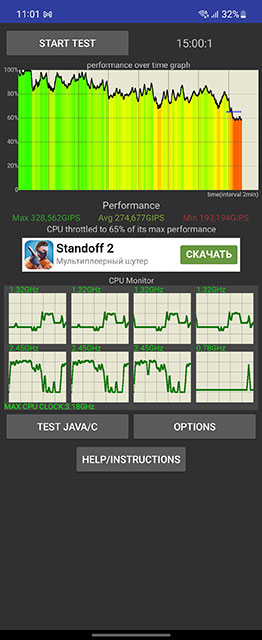
But like the previous generation, the Samsung Galaxy Flip4has some overheating issues. Indeed, given the design features, it becomes clear that the layout is very tight, and flagship processors are always hot. CPU Throttling Test showed that the processor is prone to overheating during prolonged maximum loads, and performance drops to 65%. The case also noticeably warms up.
</ img>
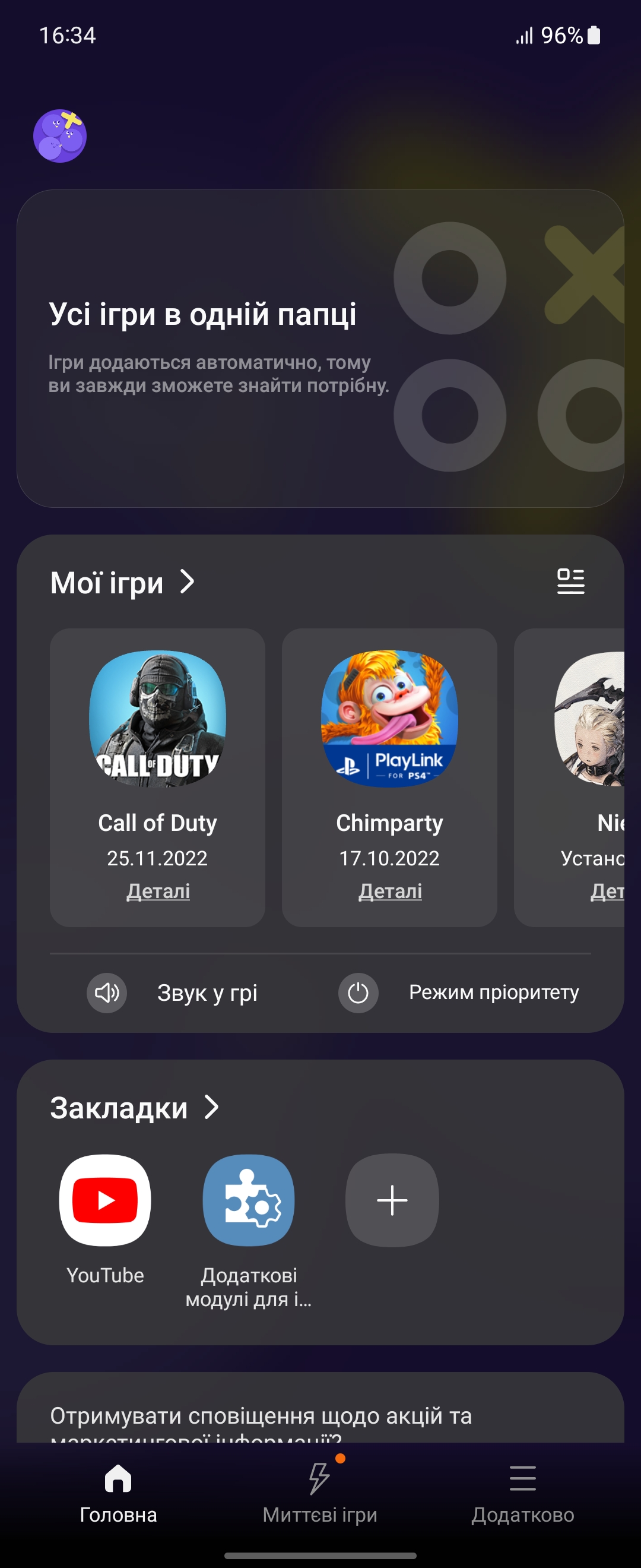
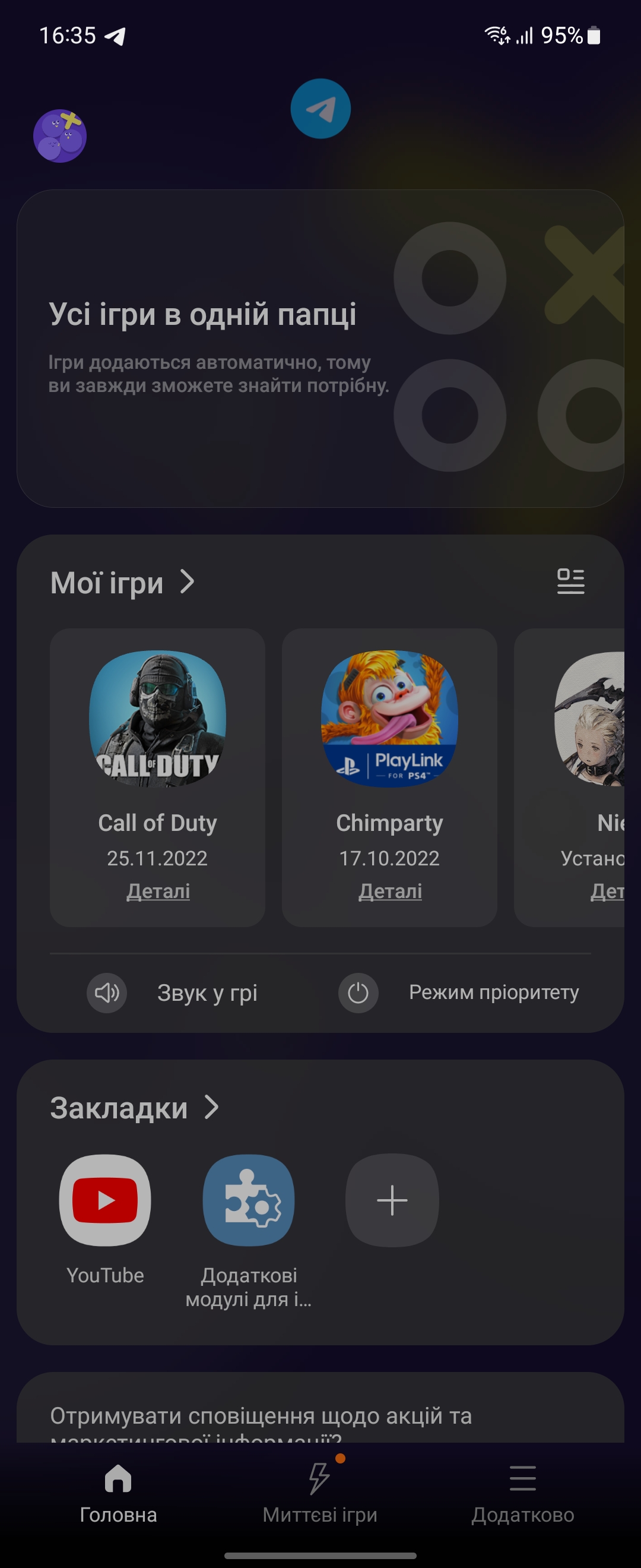
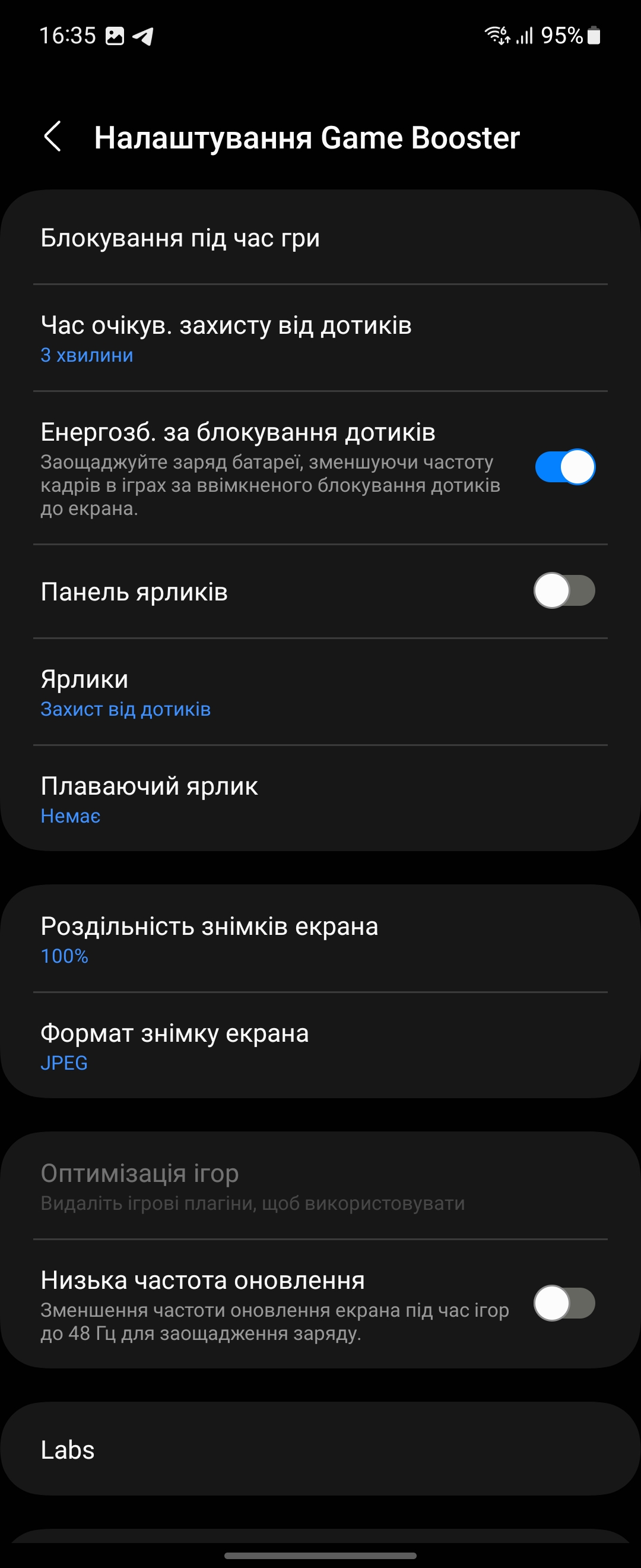
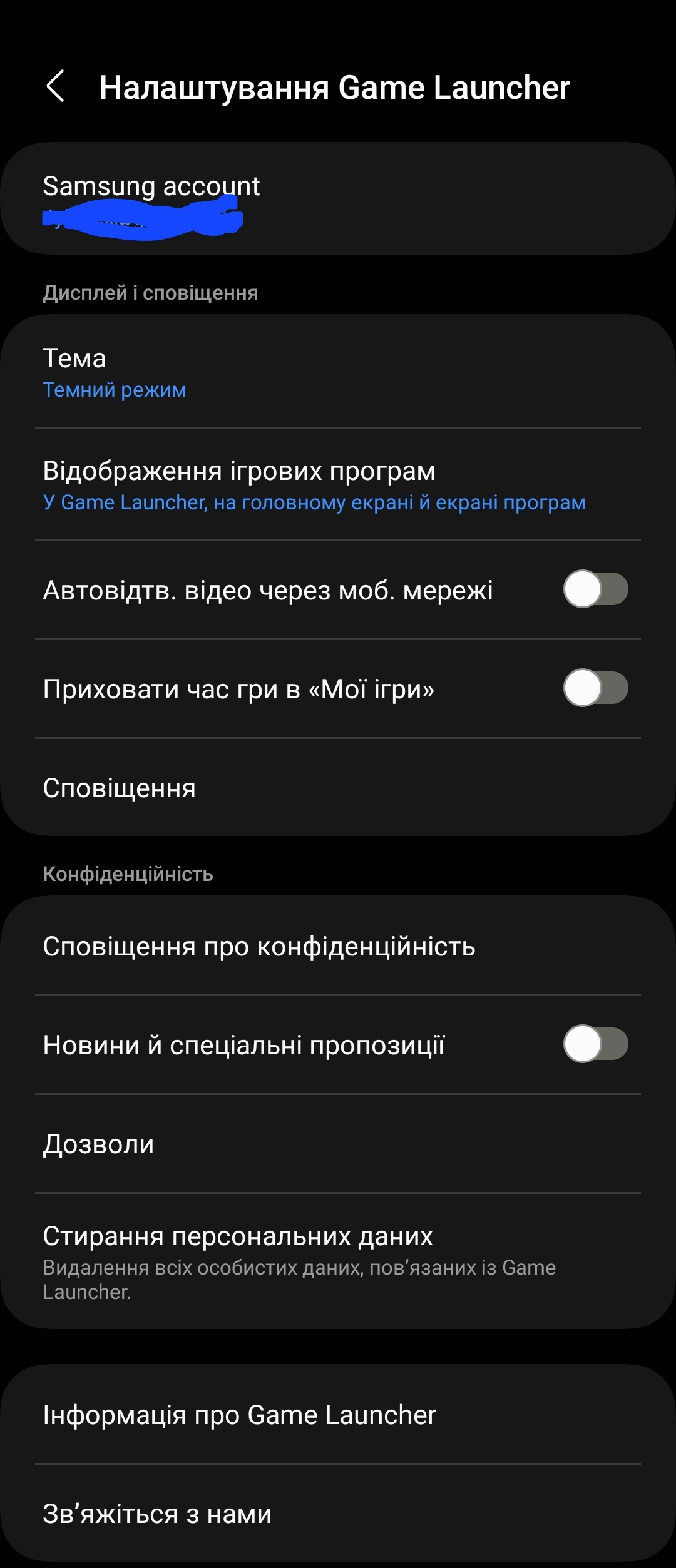
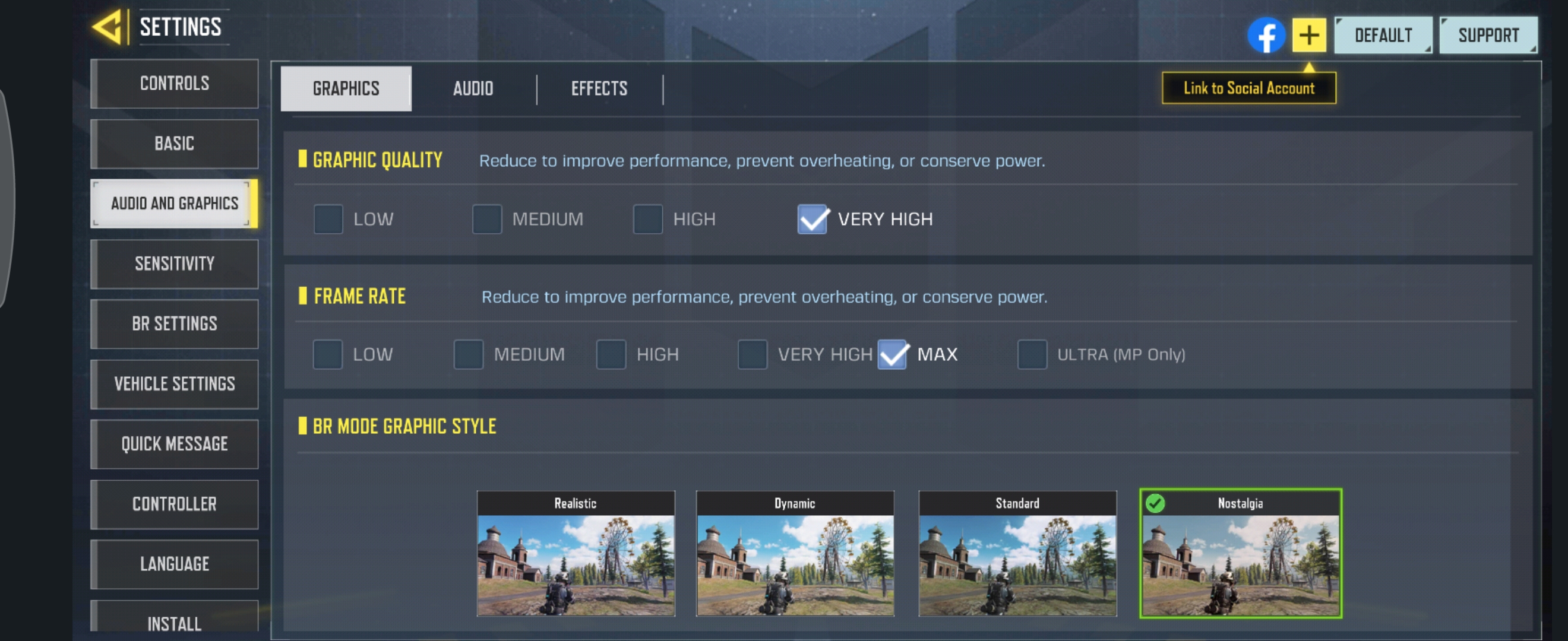
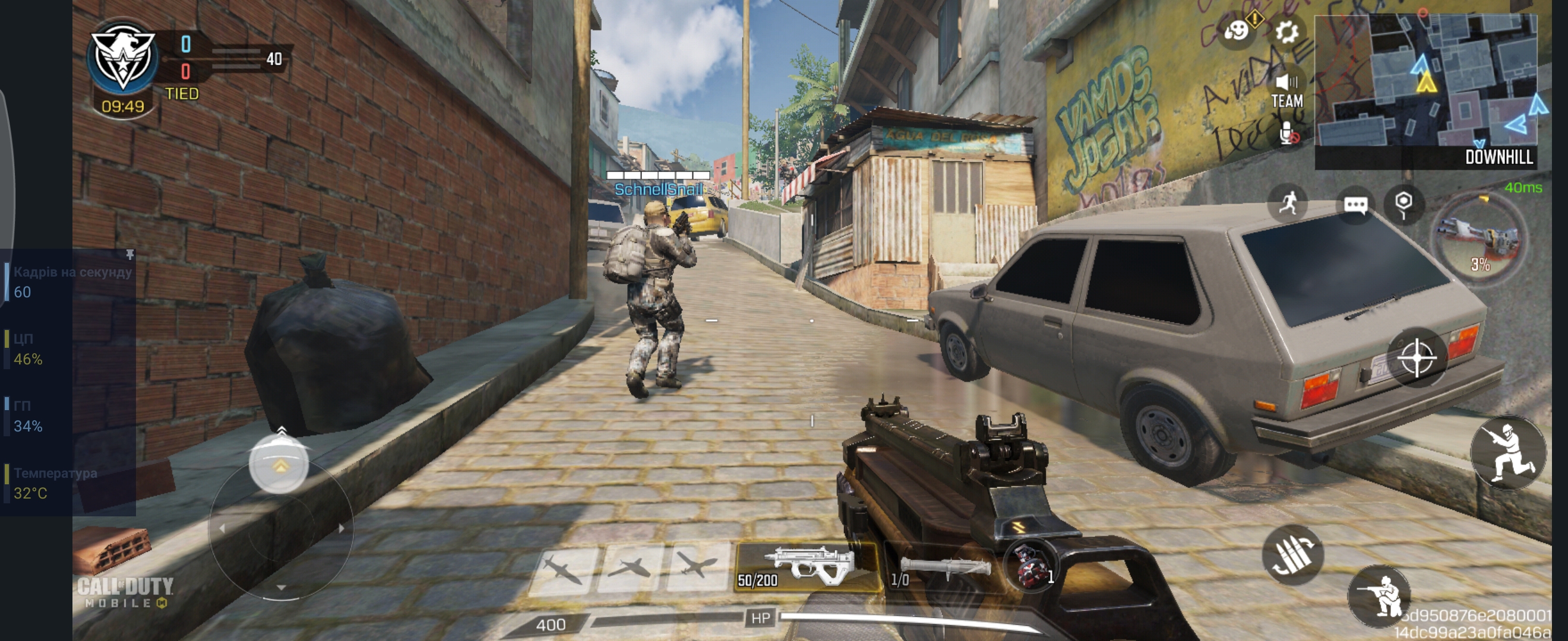
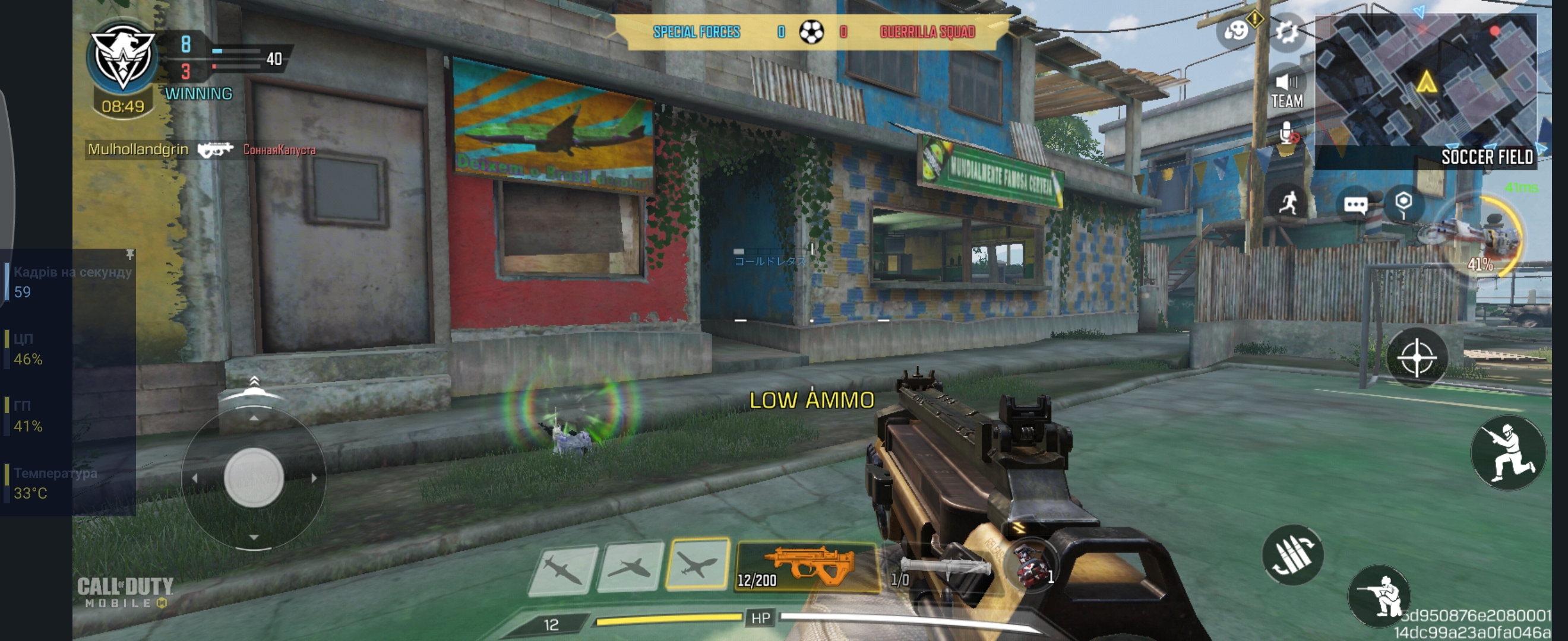
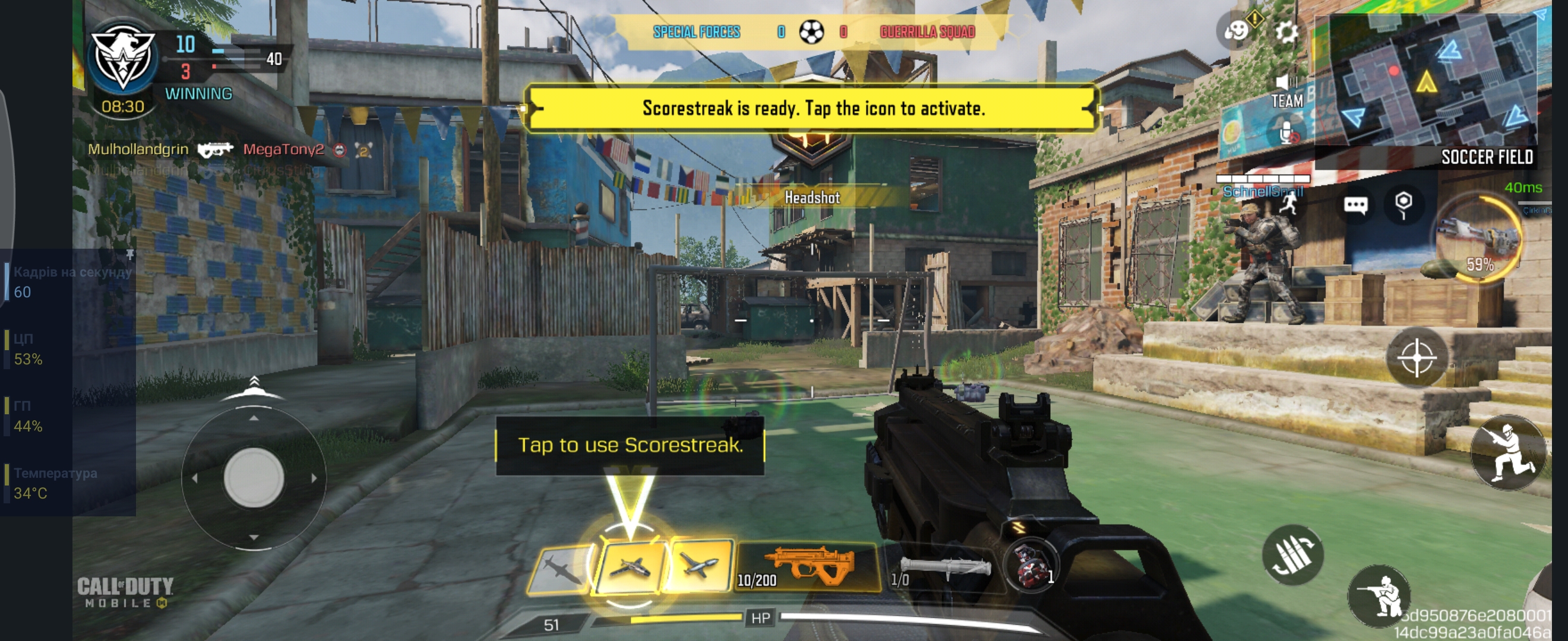
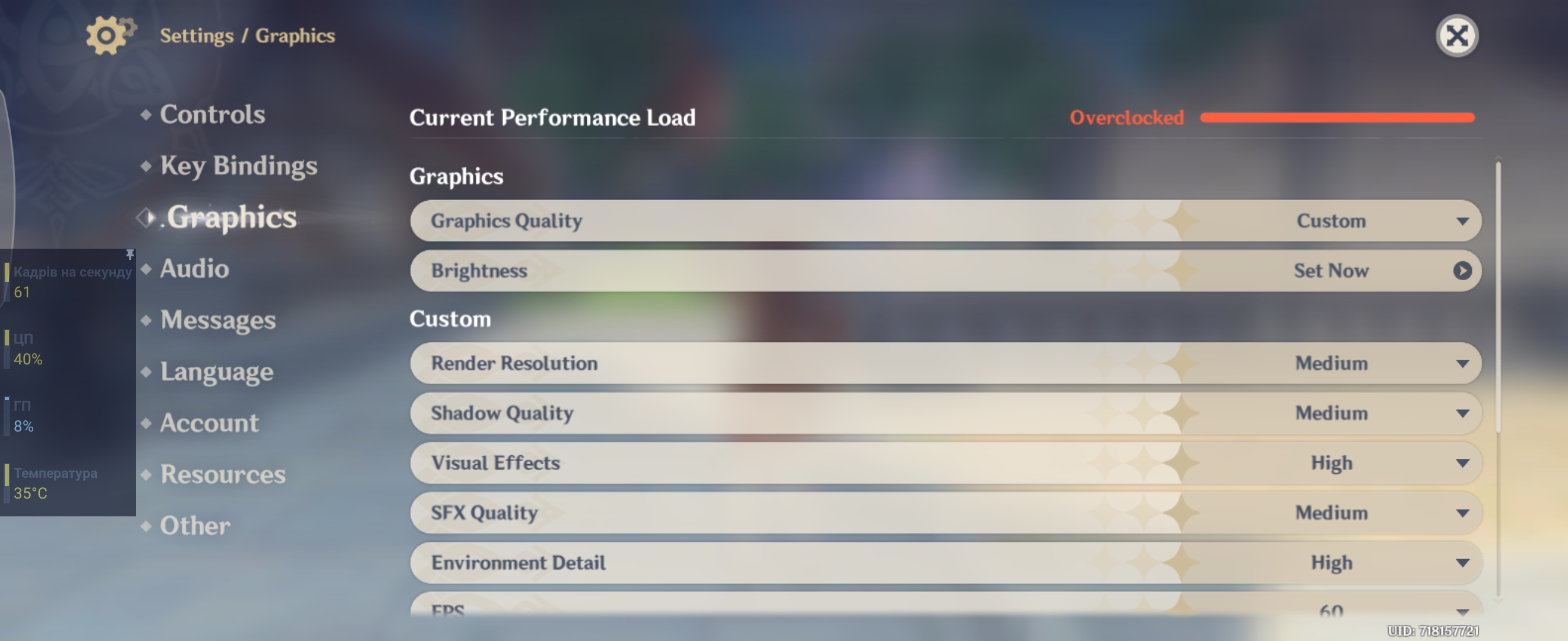
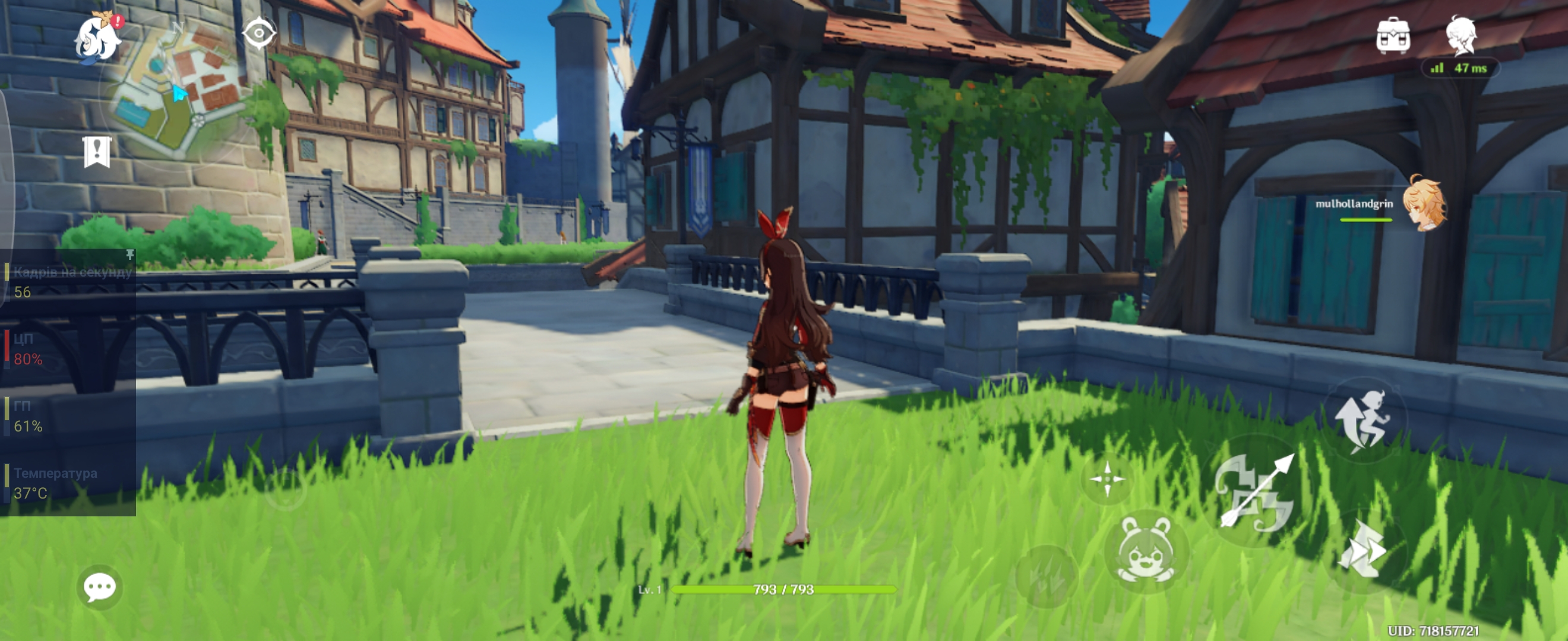
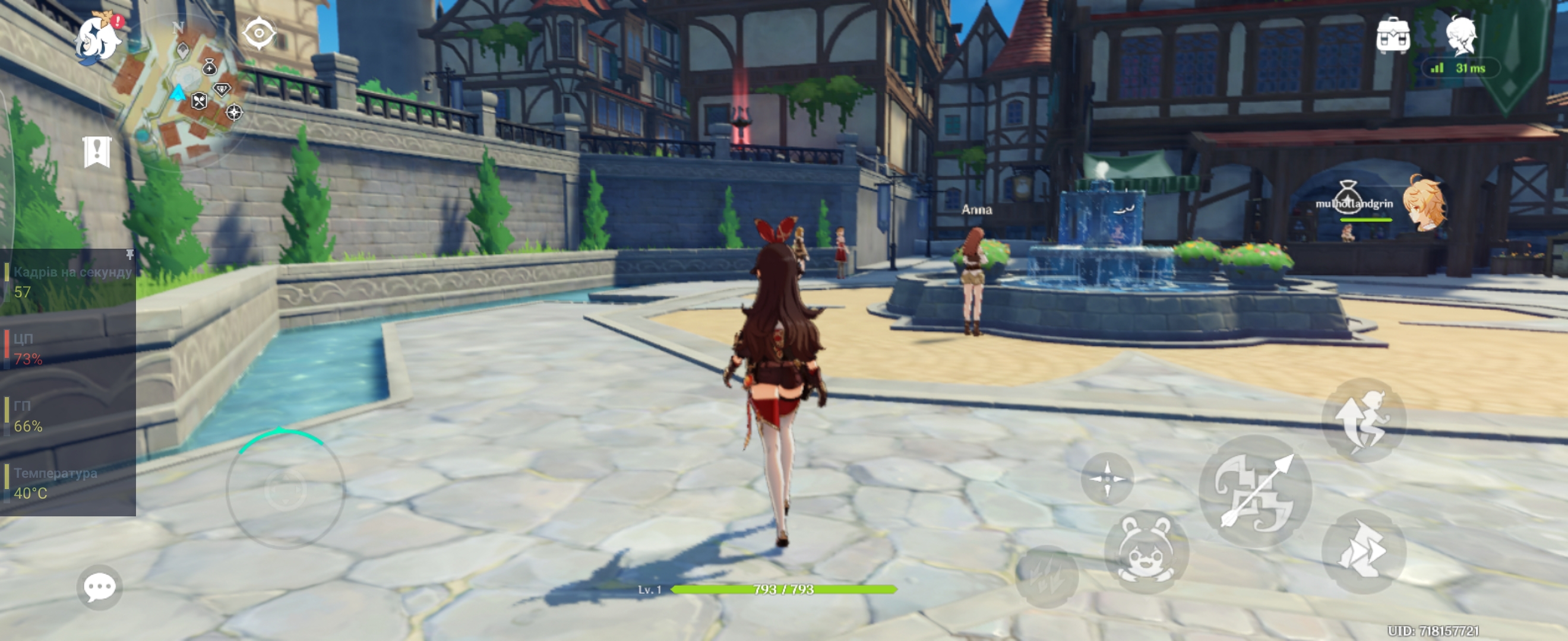
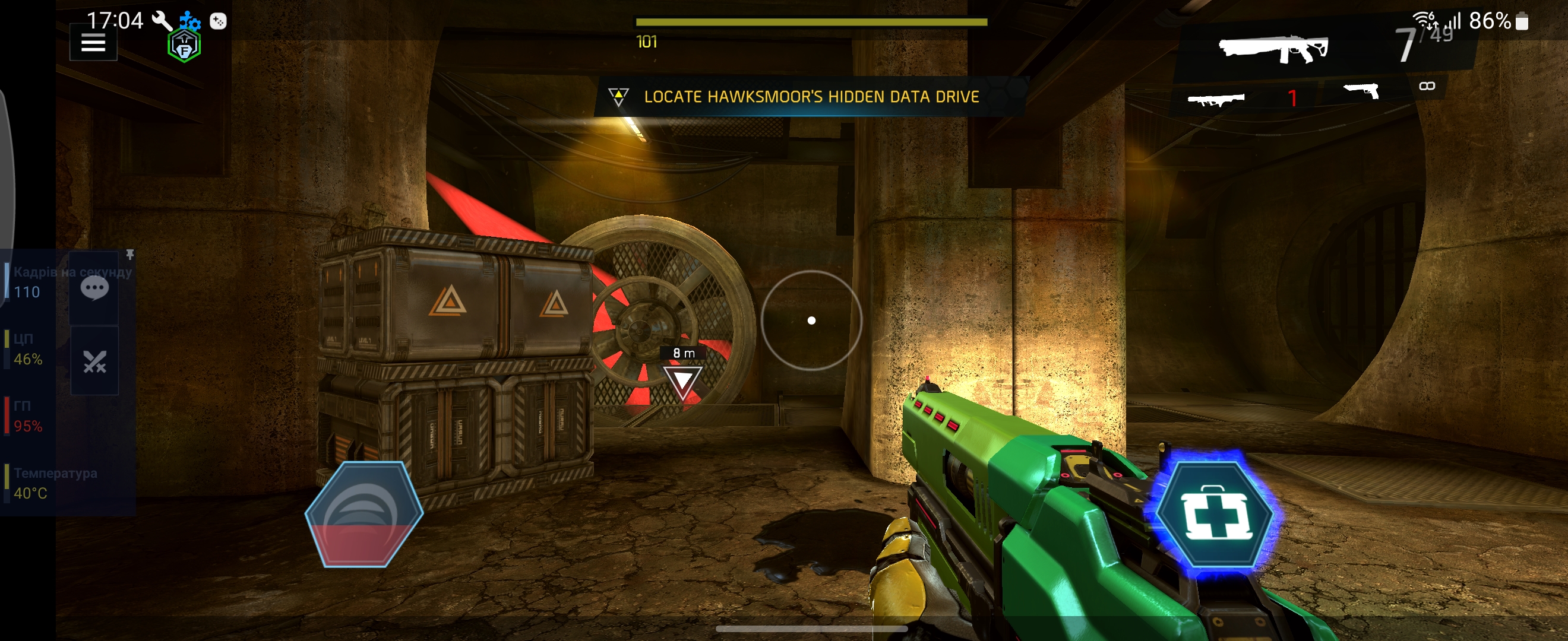
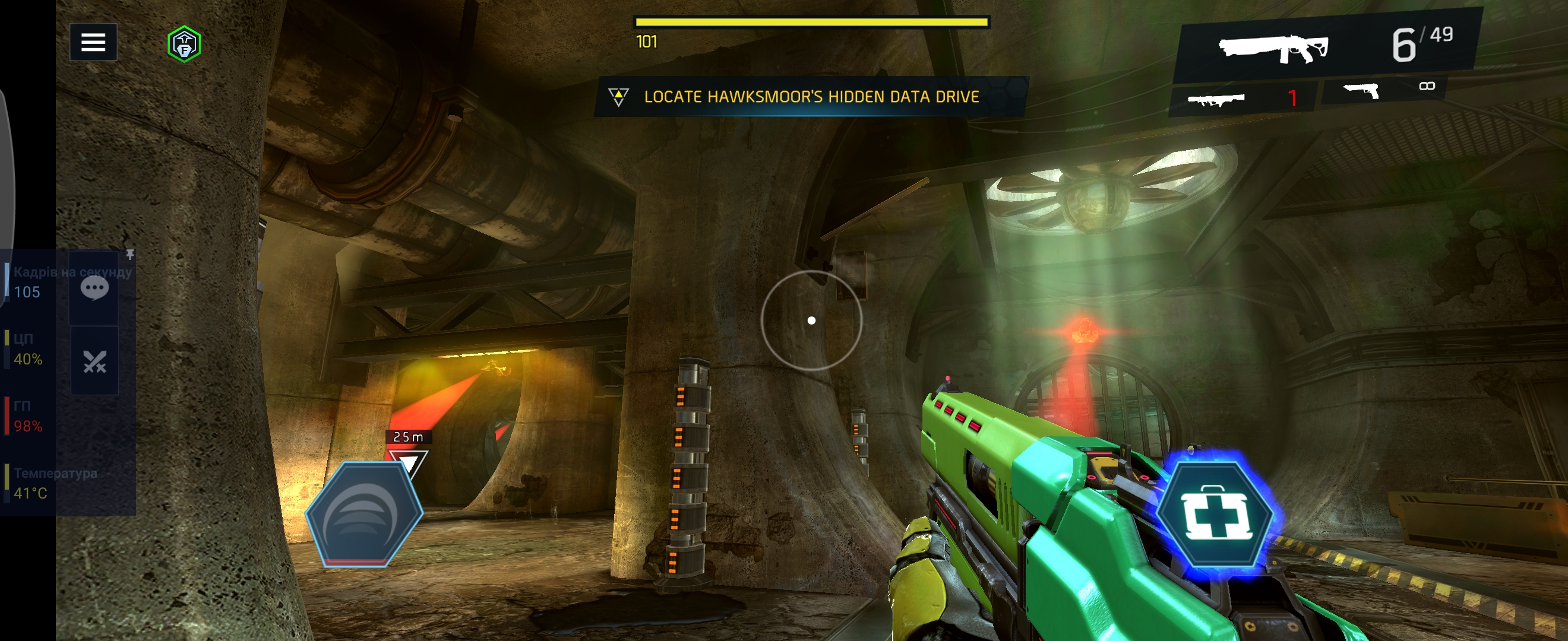
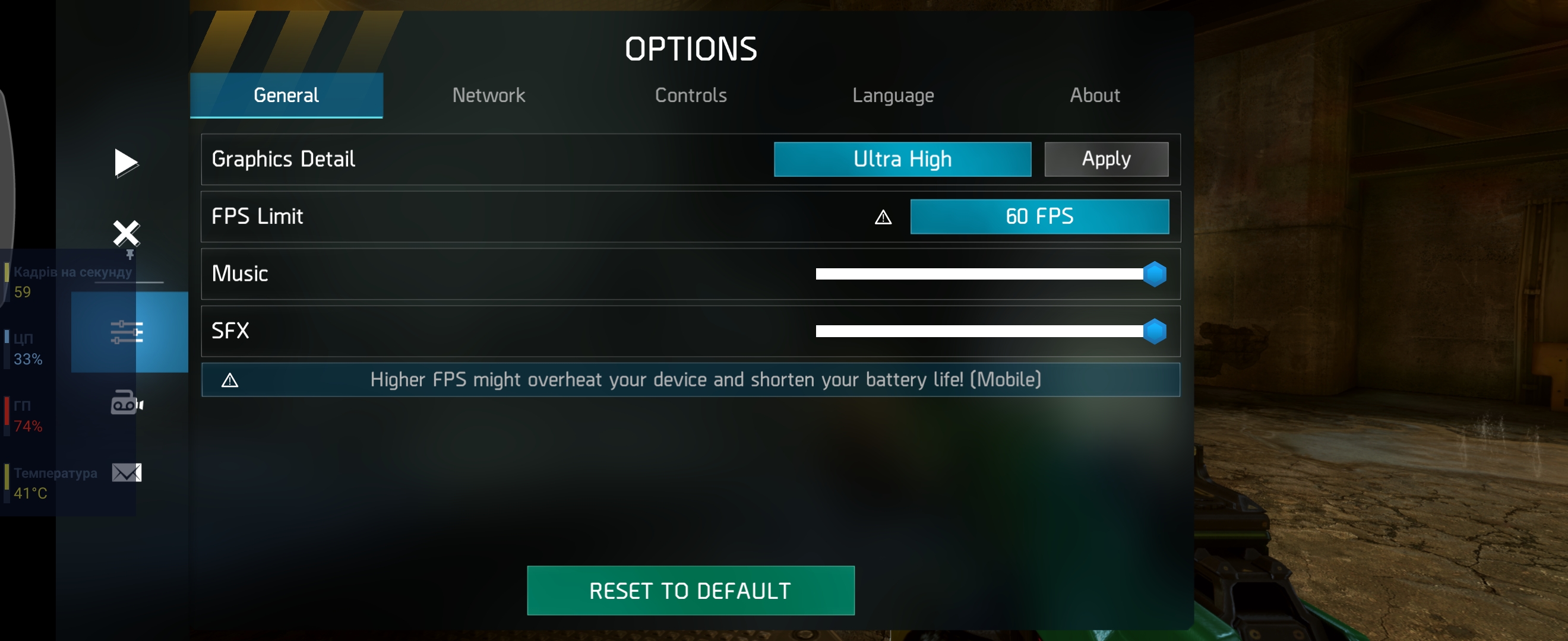
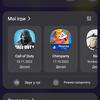
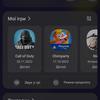
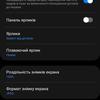
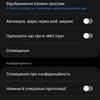
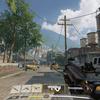
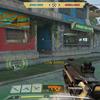
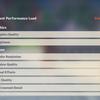
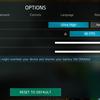
In real conditions, the body becomes a littlewarm only in demanding games and when using a smartphone as a mobile hotspot. Although there is no performance hit, applications run quickly. We have already talked about the proprietary gaming application Game Center in many reviews of Samsung smartphones, it has not changed. Modern smartphone games “pulls” no problem. Call of Duty Mobile runs at 60 frames per second at maximum graphics settings, Genshin Impact – 50-60 FPS, Shadowgun Legends figure fluctuates between 90-120 FPS.
</ img>
</ img>
</ img>
</ img>
</ img>
</ img>

</ img>
</ img>
</ img>
</ img>
</ img>
</ img>
</ img>
</ img>
</ img>







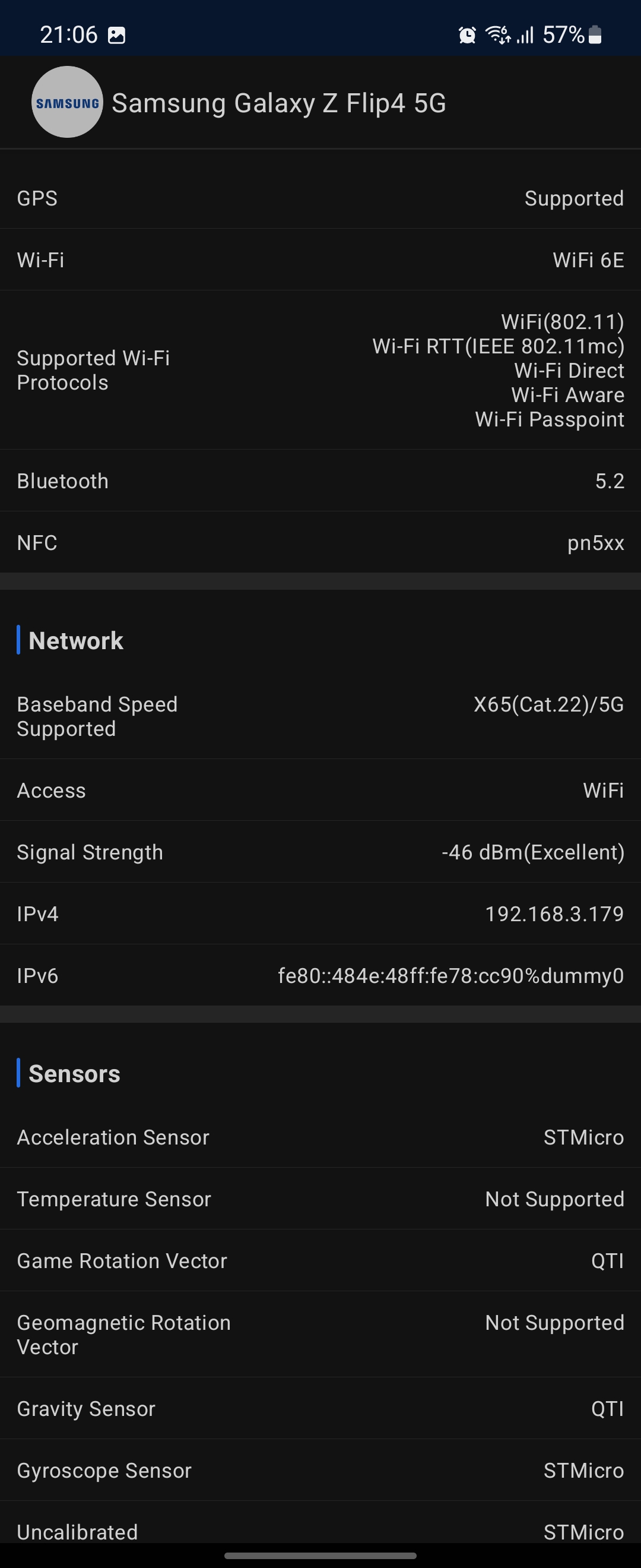
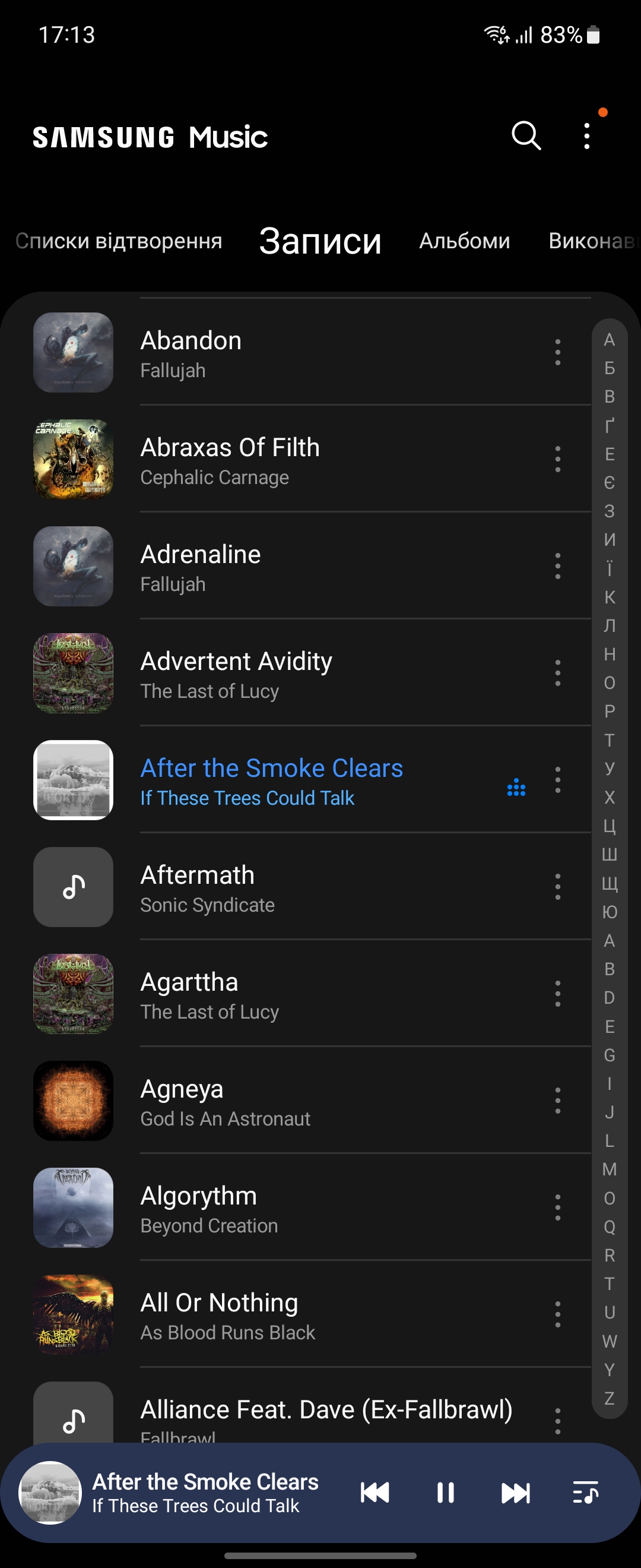
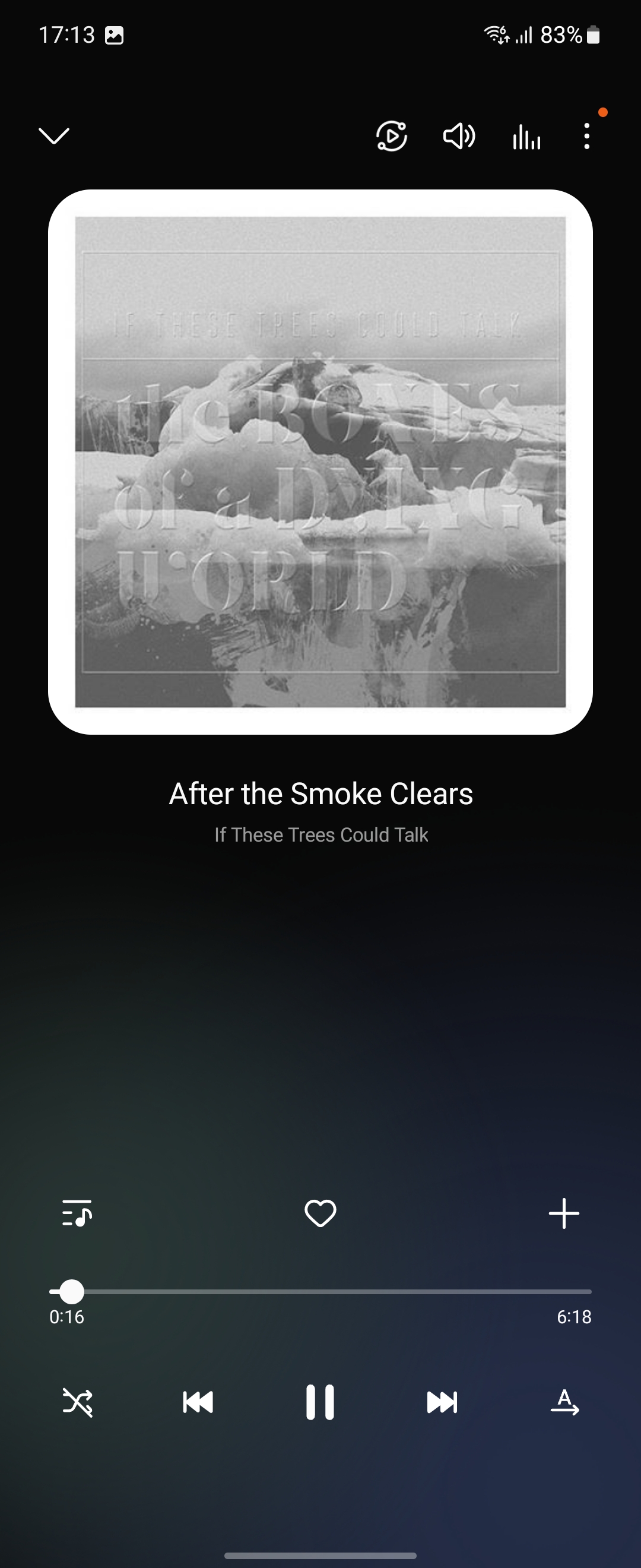
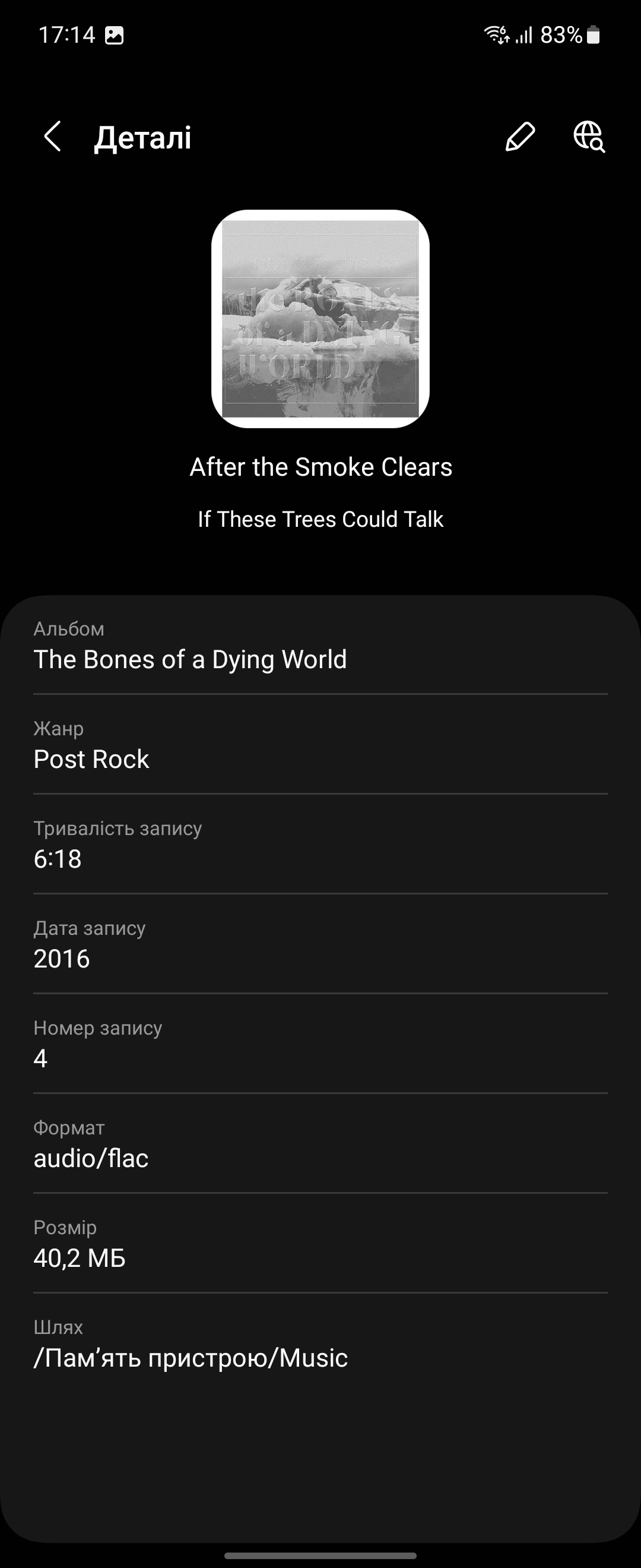
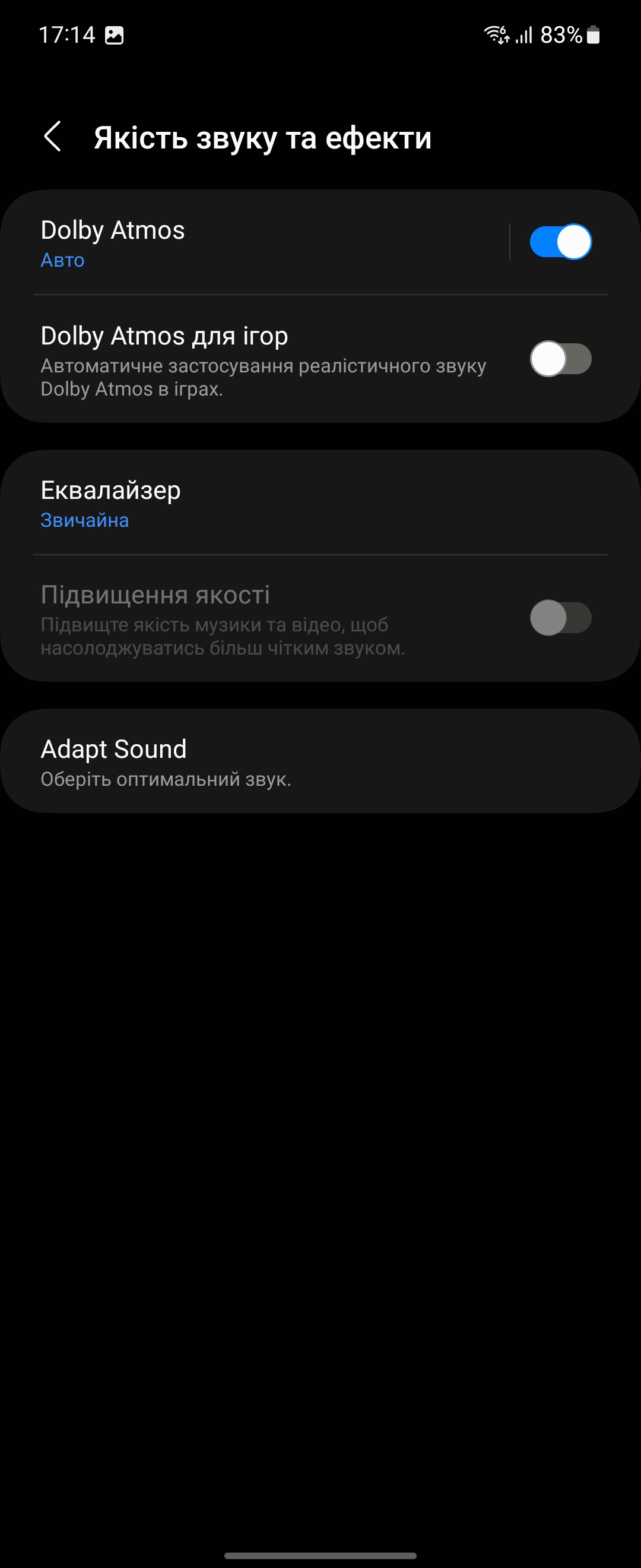
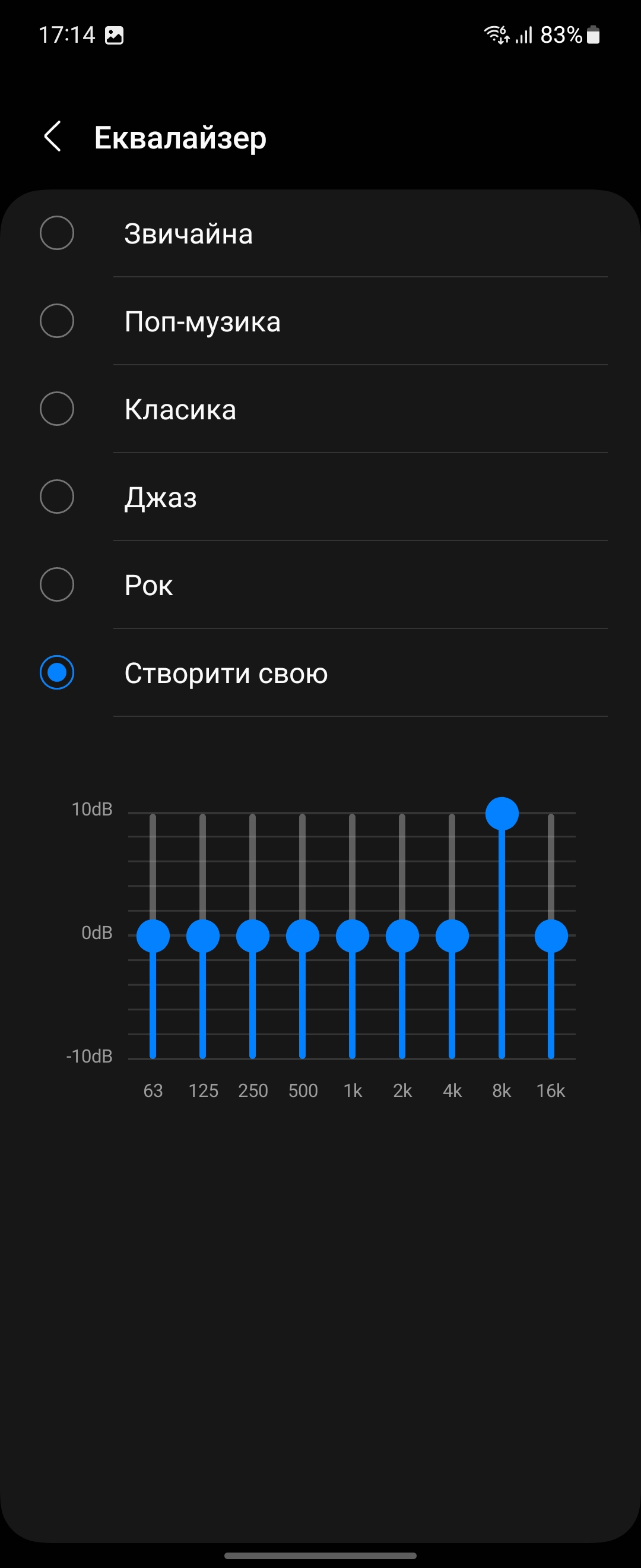
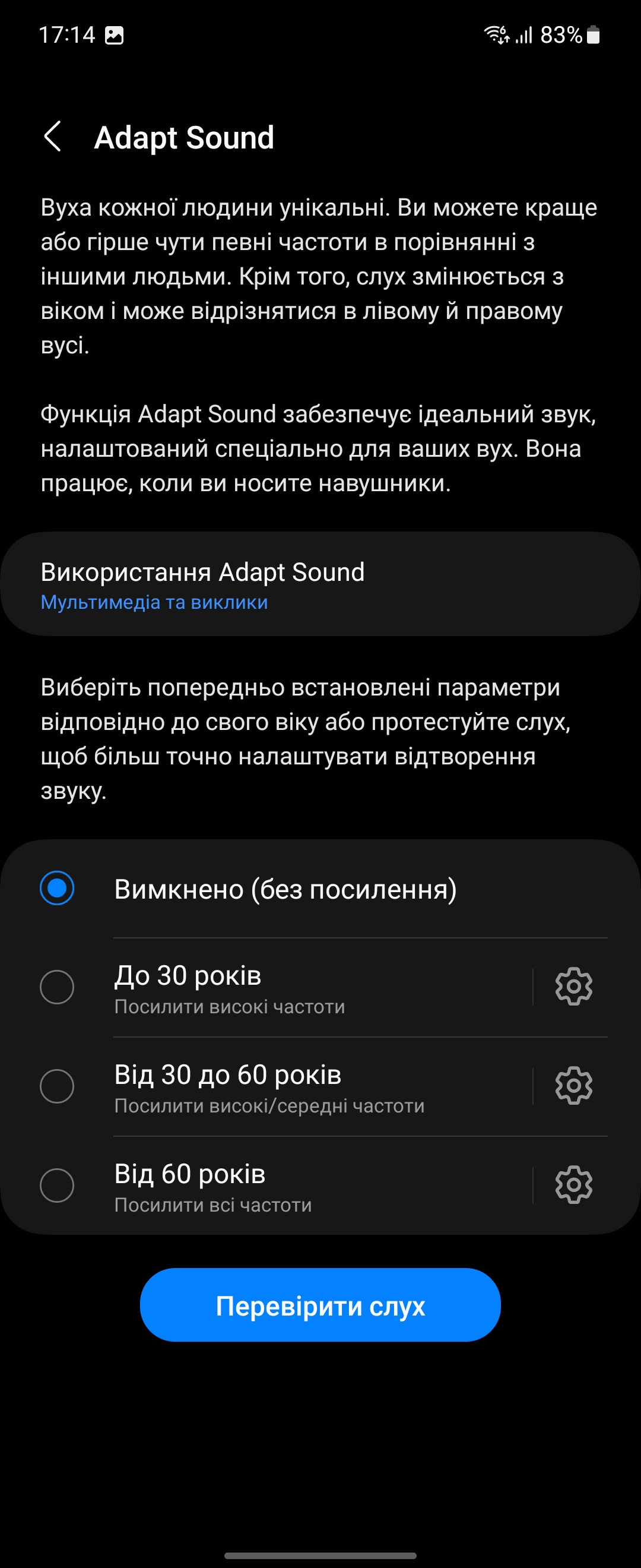
Samsung Galaxy Flip4 is equipped with dual-bandWi-Fi module 802.11 a/b/g/n/ac/6e 2.4 GHz and 5 GHz, Bluetooth 5.2 LE with support for aptX adaptive and LDAC codecs for high-quality audio transmission and NFC for contactless payment. Global positioning systems GPS, GLONASS, GALILEO, BDS are supported. To reproduce stereo sound, a speaker is used for conversations and the main one, located at the bottom of the smartphone. The sound is loud and of sufficient quality. Of course, considering that it – smartphone, not a portable speaker. The music player has absolutely standard functionality, to which features already familiar to Samsung have been added: Dolby Atmos and Adapt Sound (volume adjustment taking into account hearing deterioration with age).
</ img>
</ img>
</ img>
</ img>
</ img>
</ img>

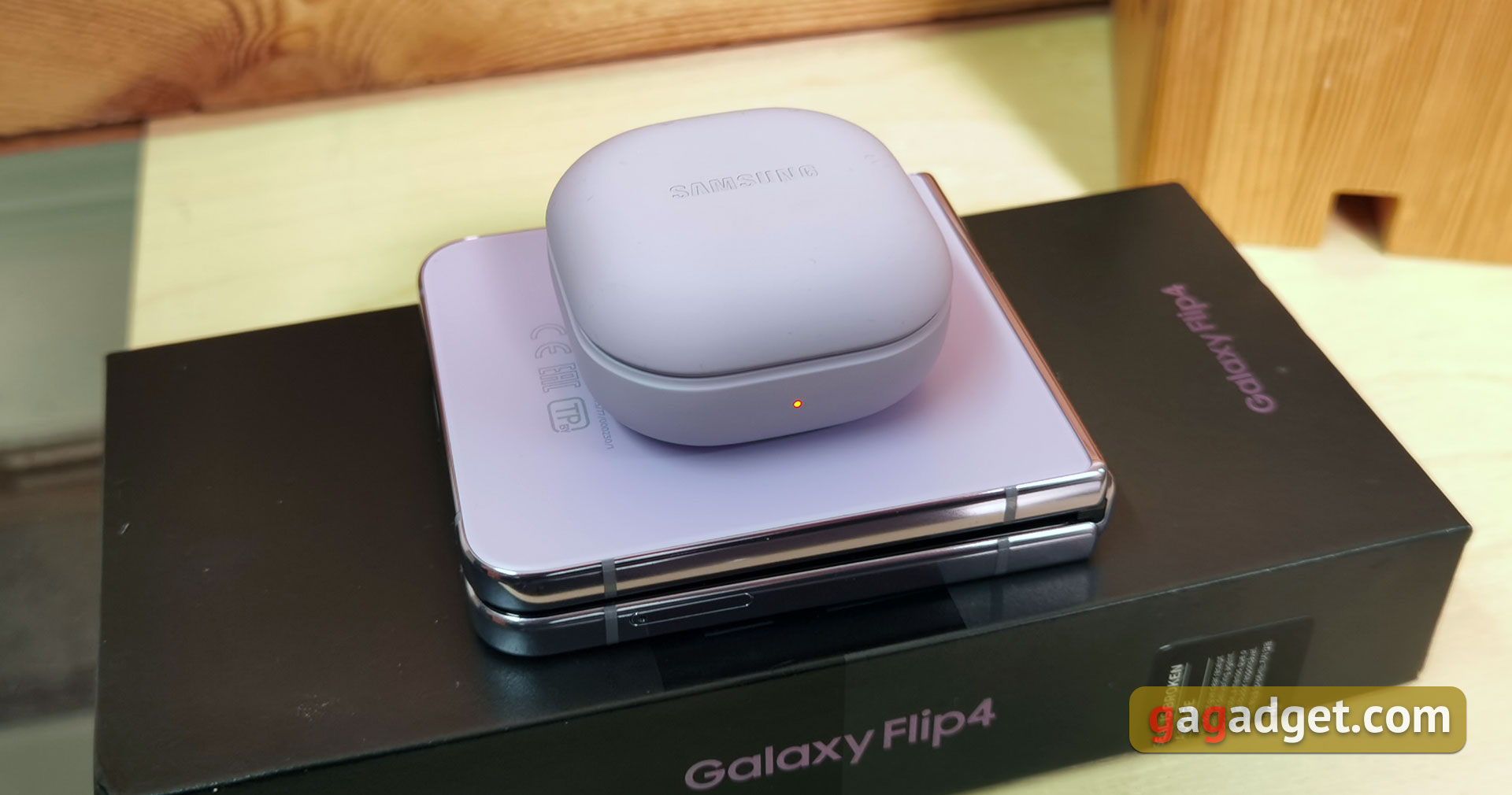
One of the main problems of the Samsung Galaxy Flip3had battery life. During active use, I had to charge it twice a day. In the new Samsung Galaxy Flip4, the battery has increased from 3300 mAh to 3700 mAh, plus the Qualcomm Snapdragon 8+ Gen 1 proved to be relatively energy efficient for a top-end processor. This really had a positive effect on the autonomy of the smartphone. With my standard use case (15-20 minutes of phone calls, instant messengers, social networks, web surfing, YouTube and mail in large quantities, about an hour of music via Bluetooth, a few cameras and games), the smartphone can withstand a day without problems. Of course, with more modest use, you can get more. The charging speed has also increased. Now there is support for 25W fast wired charging (50% in half an hour), 15W wireless charging, and reverse wireless charging.
</ img>
How convenient is the interface?
</ img>
</ img>
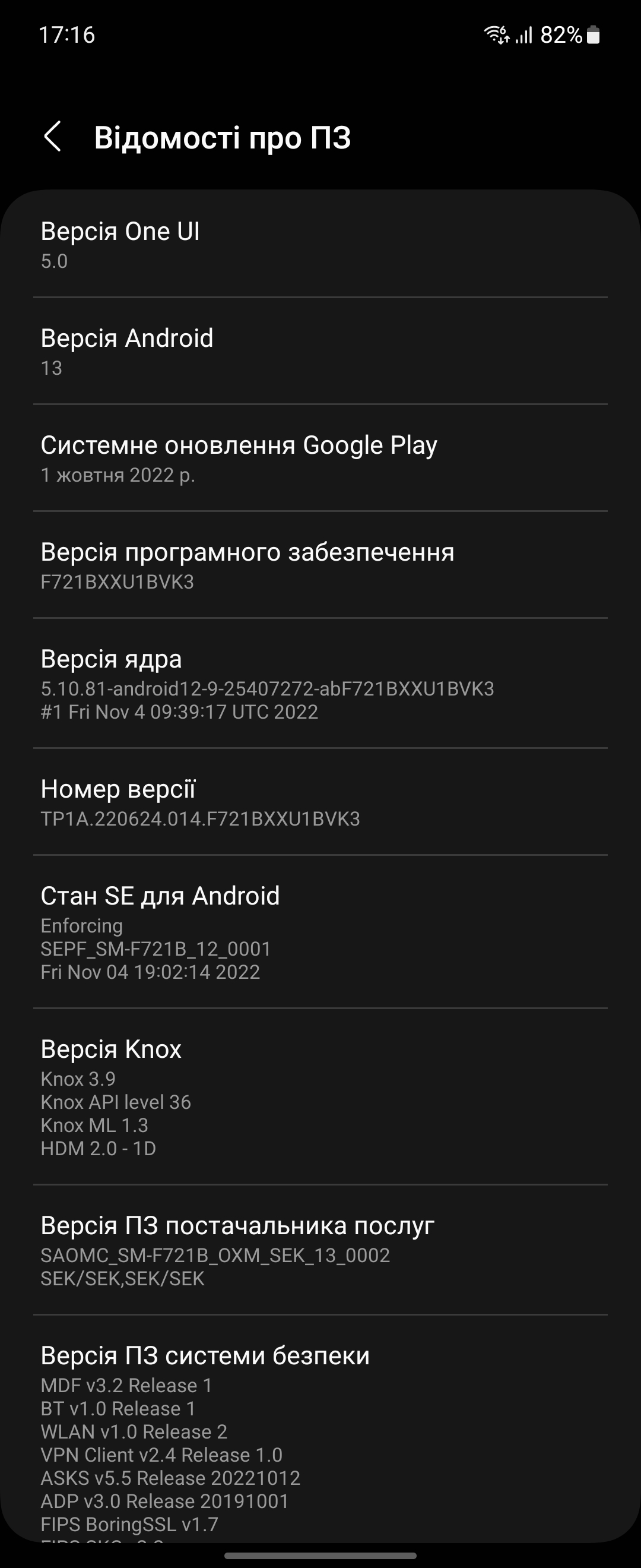
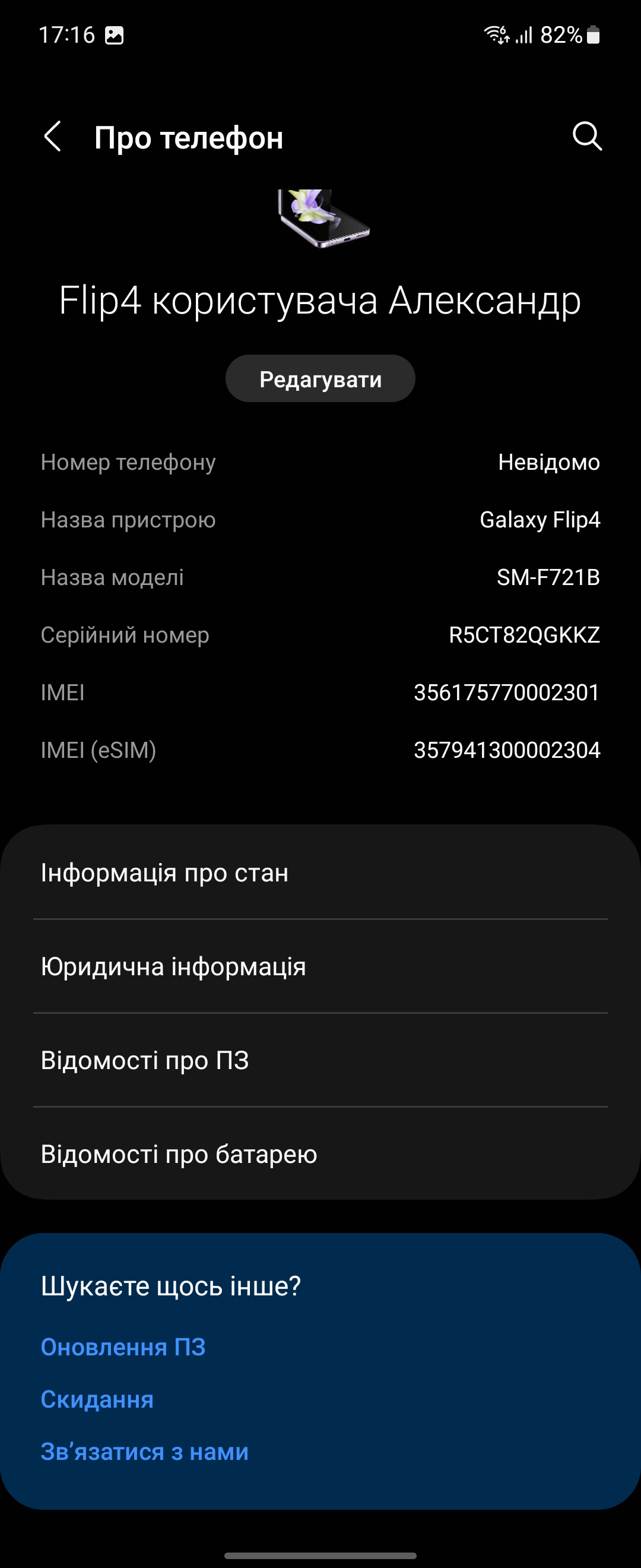
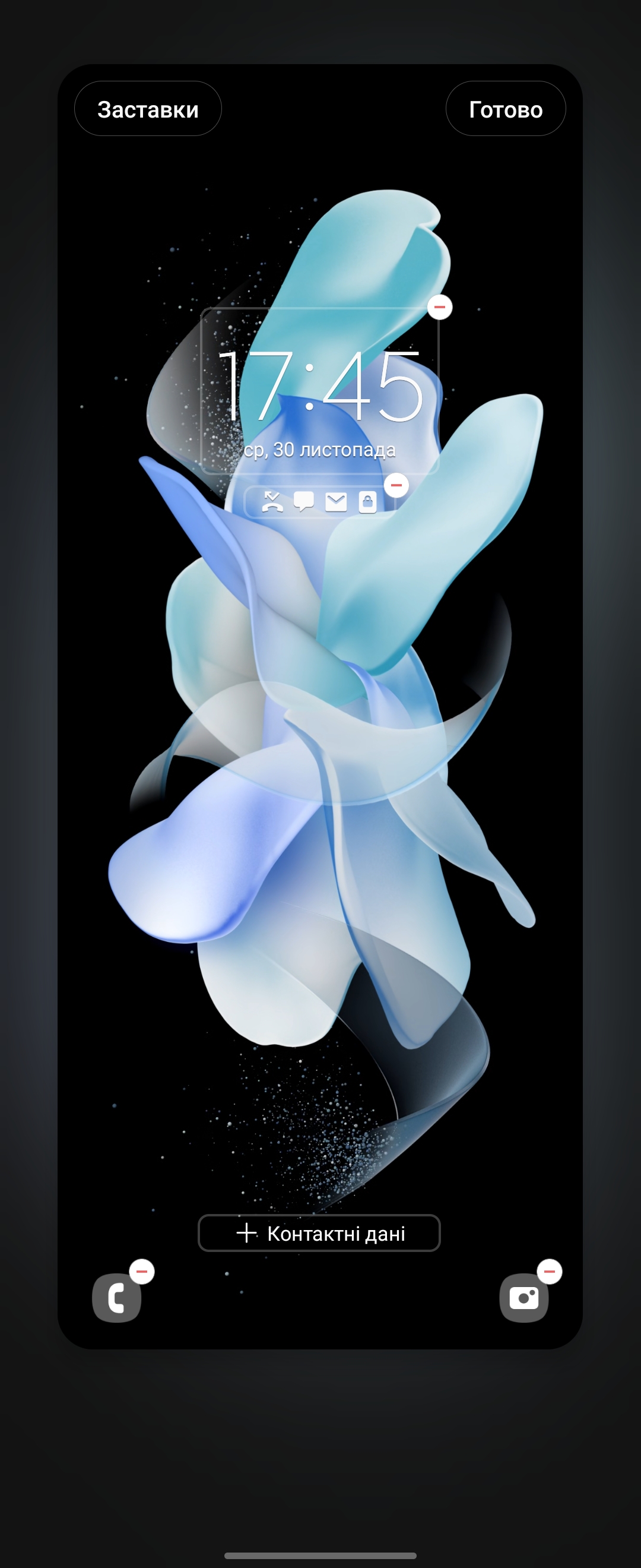
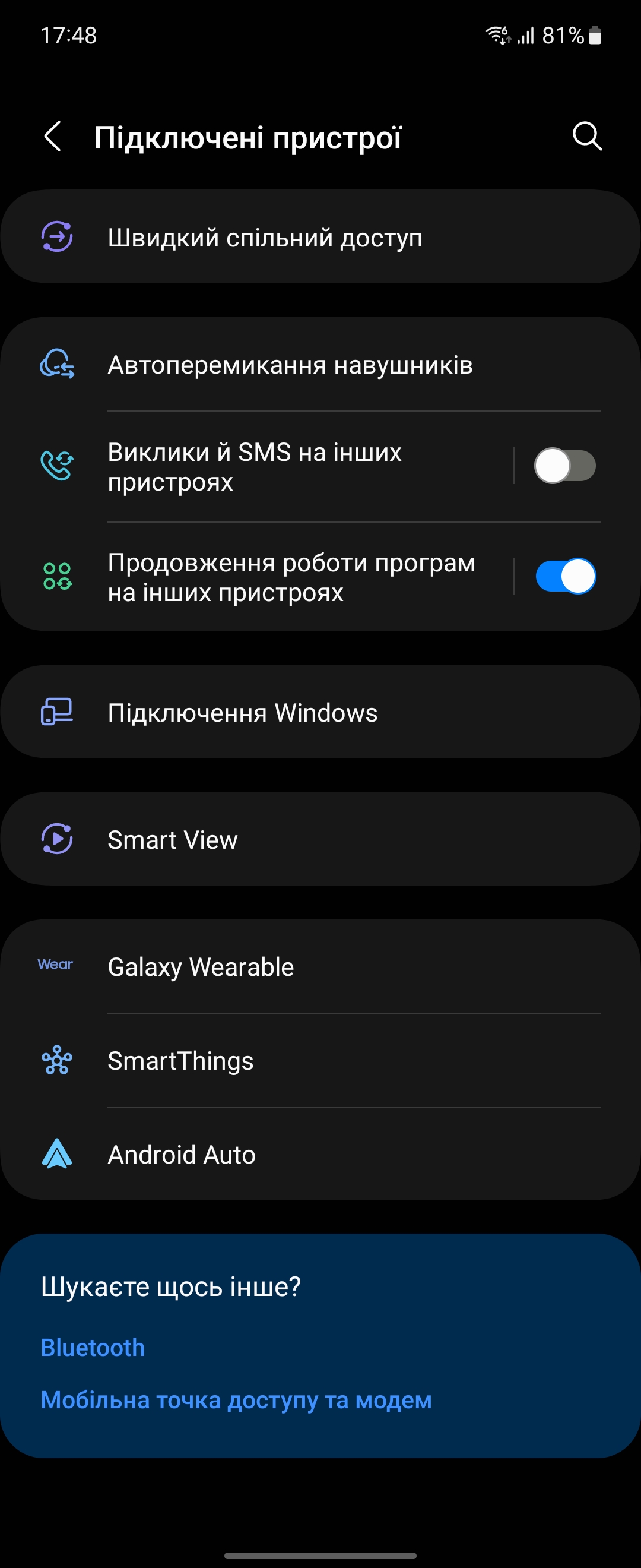
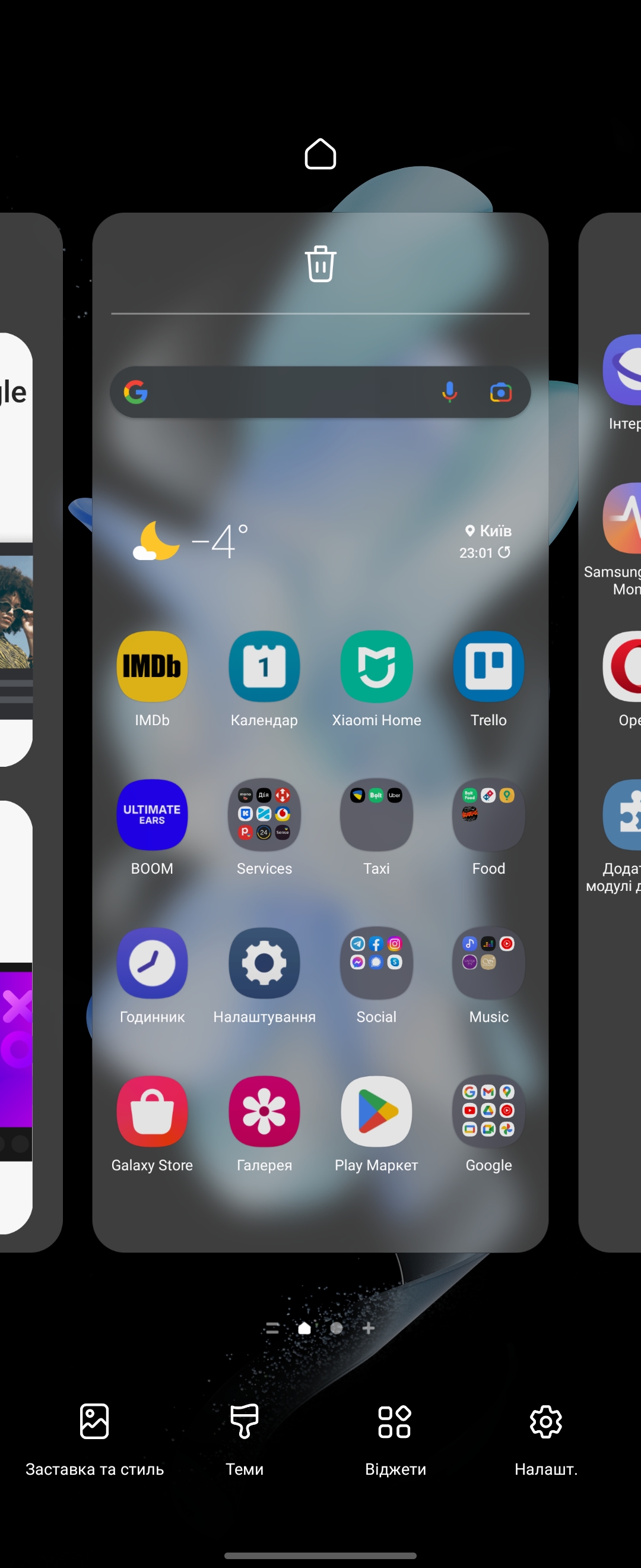
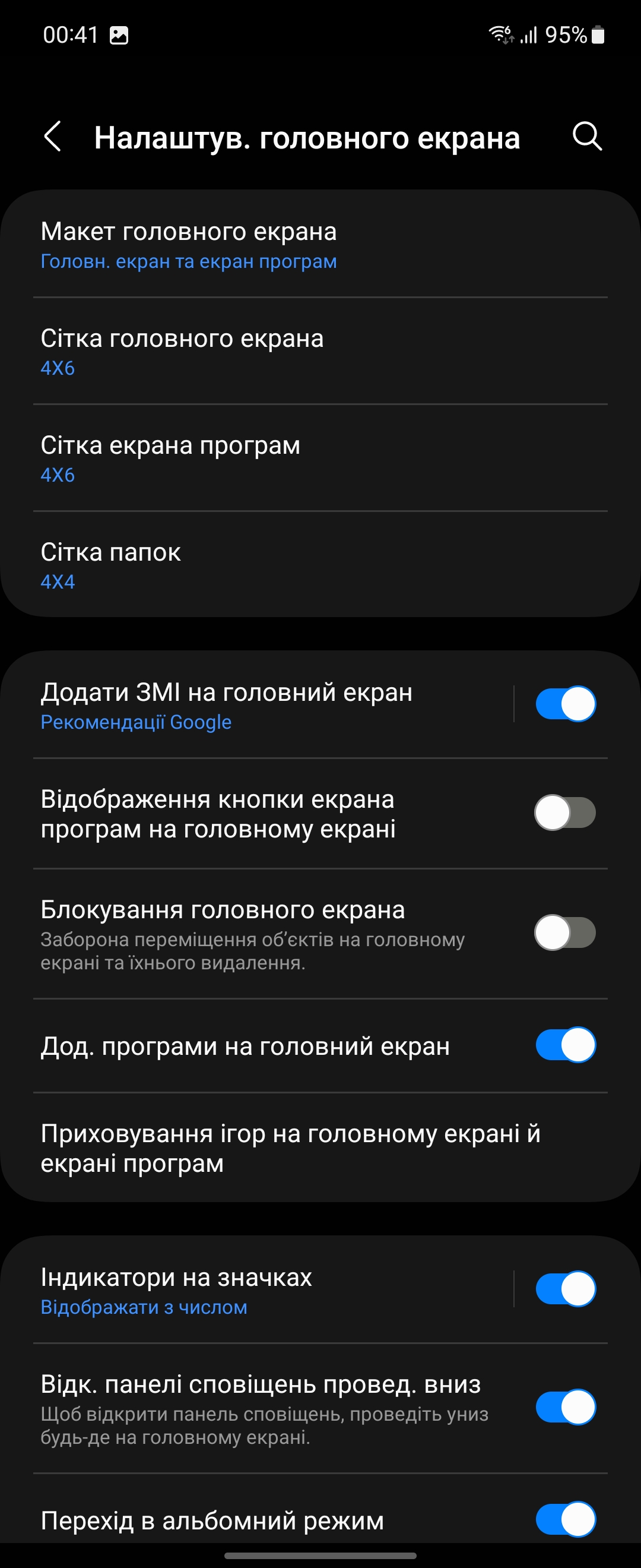
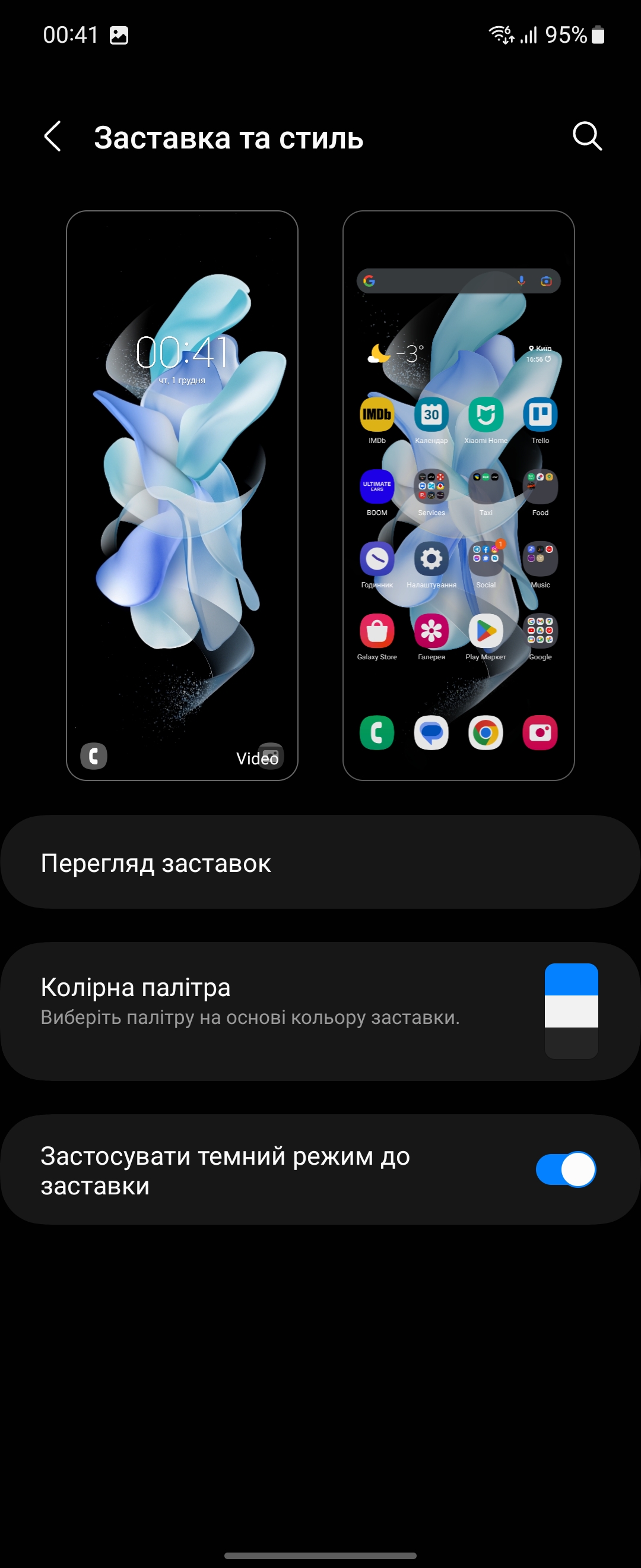
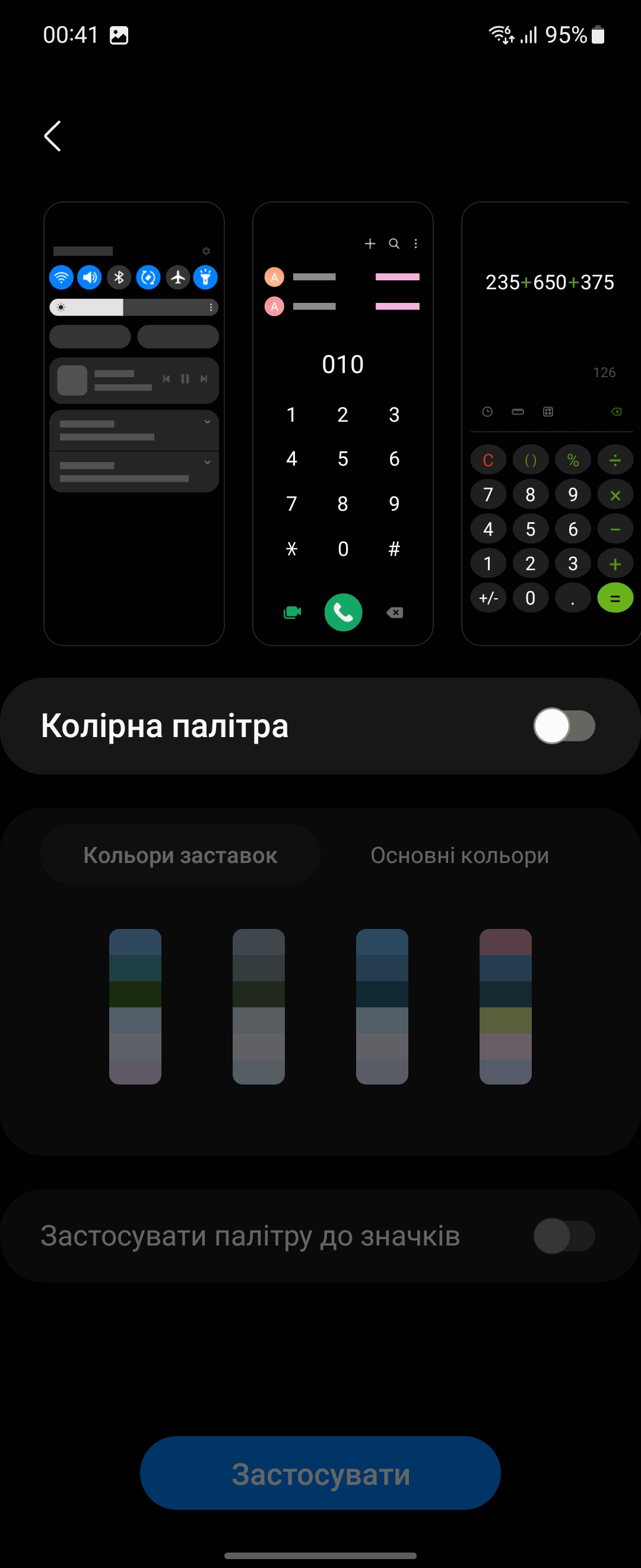
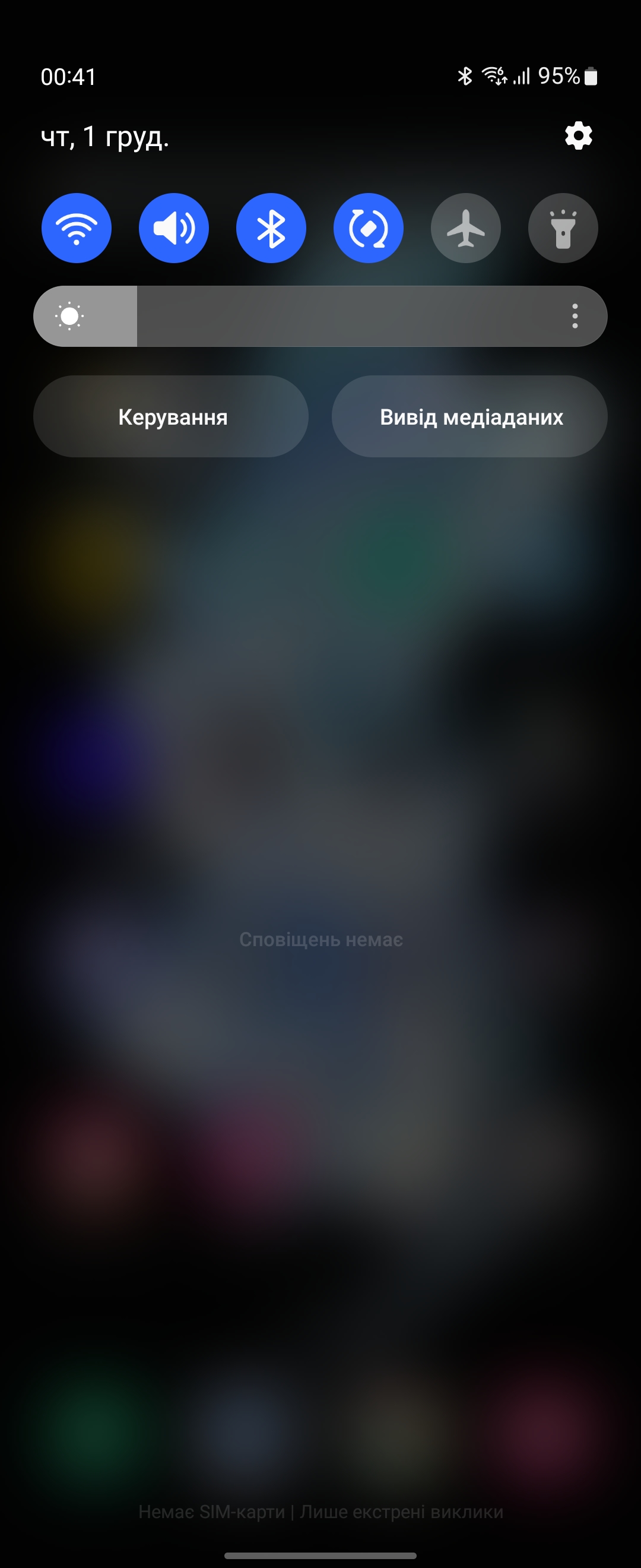
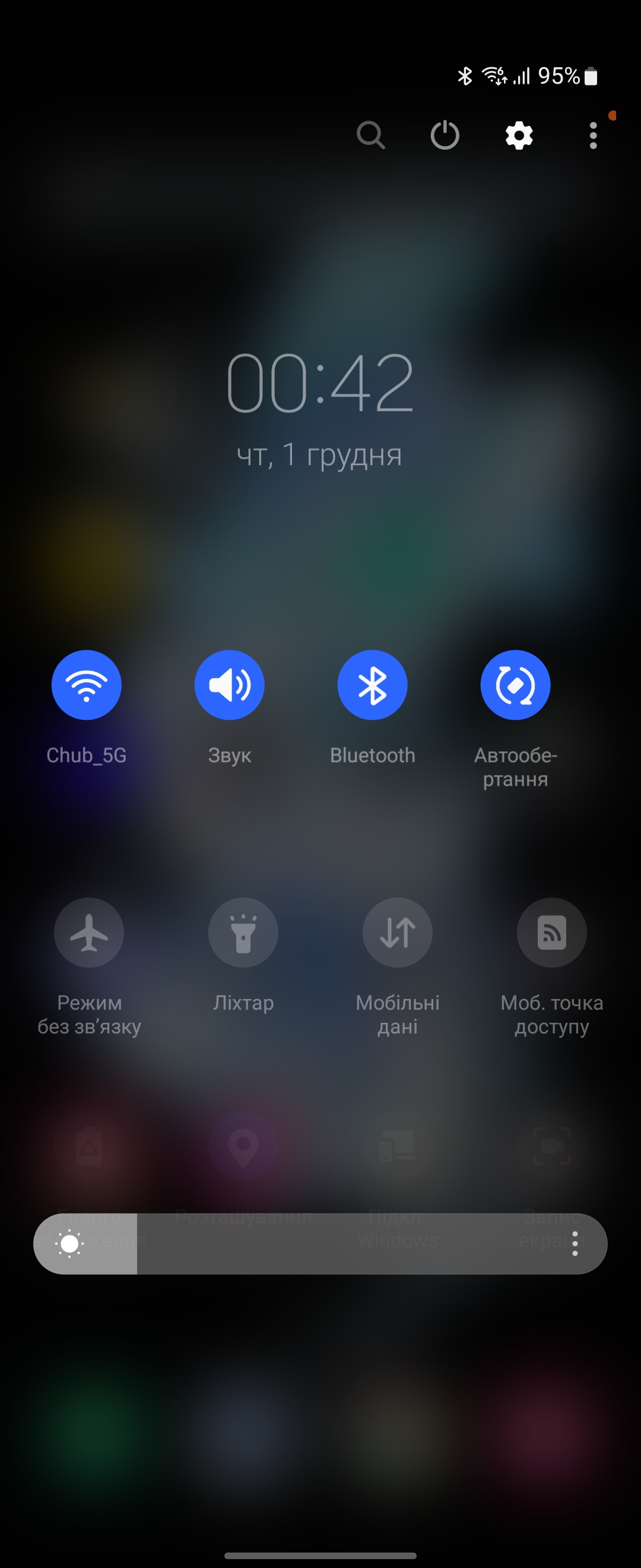
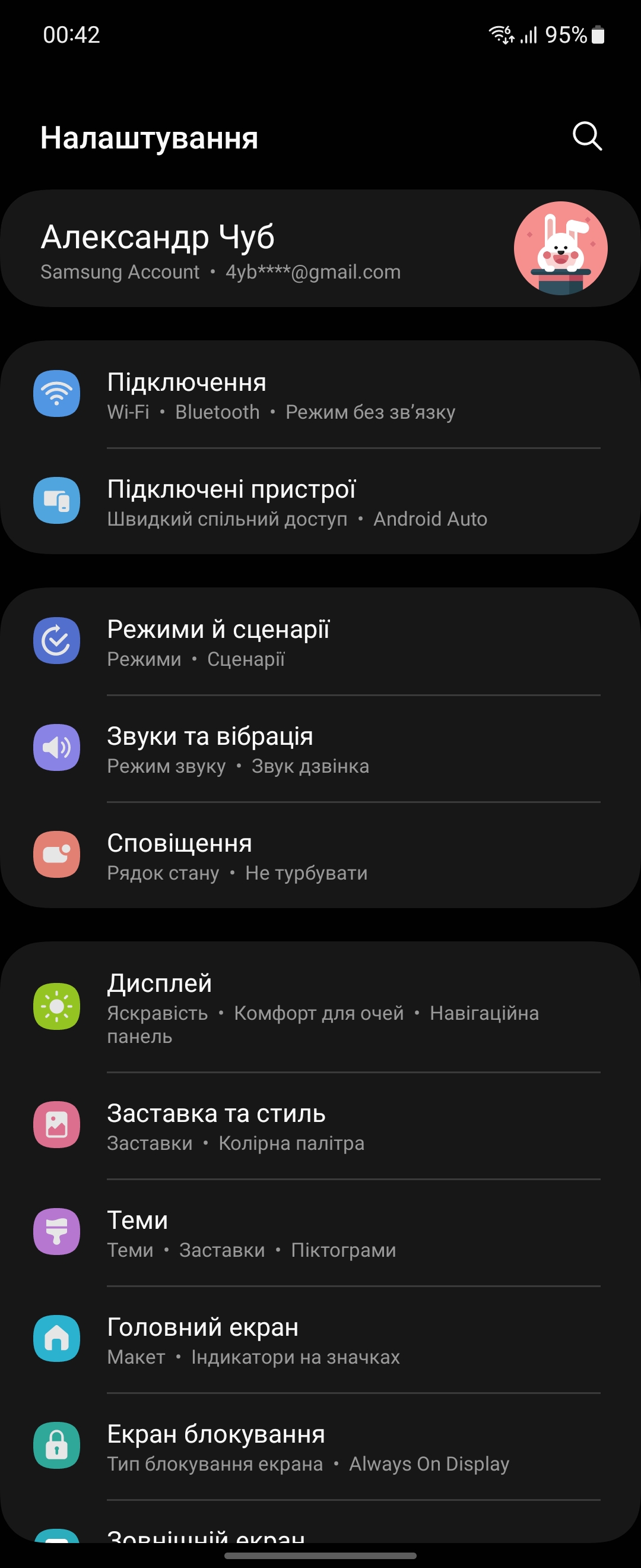
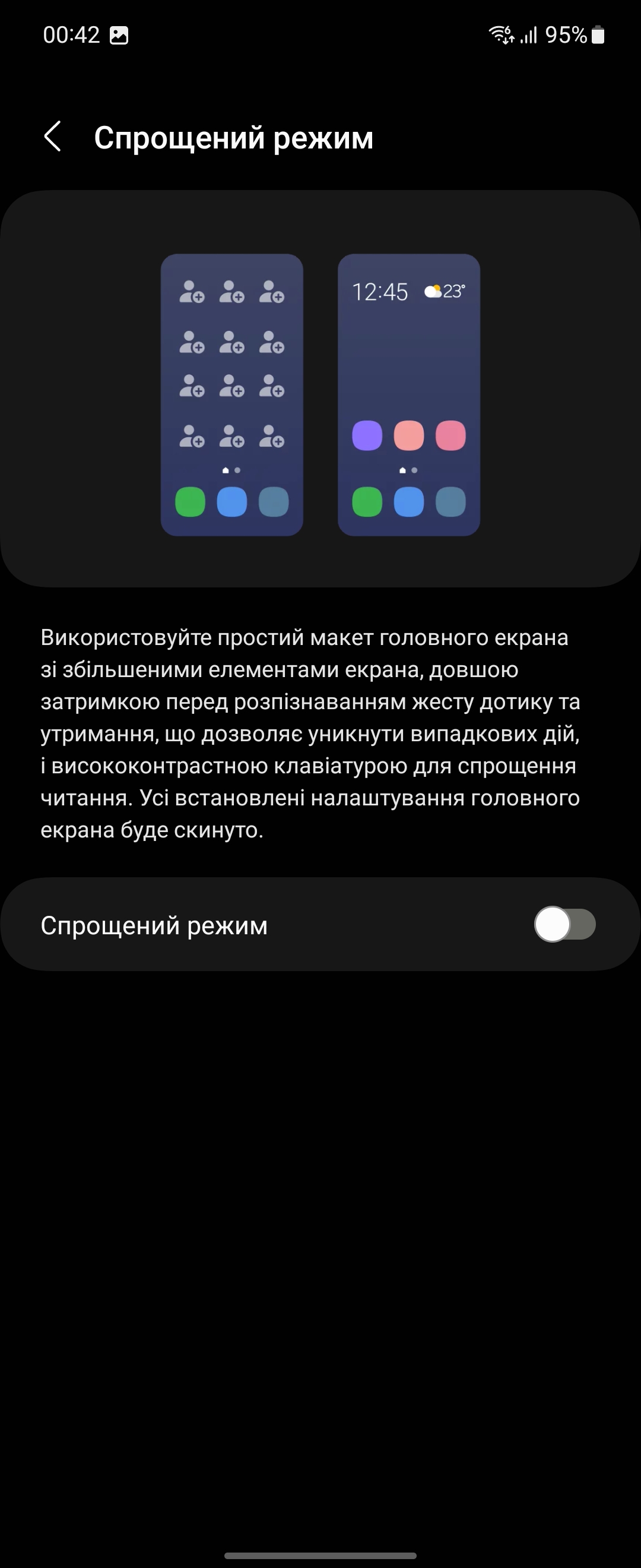
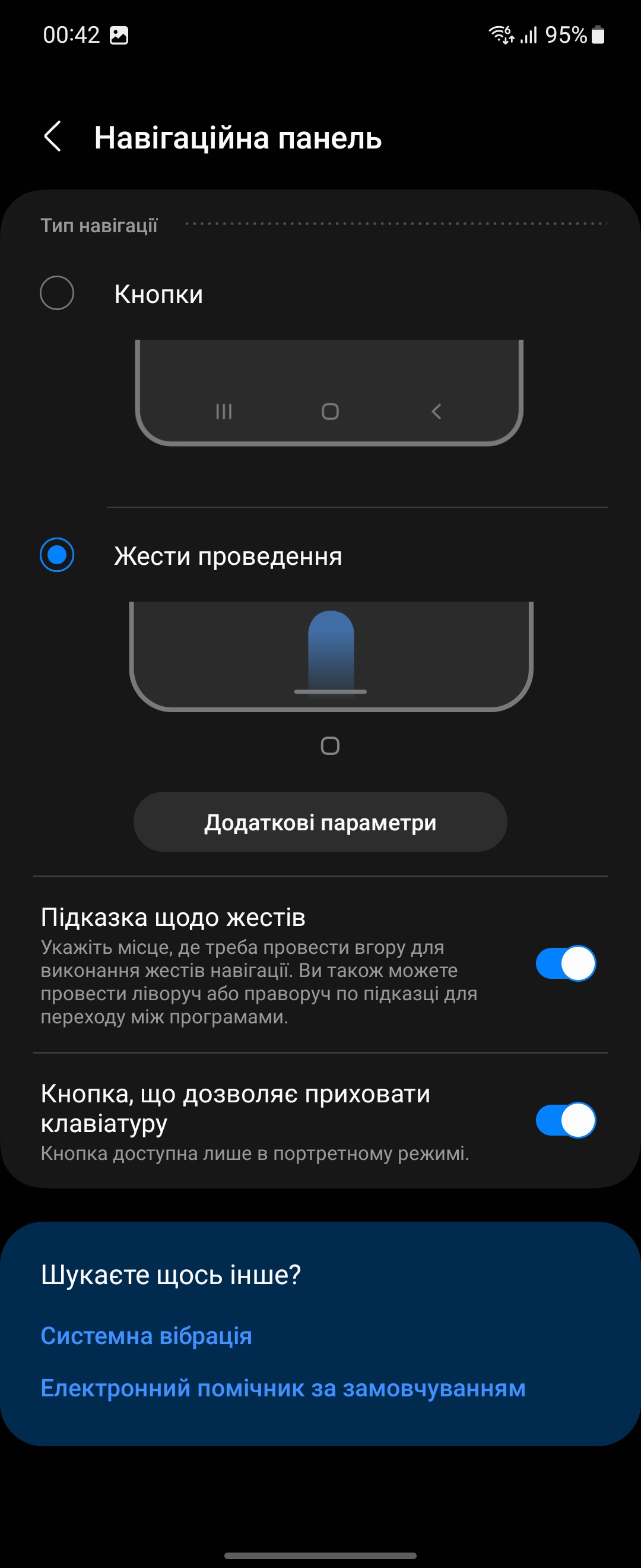
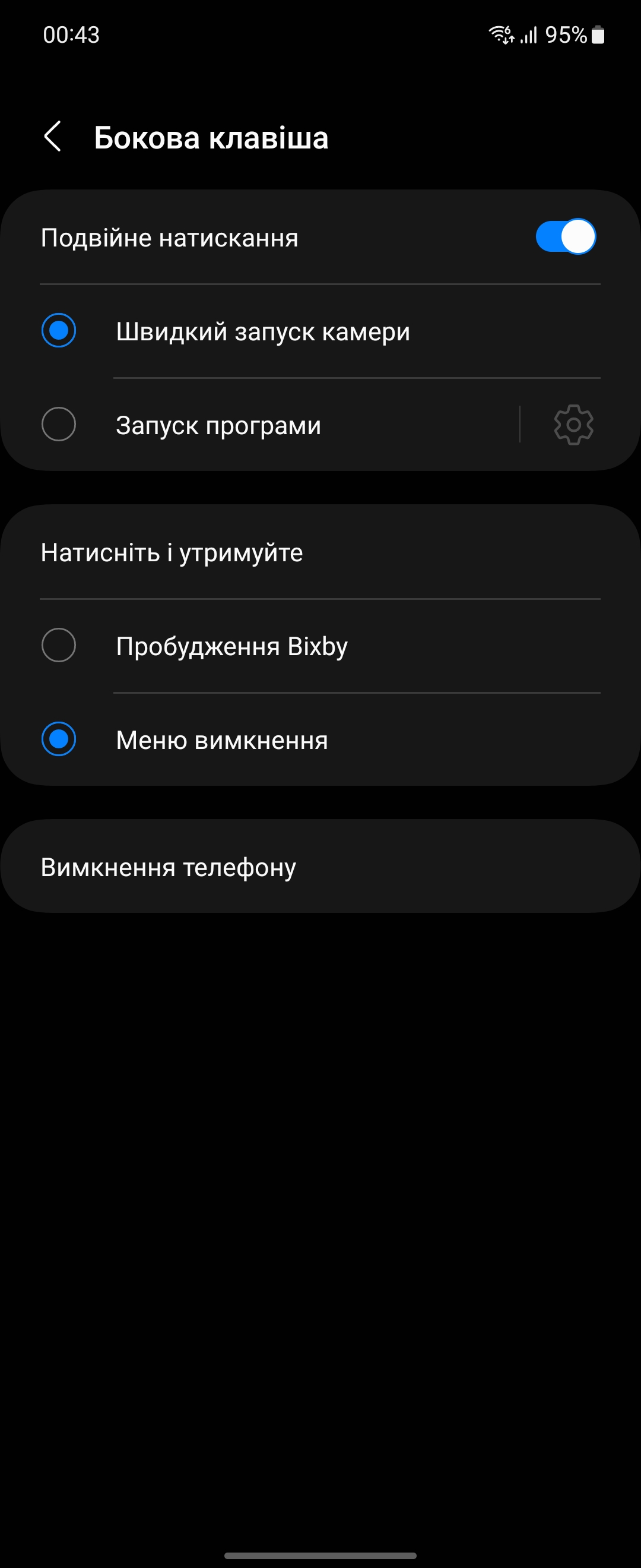
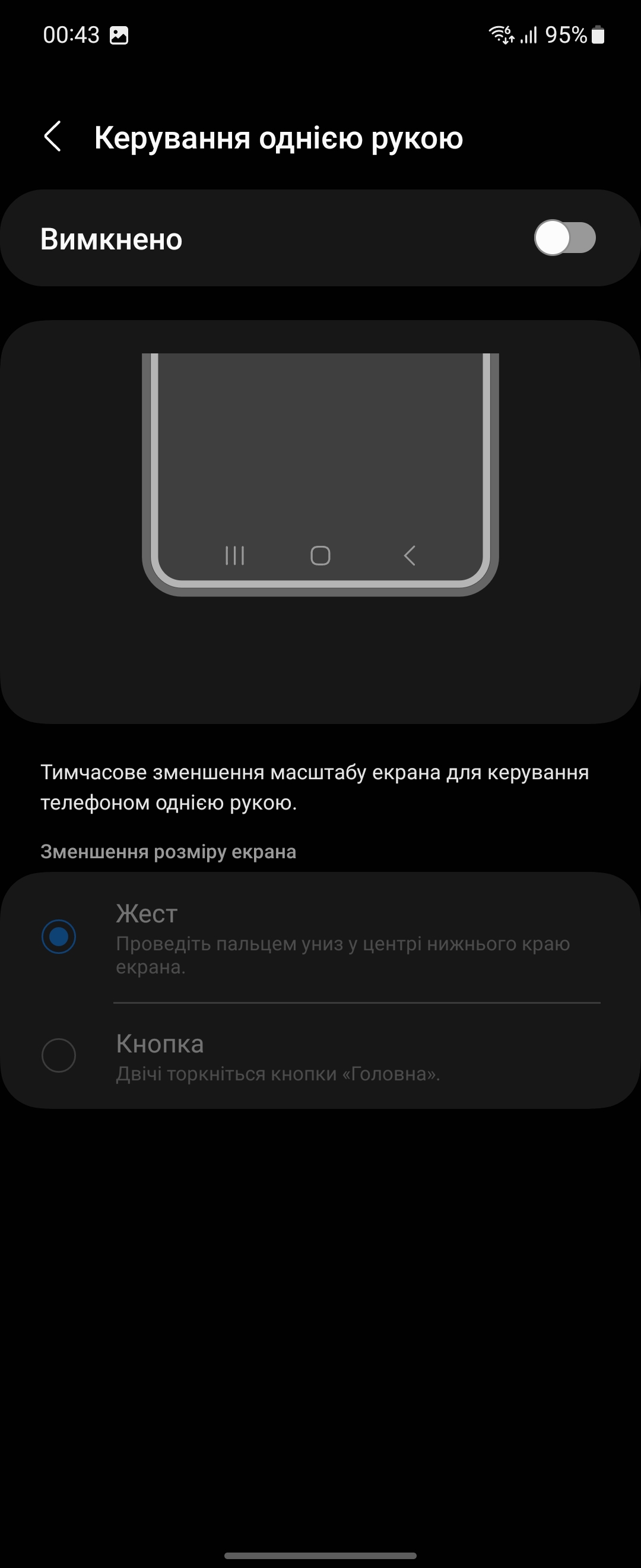
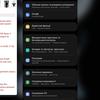
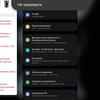
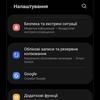
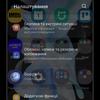
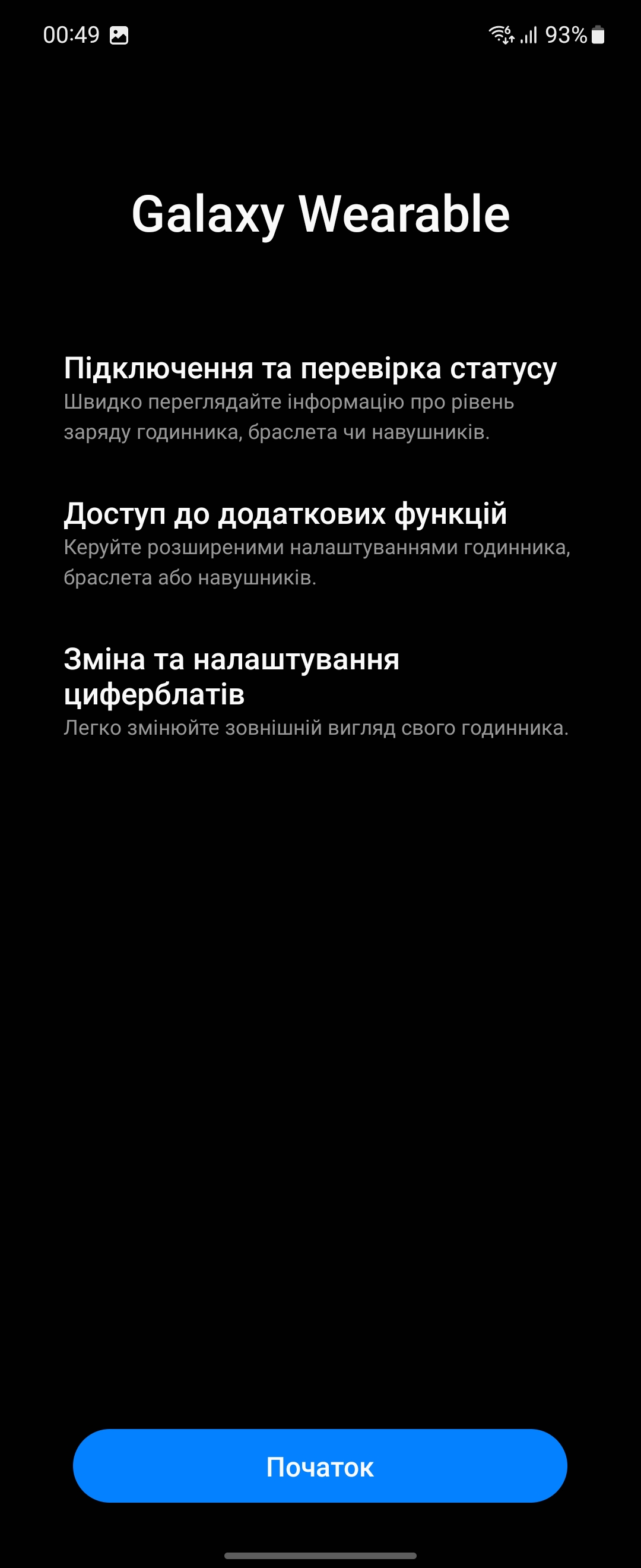
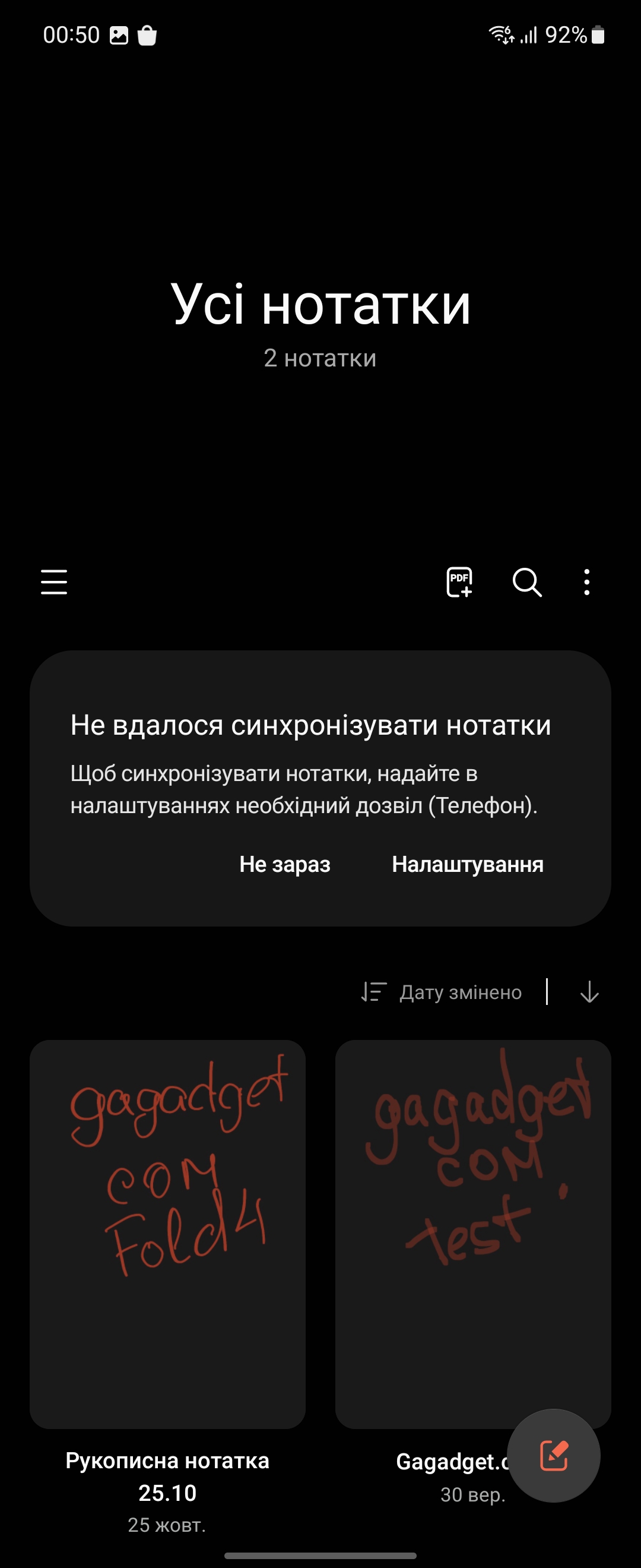
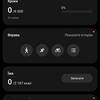
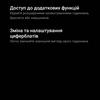
Samsung Galaxy Flip4 recently received an updateup to Android 13 OS with One UI 5.0 shell. This – Rather a topic for a separate publication. In the meantime – just general impressions. In general, there are no fundamental changes: some interface elements and animations have been slightly redrawn, and there are more possibilities for visual customization (themes and design schemes). The lock screen can now be completely customized to suit your whims. Separate settings items include options for connecting to other devices, including Android Auto, Smart View, Smart Things, and more. There is a separate menu of modes and scenarios, and the menu of security functions has also changed slightly. But in general, all the logic remained familiar: desktops, application menus, various options for navigating the system.
</ img>

</ img>
</ img>
</ img>
</ img>
</ img>
</ img>
</ img>
</ img>
</ img>
</ img>
</ img>
</ img>
</ img>

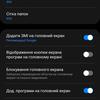
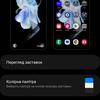
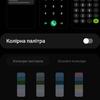

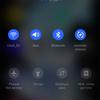
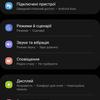
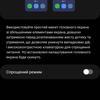
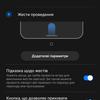
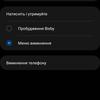
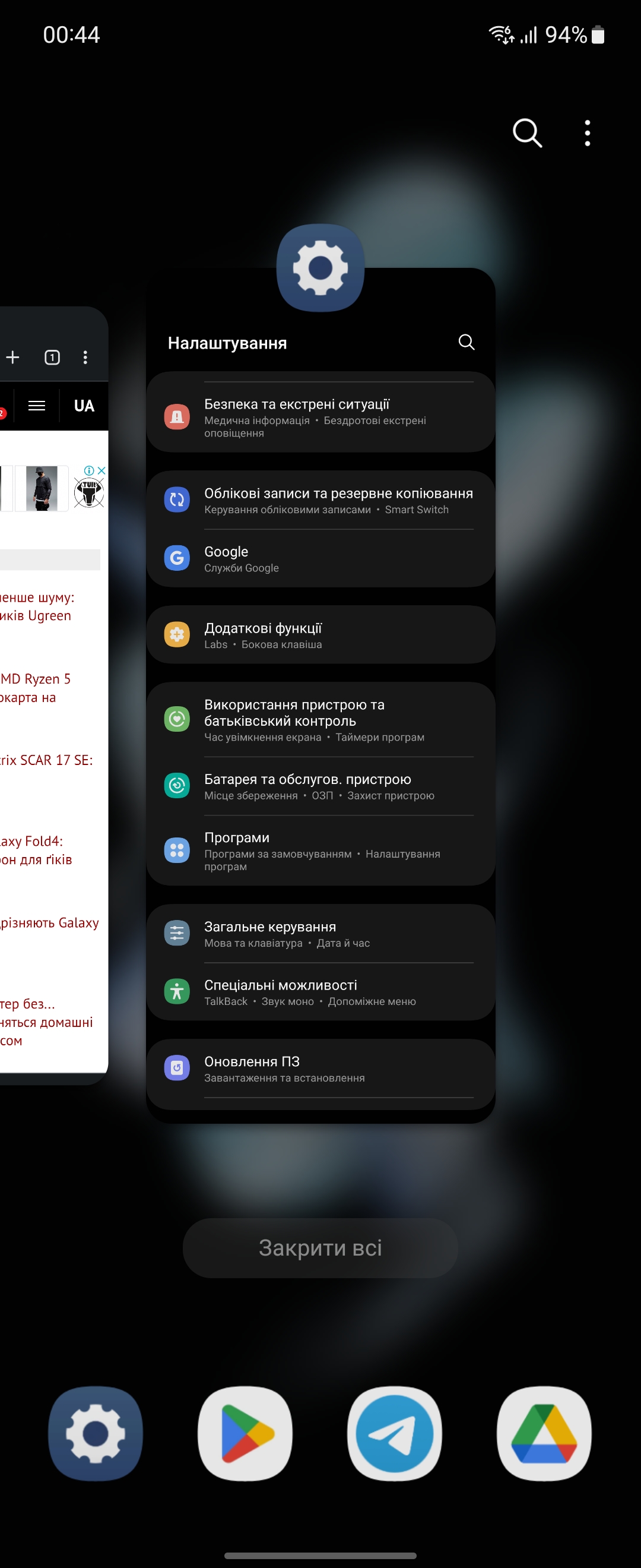
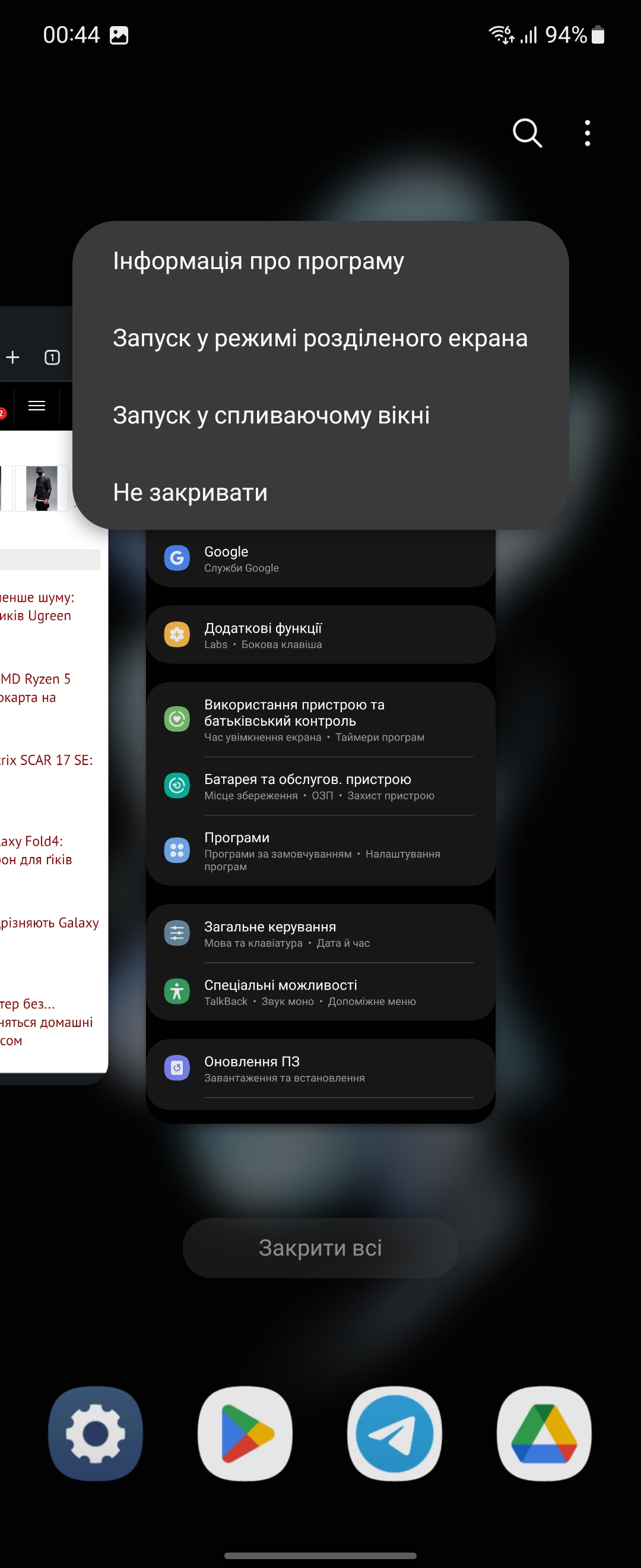
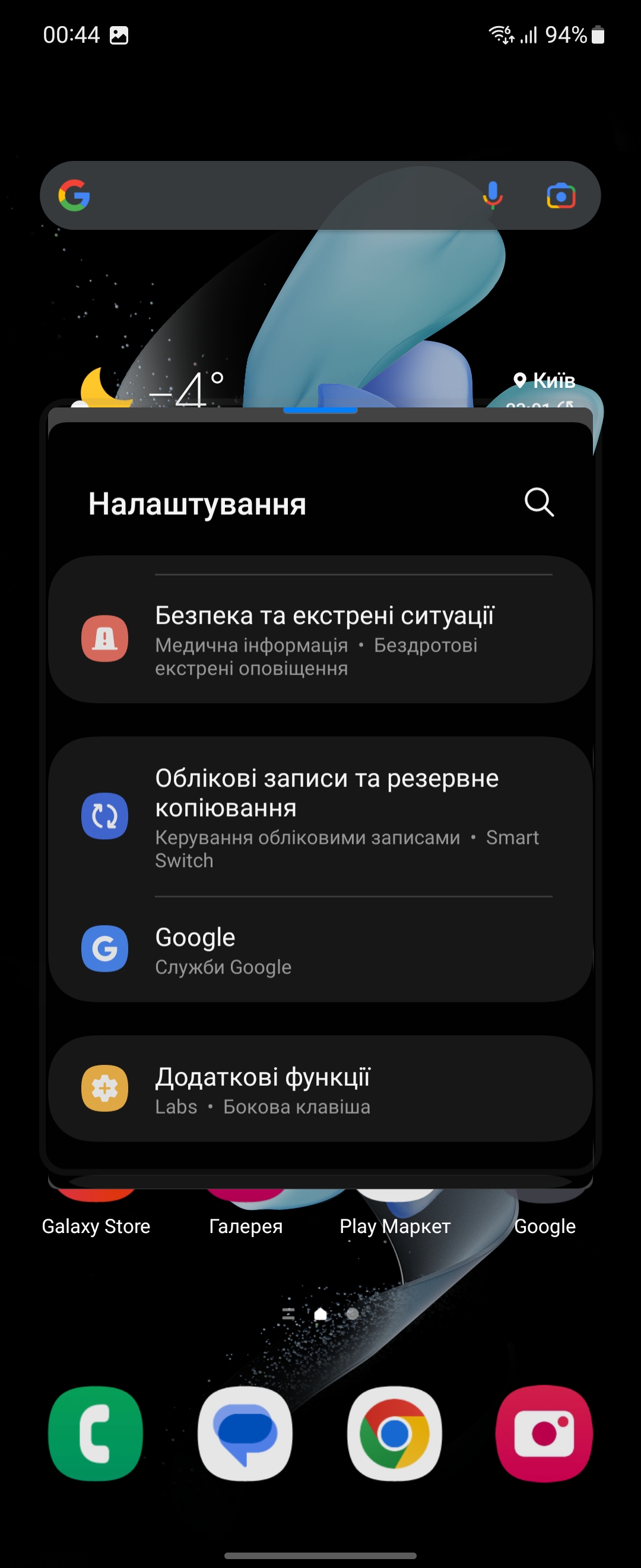
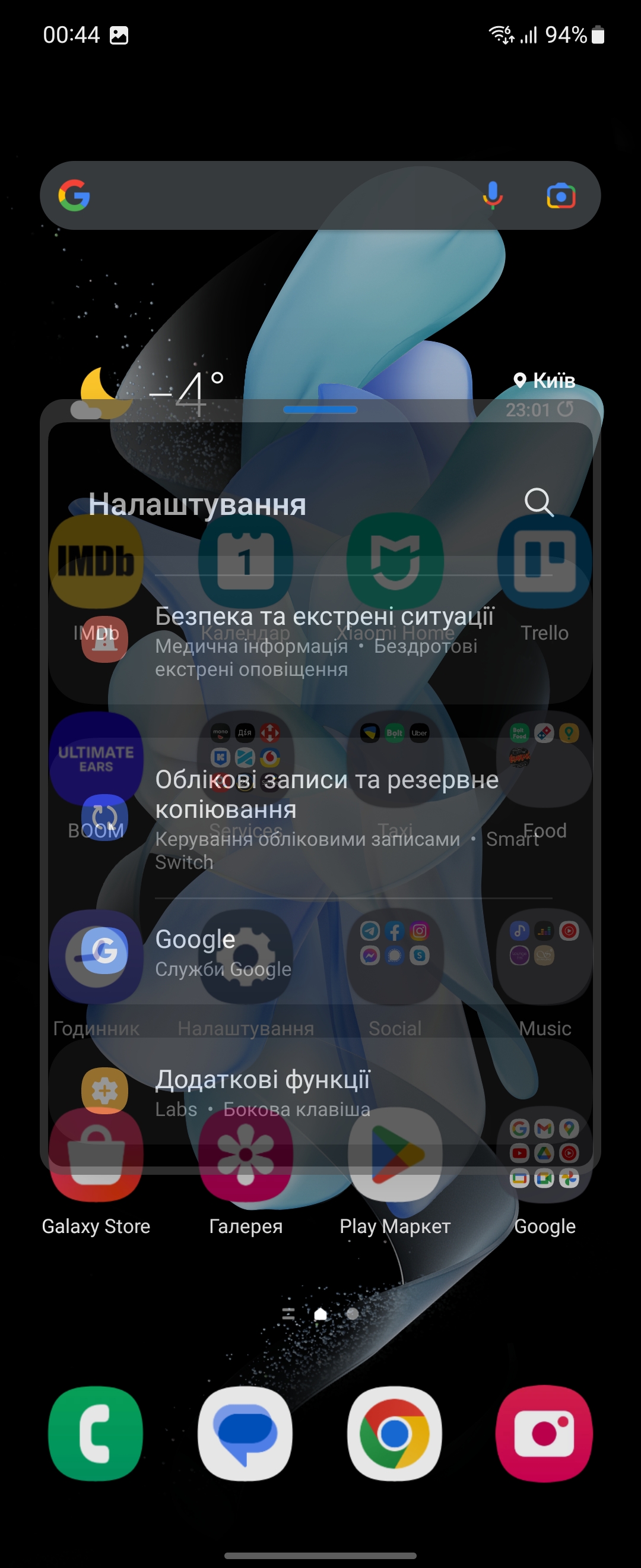
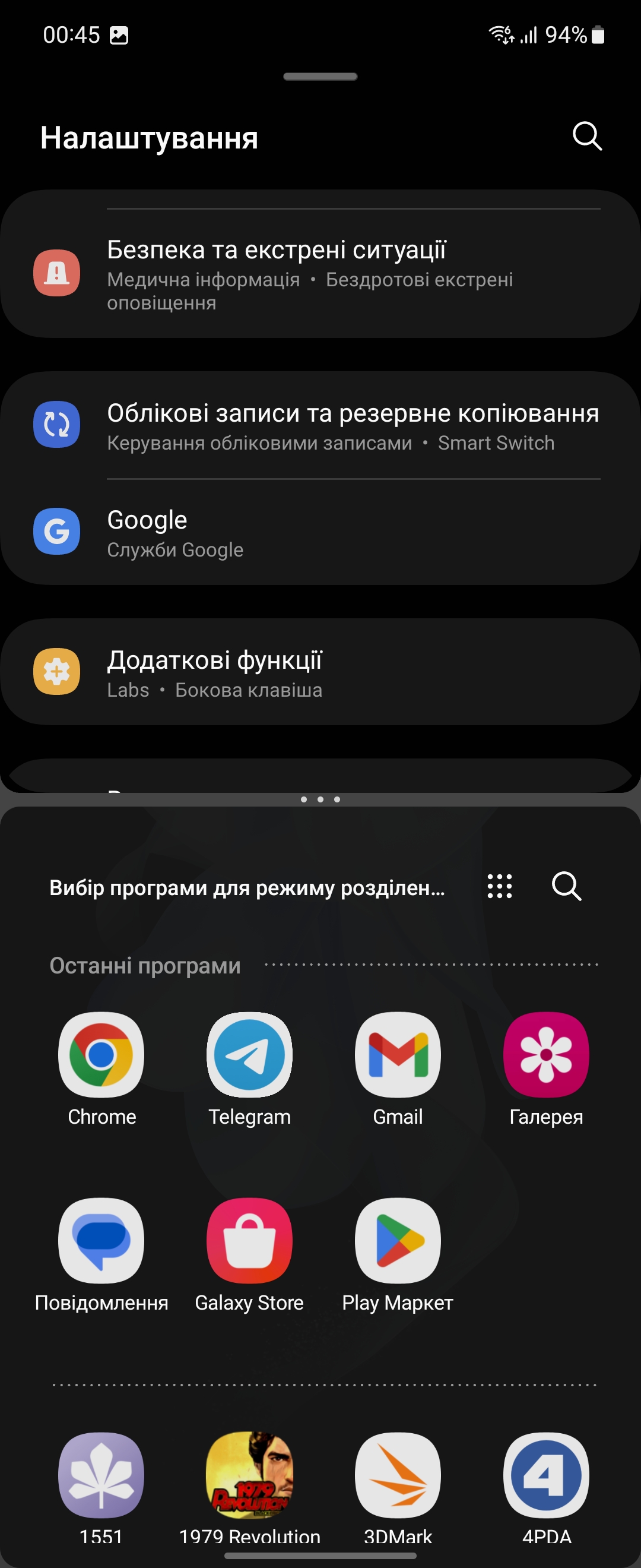
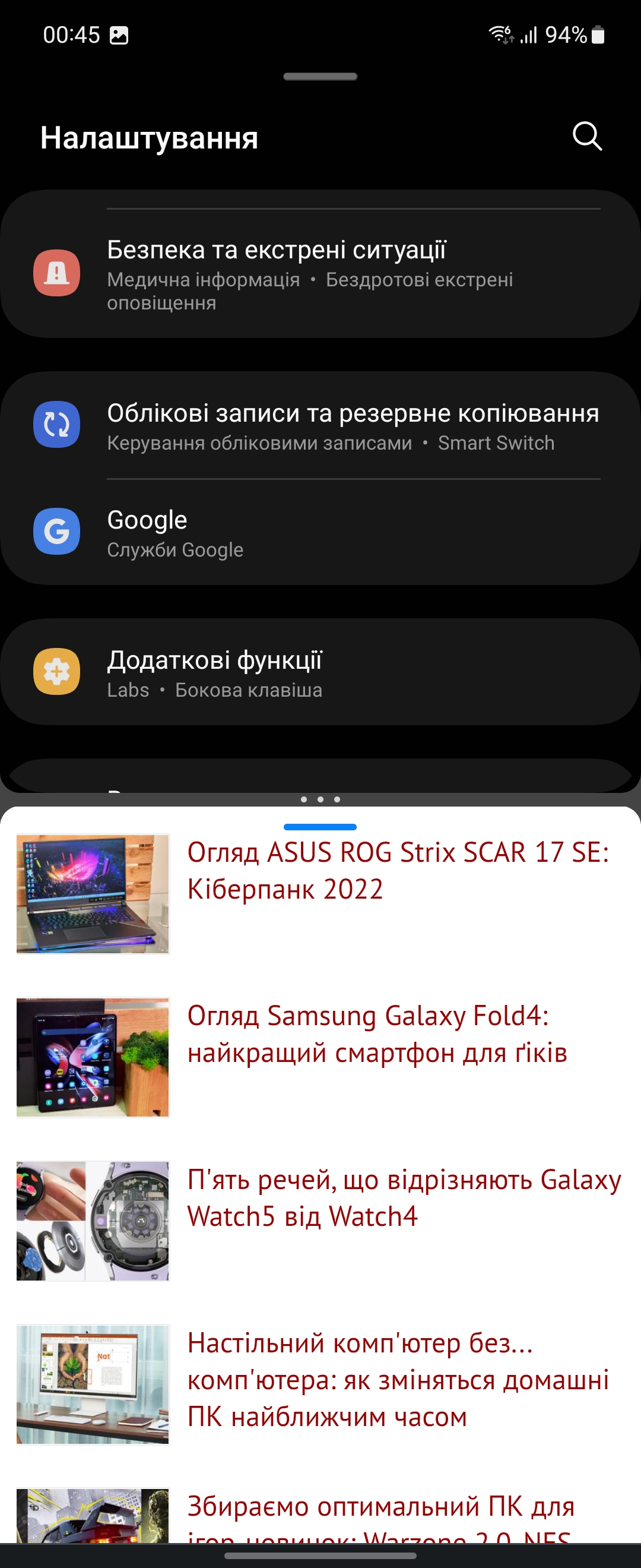
The functional application manager remained in place. With the ability to minimize to a shortcut, adjust transparency, switch to two-window mode.
</ img>
</ img>
</ img>
</ img>
</ img>
</ img>
</ img>
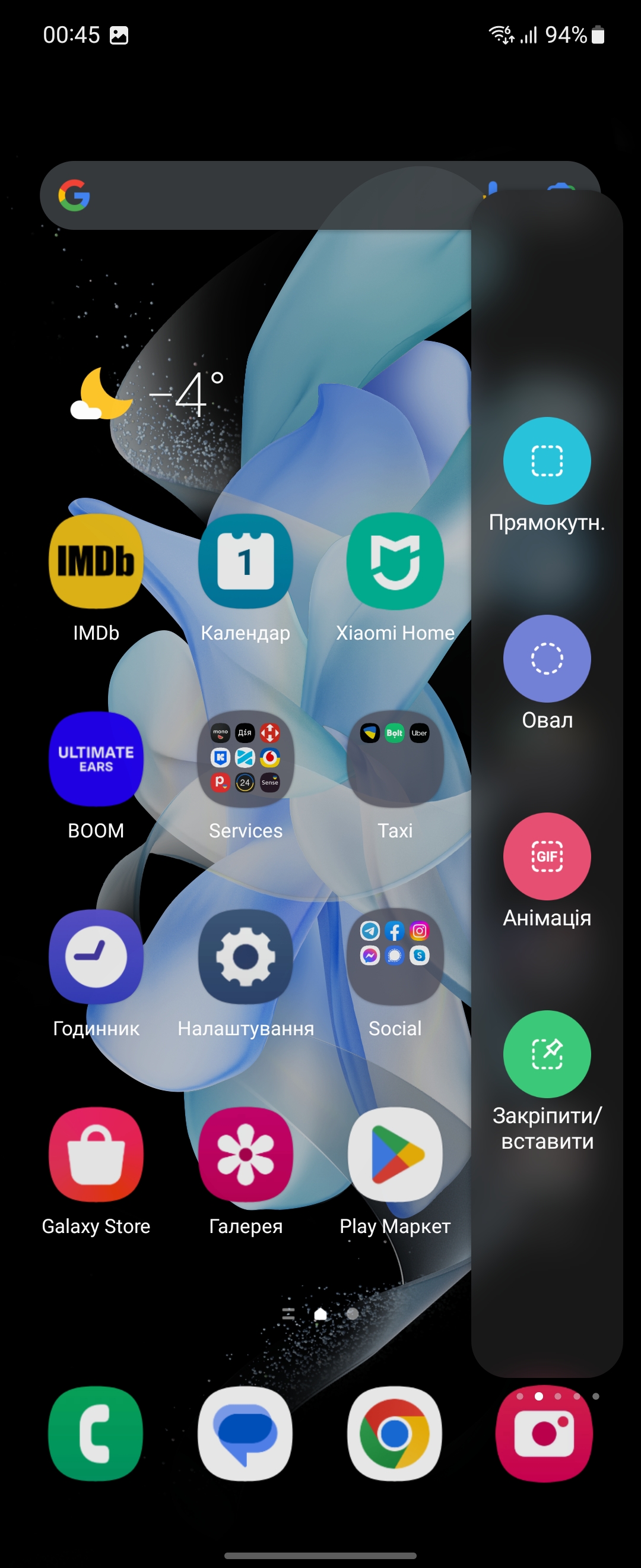
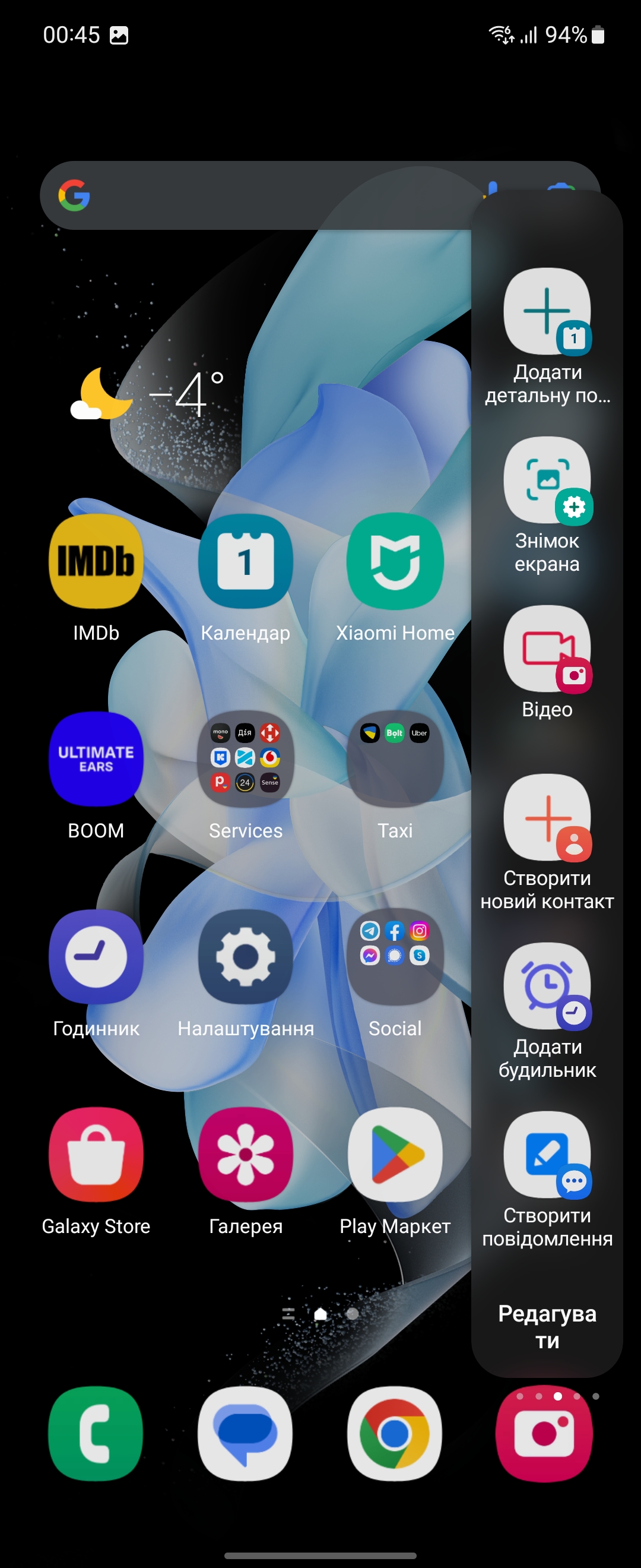
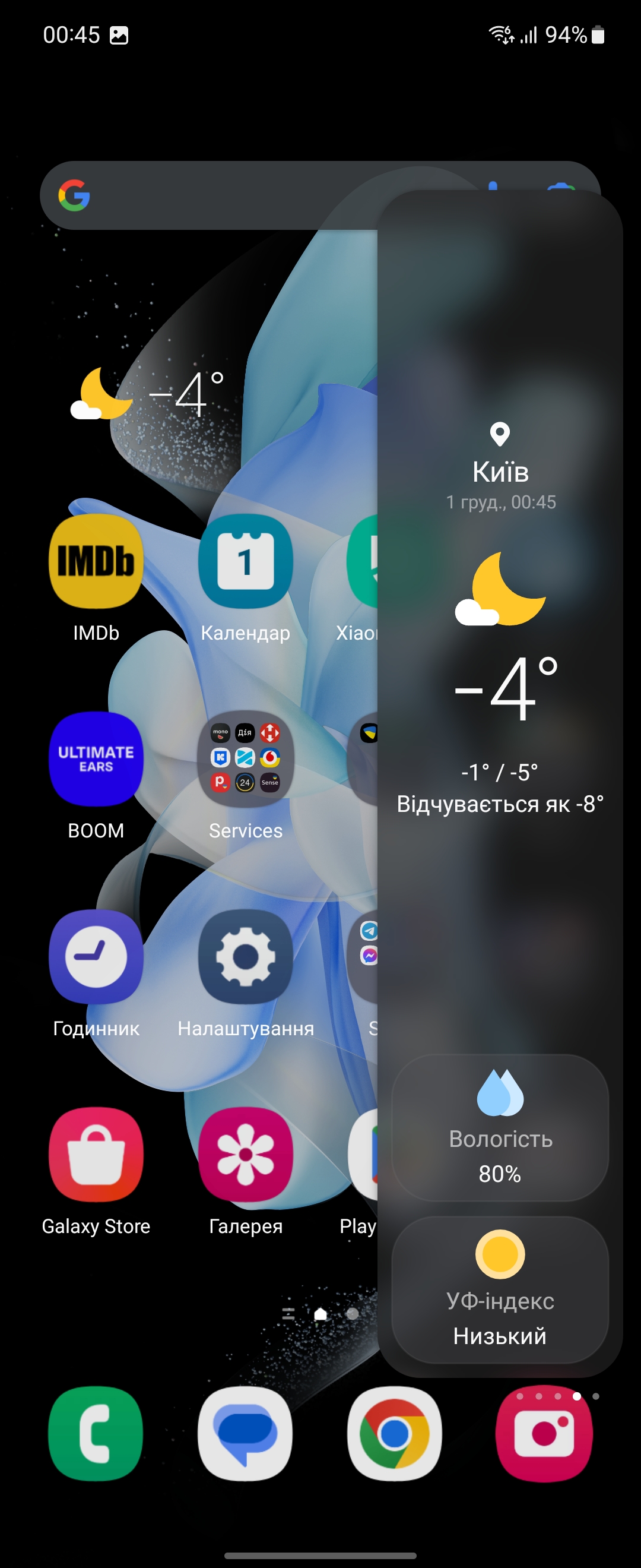
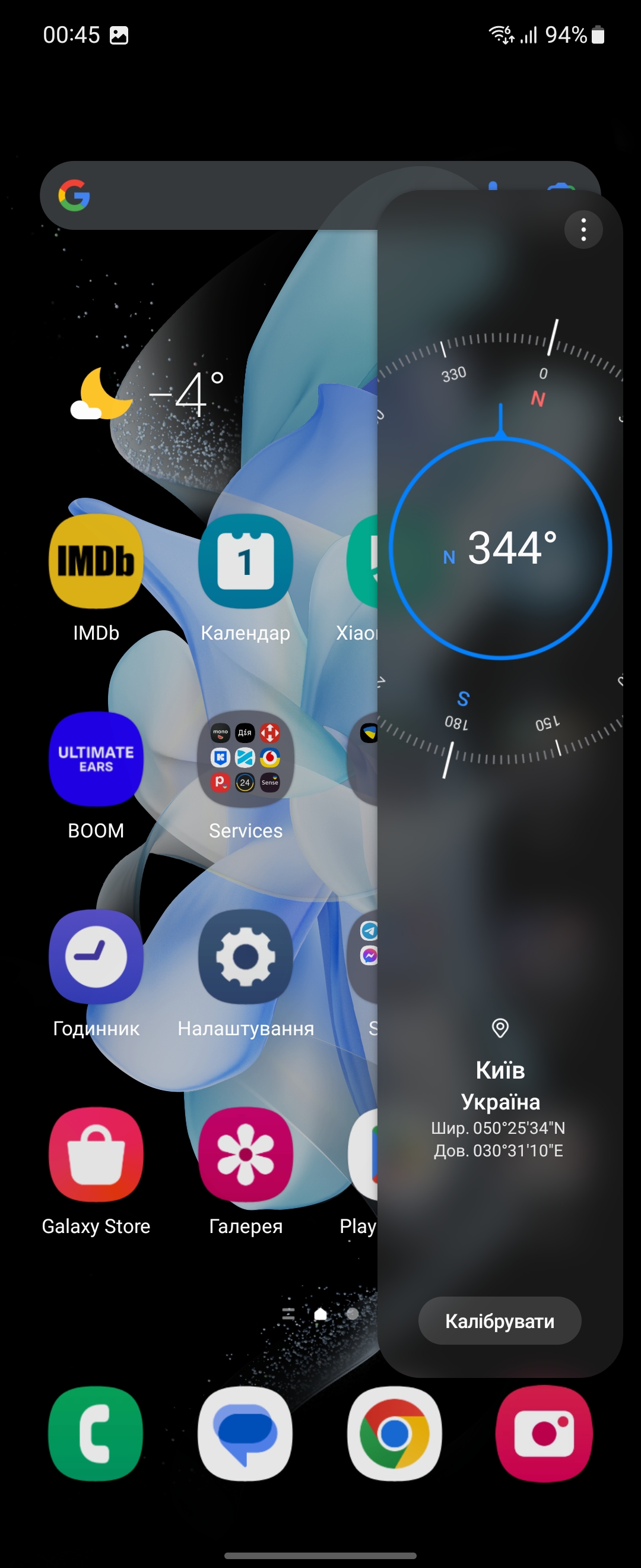
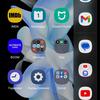
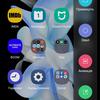
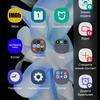
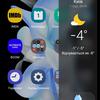
Edge's sidebars are also very familiar:
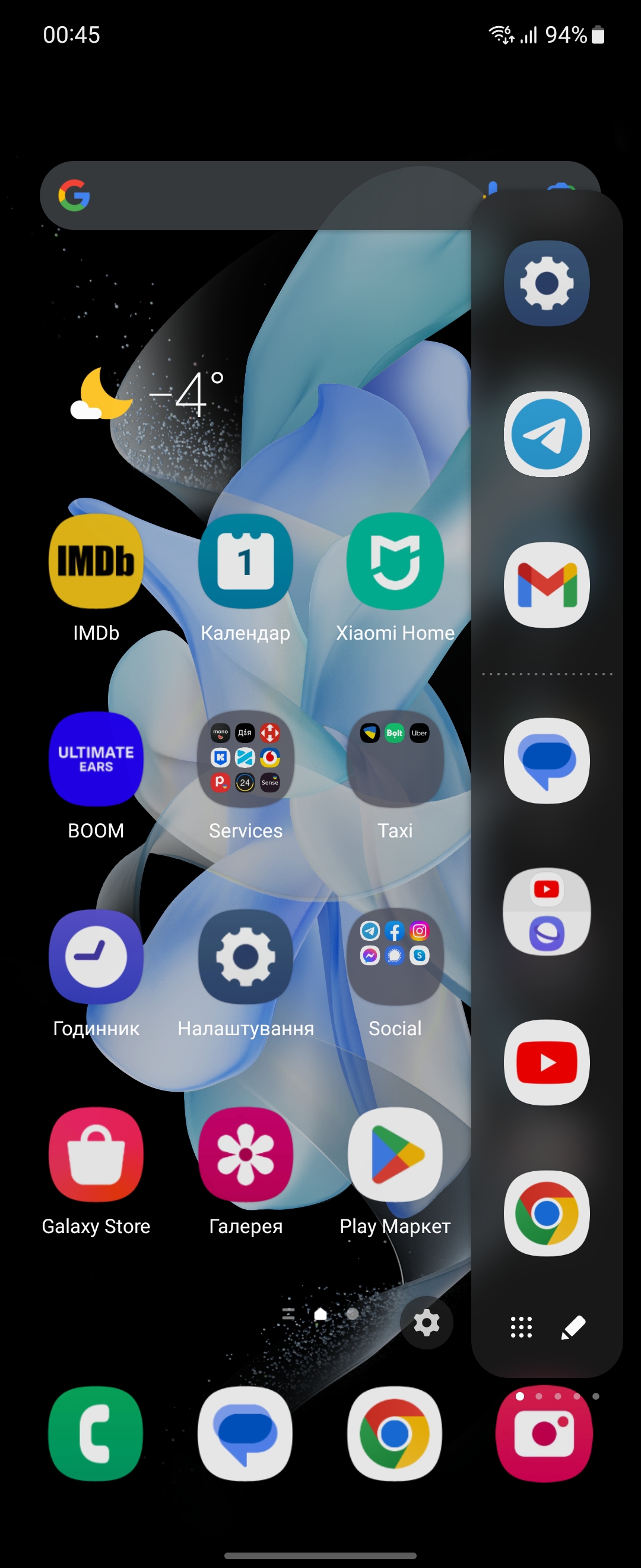
</ img>
</ img>
</ img>
</ img>
</ img>
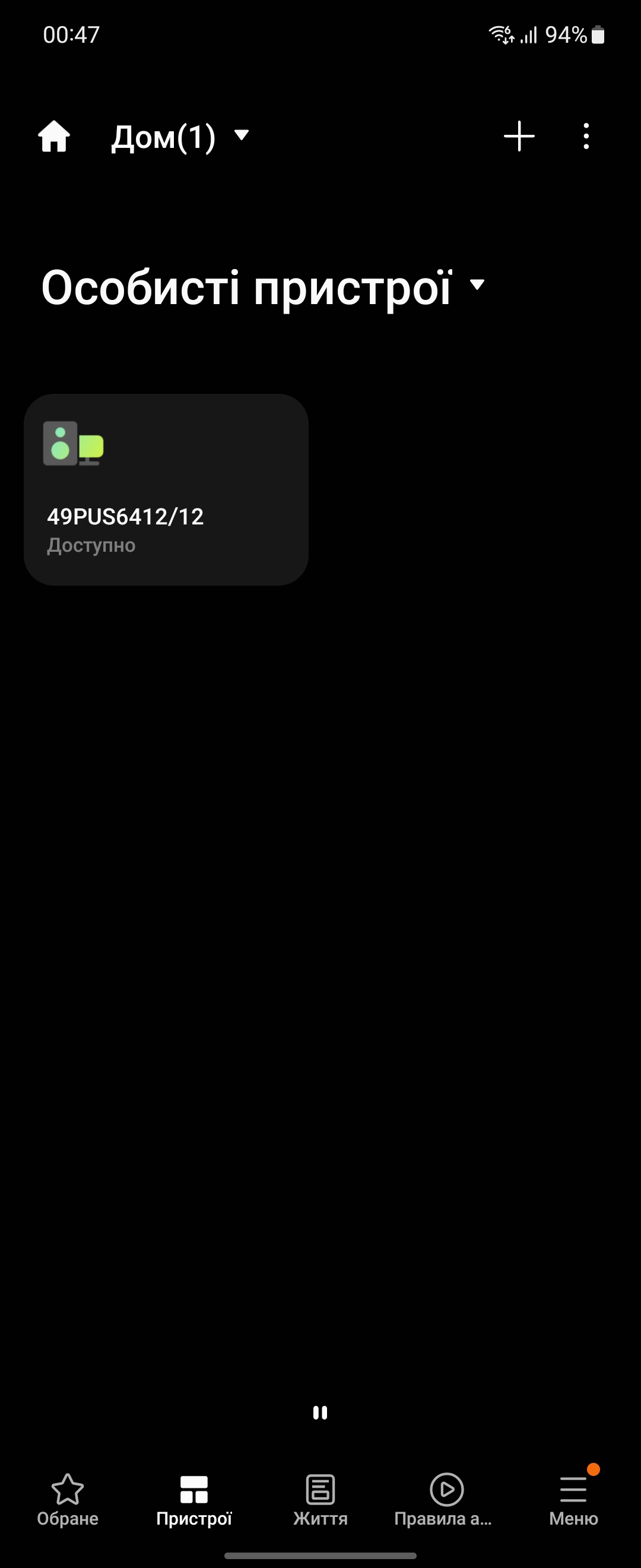
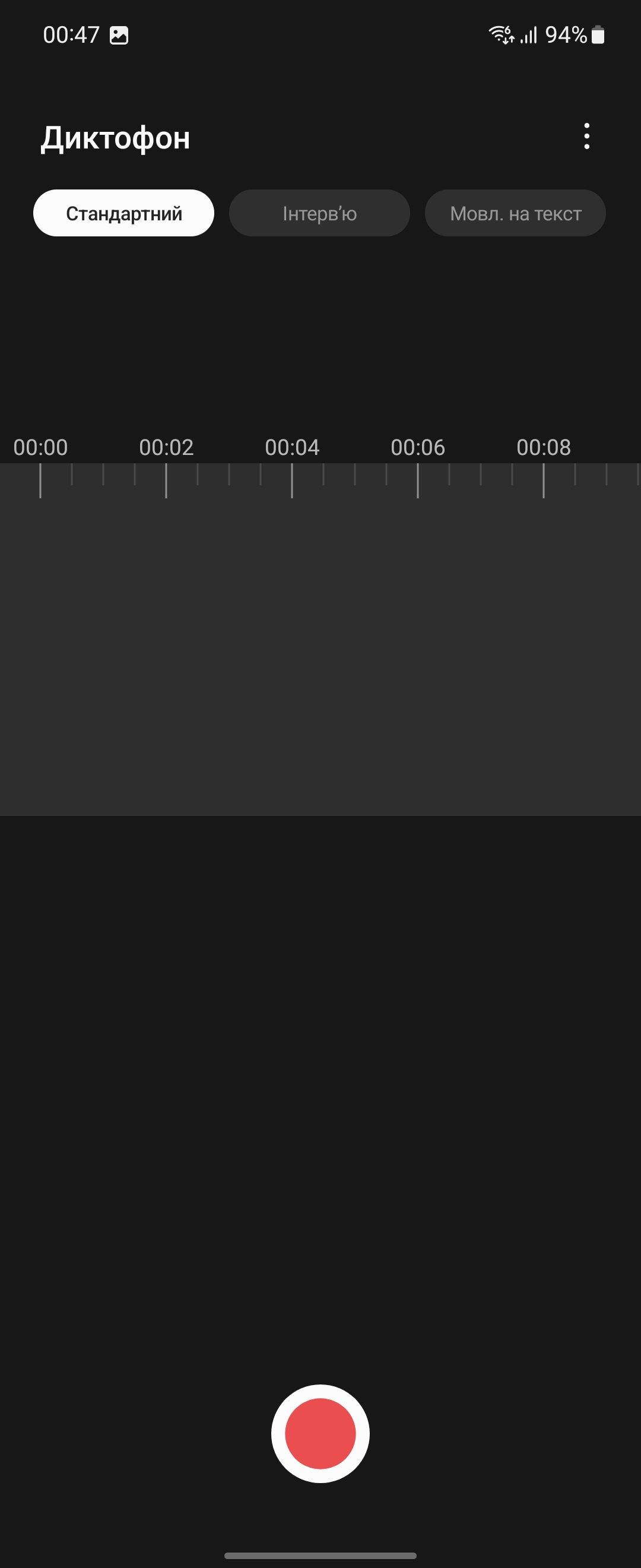
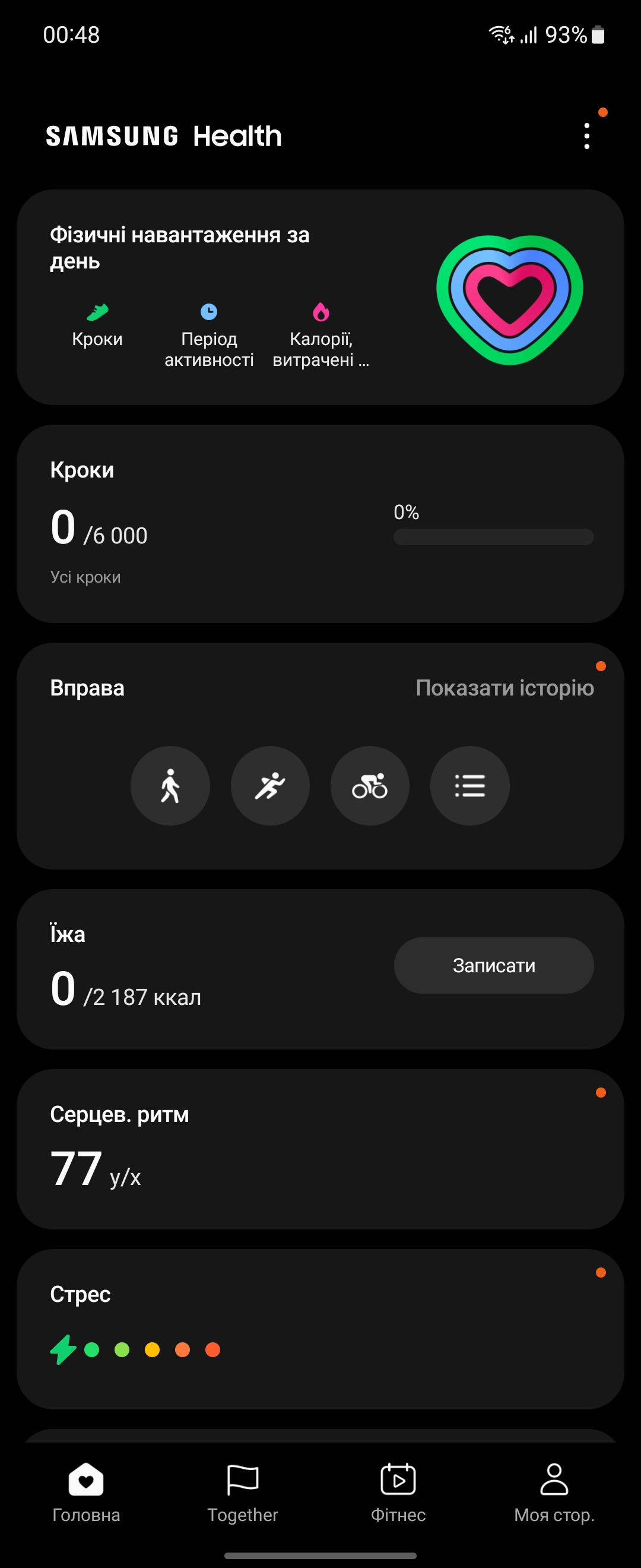
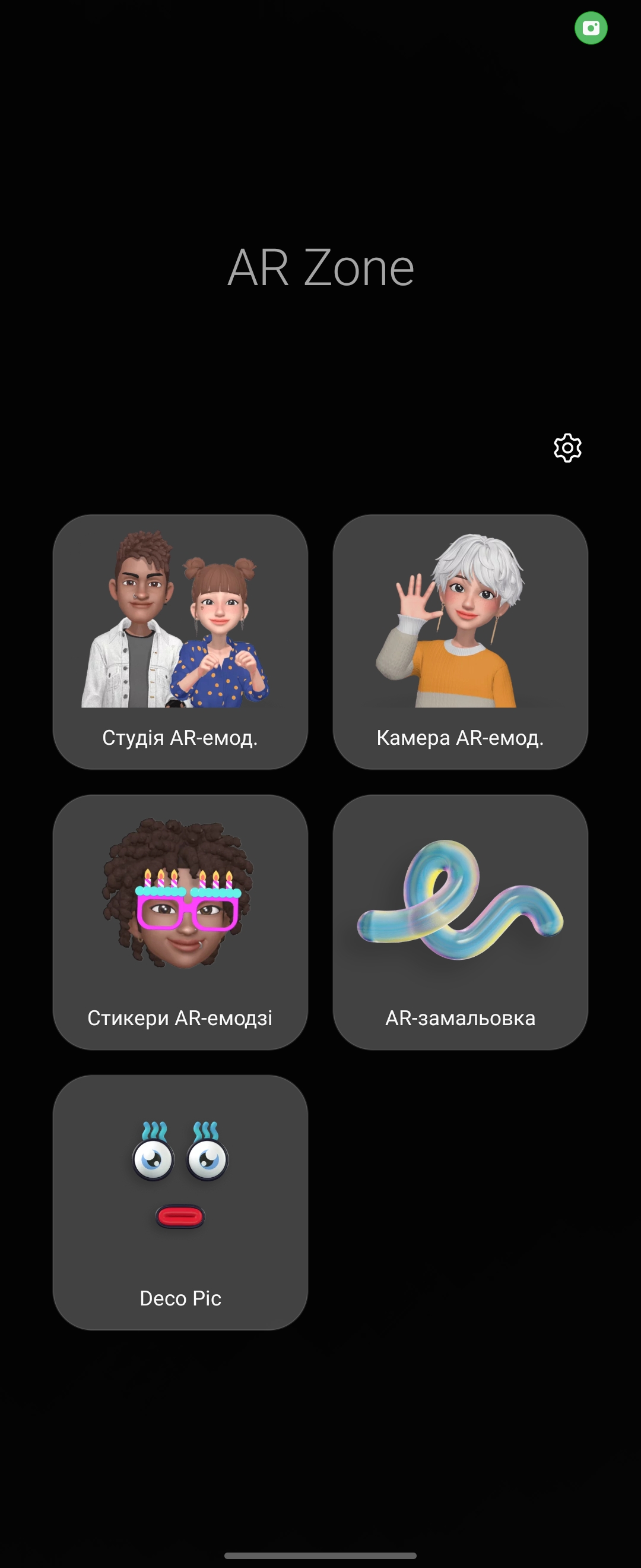
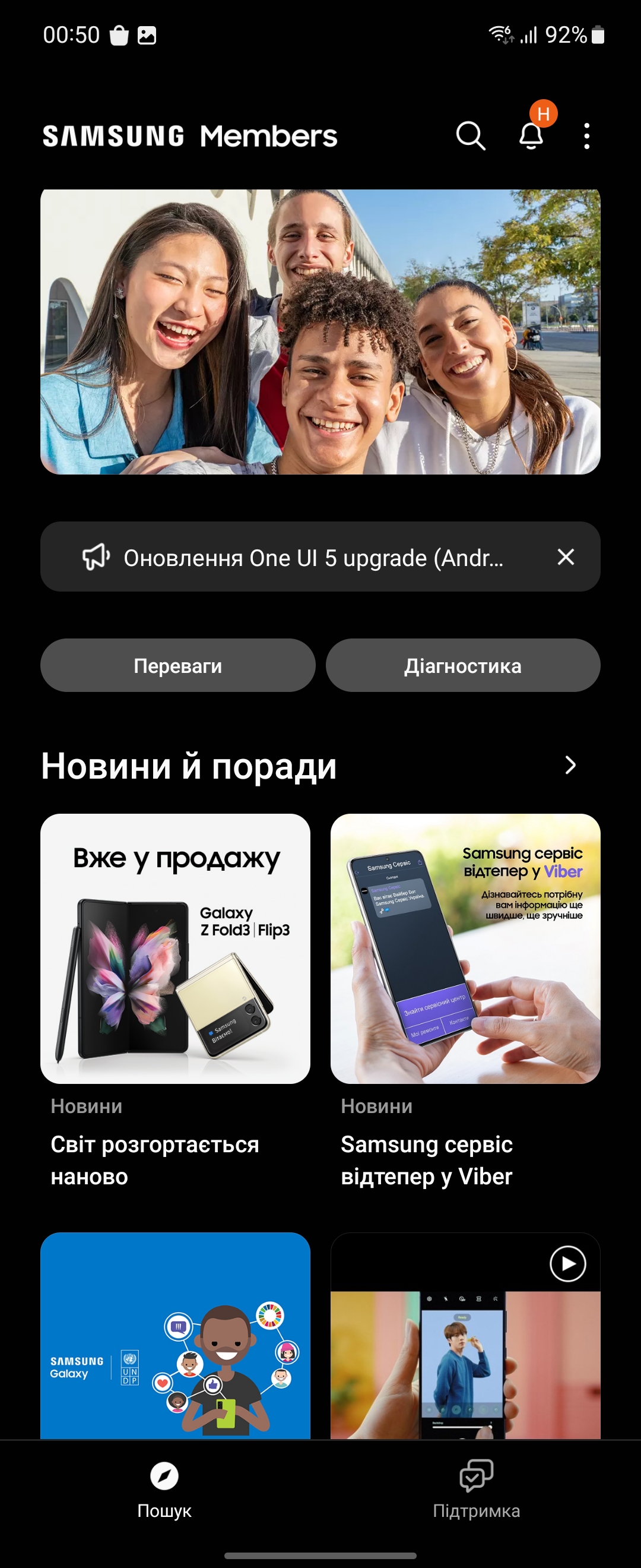
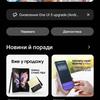
And a set of branded useful applications:
</ img>
</ img>

</ img>
</ img>
</ img>
</ img>
</ img>
</ img>
</ img>
</ img>


How good are the cameras?
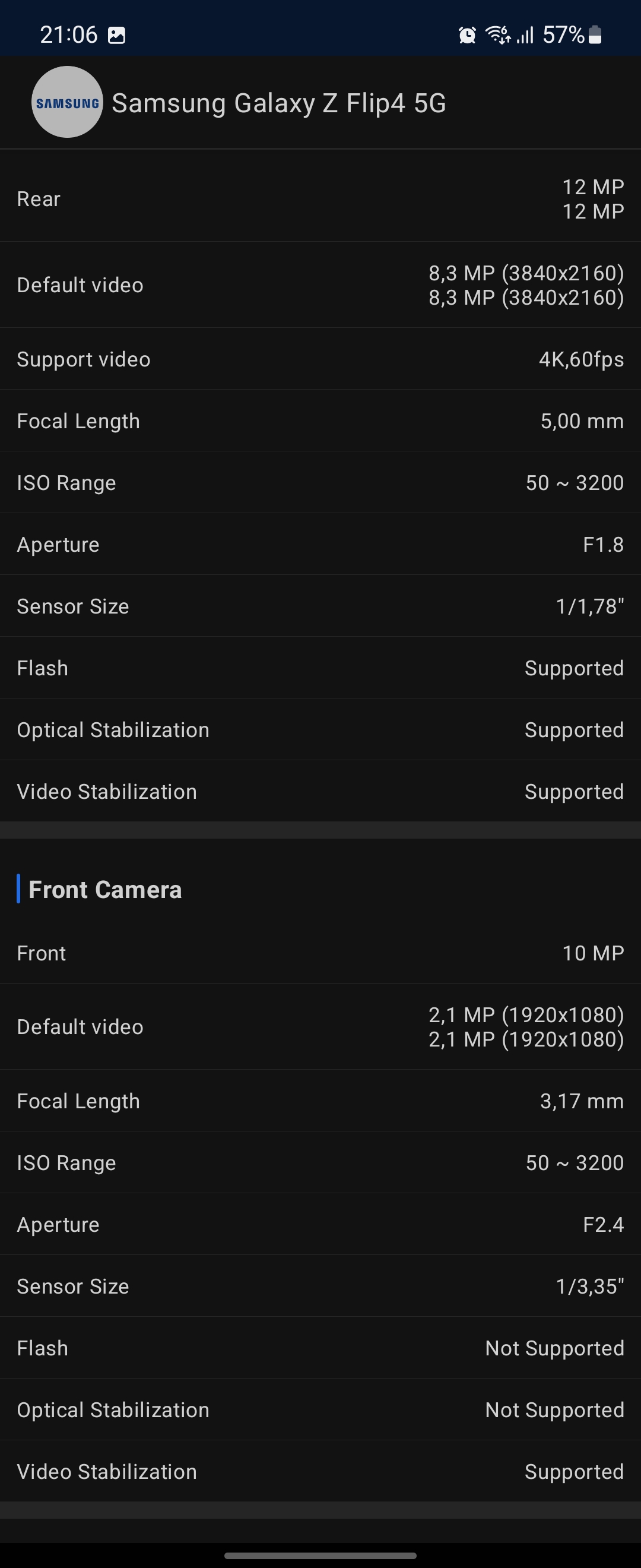
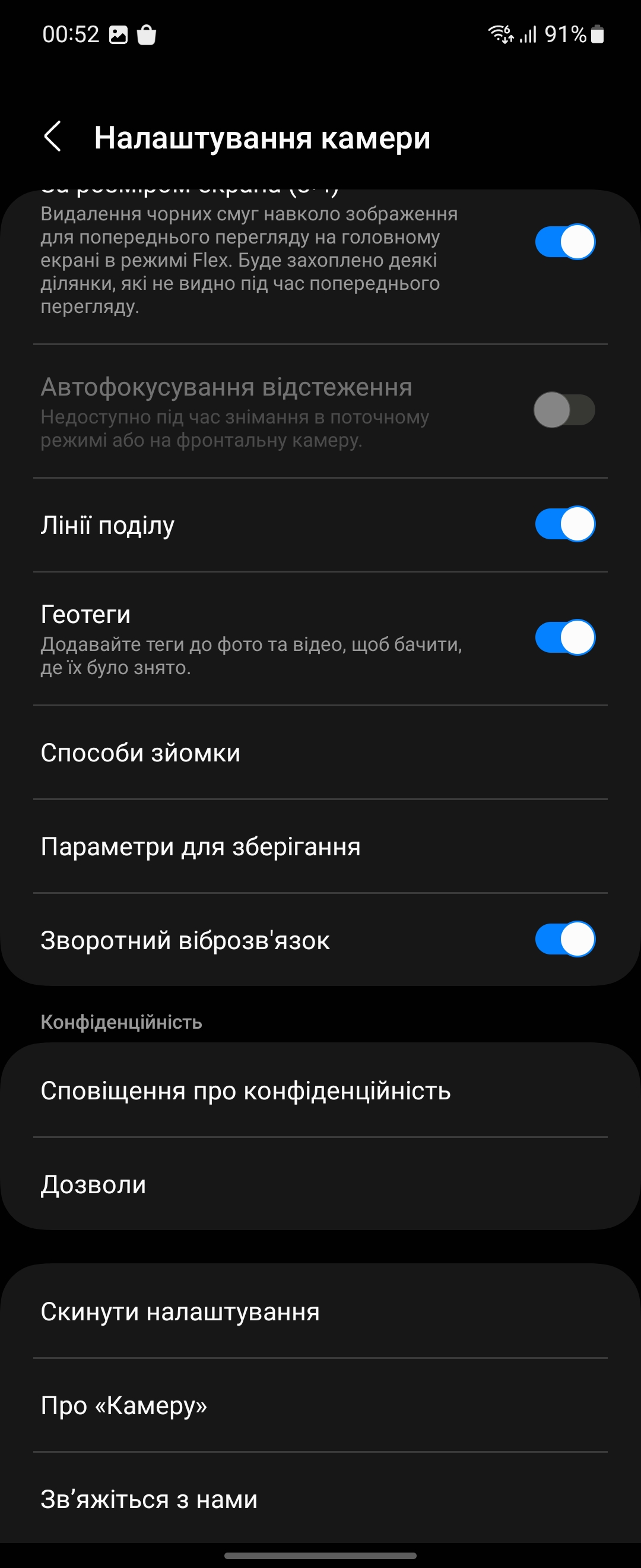
The number of cameras has not changed:double main and front. But the main camera has received an improvement. It has the same 12 megapixel resolution and f/1.8 aperture. The equivalent focal length is now 24mm instead of 27mm. And the matrix size increased to 1/1.76″ from 1/2.55″. Pixel size 1.8µm versus 1.4µm. This allows the camera to capture more light, which improves the quality of photos, especially in low light. There is Dual Pixel PDAF phase autofocus and optical image stabilization. The ultra-wide-angle camera remains unchanged: 12 MP, f/2.2, 123°, as does the front camera: 10 MP f/2.4.
</ img>
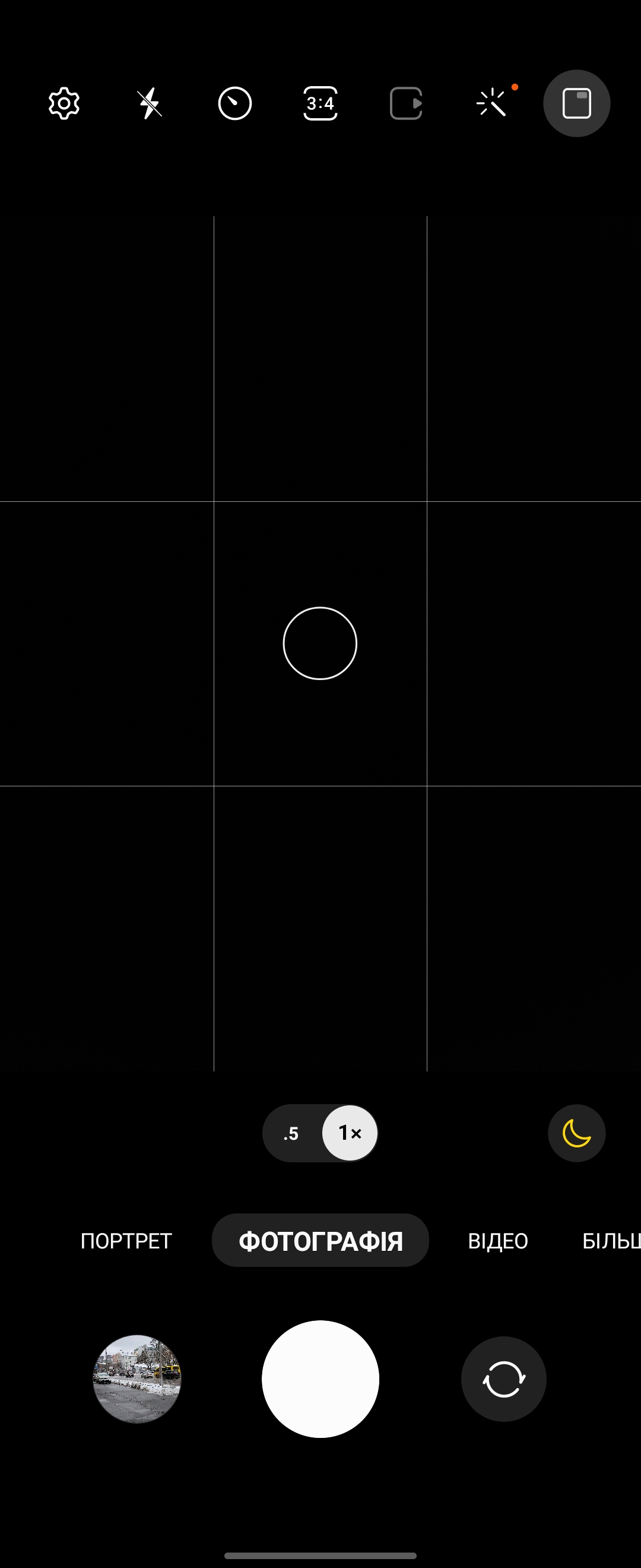
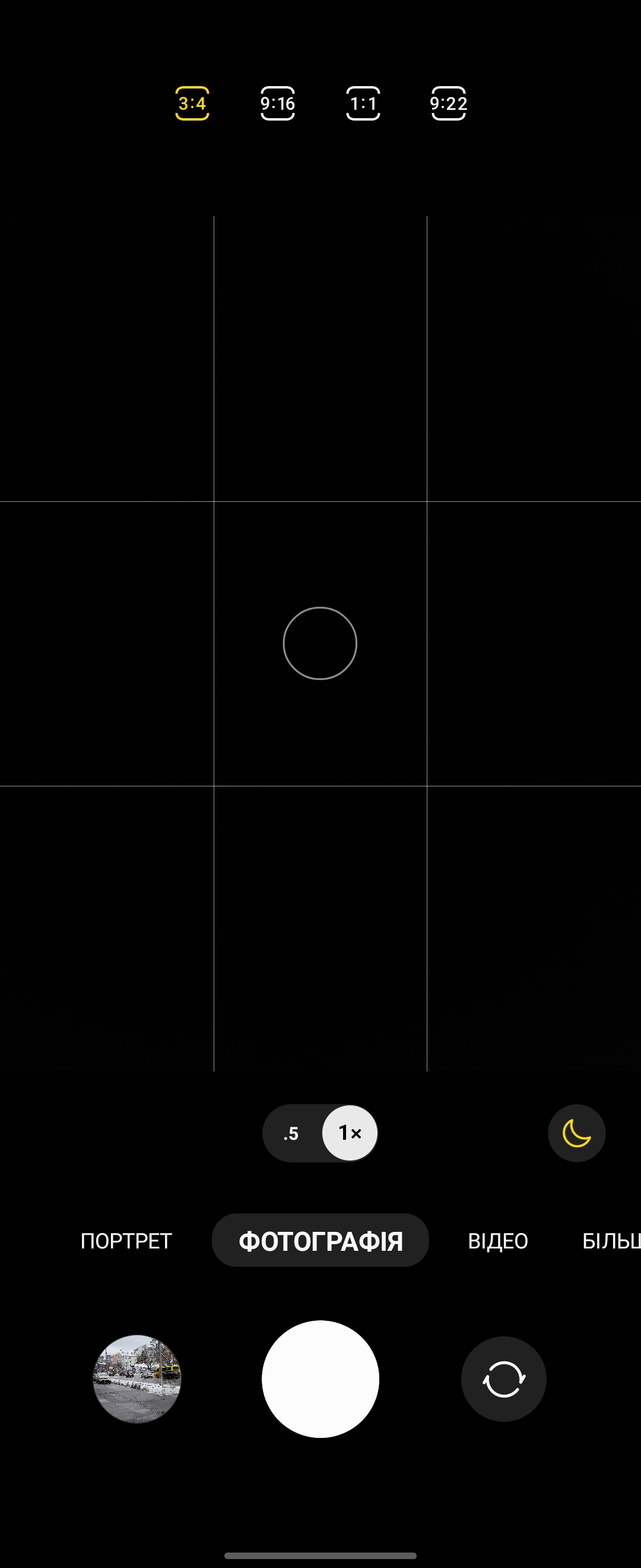
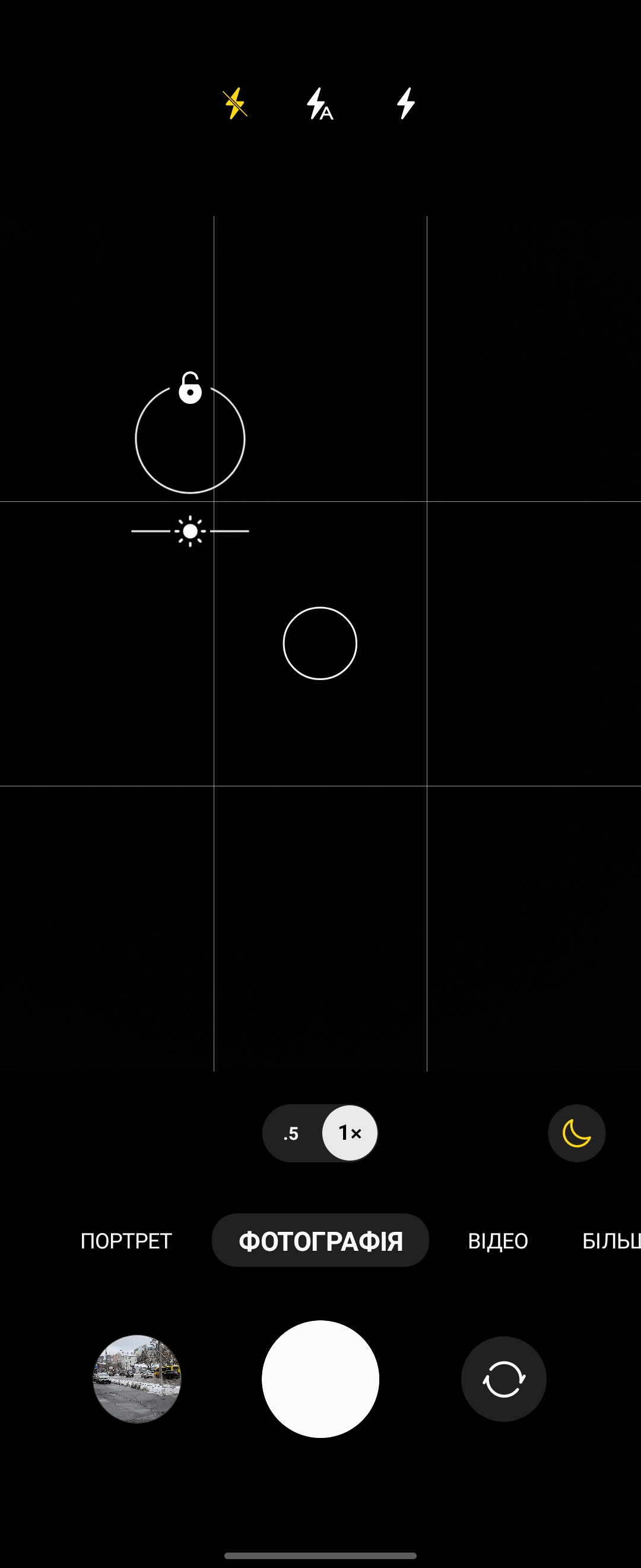
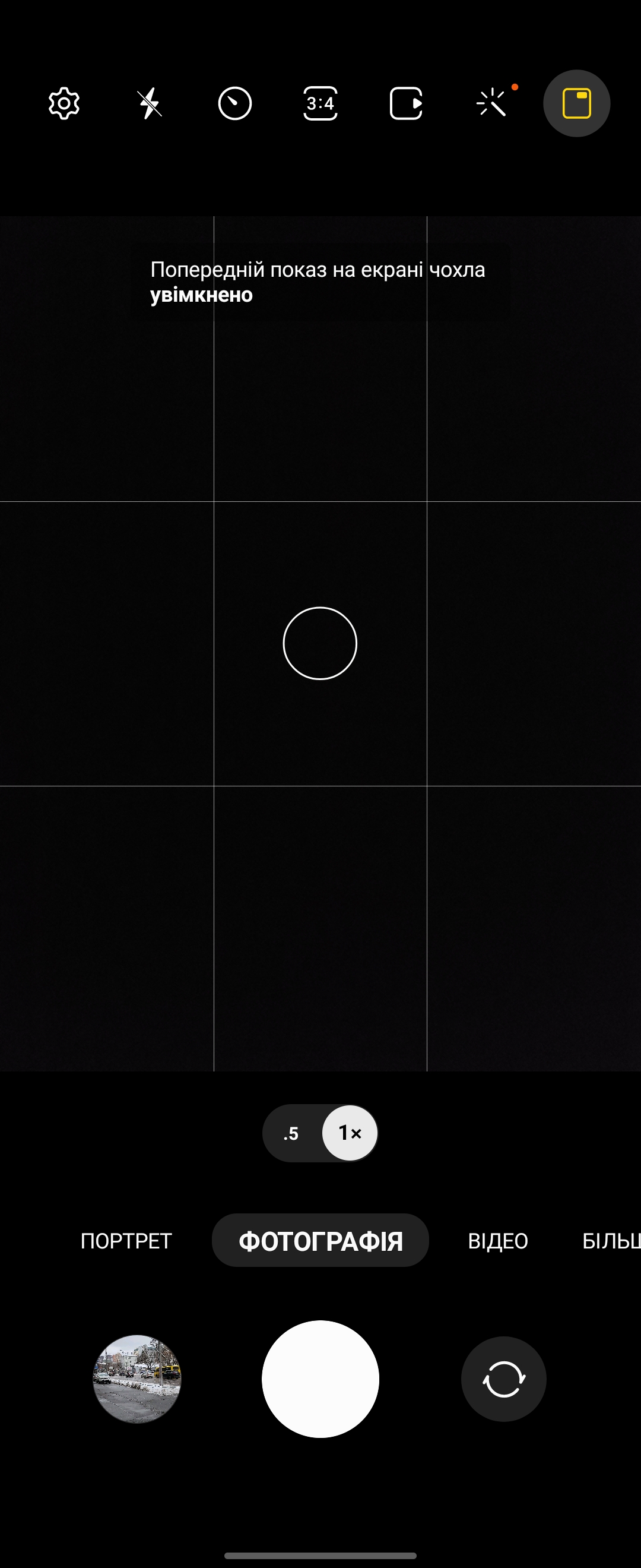
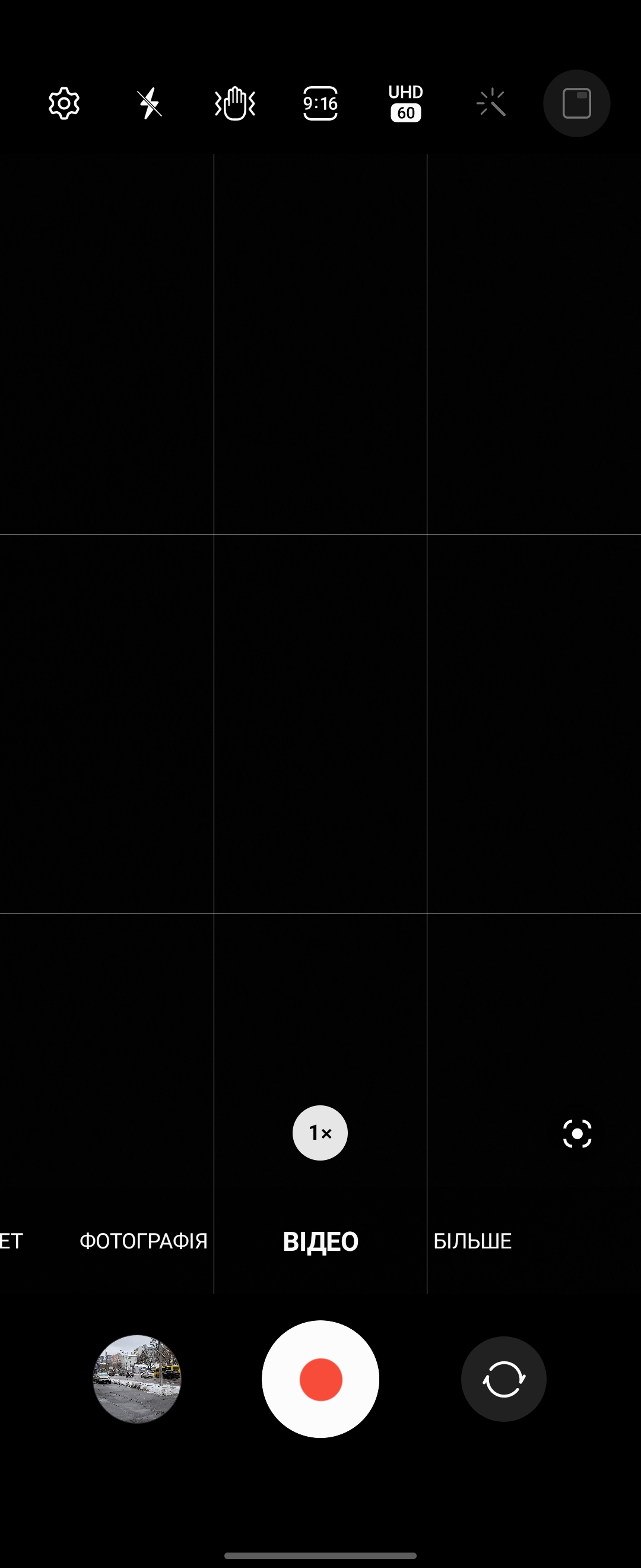
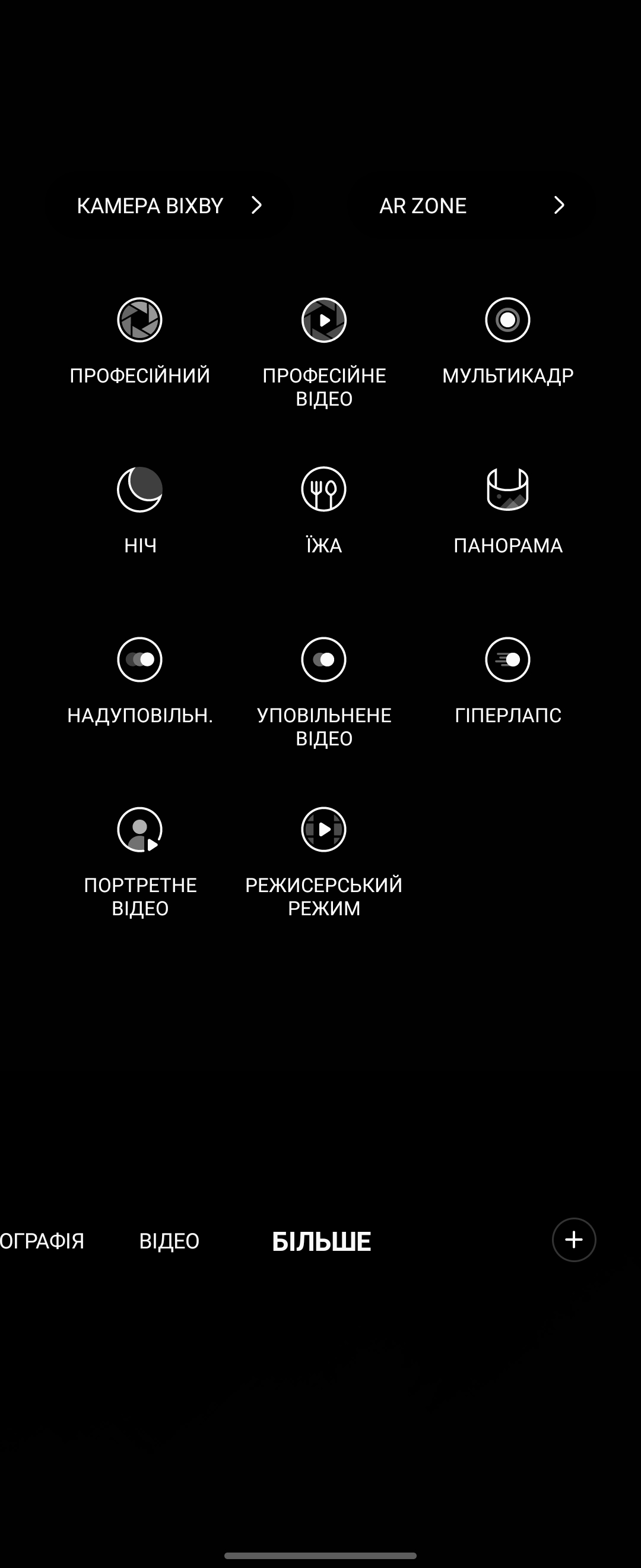
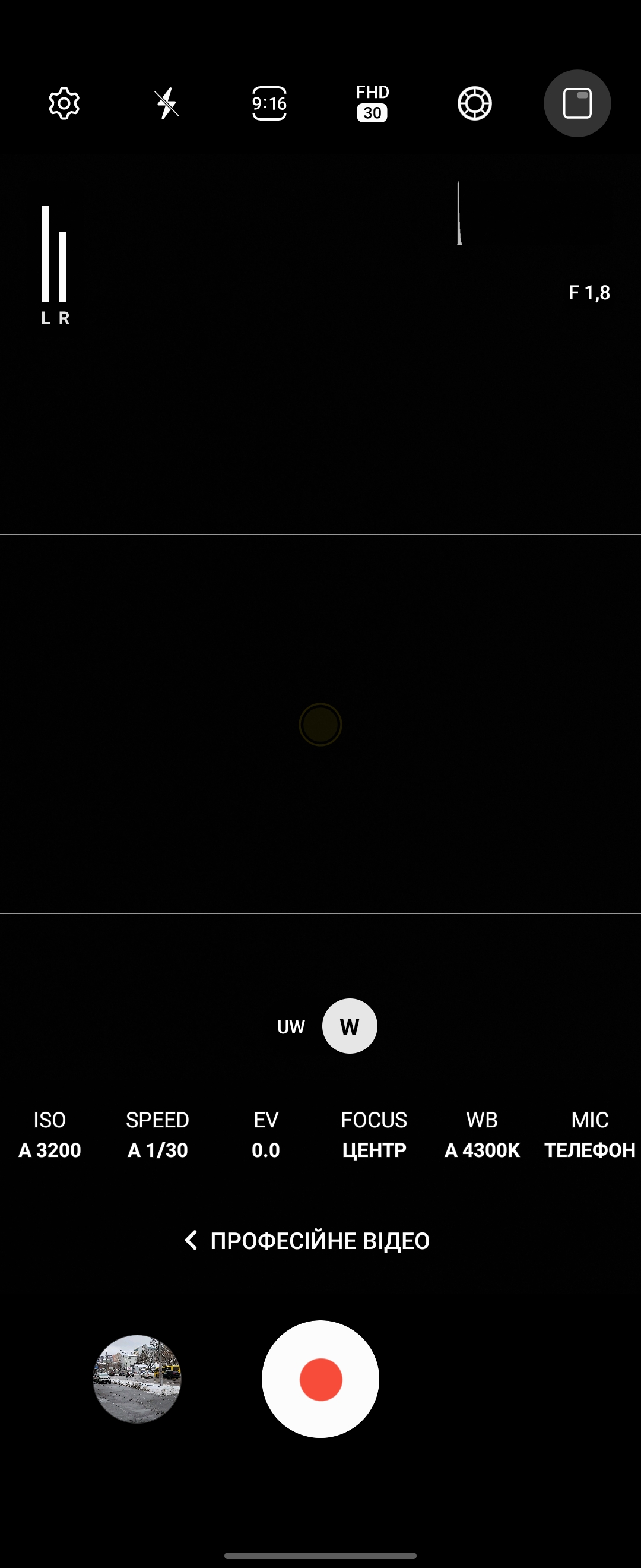
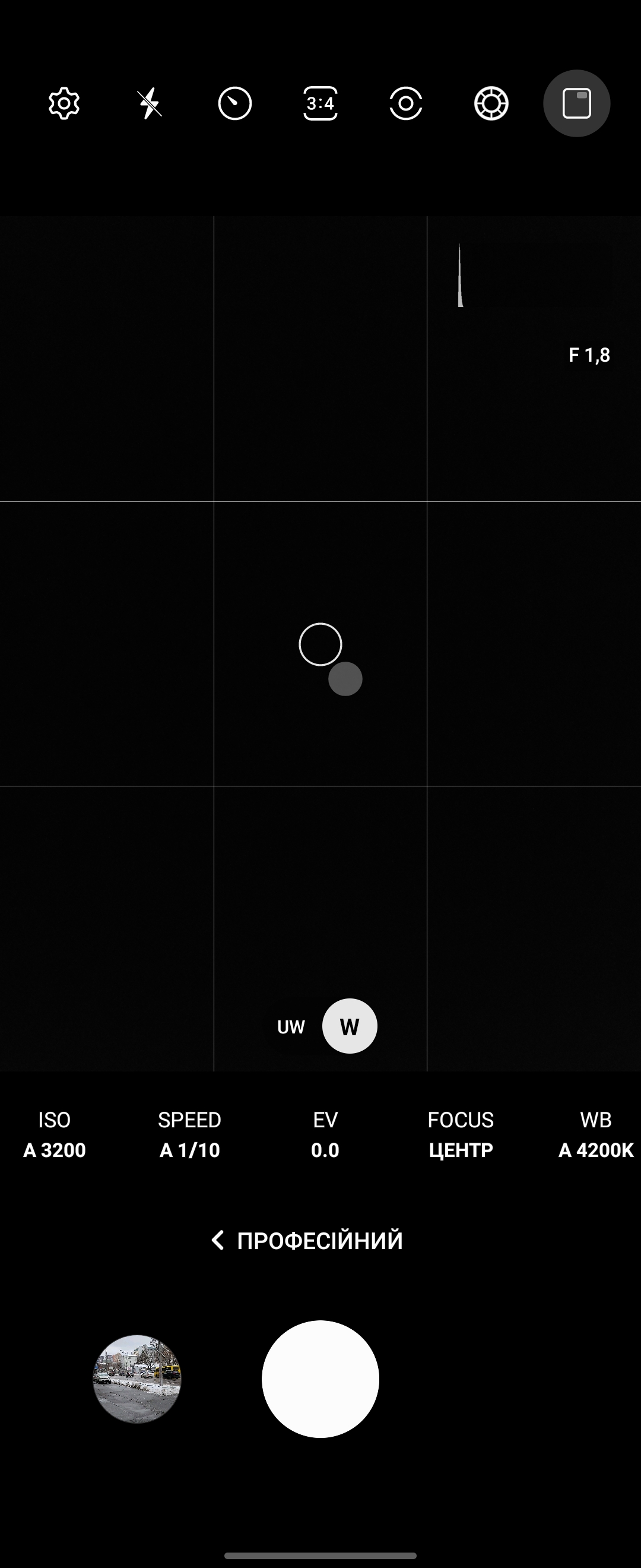
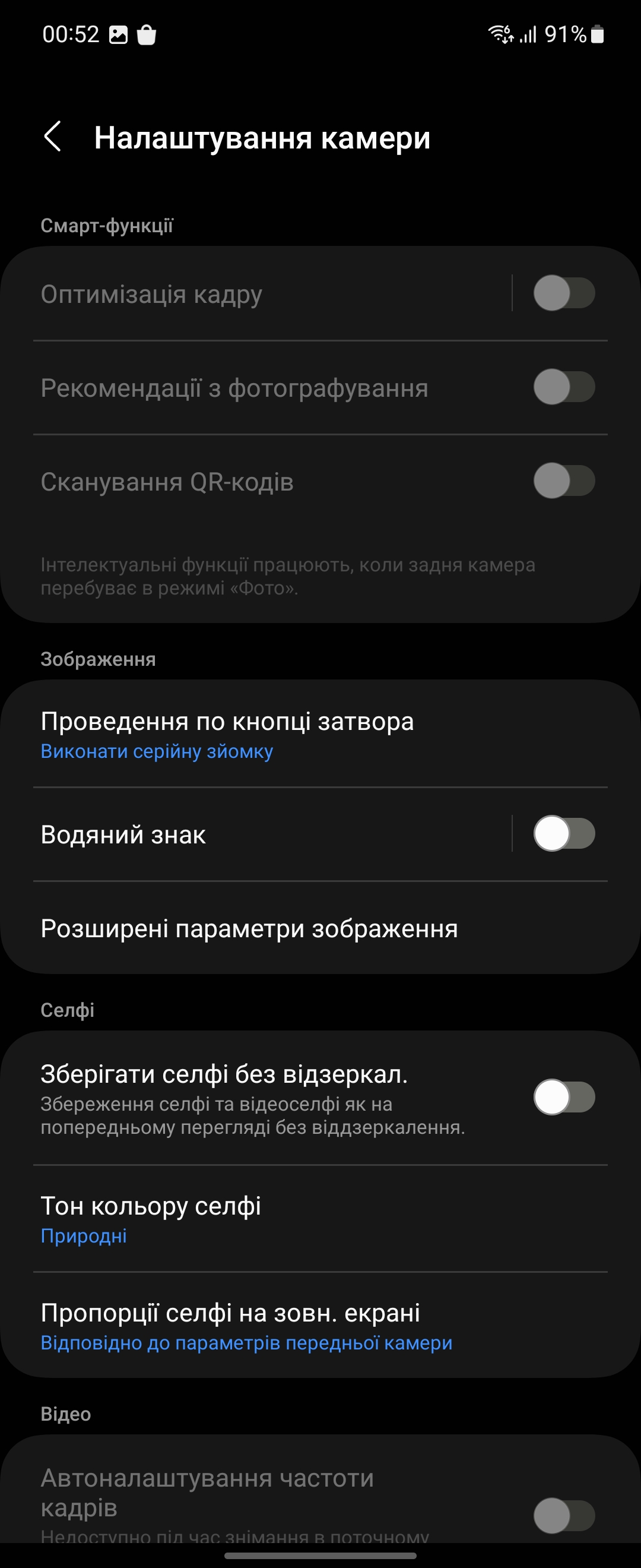
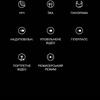
There have been no significant changes to the application:All the important settings (including flash, camera switching, aspect ratio, effects, timer, resolution and video stabilization) are on the main screen. A button has been added to them for taking a selfie with the main camera when the smartphone is folded. By default, only the main modes are included in the main carousel. Additional – in the More menu item. They can be dragged into the main carousel.
</ img>
</ img>
</ img>
</ img>
</ img>

</ img>
</ img>
</ img>
</ img>
</ img>
</ img>


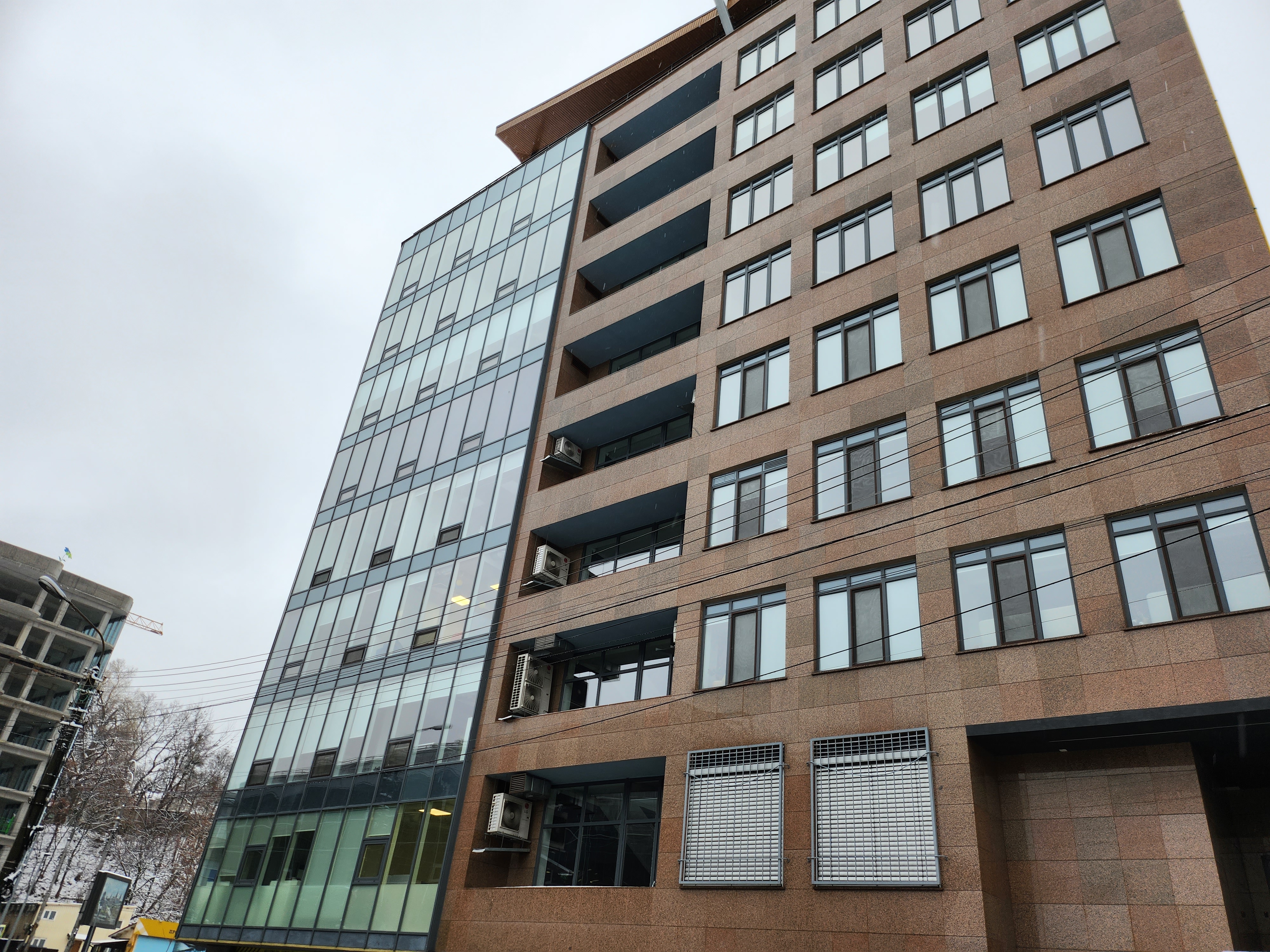
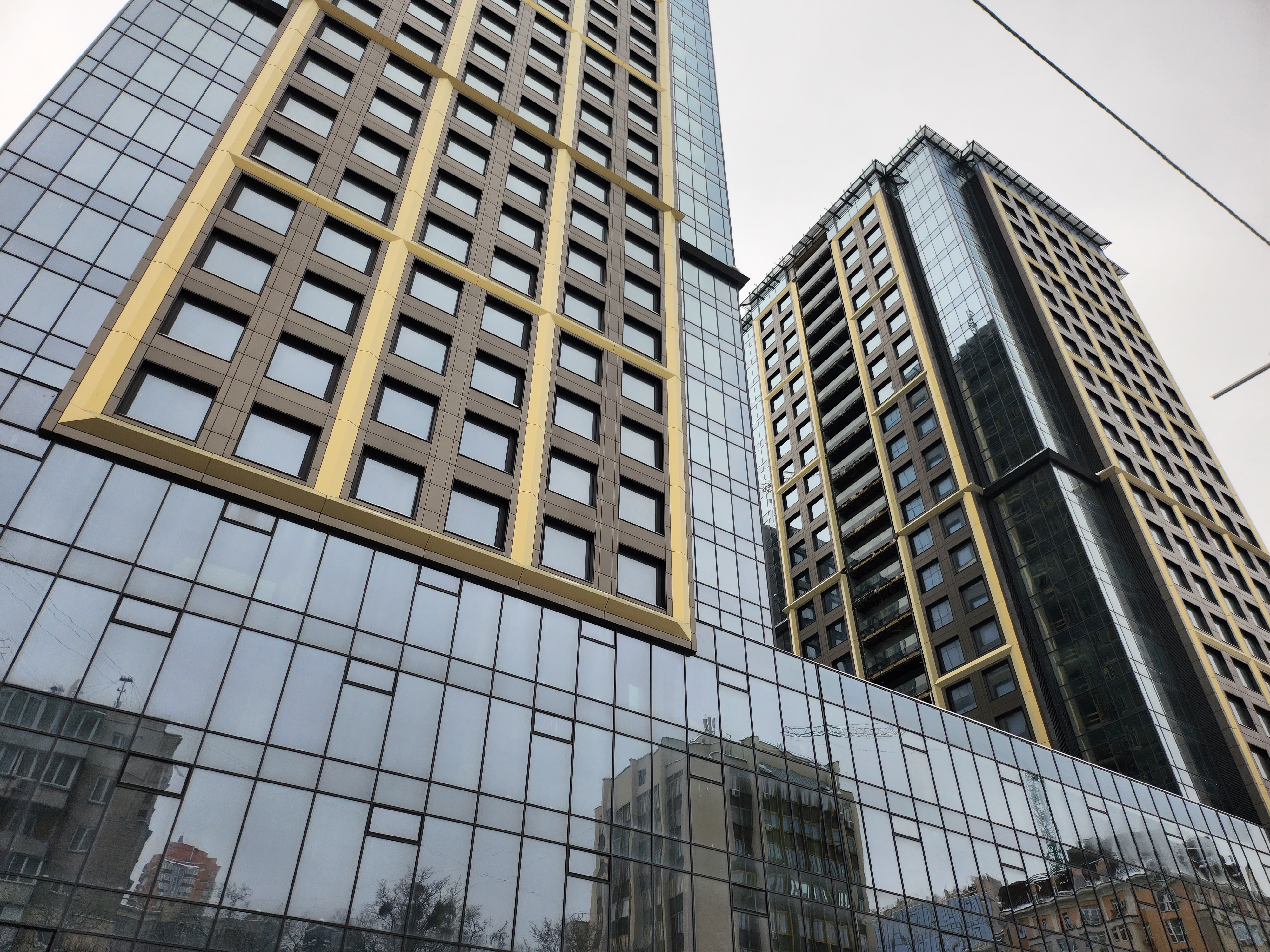
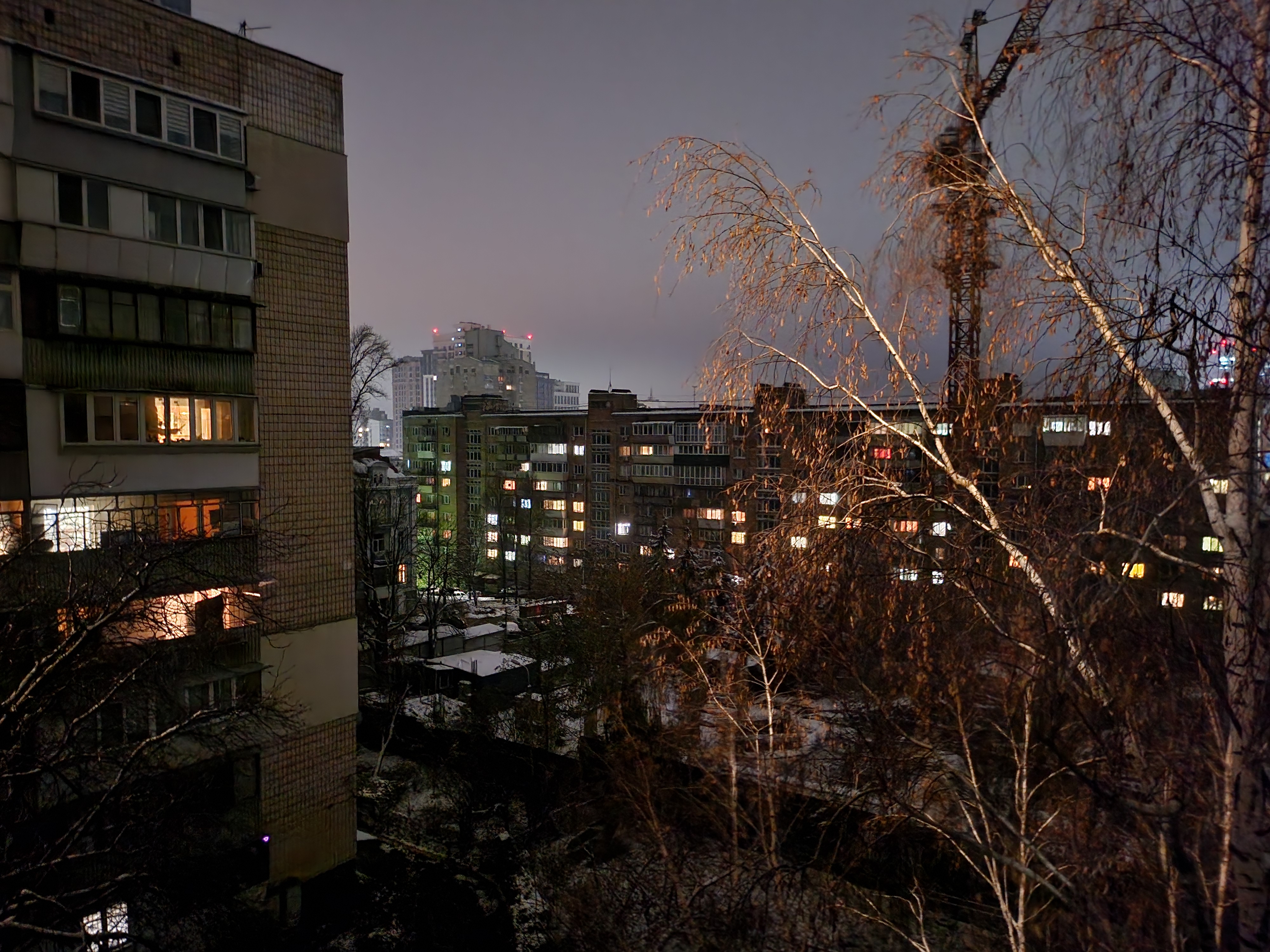
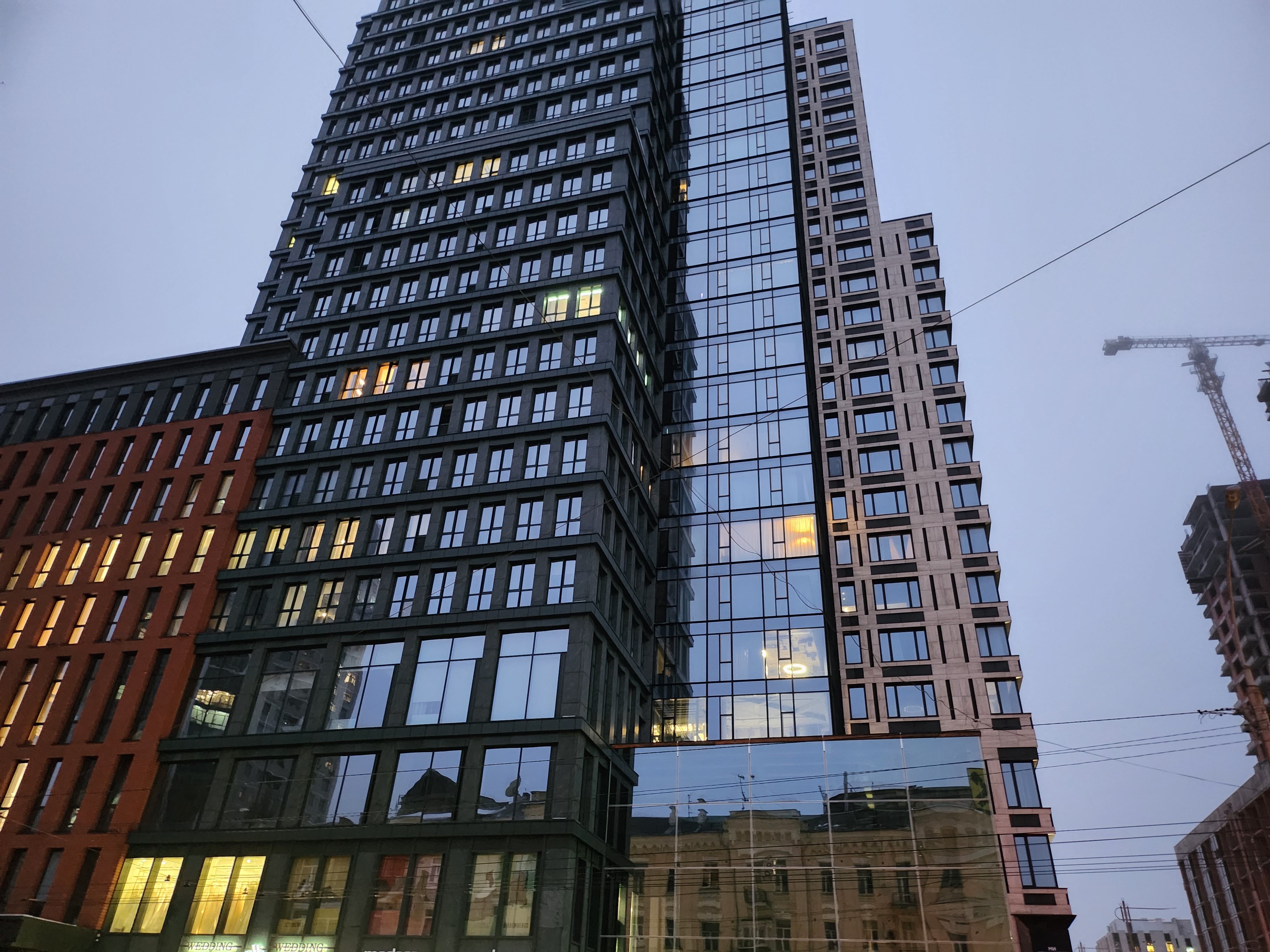
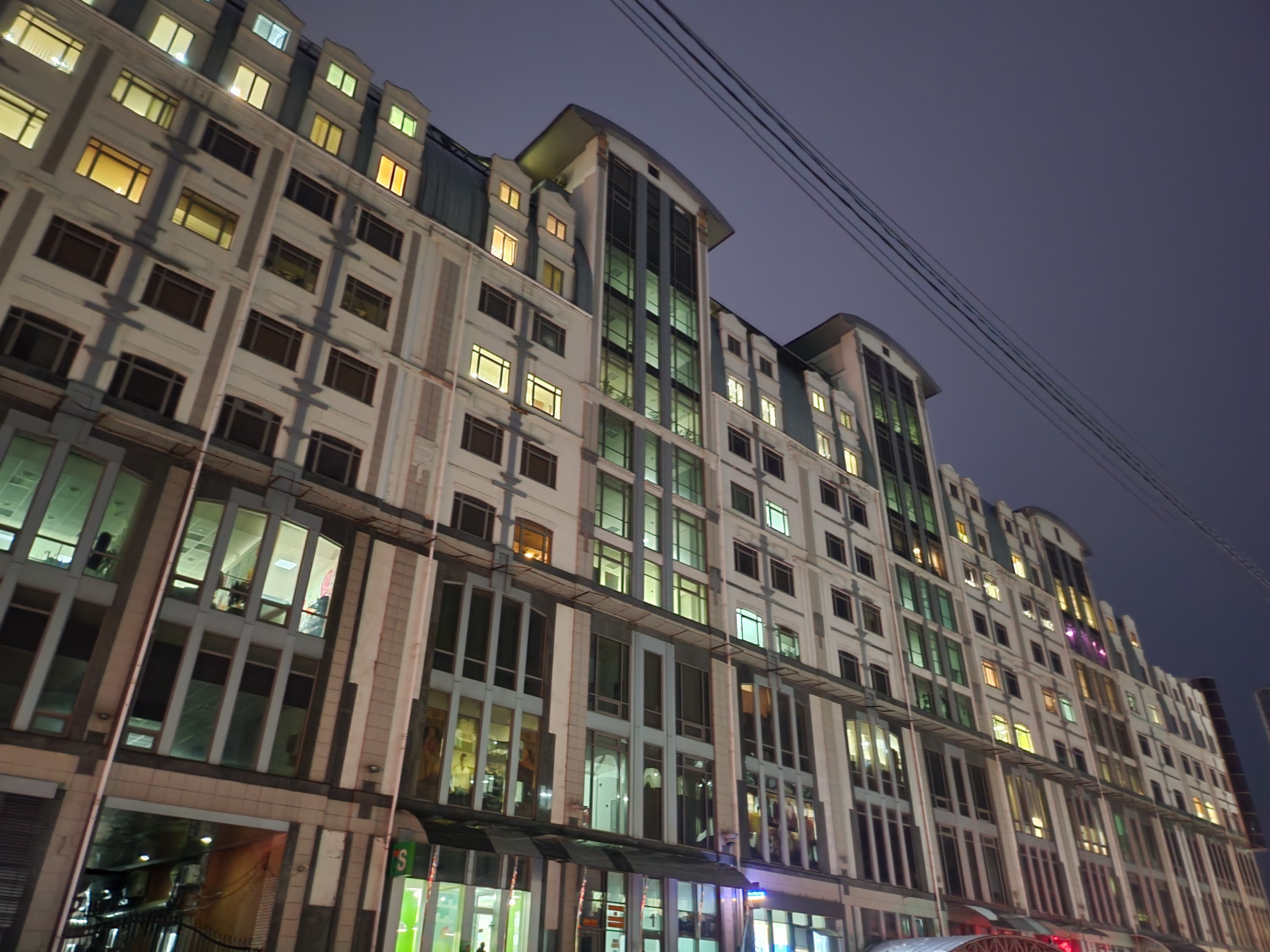
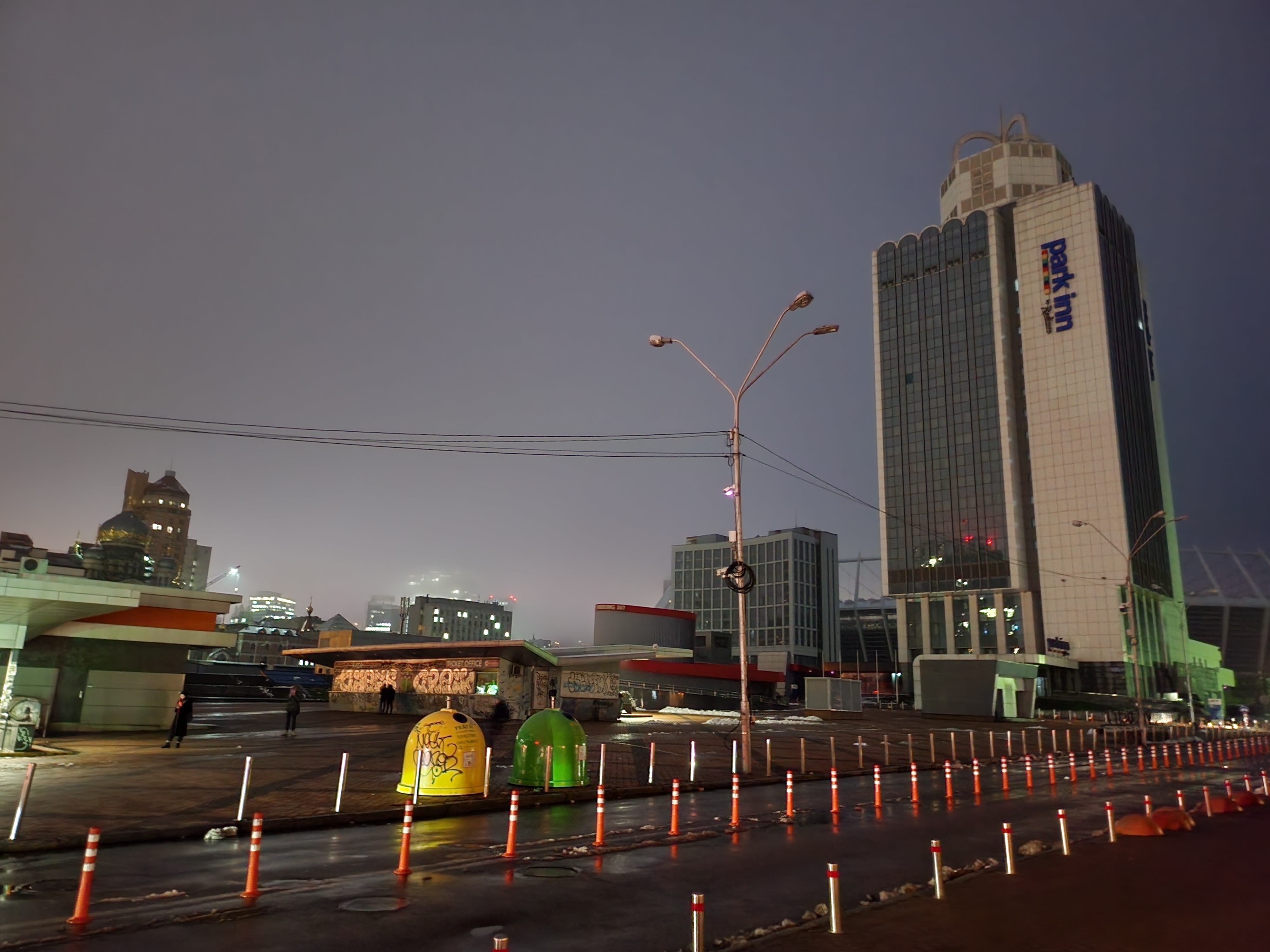
The main camera really shoots very well in almost any conditions, including night shooting.
</ img>
</ img>

</ img>
</ img>
</ img>
</ img>
</ img>
</ img>
</ img>
</ img>
</ img>
</ img>
</ img>











These test shots will allow you to evaluate the difference inthe work of the new matrix and in comparison with the Galaxy Flip3 camera. All pictures were taken at night, the only light sources were the moon and stars. At the same time, the shooting was carried out not “hand-held,” but with the help of the main feature of both smartphones – Flex Mode, that is, the ability to use either the lower part of the display as a stand. Or in a horizontal orientation, simply by slightly folding both halves of the smartphones. The first three pictures were taken with the Galaxy Flip3 camera:
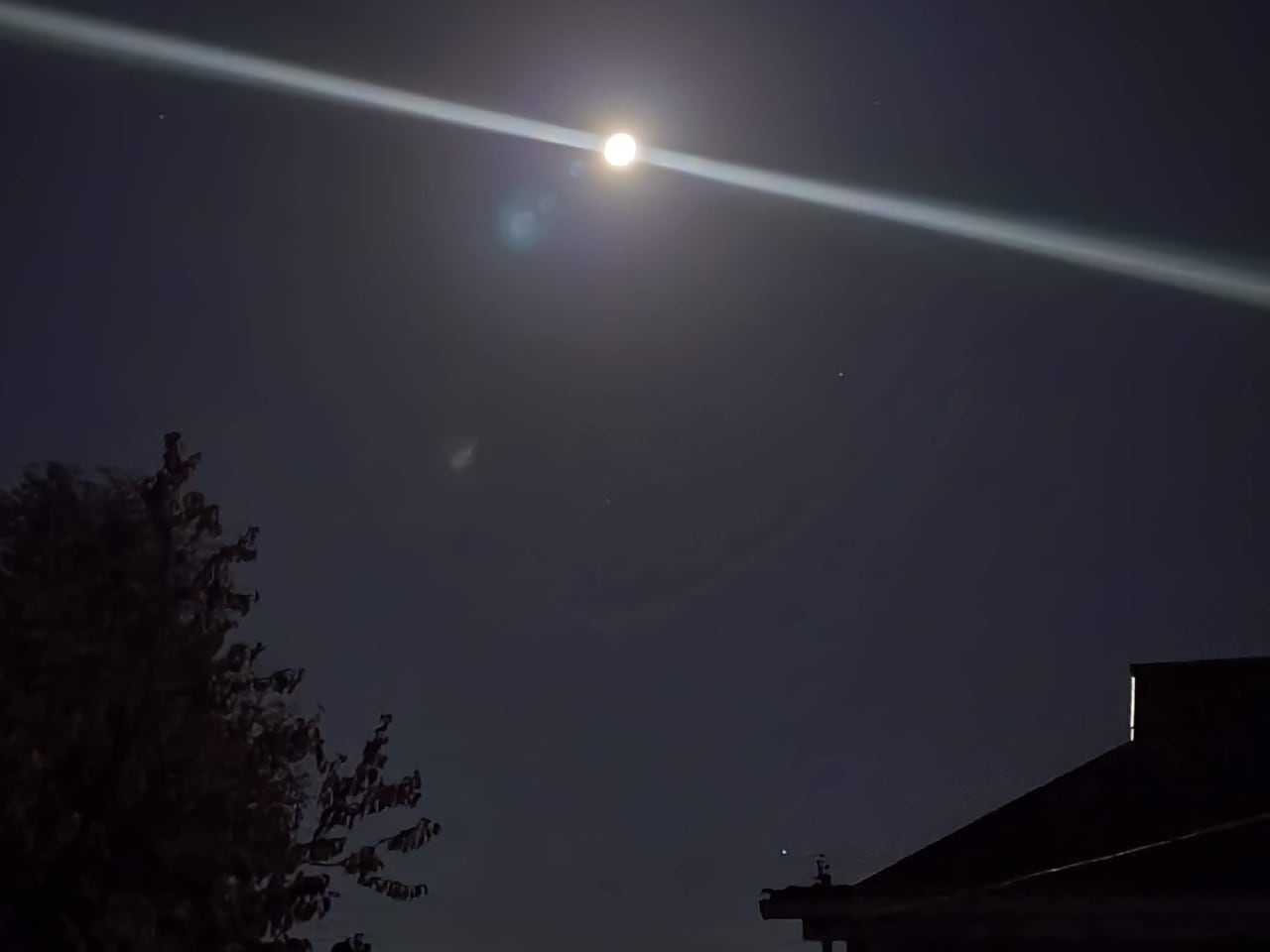
</ img>

</ img>
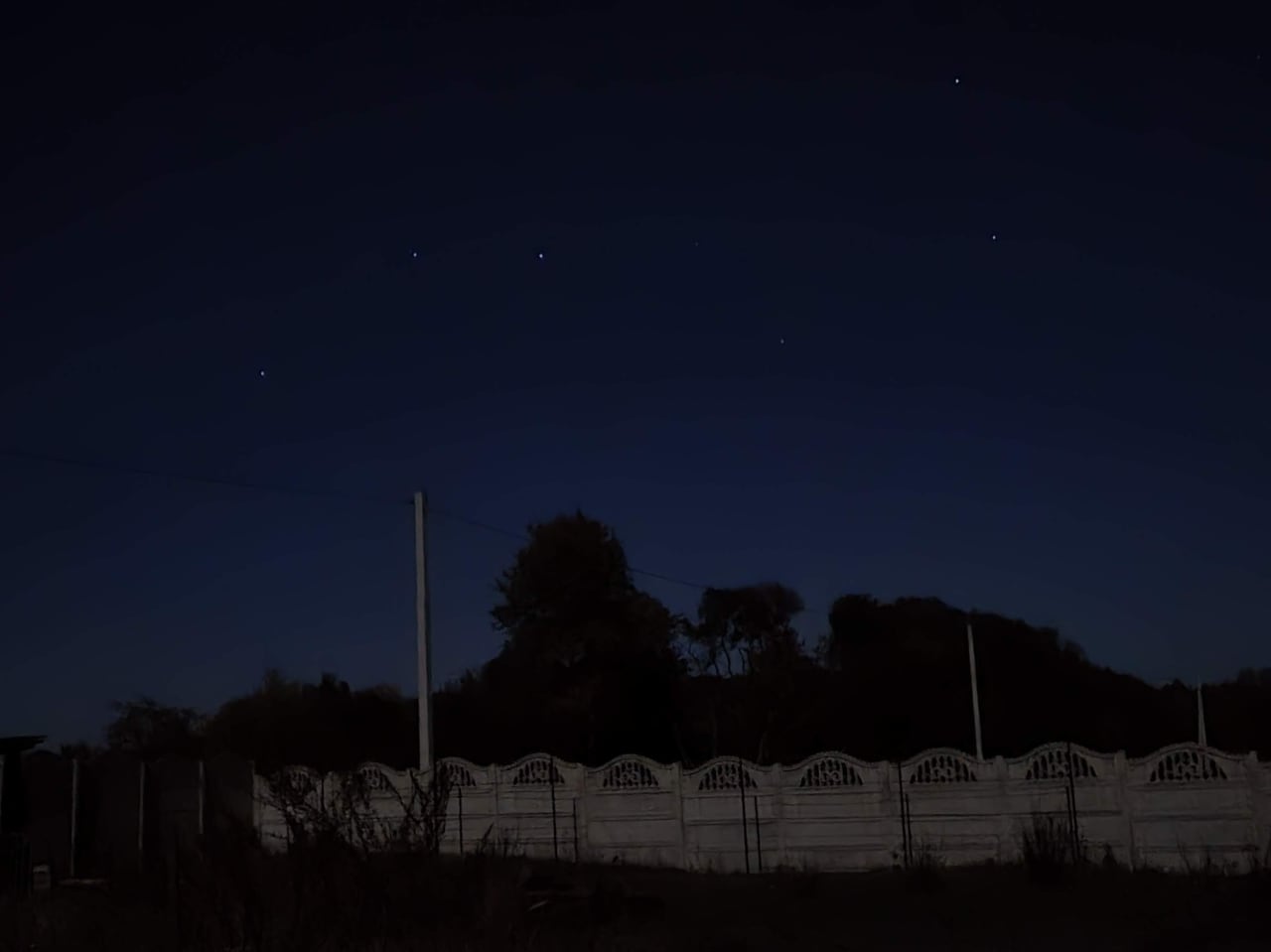
</ img>



And these three pictures were taken at the same time, in the sameshooting conditions, but with the camera of the Galaxy Flip4 smartphone. The difference, as you can see, is noticeable to the naked eye. Of course, you can’t count on the same results for video when shooting in the same darkness, but this is enough to understand the capabilities of the new matrix.
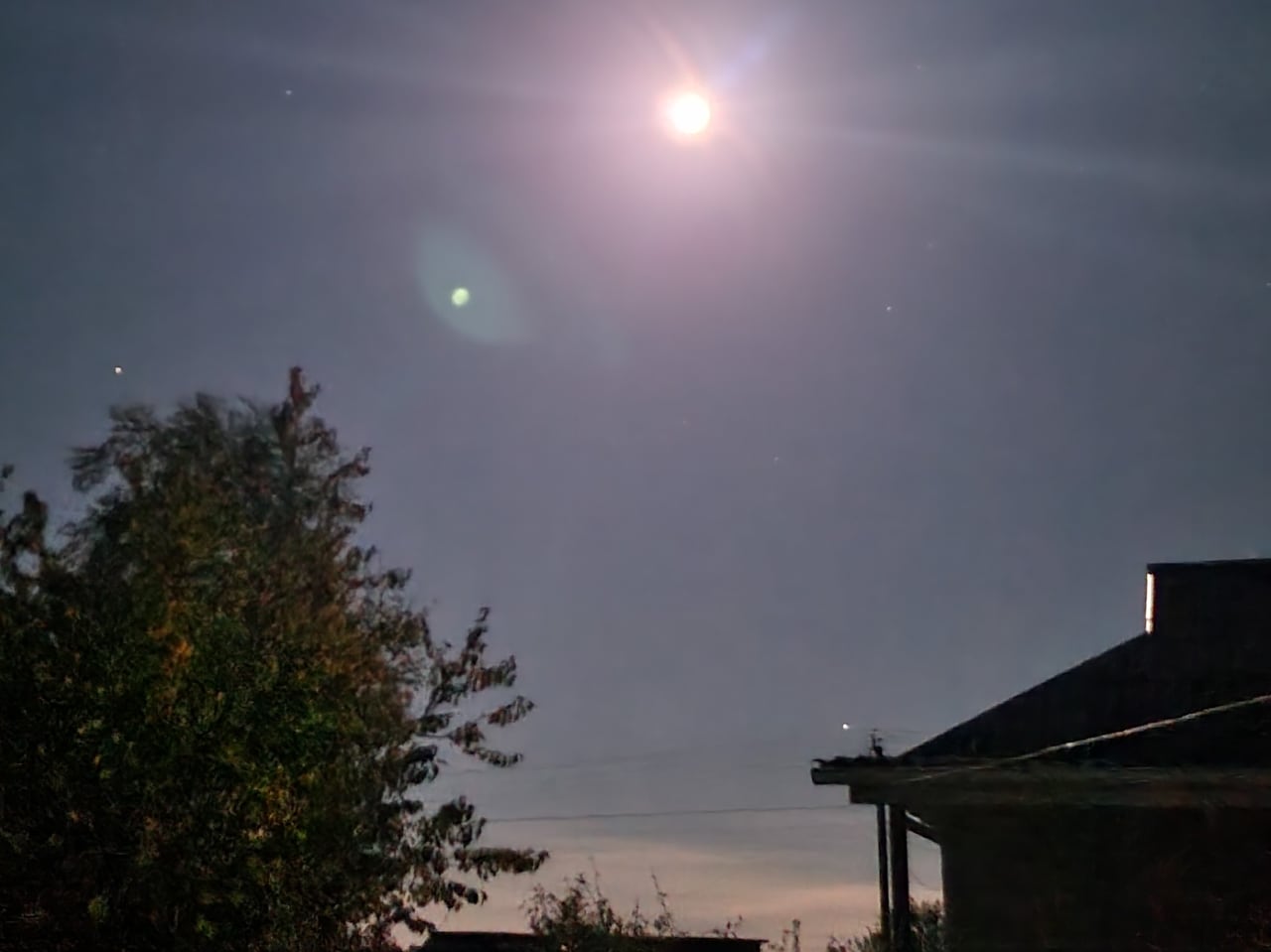
</ img>
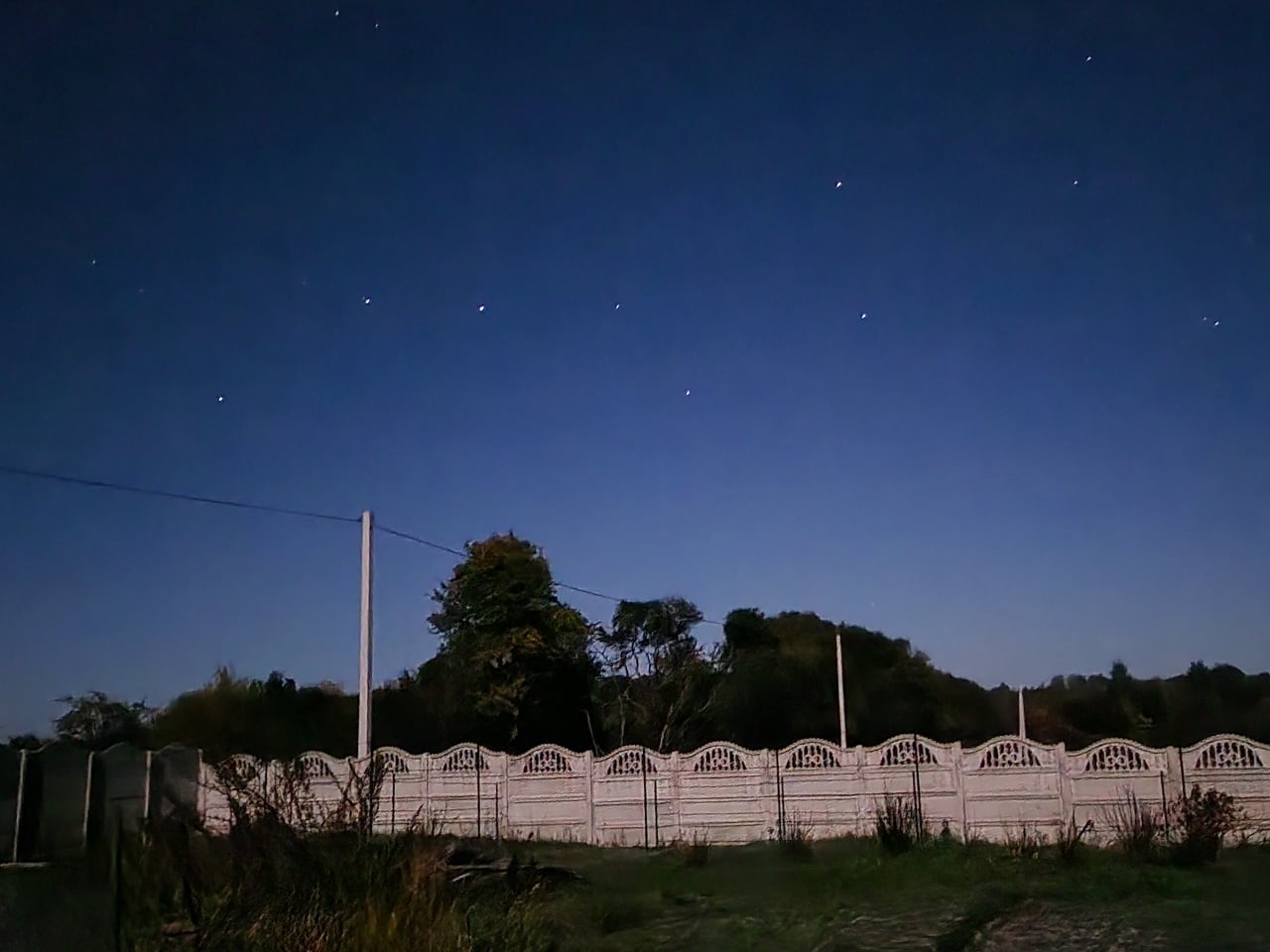
</ img>
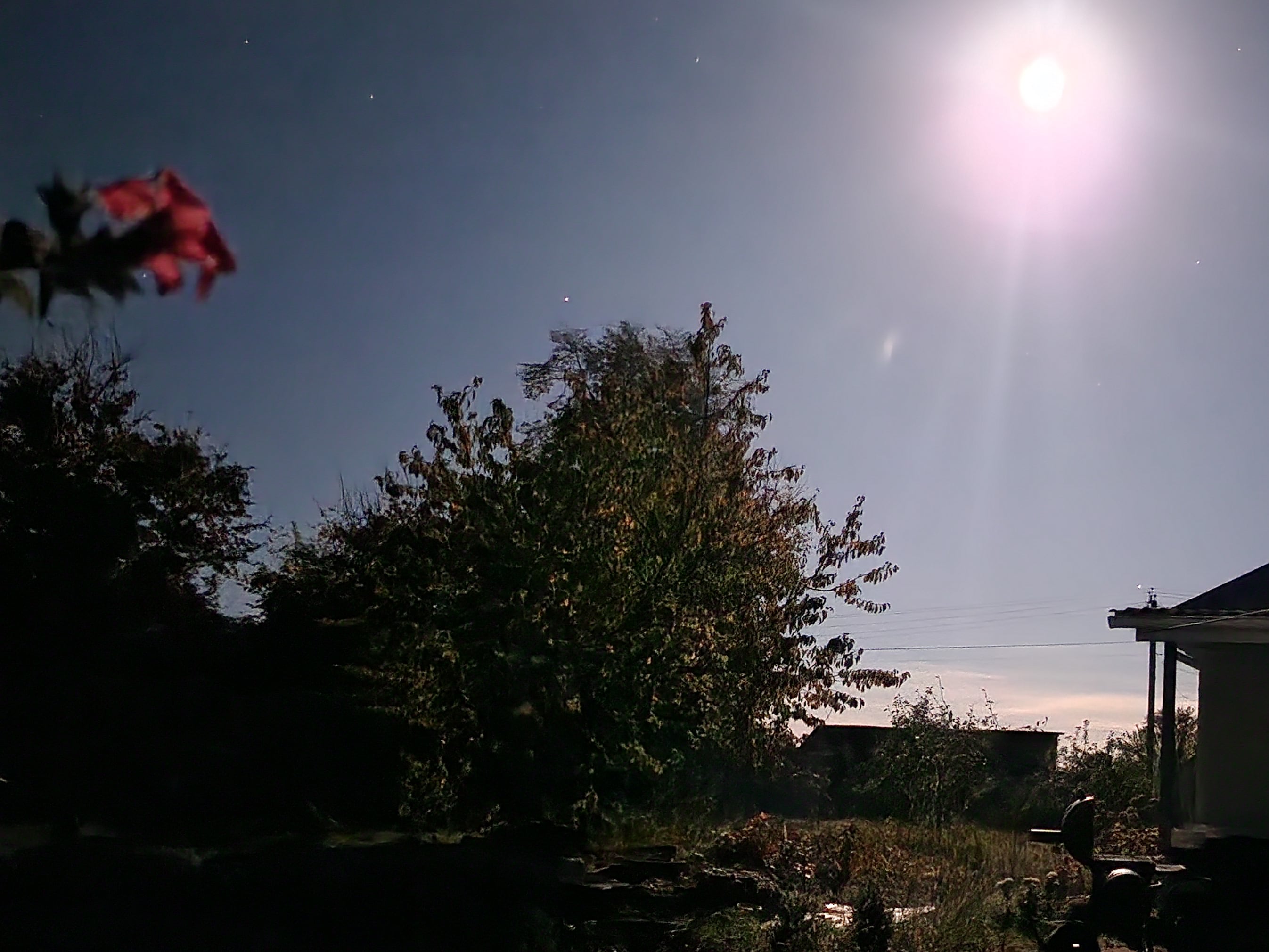
</ img>



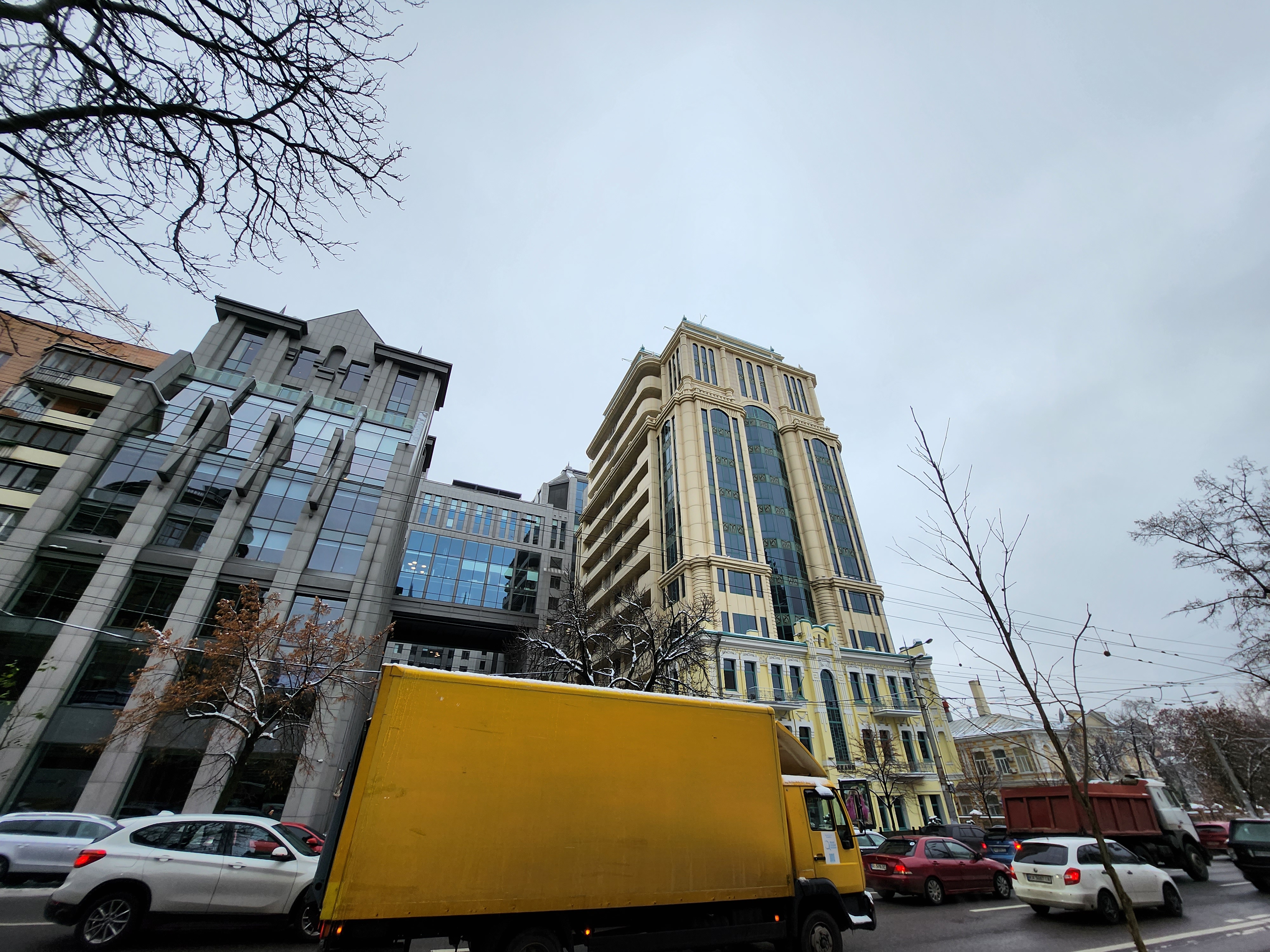
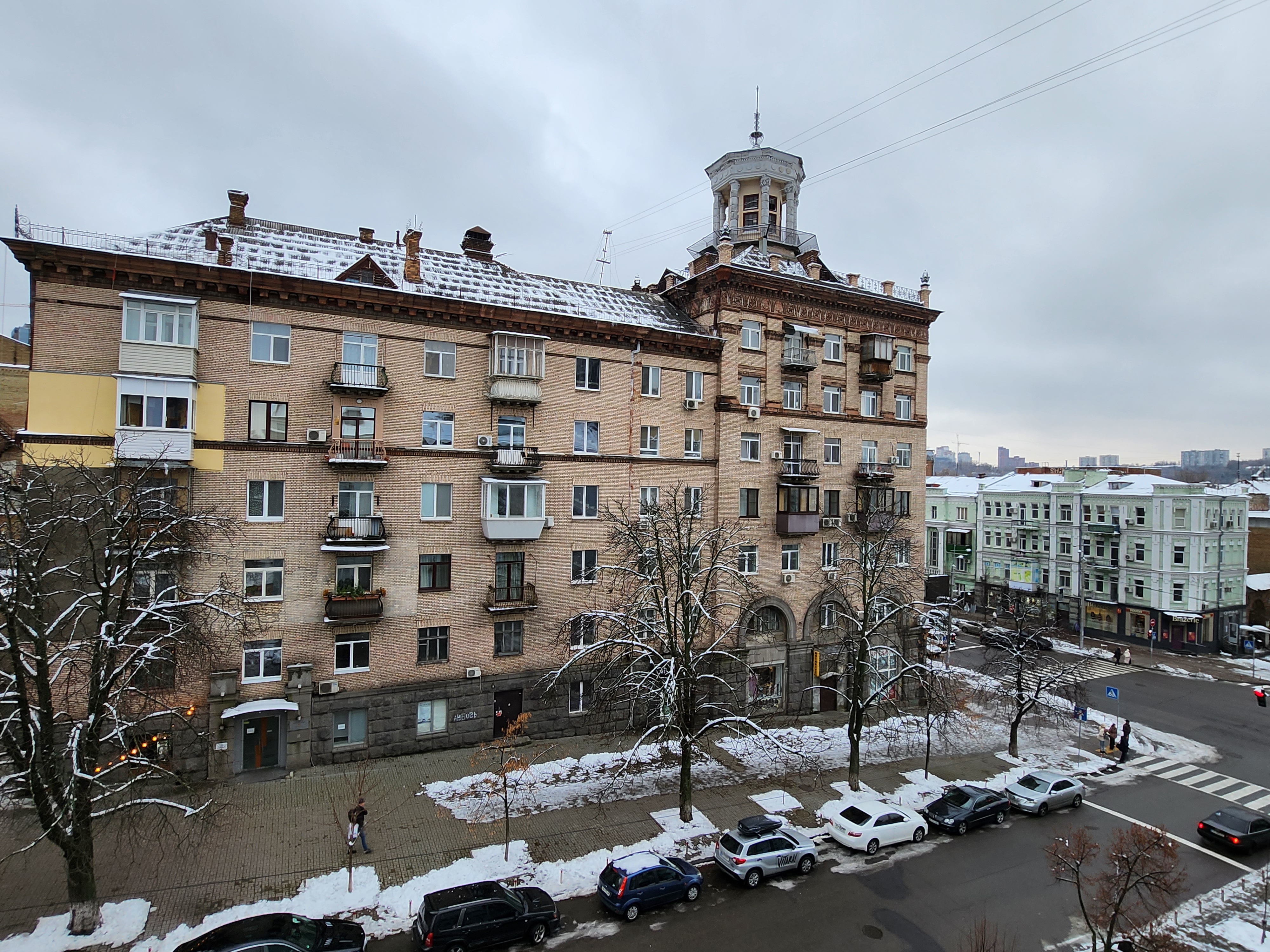
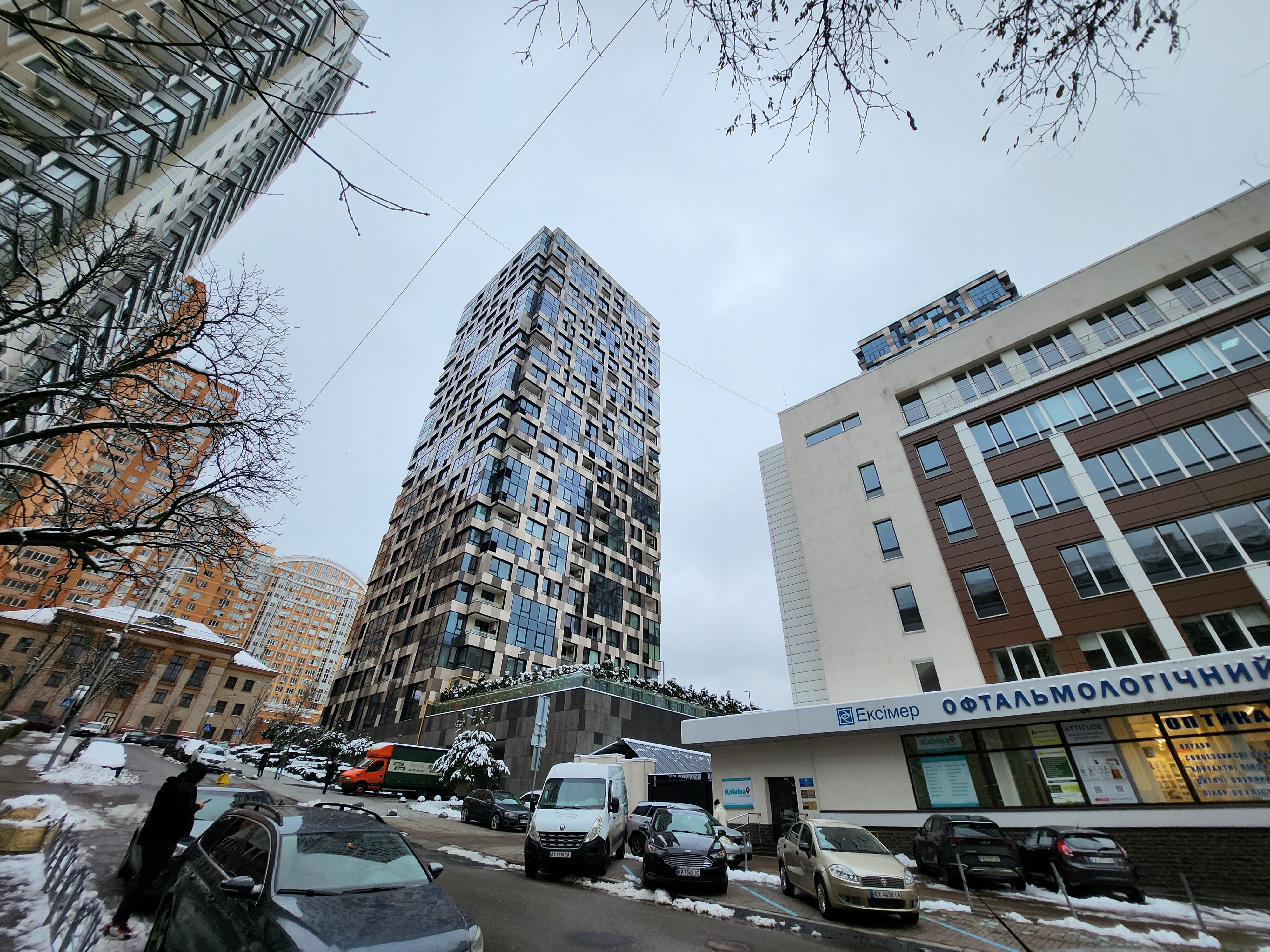
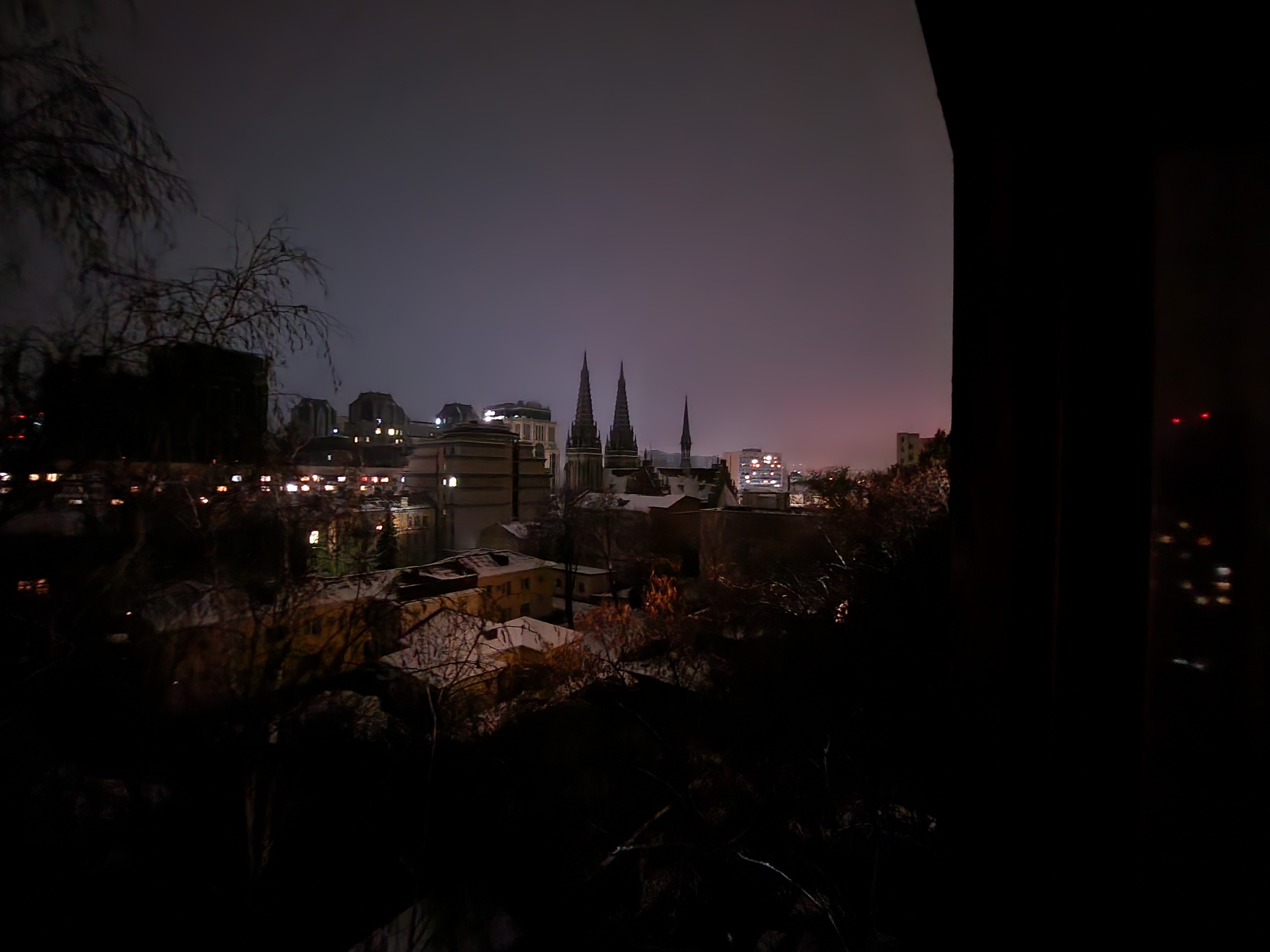
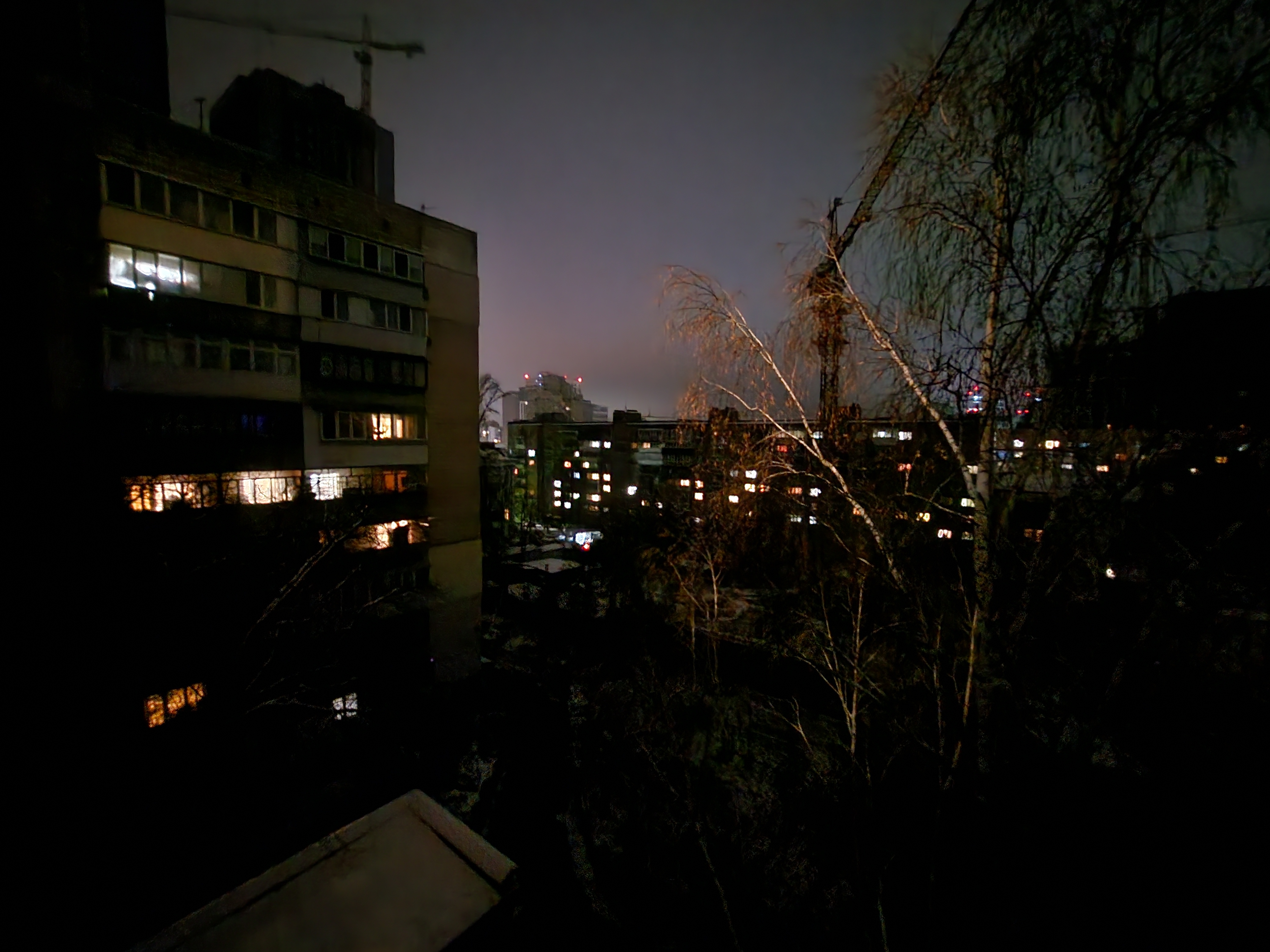
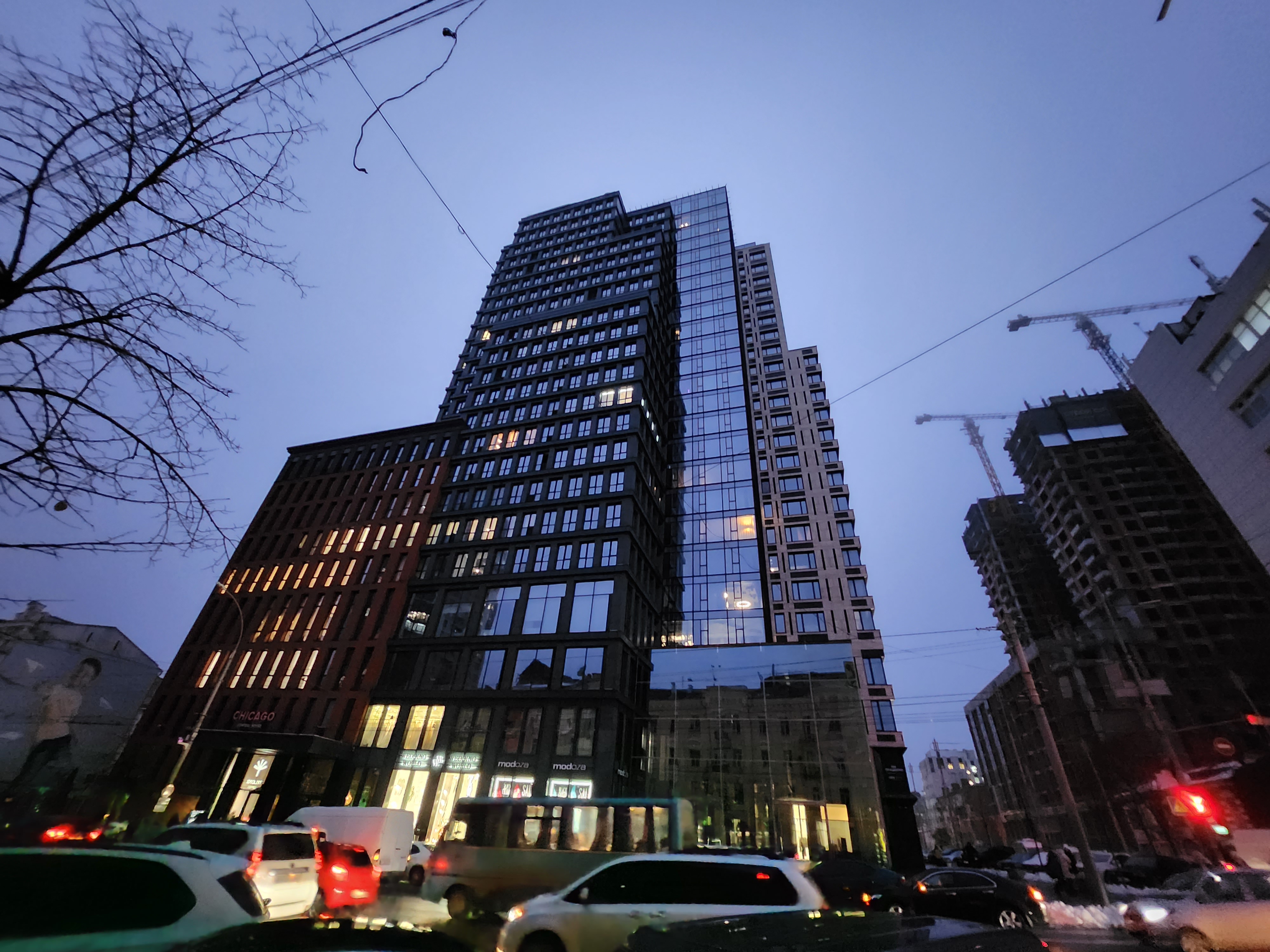
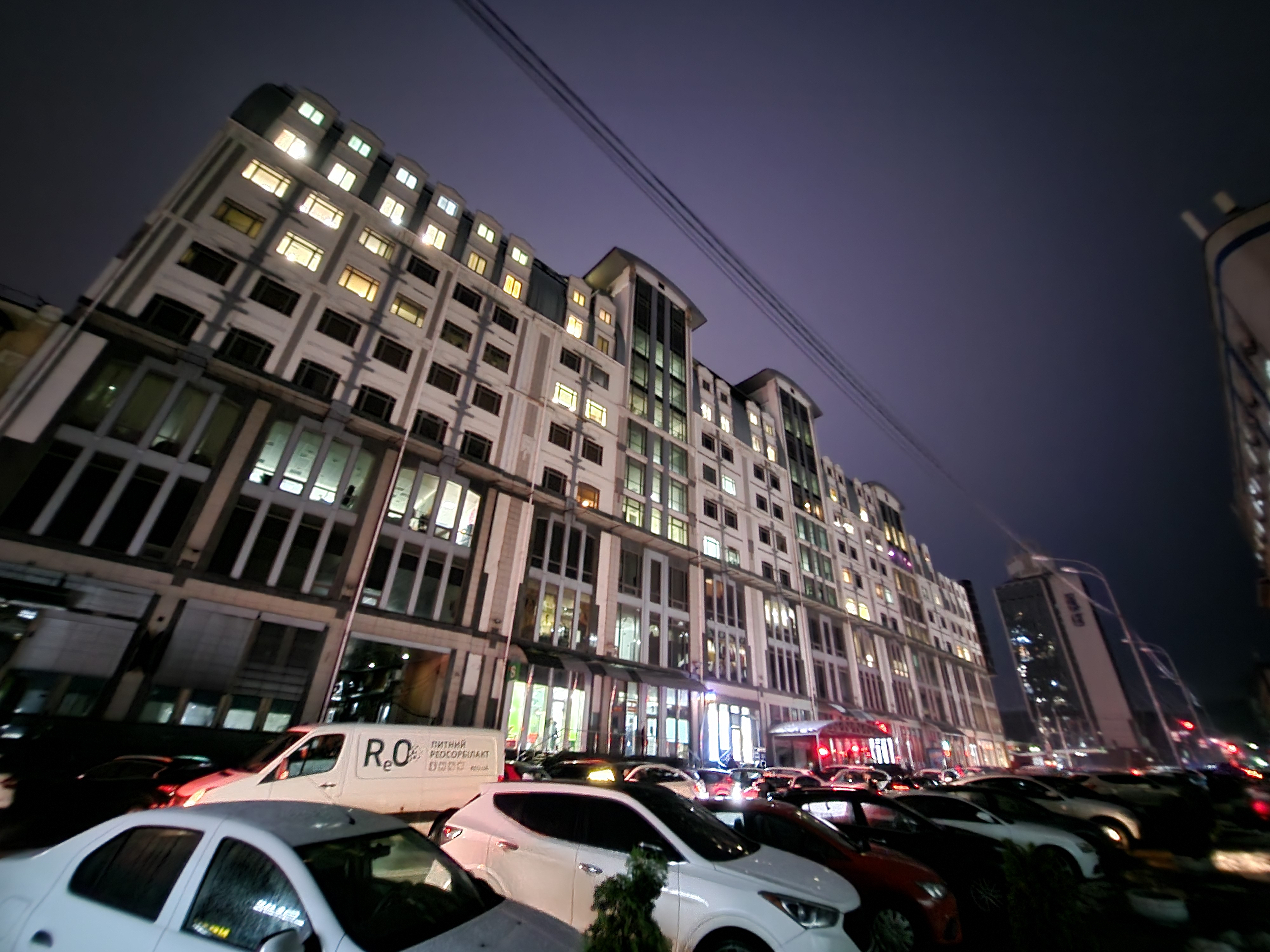
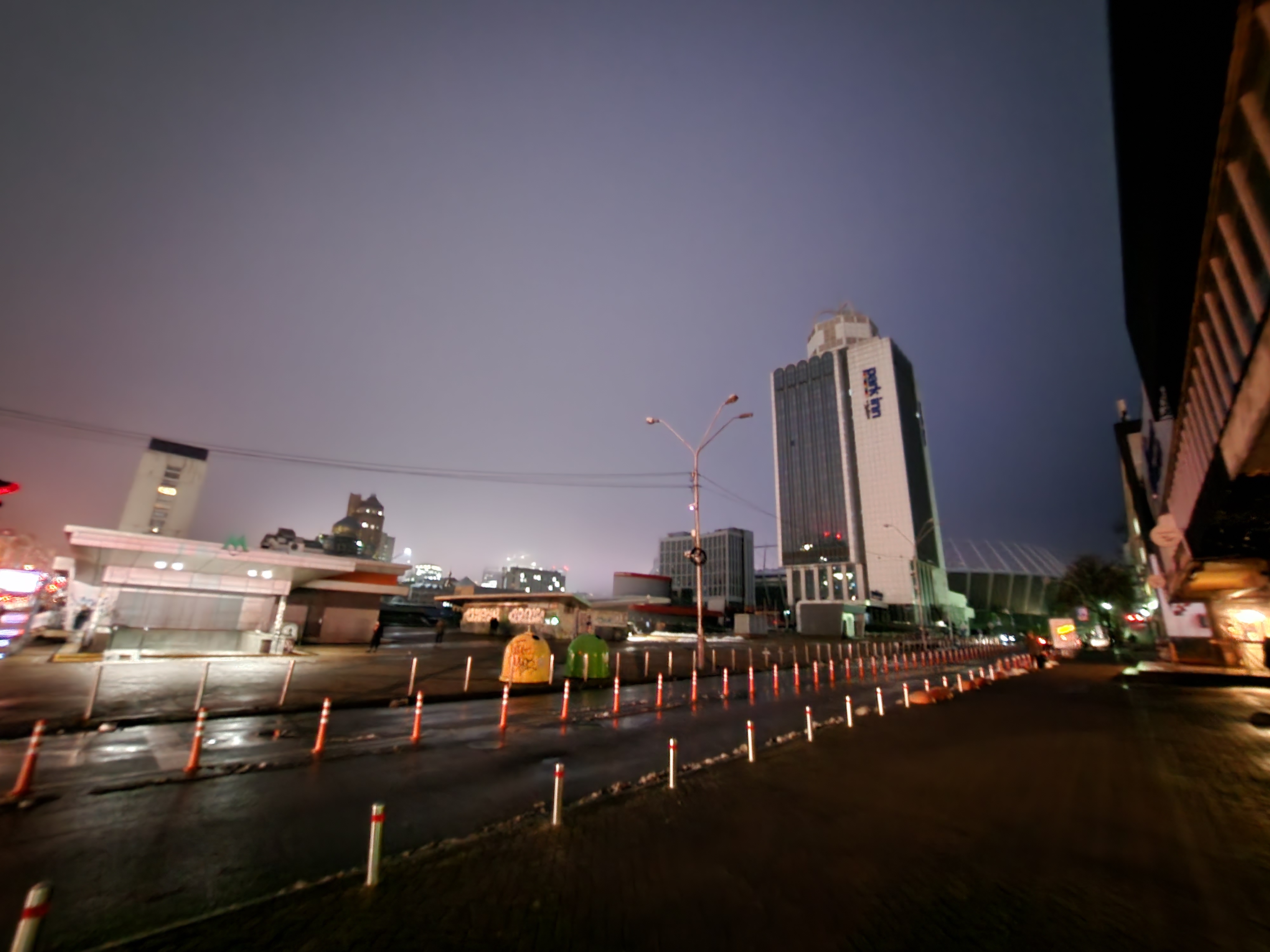
This is how the ultra-wide-angle camera shoots. With sufficient lighting, the photos are quite good, but at night everything is not so good:
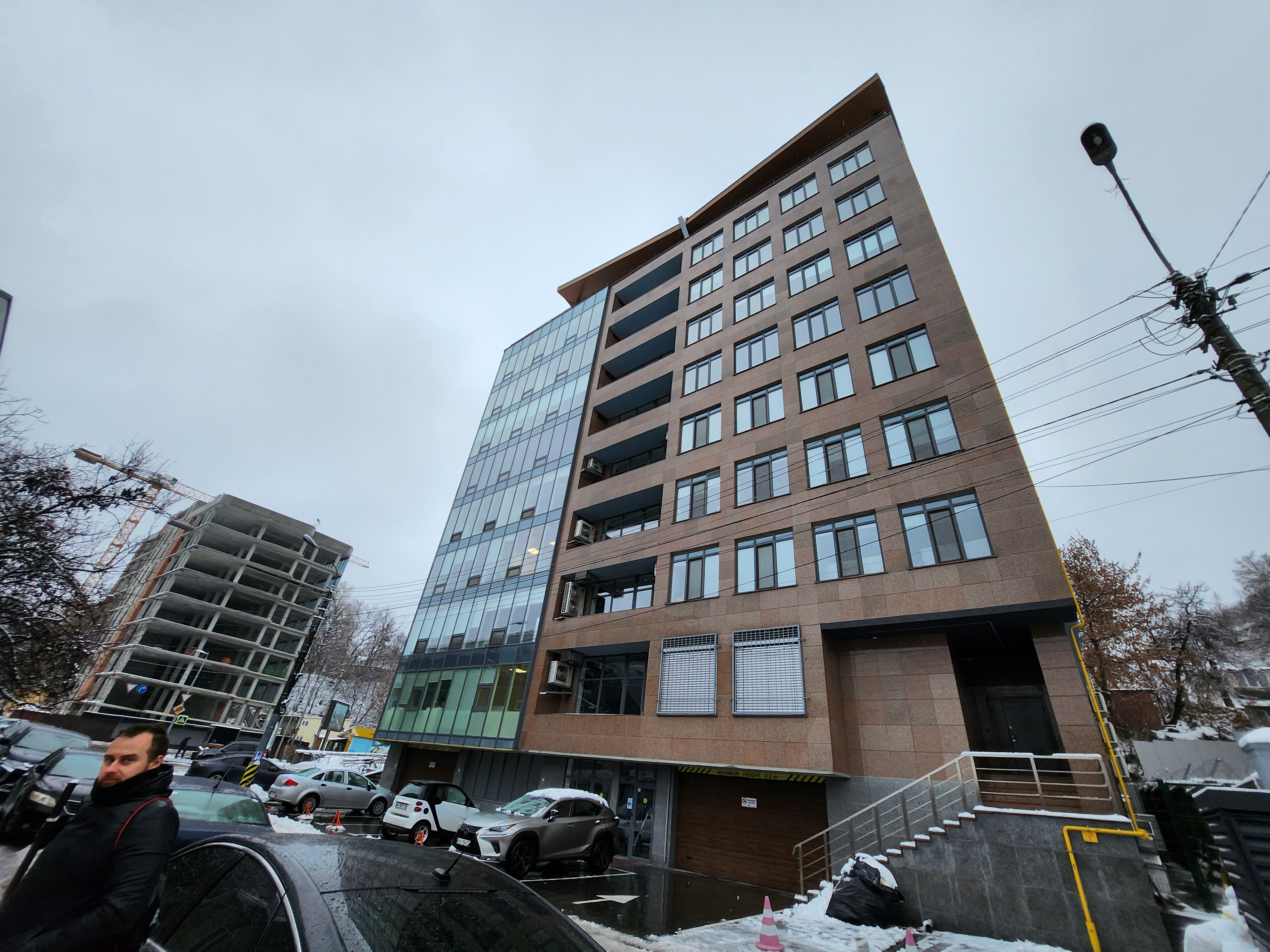
</ img>
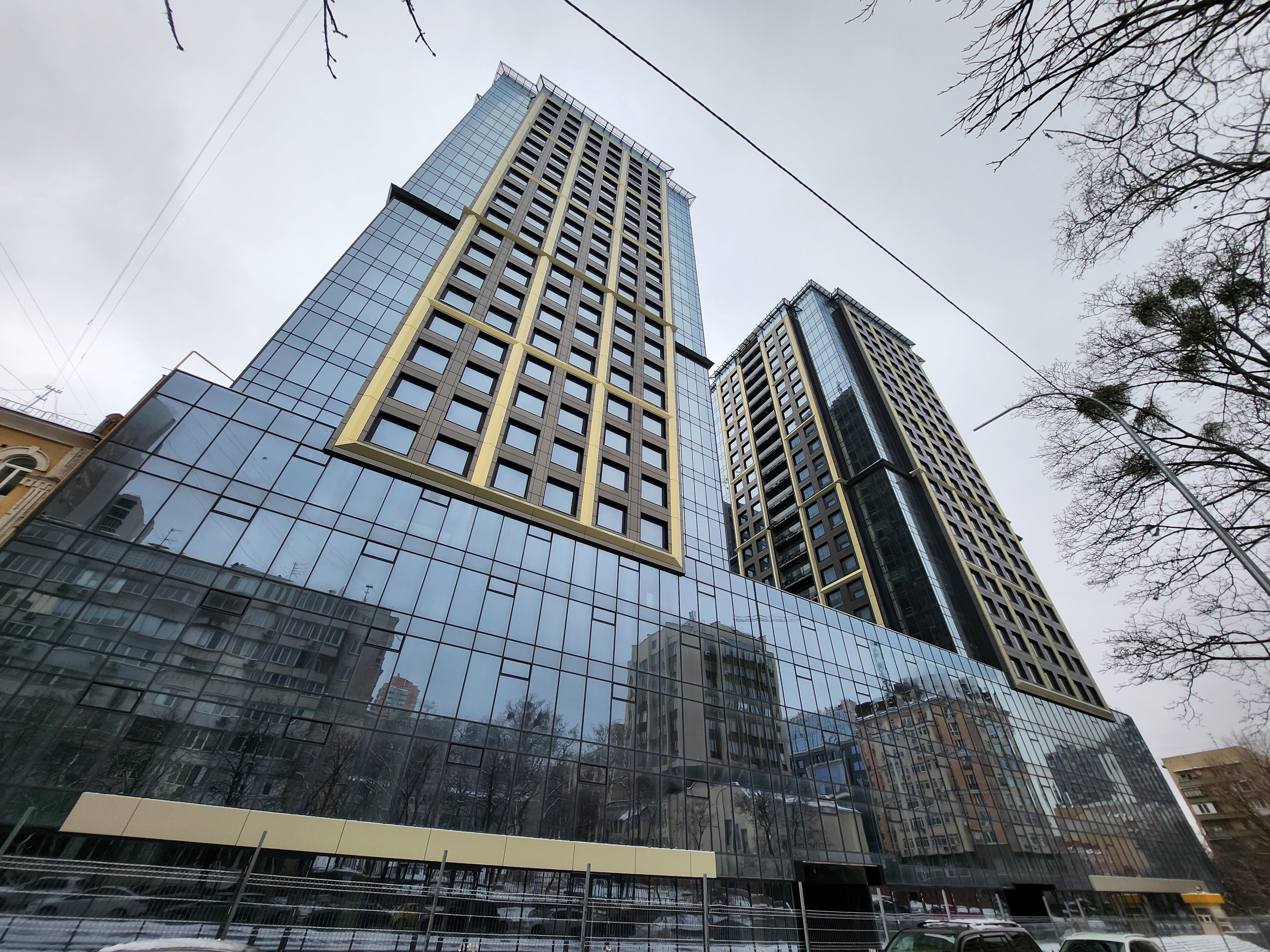
</ img>
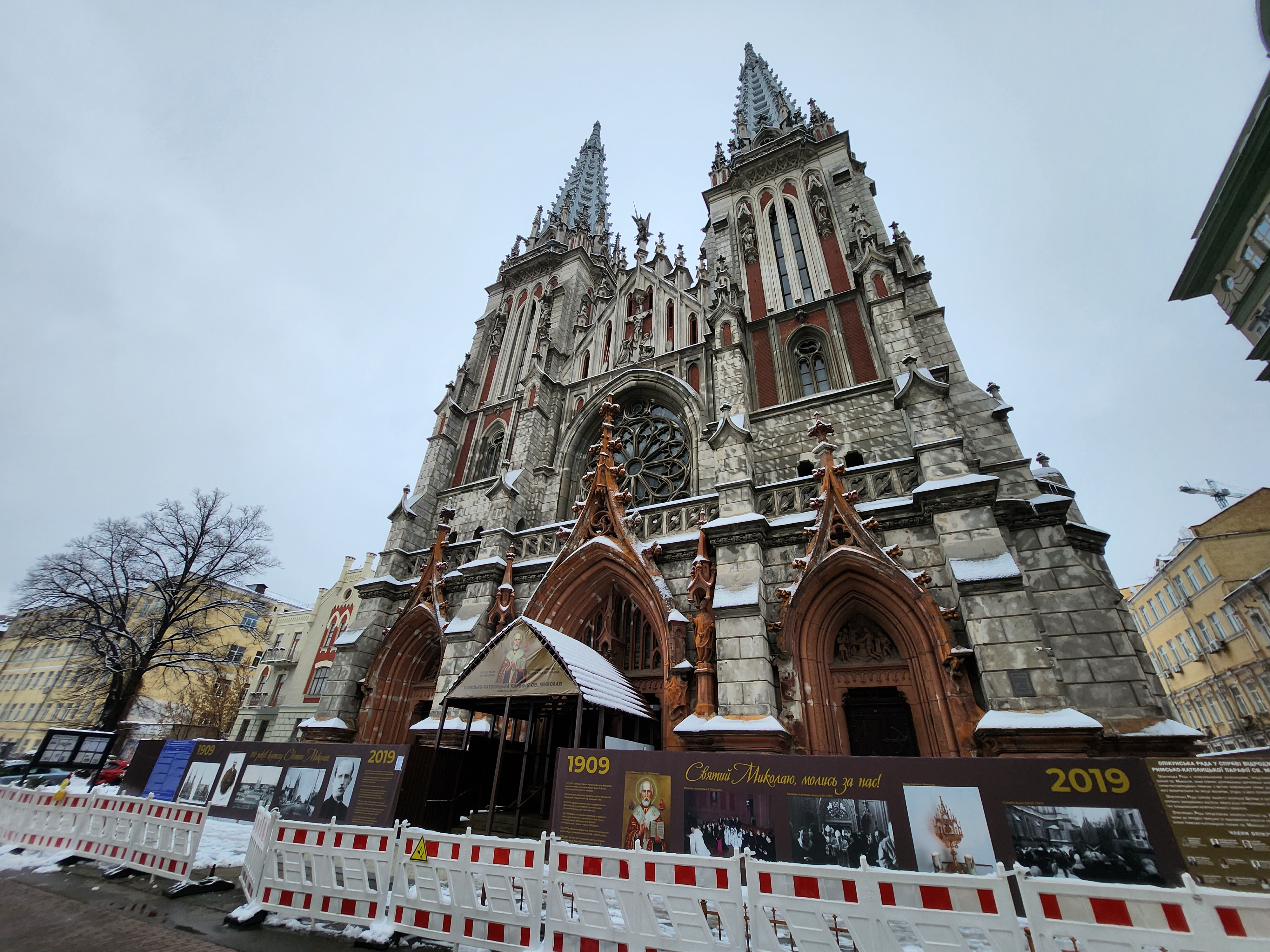
</ img>
</ img>
</ img>
</ img>
</ img>
</ img>
</ img>
</ img>
</ img>
</ img>
</ img>













The Samsung Galaxy Flip4 also handles video well. Below – example 4K 60 FPS video:
Bottom line: three things you need to know about the Samsung Galaxy Flip4.
- Samsung Galaxy Flip4 – foldable smartphone with flagship specifications.
- It features a gorgeous flexible AMOLED screen and is IPX8 water resistant.
- One battery charge is enough for at least a day of work.
For those who want to know more:
- Samsung Galaxy Fold4 review: The best smartphone for geeks
- Hello Hi-Res Audio without wires! Review of the flagship TWS headphones Samsung Galaxy Buds2 Pro
- Review of Samsung Galaxy Watch5 Pro and Watch5: plus autonomy, minus the physical bezel
- Samsung Galaxy S22 and Galaxy S22+ Review: Universal Flagships
- Samsung Galaxy S22 Ultra: the merger of two galaxies