</ img>
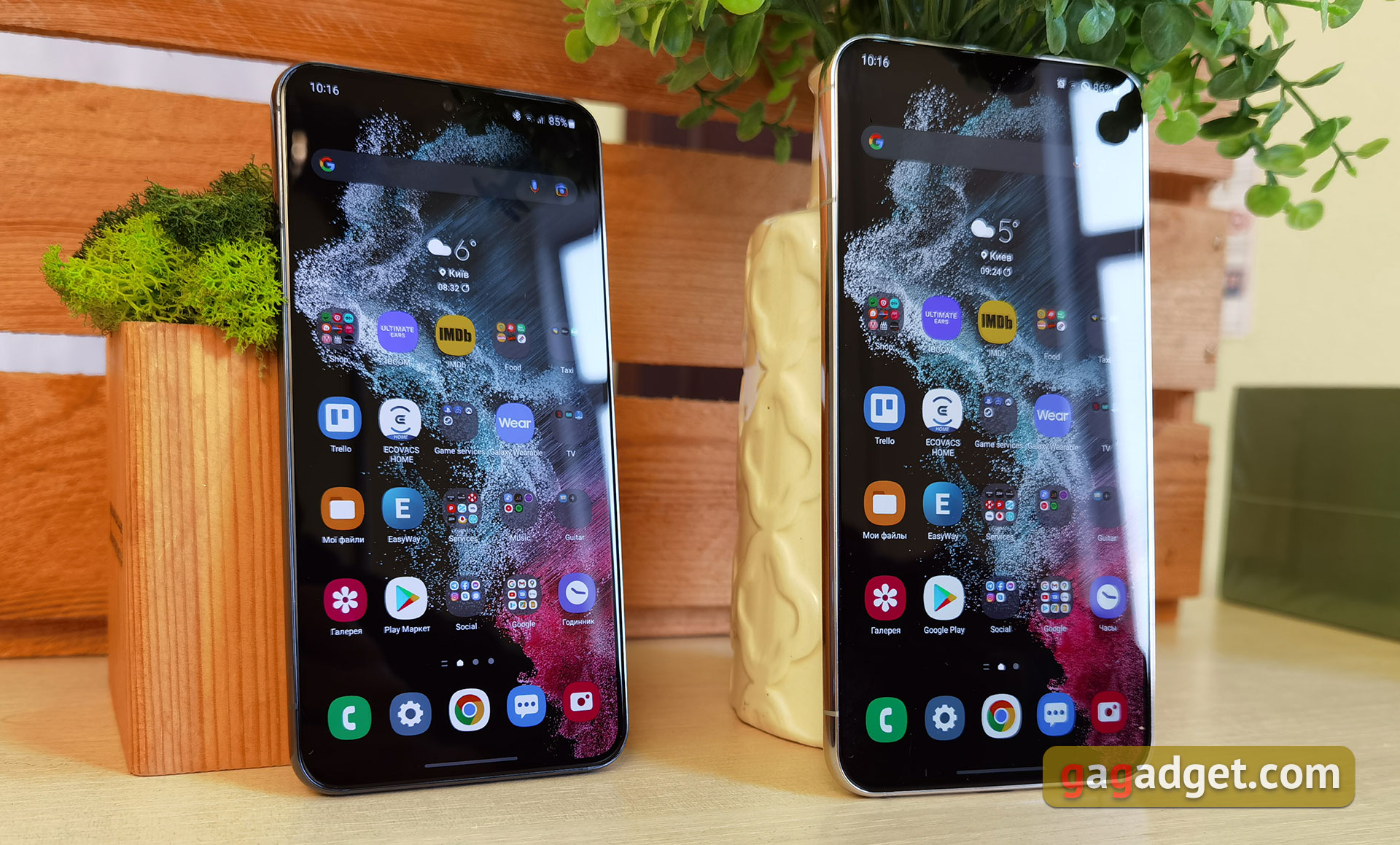
Samsung Galaxy S22 and Galaxy S22+ turned out exactly as expected: practical, convenient and versatile flagships with
Samsung Galaxy S22
Flagship smartphone with 6.A 1-inch Dynamic AMOLED 2X display with a refresh rate of up to 120 Hz, a top-end Samsung Exynos 2200 processor, 8 GB of RAM and 128 GB of internal memory, there is no microSD slot. The main camera is equipped with three modules, the case has protection against dust and water according to the IP68 standard, the back cover is made of glass, the frame is made of reinforced aluminum.
Foxtrot
Comfy
Hello
Eldorado
Samsung Galaxy S22+
Flagship smartphone with 6.A 1-inch Dynamic AMOLED 2X display with a refresh rate of up to 120 Hz, a top-end Samsung Exynos 2200 processor, 8 GB of RAM and 128 GB of internal memory, there is no microSD slot. The main camera is equipped with three modules, the case has protection against dust and water according to the IP68 standard, the back cover is made of glass, the frame is made of reinforced aluminum.
Rozetka
Foxtrot
Eldorado
Hello
5 reasons to buy Samsung Galaxy S22+ and Galaxy S22:
- magnificent AMOLED screens with a refresh rate of up to 120 Hz and an extremely high brightness reserve;
- productive iron;
- good quality main camera;
- dust and moisture protection of the case, excellent assembly and materials;
- Convenient updated shell One UI 4.1.
2 reasons not to buy Samsung Galaxy S22+ and Galaxy S22:
- the proprietary Exynos 2200 processor is prone to overheating;
- minimum set without charger.
Fast passage:
- What is included?
- What do the Samsung Galaxy S22 and Galaxy S22+ look like?
- How good are the screens?
- What are the unlock methods?
- What about performance, memory, sound and autonomy?
- How convenient is the interface?
- How good are the cameras?
- In the dry residue
What is included?
</ img>
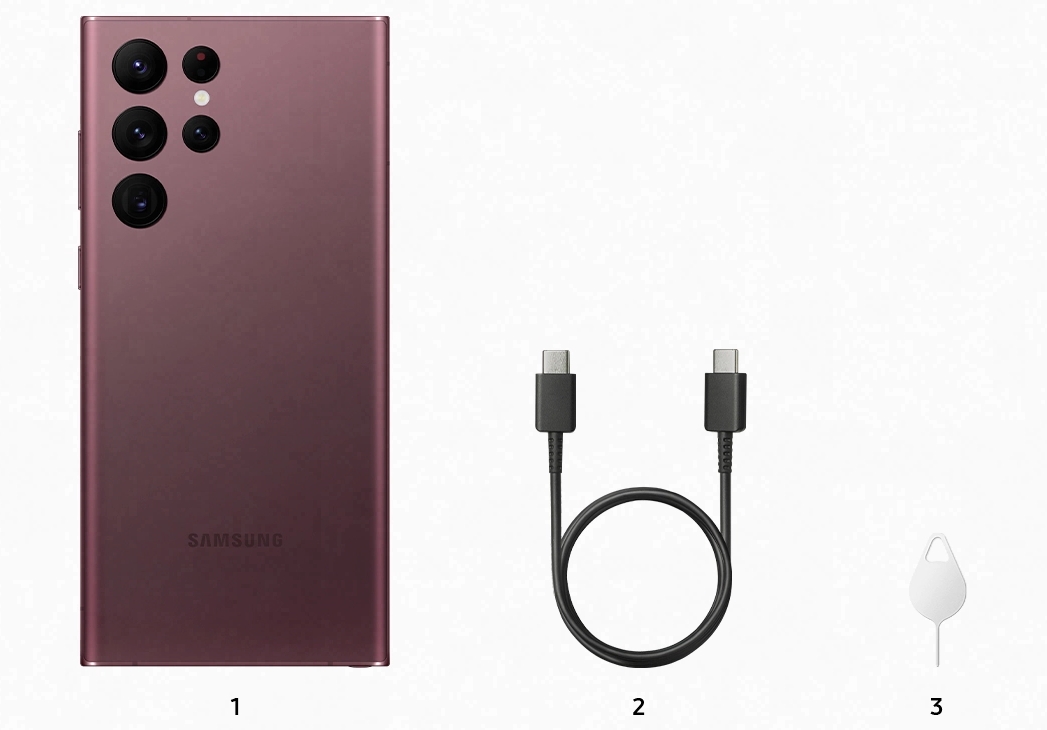
All Samsung flagships are packaged in small blackboxes with a minimum set: smartphone, USB Type-C cable, tray removal tool and documentation. Nothing interesting, so the lack of a set with review samples is not critical. In some regions, the screens come with a protective film out of the box. Samsung Galaxy S22 and Galaxy S22+ arrived to us without it.
What do the Samsung Galaxy S22 and Galaxy S22+ look like?
</ img>
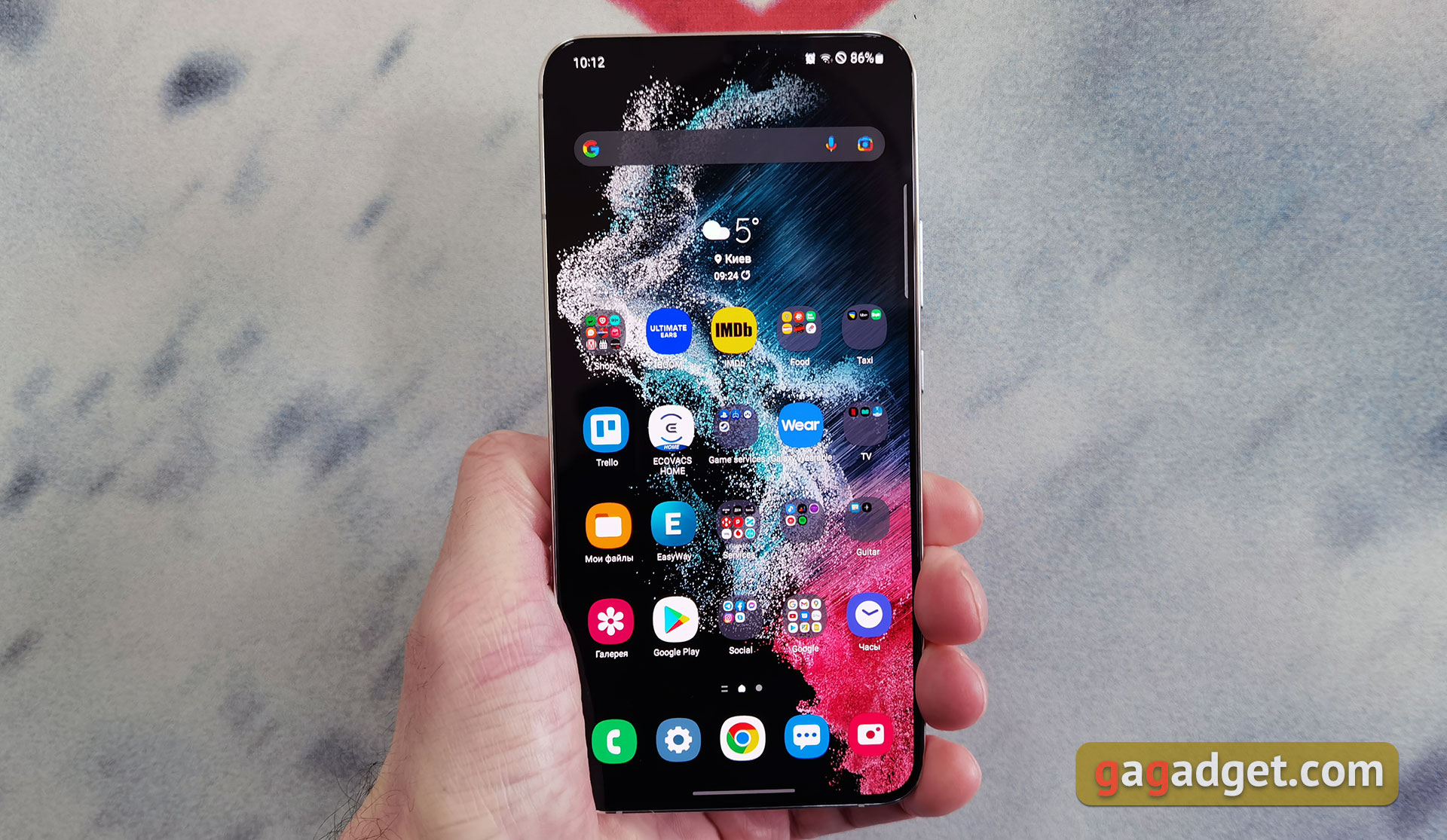
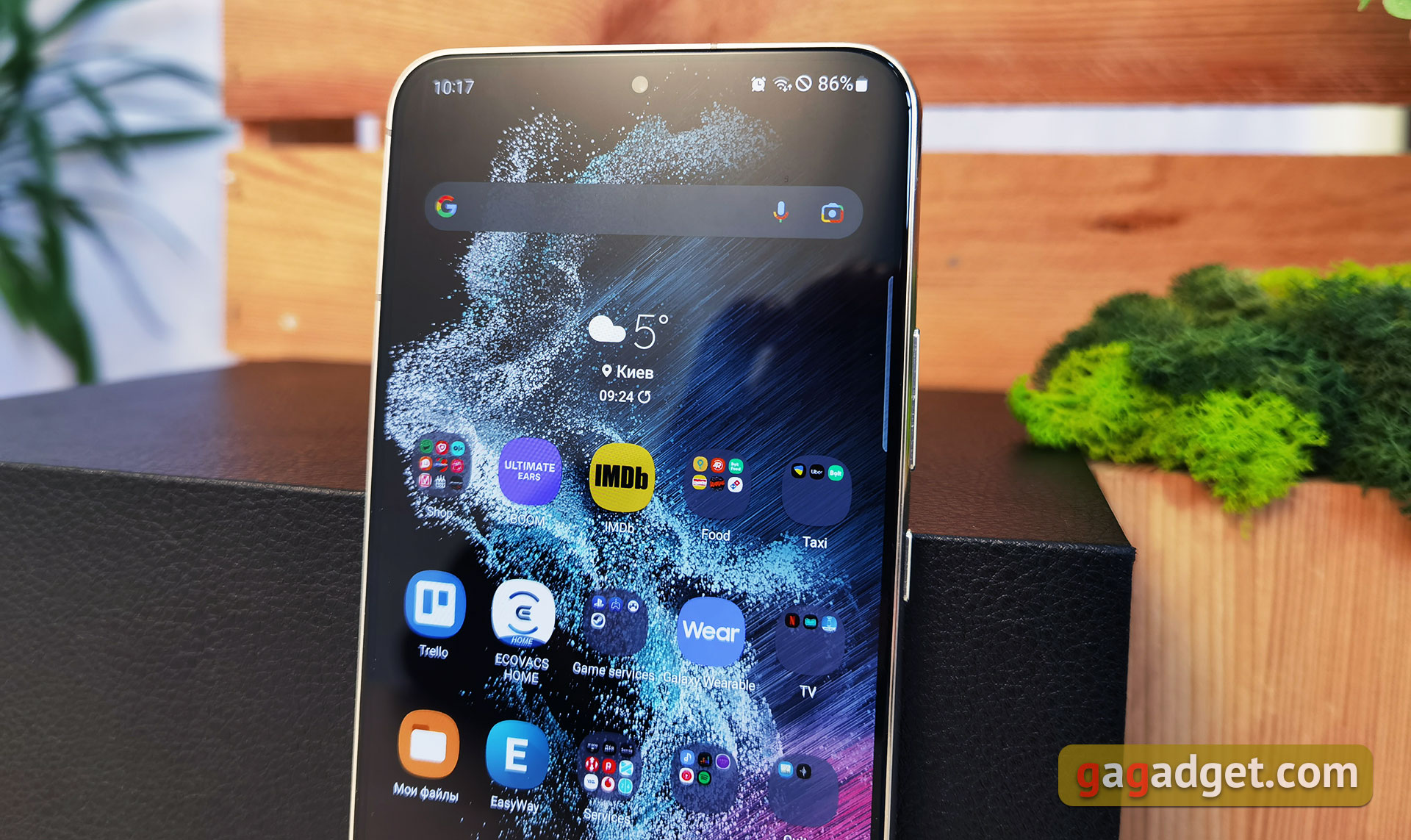
The Samsung Galaxy S22 Ultra has a redesigned backcompared to its predecessor. The younger Samsung Galaxy S22 and Galaxy S22+ are not much different from last year's Galaxy S21 and Galaxy S21+. Flat front and back, both now with Corning Gorilla Glass Victus+. Last year, the younger Galaxy S21 received a polycarbonate back instead of frosted glass. This year we decided not to save money. The frame around the perimeter of the screen is very thin, including the “chin”. The front camera is in a small round cutout in the middle of the screen. In a word, everything is already well known, no surprises.
</ img>
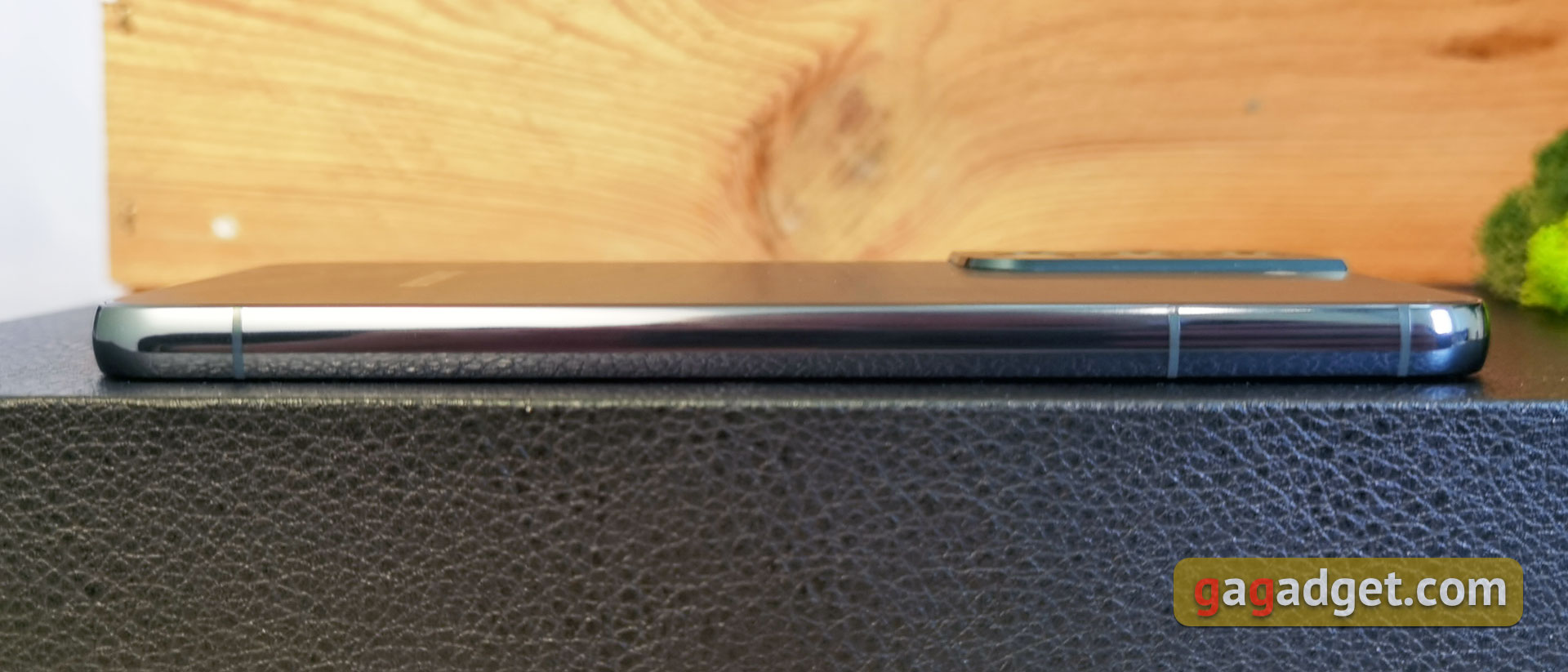
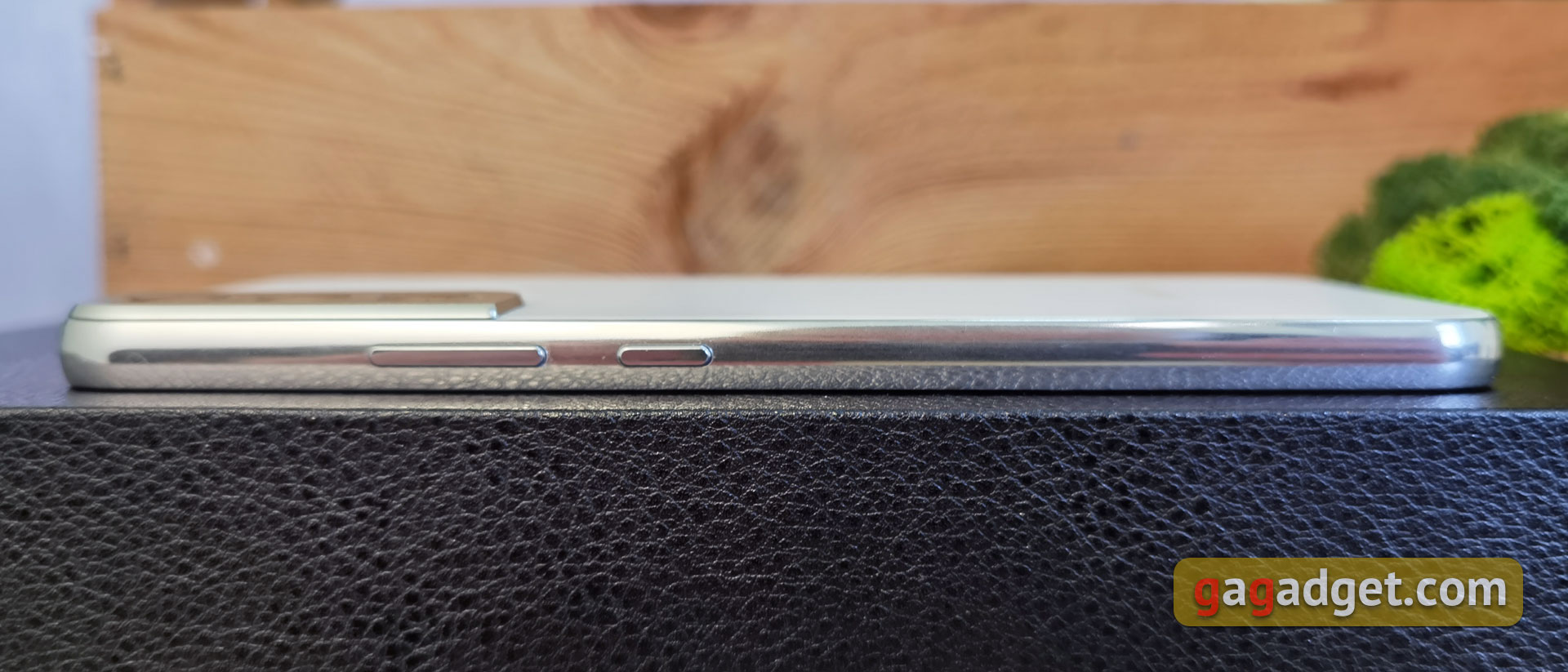
The frame of the smartphone is glossy and has a bitrounded shape. Made from reinforced Armor Aluminium. Everything is in its usual place. The power and volume buttons are on the right. They are massive, with a clear movement, also made of metal and located at a convenient height. There is no need to reach with your finger, regardless of the hand you use.
</ img>
</ img>


On the upper edge of smartphones there is an additional microphone and a thin plastic insert for stable operation of wireless interface antennas.

</ img>
Everything else is on the bottom: the main speaker, USB Type-C connector, earpiece microphone and tray.
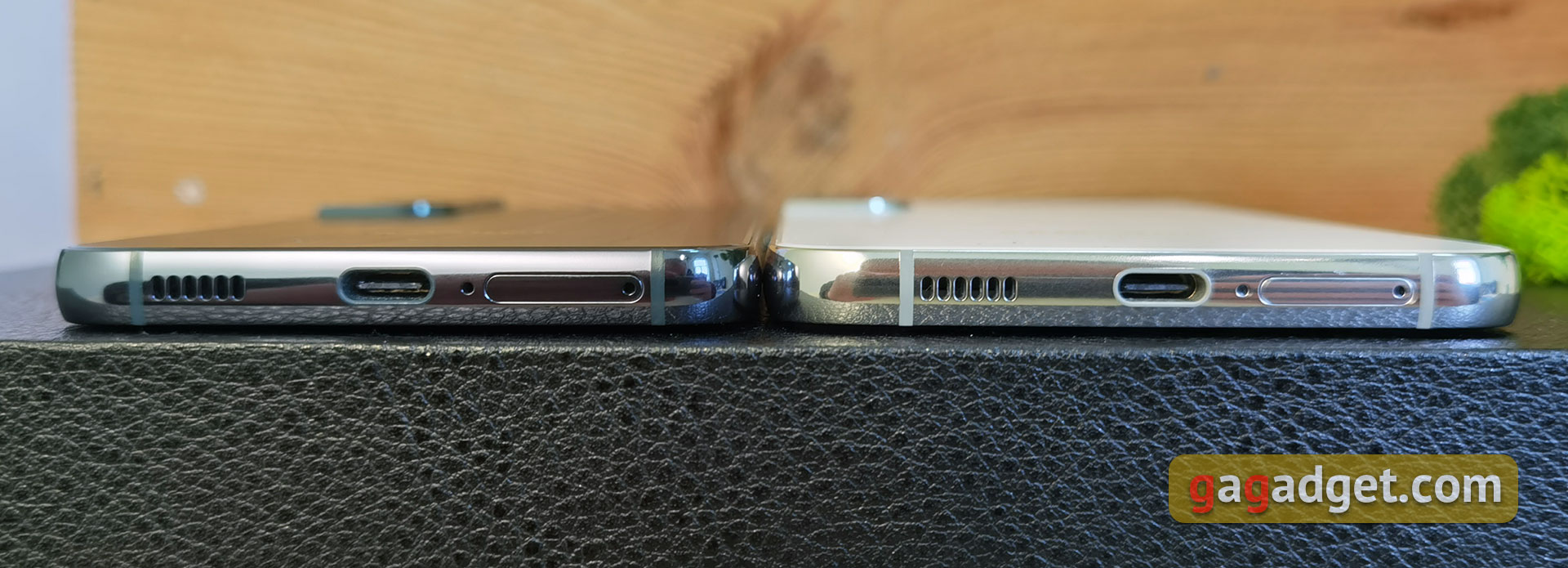
</ img>
Samsung finally abandoned the possibility of installing memory cards in flagship models. The dual-sided tray only holds two SIM cards. Plus there is support for eSIM.
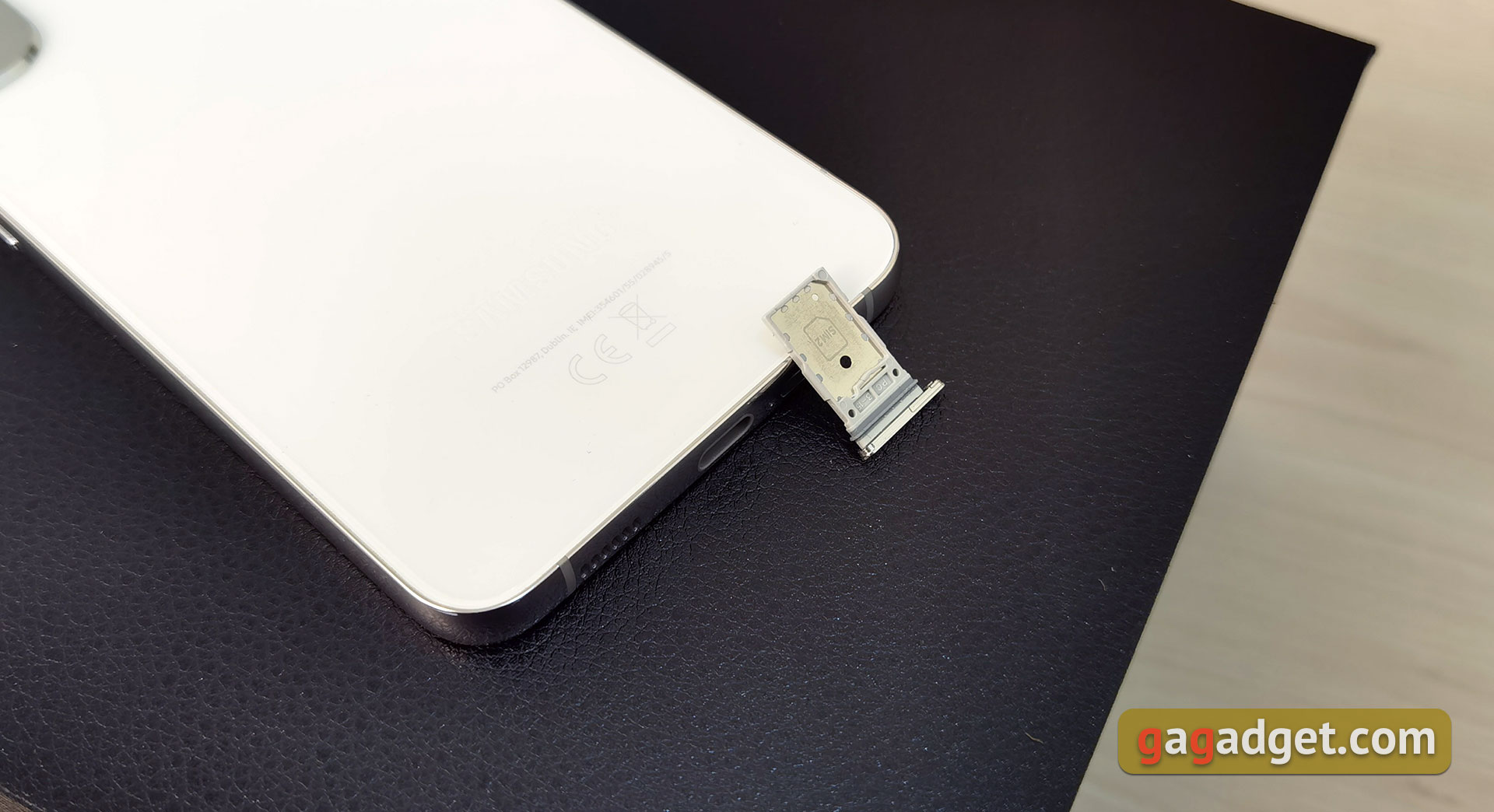
</ img>
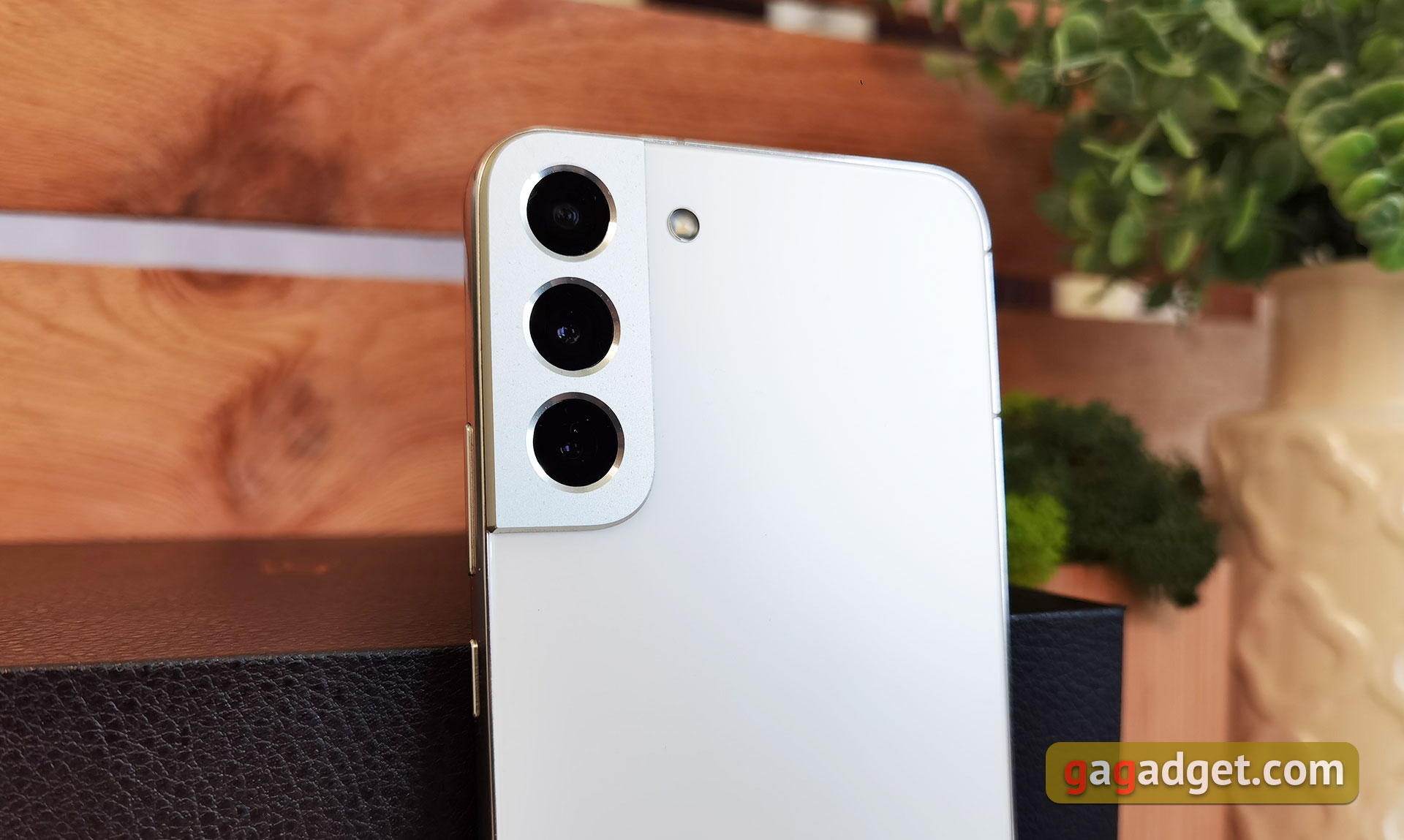
The back panel of the smartphones is very similar in designon the flagships of last year: a metal block of cameras in the upper left corner, which smoothly “flows” in a metal frame. Both models are available in four colors: white, black, dark green and pink. In all cases, frosted glass is used, on which traces of use are practically invisible. It looks presentable and feels nice.
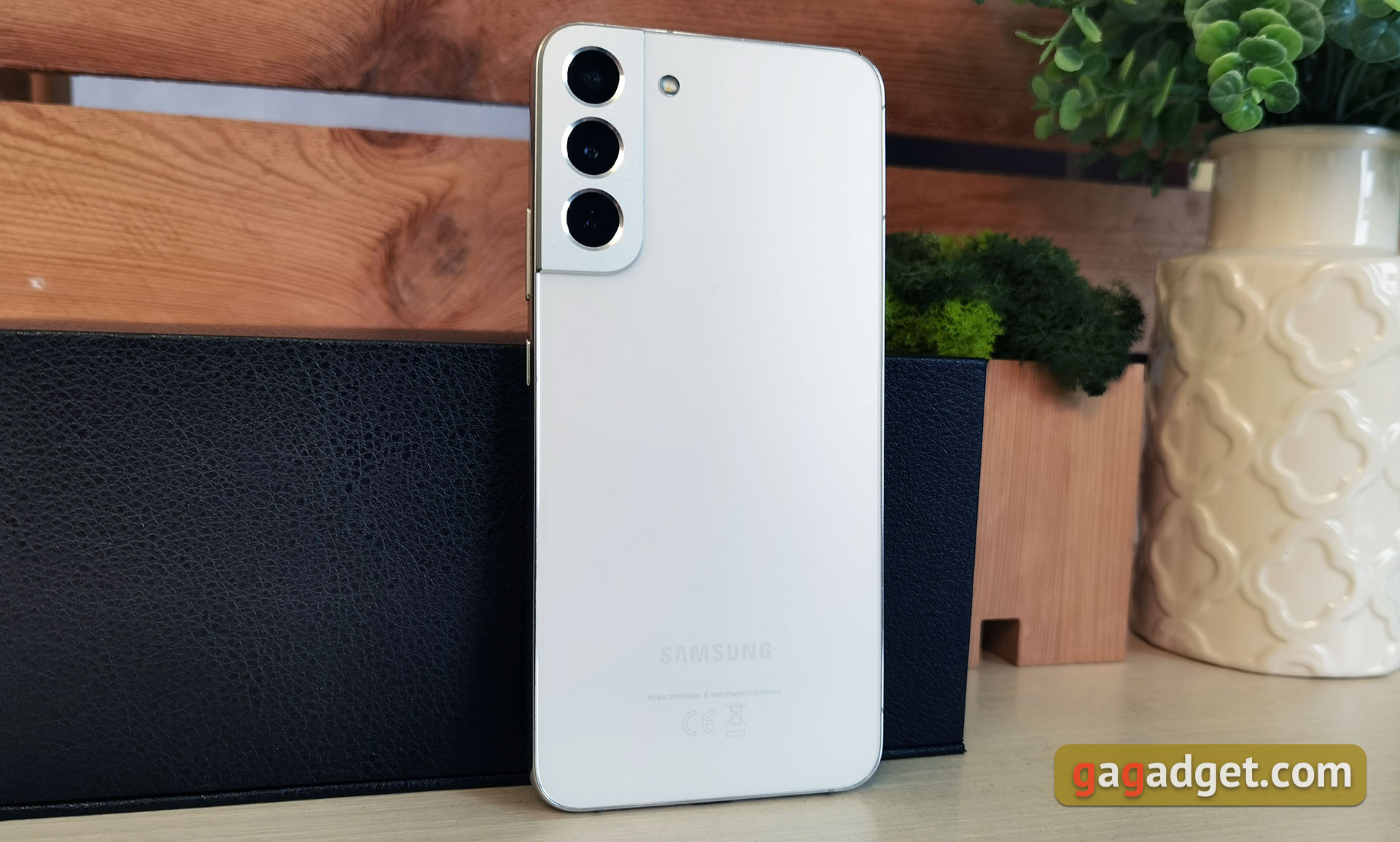
</ img>
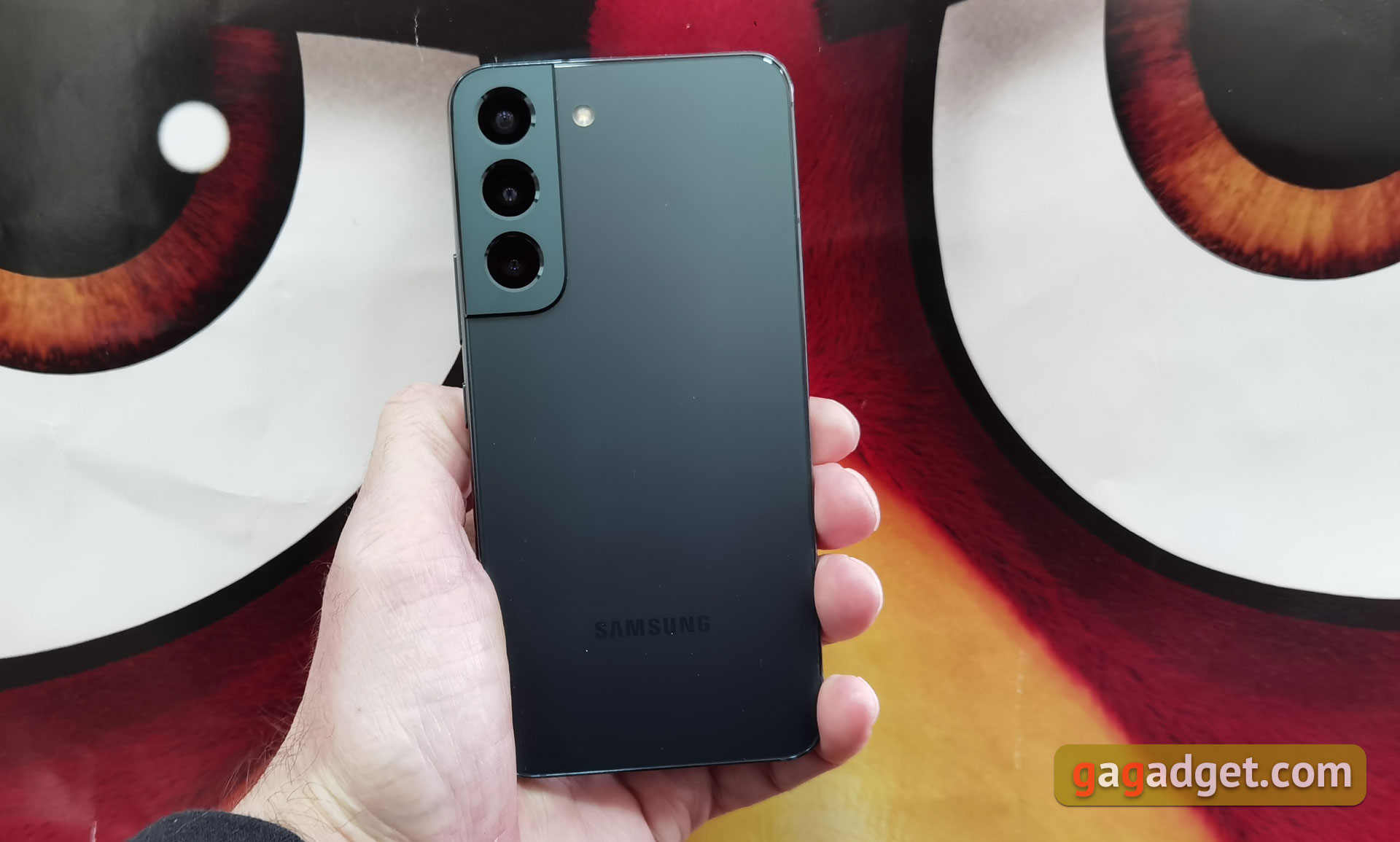
</ img>


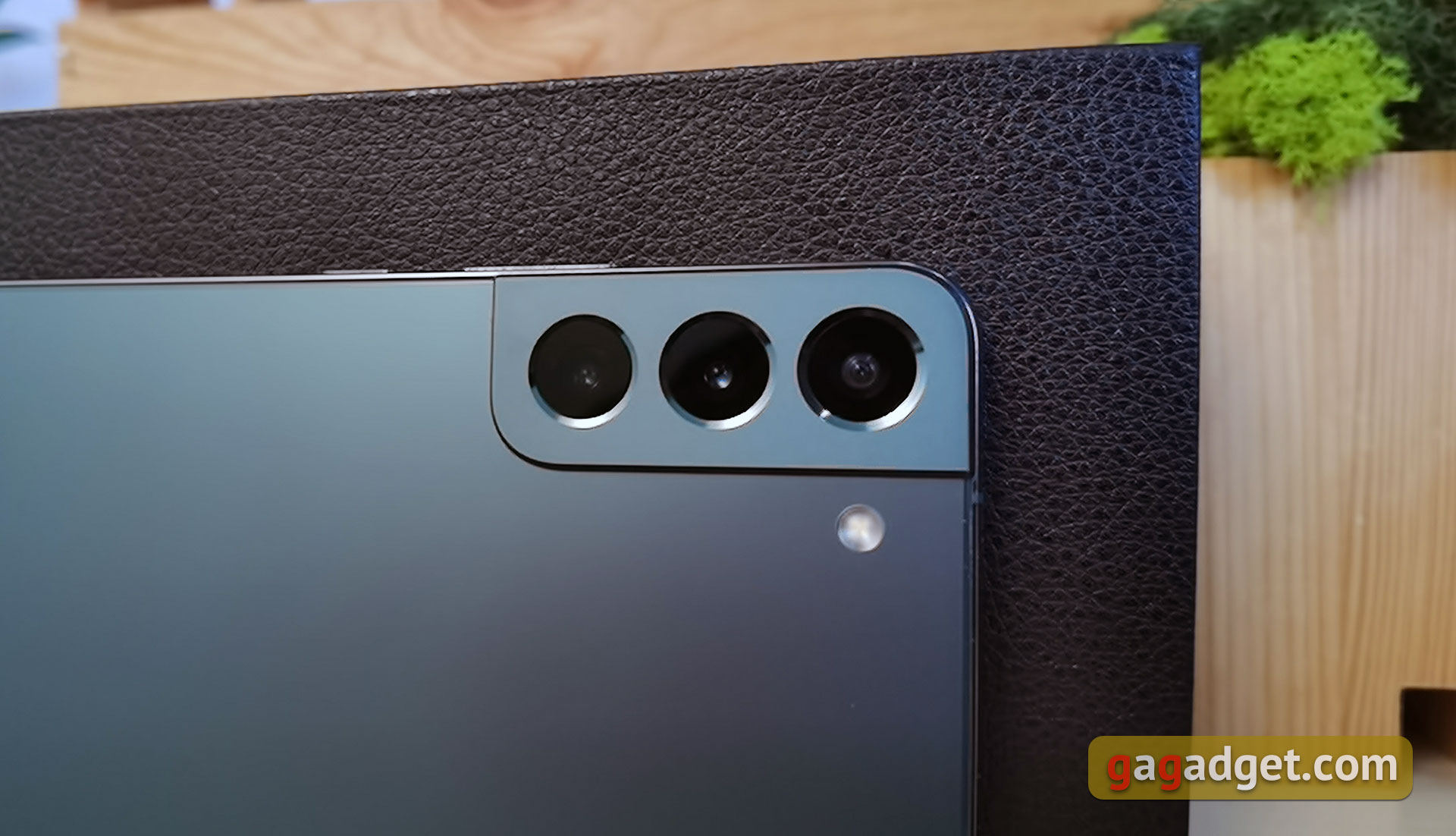
The rear camera block is metal, with three vertically placed modules and a flash to the right. The module itself protrudes slightly above the body. The smartphone sways a little while lying on a flat surface.
</ img>
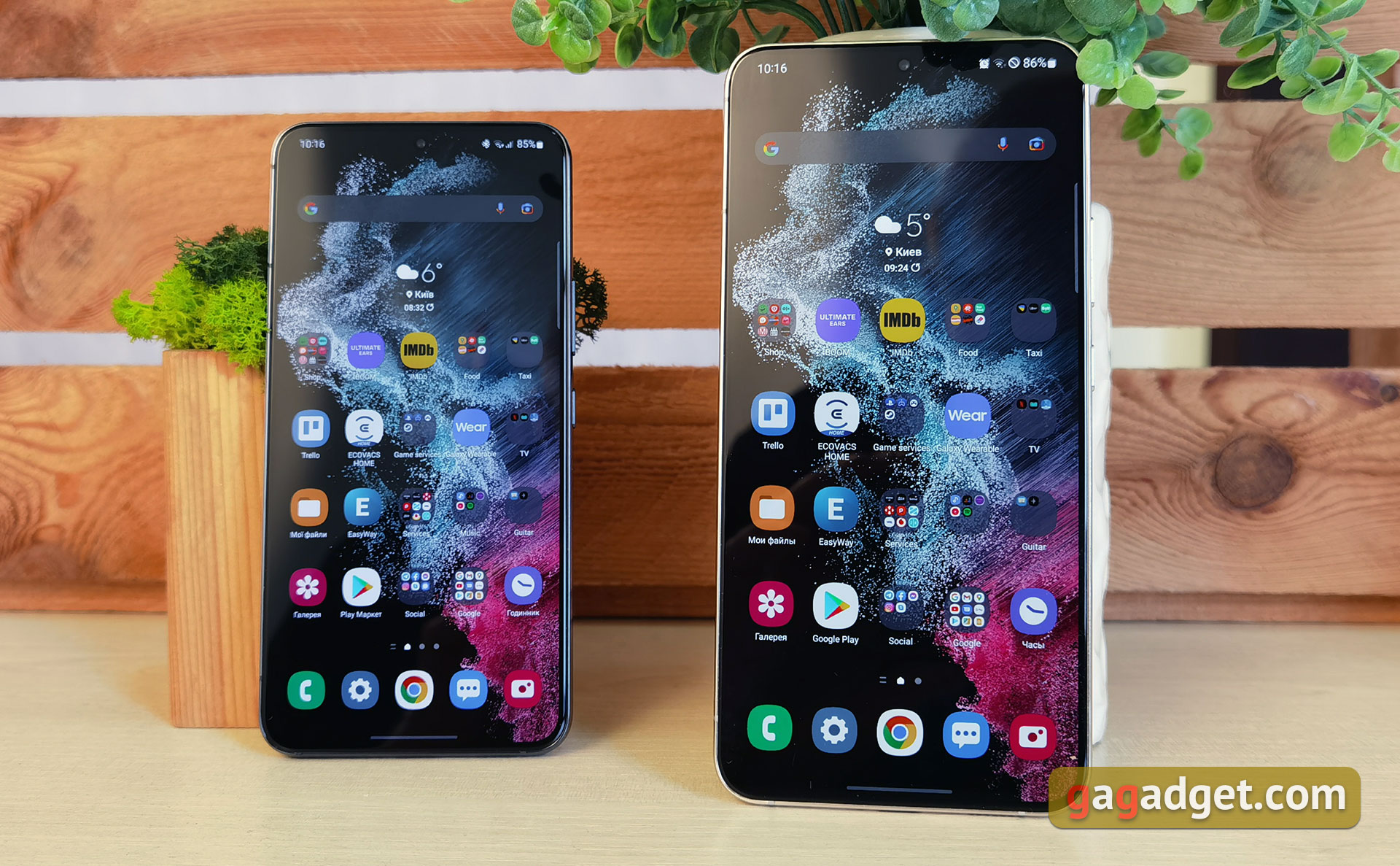
Smartphones look modern and presentable,although the design cannot be called new. Thanks to the use of glass and reinforced aluminum, the Samsung Galaxy S22 and Galaxy S22+ feel very durable and solid. There is protection against dust and water according to the IP68 standard: up to half an hour under water at a depth of 1.5 m. As for convenience, everyone is free to choose a convenient option for themselves. I found the compact Galaxy S22 incredibly comfortable to use.
</ img>
How good are the screens?
</ img>
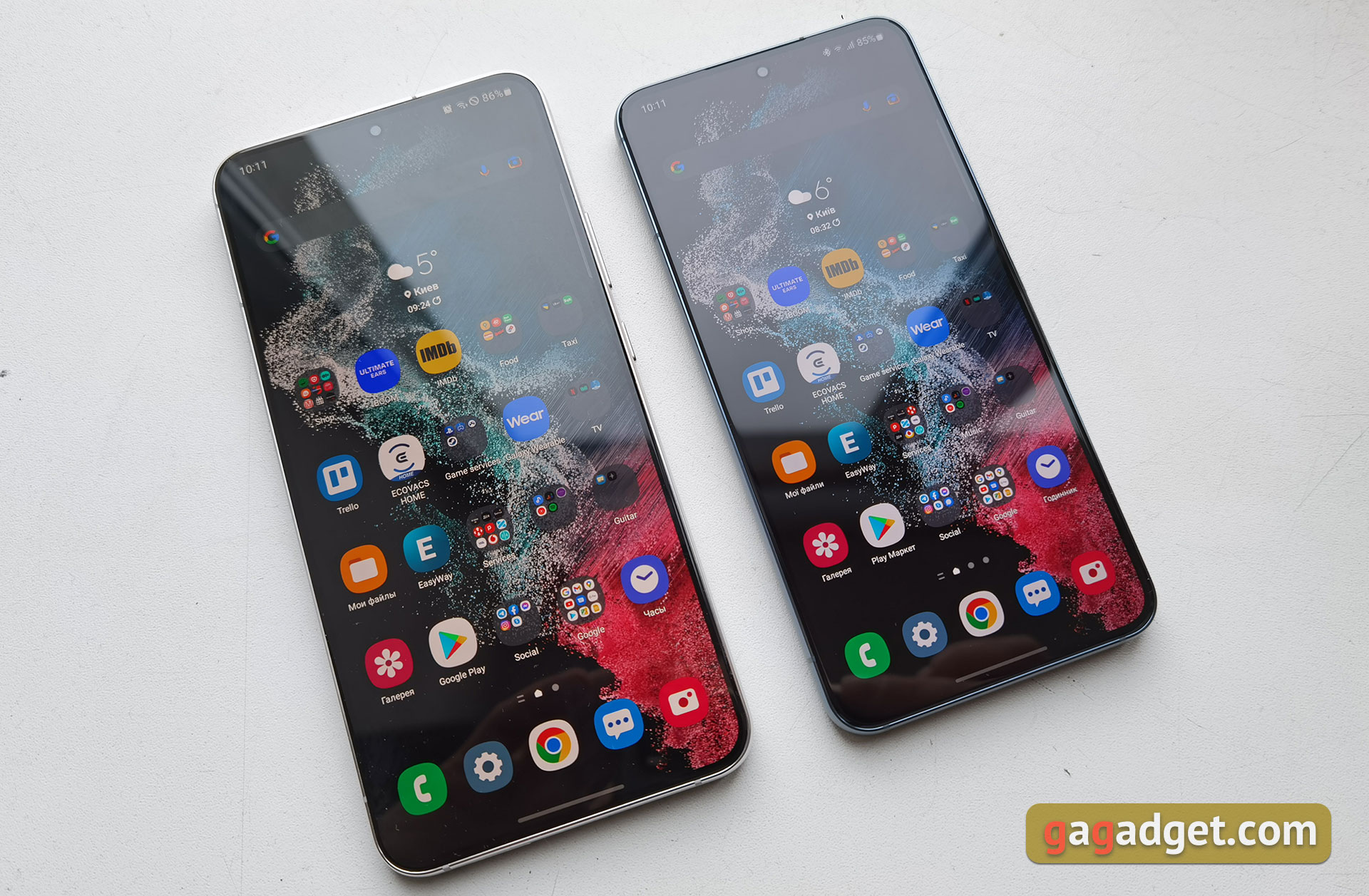
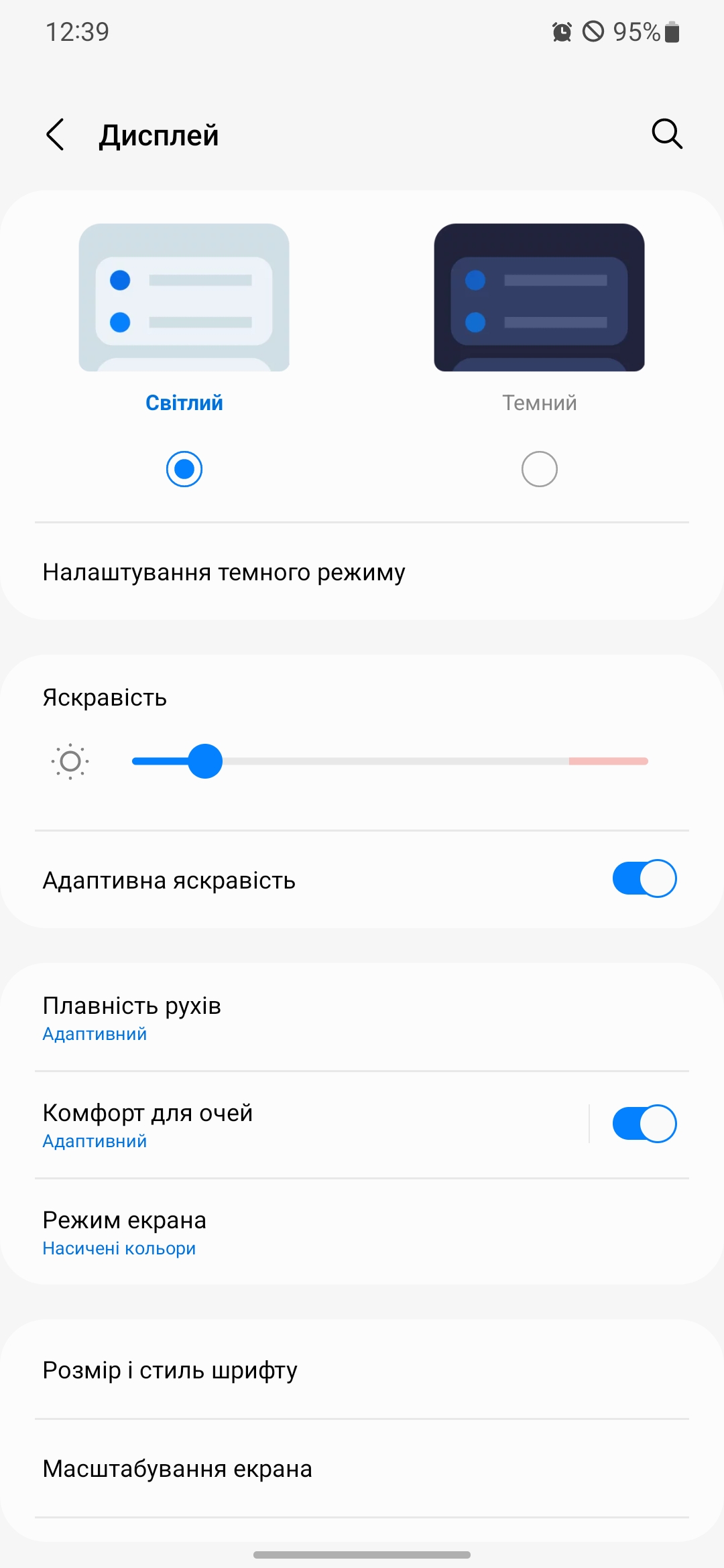
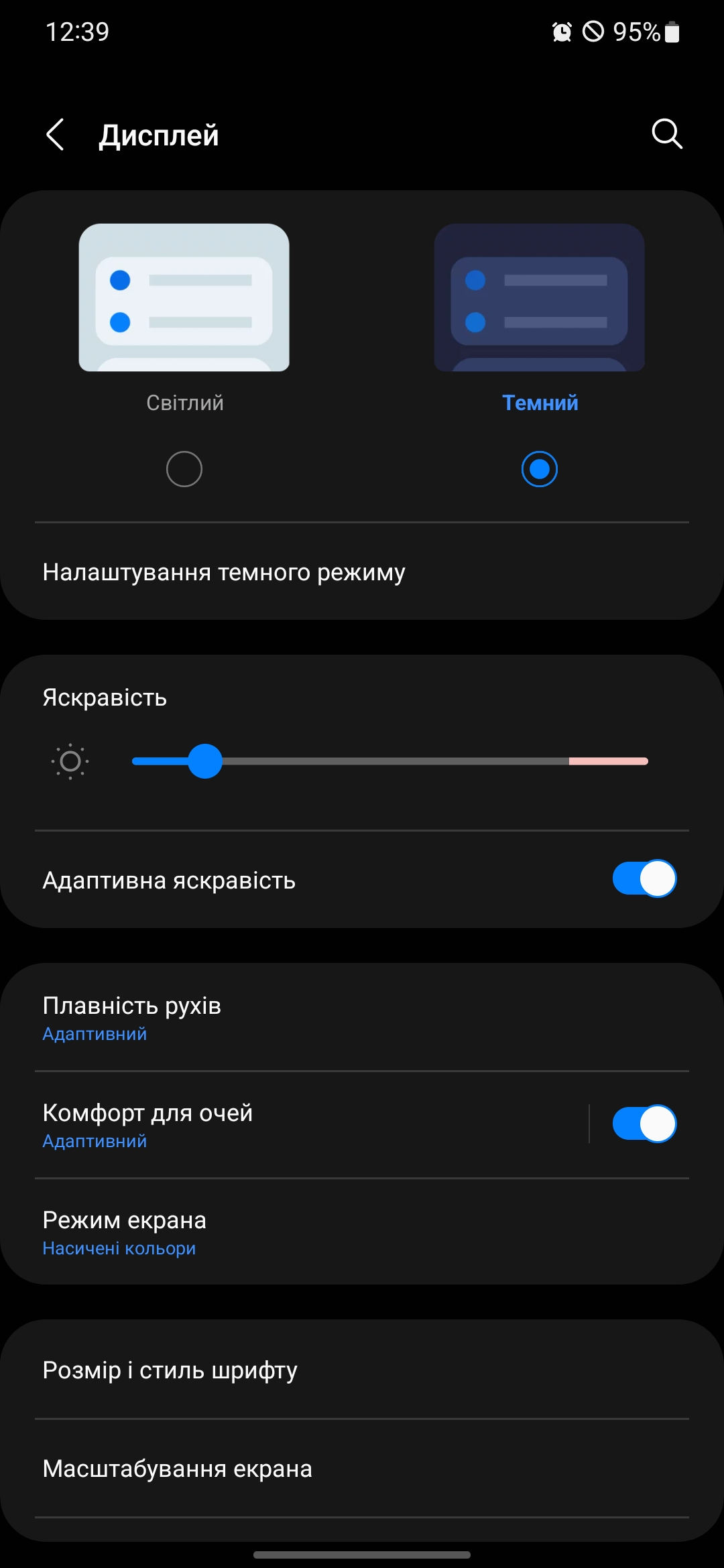
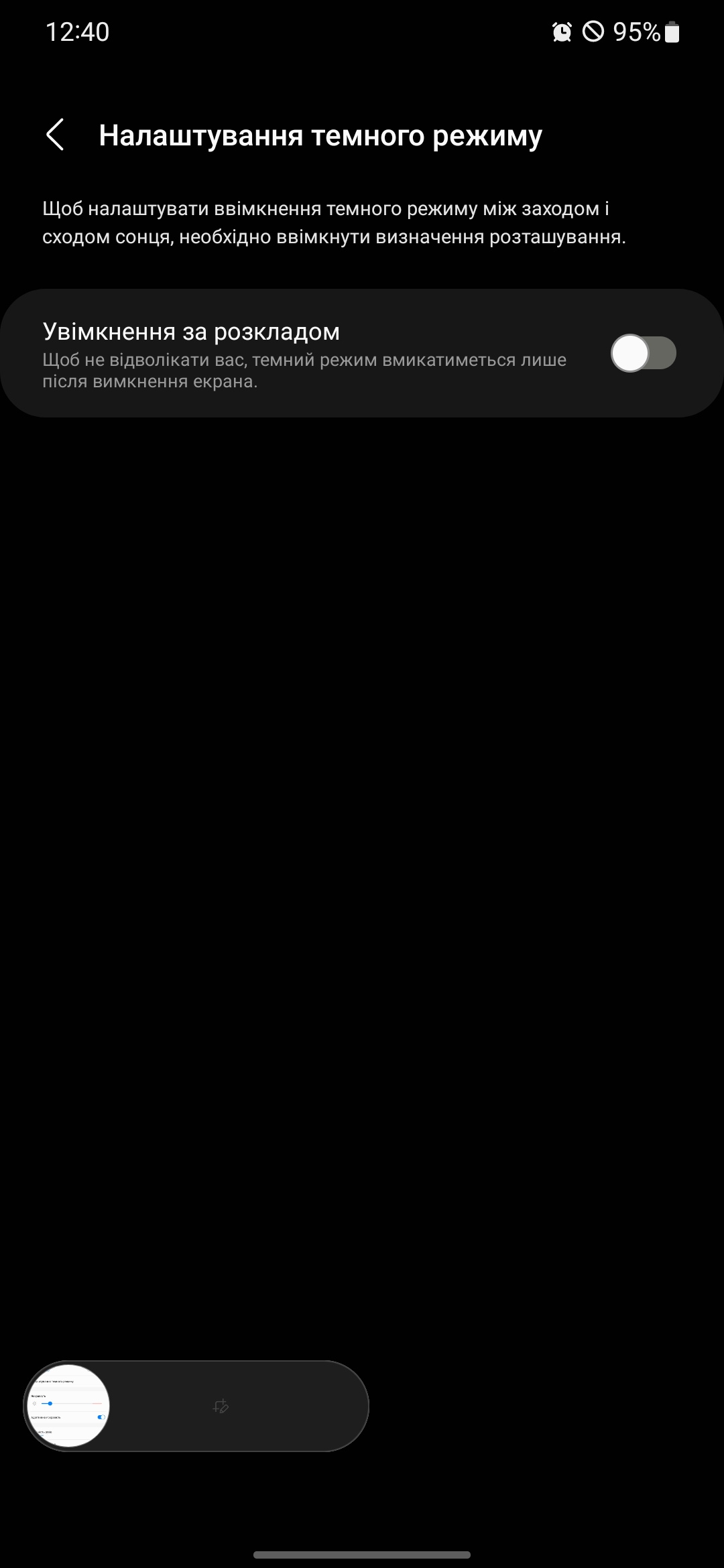
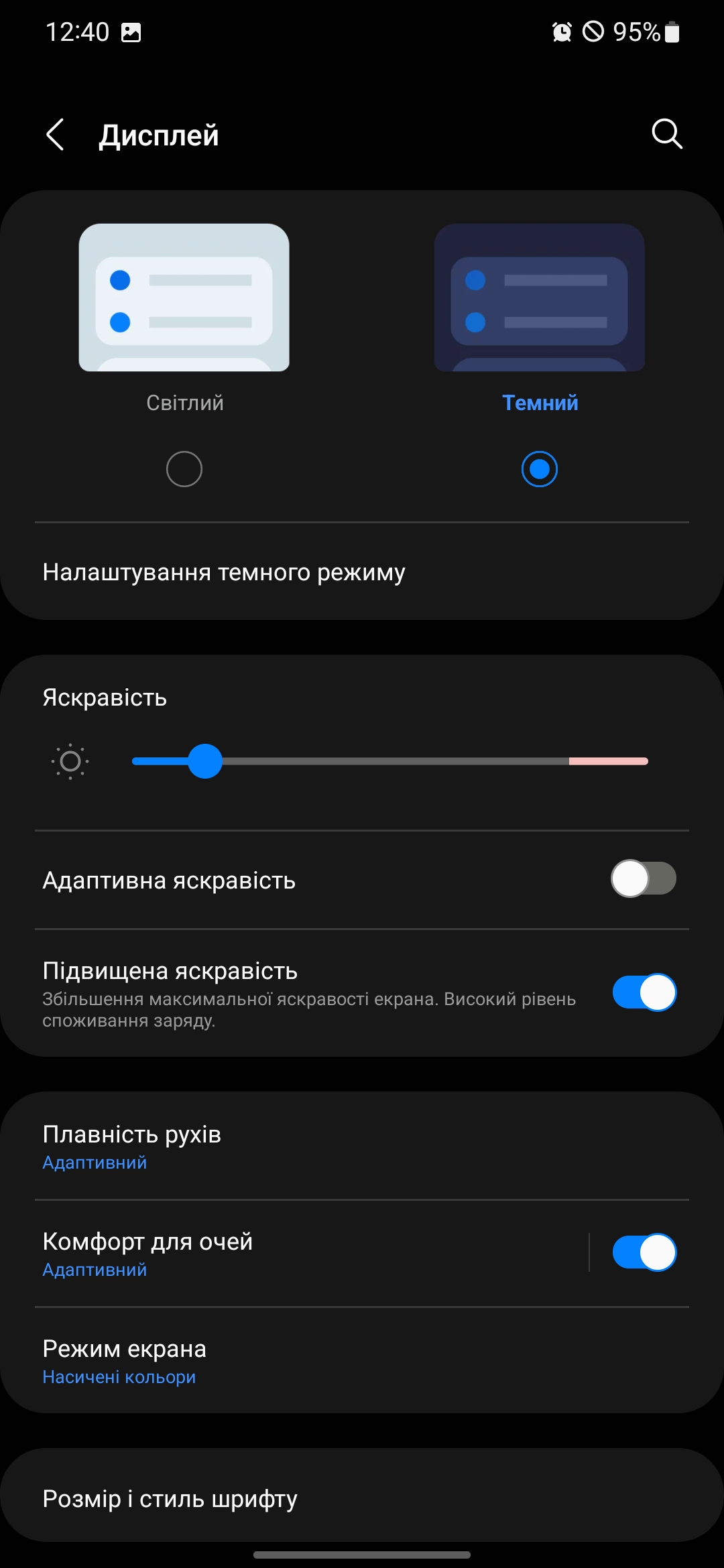
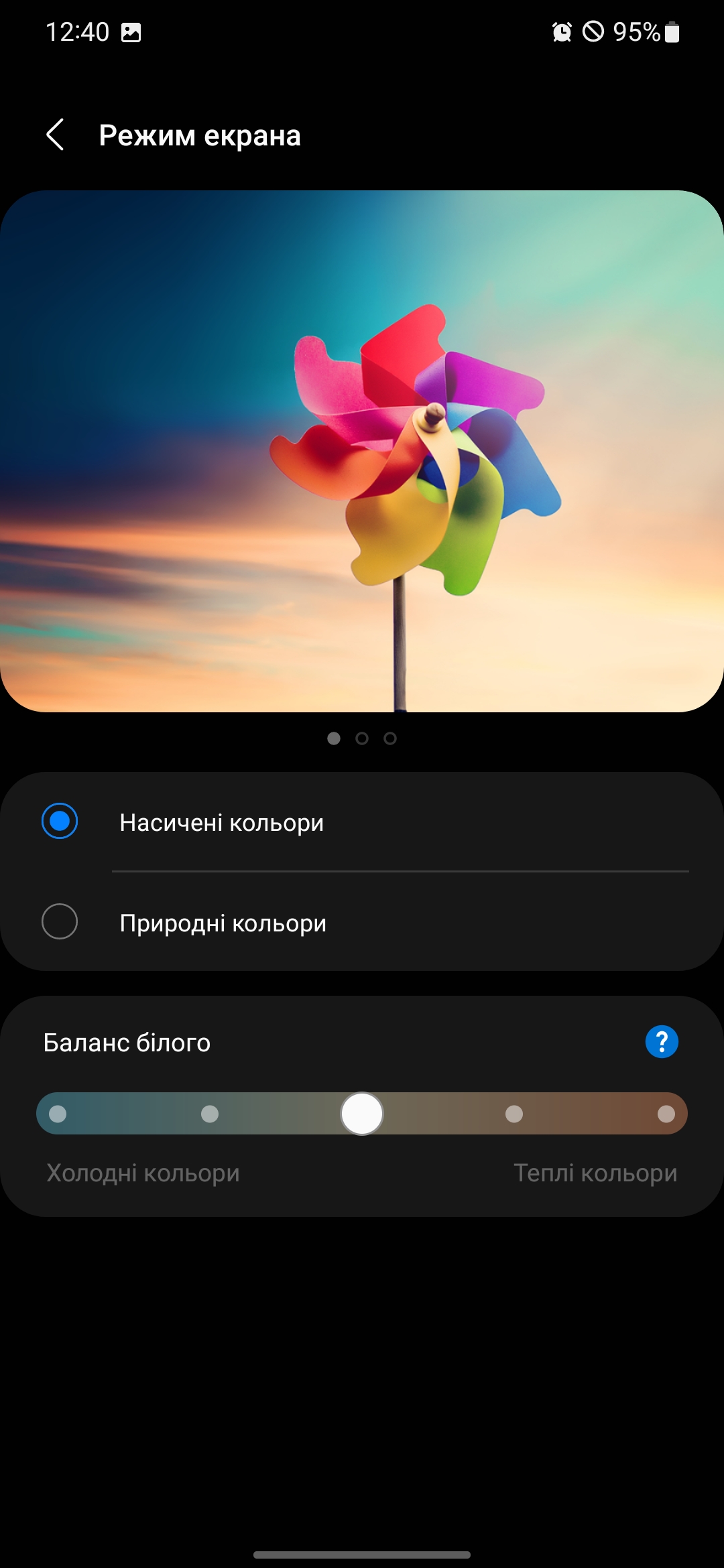
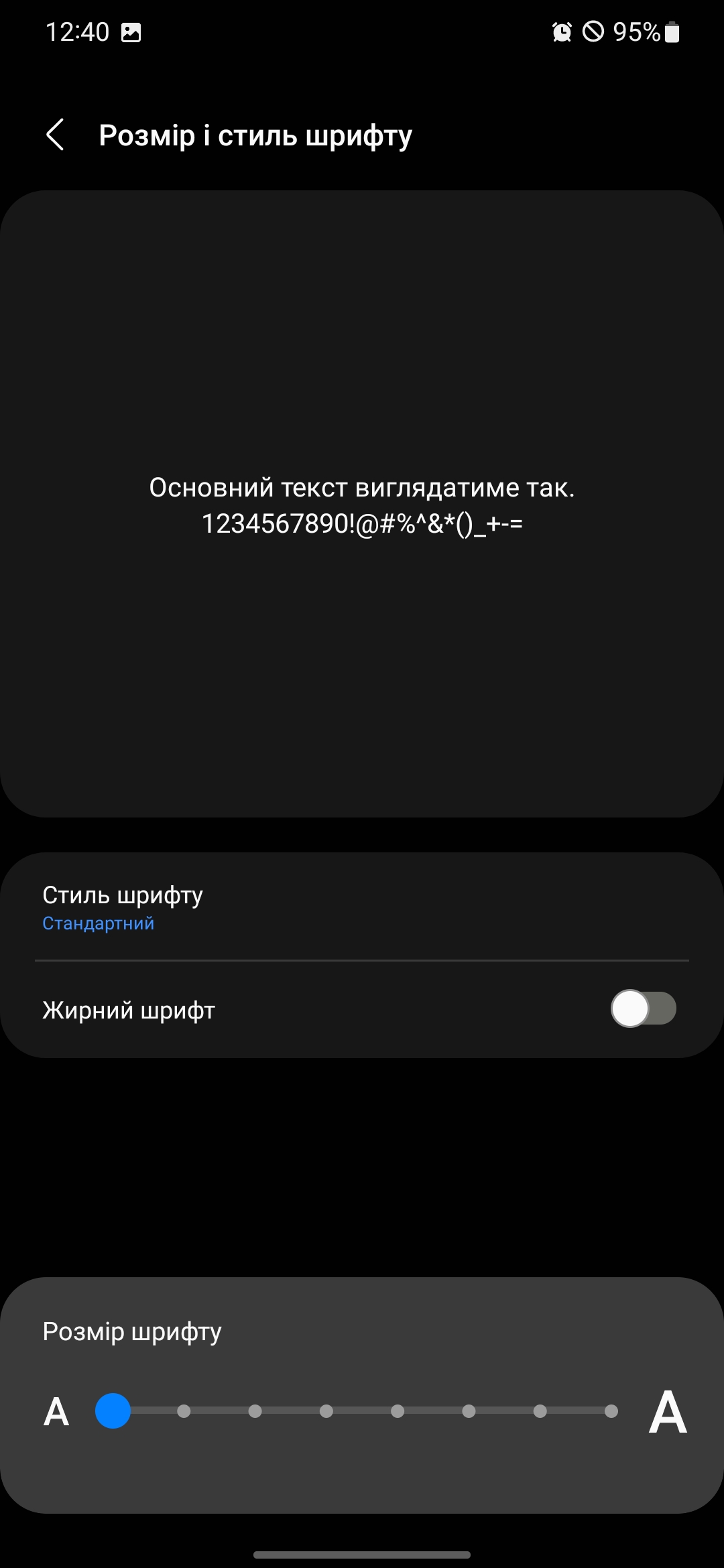
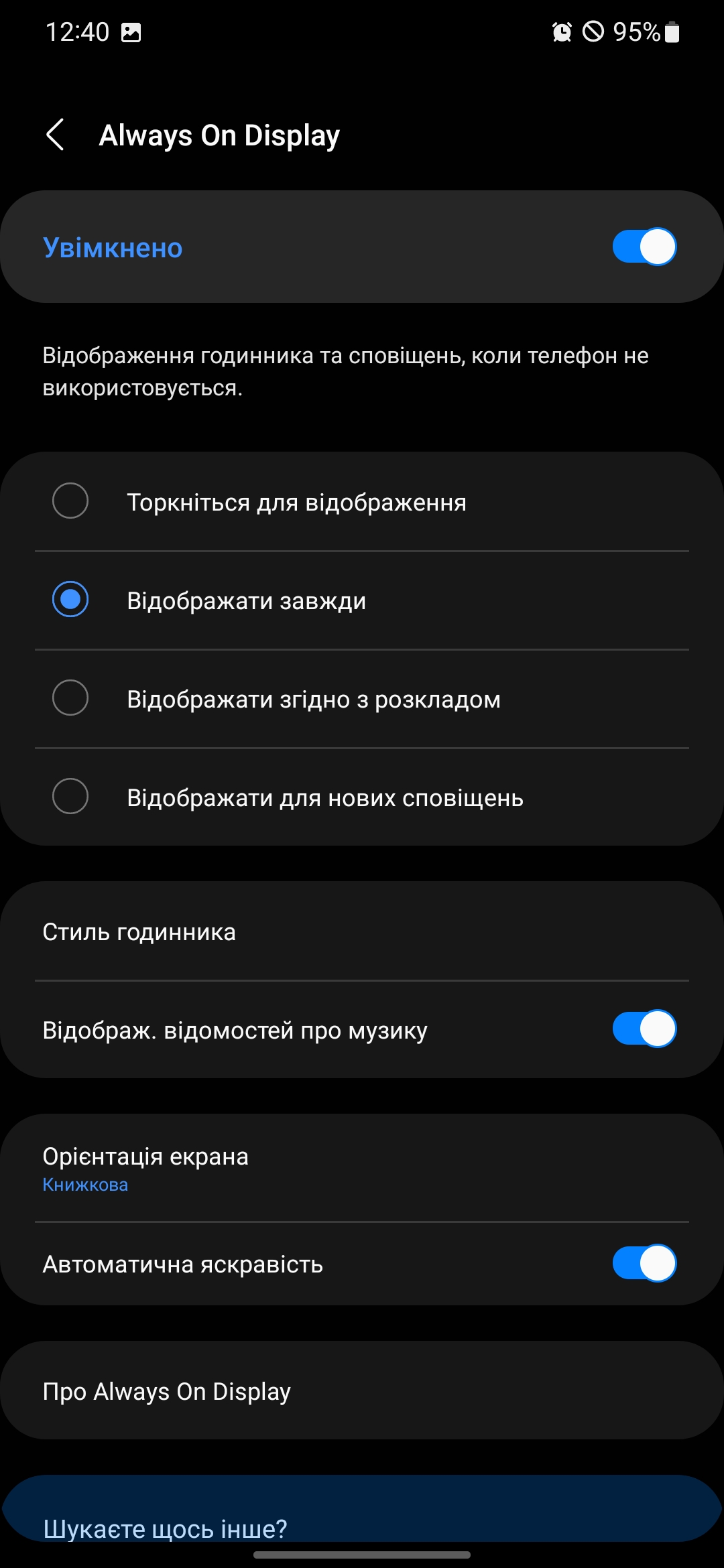
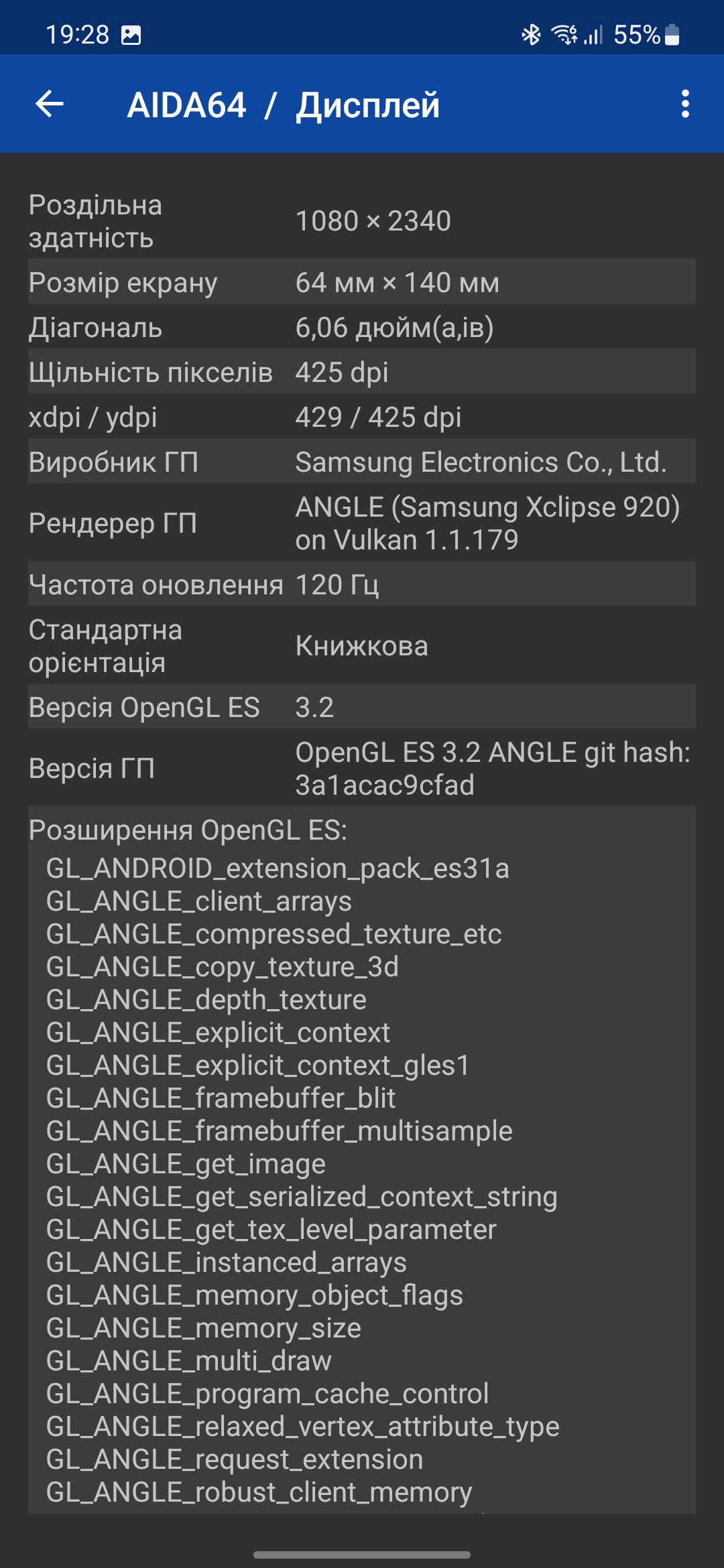
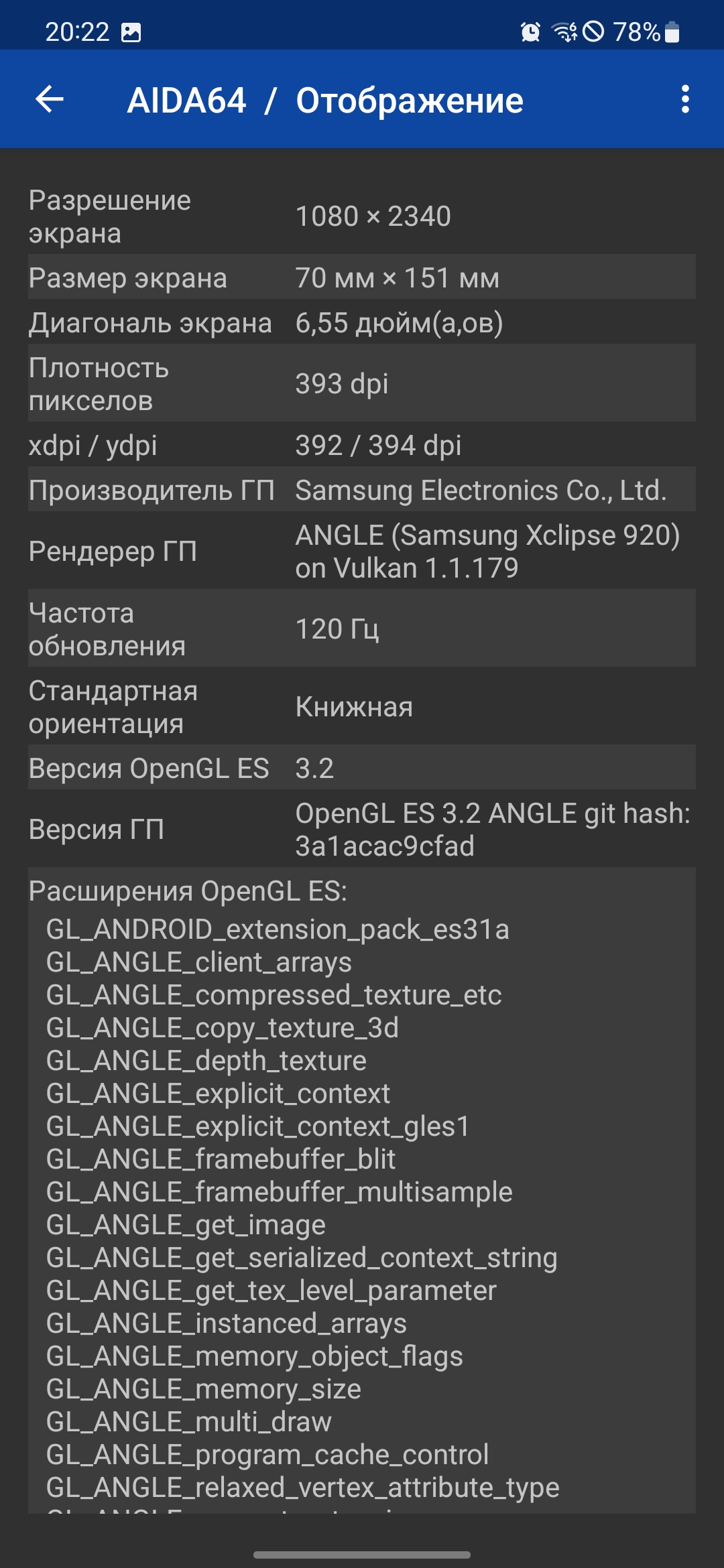
Installed in Samsung Galaxy S22 and Galaxy S22+flat Dynamic AMOLED 2X displays with a resolution of 2340x1080 (aspect ratio - 19.5:9), a refresh rate of 120 Hz and a sensor reading frequency of 240 Hz. Galaxy S22 is one of the most compact current flagship smartphones; it is equipped with a 6.1-inch screen with a pixel density of 425 ppi. The Galaxy S22+ has a larger screen, 6.6 inches, and a pixel density of about 393 ppi. The screens support HDR10+ and promise a color gamut of 100% of the DCI-P3 color space. The peak brightness of the Galaxy S22+ screen is said to be 1750 cd/m2, while the Galaxy S22 has a peak brightness of 1300 cd/m2. Although it is worth remembering that “peak” Brightness is a very relative concept: the maximum possible short-term brightness of a small white area of the screen. The settings have almost everything you need. Dark theme, brightness (including high brightness mode), screen refresh rate, color display mode (rich with color temperature adjustment and natural), “eye comfort” (automatic adjustment of color temperature depending on ambient lighting), interface scale, font.
</ img>
</ img>
</ img>
</ img>

</ img>

</ img>
</ img>
</ img>

</ img>

</ img>
</ img>

</ img>











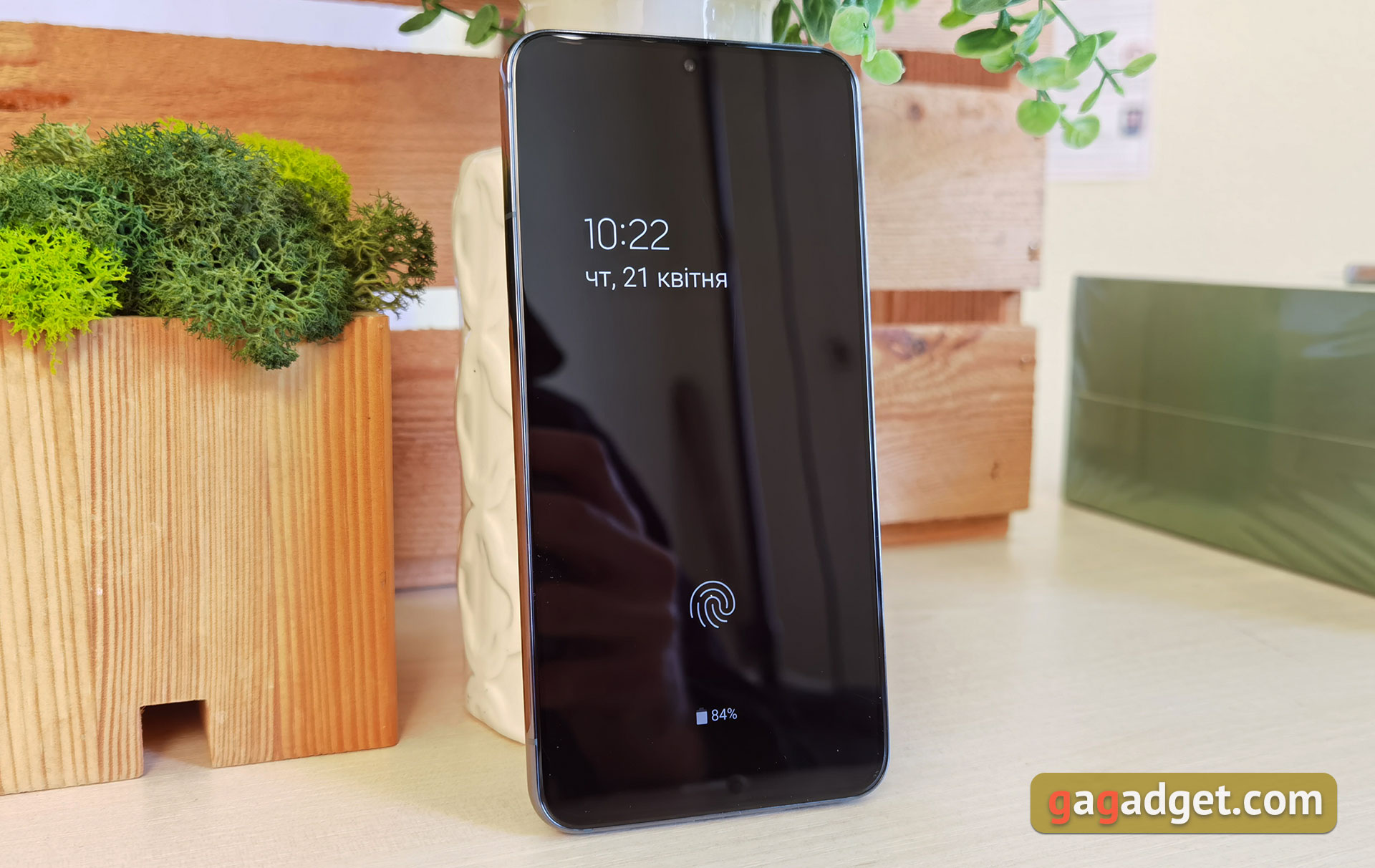
As well as Always on Display with different types of dials.
</ img>
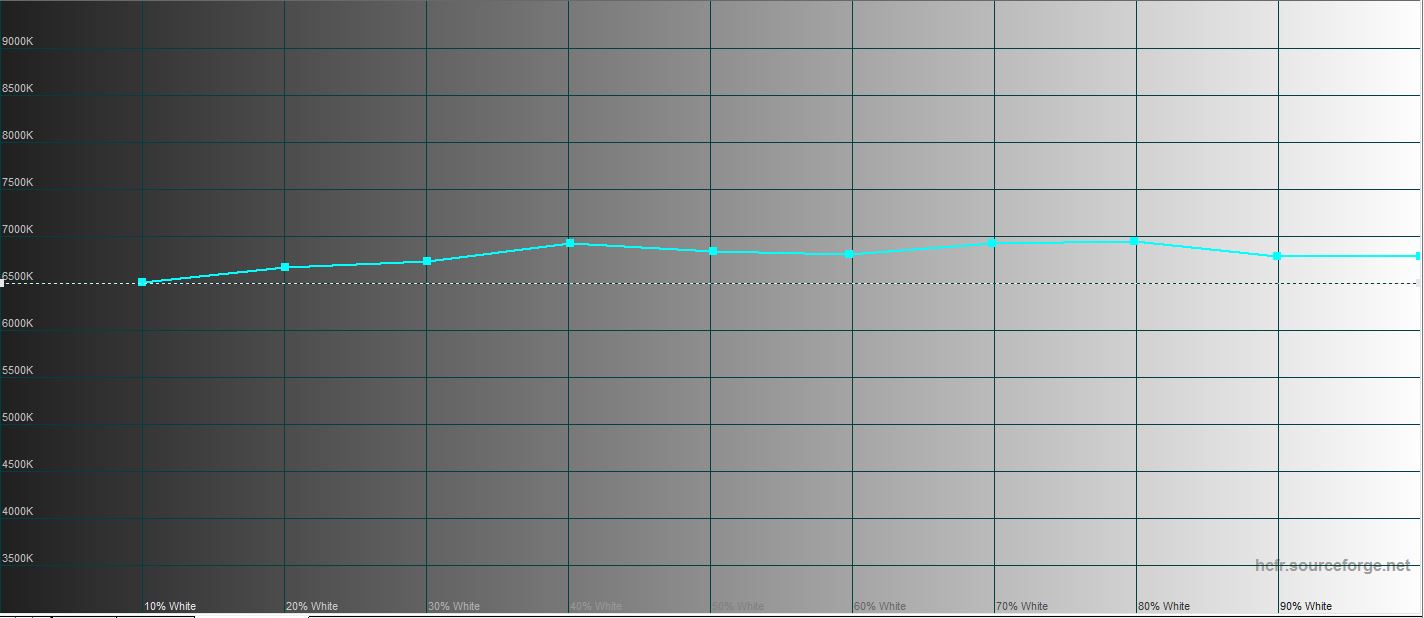
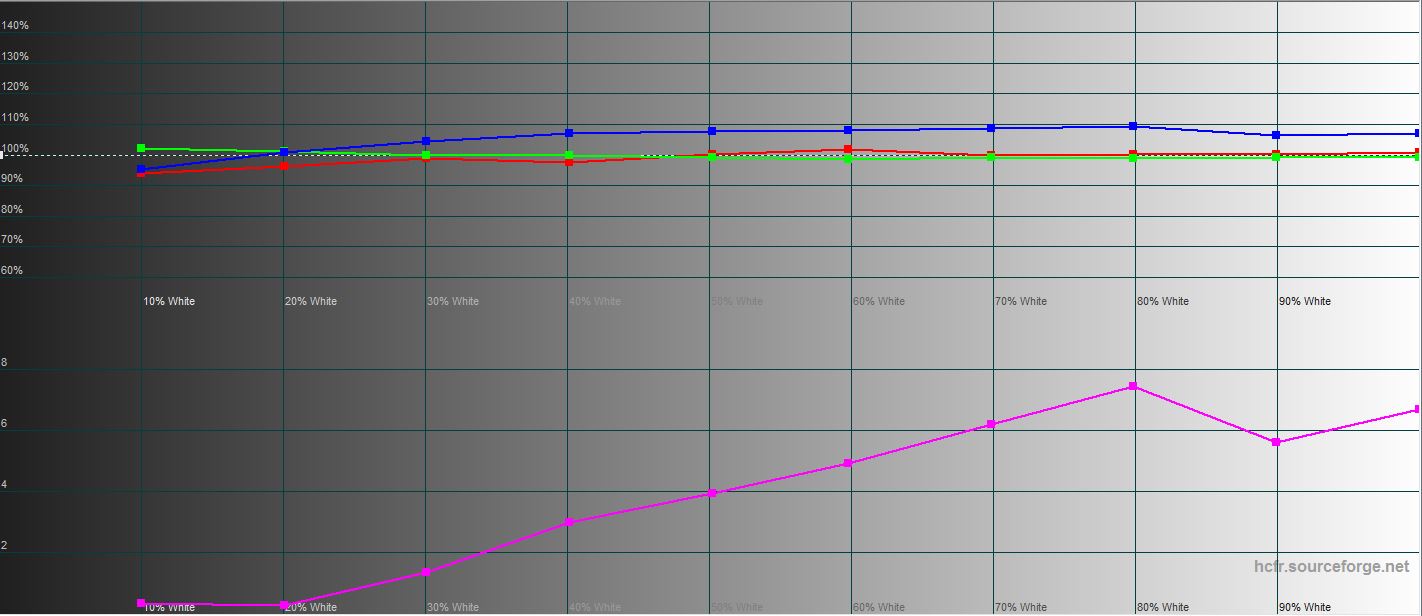
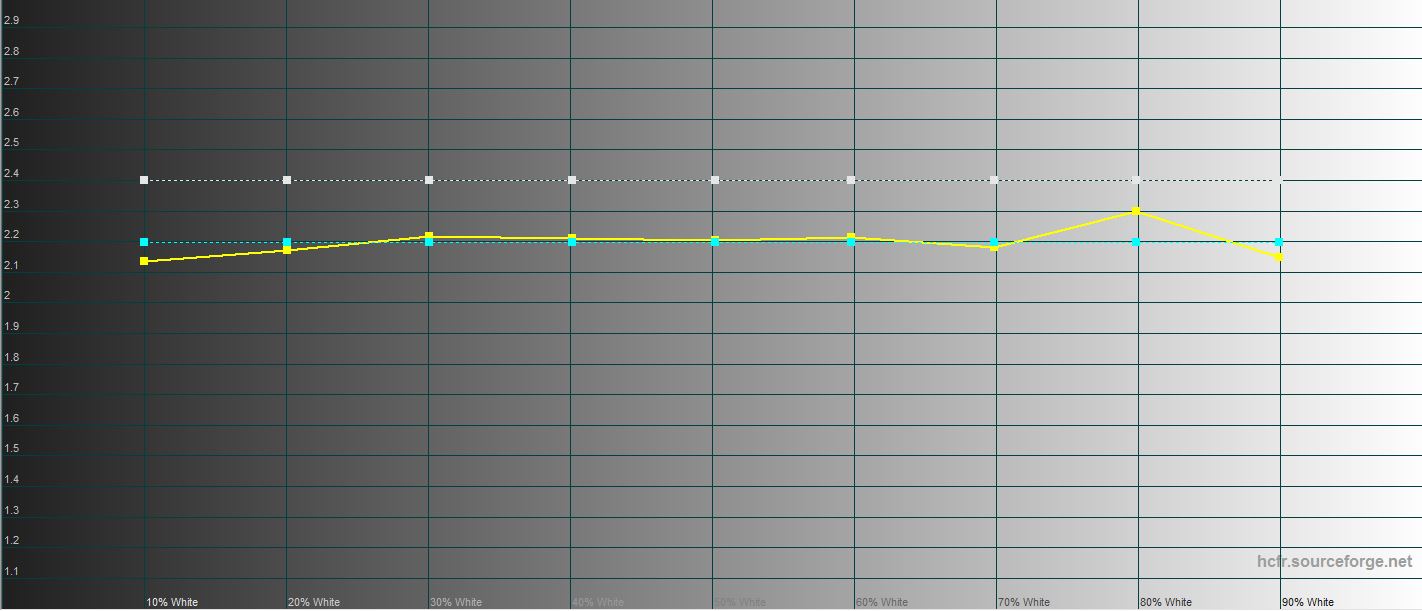
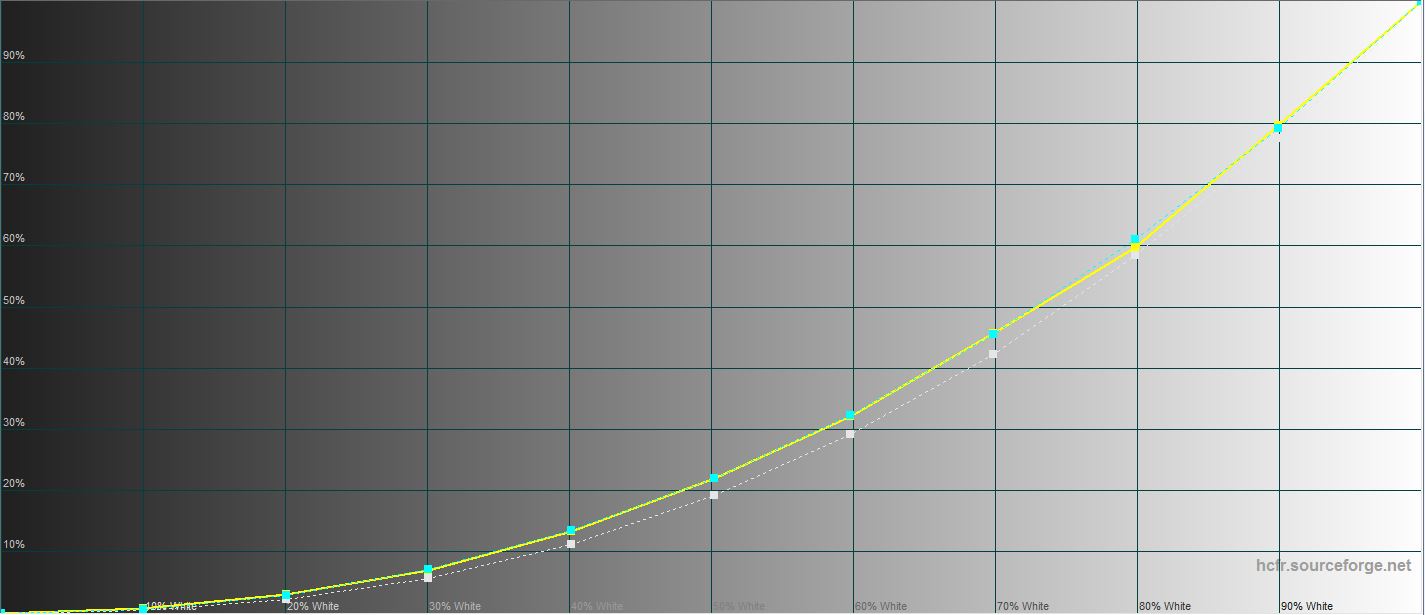
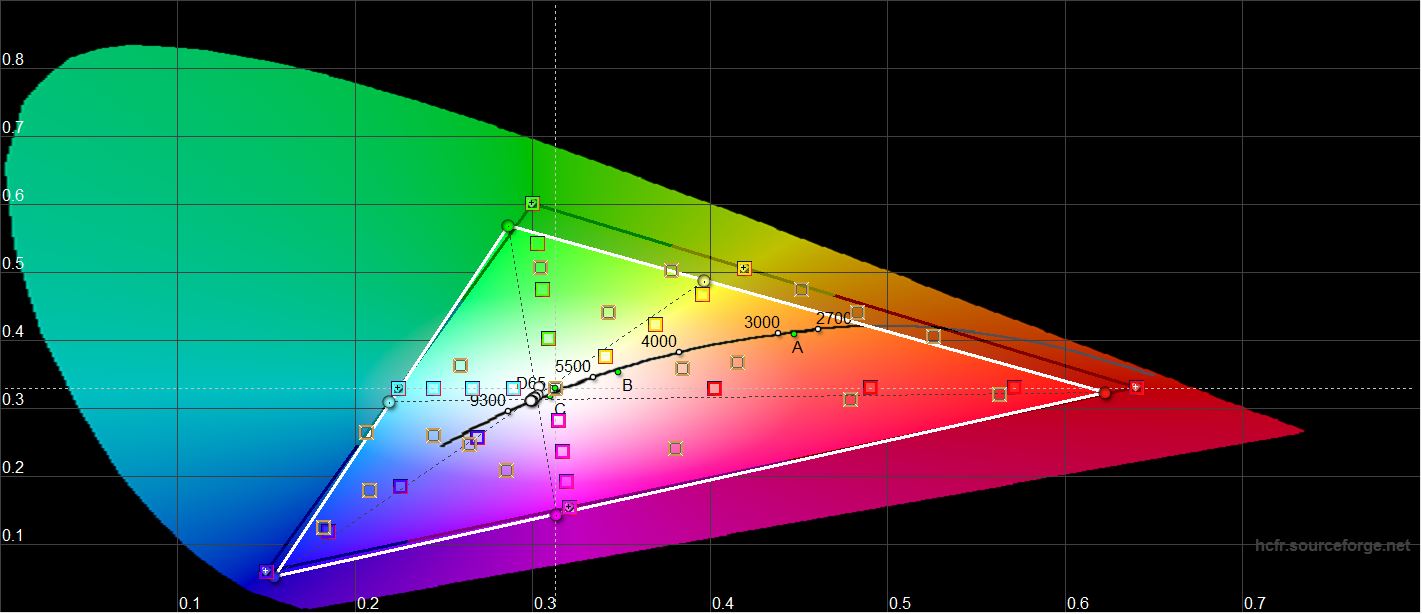
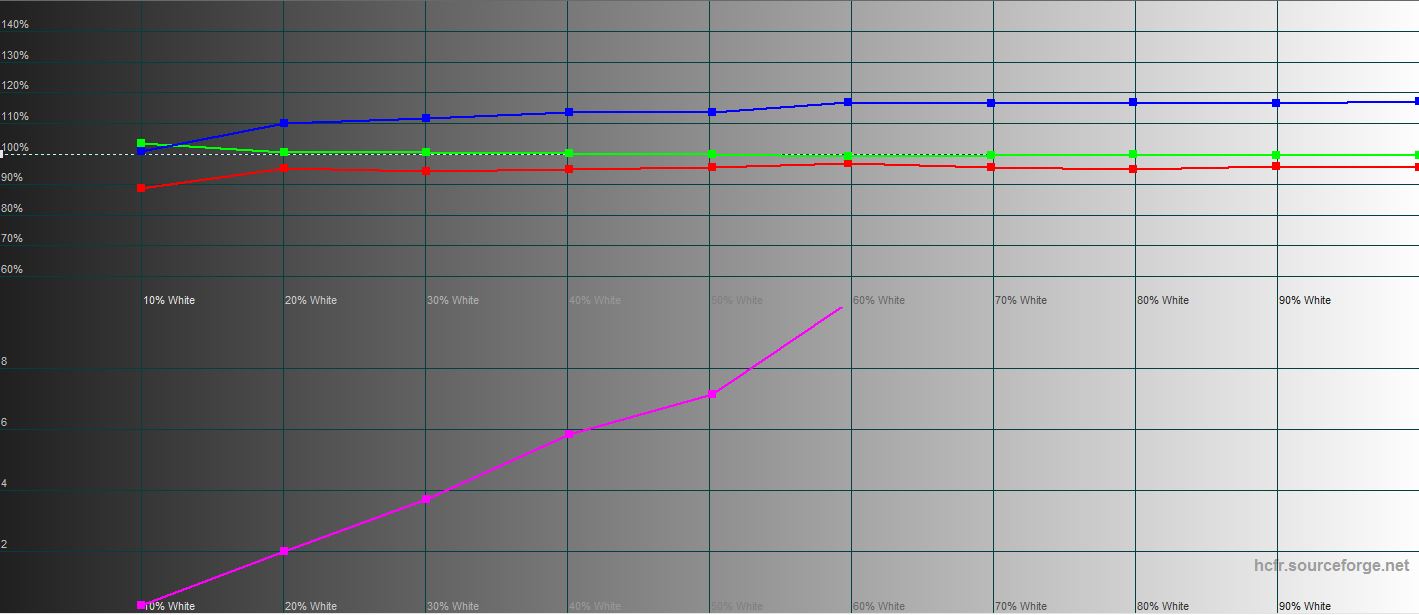
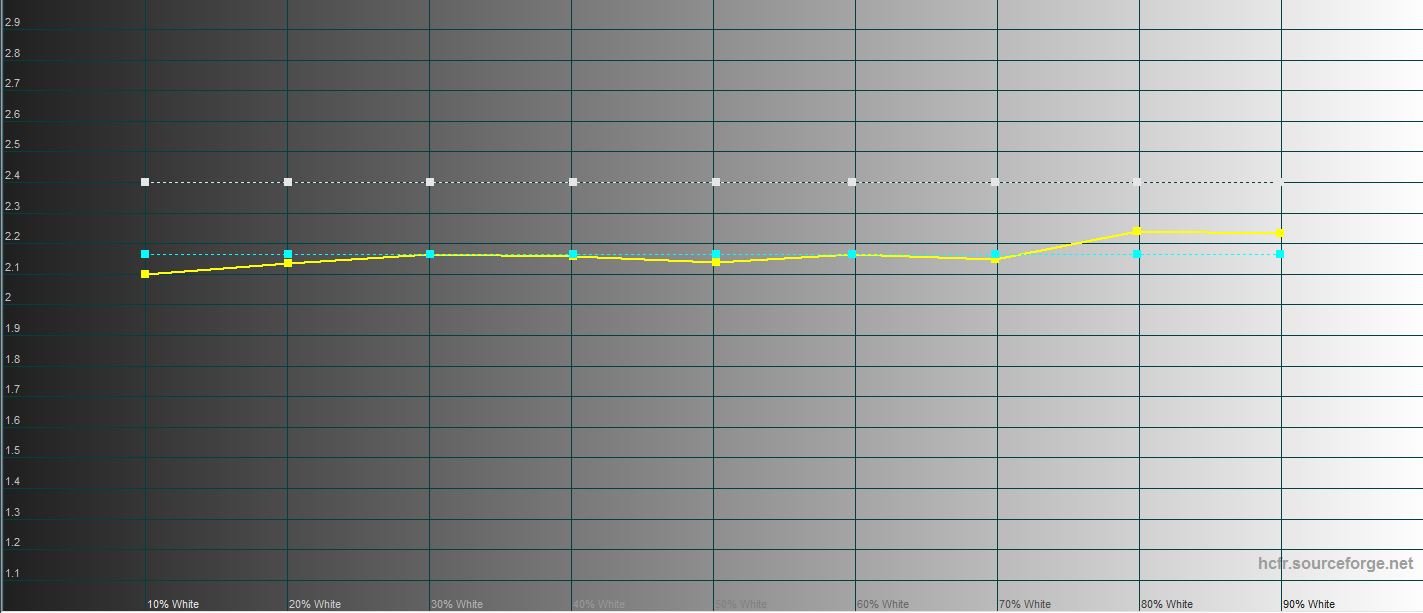
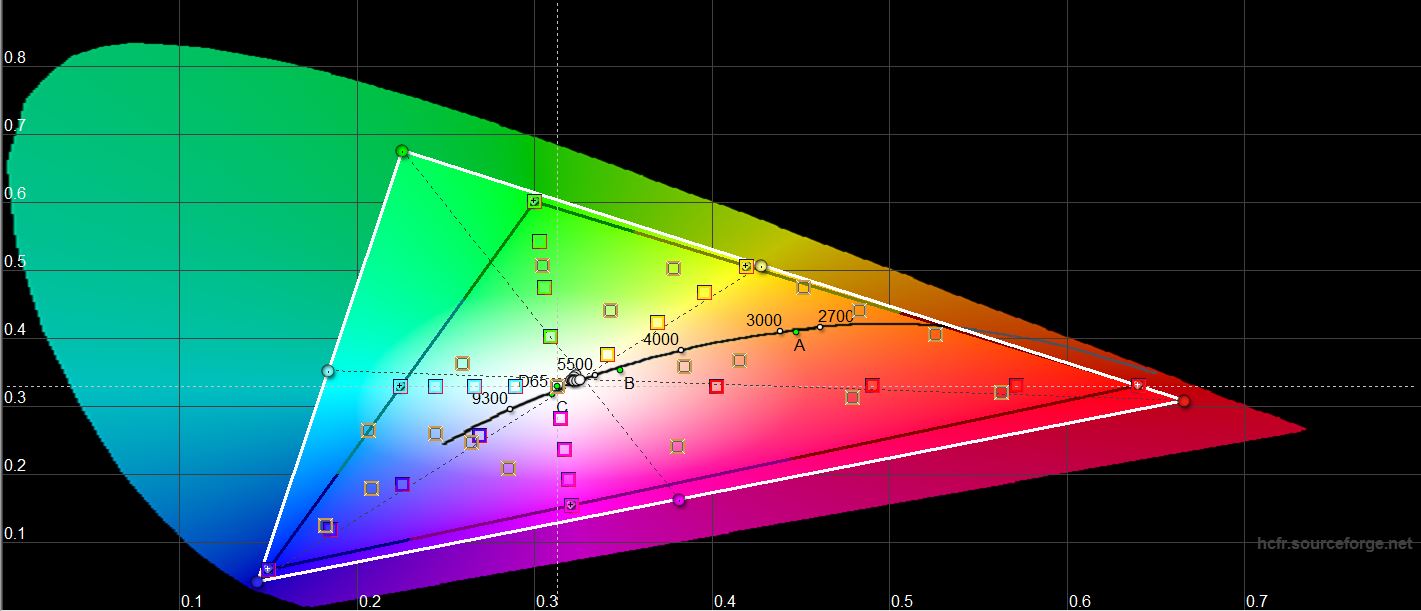
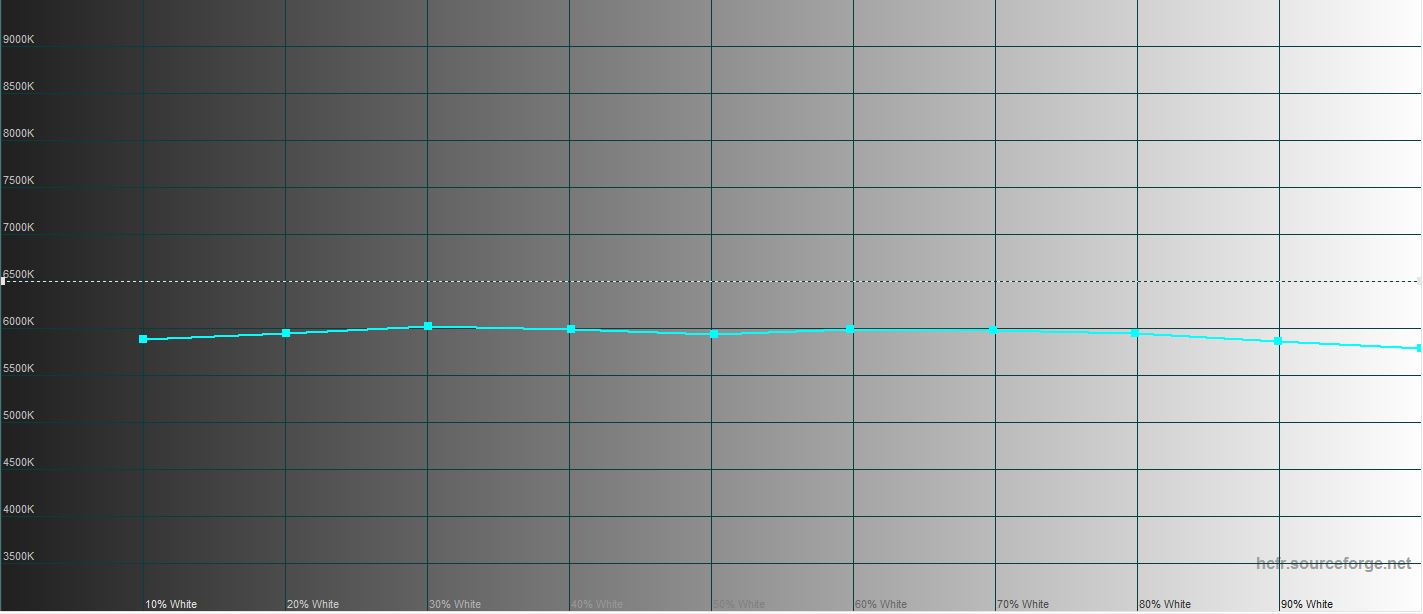
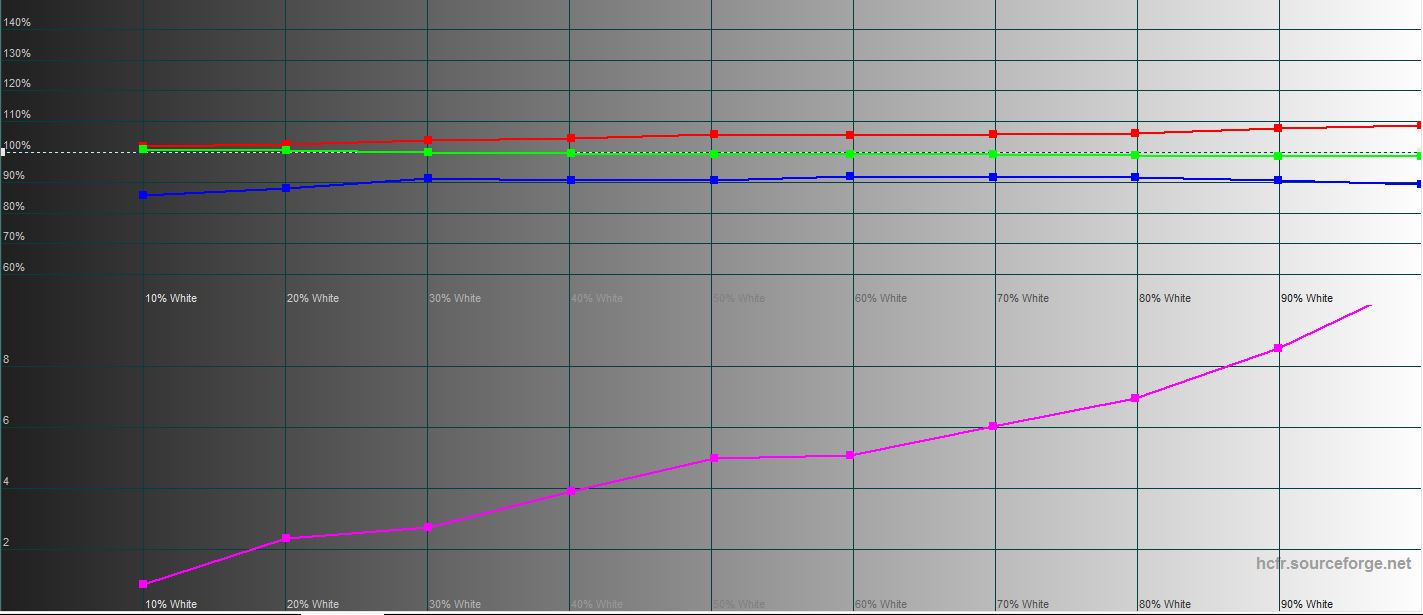
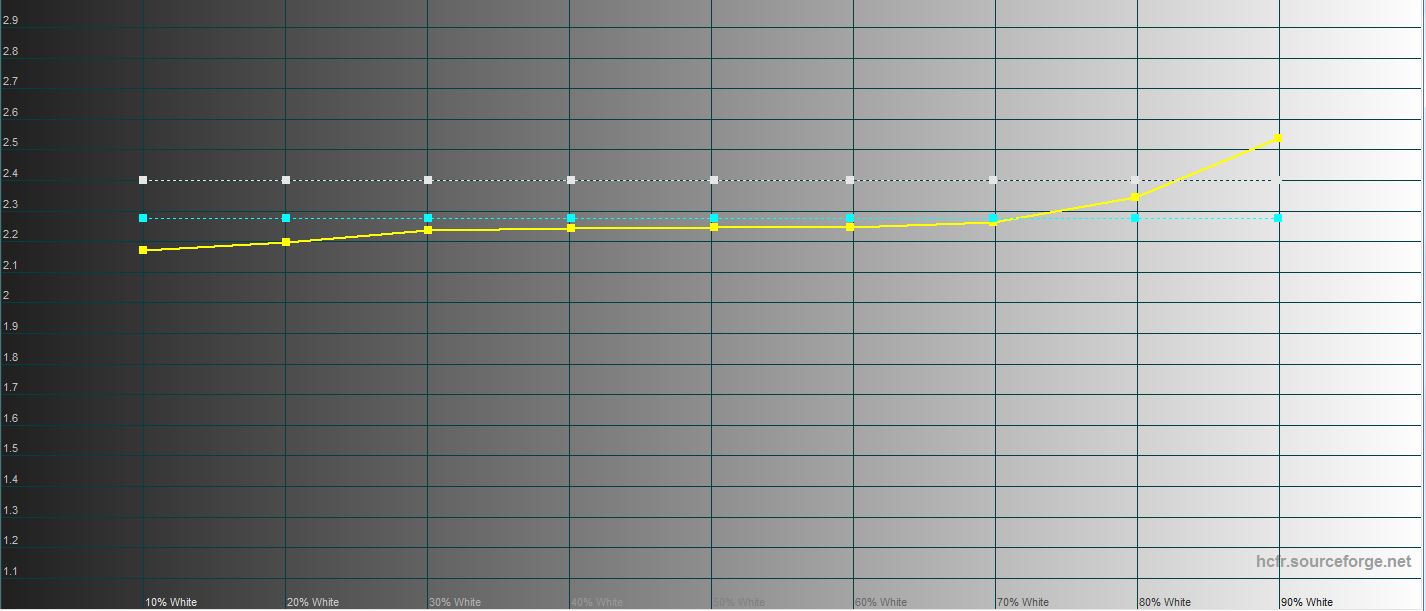
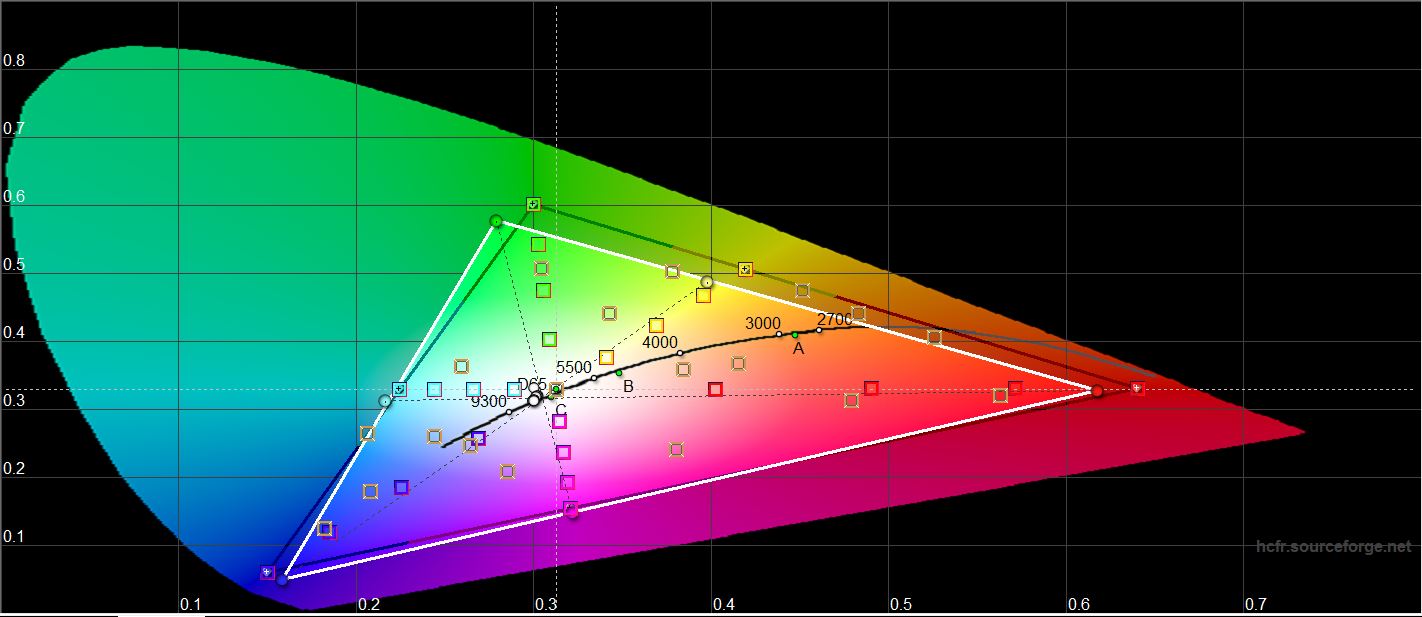
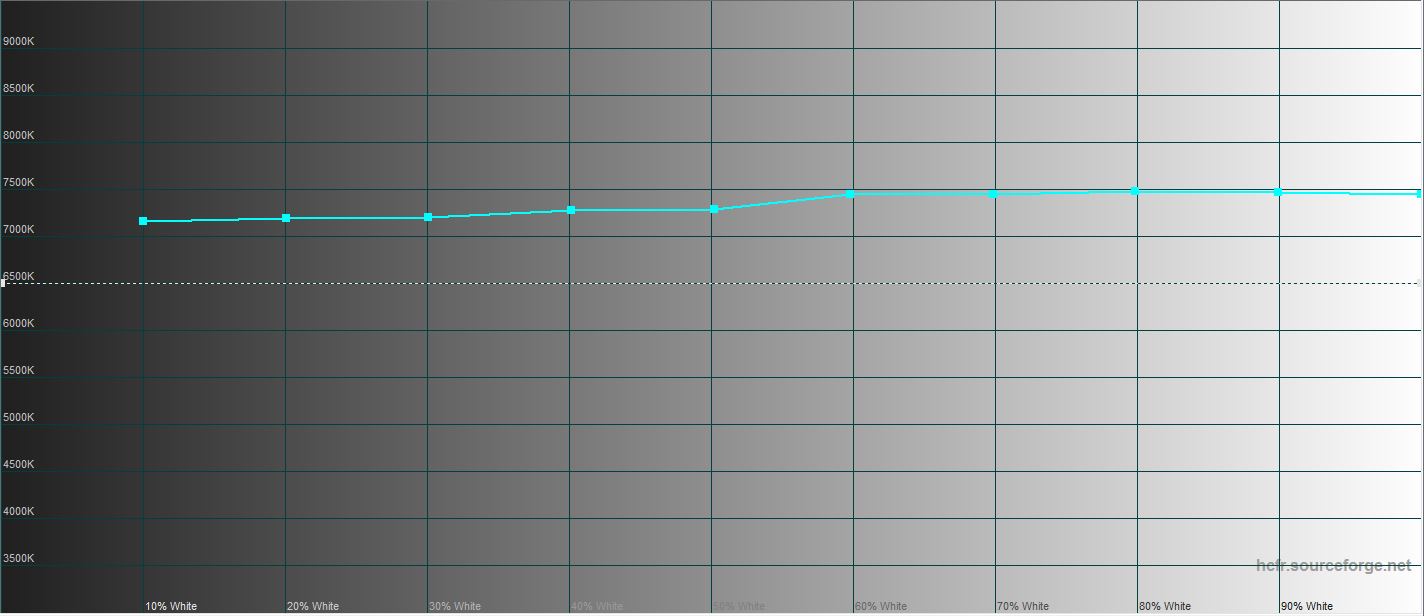
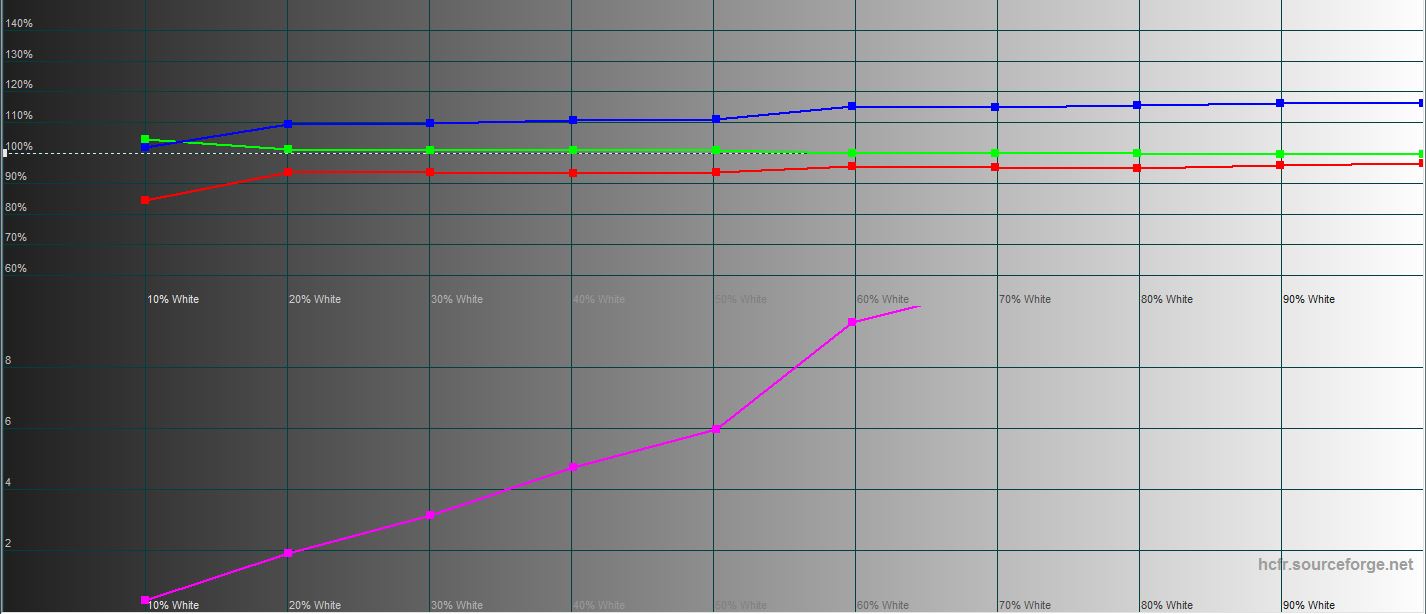
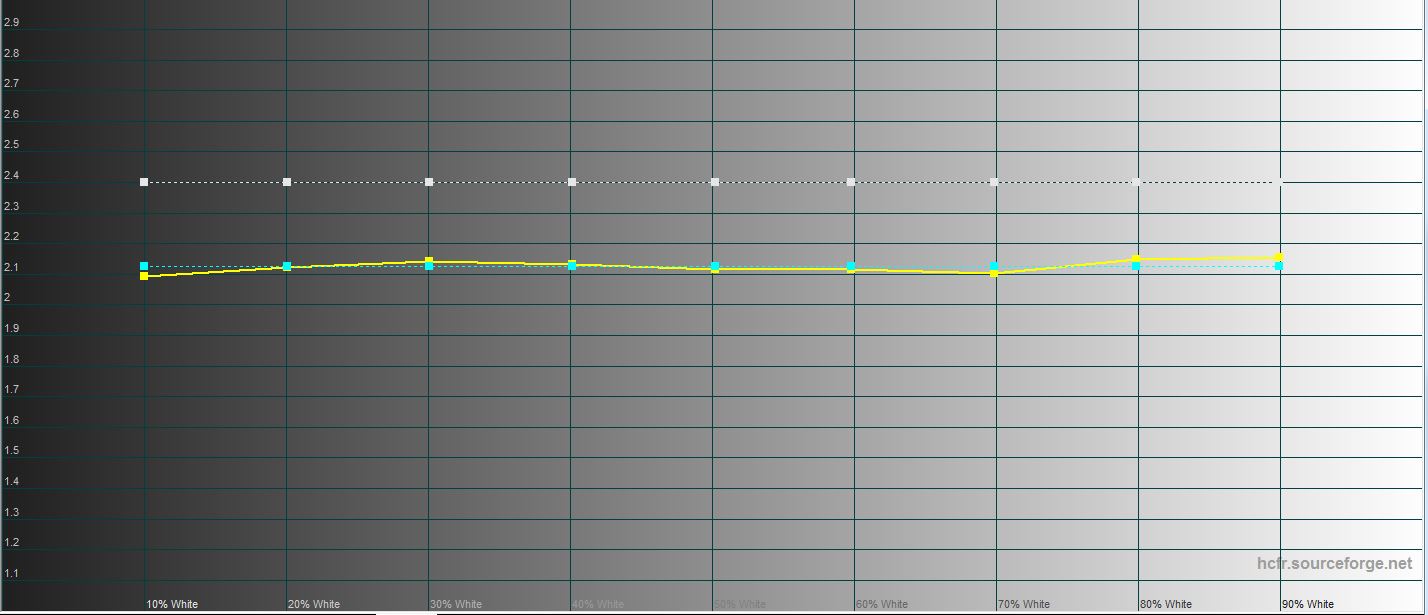
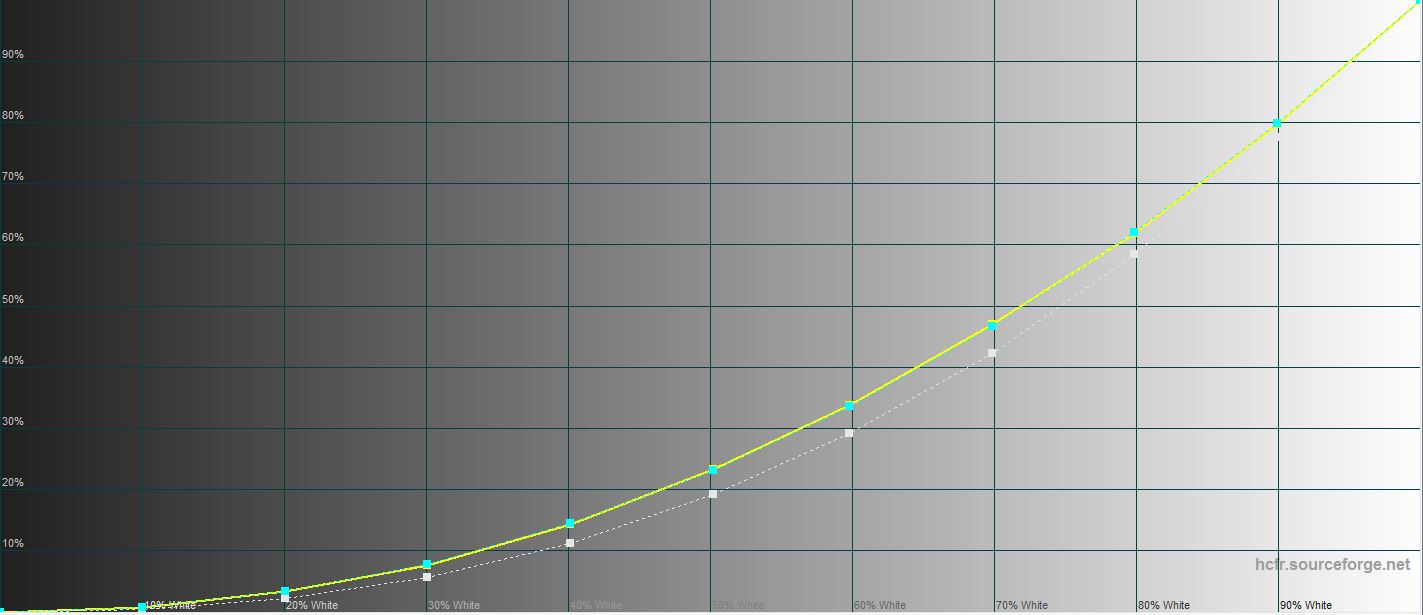
Visually, there are no complaints about the screens at all,both in terms of the quality of the picture itself and viewing angles, as well as in brightness. The picture does not fade in the sun, everything remains readable. This is confirmed by hardware measurements. Both screens demonstrate truly impressive brightness levels and very good color reproduction. Maximum screen brightness of Samsung Galaxy S22 in “saturated” mode was 725.835 cd/m2, the color gamut is significantly wider than the sRGB color space, all indicators are very close to the reference ones, the color temperature ranges between 6500K (reference) and 7000K.

</ img>
</ img>
</ img>
</ img>
</ img>





In “Natural” mode, the color gamut is close to sRGB, and the maximum brightness is slightly lower: 689.802 cd/m2.
</ img>

</ img>
</ img>
</ img>

</ img>




The screen brightness of the Samsung Galaxy S22+ was slightly lower. In “Saturated” mode - 702.715 cd/m2. At the same time, color rendition is very similar to the younger model:
</ img>
</ img>
</ img>
</ img>

</ img>




Brightness in “Natural” mode: 666.05 cd/m2.
</ img>
</ img>
</ img>
</ img>
</ img>




Comparison with other models:
Device name
White field brightness,
cd / m2
The brightness of the black field,
cd / m2
Contrast
Samsung Galaxy S22
725.835
0
∞
Samsung Galaxy S22+
702.715
0
∞
Samsung Galaxy S22 Ultra
688.649
0
∞
Samsung Galaxy Z Flip3
460.6
0
∞
Samsung Galaxy Z Fold3
479.32
0
∞
Xiaomi 11T Pro
493.872
0
∞
ASUS ROG Phone 5
482.347
0
∞
Samsung Galaxy S21 +
437.906
0
∞
Samsung Galaxy S21
432.854
0
∞
Samsung Galaxy S20 Ultra
408.388
0
∞
Sony Xperia 1
394.97
0
∞
Huawei P30 Pro
447.247
0
∞
Samsung Galaxy S10
378.72
0
∞
What are the unlock methods?
</ img>
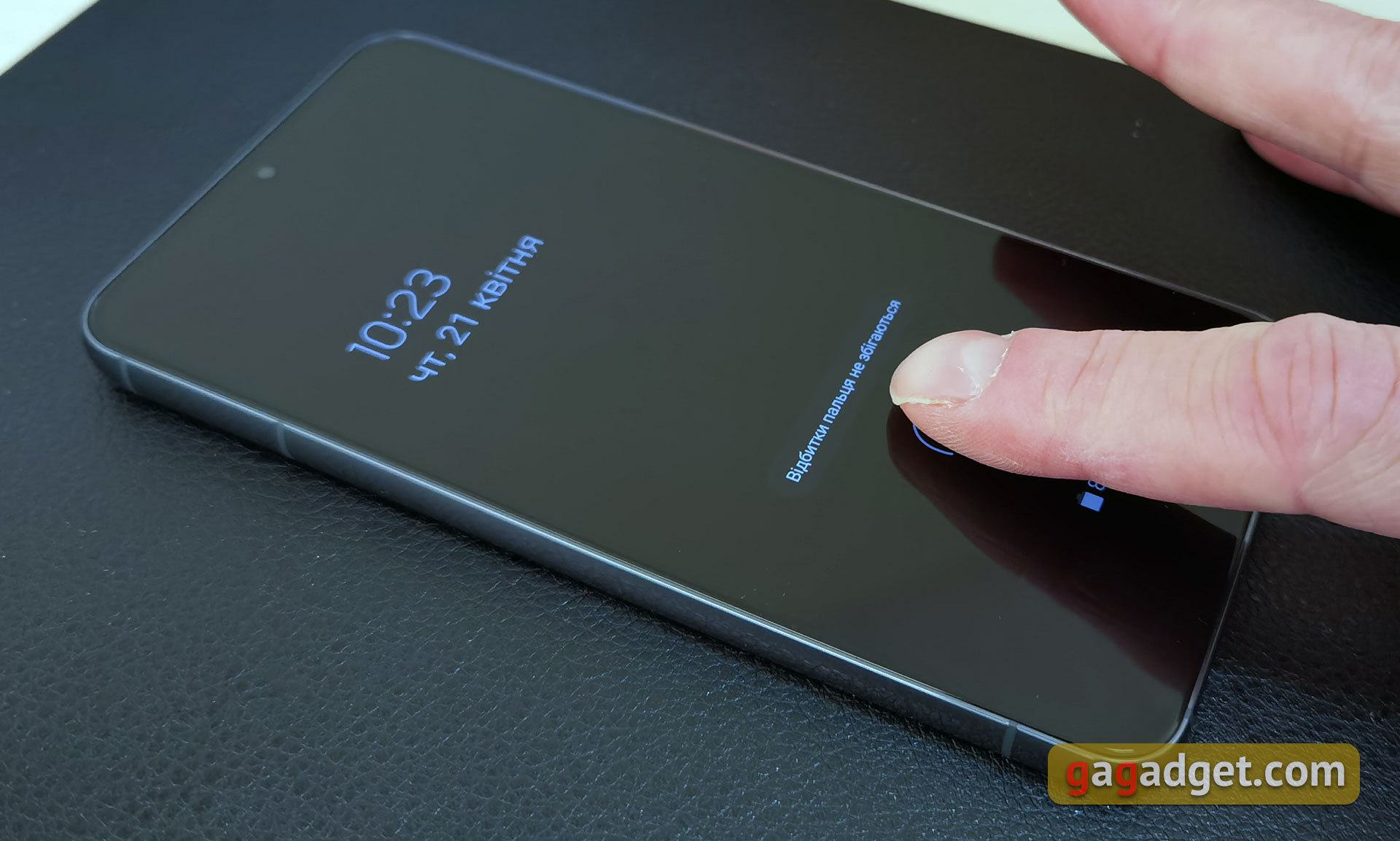
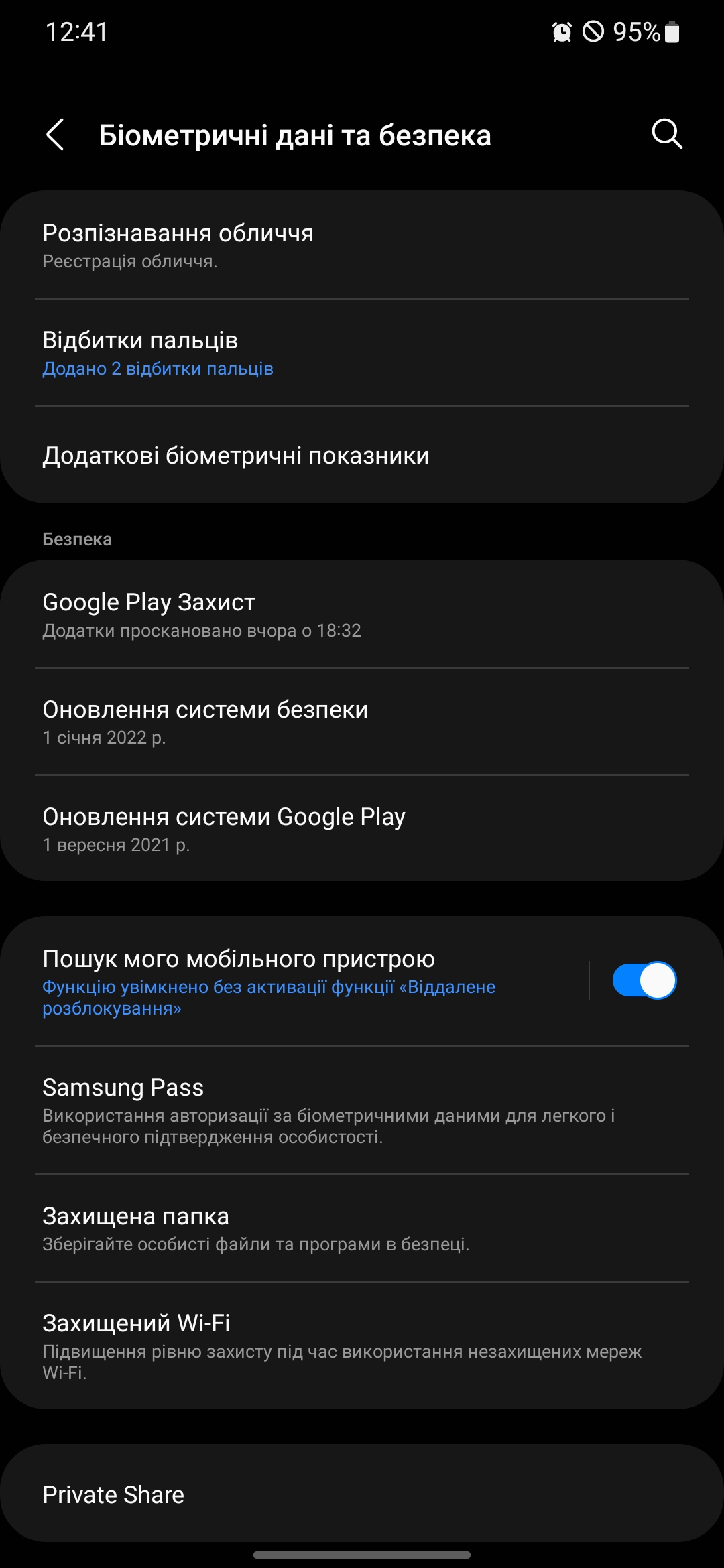
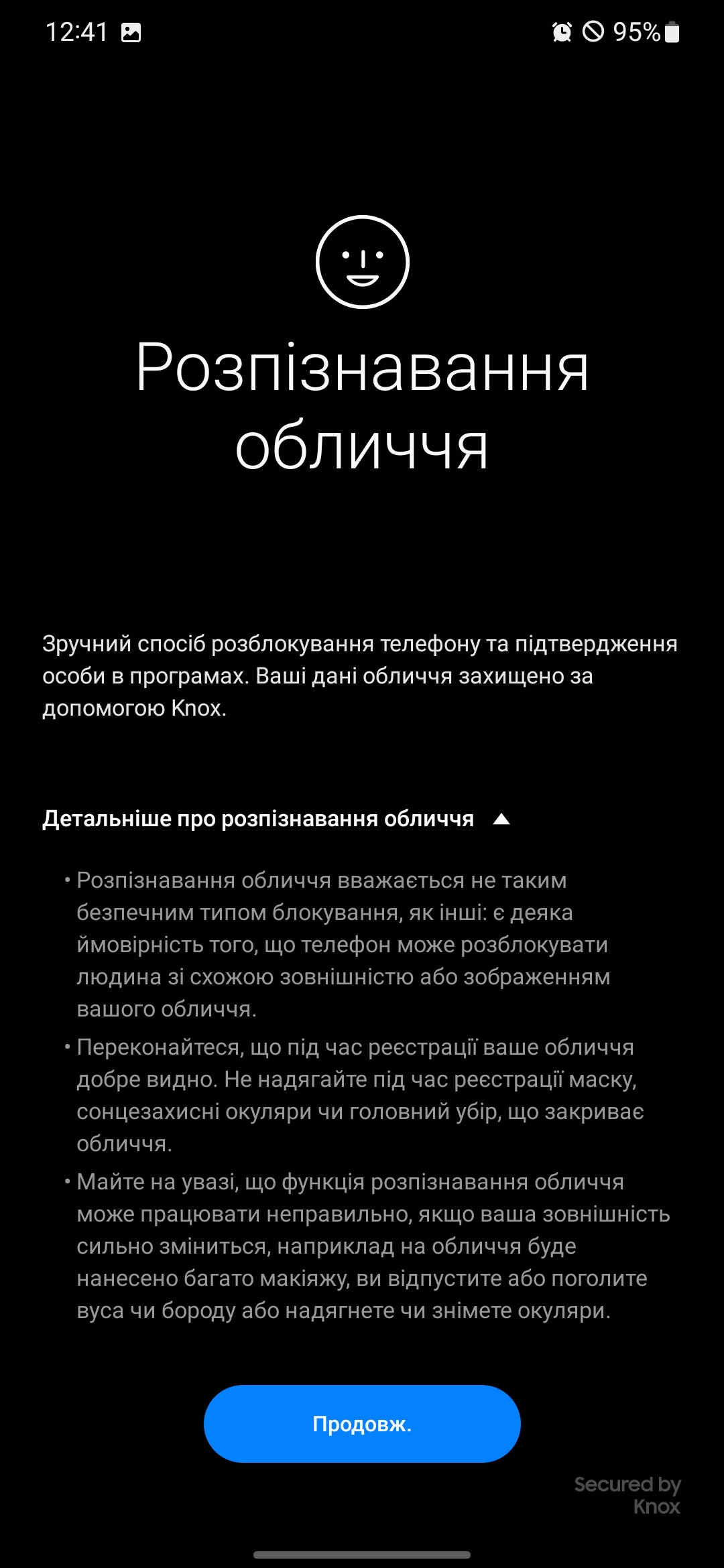
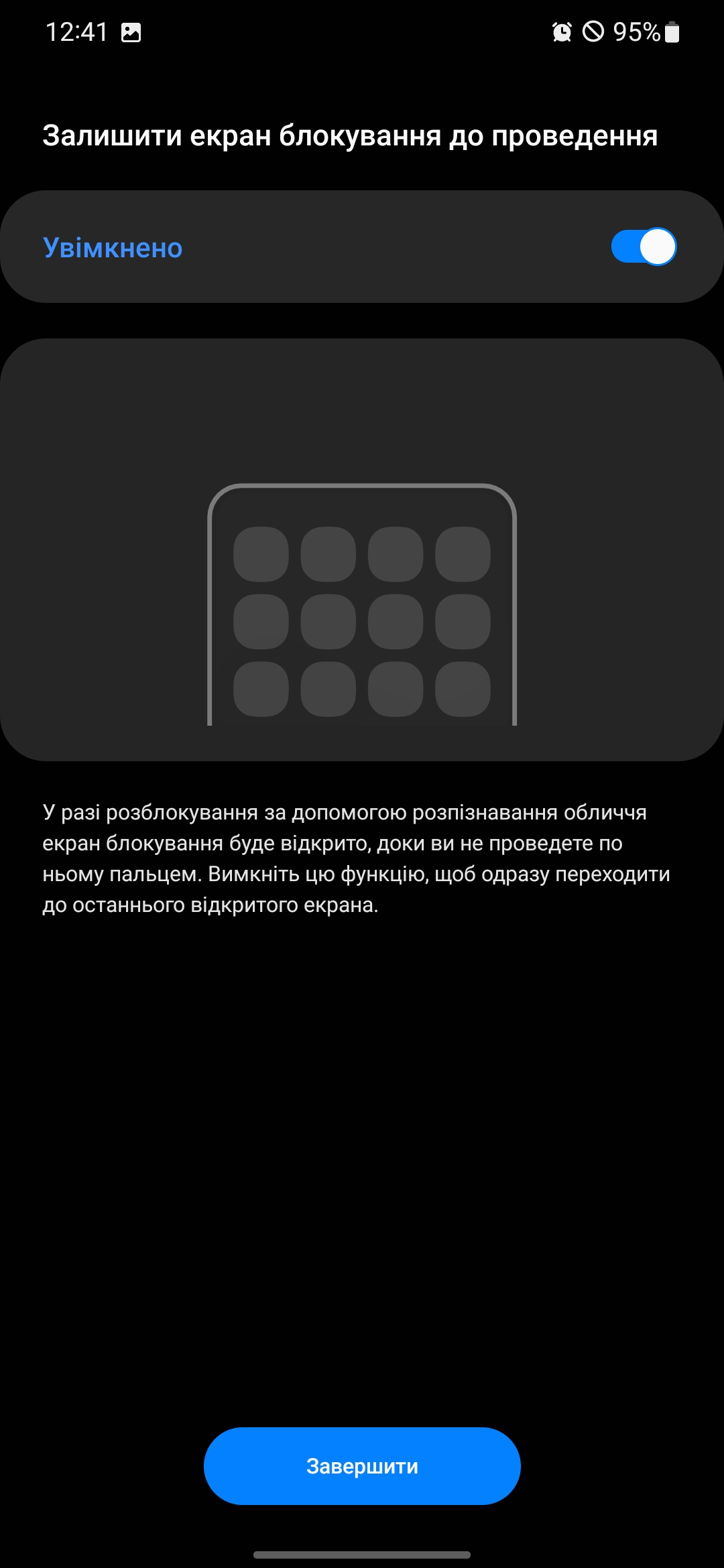
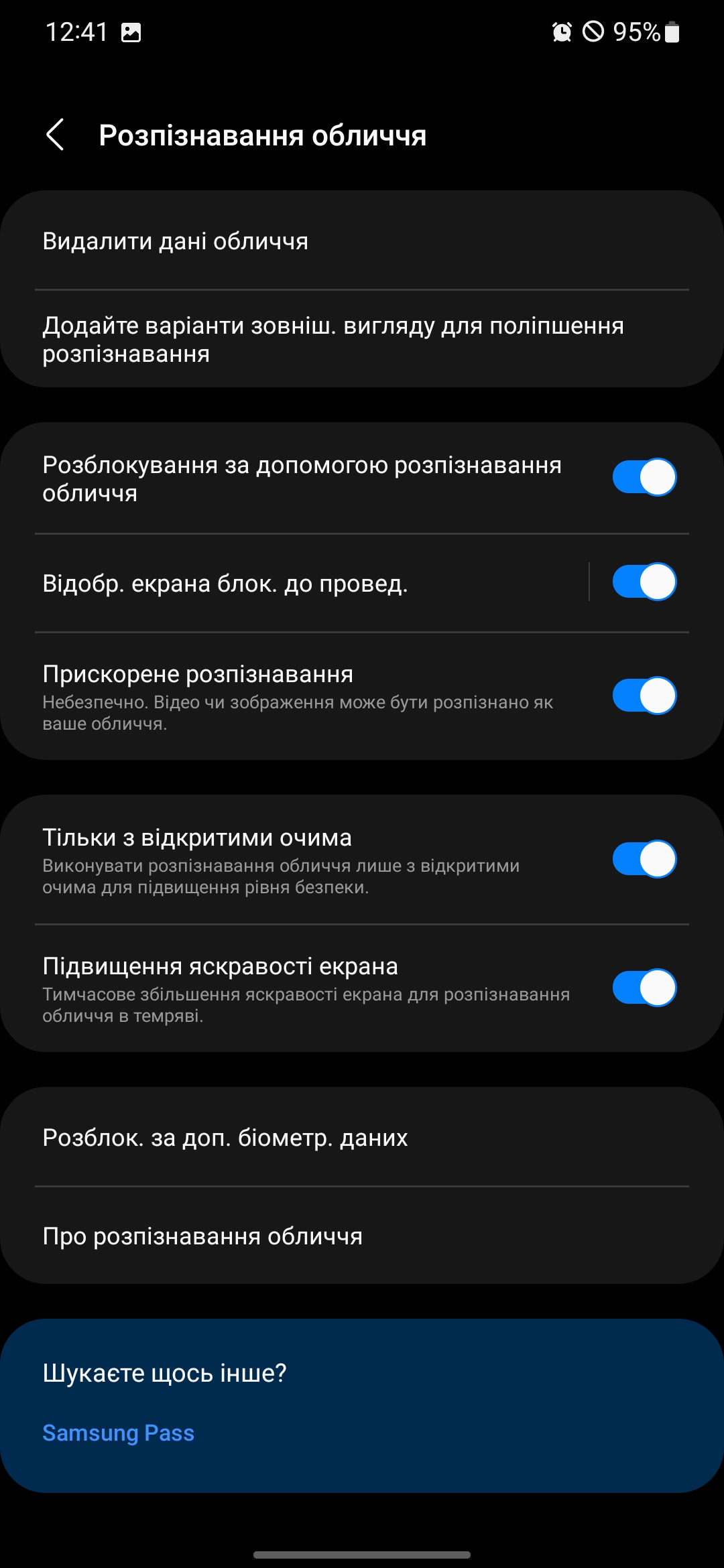
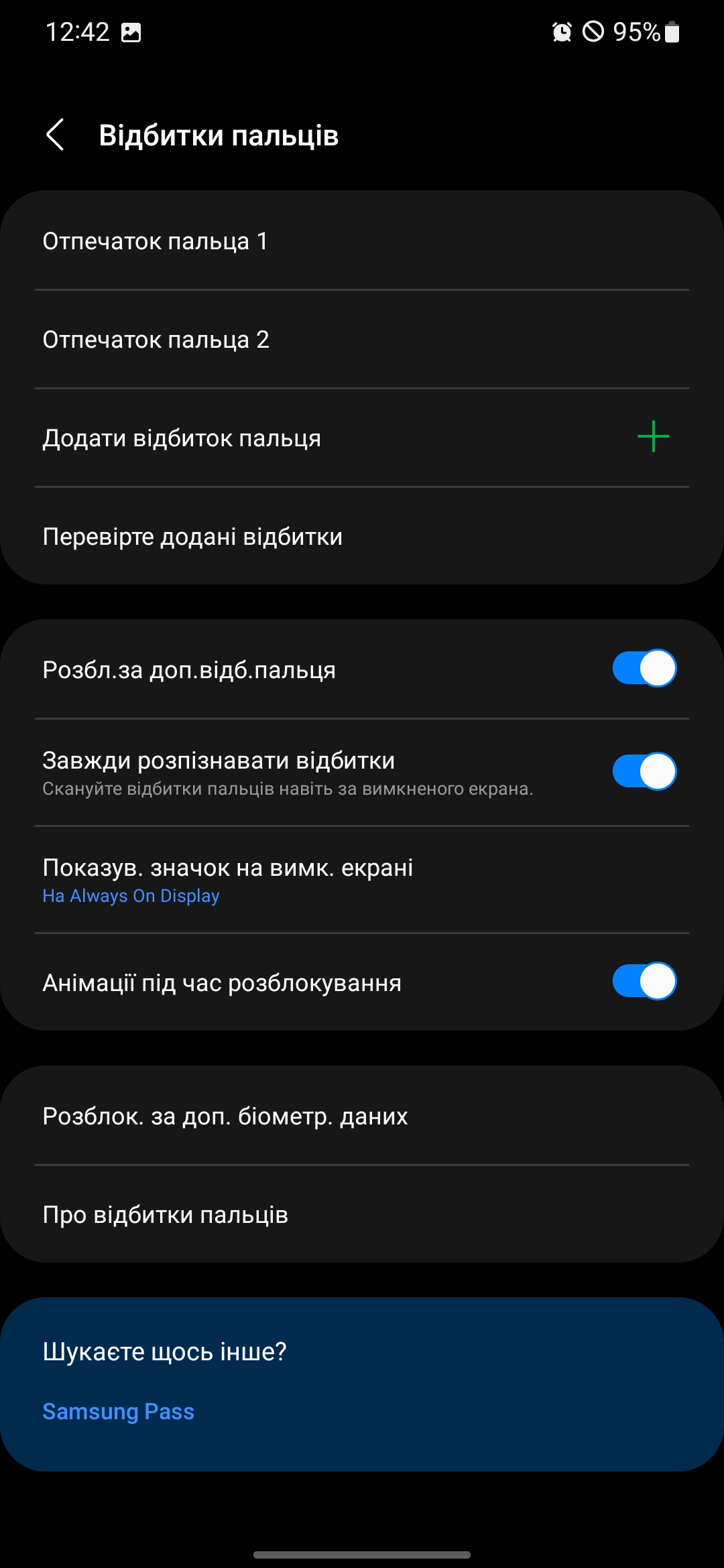
Like the older model of the line, Samsung Galaxy S22Ultra, both younger ones are equipped with an ultrasonic fingerprint scanner. Which, unlike optical ones, can cope with its task if hands are wet. The scanners work quickly and accurately. Personally, it’s a little slower than Ultra, but the difference is minimal. Facial recognition is implemented as standard using the front camera without additional sensors. Works quickly in good lighting conditions. Additional settings include less secure “accelerated recognition”, preventing recognition when your eyes are closed, increasing display brightness in low light, and the ability to add additional views for better recognition.
</ img>
</ img>
</ img>
</ img>
</ img>




What about performance, memory, sound and autonomy?
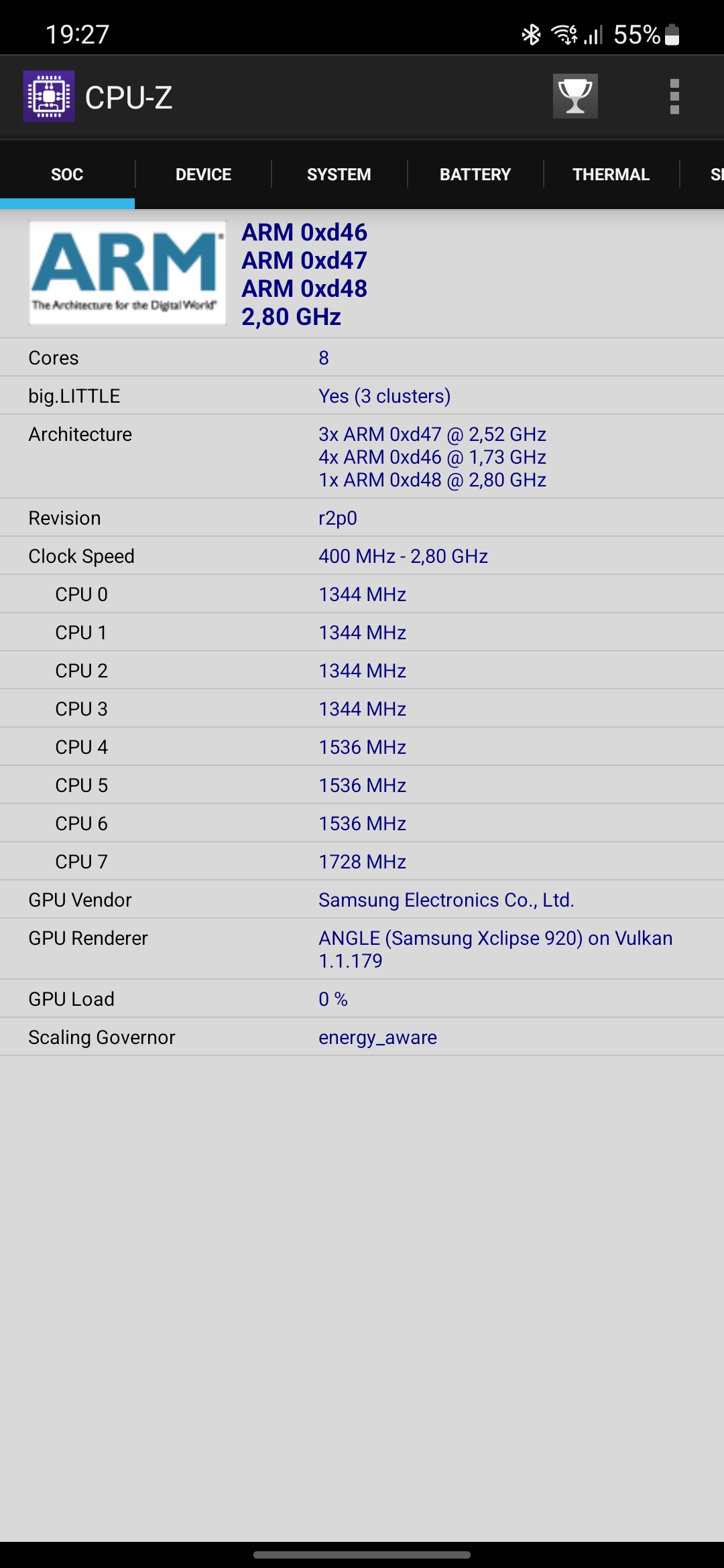
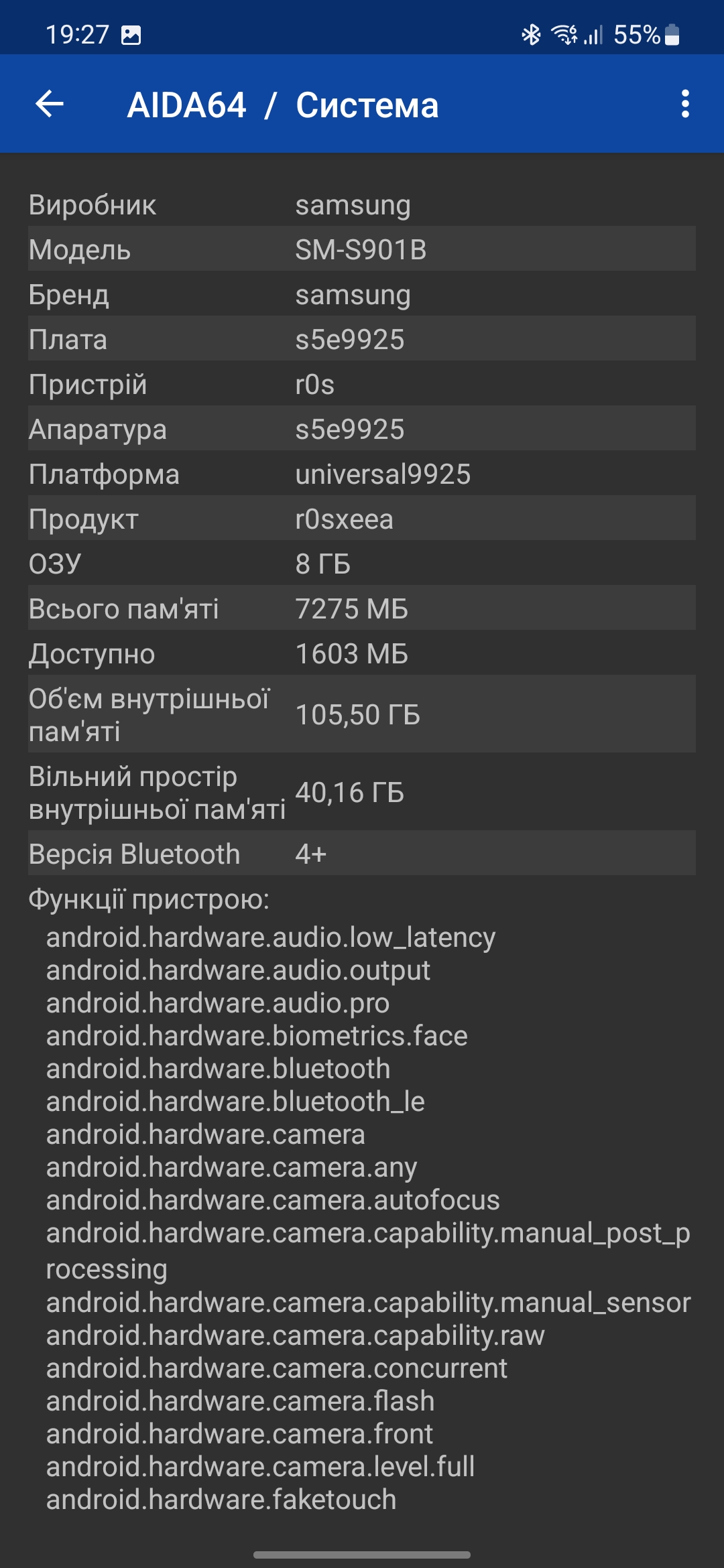
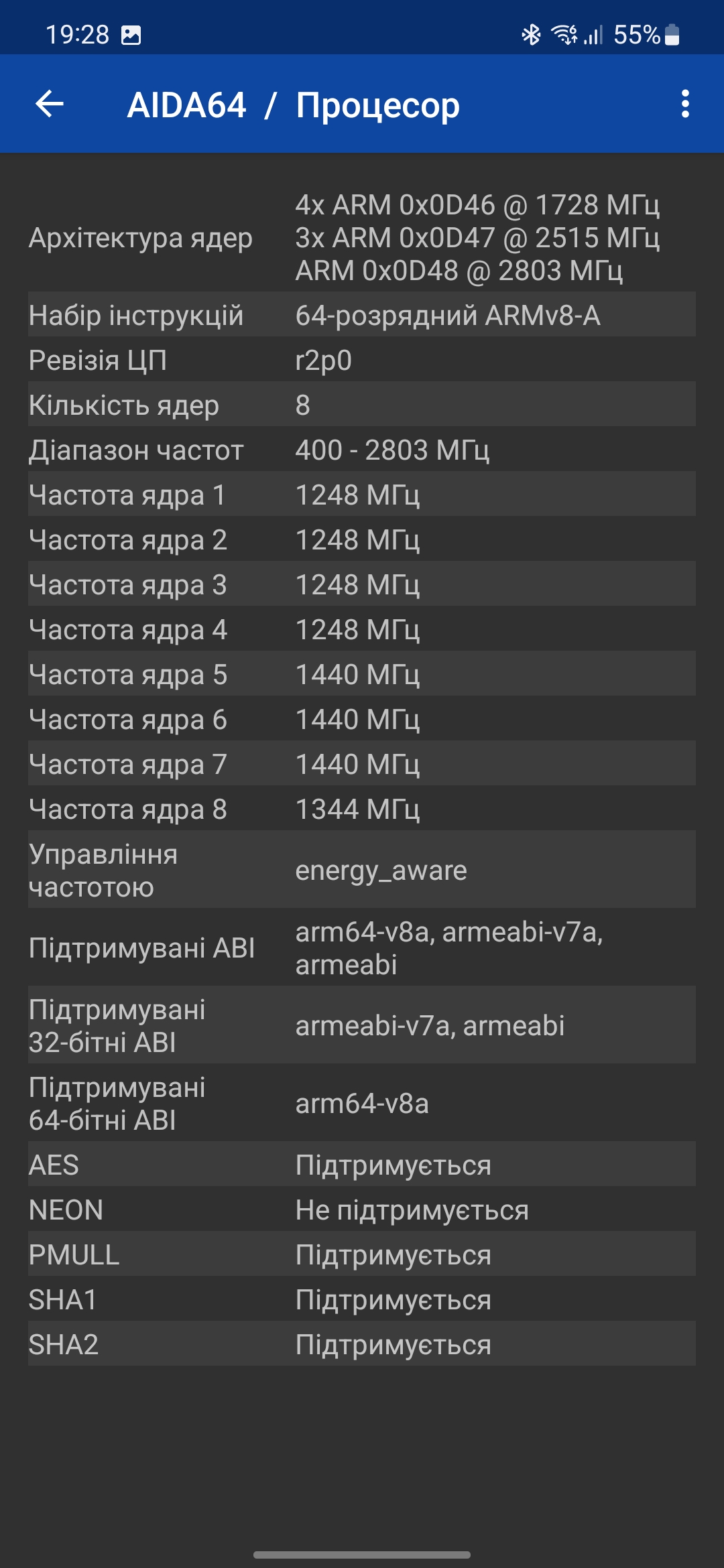
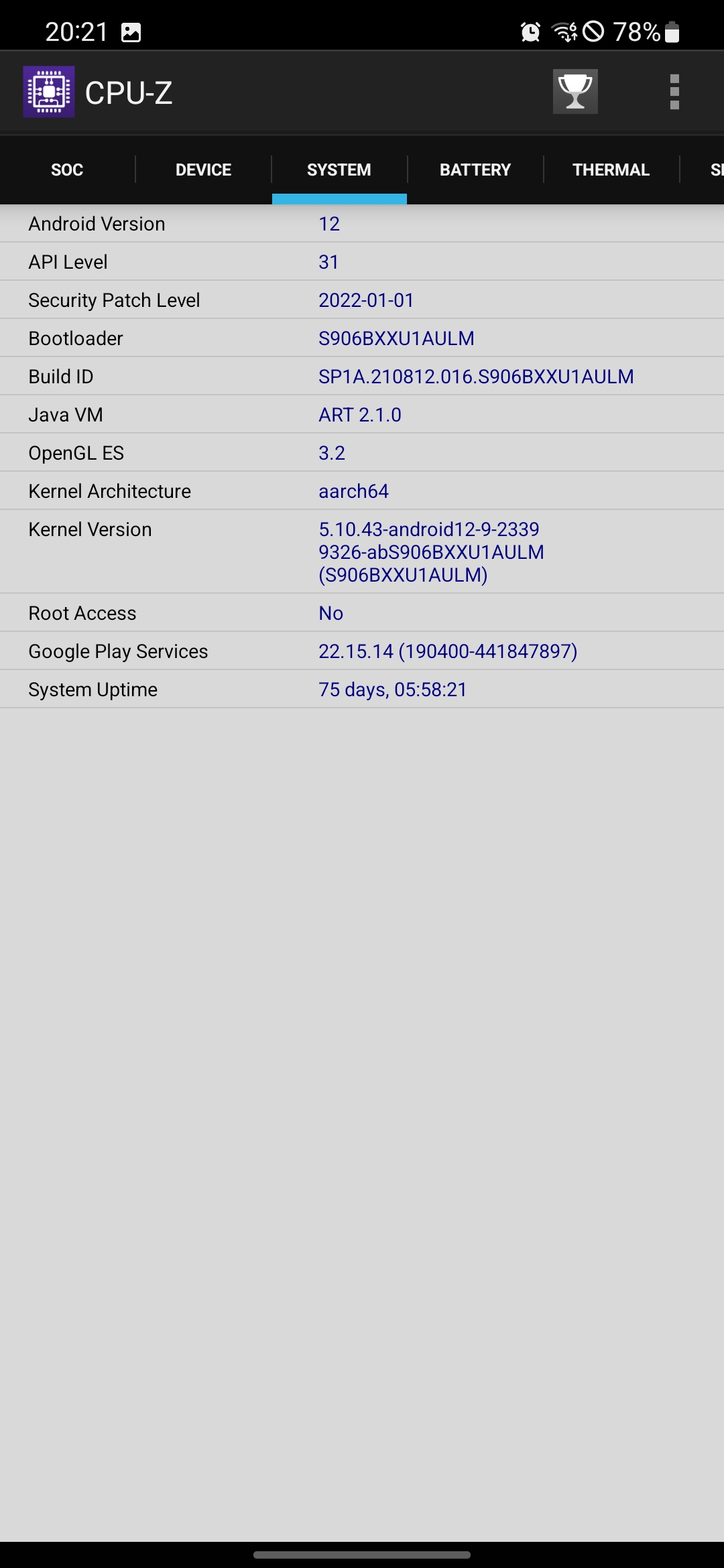
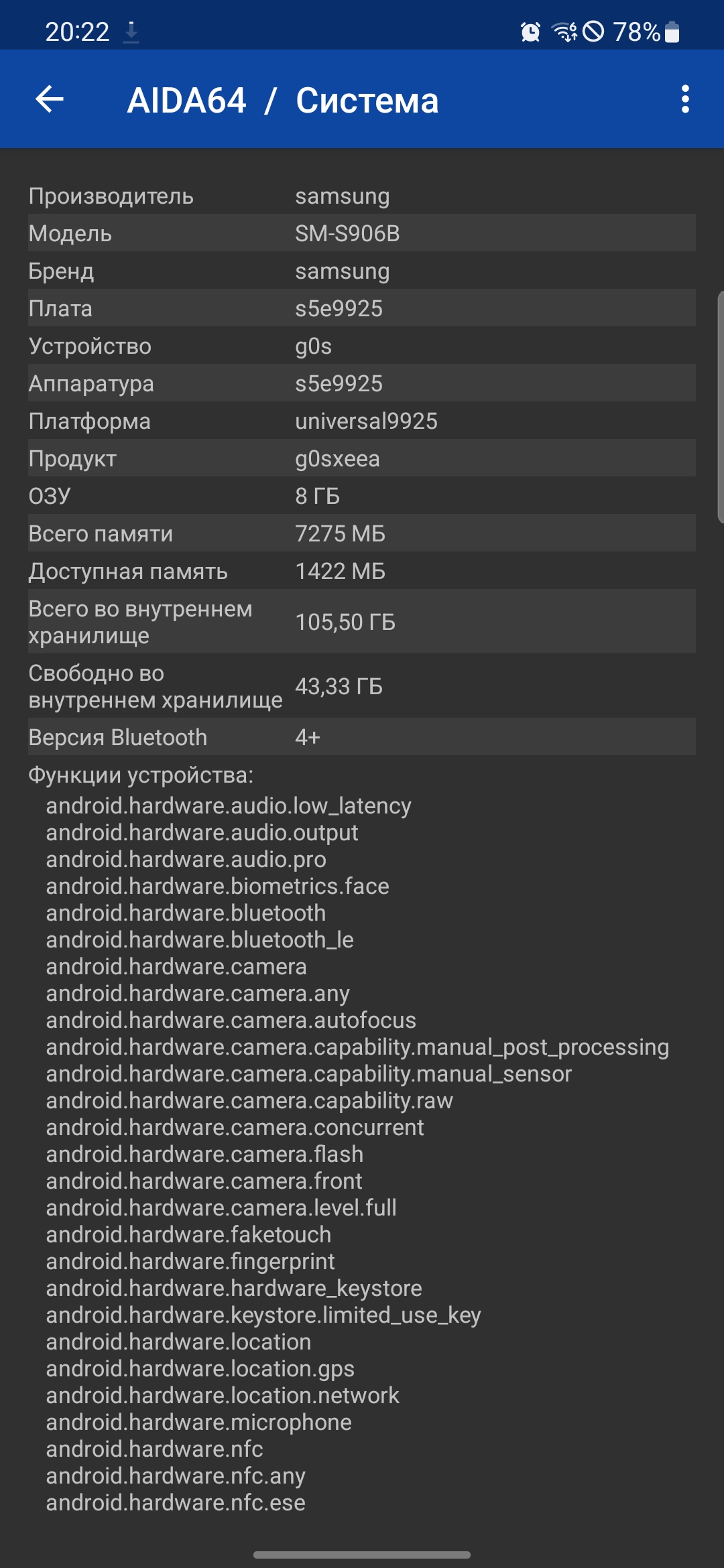
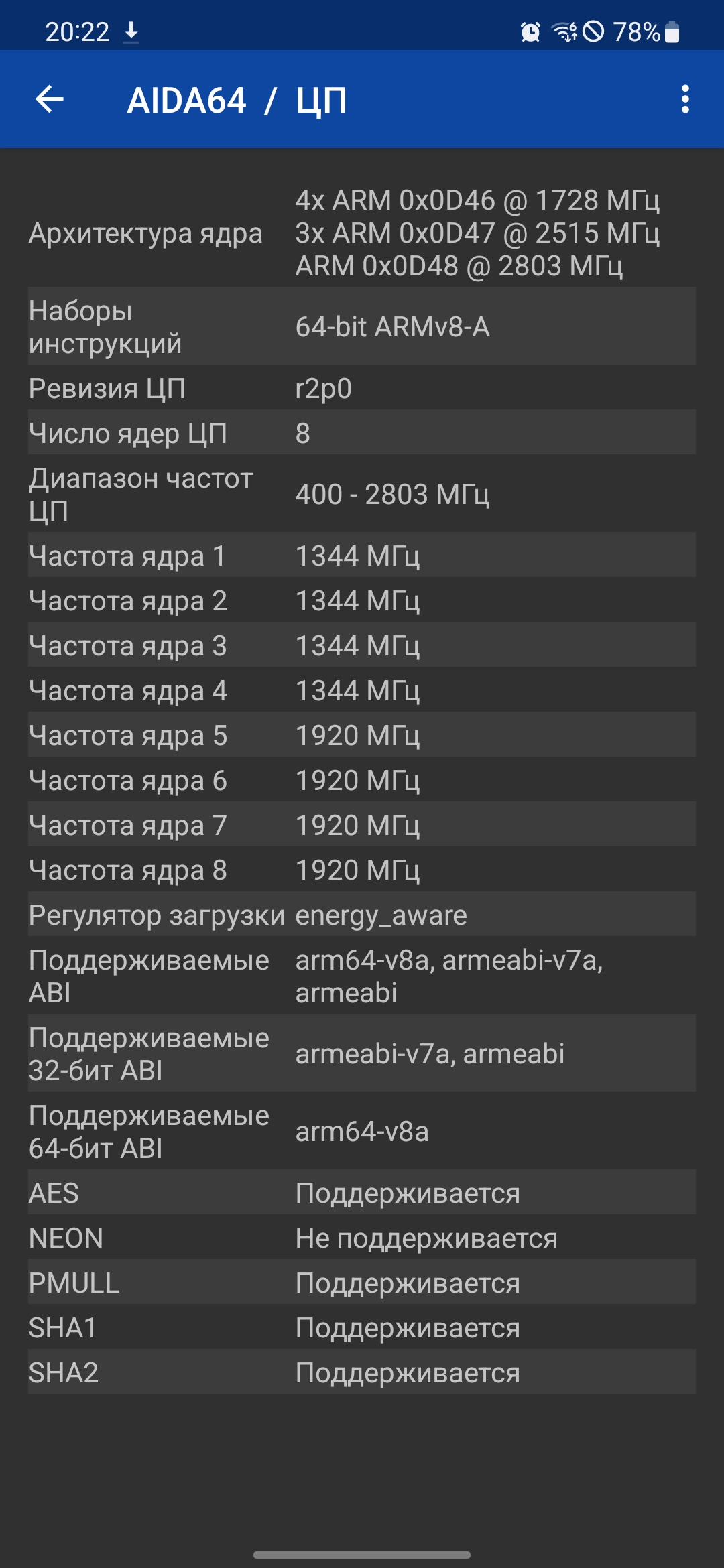
The entire flagship Samsung Galaxy lineThe S22 uses the proprietary Exynos 2200 system-on-chip, there is a version with Snapdragon, but not for our region. Exynos 2200 is an octa-core processor that is manufactured using 4 nm process technology. It includes one ARM Cortex-X2 core clocked at 2.8 GHz, 3xARM Cortex-A710 at 2.5 GHz, and energy-efficient 4xARM Cortex-A510 at 1.7 GHz. The graphics accelerator is Xclipse 920, which was developed jointly with AMD. We have already seen this processor in action in the review of the Samsung Galaxy S22 Ultra. RAM - 8 GB. The expansion function is supported by a 2/4/6/8 GB drive. The built-in storage is 128 or 256 GB UFS 3.1 standard, there is no support for memory cards. The smartphones demonstrate, albeit not the maximum at the moment, but very high performance, somewhere between the Snapdragon 888 and Qualcomm Snapdragon 8 Gen 1. Samsung Galaxy S22:
</ img>

</ img>
</ img>
</ img>
</ img>
</ img>
</ img>
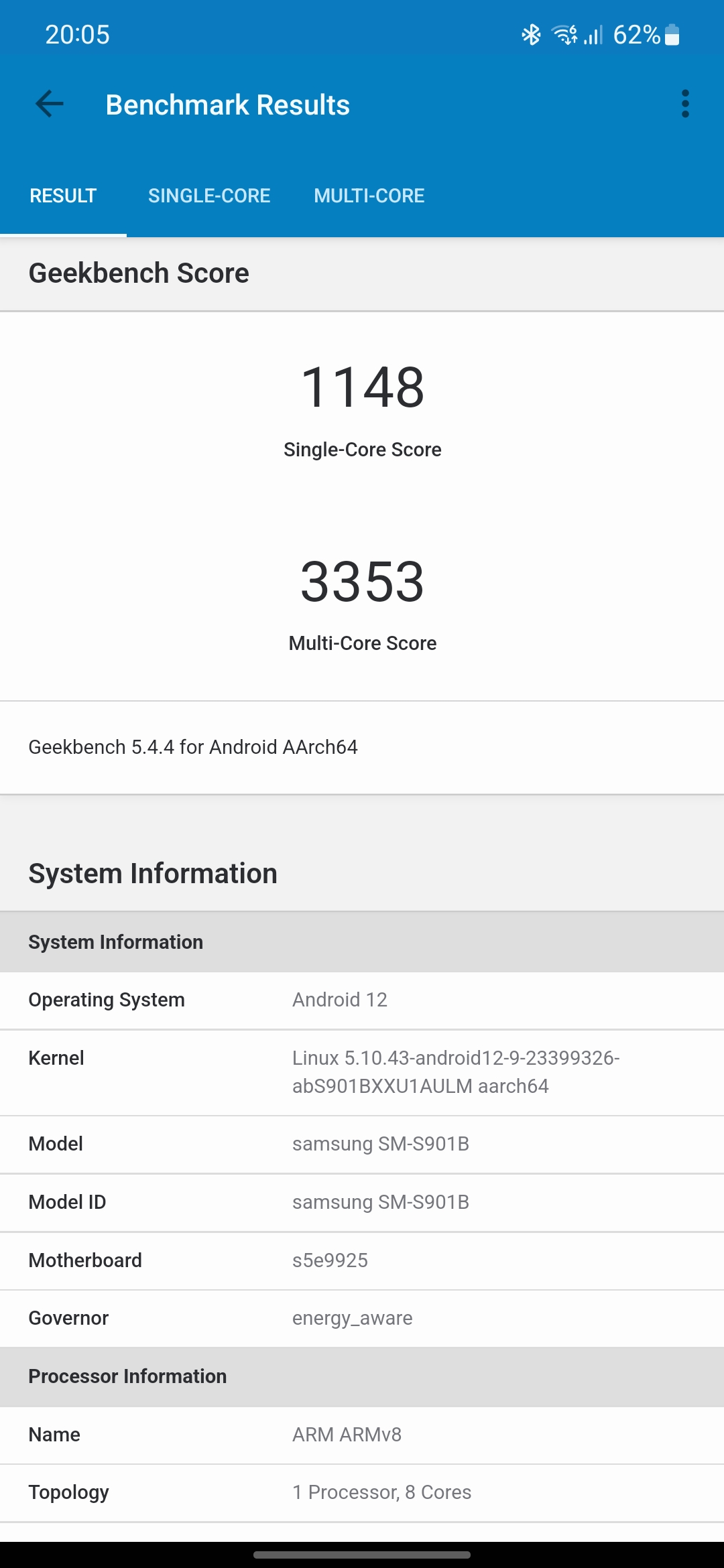
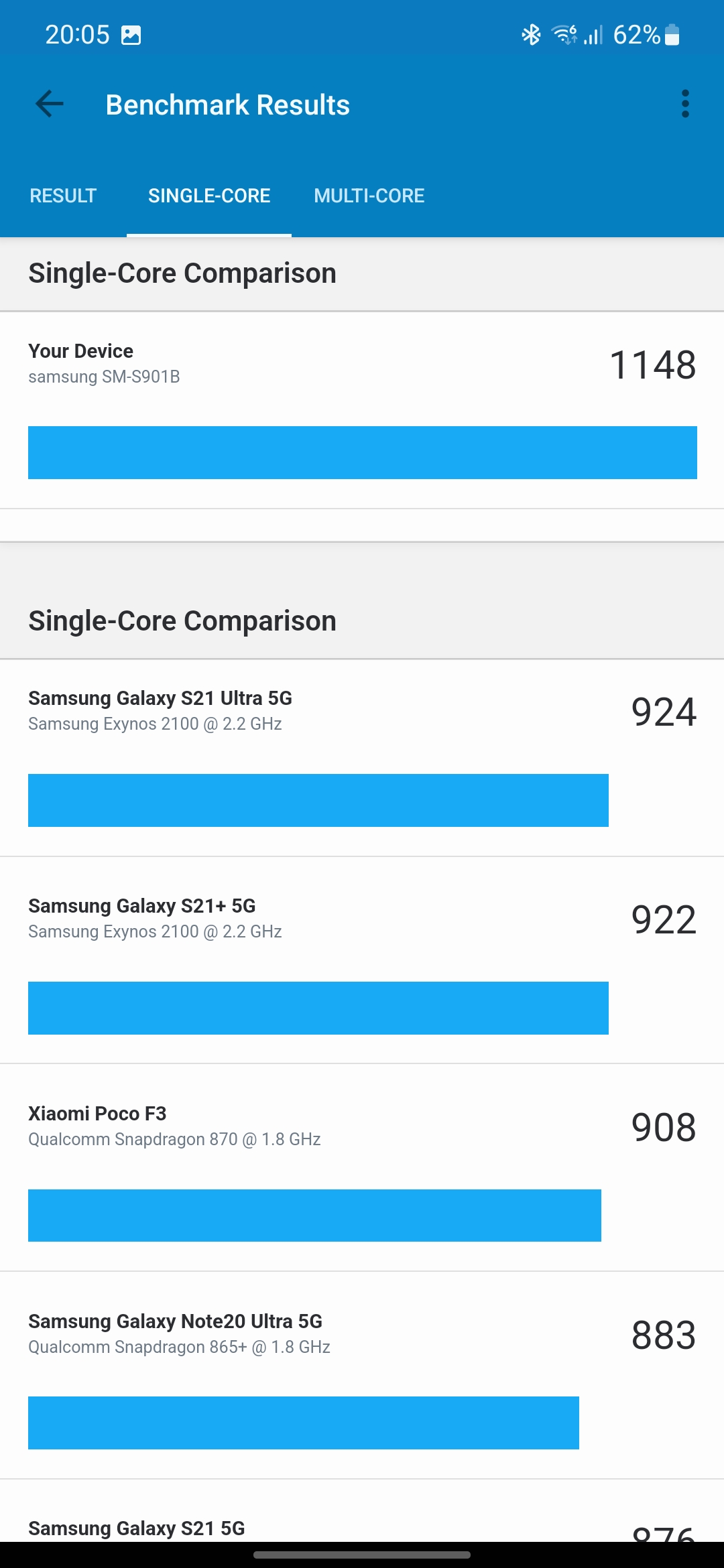
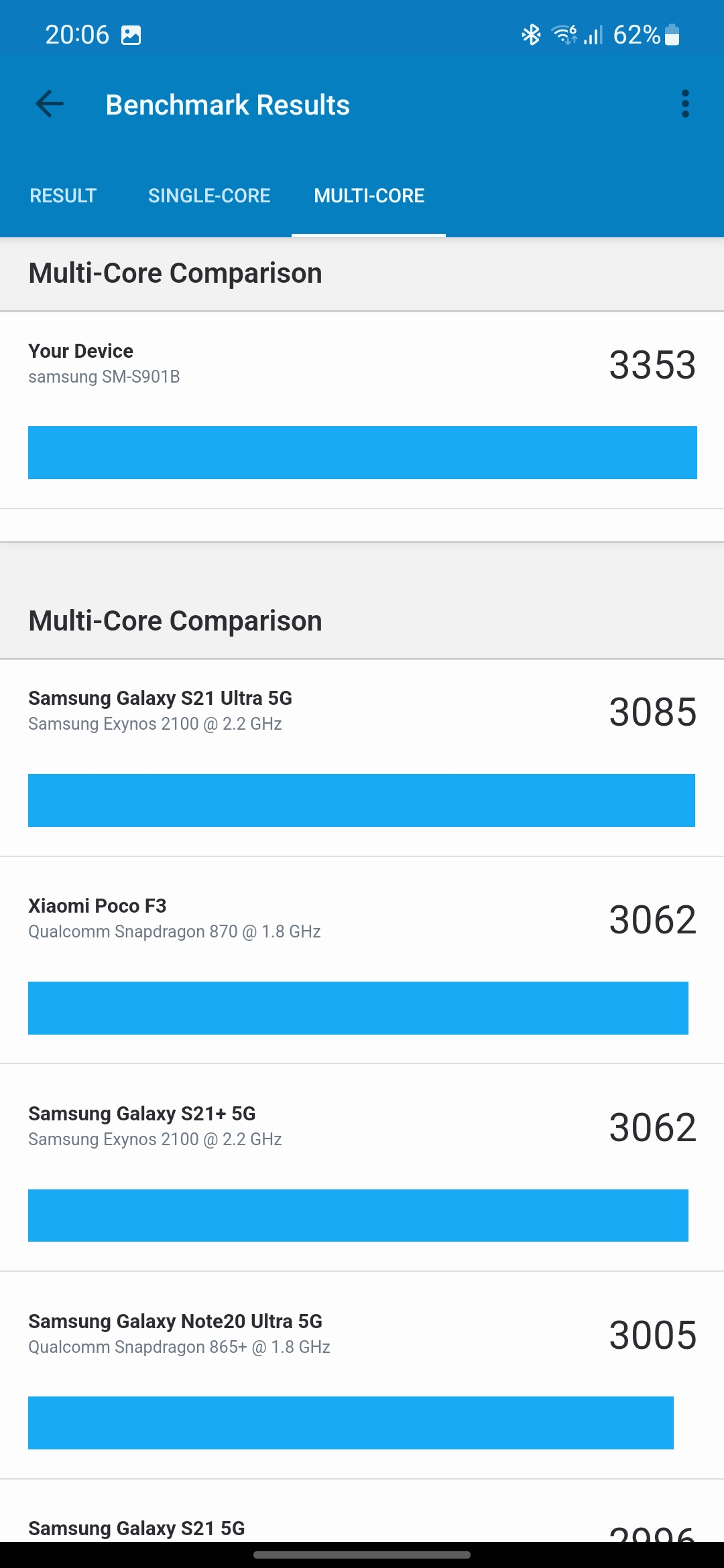
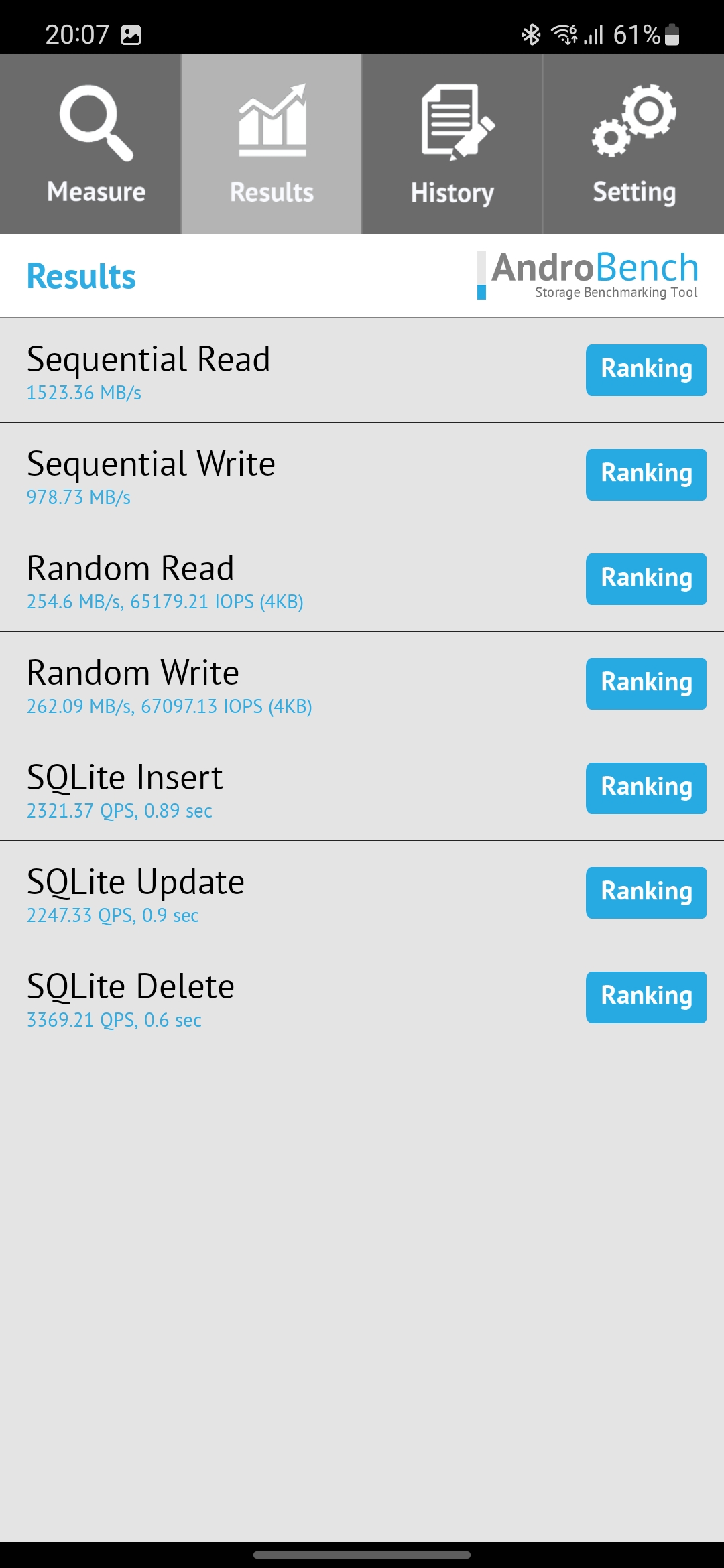
</ img>

</ img>
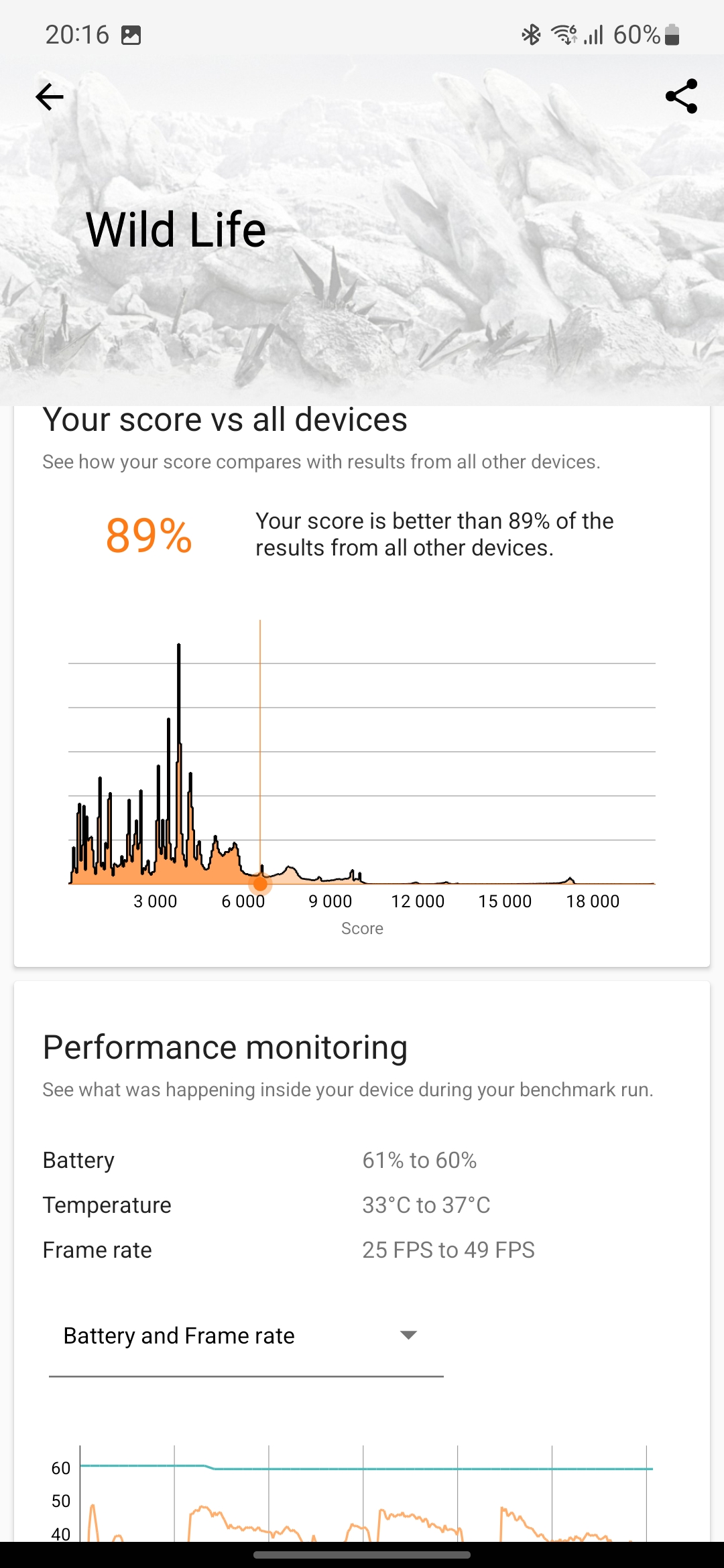
</ img>
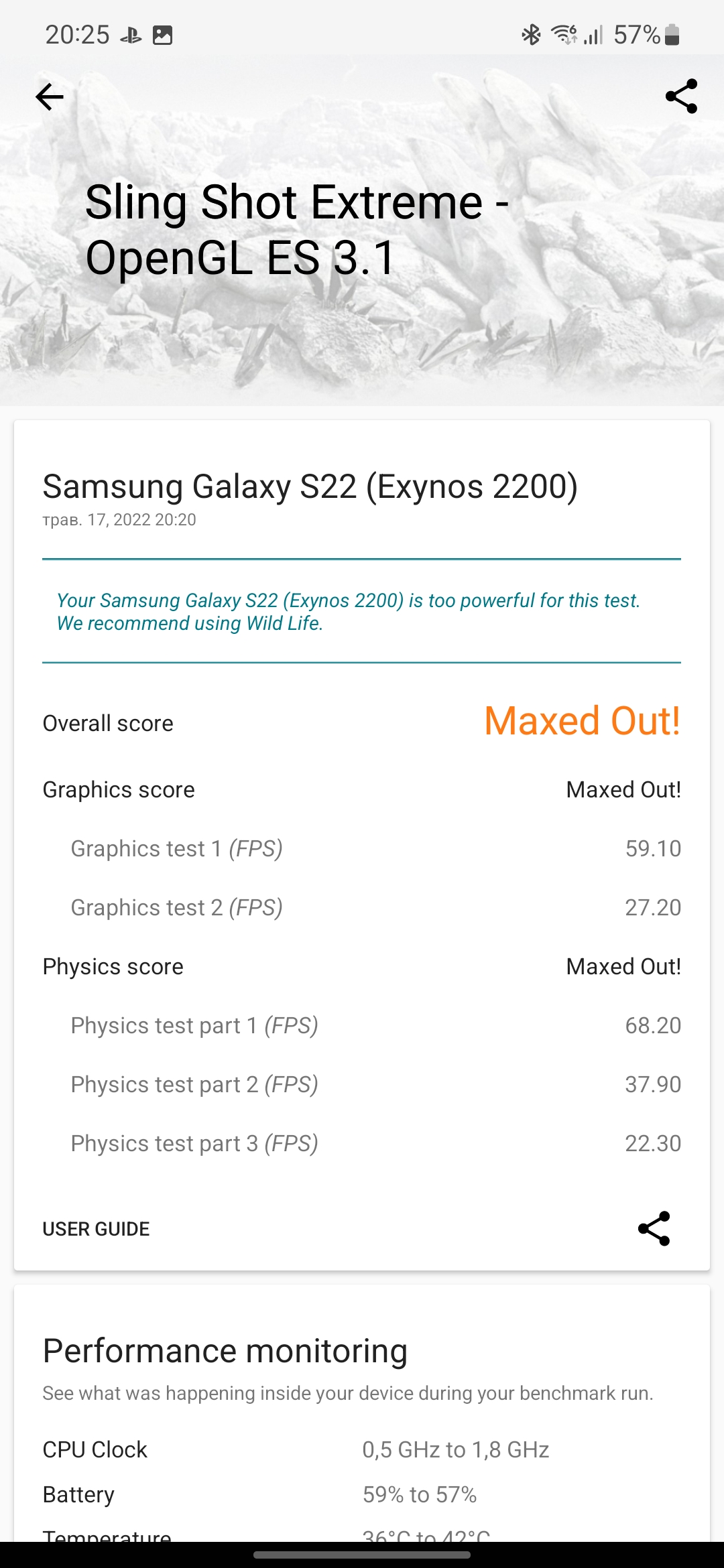
</ img>

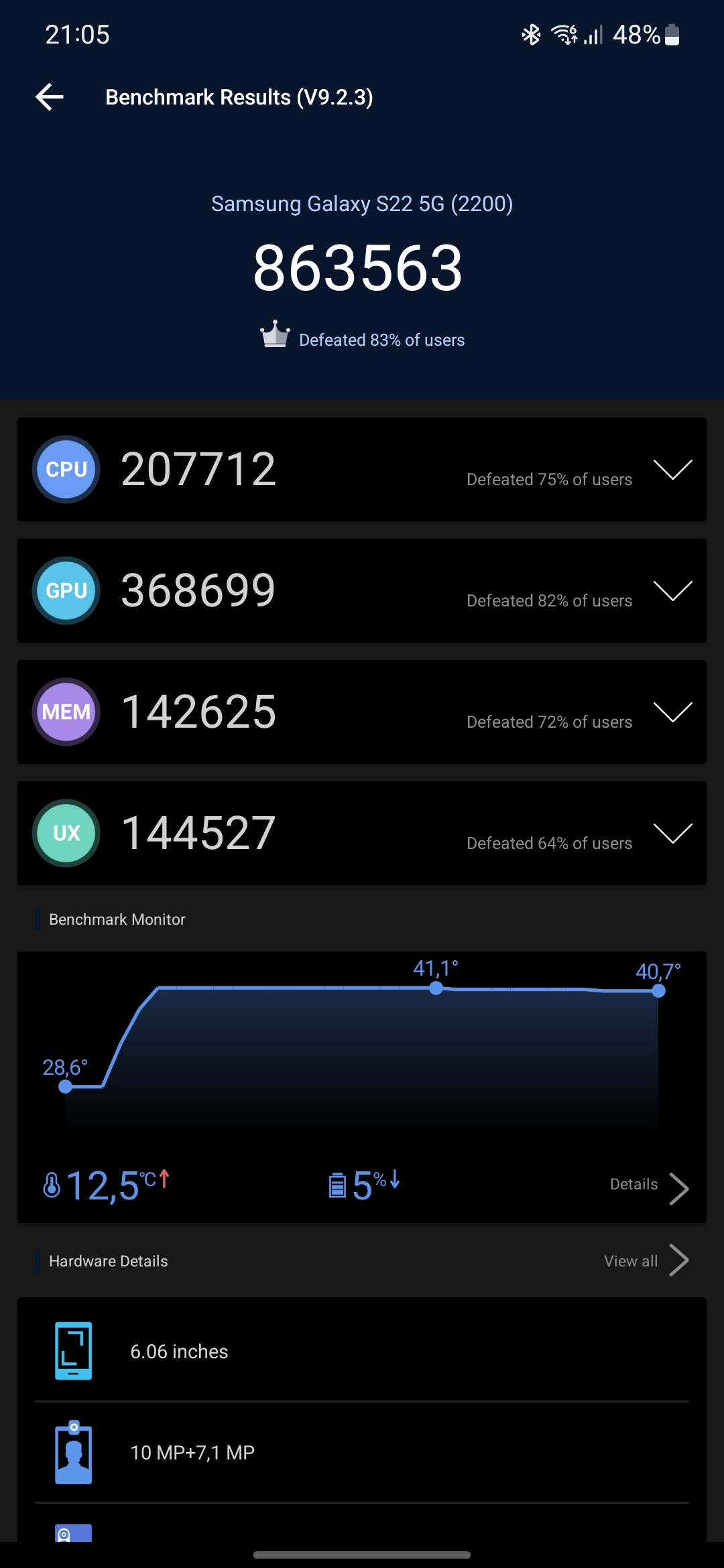
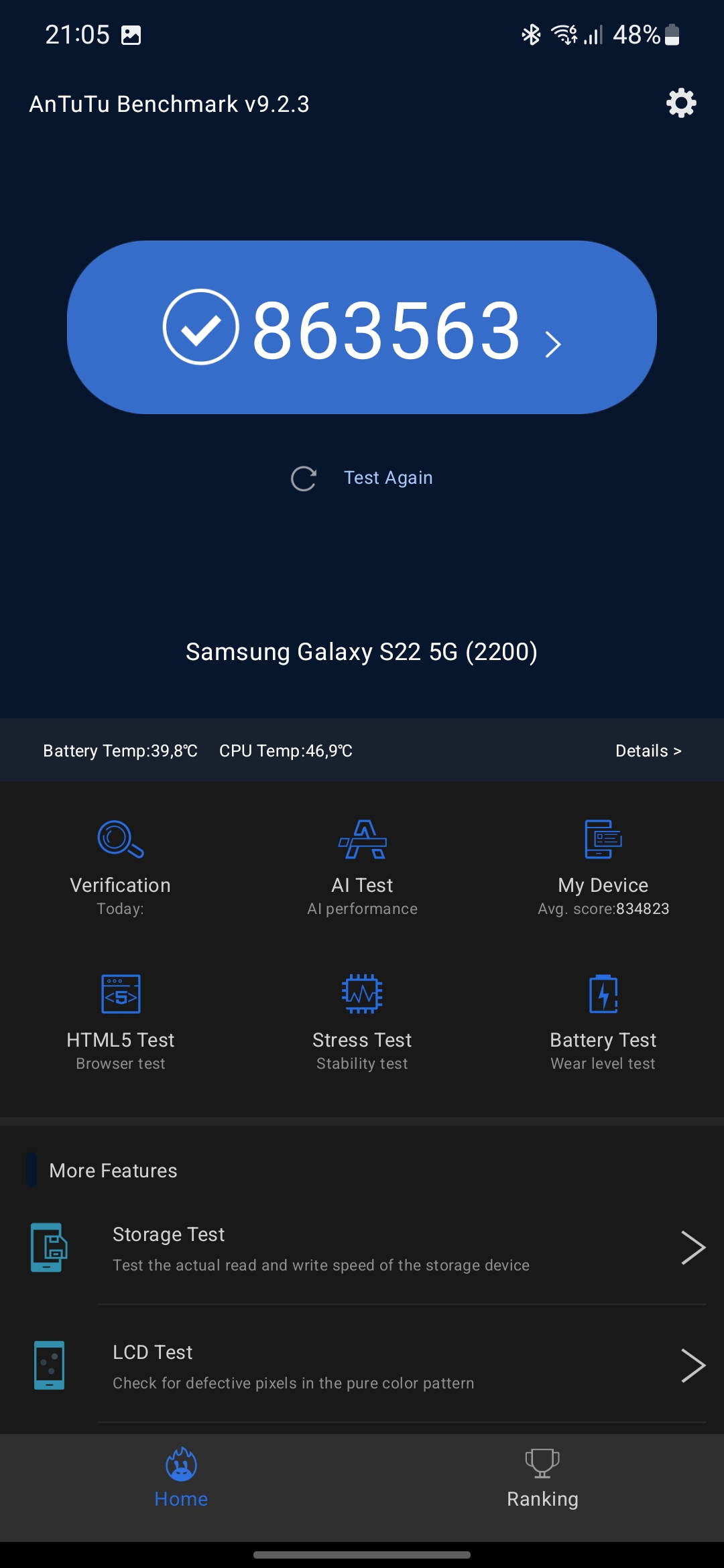
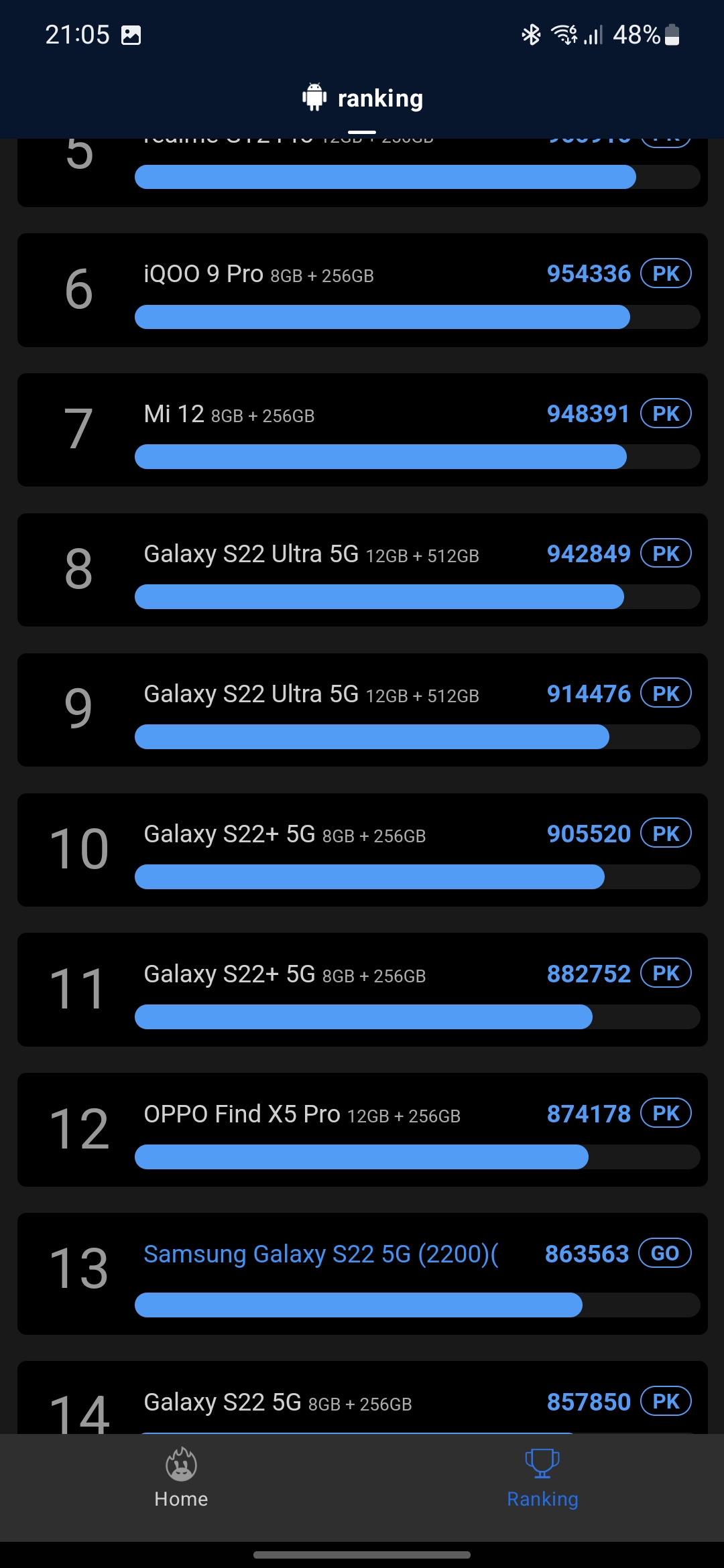
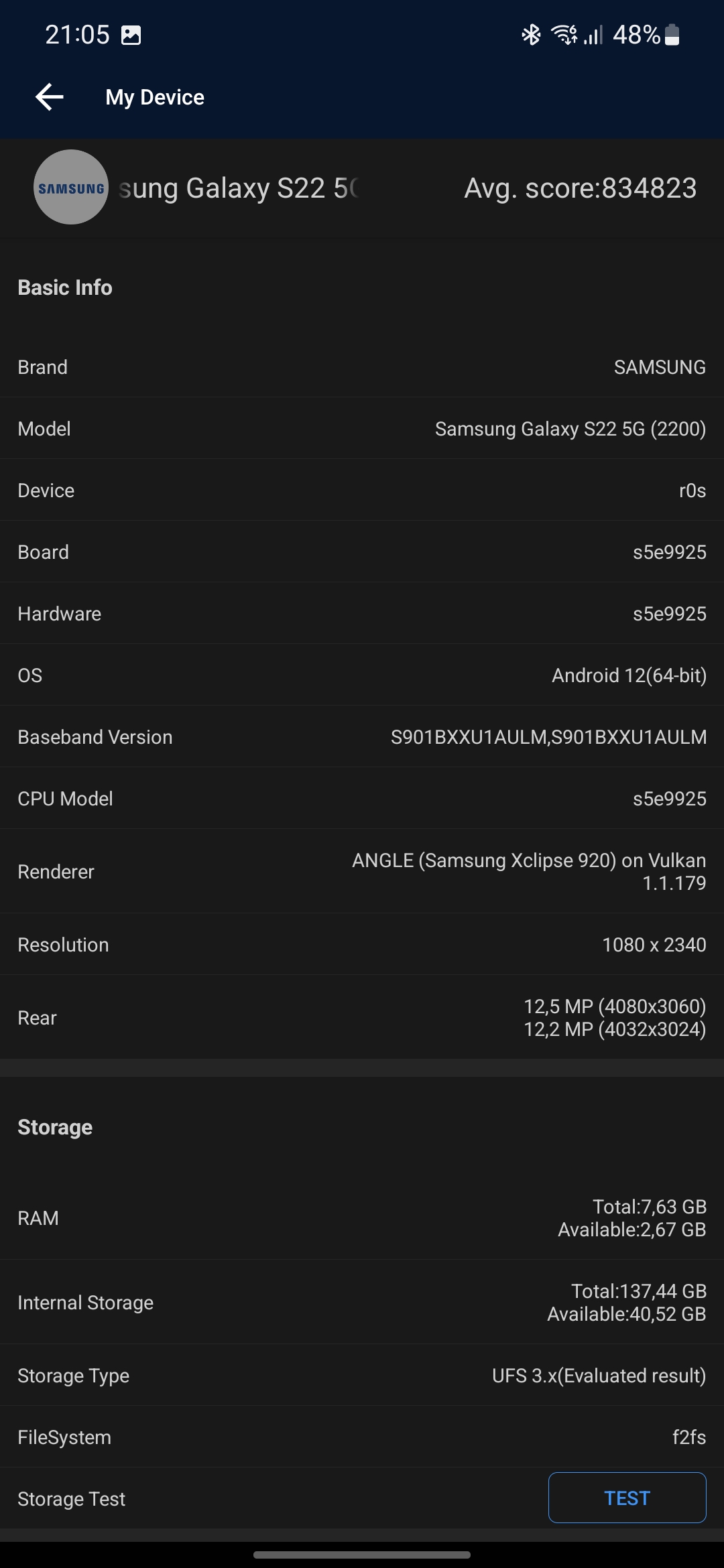
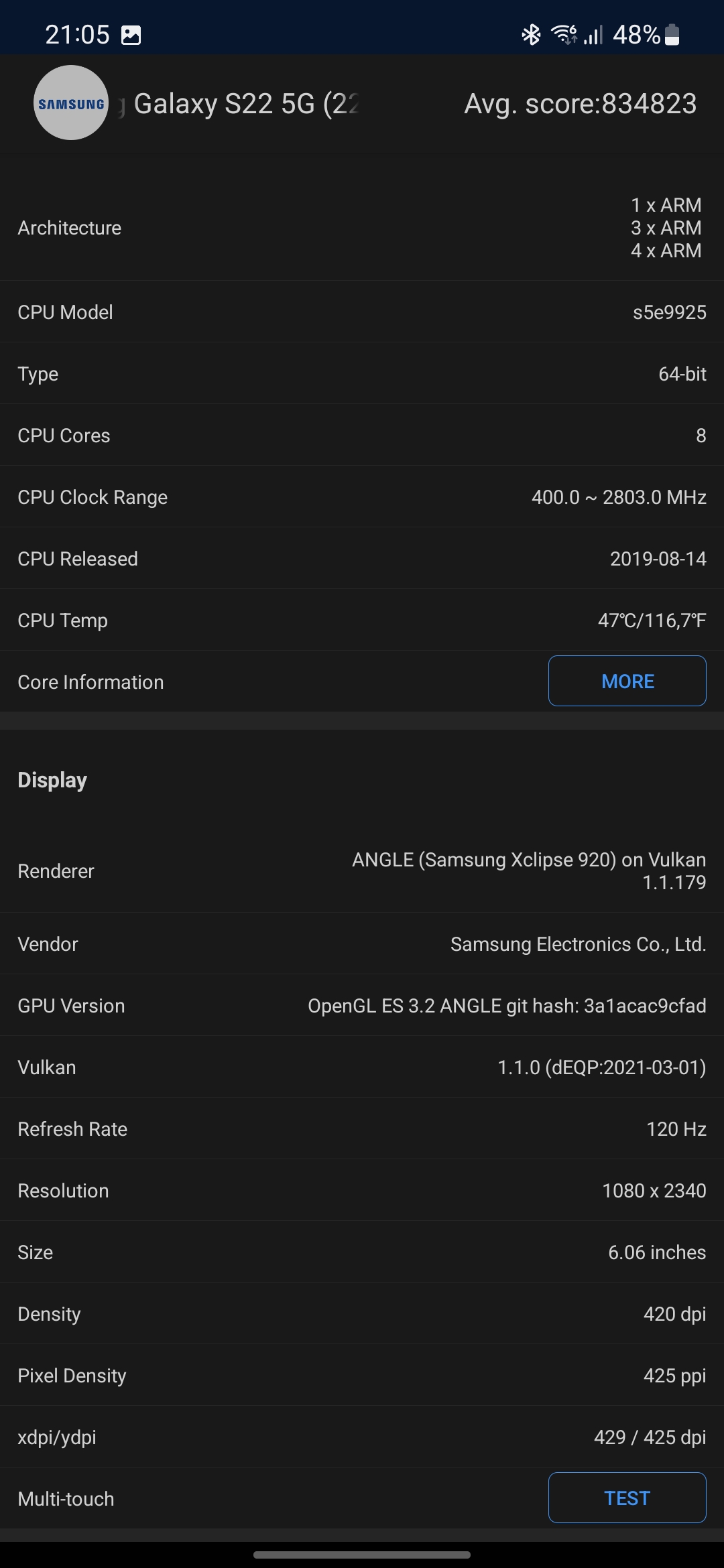
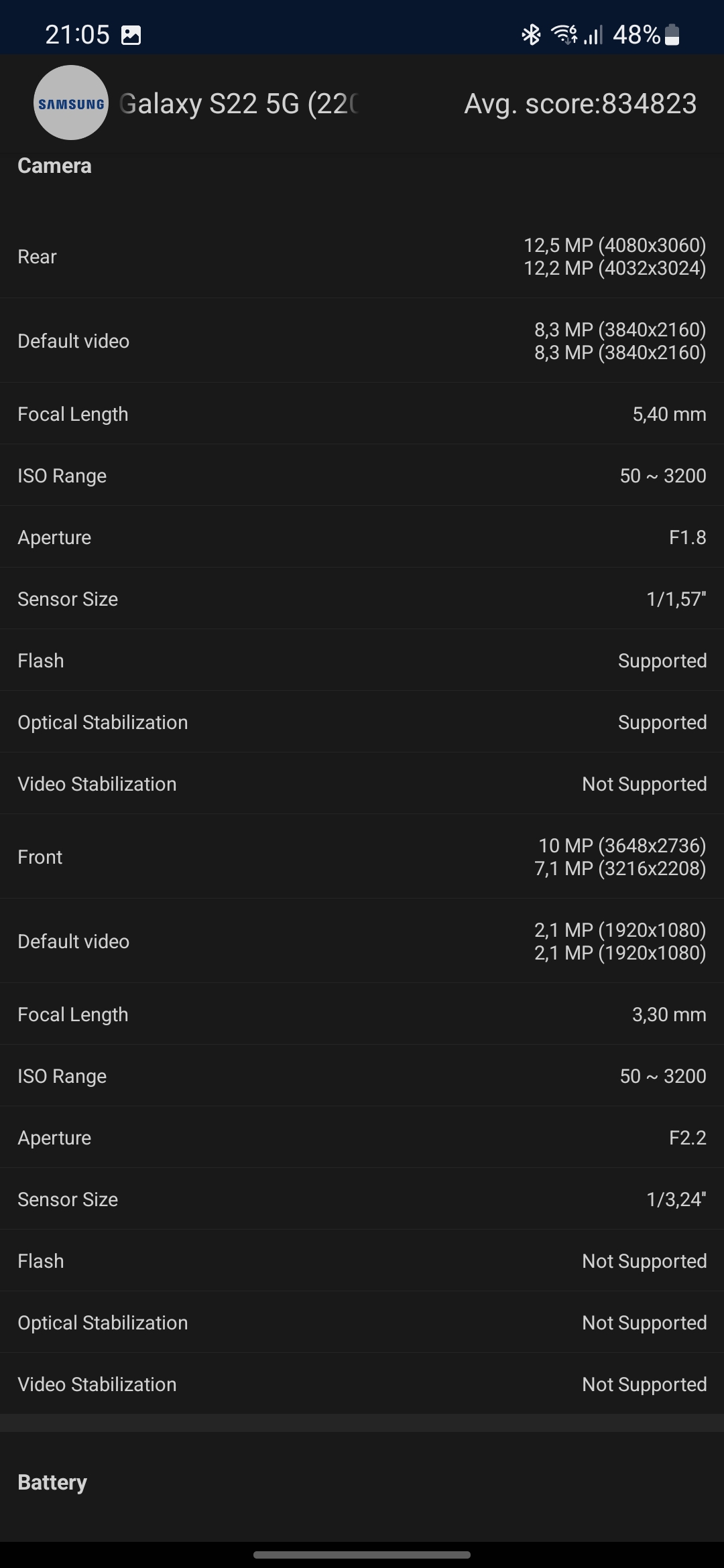
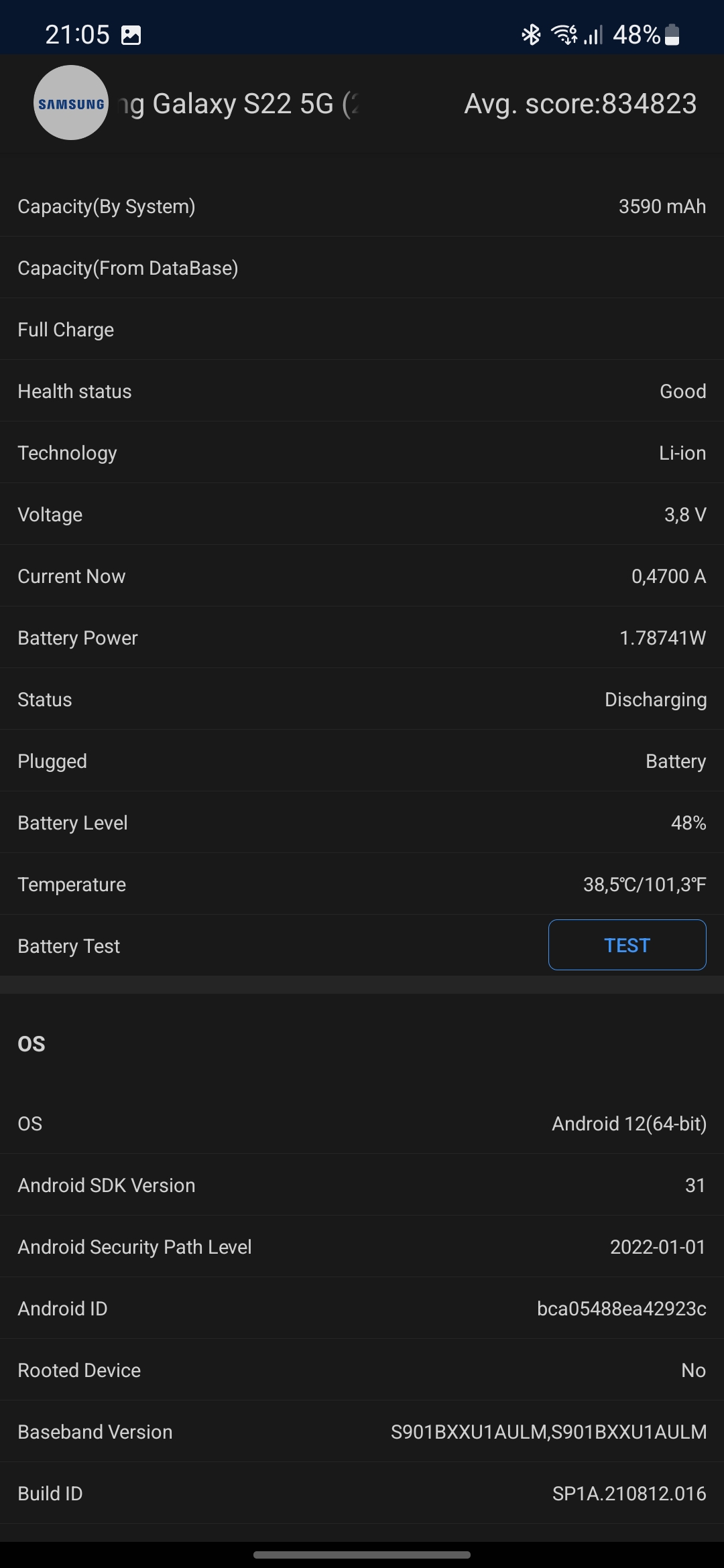
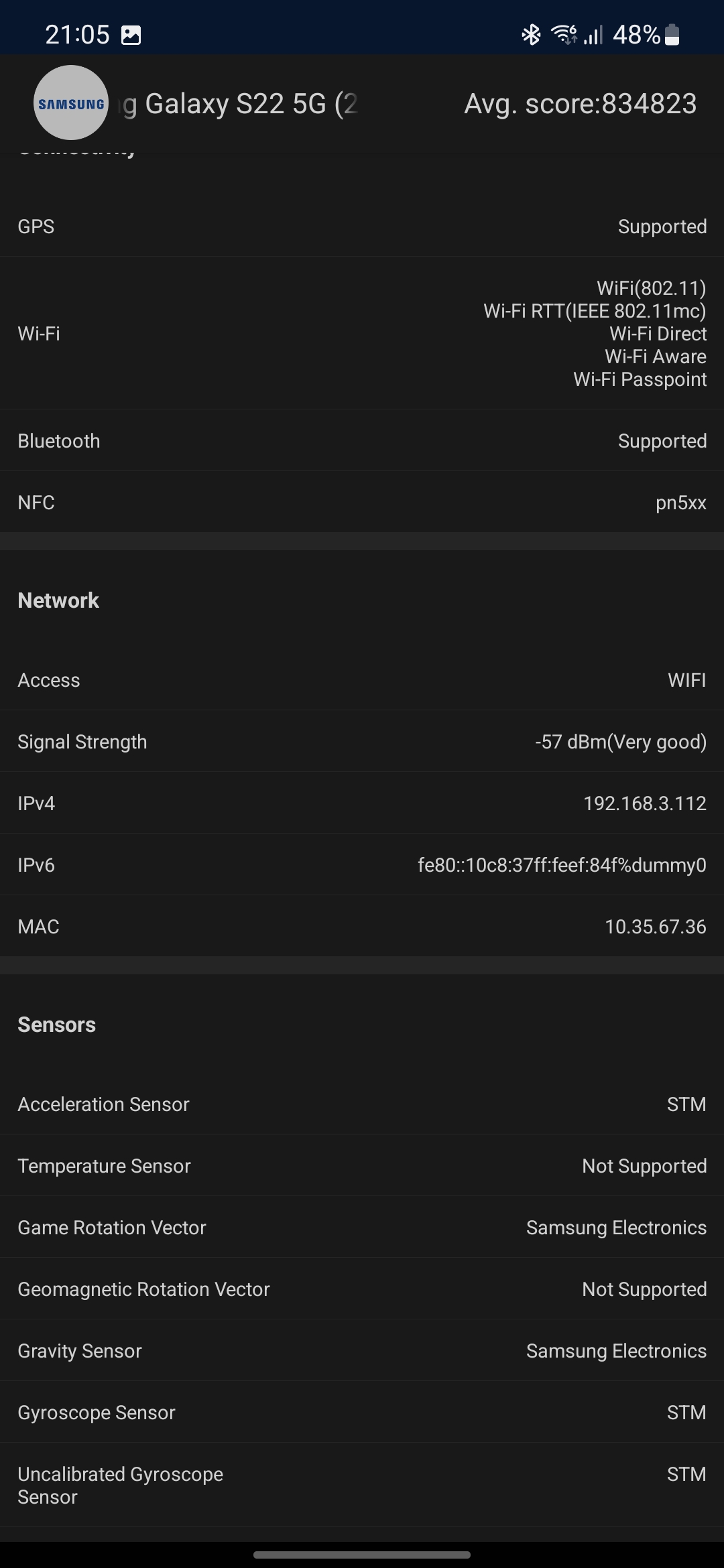







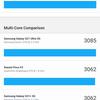

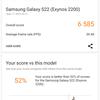
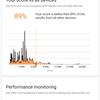
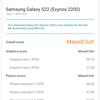








It is quite logical that the Galaxy S22+ demonstrates similar results in synthetic tests, but for those who are interested, you can see:
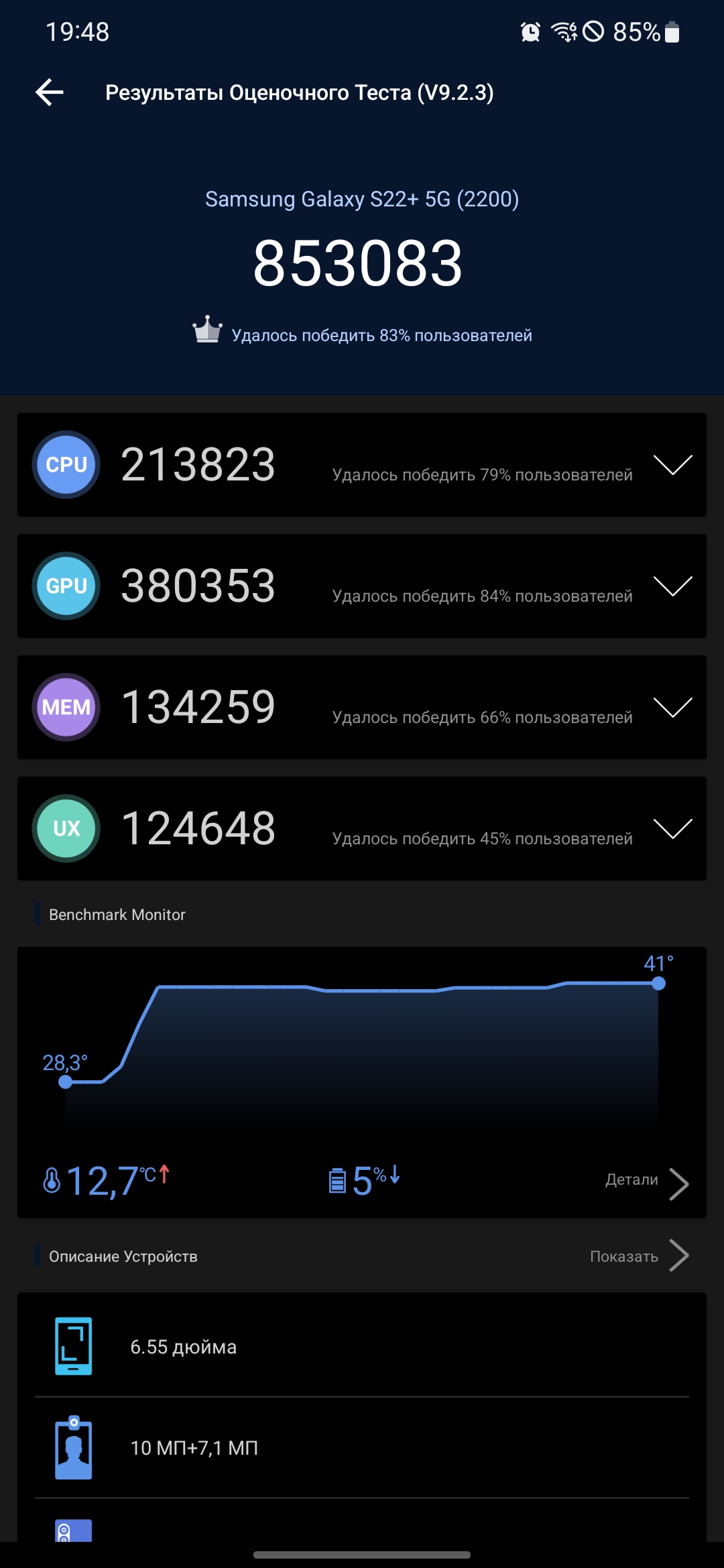
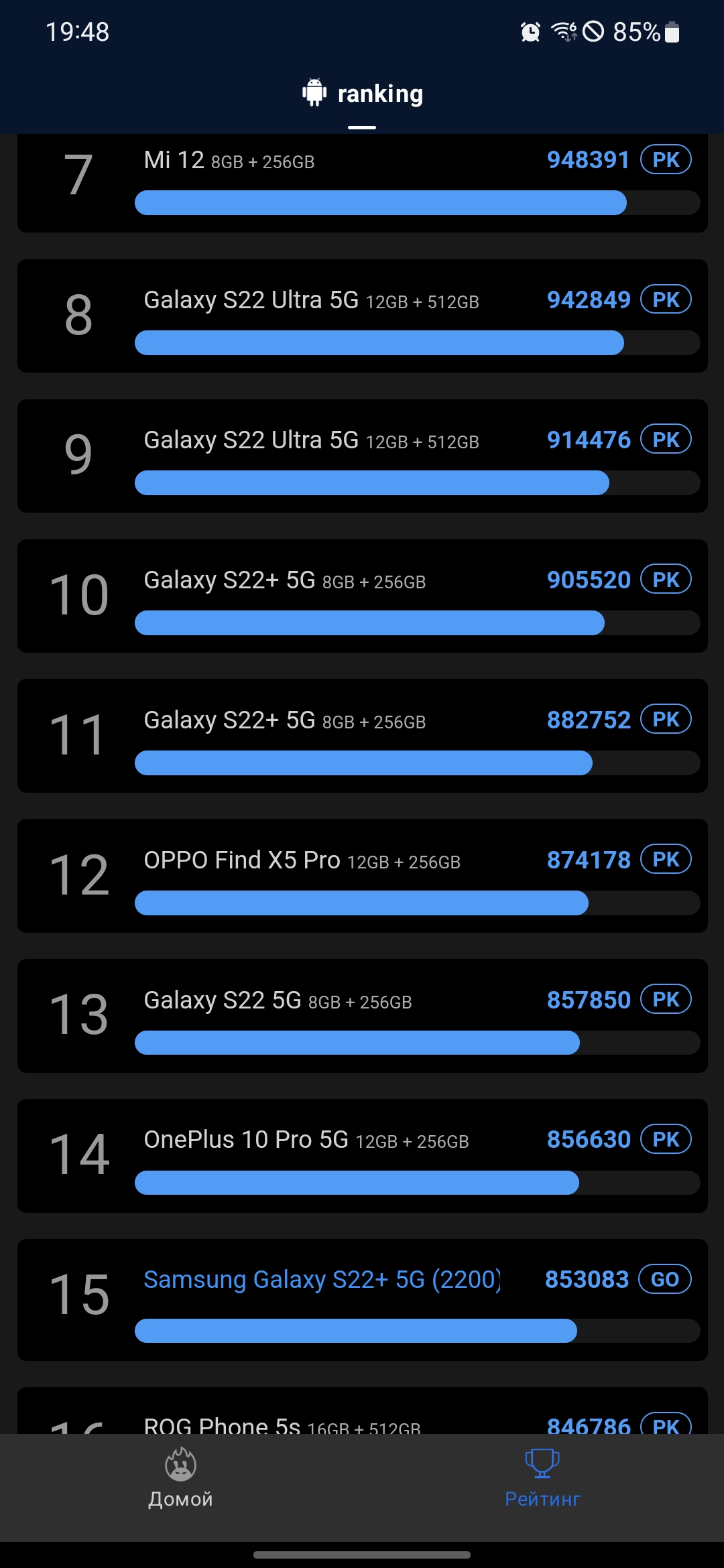
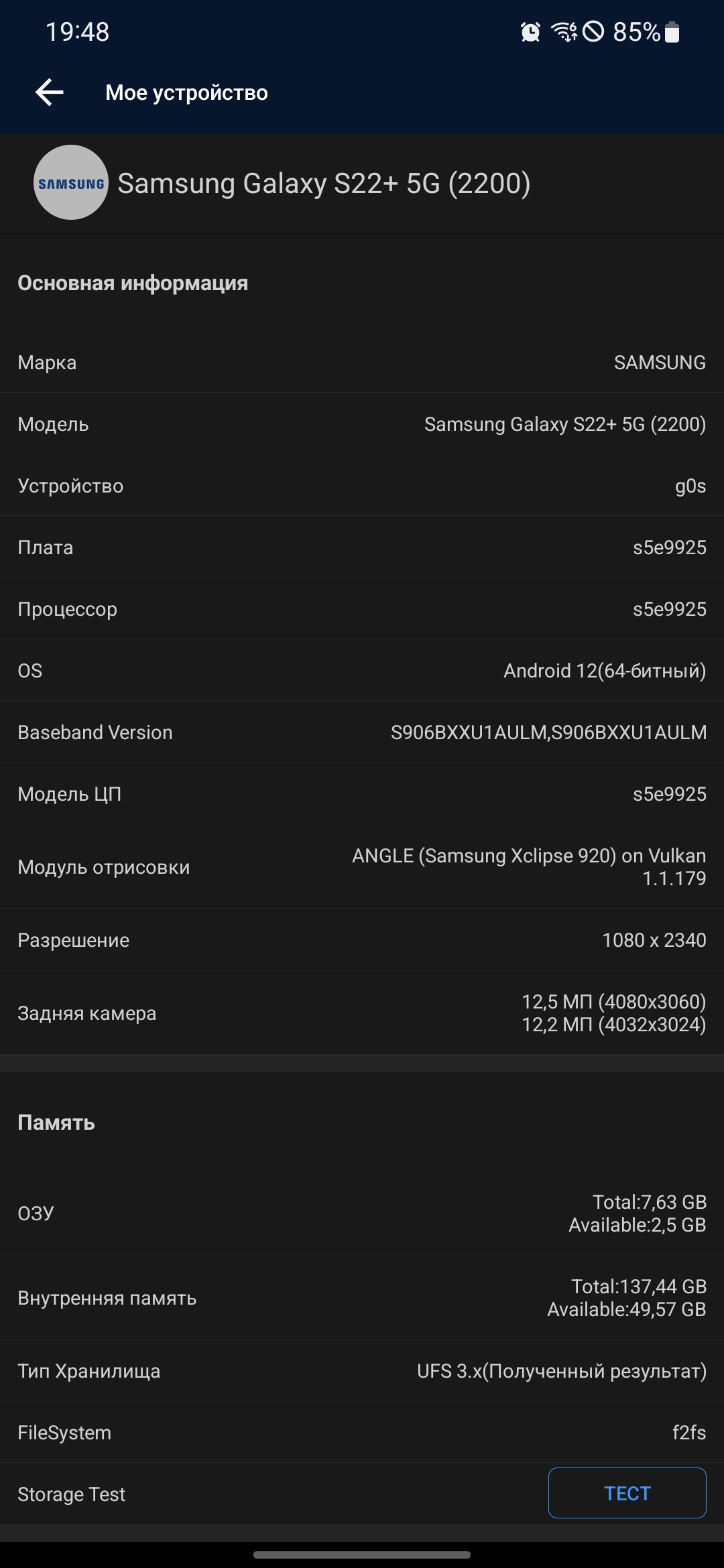

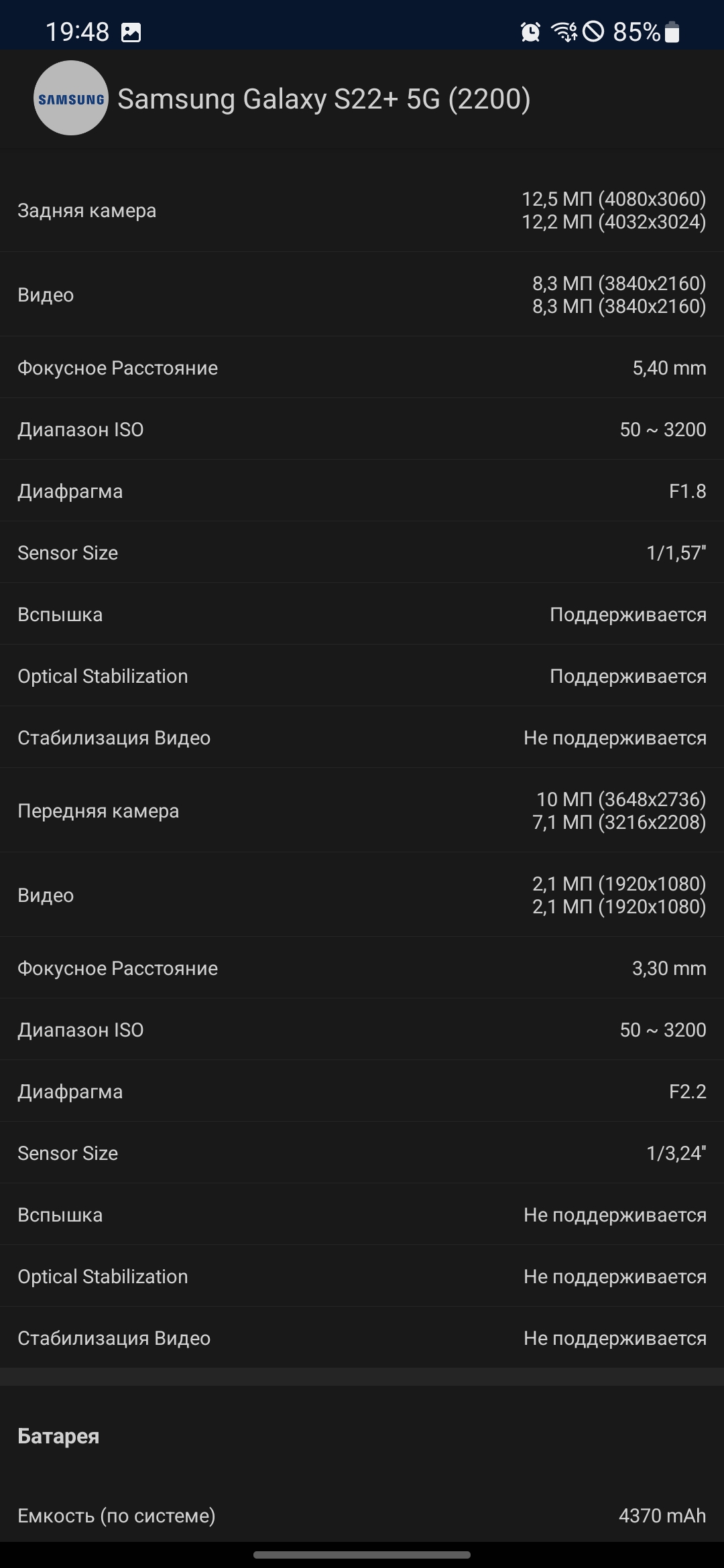
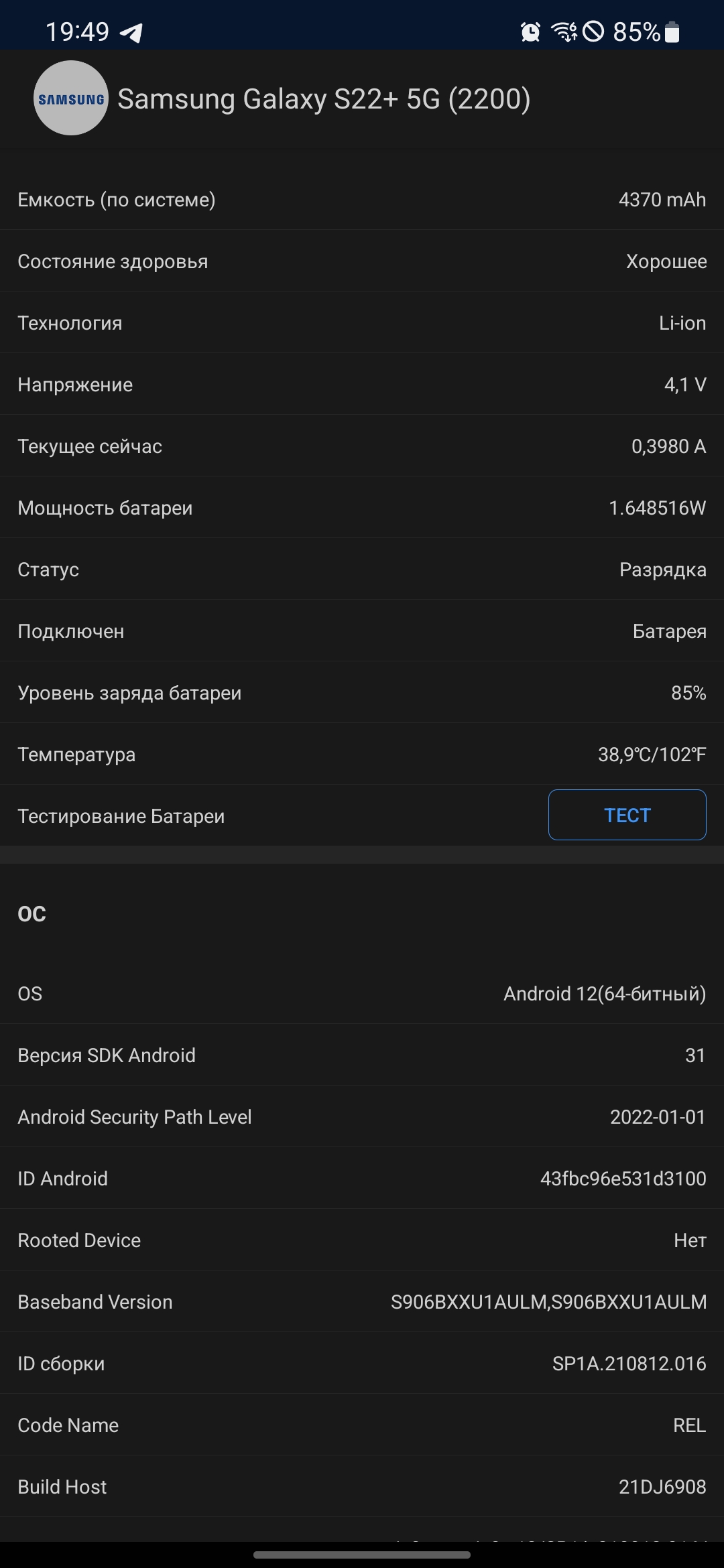
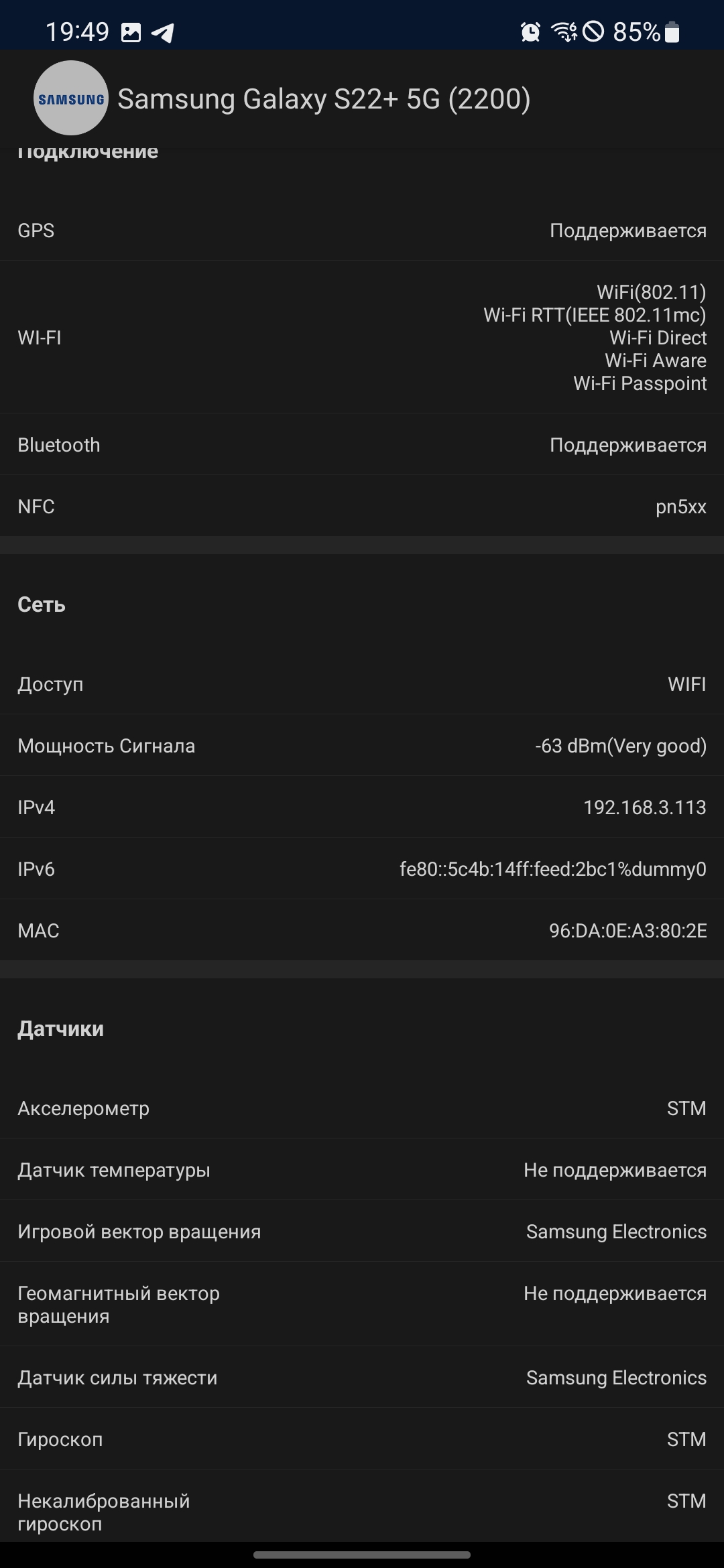
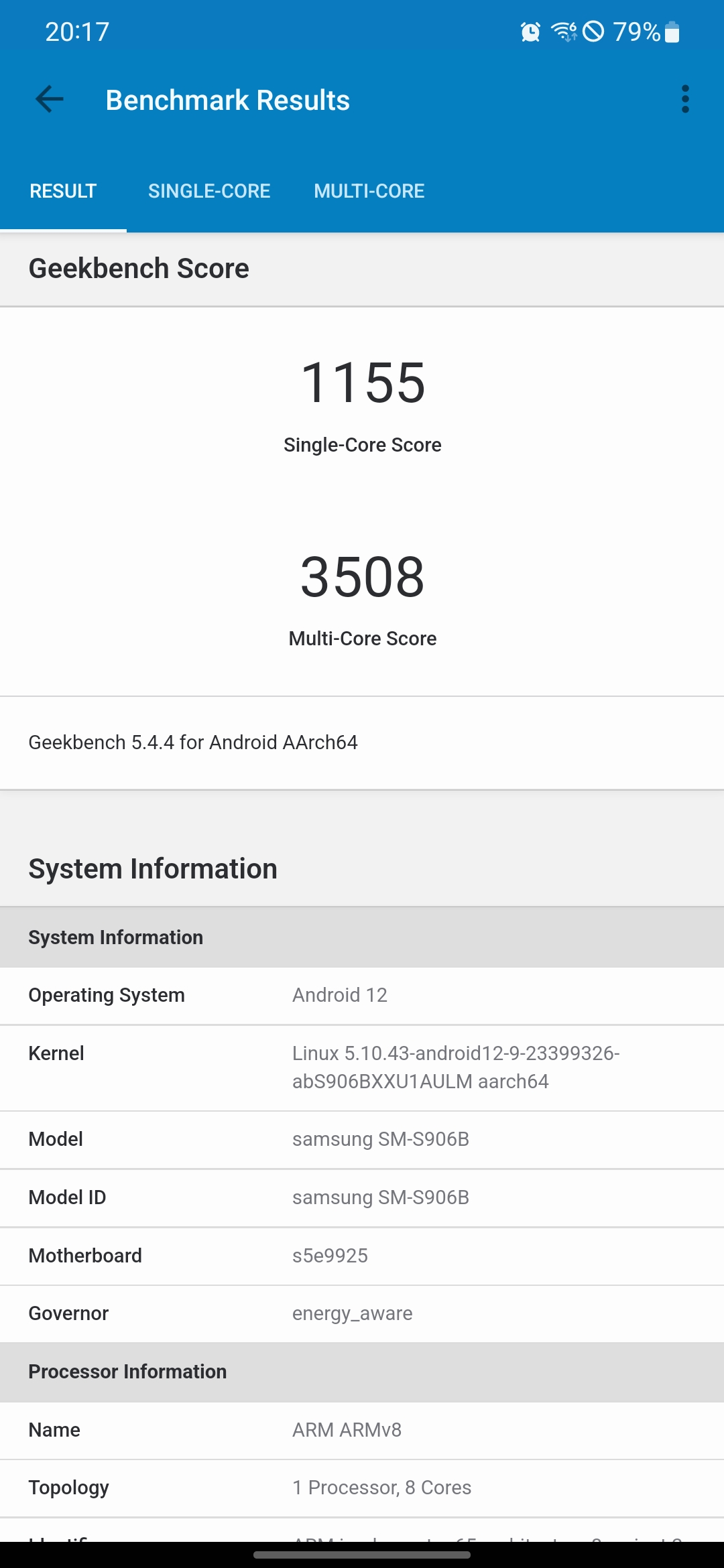
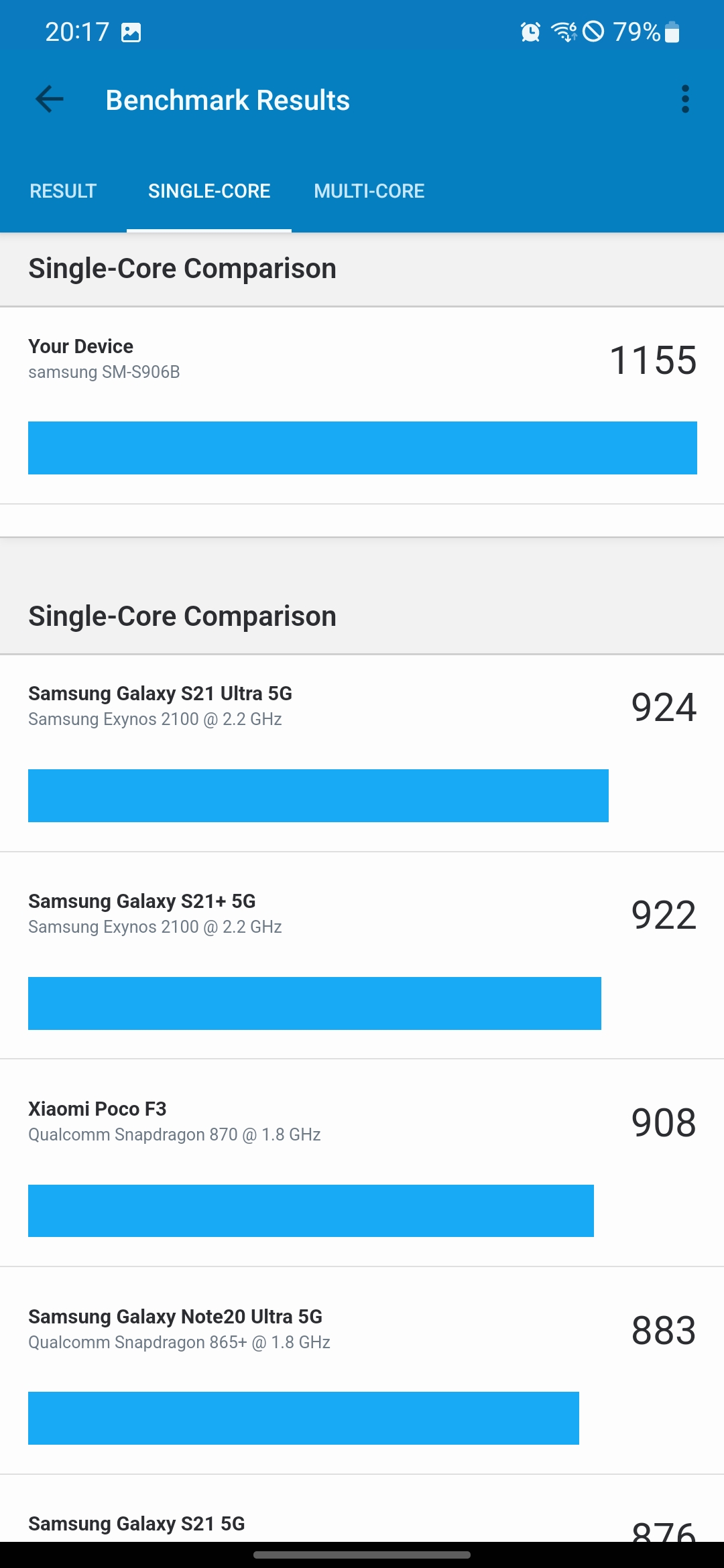
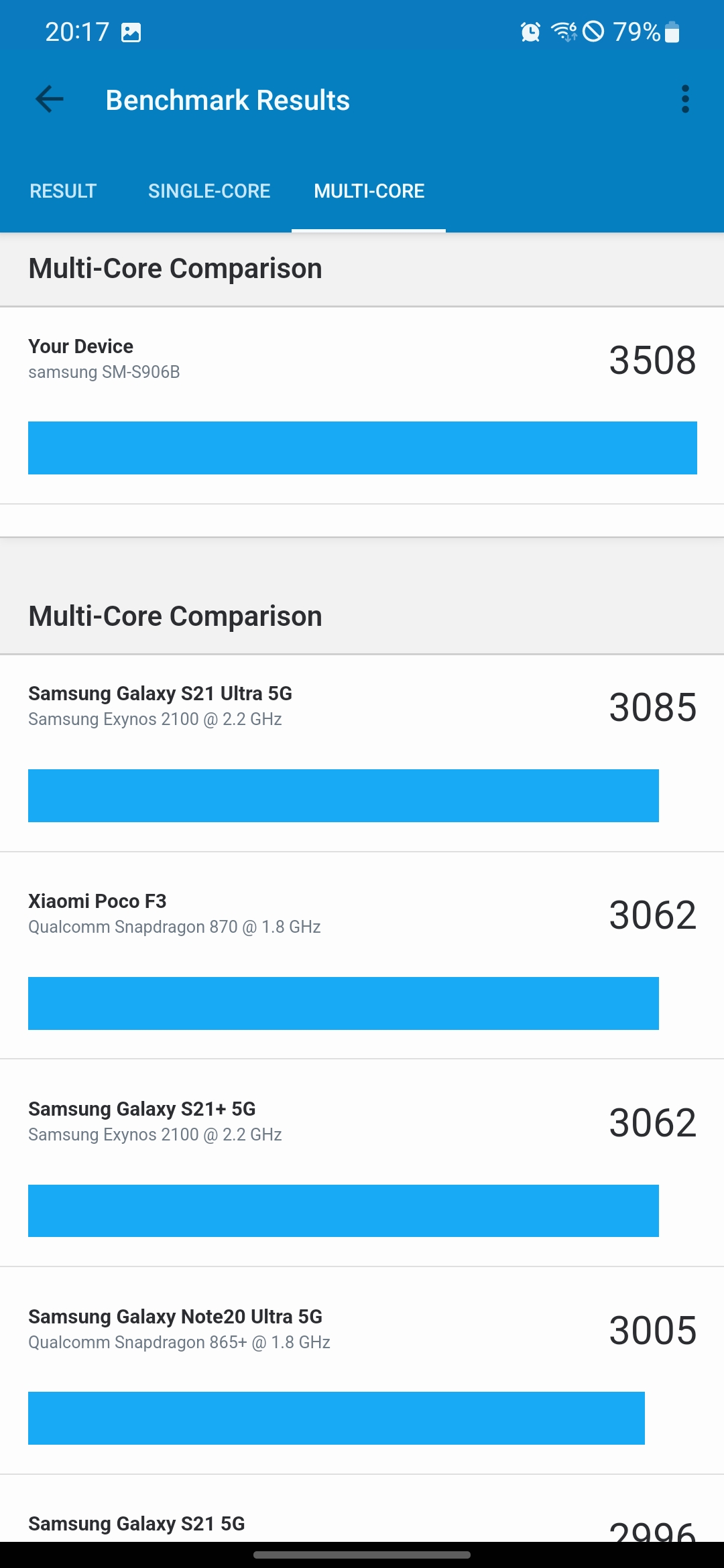
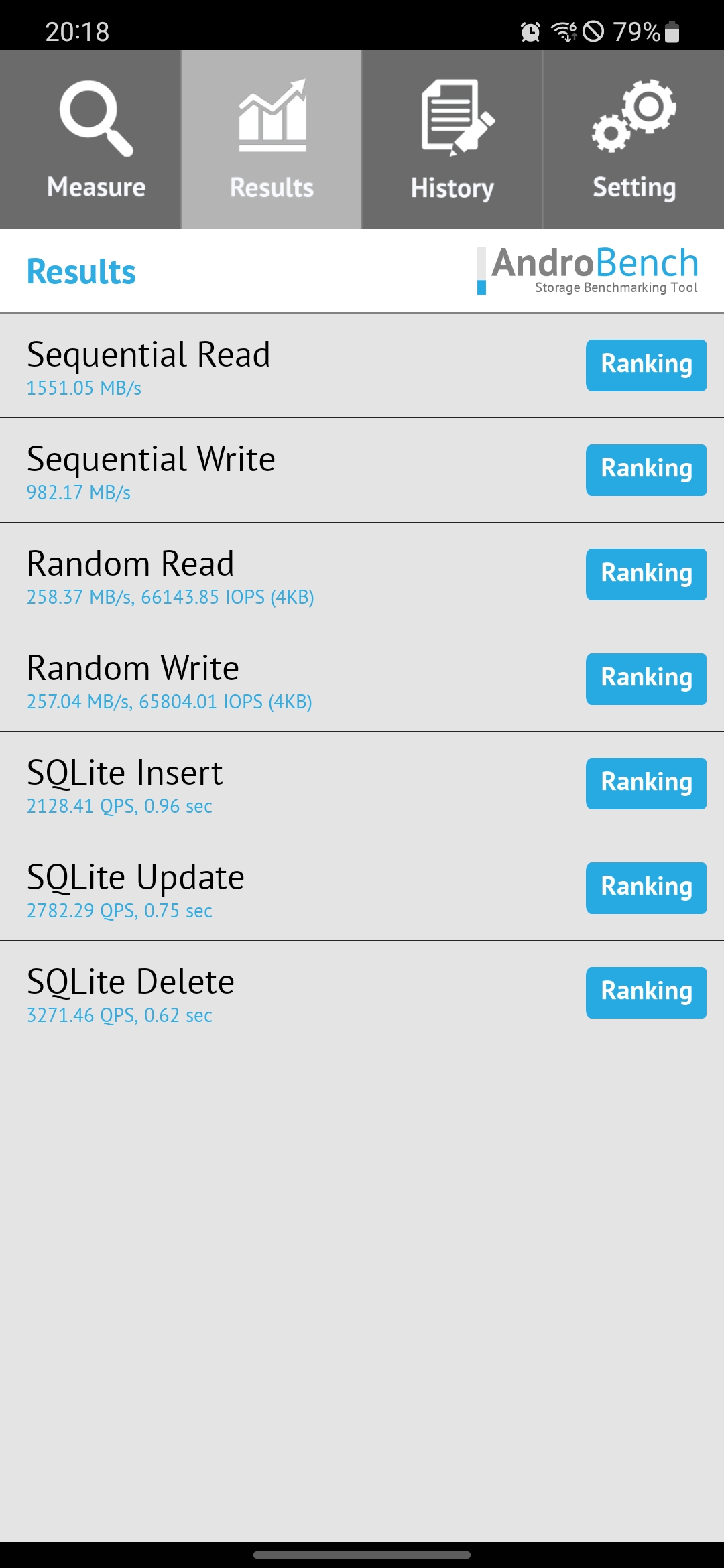
</ img>

</ img>
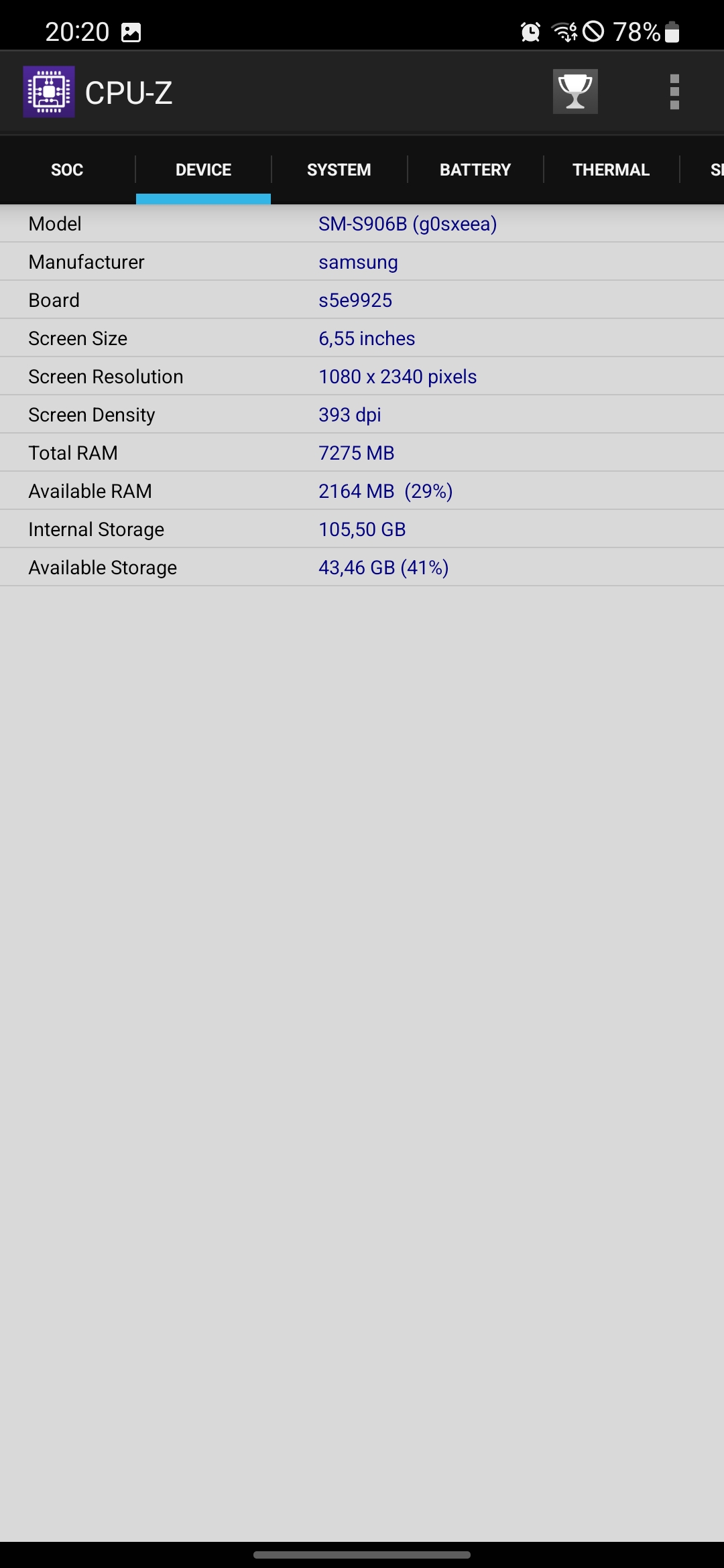
</ img>
</ img>
</ img>
</ img>
</ img>
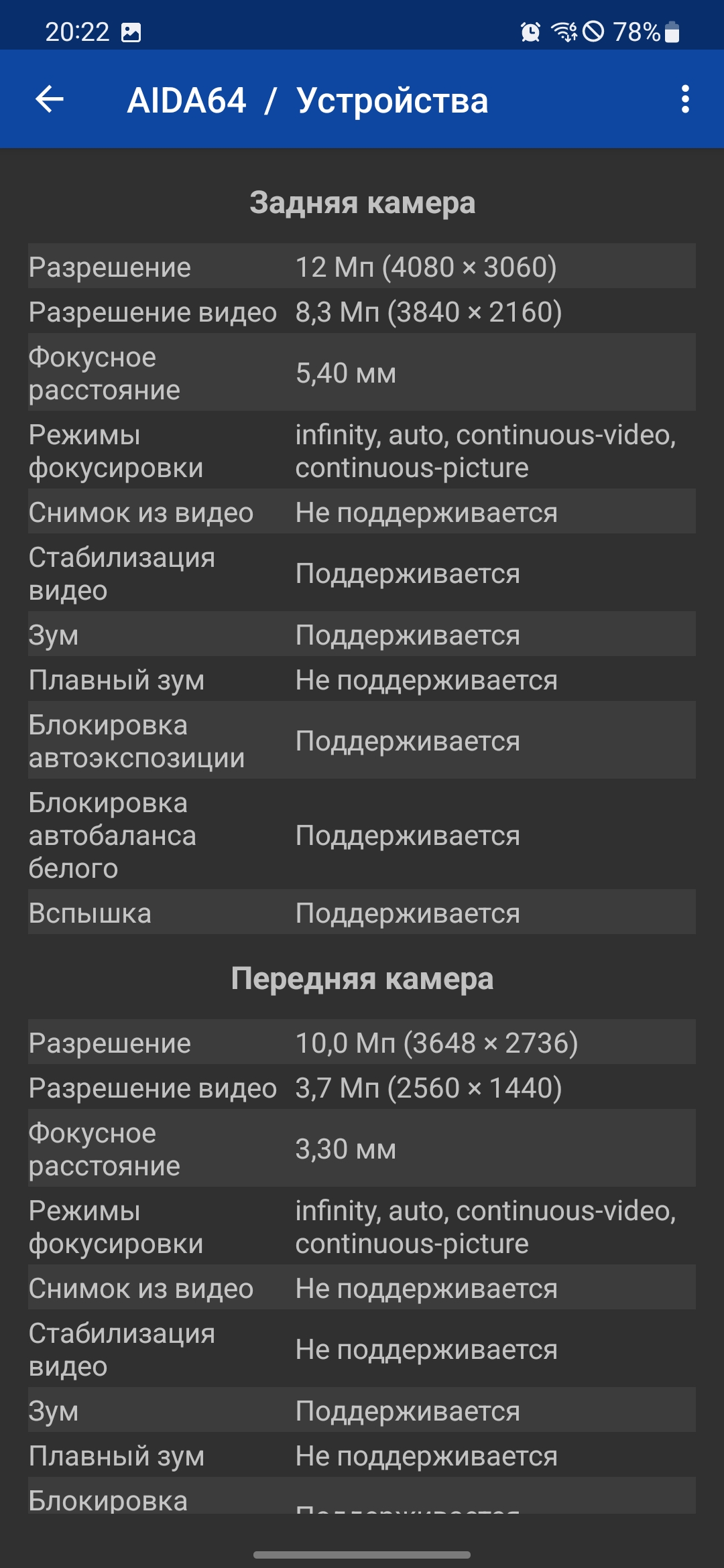
</ img>
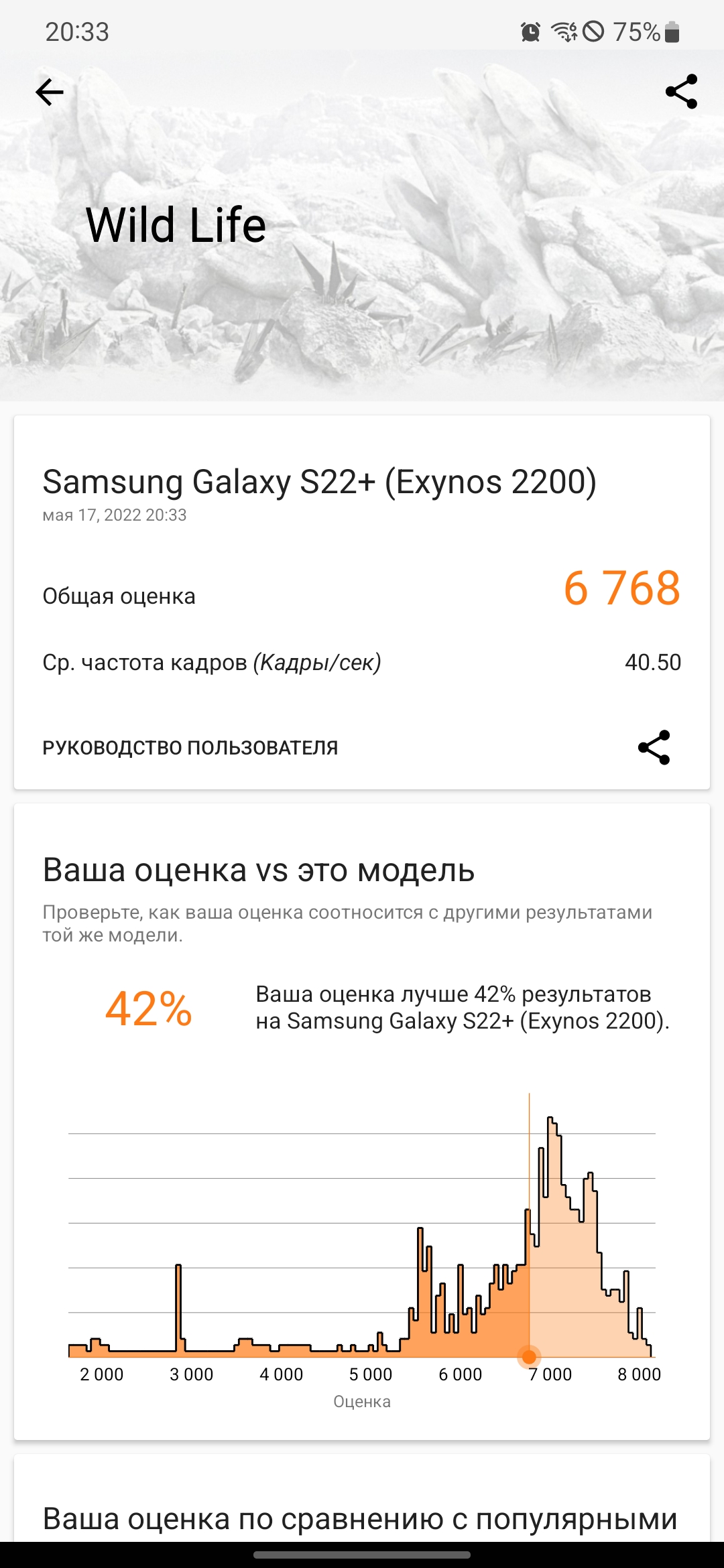
</ img>

</ img>
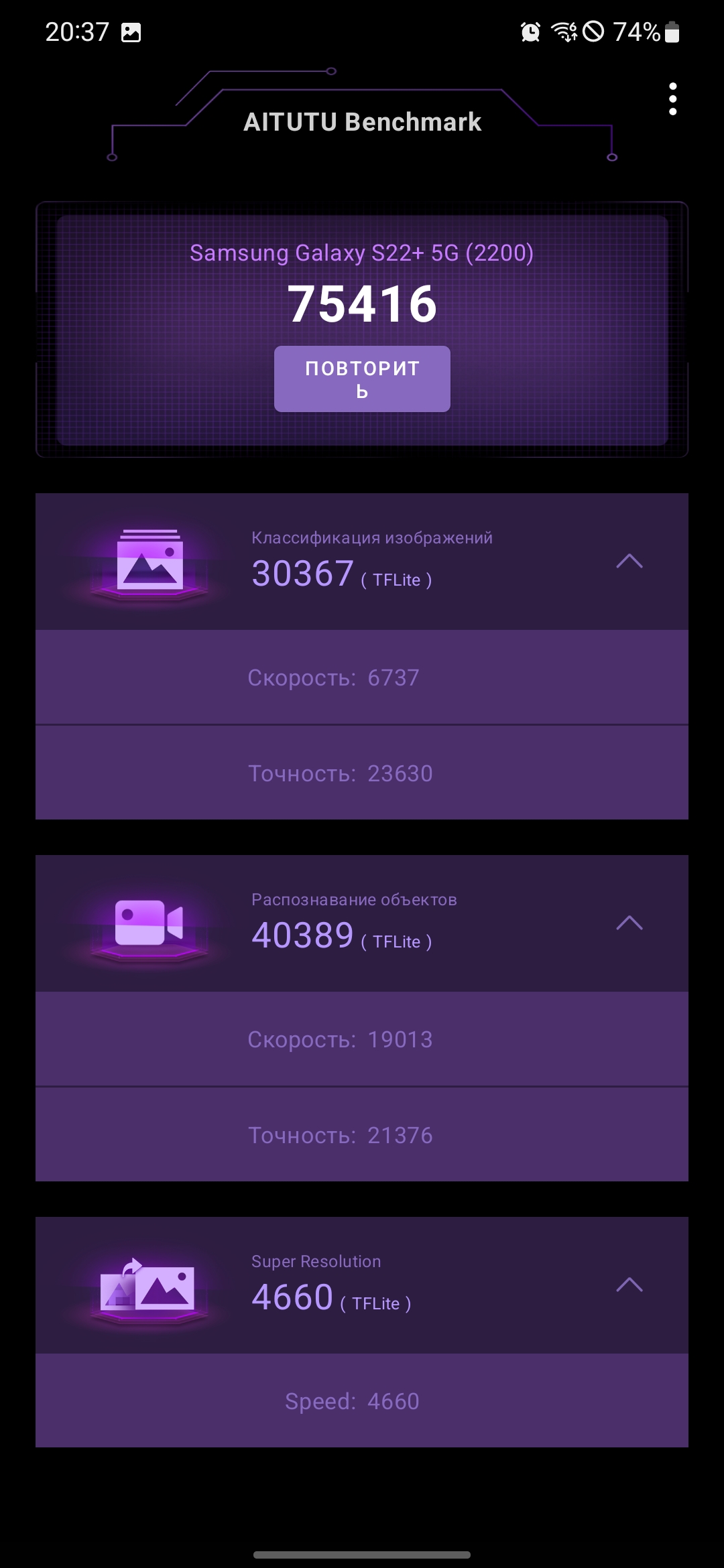







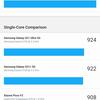
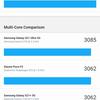








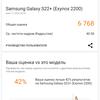
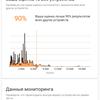

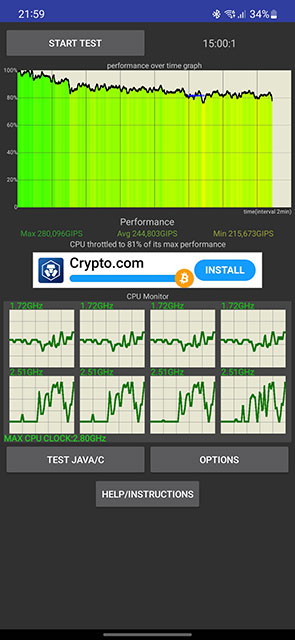
The CPU Throttling Test showed that under prolonged loads, the Samsung Galaxy S22 performance drops to an average of 81%. The case near the camera becomes noticeably warm.
</ img>
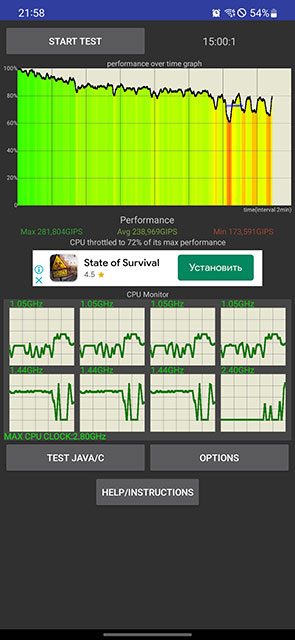
Samsung Galaxy S22+ showed itself a little worse in this regard: performance drops to about 72%.
</ img>
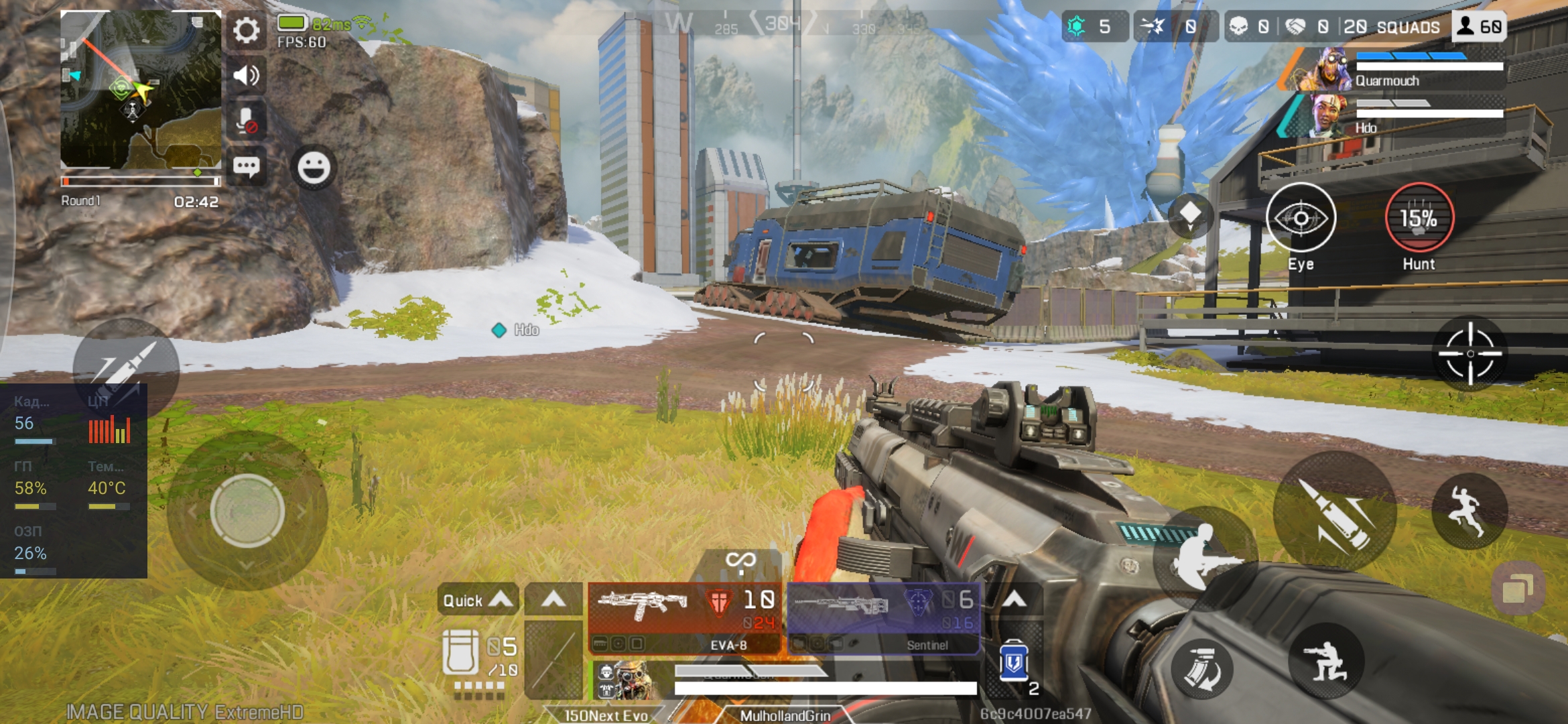
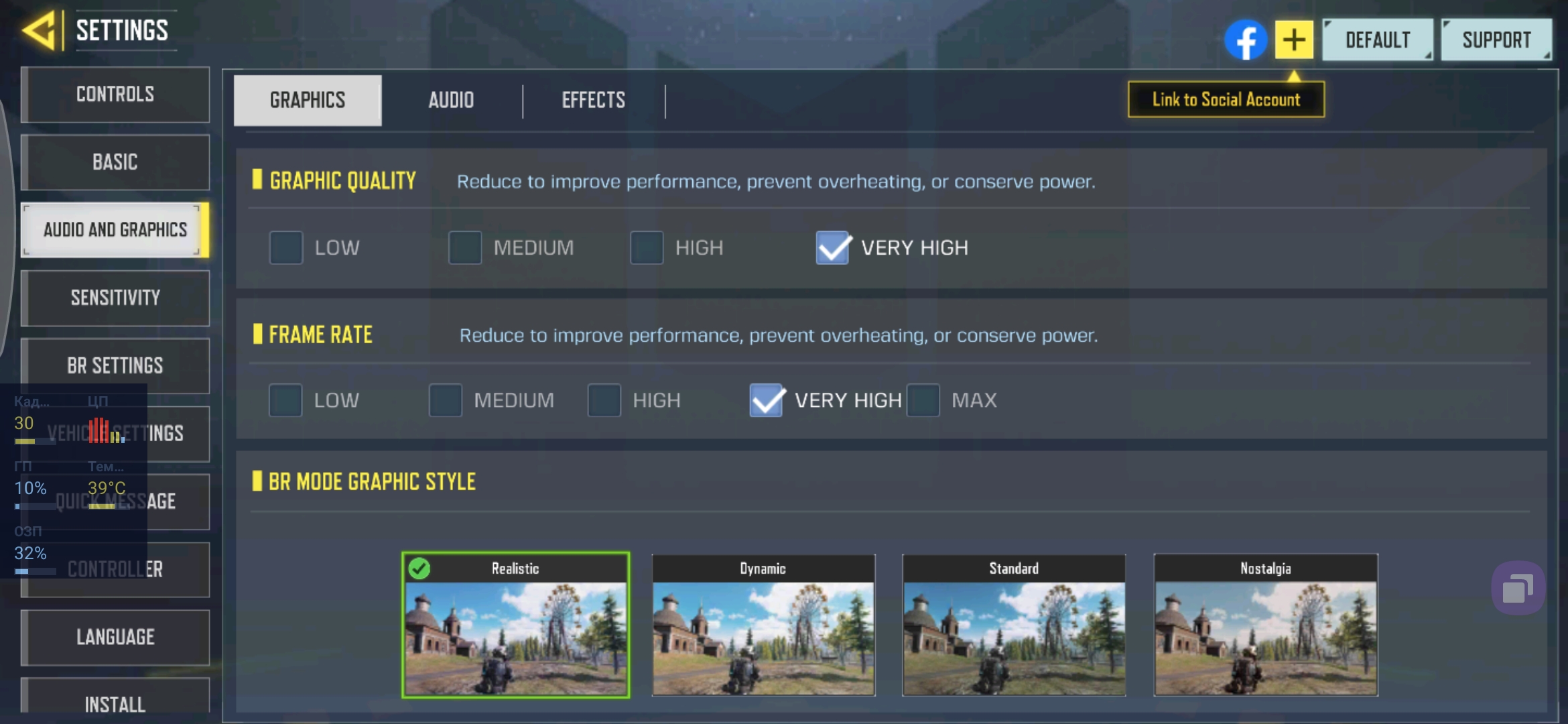
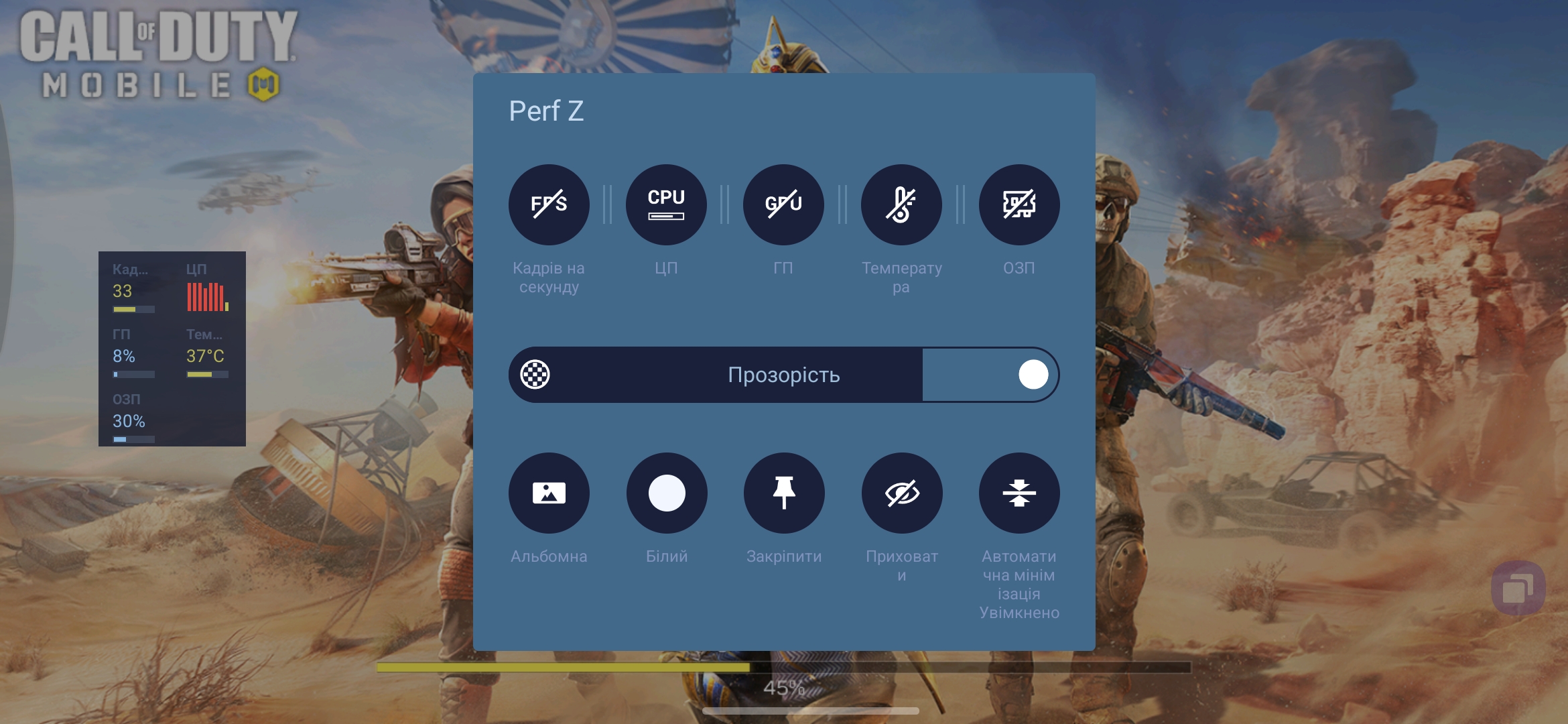
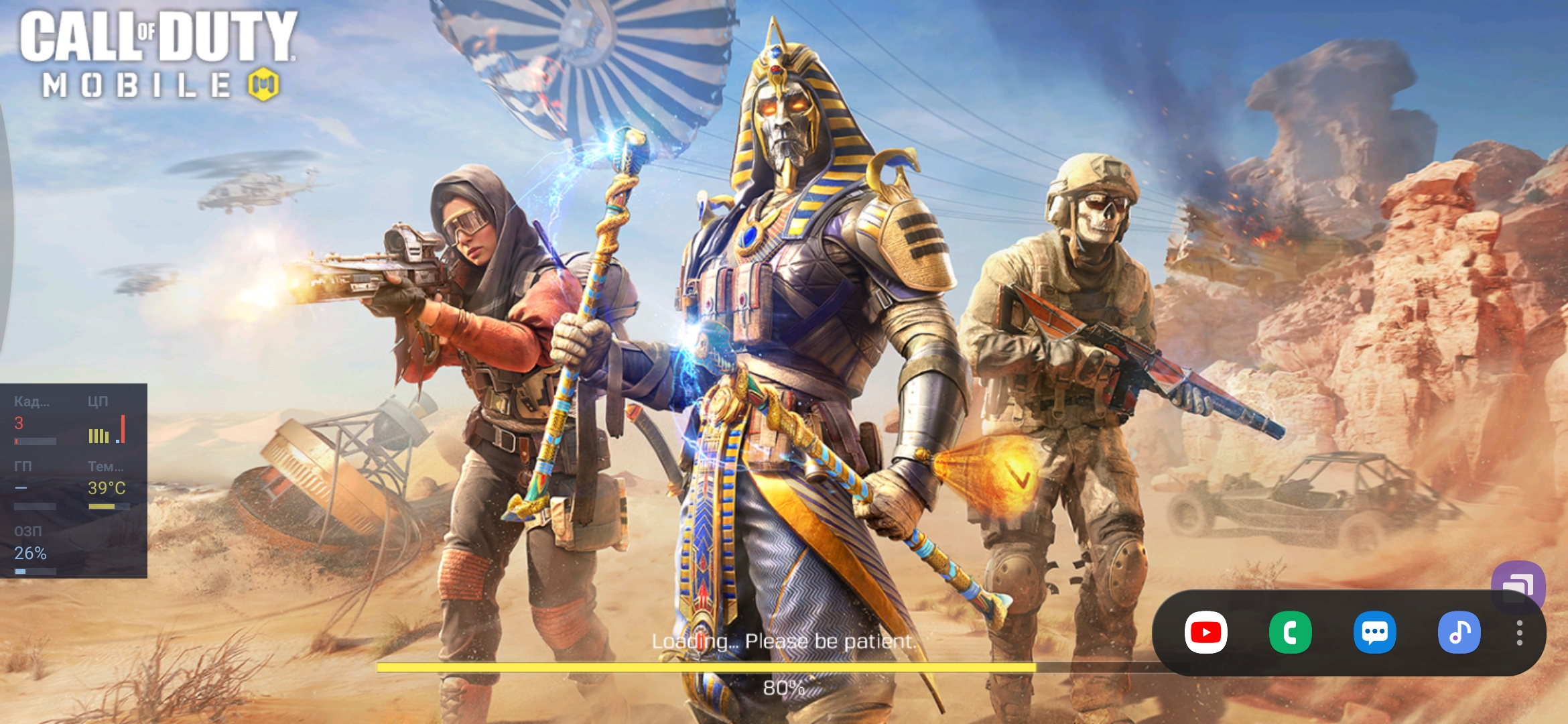
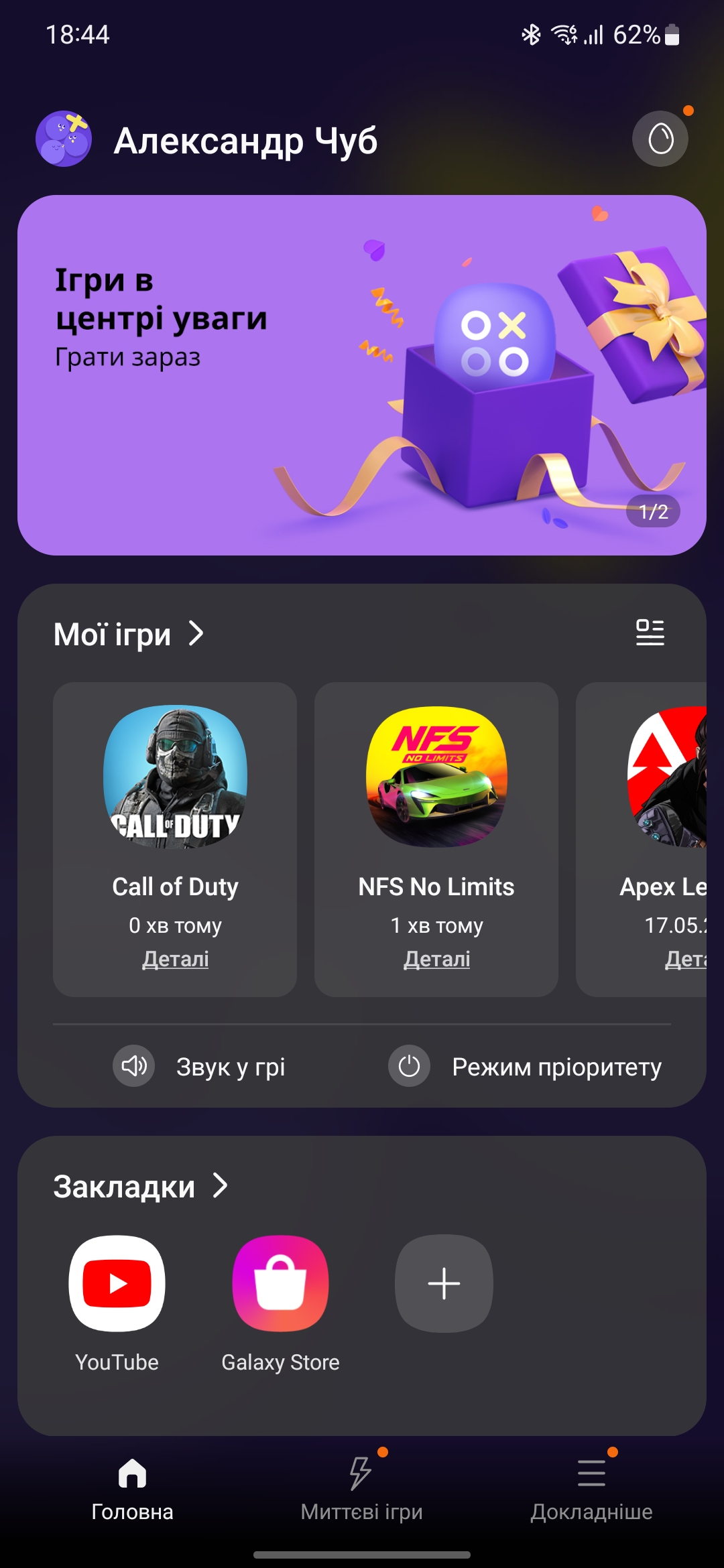
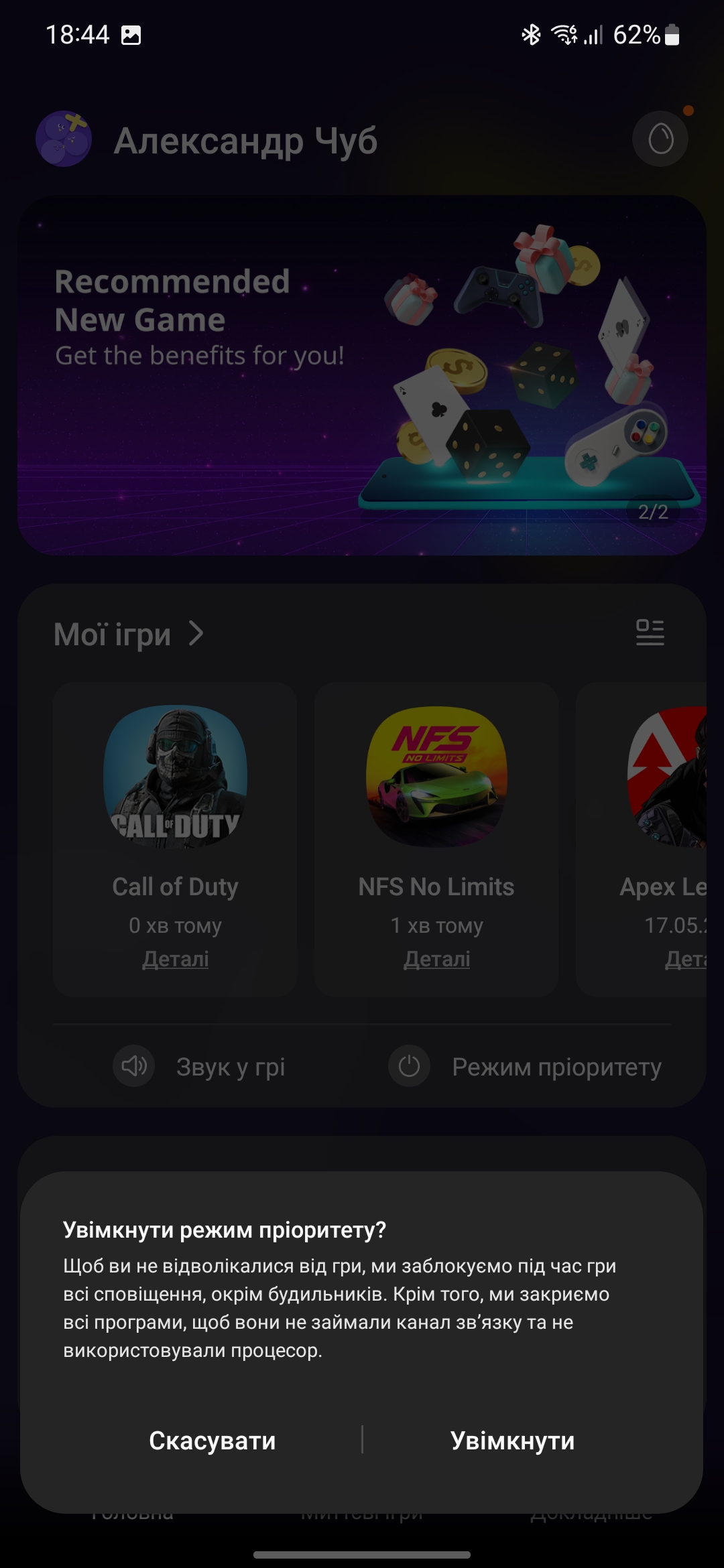
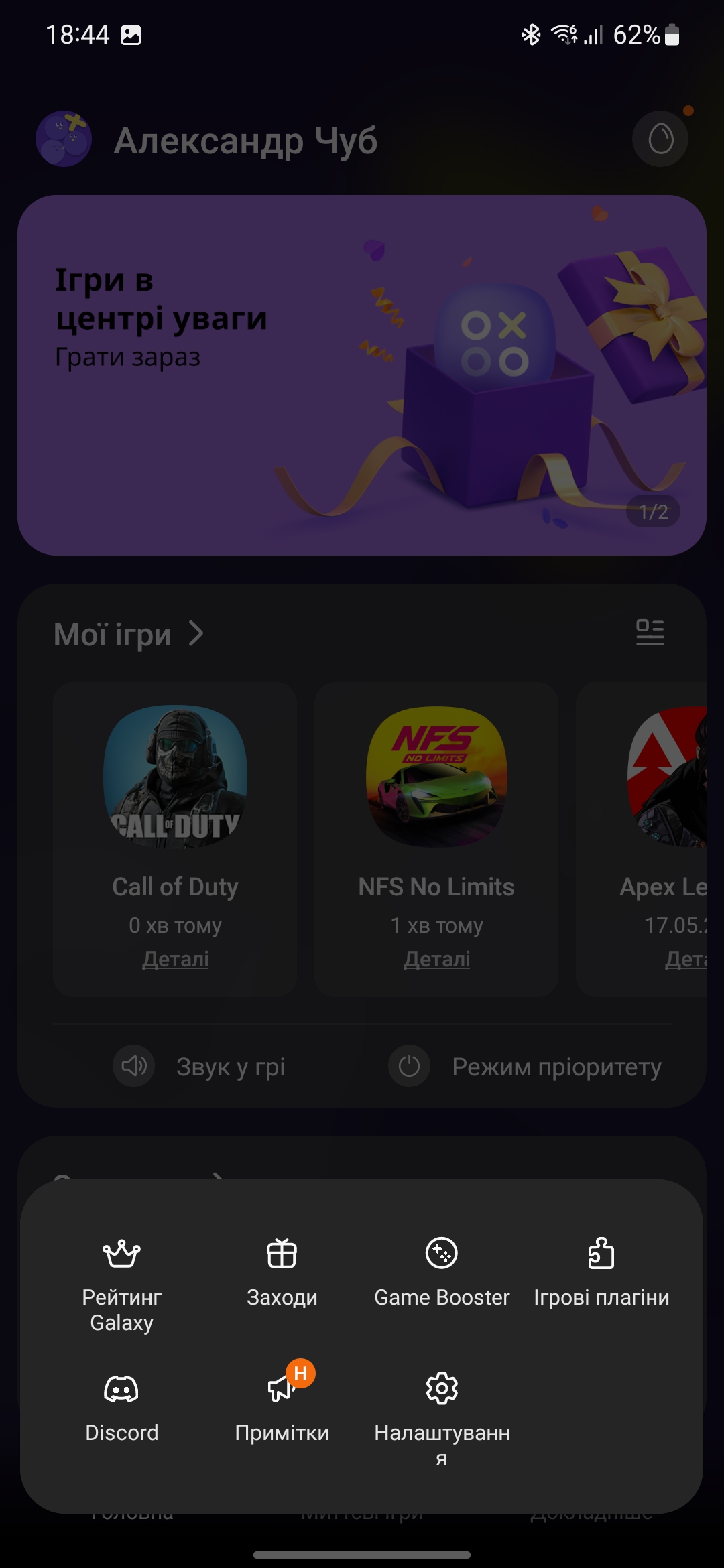
In real life, smartphones cope with anyheavy applications in any quantity without noticeable brakes. Everything loads and works quickly, without brakes or “thoughtfulness.” Modern games run at 50-60 FPS at maximum or high graphics settings. The Game Launcher and Game Booster utilities are available, as in all Samsung smartphones. There is a hub with all installed games, performance priority settings, the ability to turn off notifications, a screen overlay with an FPS counter and other useful information, as well as tools for creating screenshots and videos.

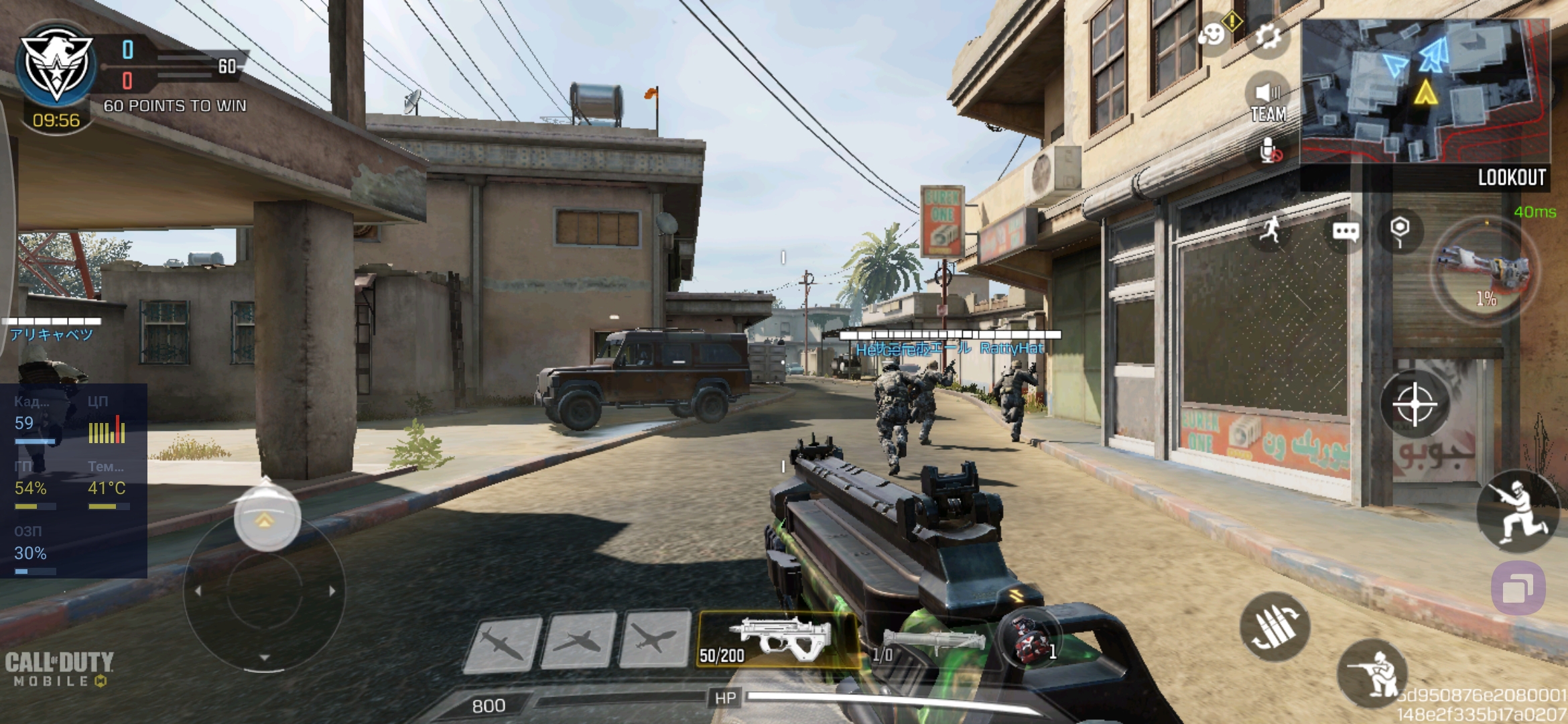
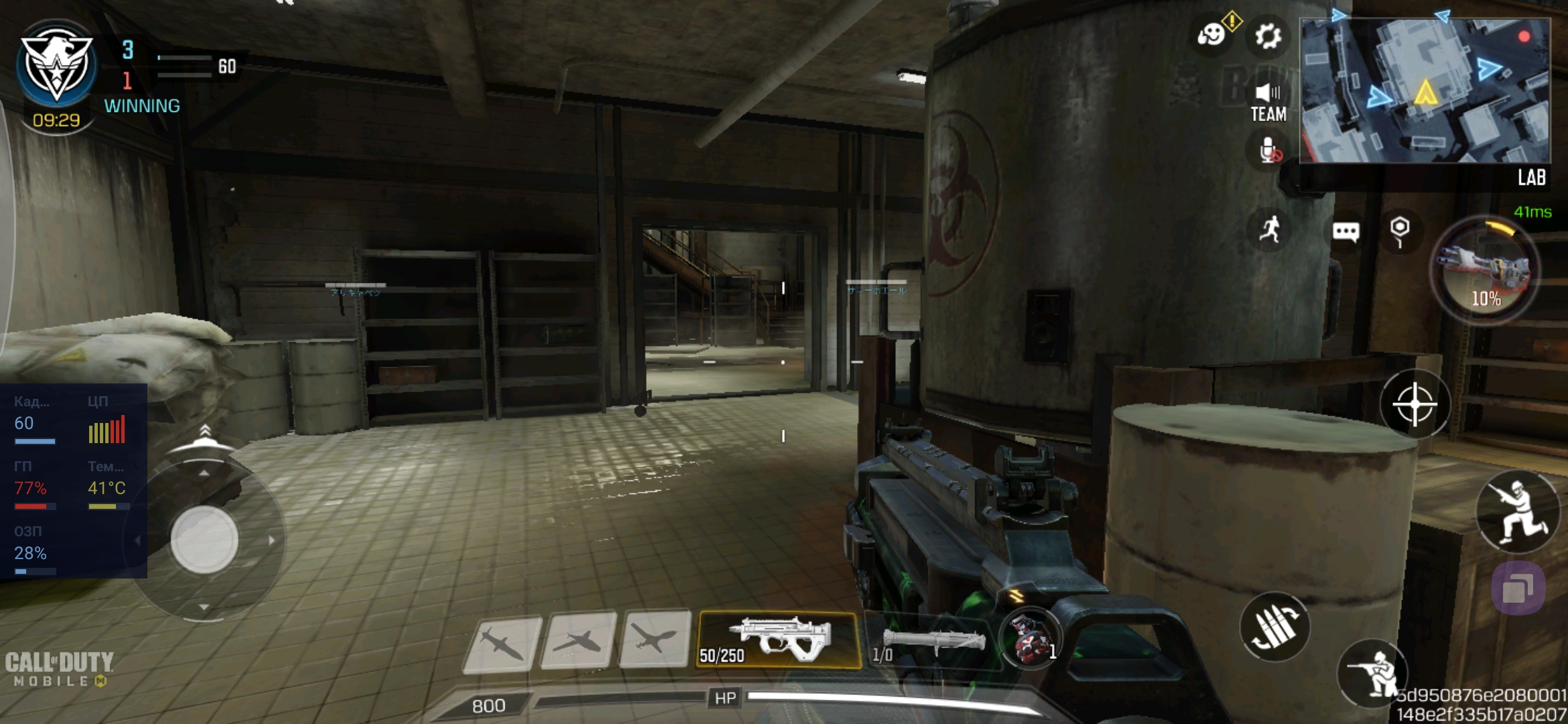














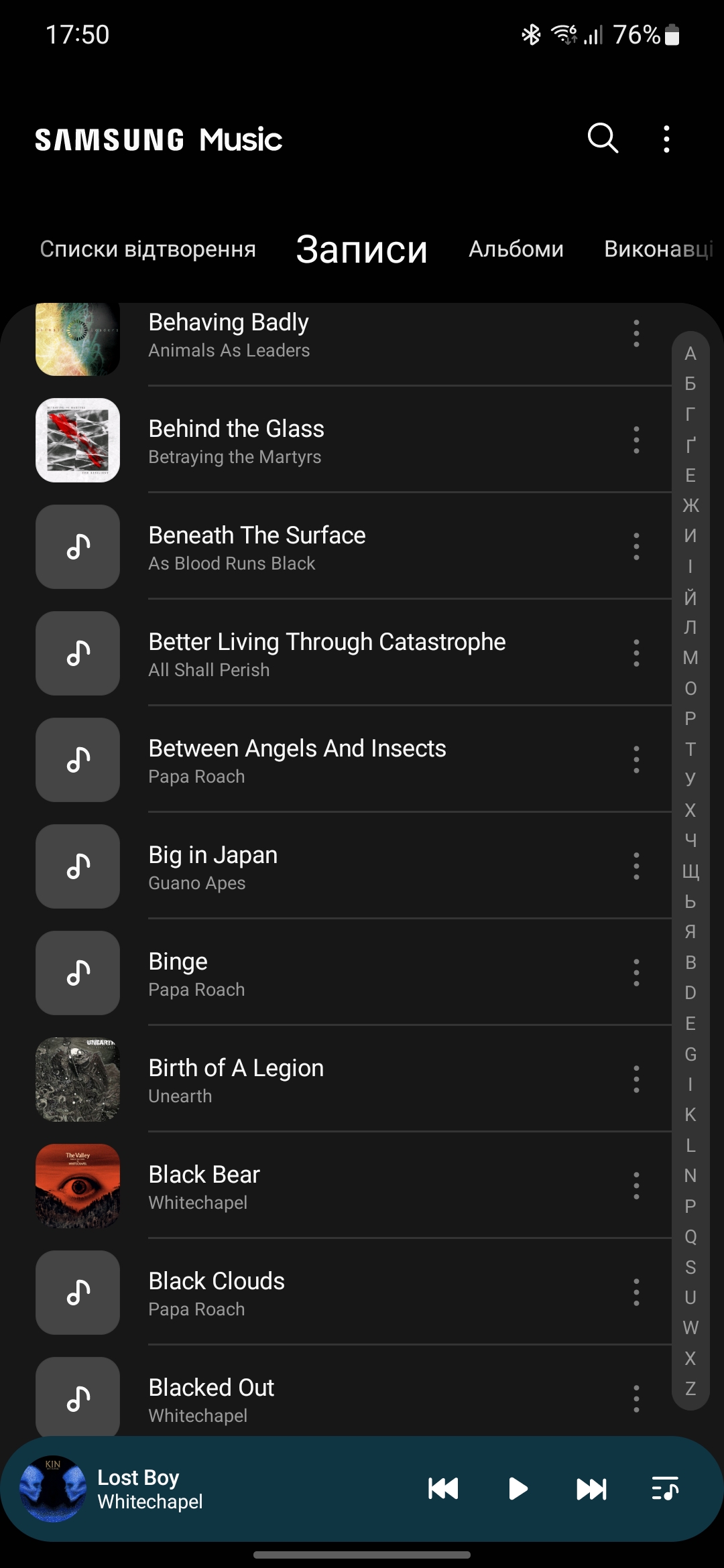
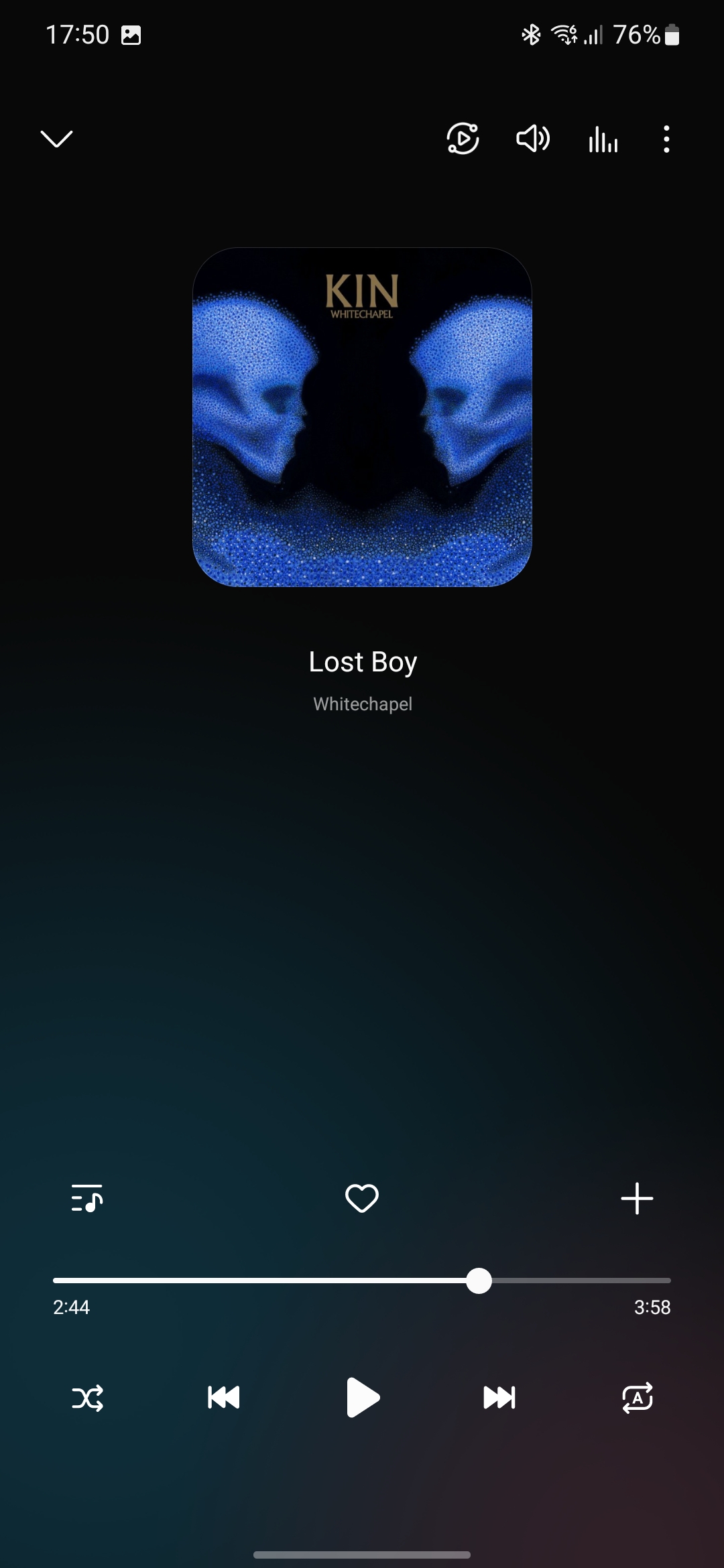
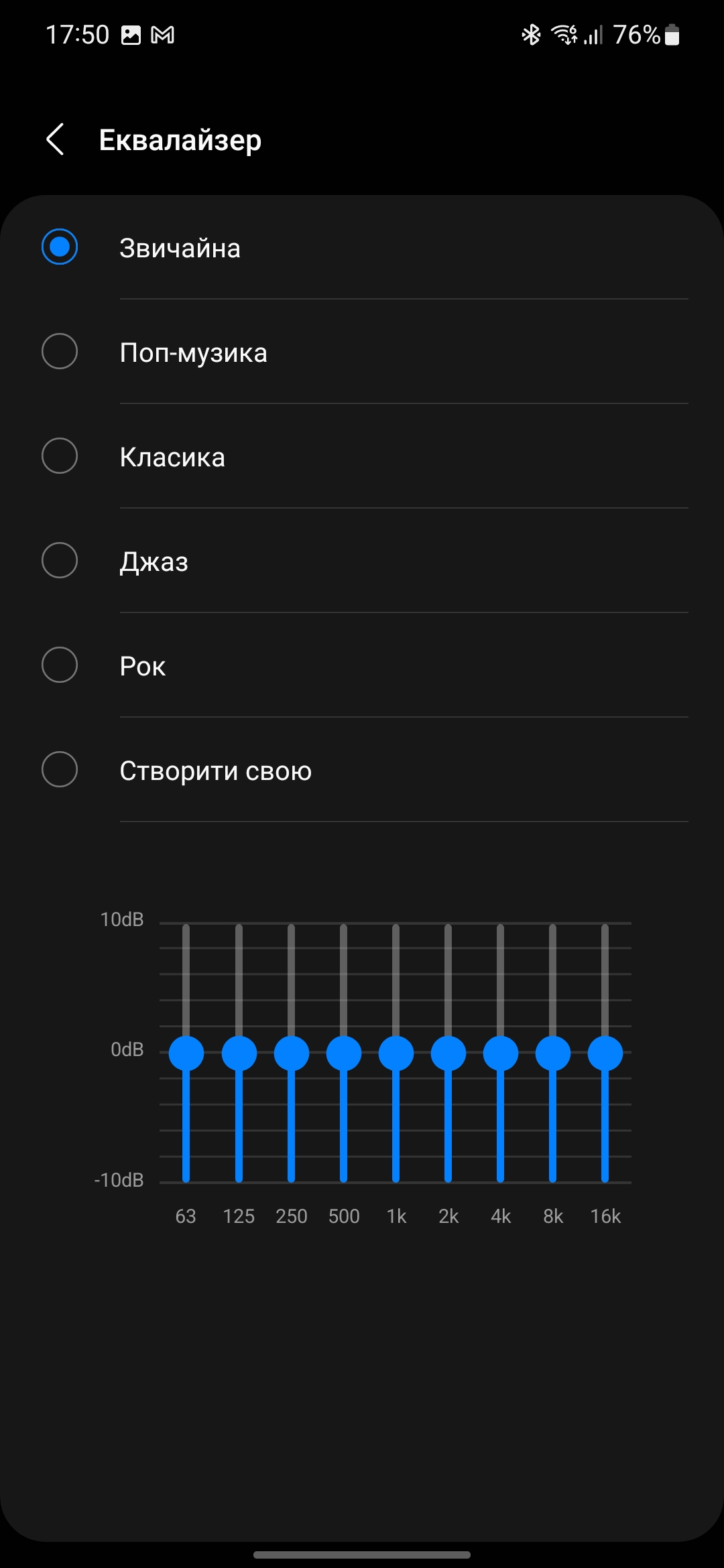
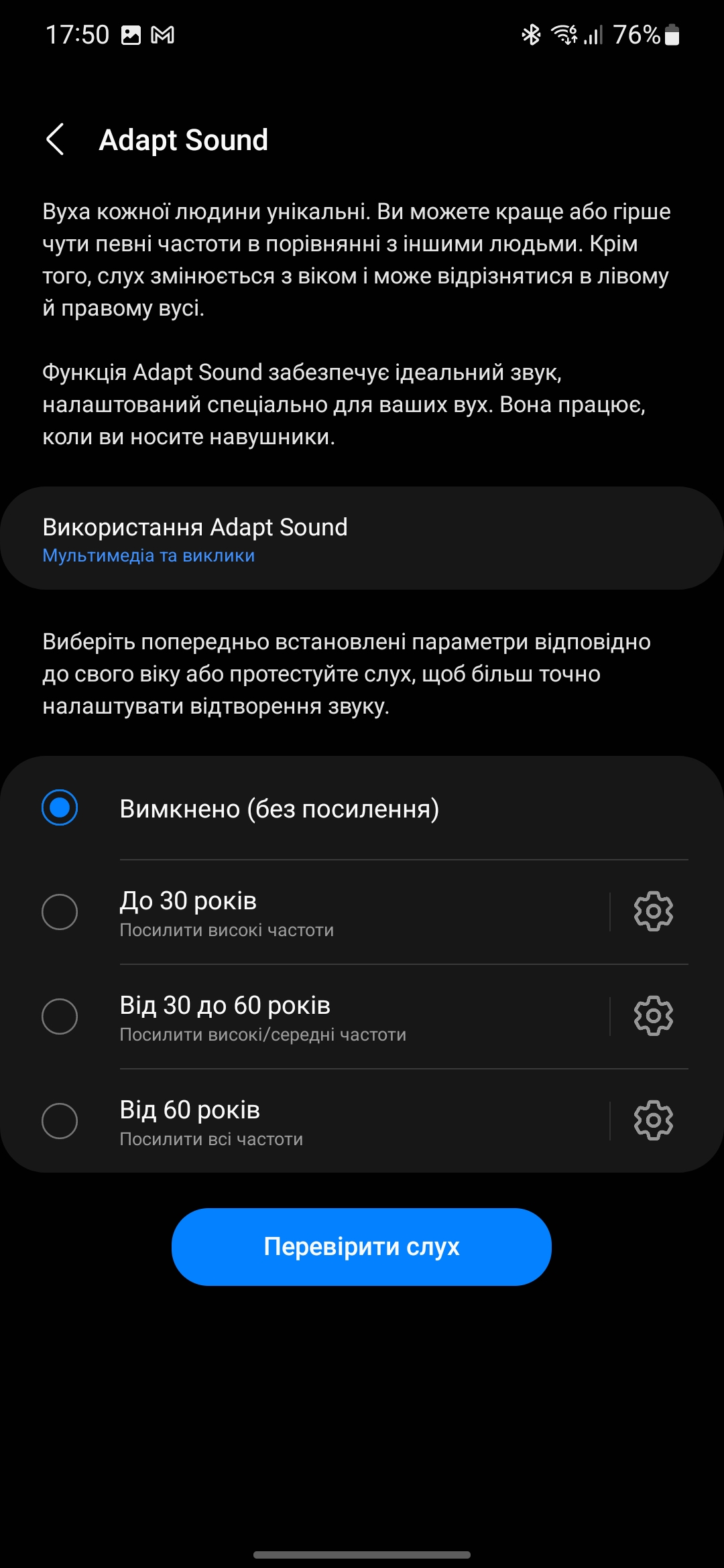
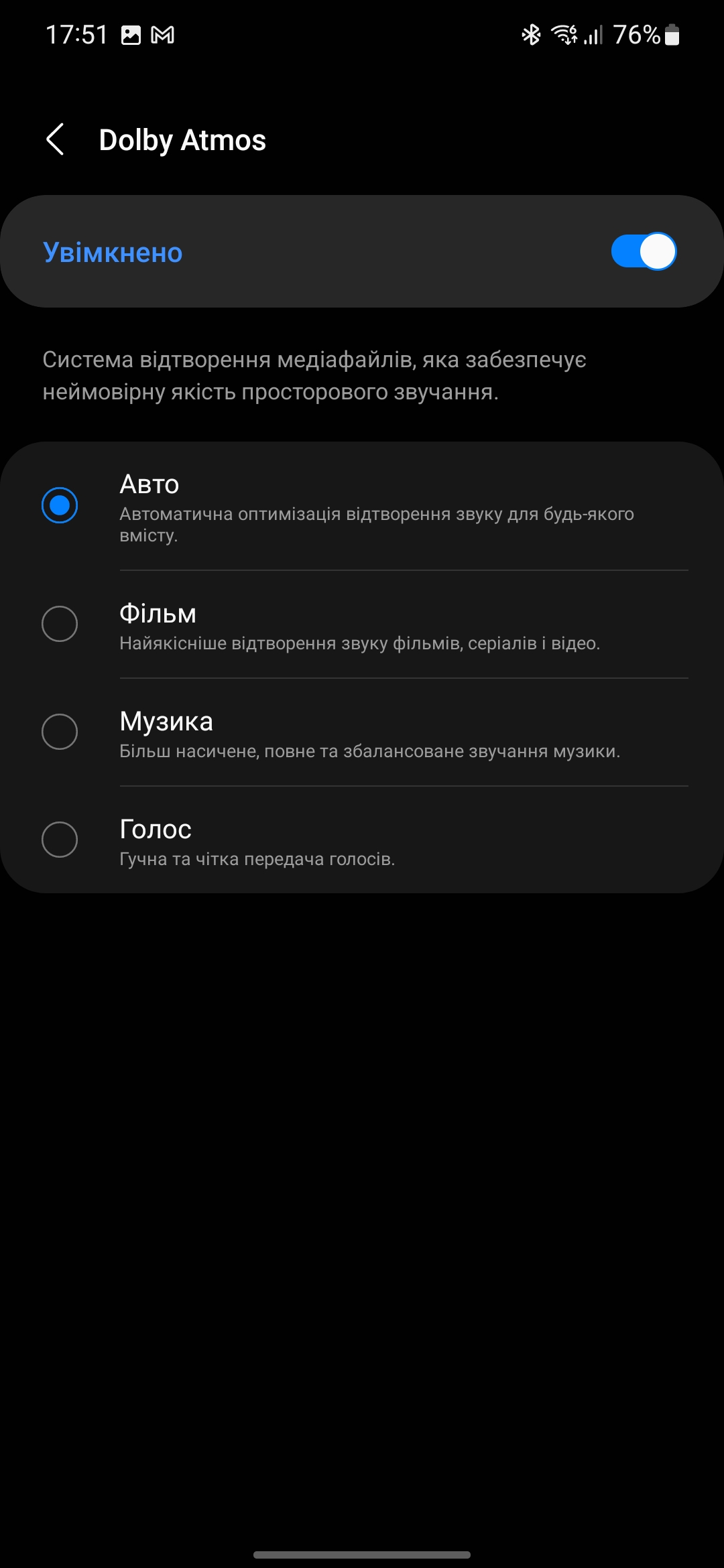
A very small set of wireless interfacesis different. Both smartphones feature dual-band Wi-Fi 802.11 a/b/g/n/ac/6 2.4 GHz and 5 GHz (Galaxy S22+ also supports the new 6e), Bluetooth 5.2 LE and NFC for contactless payment. The older model also has support for Ultra Wideband (UWB). Smartphones work with global positioning systems GPS, GLONASS, GALILEO, BDS. Both smartphones reproduce stereo using the main and earpiece speakers. Volume and quality are good. With a standard music player, everything is almost familiar in terms of functionality. Additional features include Dolby Atmos with different modes, UHQ Upscaler (works only with branded headphones) and Adapt Sound for adjusting the sound to suit your age.

</ img>
</ img>
</ img>






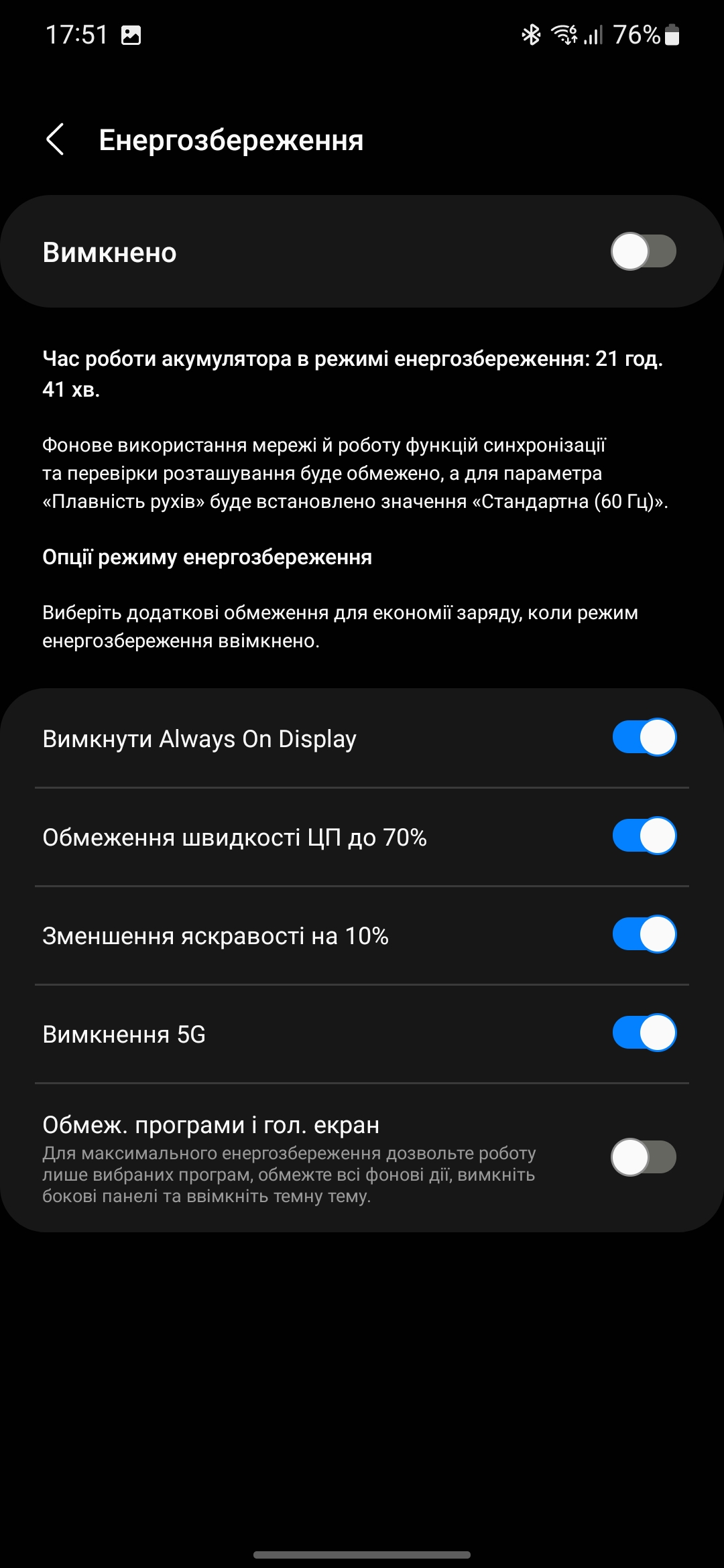
Samsung Galaxy S22 is powered by a battery3700 mAh, Galaxy S22+ received a larger battery: 4500 mAh. The younger model supports fast charging only at 25 W, the older one - 45 W. It was not possible to measure the charging time from branded power supplies due to their absence. Both smartphones support up to 15W wireless charging and 4.5W reverse wireless charging for accessories. According to personal feelings, the battery life of smartphones is comparable and it is a little better than that of the older S22 Ultra, which periodically had to be charged in the evening. Samsung Galaxy S22 and Galaxy S22+ last a day without problems during everyday use. That is, a constant connection via LTE/Wi-Fi, 15-20 minutes of calls, 15-20 photos, about an hour of music via Bluetooth, mail, social networks, browser, notifications, Youtube.






What about the interface?
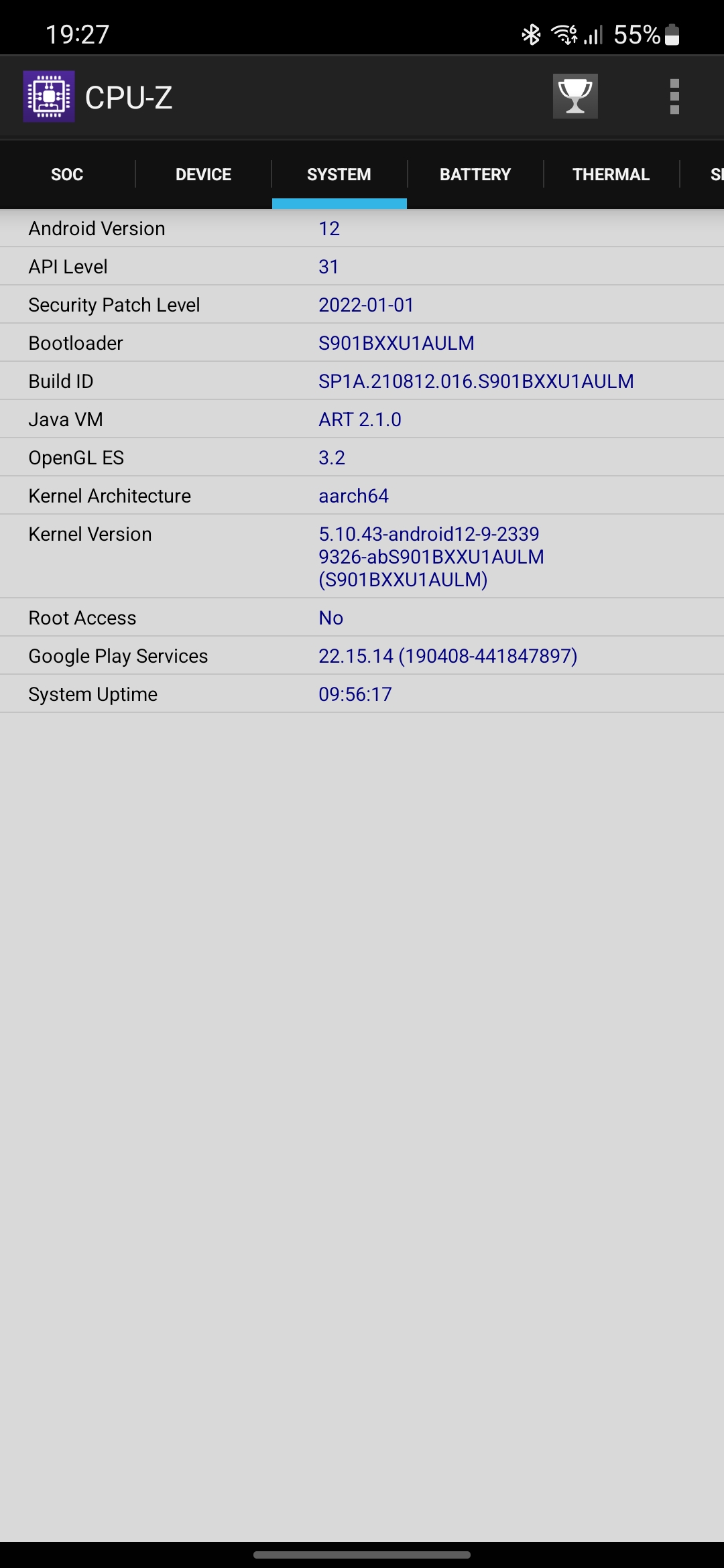
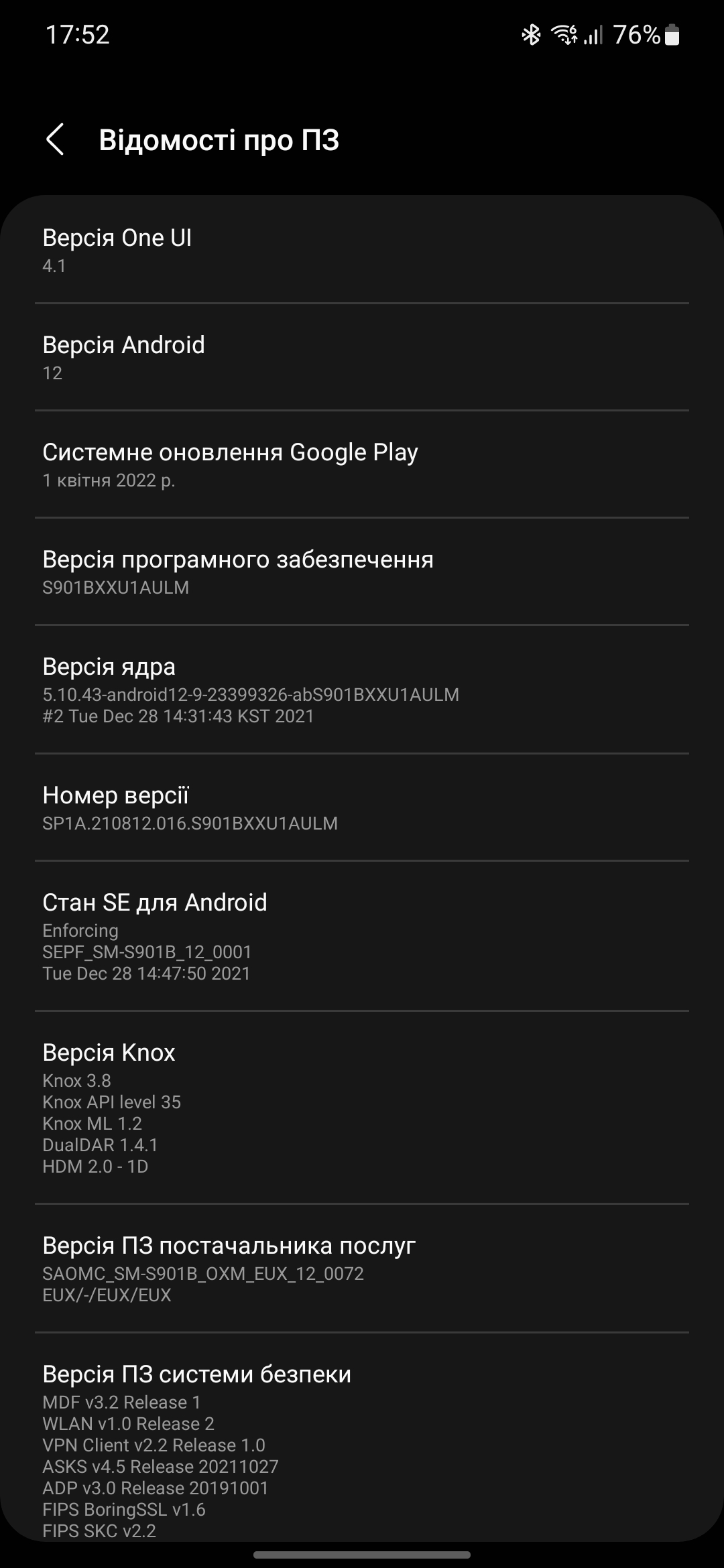
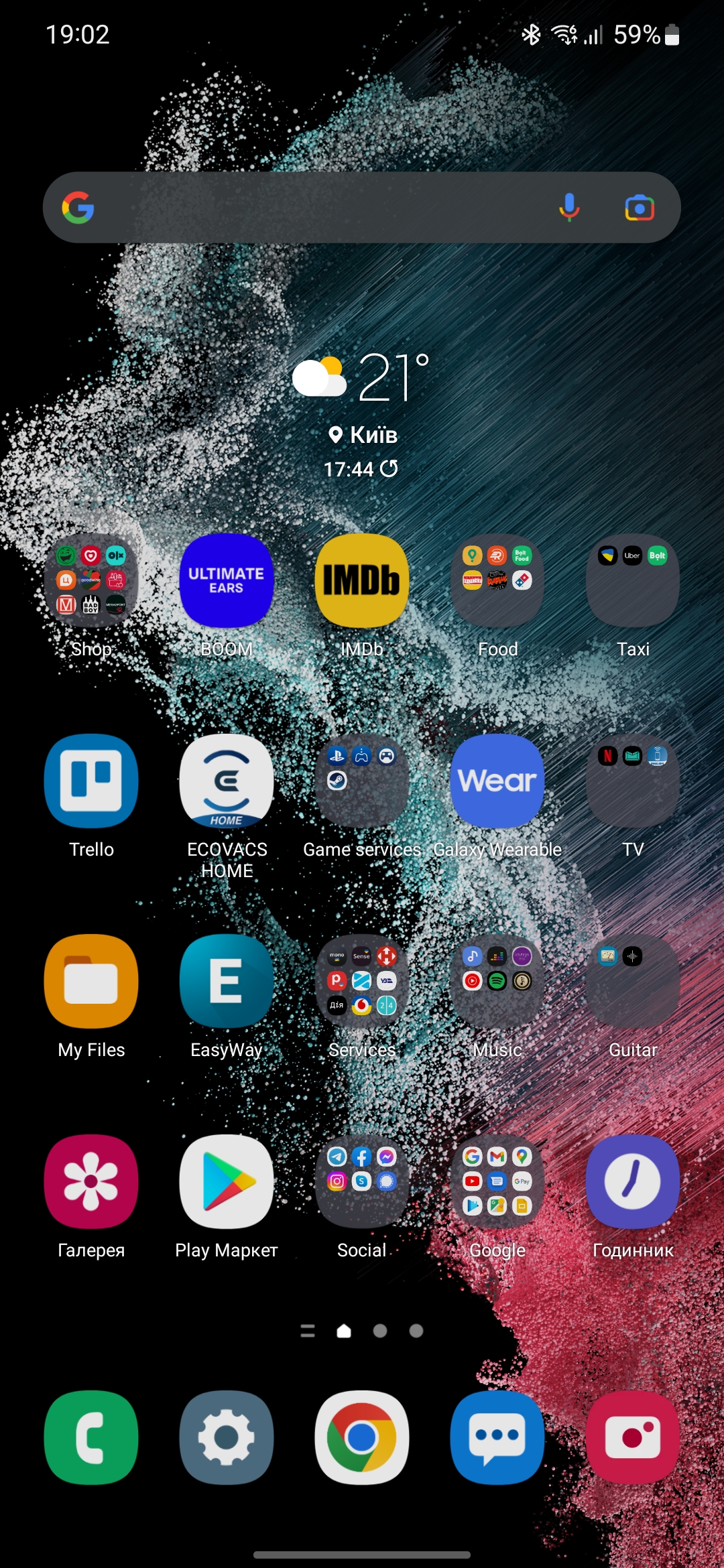
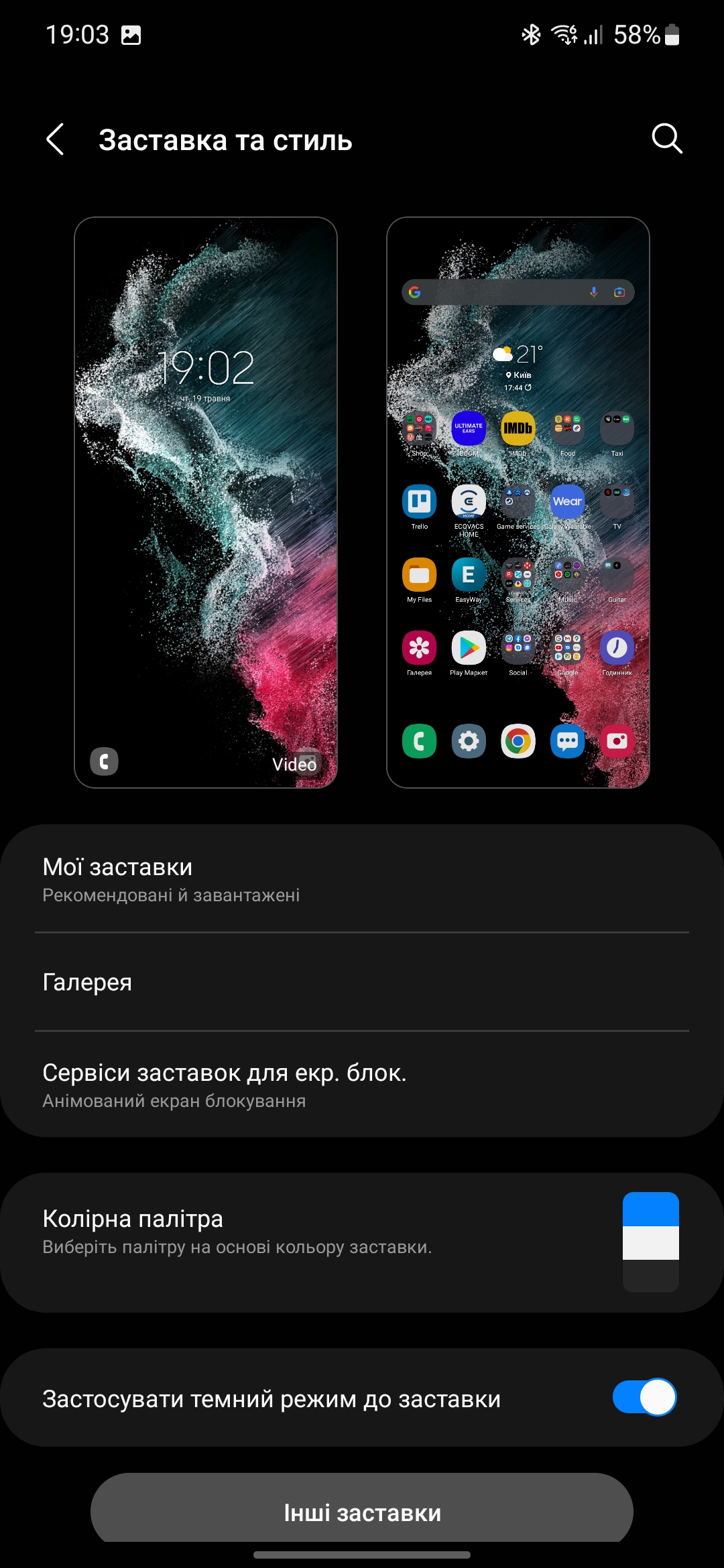
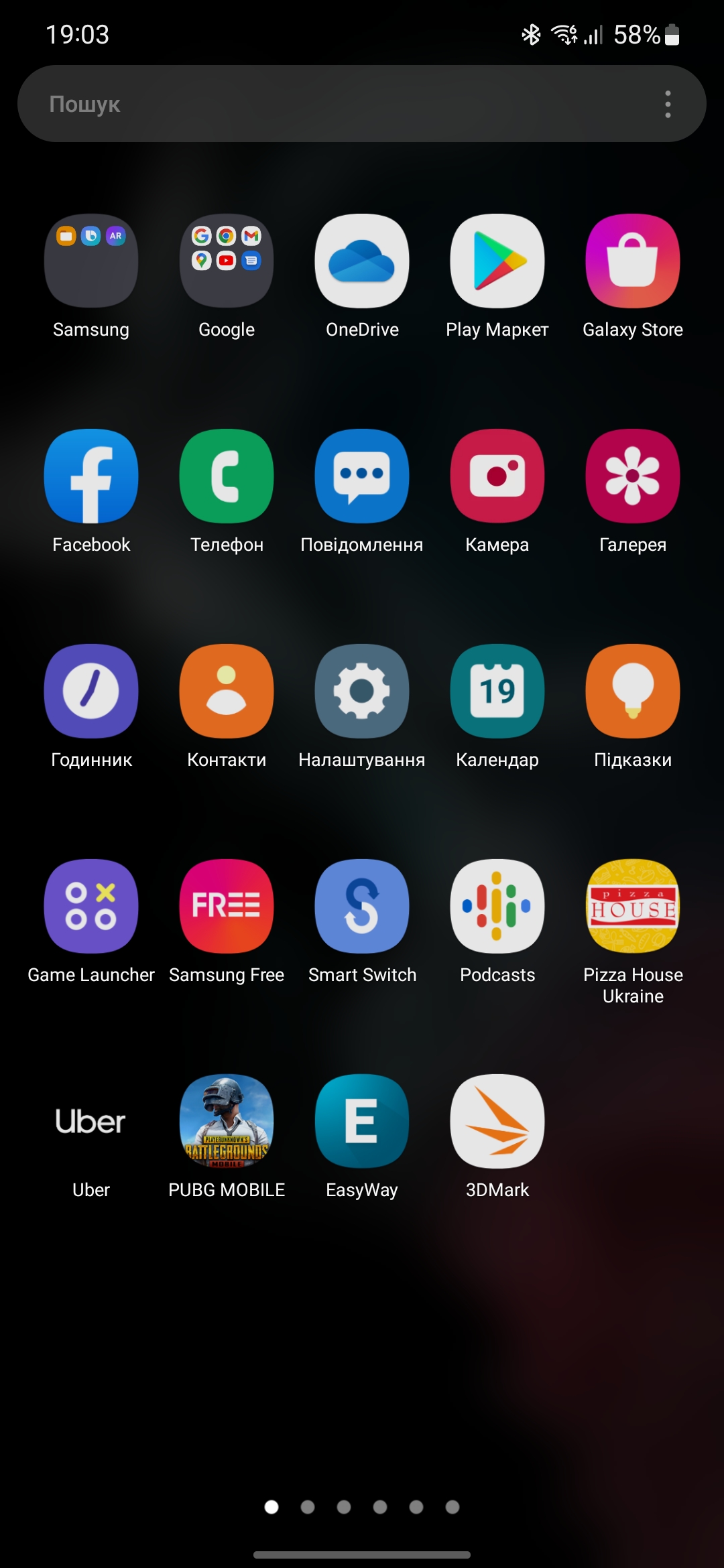
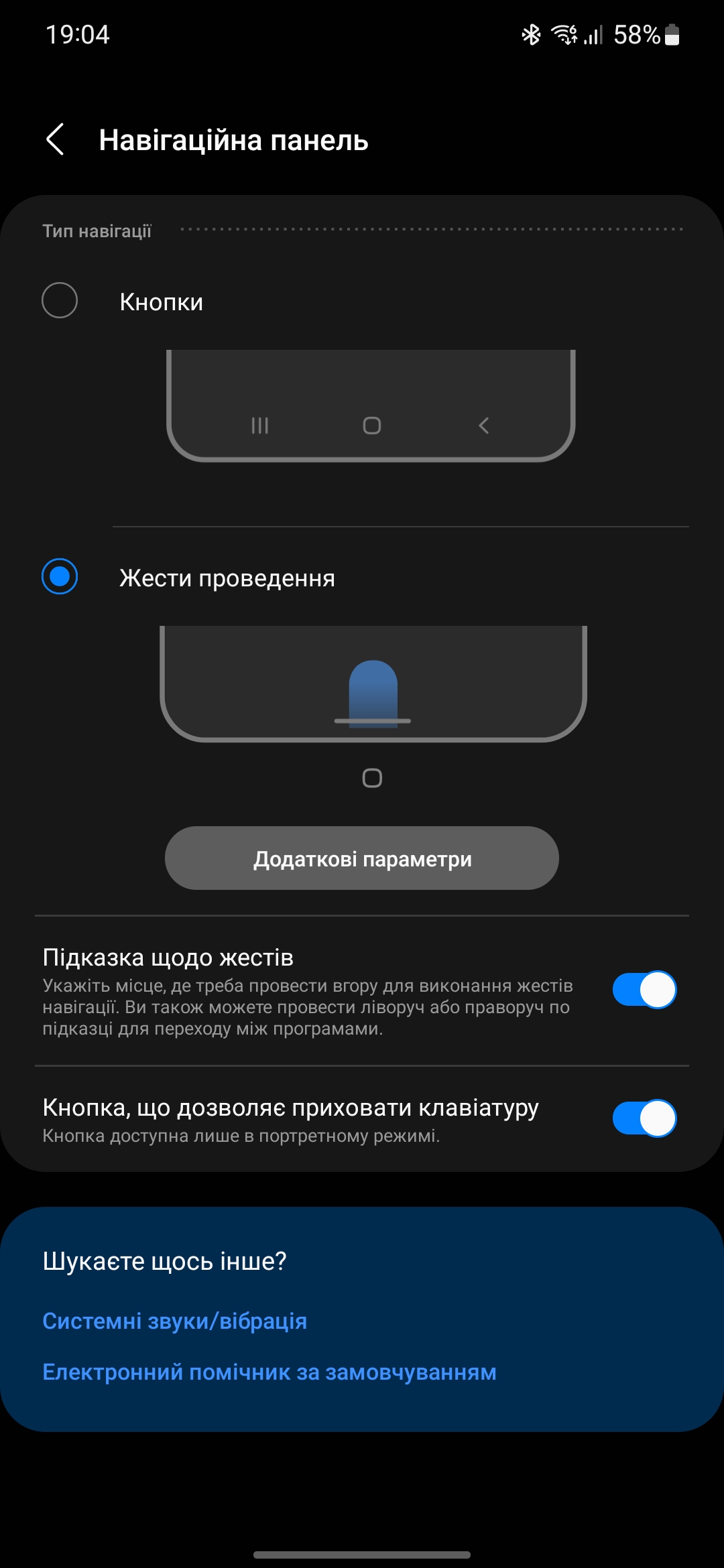
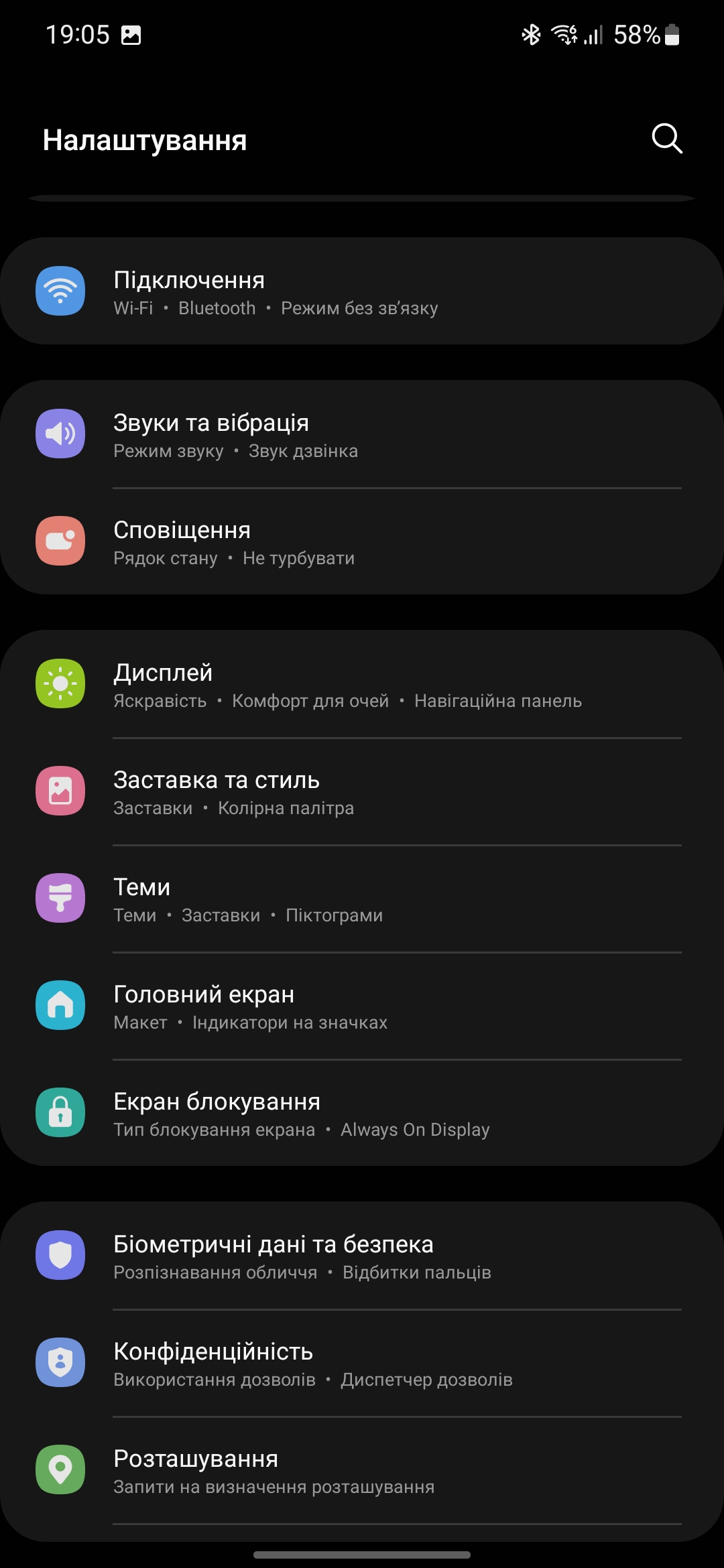
We will not consider the shell of smartphones in detail.we will for two reasons. Firstly, we mentioned all the main innovations in the review of the Samsung Galaxy S22 Ultra. And secondly, as stated above, our samples had crude firmware with a number of glitches. It has never been updated over the air, and therefore does not reflect what is present in commercial copies. In short: Android 12 OS with One UI 4.1 skin. Everything is standard: desktops, widgets, a switchable application menu, an almost standard curtain, a simple mode. Navigation is gesture and button.
</ img>
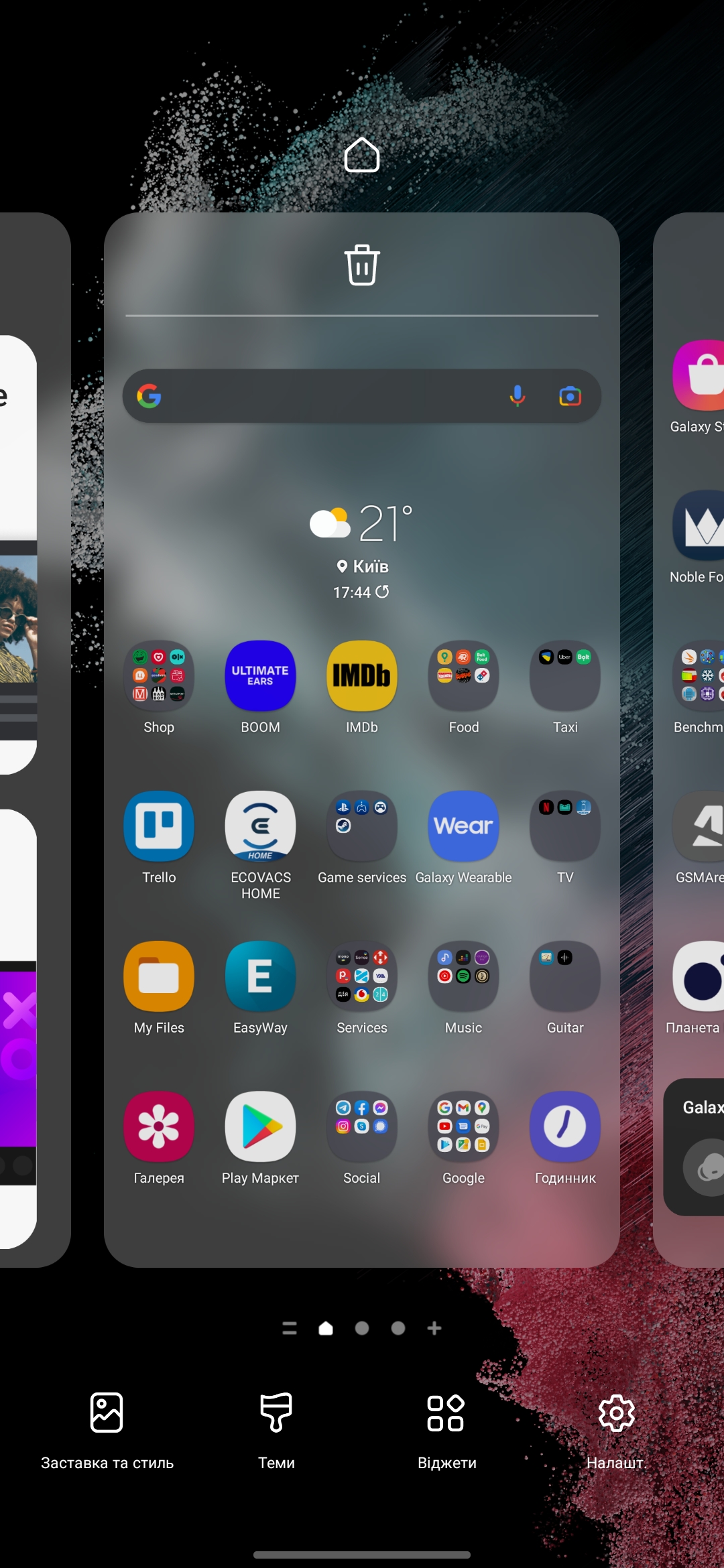
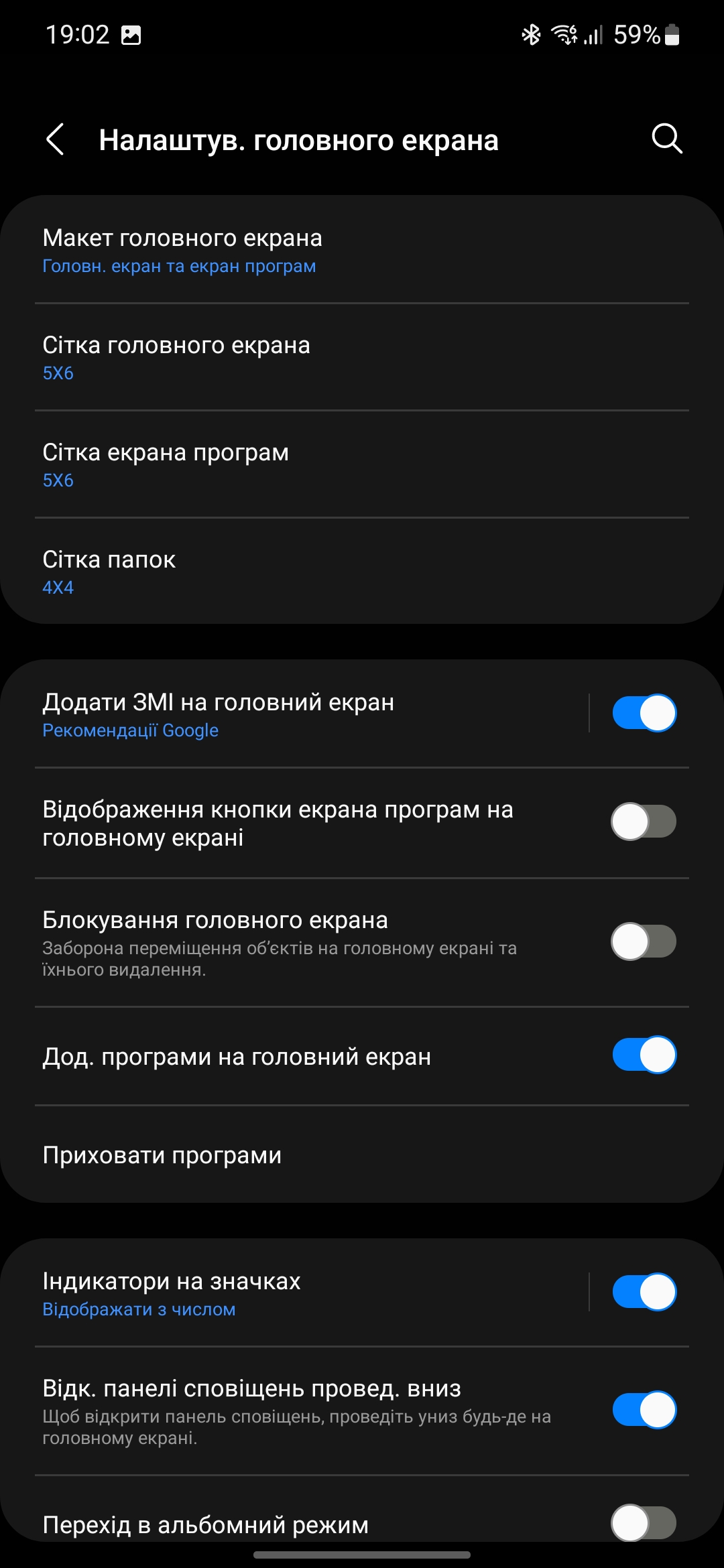
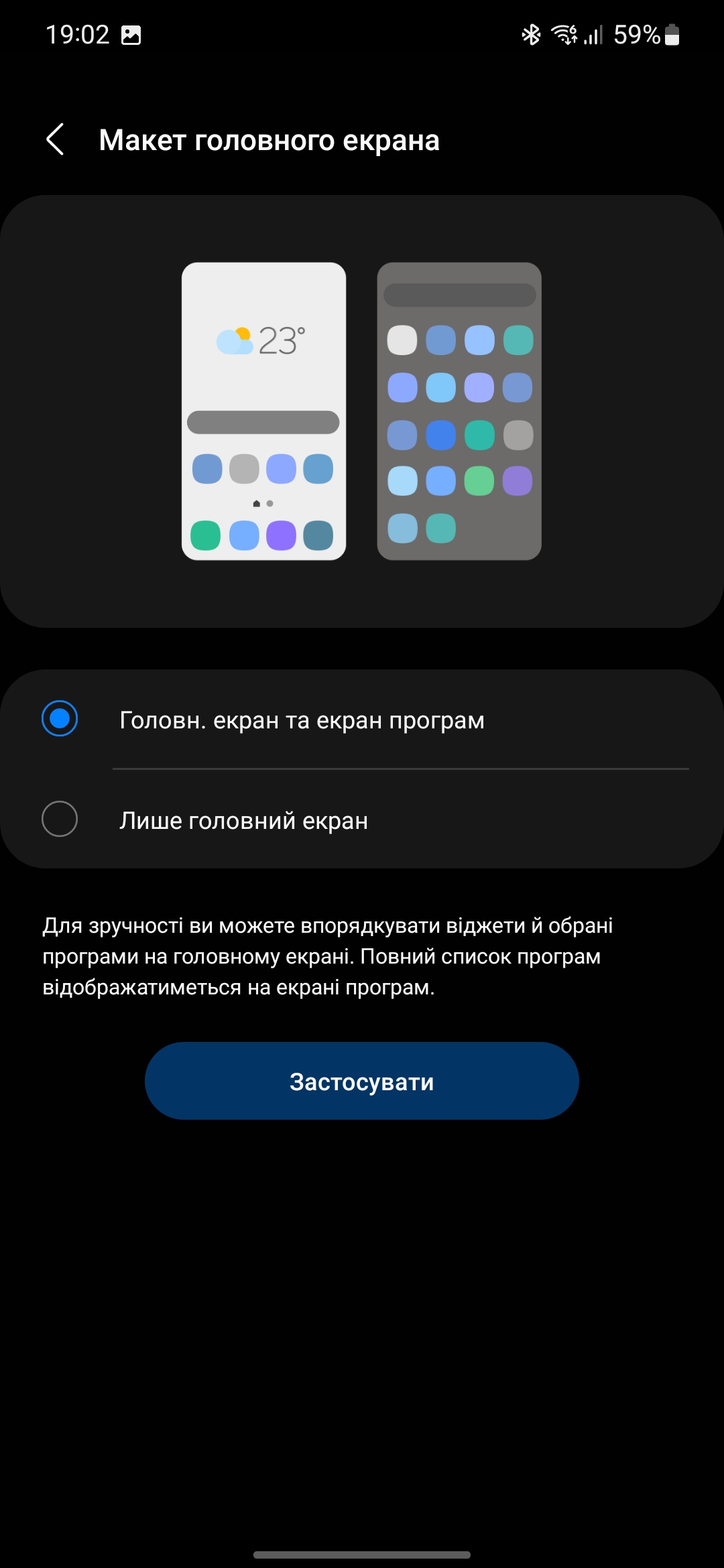
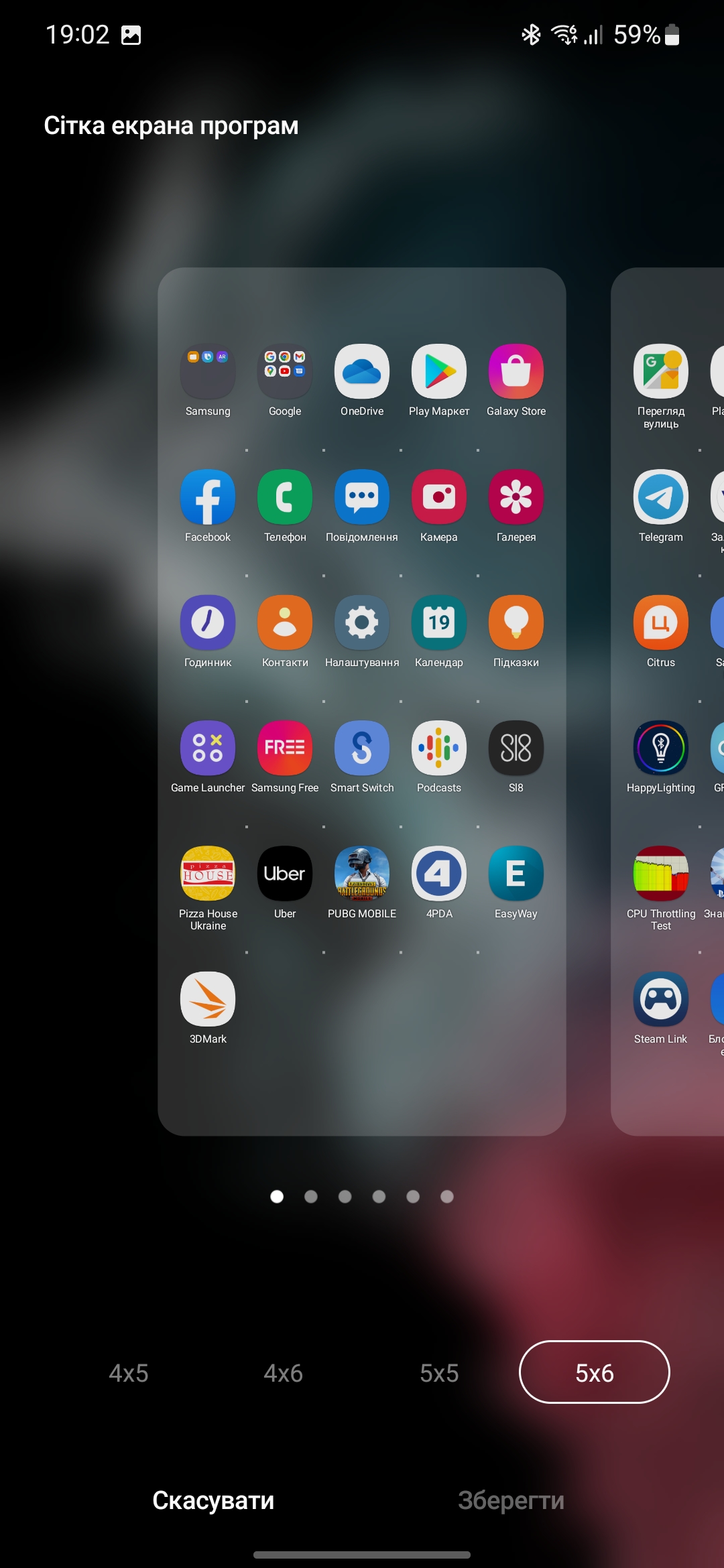


</ img>

</ img>
</ img>










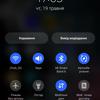
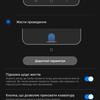


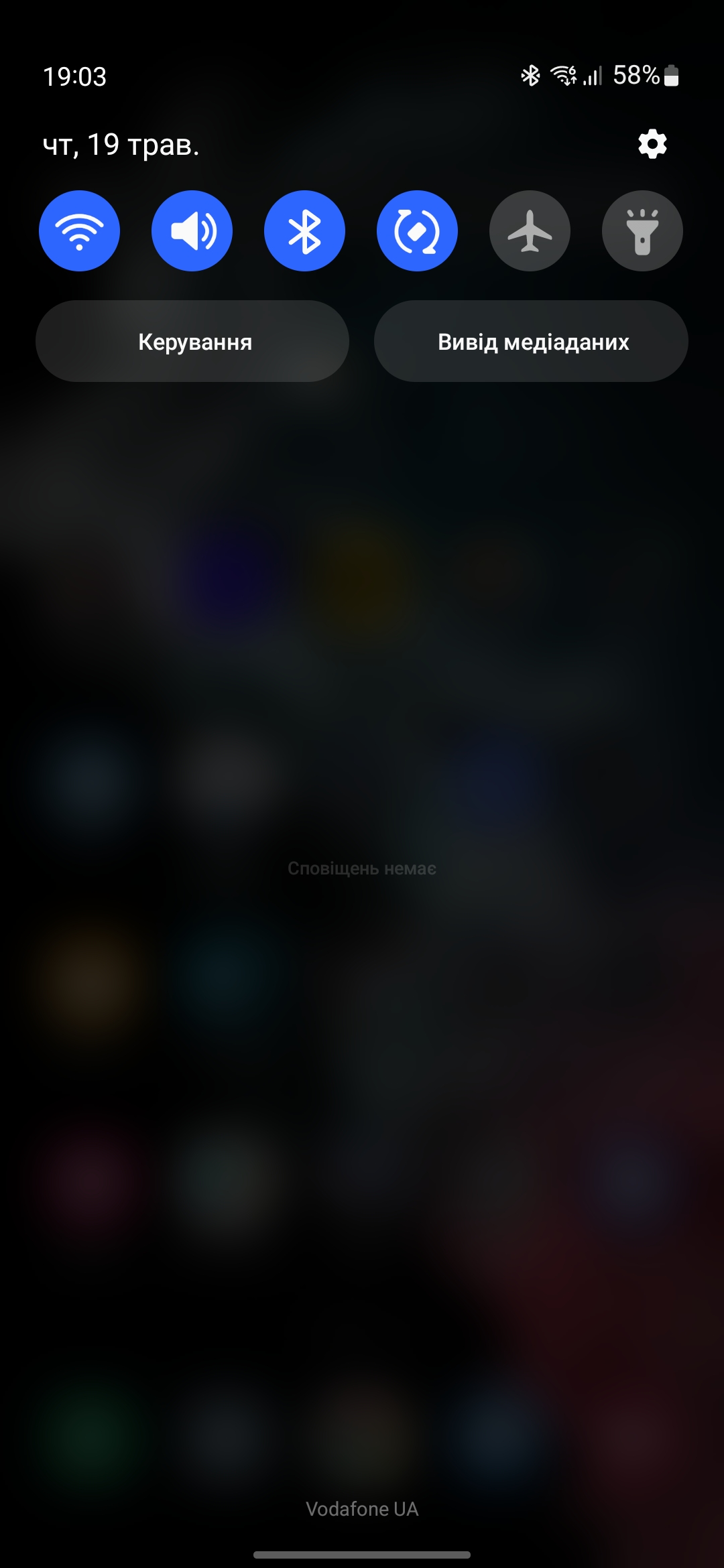
Among the innovations that appeared in One UI 4.1: The smartphone notifies the user with a green icon in the upper right corner of the screen if the application uses the camera or microphone. You can add a quick switch to the notification shade that can be used to block apps from accessing the camera. Additionally, the “Output media data” item has appeared in the curtain, with which you can quickly switch between connected audio devices. It is also possible to customize the color scheme of the entire smartphone interface.
</ p>How good are the cameras?
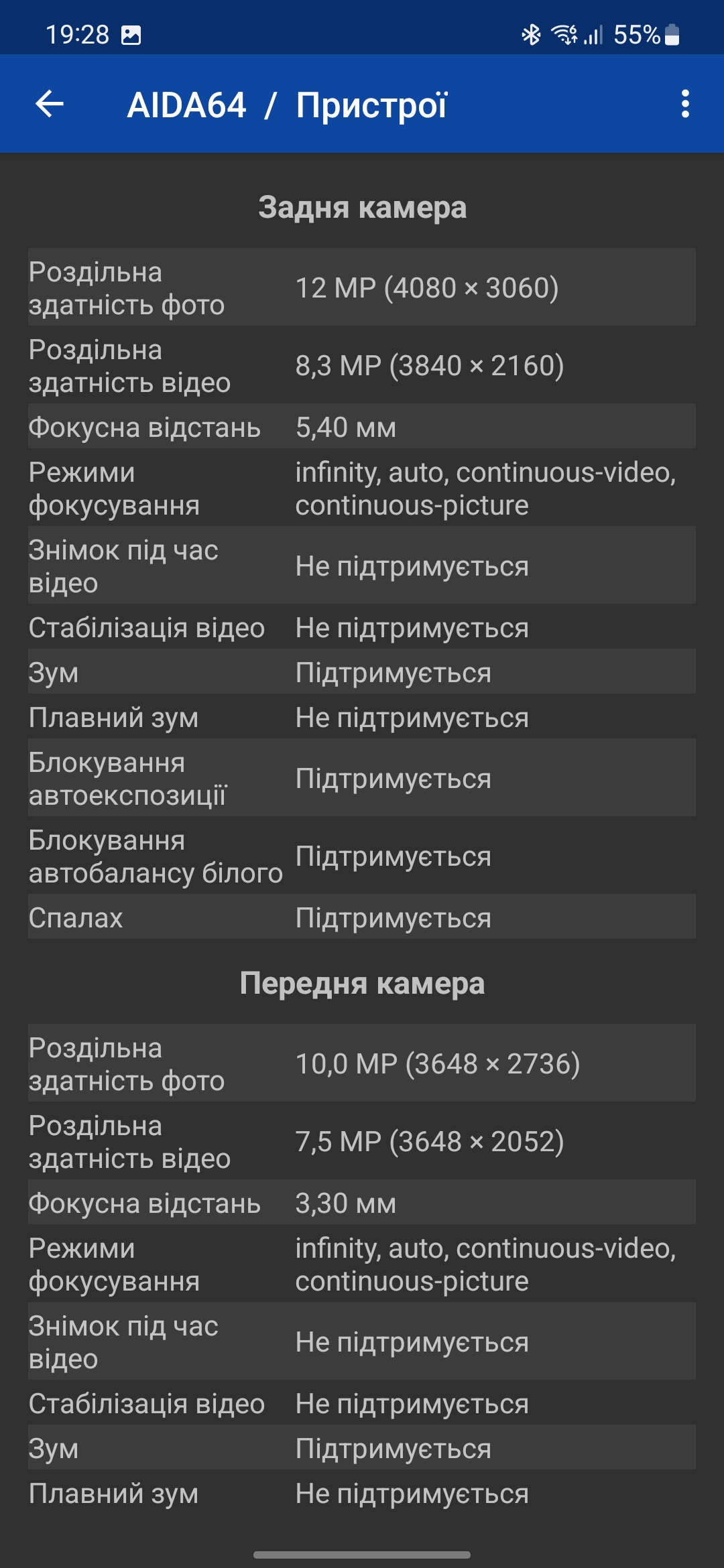
The set of cameras is slightly inferior to the “main”the current flagship Galaxy S22 Ultra, but everything you need is there. The main camera is 50 megapixels with f/1.8 aperture, 24 mm EGF, sensor size 1/1.57″, 1.0µm with support for multi-directional PDAF phase autofocus. There is optical stabilization. Telephoto module 10 MP, f/2.4, 70 mm, 1/3.94″, 1.0µm, PDAF, OIS, 3x zoom. And ultra-wide-angle camera: 12 MP, f/2.2, 13 mm, 120˚, 1/2.55″ 1.4µm, no autofocus. Smartphones can record video in resolutions up to 8K@24fps. Front camera: 10 MP (f/2.2, 26 mm, 1/3.24″, 1.22µm, Dual Pixel PDAF).
</ img>
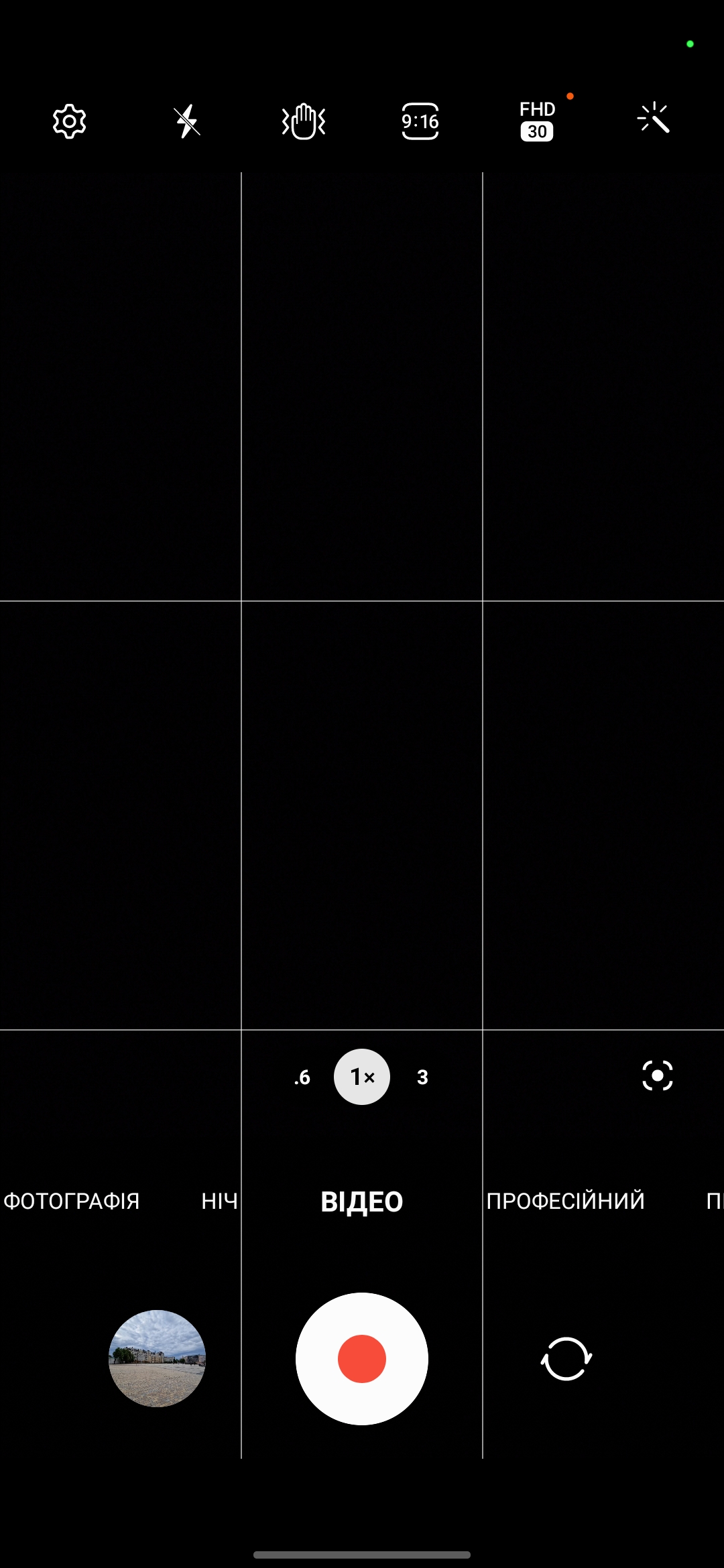
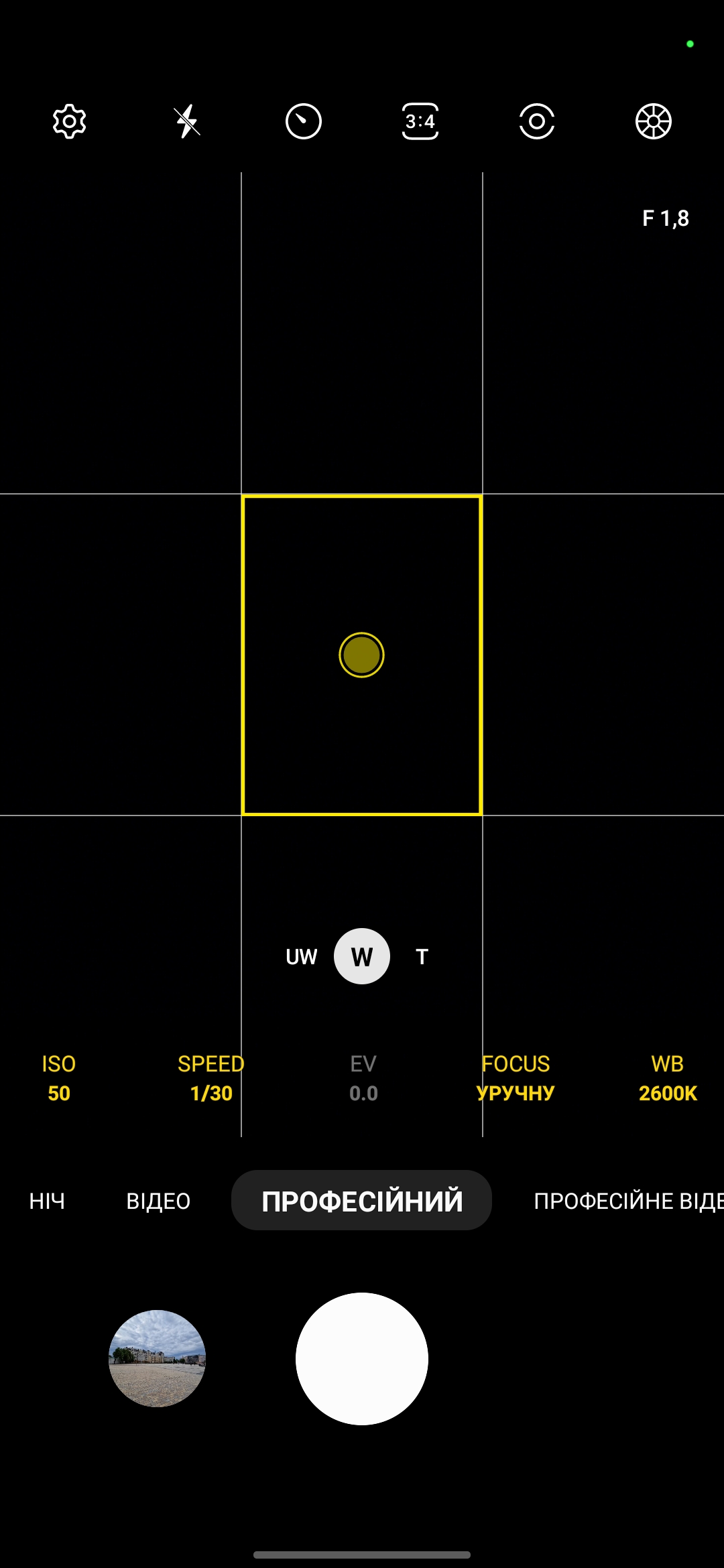
The application looks familiar:fully customizable carousel of shooting modes. Interesting modes include multi-shot with simultaneous shooting on all cameras, director video mode and manual shooting modes. The main screen has everything you need: buttons for switching cameras (with the ability to smoothly adjust the zoom), flash settings, aspect ratio, resolution, timer, and automatic frame enhancement.

</ img>
</ img>
</ img>

</ img>

</ img>

</ img>






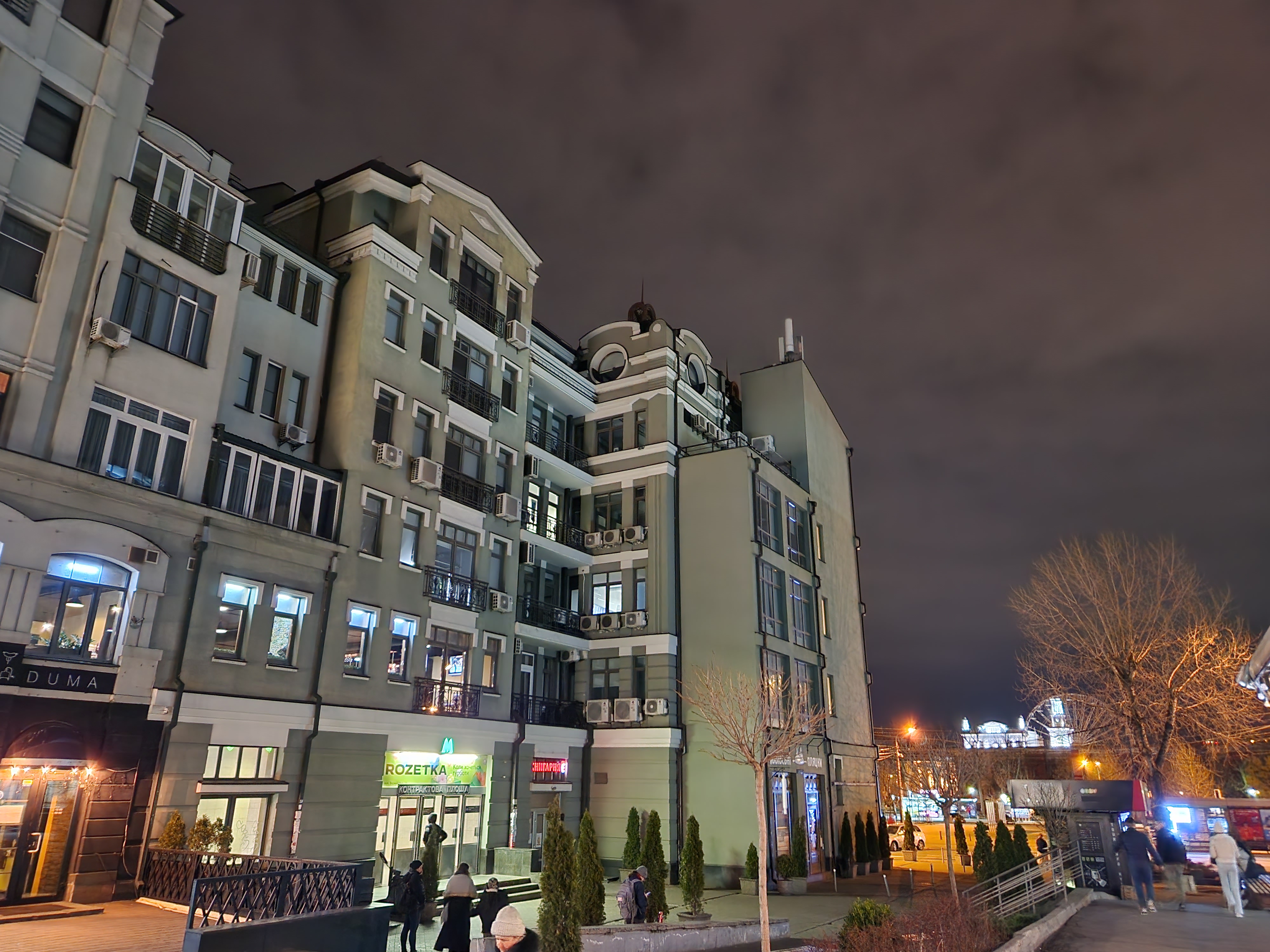
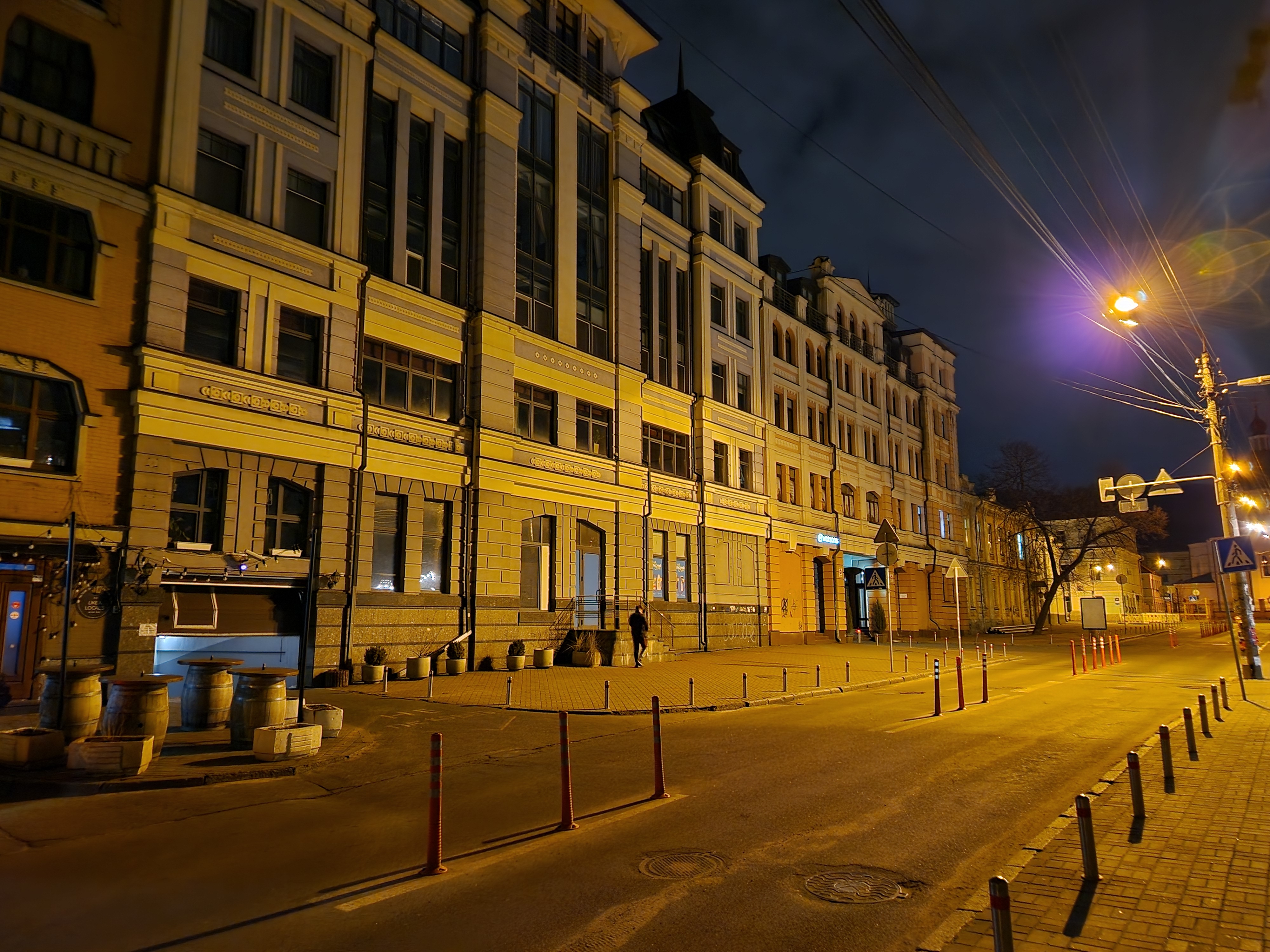
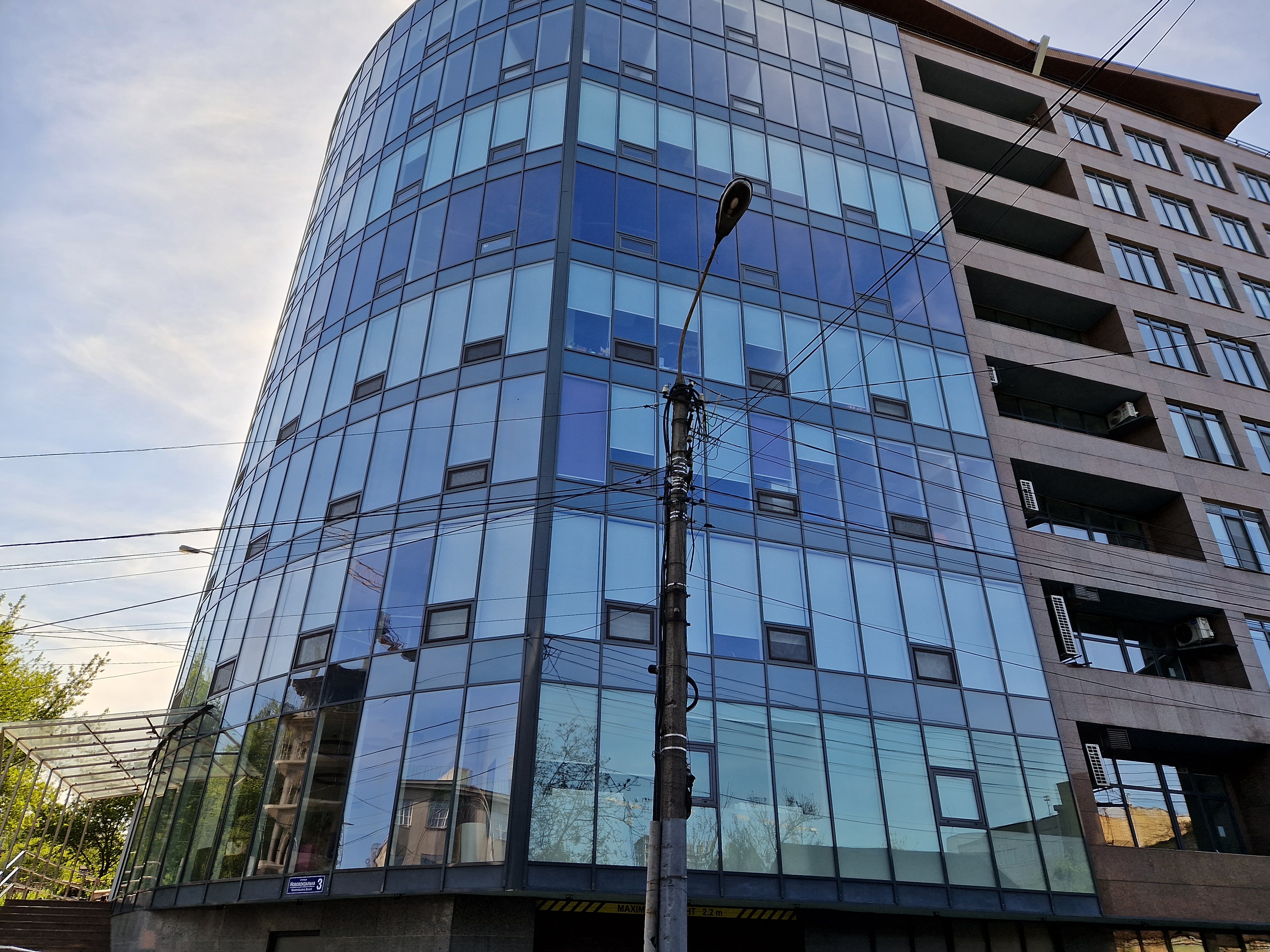
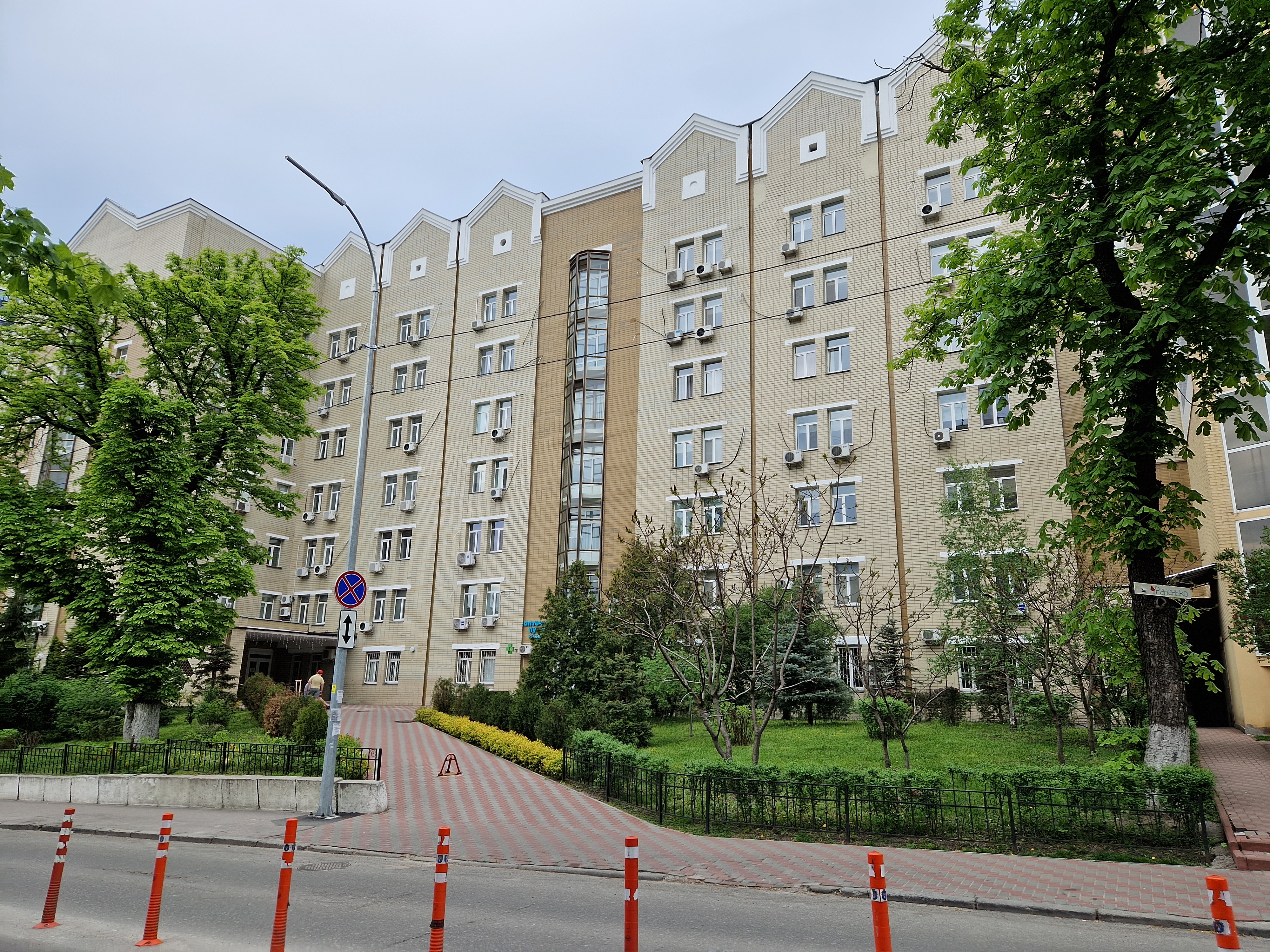
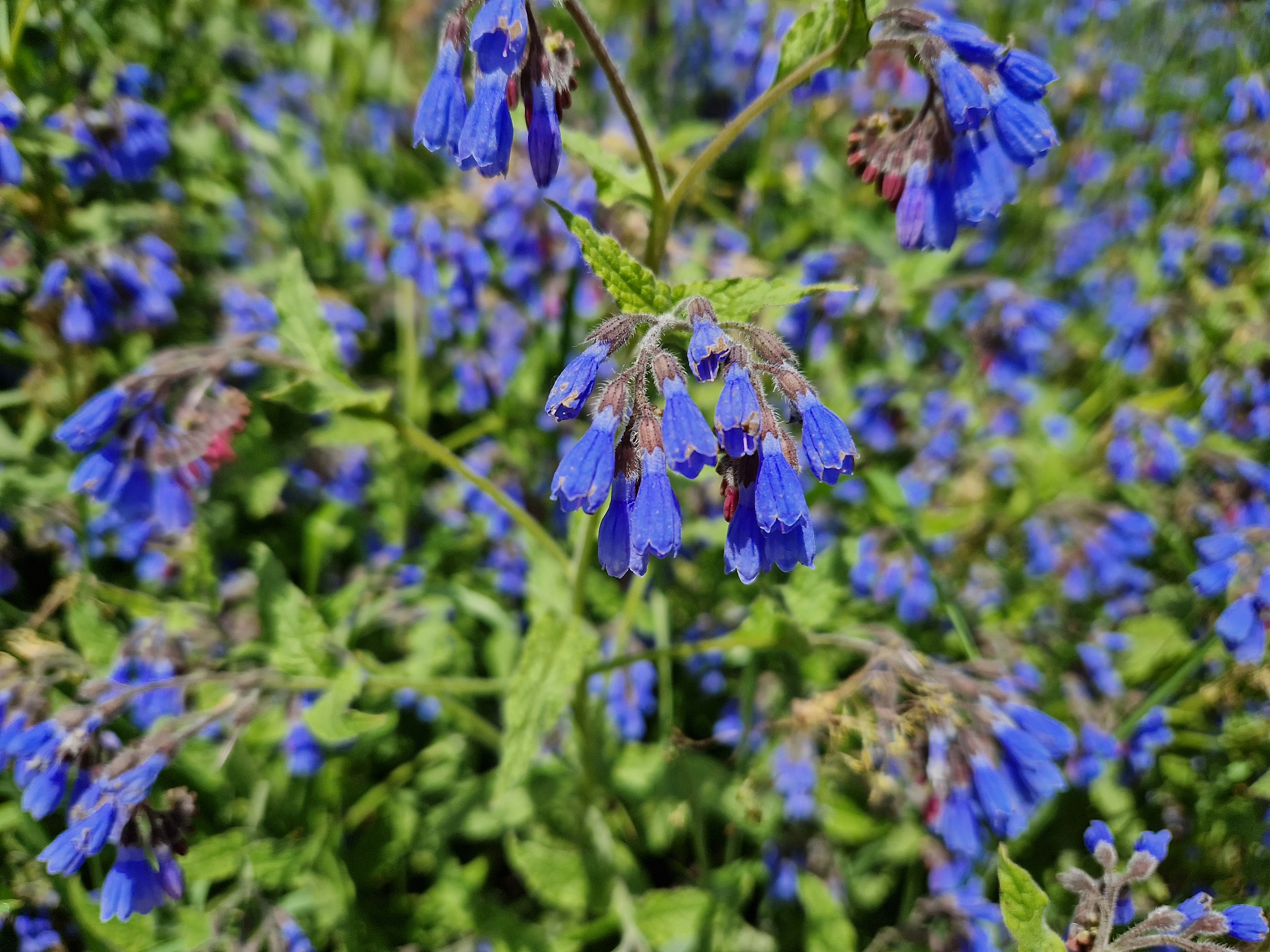
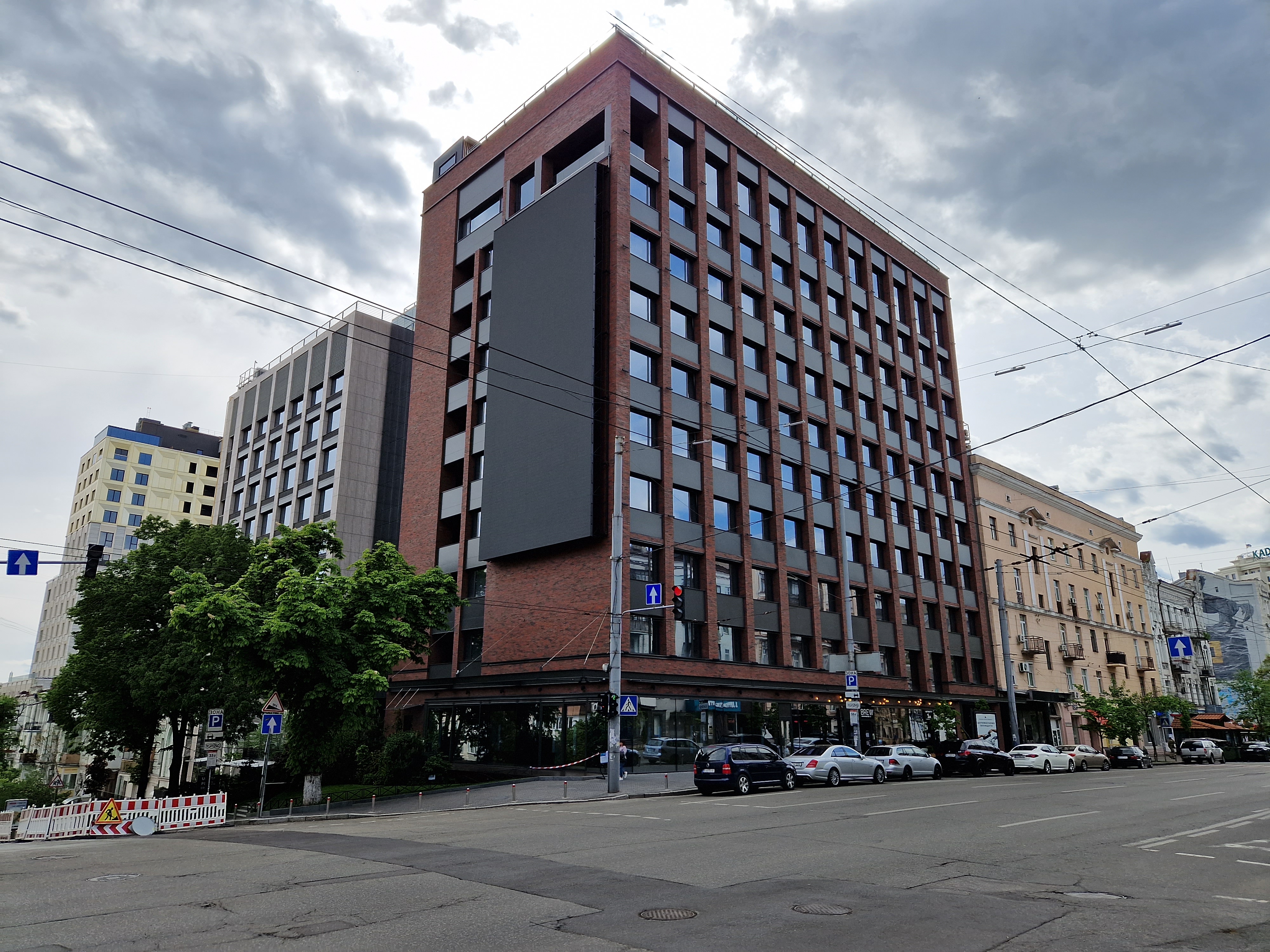
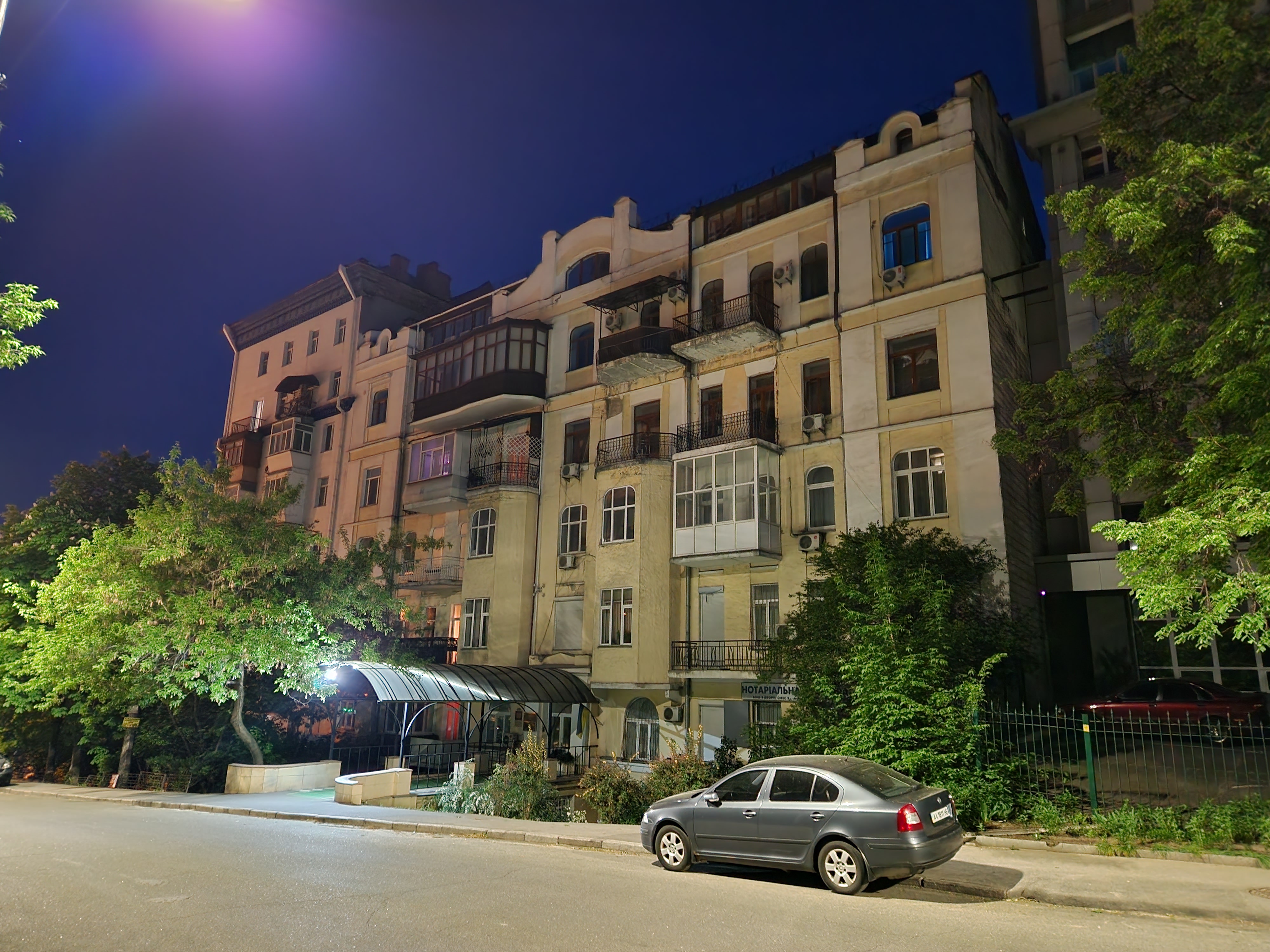
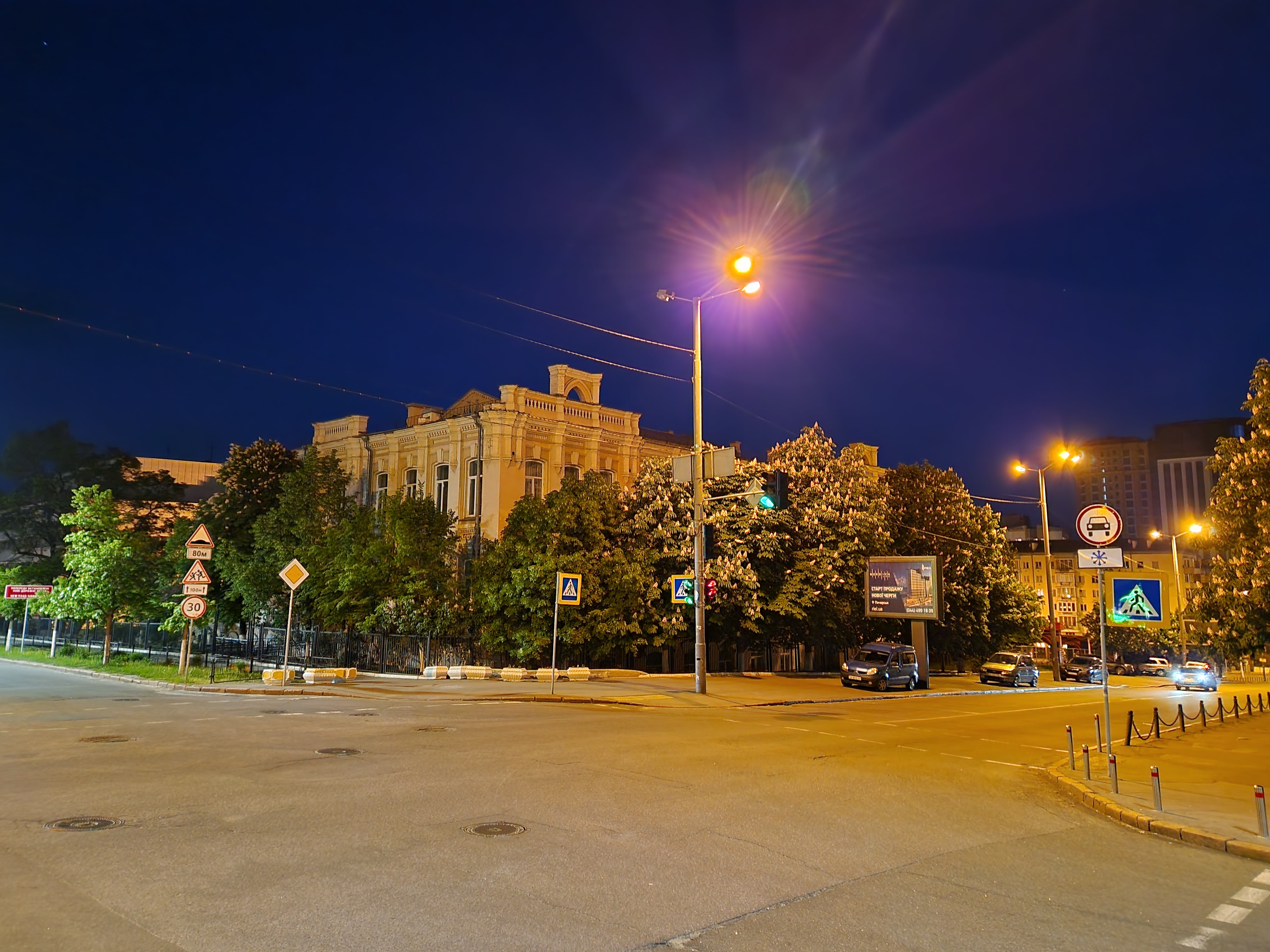
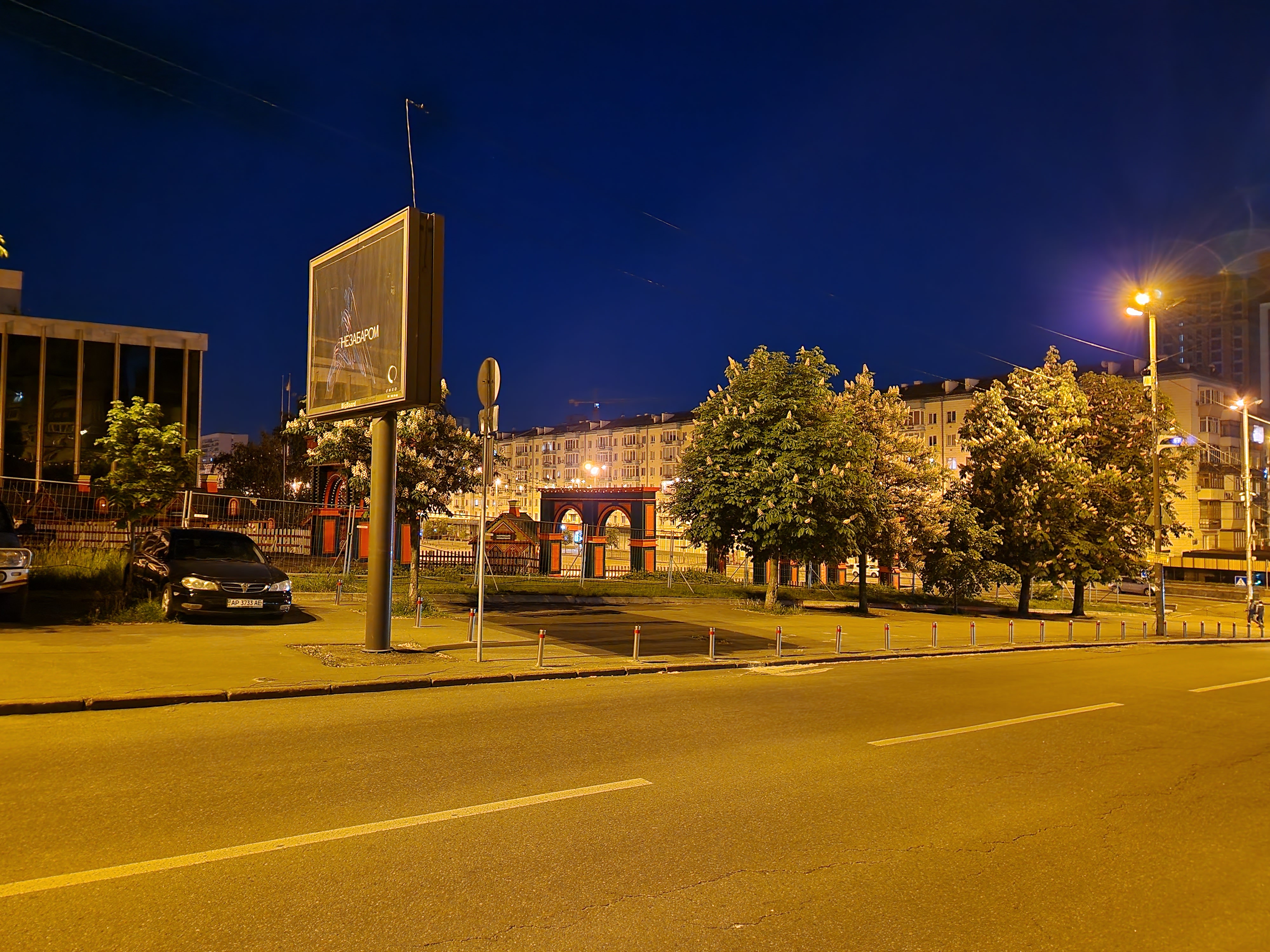
The main camera of the Samsung Galaxy S22 is goodcopes in most cases. Daytime footage is of excellent quality, with very rich natural colors, wide dynamic range and excellent detail. HDR handles shadows well. The night shooting mode works very well: detail practically does not drop, but the consequences of the processing algorithms are visible. Those same yellow and orange shades appear.

</ img>

</ img>

</ img>

</ img>
</ img>
</ img>

</ img>

</ img>
</ img>
</ img>
</ img>

</ img>
</ img>

</ img>

</ img>

</ img>
















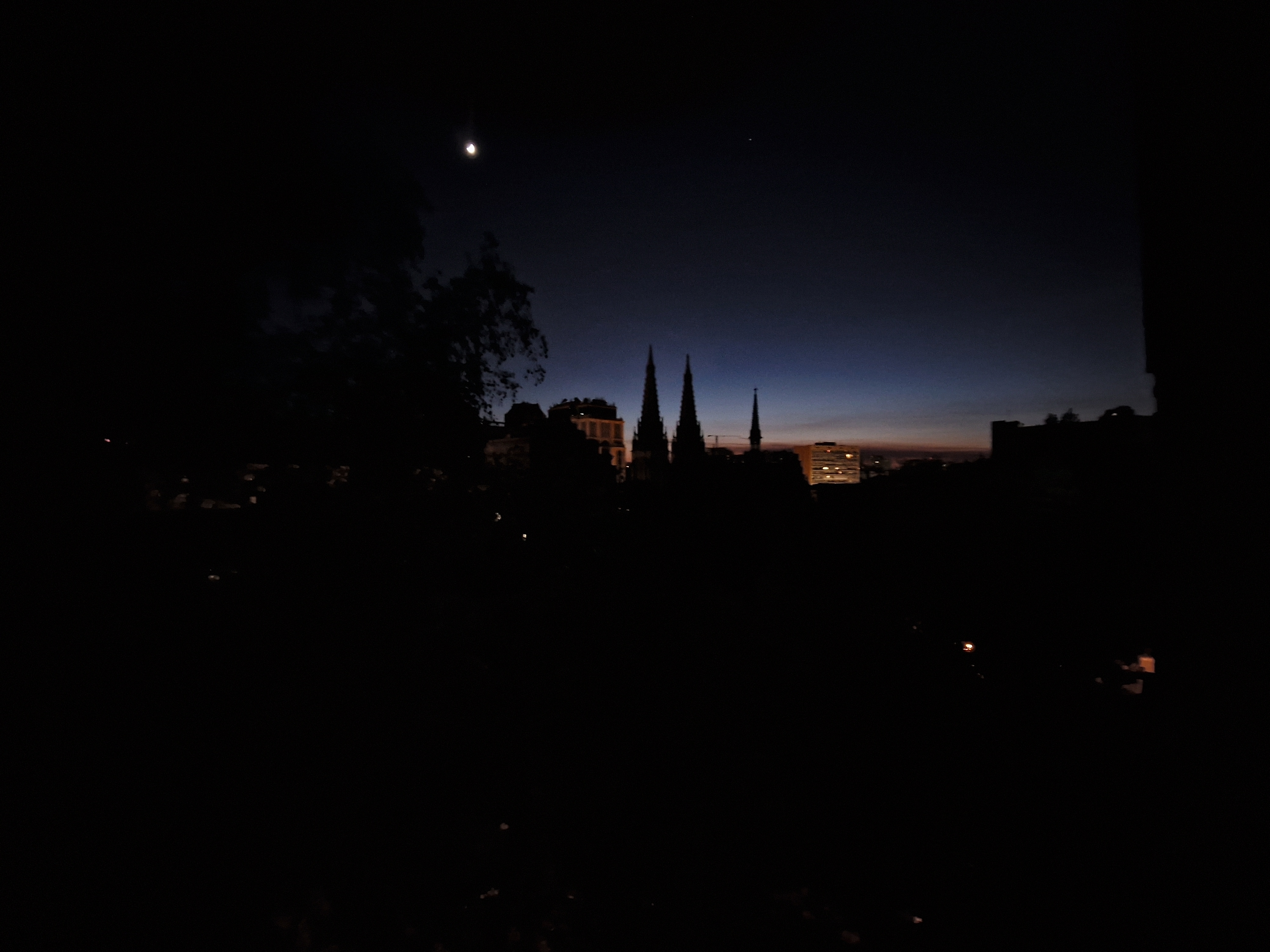
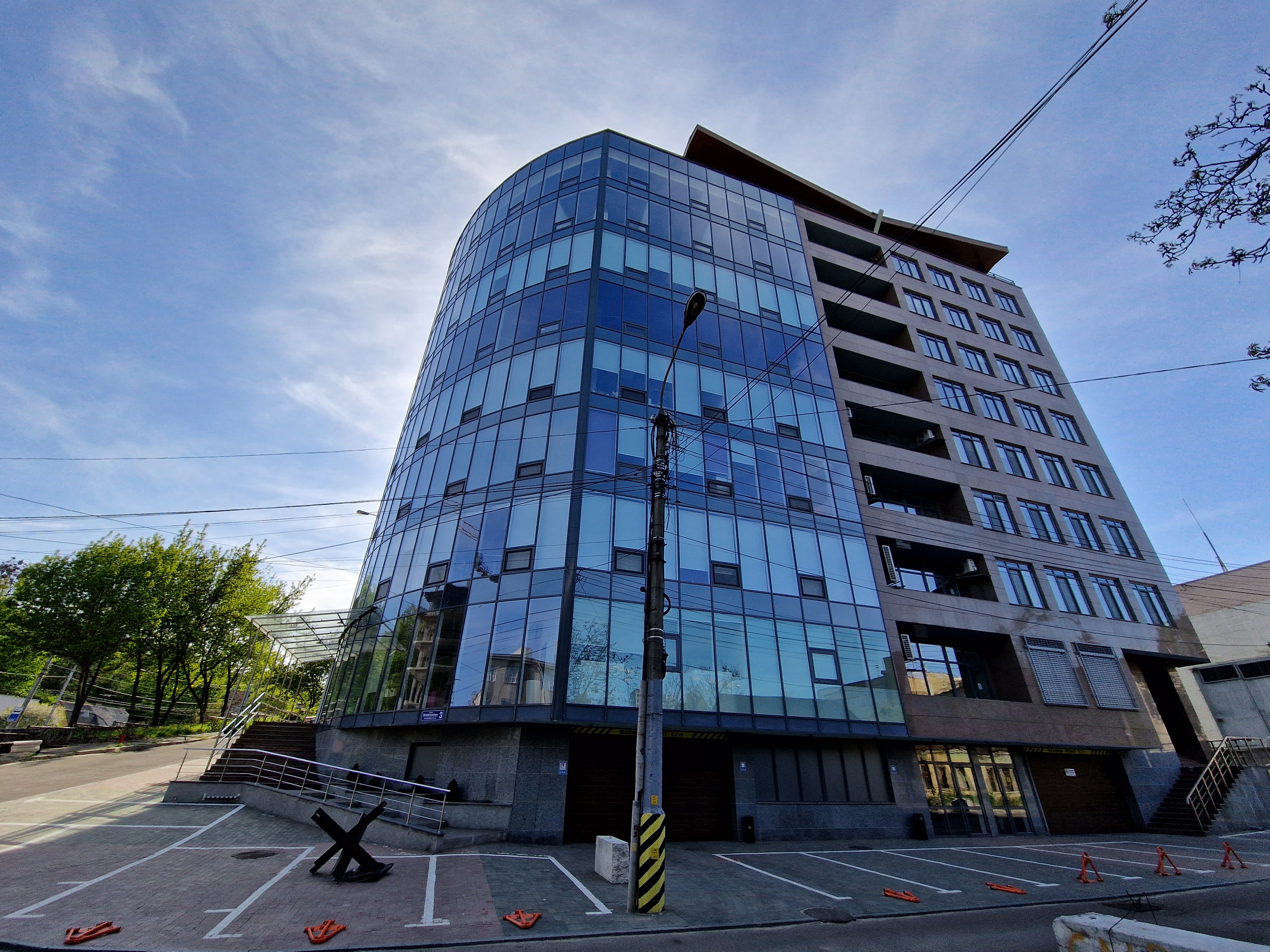
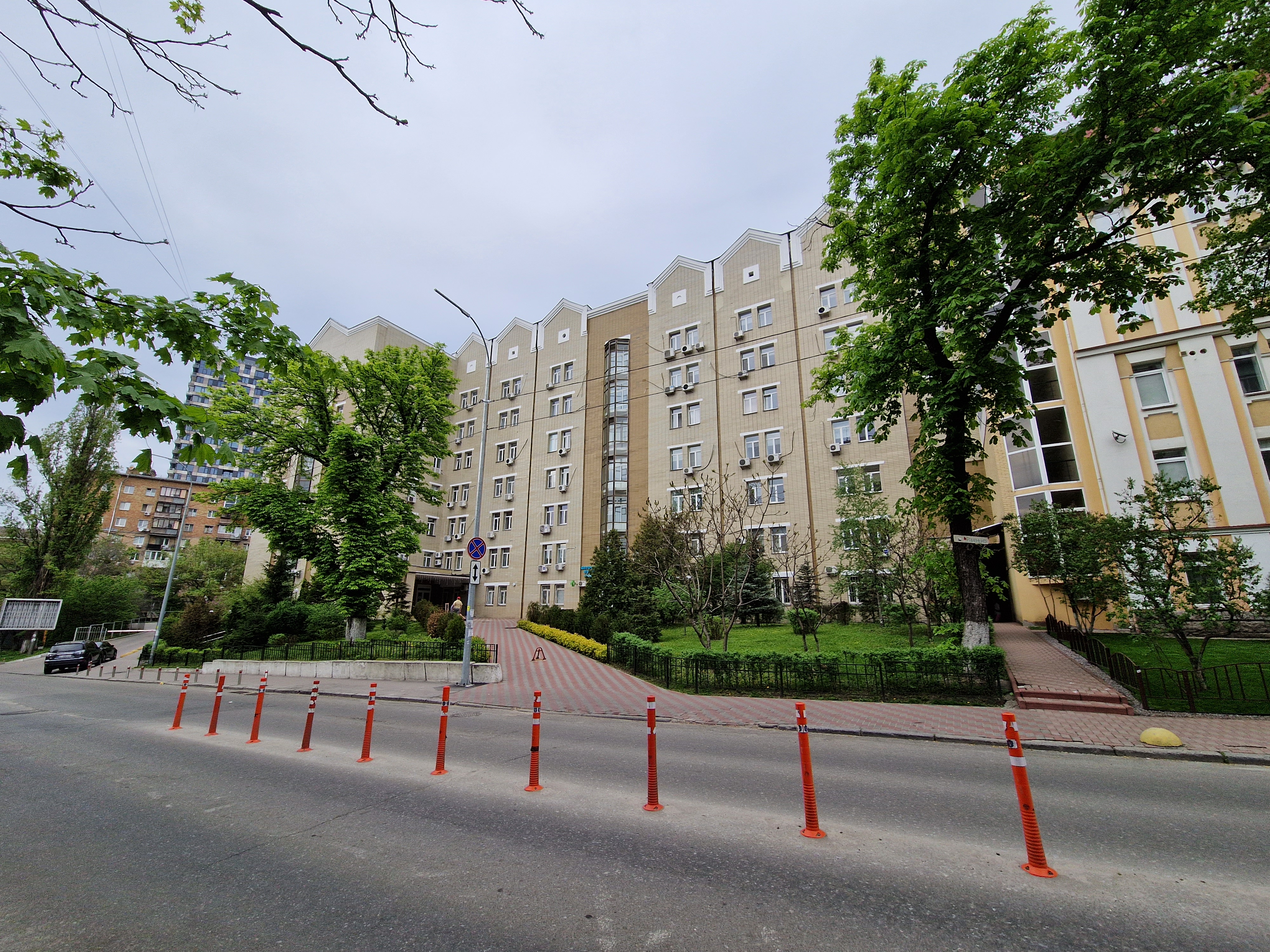
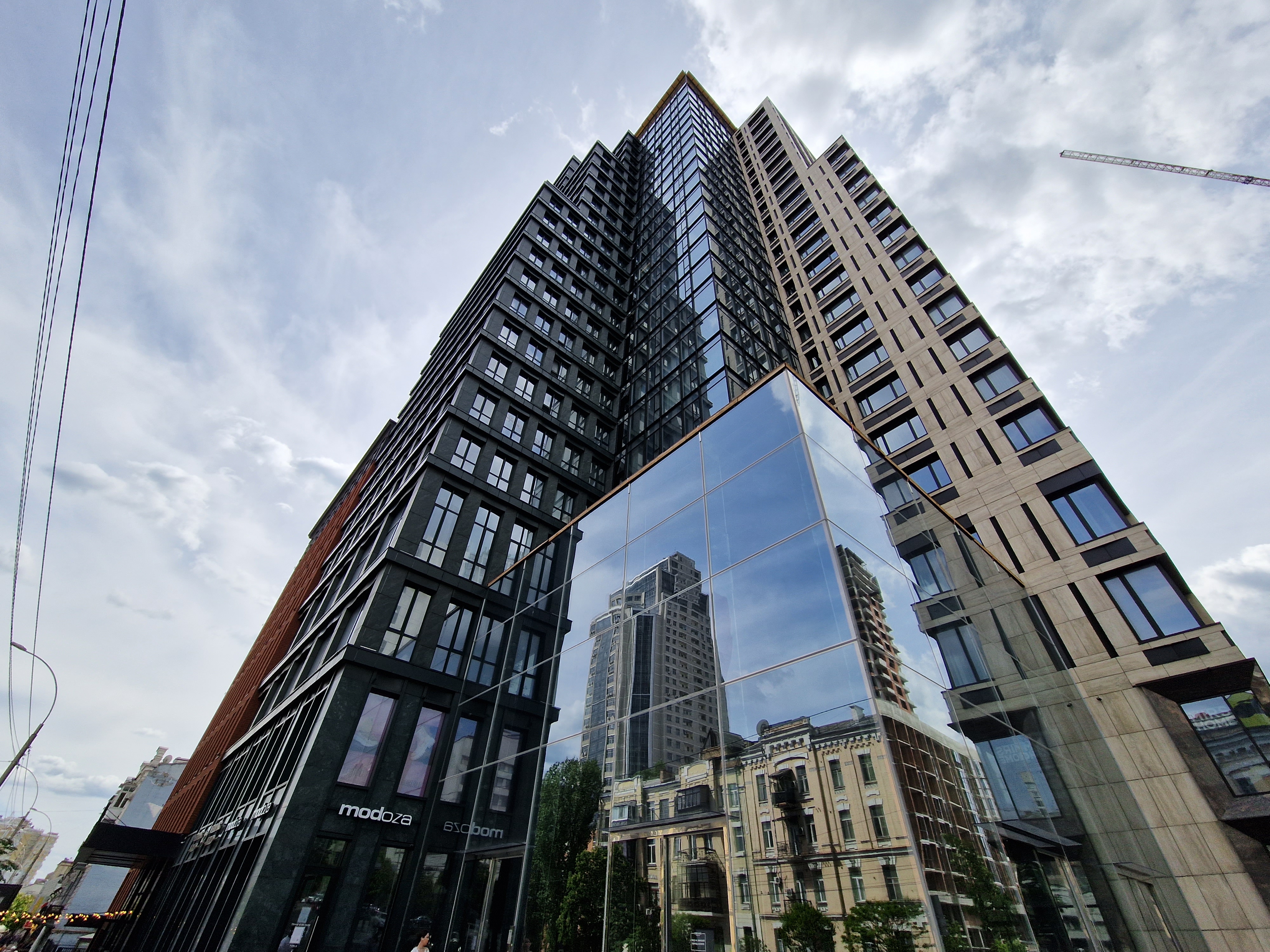
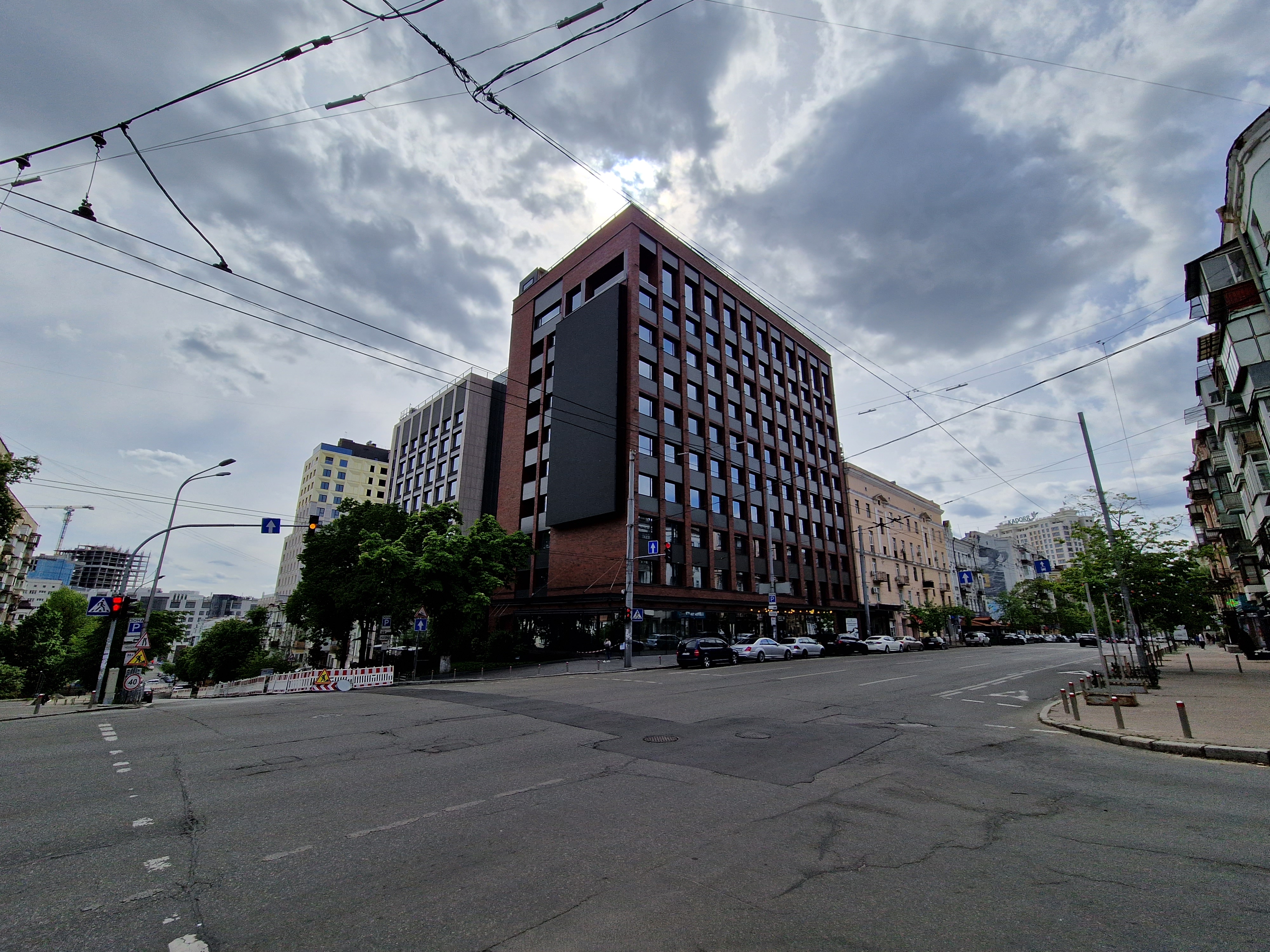
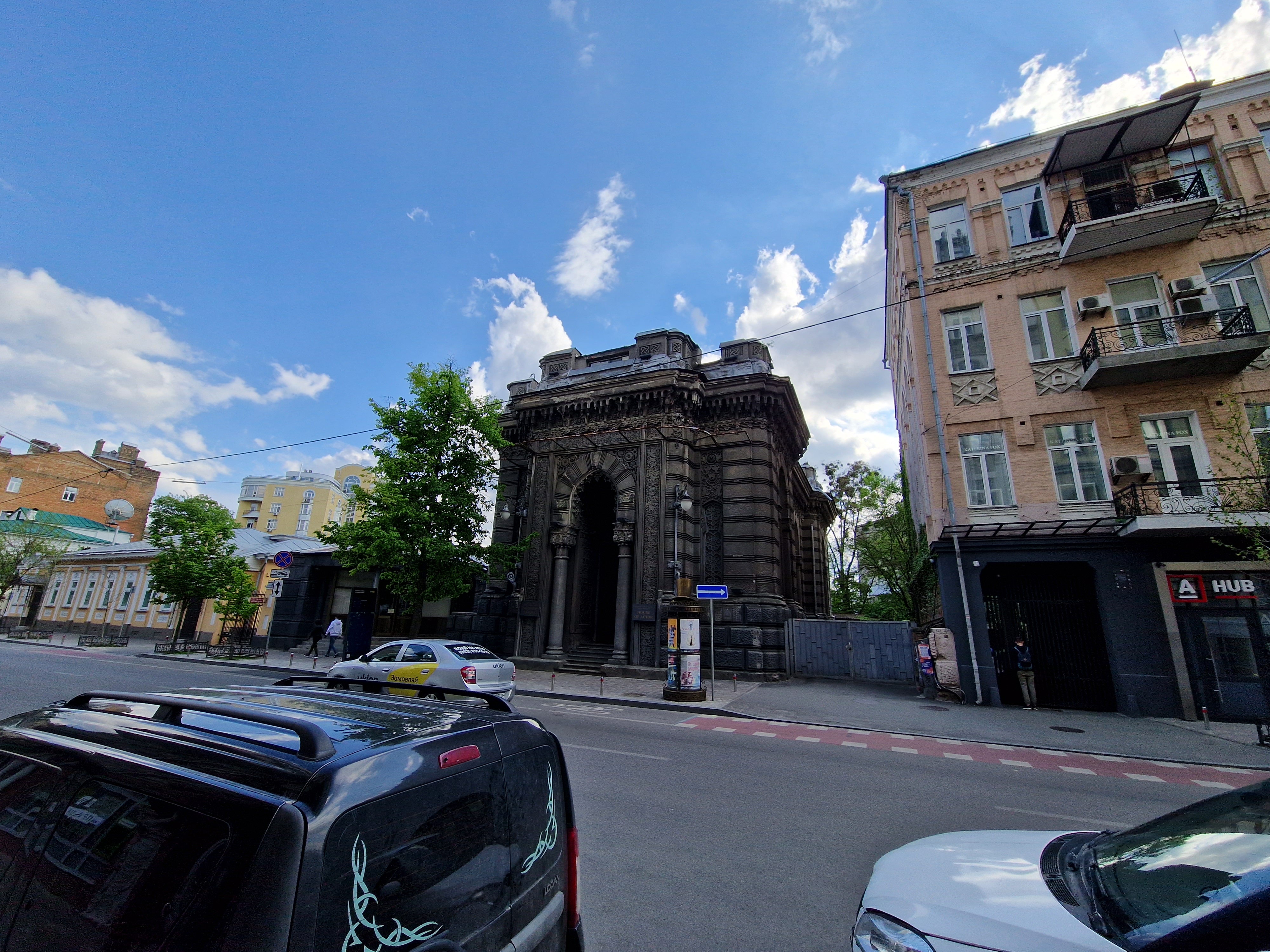
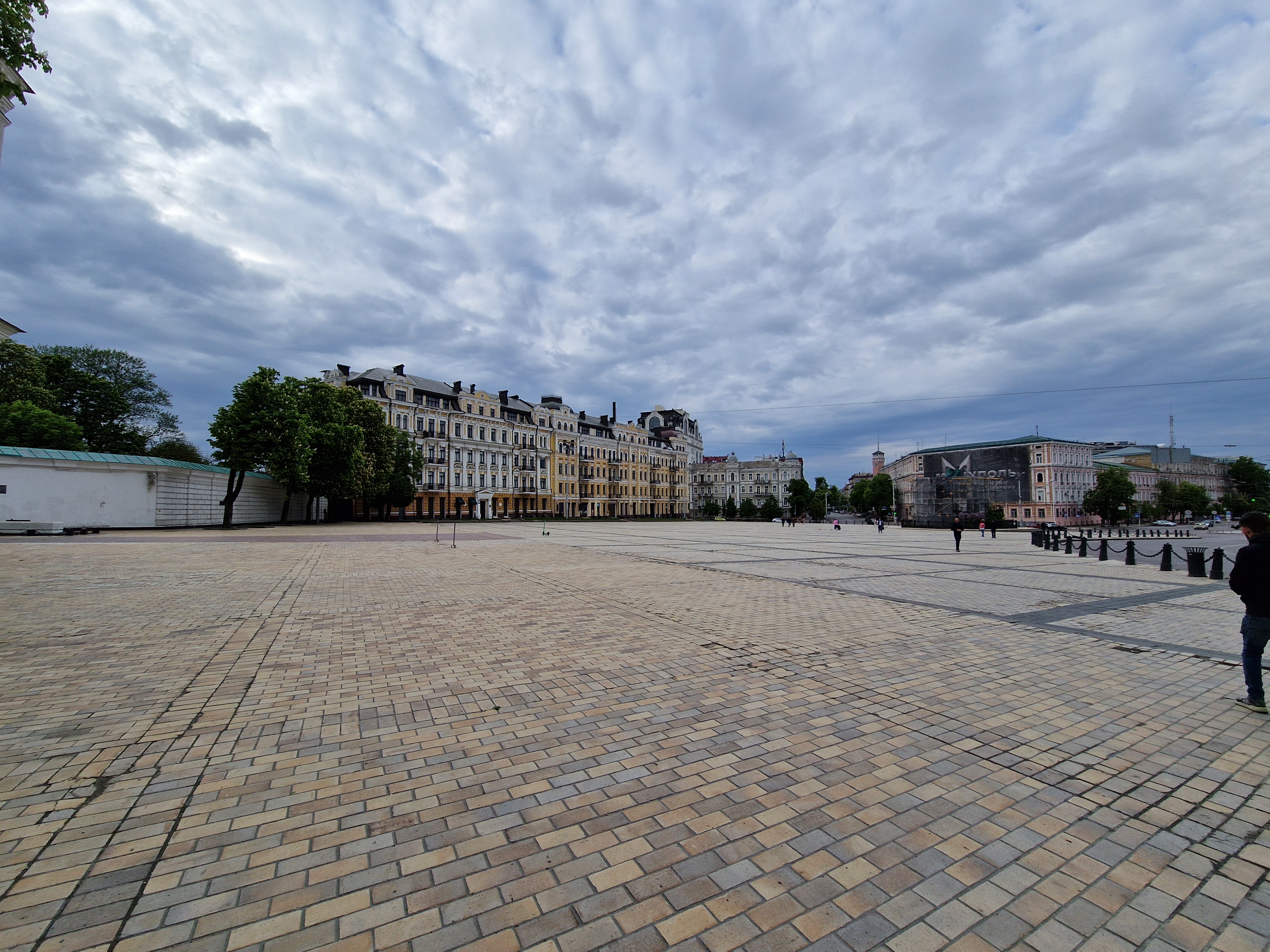
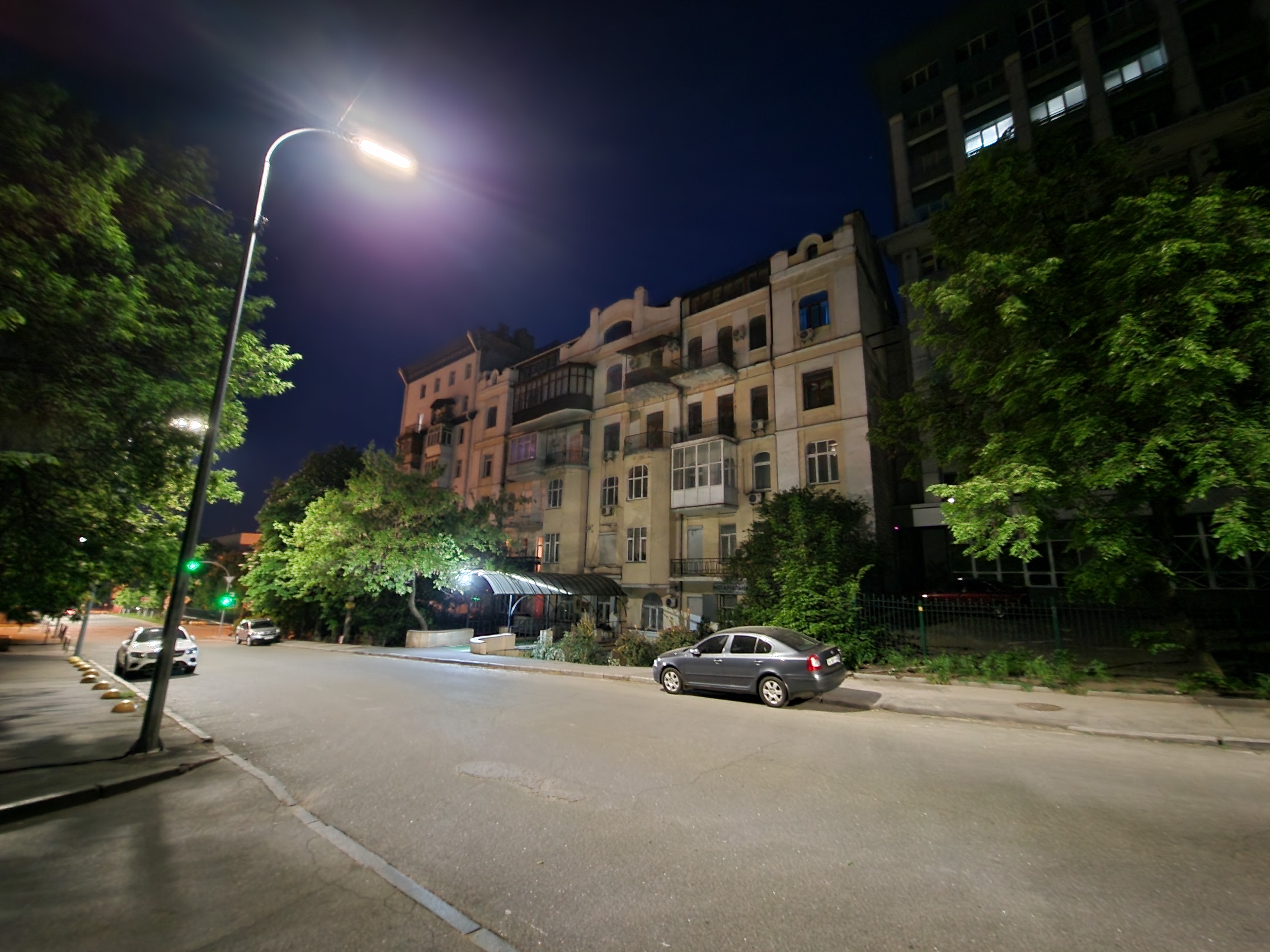
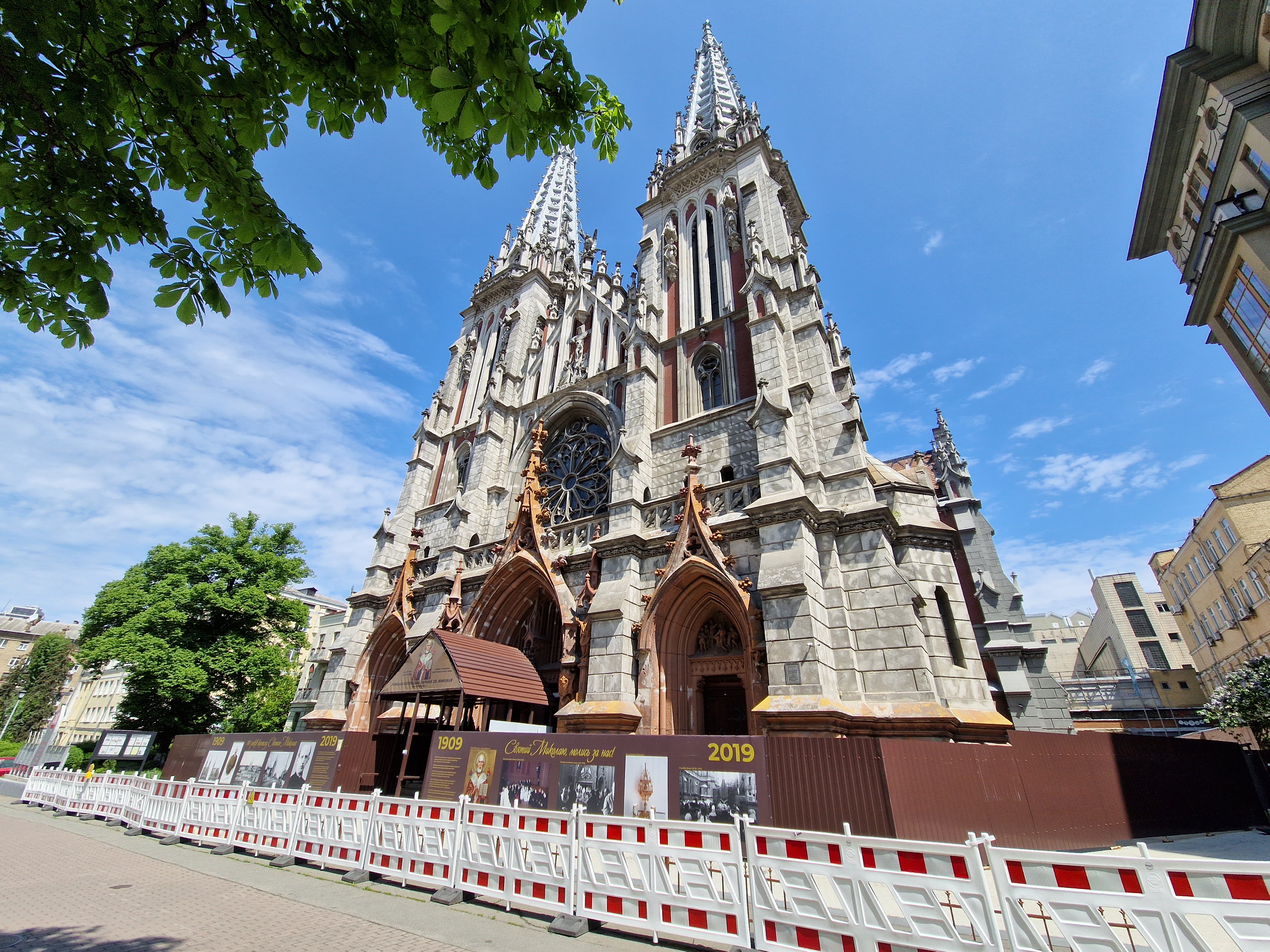
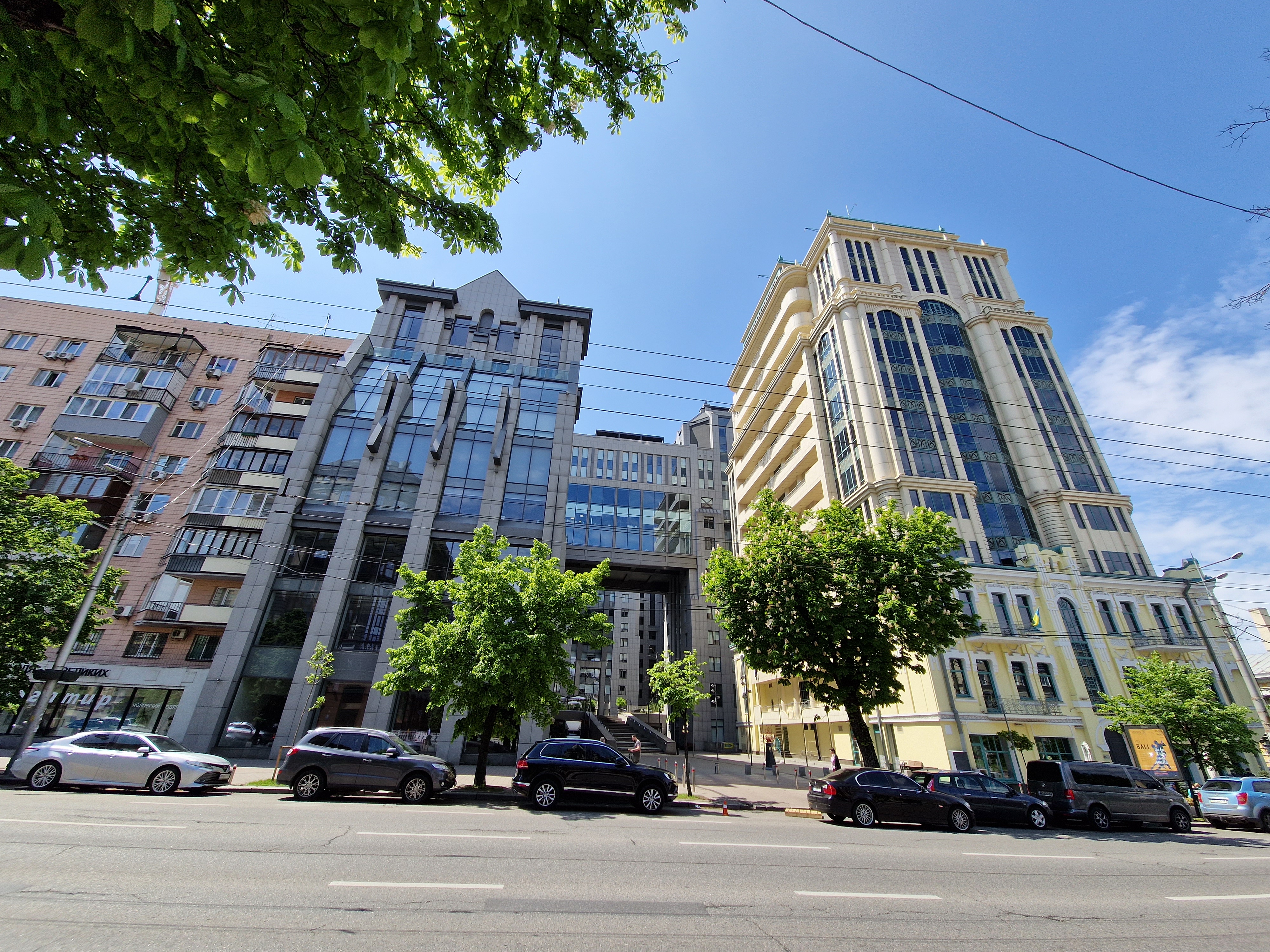
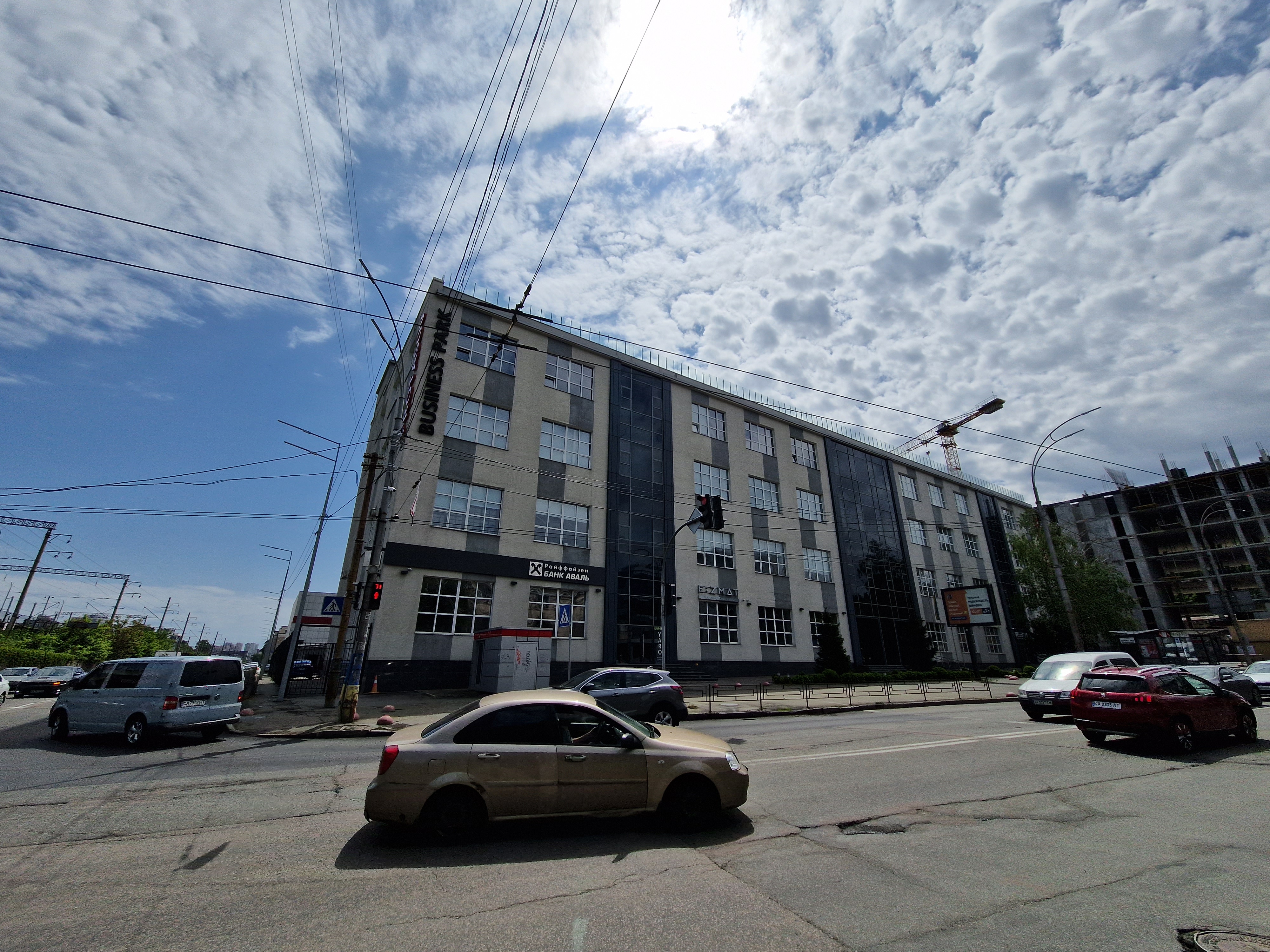
The ultra-wide-angle camera, unfortunately, is simpler than that of the Galaxy S22 Ultra. It copes well with daytime photos; in poor lighting, some photos already turn out to be “noisy”:

</ img>

</ img>

</ img>

</ img>

</ img>

</ img>
</ img>

</ img>
</ img>
</ img>

</ img>
</ img>
</ img>

</ img>
</ img>
</ img>
















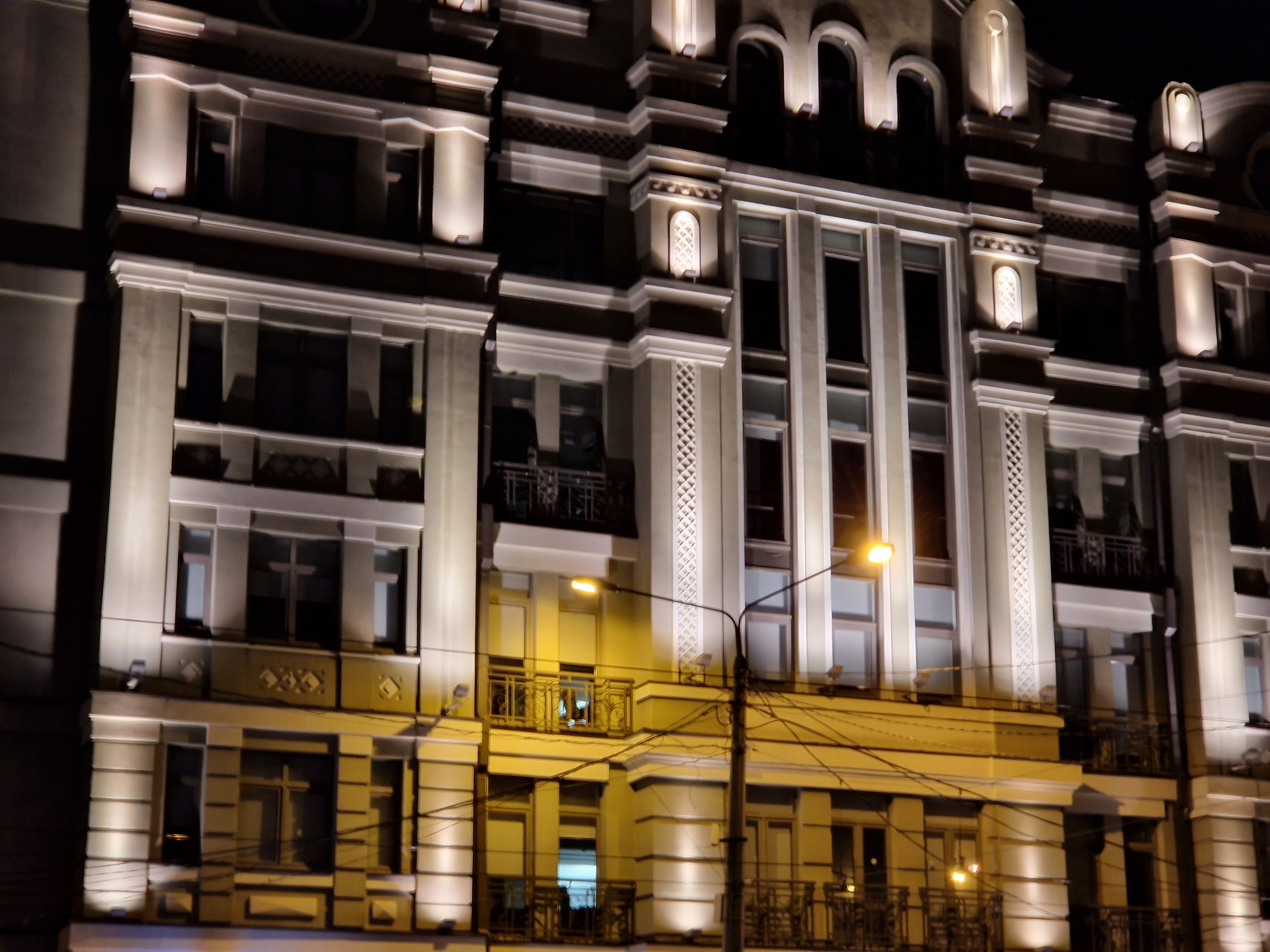
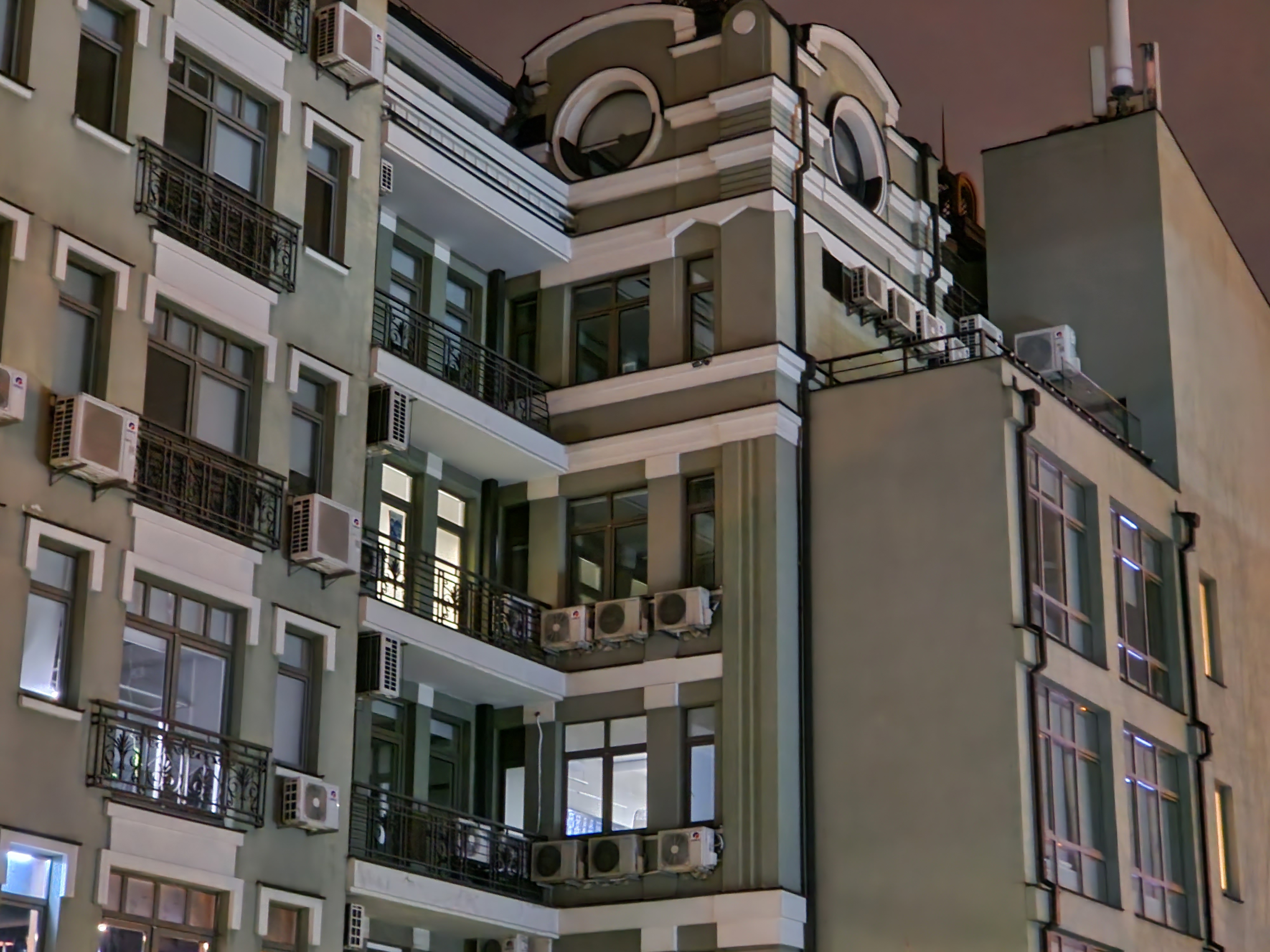
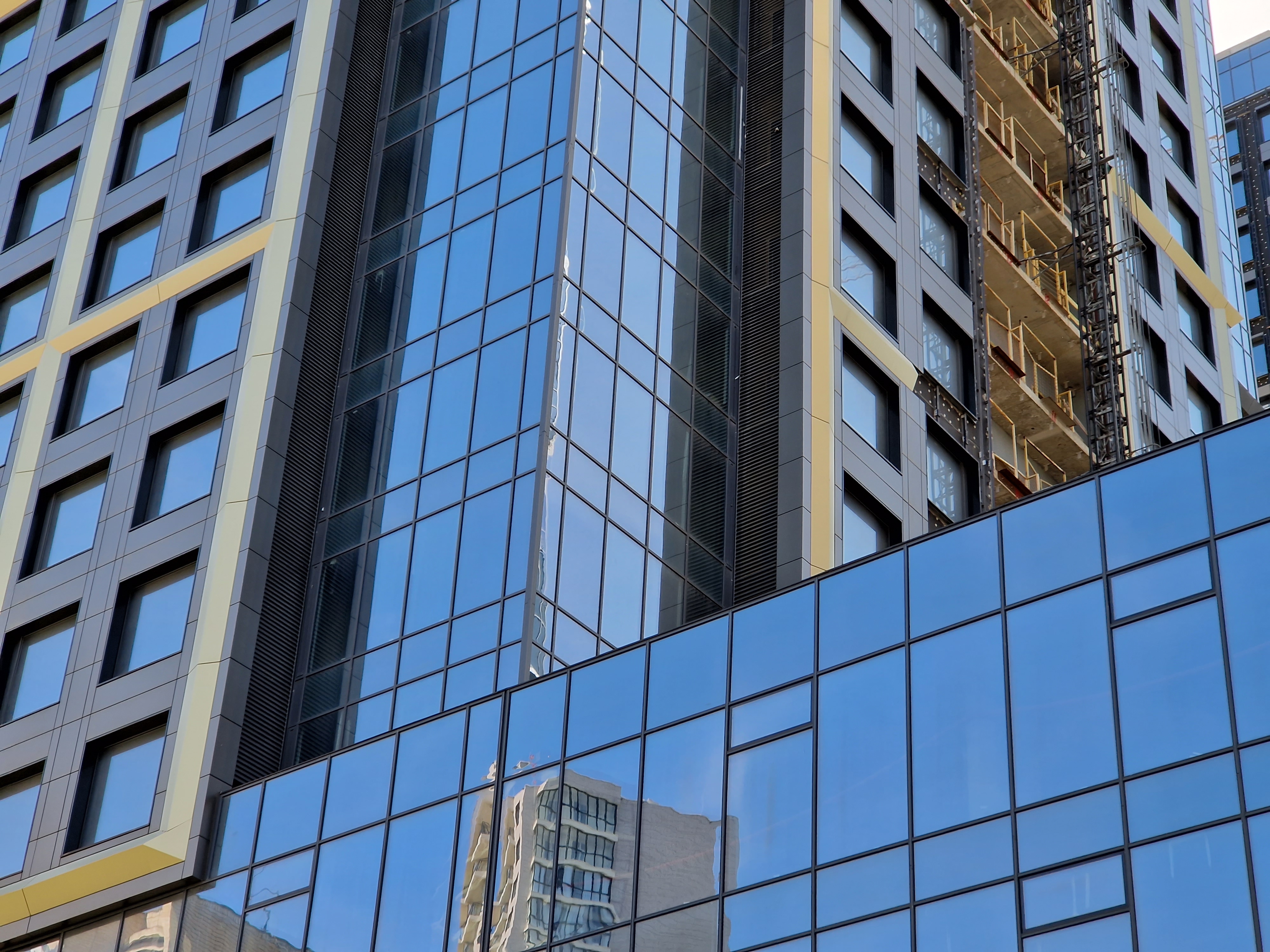
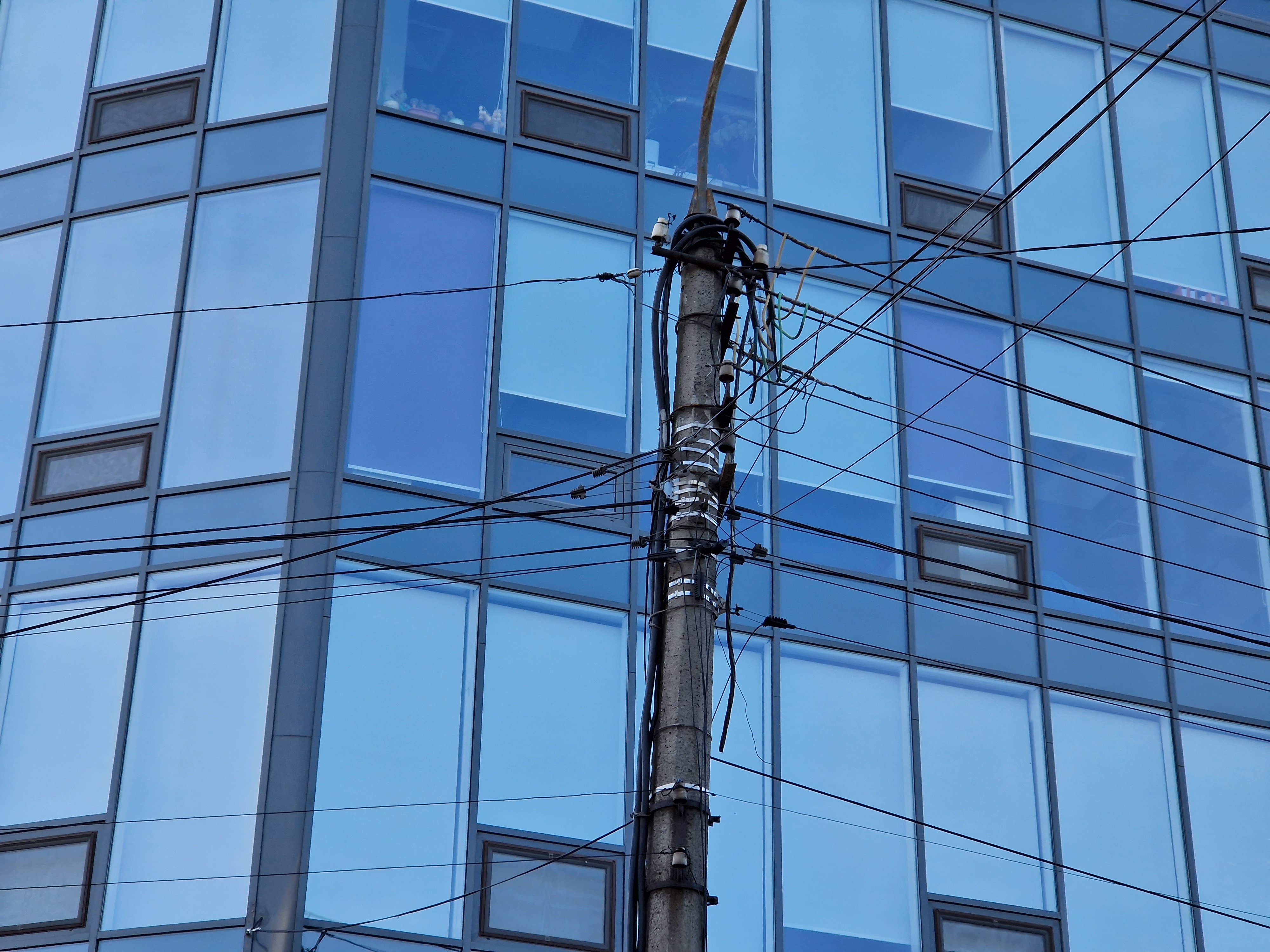
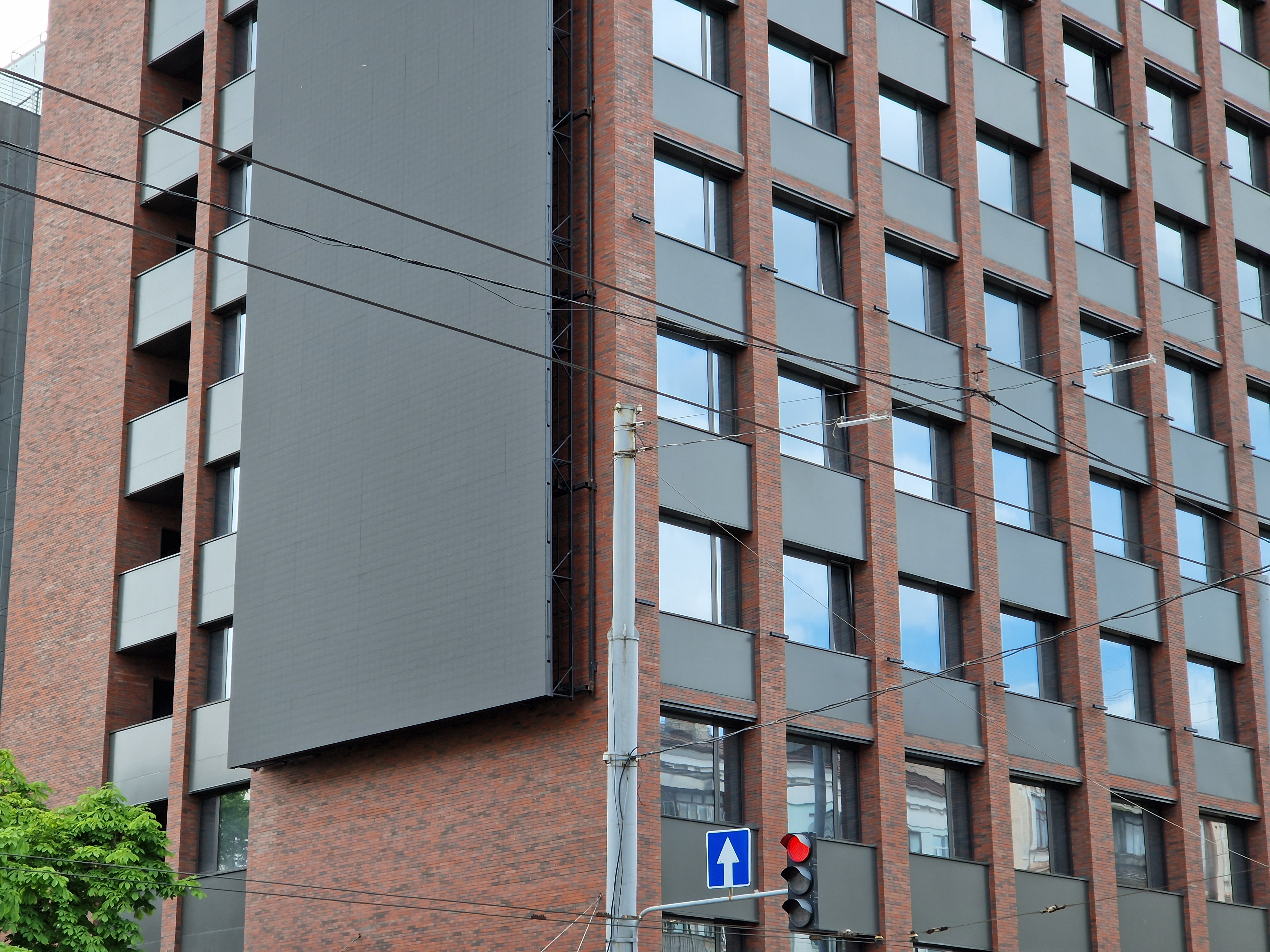
Telephoto camera with 3x zoom works very soundly:

</ img>

</ img>

</ img>
</ img>
</ img>

</ img>

</ img>
</ img>
</ img>

</ img>

</ img>

</ img>
</ img>

</ img>

</ img>

</ img>
















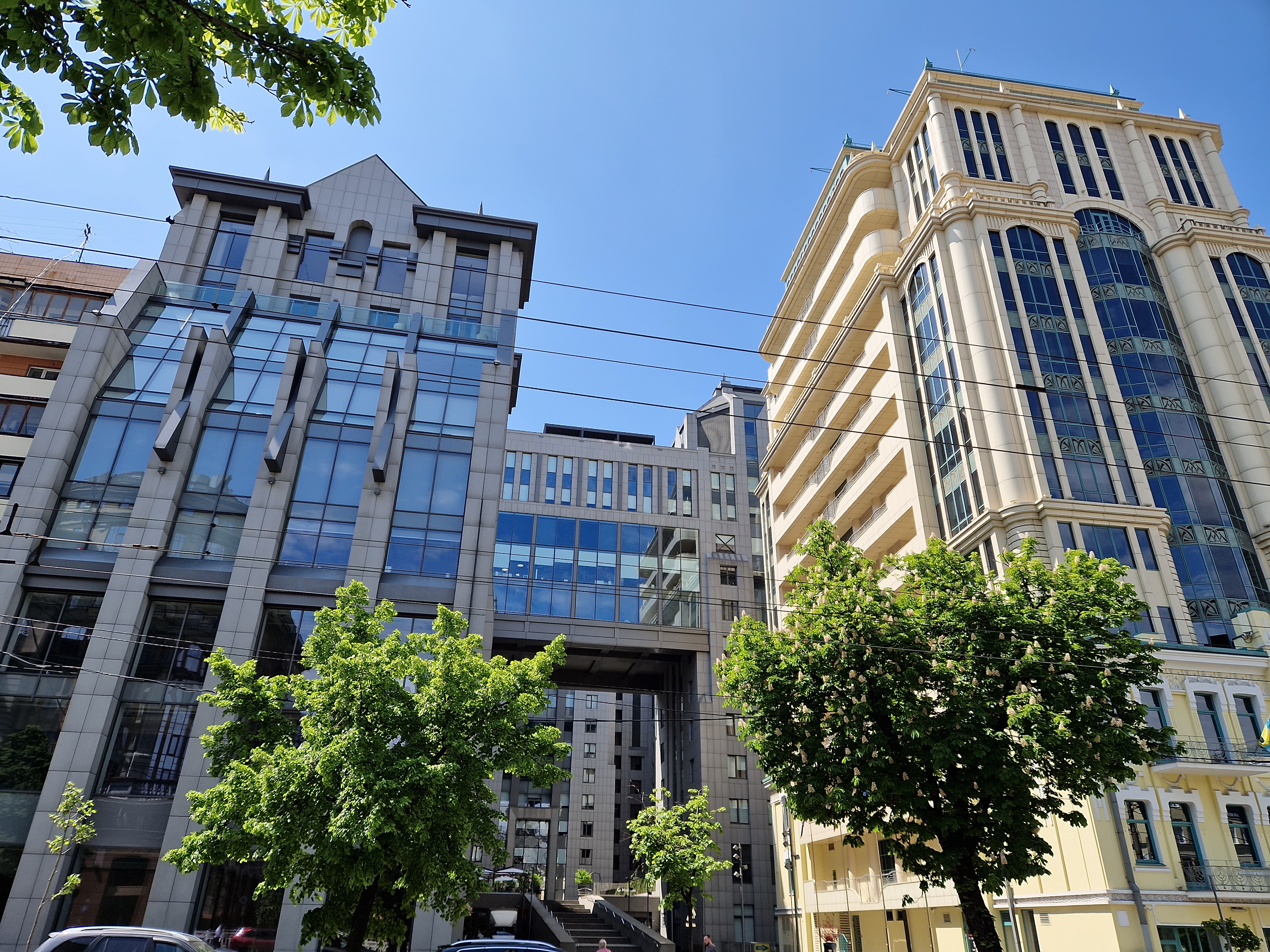
The set of cameras in the Samsung Galaxy S22 + is absolutely similar and the same raw firmware is installed. But to be honest - similar sets of photos. Main camera:

</ img>
</ img>
</ img>
</ img>

</ img>

</ img>

</ img>
</ img>

</ img>

</ img>
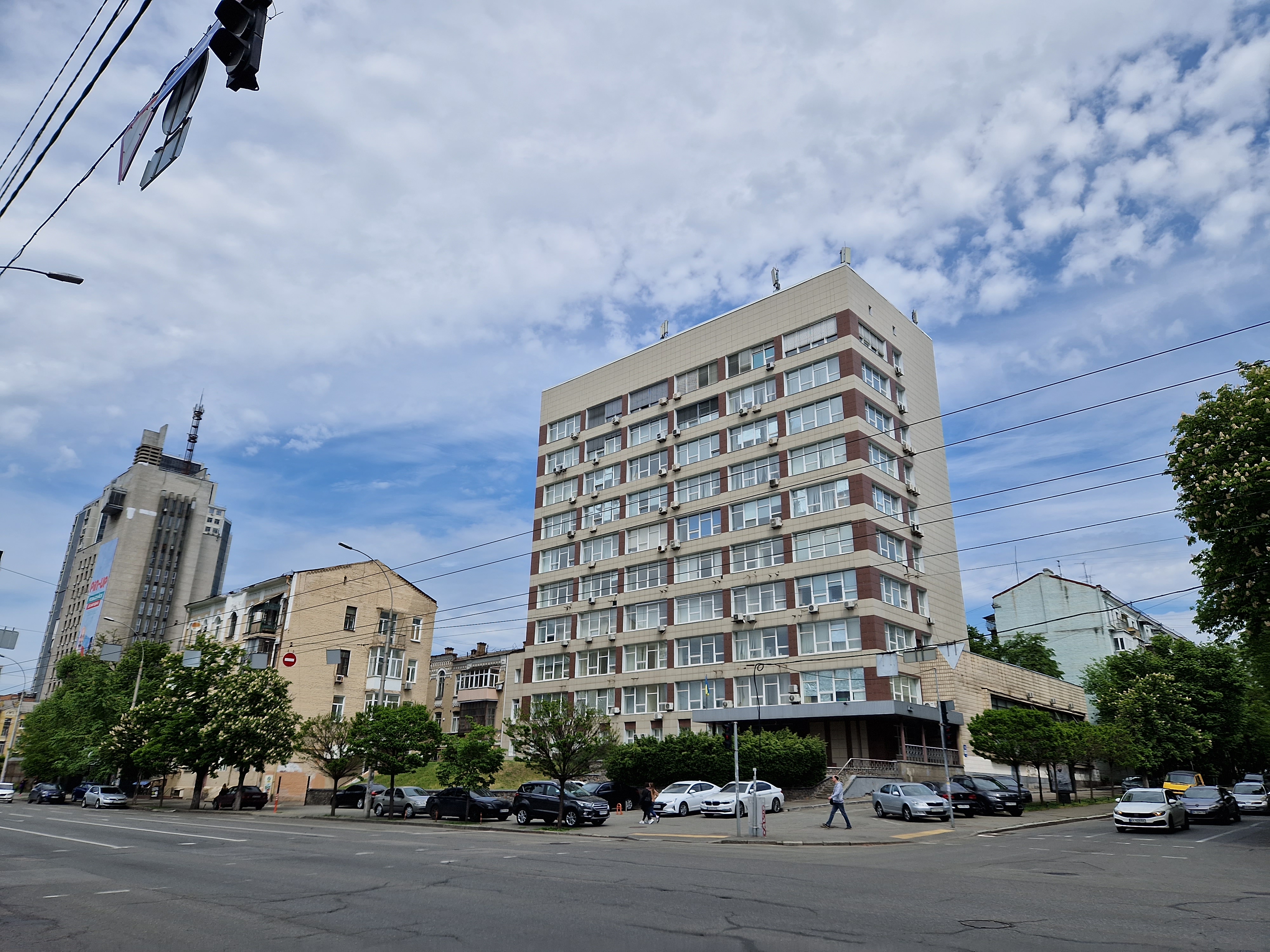
</ img>

</ img>
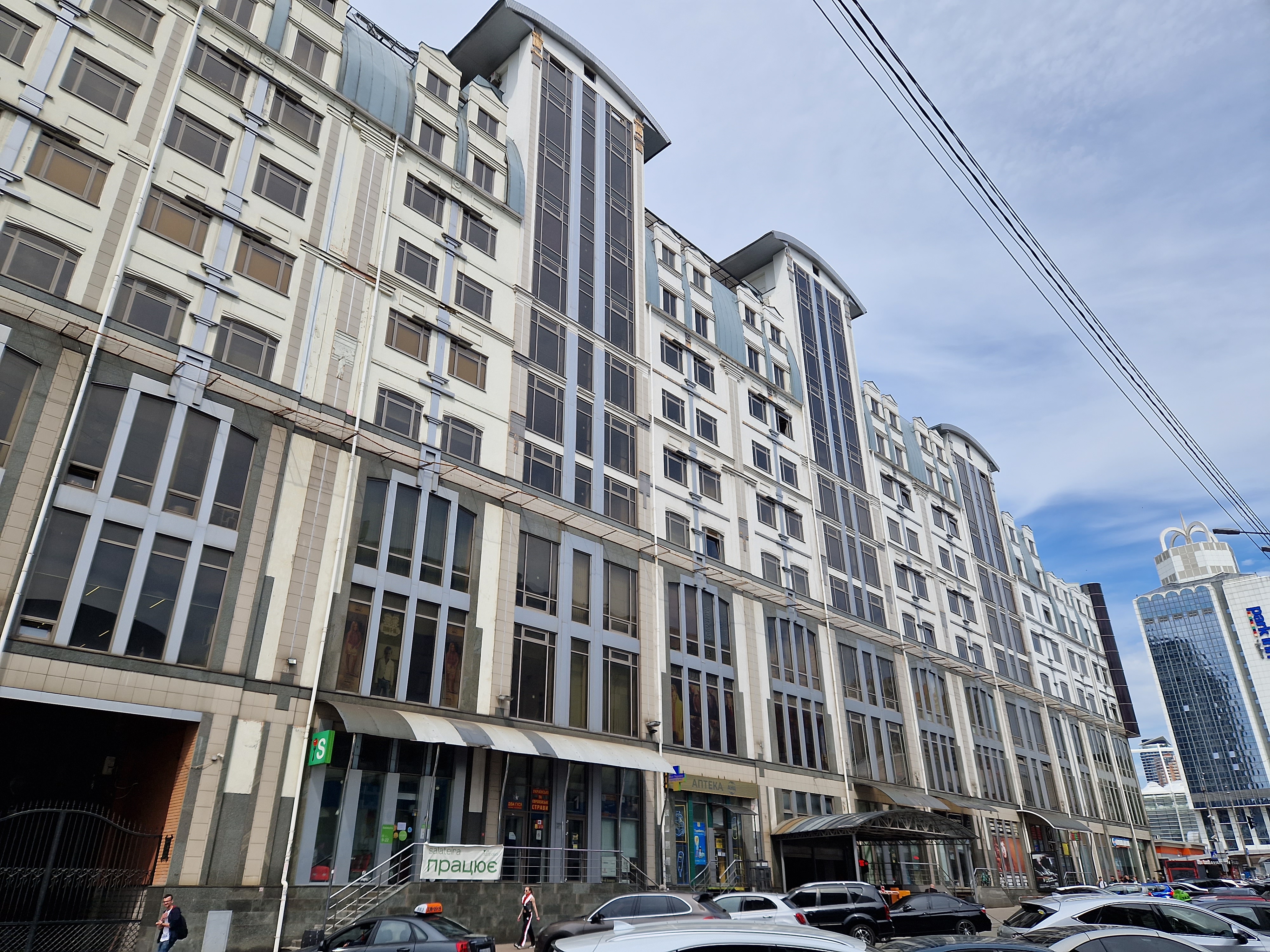
</ img>
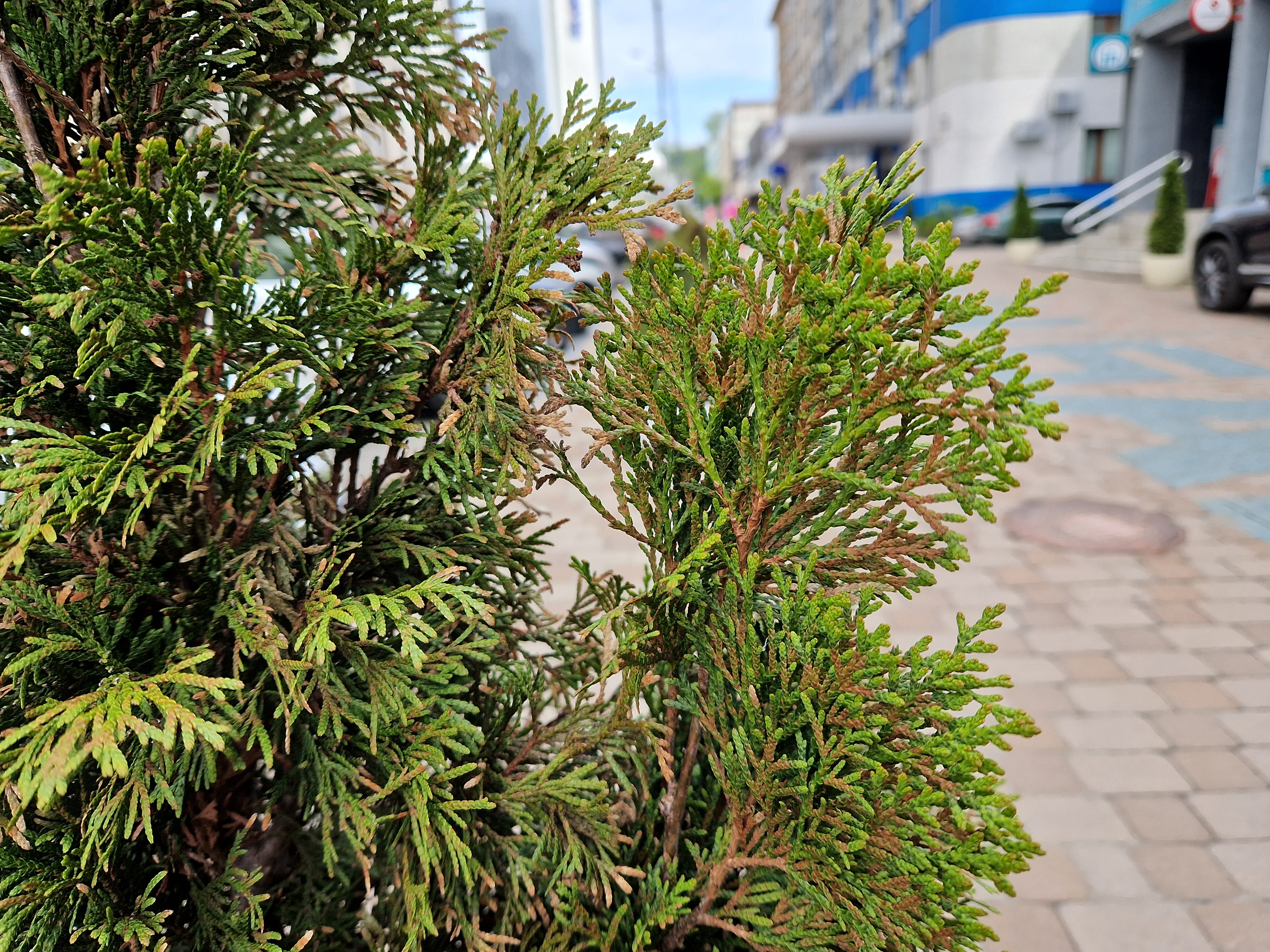
</ img>














Ultra Wide:
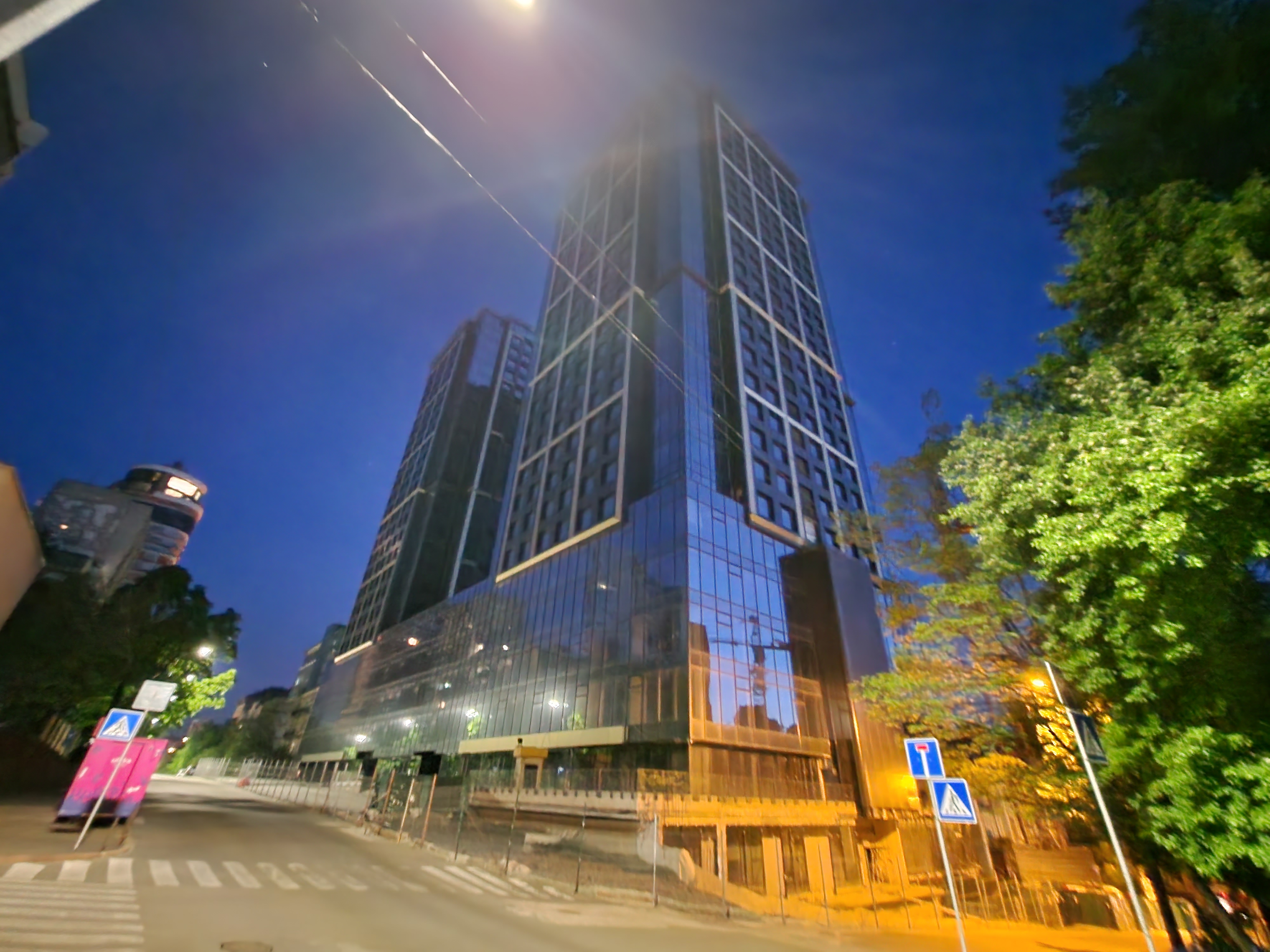
</ img>
</ img>

</ img>

</ img>

</ img>

</ img>
</ img>
</ img>
</ img>

</ img>
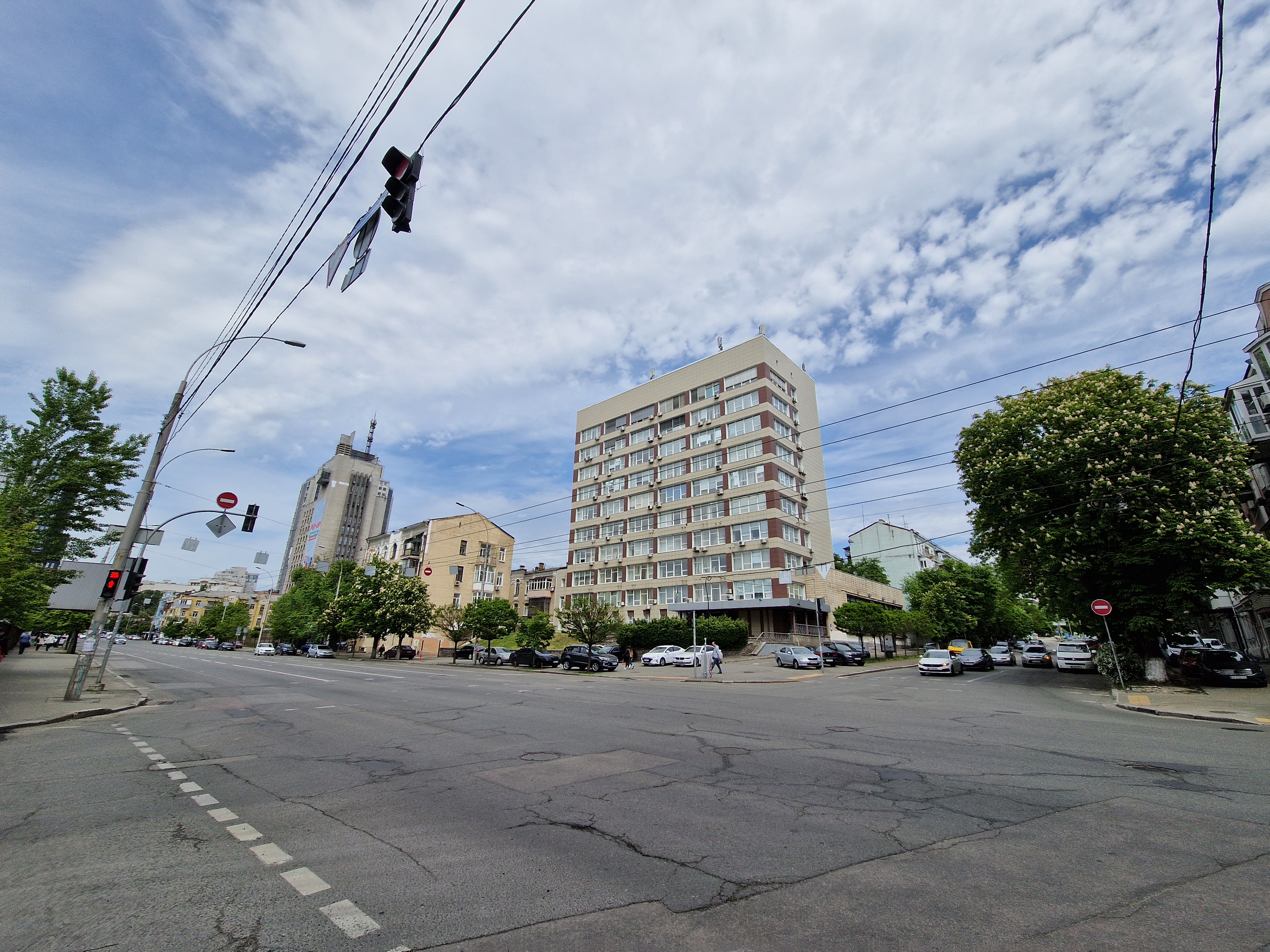
</ img>
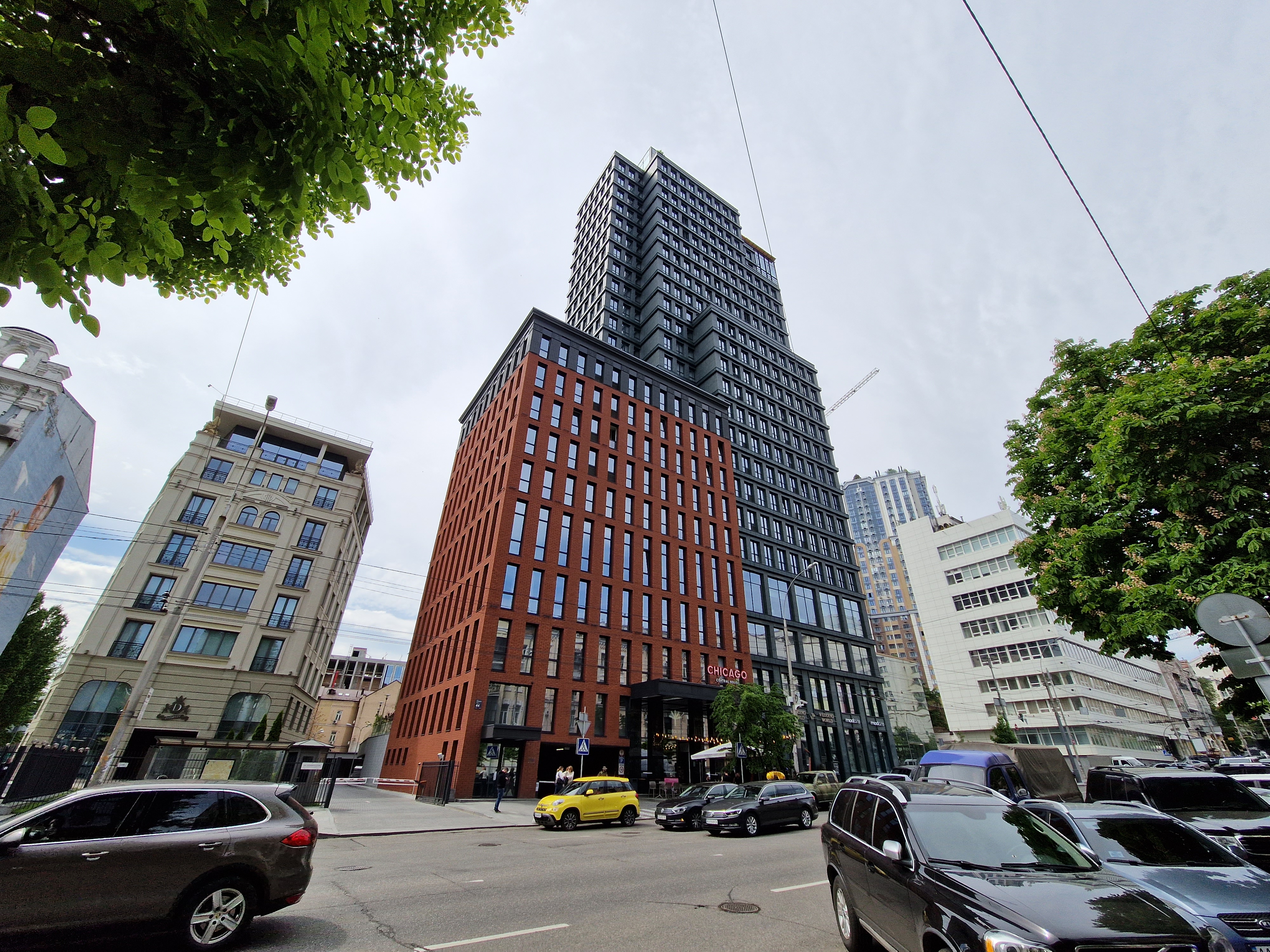
</ img>
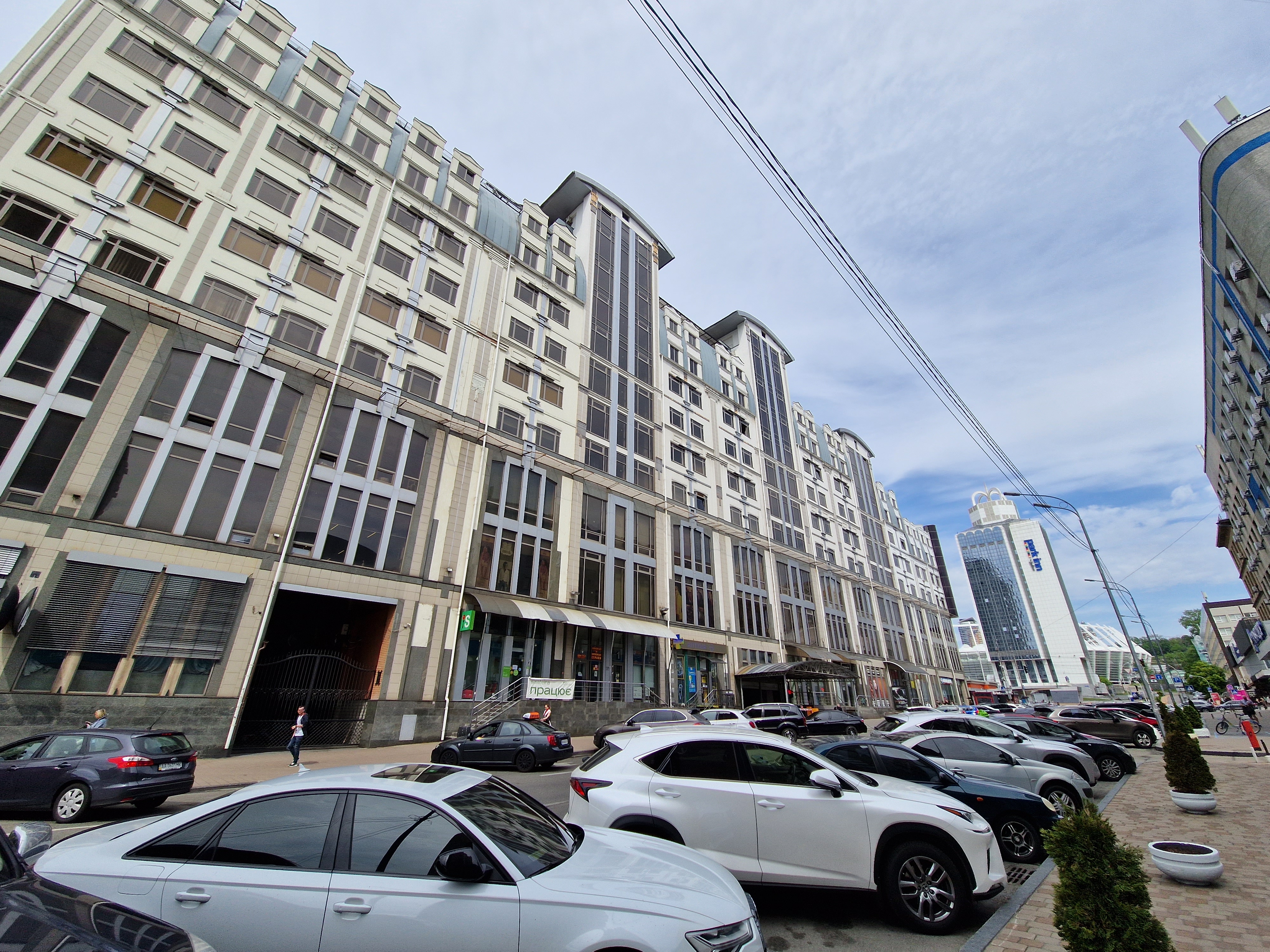
</ img>













3x zoom.

</ img>
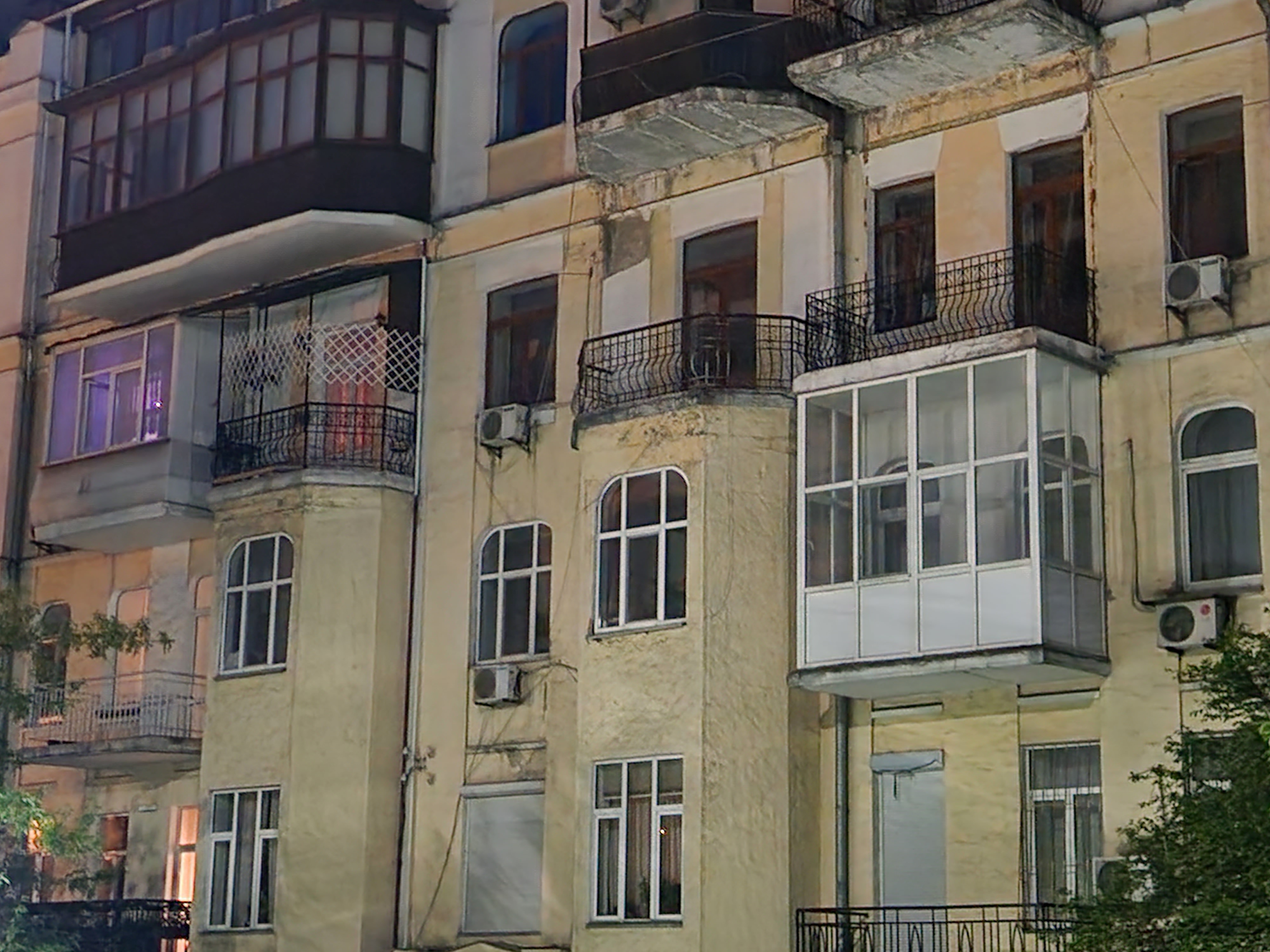
</ img>
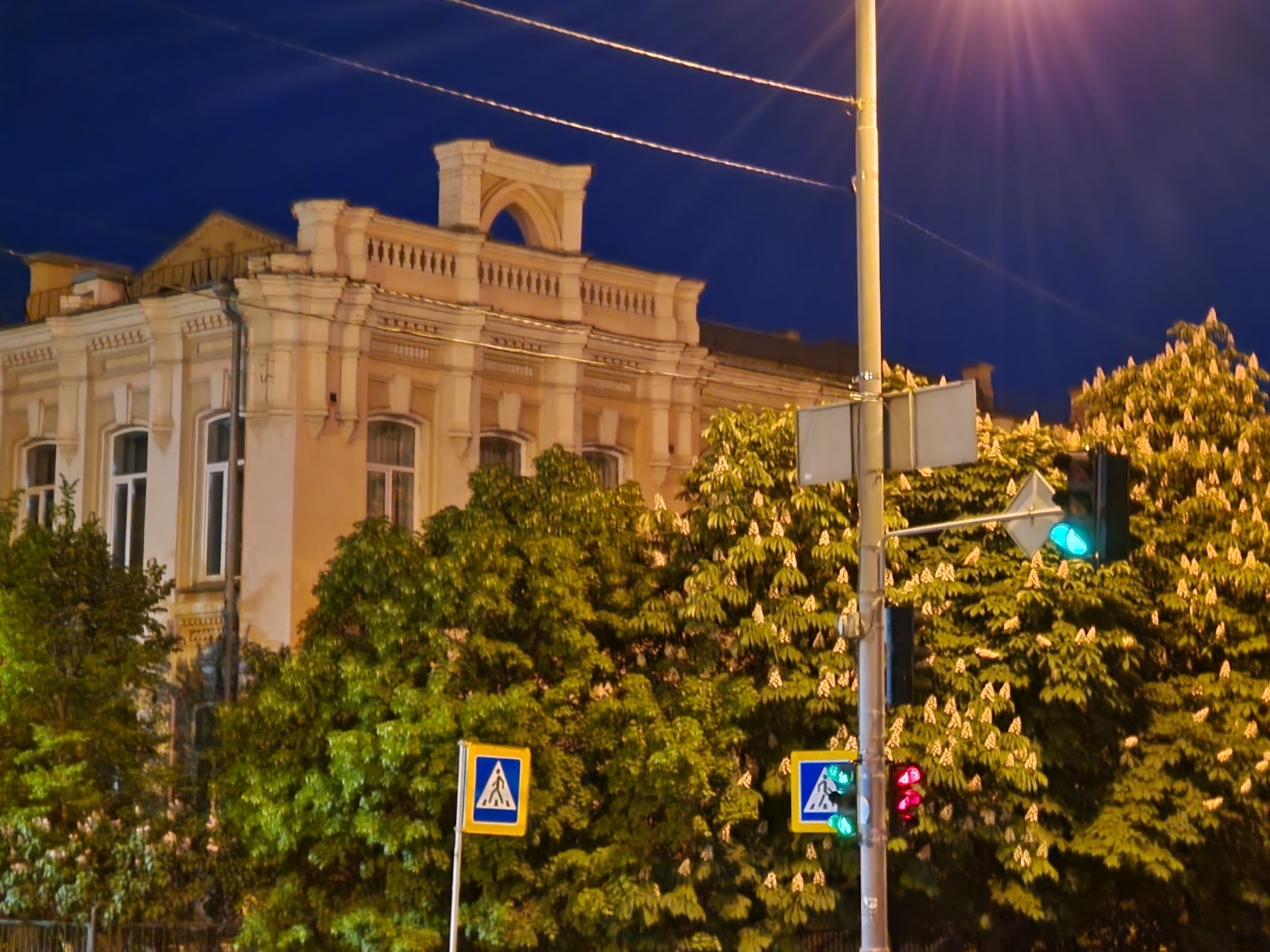
</ img>

</ img>

</ img>

</ img>

</ img>
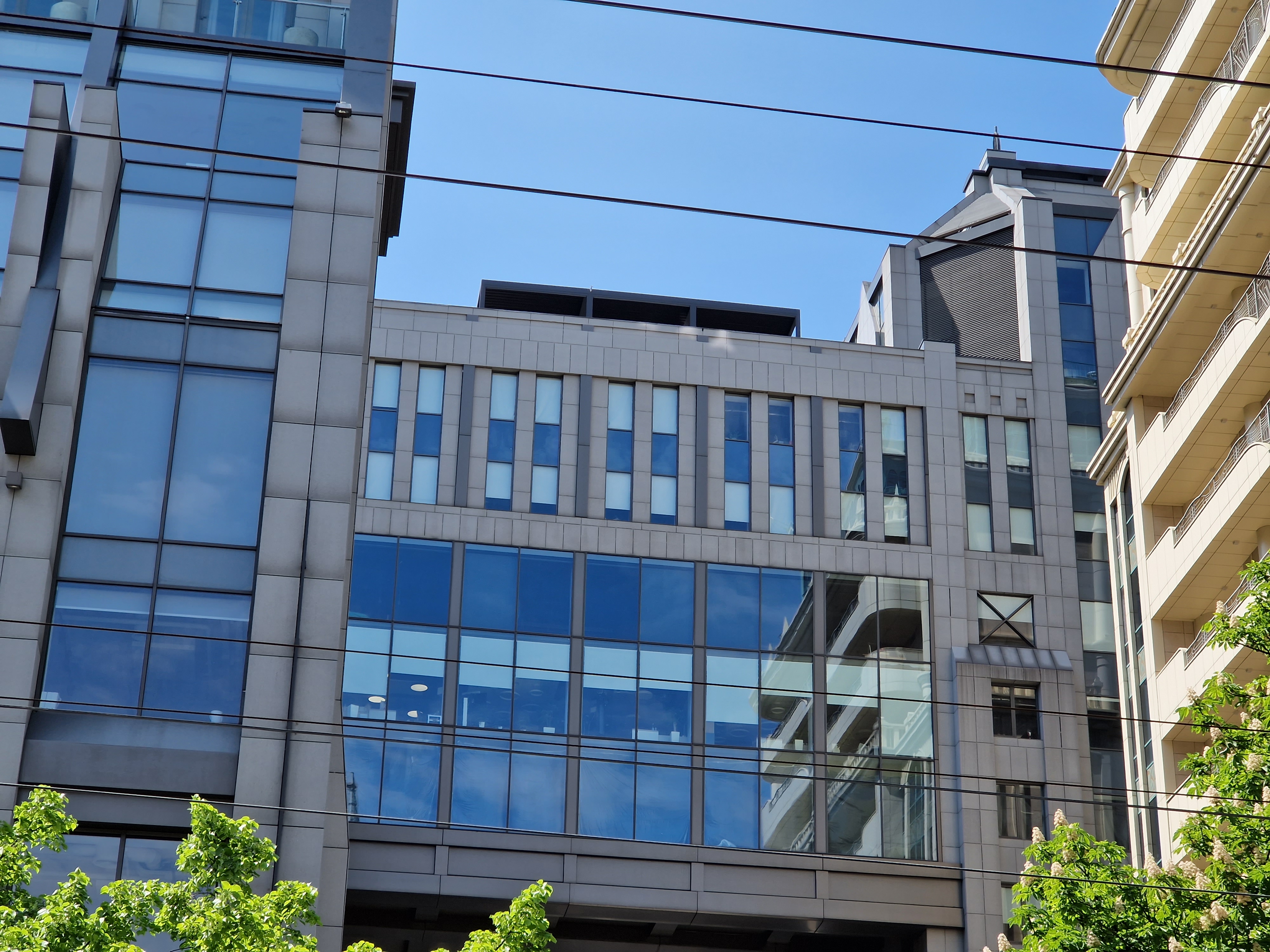
</ img>
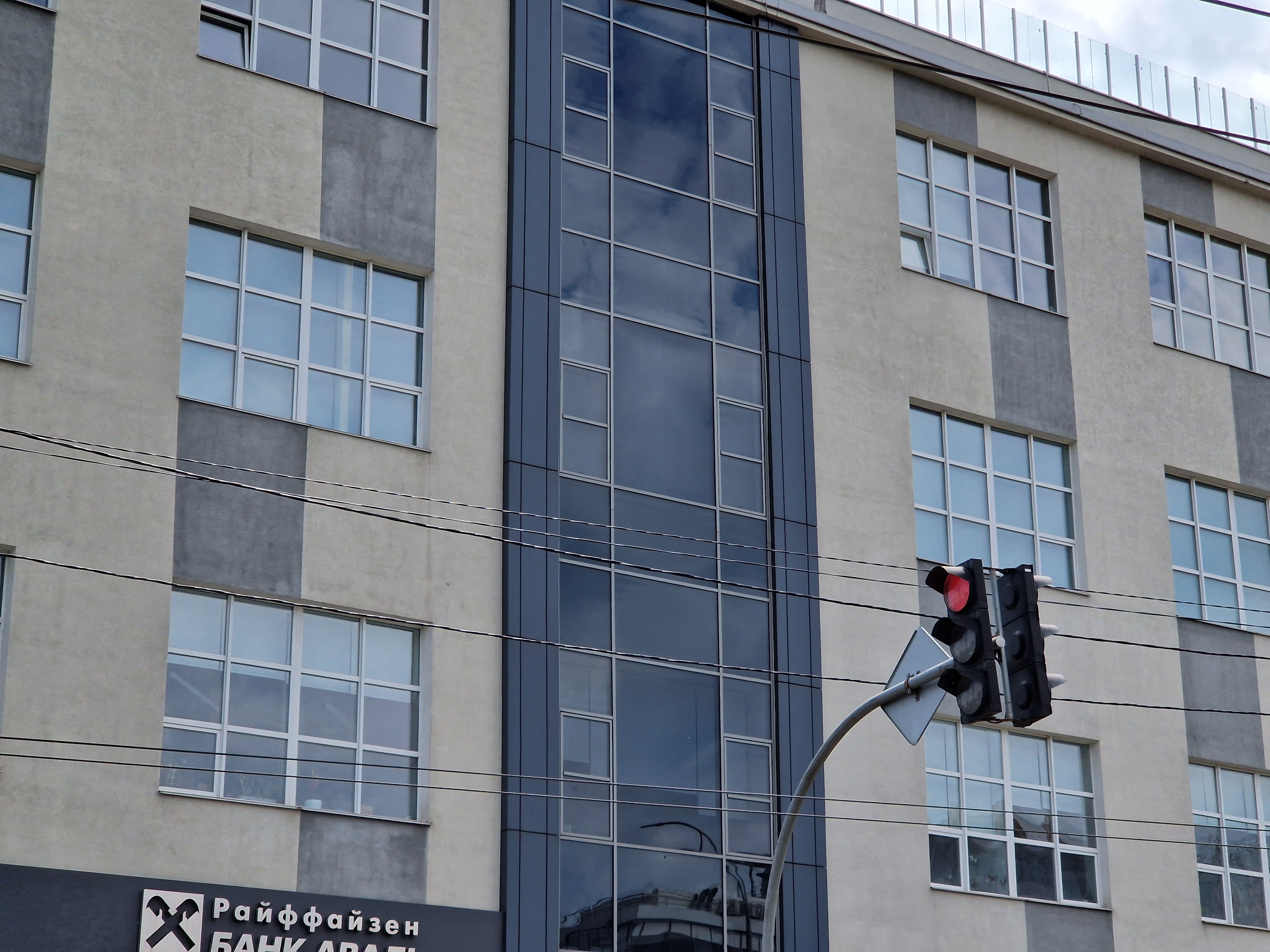
</ img>

</ img>
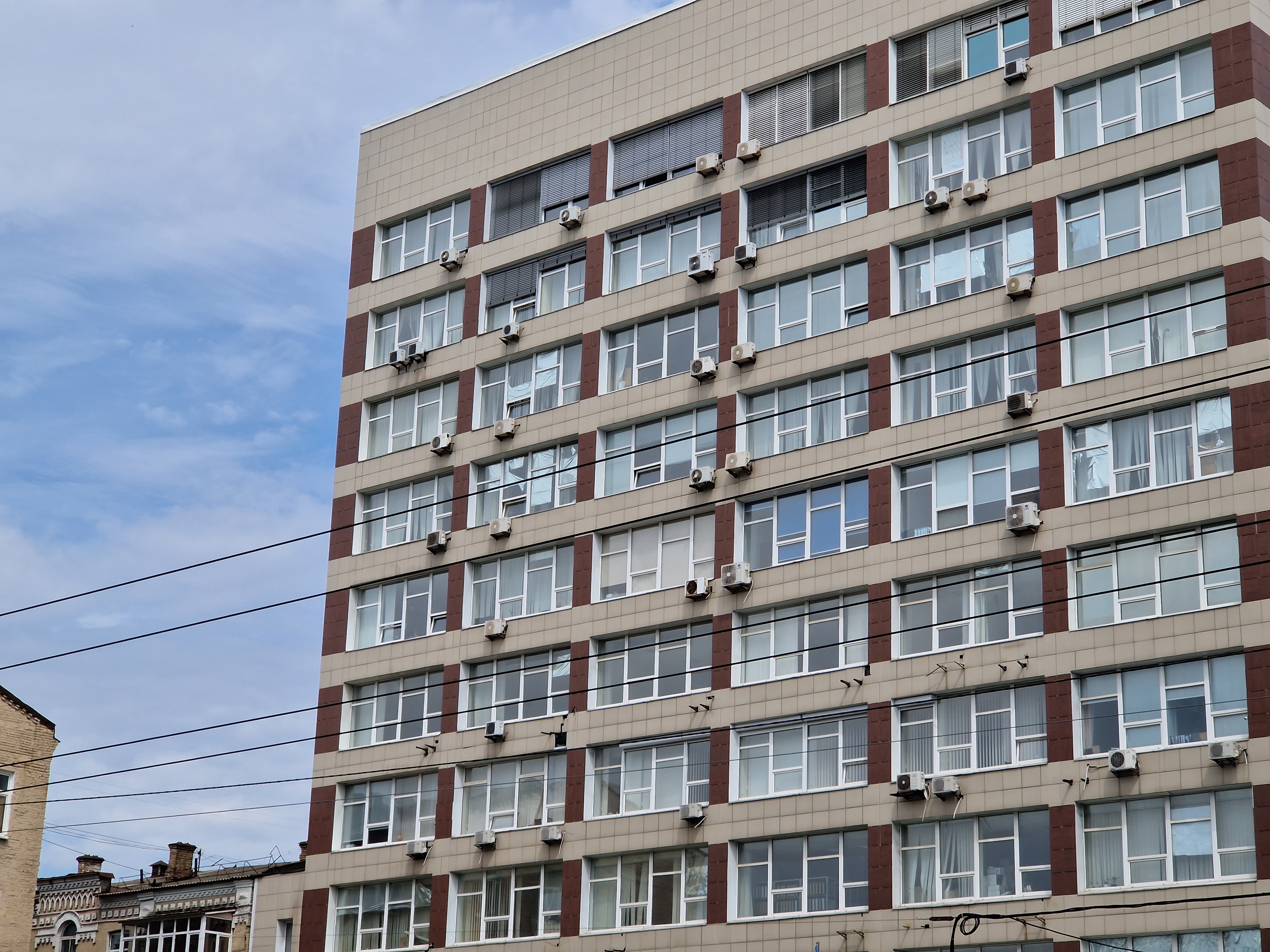
</ img>
</ img>
</ img>













The bottom line: four things you need to know about the Samsung Galaxy S22 and Galaxy S22+.
- The Samsung Galaxy S22 and Galaxy S22+ are Samsung's traditional yearly flagships with regular improvements in performance, cameras and more, but without any radical changes.
- Smartphones received excellent quality screens with incredibly high brightness.
- The rear camera of each model includes three modules: main, wide-angle and telephoto.
- Performance is not maximum, but sufficient. At the same time, the processor is noticeably heated.
Specifications
Samsung Galaxy S22
Samsung Galaxy S22+
Display
Dynamic AMOLED 2x, 6.1 inches, 2340×1080 (aspect ratio 19.5:9), 425 ppi, HDR10+, 1-120 Hz, Gorilla Glass Victus+, peak brightness 1300 nits
Dynamic AMOLED 2x, 6.6 inches, 2340×1080 (aspect ratio 19.5:9), 393 ppi, HDR10+, 1-120 Hz, Gorilla Glass Victus+, peak brightness 1750 nits
Housing
dimensions: 146×70.6×7.6 mm, weight: 167 g
dimensions: 157.4×75.8×7.6 mm, weight: 195 g
CPU
64-bit 4nm Samsung Exynos 2200, 1xARM Cortex-X2, 2.8 GHz, 3xARM Cortex-A710 2.5 GHz, 4xARM Cortex-A510 1.7 GHz, Neural Processing Unit (NPU), Xclipse 920 graphics
64-bit 4nm Samsung Exynos 2200, 1xARM Cortex-X2, 2.8 GHz, 3xARM Cortex-A710 2.5 GHz, 4xARM Cortex-A510 1.7 GHz, Neural Processing Unit (NPU), Xclipse 920 graphics
RAM
8 GB
8 GB
Flash memory
128/256 GB UFS 3.1
128/256 GB UFS 3.1
Camera
50 MP (f/1.8, 24 mm, 1/1.57″, 1.0µm, multi-directional PDAF, OIS); telephoto 10 MP (f/2.4, 70 mm, 1/3.94″, 1.0µm, PDAF, OIS, 3x zoom); ultra-wide-angle 12 MP (f/2.2, 13 mm, 120˚, 1/2.55″ 1.4µm); flash, video 8K@24fps, 2160p@60fps, 1080p@240fps, 720p@960fps; front camera: 10 MP (f/2.2, 26 mm, 1/3.24″, 1.22µm, Dual Pixel PDAF)
50 MP (f/1.8, 24 mm, 1/1.57″, 1.0µm, multi-directional PDAF, OIS); telephoto 10 MP (f/2.4, 70 mm, 1/3.94″, 1.0µm, PDAF, OIS, 3x zoom); ultra-wide-angle 12 MP (f/2.2, 13 mm, 120˚, 1/2.55″ 1.4µm); flash, video 8K@24fps, 2160p@60fps, 1080p@240fps, 720p@960fps; front camera: 10 MP (f/2.2, 26 mm, 1/3.24″, 1.22µm, Dual Pixel PDAF)
Wireless technology
Wi-Fi 802.11 a/b/g/n/ac/6 (dual band, 2.4 and 5 GHz), Bluetooth 5.2 LE, NFC
Wi-Fi 802.11 a/b/g/n/ac/6 (dual band, 2.4 and 5 GHz), Bluetooth 5.2 LE, NFC, UWB
GPS
GPS, A-GPS, GLONASS, BDS, GALILEO
GPS, A-GPS, GLONASS, BDS, GALILEO
Battery
3700 mAh, non-removable, 25W fast charging, 15W wireless charging, reverse wireless charging
4500 mAh, non-removable, 45W fast charging, 15W wireless charging, reverse wireless charging
operating system
Android 12 + One UI 4.1
Android 12 + One UI 4.1
Sim card
2xNanoSIM
2xNanoSIM
Additionally
IP68 dust and water protection, ultrasonic in-screen fingerprint scanner
IP68 dust and water protection, ultrasonic in-screen fingerprint scanner

For those that want to know more:
- Samsung Galaxy S22 Ultra review: A merger of two galaxies
- The most in-depth Samsung Galaxy Z Fold 2 review: a distant cousin of the Nokia Communicator
- OPPO Find X3 Pro review: a microscope in your pocket
- The most detailed Samsung Galaxy Note 20 Ultra review
- IPhone 12 Pro review: an expensive dozen
- Realme 7 Pro review: AMOLED display, Snapdragon, NFC and lightning fast charging
- Samsung Galaxy S20 FE review: fan club flagship
- Samsung Galaxy Note20 review: we had three cameras, a stylus and a plastic case with us
- Vivo X50 Pro review: the first smartphone with a "suspended" camera