Samsung does not change its traditions, and the Galaxy S23 Ultra is one of the most technologically advanced smartphones available.
Samsung Galaxy S23 Ultra
Flagship Android smartphone with topQualcomm Snapdragon 8 Gen 2 processor, 6.8-inch 120Hz AMOLED screen, great cameras and S Pen. The battery capacity is 5000 mAh, fast wired and wireless charging is supported. Housing has IP68 protection
Power socket
MOYO
Hello
Comfy
Samsung Shop
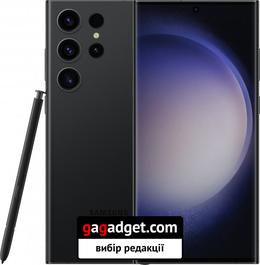
6 reasons to buy Samsung Galaxy S23 Ultra:
- you annually buy a top-end Samsung smartphone;
- this – the most technologically advanced all-in-one smartphone on Android;
- the most powerful overclocked processor for Samsung;
- modern AMOLED screen with a refresh rate of 120 Hz, support for HDR10 + and Dolby Vision;
- the best set of cameras with 200 MP main sensor, 10x optical zoom and improved night vision capabilities;
- you– fan of the S Pen and plan to use it regularly both for drawings and notes, and as a remote control.
1 reason not to buy Samsung Galaxy S23 Ultra:
- you are not ready to pay that amount for a smartphone.
Fast passage:
- What is included?
- What does the Samsung Galaxy S23 Ultra look like?
- How good is the screen?
- What are the unlock methods?
- What about performance, memory, sound and autonomy?
- How user-friendly is the interface?
- What does the S Pen do?
- How good are the cameras?
- In the dry residue
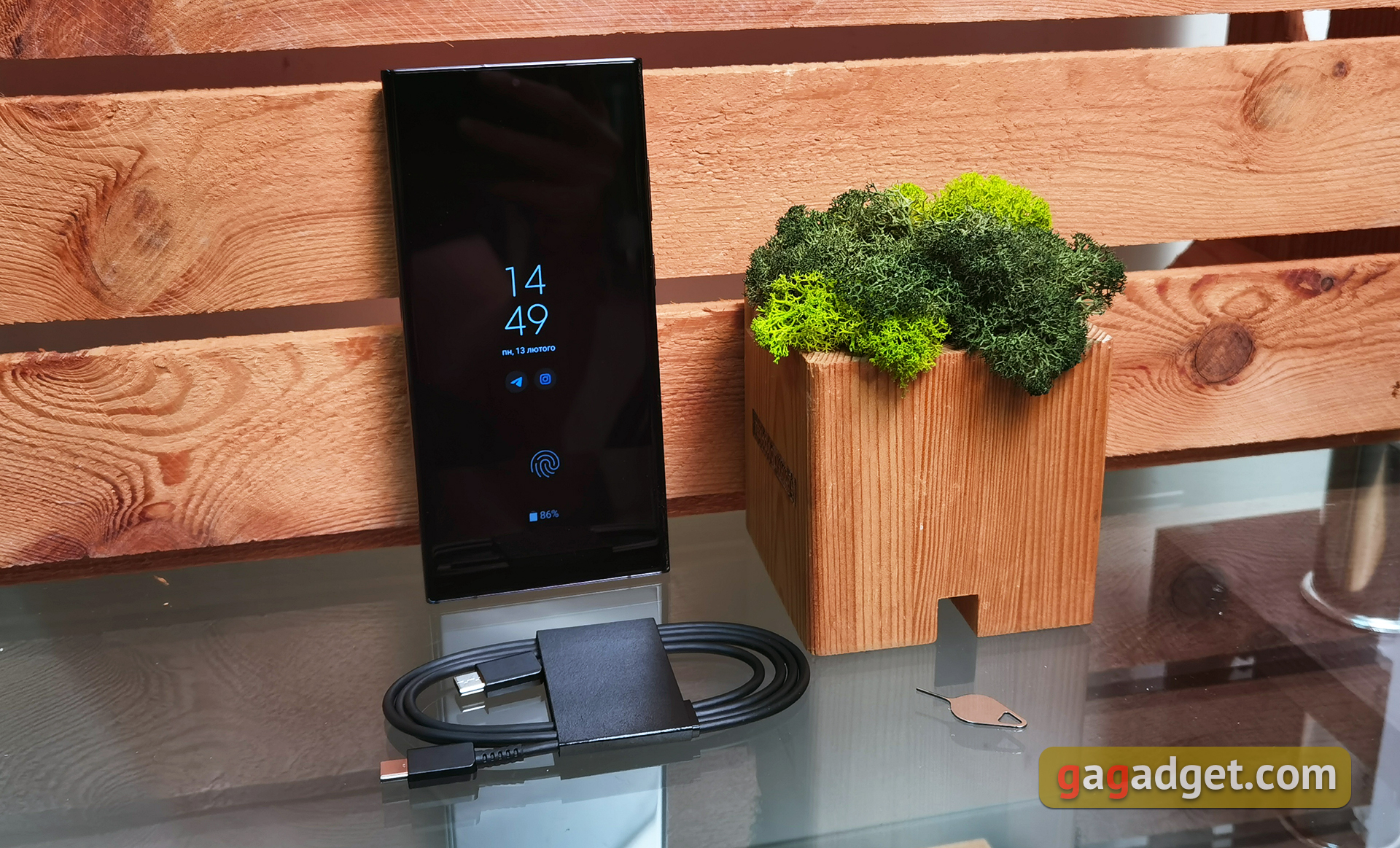
What is included?
</ img>
Wait for changes in the configuration of the flagshipSamsung smartphones are not worth it. Therefore, with the Samsung Galaxy S23 Ultra, in the box you will only find a cable with a Type-C connector on both sides, a tool for the SIM card tray, and documentation.
What does the Samsung Galaxy S23 Ultra look like?
</ img>
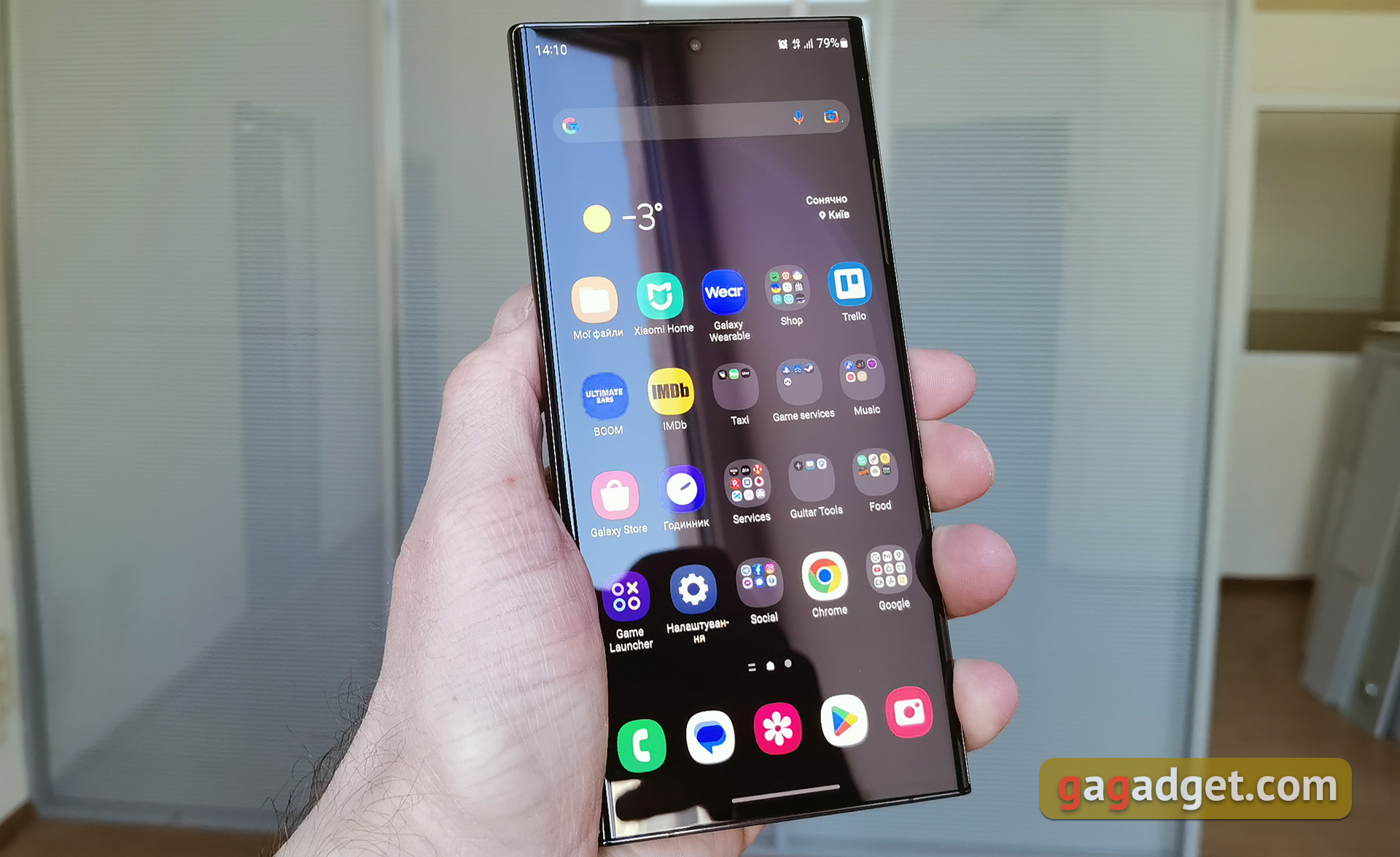
Samsung Galaxy S23 Ultra by design and constructionvery similar to its predecessor from last year. And, at first glance, it will be difficult to distinguish them from each other. Although some details are still different. The shape of the smartphone is reminiscent of the now obsolete Note line, which has always been characterized by sharp corners and straight lines. Like last year, the display has a diagonal of 6.8 inches and minimal bezels around the perimeter. But in the Samsung Galaxy S23 Ultra, the company decided to make it almost flat. Yes, there are roundings on the sides, but they are minimal. Therefore, opponents of screens curved on the sides will be pleased. The front camera, as before, is made in the form of a small hole at the top of the screen. It is almost invisible when using wallpaper with a dark top. All of this is protected by a second-generation Gorilla Victus glass sheet, as is the case back. According to Corning, the new Gorilla Glass Victus 2 is scratch-resistant and has withstood drops of up to 1 meter on concrete-like surfaces during lab testing.
</ img>
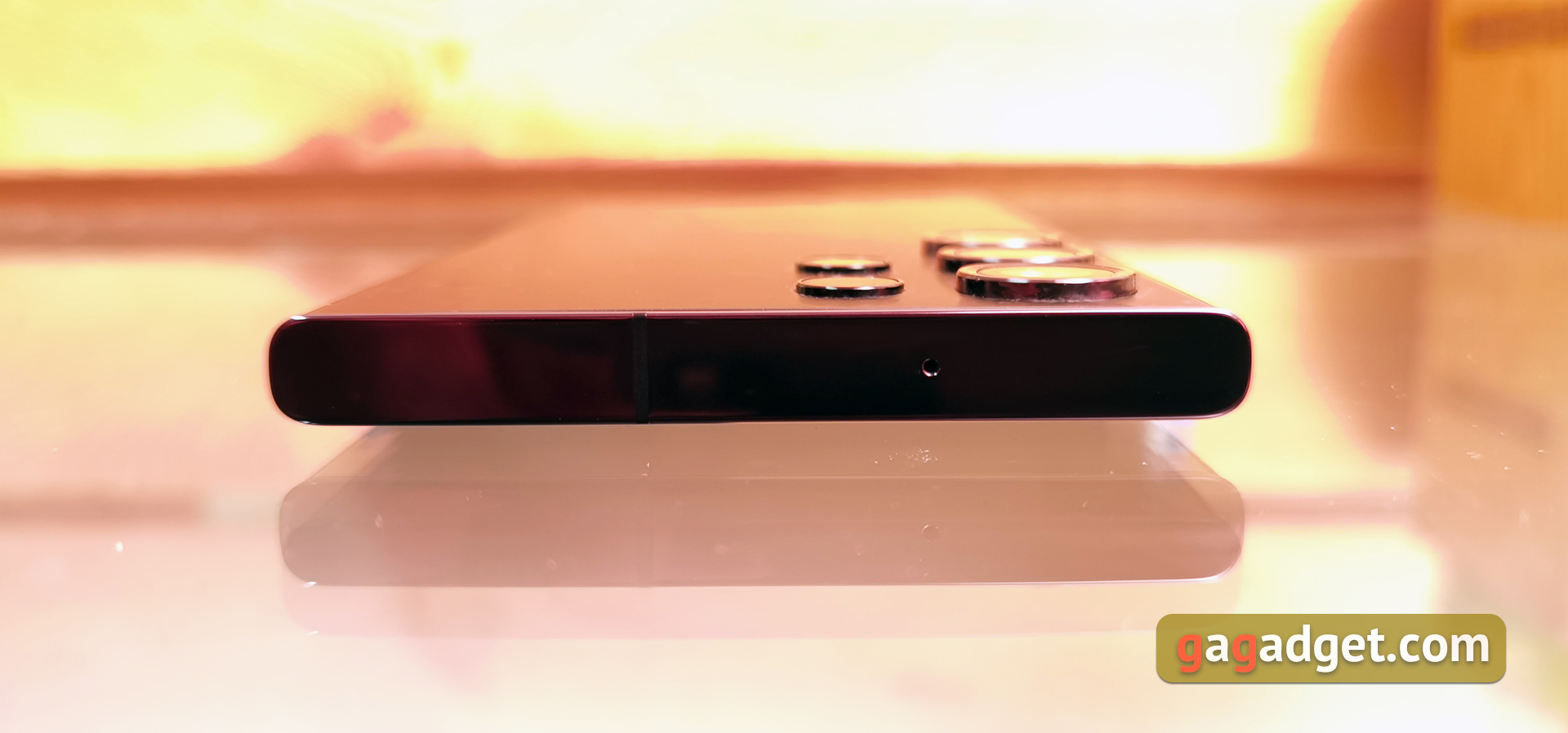
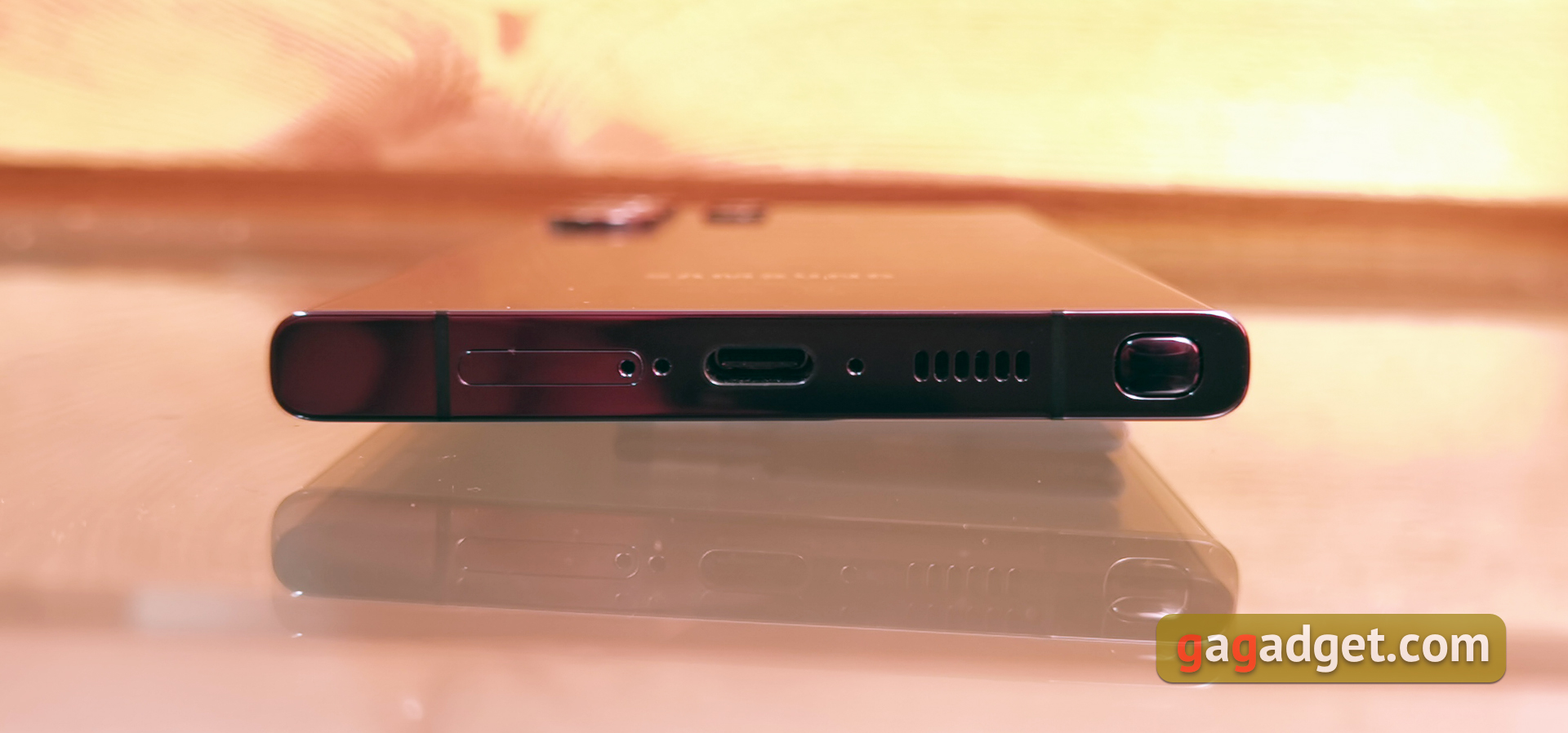
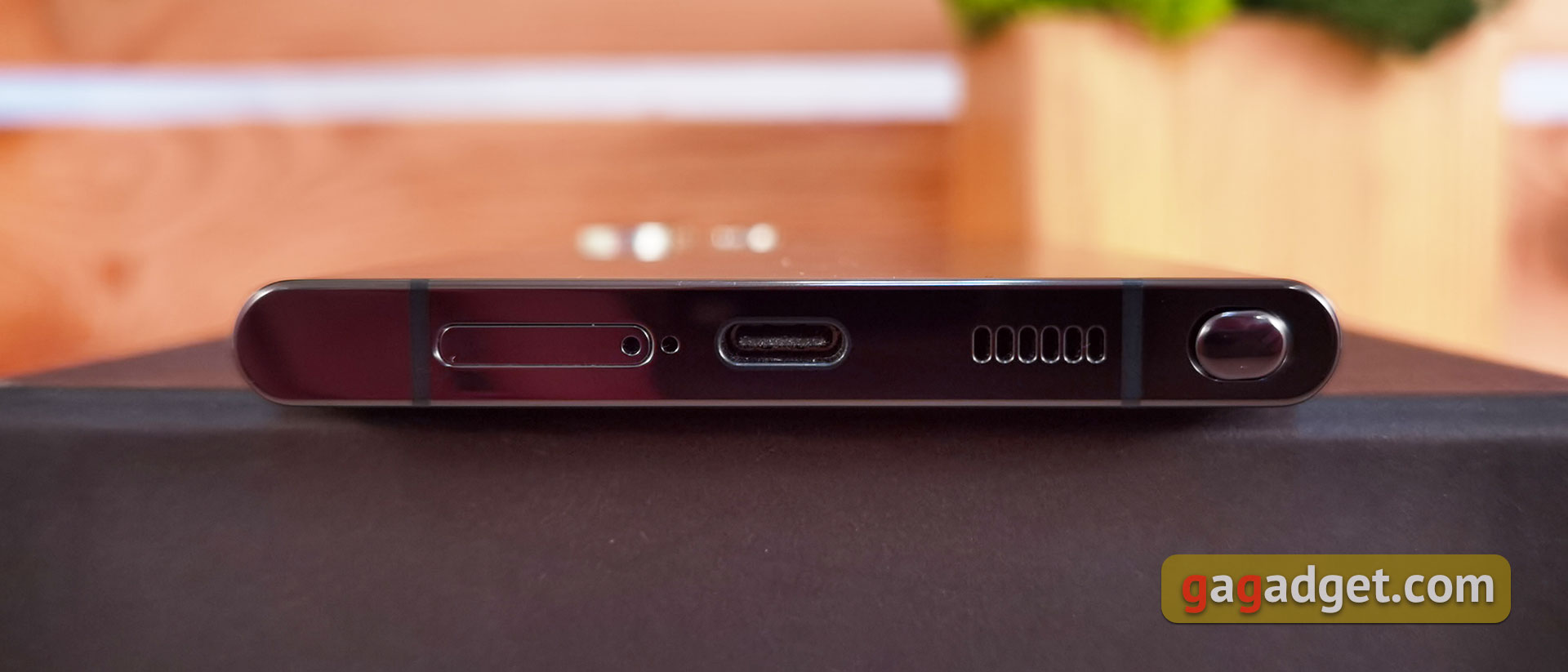
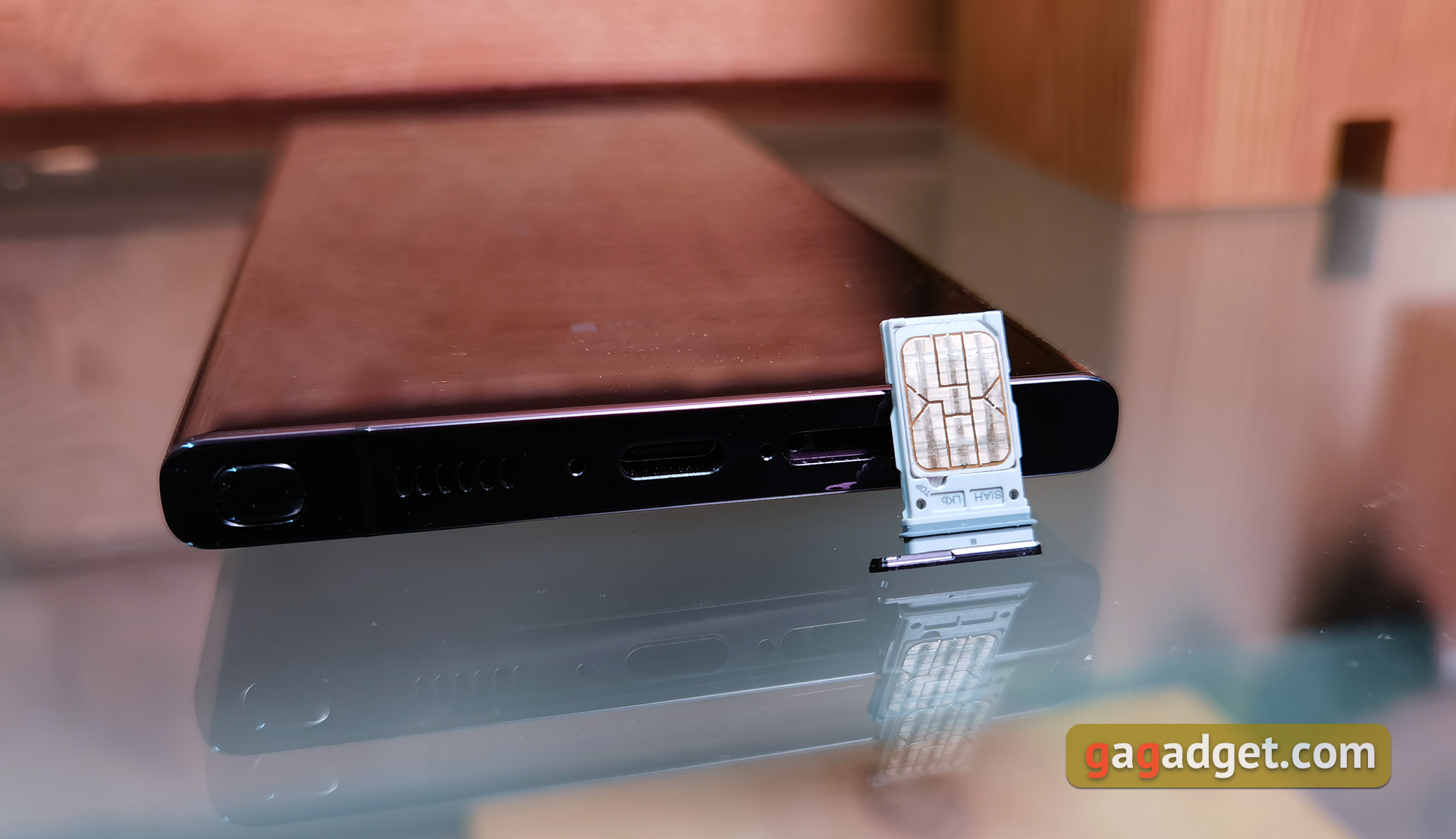
The arrangement of elements on the faces was left withoutchanges. Top – one microphone. Bottom – main external speaker, USB Type-C connector, two microphones (there was one in the previous generation), tray and S Pen. Like last year, it is located on the left, so it is convenient to remove it if you are holding the smartphone with your right hand. As you can see, the shape of the smartphone has become more rectangular. Unfortunately, there is no way to compare it with the Samsung Galaxy S23 Ultra and say which form is more convenient.
</ img>
</ img>

For comparison, photos of the Samsung Galaxy S22 Ultra:
</ img>
The tray is absolutely familiar and holds two physical SIM-cards. There is also support for eSIM.
</ img>
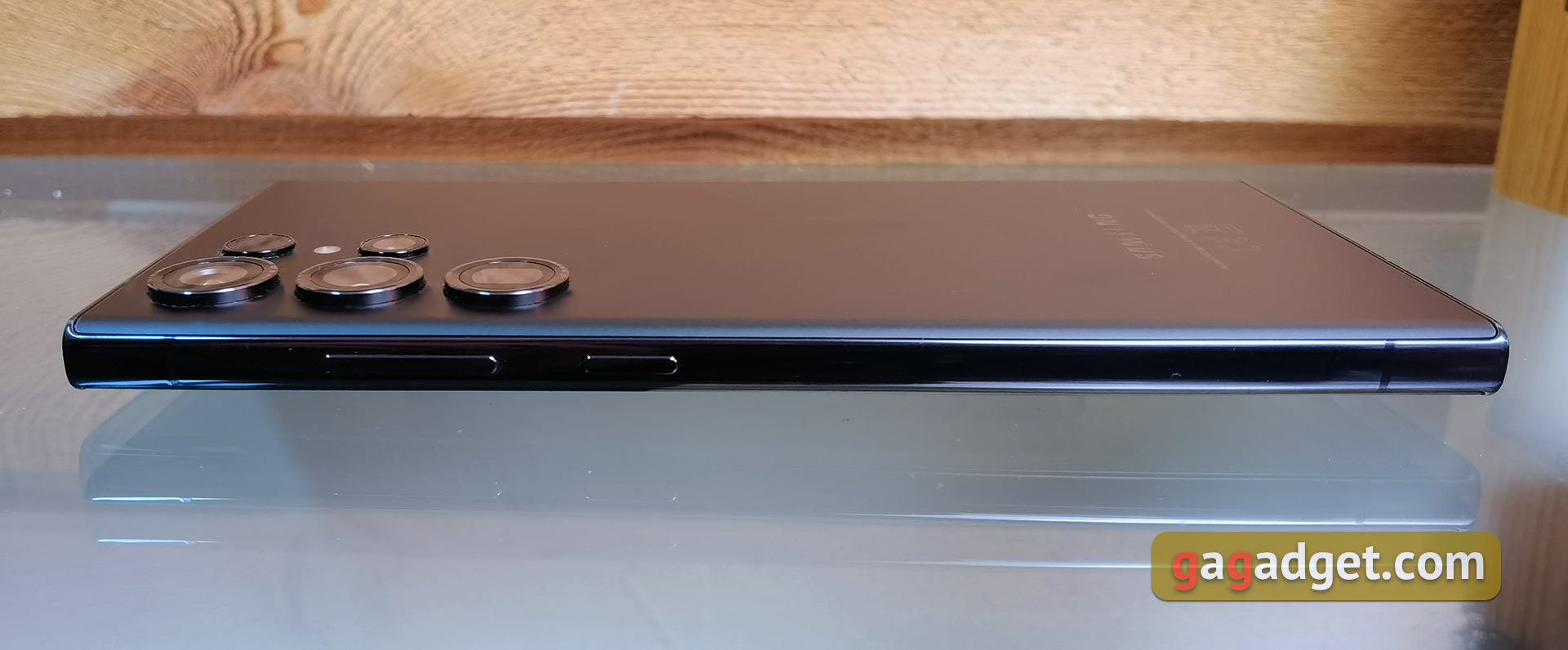
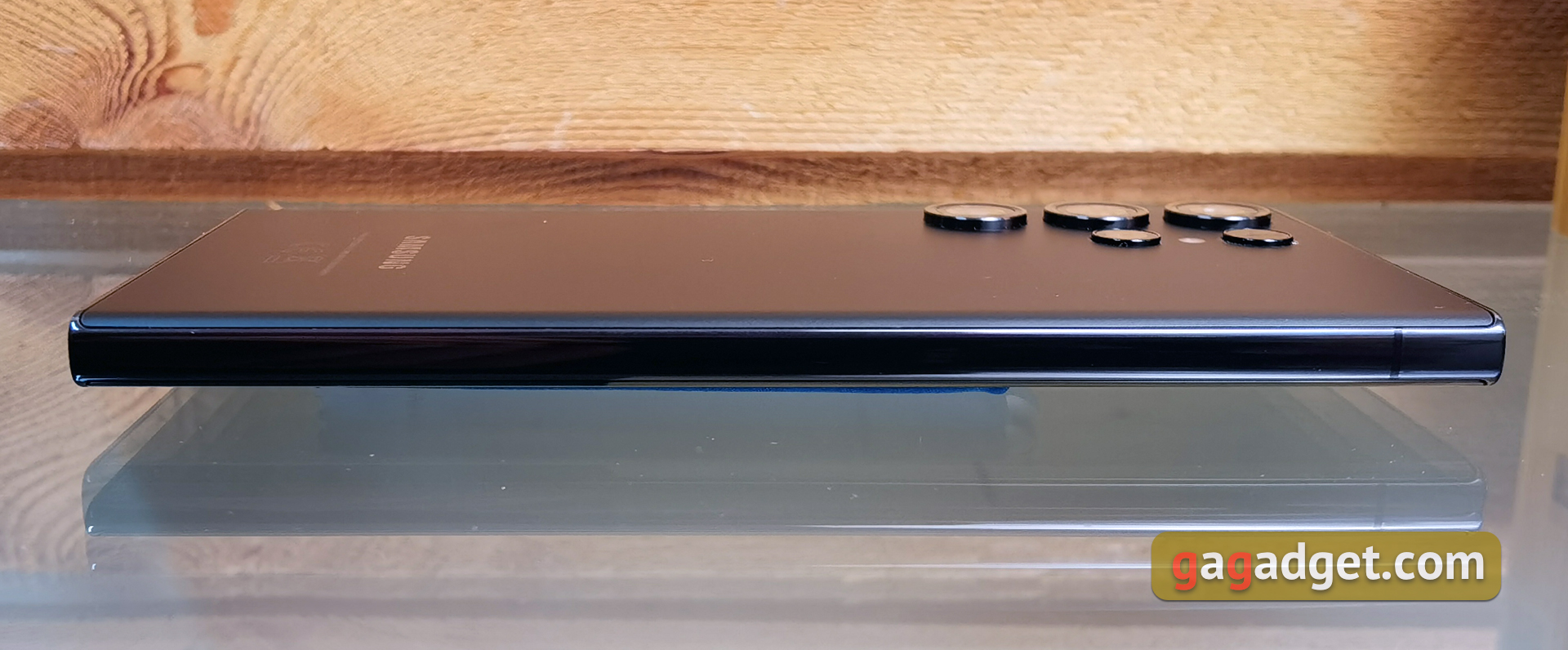
The side faces have a standard layout:The power and volume buttons are located on the right side of the smartphone. The height of their location is quite convenient for using the right hand. For the left hand, the volume buttons are a little higher than we would like. Although this is not surprising, given the large size of the smartphone.
</ img>
</ img>
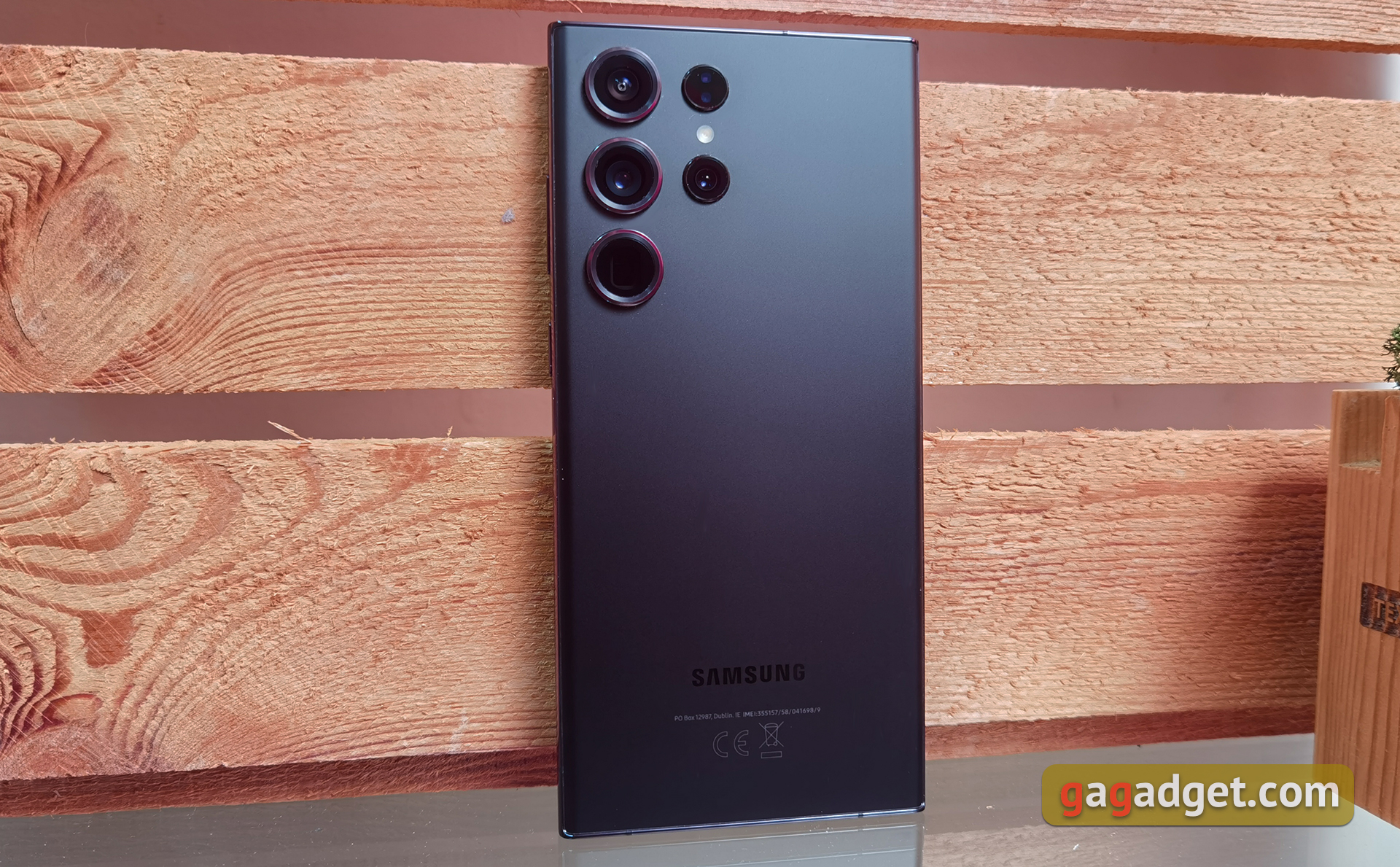
The rear panel of the Samsung Galaxy S23 Ultra is almostdifferent from last year's flagship. It is made entirely of frosted glass and hardly attracts fingerprints. The cameras are made in separate blocks, which protrude quite noticeably above the body. It looks very similar to the Galaxy S22 Ultra, but the frame on each lens is now slightly thicker. Minimalistic design – This is not bad, but dust immediately collects near the protruding cameras, which does not look very aesthetically pleasing. Another disadvantage of this solution – When protruding parts rub against various surfaces (for example, a table), the paint may become damaged over time.
</ img>
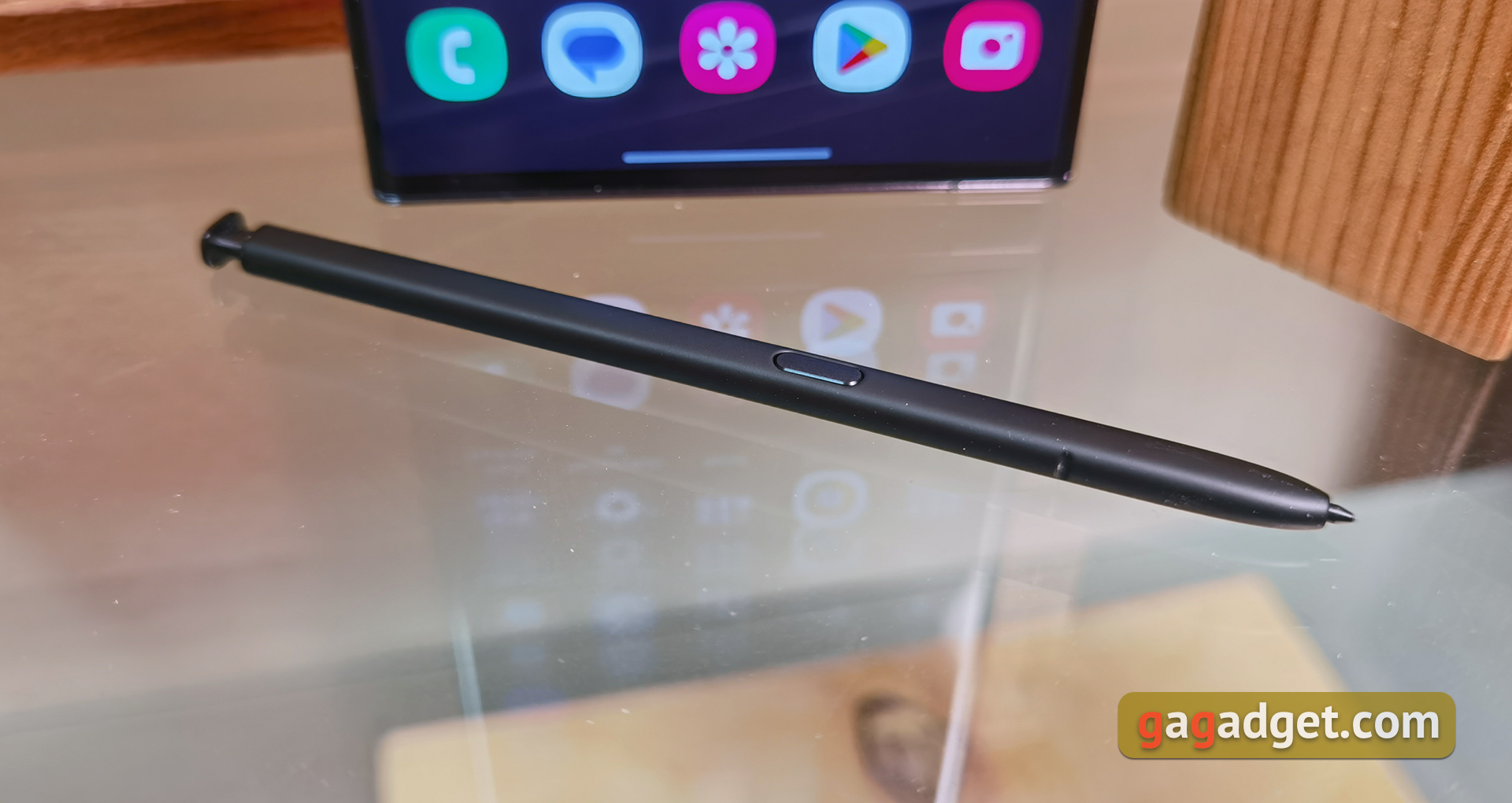
The S Pen is similarly black and has a matte finish. Structurally, there are no differences from the previous model. It has a single physical button on the case.
</ img>
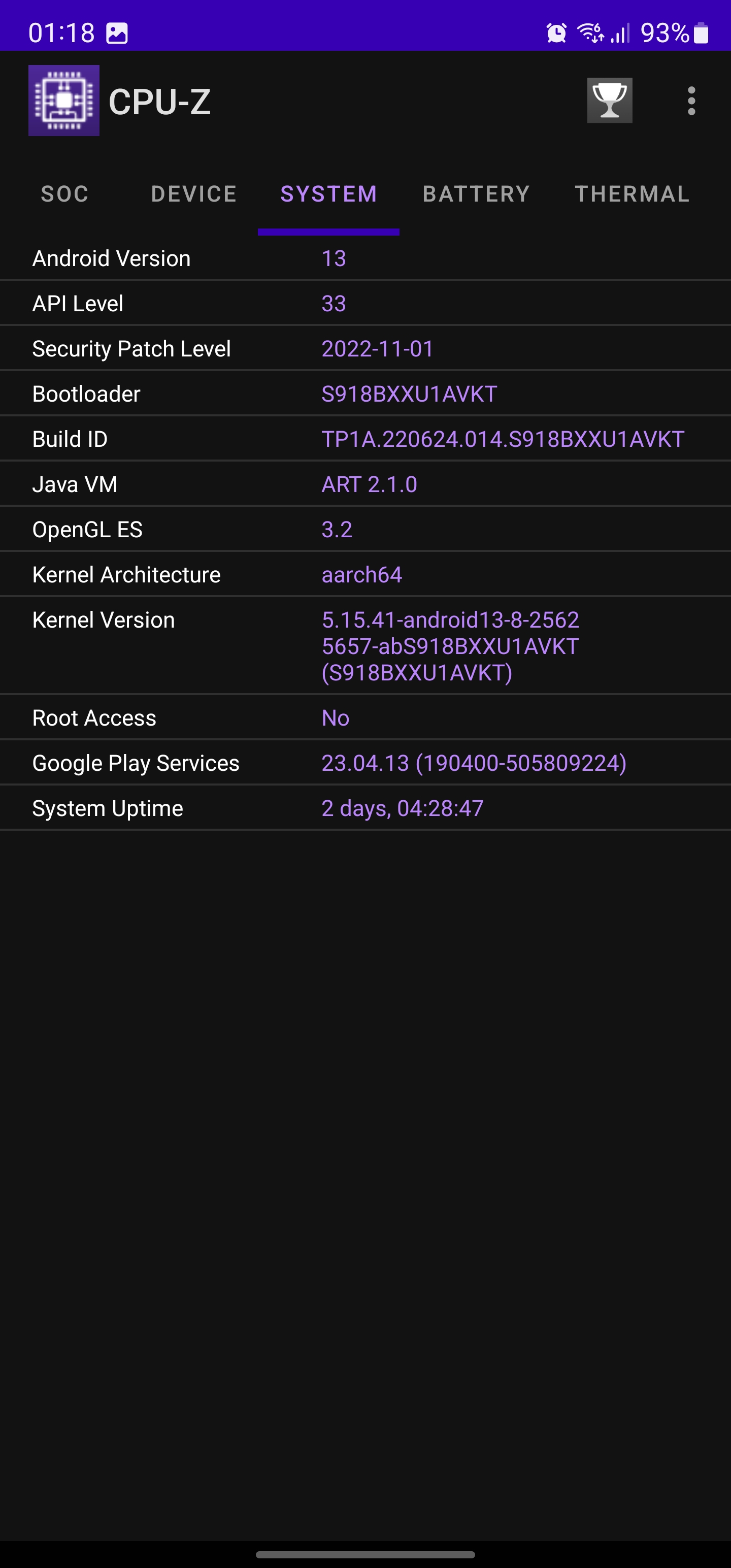
The smartphone is large, has almost similardimensions compared to the previous model. The weight has slightly increased: from 228 g to 234 g. However, this difference will be very difficult to notice. There is protection against dust and water according to the IP68 standard: the smartphone can withstand up to 30 minutes at a depth of up to 1.5 meters in fresh water. Samsung continues to use recycled materials in its smartphones. In this case, some elements and buttons are made of recycled plastic and aluminum.
</ p>How good is the screen?
</ img>
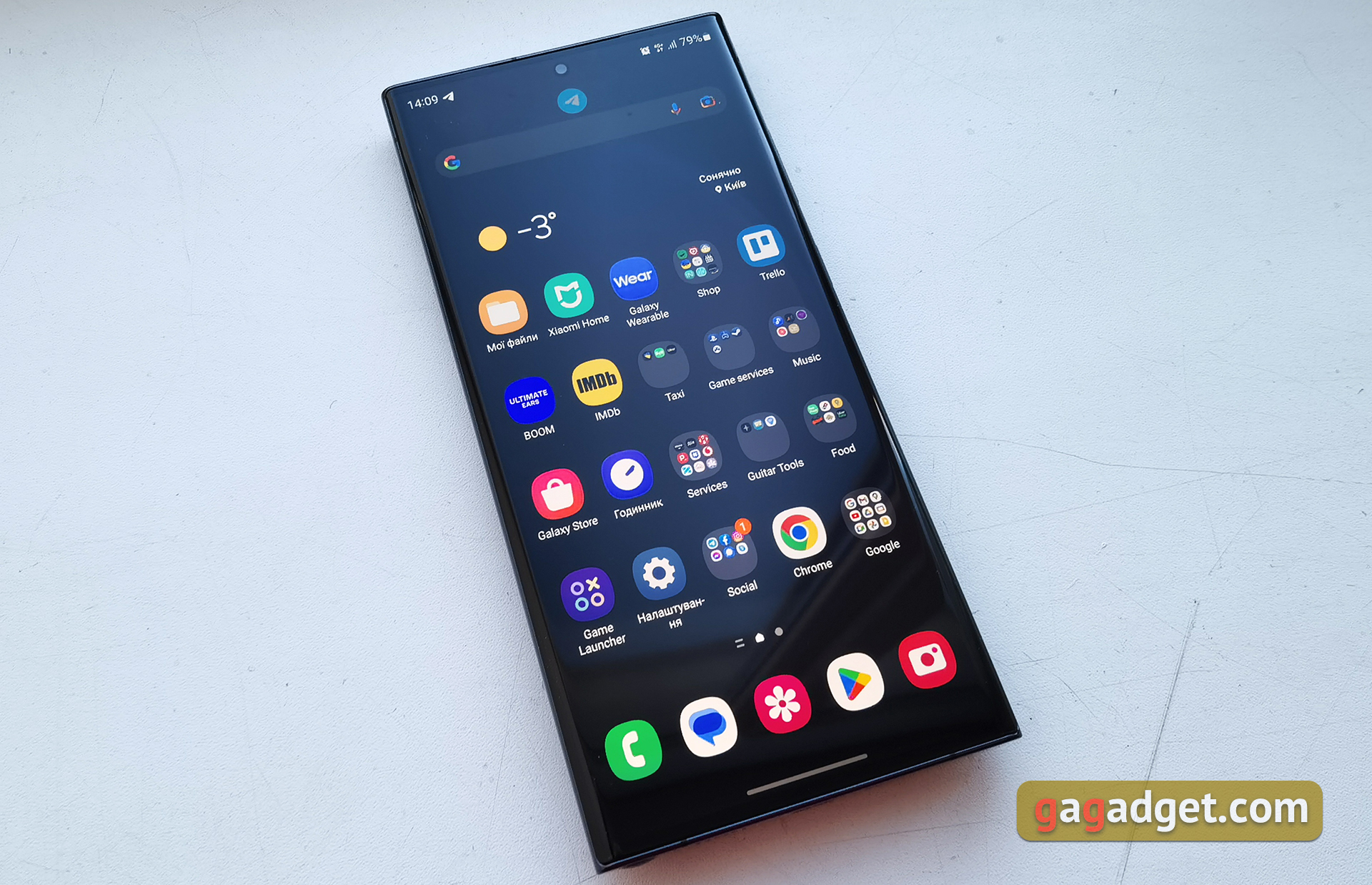
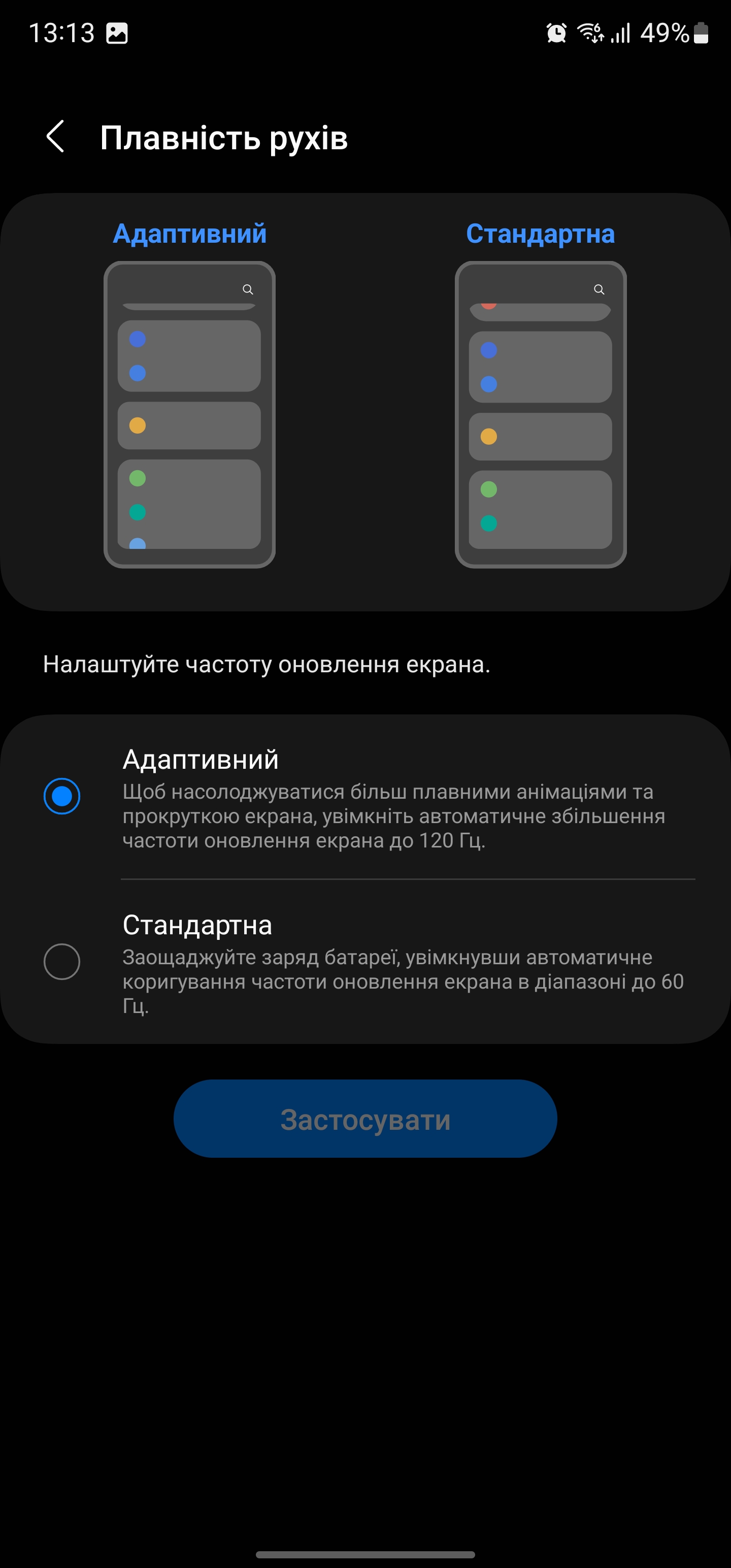
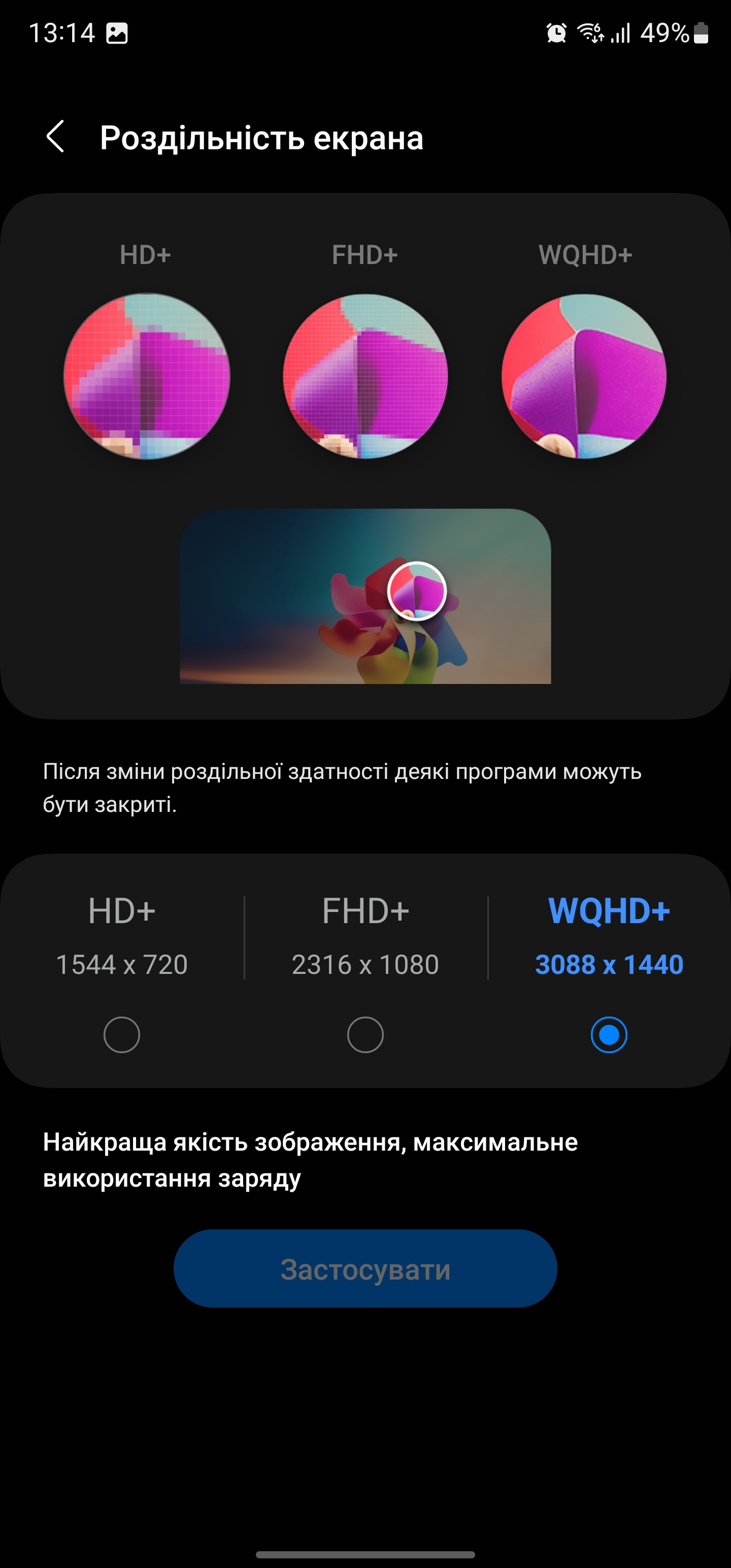
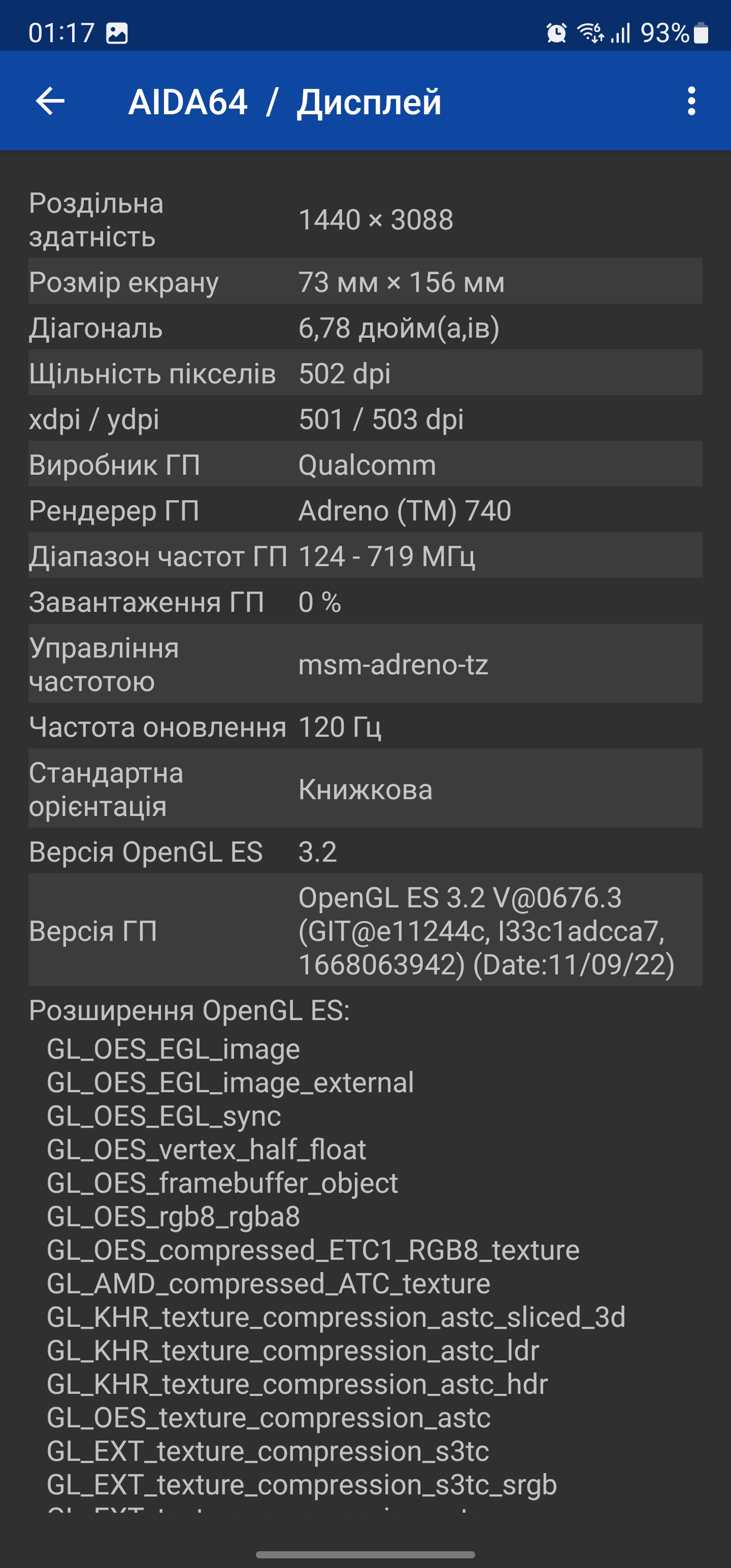
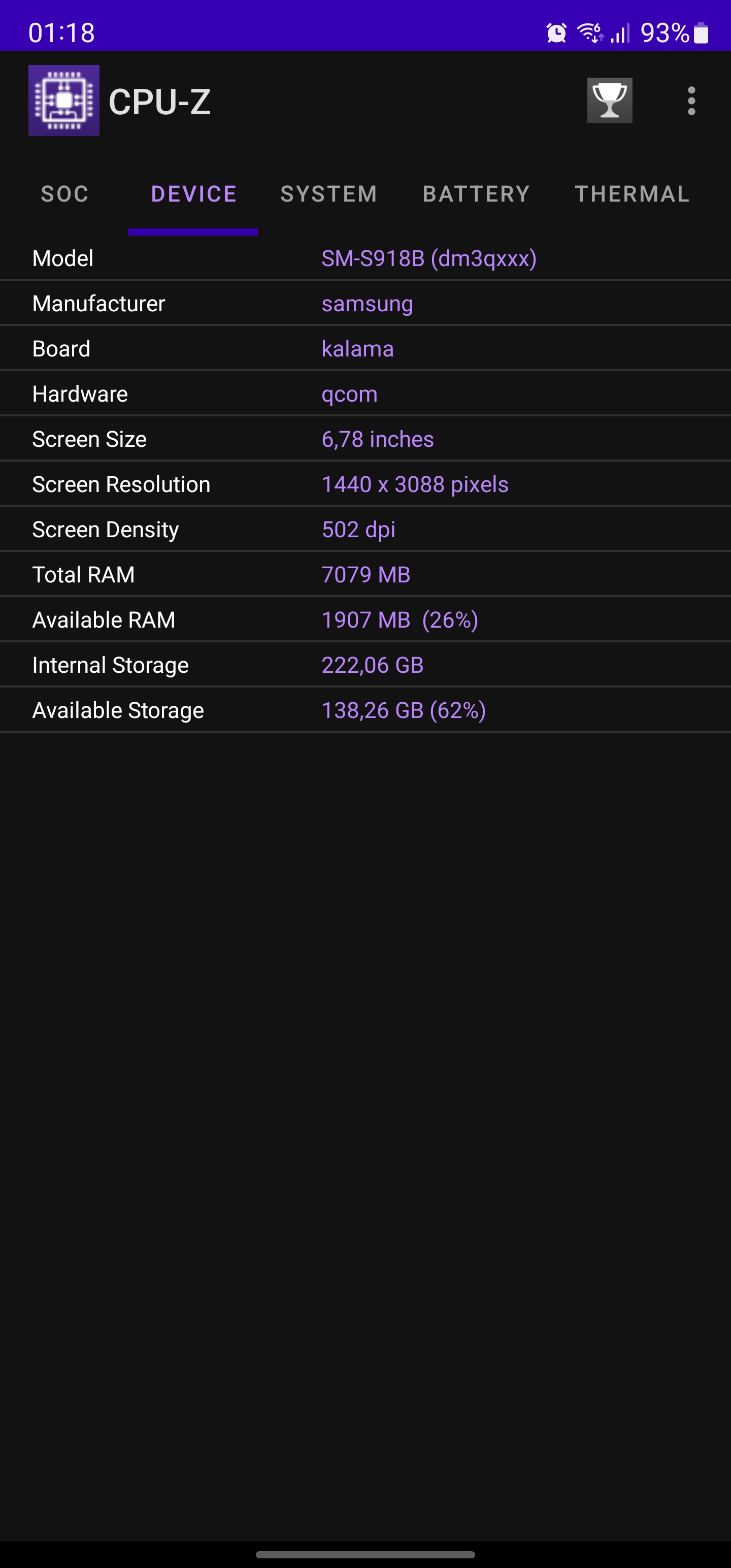
Samsung Galaxy S23 Ultra uses 6.8-inch Dynamic AMOLED 2X display is almost flat. Curves on the sides are minimal. It is manufactured with LTPO technology and supports an adaptive refresh rate of 1-120Hz, and the sensor readout rate is 240Hz. Resolution 3088×1440, pixel density – about 500 ppi. Samsung promises a peak brightness of 1750 cd/m2. Although it is worth remembering that peak brightness – This is the maximum possible brightness of a very small area of white color for a minimum period of time, so it is more of a marketing designation. There is support for HDR10+ and Dolby Vision standards. Color gamut – 100% DCI-P3 color space. Visually, there are no complaints about the screen: a large reserve of brightness, maximum viewing angles and very saturated colors. In general, this – one of the best screens I have ever seen and used.
</ img>
</ img>
</ img>
</ img>
</ img>
</ img>
</ img>
</ img>
</ img>
</ img>
</ img>
</ img>
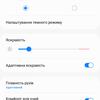
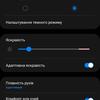

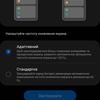
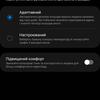
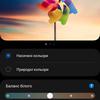
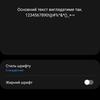

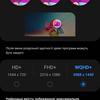



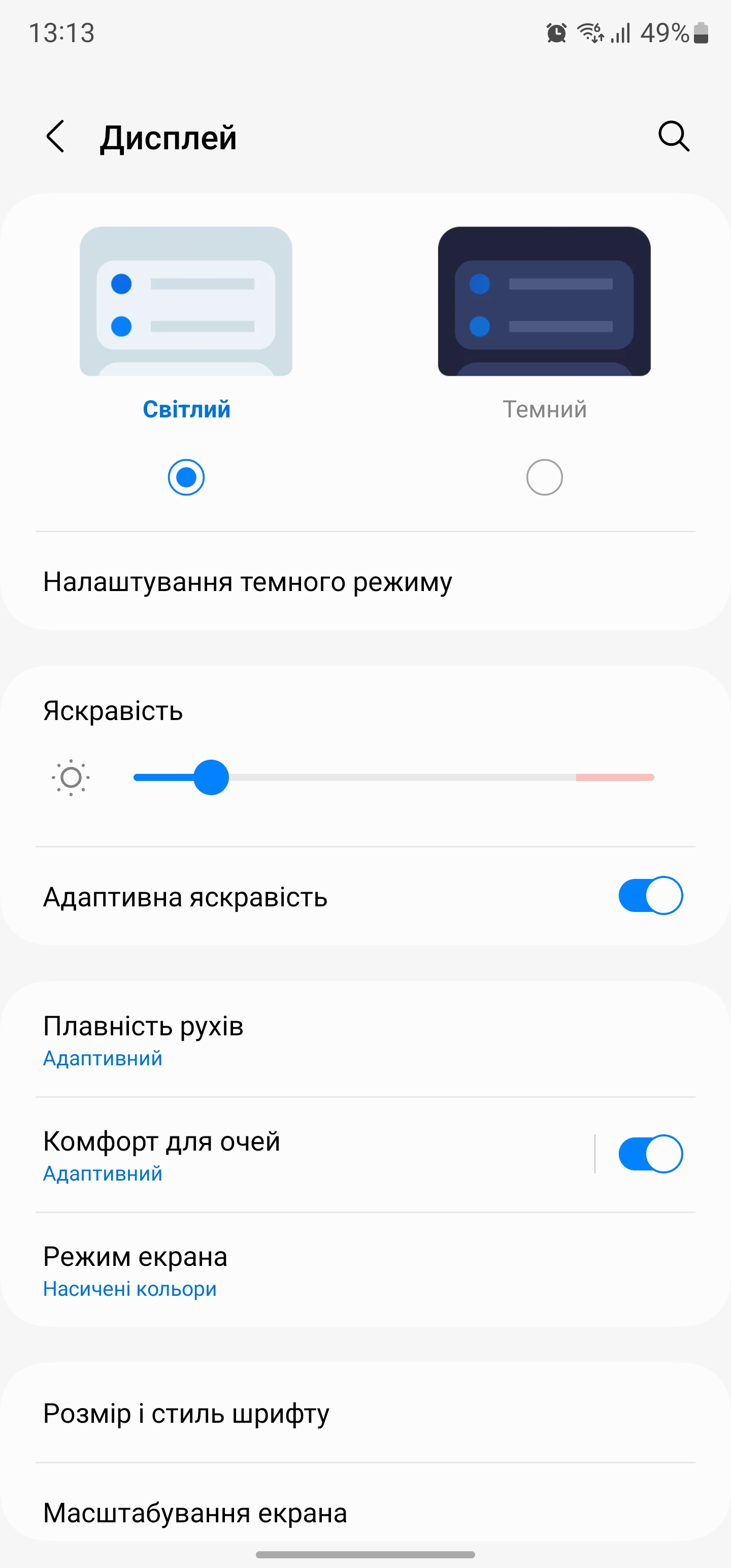
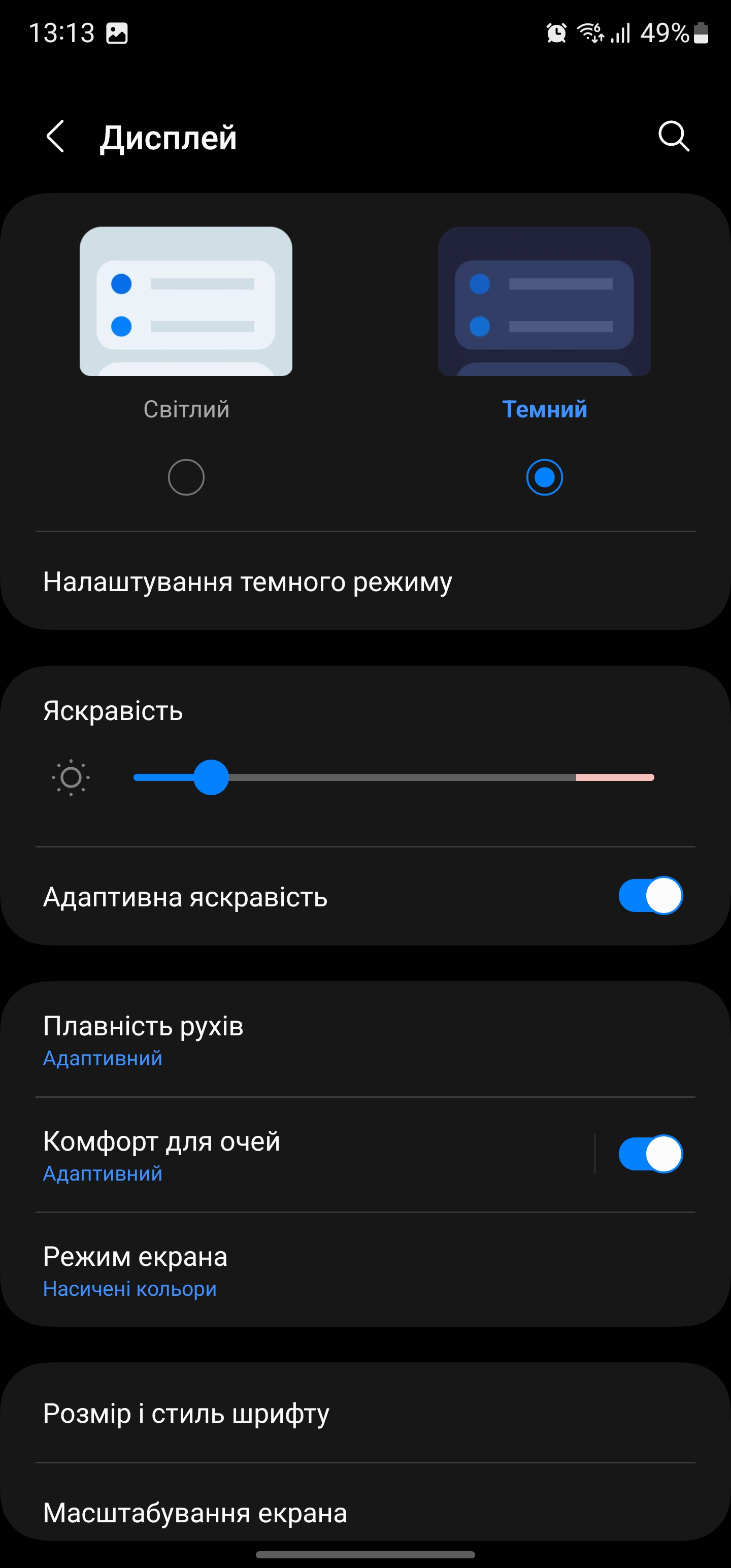
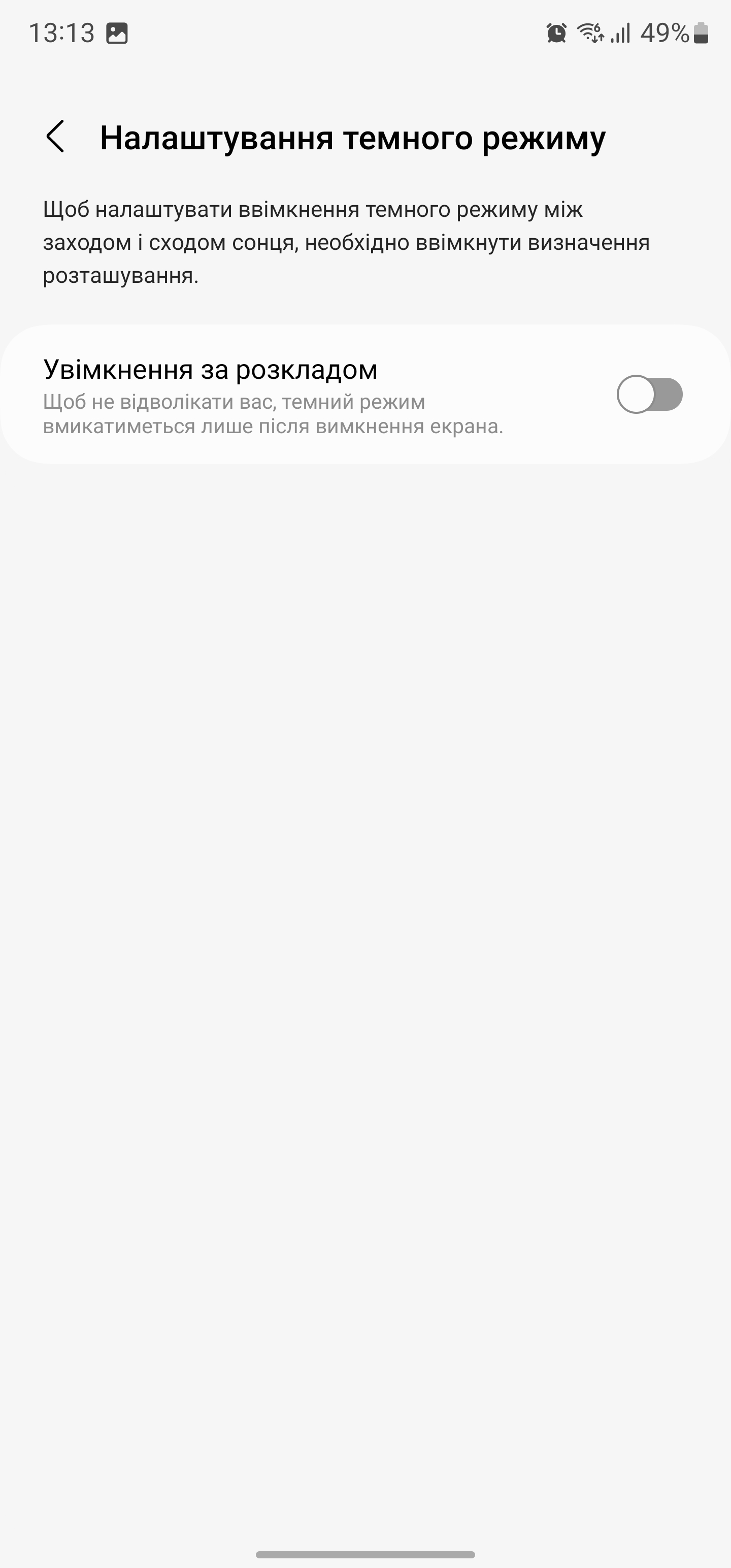
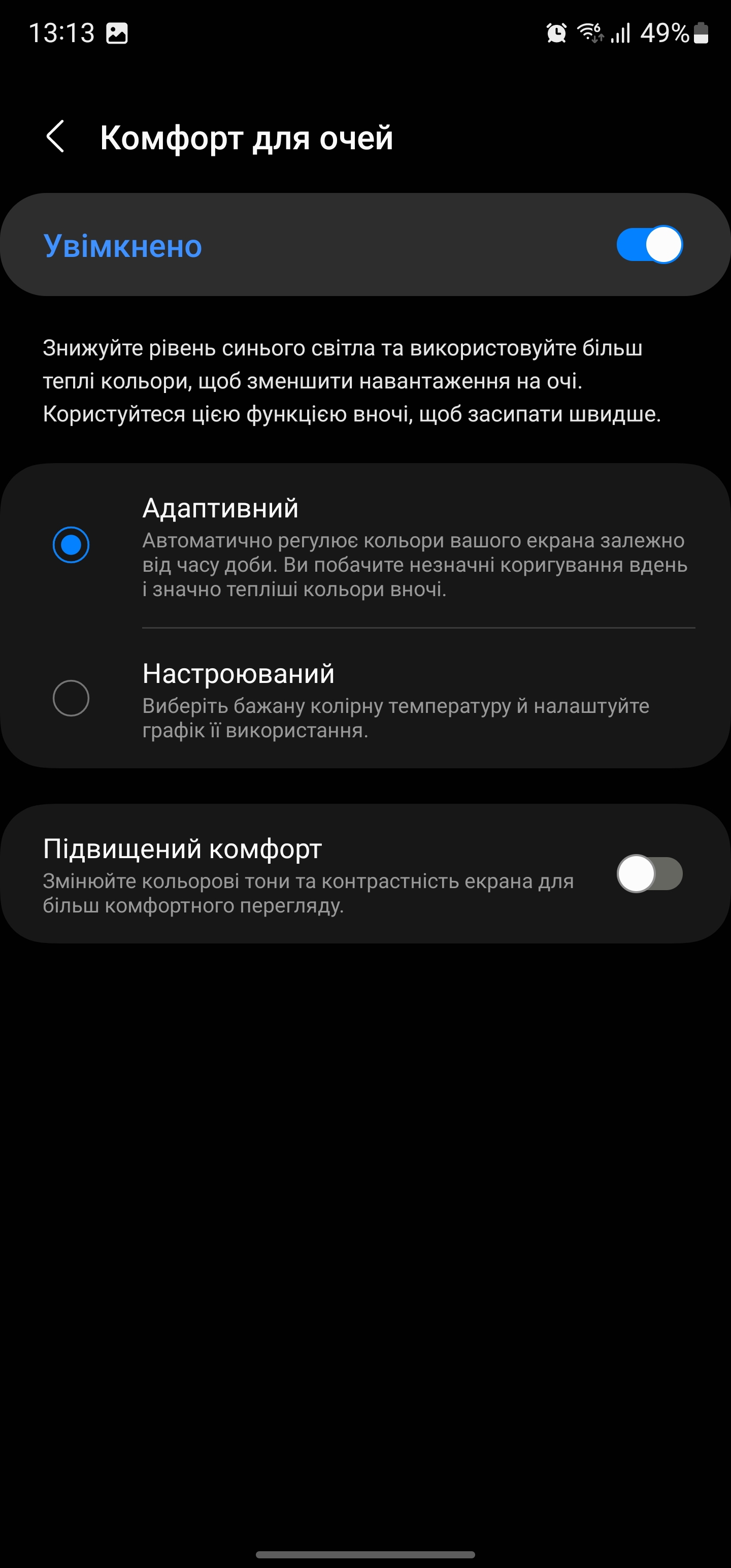
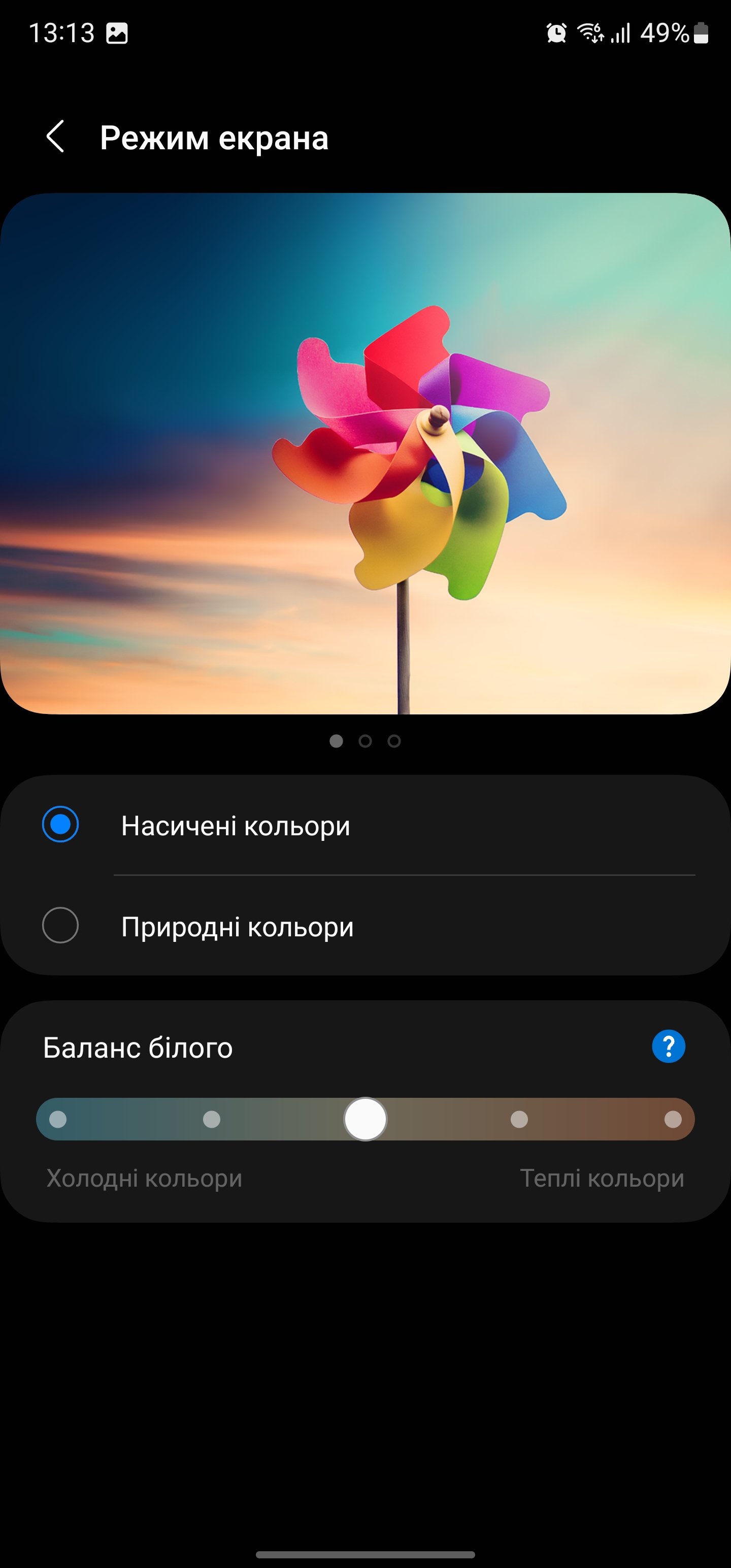
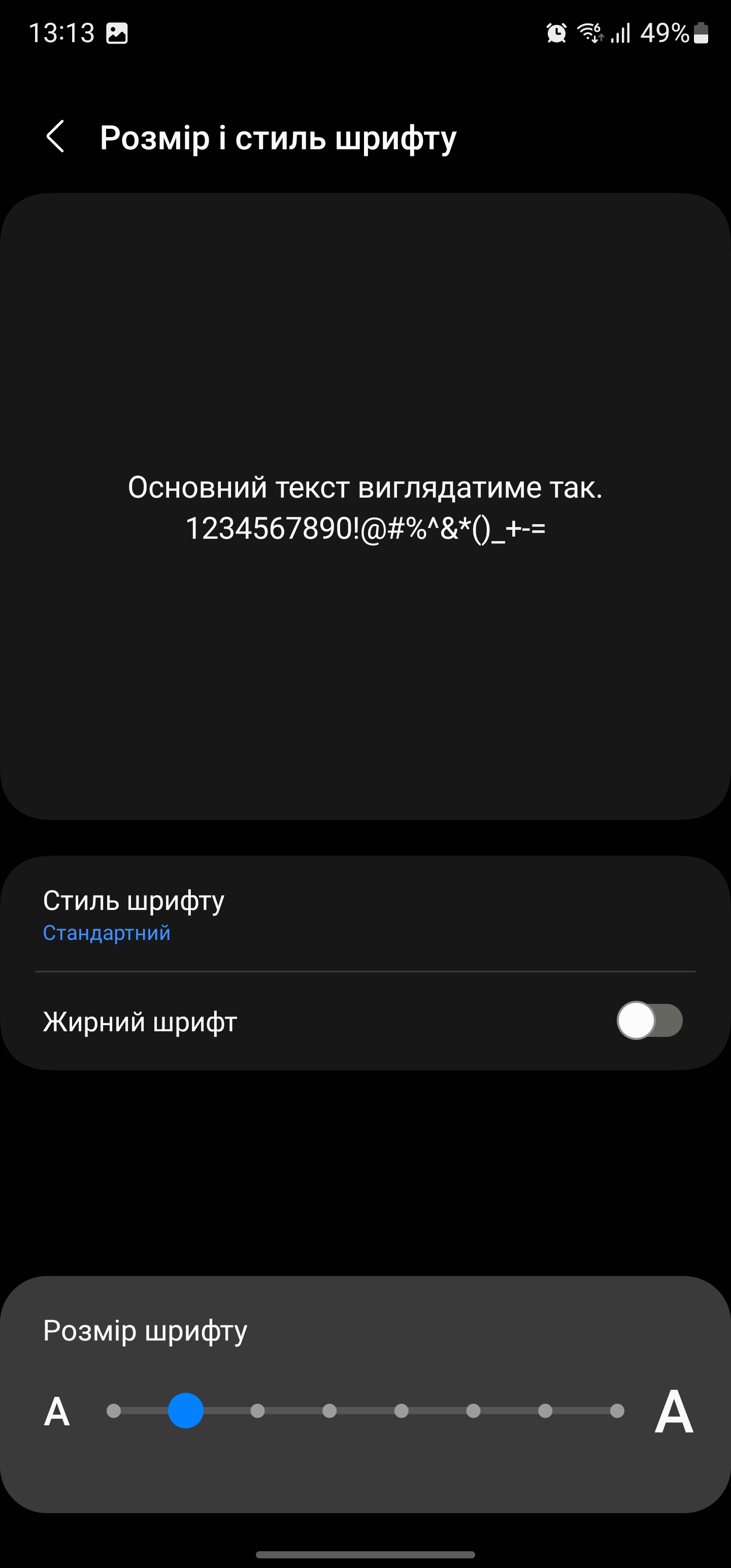
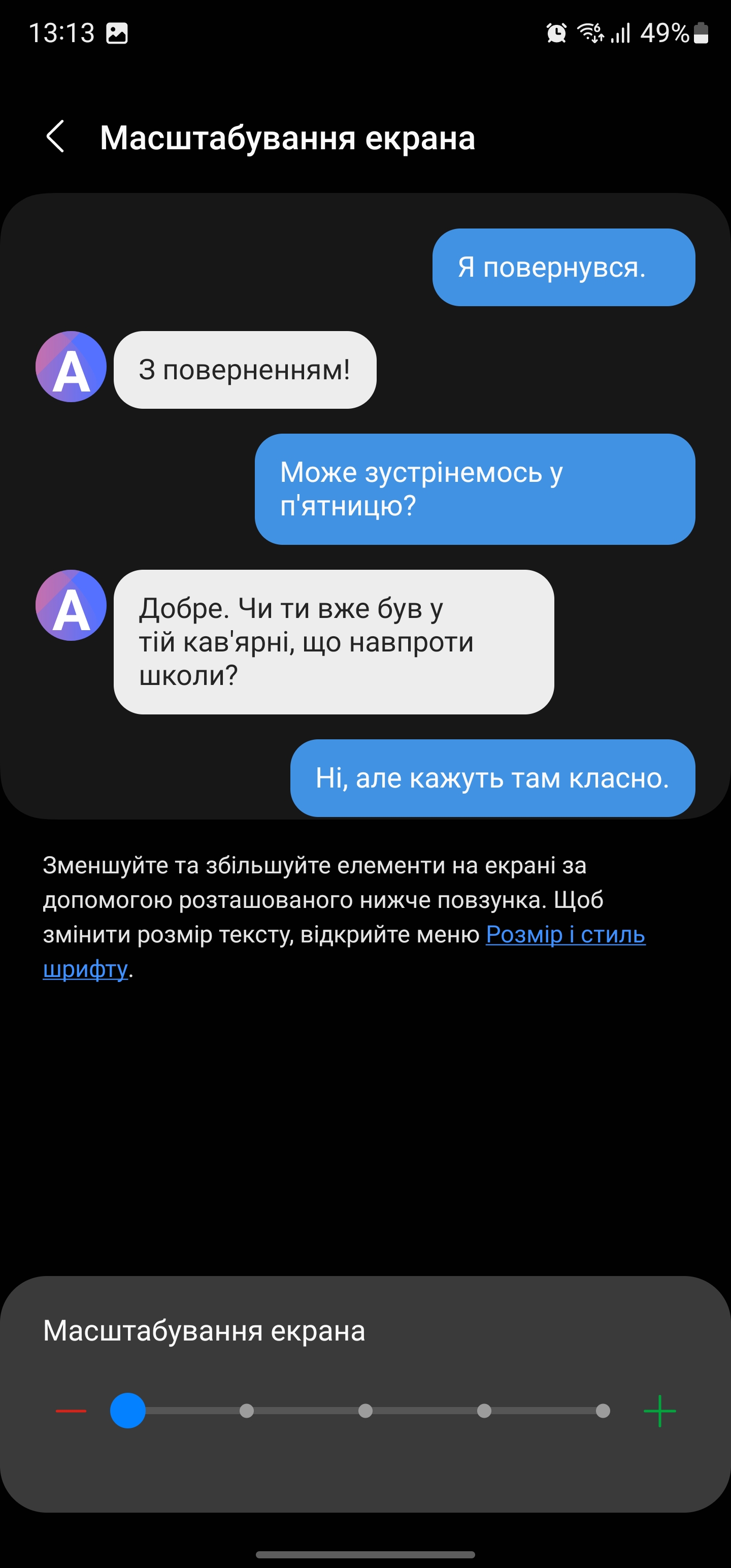
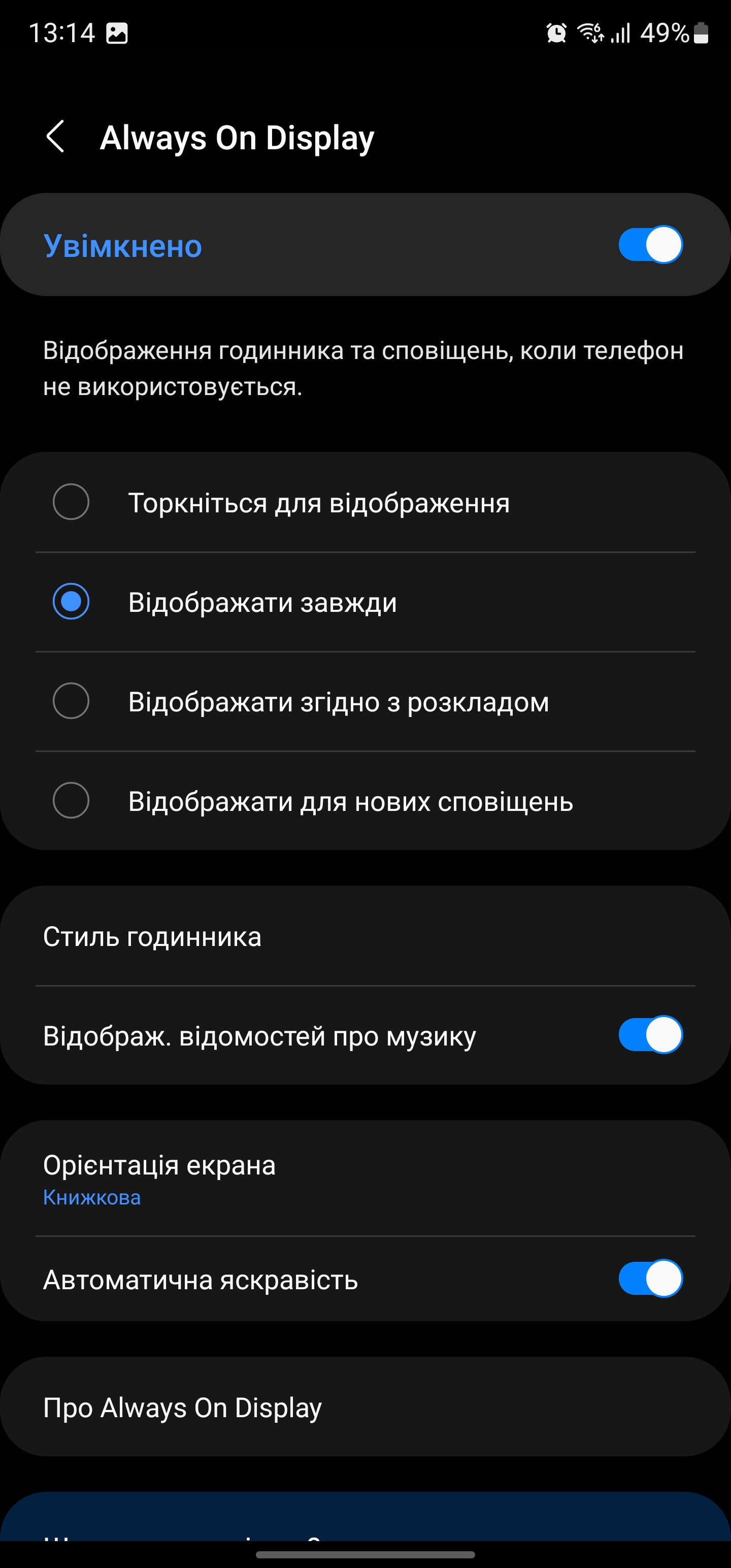
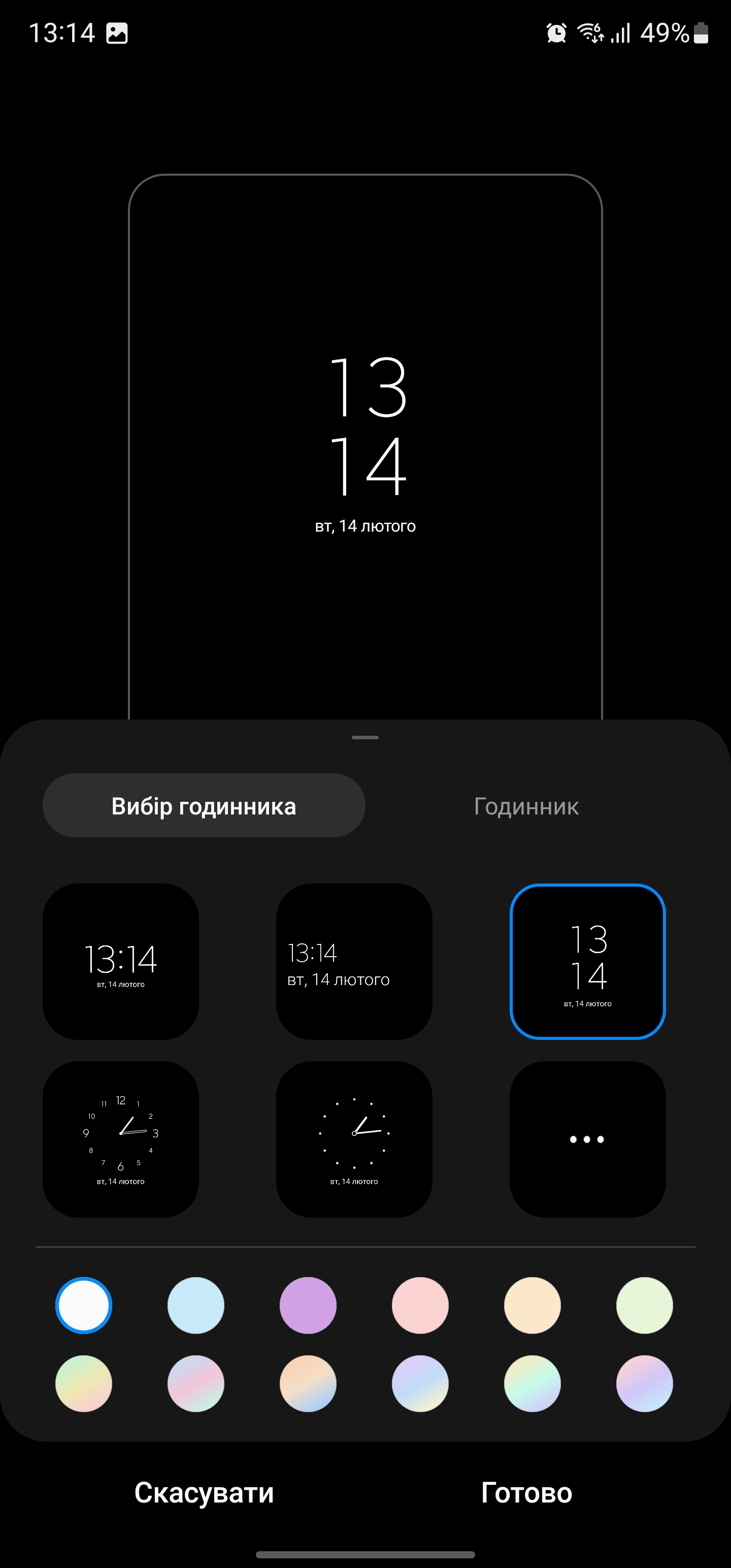
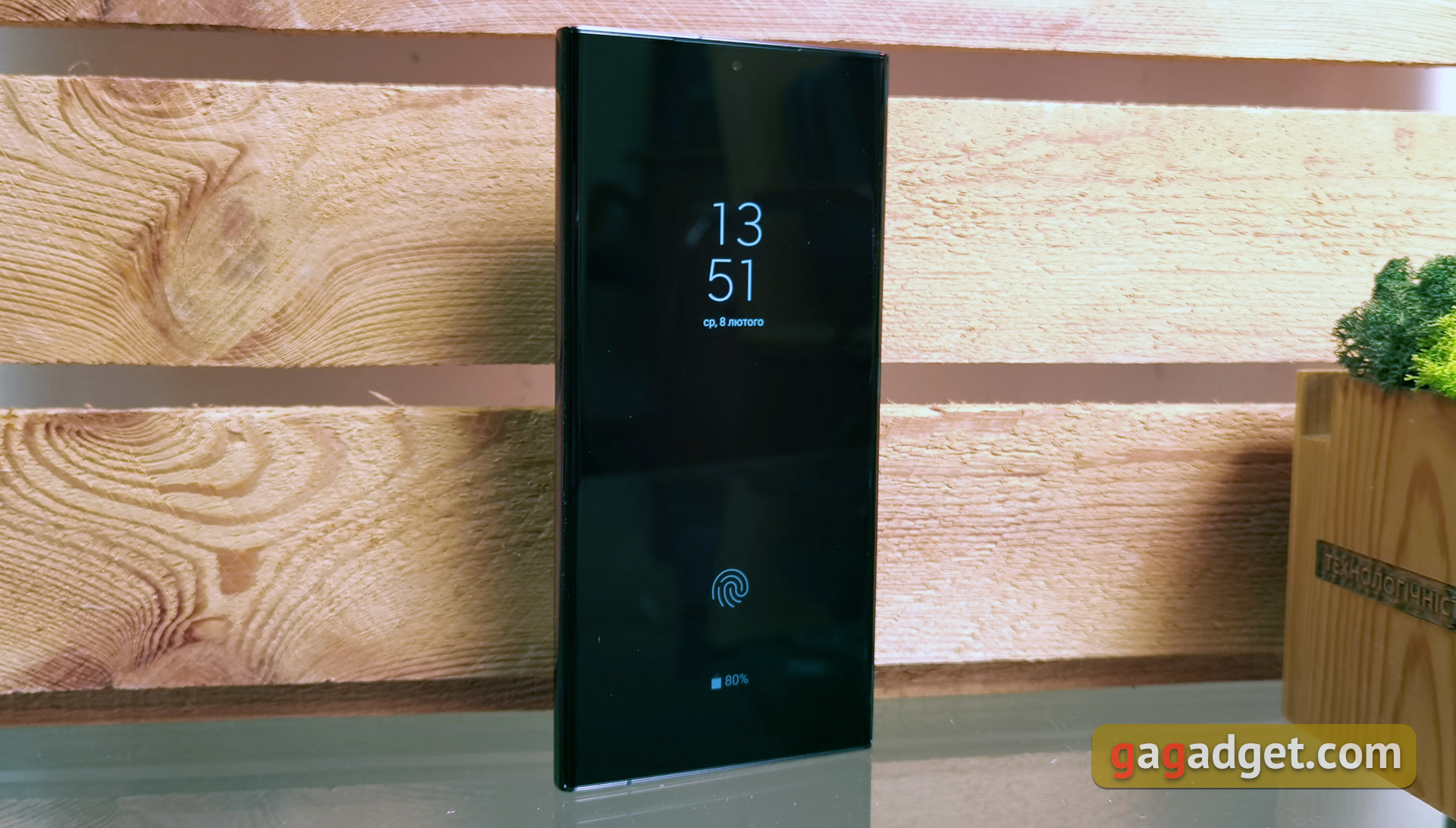
In the settings you can choose between dark and lighttheme (or activate automatic switching), adjust brightness (there is a high-brightness mode), select the screen refresh rate (adaptive 1-120 Hz and standard 60 Hz), enable eye comfort (automatically adjusts color temperature depending on ambient lighting), mode color display (rich or natural sRGB), adjust interface scale and font, and Always on Display. Everything is familiar to Samsung flagships of recent years.
</ img>
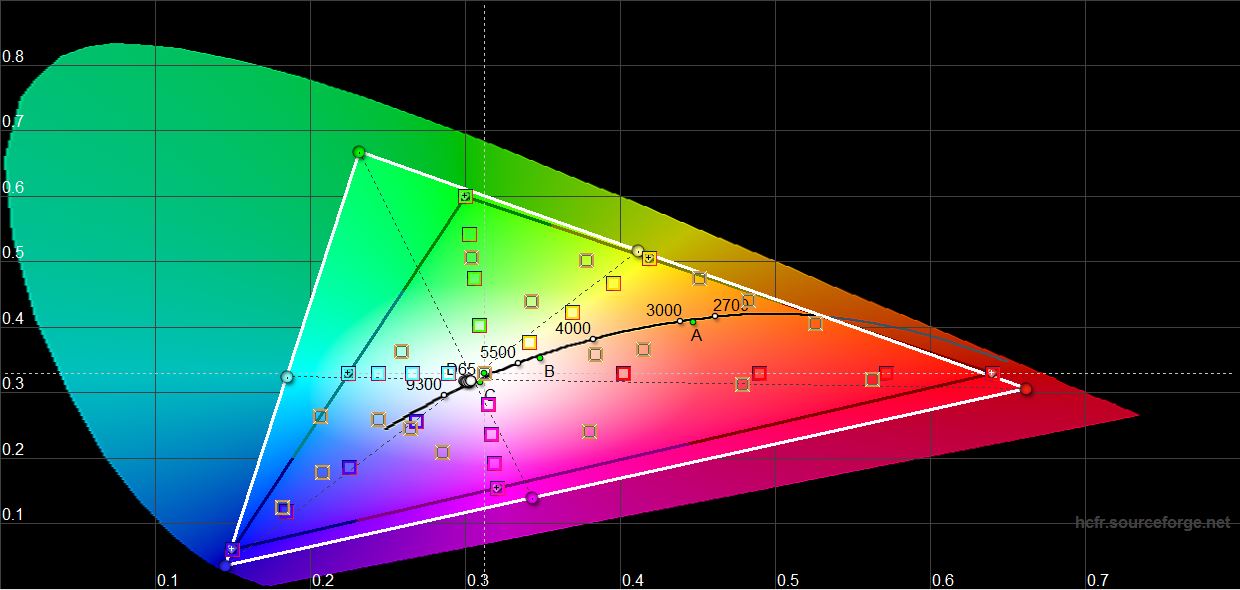
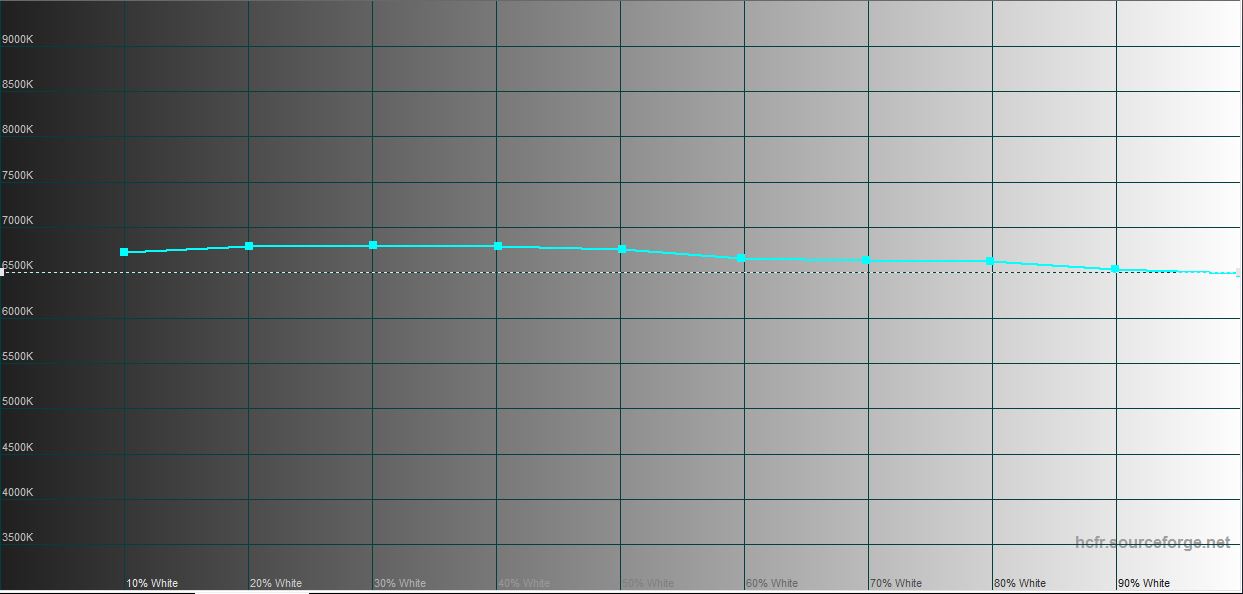
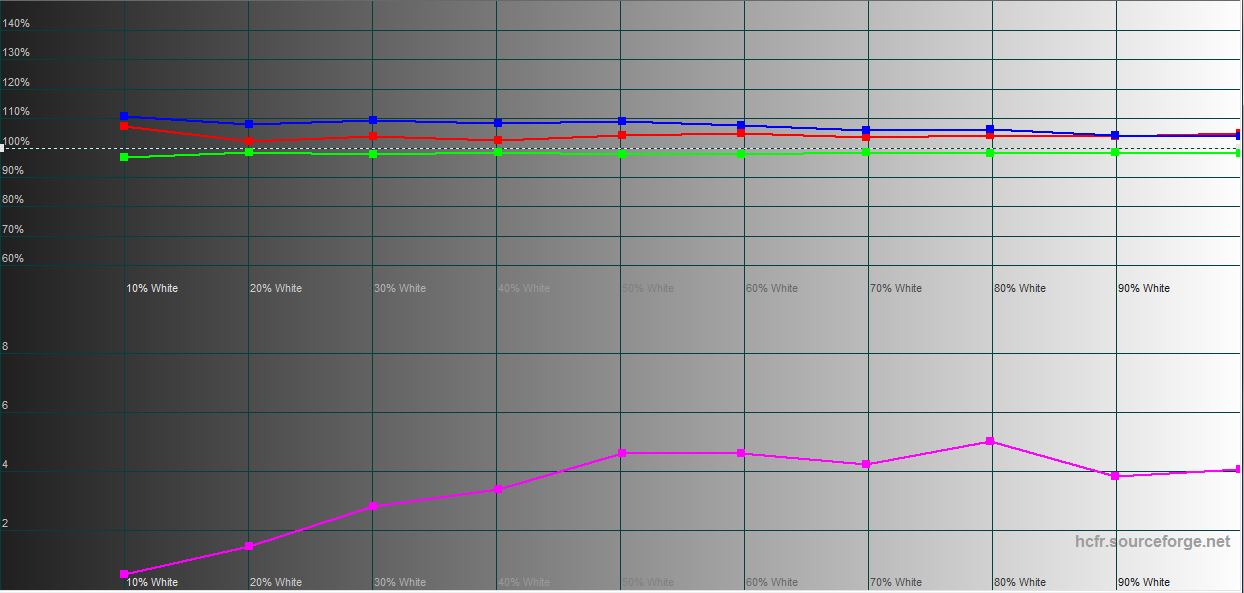
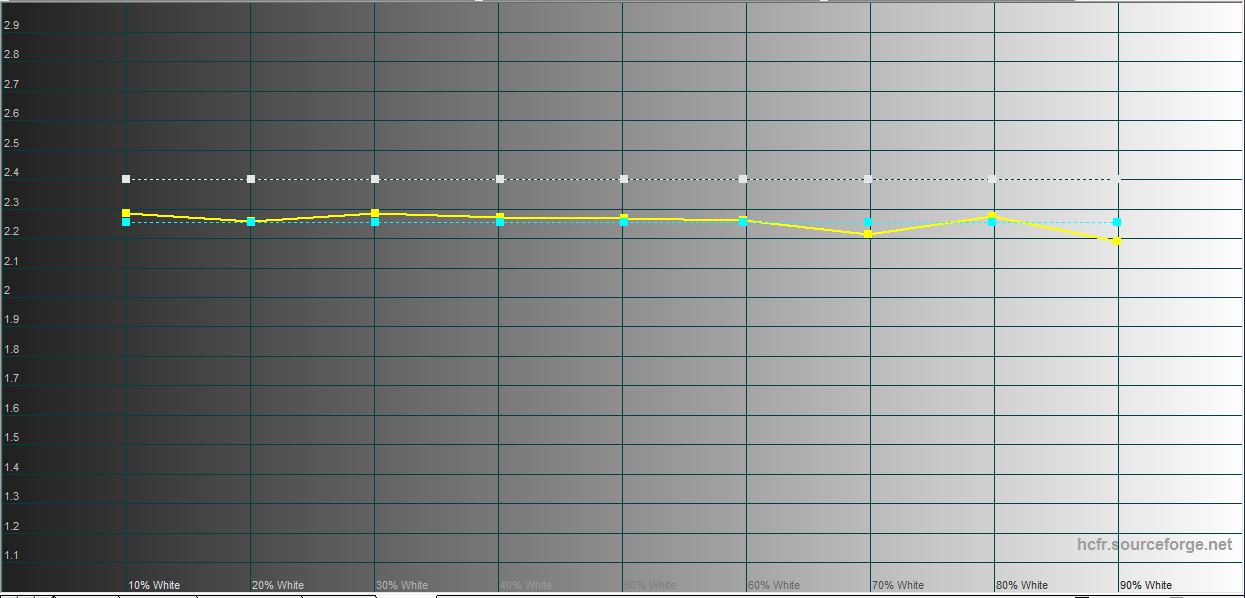
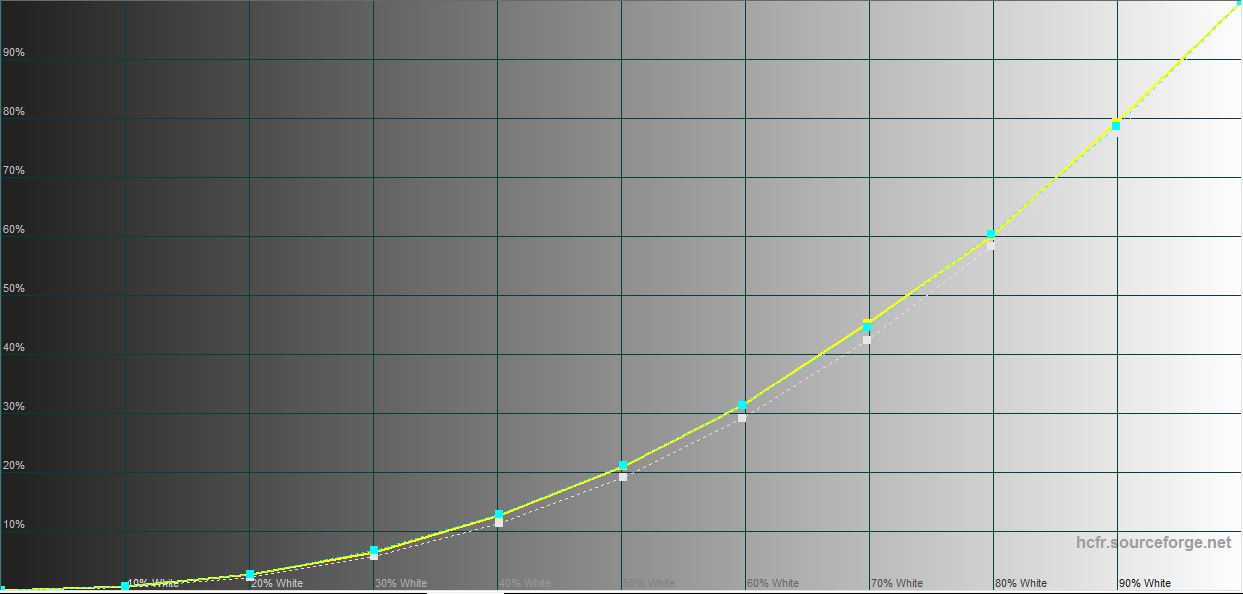
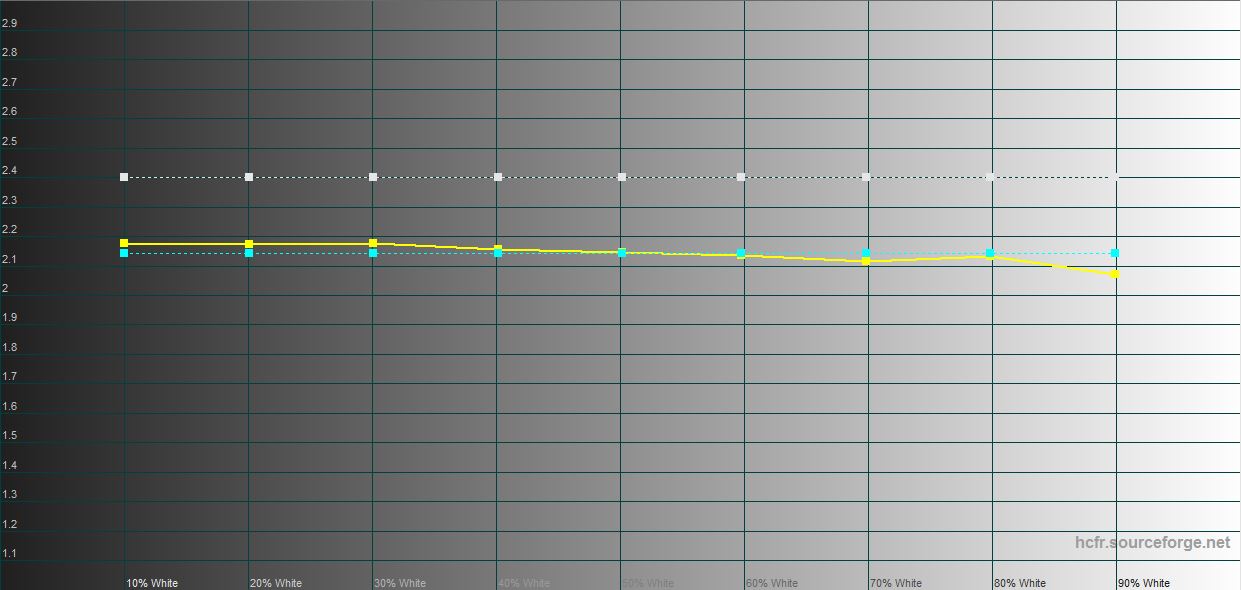
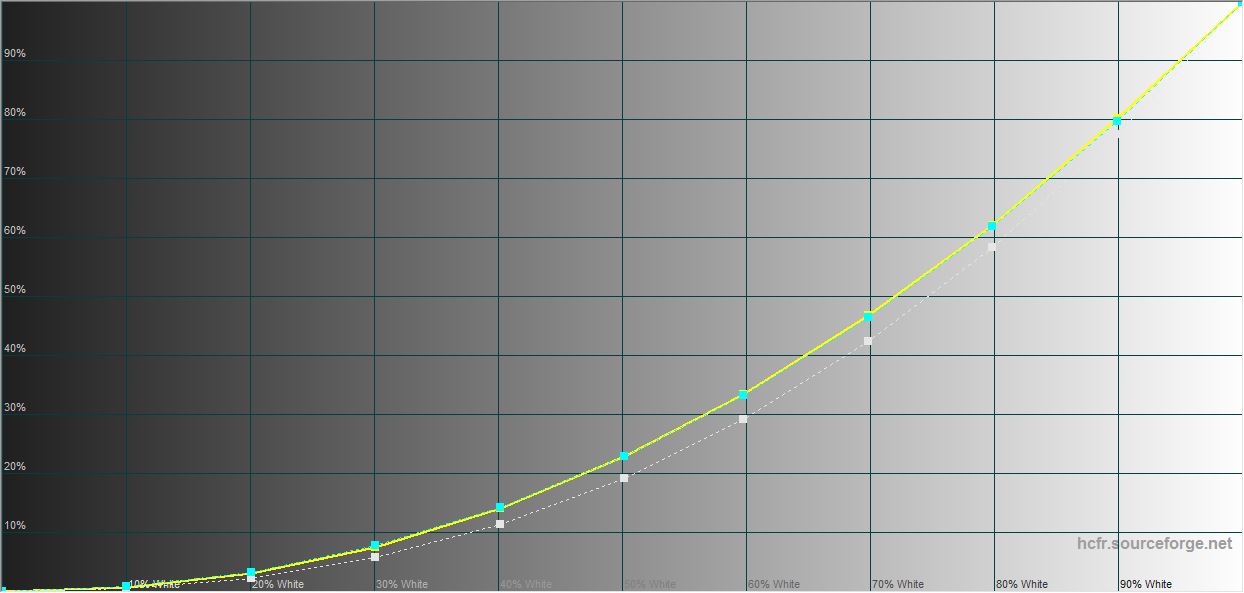
Screen measurement with on“Rich” mode showed a maximum brightness in manual mode of 696.675 cd/m2, very accurate color display (all indicators are close to the reference values) and a much wider sRGB color gamut.
</ img>
</ img>
</ img>
</ img>
</ img>
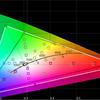
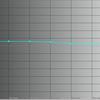
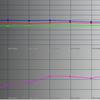

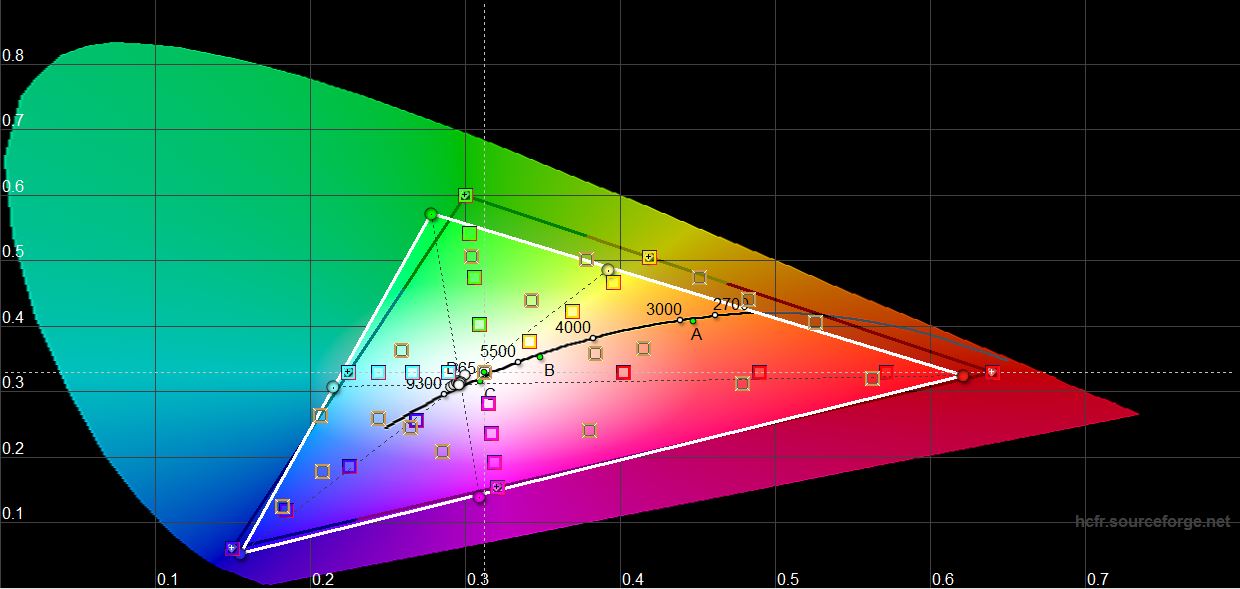
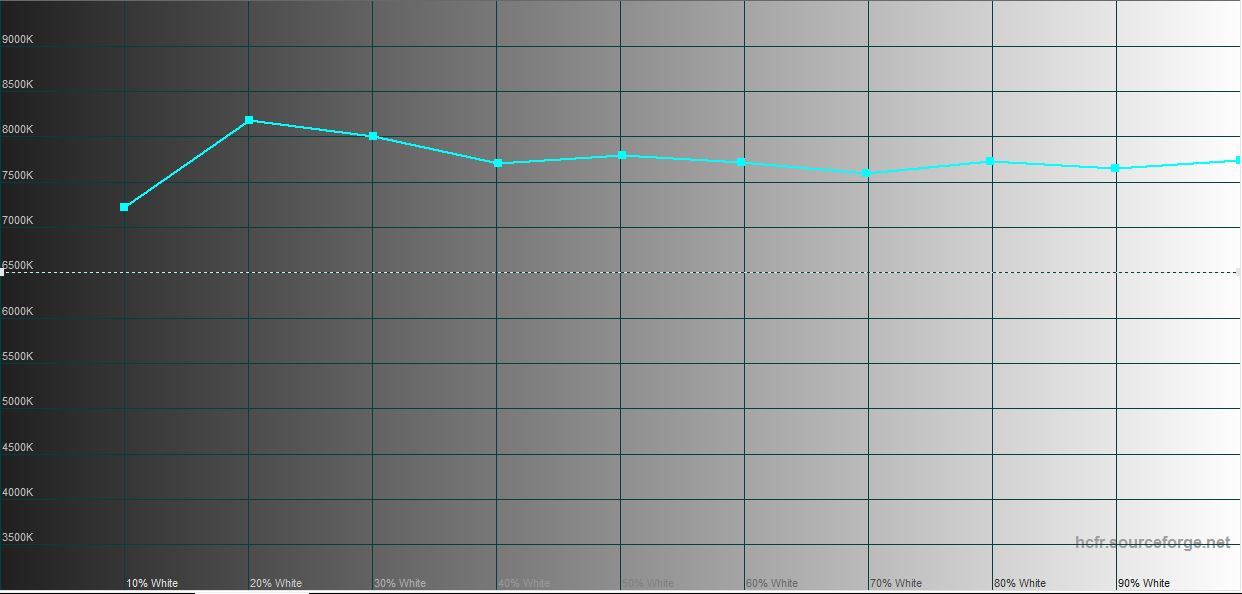
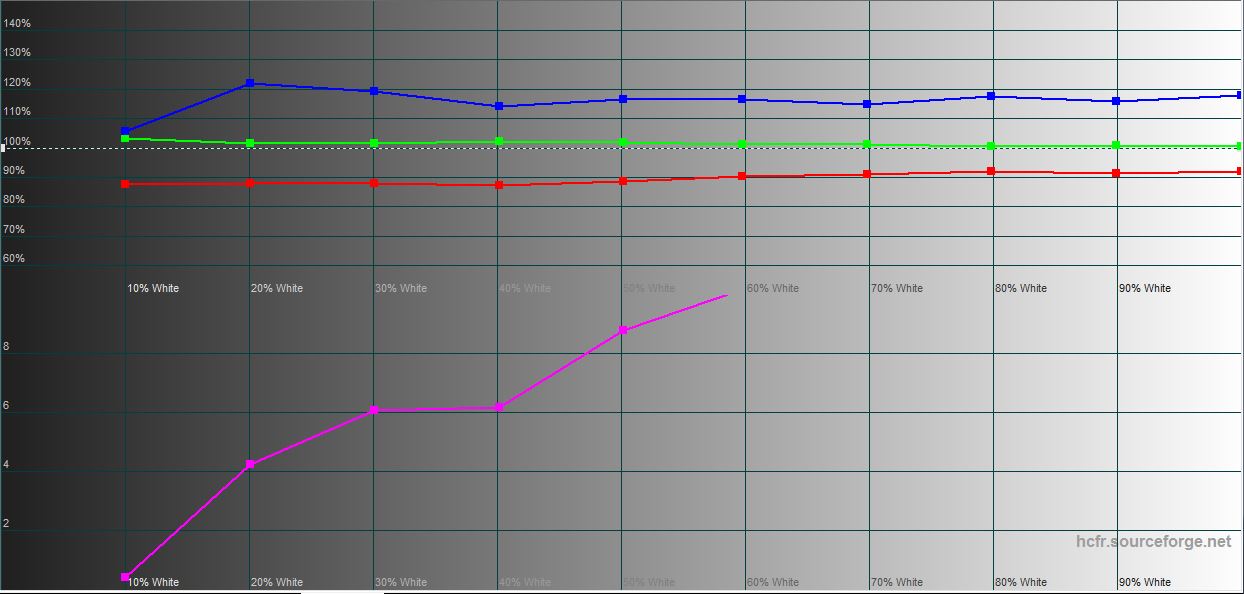
In “Natural” mode, the color display is not as accurate, and the color gamut is close to sRGB. At the same time, the brightness is slightly lower: 658.171 cd/m2.
</ img>
</ img>
</ img>
</ img>
</ img>
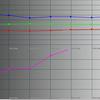
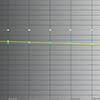
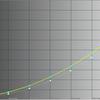
Comparison with other models:
Device name
White field brightness,
cd / m2
The brightness of the black field,
cd / m2
Contrast
Samsung Galaxy S23 Ultra
696.675
0
∞
Samsung Galaxy S22 Ultra
688.649
0
∞
Samsung Galaxy Z Flip3
460.6
0
∞
Samsung Galaxy Z Fold3
479.32
0
∞
Xiaomi 11T Pro
493.872
0
∞
ASUS ROG Phone 5
482.347
0
∞
Samsung Galaxy S21 +
437.906
0
∞
Sony Xperia 1
394.97
0
∞
Huawei P30 Pro
447.247
0
∞
Samsung Galaxy S10
378.72
0
∞
What are the unlock methods?
</ img>
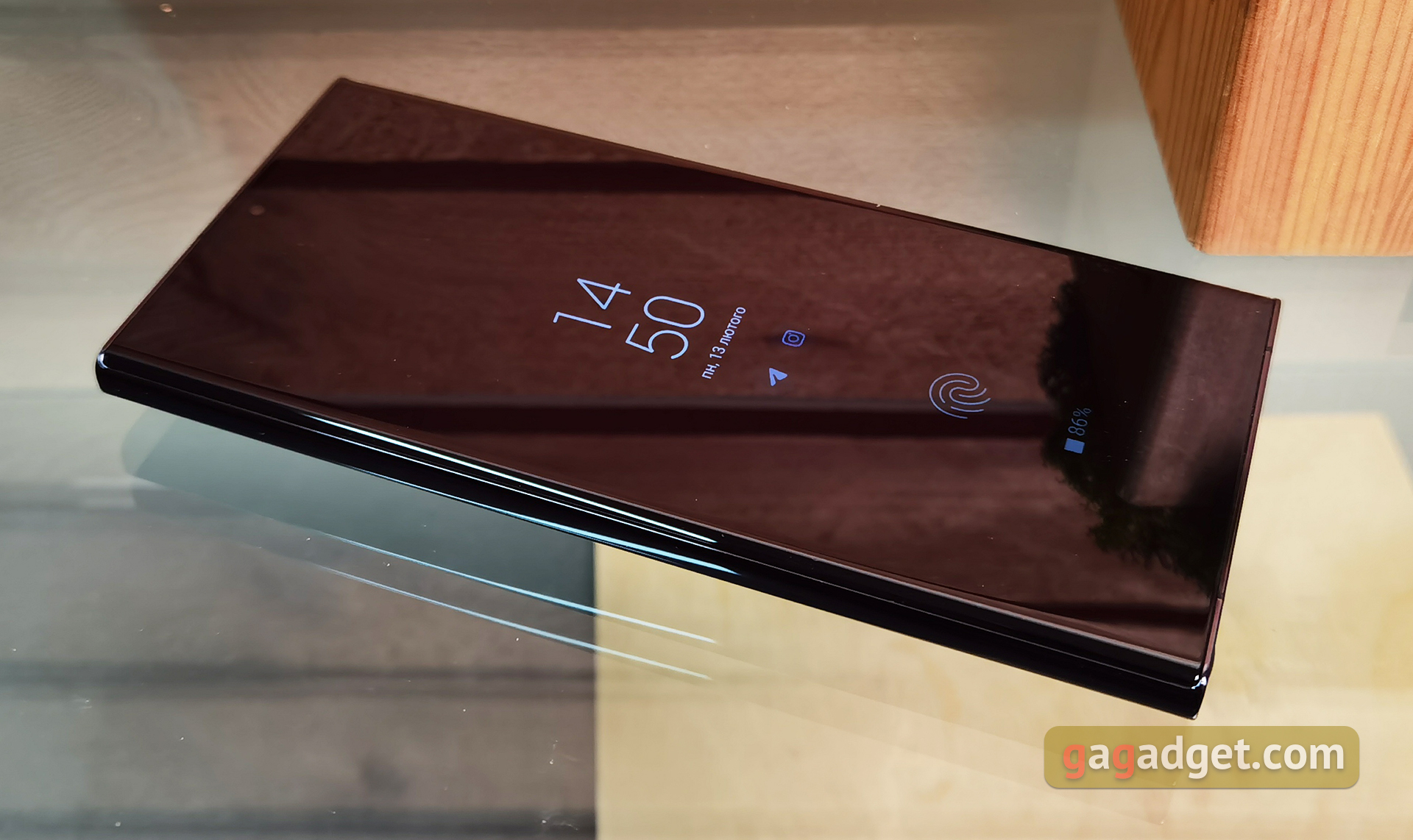
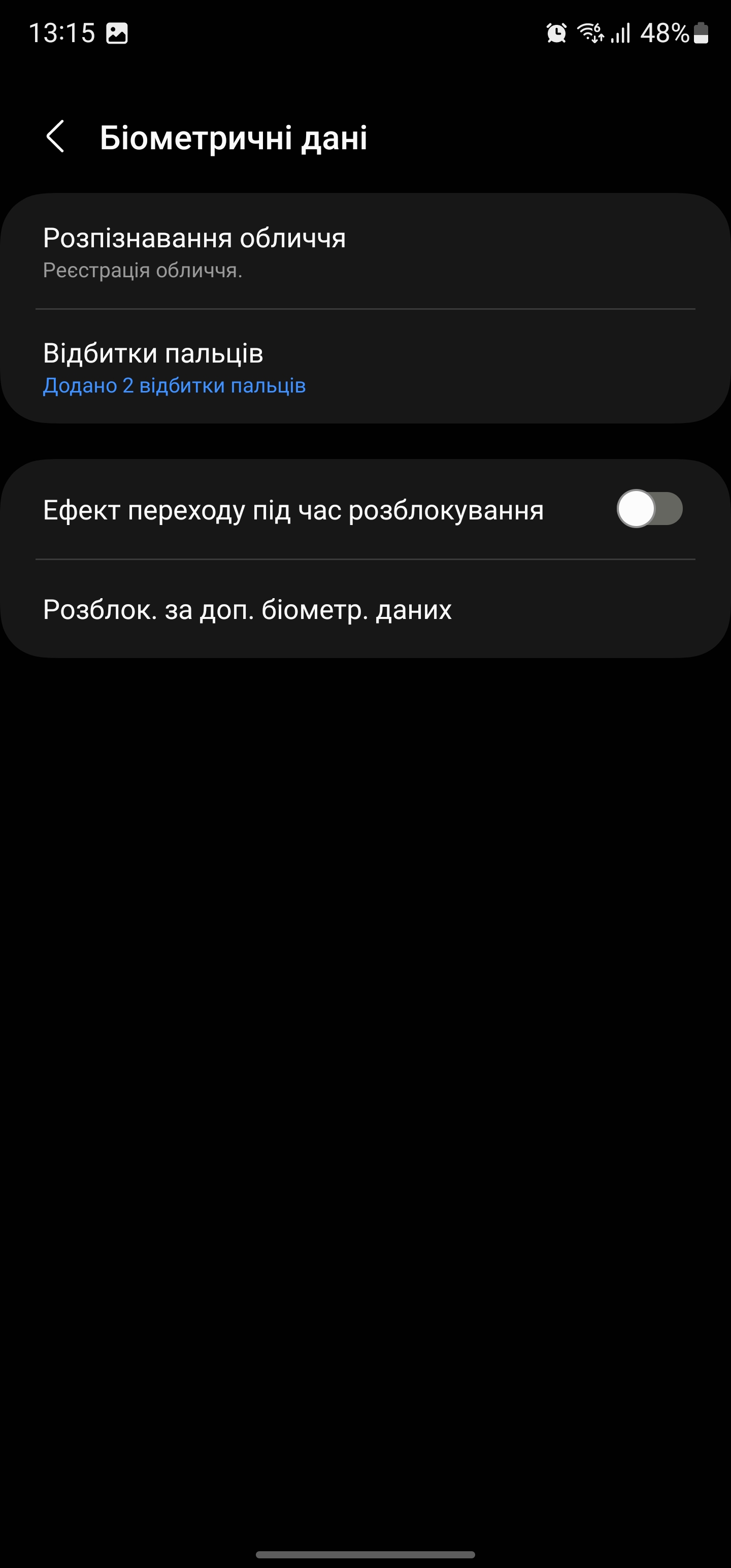
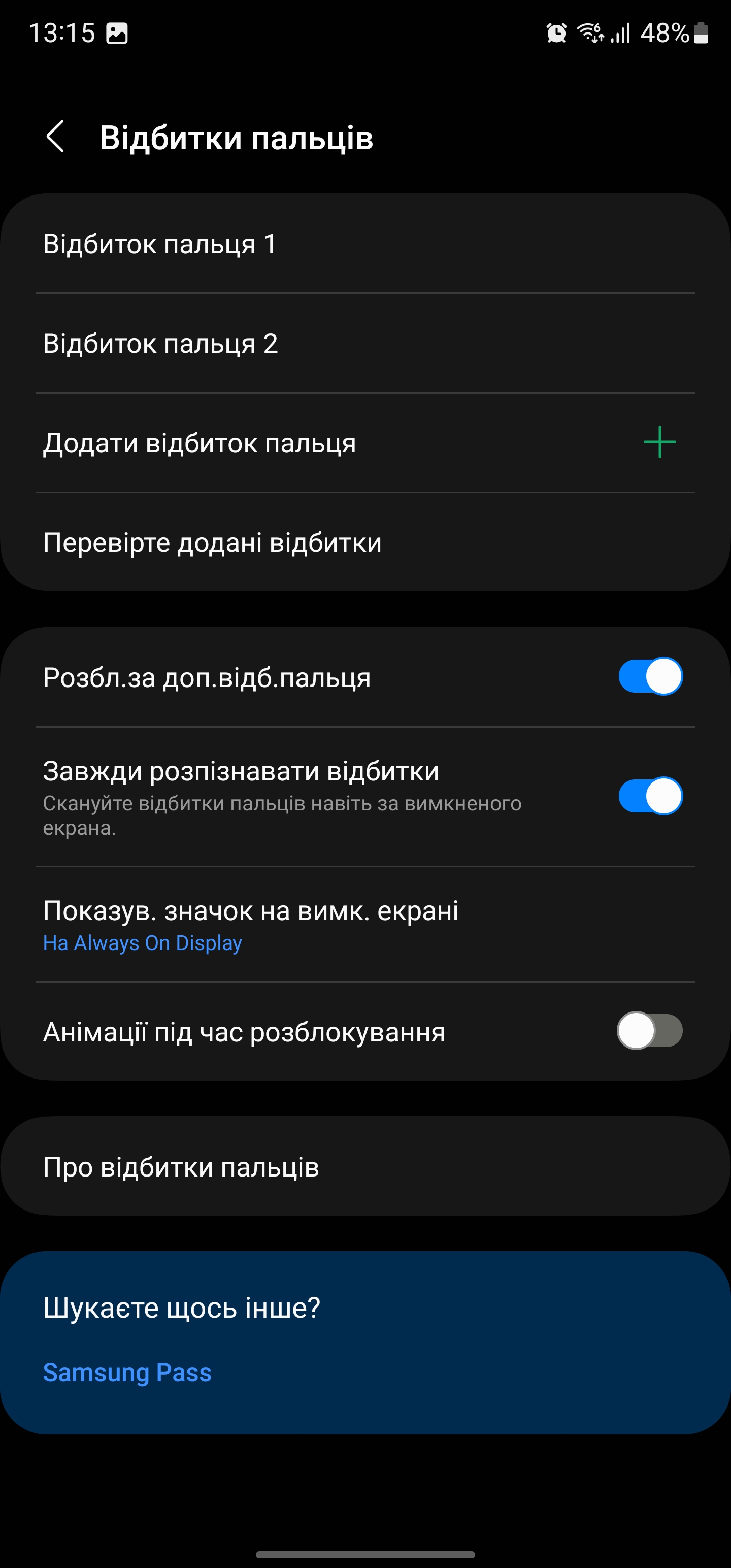
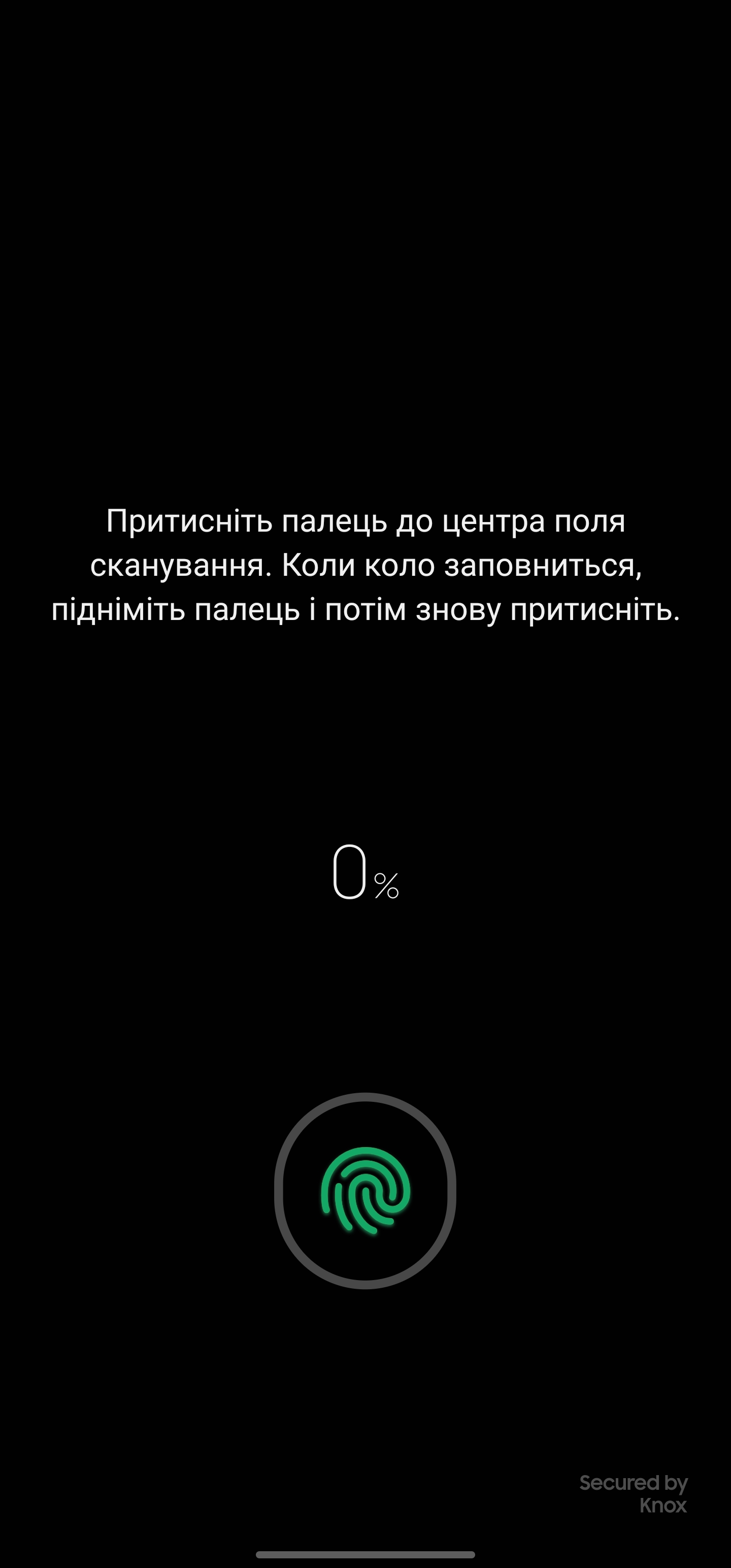
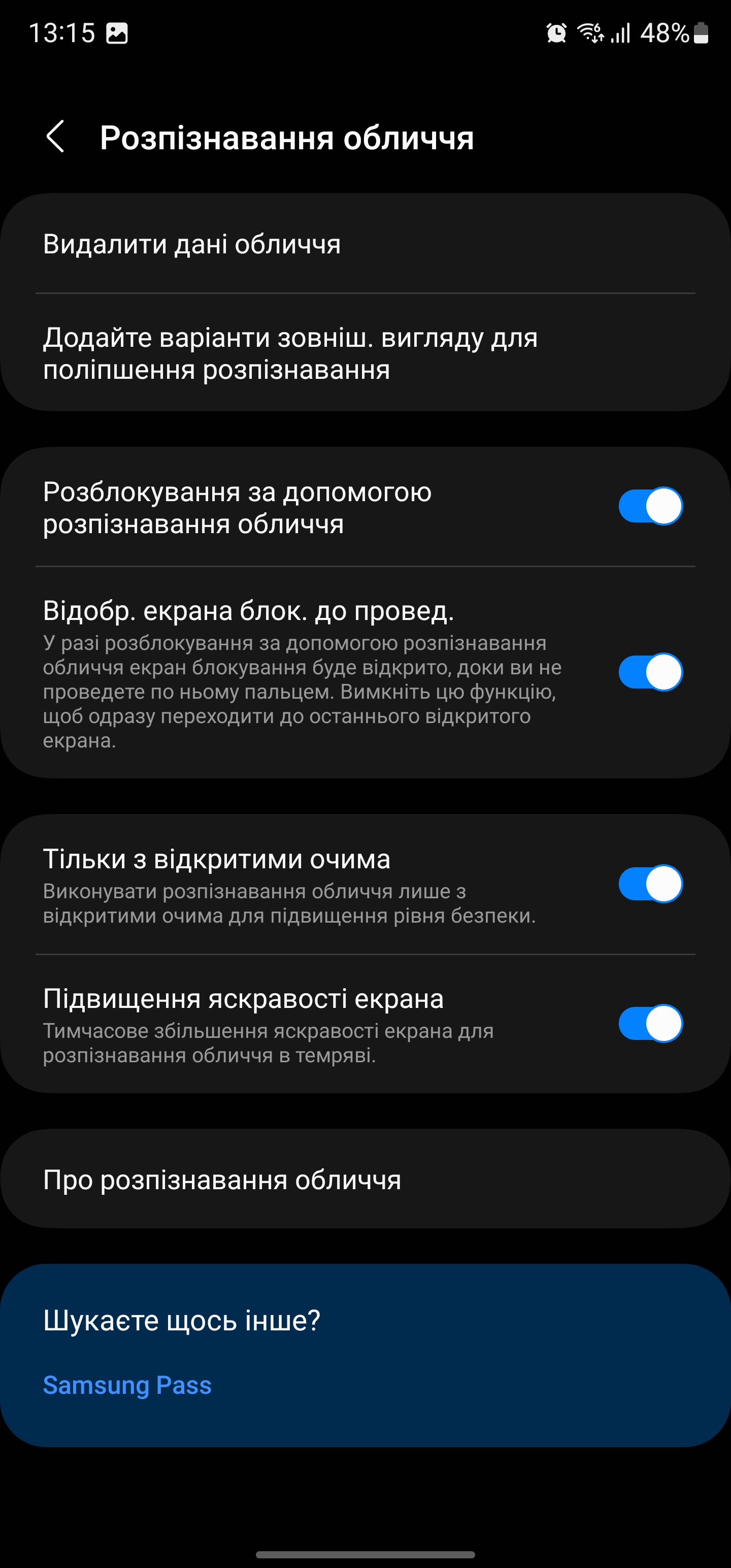
The Samsung Galaxy S23 Ultra usesultrasonic fingerprint scanner in the screen. During the use of the smartphone, there was not a single recognition error. Scanning speed is high, almost similar to traditional capacitive scanners. The front camera is responsible for face recognition, so the speed significantly depends on the lighting. In advanced settings, there is a prevention of recognition when eyes are closed and increasing the brightness of the display in low light and the ability to register additional views of the face for quick recognition.
</ img>
</ img>
</ img>
</ img>


What about performance, memory, sound and autonomy?
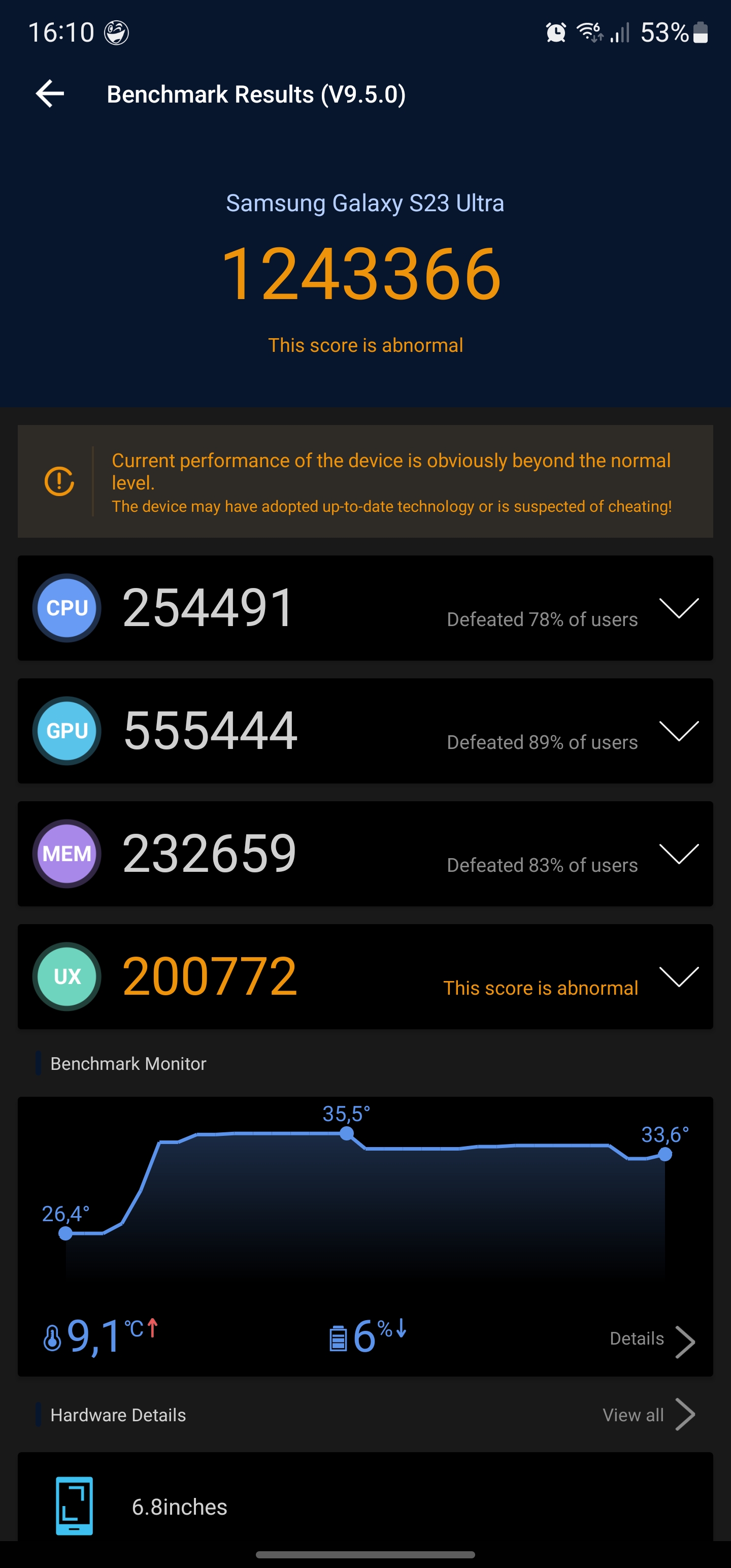
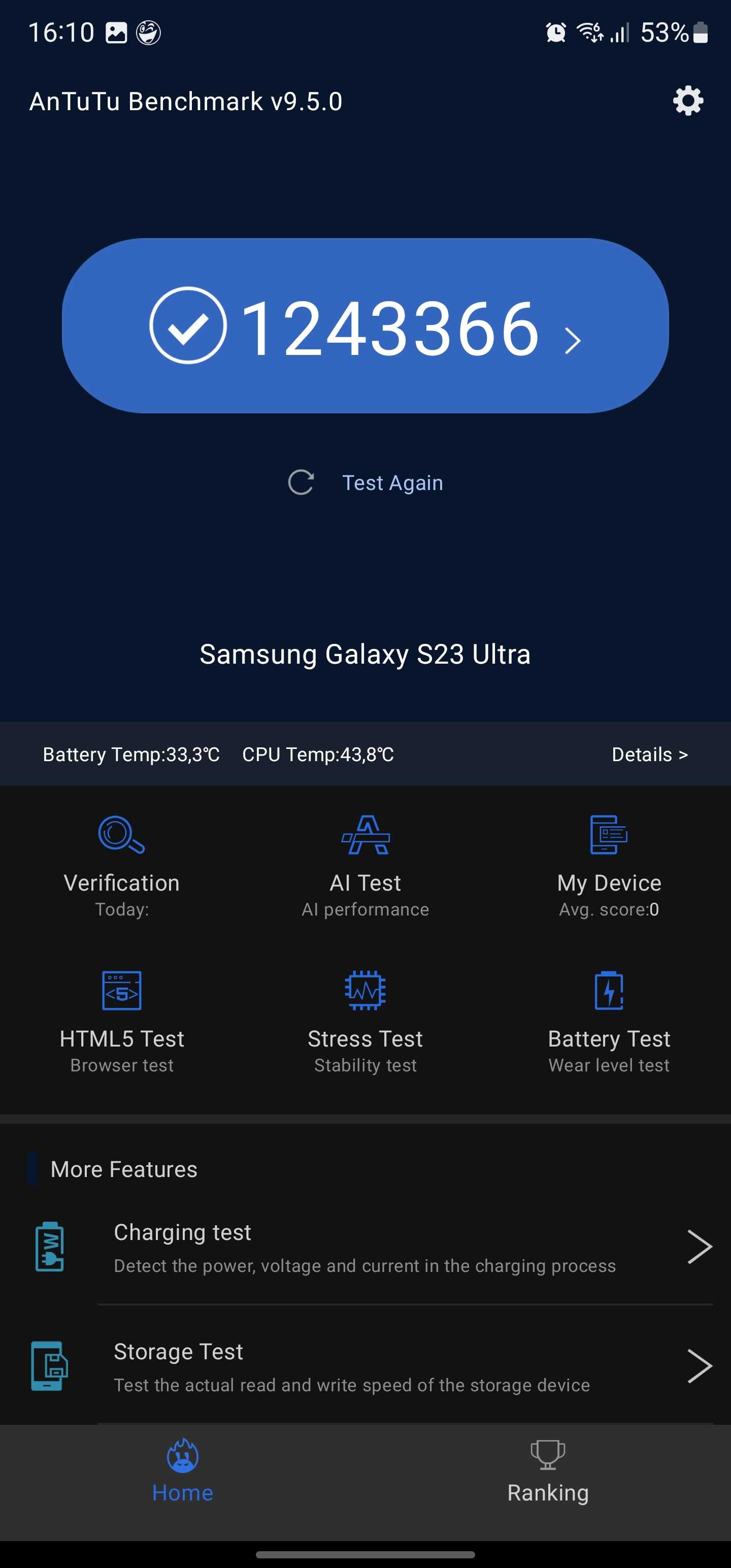
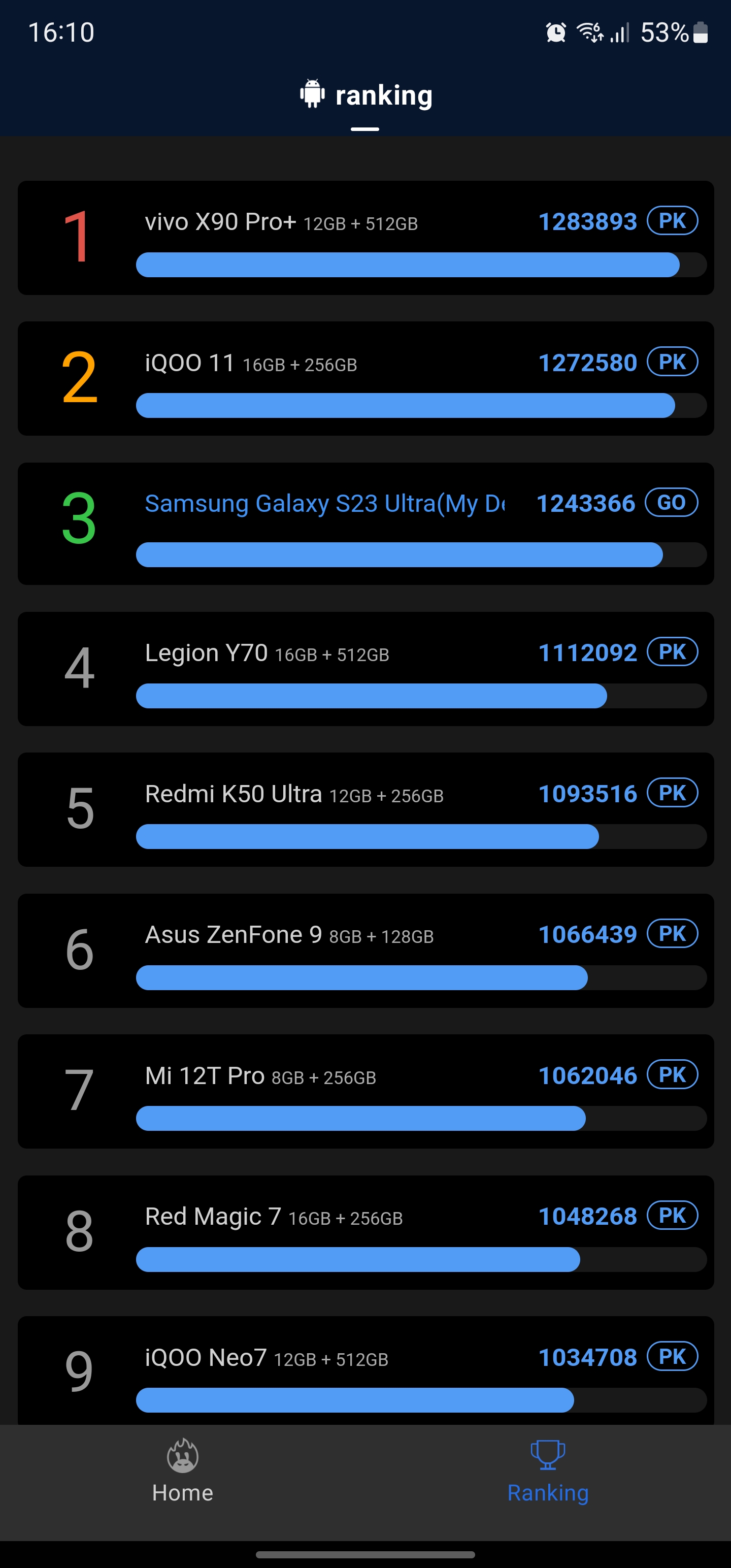
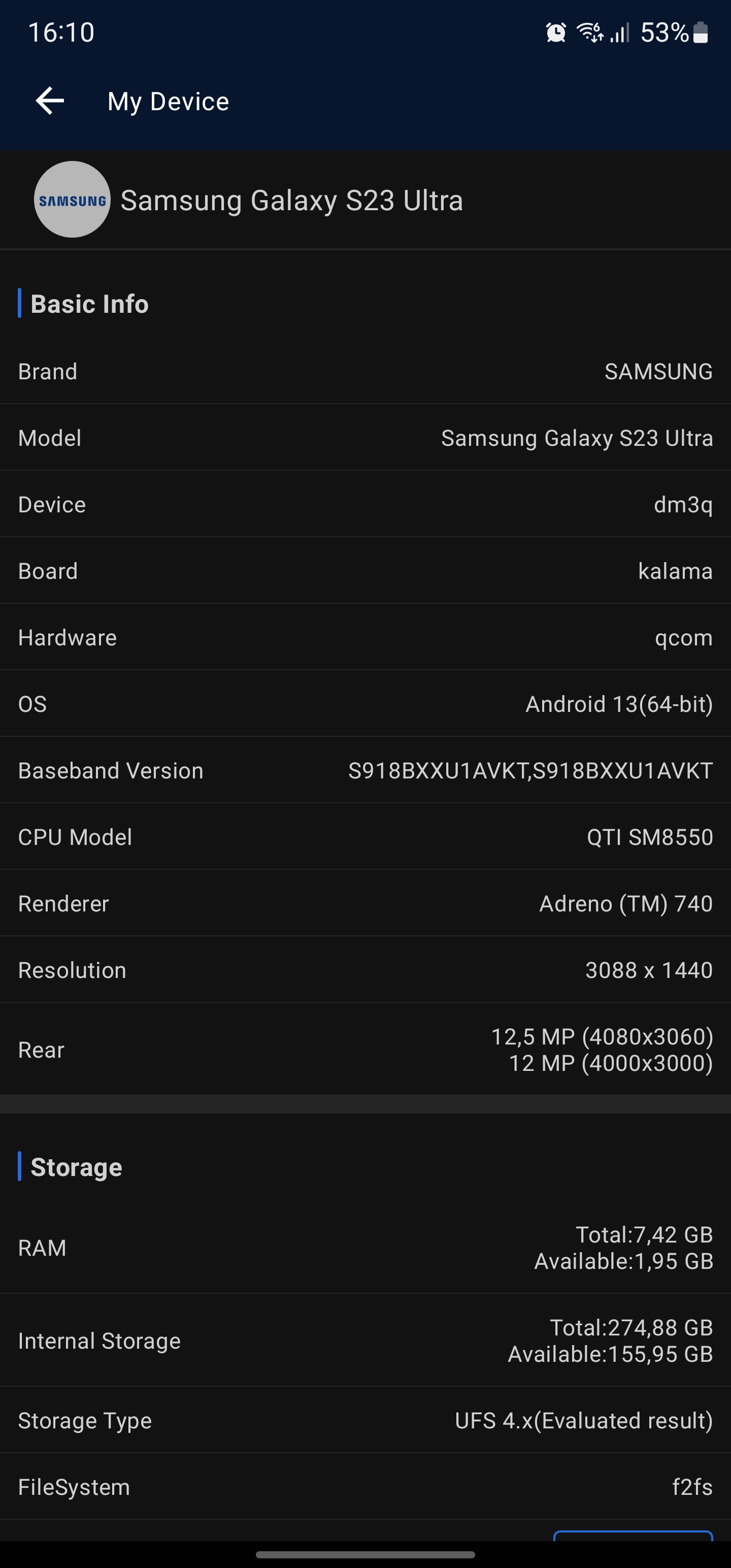
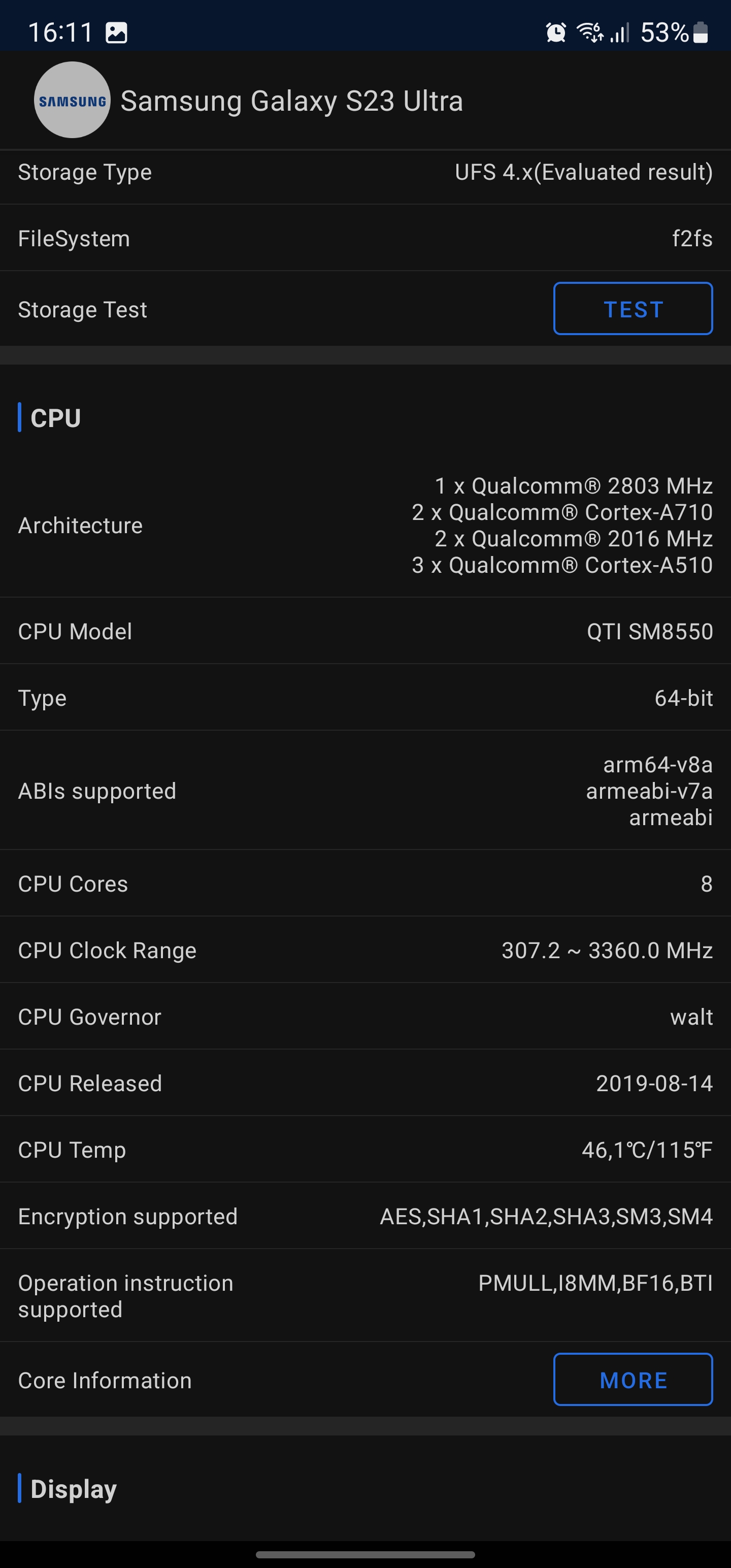
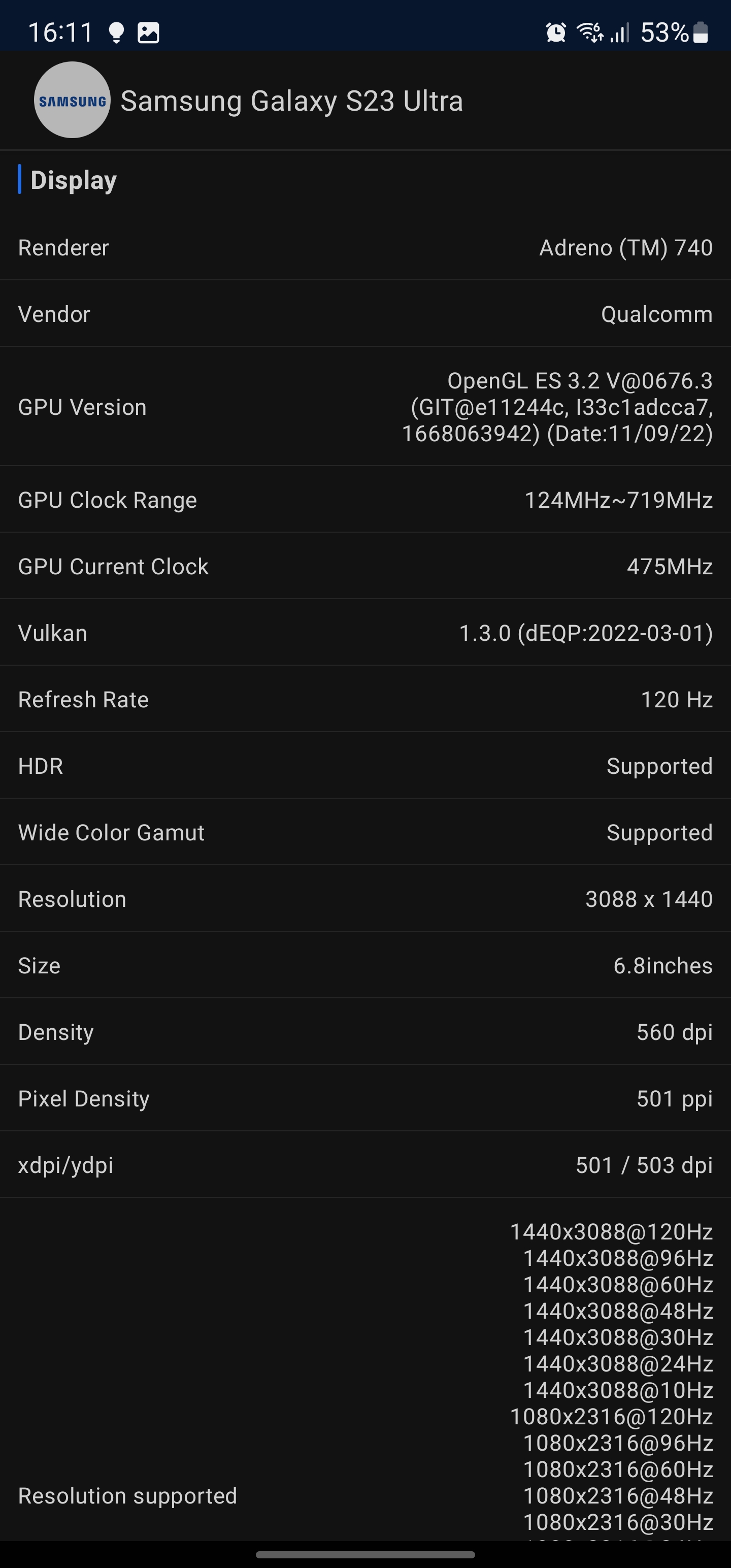
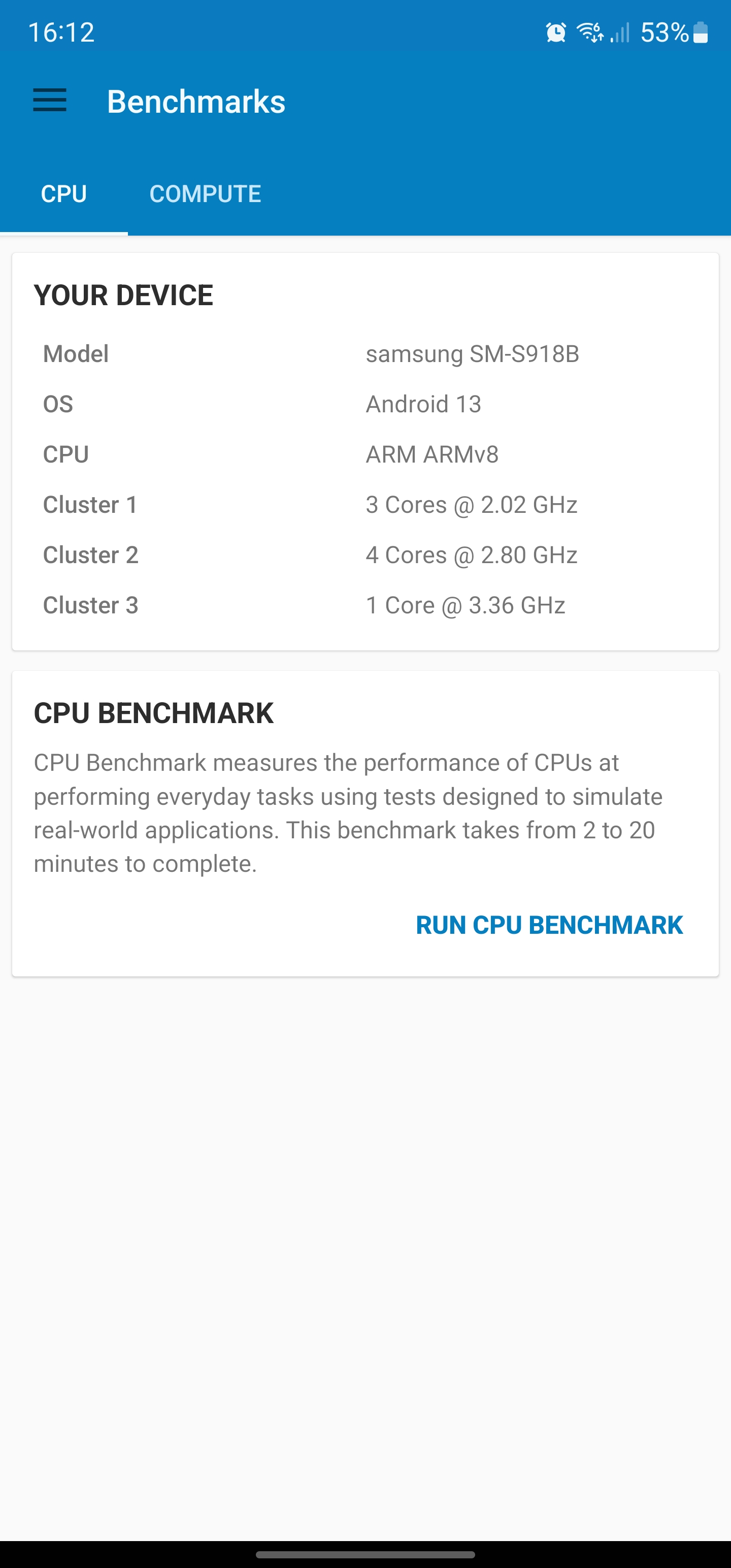
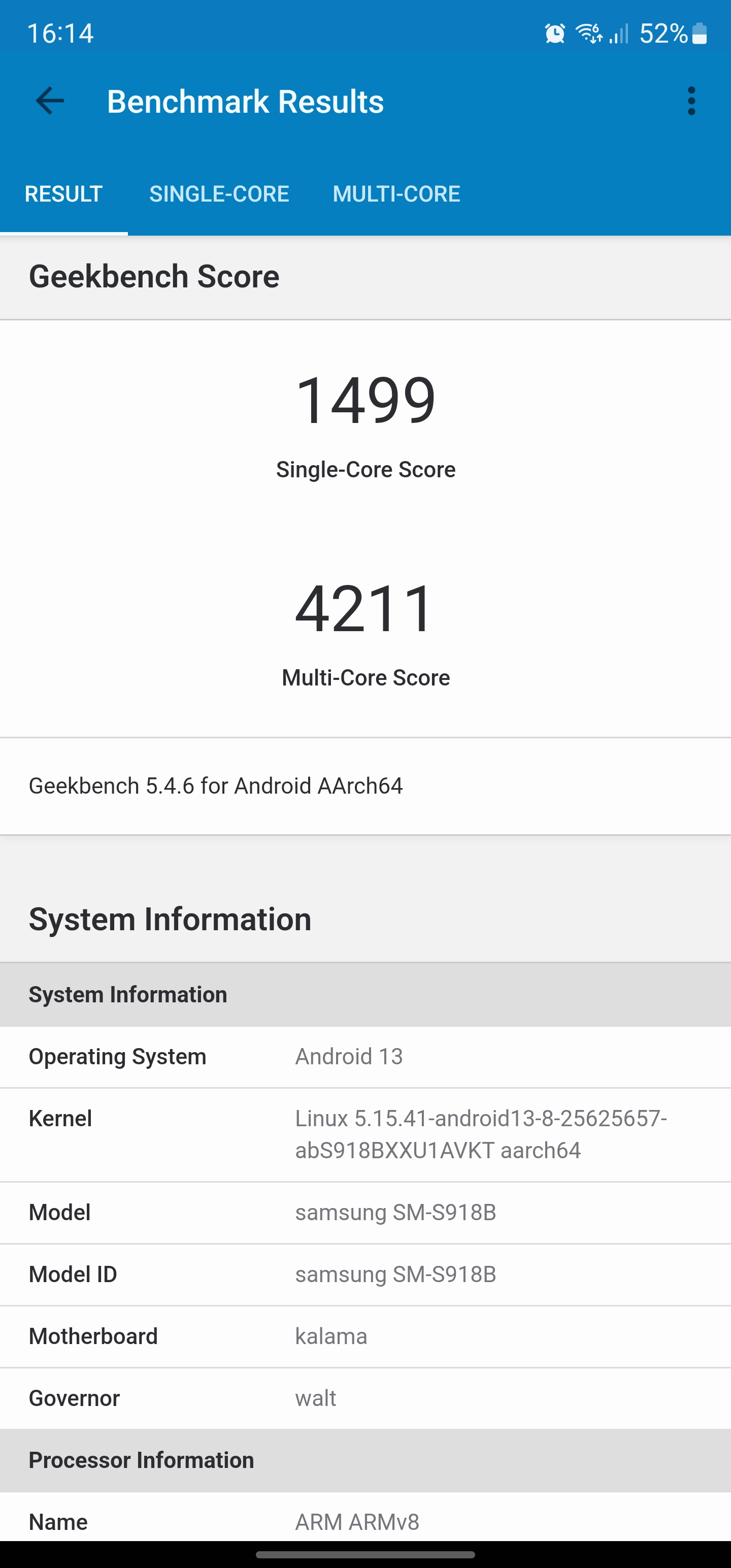
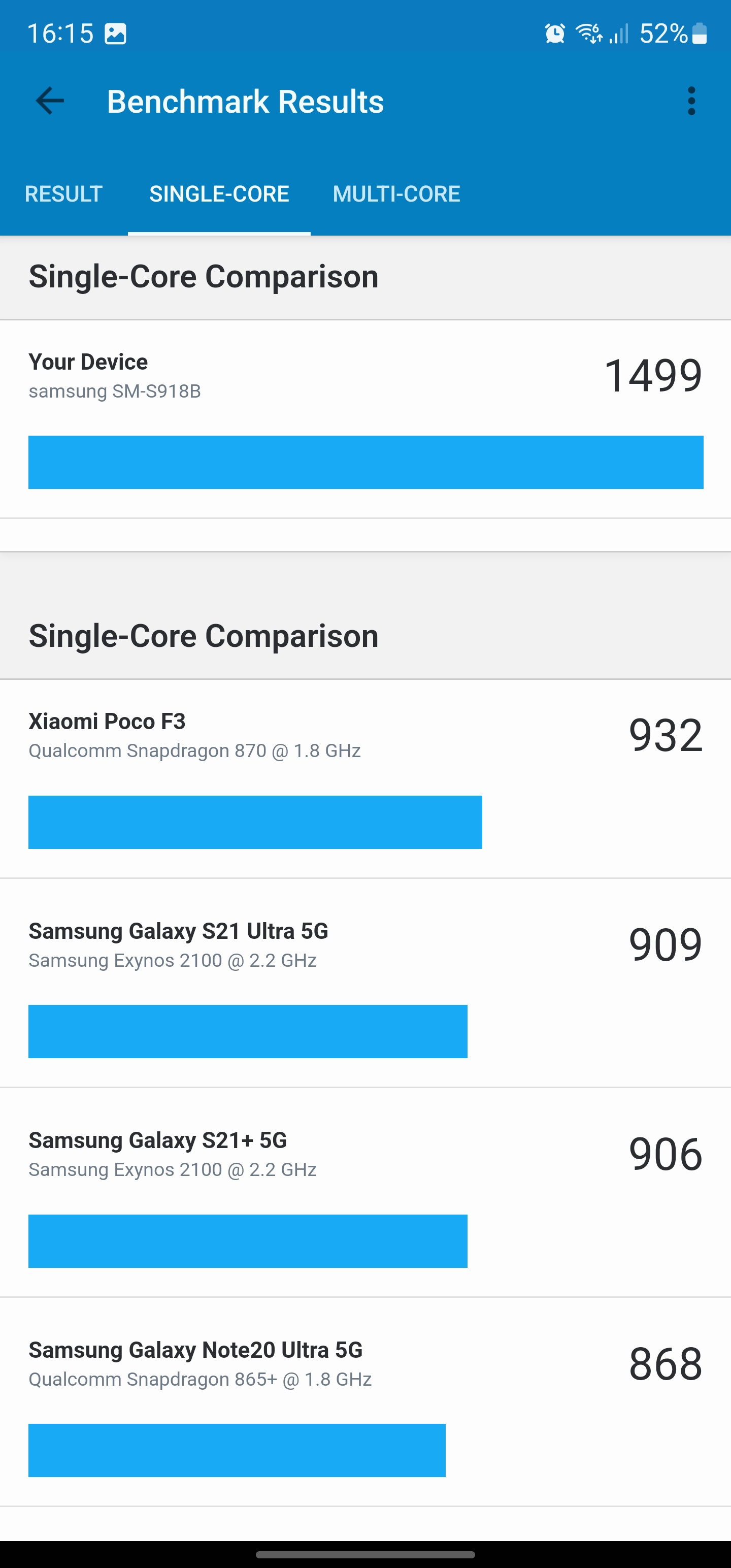
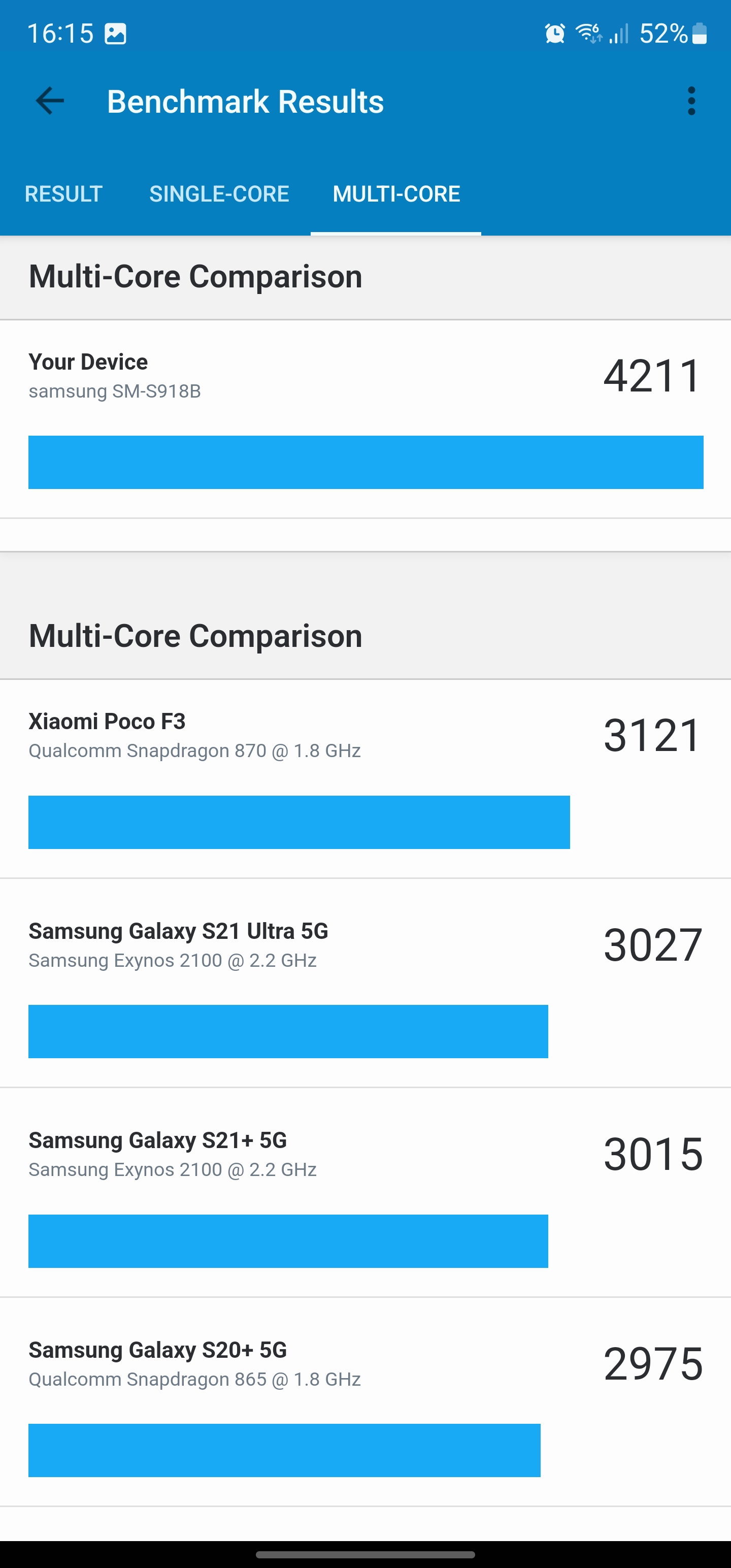
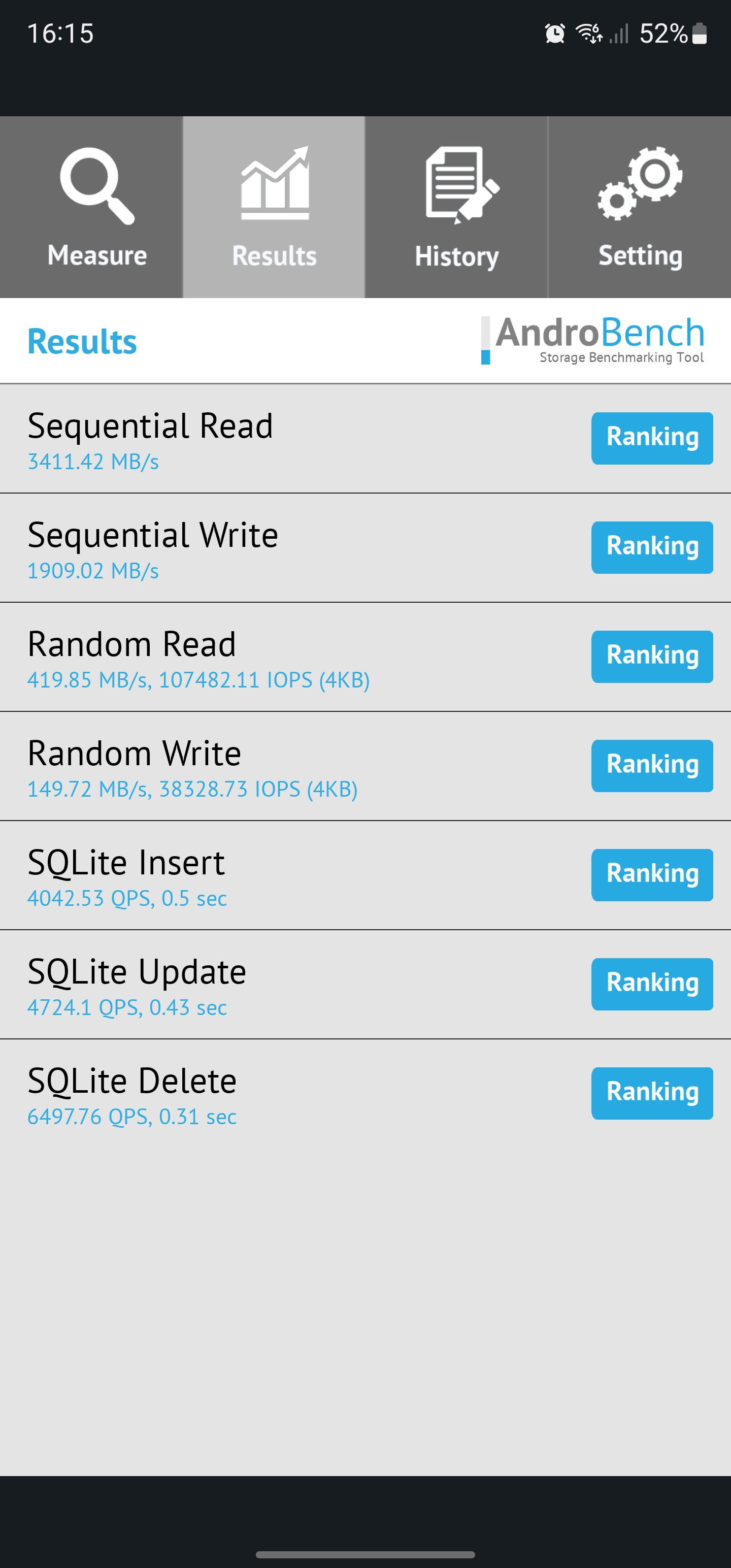
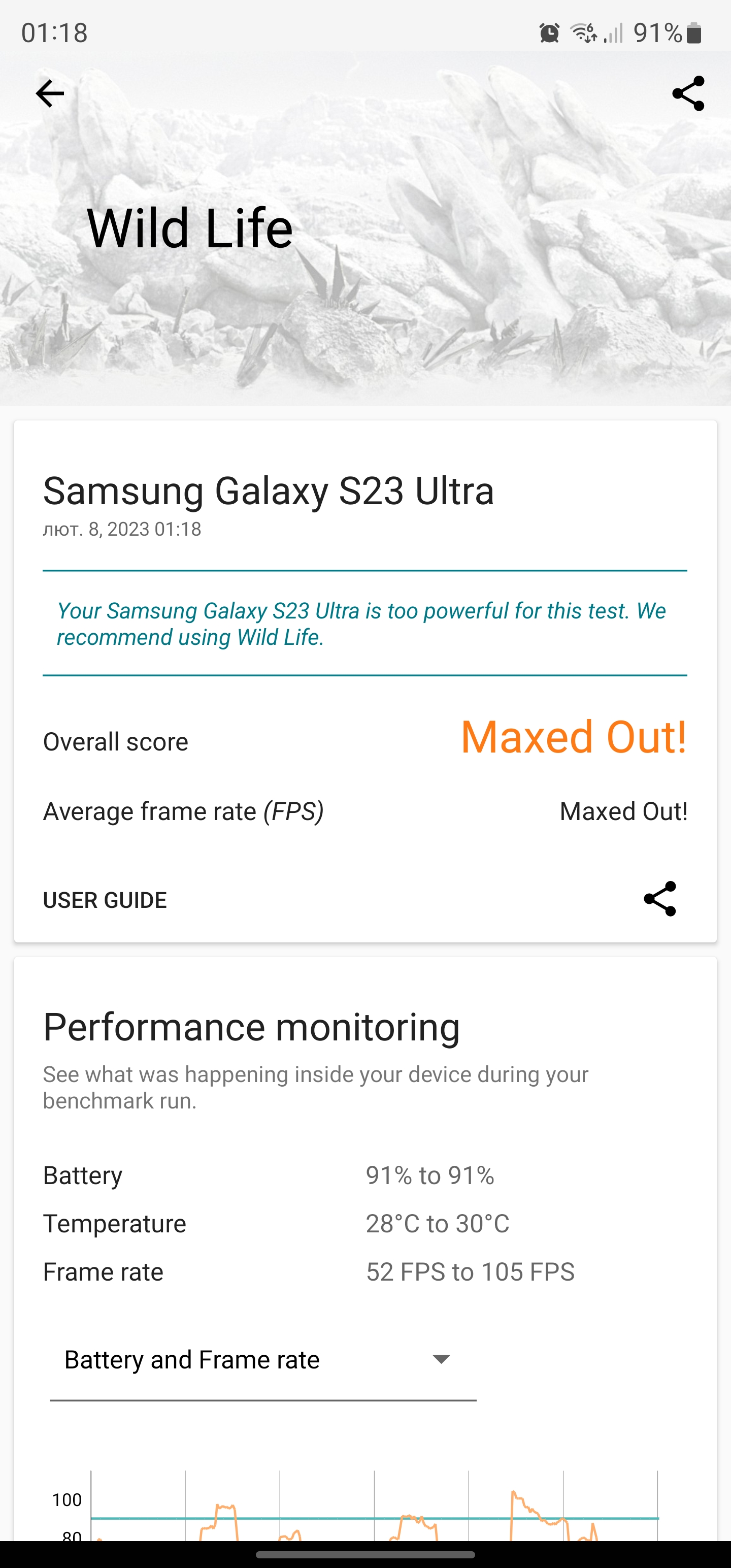
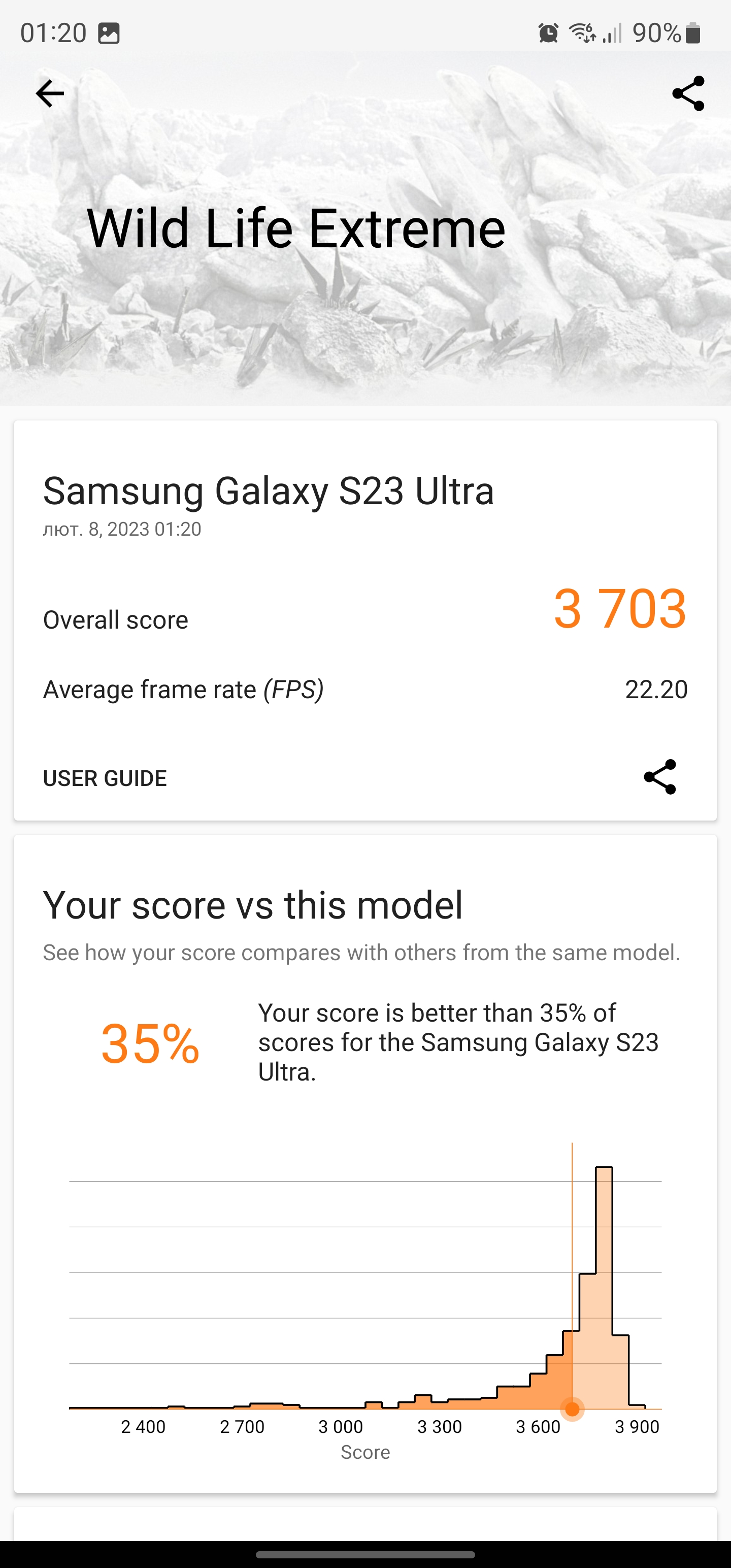
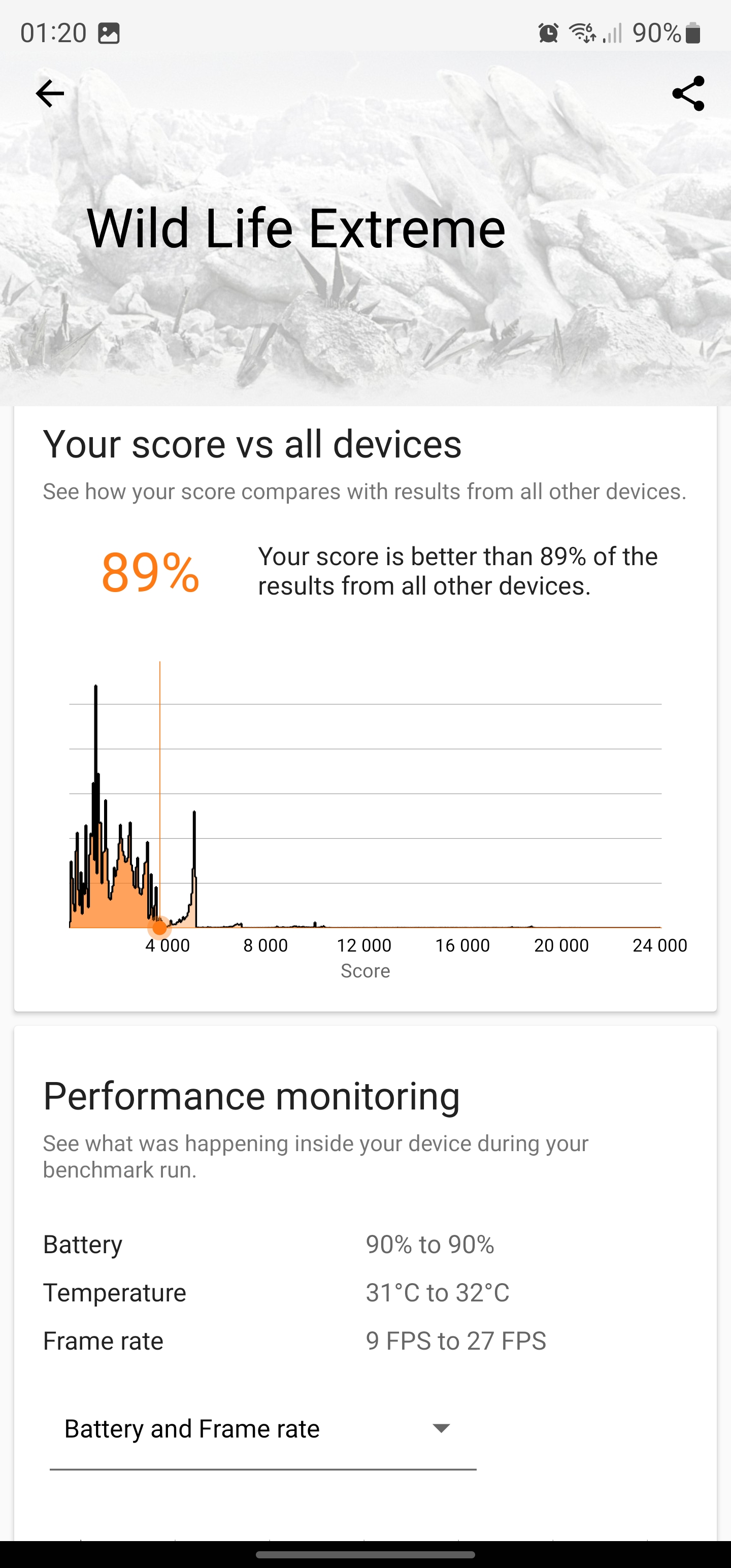
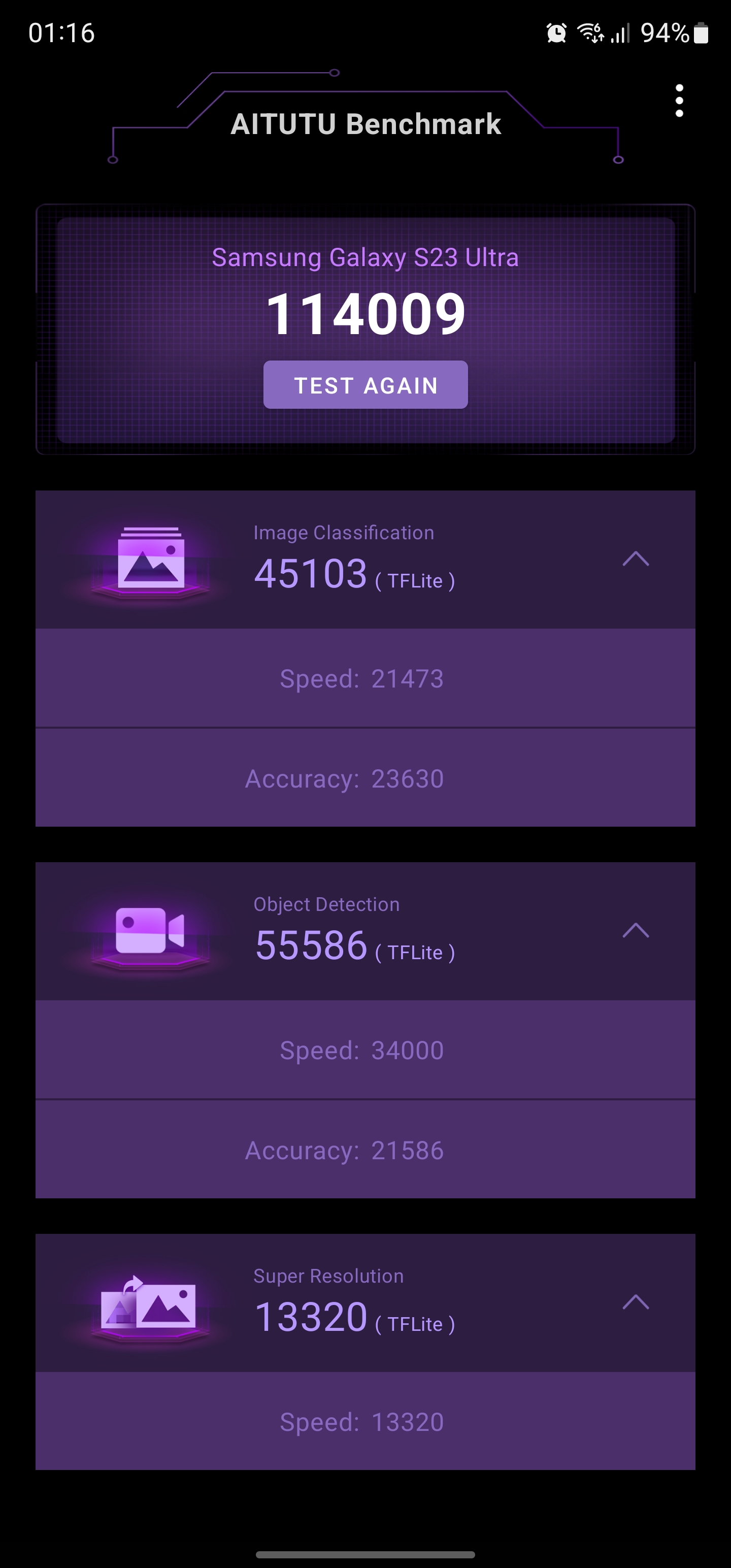
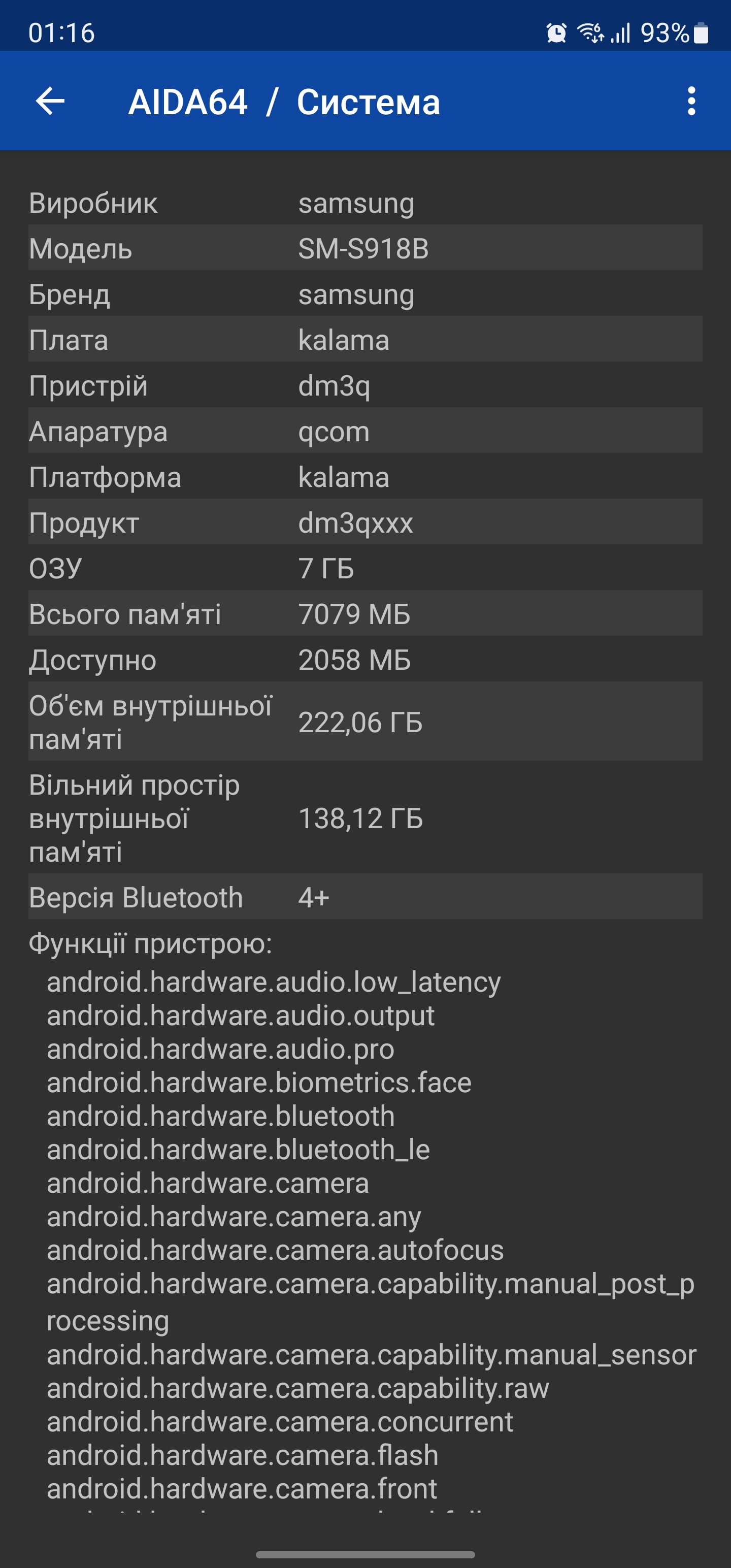
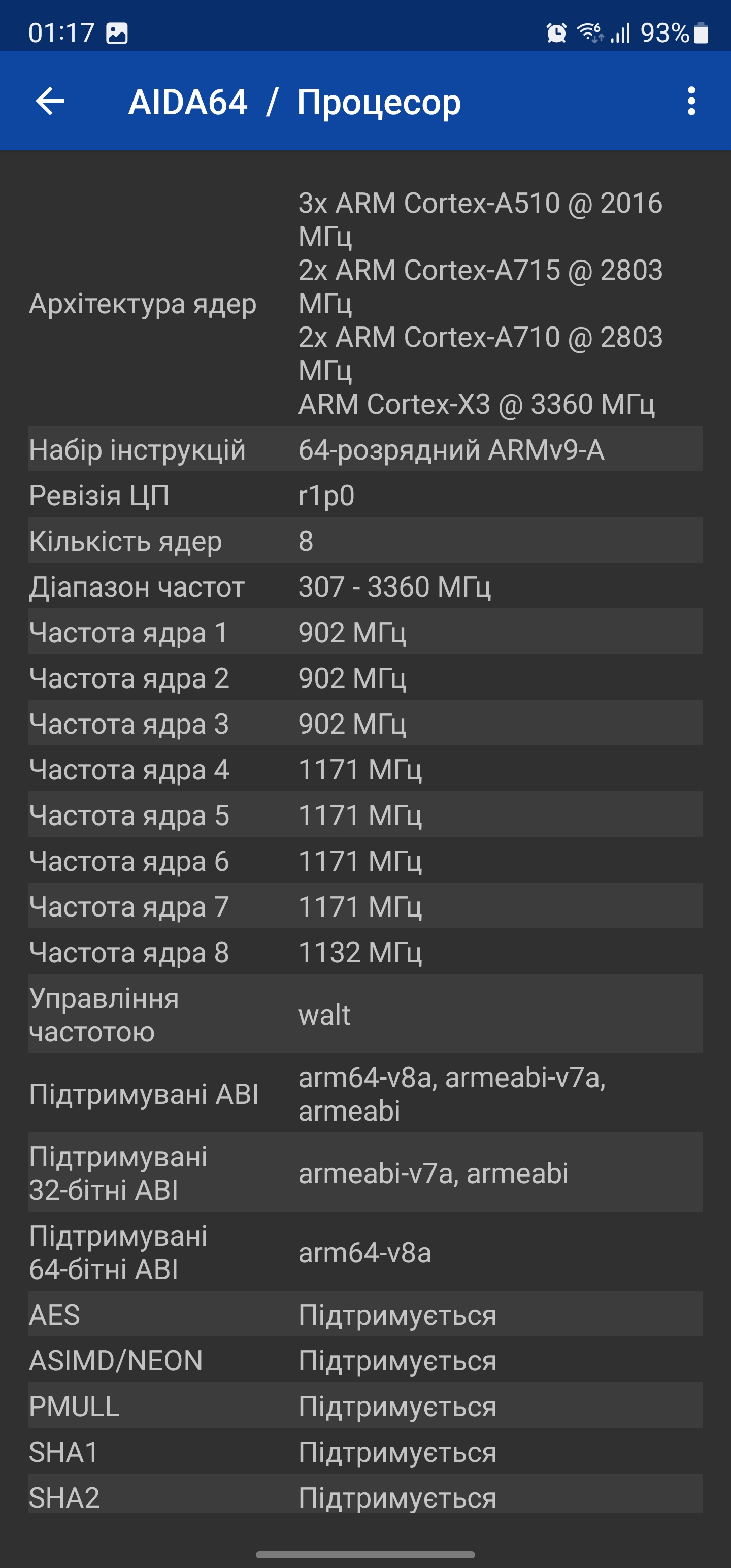
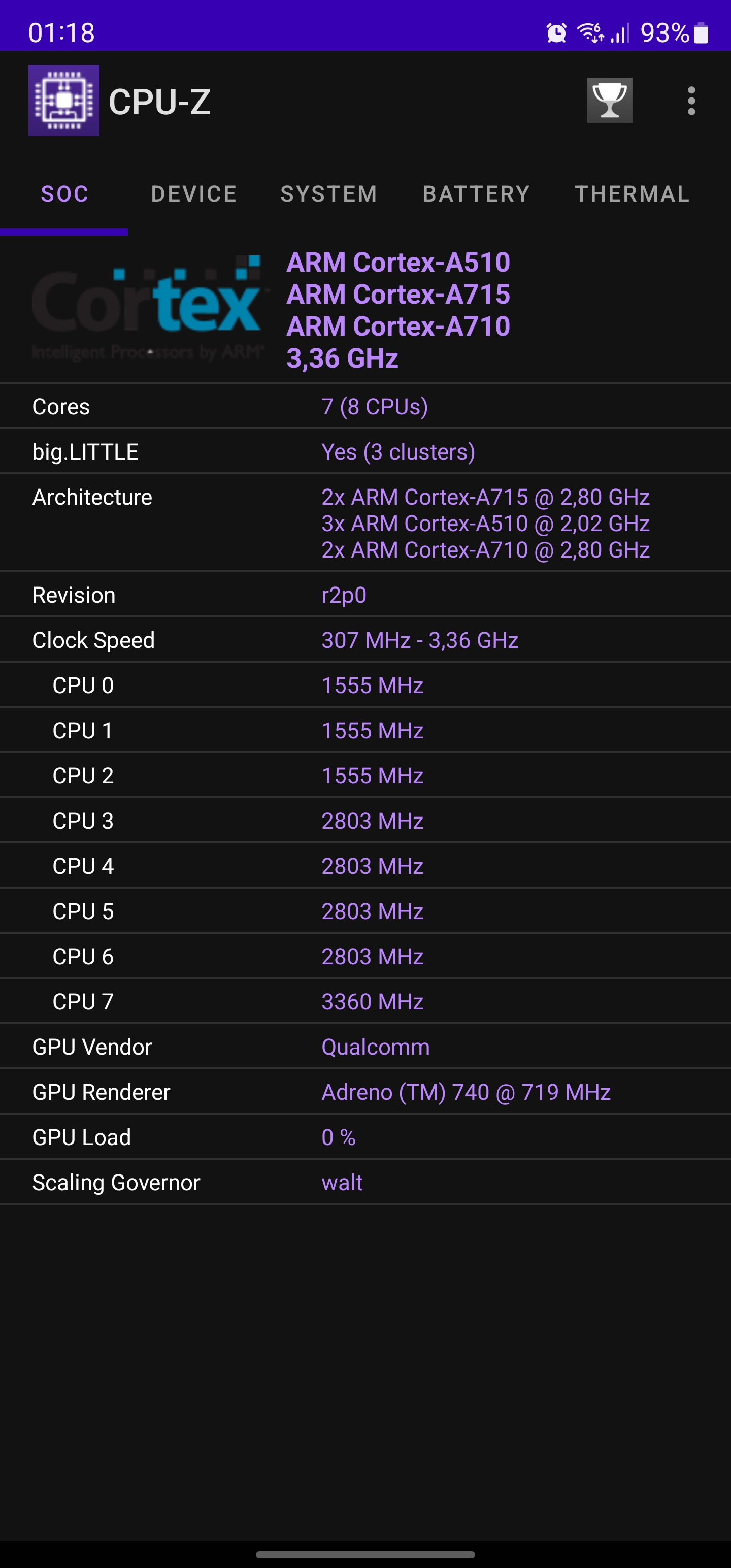
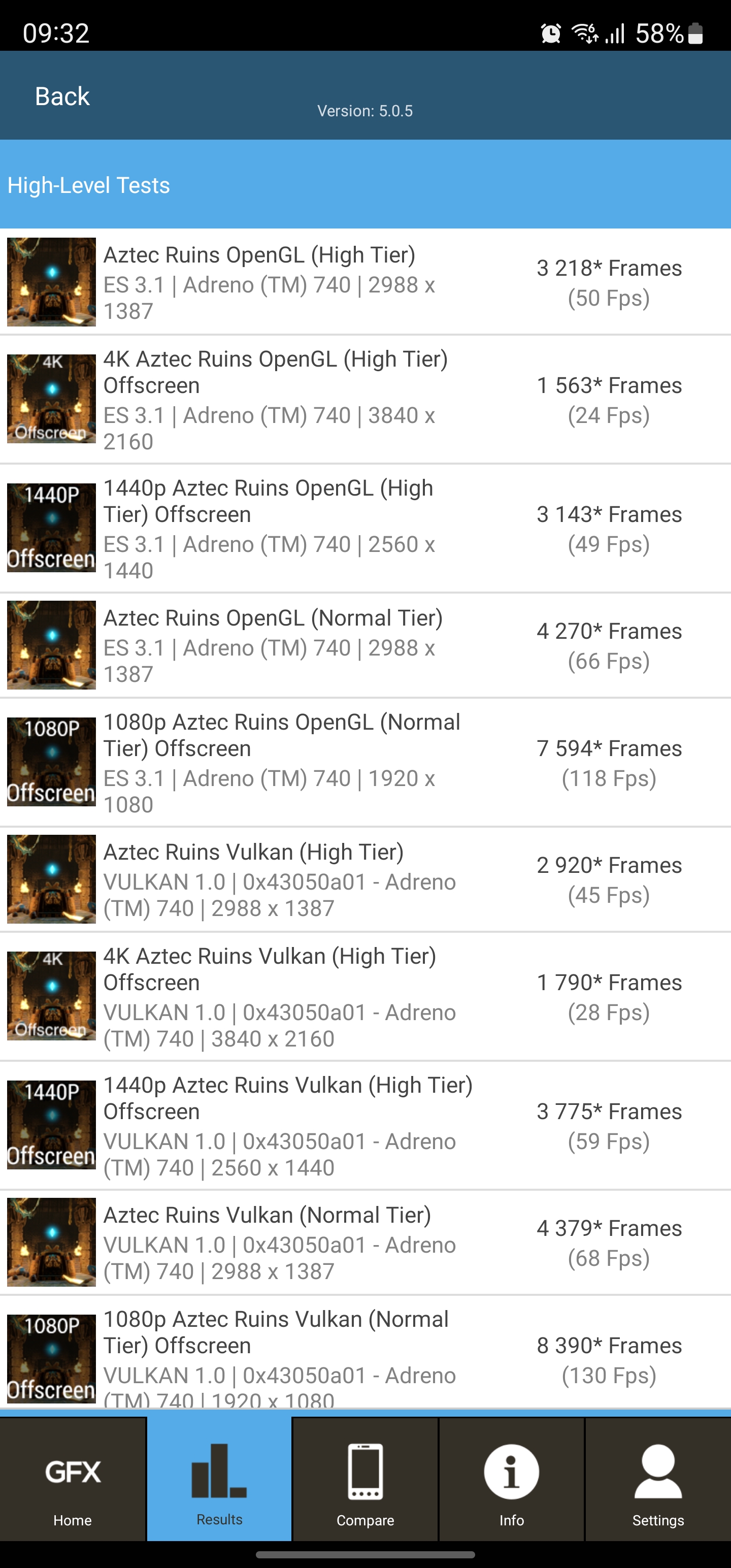
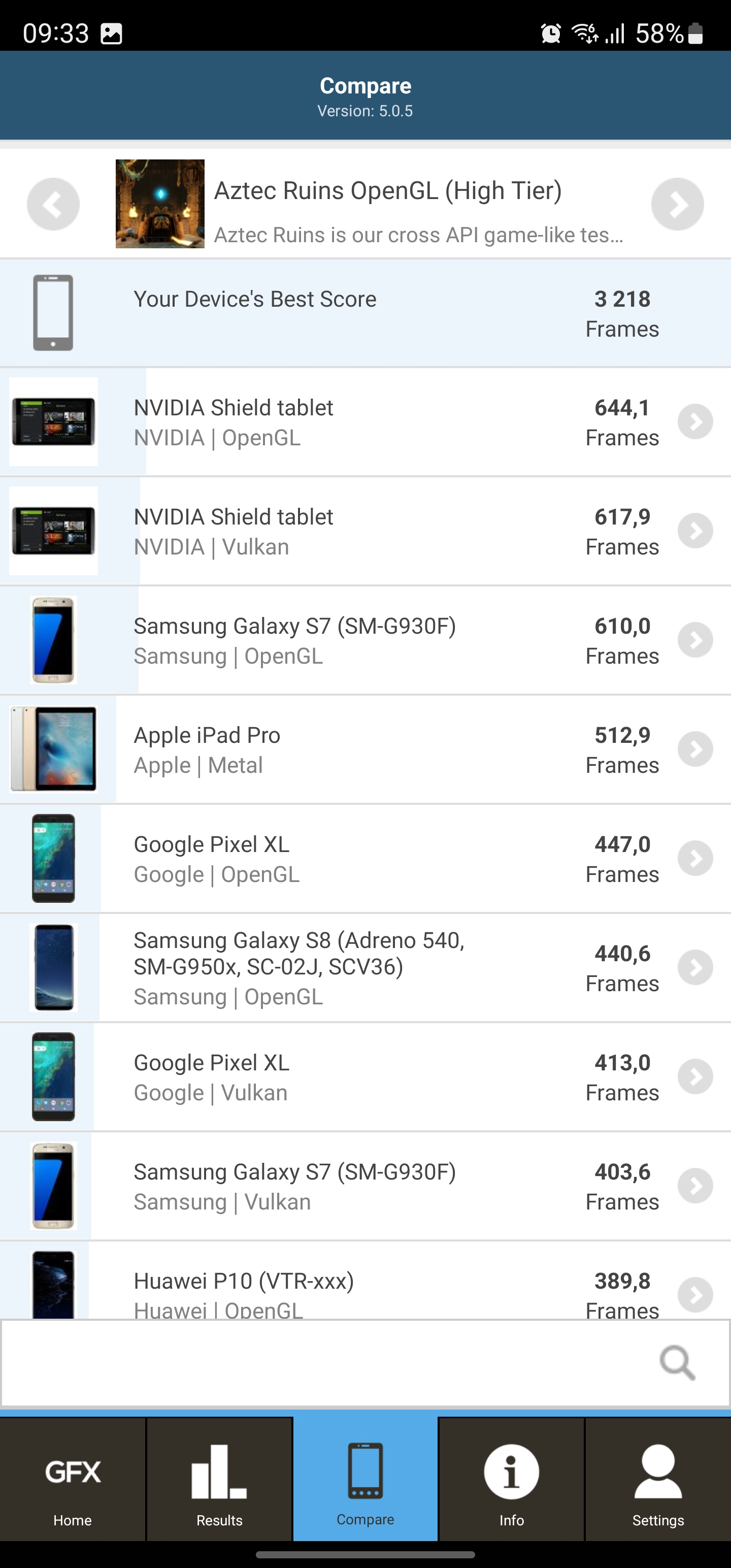
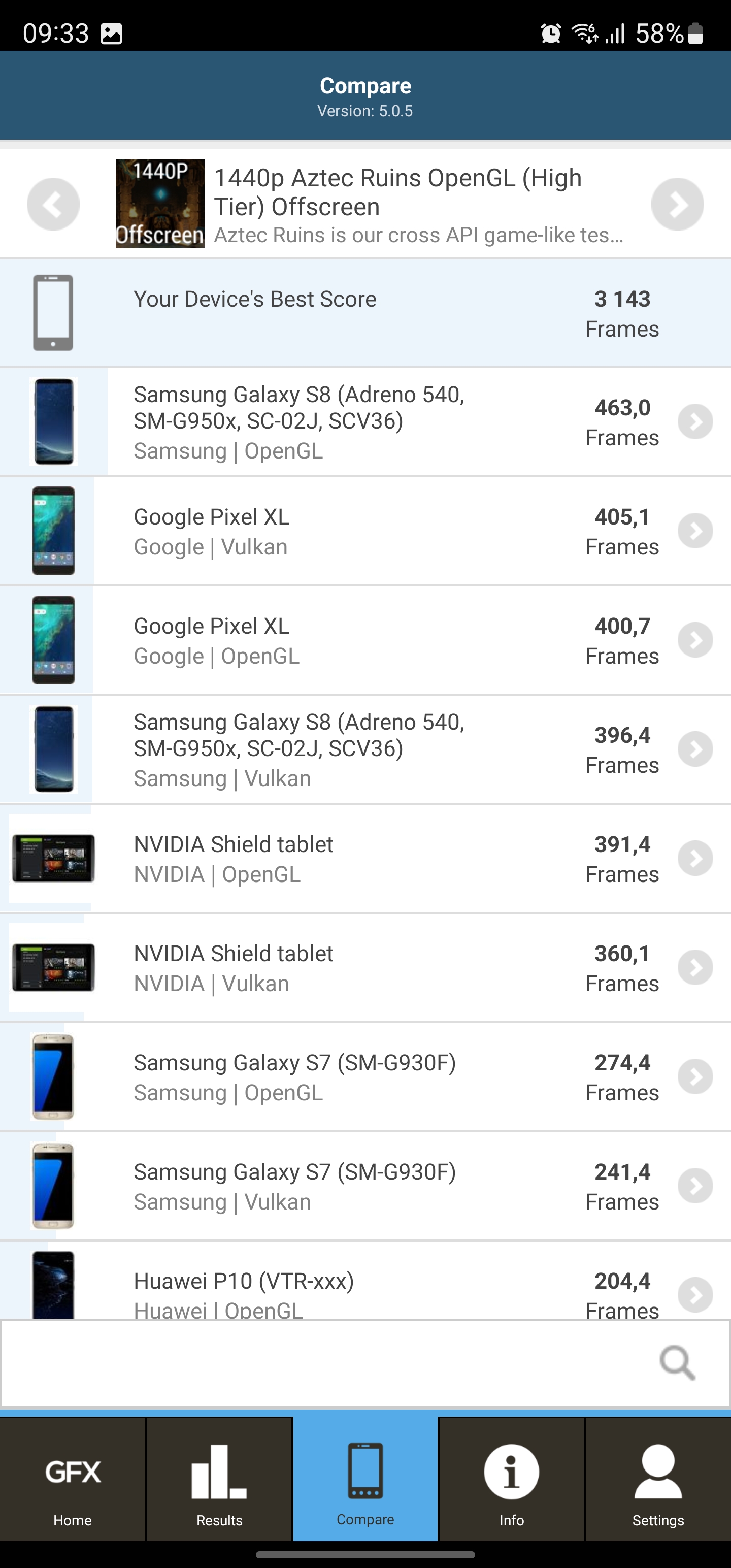
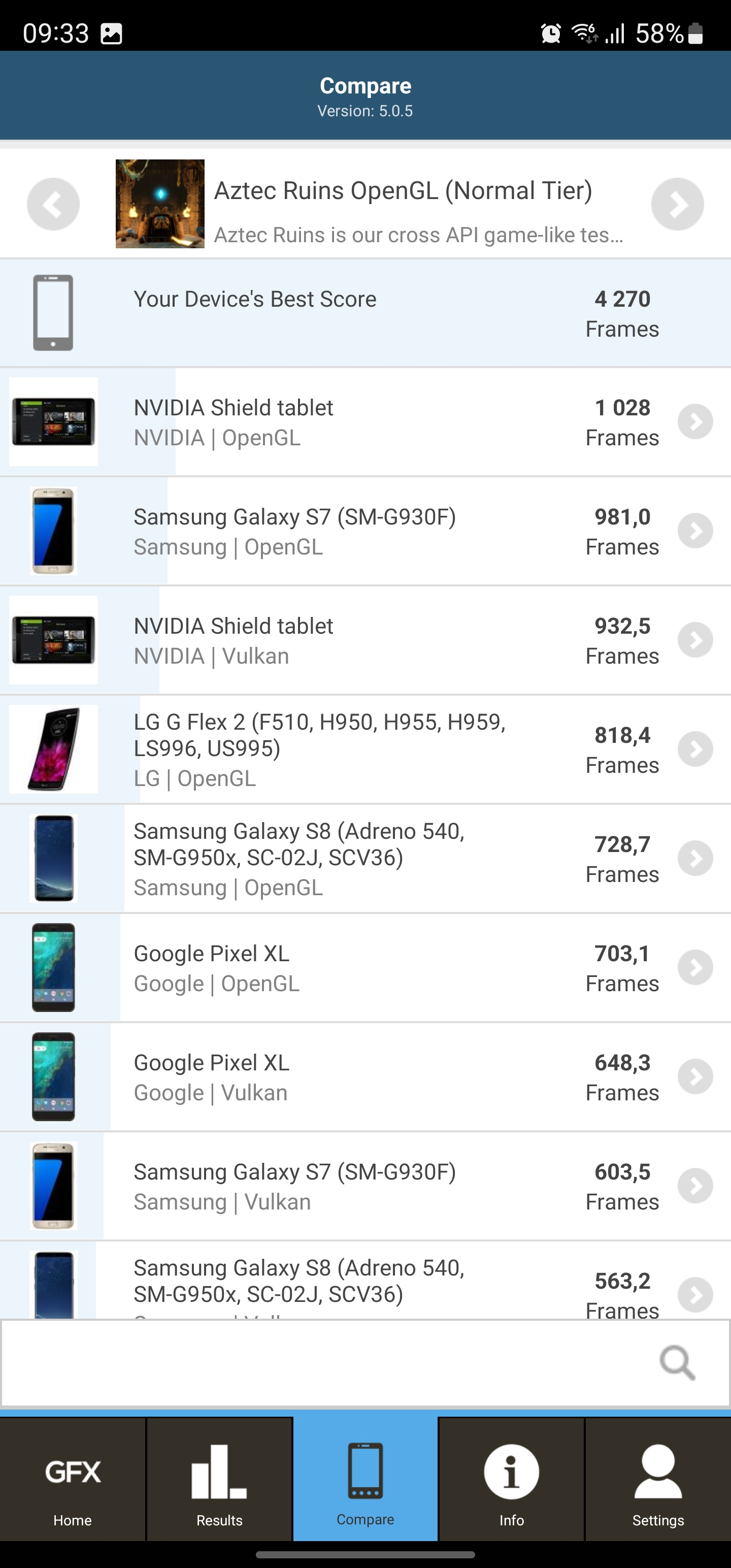
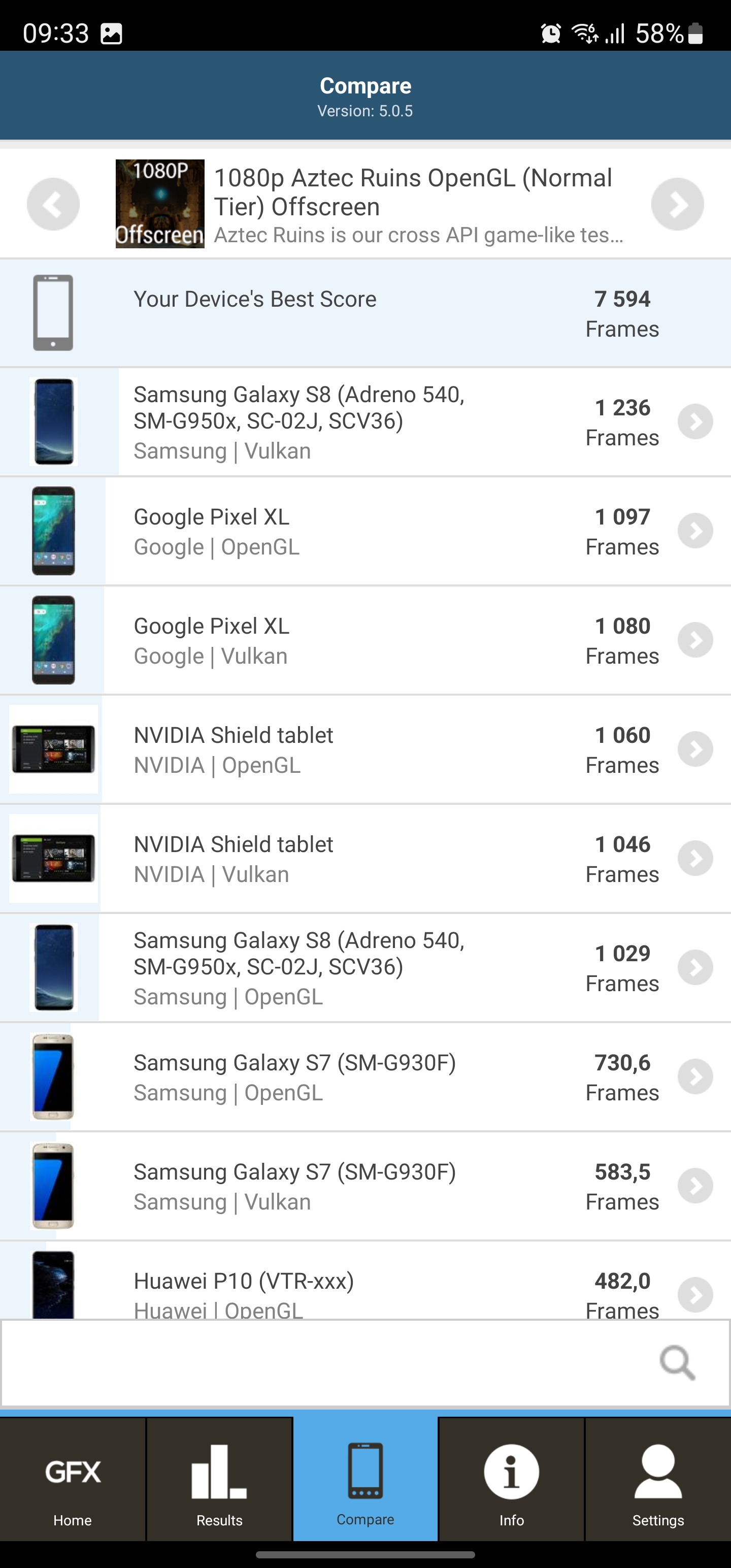
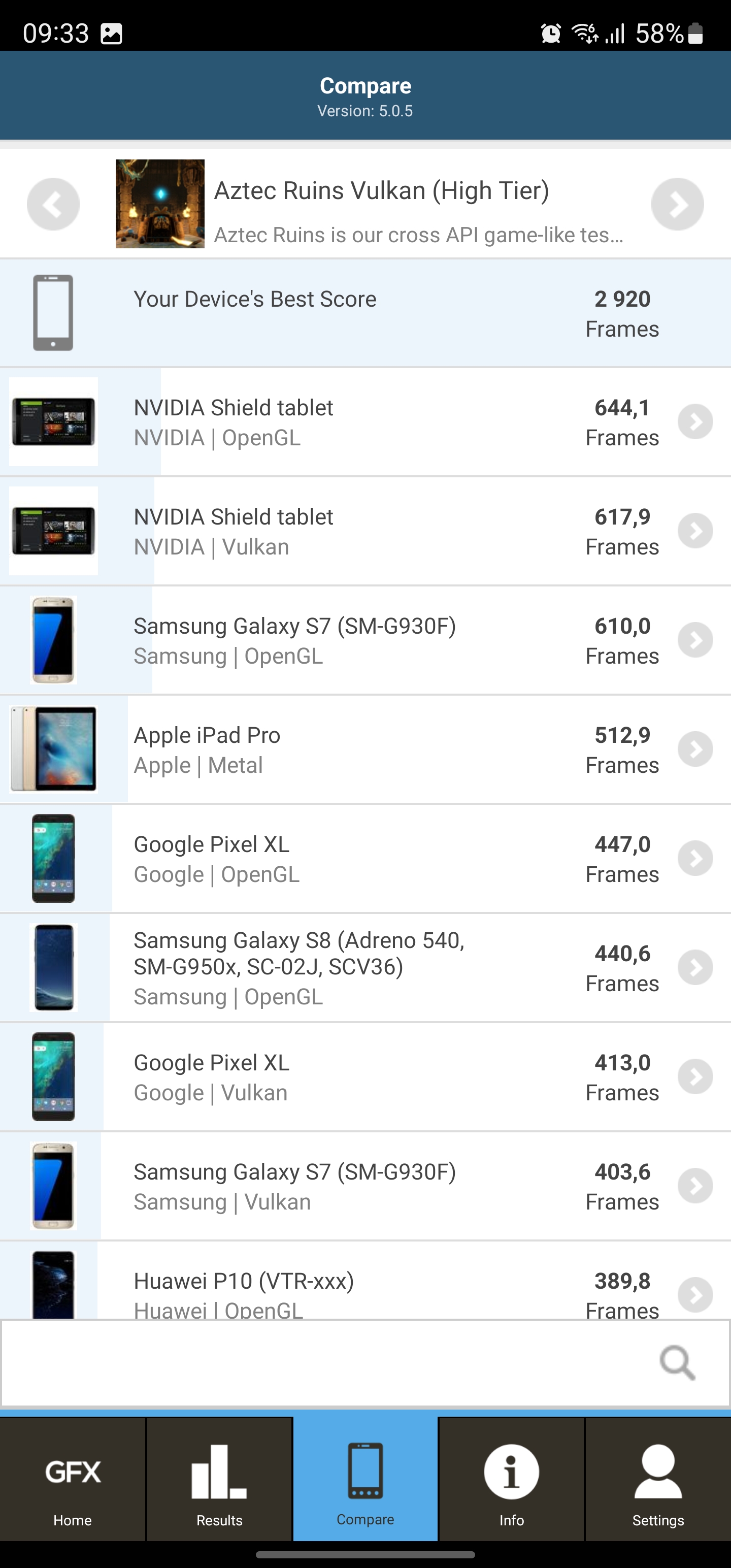
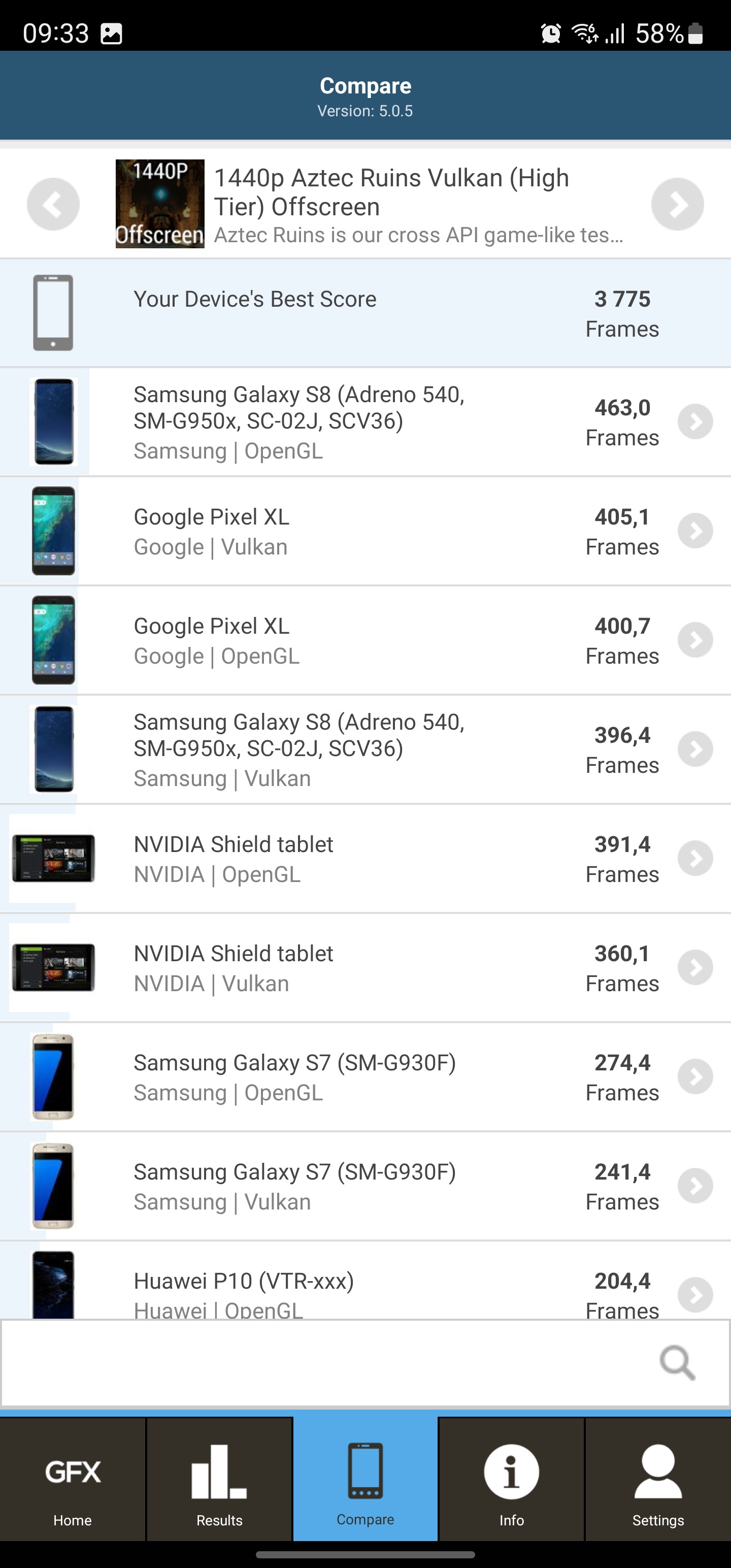
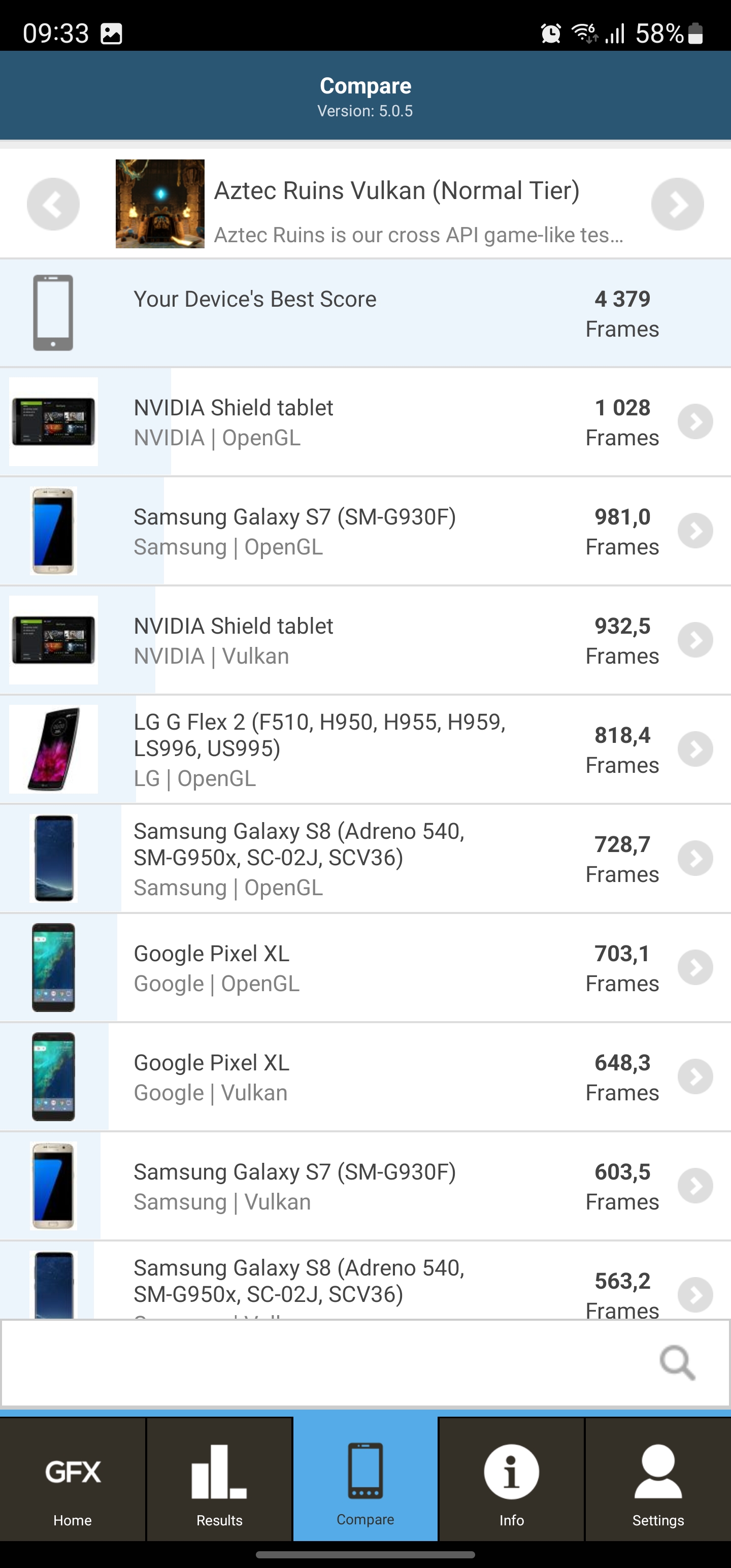
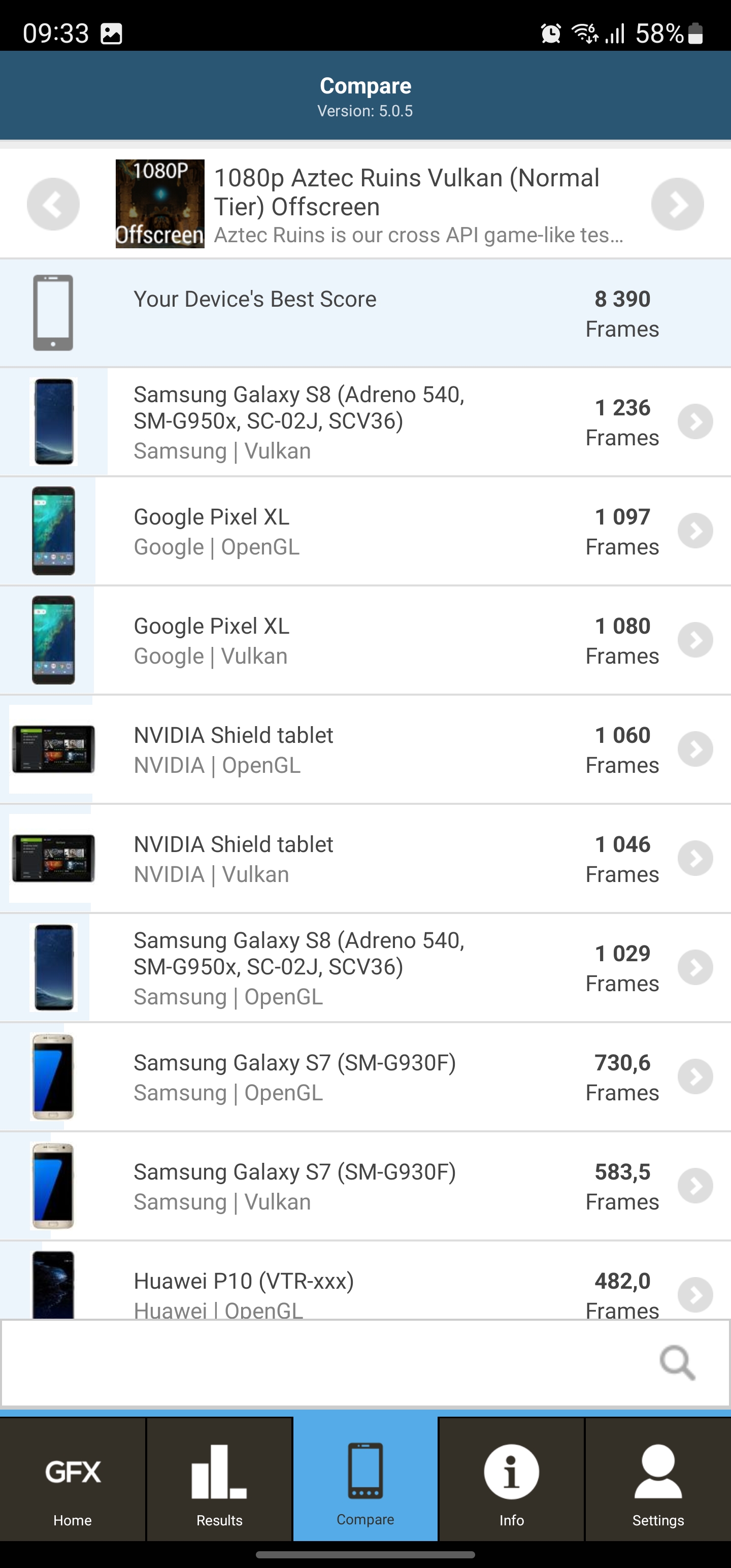
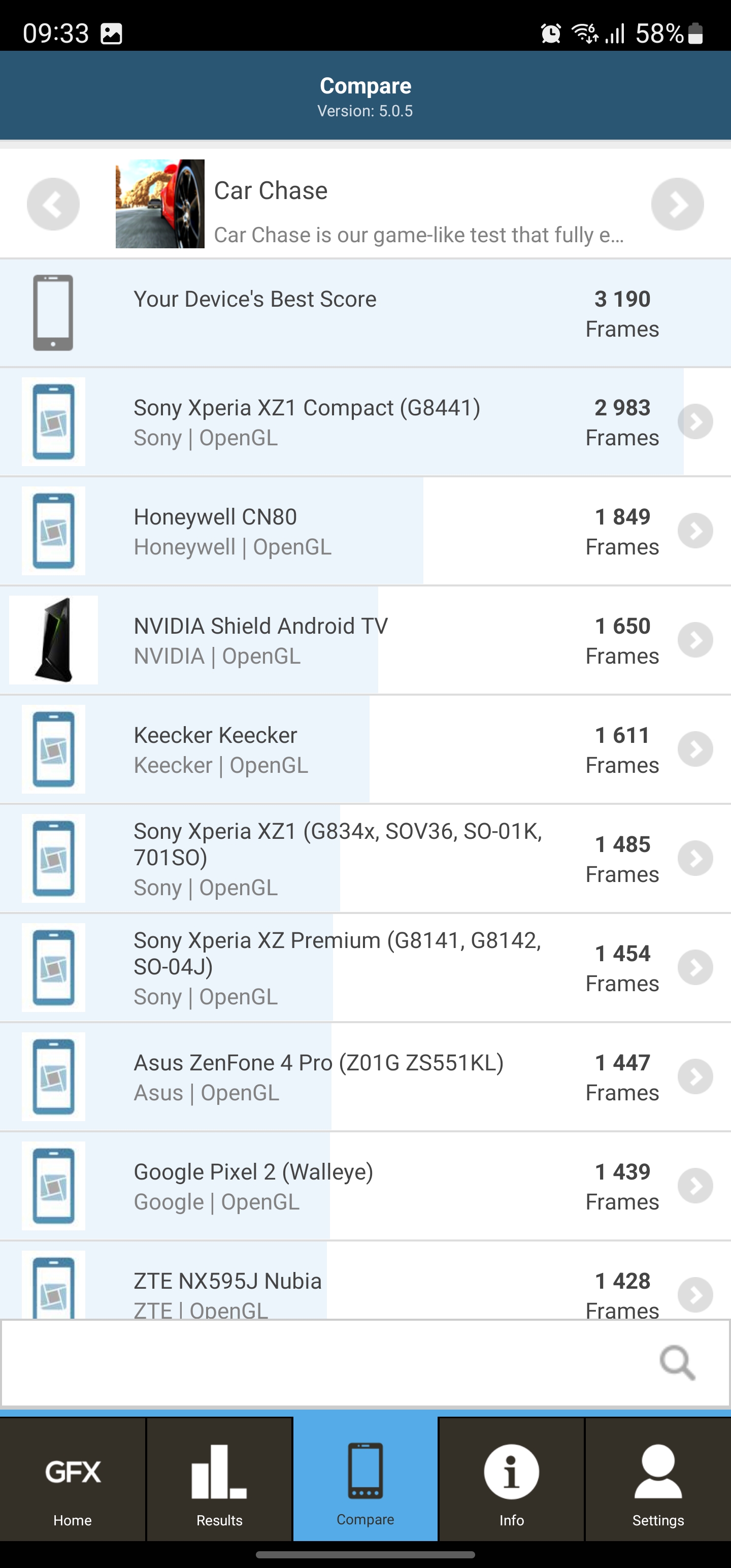
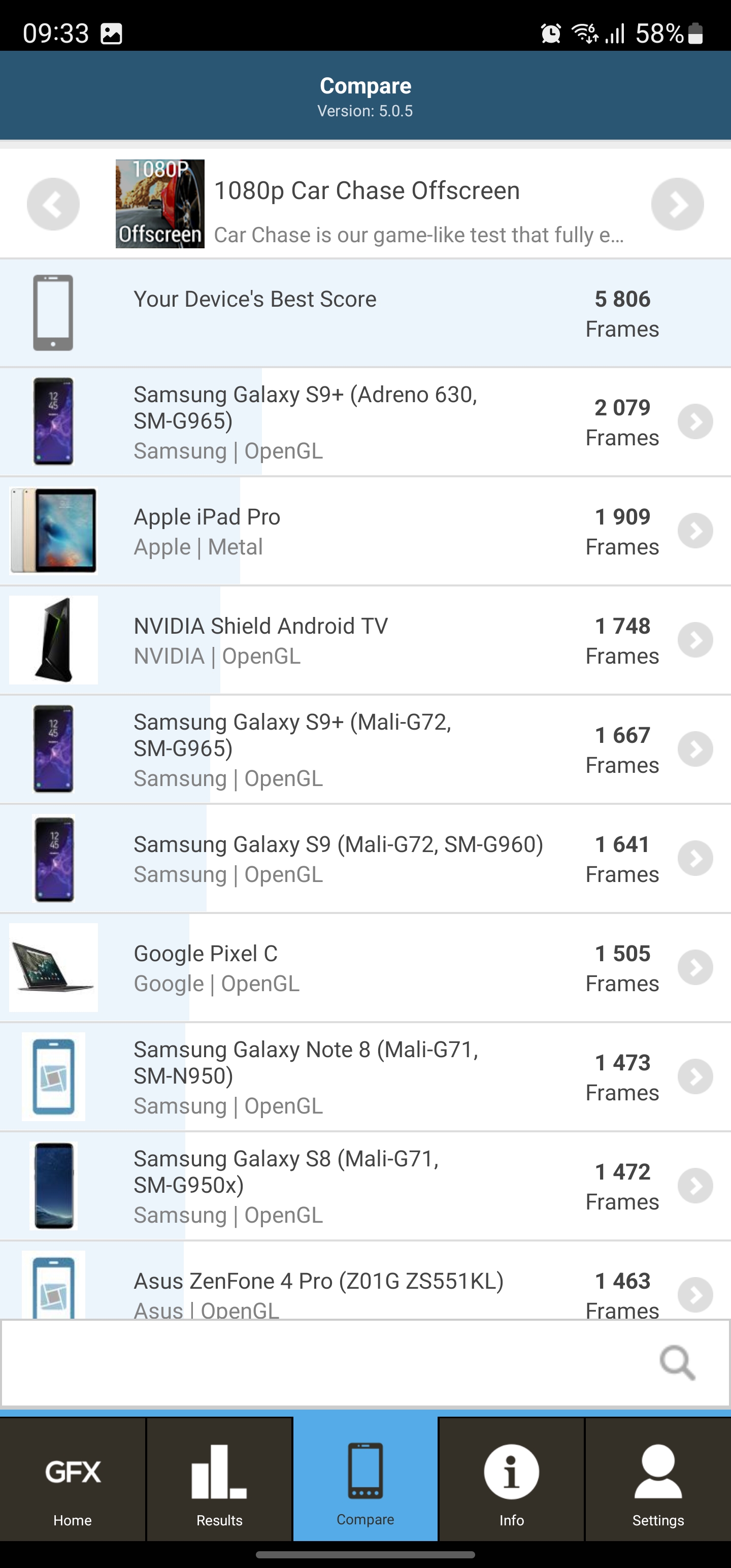
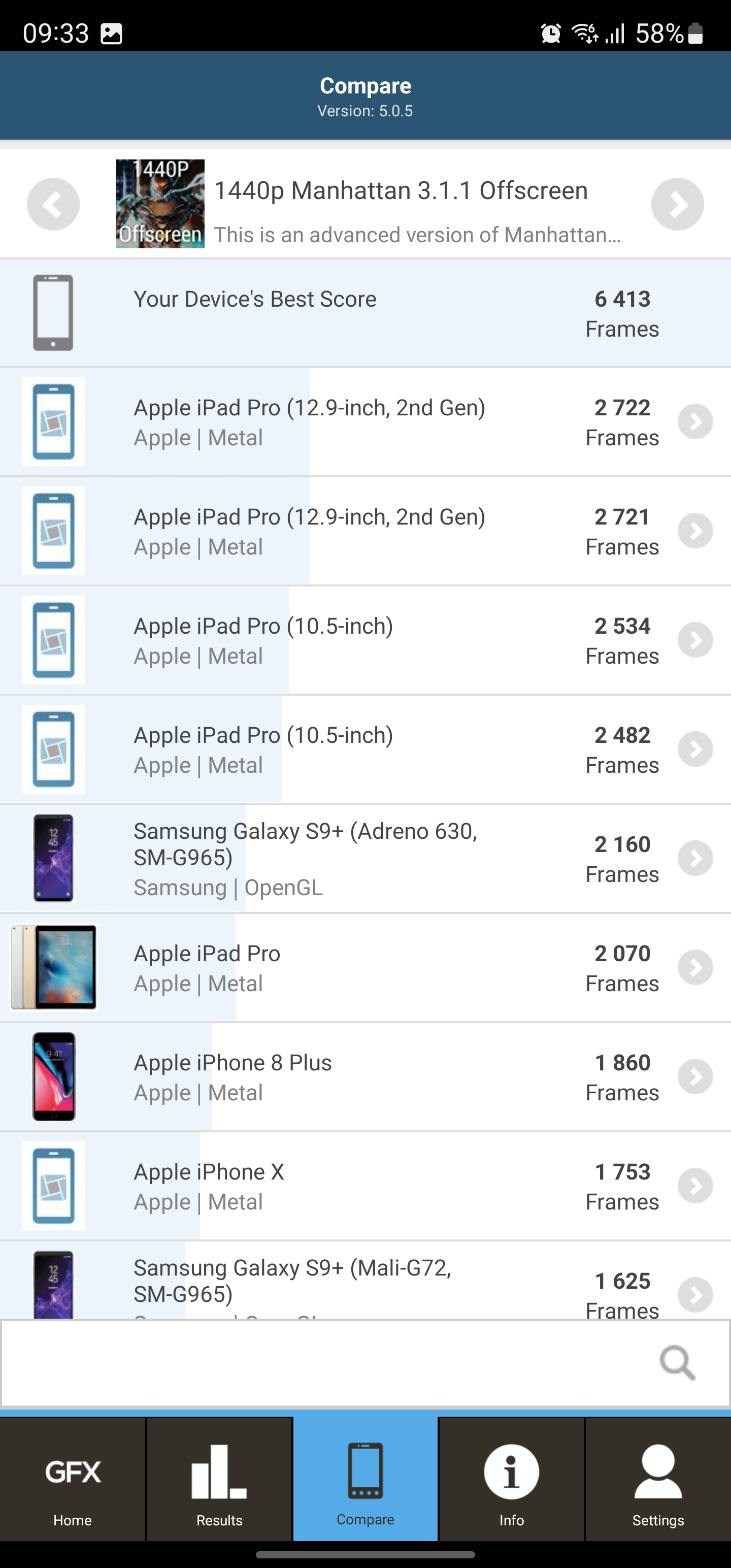
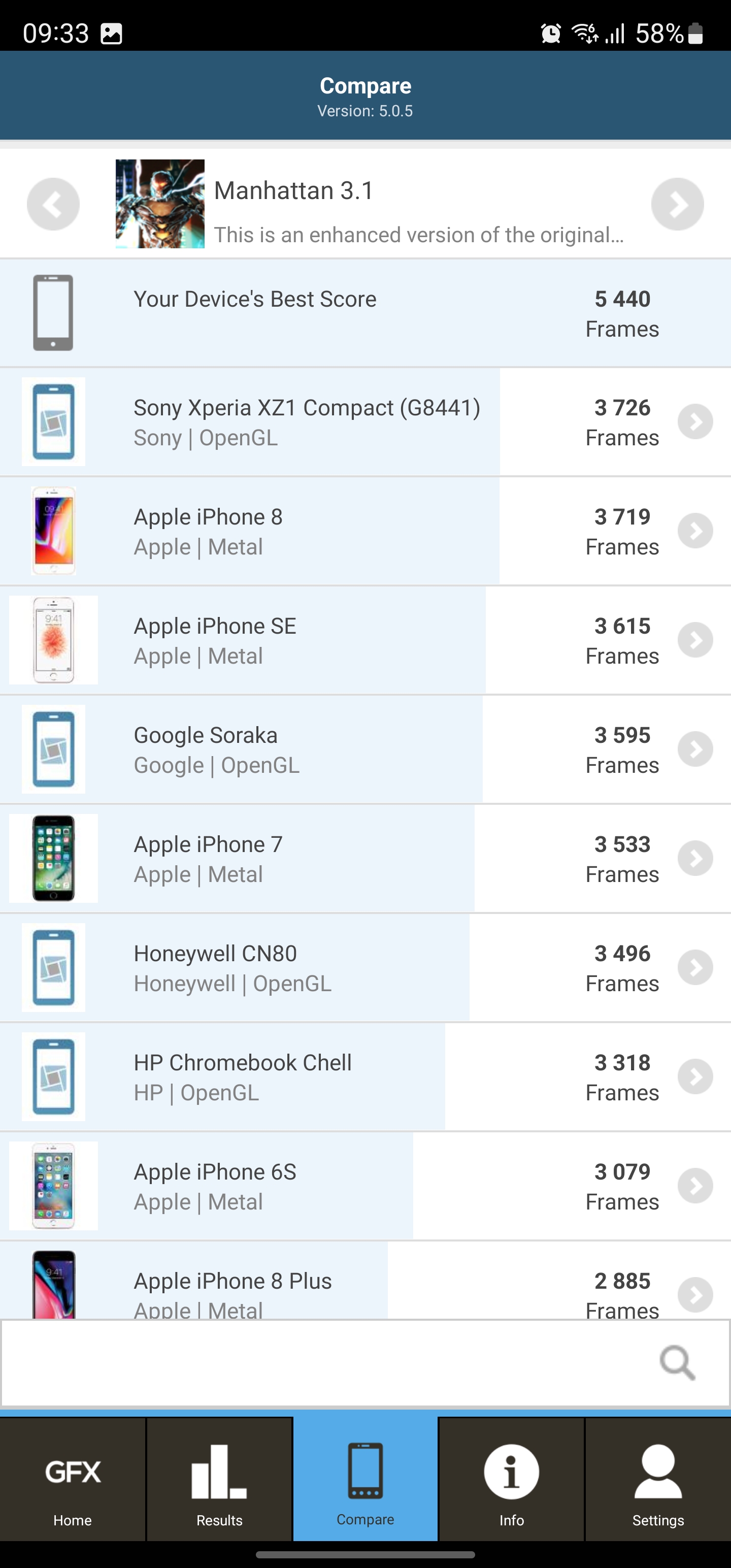
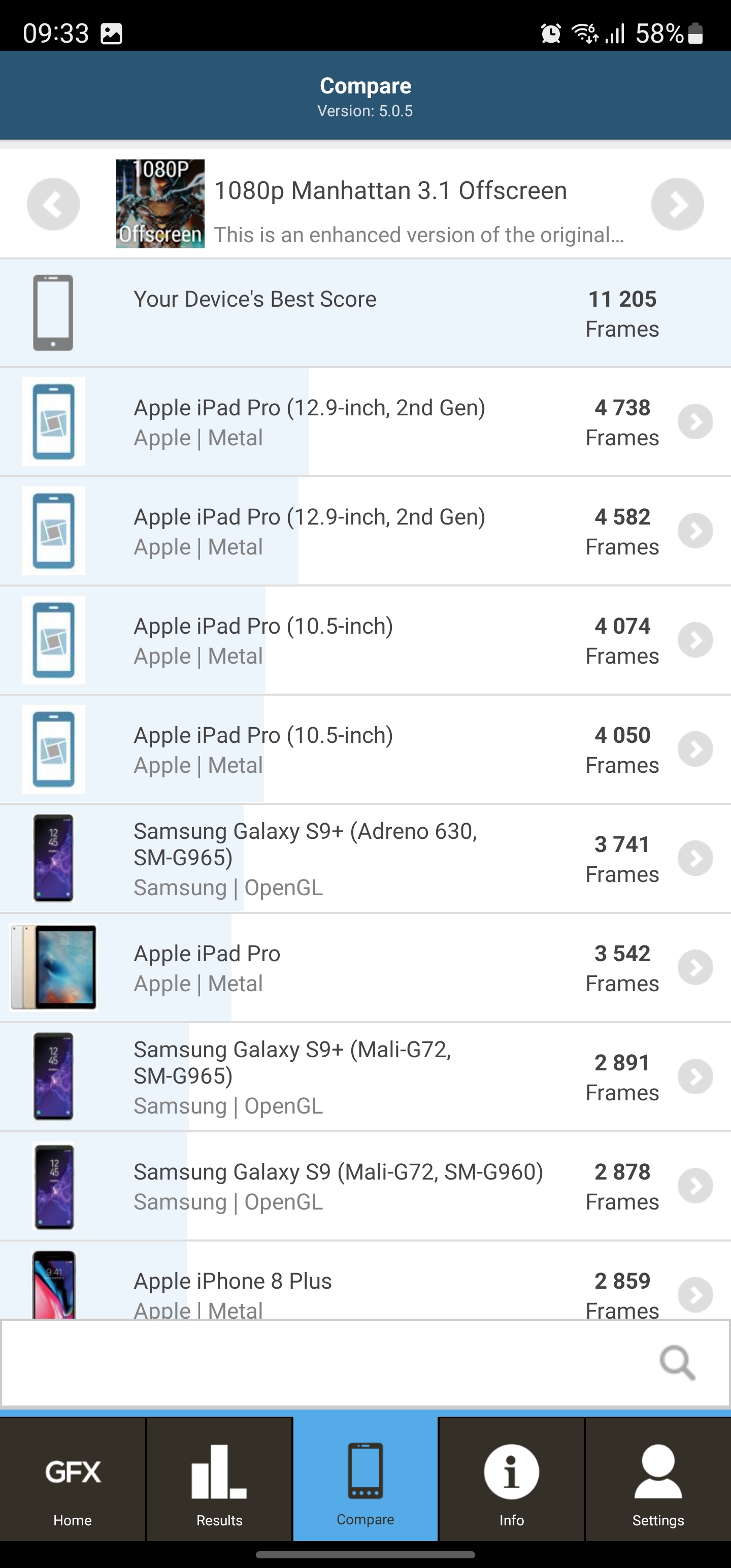
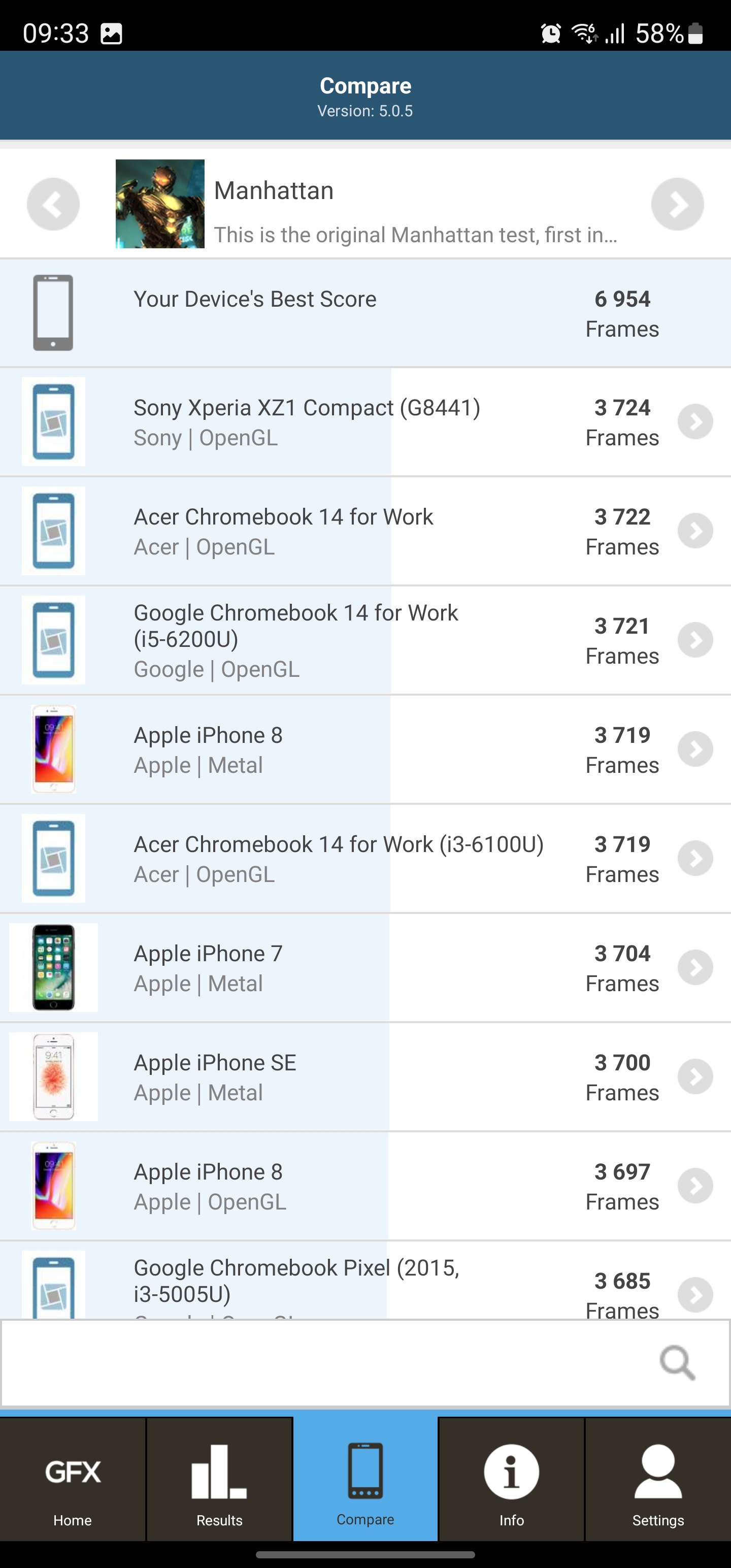
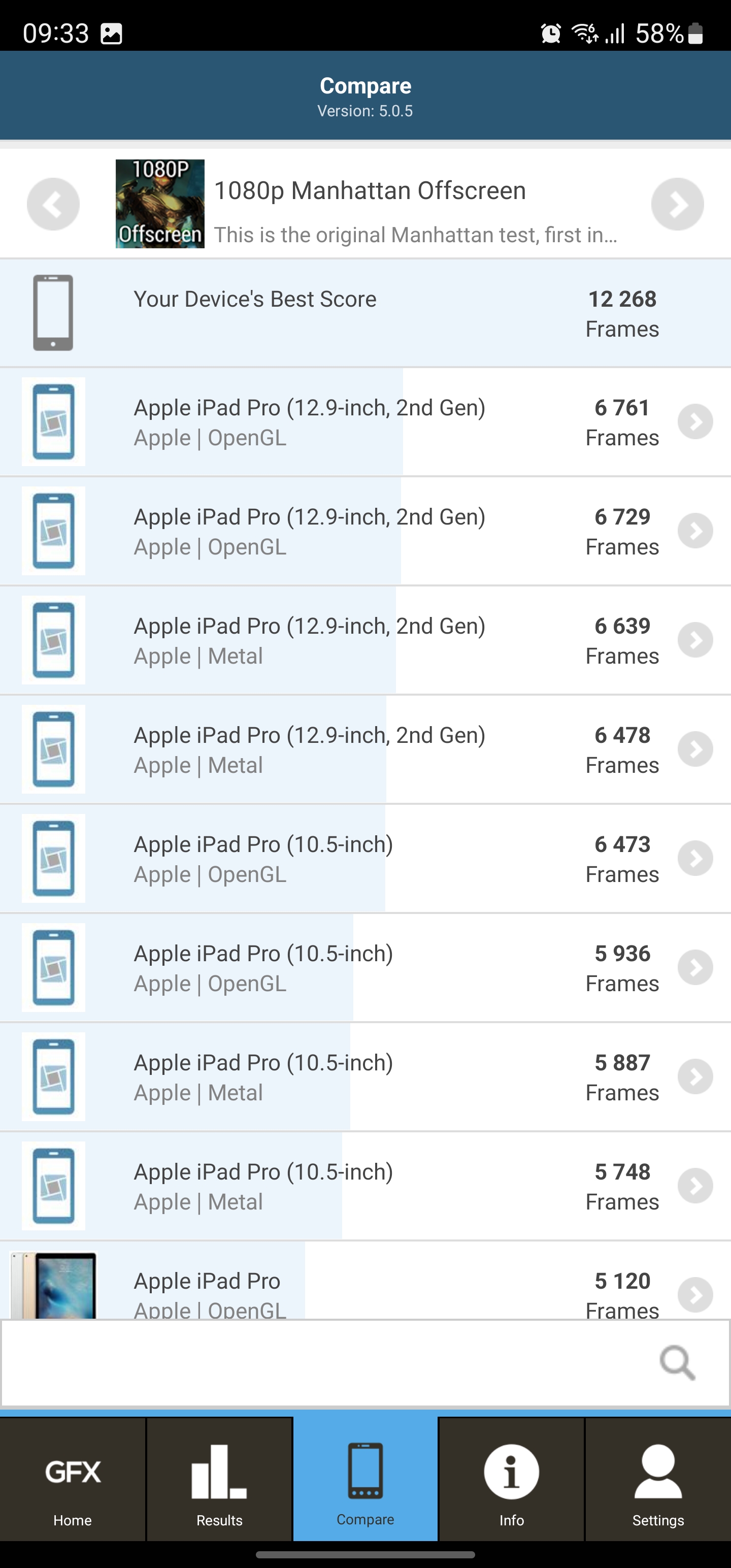
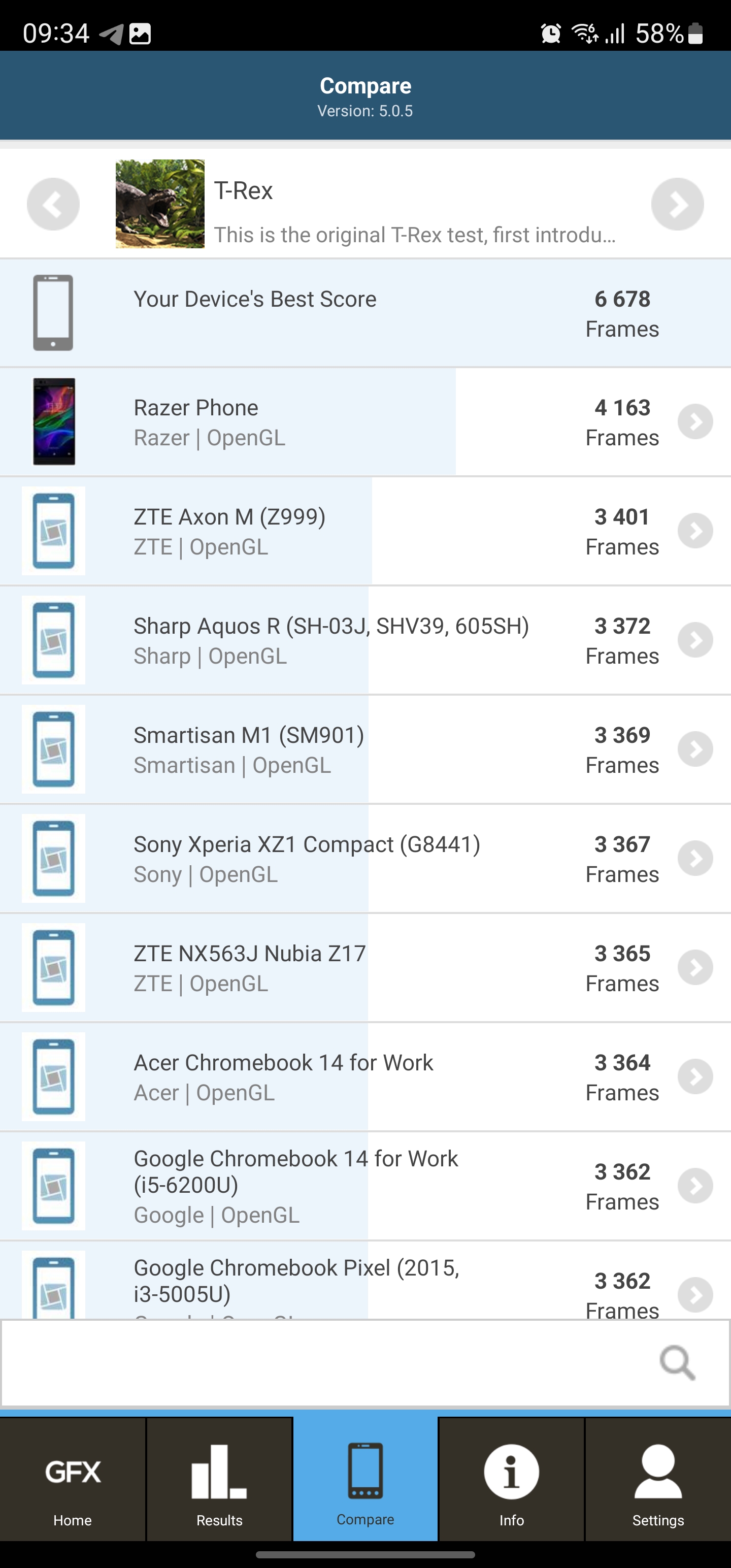
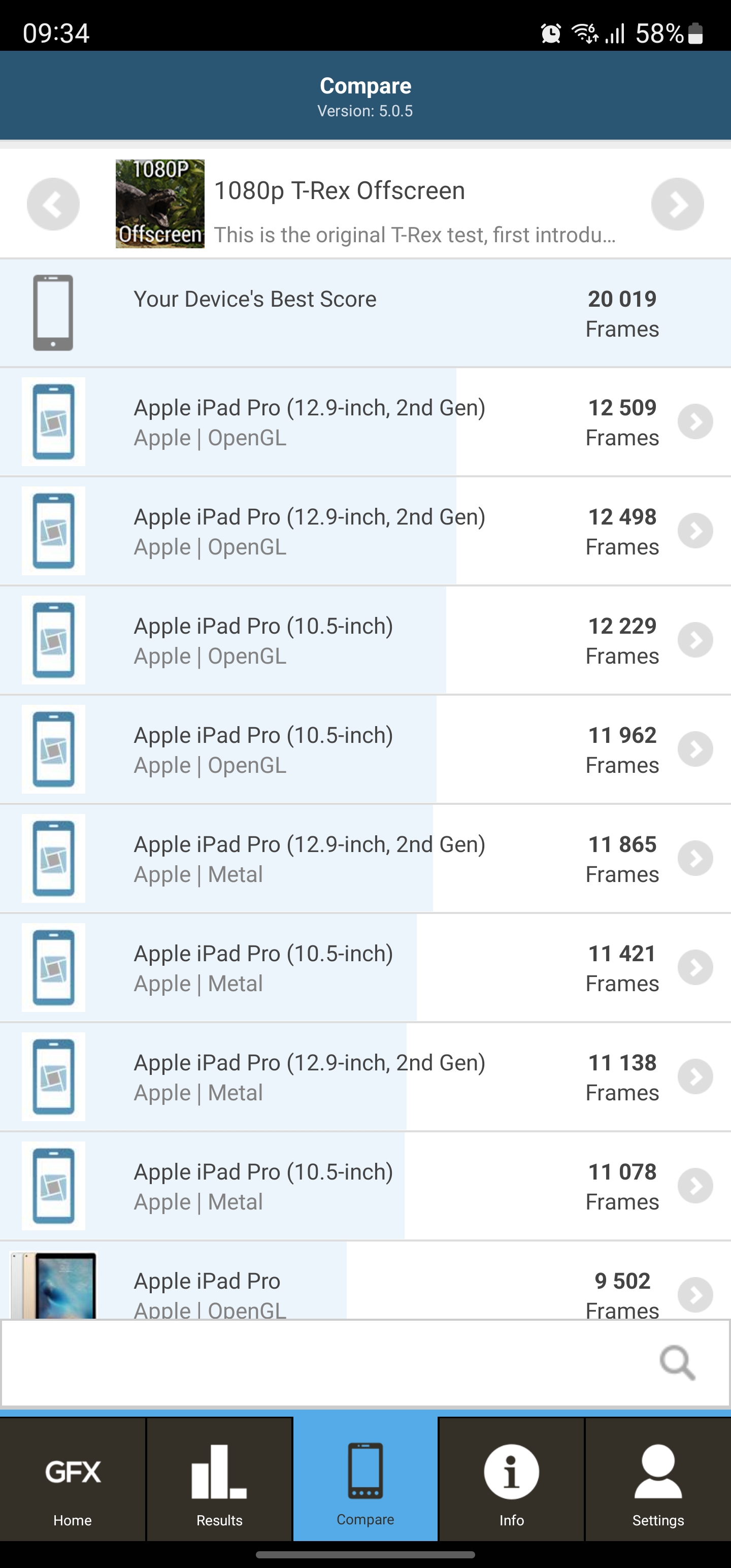
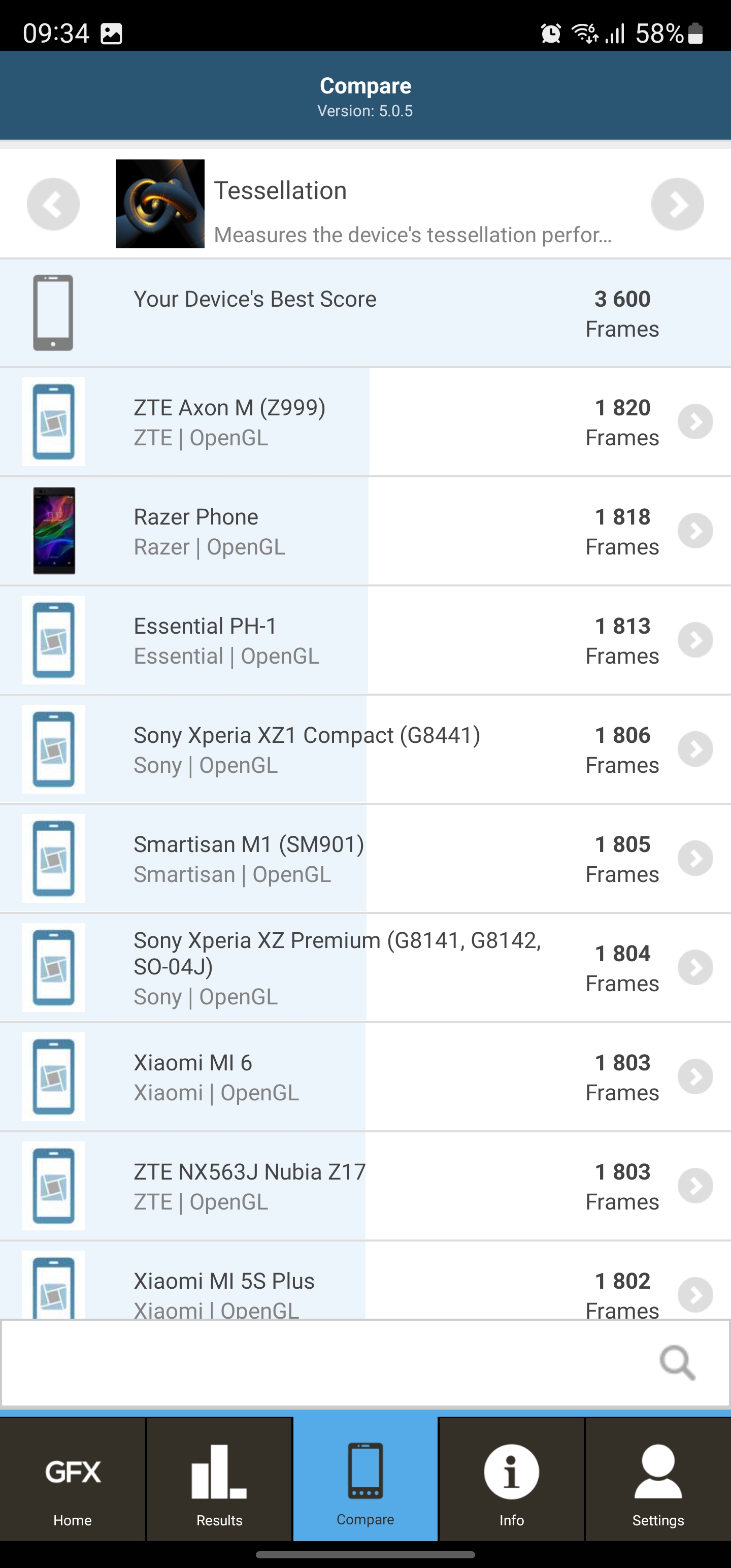
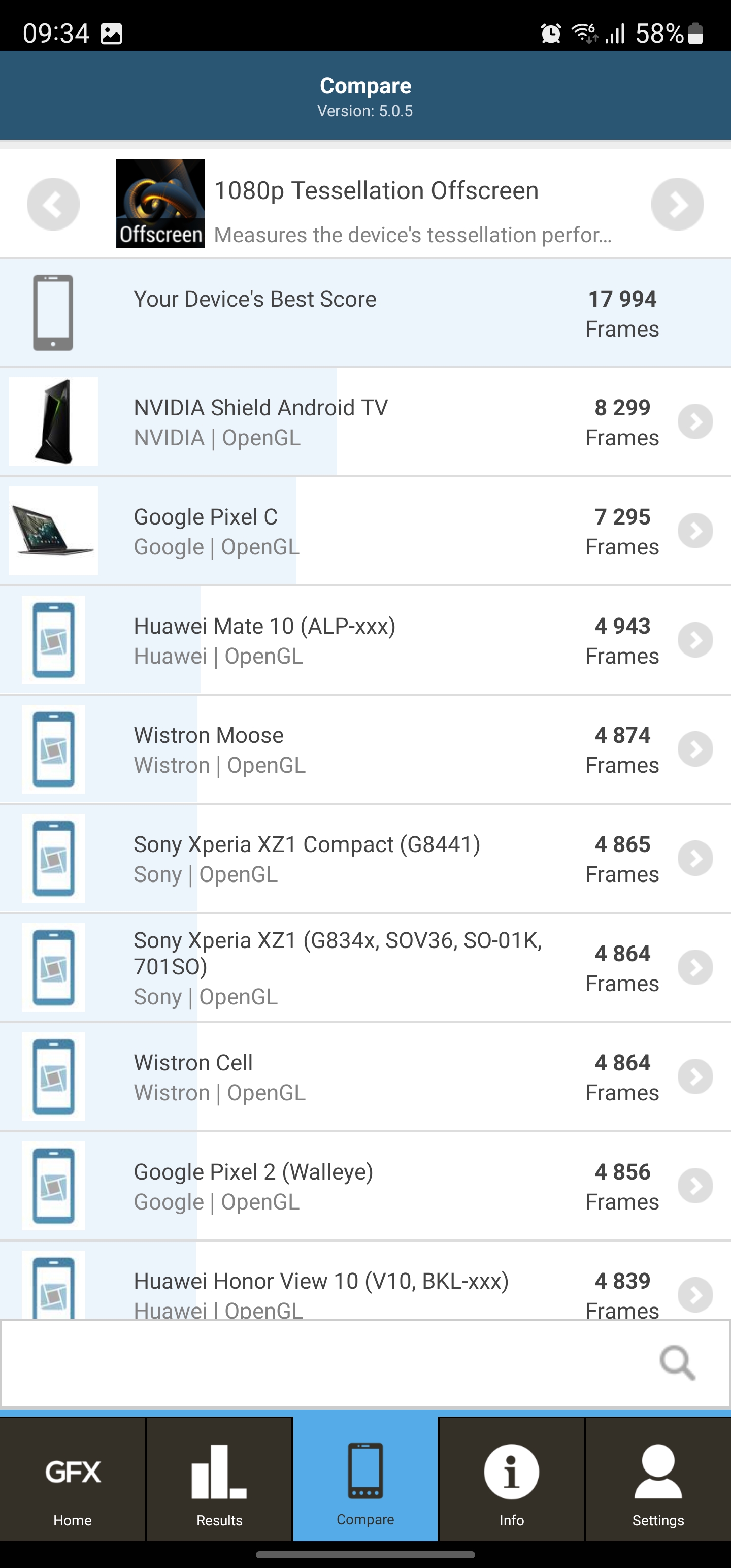
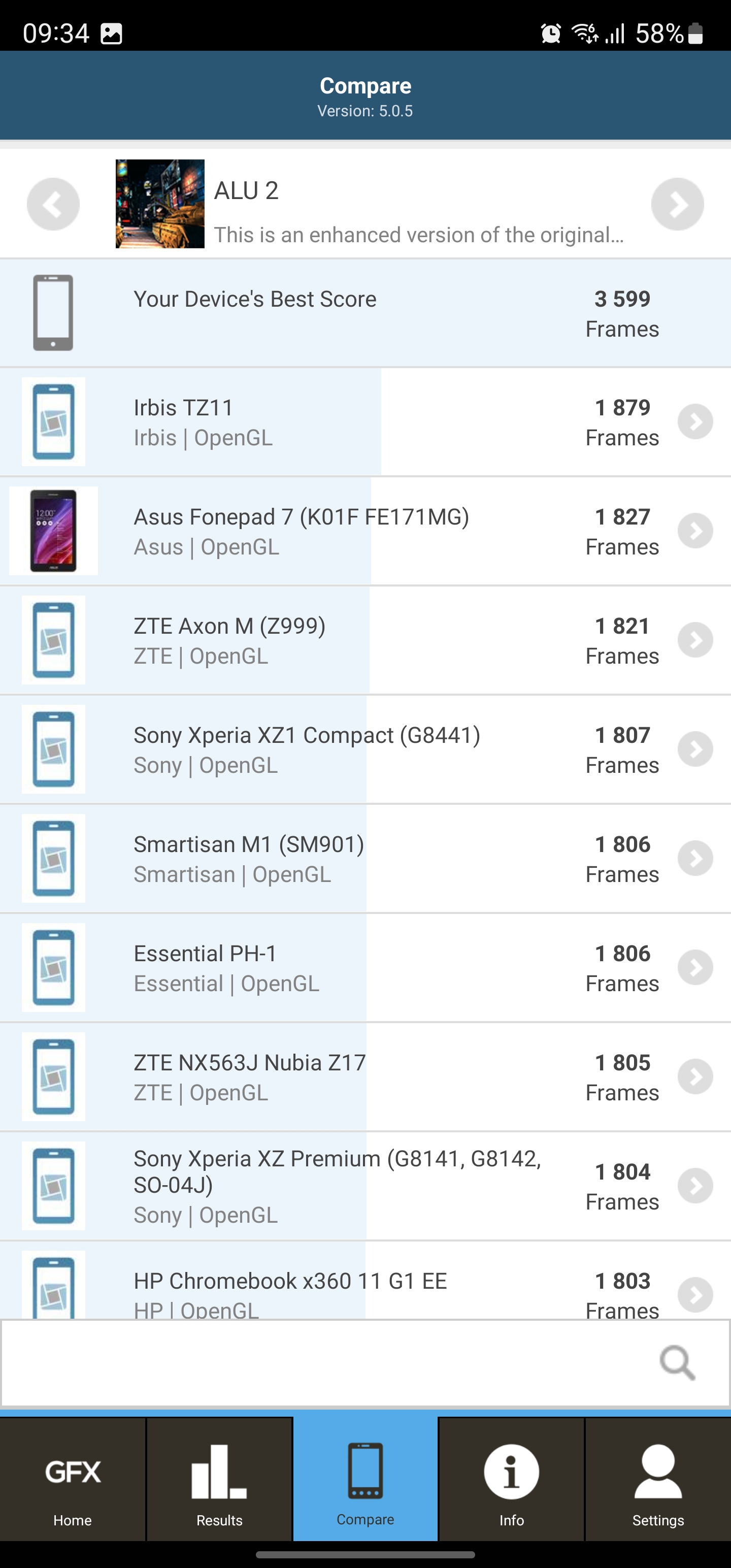
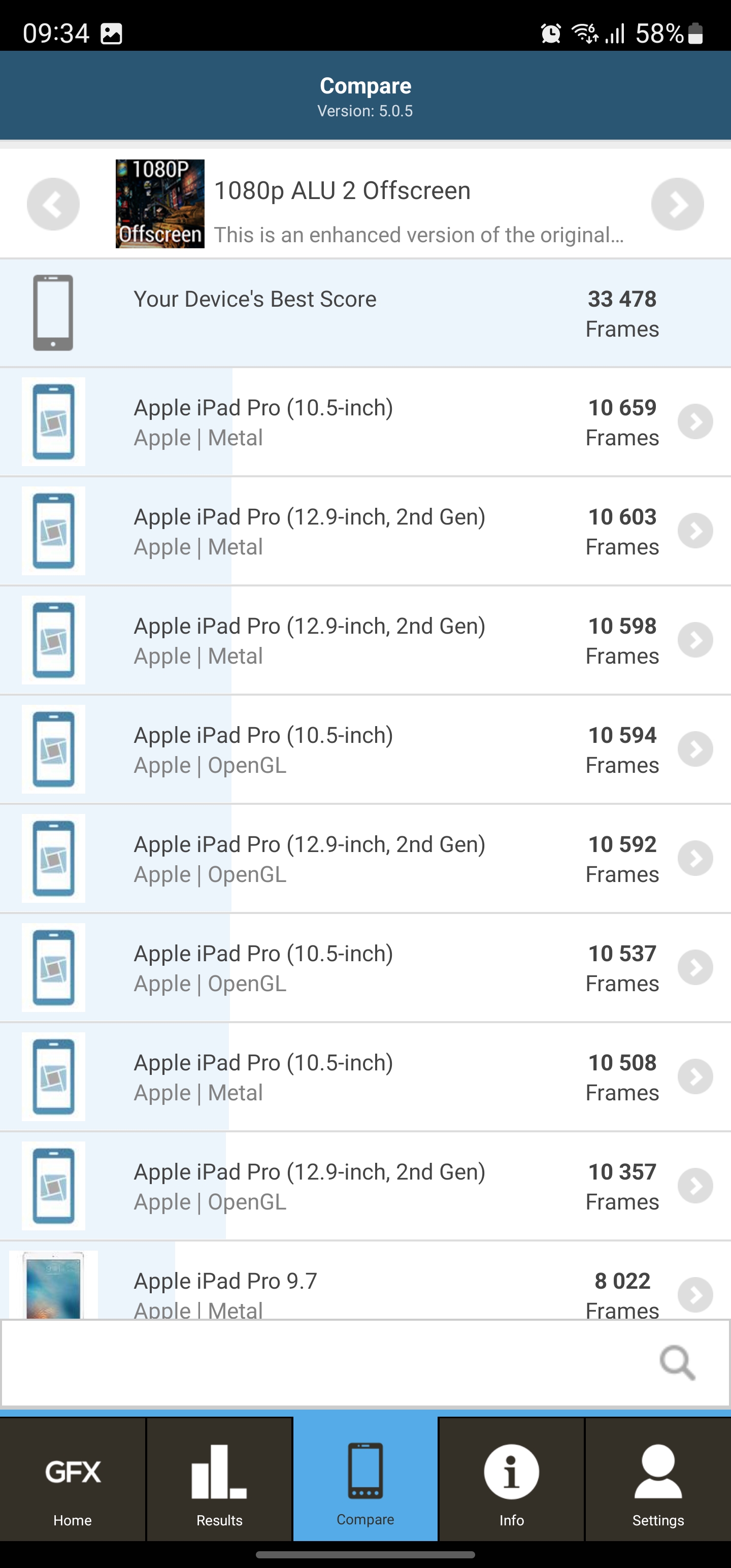
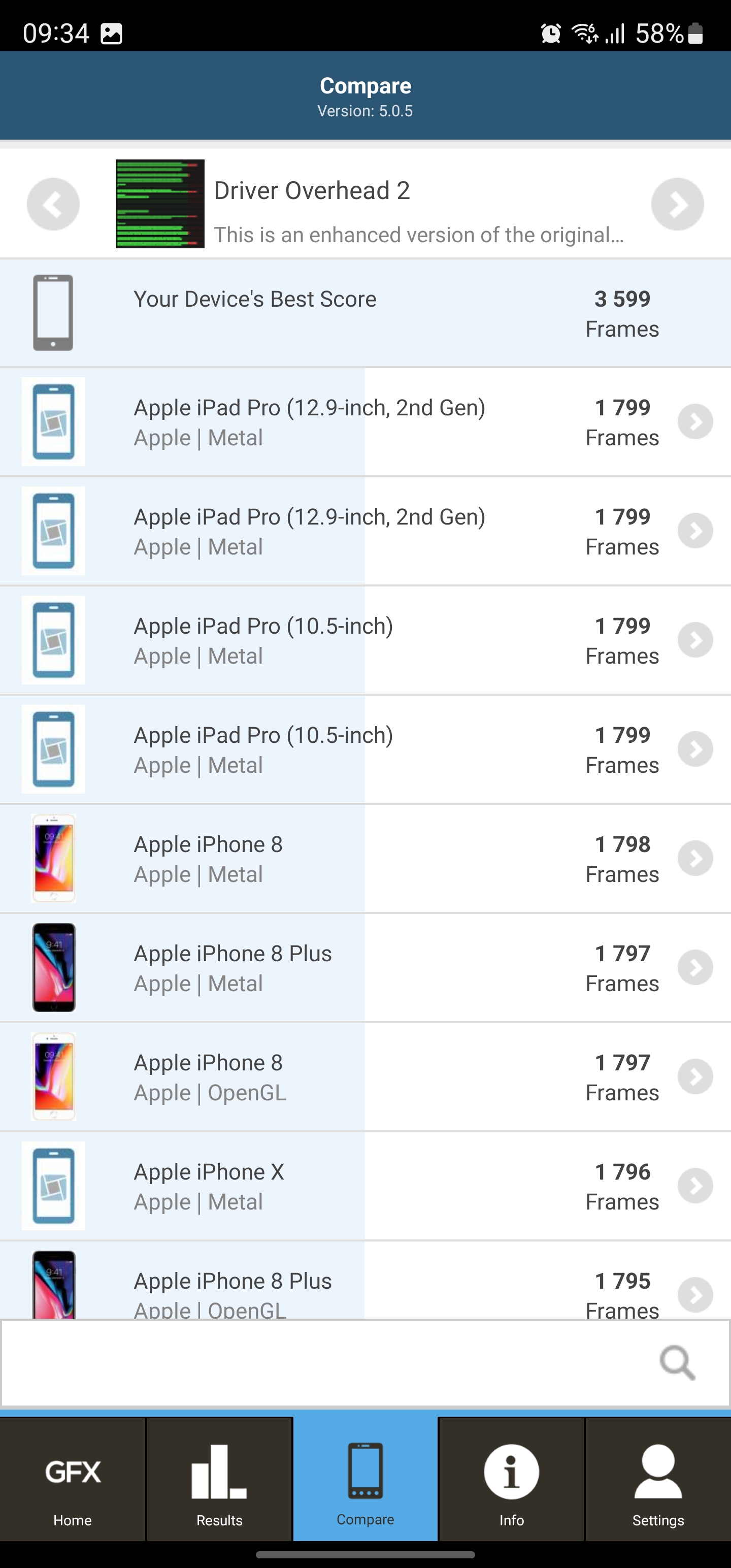
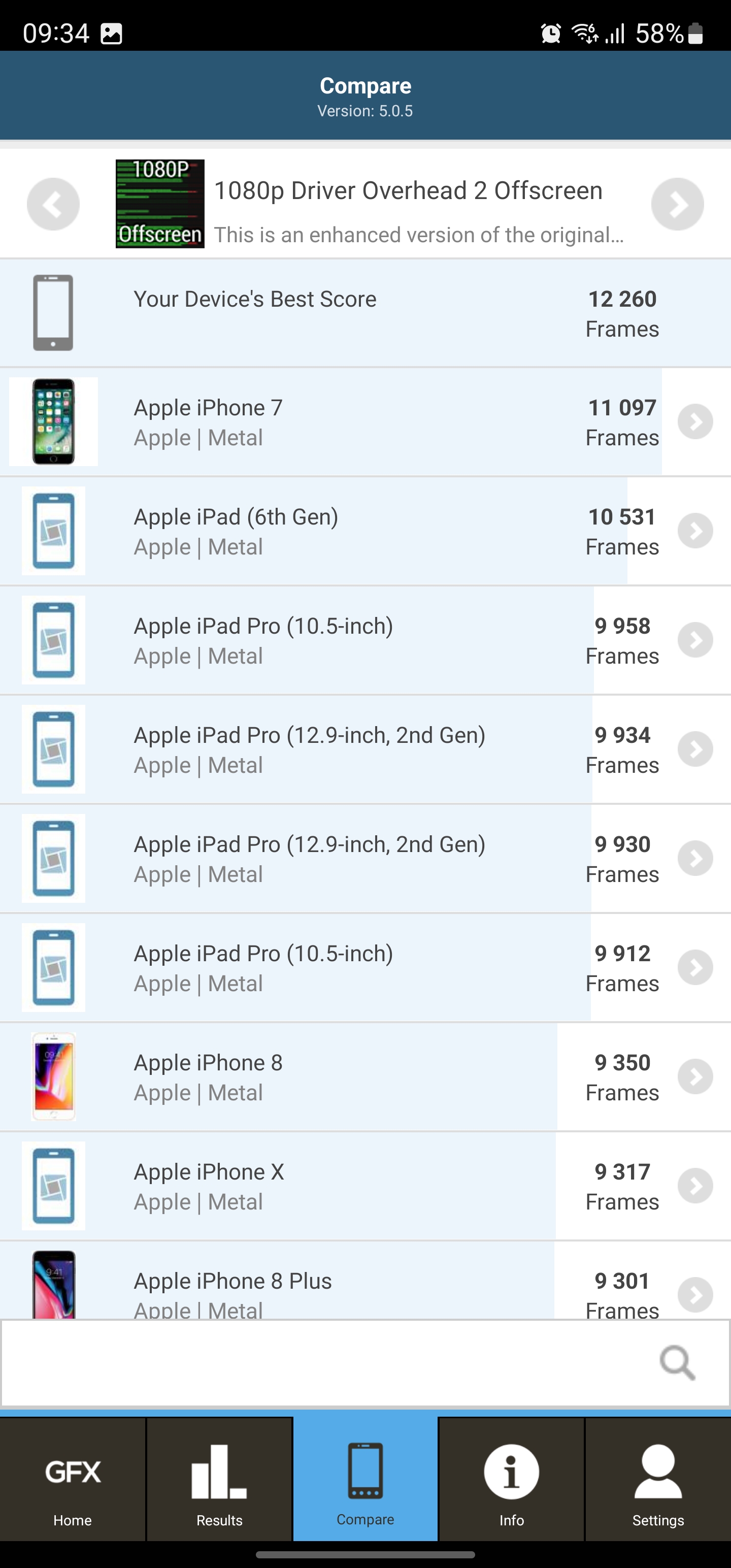
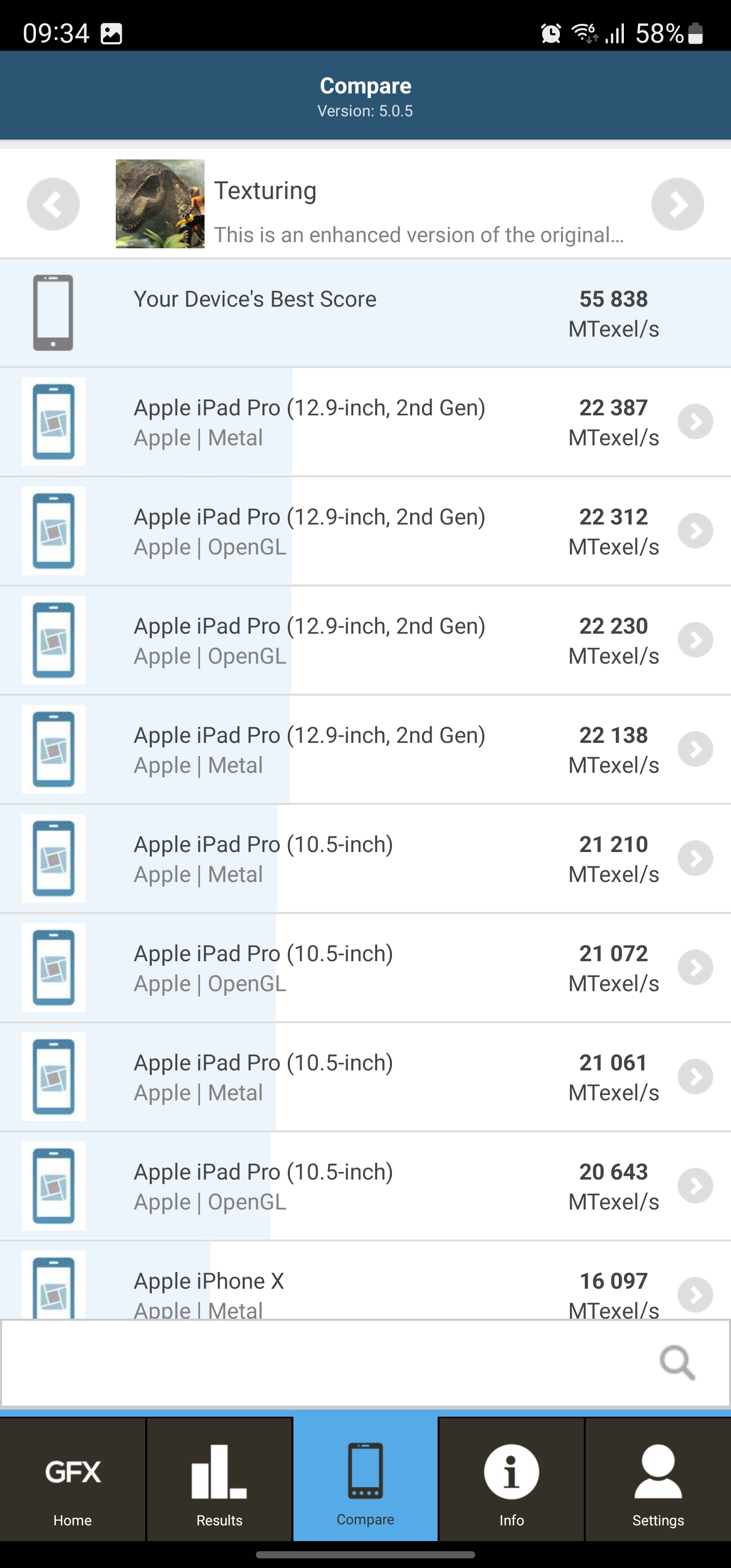
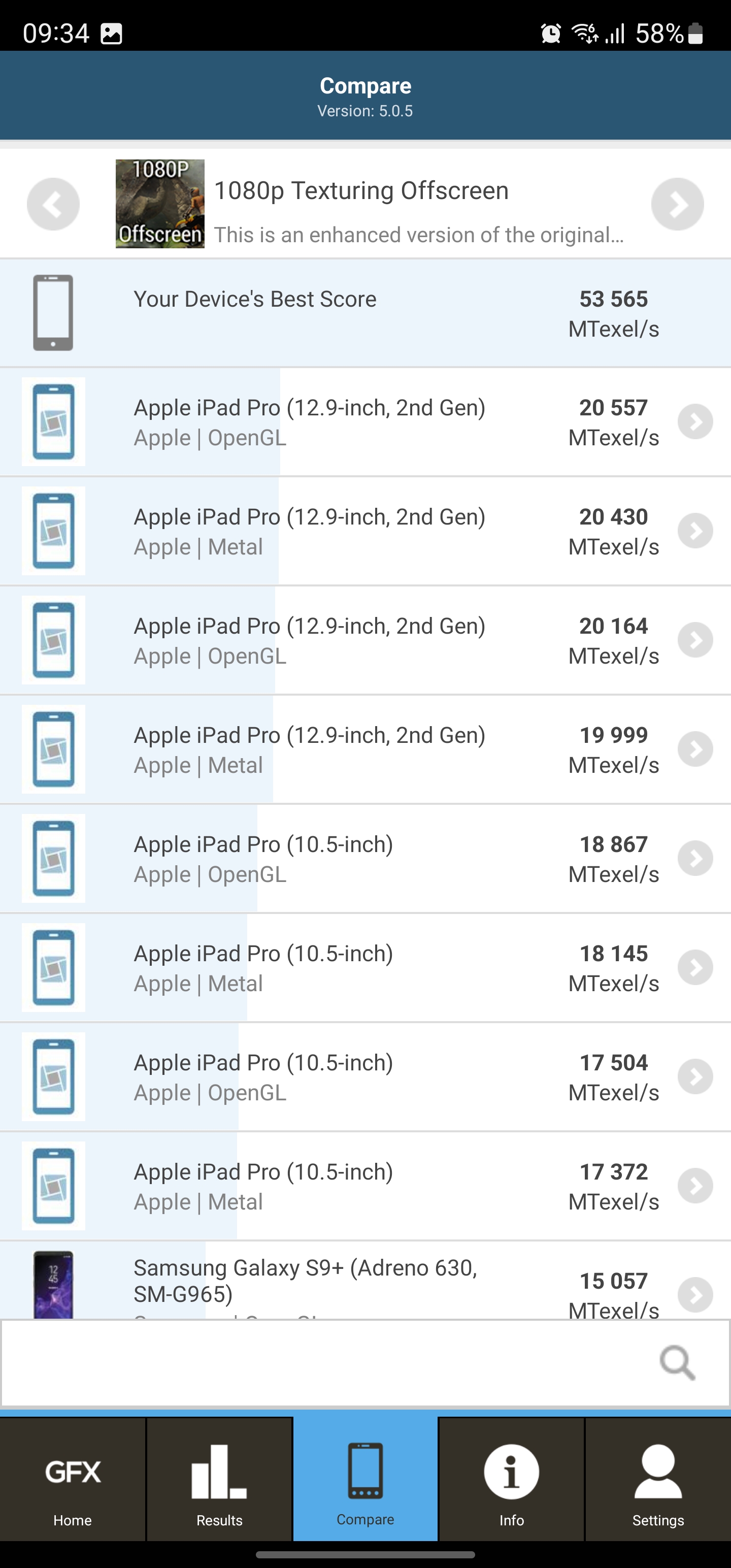
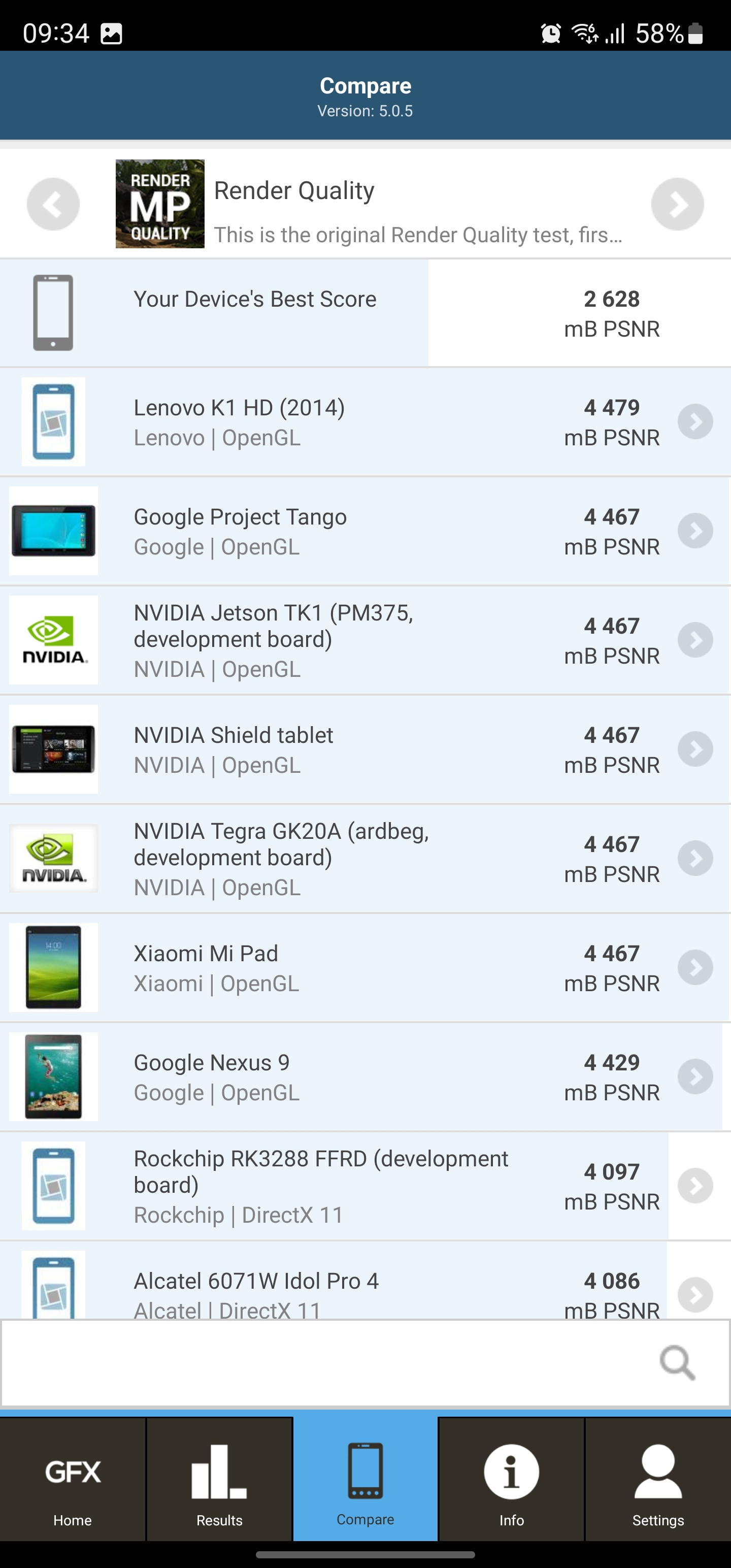
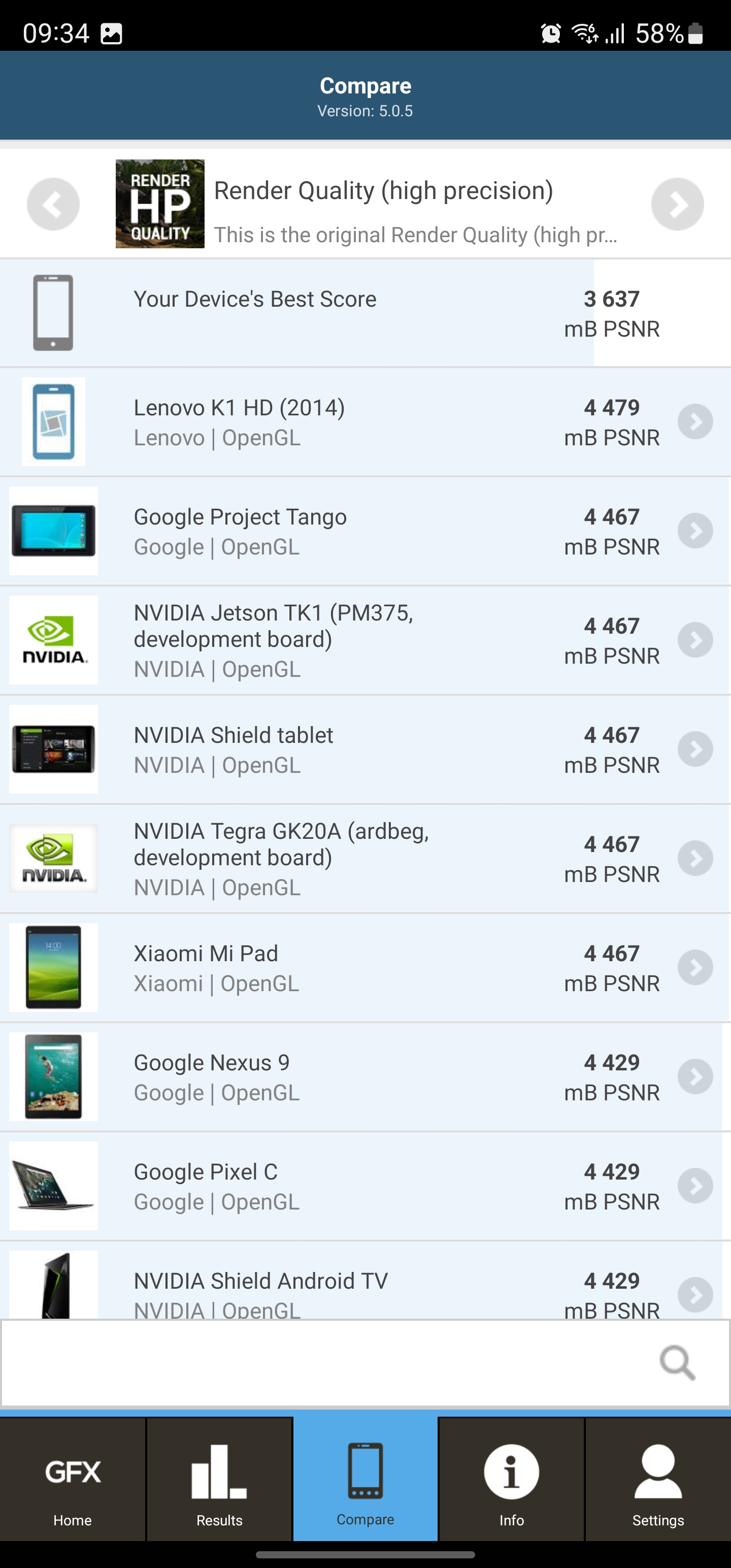
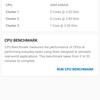
This year's flagship smartphone lineSamsung has got some very interesting hardware inside. For many years, almost the whole world received flagships on Samsung Exynos proprietary processors, and only a few markets had Snapdragon. Now the situation has changed, the Samsung Galaxy S23 Ultra (like the younger models) received a Qualcomm Snapdragon 8 Gen 2 Mobile Platform for Galaxy processor. This – version of the flagship Snapdragon 8 Gen 2 with the powerful ARM Cortex-X3 core overclocked to 3.36 GHz (instead of the standard 3.19 GHz) and the Adreno 740 graphics accelerator to 719 MHz (instead of 680 MHz). All other characteristics remain unchanged, so Qualcomm Snapdragon 8 Gen 2 uses a 1+2+2+3 core scheme. In addition to Cortex X3, the processor contains two Cortex-A715 cores at 2.8 GHz, two Cortex-A710 at 2.8 GHz and three Cortex-A510 at 2 GHz. The processor is manufactured using a 4 nm process technology. Key benefits over the Snapdragon 8 Gen 1 model include a 35% increase in performance and a 40% increase in power efficiency on the CPU side. As well as a 25% increase in performance and 45% energy efficiency of the graphics accelerator. Additionally, it is worth noting that the processor supports real-time ray tracing. Although it is still difficult to say how widespread the technology will be in mobile games. RAM can be 8 or 12 GB LPDDR5X. The internal storage can have a capacity of 256/512 GB, or 1 TB and, importantly, uses the new high-speed standard UFS 4.0. In the test, the drive showed very high results: about 3400 MB/s when reading data and 1900 MB/s when writing. In general, the Samsung Galaxy S23 Ultra shows very high results in synthetic tests and is one of the most powerful smartphones at the moment:
</ img>
</ img>
</ img>
</ img>
</ img>
</ img>
</ img>
</ img>
</ img>
</ img>
</ img>
</ img>
</ img>
</ img>
</ img>
</ img>
</ img>
</ img>
</ img>
</ img>
</ img>
</ img>
</ img>
</ img>
</ img>
</ img>
</ img>
</ img>
</ img>
</ img>
</ img>
</ img>
</ img>
</ img>
</ img>
</ img>
</ img>
</ img>
</ img>
</ img>
</ img>
</ img>
</ img>
</ img>
</ img>
</ img>
</ img>
</ img>
</ img>
</ img>
</ img>
</ img>
</ img>


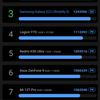
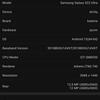
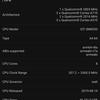
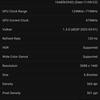

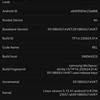

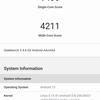
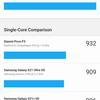
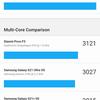

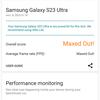
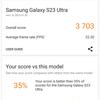
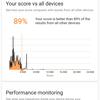

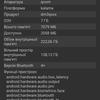
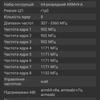
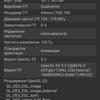
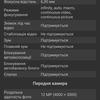
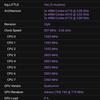
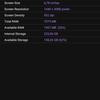
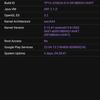
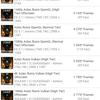
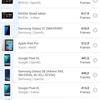
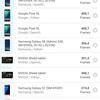
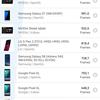
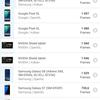
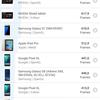
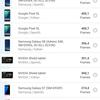
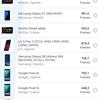
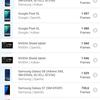
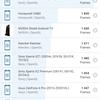
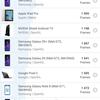
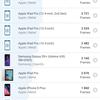
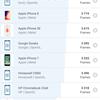
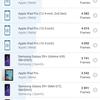
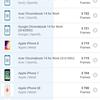
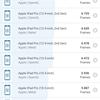
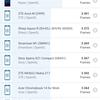

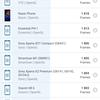
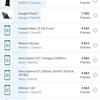
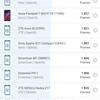
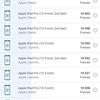
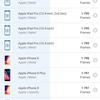
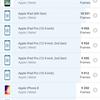
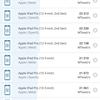
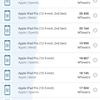
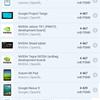
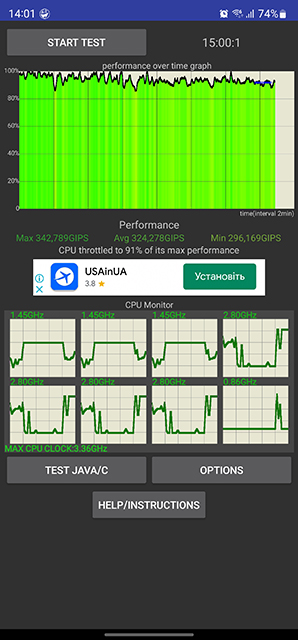
All manufacturers have not very successfulprocessors. Last year, the Samsung Exynos 2200 had some issues: it warmed up noticeably and ate up the battery pretty quickly. Qualcomm Snapdragon 8 Gen 2 Mobile Platform for Galaxy was better optimized. At maximum load in the CPU Throttling Test, performance drops to only 91% in 15 minutes, which is very good for such a powerful processor. The case at the same time becomes warm, but the hands do not burn.
</ img>
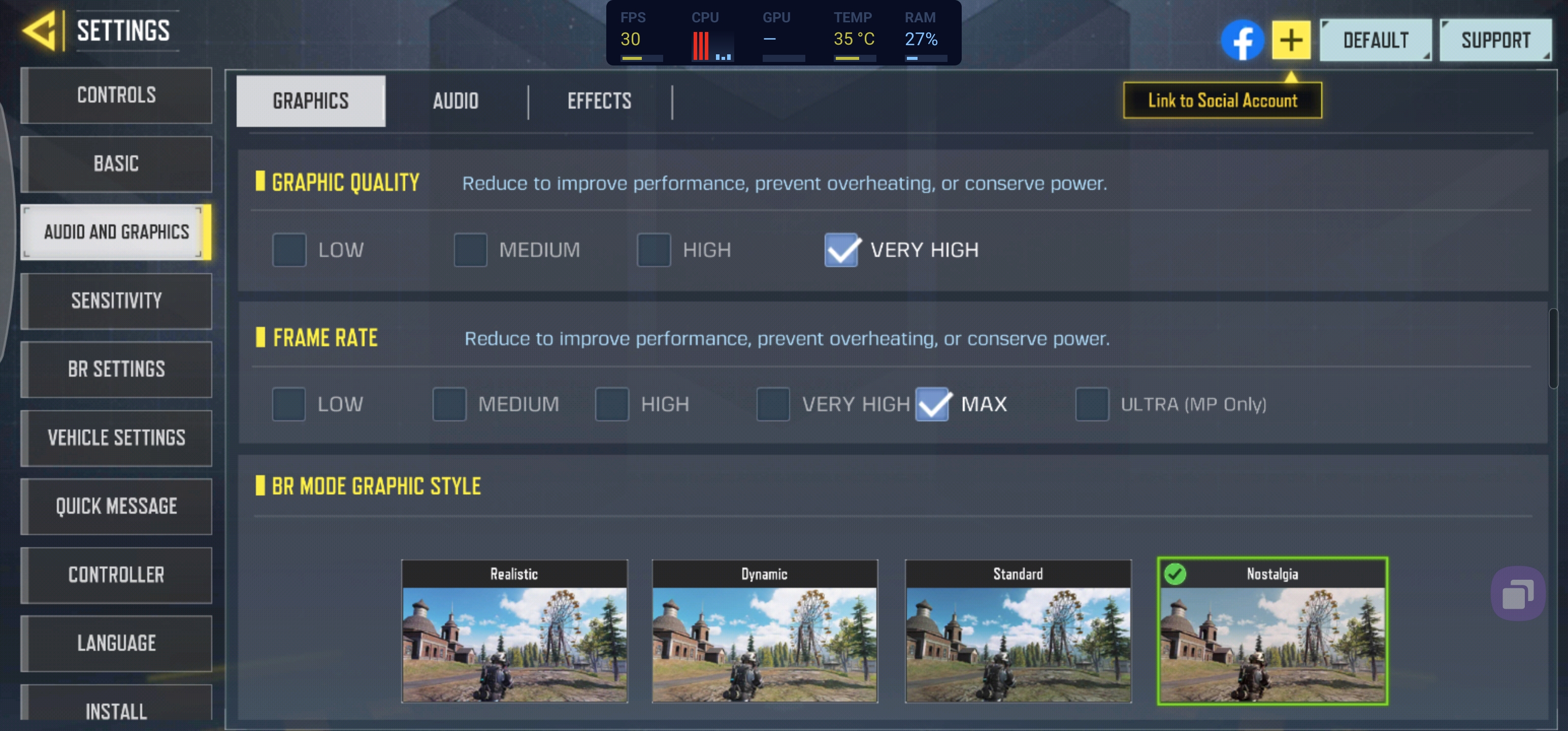
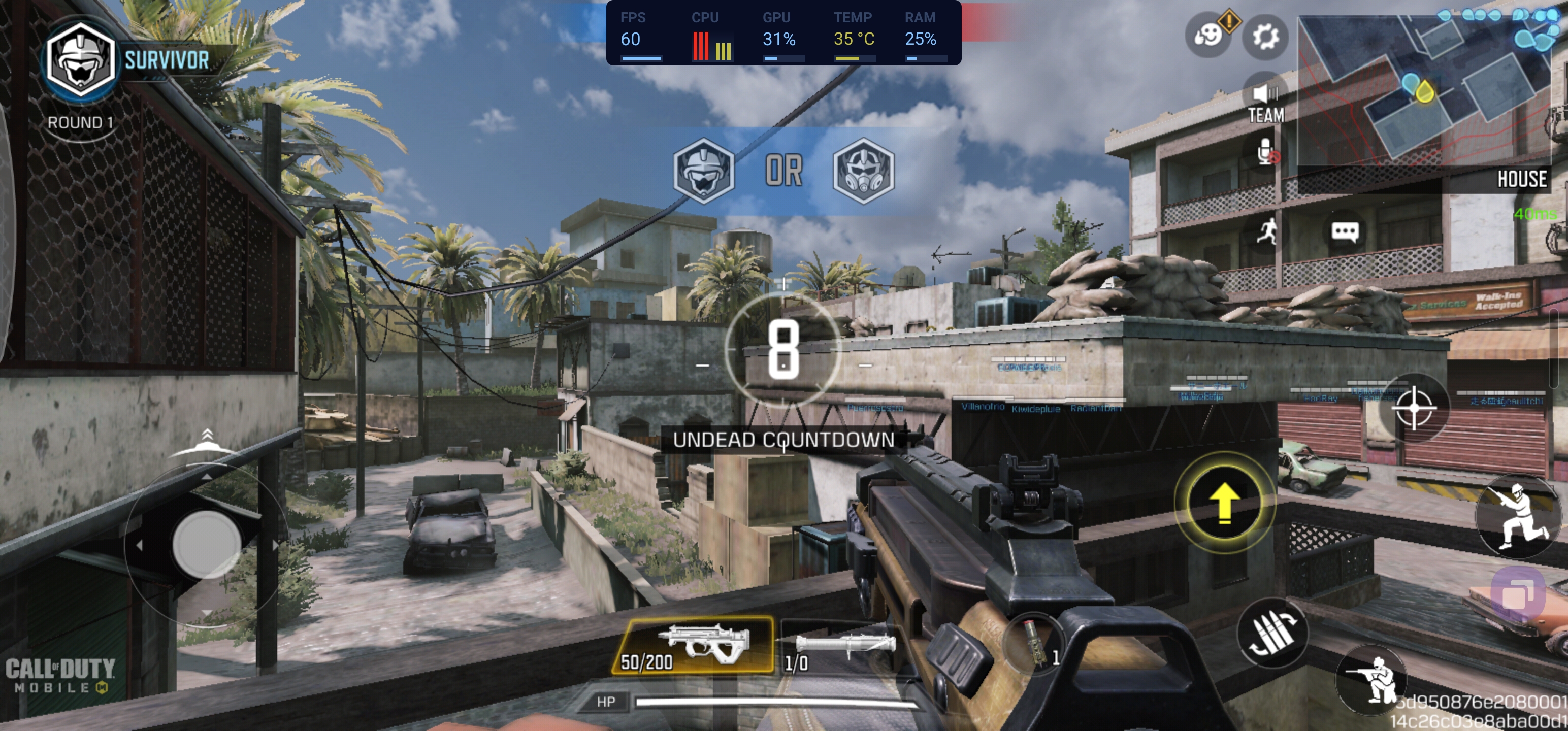
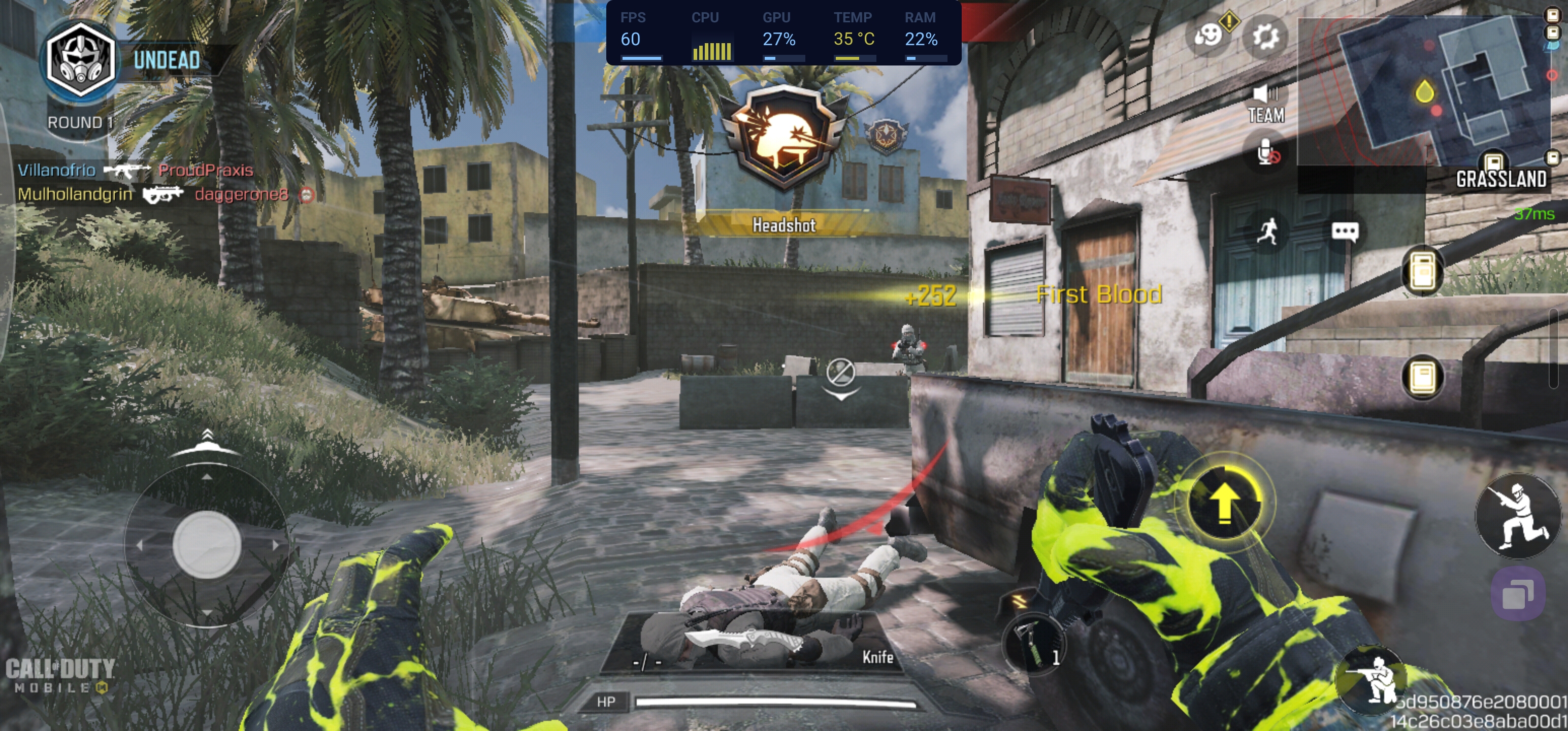
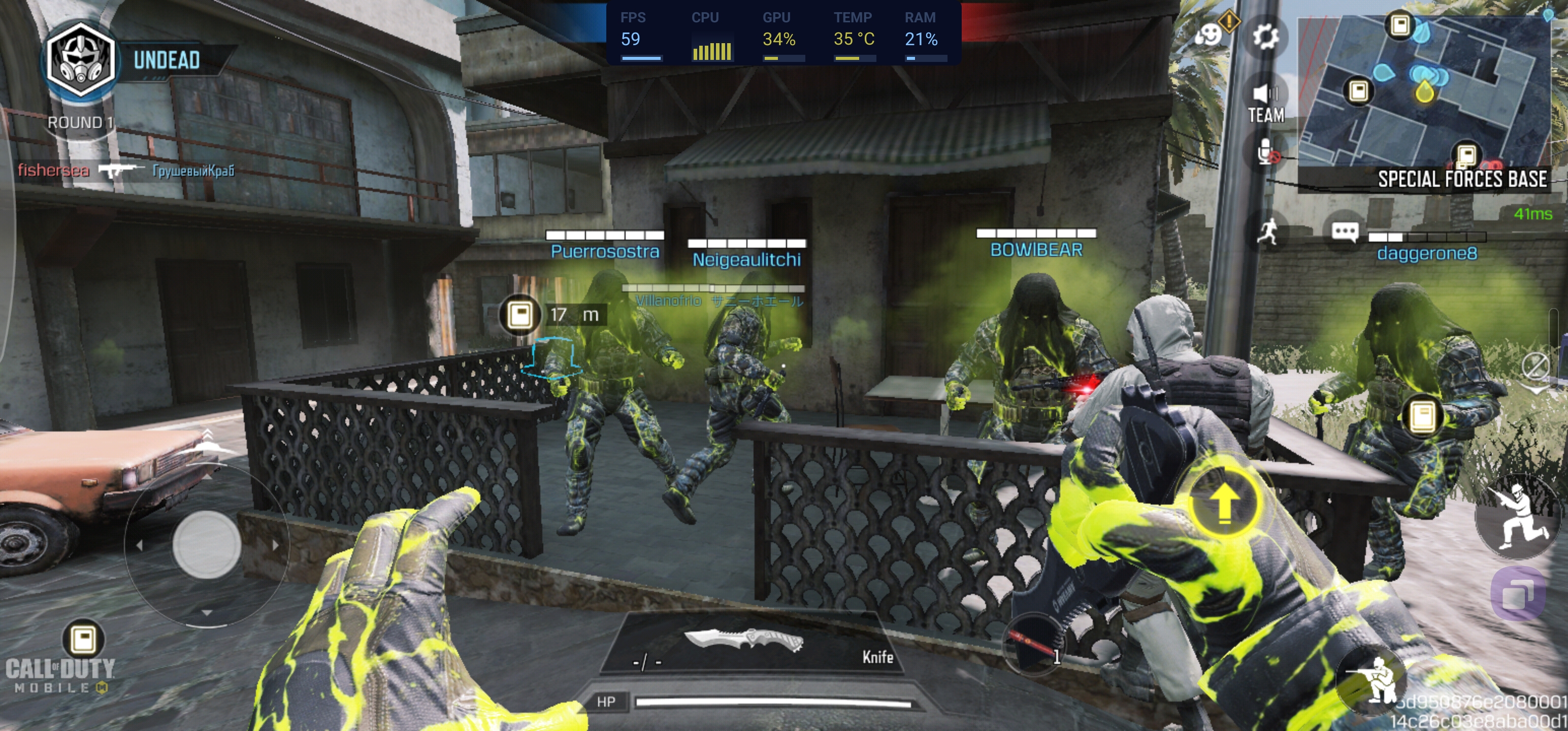
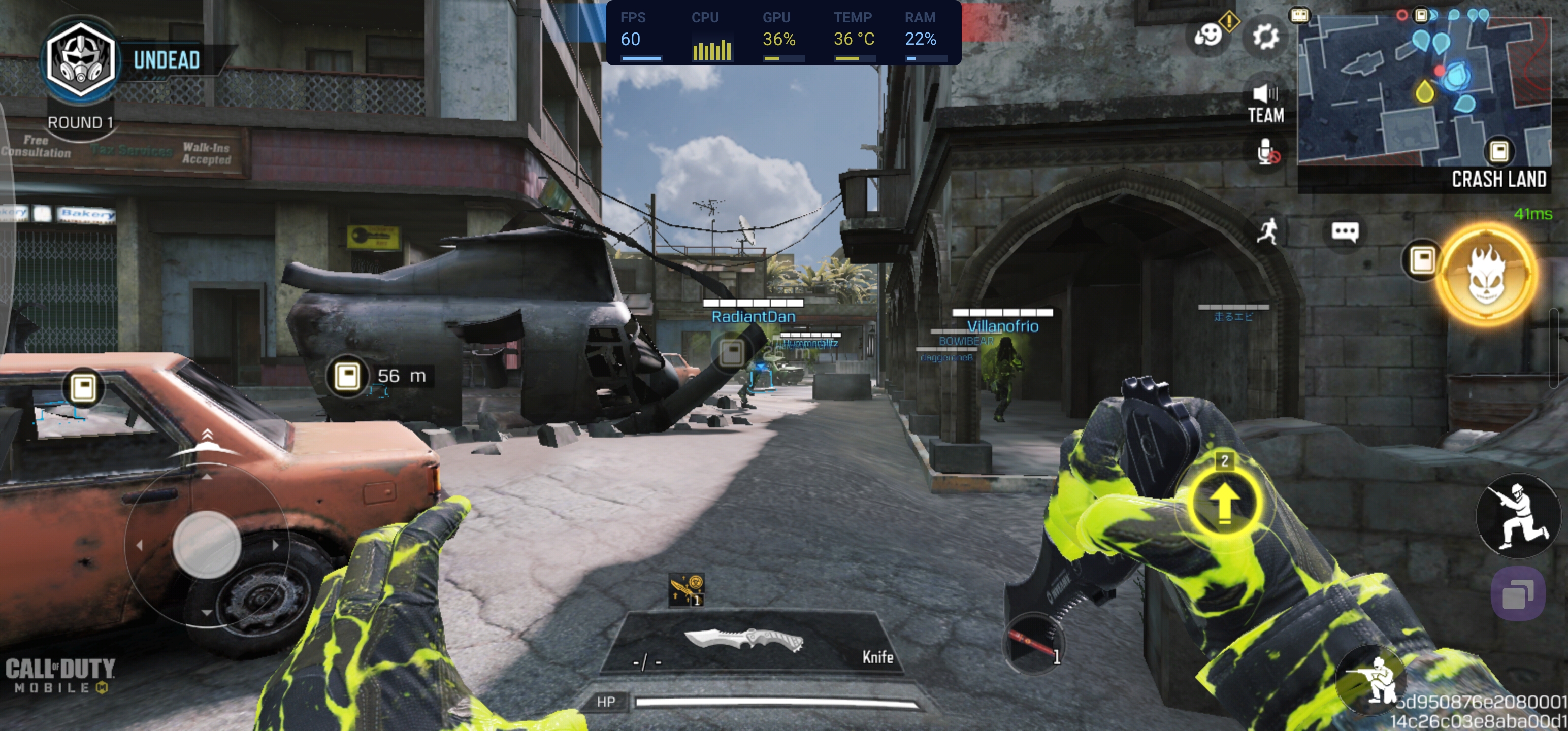
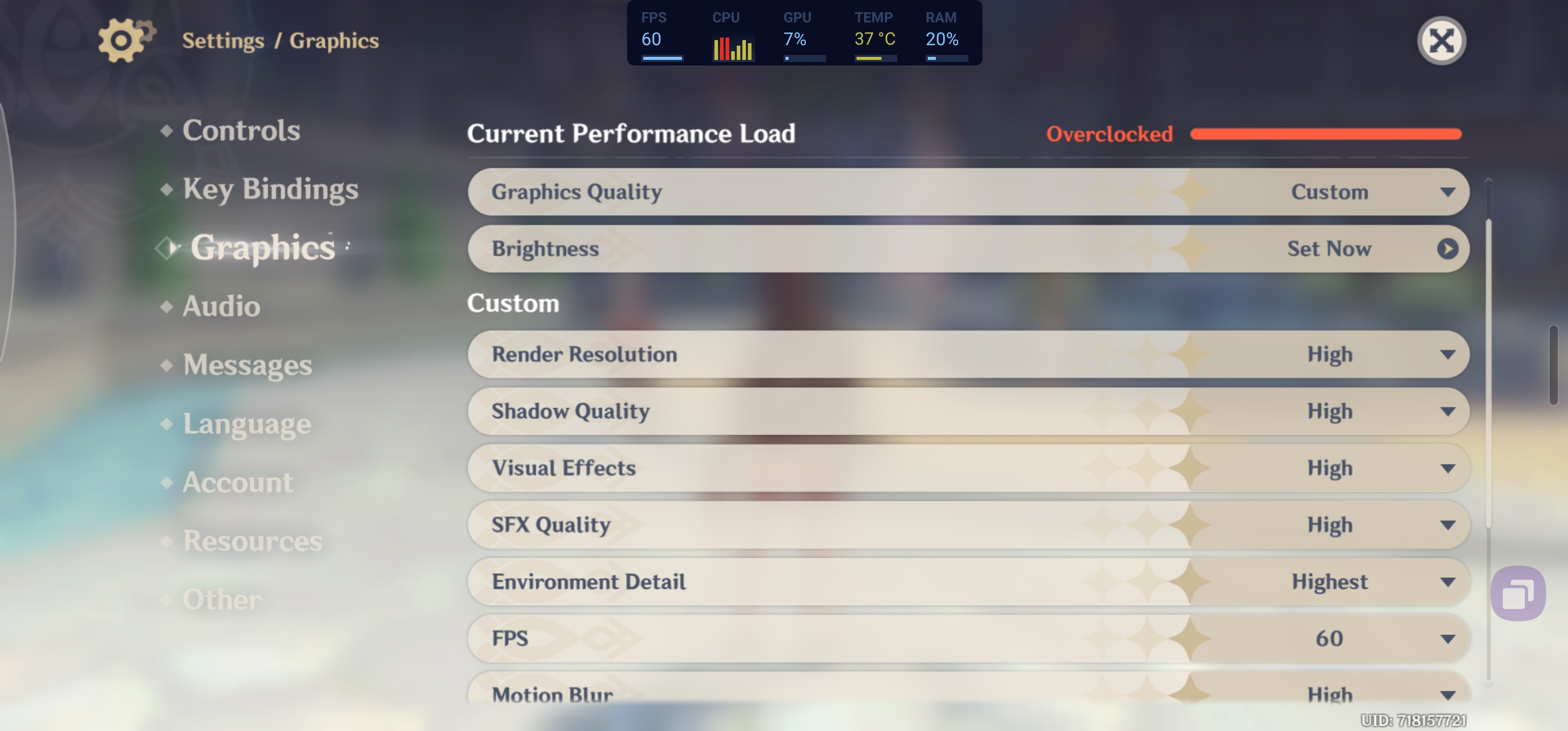
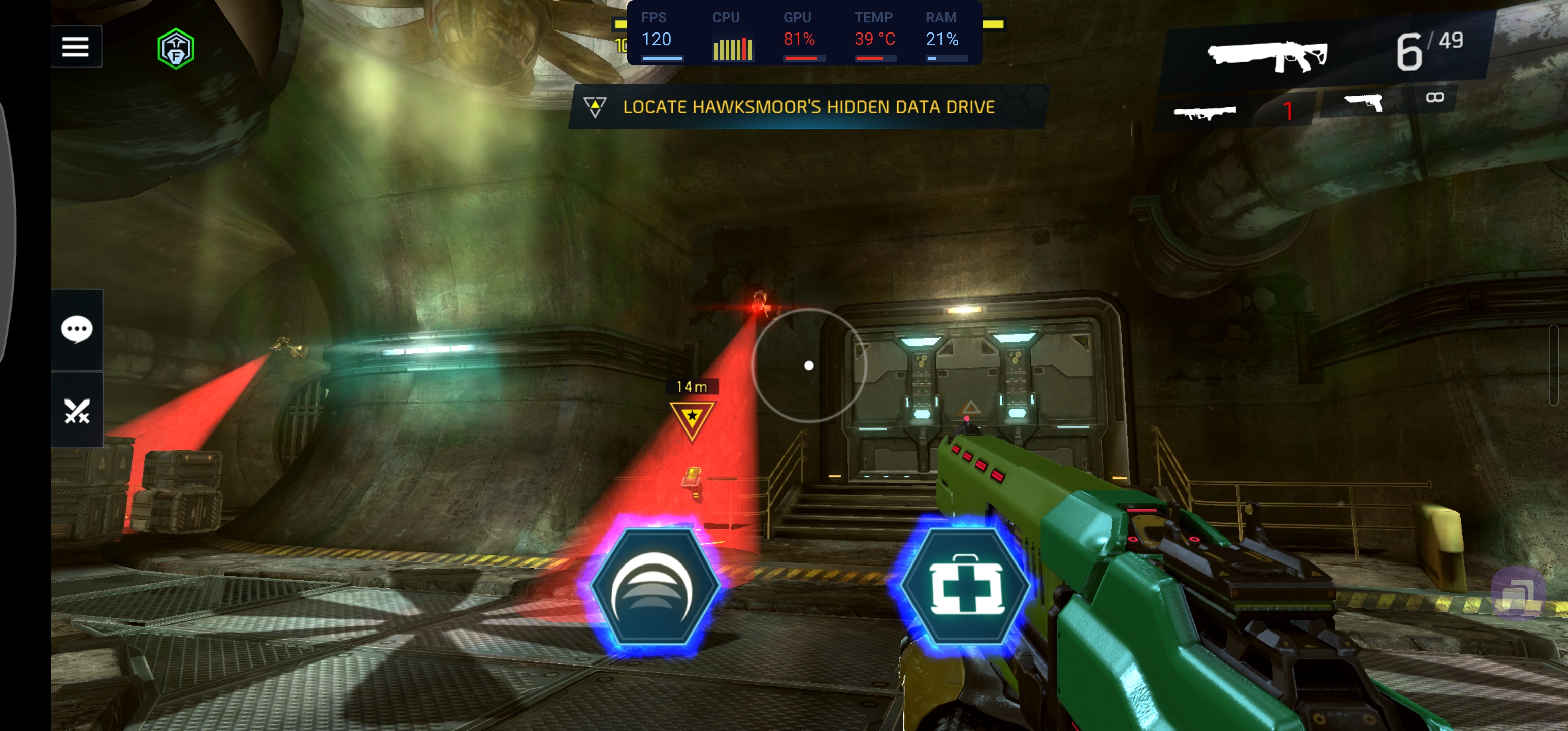
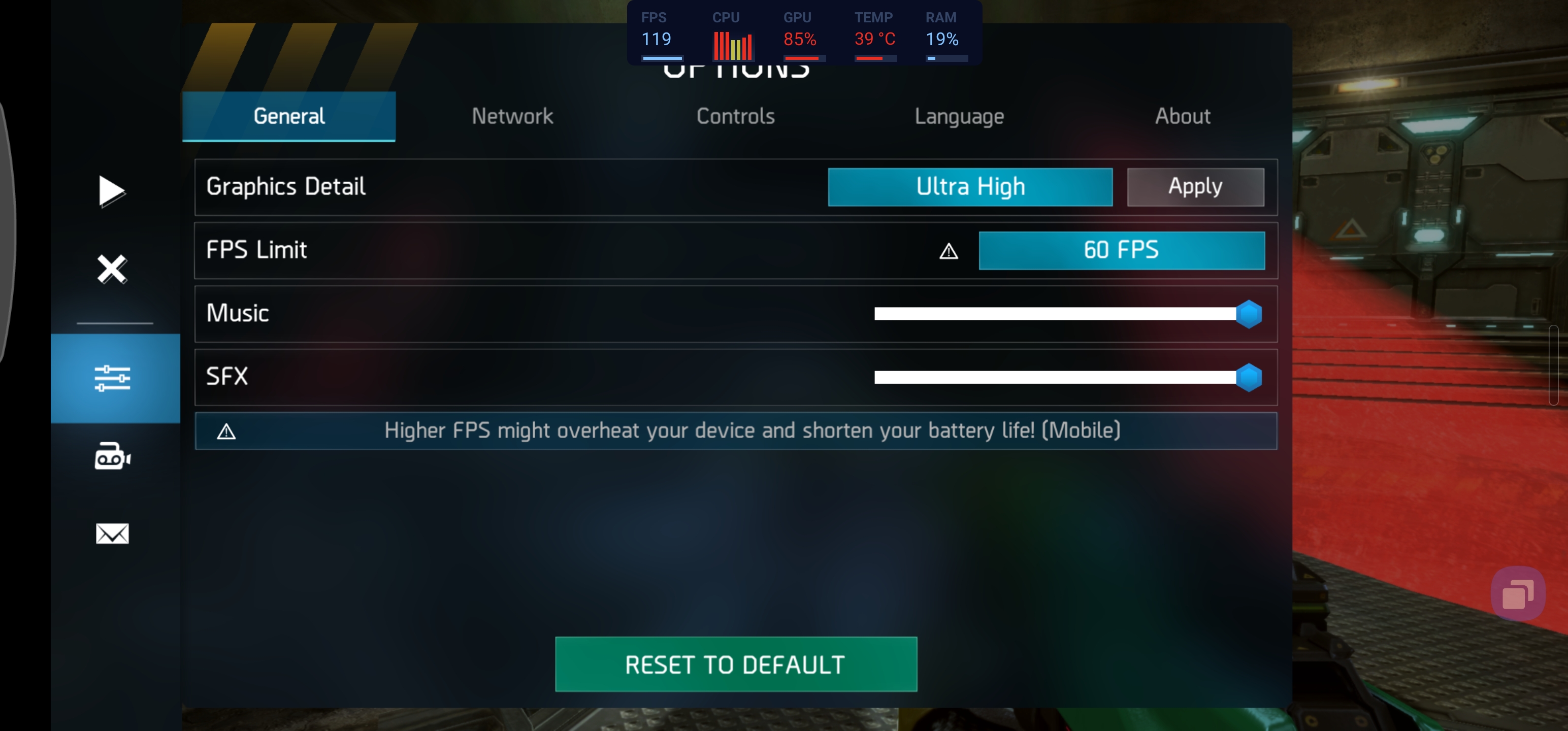
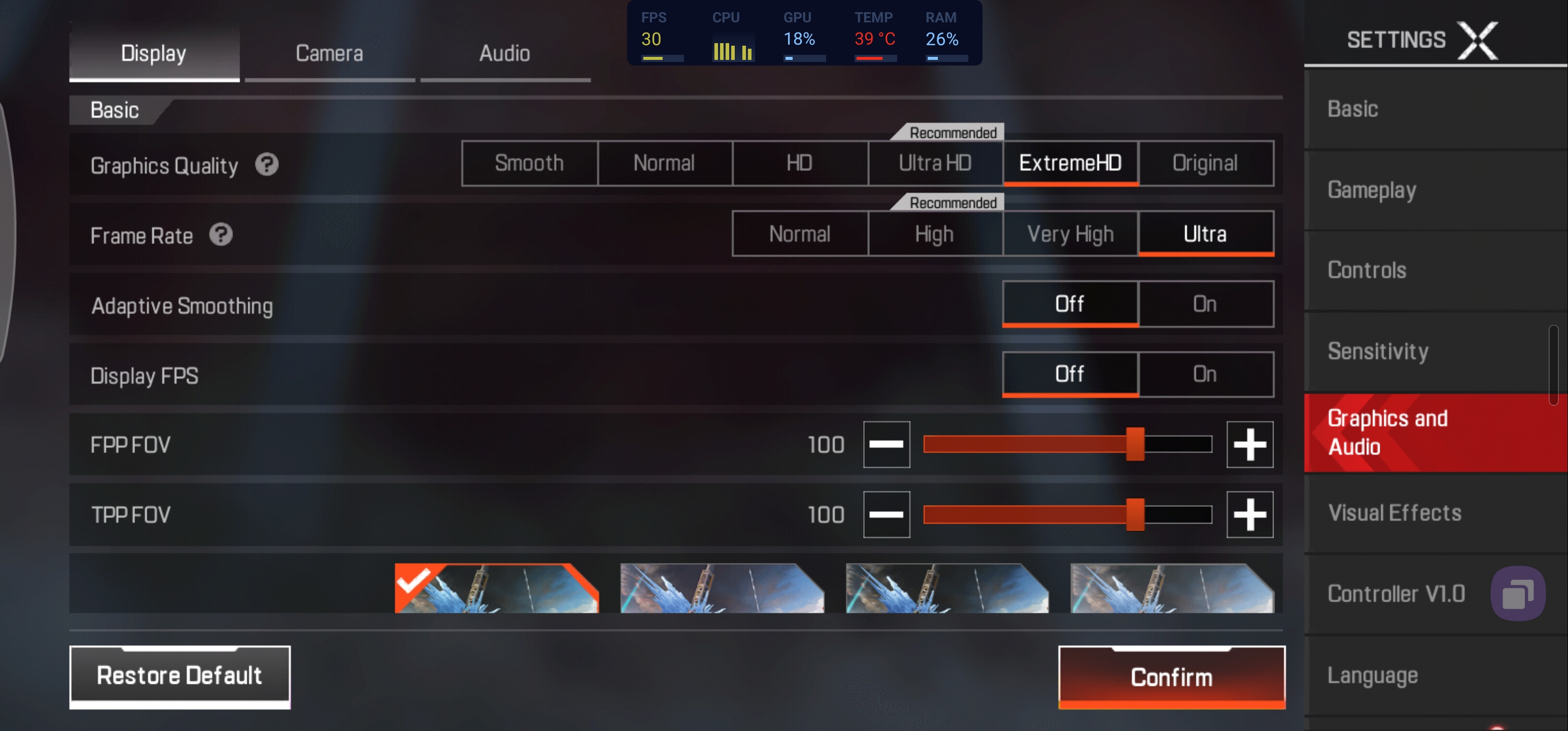
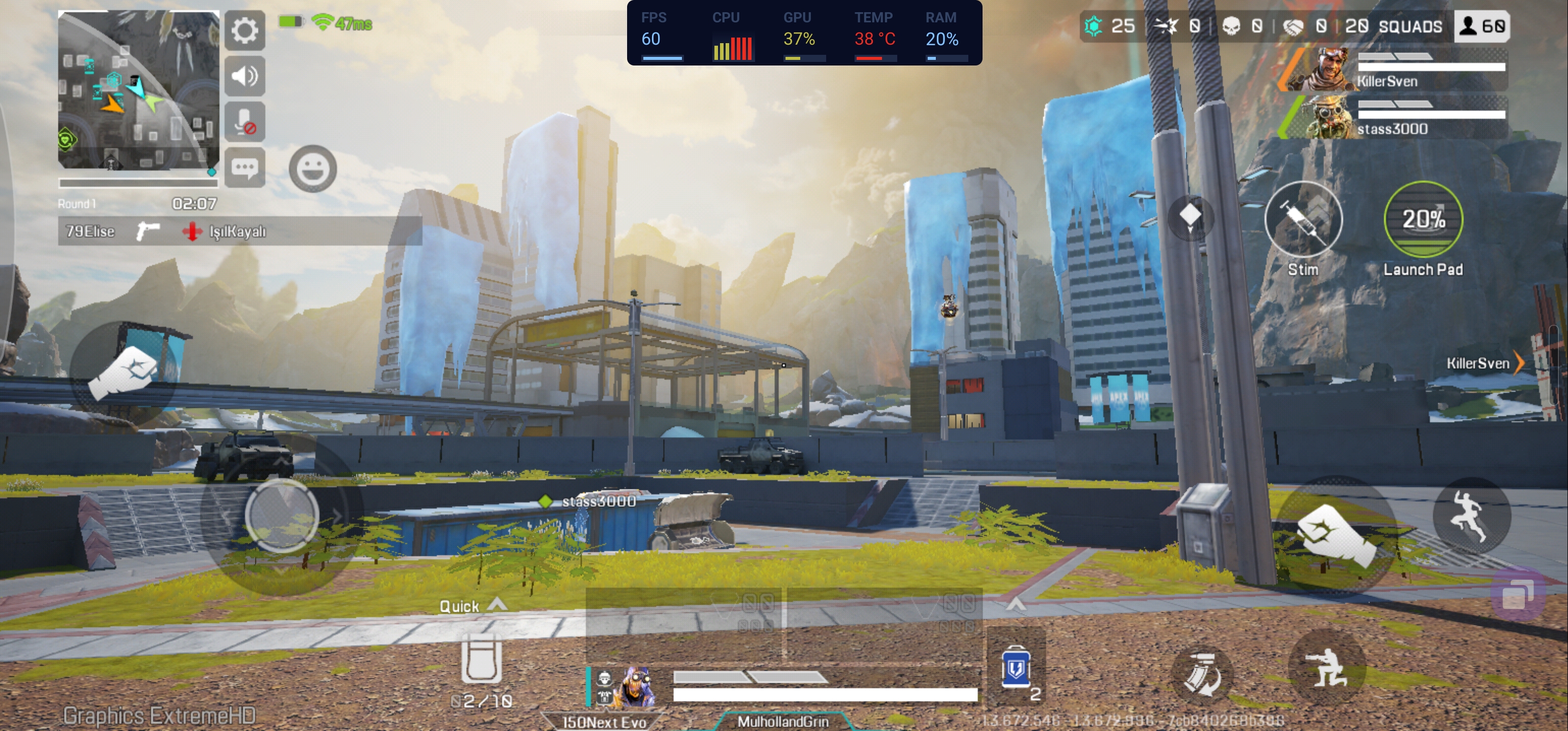
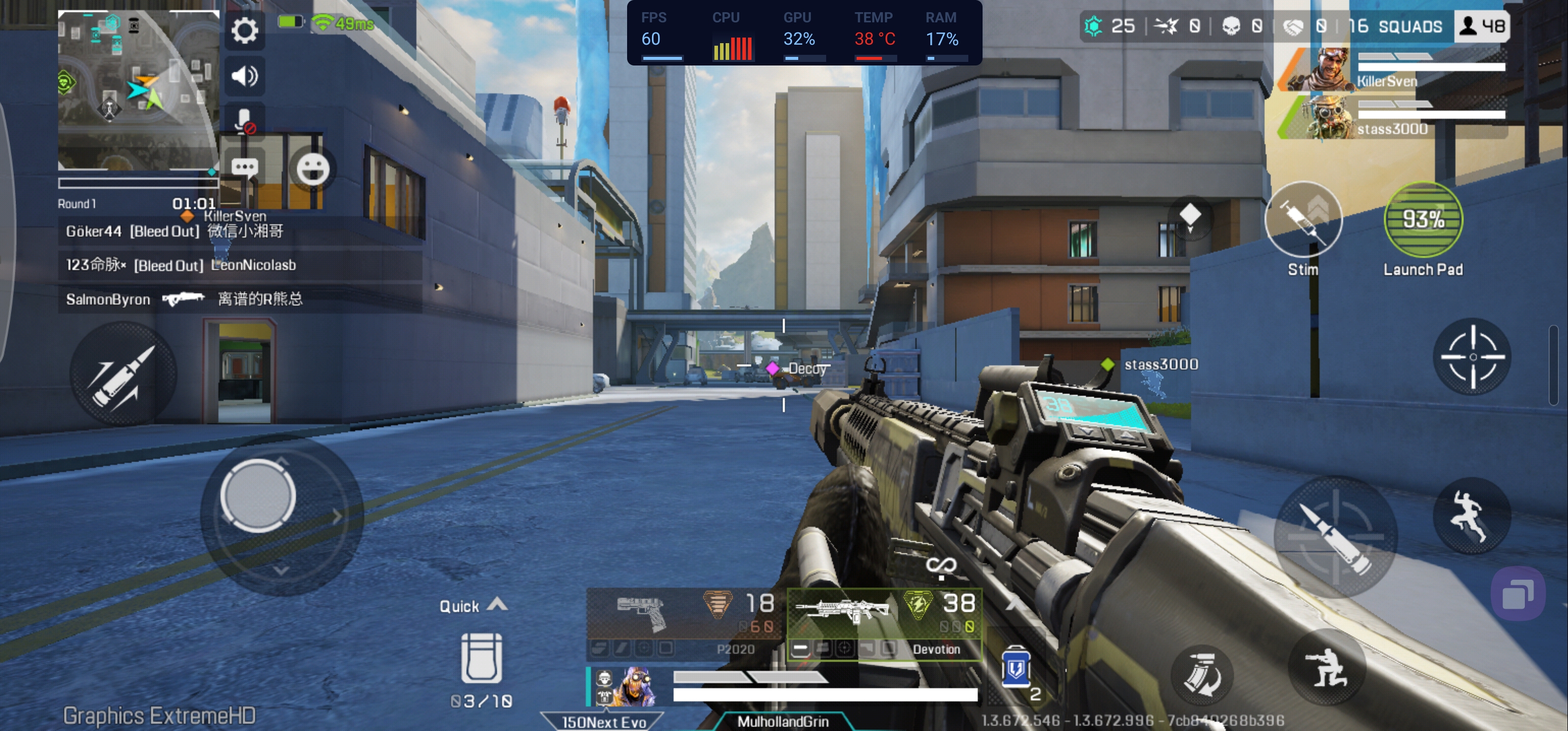
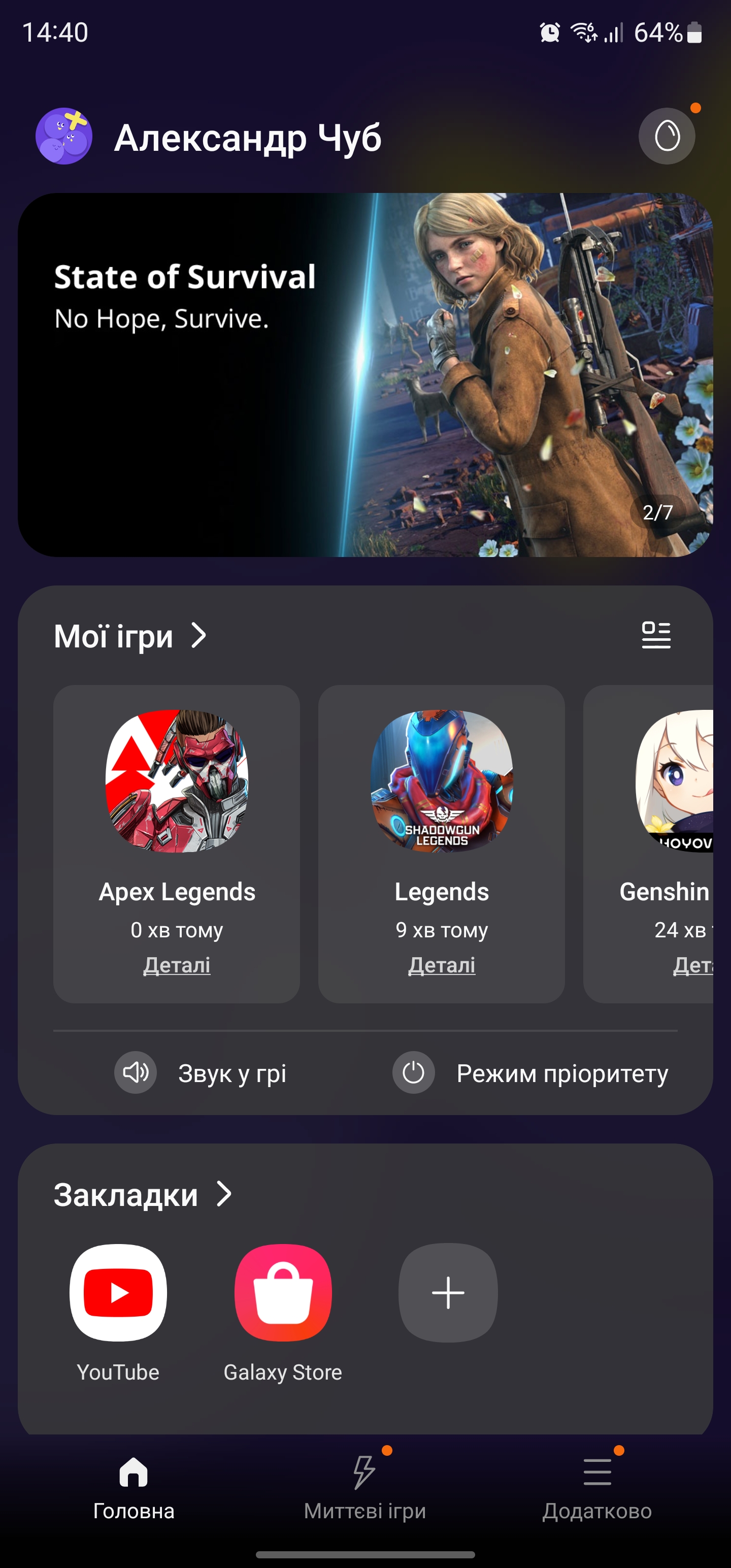
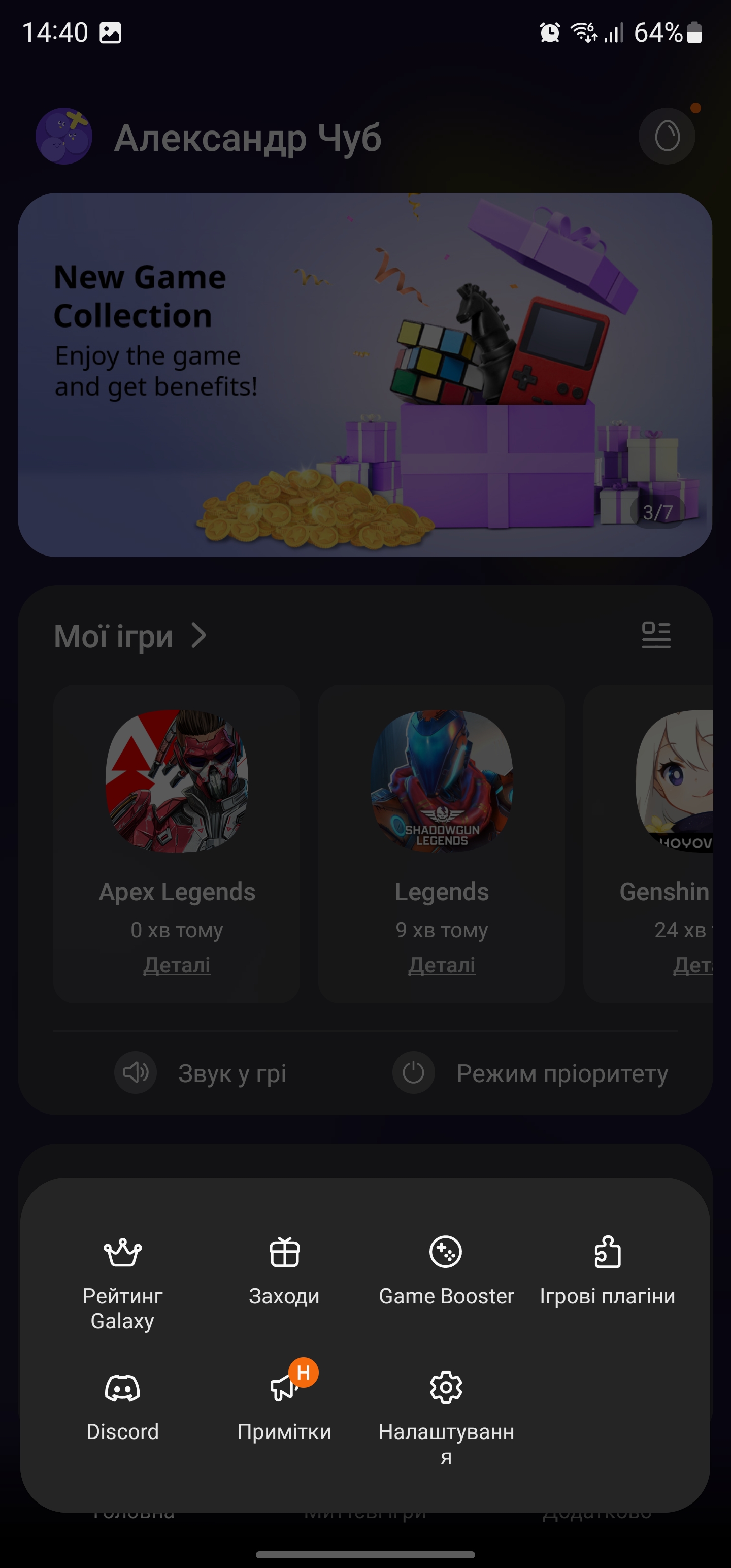
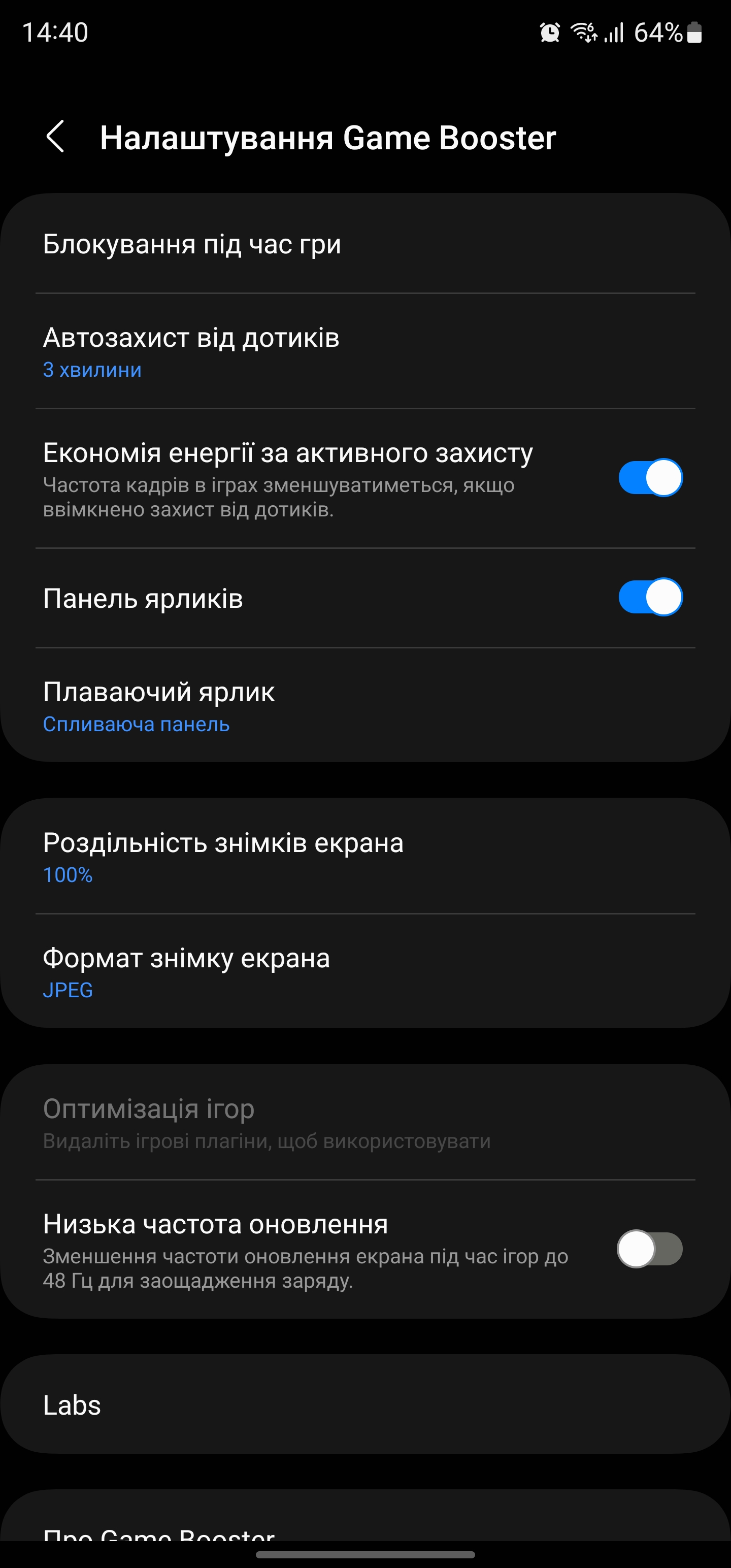
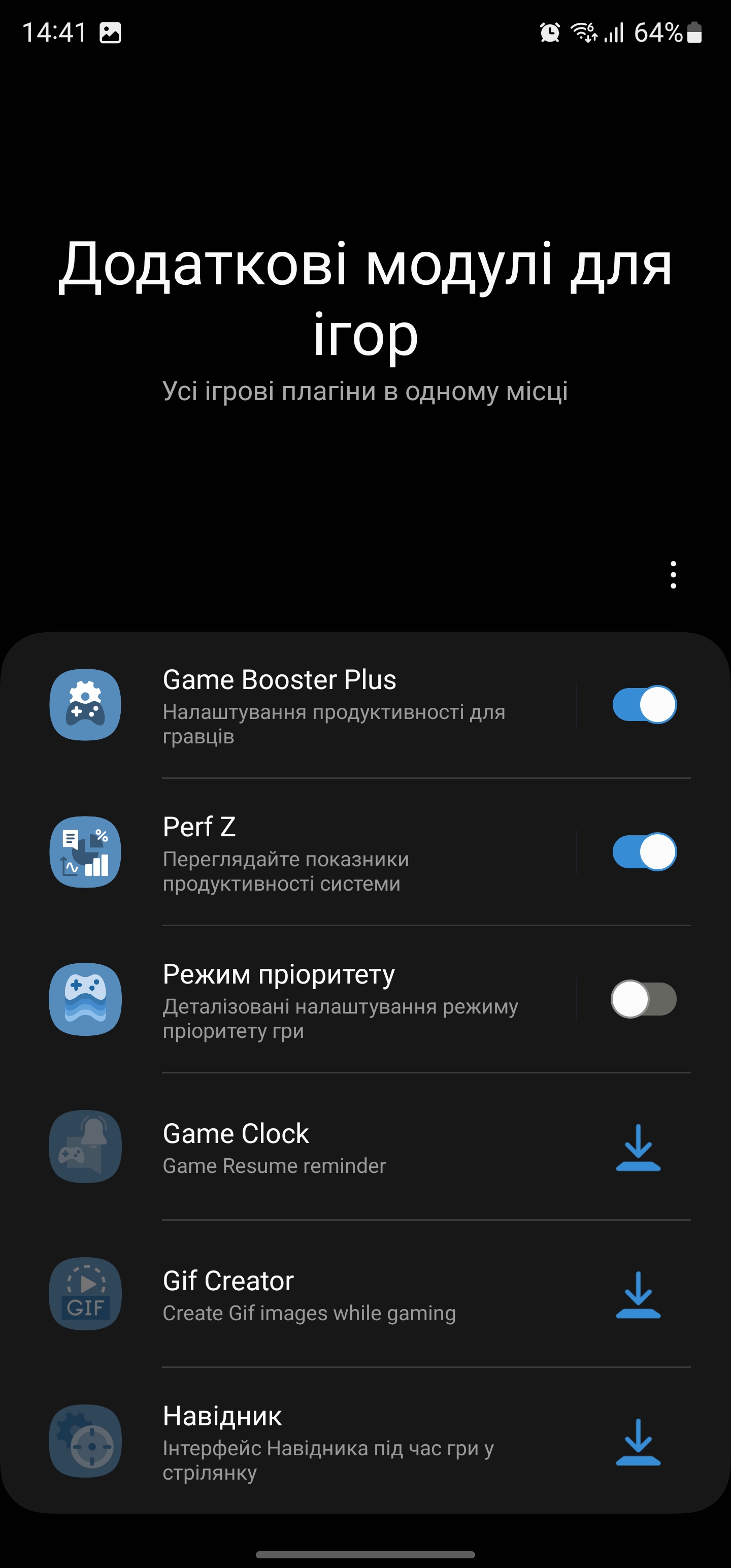
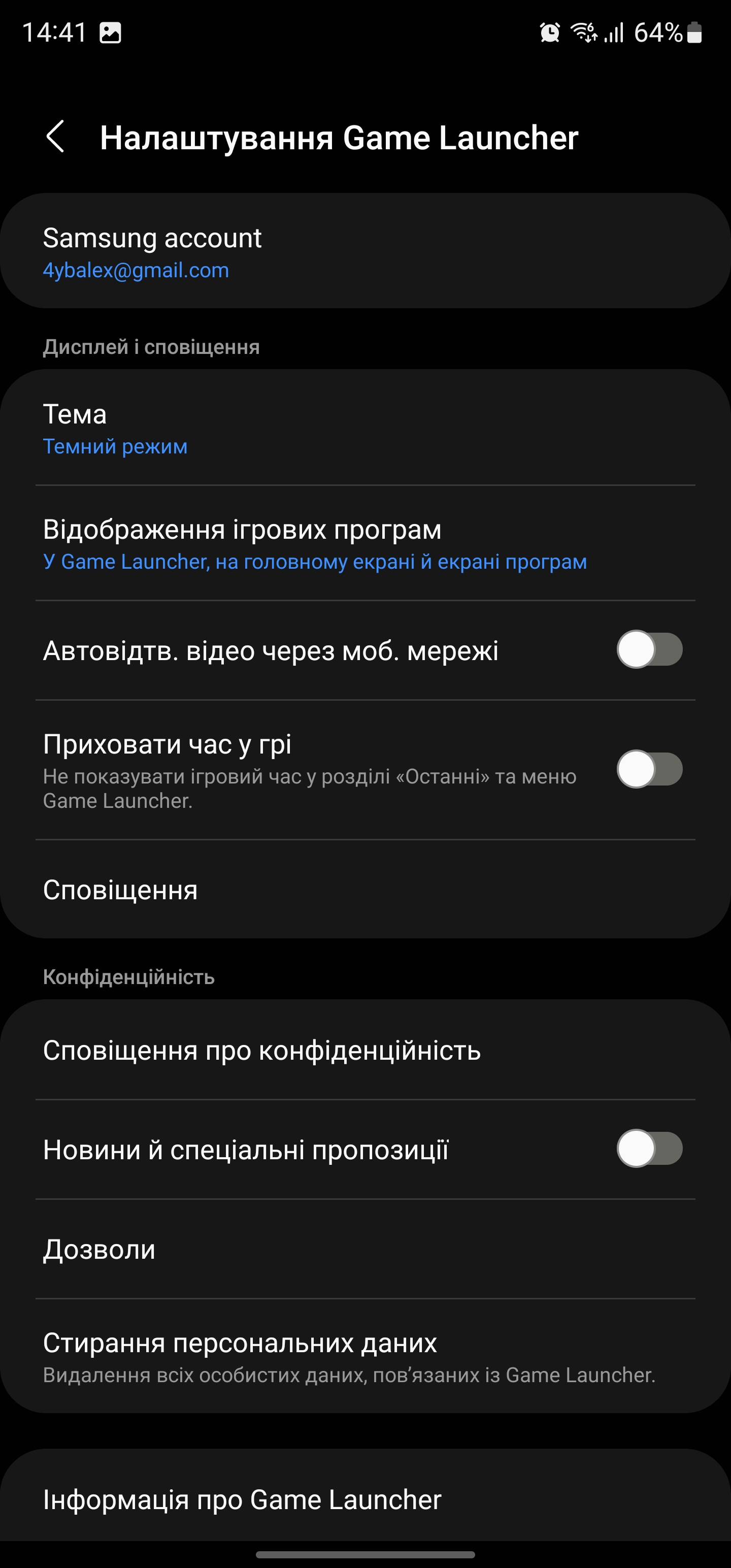
The power of the smartphone will be quite enough fortwo or three years. Interface, all applications in any quantity are loaded and work very quickly. With modern games, everything is also in perfect order. On high and maximum settings, you can expect a stable 60 FPS (and in some cases 120 FPS). Branded gaming applications Game Launcher and Game Booster with additional modules and plug-ins remained unchanged.
</ img>
</ img>
</ img>
</ img>
</ img>
</ img>
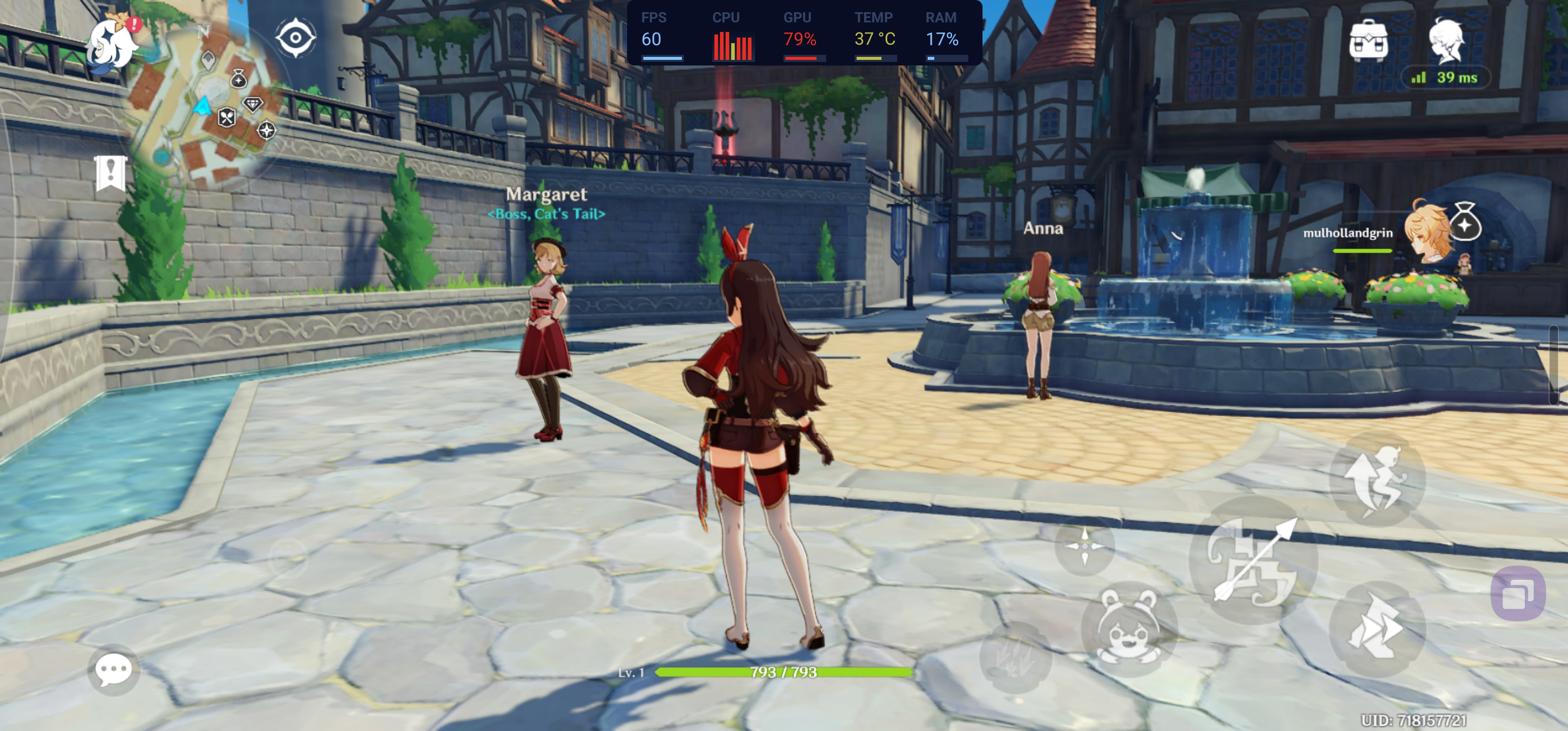
</ img>
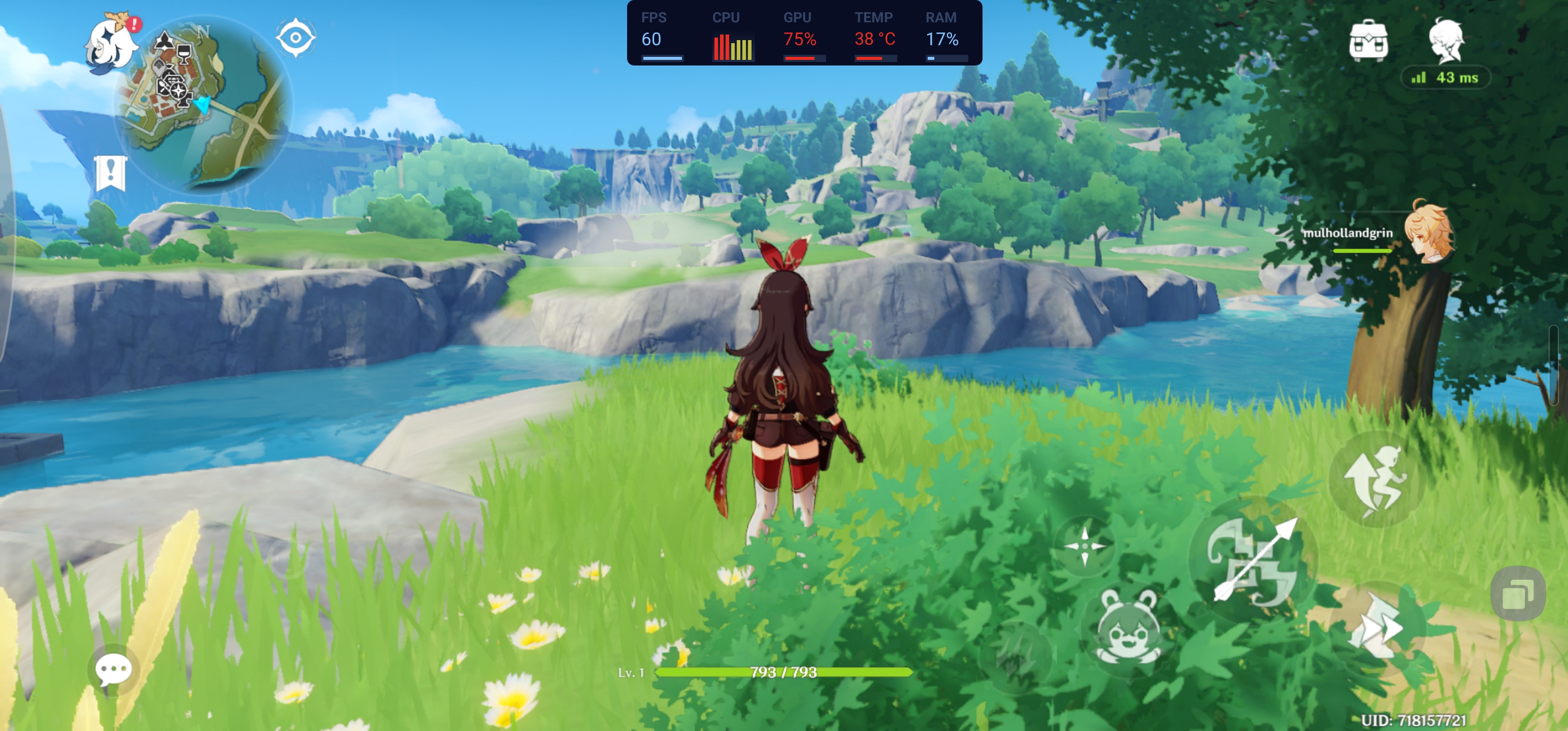
</ img>
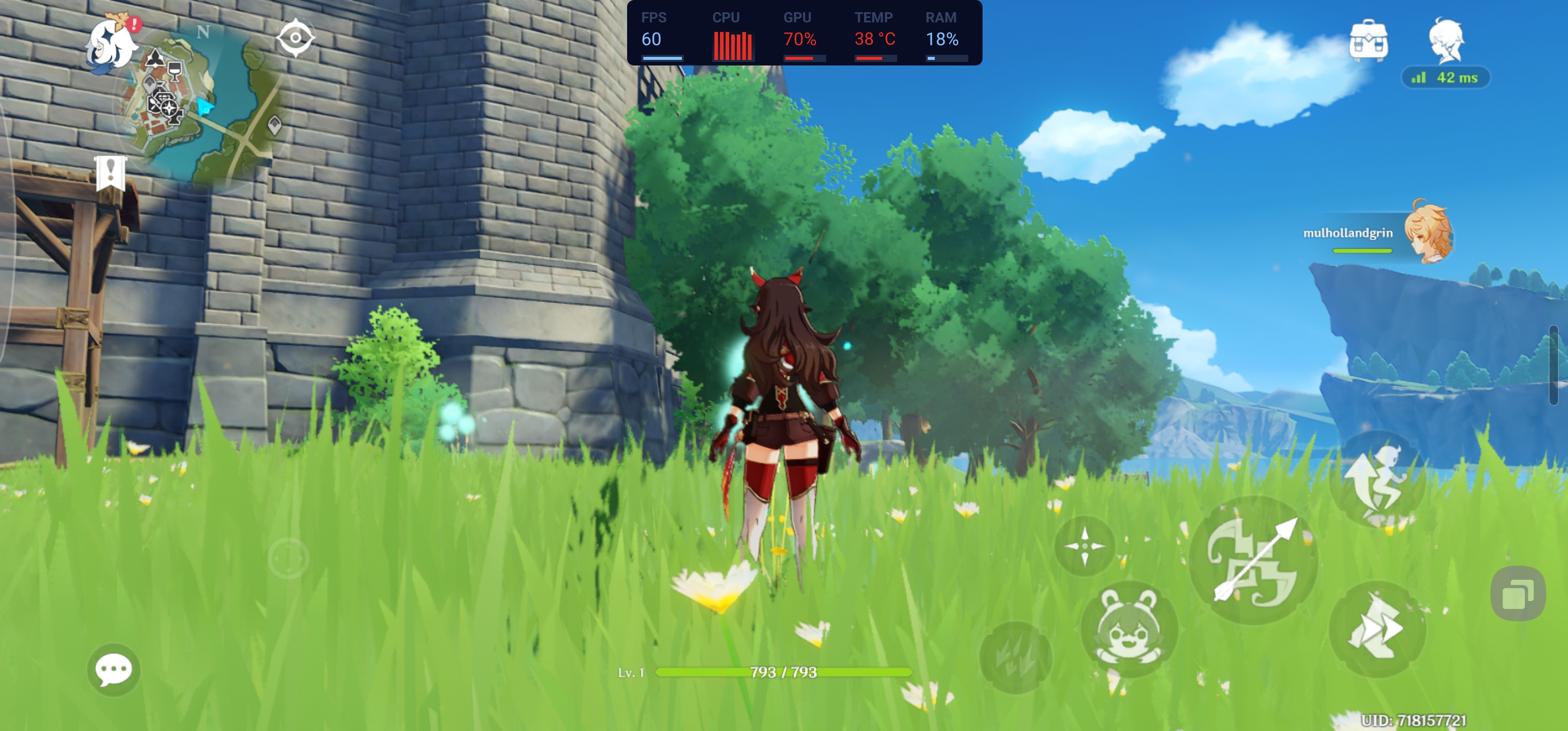
</ img>
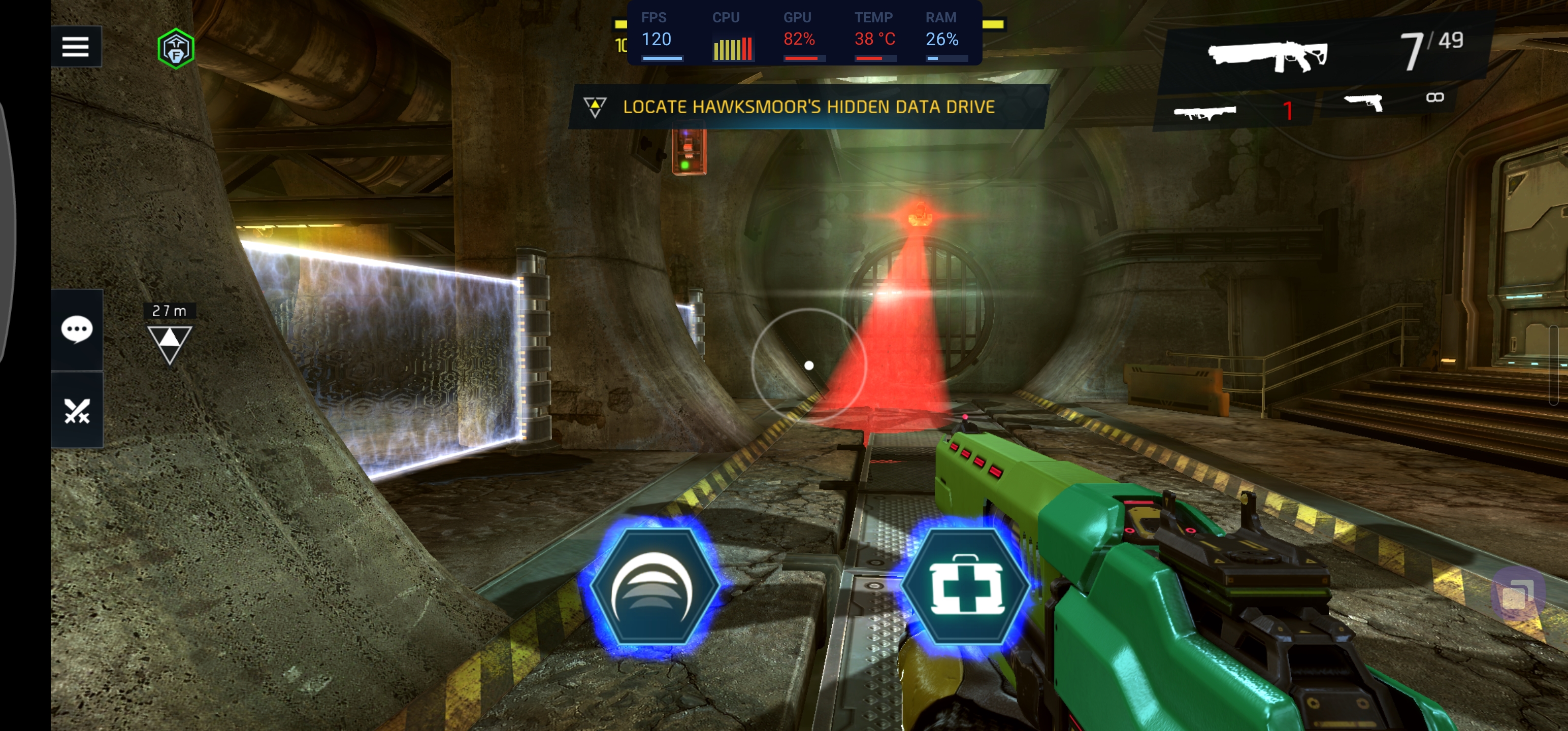
</ img>
</ img>
</ img>
</ img>
</ img>
</ img>
</ img>
</ img>
</ img>
</ img>
</ img>


















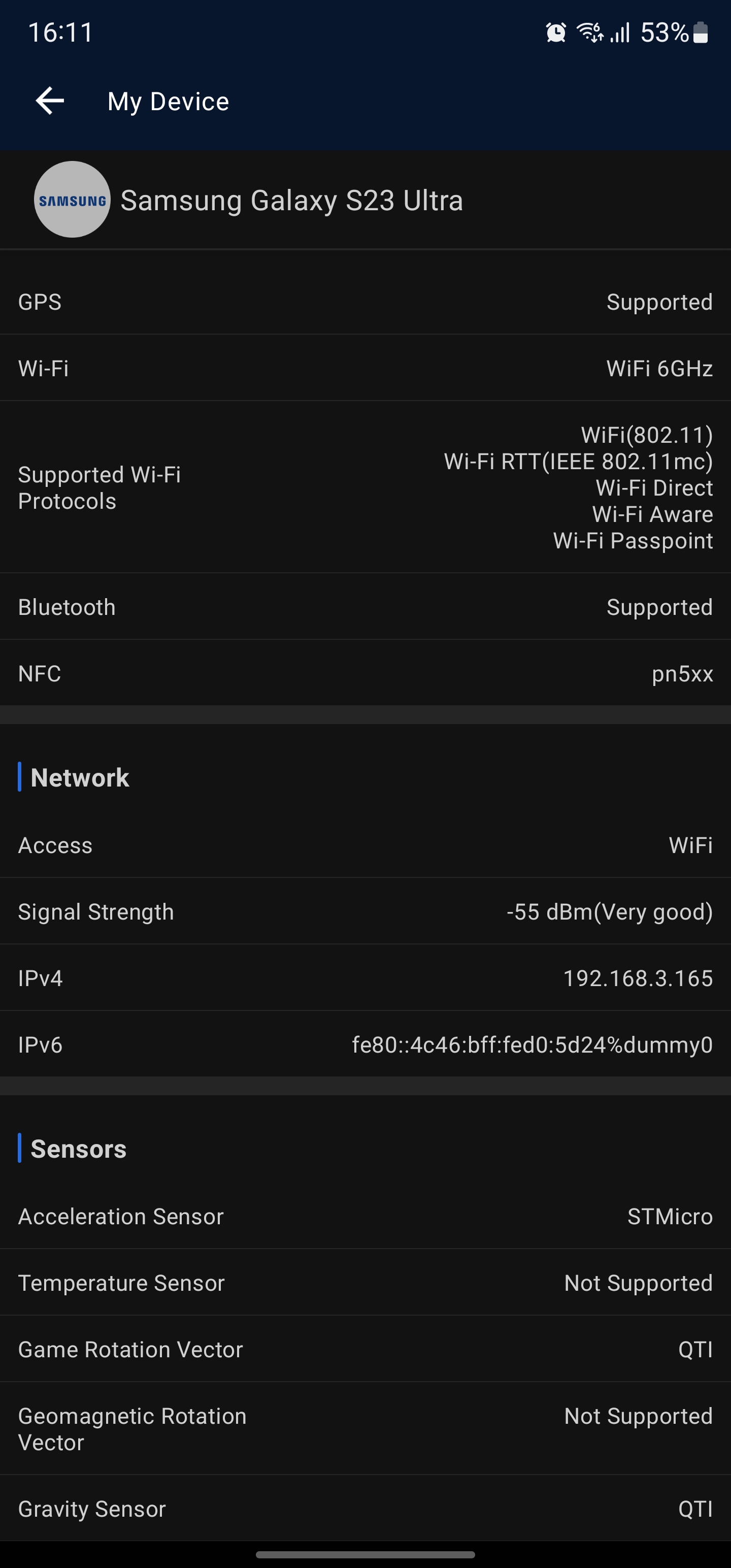
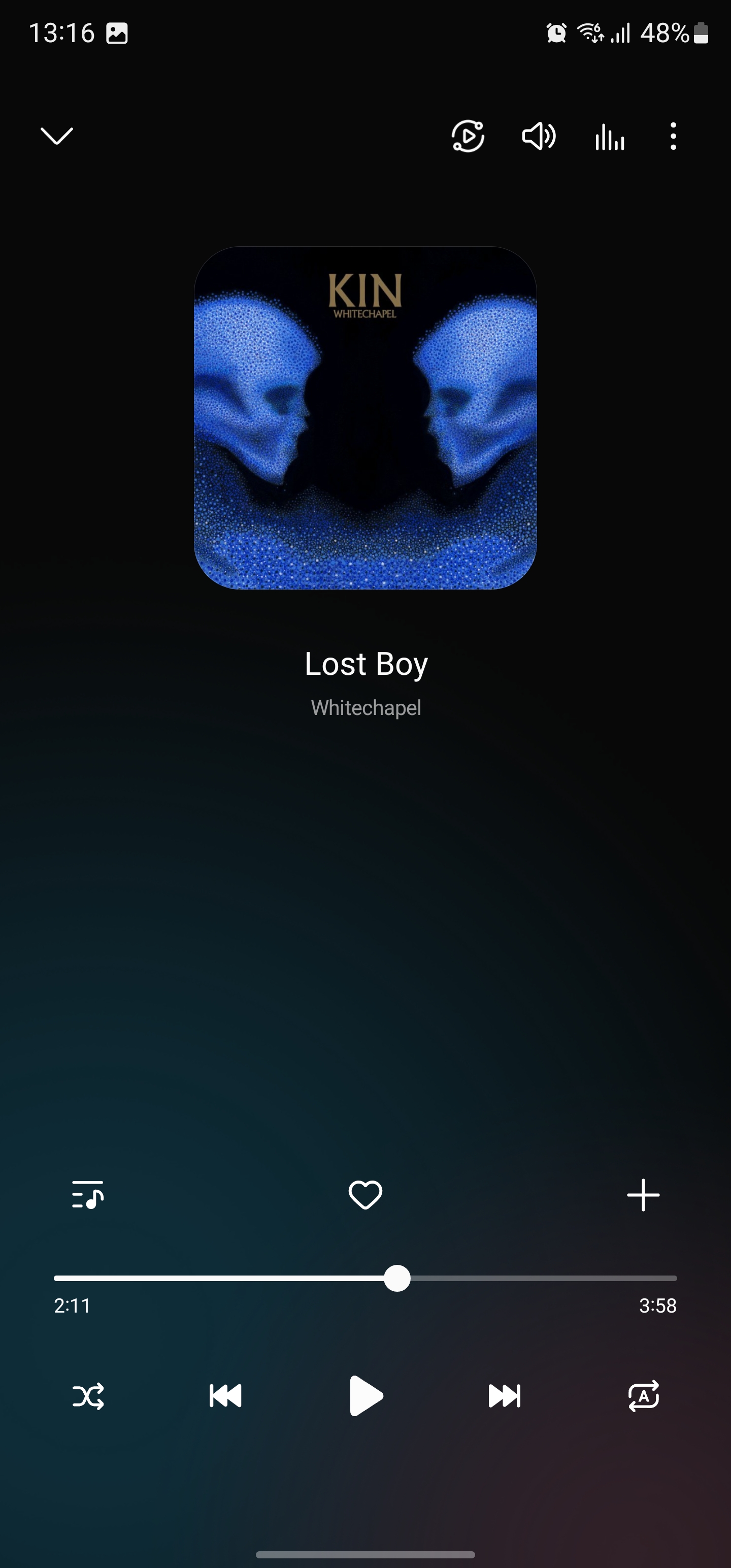
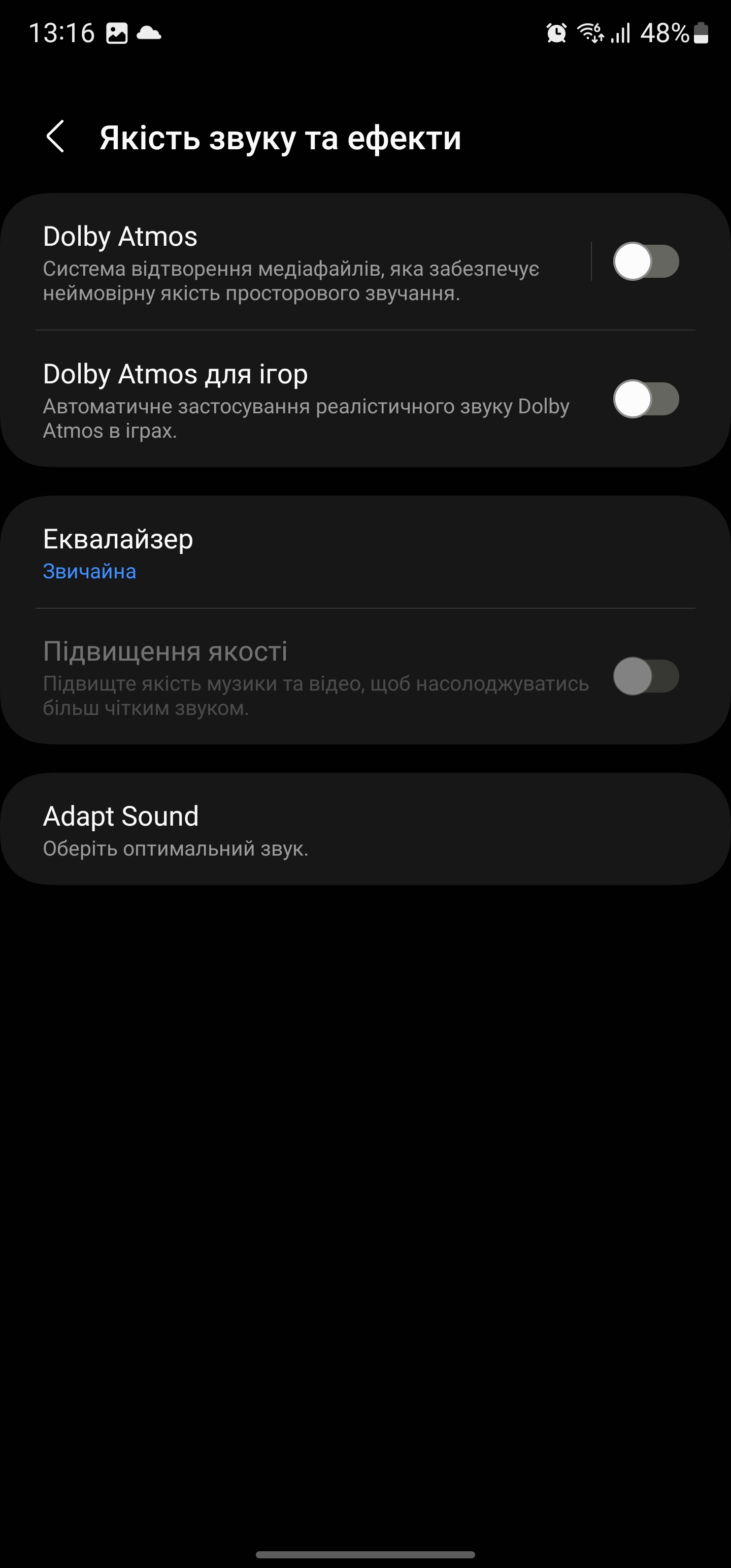
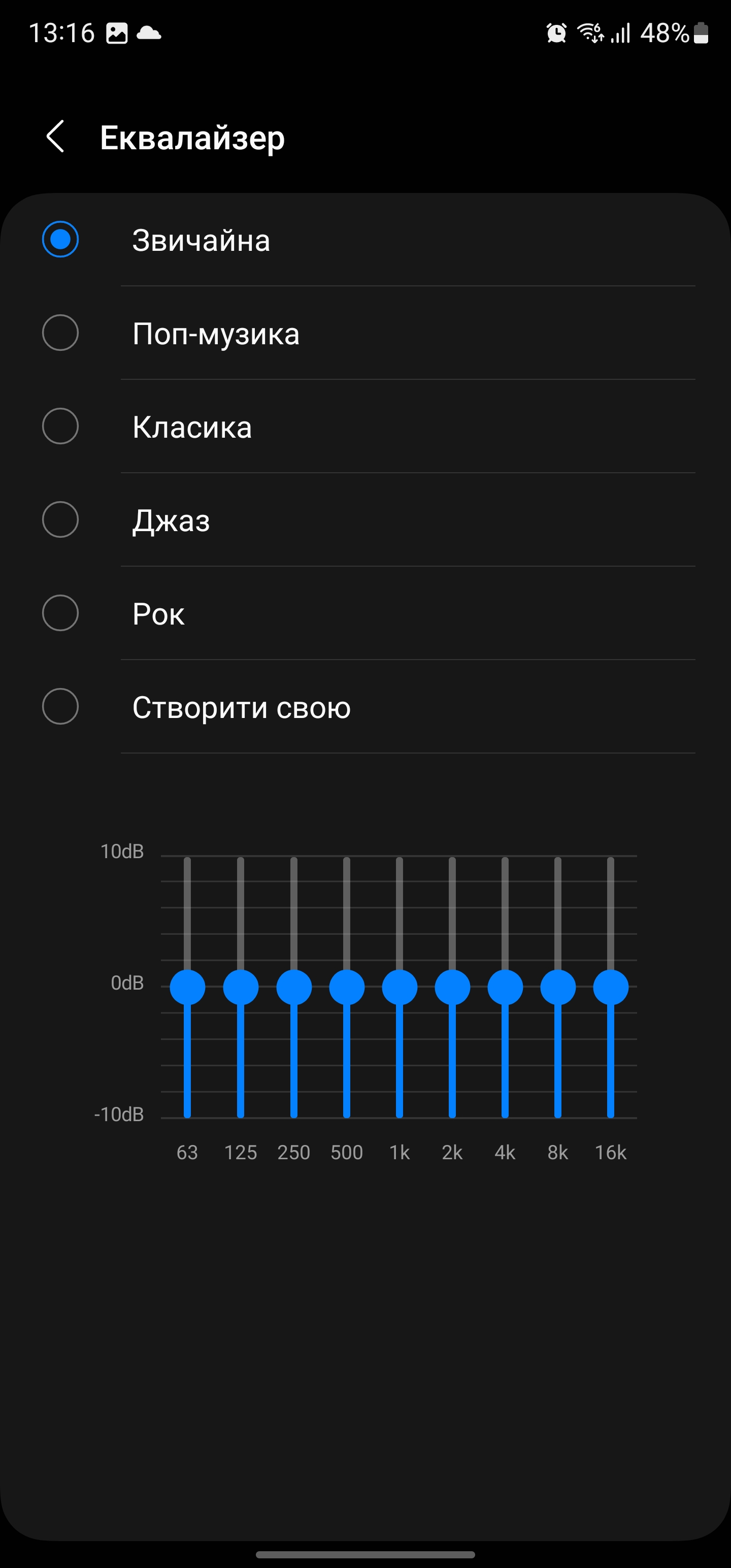
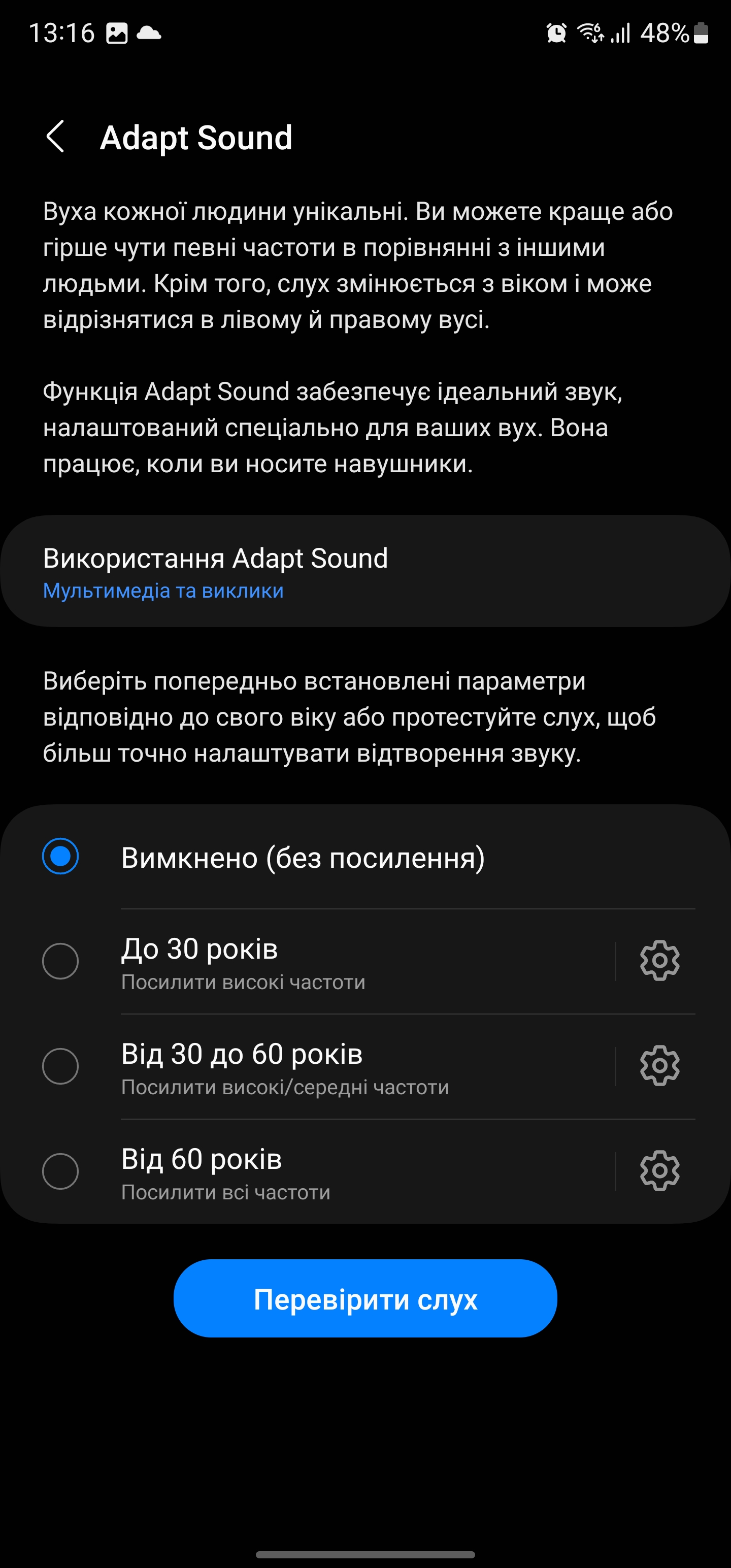
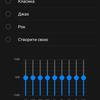
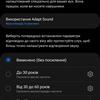
All modern wireless interfacespresent: tri-band Wi-Fi 802.11 a/b/g/n/ac/6e, Bluetooth 5.3 LE, NFC for contactless payment and Ultra Wideband (UWB). Thanks to the use of a chip from Qualcomm, there is now support for aptX, aptX HD codecs, except LDAC. The smartphone can work with global positioning systems GPS, GLONASS, GALILEO, BDS. The main and speaker speakers are responsible for stereo sound reproduction. The smartphone sounds really loud and relatively clear (considering the capabilities of such dimensions). There is even something similar to low frequencies, which are usually not heard in smartphones. There is support for Dolby Atmos surround sound. The branded music player has not changed: there is support for all formats, including FLAC, UHQ Upscaler (for branded headphones) and Adapt Sound for adjusting the gain level taking into account the age and hearing of the user.
</ img>
</ img>
</ img>
</ img>


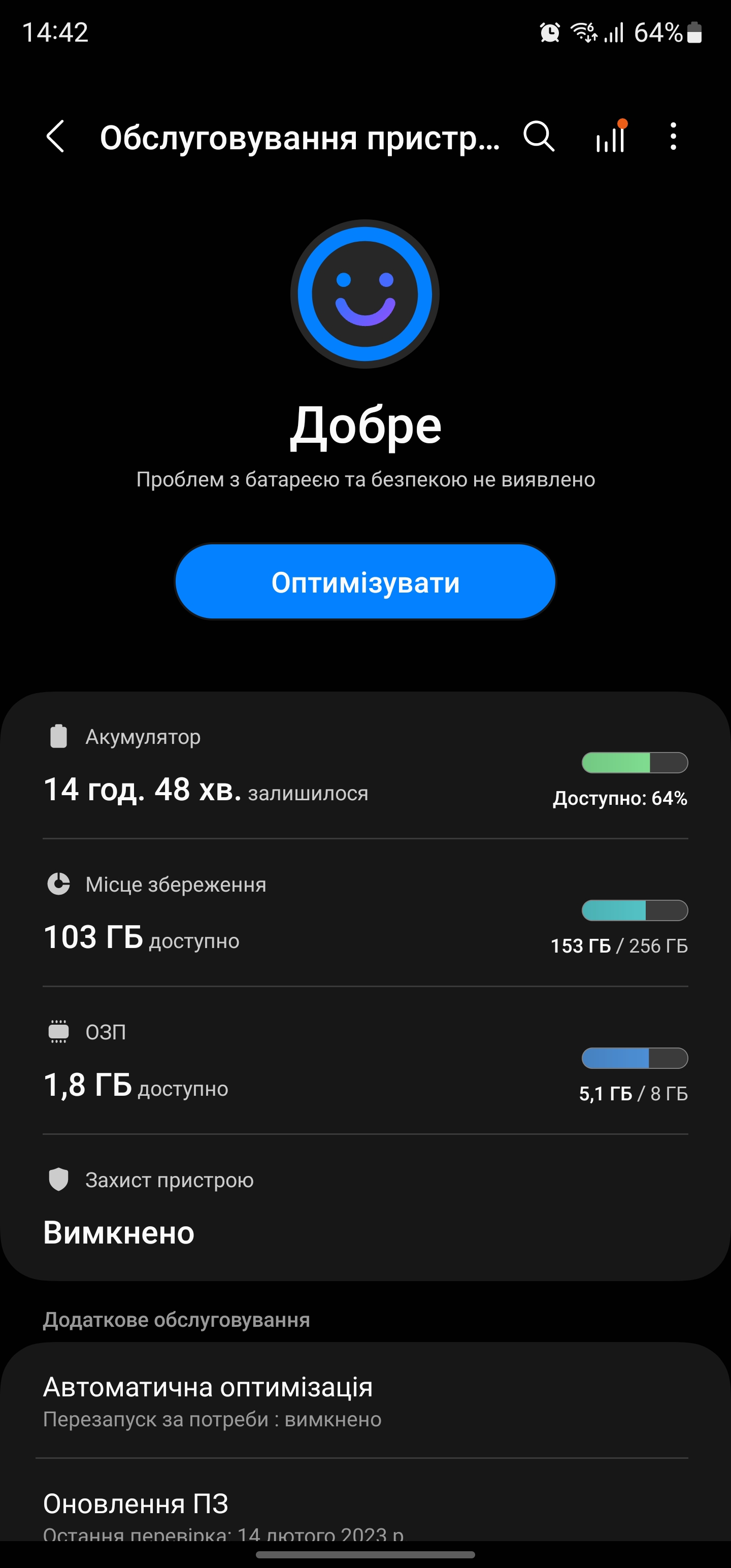
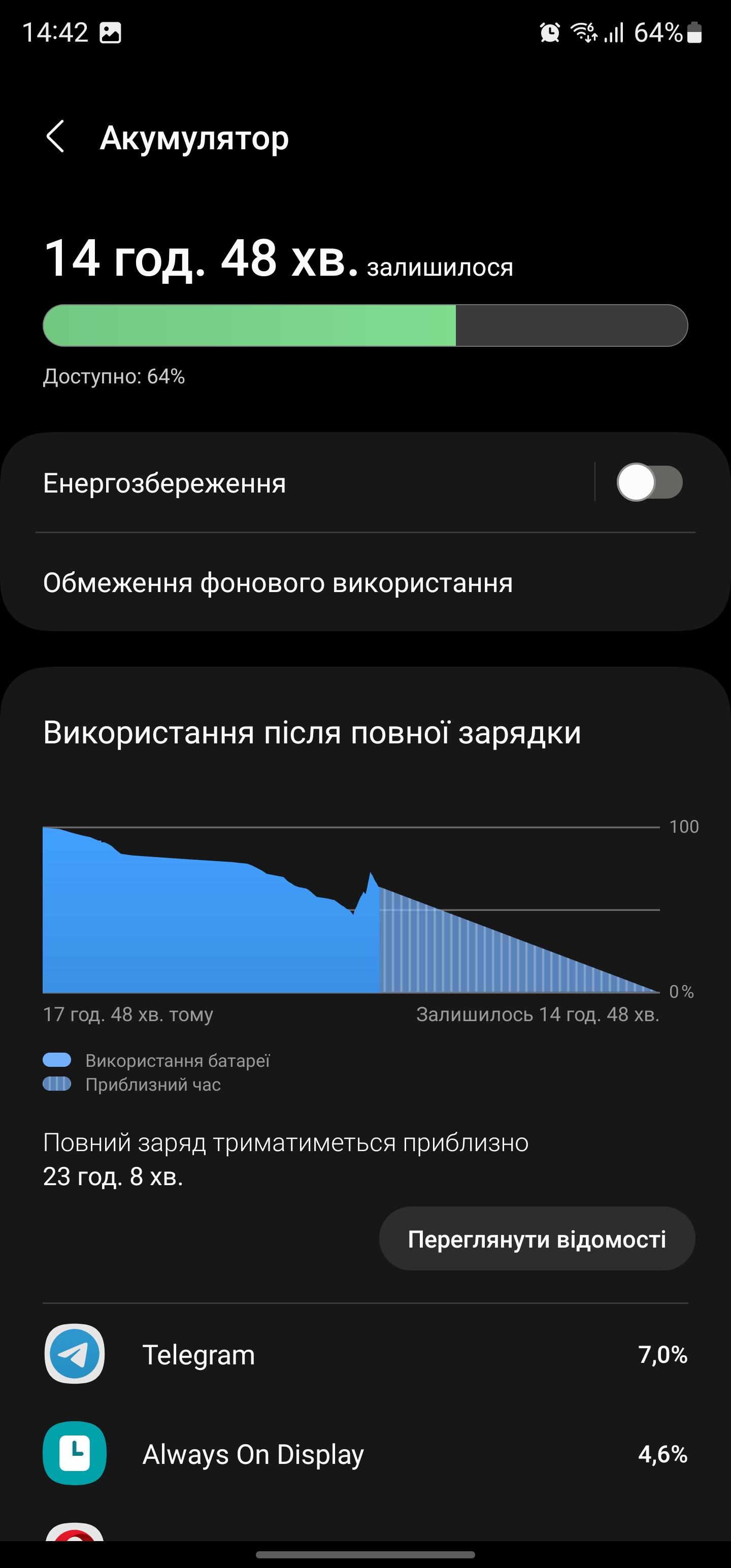
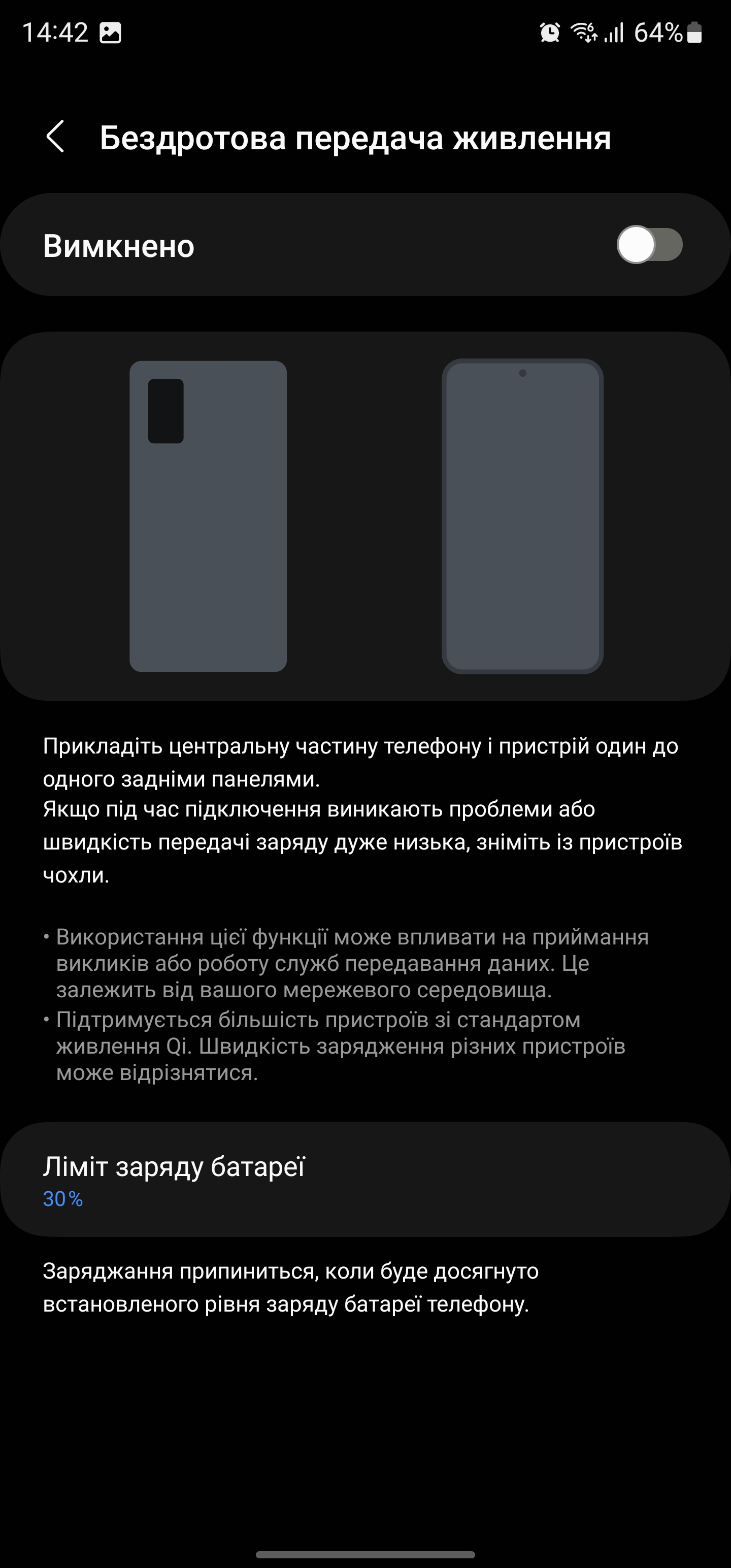
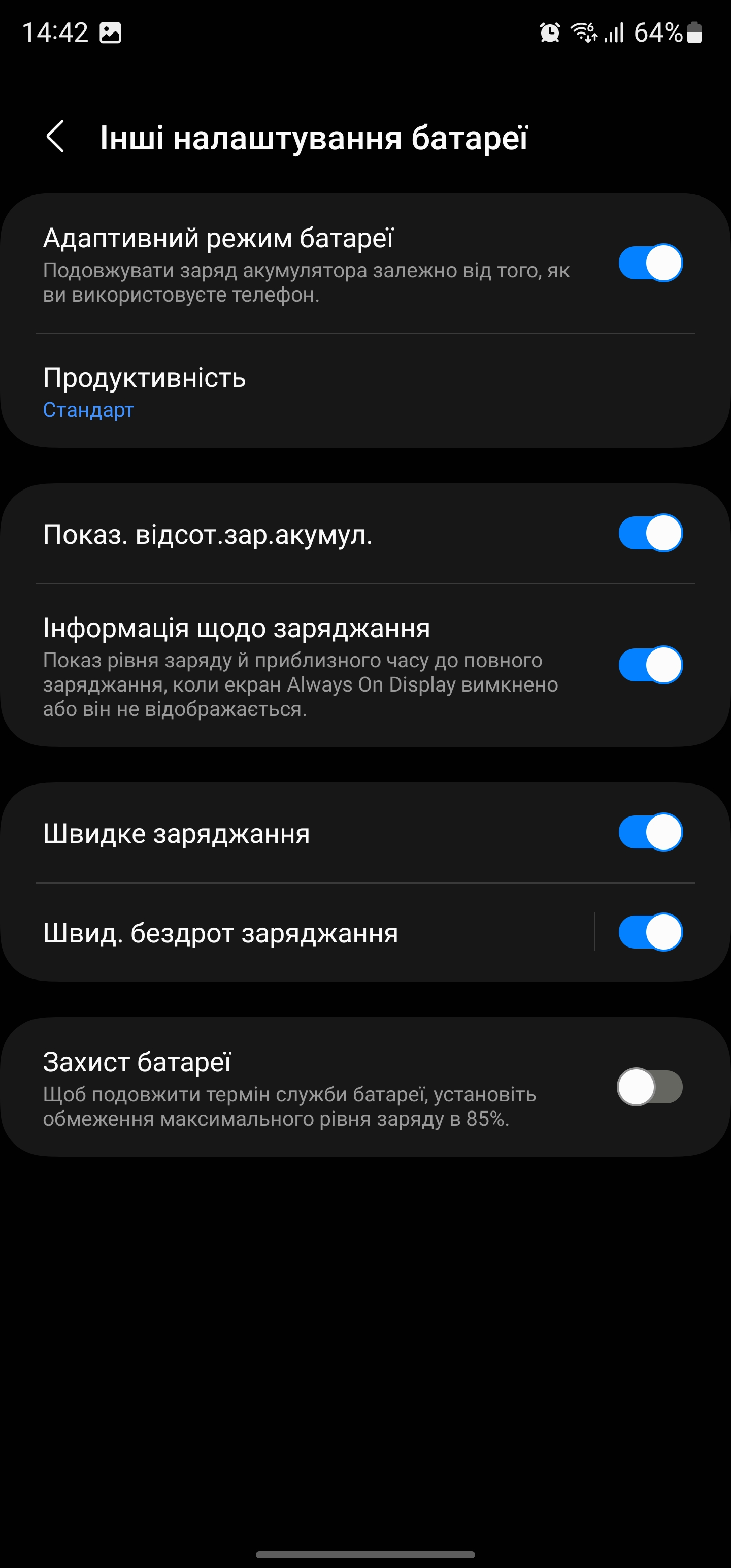
The battery has not changed since last year:its capacity is 5000 mAh. It still supports proprietary fast charging via a 45W cable, 15W wireless charging, and 4.5W reverse wireless charging. But autonomy has improved somewhat. It seems that thanks to software optimization and a new processor. The previous Samsung Galaxy S22 Ultra, with active use, worked until late in the evening, no more. Samsung Galaxy S23 Ultra can withstand a day without any problems. The usage scenario is something like this: a few short calls, instant messengers, mail, browser, social networks, about an hour of music via Bluetooth (LDAC), and 20-30 pictures per day.
</ img>
</ img>
</ img>
</ img>
How convenient is the interface?
</ img>
</ img>


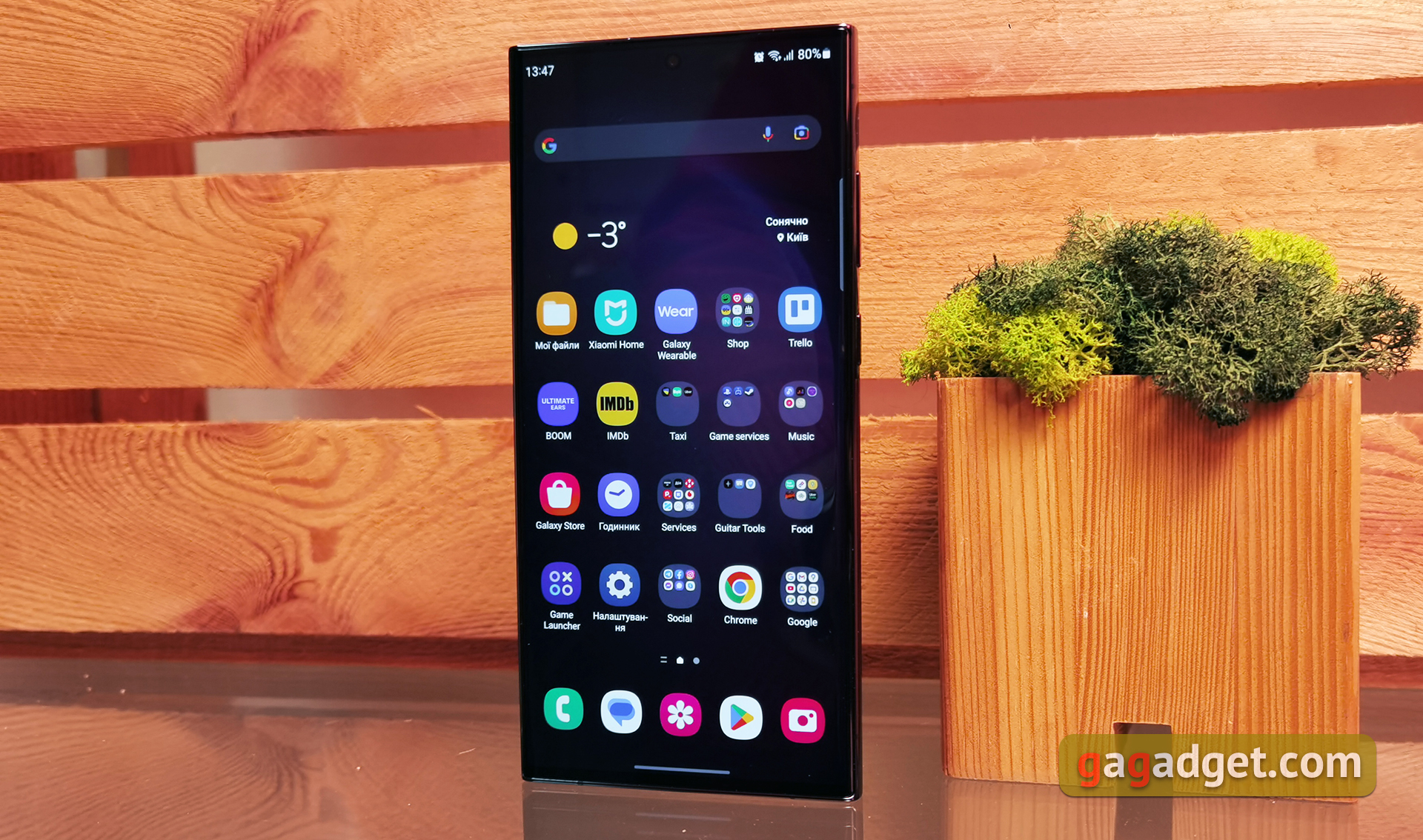
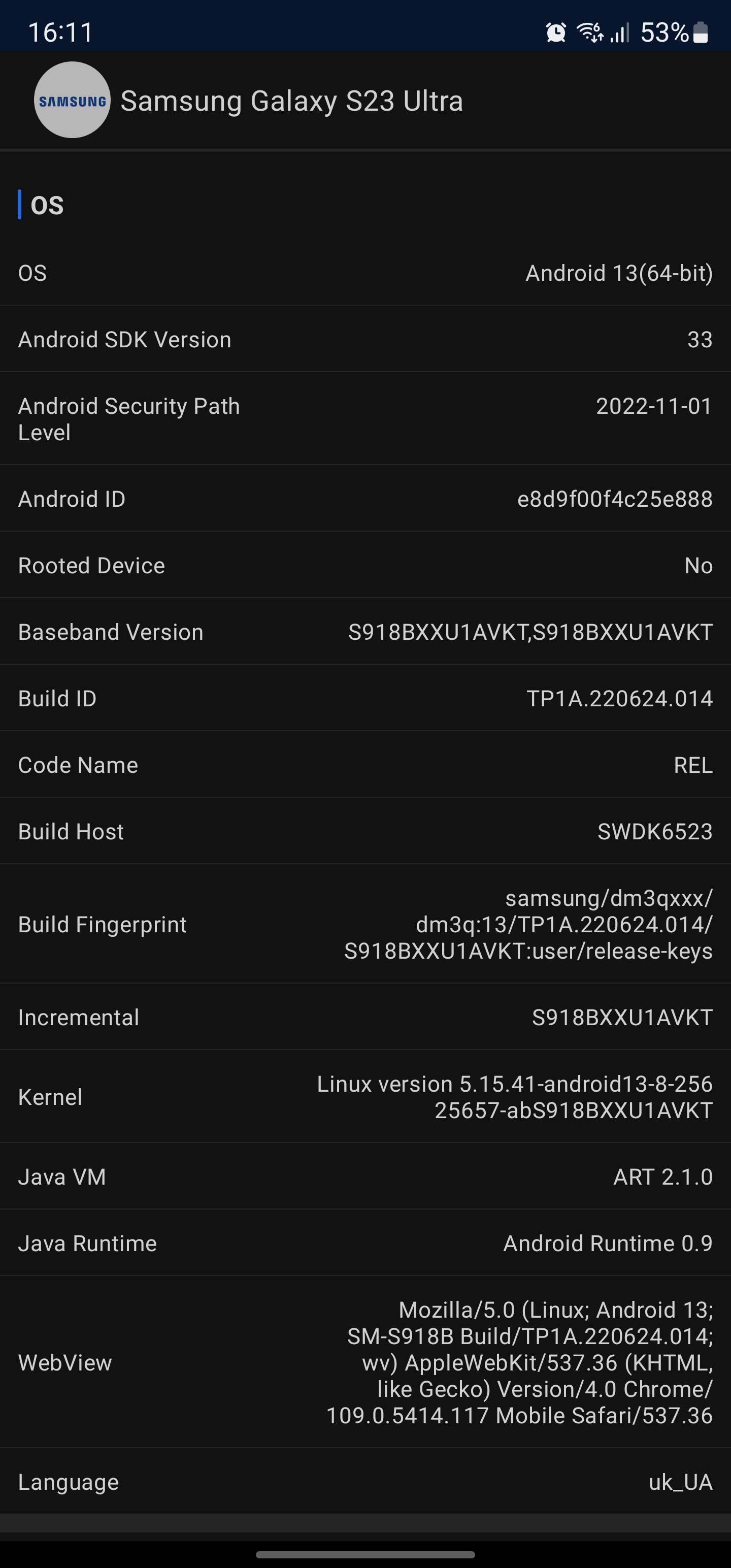
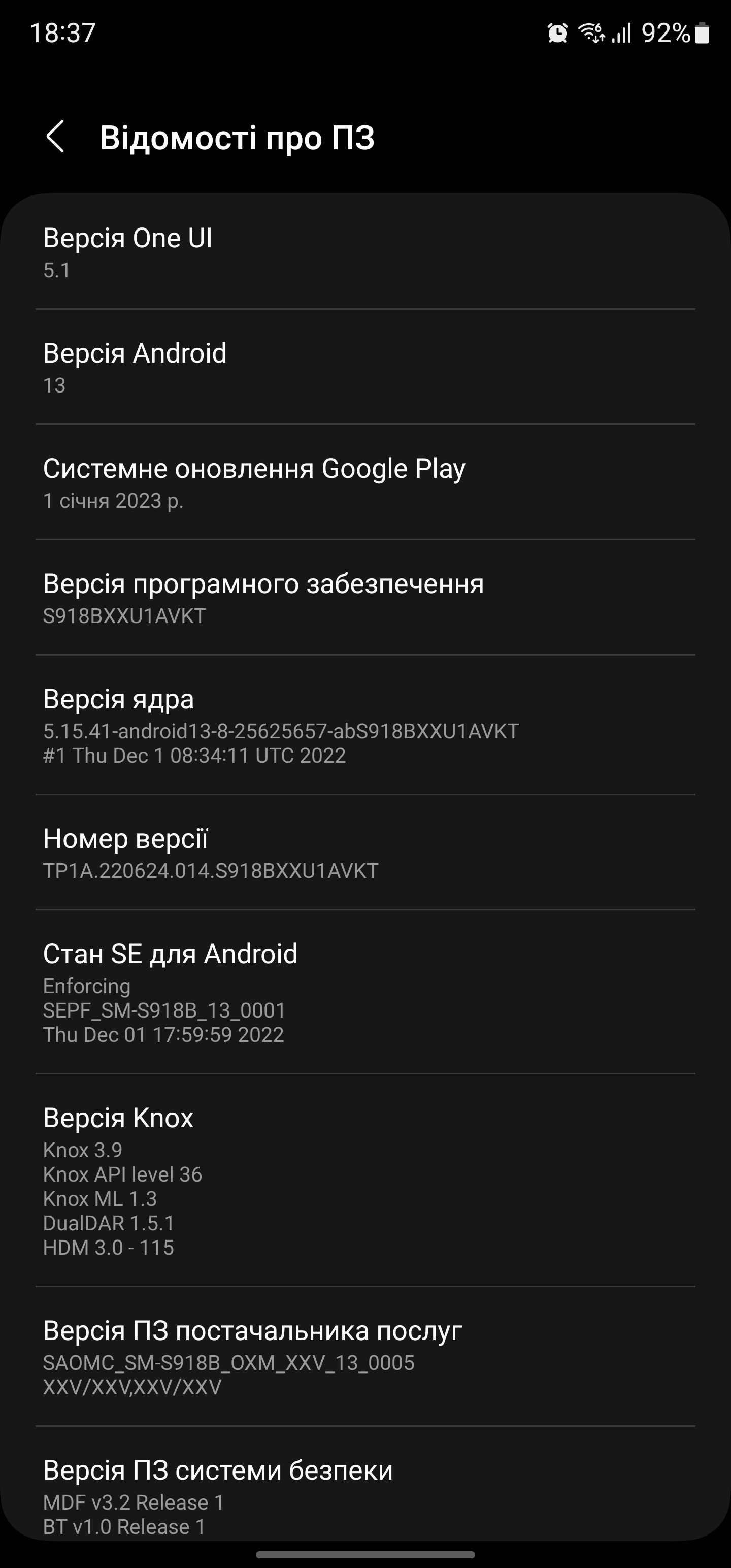
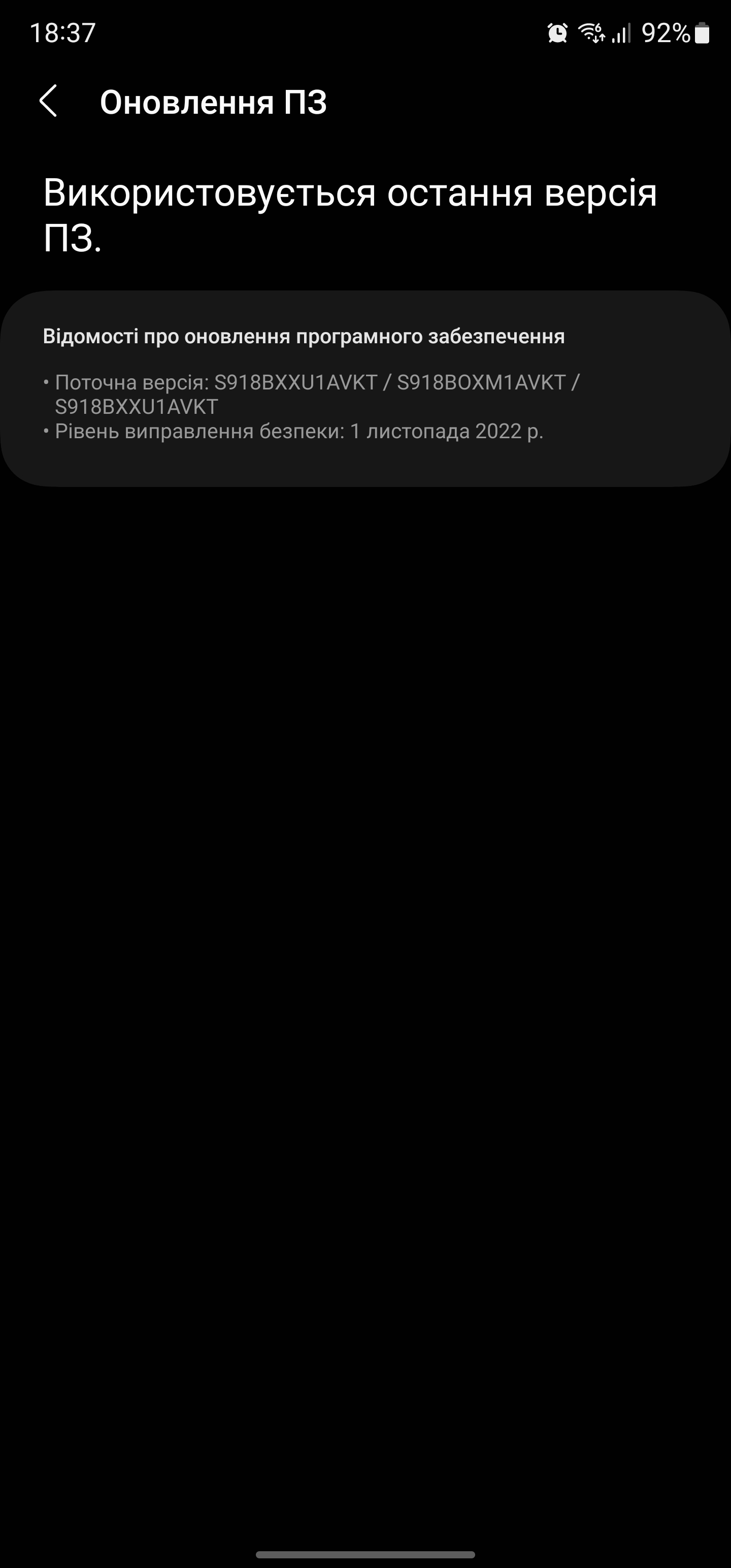
Samsung Galaxy S23 Ultra runs on Android OS13 with the updated One UI 5.1 shell. There are no cardinal changes, mostly small visual improvements. For example, the battery and weather widgets have changed somewhat. As for the former, it now displays the charge level of all devices connected to the smartphone, including the Galaxy Buds and the latest generations of Galaxy Watch. The weather widget on Samsung has received a new style that allows you to get acquainted with information about air temperature and precipitation.
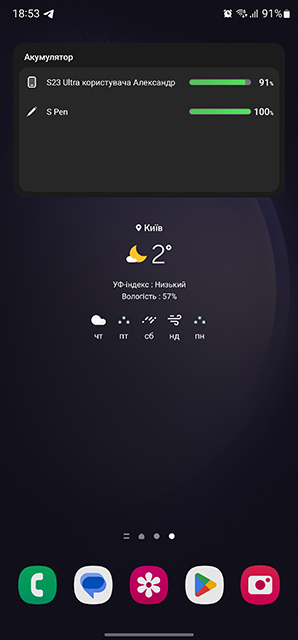
</ img>
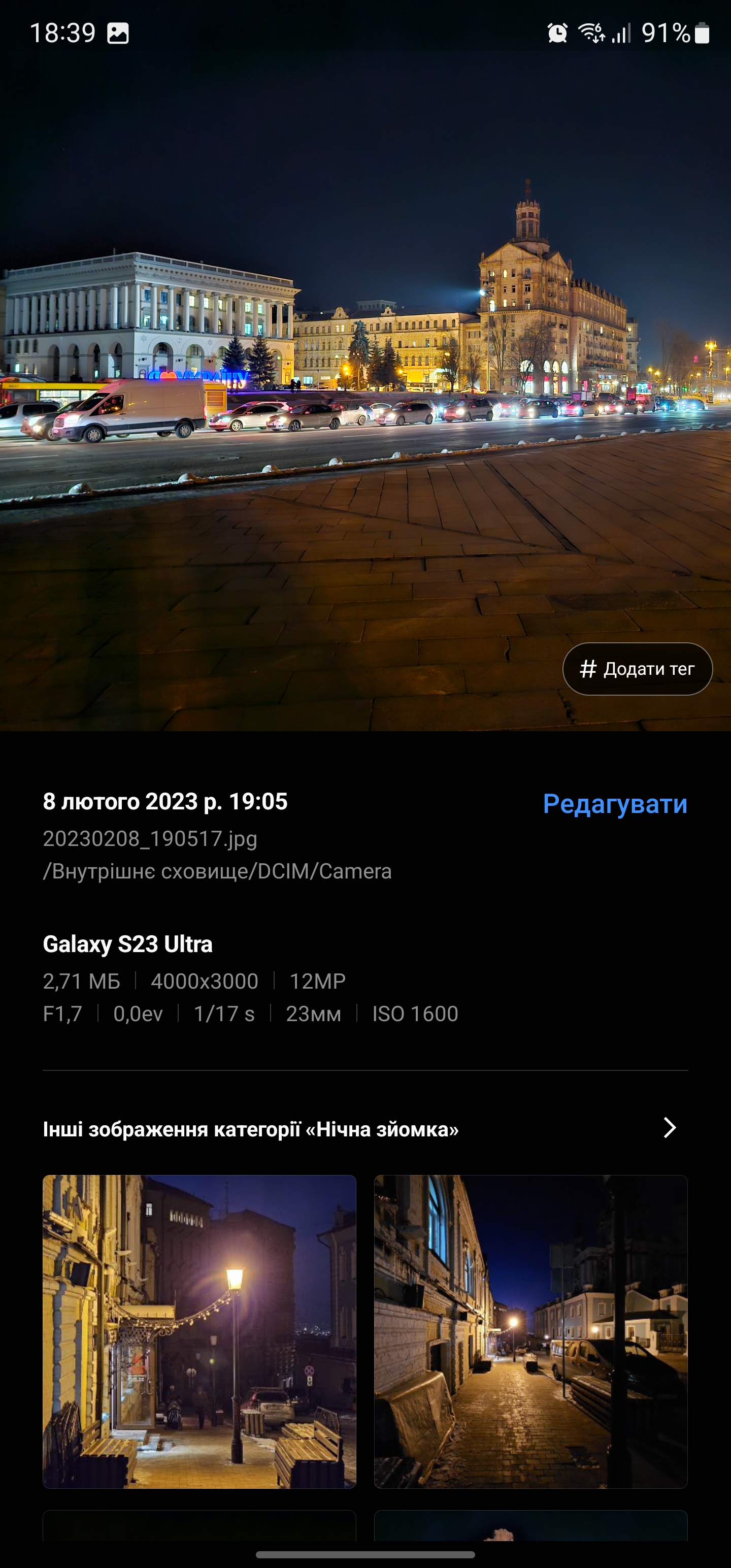
A shared family album appeared in the gallery,the built-in editor received the function of removing shadows and reflections in the photo, and also learned how to improve the quality of GIF files. In view mode, you can swipe up to get detailed information about the file, the search capabilities have expanded. Also, the function of cutting out individual elements in the pictures can be quite useful.
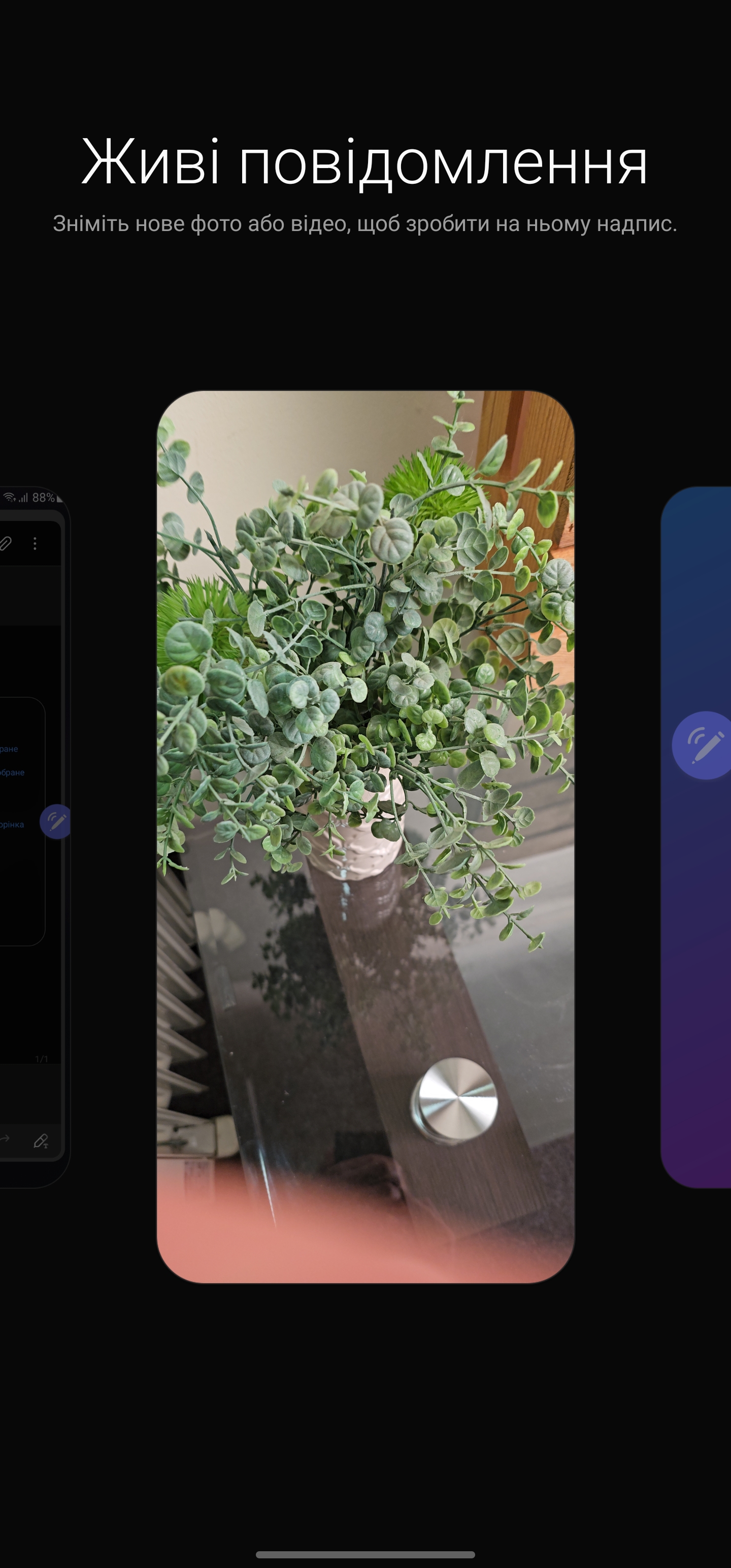
</ img>
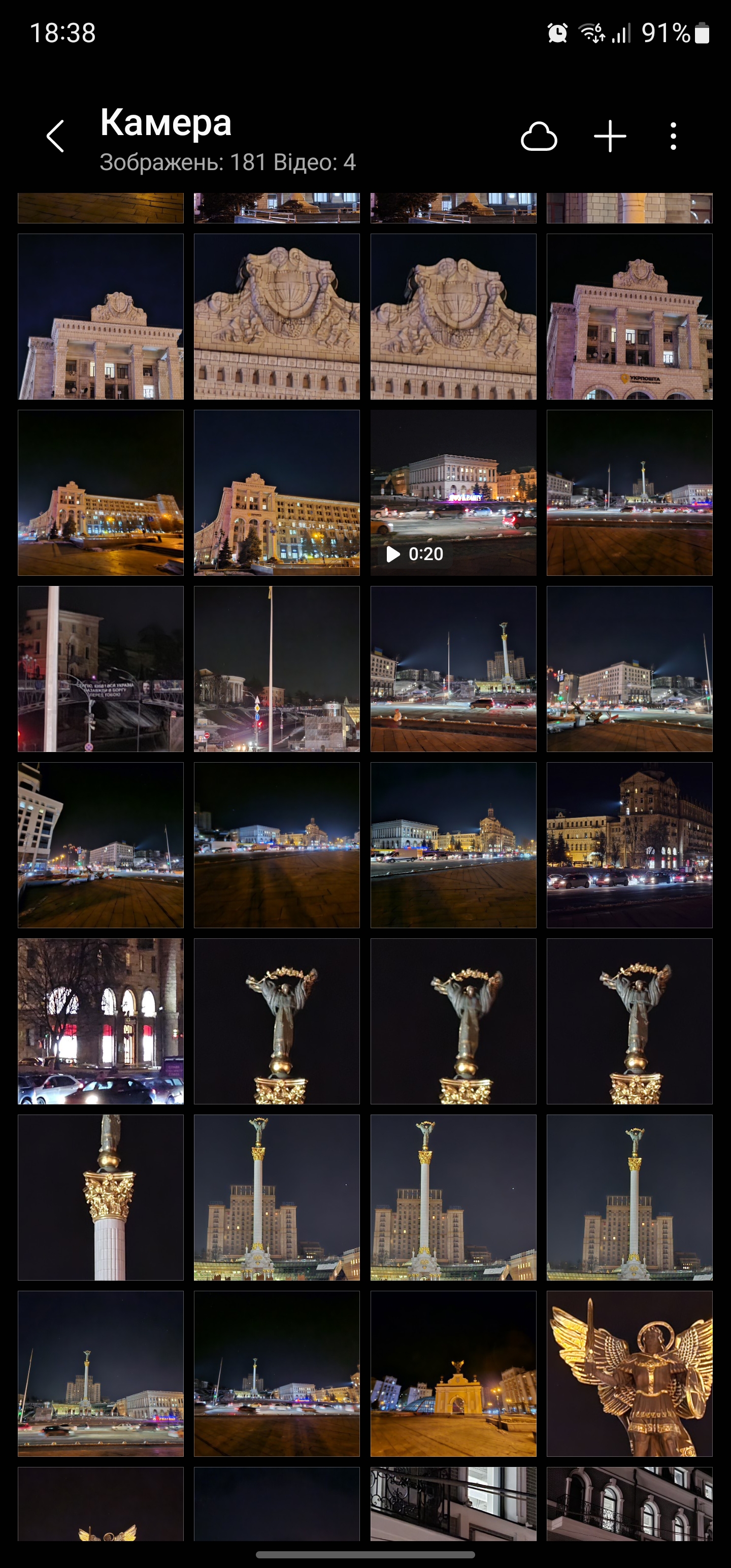
</ img>

</ img>
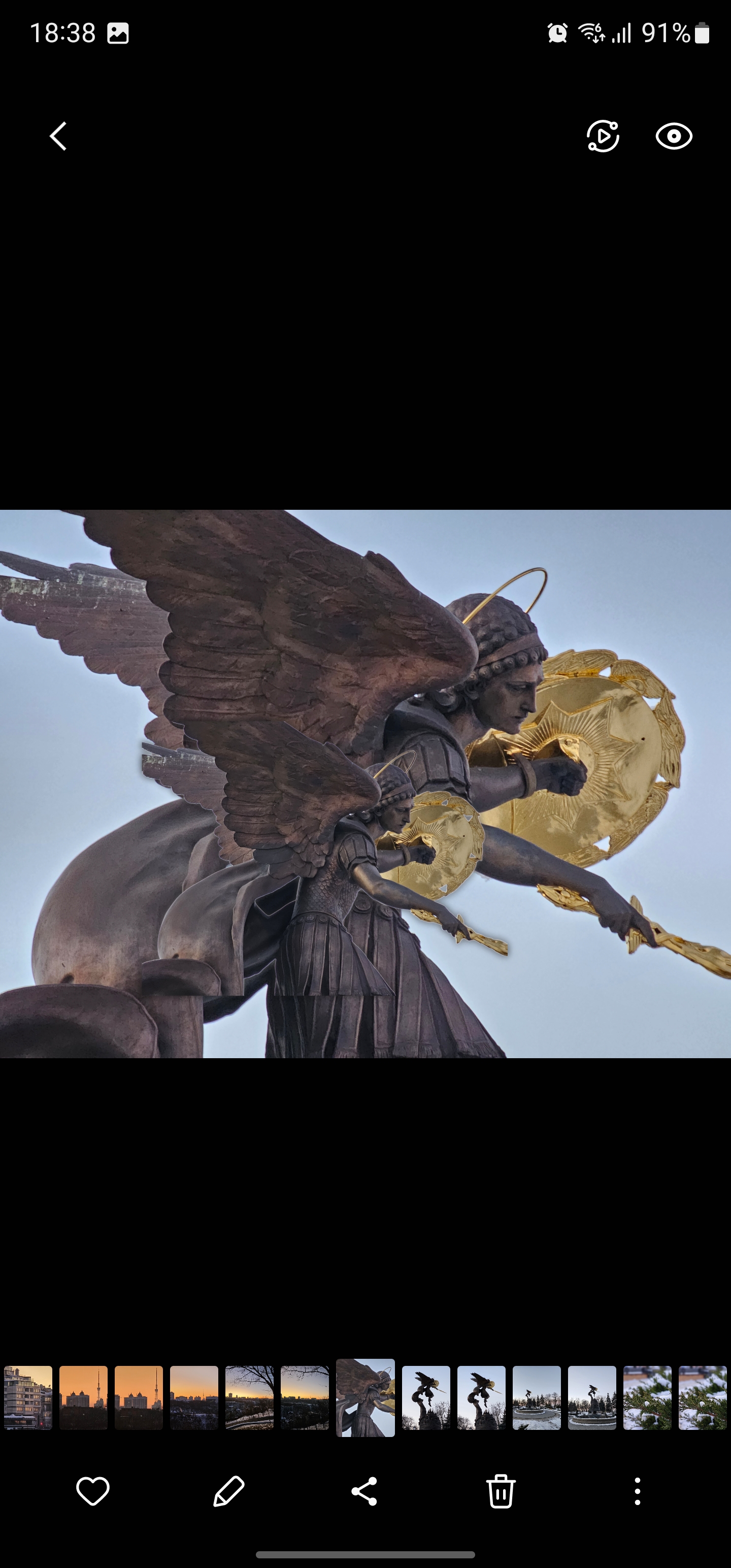
</ img>
</ img>





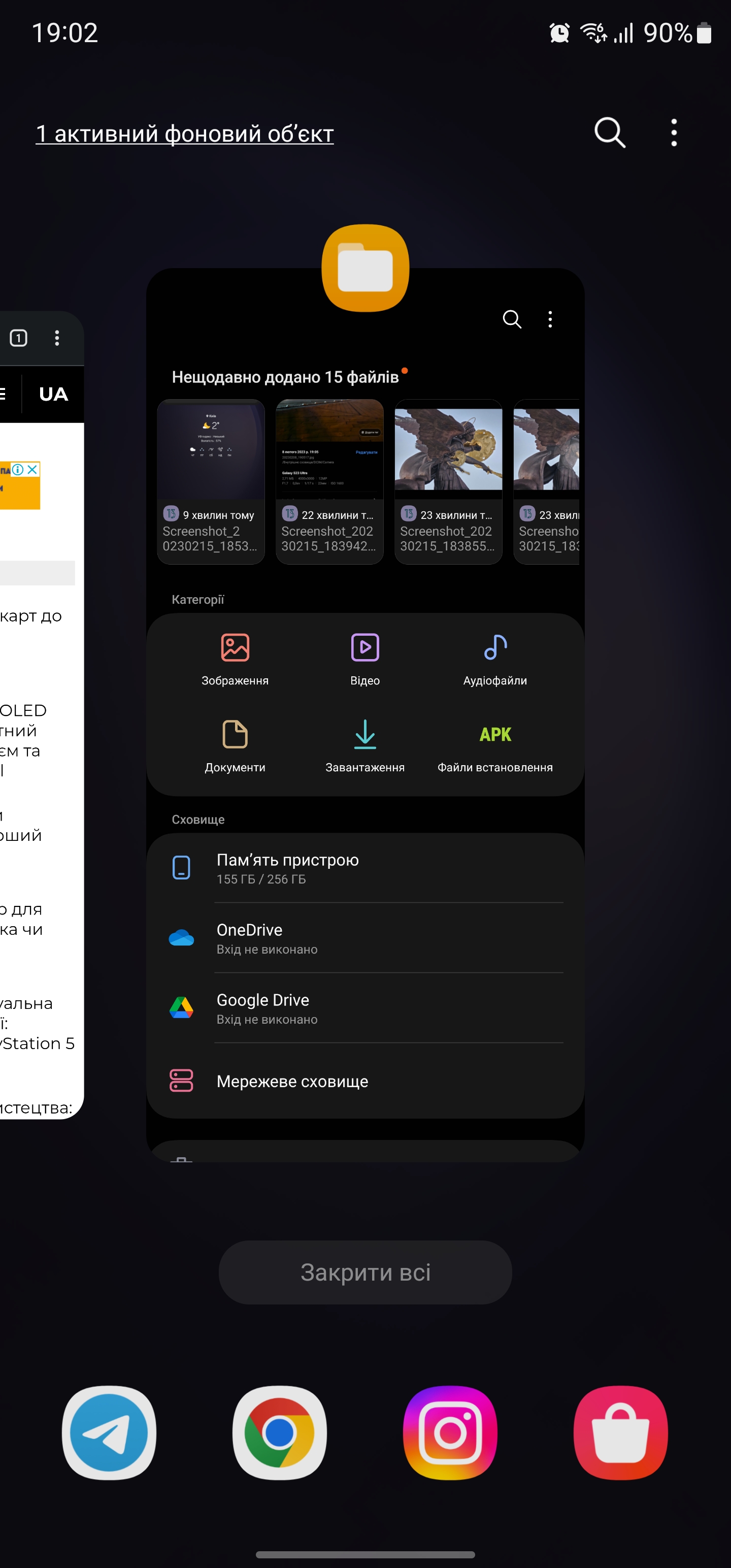
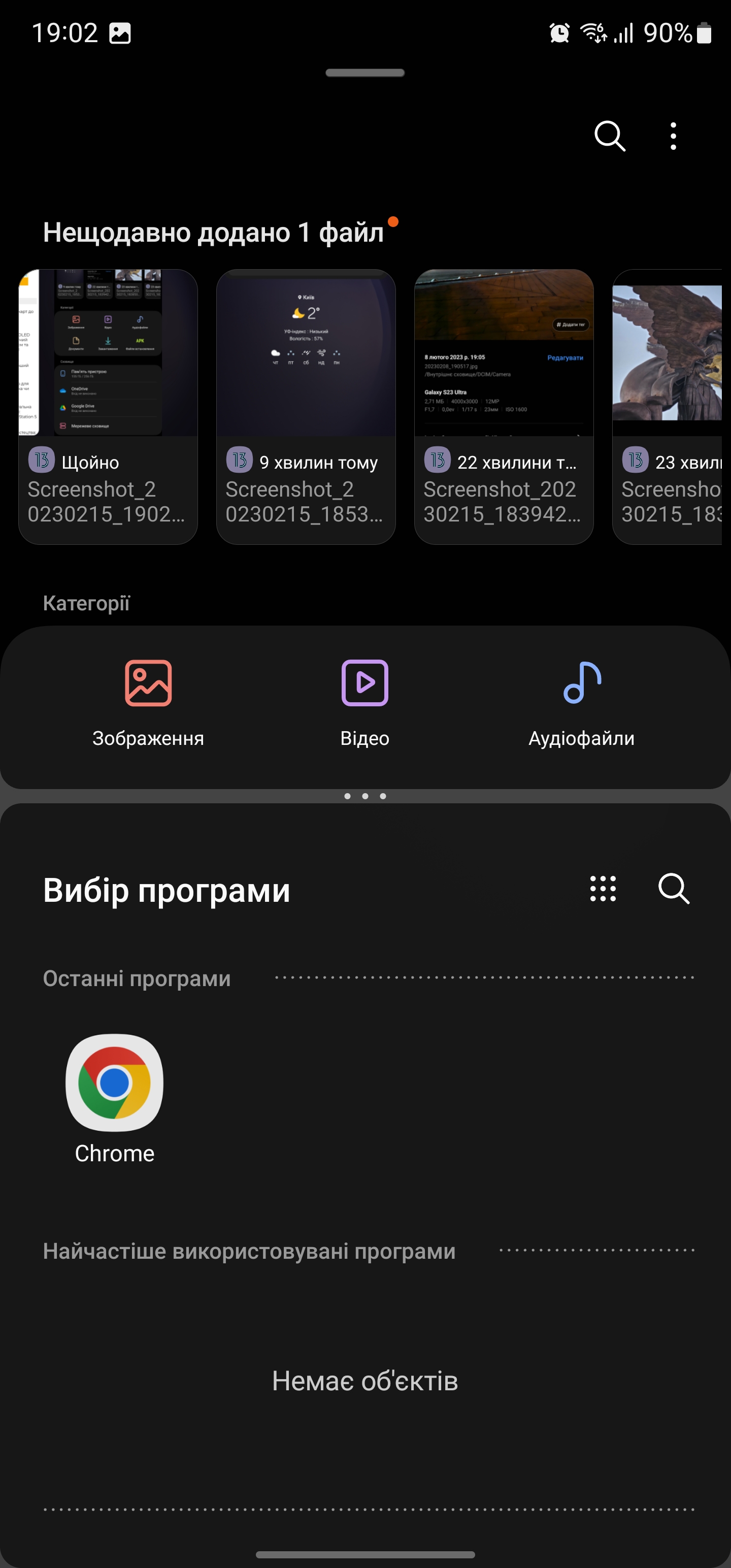
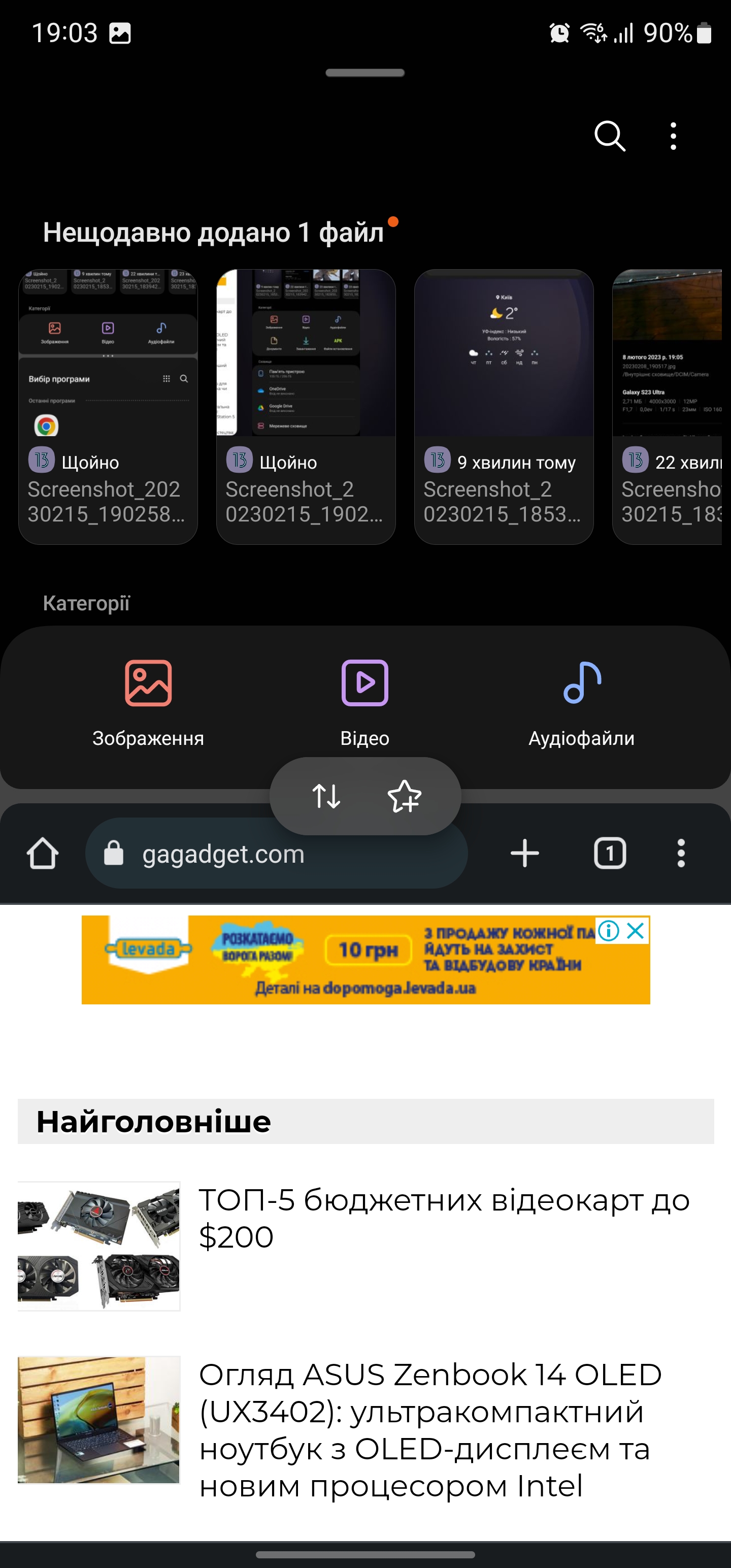
Many innovations relate to the connection todifferent devices and facilitate sharing. In Samsung Notes, you can now create a shared note that can be edited by multiple people. There is an invitation to shared albums, notes and calendars through instant messengers, email and social networks. Now you can combine your smartphone with Galaxy Book and Galaxy Tab tablet for simultaneous work. Now you can customize the wallpaper on your desktop and lock screen for different scenarios (work, leisure, sports, etc.). Minimizing and maximizing application windows is now as simple as dragging one of the corners of the drop-down window. The split screen mode now displays frequently used programs.
</ img>
</ img>
</ img>
</ img>
</ img>
</ img>
</ img>





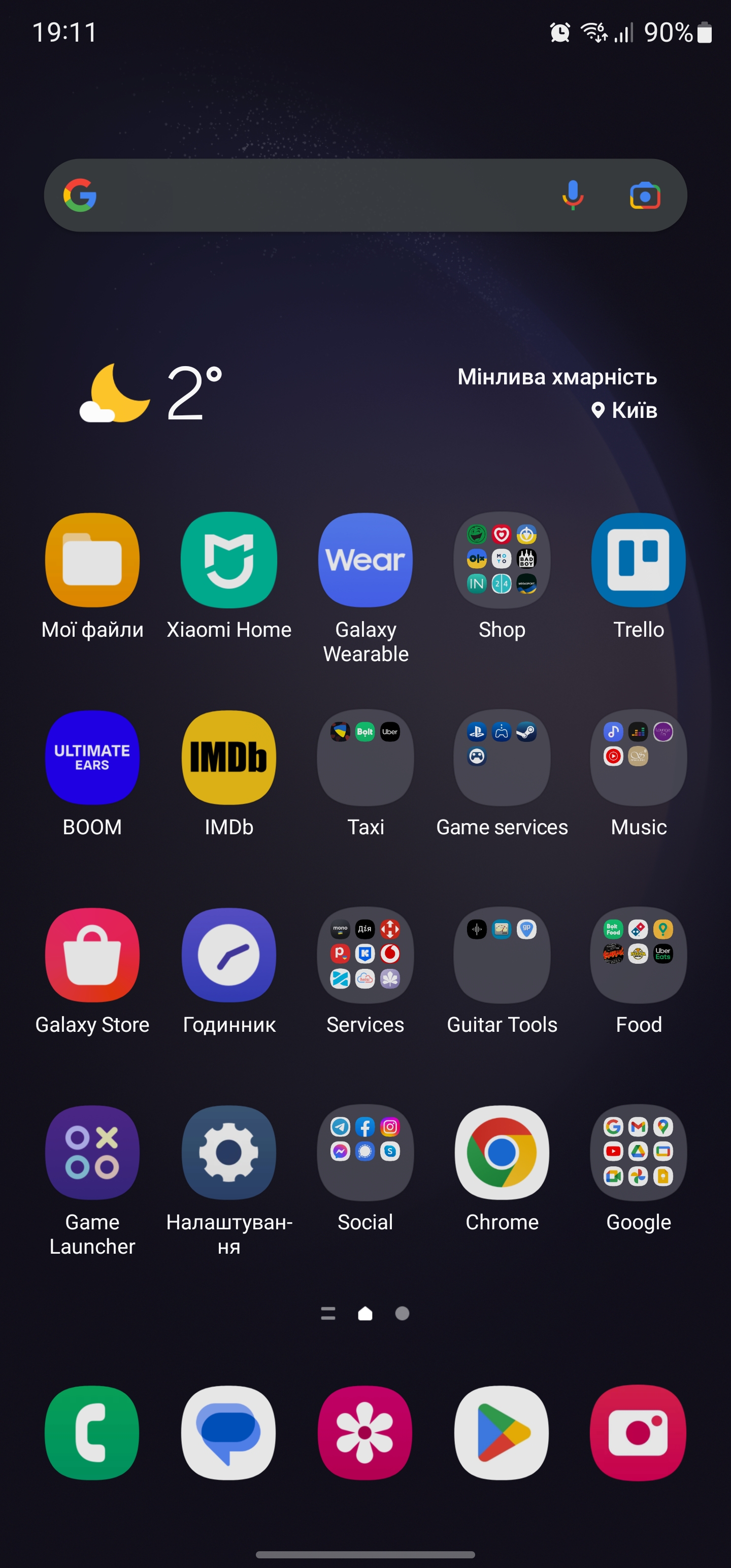
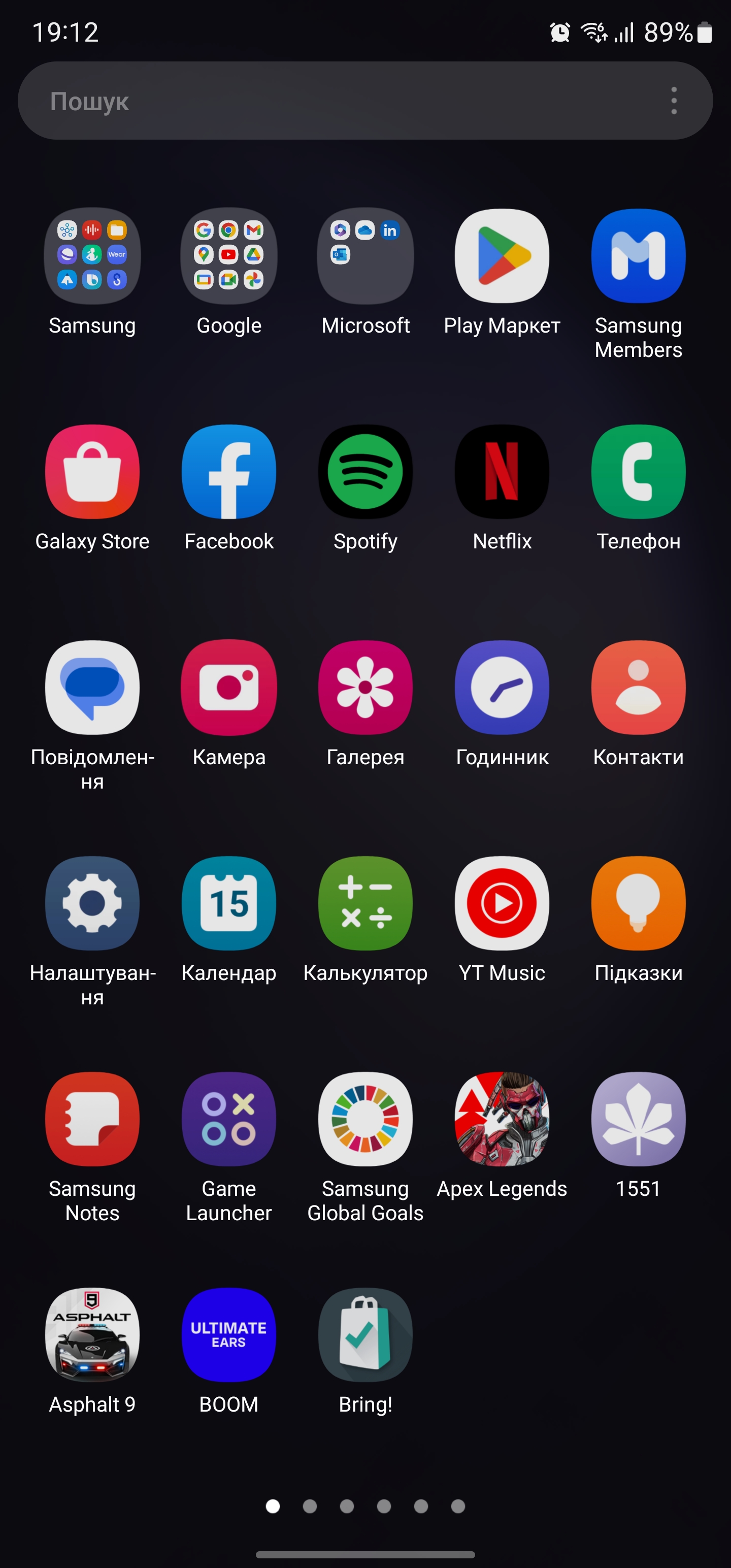
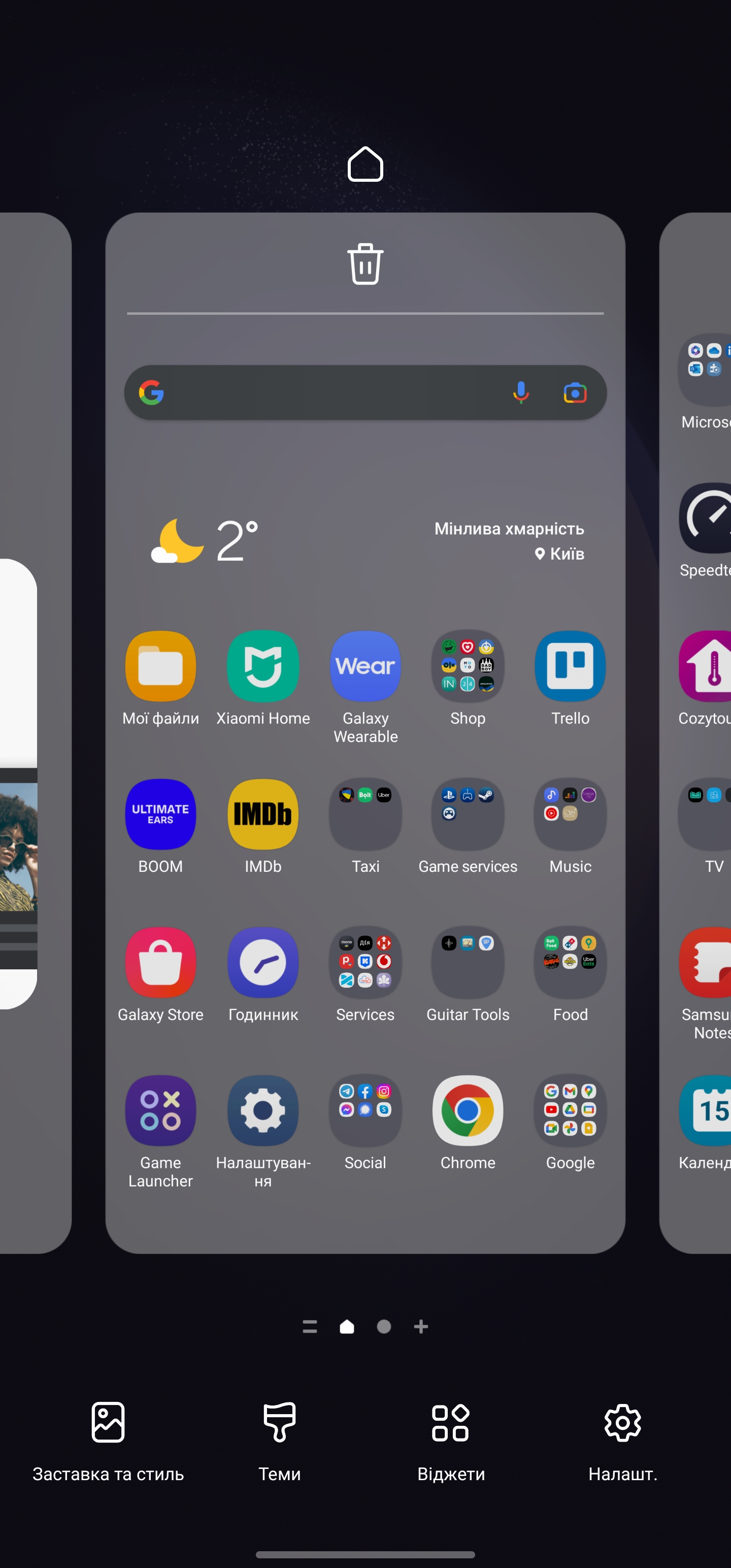
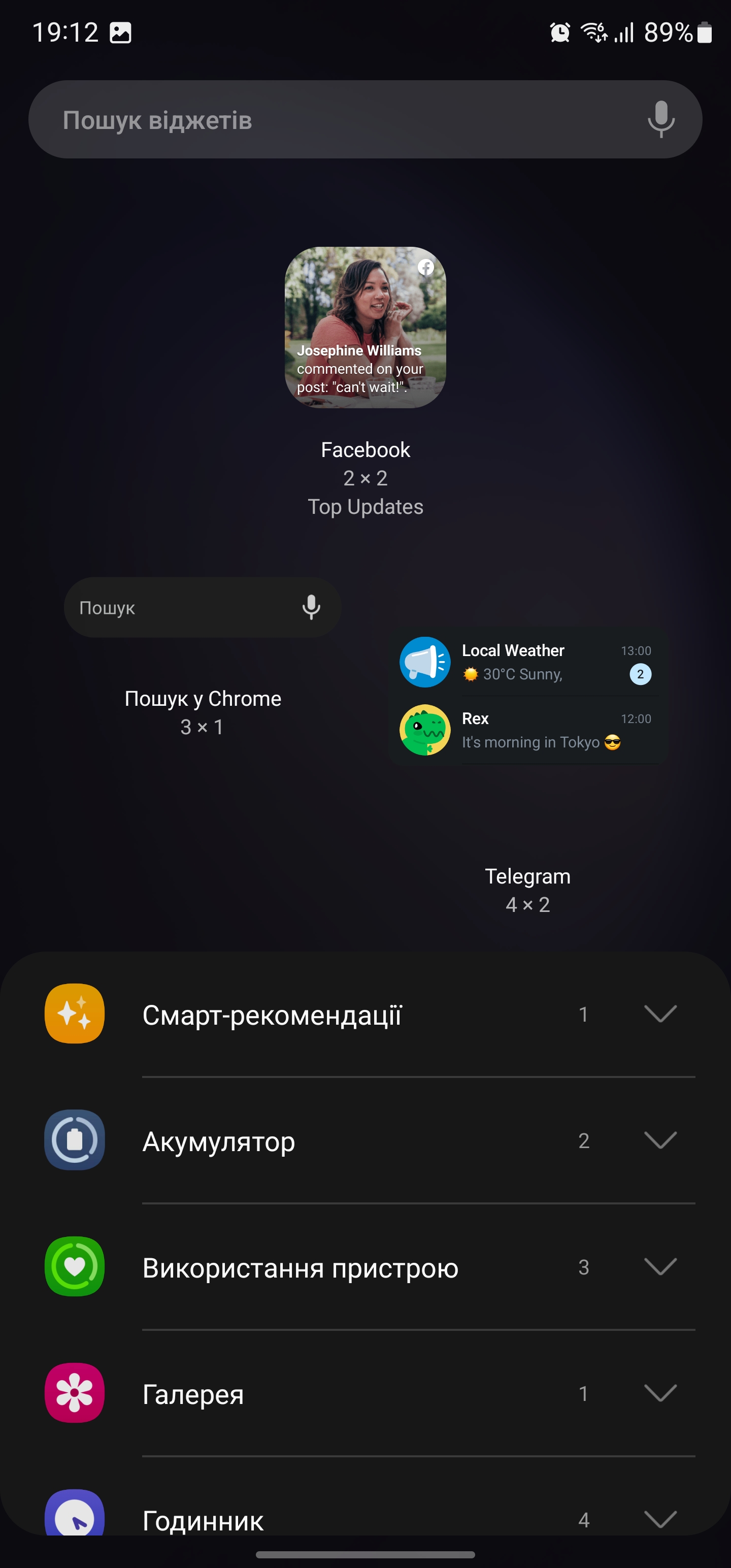
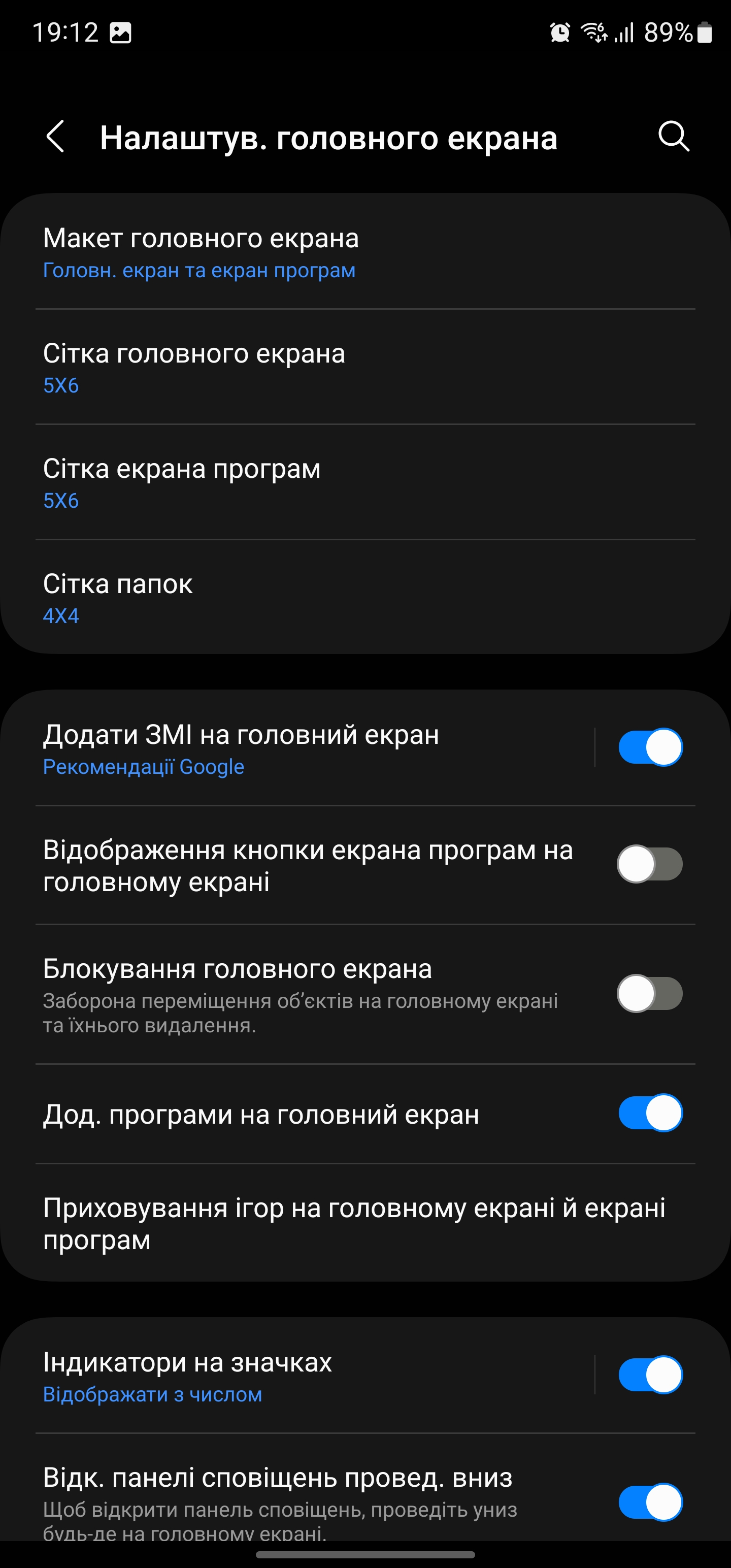
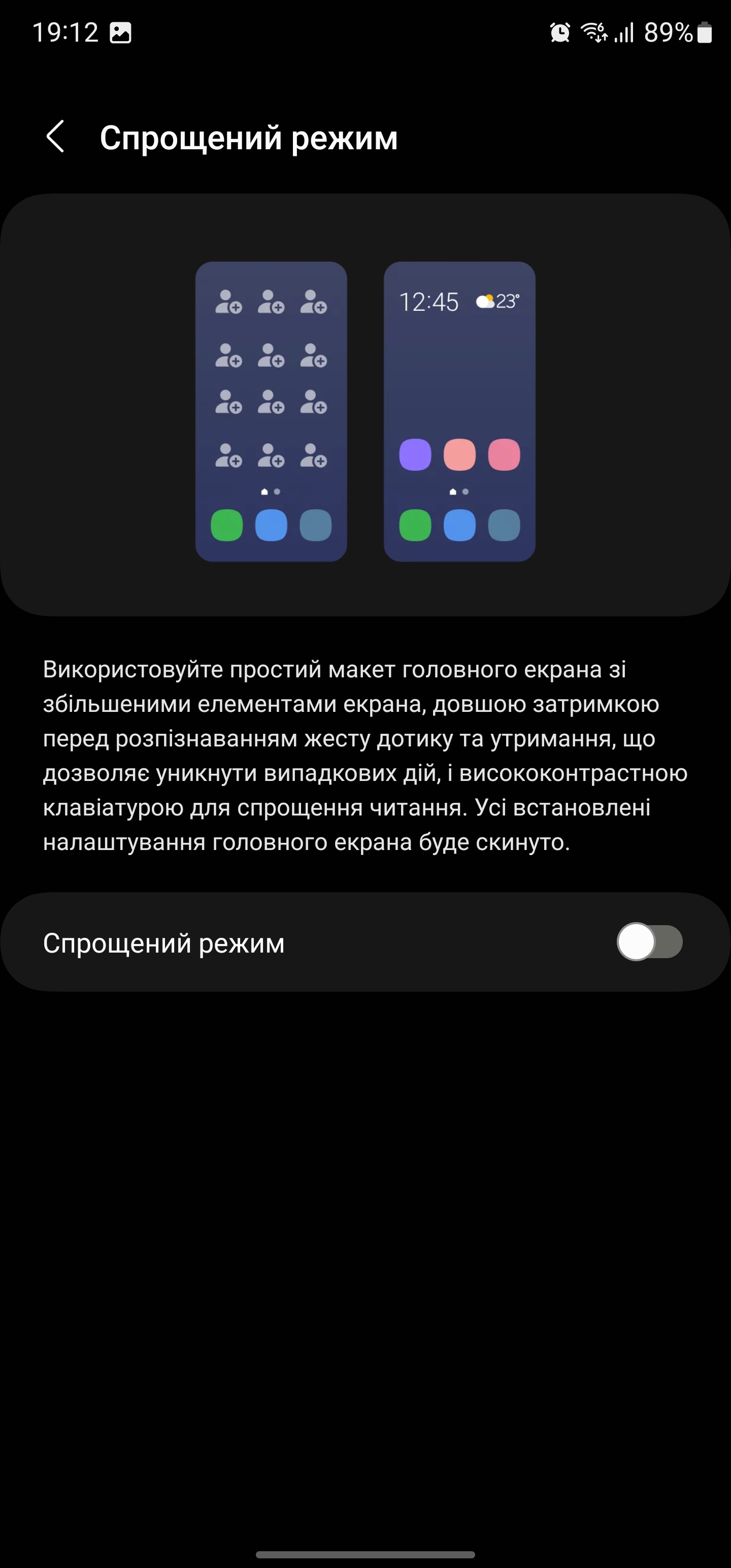
The basic logic of the shell remained unchanged. There are familiar desktops and a separate menu with all applications (it is possible to disable them), widgets, a curtain, and a simple mode.
</ img>
</ img>
</ img>
</ img>
</ img>

</ img>
</ img>
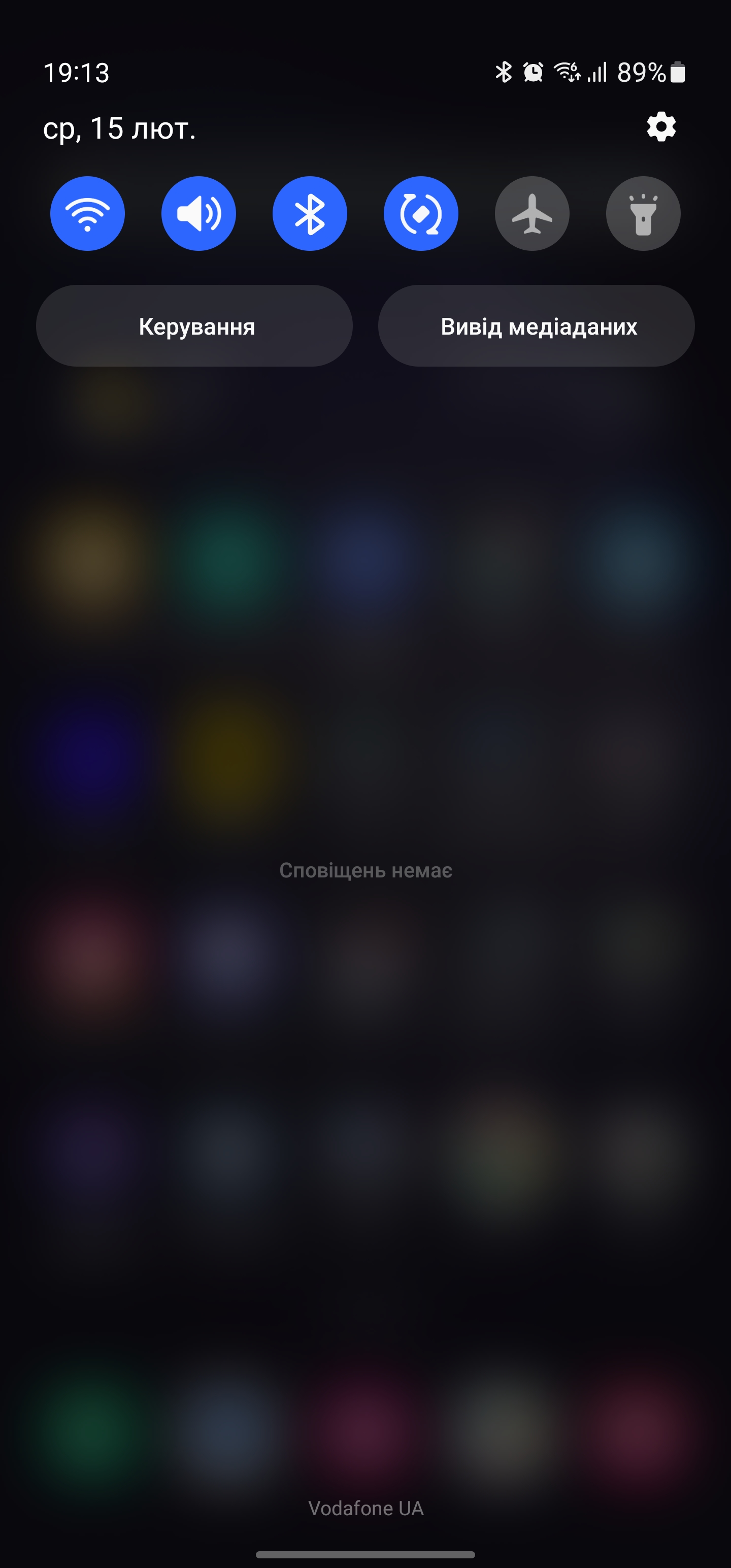
</ img>
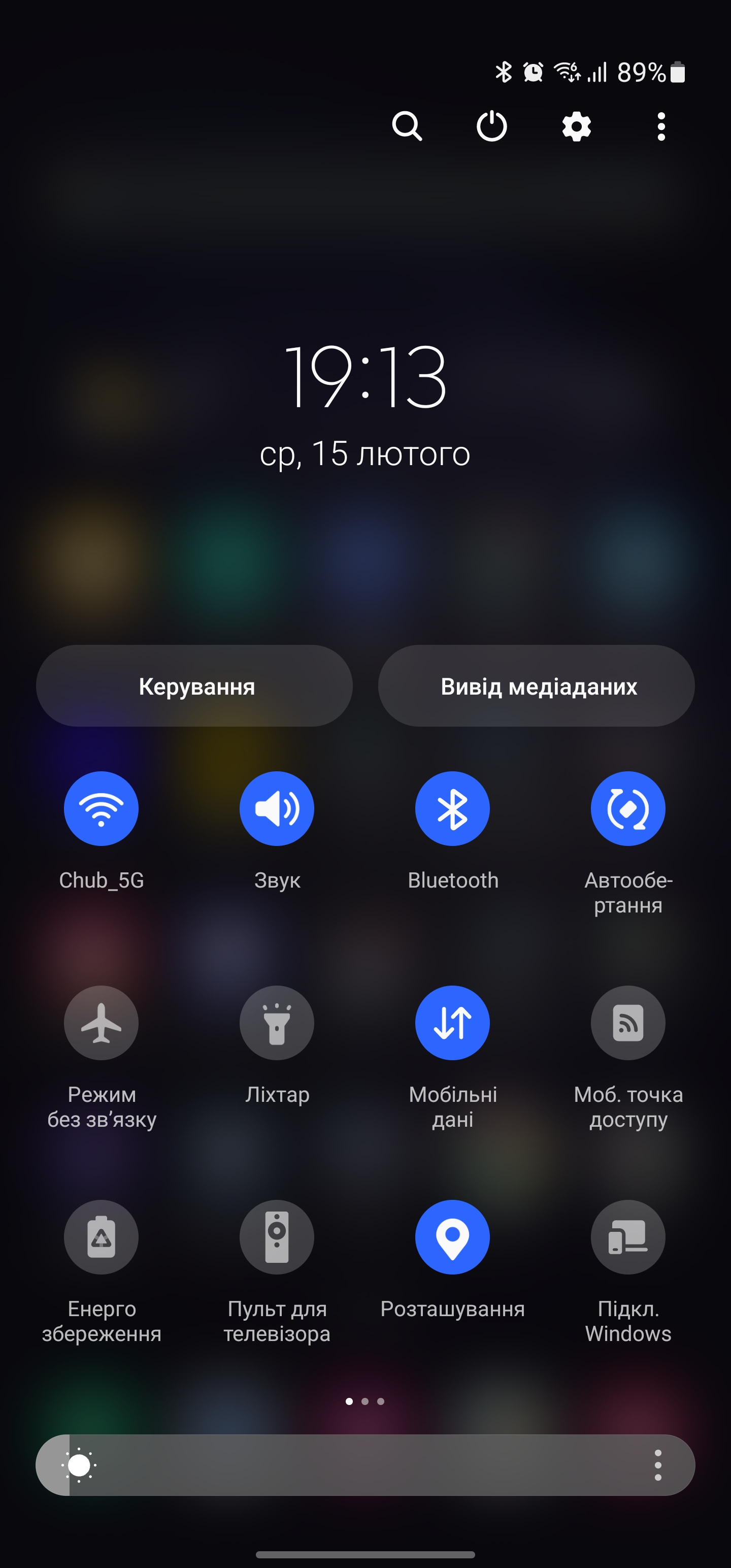
</ img>



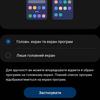
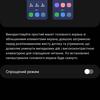

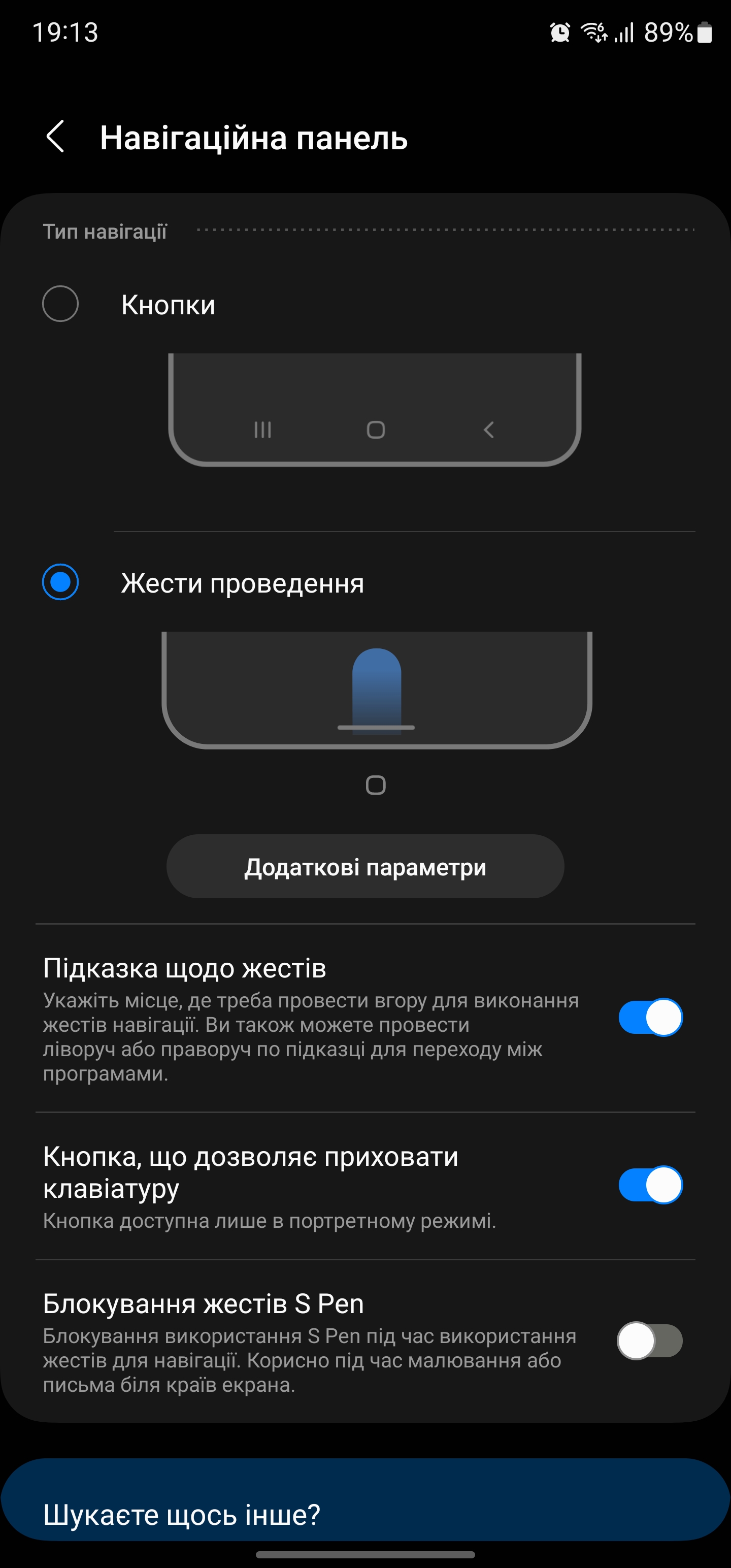
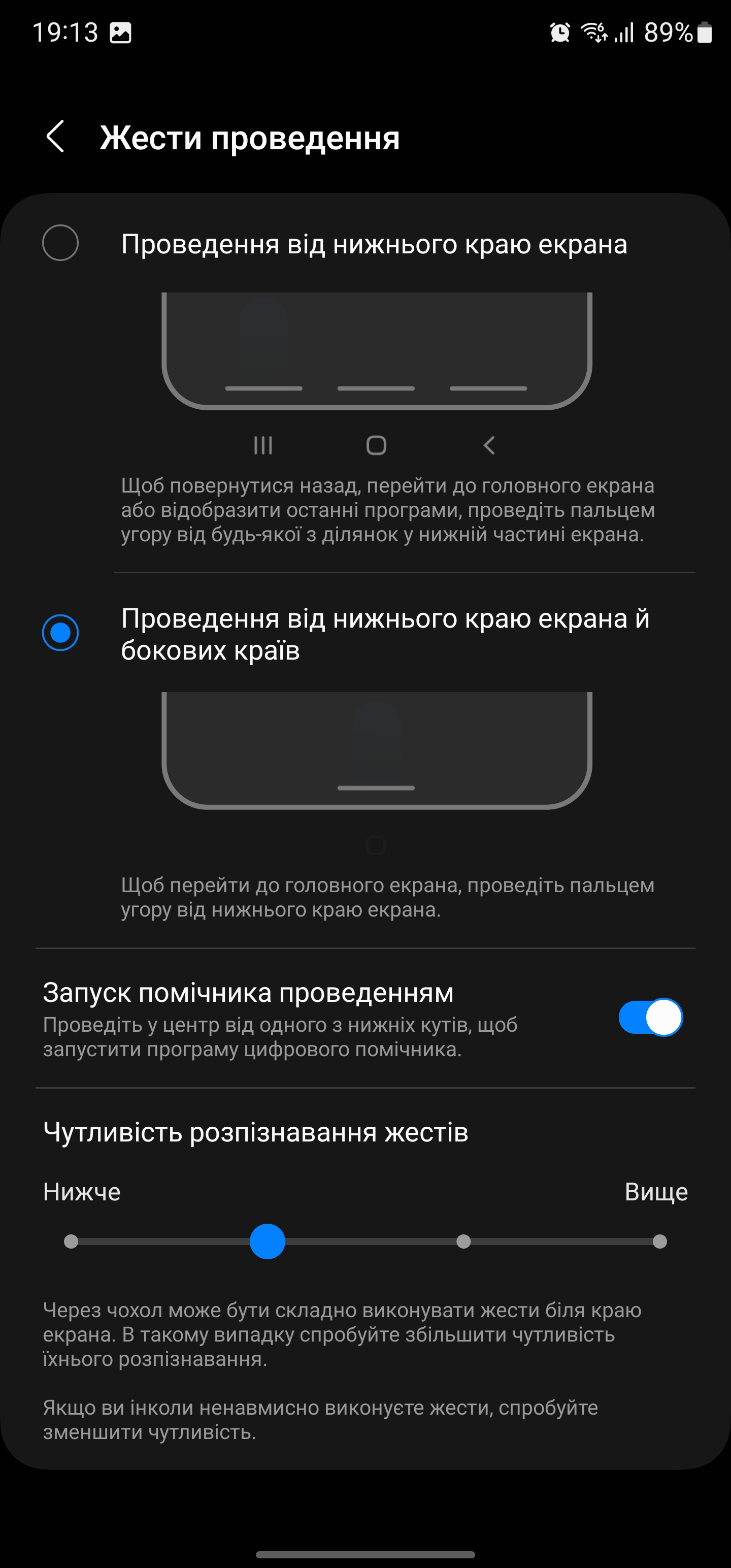
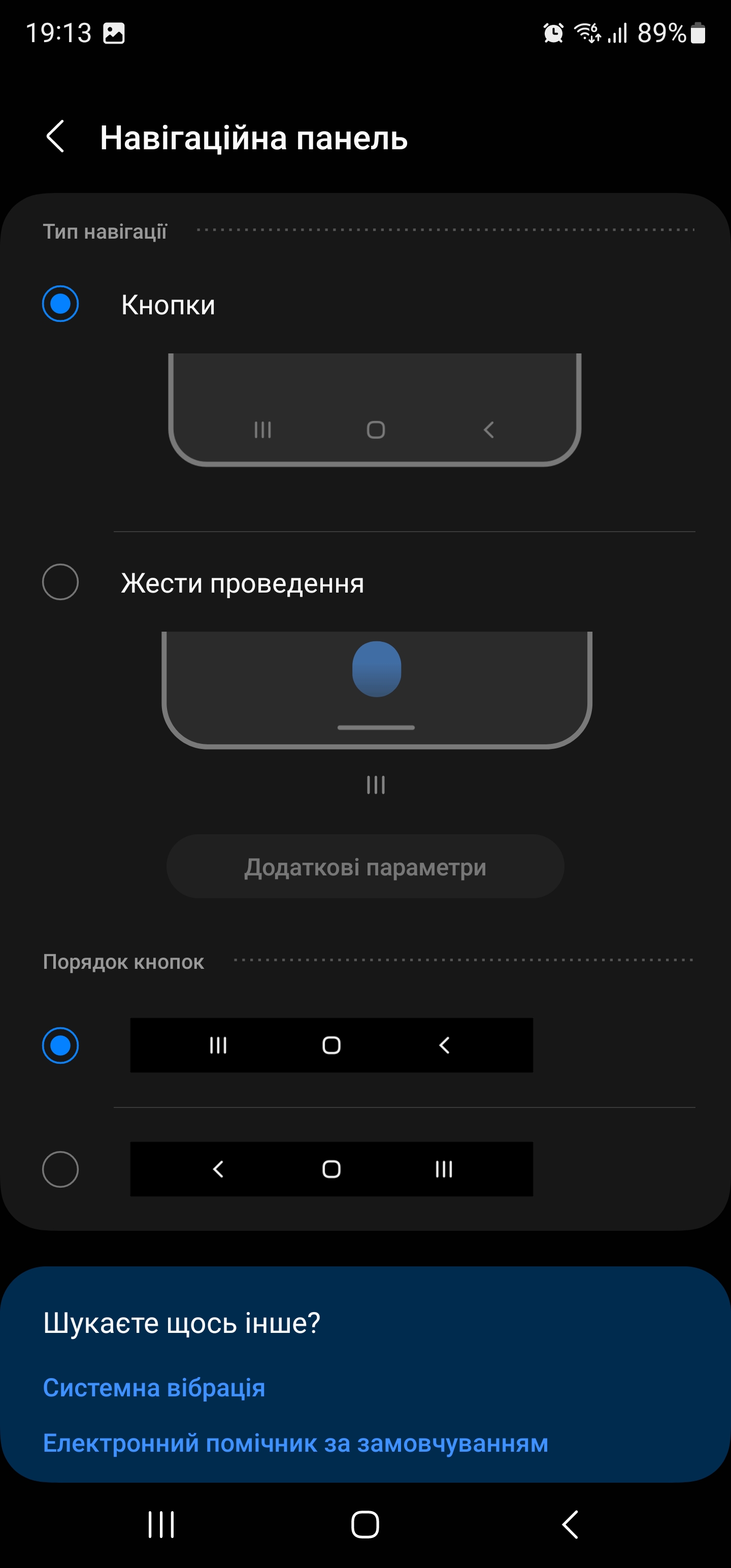
Navigation is available with three familiar buttons, the order of which can be changed. And gesture in two versions. There are the usual additional gestures: waking up with a double tap or when lifting the smartphone.
</ img>
</ img>
</ img>
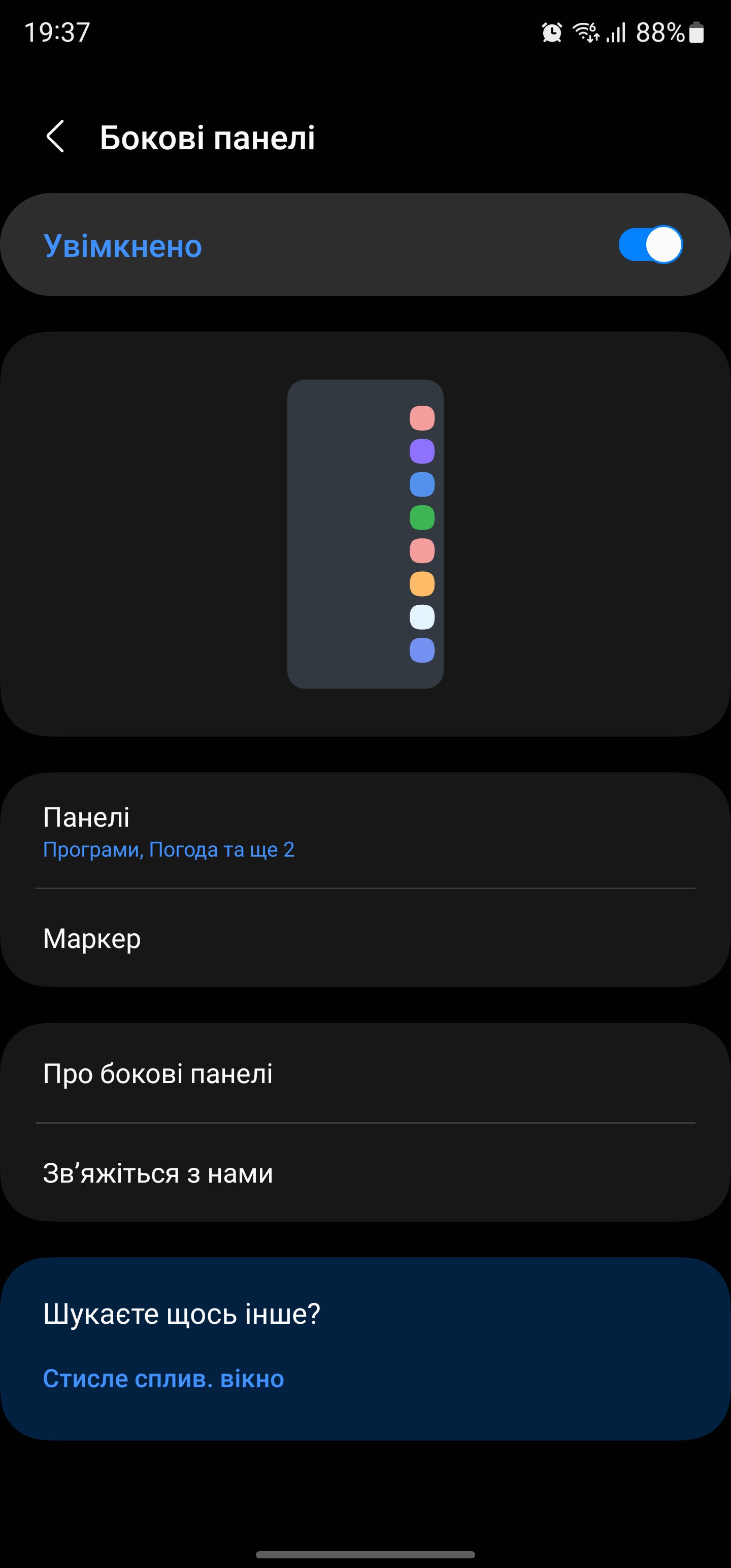
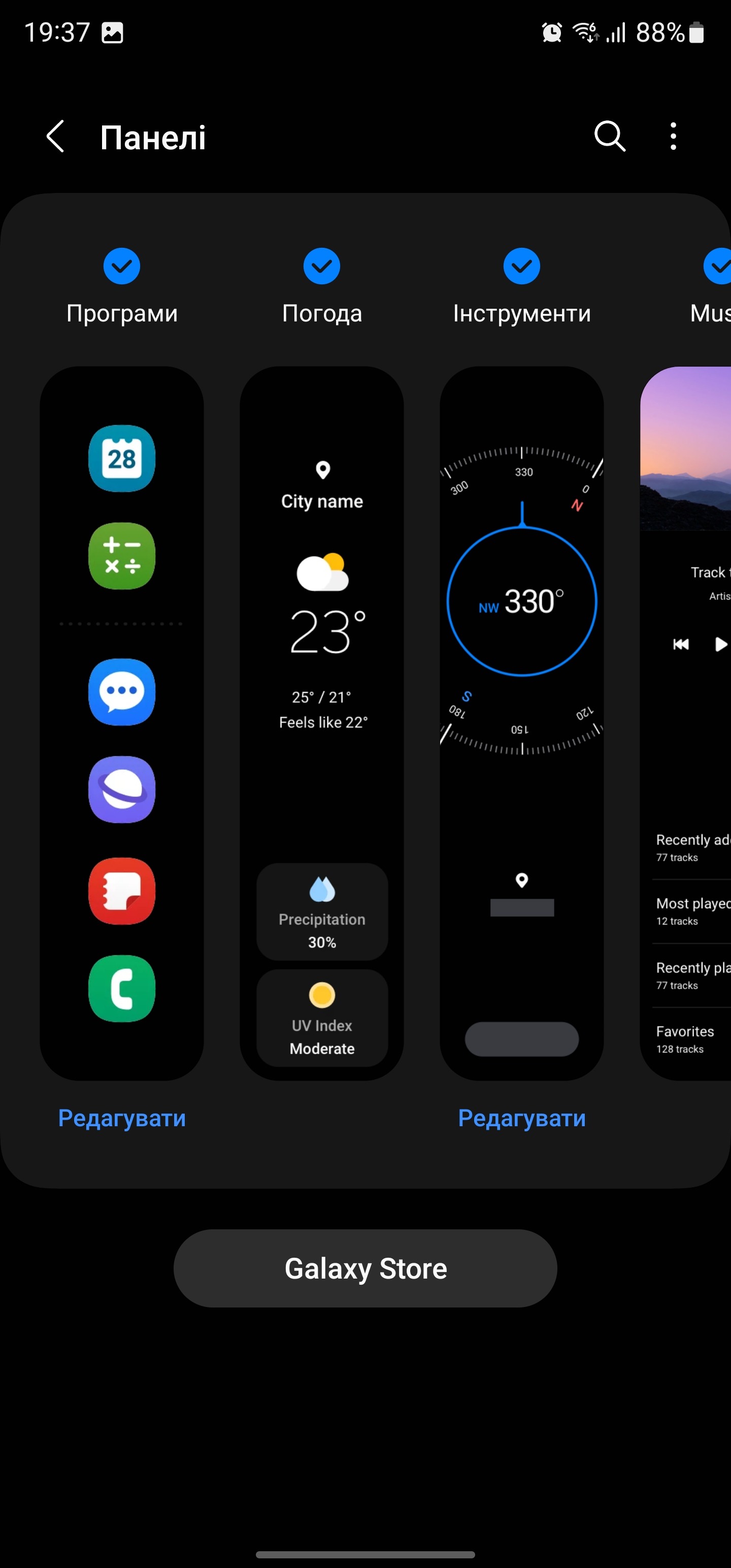
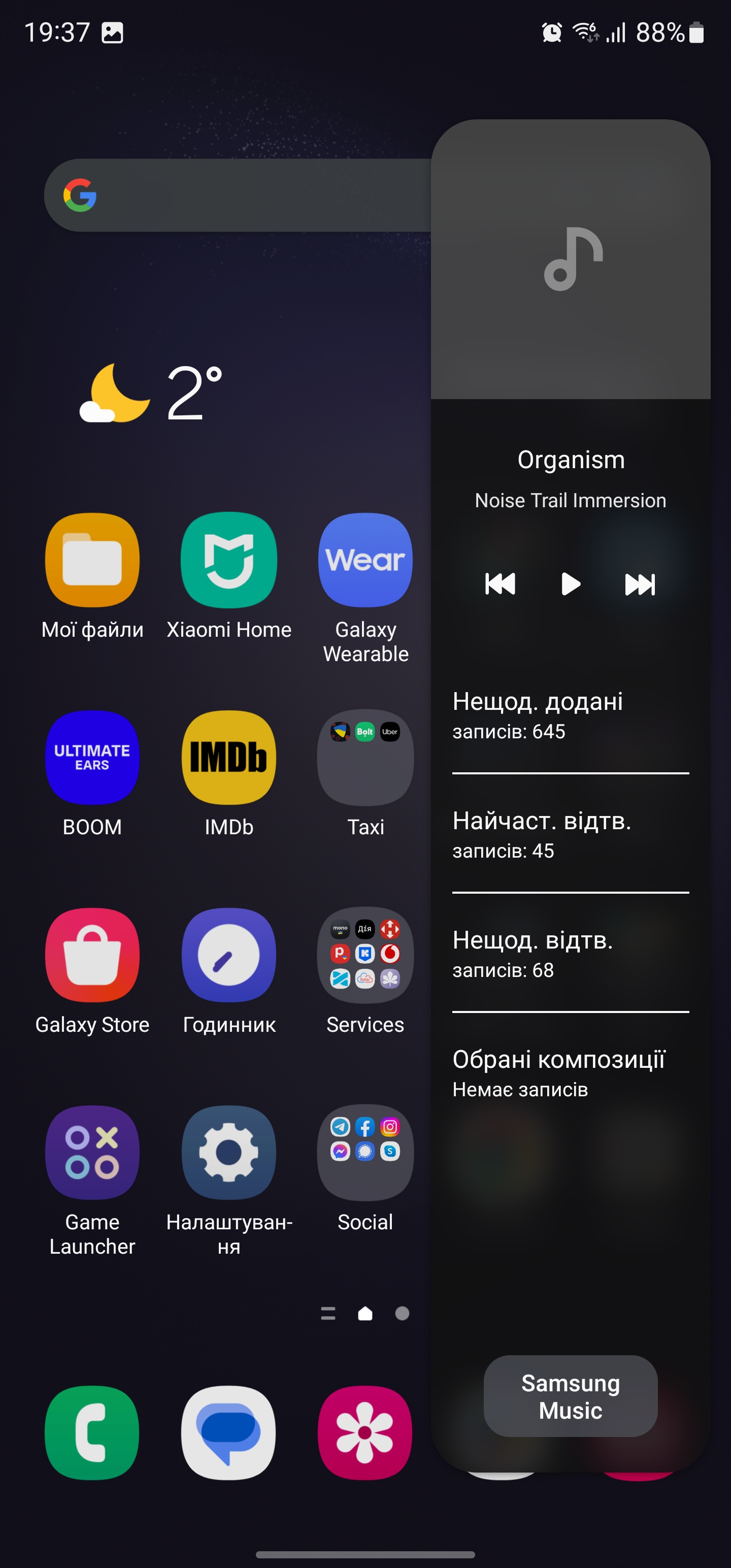
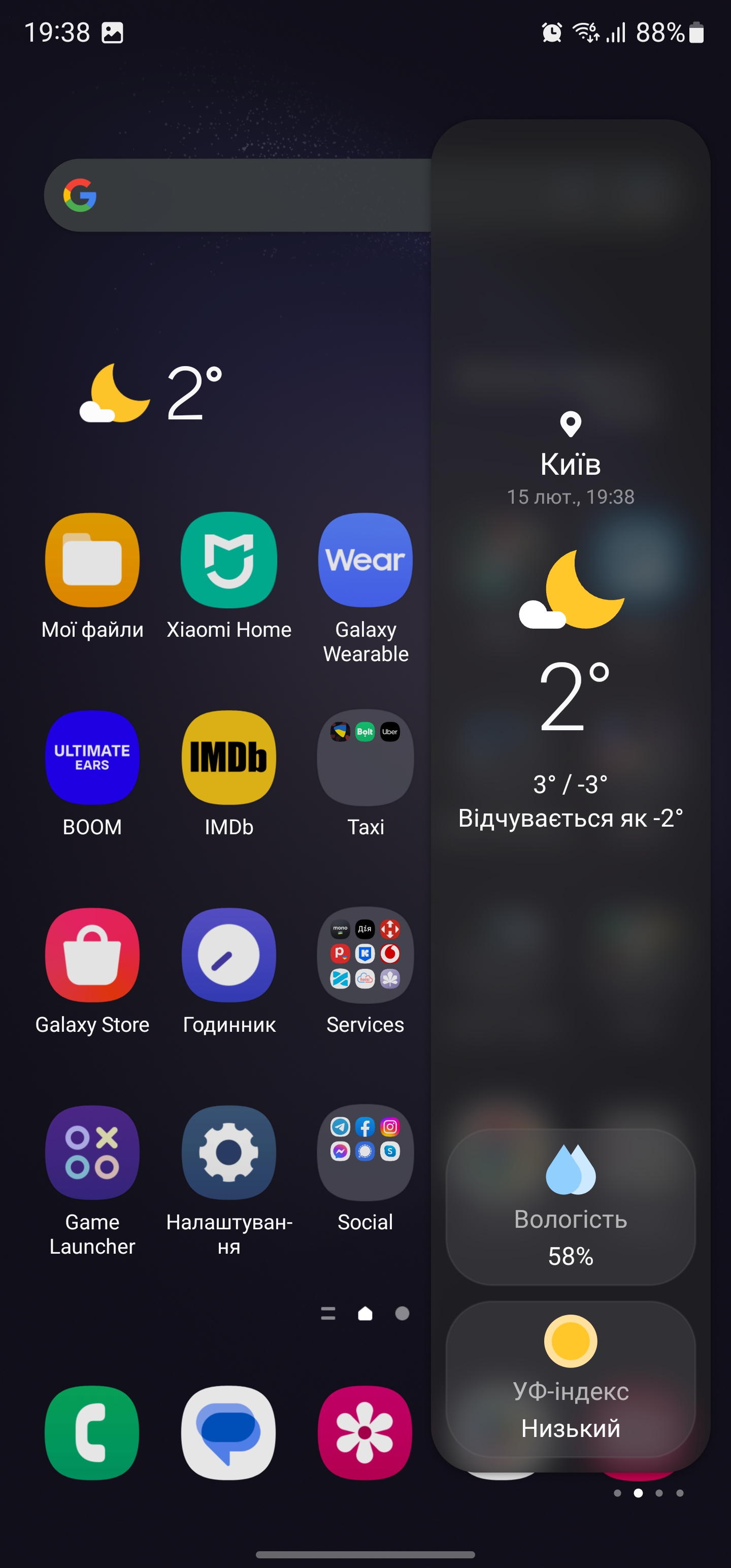
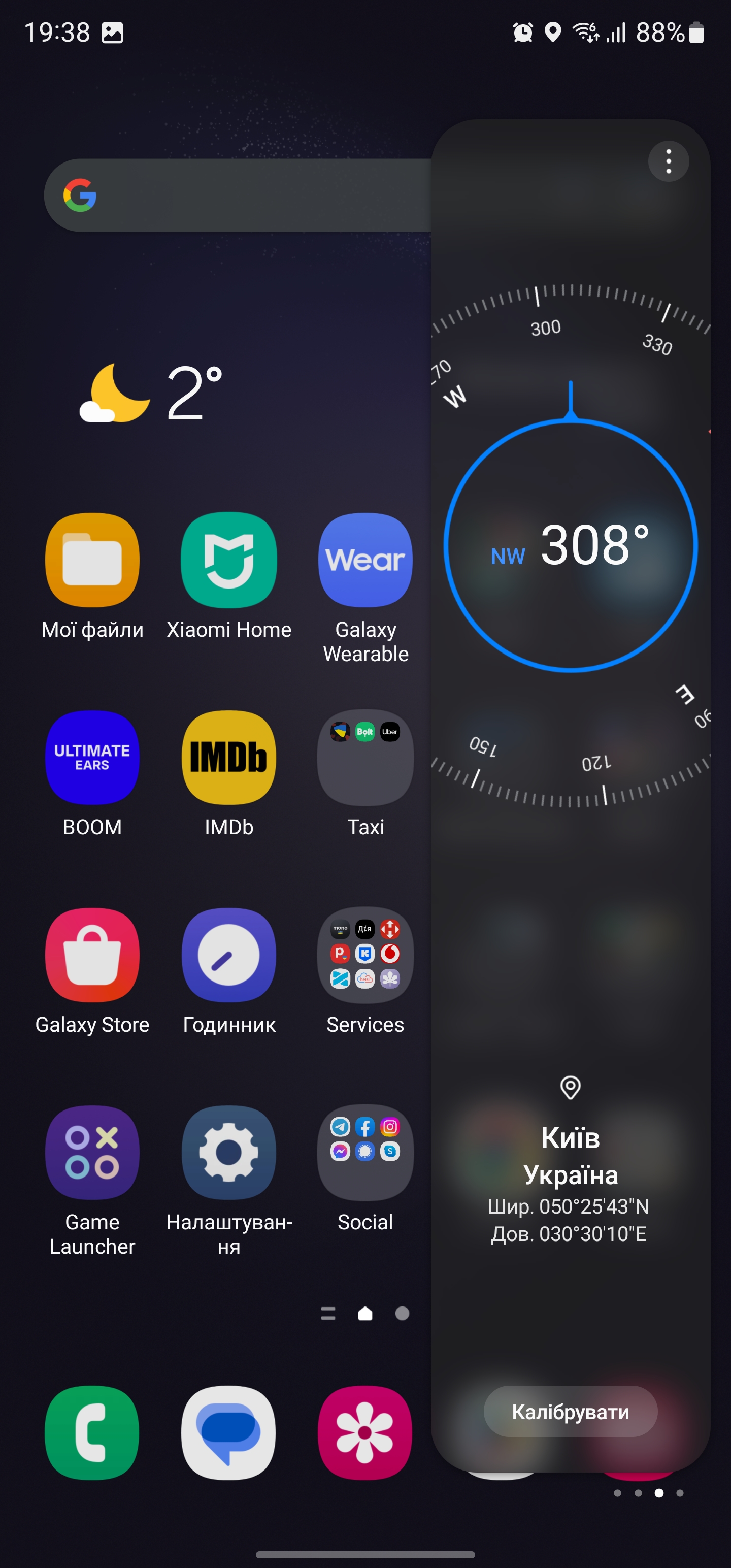
The side panels of the Edge are unchanged.
</ img>
</ img>
</ img>
</ img>
</ img>




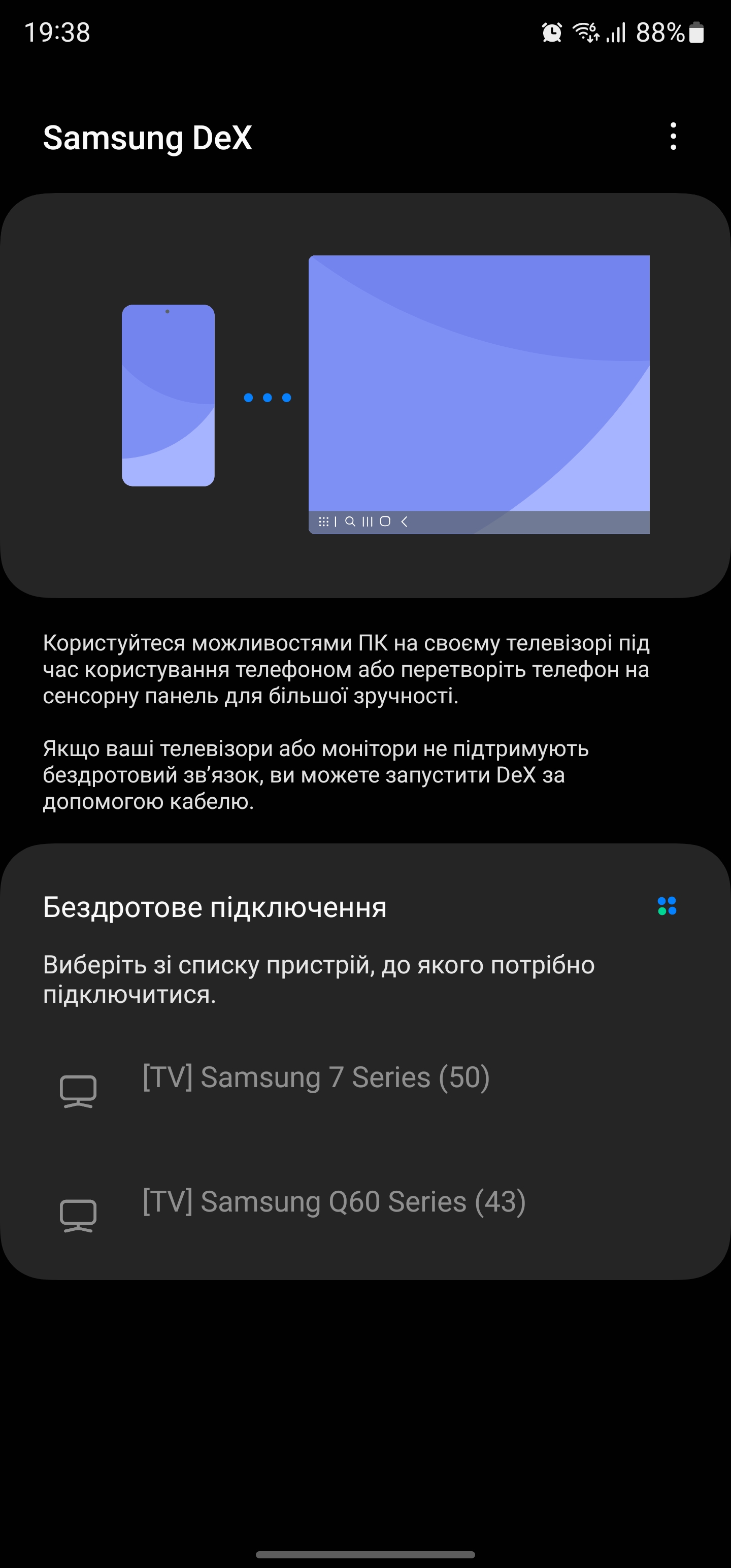
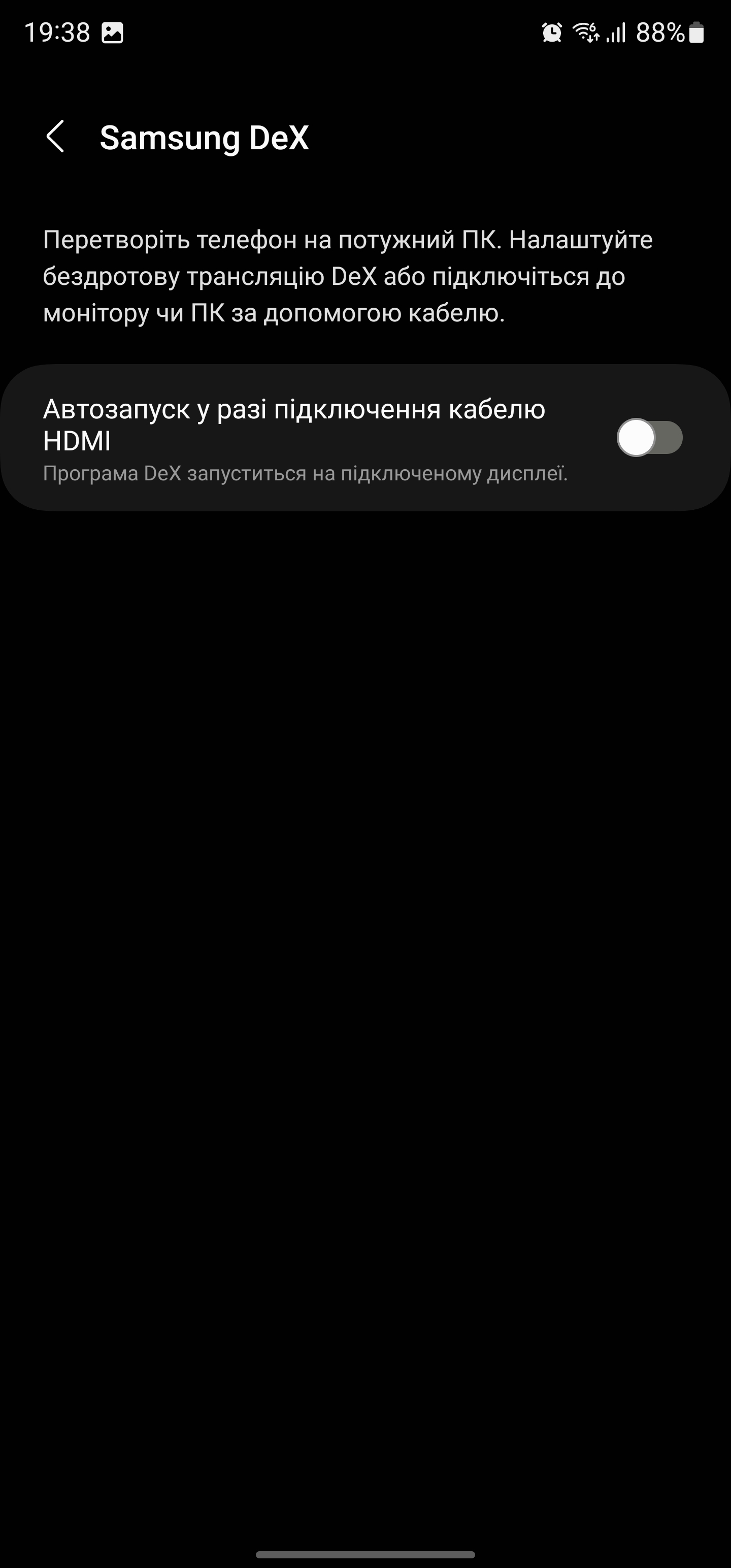
Desktop mode Dex supports connection to monitors, TVs and PCs both via cable and Miracast.
</ img>
</ img>
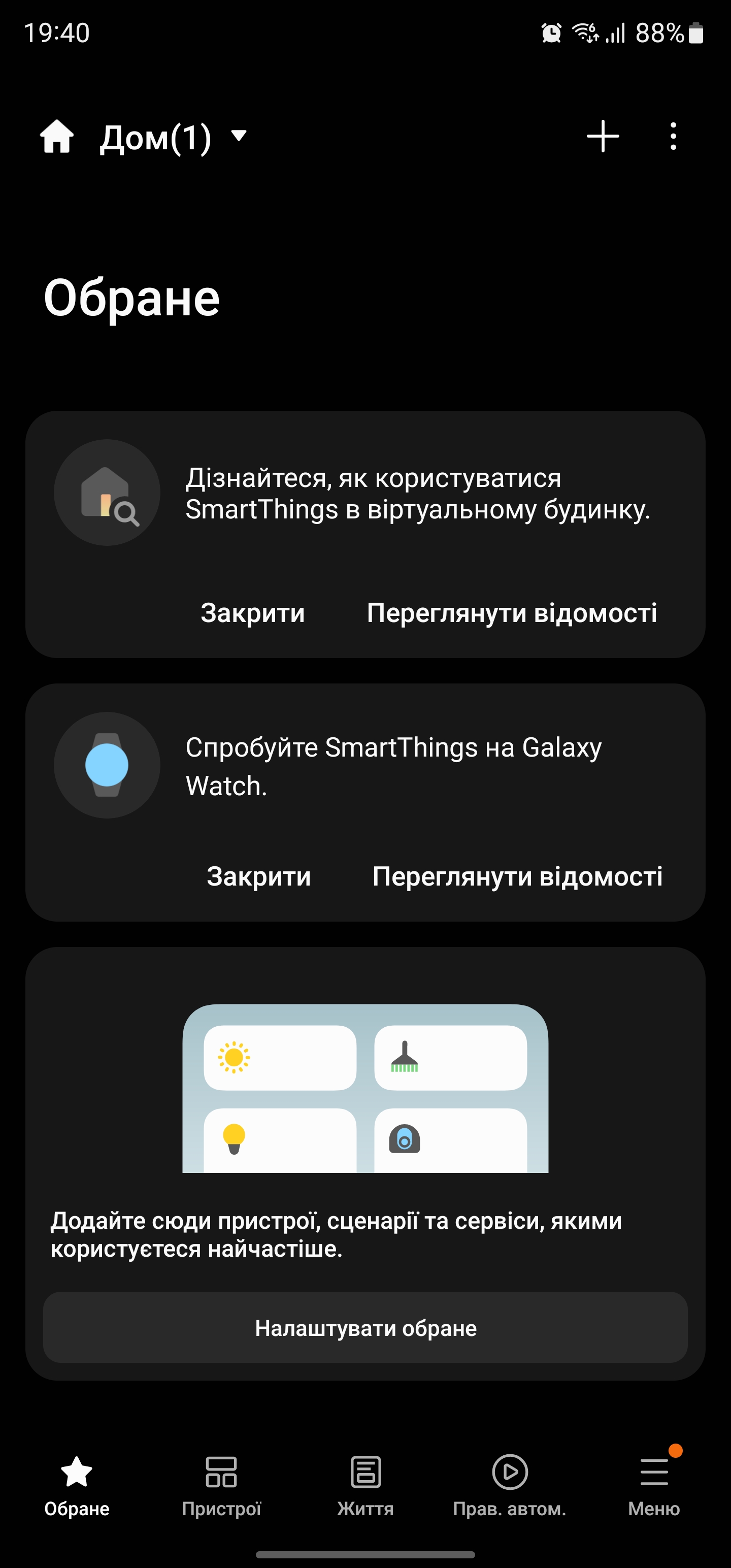
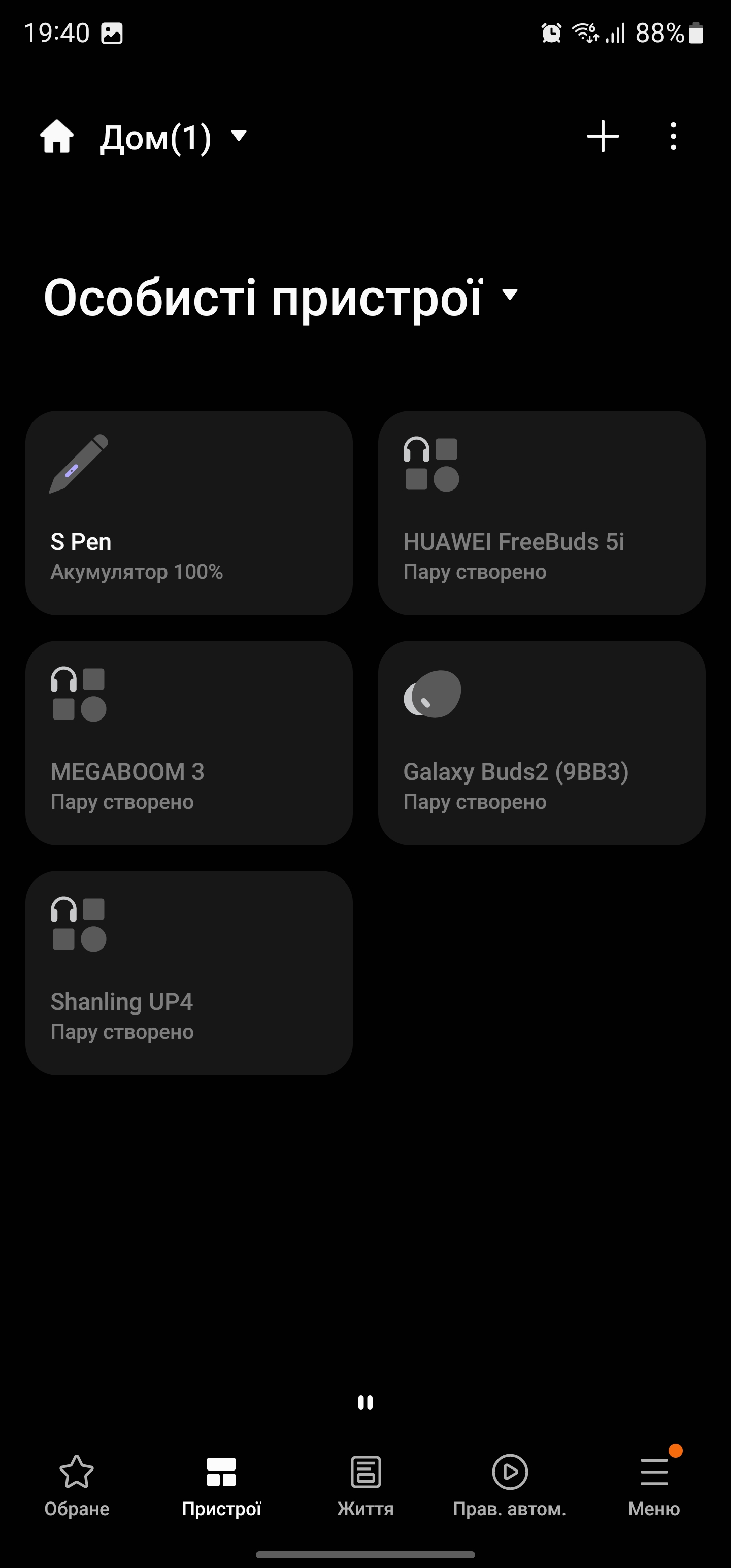
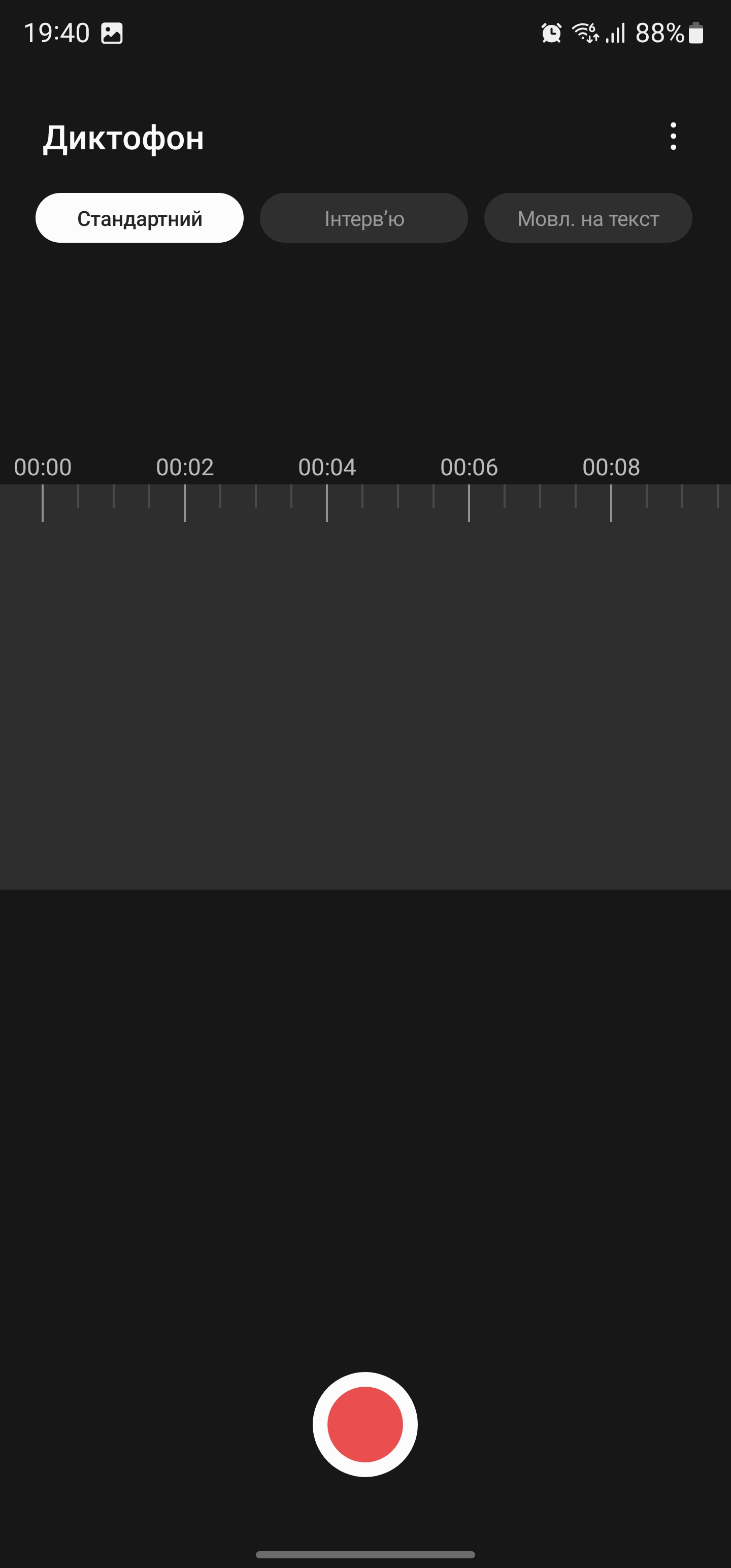
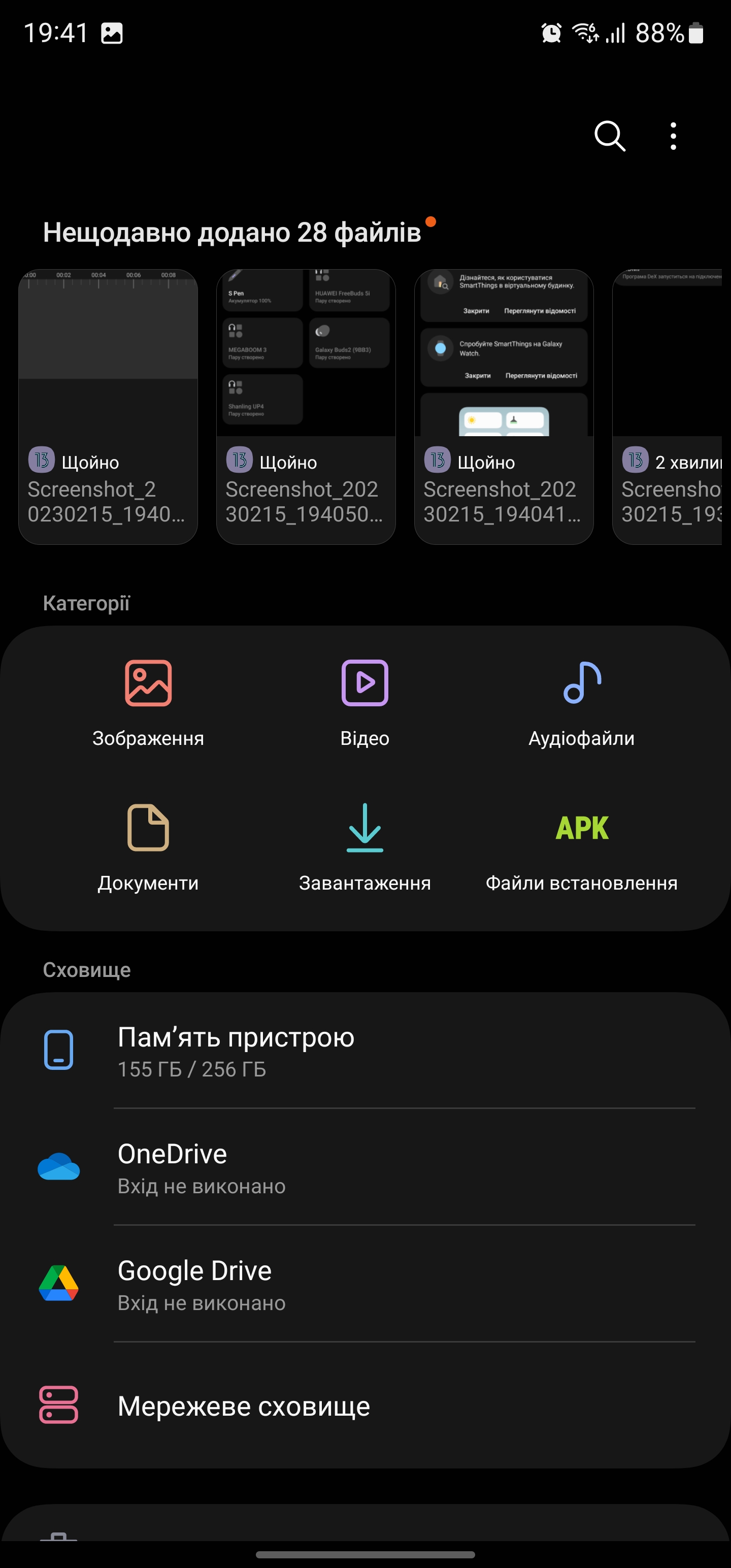
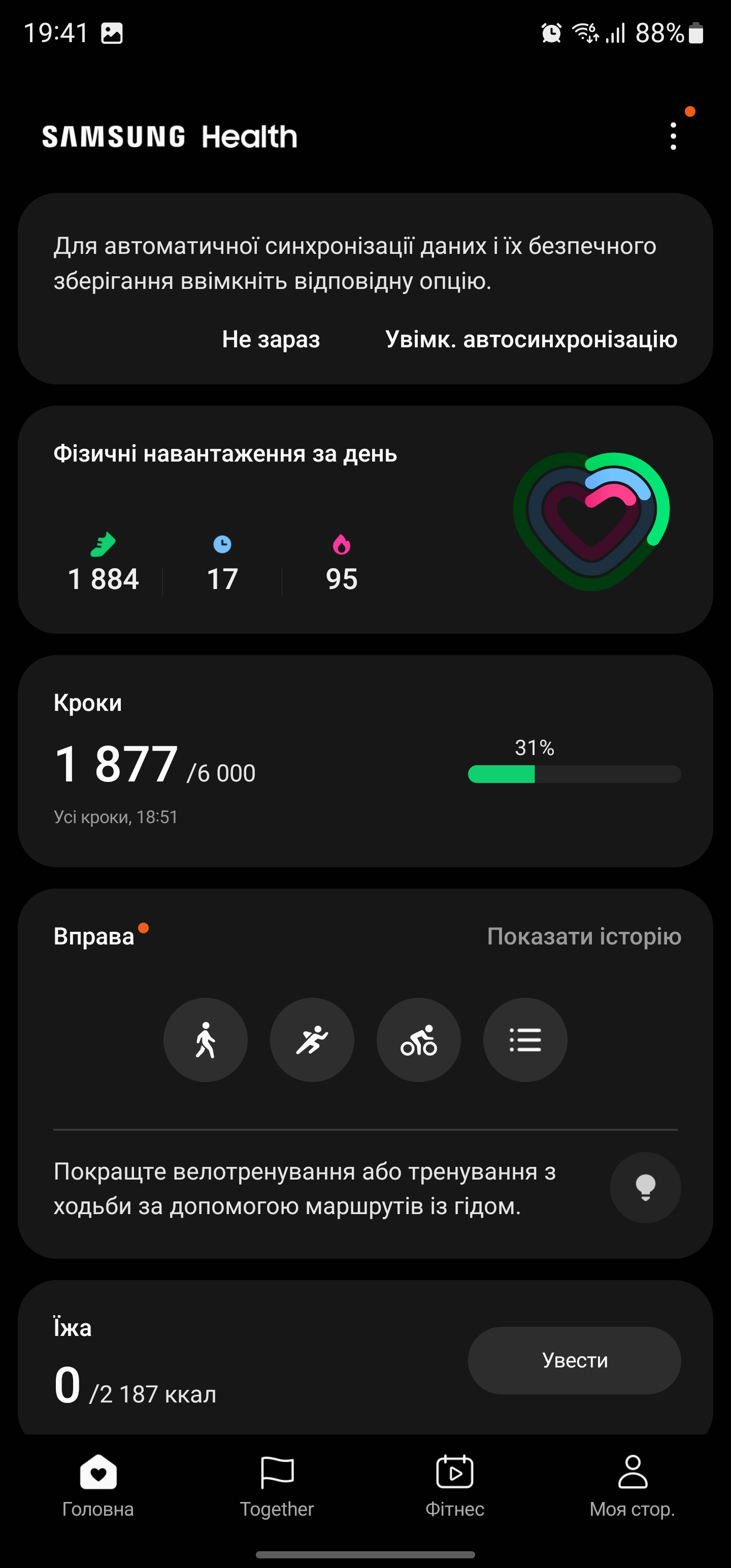
Standard set of applications:
</ img>
</ img>
</ img>
</ img>
</ img>
</ img>




What does the S Pen do?
</ img>
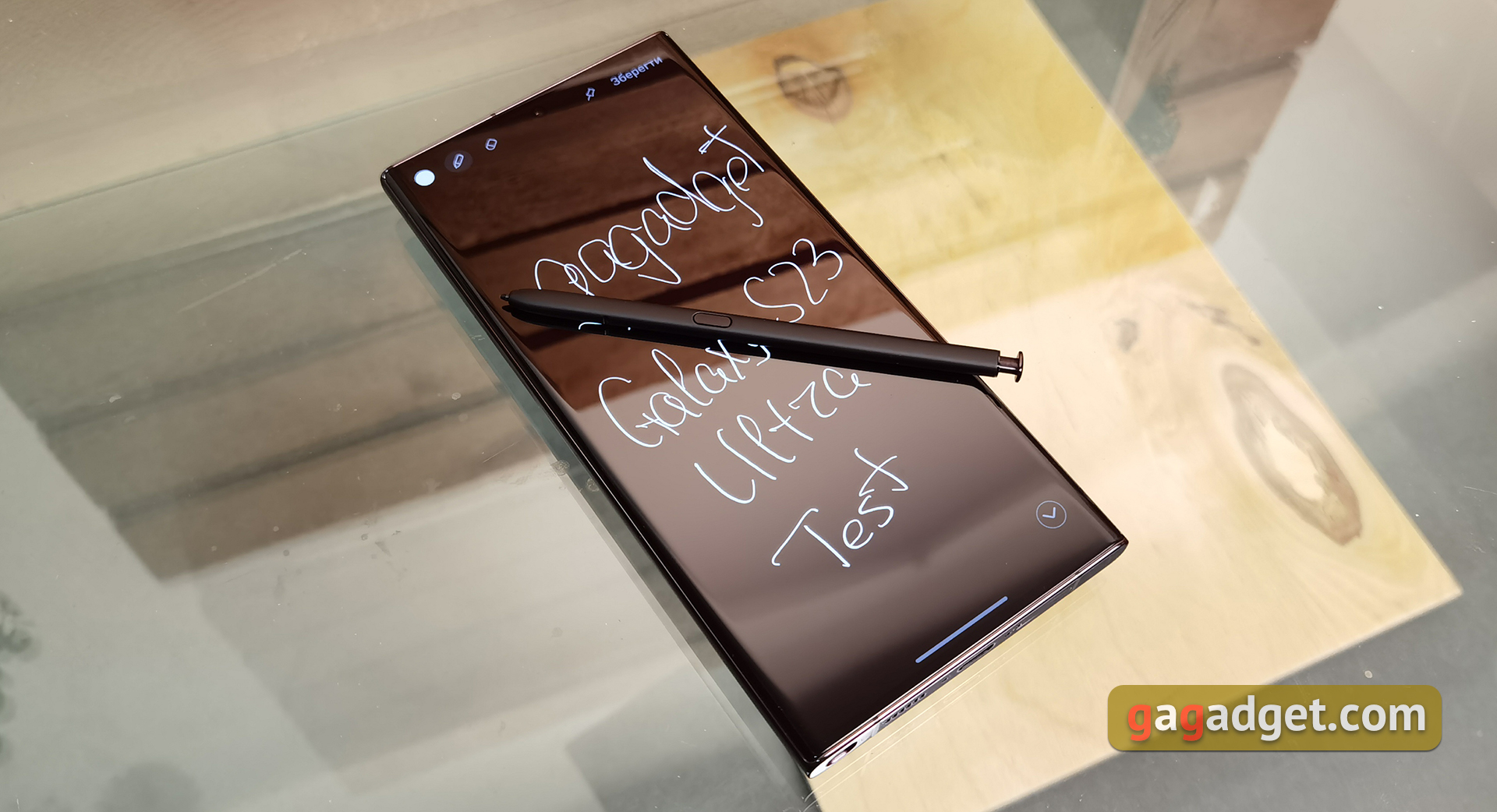
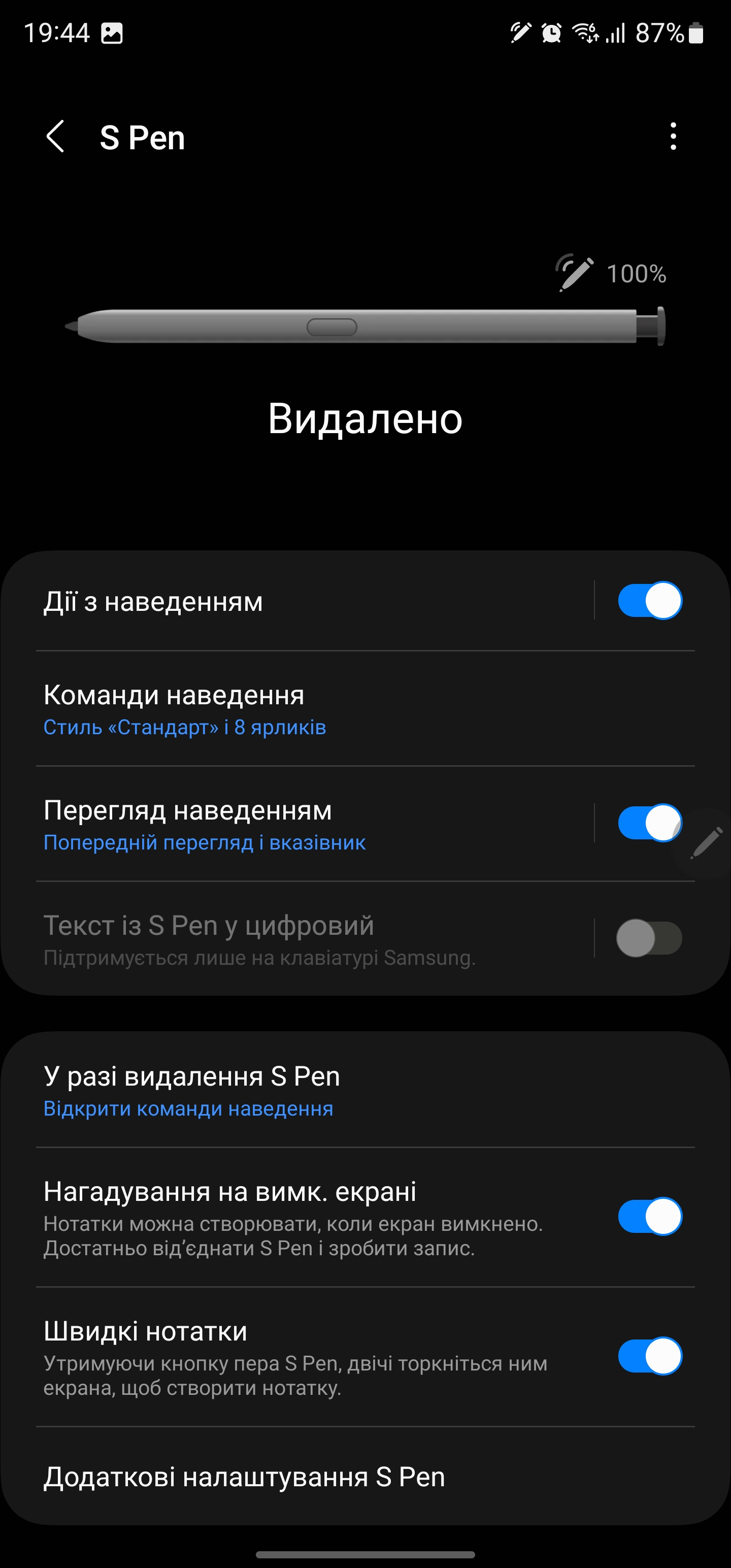
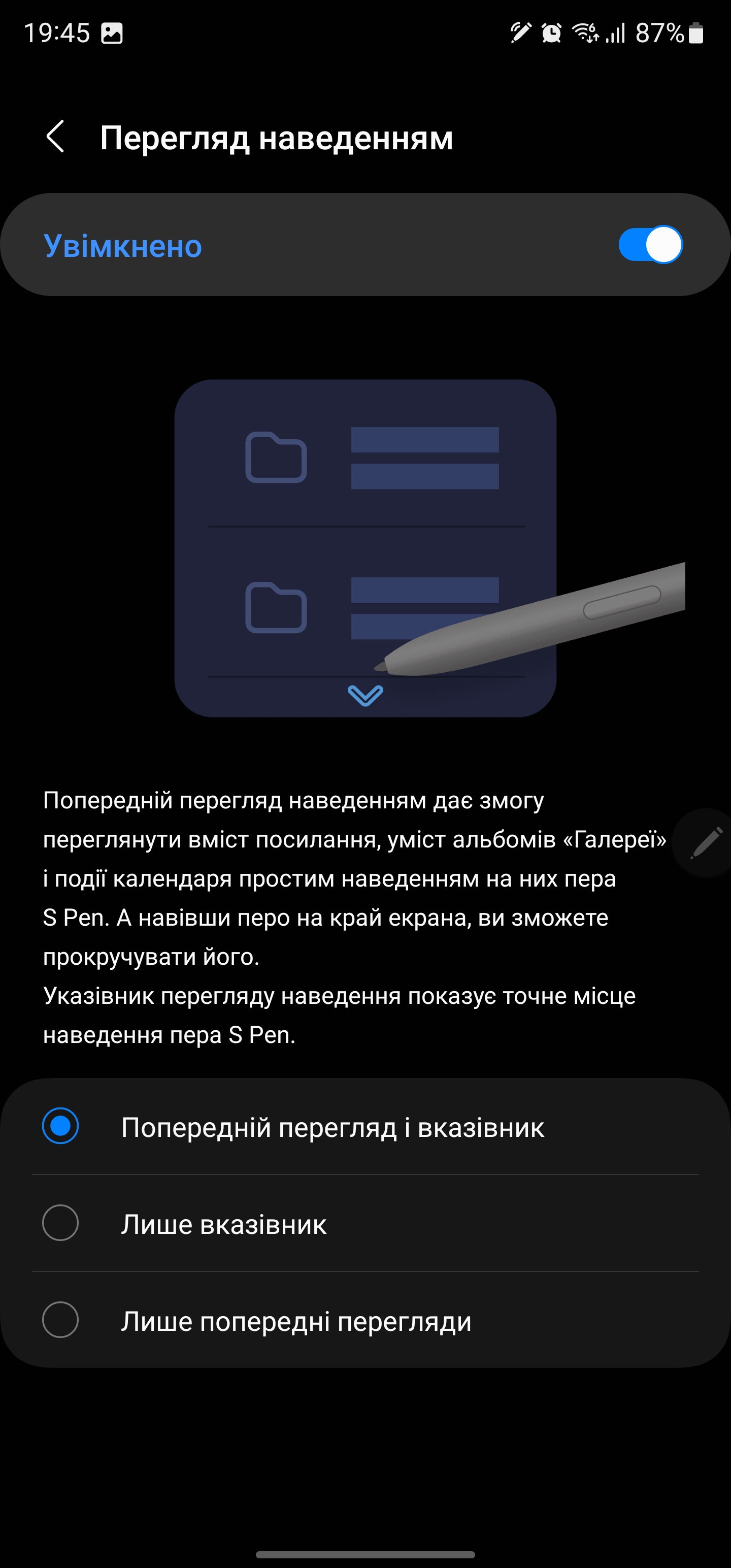
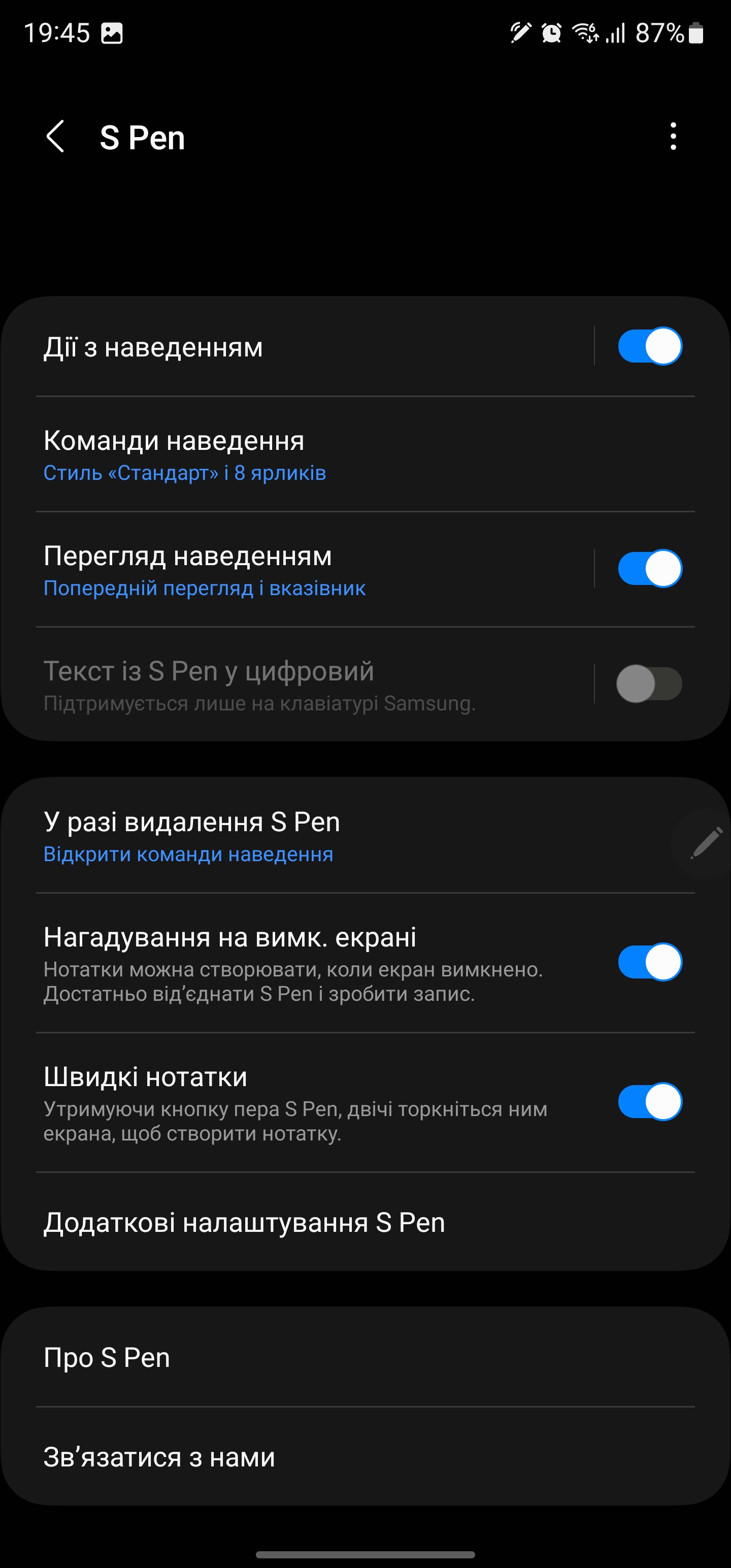
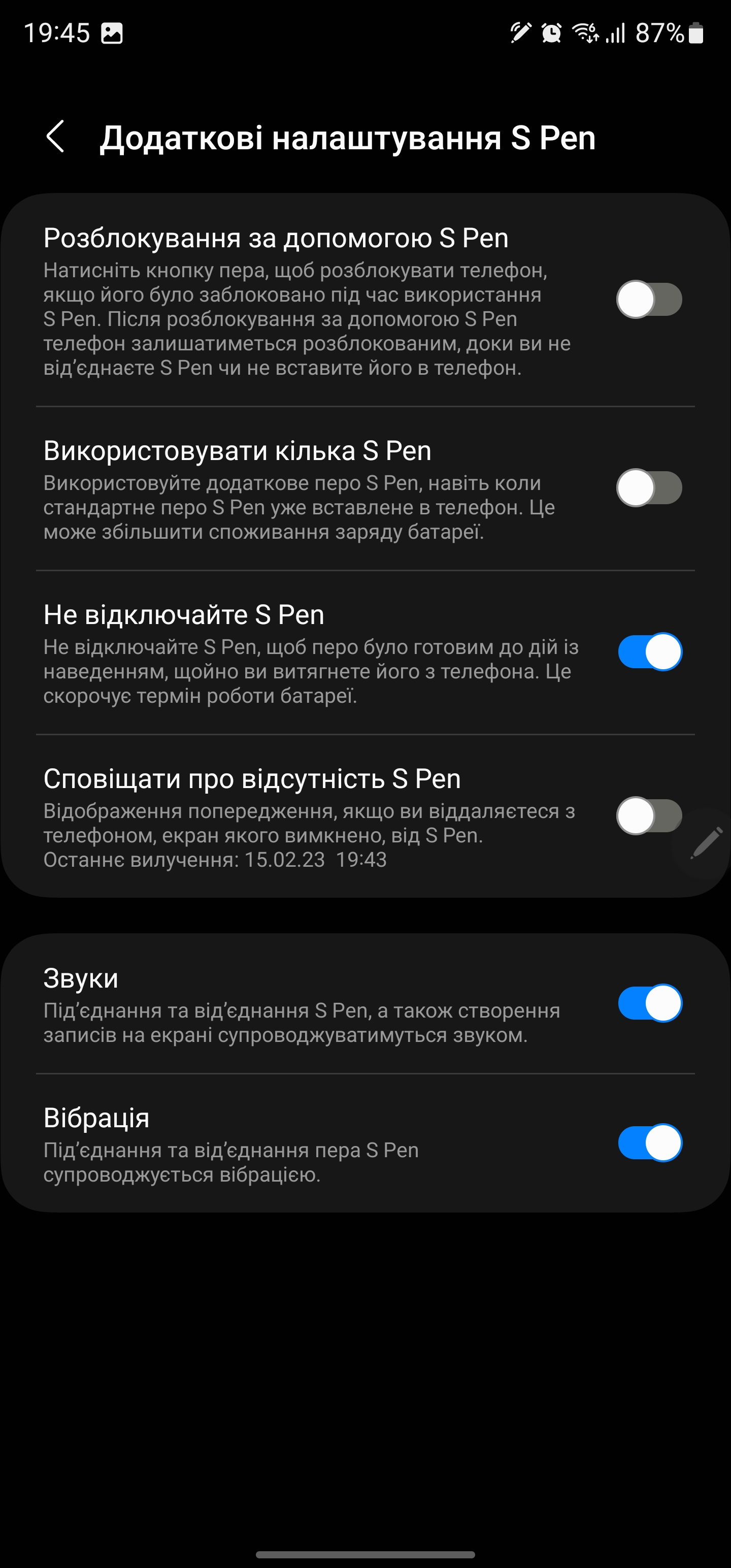
The S Pen can recognize up to 4096pressure levels and inclination angle. Equipped with a Bluetooth LE module, a gyroscope, an accelerometer and a single mechanical button. Response time – 2.8 ms. There are many settings and additional features.
</ img>
</ img>
</ img>

</ img>
</ img>
</ img>
</ img>

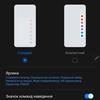
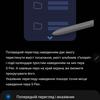

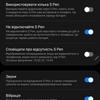
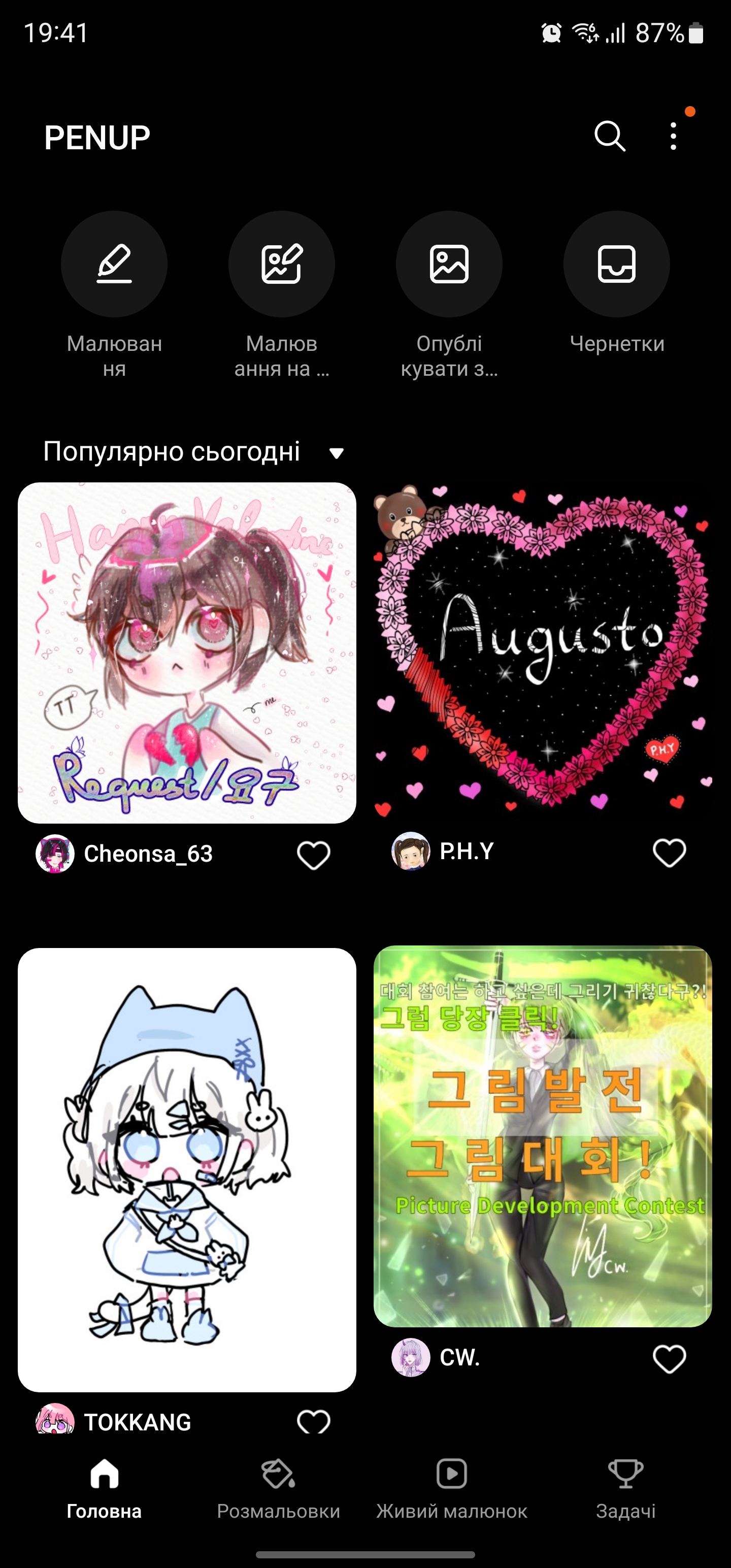
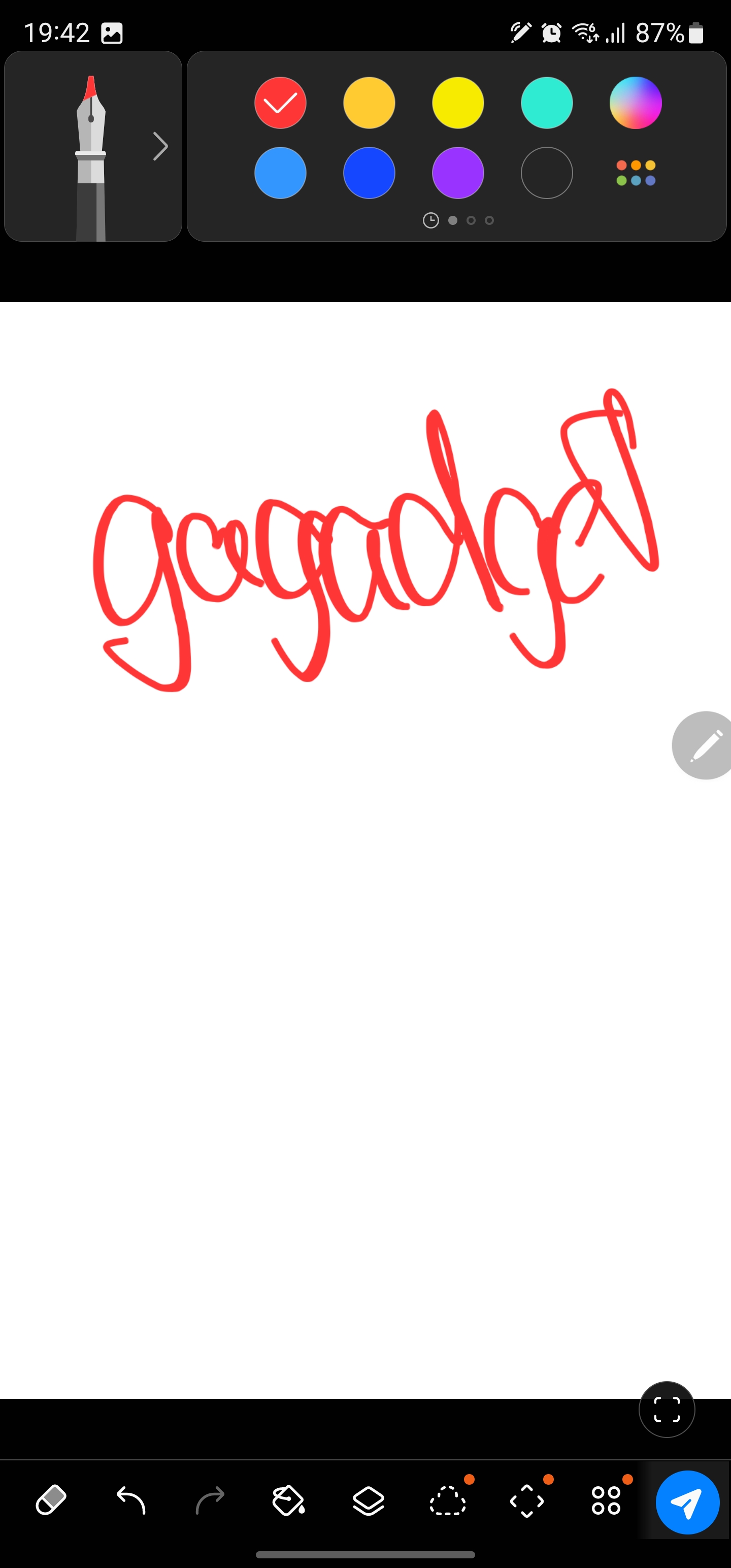
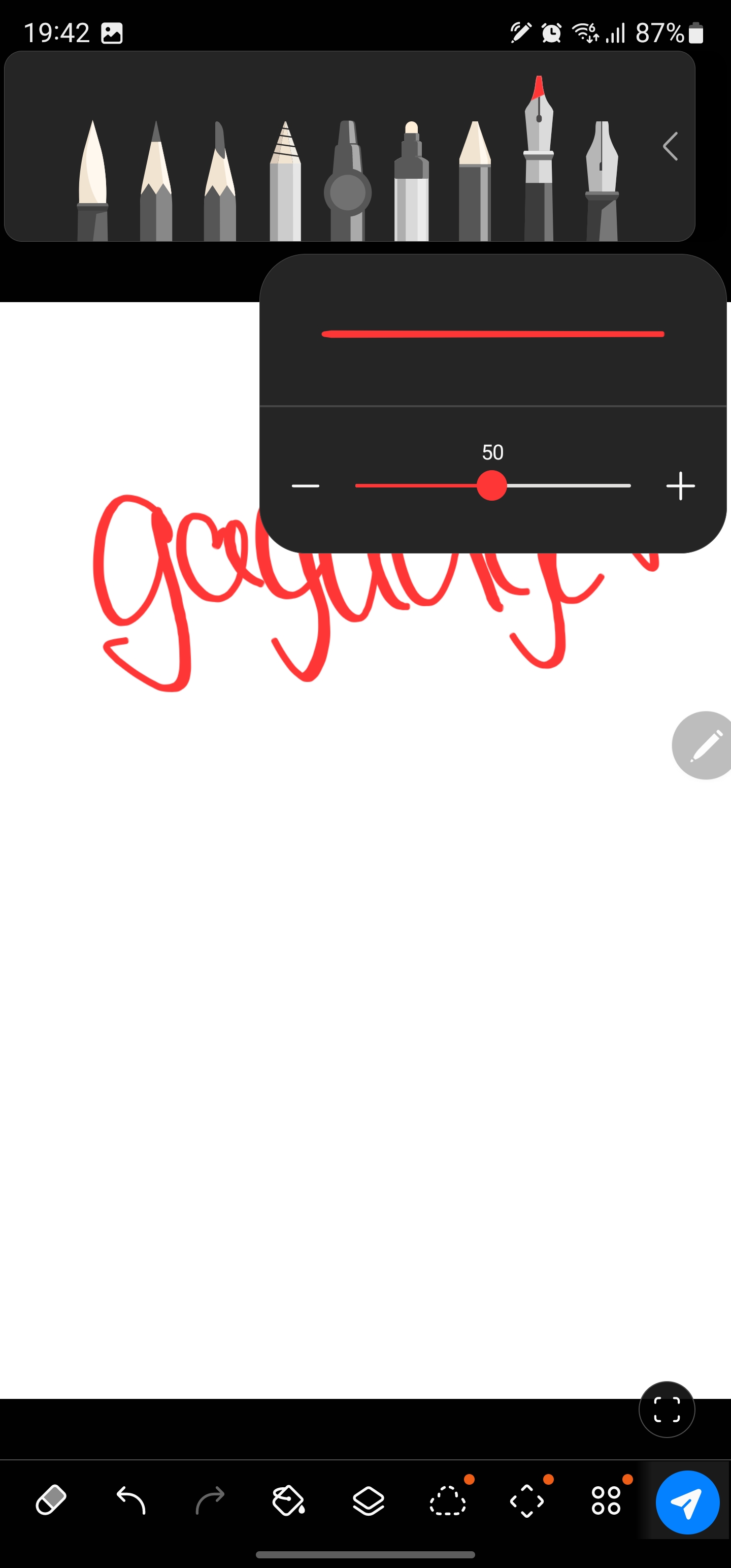
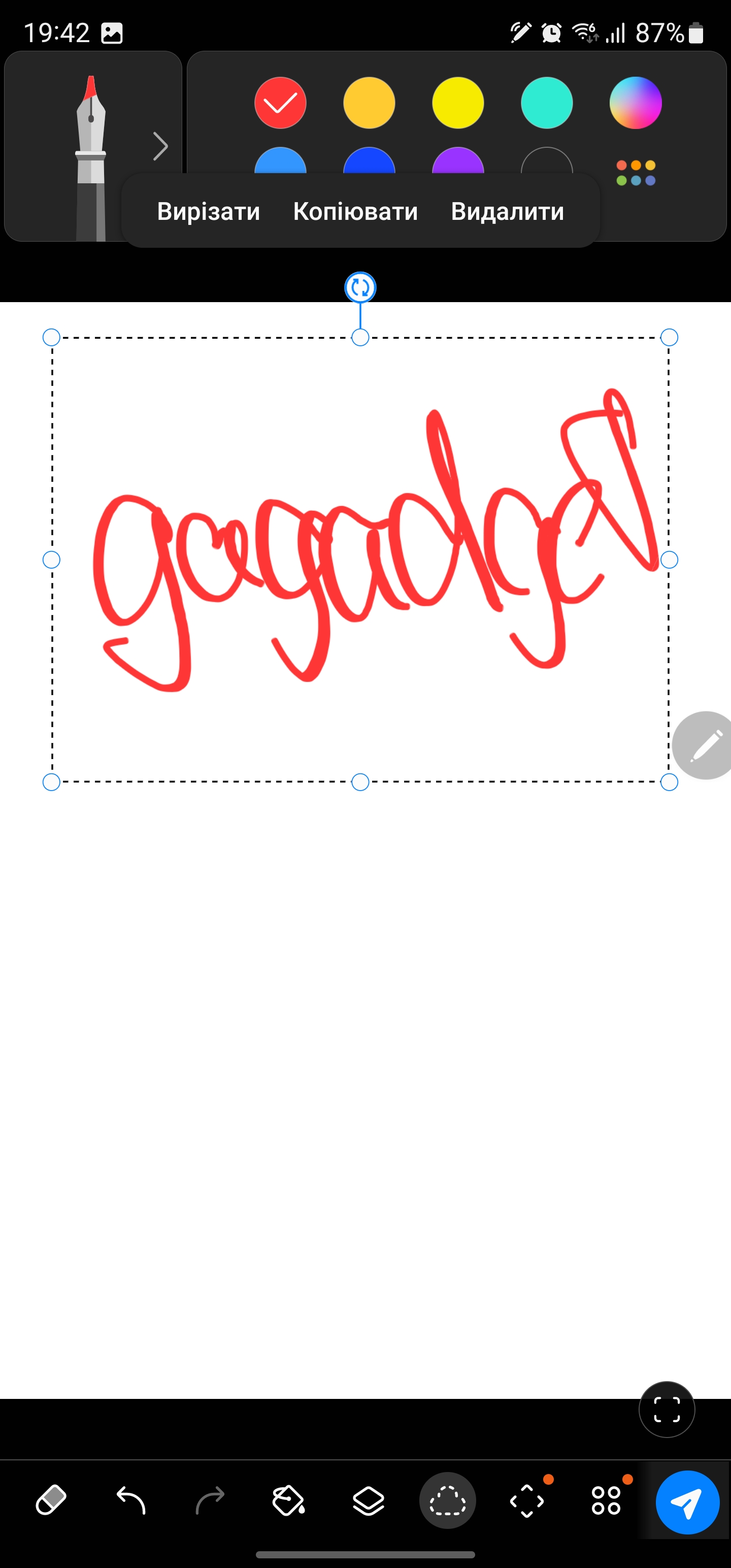
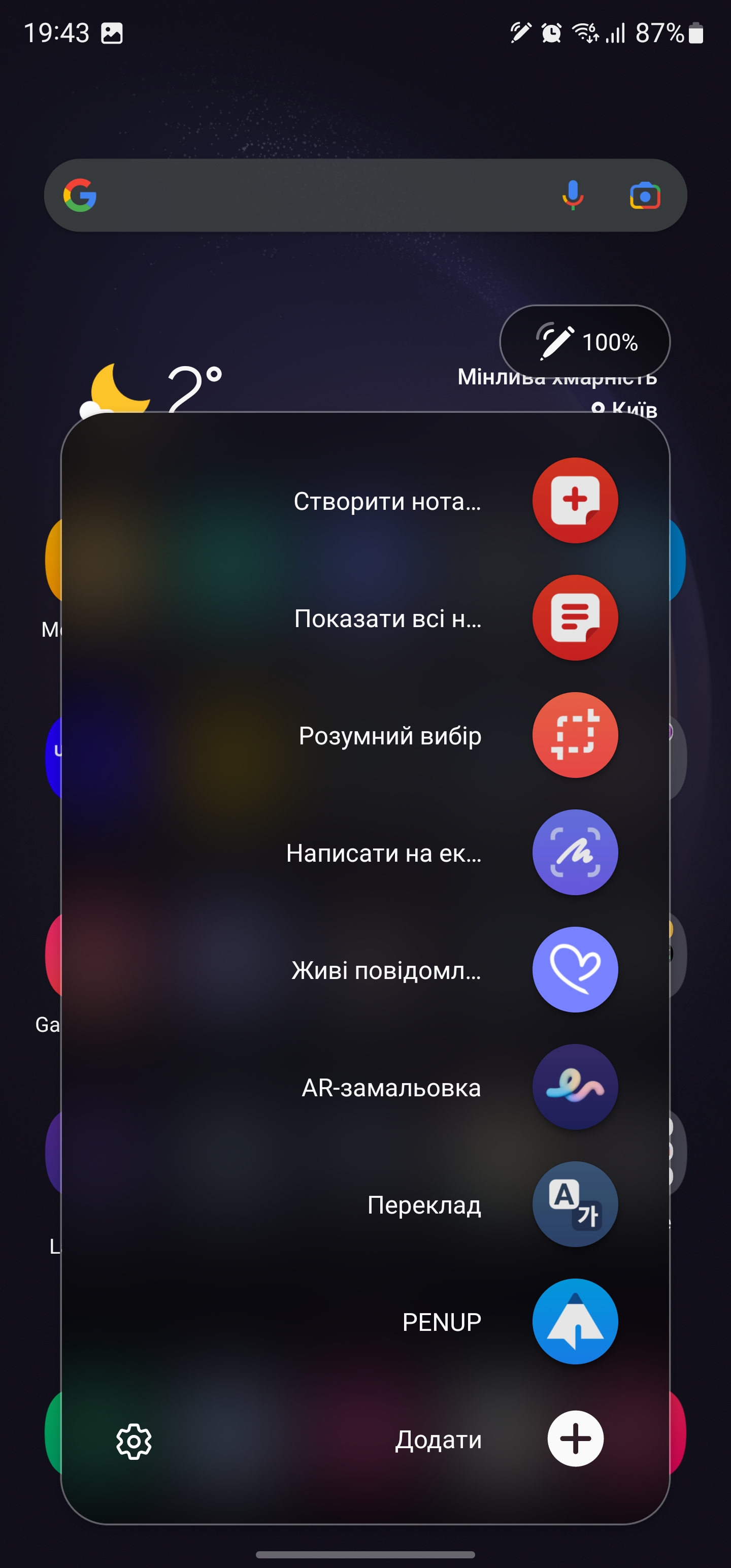
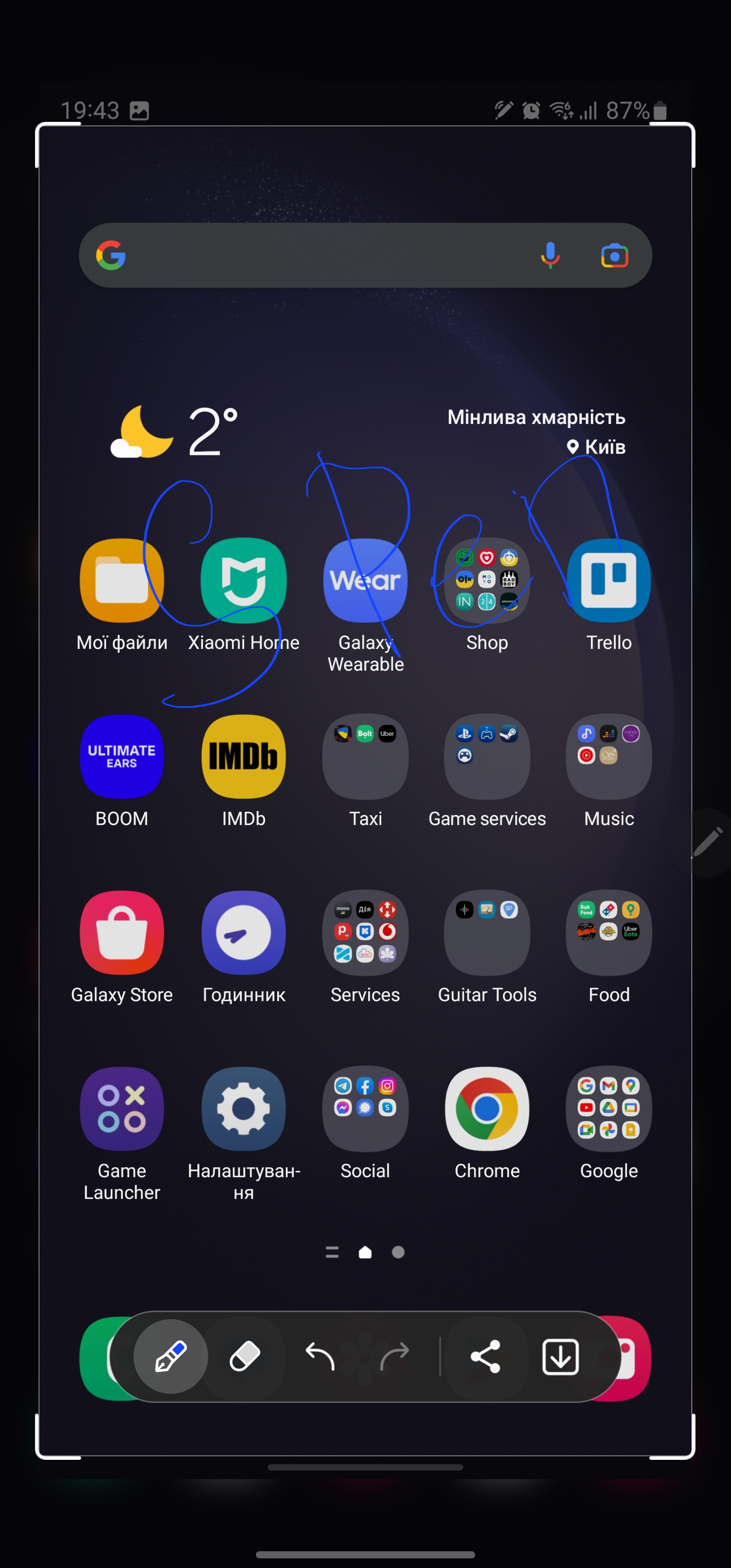
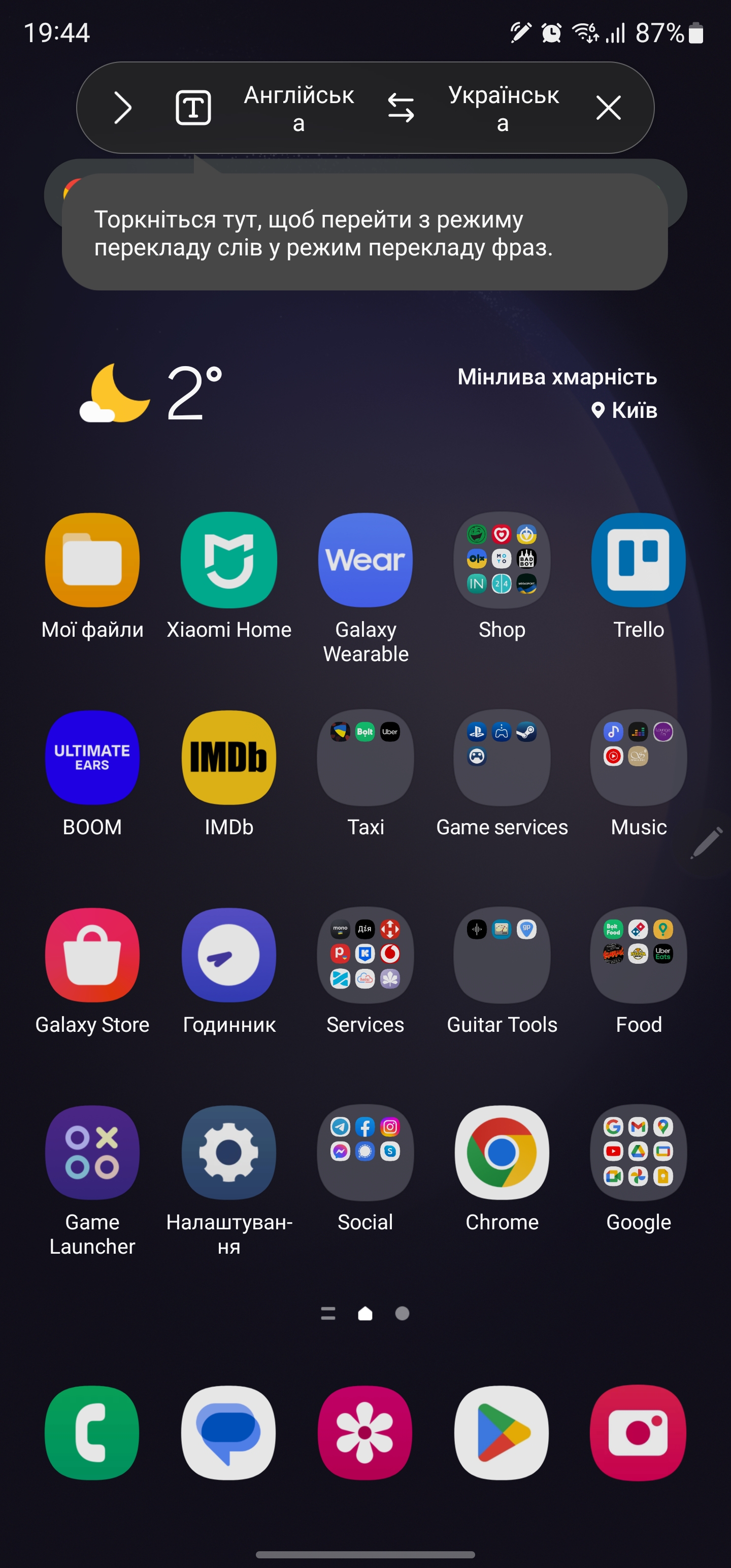
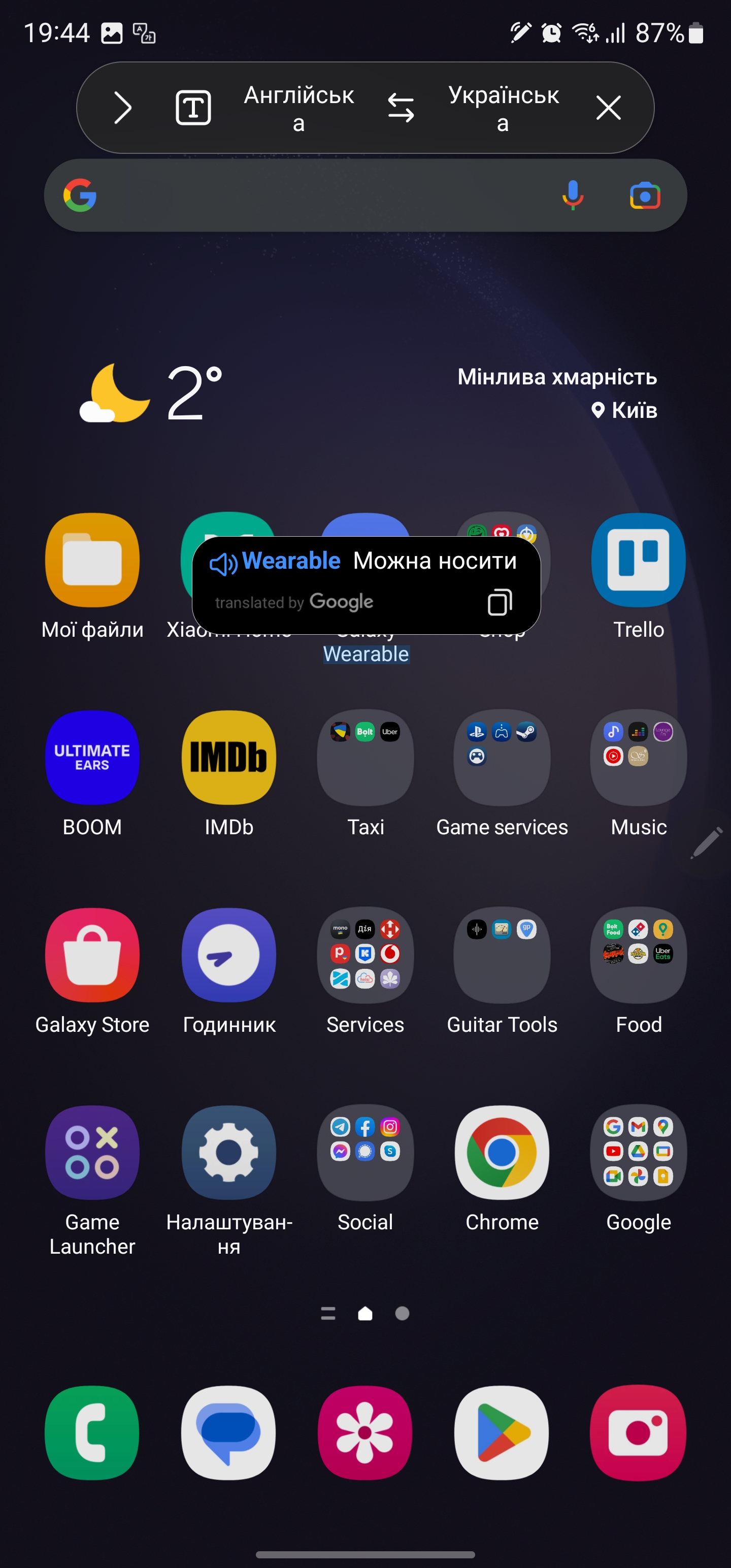
Handwriting recognition, translator directlyon screen, live messages, notes, and the standard PENUP drawing application. Although third-party applications are also supported, such as Concepts or Sketchbook.
</ img>
</ img>
</ img>
</ img>
</ img>
</ img>
</ img>
</ img>





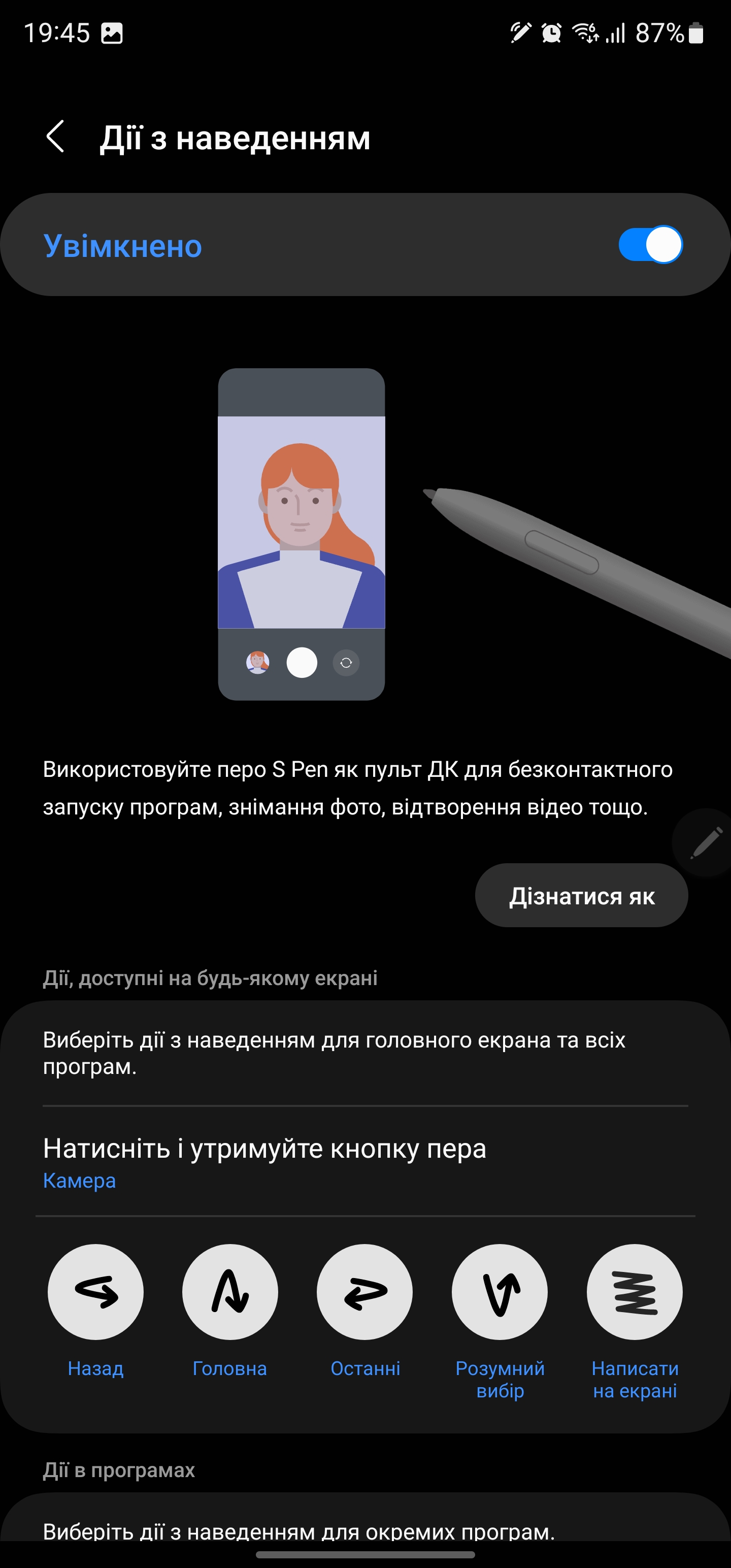
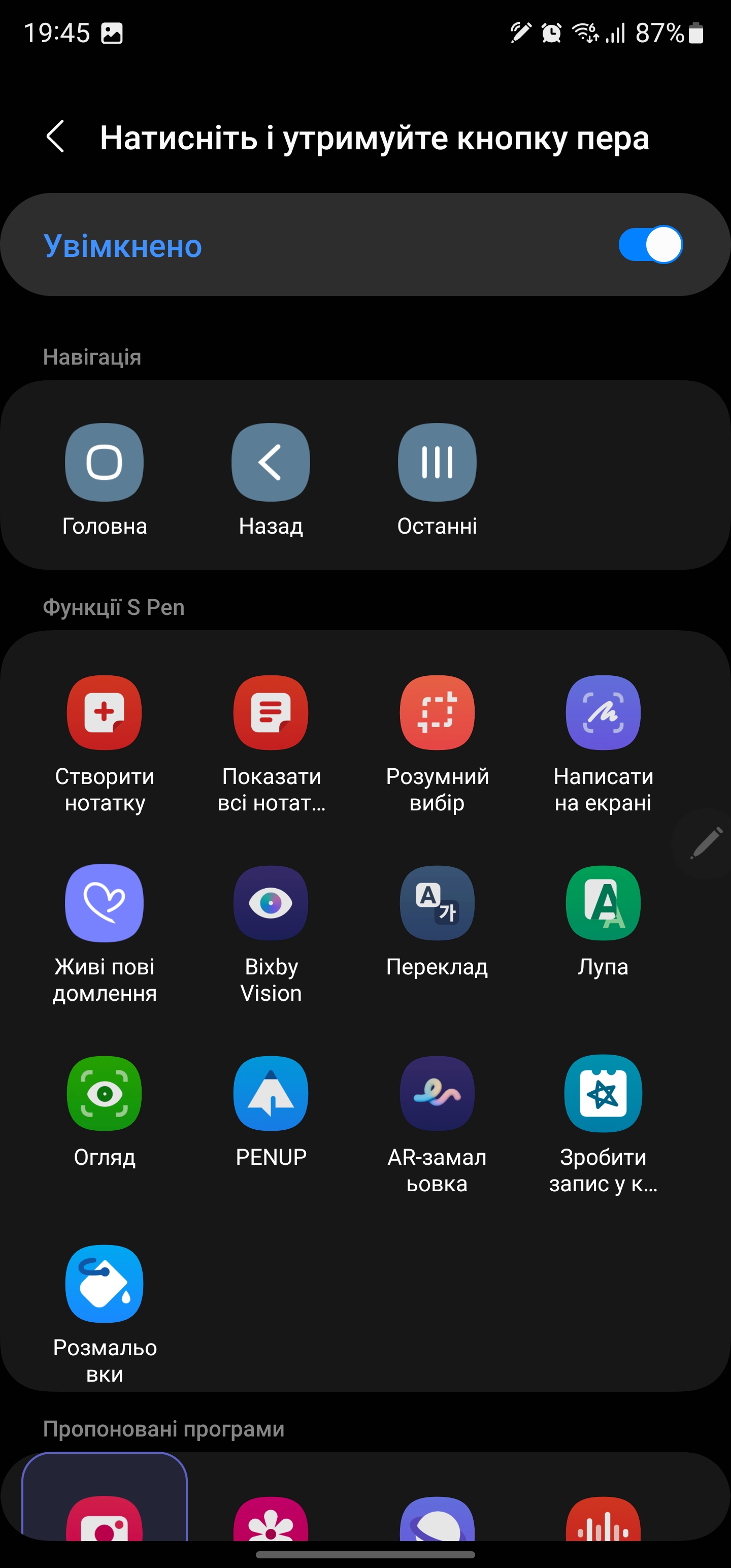
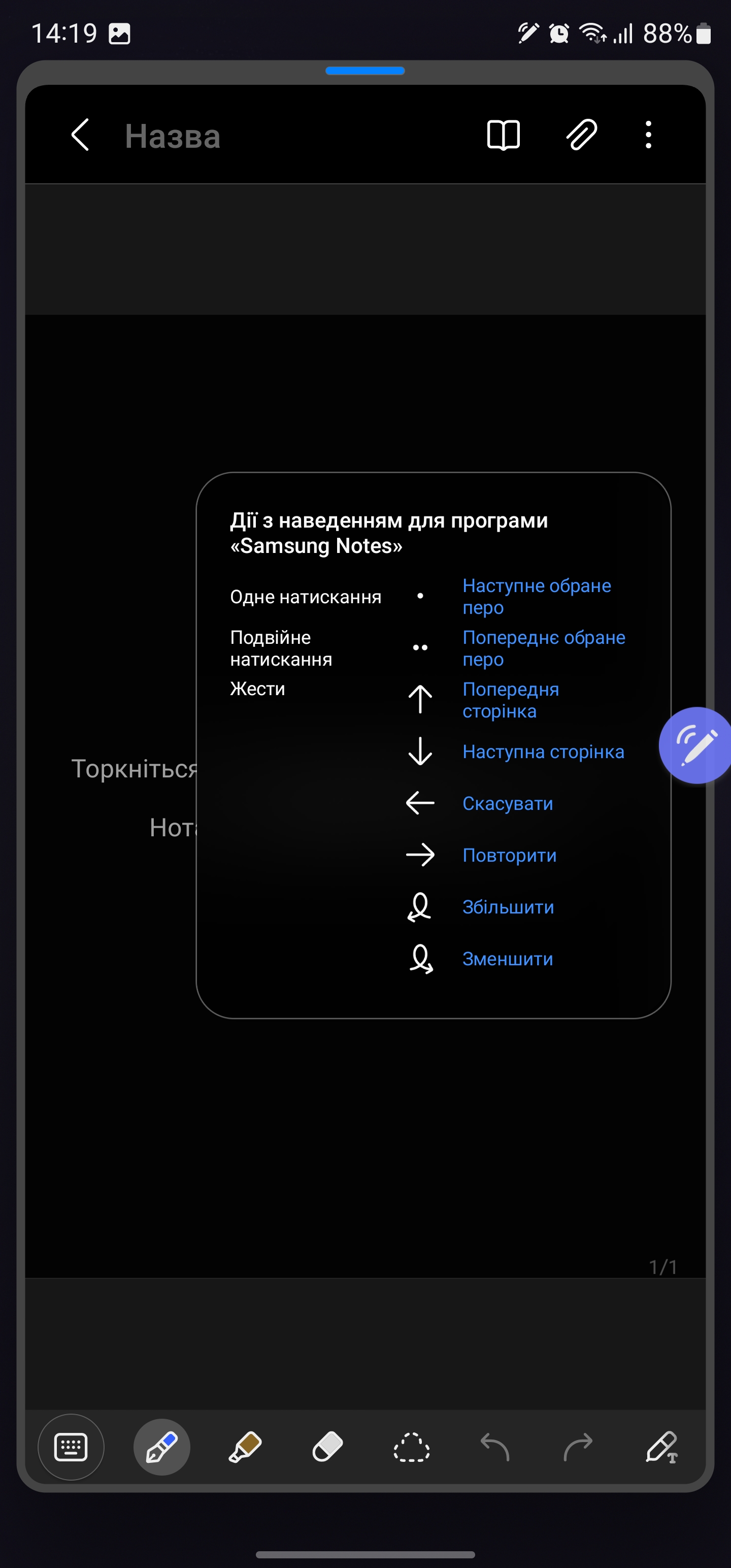
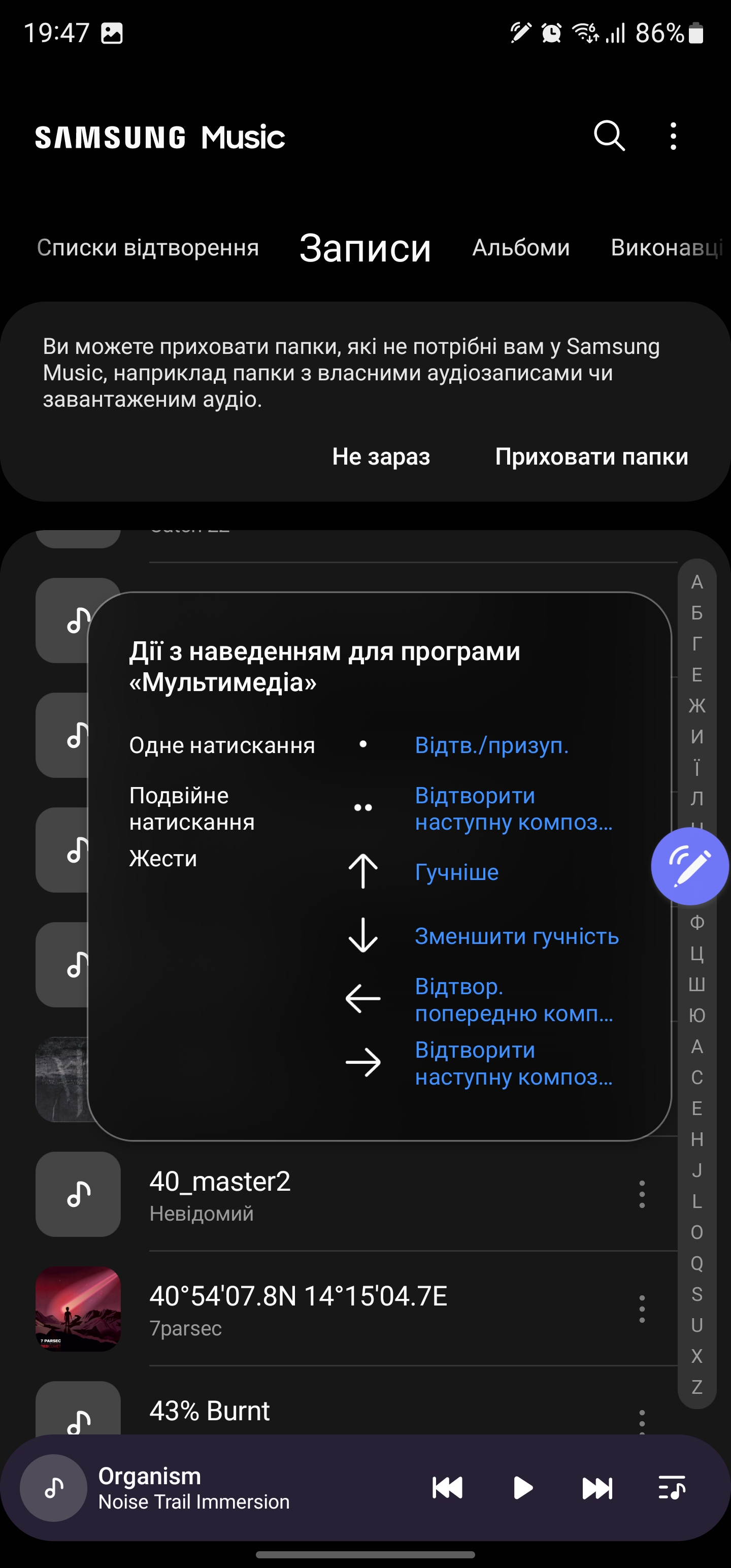
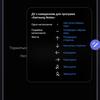
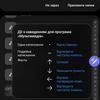
The S Pen can be used as a remote control.In various programs, you can set up various gestures with a stylus in the air: switching tracks, pause, play in the player, zoom, switch cameras and switch modes in the camera, etc.:
</ img>
</ img>
How good are the cameras?
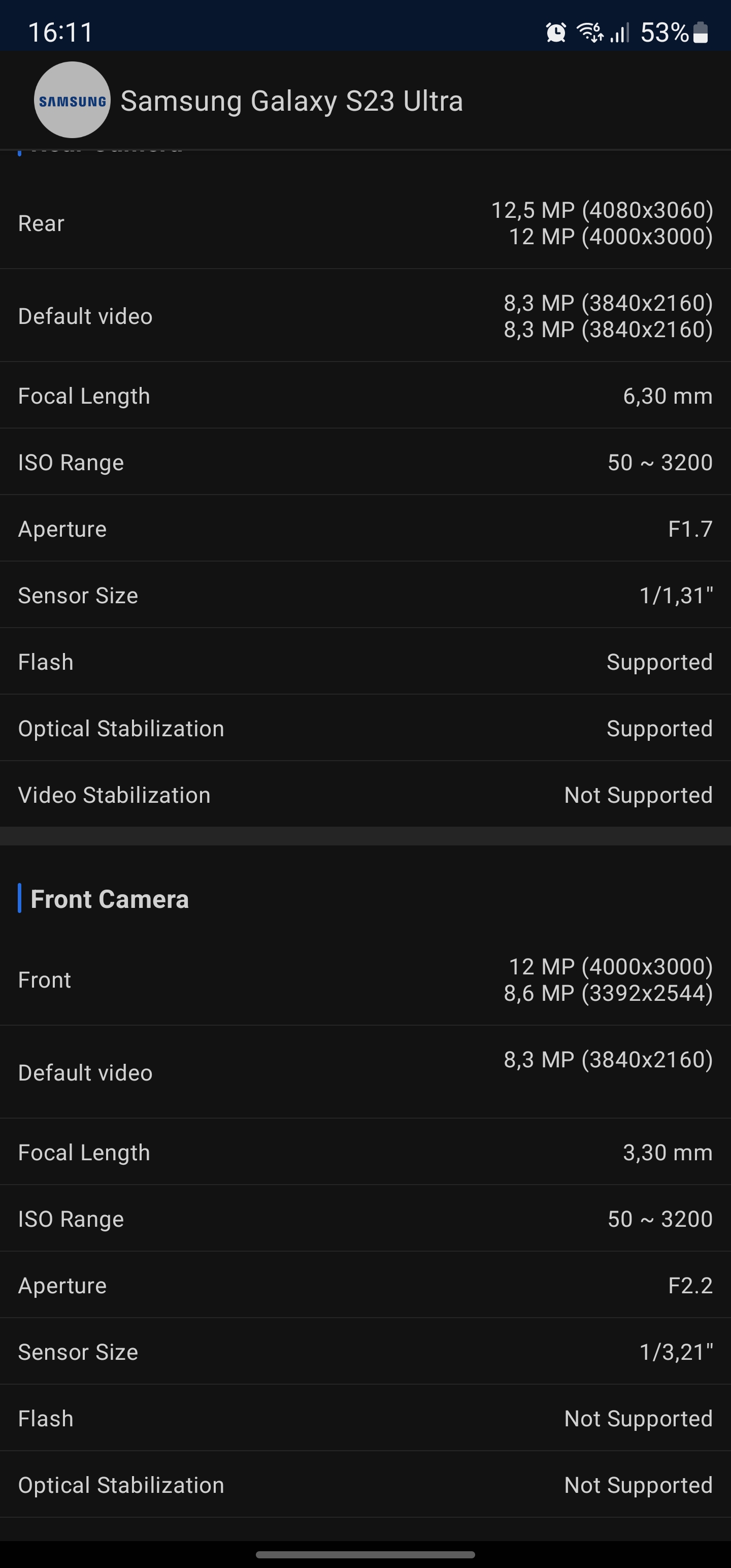
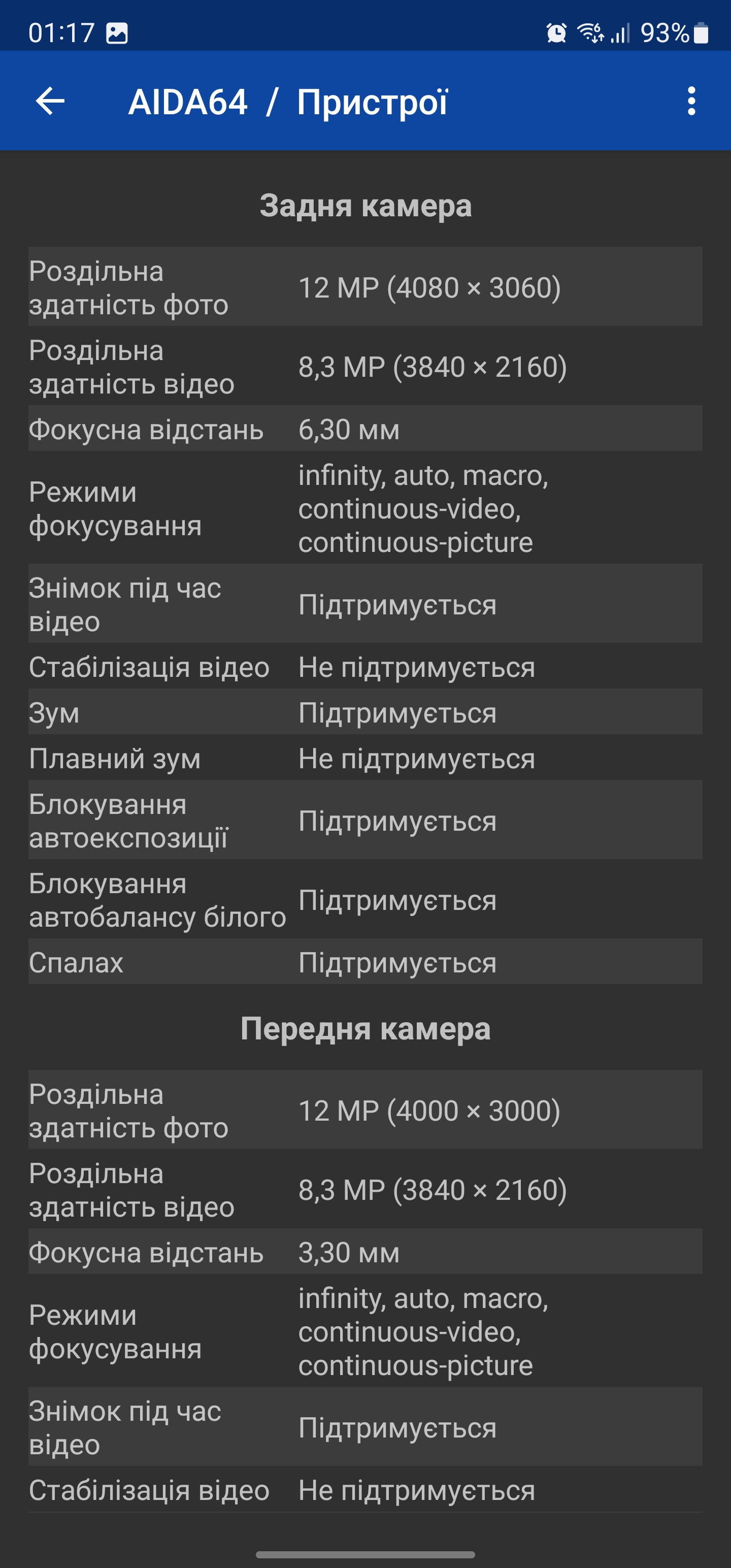
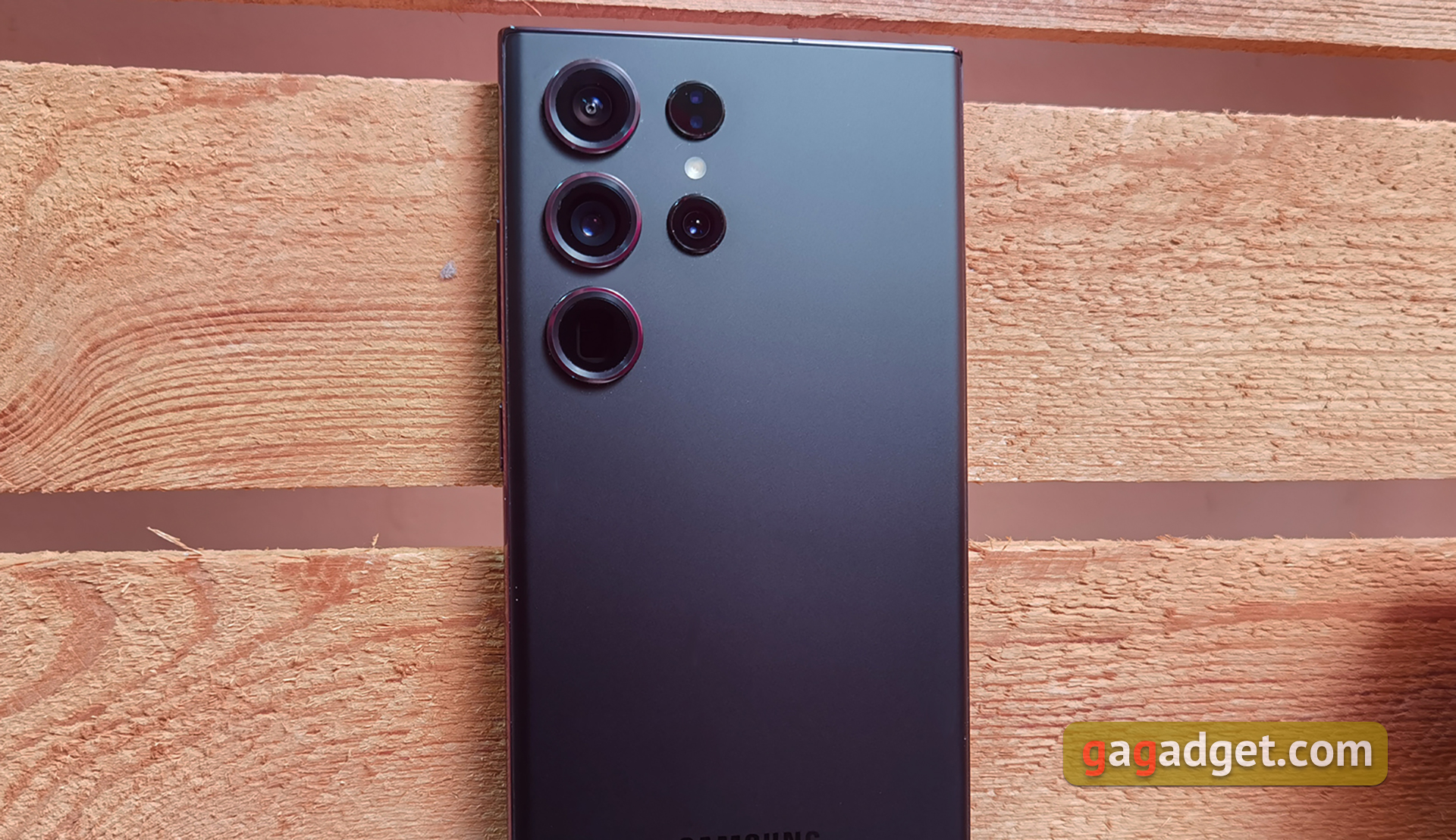
Samsung Galaxy S23 Ultra received four rearcameras, like its predecessor. For all possible occasions and needs. The main module now has a resolution of 200 megapixels Adaptive Pixel and in standard mode combines 16 pixels into one, pictures have a resolution of 12 MP. Additionally, there are 50 and 20 MP modes. The main module has f/1.7 optics, 23 mm EGF, matrix size 1/1.3″, 0.6 µm, there is Dual Pixel PDAF phase autofocus and optical stabilization with twice the correction angle in all directions. Processing algorithms for night photography (Nightography) have also been improved. The first telephoto module is 10 MP f/2.4, 70 mm, 1/3.52″, 1.12µm, Dual Pixel PDAF, OIS with 3x zoom. Second telephoto – periscope, 10 MP, f/4.9, 230 mm EGF, 1/3.52″, 1.12µm, Dual Pixel PDAF, OIS, 10x zoom. And an ultra-wide-angle camera of 12 MP, f/2.2, 13 mm, viewing angle 120°, 1/2.55″, 1.4µm, also Dual Pixel PDAF. The front camera has changed slightly. Now it is 12 MP with an f/2.2 aperture, 25 mm EDF, and has phase detection autofocus. The maximum video resolution remains 8K, but is now 30 FPS instead of 24 in the previous generation.
</ img>
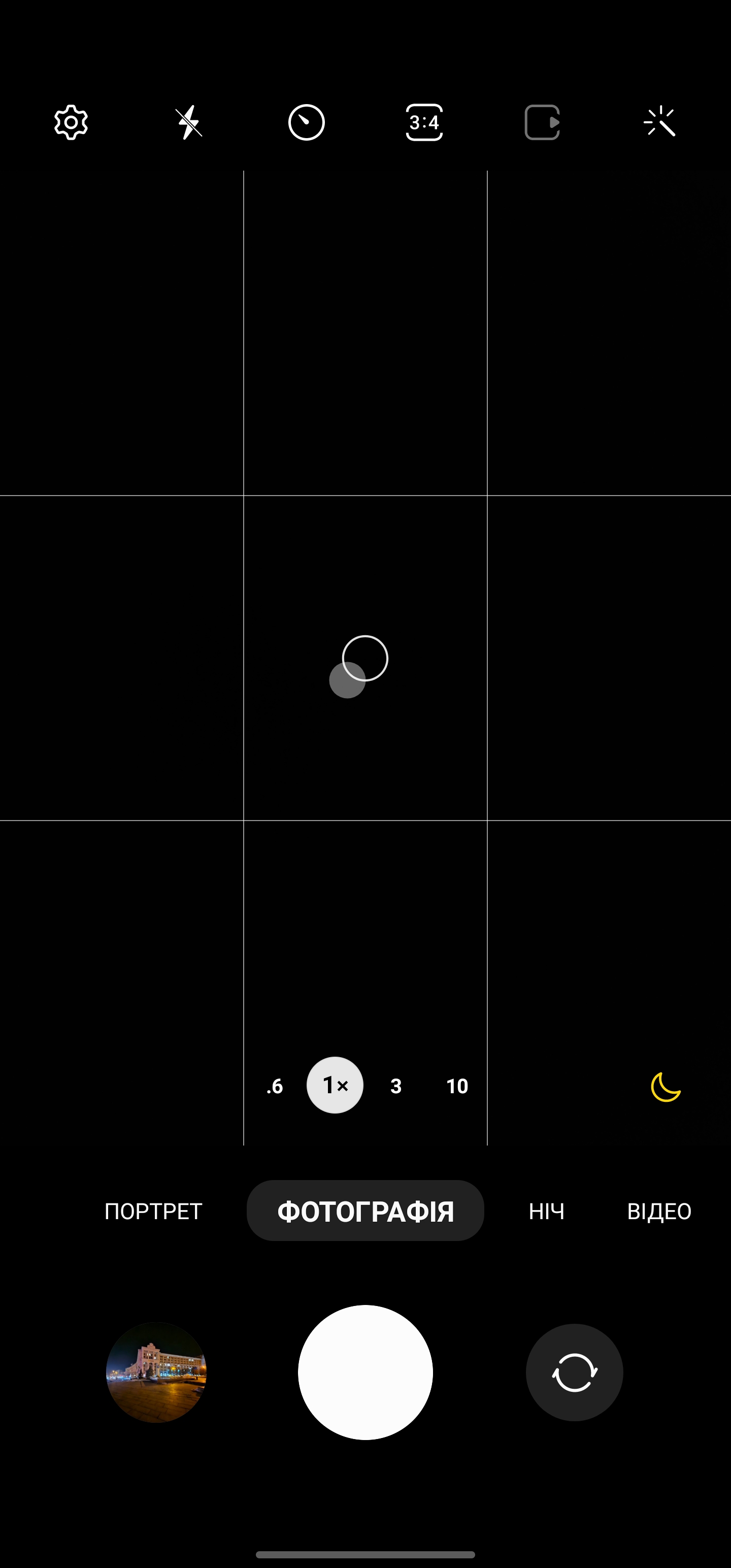
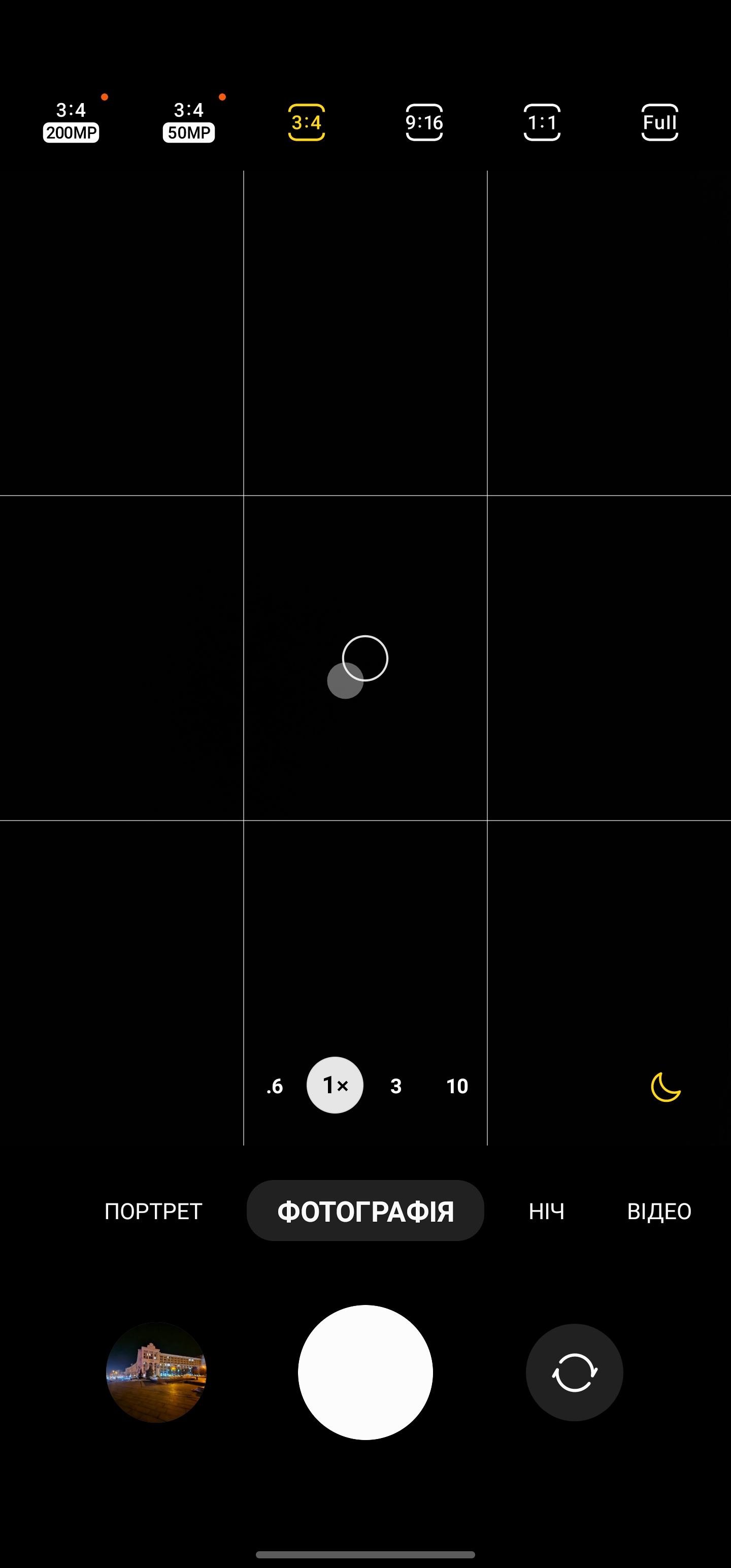
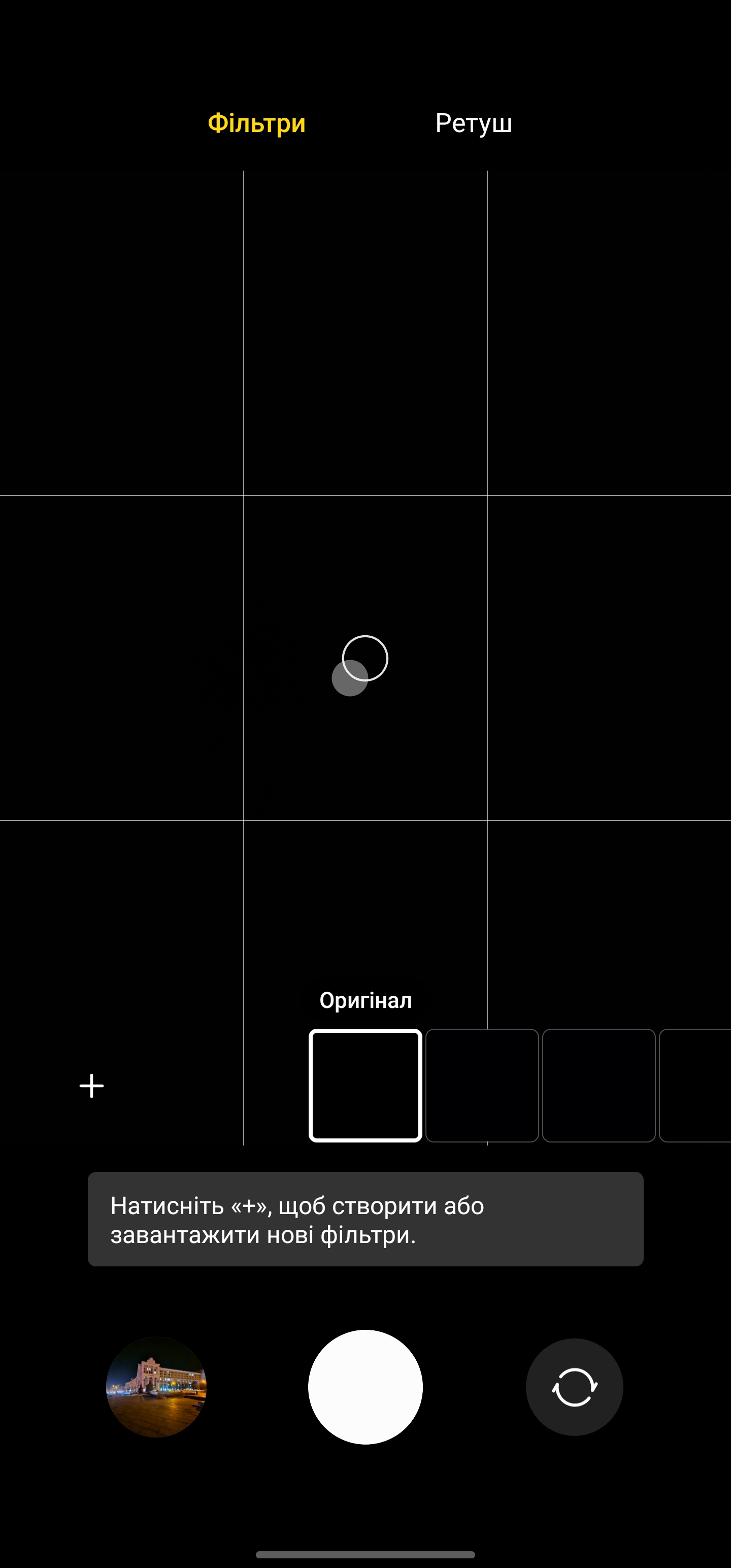
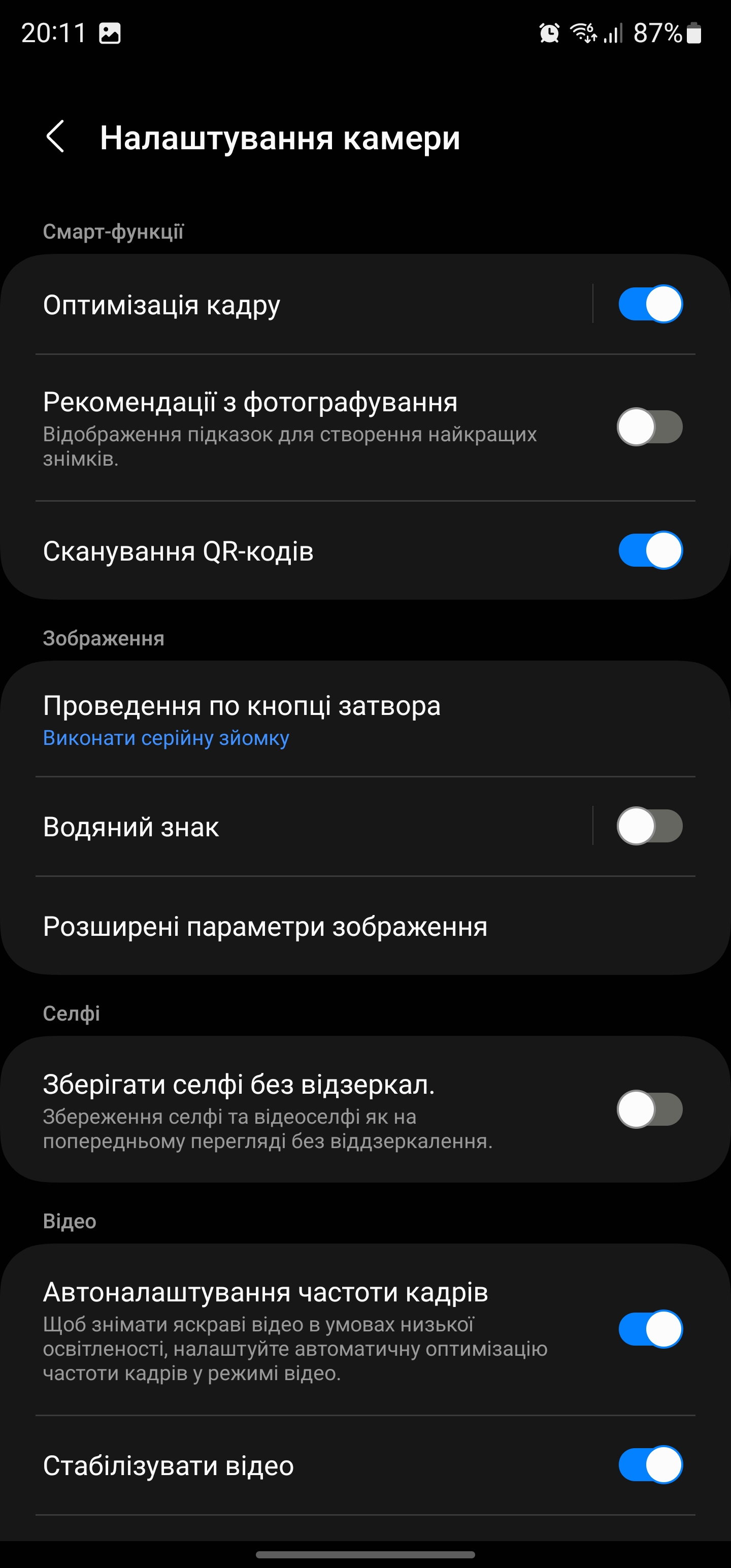
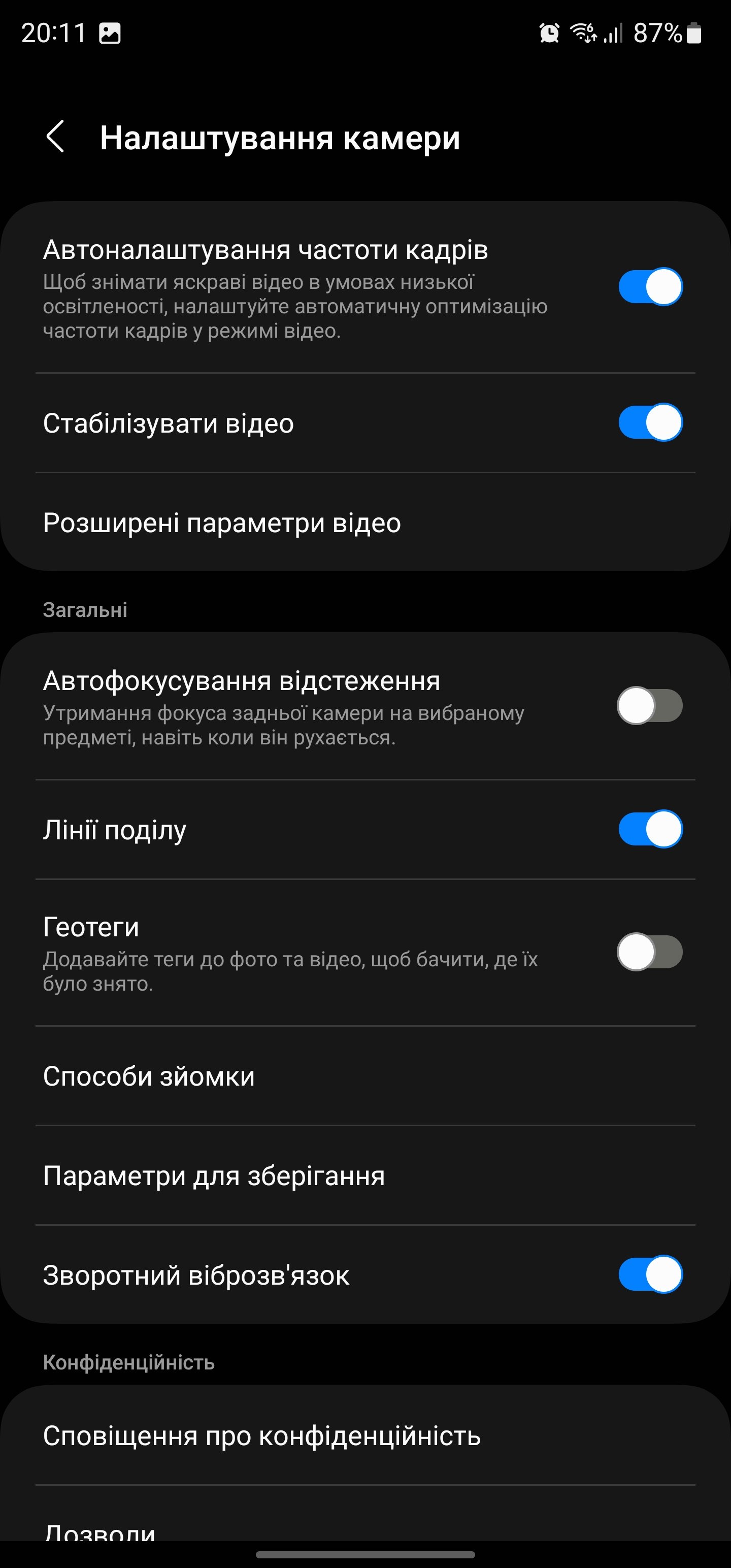
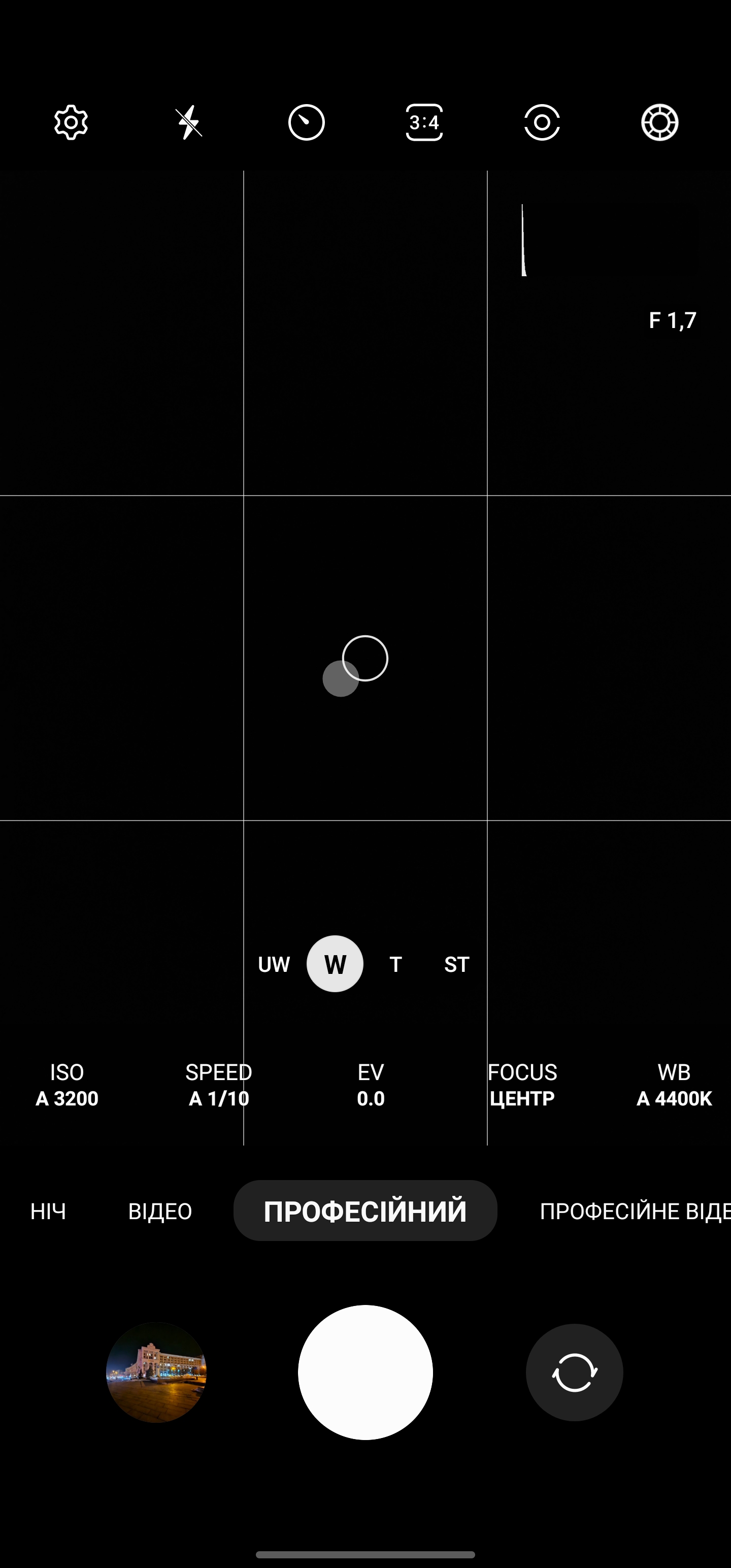
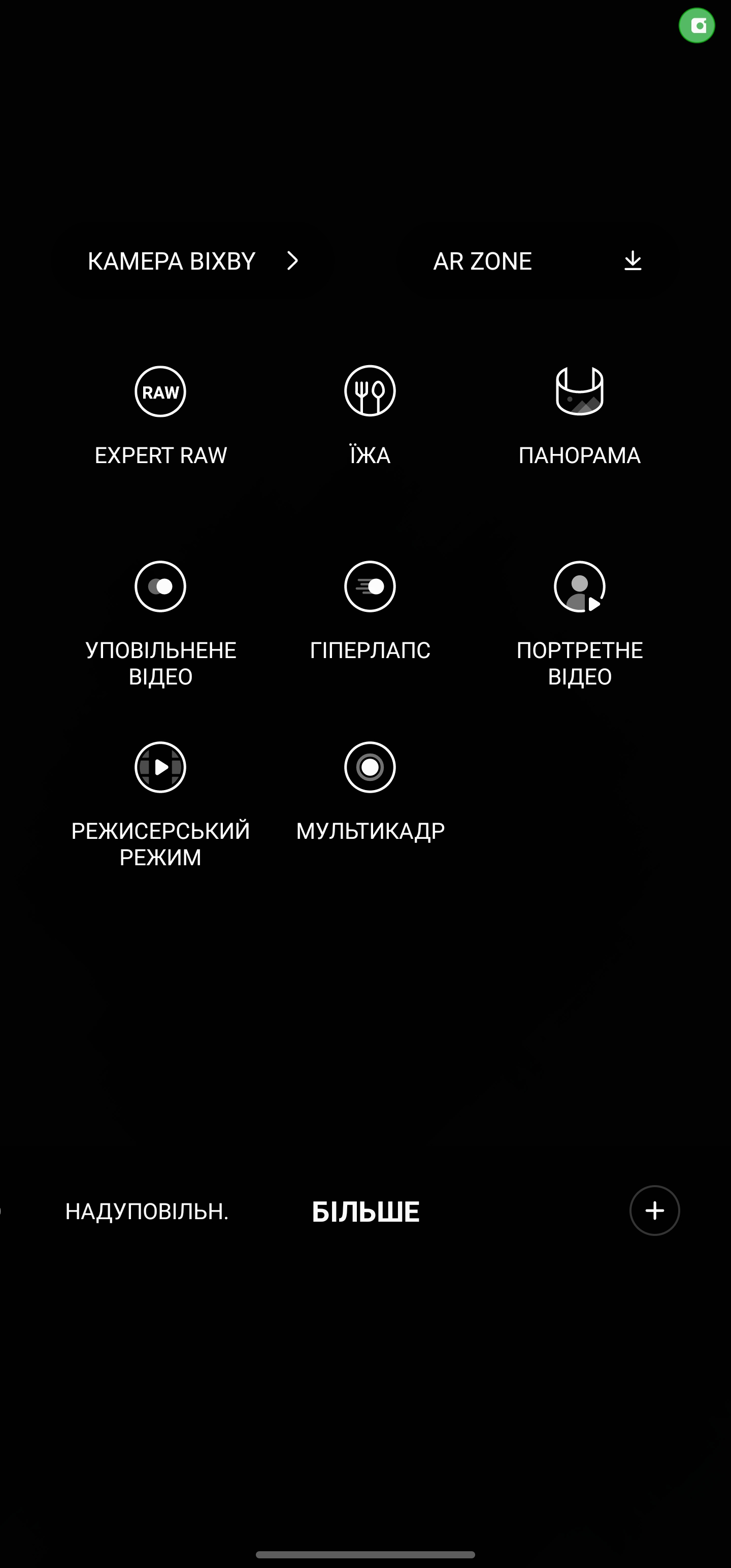
The camera app has a familiar look and feelfunctionality. Carousel of modes, customizable as desired: from the “More” section you can select the desired modes. The main screen contains all the main controls, including flash settings, aspect ratio, video resolution and stabilizer, timer, automatic frame enhancement and switching between the main cameras.
</ img>
</ img>
</ img>
</ img>
</ img>
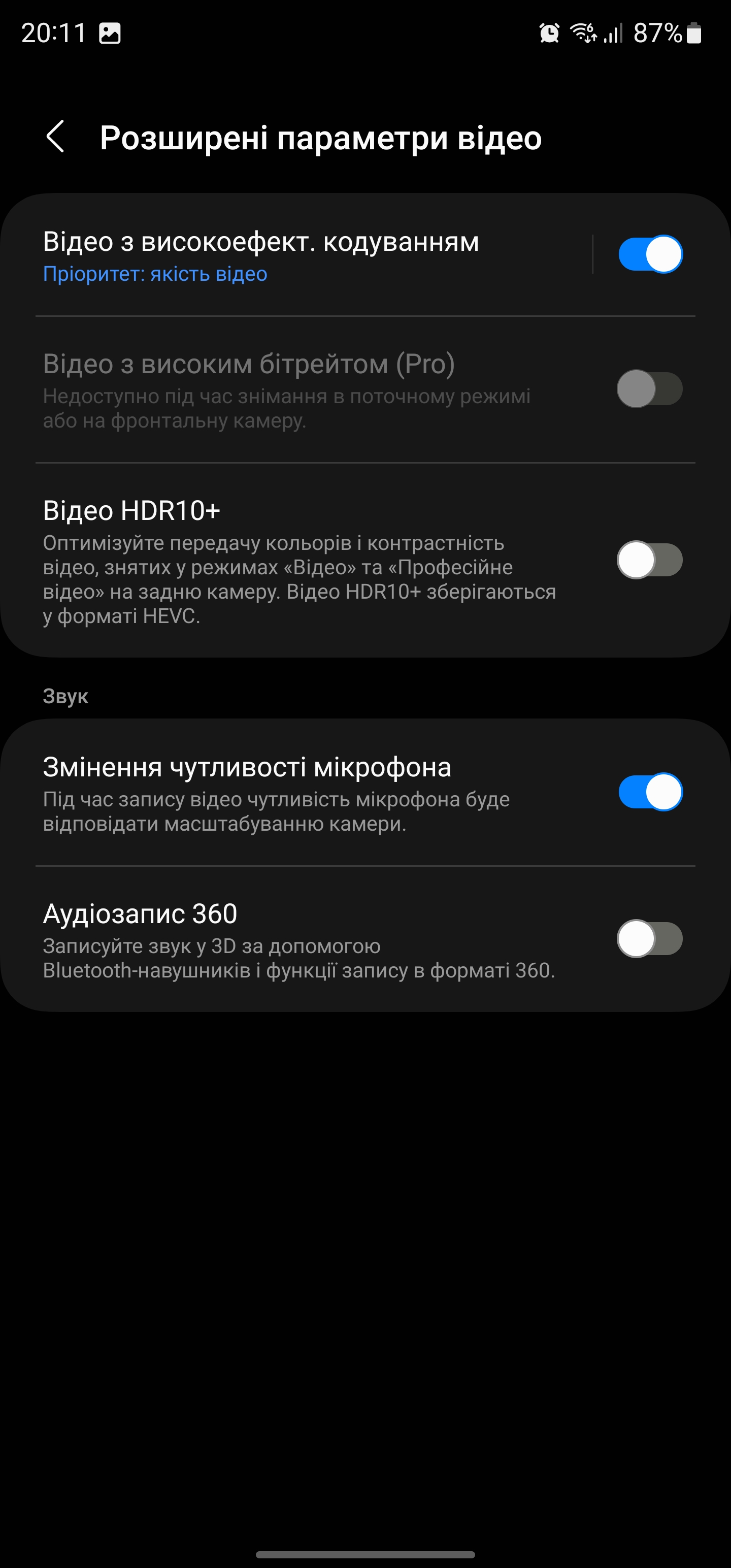
</ img>
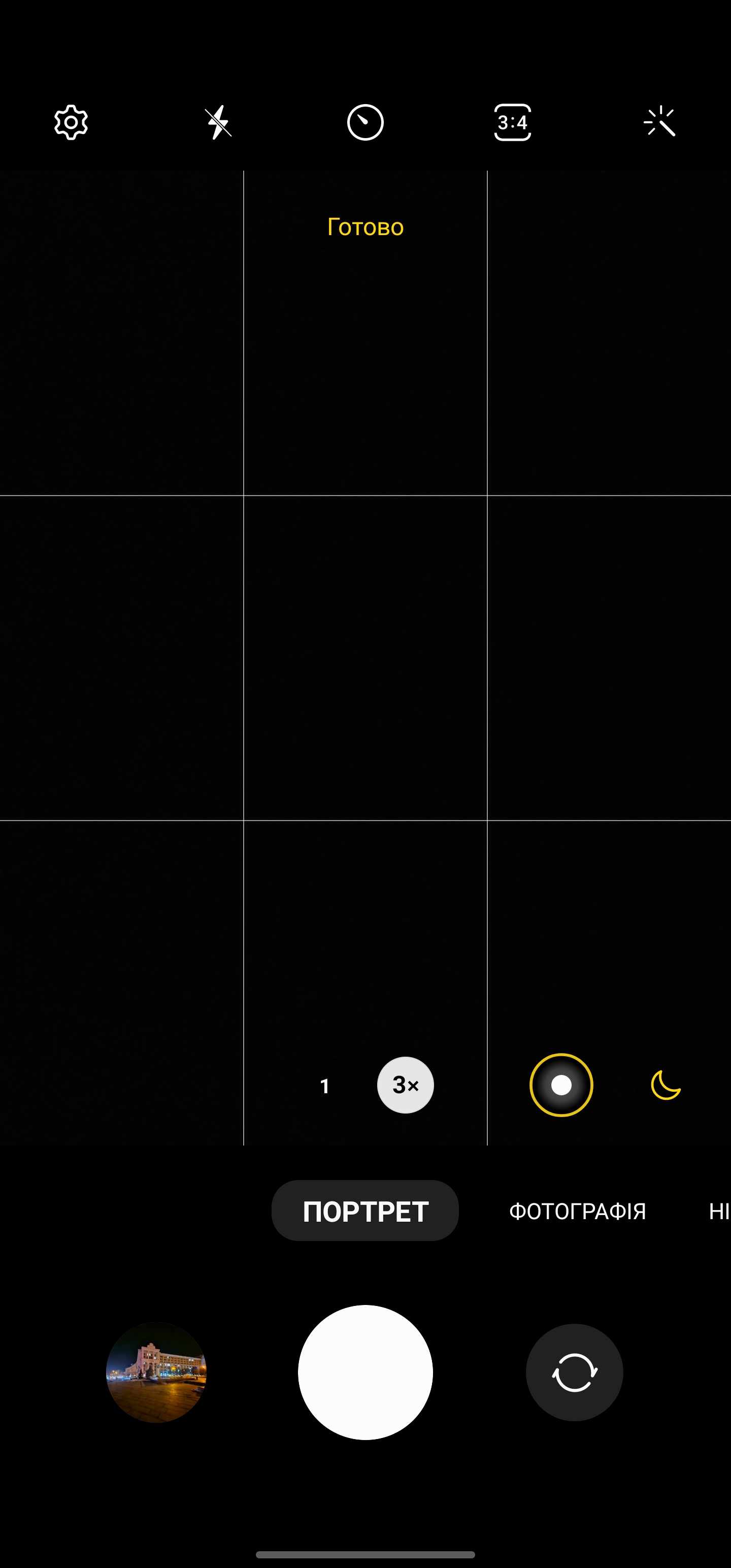
</ img>
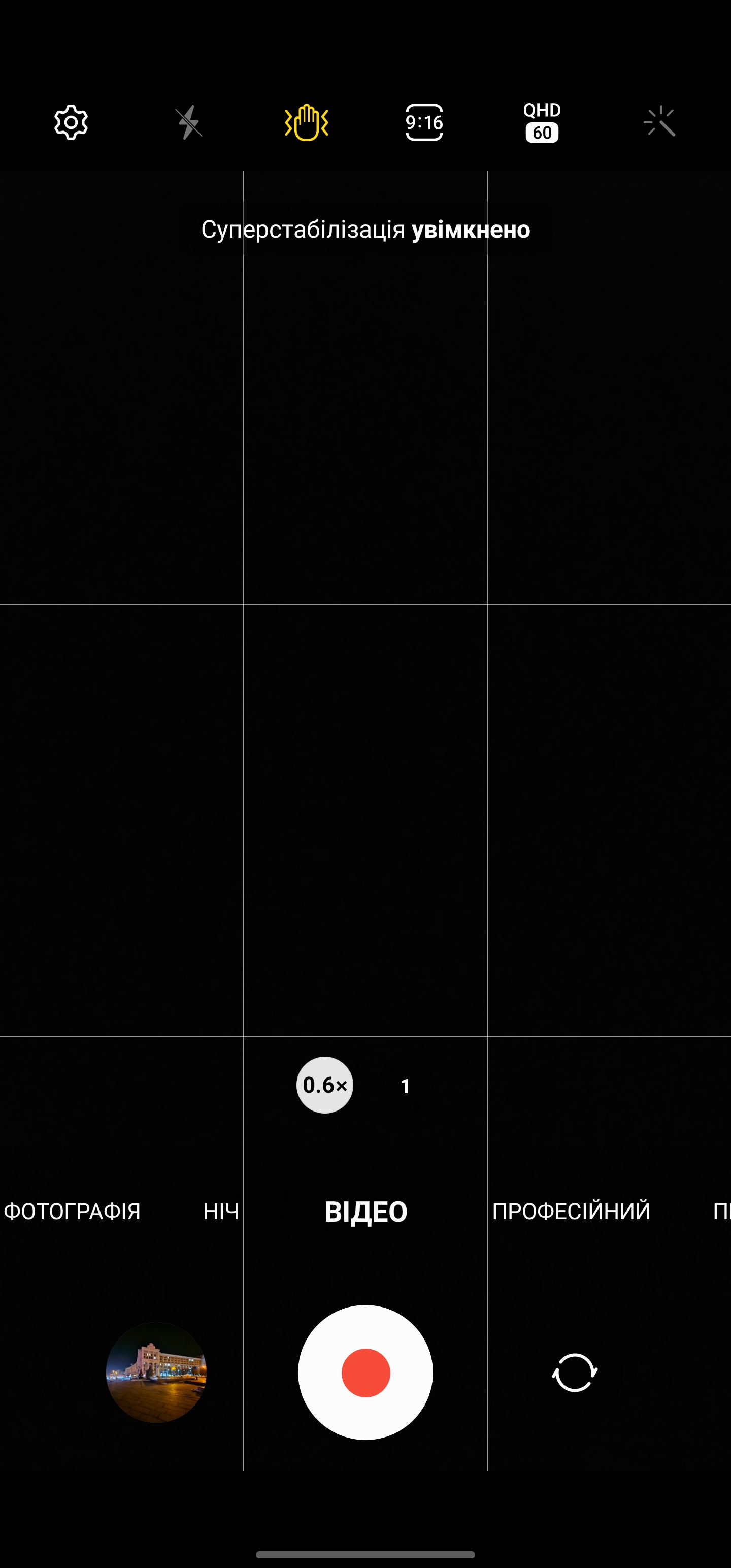
</ img>
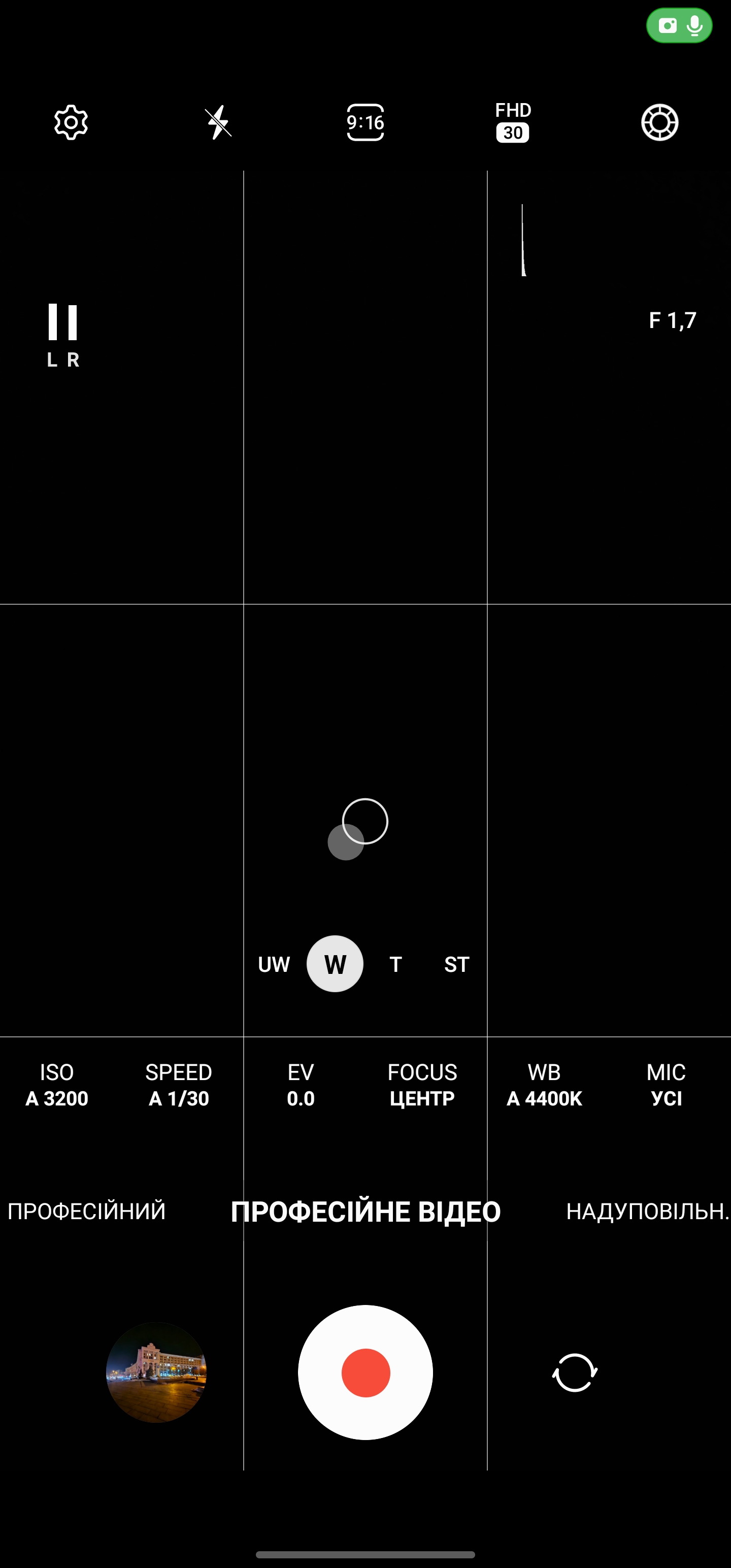
</ img>
</ img>
</ img>
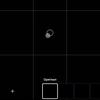
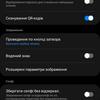
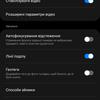
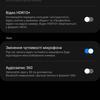
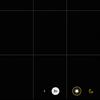
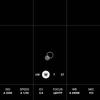
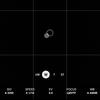
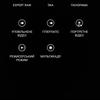
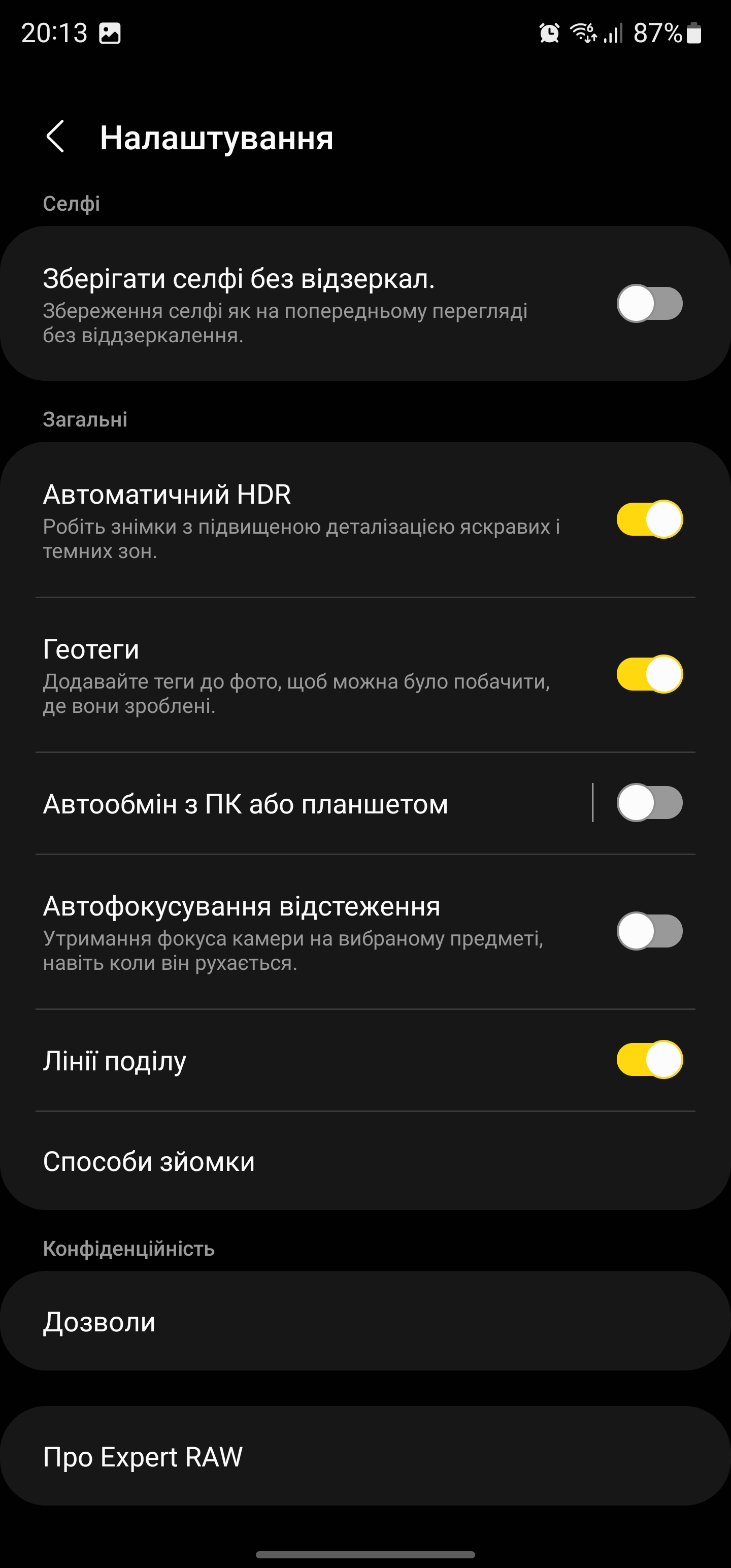
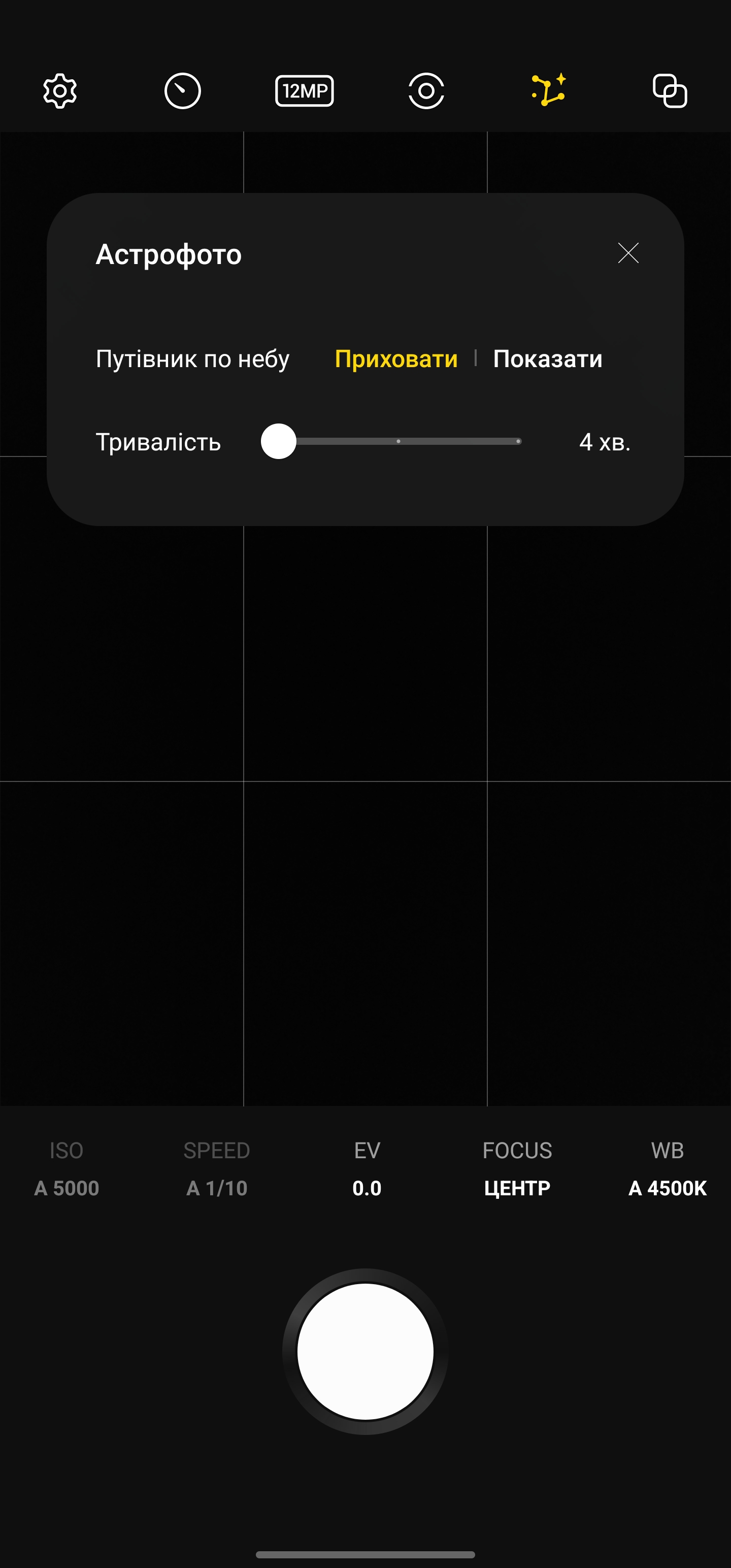
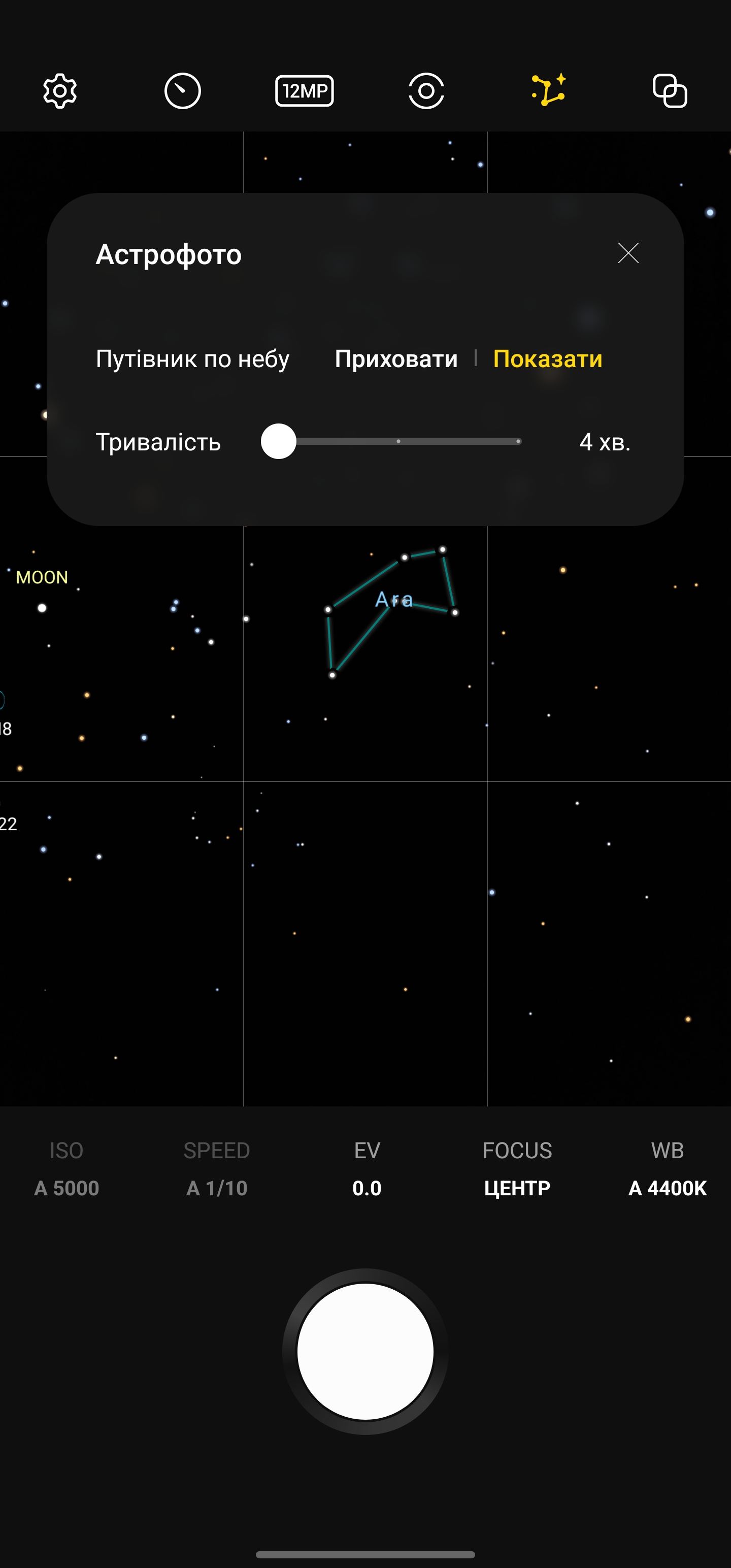
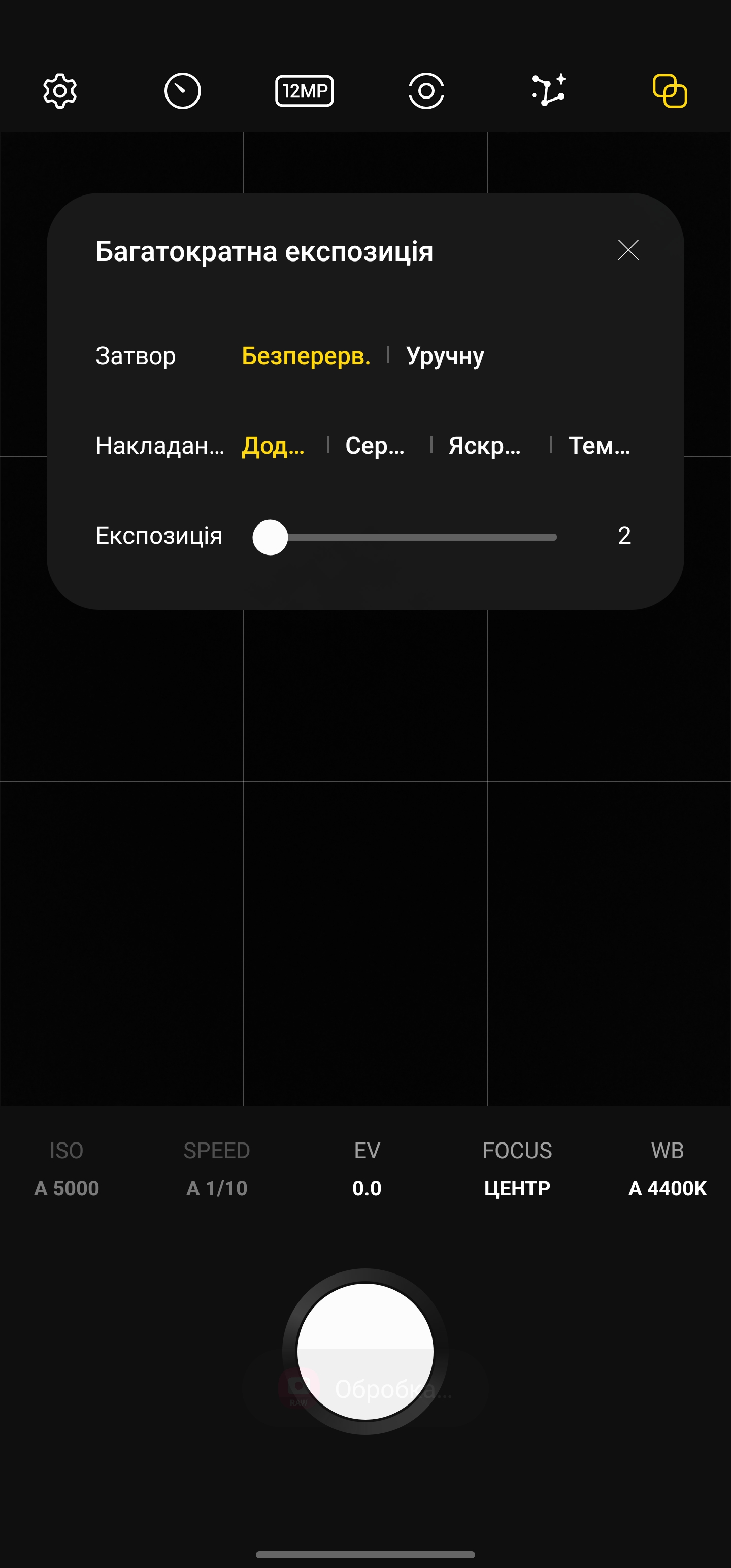
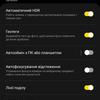
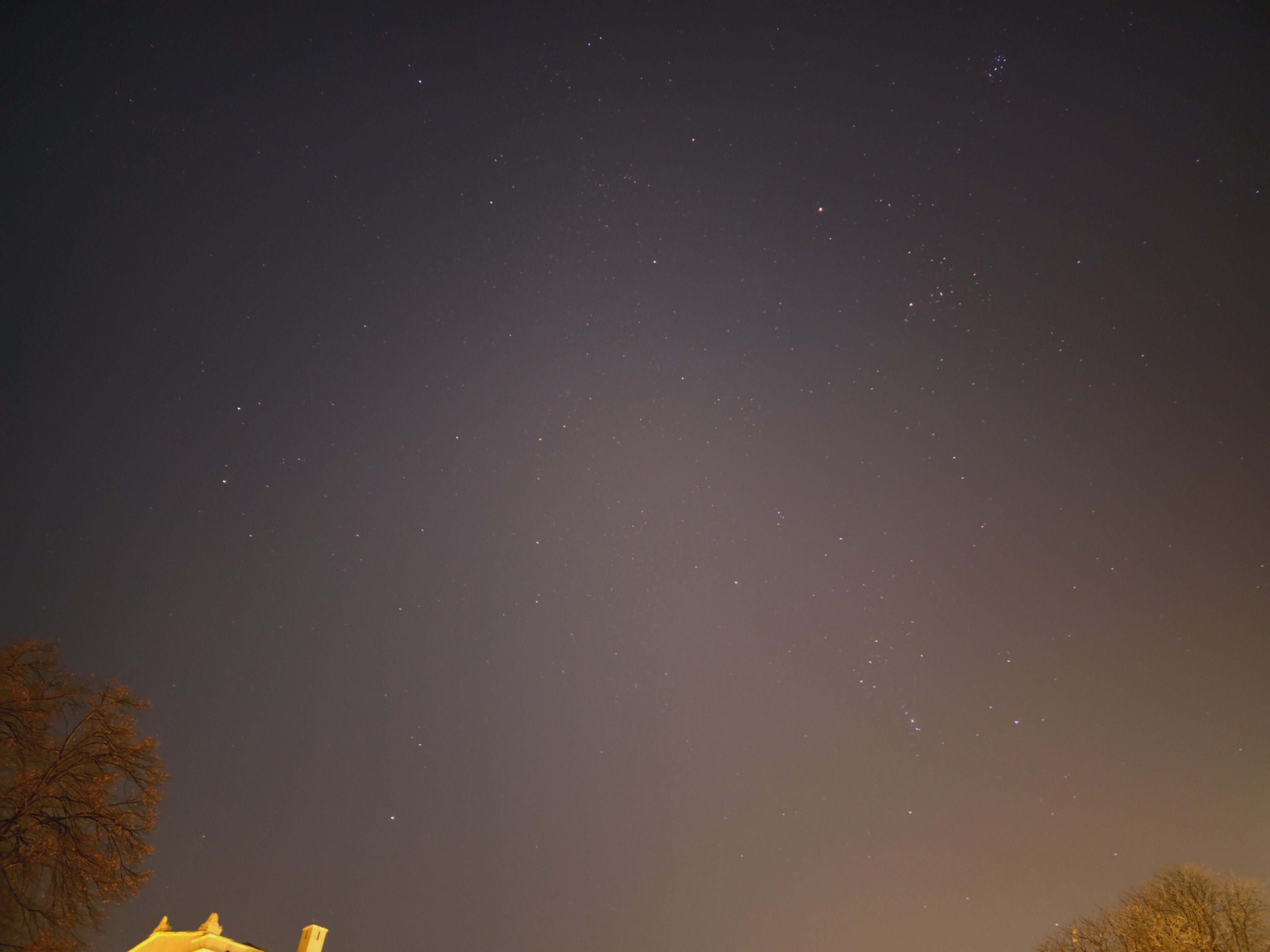
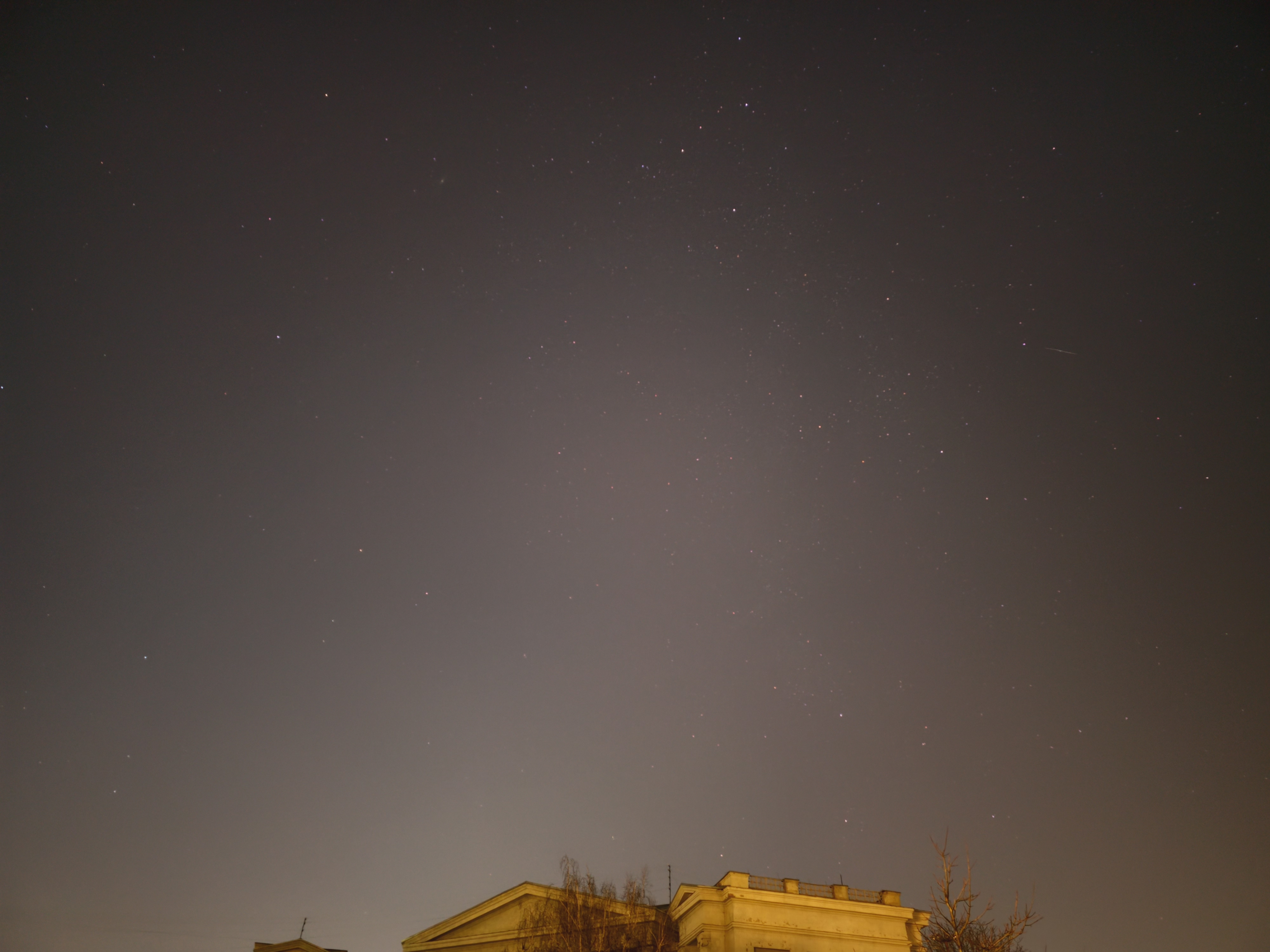
Expert RAW mode is now available in the tab“More”, although in reality it is still a separate application. It allows you to take uncompressed RAW images for manual processing at up to 50MB resolution. It is possible to simultaneously save in RAW, JPEG, manual camera settings and additional “Astrophotography” (with shutter speed selection and sky guide), as well as “Multiple Exposure”. For these modes it is worth having a tripod.
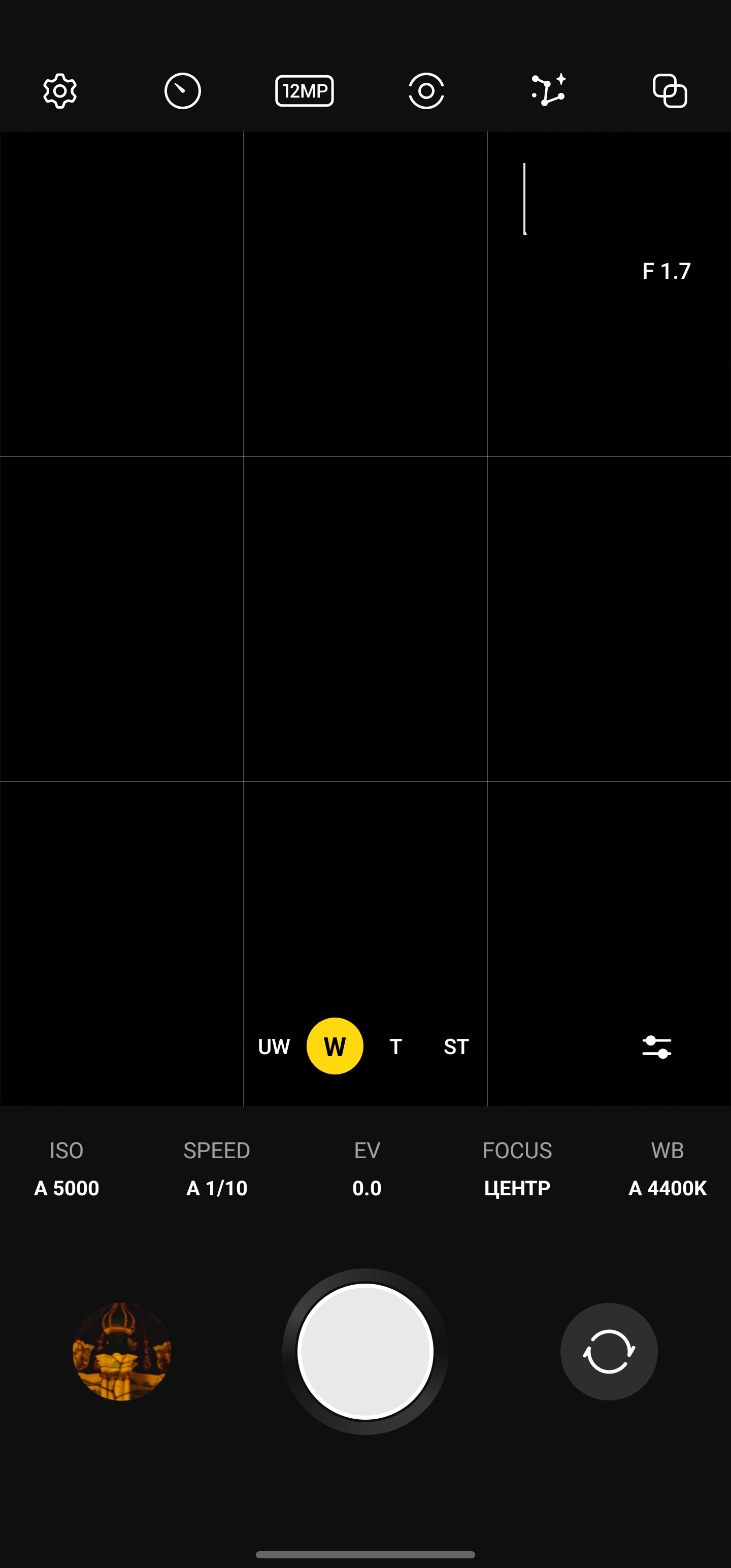
</ img>
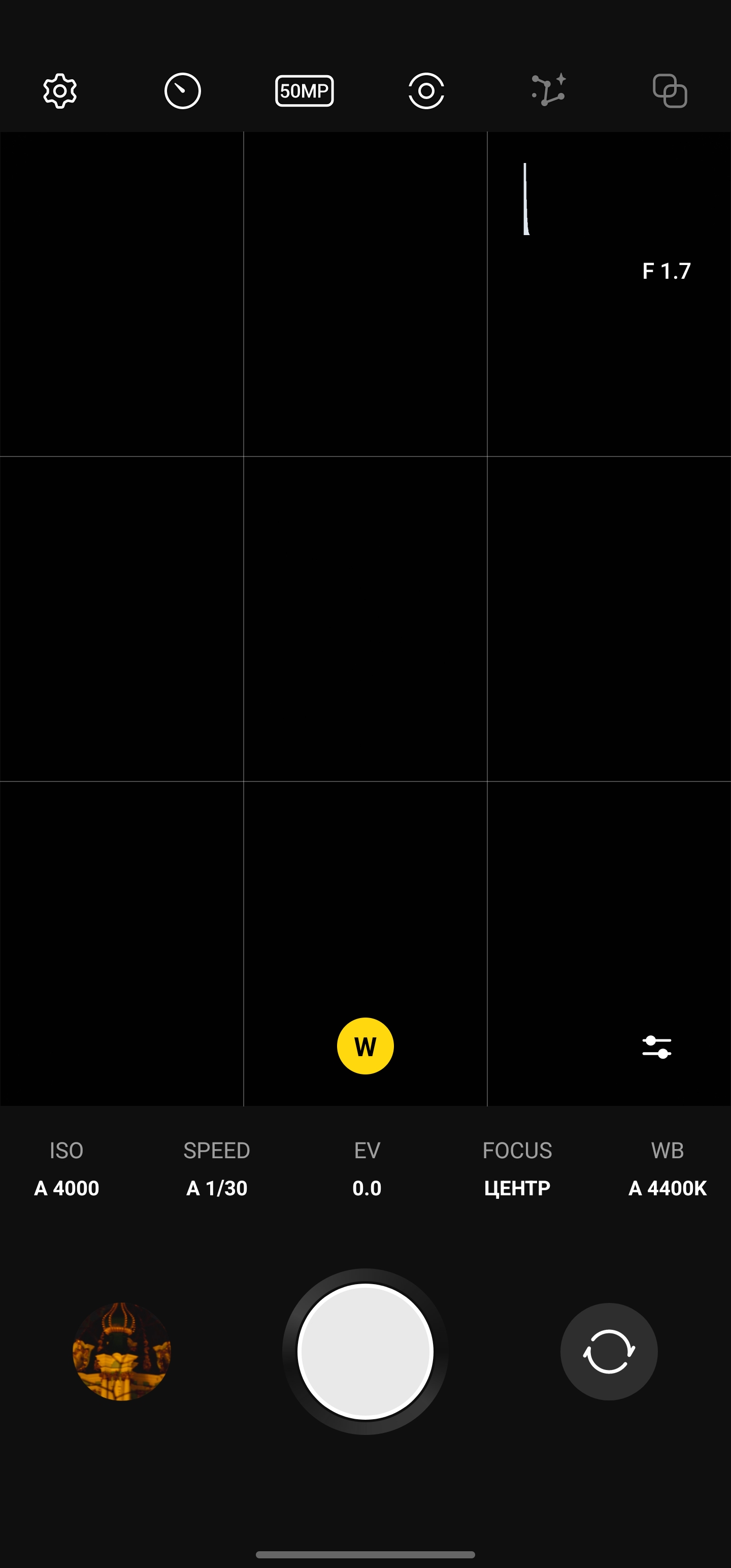
</ img>
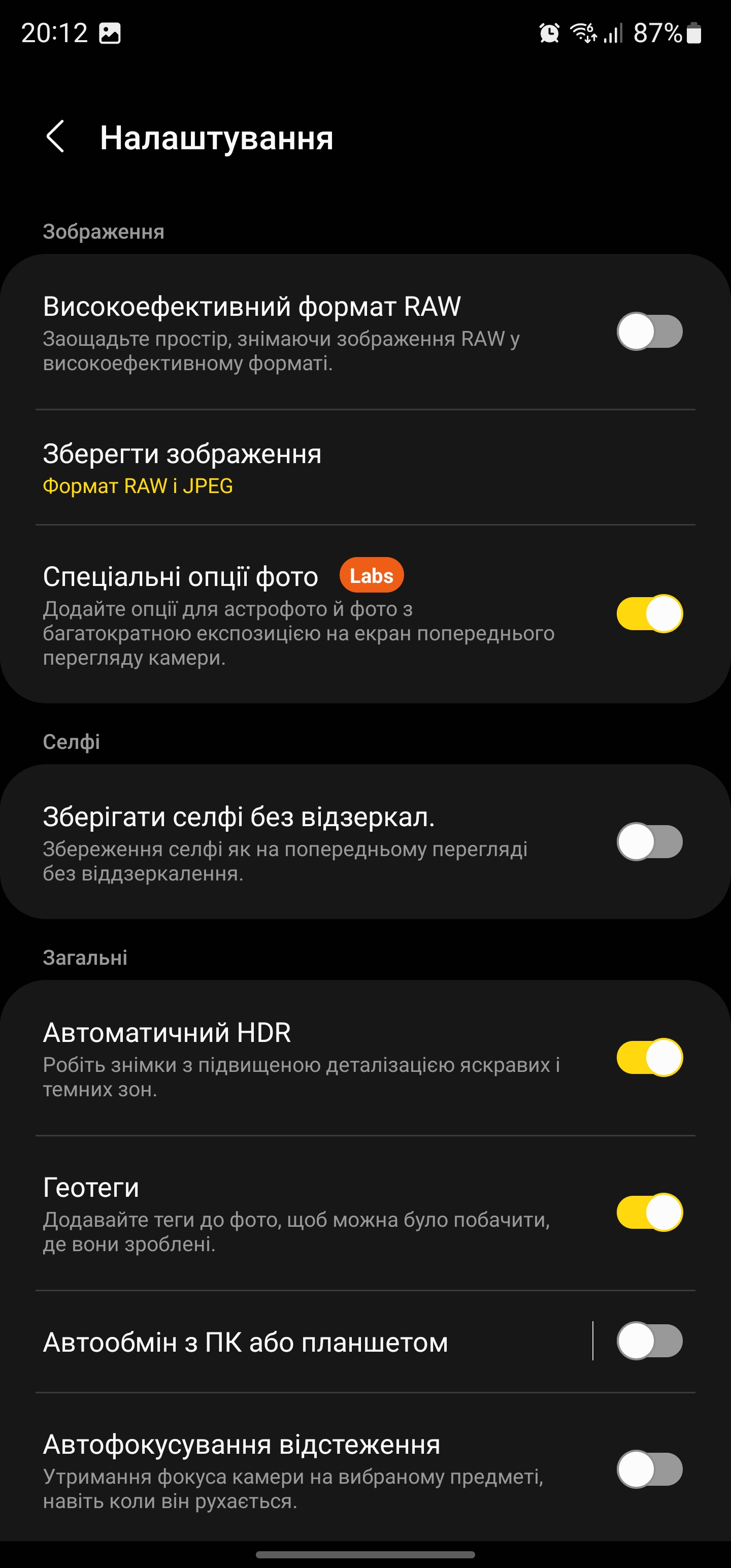
</ img>
</ img>
</ img>
</ img>
</ img>

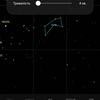
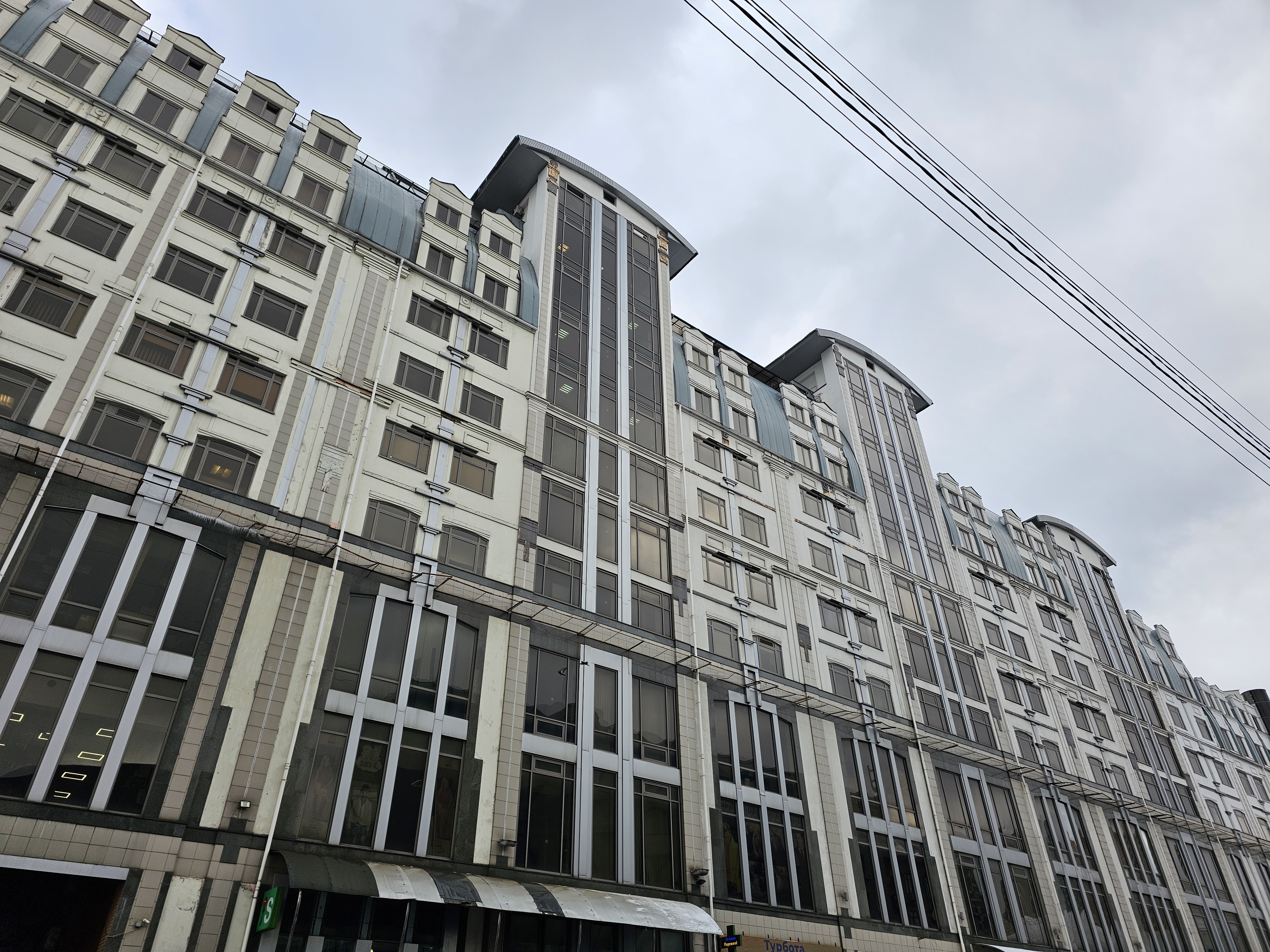
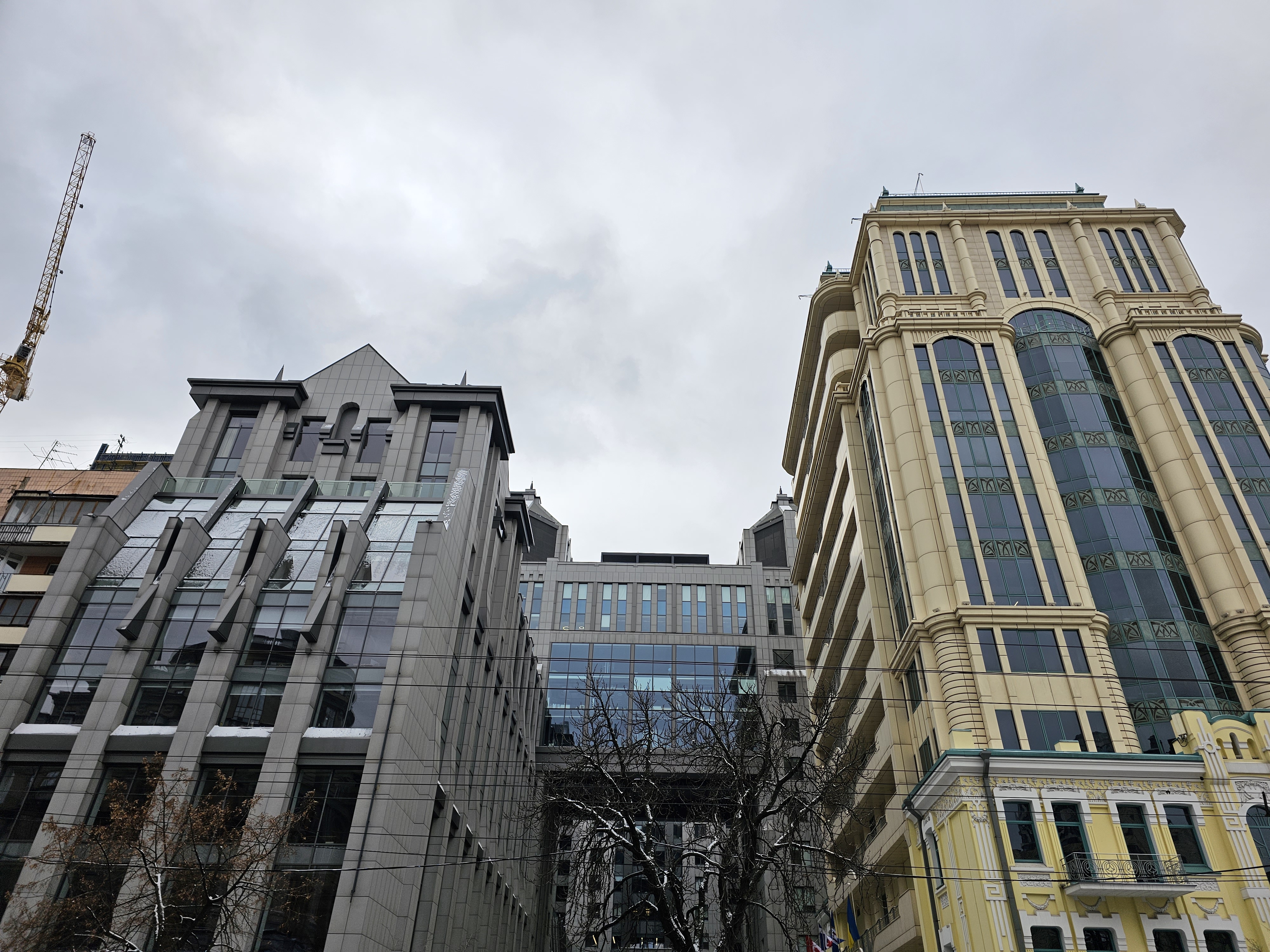
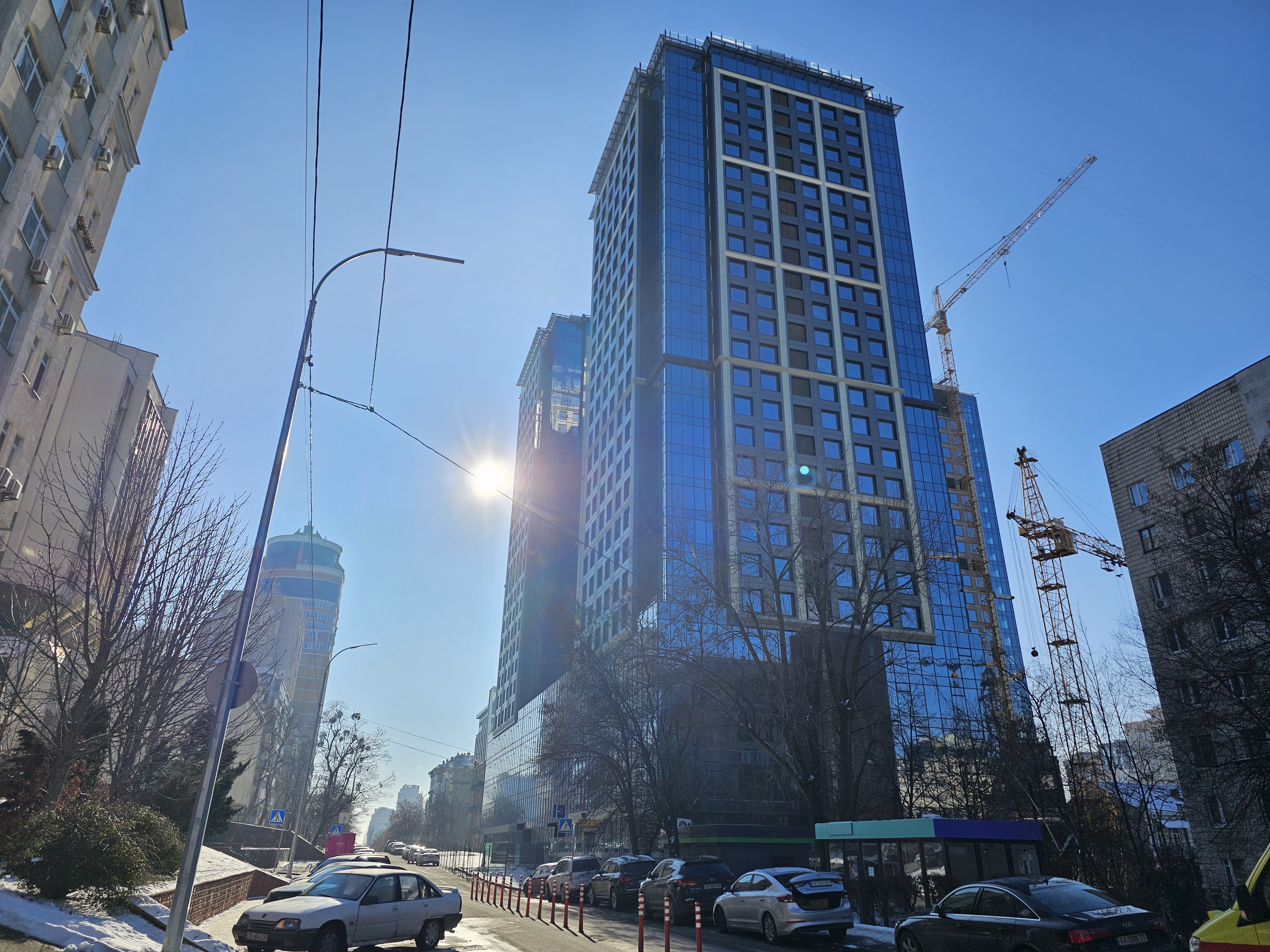
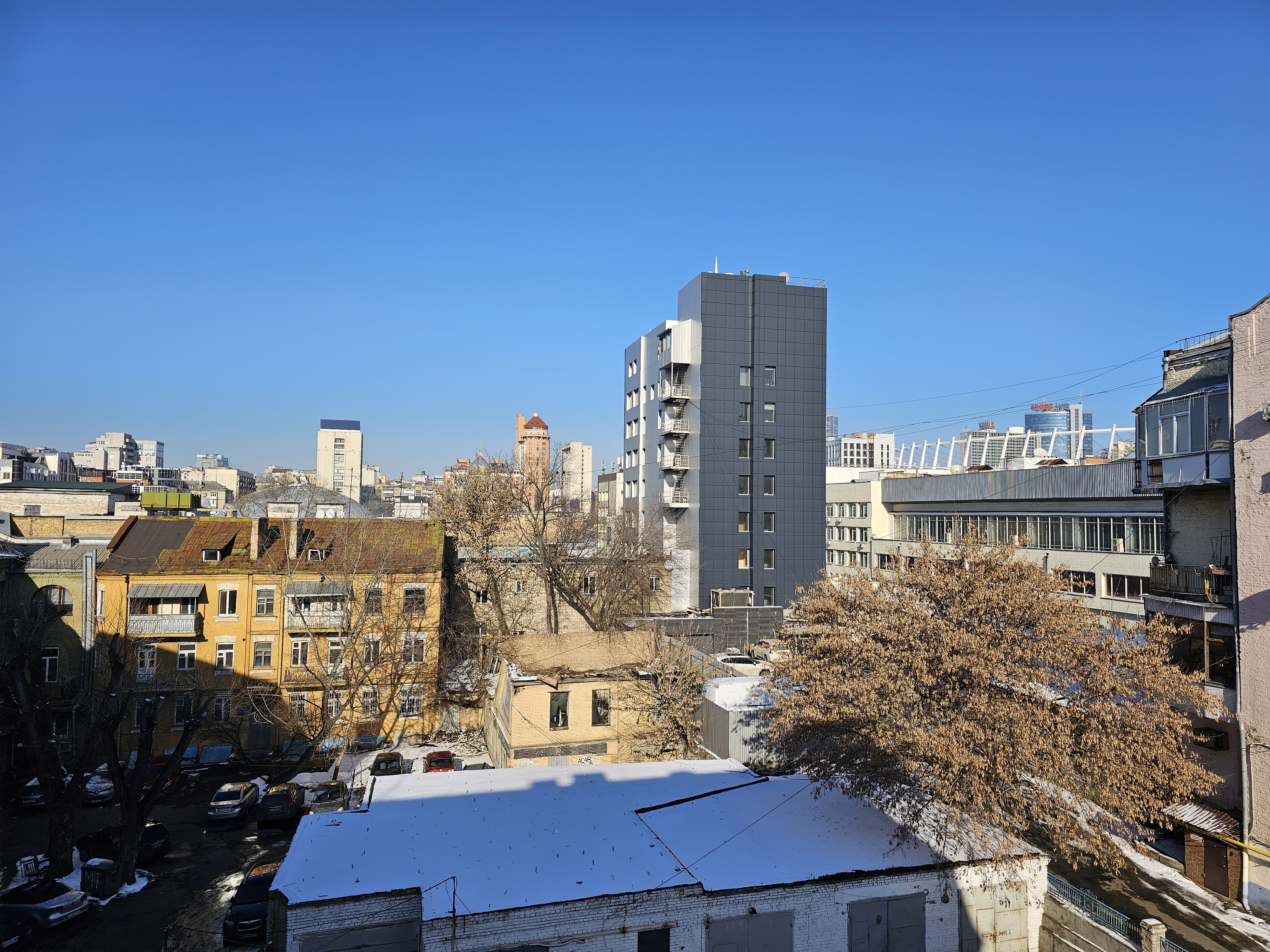
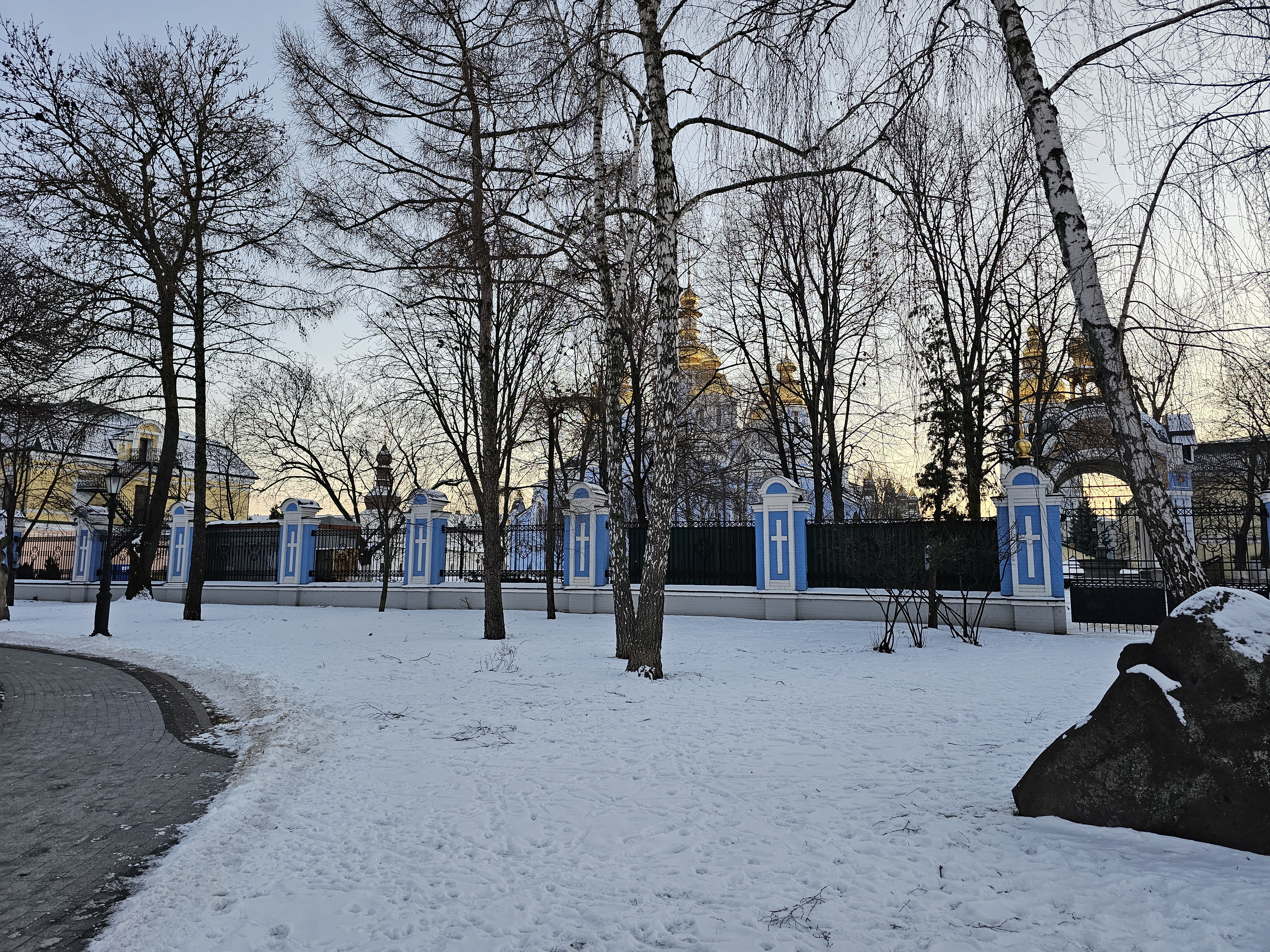
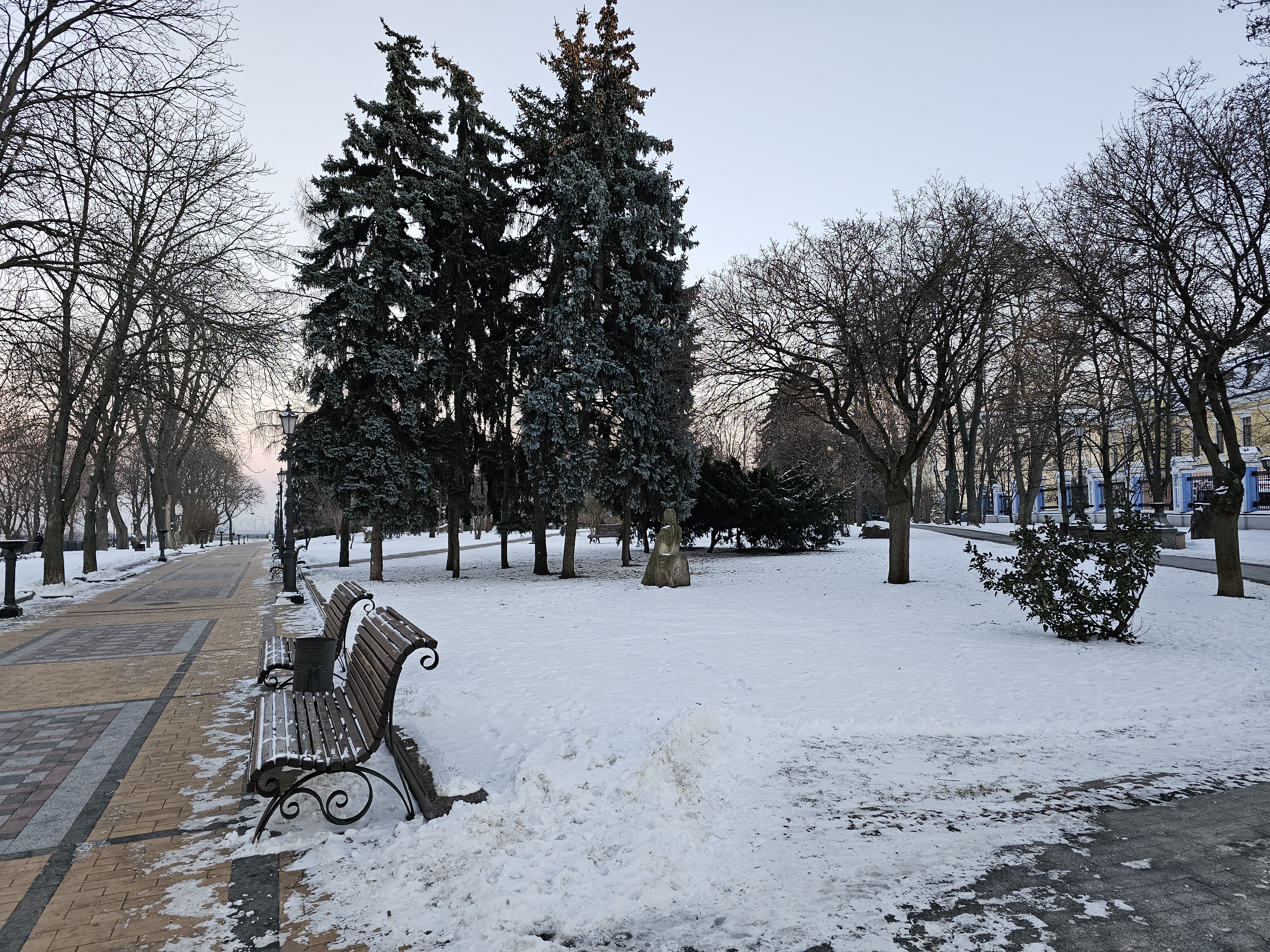
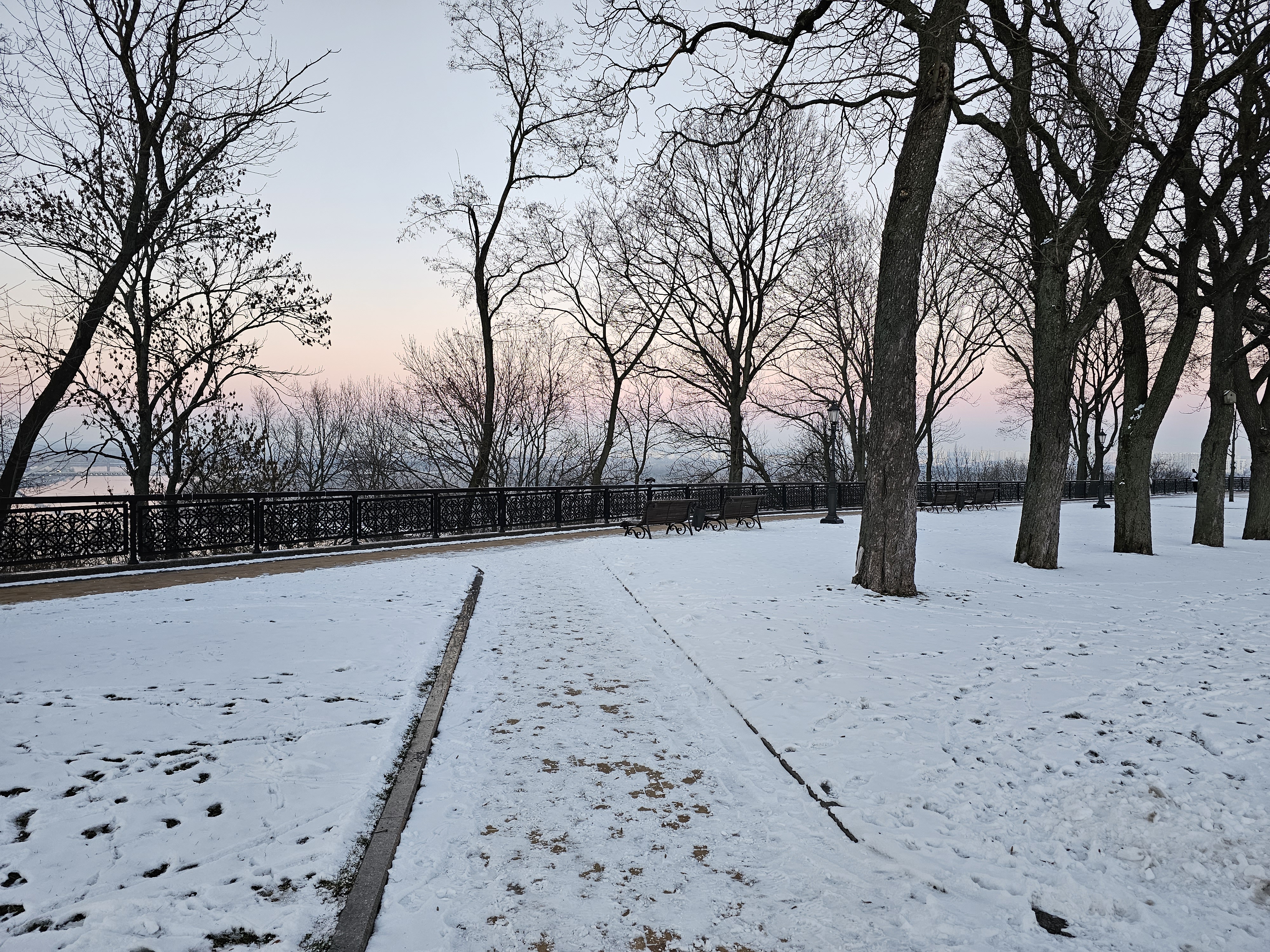
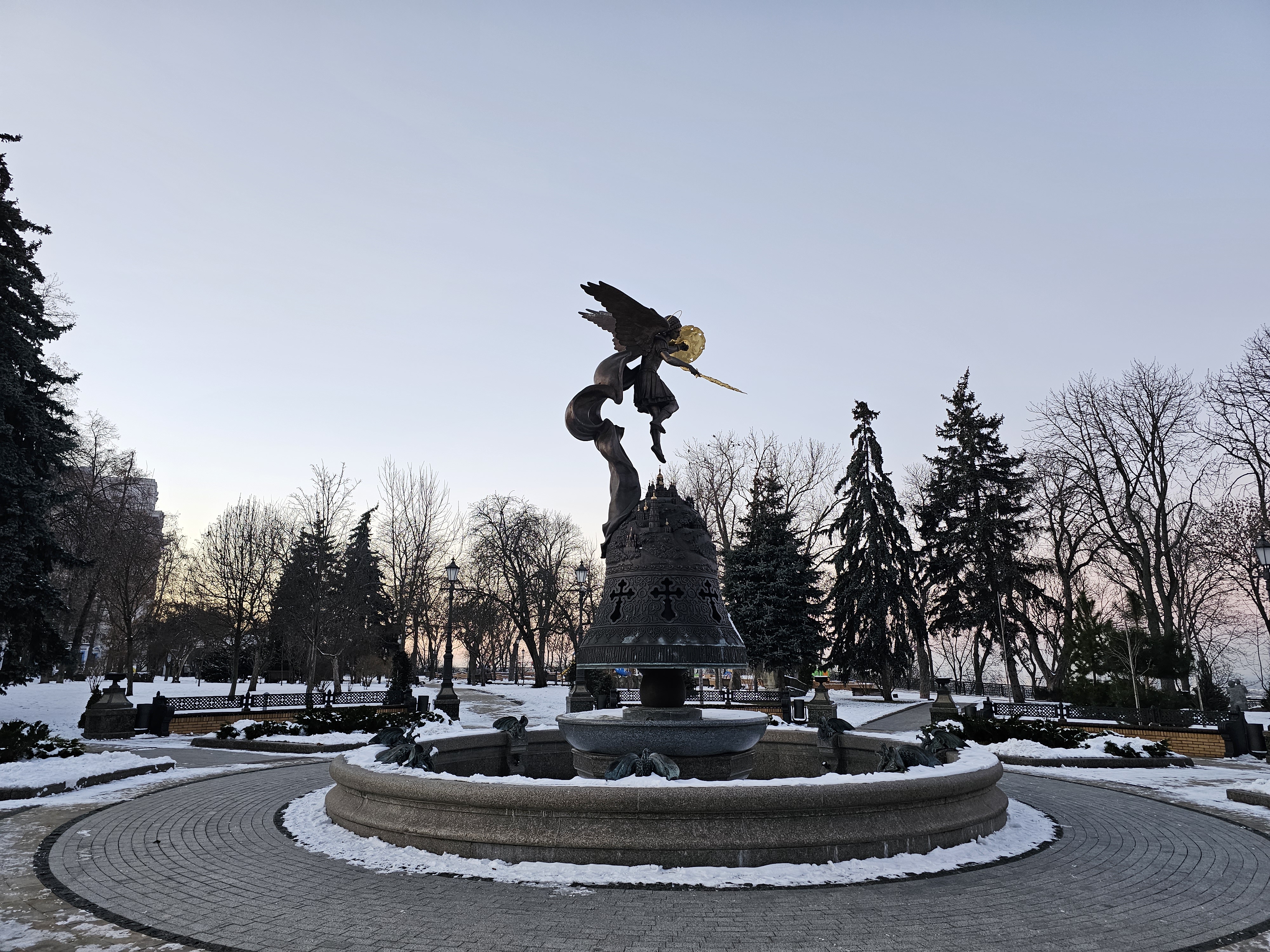
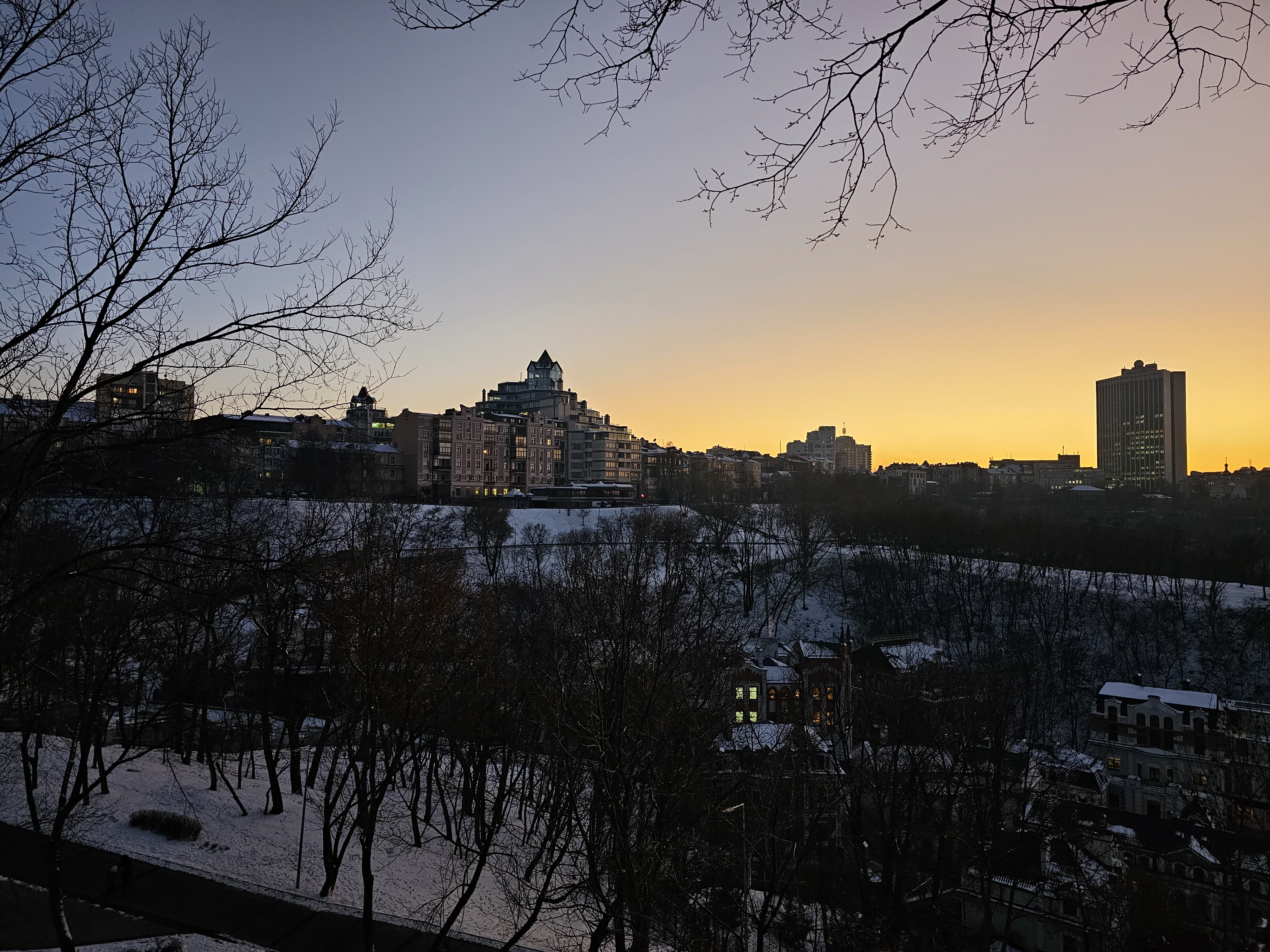
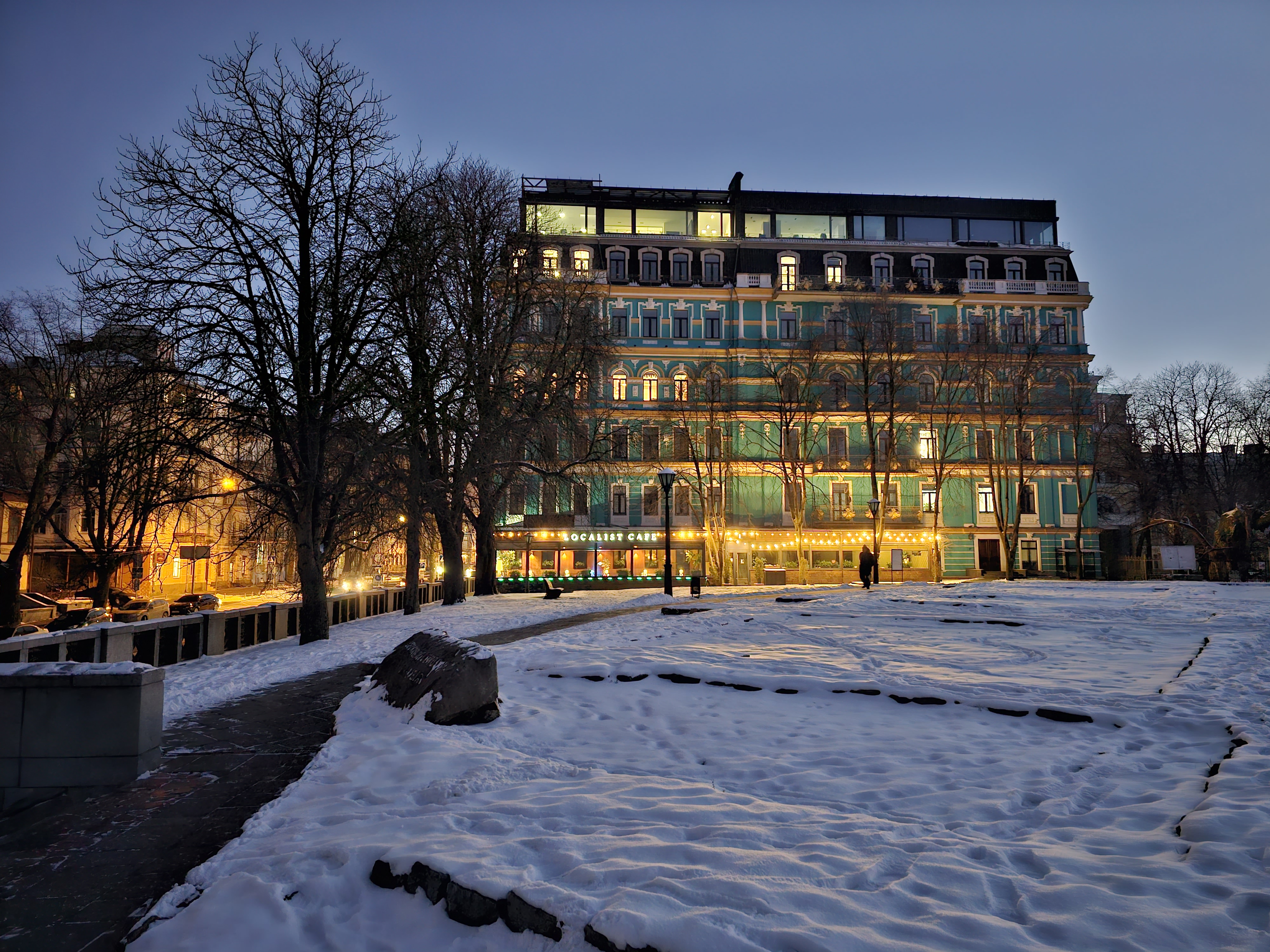
The main camera works great in anyconditions, has excellent detail and a wide dynamic range. During the day, the colors are rich and natural. When using the night mode, the work of processing algorithms is somewhat felt, but in general, the pictures also look natural.

</ img>
</ img>
</ img>

</ img>
</ img>
</ img>

</ img>
</ img>
</ img>
</ img>

</ img>

</ img>

</ img>
</ img>

</ img>
</ img>

</ img>

</ img>

</ img>

</ img>

</ img>
</ img>
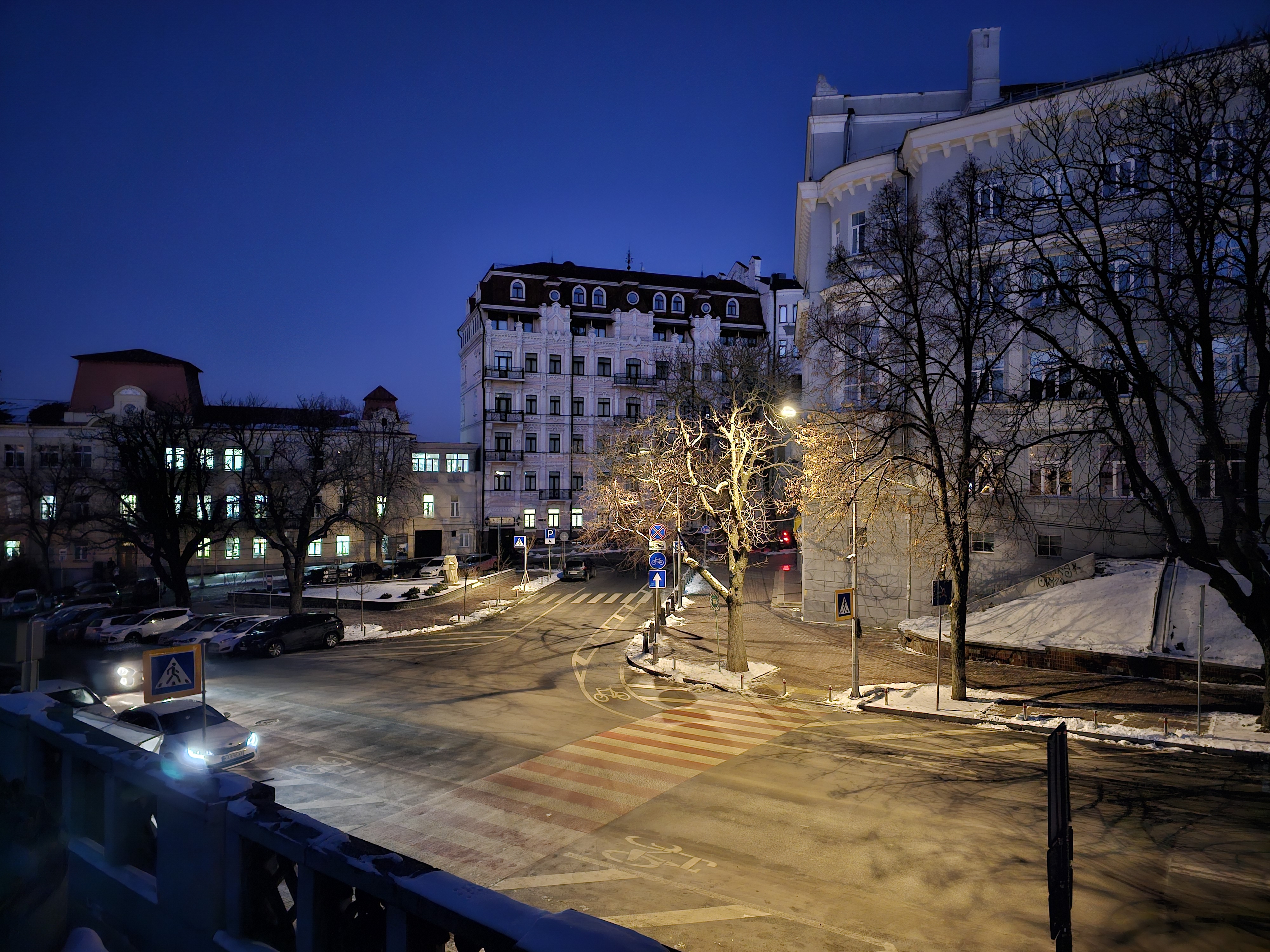
</ img>

</ img>

</ img>
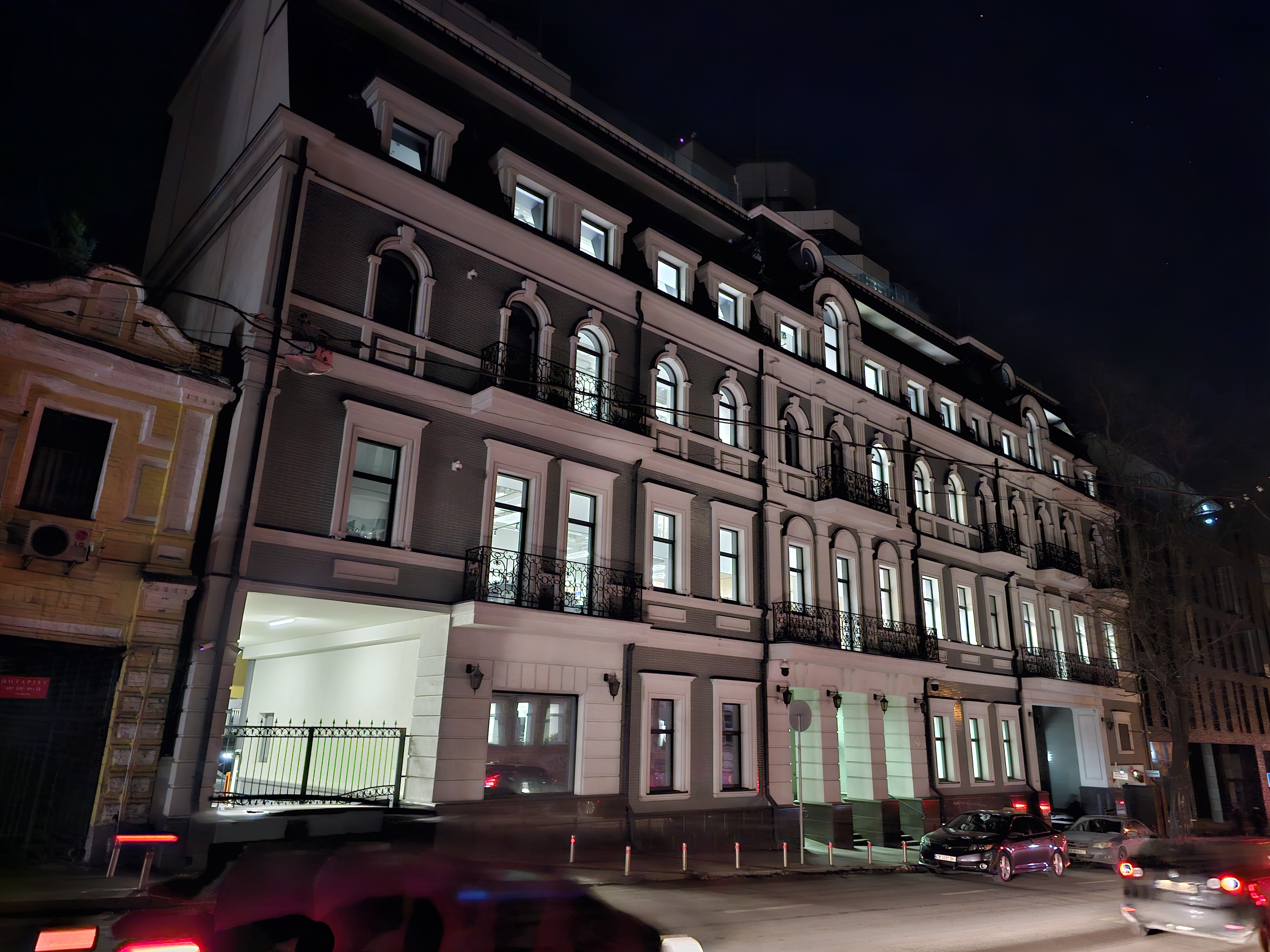
</ img>

</ img>

</ img>

</ img>
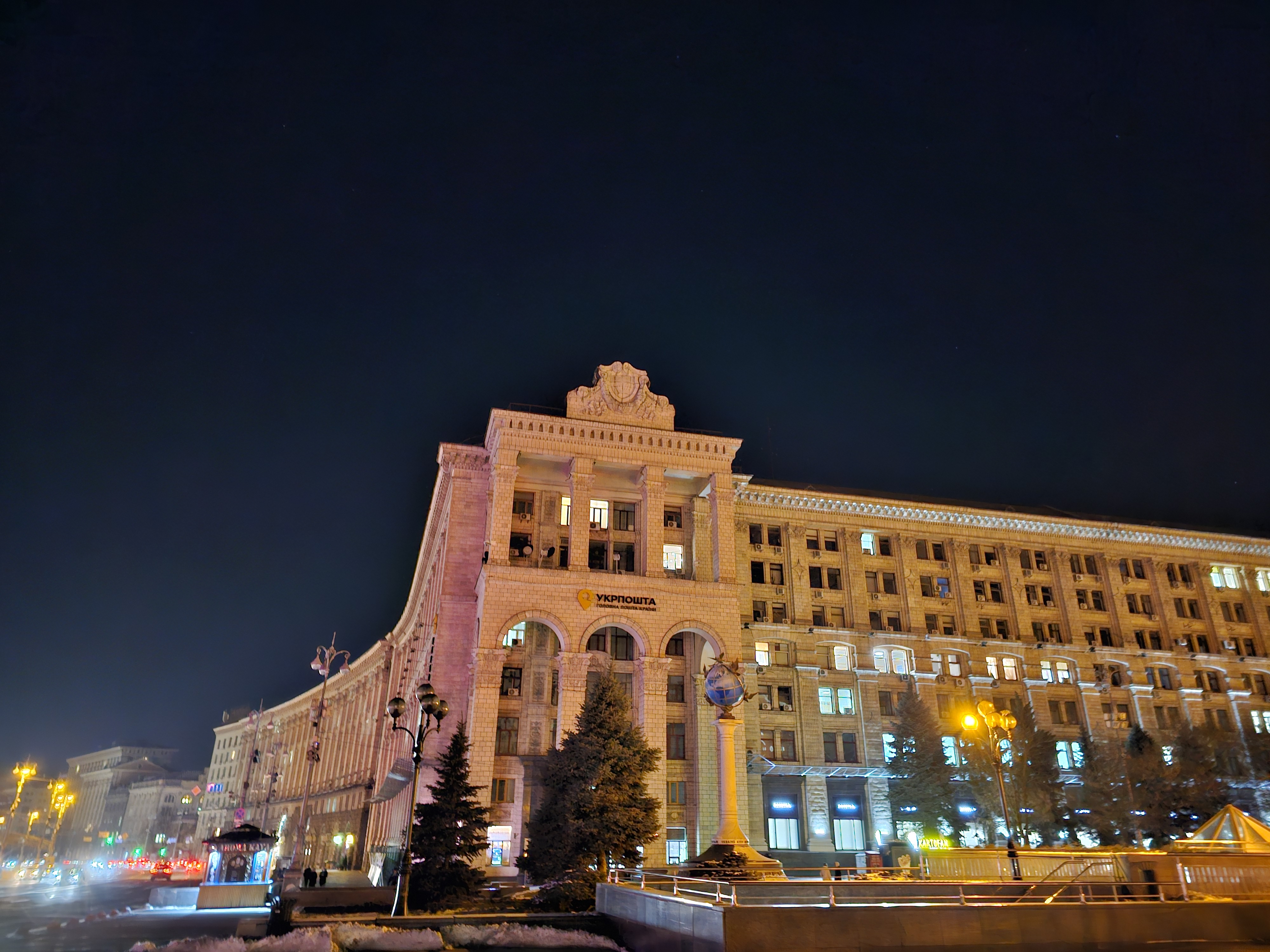
</ img>






























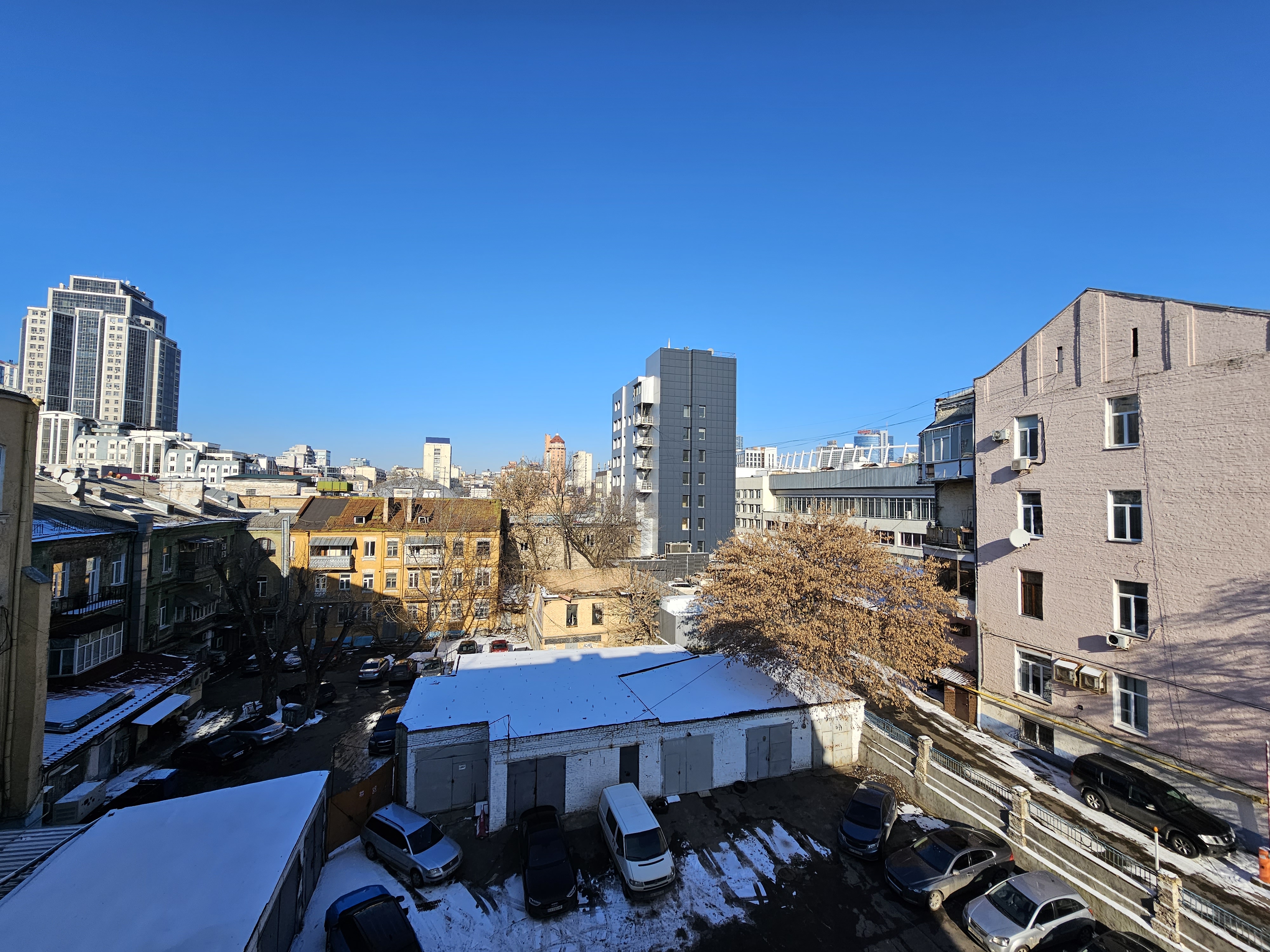
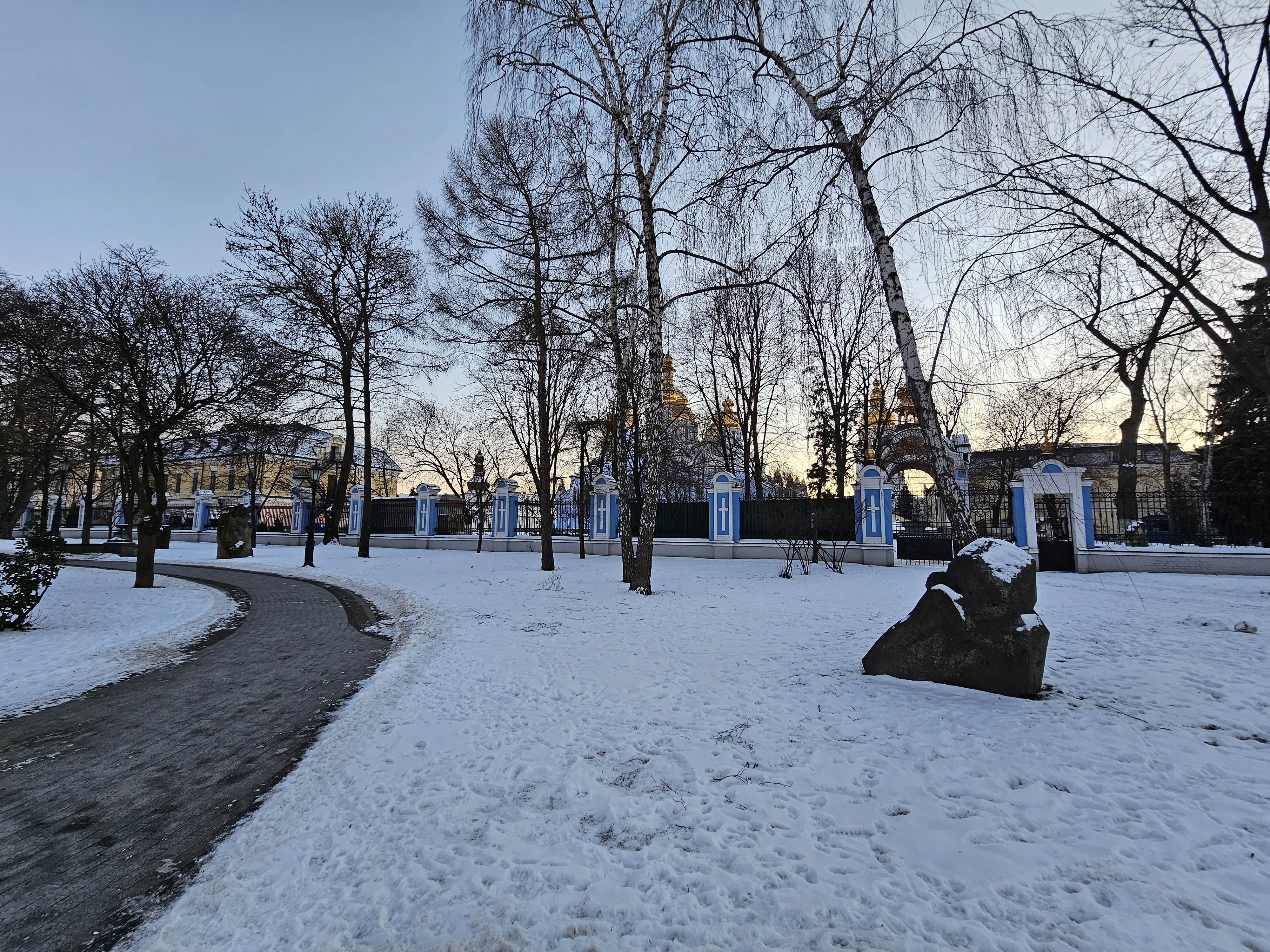
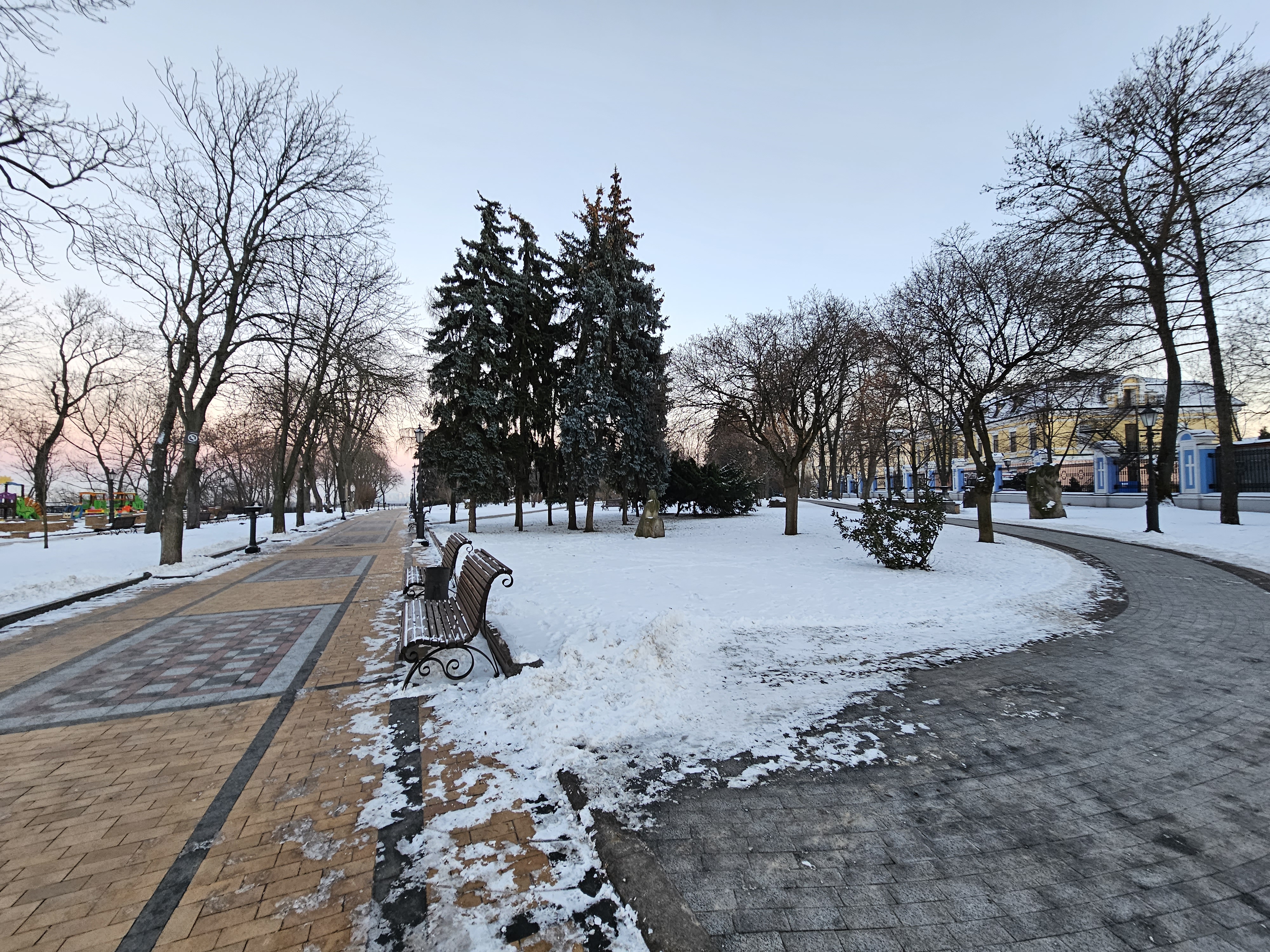
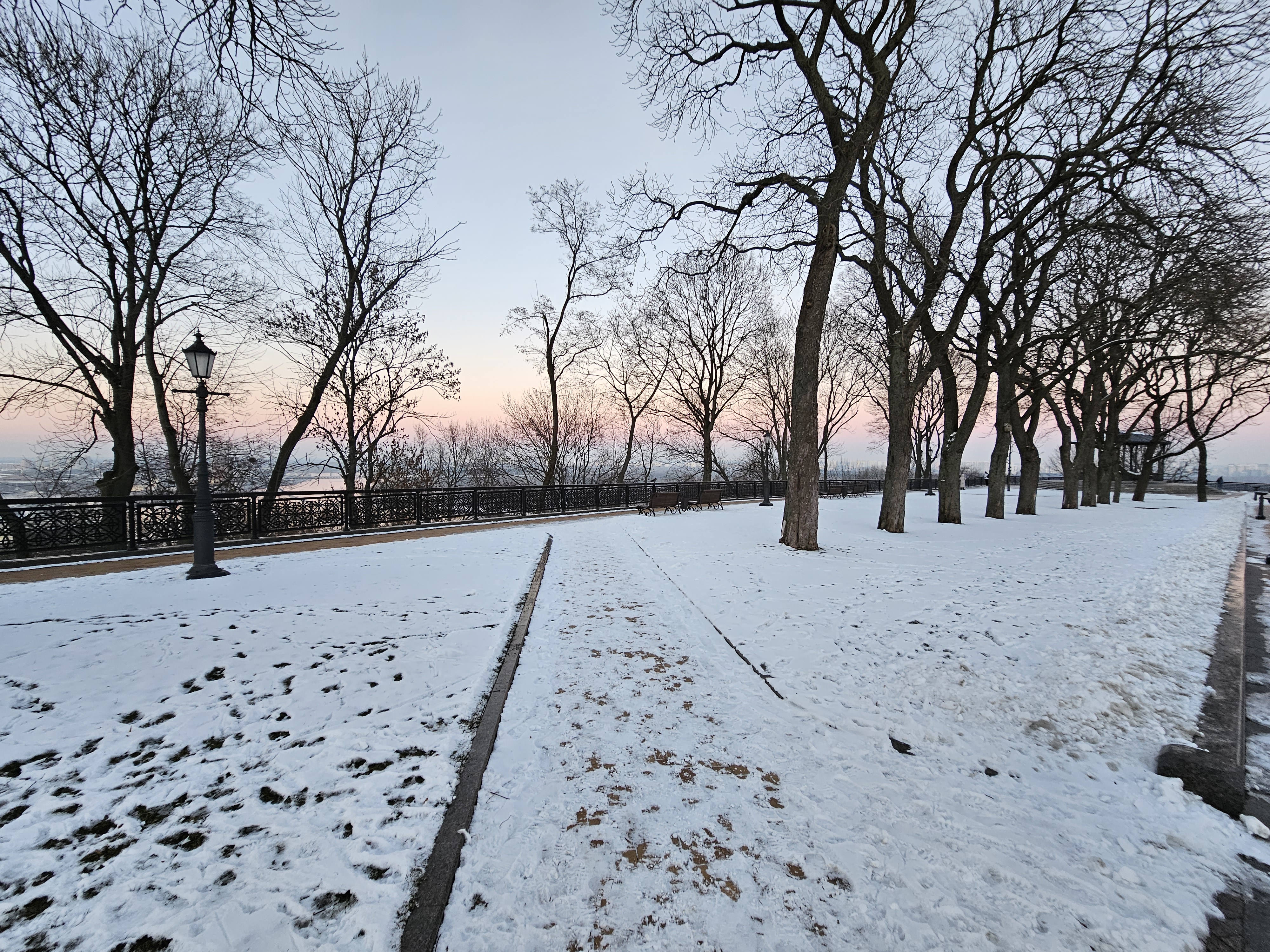
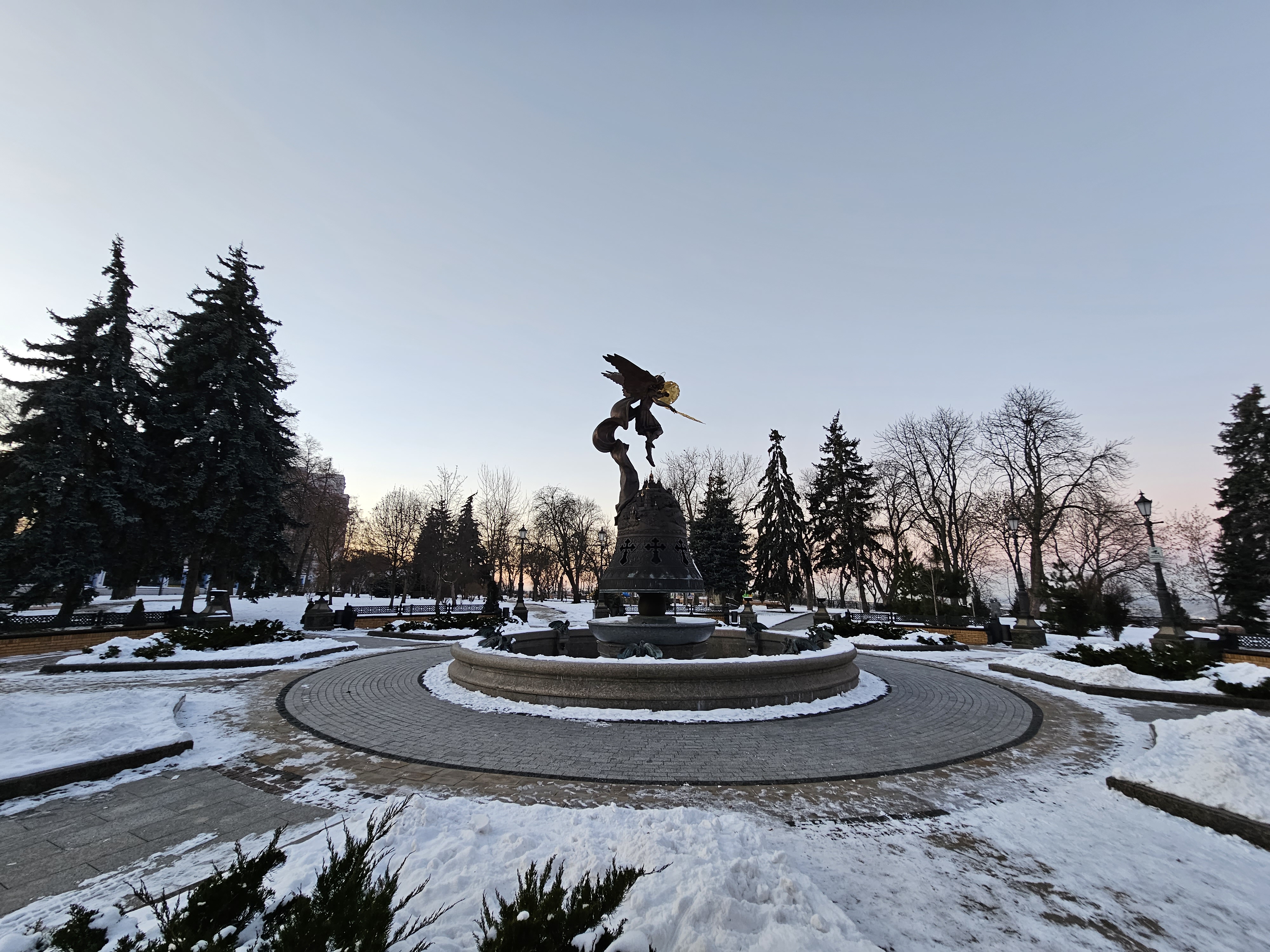
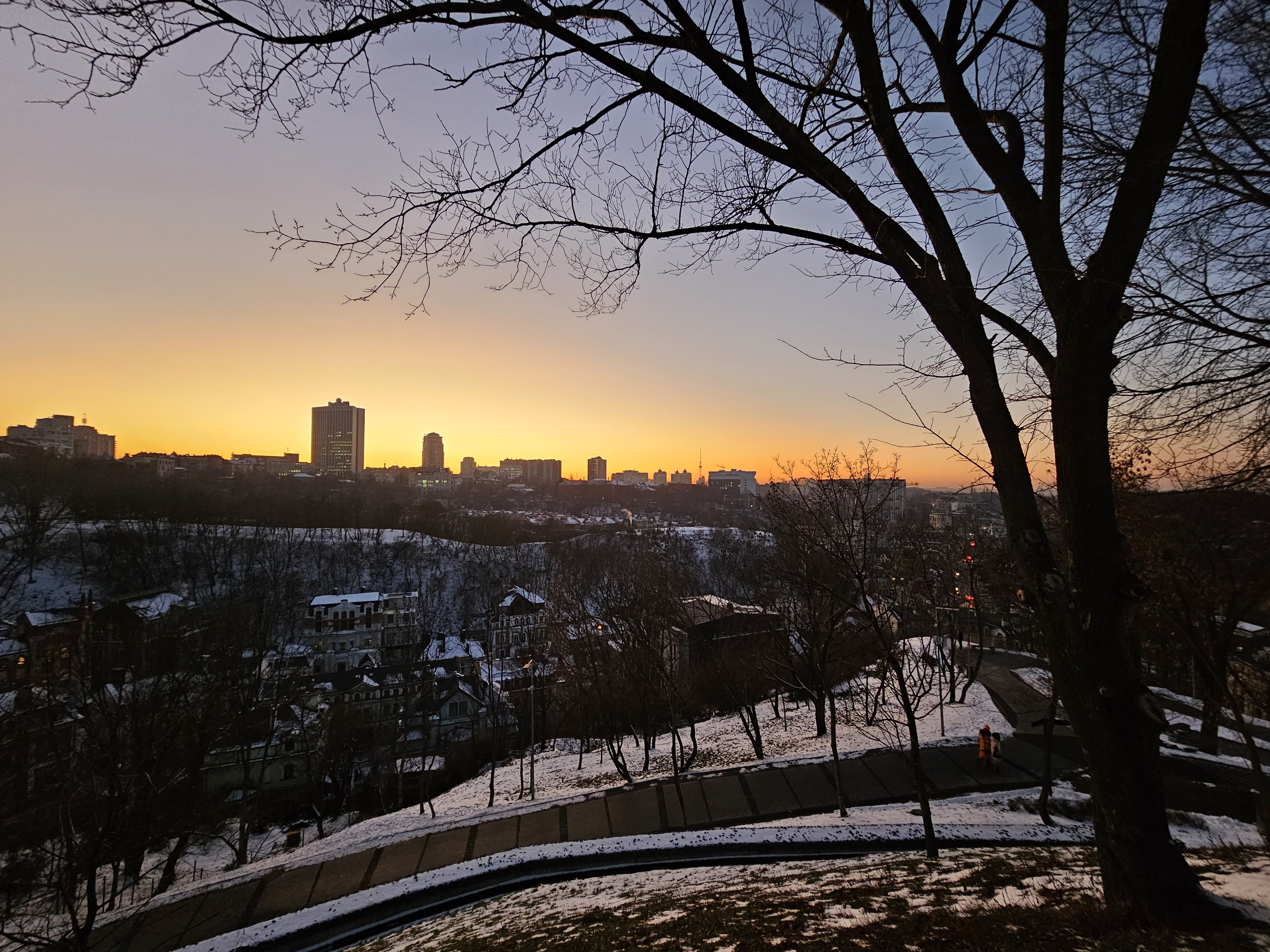
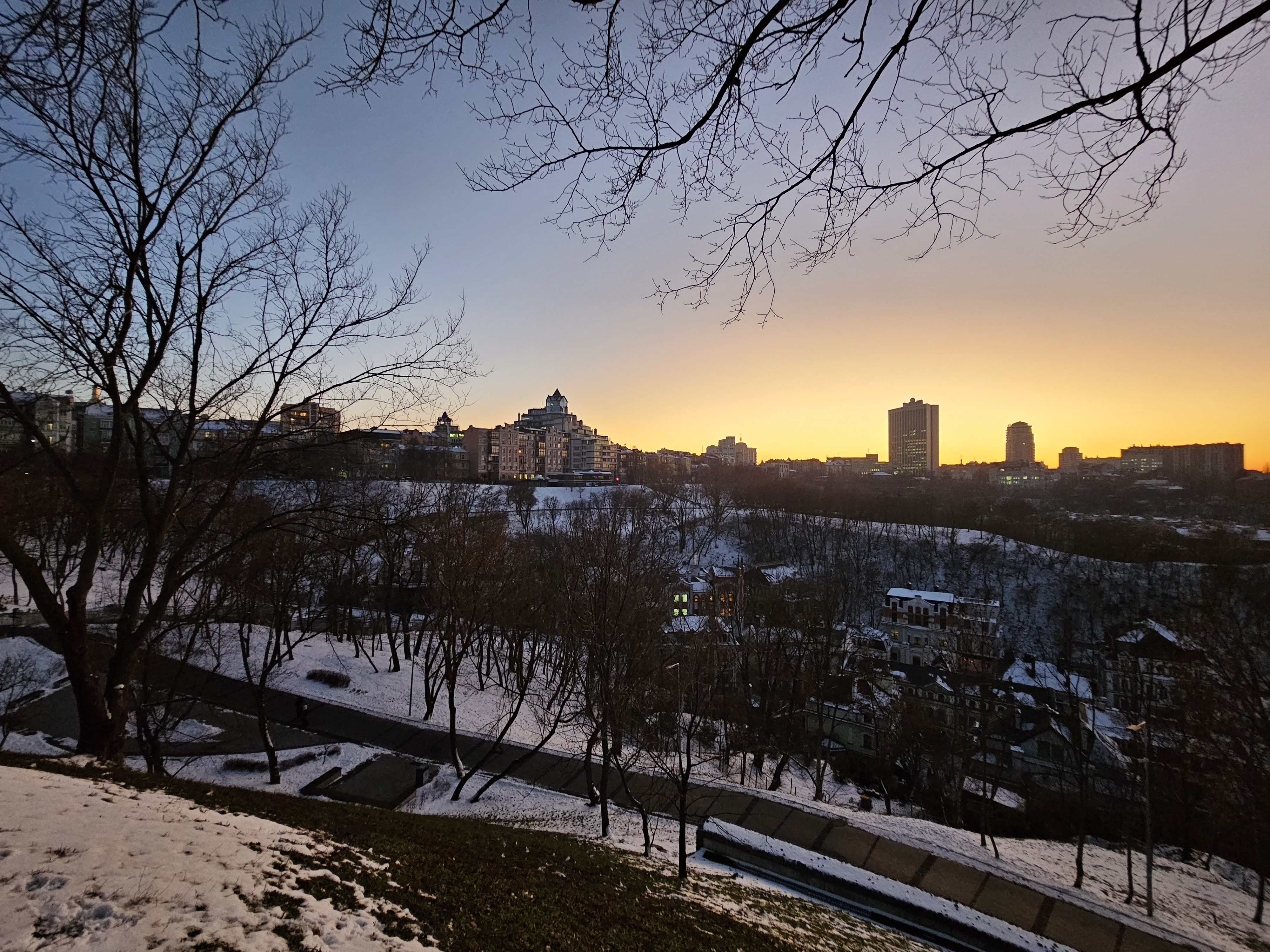
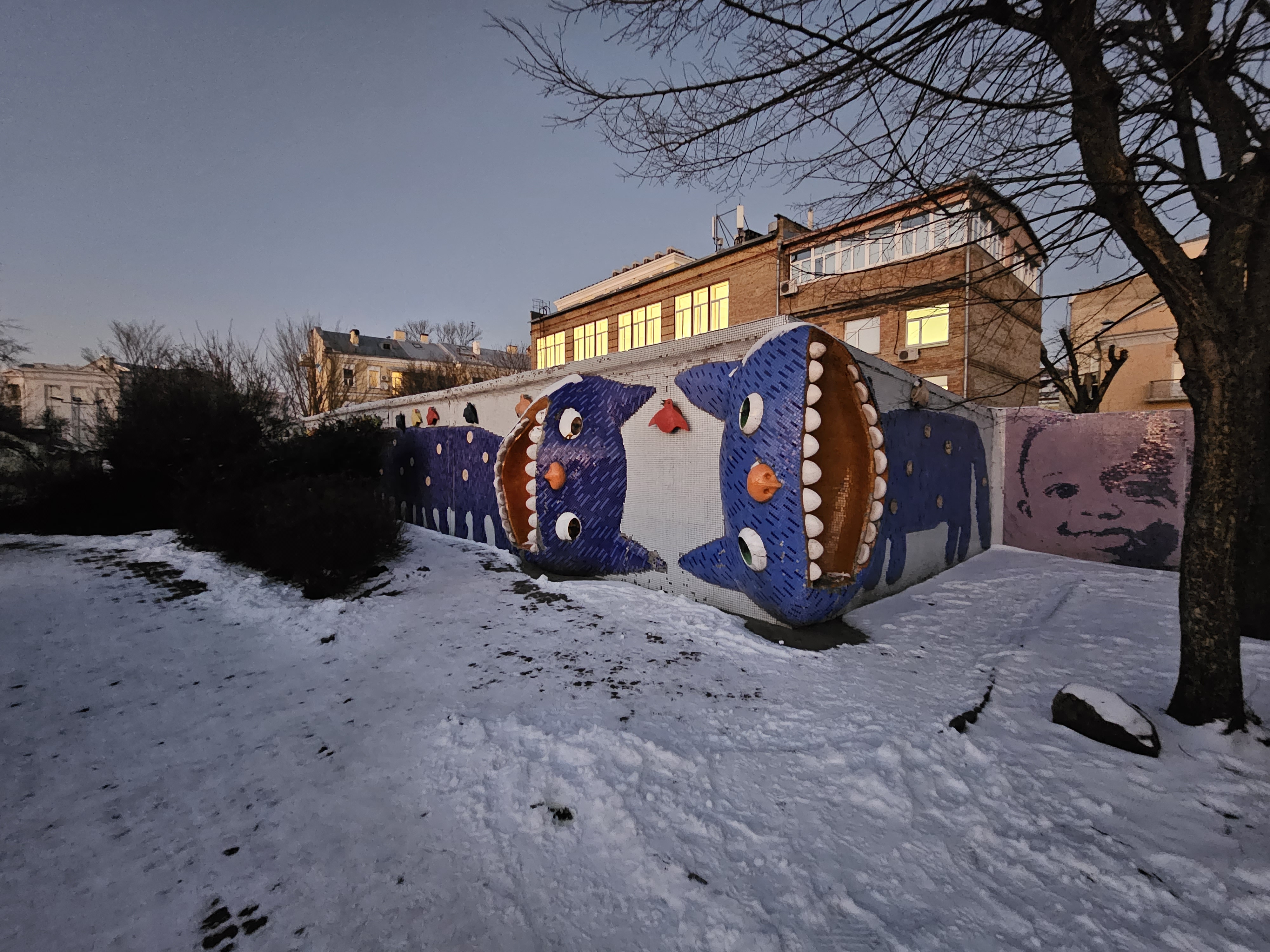
The ultra wide-angle camera has autofocus andgenerally able to take high-quality pictures in most cases. Although, of course, the dynamic range is somewhat narrower than that of the main one. And the detail is a bit lower, which is to be expected:
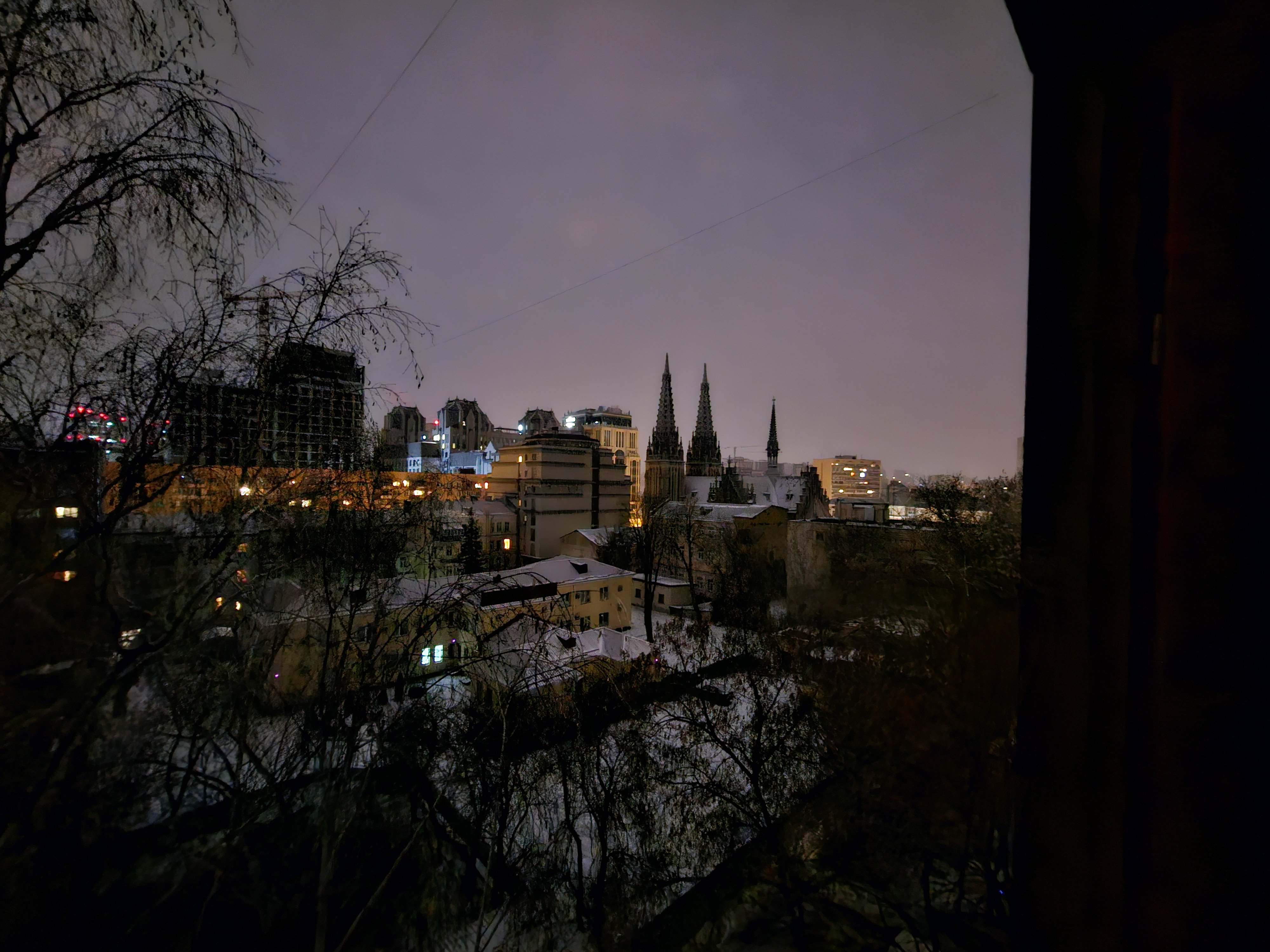
</ img>
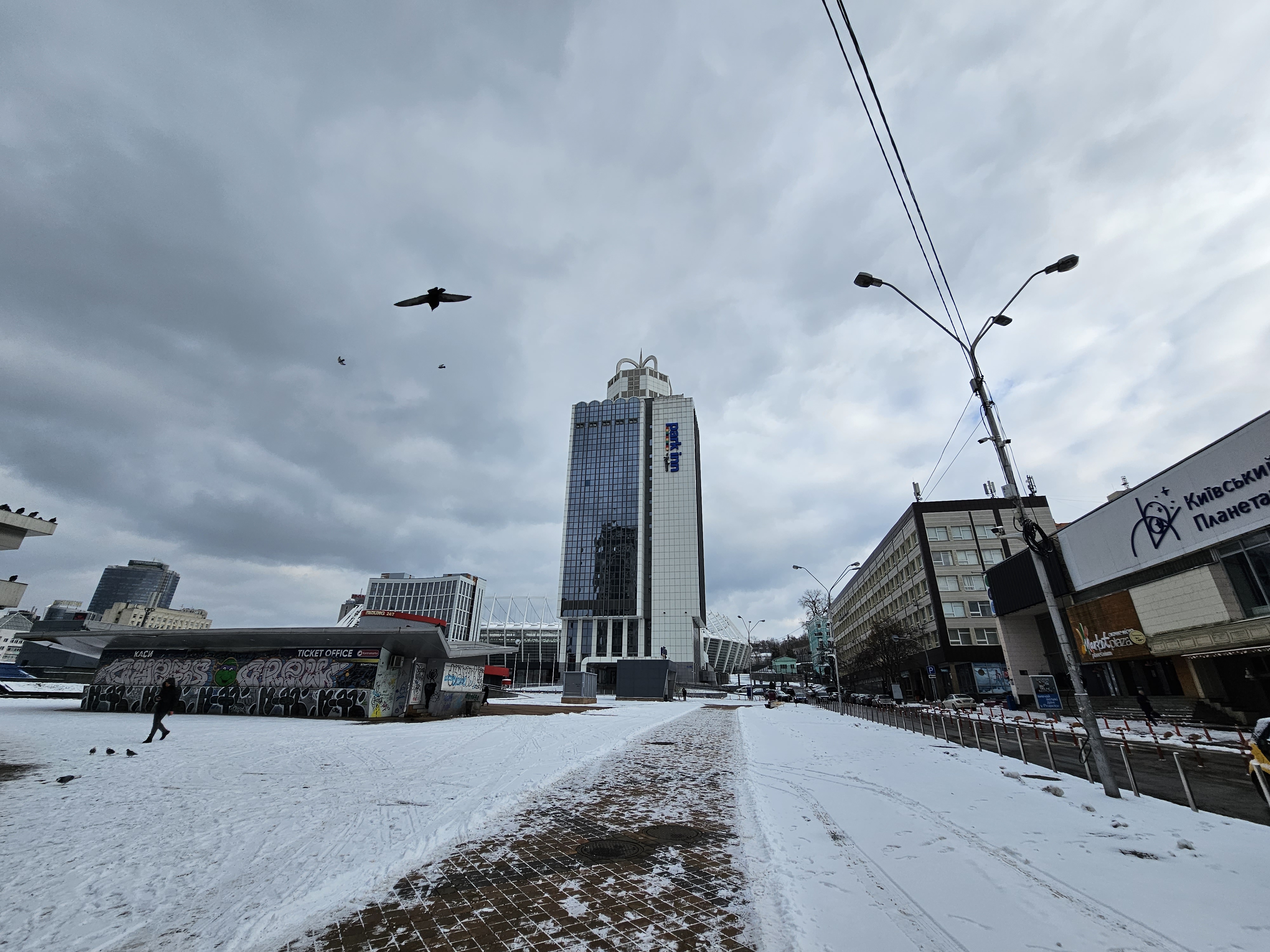
</ img>
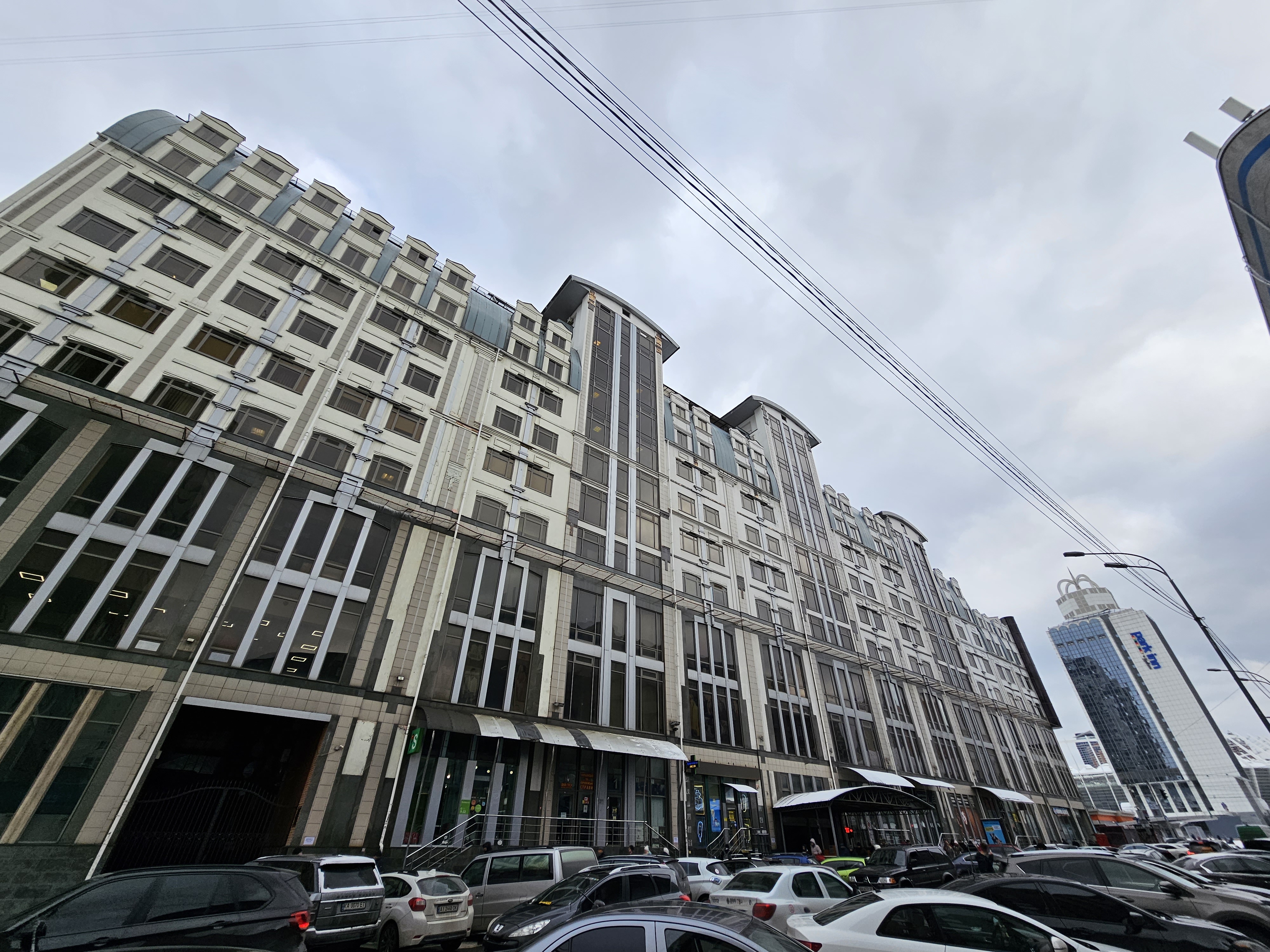
</ img>
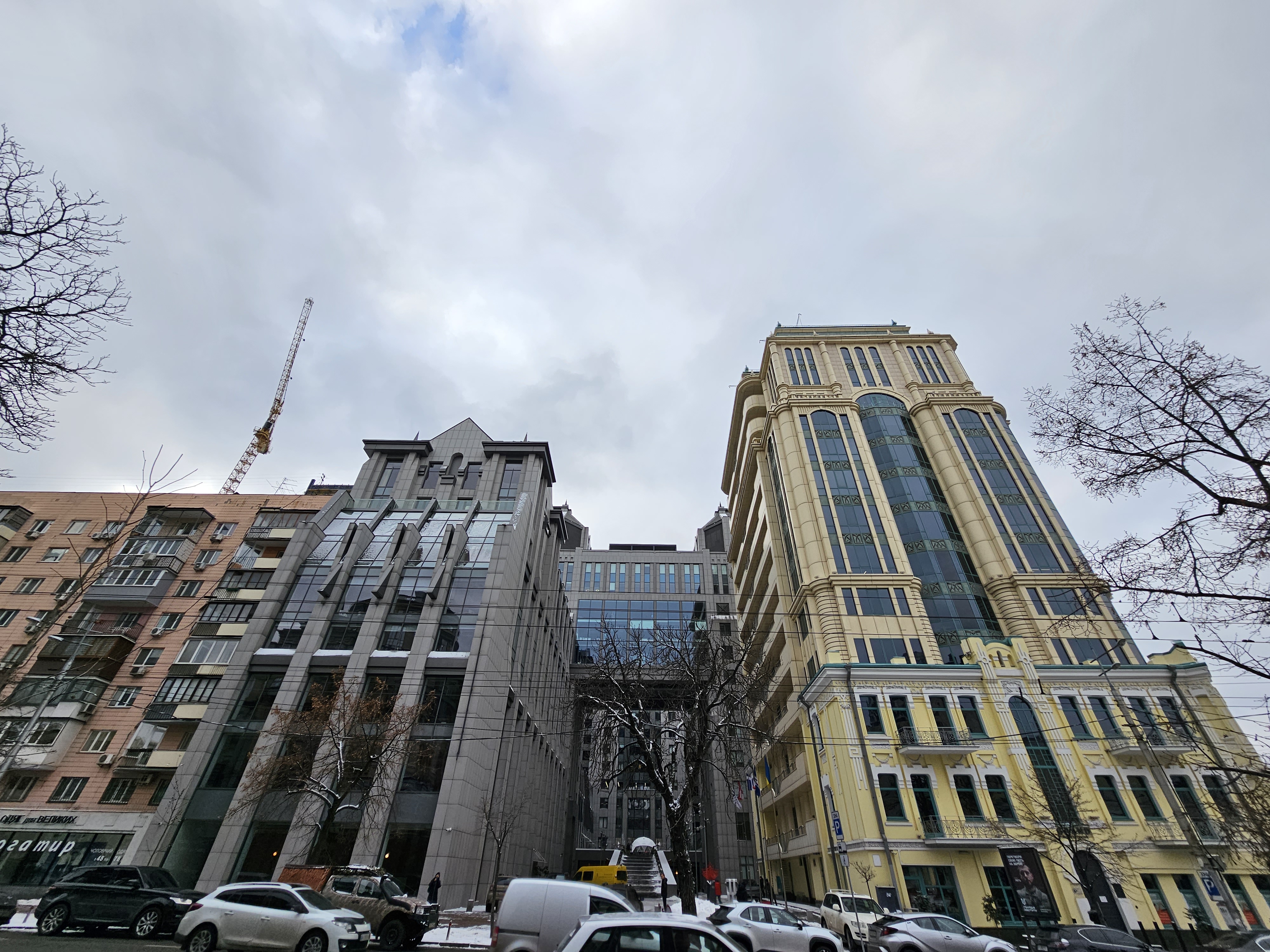
</ img>

</ img>
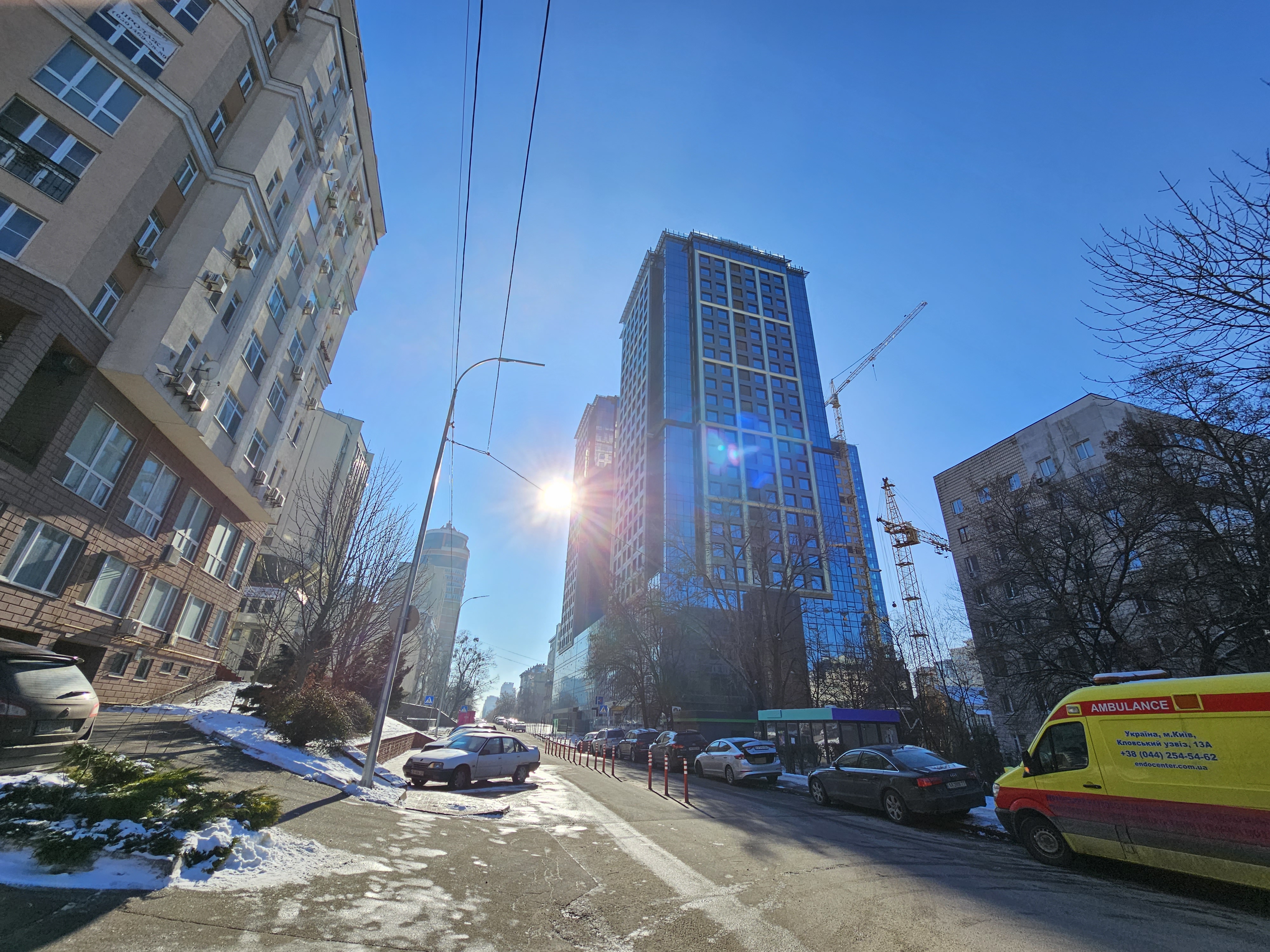
</ img>
</ img>

</ img>
</ img>
</ img>
</ img>

</ img>

</ img>
</ img>
</ img>
</ img>

</ img>
</ img>
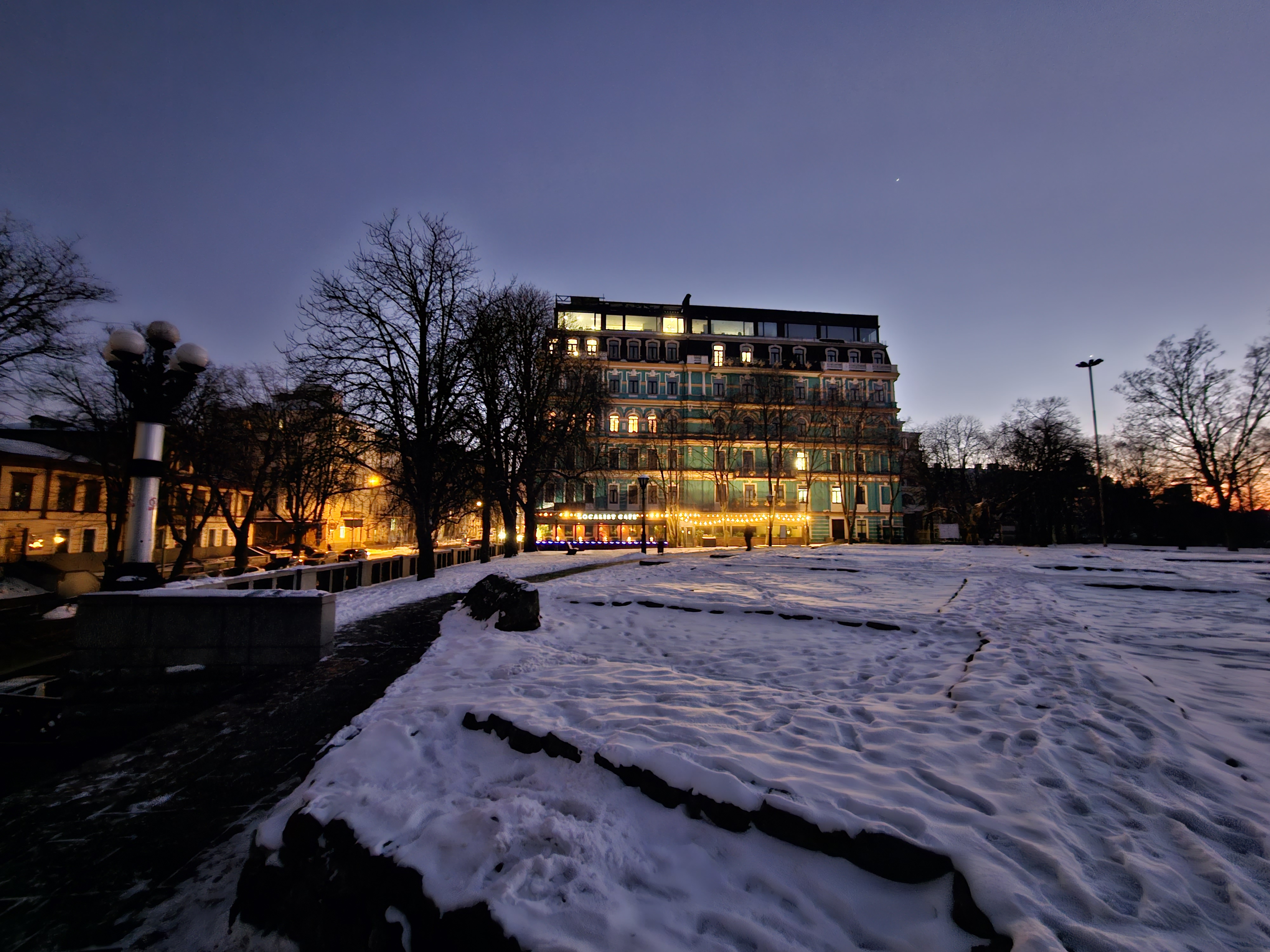
</ img>
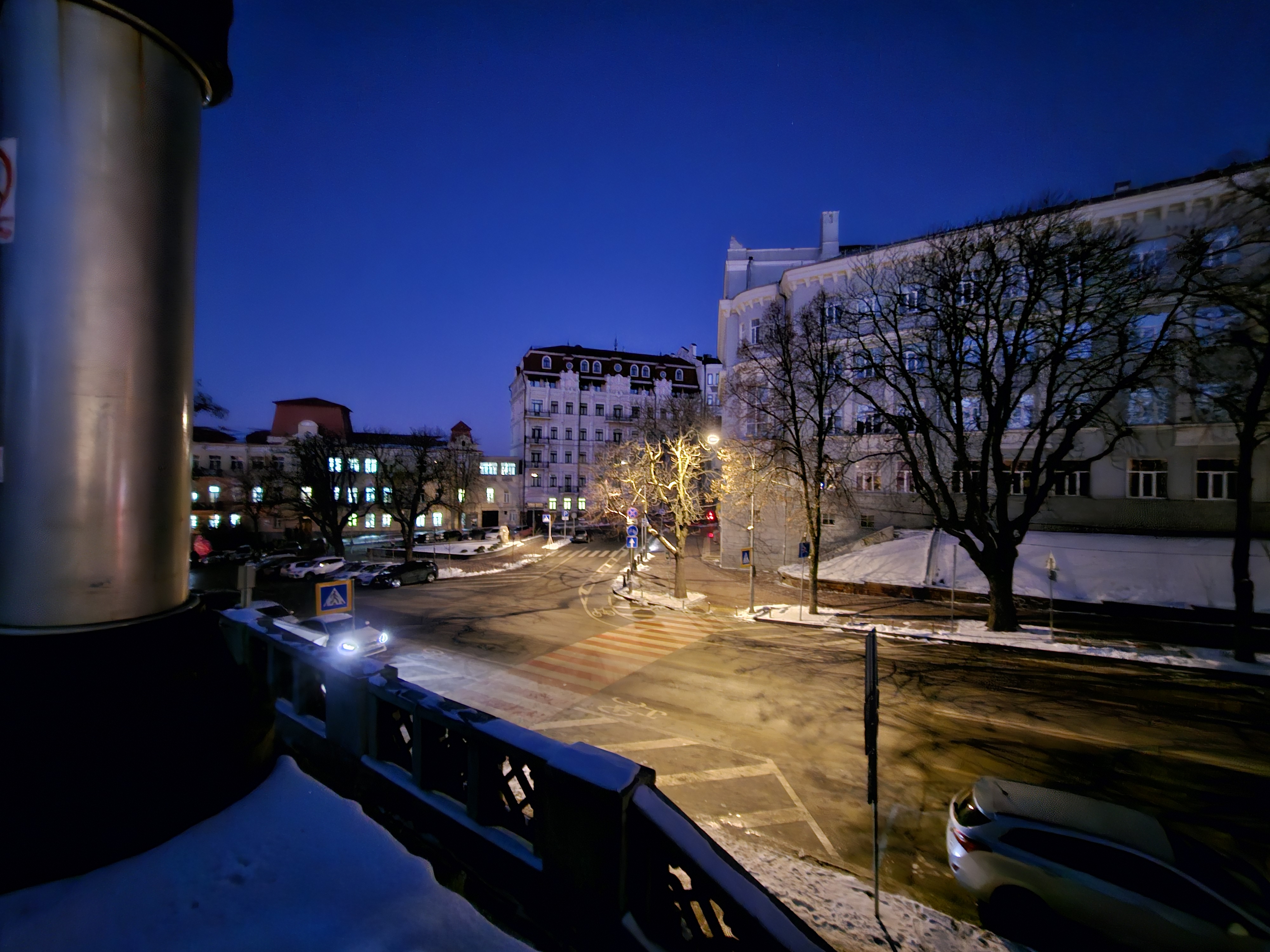
</ img>

</ img>
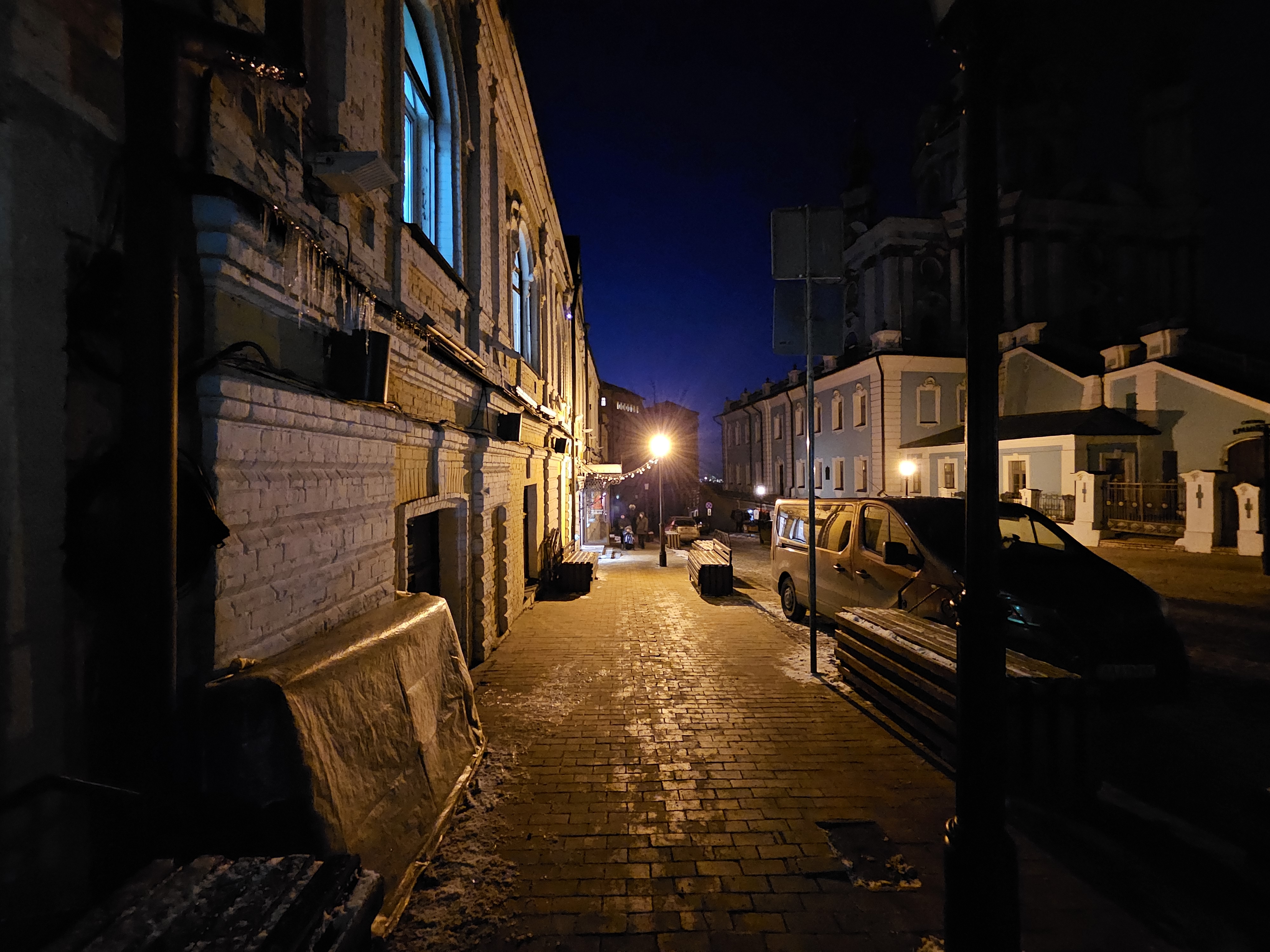
</ img>
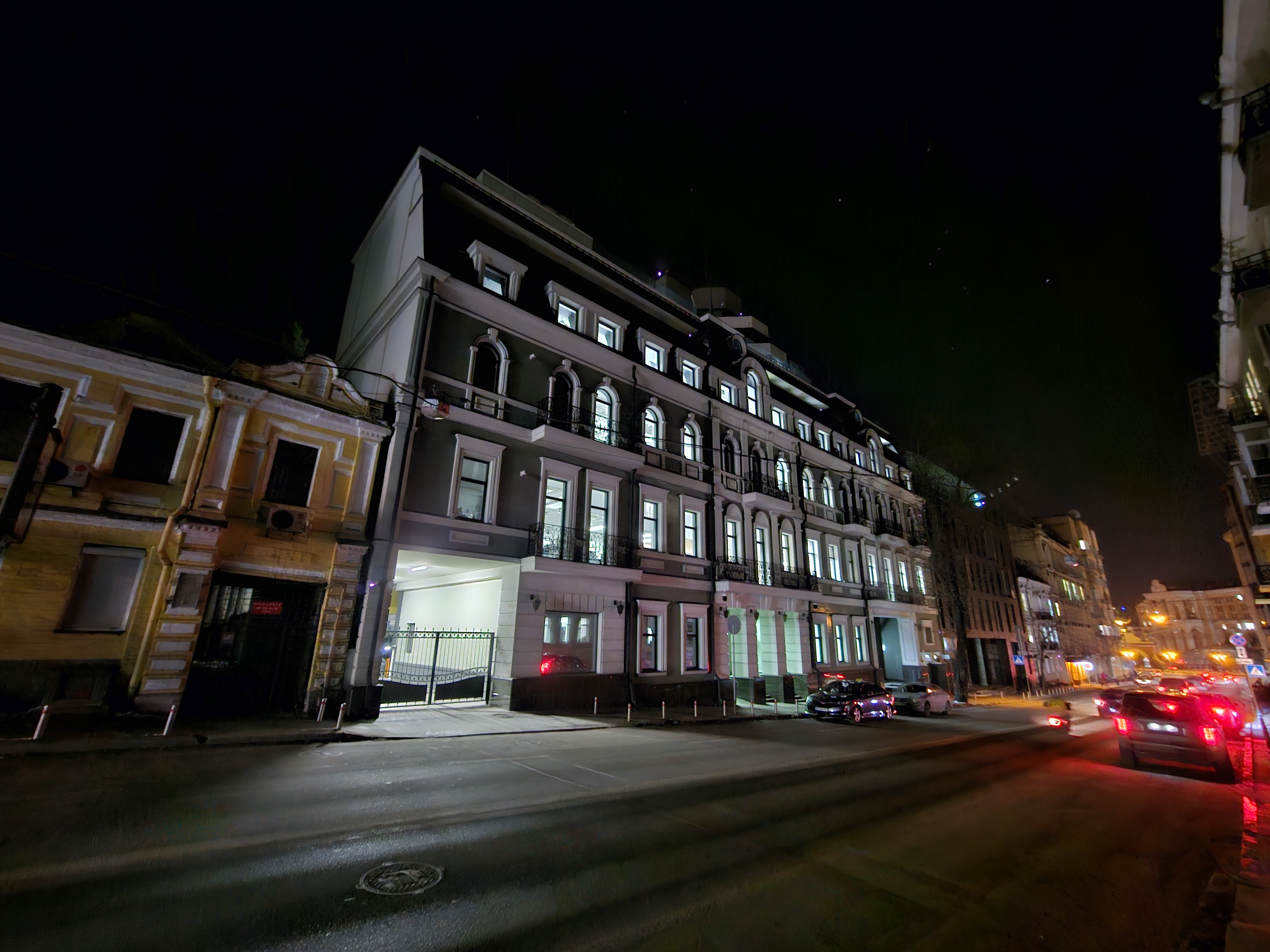
</ img>























The 3x telephoto camera takes high-quality pictures in any conditions:
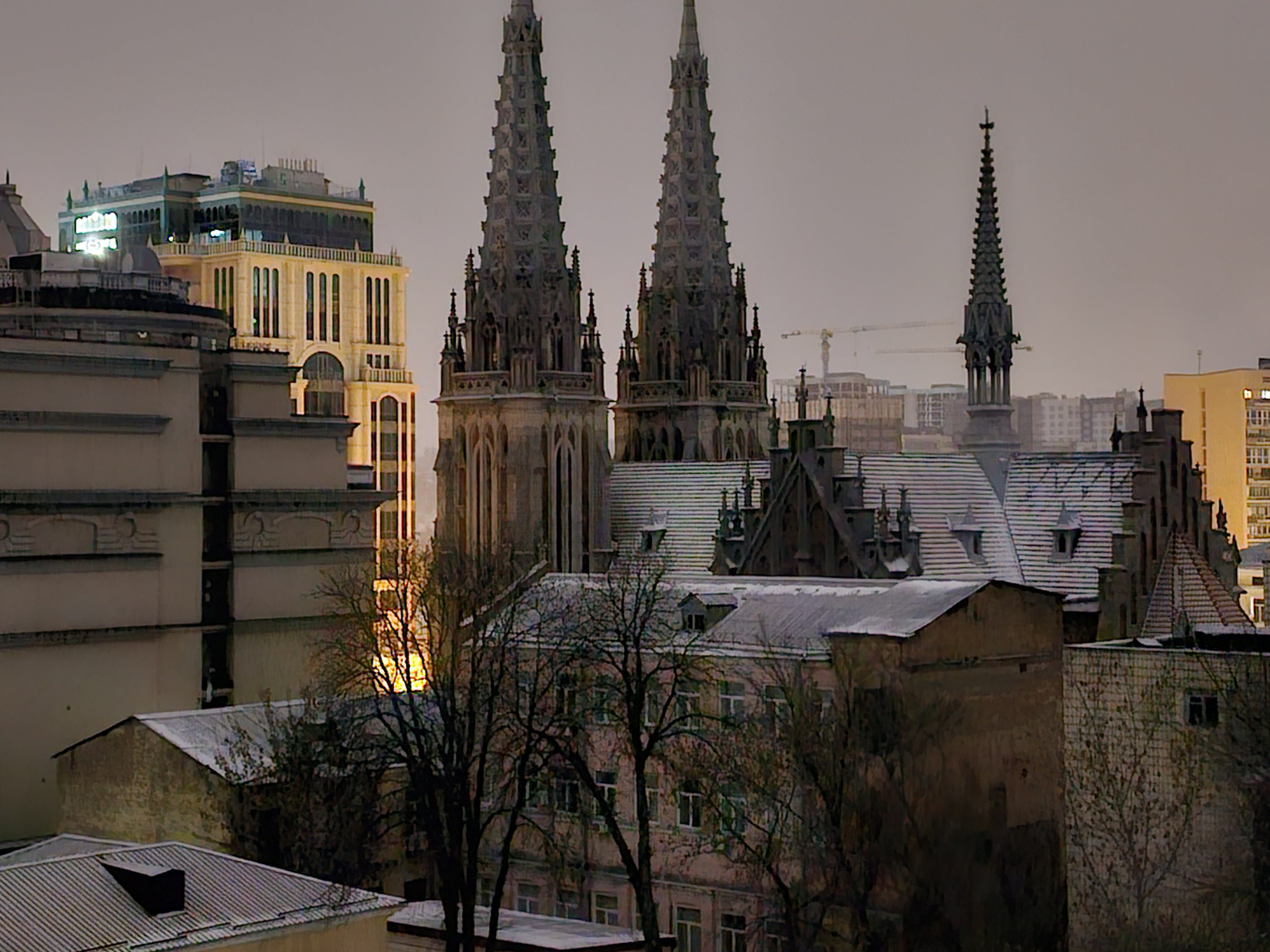
</ img>
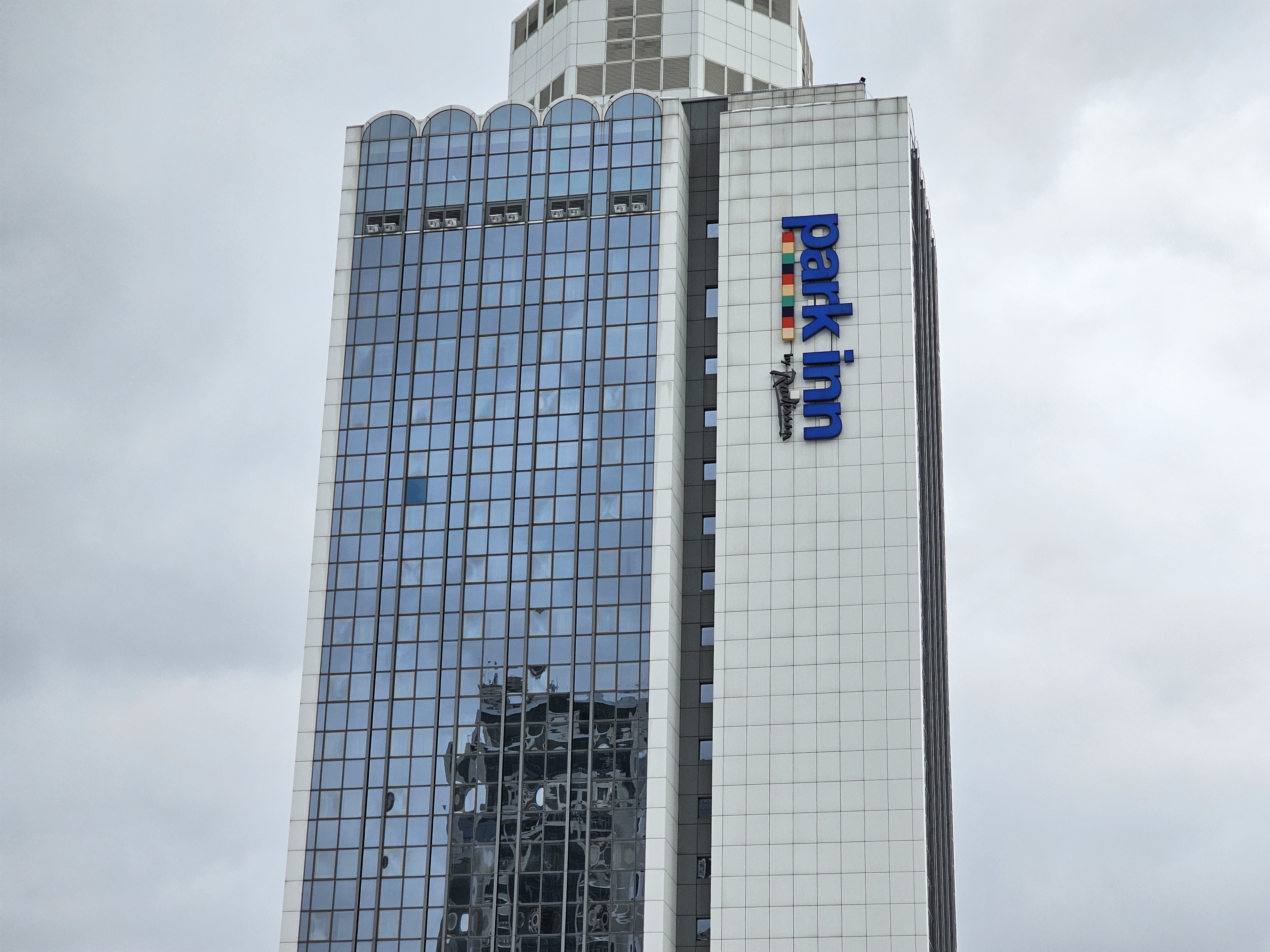
</ img>
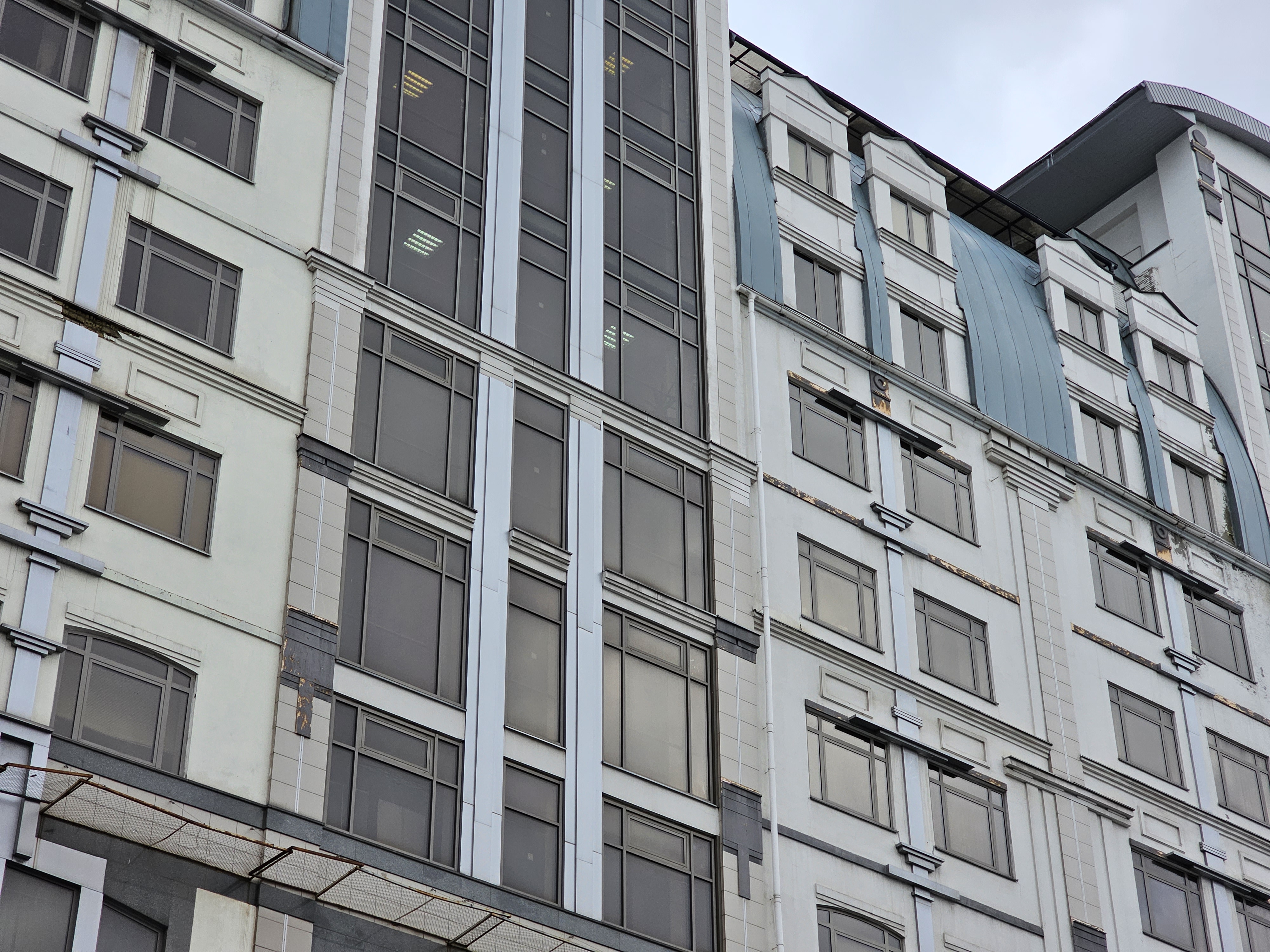
</ img>
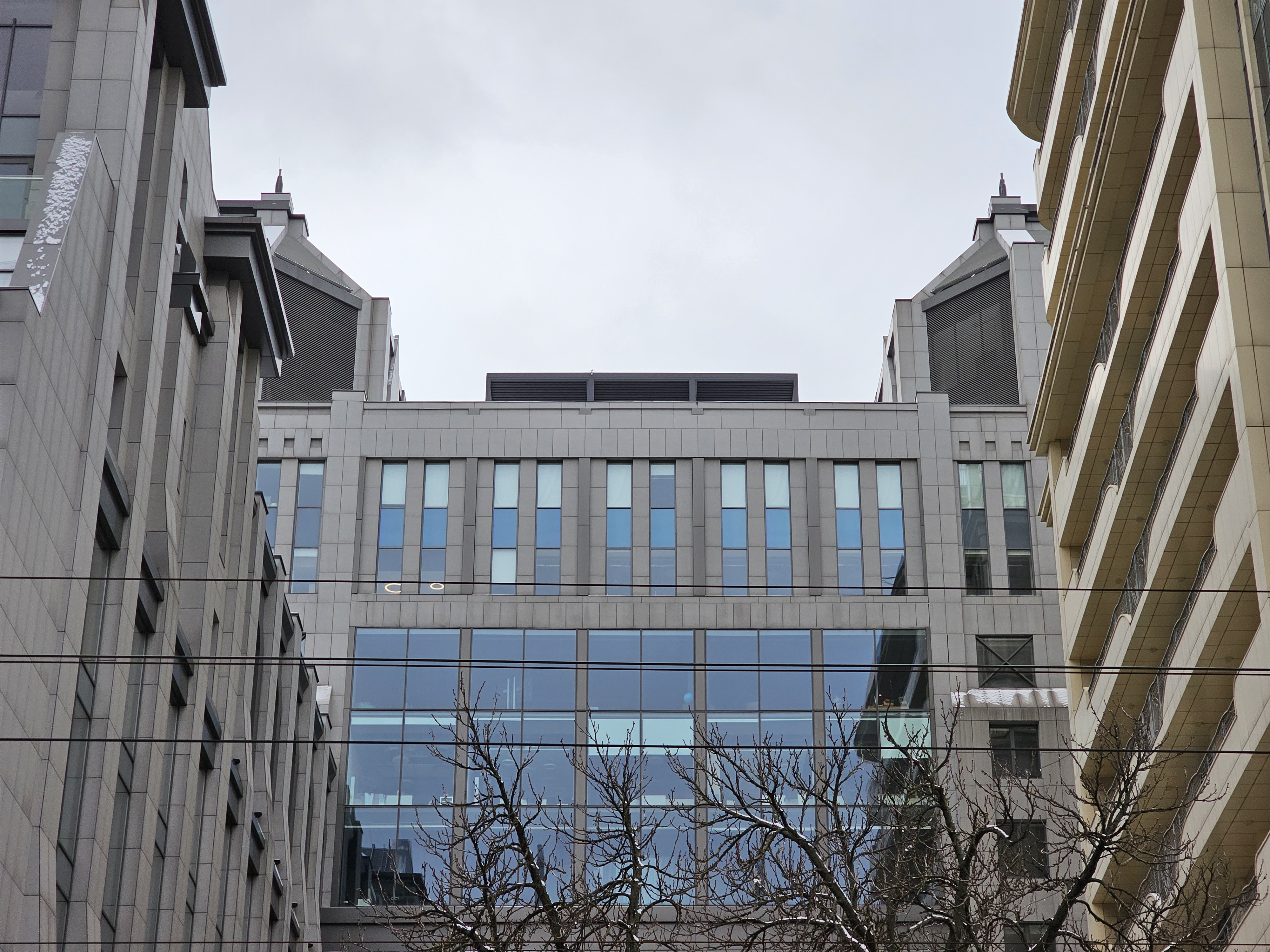
</ img>

</ img>
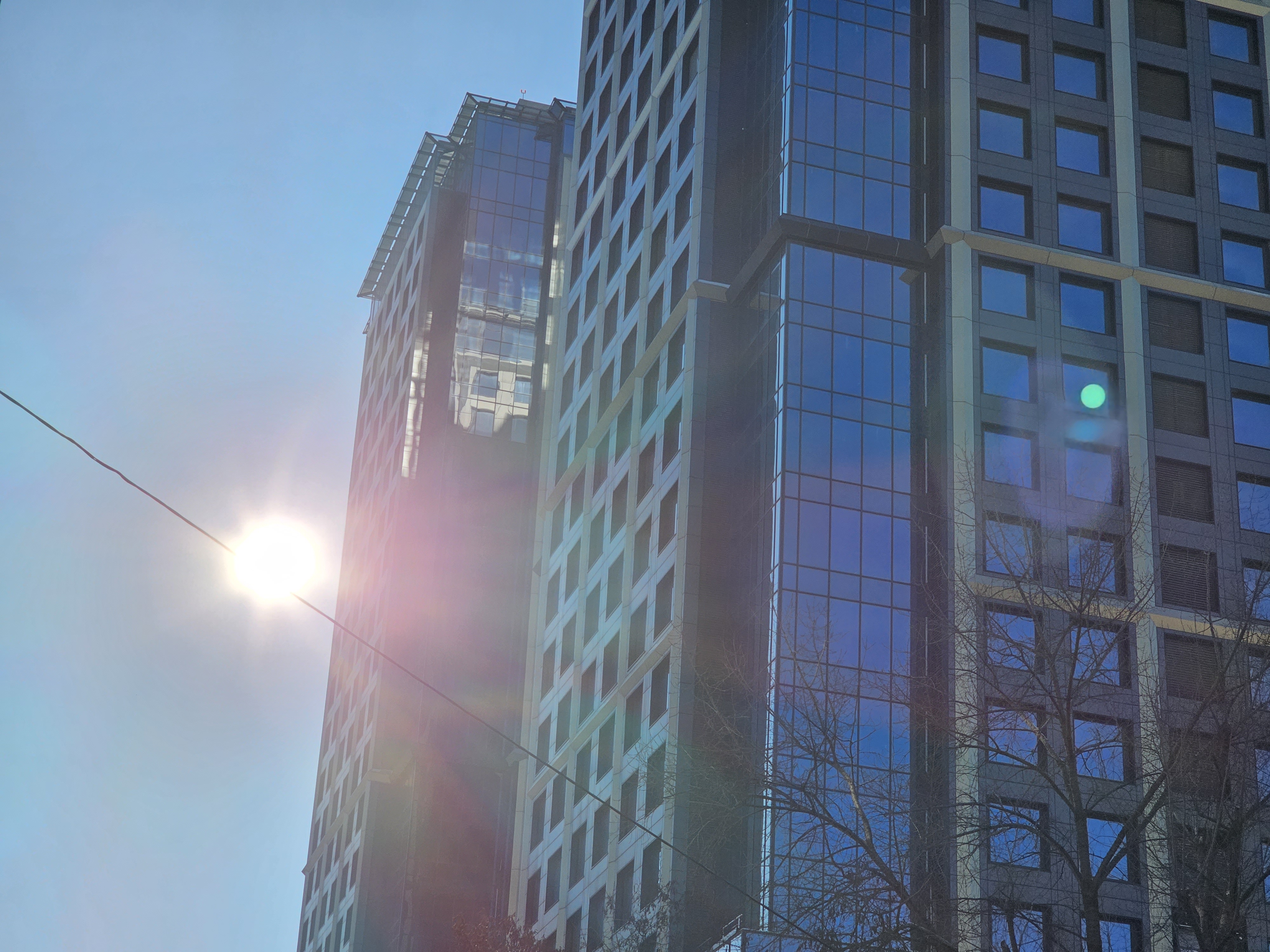
</ img>
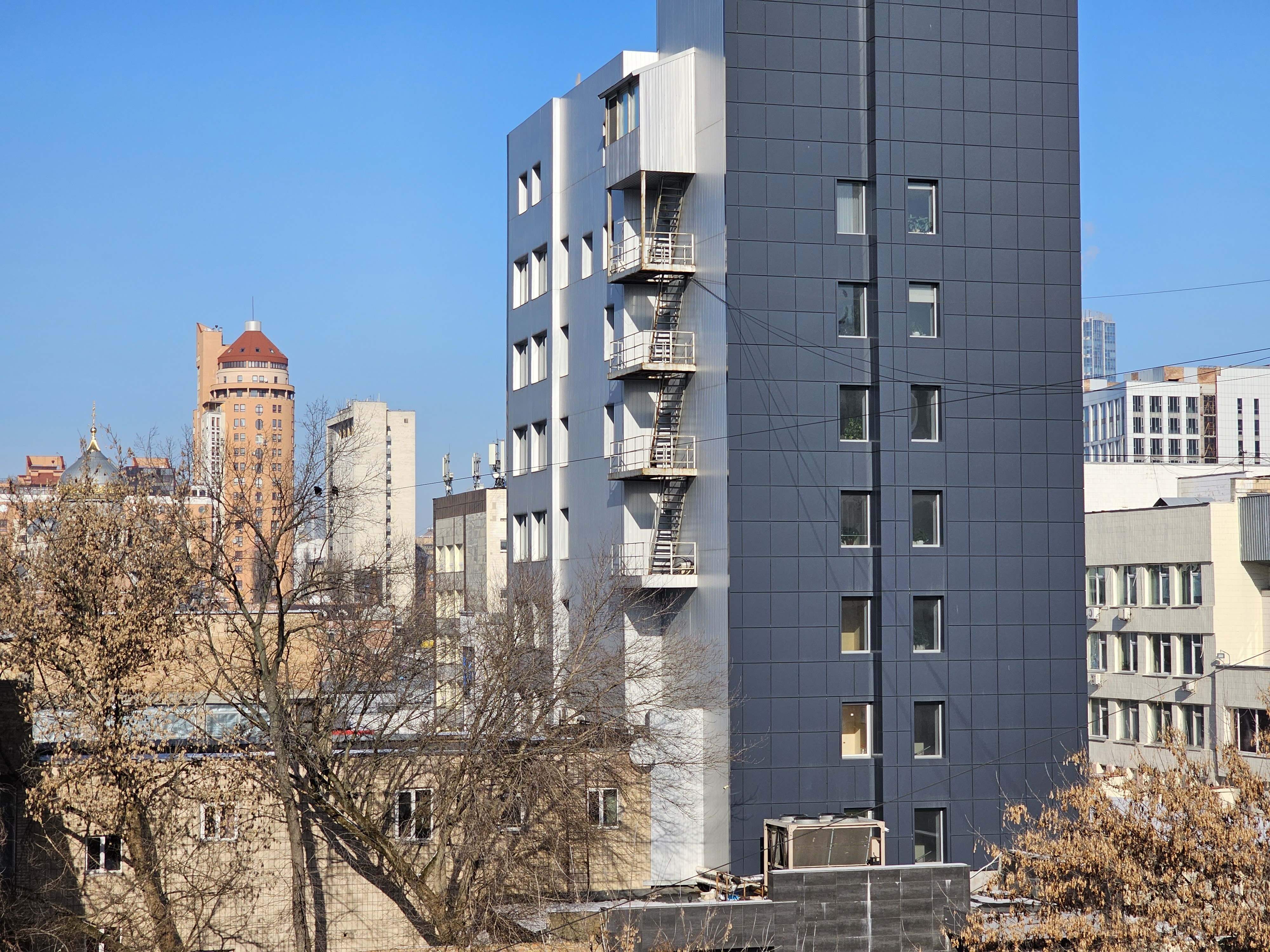
</ img>

</ img>

</ img>
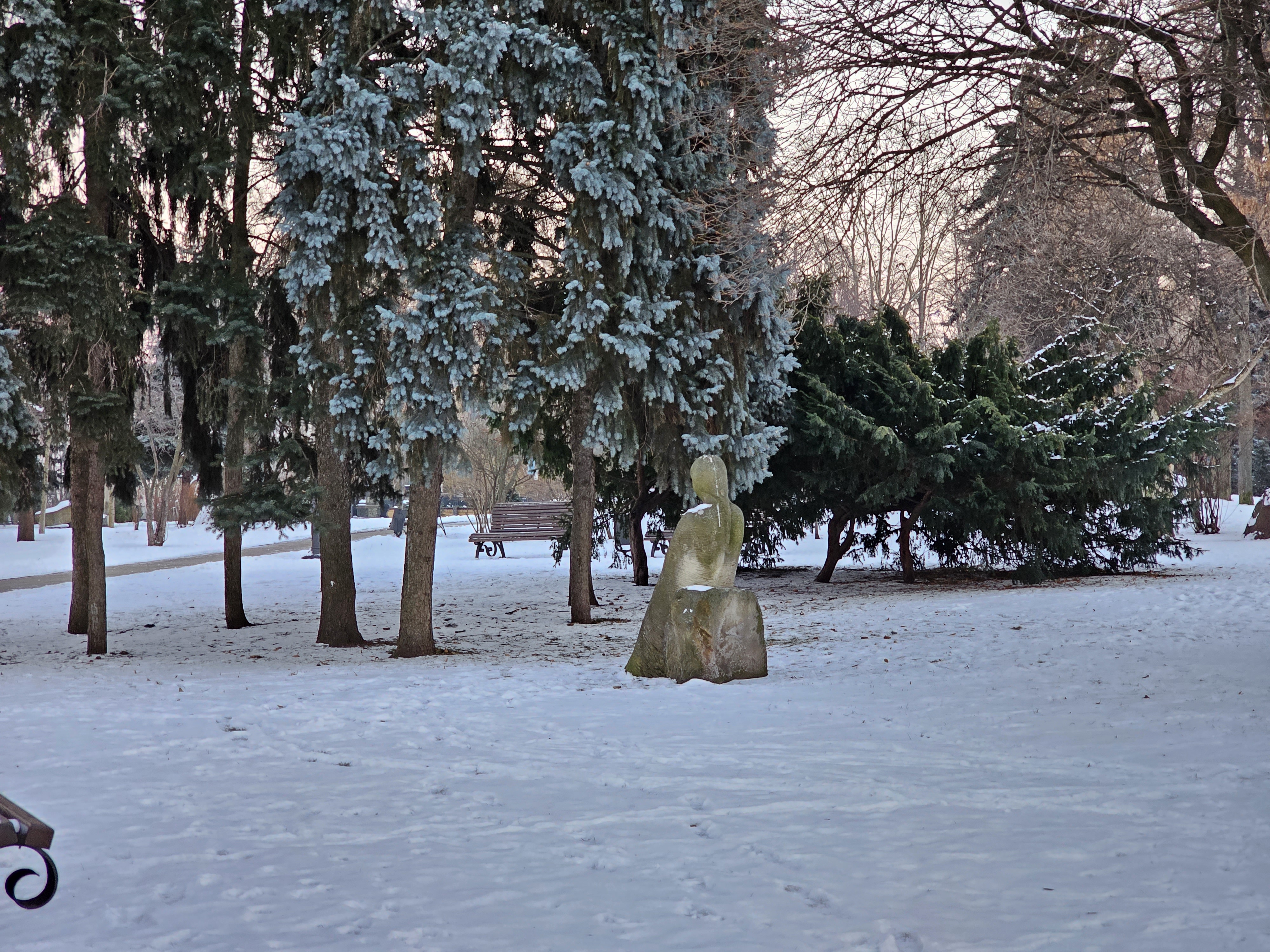
</ img>

</ img>

</ img>

</ img>

</ img>

</ img>
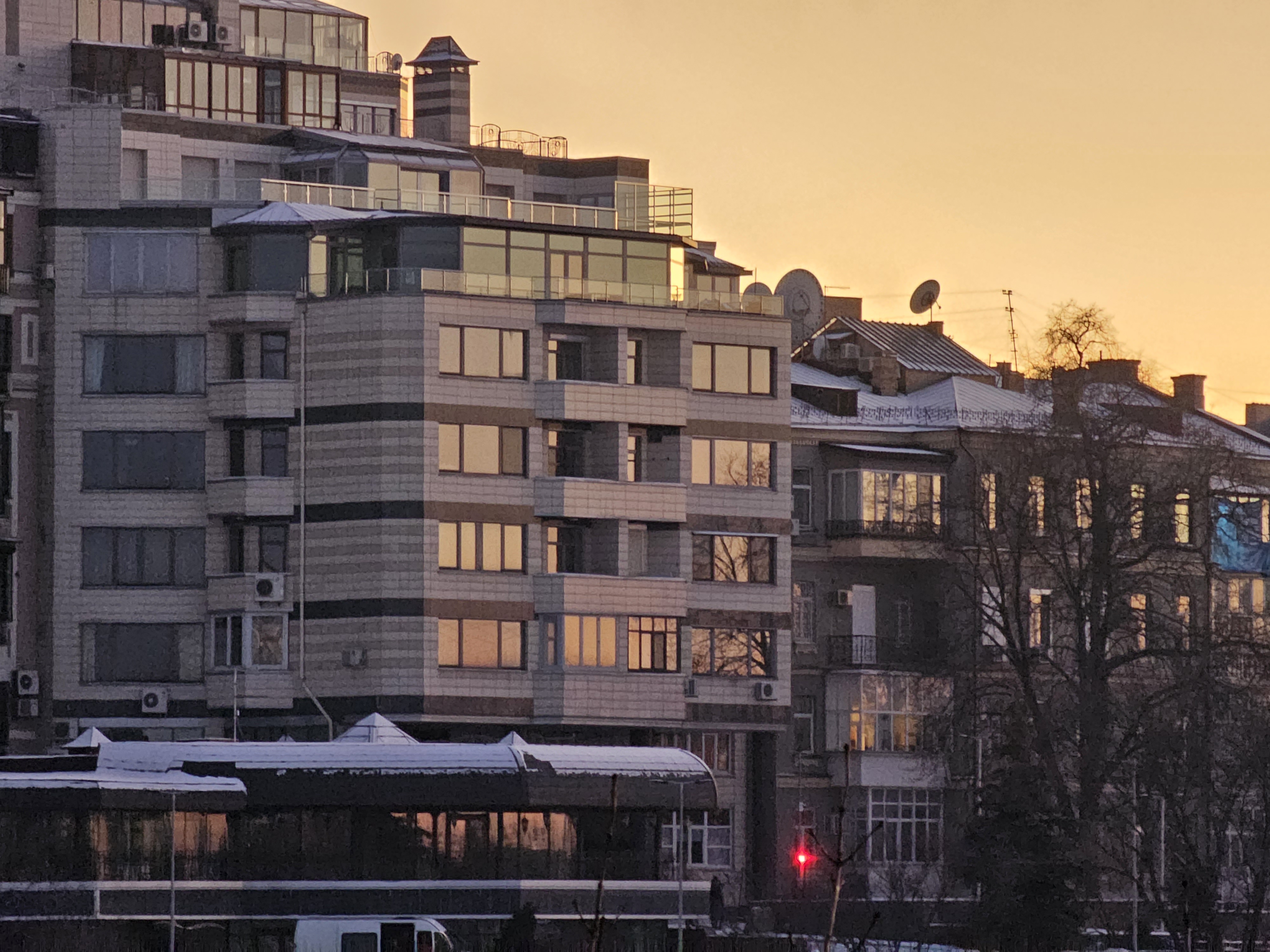
</ img>
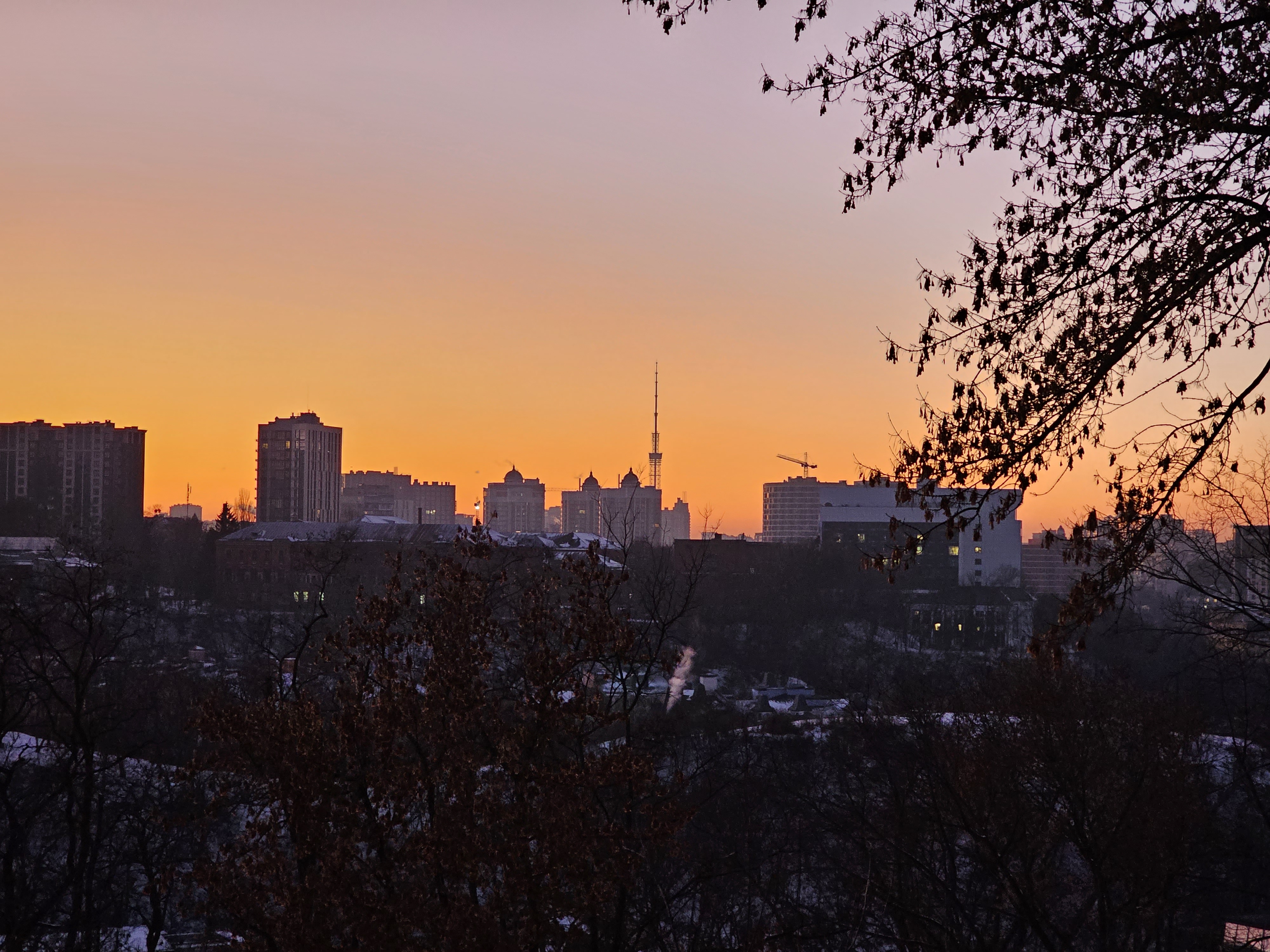
</ img>

</ img>

</ img>

</ img>

</ img>
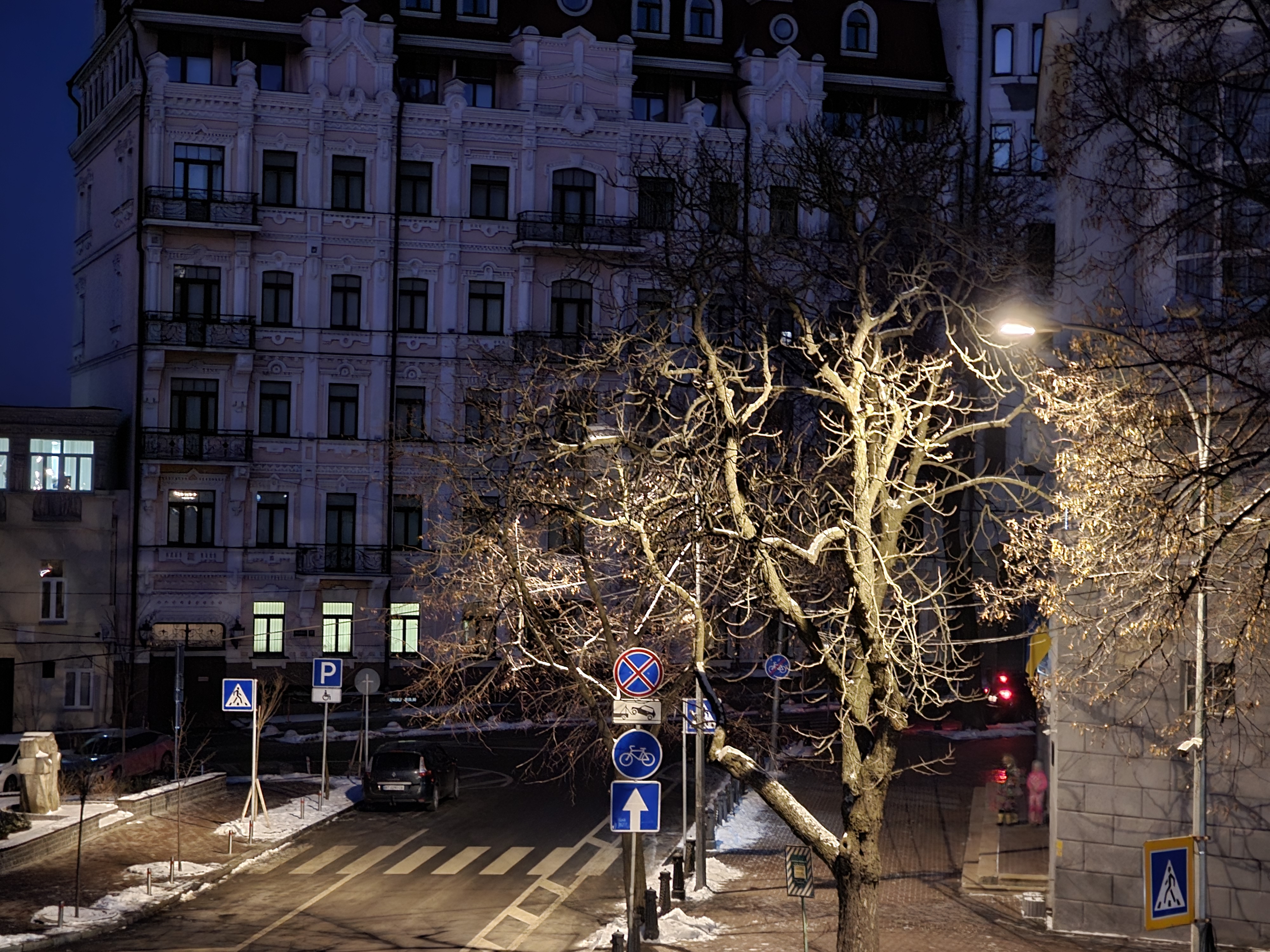
</ img>

</ img>
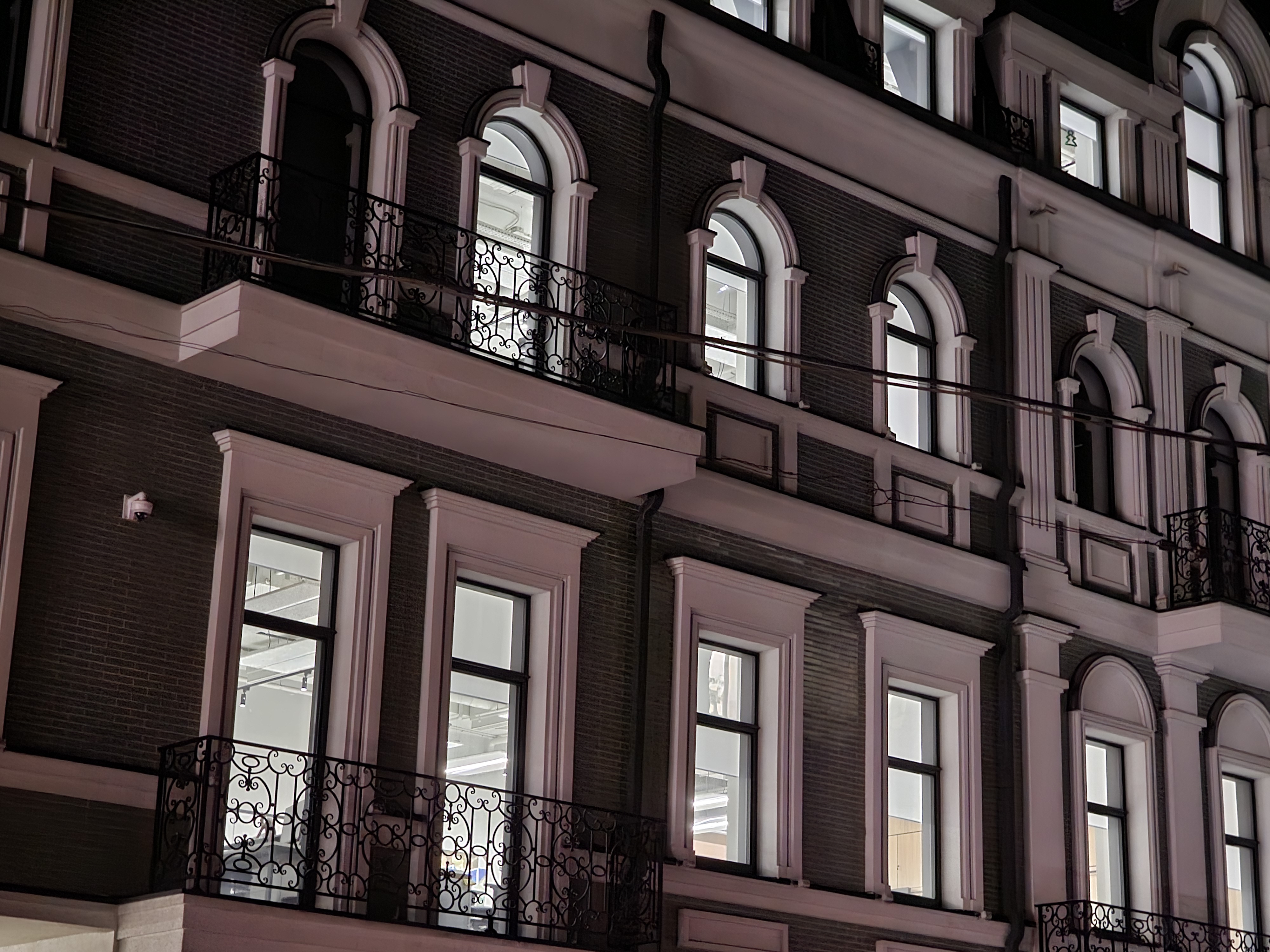
</ img>
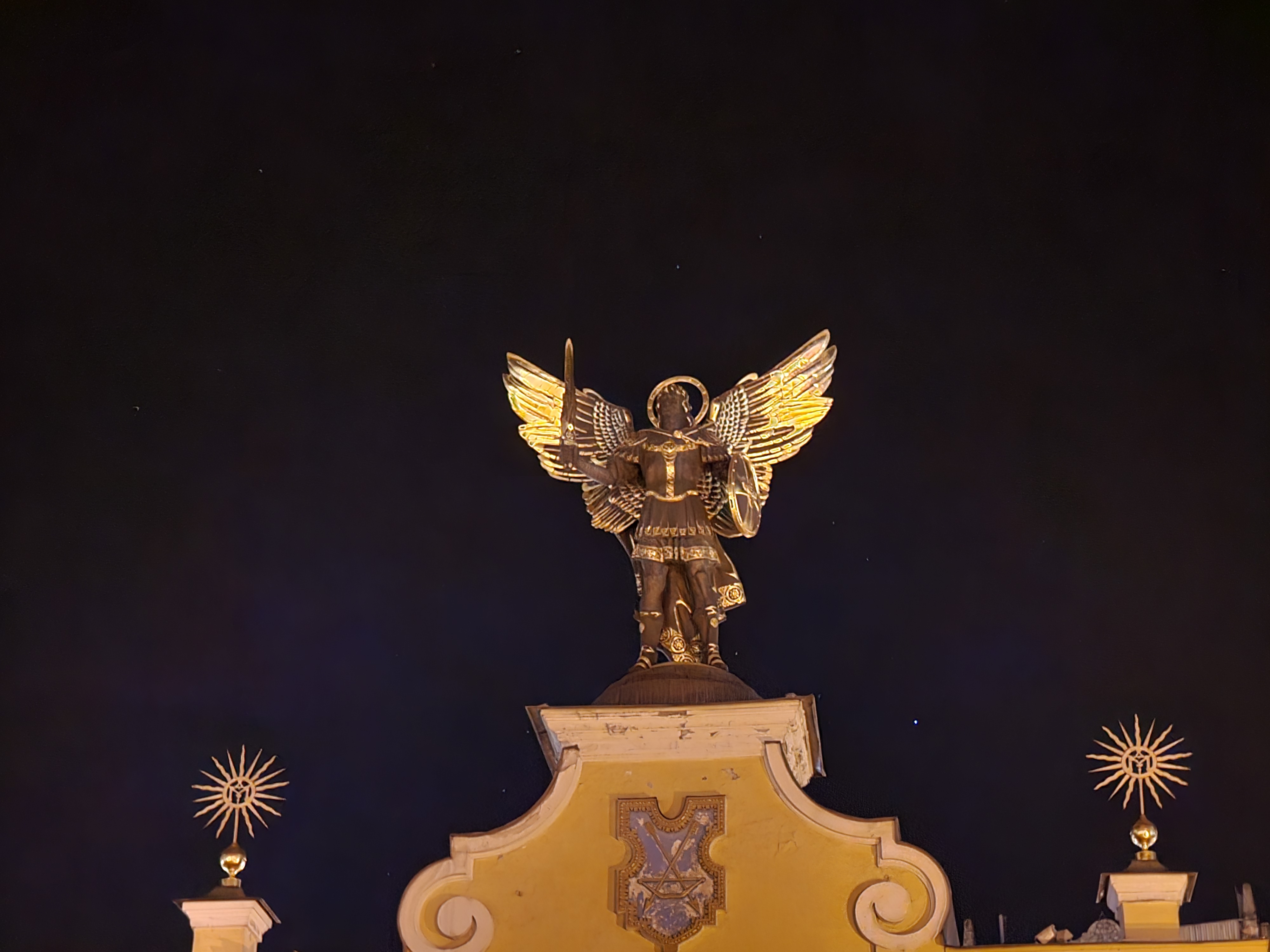
</ img>

</ img>

</ img>
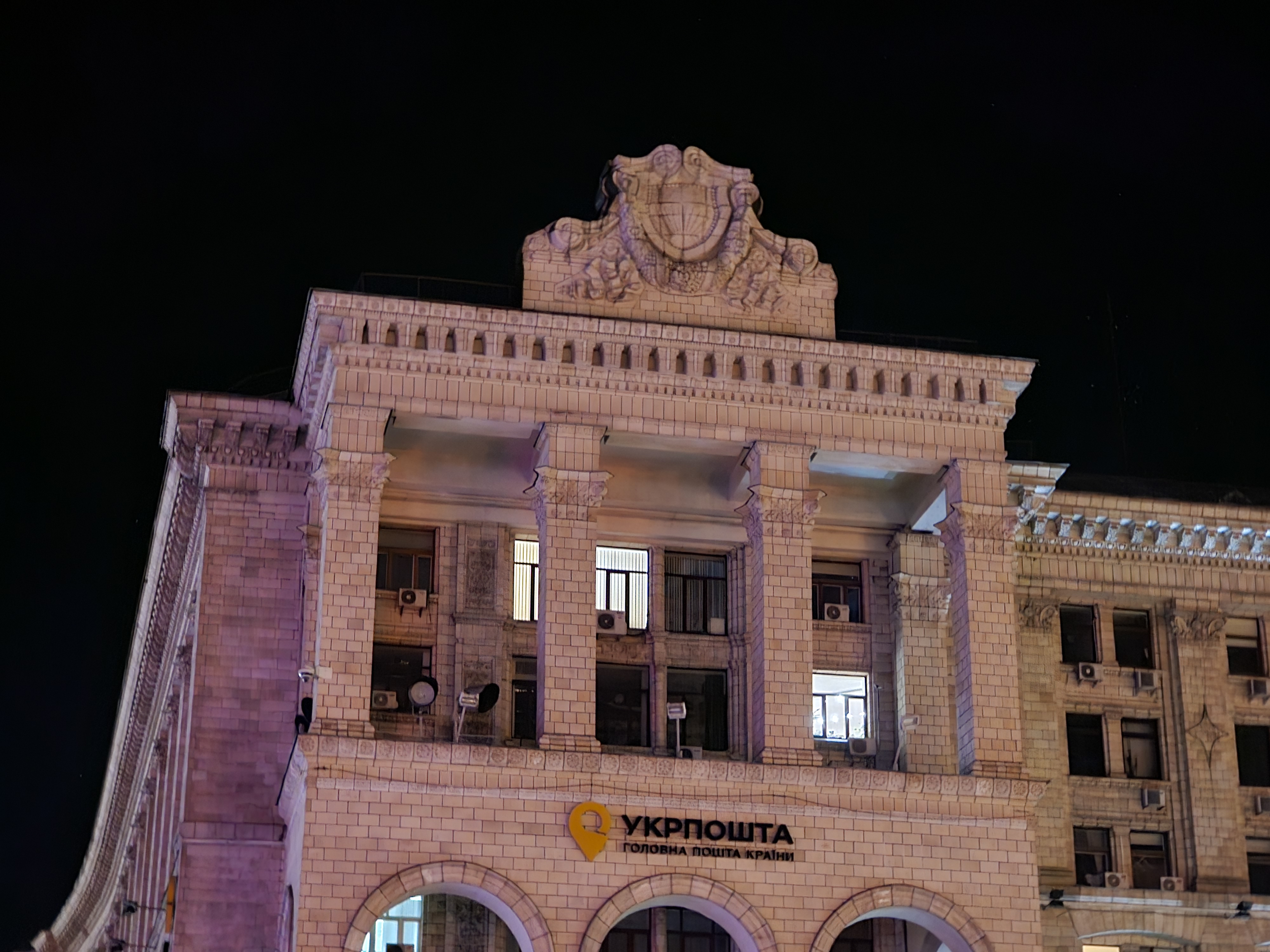
</ img>
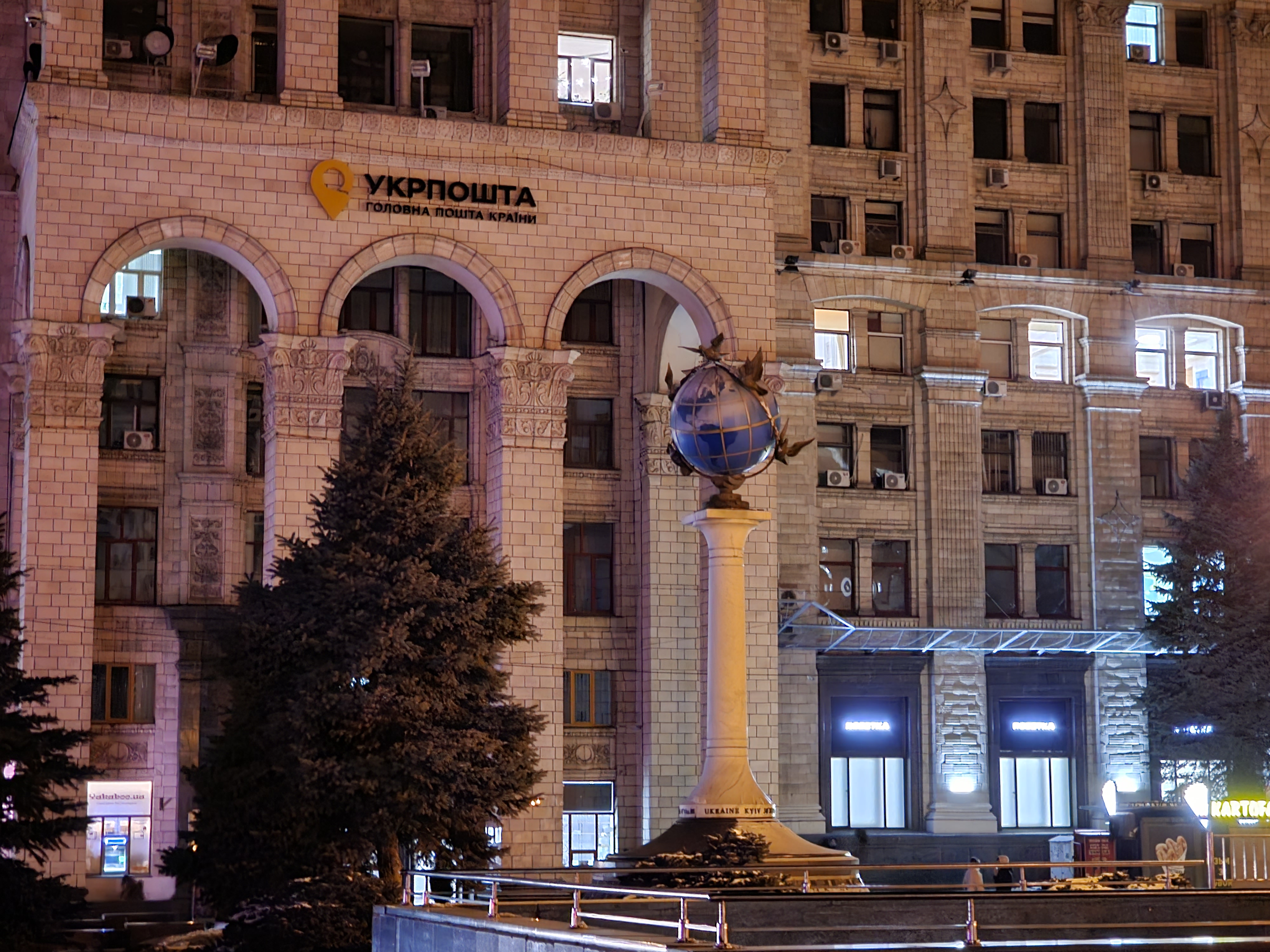
</ img>





























The 10x periscope telephoto camera shoots well. Difficulties can only be with very limited lighting:
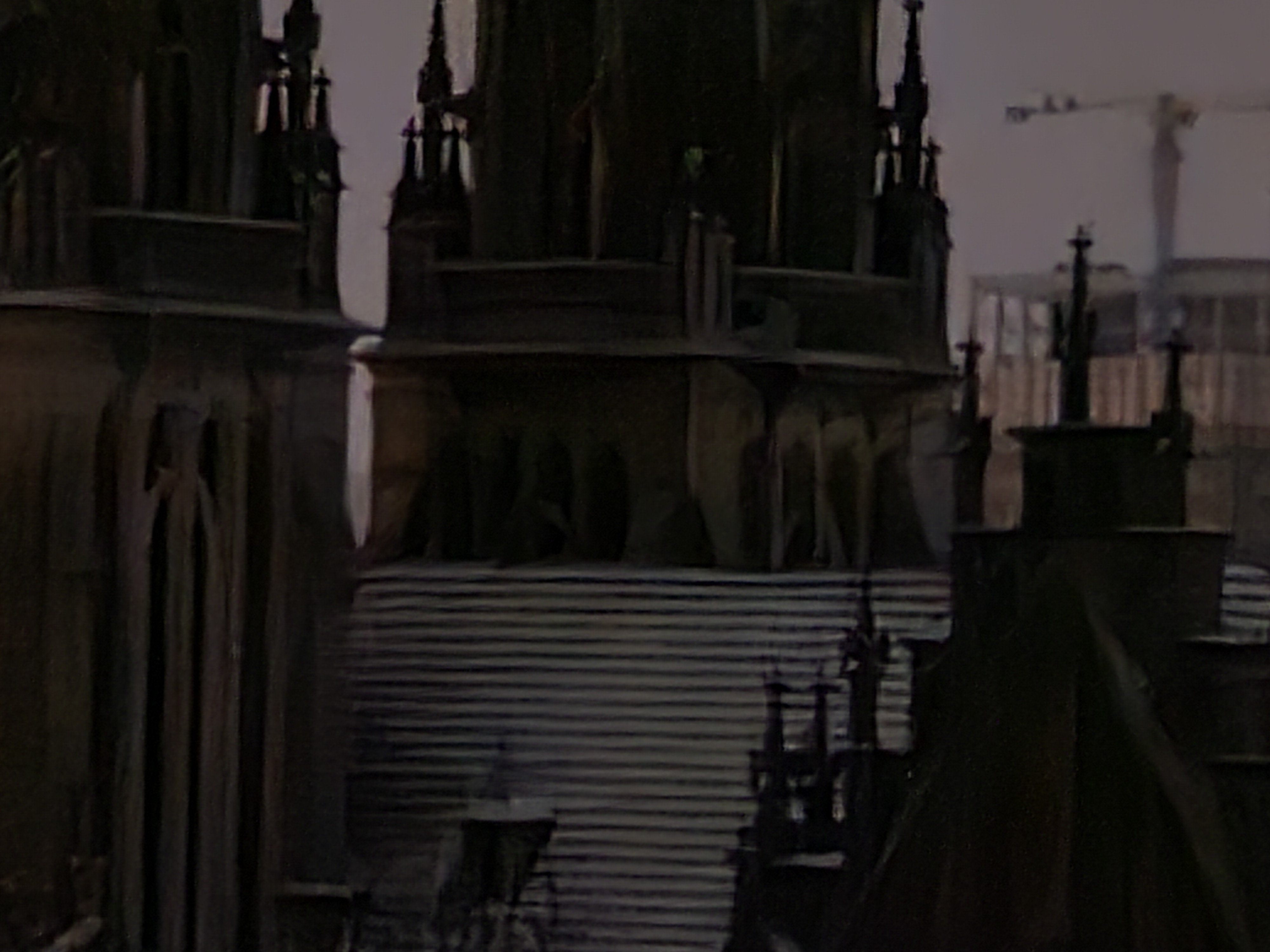
</ img>
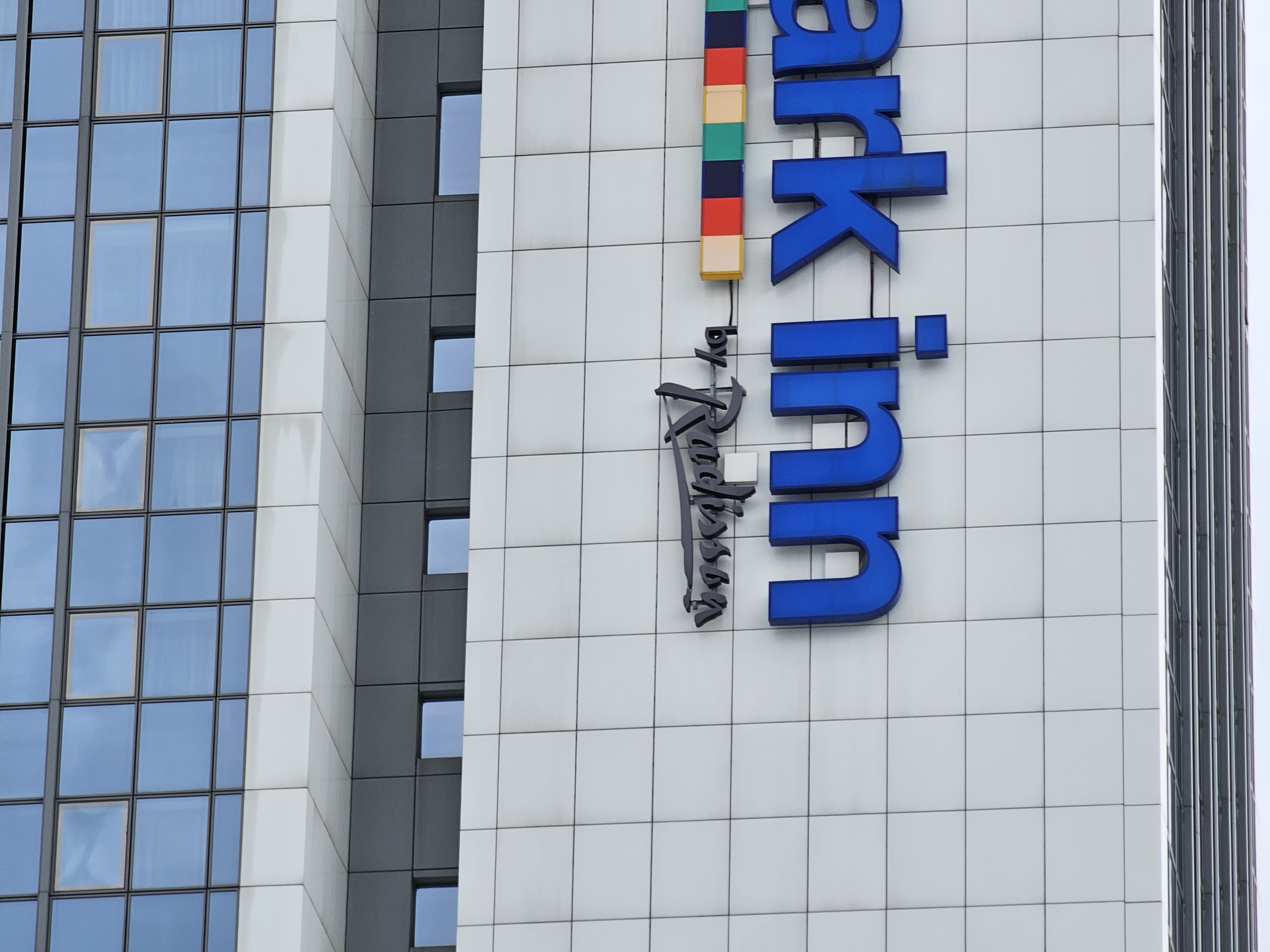
</ img>
</ img>
</ img>
</ img>
</ img>

</ img>
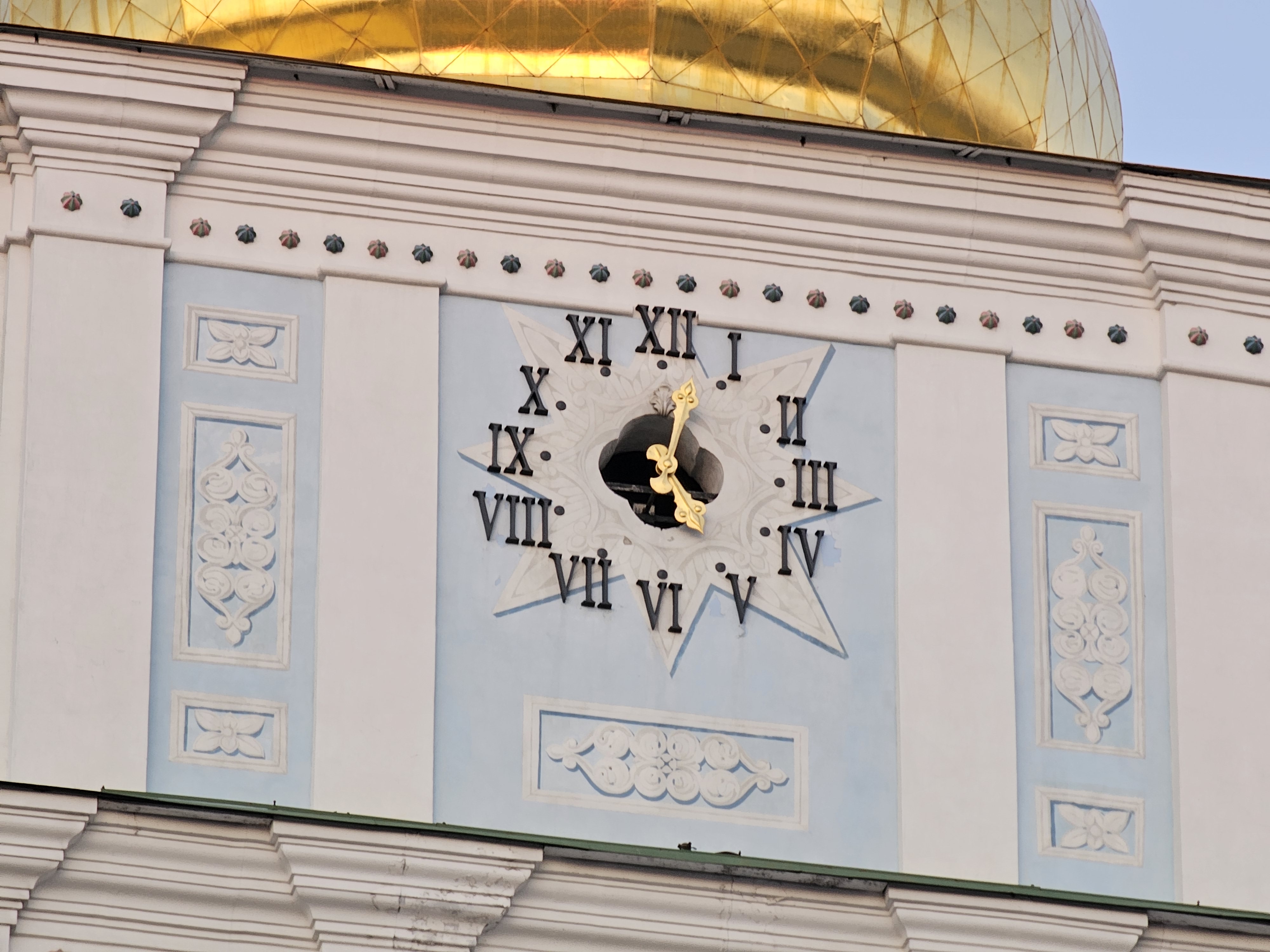
</ img>

</ img>

</ img>

</ img>

</ img>

</ img>
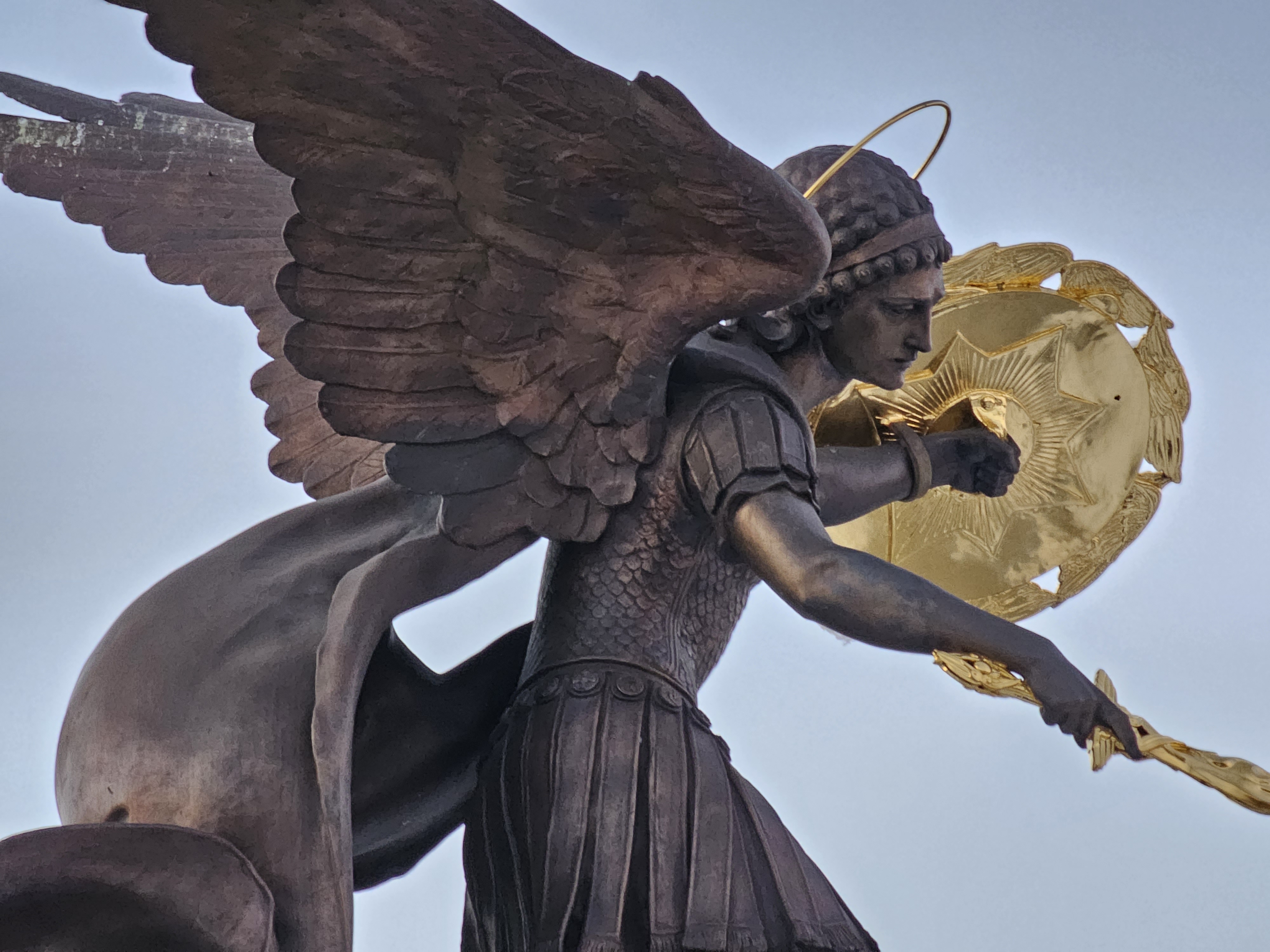
</ img>
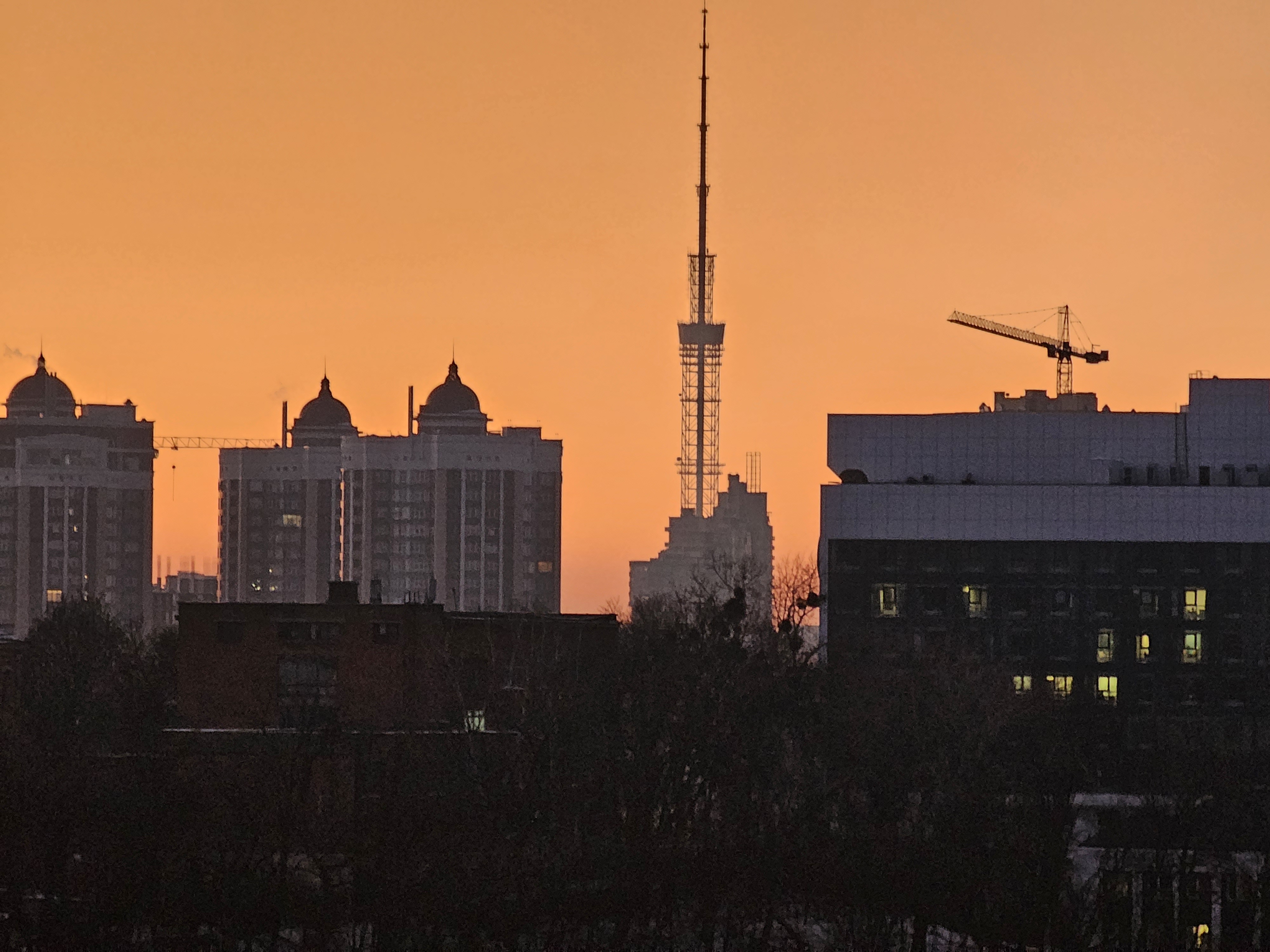
</ img>
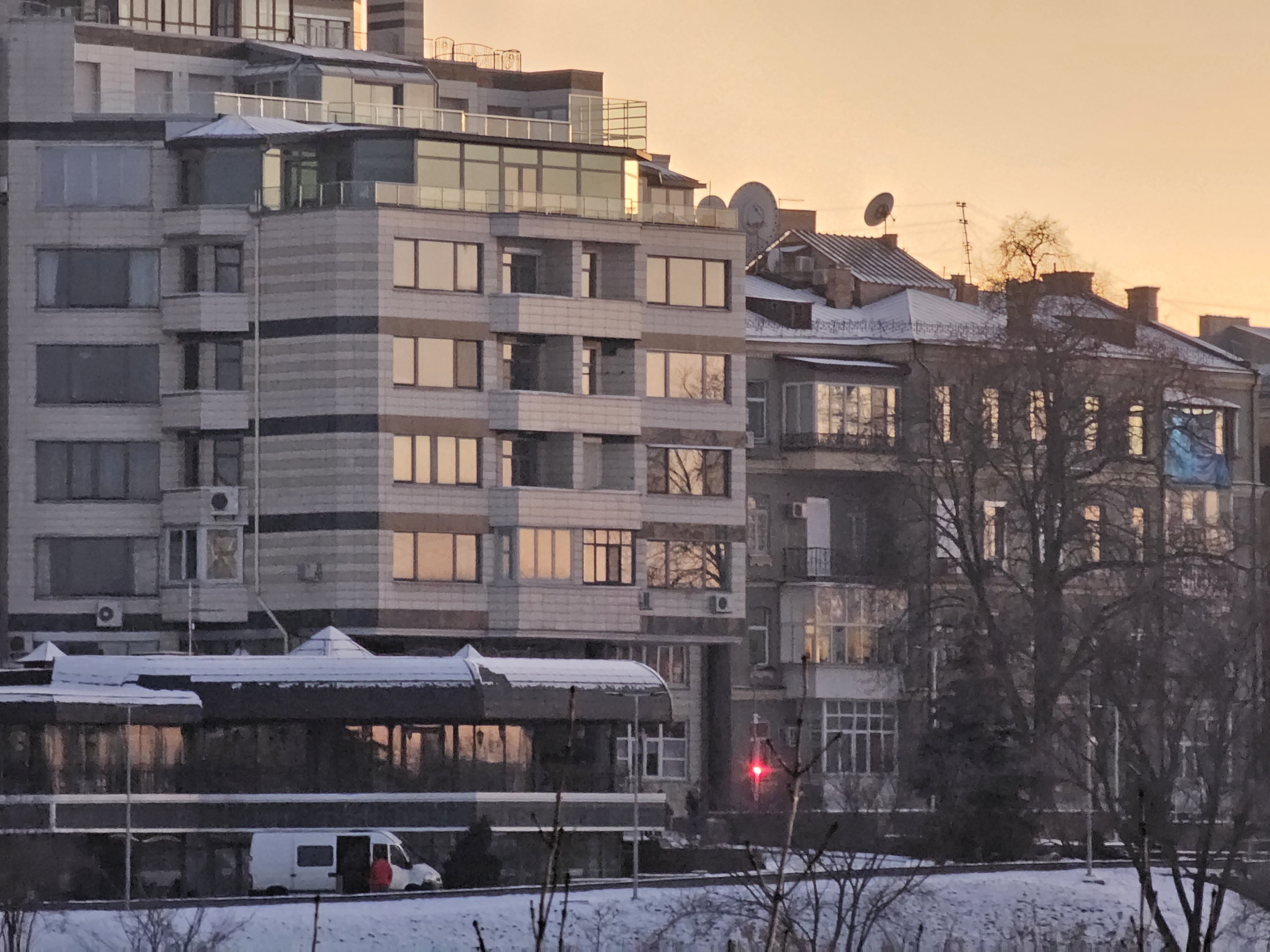
</ img>
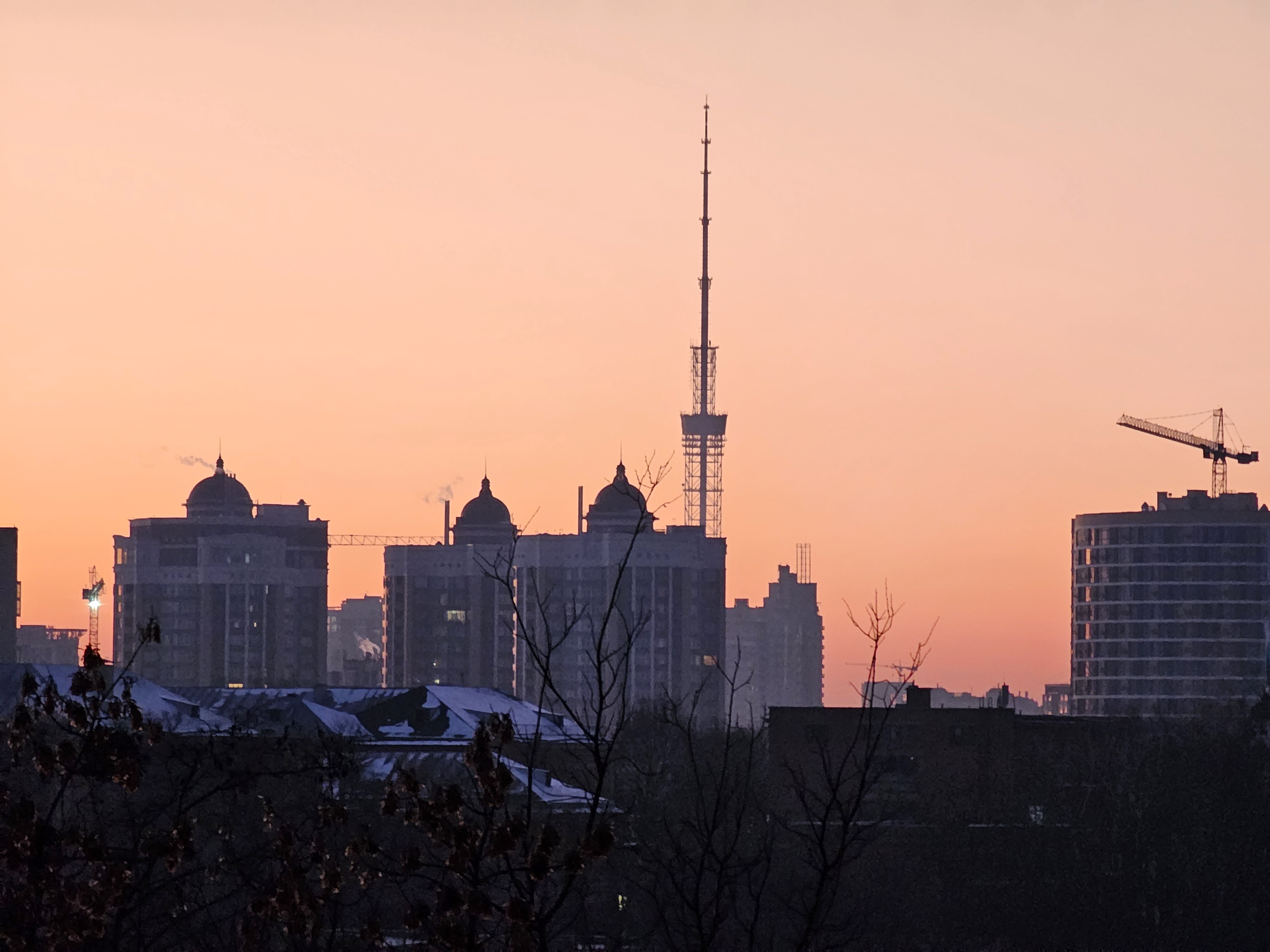
</ img>

</ img>
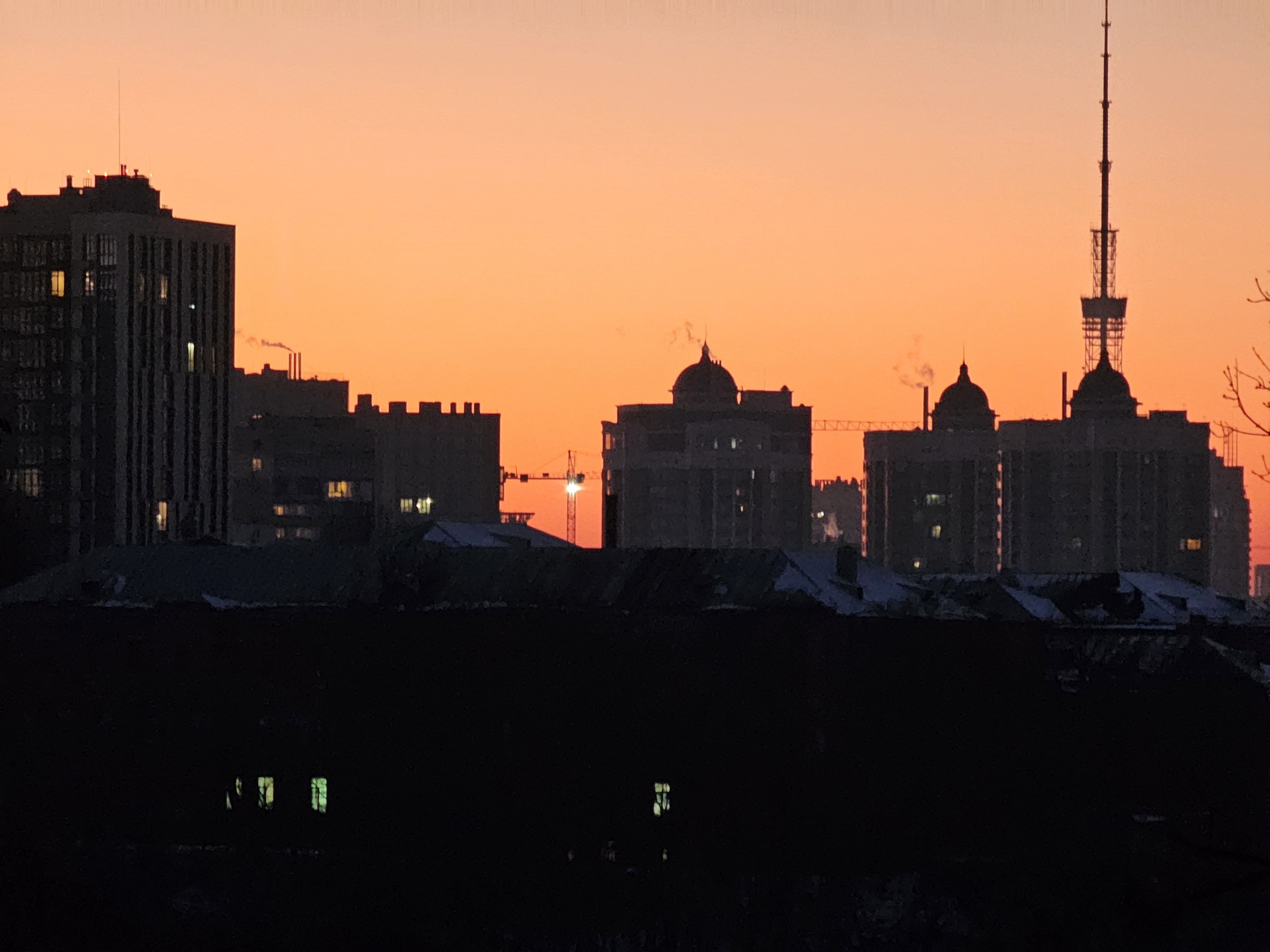
</ img>

</ img>
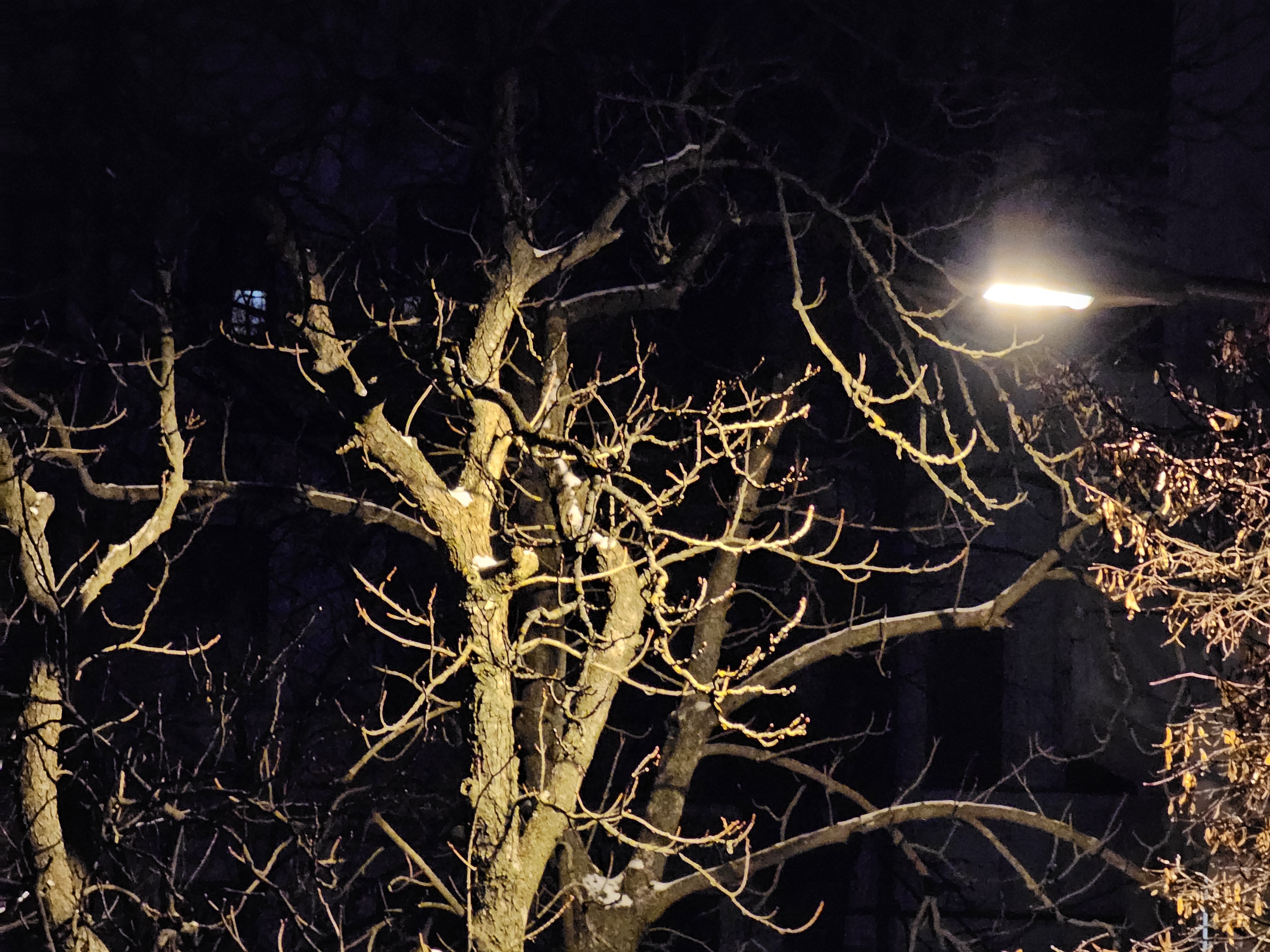
</ img>
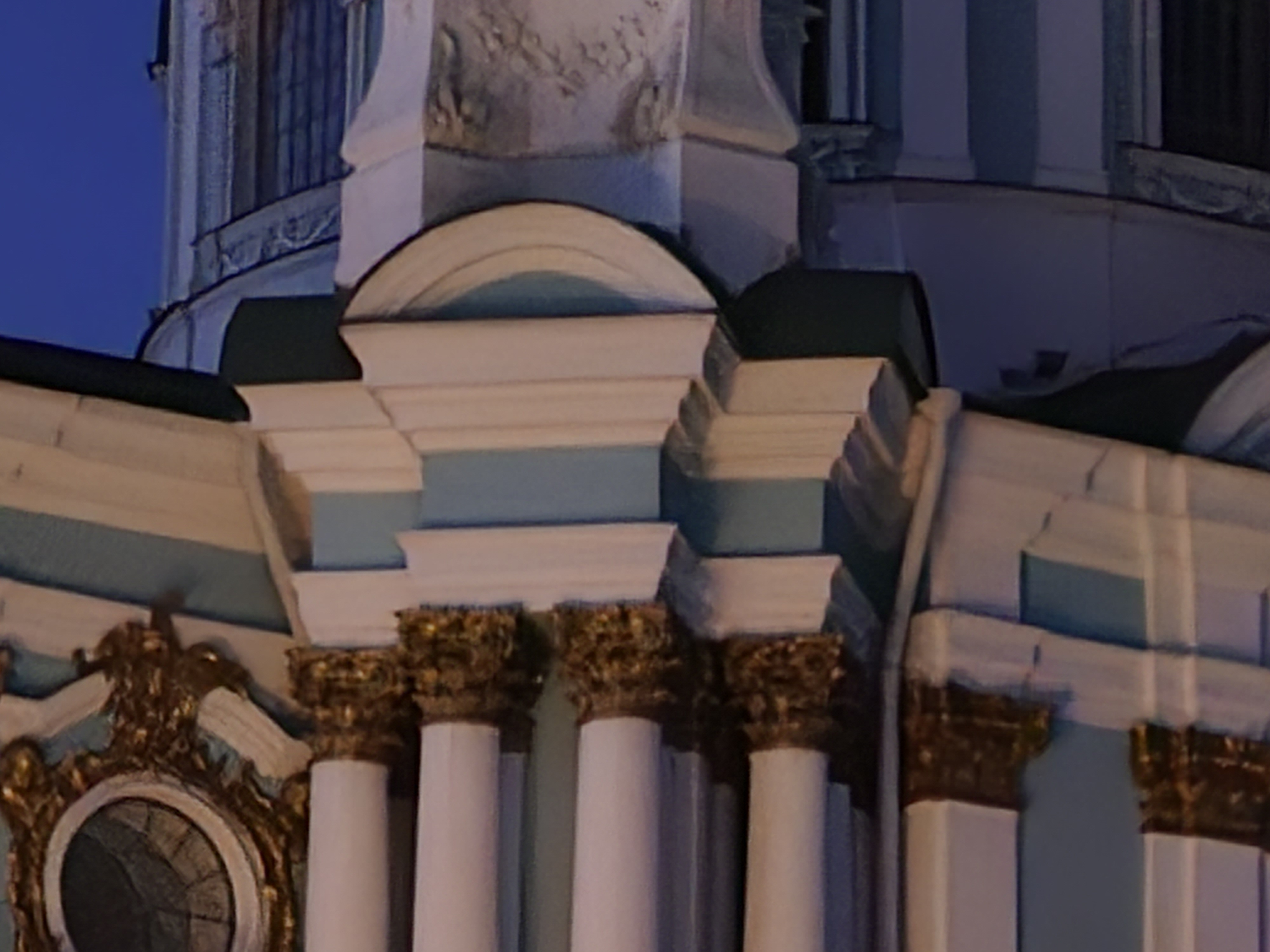
</ img>






















It is difficult to take astrophoto within the city because of the numerous lighting everywhere. But the mode really works well:
</ img>
</ img>


Video smartphone shoots perfectly even in low light. Electronic stabilization works well. For example, a video using the DJI OM4 Handheld Gimbal:
And now without him (with hands):
More video examples:
Bottom line: four things to know about the Samsung Galaxy S23 Ultra.
- Samsung Galaxy S23 Ultra – one of the most technologically advanced and functional smartphones at the moment.
- It is powered by a super-powerful Qualcomm Snapdragon 8 Gen 2 Mobile Platform for Galaxy processor.
- The rear camera system is versatile and shoots great in any situation.
- The smartphone is equipped with one of the best displays in existence.
Specifications of the Samsung Galaxy S23 Ultra and differences from the Galaxy S22 Ultra
Samsung Galaxy S23 Ultra
Samsung Galaxy S22 Ultra
Display
Side-curved Dynamic AMOLED 2x, 6.8 inches, 3088×1440 (20:9 aspect ratio), 516 ppi, HDR10+, Dolby Vision, 1-120 Hz,Gorilla Glass Victus 2, peak brightness 1750 nits
Side-curved Dynamic AMOLED 2x, 6.8 inches, 3088×1440 (20:9 aspect ratio), 516 ppi, HDR10+, Dolby Vision, 1-120 Hz, Gorilla Glass Victus+, peak brightness 1750 nits
Housing
dimensions:163.4×78.1×8.9 mm, weight:233 g
dimensions: 163.3×77.9×8.9 mm, weight: 228 g
CPU
64-bit 4nm Qualcomm Snapdragon 8 Gen 2Mobile Platform for Galaxy, 1×3.36 GHz Cortex-X3, 2×2.8 GHz Cortex-A715, 2×2.8 GHz Cortex-A710, 3×2.0 GHz Cortex-A510, Adreno 740 719 MHz graphics
64-bit 4nm Samsung Exynos 2200, 1xARM Cortex-X2, 2.8 GHz, 3xARM Cortex-A710 2.5 GHz, 4xARM Cortex-A510 1.7 GHz, Neural Processing Unit (NPU), Xclipse 920 graphics
RAM
8/12 GB
8/12 GB
Flash memory
256/512GB/1TB UFS 4.0
128/256/512 GB UFS 3.1
Camera
200 MP(f/1.7, 23 mm EGF,1/1.3″, 0.6µm, Dual Pixel PDAF, OIS); periscope telephoto10 MP (f/4.9, 230 mm EGF, 1/3.52″, 1.12µm, Dual Pixel PDAF, OIS, 10x zoom); telephoto 10 MP (f/2.4, 70 mm, 1/3.52″, 1.12µm, Dual Pixel PDAF, OIS, 3x zoom); ultra-wide-angle 12 MP (f/2.2, 13 mm, 120˚, 1/2.55″, 1.4µm, Dual Pixel PDAF); flash, video8K@30fps, 2160p@60fps, 1080p@240fps, 720p@960fps; front-camera:12 MP(f/2.2,25 mm, PDF)
108 MP (f/1.8, 23 mm EGF, 1/1.33″, 0.8 µm, Dual Pixel PDAF, OIS); periscopic telephoto 10 MP (f/4.9, 230 mm EGF, 1/3.52″, 1.12µm, Dual Pixel PDAF, OIS, 10x zoom); telephoto 10 MP (f/2.4, 70 mm, 1/3.52″, 1.12µm, Dual Pixel PDAF, OIS, 3x zoom); ultra-wide-angle 12 MP (f/2.2, 13 mm, 120˚, 1/2.55″, 1.4µm, Dual Pixel PDAF); flash, video 8K@24fps, 2160p@60fps, 1080p@240fps, 720p@960fps; front camera: 40 MP (f/2.2, 26 mm, 1/2.8″, 0.7µm, PDAF)
Wireless technology
Wi-Fi 802.11 a/b/g/n/ac/6e (triband),Bluetooth 5.3LE, NFC
Wi-Fi 802.11 a/b/g/n/ac/6e (dual band, 2.4 and 5 GHz), Bluetooth 5.2 LE, NFC
GPS
GPS, A-GPS, GLONASS, BDS, GALILEO
GPS, A-GPS, GLONASS, BDS, GALILEO
Battery
5000 mAh, non-removable, 45W fast charging, 15W wireless charging, reverse wireless charging
5000 mAh, non-removable, 45W fast charging, 15W wireless charging, reverse wireless charging
operating system
Android 13 + One UI 5.1
Android 12 + One UI 4.1
Sim card
2xNanoSIM
2xNanoSIM
Additionally
S Pen, IP68 dust and water resistance, ultrasonic in-display fingerprint scanner, Samsung Wireless DeX
S Pen, IP68 dust and water resistance, ultrasonic in-display fingerprint scanner, Samsung Wireless DeX

</ img>
For those who want to know more:
- Samsung Galaxy Flip4 review: the flagship clamshell Android smartphone
- Samsung Galaxy Fold4 review: The best smartphone for geeks
- Review of Samsung Galaxy Watch5 Pro and Watch5: plus autonomy, minus the physical bezel
- Hello Hi-Res Audio without wires! Review of the flagship TWS headphones Samsung Galaxy Buds2 Pro
- Samsung Galaxy S22 Ultra: the merger of two galaxies