</ img>
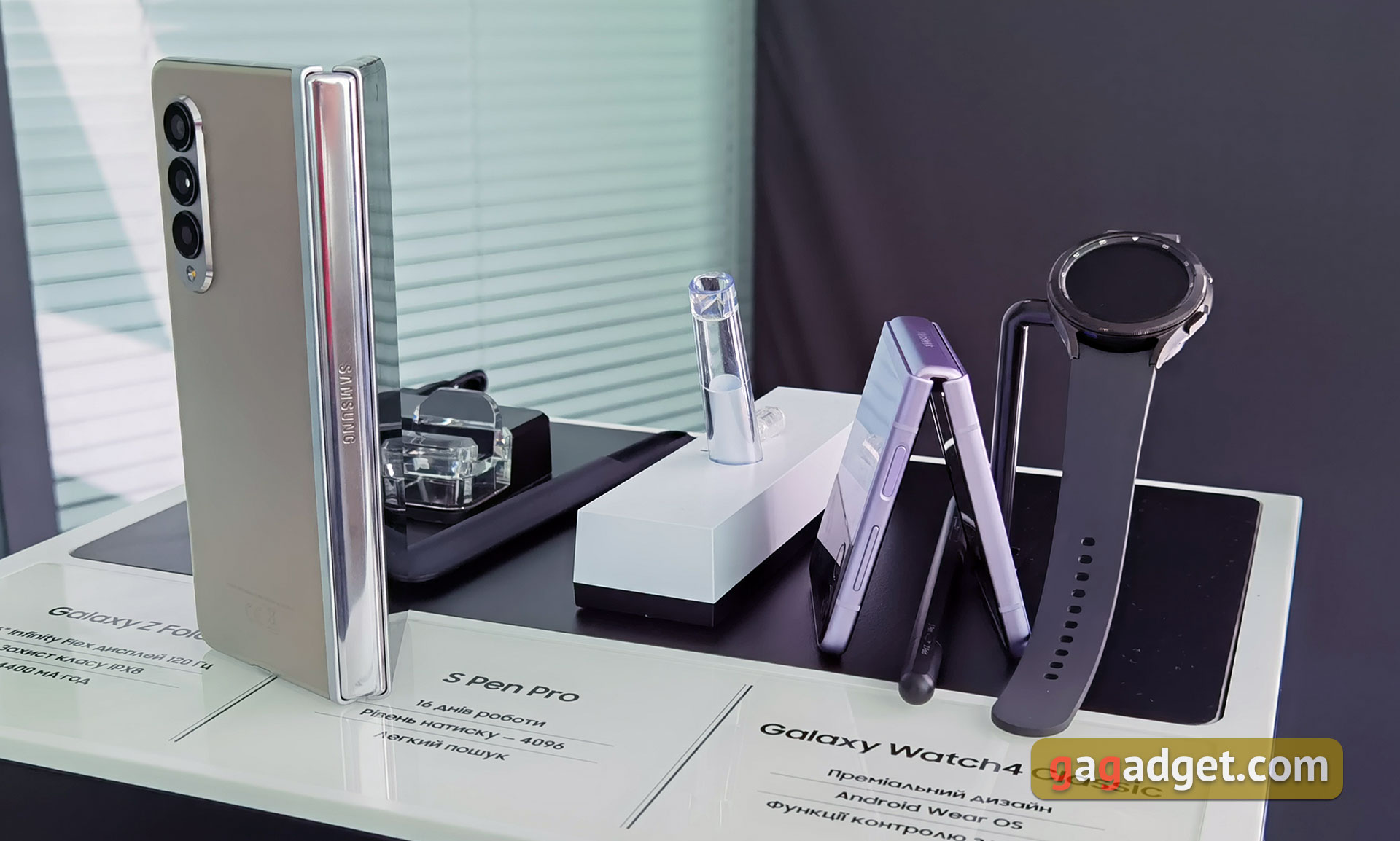
Samsung does not change its habits and holds presentations of flagship devices twice a year. Flagships
- What's new in the Samsung Galaxy Z Fold3?
- And what is interesting about the Samsung Galaxy Z Flip3?
- How have the Samsung Galaxy Watch4 and Samsung Galaxy Watch4 Classic smartwatches been updated?
- What about the Samsung Galaxy Buds2 headphones?
- In the dry residue
What's new in the Samsung Galaxy Z Fold3?
</ img>
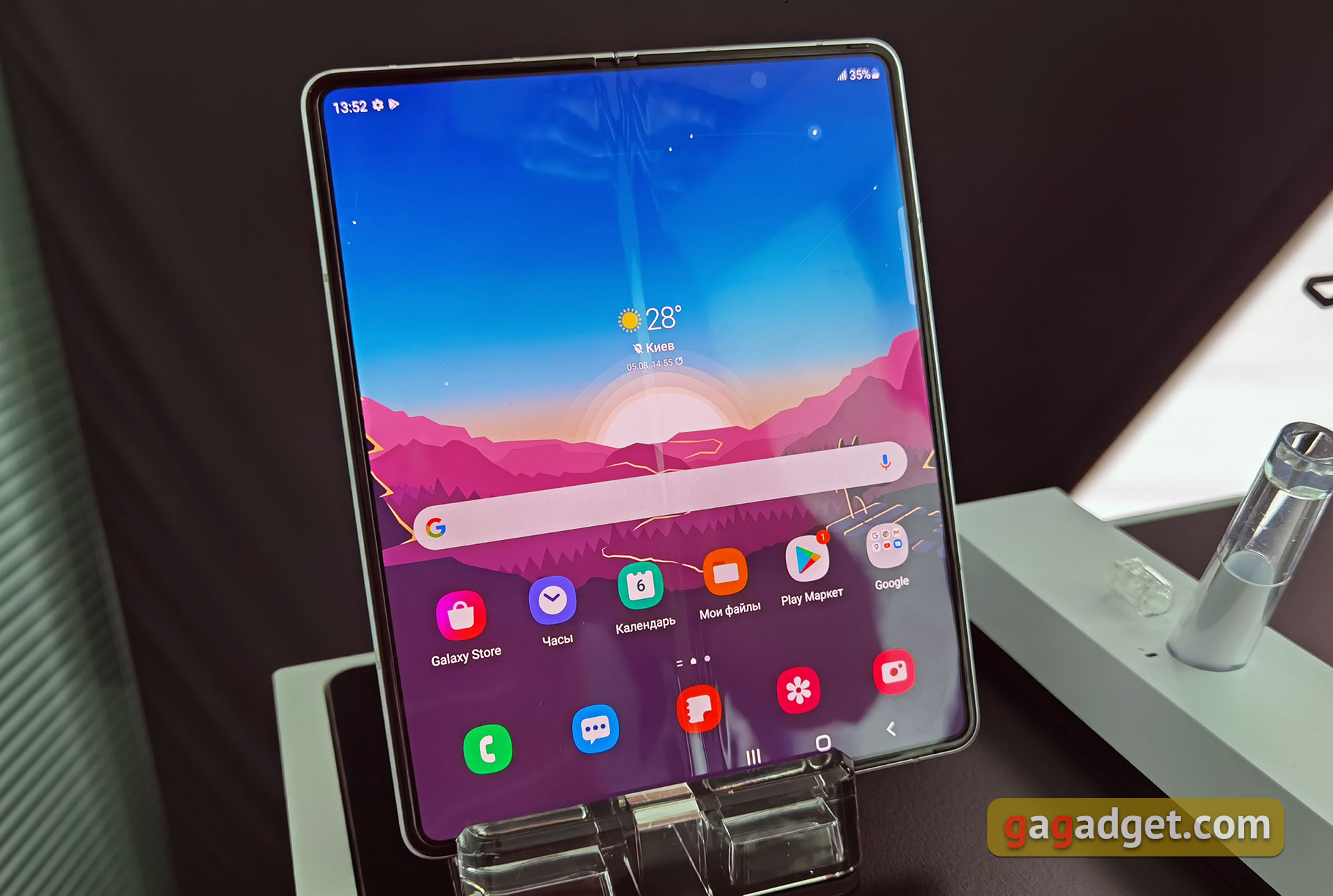
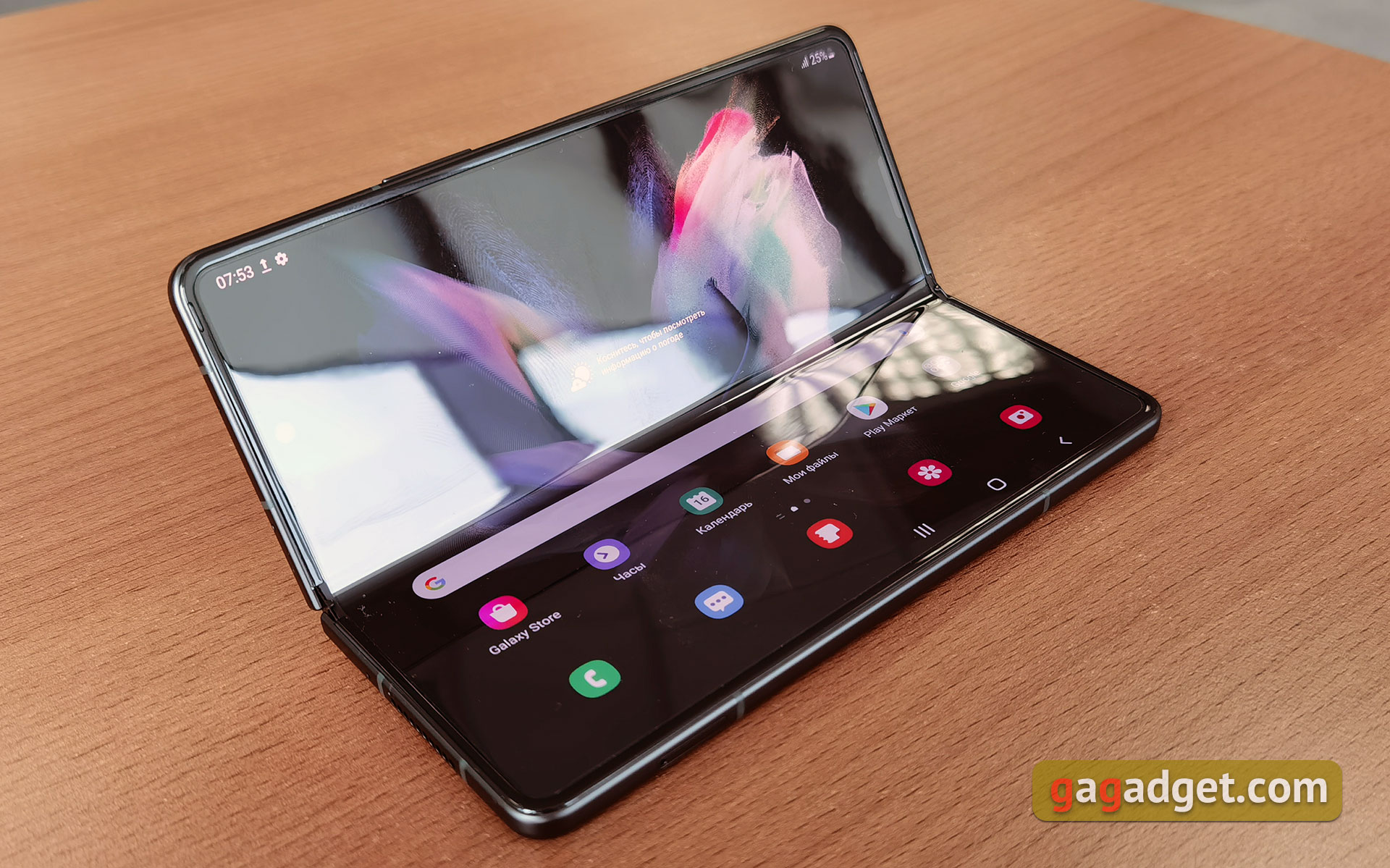
Let's start with the most advanced model, Samsung GalaxyZ Fold3. Compared to its predecessor, the design has changed slightly, the body is made of Armor Aluminum, all glass panels are Corning Gorilla Victus and there is IPX8 moisture protection. And the coating of the flexible display (allegedly) has become 80 times stronger compared to the previous generation. Overall, Samsung claims that the Samsung Galaxy Z Fold3 and Galaxy Z Flip3 will be the company's most durable foldable smartphones. The Galaxy Z Fold3's external display now also supports adaptive frame rates up to 120Hz. And, of course, the chipset has been updated. Unlike the Galaxy S line, which is available with both Exynos and Snapdragon, the Galaxy Z Fold3 (as well as the Galaxy Z Flip3) are only available with Qualcomm chips. And another important feature of the new product is the under-screen front camera inside. The design life is declared to be 200,000 bends or 5 years of use at 100 opening-closing cycles per day.
Specifications
Samsung Galaxy Z Fold3
Samsung Galaxy Z Fold2
Main display
Foldable Dynamic AMOLED 2X, 7.6 inches, 2208×1768 (22.5:18 aspect ratio), 373 ppi, HDR10+, 120 Hz
Foldable Dynamic AMOLED 2X, 7.6 inches, 2208×1768 (22.5:18 aspect ratio), 373 ppi, HDR10+, 120 Hz
External display
Dynamic AMOLED 2X, 6.2 inches, 24.5:9, 2268x832, 120 Hz
Super AMOLED, 6.23 inches, 25:9, 2260x816
Housing
Opened: 158.2×128.1×6.4 mm; closed: 158.2×67.1×14.4-16 mm, weight: 271 g
Opened: 159.2×128.2×6.9 mm; closed: 159.2x68x13.8-16.8 mm, weight: 282 g
CPU
64-bit octa-core 5nm Qualcomm Snapdragon 888: 1×2.84 GHz Kryo 680 + 3×2.42 GHz Kryo 680 + 4×1.80 GHz Kryo 680, Adreno 660 graphics
64-bit octa-core 7nm+ Qualcomm Snapdragon 865: 1×3.09 GHz Kryo 585 + 3×2.42 GHz Kryo 585 + 4×1.80 GHz Kryo 585, Adreno 650 graphics
RAM
12 GB
12 GB
Flash memory
256/512 GB UFS 3.1
256 GB UFS 3.1
Camera
Main camera: 12 MP, f/1.8, 26 EGF, 1/1.76″, 1.8µm, Dual Pixel PDAF, OIS; ultra-wide angle: 12 MP, f/2.2, 123°; telephoto: 12 MP, f/2.4, 52 mm EGF, 1/3.6″, 1.0µm, PDAF, OIS, 2x optical zoom; front (internal): sub-screen, 4 MP, f/.1.8, 2.0µm; front (external): 10 MP f/2.2 with autofocus
Main camera: 12 MP, f/1.8, 26 EGF, 1/1.76″, 1.8µm, Dual Pixel PDAF, OIS; ultra-wide angle: 12 MP, f/2.2, 123°; telephoto: 12 MP, f/2.4, 52 mm EGF, 1/3.6″, 1.0µm, PDAF, OIS, 2x optical zoom; front (internal): 10 MP f/2.2 with autofocus; front (external): 10 MP f/2.2 with autofocus
Wireless technology
Wi-Fi 802.11 b/g/n/ac/ax/6e (dual band, 2.4 and 5 GHz), Bluetooth 5.2 LE, NFC, ANT+, UWB
Wi-Fi 802.11 b/g/n/ac/ax (dual band, 2.4 and 5 GHz), Bluetooth 5.0 LE, NFC, ANT+, UWB
GPS
GPS, A-GPS, GLONASS, BDS, GALILEO
GPS, A-GPS, GLONASS, BDS, GALILEO
Battery
4400 mAh, non-removable, 25W fast charging, 11W wireless charging, reverse wireless charging
4500 mAh, non-removable, 25W fast charging, 11W wireless charging, reverse wireless charging
operating system
Android 11 + One UI 3.1
Android 10 + One UI 2.5
Sim card
2xNanoSIM
2xNanoSIM
Additionally
IPX8 water protection, fingerprint scanner in the power button
Fingerprint scanner in the power button
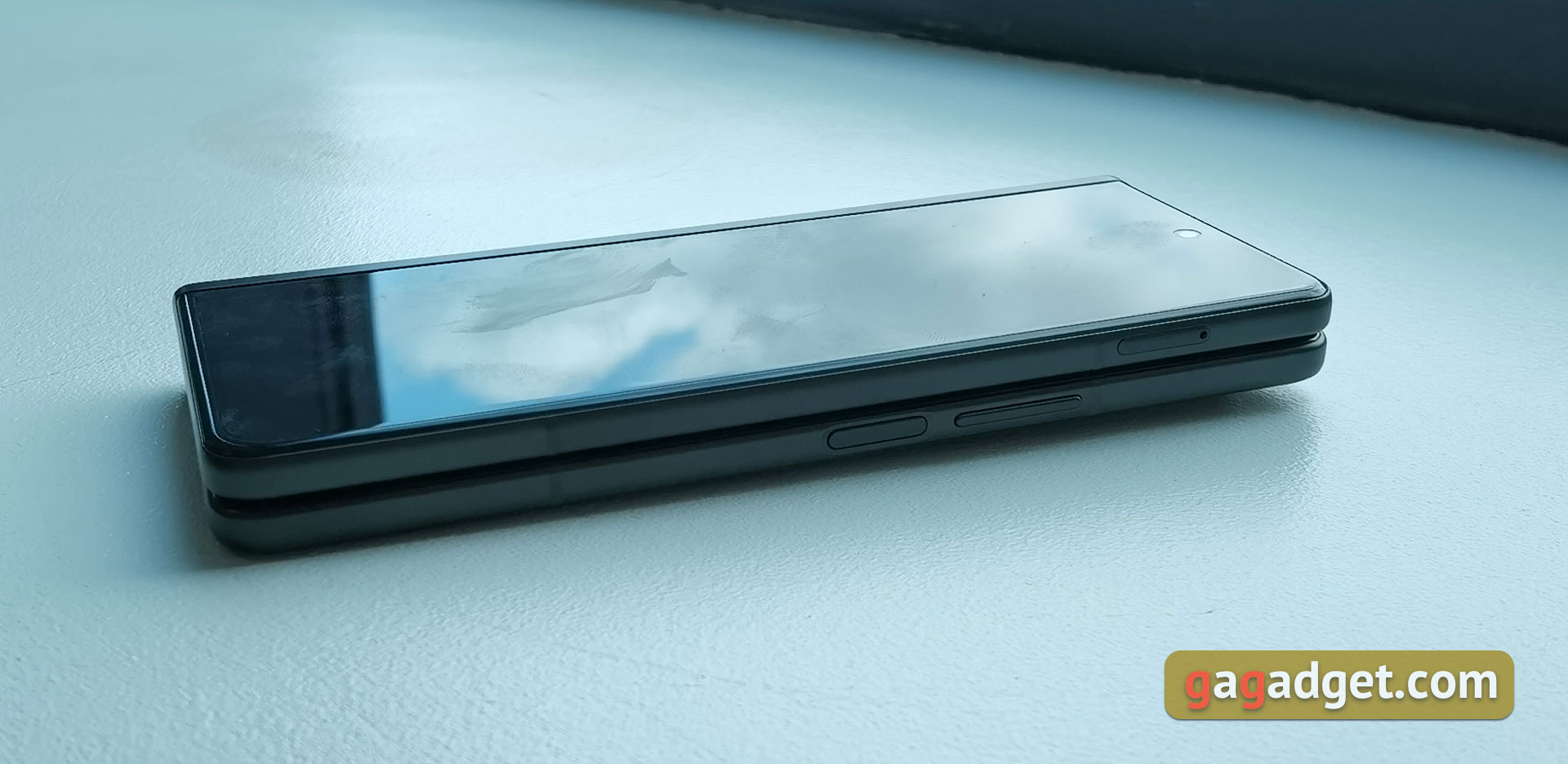
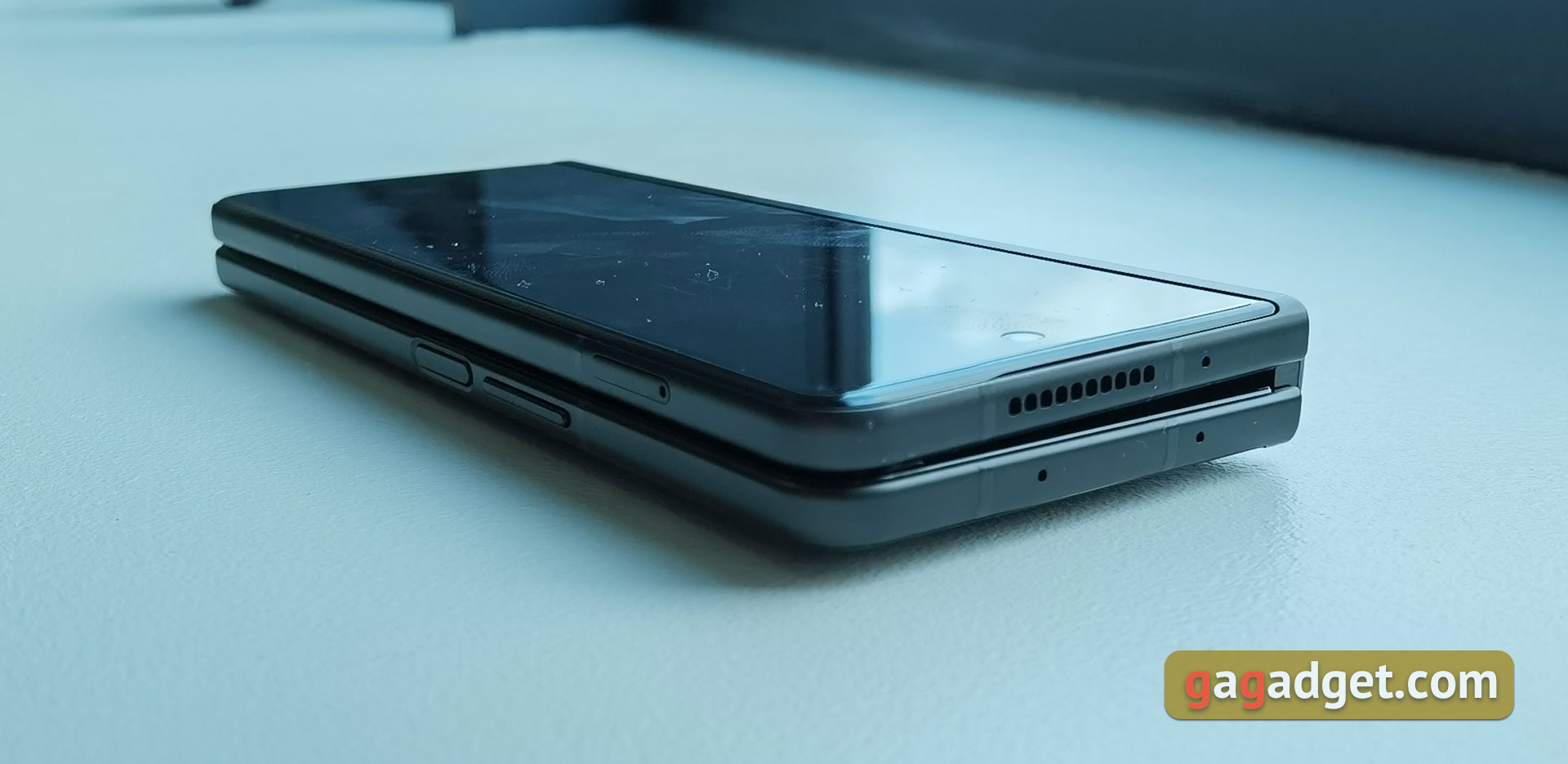
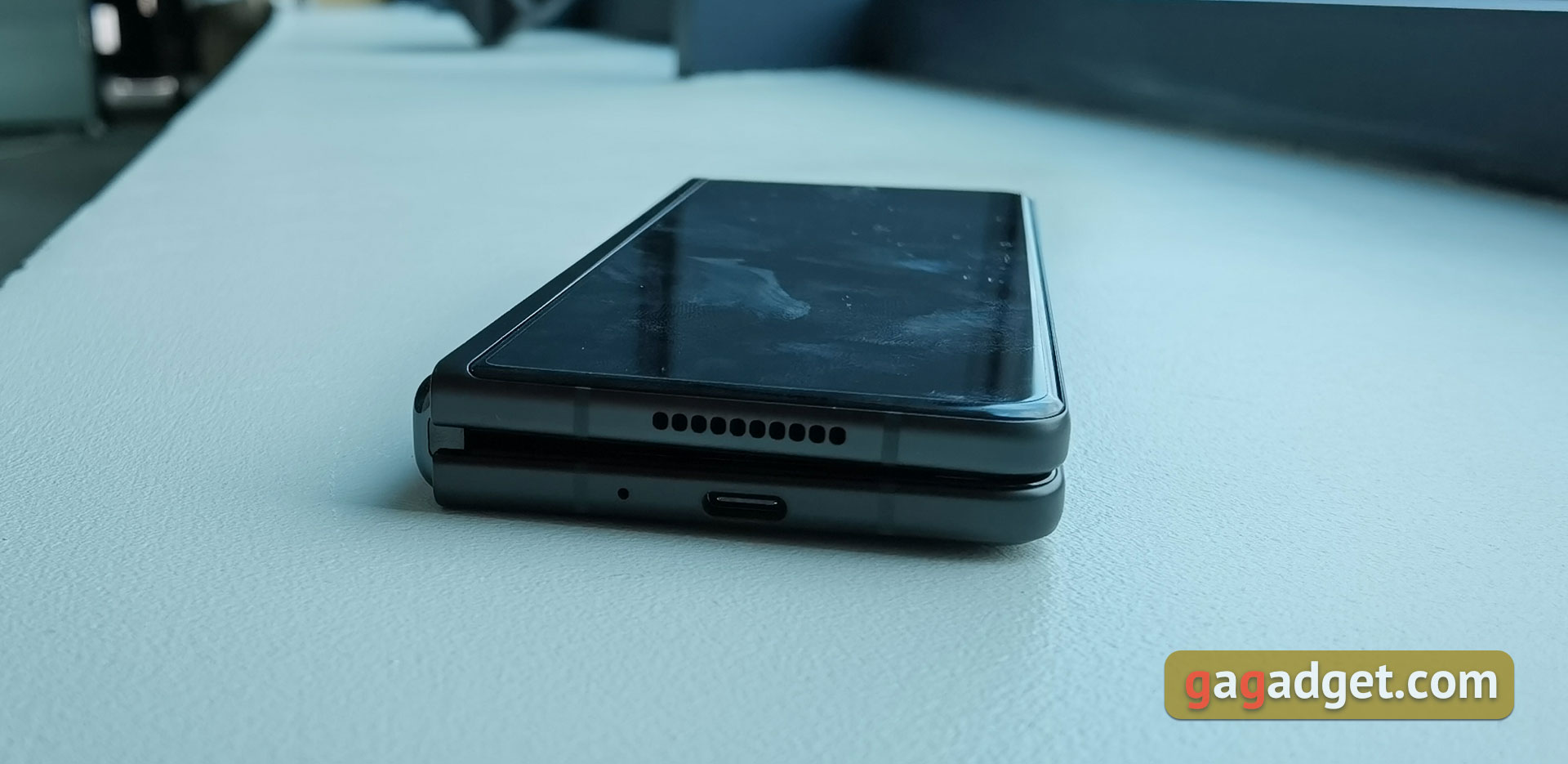
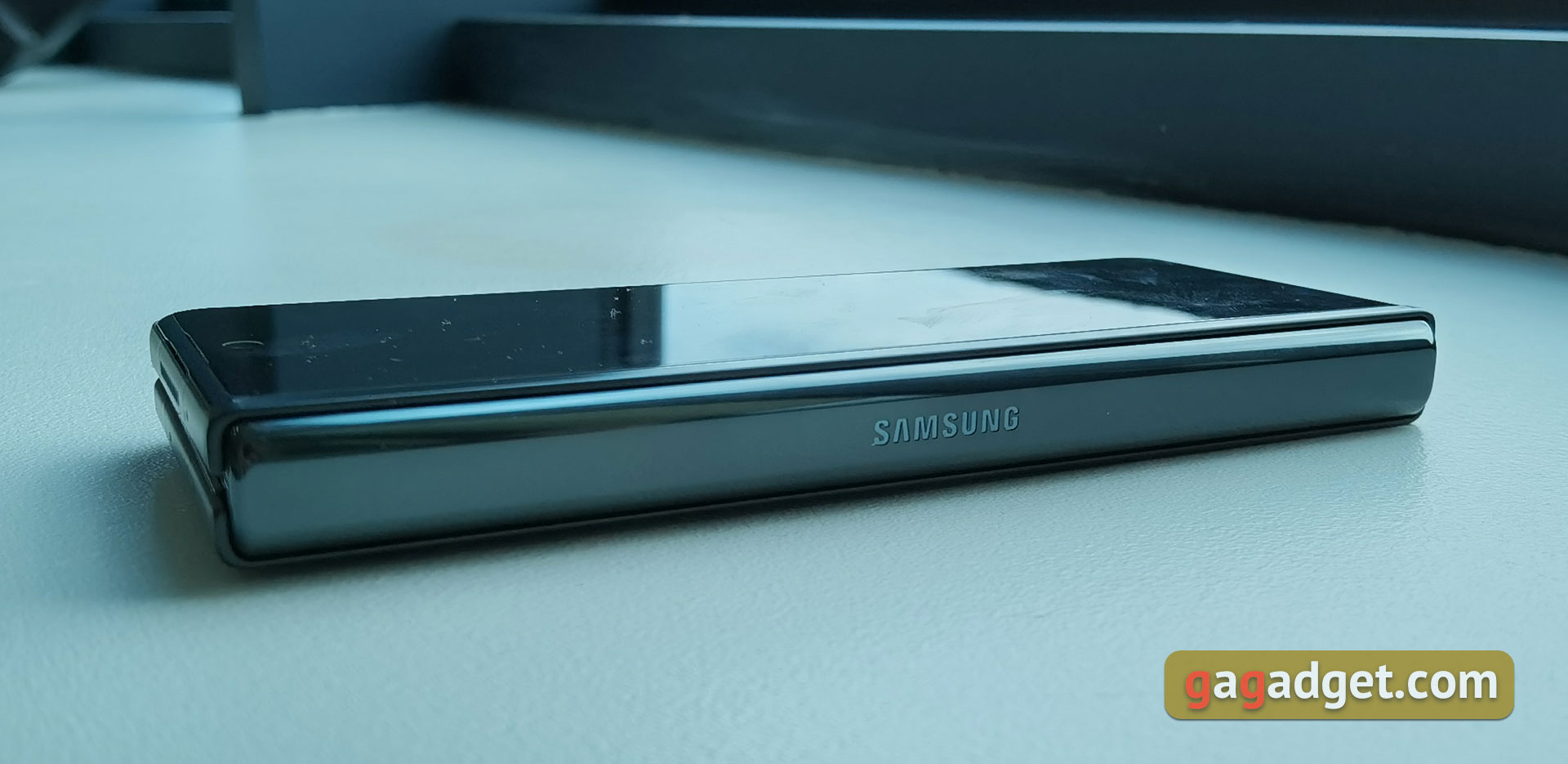
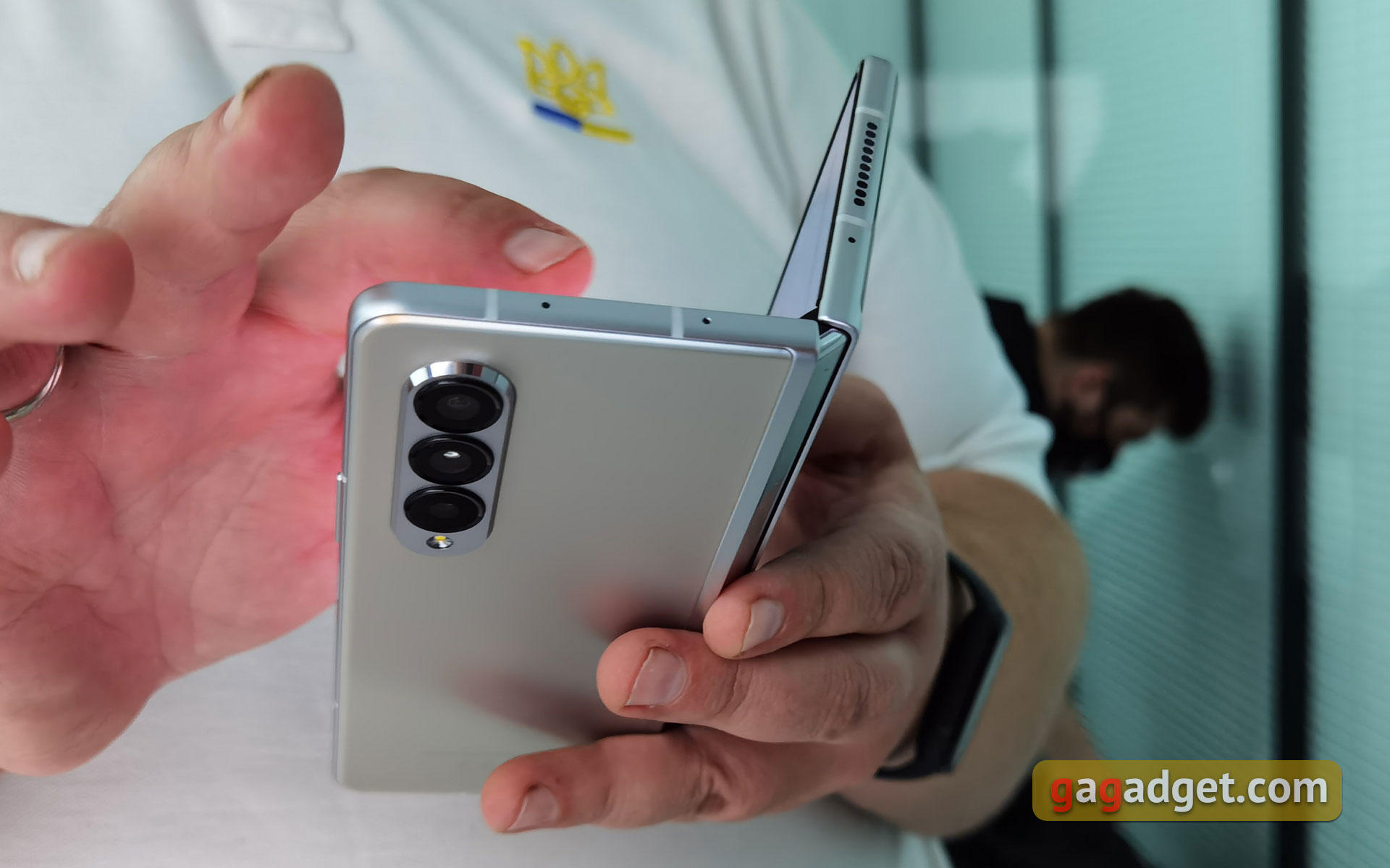
Structurally, the Samsung Galaxy Z Fold3 is not verydifferent from its predecessor. Although, subjectively, the general outlines have become more strict. Frosted glass is used, making fingerprints virtually invisible. All three color options look very solid and stylish. The main camera module has become more neat and does not stick out too much above the body of the smartphone. The functional elements on the edges remained virtually unchanged. Above and below are stereo speakers. The buttons are on the right side. The fingerprint scanner is combined with the power button. There is still a small gap between the halves of the smartphone, just like its predecessor.
</ img>
</ img>
</ img>
</ img>



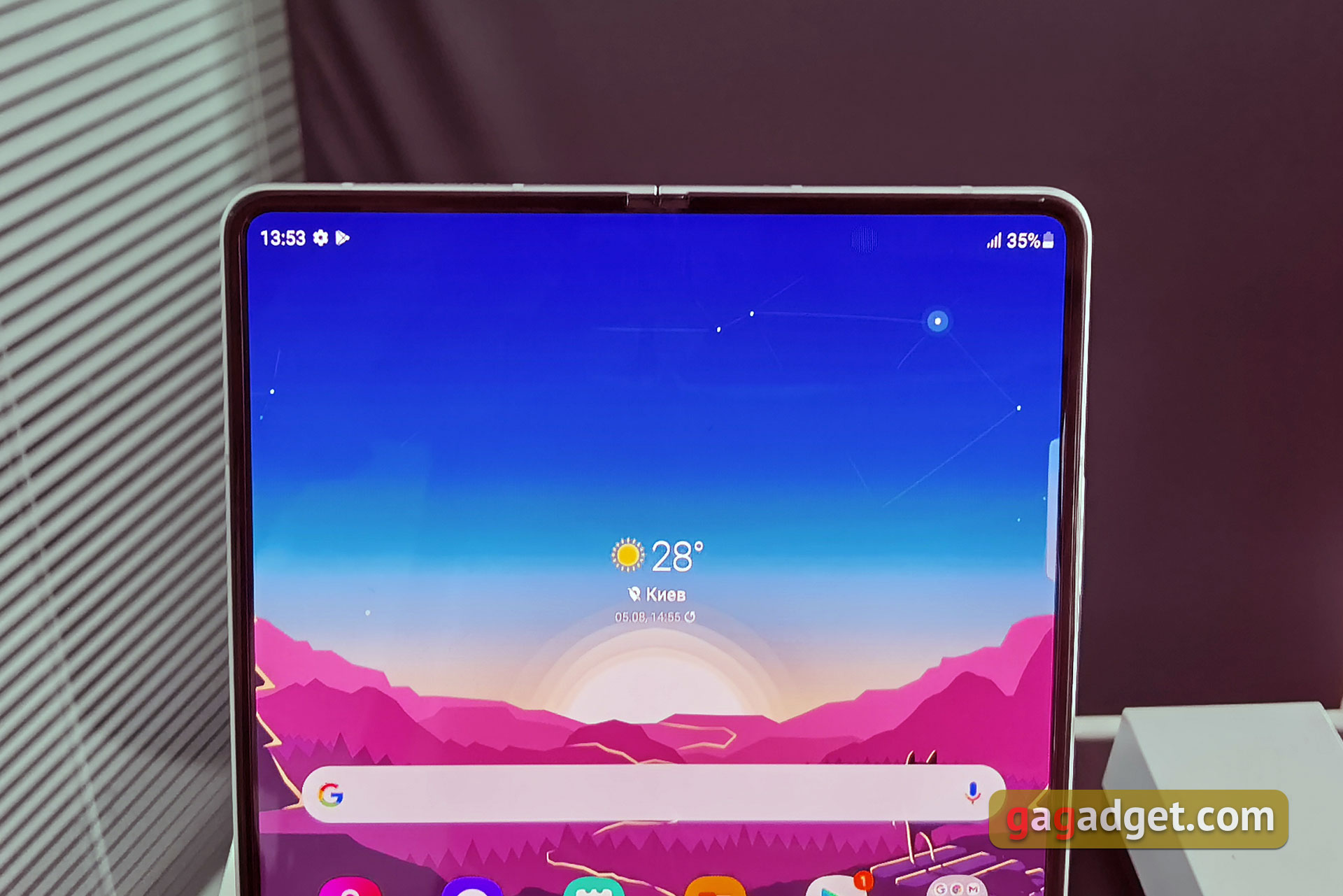
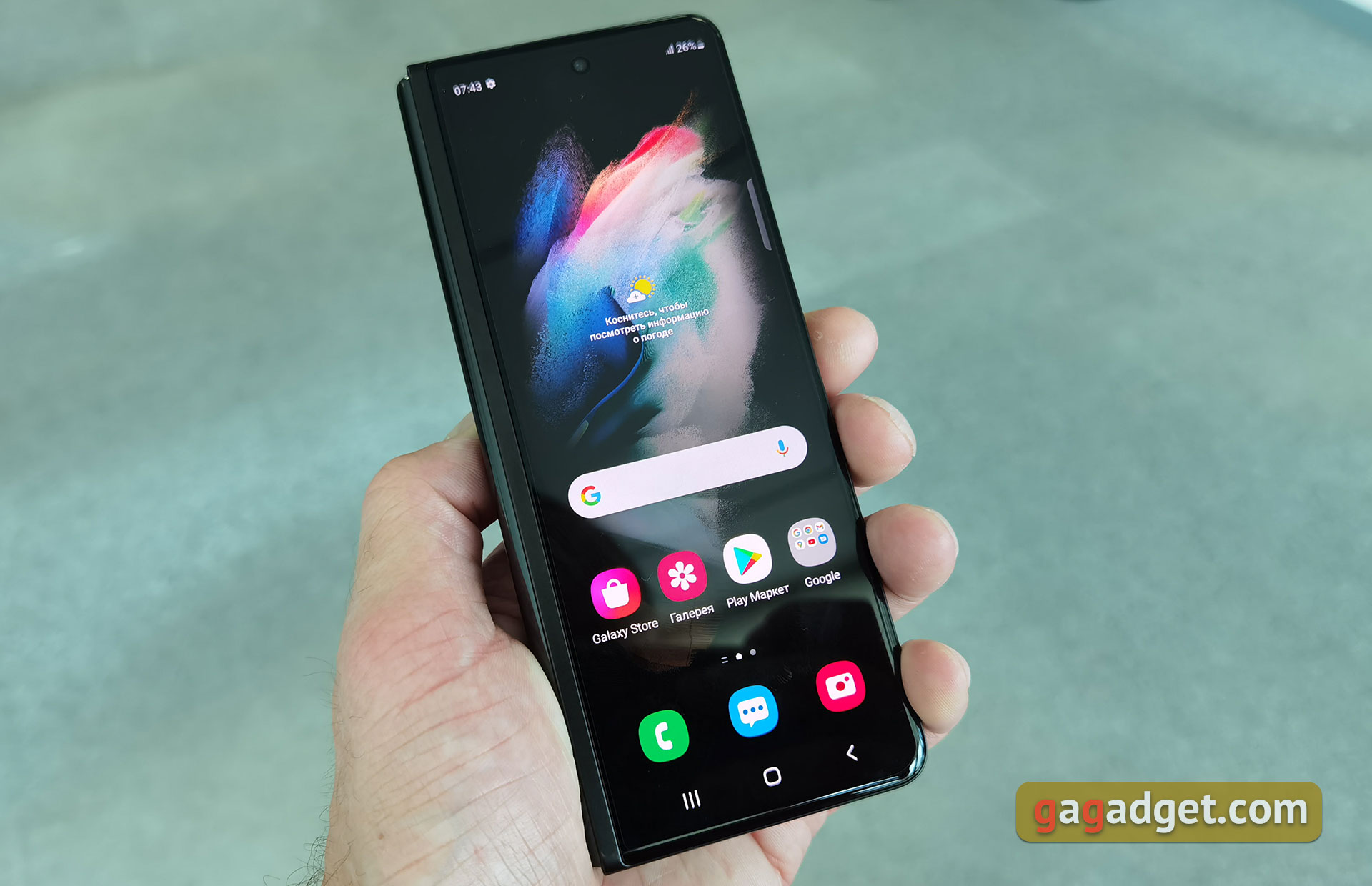
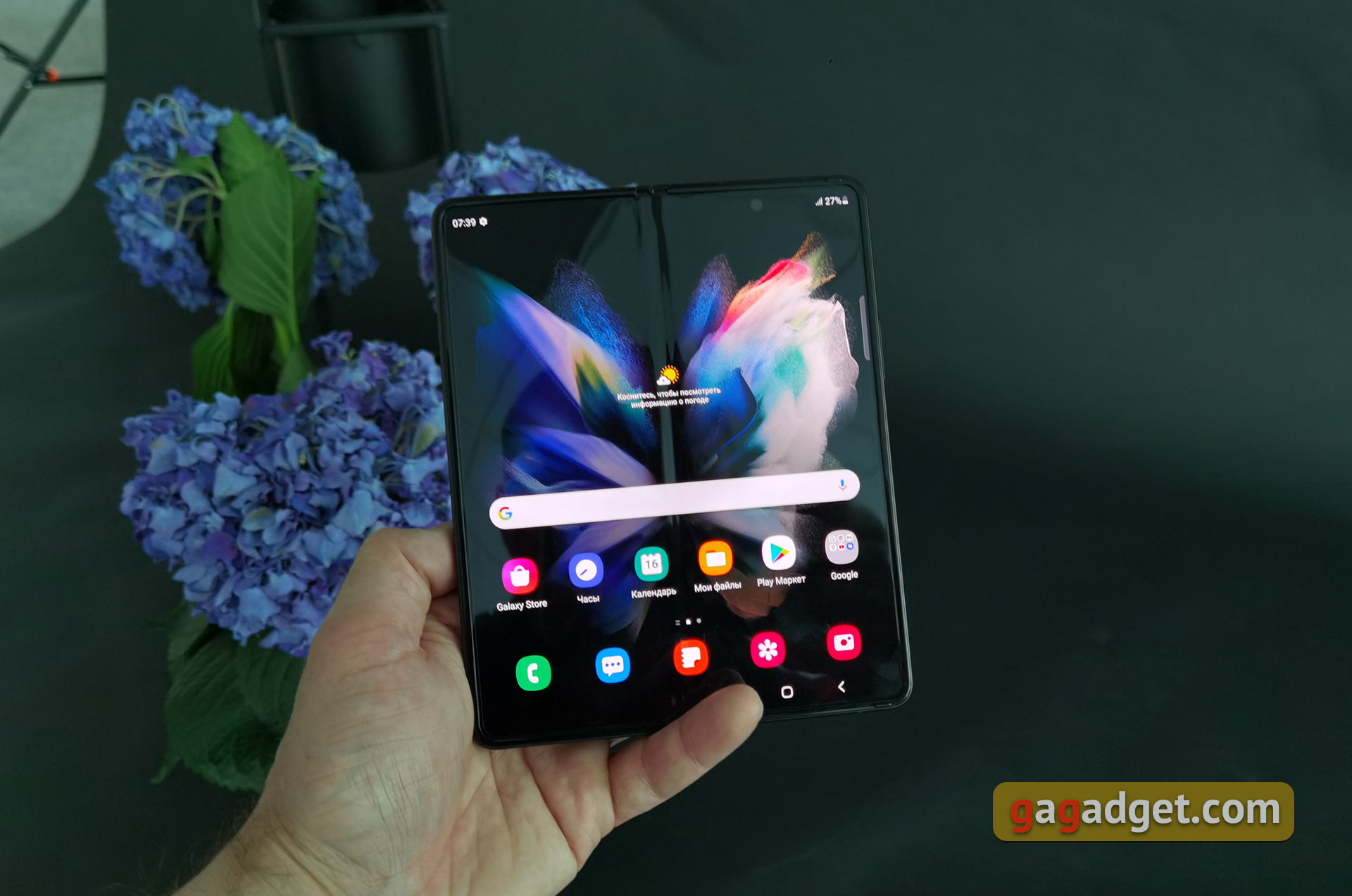
7.The 6-inch internal Infinity Flex Dynamic AMOLED 2X received a resolution similar to the previous model of 2208×1768 (aspect ratio 22.5:18), pixel density of 373 ppi, support for HDR10+ and an adaptive refresh rate of 10-120 Hz. The most noticeable update is the in-display front camera. In some cases it is really not visible. Well, to be more precise, it’s not too striking. I imagine that in a couple of years, under-display cameras will reach a point where they really won't be visible. It’s too early to talk about the quality of the camera itself; we need to study it in detail, but you can see a couple of test photos below. As for where the screen bends, it still exists. Although, again, one cannot say that it is very striking.
</ img>
But the external display used to have a frequencyupdates “only” 60 Hz. In the new model it is also 120 Hz. This is Dynamic AMOLED 2X, 6.2 inches, aspect ratio 24.5:9, 2268x832, 120 Hz. Samsung promises that the screens are brighter and more energy efficient than before.
</ img>
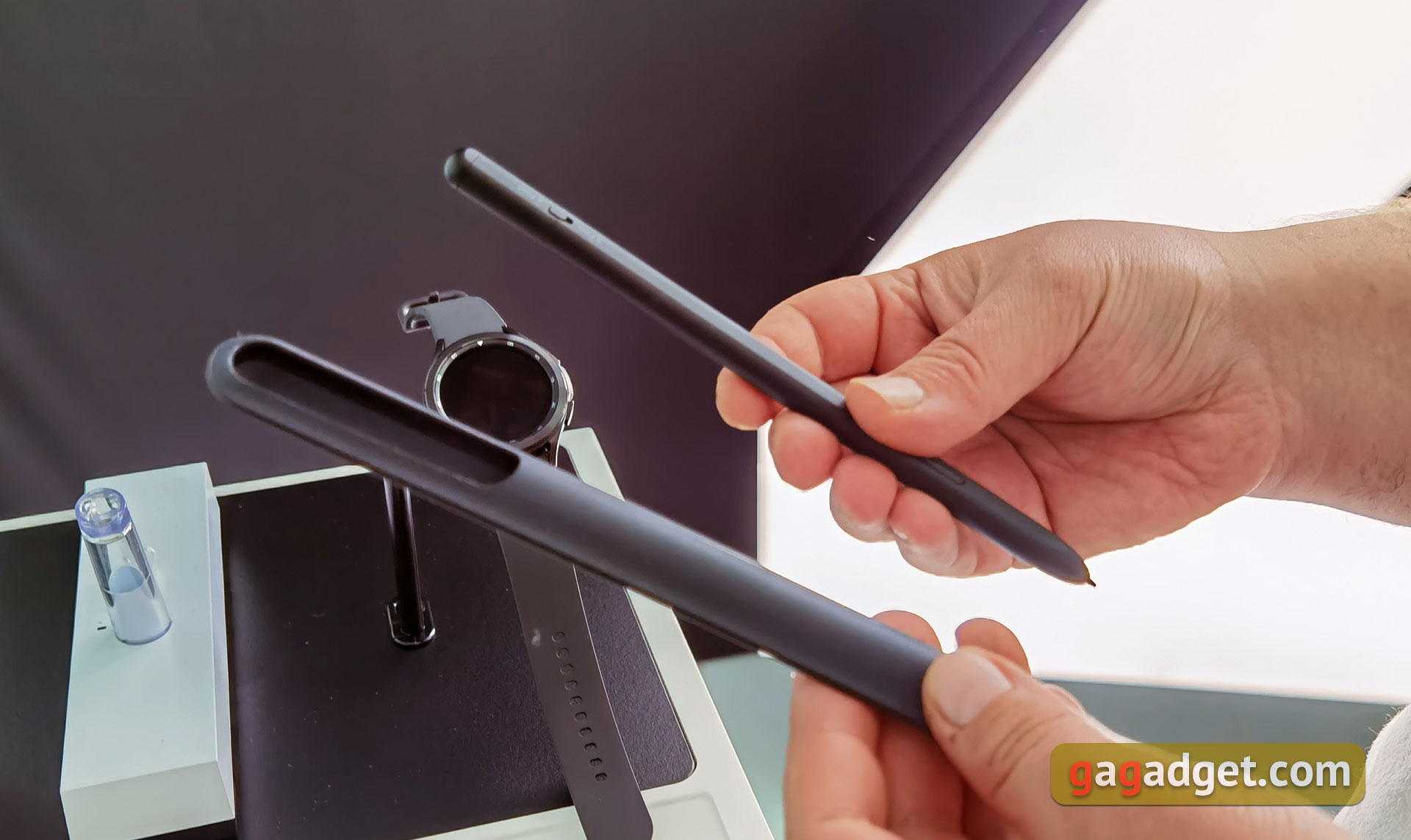
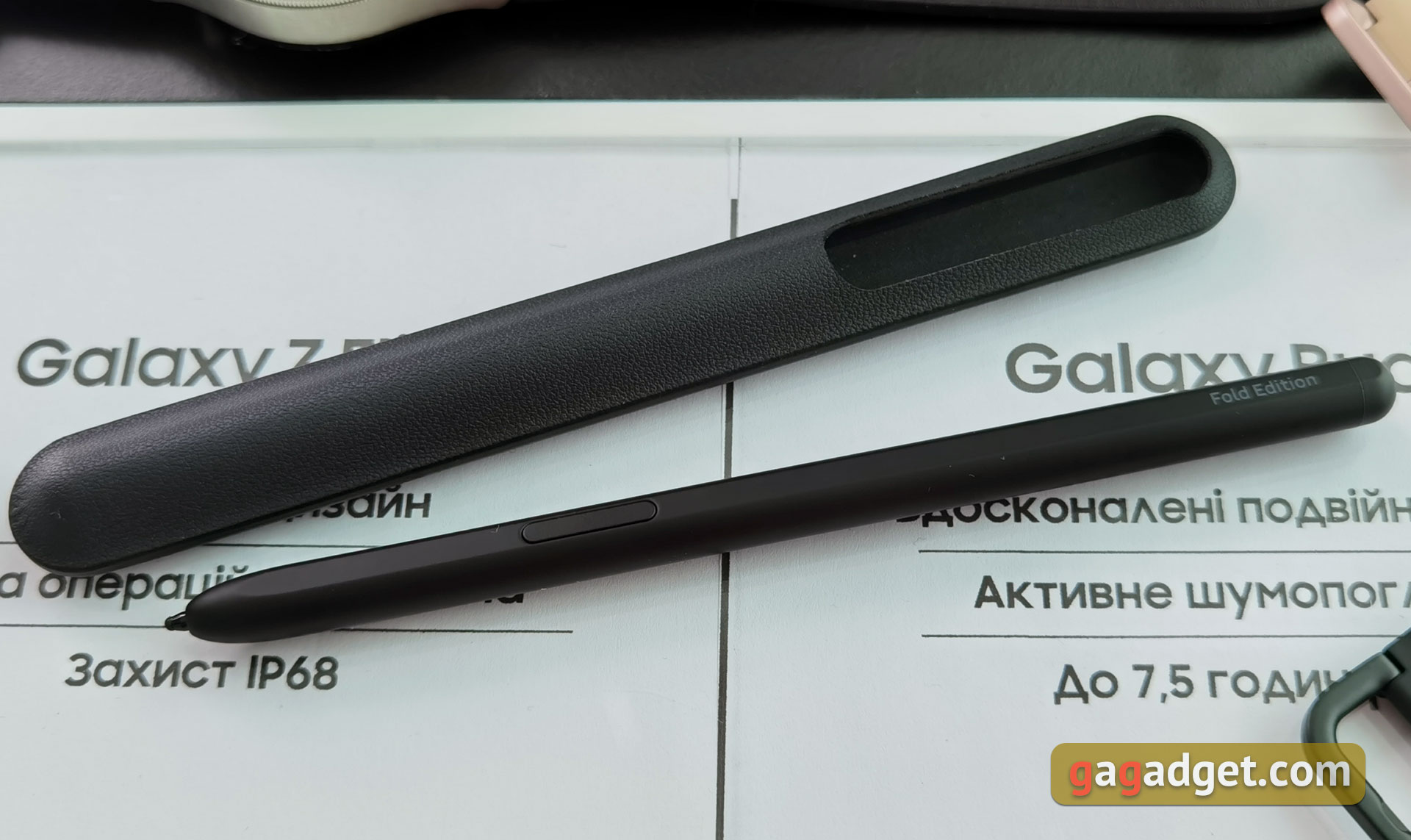
Despite being absent from the presentationrepresentatives of the Note line as such, the company has not forgotten about S Pen lovers. The new Samsung Galaxy Z Fold3 supports active styluses. As with the flagship Galaxy S21 Ultra, there is no space for the S Pen in the case, but the stylus will be available along with a special case that provides space to store it. To be precise, there will be two variants of the S Pen: Fold Edition and Pro. The latter is slightly larger in size, equipped with Bluetooth, and supports connection to two devices simultaneously with quick switching. For example, a smartphone and a tablet. Thanks to Bluetooth, the S Pen Pro supports gestures in the air. The S Pen Fold Edition will retail for $50 and the Pro for $100.
</ img>
</ img>
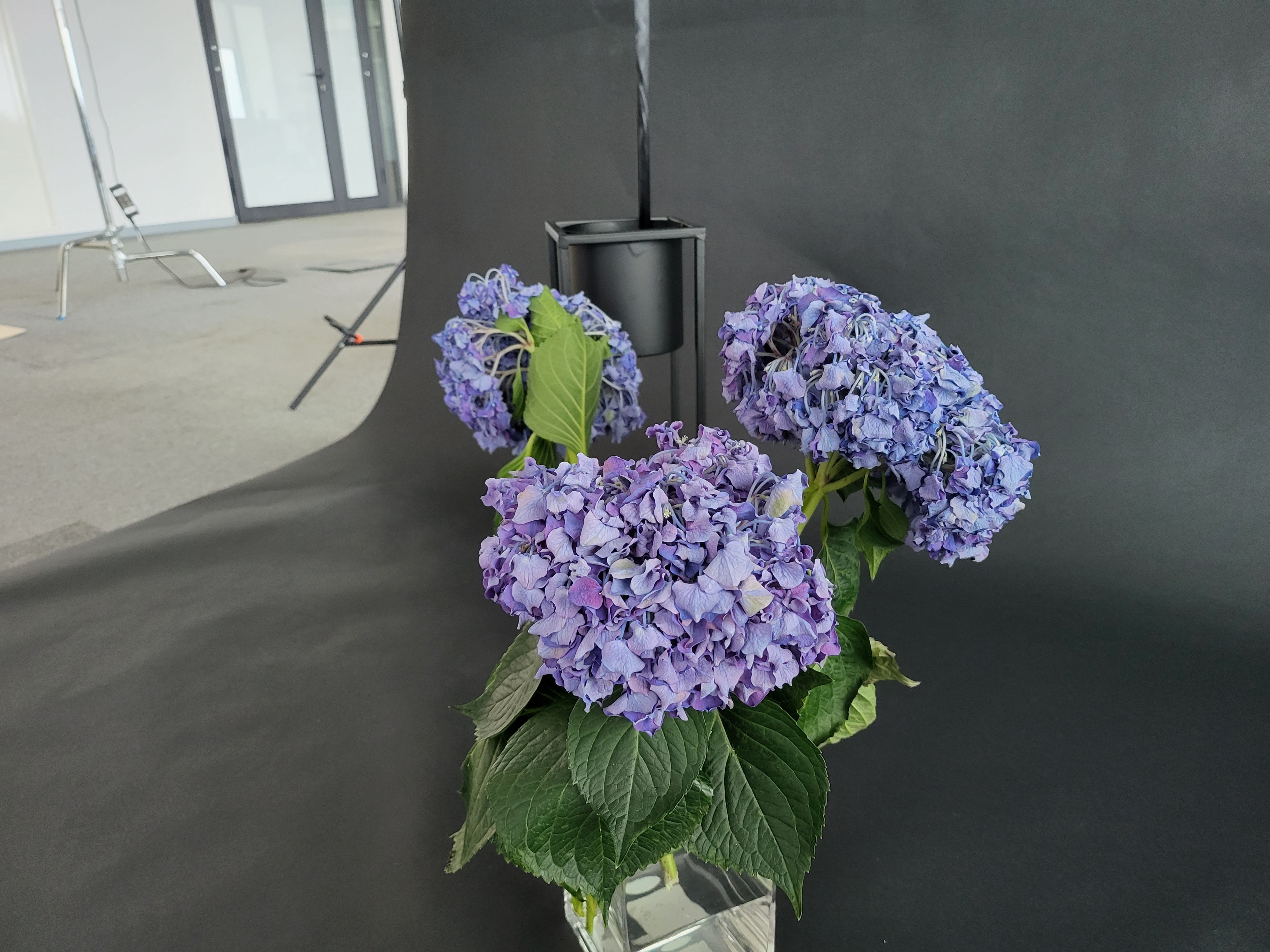
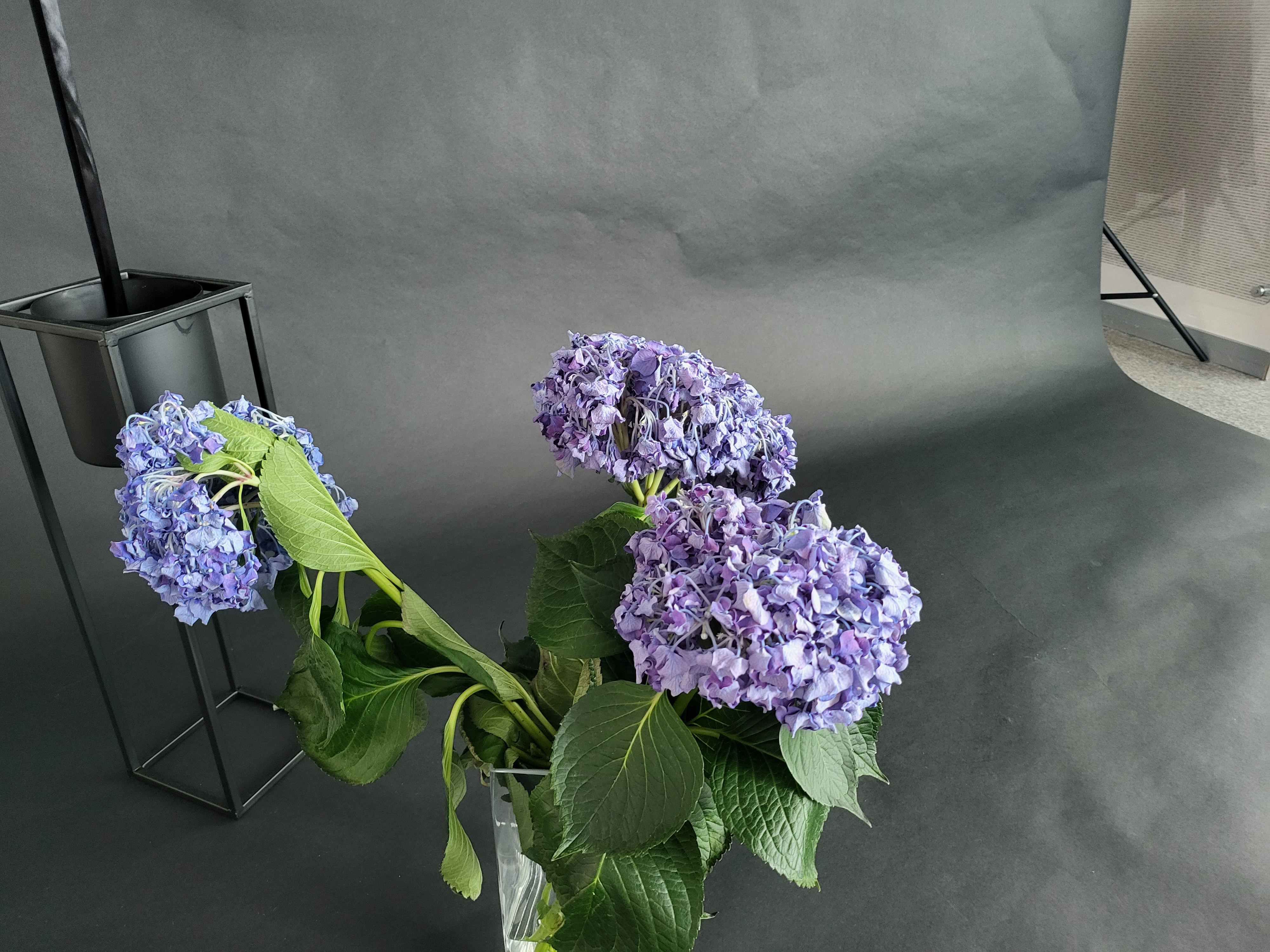
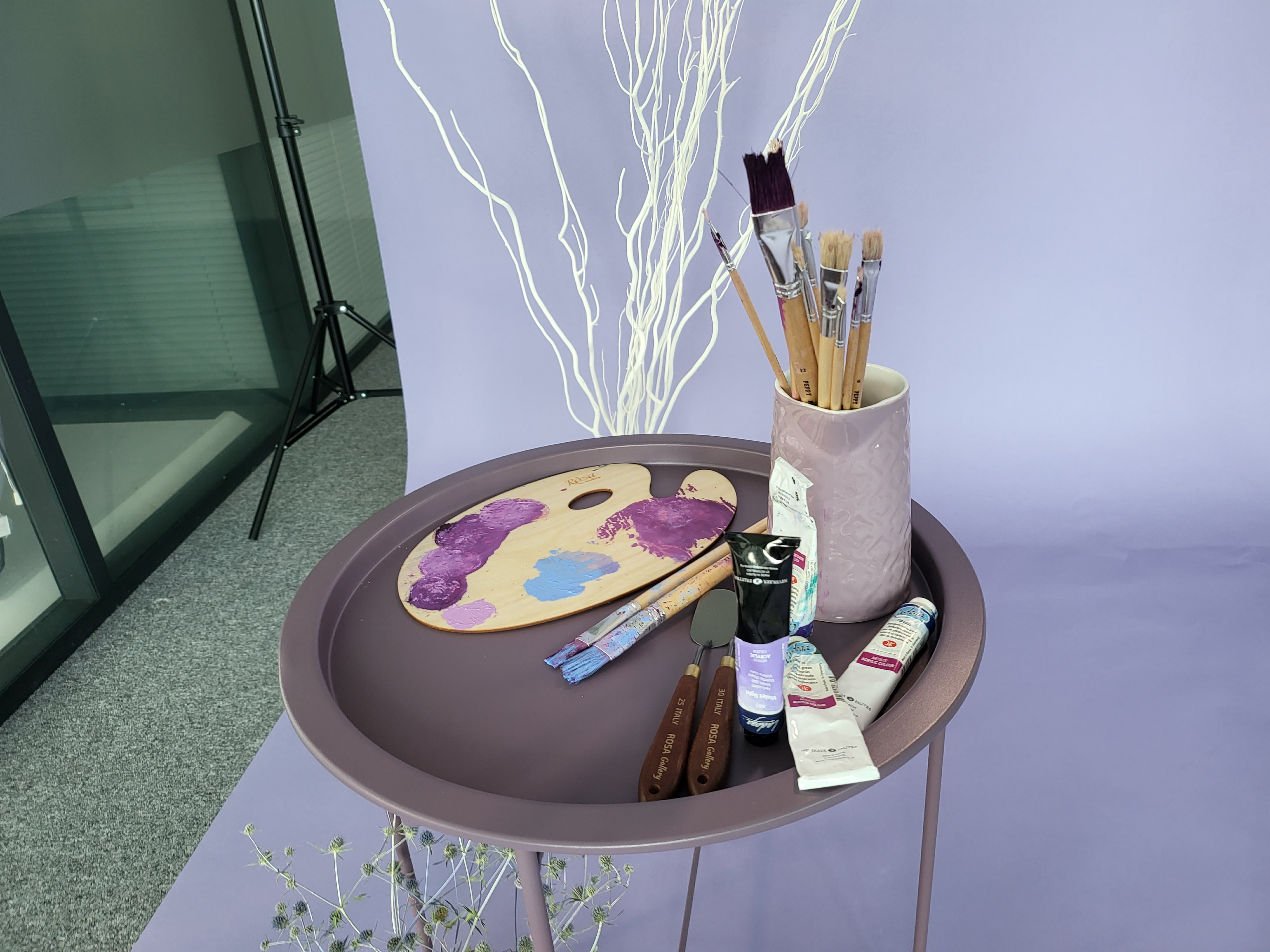
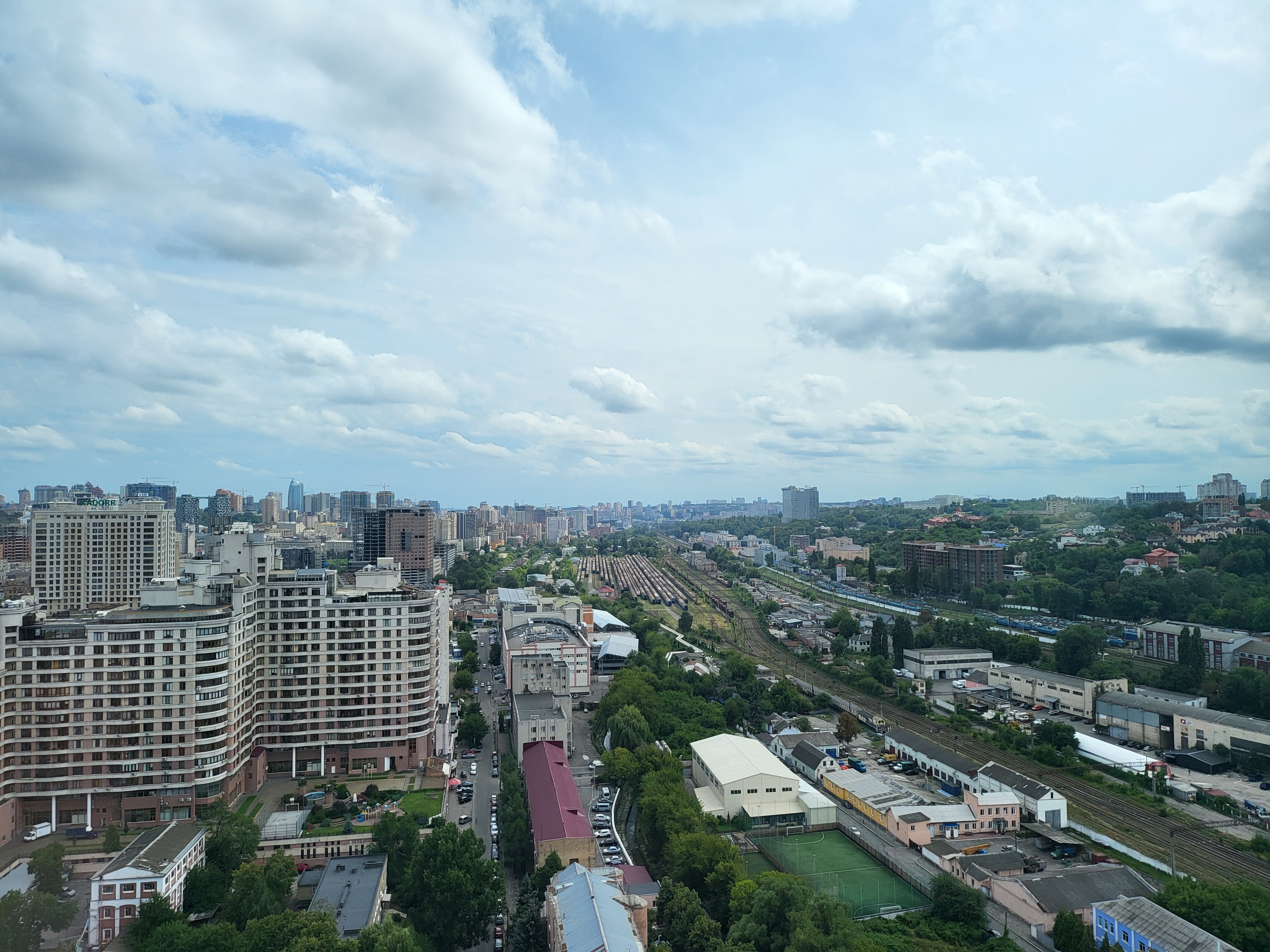
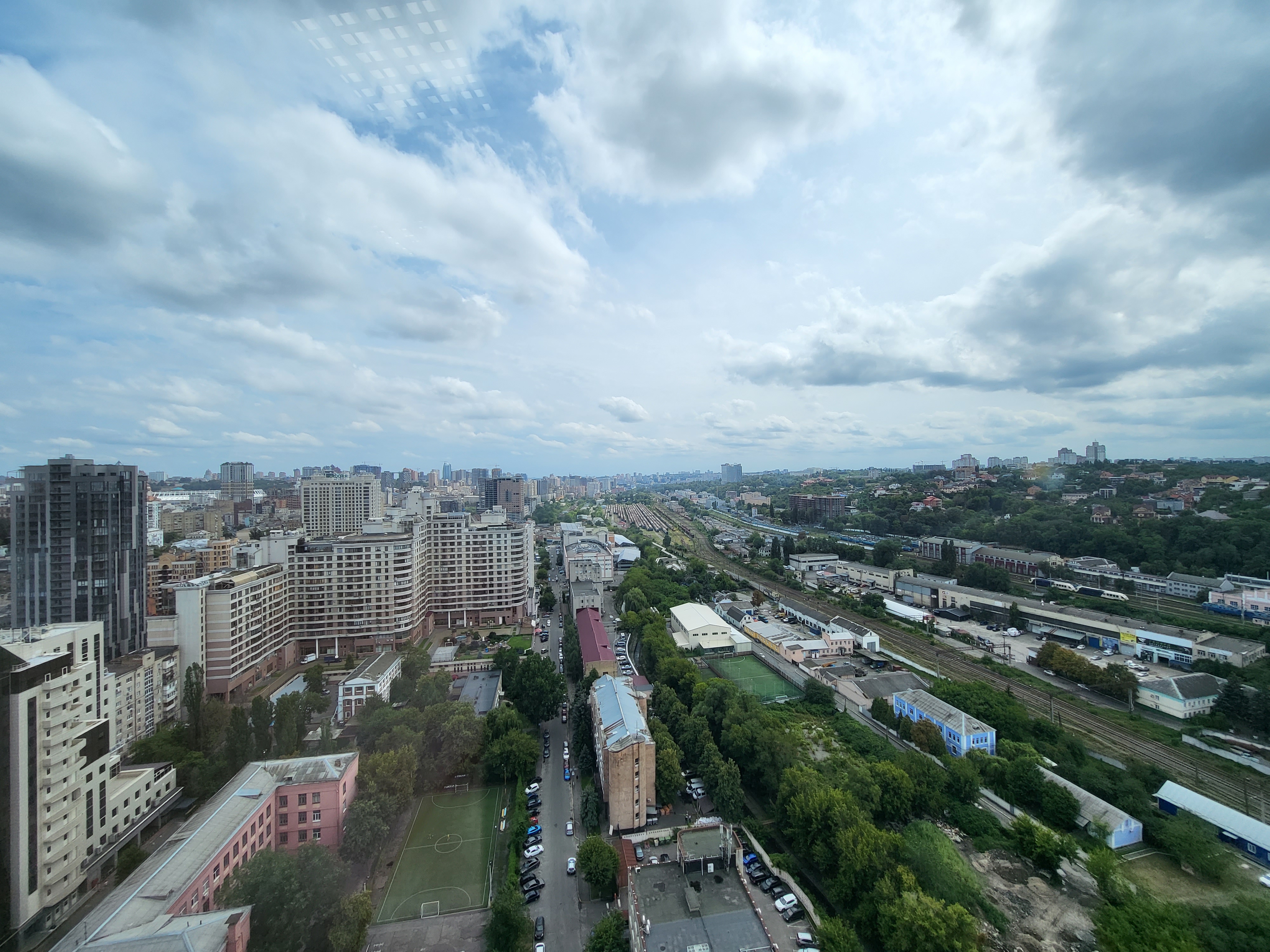
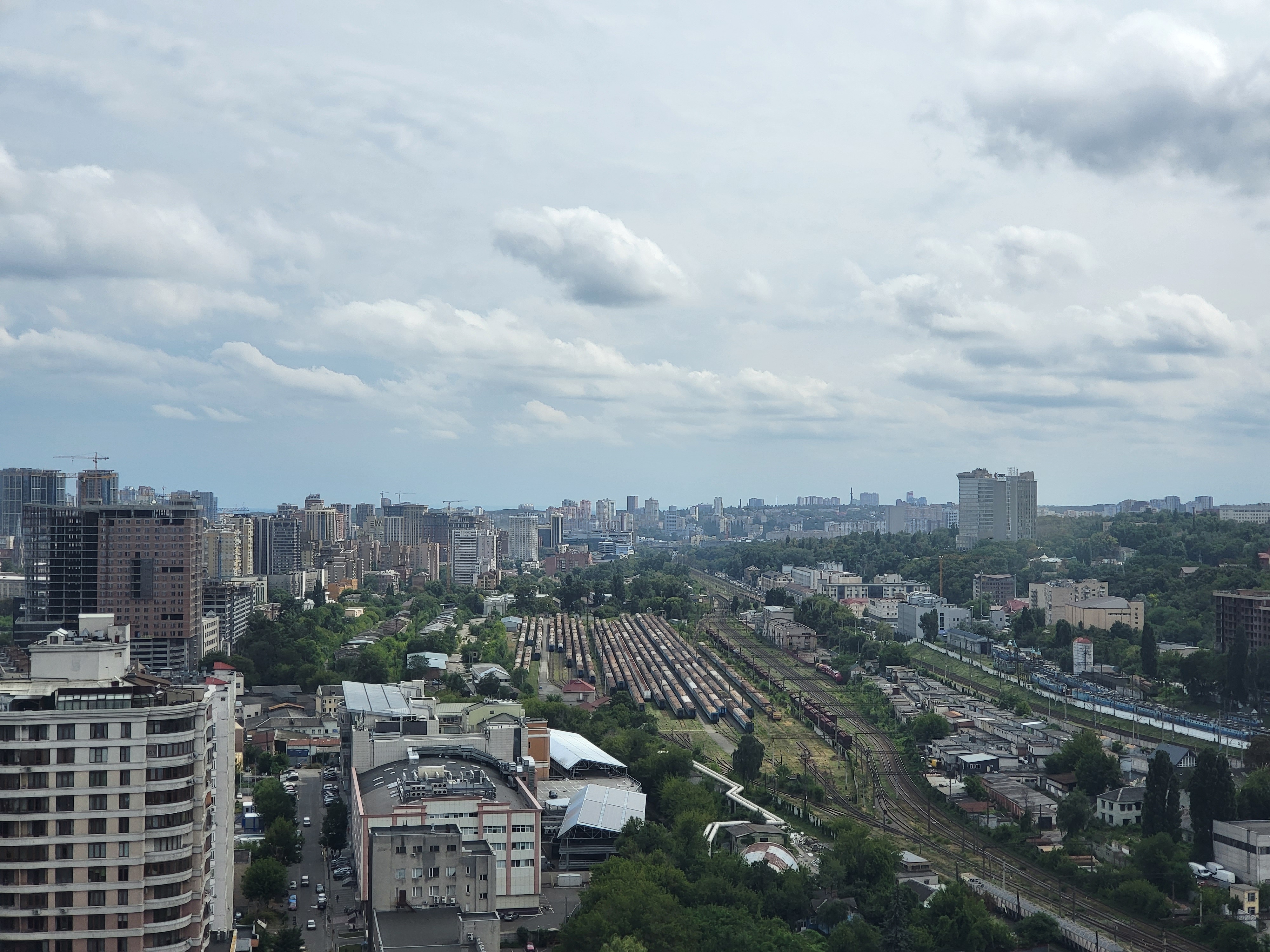
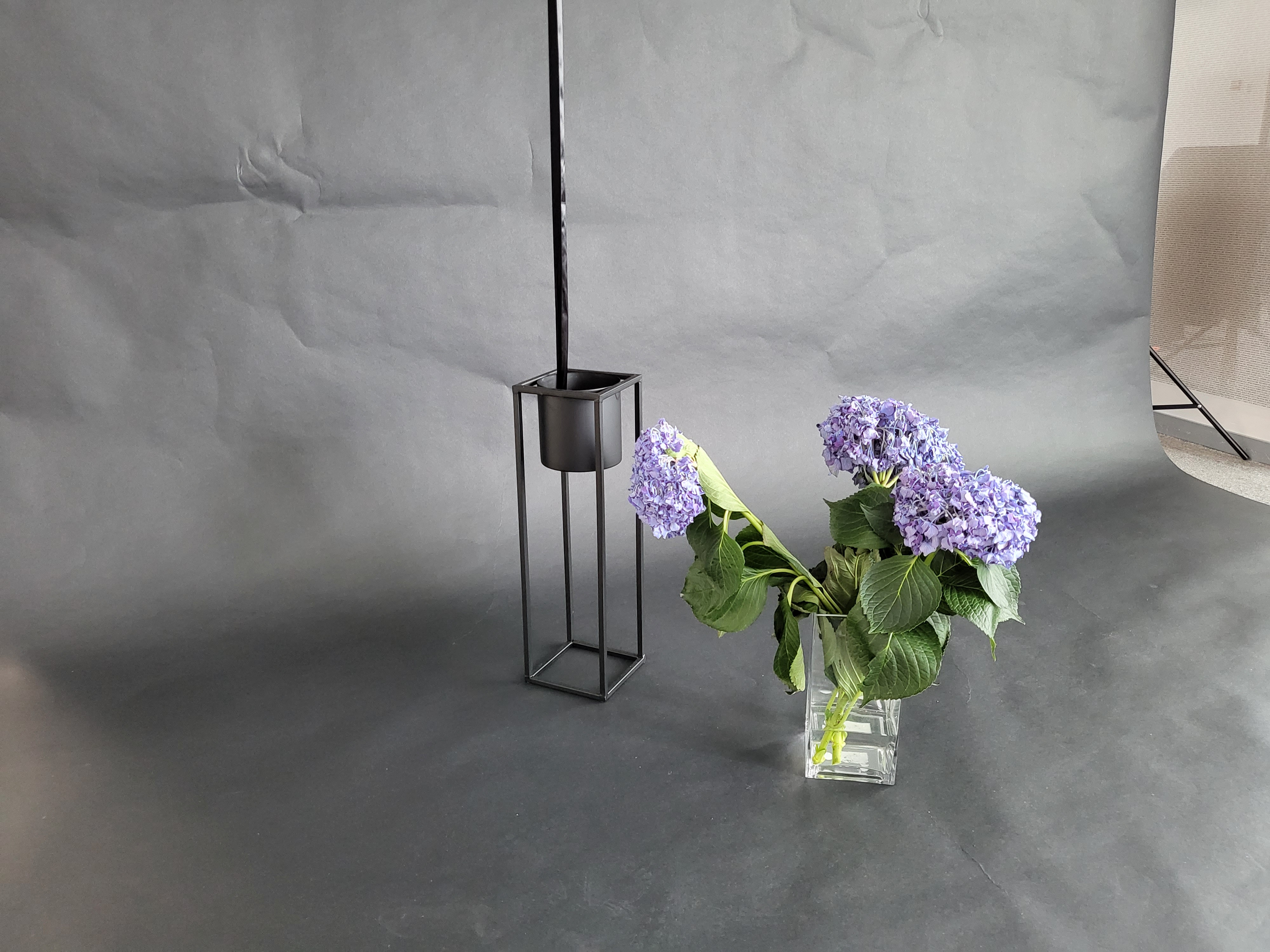
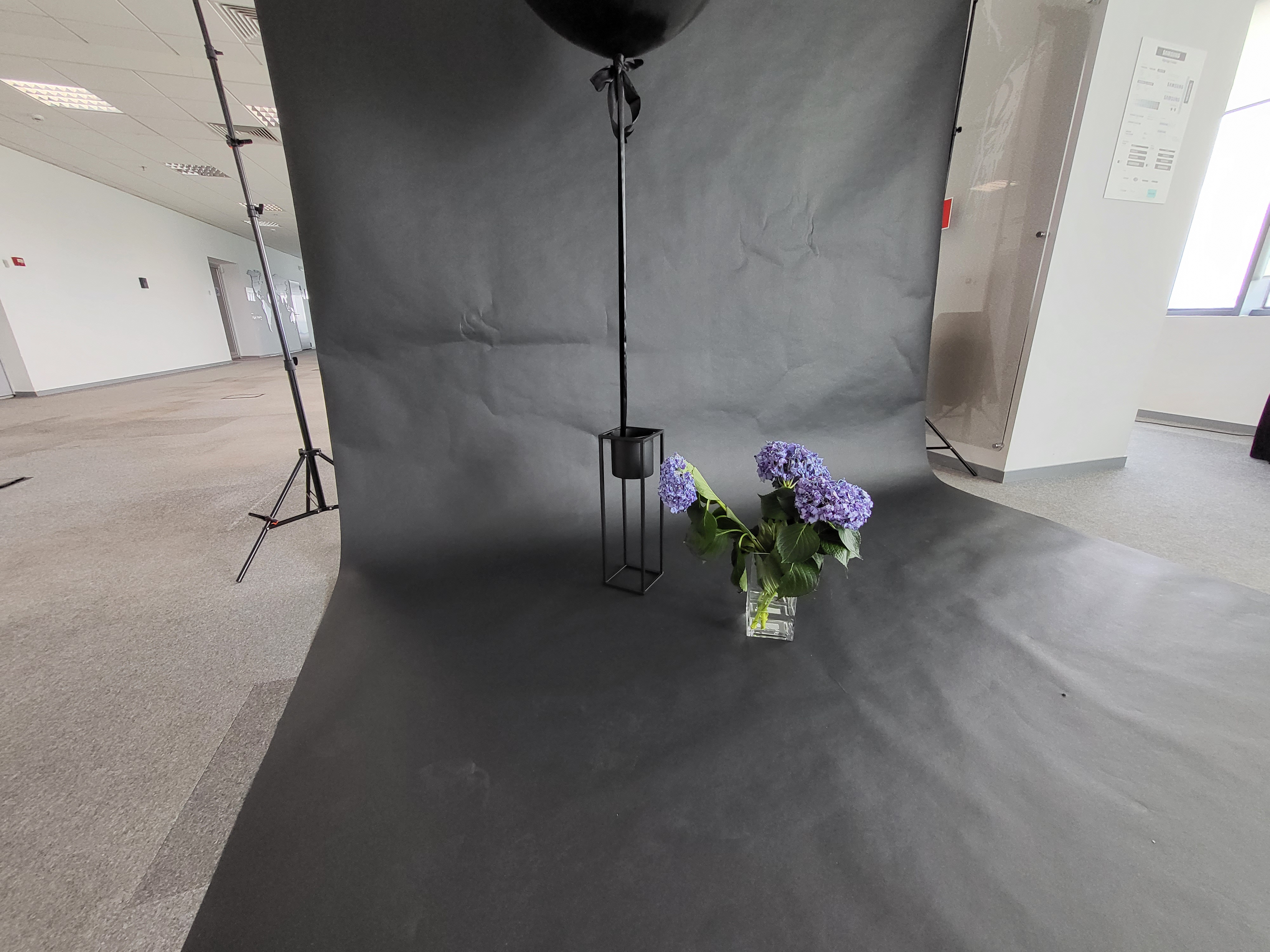
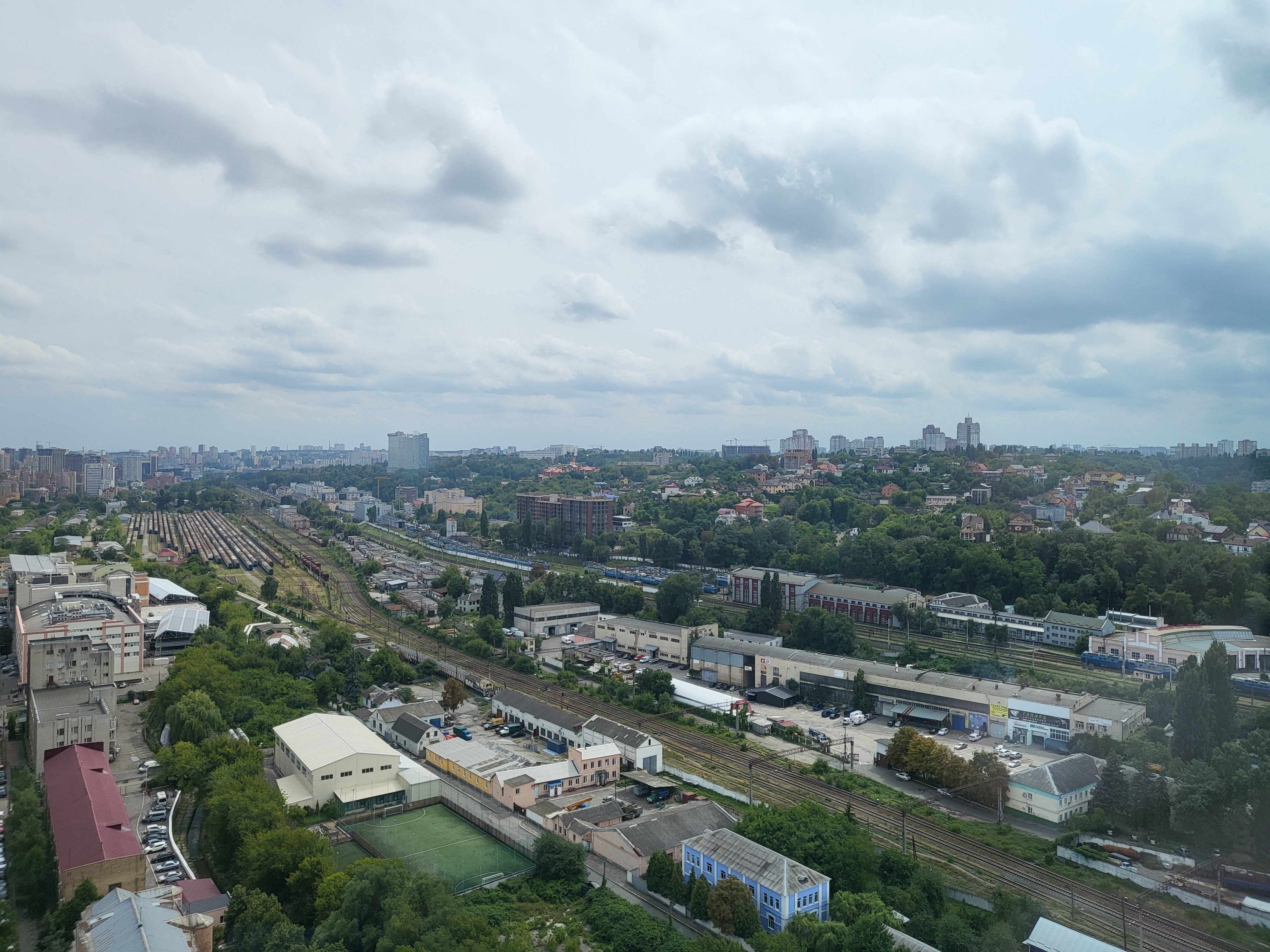
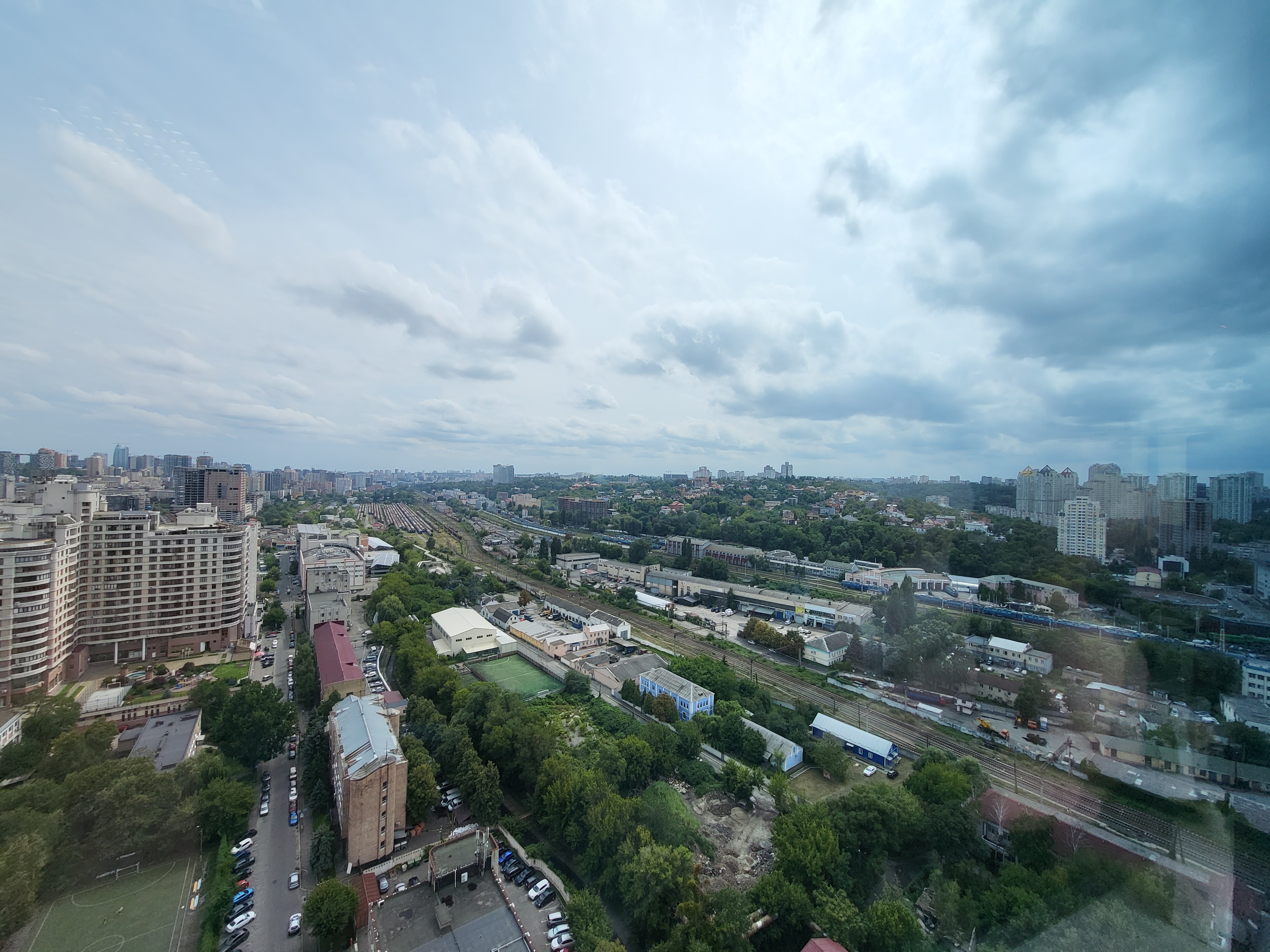
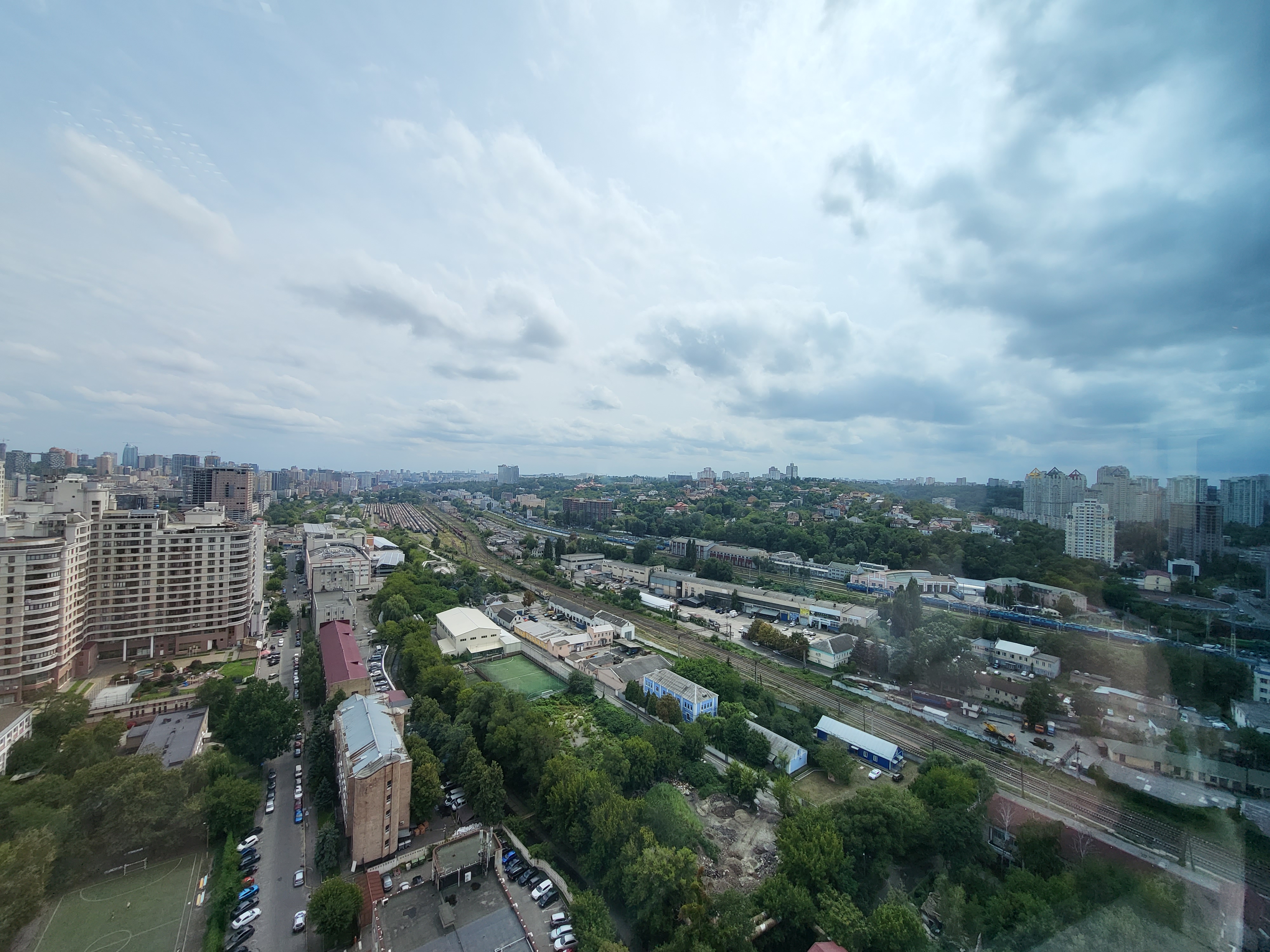
The rear camera of the Samsung Galaxy Z Fold3 remainsunchanged, at least from a physical point of view. The main camera is 12 megapixels with f/1.8 optics, Dual Pixel PDAF phase detection autofocus and optical stabilization. Ultra-wide-angle - 12 MP, f/2.2, 123° viewing angle, no autofocus. The telephoto camera has a similar 12 MP resolution, f/2.4 aperture, PDAF, optical stabilization and 2x optical zoom. The quality of shooting depends very much on the software, so we’ll actually try it during the detailed review. The external front camera also remains unchanged: 10 MP f/2.2 with autofocus. Of interest is the internal sub-screen, which we already wrote about a little higher. It has a rather unusual resolution of 4 MP, pixel size - 2.0µm, aperture - f/.1.8. Again, it's worth trying it out in different conditions. In the meantime, here are a few test shots (including on this very front camera):

</ img>
</ img>
</ img>
</ img>
</ img>
</ img>
</ img>







There are no surprises on the insidehappened: the processor is the flagship 5-nanometer Qualcomm Snapdragon 888, well known from a bunch of current top-end smartphones from a number of manufacturers. RAM – 12 GB, built-in – 256 or 512 GB. Very good, considering the lack of a MicroSD slot. We will have a version available for 2 physical SIM cards with eSIM support. In terms of performance, I think you shouldn’t expect any surprises: we’ve already seen several smartphones with similar hardware and a similar chipset. Only the question of heating remains open: the 888th dragon turned out to be quite “hot”. They promise an improved and more thoughtful interface with an eye to a flexible display. With convenient multi-window mode.
</ img>
</ img>
The set of interfaces has everything up to date.Dual-band Wi-Fi 802.11 a/b/g/n/ac with support for the new 6e standard, Wi-Fi Direct, Bluetooth 5.2, A2DP, LE with support for aptX HD and LDAC codecs. Global positioning systems: GPS, A-GPS, GLONASS, GALILEO, BDS. NFC module for contactless payment. Wired connection: fast USB Type-C 3.2. There is no headphone jack.
</ img>
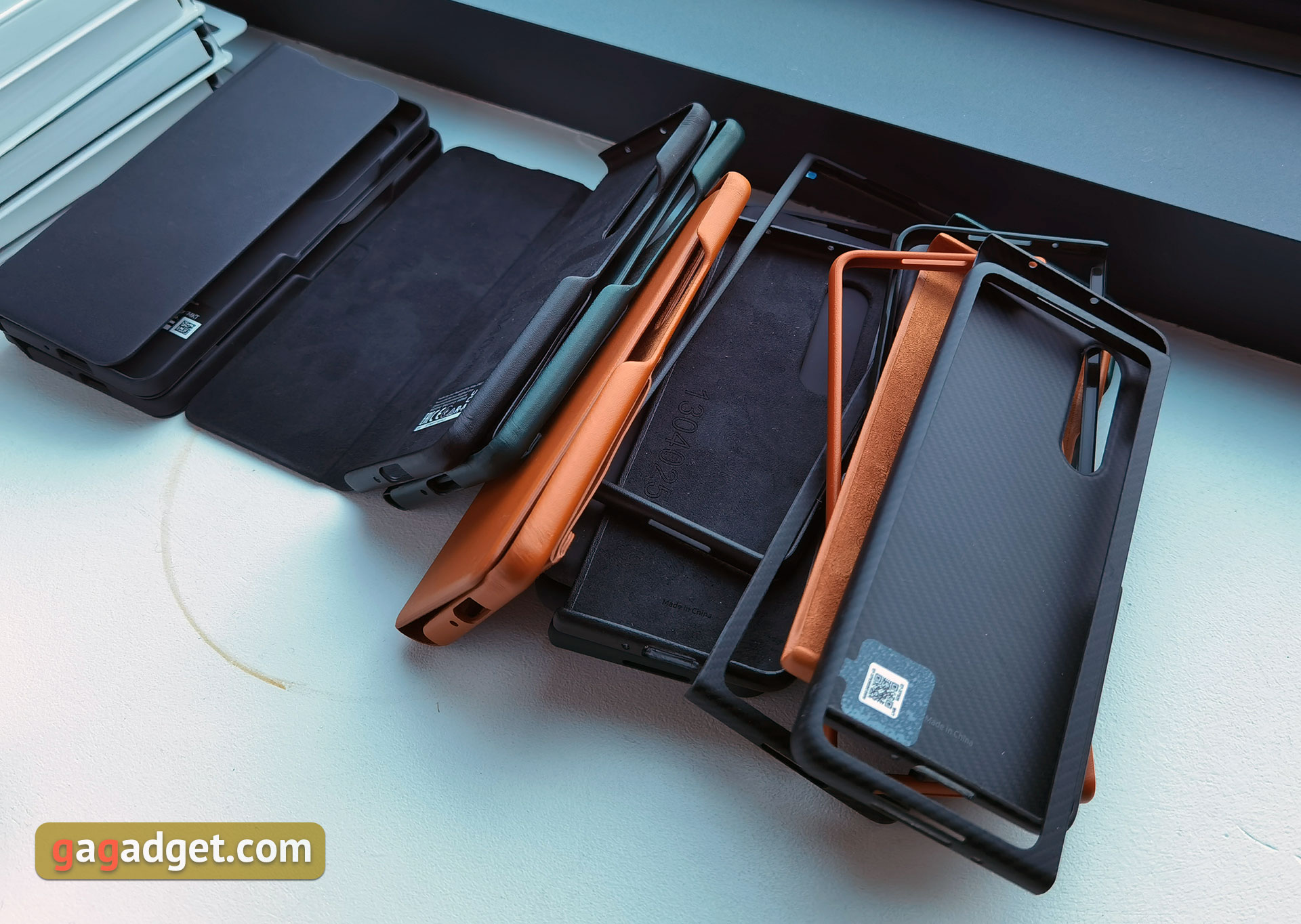
The Samsung Galaxy Z Fold3 has the best battery“lost weight” a little: 4400 mAh and 4500 mAh, respectively. Supports fast wired and wireless charging, as well as reverse wireless charging for accessories. Along with the smartphone, a decent number of accessories will be available, including protective cases for every taste and color.
</ img>
And what is interesting about the Samsung Galaxy Z Flip3?
</ img>
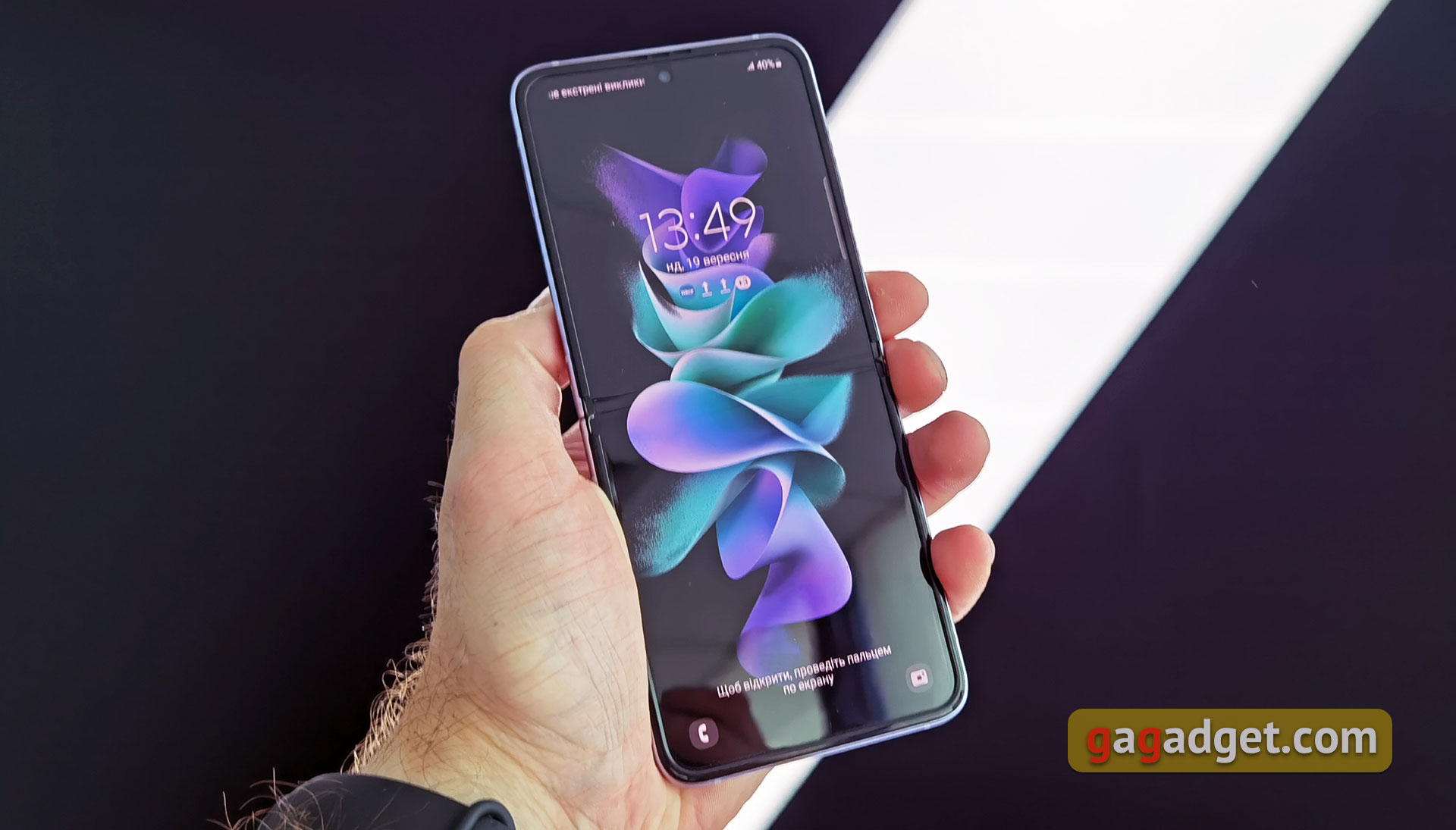
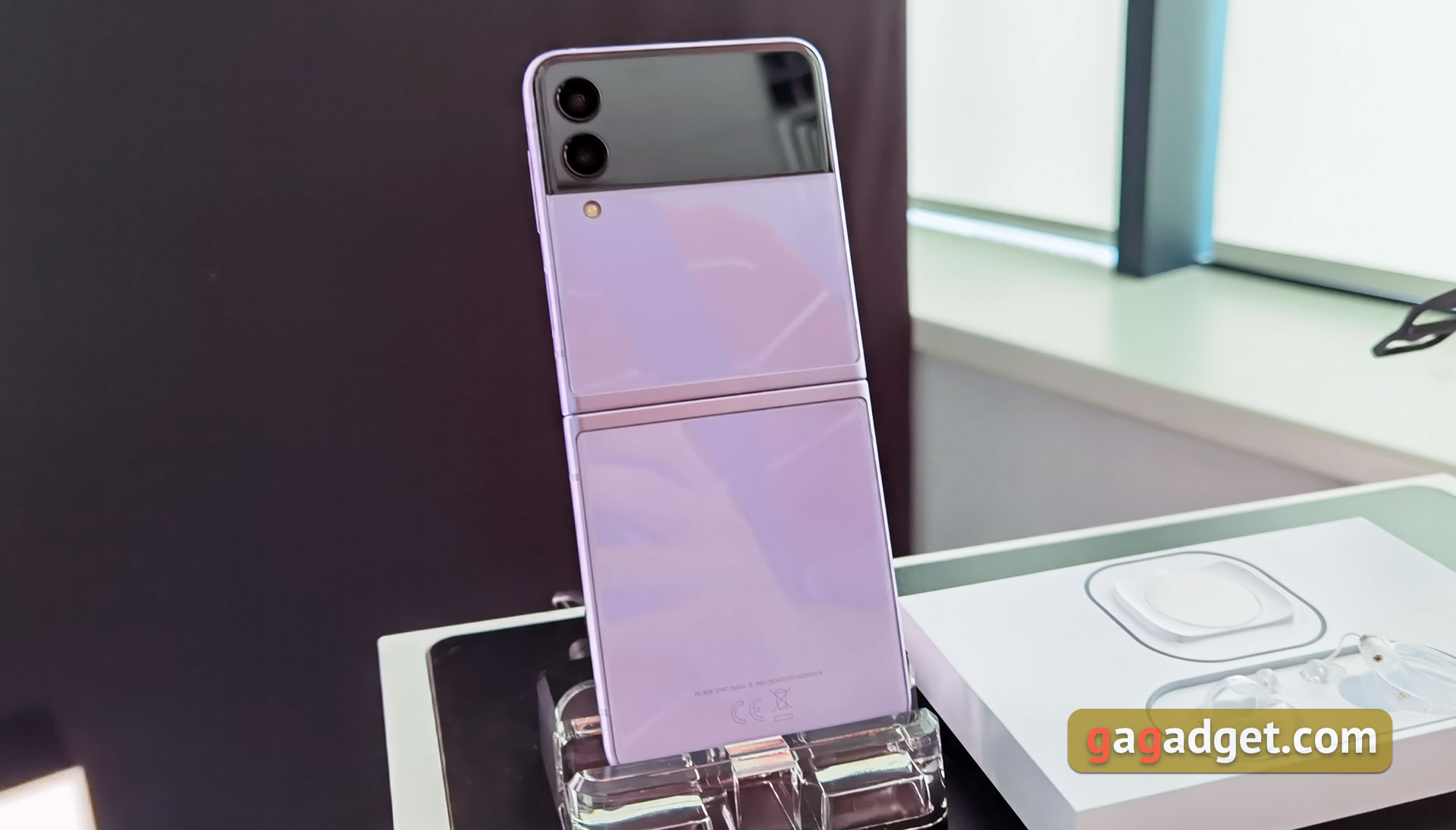
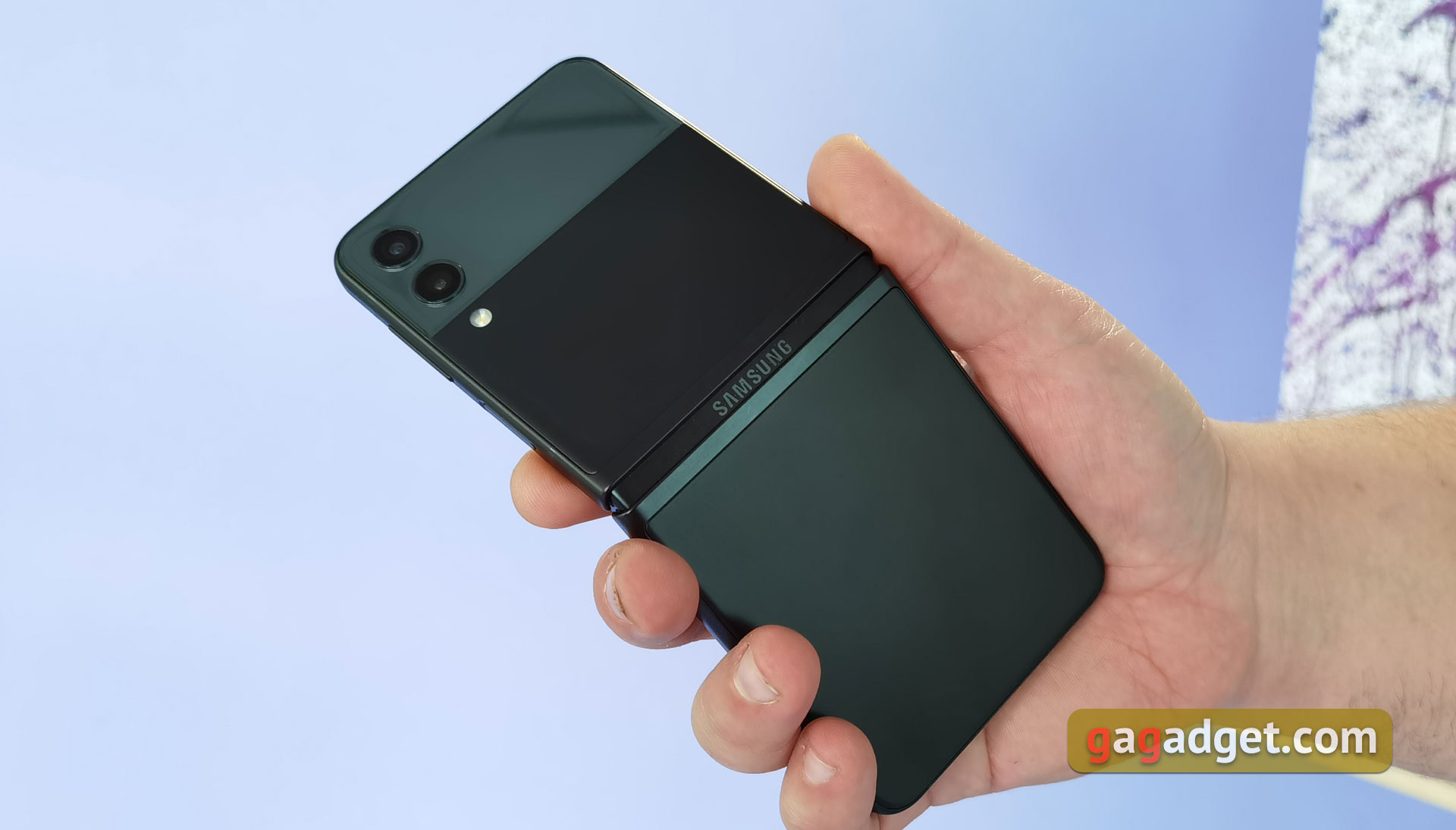
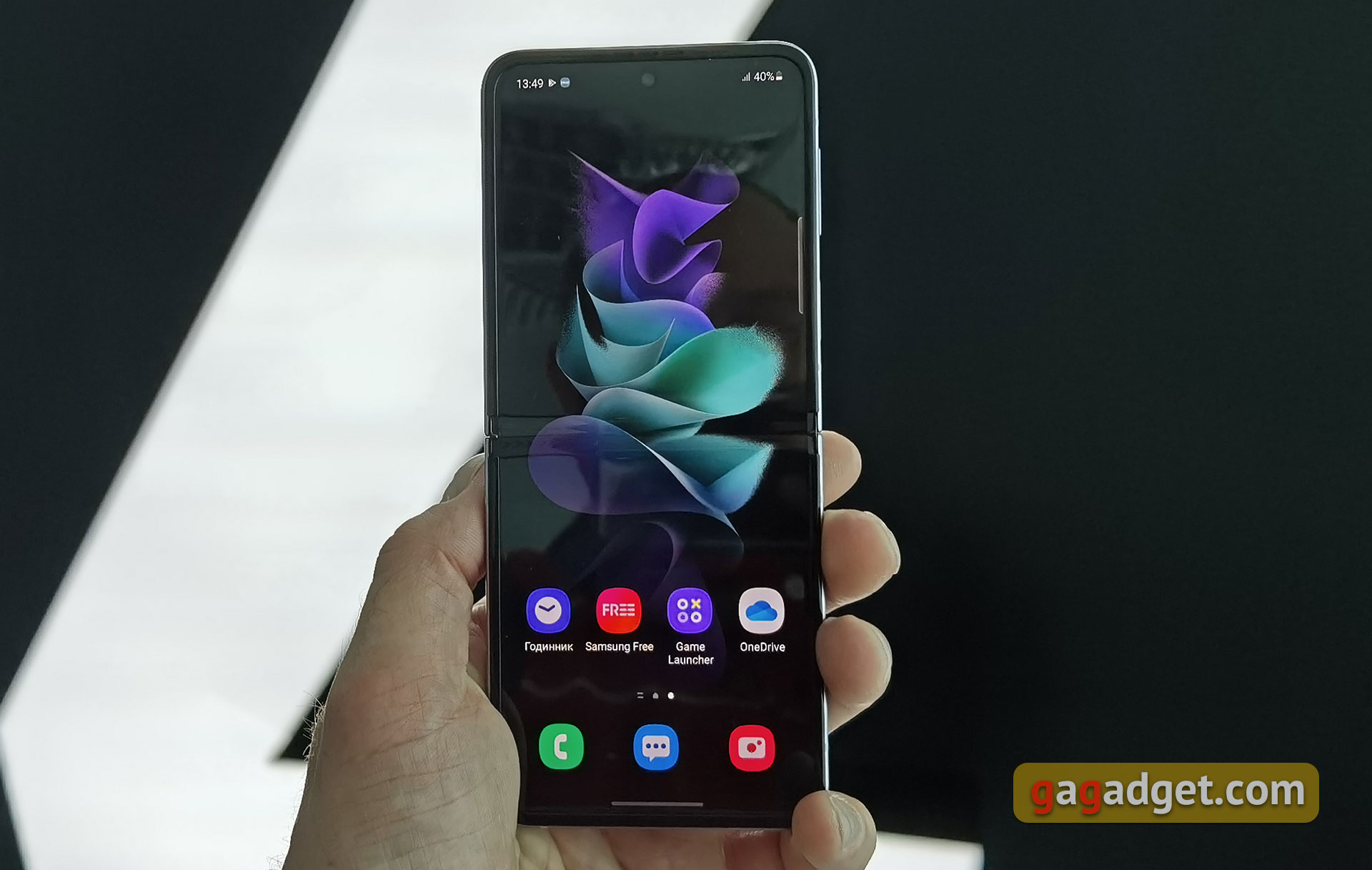
Samsung Galaxy Z Flip3 in terms of materialsThe case and IPX8 water protection features are similar to the Galaxy Z Fold3. The design of the new “folding bed” with a flexible screen overall has not changed much compared to its predecessor. But visually the smartphone began to look more “solid” (subjective) thanks to slightly less rounded edges and a matte frame. There are four color options: purple, cream and green with glossy glass. And black and matte. The layout is also familiar. There is a fingerprint scanner in the power button and next to the volume button. Just like the Samsung Galaxy Z Fold3, the design life is stated to be 200,000 folds or 5 years of use with 100 operations per day.
</ img>
</ img>
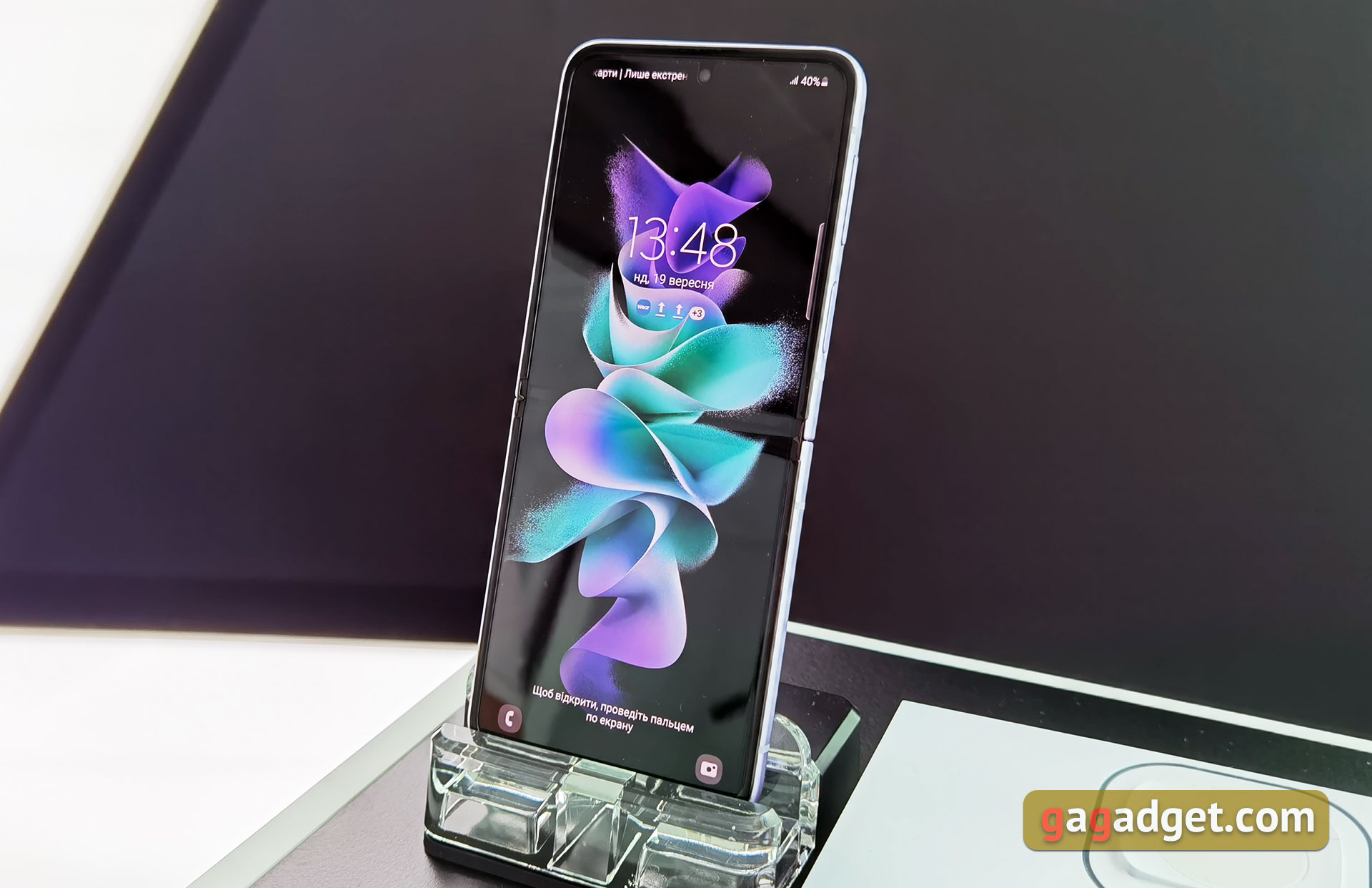
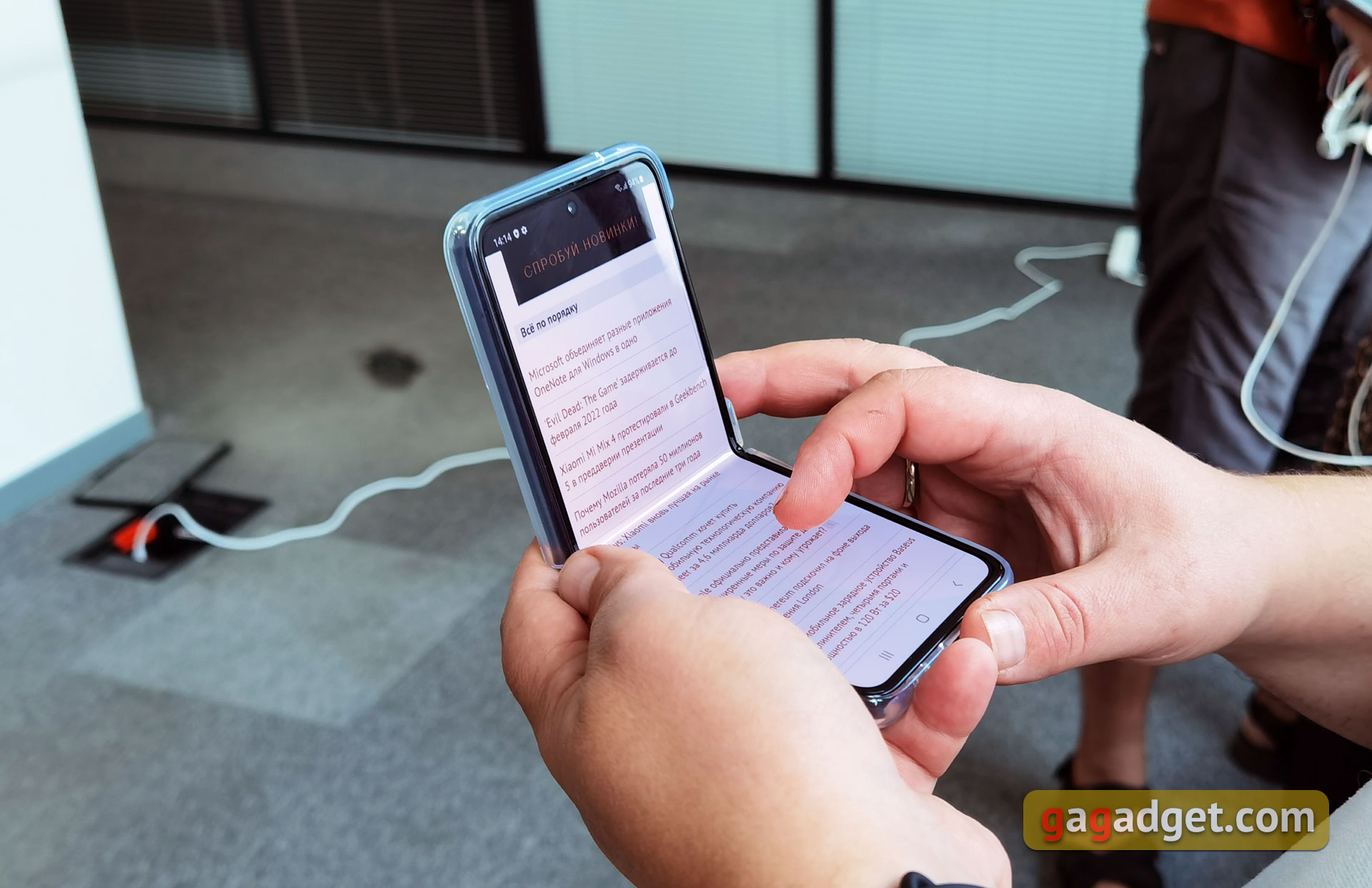
Physical dimensions of the Galaxy Z main displayFlip3 unchanged: 6.7 inches. The aspect ratio is 22:9, the resolution is 2640x1080, the pixel density is about 425 ppi and the front camera is in the hole. The main innovation was still the adaptive frame rate of 10-120 Hz. A nice innovation compared to the first Z Flip. Moreover, now, perhaps, only state employees can forgive the frequency of 60 Hz. As for the fold, it is still visible. A truly working design with a flexible display on which folds will not be visible has not yet been invented.
</ img>
</ img>

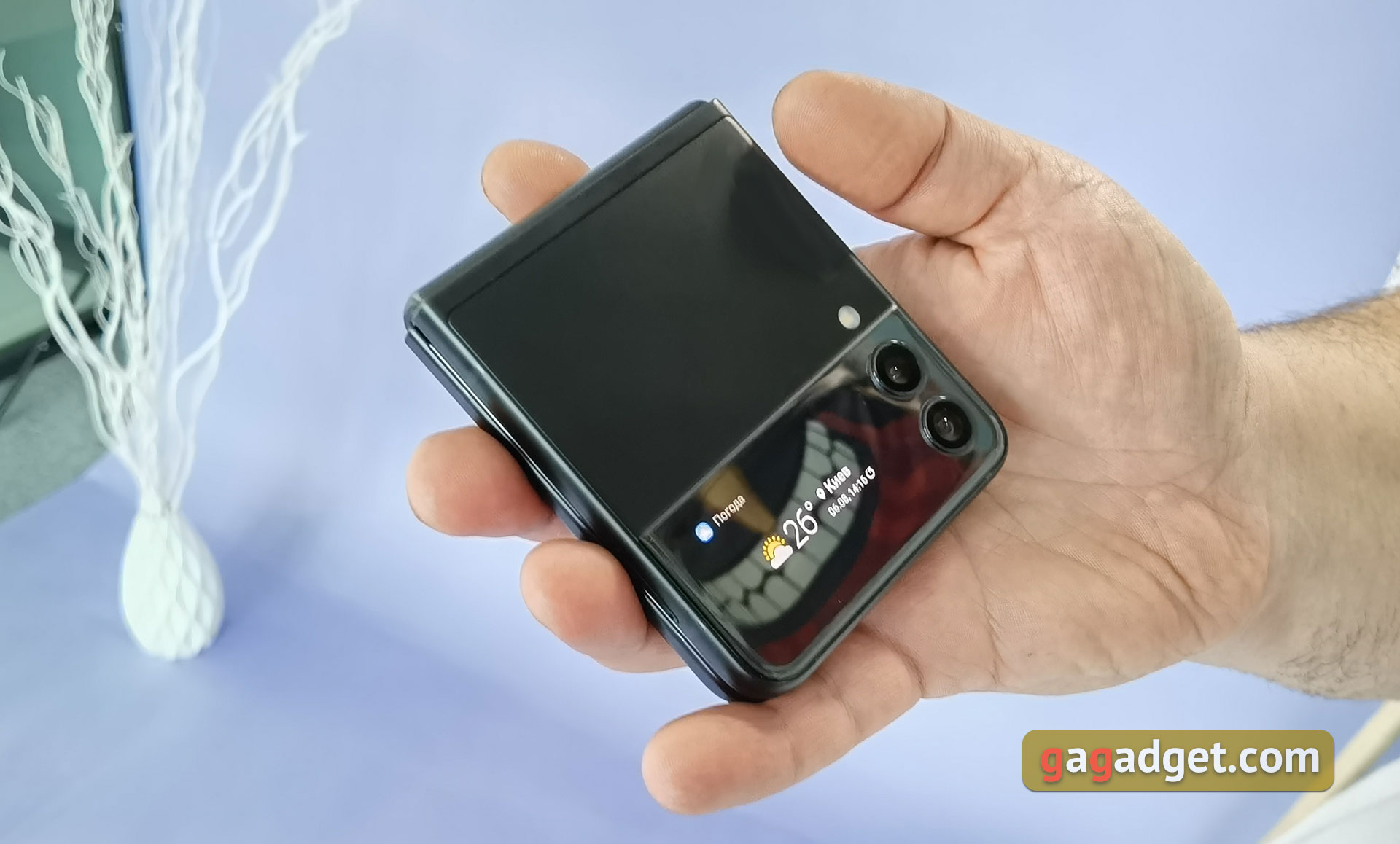
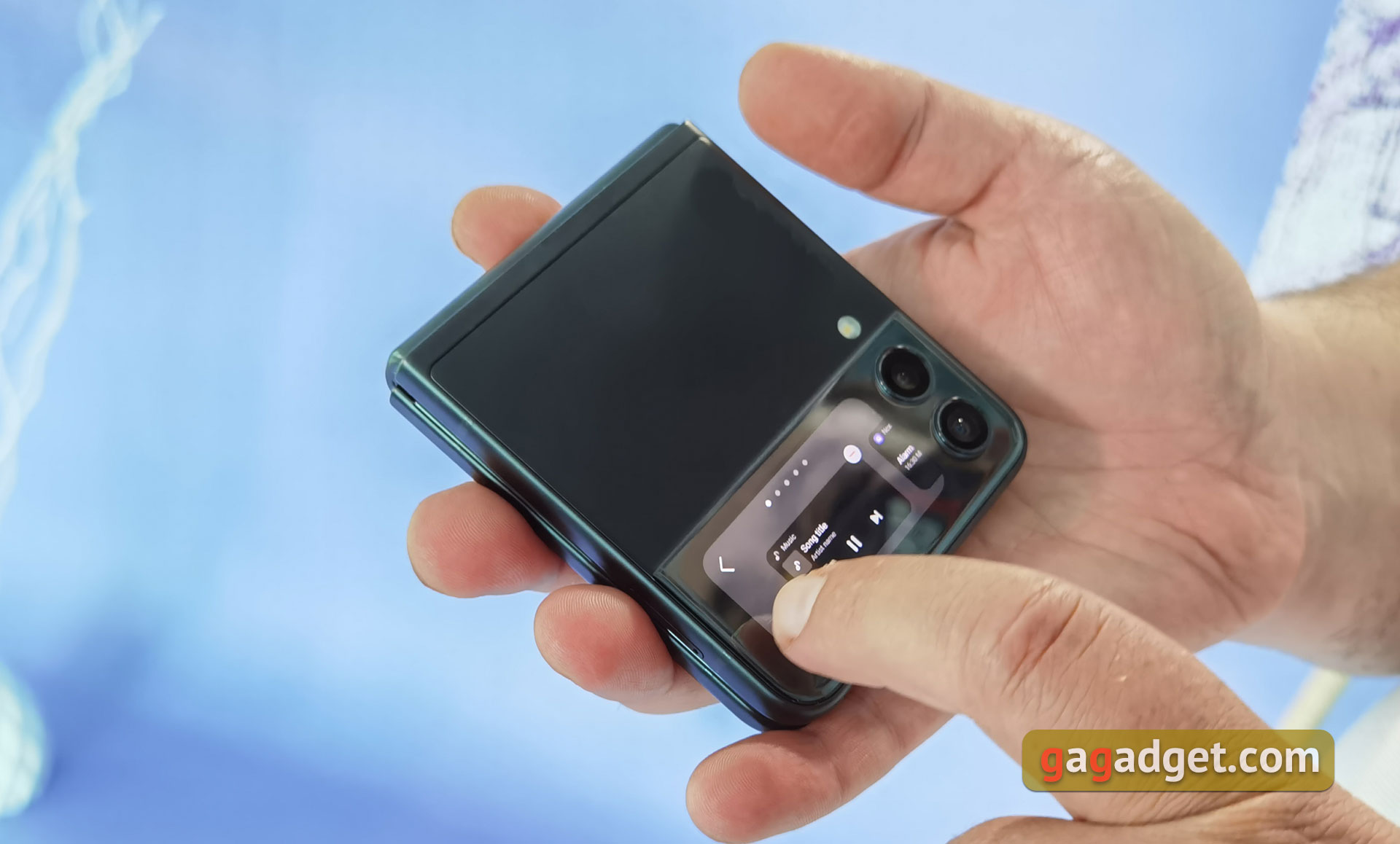
But the external screen has increased, which is obviouswill have a positive effect on the ease of use. Now it has a diagonal of 1.9 inches and a resolution of 512x260. Let's remember that the first Galaxy Z Flip had a diagonal of 1.1 inches and a resolution of 300x112. It can be used both for taking selfies and for reading notifications, controlling the music player, and so on. There is a set of special widgets, including the weather forecast.
</ img>
</ img>

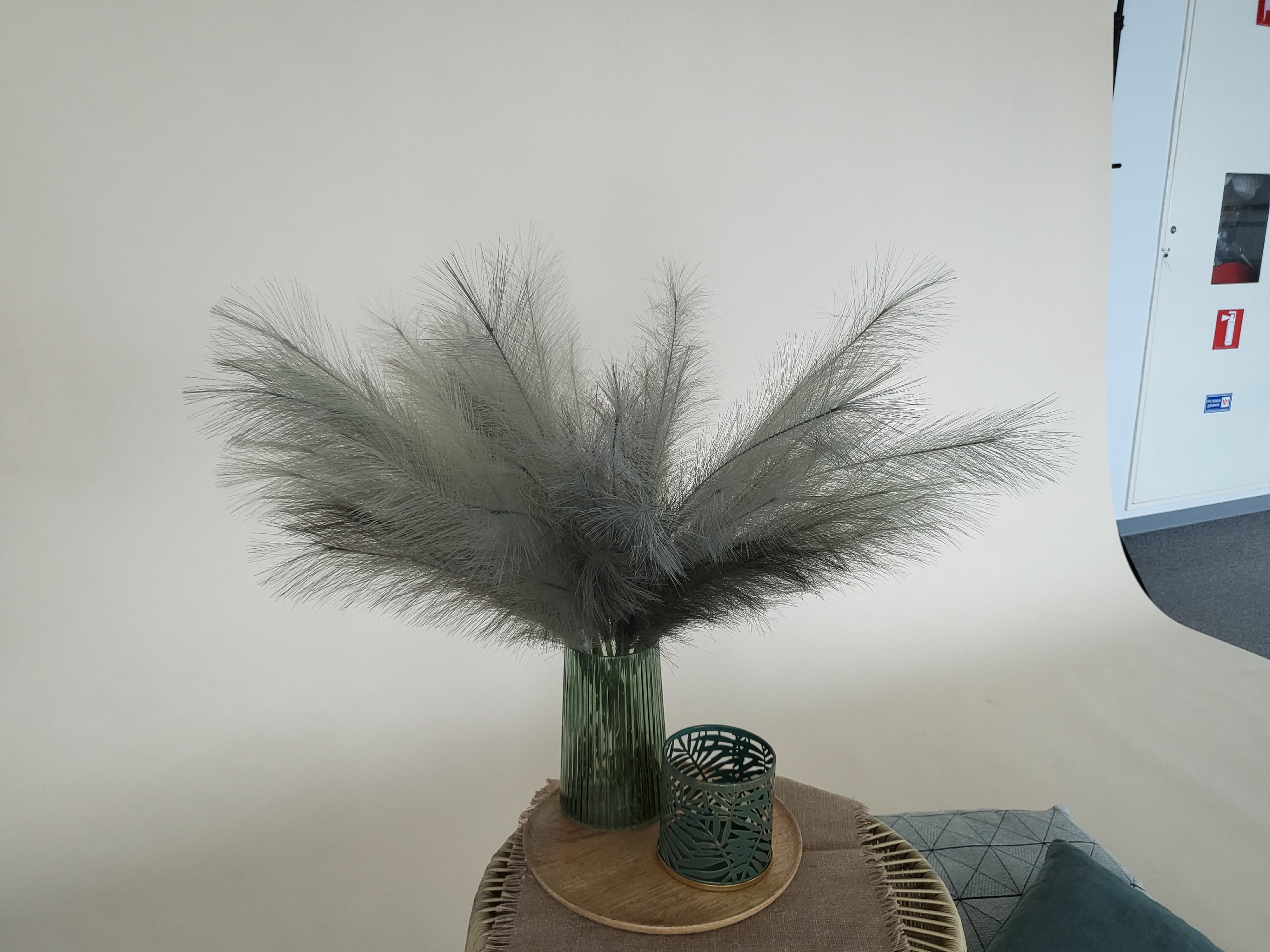
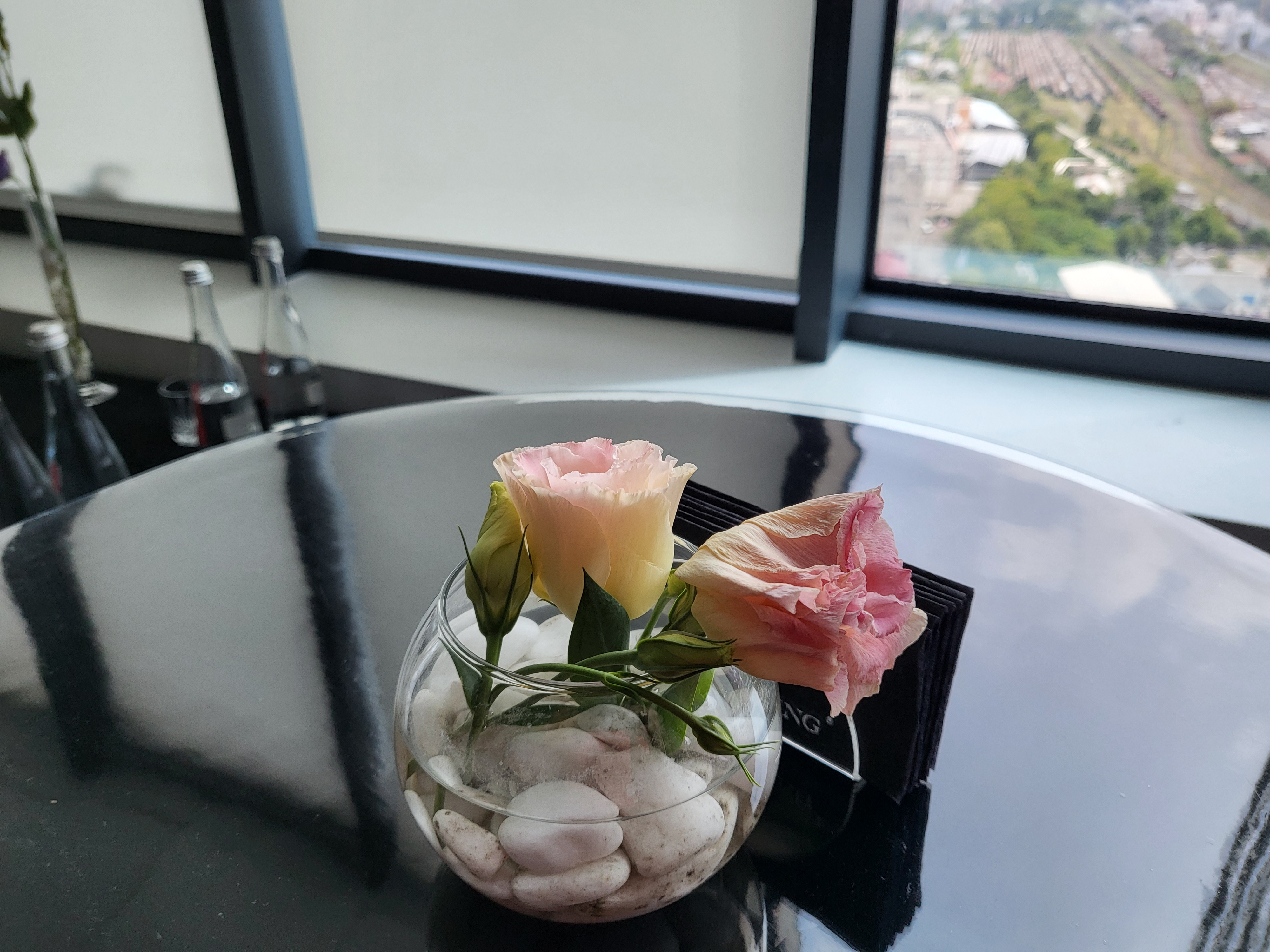
The set of smartphone cameras remains the same.The main one is double. 12 megapixel module with aperture, f/1.8, 27 mm EGF, 1/2.55″, 1.4µm, Dual Pixel PDAF phase autofocus and optical stabilization. And an ultra-wide-angle module of the same resolution 12 MP, f/2.2 with a viewing angle of 123˚, without autofocus. Front camera - 10 MP, f/2.4, 26 mm EGF, 1.22µm. We took some test photos. Although it is worth remembering that the results on commercial samples with the final firmware version may differ significantly.

</ img>
</ img>
</ img>
</ img>
</ img>
</ img>
</ img>
</ img>








The hardware inside is similar to the Galaxy Z Fold3.Still the same flagship Qualcomm Snapdragon 888 processor, but less memory. 8 GB of RAM and 128 or 256 built-in. There is also no MicroSD slot. There is only one place for a SIM card, but there is support for eSIM. The set of interfaces is similar to the older model. Dual-band Wi-Fi 802.11 a/b/g/n/ac/6e, Wi-Fi Direct, Bluetooth 5.2, A2DP, LE with support for aptX HD and LDAC codecs. Global positioning systems: GPS, A-GPS, GLONASS, GALILEO, BDS. NFC module for contactless payment.
</ img>
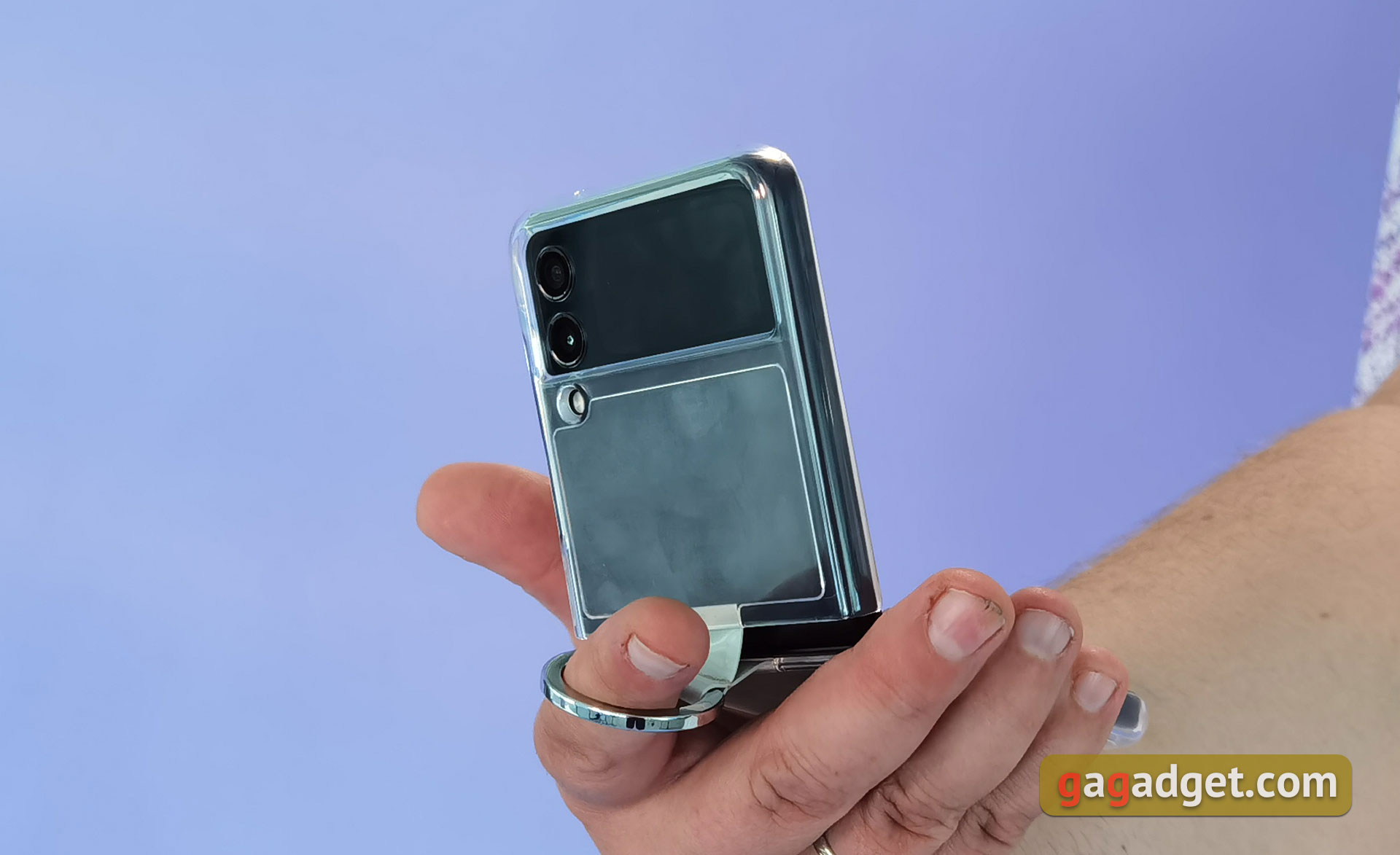
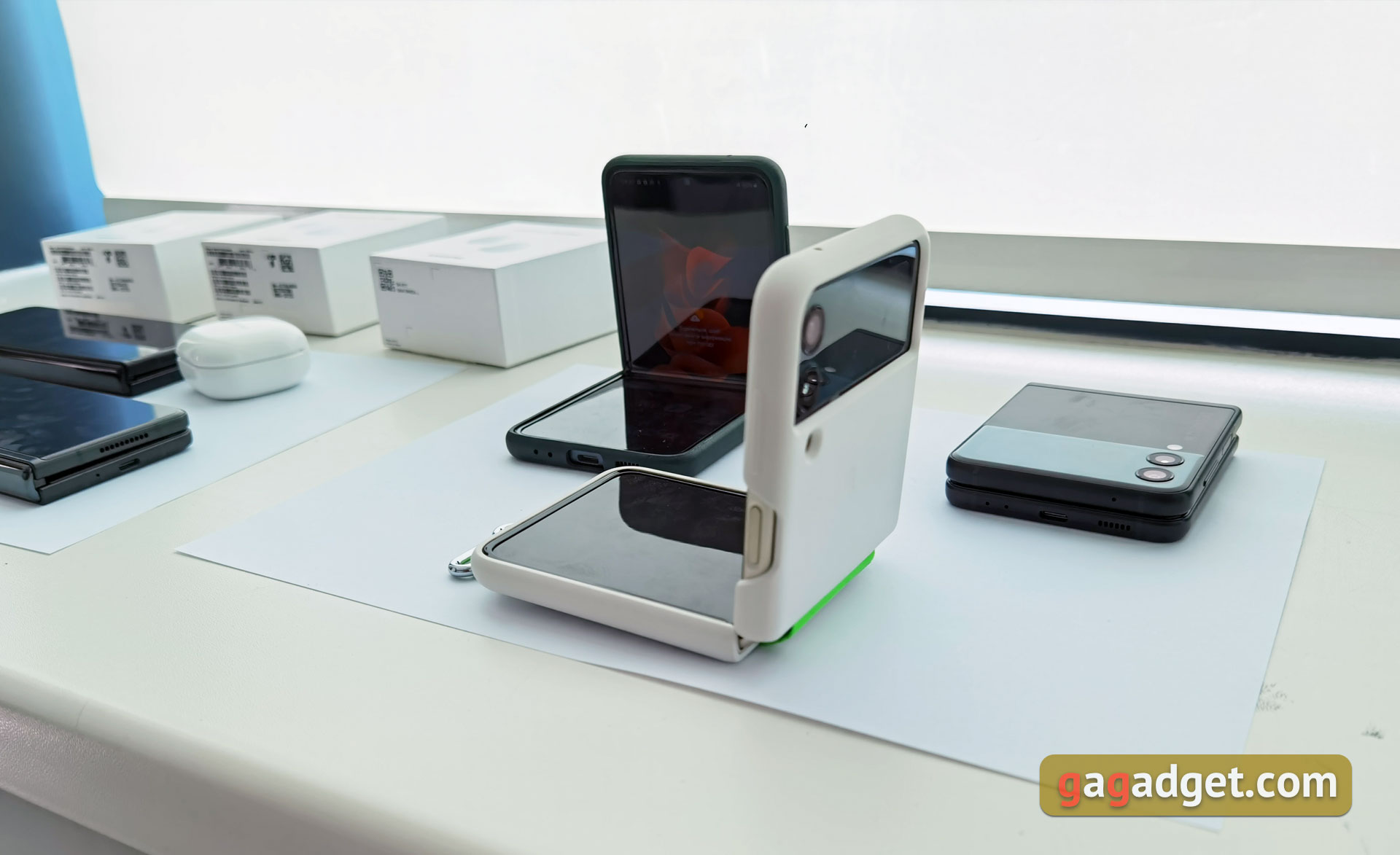
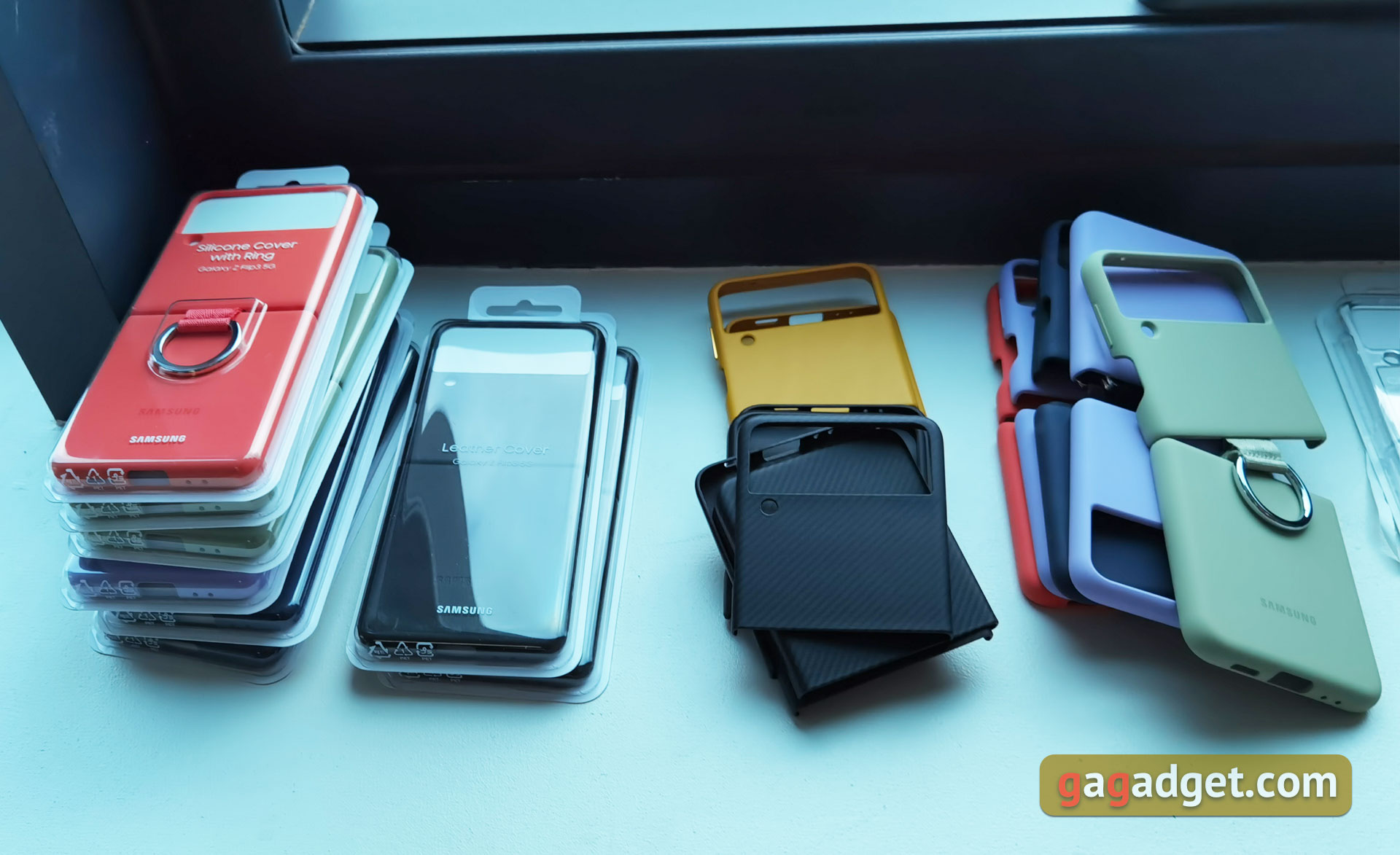
Аккумулятор не изменился.It's still 3300 mAh, as is the not-fastest 15W charging. So no significant difference in autonomy is expected. Separately, it is worth mentioning the abundance of different cases for the new Galaxy Z Flip3. In addition to the standard multi-colored bumpers made of different materials, Samsung has released a bunch of different “sports” options with a ring or tape for additional fastening.
</ img>
</ img>
</ img>
How have the Samsung Galaxy Watch4 and Samsung Galaxy Watch4 Classic smartwatches been updated?
</ img>
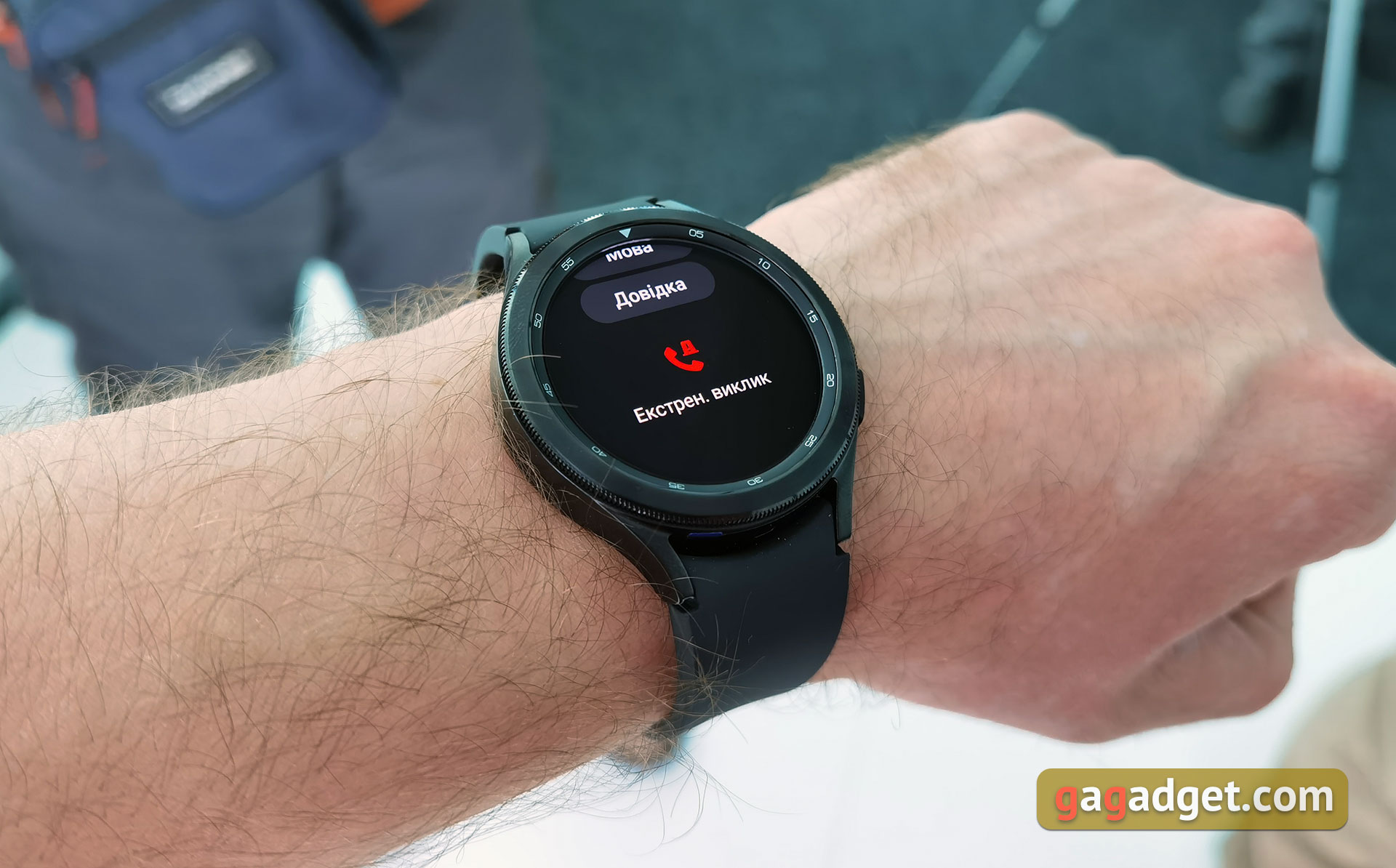
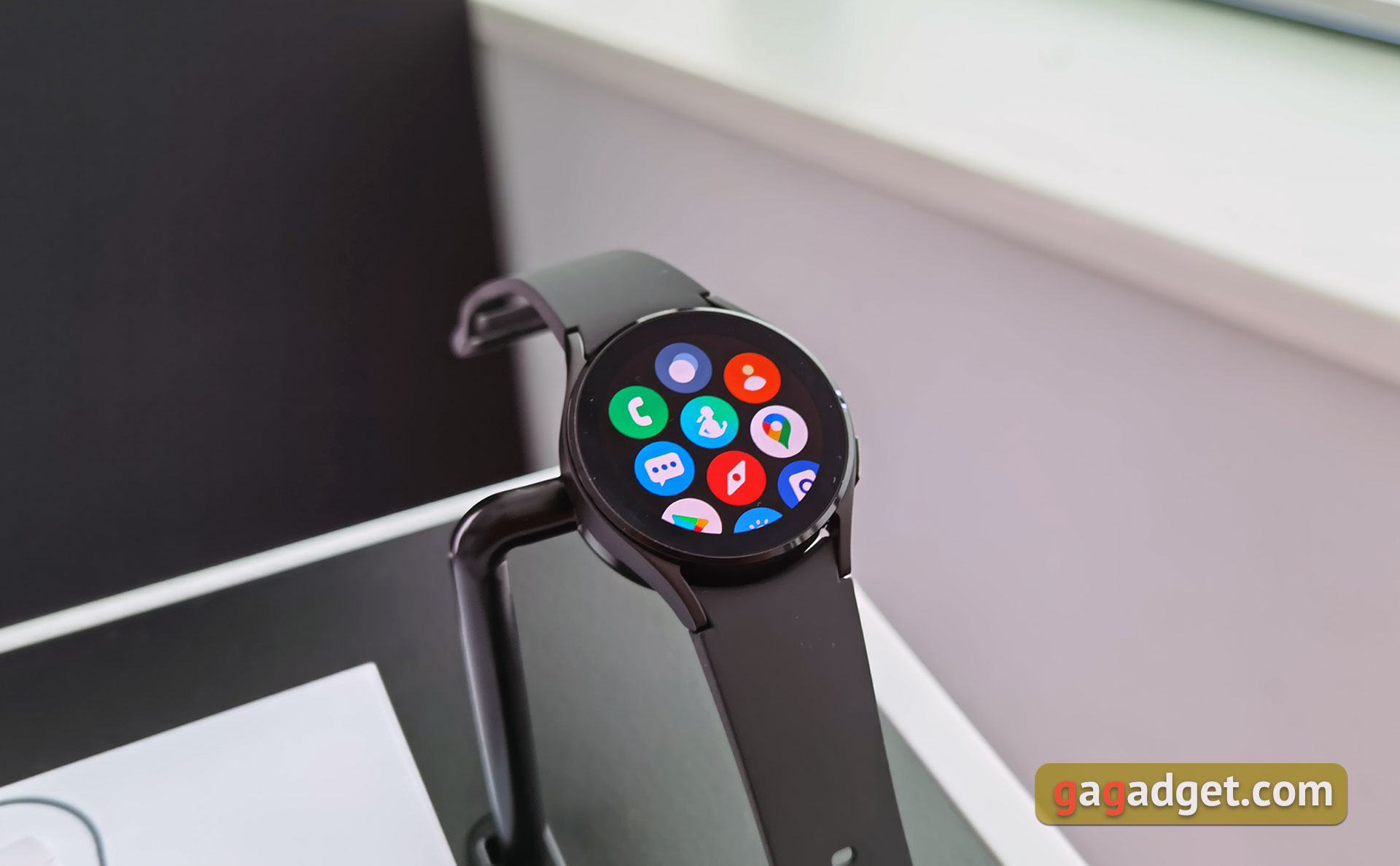
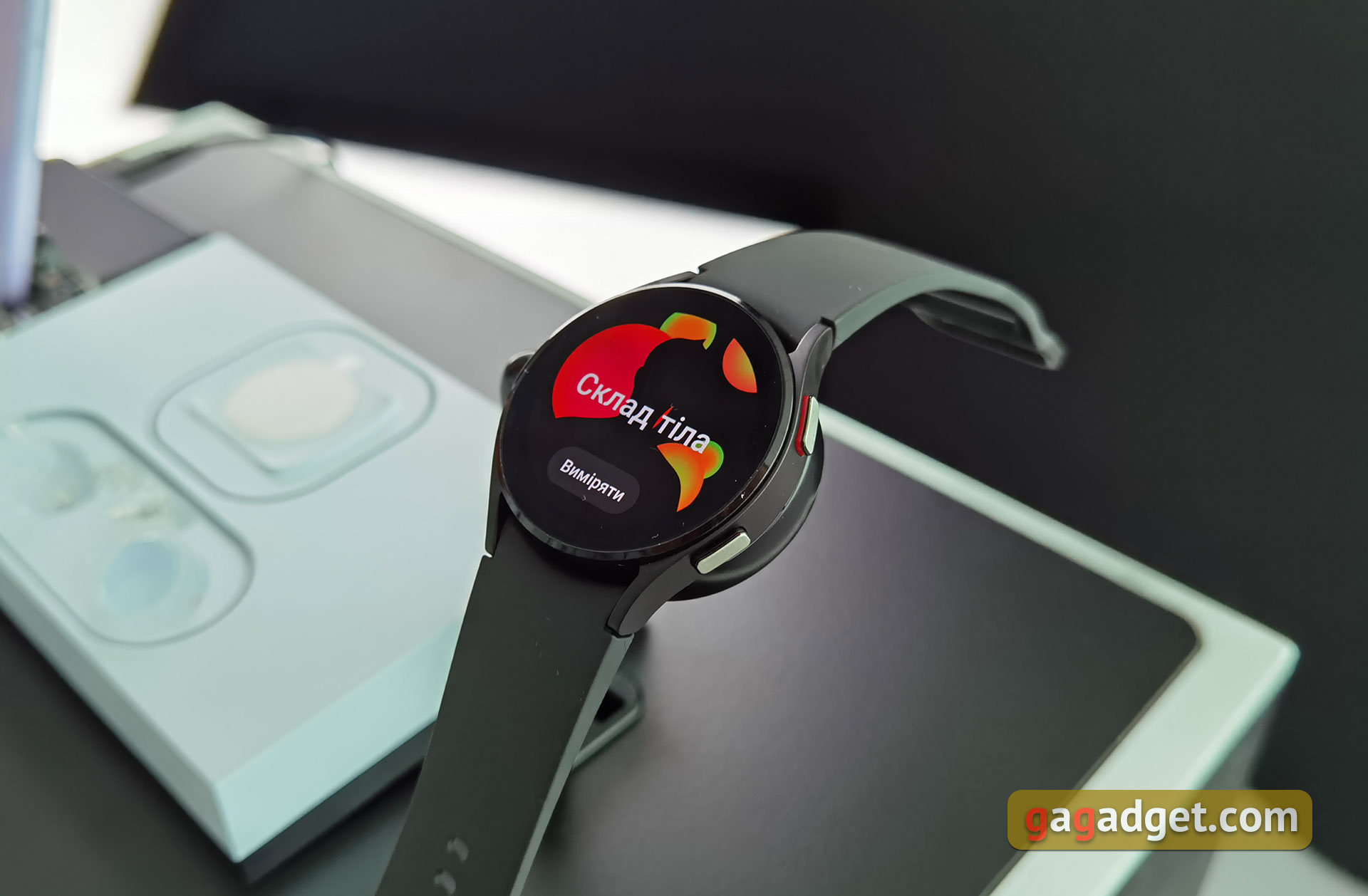
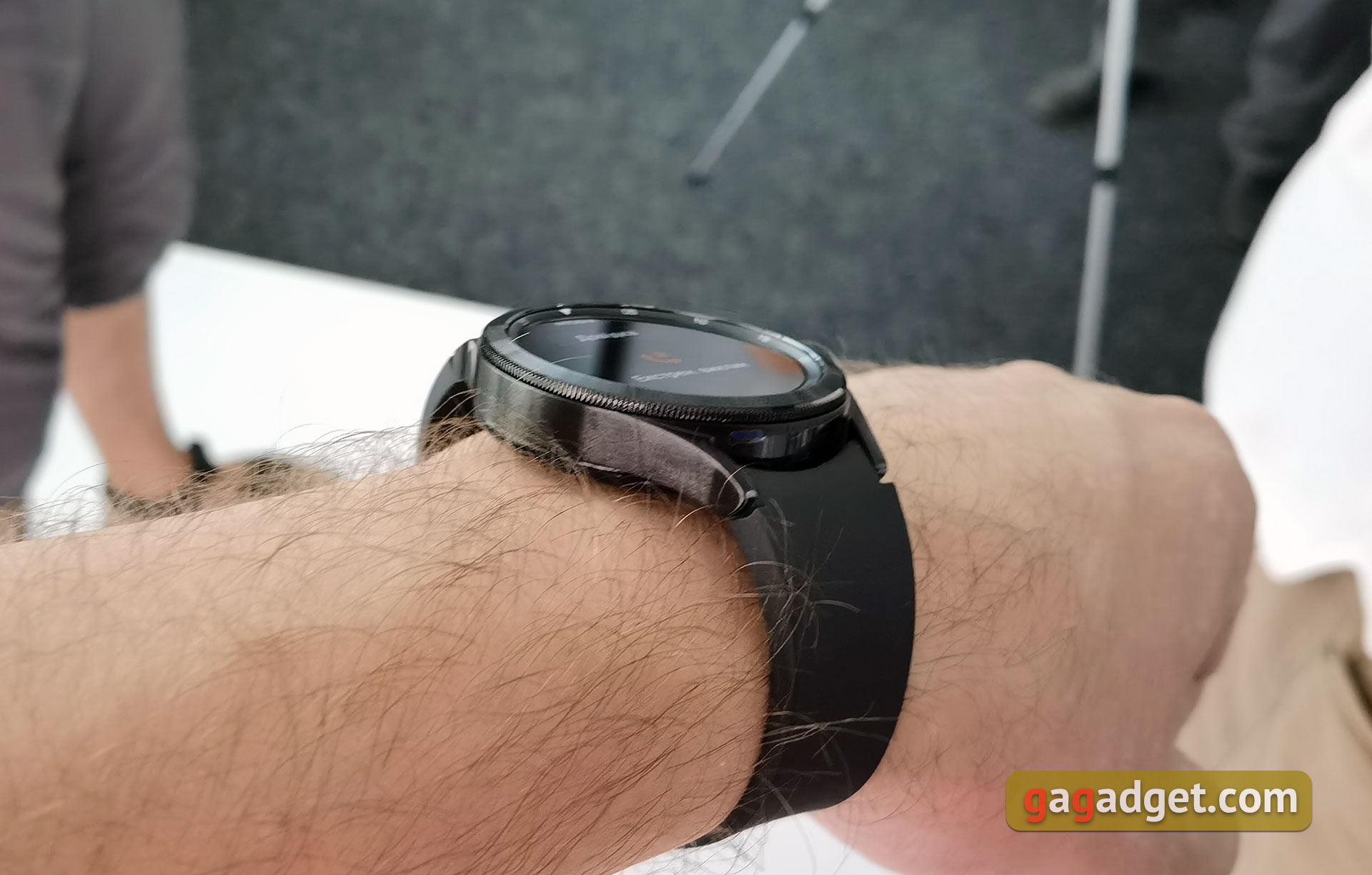
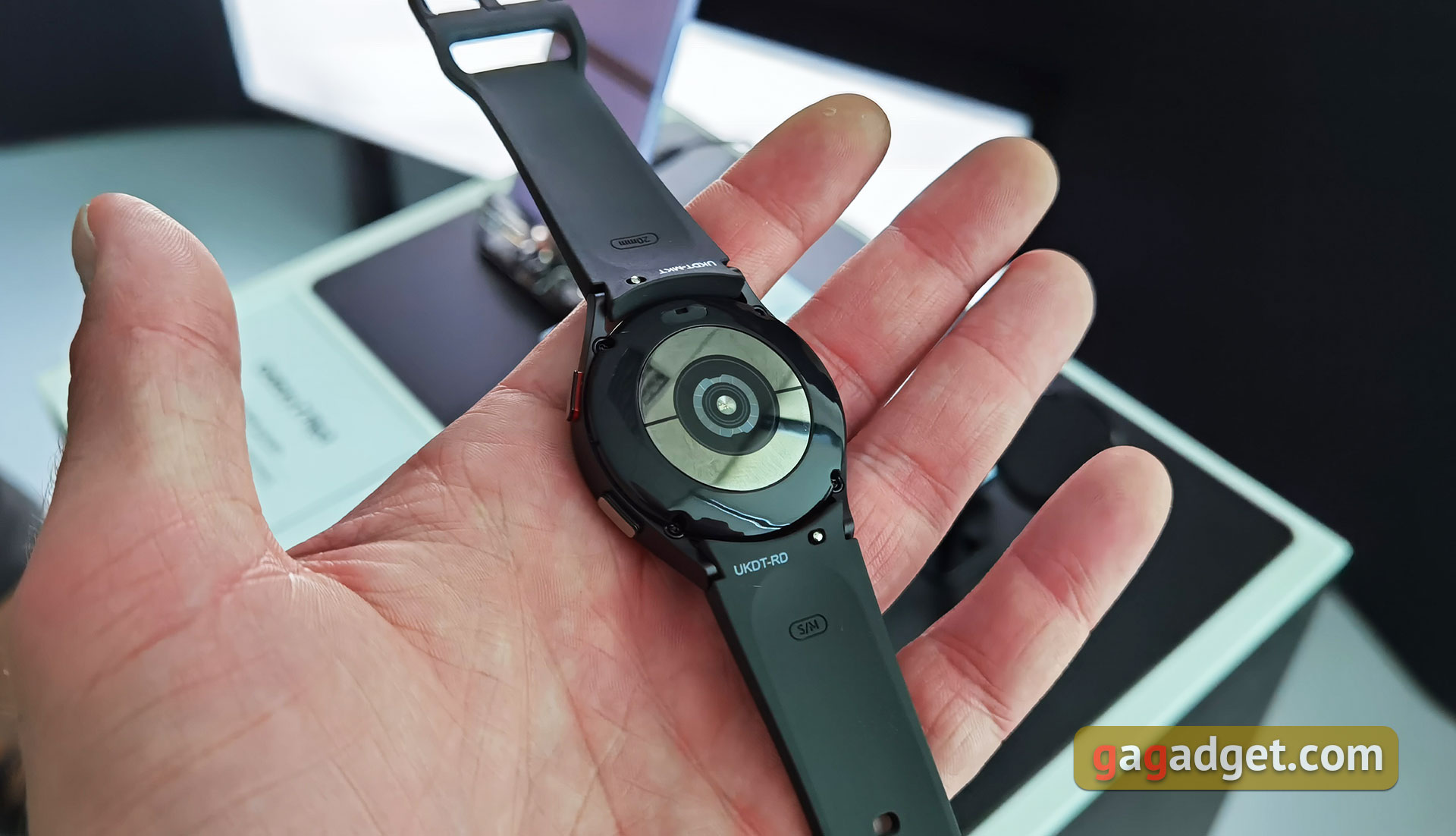
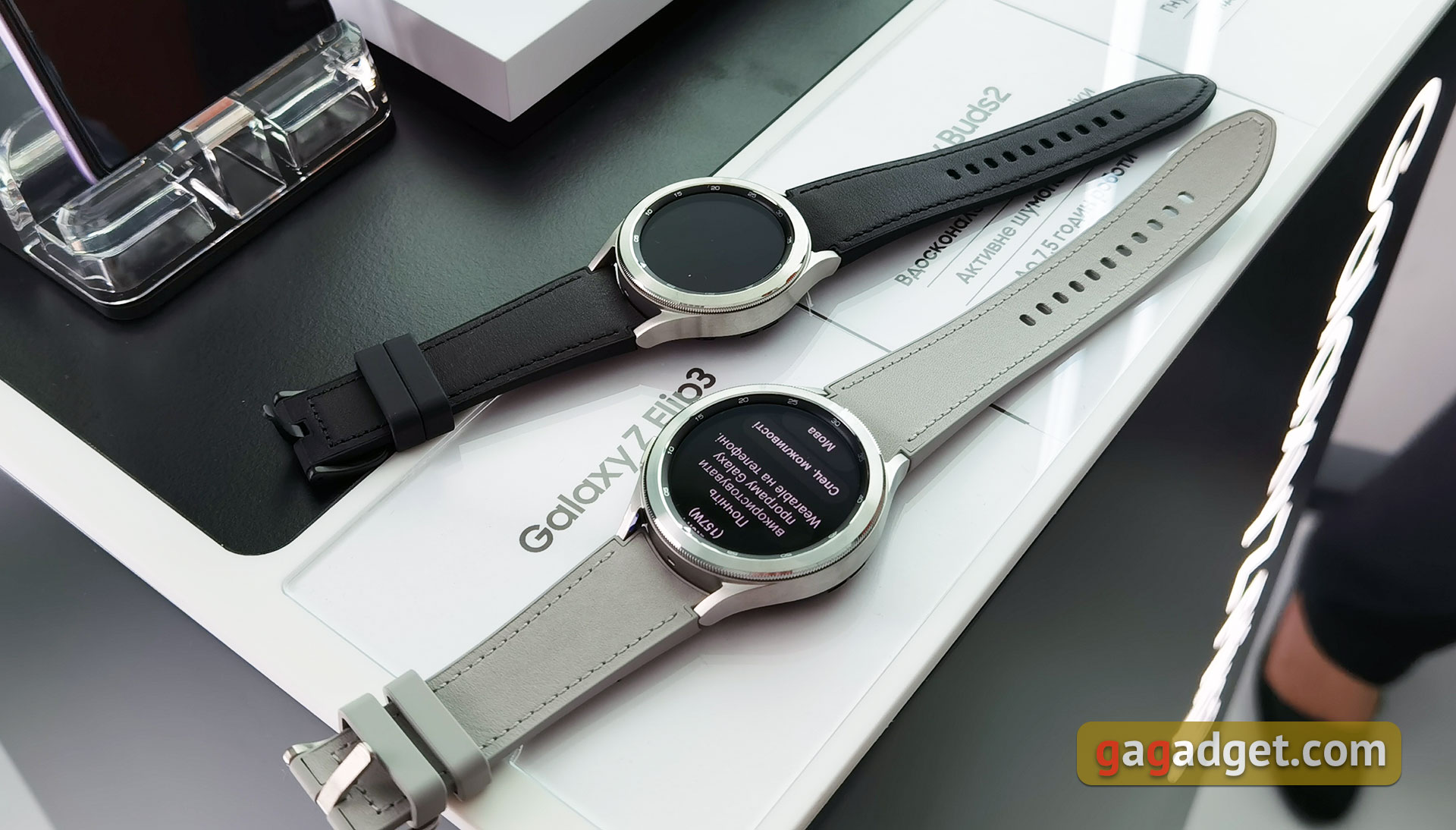
This year Samsung decided to unify a littlenaming your smartwatch. The previous line included the Galaxy Watch Active2 and Galaxy Watch 3. Now the current line includes two models: Samsung Galaxy Watch4 and Samsung Galaxy Watch4 Classic, each of which is available in two sizes: with screens of 1.2 and 1.4 inches. Samsung Galaxy Watch4 is the successor to Active2. They are slightly more compact overall, equipped with a touch-sensitive bezel and made of aluminum. The Samsung Galaxy Watch4 Classic has a mechanical bezel and a steel case. Both models received two hardware rooms, they remained in their places. They also serve as electrodes for the bioimpedance meter.
</ img>
</ img>
As for screens, these are SuperAMOLED,The resolution in the 1.2-inch version is 396x396 pixels, in the 1.4-inch version it is 450x450. At the same time, the pixel density is identical: 330 ppi. The screens are covered with Gorilla DX protective glass. Important changes also affected the hardware and software components. As we already know, the new 5nm Exynos W920 processor is installed inside. It includes dual ARM Cortex-A55 cores, a Mali-G68 graphics accelerator, and a power-efficient Cortex-M55 coprocessor for Always-on Display operation. Samsung claims that the CPU performance has increased by 20% compared to the Exynos 9110. And the GPU is 10 times more powerful. Exynos W920 supports screen resolutions up to 960x540, has a 4G LTE modem, supports GNSS (Global Navigation Satellite System), Wi-Fi b/g/n and Bluetooth 5.0.
</ img>
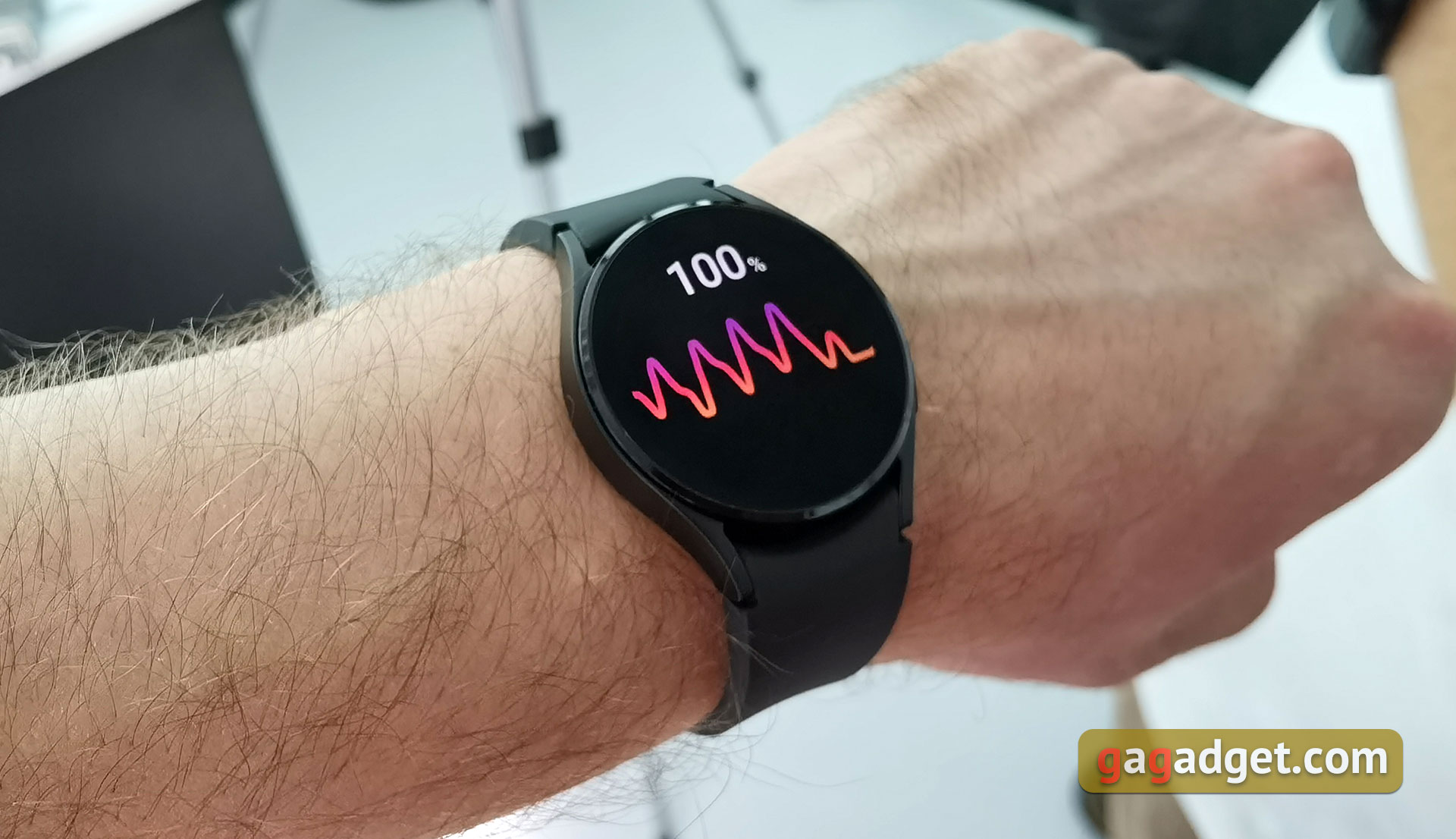
RAM capacity 1.5 GB of RAM, built-in 16 GB of ROM, dual-band Wi-Fi, Bluetooth 5.0, NFC, GPS and LTE (there will be a version with eSIM support). In addition to the usual set of accelerometer, gyroscope, heart rate monitor and other sensors, the new models have acquired a Samsung BioActive sensor, which measures ECG and analyzes the owner’s body structure. There is no information yet regarding the availability of the ECG function in Ukraine. The rest of the set of indicators is in place. Including SpO2 measurements that can be taken automatically while you sleep. And a lot of training programs that can work in conjunction with Samsung smart TVs.
</ img>
As previously reported, instead of our ownTizen OS Samsung has now decided to work together with Google and use Wear OS with its own One UI Watch shell. In particular, this will allow Galaxy Watch4 to automatically “pull” all basic settings and install optimized for “smart” hours of applications along with full-fledged ones on a smartphone. Of course, everyone is interested in contactless payment. Formally, there is NFC, and Google Pay can be installed. But for now the snag is on Google's side, not Samsung's. Google has not yet officially launched Google Pay on wearable devices in Ukraine.[Update]Along with the Galaxy Watch4, the launch of Google Pay on Wear OS was announced in a number of new countries. Ukraine is included in this list and starting tomorrow it will be possible to pay with watches using NFC on Wear OS.
</ img>
</ img>
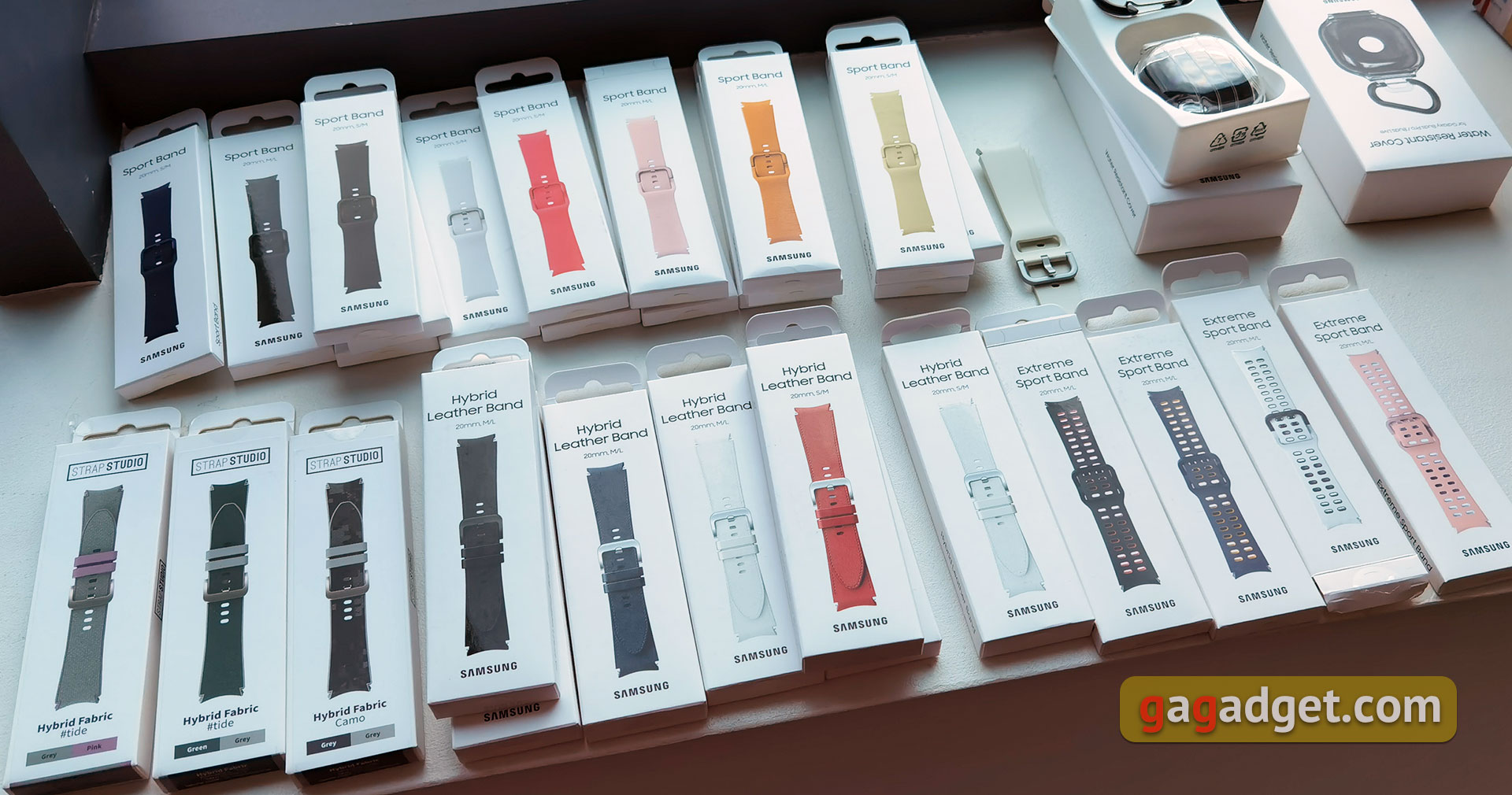
Both Galaxy Watch4 models are IP68 certifiedand MIL-STD-810G, and also withstand 5 ATM. Equipped with speakers and microphones for making calls. Galaxy Watch4 and Galaxy Watch4 Classic are equipped with 247 mAh and 361 mAh batteries, respectively. They promise 40 hours of battery life for each model. Of course, there will be an abundance of straps and watch faces available to customize the watch.
</ img>
What about the Samsung Galaxy Buds2 headphones?
</ img>
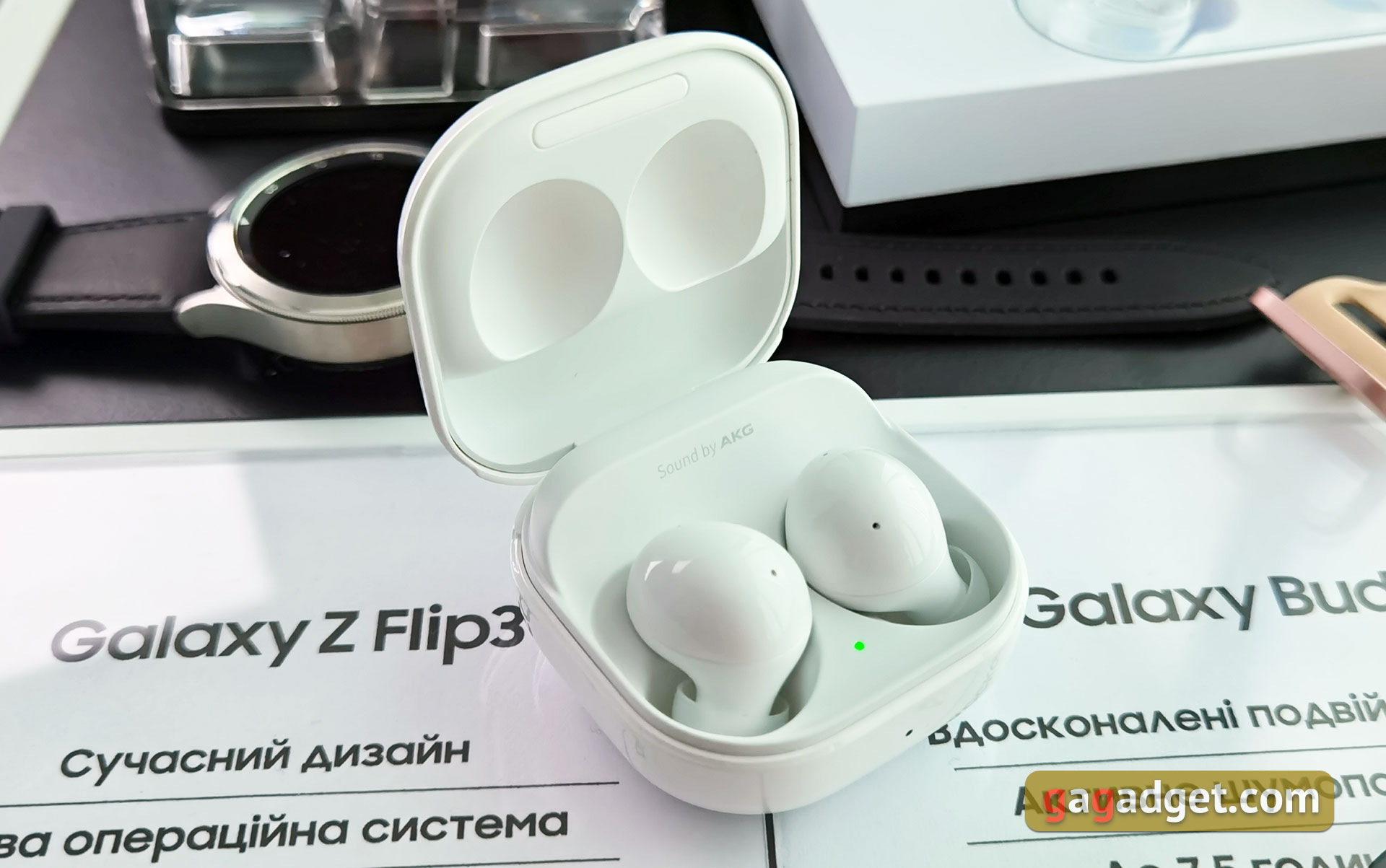
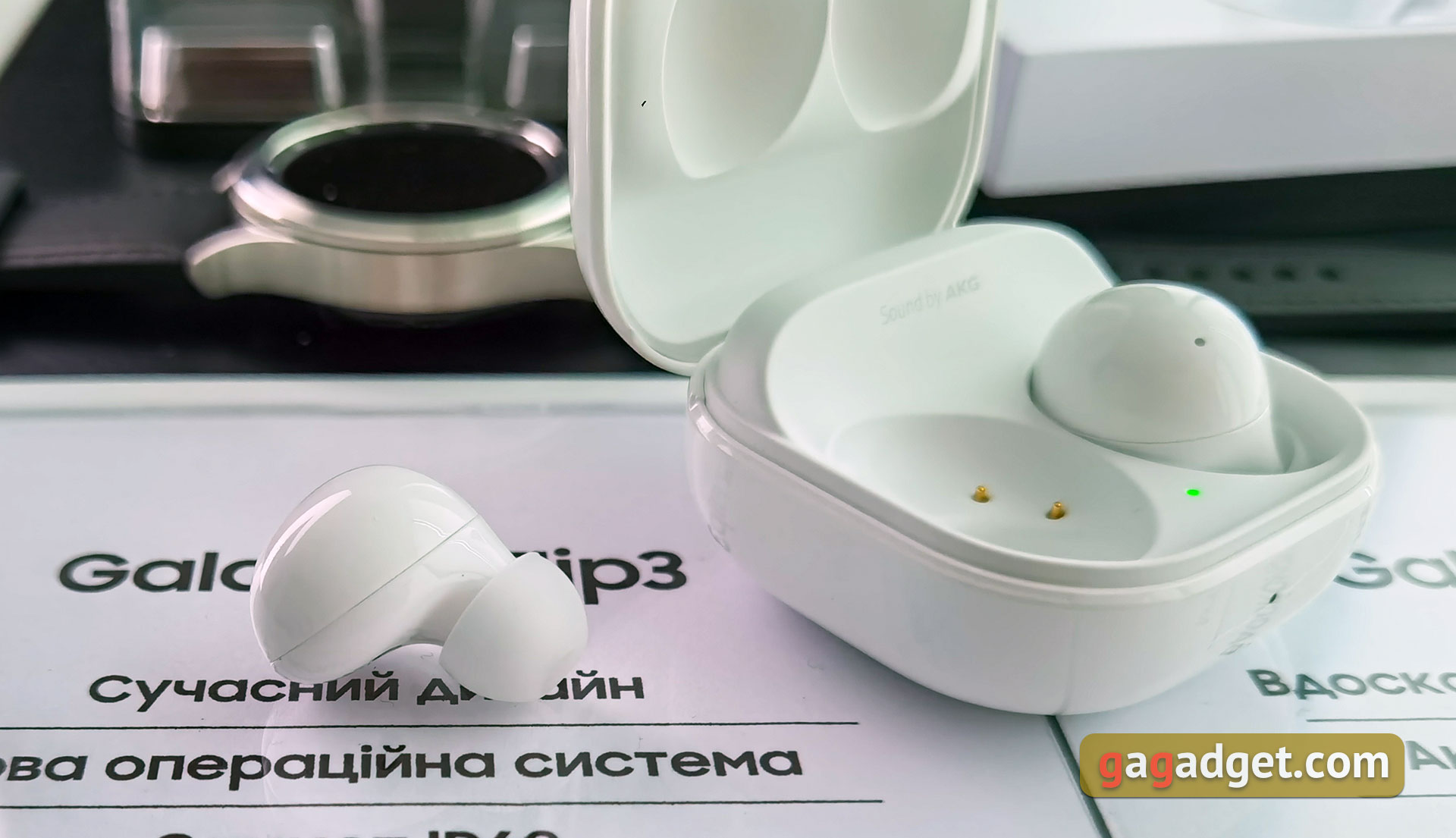
The latest news from the current Galaxy presentationUnpacked 2021 - Samsung Galaxy Buds2 wireless headphones. Functionally and in feel, this is a kind of “lightweight” Galaxy Buds Pro variant. These are in-ear headphones, they are also earplugs. Two dynamic drivers are responsible for the sound: 11 mm for low frequencies and 6.5 mm for high frequencies. They are equipped with an active noise cancellation system, which (in theory) can cut out up to 98% of external noise. As well as a customizable Ambient Sound amplification function.
</ img>
The headphones are powered by 61 mAh batteries, andThe case has a 472 mAh battery. They promise up to 5 hours of operation with active noise reduction and up to 7.5 hours without ANC. The charging case supports fast and wireless charging. It will allow you to charge the headphones four more times. Samsung Galaxy Buds2 are IPX2 protected. That is, they are suitable for sports, but you shouldn’t get them in the rain.

</ img>
Galaxy Buds2 will be available in white, graphite, olive and lavender colors. As accessories, Samsung will sell waterproof cases with a carabiner for the headphones.
</ p>In the dry residue
Smartphone shipments with flexible displays are tangiblegrow. Analysts expect 13 million units to be sold next year. The technology is still not perfect and similar smartphones are still more expensive than the usual flagships. But, given the growing interest of the audience, in the foreseeable future, we should expect significantly more such smartphones, in different price categories and form factors. Prices in Ukraine:
- Samsung Galaxy Z Fold3 -55,000 UAH;
- Samsung Galaxy Z Flip3 -31,000 UAH;
- Samsung Galaxy Watch4 Classic10,000 UAH;
- Samsung Galaxy Watch4 -7,000 UAH;
- Samsung Galaxy Buds24,000 UAH.