</ img>
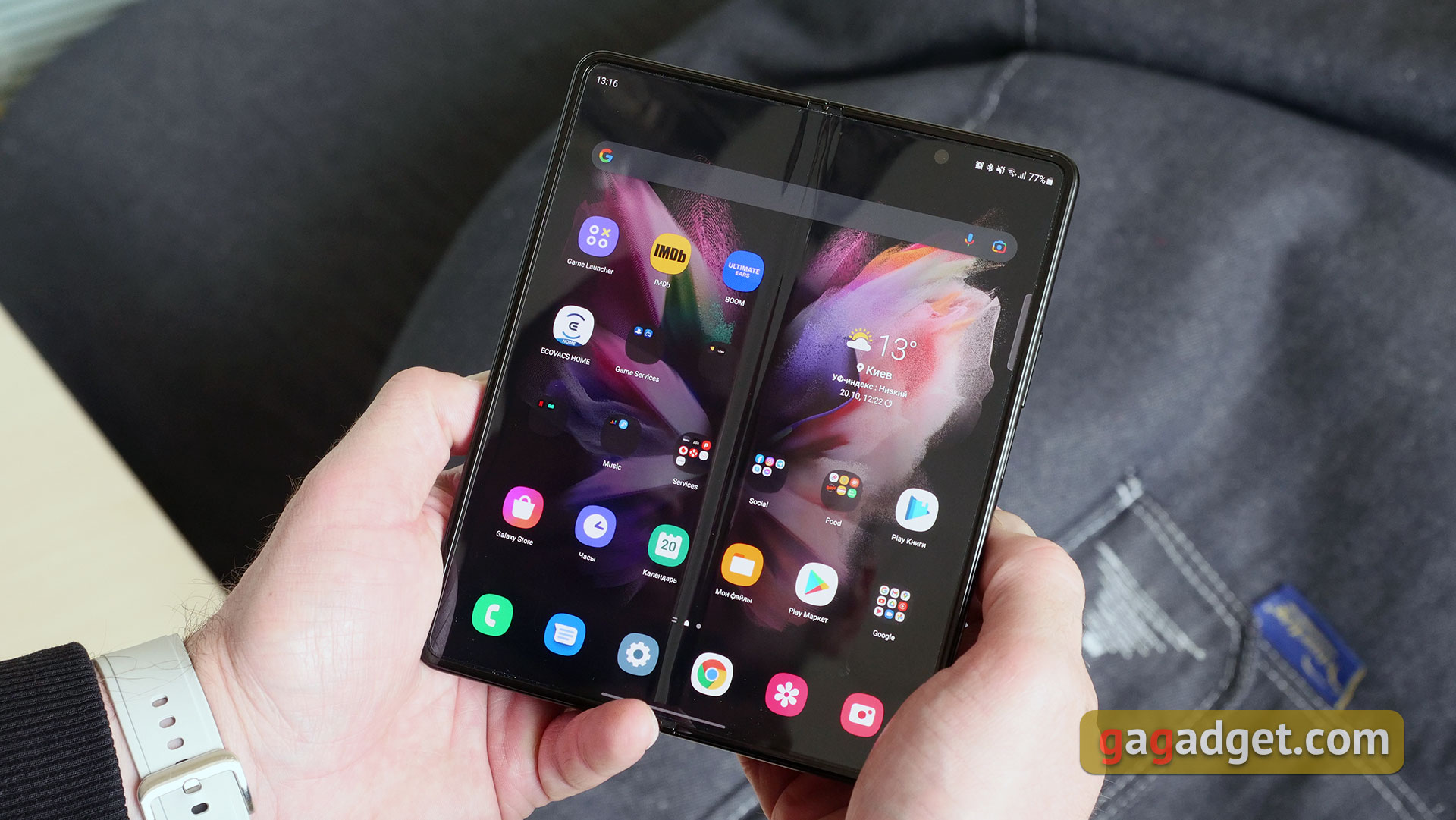
Samsung Galaxy Z Fold3 continues the tradition of its predecessors. This is the most technologically advanced flagship smartphone
Samsung Galaxy Z Fold3
The most technologically advanced smartphone on the market
Flagship foldable smartphone with flexible 7.6 "internal AMOLED screen and optional external 6.2" screen. Equipped with the flagship Qualcomm Snapdragon 888 processor, 12 GB of RAM and 256/512 GB of internal memory, triple main camera, sub-screen front camera inside and standard outside. It is powered by a 4400mAh battery and is IPX8 water resistant.
Buy
</ img>
6 reasons to buy the Samsung Galaxy Z Fold3:
- it is the most technologically advanced smartphone on the market;
- excellent quality AMOLED screens with a 120 Hz refresh rate and HDR10+ support;
- tons of use cases thanks to the foldable design;
- flagship filling;
- reinforced construction and IPX8 water protection;
- solid main camera.
3 reasons not to buy Samsung Galaxy Z Fold3:
- Mediocre battery life
- the fold is still there;
- high price.
Fast passage:
- What is included?
- How is the Samsung Galaxy Z Fold3 different from the Fold2?
- What does the Samsung Galaxy Z Fold3 look like?
- How convenient is it to use and what are the usage scenarios?
- How good are the screens?
- What are the unlock methods?
- What about performance, memory, sound and autonomy?
- How convenient is the interface?
- How good are the cameras?
- In the dry residue
What is included?
</ img>
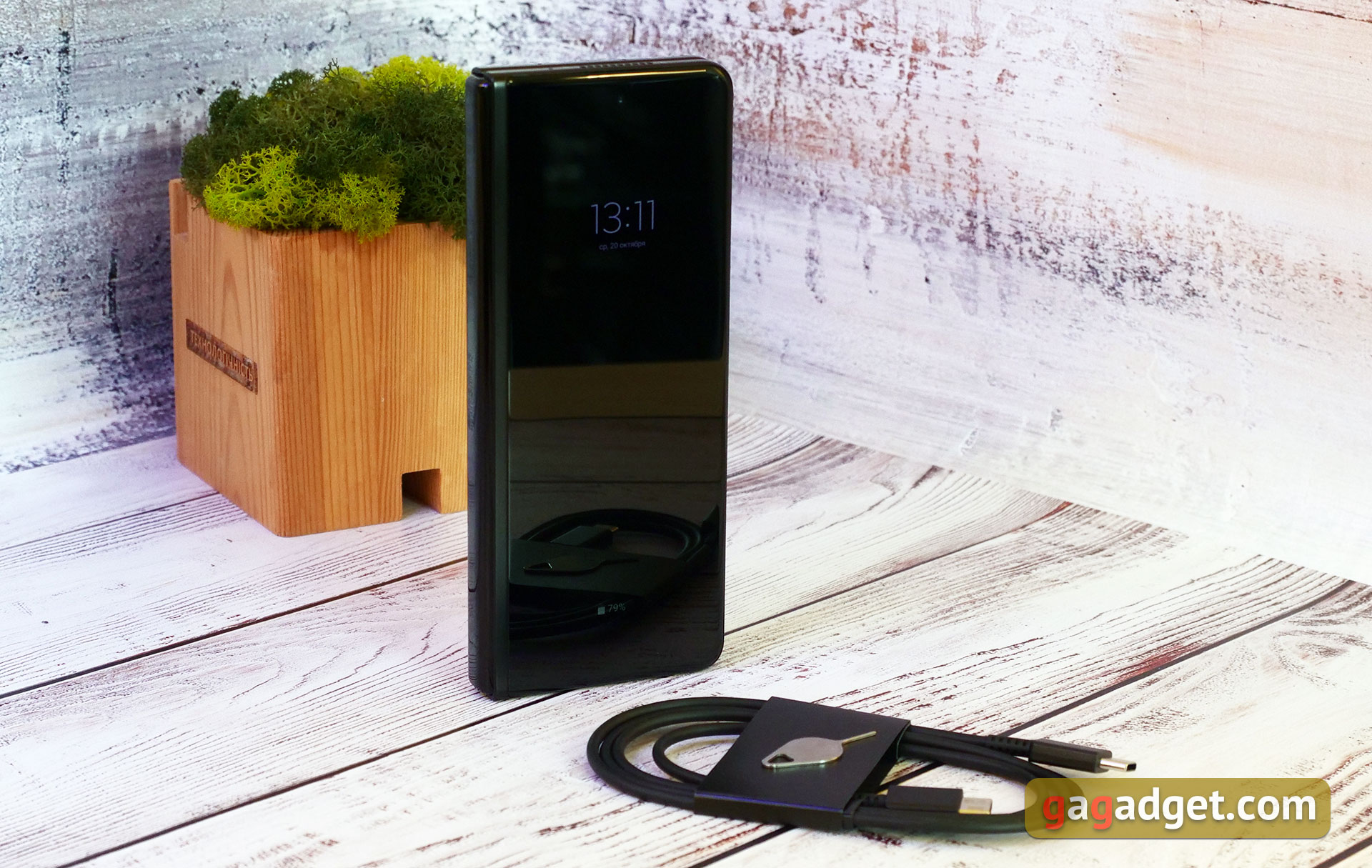
Samsung Galaxy Z Fold3 arrived to us withoutbranded packaging, but with a set. And if you were expecting some bonuses in a box with such an expensive device, then we hasten to upset. In addition to the smartphone, the box will include a USB Type-C cable, tray ejector tool, and documentation.
</ p>How is the Samsung Galaxy Z Fold3 different from the Fold2?
</ img>
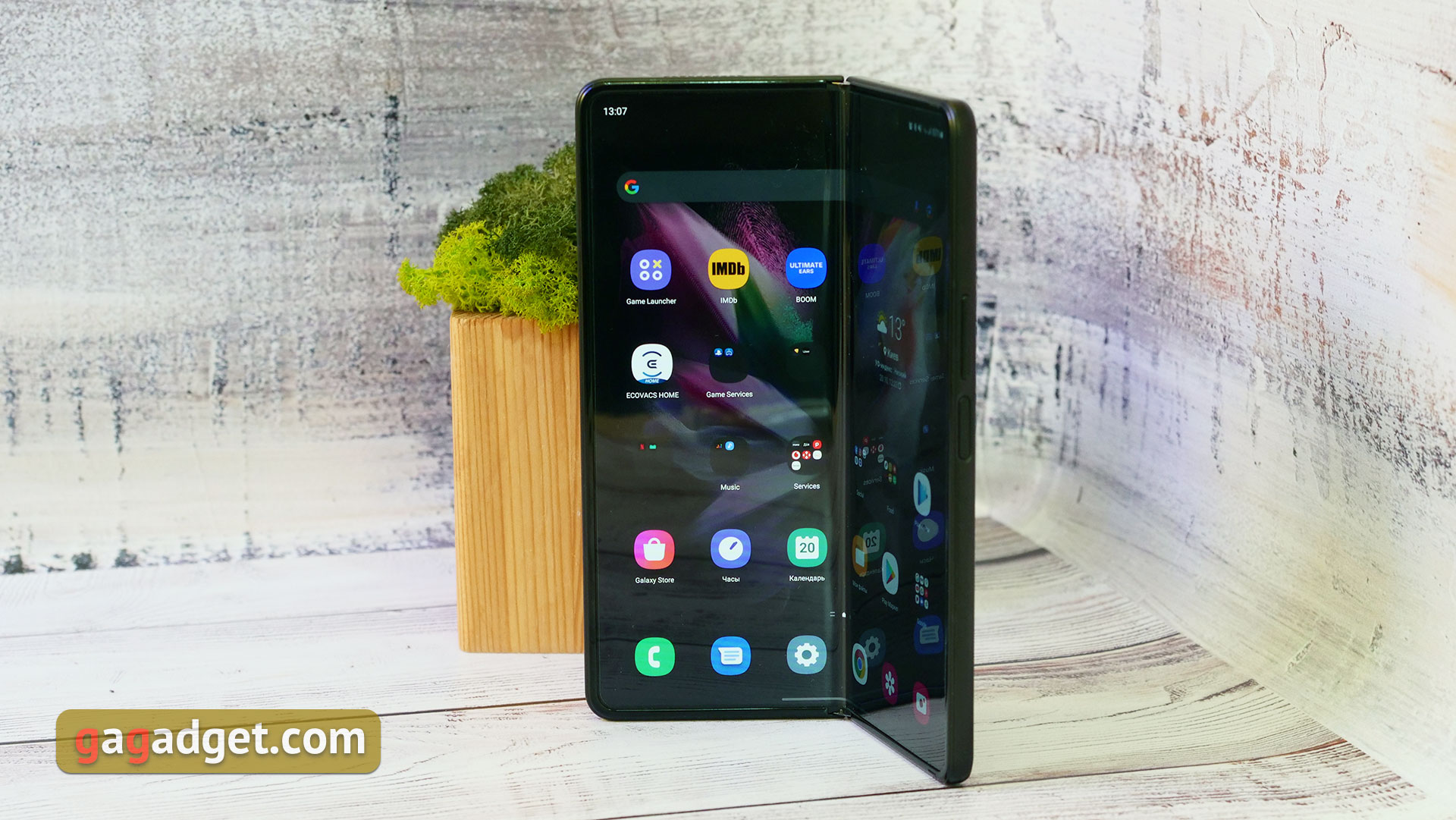
To begin with, let's briefly tell you whatThe new Samsung Galaxy Z Fold3 is different from its predecessor. The folding design remains the same, but the weight and dimensions, as well as the materials used, have slightly decreased. The company has made the new smartphone significantly more durable, which is especially important given the design. Glass panels - Corning Gorilla Victus, matte back. The body is made of so-called Armor Aluminum, which (in theory) is strong and lightweight. But the two most important design differences are that the coating on the flexible internal display is 80% stronger than the previous generation. Of course, according to official data. And now the smartphone has IPX8 moisture protection, for which special respect to Samsung engineers. The screens have not changed much in diagonal and resolution. But the external one now also supports an adaptive frequency of 120 Hz, and the internal one received support for the S Pen and an in-display front camera. Technology does not yet make it possible to make it completely invisible, but it really does not catch the eye. As for the rest, little things: the current flagship Snapdragon 888 processor and a slightly smaller battery: 4400 mAh versus 4500 mAh for the Fold2. A more detailed comparison of characteristics:
Specifications
Samsung Galaxy Z Fold3
Samsung Galaxy Z Fold2
Main display
Foldable Dynamic AMOLED 2X, 7.6 inches, 2208×1768 (22.5:18 aspect ratio), 373 ppi, HDR10+, 120 Hz
Foldable Dynamic AMOLED 2X, 7.6 inches, 2208×1768 (22.5:18 aspect ratio), 373 ppi, HDR10+, 120 Hz
External display
Dynamic AMOLED 2X, 6.2 inches, 24.5:9, 2268x832, 120 Hz
Super AMOLED, 6.23 inches, 25:9, 2260x816
Housing
Opened: 158.2×128.1×6.4 mm; closed: 158.2×67.1×14.4-16 mm, weight: 271 g
Opened: 159.2×128.2×6.9 mm; closed: 159.2x68x13.8-16.8 mm, weight: 282 g
CPU
64-bit octa-core 5nm Qualcomm Snapdragon 888: 1×2.84 GHz Kryo 680 + 3×2.42 GHz Kryo 680 + 4×1.80 GHz Kryo 680, Adreno 660 graphics
64-bit octa-core 7nm+ Qualcomm Snapdragon 865: 1×3.09 GHz Kryo 585 + 3×2.42 GHz Kryo 585 + 4×1.80 GHz Kryo 585, Adreno 650 graphics
RAM
12 GB
12 GB
Flash memory
256/512 GB UFS 3.1
256 GB UFS 3.1
Camera
Main camera: 12 MP, f/1.8, 26 EGF, 1/1.76″, 1.8µm, Dual Pixel PDAF, OIS; ultra-wide angle: 12 MP, f/2.2, 123°; telephoto: 12 MP, f/2.4, 52 mm EGF, 1/3.6″, 1.0µm, PDAF, OIS, 2x optical zoom; front (internal): sub-screen, 4 MP, f/.1.8, 2.0µm; front (external): 10 MP f/2.2 with autofocus
Main camera: 12 MP, f/1.8, 26 EGF, 1/1.76″, 1.8µm, Dual Pixel PDAF, OIS; ultra-wide angle: 12 MP, f/2.2, 123°; telephoto: 12 MP, f/2.4, 52 mm EGF, 1/3.6″, 1.0µm, PDAF, OIS, 2x optical zoom; front (internal): 10 MP f/2.2 with autofocus; front (external): 10 MP f/2.2 with autofocus
Wireless technology
Wi-Fi 802.11 b/g/n/ac/ax/6e (dual band, 2.4 and 5 GHz), Bluetooth 5.2 LE, NFC, ANT+, UWB
Wi-Fi 802.11 b/g/n/ac/ax (dual band, 2.4 and 5 GHz), Bluetooth 5.0 LE, NFC, ANT+, UWB
GPS
GPS, A-GPS, GLONASS, BDS, GALILEO
GPS, A-GPS, GLONASS, BDS, GALILEO
Battery
4400 mAh, non-removable, 25W fast charging, 11W wireless charging, reverse wireless charging
4500 mAh, non-removable, 25W fast charging, 11W wireless charging, reverse wireless charging
operating system
Android 11 + One UI 3.1
Android 10 + One UI 2.5
Sim card
2xNanoSIM
2xNanoSIM
Additionally
IPX8 water resistance, fingerprint scanner in the power button, S Pen support
Fingerprint scanner in the power button
What does the Samsung Galaxy Z Fold3 look like?
</ img>
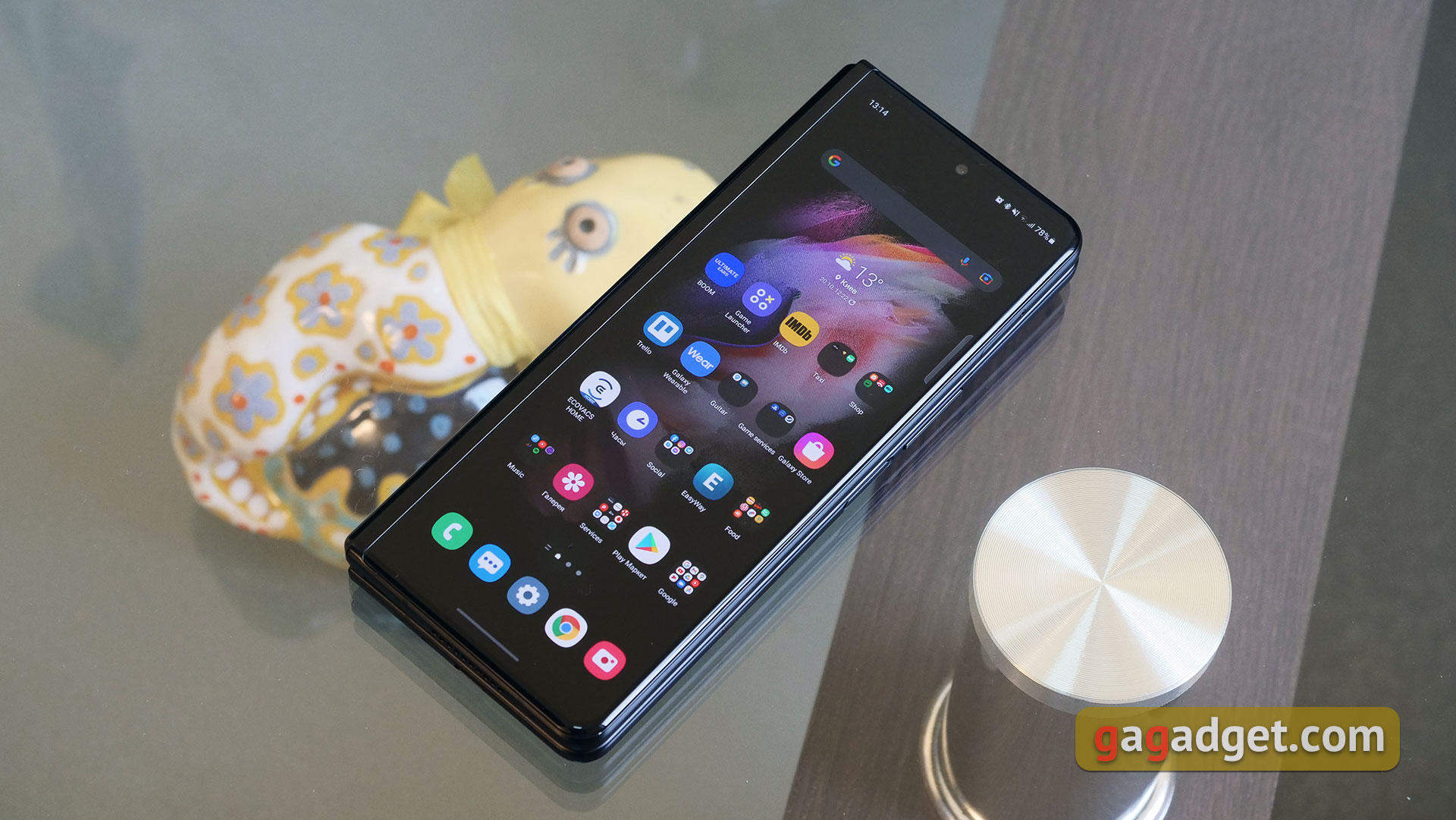
Visually, the Samsung Galaxy Z Fold3 is similar topredecessor, with changes that make the smartphone similar to the company’s current flagships. Stricter lines and frosted glass on the back. When closed, the result is a rather compact, thick, grippy “sandwich” in its linear dimensions (especially in width). In this form, the smartphone is very convenient to use with one hand on the go.
</ img>
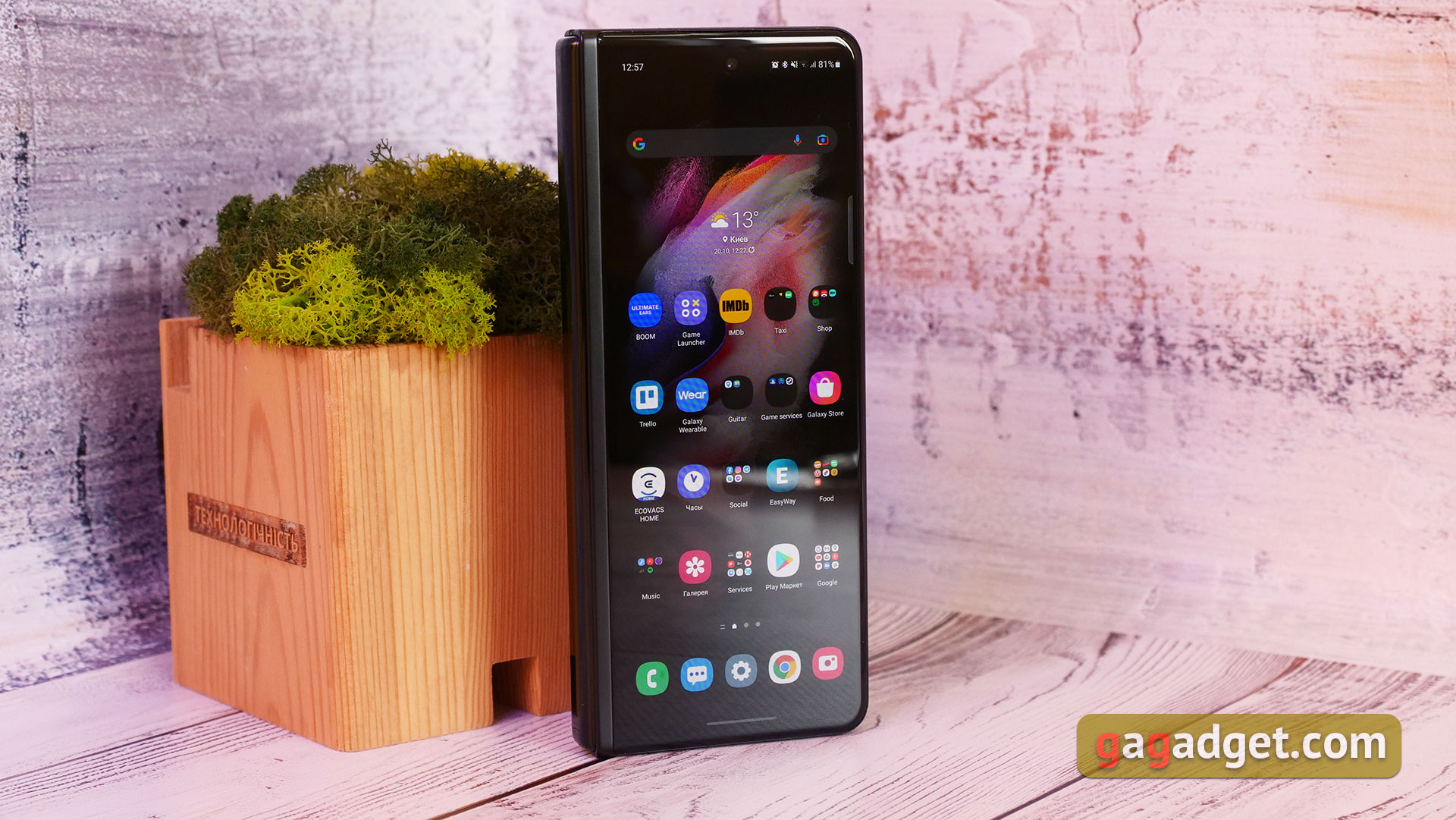
The external display has thin frames of threesides and a slightly wider gap on the hinge side. The front camera is in a small hole in the middle of the top of the screen. Above the screen is a barely noticeable speaker slot. The protective glass has small curvatures at the edges. With an inactive screen, or with a black wallpaper around the perimeter, the visual impression is created that the screen smoothly goes into the body of the smartphone. This case looks very aesthetically pleasing.
</ img>
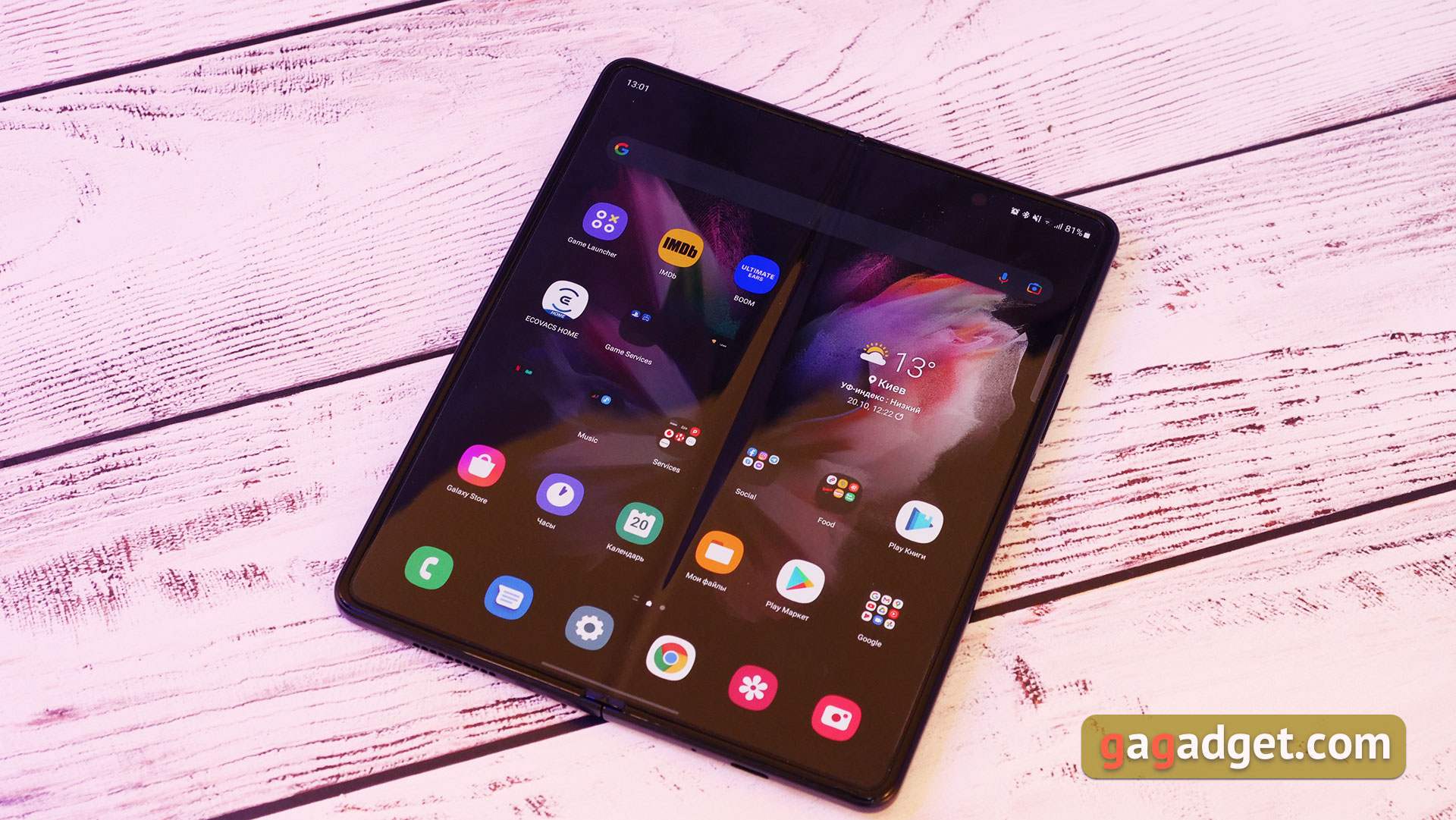
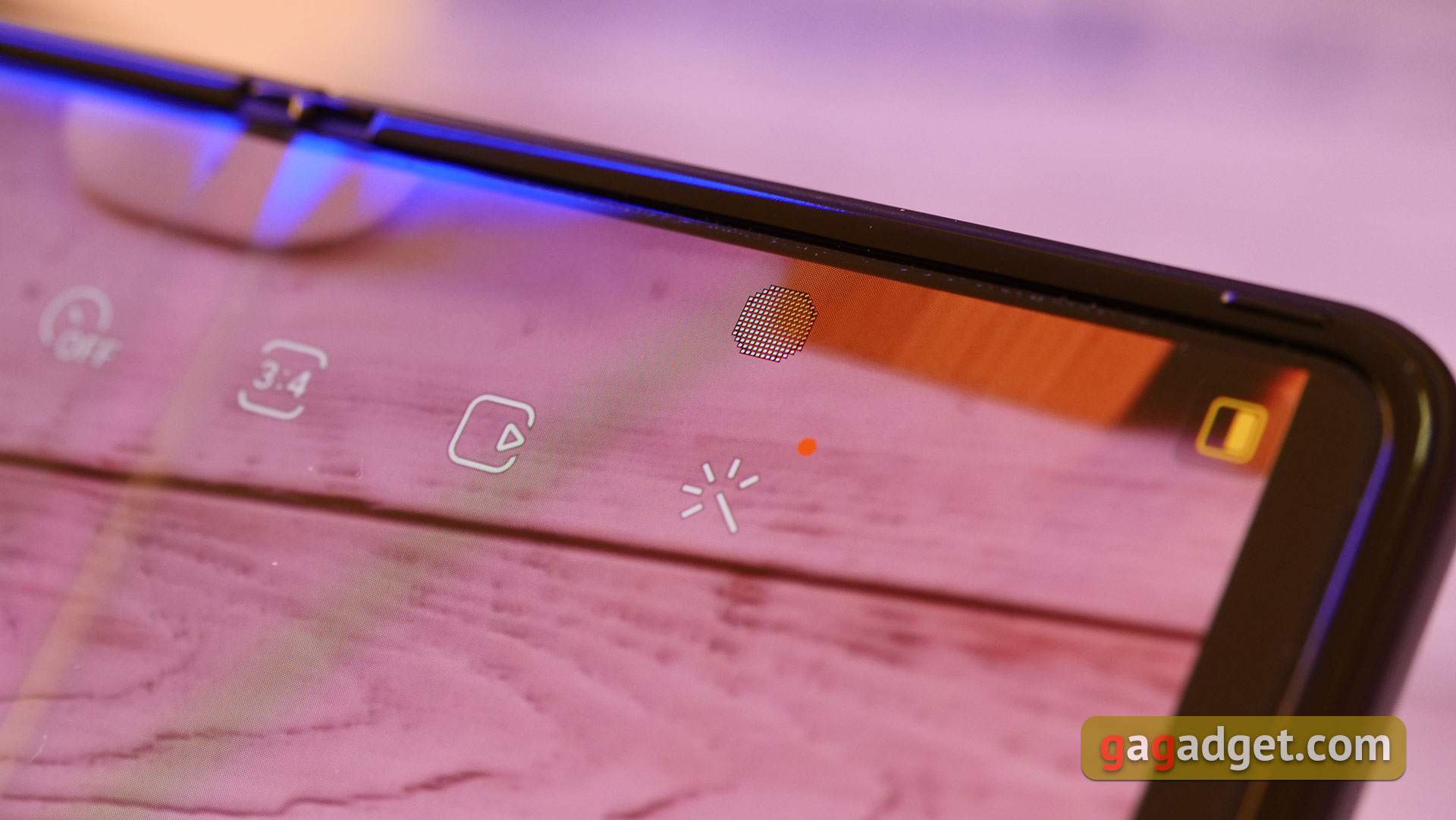
When opened, it turns out to be a kind of 7.A 6-inch tablet with an unusual aspect ratio of 22.5:18, which is visually perceived as almost square. There is a edge around the perimeter, but it is quite thin and does not bother you, just like the hinge design elements. At the same time, it protects the screen from damage. Still, it can also be scratched, even despite the more durable coating. The sub-screen front camera is located in the middle of the upper part of the right “half” screen. It is slightly noticeable in most cases. But it doesn't catch the eye.
</ img>
</ img>
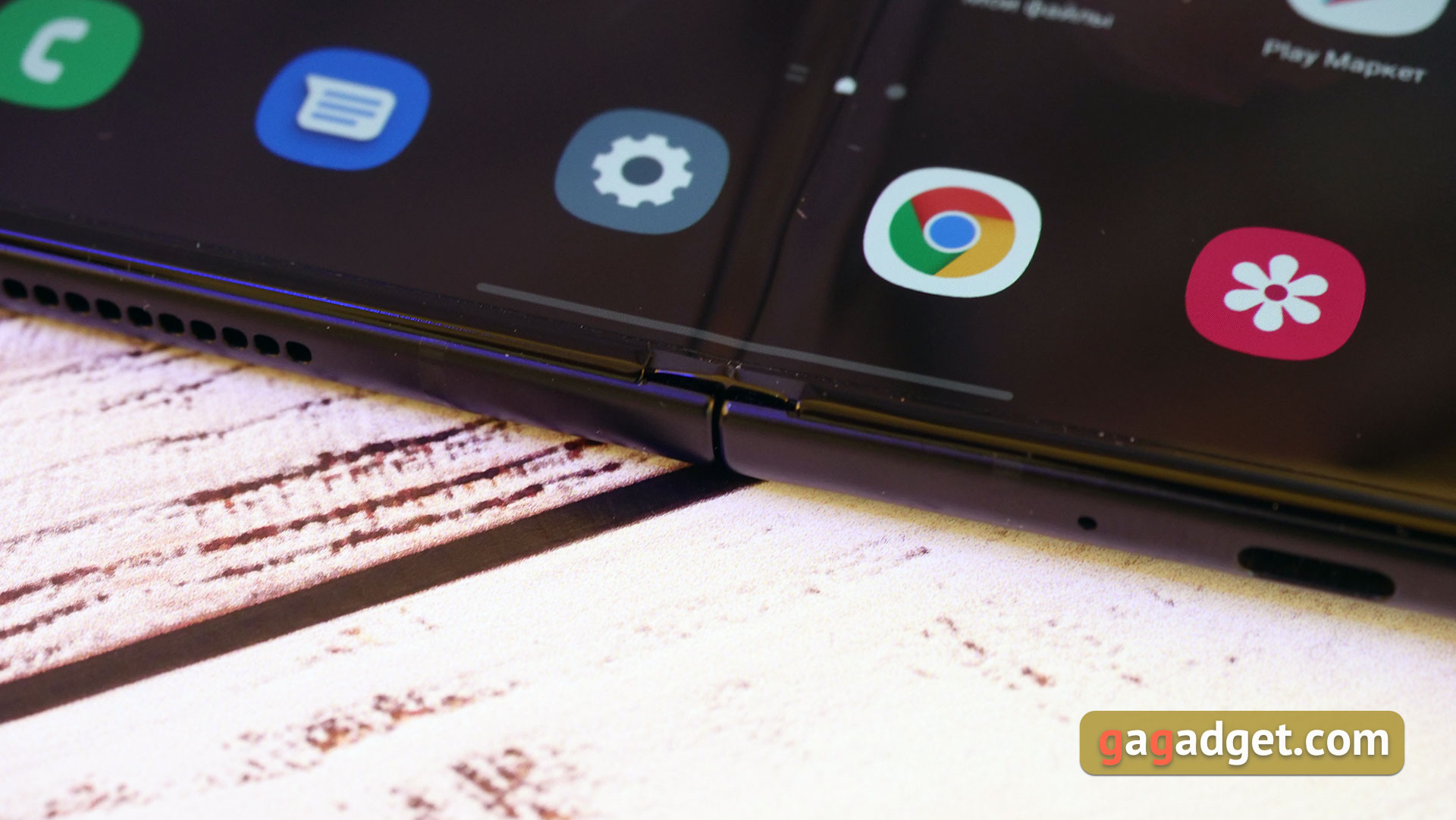
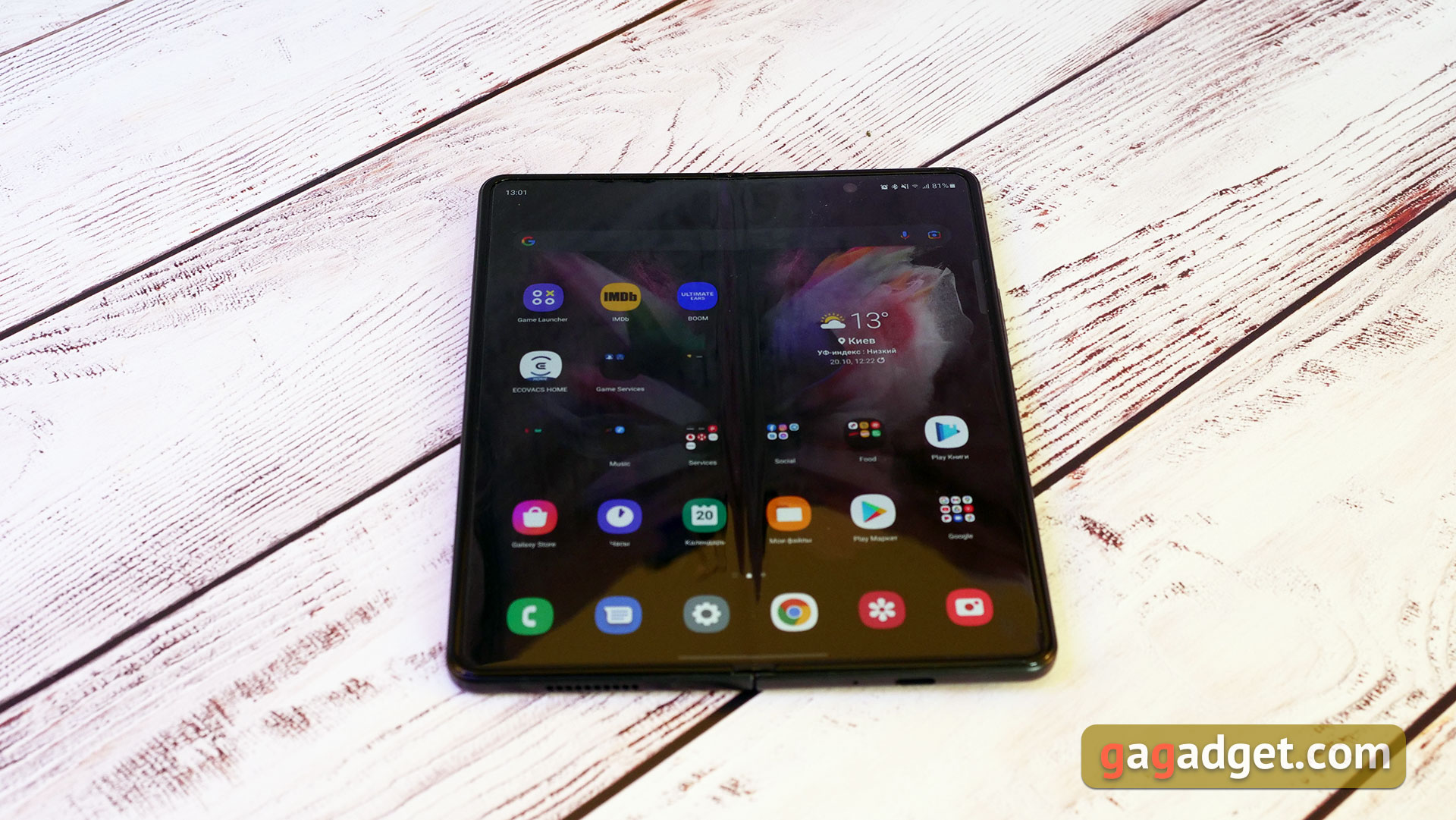
The fold is still present. It feels tactile and is visible from some angles. Although after a week of use, you already get used to this feature.
</ img>
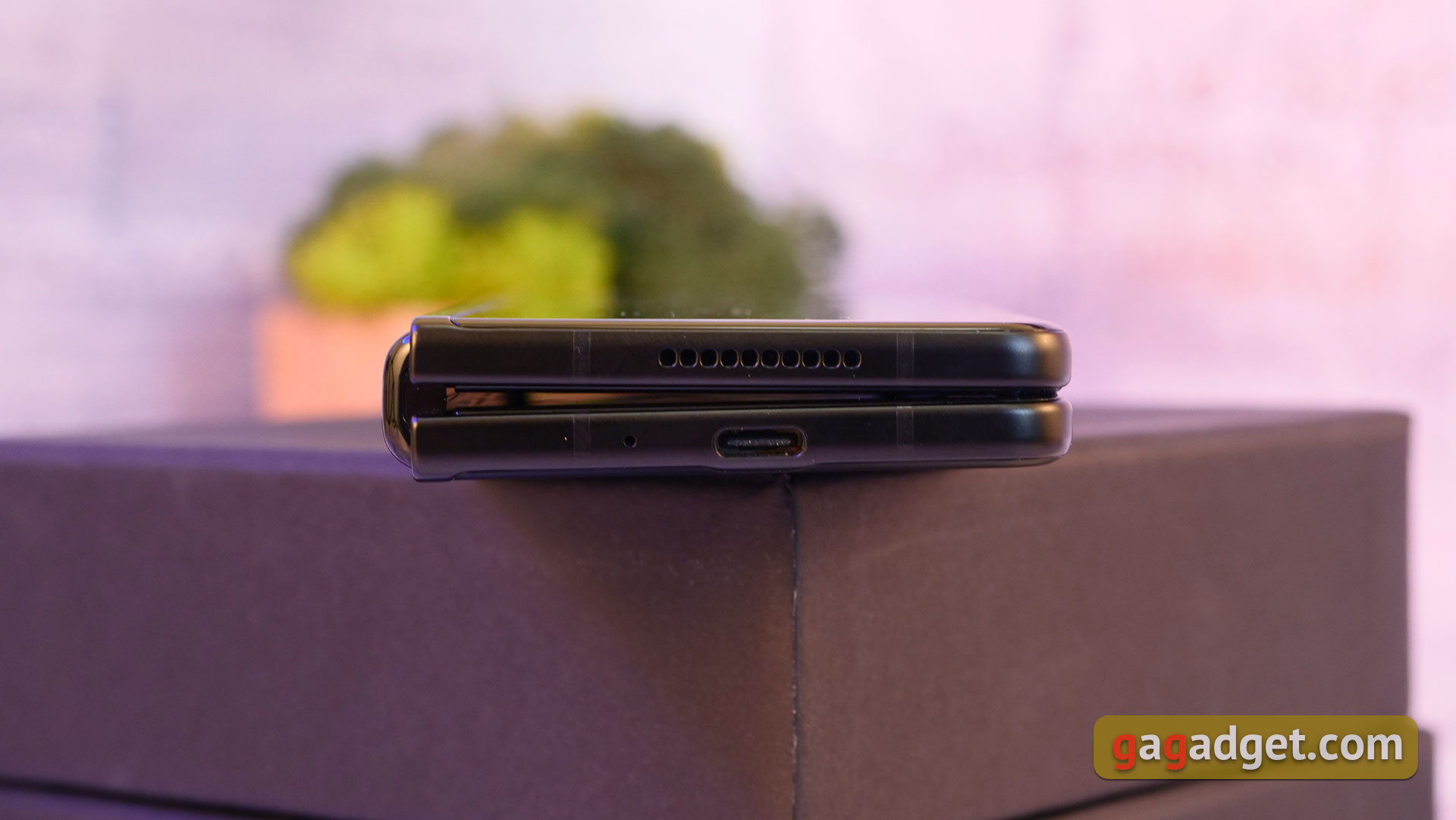
The minimum gap between the halves in the closedcondition is still there. The frame is metal, painted with matte paint. In any case, in our black version. On the bottom edge there is a Type-C port for charging, one of the external speakers and one of the microphones.
</ img>
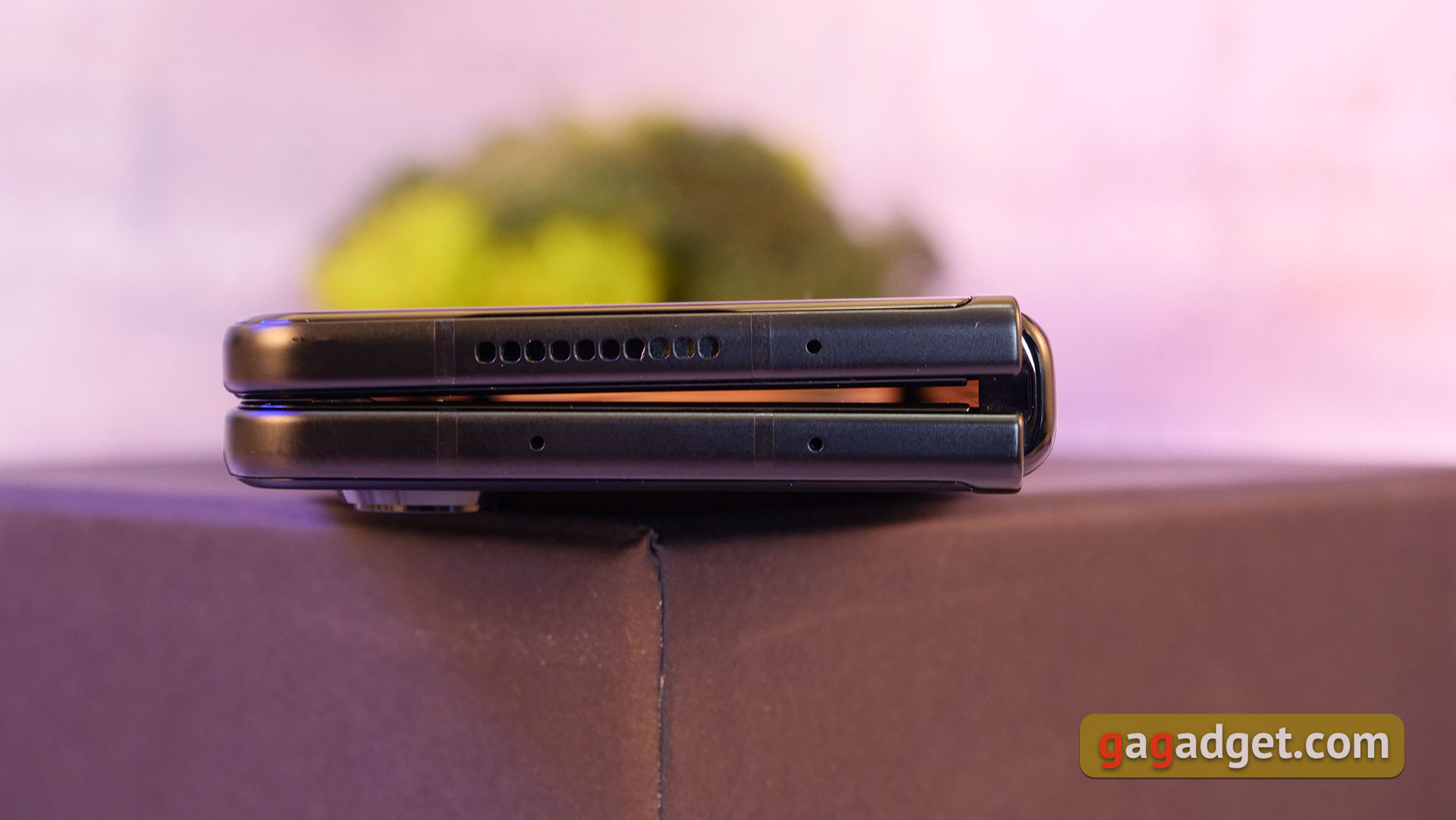
On the opposite side there is a second external speaker and three more microphones. They will come in handy for good sound quality during video recording, and for voice transmission during hands-free calls.
</ img>
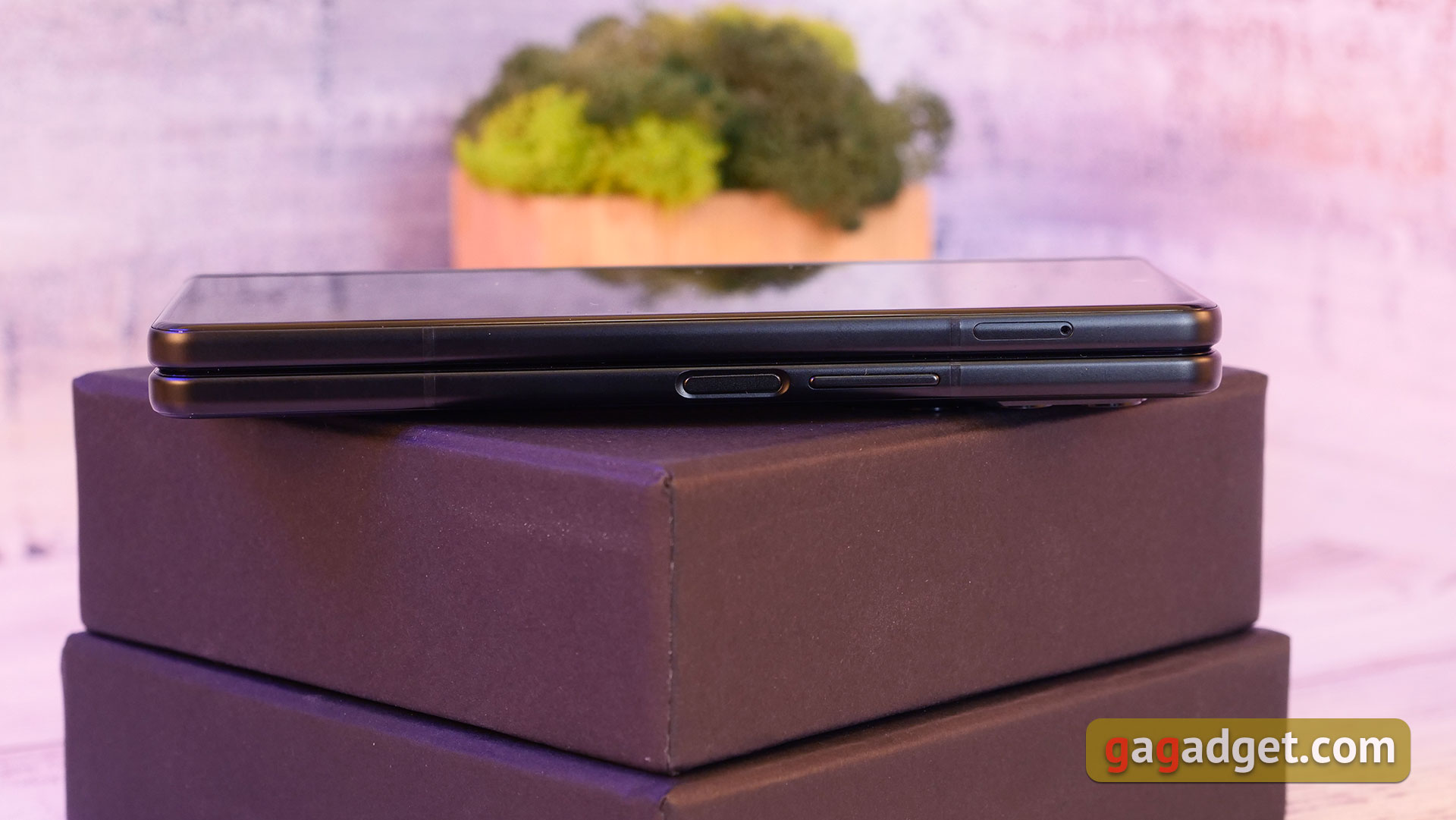
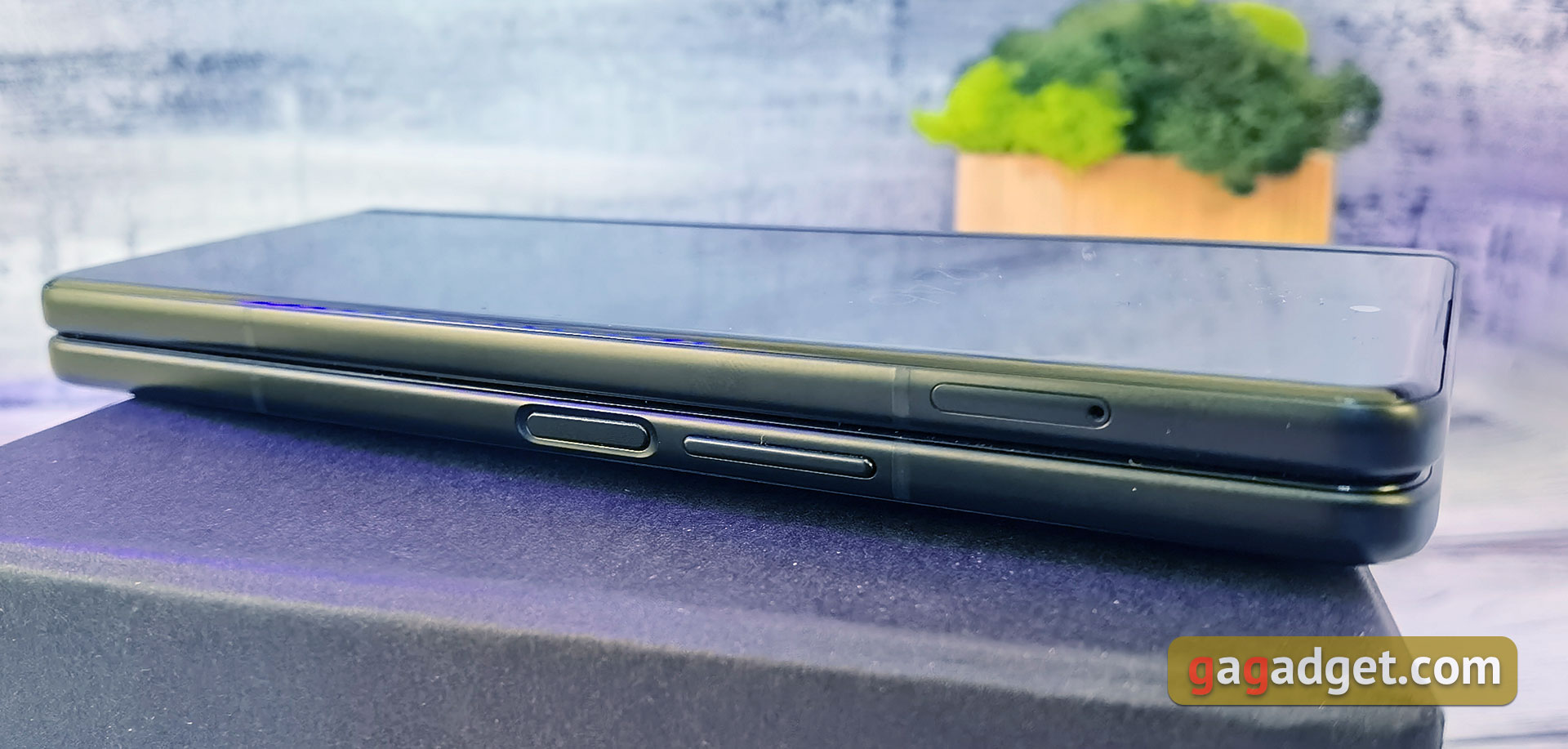
The volume buttons are on yourfamiliar place. Below them is the power button with a built-in fingerprint scanner. The solution is more logical than installing scanners under each of the screens.
</ img>
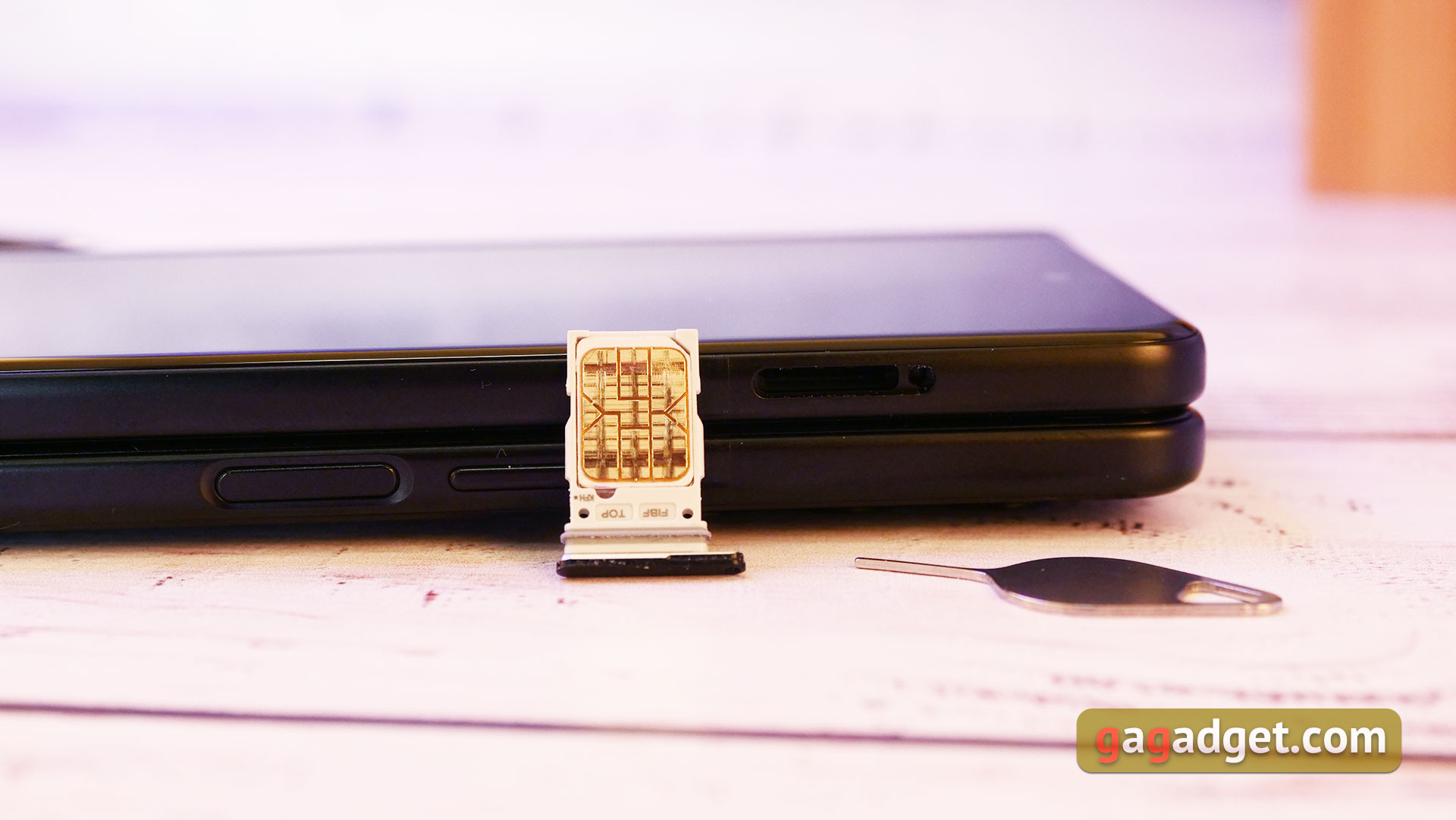
The tray supports the installation of two SIM-cards, there is no place for a memory card. By the way, the smartphone we reviewed does not support eSIM. But in some regions the smartphone supports it.
</ img>
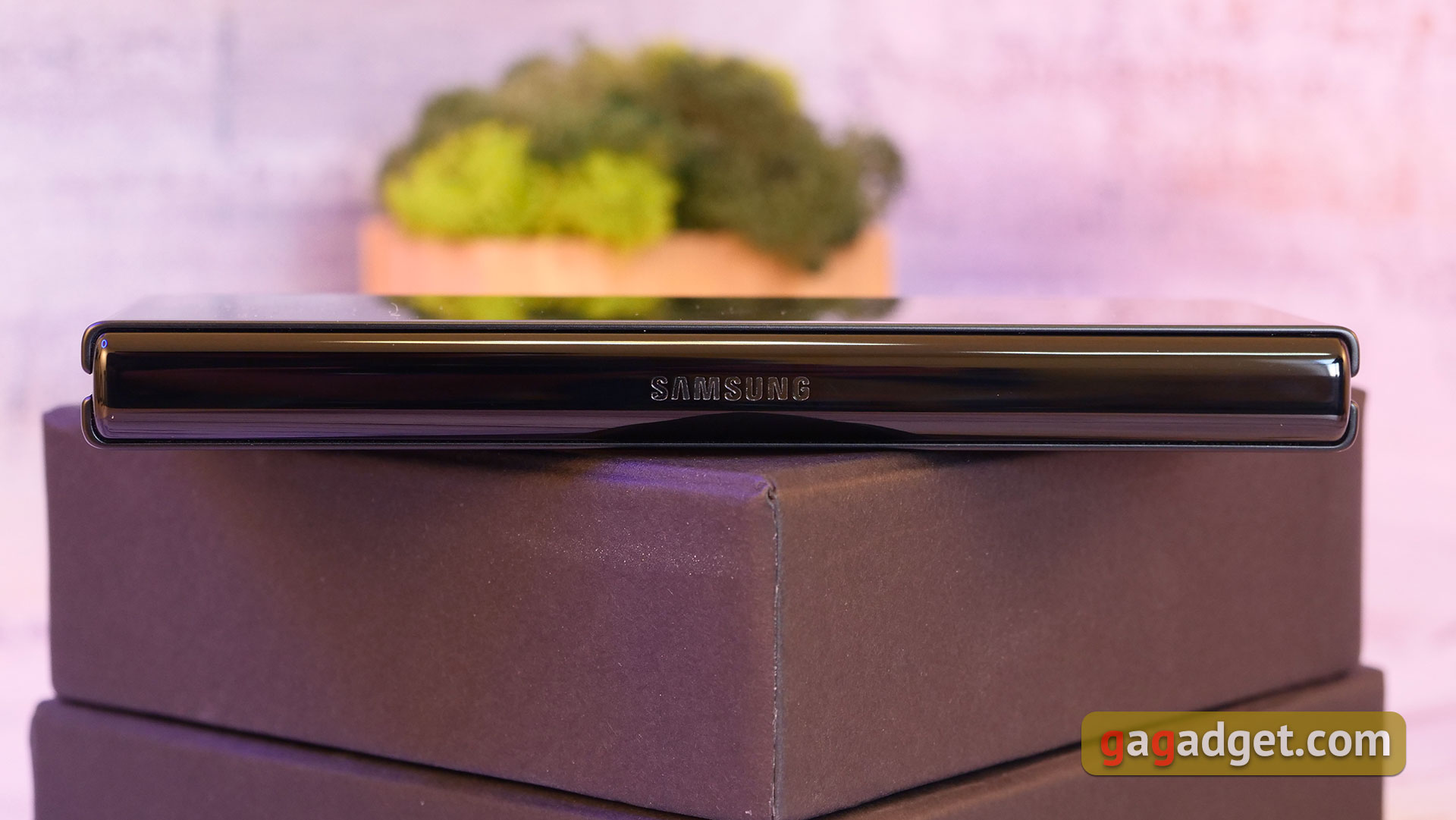
The only glossy element of the smartphone is the cover that covers the hinge with the Samsung logo.
</ img>
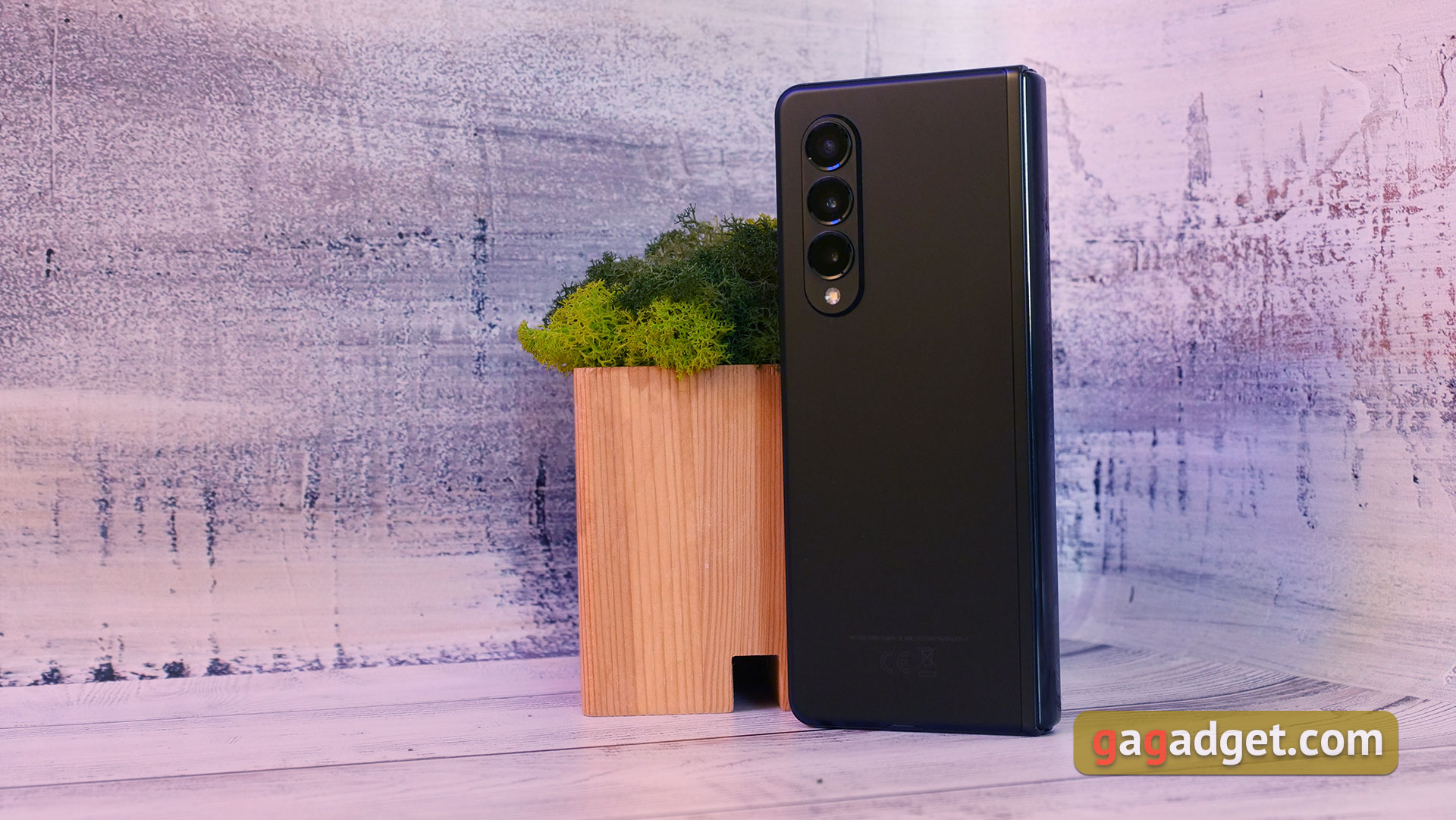
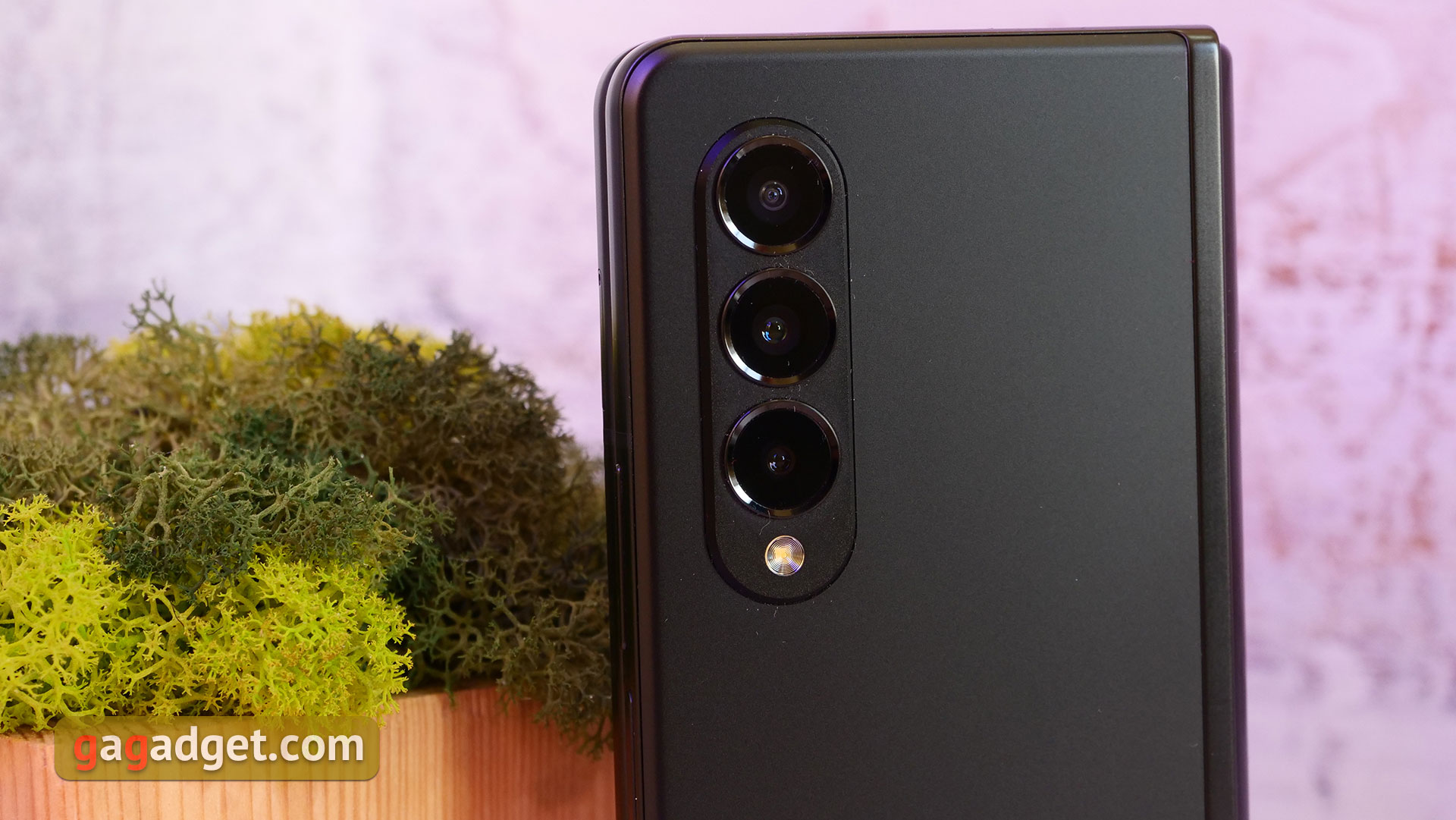
As mentioned above, the backdrop is made of frosted glass. The main triple camera is in the upper left corner, the block protrudes slightly above the body. But overall, it looks neat.
</ img>
Despite the fact that cardinal changes inappearance and design did not happen, after all, subjectively, the Samsung Galaxy Z Fold3 looks more stylish and interesting when compared with the Galaxy Fold2. And, moreover, the first Fold. But the biggest improvement is, of course, the IPX8 water resistance, which is technically really difficult to implement in a foldable smartphone.
</ p>How convenient is it to use and what are the usage scenarios?
</ img>
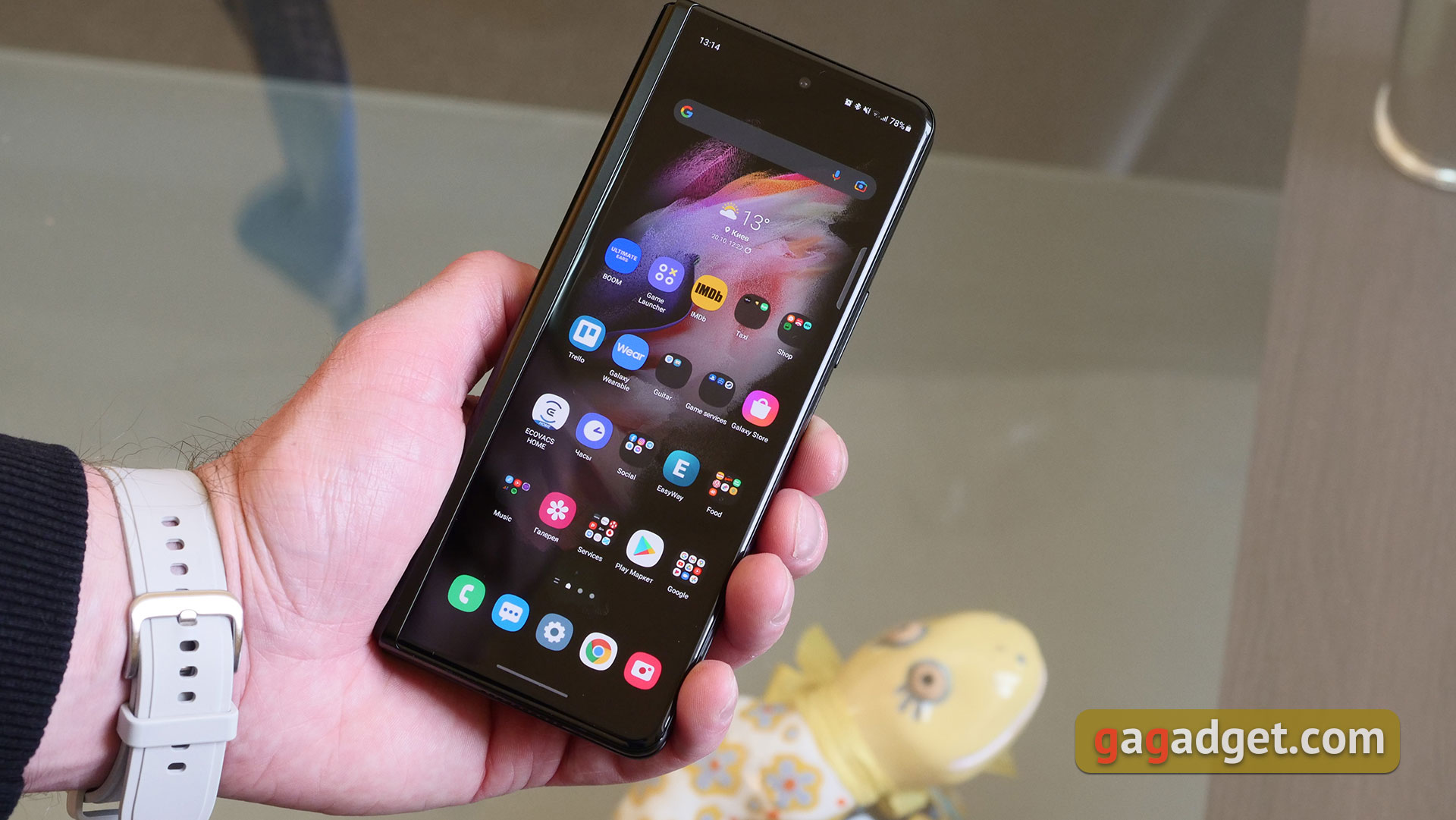
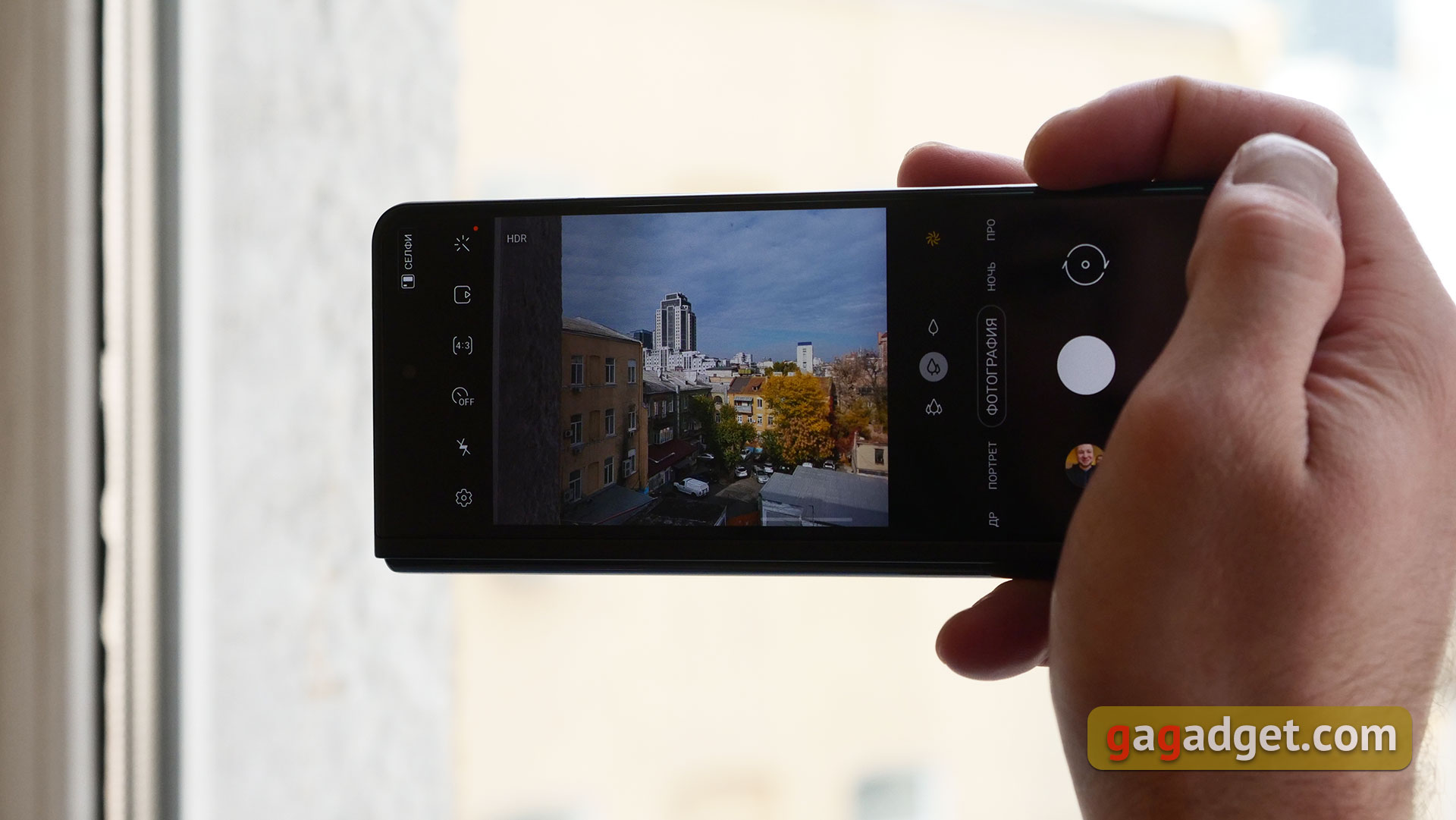
Samsung Galaxy Z Fold3 in the closed version is veryConvenient to use on the go thanks to the slim body and external display. You can easily answer messages and calls with one hand on the go, and an external screen is quite enough for news feeds or social networks. Moreover, calls are supposed to be closed only: there is no earpiece inside. This is quite logical: holding a rather wide smartphone tablet next to your ear is inconvenient. In the open state, you can use only the speakerphone, or connect a headset. Also, when closed, it is more convenient to use cameras, both main and front-facing. Moreover, it is much better than the internal one in quality.
</ img>
The internal screen thanks to its largeThe size is perfect for web surfing, working with mail, documents, and multi-window mode. At the same time, thanks to the optimization of some applications, content can simply be transferred between windows with a simple Drag-and-drop. But when opened, the smartphone turns out to be large and using one hand is already difficult and unsafe. Especially on the go. On the other hand, it is difficult to come up with a scenario in which this would be necessary.

</ img>
</ img>

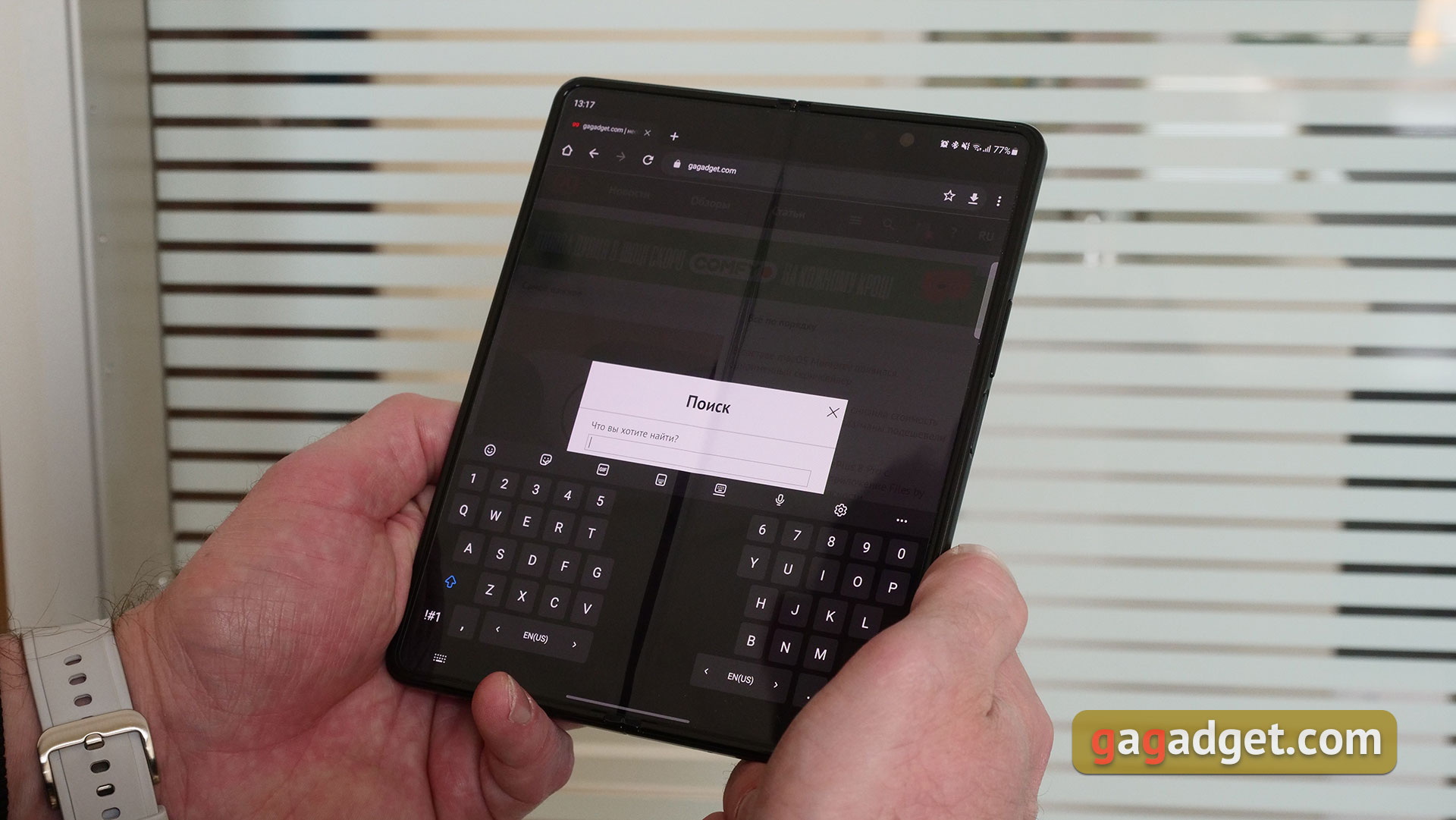
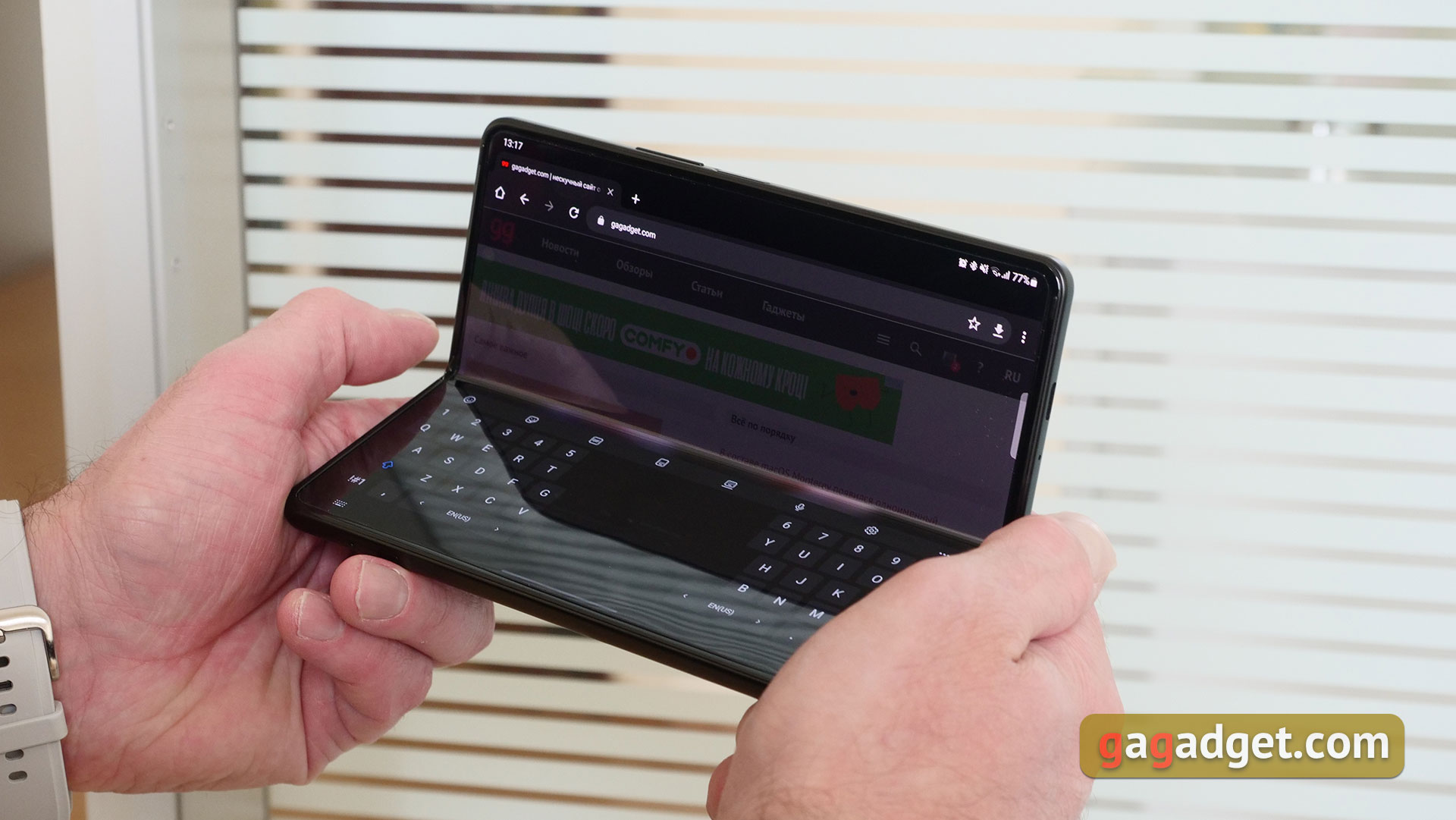
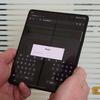
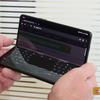
Samsung keyboard is optimized and divided intoin this mode, into two halves, just under the thumbs with a two-handed grip. It is really handy and allows you to type quickly. But it's worth remembering that this trick does not work with third-party keyboards.
</ img>
</ img>
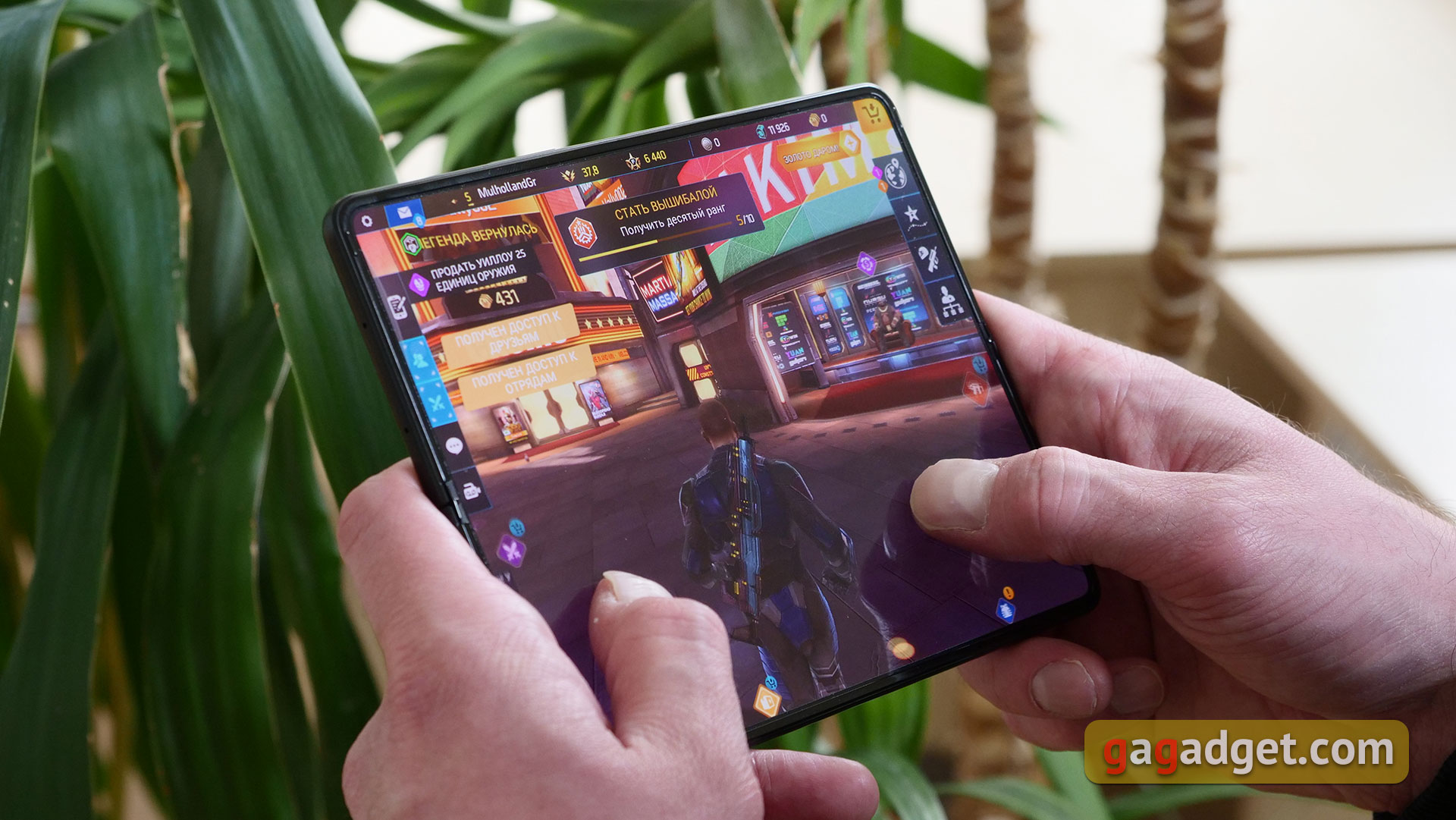
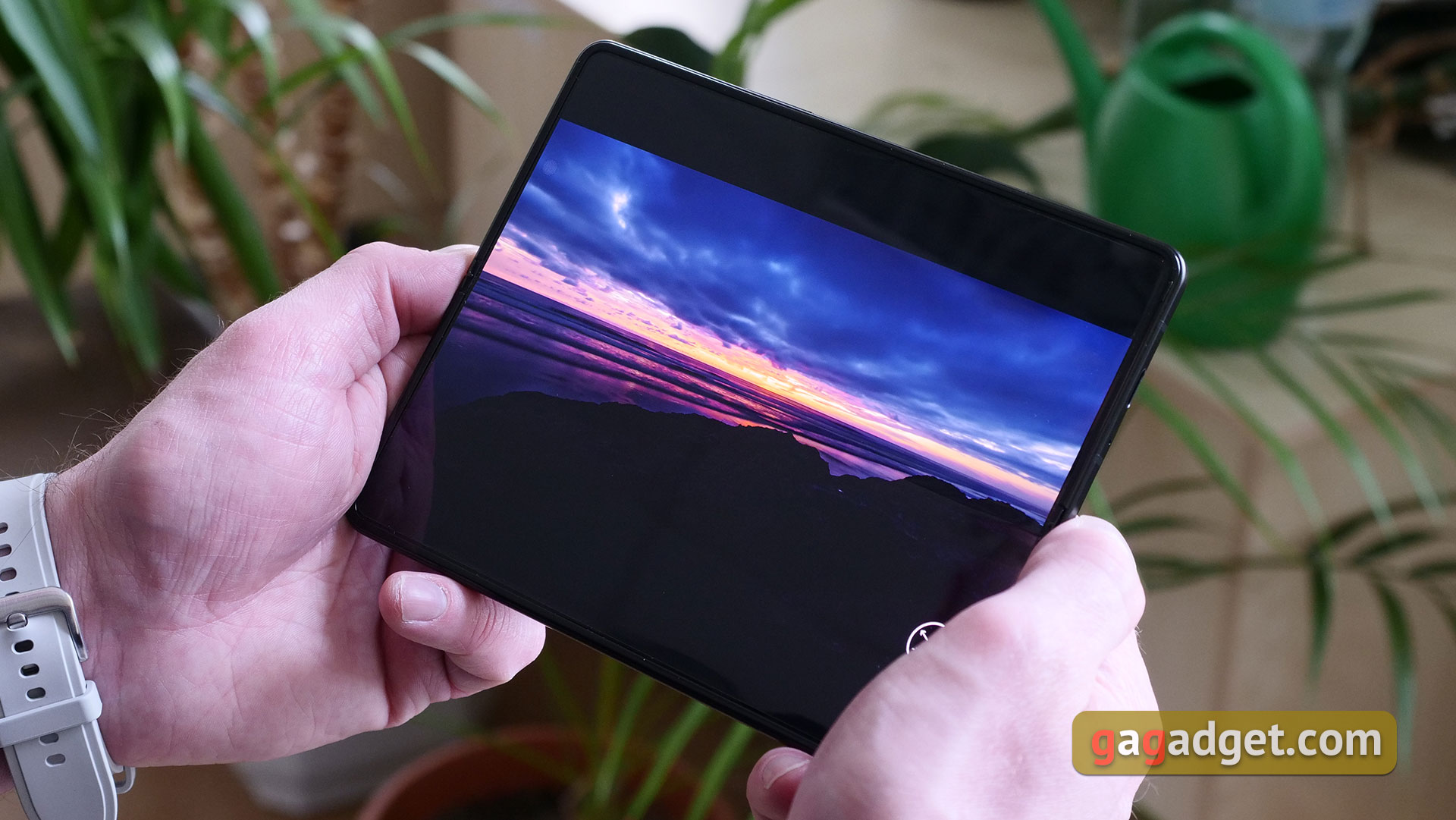
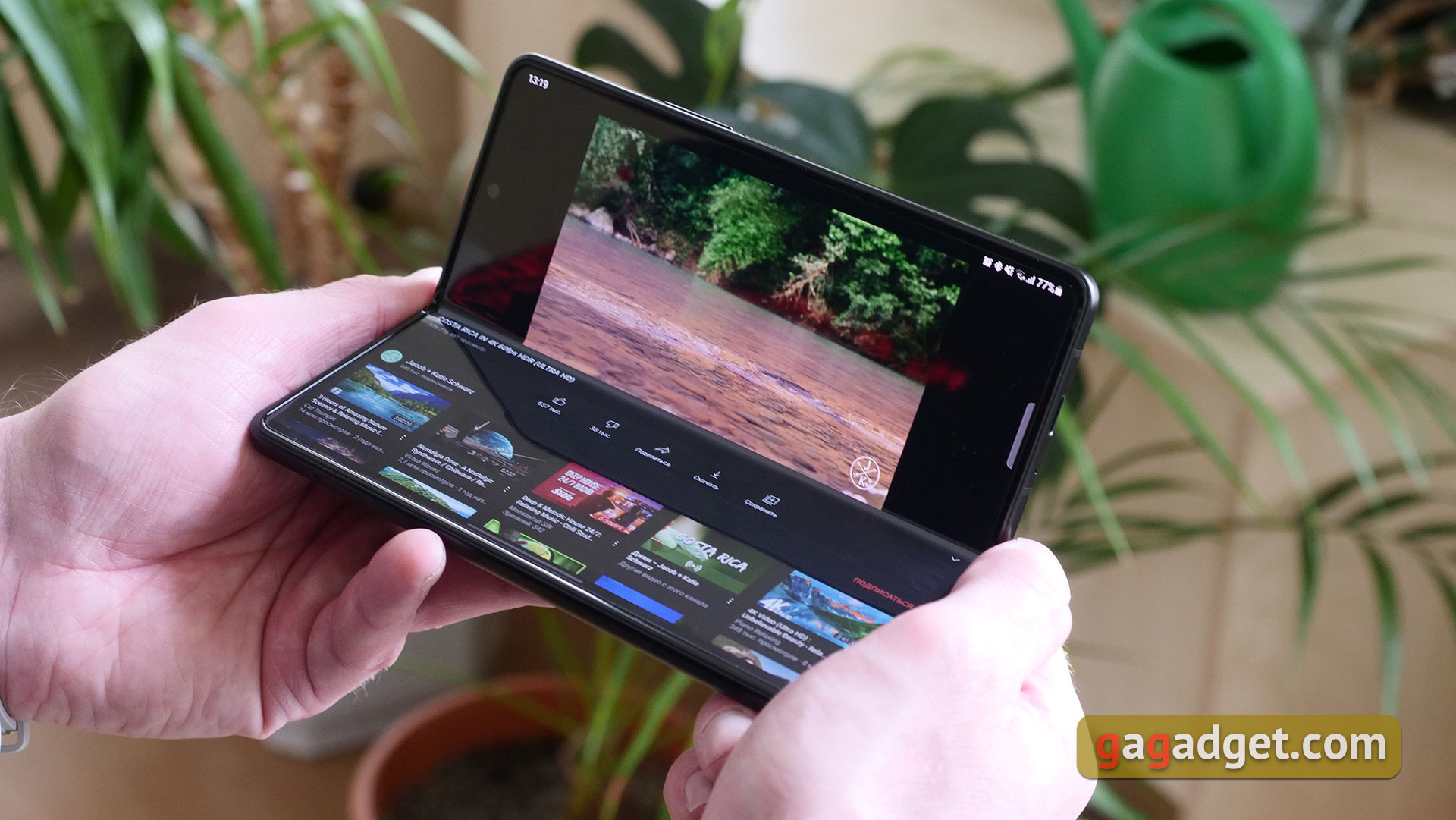
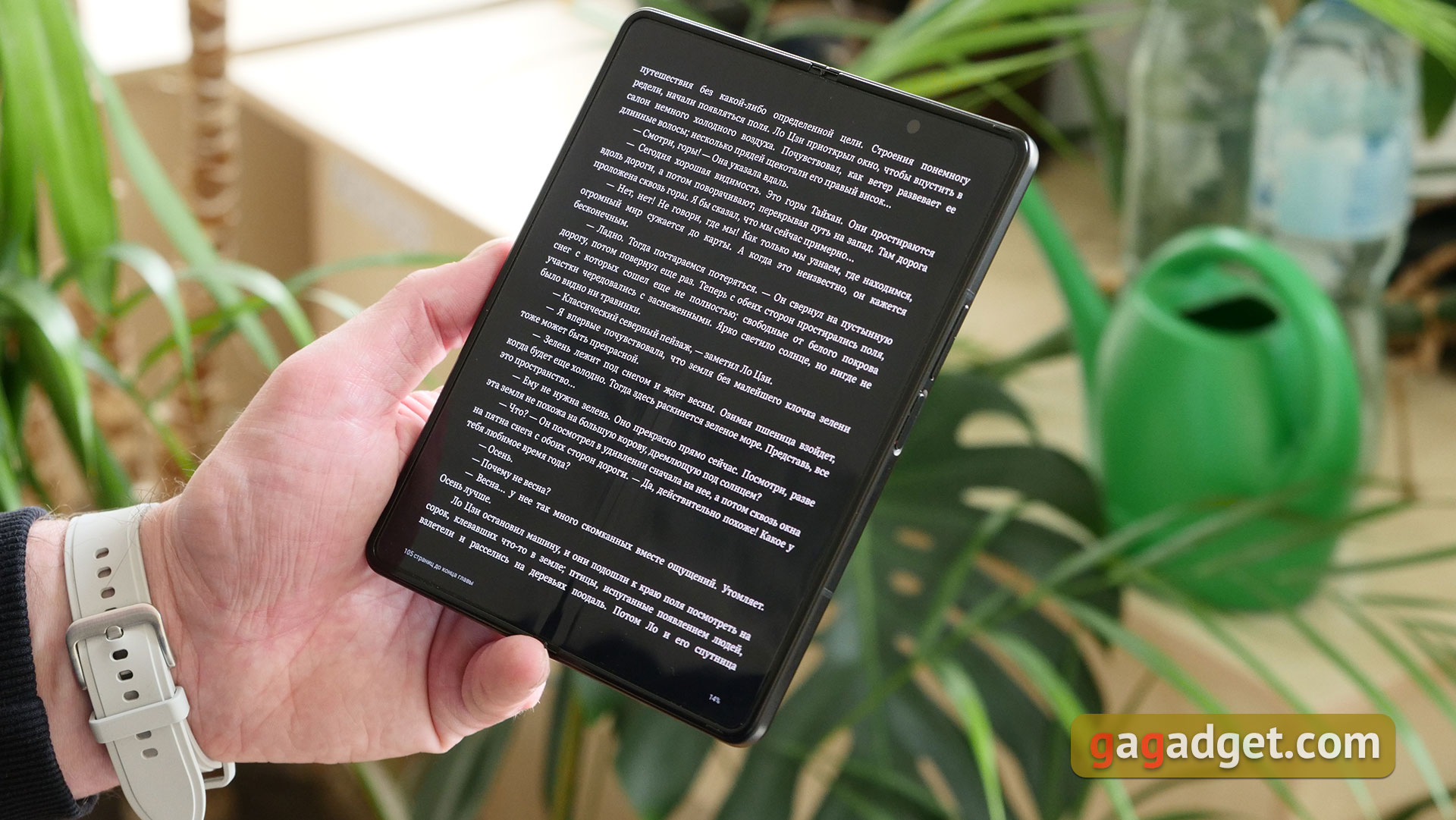
Now a few words about entertainment scenarios.using Samsung Galaxy Z Fold3. Playing on the internal screen is also quite comfortable. First of all, this applies to games that are adequately stretched to full screen despite a very non-standard aspect ratio. With films, the situation is obviously a little worse: the profit from the large diagonal disappears due to the standard formats of TV shows and movies 16: 9 and 21: 9. Black stripes remain. On the other hand, in a semi-folded form, video is played in the upper half of the screen, and controls and related videos are located in the lower half. Which is also quite convenient. Reading books on a large screen is very pleasant: much more information fits on the screen with a comfortable font size.
</ img>
</ img>
</ img>
</ img>
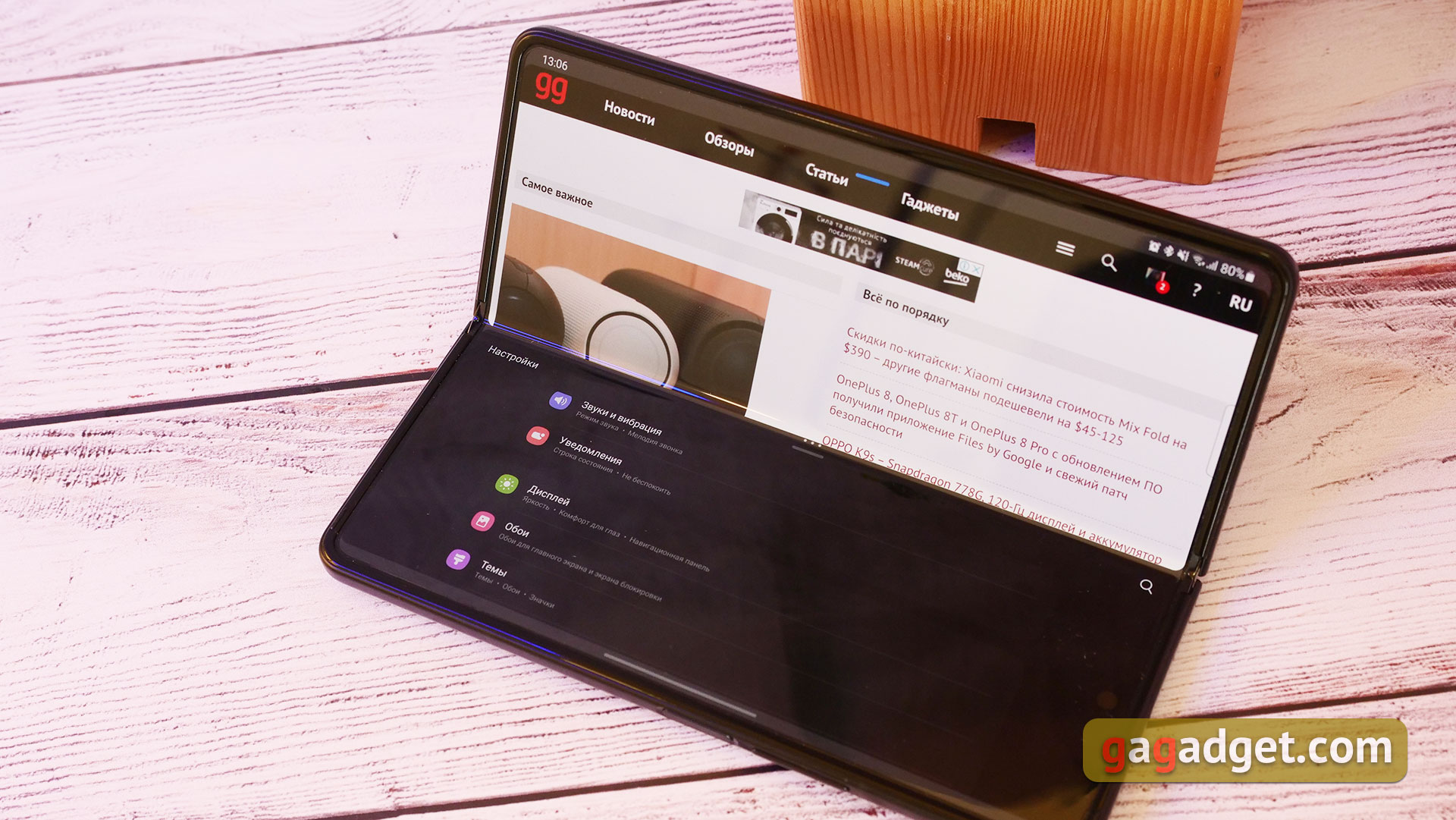
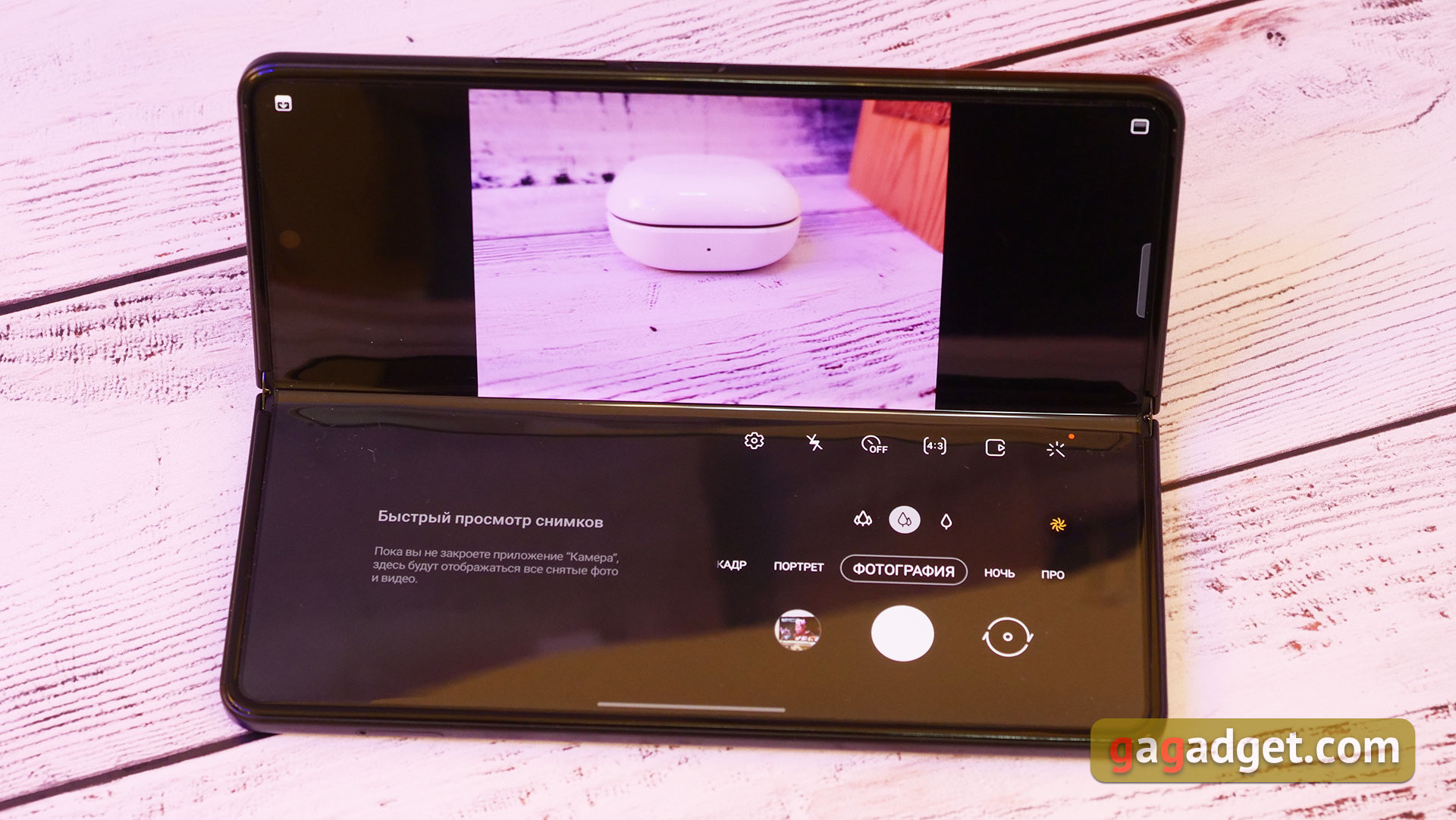
Another quite working use casesmartphone in a half-open form - camera. When using the main camera, we get something like a stand. And when making video calls to the front camera, you don’t need to hold the smartphone in your hands.
</ img>
How good are the screens?
</ img>
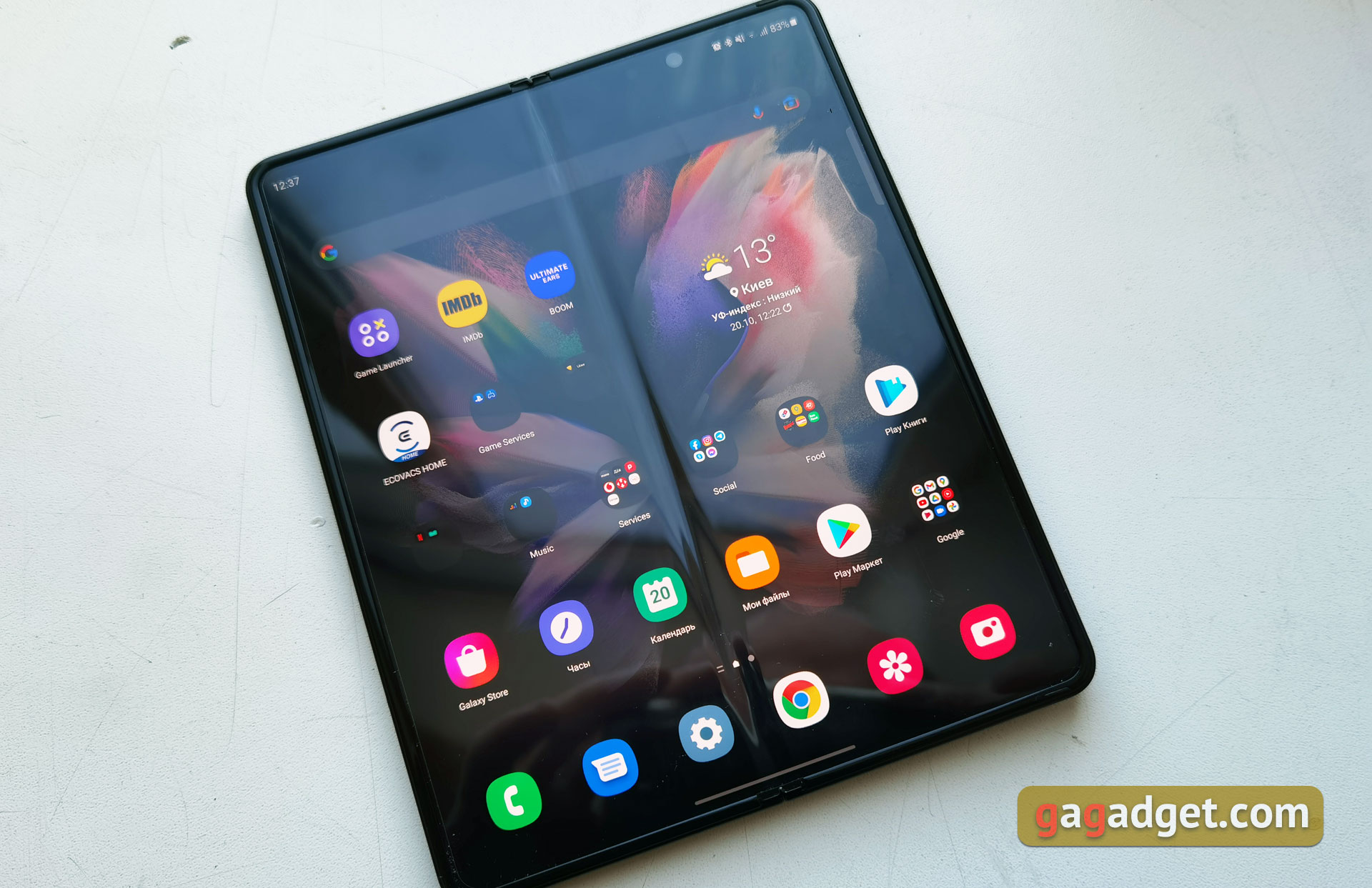
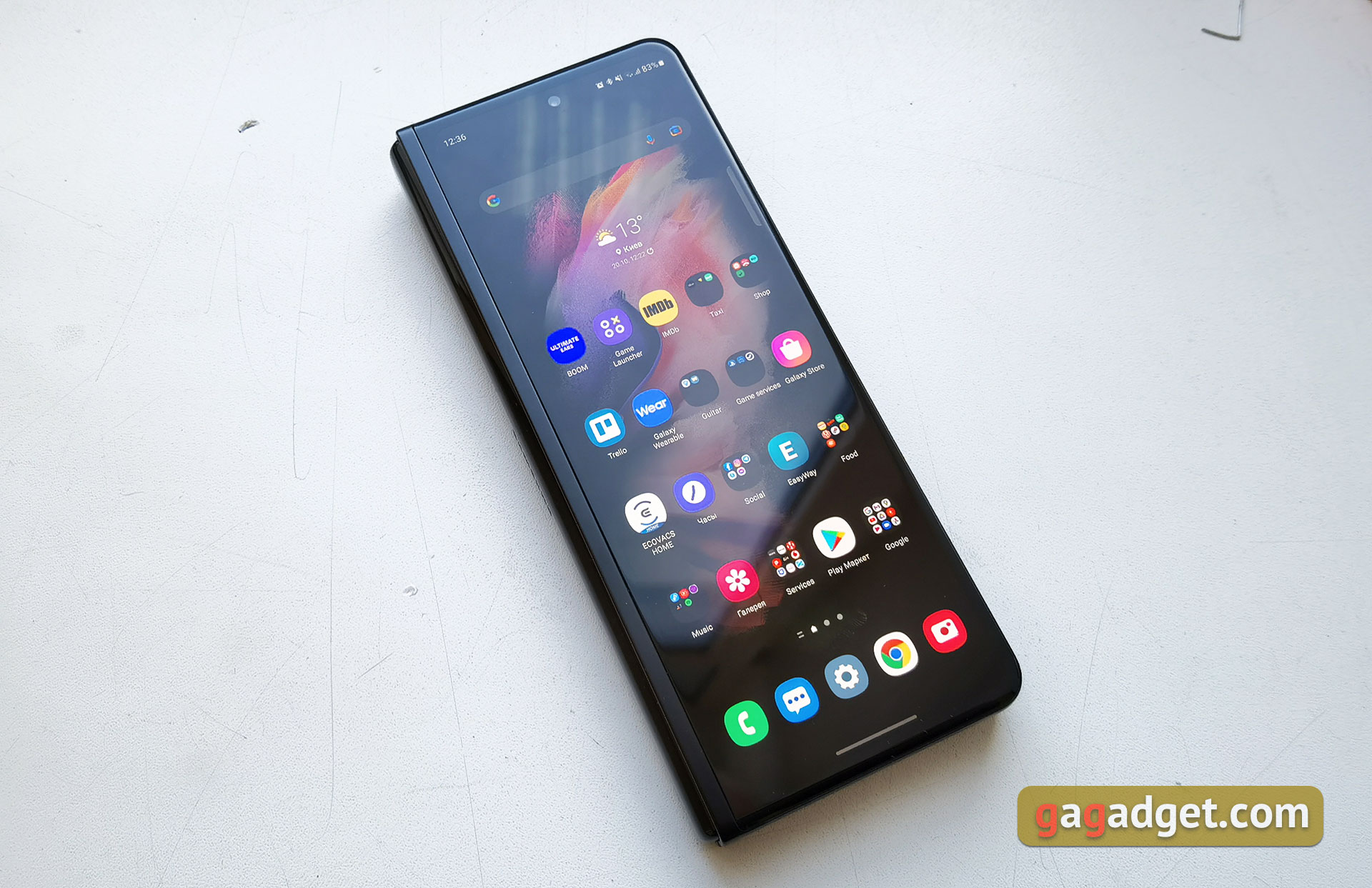
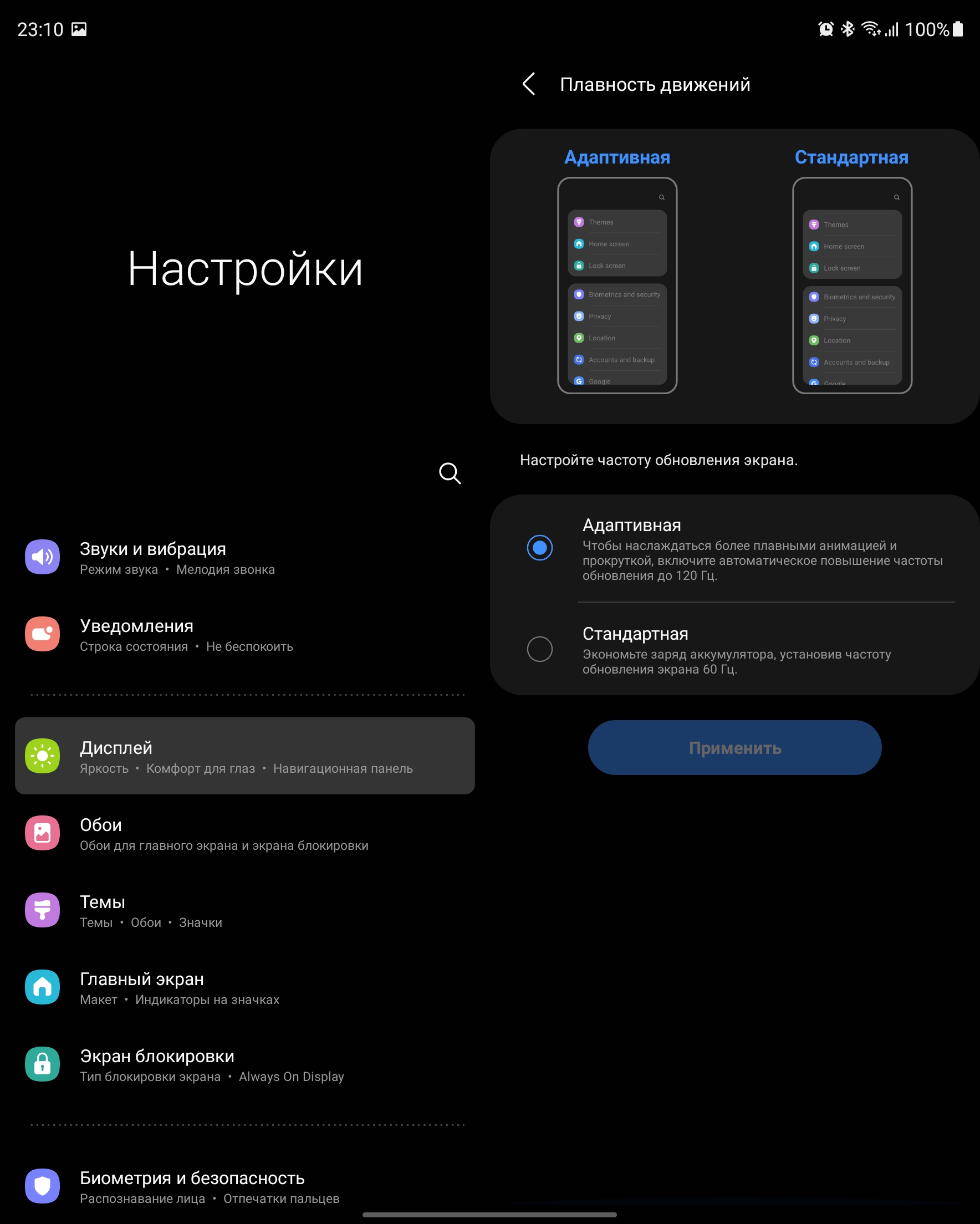
Samsung Galaxy Z Fold3 is equipped with two screens.Internal - Foldable Dynamic AMOLED 2X, 7.6-inch diagonal, resolution - 2208×1768 (aspect ratio 22.5:18), pixel density - 373 ppi. They promise a peak brightness of 1200 cd/m2, there is support for HDR10+, and a maximum refresh rate of 120 Hz. It is adaptive, it is impossible to fix 120 Hz. They promise that the screen has become brighter and more energy efficient compared to the previous generation. External screen - Dynamic AMOLED 2X, 6.2 inches, aspect ratio - 24.5:9, resolution - 2268x832, pixel density - 389 ppi. All the features are the same, including support for HDR10+ and adaptive frequency 120 Hz. Visually, both screens are very pleasing with excellent rich colors and a very good brightness margin: no problems arise in the sun. And, what is aesthetically pleasing, there is no visual difference in the picture when switching between screens.
</ img>
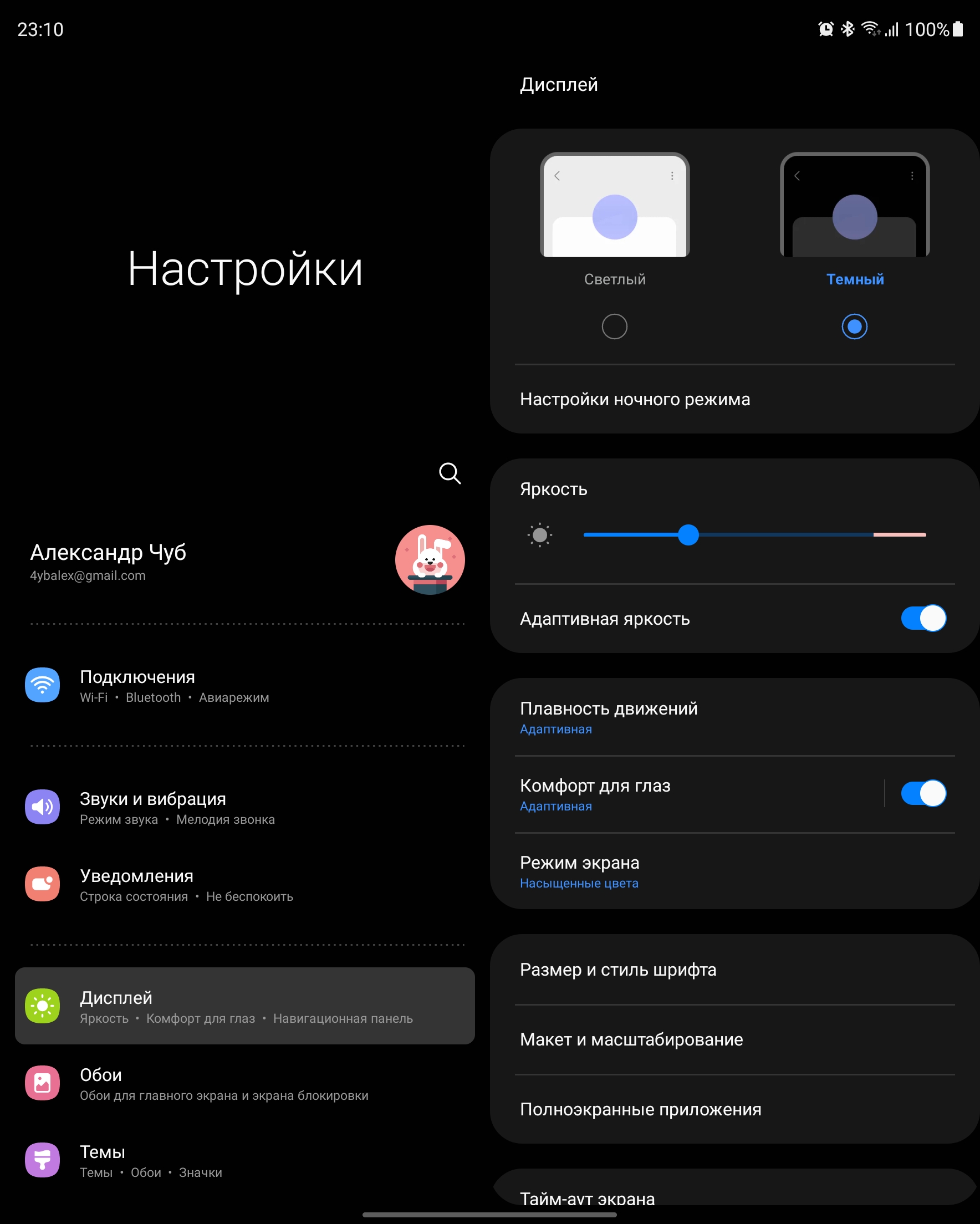
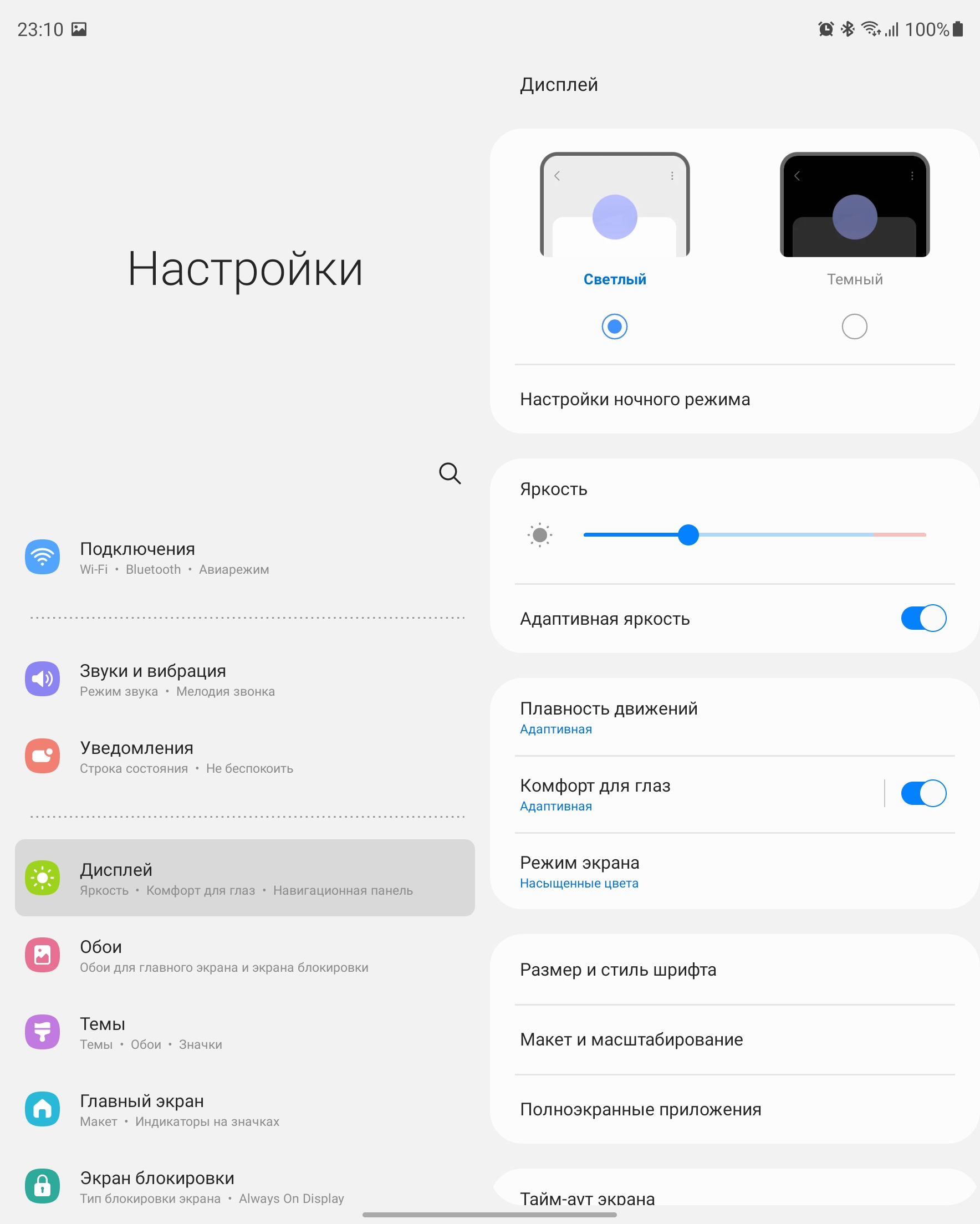
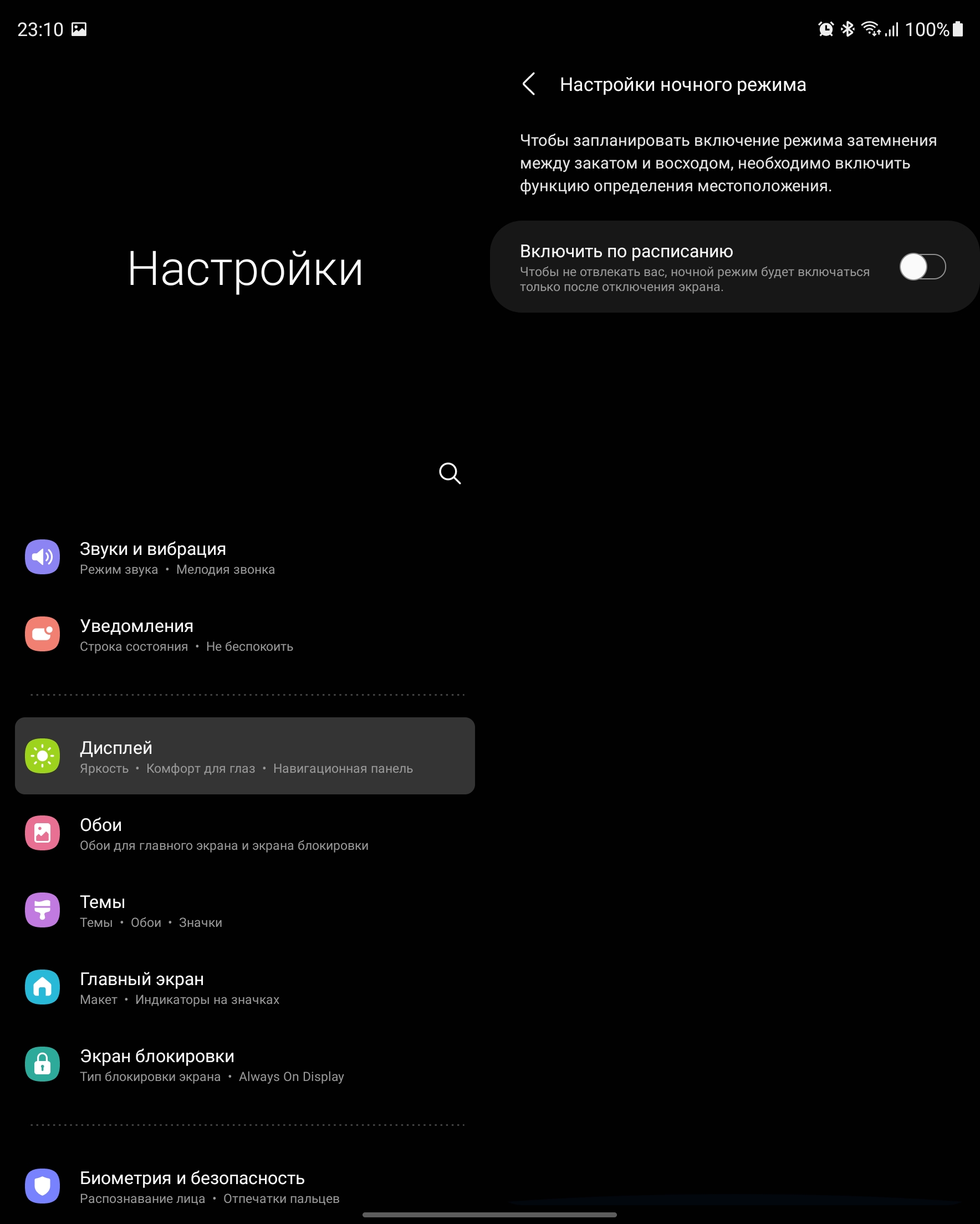
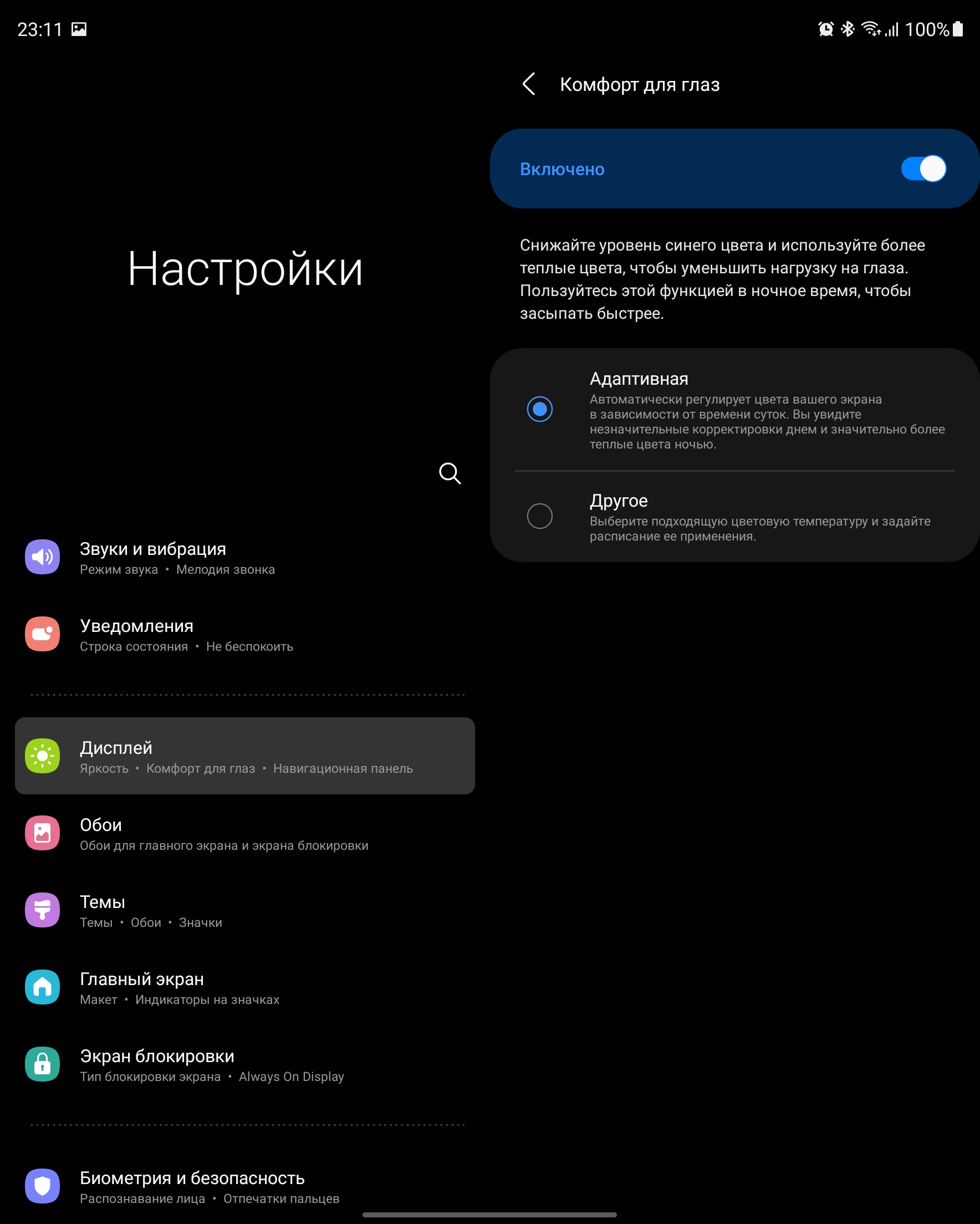
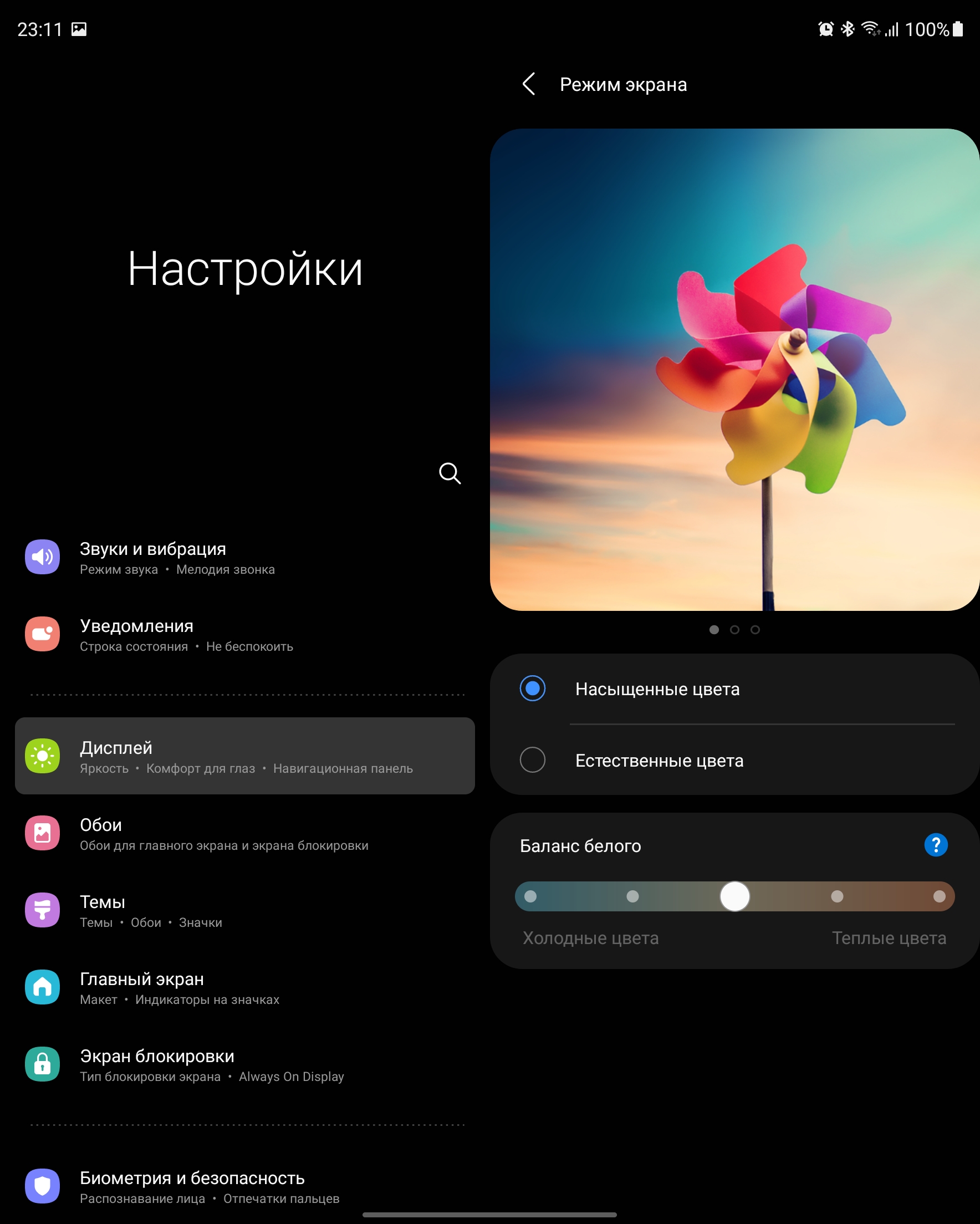
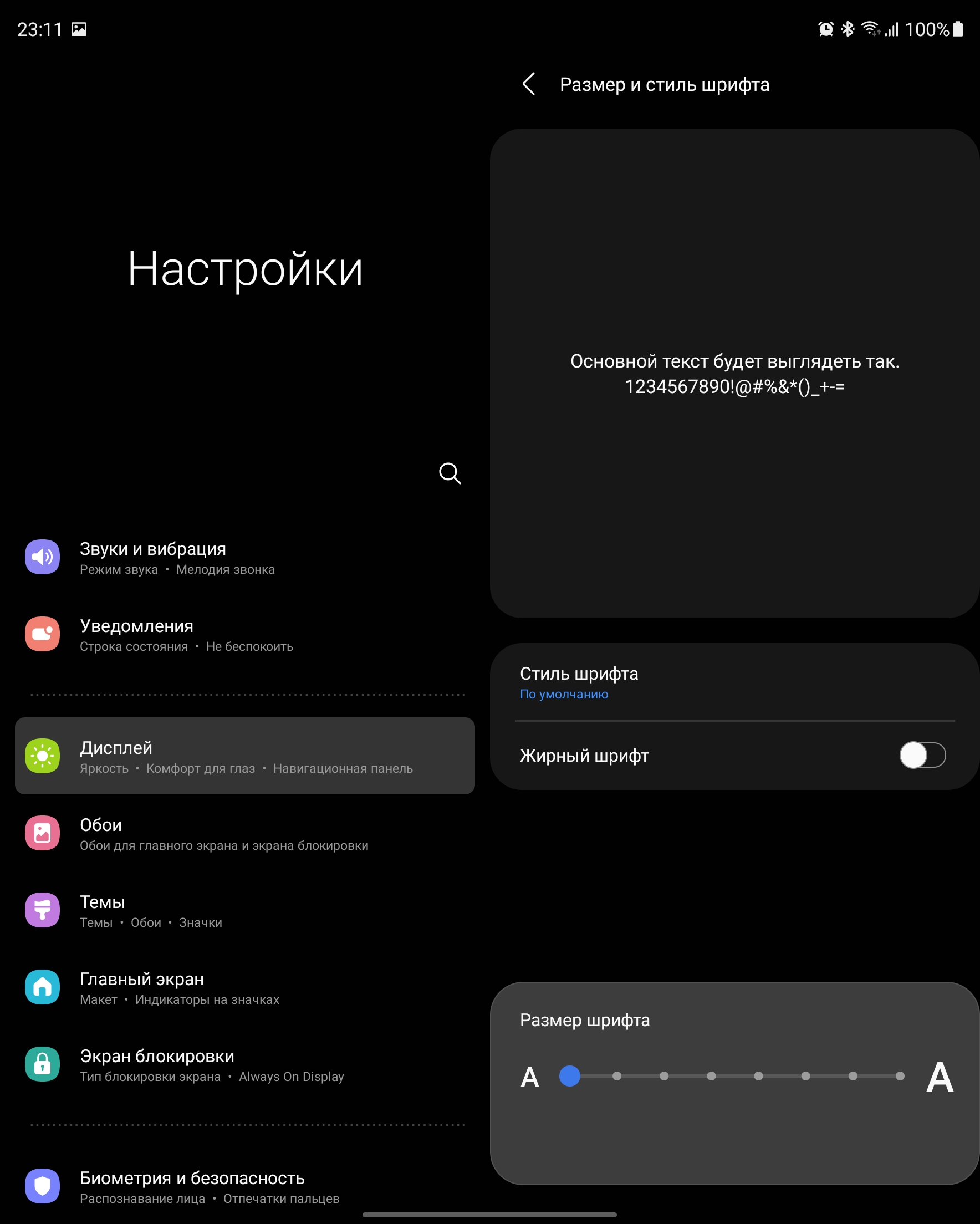
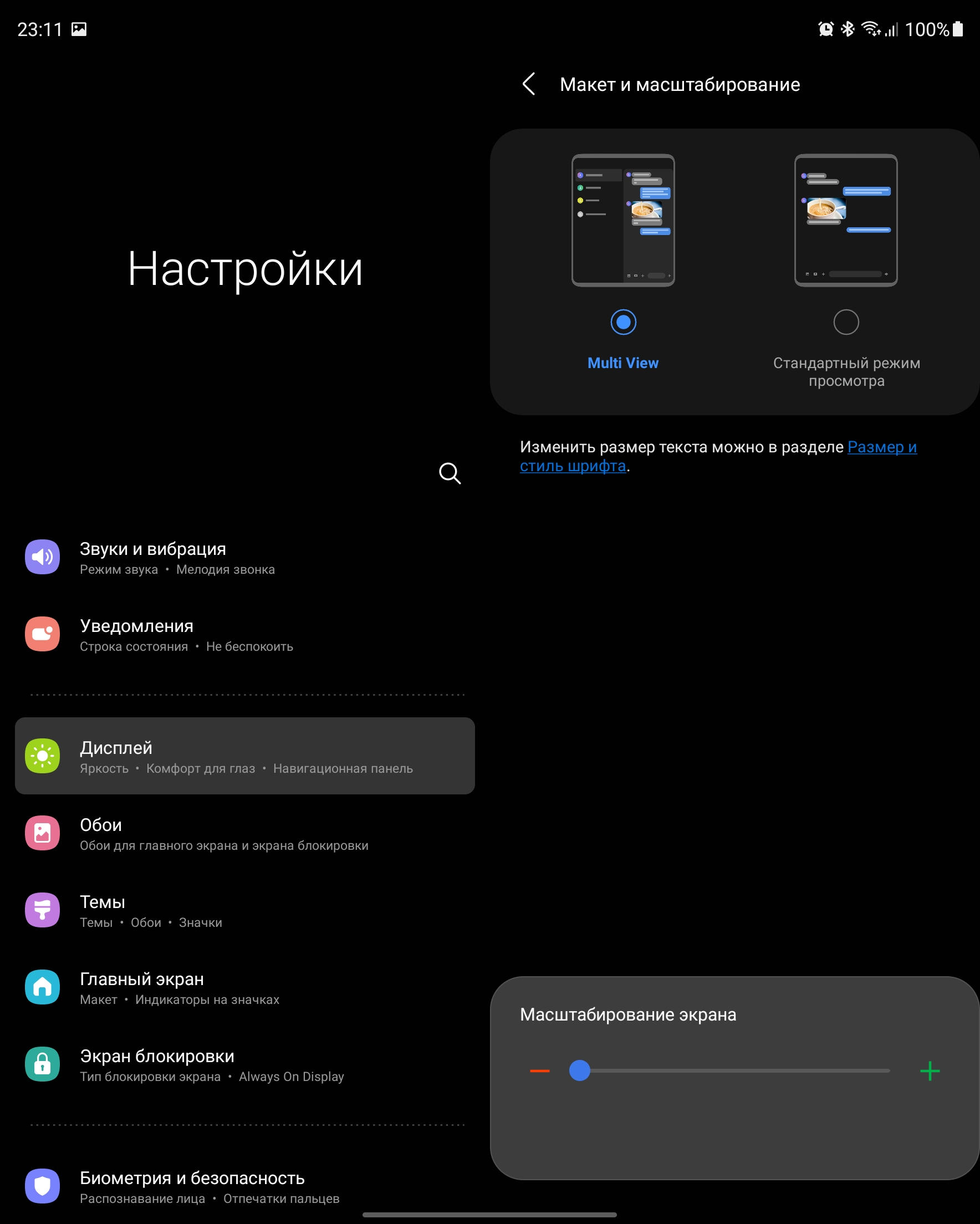
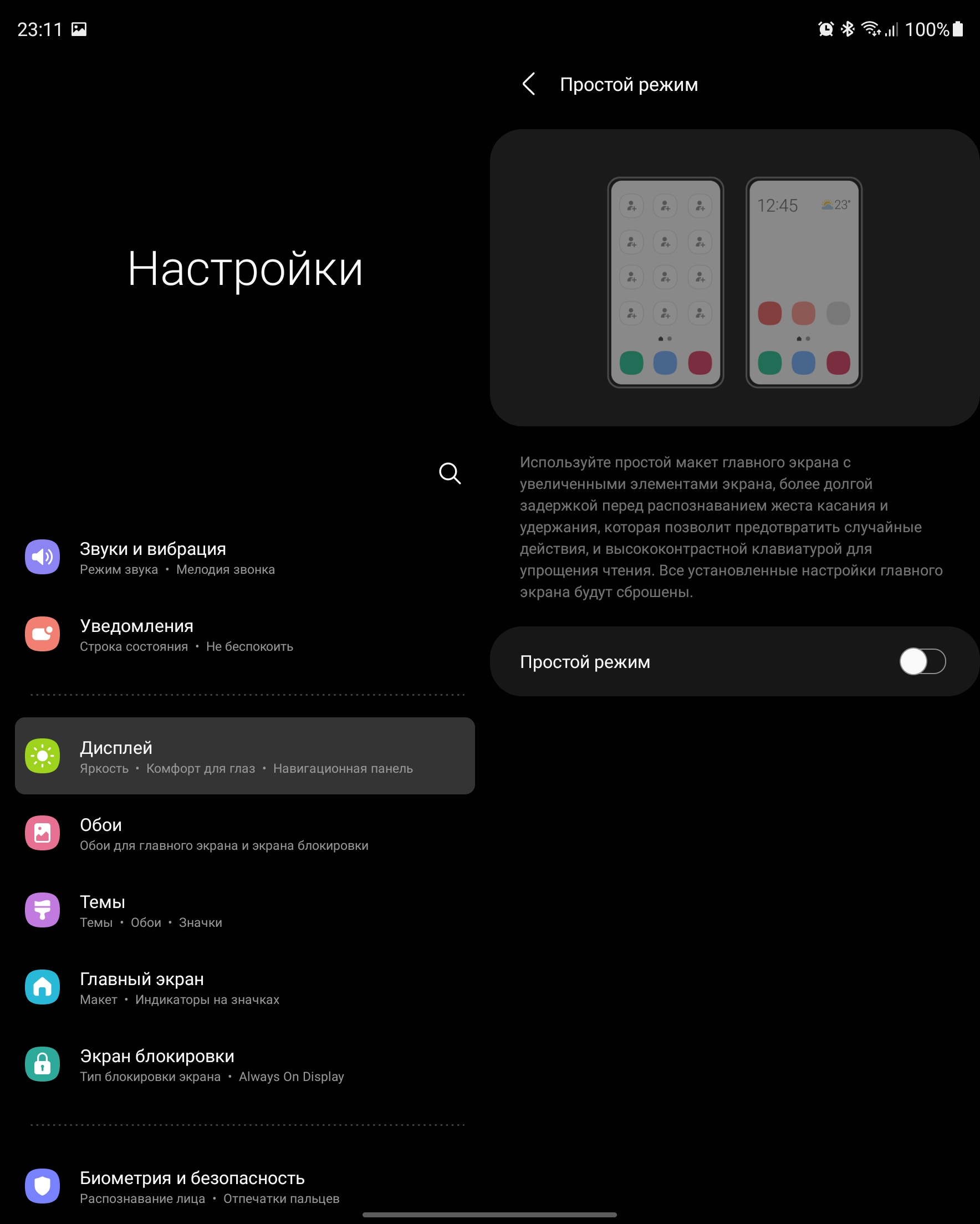
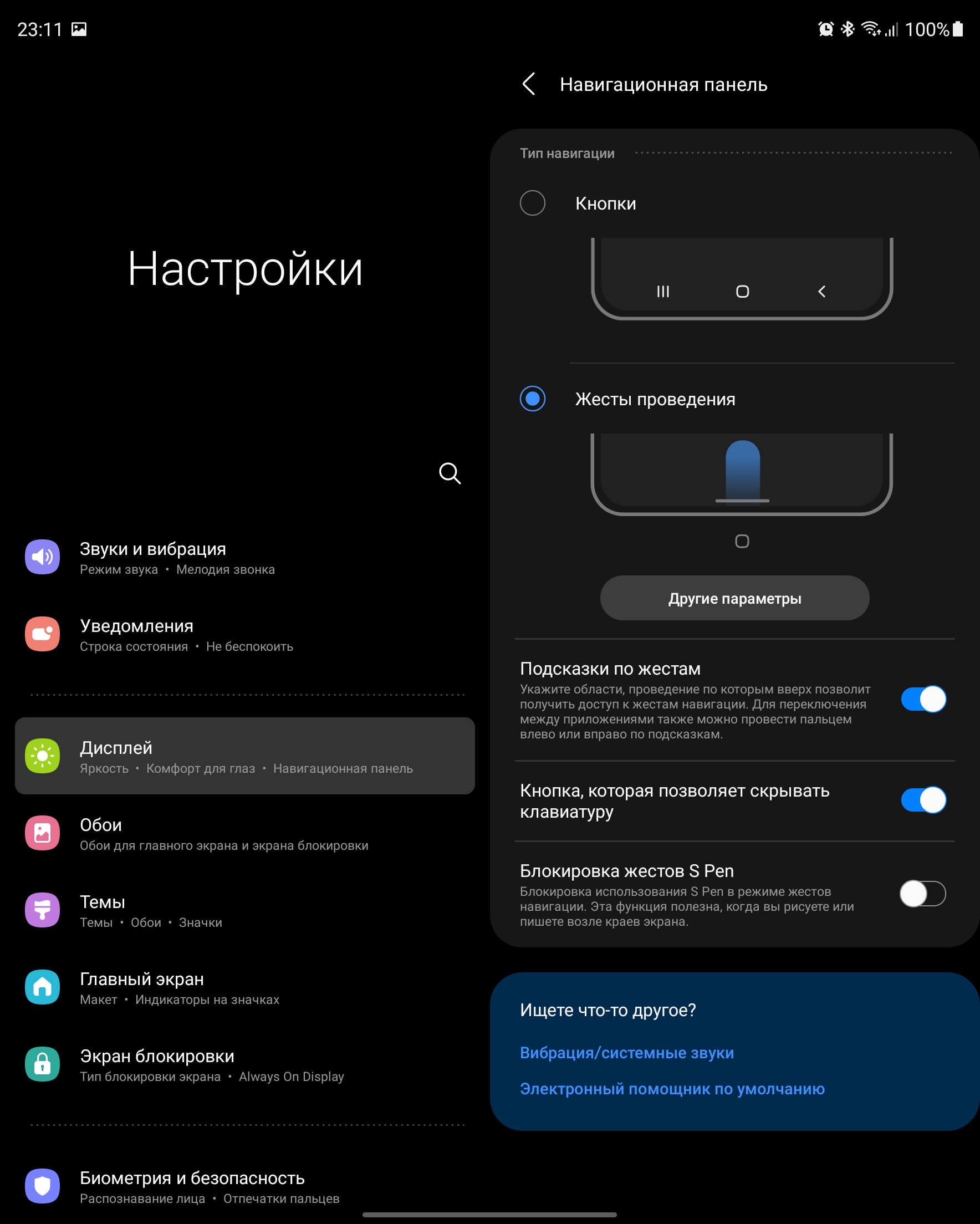
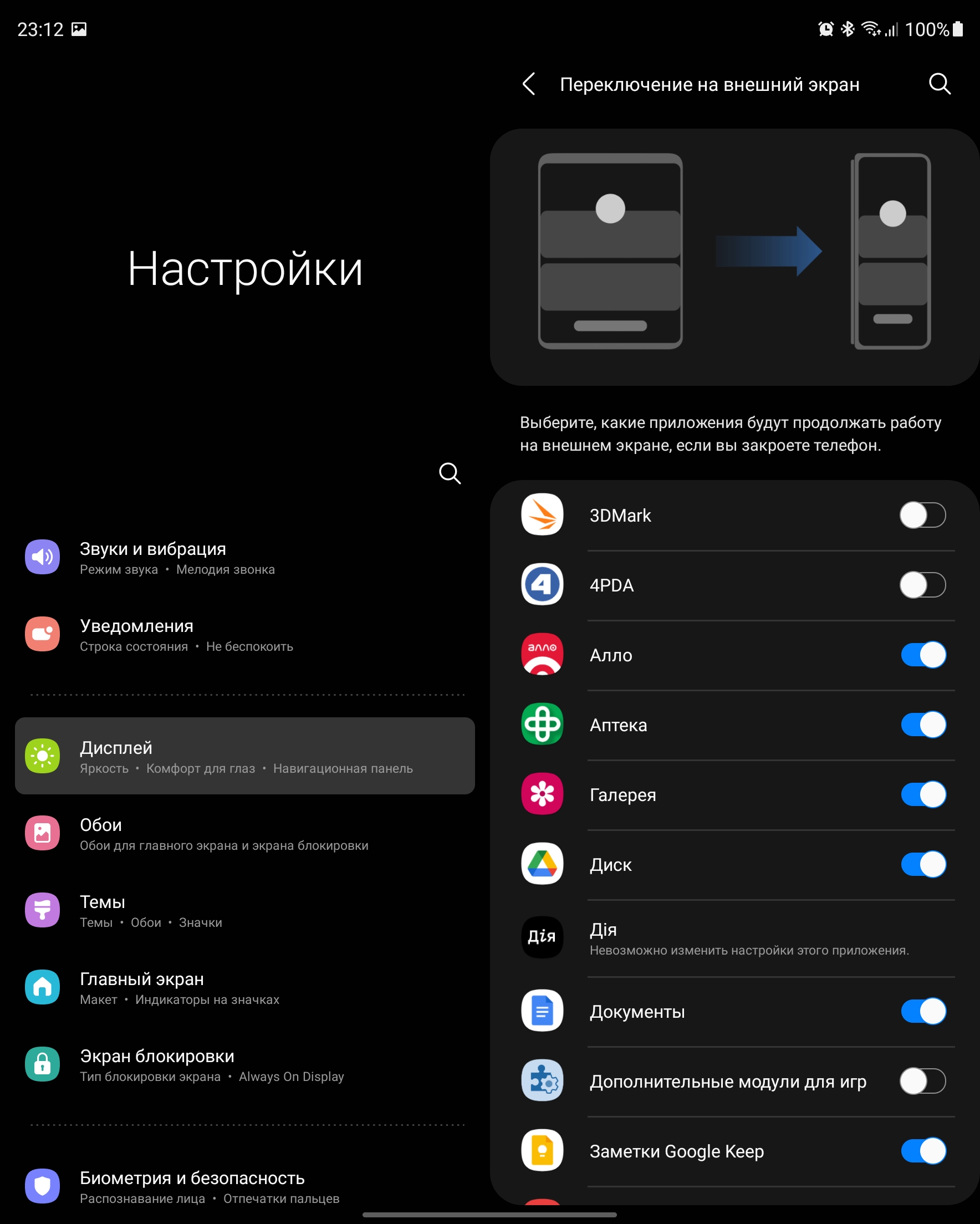
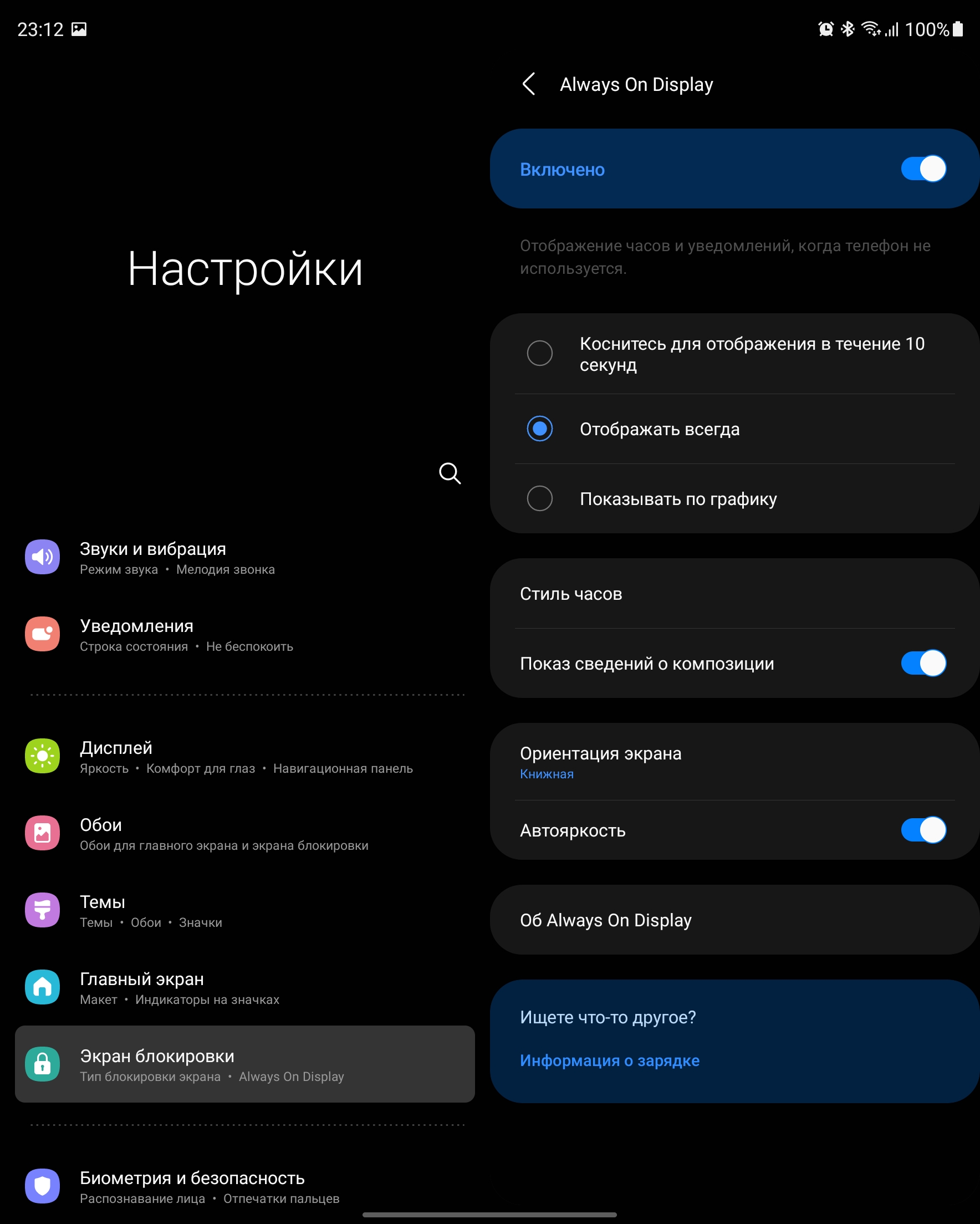
The set of screen settings hasn't changed much.There are settings for fonts and scaling of interface elements on the screen (for the internal one, you can enable a more logical Multiview with information divided into two columns), a dark interface theme, frequency settings, eye comfort (automatic adjustment of color temperature), Always On Display and two color rendering modes: “rich” and “natural”. Standard for the latest Samsung smartphones.
</ img>
</ img>
</ img>
</ img>
</ img>
</ img>
</ img>
</ img>
</ img>
</ img>
</ img>
</ img>
</ img>
</ img>


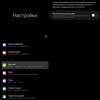


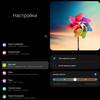

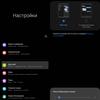
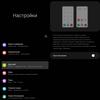




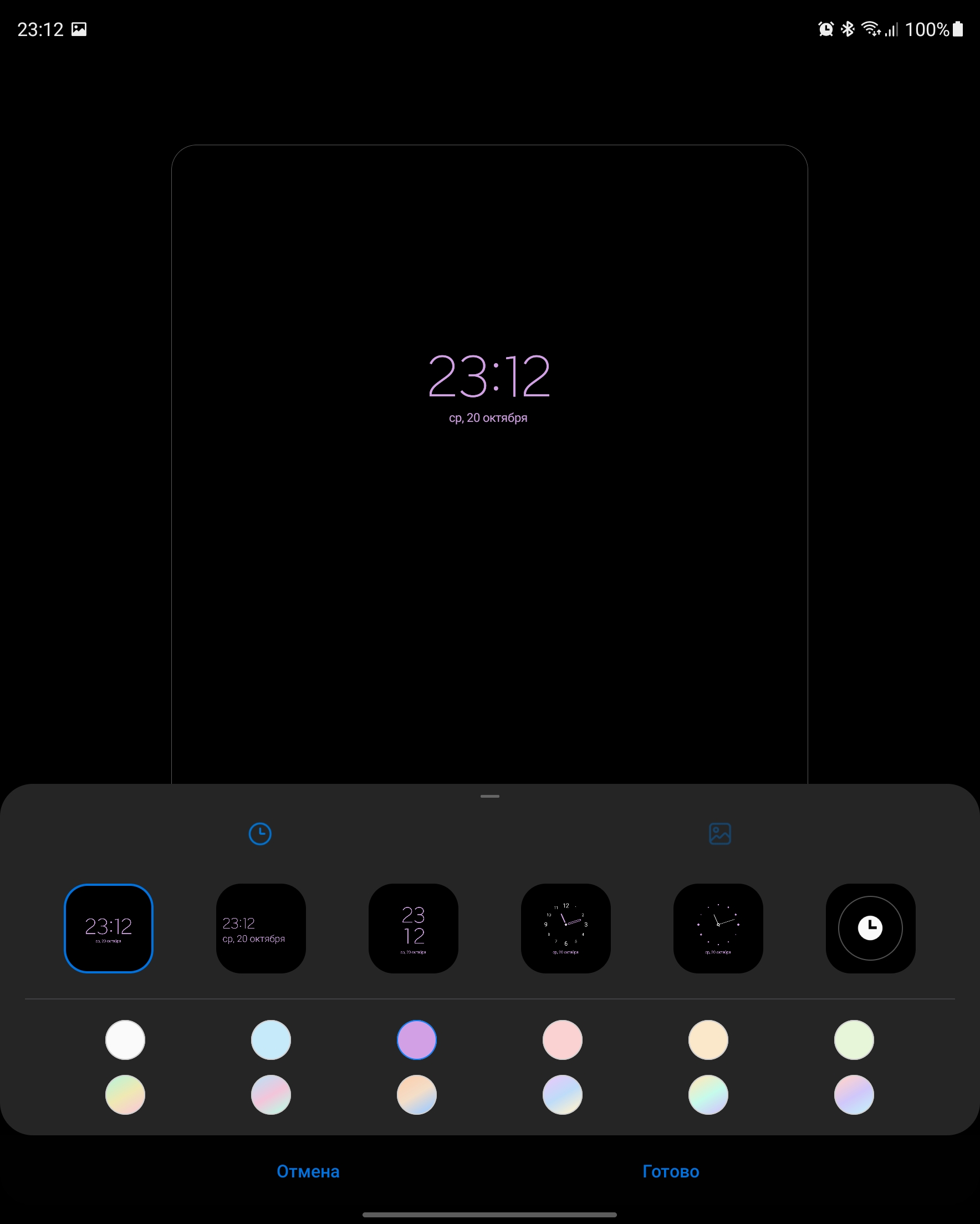
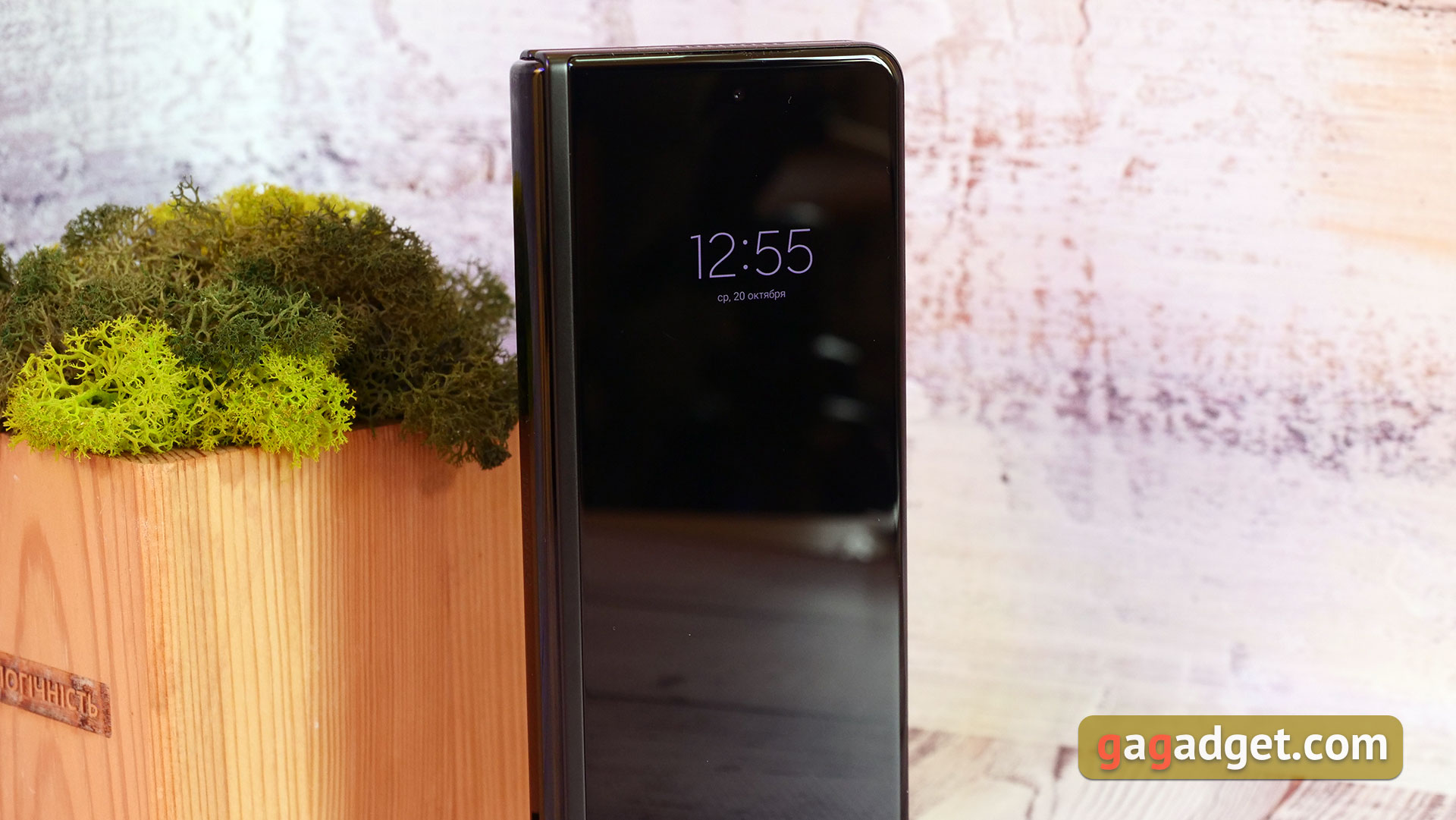
There is an Always on Display function with a rich set of options and a number of pictures and watch faces.
</ img>
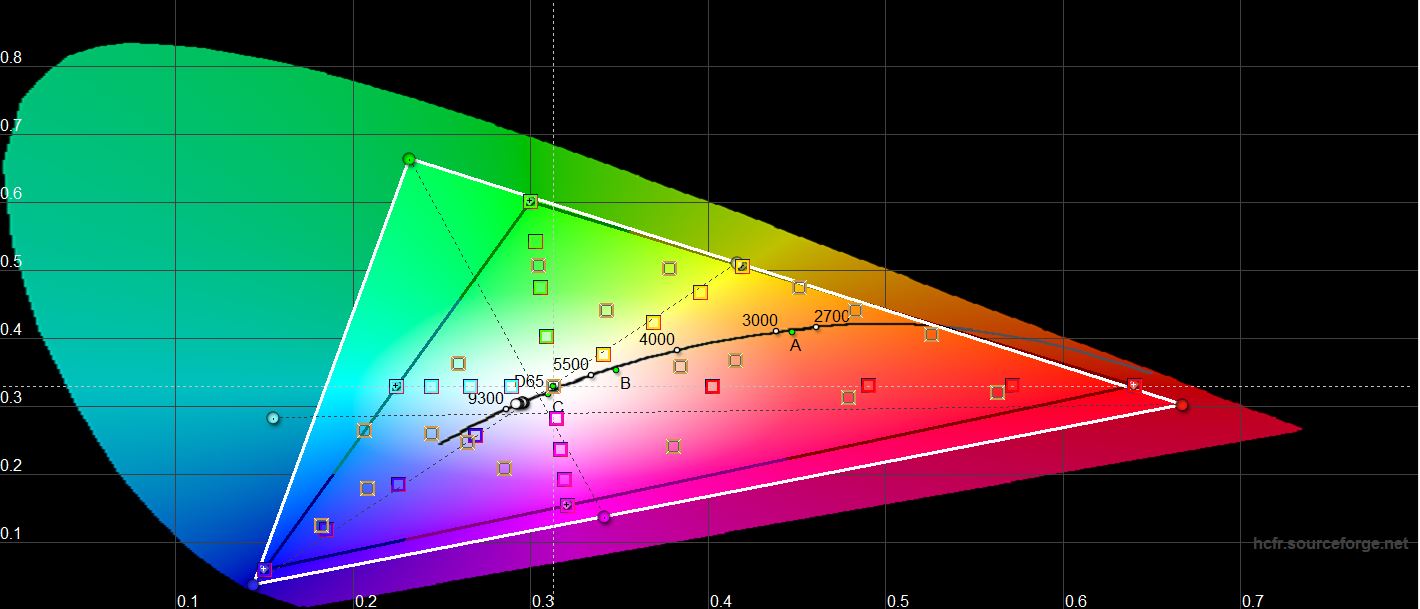
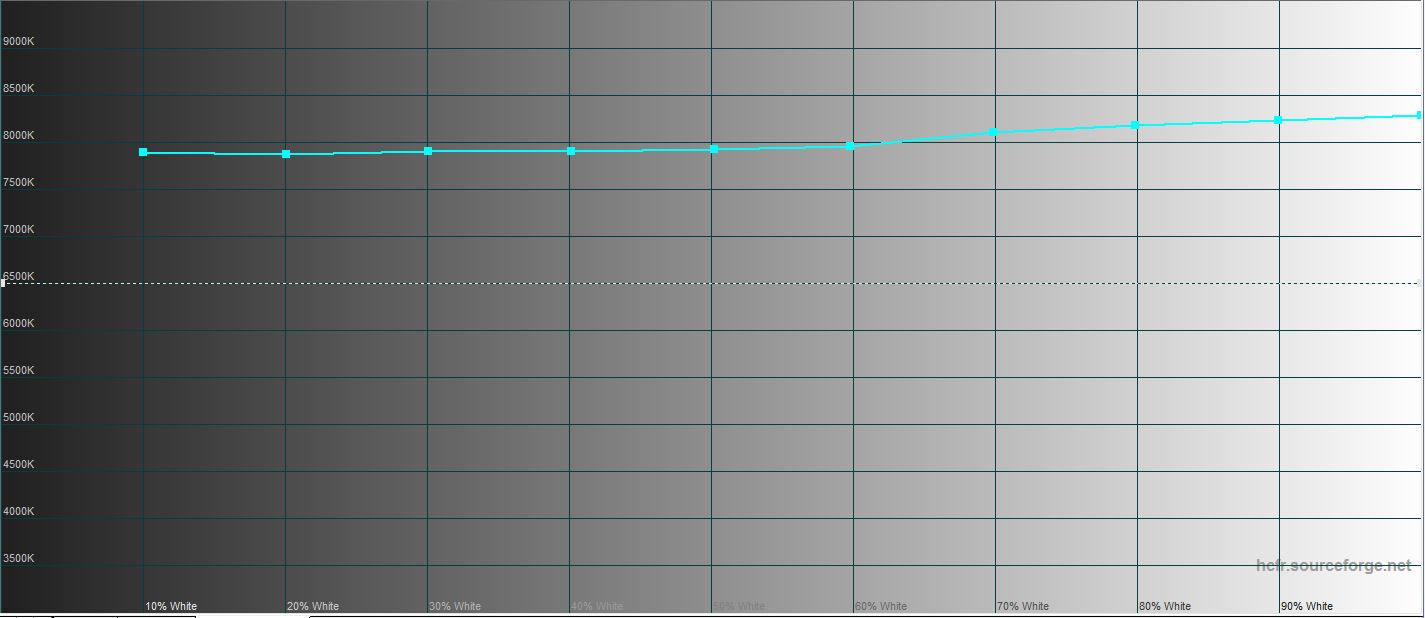
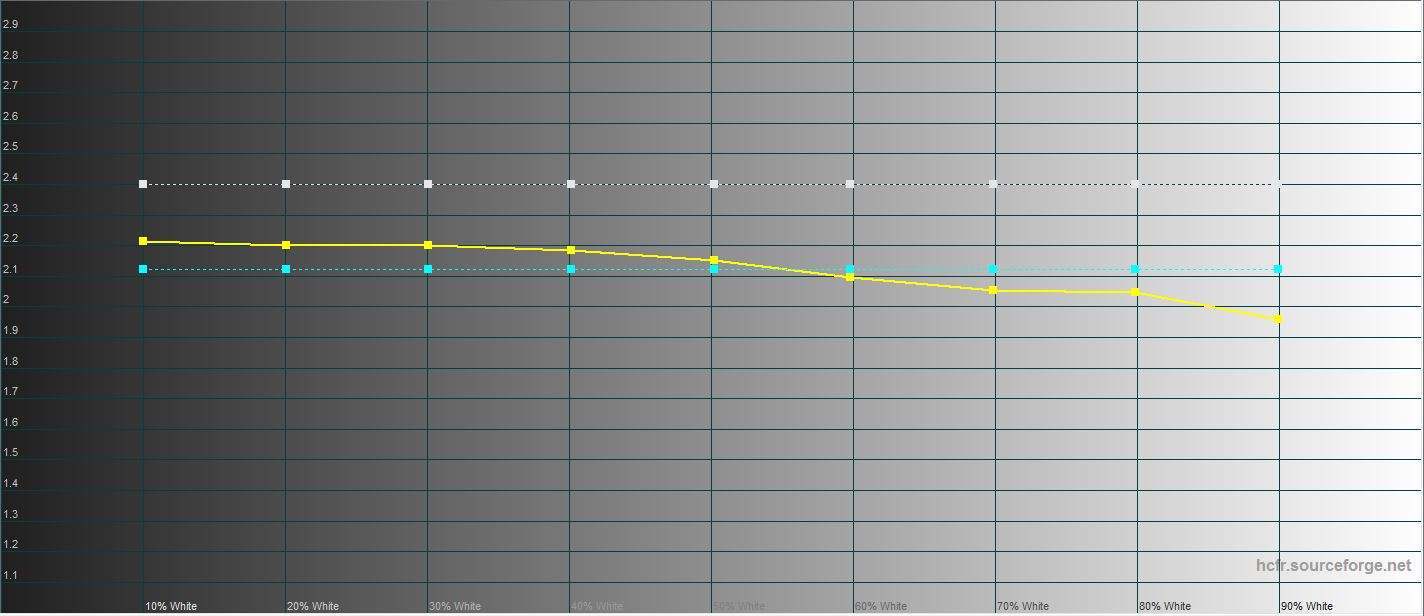
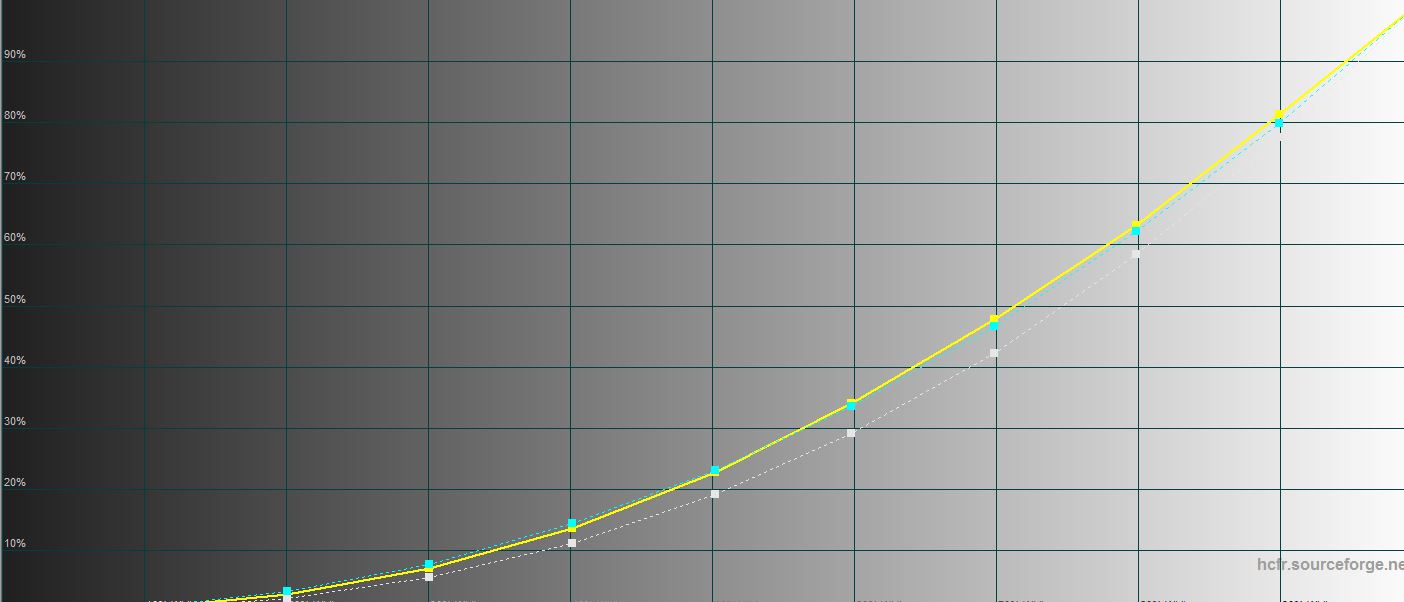
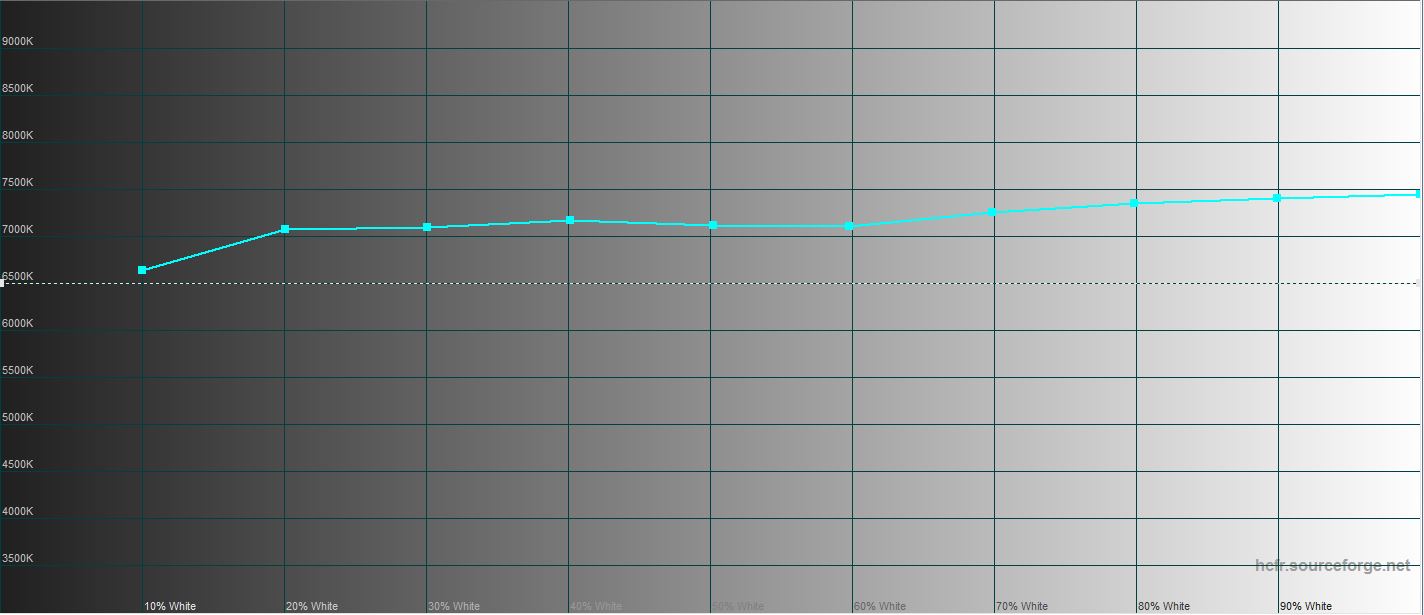
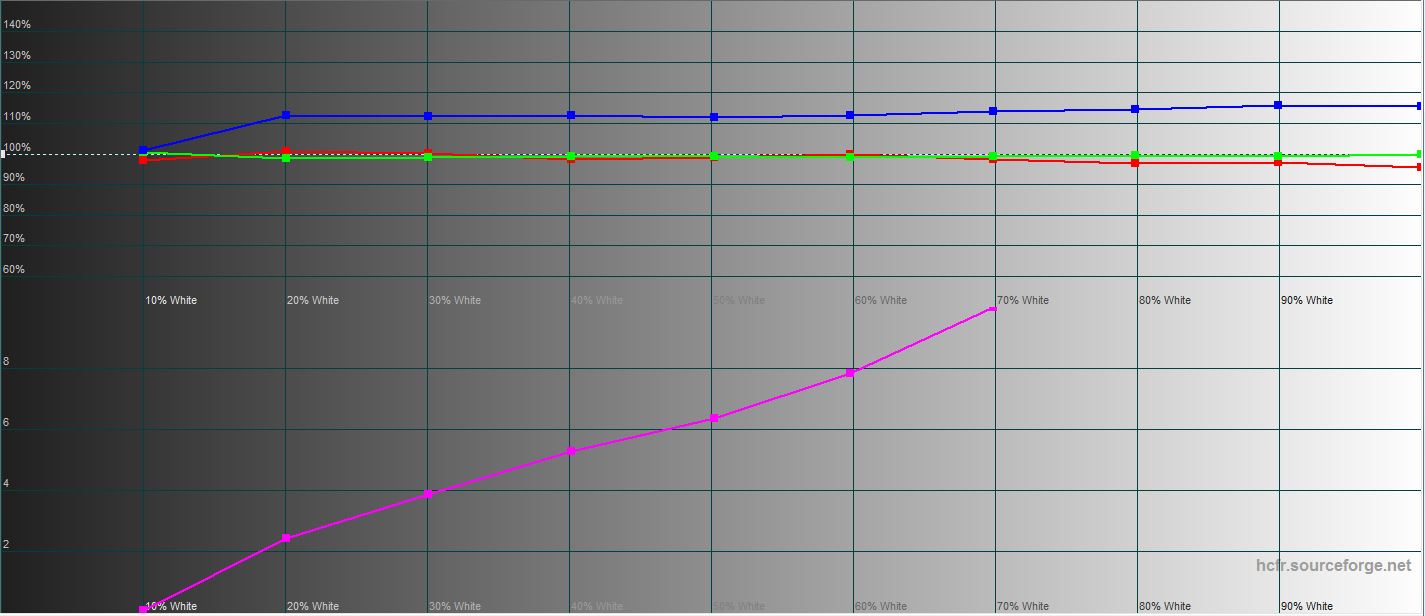
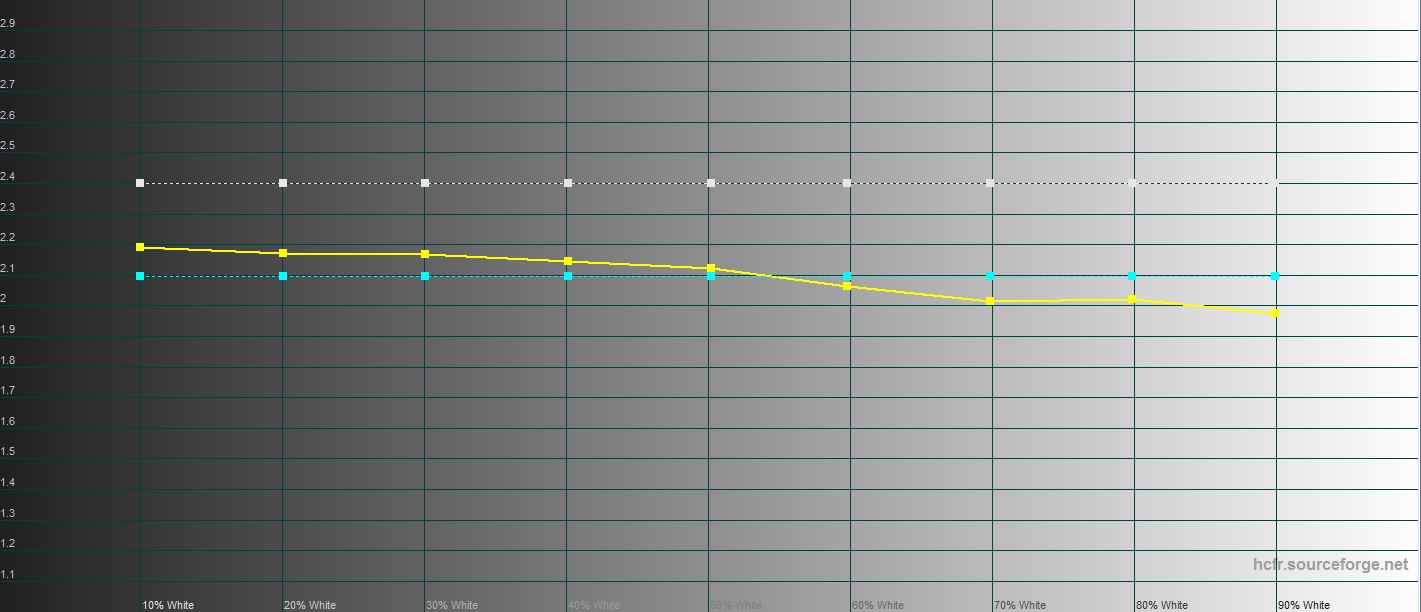
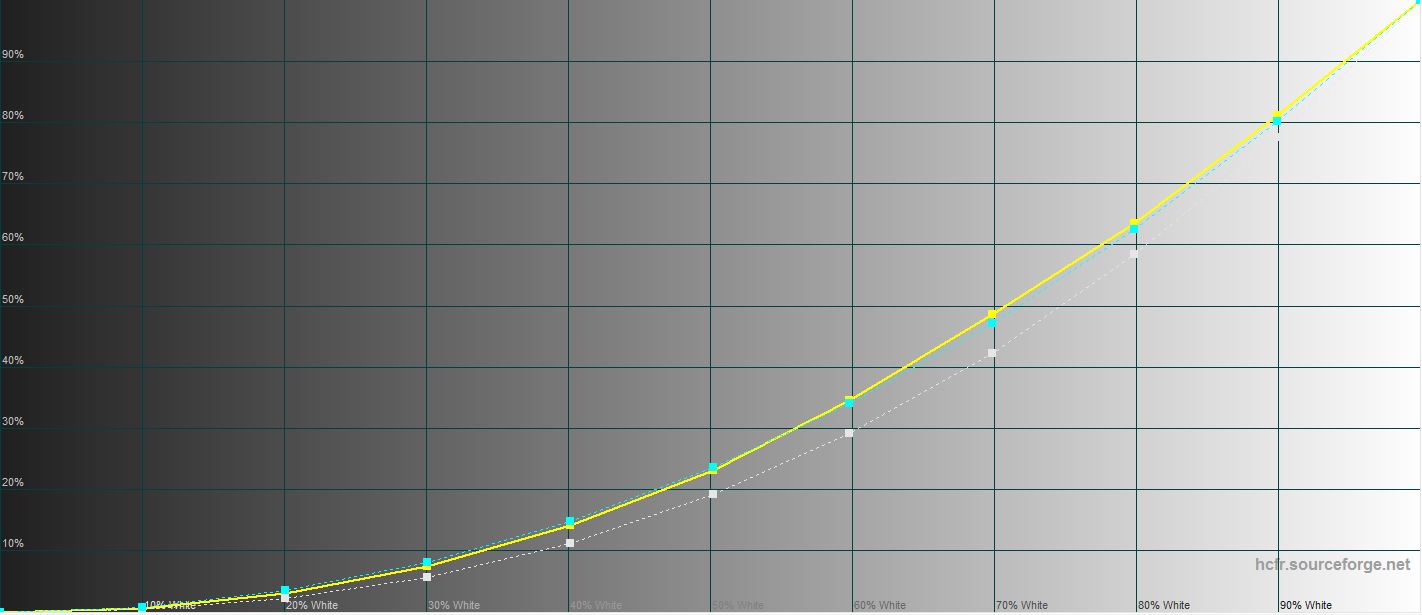
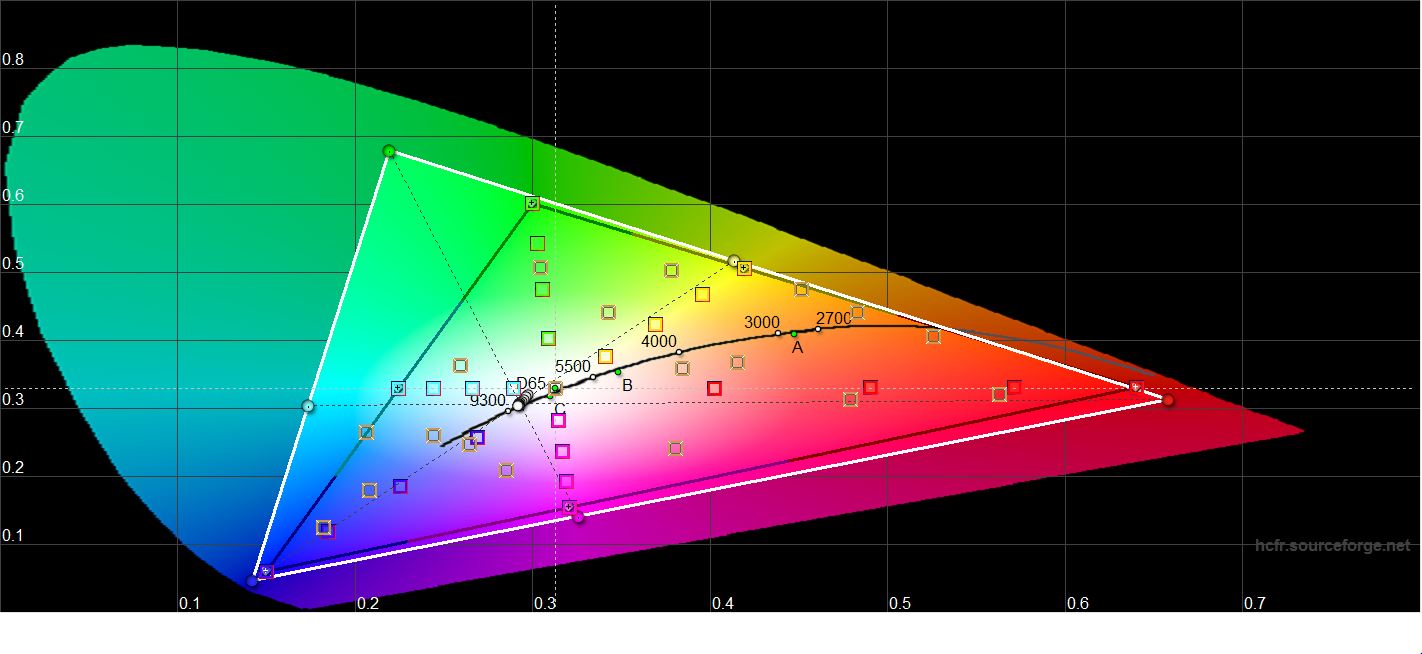
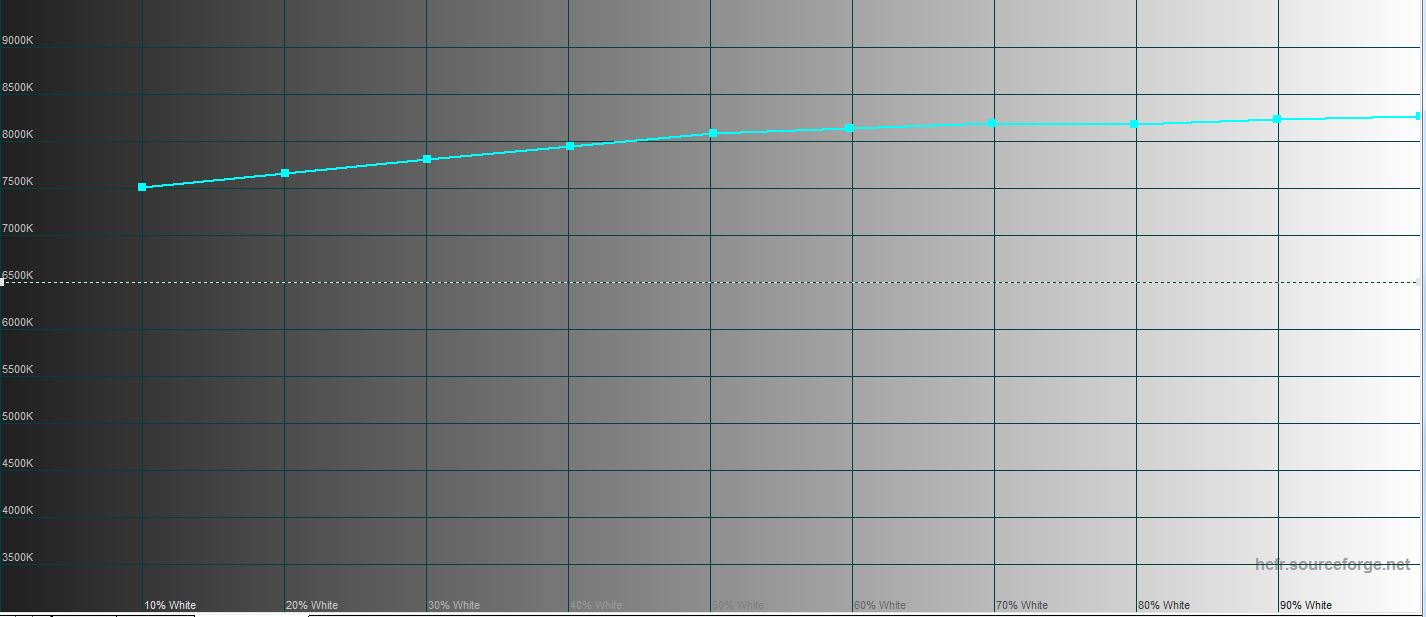
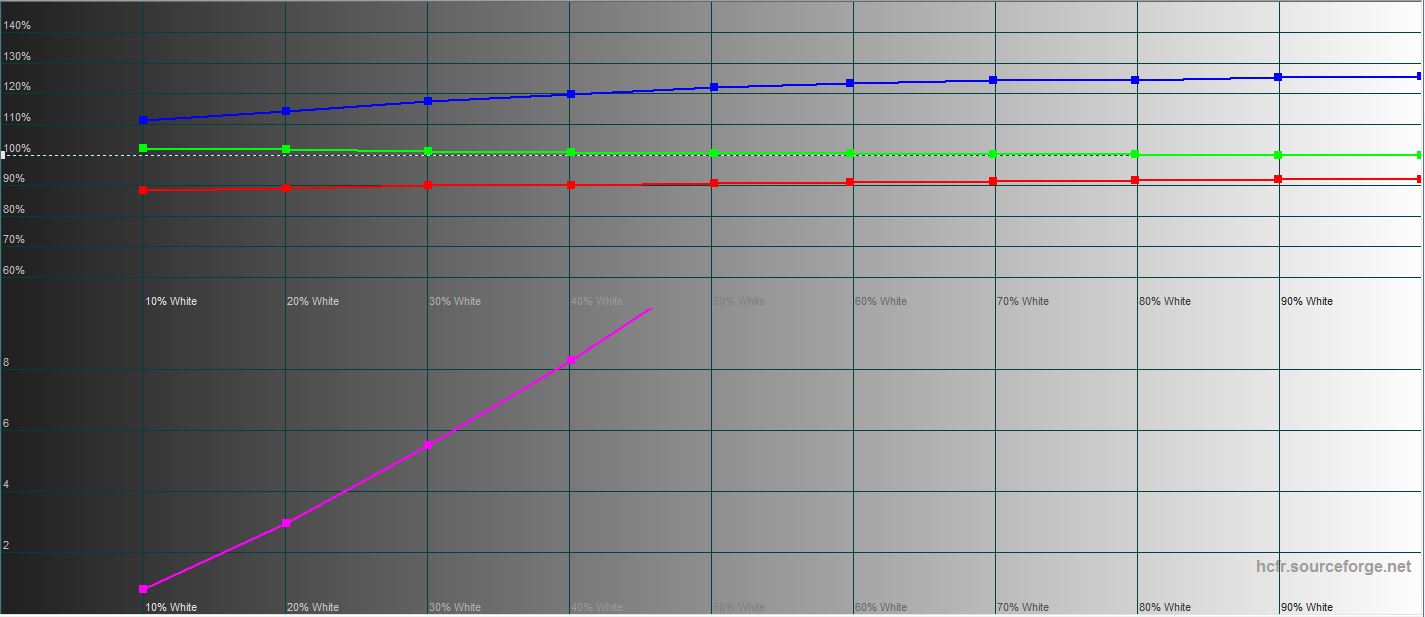
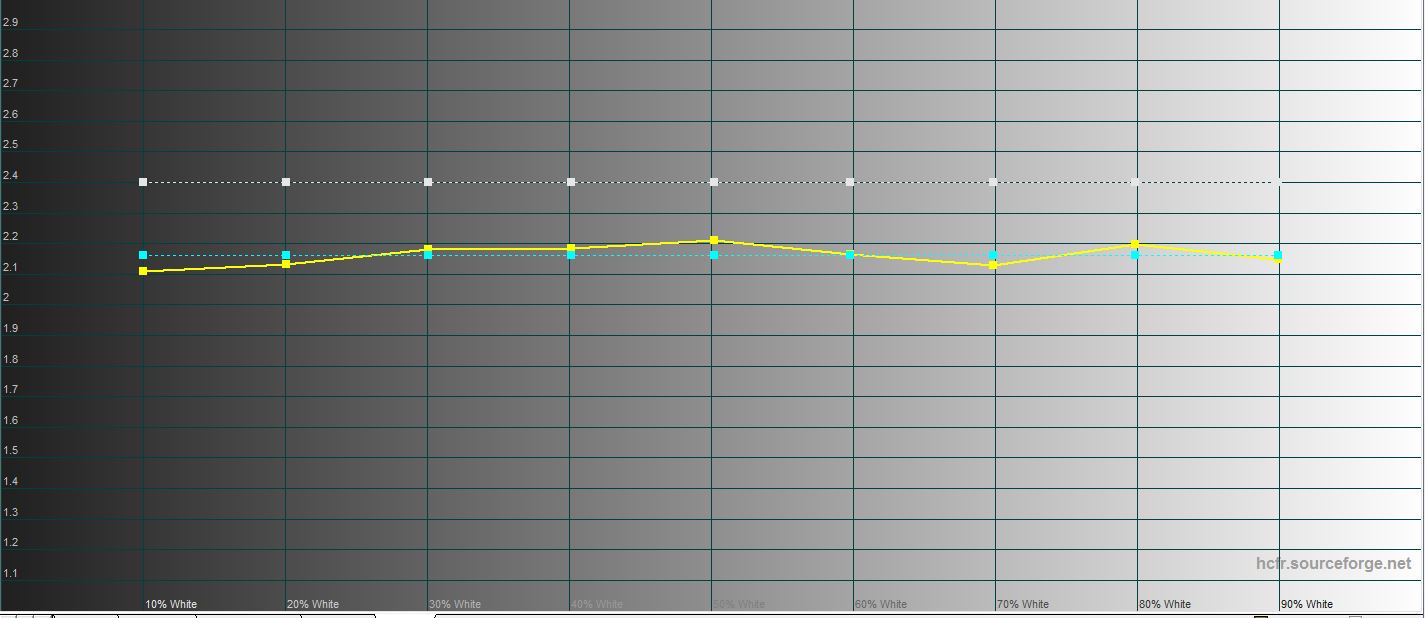
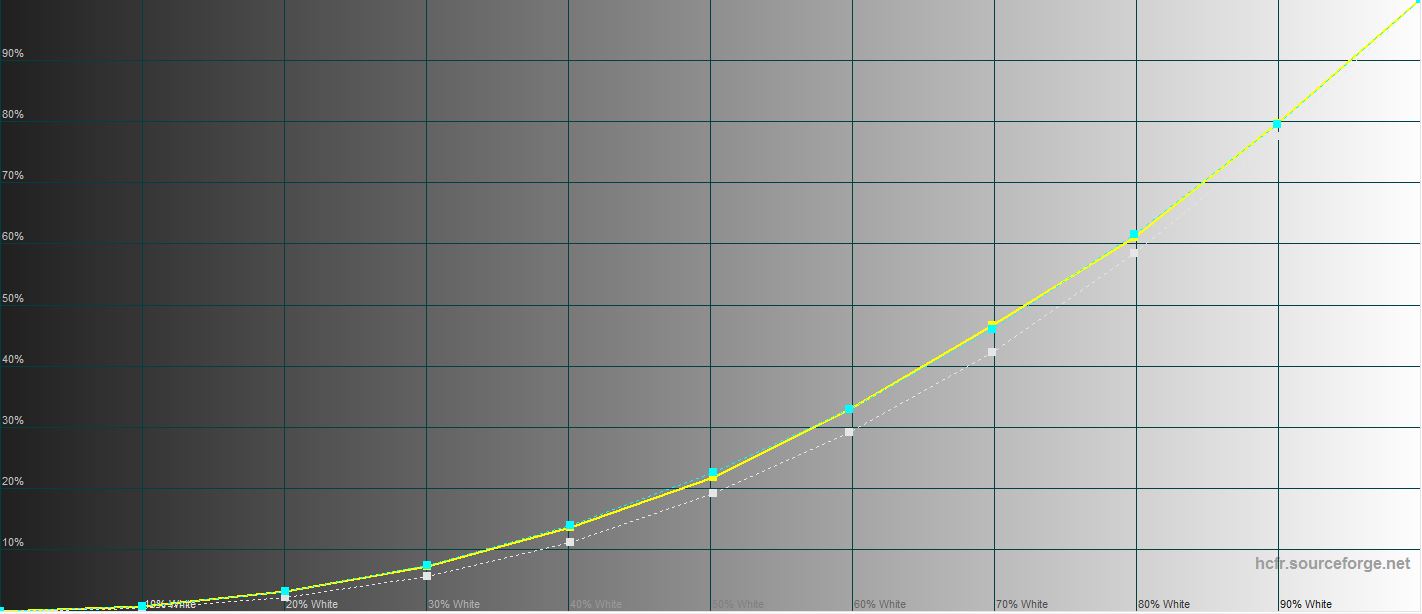
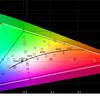
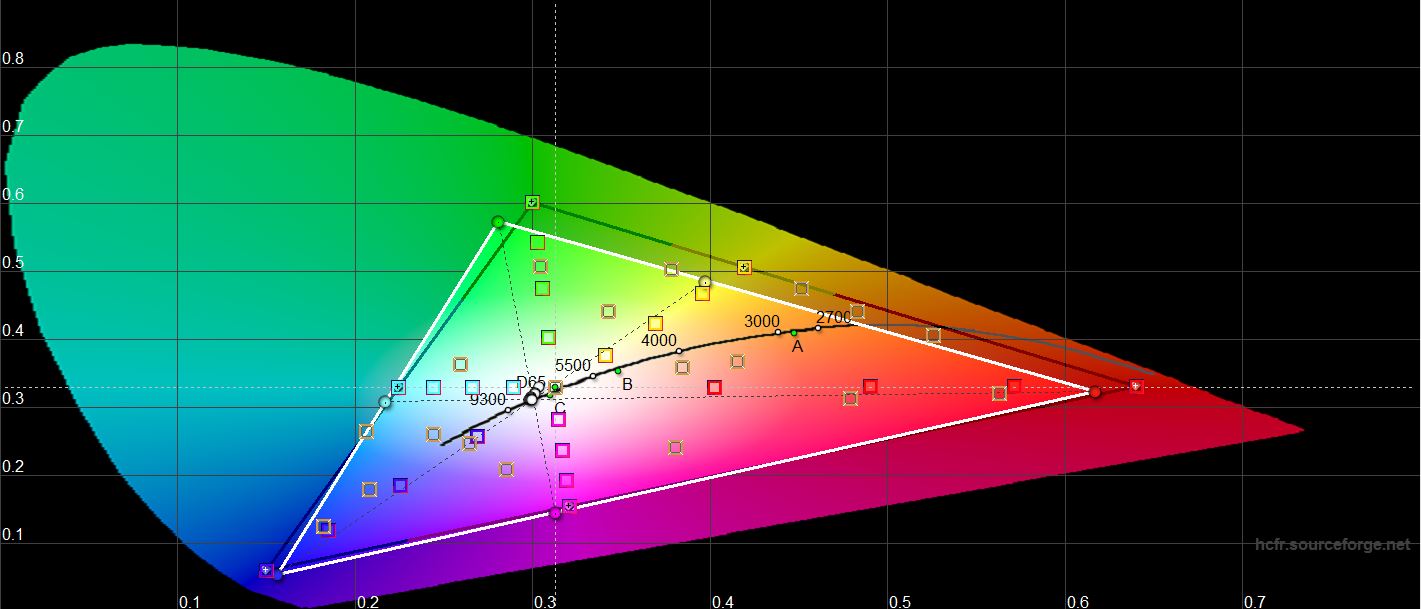
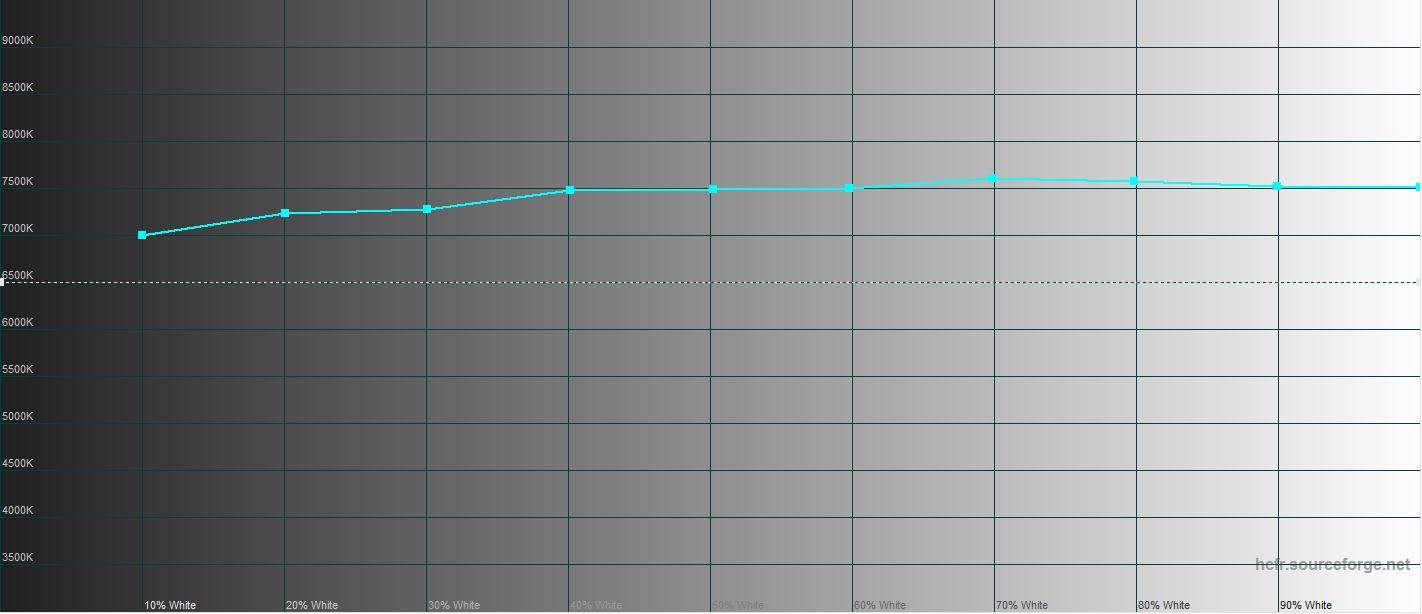
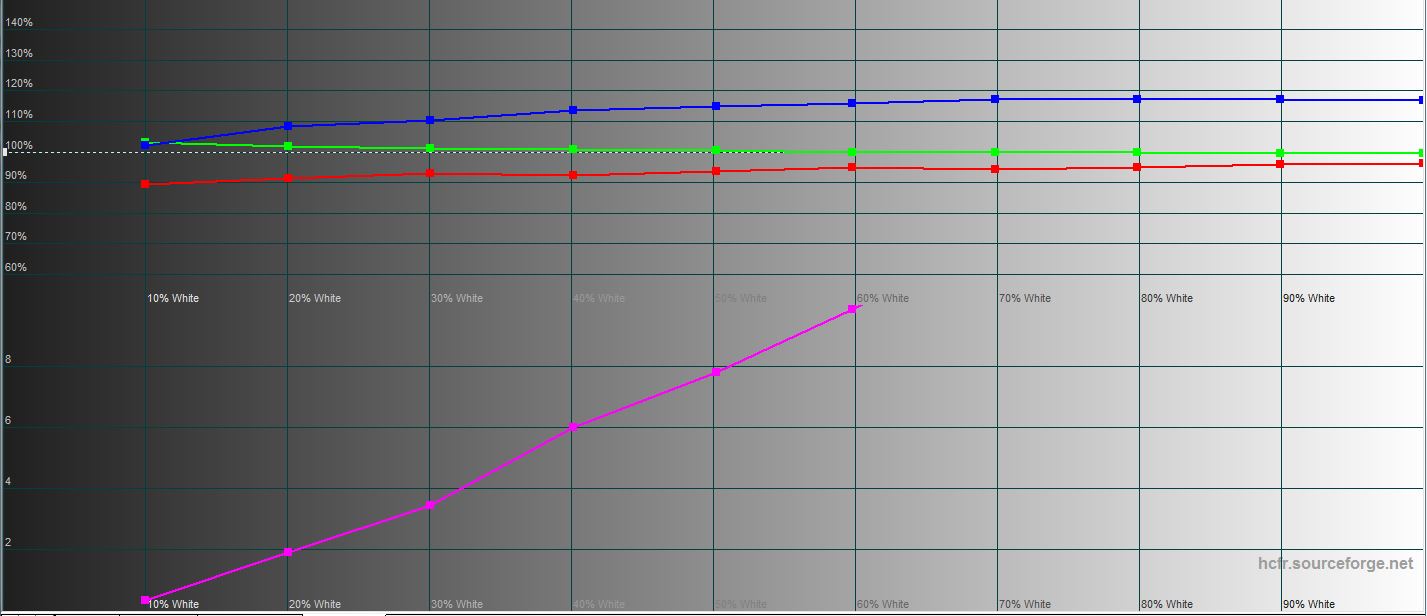
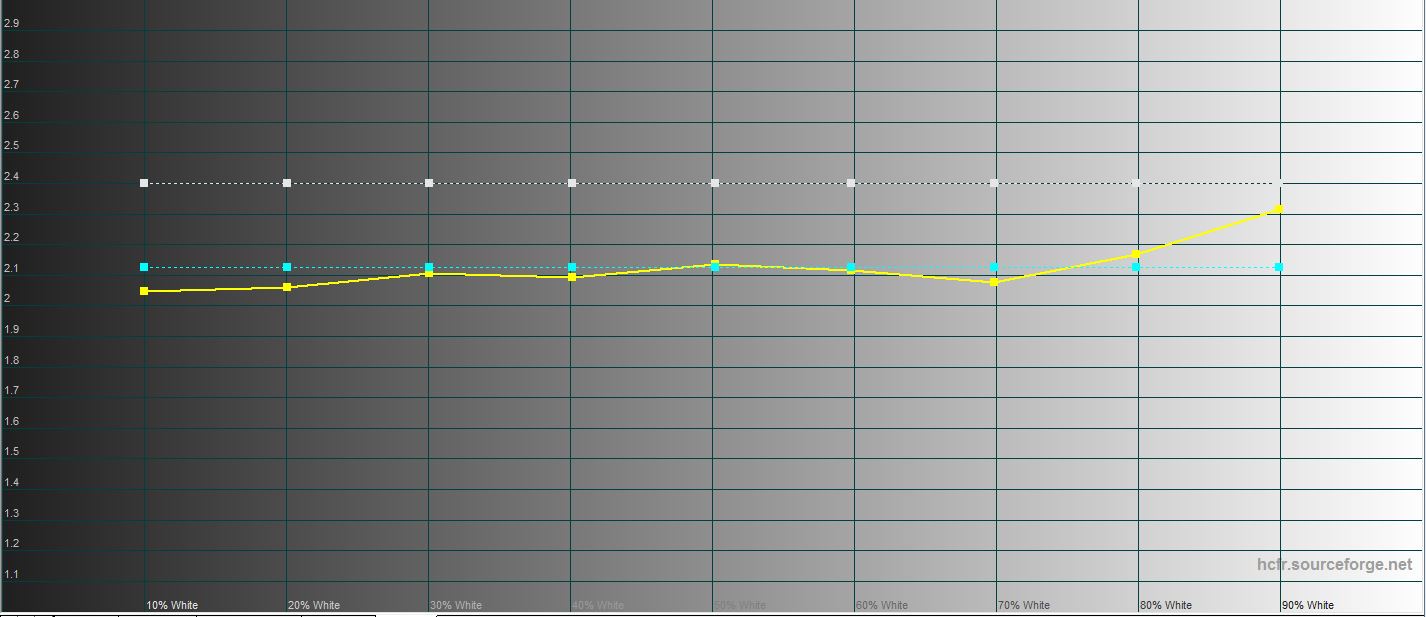
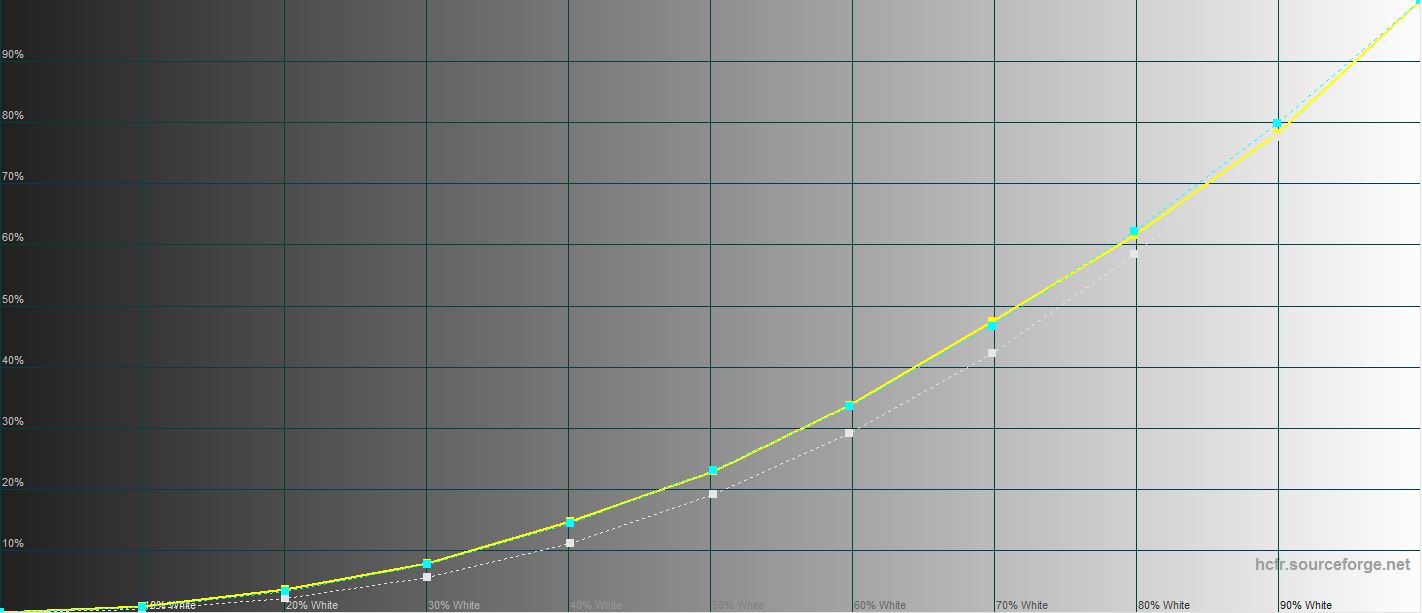
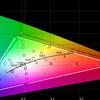
As measurements have shown, the screens are really goodand they are really quite close both in terms of brightness margin (the external one is slightly lower) and color accuracy. Internal display in “saturated” mode showed a maximum brightness of 479.32 cd/m2, the color gamut, as expected from AMOLED, is much wider than sRGB. Color rendition is very sensible, the inflection towards cold shades is minimal.
</ img>
</ img>

</ img>
</ img>
</ img>
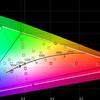
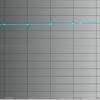
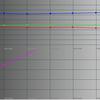
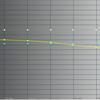

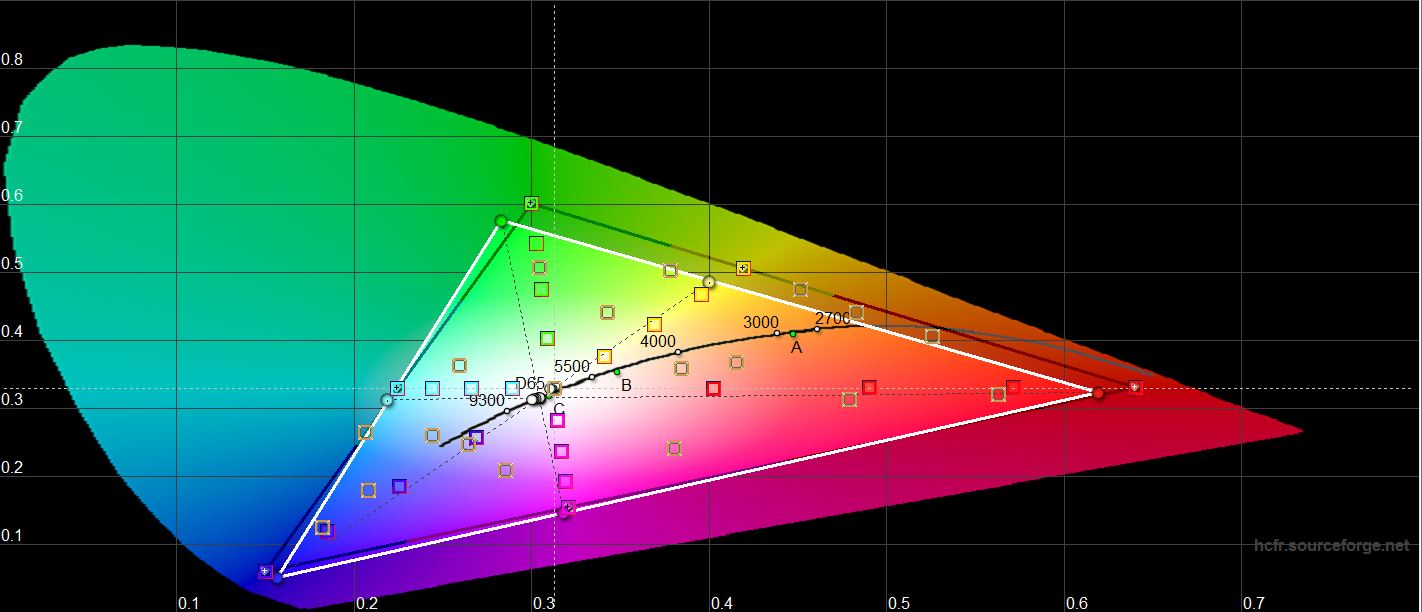
In “natural” mode, the color gamut is close to sRGB, and color rendition is closer to the reference values. But the maximum brightness is noticeably lower: 427.913 cd/m2.
</ img>
</ img>
</ img>
</ img>
</ img>
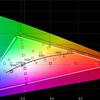
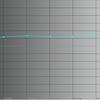
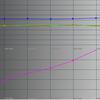
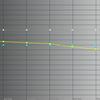

In “saturated” mode, the maximum brightness of the external display is 465.586 cd/m2. Color reproduction is similar to the same mode of the internal screen.
</ img>
</ img>
</ img>
</ img>
</ img>
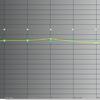
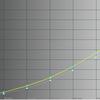
“Natural” mode. Brightness: 414.56 cd/m2.
</ img>
</ img>
</ img>
</ img>
</ img>

Comparison with other models:
Device name
White field brightness,
cd / m2
The brightness of the black field,
cd / m2
Contrast
Samsung Galaxy Z Fold3
479.32
0
∞
Xiaomi 11T Pro
493.872
0
∞
ASUS ROG Phone 5
482.347
0
∞
Samsung Galaxy S21 +
437.906
0
∞
Samsung Galaxy S21
432.854
0
∞
Samsung Galaxy S20 Ultra
408.388
0
∞
Sony Xperia 1
394.97
0
∞
Huawei P30 Pro
447.247
0
∞
Samsung Galaxy S10
378.72
0
∞
What are the unlock methods?
</ img>
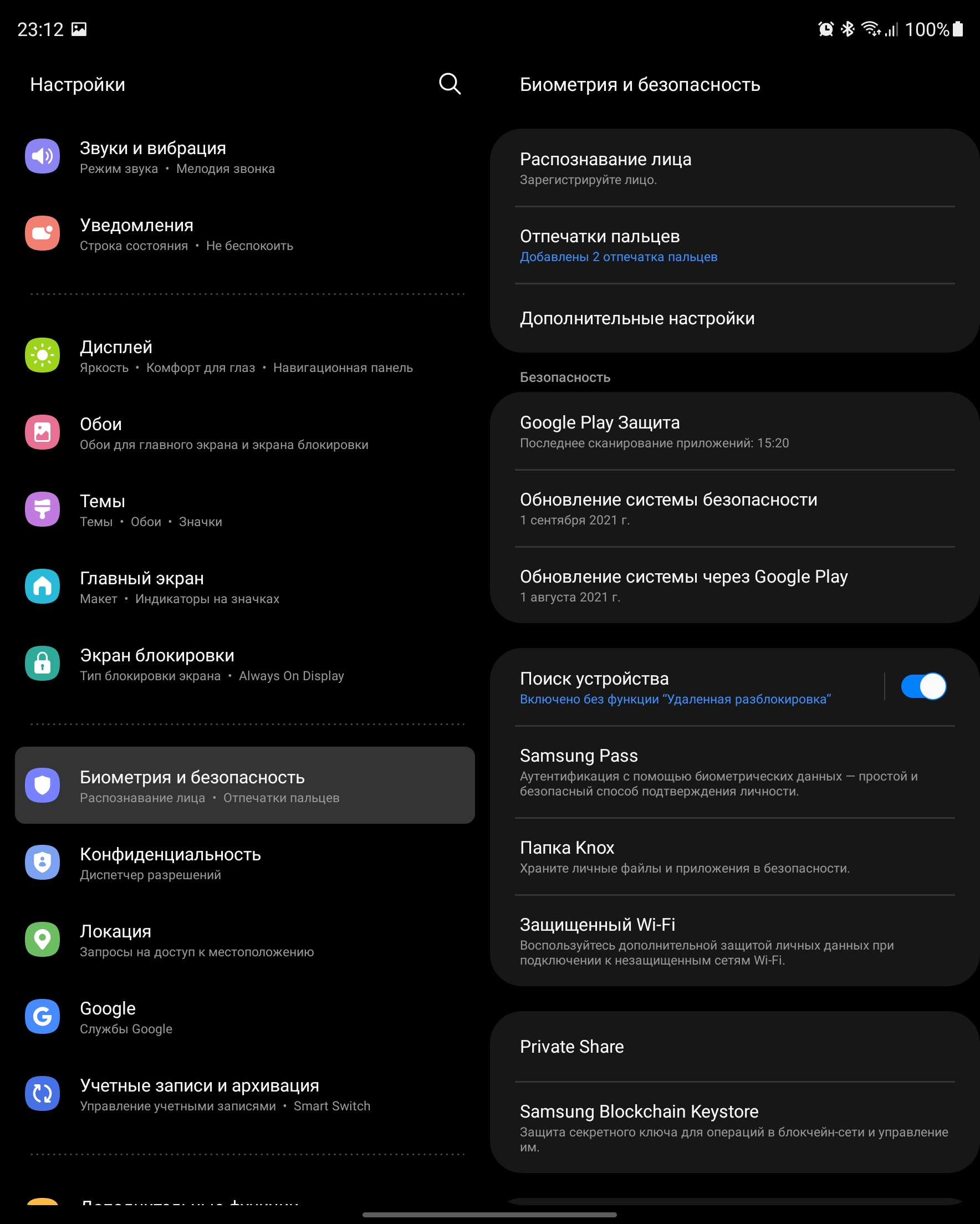
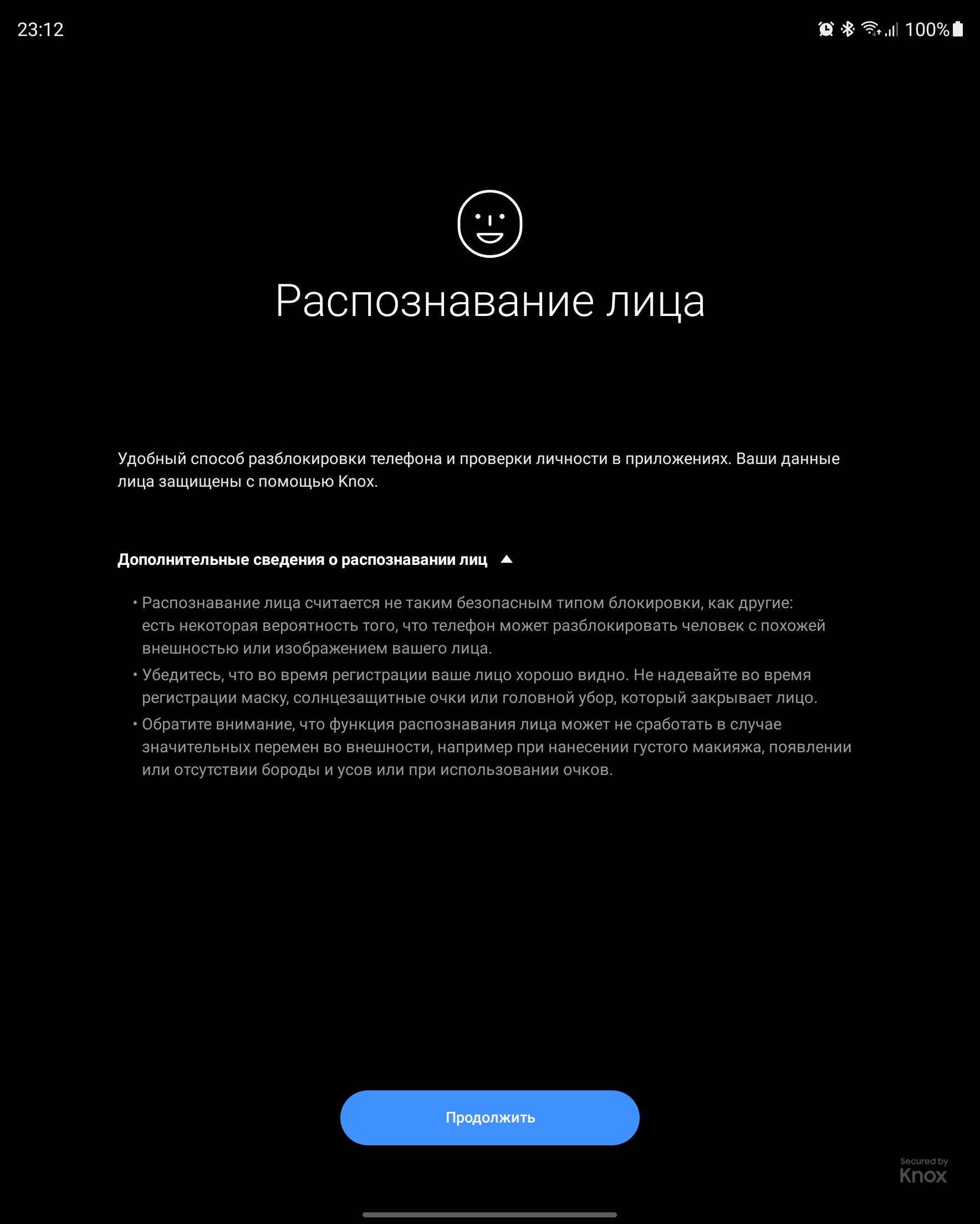
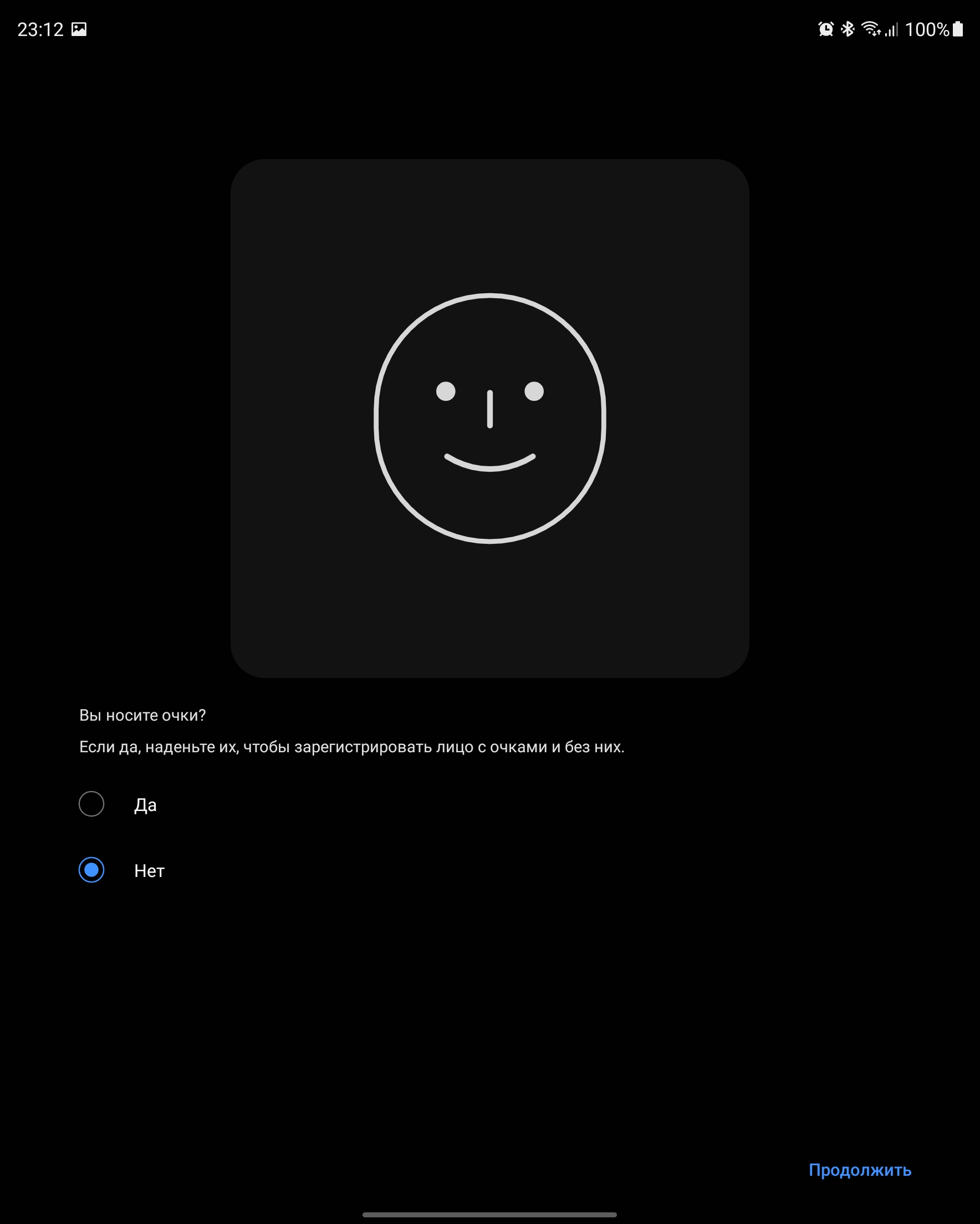
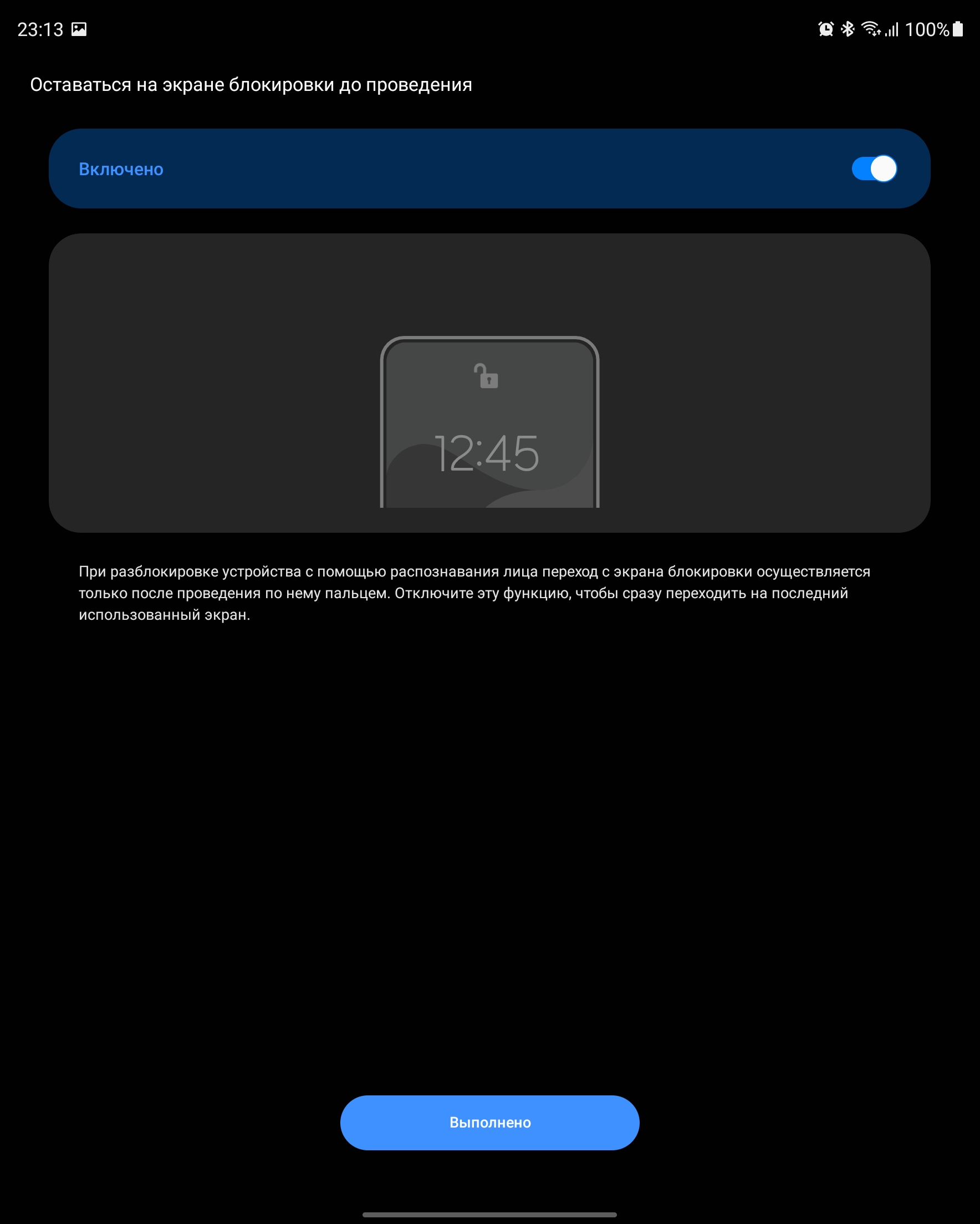
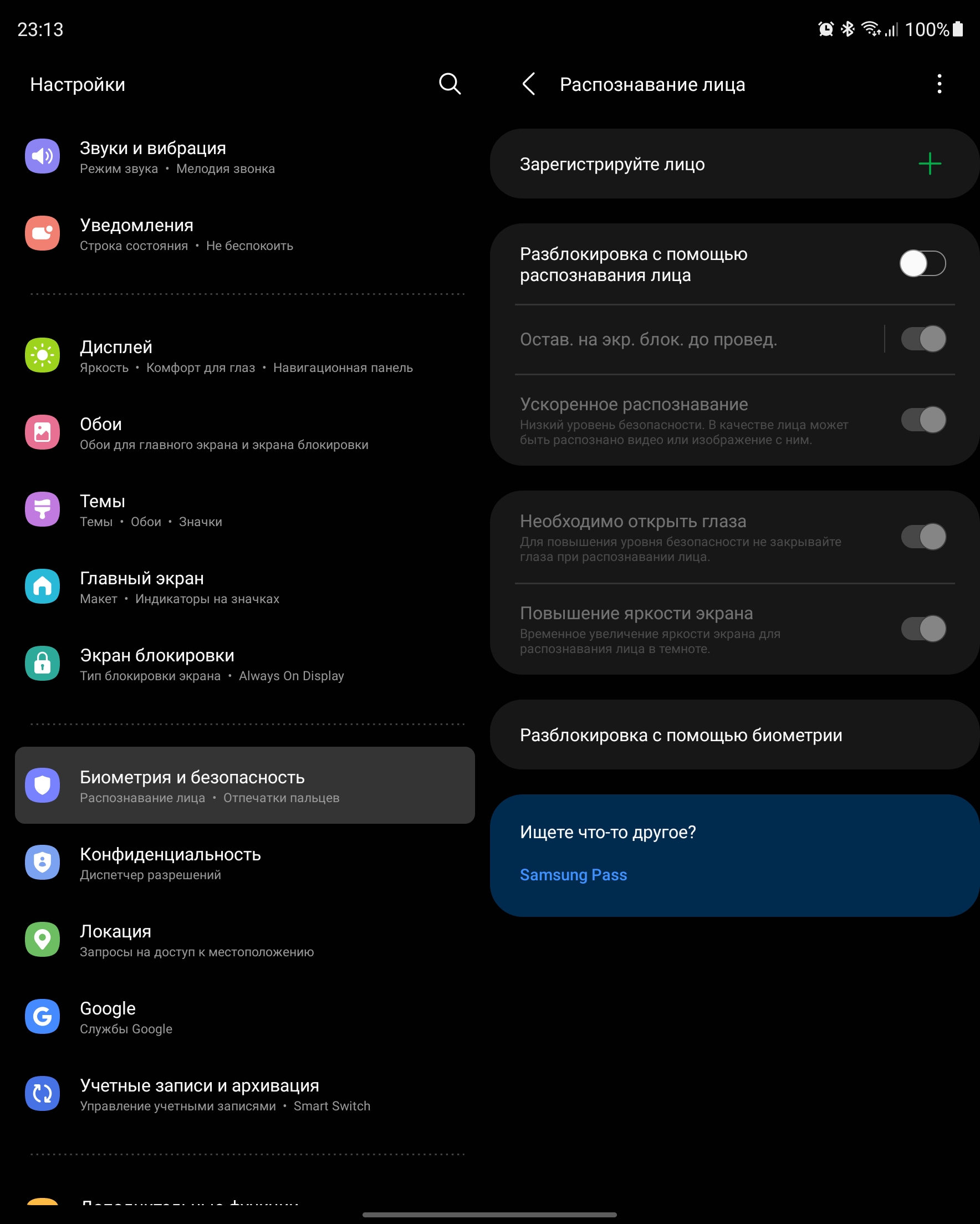
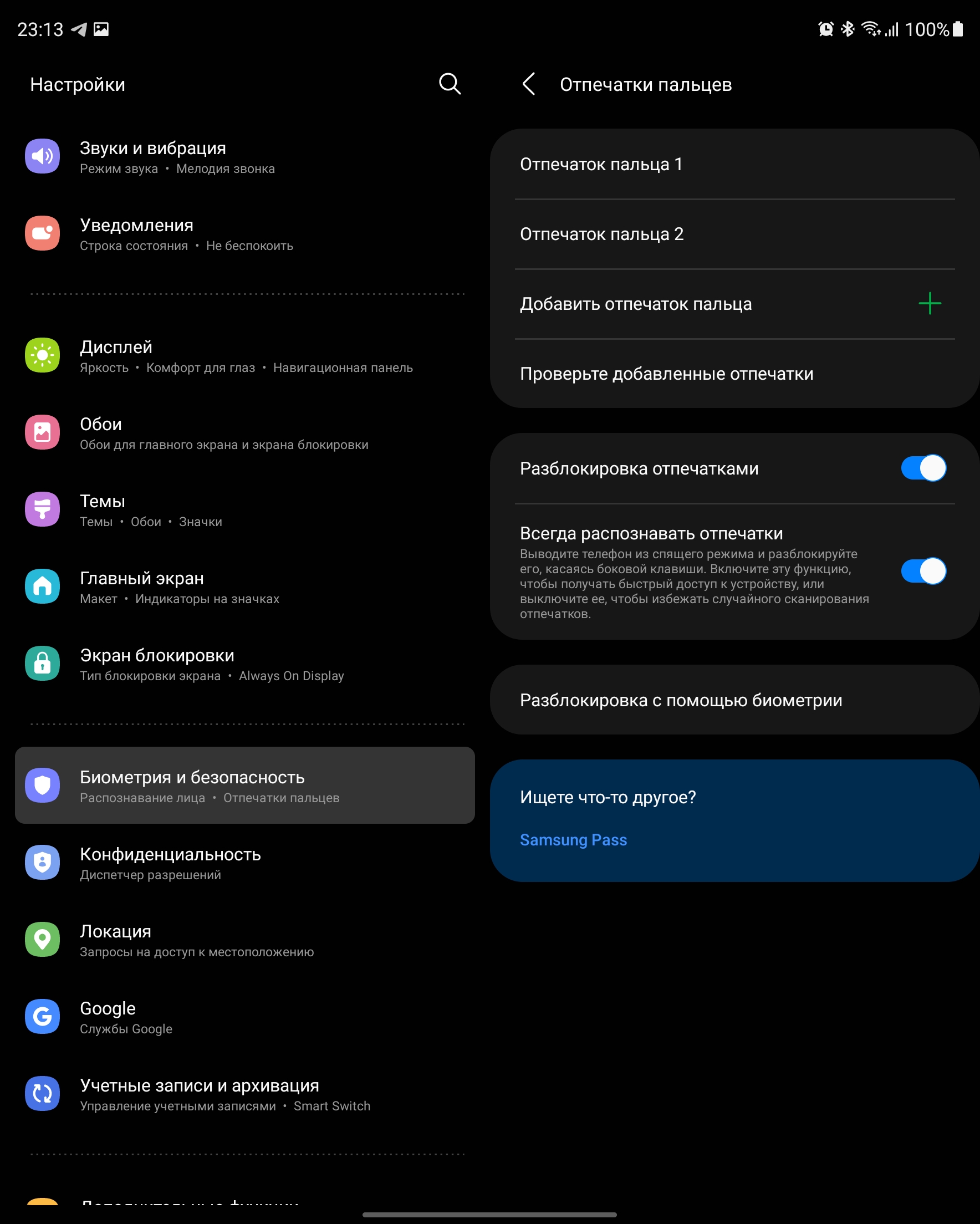
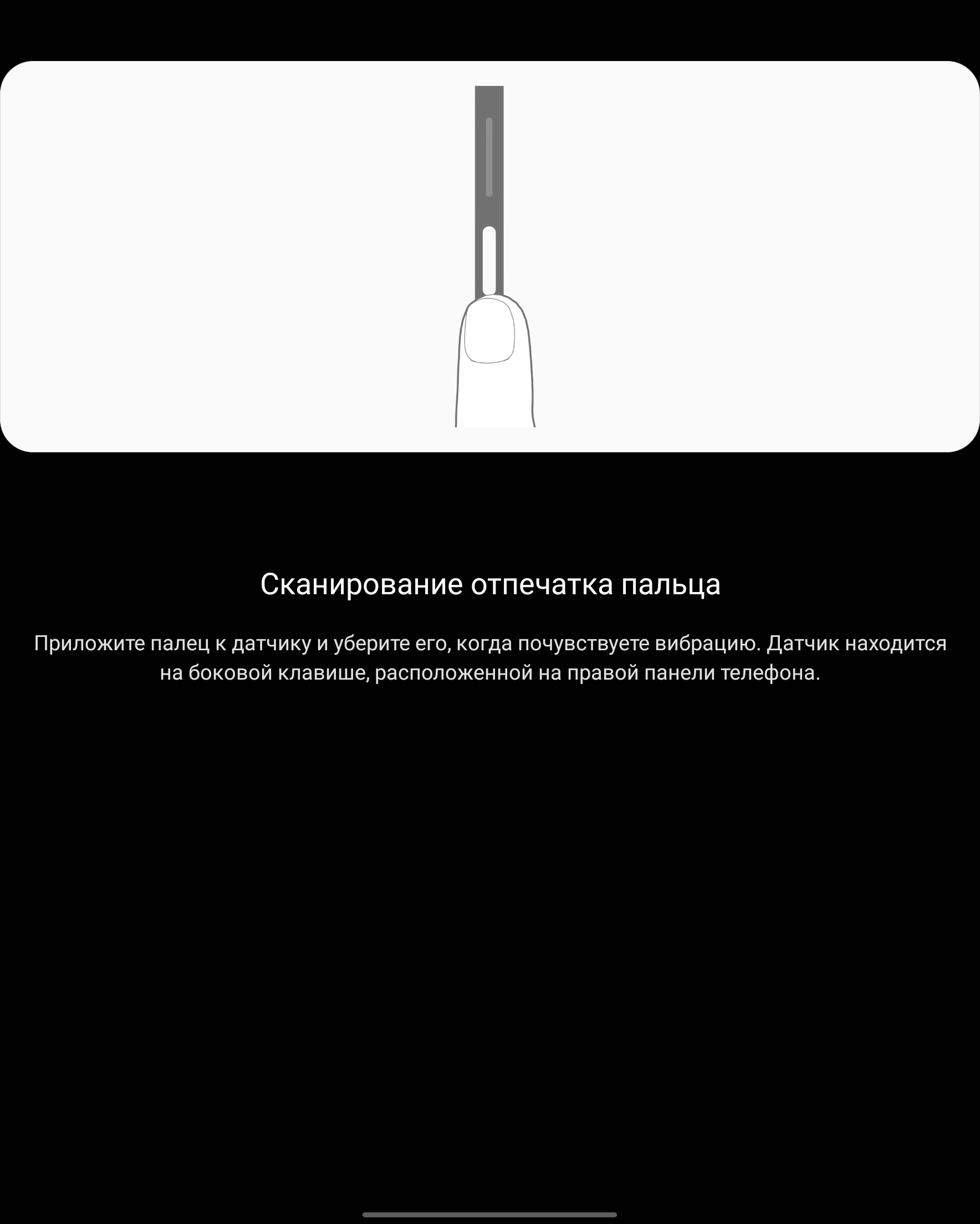
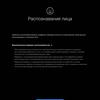
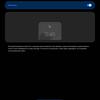
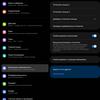
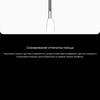
Like the Galaxy Fold2, the new Samsung Galaxy Z Fold3Got a fingerprint scanner in the power button on the side. It is located conveniently for both right and left hands when closed. When open, of course, it is somewhat inconvenient to reach with the finger of your left hand. It works very quickly and accurately, although it would be surprising if it were different. It can also be used to lower and raise the curtain. Face recognition is implemented using the front camera, so there are no special features in operation: it works quickly in sufficient lighting.
</ img>
</ img>
</ img>
</ img>
</ img>
</ img>
</ img>


What about performance, memory, sound and autonomy?
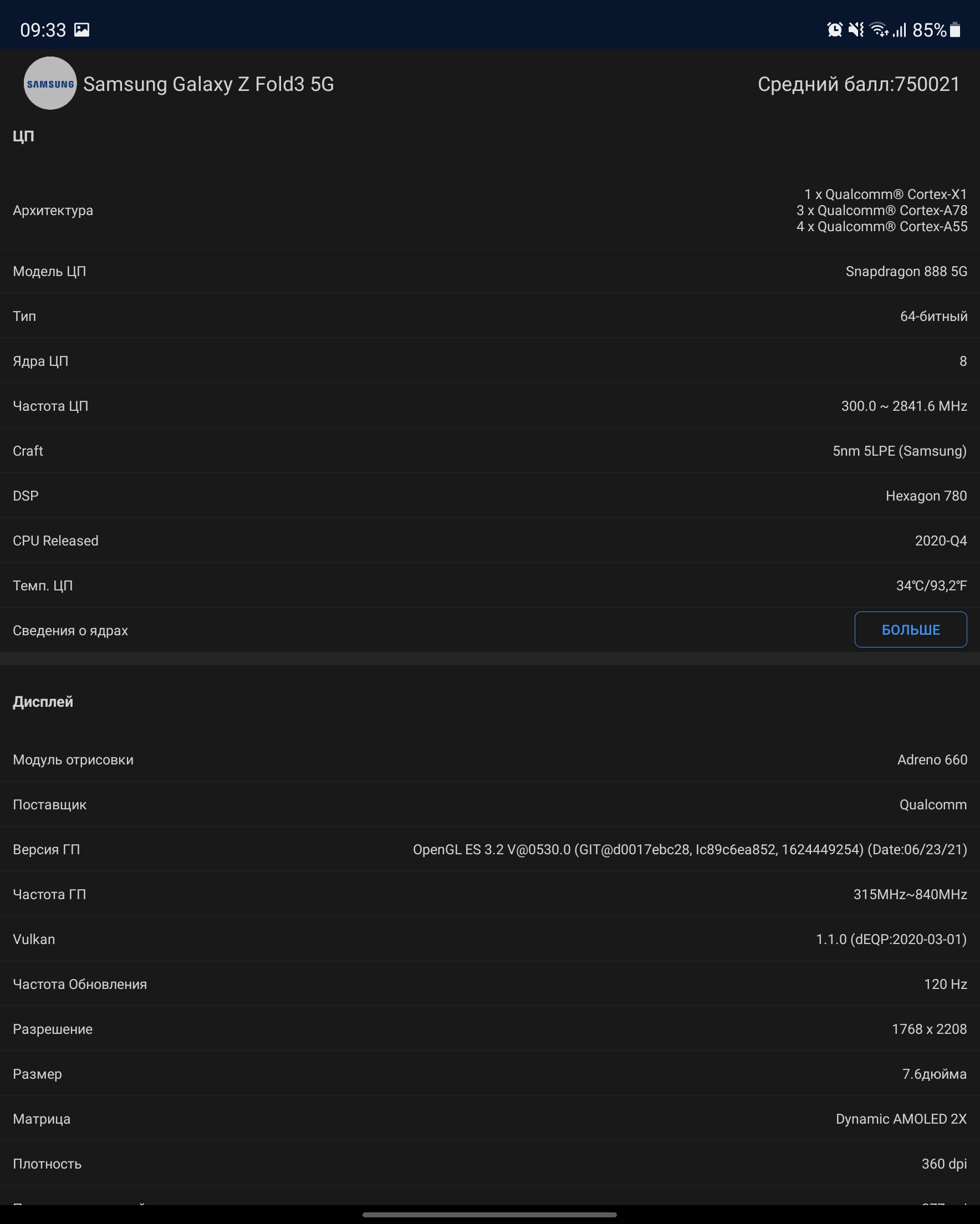
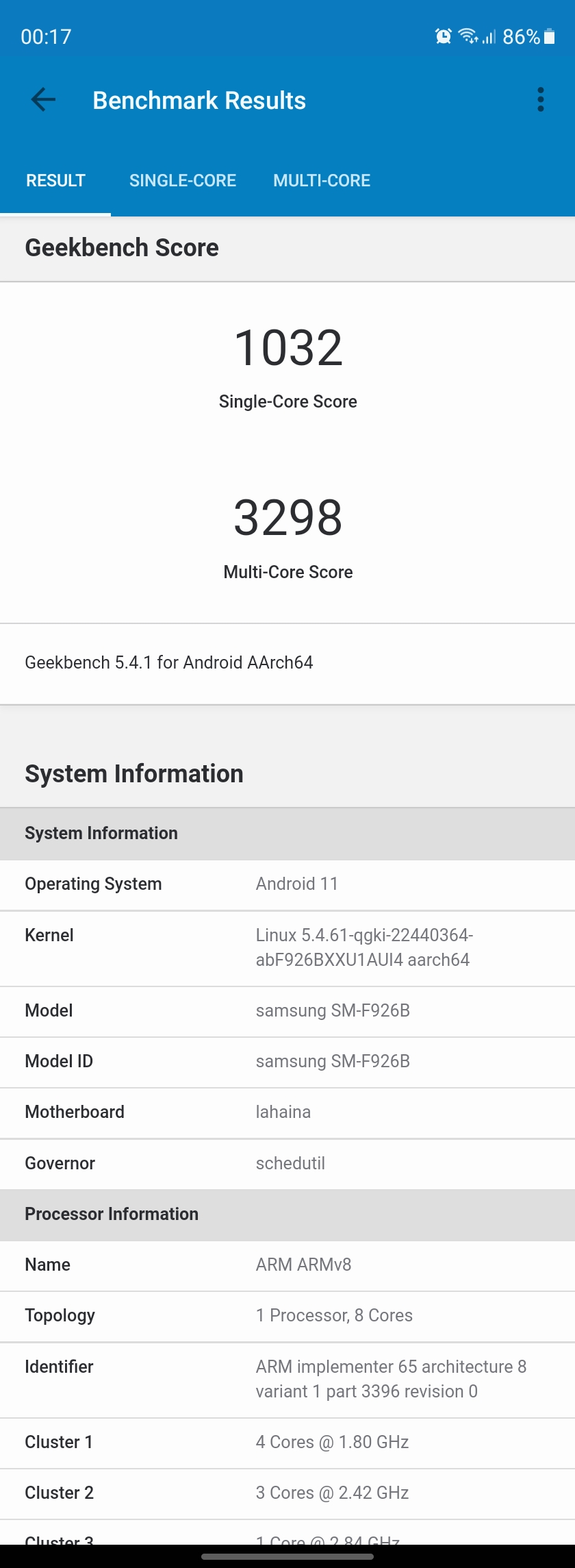
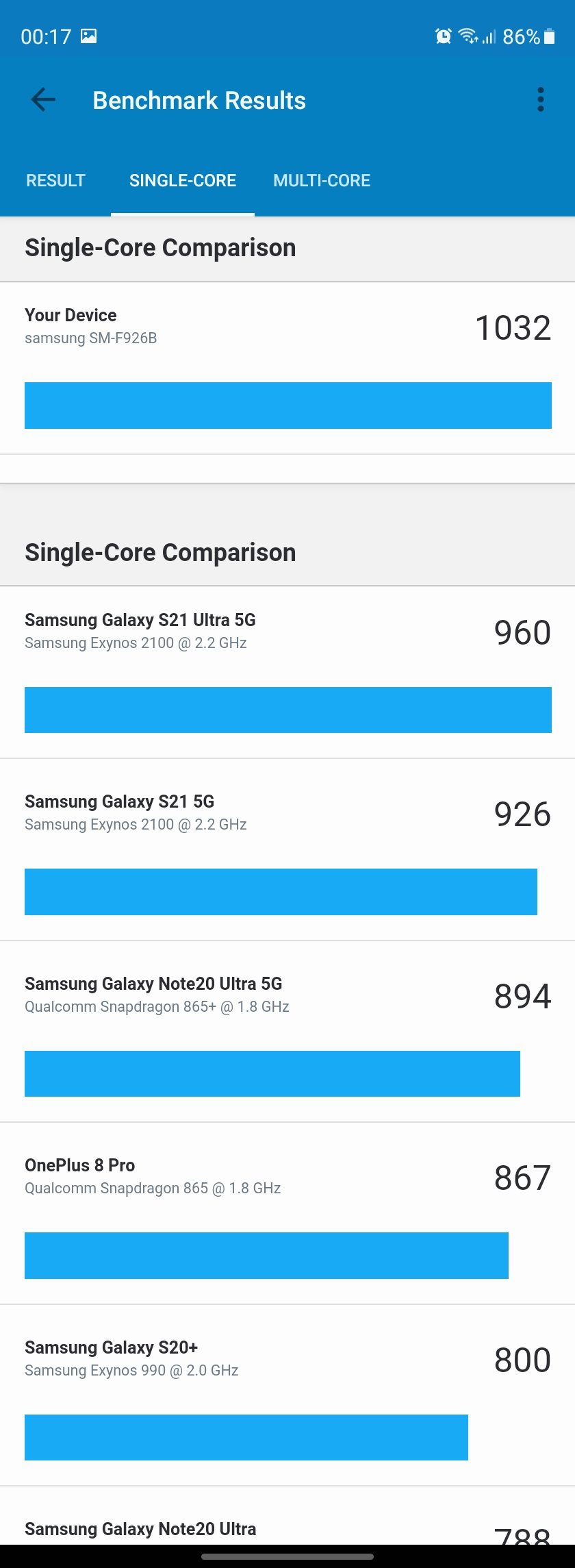
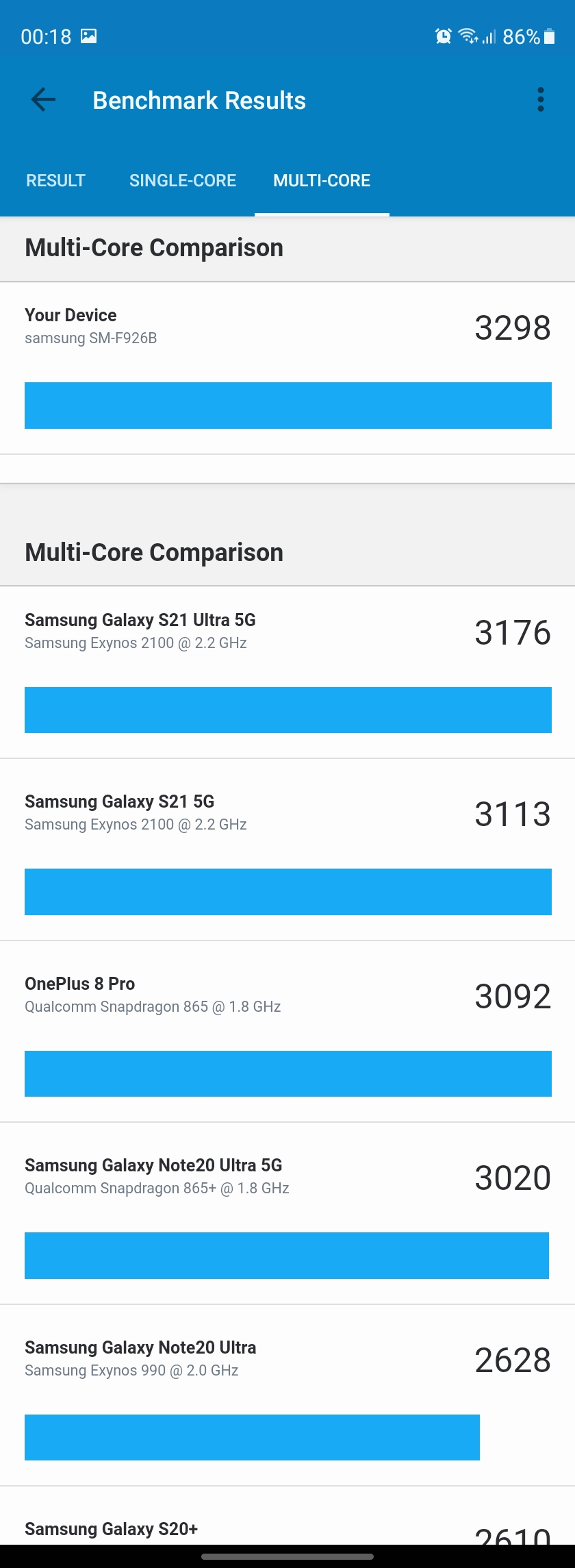
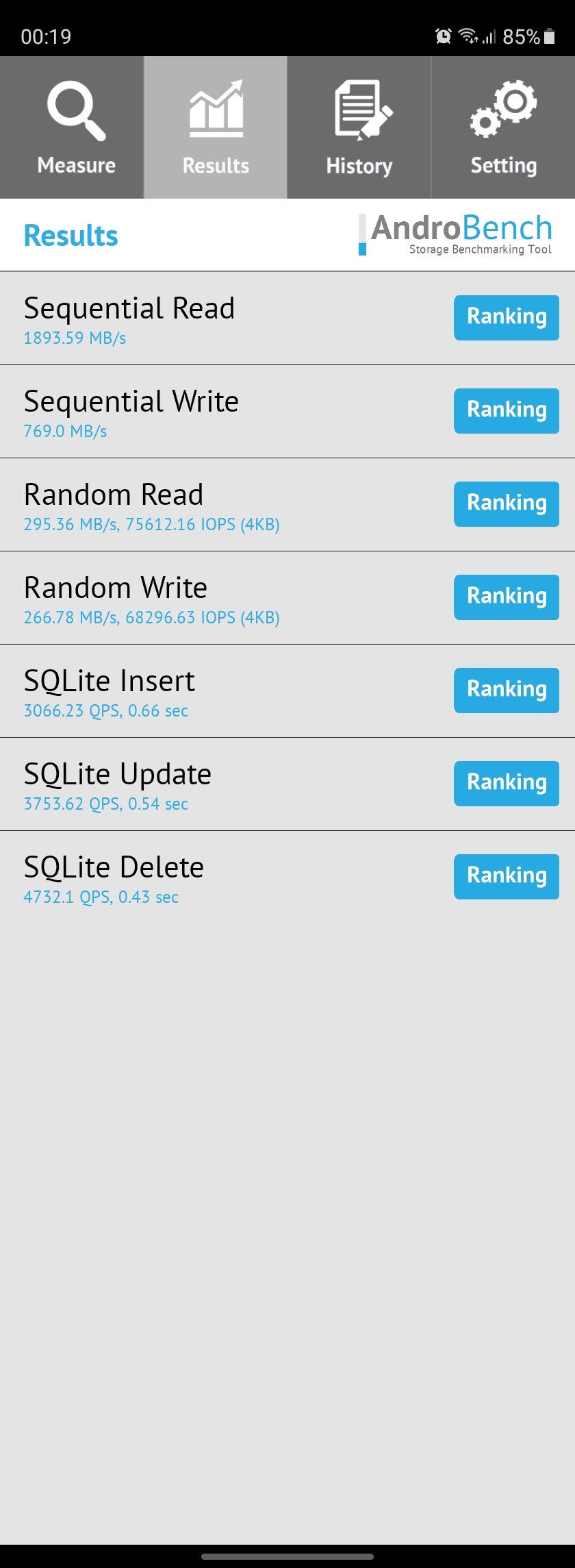
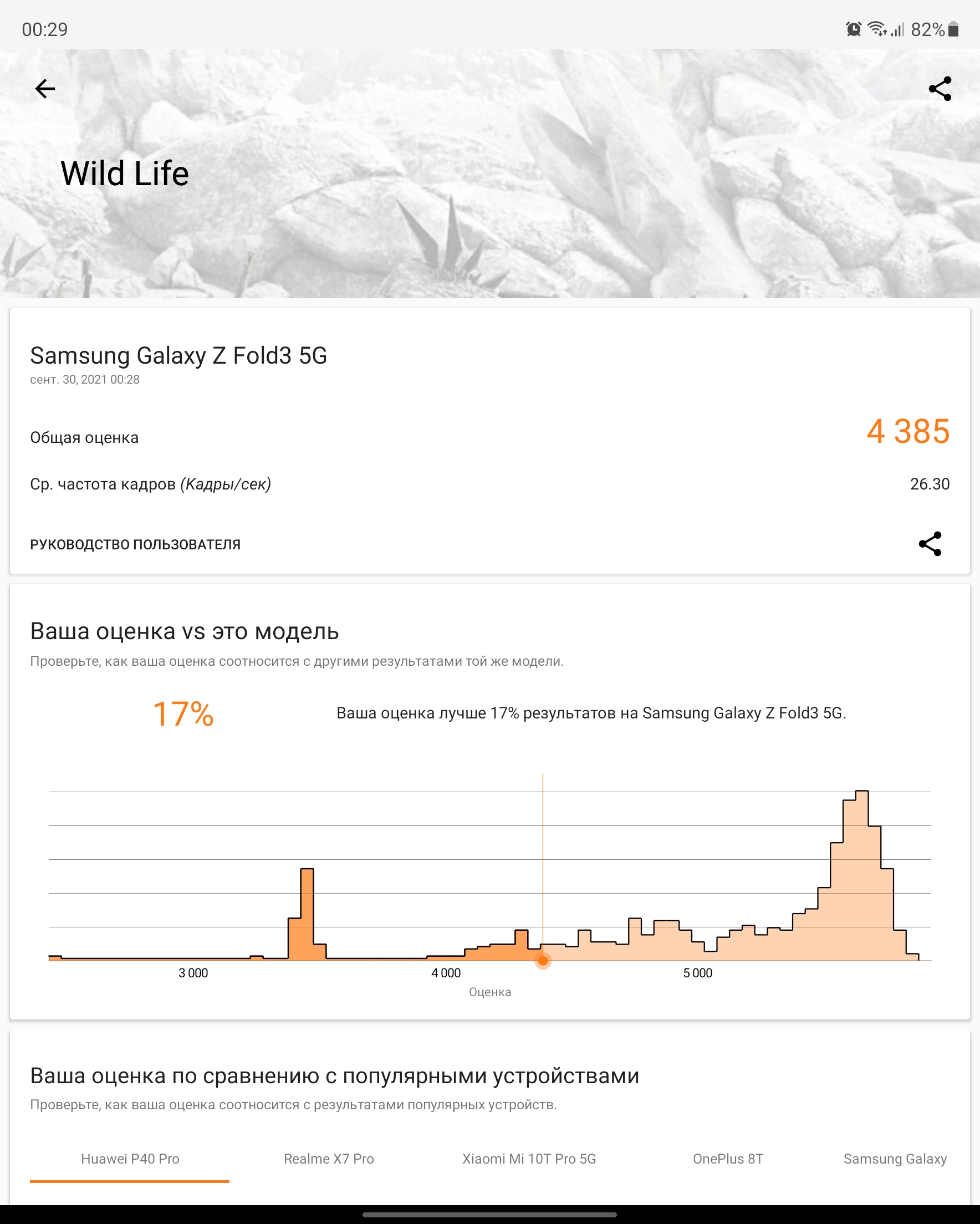
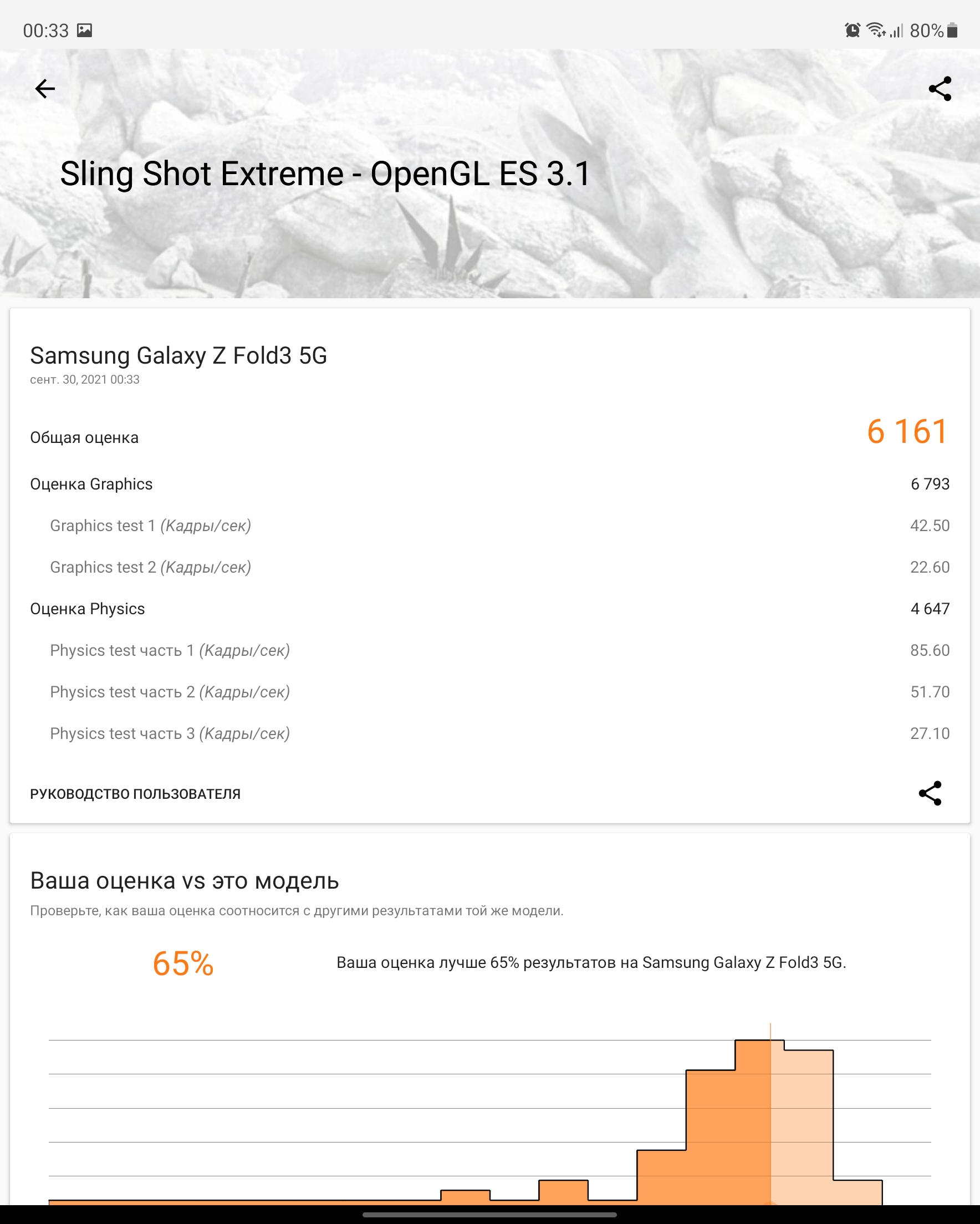
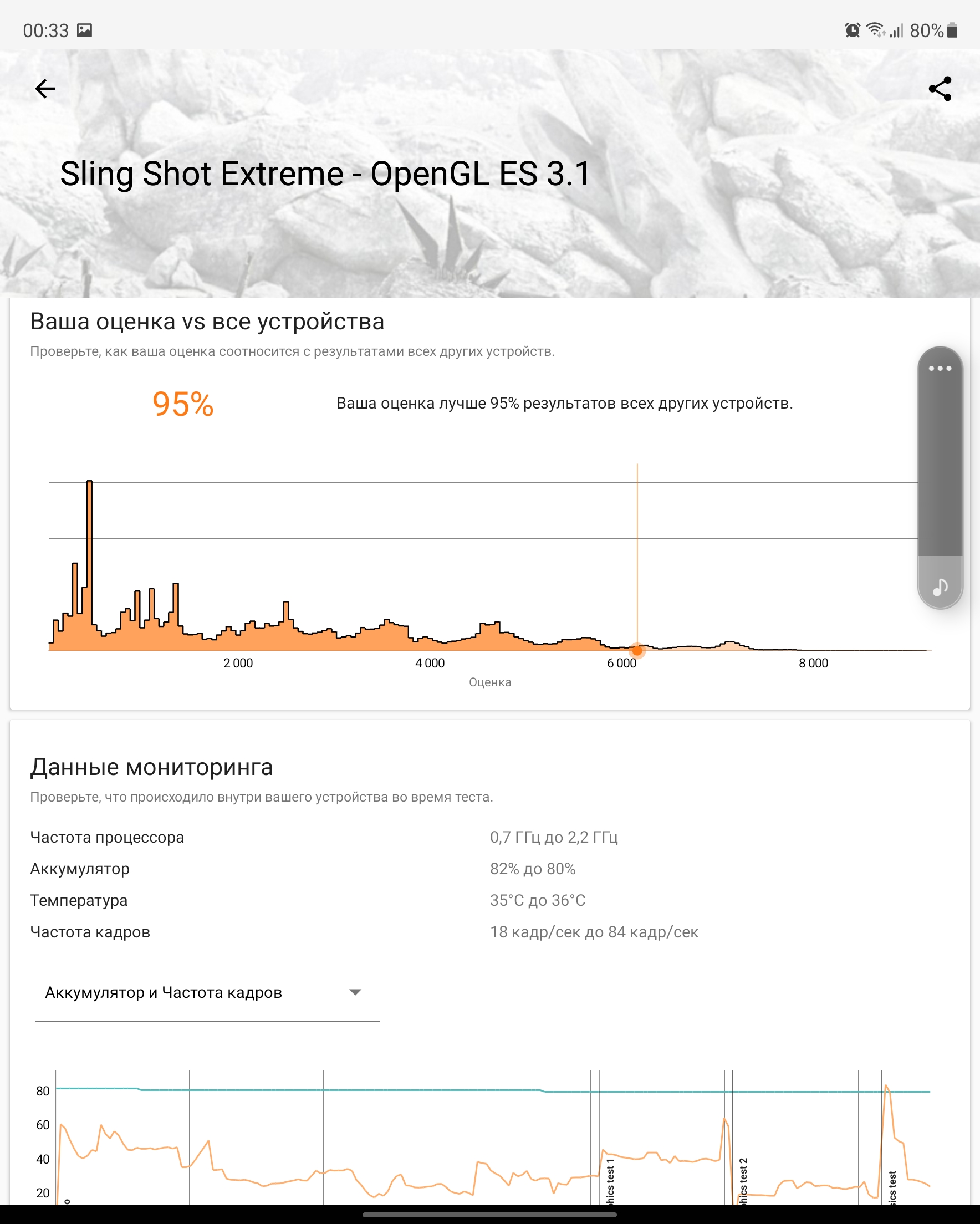
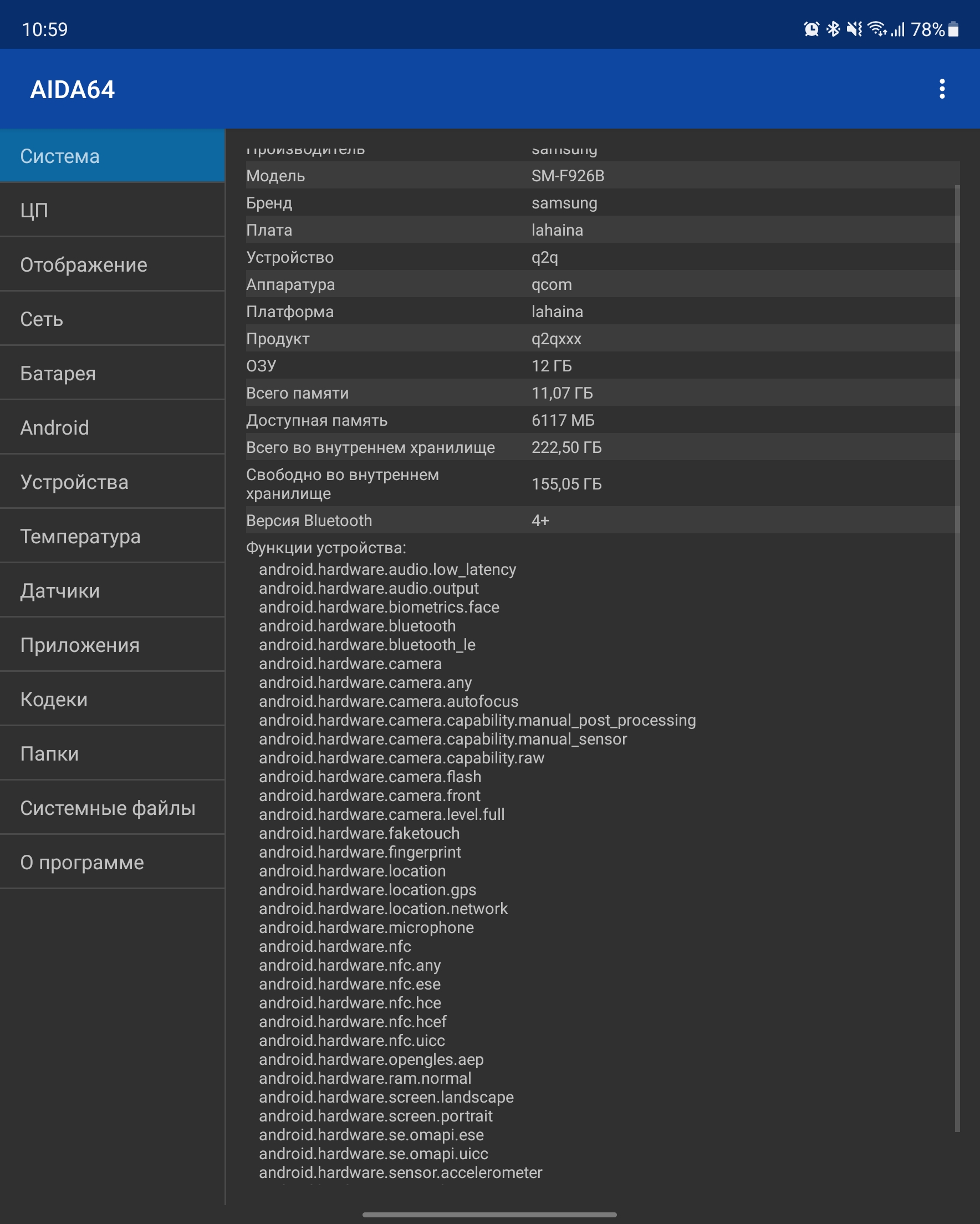
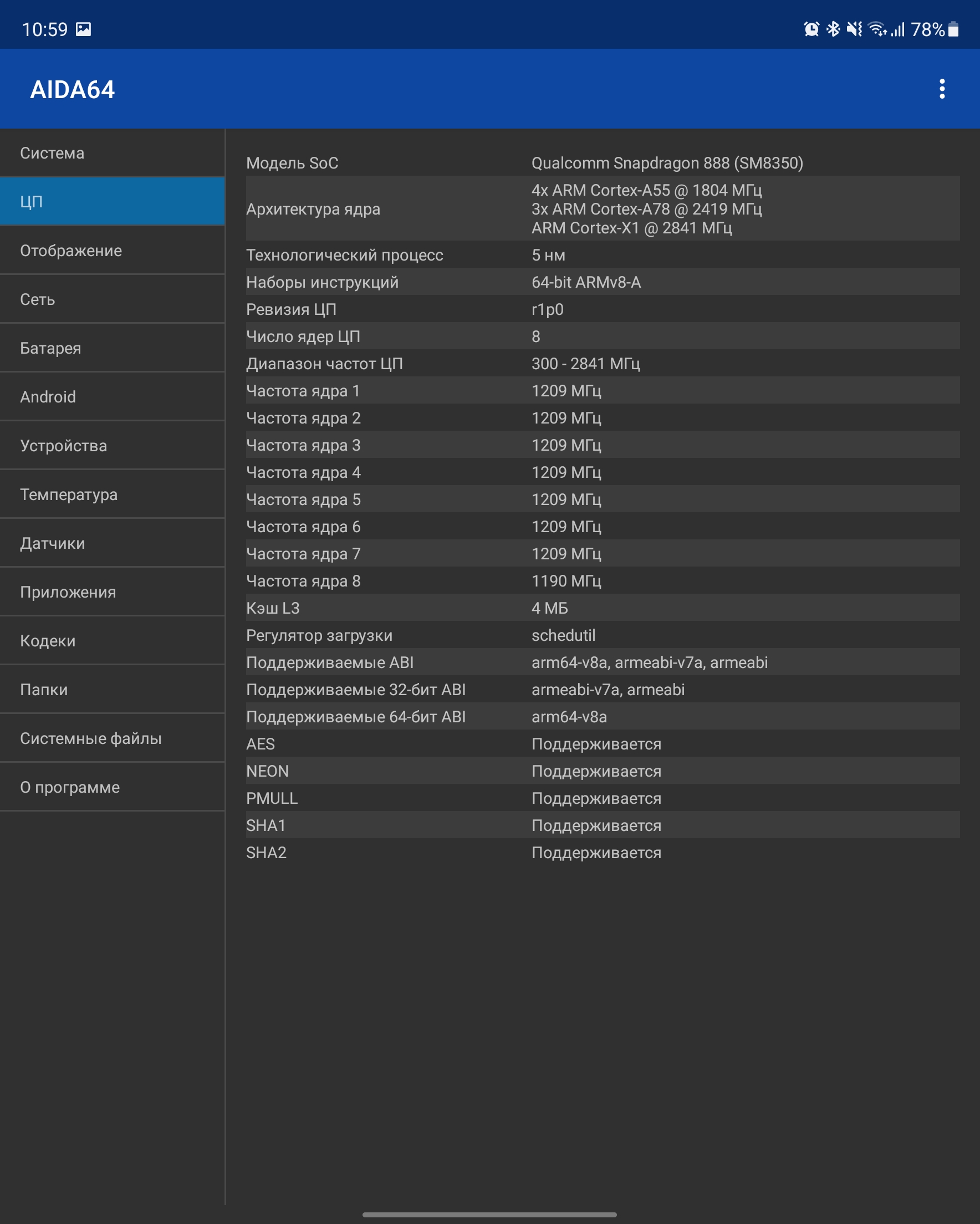
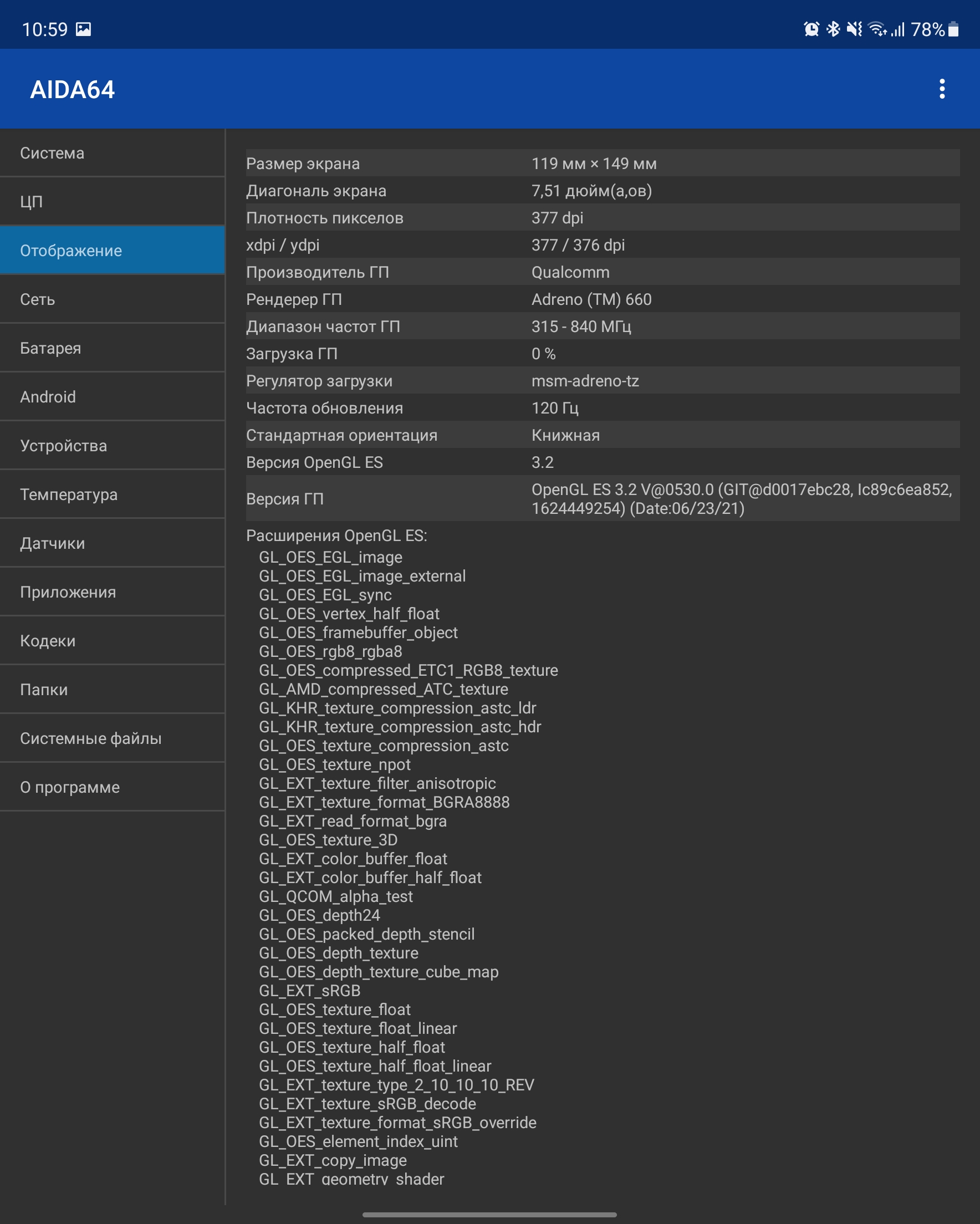
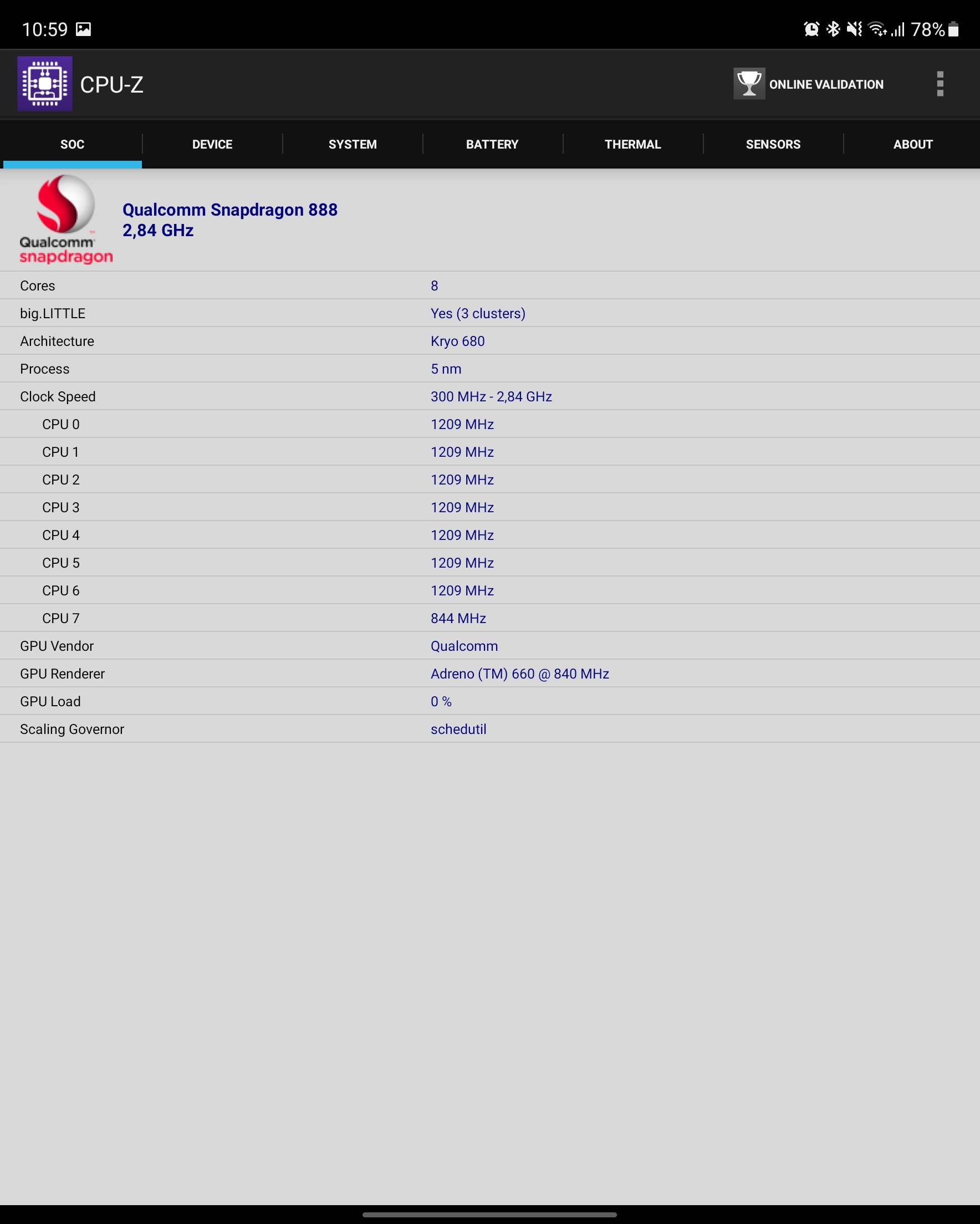
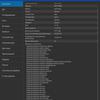
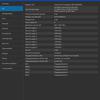
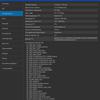
Unlike the flagship Galaxy S line,which comes in Exynos and Snapdragon variants for different countries, the flexible Galaxy Z always uses only one platform. It's always the flagship Snapdragon. Accordingly, the Samsung Galaxy Z Fold3 is equipped with an eight-core 5-nanometer Qualcomm Snapdragon 888 processor, which includes one Kryo 680 core clocked at up to 2.84 GHz, 3x Kryo 680 2.42 GHz and 4x Kryo 680 at 1.8 GHz. The Adreno 660 accelerator is responsible for the graphics. RAM in all variants is 12 GB. Built-in - 256 or 512 GB UFS 3.1 standard. Everything is fine with performance, the results in synthetic tests are appropriate.
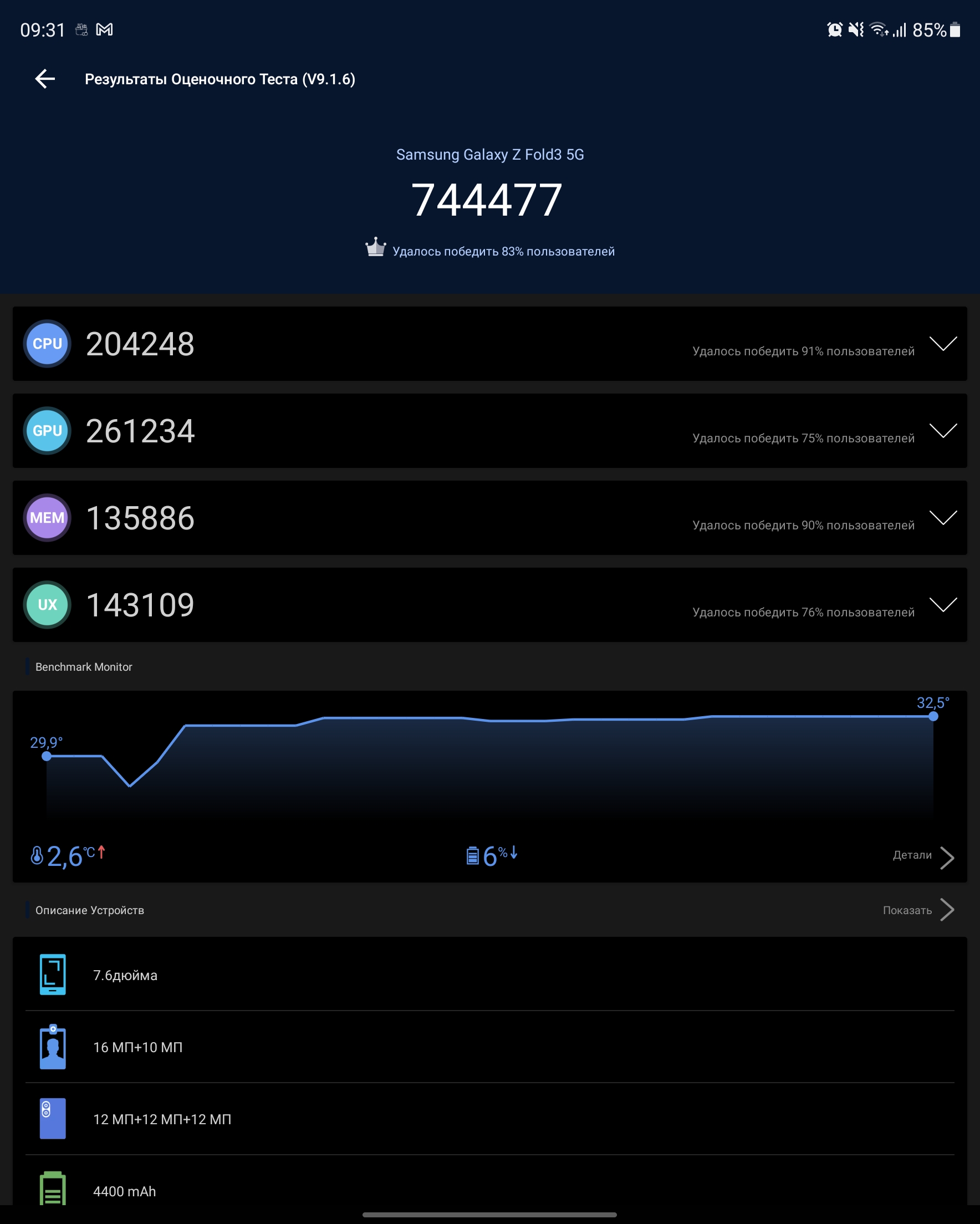
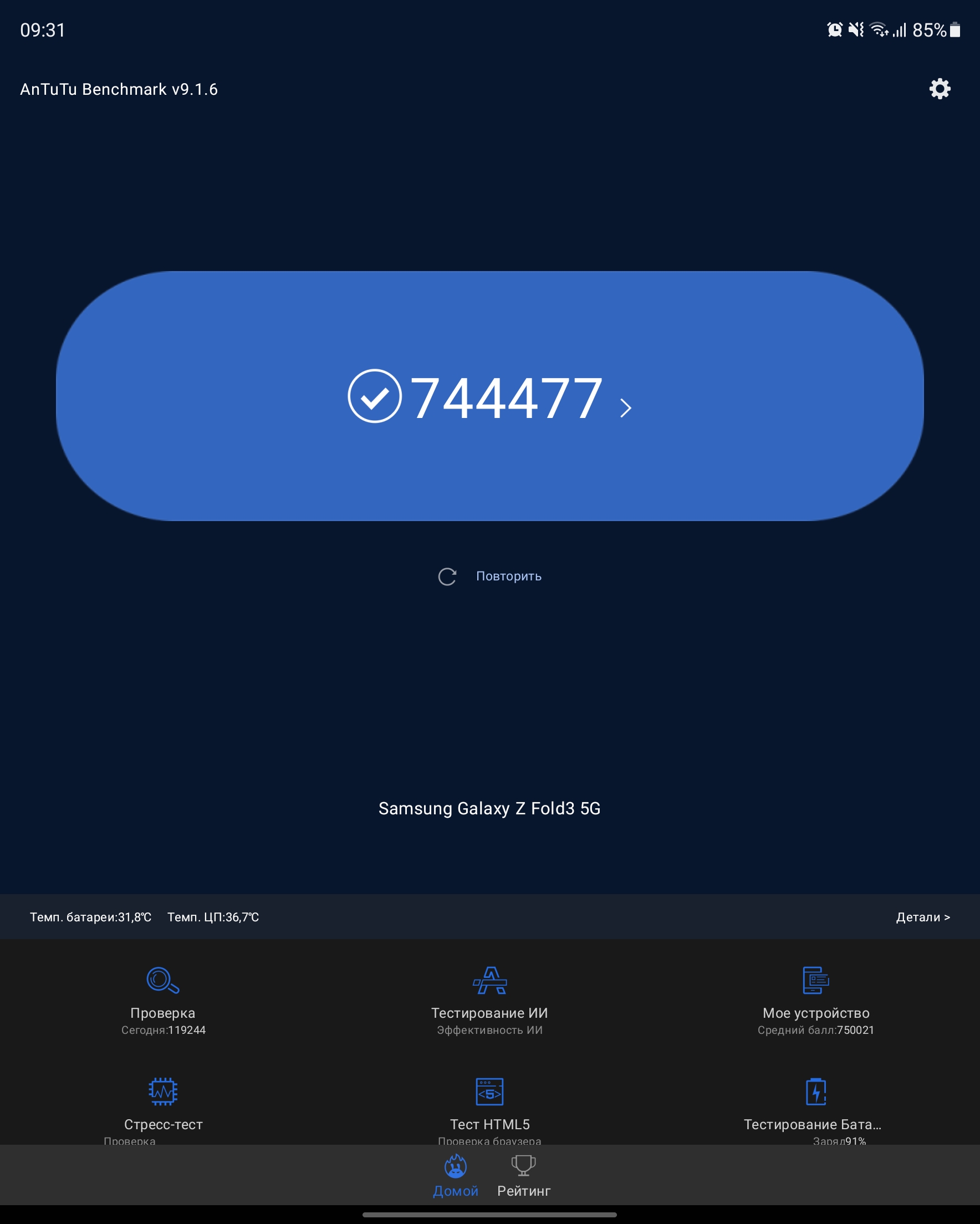
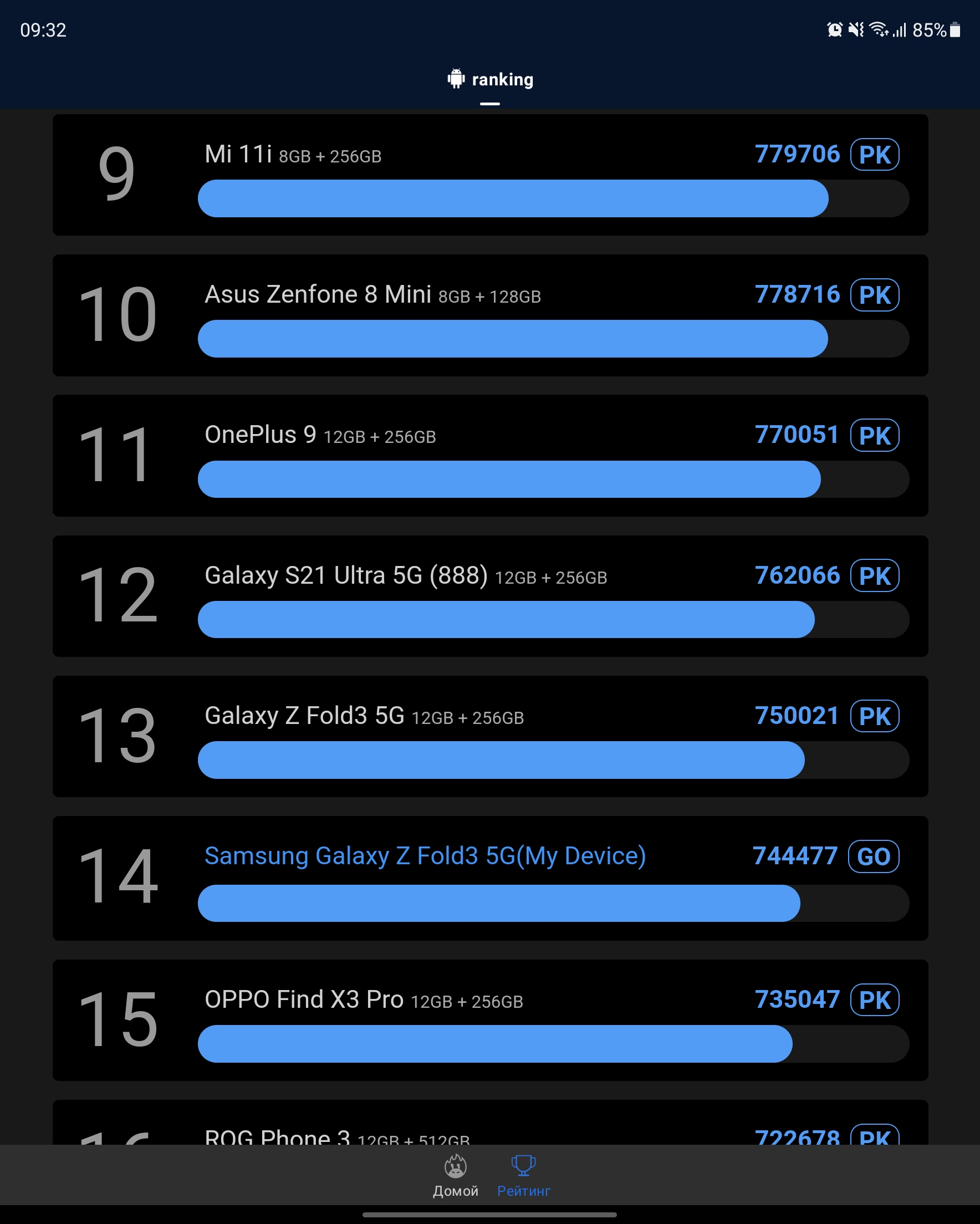
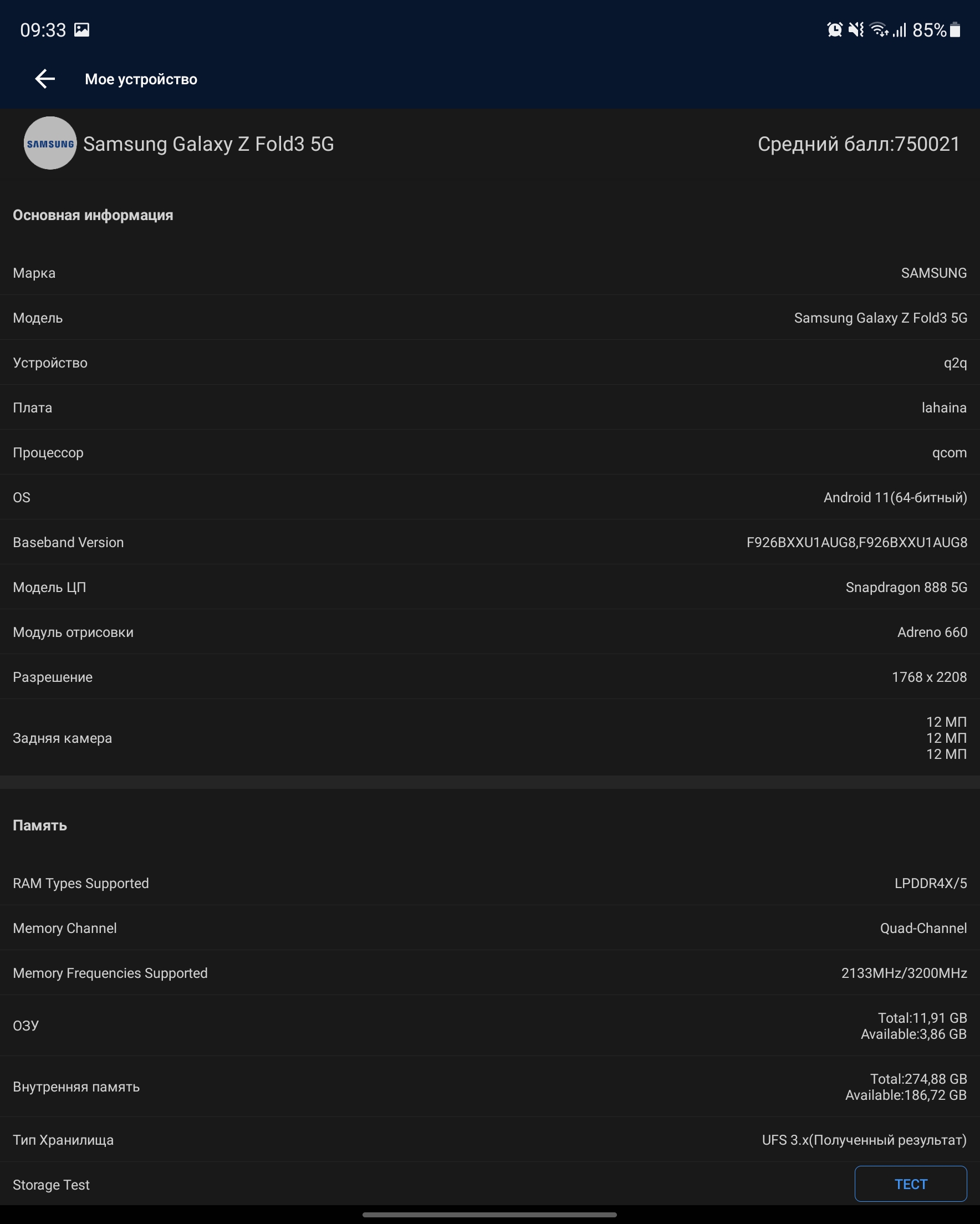
</ img>
</ img>

</ img>
</ img>
</ img>
</ img>
</ img>
</ img>
</ img>
</ img>
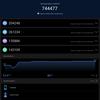

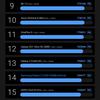
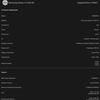
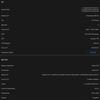
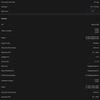
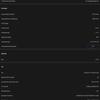
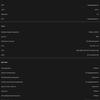
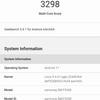
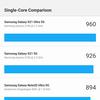
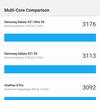


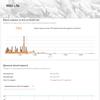
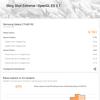
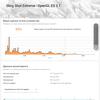

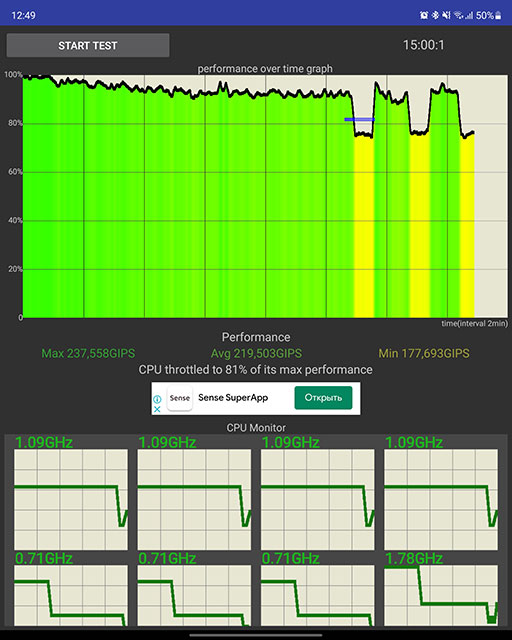
Snapdragon 888 processor has some problemswith overheating. In the Samsung Galaxy Z Fold3, it surprisingly behaves relatively adequately. Only at the end of the 15-minute test were there temporary drops of almost 70%. The case heats up next to the camera, but the heating is minimal.
</ img>
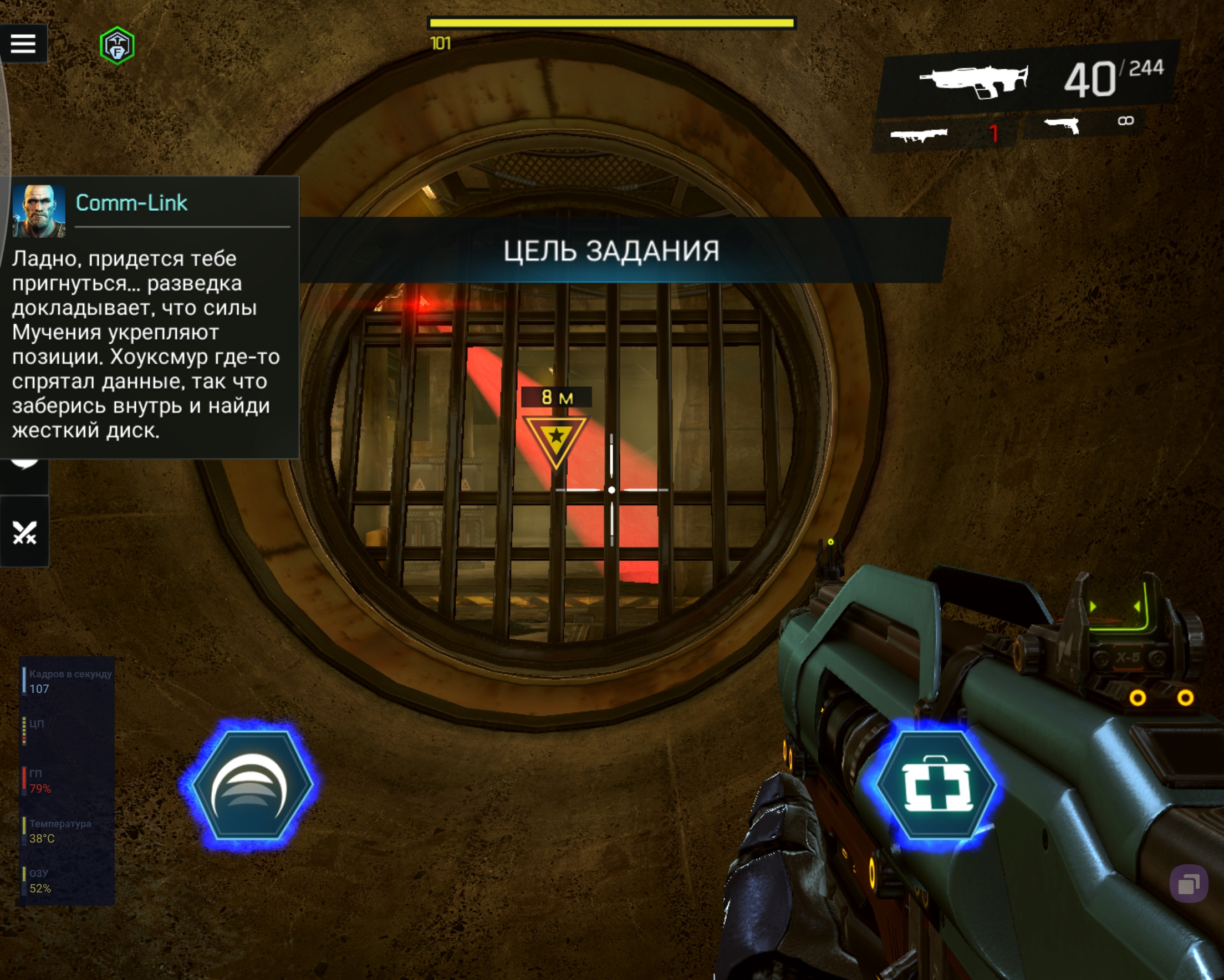
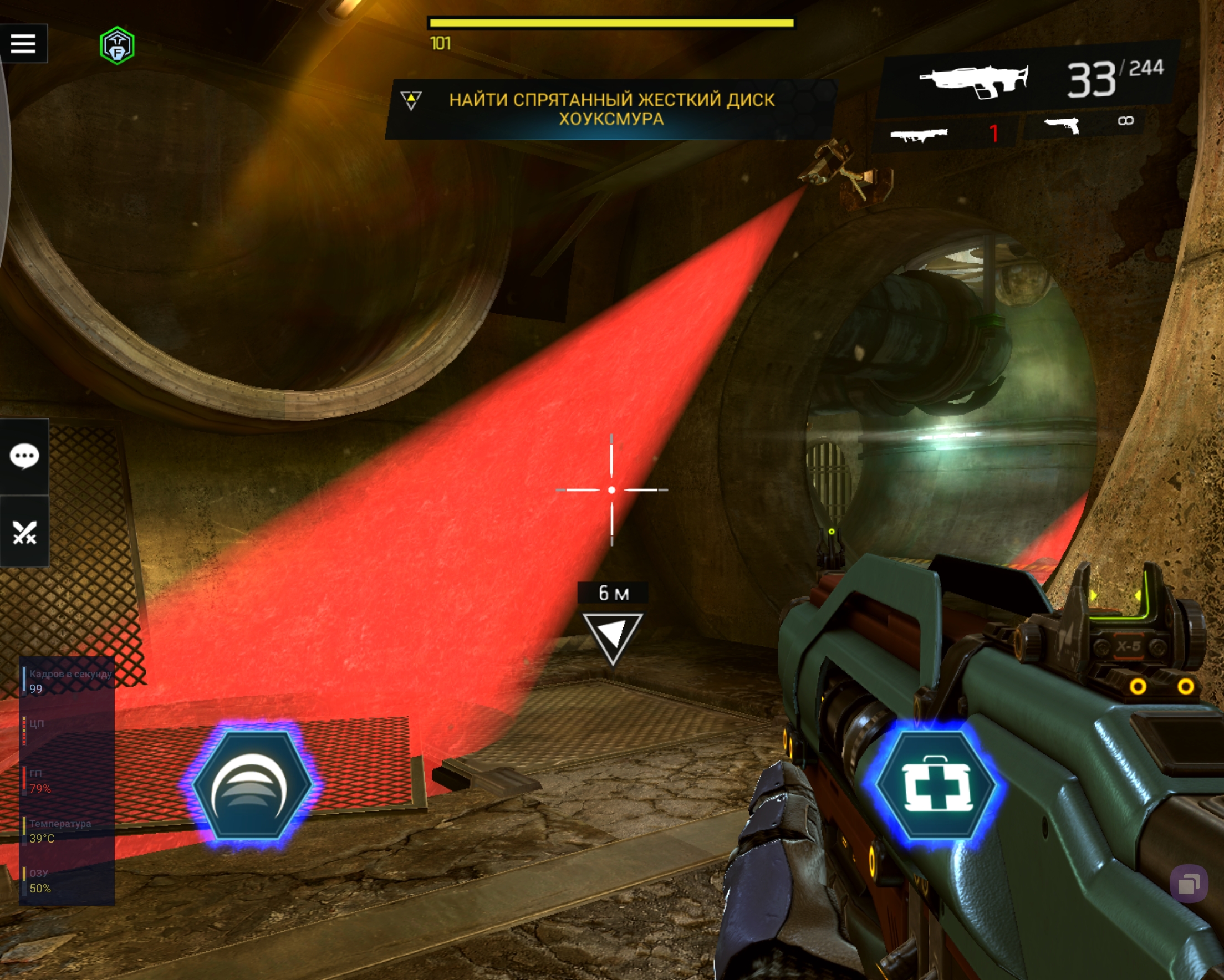
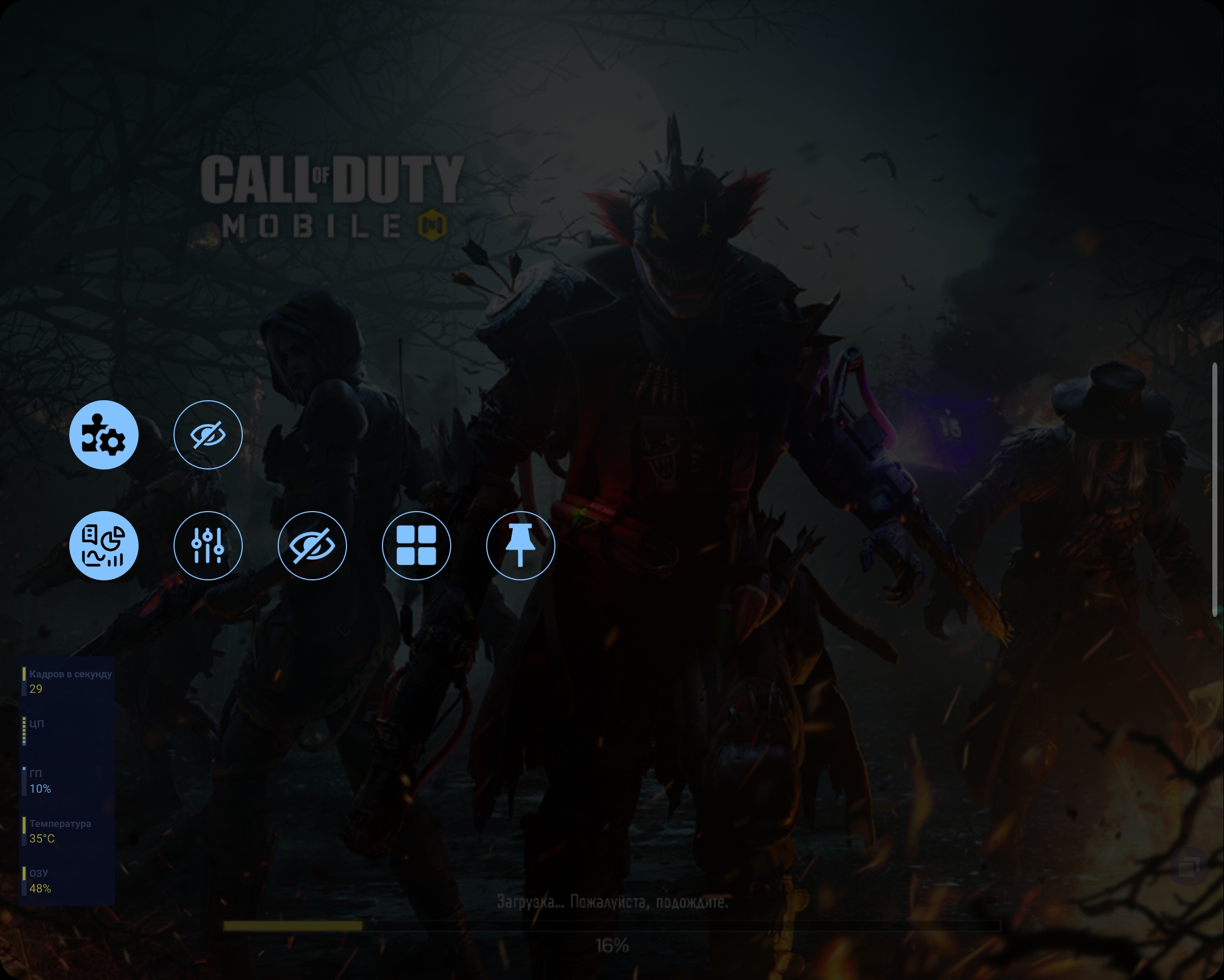
Samsung Galaxy Z Fold3 comes pre-installedtraditional proprietary gaming utility Game Center with a hub of installed games and Game Booster add-ons. There are settings for increasing productivity, disabling notifications, blocking brightness, etc., as usual for such utilities. So are downloadable things. The most useful is perhaps Z Pref. It is responsible for monitoring GPU load, temperature and FPS in real time. As for the games themselves, in Call of Duty Mobile at maximum graphics settings the fps indicator almost always shows 60 frames per second, in NFS No Limits - 60 fps, and Shadowgun Legends runs mainly at a frame rate of about 100 fps with minor fluctuations.
</ img>
</ img>
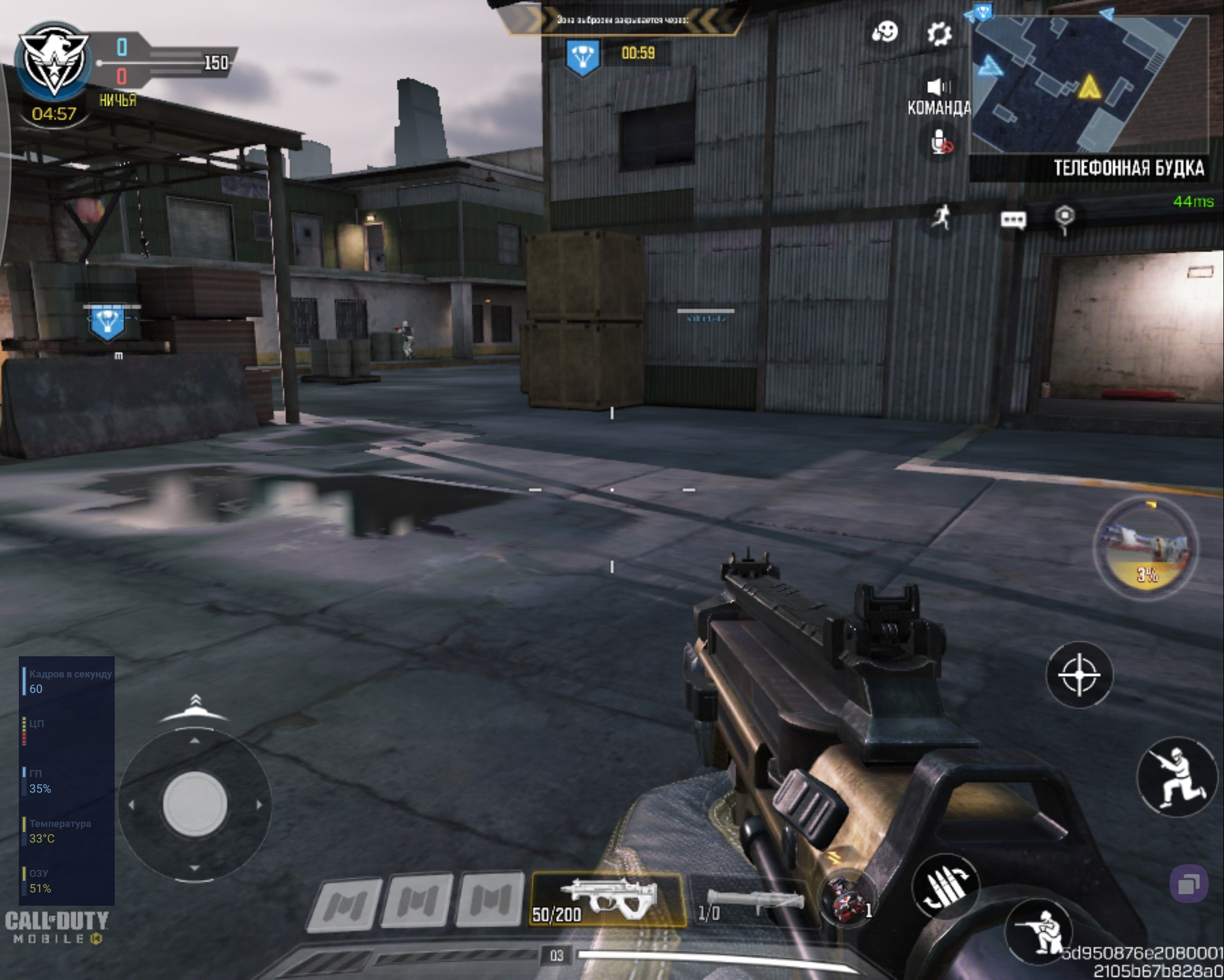
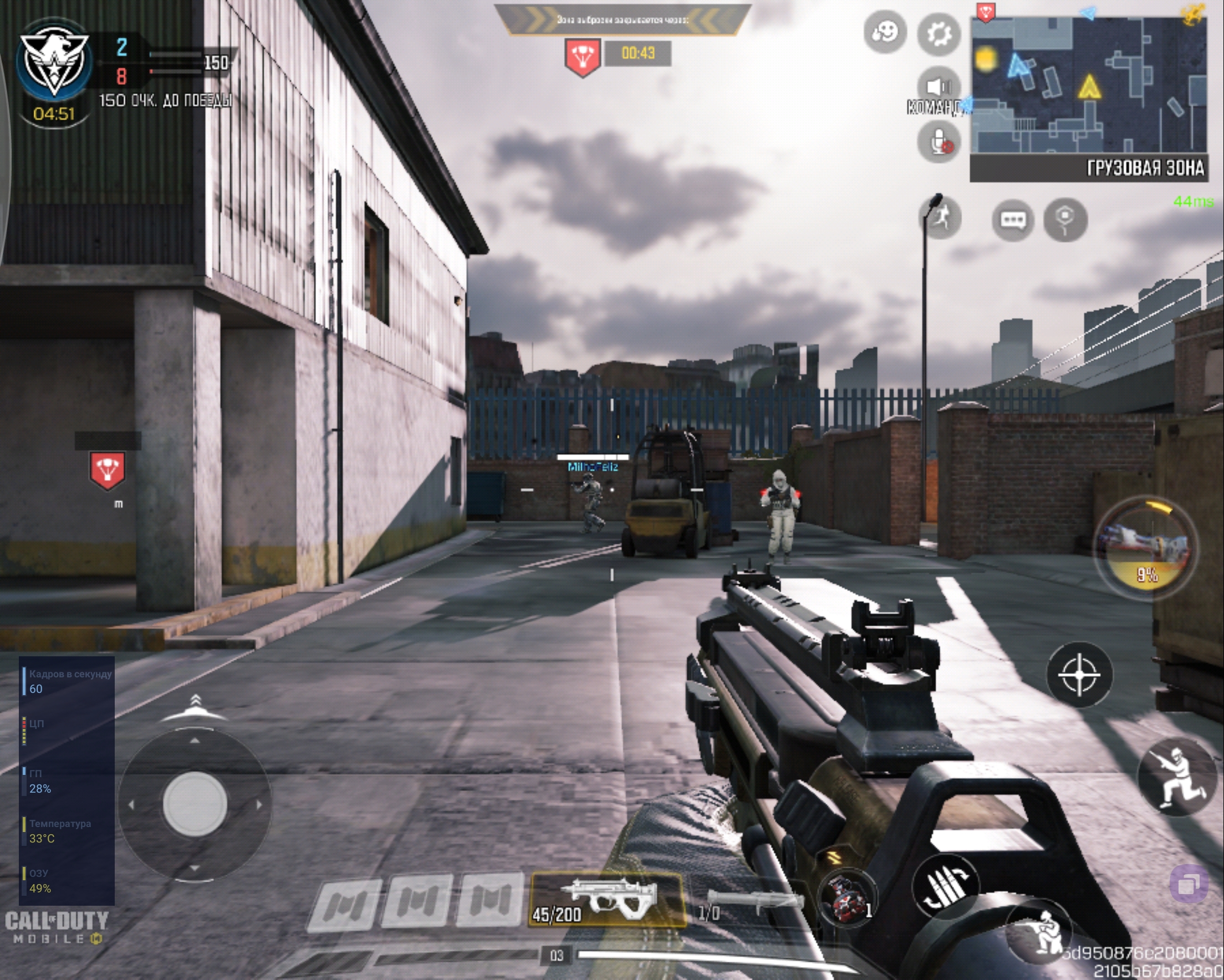

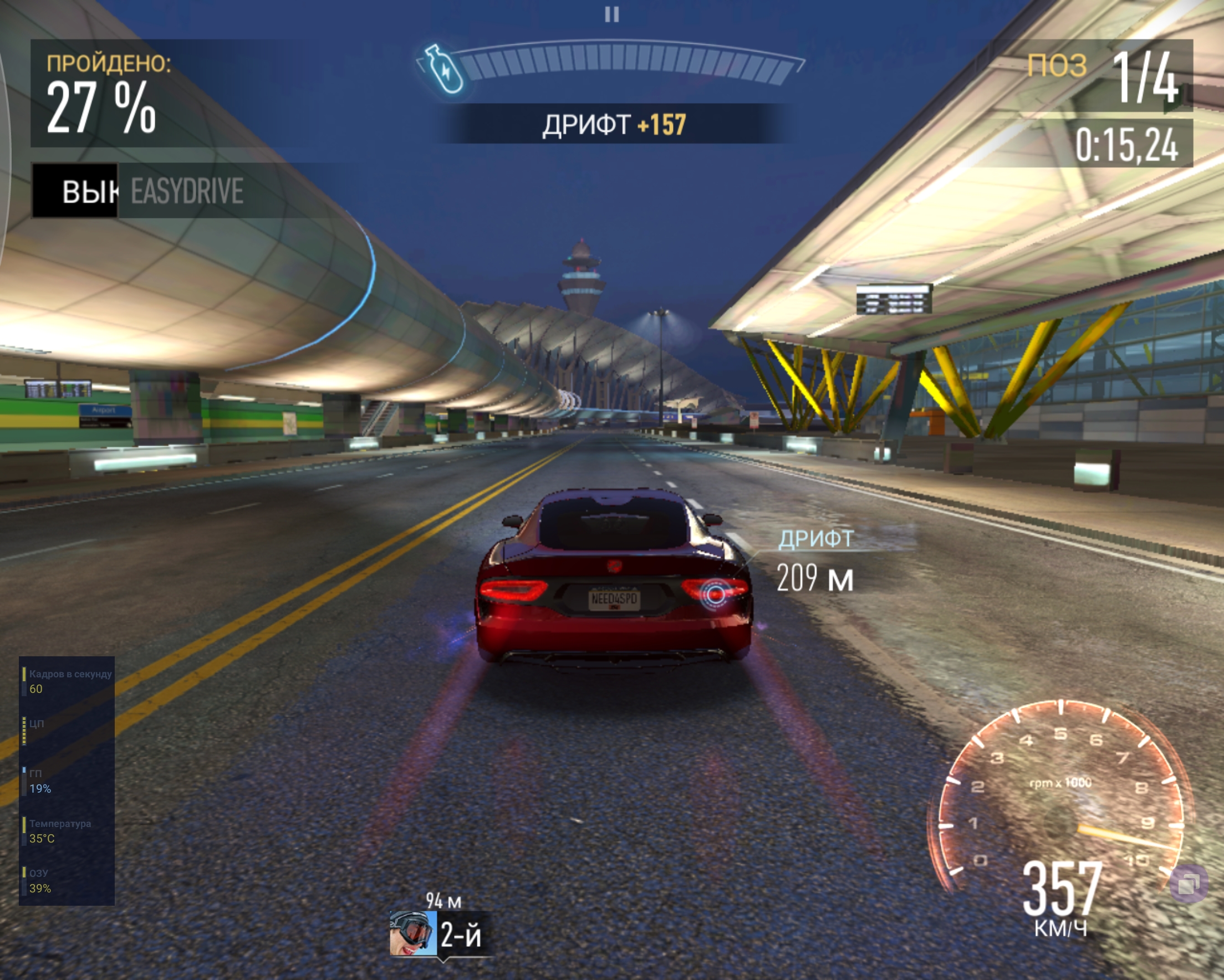
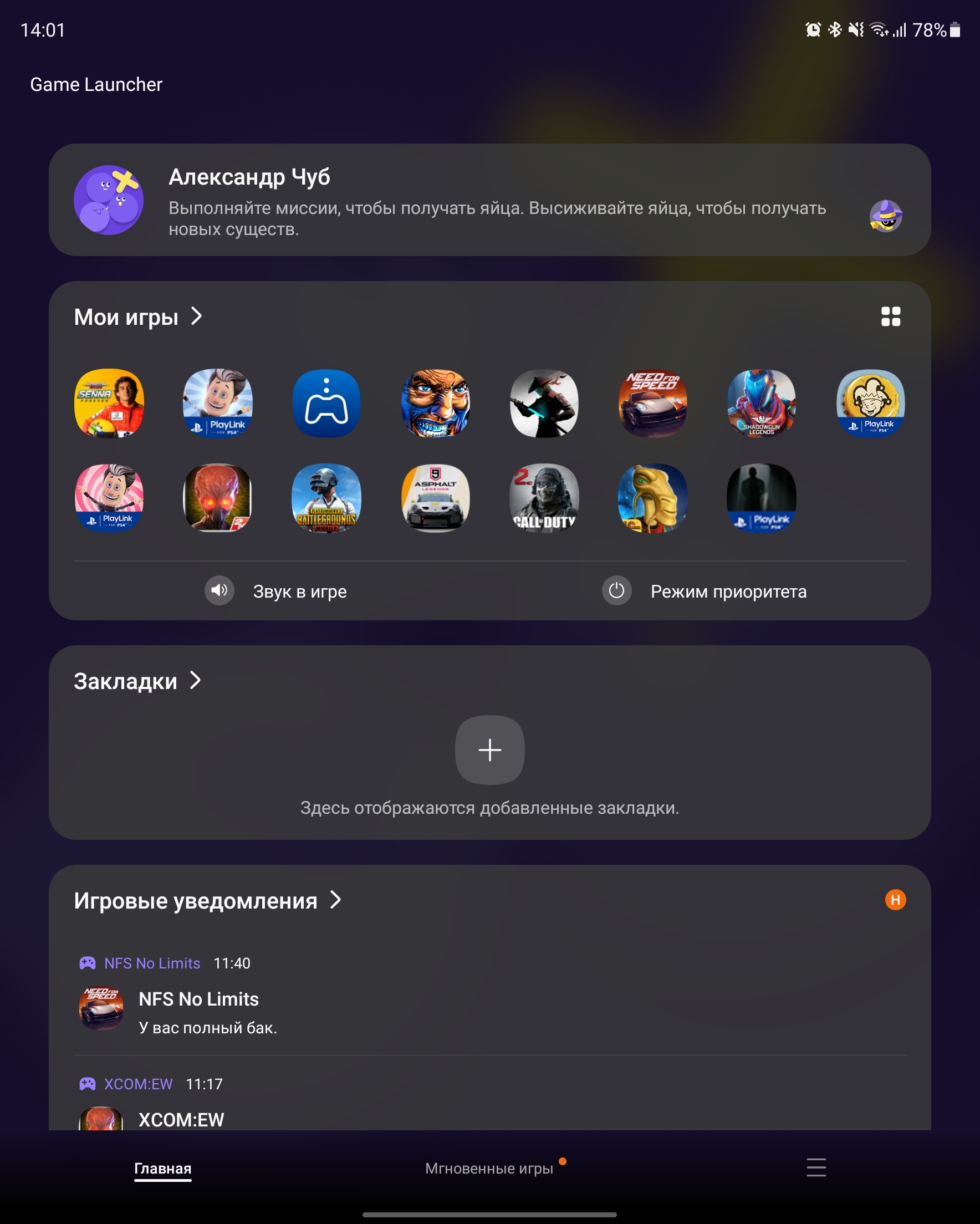
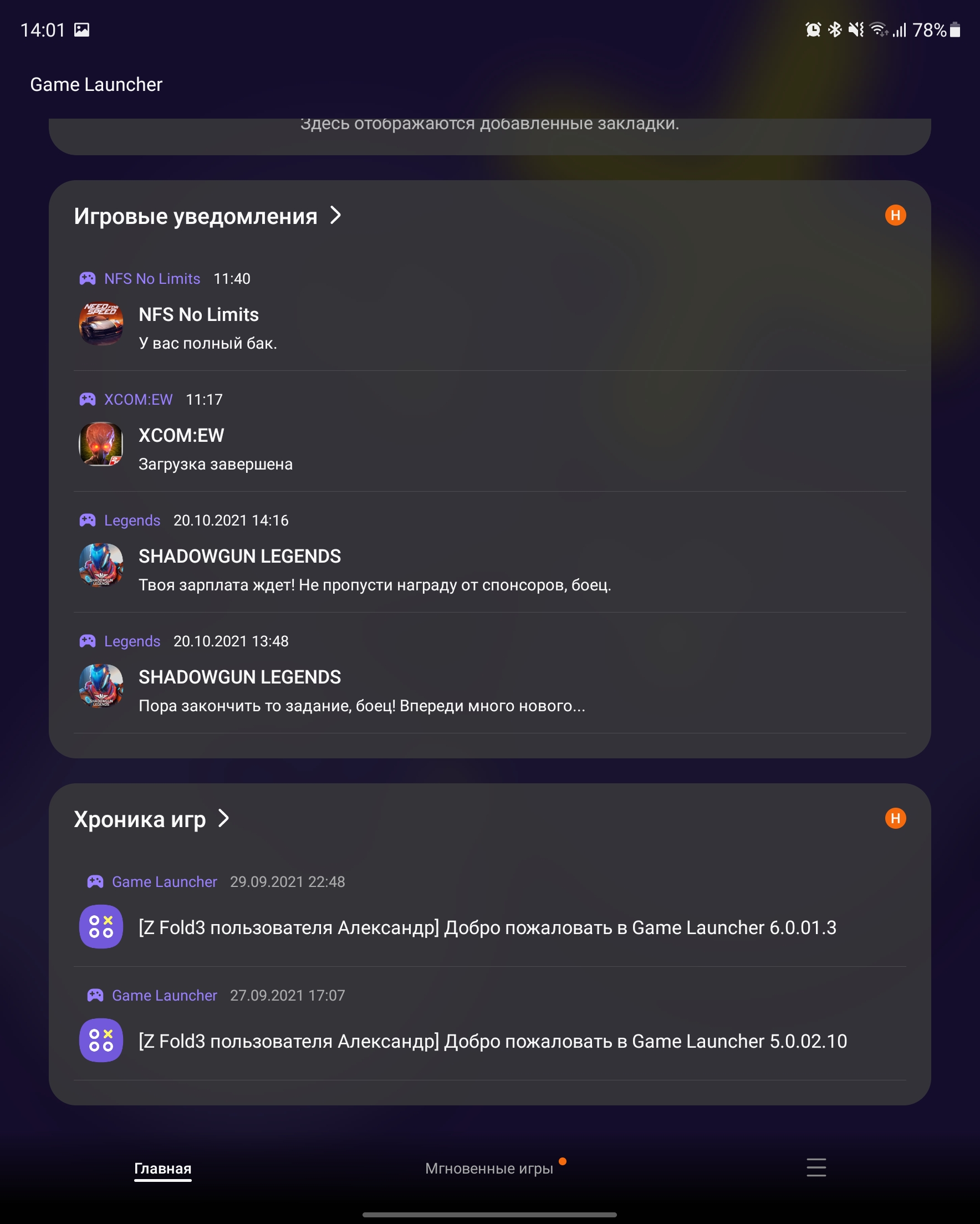

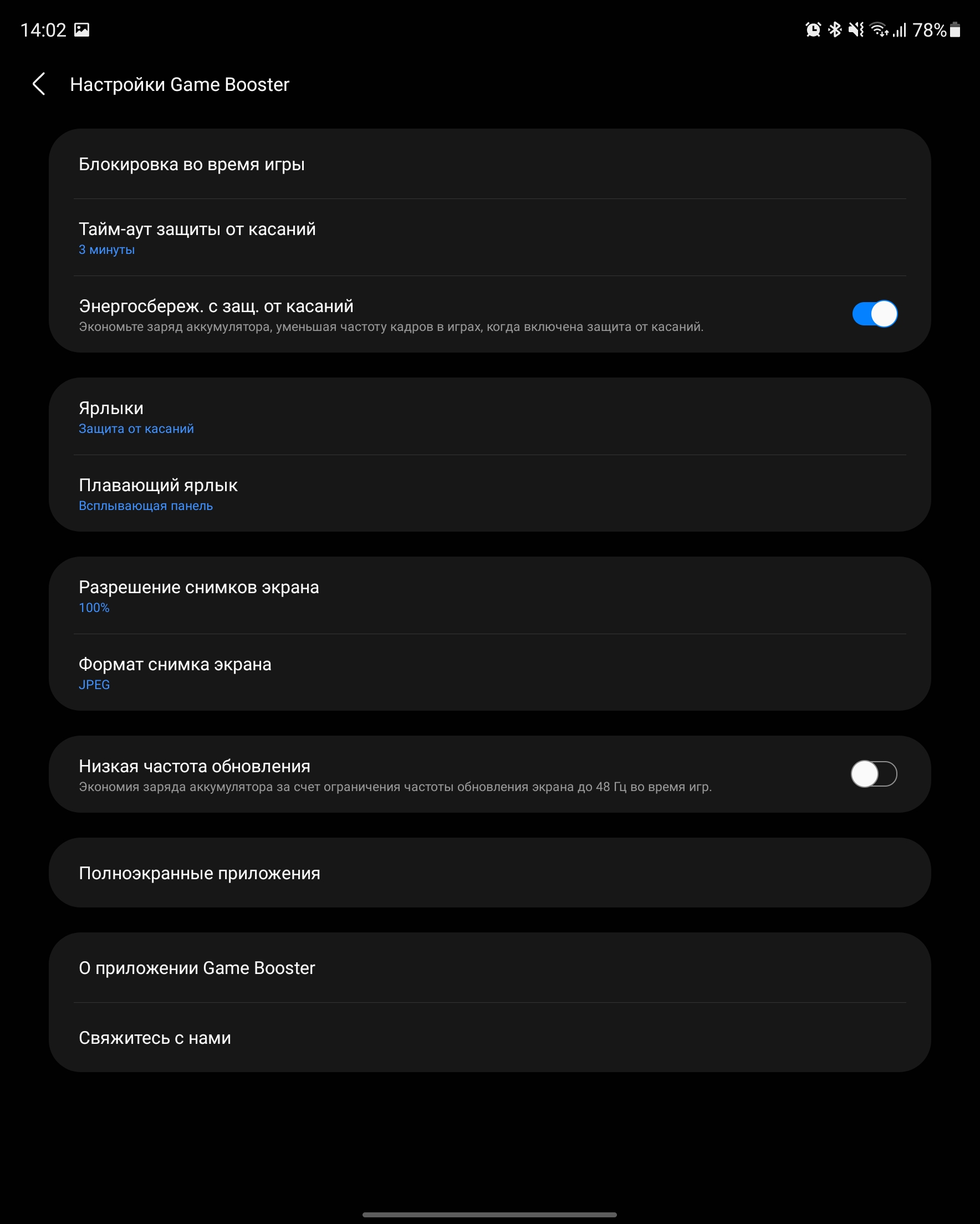
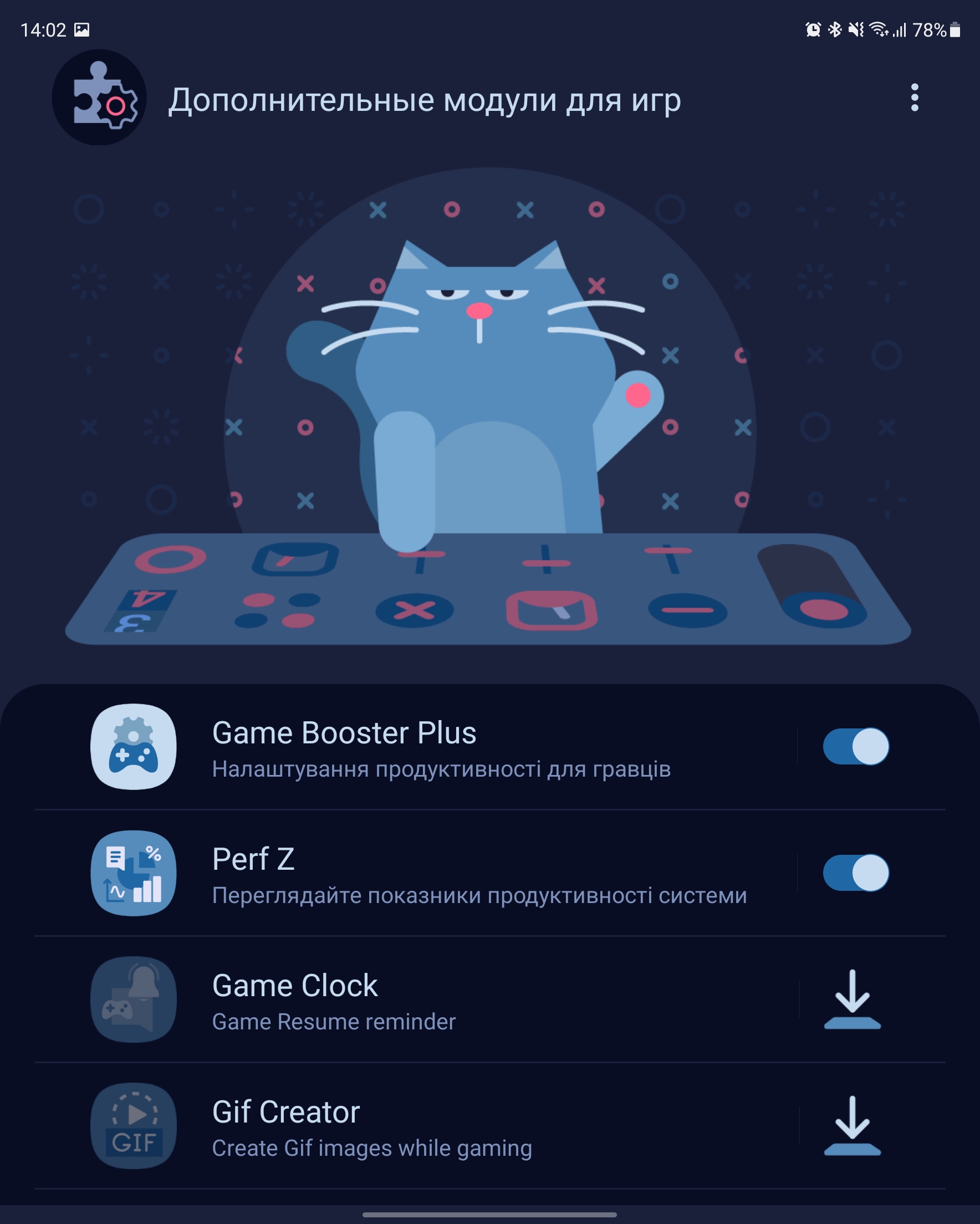

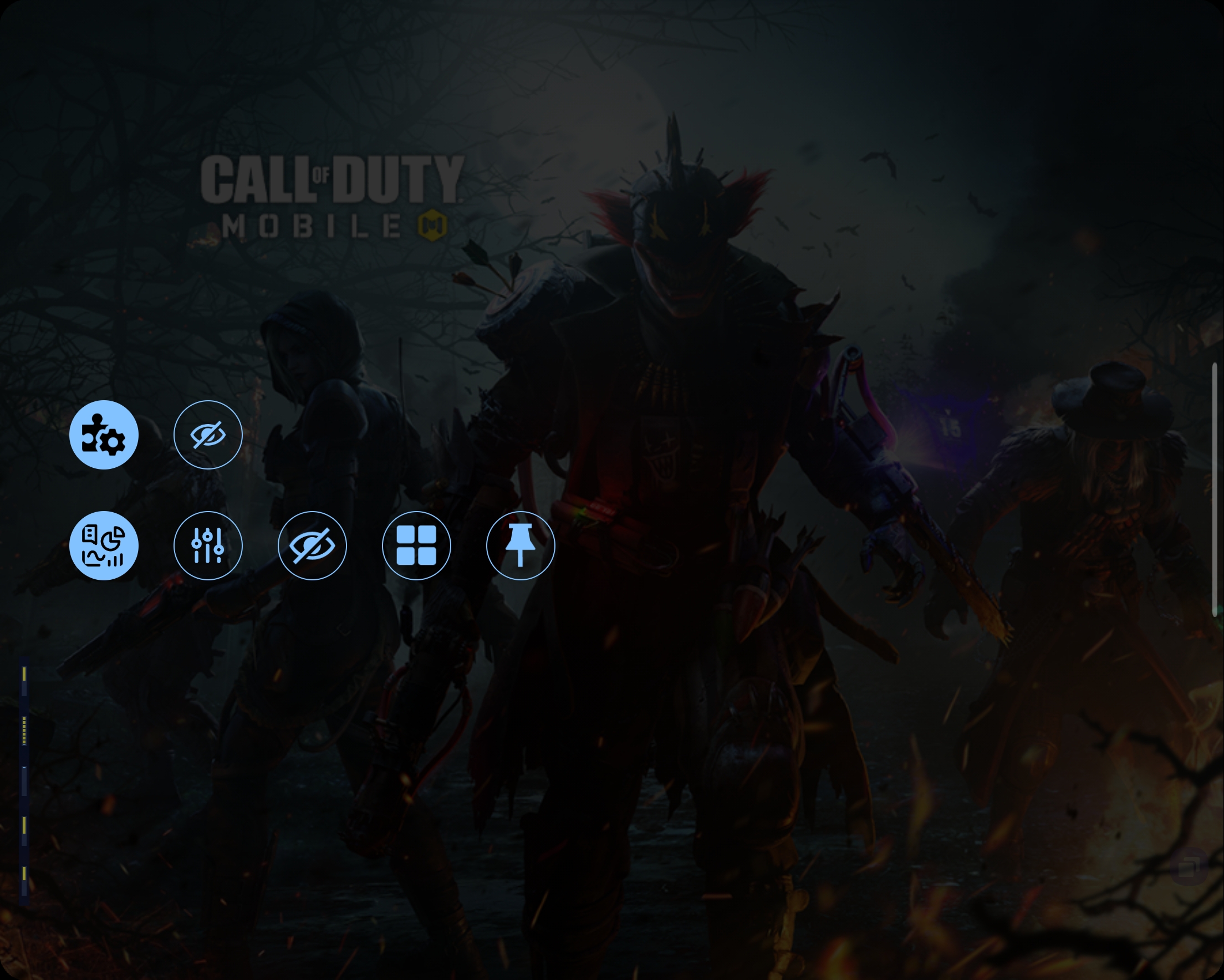














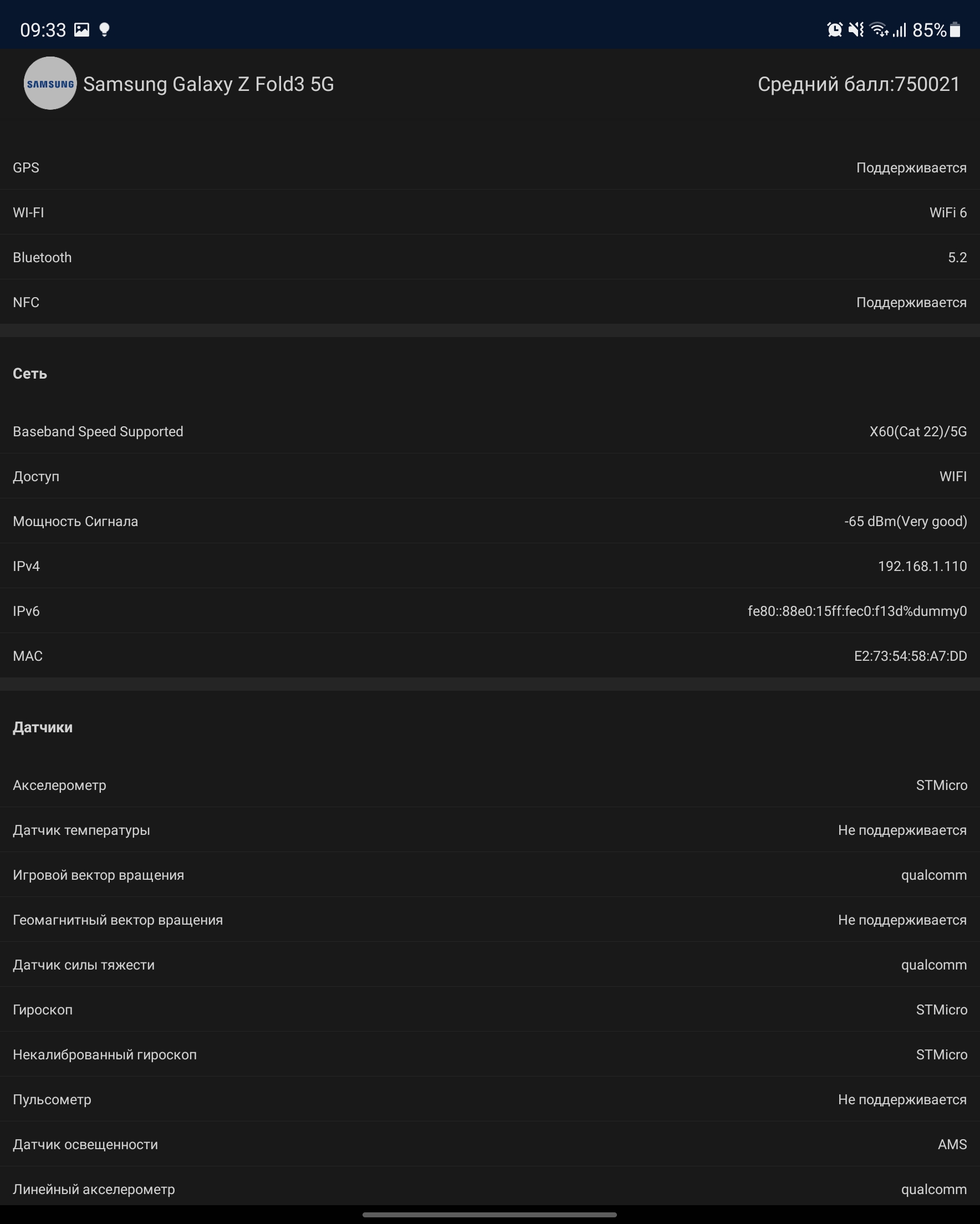
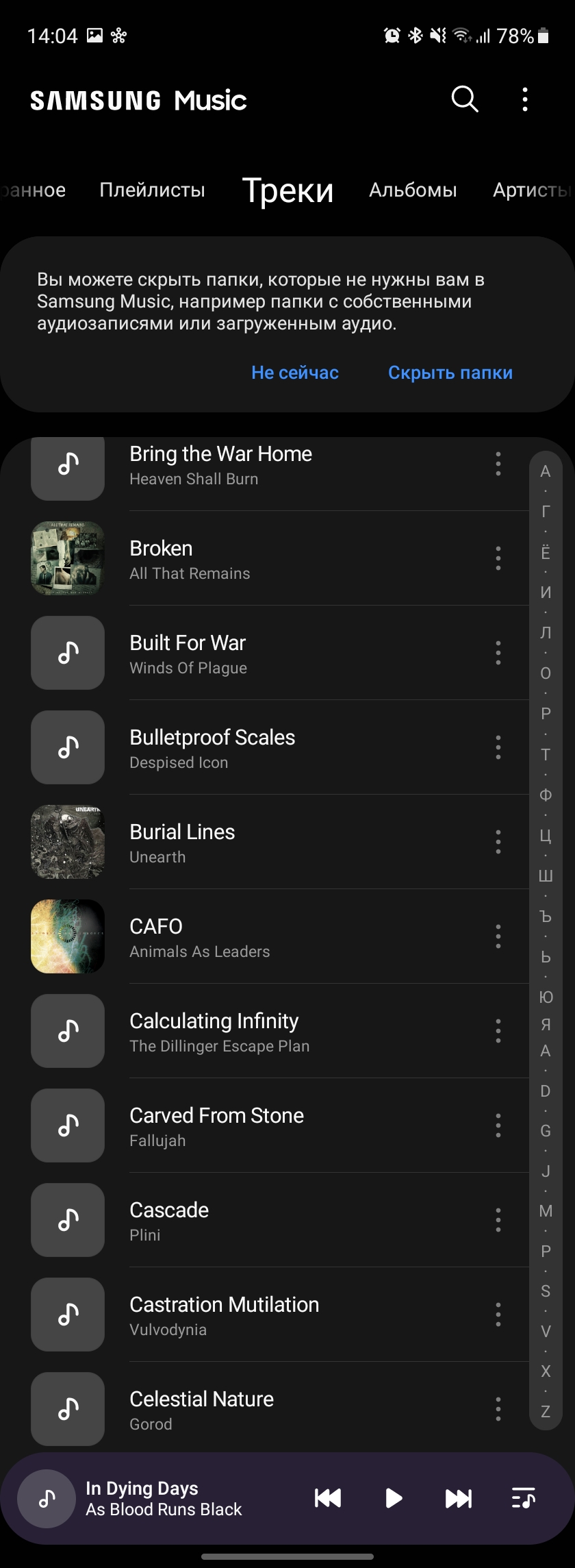
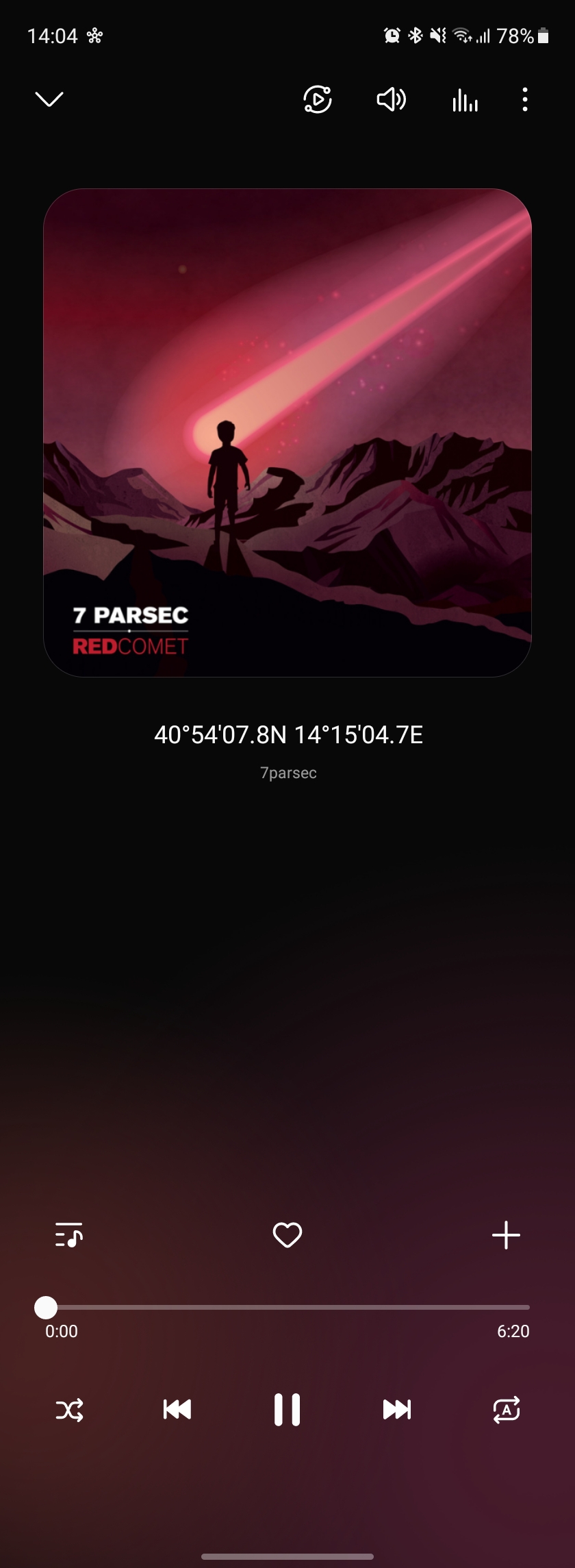
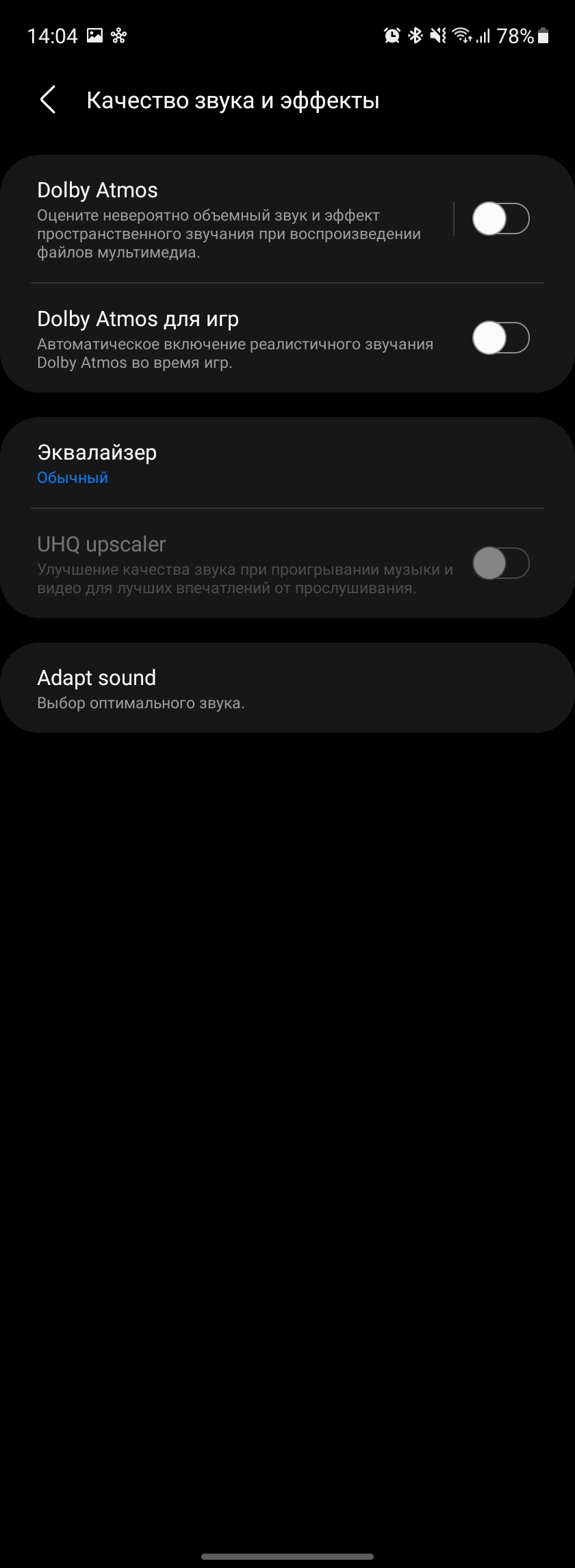
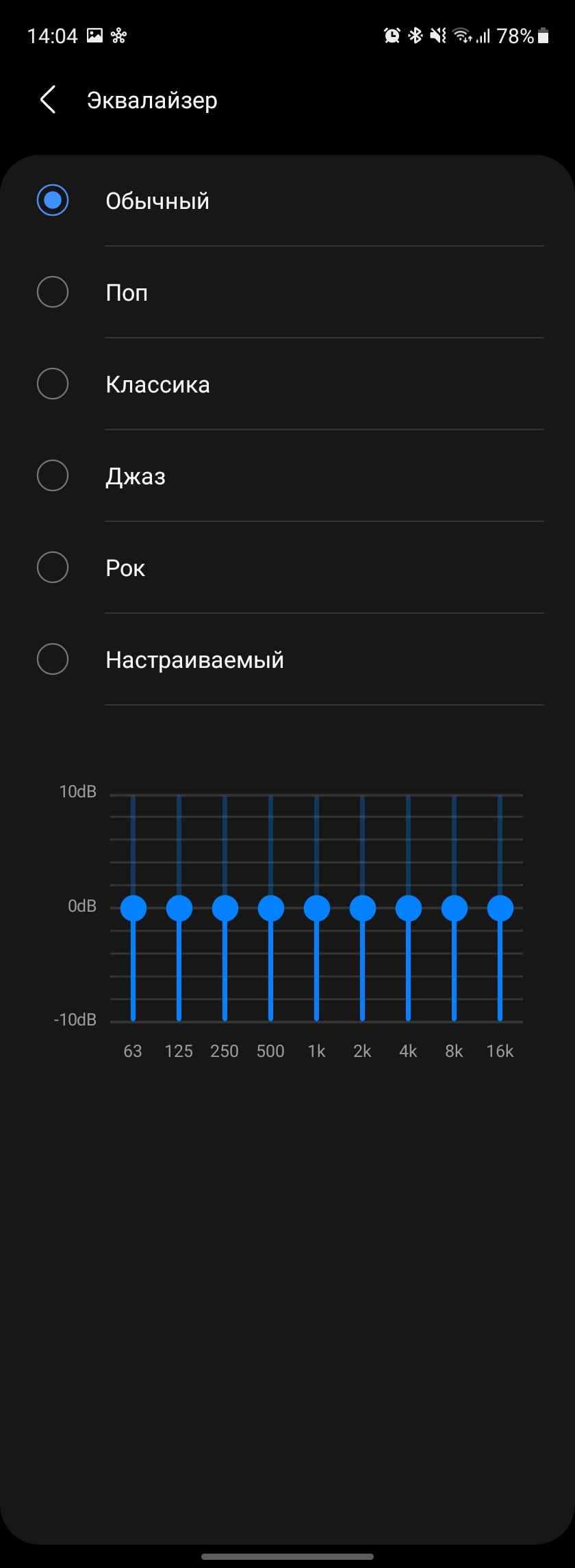
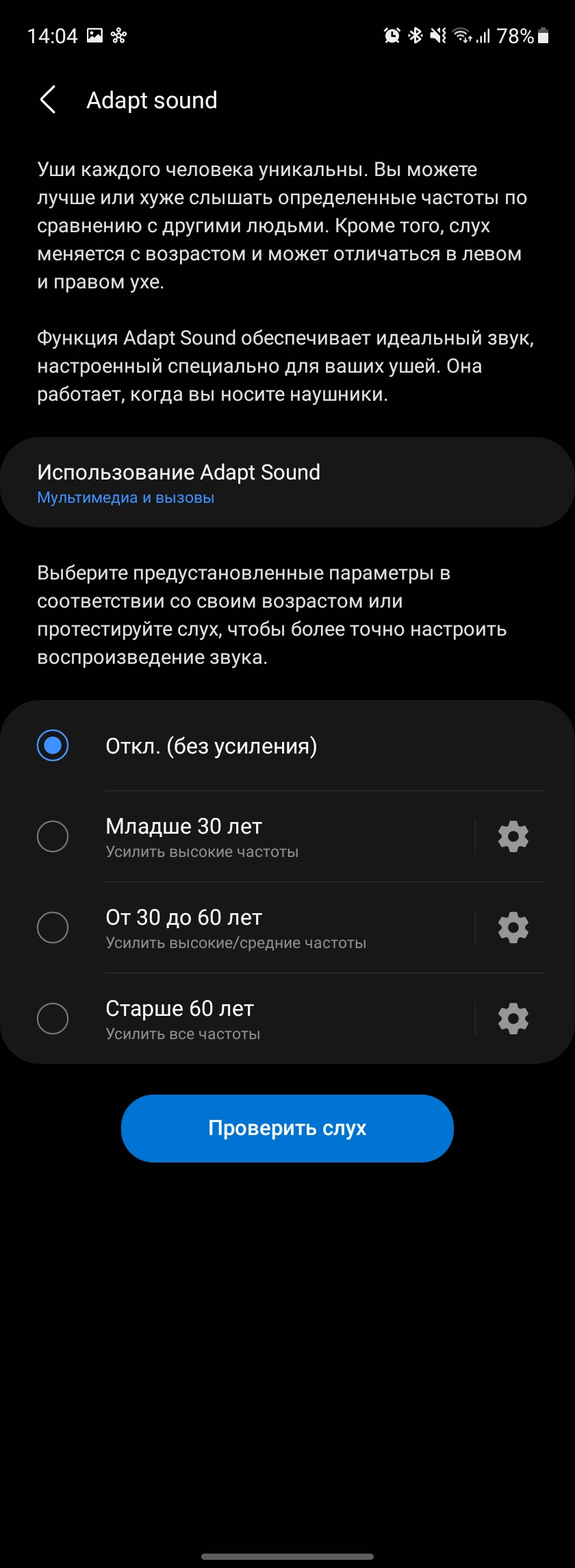
Wireless interfaces:dual-band Wi-Fi 802.11 a/b/g/n/ac/6e 2.4 GHz and 5 GHz, Bluetooth 5.2 LE (aptX HD and LDAC codecs supported), ANT+ and NFC for contactless payment. Global positioning systems GPS, GLONASS, GALILEO, BDS are supported. The smartphone is equipped with quite powerful stereo speakers, everything sounds quite impressive, both in volume and quality. You shouldn't expect much bass, but for a smartphone the Samsung Galaxy Z Fold3 sounds very good. There is no headphone jack, but support for aptX HD and LDAC is encouraging. “Native” The music player is quite standard in functionality. Playlists, equalizer, Dolby Atmos modes. The only unusual thing is Adapt Sound for adjusting the sound to suit you, taking into account your age.
</ img>
</ img>



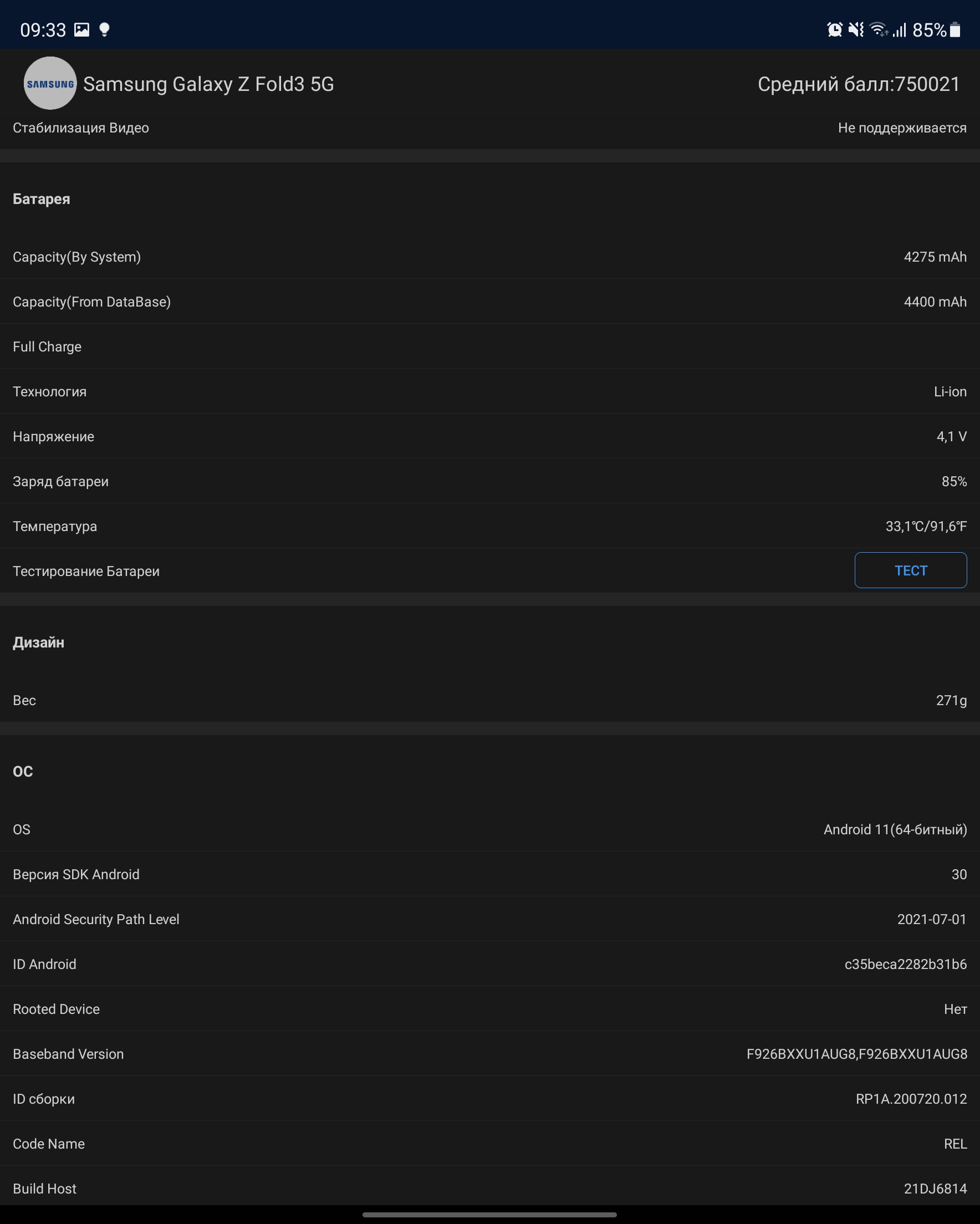
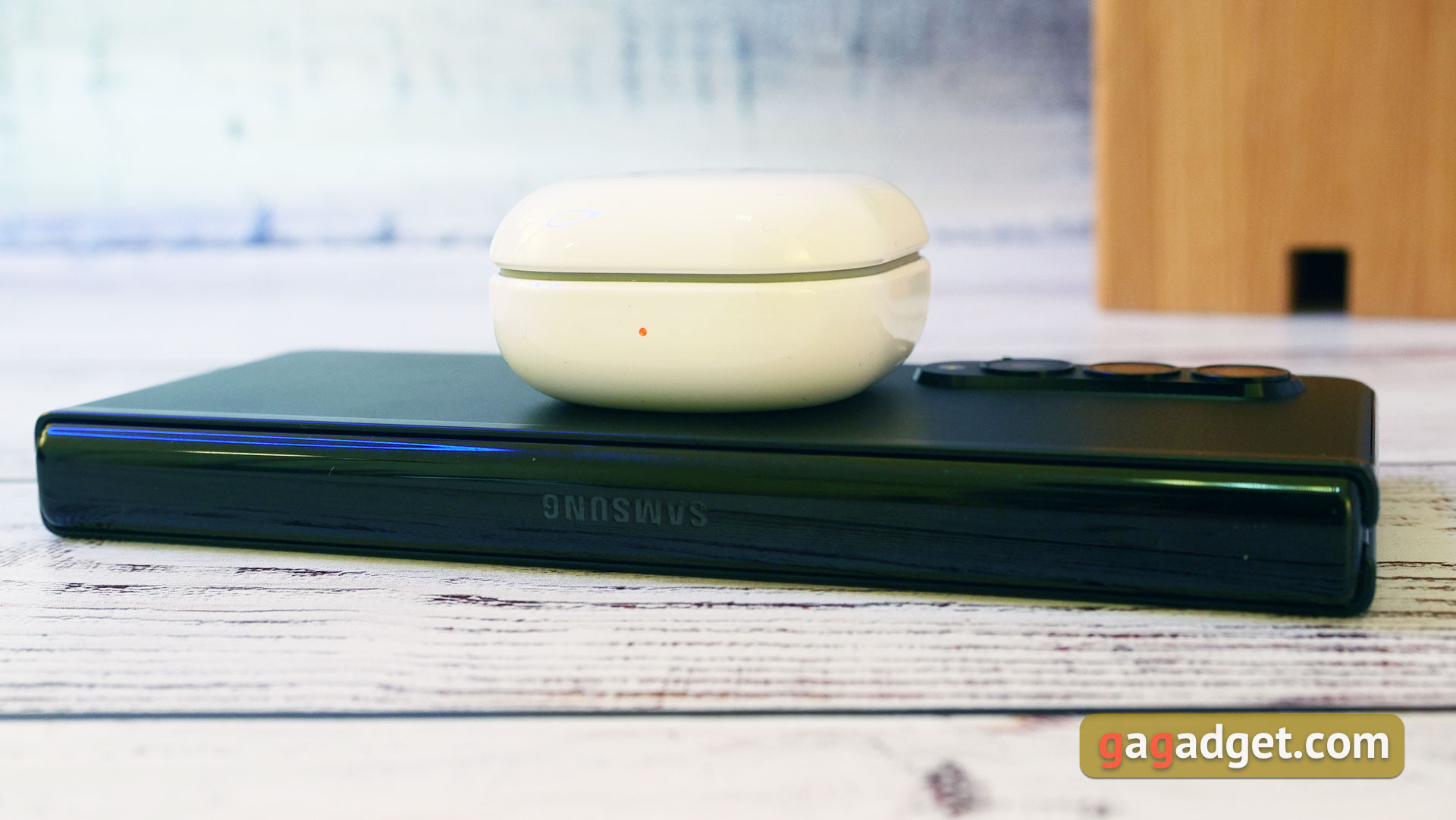
The smartphone uses a 4400 mAh battery.To be precise, two: 2280 mAh and 2120 mAh. Samsung is in no hurry with fast charging: the smartphone supports 25 W via cable and 11 W wirelessly. We didn’t have a native charger, so there was no way to measure the charging time. As for the battery life, it is within reason, but no more. But everything really depends on the usage scenarios. If you use the external screen most of the time, and switch to the internal one to play games for half an hour in the evening and scroll through the browser, then the smartphone will be enough for the day. If the internal screen is used regularly, then the smartphone will barely survive until the evening. Among the bonuses, we can note the presence of reverse wireless charging at 4.5 W, with which you can charge your headphones or smartwatch.
</ img>
What about the interface?
</ img>
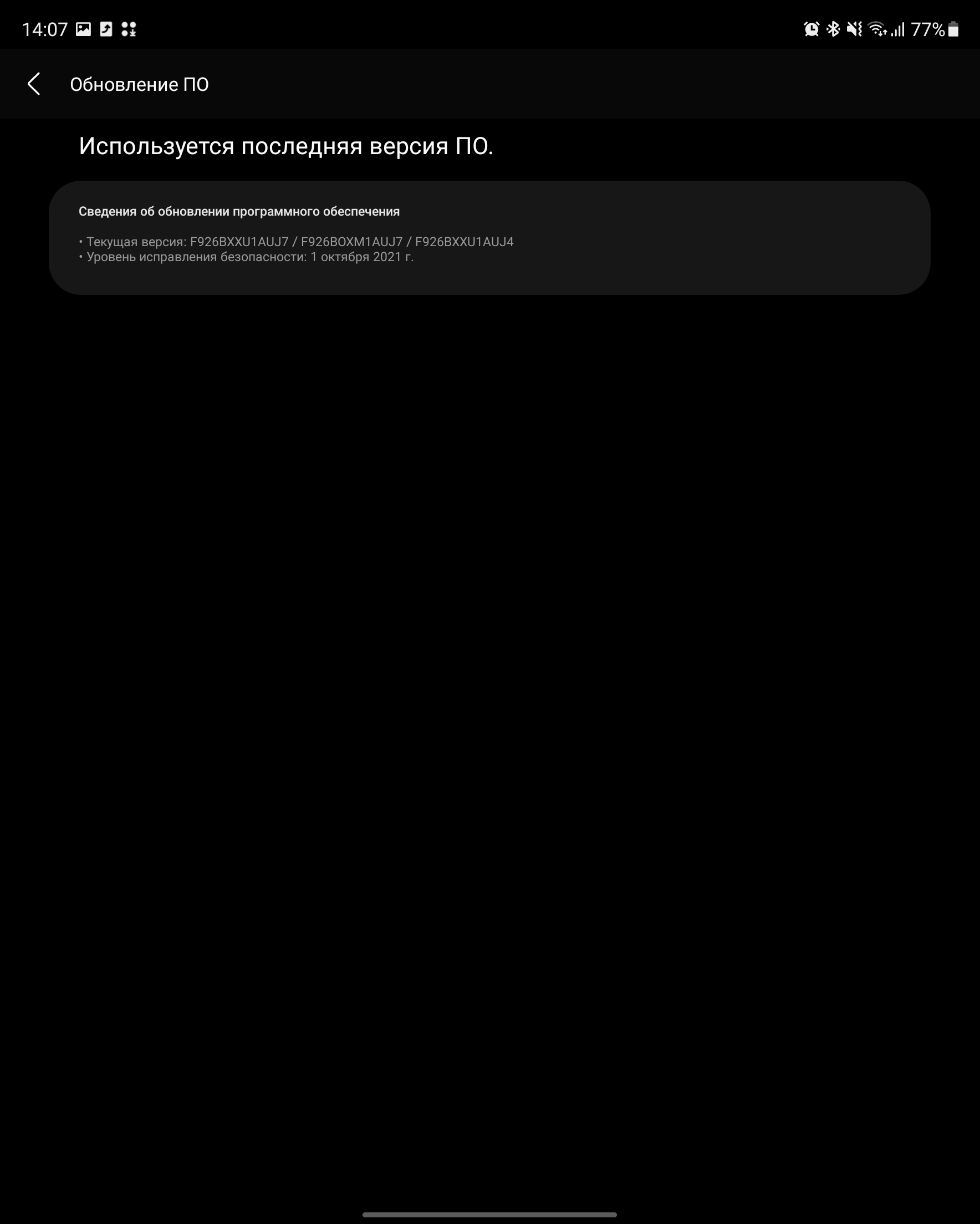
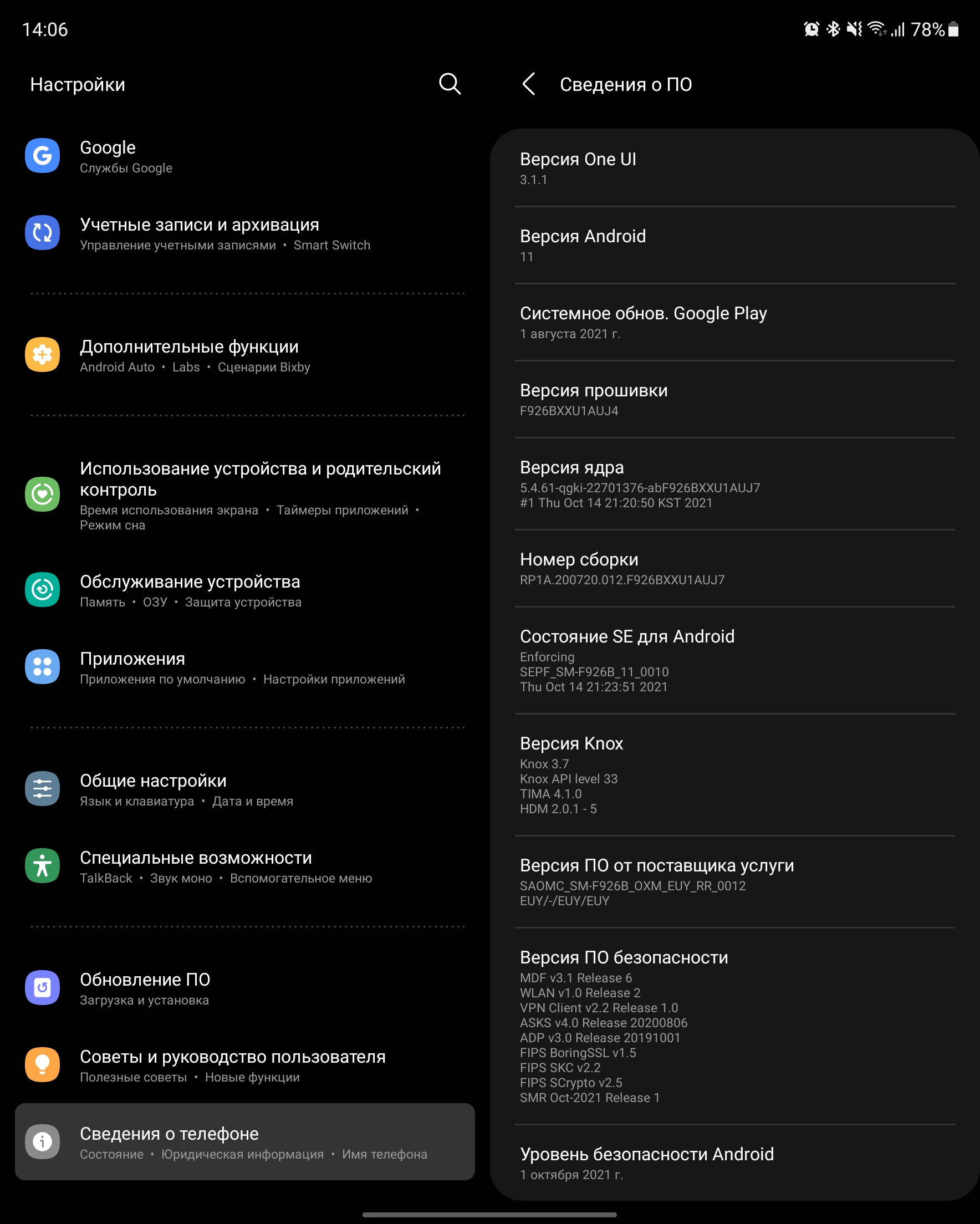
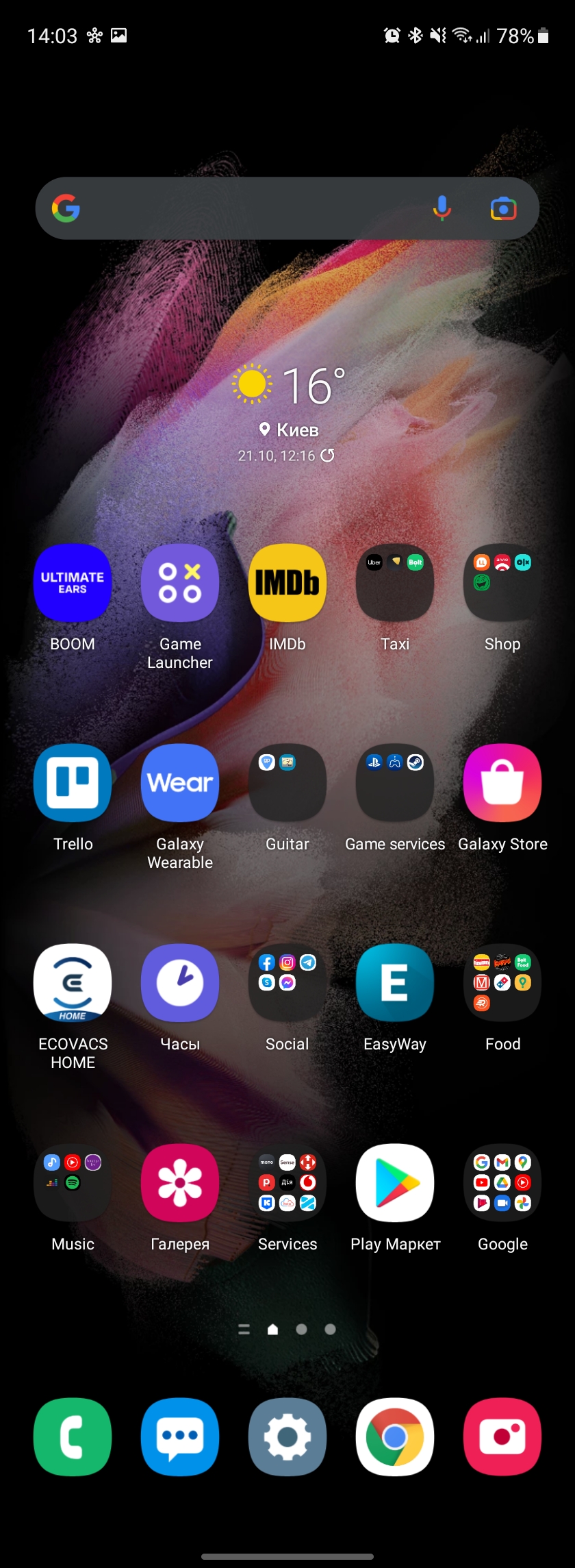
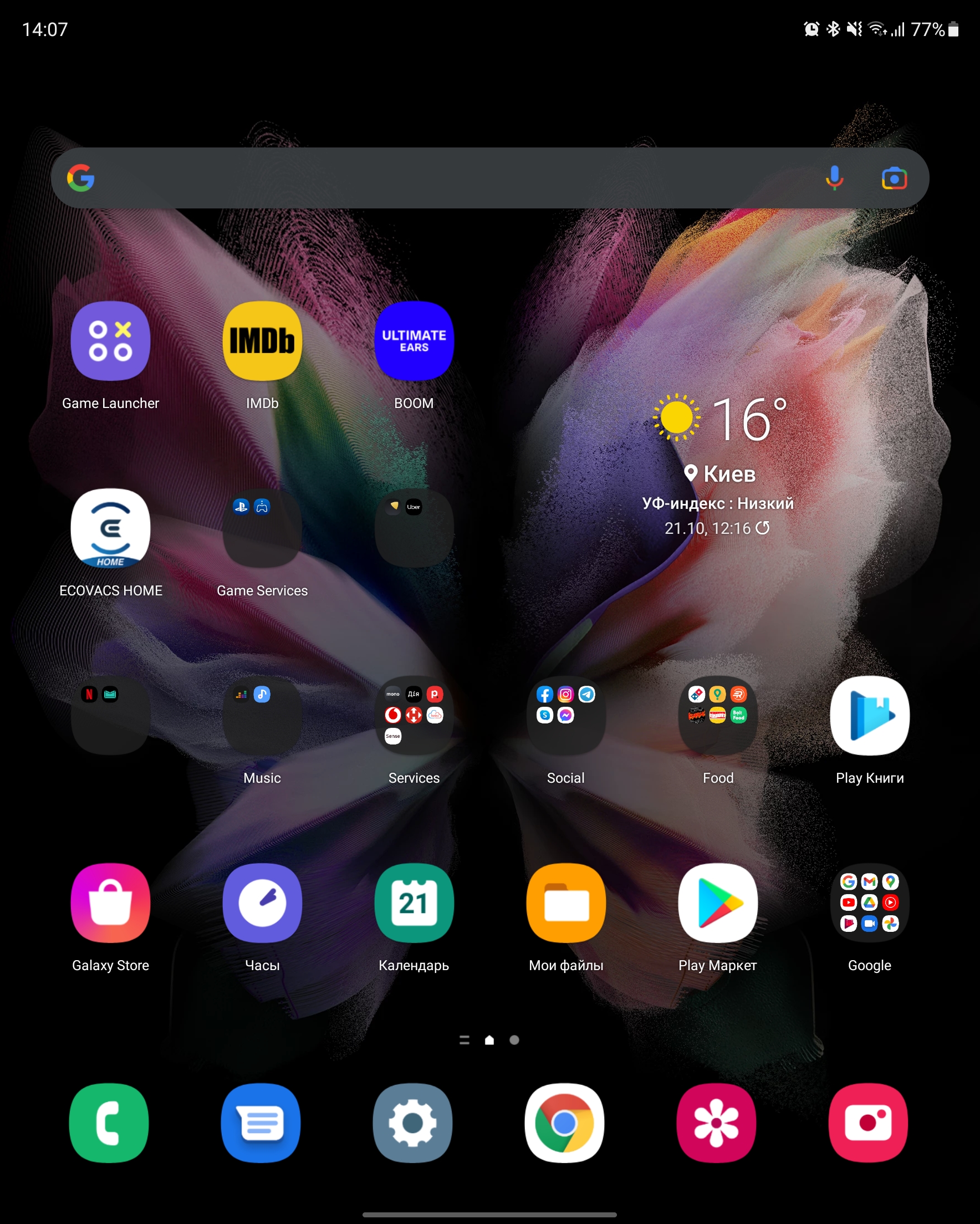
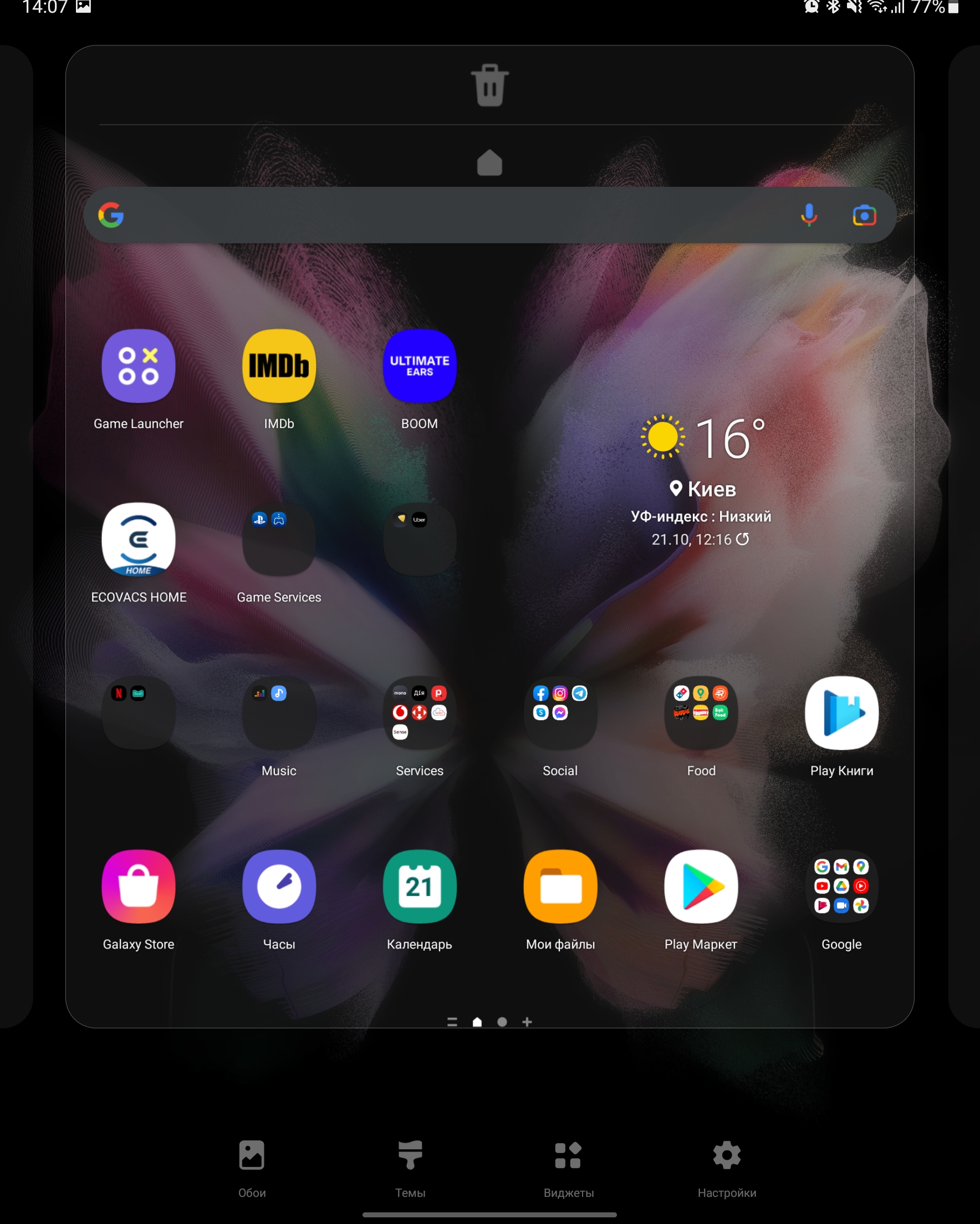
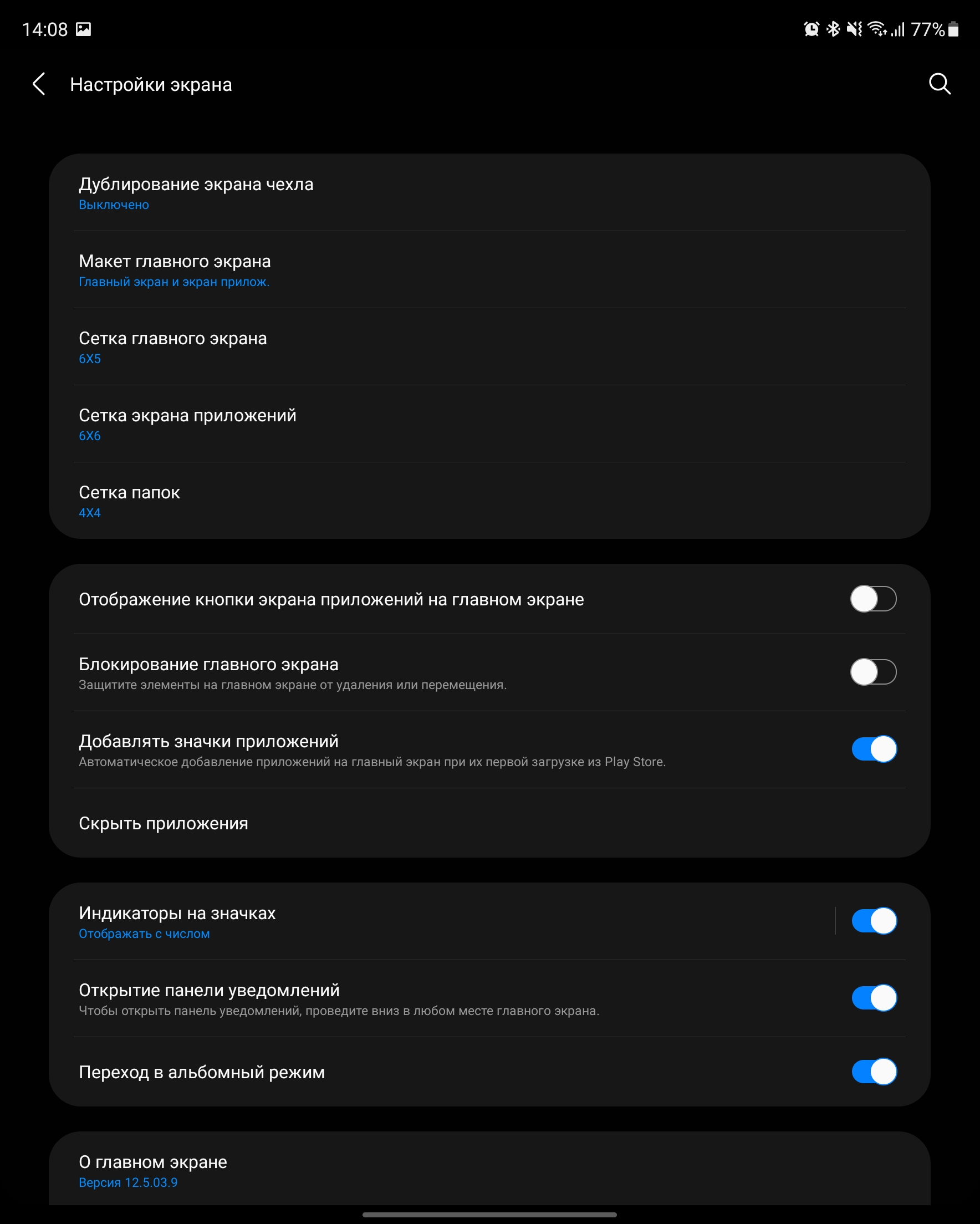
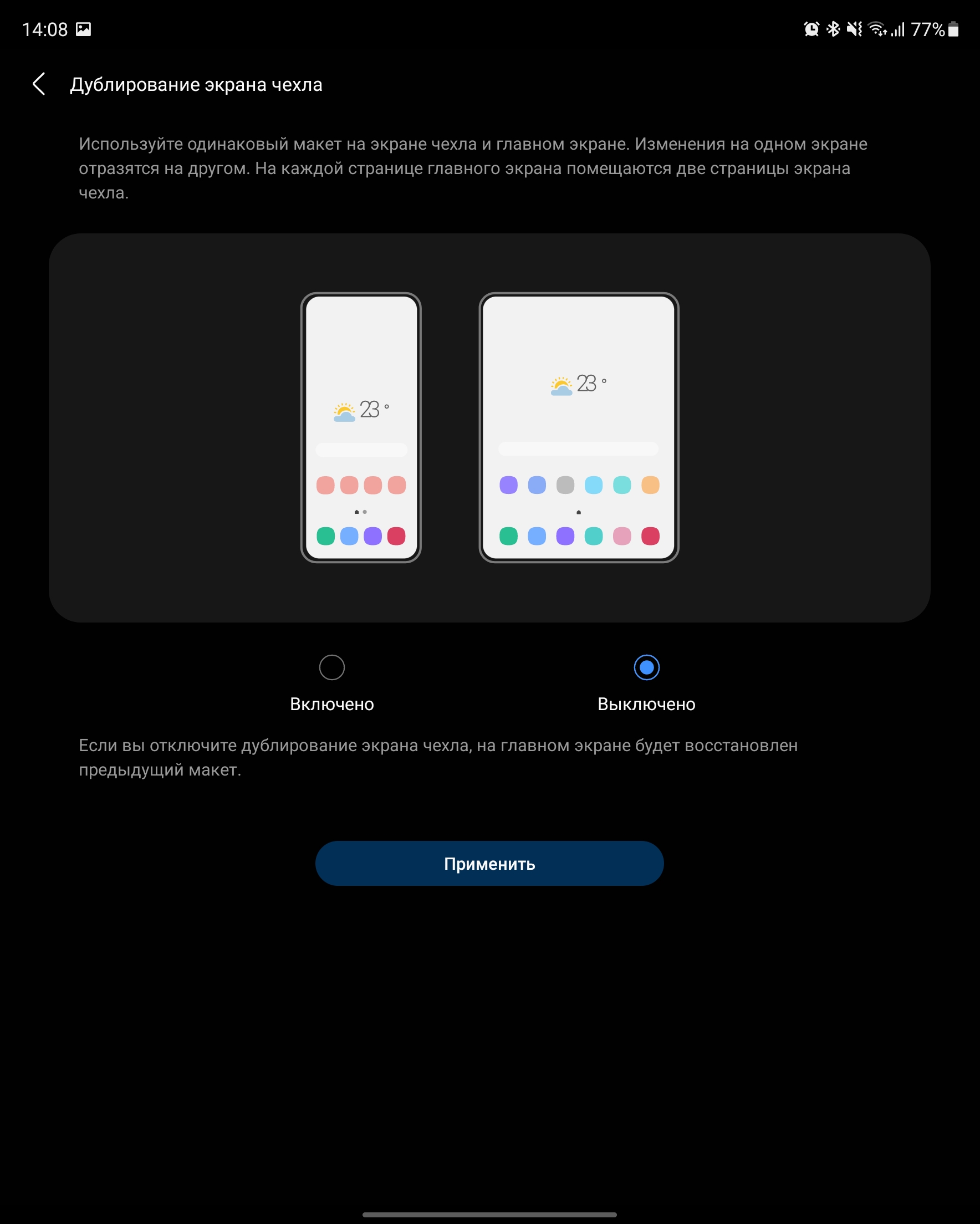
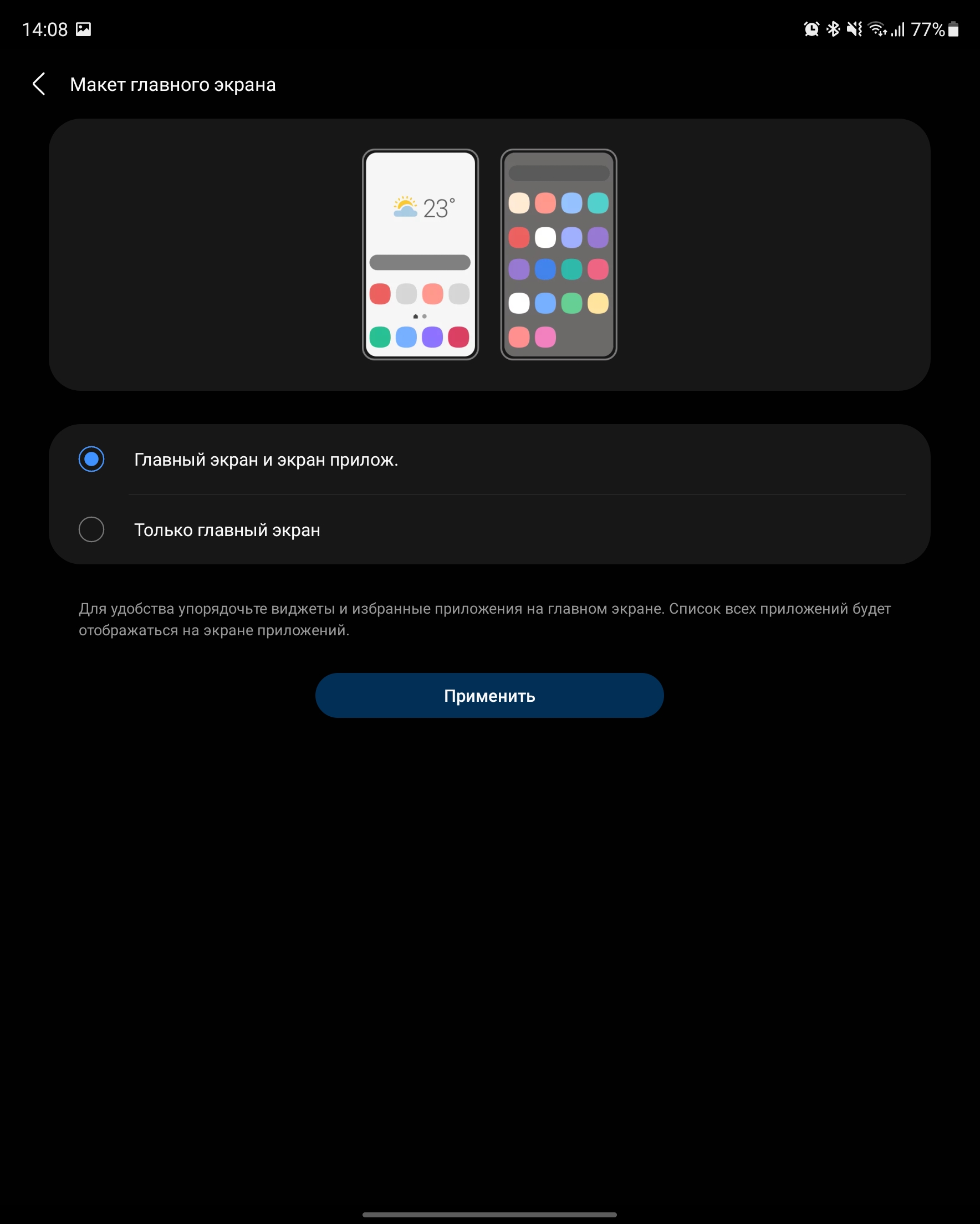
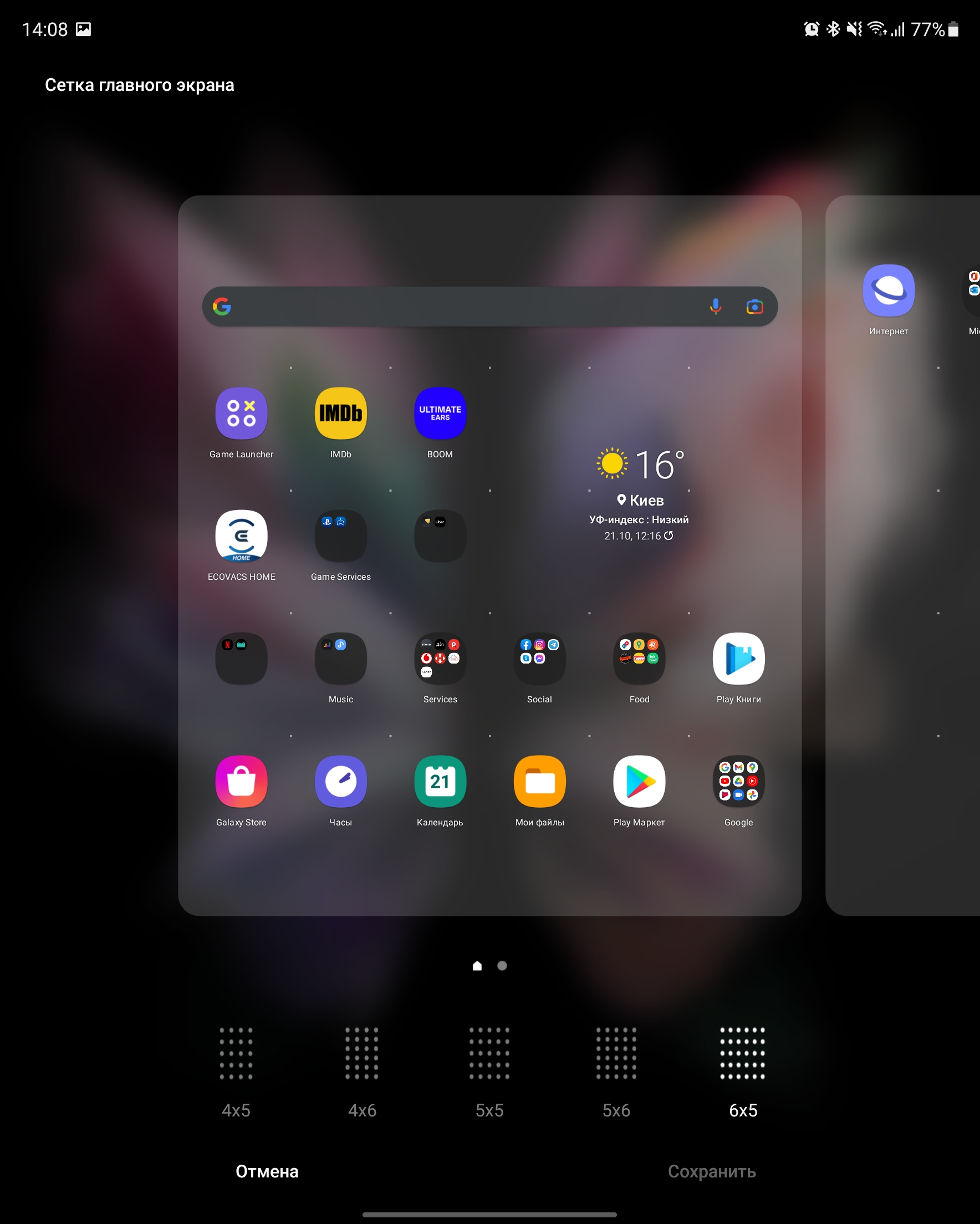
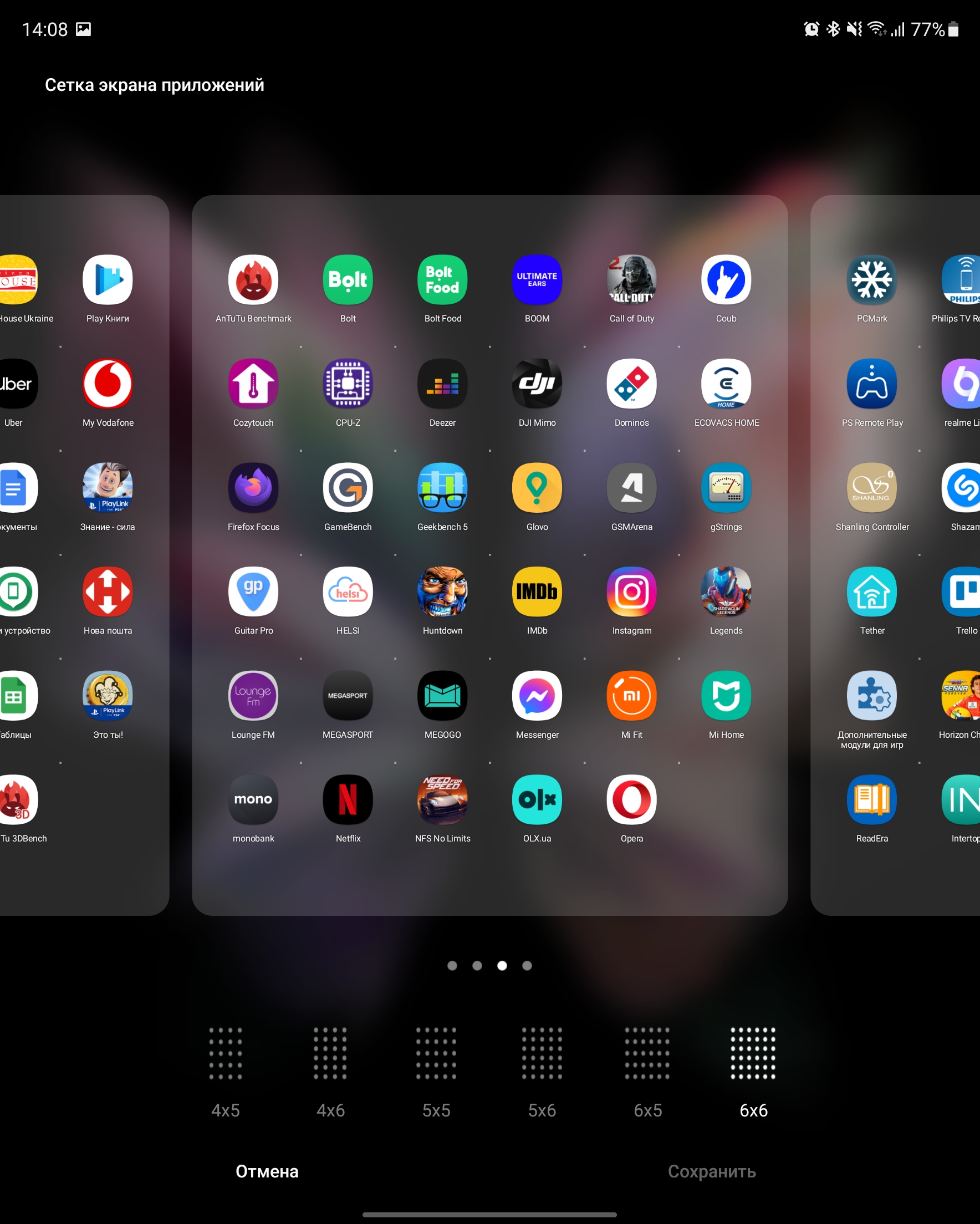
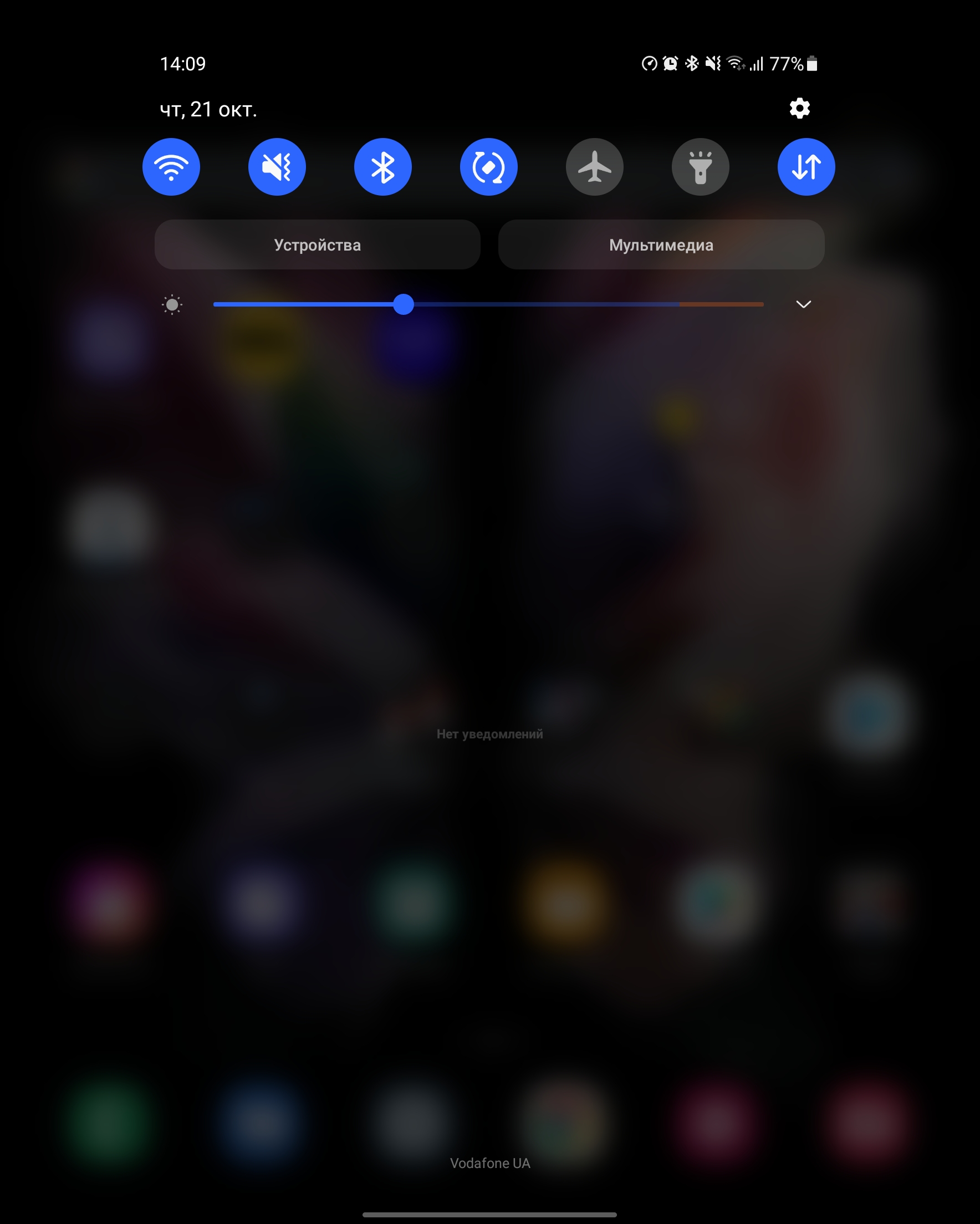
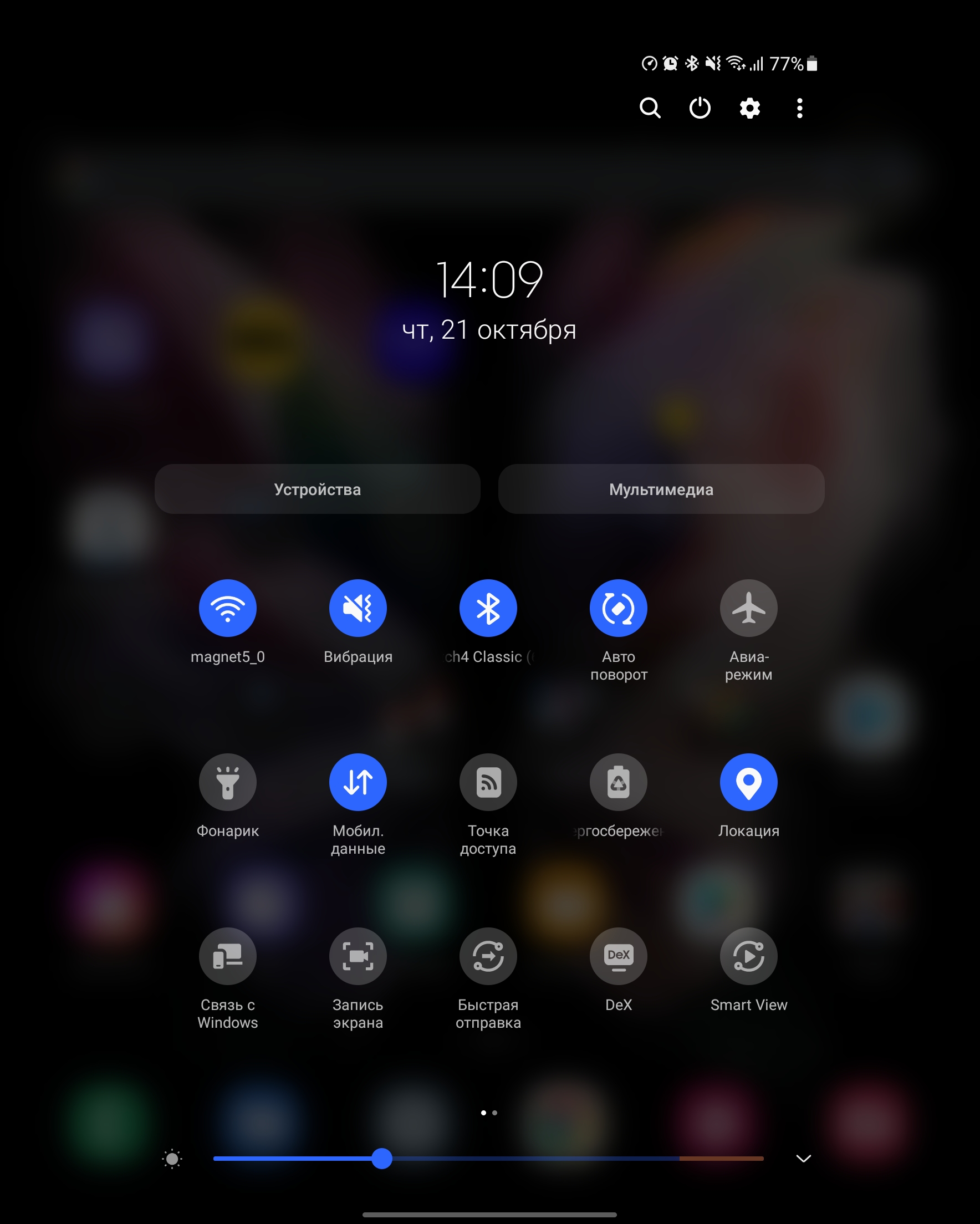
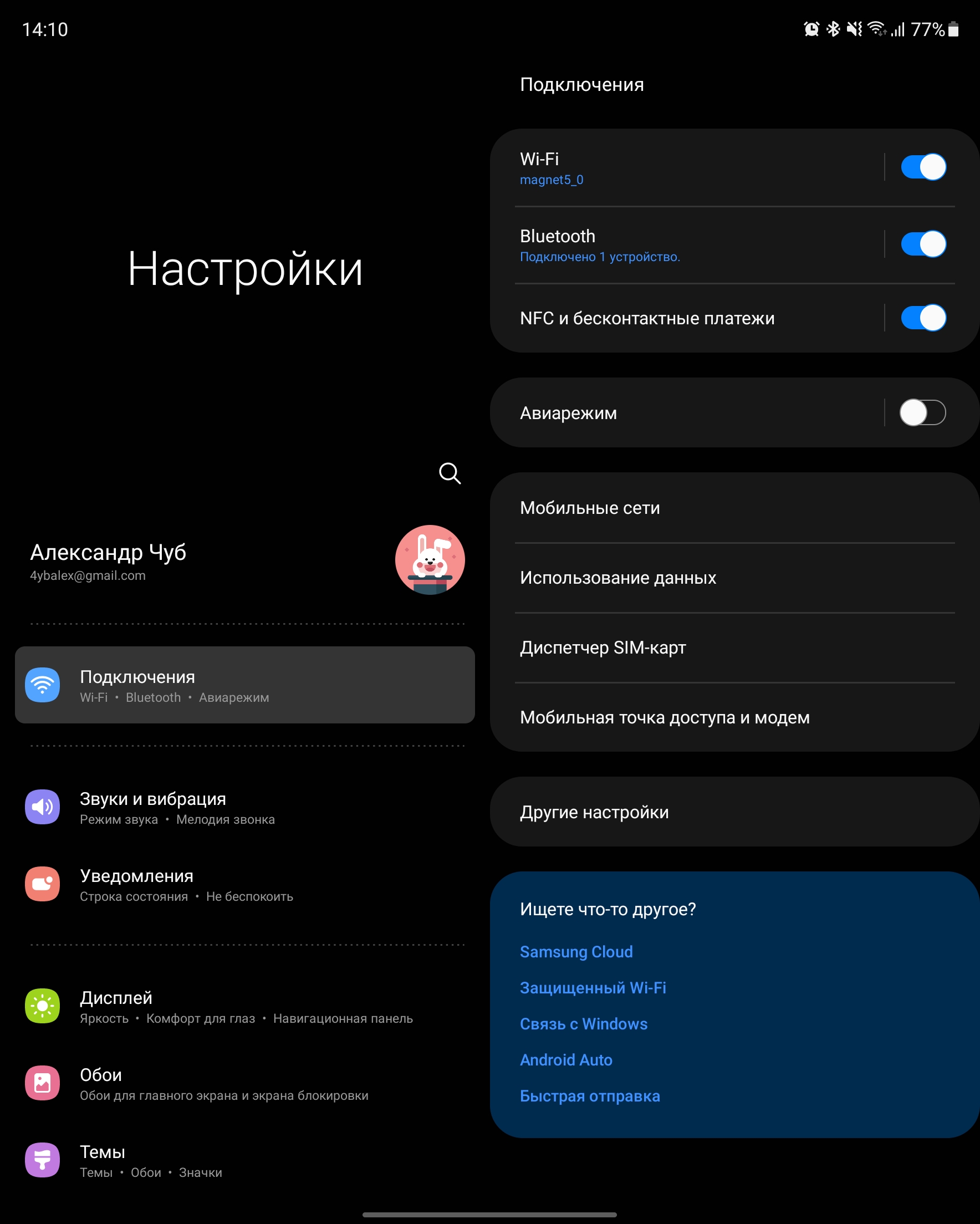
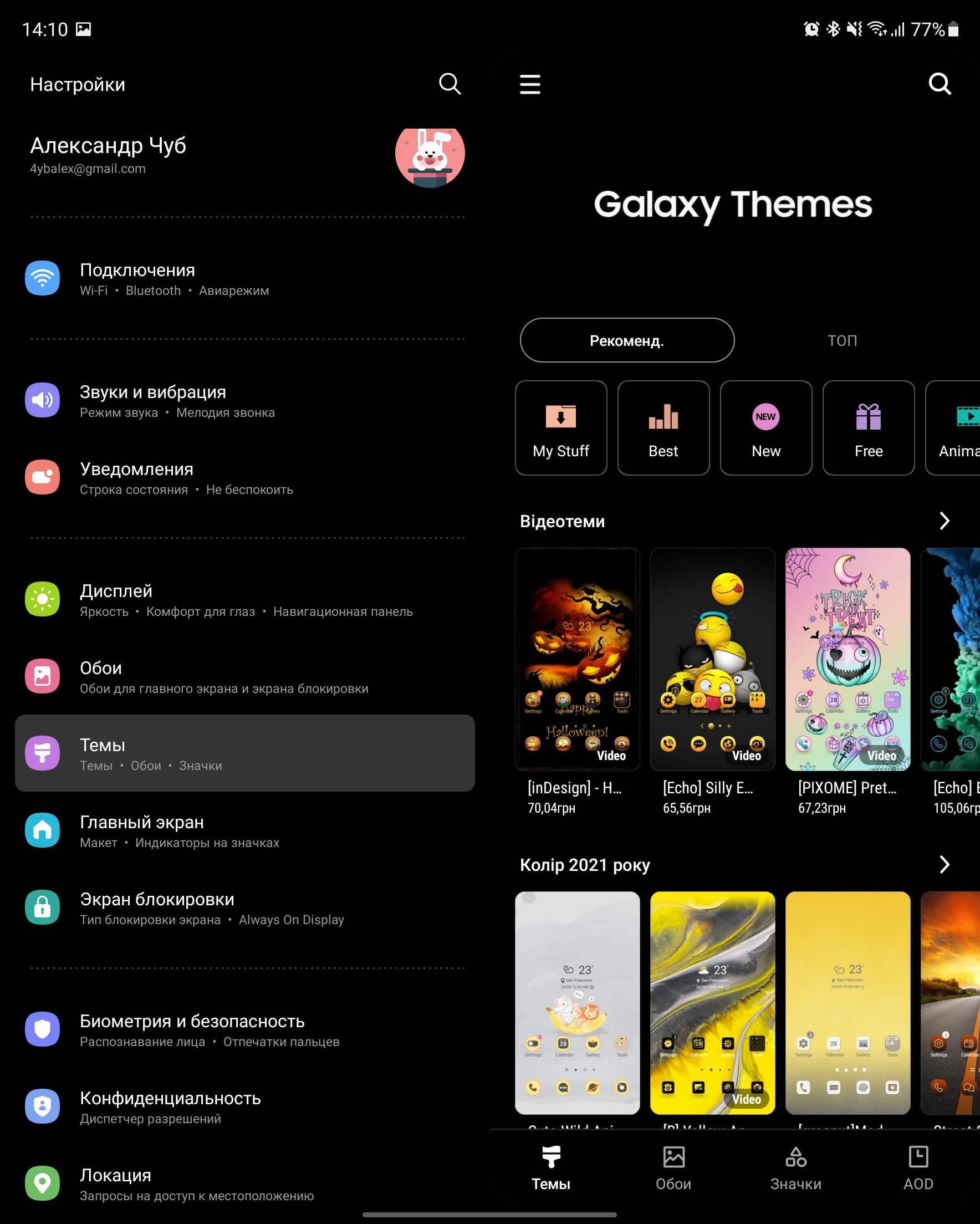
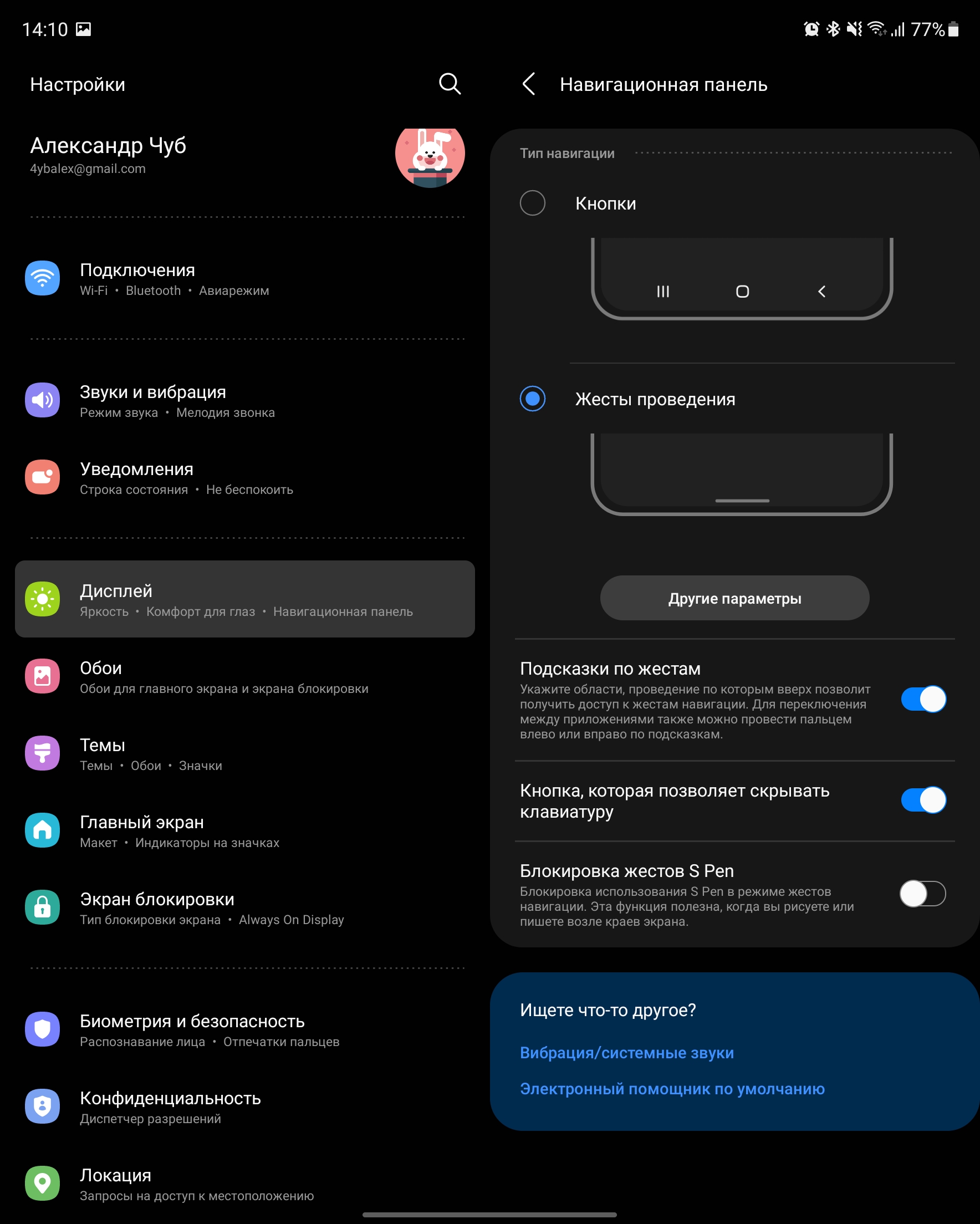
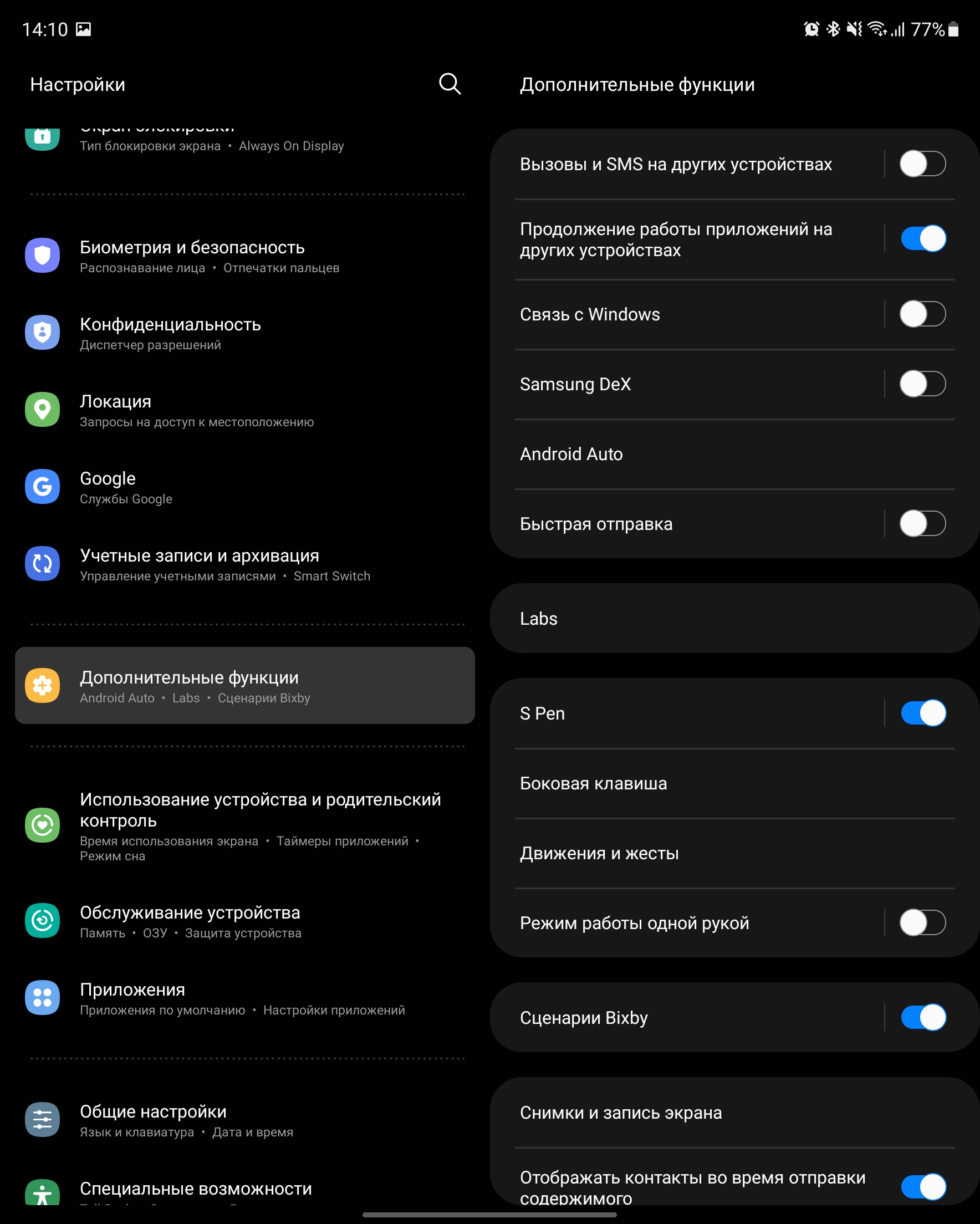
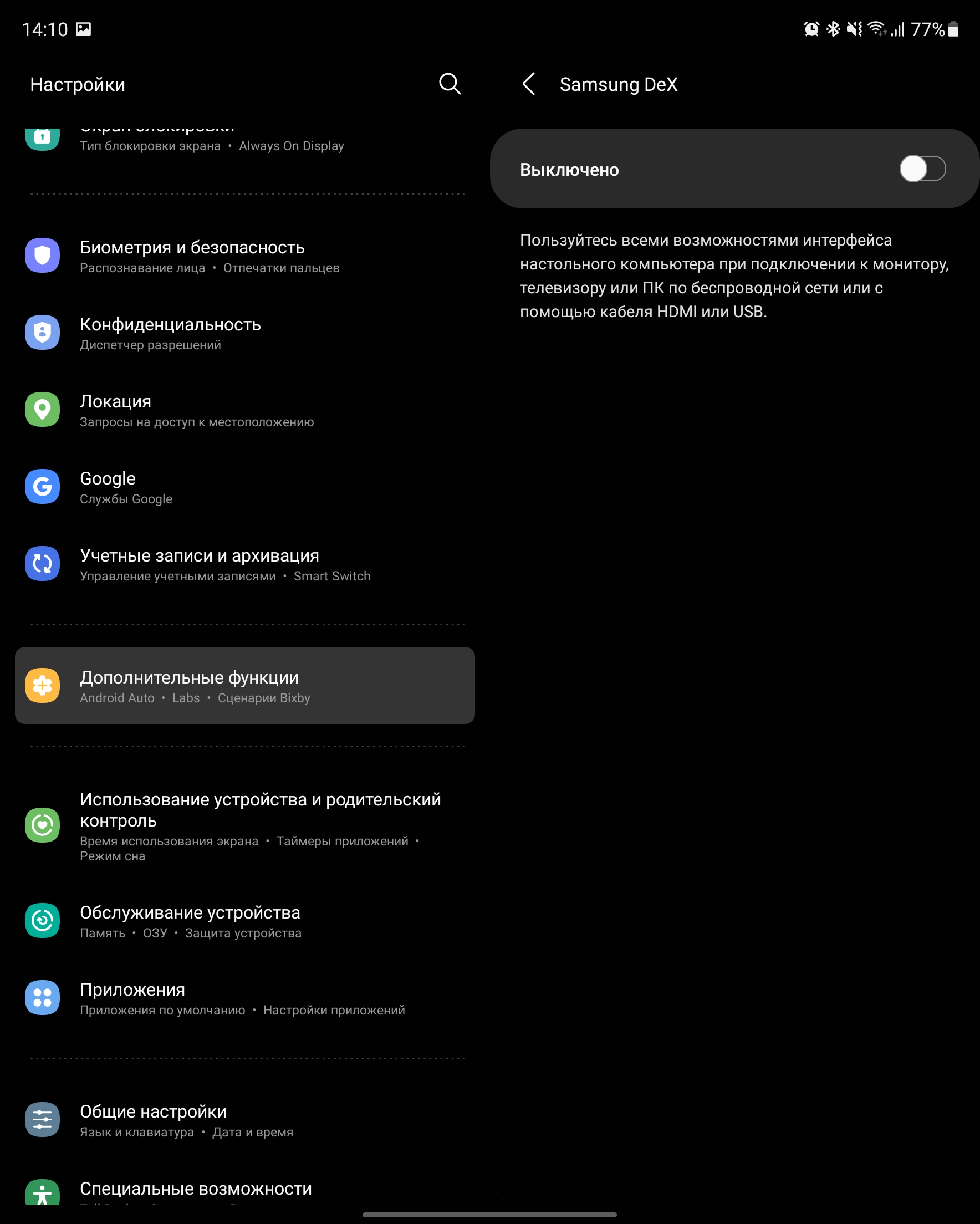
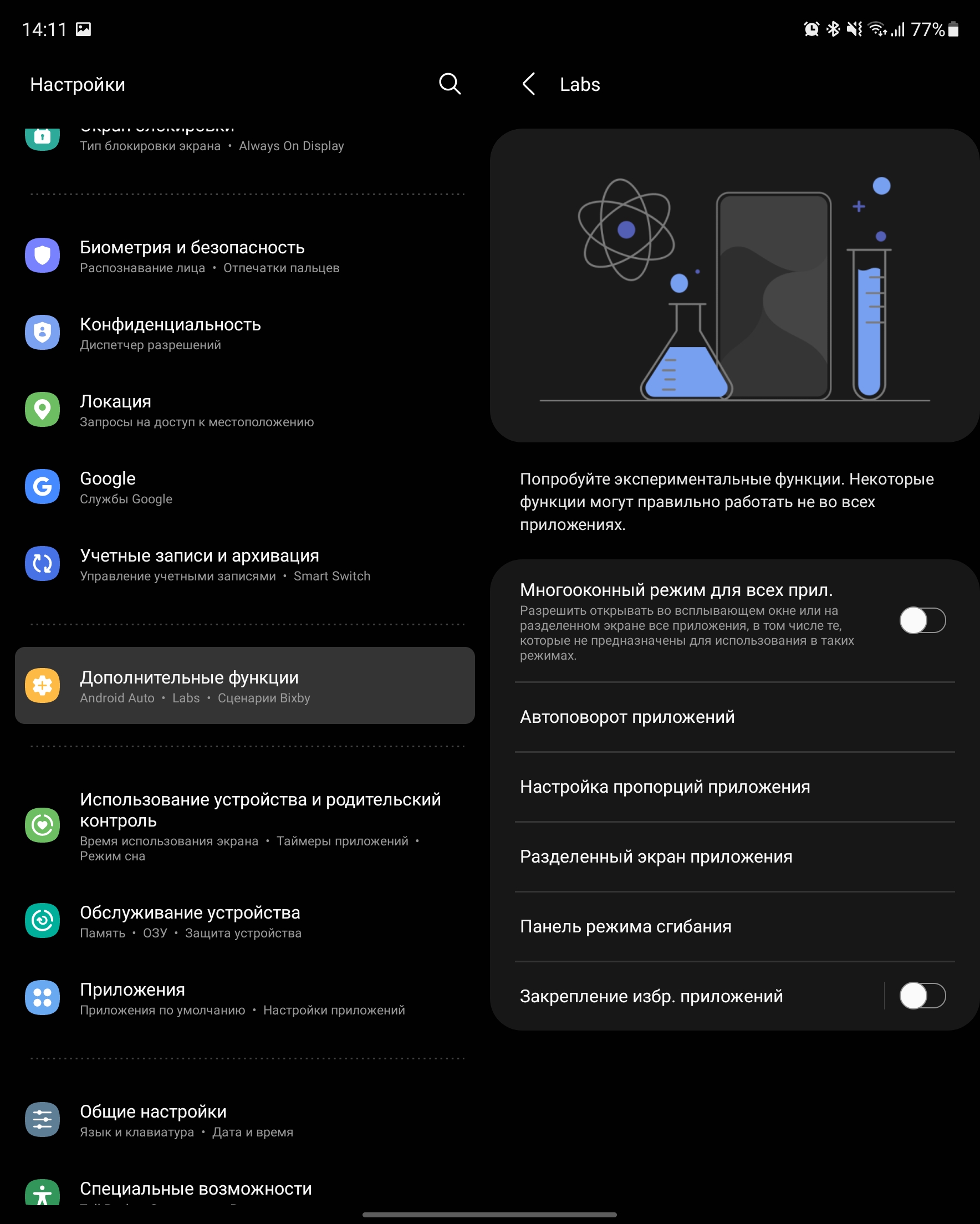
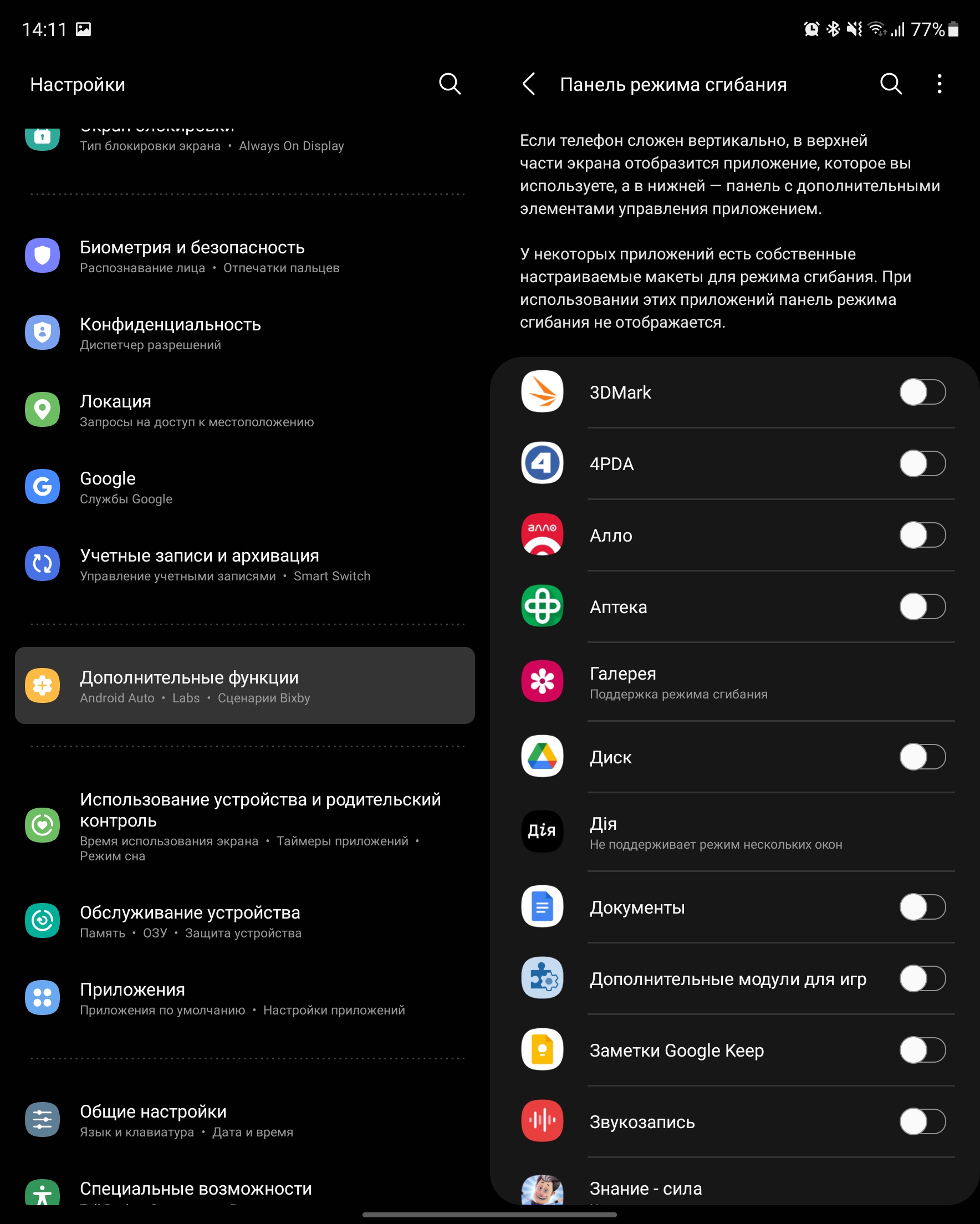
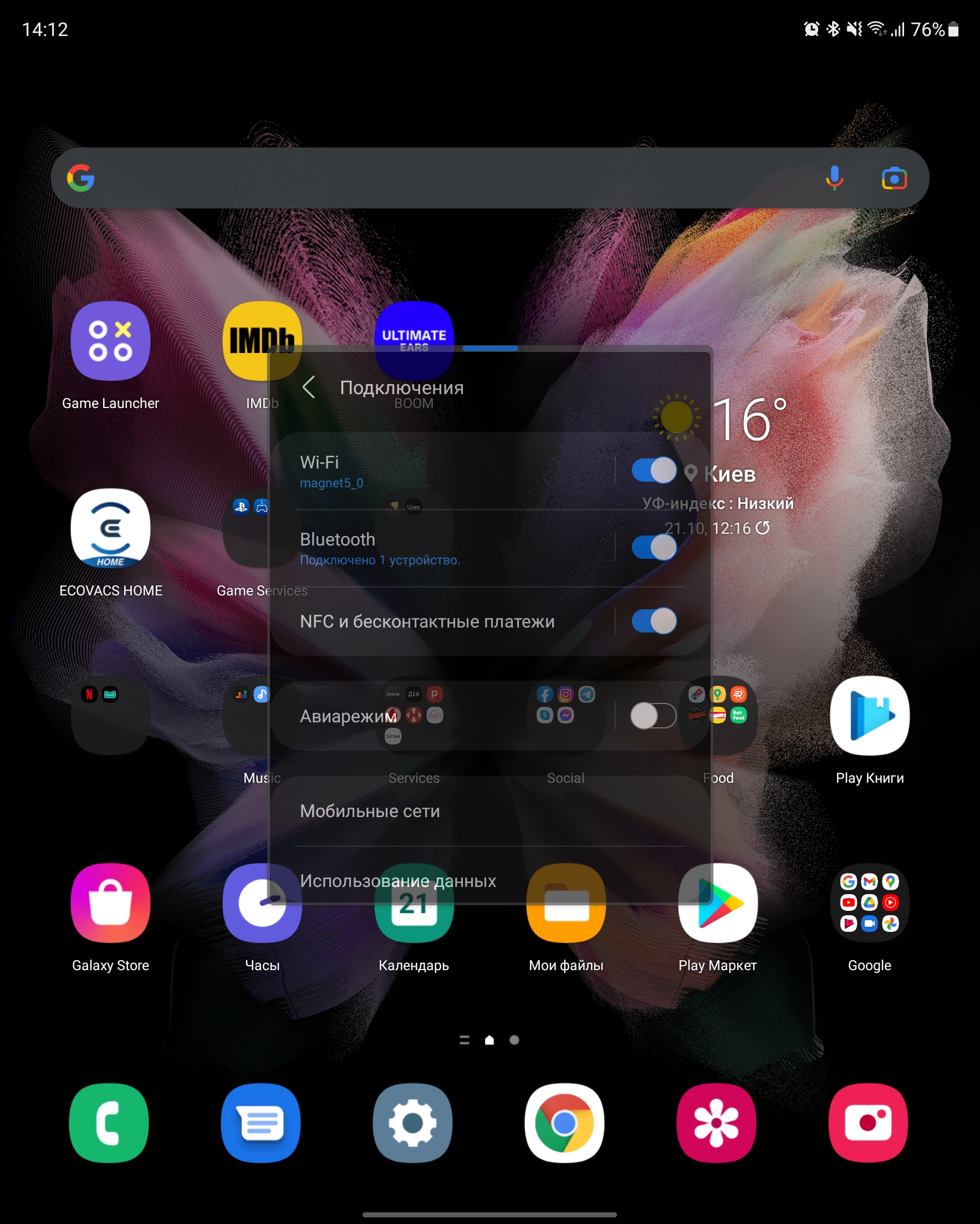
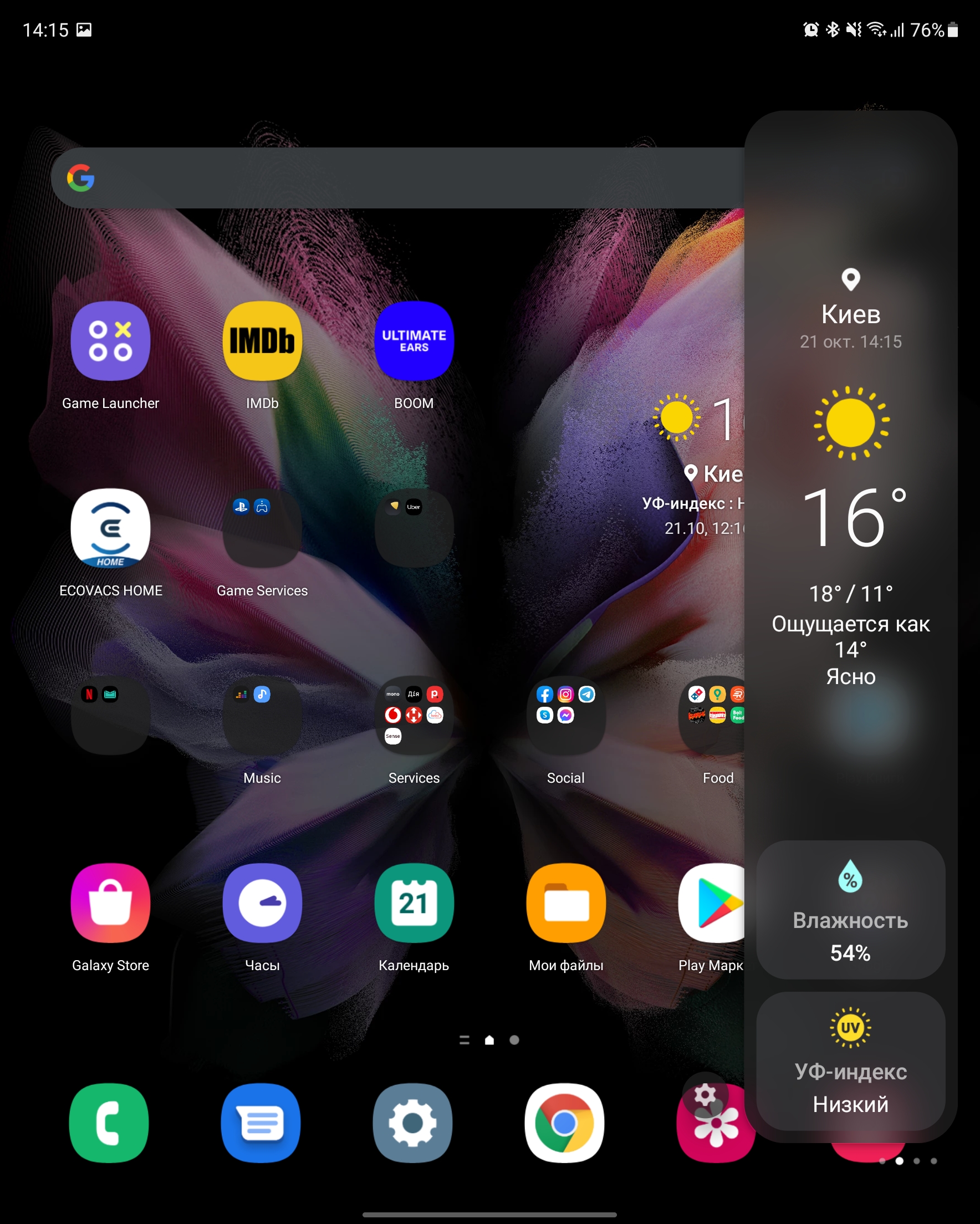
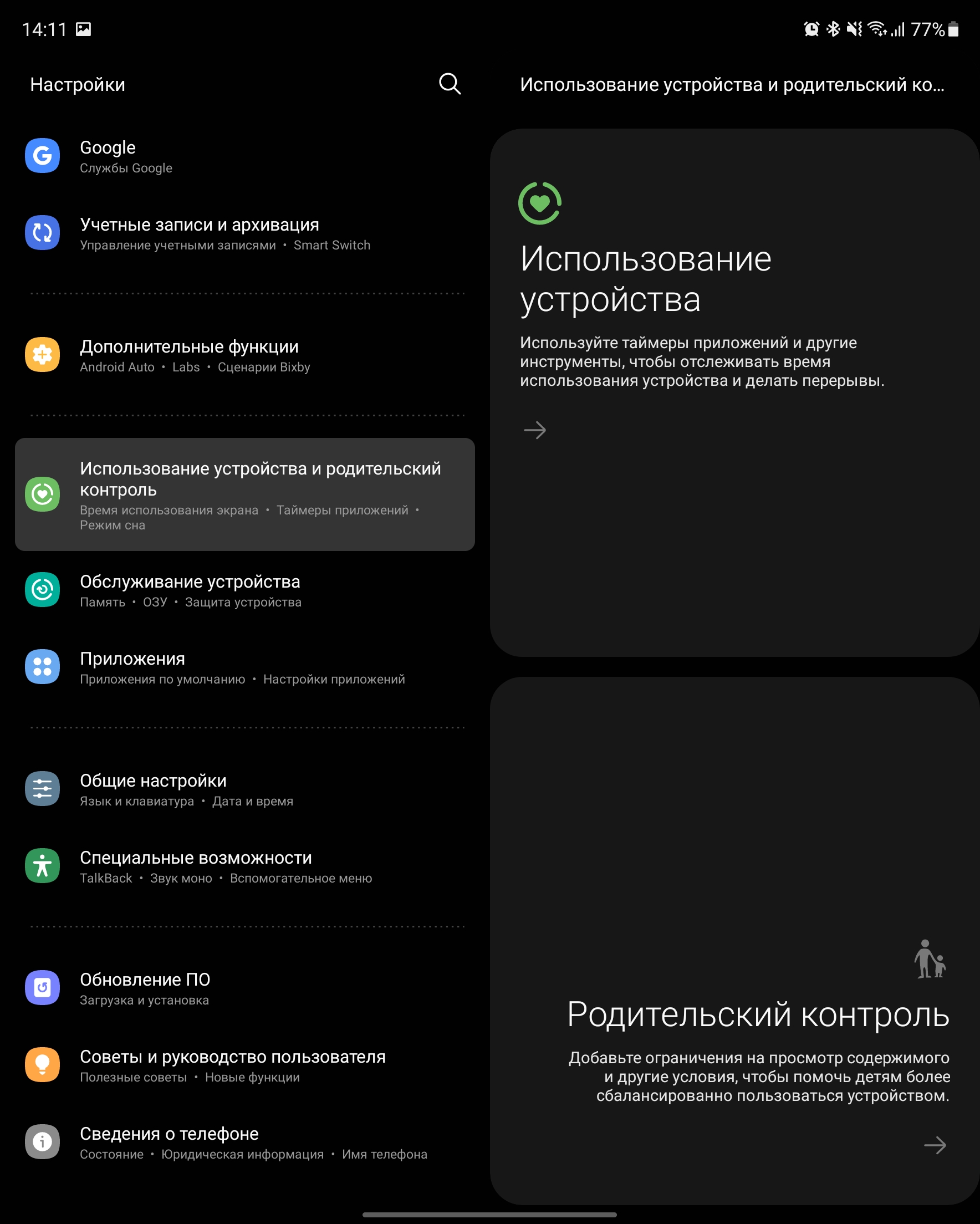
Samsung Galaxy Z Fold3 runs on Android 11 OSversion with One UI 3.1.1 shell. In general, everything is familiar from previous Samsung smartphones. With some additions that are necessary given the almost tablet-like internal screen and the presence of a second external one. There are options with desktops and a separate application menu, gesture and button navigation, grid adjustment, different design themes, and so on. Among the features, it is worth noting that on the internal screen all native applications are displayed in the “tablet” option in two columns, which is quite convenient. It is possible to configure desktops separately for each screen, or duplicate them. It is possible to continue working with an open application when switching between screens. But it does not work with all third-party applications. A separate Labs item has appeared in the settings with “experimental” functions. Like forcing windowed mode for applications that don't support it, adjusting aspect ratios, and so on.
</ img>
</ img>
</ img>
</ img>
</ img>

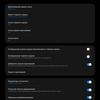
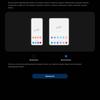

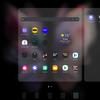

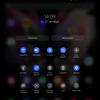



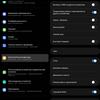
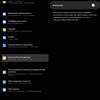
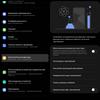
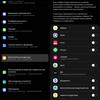
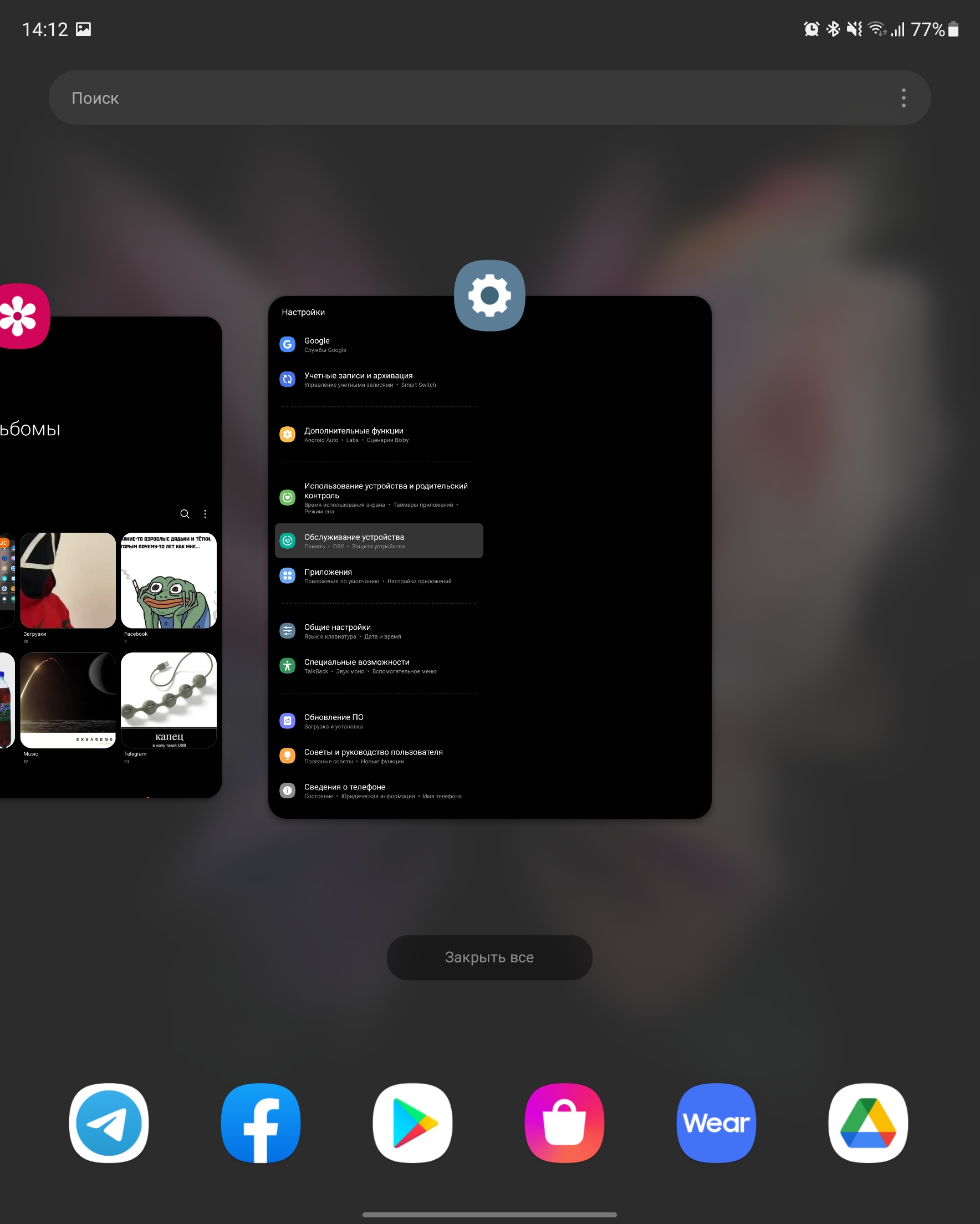
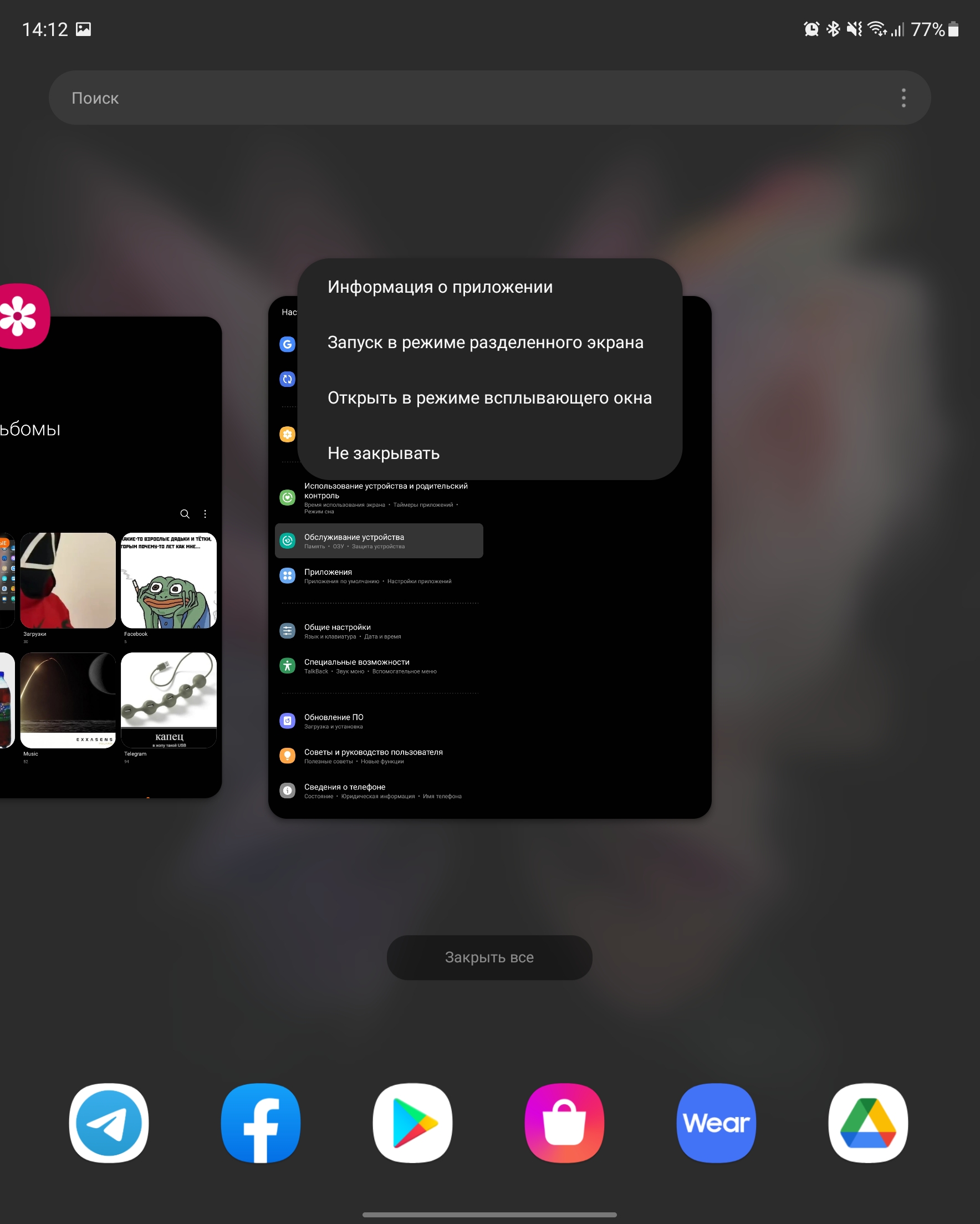
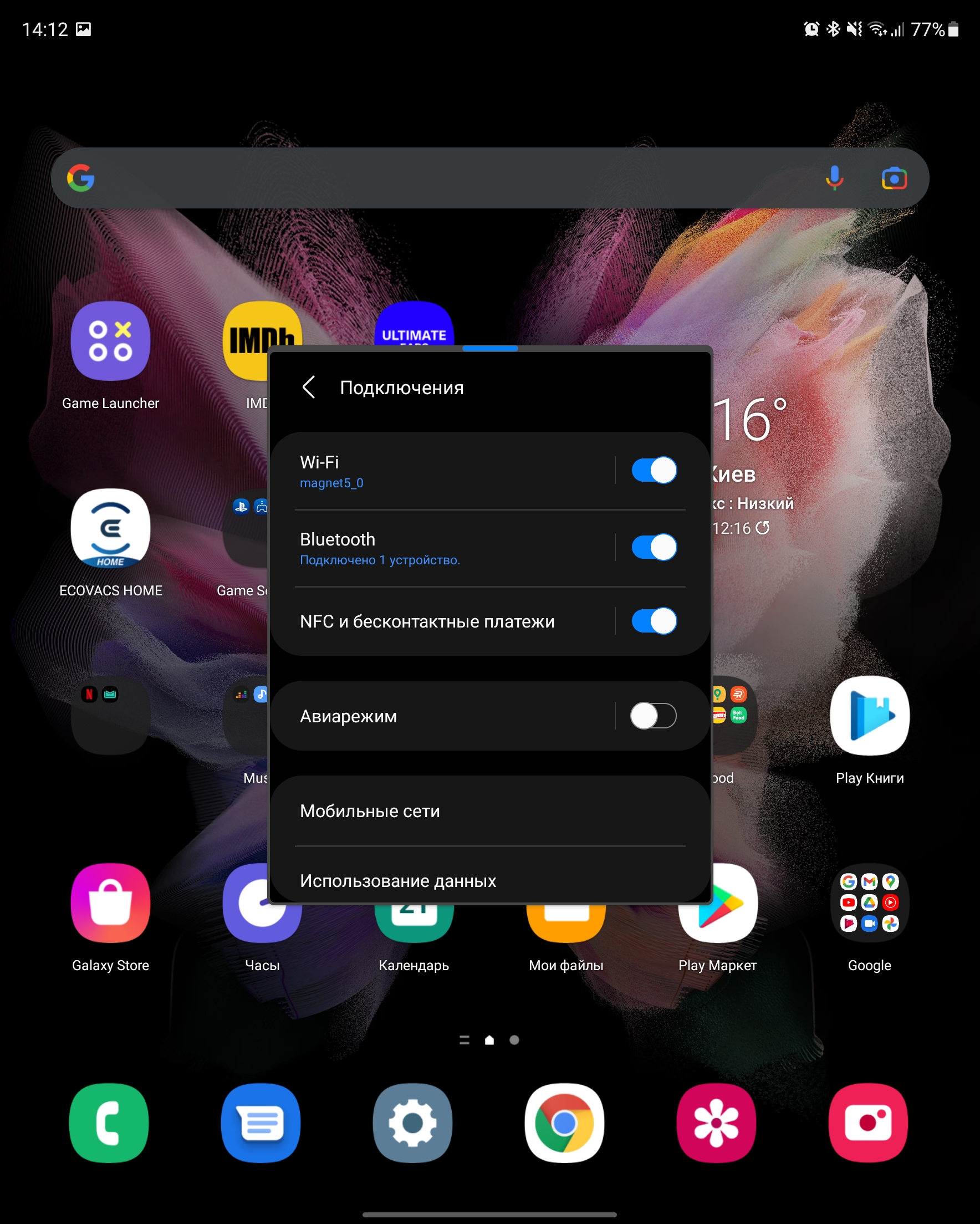
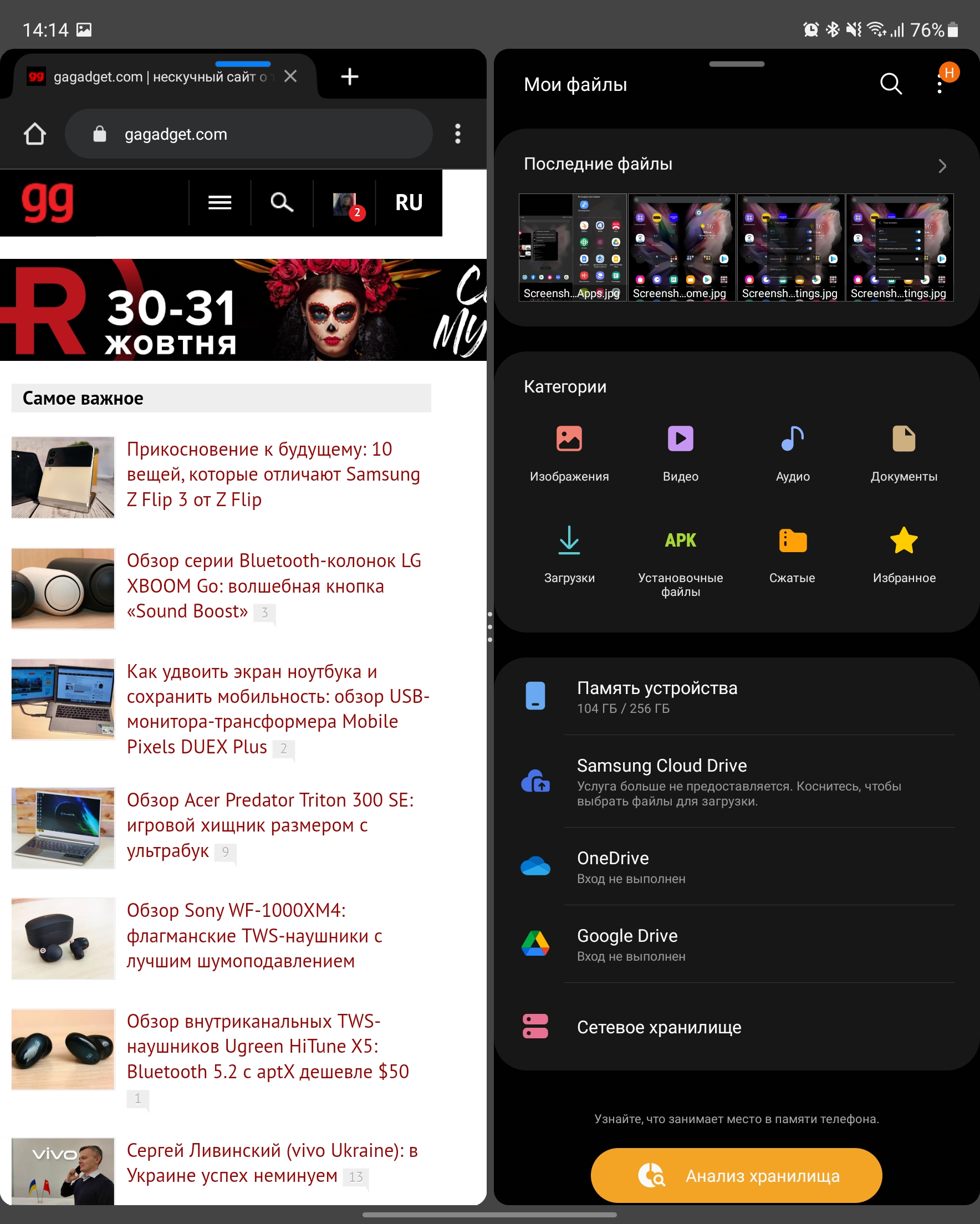
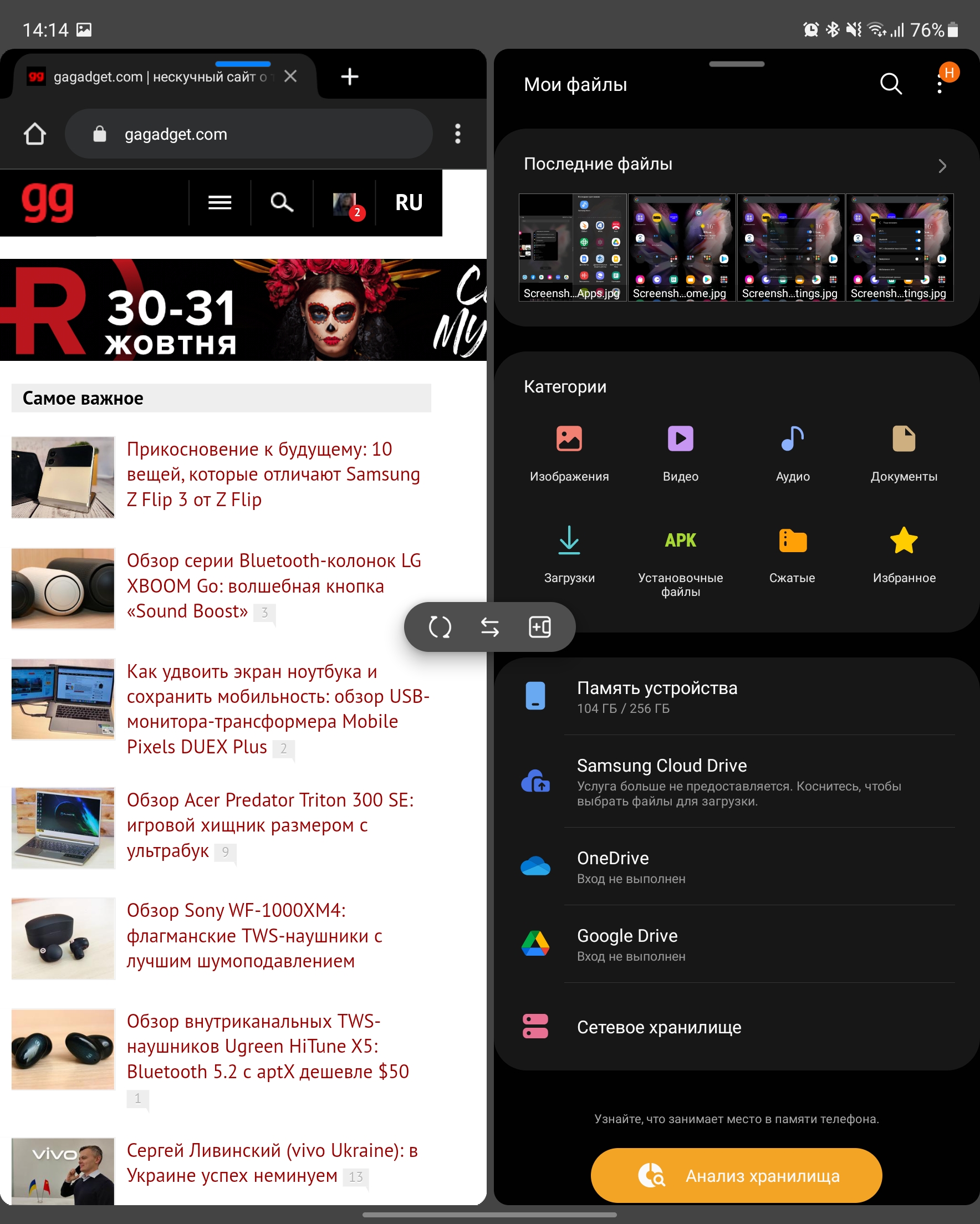
Of the typical features of the shell,remember the more functional application manager, which allows you to open applications in a reduced window mode, make them semi-transparent, or even minimize them to an icon. Well, the split screen mode, which allows you to save ready-made combinations for later quick launch.
</ img>
</ img>
</ img>
</ img>


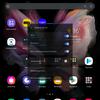
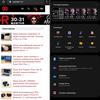
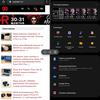
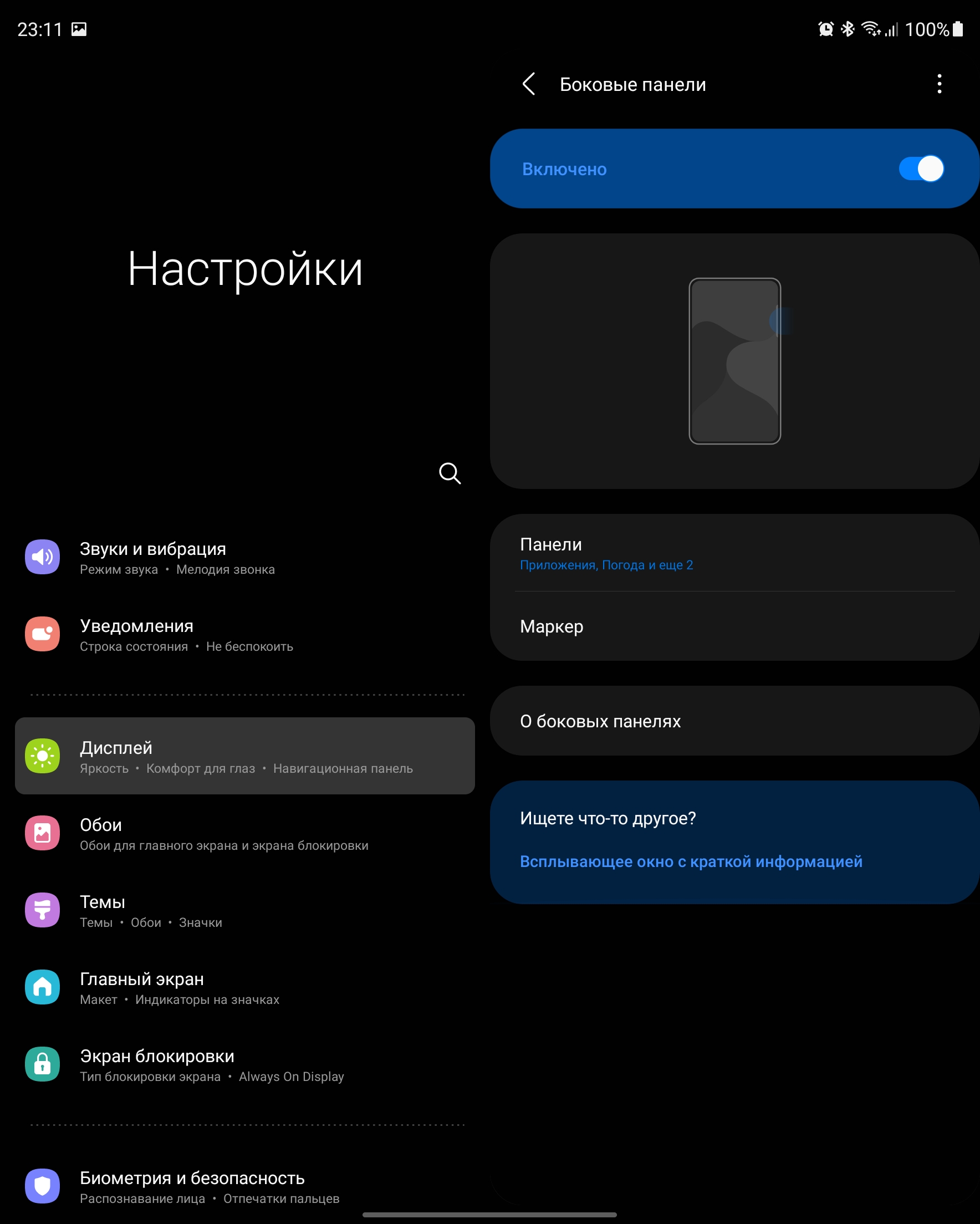
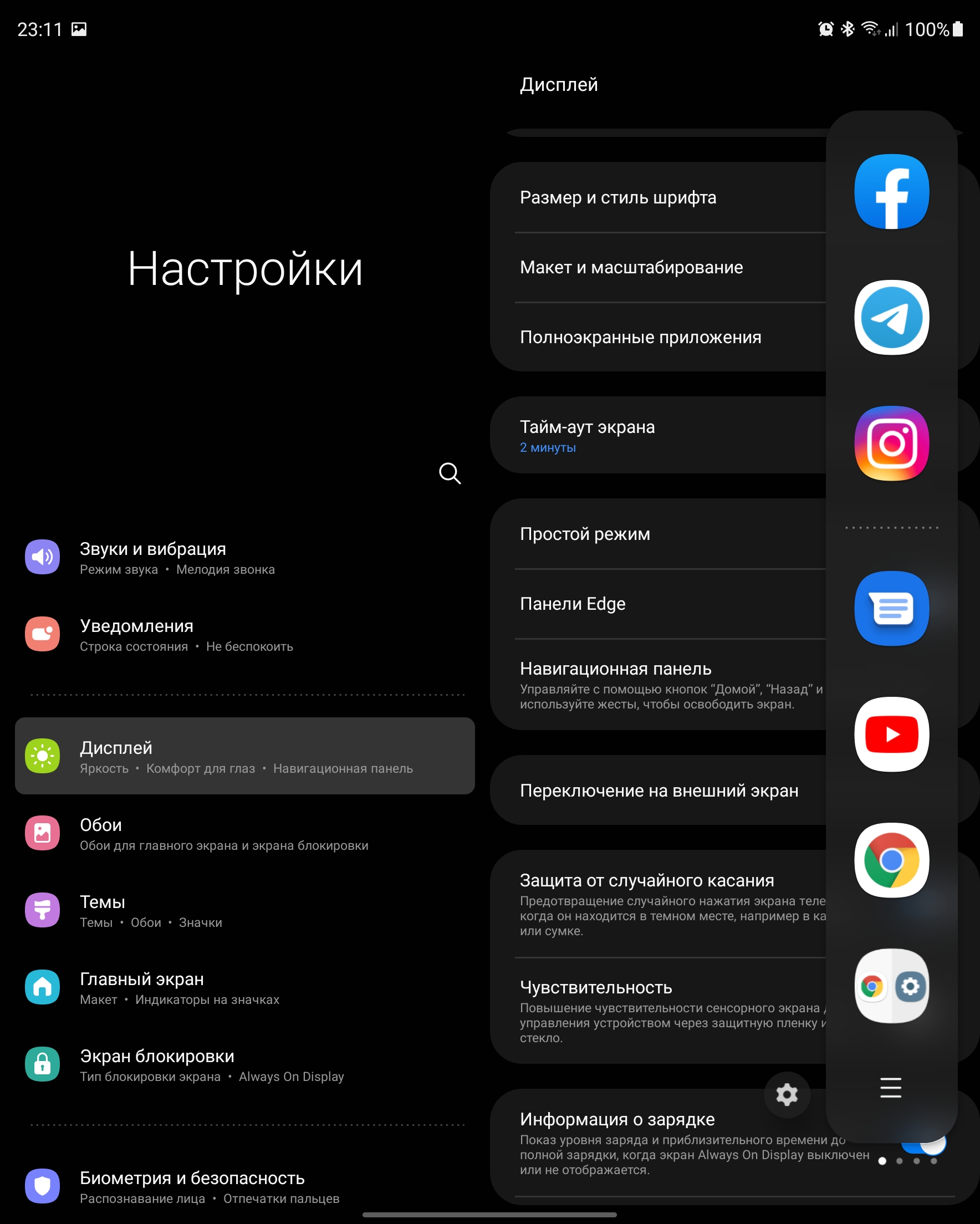
The Edge side panels have not undergone any changes.changes. As before, there is a set of useful widgets, as well as a panel with frequently launched applications, where you can pin ready-made pairs for split-screen mode.
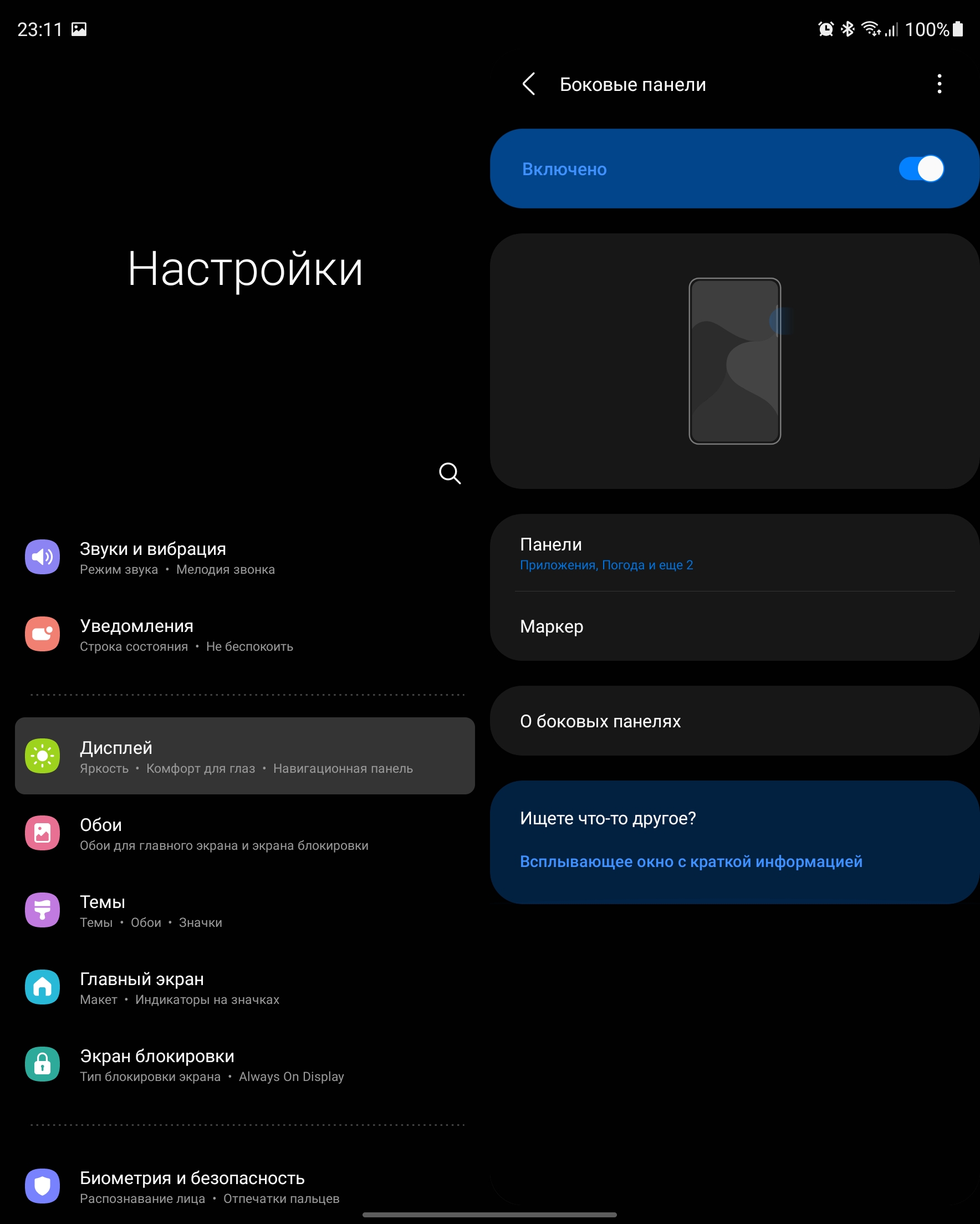


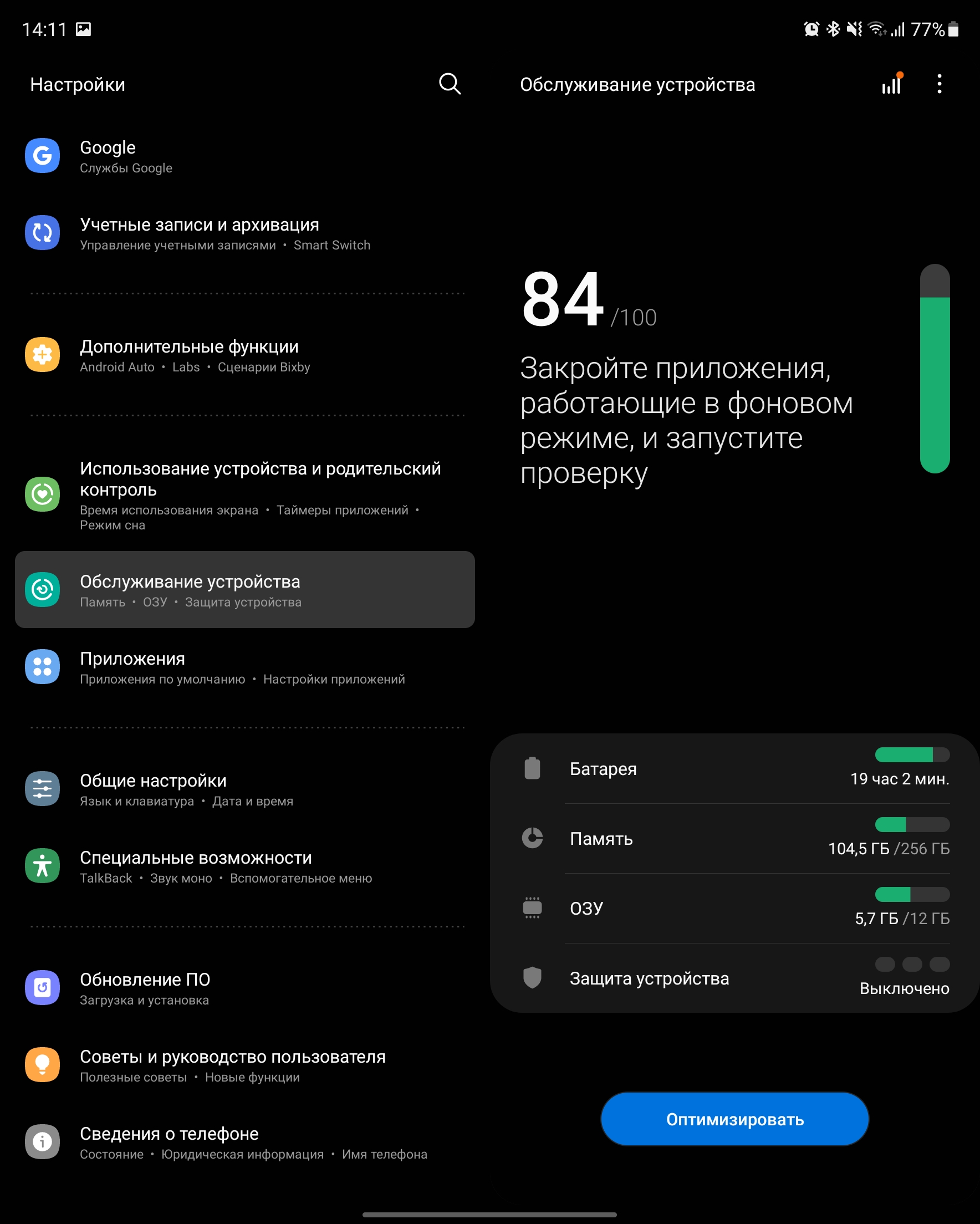
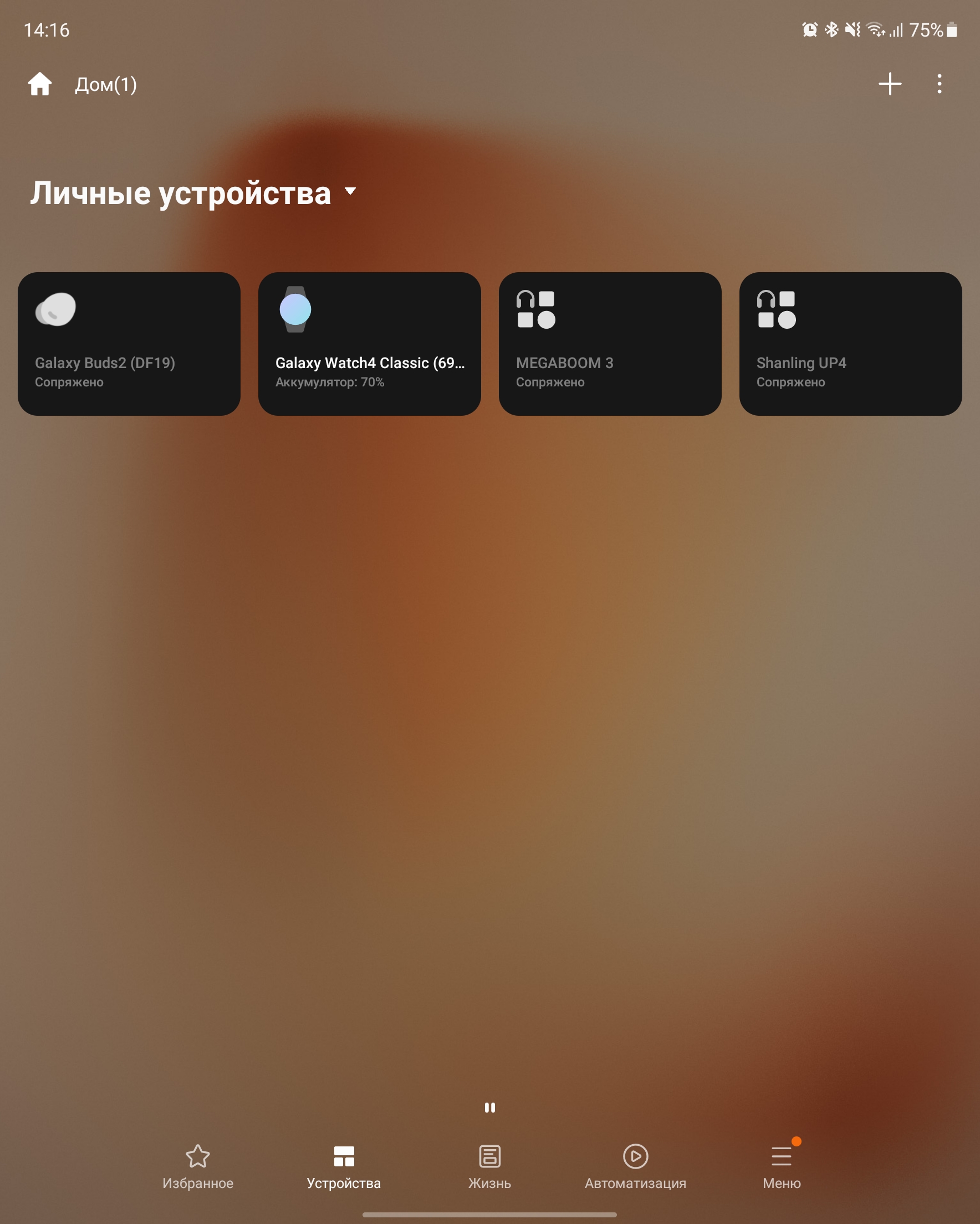
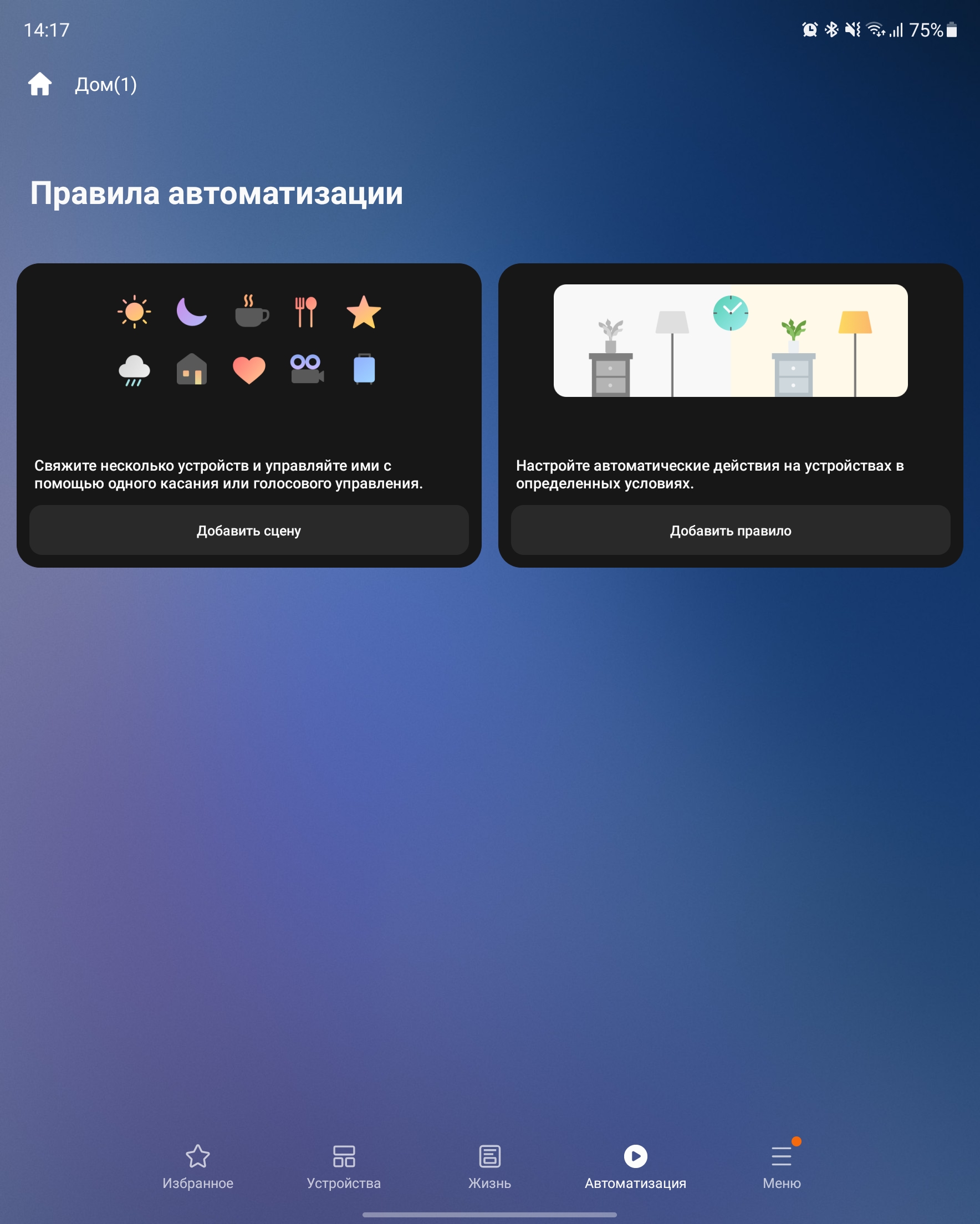
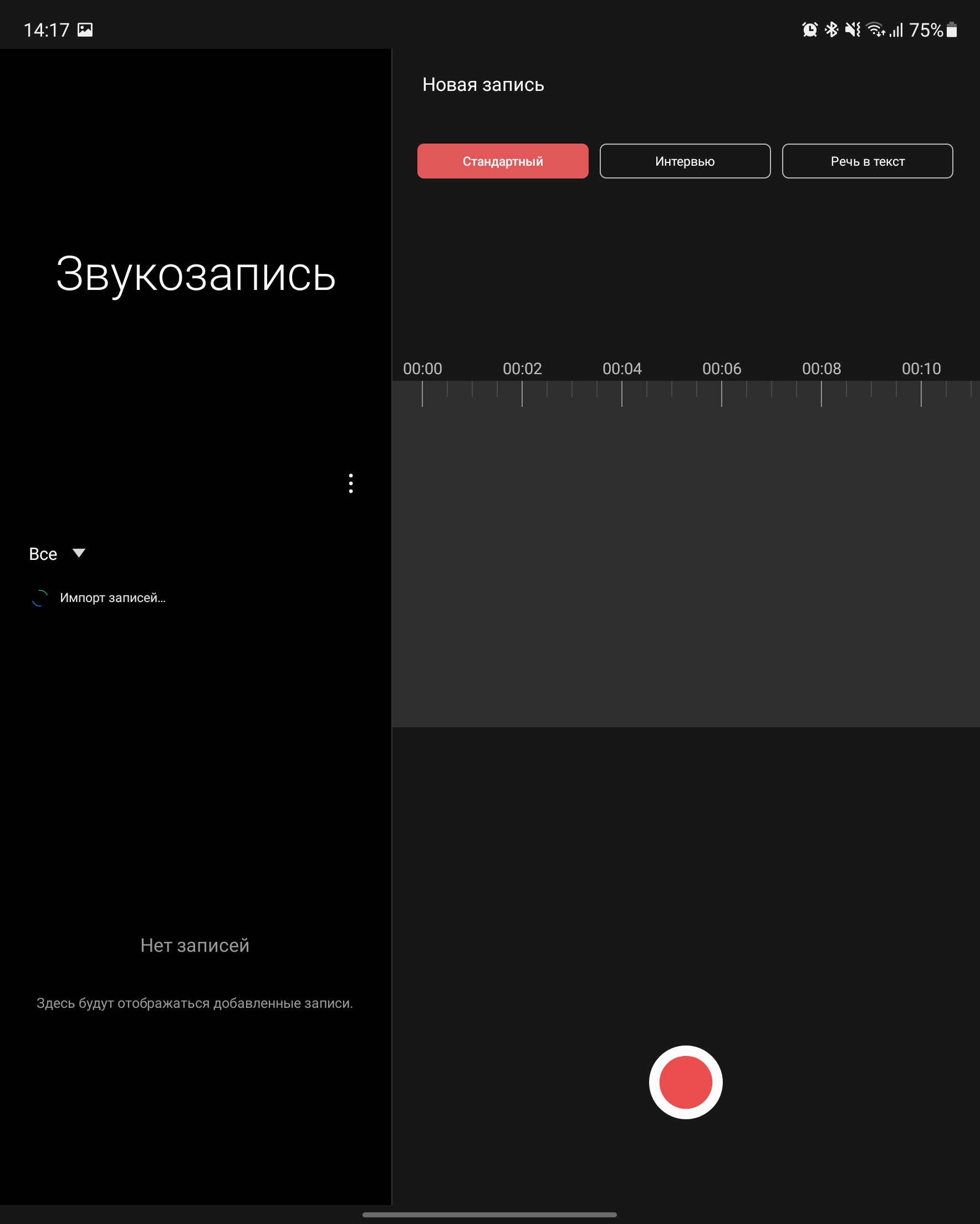
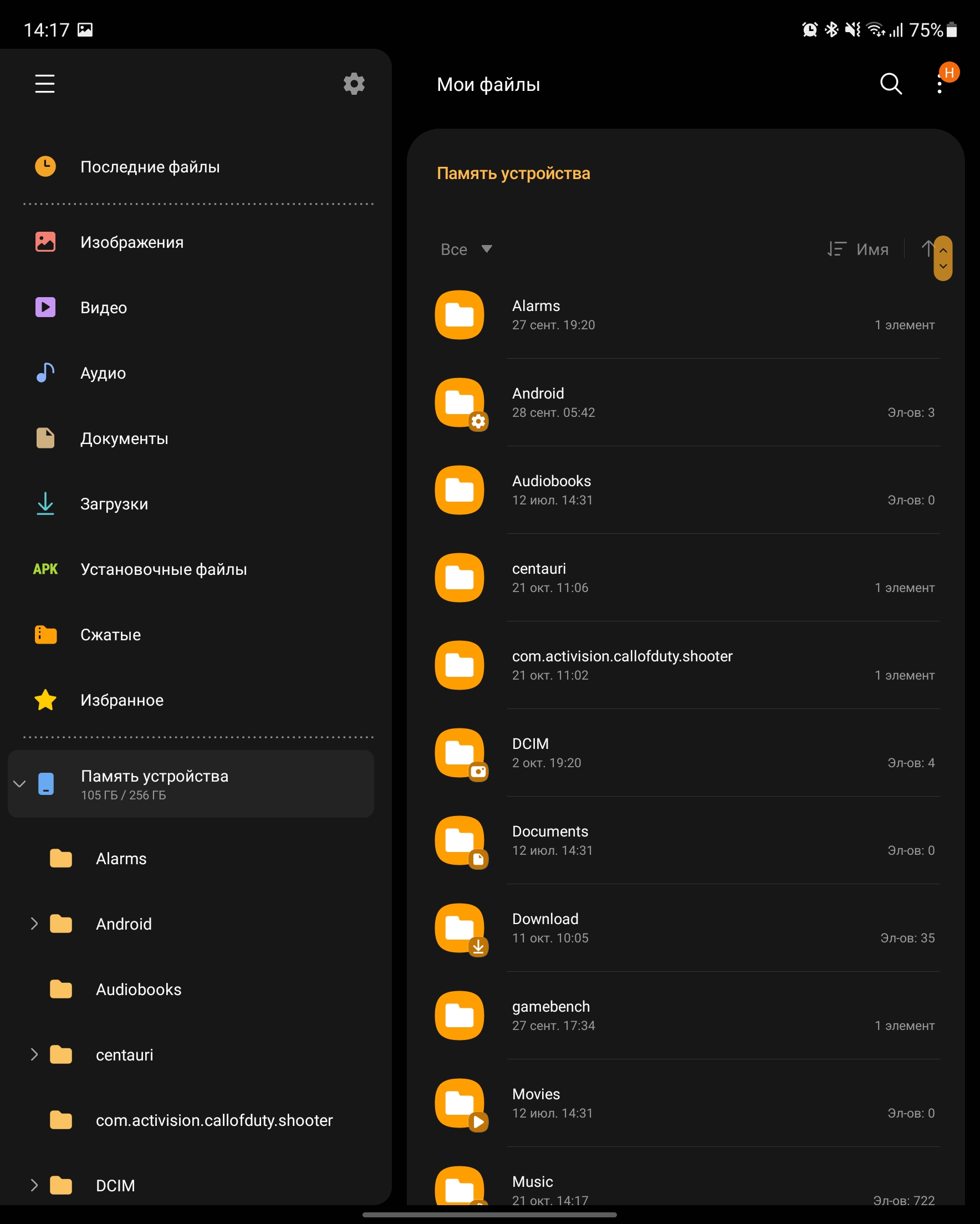
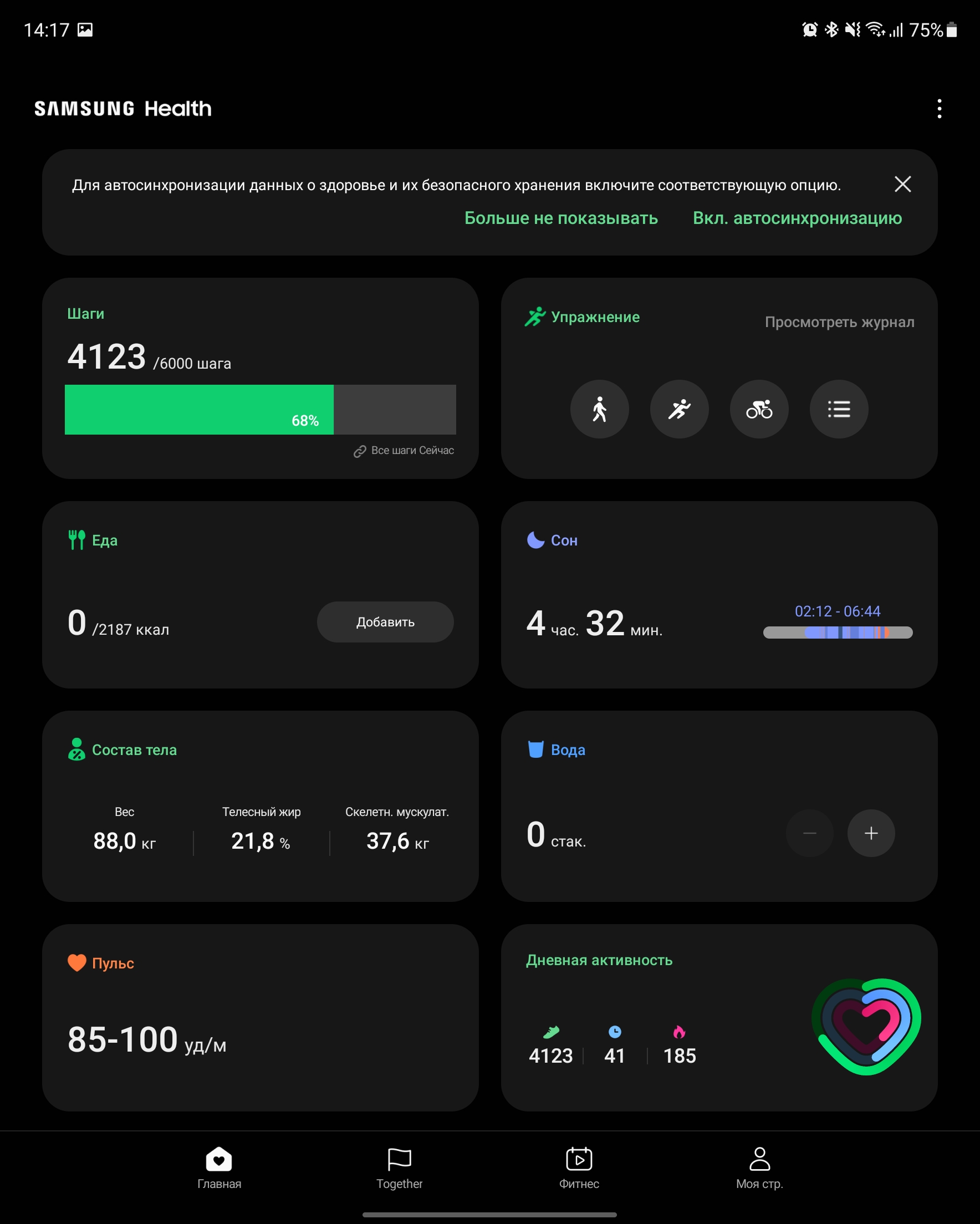
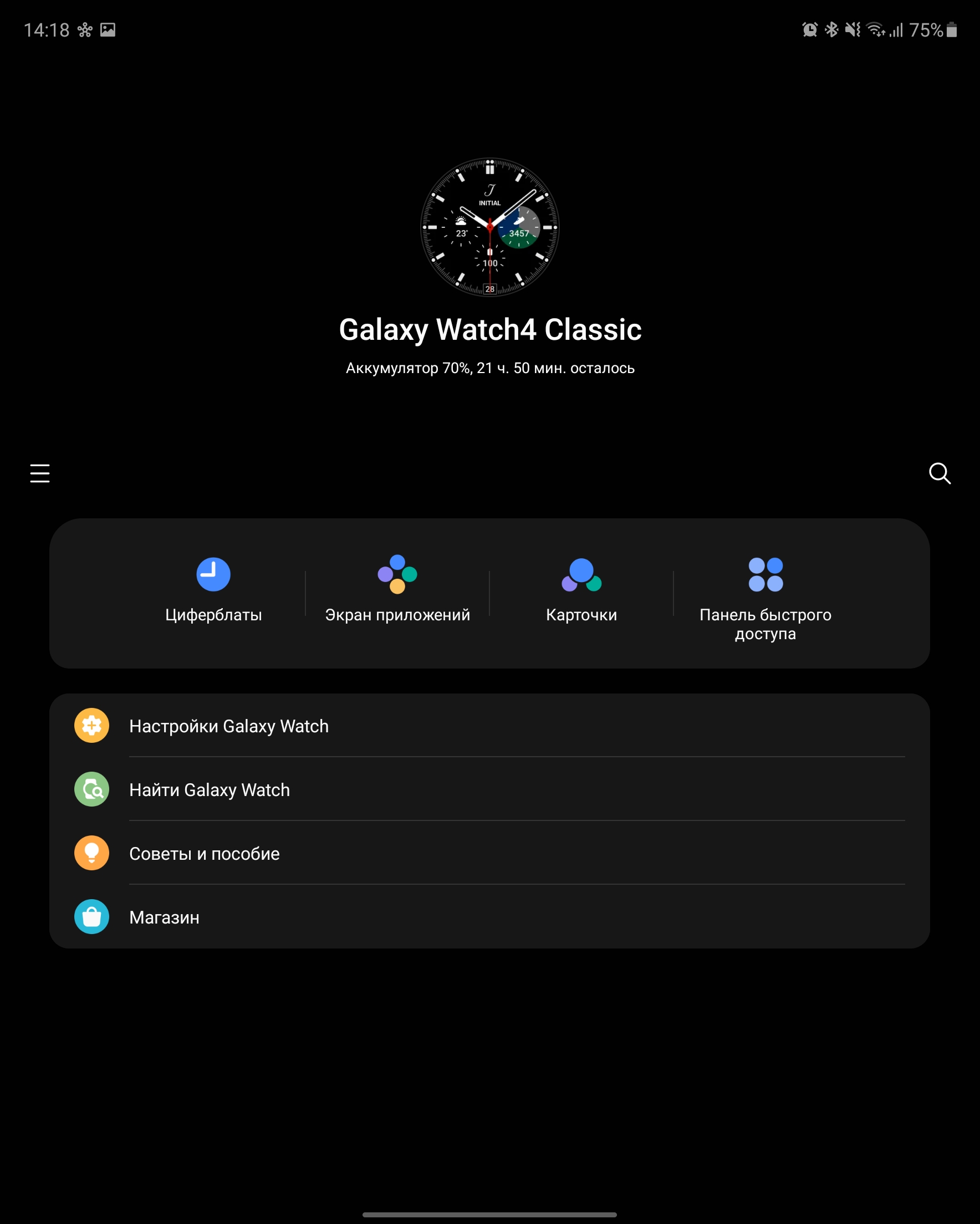
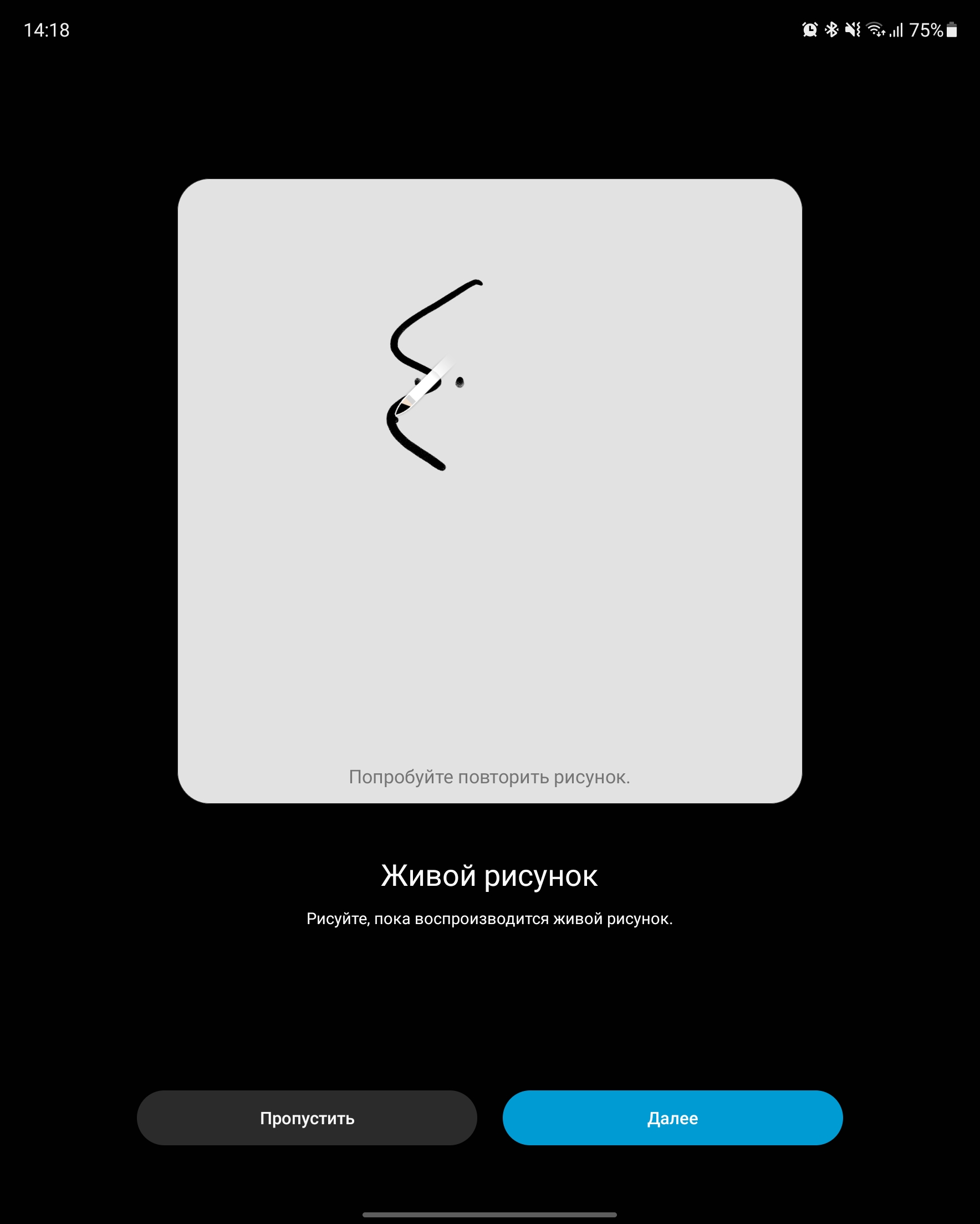
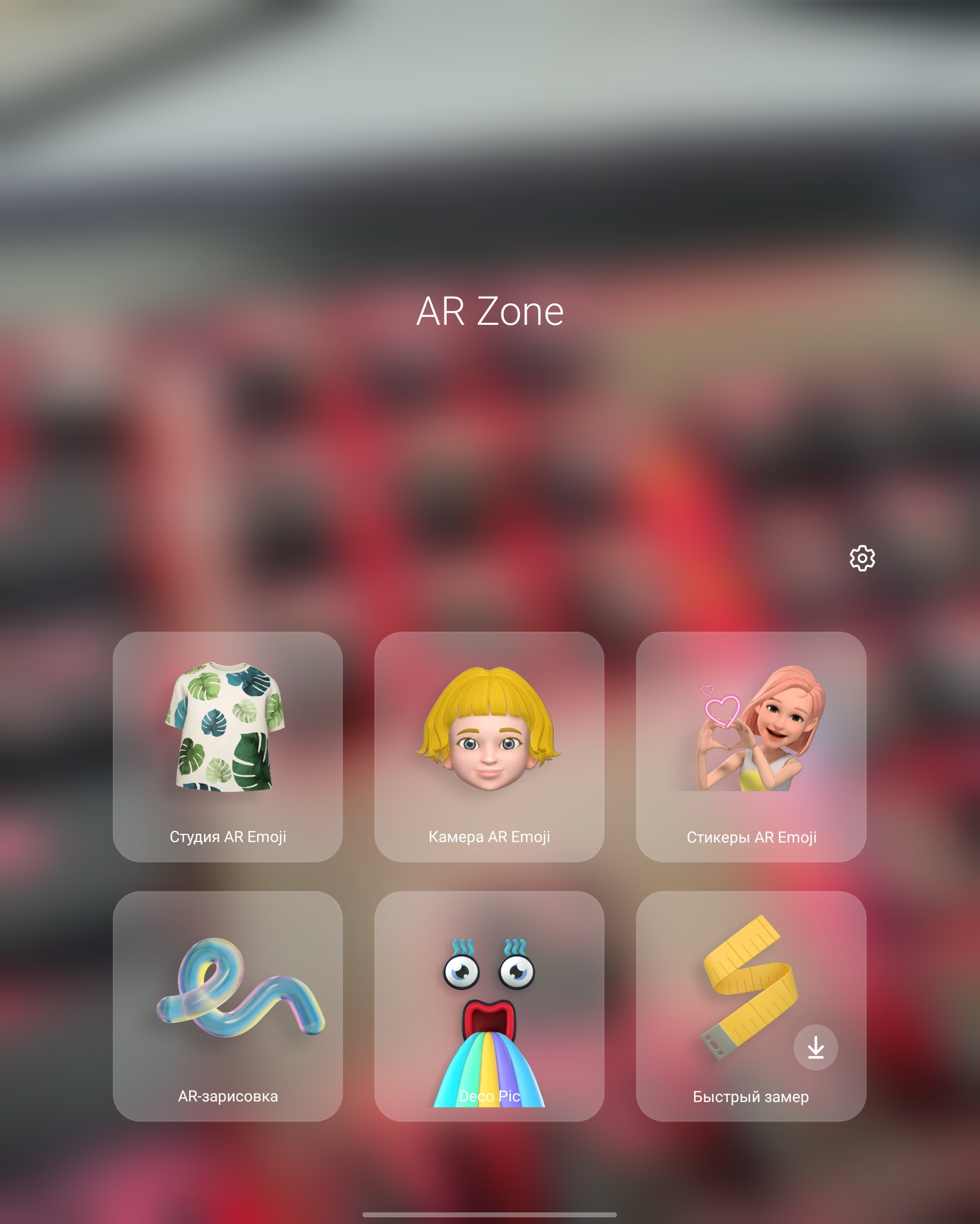
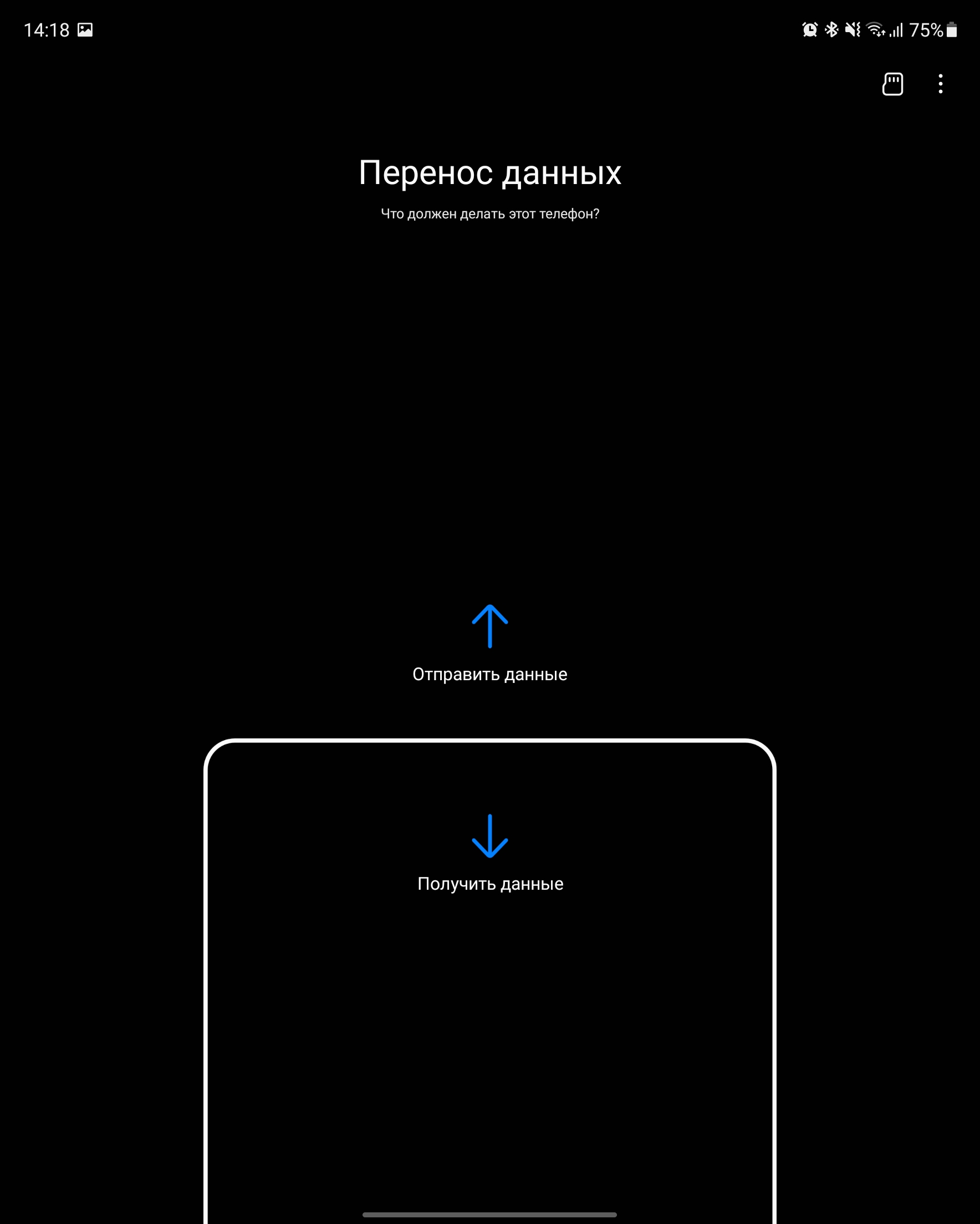
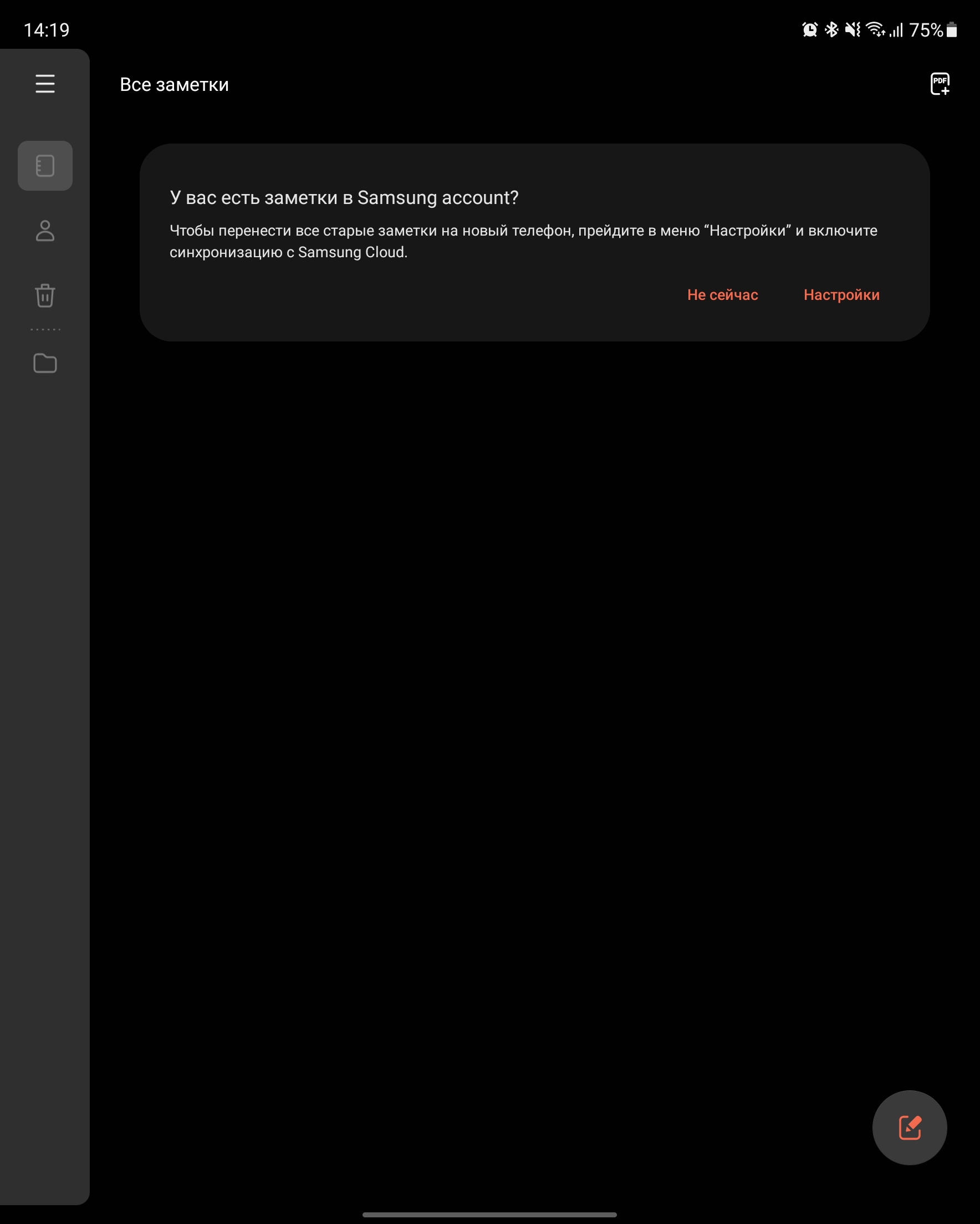
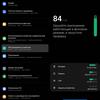
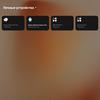
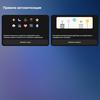
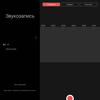
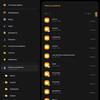
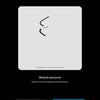
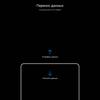
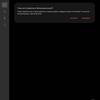
Among the pre-installed applications there is a voice recorder,file manager, smartphone optimizer, notes, Smart Things (smart home control), Galaxy Wearable (watch and earphone control), S Health, AR Zone (emoji creation and virtual measurement of objects) and PENUP drawing for S Pen.
</ img>
</ img>
</ img>



How good are the cameras?
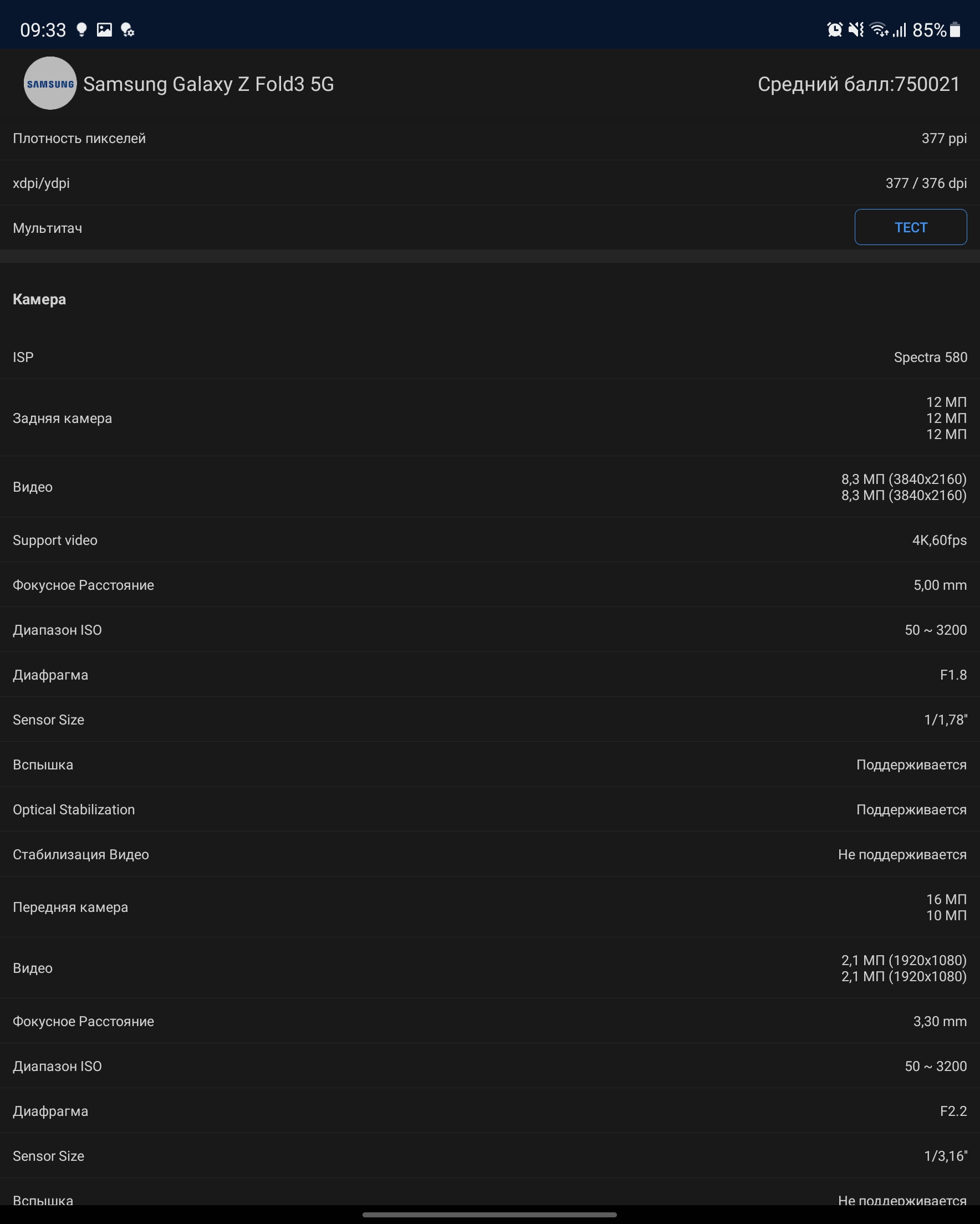
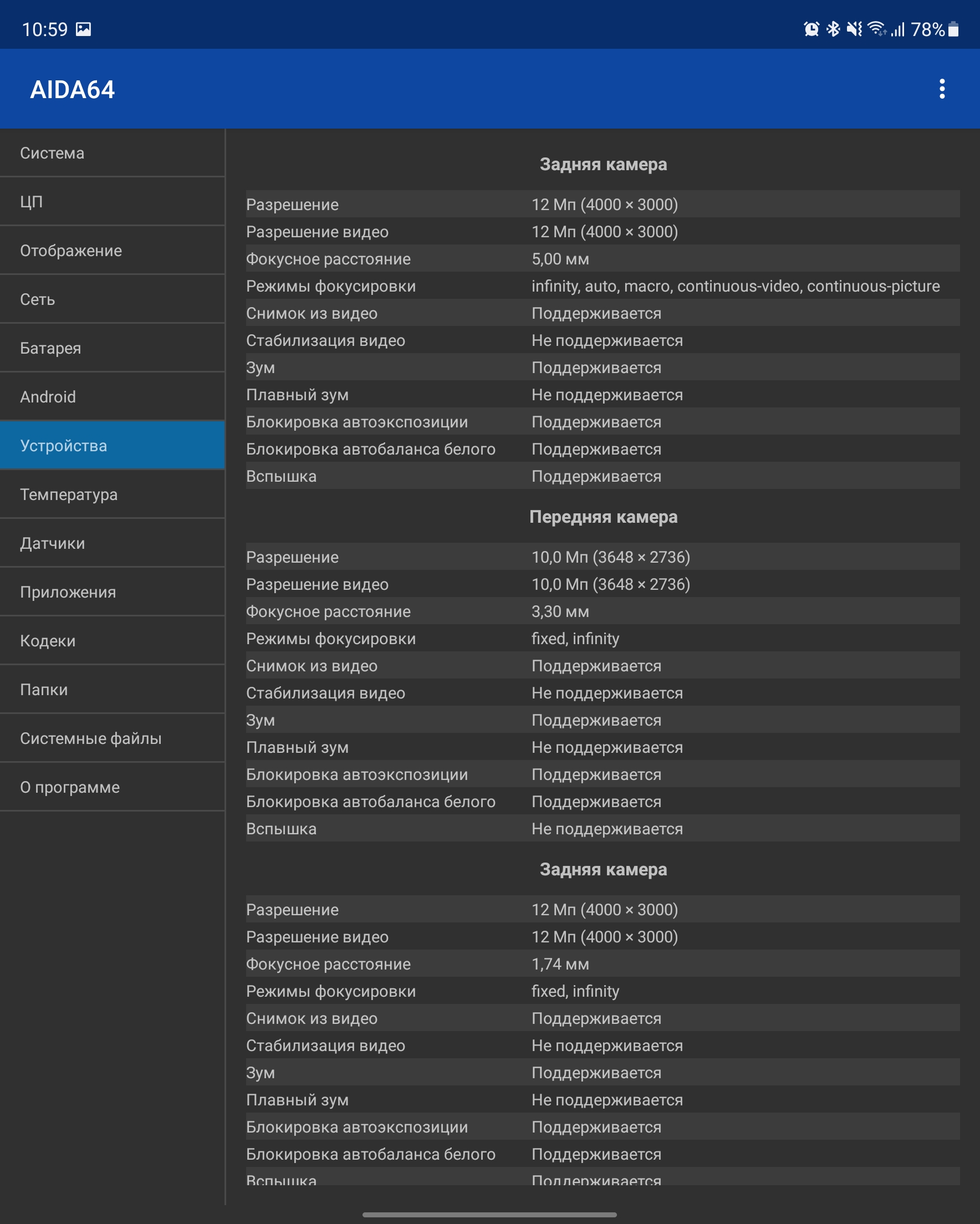
The set of cameras at the rear remains the same as the specificationsunchanged when compared with its predecessor. There are three of them. The main camera is 12 megapixels, matrix size 1/1.76″, pixel size 1.8µm, f/1.8 aperture, 26 EGF, optical stabilization and Dual Pixel PDAF phase autofocus. The ultra-wide-angle camera has a similar resolution of 12 MP, f/2.2 aperture, 123° viewing angle, and no autofocus. The third telephoto module is still 12 MP, f/2.4, 52 mm EGF, 1/3.6″, 1.0µm, there is optical stabilization and phase detection autofocus. Provides 2x optical zoom. The external front camera has a resolution of 10 MP, f/2.2 and is equipped with autofocus. Internal sub-screen - 4 MP, f/.1.8, 2.0µm.
</ img>
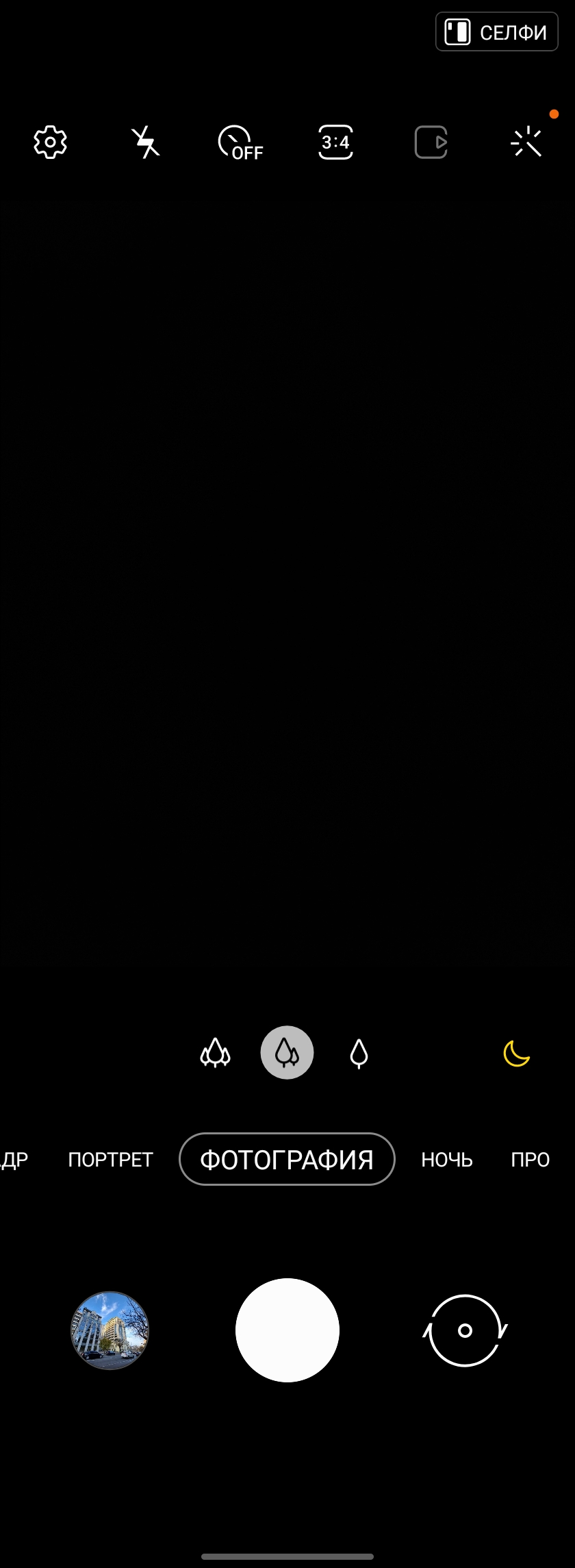
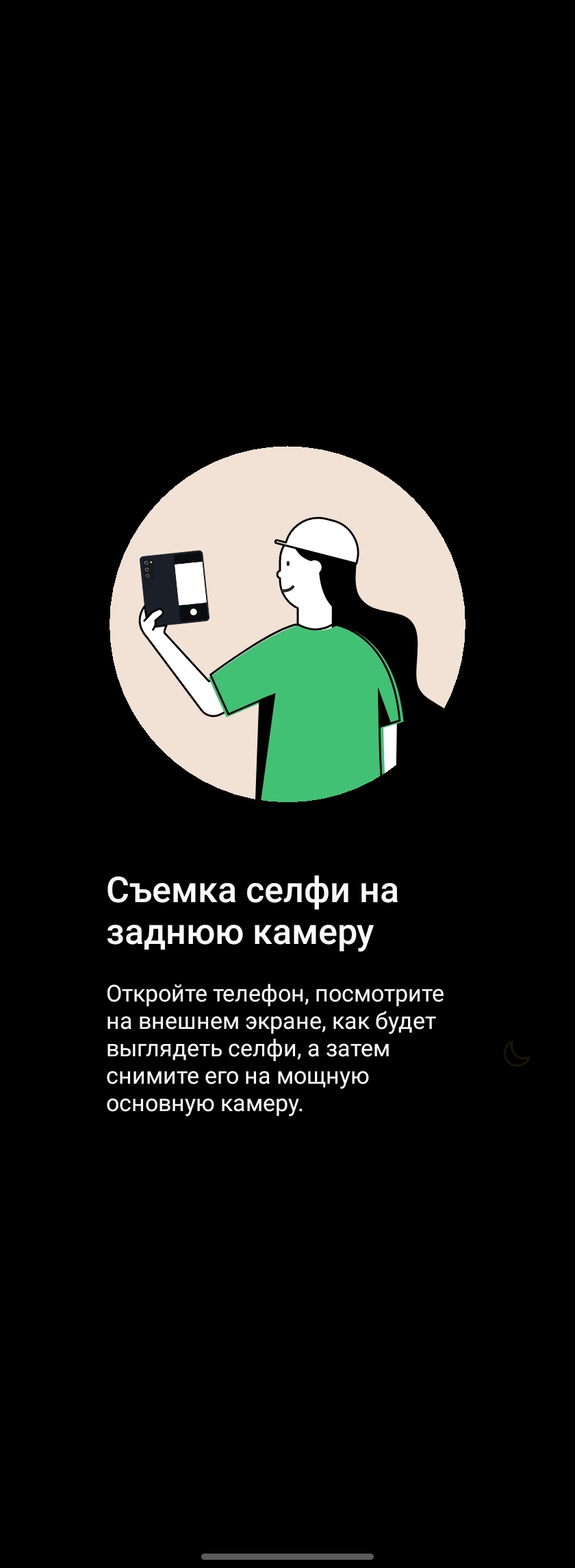
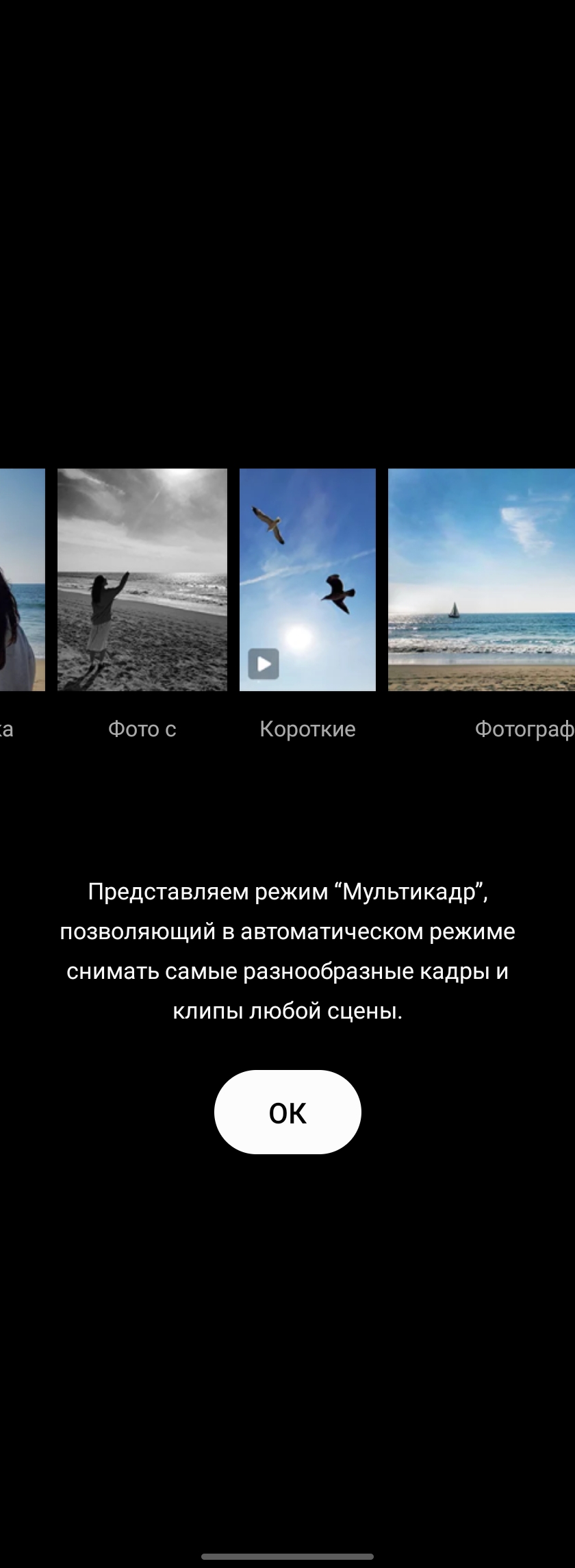
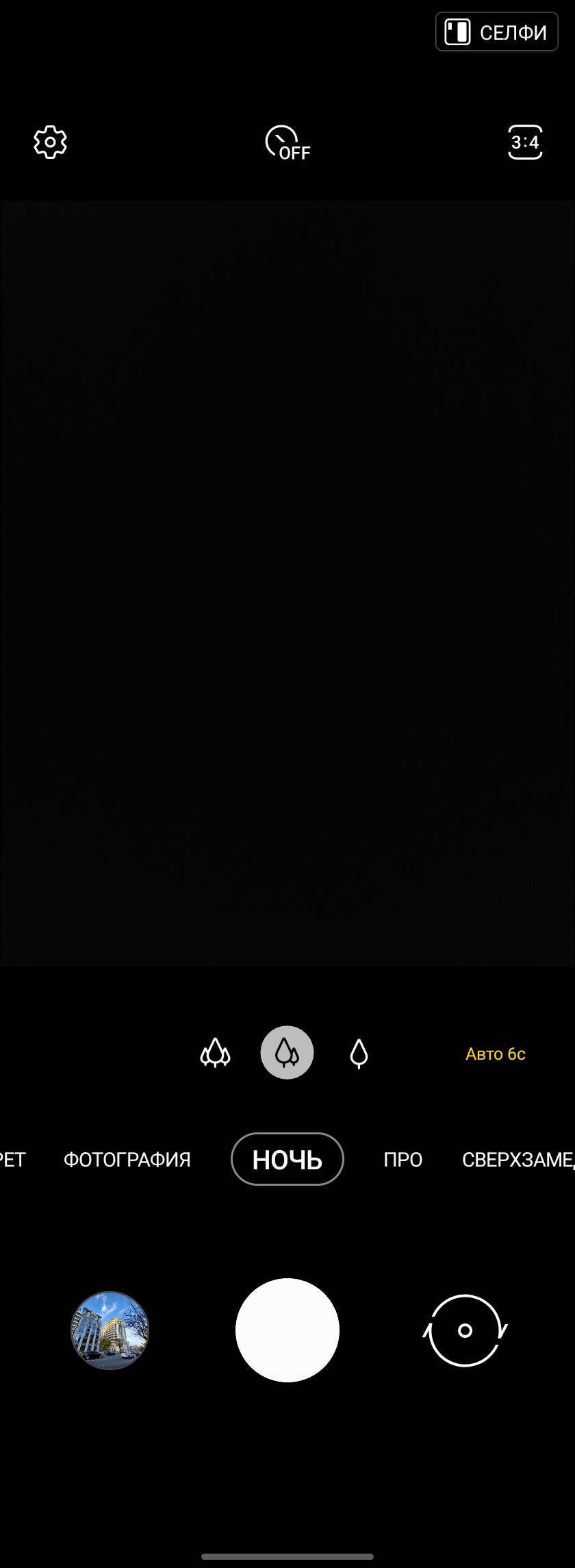
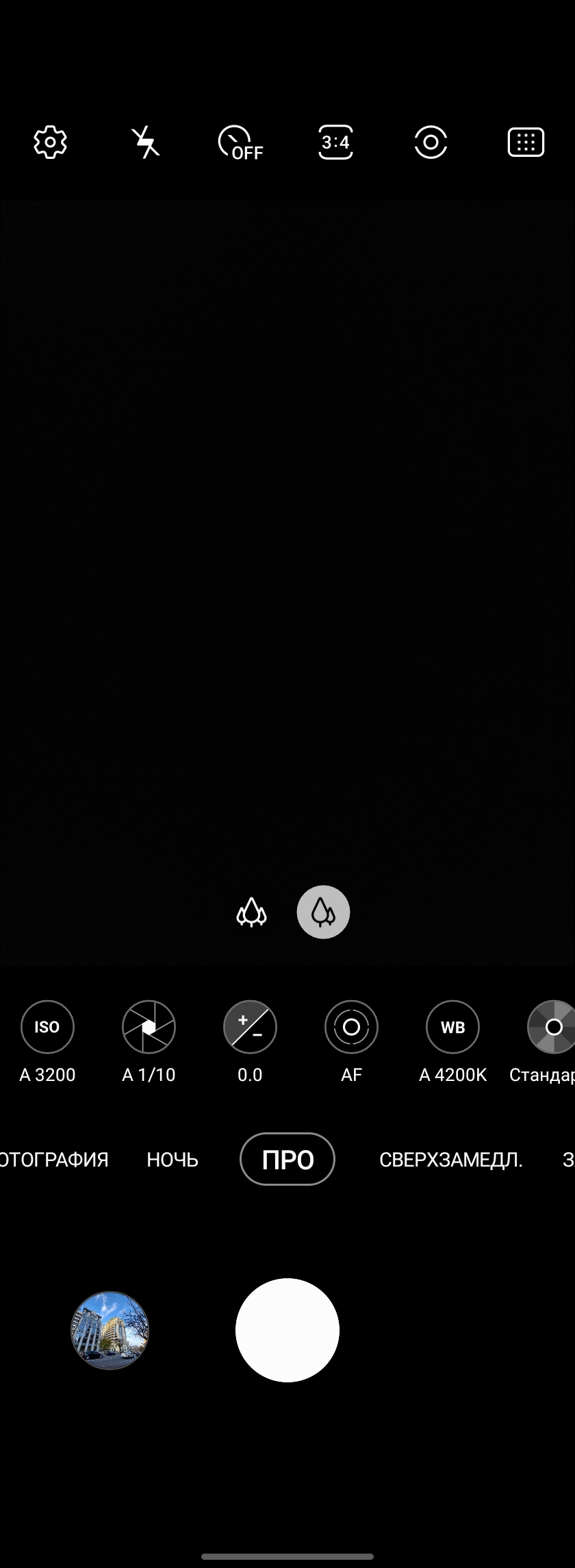
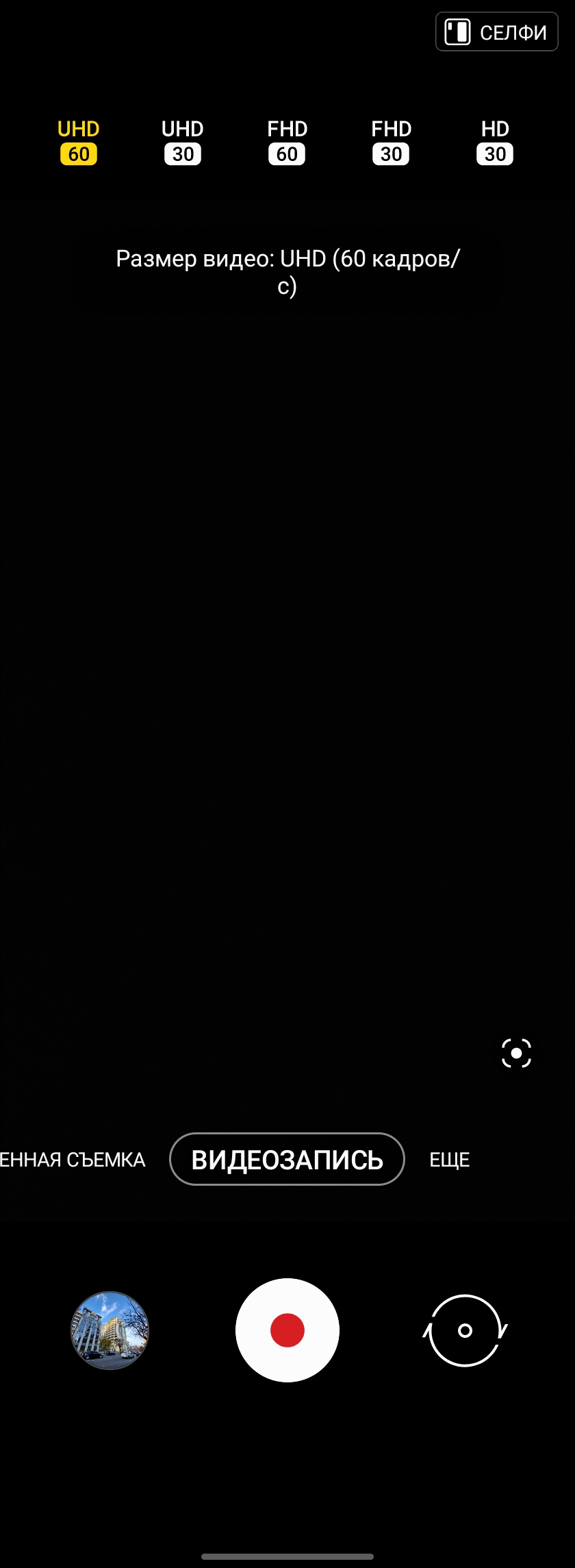
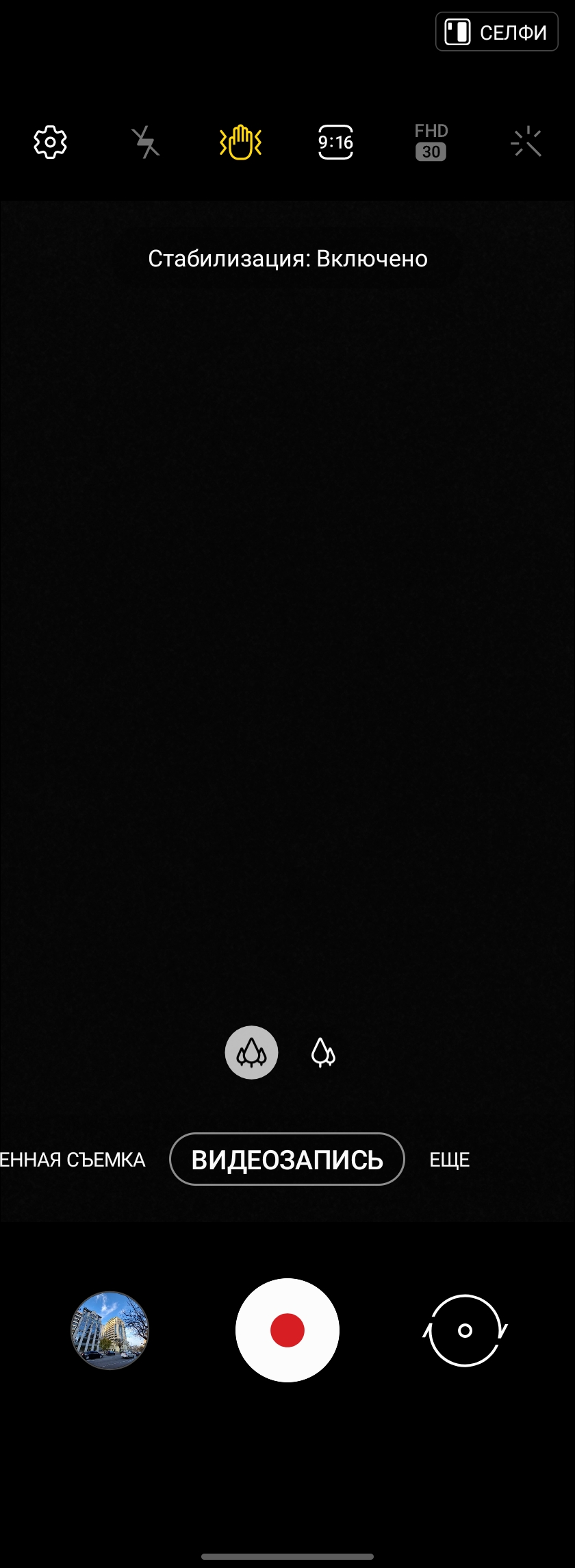
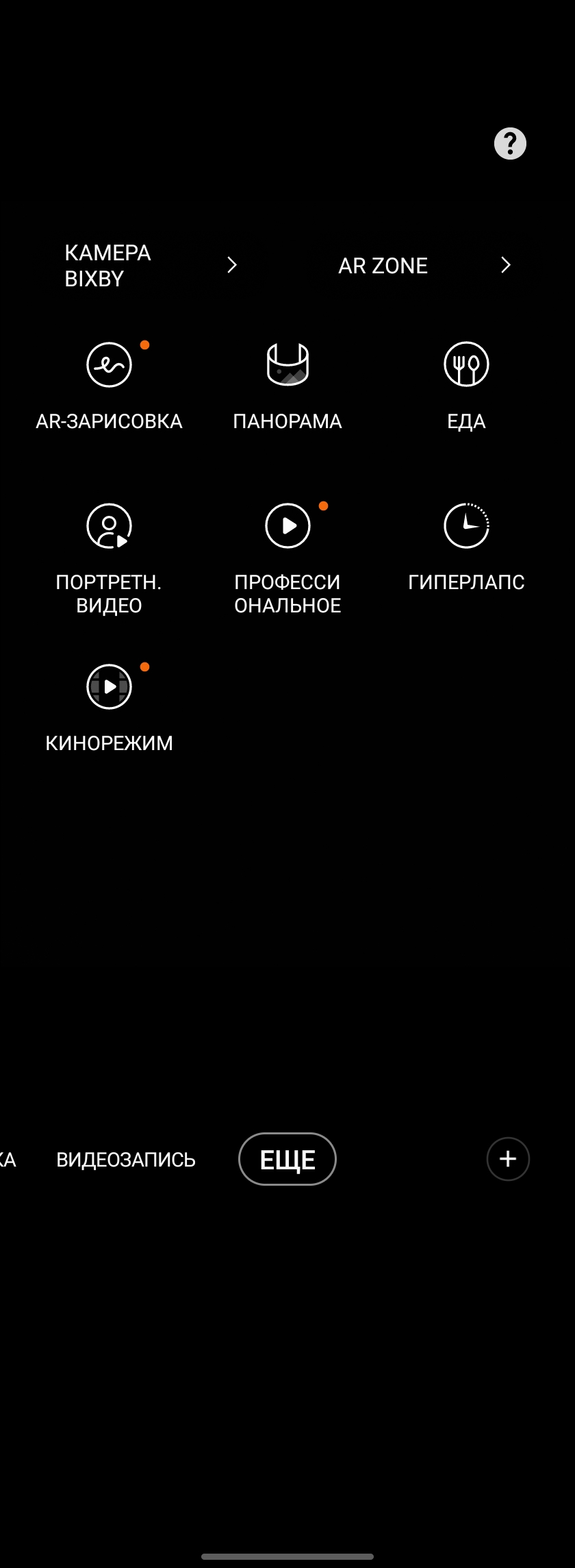
The camera app looks familiar:modes are switched by horizontal scrolling, additional ones are hidden in the “More” item, they can be pulled out to the main list, and the order of modes can be customized to suit your wishes. All basic settings, including flash, filters, aspect ratio and zoom are displayed on the main screen. The zoom can be adjusted either smoothly or using fixed values. Mode “multi-shot” with simultaneous shooting with different cameras in different modes is also present.
</ img>
</ img>
</ img>
</ img>
</ img>
</ img>
</ img>
</ img>





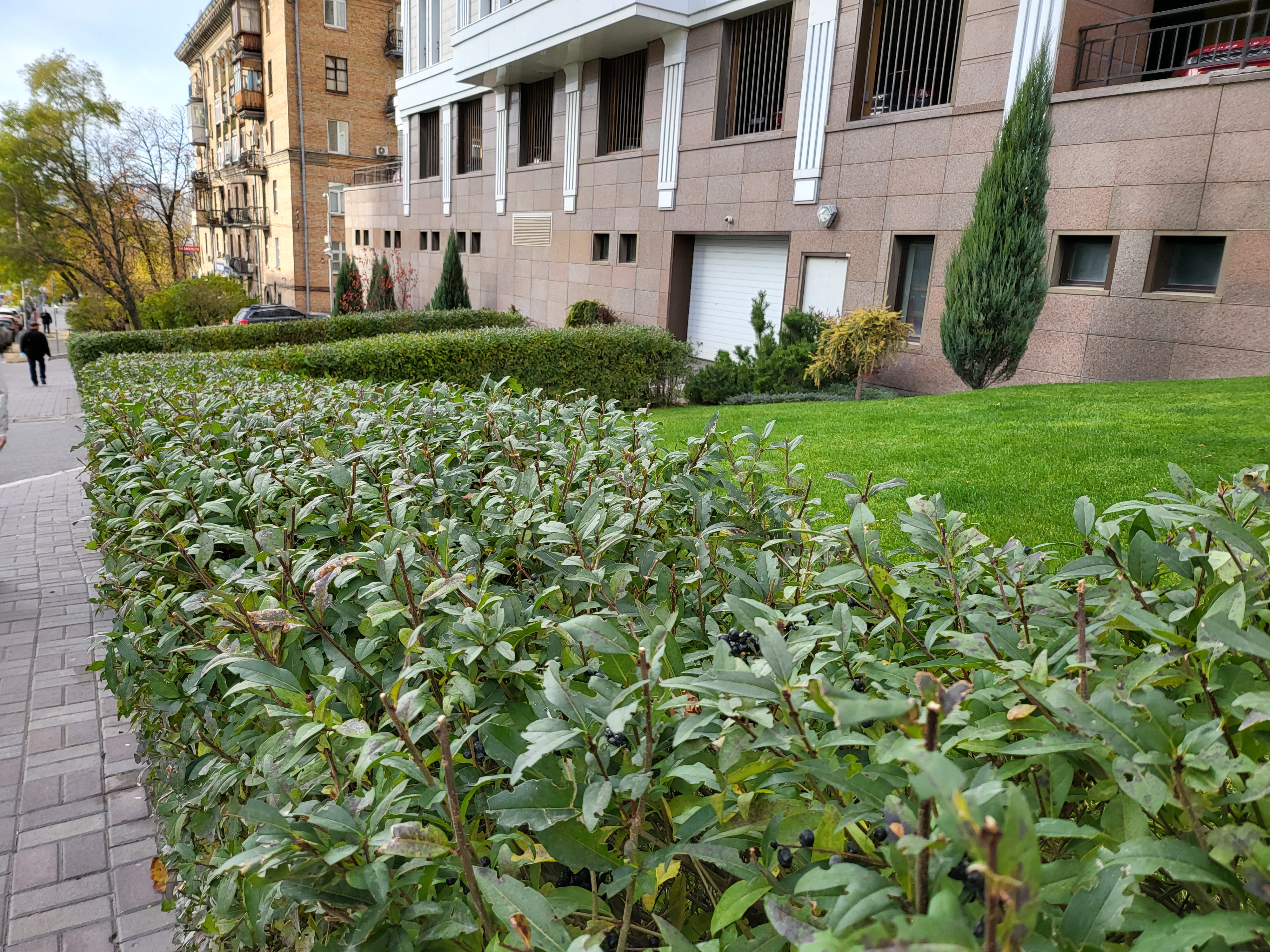
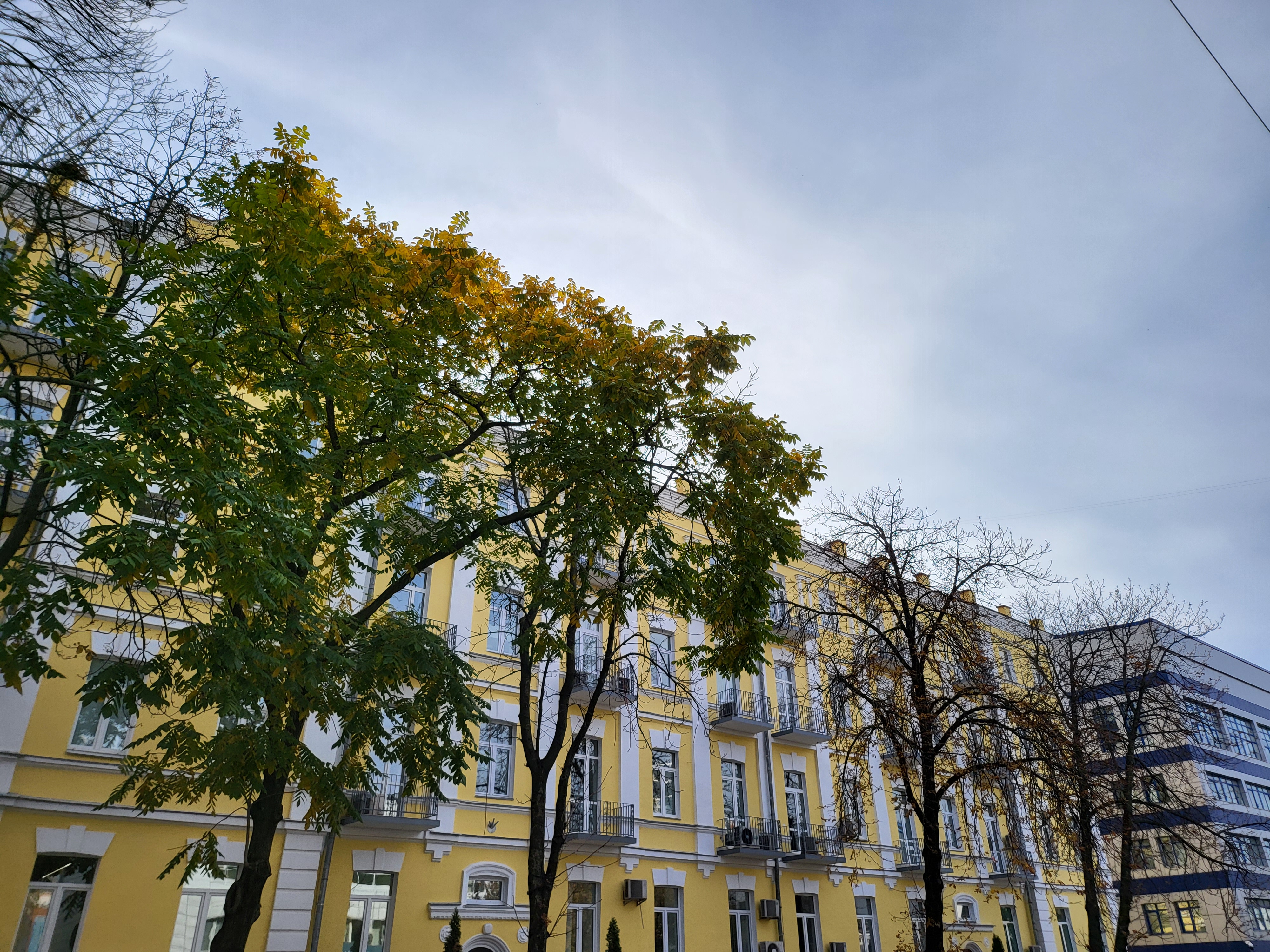
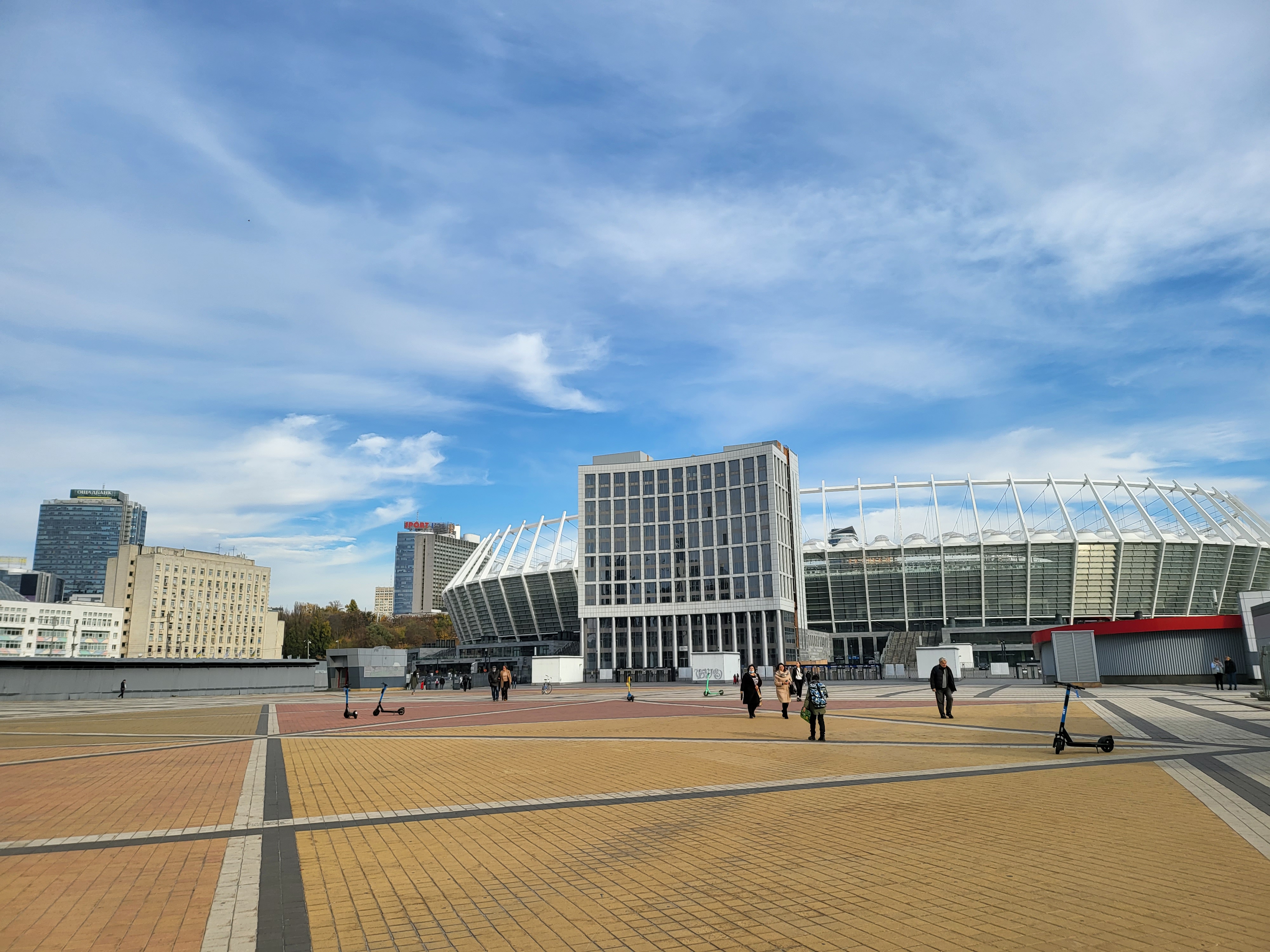
Main camera Samsung Galaxy Z Fold3copes with its task well under almost any conditions. In good lighting, pictures are taken with excellent detail, correct white balance, wide dynamic range and natural color reproduction. The night shooting mode also works very well. Detail drops very little, although traces of processing algorithms are slightly noticeable. The originals can be viewed here.
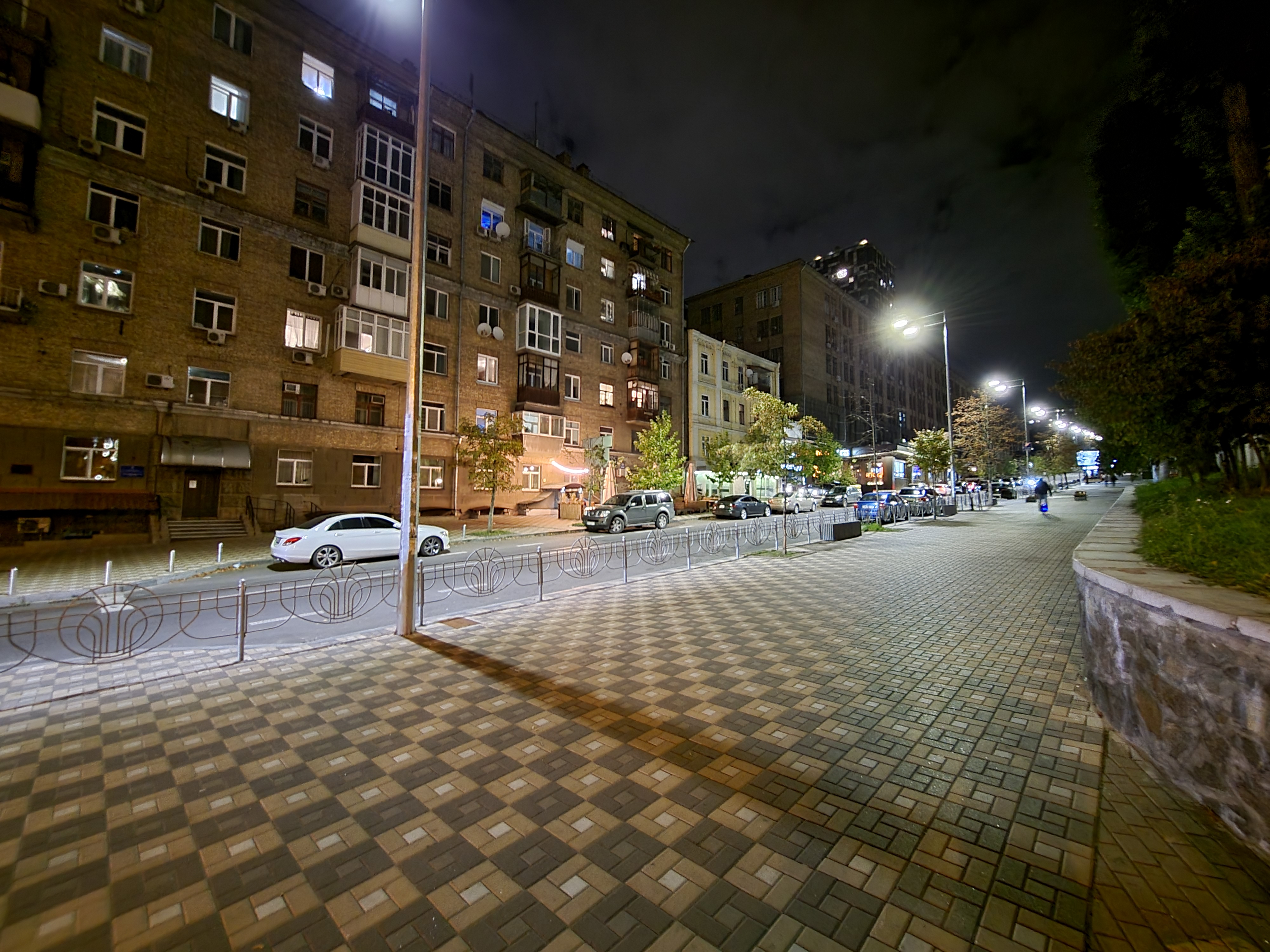
</ img>
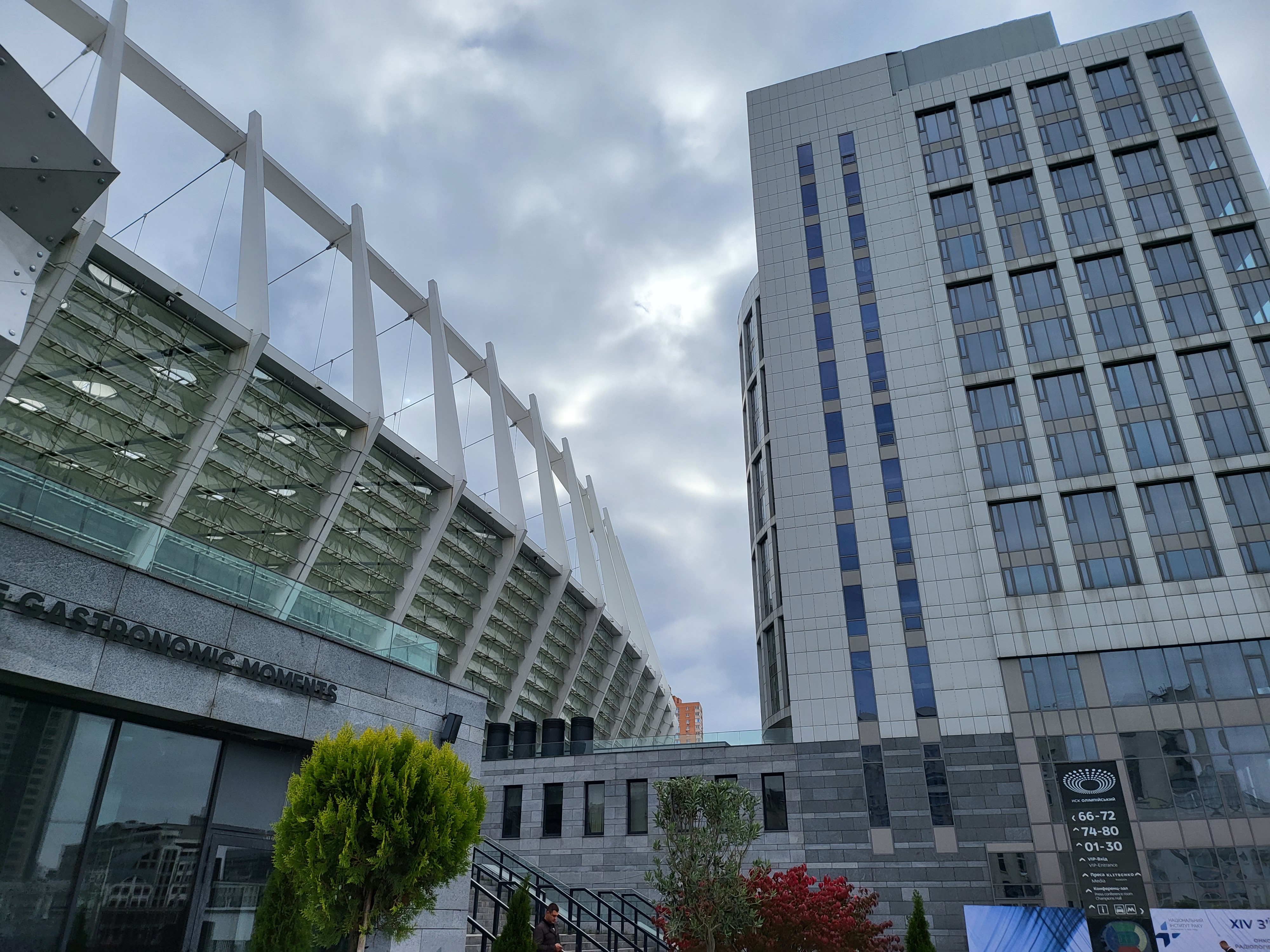
</ img>

</ img>
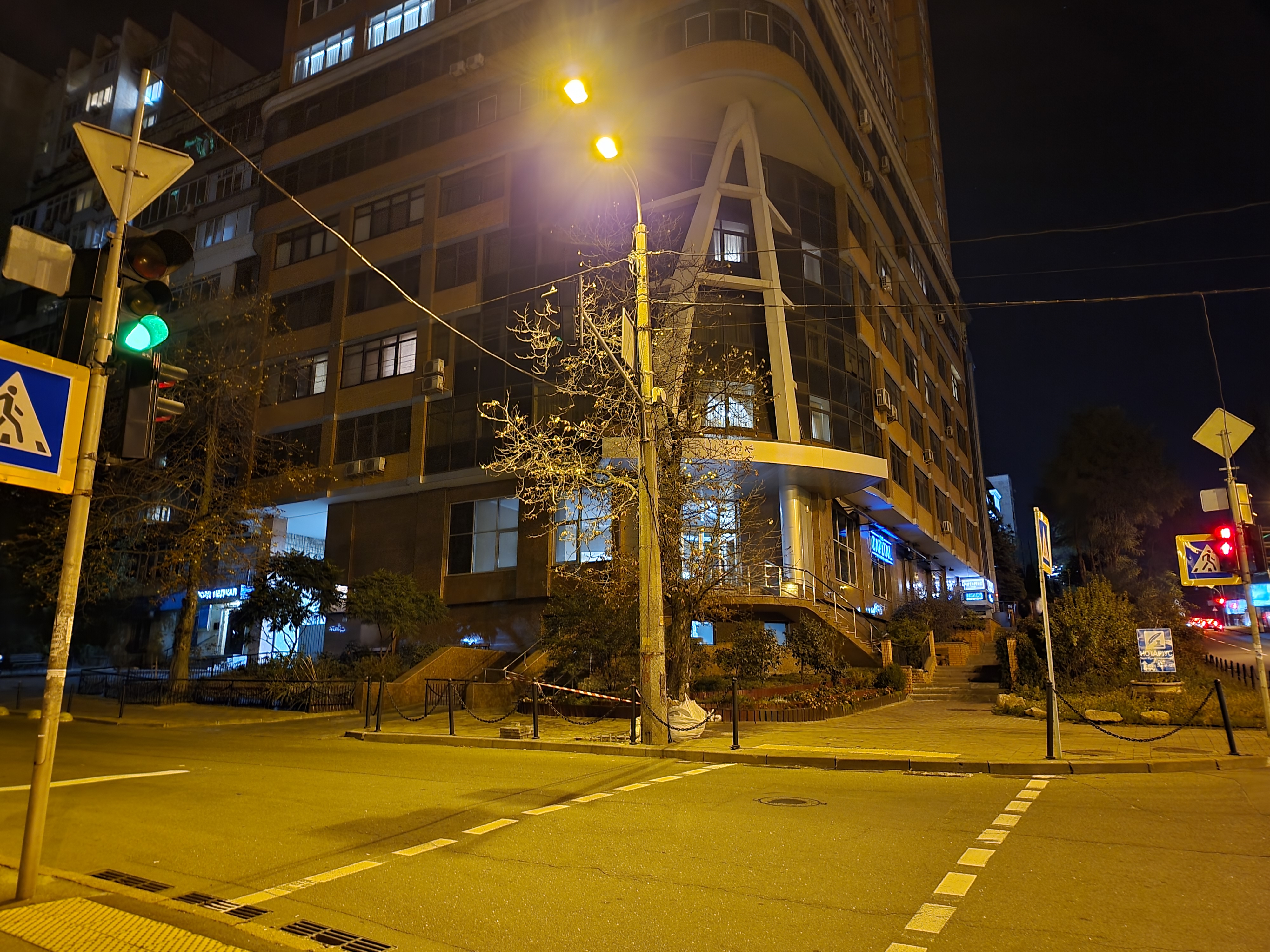
</ img>
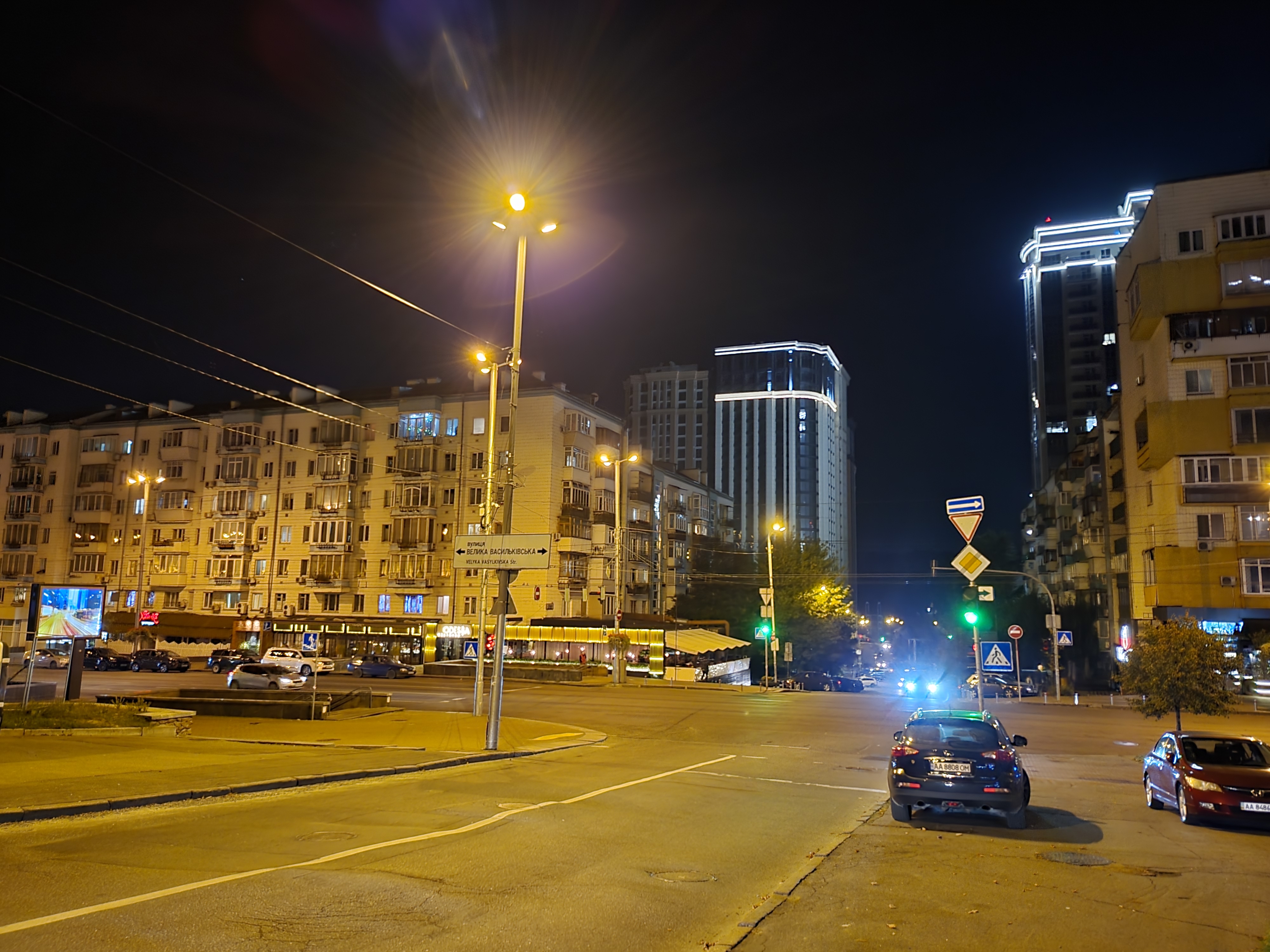
</ img>

</ img>

</ img>
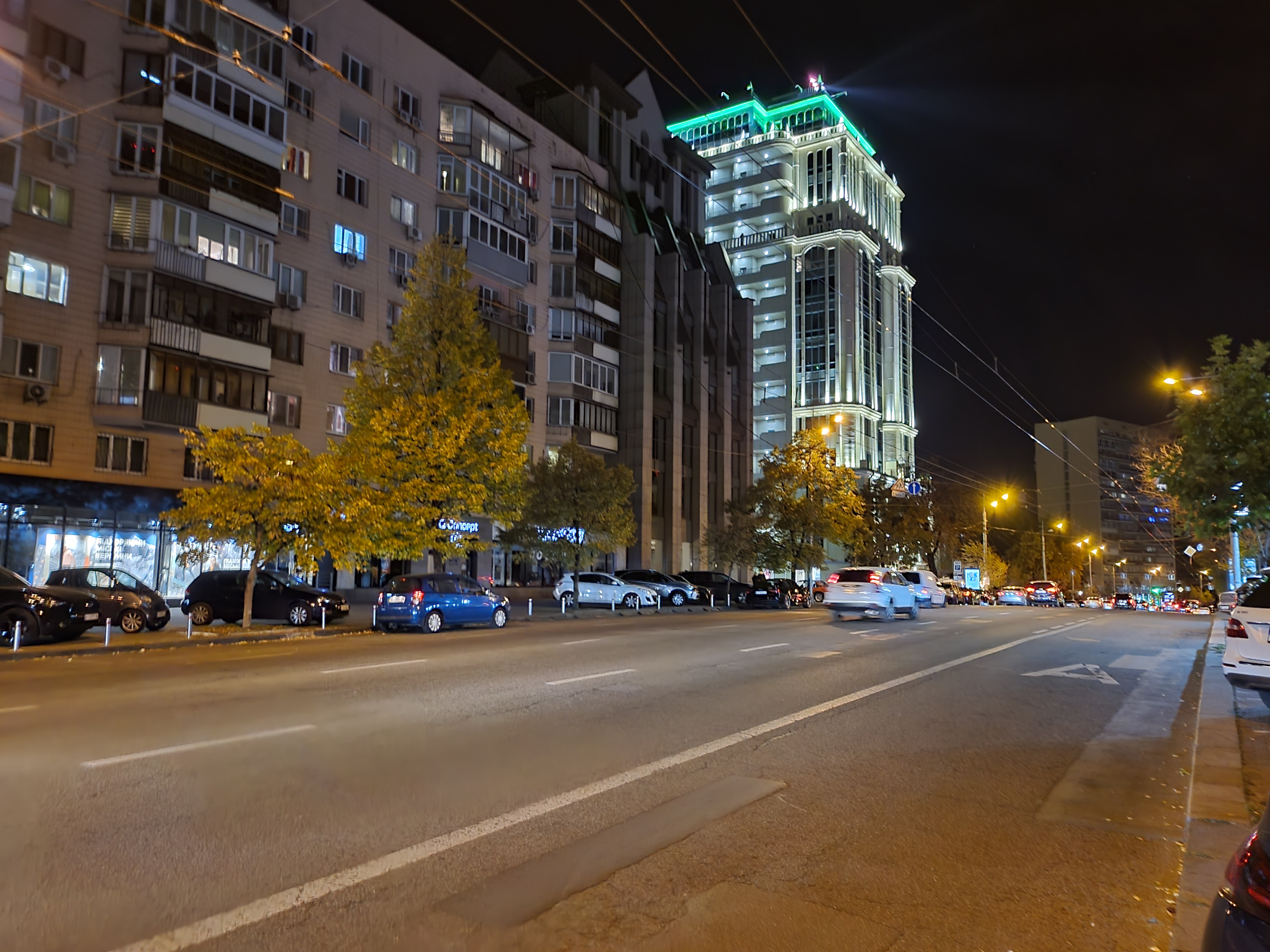
</ img>
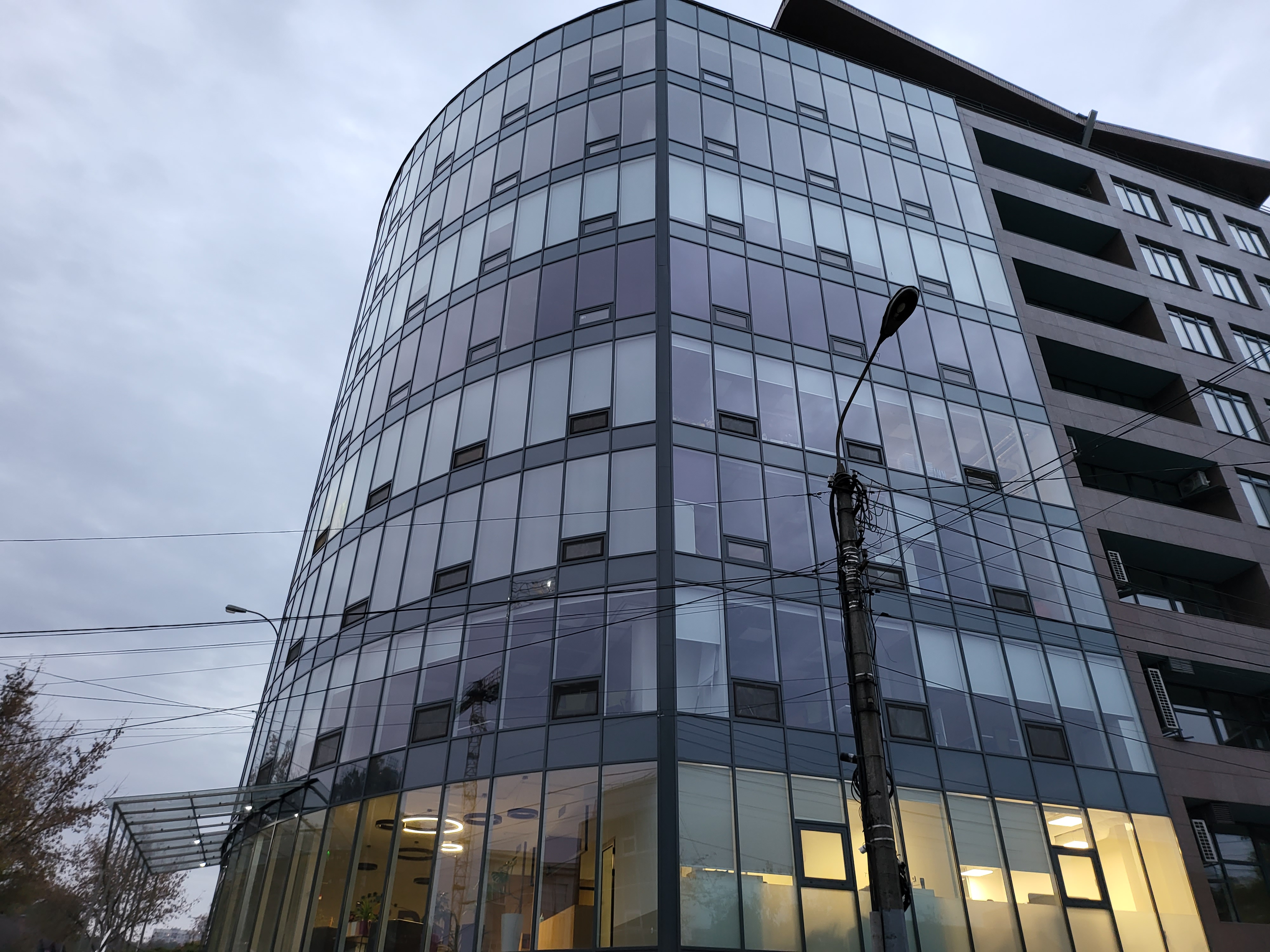
</ img>
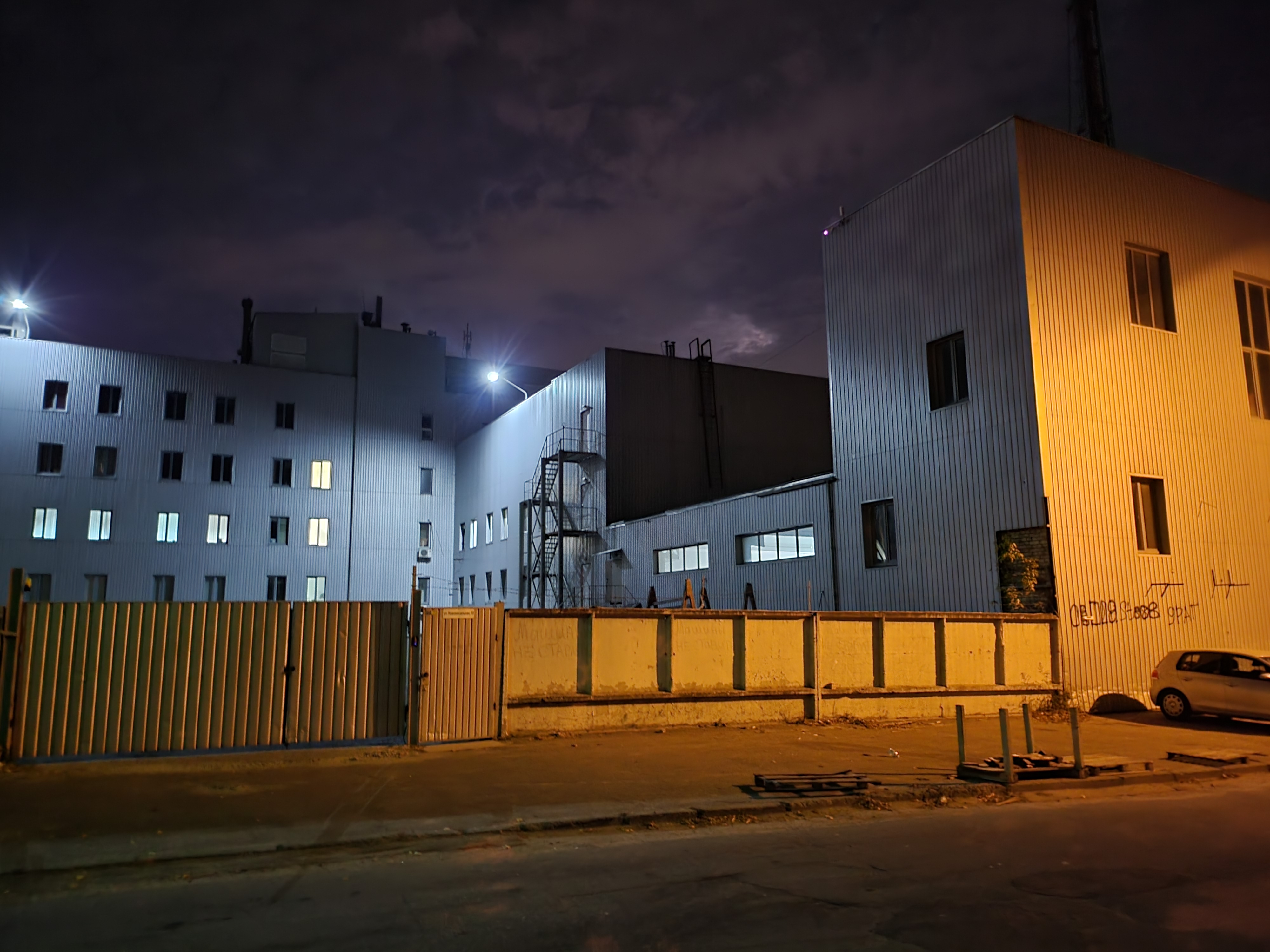
</ img>
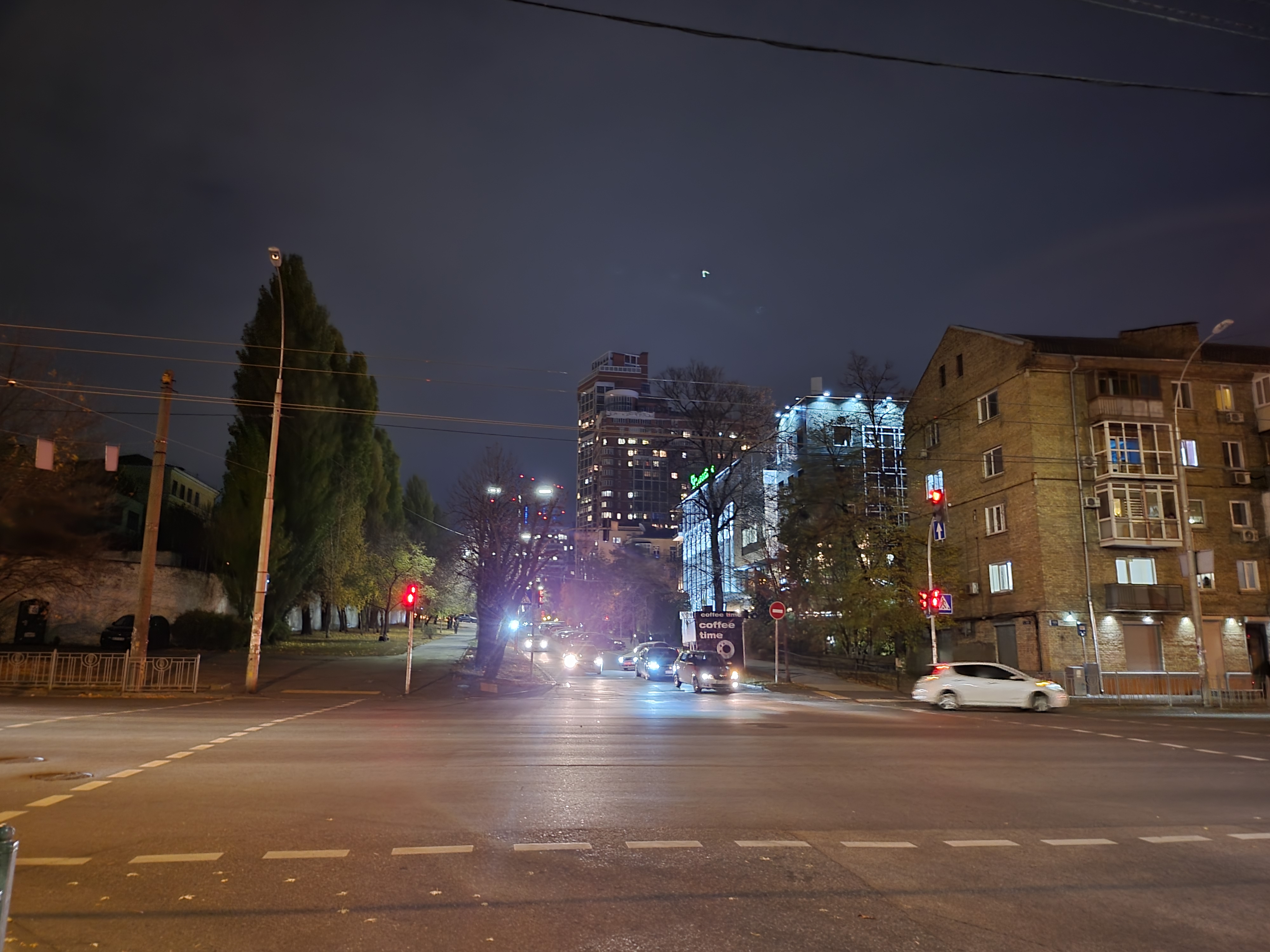
</ img>
</ img>

</ img>
</ img>
</ img>
</ img>
</ img>
</ img>

</ img>
</ img>

</ img>

</ img>






















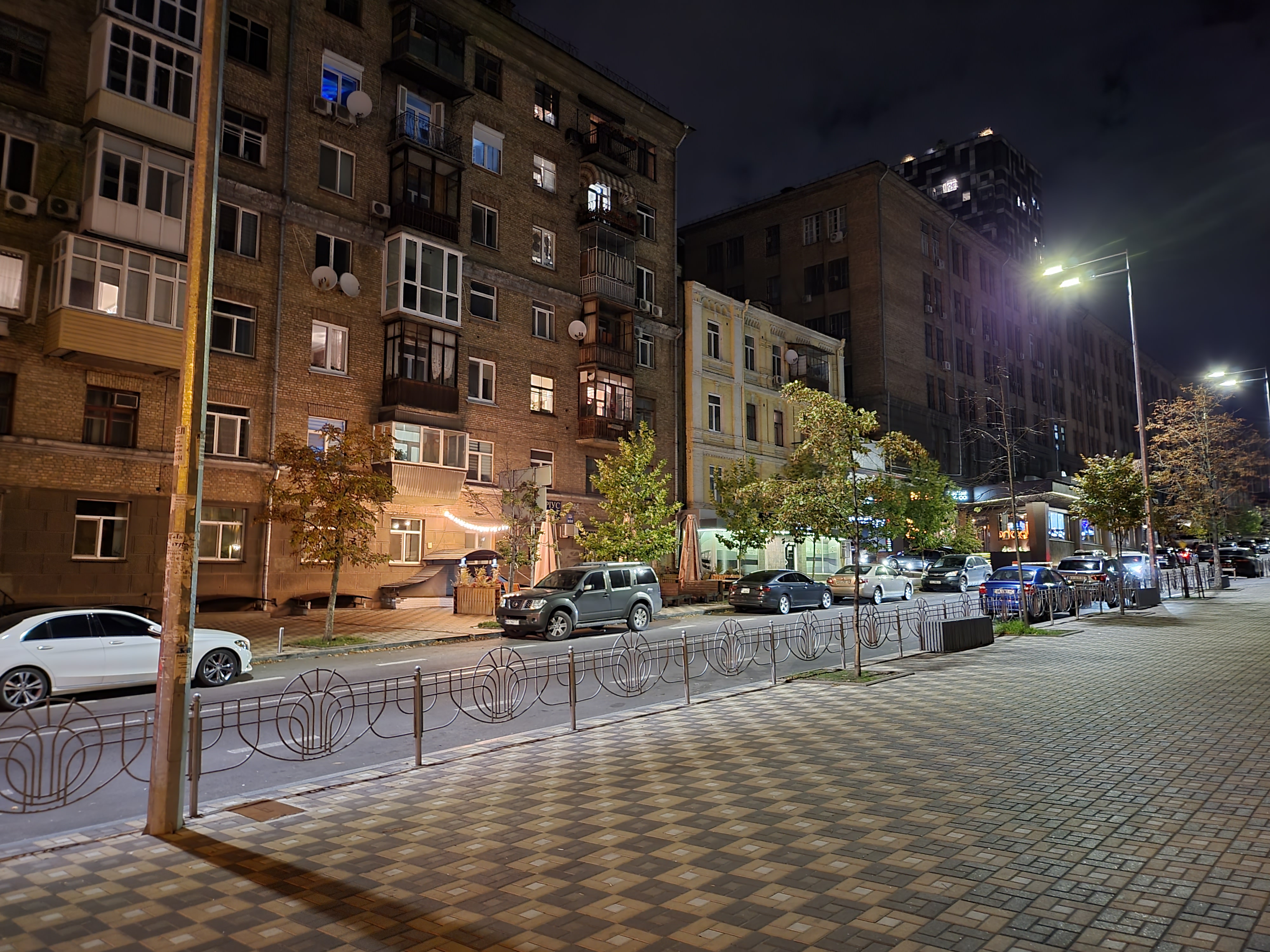
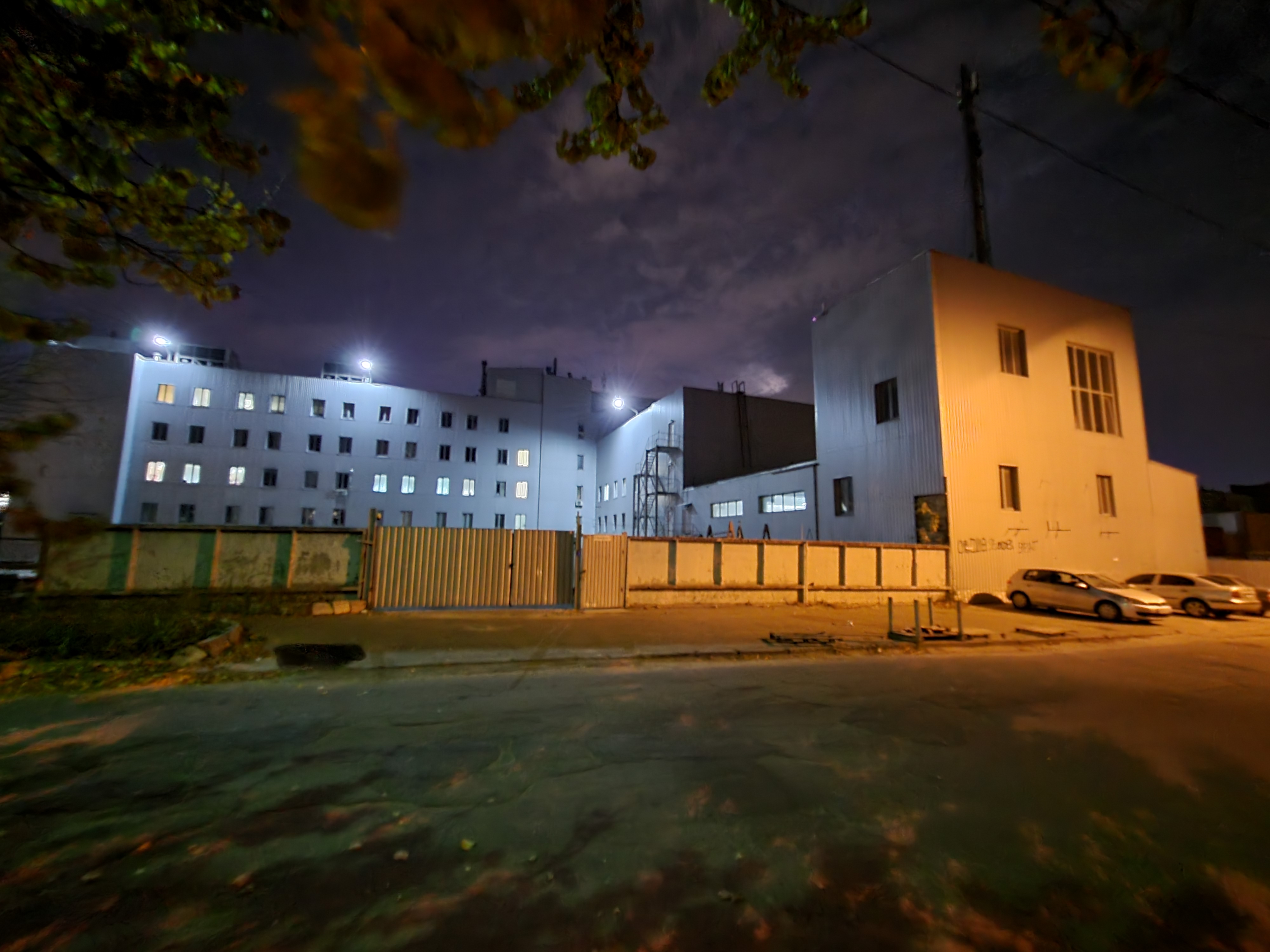
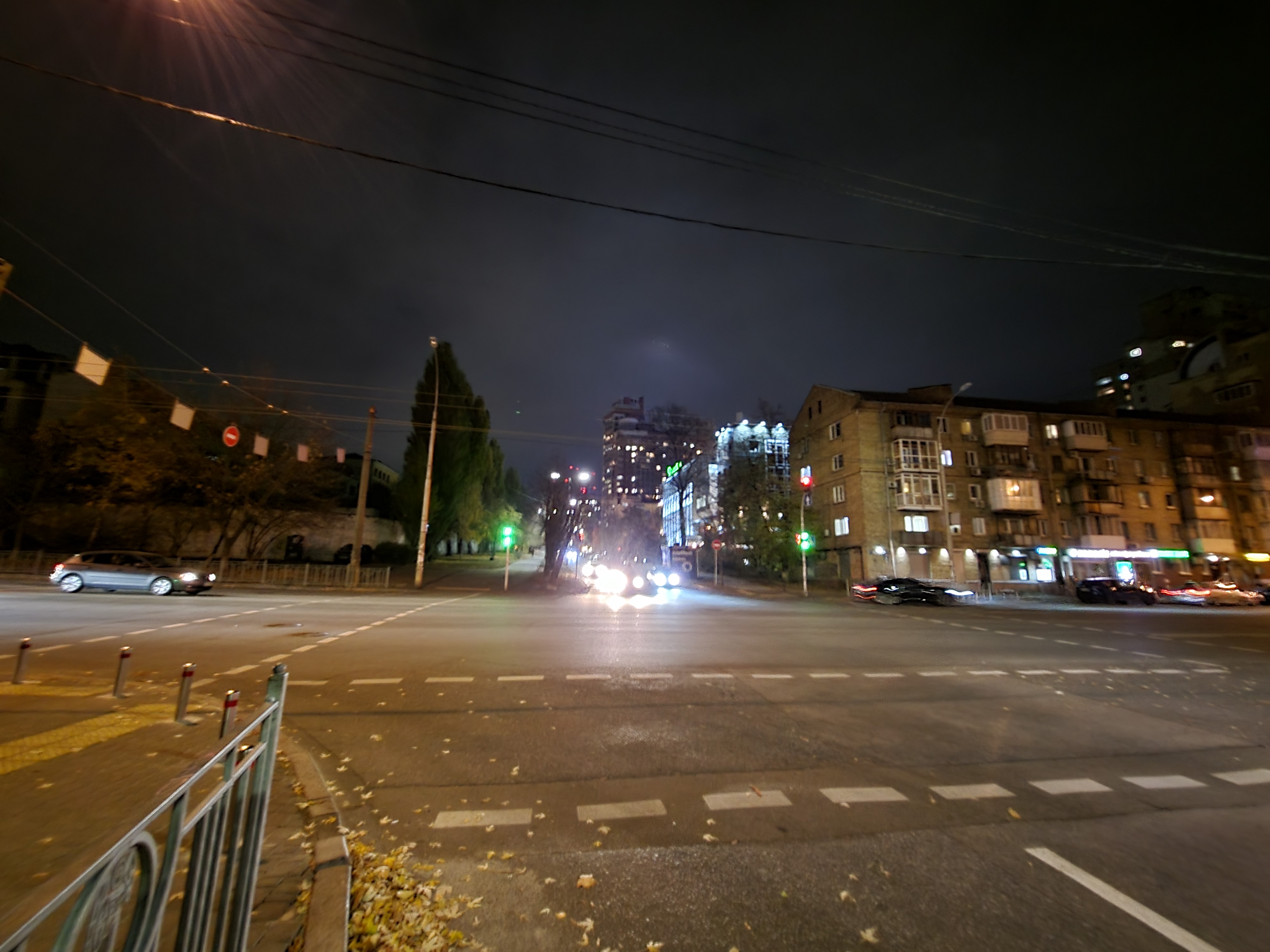
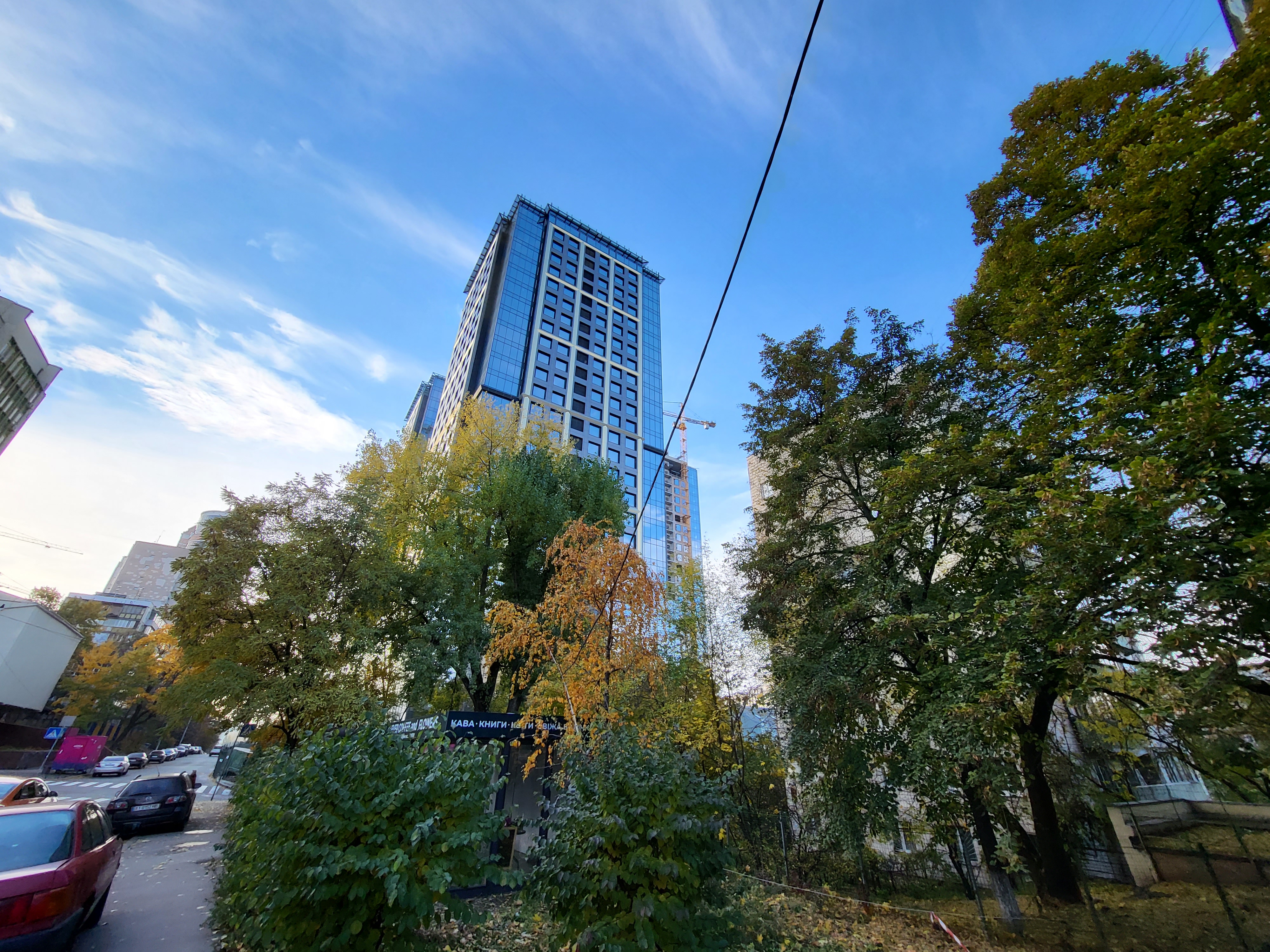
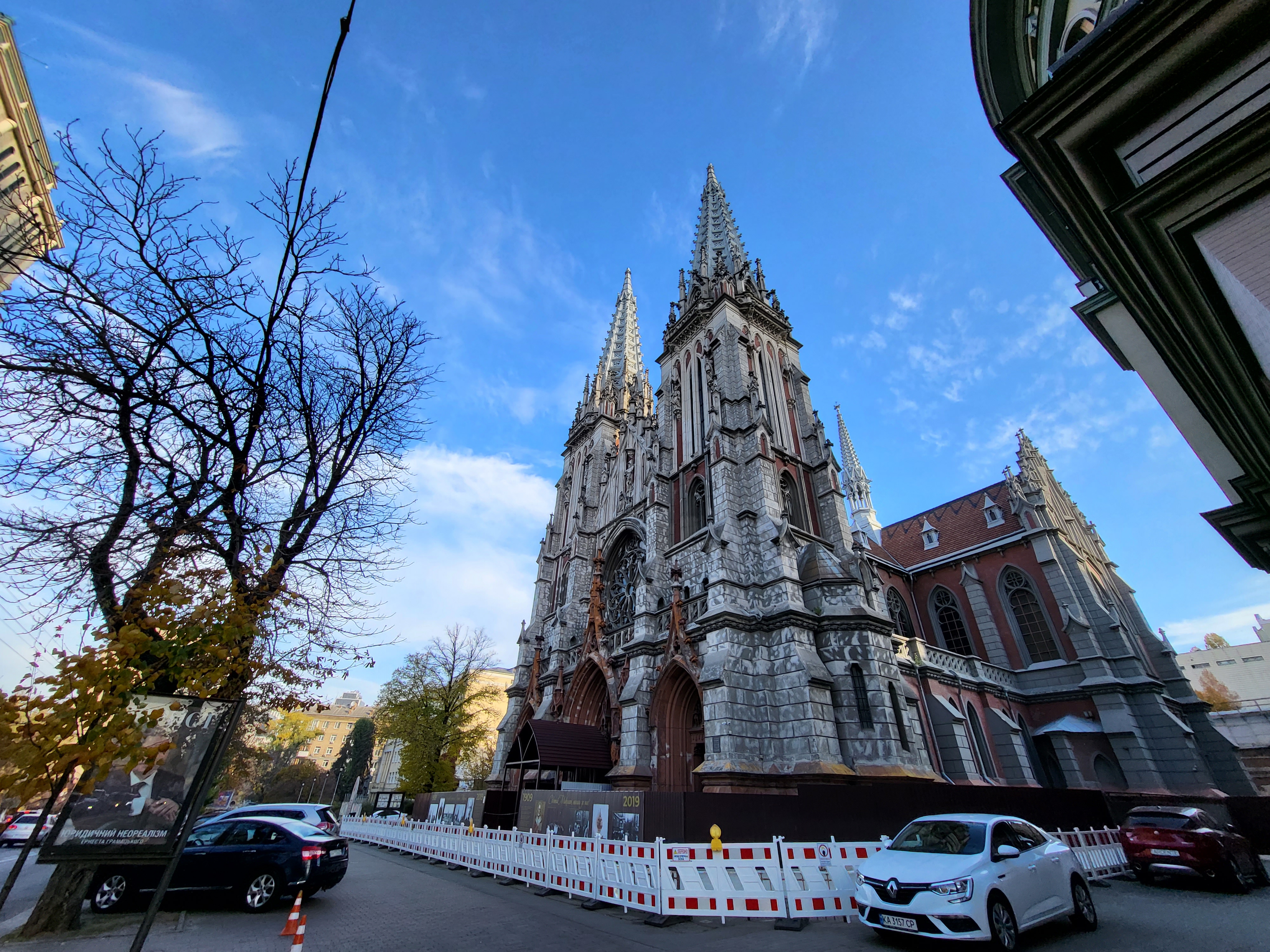
The ultra-wide camera is a weak pointmost modern smartphones. Except perhaps for the most sophisticated camera phones with advanced ultra-wide lenses with autofocus and faster optics. In this case, the situation is similar: daytime photos turn out to be sensible in general, but evening photos significantly lose detail and turn out quite soapy and dark:
</ img>
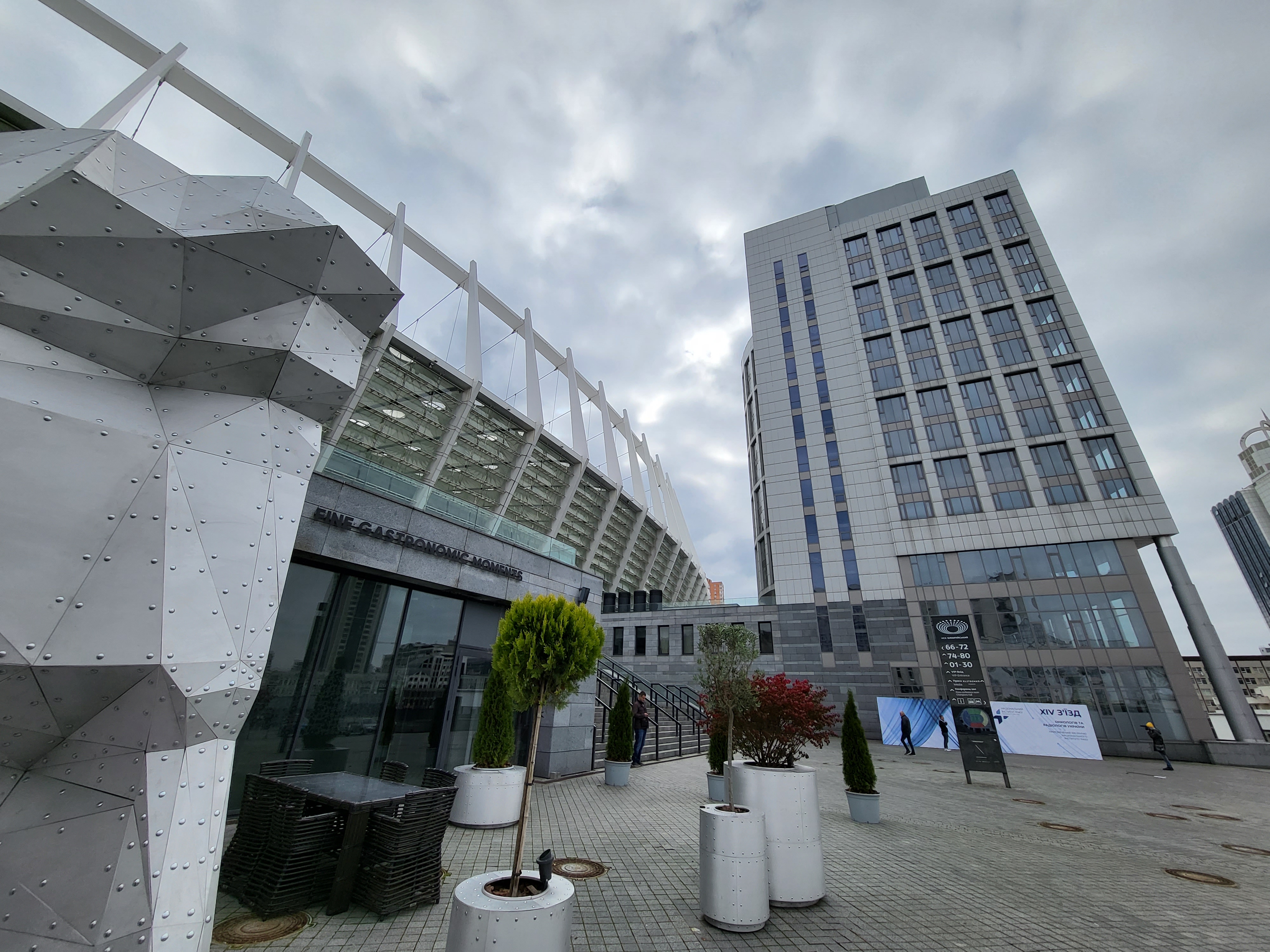
</ img>
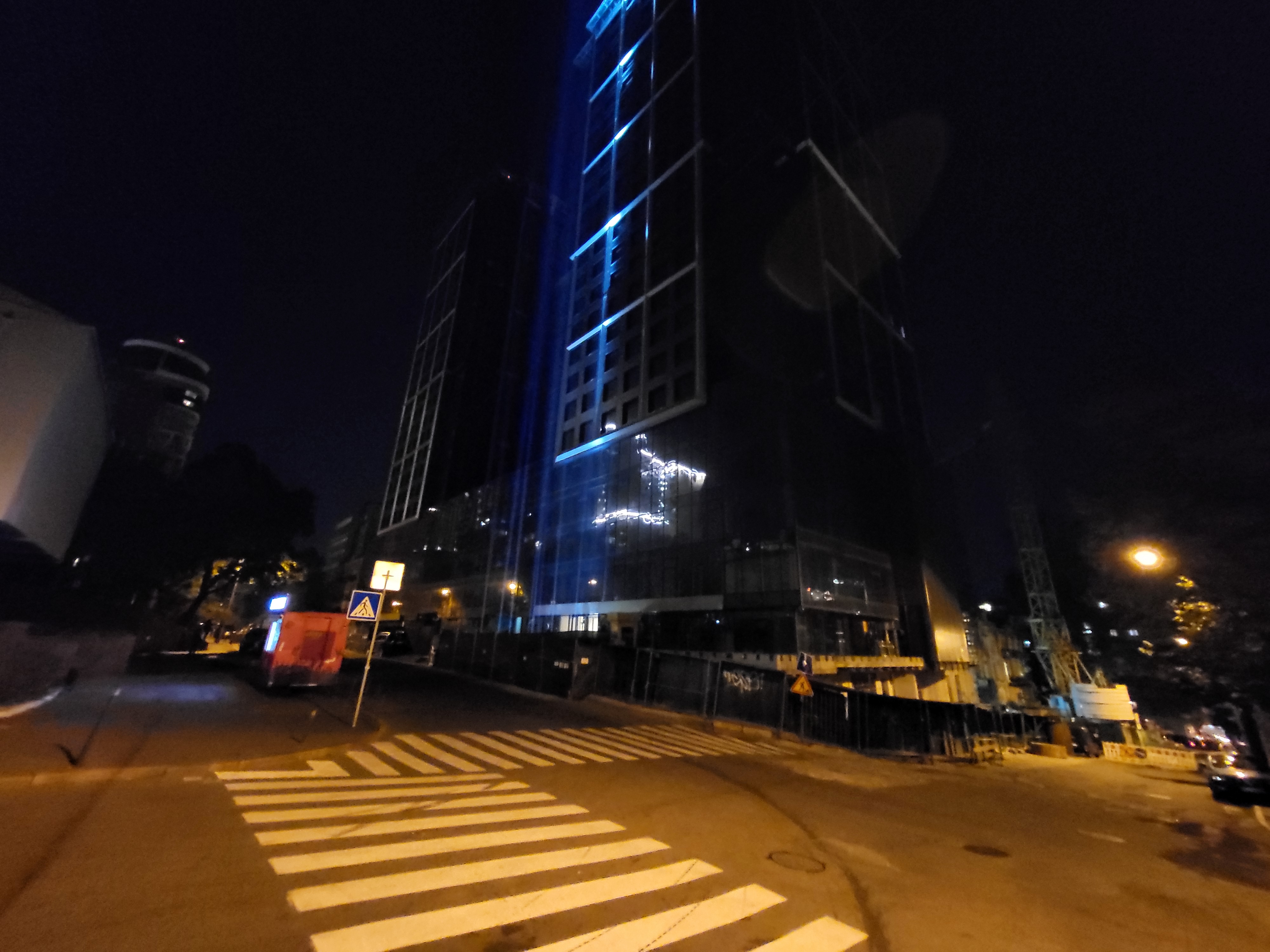
</ img>
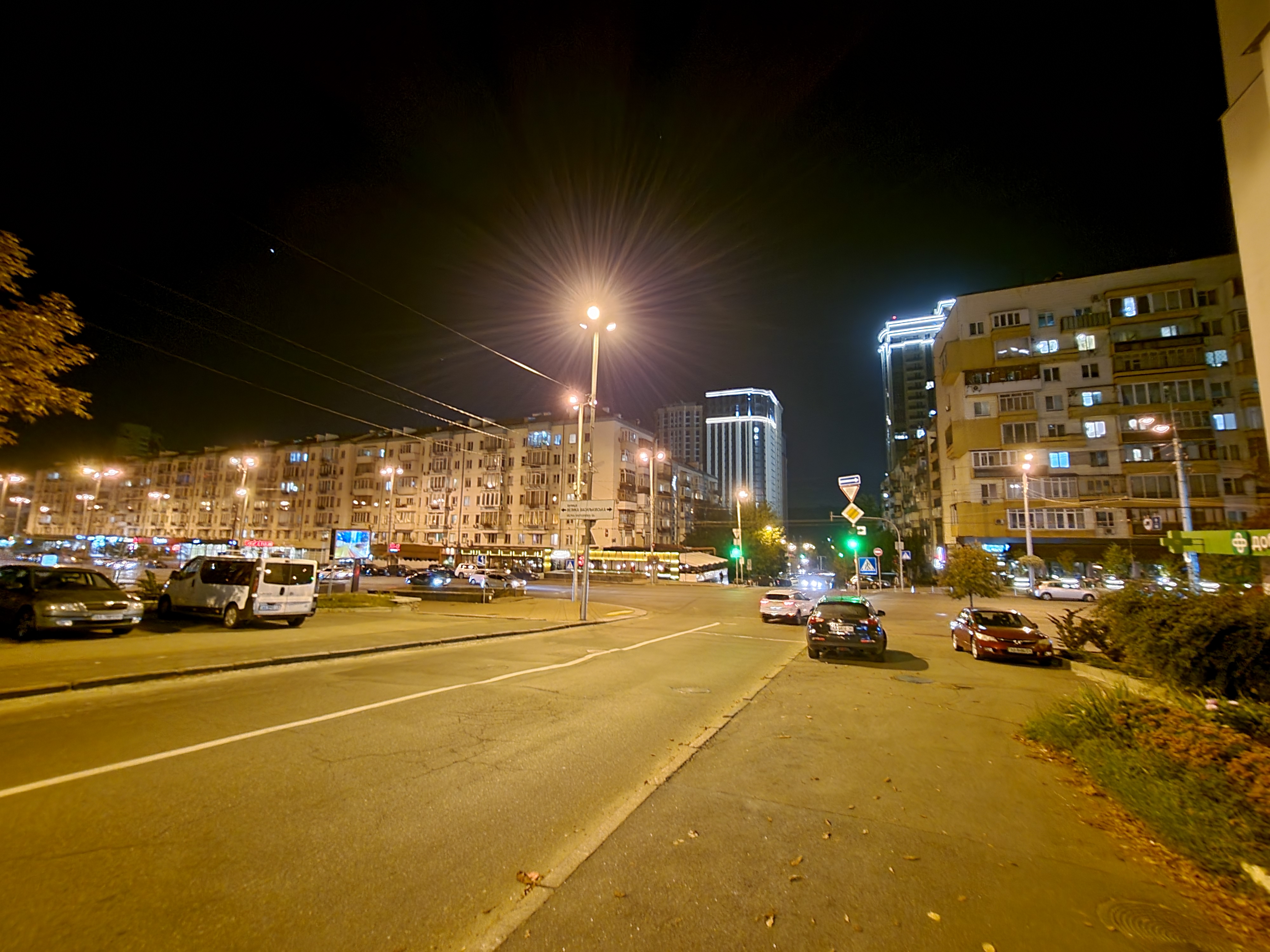
</ img>

</ img>

</ img>
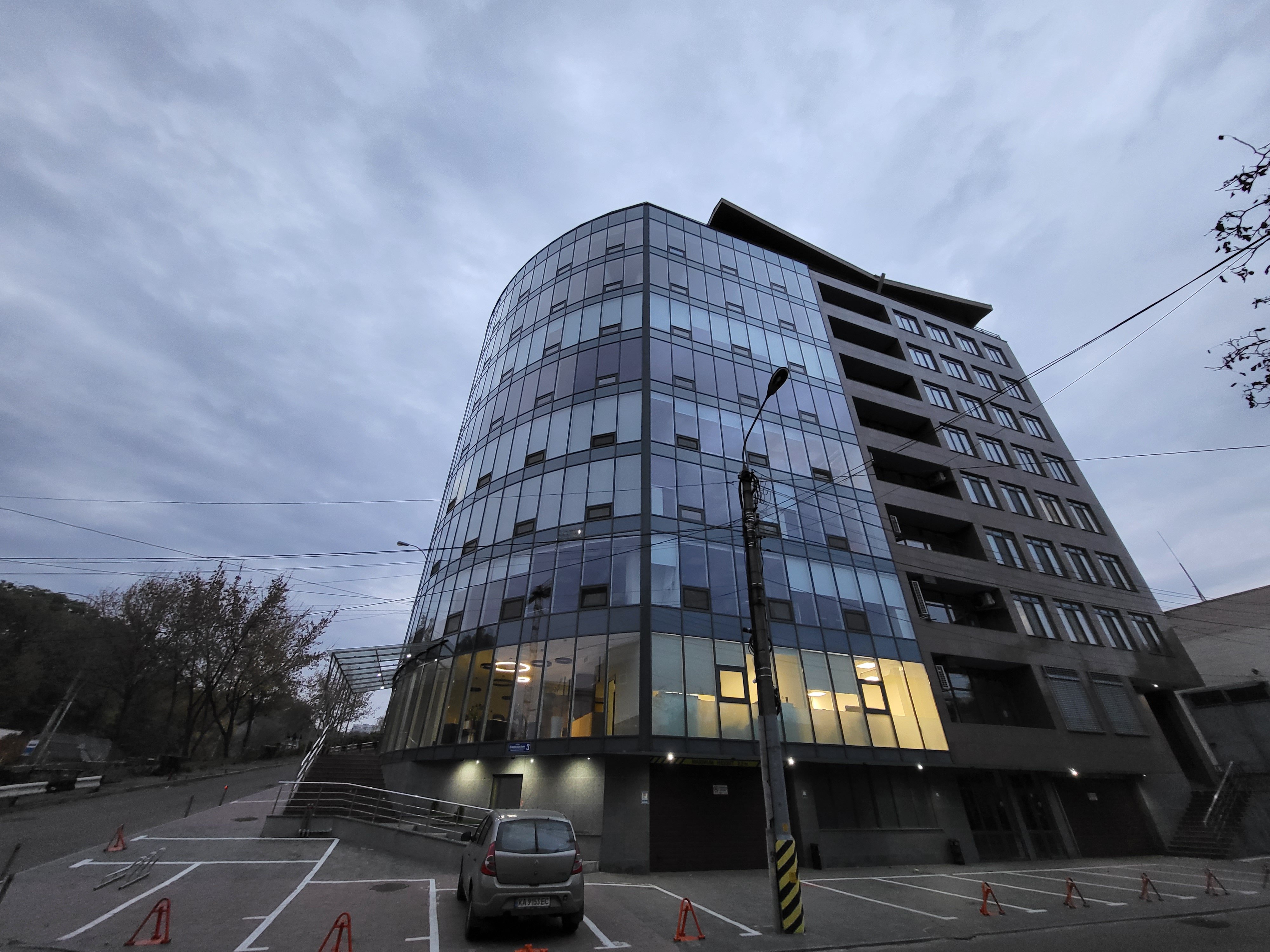
</ img>
</ img>
</ img>
</ img>
</ img>
</ img>
</ img>
</ img>
</ img>
</ img>
</ img>
</ img>
</ img>



















The telephoto camera does its job well, including at night. Yes, the detail drops and you need to make some effort, but you can take a clear picture:
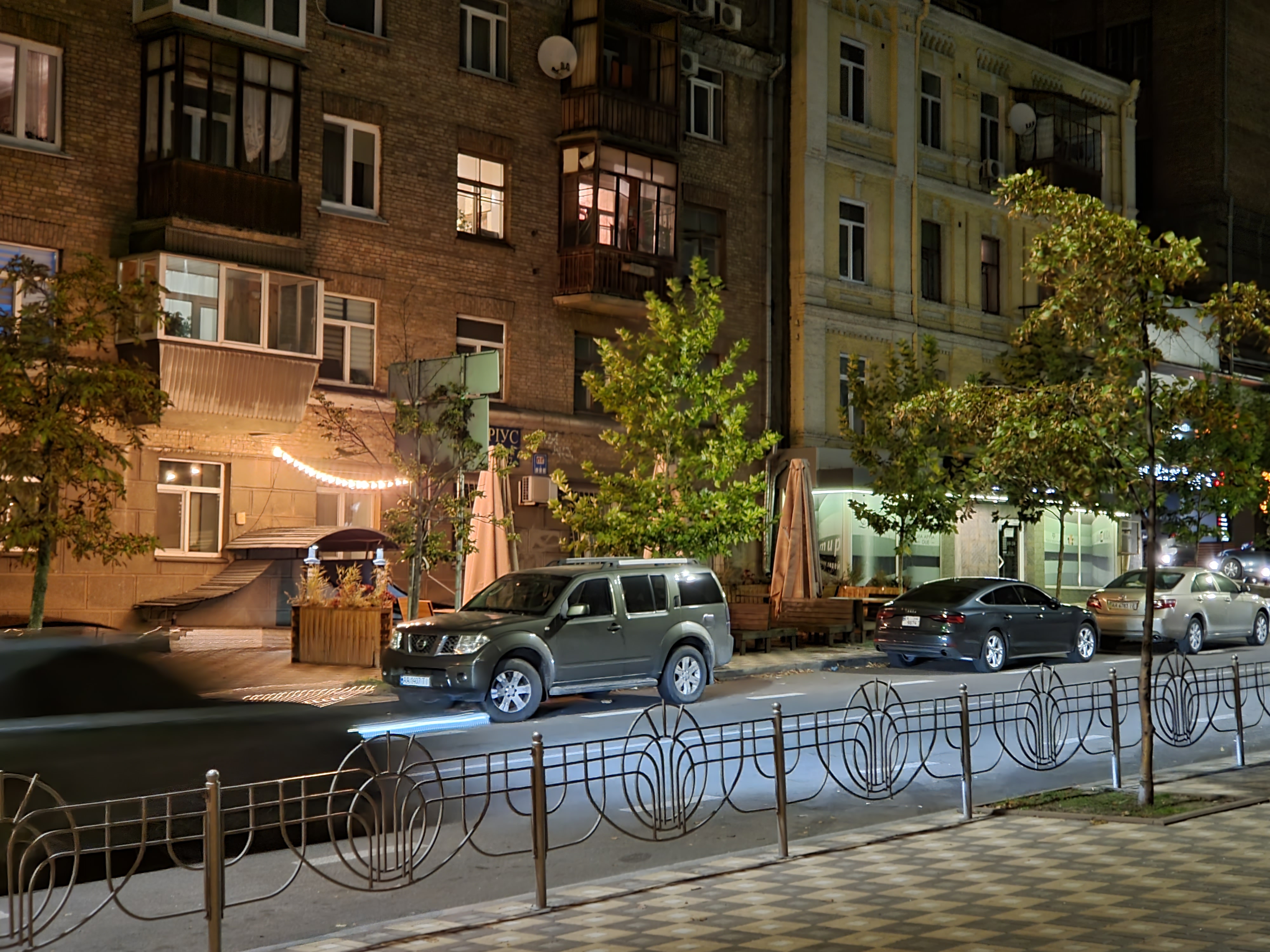
</ img>
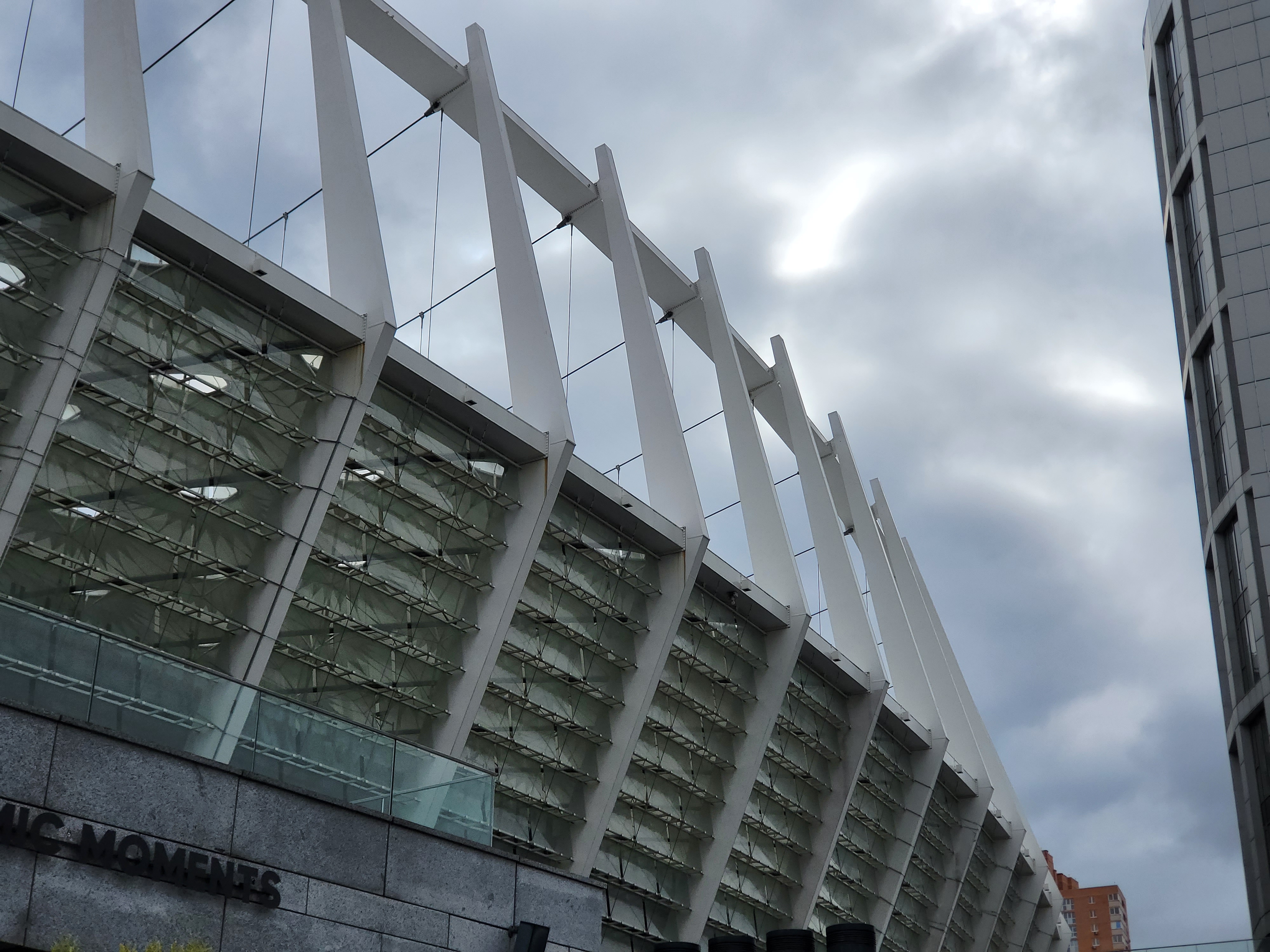
</ img>
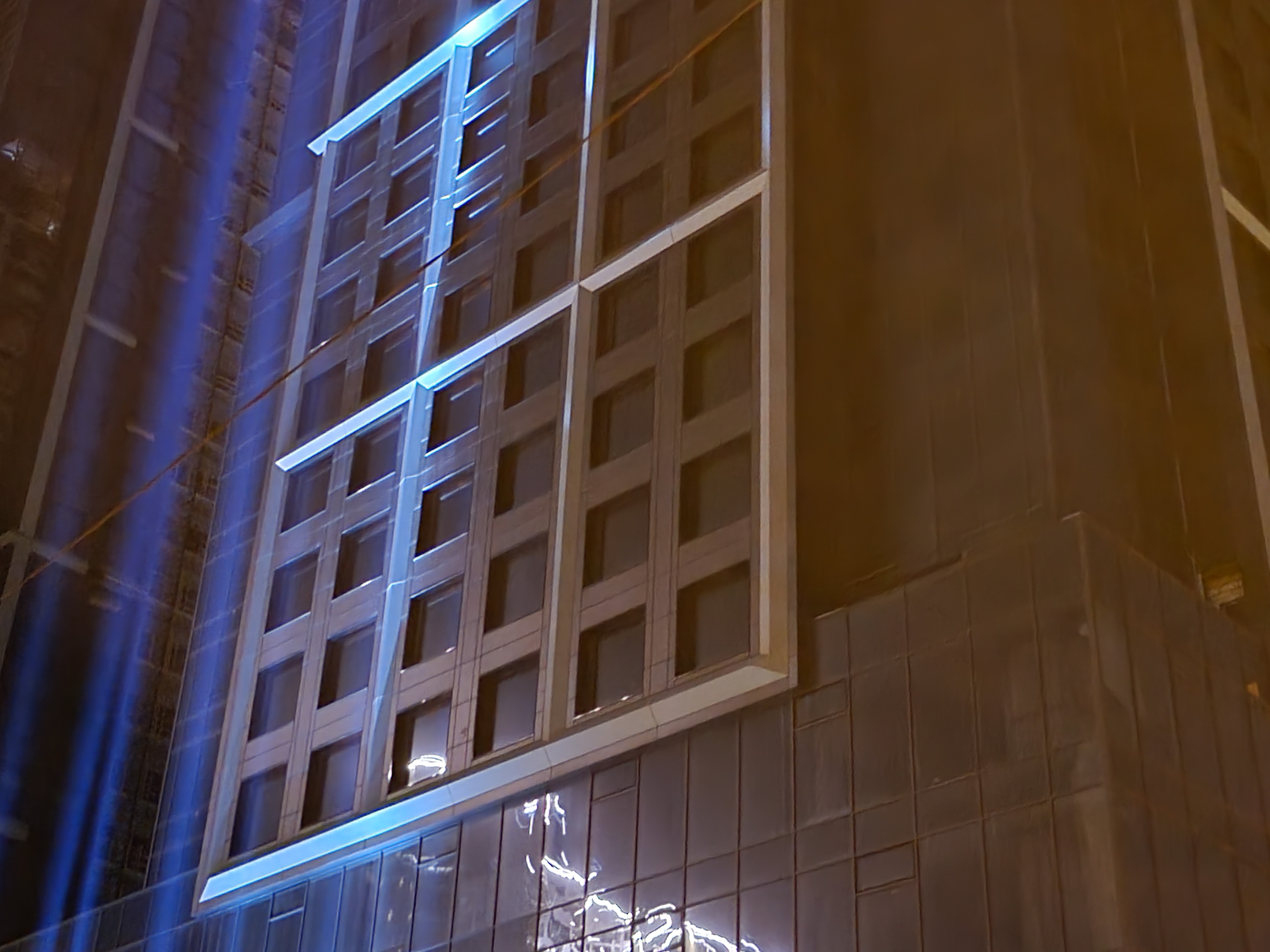
</ img>
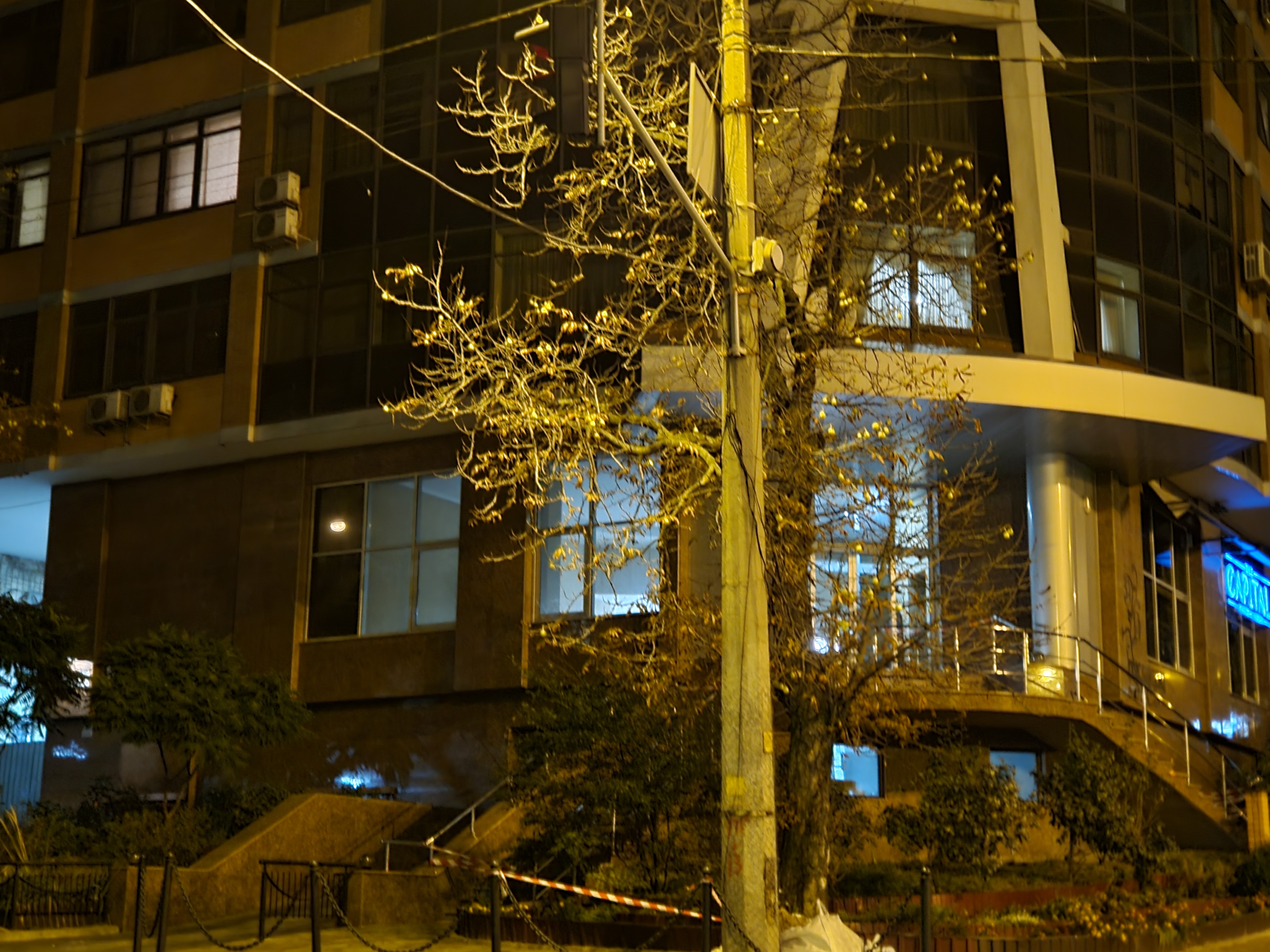
</ img>
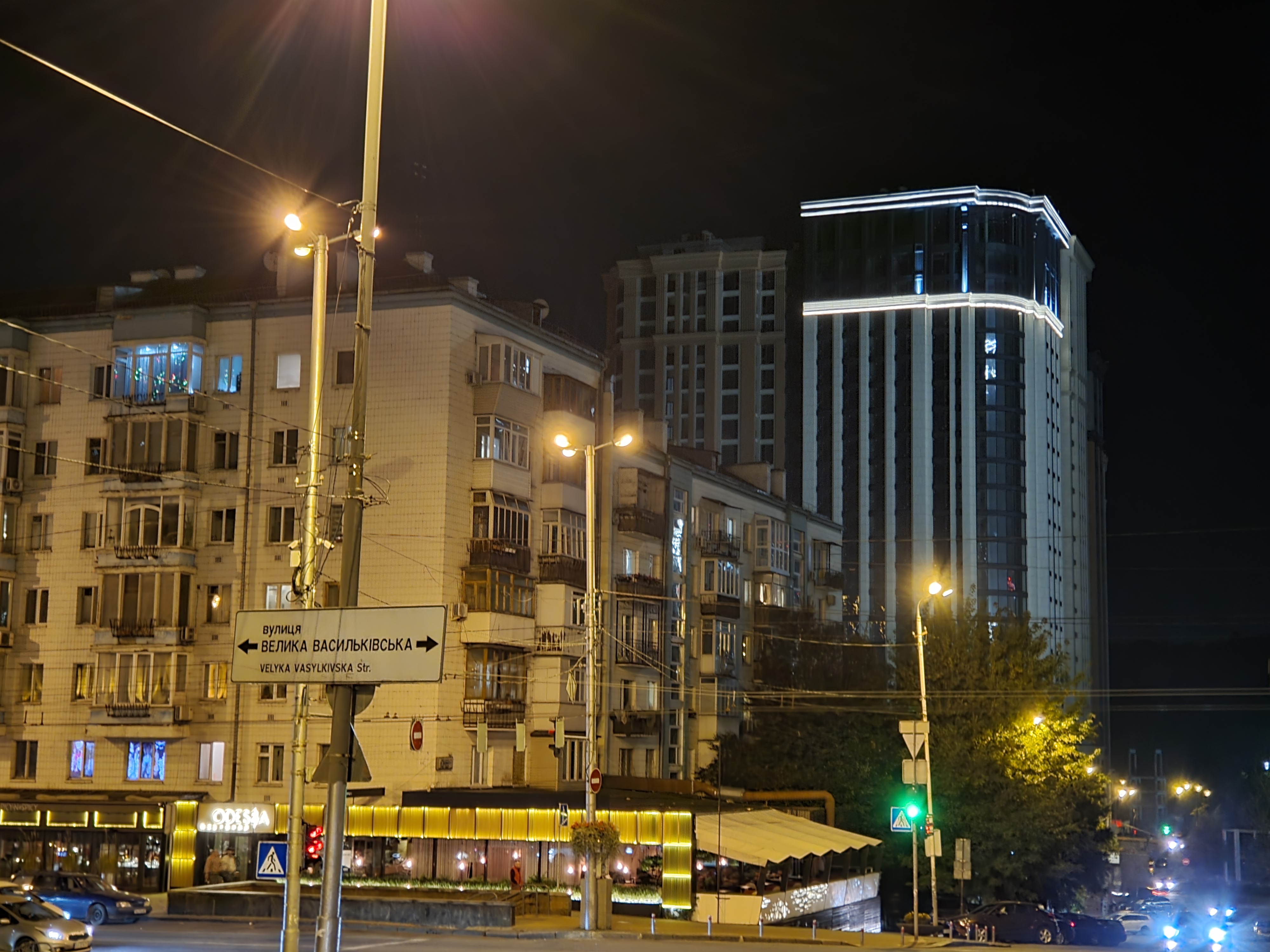
</ img>
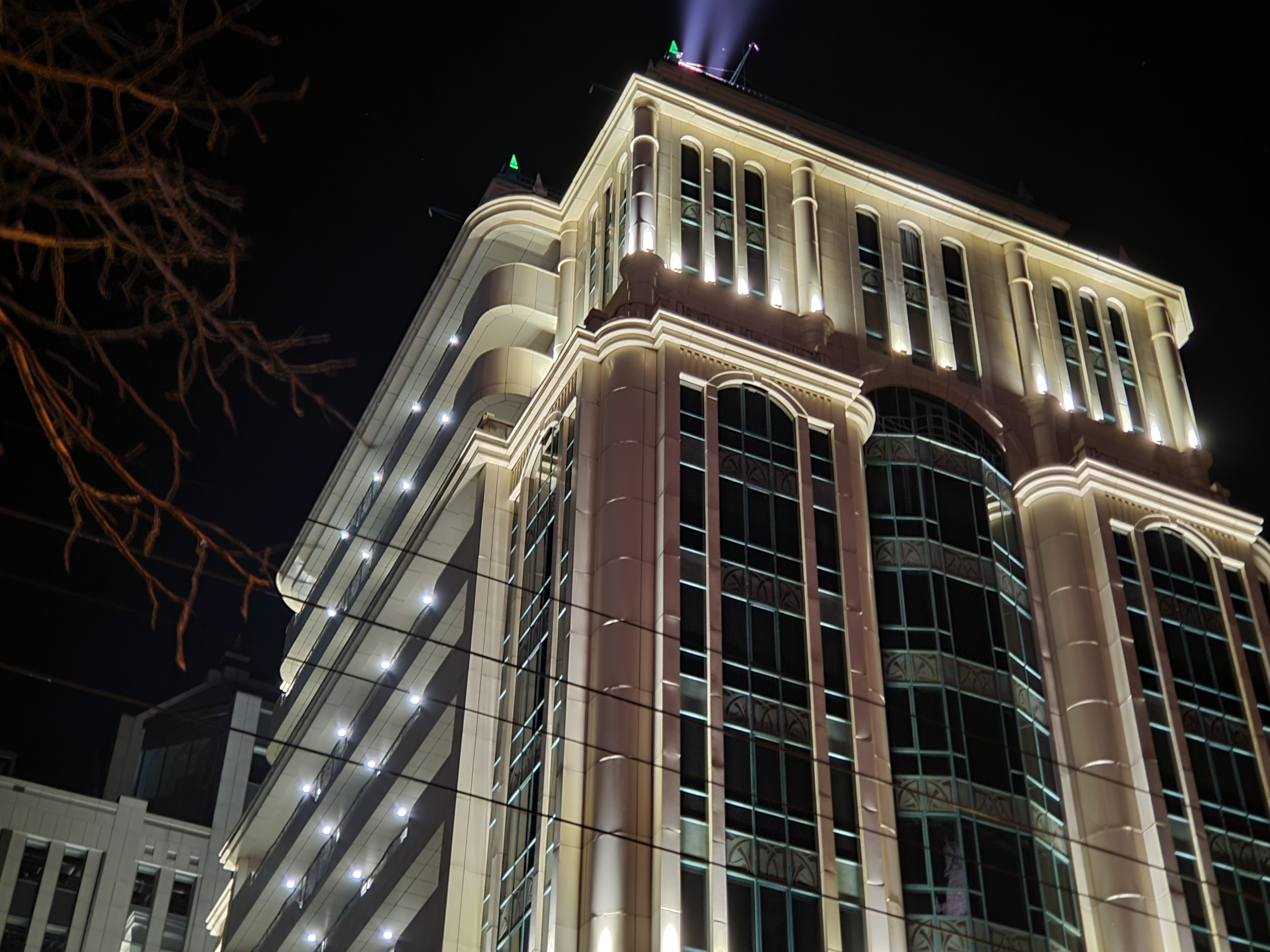
</ img>

</ img>
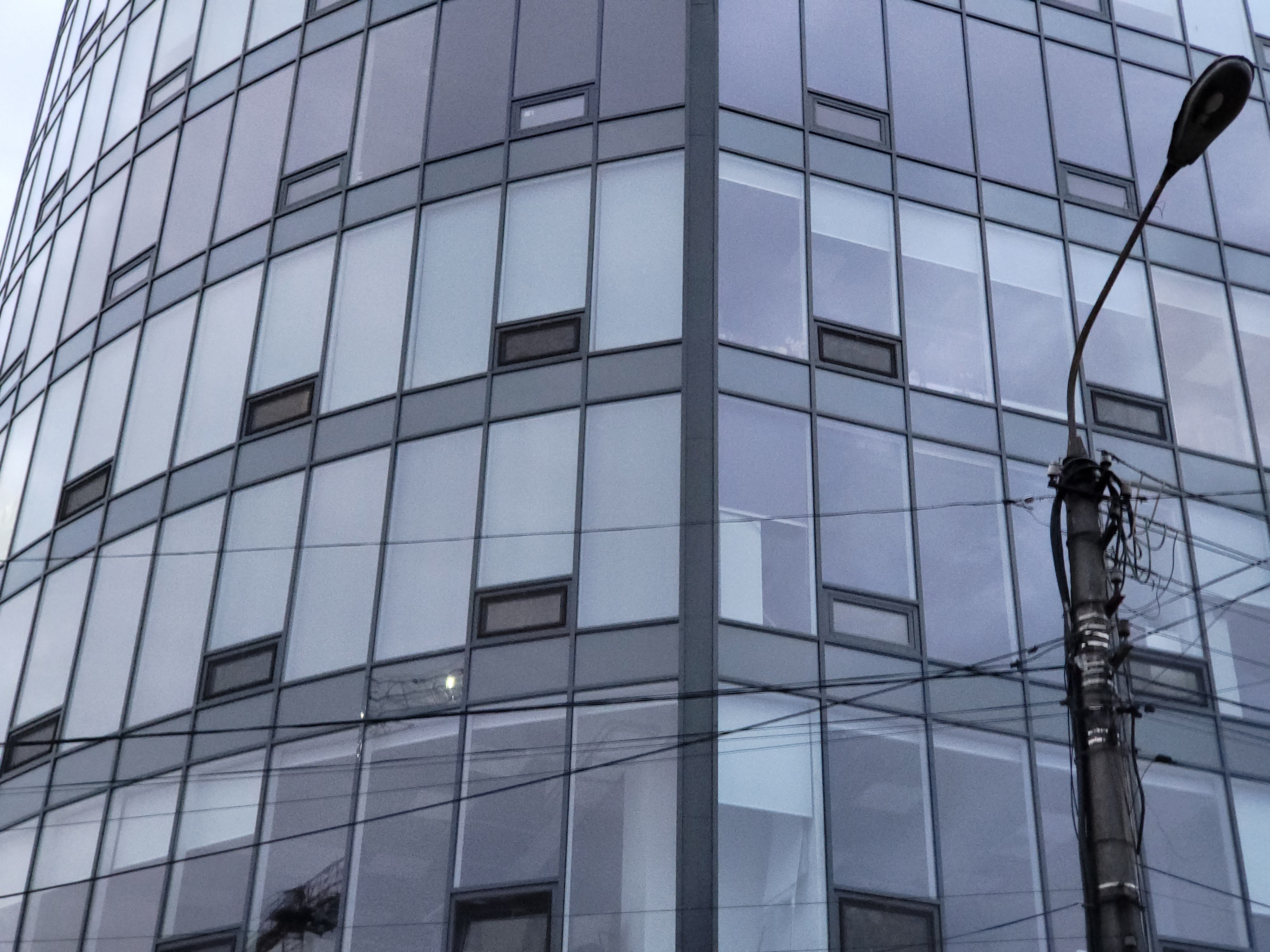
</ img>
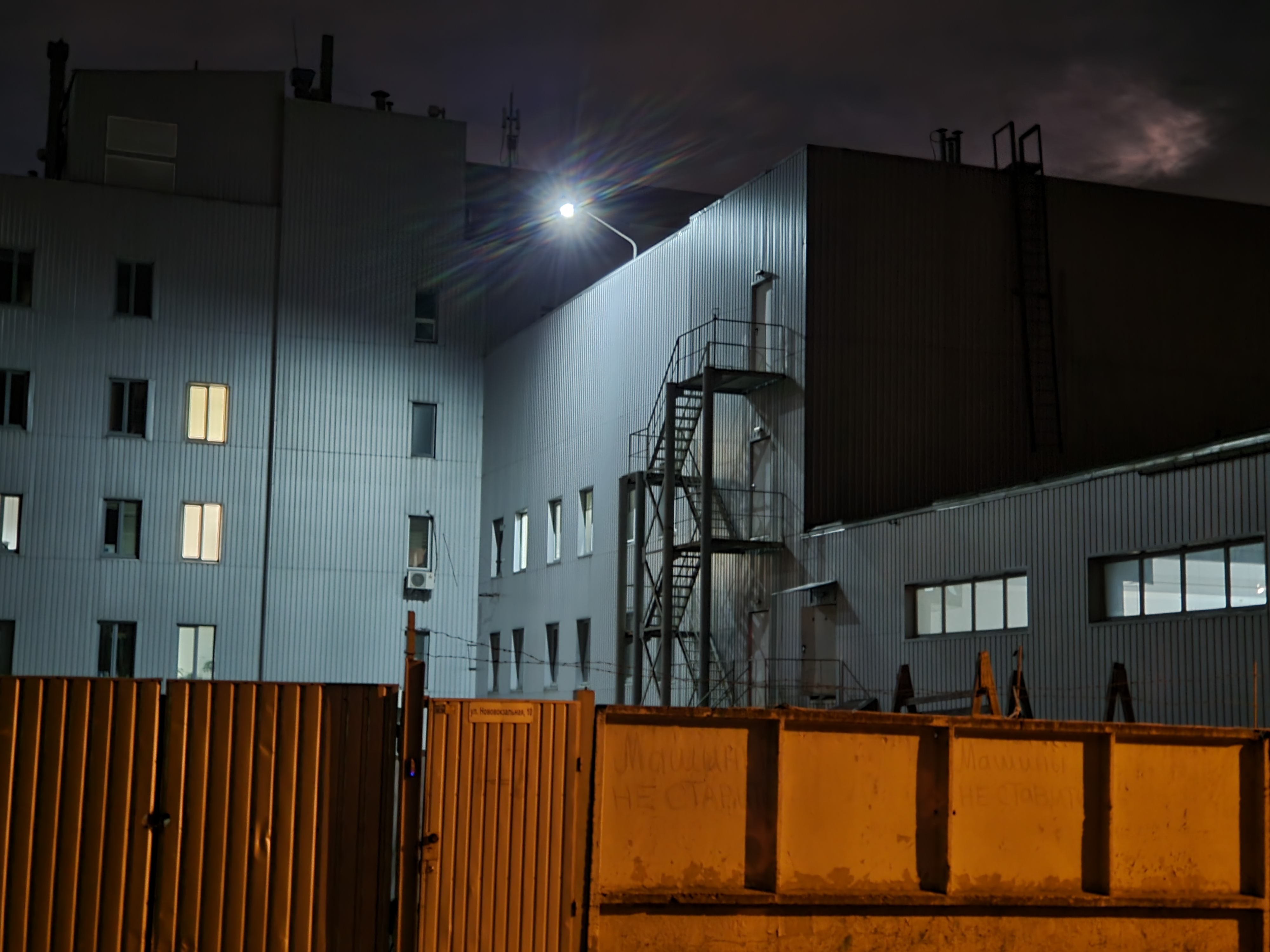
</ img>

</ img>

</ img>

</ img>
</ img>
</ img>
</ img>
</ img>
</ img>
</ img>
</ img>
</ img>




















Now about the front cameras.Selfies are best done on the outside. The sub-screen internal one does not take the best pictures, although it will be quite enough for video calls. The first photo is on the outside, the second on the inside subscreen:

</ img>

</ img>


4K video at 60 fpsare of very good quality, with decent detail. Apparently, when shooting in 4K, the electronic stabilizer works: there are no twitching or sharp jumps.
In stabilization mode, the picture turns out to be really smooth, without shaking or jerking, but the detail drops noticeably:
</ p>The bottom line: four things you need to know about the Samsung Galaxy Z Fold3.
- The Samsung Galaxy Z Fold3 is the most rugged foldable smartphone on the market with IPX3 water resistance.
- It is equipped with a large flexible internal AMOLED screen and an additional external one. Both are of excellent quality.
- Inside - the flagship Snapdragon 888 processor, 12 GB of RAM and 256/512 GB of internal memory.

For those that want to know more:
- The most in-depth Samsung Galaxy Z Fold 2 review: a distant cousin of the Nokia Communicator
- OPPO Find X3 Pro review: a microscope in your pocket
- The most detailed Samsung Galaxy Note 20 Ultra review
- IPhone 12 Pro review: an expensive dozen
- Realme 7 Pro review: AMOLED display, Snapdragon, NFC and lightning fast charging
- Samsung Galaxy S20 FE review: fan club flagship
- Samsung Galaxy Note20 review: we had three cameras, a stylus and a plastic case with us
- Vivo X50 Pro review: the first smartphone with a "suspended" camera