Researchers have studied for the first time how much the changes in the geology of Mars differ from the same processes on
The key takeaway from this particular article isthat the seemingly feeble force of wind erosion drives a process that exposes stratified rock layers on Mars. This is very different from the geological processes on our planet, where layers of rock are exposed due to a dynamic combination of tectonic activity that lifts pieces of land and water erosion of rivers that cut into rocks from top to bottom.
“Wind is mainly responsible for erosion on Mars.It acts like a feather duster that lasts for hundreds of millions and even billions of years. This is very different from Earth, for example, where the extremely rugged San Gabriel Mountains are created by streams of rainwater cutting through the landscape over relatively short periods of geological time,” explains John P. Grotzinger, professor of geology.
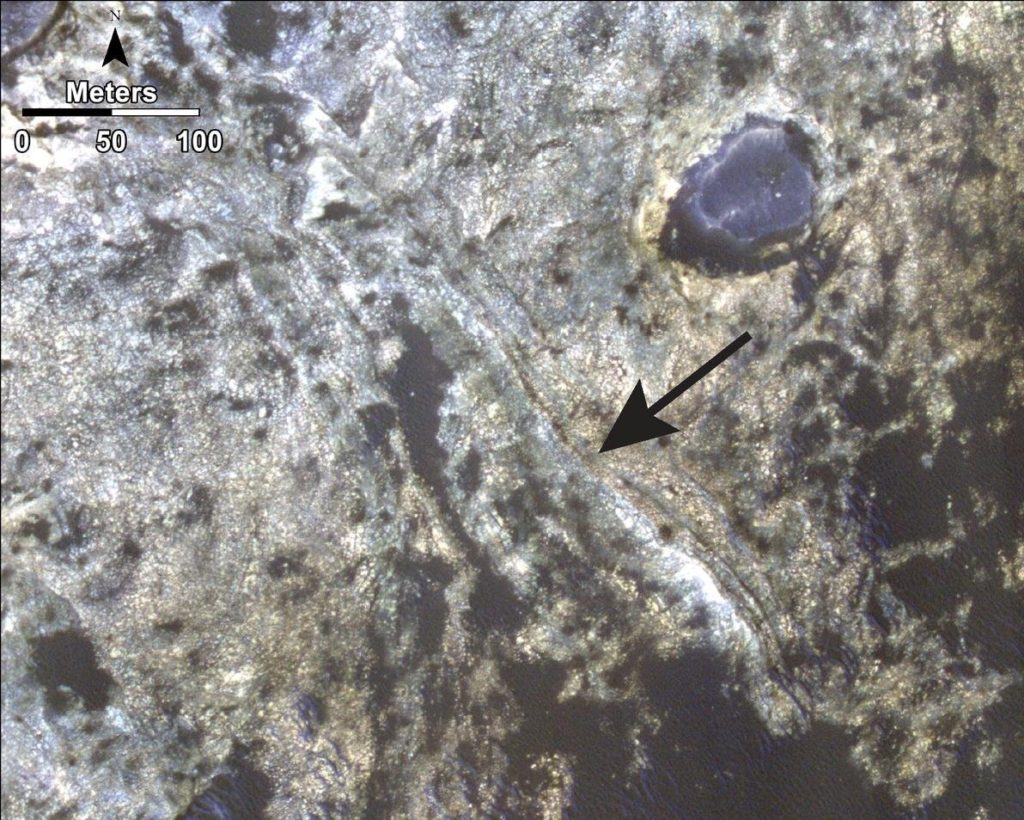 In this image taken with the cameraHiRISE showing distinct bands of varying tone and brightness within the Murray Formation on Mars. Similar outcrops are common throughout the formation, although the origin of the bands is unknown. Image Credit & Copyright: NASA/JPL-Caltech
Although the Mars landerInSight observed small quakes, the Red Planet lacks the tectonic plates that cause most of the earthquakes. Instead, the surface of Mars is almost entirely shaped by aeolian or wind erosion.
Wind erosion plays a key role in the rock cycle on Mars, especially in earlier time periods, up to 3 billion years ago, when the rocks in Gale Crater were just being formed.
Read more:
The space plane will deliver cargo to the ISS and land at a regular "airport"
The star approached the black hole and it was torn apart: scientists observed this from three telescopes
Physicists explain Hawking's 'cosmic mismatch': how it will change science