Scientists around the world are now using porous proteins to sequence genetic material.
coronavirus and search for new mutations. Therefore, we wanted to create new nanoporous proteins entirely from scratch that could serve, for example, to improve DNA sequencing. Anastasia Vorobyova, lead author of the study and director of the Institute for Protein Design at the University of Washington School of Medicine
The authors explain that bacteria are contained ina special outer membrane that protects. Proteins that are embedded in these membranes facilitate the movement of various chemicals into and out of the cell.
Such natural protein pores have similarnanoscale structure: a flat sheet of protein that folds around itself to form a barrel through which other molecules, including nutrients, vitamins and even strands of DNA, can pass. This is called the transmembrane beta-barrel.
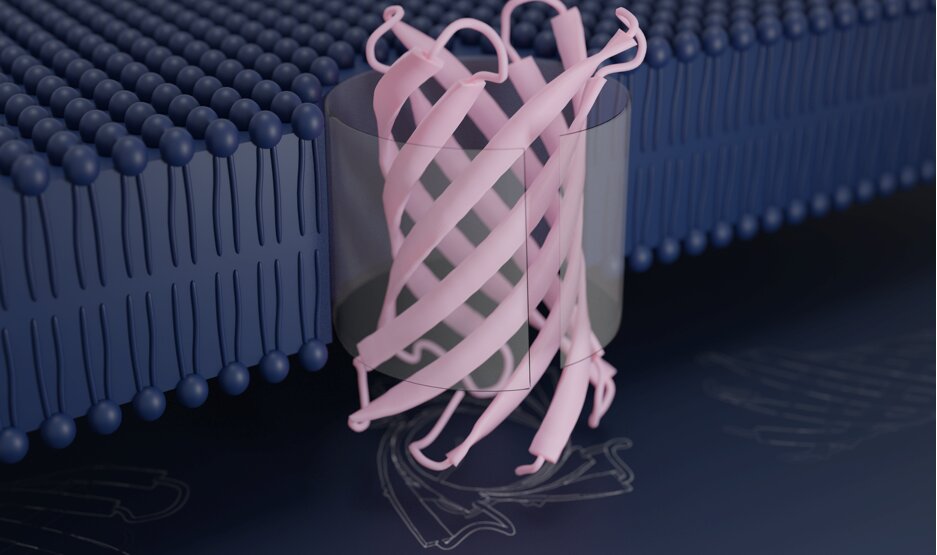
To create new transmembrane beta-barrelsVorobyova and her colleagues used molecular design software to design possible structures. The most successful and plausible artificial proteins contain eight ribbon strands.
Next, the authors checked whether improvedversions of designer proteins to be incorporated into artificial lipid membranes. It turned out that they can do this without the help of any auxiliary proteins.
Read more
The first accurate map of the world was created. What's wrong with everyone else?
Scientists have recorded for the first time how planets form around low-mass stars
An anti-aging medicine that removes senescent cells has been discovered