The researchers studied the gut contents of more than 2,000 animals to create a simple equation for
Scientists noted that their data can be used to assess the risk to which different species of animals are exposed around the world.
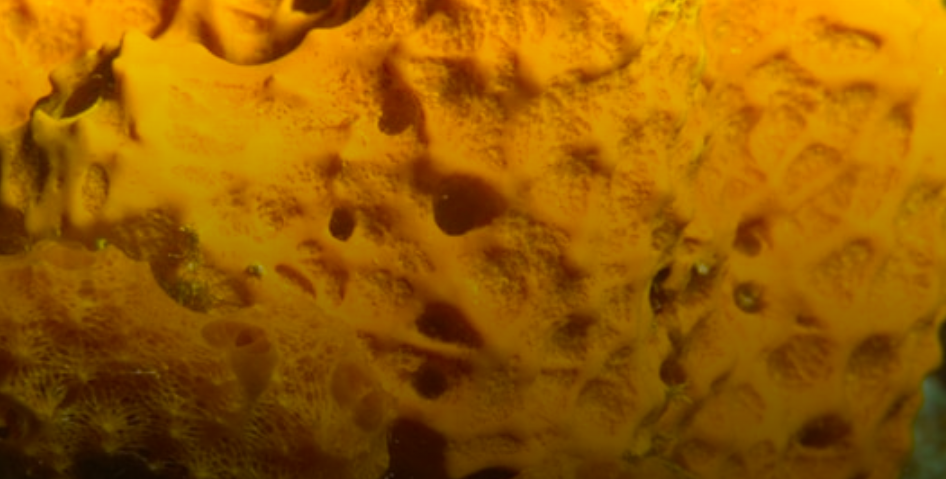
Sea sponges can remove up to 94% of viruses from the water
After reviewing the data, the group found that the plastic enters the body of marine and freshwater mammals, reptiles, fish and invertebrates, from fry, 9 mm long to a humpback whale, 10 m long.
During their research, scientists discoveredsome shocking examples of plastic pollution: hoses and flower pots were found in the sperm whale, plastic bags inside green turtles and a shotgun inside the whale.
“We still know very little about howmost animals feed in the wild, so it’s hard to understand how much plastic they can eat. This information gives us the opportunity to begin to measure the extent of the pollution problem, ”said the researchers.