The researchers explained that the proliferation of electric vehicles, smartphones, and handheld devices leads to
Researchers from Aalto University foundthat the electrodes of lithium batteries containing cobalt can be reused - for this you need to prescribe lithium. Compared to traditional recycling, where metals are usually recovered from crushed batteries by melting or dissolving them, the new process saves valuable raw materials, energy and is environmentally friendly.
Scientists noted that with traditional methodsWhen batteries are recycled, some of the raw material is lost and lithium cobalt oxide is converted to other cobalt compounds, which require a long chemical cleaning process to turn them back into electrode material. The new method avoids this painstaking process by replenishing the spent lithium in the electrode using an electrolysis process widely used in industry. The cobalt compound can then be reused.
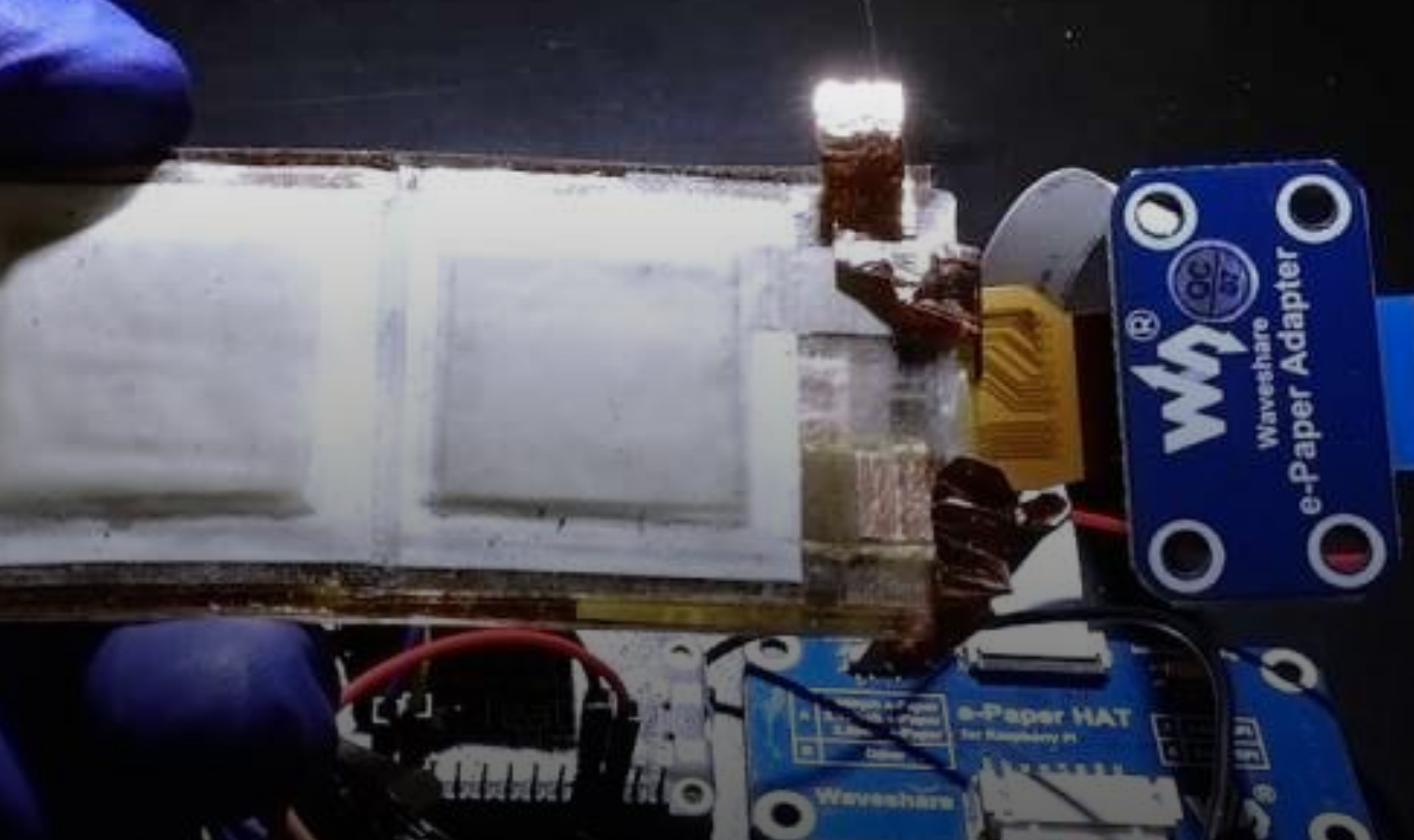
A flexible and rechargeable battery 10 times more powerful than analogues has appeared
Results show that performanceelectrodes re-saturated with lithium are almost the same as electrodes made from the new material. The researchers note that with further development, the method will work on an industrial scale.
"Reusing Battery Structuresallows us to avoid many of the labor costs that usually occur during recycling, while at the same time potentially saving energy. We believe this method can help companies that develop industrial processing, ”added the scientists.
Next, the researchers want to test if this method can be used with nickel batteries, which are used in electric vehicles.
Read more
Elon Musk: the first tourists to Mars will die
The first accurate map of the world was created. What's wrong with everyone else?
The largest mass extinction happened in water 10 times faster than on land