In the summer of 2020, NASA plans to launch the Perseverance rover to Mars, which will carry the Mars Helicopter drone -
According to NASA officials, the Mars Helicopter is notwill carry no instruments and will not collect data about the planet: the main task of the device is to get into the air on Mars, where its composition is very different from that on Earth.
In a new work, the researchers proposed to sendtogether with the Mars Helicopter a swarm of small probes that are comparable in size and weight to a fruit fly. Devices consist of "nanocardboard" and levitate when bright light falls on them.
Probes consist of two layers of material - whenone side of the device heats up under the influence of light, and the other remains cold, air begins to circulate in the space between them, passing through corrugated channels. This allows the probe to rise into the air and levitate until the exposure to light ceases.
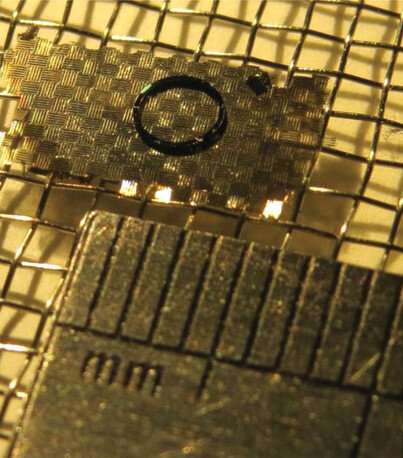
"The passage of air flow through thesemicrochannels are caused by a classical phenomenon called thermal creep. Due to the temperature gradient, the flow of rarefied gas accelerates along the wall of the channel - this leads to the fact that our device rises into the air."
Howard Hu, lead author of the study
Tests of the apparatus in the near-Martian environmentshowed that he is really capable of flying into the air. Now researchers are trying to create miniature sensors that will allow the probe to collect data on the presence of water and methane on the planet - key signs of life.

Previously, Hi-Tech spoke in detail about the mission of NASA and ESA to deliver samples of Martian soil to Earth.