The study was led by graduate student Emma Laveau from France's Sorbonne University and geneticist Myriam
The researchers studied the species of red algae - Gracilaria gracilis, as well as small crustaceans - idoteas, in particular, Idotea balthica.
Previously it was believed that algae, which is scientificallypoints of view are neither plant nor animal, use underwater currents to transfer their reproductive cells (gametes) from one algae to another.
Since the male gametes of algae lack spermatozoon-like flagella, they cannot swim through water on their own.
But the researchers found that this processpromoted by crustaceans. When crustaceans feed on male algae - G. gracilis, then spermatozoa (male gametes) covered with sticky mucus stick to the cuticle of animals.
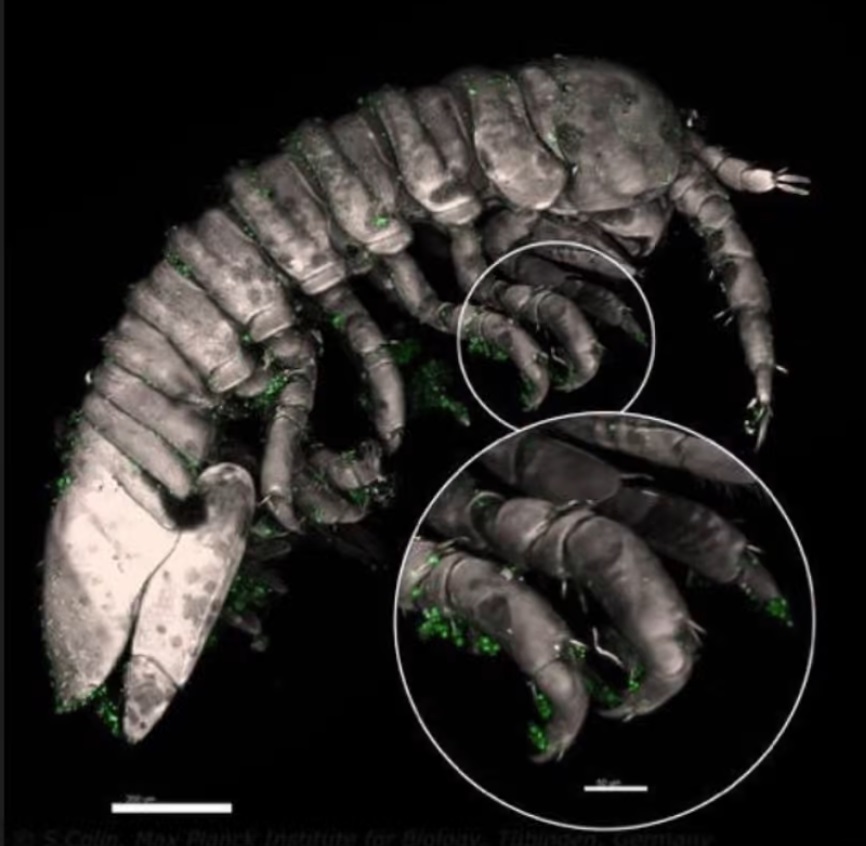 Photo: Sebastien Colin
When the same crustaceans swim up with femalesalgae then transfer some of the sperm to her reproductive organ. This completes the fertilization process. Crustaceans also benefit from this deal - they hide in algae from bad weather, and also feed on the small organisms that live in them.
The data obtained indicate that the pollination of plants may have occurred as a result of a process that originated in the sea.
Read more:
Scientists filmed a strange creature with tentacles, which they mistook for a flower
The supersonic plane will fly at a speed of 2,000 km/h and cross the ocean in 3.5 hours
Created a quantum computer that "went beyond the binary system"