Researchers have previously identified evidence of strong earthquakes in Israel in the mid-8th century BC in
The documents describe the consequences that occurred inJerusalem many years after this event, which suggests that the earthquake must have greatly affected the people living at that time. More importantly, they found physical evidence in the form of broken pottery, lamps, kitchen utensils, furniture and destroyed walls. They also found what they described as "several broken vessels" with damage reminiscent of defects in objects from other earthquakes.
Artifacts found on the layer on which they standmodern structures - the team called it the “layer of destruction”. While examining the damaged items, they could not find any signs of fire or deliberate damage, for example, by invaders, so an earthquake is the most likely option. They also note that the depth of the artifacts helped place them in the approximate time of the earthquake, which is described in ancient sources.
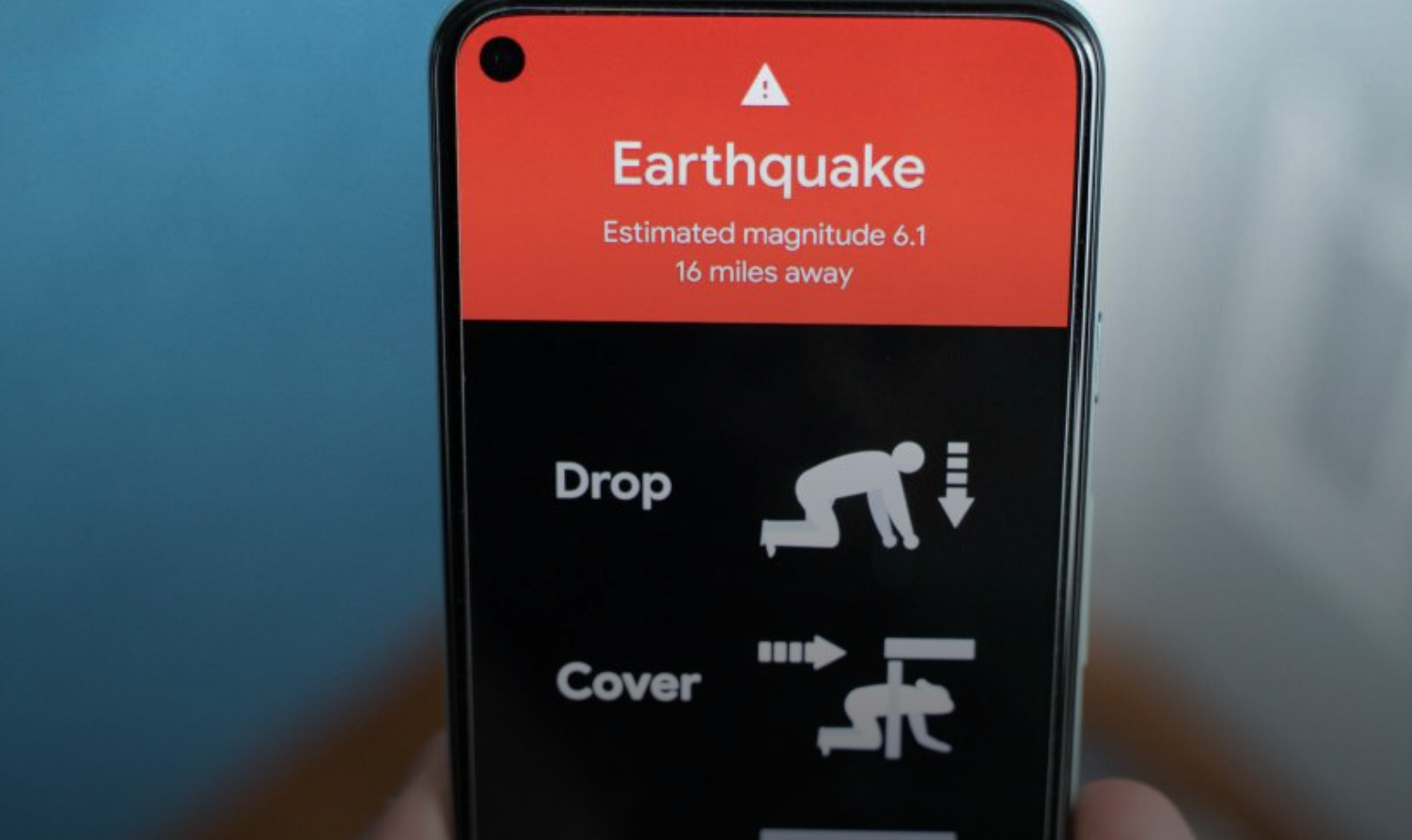
Android earthquake warning system proven effective in the Philippines
The researchers were surprised by what they found onthe site of the excavation, as previous research showed that Jerusalem continued to exist after the powerful earthquake. They suggest that, most likely, although Jerusalem was severely affected by the natural phenomenon, it was not the epicenter of the event. The team plans to present their work at the City of David Exploration Conference later this year.
Earlier Google launched Android Earthquake AlertsSystem in seven more countries ahead of a global launch next year. The Philippines is one of the places where earthquake warnings are enabled, and Android users recently rated it as effective.
Read more
The slowing down of the Earth's rotation caused the release of oxygen on the planet
Astronomers spot unusual structures in deep space
See more 60,000-year-old Neanderthal rock art