Scientists from Nagoya University of Technology in Japan have proposed a new way to create carbon
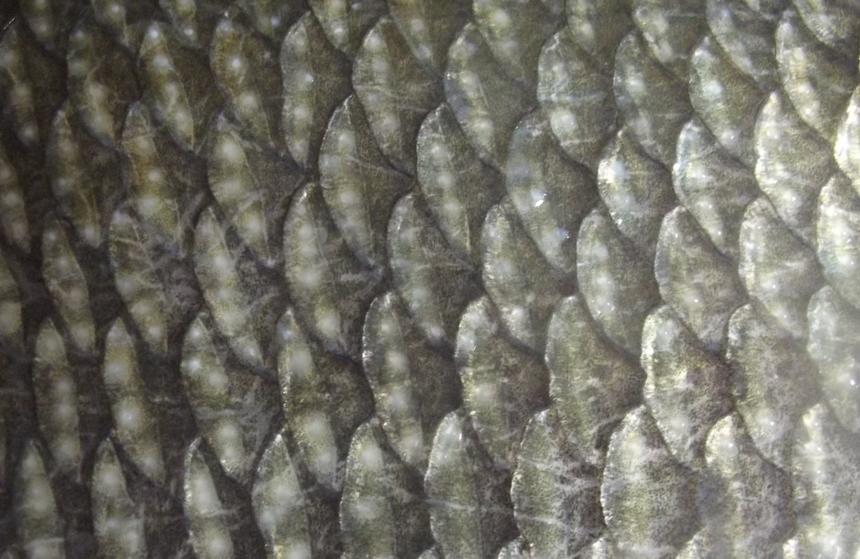
The main substance needed fornanobulbs produced from scales is collagen. It can absorb the necessary amount of microwave radiation to rapidly increase the temperature, which, during heating, leads to thermal decomposition, which promotes the synthesis of CNO.
Due to excellent electrical and thermal conductivitynanobulbs, they are used in biomedicine, bioimaging - a visualization method for real-time monitoring of the processes occurring in the body. Nanobulbs are also used in the production of panels for televisions and other electronics.
The approach proposed by Japanese experts is notrequires neither complex catalysts, nor harsh conditions, nor long waiting times - the process takes no more than 10 seconds. At the same time, the traditional process for the synthesis of nanoonions, which is currently used, is difficult and is characterized by the release of harmful substances into the atmosphere.