Astronomers usually refer to massive stars as the "chemical factories of the universe."Your
UC Astronomers Groupmeasured the internal mixing of chemical elements in several stars at once, using observations of waves from their bowels. Although scientists have used this method before, in this work dozens of them were first studied at once. The results, published in the journal Nature Astronomy, show that internal mixing is very diverse and does not have a clear relationship with the mass or age of the star.
Astronomers believe that this mixing occurs inas a result of various physical phenomena, such as internal rotation and seismic waves in the plasma, excited by the nucleus. However, this theory has not yet been confirmed by observations, since it happens so deep inside the star. However, there is an indirect method of looking into the stars: asteroseismology - the study and interpretation of stellar oscillations. This method is similar to how the interior of the Earth is studied.
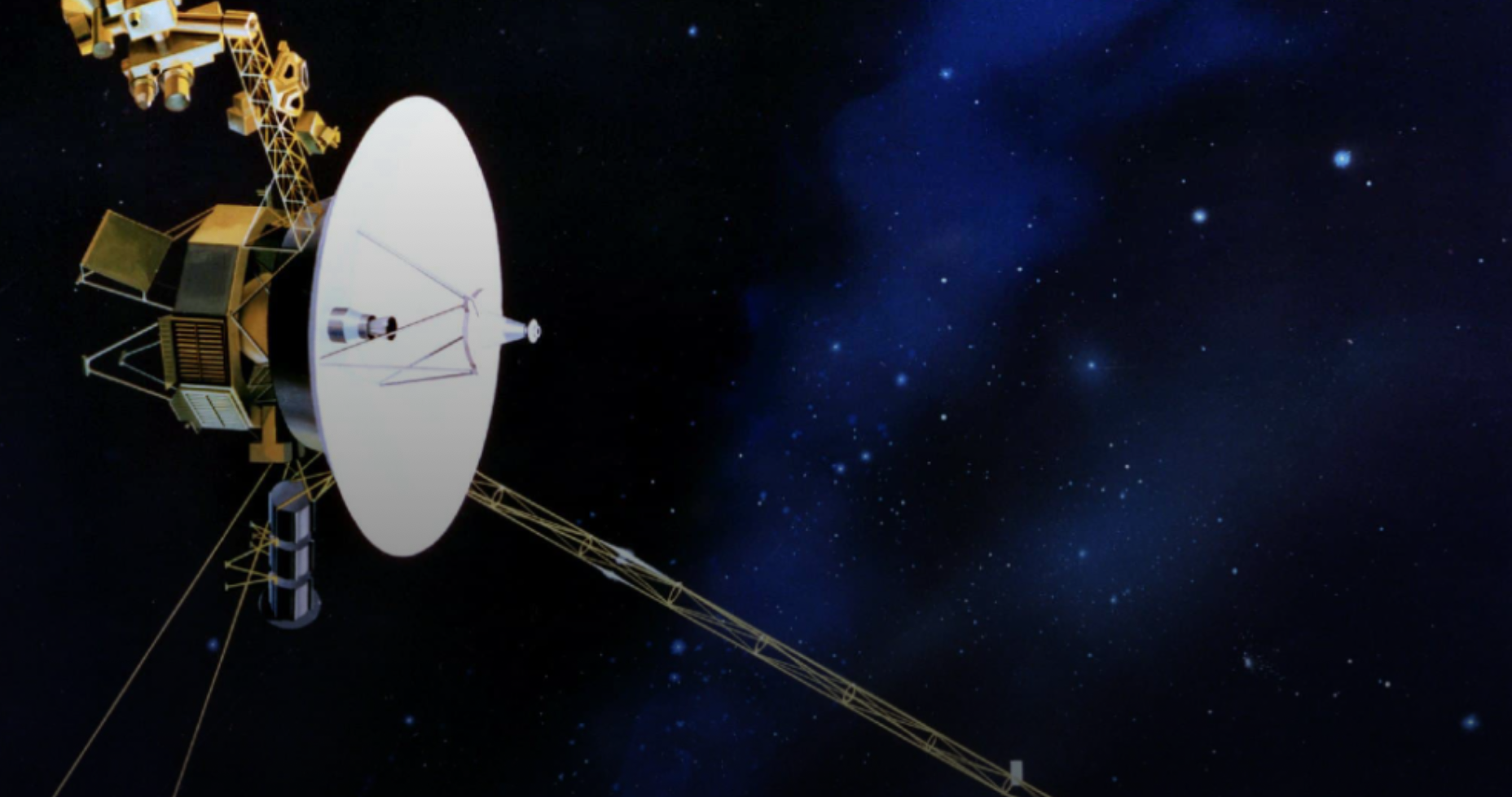
Voyager 1 Returns Interstellar Rumble Recording to Earth
This is the first experiment made possible only by a new sample of 26 slowly pulsating B-type stars with identified stellar oscillations from NASA's Kepler mission.
Scientists noted that slowly pulsating starsB-type is 3-8 times more massive than the Sun. They expand and contract from 12 hours to 5 days and can change brightness up to 5%. Their vibration modes are especially sensitive to conditions near the nucleus.
"Internal mixing inside the stars nowmeasured observationally, and in our sample it turned out to be diverse: in some stars it is practically absent, while in others its level is a million times higher, ”the researchers noted. It turned out that this diversity is not related to the mass or age of the star. It is primarily affected by internal rotation, although this is not the only factor.
Read more
Nuclear reactions intensified in the reactor of the Chernobyl nuclear power plant
Scientists have shown how a black hole tears apart a star
Physicists have created an analogue of a black hole and confirmed Hawking's theory. Where it leads?