When most people think of a garbage patch, they probably think of it as being filled with "discarded
However, when it comes to what exactlyaccounts for the Big Spot, the Ocean Cleanup project just announced that 75% to 86% of plastic comes from fishing activities. These figures are based on an analysis of more than 6,000 hard plastic objects larger than 5 cm that were collected by the project in 2019.
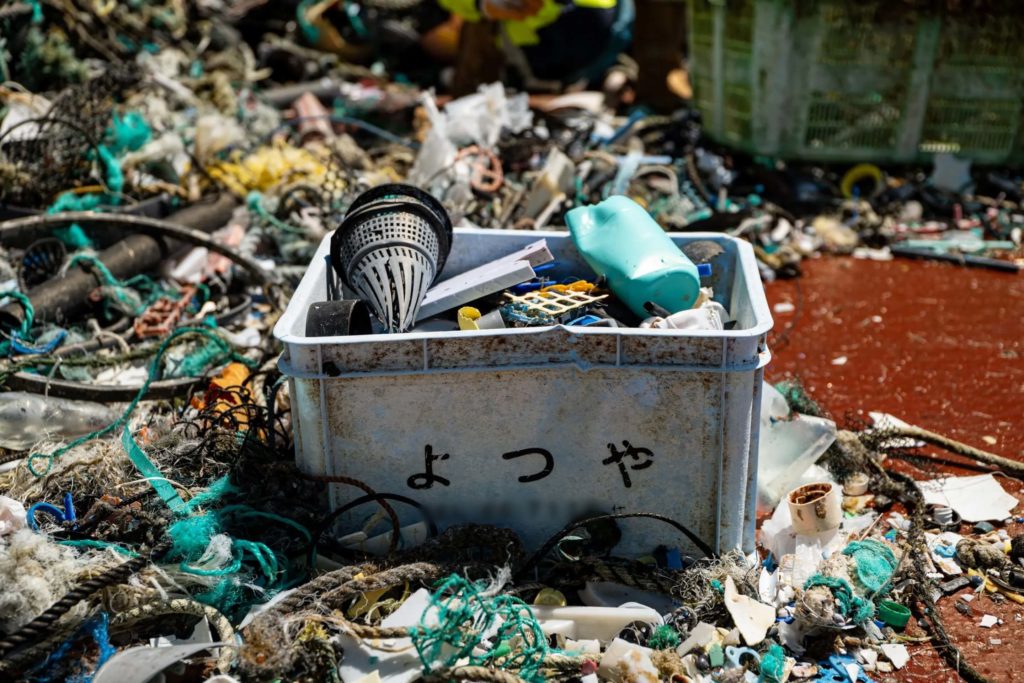 Fishing tackle and other trash from the Great Garbage Patch
The study says that thanks to the wind andocean currents, "plastic lost to the sea is more likely to accumulate in the open sea than plastic released from rivers, resulting in high concentrations of fishing-related litter in the Great Spot." In addition, it was found that, based on trademarks, printed language, and other clues, most items likely came from Japan (34%), China (32%), the Korean Peninsula (10%), and the United States (7% )..
“To stop the influx of plastic into our oceans,addressing riverine emissions, the largest source, must remain a top priority,” Slat said. “However, for our work to clean up the Great Spot to be truly sustainable, we also need to stop using fishing gear. We hope that our latest research will enable organizations and the fishing industry itself to address this other source of plastic pollution in the Great Garbage Patch."
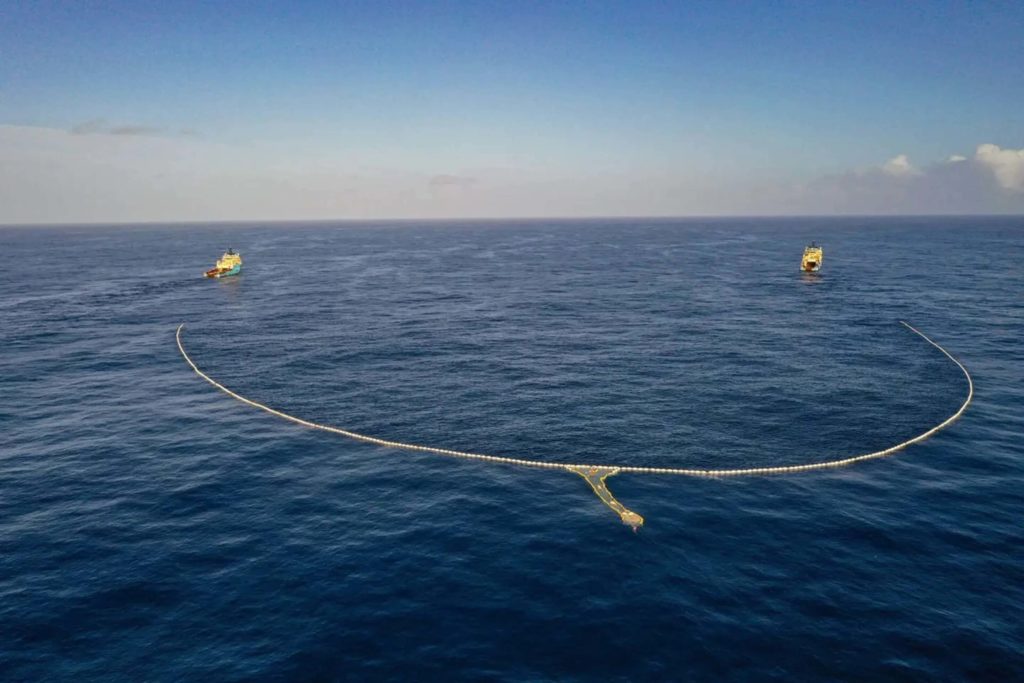 Barrier to retrieve debris from the ocean surface
Located in the North PacificThe Great Pacific Garbage Patch (GPGP) covers an area of about 1.6 million square meters. km. It is made up of approximately 1.8 trillion floating plastic debris, weighing approximately 88,000 tons.
Founded in 2013 by a Dutch inventorBojan Slat, the Ocean Cleanup project set about removing as much of this plastic as possible, slowly but steadily reducing the size of the stain. The plastic is collected by a huge floating U-shaped barrier that is towed through the water by ships located at either end.
Read more:
The first images of the underground part of Mars surprised scientists
A galaxy located 12 billion light-years from Earth 'curled up' into an Einstein ring
Plant on Mars produces oxygen at the rate of an average tree