Microbiological fuel cells are a technology of the future for electricity generation, but for now
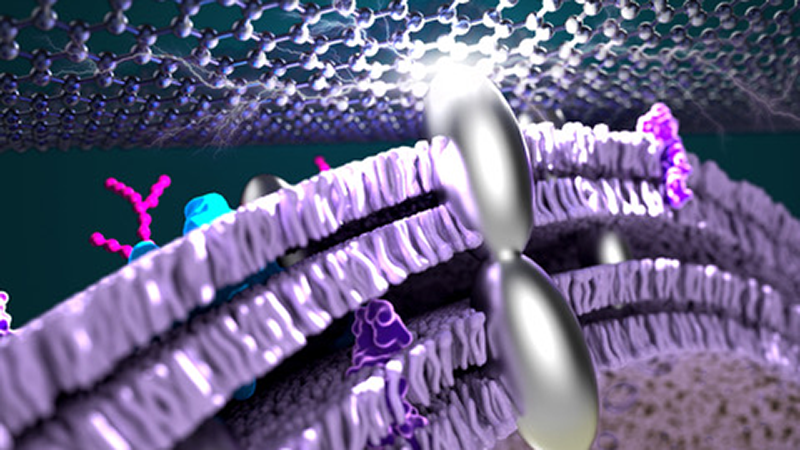
There are bacteria that produce electrons withusing normal metabolic processes. In this way, microbial fuel cells can generate electricity. Previously, scientists grew such bacteria in films on electrodes, fed them with organic matter and obtained a device that generates electricity and purifies wastewater. But this technology had very low efficiency and worked at a loss.
Now scientists have found a way to increase the amount of electricity generated: they used the bacterium Shewanella oneidensis, which survives even in low oxygen levels.
The authors grew bacteria on electrodes fromgraphene oxide with silver ions inside. Next, the authors implanted transmission wires inside the bacteria. As a result, the bacteria converted these ions into nanoparticles that were incorporated into their cells. This way, more ions escape beyond their membranes.
The bacteria now transfer 81% of the electrons produced to the electrode and generate 0.66 milliwatts of power per square centimeter. This is the highest figure among analogues.
Read more:
The Earth began to spin faster: why is this happening and is there a danger
The descendants of animals that survived after a possible asteroid fall still live on Earth
Physicists have cooled atoms to the lowest temperature in the world