During excavations in the city of Hulun Buir in the Inner Mongolia Autonomous Region in northern China, archaeologists
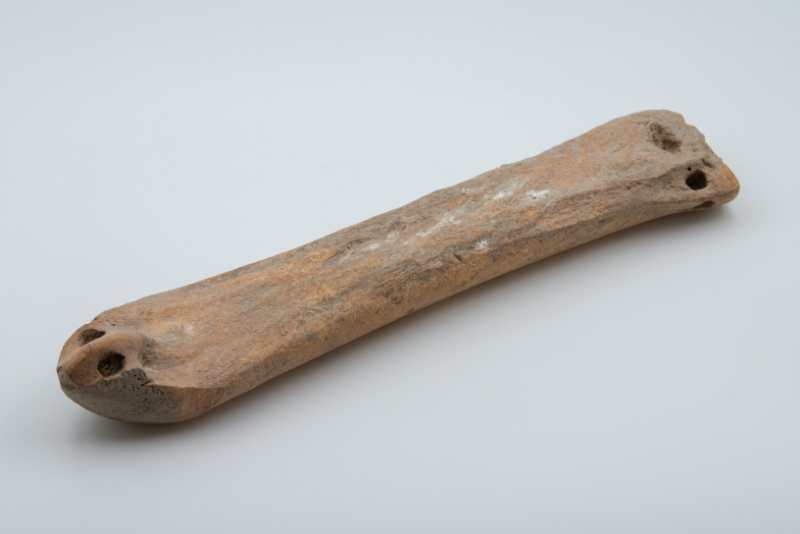 Bronze Age bone skates found during excavations in Inner Mongolia. Photo: Archaeological Institute of the Academy of Social Sciences of the People's Republic of China
A pair of skates made from animal bones andis the oldest such find in China and Asia as a whole. Researchers believe that skates were used in the early Bronze Age by the ancestors of modern Mongols. They are made from deer bones and were specially sharpened to create a cutting edge that allowed the wearer to glide across the ice.
Although it is not clear if skates were used for hunting,transport or other purposes, archaeologists note that they are very similar to bone skates found in Europe. This is evidence of possible cultural connections and the spread of technology in the Bronze Age.
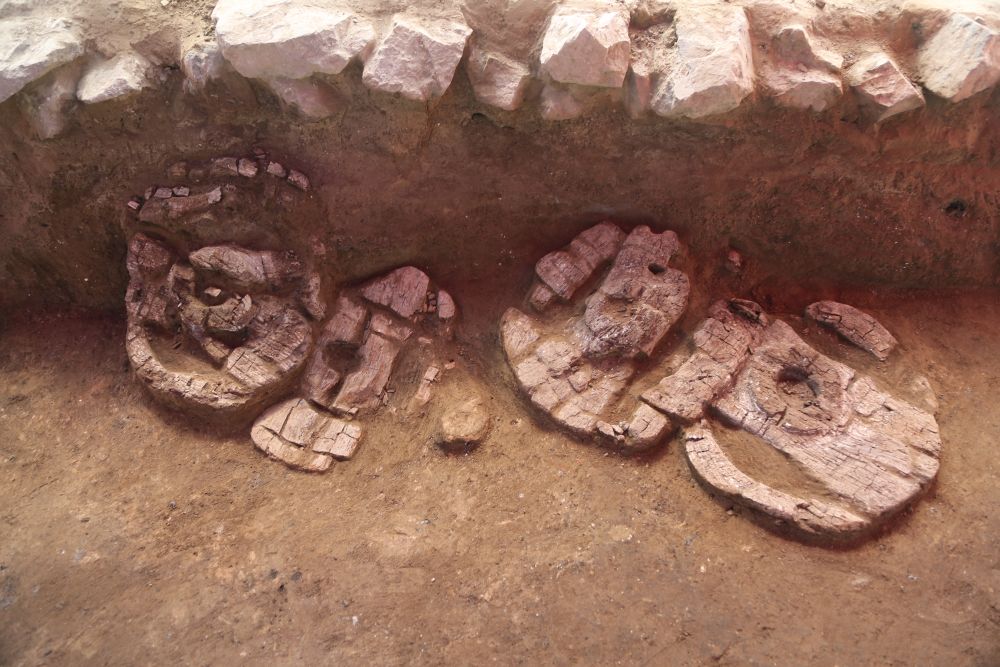
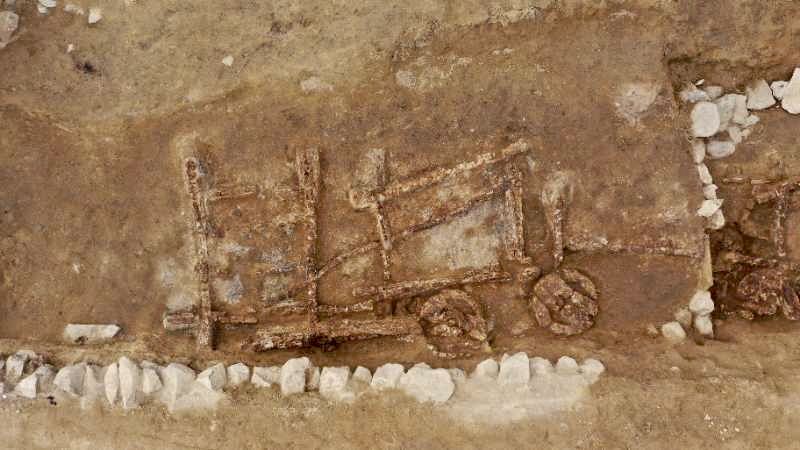
Wheels and wooden fragments of vehicles found at the excavation site. Photo: Archaeological Institute of the Chinese Academy of Social Sciences
In addition, at the excavation site, researchersdiscovered the wooden fragments of the ancient "transport". Among them are 11 solid wheels and more than 30 wooden parts - shafts, axles and other components. Researchers believe that these are parts of wooden carts that were used in the construction of the tomb.
The discovery will help to better understand the ways of human migrationin the Bronze Age and the existence of cultural ties between different peoples, scientists say. The discovery of identical artifacts in different places helps to understand how knowledge spread.
Read more:
Asteroid Redirect Mission Exceeds Expectations
It turned out that the monster from medieval manuscripts actually exists
It turned out which men are the most fertile: their sperm is 50% better than the rest
On the cover: the site of the excavation. Photo: Archaeological Institute of the Academy of Social Sciences of the People's Republic of China