UIC researchers analyzed gene expression in fresh brain tissue that was collected during
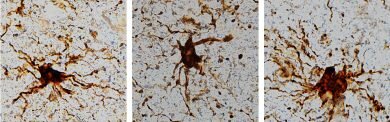
These "zombie genes" were specific to one typecells: inflammatory cells called glial cells. The researchers observed that glial cells grow and germinate in the brain within hours of death.
Most of the studies that usePostmortem human brain tissue for the search for treatments and potential cures for disorders such as autism, schizophrenia, and Alzheimer's disease does not take into account posthumous gene expression or cellular activity.
The authors also note that globalThe pattern of gene expression in fresh human brain tissue does not correspond to any published reports of postmortem brain gene expression in people without neurological disorders or in people with a wide range of neurological disorders, such as autism or Alzheimer's disease.
The authors conducted an experiment with simulated death:They looked at the expression of all human genes over a 24-hour period. They found that about 80% of the genes analyzed remained relatively stable over a 24-hour period. We are talking about genes that provide basic cellular functions. Another group, which is present in neurons and is closely associated with memory and thinking, rapidly degrades within a few hours after death.
A third group of “zombie genes” increased in activity at the same time that neuronal genes decreased.
Read more
Physicists have created an analogue of a black hole and confirmed Hawking's theory. Where it leads?
Scientists have discovered the mythical particle of Odderon
The most mysterious natural phenomenon. Where does ball lightning come from and how is it dangerous?