Researchers from ETH Zurich and the Helmholtz Institute
Biological and wireless micro/nanorobotic systems can be used to deliver small drug molecules to areas within the body that are particularly difficult to reach.
By combining acoustic and magnetic fields,The robotic system developed by the researchers could help overcome some of the problems seen with other artificial micro swimmers that rely on single-shot techniques. Moreover, because they respond to fields applied outside the body, micro / nanorobots do not require an onboard power supply or very complex and expensive components.
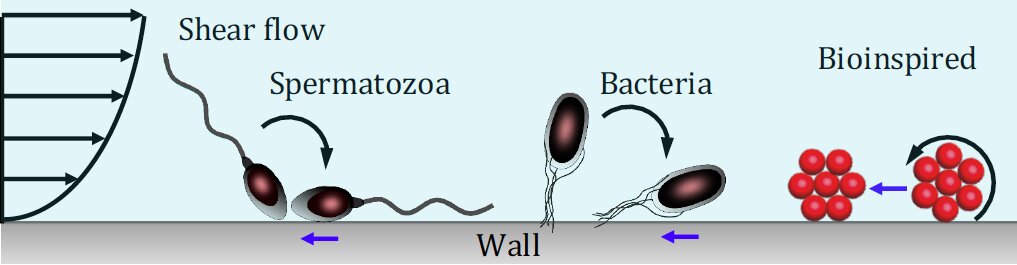 Naturally occurring micro-swimmers such as sperm and bacteria use non-slip boundary conditions to perform upstream movement along the wall.
Until now, the use of micro- or nanoscalerobots in medicine have been limited, especially in the vascular system (that is, in the vessels through which blood and lymph move throughout the body). One reason is that robots working in the vascular system must be easily controlled in a non-invasive way. In addition, they must be able to move in the opposite direction to that in which the blood flows. These are two characteristics that have been quite difficult to achieve until now.
Read more
Large numbers of gray whales start starving and dying in the Pacific
A third of those who have recovered from COVID-19 return to the hospital. Every eighth - dies
Abortion and science: what will happen to the children who will give birth