New study finds honey bees increase social distance when their hive is threatened
Research published in the journal ScienceAdvances, showed that honeybee colonies respond to potential infestation by a harmful mite by altering interactions between bees and increasing social distance between young and old bees. “We have presented the first evidence that honeybees are changing social interaction and the way they move around the hive in response to the spread of the parasite,” the researchers noted.
They added that bees are social animals,as they benefit from separation of duties and interaction. But now researchers have found that while social interactions increase the risk of infection, the bees are balancing risk and reward by increasing their distance.
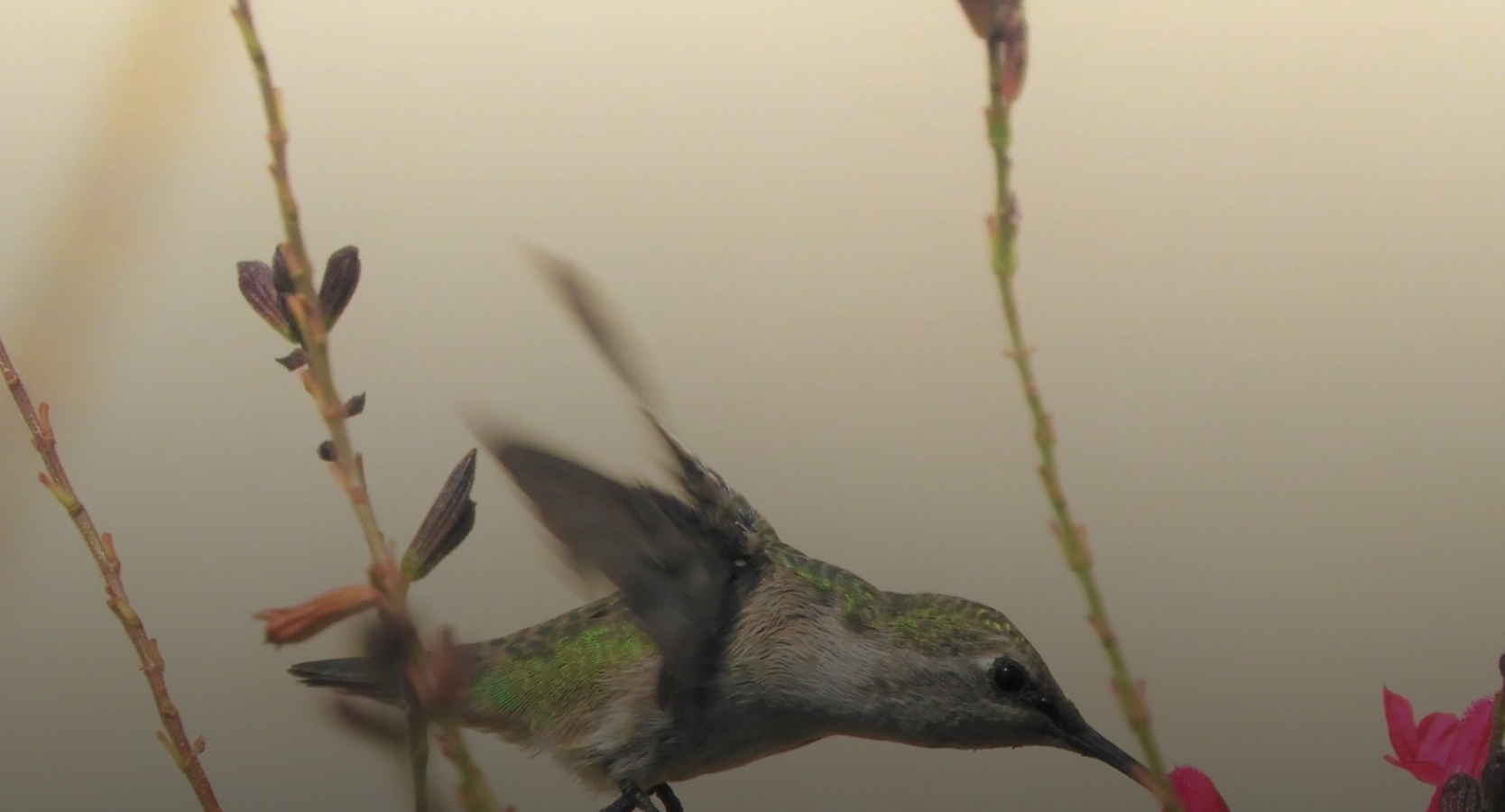
Hummingbirds can smell danger so they can stay away from it
Comparing colonies infected and uninfectedtick, the researchers found that interactions were less common in the hives where the ticks lived. The researchers also noticed that in response to infestation, older bees moved to the periphery of the hive and young nurse bees to the center to increase the distance between the two groups.
“Increasing social distance between the twogroups of bees in the same parasitized colony represents a new and surprising aspect of how honeybees evolved to fight pathogens and parasites, ”added the scientists.
See also:
A millisecond instead of 30 trillion years for a task: China introduced a new quantum computer
Our quantum computer, nuclear power and collider: what breakthroughs to expect in Russian physics
On scraps of DNA of one of the most famous Indians, his living great-grandson was found