Researchers explained that stars form as a result of the gravitational compression of clouds of gas in space
The research team focused onthe hypothesis that several gas clouds collide, allowing them to quickly form a star cluster. To test this hypothesis, the team, in collaboration with researchers from Osaka Prefecture University and the National Astronomical Observatory of Japan, observed a huge amount of data from more than a decade of research and mathematical modeling. As a result, they discovered that collisions of clouds of gas soaring in space actually cause the birth of a star cluster.
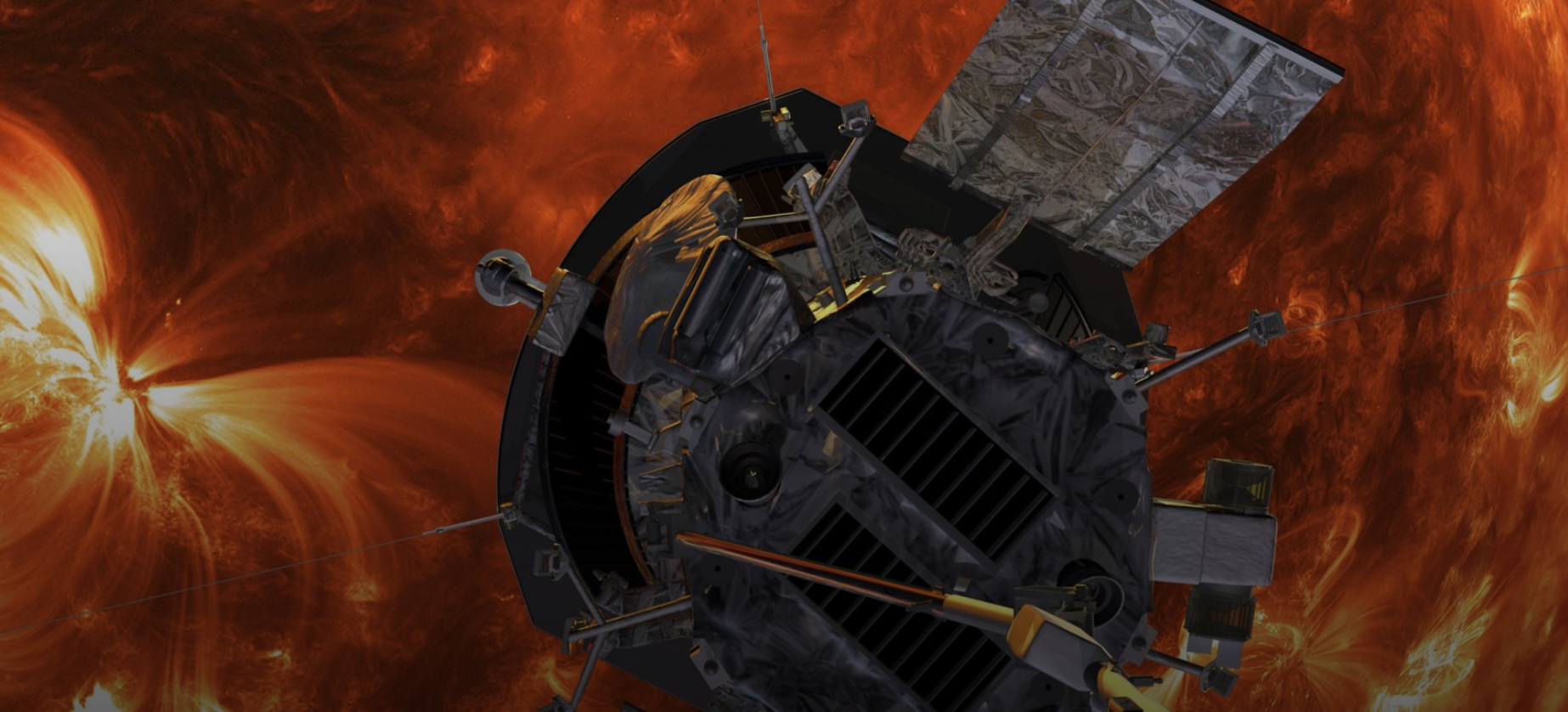
The Parker solar probe reached a speed of 532,000 km/h. This is a record
They have seen many collisions of gasclouds in our and other galaxies, suggesting that these phenomena are universal. They now speculate that the Milky Way collided with other galaxies shortly after its birth, causing frequent collisions of gas clouds in the galaxies. This, in turn, led to the formation of many groups of over a million stars.
Research appeared in a peer-reviewed journalPublications of the Astronomical Society of Japan. It is a collection of 20 articles that are based on careful scrutiny of individual astronomical bodies, as well as a review article summarizing the latest understanding of star formation as a result of colliding gas clouds.
Read on:
- Look at the photo of a Chinese rocket falling to Earth
- Scientists have conducted the largest genetic study of super-longevity
- The intensity of the new powerful laser is comparable to the light of the Sun falling on the Earth