The COVID-19 pandemic highlights, more than at any time in recent history, the importance of protecting public
New data provided by the Quality IndexAir Pollution Index (AQLI), which correlates particulate air pollution with its effect on human life expectancy is disappointing. They show that particle contamination was the greatest risk to human health before COVID-19. And without a strong and sustainable government policy, the threat will continue to pandemic.
Analysis shows that contamination with solidparticles reduce global life expectancy by almost two years compared to a situation where air quality would meet WHO recommendations.
Despite the fact that the threat of coronavirus isserious and deserves every attention it receives, embracing serious air pollution with the same vigor will enable billions of people around the world to lead longer, healthier lives. The solution to the problem lies in reliable public policy. The AQLI informs citizens and policymakers about how particulate matter pollution affects them and their communities and can be used to assess the benefits of policies to reduce pollution.
Michael Greenstone, Milton Friedman Professor of Economics and creator of AQLI, along with colleagues at the University of Chicago Energy Policy Institute (EPIC)
This is the greatest risk to the health of the world's population, despite the fact that more and more viruses make the headlines more often, AQLI experts say.
Working unnoticed inside the human body,Particulate matter pollution has a more devastating impact on life expectancy than infectious diseases (such as tuberculosis and HIV/AIDS), bad habits (cigarette smoking) and even war.
Almost a quarter of the world's population lives infour South Asian countries that are among the most polluted in the world: Bangladesh, India, Nepal and Pakistan. Their lives were shortened by an average of 5 years after they were exposed to levels of pollution that are now 44% higher than two decades ago.
Particulate contamination is alsoa serious problem in Southeast Asia, where traditional sources of pollution - vehicles, power plants, industry - combine with forest and arable fires, leading to lethal concentrations of harmful substances in the air. As a result, 89% of Southeast Asia's population lives in areas where particulate matter pollution exceeds WHO guidelines. Growing megacities such as Jakarta, Singapore, Ho Chi Minh City and Bangkok are contributing to the worsening situation.
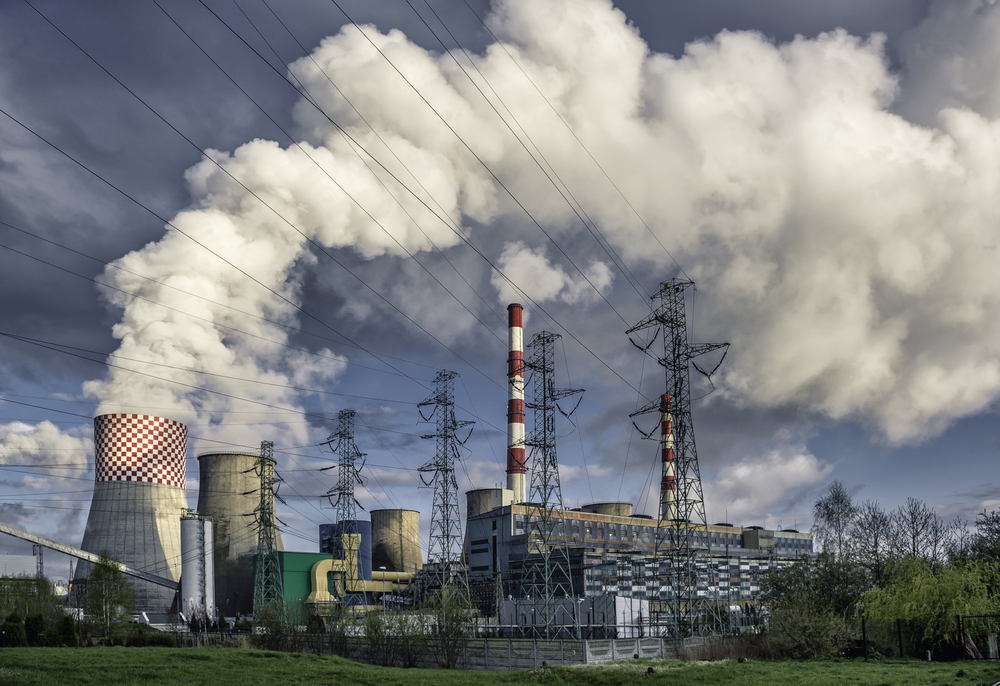
The good news is that there is now a list of countries that have decided to take action and have succeeded in cleaning the air.
A particularly poignant example is China, where inIn 2013, the "war on pollution" began. Since then, 75% of the world's emission reductions have occurred in China. The country has reduced particulate pollution by nearly 40%. If these cuts continue, Chinese citizens can expect to live 2 years longer than before the aggressive reforms.
The United States, Europe and Japan have also been successful in reducing pollution, thanks to tough policies that have followed public calls for change.However, the progress of their success further underscores the scale and speed of China's progress.It took the United States and Europe several decades and recessions to achieve the same pollution reduction that China achieved in 5 years while continuing to grow its economy.Even with this progress, there are still countries where pollution is causingsignificant damage to human health.
Read also
See what summer looks like on Saturn
There was a photo of how desert dust "flows" into the Atlantic Ocean
See what Hubble's successor telescope can see in space