Marine plastic pollution is a serious environmental problem, as exemplified by
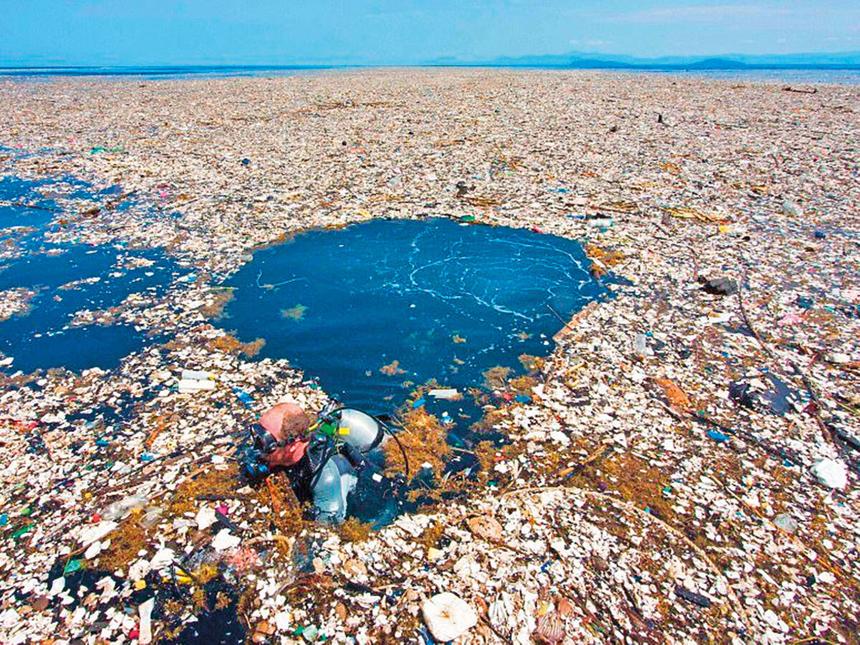
Located in the North Pacific Ocean,The Great Pacific Garbage Patch (GPGP) covers an area of about 1.6 million square kilometers. km. According to rough estimates, it consists of 1.8 trillion pieces of floating plastic debris with a total weight of about 80 thousand tons.
Ocean Cleanup stated that 75% to 86% of plasticcomes from the fishing industry. These figures are based on an analysis of more than 6,000 hard plastic objects larger than 5 cm that were collected by the project in 2019. These items included items such as buoys, floats, boxes and buckets. It should be noted that nets and ropes were not taken into account in the study.
The study says that thanks to winds and ocean currents, "plastic lost to the sea hasmore likely to accumulate in the sea than plastic thrown out of rivers, resulting inIn addition, it was found that, based on brand names, the language of the printed text, and other features, most of the items most likely came from Japan (34%), China (32%), the Korean Peninsula (10%) and the United States (7%).