Content
- Video review
- Equipment and design
- Software
- Camera
- Performance and Benchmarks
- findings
Tecno has two smartphone ranges in the region of 20000 rubles: Camon and Pova. Camon, as our readers already know, is a “Camera is always ON”, that is, phones that rely on cameras. Well, Pova is a distorted French Pouvoir ‘Power’. This means that in these devices it is not the photo part that is important, but the hardware, screens and autonomy. These are sort of affordable gaming phones, although Tecno does not position them as such - officially these are just balanced models without an emphasis on the camera. Let's see how they turned out.
 |
Specifications | |
|---|---|---|
| Tecno Pova 4 | Tecno Pova 4 Pro | |
| Network | 2G, 3G, 4G | |
| Firmware | Android 12 with HiOS | |
| Screen | 6.82″, 1640x720 pixels, 20.5:9, IPS, 90 Hz | 6.66″, 2400×1080 pixels, 20:9, AMOLED, 90 Hz |
| Chipset | MediaTek Helio G99, 6 nm CPU: 2 x A76 x 2.2 GHz + 6 x A55 x 2 GHz GPU: Mali-G52MC2 |
|
| Ram | 8 GB | |
| ROM | 128 GB | 256 GB |
| SIM and memory card | Triple tray (2 x nano-SIM + microSD) | |
| Camera | Main: 50 MP, Samsung JN1, 1/2.76″, f/1.6, video recording 1440p@30fps, flash AI lens: 0.08 MP, 1/17.3″ |
|
| Selfie | hole in the center, 8MP, f/2.0, 1440p@30fps video recording, flash | Waterdrop notch, 8MP, f/2.0, 1440p@30fps video recording, flash |
| Battery | 6000 mAh | |
| Charging | 18 W | 45 watts |
| Wireless interfaces | Wi-Fi Bluetooth GPS FM radio |
|
| NFC | there is | |
| Biometrics | Fingerprint scanner (side) | |
| Sound | Stereo speakers 3.5mm headphone jack |
|
| Water protection | Not declared | |
| Dimensions | 170.6 x 77.5 x 8.7 mm | 164.8 x 77 x 9.2 mm |
Video review
Equipment and design
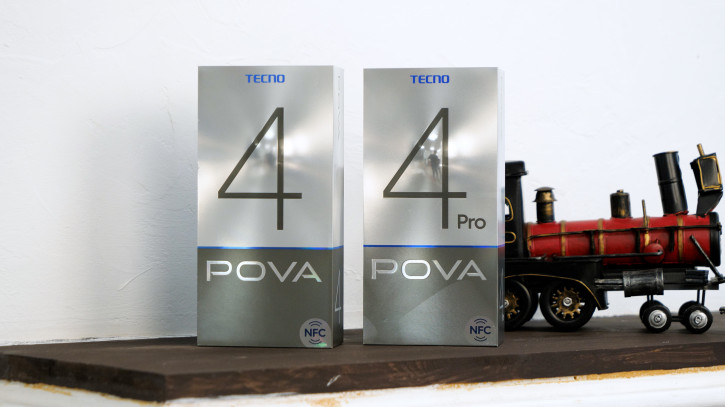
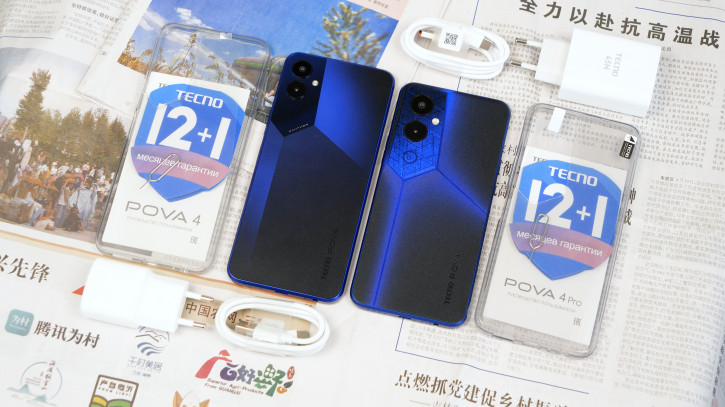
Tecno Pova 4 and Pova 4 Pro come in verybeautiful, literally shiny gray cardboard boxes. The kit is rich: USB cable, documentation, charger, SIM needle, protective film and silicone case. The chargers are different - an 18-W baby in the younger model and a serious 45-W unit in the Pro version. The cases are very simple, but all the necessary slots and sides are there, so it will do for the first time. I would like to note that everything is packaged very conveniently - maybe this doesn’t matter to you, but I’m regularly bombarded by how the components are stuffed into the box. And everything is great here. On the other hand, I don’t understand why Tecno has not yet mastered gluing protective films at the factory and forces users to do it themselves…
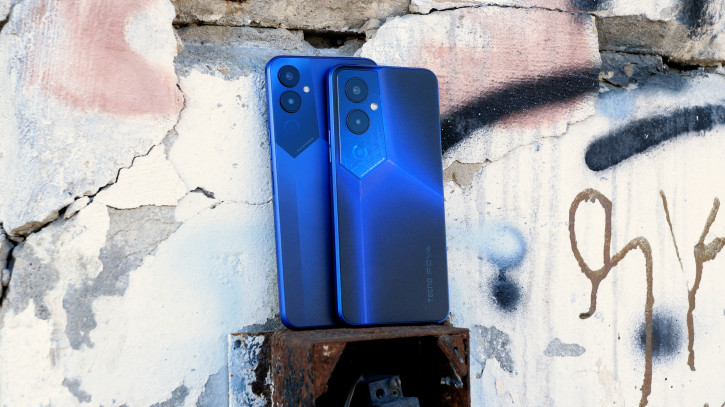
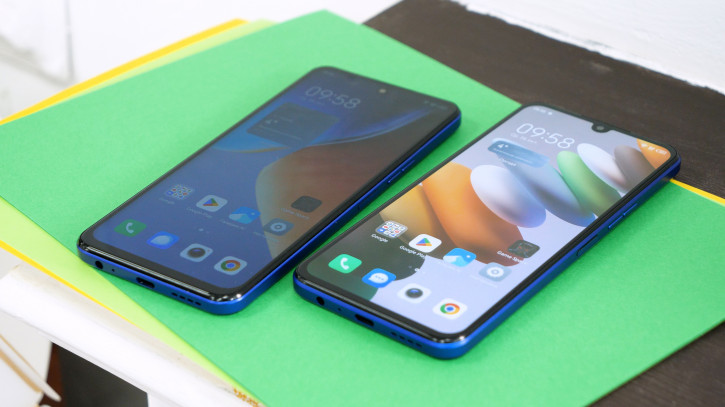
Tecno Pova 4 and Pova 4 Pro got prettya similar design, although in the younger model it is more likely to be perceived as a “beta version” of the firmware design. The body material of the Pova 4 Pro is much nicer to the touch (although there is plastic here and there), and the camera area has an interesting pattern. From the point of view of ergonomics, smartphones are quite close to each other, although it should be noted that Pova 4 is much longer – so it will not be so convenient for the owner of medium-sized hands to pull out the curtain on it and generally interact with the top of the display. The set of colors is the same - blue, gray, red-orange. According to the renders, the last one went the most for me, but on the test we have blue smartphones.
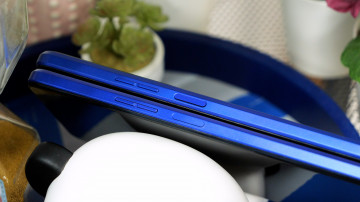
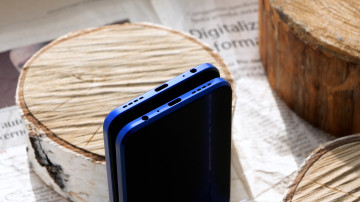
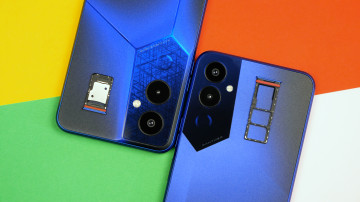
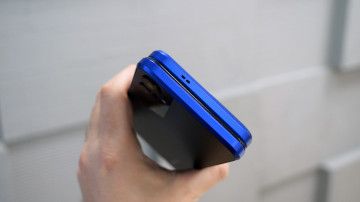
Both devices are equipped with stereo speakers, soundthe quality is very close, but in both cases the upper speaker is slightly inferior to the lower one in volume. Not forgotten are 3.5mm headphone jacks and triple trays (2 x nano-SIM + microSD). The fingerprint scanner is located in the power button and works well and quickly, but the vibration motors are different - the Pova 4 Pro is more powerful and more or less able to imitate the vibration response, while the Pova 4 has a simple buzzer.
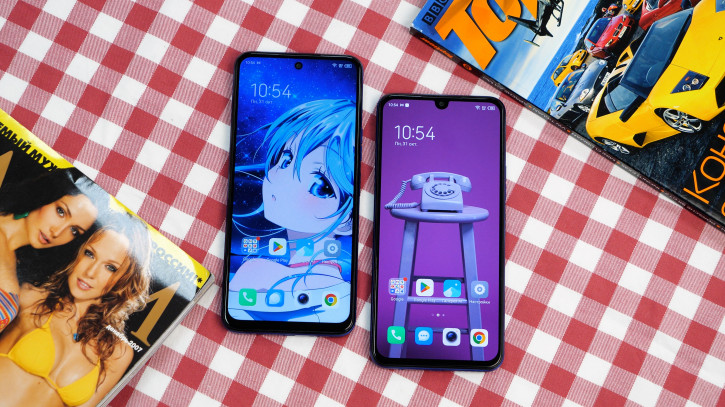
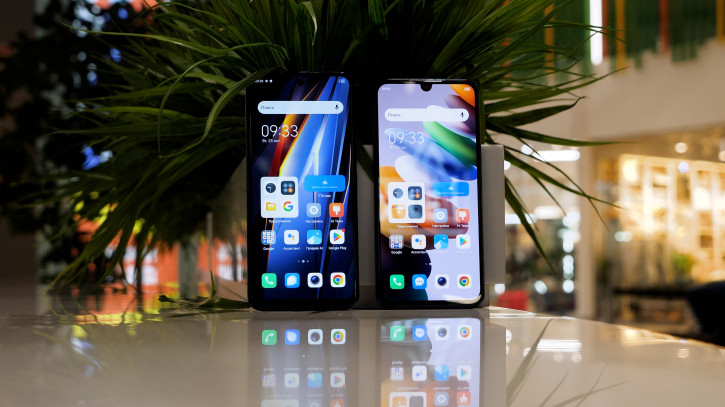
Despite all the similarities, Tecno Pova 4 and 4 Pro have screensthey are completely different. The younger model received 6.82″ IPS panel with a resolution of 1640×720 pixels, and firmware – 6.66×8243; (ha!) and 2400x1080 pixels. If you have a calculator in your head, you might have noticed the different aspect ratio: 20.5:9 versus 20:9. But these are minor things. The main difference is the display technology: IPS in Pova 4 and AMOLED in Pova 4 Pro. In a direct comparison, I liked the “proshki” matrix more - it’s brighter, more contrasty, and doesn’t fade when tilted. However, it PWMs (not as much, but not like Camon), so if you are worried about your eyes, it’s better to look at Pova 4. The difference in resolution, by the way, is almost unnoticeable: PenTile in AMOLED, as usual, neutralizes the superiority in resolution. But it is noticeable that the Pro has a drop-shaped cutout, while the regular model has a dot. Strange.
The screen frequency is 90 Hz.There are three modes to choose from: auto, 60Hz, 90Hz. In Auto, many applications run at 60 Hz, although they could at 90, so I advise you to switch to 90 and not worry. Then the vast majority of applications and games will work at 90 Hz. The touch in both smartphones has a frequency of 180 Hz, but there is an important implementation nuance: for Tecno Pova 4 it switches to 120 Hz when the screen switches to 60 Hz, while for Pova 4 Pro it always works at 180 Hz.
Software
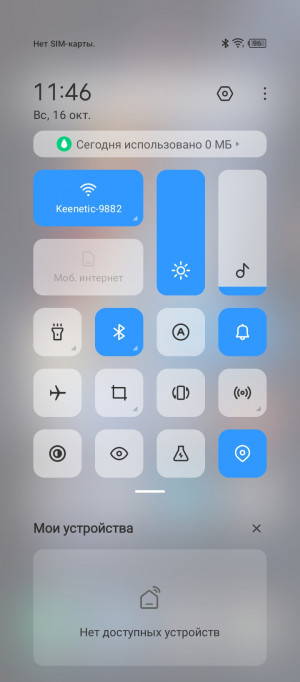
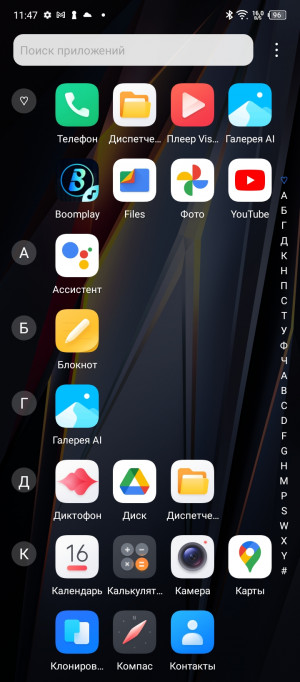
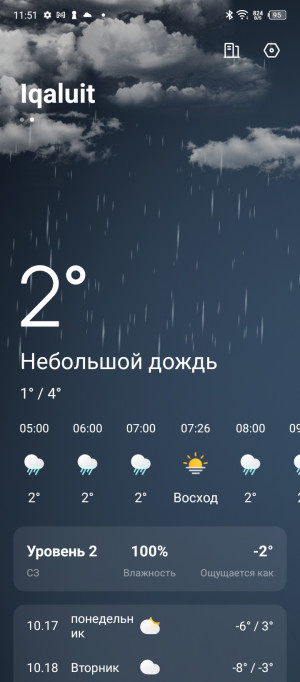
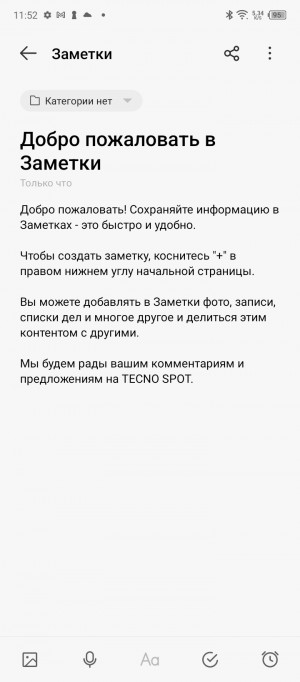
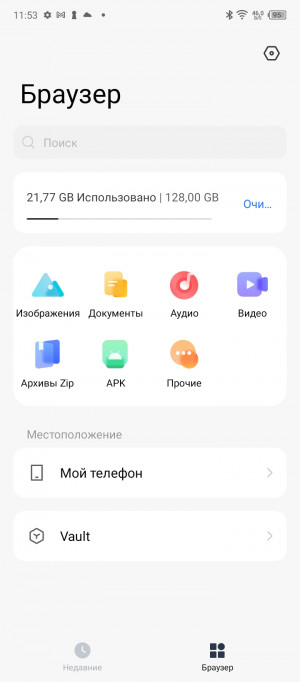
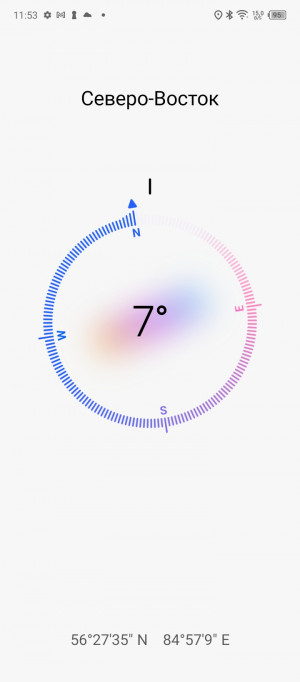
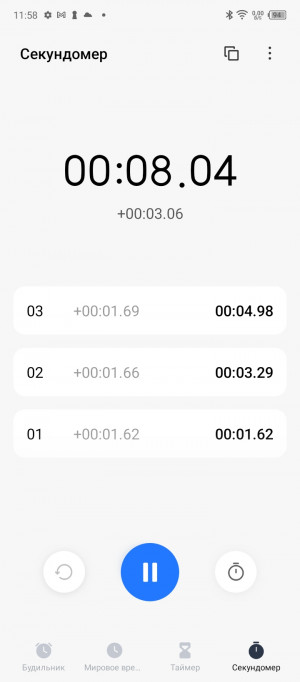
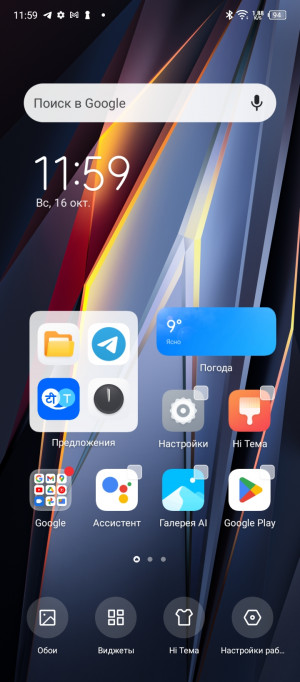
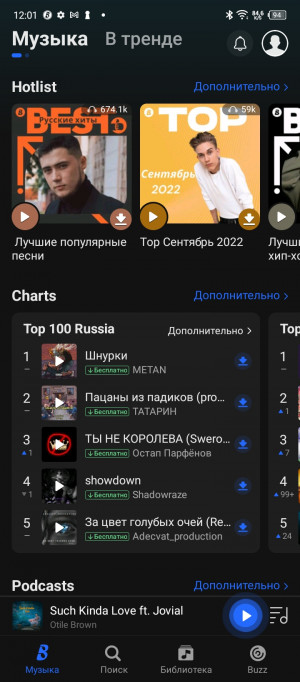
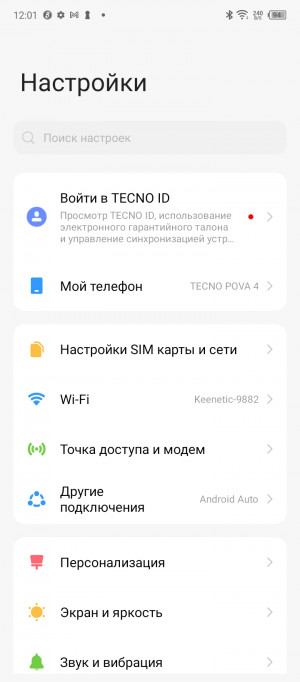
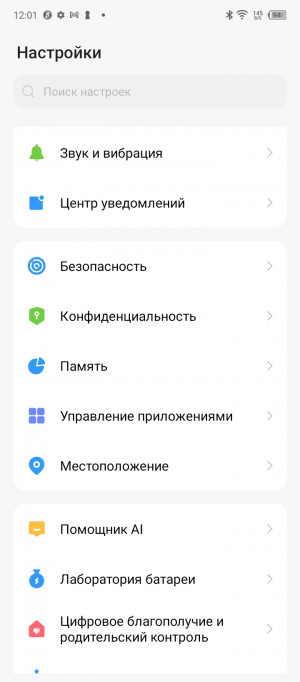
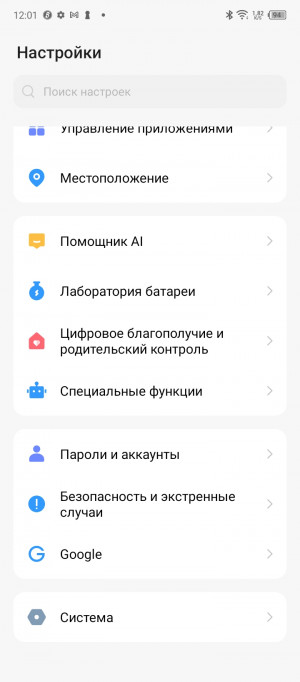
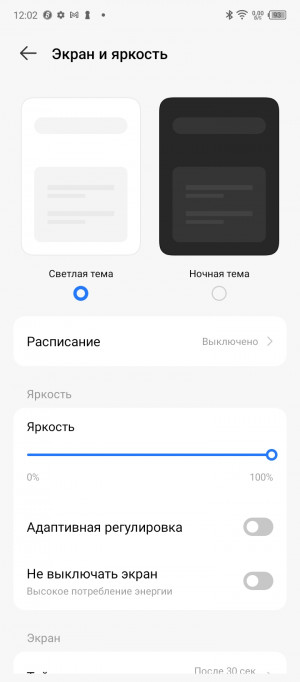
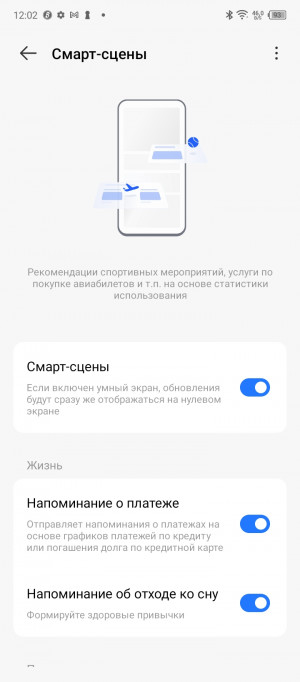
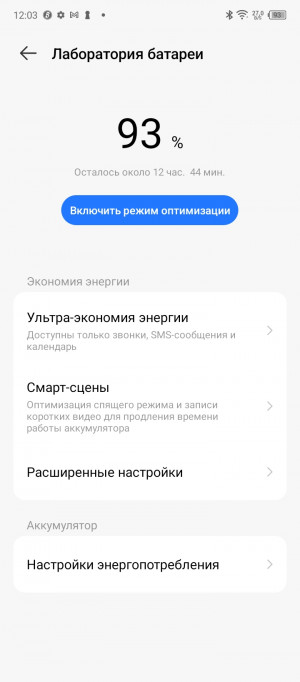
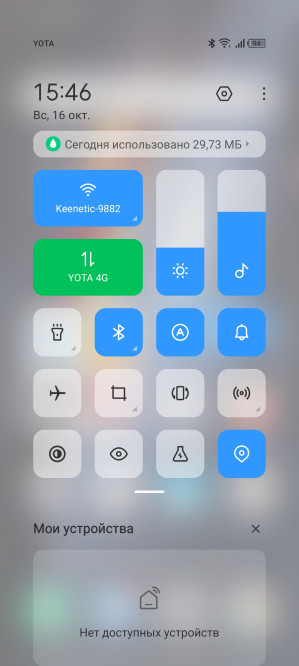
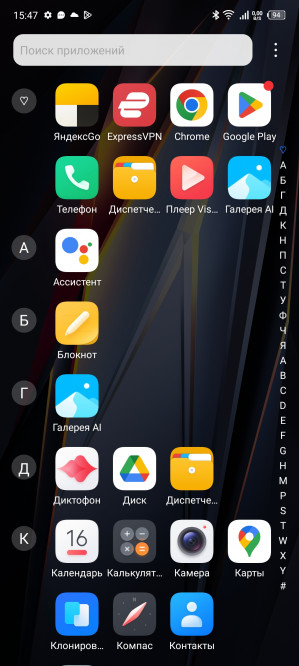
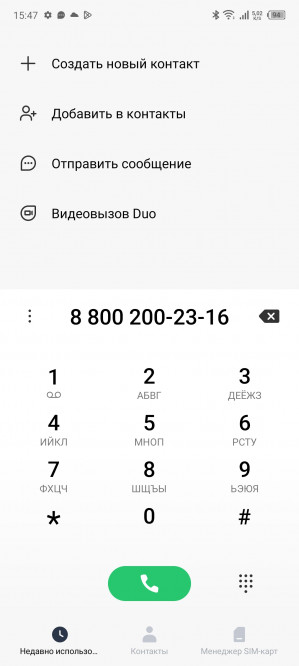
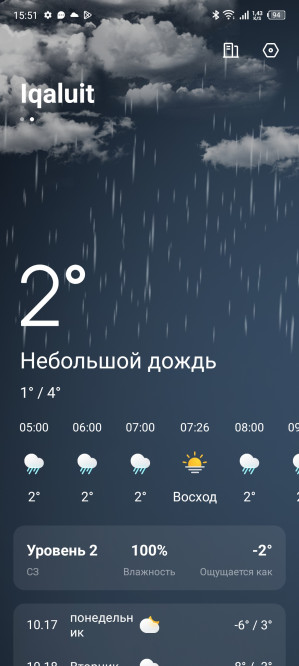
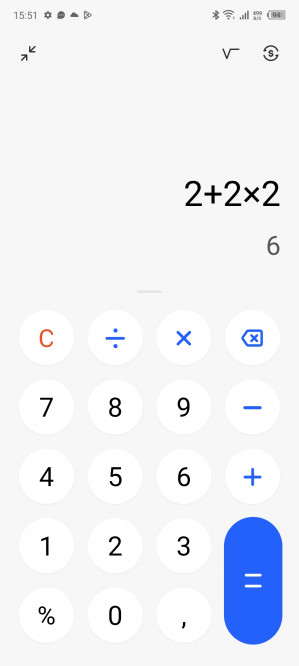
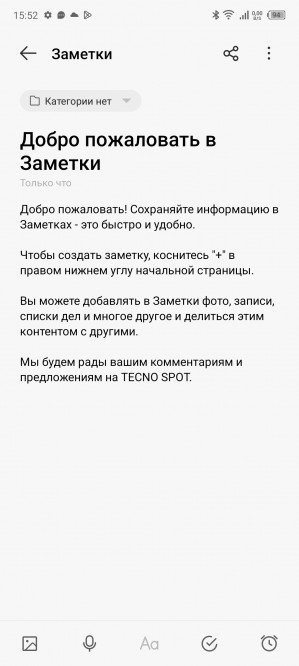
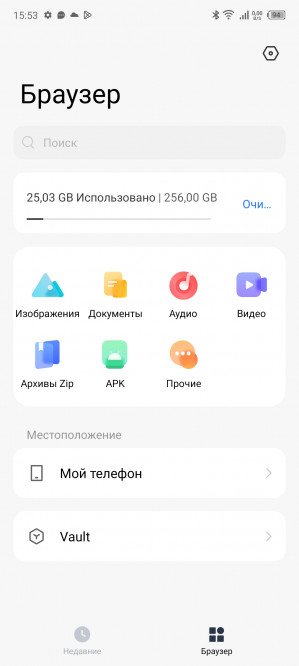
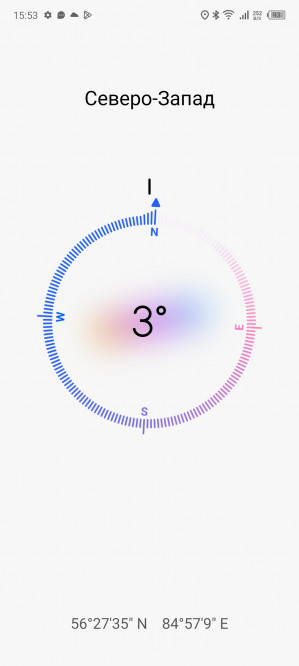
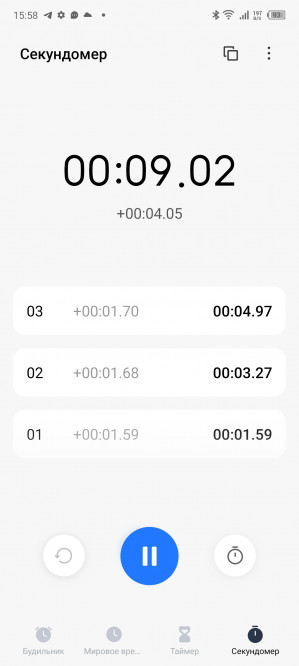
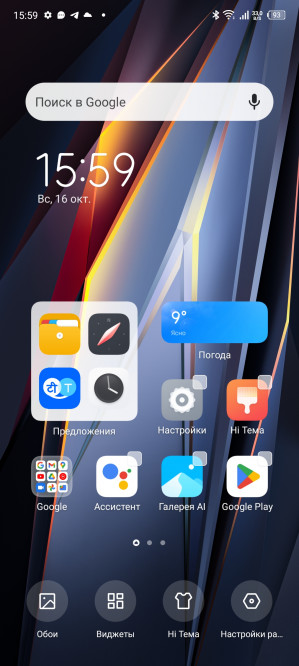
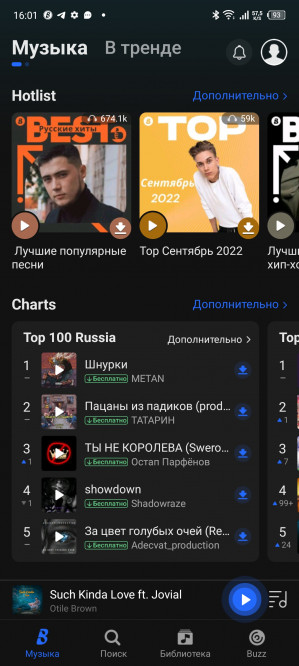
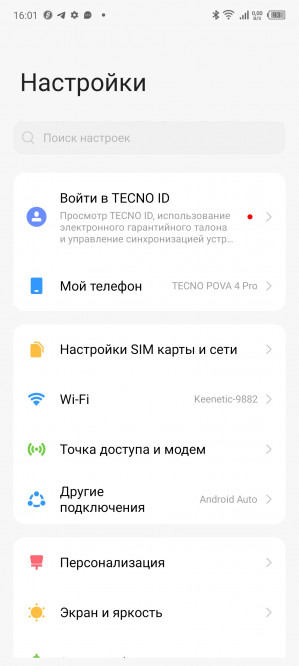
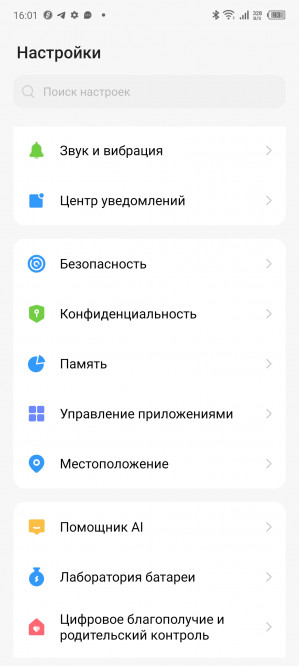
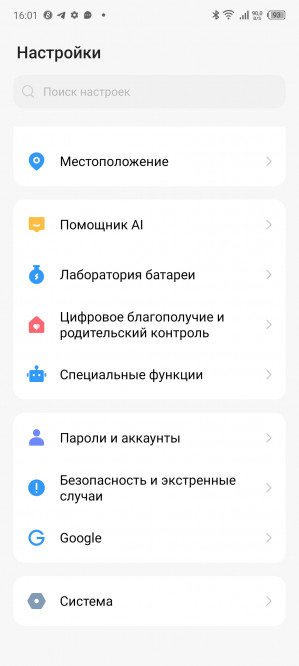
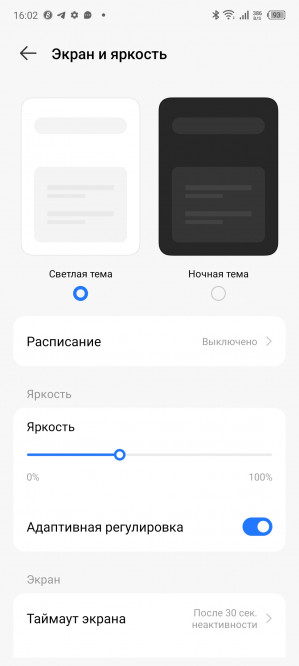
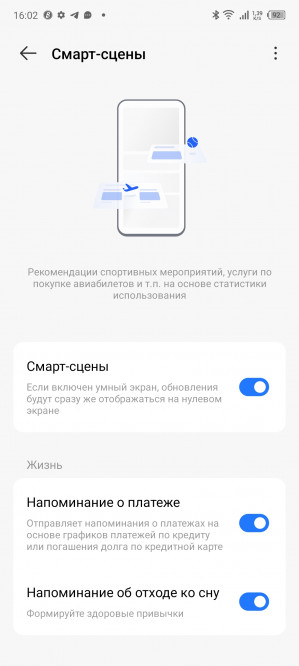
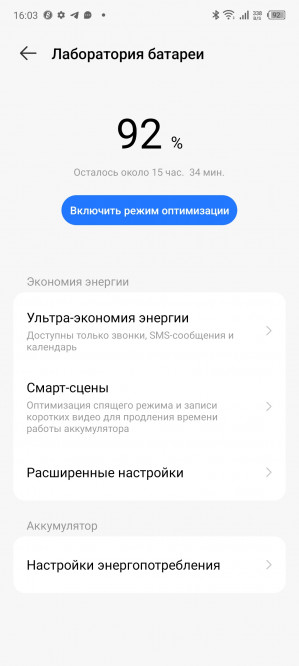
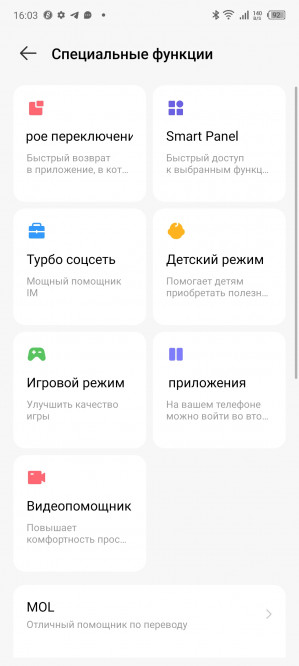
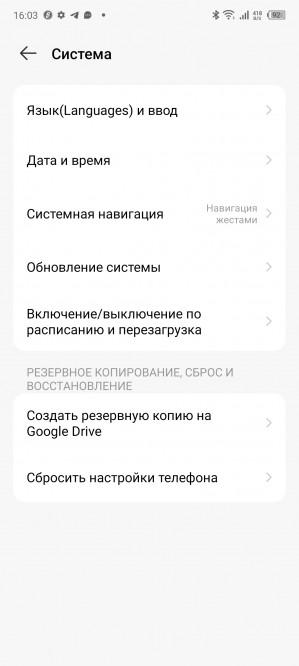
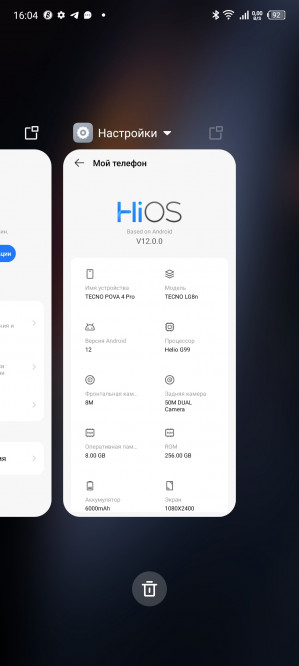
The firmware of both smartphones is HiOS 12 based onAndroid 12. A nice-looking and functional shell with almost no "garbage" out of the box. Things are not bad with stability - although a couple of times I had some problems with the touchscreen of a clearly software nature. Curiously, the software is not identical on the two models - the icons of some applications and other little things are different. In general, see the screenshots, study and compare:
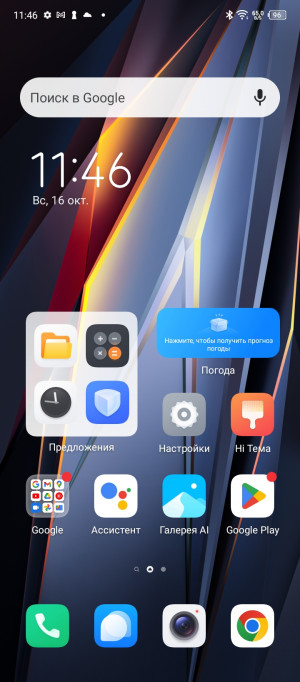
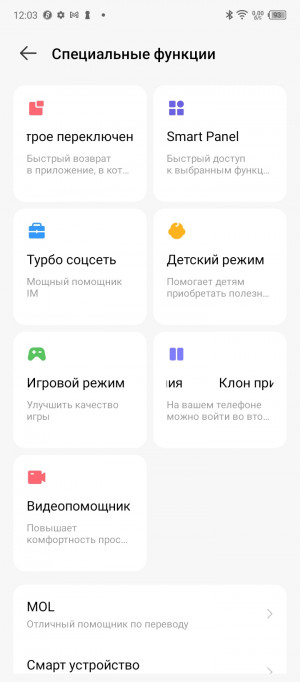
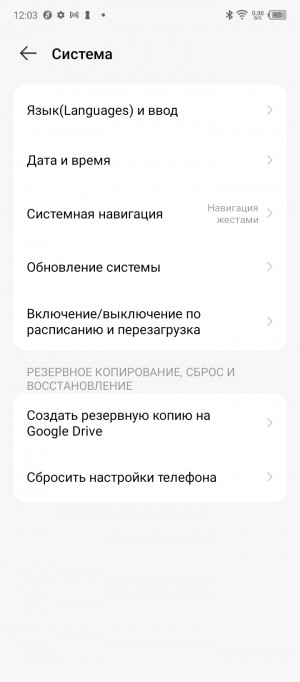
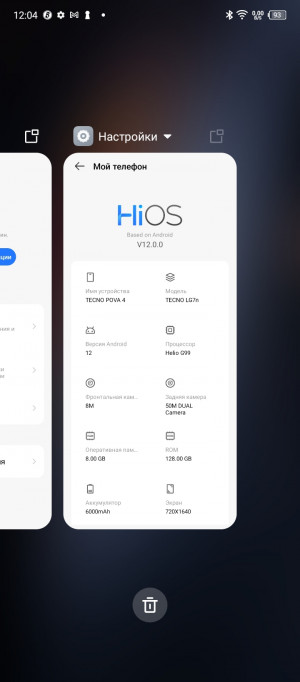
Tecno Pova 4
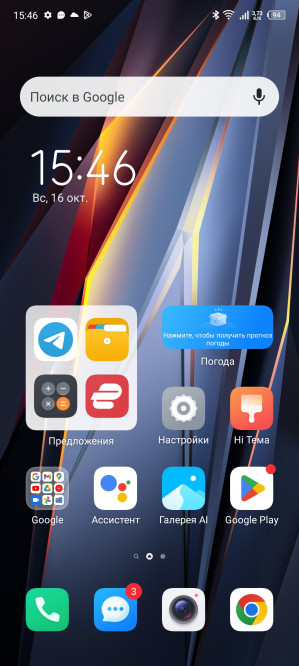
Tecno Pova 4 Pro
Cameras
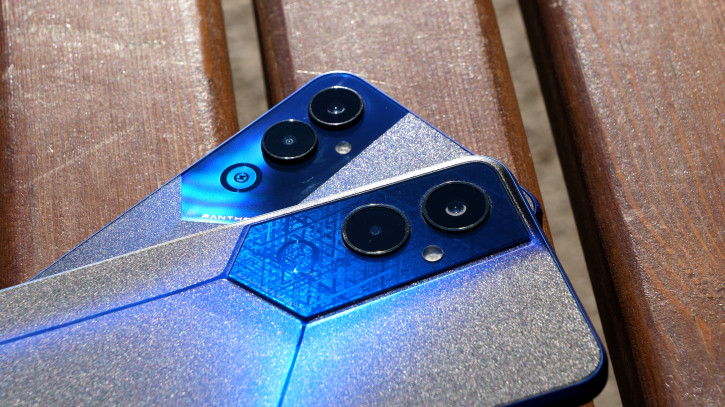
As I wrote at the very beginning of the review, cameras -not at all the main thing in Tecno Pova 4 and 4 Pro. So they are quite simple (and absolutely the same for the two models) - a 50-megapixel main lens based on Samsung JN1 plus a 0.08-megapixel plug (we don’t know what kind of sensor is there: fakeserial is indicated in Device Info HW instead of its name ). But Tecno never saves on flashes, so even here they are two-diode. Let's take a look at the results:
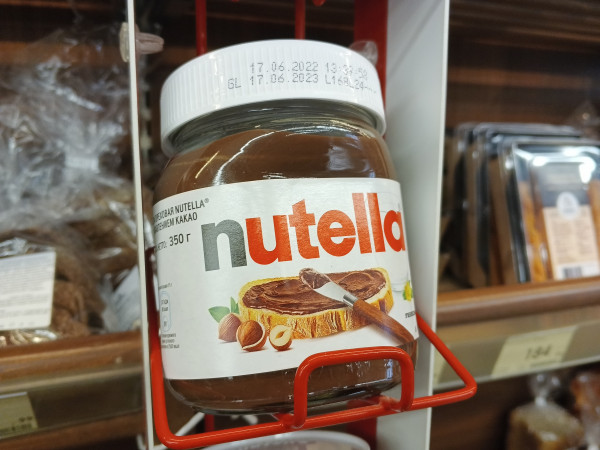
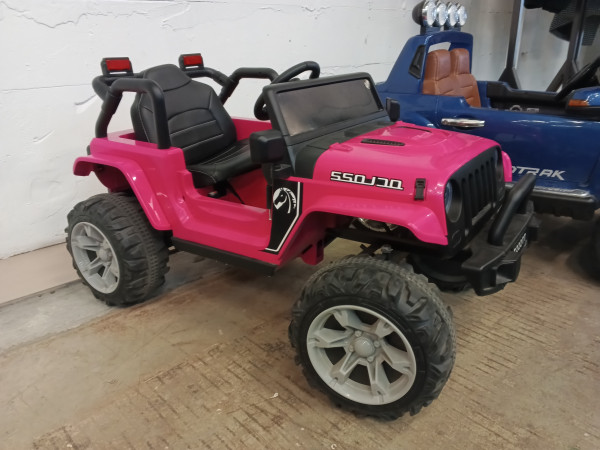
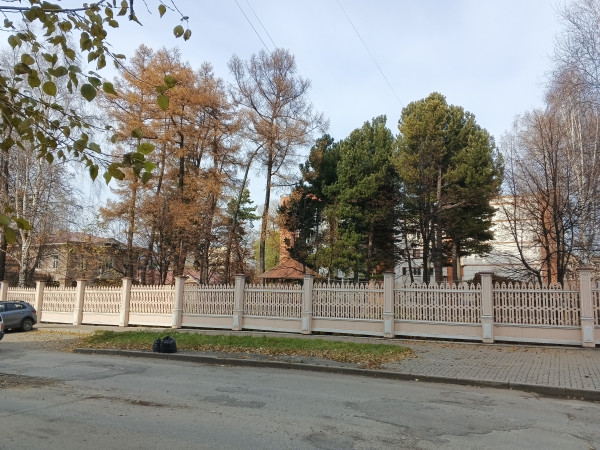
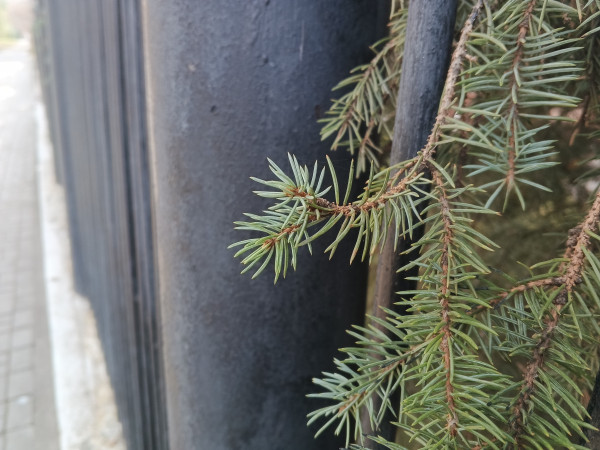

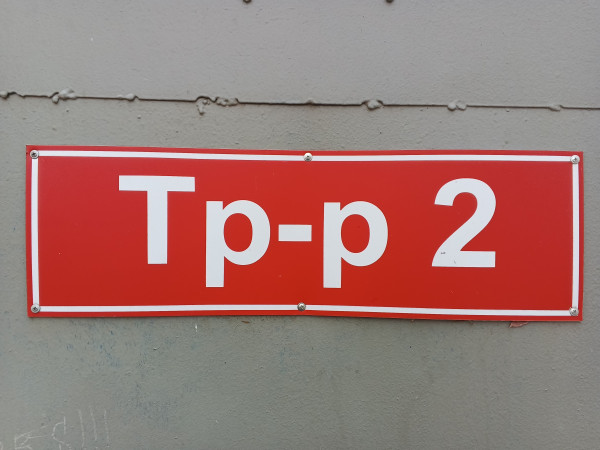
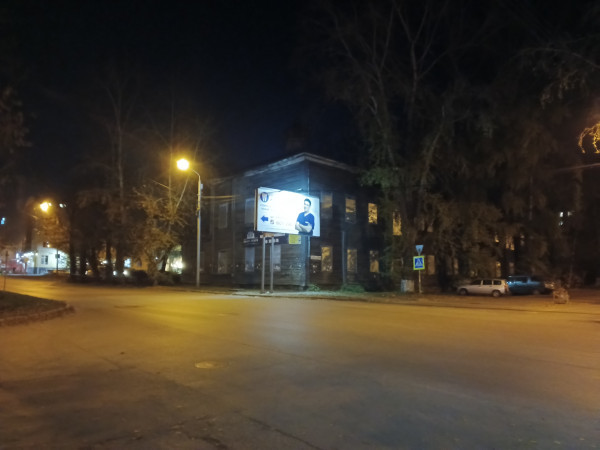



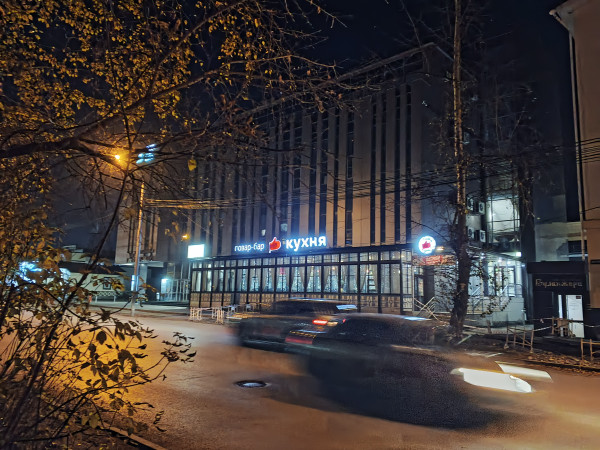



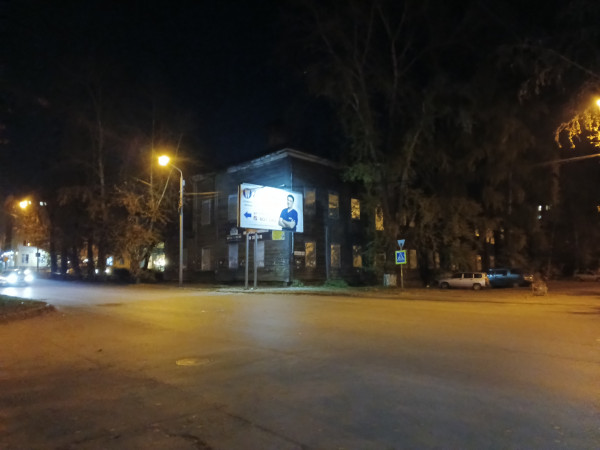


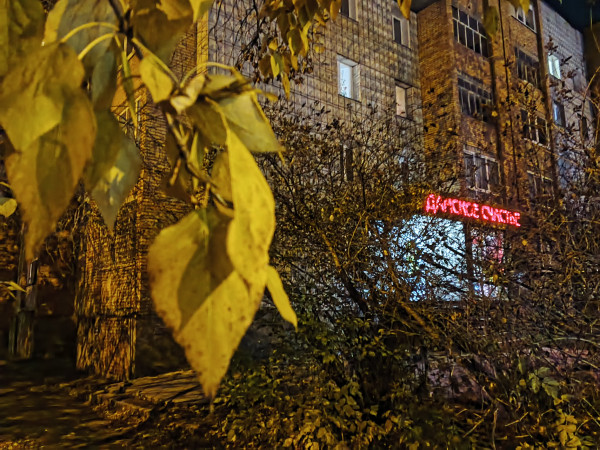
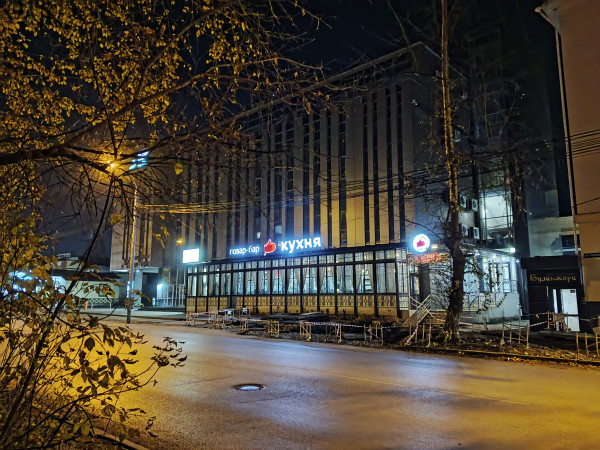
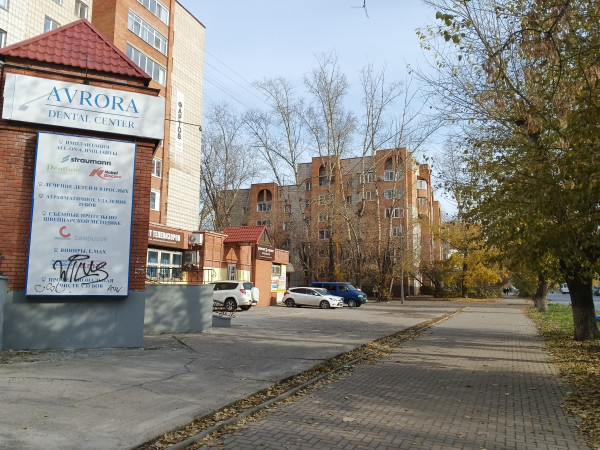
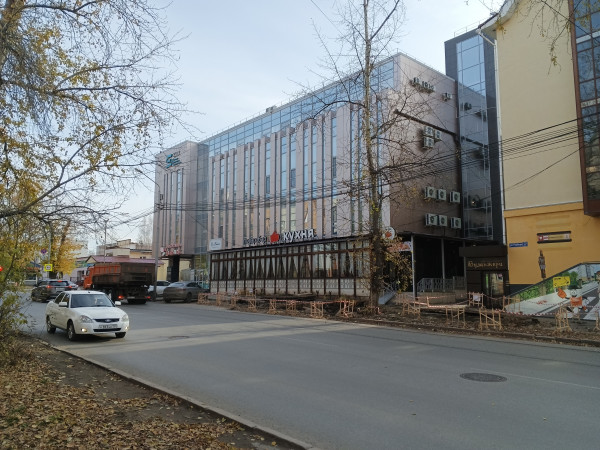
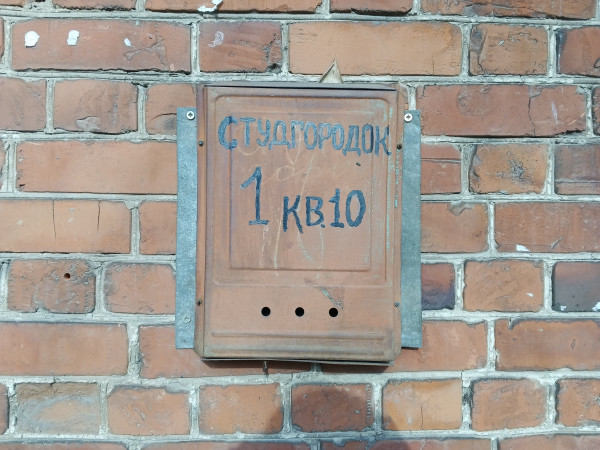

Not too bad, but definitely on camera phonedoes not pull. Typical budget camera. Good detail, stable color reproduction, no oversharp, little noise. Well, that is, algorithms over JN1 pulled good ones. At night, of course, this does not help - but there is a night mode that adds contrast and even adds detail, making very tolerable, although not always believable shots.
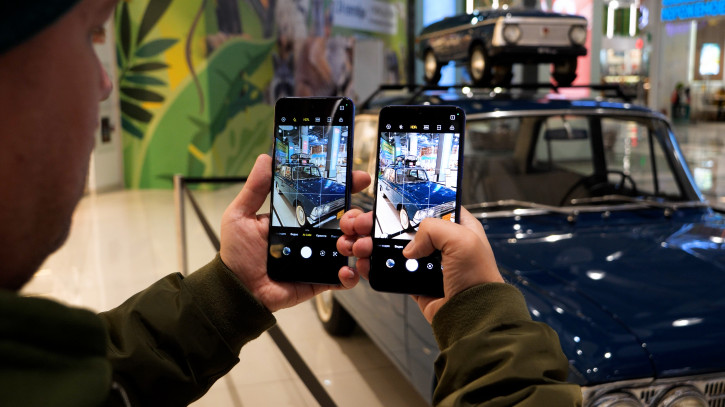
In terms of video, Tecno offers to choose one ofthree: either detail (1440p), or smoothness (60 fps), or stabilization (EIS). If you want to shoot handheld, then it is reasonable to choose stabilization - but not at night, where I definitely favor smoothness (higher frame rate - less blur). Well, for tripod shooting, the 1440p mode is suitable, where Tecno traditionally offers much more detail than any other smartphone without 4K support. Well done.


Tecno Pova 4


Tecno Pova 4 Pro
8-megapixel front camera based on a sensor fromGalaxyCore is suitable for video communication, but I would not publish selfies taken with it. But the video is not written badly - by the way, also in 1440p. At night, the camera, of course, is not capable of anything by itself, but it doesn’t need to. It has a flash, with which you can perfectly capture yourself. And I'm not talking about a screen flash, but about a full-fledged diode in the upper frame. Did I tell you that Tecno never skimps on flashes? ????
Performance and tests
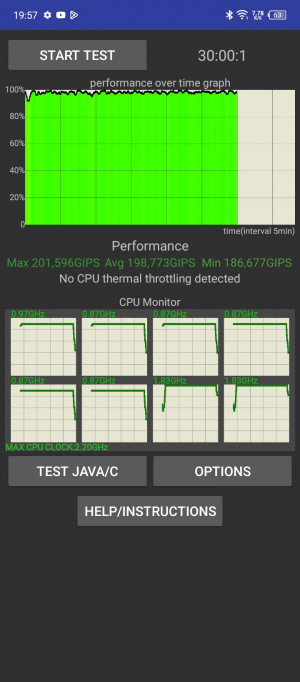
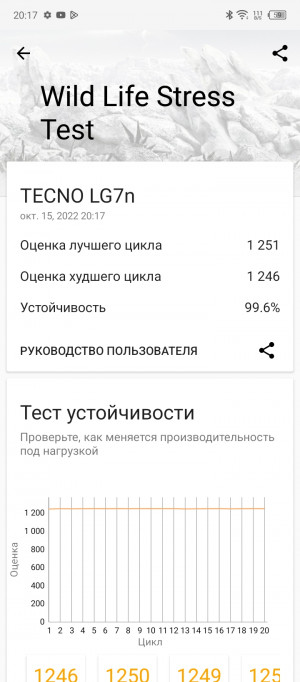
And so we have reached the point whereis the most important thing for any gamer - performance. I'll start with the fact that it's absolutely the same here. Both smartphones are powered by the MediaTek Helio G99 chipset and come with 8GB of RAM. The amount of ROM varies: 128 GB in the younger model and 256 GB in the older one. Helio G99 is MediaTek's answer to the super-popular Snapdragon 680 chipset. Also without 5G and also on a 6nm process technology, but based on Helio G96. And much more powerful than the competitor!
Tecno Pova 4
Tecno Pova 4 Pro
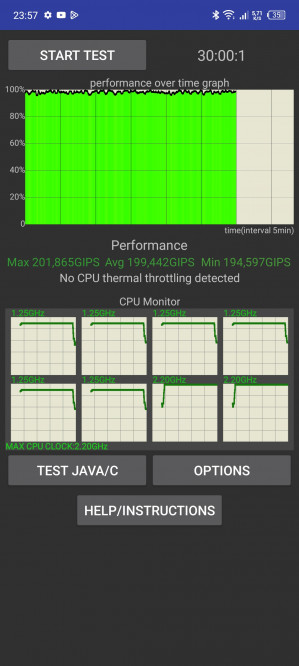
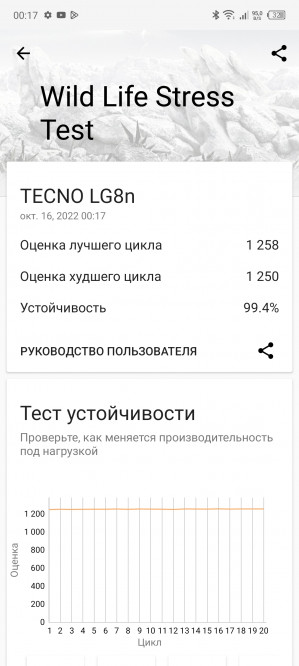
As with the Snapdragon 680, the combination is not the mostpowerful cores and modern manufacturing process gives the chip an impressive stability: Tecno Pova 4 and 4 Pro do not heat up, do not throttle, do not drop brightness and do not interfere with the user in other ways under load. Perhaps, in some conditions, something of this happens, but I did not manage to achieve this.
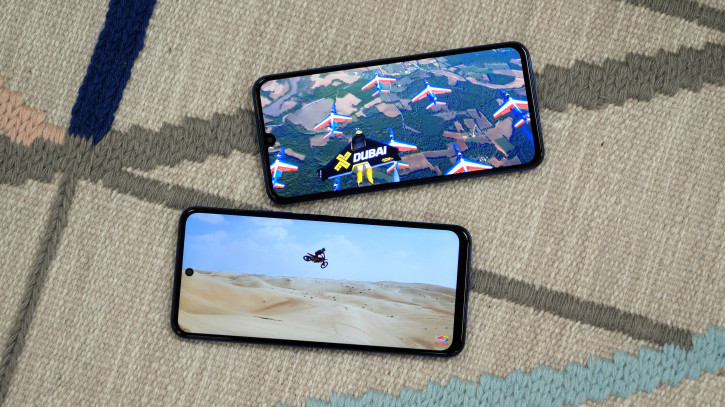
At the same time, swear at the performance of Helio G99absolutely impossible, this is a good mid-range chipset. Yes, there are occasional blunts in the interface, but these are more likely questions for HiOS, which has been greatly spoiled with optimization with the latest updates. But in games things are good. Genshin Impact runs smoothly at medium settings at 60Hz and is even playable at high settings, PUBG: New State looks good at high graphics levels, and simpler titles like Into the Dead 2 and Standoff 2 run without any problems at all. Well, if mobile games are something like Minimal Escape and That Level Again for you, then there is nothing to worry about at all; True, it is not clear why you then buy an igrophone. It is better to look towards less productive phones with other chips.
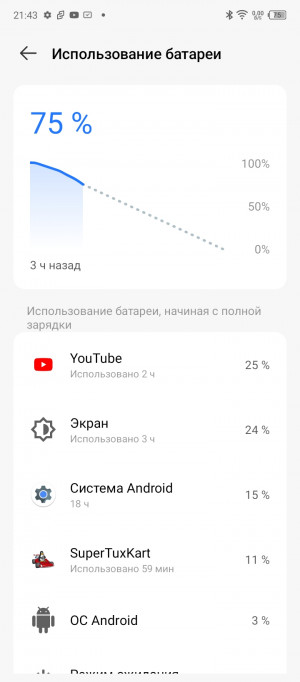
Tecno Pova 4
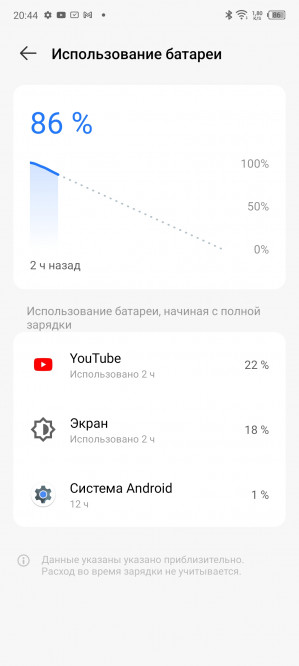
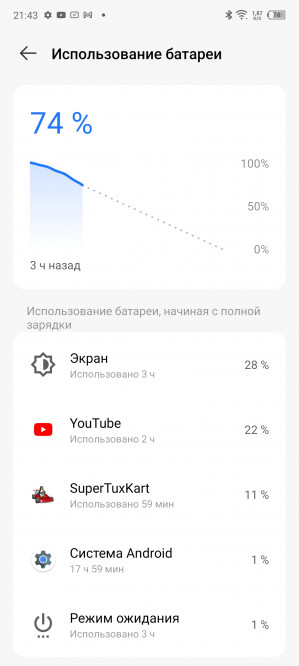
Tecno Pova 4 Pro
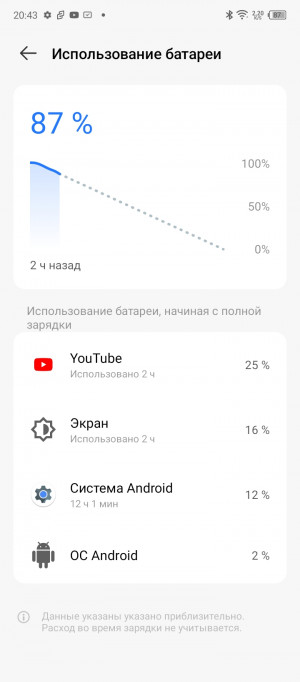
These smartphones have no problems withautonomy - let's say thanks to the 6000 mAh batteries that were installed in both Pova 4 and Pova 4 Pro. In tests with maximum brightness, Pova 4 Pro discharges a little faster, but only because its maximum brightness is noticeably higher - 14% in two hours of YouTube and 12% in SuperTuxKart for Pova 4 Pro versus 13% in video and 12% in Pova 4 has excellent results, and paired with auto-brightness, they can easily last 2-3 days of active use. Well, or a full day of games, from morning to evening. But we do not recommend this.
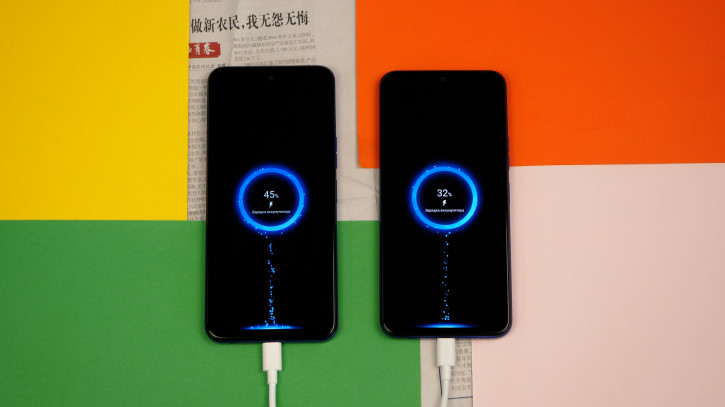
And if Tecno Pova 4 and Pova 4 Pro run out of batteryequally slow, then their charging speed is completely different, because, let me remind you, the younger model supports only 18 watts of charging, and the older one supports all 45 watts. So the Pova 4 Pro has a really fast charge: half in 25 minutes, up to 90% in 48 minutes and fully in 63 minutes. But Pova 4 is in no hurry: half in 55 minutes, up to 90% in 1 hour 52 minutes and completely in 2 hours 35 minutes. If fast charging is important to you, by all means choose Tecno Pova 4 Pro.
Conclusions
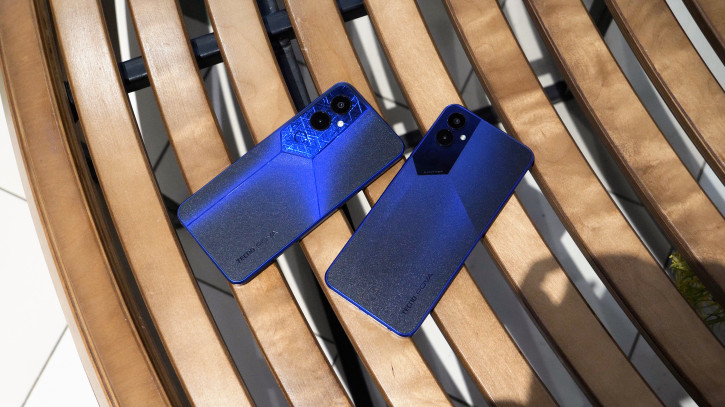
Tecno Pova 4 costs only 14,990 in ru-retailrubles, and for Pova 4 Pro they ask for 17,990 rubles. The younger model is a good gaming phone for its money - the performance is on the level, the autonomy is good, the screen is hertz, stereo. As a "gaming phone for a child" - definitely yes. There are more questions about the Pova 4 Pro, because there are many excellent options in its price category - including the Camon 19 Pro, which is not much inferior in performance, but offers a good camera as a gift. But if iron and battery are a priority for you, then you should take a closer look at Pova 4 Pro.
Check prices Tecno Pova 4 / 4 Pro
© Oleg Lazarev.