Engineers have begun construction of the Square Kilometer Array (SKA) observatory, which is expected to be the largest
The telescope can detect radio signals in a widefrequency range from 70 MHz. Its total area of observation will be one square kilometer. Instead of operating with one large antenna, it will consist of a precisely engineered network of antennas spread across two sites. The SKA-Mid array, which will be located in the Karoo Desert in South Africa, will use 197 antennas, each 15 meters in diameter, for listening to the mid-frequency bands. The SKA-Low array listening to the lower frequency bands will consist of 131,000 antennas located in western Australia north of Perth.
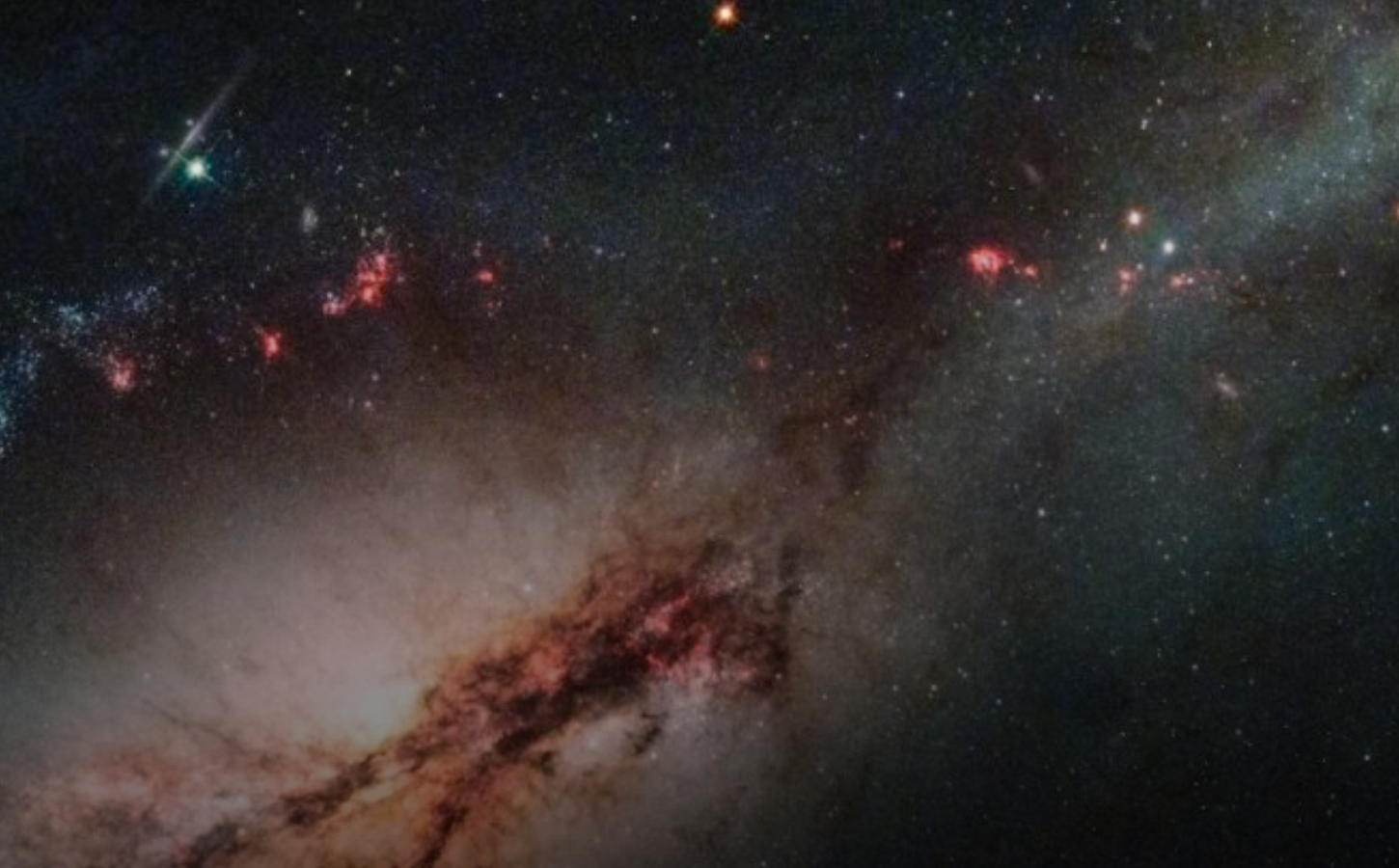
Scientists confirm the existence of a new type of supernova after 40 years of theories
“Today humanity is making another giantleap, committing to build the largest science facility on the planet. It is not one, but two of the largest and most sophisticated radio telescopes designed to reveal some of the most fascinating mysteries of our universe, ”the scientists said in a statement.
The array will be able to detect objects that are at such a distance that radio waves will take 13 billion years to reach Earth. This will allow a glimpse into the earliest stages of the evolution of the Universe.
“The device will play an important role in manyfields including astrophysics, cosmology and fundamental physics, the researchers noted. "It will be able to answer some unresolved questions about the evolution of galaxies and provide a unique opportunity to begin studying the source material underlying the formation and evolution of objects."
SKA will be able to provide higher quality images than the Hubble Space Telescope.
Read more:
An unknown type of signal is recorded in the human brain
Unusual sand found in the Kuril Islands, from which Japanese samurai made swords
The largest comet in history is seen in the solar system: it is almost a planet