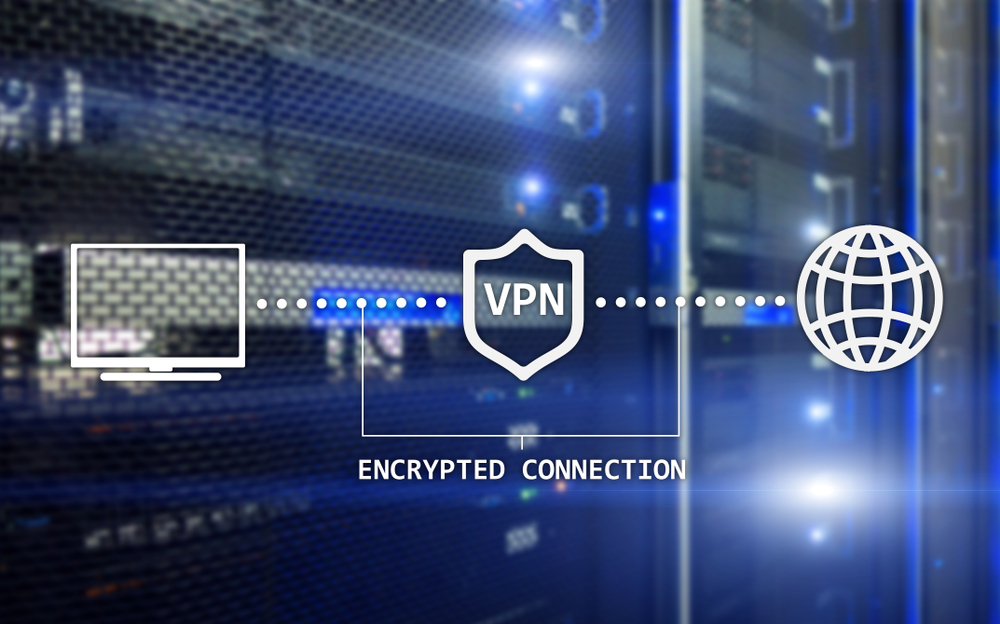
When you connect to a VPN, an encrypted tunnel is created between the computer and the endpoint server,
What is the danger?
Using free VPNs is associated with data breaches and active surveillance of users, explainsin an interview with Wired, Simon Migliano, head of research at Top10VPN.com.
There are commercial VPN providers (such asWindscribe, TunnelBear, and ProtonVPN) that provide free layers of security to promote commercial services or even as a public good. But there are also advertising-funded mobile services, and you should be careful when using them.
In July 2020, company researchersComparitech discovered that UFO VPN, a Hong Kong-based provider, stores not only these user data, but access records and plain text passwords in a public database (the company has previously claimed that the provider keeps no user activity logs).
We always advise readers not to usefree VPN services because they tend to have less robust security and privacy policies,” Comparitech said. “Many providers collect user data that they use for advertising. This fundamentally defeats the purpose of using a VPN for privacy.”
Even though such out-of-contract storage and data mishandling are relatively rarely disclosed, many free mobile VPNs have an unreliable (or non-existent) data handling policyAnd these are just some of the problems identified in the Top10VPN analysis .
Free VPNs don't provide user privacy.When Comparitech first tested the top 150 VPNs for Android last year, 25% of the services were unreliable.The privacy of almost one in ten users has been violated.
Hola VPN also turned out to be problematic, which has more50 million installs on Android. “Given the very high turnover of such applications in stores, finding a VPN that does not save your activity in the browser is a real lottery,” experts say.
How is a VPN related to the law?
It is very important where your VPN is located becauselocal laws dictate what data governments and law enforcement can access. This past June, Top10VPN singled out several free VPN providers with privacy and security records based in China or Hong Kong. Given recent changes to Hong Kong's security laws that require user activity logs to be kept by service providers, the news has alarmed security experts.

It is because of data retention laws inHong Kong, the UK, Russia, and Ireland, many privacy-focused VPN providers have legal headquarters in Panama and the British Virgin Islands. These territories are not part of international government oversight and intelligence sharing agreements.
Data retention requirements in countries such asUnited Kingdom, led to the fact that logs with user activity were openly transferred to law enforcement agencies, notes Wired. Even for the most law-abiding VPN user, this is fraught with problems.
How do you protect yourself?
If you're using a VPN for security, then don'tyou should contact an unknown service provider. In fact, you simply choose another company that will track the activities instead of the provider. Even if you just need a VPN to switch regions, first think about what phone and activity data you're sharing and to whom.
Although the gold standard of privacyis a properly configured VPN endpoint that the user can control, this is not a realistic scenario. However, Wired experts assure that commercial non-data VPN services do exist. Some of them are even free.
However, it's worth remembering that if you have a specific request or requirements for VPN services , you need to make sure that your ISPCheck their transparency, logging policies, and see if the company's history has had lawsuits and security issues in the past.
Read also
The Doomsday glacier turned out to be more dangerous than scientists thought. We tell the main thing
Scientists have found a fast path through the solar system
Found the alleged kingdom of the disappeared Hittites. What have archaeologists found?