What is the Anthropocene?
People are the dominant force of change on the planet, ushering in a new era,
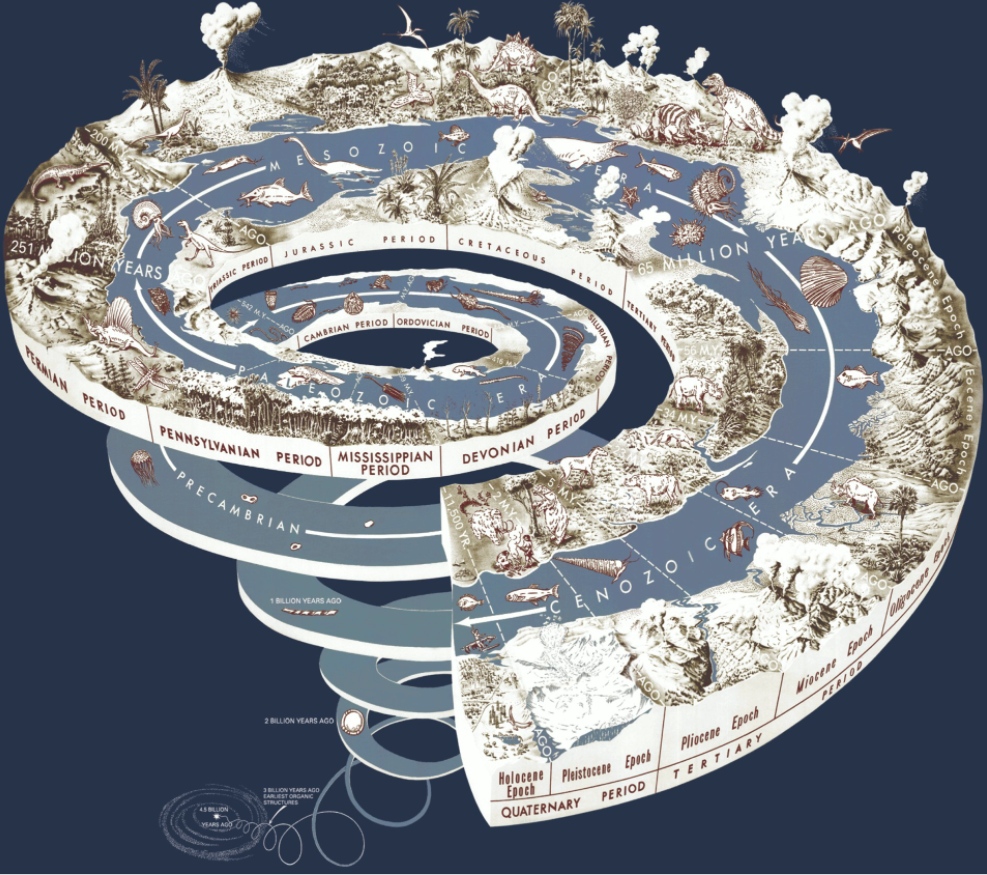
The term "Anthropocene" was coined in the 1980syears ecologist Eugene Stormer and widely popularized by atmospheric chemist Nobel laureate chemist Paul Crutzen, who first used the term "Anthropocene" in 2000. The International Union of Geological Sciences announced plans in 2019 to adopt the epoch as an official part of the stratigraphic scale .
The formal date for the onset of a new erait is proposed to consider 1950 - the date when, after the first nuclear tests of the 40s, a layer of radioactive elements formed on the Earth's surface. Although de facto, fundamental irreversible changes in terrestrial geology and fauna began in the 19th century, after the industrial revolution.
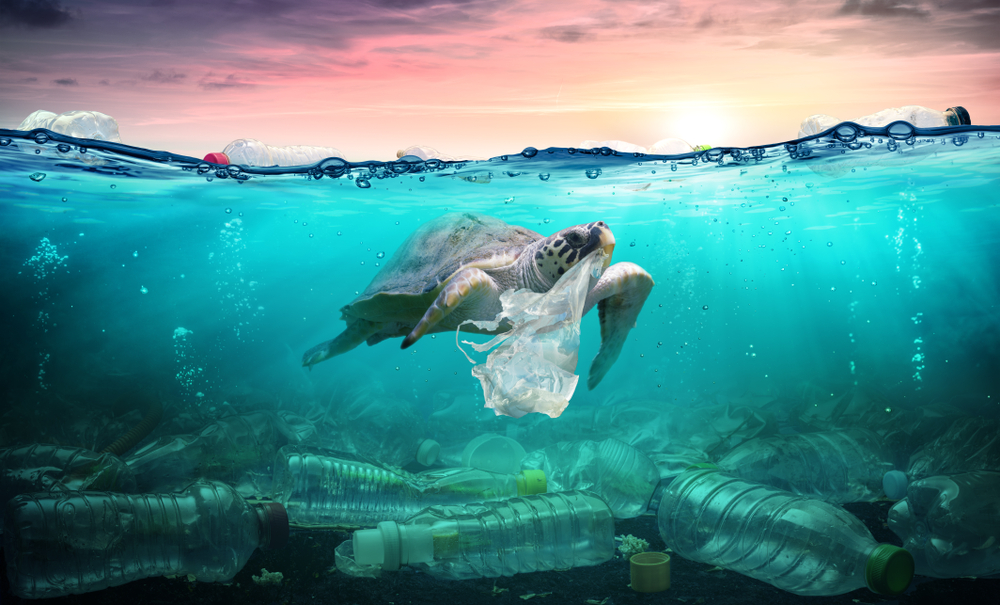
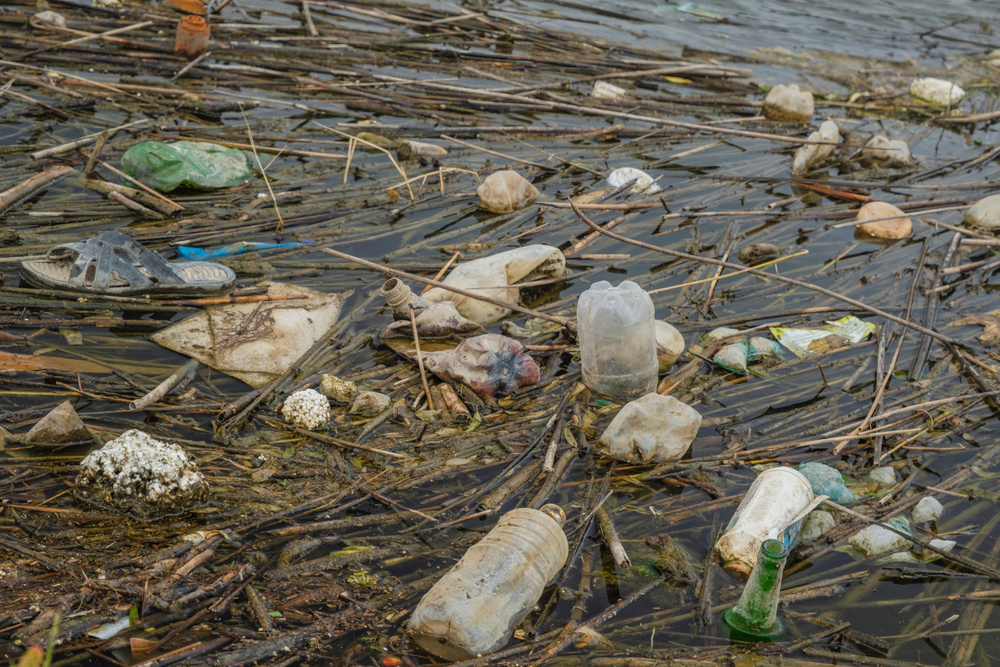
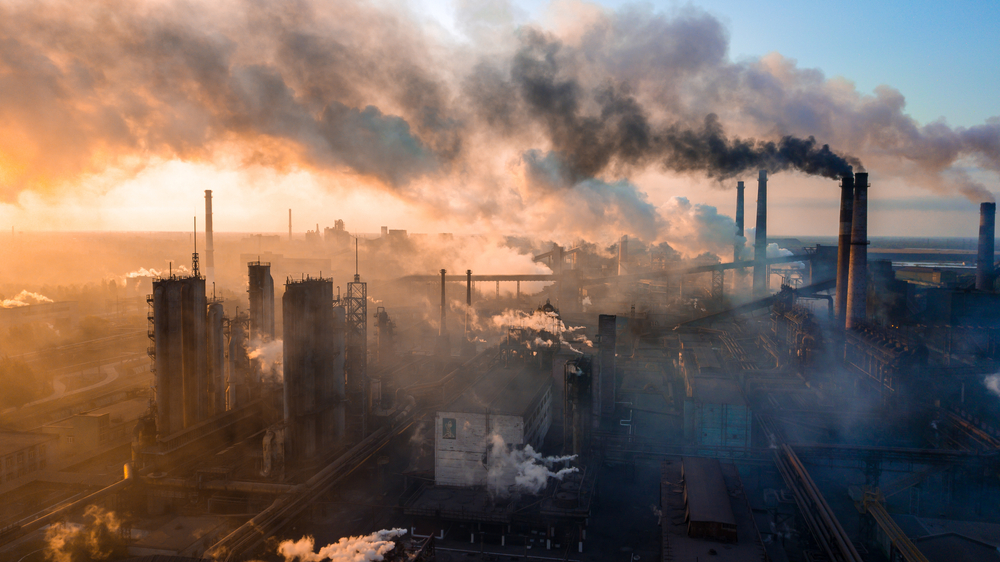
The clearest geological marker of a new era -ubiquitous distribution of radioactive elements on the Earth's surface due to radioactive fallout. Scientists are considering other markers that distinguish the Anthropocene from the previous Holocene period, including surface pollution by plastic waste (by 2050, the mass of plastic in the world's oceans will exceed the mass of fish), soot from power plants, and concrete. Even such an exotic marker as a large amount of bones from poultry in the soil is considered. In general, all markers are considered that will allow geologists of the future to determine by soil layers that a certain event took place precisely in the Anthropocene epoch. The geological layer should be clearly visible in the soil after millions of years.

Among other characteristics of the Anthropocene is the massextinction of flora and fauna (if the current trend continues, then 75% of species will disappear within the next centuries); the fastest increase in atmospheric carbon dioxide in the last 66 million years, a doubling of the amount of nitrogen and phosphorus in the soil over the last century (presumably the most significant change in the nitrogen cycle in the last 2.5 billion years), the appearance of a permanent layer of solid precipitation from the air (soot) in glacial ice.
What is the biosphere and how has humanity changed it?
The biosphere is the shell of the Earth inhabited by living thingsorganisms, which is under their influence and occupied by the products of their vital activity, as well as the totality of its properties as a planet where conditions are created for the development of biological systems; global ecosystem of the Earth.
The biosphere itself is a set of parts of living shells (litho-, hydro- and atmosphere), which is inhabited by living organisms, is under their influence and is occupied by the products of their vital activity.
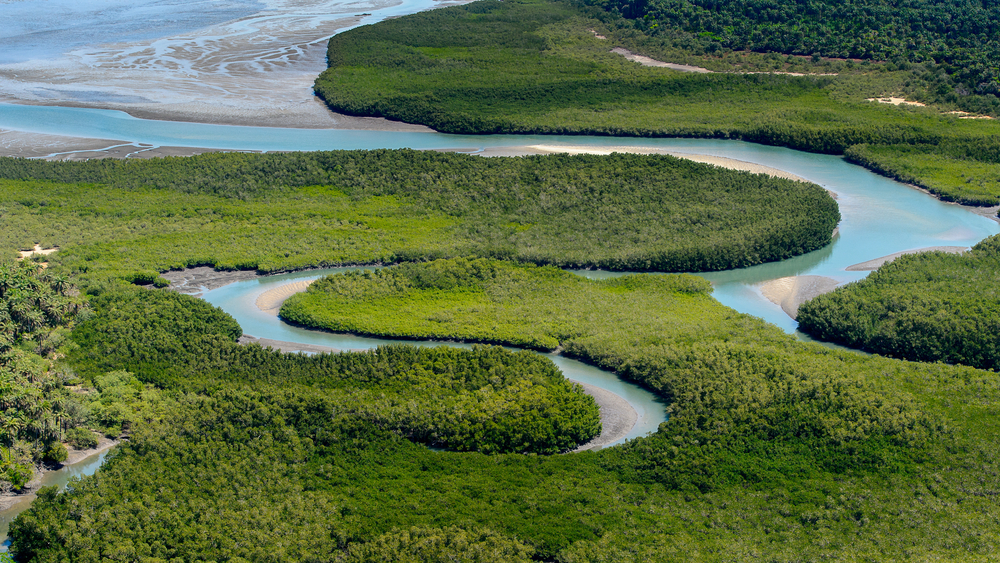
The biosphere is a global ecosystem.It covers the entire hydrosphere, the upper lithosphere and the lower atmosphere. The term "biosphere" was introduced by the Austrian geologist E. Suess (1873). The foundations of the theory of the biosphere were laid by V.I.Vernadsky (1919, 1926). As the founder of geochemistry, he conducted the first studies of the regularities of the structure and composition of interacting elements and structures of the earth's crust, hydrosphere and atmosphere, investigated the migration of chemical elements in the lithosphere and the role of radioactive elements in its evolution.
In 1923 he formulated the theory of the leadingthe role of living organisms in geochemical processes; in 1926 - the concept and definition of the biosphere and living matter; the doctrine was created, according to which living matter, transforming solar radiation, involves inorganic matter in a continuous cycle - the central concept of biogeochemistry.
Scientists today view society as part ofbiosphere, and not separate from it. Depending on the collective actions of mankind, future conditions can be both favorable and hostile for human life and well-being in the biosphere of the Anthropocene. Whether humankind has the collective wisdom to navigate the Anthropocene and maintain a habitable biosphere for humans and civilizations, as well as the rest of the life we live with on our planet, is the greatest challenge facing humanity.
The new report provides a systematic overviewthe biosphere of the Anthropocene, that is, the biosphere formed by human actions. It is built around the main themes of the first Nobel Prize summit - “Our planet, our future”. Namely: climate change and biodiversity loss, inequality and global resilience, and science, technology and innovation to transform societies while predicting and reducing potential harm.
Water serves as the bloodstream of the biosphere, and carbon,Nitrogen and other biogeochemical cycles are essential for all life on Earth, a complex adaptive interaction between living organisms, climate and the broader processes of the Earth system that has evolved into a sustainable biosphere.
The biosphere has existed for about 3.5 billion years. Modern people (Homo sapiens) actually exist in the biosphere about 250,000years. Under the influence of the Sun, the biosphere and the Earth system evolve together with human actions as an integral part of this joint evolution. Social conditions, health, culture, democracy, power, justice, inequality, security and even survival issues are intertwined with the Earth system and its biosphere in complex interactions.
 Fig. 1 House of Humanity.Our economies, societies and civilizations are embedded in the biosphere, the thinnest layer of life on planet Earth. There is a dynamic interaction between the living biosphere and the wider Earth system, with the atmosphere, hydrosphere, lithosphere, cryosphere, and climate system. People have become the main force in shaping this interaction. Work by J. Lockranz, Azote From: Our Future in the Anthropocene Biosphere
Belief systems that view people andnature as separate entities, emerged along with economic development, technological change and cultural evolution. Being embedded in the biosphere means that the environment is not something outside the economy or society or a driving force to be considered if desired. Rather, it is the very foundation of humanity, within which civilizations exist and on which they rely.
How humans became the dominant force on Earth
The human population has reached a billion1800 year. It doubled to 2 billion in about 1930 and doubled again to 4 billion in about 1974. The world's population is currently approaching 8 billion and is expected to stabilize at about 9-11 billion by the end of this century. Over the past century, and especially since the 1950s, there has been an amazing acceleration and expansion of human activity in a convergent globalized society, fueled by the discovery and use of fossil energy, as well as innovation in social organization, technology and cultural evolution. Globalization has helped focus attention on human rights, international relations and agreements leading to cooperation. The health and material standards of many have improved, and many are living longer than at any other time in history. The boundaries between developed and developing regions have become blurred, and global economic activity is increasingly dispersed across production networks that connect metropolitan areas around the world.
There is now ample evidence thatcumulative human culture has expanded to such an extent that it has become a significant global force influencing the work of the Earth system and its biosphere at the planetary level. As a reflection of this unprecedented expansion, a new era is proposed in the geochronological scale - the Anthropocene, the era of humanity.
Work on anthropogenic biomes shows thatover 75% of the Earth's ice-free land mass is directly altered by human activities. Human dominance is also reflected in the weight of the current human population, which is 10 times that of all wild mammals. By the way, the weight of domesticated birds is about three times that of wild birds. The human dimension has become the dominant force in shaping the evolution of all species on Earth.
Nowadays people are mostly an urban species,about 55% of the population lives in urban areas. By mid-century, about 7 in 10 people are expected to live in cities. In terms of urban land area, this is equivalent to building a city the size of New York City every 8 days. Urbanization is leading to increased consumption and there is growing evidence that urban areas are accelerating the evolutionary changes of species that play important functional roles in communities and ecosystems.
In addition, suchimportant features of the globalized world, such as physical infrastructure, technological artifacts, new substances and related social and technological networks. The total weight of everything that is created by people - from houses and bridges to computers and clothes, is about to exceed the mass of all life on the planet. The extensive dimension of the "technosphere" underlines the novelty of the planetary changes taking place, plays an important role in shaping the global dynamics of the biosphere and has already left a deep mark on the Earth system.
The idea of what humanity isexternal to the biosphere, allowed the creation of models in which it is expected that technological progress will allow humanity to receive an ever-growing GDP and, therefore, consumption. This view was comparatively harmless as long as the biosphere was stable enough to meet the needs of humanity. But the situation has changed and it has far-reaching implications for current models of economic opportunity.
What awaits earthlings in the next 10 years?
“The risks we are taking are astounding -said co-author Johan Rockström and director of the Potsdam Institute for Climate Impact Research. “We are at the dawn of a decade that should be revolutionary. The Nobel Prize Summit is really a scientific community screaming 'Wake up!'
“In one human life, mainly from the 1950syears, we have greatly simplified the biosphere, a system that has evolved over 3.8 billion years. Now only a few plants and animals dominate land and oceans, adds lead author Carl Folke and director of the Beyer Institute for Ecological Economics. Humanity must become an effective steward of the planet's resources. "
Rising greenhouse gas emissions mean thatIn the next 50 years, between 1 and 3 billion people are projected to live in conditions that go beyond those that have served civilizations well over the past 6,000 years, according to a summary of the report.
“This is a decisive decade for humanity.This decade we must bend the curve on greenhouse gas emissions and the outrageous loss of biodiversity. It's time for us to change what we eat and how we farm. And this is just part of many other transformations,” emphasizes report co-author Line Gordon and director of the Stockholm Resilience Center. In other words, in the next 10 years people will have a lot of work to do to change the principles of their entire existence, otherwise the consequences will be catastrophic, scientists note.
Instead of listing well-knownsolutions such as wind power, solar power or a plant-based diet, researchers are highlighting the barriers to progress. The two most serious of these are unsustainable levels of inequality and technology that undermine societal goals. In other words, the unequal distribution of green technologies among states is extremely harmful to the planet and can neutralize the efforts of individual countries.
The report concludes that socialinequality and environmental problems are deeply intertwined. For example, solving the problem of inequality will increase the level of trust in society. The report argues that this is what governments need to make long-term decisions. Misinformation spread on social media and lack of access to reliable knowledge are also considered to be an obstacle to progress.
Scientists also pay attention to the risks associated with next generation technologies.
"As the Earth intensifieshuman activity is growing and there is growing hope that technologies such as artificial intelligence will help us cope with climate and environmental change. However, this will only happen if we act decisively, redirecting the direction of technological change towards global governance and responsible innovation,” explains co-author Victor Galaz and deputy director of the Stockholm Resilience Centre.
Pandemic - a logical continuation of the Anthropocene
Pandemics such as the COVID-19 outbreak and relatedwith it, health interventions overlap with climate hazards and are exacerbated by the economic crisis and long-standing socioeconomic and racial disparities both within countries and between regions.
The question remains - what can we extractfrom a global pandemic to reduce the risk of future shocks? And what can be done in this decade to set the world on the path to a more sustainable and prosperous future for all of humanity?
“The global pandemic is a phenomenon of the Anthropocene.It is caused by our intertwined relationship with nature and our hyperconnection. But the pandemic crisis presents an opportunity to change the course of history. This is the moment to accelerate action to stabilize the Earth for future generations, ”the scientists conclude.
Read more
Physicists have created an analogue of a black hole and confirmed Hawking's theory. Where it leads?
Scientists have discovered the mythical particle of Odderon
The most mysterious natural phenomenon. Where does ball lightning come from and how is it dangerous?