The size of the land covered by frozen water is as important as its mass. The fact is that the bright white surface
The cryosphere is one of the most sensitiveclimate indicators, it clearly shows how the world is changing. Reducing its size concerns everyone; it is not not a regional or local problem.
Xiaoqing Peng, a physical geographer at Lanzhou University and first author of the study
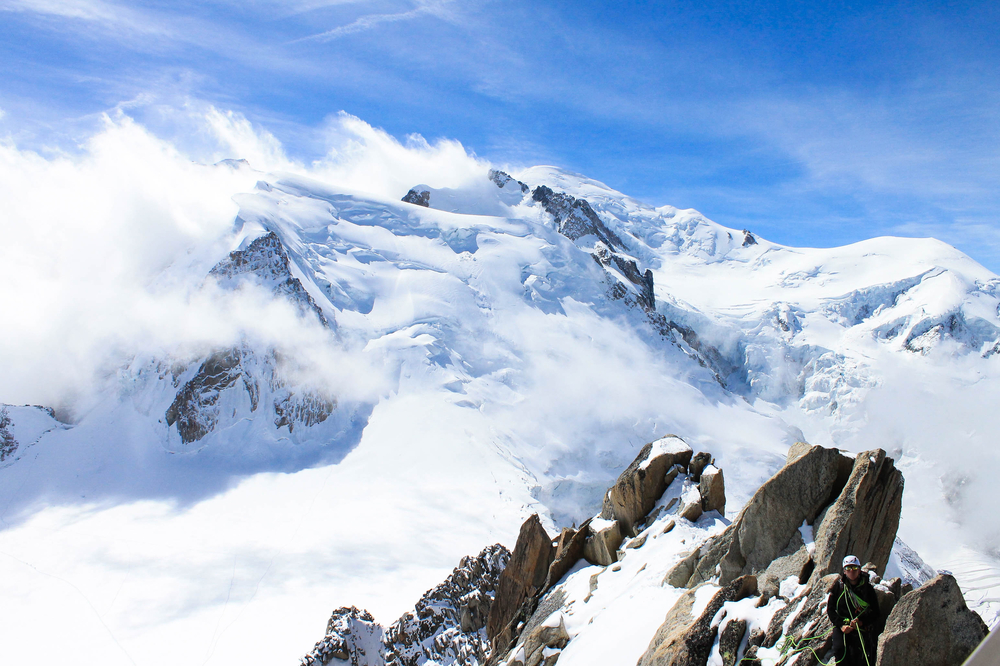
The cryosphere contains almost three quarters of freshwaters of the Earth, and in some mountainous regions, shrinking glaciers threaten sources of drinking water. Scientists have previously documented shrinking ice sheets, declining snow cover, and the loss of Arctic sea ice separately due to climate change. But no previous study has looked at the entire extent of the cryosphere above the Earth's surface and its response to rising temperatures.
In the new work, scientists calculated the dailyextent of the cryosphere and averaged these values to obtain annual estimates. Although the size of the cryosphere waxes and wanes depending on the season, researchers have found that Earth's cryosphere has shrunk since 1979, which correlates with rising air temperatures.
Shrinkage mainly occurred in the Northhemisphere - 102,000 km² per year. These losses are slightly offset by growth in the Southern Hemisphere, where the cryosphere expands by about 14,000 km² annually. An increase has been recorded in sea ice in the Ross Sea around Antarctica, likely due to patterns of winds and ocean currents and the addition of cold meltwater from Antarctic ice sheets.
New research published in AGU journalEarth's Future.
Read more
The conversations of the deceased Soyuz-11 crew have been declassified: what they talked about before their death
Australia has found beetles that walk upside down on the inner surface of the water
Study: dinosaur populations plummeted before extinction