Rolls-Royce and easyJet tested the performance of the classic Rolls-Royce AE-2100A jet engine, replacing the conventional
Rolls-Royce AE-2100A gas turbine modelis widely used on regional aircraft around the world, the company notes. The tests are the company's first step in switching aviation from kerosene to environmentally friendly fuel, which will not require a large-scale modernization of the entire fleet.
easyJet said the company is consideringhydrogen as a key component to reduce emissions from short haul aviation. The company analyzed electric aircraft and concluded that this technology is still too underdeveloped to lift large commercial aircraft into the air.
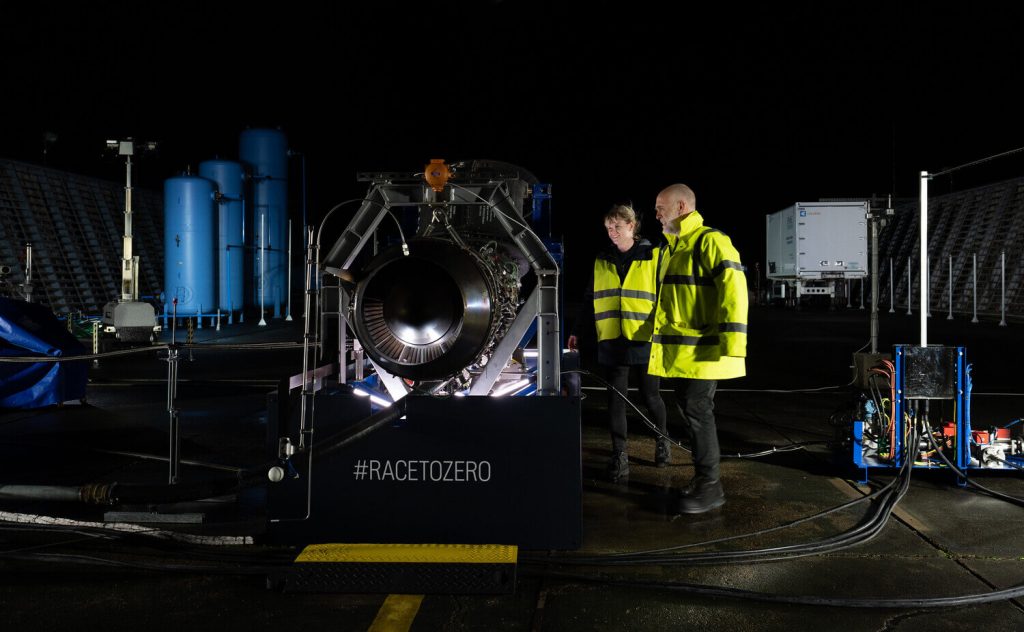
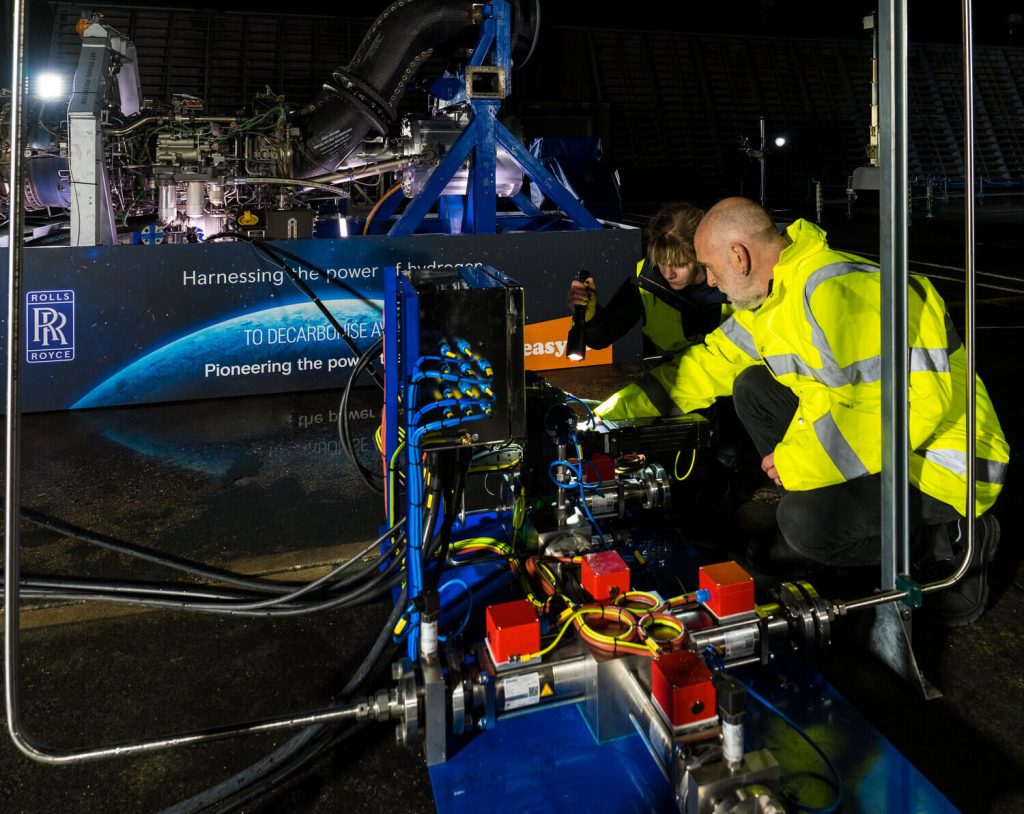
Tests of engine operation using hydrogen fuel. Images: Rolls-Royce
The advantage of hydrogen over batteries is thatit delivers much more power per kilogram. The fuel used in the tests is green hydrogen produced at the European Marine Energy Centre. It is produced using electric current to separate water into its components. The necessary electricity is produced using wave and wind energy.
Company representatives note that the firsttesting is an important milestone for the development of green aviation, but there is a long way to go for the industrial application of technology. The tests were carried out to demonstrate the operation of the engine at low speeds, the engines will need to be upgraded to provide the necessary lift.
In addition, hydrogen, even in liquid form, weighsmuch more than kerosene, and therefore the aircraft themselves must be modified to lift a lot of weight. In addition, it is necessary to resolve all issues related to the safety of transportation of hydrogen fuel and environmentally friendly gas production. Although green hydrogen was used in the tests, most of this fuel is still produced from electricity obtained by burning fossil materials.
Read more:
The creator of the space elevator: "Transit into space will appear within 10 years"
Look at the result of a "head-on collision" of two galaxies: this is a very rare occurrence.
Wolves infected with toxoplasmosis are 46 times more likely to become pack leaders