A team of archaeologists from the University of Siena has announced the successful completion of the sixth season of excavations in
Among the 24 partially submerged statues, agewhich are estimated to be about 2300 years old, such as a sleeping ephebe (adolescent boy) lying next to Hygiea, the goddess of health, with a snake wrapped around her arm. Nearby, a statue of Apollo, the god of light and patron of the arts, personifying male beauty, was discovered.
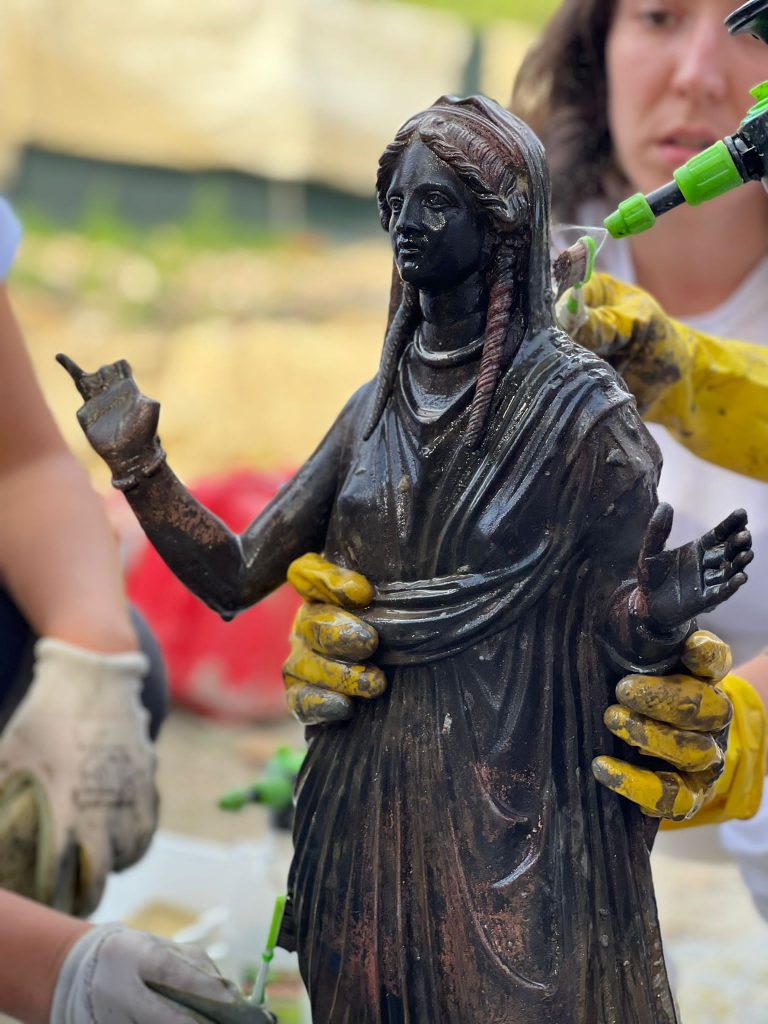
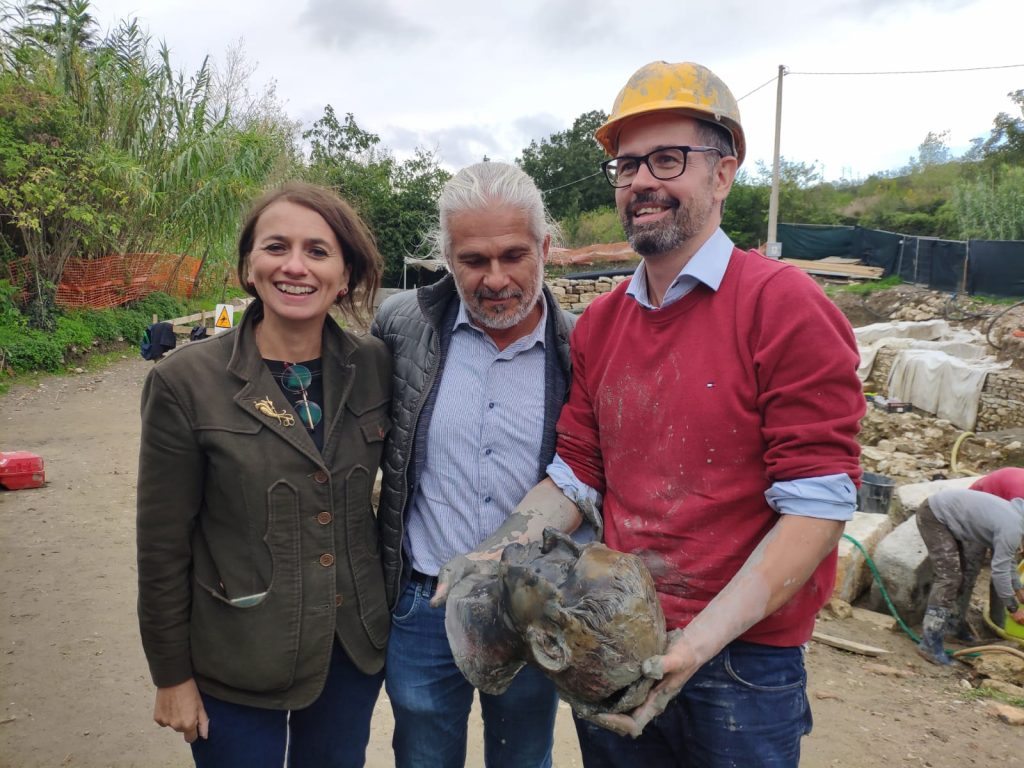
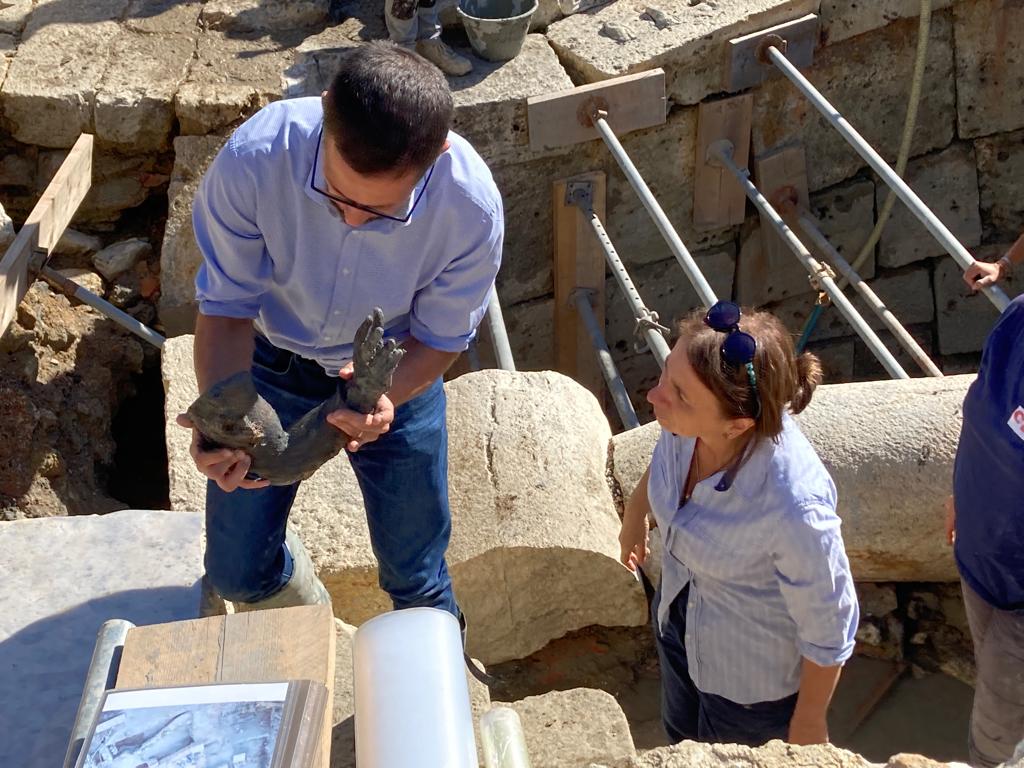
Excavation results. Photo: Universita per Stranieri di Siena
In addition to statues, archaeologists have found thousands of coins, as well as Etruscan and Latin inscriptions. Researchers believe that visitors to the ancient baths threw coins into the pools so that the gods would grant them health.
The Etruscan civilization flourished in Italy, inmainly in the central regions of Tuscany and Umbria (regions of modern Italy), 500 years before the arrival of the Roman Republic. The Etruscans had a strong influence on Roman cultural and artistic traditions.
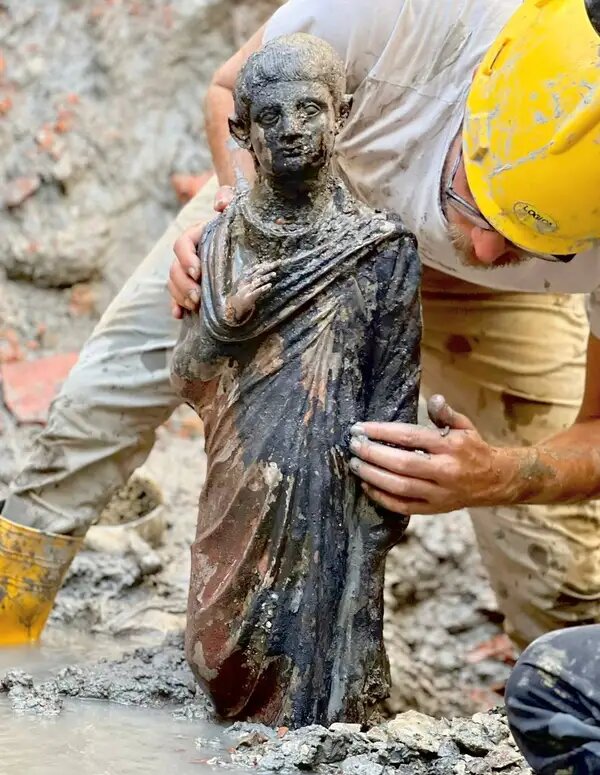
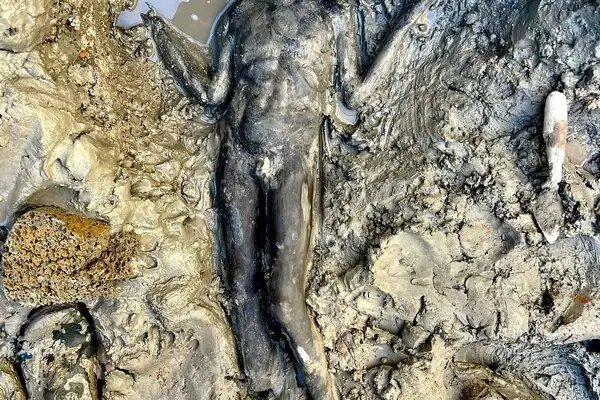
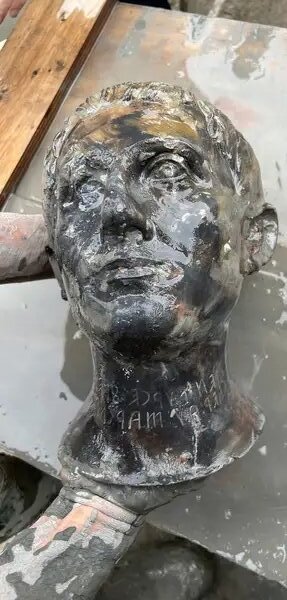
Excavation results Photo: Ministero della cultura
Archaeologists note that hot springs,rich in minerals, including calcium and magnesium, remained active until the fifth century before being closed but not destroyed by the advent of Christianity. The pools were sealed with heavy stone columns, and the divine statues were left standing in the water, the mineral composition of which ensured the unique preservation of the relics.
Read more:
Scientists Confirm Alternative Gravity Theory: Why It Changes Physics
A massive impact from a space object triggered the Earth's magnetic field
Pig heart beats slower after transplant to human