How it all started
Financial Timesconducted and published a special investigation in which it was stated that
Financial Times initially alerteda huge number of five-star product ratings in entirely Chinese from unknown manufacturers and suppliers.
The media found that nine out of 10 leadingAmazon UK reviewers have given five-star reviews to products from little-known Chinese brands. The breakthrough in the investigation came when the FT found the same products in Facebook groups and forums that offer free products or money in exchange for ratings.
FT analysis found that the leading columnistAmazon UK, Justin Fryer, priced products totaling £15,000 in August alone - about one and a half million rubles. It appears that many of these reviews are for products made by smaller Chinese brands.
According to media reports, one reviewer has earned almost £20,000 (about two million rubles) since June from reviews of vacuum cleaners, laptops, doll houses and selfie lamps.
In response to an FT request, Fryer denied publishing paid estimates.
Why are paid reviews needed on Amazon?
Positive feedback is used in the algorithmrankings for Amazon products and determine whether a product earns the coveted Amazon Choice label. Because of this, vendors have started offering their products to reviewers for free - or even for a commission - in Facebook groups and forums.
Amazon reaction and investigation
Amazon after conducting the relevantThe investigation removed approximately 20,000 product ratings written by a family of 10 top reviewers in the UK after investigating suspicious monetary activity.
“We want Amazon customers to shopwith confidence, knowing that the reviews they read are credible and up-to-date, ”Amazon said. The company added that it would suspend such reward and recall schemes and sue people who violate its policies.
Amazon's community guidelines state thatreviewers may not post content "in exchange for any kind of reward (including free or discounted products) or on behalf of anyone else."
Amazon trust issues
Trust is the key to online marketplaces, but recentlyAmazon, which was generally highly trusted, suffered a number of notable setbacks. There have been reports of everything from counterfeit products to recalled products to expired products listed for sale on the platform. An investigation by The Markup has identified nearly 100 prohibited items that have failed Amazon's security screening. This highlighted the flaws in Amazon's work in monitoring the platform for fraud and abuse.
In a statement, Amazon spokesman Patrick Graham said customer trust is a top priority.
In 2019, we invested over 500 milliondollars and we have over 8,000 employees who protect our store from fraud and abuse. We have reliable proactive and reactive systems to protect our store and our customers.
Patrick Graham
Graham also noted that the company usesa combination of machine learning tools and human researchers to analyze millions of reviews per week to prevent fake reviews before they are published.
This is just one of the many ways in whichUnscrupulous sellers bypass Amazon's security measures to make their products appear trustworthy. Recognizing dubious product reviews isn't always possible, but understanding how Amazon works helps, so here's a quick primer on the Amazon ecosystem and some tips for spotting these fakes.
What were the consequences?
In response to the publication of the investigationFinancial Timesone reviewer soon refused to publish paid reviews. Some reviewers have removed their review history from their Amazon page.
Two of the top ten Amazon reviewers alsodeleted their history. Another distinguished top 10 reviewer removed his title and ratings and changed his profile picture to include an image that read "please go."
Financial Timessuggests that nine out of ten UK reviewers have engaged in "suspicious behaviour".
While some reviewers have eliminated their storyreviews, the ratings themselves remained online until Amazon made a decision on Friday. After the FT published details of its investigation, the company completely removed all ratings written on the platform by seven of its specified clients.
How are fake reviews?
Reviews are the oil that keeps the gearsAmazon machines are spinning. A recent survey of Amazon shoppers found that the number of reviews is the most important factor for shoppers when making a purchase, after price and shipping.
Because reviews are so important, there is a cottage industry to quickly write the right first reviews for new products.
One common technique is towhere the seller offers free or discounted items in exchange for positive reviews. This kind reviewing was banned by Amazon in 2016, but it's thriving in Facebook groups with names like "Amazon Review Club" and "Amazon Free Products."
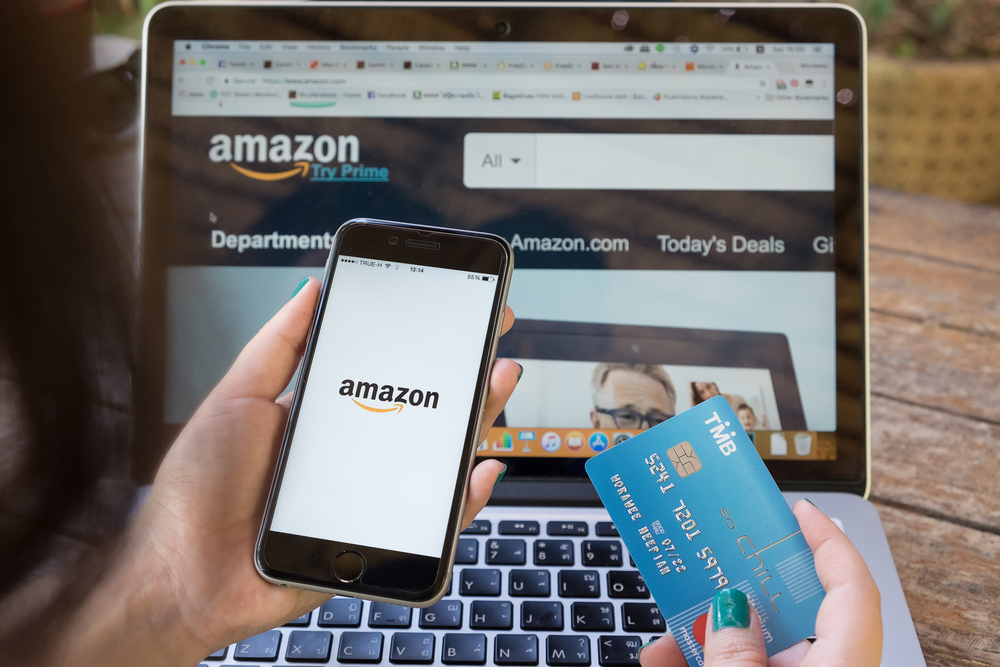
David Gasser runs the Amazon Review teamClub, which currently has 1,500 members. Gasser sees no problem matching sellers who want reviews with reviewers who want discounts, describing it in an email as a "win-win situation." Gasser said the only problem is that sometimes “these reviews do not reflect the true opinion of the reviewer” and that is “something that should be avoided.”
One common trick is for a seller to offer free or discounted products in exchange for positive reviews.
Gasser said Facebook previously removed a similar group he led that had nearly 200,000 members at the time.
Amazon spokesman Patrick Graham saidthe company "actively works with social media sites to report bad actors who cultivate offensive reviews outside of our store, and we have sued thousands of bad actors for attempting to abuse our review systems."
Here's how it works:The buyer is offered a set of products that require review. The seller (or review broker) offers specific instructions on how the buyer should find the product on Amazon to avoid getting scammed, and then the buyer purchases the product.
Once a positive review is posted, the cost of the product is refunded to the buyer through the payment platform, often with a small bonus for the reviewer.
The impact of fake reviews. Study
Amazon also removed thousands of estimates analyzed in the study from paid reviews conducted by the University of Southern California (USC) and the University of California, Los Angeles (UCLA).
Reviews are purchased from large privateonline groups on Facebook and other sites. USC and UCLA researchers identified about 2,500 such groups, and about 80% of the products posted in them were from China.
Experts manually collected data on these markets andData about the ratings and reviews posted on Amazon for these products, as well as their sales rankings, advertising and price trends. The researchers used this data to estimate the costs and benefits of fake reviews for sellers and the extent to which they harm consumers.
The researchers reported that about a third of the product reviews they analyzed were deleted by Amazon - and that most were five-star reviews.
Experts in their study found thatReceiving fake reviews on Facebook leads to a significant increase in the average rating of the company and a surge in sales, but this effect is short-lived and disappears after about 1 month. After firms stop buying fake reviews, their average rating drops significantly and the proportion of one-star reviews rises significantly, indicating that fake reviews are mostly used to promote low-quality products. As a result, paid reviews not only deceive consumers, but also harm them.
Read also
Look at the 3D map of the Universe: it was compiled for 20 years and it has already surprised scientists
Scientists have found out why children are the most dangerous carriers of COVID-19
It turned out that made the Mayan civilization leave their cities