During the experiment, the scientists conducted a simulation on a two-dimensional grid, in which the robots had to perform
According to scientists, having taught robots elementarysocial skills, people will be able to expand the area of interaction between them and machines. In addition, the new model will help to quantitatively analyze social relations. The data obtained can then be used to study autism or the actions of antidepressants.
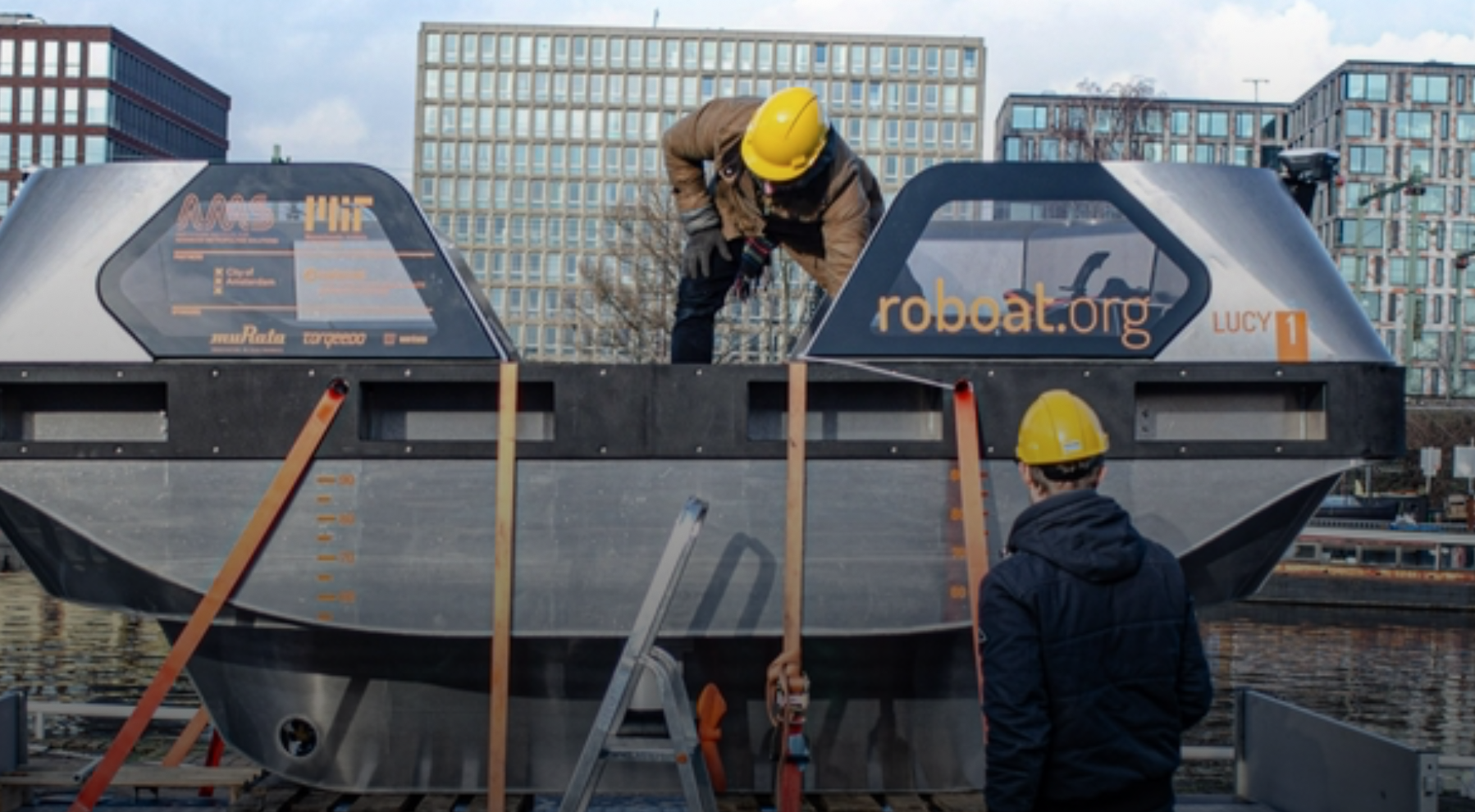
MIT created an unmanned robotic boat for the canals of Amsterdam
As a result, the researchers identified three typesrobots. Zero-level devices serve only physical purposes. Robots in the first category can think both physically and socially, but they think that all other robots act out of physical motives. Tier 2 machines, on the other hand, imply that other robots are also capable of social relationships. The scientists then gave a few people a look at recordings of how robots acted in a given situation, and then asked them to rate the social behavior of the machines. So scientists found out that the criteria by which the model and people determine social relations, in most cases, coincide.
Researchers plan to equip robotsneural network to speed up the process of accumulating social experience. In addition, they are working on a 3D sensor system that will allow robots to independently perform more complex operations, such as controlling household appliances.
Read more
A huge "black hole" was found in the middle of the Pacific Ocean. The network is wondering what it is
Large reserves of organic matter were again discovered on Mars. Scientists are looking for traces of life
Divers have found the treasures of the legendary "Island of Gold". Artifacts cost millions of dollars